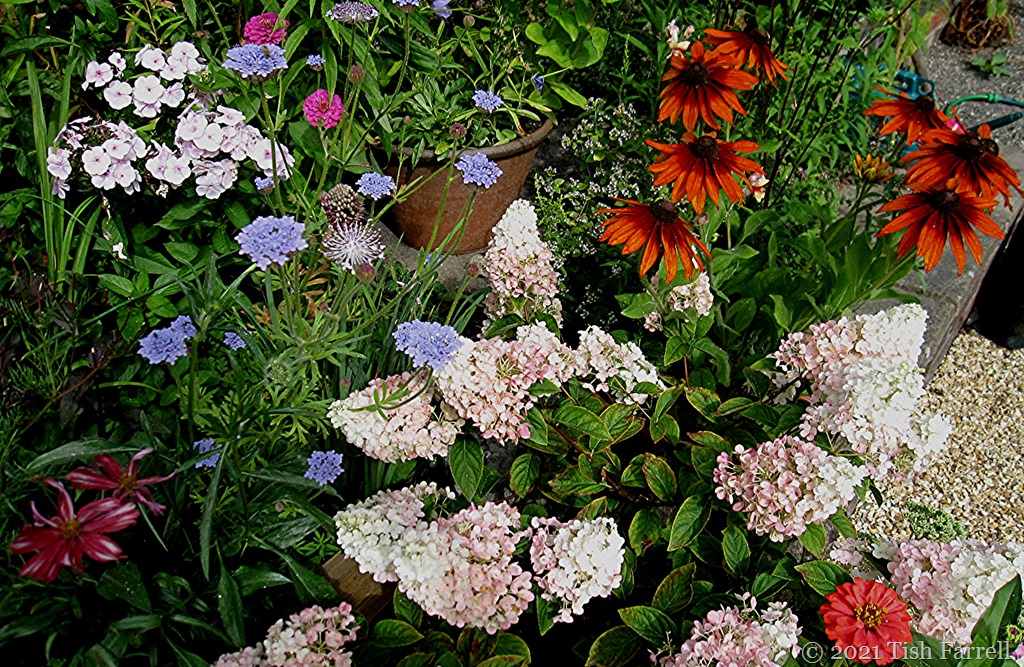
On wintery days when the garden looks deeply dreary, it’s good to reflect on past summer brilliance and on summers to come.

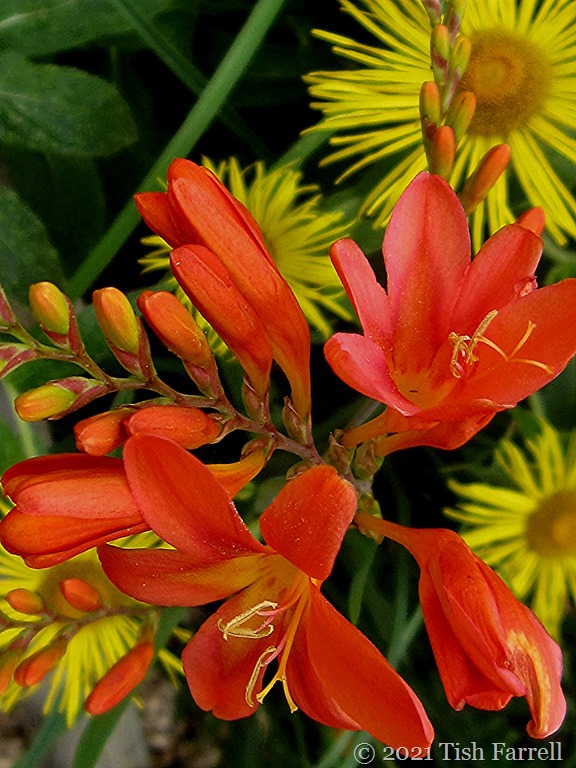
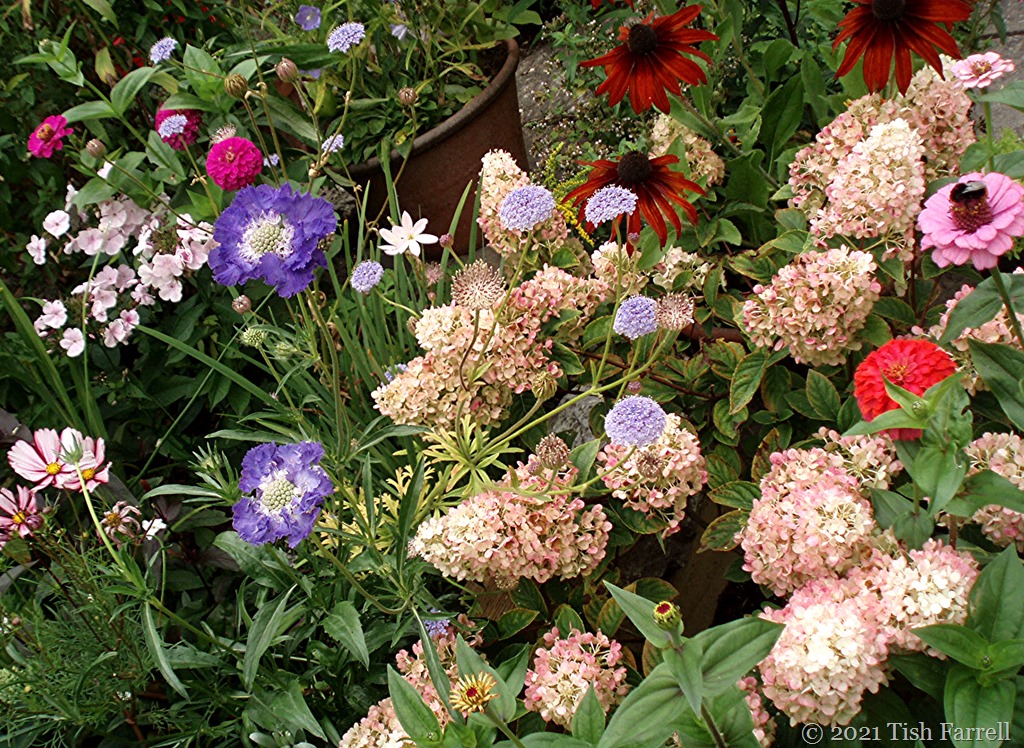
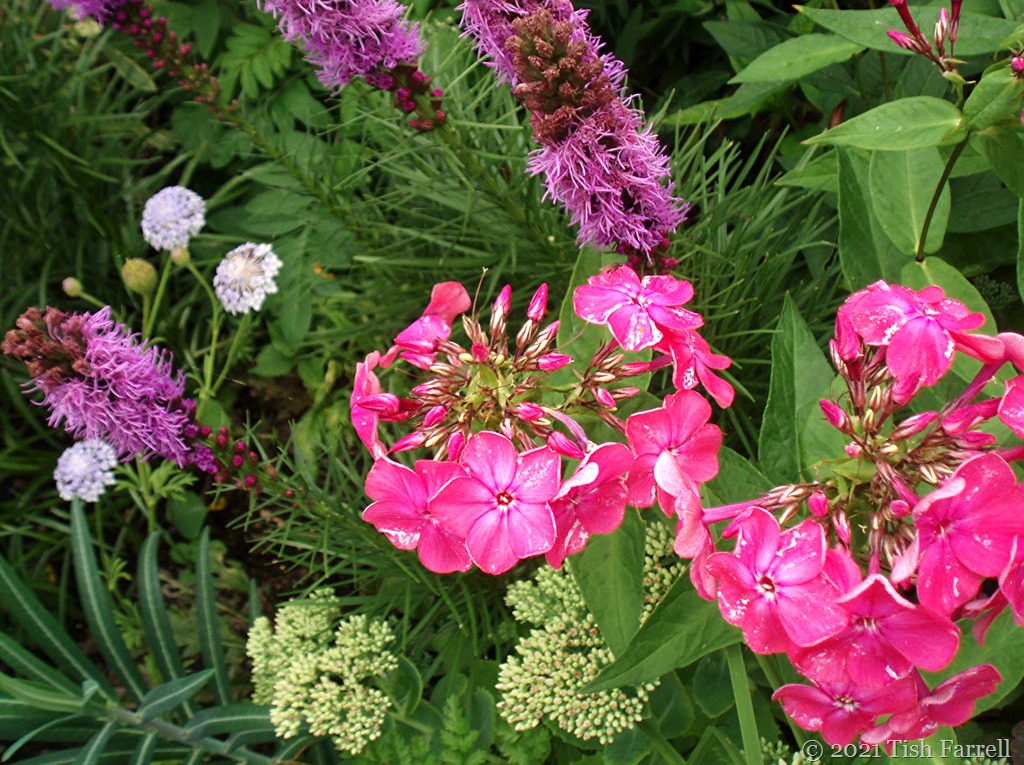


On wintery days when the garden looks deeply dreary, it’s good to reflect on past summer brilliance and on summers to come.
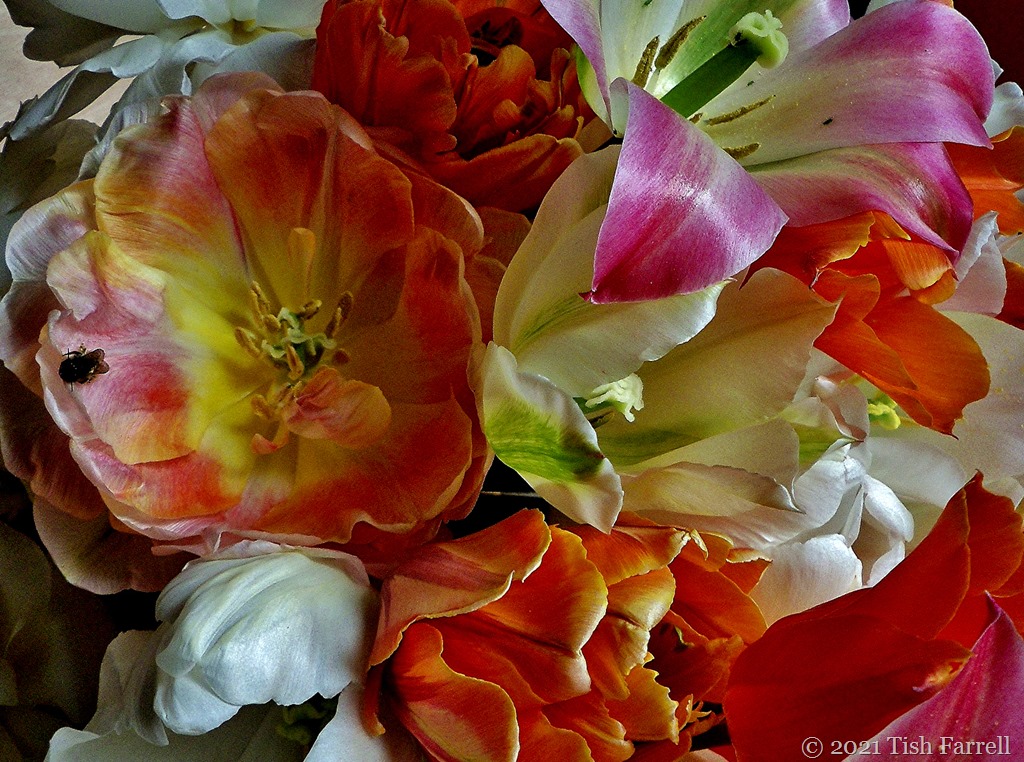

In fact they are supposed to fare better disease-wise if planted towards the end of the year, rather than in autumn with the other spring-flowering bulbs. I came across this particular bouquet in Aardvark Books (Hereford’s wonderful second-hand book emporium and book lovers’ heaven). Stunning, isn’t it? You can well see why tulip mania broke out in 17th century Holland. (Perhaps one of history’s more benign expressions of humans losing all sense of proportion).
Tulips of course are not native to Europe (hence the excitement when they first arrived there). Their homeland is Turkey where they grow wild, and it was the Sultans of the Ottoman Empire who bred and filled their gardens with ever new varieties. Trade in the bulbs was forbidden and each new variety carefully recorded. But as might have been predicted with such highly desirable items, they escaped at last. And ever since we’ve had more and more new versions, each one designed to incite tulip lust. So much so, I find it impossible to choose whenever I look at a bulb catalogue. On the other hand, as I said, there’s still time to plant some…
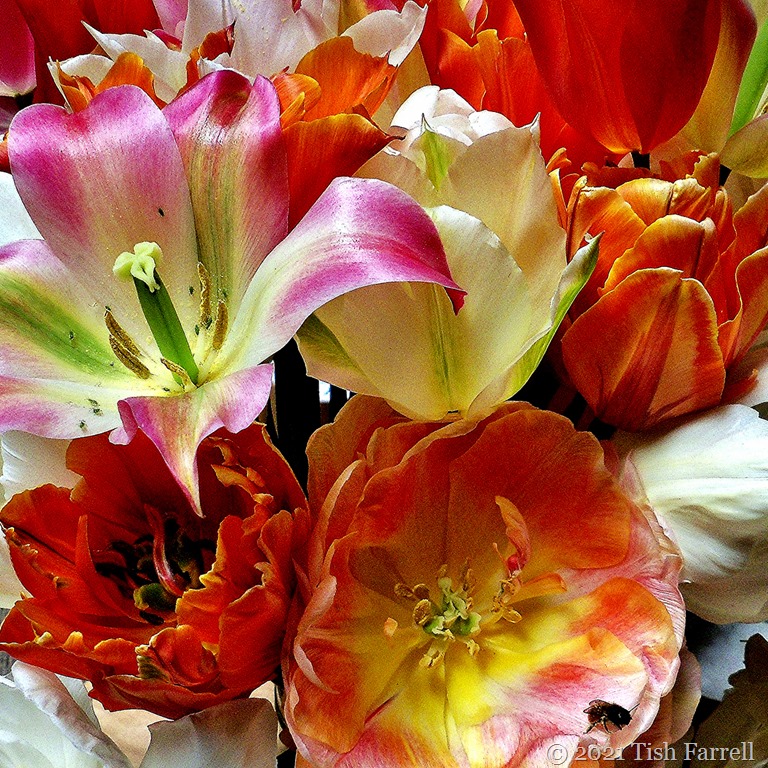
Life in Colour: Kaleidoscope Jude wants plenty of colour from us this month.


Day’s end and a gathering of Grevy’s zebra, the largest and most northerly race of zebra-kind. It was a chance encounter. For two hours Kevin, our Chagga guide had been driving us along the dirt tracks of the Lewa Downs reserve. It was new territory to us; our first trip to northern Kenya from our then home-town of Nairobi. The landscapes were breath-taking, sweeping rangelands, pale grasses, beetling gorges, the distant gauzy backdrop of the Matthews Range.
Earlier we had stopped to follow a Greater Kudu family on foot. They were moving in single file up a steep bush trail. We lingered under a thorn tree and in the late day light, watched as they melted one by one into dappled cover. Then it was back to the truck and more trail bashing, the only sign of wildlife, massive piles of elephant dung on the track, and some torn up thorn trees where the herd had passed.
We scanned the bush country all round for a glimpse of them, but they were gone, or at least we could not see them, which is not the same thing. Elephants are invisibility specialists. No matter. As I said, the country was magnificent, the light like liquid amber, and the air filled with the soothing scent of acacia blossom. Lemony with tones of jasmine. As ever, out in the bush, all felt like a dream.
And by now, too, the sun had dropped behind the mountains, the light fading fast. We headed back to camp, and it was then, as we rounded a bend on the trail, we met the zebra. There was only just enough light left to take their photo, but they obligingly stood perfectly still.
And just in case you’re wondering what the difference is between Grevy’s and the plains zebras, here’s another sundowner scene, this time from the Maasai Mara far to the south:

These are Common or Burchell’s Zebra, smaller than the Grevy’s. Their all-over, widely spaced stripes are thicker; ears pointed to Grevy’s endearingly round. Their social habits are different too, the plains’ zebra living in family groups with much grooming between members while their cousins appear to move in less structured gatherings.
But what about the stripes, you may ask: is every zebra’s livery unique?

It is hard to be sure from the Grevy’s portrait, though I’m thinking it’s highly likely. But when it comes to the plains’ cousins, I have told the tale before of how once in Zambia, on a New Year’s Day game drive, a rather tipsy guide waxed lyrical about the very particular patterns on each zebra’s ‘butticles’, and how it was by such means that zebra offspring recognised their respective mamas. I don’t know about the last bit, but these two photos from Nairobi National Park certainly prove a point, final blurry butticle shot aside: the stripes truly do not match.

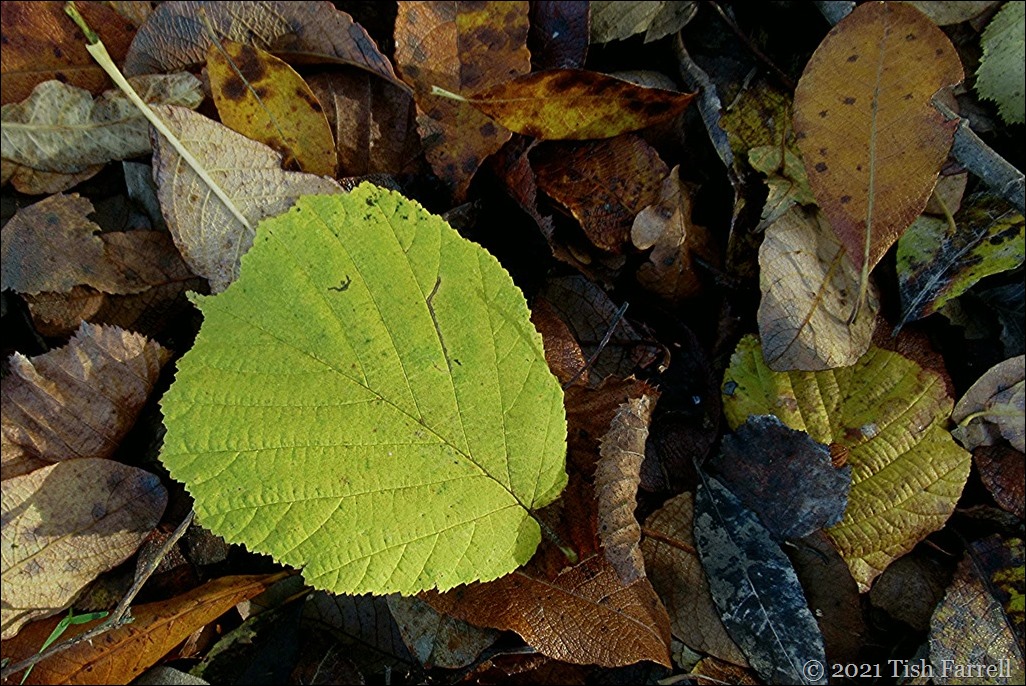
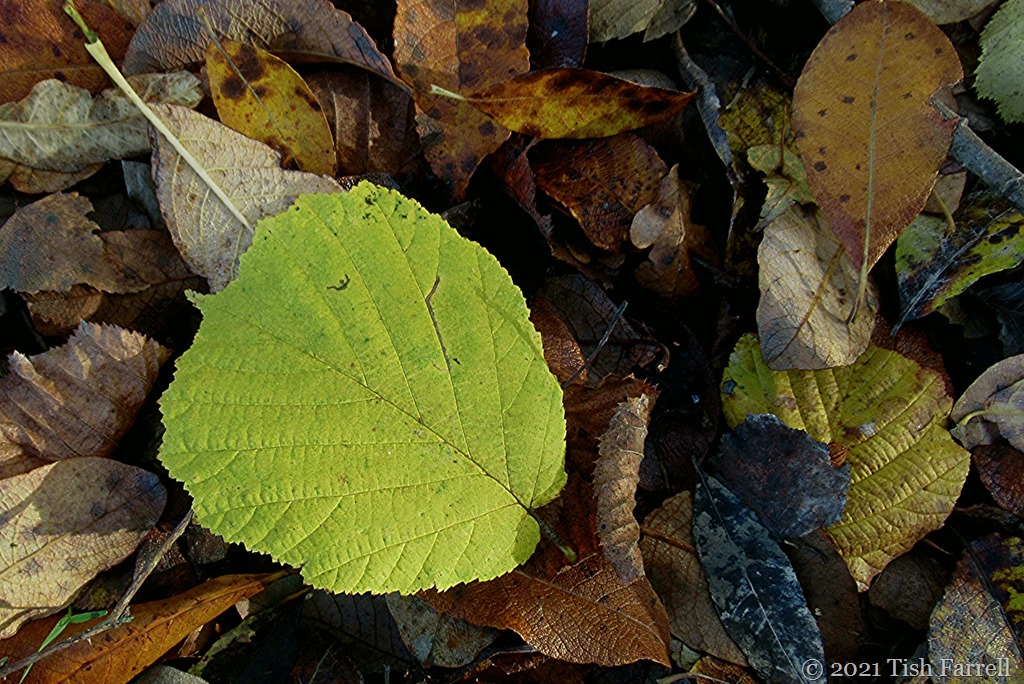
Well, we’ve had lots of gloom in Much Wenlock, a morning of fog, twenty four hours of frigid gales, a night-time sprinkling of snow, woken up to some light frosts, and enjoyed a few days of bright sun and clear skies. We’ve also had huge quantities of leaf fall this year, which is always bound to gladden this gardener’s heart. Anyway, I’ll feature the best bits – November high spots in the garden and out and about on the Linden Field and Windmill Hill.
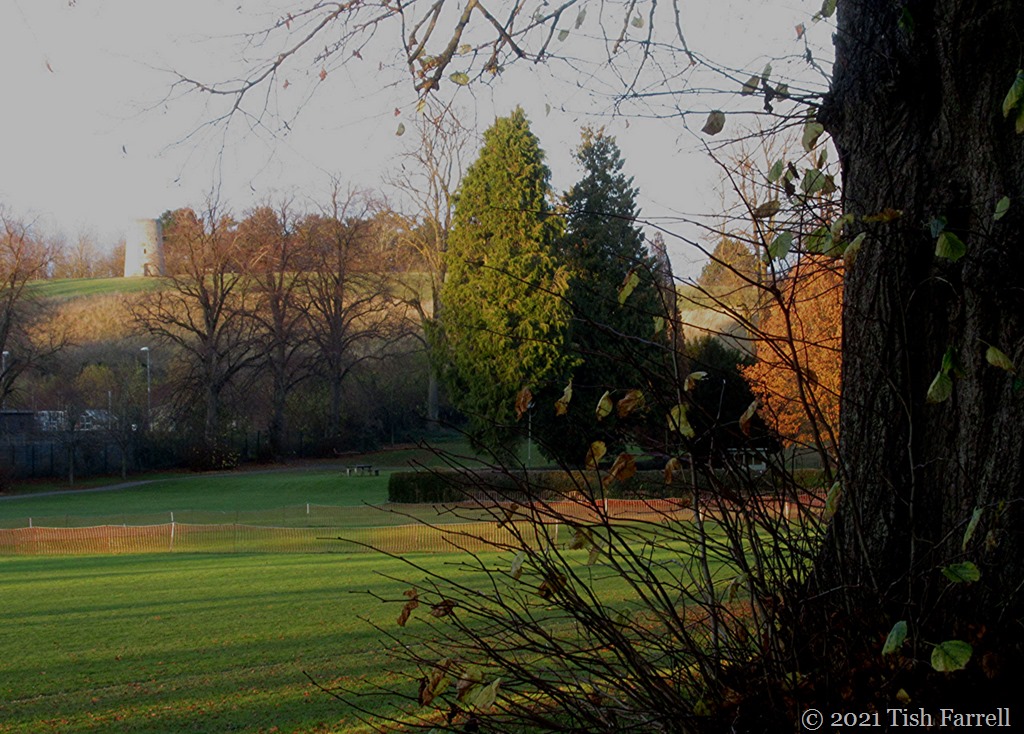
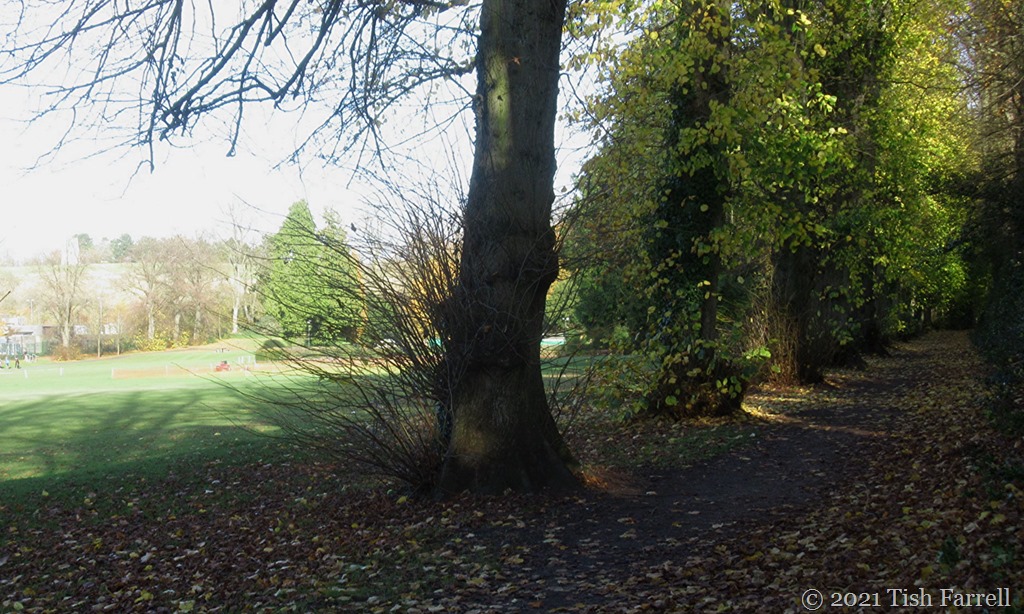
First, though, some orientation. I know several of you love the Linden Walk, but you may not have a gist of the overall lay of the land. For some reason I’ve not thought to provide it before now. So: in the next photo I’m standing inside the lime tree avenue, intent on capturing the Linden Field to the left, and therefore the position of the old windmill on the hill just above it (and barely visible far left centre because (drat and double-drat) the sun was shining on it). The field was used for the Much Wenlock Olympian Games (started by Dr. William Penny Brookes in the 1850s and still going today) and the hillside below the windmill once provided a natural auditorium for the games’ attendees.
In the foreground is the cricket club pitch (orange fencing) and beyond it the hedged and tree shaded corner of the town’s bowling green.
*
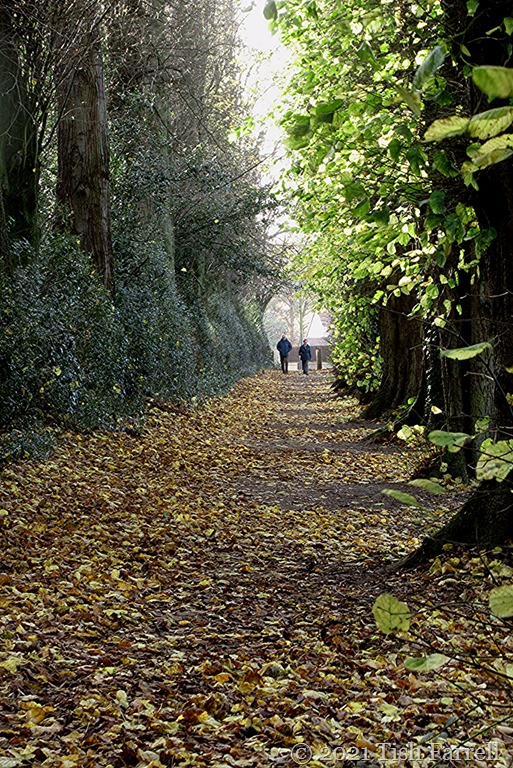
Now the old railway line, which often gets a mention here, runs along the right side of the Linden Walk (i.e. looking at photo above). These days all that is left is a deep and tulgey cutting. Dr. Brookes lobbied for the building of the railway to Much Wenlock, and every year a special Olympian Games train was put on to bring thousands of visitors to the field. In the next photo, and turning back on ourselves, you can see the entrance gate. The station stood to the left of the gate, and is now a private house.
*
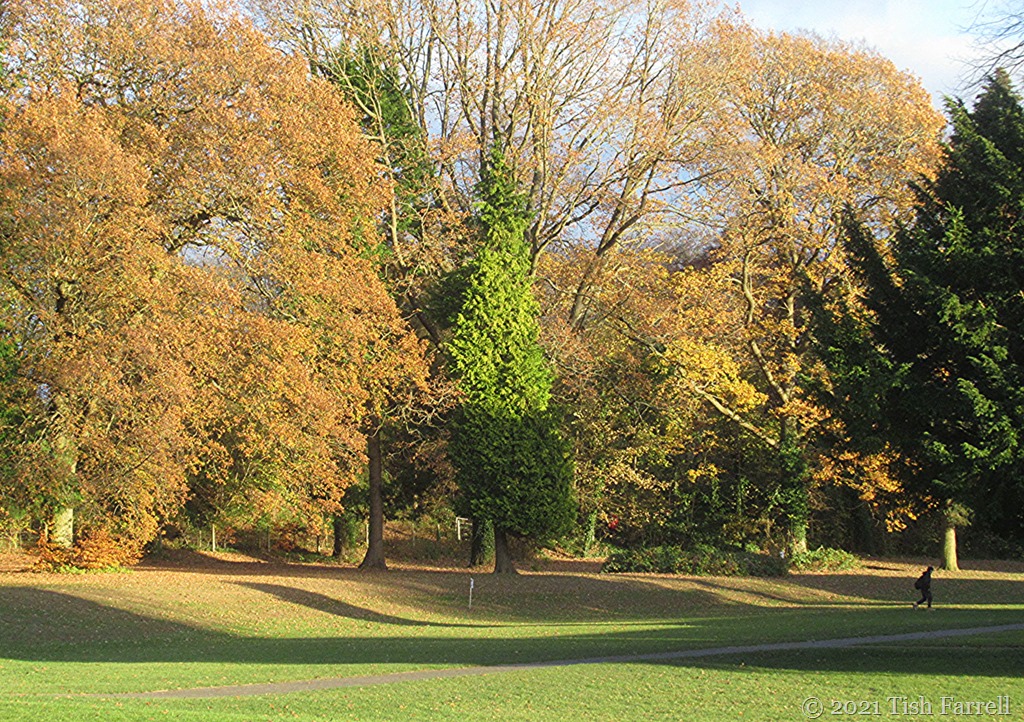
About face once more, and then head up the Linden Walk until your reach the field boundary. Here, running along the base of Windmill Hill is a single avenue of specimen oaks and conifers, all planted over the last 150 years or so to commemorate various Olympian Games events. At this point you can carry straight on and join the old railway path, or turn left for the windmill.
*
It’s a bit of a climb, but this ancient limestone meadow is always interesting, no matter the season. Just now the grasses are golden, punctuated with dark stems of knapweed seed heads.

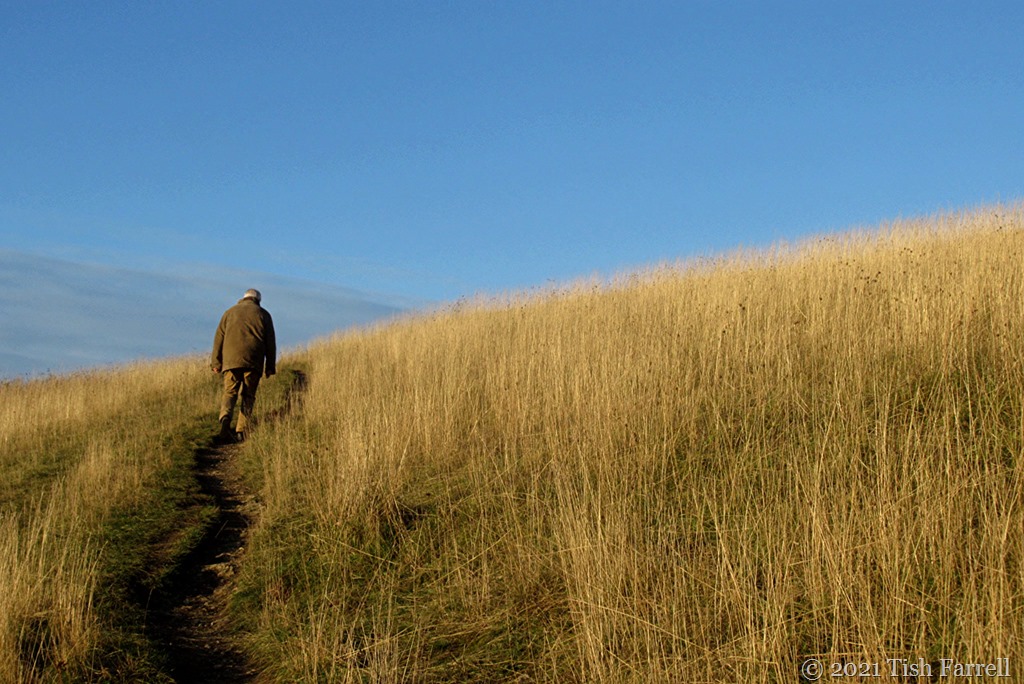

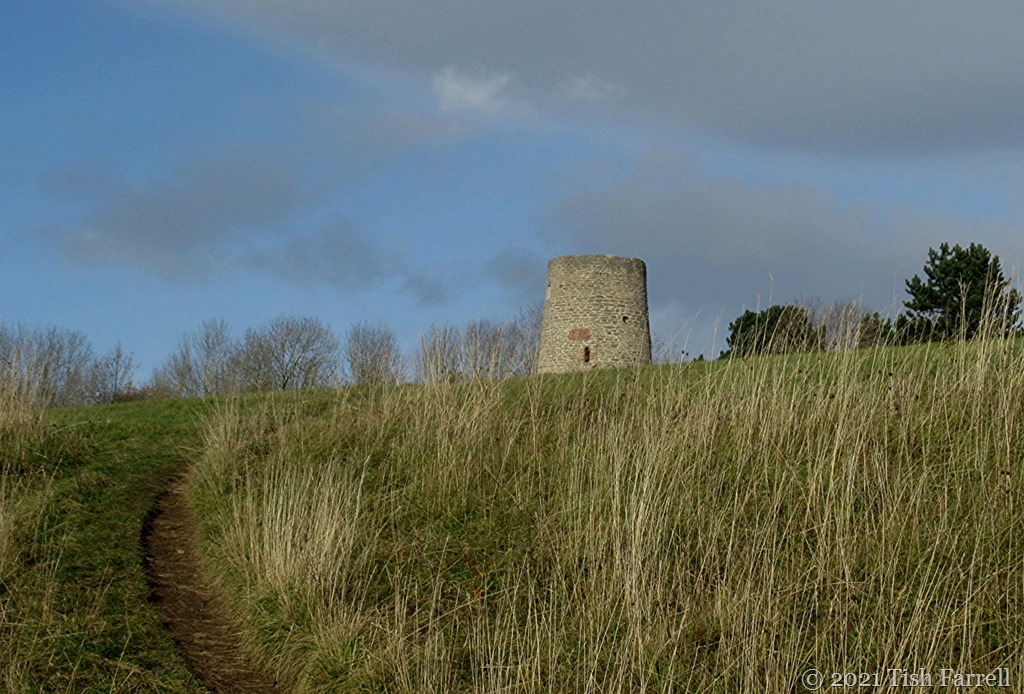


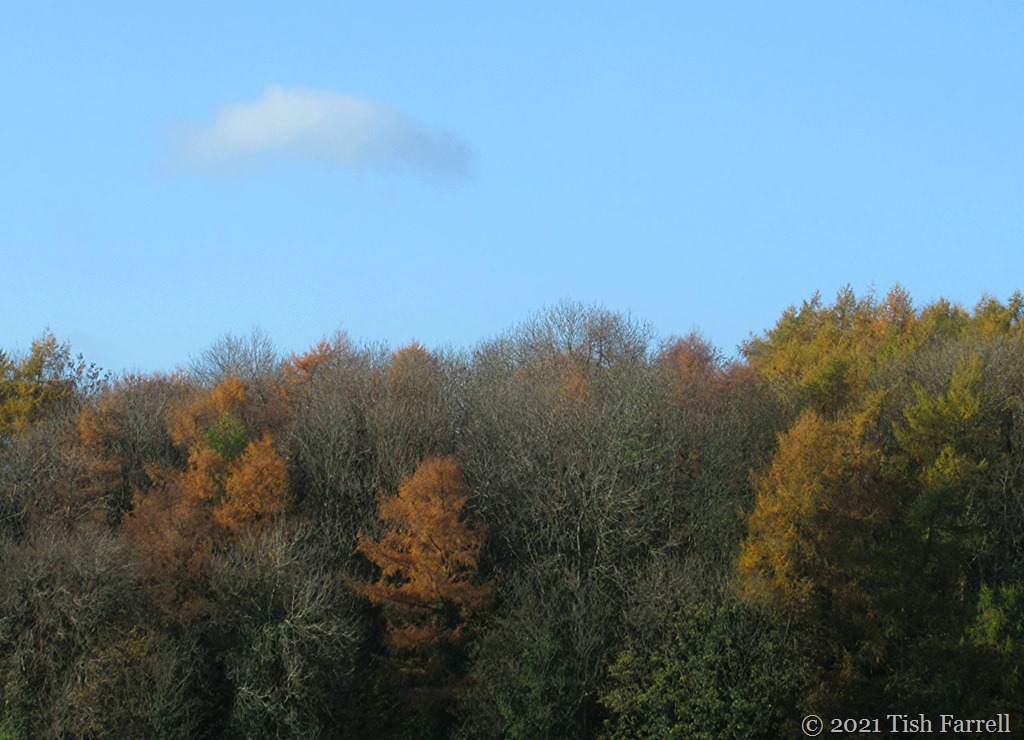
It’s a favourite spot with dog walkers, and naturally there are some fine views in several quarters:
*
Behind the windmill is Shadwell Quarry, long disused and earmarked for development. A somewhat treacherous path runs around the quarry’s perimeter fence, but I like it because, if need be, you can always grab hold of the chain-link fencing, and there are also some handy posts to serve as camera tripods. You get quite a different, almost ethereal view of the windmill from here.
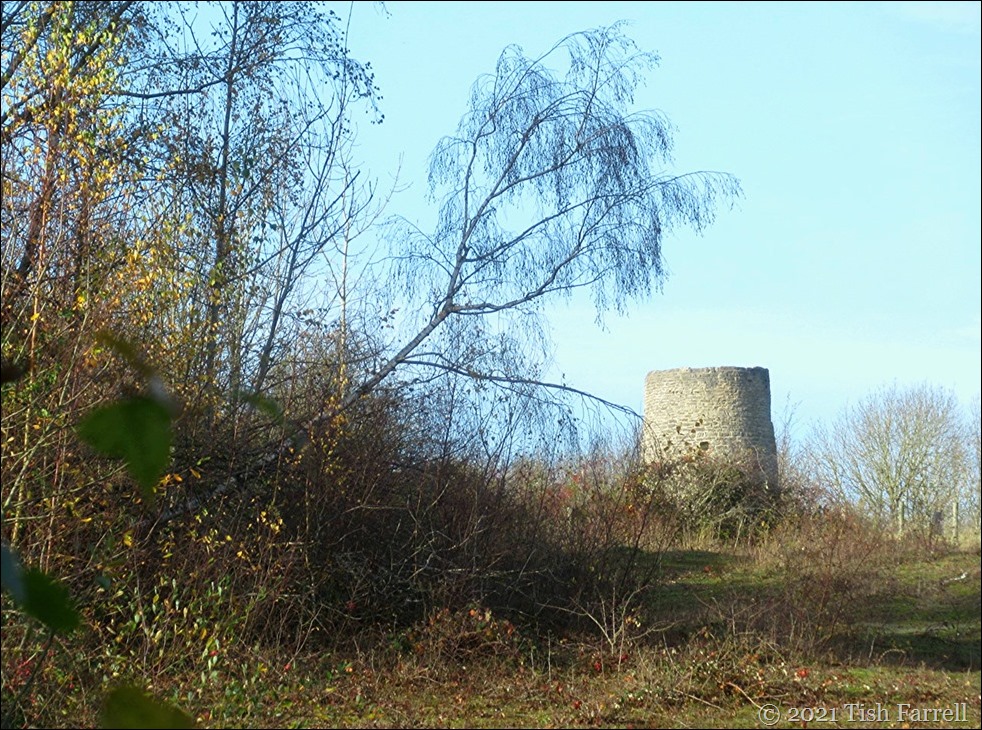
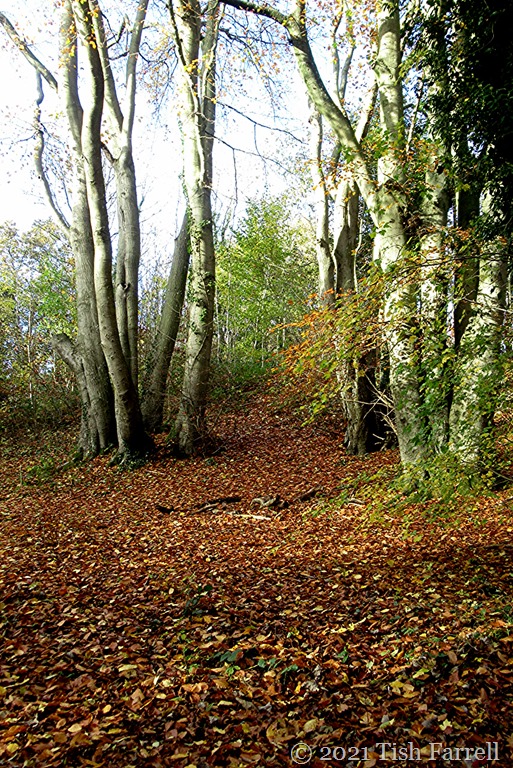
The wood below windmill hill is another favourite spot. There’s an unexpected copse of beech trees on the hill slope, terrain that, long ago, looks to have been dug into for railway track-bed ballast. Now there’s a mysterious quietness about this spot, and at the moment a stunning beach leaf carpet all around.

*
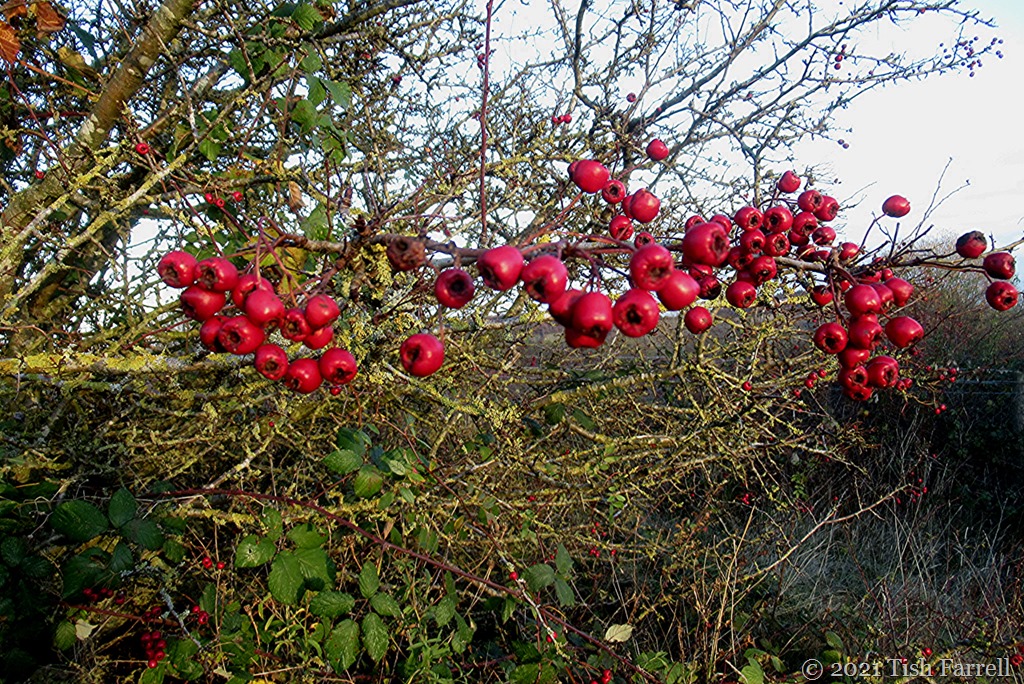
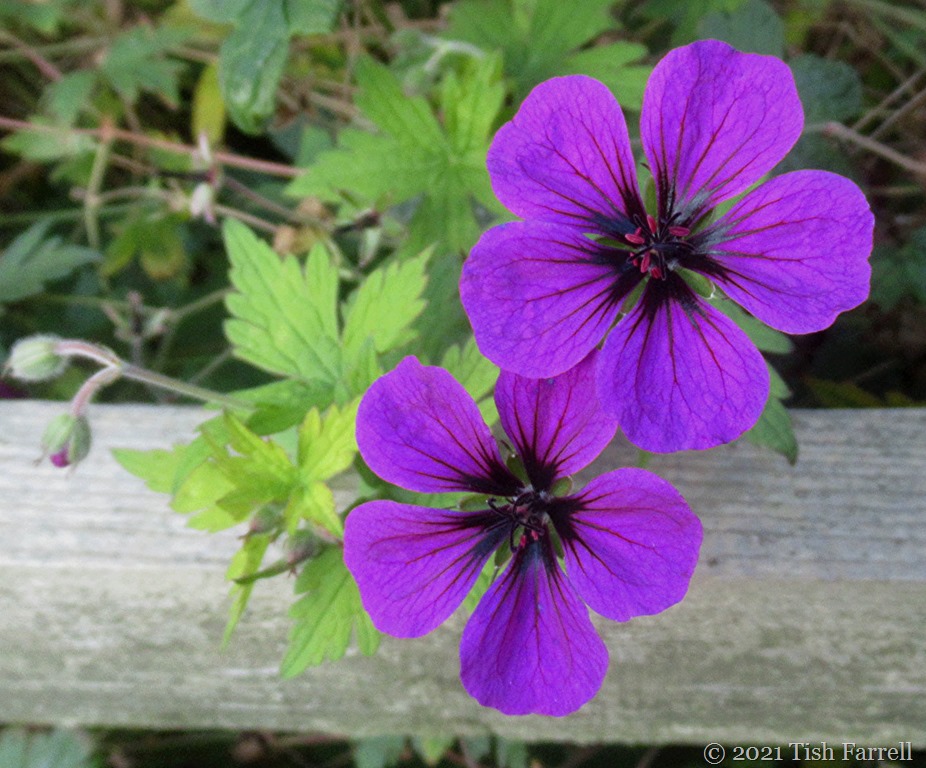
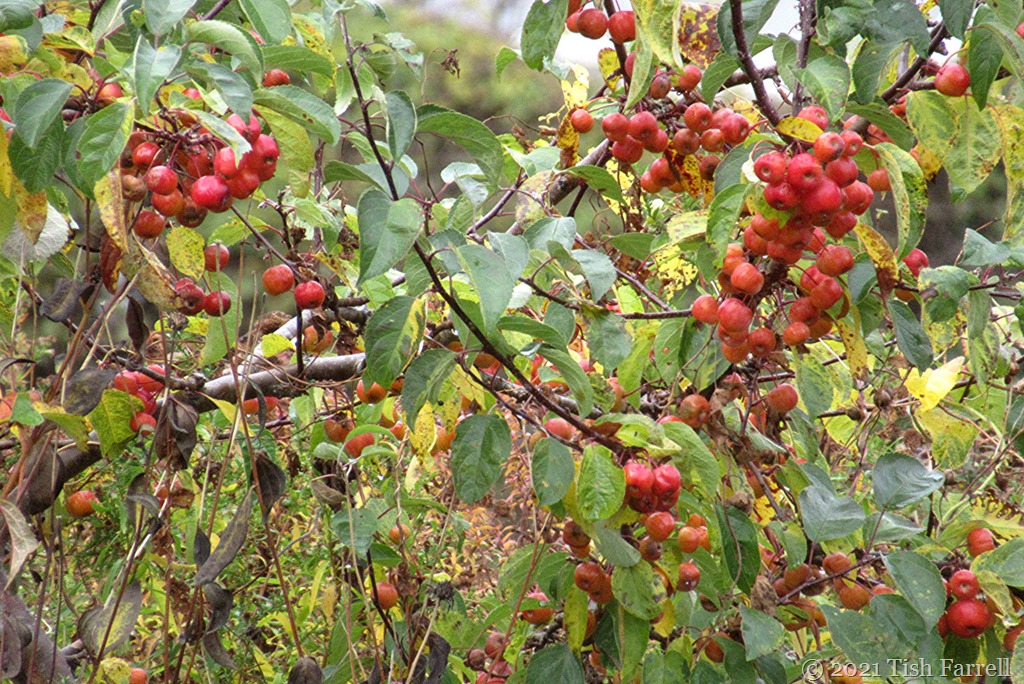
On the home front the garden is descending into vegetable chaos, but the shrubby convolvulus and geraniums Rozanne and Ann Thomson having been flowering boldly, and the crab apple tree on the garden fence is putting on its usual autumn show, pigeons allowing. At the allotment too, the pot marigolds and nasturtiums have flowered and flowered until the recent frost. Up there it’s been a time for tidying away bean vines and sweet corn stalks, making compost heaps and gathering fallen leaves to make leaf mould. With the arrival of frosts I’ve tucked up the polytunnel salad stuff in horticultural fleece, and in the outside beds begun to harvest the parsnips which are all the better for a good chilling. The recent gales have blown over the sprouting broccoli, but it seems to be continuing to sprout on the horizontal, which is making it much easier to harvest. Once I again I omitted to stake the plants securely. Ah well. Next year.

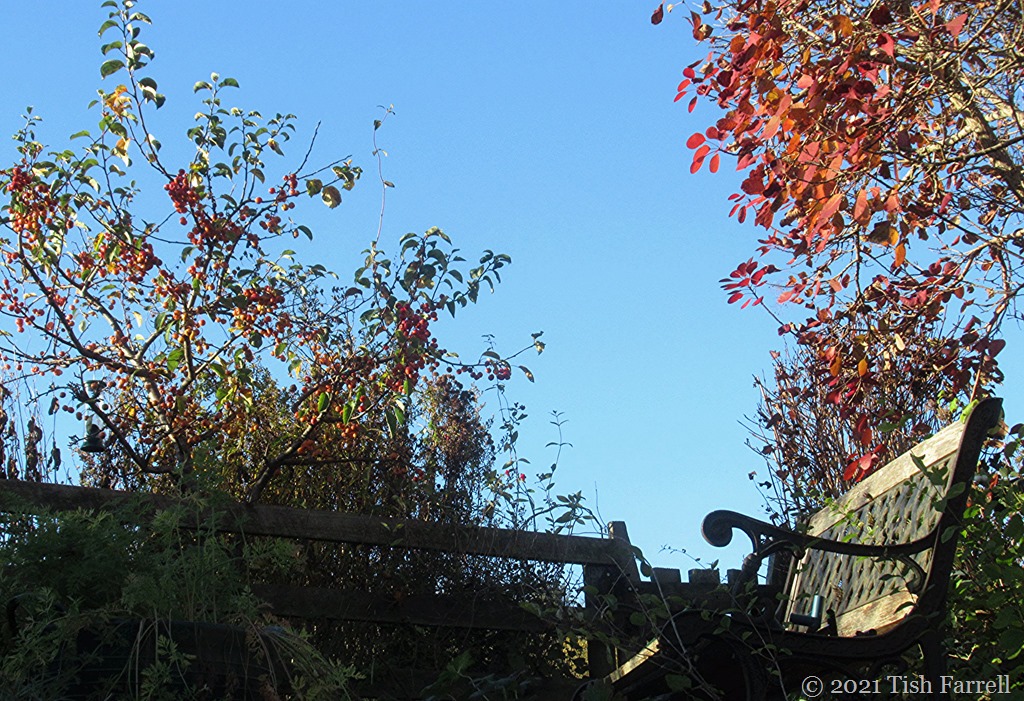

*
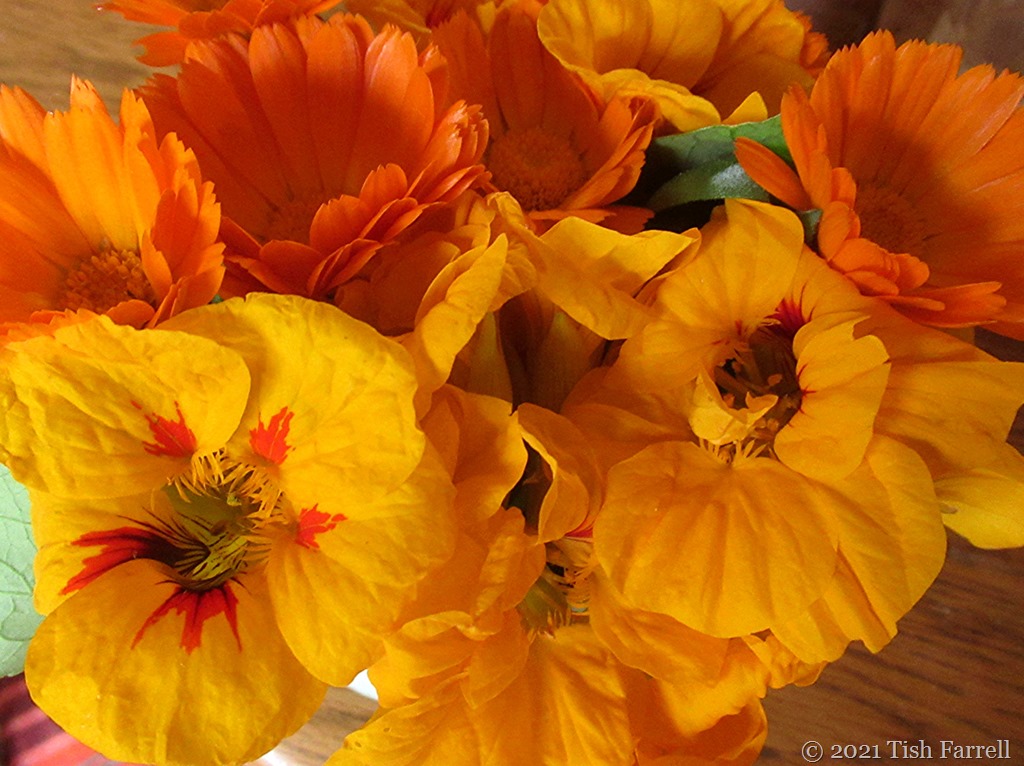
And finally a little jug of sunshine: allotment nasturtiums and pot marigolds all self-sown, but going strong through most of November:
The Changing Seasons: November Hosted by Brian at Bushboys World and Ju-Lyn at Touring My Backyard.
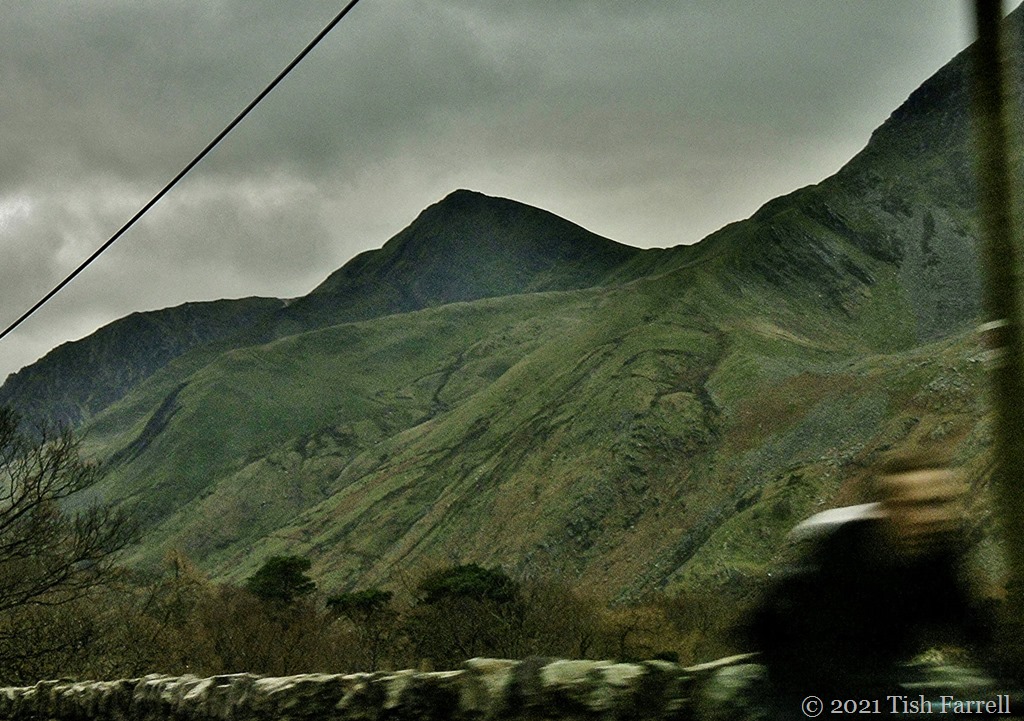


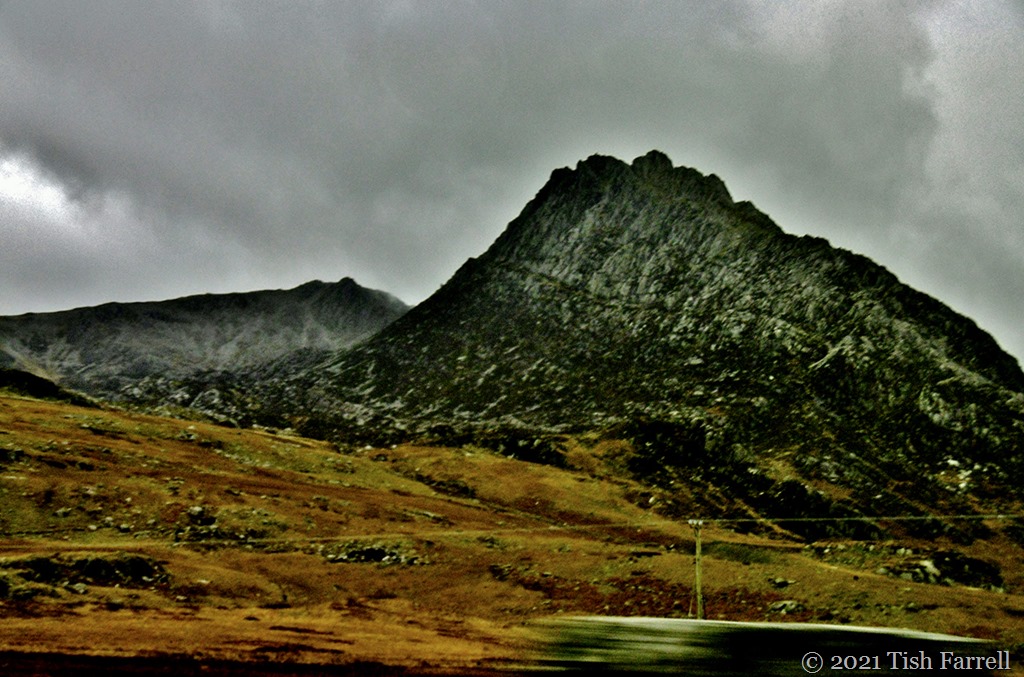
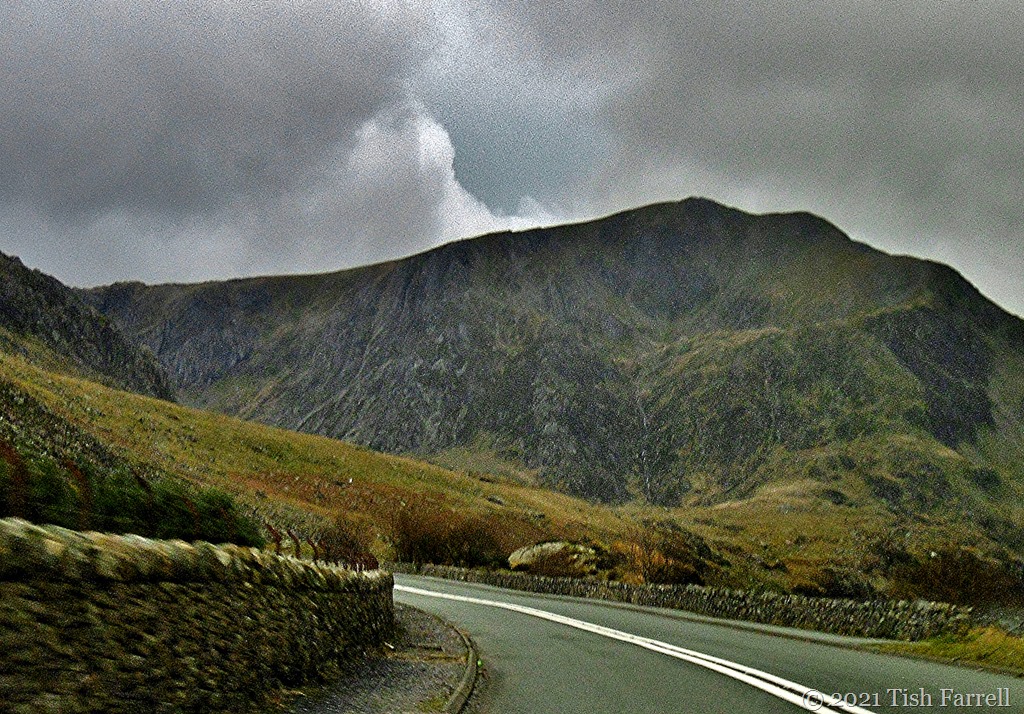
Wales on cloudy winter’s days can yield some broodingly dramatic expanses of blacks and greys. There is certainly a lack of light as we drive through Snowdonia’s national park one Christmas Eve. (These photos were taken from a moving car). Even so, there is no lack of colour. If anything the rugged moorland russets of bracken, turf and heather are heightened by the grey-black backdrops.
Here, then, are landscapes of the mind, settings for the doings of ancient Celtic heroes, wizards and shape shifters, whose remnant tales still survive today, albeit in transcribed and edited forms in the Mabinogion.

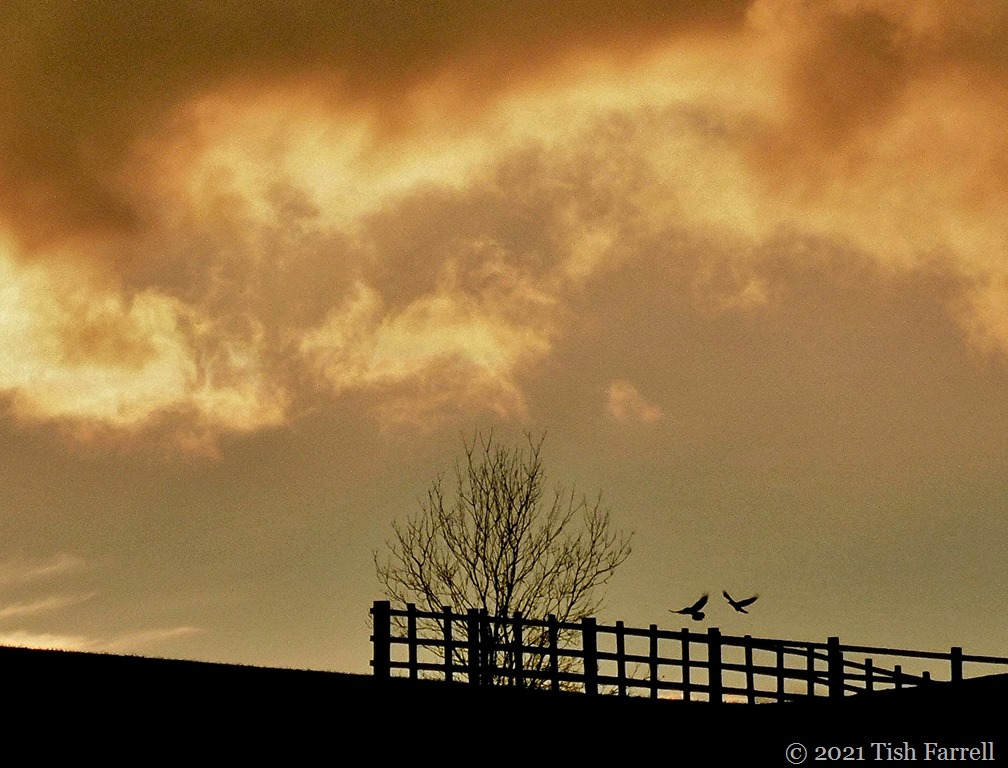

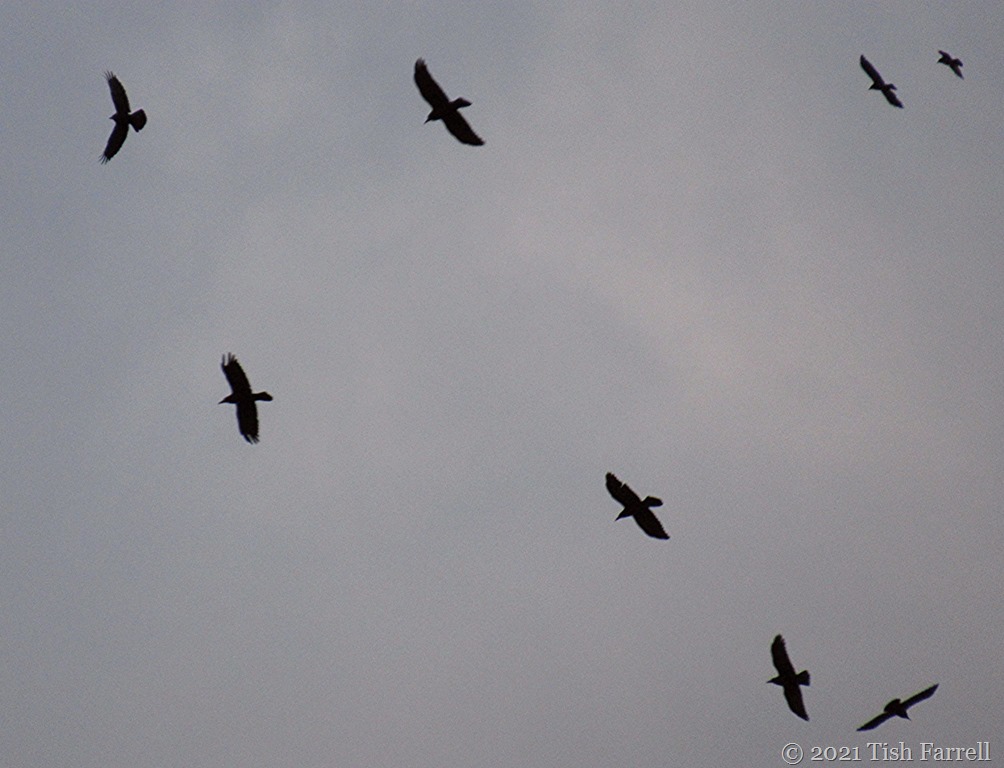
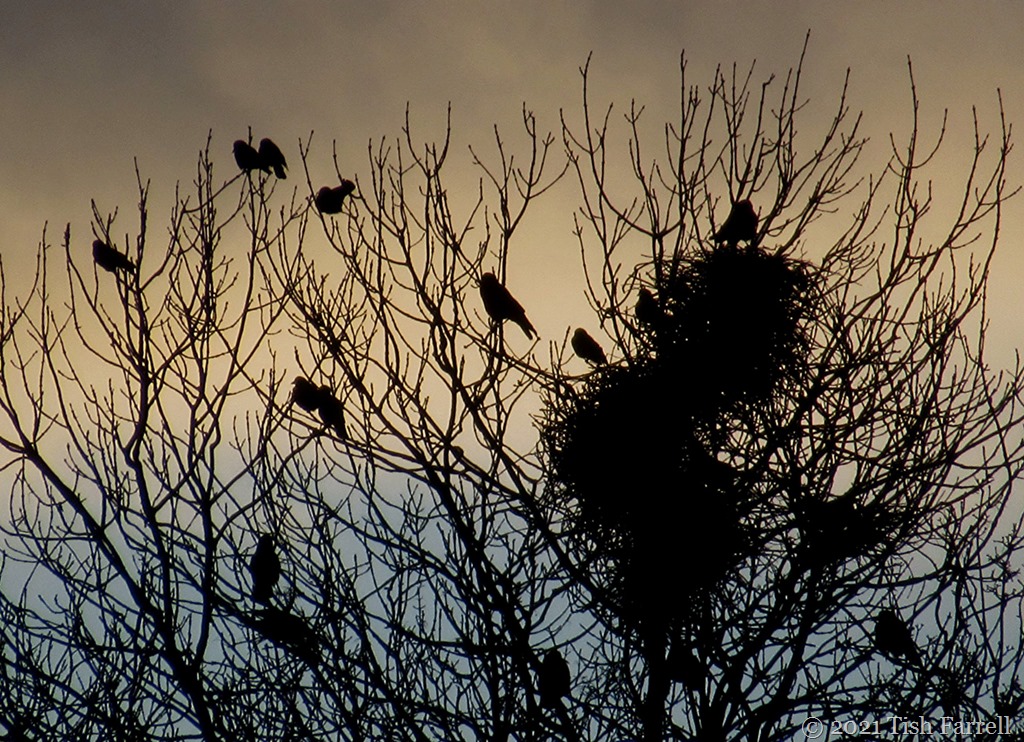
In the previous post Chasing the light over Townsend Meadow my header photo featured my ‘stand-on-bed-while-using-open-rooflight-as-tripod’ school of photography. I now confess to using the same method to spy on my local corvids. I think the pair flitting above the field fence may be carrion crows. It’s hard to tell at this distance, but we do have a couple who come daily to forage in Townsend Meadow. It is part of their territory that includes the Linden Field across the road. Also each year they come with an offspring. They call to each other across the field. I note a strain of lament in it.
But back to spying. If, with my stand-camera-on-open-window method, I then turn the lens 45 degrees to the right I can then cover activities in the rookery in the wood beside Sytche Lane. The lane borders the field boundary, and the wood borders the lane and is an unkempt sort of place inaccessible to us ordinary Wenlock folk. Both rooks and jackdaws congregate here, and in large numbers. At dusk, and particularly in autumn, they put on breath-taking balletic performances, swooping and swirling for many minutes over the meadow. If you happen to be out there when they start (sometimes my return from the allotment coincides with the opening passes of the corvid air show) it can be exhilaratingly eerie, and especially when a cohort, several dozen strong, whisks by my shoulder. There’s a rush of air. Wheeeeesh. Then gone before you register quite what happened.
You can get a gist of this phenomenon from my short video at the end of the post.
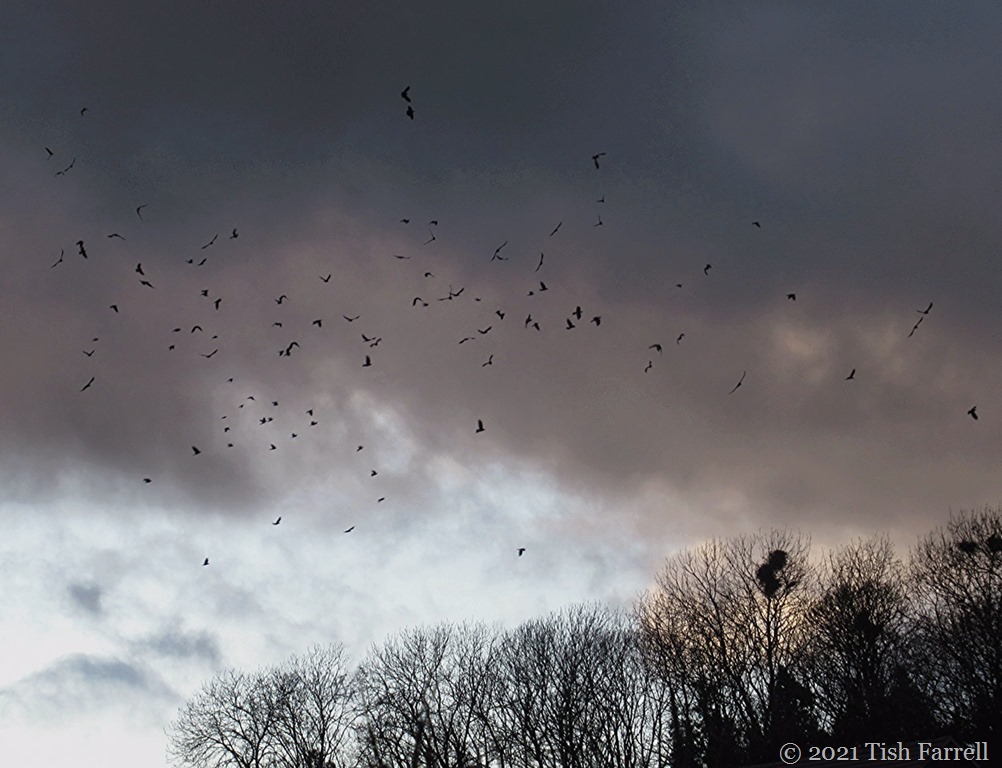
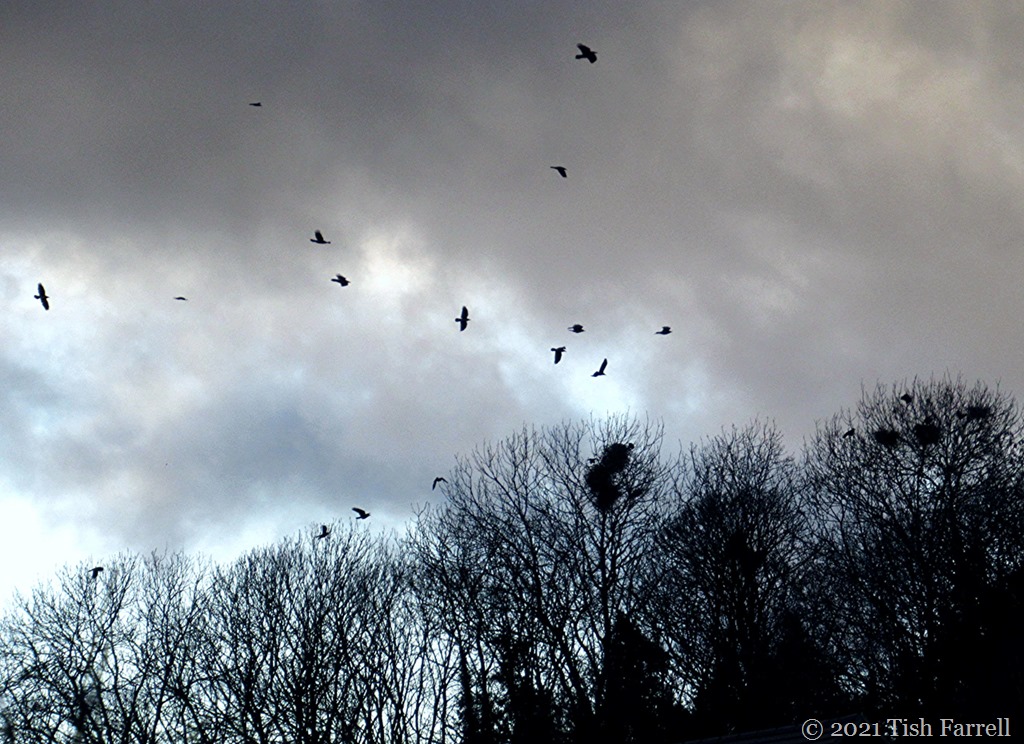

Related: Rooks Dancing in the New Moon
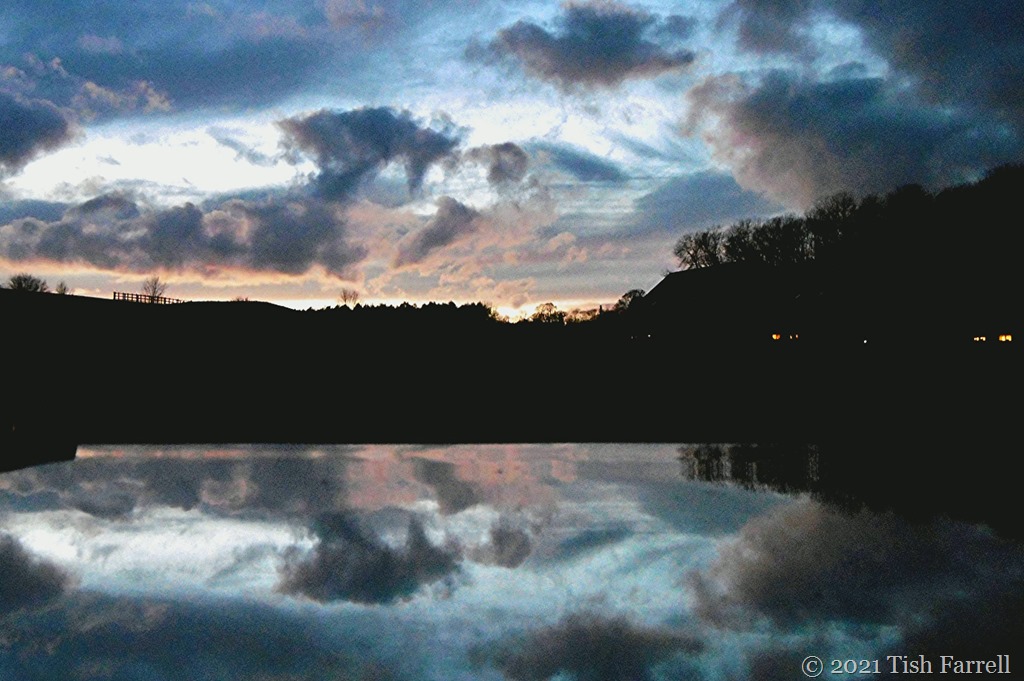
Those who come here often know that our Shropshire cottage overlooks a field that once marked Much Wenlock’s northerly boundary. It’s all in the name of course – Townsend Meadow. In times past it was pasture for dairy cows. The farm, long gone, was in the corner of the field, and the dairy, where the milk was collected, was a few doors down from our house on Sheinton Street. But in the years since we’ve lived here the field has been used solely for growing arable crops; wheat mostly, but now-and-then oil seed rape, oats, field beans and barley.
Our further view, beyond the field, is of the woods along the summit of Wenlock Edge. You can just make them out in the middle distance of the first photo. This vista and this field and the sky above, are the places where I endlessly discover events and effects. In this sense you could call it a source of rich sustenance; the everyday world that is never commonplace.
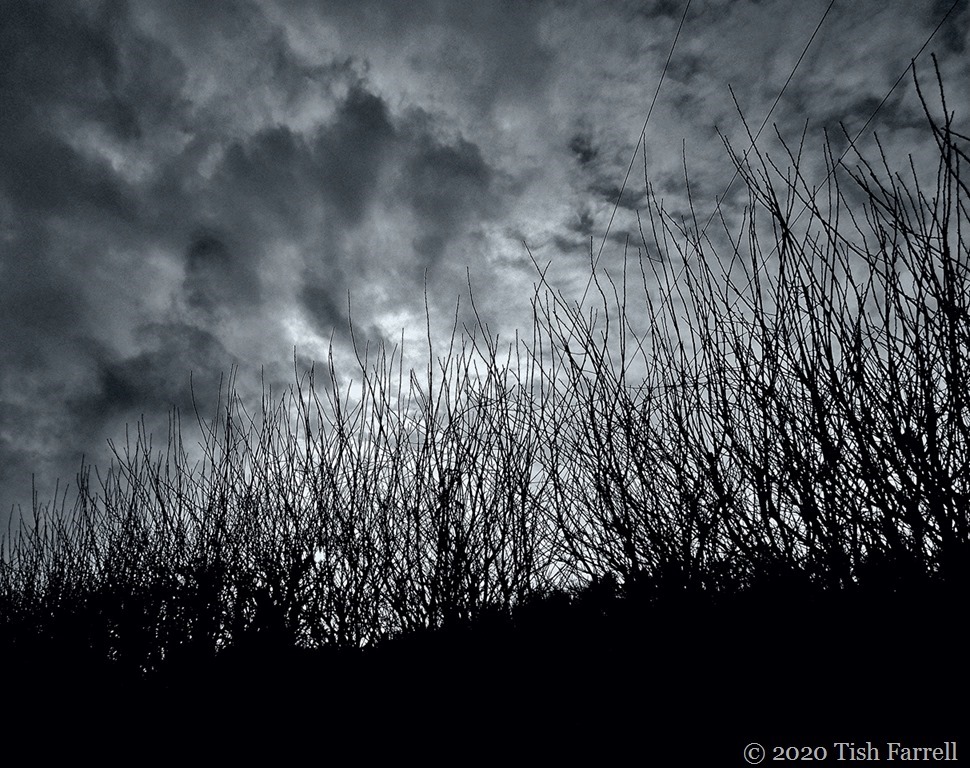
When it comes to photography, I belong to the ranks of happy snappers. I have zero technical skills, though somewhat perversely I’m particularly drawn to taking photos in challenging light conditions – to see what will happen, I suppose. The first photo is a good example. It was taken by opening the rooflight window in my office to the horizontal position (which also involved standing on the spare bed) resting my Lumix point-and-shoot camera on the back of said window – that is, on the outside frame nearest me – engaging some zoom, and hoping things are as focused as can be. And there we are. It is a strange photo. A bit quantum physics-ish. Lost realms and parallel universe kind of stuff.
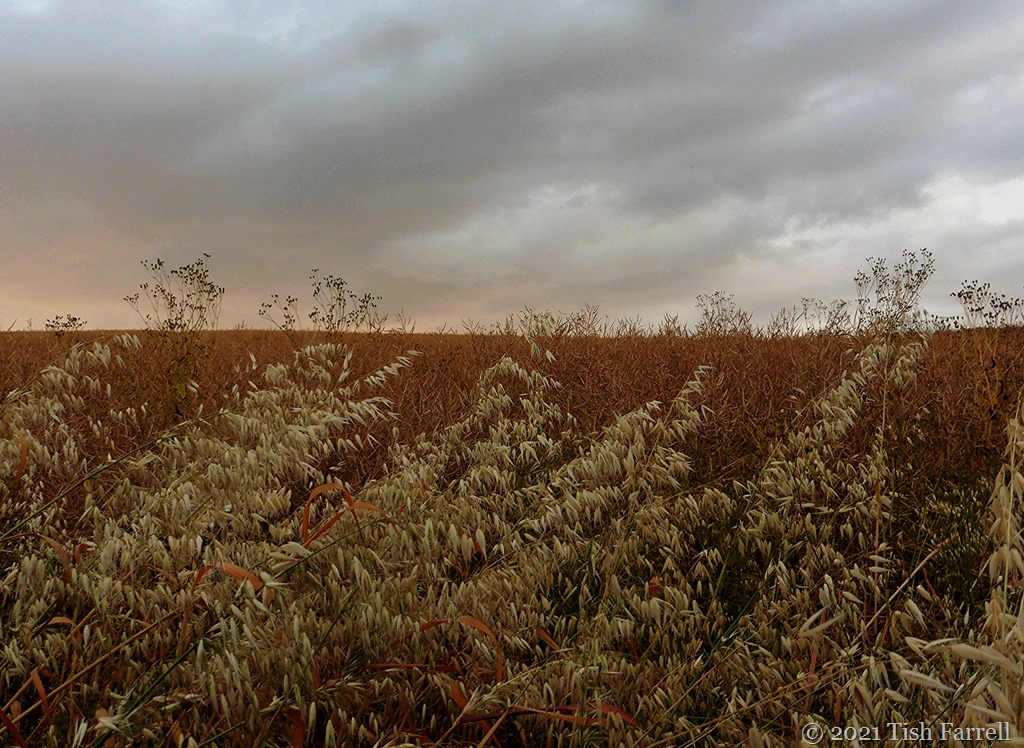
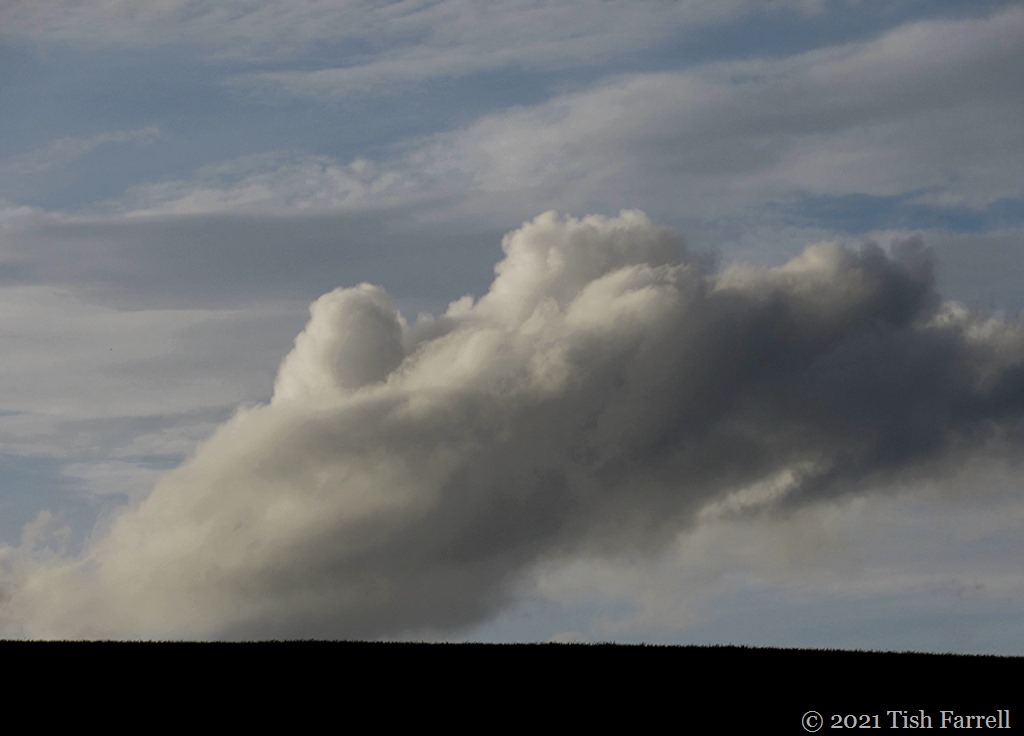
Here are some rather more obvious low-light Townsend Meadow moments.
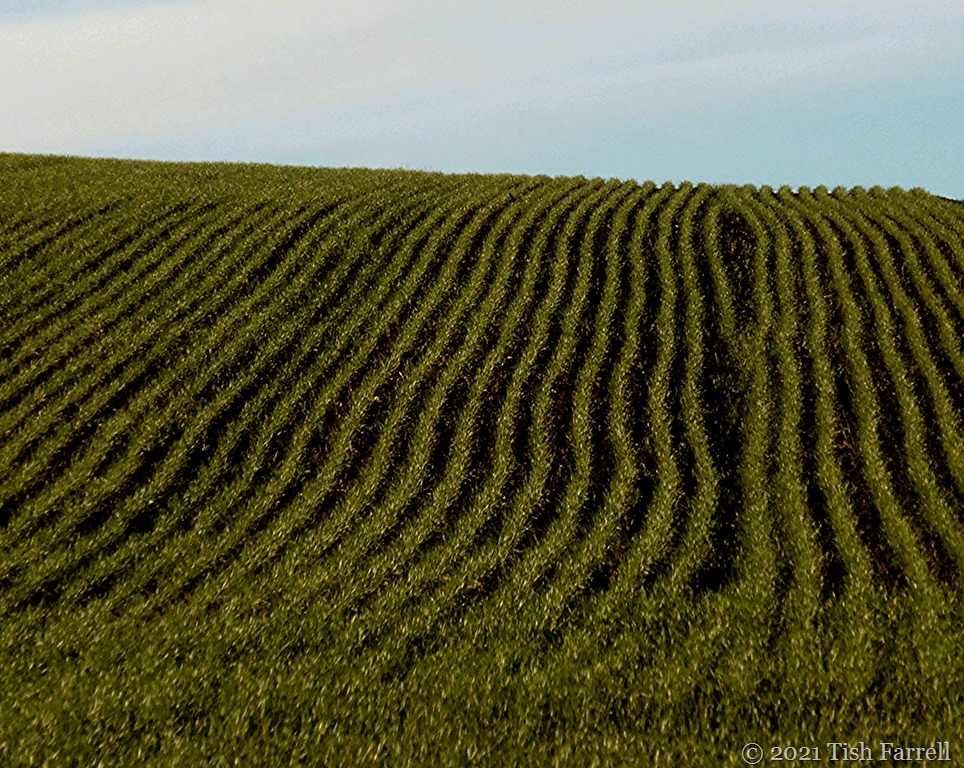
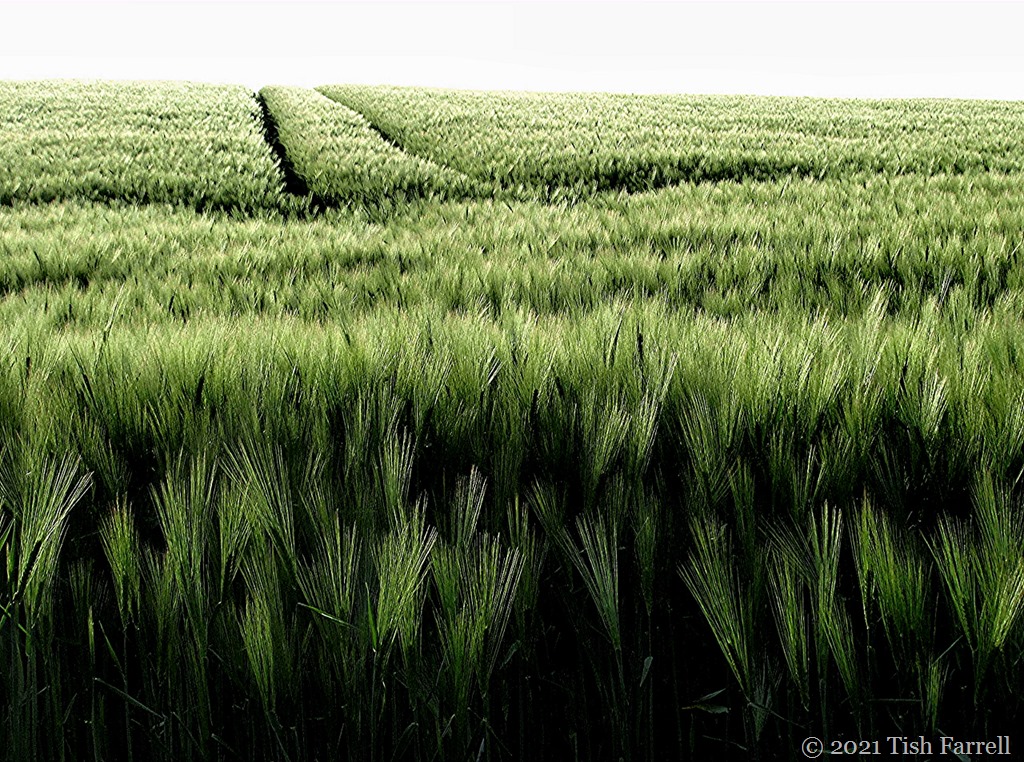
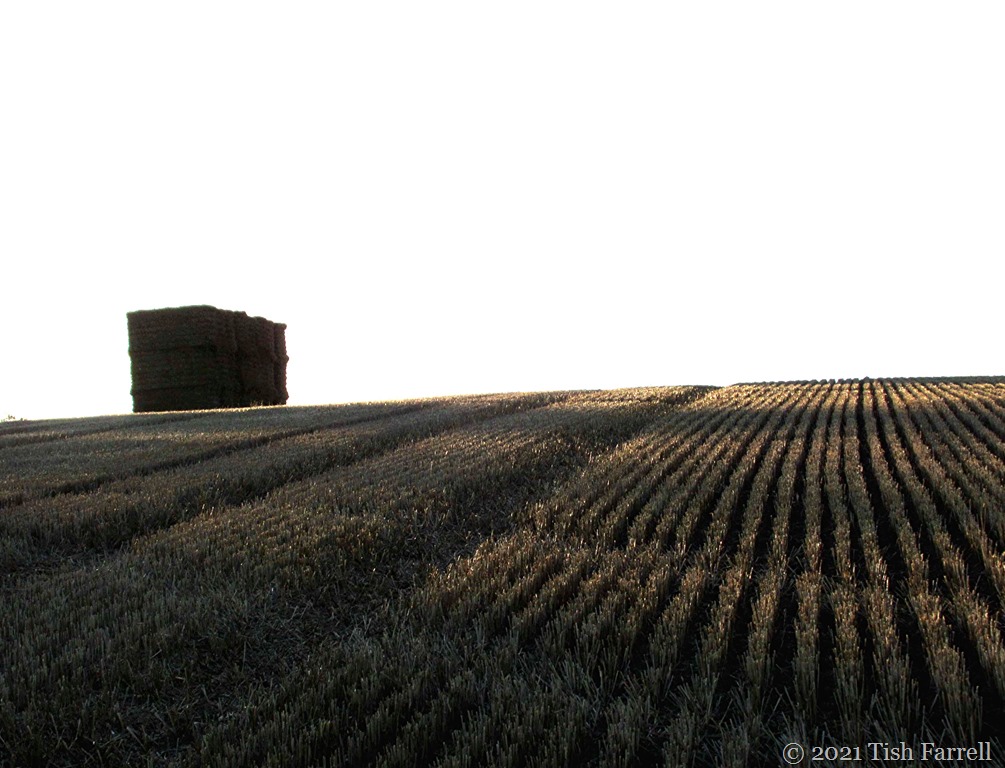
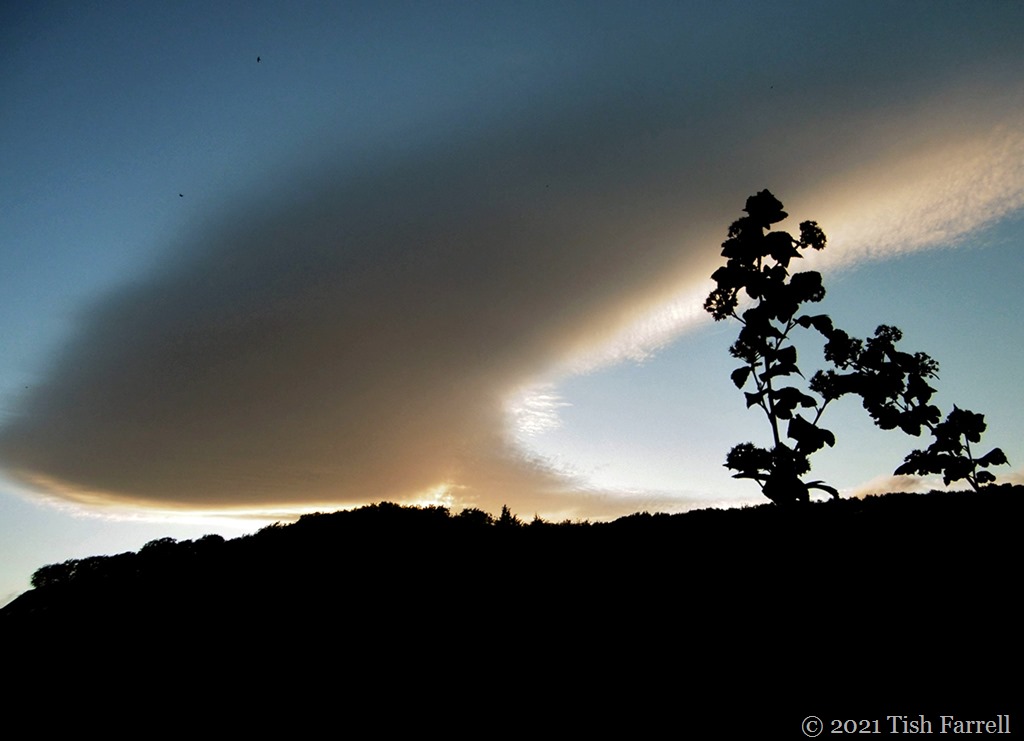

Lens-Artists: Follow Your Bliss Lindy has set the challenge this week.
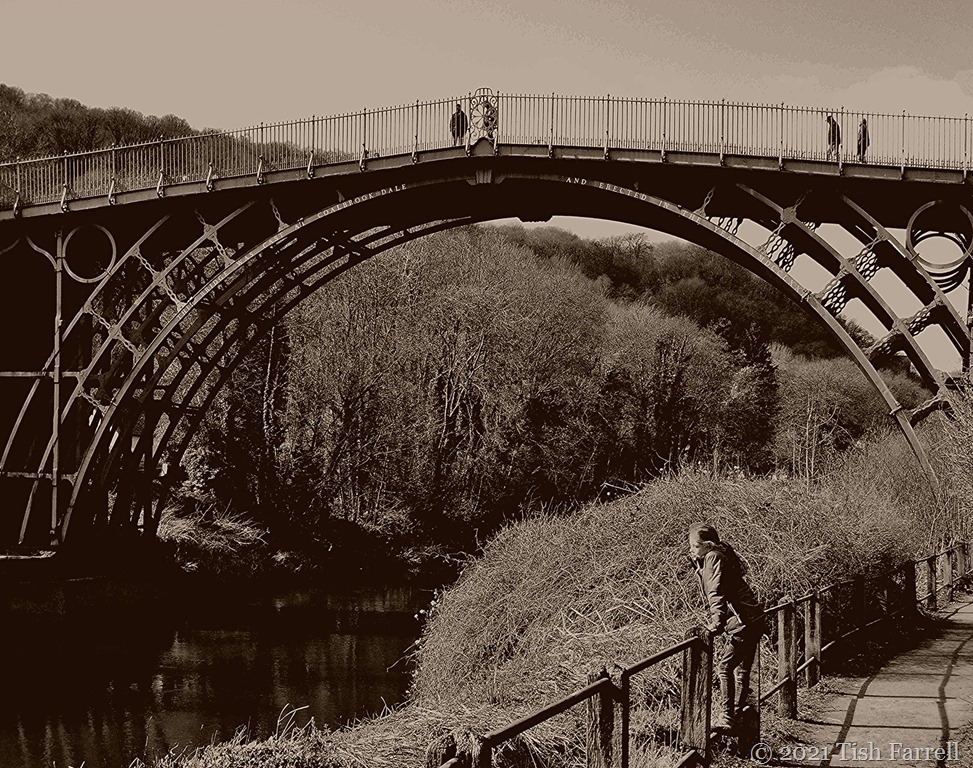
Well some of us might be excited by the sight of the world’s first cast iron bridge (a single span built in 1779 to replace a treacherous ferry crossing, while being tall enough to let the Severn sailing barges pass through without de-masting; cutting edge technology of its time). But then none of this appears to cut much ice with the lass on the fence. I love her look of wistful nonchalance. Bridge? What bridge?
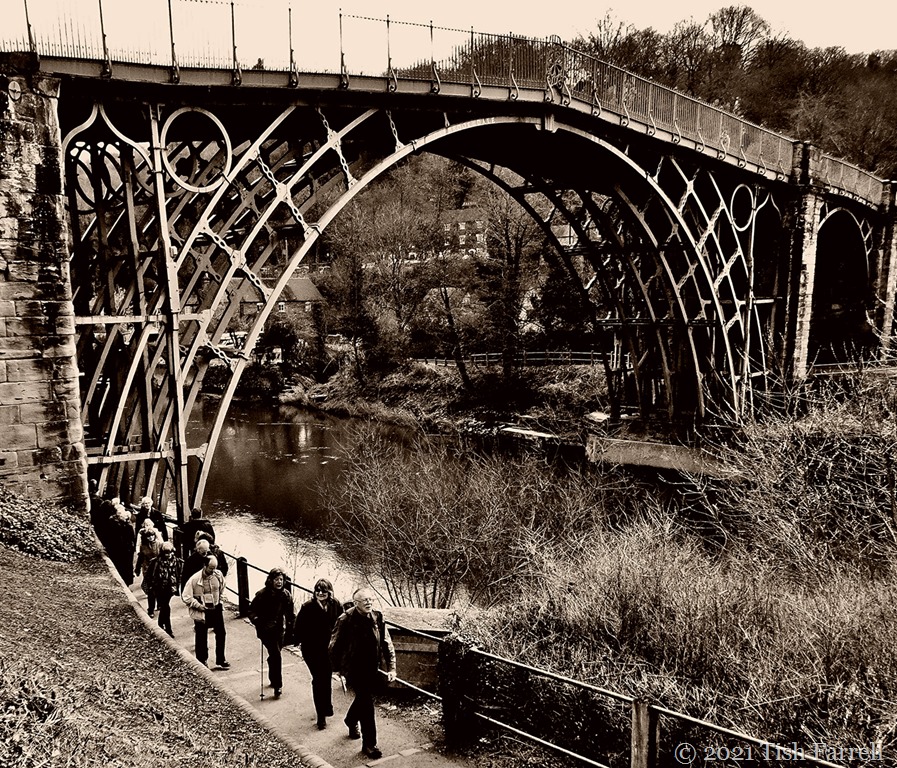
Upstream of the bridge we find a band of happy industrial architecture enthusiasts. They have just enjoyed a spirited ‘Iron Bridge’ talk from the late John Powell, for many years librarian at the Ironbridge Gorge Museum Trust, and seen here leading the group onwards to other exciting Severn Gorge sights.
Which could well be this, the Coalbrookdale ironmasters’ riverside warehouse (built in Gothic style), the point from which their cast iron goods (especially cauldrons) were exported downriver to the wide world:
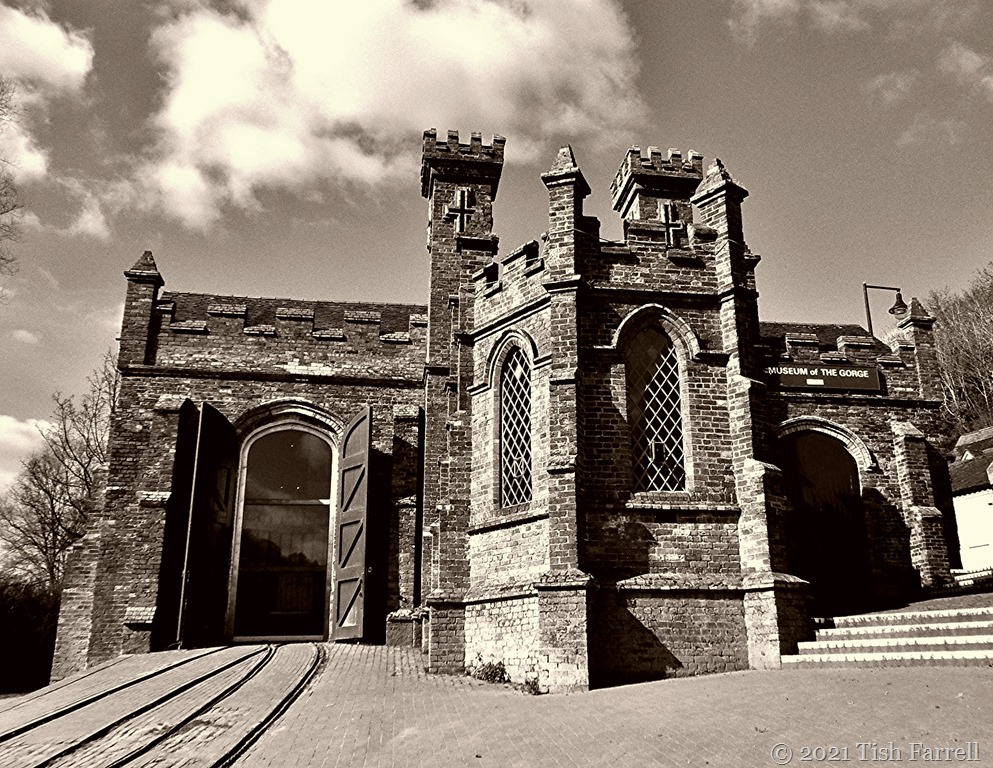
And at the time when these photos were taken, visitors to the Severn Warehouse would also have seen these:
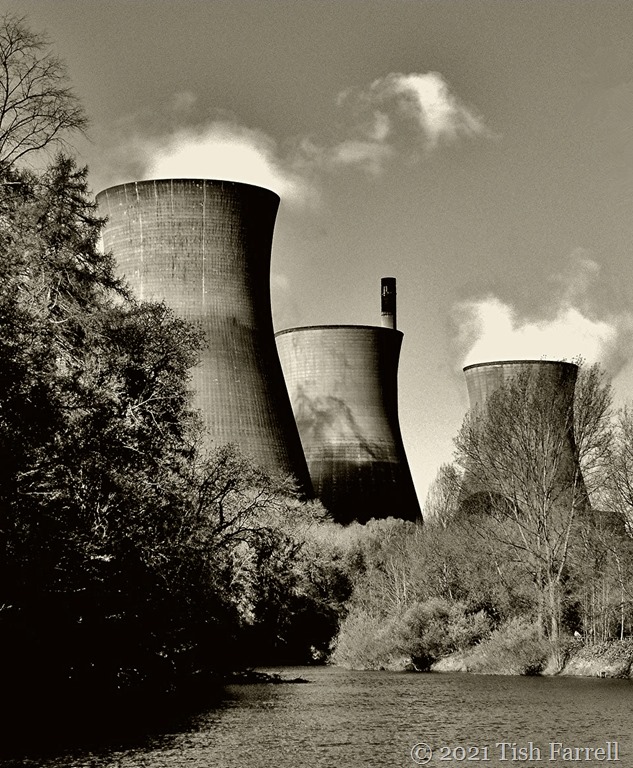
The cooling towers of the now demolished Ironbridge Power Station.
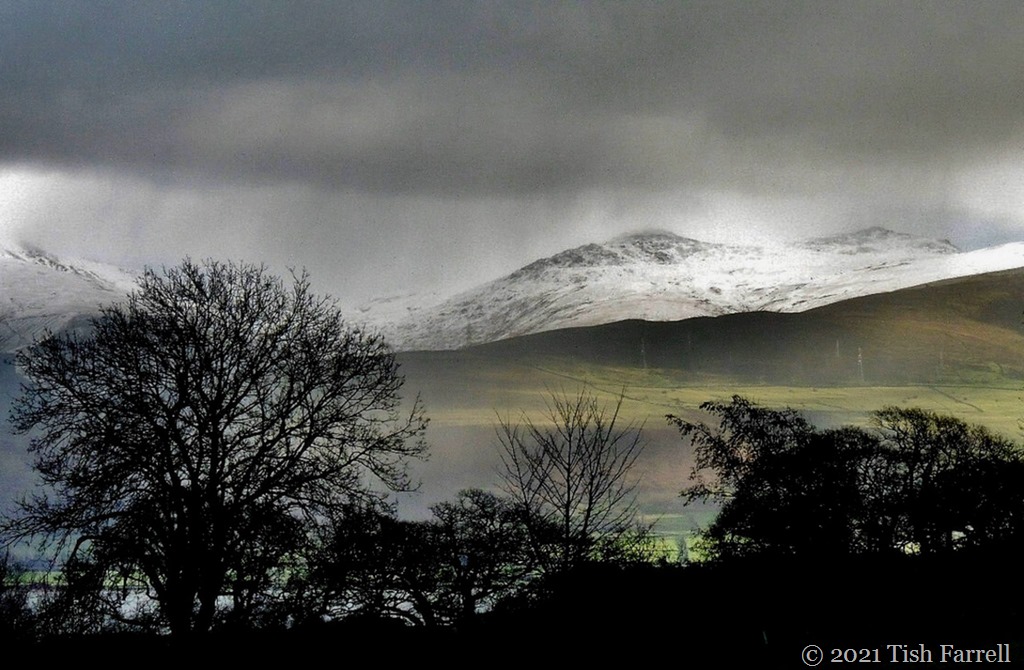
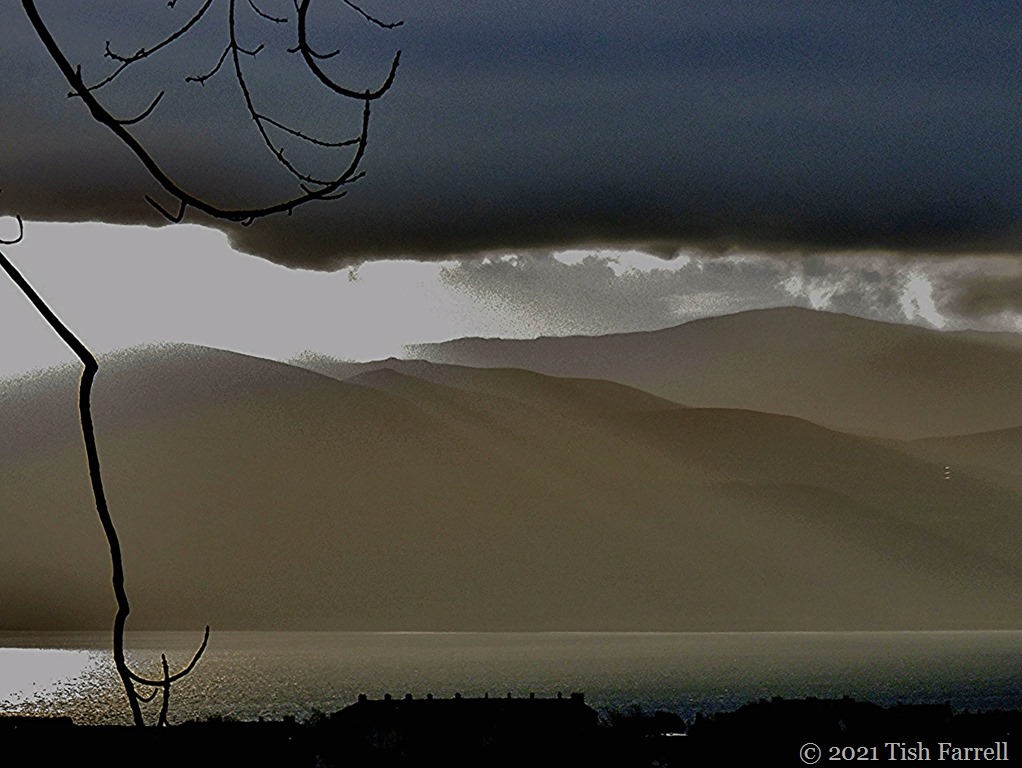
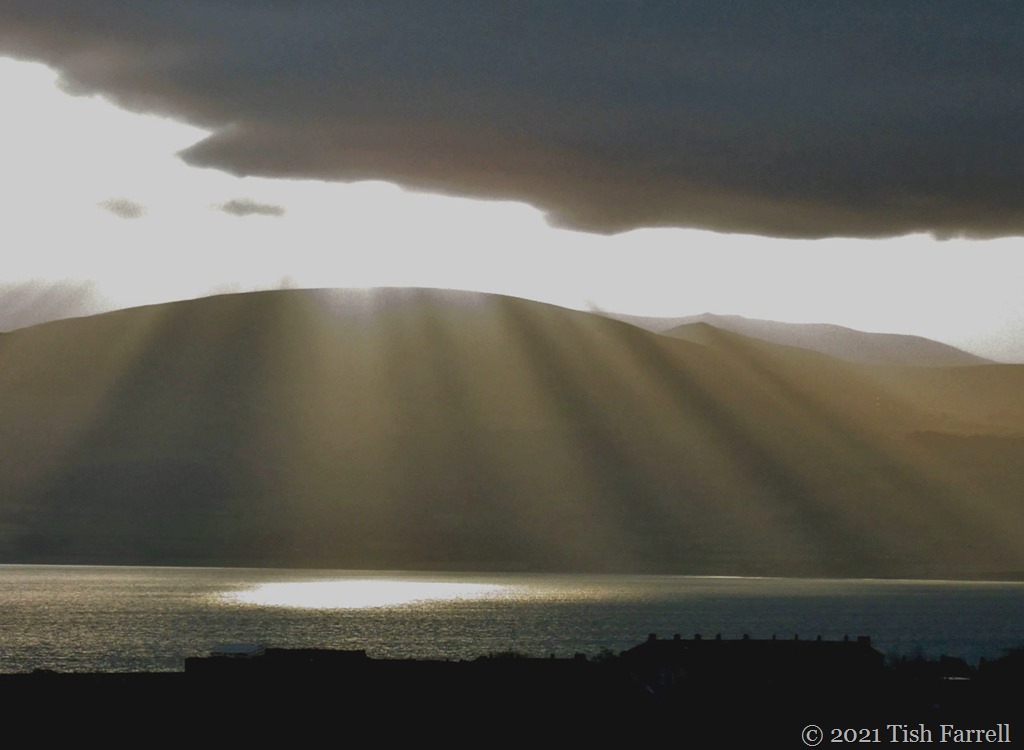
That this first photo worked at all is something of a mystery. There was hardly any light (as you can see) and I was using my very basic Kodak EasyShare digital camera. But then it was Christmas Day and we were staying on the Welsh island of Anglesey (Ynys Mon) with its millennia of mystical associations – druids, saints and seers. When I took the shot I was standing above the little town of Beaumaris looking towards the Welsh mainland and the foothills of Snowdonia. The Menai Strait lies between, obscured by trees. It is a zone of extraordinary light-through-cloud displays.
Here are some early morning shots taken further along the Strait, rooftops of Beaumaris in the bottom edge foreground: