Welcome To The Sunset Garden With Privy View

sunset sq

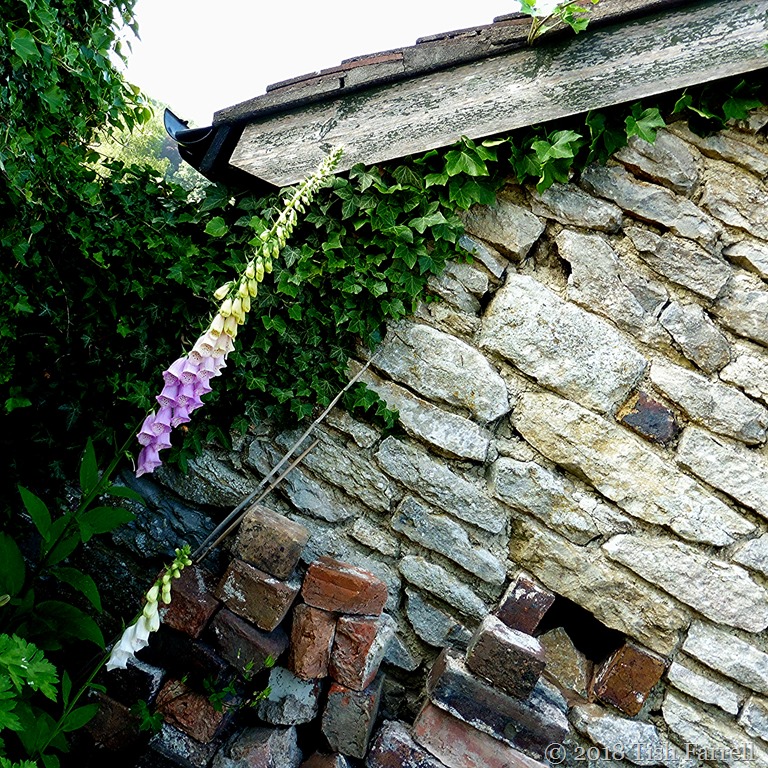
Here’s a side glimpse of one of our C19th privies. I’m guessing the little aperture above the brick pile was there to provide some light on the situation. The adjoining facility also has one on the farther side. The privies share an internal wall – limestone – a good half metre wide, which seems a bit over-engineered to us, and at present stops short of supporting the roof rafters. He Who Builds Sheds is therefore wondering if he might remove it to make one useful shed instead of two impossible sheds, and all without altering the outside.

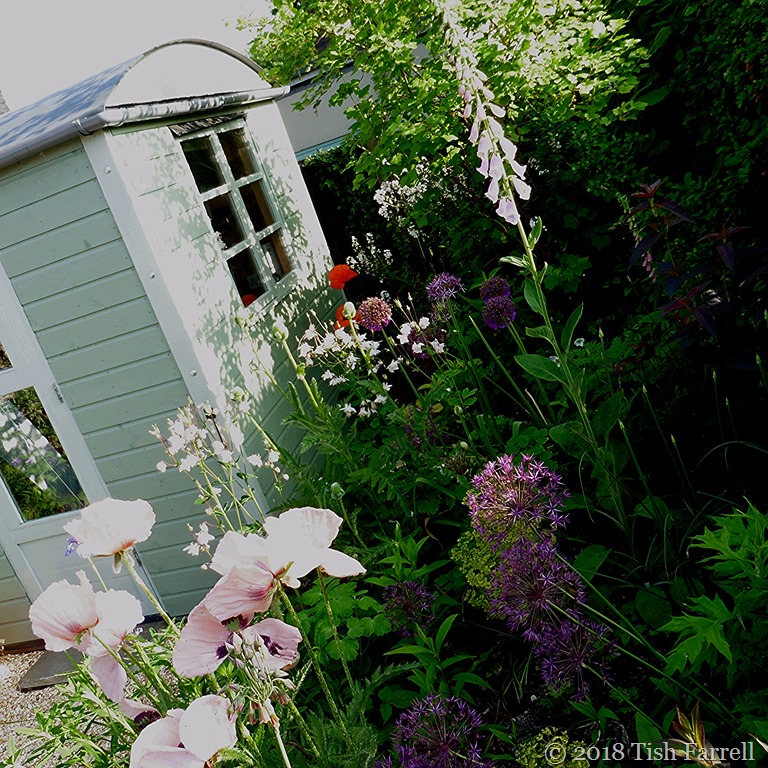
Meanwhile here’s the other shed, 2017 vintage, designed and built from scratch – with rubber roof. The double-glazed windows and door were cast offs from chums:P1060456 sunset sq2

And now the garden full of early evening sunshine plus a few roof glimpses:

Roof Squares


Last Night In Downtown Oakengates, Looking For Roofs, Real Ale, And Having A Slight Fit Of The Edward Hoppers

Just in case you think Shropshire is all ‘blue remembered hills’, we do have our urban quarters. Oakengates in Telford (New Town) to the east of the county has ancient roots. The Romans came marching through these parts in their bid to quell the Welsh, leaving us the remains of a military fort – that’s to say an on-the-hoof marcher camp (nicely squared earthen ramparts reduced to a field crop mark). Then there was a lot of monkish settlement (physical evidence obliterated), but it was during the C19th that the town truly came to prominence and prosperity, its coal and clay deposits making it one of the key settlements of Shropshire’s Industrial Revolution.

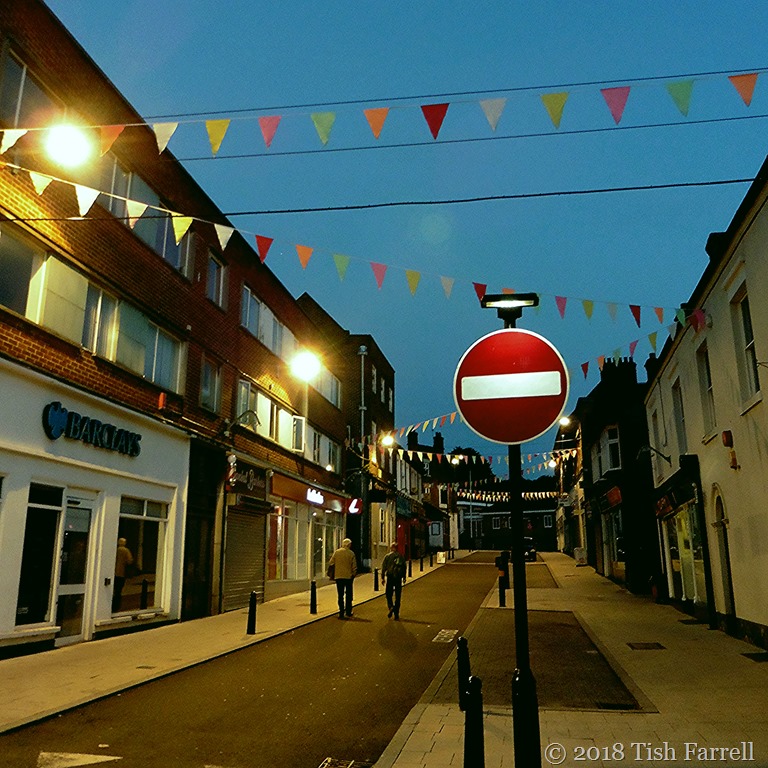
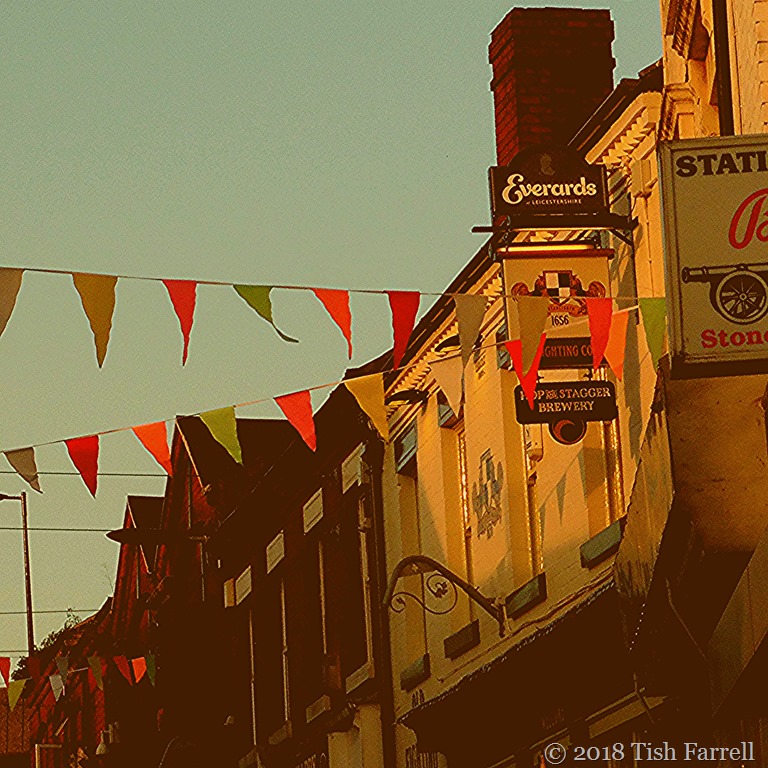
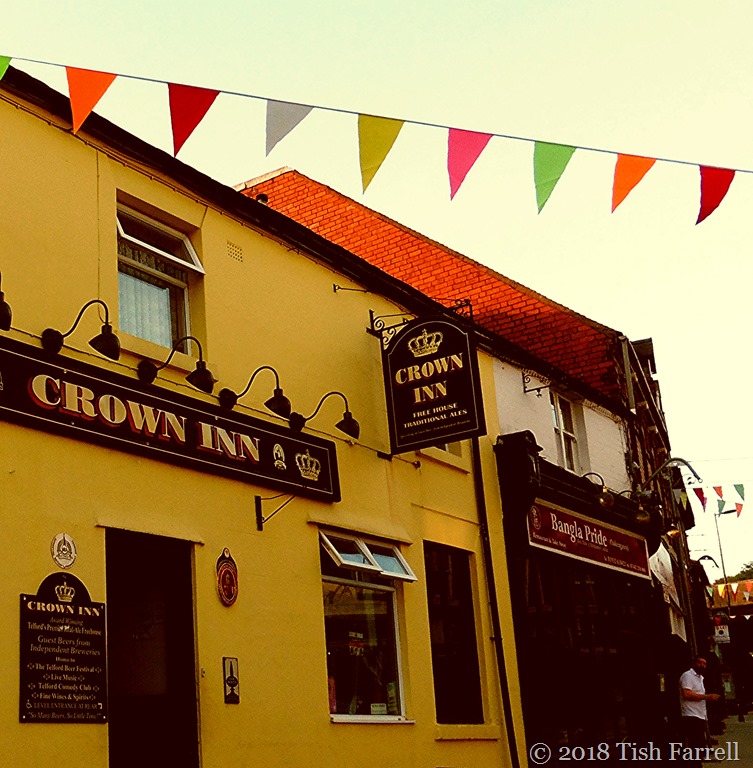
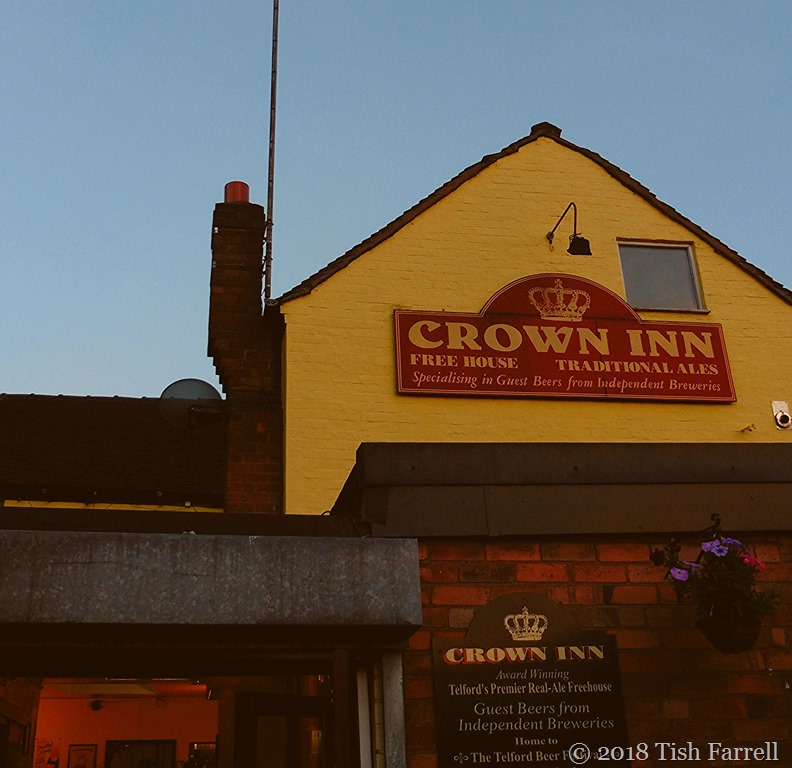
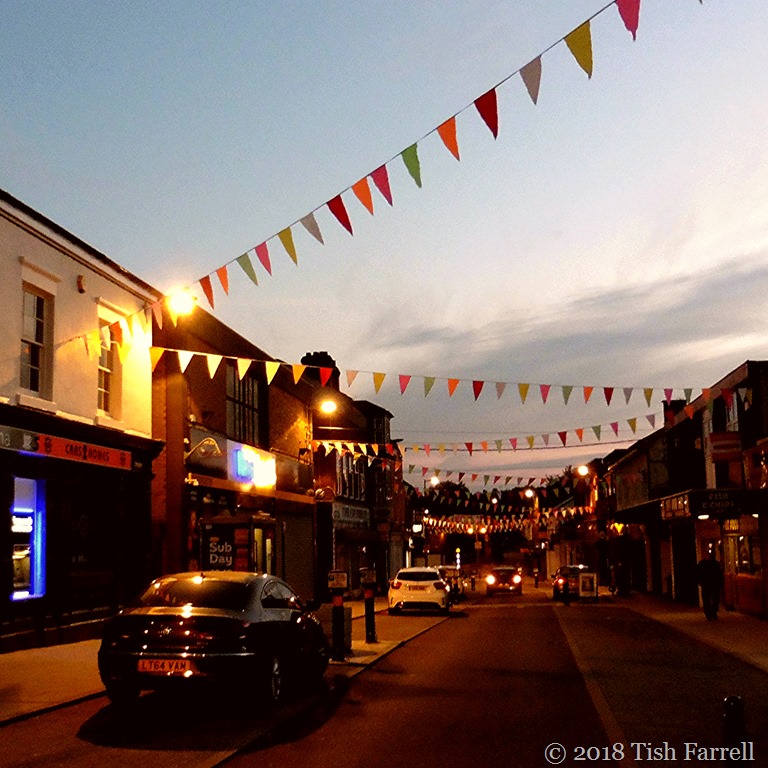
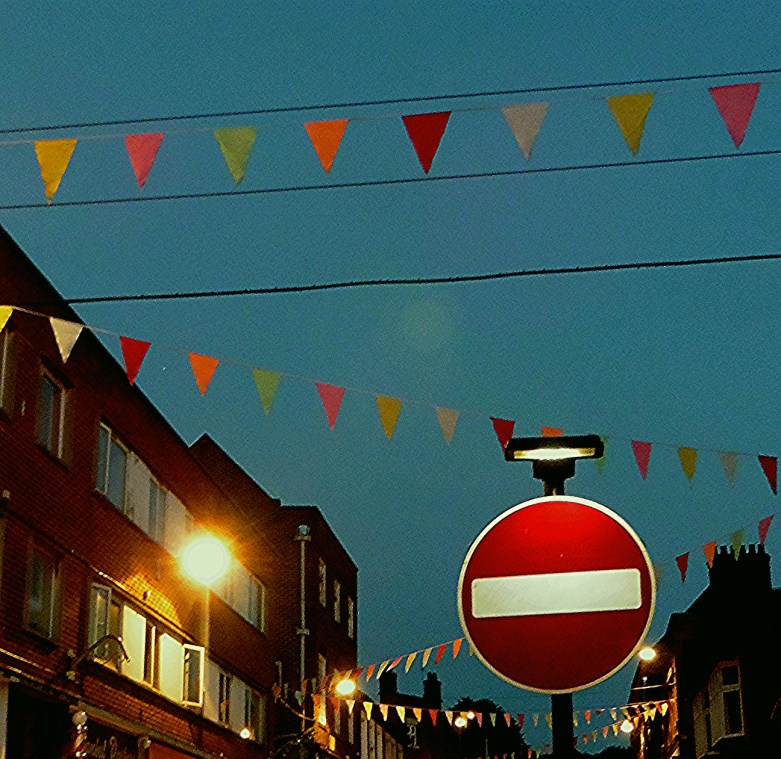
Since then, though, the once traditional street scene has somehow had its heart ripped out. Well, mostly. There are still some good old pubs. In particular the  Crown InnTHE watering hole for real ale lovers, and the place where we were heading last night to meet good chum Andy. And just by chance I had taken my camera, and I was struck by the evening light, and the strangely compelling surrealism of the streets that someone had kindly tried to prettify with bunting, and there were a few rooftops too and I had that feeling that I get when I look at Edward Hopper’s paintings: a spinal twinge of fascinated  displacement and disquiet (for his work is nothing if not about light and shadow in all connotations) – hence this set of photos, taken before and after a glass of good Mild Ale…

P1060516 sq

P1060517sq

P1060518sq

P1060515sq

P1060522sq

Roof Squares

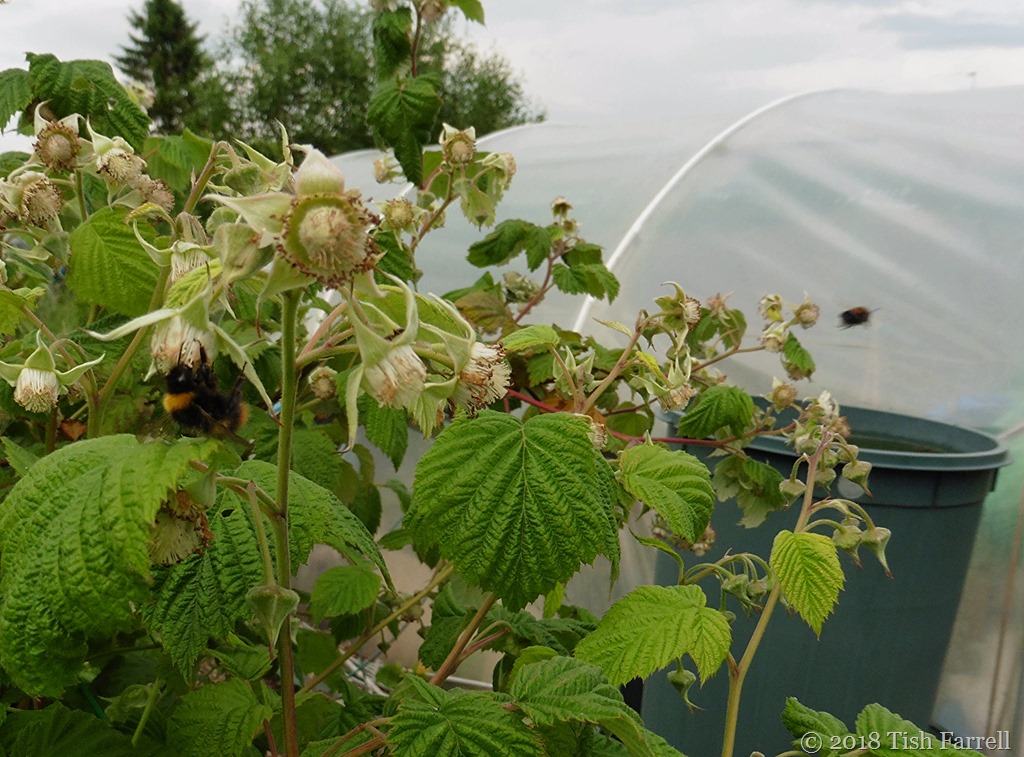
All Bee Hum And Bee Bums In The Raspberries

P1060324

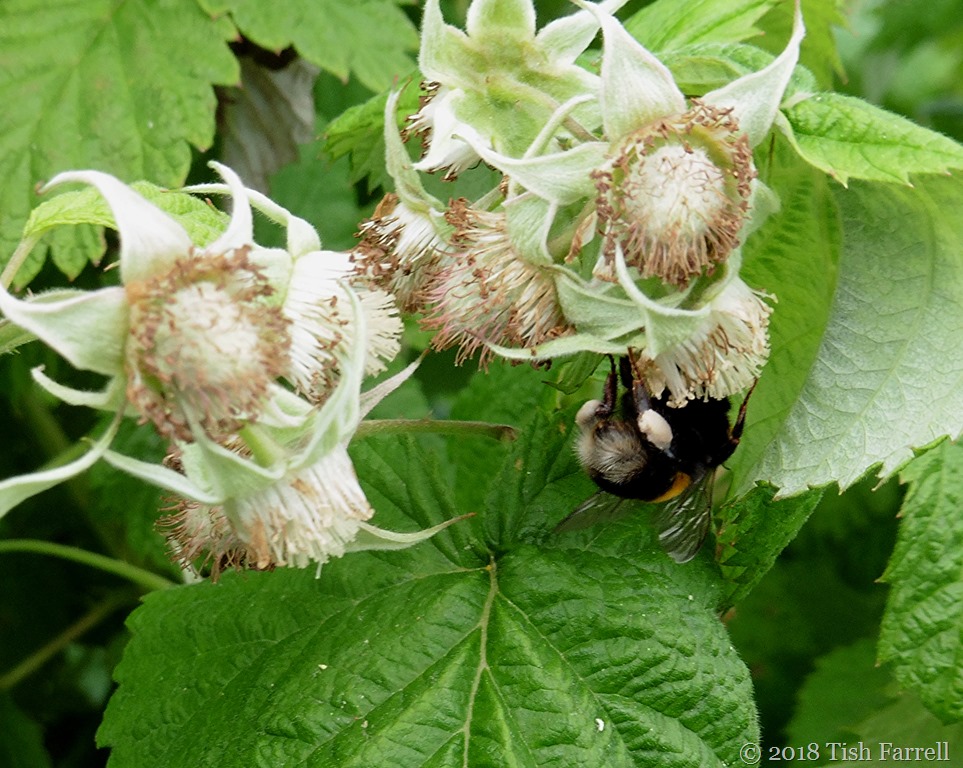
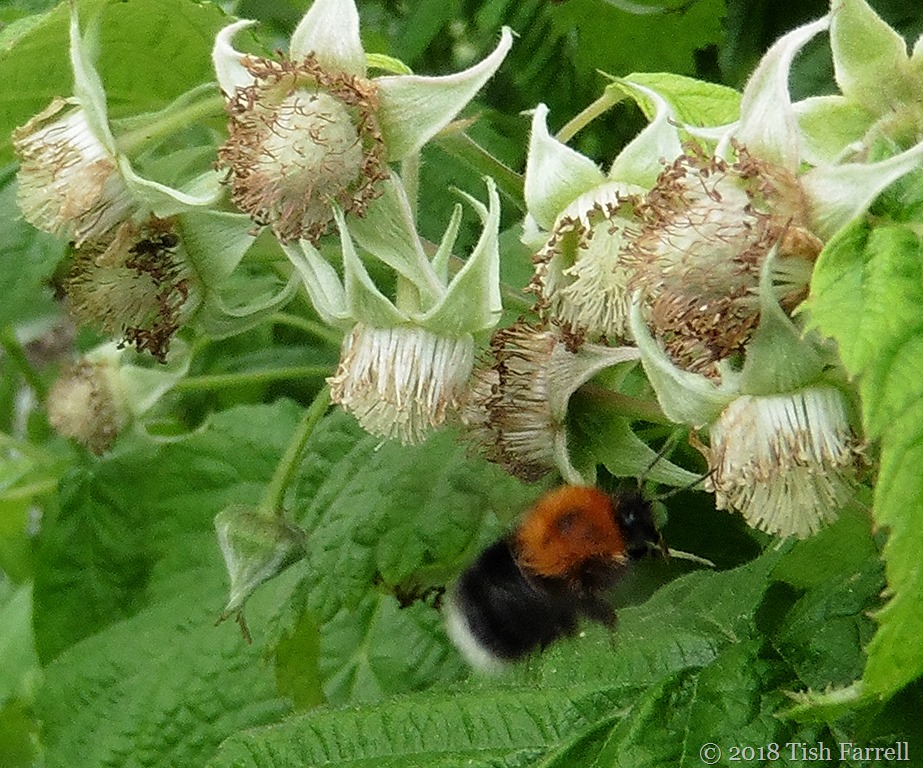
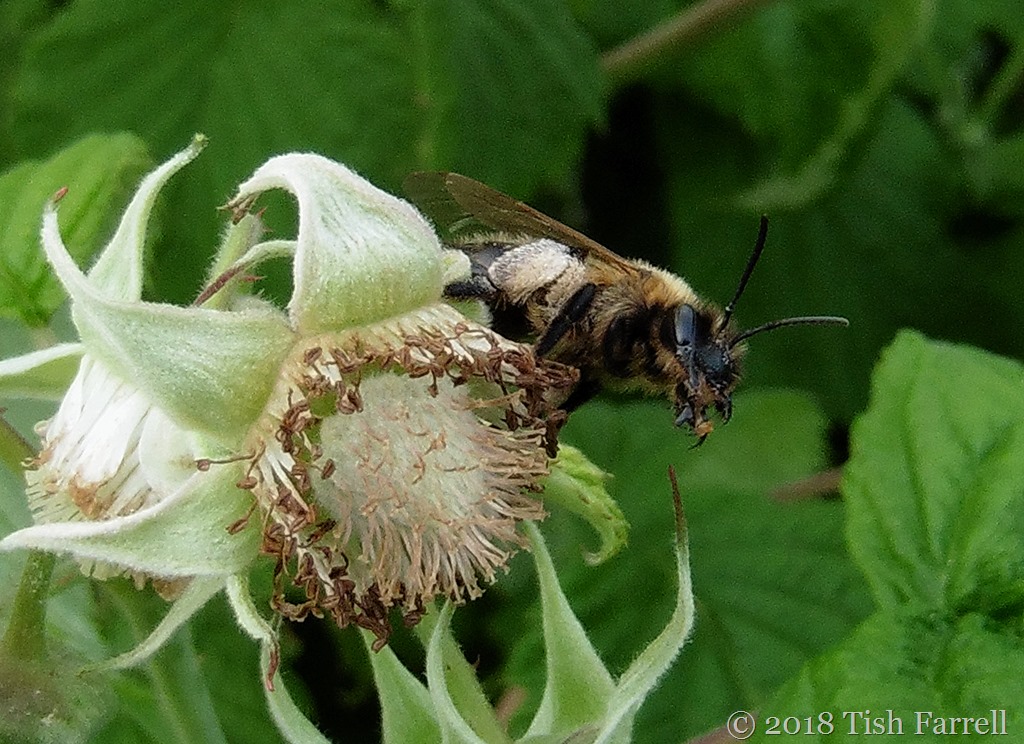
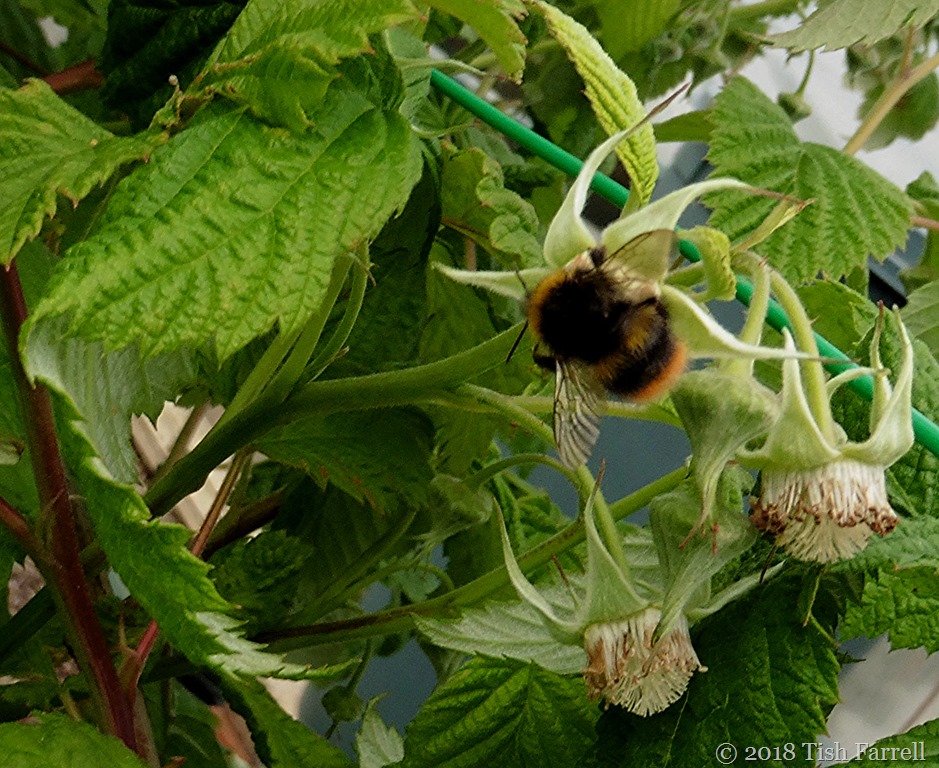
I’ve written quite a lot about bees on this blog, and in particular the threat of neonicotinoid pesticides to which, researchers suggest, bees become addicted (see Bee-ing Bee-Minded), so I am hugely pleased to find so many bees feeding on my untainted raspberry flowers. Nothing like the sound of happy, busy bees and the sight of all those raspberries in the making.  Thank you bees.

P1060334

P1060329

P1060355

P1060358

copyright 2018 Tish Farrell

Of Sunset Over The Rooftops From The Allotment And Much Toiling On The Plot (As In Gardening Not Writing)

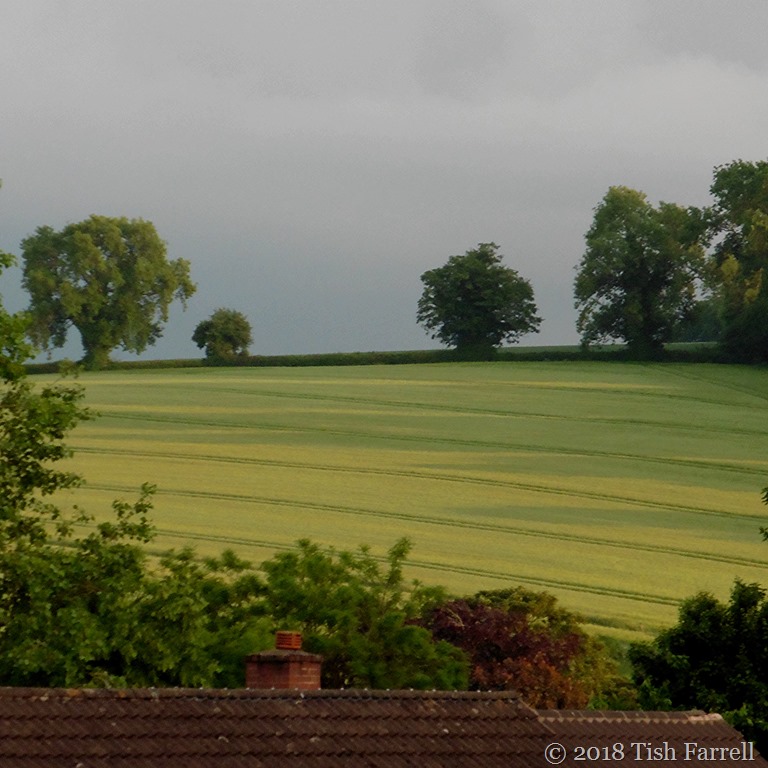
All of a sudden we’re having summer here in Shropshire, and it’s a case of catch-up at the allotment – not only with the jobs that could not be done over the cold, wet thrice snowy winter, but also trying to keep up with spring-sown plants that are romping every which way and need to be put somewhere. The ‘somewhere’ inevitably needs more preparation than I’d realised, and more digging than I’d hoped to do, given my no-dig pipe dream objectives. I’m beginning to think our Silurian Clag really needs total soil replacement – as in complete interment by a foot of decent loamy earth. And if that’s down to me, then that means making humungous quantities of compost. It could take years.

Yesterday I did five solid hours of labouring under the sun. The new plot by the polytunnel was alive with bee-hum. The bees were whizzing by with such greedy intent among the raspberry flowers, I could actually feel the air move as they passed me. Bbbzzzzzzzzoom. And then the birds were singing their hearts out – loud, louder, loudest – especially the blackbirds. Which reminded me to put netting over the strawberries. I ate my first sun-warmed strawberry yesterday – the best strawberry of all – that first one.

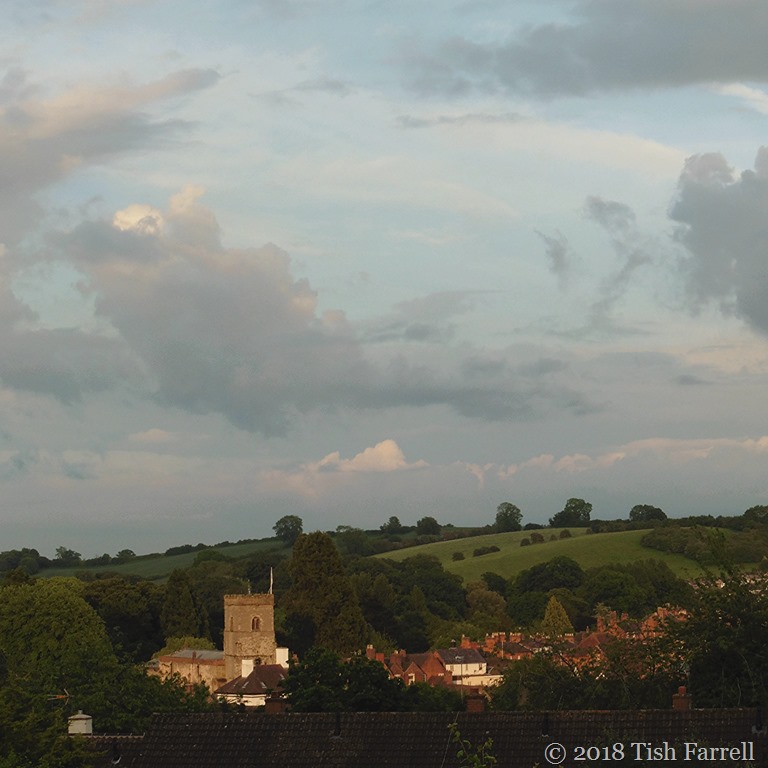
The five hours slipped away. Gardener’s time is of course quite different from everyone else’s. He Who Waits At The Farrell Establishment never knows when supper is happening. Also when I do decide to head for home the light is usually so diverting that I have to start taking photos. Besides, the raggedy old allotments are a wonderful place to be at sundown – when you have put the spade away and shut up the shed – the wide views over Wenlock; the scents of growing; the quietness of plants.

Much Wenlock from the allotment 2018 sq

copyright 2018 Tish Farrell

Roof Squares #4

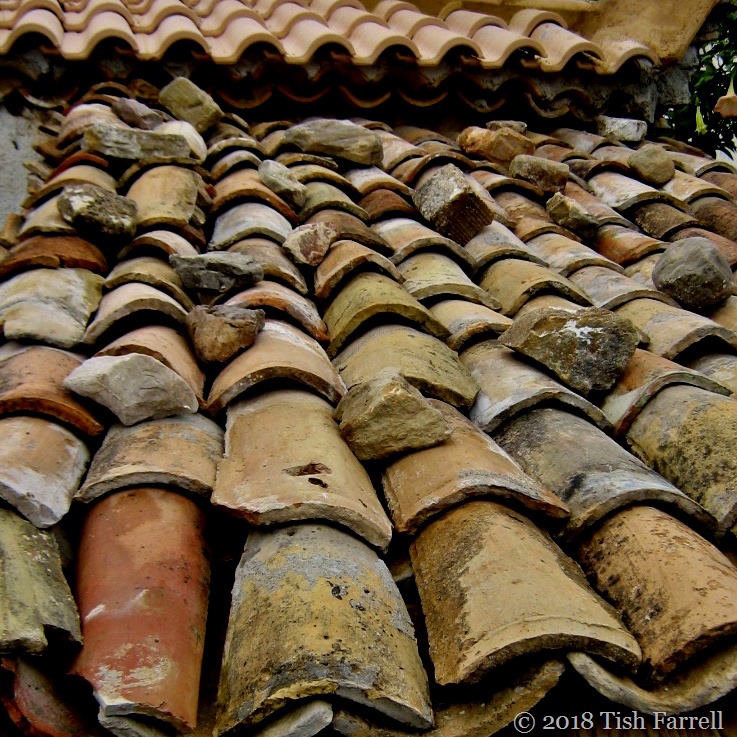
On the Path To Harakopio ~ The Putative Roof

pantiles sq

I’ve had a passion for pantiles since childhood when they appeared in a storybook I was reading. The story was set in Spain, and I have absolutely no memory of what it was about. Only the pantiles stuck. Once I had discovered what they were, and that they were made of terracotta, and so were red like clay flower pots, and nothing like the boring, dun-coloured slates on my own house, they gave me my first magical sense of ‘the foreign’ – of lands and peoples beyond my island. But perhaps more than that, they suggested new horizons, and new possibilities; only in my imagination though. My family was not one that ‘went abroad’.

And so this pile of tiles simply had to be recorded on our walk to the supermarket in Harakopio. It is hard to say whether they are leftovers from a past project and thus spares for an existing roof, or if they are a roof in-waiting. Or being Greece, if they are simply there, stacked up under an olive tree.

Here’s an actual Harakopio village roof: interesting compilation of new and old.

IMG_2470sq

And a roof with a very nice datura, the spitting image of the one I once planted in my front garden in Nairobi, bought from a roadside nurseryman.

IMG_2468sq

For more of the walk in words and pix see On the path to Harakopio

Roof Squares #3 Now over to Becky

Greek Tortoise ~ Own Roof, Will Travel

P1020442sq

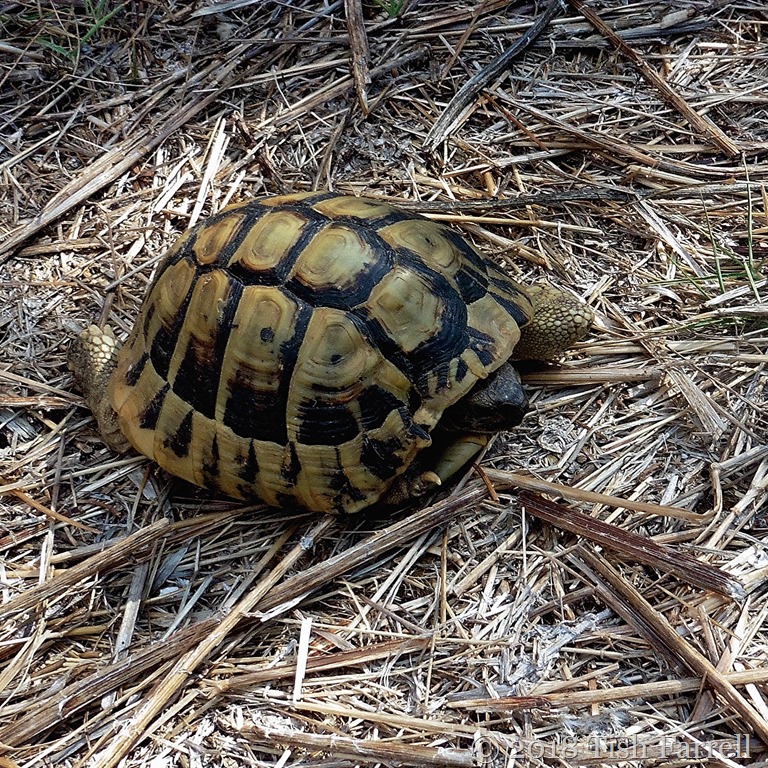
The path to Peroulia Beach from Harakopio takes you down winding lanes and through olive groves. On one such expedition we met a tortoise. A fine specimen it was too and so, still with notions of living roofs in mind, I’m posting it for today’s offering at Becky’s month of roof photos. And also for Debbie’s 6WS.

June Squares: roofs

Six Word Saturday

A Laburnum Roof?

Becky has kicked off her June spree of roof shots in square format with a view of Kew. I’d also been thinking of roofs in a garden setting, so here’s a tiny segment of the Laburnum Arch at Arley Arboretum as seen a couple of weeks ago. At 65 metres, it is the longest Britain. But where, you might be asking, are the flowers, the golden cascade thronging with bee-hum. Sorry to say we were a week early. The flowers were only just coming out. Not only that, it seems we walked down the arch the wrong way. The intention of the recent extension being to bring you to a spectacular view over the Severn Valley. Pretty much like this one, or so I imagine. Anyway, I enjoyed looking up into the  tracery of entwining boughs – which would not of course be visible if the flowers were out. Always good to find a silver lining in the absence of gold.

Please pop over to Becky’s for more June Roof Squares:

June Squares

P1060120sq

Poppy Power ~ The Show Goes On Rain Or Shine

IMG_3543

IMG_3558

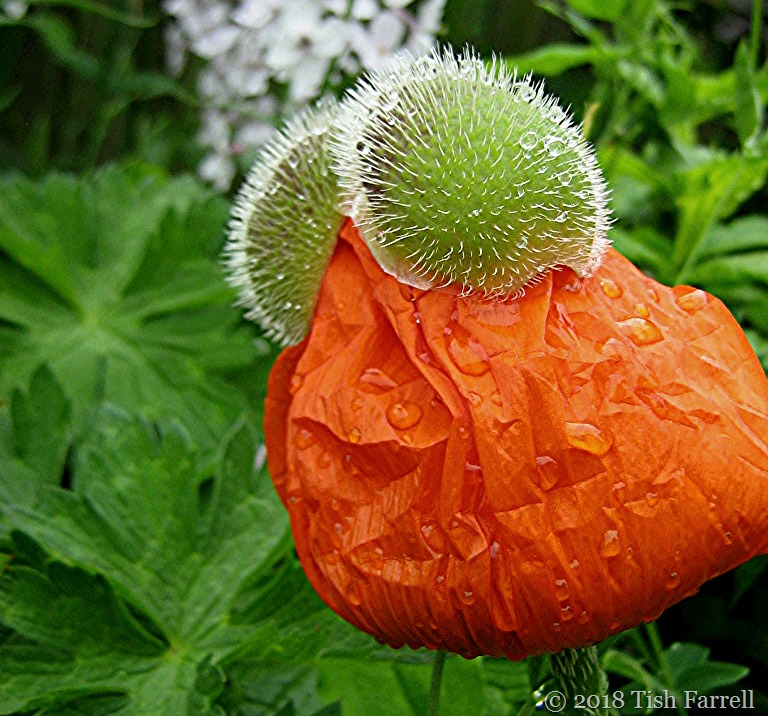
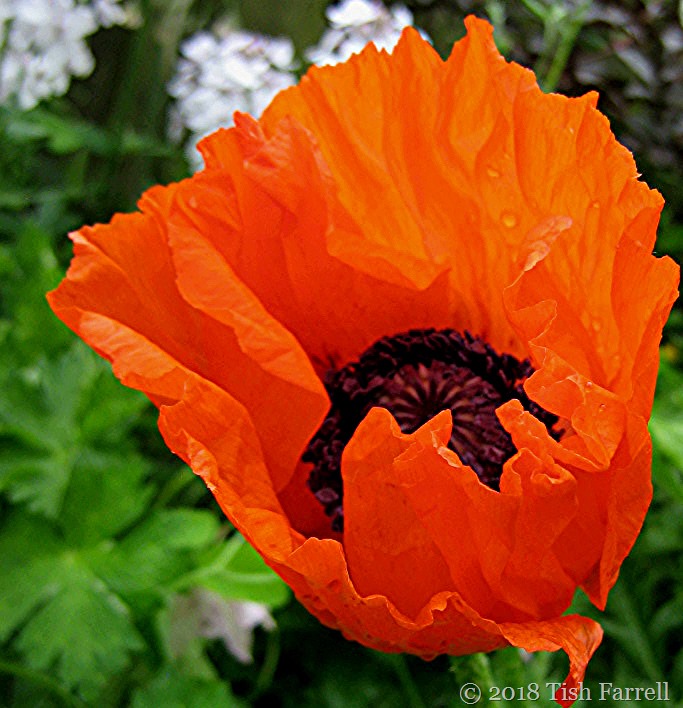
To be honest I’m not too fond of this particular shade of oriental poppy – essence of Heinz Tomato Soup. It was already a garden resident when we bought the house, and although I keep digging it up, it seems determined, not only to stay, but to multiply. Anyway, I like its chutzpah, if not its colour. I can always be sure it will pop up somewhere to annoy me. Then I think, oh well. At least the bees love it. And who can gainsay such show-off vim and vigour.

IMG_3540

On Sunday after the storms, I even felt rather sorry for this very rain-drenched one – made me think of an ageing star, past her prime, crying into her gin. Overdone mascara on the run…I should get out more.

The Changing Seasons ~ May Has Been Very Yellow

Spring has been all of a gallop this month, as if plant life is set on making up for lost time. Within the space of two weeks the rapeseed field behind the house went from muddy, over-wintered, pigeon-scoffed plants, scarcely a foot high – to a billowing yellow sea taller than me. (Oh, the unbridled power of agri-chemicals!)  It has anyway been great fun walking down the tractor trails within the crop, completely surrounded by sweet-smelling eye-high yellowness, and coming home covered in petals.

Now though, the flowers have almost gone, helped on their way by the last two days of storm and cloud burst. This morning it is foggy over the Edge. Fog in May? And I can’t see the wood at the top of the field.

In the garden there have been changes too. Behind the house, on our top level, the last scrap of lawn had been dug up, and the shed of He Who Builds Sheds And Binds Books now has a smart gravel forecourt, complete with red geranium in pot, which really isn’t what a chap wants outside his lathe and screw-collection domain, but I think looks jolly. Btw: the shed doesn’t actually have a chimney. Not too keen on the plastic water butt, but it’s there for now – water-gathering over aesthetics.
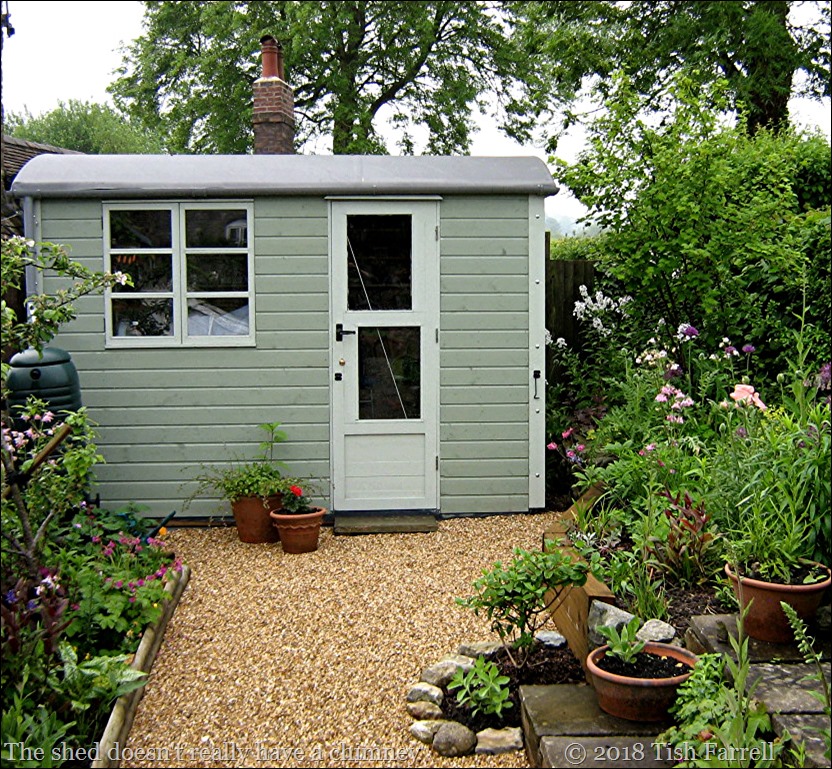
Our neighbour Roger also gave us some wooden sleeper pieces, left over from his own garden make-over, and these have now been used to contain the main herbaceous border beside said shed. The border has been blooming with aquilegias which are now giving way to alliums, foxgloves, euphorbia and oriental poppies. I have also  put in the plants bought at the Arley Plant Collector’s Fair last week (previous post), and am looking forward to china blue scabious and sweet scented phlox in a few weeks’ time. The bed is now officially FULL.

The narrow border on the left hand side of the gravel, and above our kitchen door, has also been given a containing wooden edge by re-purposing timber thrown on the bonfire heap at the allotment and duly carried home across the field. Yesterday I noticed that the small Coxes apple tree that is growing there is now busy making apples. So soon. It was all blossom only last week.

Now shed-building man is wondering what he can do to the old privies to stop them being head-banging, dysfunctional garden sheds, this while still retaining rustic quirkiness. At the moment a very fine, self-planted foxglove is growing beside them so operations are presently on hold.

Out at the front of the house, half of our boundary is open to the kerb-side. I have replanted the border with assorted verbascum, alliums, centaurea, hesperis, foxgloves, hellenium hoopesii (very yellow), Whistling Jack (a magenta, Byzantine gladiolus) and a few other things, including a small weeping crab apple called Red Jade. This border is my cultivated response to motorists who insist on breaking the 30mph speed limit (and the law) by speeding along Sheinton Street at 40mph and above.

And now here are more scenes from the Farrells’ May garden, beginning at the front. It’s all rather rampant:

And in the back garden:


This slideshow requires JavaScript.


The Changing Seasons

Please visit Su to see scenes from her recent trip round NZ’s South Island

Plant Collectors’ Fair At Arley Arboretum

Set within a walled garden above the River Severn on the Worcestershire border is one of the oldest and finest arboreta in Britain. It was begun around 1800 by Earl Mountnorris who owned the Upper Arley village estate. But by the 1950s both arboretum and the village cottages had fallen into neglect. Enter Roger Turner, Midlands philanthropist and iron and steel man. He set about restoring the arboretum and brought Arley village back to life, repairing properties, building new homes and a community centre. When he died in 1999, the estate was left to his Charitable Trust. The arboretum was first opened to the public in 2002, its objectives both recreational and educational. So could one a imagine a lovelier venue for last Saturday’s gathering of nurserymen and women all selling their very special garden plants?

The fair was set up just outside the walled garden entrance and overlooking the parkland. For the small price of £2.50 you could go to the fair and spend the whole day in the arboretum.

And then into the arboretum:


This slideshow requires JavaScript.

Arley Aboretum and Upper Arley village for more information.

Six Word Saturday