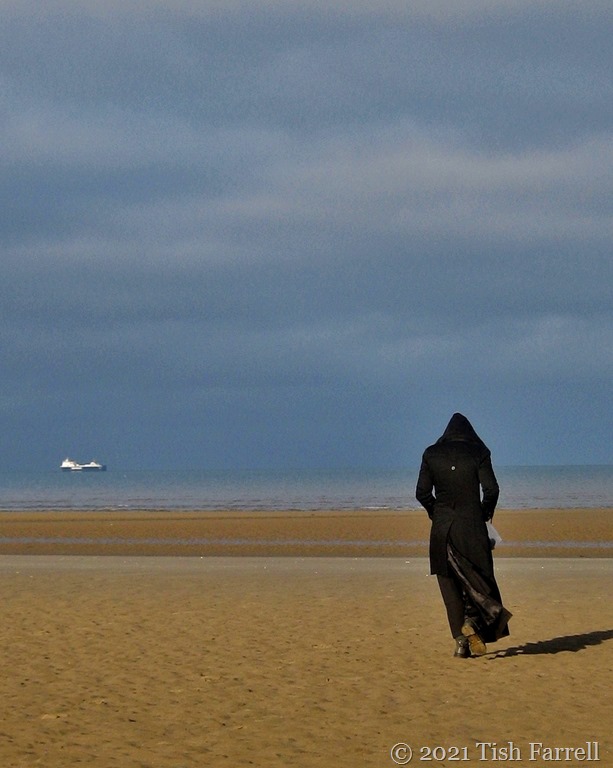


Life in Colour: Black or grey Jude at Travel Words has given us a new shade to think about for this month’s pix.

Life in Colour: Black or grey Jude at Travel Words has given us a new shade to think about for this month’s pix.
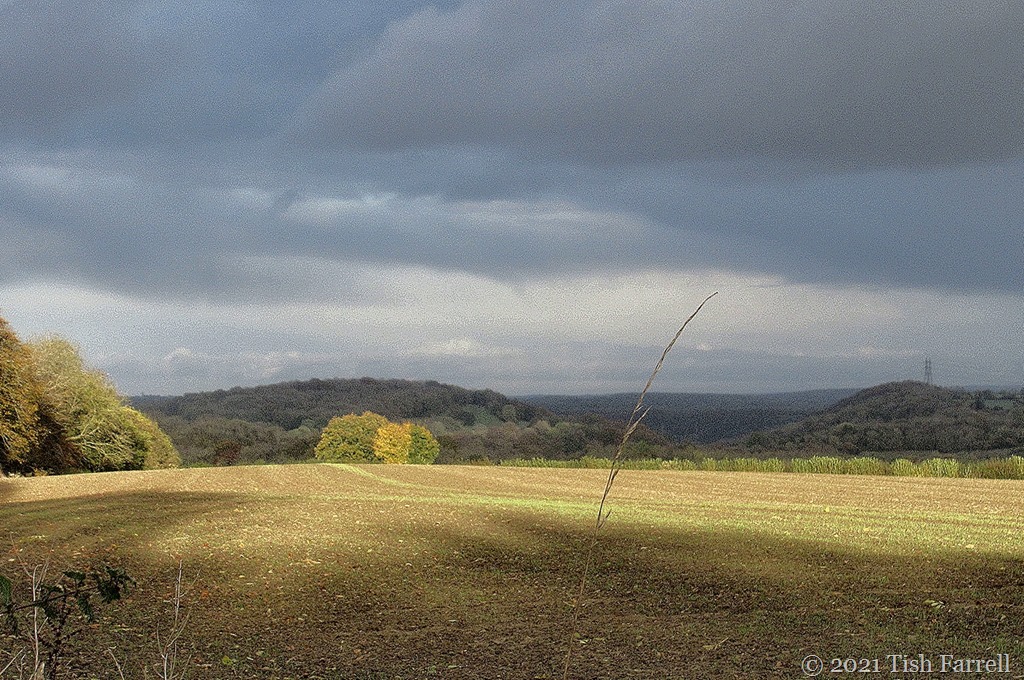

We were walking along the top of Wenlock Edge earlier this week – Edge on the left of this photo, Ironbridge Gorge right of centre. This is a circular walk that can include Windmill Hill as a slight detour, but otherwise takes you out of Much Wenlock before sending you up a field path (with fine views of the Wrekin) to the Edge above Homer village.
The final climb to the Edge top is quite steep and rocky, but once negotiated, you step out on a pleasingly level track, farm fields on one side, hanging woodland on the other. I should say, though, that for those nervous of heights it doesn’t do to stop and look down into the wood. There, the huge ash, beech, oak, and sycamore trees grow hugger mugger on prodigiously tall, straight trunks that cling to several hundred feet of near vertical hillside. Here and there, between rare gaps in the canopy, you can just glimpse the fields of the Shropshire plain way below.
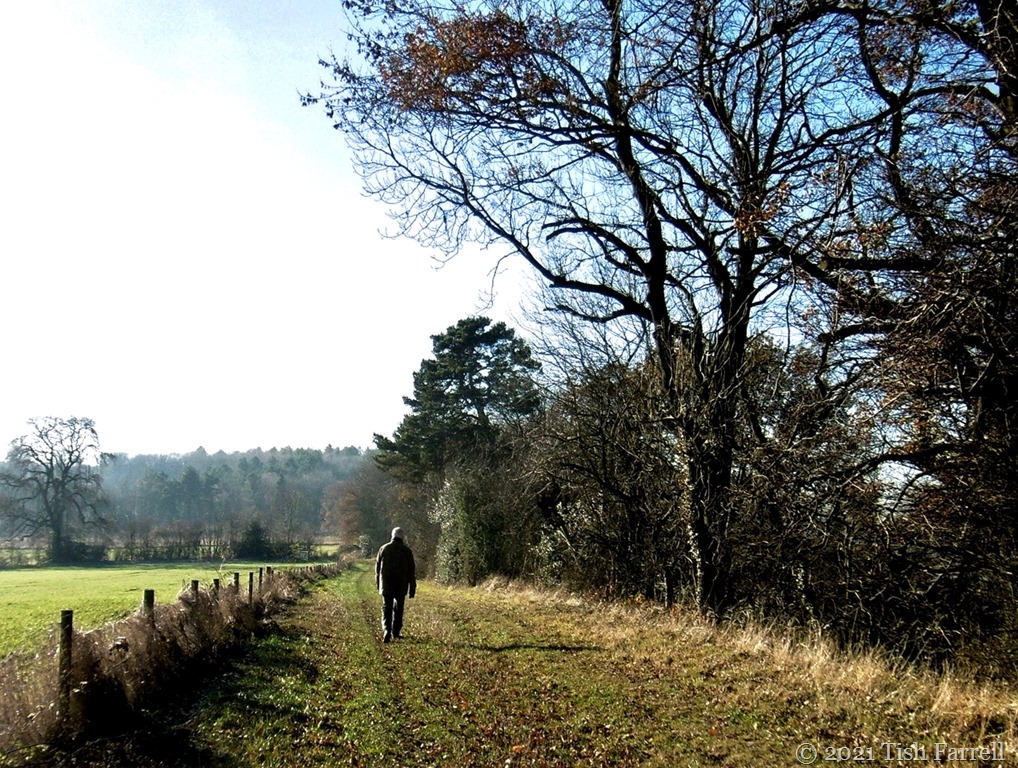
This is a winter’s day view of the Edge trackway, the seeming benign but beetling Edge wood on the right:
*
There’s a point further along this track where a path hives off at right angles, taking us back and down to the town. There’s also a particular fence post here that I often use in lieu of the tripod. I used it to take the header shot, including the grass stem pointer, but in the past I used it to capture these views – the cooling towers of Ironbridge Power Station, shortly to be developed into a very large riverside housing complex:
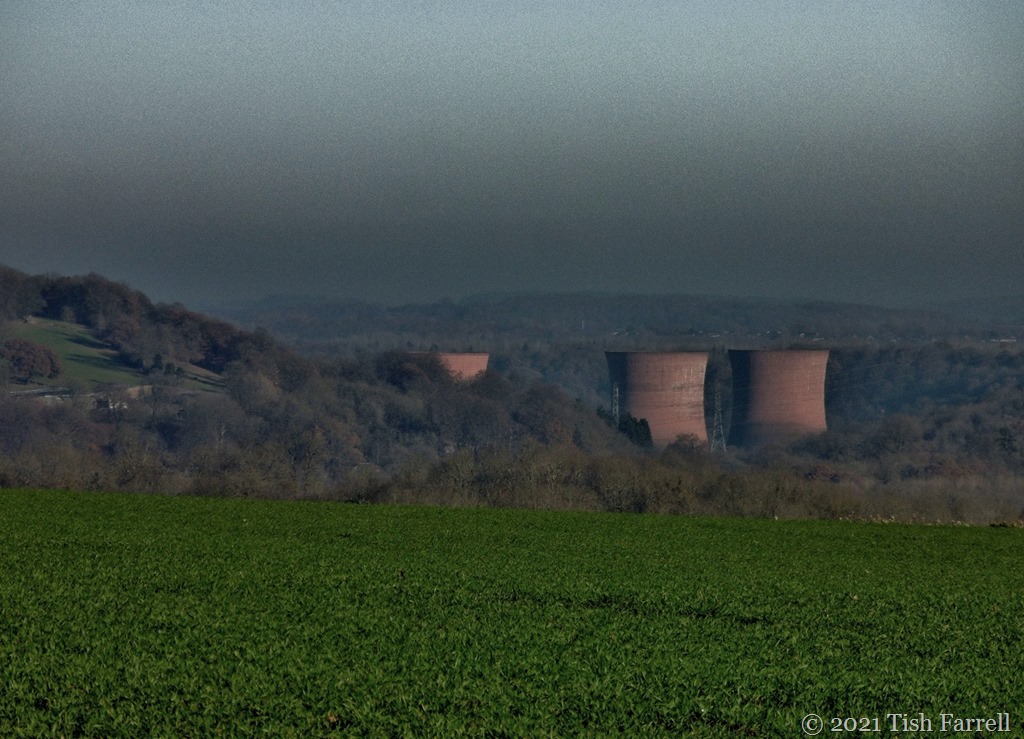
Here’s another winter’s view with the cooling towers steaming away, and to the left a glimpse of the chimney beacon that finally came down this summer:
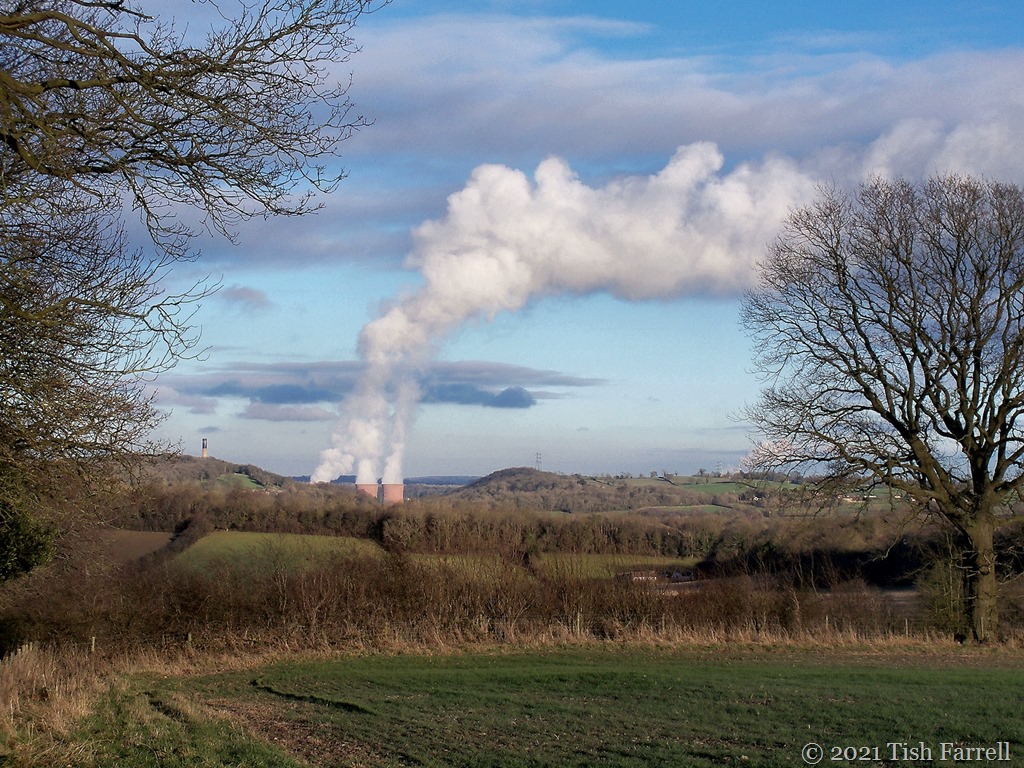
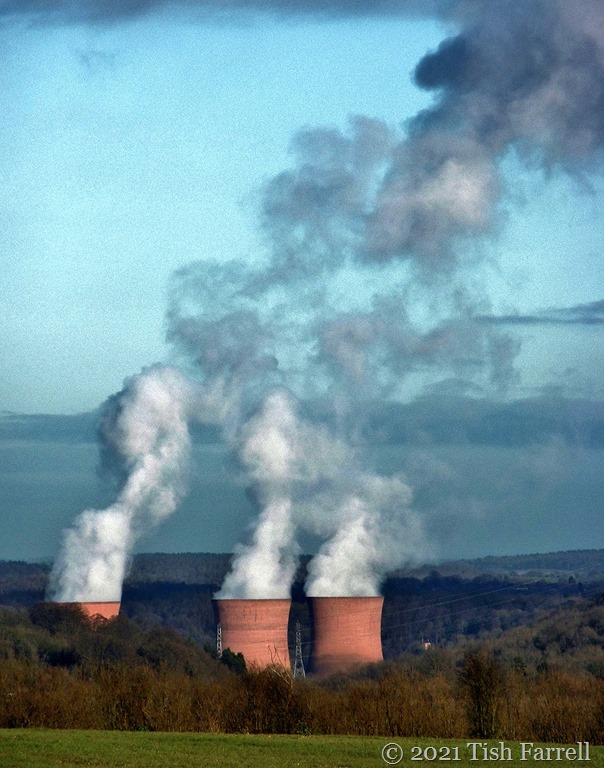
All gone now. This may well be a good thing. On the other hand, we need to think very hard and carefully how, and at what precise cost, we will heat and power our homes in the future. At present there is, to say the least, something of a technological shortfall. Nothing, it seems, is settled.


#WordlessWednesday
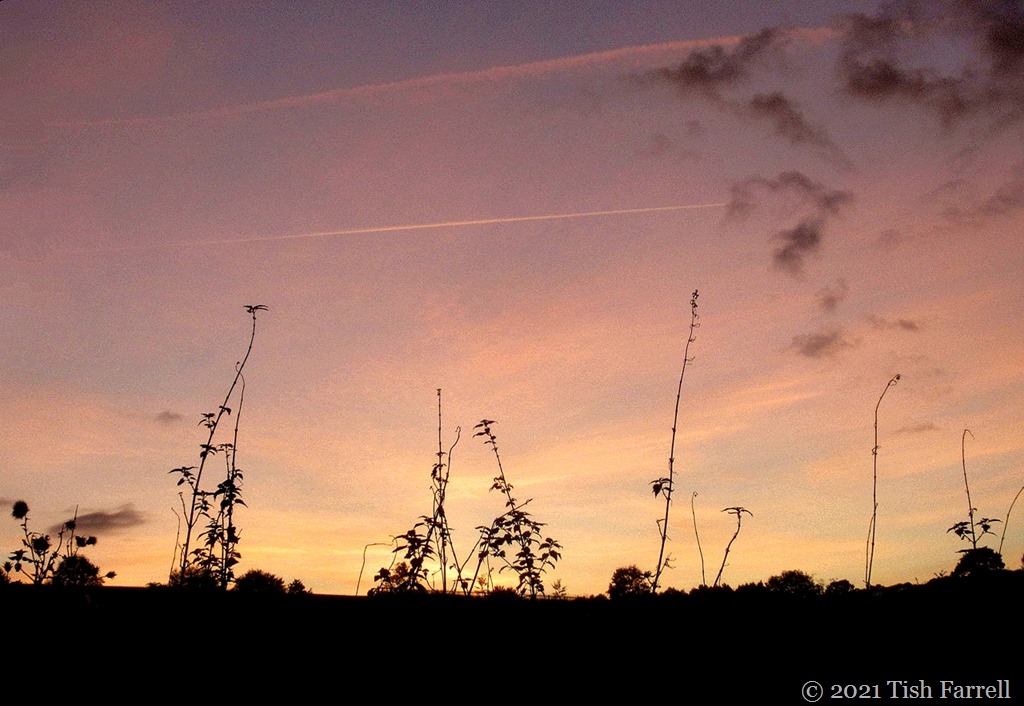

The turn of the year: light and shadow; one summer gone, another planned for:
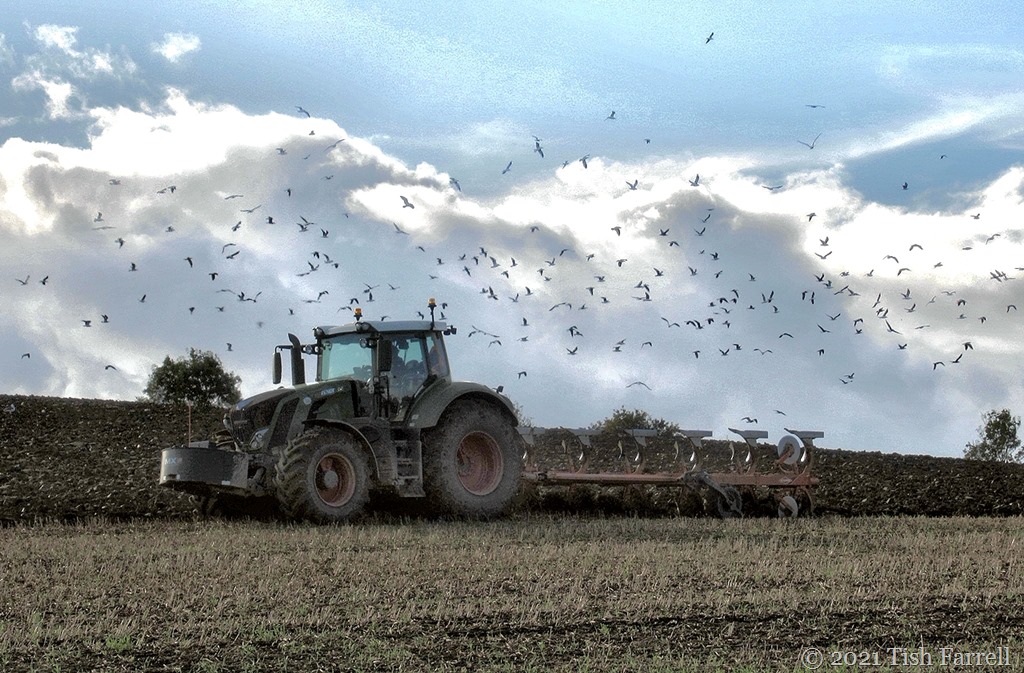
In Townsend Meadow…
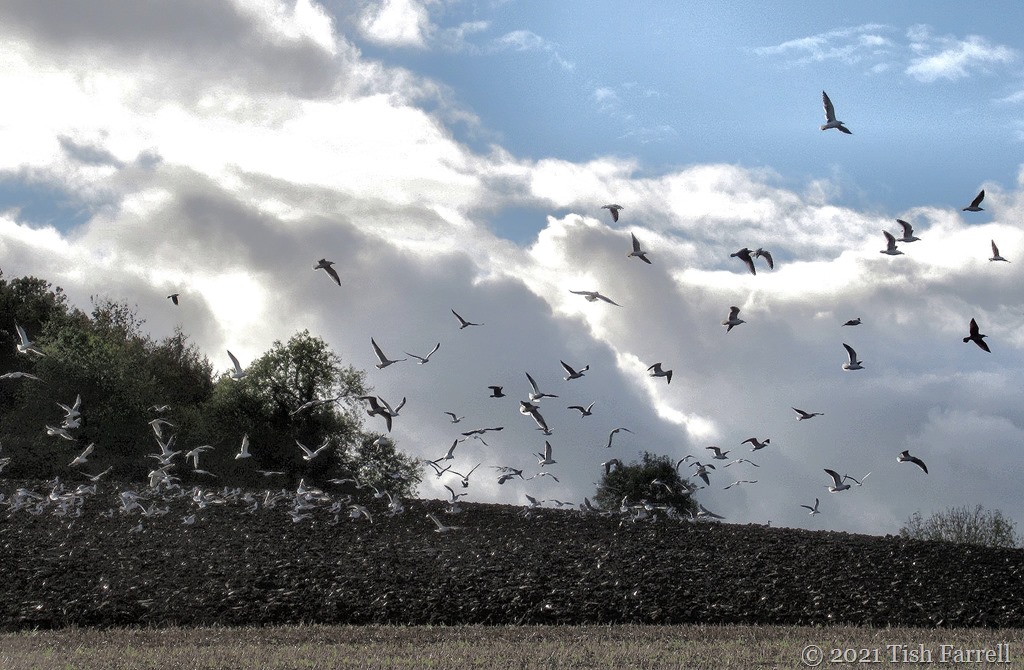
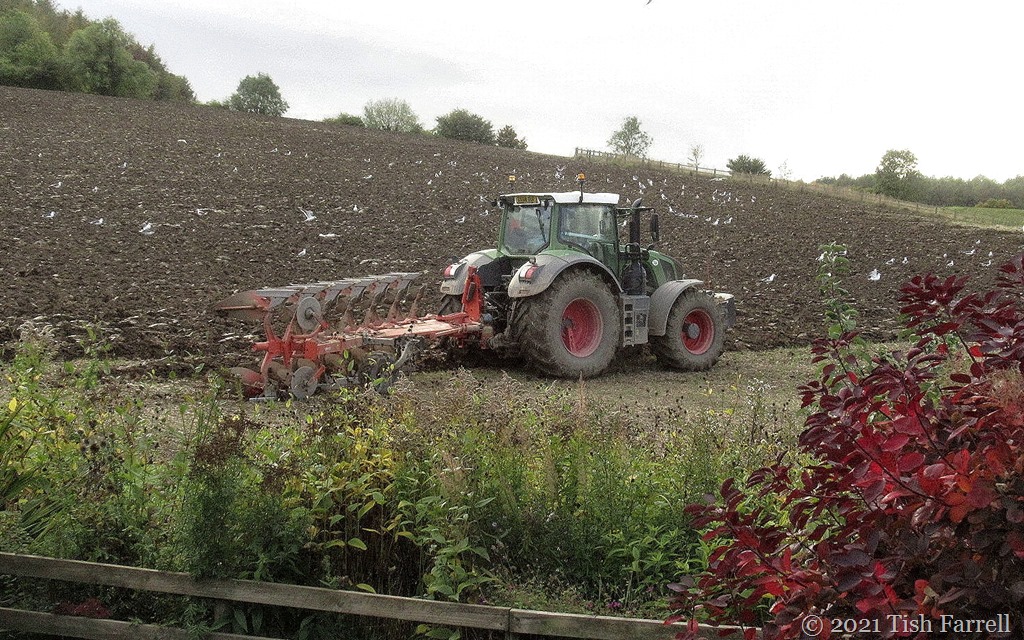
*
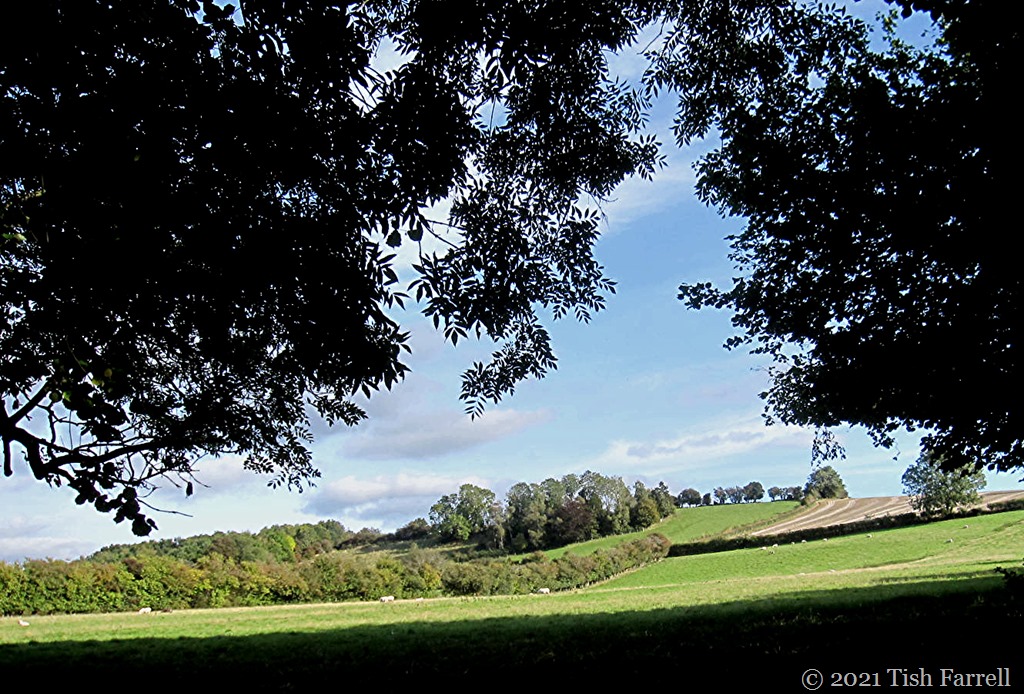
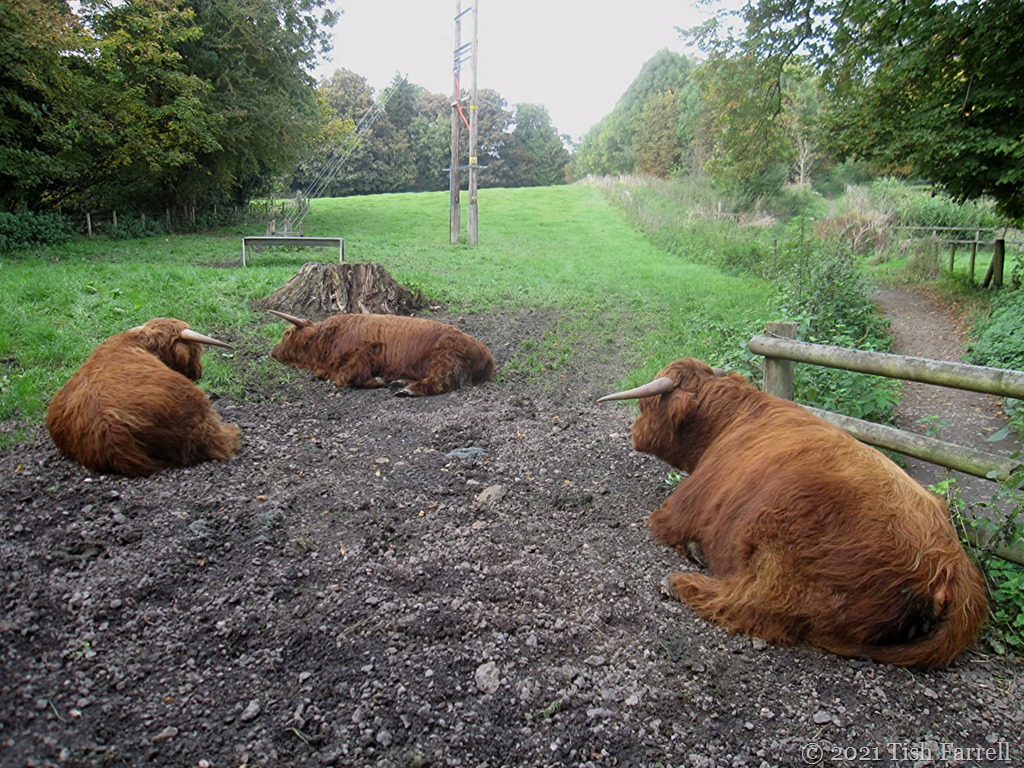
Around the town: winter wheat sprouting, highland cattle lounging…
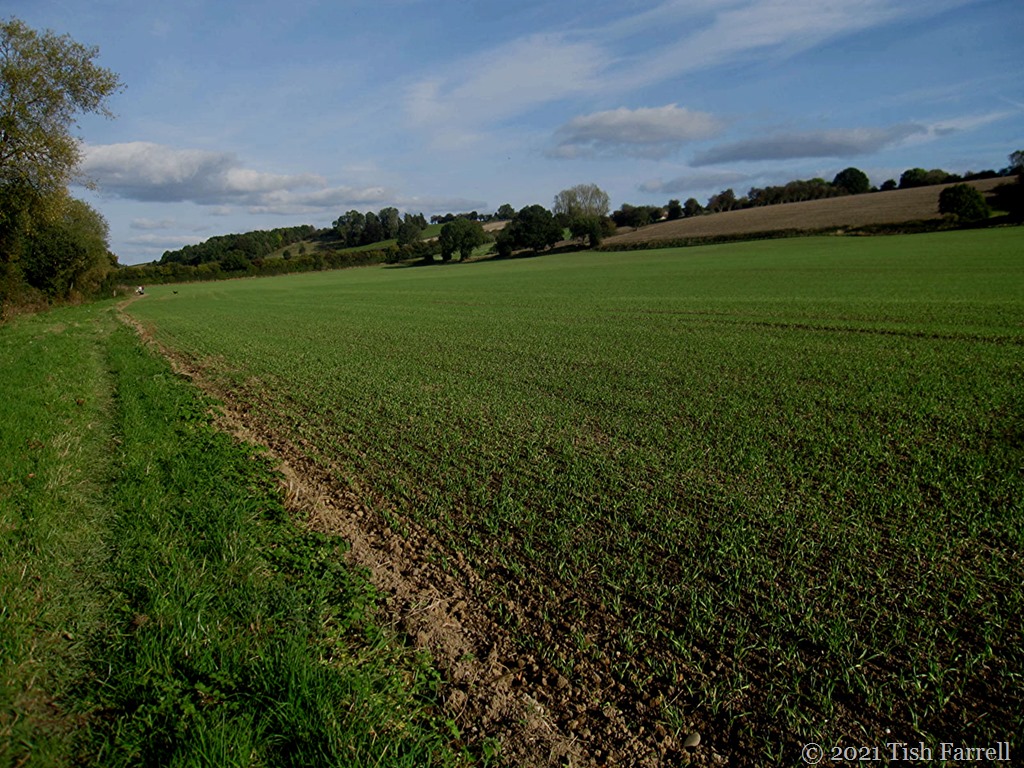
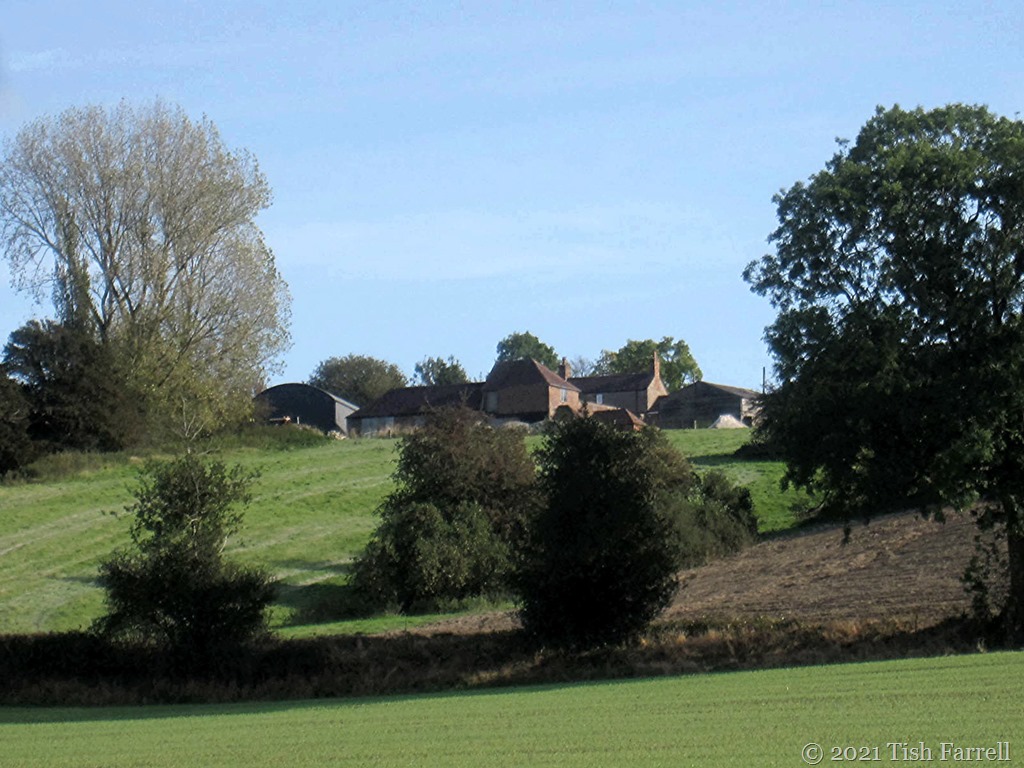
*
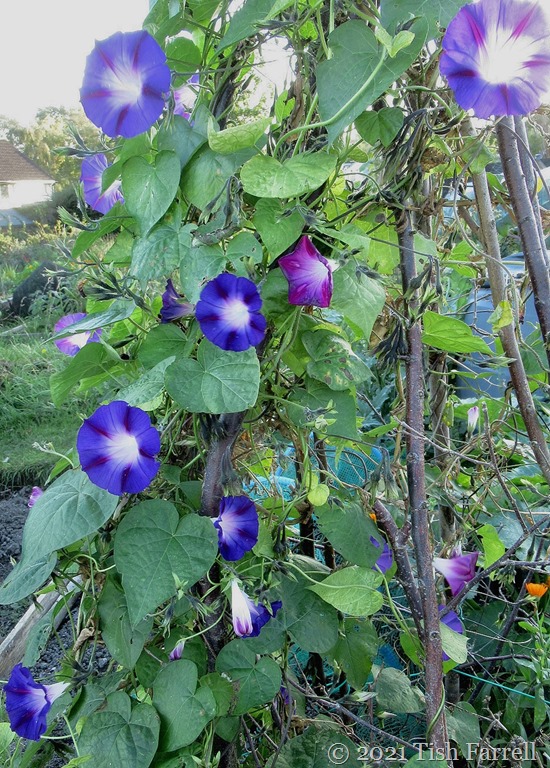
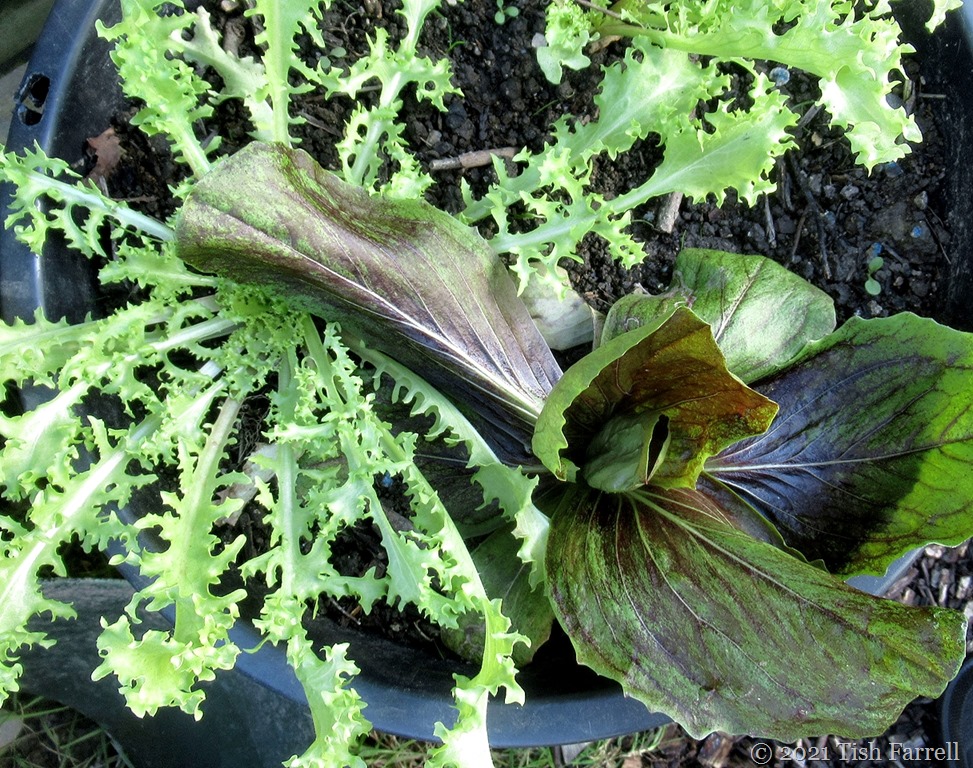
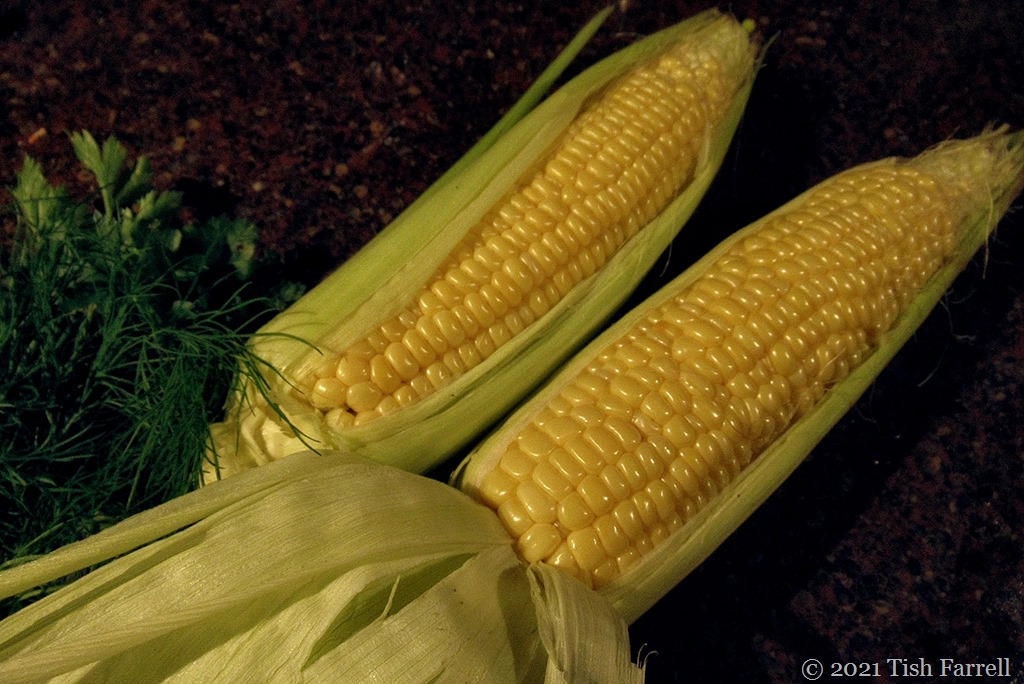
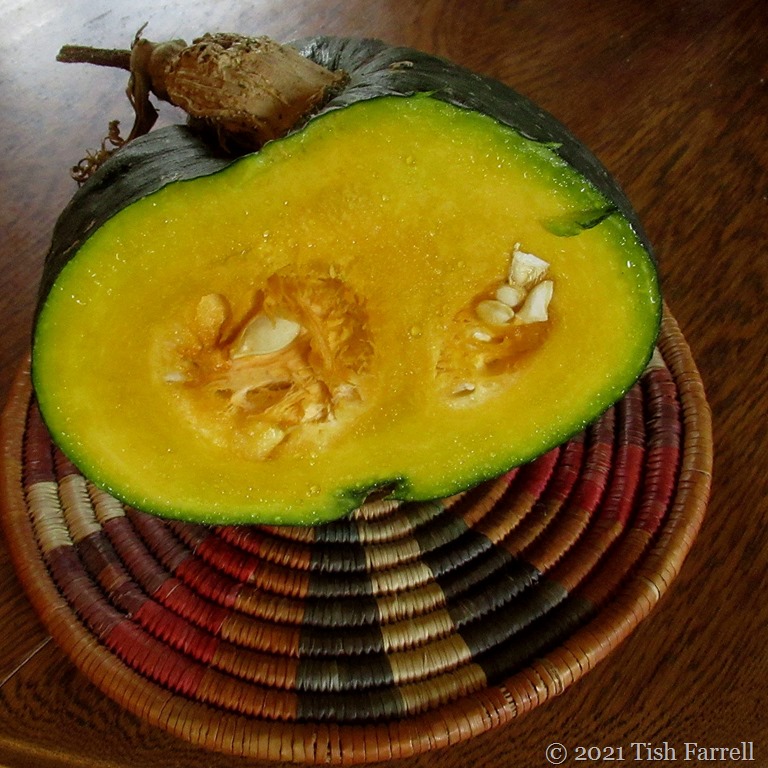
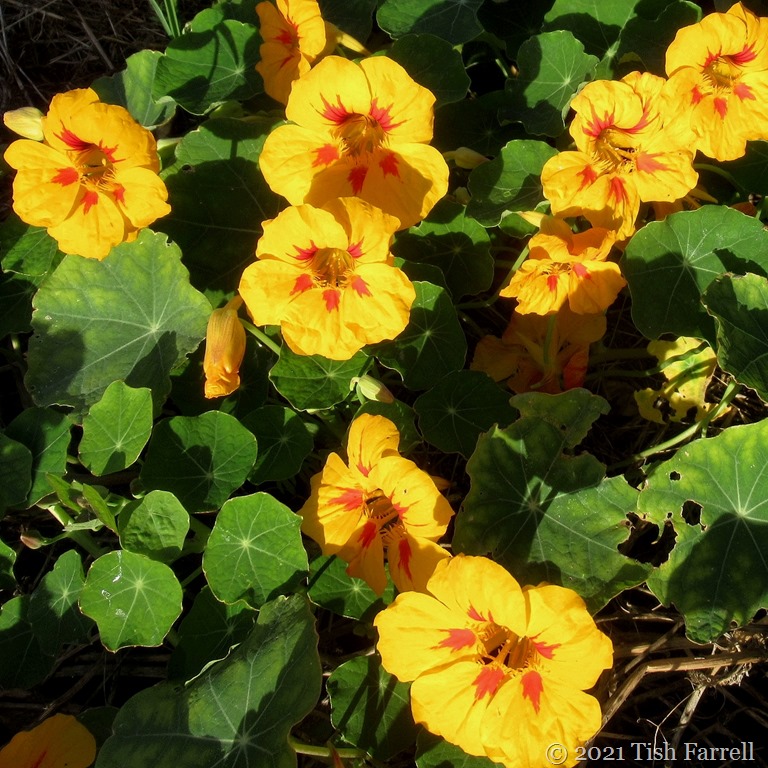
At the allotment: October morning glories on the pea sticks and in the polytunnel, bucket planting of endive and chicory for winter salad, summer squash and the last sweetcorn eaten, a sudden blooming of nasturtiums…

*
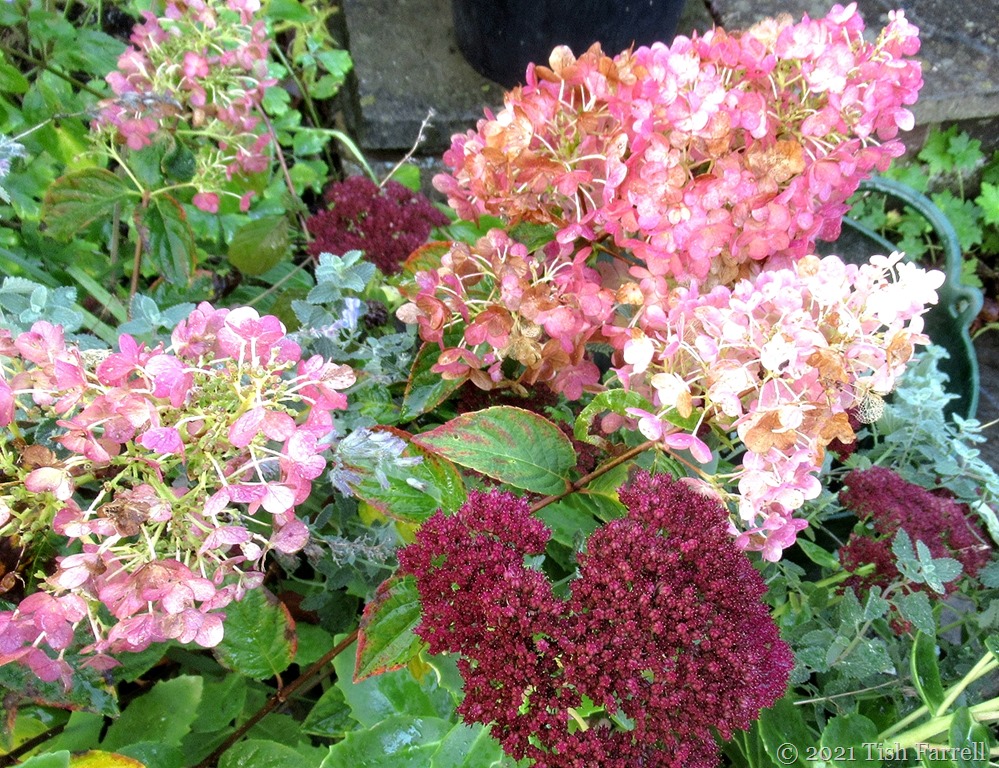
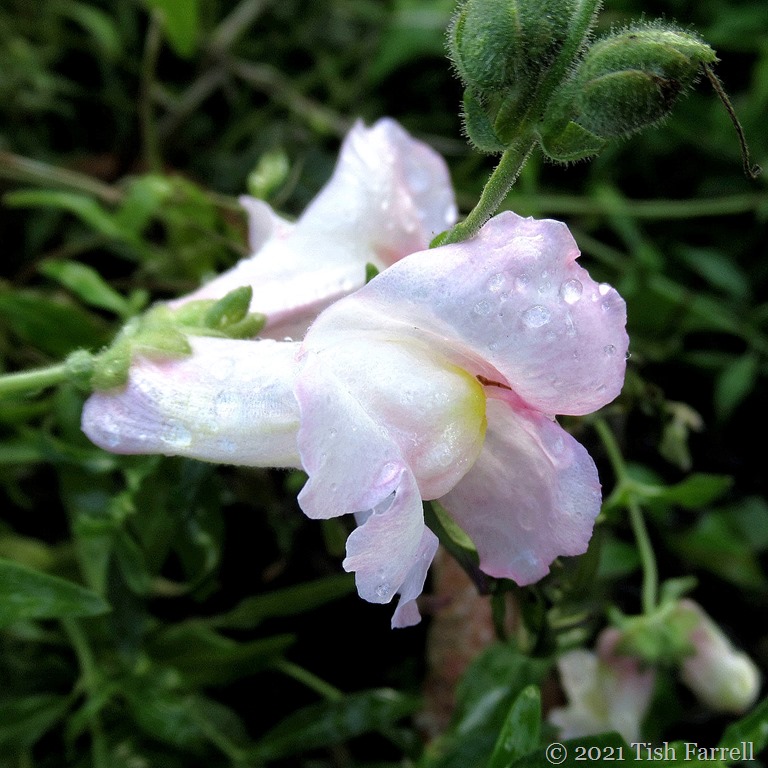
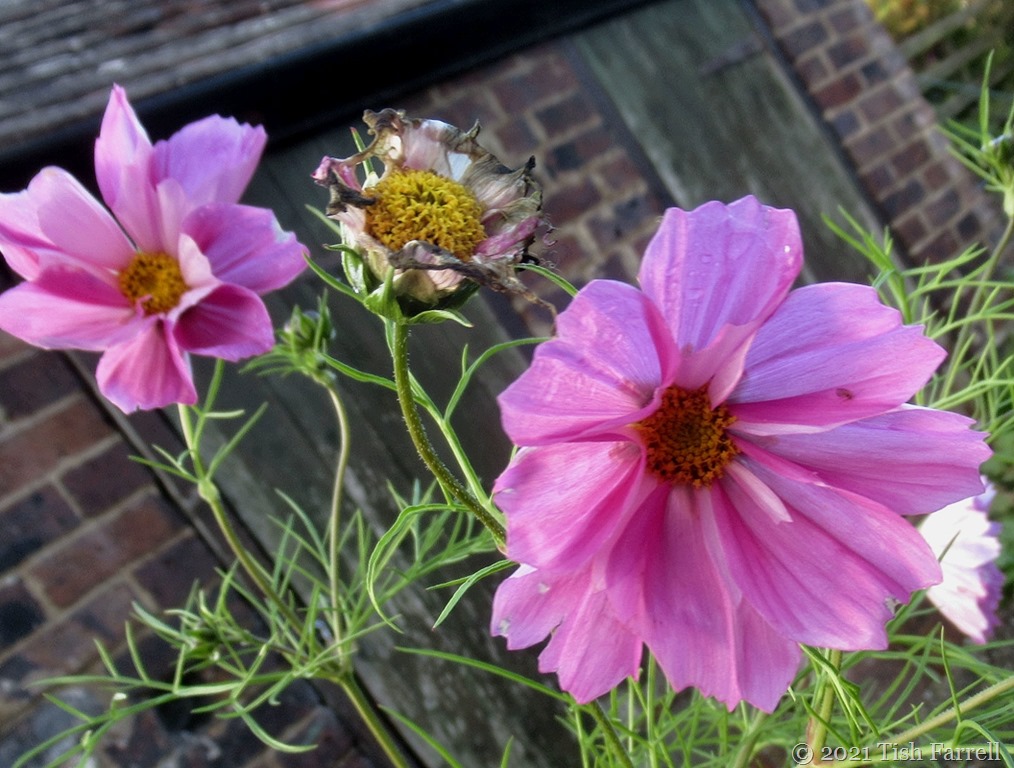
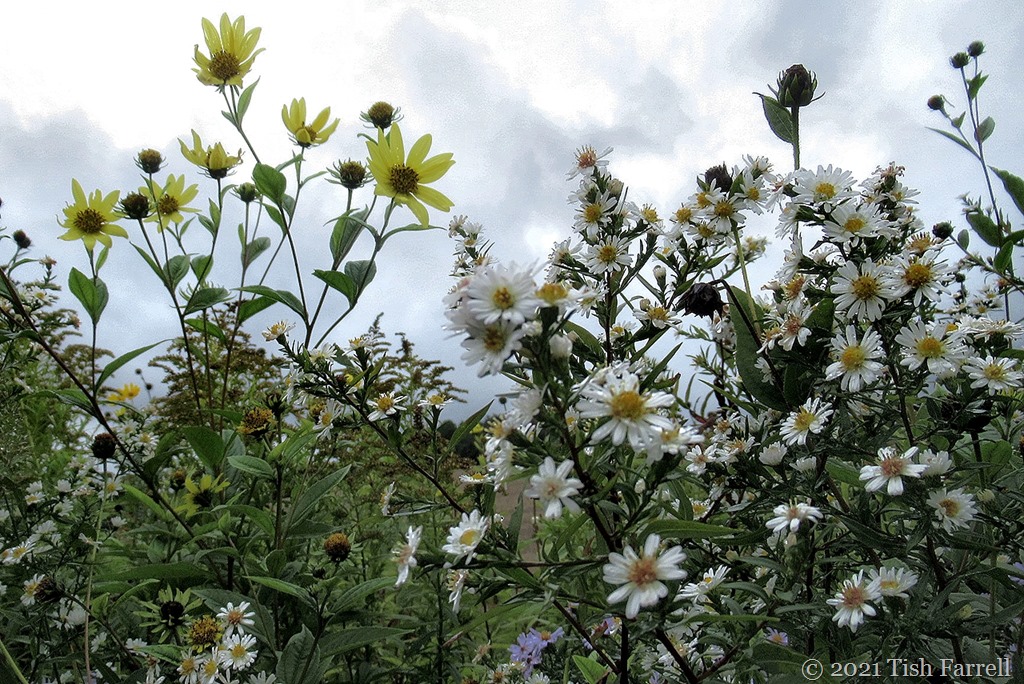
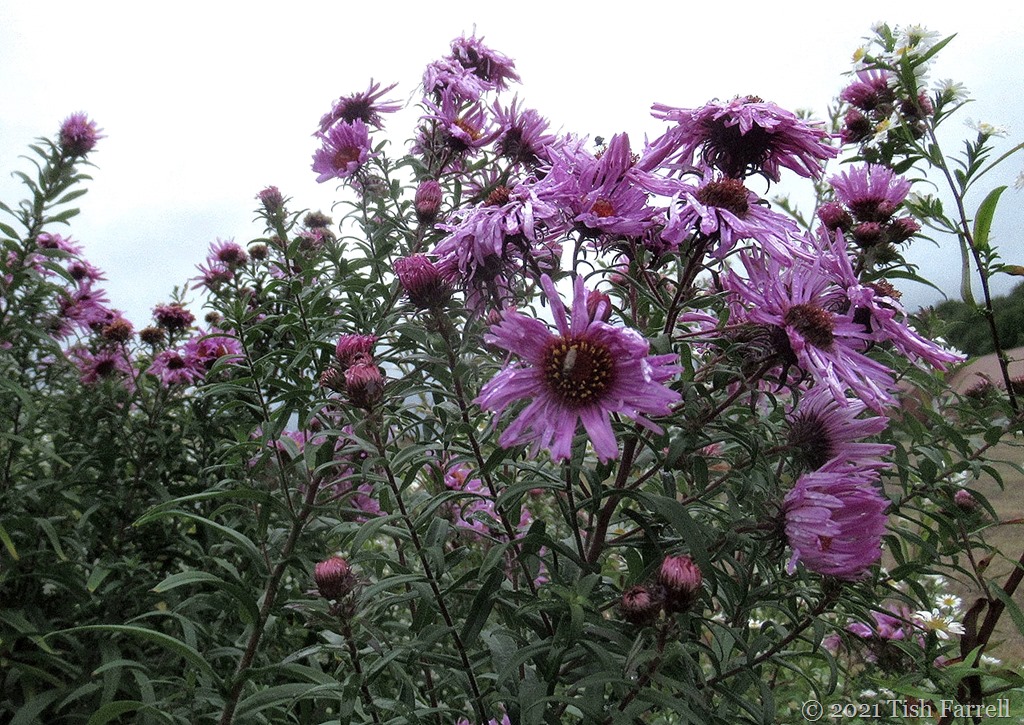
Final floral fling in the home garden:

*
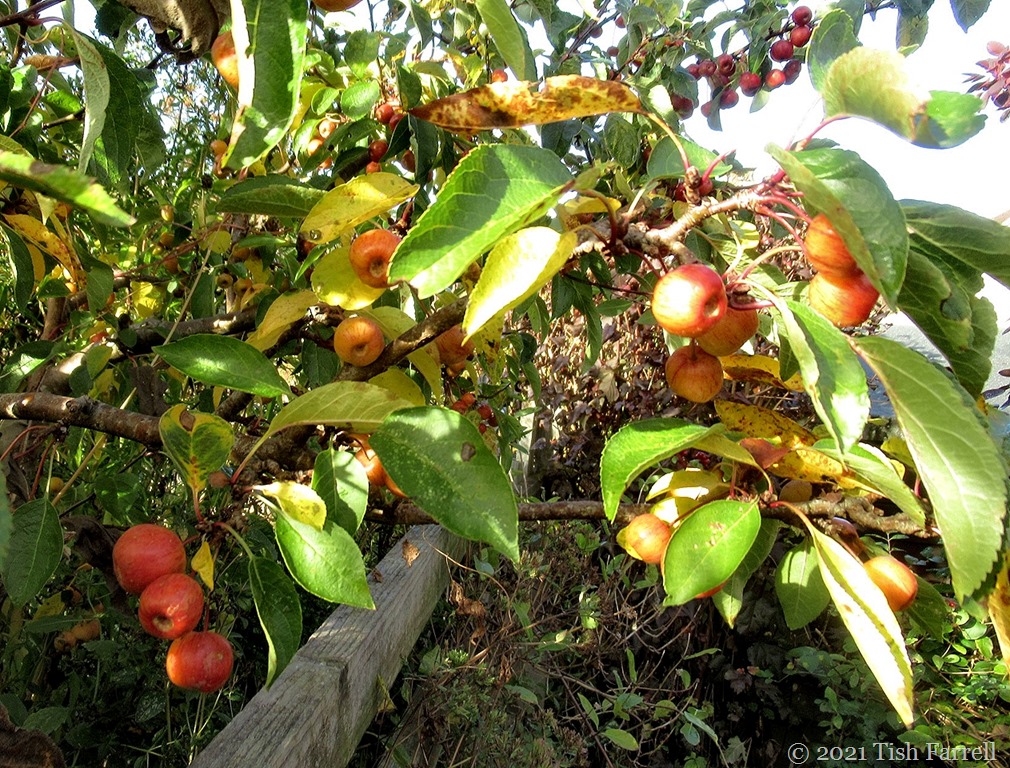
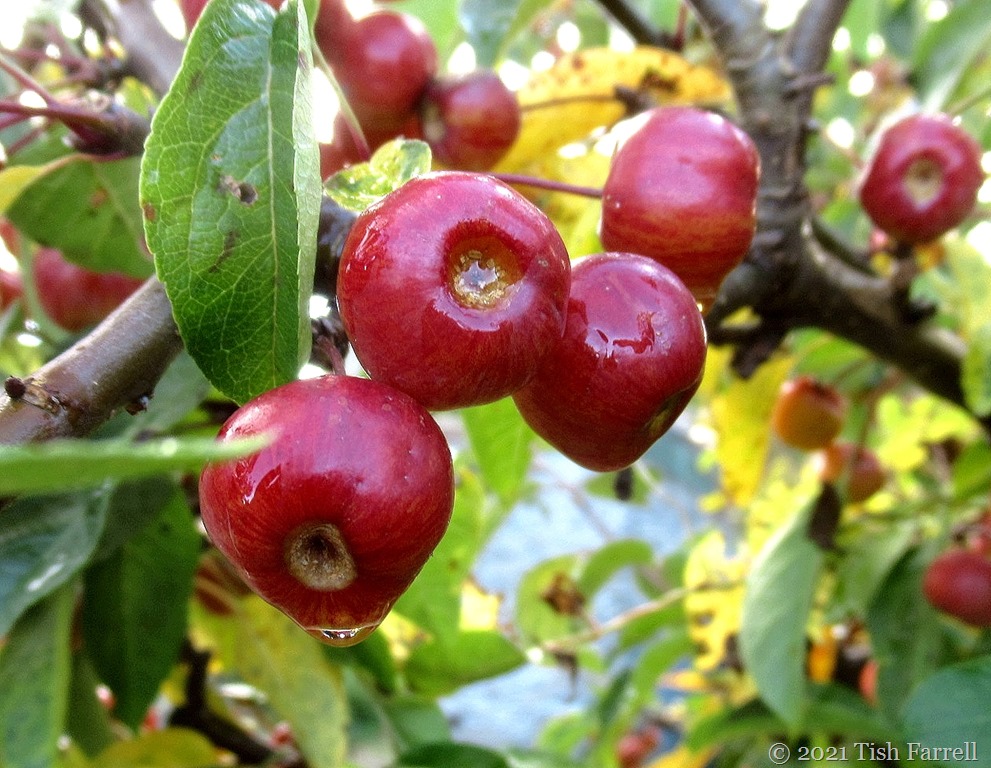
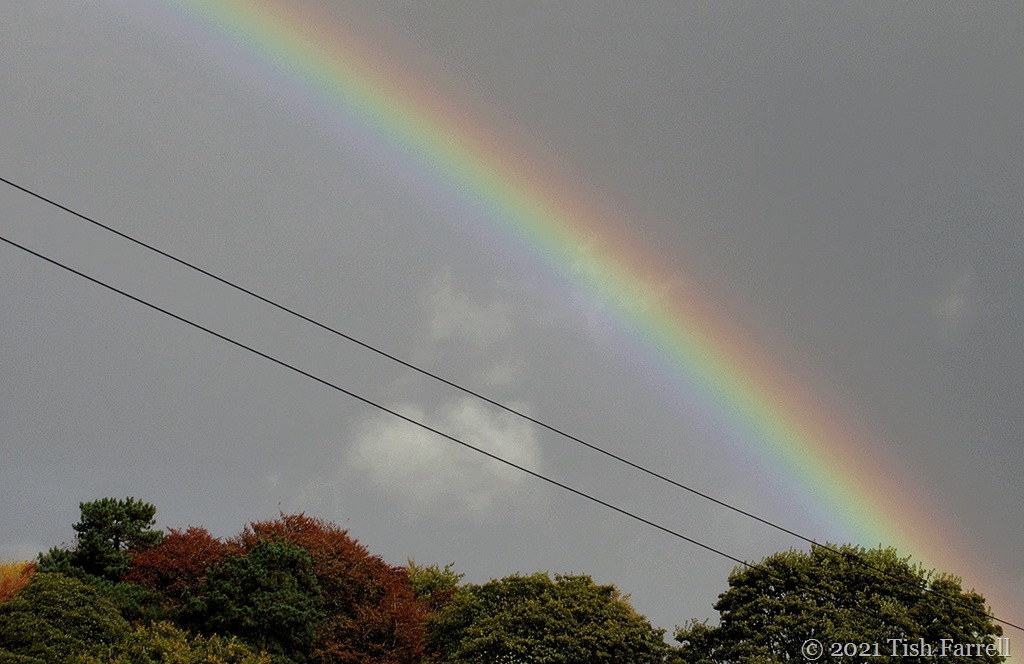
Over the garden fence (sunshine and lots of rain)…
*
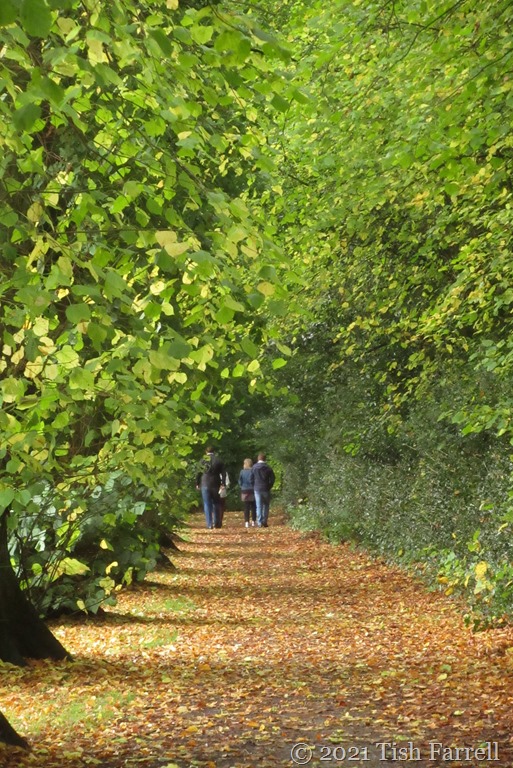
On the Linden Walk:
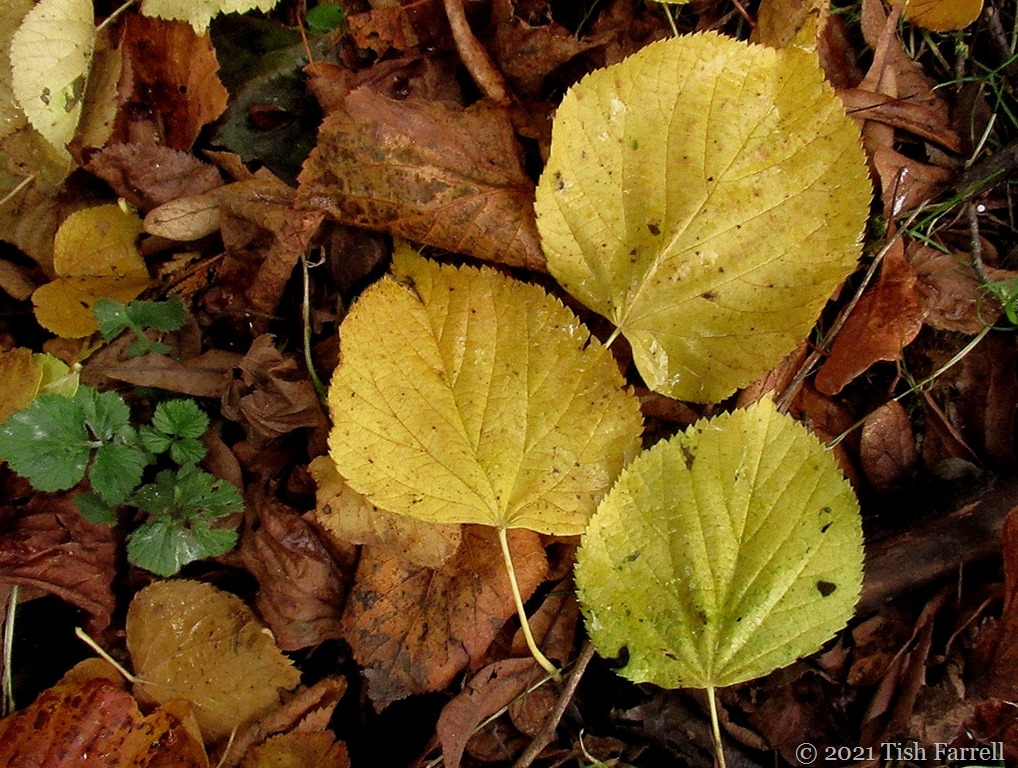
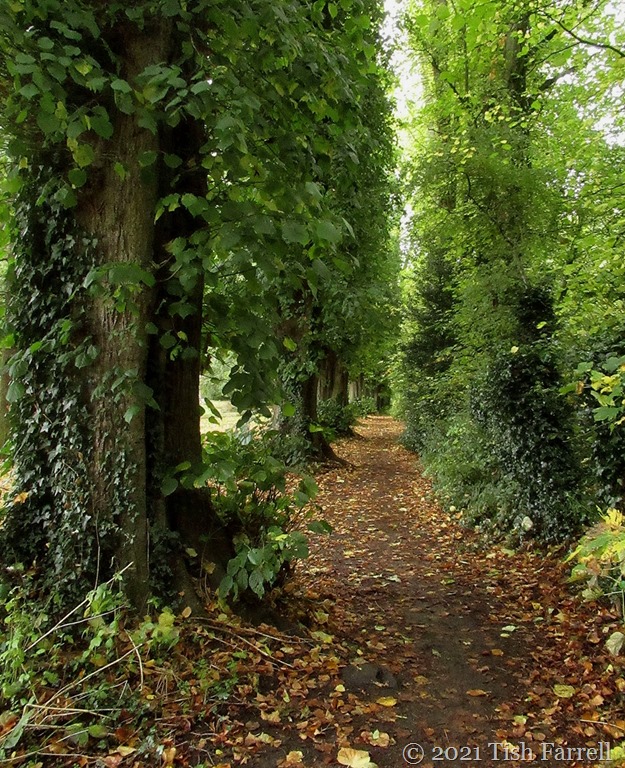
The Changing Seasons: October 2021 Please join hosts Ju-Lyn at Touring My Back yard and Brian at Bushboys World for this monthly challenge

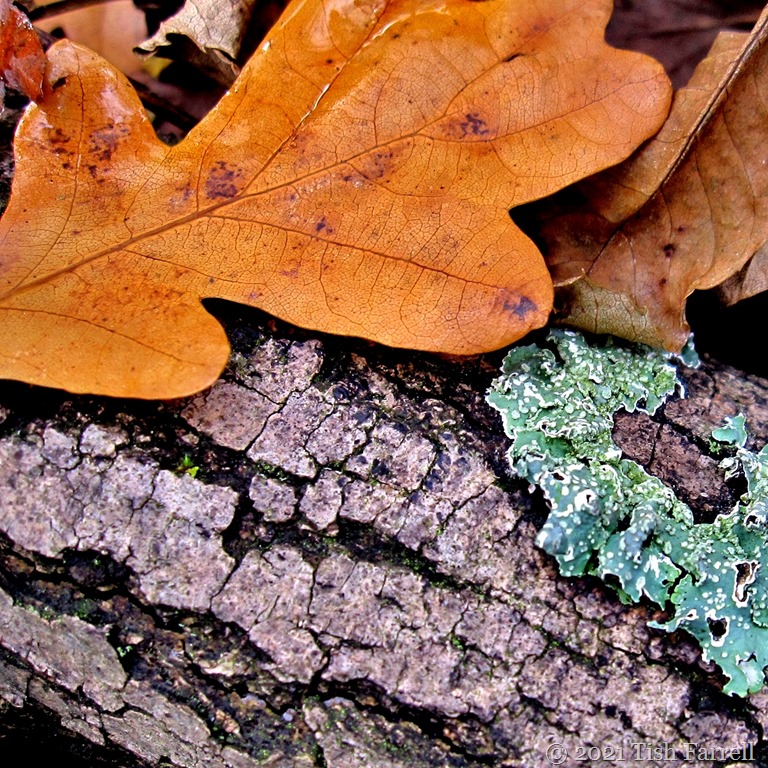
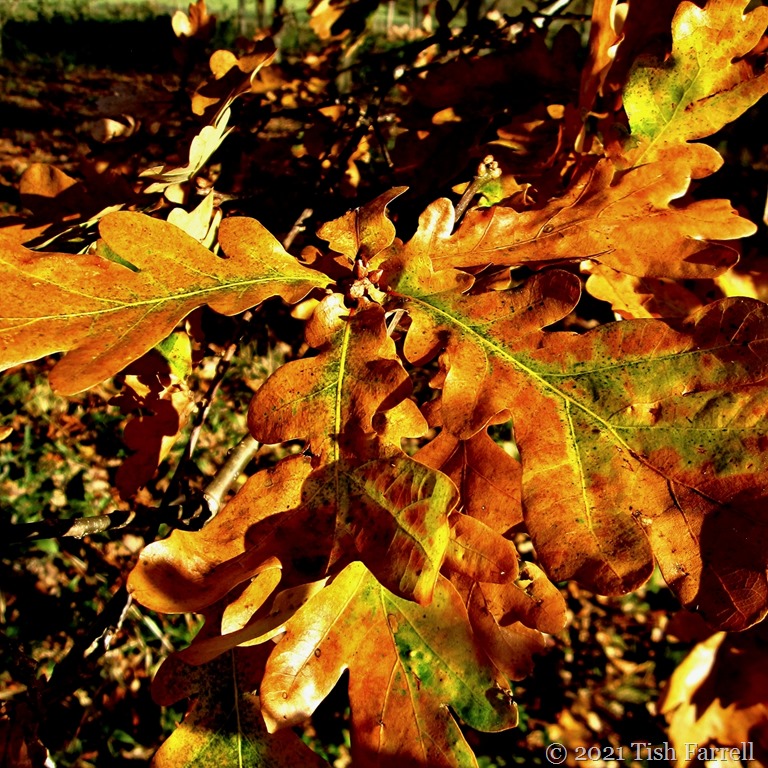
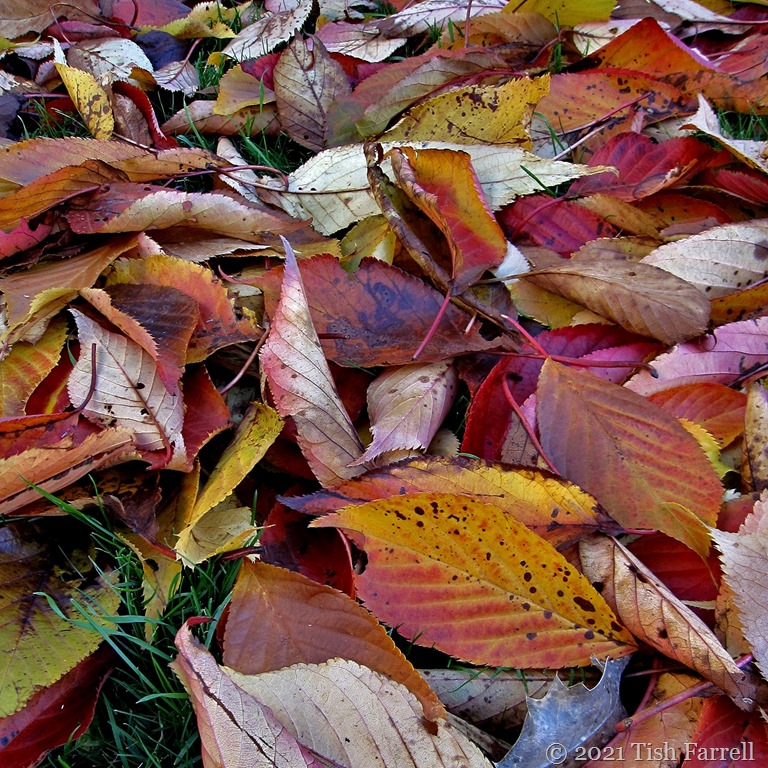
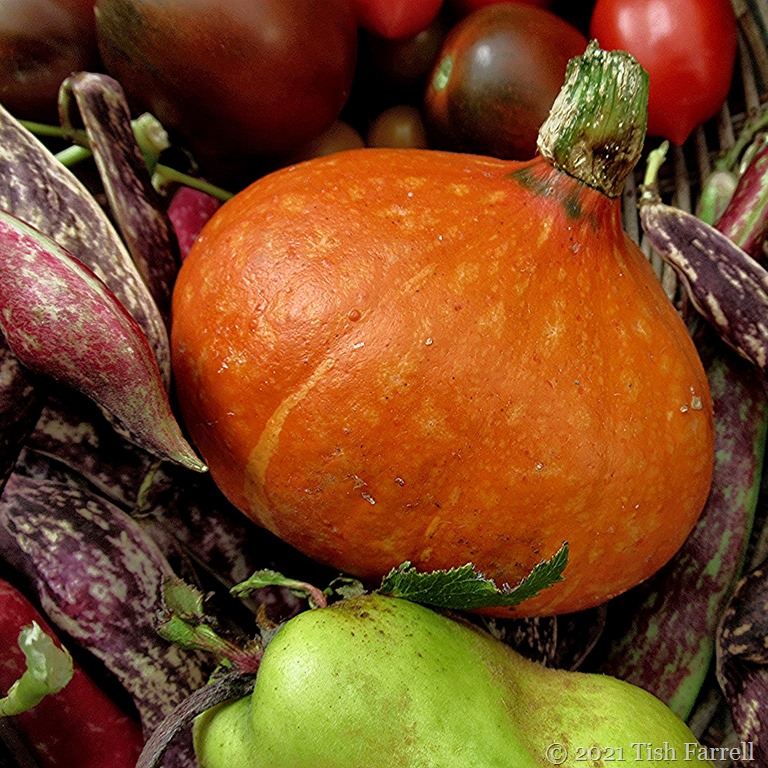
Almost the end of Becky’s Past Squares and a final orange fling for Jude’s Life In Colour:

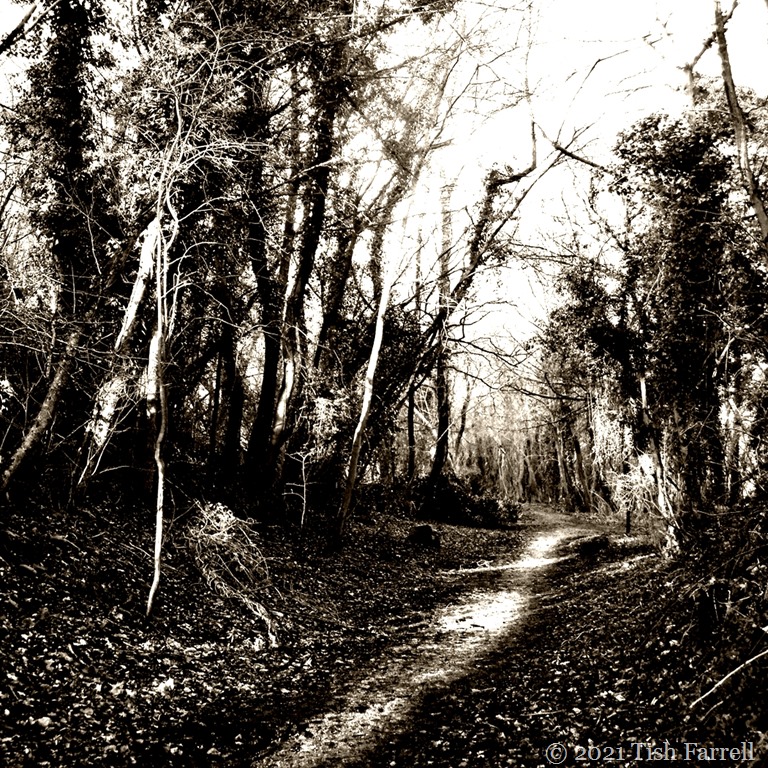
The old railway line
*
Becky’s entertaining Past Squares month is nearly done, and this week Cee’s black and white photo challenge is vanishing point, and so the two notions seemed to coalesce…

Wenlock Priory ruins
*
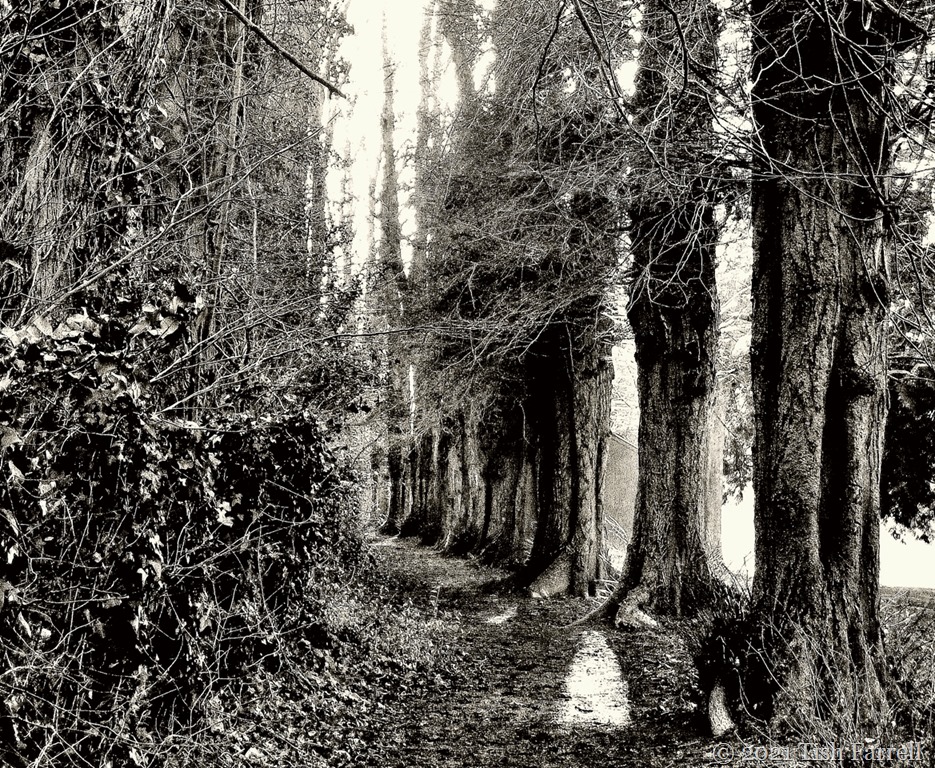
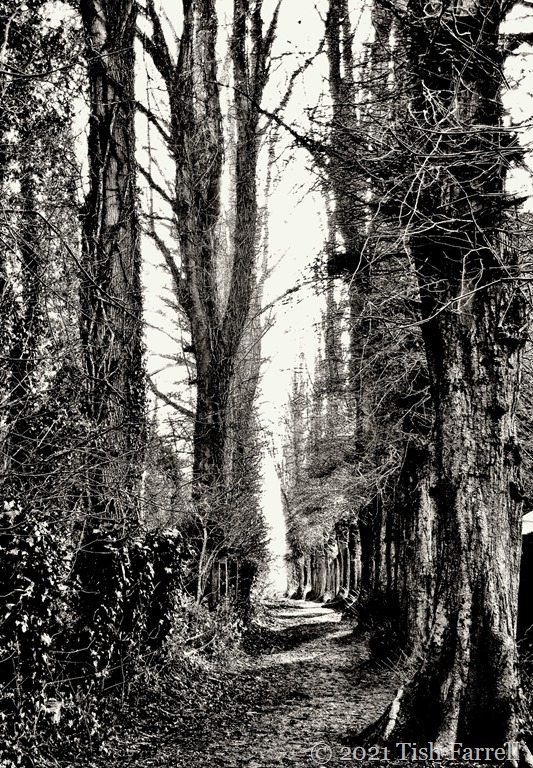
The Linden Walk
*

Path to Bradley Farm
*
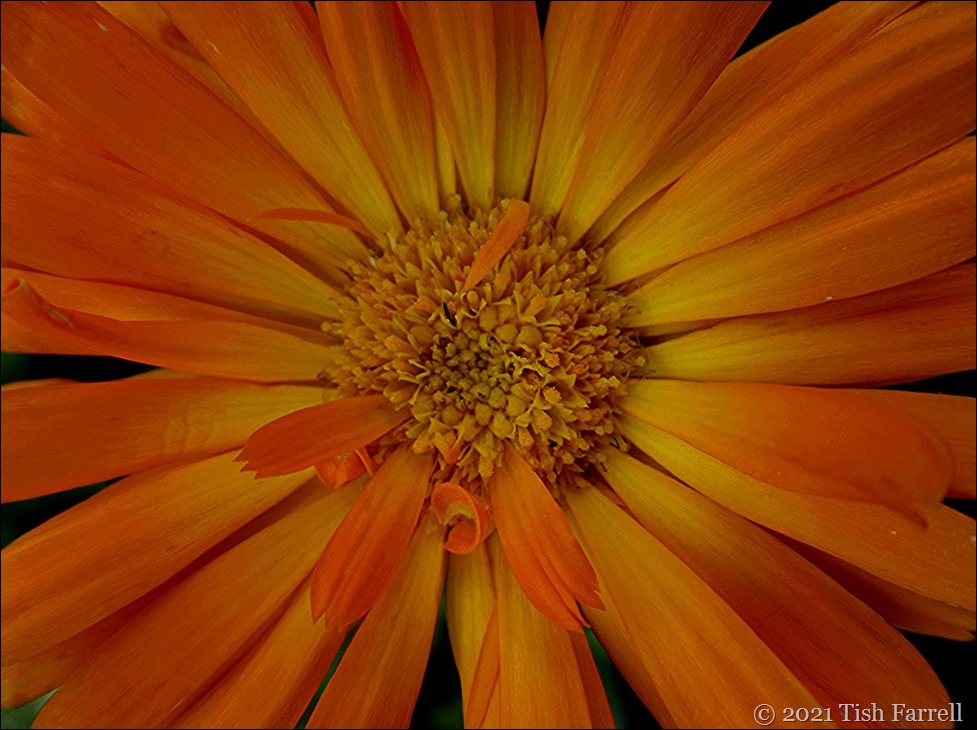
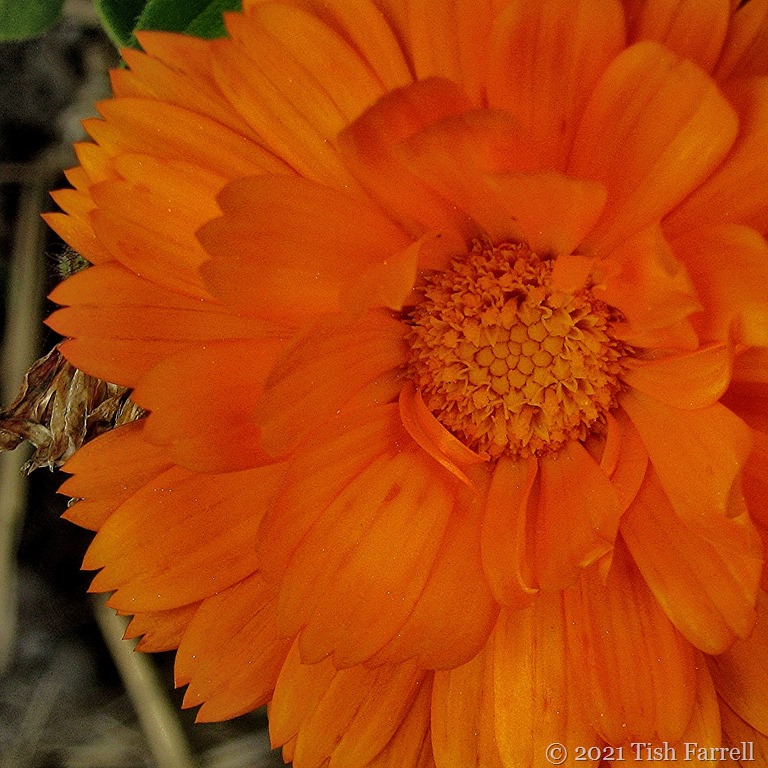
I thought this marigold square deserved another outing – essence of orange as visual infusion. And yes, I know. I keep writing about this particular cottage garden pharmacopoeia, so just to prove I’m not some old wife telling ill founded tales, here’s a scientific paper that highlights calendula’s potential for all manner of human ills, and calls for a thorough investigation of likely benefits. The list of this plant’s phytoconstituents is breath-taking:
https://www.ncbi.nlm.nih.gov/pmc/articles/PMC3841996/
The paper also points out that pot marigold, Calendula officinalis, is used clinically around the globe, especially for skin complaints. This has been so for hundreds of years. It would certainly have been found in the monastic physic garden, and the medieval wife would also have grown it in her kitchen garden, since she was the one responsible for dealing with family ills in an era when ordinary folk had to shift for themselves when it came to illness.
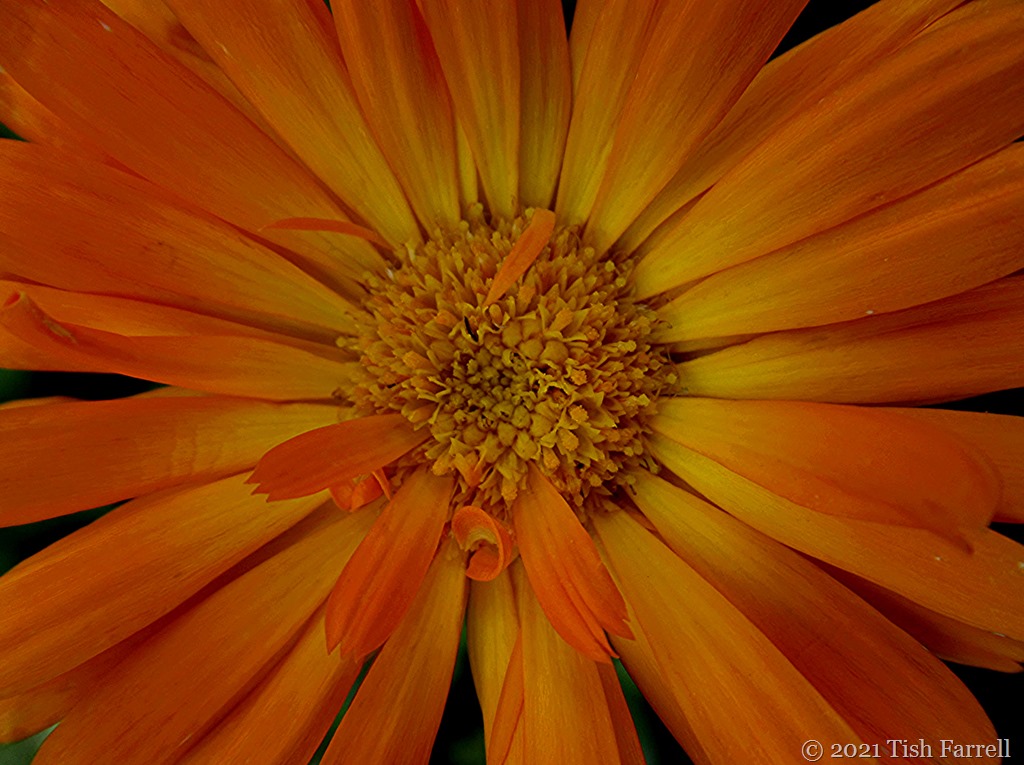
Anyway, just looking at my current marigold horde at the allotment cheers me up. So here’s a further dose:


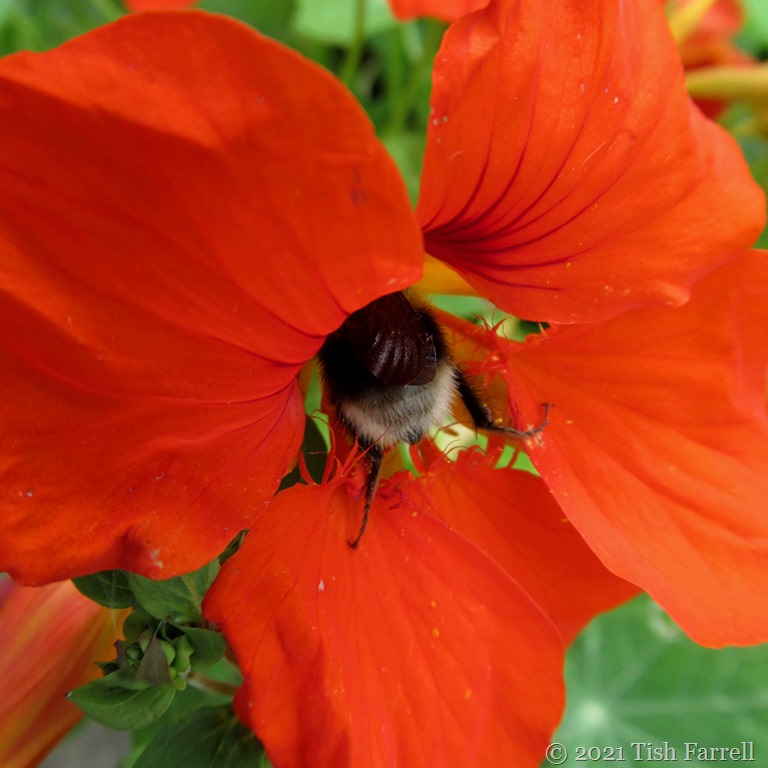
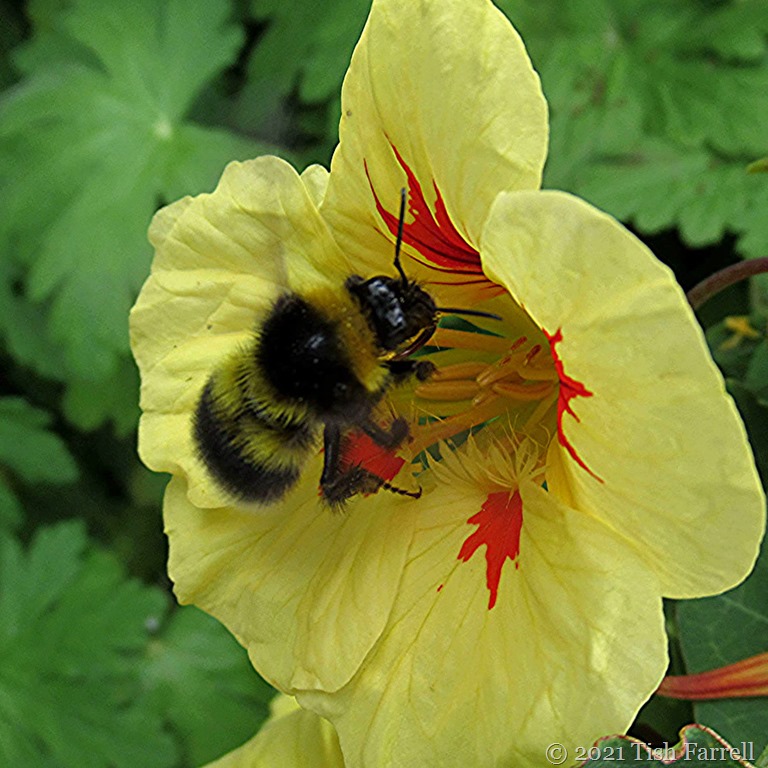
Today, Jude at Travel Words wants to see examples of edible orange. And just in case you think that only the bumble bees are enjoying my allotment nasturtiums, I have to confess I’ve lately been chomping the flowers whenever I go gardening. At the moment there’s a huge flock of them on the bed where I had broad beans earlier this summer. I’ve no idea how they got there (interspersed with pot marigolds) but they are making a colourful show, and their late arrival (seasonally speaking) means they have escaped depredations from cabbage white caterpillars and aphids.
The flowers are crisp, cool and peppery, and excellent added to salads along with their leaves. The seed heads are also edible, but due to their stronger flavour are perhaps better pickled than eaten ‘neat’.
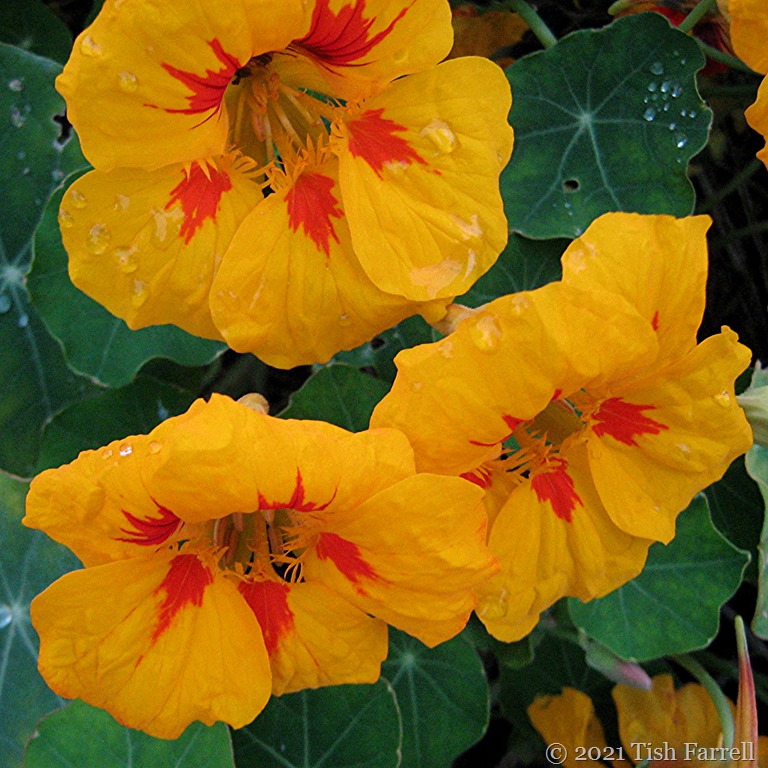
The garden nasturtium has been much studied for medicinal benefits, and you can see some of the findings in the research paper HERE. This is a quote from the abstract:
The flowers and other parts of the garden nasturtium are a good source of micro elements such as potassium, phosphorus, calcium and magnesium, and macro elements, especially of zinc, copper and iron. The essential oil, the extract from the flowers and leaves, and the compounds isolated from these elements have antimicrobial, antifungal, hypotensive, expectorant and anticancer effects. Antioxidant activity of extracts from garden nasturtium is an effect of its high content of compounds such as anthocyanins, polyphenols and vitamin C.
I shall thus keep chomping until the frost finishes the present crop. Meanwhile, too, the flowers are still available for any late-hibernating bee in need of a pollen fix.
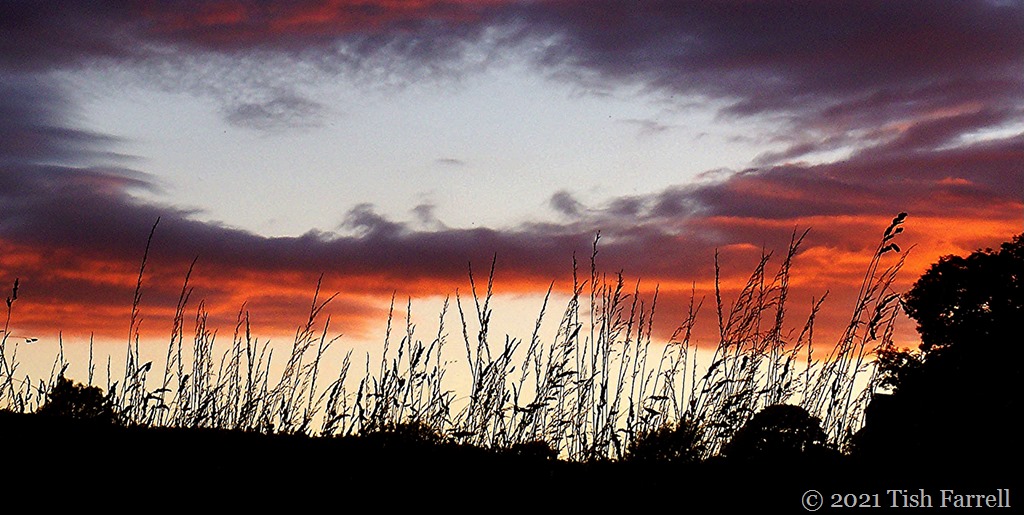

Those who come here often will know that our cottage in Much Wenlock sits at the foot of Townsend Meadow, a field that rises quite steeply to the west and towards the summit of nearby Wenlock Edge. At the Edge top (c 1,000 feet above sea level) the land plummets through hanging woodland of beech, ash and yew to the Shropshire plain below. From our perspective in the undulating Edge uplands above this drop we see the sky above a false horizon that turns this vista into a gallery. Every moment we are treated to ‘cinematic’ sky doings, either viewed over the garden fence, as in the header photo, or from the upstairs’ rooflights as in the next two photos.
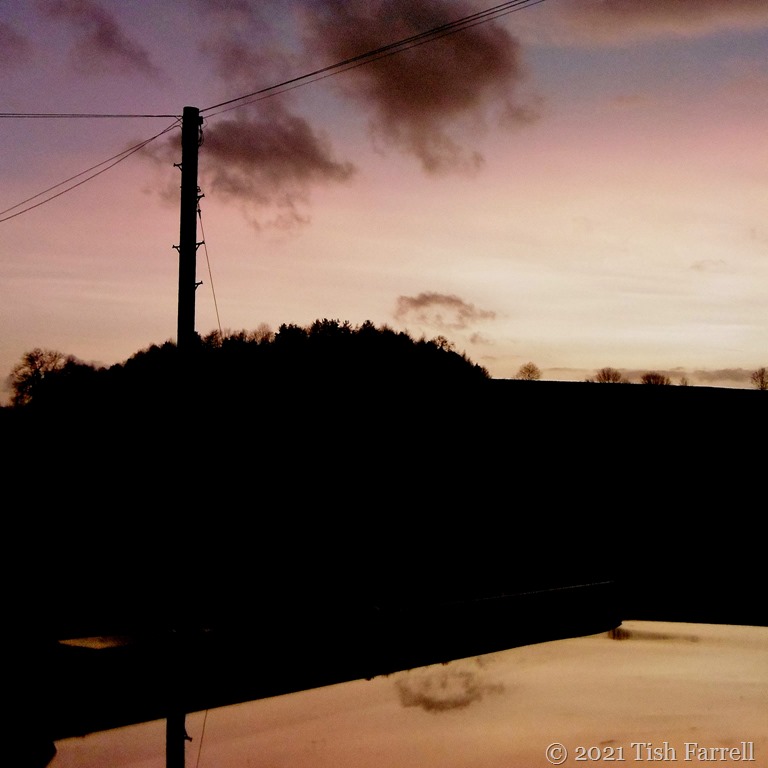
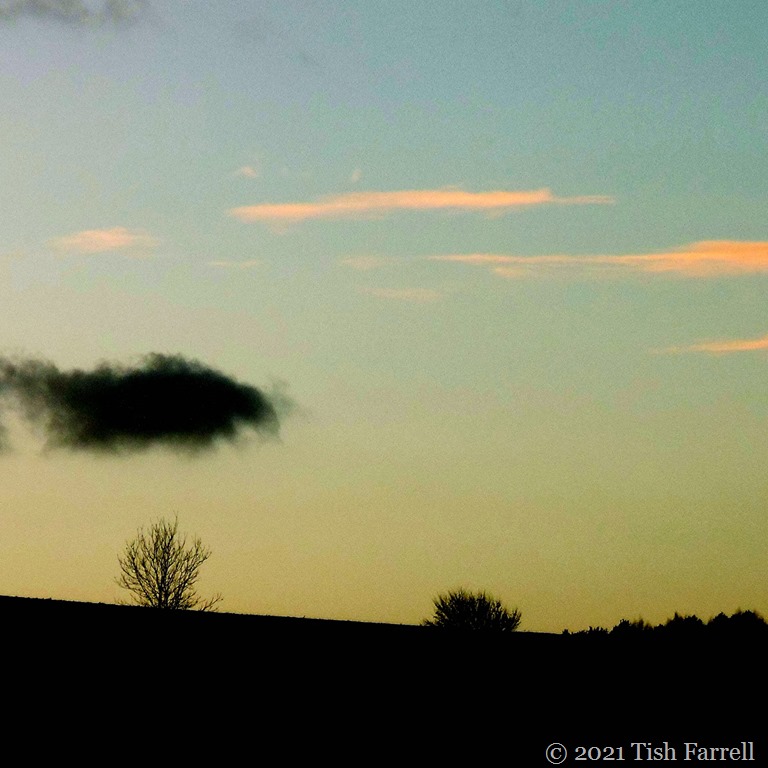
*
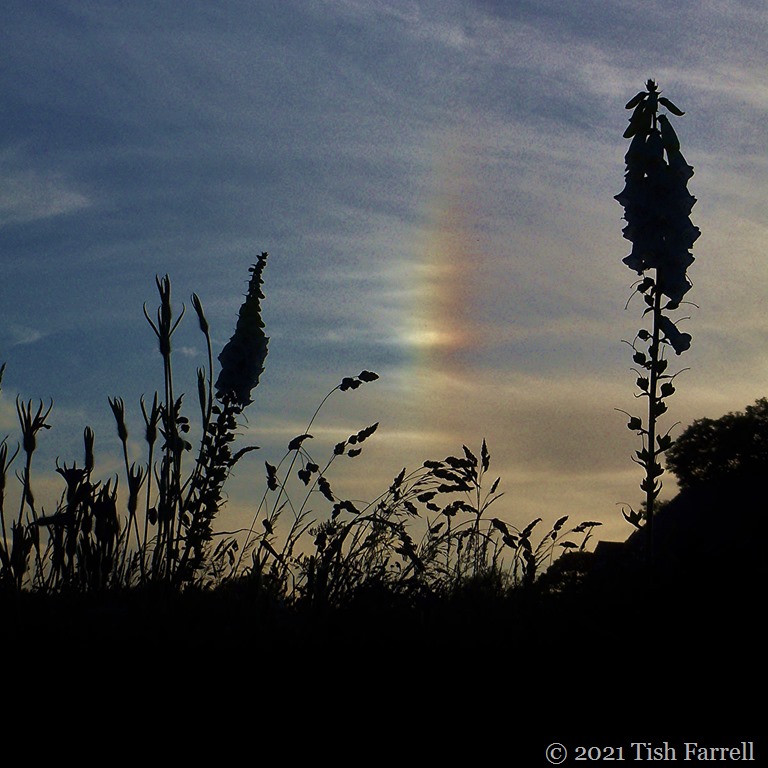
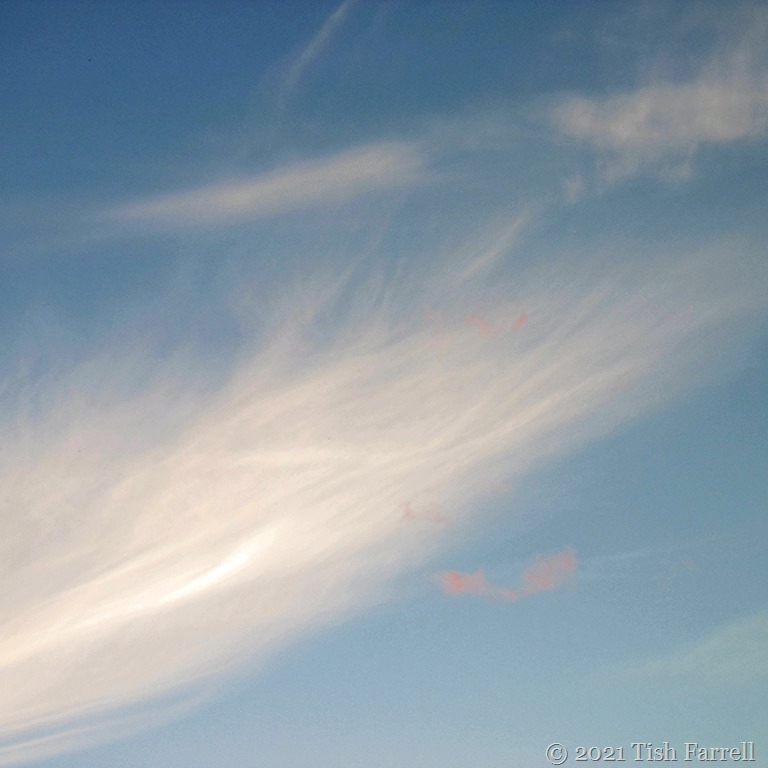
There can also be curious effects – strange prisms of light that may be due to cold air rising from below the Edge, a bit like a fire rainbow. I’m sure a weather person can tell me. This next was spotted in early summer on a sunny evening:
*
I’m also often treated to some good cloud installations when I’m on the field path, to-ing or fro-ing the allotment. A good storm brewing up is always exciting:
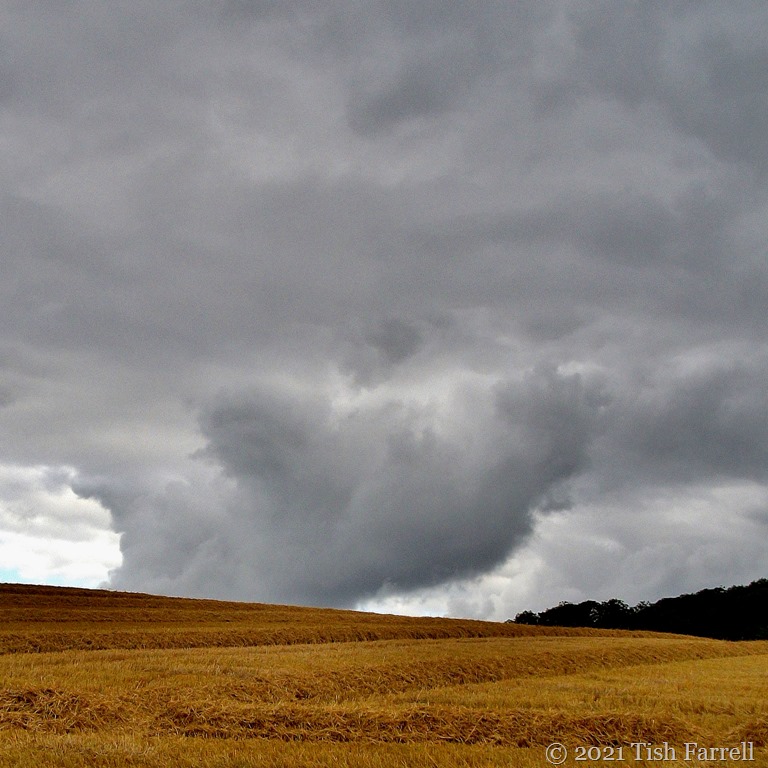
Or a quieter top-of-the-meadow sunset:

*
The wood at the top field corner behind the allotment also goes in for its own cloud formations:

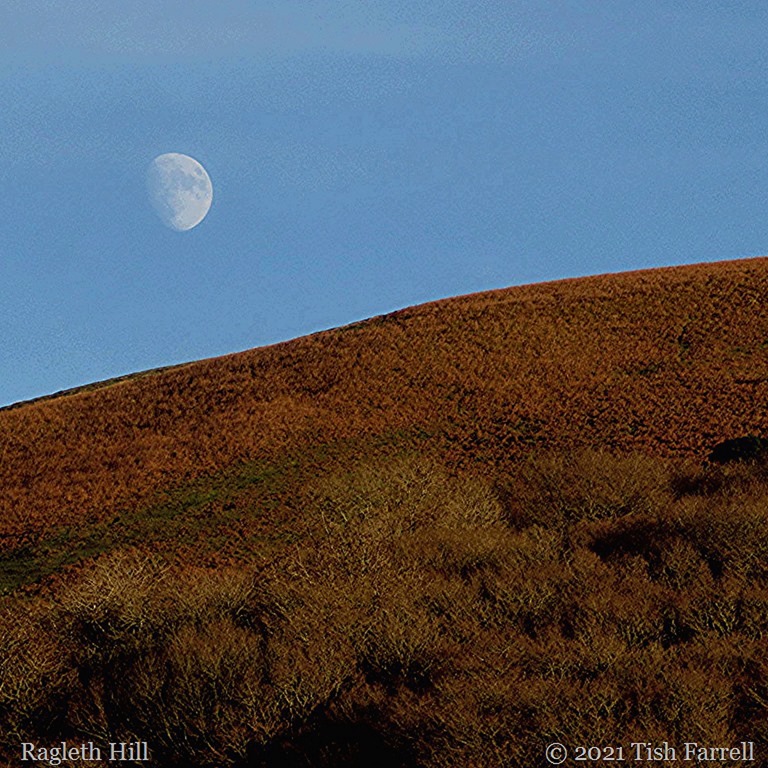
This first photo is a ‘family favourite’ square due to its being the view of Ragleth Hill from my sister’s house taken last Christmas when we were gathered there for lunch. A perfect winter’s day too – sun and moon and no snow.
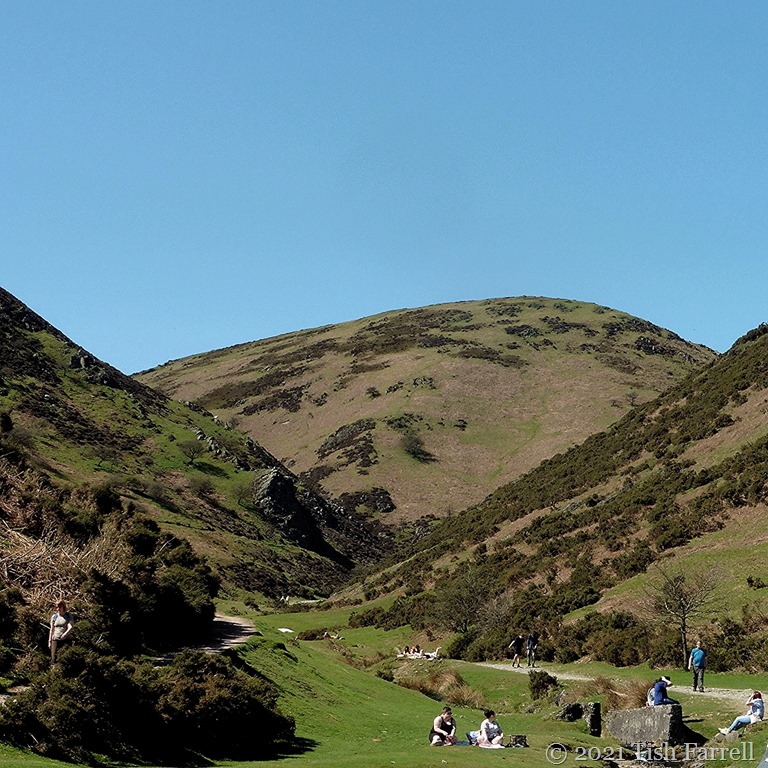
Across the valley from Ragleth is the Long Mynd, an extended spine of hill, its flanks riven by a number of small valleys, locally known as batches. The best known is Carding Mill Valley, a busy local beauty spot in all seasons.


And back to Ragleth Hill in summer:

