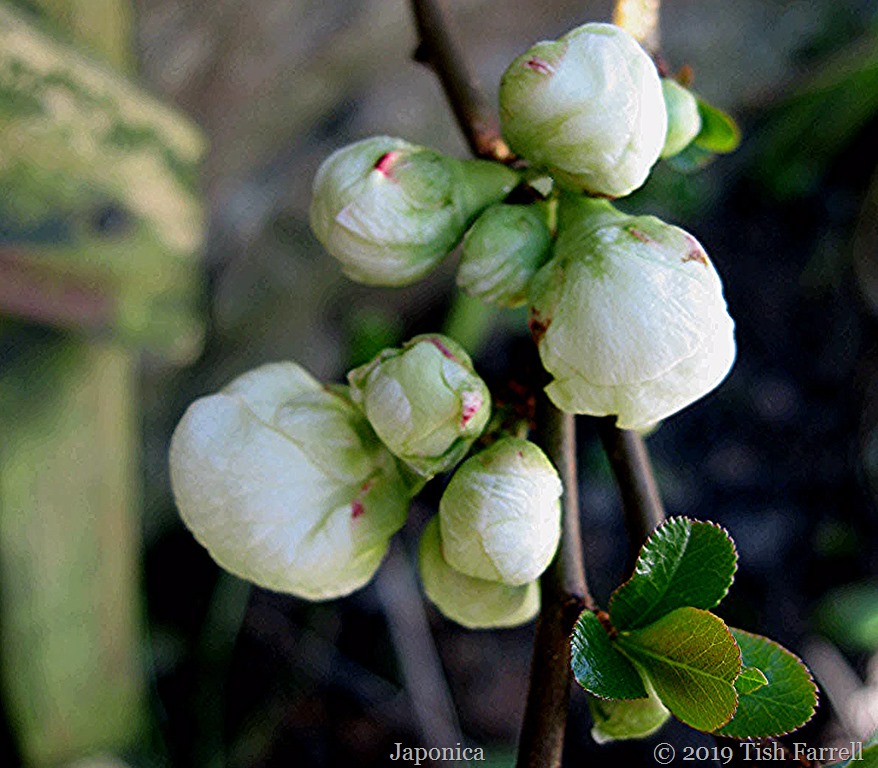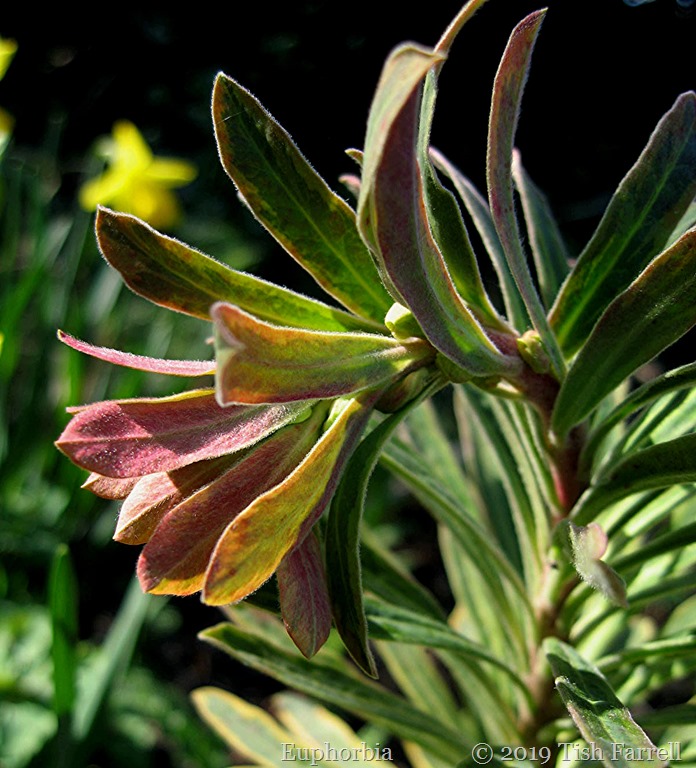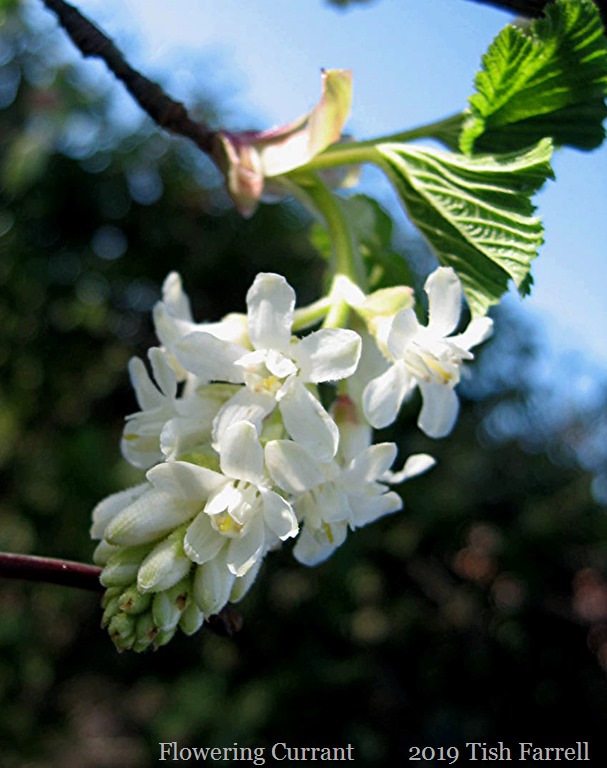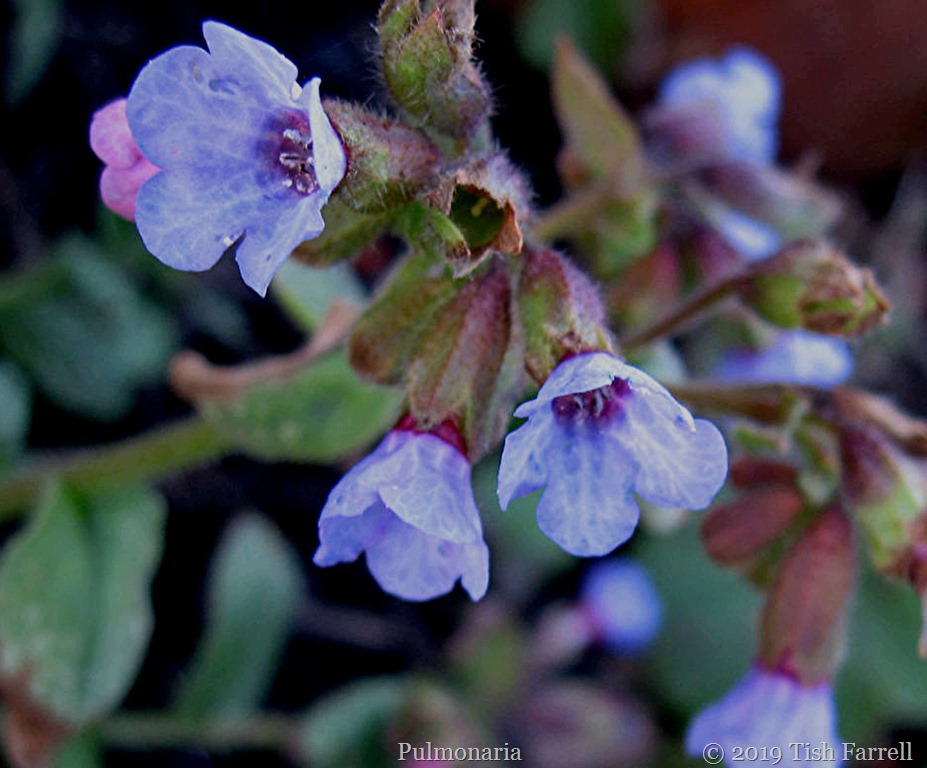
Today In The Garden: Close Up

IMG_2061

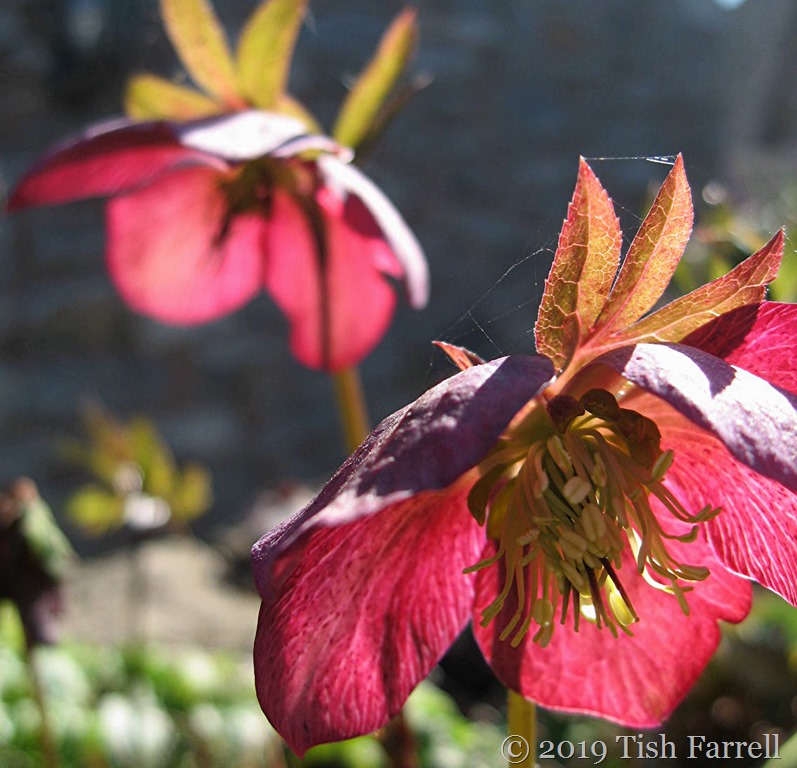
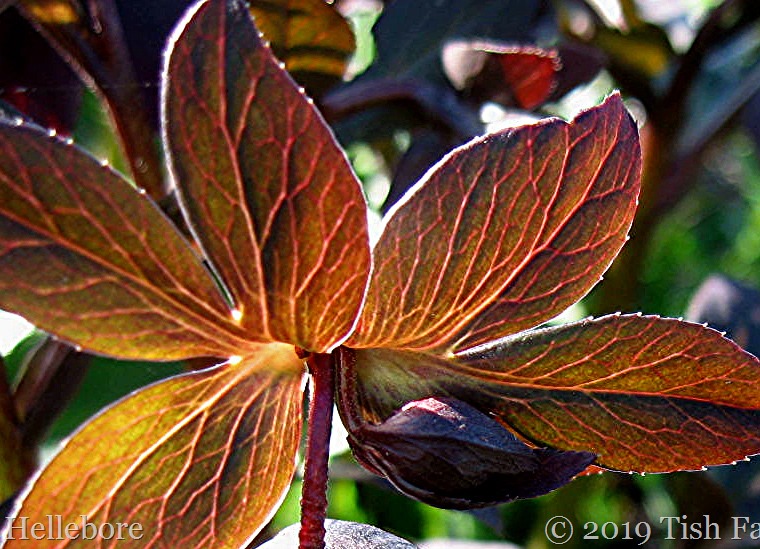
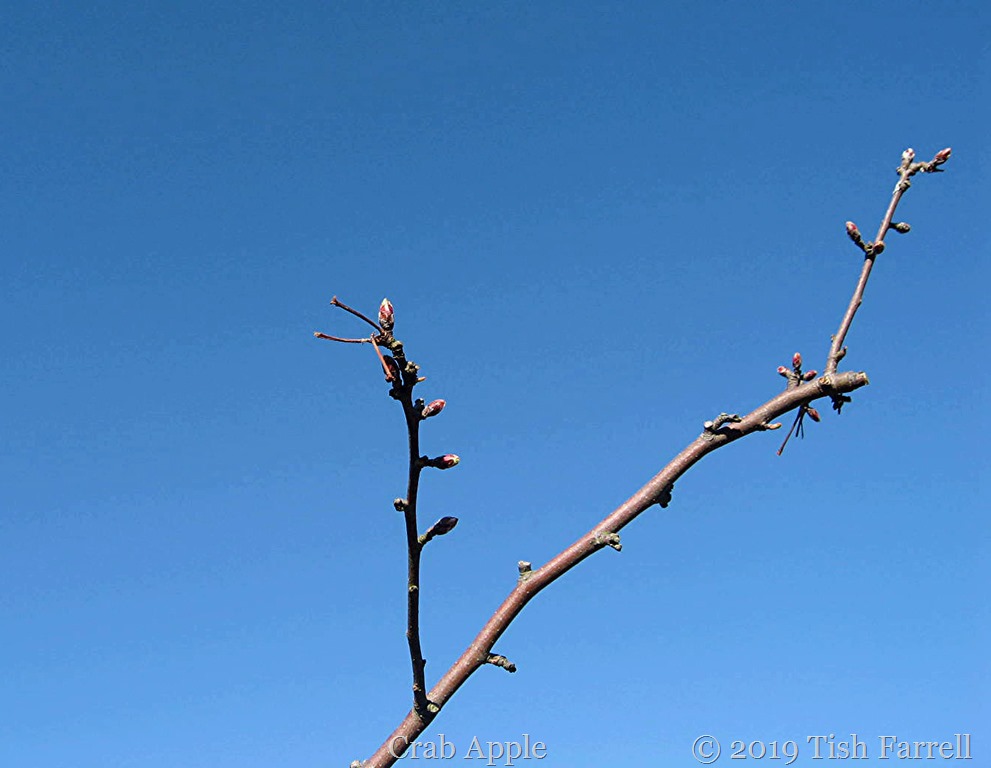
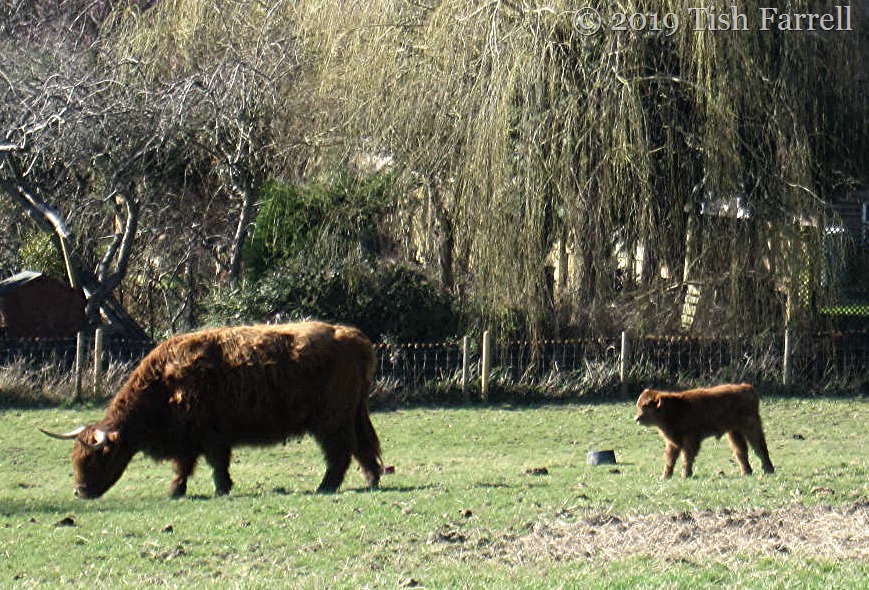
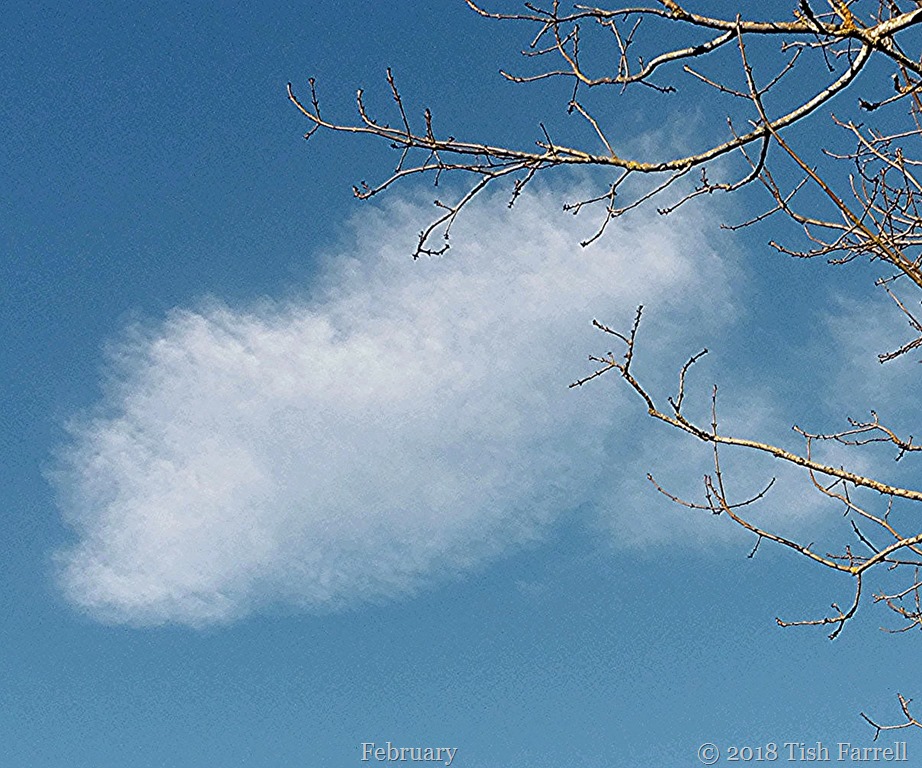
Sun in the hellebores, and a forget-me-not sky. Not a cloud in sight, only a passing aircraft unzipping the blue. And, for heaven’s sake,  it was warm enough to sit outside for morning coffee; nor did we need coats when we walked into town at lunch time. Along the verges the celandines were as wide as wide; birds twittering; butterflies flitting.  In the Cutlins field we found there had been a multiplication of highland cattle: parents and calf have joined the three teens. They were all quietly grazing and munching out in the sun. At the foot of the path by the priory ruins the air was drenched with mahonia scent, and around the town there was a dreamy sense of the world just waking up, tree buds swelling and crocus out on parade.

But then as the countryman poet John Clare warns, February can be a treacherous month. Out of the blue comes blissful weather and everyone is out and about and thinking of summer. And then…and then…

Here’s an extract from the poem, for though rather florid for my taste it captures the day so perfectly, and tonight there may indeed be frost:

The sunbeams on the hedges lie,
The south wind murmurs summer-soft;
The maids hang out white clothes to dry
Around the elder-skirted croft:
A calm of pleasure listens round,
And almost whispers winter by;
While Fancy dreams of summer’s sound,
And quiet rapture fills the eye.

Thus Nature of the spring will dream
While south winds thaw; but soon again
Frost breathes upon the stiffening stream,
And numbs it into ice: the plain
Soon wears its mourning garb of white;
And icicles, that fret at noon,
Will eke their icy tails at night
Beneath the chilly stars and moon.

Excerpt of February from The Shepherd’s Calendar  by John Clare (1793-1864)

*

IMG_2065

*

So as I said to Graham as we drowsed happily on the garden bench, staring at the cloudless sky, coffee mugs in hand: better soak up the bliss while we can then. Carpe diem, says Graham.

*

IMG_2093

IMG_2083

IMG_2070

IMG_2062

IMG_2089

IMG_2053

And I suppose now I’ve mentioned the Highland calf I’d better show him to you, not at all close up, but the sun on his nose and hints of green in the willow behind:

IMG_8009

copyright 2019 Tish Farrell

Lens-Artists: Close up This week Ann-Christine set the challenge. Please also pay the other Lens Artists a visit:

Lens-Artist Photo Challenge Patti: Close-Up

Lens-Artist Photo Challenge Amy: Close-Up

Lens-Artist Photo Challenge Tina: Close-Up

On The Path To The Allotment: A Retrospective

IMG_3872

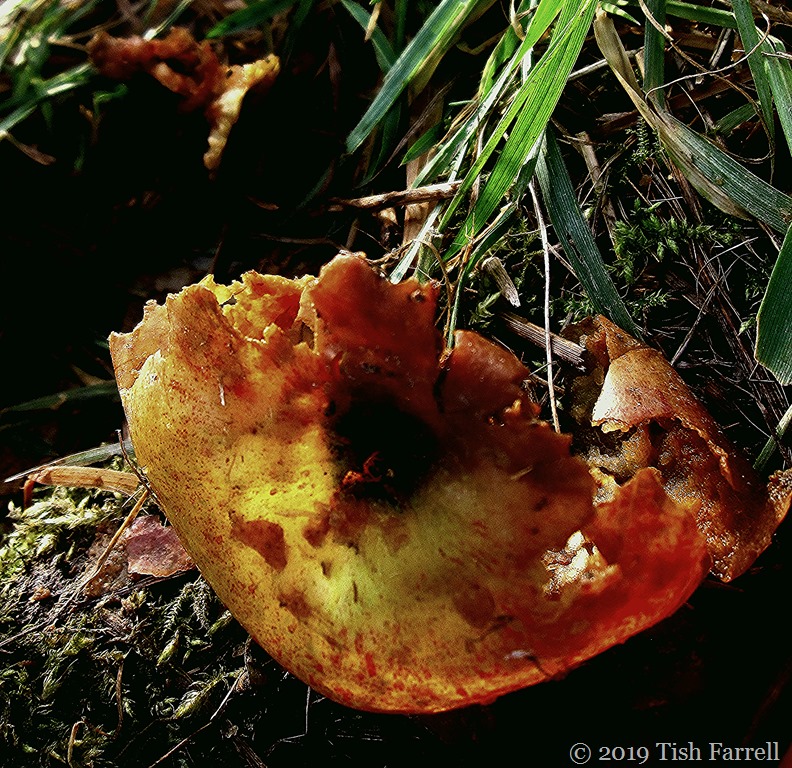
I usually do have a camera in my pocket when I go to the allotment, although gardening and snapping are not ideal co-activities given the photographer’s general grubbiness. Anyway, here are some of my favourite shots from the past few years: nature small but beautiful, and in no particular seasonal order. I especially love the header photo though – the winter sun caught in a windfall apple that has been hollowed out by blackbirds, so many natural forces at play here.

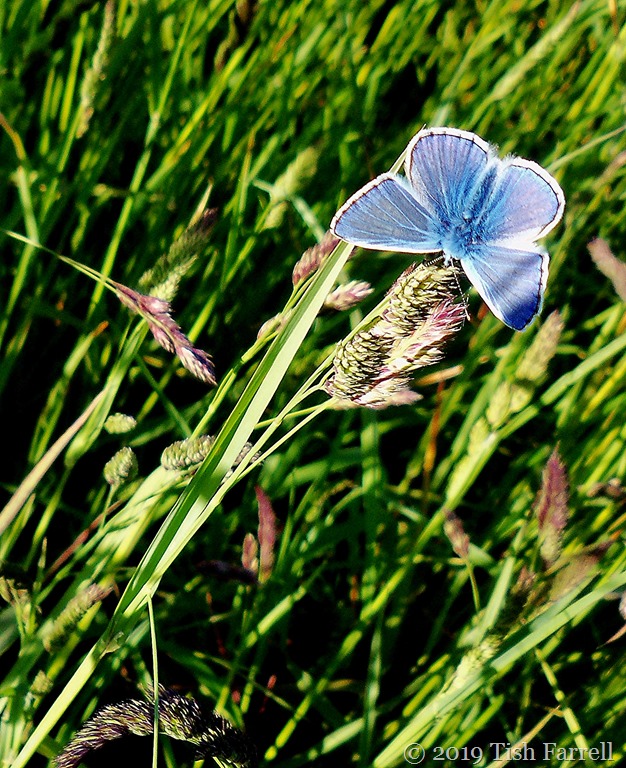
Also the fact that I caught a Common Blue butterfly, wings open and with a one-handed click and it turned out to be pretty much in focus, is hugely pleasing. These little butterflies flit about at high speed, and seem especially nervous if you point a camera at them.

100_5567

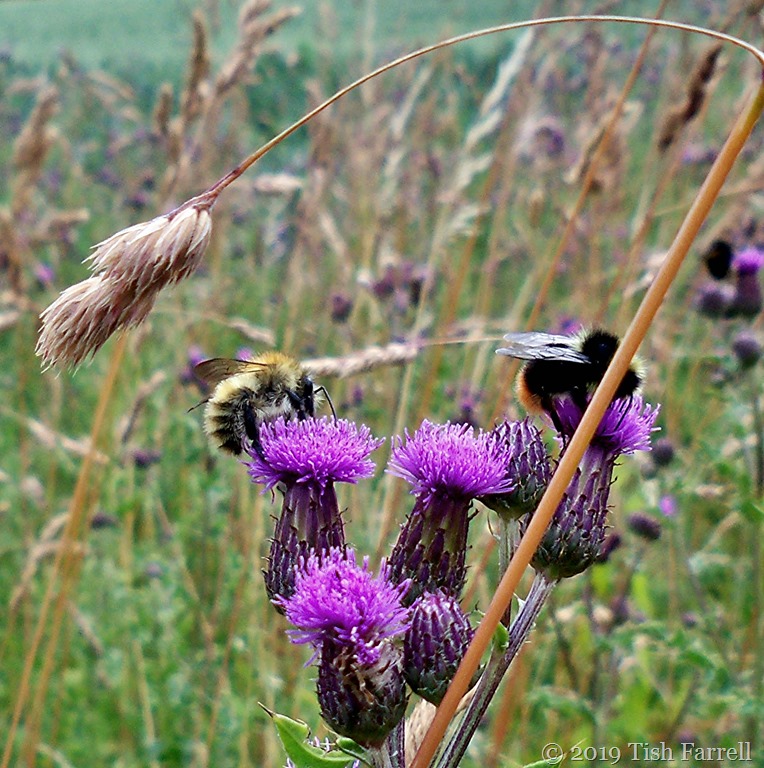
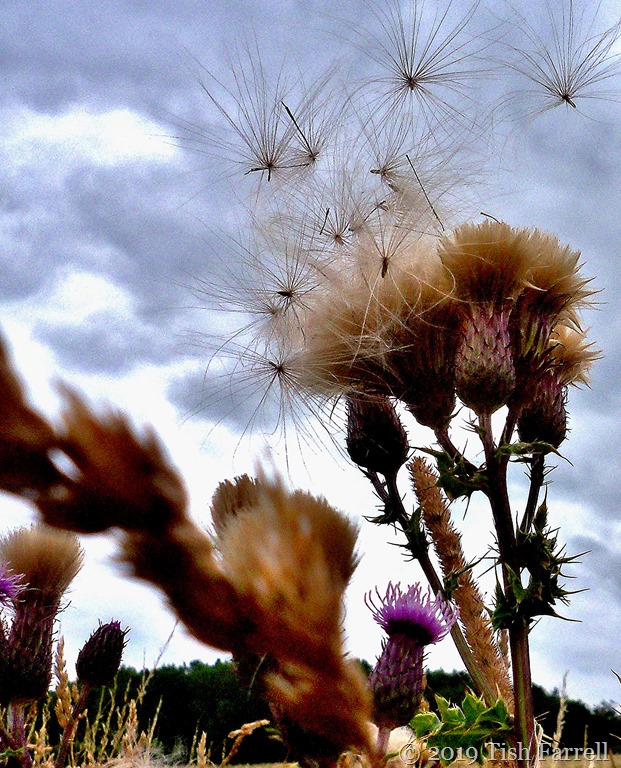
Most perversely too, while my gardener self fumes at finding dandelions, thistles and bindweed in the garden, since they are the most difficult weeds to oust, I still admire their beauty, and in all their phases. And the bees clearly love thistle flowers too.

100_5545

100_6341

100_6773

P1070562

P1070625

P1070031

P1060998

IMG_1828

So much to see all around us. We only have to look.

Lens-Artists: Nature

This week Patti at Lens-Artists gives us nature as her theme. Please call in to see her and the other Lens-Artists’ work.

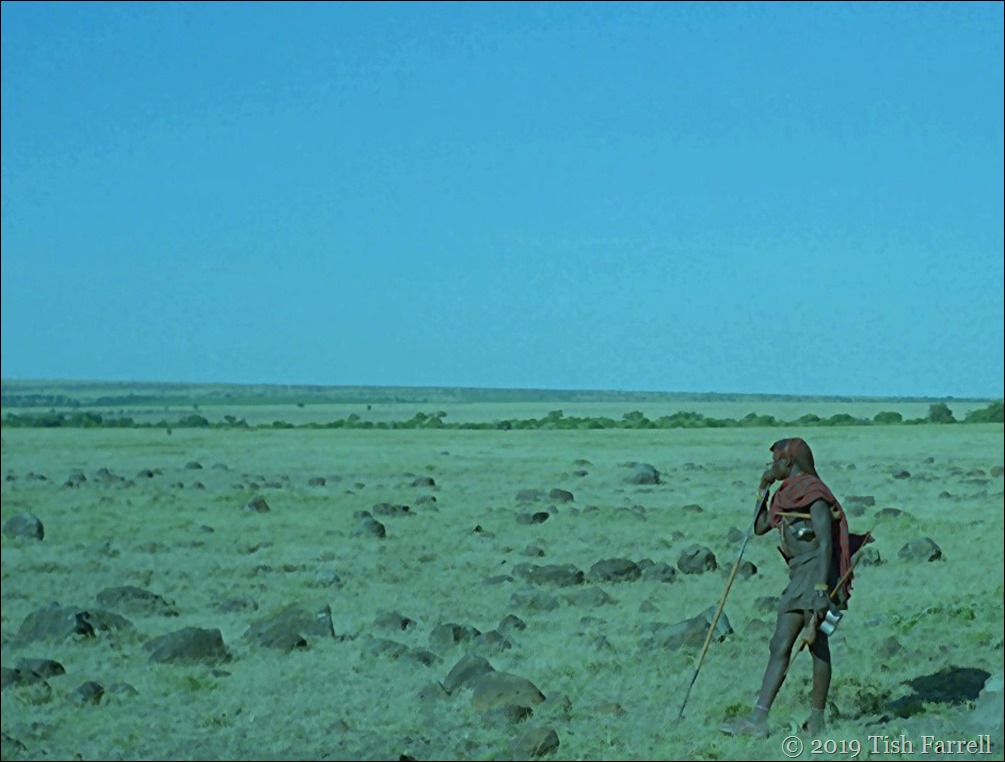
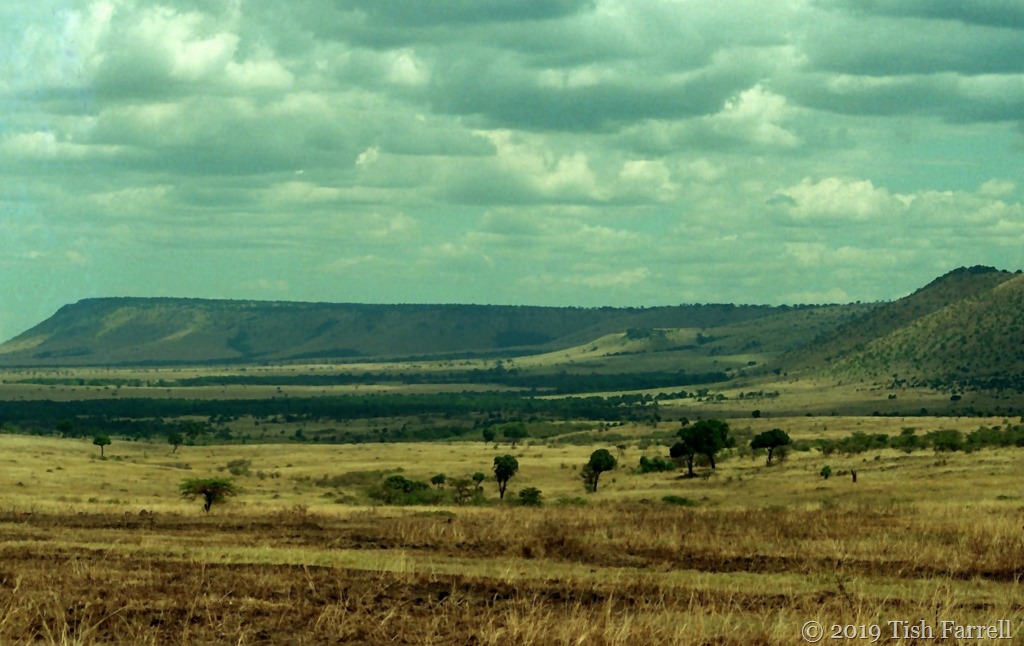
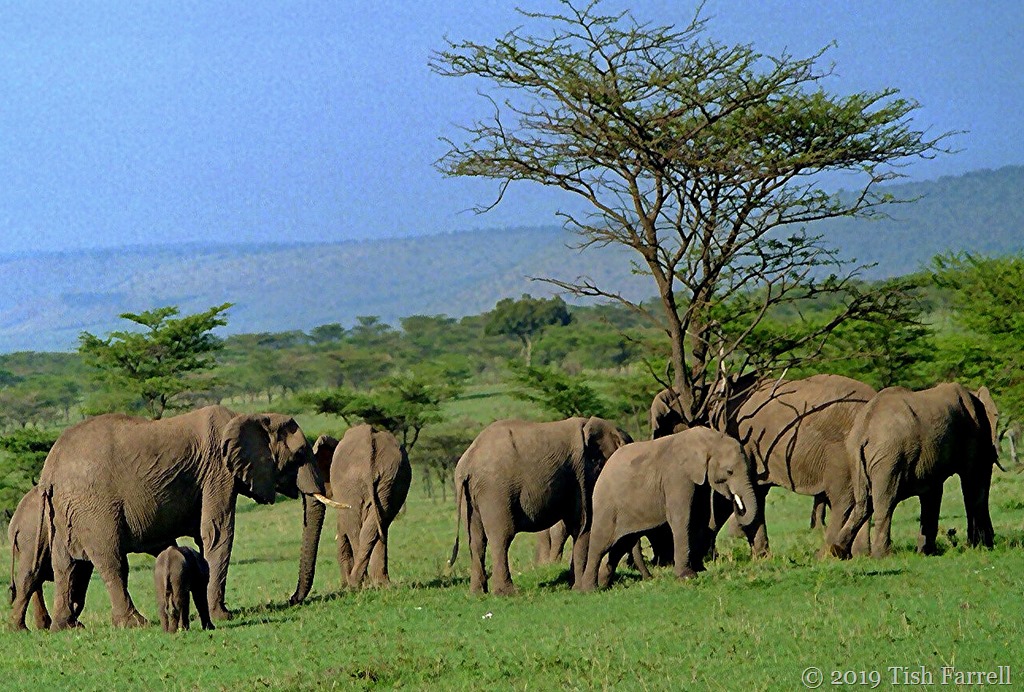
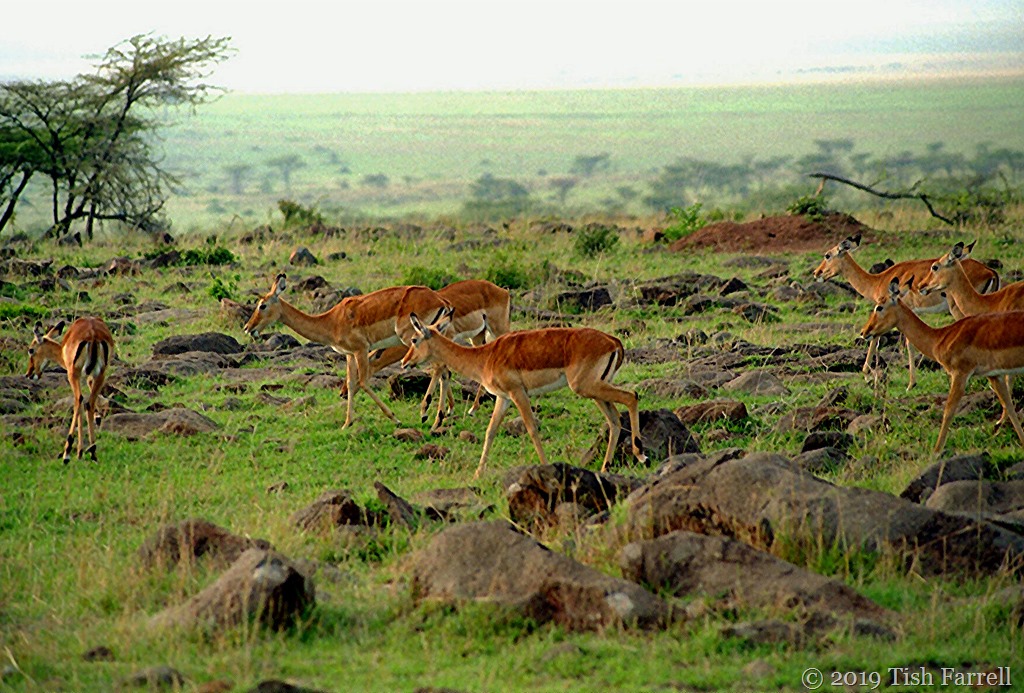
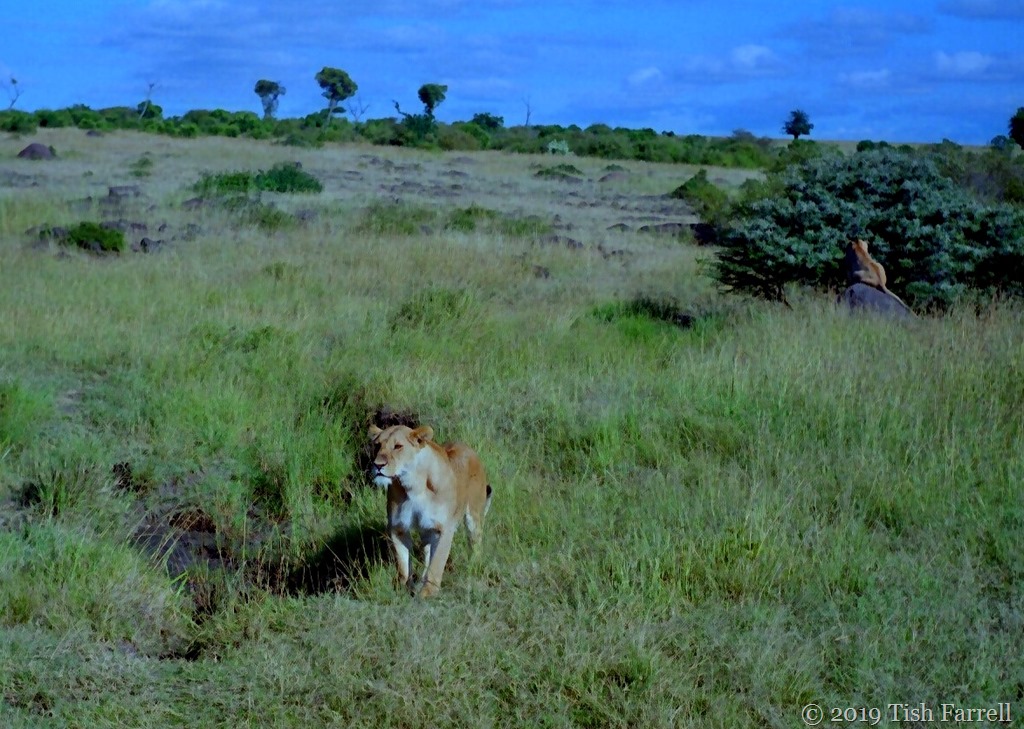
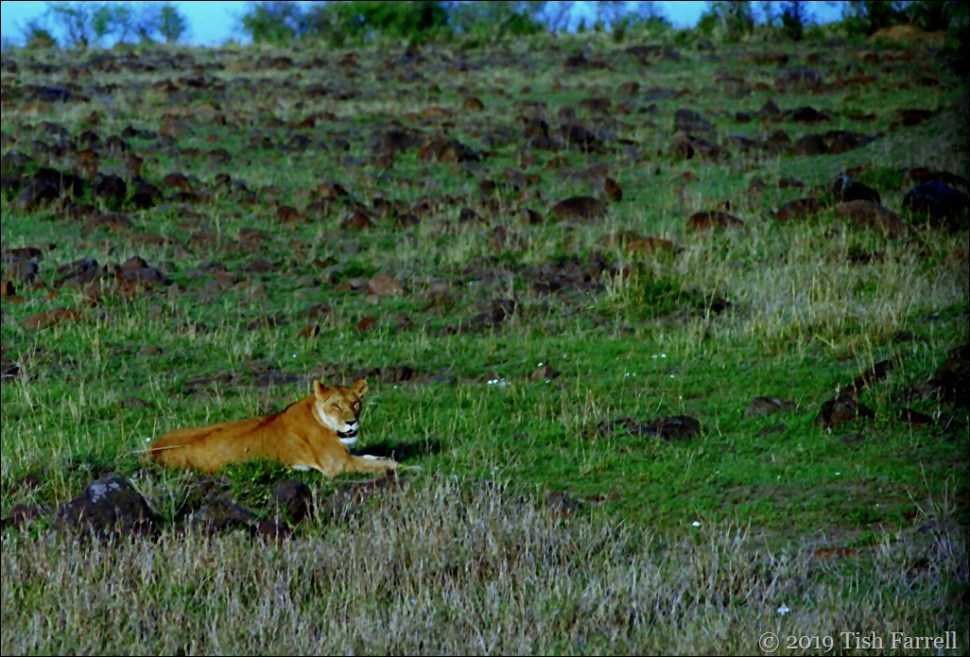
Maasai Mara Landscape ~ A Warrior’s View

Scan-140726-0014 (2)

Scan-131109-0032

Scan-131114-0001

Scan-140731-0030 (2)

I’ve written about the Maasai Mara in other posts. Here’s an excerpt from a piece that was long-listed in the Brandt Travel Guide competition ages ago:

Dances with warriors

Night on the Mara River – darkness wraps round, close as a Maasai’s blanket.  It is cold, too, on the river’s bend. We press closer the campfire, our white faces soon roasting red. No one speaks. There’s too much to listen for. A hyena whoops across the water?  It sounds close. It sounds unearthly, sending shock waves through vulnerable bones – mine, conjuring packs of predators, out there, circling our ring of light. And even as I think it the Maasai are on us.  Six warriors, spears in hand and naked to the waist.  Their leader tosses his ostrich-feather head-dress that looks like a lion’s mane.  He is fearless.  He is lion.

Then the singing starts, a nasal falsetto that resonates through time and space – the winds’ whine through Mara grasses.  The Maasai girls trip lightly into the firelight, their wraps like flames – yellow, red; close-cropped heads hung with beads; chins jutting forward as the crescent necklets – tiny beads so patiently strung – rise and fall on skinny chests.  The moran start to leap – higher, faster.

Their dance fires the blood as it was once meant to in the days when the young morani proved their courage by killing a lion; but we see the collecting box left discreetly in the grass.  These kids are from the nearby settlements, but before I unravel the question of exploitation – theirs or ours – the dancers pounce, dragging us into a conga, pastoralist-style.  I let the Maasai girl take my hand.  She’s about fourteen years old and she is boss. After all, this is her land – the big skies and the rippling oat grass, and our small camp in the outer reserve remains there only on her clansmen’s say-so.  The hand that grips mine is small and hard.

So I follow her, graceless in the rhythms I cannot fathom, wend with the snake of dancers on and round the camp. The dancers know we’re squeamish and should not be put at risk, so we stray no further than the firelight’s edge, never crossing the bounds of the vast out there.

And of course, being on safari, and staying at a luxury, tented camp, we have been taken to visit the vast out there. We went earlier that day and naturally, being tender wazungu, we ventured only in daylight, with the rising sun at our back, and we went, not on foot, but in the Land Rover whose solid sides we were sure would protect us from too much closeness with the wilderness.

copyright 2019 Tish Farrell

Continues HERE


Lens-Artists: Landscapes


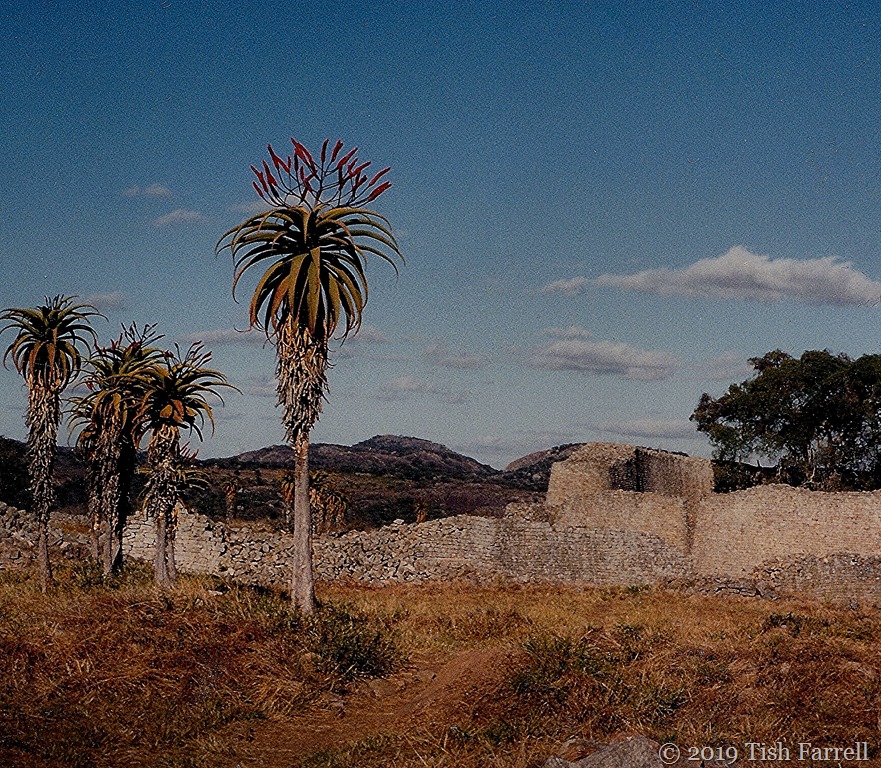
An Ancient African City ~ Great Zimbabwe

Great Zimbabawe

Among the gold mines of the inland plains between the Limpopo and Zambezi Rivers…a fortress built of stones of marvellous size, and there appears to be no mortar joining them. This edifice is almost surrounded by hills, upon which are others resembling it…and one of them is a tower more than twelve fathoms high. The natives of the country call these edifices Symbaoe, which according to their language signifies court.

Captain Vincente Pegado, Portuguese Garrison of Sofala, 1531


This scan of a photograph from our 1993 trip to Zimbabwe looks like one of those hand-coloured postcards from the days before colour film was invented – a fitting medium perhaps for these medieval ruins (and yes it’s probably appeared in earlier posts). Anyway by the time Captain Pegado was reporting from his base in Sofala, Great Zimbabwe had been in decline for a century and more.  It was begun in its stone-built phase by the cattle owning Shona people around 1200 CE. In its heyday (mid 14th century) it seems the rulers of Great Zimbabwe were controlling the passage of high value goods (certainly gold and copper, and probably also ivory, slaves, textiles) across the Zambezi valley, and exporting them by caravan to Sofala on Africa’s east coast (present day Mozambique).

By this time, Sofala had long been a trading centre for Zambezi and Limpopo gold, and was subject to the great Swahili city state of Kilwa to the north (present day Tanzania). Thus the merchants of Great Zimbabwe, through their contact with the Arab-Swahili dhow merchants, were part of a trading network that extended across the Indian Ocean to China, and north to the Arabian Gulf and thence into the Mediterranean and Europe where African gold was much in demand during the Middle Ages. This last factor was responsible for tempting the Portuguese around the Cape to come and fetch it for themselves, hence the presence of Captain Pegado in Sofala.

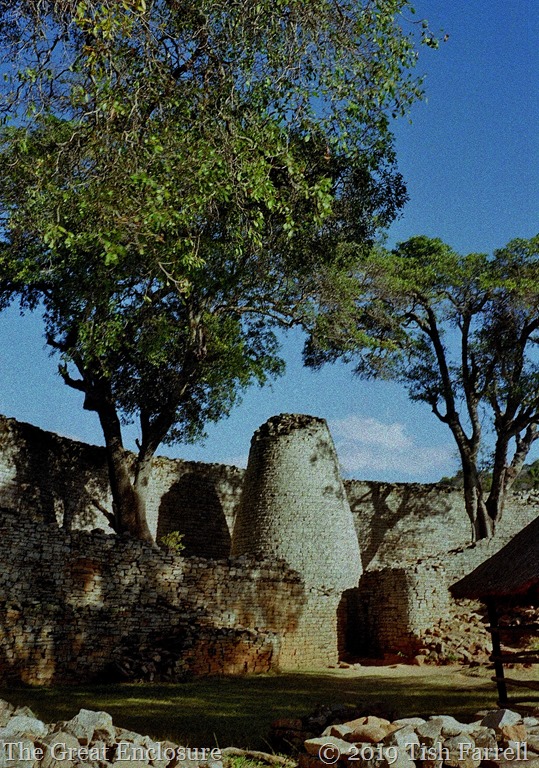
Great Zimbabwe inside the great enclosure

Of course when the ruins of Great Zimbabwe were re-discovered by Europeans in the late 19th century, specifically by one Carl Mauch, it was thought that the city could not possibly be the work of indigenous people. Surely it was the lost  kingdom of Ophir whence King Solomon received regular cargos of gold, silver, apes and peacocks. Even in the 1970s when Zimbabwe was still colonial Rhodesia, all the considerable evidence (revealed by a series of archaeologists over previous decades) that showed it was built by the local African people was officially censored by the Smith regime.

Quite apart from perverting the course of scholarship and its all round offensiveness, the stance seems somewhat odd when you discover that Great Zimbabwe was not a ‘one off’. There are scores of similar medieval stone-built complexes across southern Africa, including Chisvingo and others in Zimbabwe. When Great Zimbabwe fell into decline at the close of the 15th century, another centre of power grew up at Khame, near Bulawayo in Matabeleland. It was the capital of a royal dynasty that lasted some two hundred years, all of which is food for thought on days when one cares to re-adjust one’s picture of the history of African peoples before the white folks arrived.

4_0001

The stone built complex of Great Zimbabwe originally covered 1,800 acres (730 hectares). There were also several enclosures on the hilltop where I’m standing to take this photo, including one that revealed evidence of gold smelting. The gold items found on the site were worked into coiled wire, small rods and discs or cast into beads – all highly portable. Copper was also worked, either cast in soapstone moulds to produce ingots for trade, or made into ceremonial spears (ceremonial because unalloyed copper is too soft a metal to be militarily functional).

Finds that demonstrate the city’s external trading contacts include glass beads commonly used in the medieval Indian Ocean trade, glass shards from vessels made in the Near East (13th-15th century),  and pieces of Chinese celadon export ware from the Ming (1368-1644) and earlier dynasties.

The classic work on the excavations is Peter S Garlake’s Great Zimbabwe. It also makes detailed reference to related sites.


Lens-Artists #Cityscapes

Winter Sky Through Our Hedge

P1100611

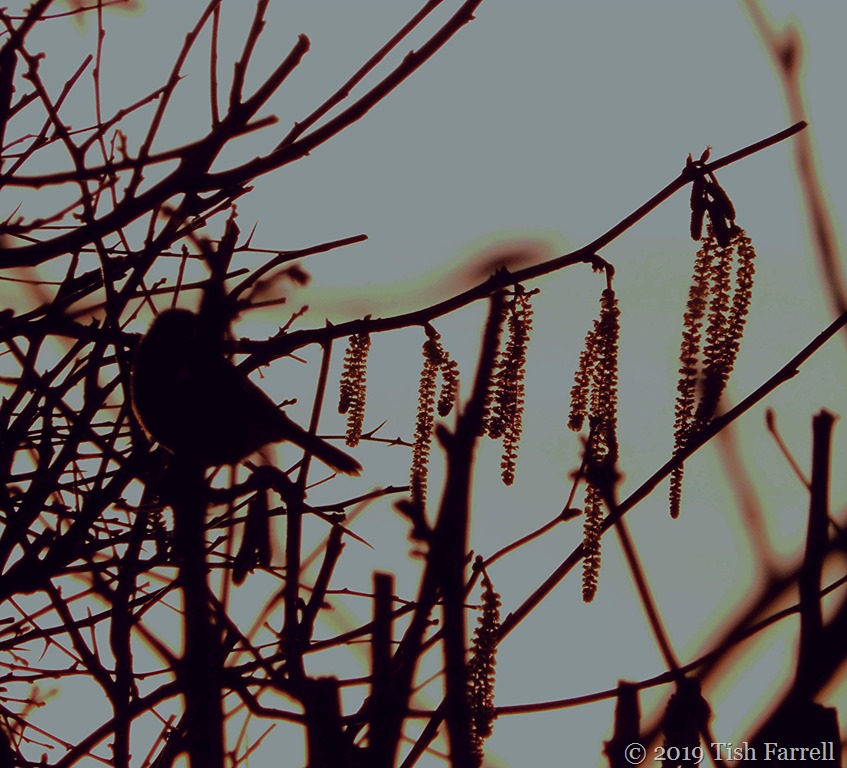
I was in the kitchen, faffing not writing, when the light through the hedge at the top of the garden caught my eye. Hurrah – a project! I dashed outside with my camera to capture the high definition catkins against the sunset, and caught this little bird as well – probably a dunnock; it’s hard to tell. But whatever it is, I like the tiny curve of sunlight against her breast.

Lens-Artists #Curves  Please visit Tina to see her fine gallery of curves.

A Year Looking Over The Garden Fence ~ December 2017-December 2018

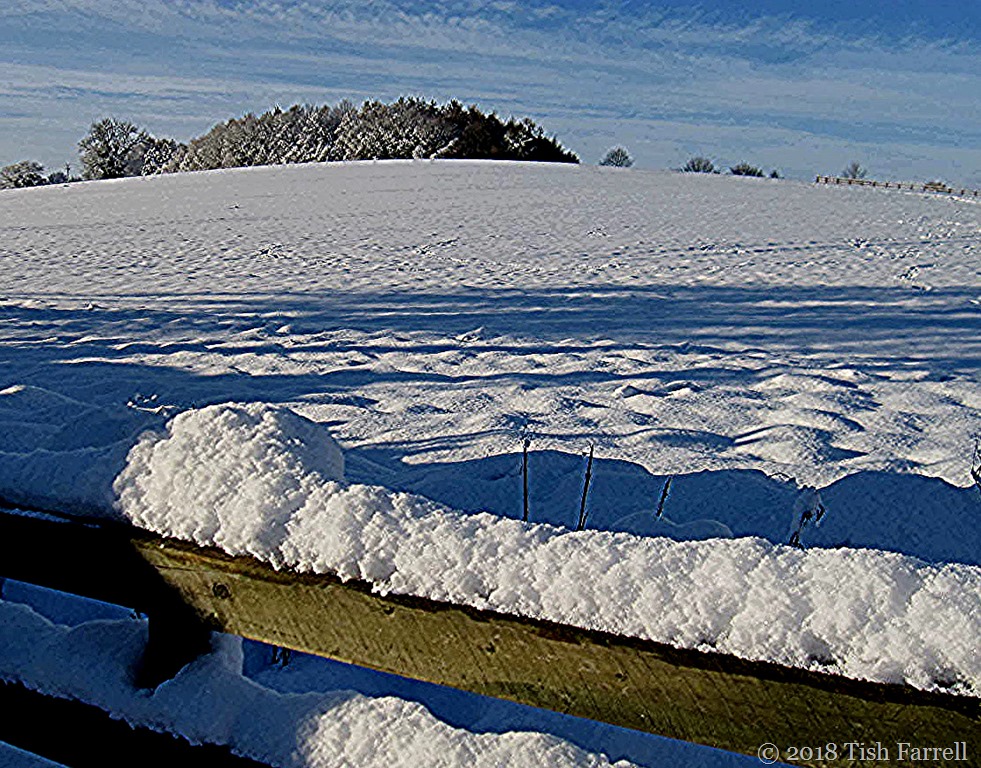
Last December we had over a foot of snow which lasted for a couple of weeks. This year we’ve barely had frost. Anyway, prompted by Lens-Artists, I thought I’d finish 2018 with ‘a year in the life’ of Townsend Meadow behind our house.

Happy New Year everyone, and may sanity and kindess be restored to Planet Earth and all who voyage on her.


P1040039

P1040162

P1040274

P1040400

P1040463

P1050447

P1050547

P1060315

P1050665

P1070611

IMG_7308

IMG_7203

IMG_1476

IMG_6251

P1090354

P1090382

P1090396

P1090387

P1090559

P1090745

IMG_7808

P1100450ch

Lens-Artists

Ann-Christine asks for a photographic review of 2018, however we choose to do it.

Reflections Intentional And Accidental

100_1451 - Copy

C-Curve by Anish Kapoor and reflective puddles courtesy of the rain god; photo taken several freezing Decembers ago in Kensington Gardens. You can spot the Farrells looking a bit stiff – centre twosome on the left.

Lens-Artists ~ Reflections  Patti set the challenge this week. Her fantastic photo of the Chicago Bean sculpture by Anish Kapoor reminded me that I had photos of his work too.

Welcome To The Night Garden ~ Yesterday At Powys Castle

P1100380

As darkness closed in and yet another squall blew up, we slipped over the Welsh border and headed for Welshpool. We had  hemmed and hawed up to the very last minute of departure: should we or shouldn’t we go; it could be muddy; the parking a nightmare; too many people; the prospect of getting soaked; nearly an hour’s drive on unlit winding country lanes. So many reasons not to go. And then we simply gave up the argument and set off.

It was not promising. The constant swish of wipers; rain that felt set-in; roads awash and headlights picking up flooded fields and burst river banks. But as we reached the outskirts of Welshpool the rain suddenly stopped, and ahead and high on its rocky promontory Powys Castle glowed like some fairy-tale bastion. And as it turned out, parking was easy; we were not mired in mud despite days of rain; and though there were plenty of visitors, we all soon lost ourselves in the castle grounds and it quickly became a big, magical adventure.

And not a little bonkers, I must admit – going round the steeply terraced castle gardens in the dark – the whole thing laid on by the National Trust as part of their season of festive celebrations at the castle. Anyway, here are a few other-worldly scenes from the night garden of this ancient Welsh borderland fortress.

P1100301

P1100303

P1100325

P1100341

P1100366

P1100299

P1100344

P1100348


This slideshow requires JavaScript.

Lens-Artists: celebrations

There Can Be Good ‘Black Dog’ Days Too

100_7179

This one was on Newborough Beach, Anglesey, one late December morning. You can just see the mountains of Snowdonia on mainland Wales in the distance.

But not to make light of those who suffer bad black dog days, and there are very many of us who do, intermittently or full-time, here is a hopeful little video from the World Health Organisation:

https://www.youtube.com/watch?v=XiCrniLQGYc

Lens-Artists: Splash Please visit the Lens-Artists to see their spirit-raising photos.