Dreaming In Africa

Scan-140801-0001

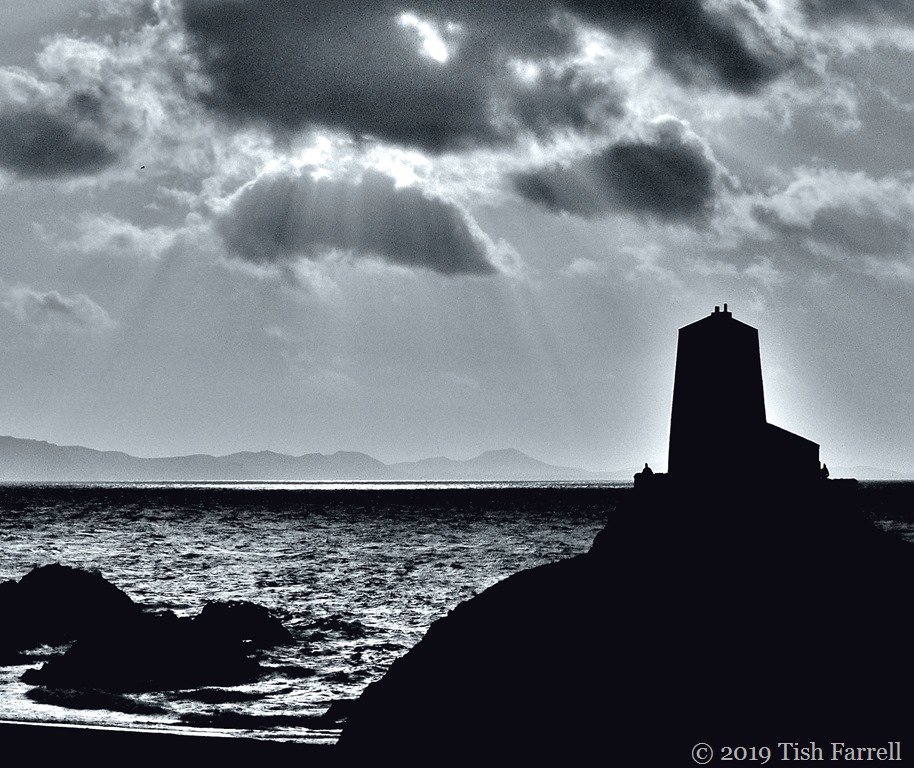
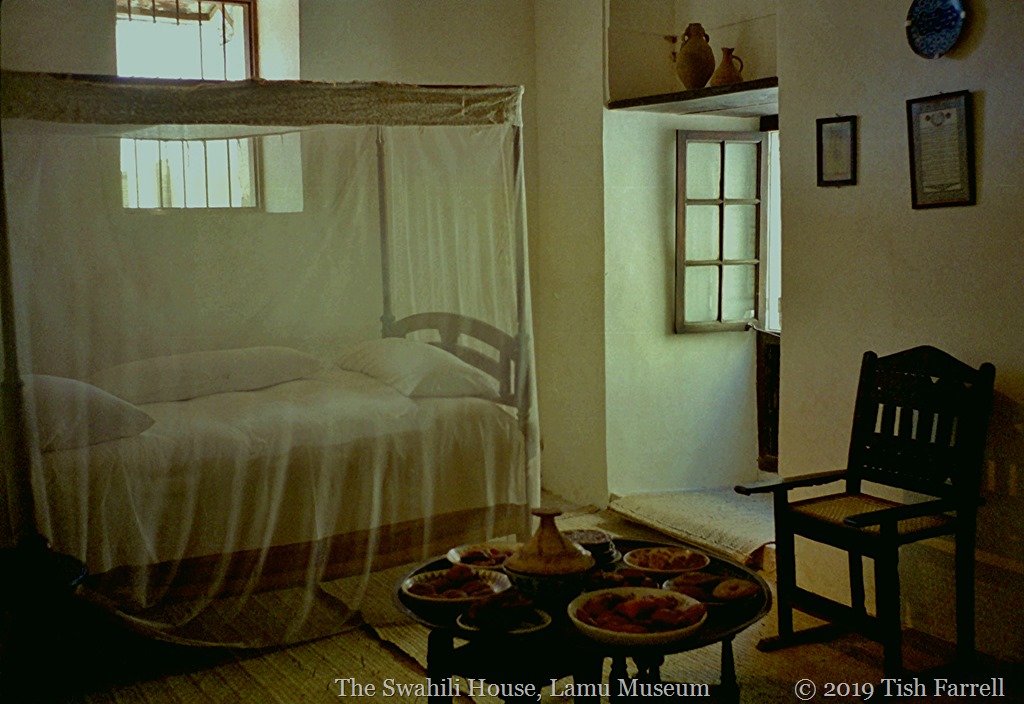
Long ago when we lived in Africa and far away on Manda Strait in the Lamu Archipelago, Captain Lali dreams. It is late afternoon, the day after Christmas Day, and we have been sailing in Mzee Lali’s small dhow, out exploring the reef and catching a fish or two for a seaboard lunch that will be cooked on a little jiko stove, and served with freshly chopped coleslaw. Even wide awake it seemed like a dream to us.

I’ve posted this photo several times before, as some of you will know. The way time is speeding up, it’s rapidly assuming vintage status. So here’s an ancient Swahili tale to go with it, also one I prepared earlier:

There came a time when Sendibada signed on with a strange sea captain. The next day, as dawn was breaking, the ship cast off, a strong breeze filling the lateen sails, and bearing them swiftly out to sea. But towards noon the wind died, and the boat drifted, becalmed, on still waters.

At this, the captain strode out on the bridge, and began to utter words that Sendibada could not fathom. He stared and stared for, to his astonishment, the ship began to rise, graceful as an egret taking flight. Sendibada grinned. He liked a good adventure, and now it seemed this strange captain of his was none other than the most powerful magician.

Up into the clouds they soared, flying, flying until at last they saw a faraway red spot. But little by little the spot grew, until at last Sendibada saw it was a city in the sky, and that every house there was made of copper. Soon they set down in the harbour and, as the crew made to go ashore, from every quarter, lovely girls came out to greet them, bearing on their heads copper trays laden with the most delicious fruits and sweetmeats and tender roasted morsels.

And so it was that much time passed, the ship’s crew enjoying month after month of this most gracious hospitality. Sendibada, though, was growing homesick, and said as much. Now the magician gave him a round mat and told him how to use it.

Sendibada followed the instructions, placing the mat on the ground and seating himself upon it so that he faced the direction of his home town. Then he spoke the foreign words that meant: Behold! We shall all return to it . And at once the mat rose into the clouds, and faster than a diving hawk, set Sendibada back on the beach just outside his home town.

copyright 2019 Tish Farrell

The Copper City  retold from a translated text in Jan Knappert’s Myths and Legends of the Swahili

Scan-130428-0102

Related posts:

Lamu Dreaming

Quayside Lamu

The Swahili

Lens-Artists: Dreamy  This week Ann-Christine is hosting Lens-Artists’ Saturday challenge. If you want to join in, please tag your post ‘LENS-ARTISTS’ and add a link to the challenge post. Or just visit their lovely blogs and be inspired:

Patti https://pilotfishblog.com/

Ann-Christine aka Leya https://lagottocattleya.wordpress.com/

Amy  https://shareandconnect.wordpress.com/

Tina https://travelsandtrifles.wordpress.com/

It’s A Small World ~ Over The Garden Fence

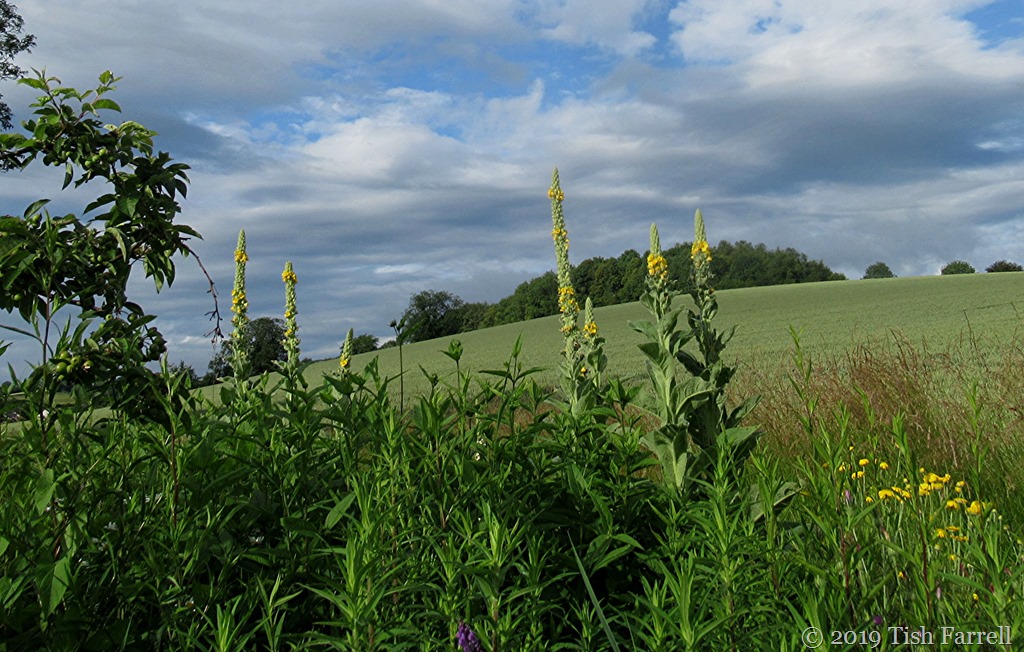
Most of you who come here often will know that over our garden fence beside  the field path we have been encouraging a wilderness garden to flourish. Most of it is not on our land, and so we call it ‘the guerrilla garden’, referencing a movement that began some years back and involved certain UK citizens going around, often under the cover of darkness, establishing gardens in derelict and unsightly corners of public spaces.

Our version was aimed at encouraging bio-diversity, mostly of the insect kind. It is wholly unplanned and includes some cultivated herbaceous species i.e. those that had grown too uncontainable in our small garden and had to be set free, the crab apple that had to be moved when the garden steps were being rebuilt, wild flowers sown and invaded, and quite a few weeds. I don’t do much to it beyond a big tidy up in the autumn, though I do have to tackle the fieldside margins now and then to stop the thistles and brambles from taking over.

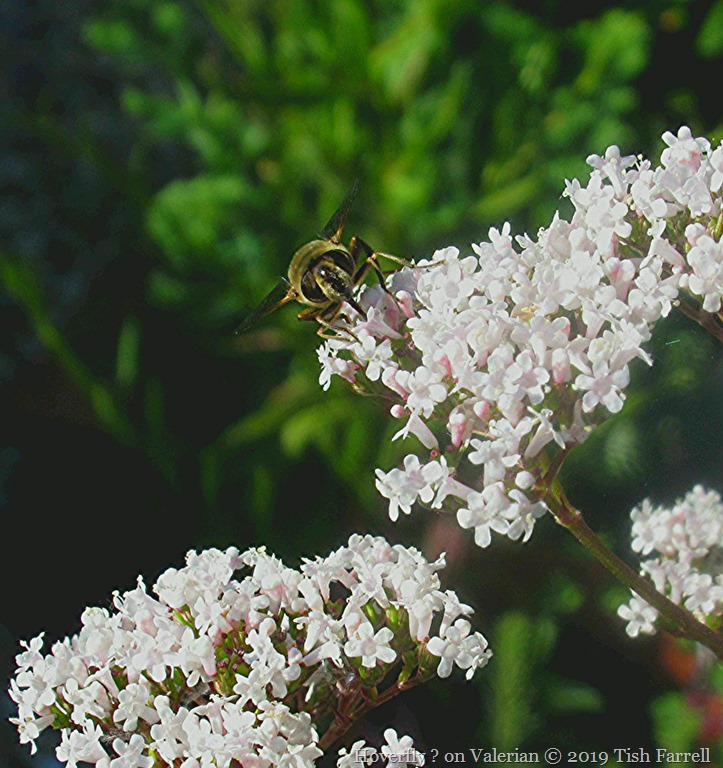
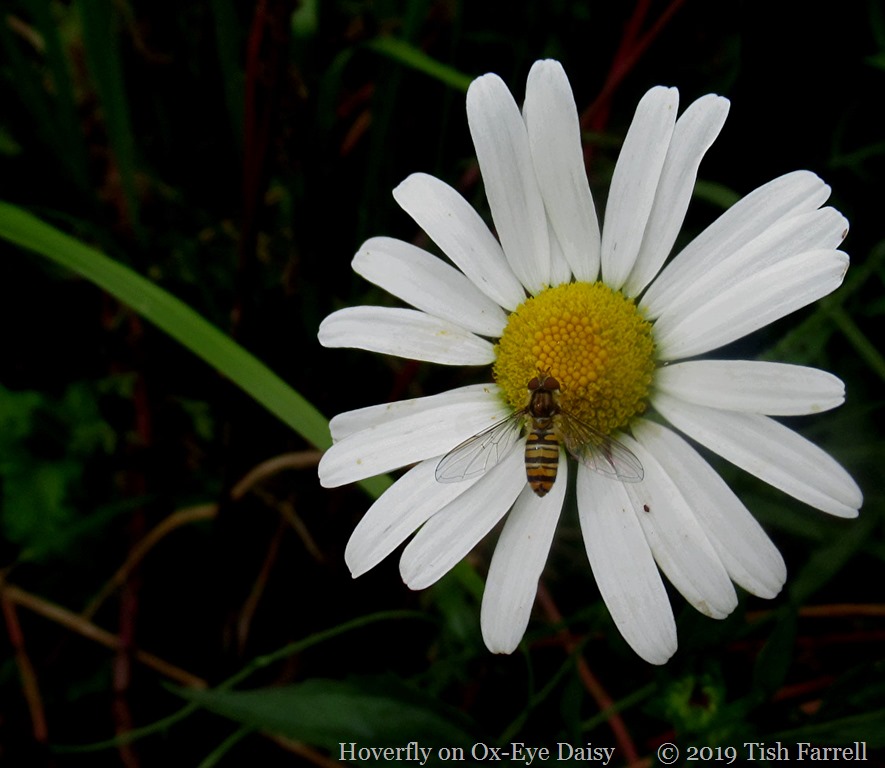
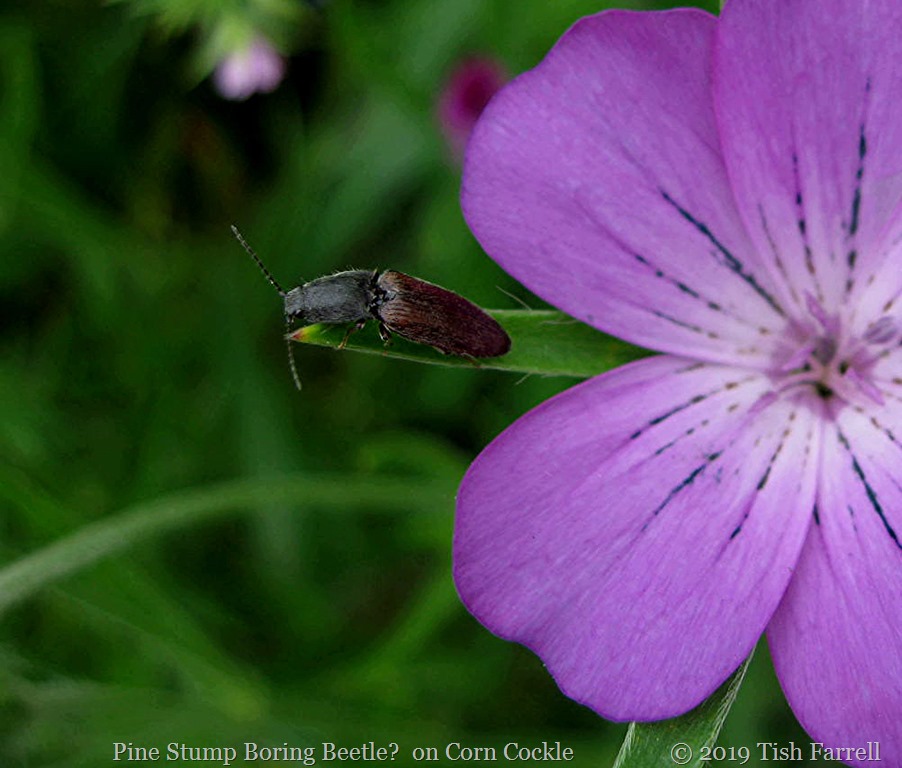
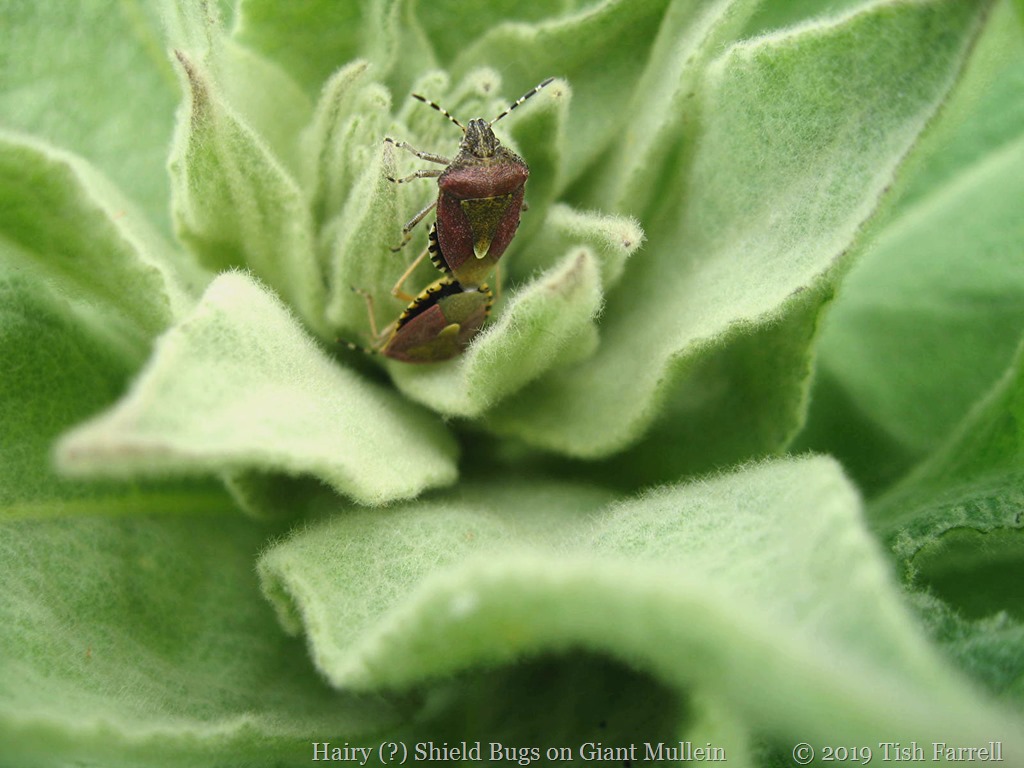
Anyway, the ensuing floral jungle is a great source of pleasure for six months of the year, and once you start peering over the fence to study it whole hours can pass. So here’s a glimpse of some of what goes on there . I should perhaps warn you before you set off, the photo of the Mullein Moth caterpillar is very much larger than life. Also, who can spot the crab spider in the close-up of the Giant Mullein flowers? And anyone who has more accurate identifications of the ‘?beetles’ and hoverflies (Pete?) please shout up.

IMG_2879

IMG_2739

IMG_2817

IMG_2812

IMG_2877

IMG_2873

IMG_2867

IMG_2448

IMG_2248

IMG_2255

IMG_2445

IMG_2442

IMG_2601 (2)

IMG_8509

IMG_2861

IMG_2521

IMG_2822


Lens-Artists: Detail This week Patti sets the challenge.

For more about the Lens-Artists photo challenge go HERE


Rain Between Showers And Sweet Wild Roses

IMG_2268

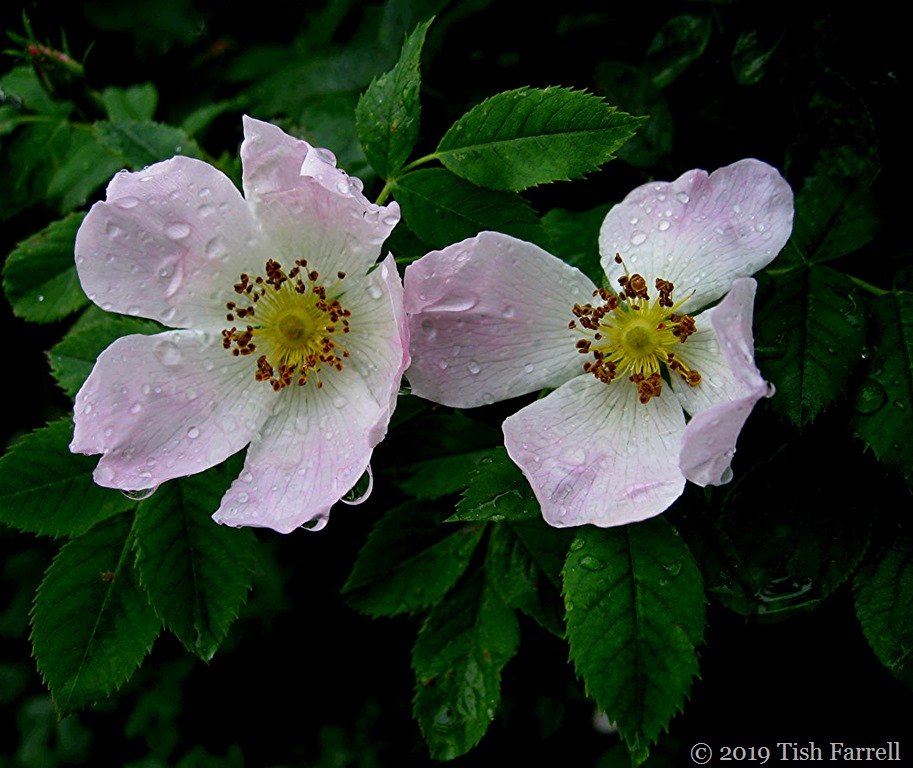
And so many associations too: old tales of a princess and a poisoned spindle, of a derring-do lad with thorny ramparts to vanquish and kisses to impart. Then there’s the therapeutic qualities of Rosa canina, the dog rose. Herbalists have long used the dried petals in compresses for the eyes and as a tea to soothe digestion. And of course the bright red hips of autumn are still valued for their high vitamin C content. If you were a child in Britain during WW2, and indeed for some years afterwards, you will still remember the taste of rosehip syrup, promoted by government during the war-time absence of citrus fruit. The hips are said to have 30 times more vitamin C than an orange.

And rose petals are indeed edible. In times past I have been known to crystallise them with a coating of gum arabic, rosewater and caster sugar, delicately applied with a small paint brush. Once they had been left to dry in a warm place, I would serve them with creamy lemon syllabub and homemade meringues. A memory then of my culinary ‘dog days’ – of a June without deluges, and the dog roses scrambling airily through hedgerows suffusing the lanes with their delicate scent.

All the same, the flowers do look rather lovely scattered with raindrops – not too many, mind. Which rather brings me to John Coltrane, and my favourite version of My Favourite Things. I’m hoping some you like it too:


Lens-Artists #49 Favourite Things

This week Patti has set the ‘favourite things’  theme, so pay her a visit and be inspired. And here’s what she says about the Lens-Artists weekly challenge: “If you’re new to the challenges, click here to learn how to join us.  Remember to link your post here and tag it Lens-Artists to help us find your post in the WP Reader.

Next week, it’s Ann Christine’s turn to lead the challenge, so be sure to visit her blog.  As always, Amy, Tina, Ann-Christine, and I are delighted that you’re joining our challenges!

Delicate Distinctions In The Great Rift

Scan-130601-0004

Scan-130601-0003

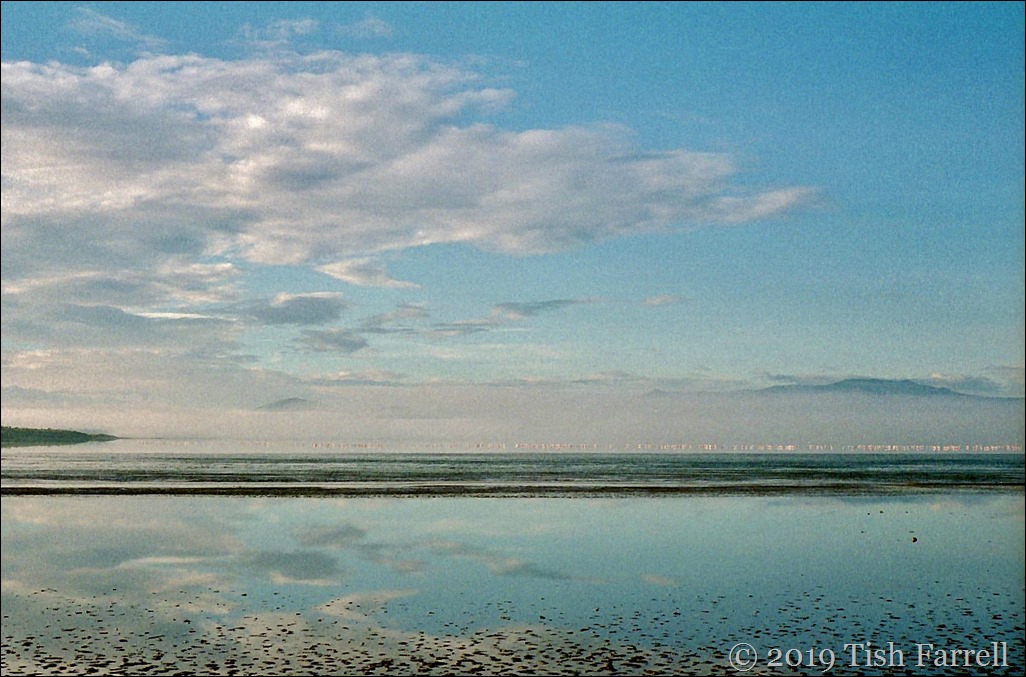
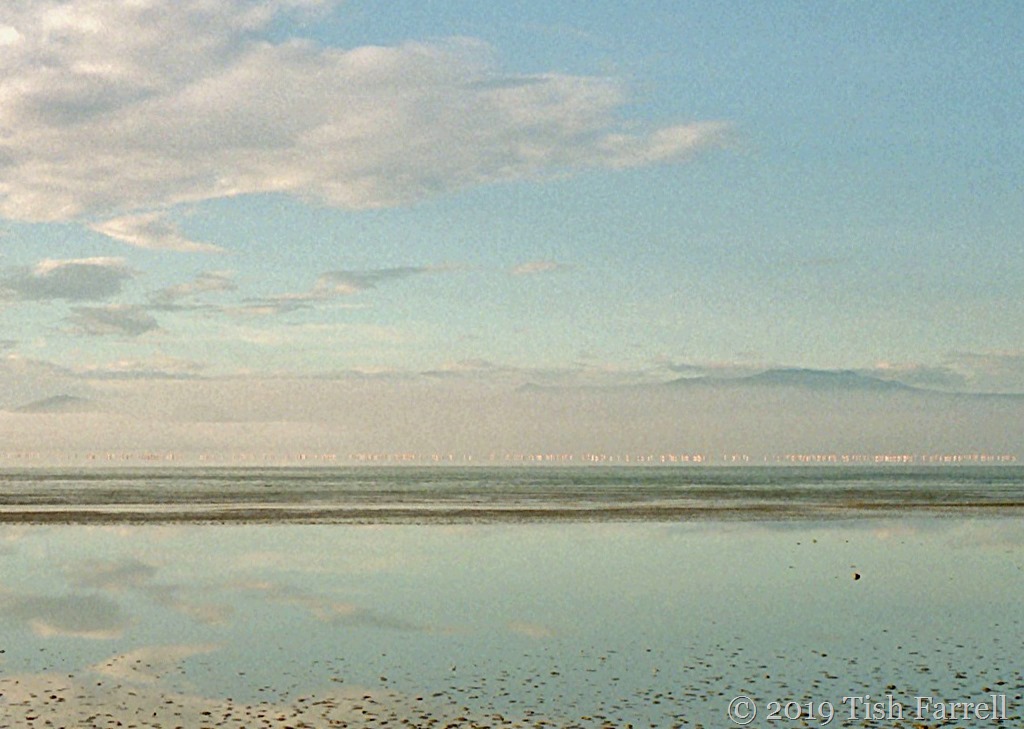
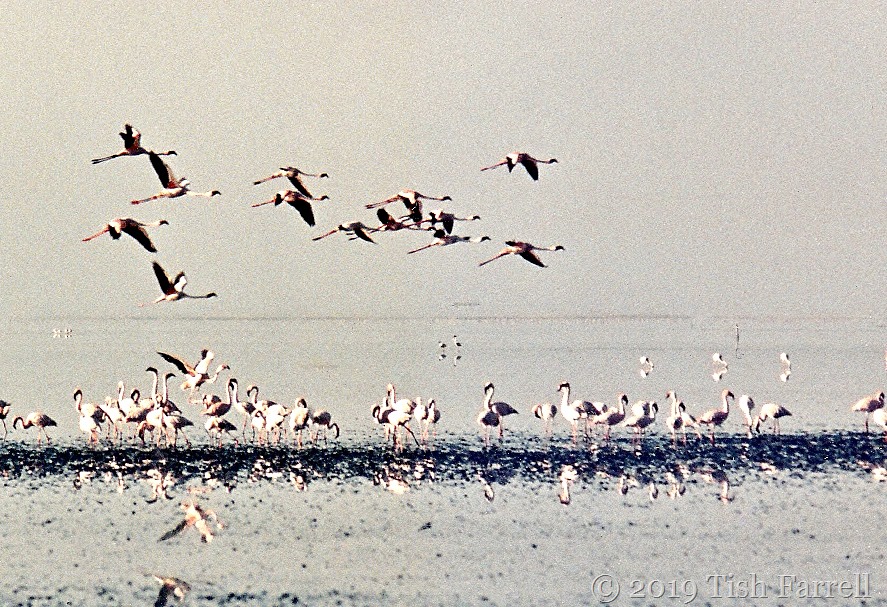
I mean to say are these my memories caught in decomposing film, the photos taken long ago on the shores of Lake Elmenteita? Or are these scenes simply mirages?

There’s no way to be absolutely sure.

But then I do recall distinct sensations – eyes stinging in the corrosive cocktail of flamingo guano and volcanic soda – a circumstance that could well account for the blurriness of these vistas. The acrid deposits along the water’s edge also made my nose curl and run. And then there was the disorientating honking and grunting of lessers and greaters, so oddly amplified over the shallow lake. That pale pink mist was strange too, as if some unseen hand had released it for theatrical effect. And finally there were the chilly first-light temperatures which ever argued with a determined point of view that equatorial climes could not possibly be so frosty.

Sometimes in Africa it was hard to know which way was up.

IMG_0003

copyright 2019 Tish Farrell

Lens-Artists: Delicate This week Ann-Christine shows us delicacy in many exquisite forms. Please pay her a visit and be inspired.

All Quiet In The Mara?

Scan-140726-0025

This week at the Lens-Artists, Tina explores the concept of harmony. There are of course many ways of thinking about it  – physically and metaphysically, in terms of colour, music, flavours, composition, structures, relationships, (angelic choirs even). My first thought, though, was of the East African plains: harmony in the sense of the natural cycle of things; every species occupying its niche within the grasslands ecosystem; harmony with edge since eating and being eaten also come into it. This photo, taken at sundown, could also be seen as harmony – at least from the human perspective – a case of the pathetic fallacy perhaps: disparate creatures roaming and grazing peacefully together in the  wilderness idyll, all bathed in golden late-day light. On the other hand, and I am not absolutely sure about this,  but there could well be a hyena on the prowl – the tiny brownish entity, slightly dog-like, a zebra and a half in from the right, and just below the bough of the right hand thorn tree. Harmony about to be interrupted then.

copyright 2019 Tish Farrell

Lens-Artists: harmony

Growing Thoughts

April and sowing and growing are very much on this English gardener’s mind. So far it’s been too cold to think of putting much in the ground, but impatience inevitably triumphs over common sense. In the last few days I have given in to inclinations to plant some first early potatoes. I’m trying a new technique as suggested by TV gardener Monty Don, growing them in a raised bed, and popped into a deep layer of compost a foot or so apart. But after I’d done it, I grew worried about the poor little tubers being subjected to Siberian icy blasts, and covered the bed in horticultural fleece. Now it’s down to ‘wait and see’.

Otherwise, it’s been mostly ‘housekeeping’ chores at the allotment: the first mowing of paths, turning compost heaps, edging beds, putting up climbing bean and pea canes, weeding, sowing stuff in the polytunnel. And dreaming of delicious produce to come.

Here are some crops I grew earlier, and all eaten long ago:

And of course the allotment plots don’t feed only us humans. Most of the gardeners grow flowers too – i.e. besides the flowering fruit and vegetables. And there are always plenty of flowering weeds on the abandoned plots, and so therefore lots to keep the bees, bugs and butterflies well fed. Deliciousness all round then.

copyright 2019 Tish Farrell


Lens-Artists: delicious

This week Patti at #Lens-Artists asks us to show her ‘delicious’.

What’s Not To Love About Ledbury’s Market House?

IMG_0959

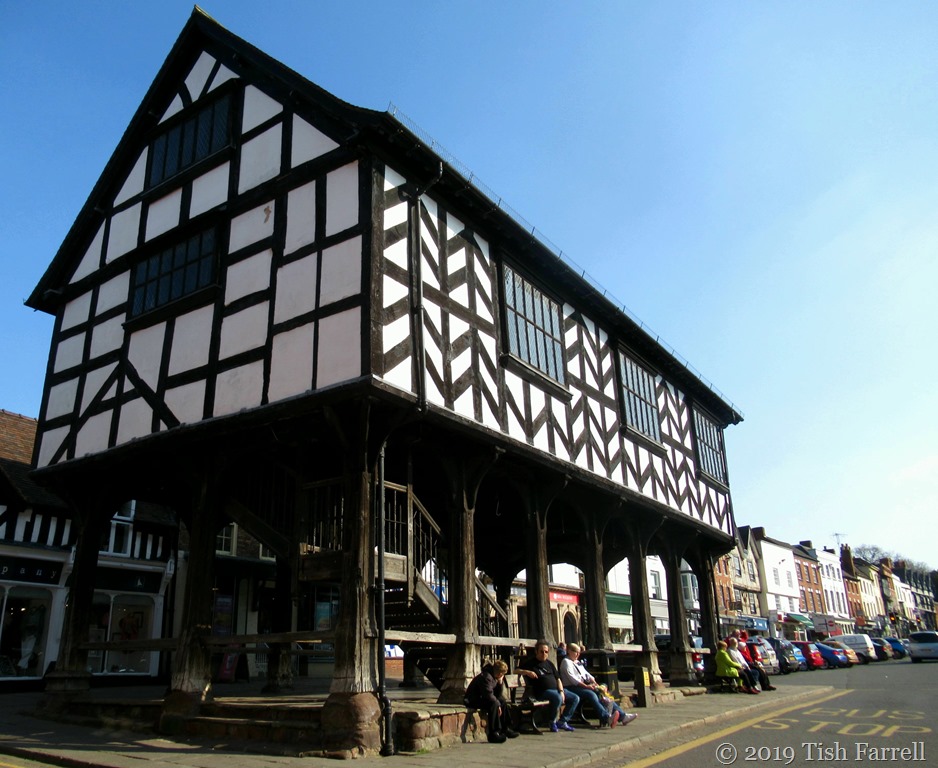
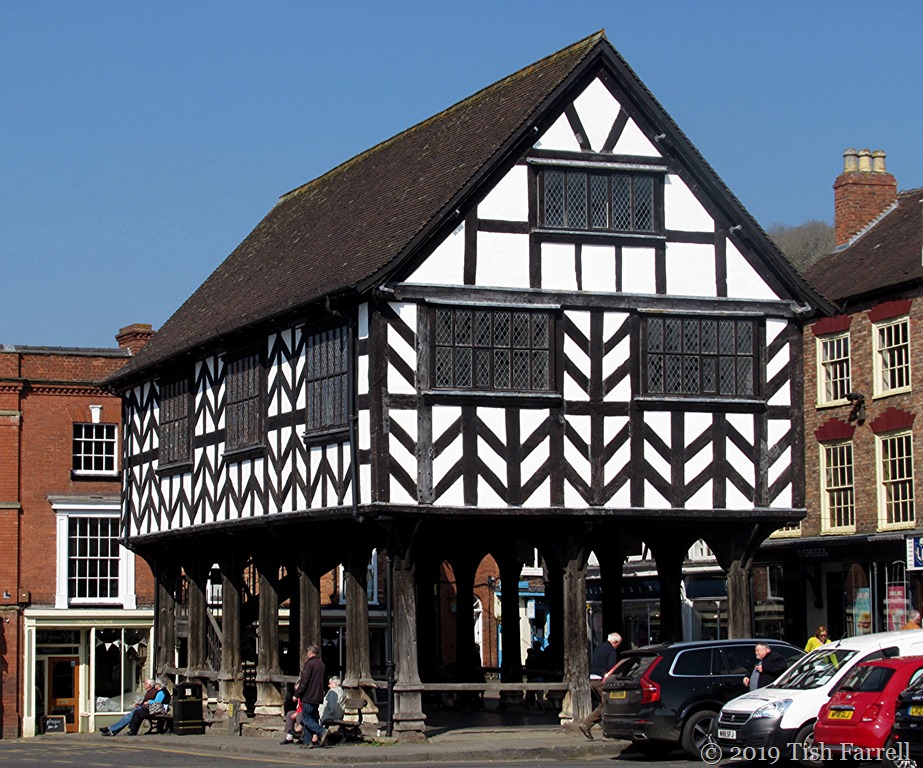
We English do well with our market towns, at least ones where developers were not let loose during the 1960s-70s era of replacement brutalist shop fronts. Ledbury in our neighbouring county of Herefordshire, and the town closest to our Eastnor cottage break at the end of March, is pretty nigh perfect. It has a long, long High Street composed of many 18th century and earlier facades, and in the centre is the Market House that began its civic life as piece of determined urban refurbishment 400 years ago.

IMG_0953

Town records show that the site where it stands had been a market place since 1122, but by the end of the 1500s the space had been encroached on by rows of tatty shops which greatly offended local trader, John Phillips. He set about raising funds through public subscription, and for the sum of £40 bought Shoppe Row and had it demolished. Work began on the Market House in 1617. The original plan included the building  small shops between the oak pillars while the upper storeys were to serve mainly for the storage of goods – corn, wool, hops for brewing and acorns used in the leather tanning trade.

However, all did not proceed as expected. In 1655 when John Phillips died the building work was still not completed, and there was no money left to finish the job. In fact it wasn’t until 1668 that local worthies came up with a cunning plan to raise the necessary funds. They helped themselves to £40 from two legacies that were meant to provide clothing for the town’s poor, but then drafted a new instruction: each year 12 poor citizens would have clothing paid for from the profits of the Market House. So it seems the civic misappropriation may be forgiven.

IMG_0932

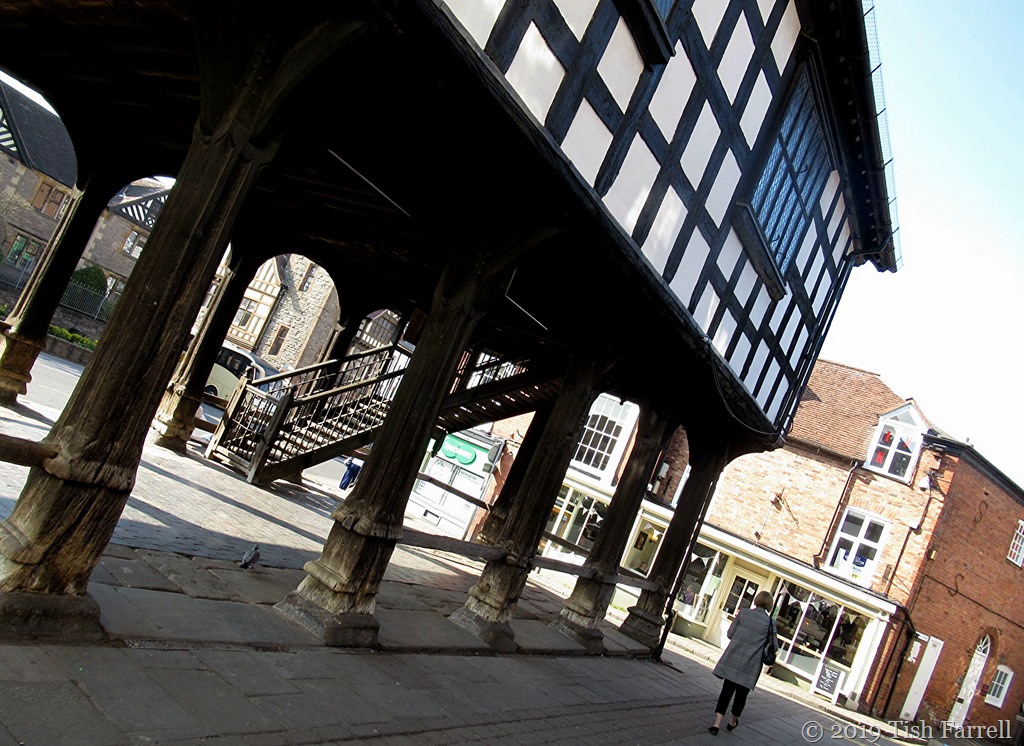
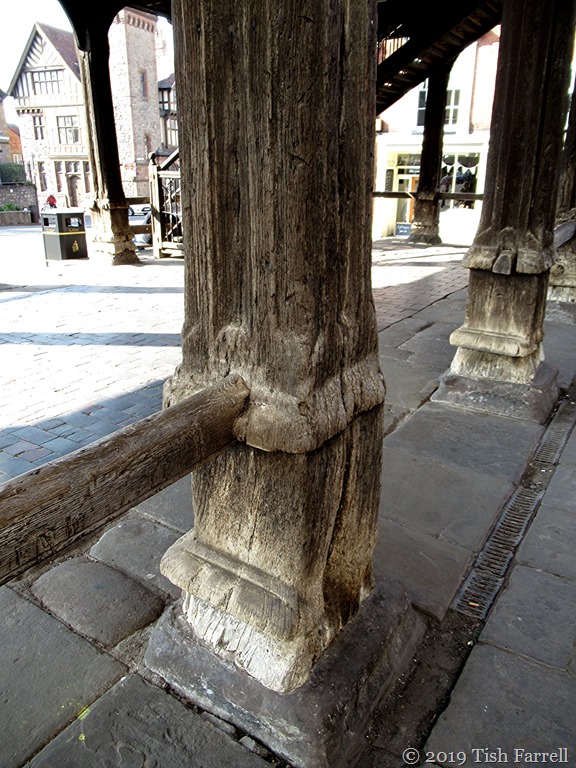
The Market House had a fresh lease of life in the Victorian era when the present windows and staircase were installed. The upper floors then served as the town hall and meeting room. Further restoration work was carried out in 1939 and during the 1970s and 80s. But the most dramatic resuscitation project took place in 2006 when it was discovered that the oak stilts were under threat from ‘foot rot’ and boring wasps. Repairs involved raising the entire structure  2 feet (600mm) off the ground so  the builders could scrape out the damaged bases, and infill with a natural lime-grout mortar which is structurally strong, but does not seal in damp as modern cement does.

IMG_0954

And so the Market House survives well and into its 5th century, and is now used for meetings and exhibitions, its ‘downstairs’ still hosting weekly markets while at other times impressing all with its well-worn and pleasing venerability.

But as I said earlier, there is much more to look at up and down the town – intriguing alley ways with unusual shops, lots of cafes and restaurants, and a potential for a darn good hike up and down the High Street. There are some literary connections too – Poet Laureate John Masefield  (1878-1967) was born and lived here.  Elizabeth Barrett Browning (1806-1861) also lived here during her formative years. In 1809 when she was three, her father Edward Barrett Moulton Barrett, the owner of slave plantations in Jamaica, bought Hope End estate near the town. Elizabeth lived here until 1833 when family litigation and the abolition of the slave trade caused her father great financial losses, and thus the sale of Hope End and a move to Sidmouth in Devon.

Masefield is also well loved (and especially by me) for his children’s book ‘A Box of Delights’. I especially treasure his word ‘scrobbled’ meaning to be nabbed by the baddies. But now for some Ledbury views, including a glimpse of the writer himself, discovered in a quirky alley leading to the town Printers, who advertise themselves around the place with amusing posters. A town of delights then – old and new:

This slideshow requires JavaScript.


copyright 2019 Tish Farrell

Lens-Artists: Something Different This week Tina asks us to show her something new or out of the ordinary.


Every Saturday one the Lens-Artists posts a new challenge.

Patti  https://pilotfishblog.com/

Ann-Christine aka Leya https://lagottocattleya.wordpress.com/

Amy  https://shareandconnect.wordpress.com/

Tina  https://travelsandtrifles.wordpress.com/

The Pink Pineapple Pavilion ~ Again

IMG_1328

April 1st, All Fools Day, and it flitted through my mind that it was just the day for paying the pink pineapple pavilion a second visit. It was anyway a piece of happenstance. We were driving back from the Malverns and the need for lunch was pressing. And, since you can pretty much rely on a National Trust property for a decent snack, we decided to call in at Berrington Hall.

The last time we were here it was a gloomy October day back in 2017 when Berrington was hosting all manner of art installations inspired by different aspects of the estate’s history. Taking photos then had proved a challenge so it was good to see the gardens full of sunshine. And though the pineapple may not be to everyone’s taste, I was quite pleased to see it was still in residence. And if it seems quite balmy, then it is probably not half as balmy as the kind of extravaganzas created by the overbearingly rich and idle during the 18th century. You can read more about this in the original post A Giant Pineapple In The Garden.

On Monday we were simply happy to have a quick mooch around the walled garden where the ancient apple orchard is currently being revivified, each tree carefully pruned and curated, with big name tags and the dates of species origins. So many varieties, and  these days you’re lucky to see six sorts in the supermarket. What treasures we deprive ourselves of and for no good reason. So full marks National Trust for taking pains to restore the garden and nurture these old varieties.

Now for some more garden views:

IMG_1292

cr

IMG_1306

IMG_1321

IMG_1324

IMG_1322

IMG_1312

IMG_1316

IMG_1313

IMG_1317

IMG_1318

IMG_1303

Lens-Artists #39: Hello April   All thanks to Amy for this week’s challenge. Please pay the Lens-Artists a visit.

Patti https://pilotfishblog.com/
Ann-Christine aka Leya  https://lagottocattleya.wordpress.com/
Amy https://shareandconnect.wordpress.com/
Tina https://travelsandtrifles.wordpress.com/

Reality T.V. And The Roman Town House And Disquieting Views Of The Past

P1090876

This 4th century Roman house is quite a landmark. It sits beside a rural crossroad below Wenlock Edge, and even though we know it is there, it always takes me by surprise whenever we drive that way to Shrewsbury – its time-slipped Mediterranean demeanour striking false notes in the midst of 21st century Shropshire farmland. But then this was once the style de nos jours across most of England – the way we were, almost fully Romanized, twenty to sixteen centuries ago.

And of course it is a re-creation, but then that is surprising in other ways. For a start it is built on the site of an actual Roman city, otherwise known as Wroxeter or Viroconium, and it is not usual for the heritage-powers-that-be to allow building work on their sites of international archaeological importance. For another, it is a product of a Channel 4 ‘Reality TV’ show broadcast in six episodes back in 2011. ‘Rome Wasn’t Built in a Day ‘ was a piece of experimental archaeology turned mainstream viewing, in which a team of UK builders was set the task of building the town house using ONLY traditional Roman methods.

They had 6 months to master new skills, guided by a 2000 year old manual written by engineer Vitruvius, and under the watchful eye of project planner Professor Dai Morgan Evans, who had based the design on an actual building excavated at the site. By all accounts it was a bit of a bumpy ride.

These days Wroxeter is in the care of English Heritage and if you follow the link you can find out more about the once fourth largest Roman city in Britain. The site’s immense historical importance meant the town house project could only proceed by first creating a foundation raft that would protect the remains in the ground. Originally, too, it was intended that the house would have a limited time span. However, it is still with us, and we finally decided to make an actual visit in November last year – on Remembrance Sunday in fact, when many of us were pondering on quite another momentous historical event, the centenary of the end of World War One.

A strange case of mixed millennia then. The day was bright and blustery day with an icy wind blowing up the Craven Arms gap between the Shropshire Hills. As we peered into the re-created domestic quarters  (in much need of some serious house-keeping) we could hear the peeling bells of Shrewsbury’s churches several miles away. It sounded joyous too, this commemorative toll on so many million wasted lives.

And so it was one of those moments of complete chronological, if not ontological disorientation when you wonder what life, the universe and everything means. A ‘Who am I? Why am I?’ reaction. I took a few photos and fled back to the warmth of the visitor centre where there were two lovely young English Heritage women to chat to, and where one could also submit to the soothingly anodyne effect of graphics panels on topics Roman.

I came away thinking there are many versions of ‘reality’ that we buy into, man-made, manipulative and specious. Nonetheless, there are still some actual Roman remains at Wroxeter, the rising facade of the great Baths Basilica. And of course I remember a couple of weeks I spent here in the 1970s, a Prehistory and Archaeology undergrad, apparently gaining some required excavation skills in order to obtain my degree.

In fact I probably learned more from the gang of prisoners let out each day from their penal establishment. They worked close behind the line of us middle class student excavators, emptying our spoil buckets, barrowing the dirt into skips, all the while intent on shocking us with talk of lurid prison doings. One among them, though, grew so fascinated with the excavation process that he was promoted to the digging line and even worked through his lunch break. ‘I’m going to do this when I get out,’ he said, head down, trowel in hand, scrape-scraping away. Yes. That was a real reality glimpse. I learned a lot from that.

copyright 2019 Tish Farrell

P1090869

P1090871

P1090887

P1090893

P1090885

P1090912

P1090845

P1090828

Lens-Artists: Architecture