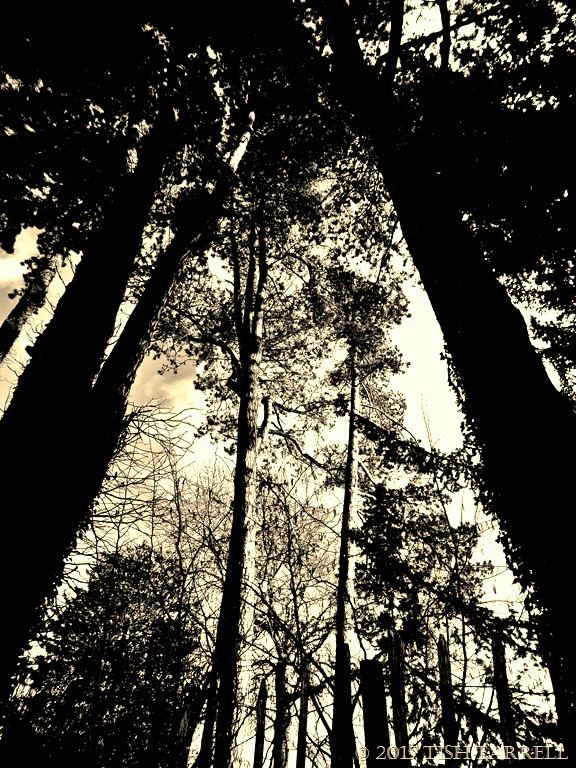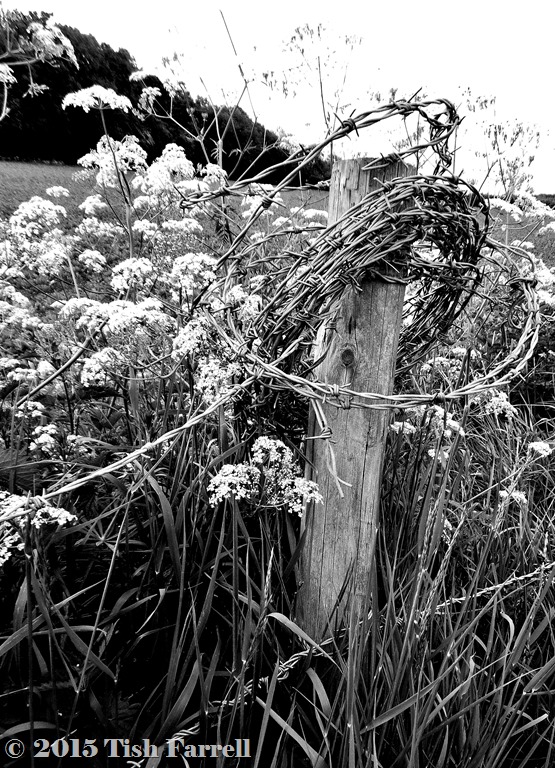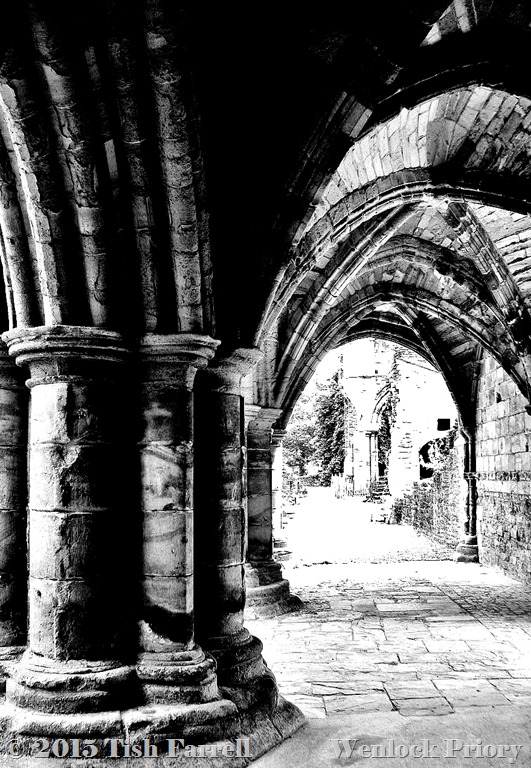
Wenlock Priory through the pines ~ an enduring landmark

P1000492

P1000494


How impressive then must the beautiful church have been in the days of its prosperity, when the pilgrim came down to it from the grassy hillside and its bells made the stillness sensible.

Henry James on Wenlock Priory Portraits of Places

Much Wenlock has many historic landmarks, but its Priory is the one with the oldest roots, dating back to the seventh century when  the Saxon princess, Abbess Milburga, presided over a dual house of monks and nuns.  In medieval times, under Norman rule, it was expanded to become one of the most imposing (male only) religious houses in Europe.

Then along came Henry VIII with his marriage problems, and in 1540, as part of his Dissolution of the Monasteries campaign, (i.e.the  liberation of monastic wealth), the lead was stripped off the roofs. The Priory has been ruinous ever since. Meanwhile the Corsican pines have grown up along the boundary wall.  I don’t know when they were planted, or by whom, but spiring above the ruins, they somehow give a sense of lost architectural glory.

There is of course much romance in dilapidation as Henry James’ description in the quote above betrays. He was certainly taken with the place, and came here two or three times as guest of the Milnes Gaskells  who lived in the Prior’s House abutting the ruins. The Priory was at that time the Milnes Gaskells’ own private garden feature, and part of the tour for all their many house guests.  I particularly like this next, perhaps unlikely image of a recumbent Henry James gazing up at the remains:

You may lie upon the grass at the base of an ivied fragment, measure the girth of the great stumps of the central columns, half smothered in soft creepers, and think how strange it is that in this quiet hollow, in the midst of lonely hills, so exquisite and so elaborate a work of art  should have arisen.

You can read more about Henry James in Wenlock HERE.

Now please visit Paula at Lost In Translation for more Black & White Sunday  landmarks.

Looking For Space On Wenlock’s Windmill Hill

100_7821 - Copy

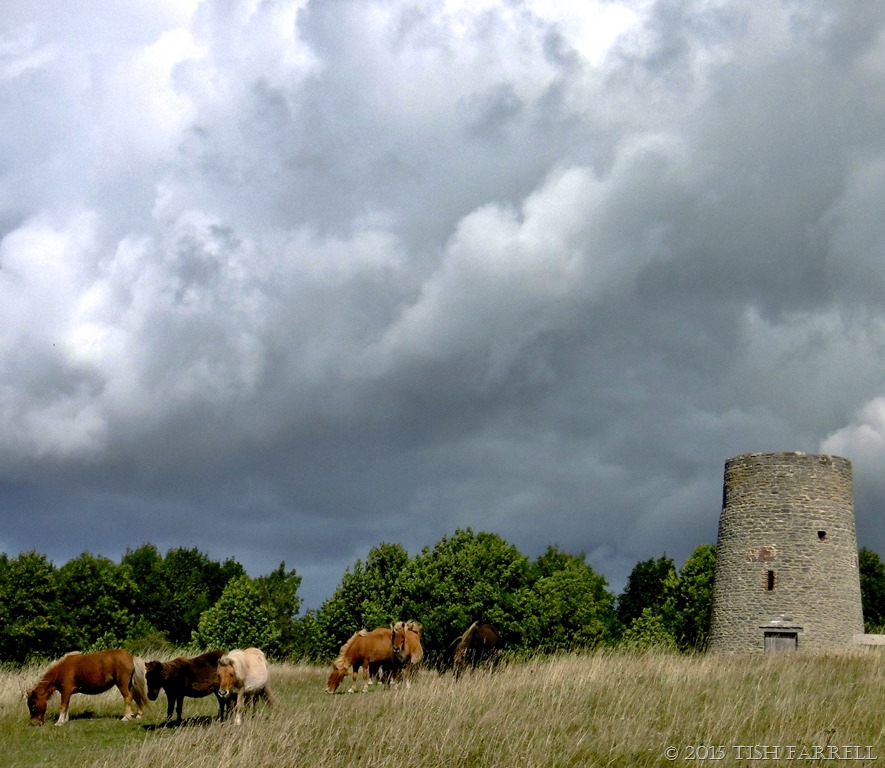
This month the photo challenge at PerelincolorsTech of the Month is to compose shots that make good use of empty space. So here are some views of Windmill Hill, near my house – some recent, some taken earlier in the year. I thought that by having big skies in the background, or a large expanse of meadow in the foreground, and also by shooting downhill or lying down, it would create both scale and a touch of drama. Also it was an attempt to add interest to a scene that, though pleasing in itself, could not in any way be described as spectacular. And finally I was trying to capture a sense of something special about a place that I am perhaps overly familiar with. See what you think.

100_7835

P1010939

P1010448

P1000782

Perelincolors

Lucile de Godoy

My Wenlock World In Black & White

P1000517

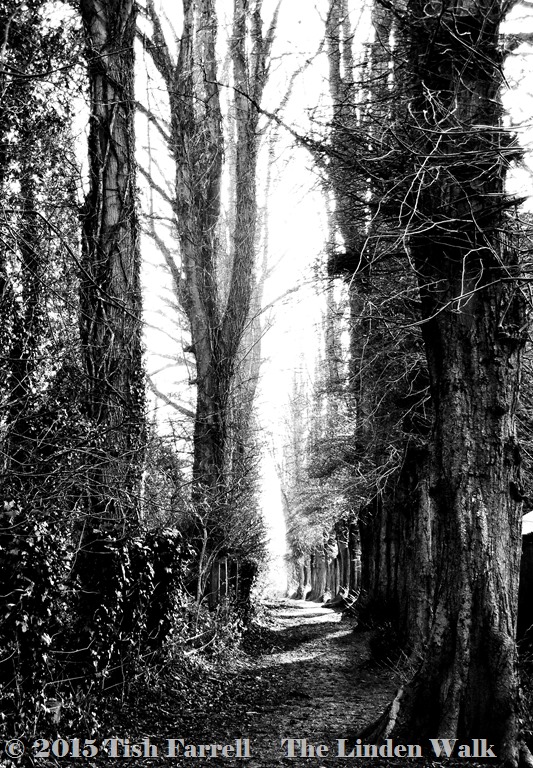
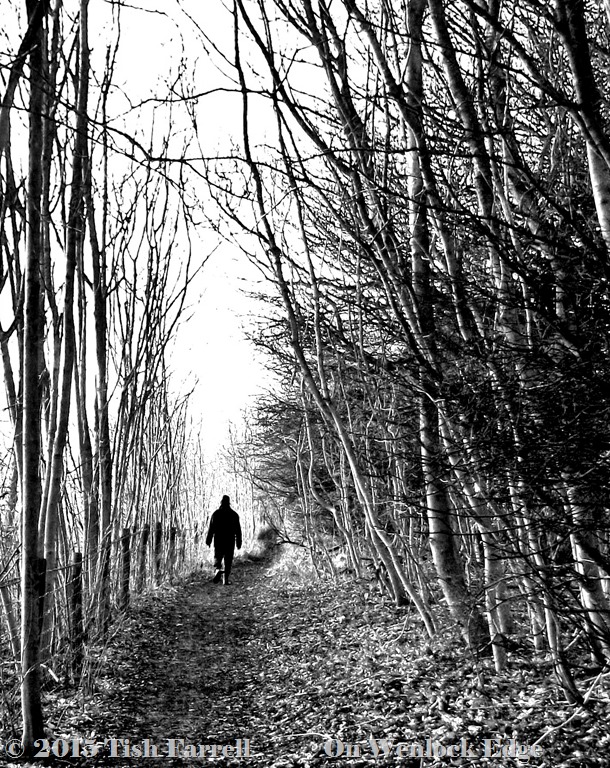
This week Cee has given us ‘carte blanche’ to post black and white images of our choice. So I thought I’d show you my everyday world, but with just a touch of ‘noir’.

Welcome, then, to Much Wenlock

where all looks tranquil. Or does it?

100_7046


P1010518 (2)


P1010485


P1000562


100_5899


P1010145


Cee’s Black & White Photo Challenge

Go here to see Cee’s and other bloggers’ b & w favourites

Three dhows at sundown on Lamu

Scan-140801-0001

You, the very lovely people who have been following my blog for a while, will have seen this image before – possibly more than once. But I’m sure you won’t mind seeing it again. Even if I say so myself, it is a blissful scene,  and a chance capture in the Manda Strait on Boxing Day too long ago.
Trio

It’s a wonderful world…

100_7819

Earlier in the week, and in between leaf gathering for the allotment leaf mould project, finishing off a short story about Swahili spirit possession, I took myself on a wander around Wenlock’s byways to see what was what. We are very lucky in that respect. Our town is compact, having grown up around the medieval Wenlock Priory. One minute you’re on the High Street, the next you’re out in the Shropshire countryside. And there’s just so much to see out there.

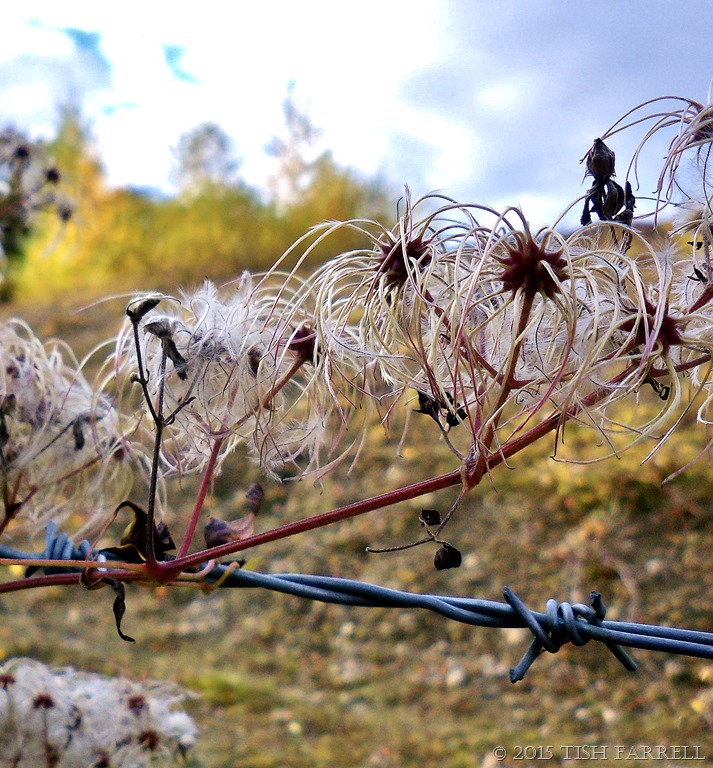
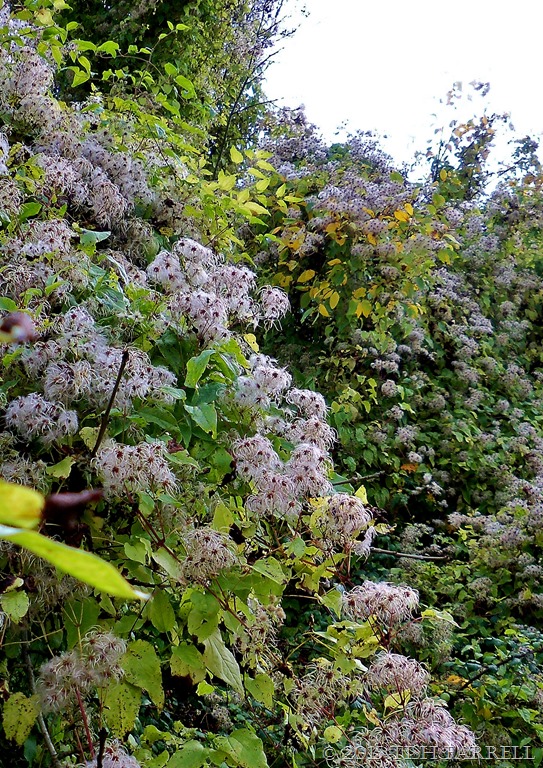
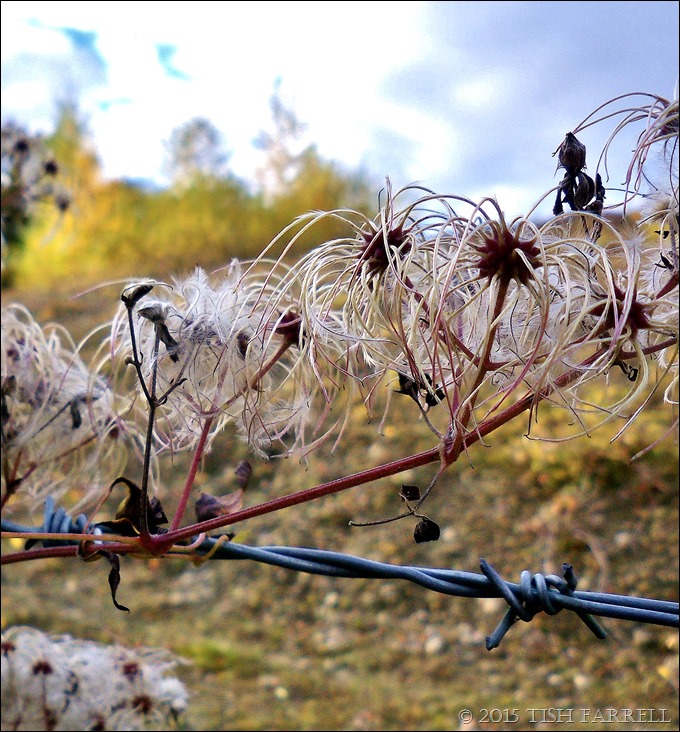
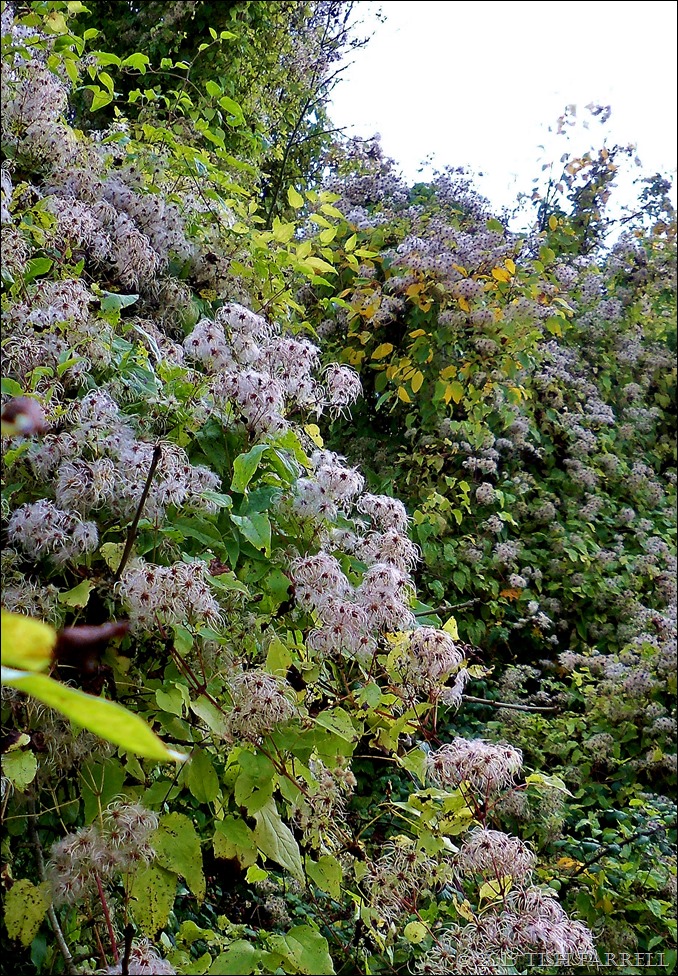
This wild clematis, aka Old Man’s Beard, caught my eye (above and below). It was arching over the path beside the abandoned Shadwell Quarry, and had then anchored itself on the fence. I like the congruity of the barbed wire and the twining plant stem.

It comes into its own in the autumn with its feathery seed heads, and as you will see in a moment, it is an impressive climber.

During the summer it mostly creeps greenly through the trees and you tend not to notice it. I’m also grateful to Richard Mabey’s treasure book Flora Britannica for reminding me that another country name for this plant is Traveller’s Joy.  Mabey tells us that the plant was christened by 16th century botanist and herbalist, John Gerard who named it  thus because of its habit of ‘decking and adorning waies and hedges, where people travell’. He sounds like a sound chap, to pay tribute to the joy-making qualities of plant life.
100_7818

Like many varieties of clematis, this one does have medicinal properties – for kidneys and skin complaints – but as the whole plant is very acrid, it requires careful preparation. The most common traditional use is to roll the dried stems and smoke them as cigarettes, hence the plant’s other names of boy’s bacca and smokewood.

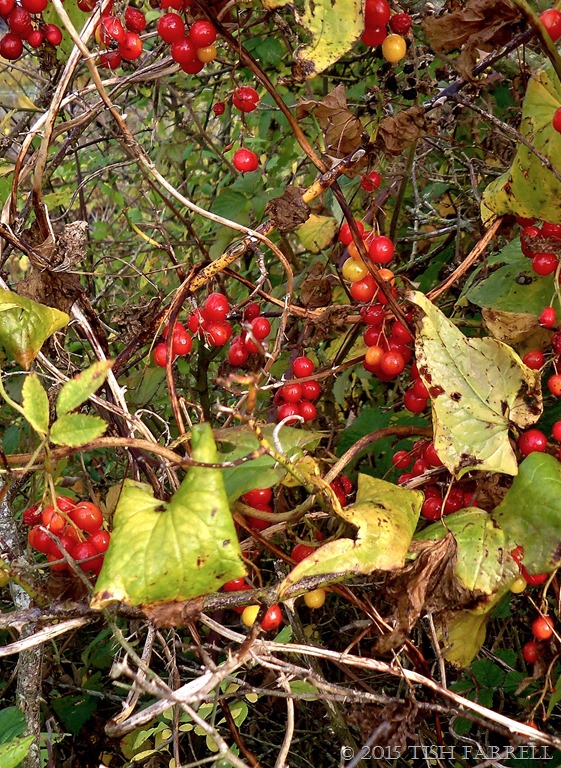
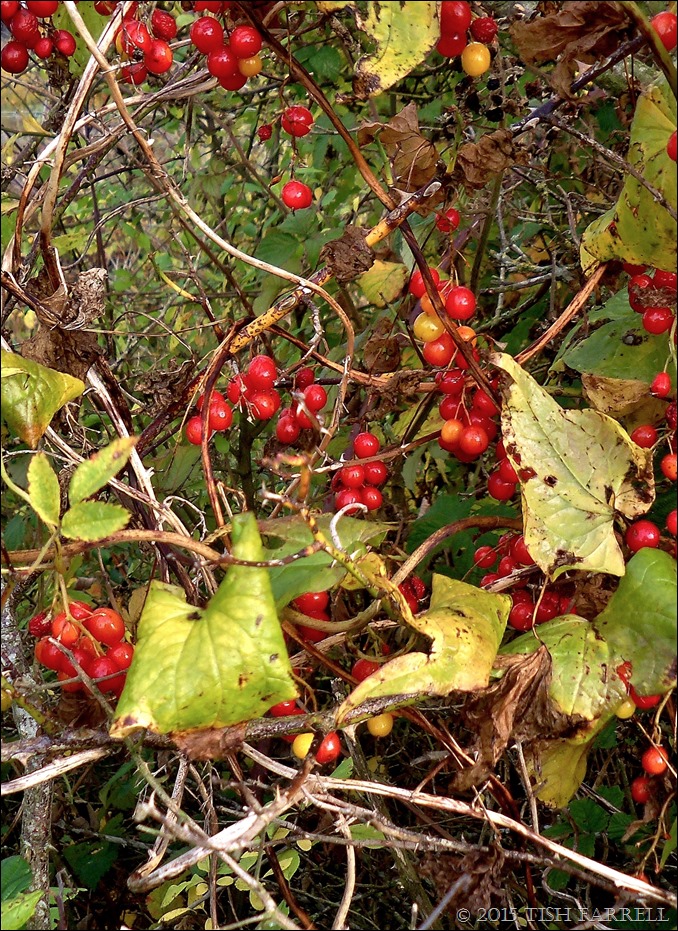
But this next plant is definitely one you do NOT want to consume in any form, despite its being related to cucumbers. All parts of White Bryony are poisonous and cattle deaths from eating it have been well recorded. But in autumn it is so very beautiful, and twines through hedgerows like strings of red and gold amber beads.
100_7828

The roots, though, are particularly toxic and grow very large. In 18th century Britain they featured in the mandrake root scam. Mandrake is a Mediterranean plant with a root that looks pretty much like a naked man or woman. It was in great demand as an aphrodisiac and narcotic. (If you know your Harry Potter, you will know that mandrake shrieks when it is being uprooted.) Unprincipled persons of the rabbit-catching variety thus began to fashion bryony roots into the highly desirable mandrake root. It was by no means an easy process either, and involved several phases to complete the subterfuge. Presumably the recipients did not live to tell any tales.
100_7815

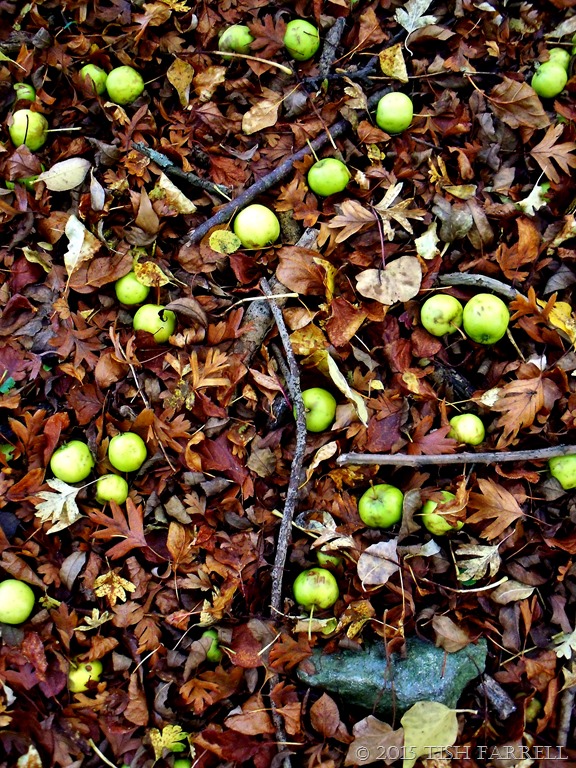
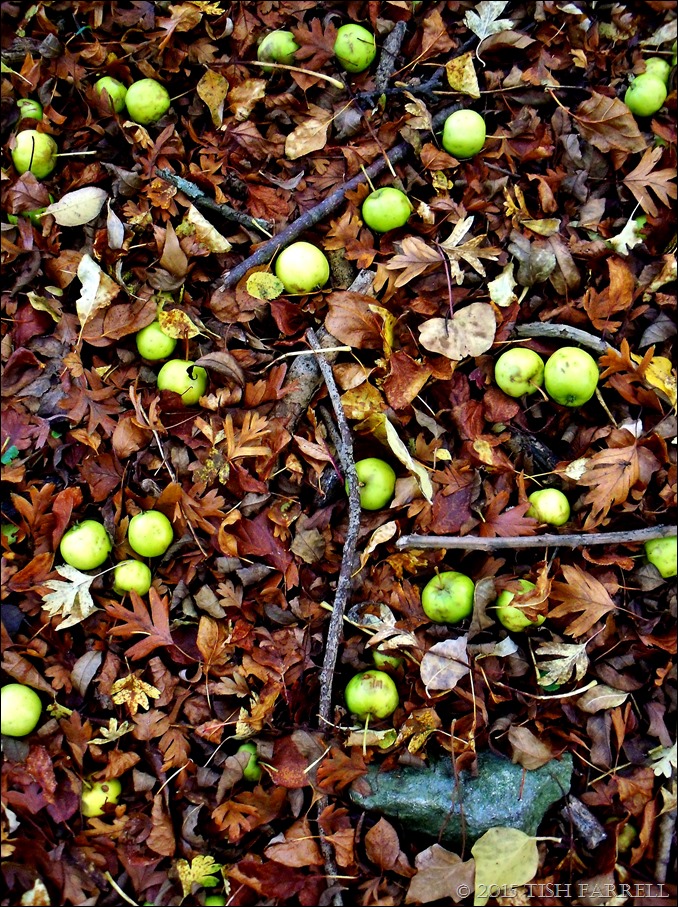
And here are some crab apples, Malus sylvestris  in Latin, woodland apples. They make brilliant, jewel like jelly which is good on toast or with roasts. Mabey says they are the ‘most important ancestor of the cultivated apple, M. domestica. More than 6,000 named varieties have been bred over the centuries, of which probably only a third still survive.’

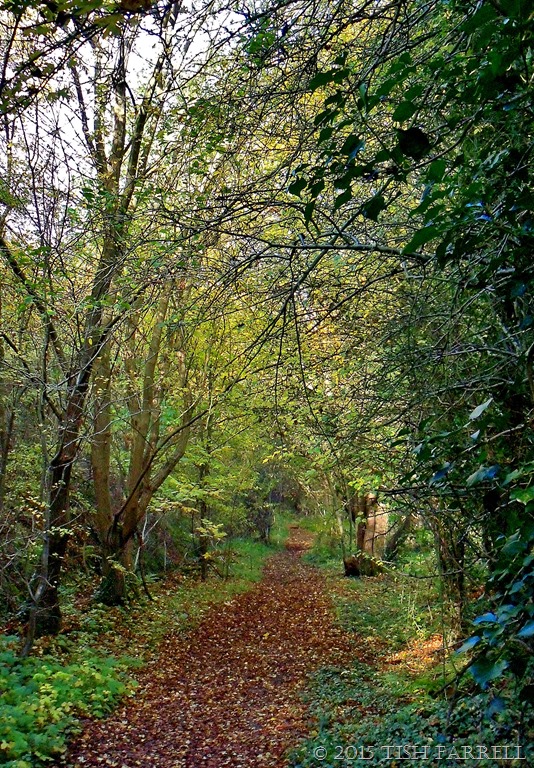
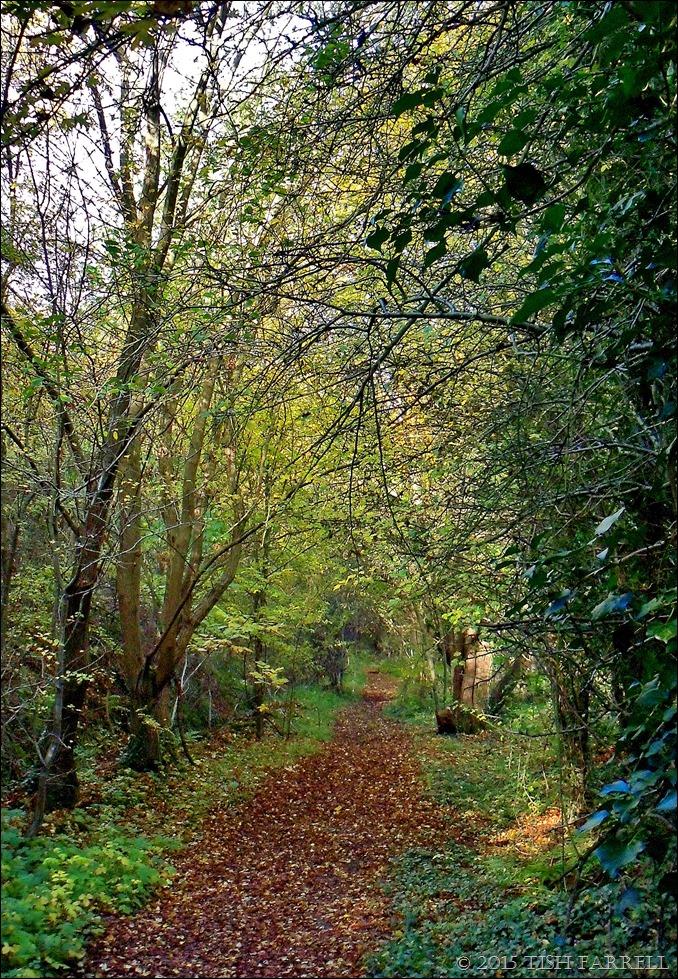
I found these, a little bruised, beside the old railway line that once served Shadwell Quarry. Now a footpath, this is one of the town’s most attractive places to walk. Ash trees and ivy overhang the track these days, and it has an other-worldly feel, far removed from industrial quarrying, trucking and smelting .
100_7809

It is hard to imagine that steam trains once came chugging down this track. The branch was built specifically to haul away Shadwell limestone to use as fluxing stone in the iron-smelting industry. In 1873, alone, 22,500 tons was shipped out of Wenlock.

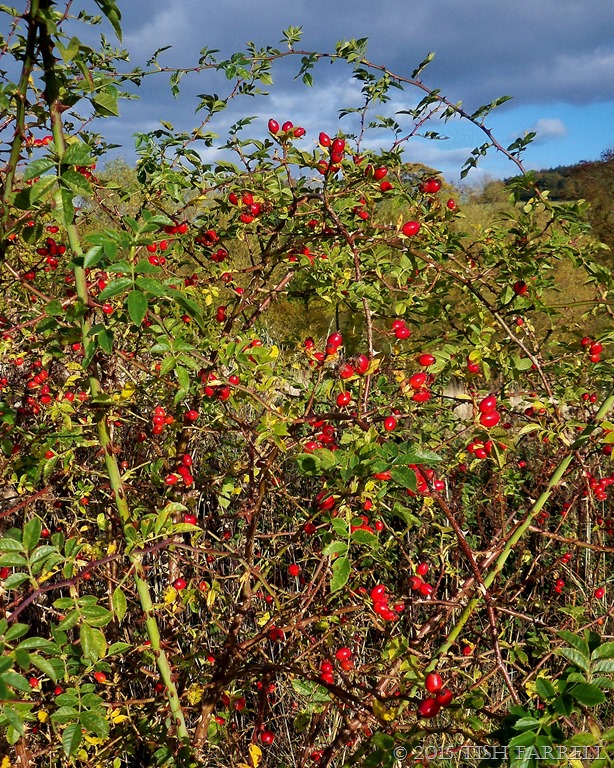
You can walk ‘there and back’ along the path, or there’s a longer circular route that takes you across fields, and down the lane to the Priory and into town. Out in the fields I found that the rose-hips, fruits of wild roses,  were doing pretty good jewel impressions too. They are also known as heps or itchy-coos.
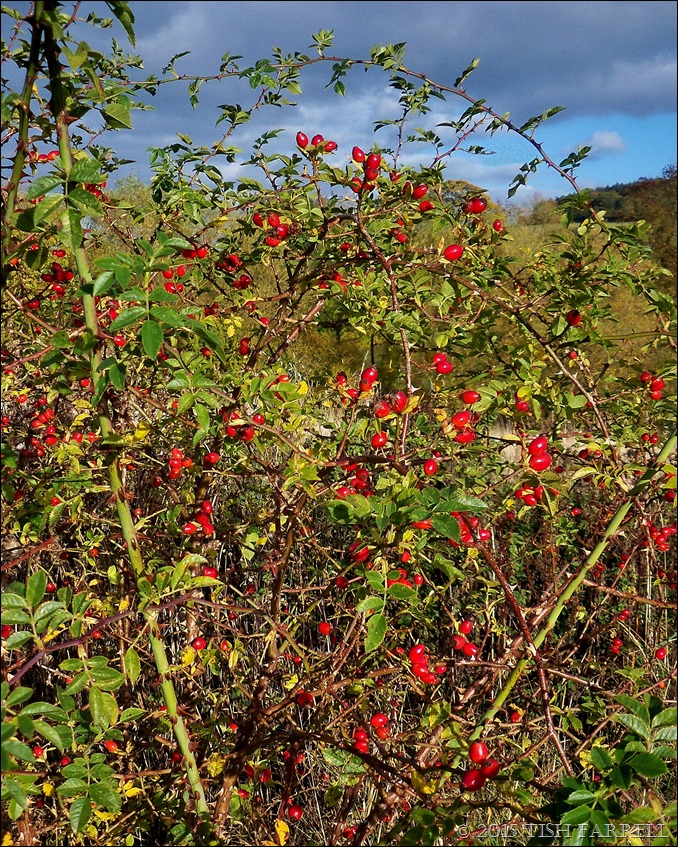
100_7806

The fruit have hairy insides which are a powerful irritant (and presumably much known to aggravate the coos or cows), but once removed, the hips have highest vitamin C content of any common native British fruit. During World War 2 and into the 1950s there was a national campaign to collect hips to make syrup according to Ministry of Food guidelines. It involved much mincing, stewing and straining, and a lot of sugar which I think was possibly counterproductive health benefit-wise. Nonetheless, caring mothers spooned it into their children.  Some of us will still remember the taste.

*

Finally a note about this post. Apart from celebrating the Shropshire countryside, it’s also inspired by 1) Lucile Godoy at Photo Rehab and Perelincolors who in Tech of the Month have been urging us to ‘fill the whole picture’ in our compositions. See their blogs for some useful guidance. (Photos here taken with a Kodak EasyShare 380).

And 2) by Jo’s Monday Walk.

Happy composing and walking everyone.

copyright 2015 Tish Farrell

Alan Turing Revisited

100_5249

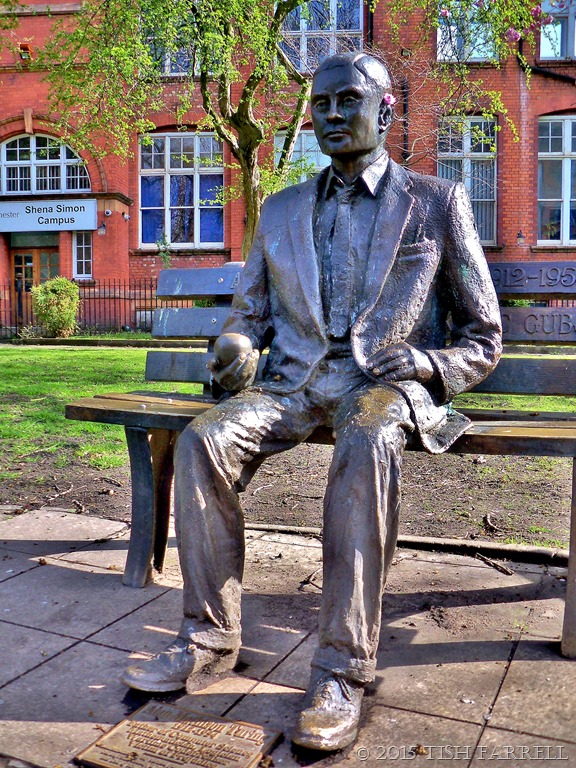
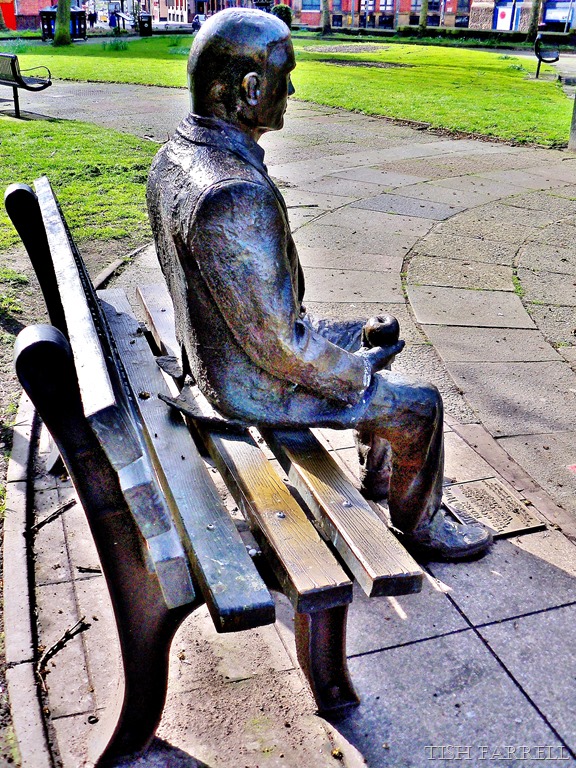
Alan Turing Memorial 1912-1954, Sackville Gardens, Manchester: sculptor Glyn Hughes

*

Over at Travel Words, Jude’s October Bench series calls for shots of benches with someone or something on them. This reminded me that I hadn’t posted these photographs of the Alan Turing Memorial, taken on a bright and early April morning in Manchester. I like the way someone has placed a cherry blossom behind his ear – symbolic perhaps, but affectionate too. I feel that if he had been alive now, living in world that is rather more enlightened about sexual mores, he would have enjoyed the gesture.

I have written a little about Turing’s life in an earlier post – An Intricate Mind. His is a mind we could have well done without losing before it had reached the natural conclusion of its great thought processes. And since no opportunity should be lost to counter any lurking bigotry, I’m repeating here what I said in that post:


Here is the statue of man whose decoding of German Enigma Code is credited with shortening World War 2 by two years, and so saving thousands of lives. After the war, working in Manchester, he played a key role in developing ‘Baby’, the first digital computer. He had the brilliance of intellect and foresight that should have been considered a national treasure. Yet in 1952 he was charged with engaging in homosexual acts, tried and convicted of gross indecency. The penalty was prison or chemical castration through the administration of oestrogen. He chose the latter. But because homosexuals were considered security risks, he forfeited his security clearance. In 1954 he was found dead. At the inquest the coroner concluded he had committed suicide by taking potassium cyanide. He was forty two.

There have various theories about his death: that he staged it to look like an accident; that it was in fact an accident; that he was assassinated. In any event we can only guess at the scale of his future contributions to the domains of science, mathematics, and computer technology had he lived. In 1950, concluding his article in the journal Mind, Computing Machinery and Intelligence, he himself said:

 We can see only a short distance ahead, but we can see plenty there that needs to be done.

In 2013 Turing was granted a royal pardon, and British Prime Minister, Gordon Brown, expressed his regret at the way the eminent mathematician had been treated. Today, Turing’s great-niece, Rachel Barnes is lending her support to the campaign Turing’s Law that wishes to see 49,000 others given posthumous pardons. She says that while the Turing family was delighted by Alan Turning’s pardon, they felt it unfair that it was not extended to others similarly convicted.

Turing relative demands pardons for gay men convicted under outdated laws

And all I can say is: see where bigotry takes us. And if you want to see what kind of funny, humane man Alan Turing was, and discover something of his intricate thinking, then read the article Computing Machinery and Intelligence at the link above. It begins with the words:

 I propose to consider the question, “Can machines think?”

100_5253

copyright 2015 Tish Farrell

Pushing the boundaries: welcome to my new web design page

The following themes are now available at this address:

P1020229

‘The Miss Haversham‘

*

P1020239

‘Galadriel’s Garlands’

*

P1020250

‘Wired’

*

P1020252

‘WWW.’

*

100_7596

‘Web Apps ’

*

100_7634

‘The Neuron’

*

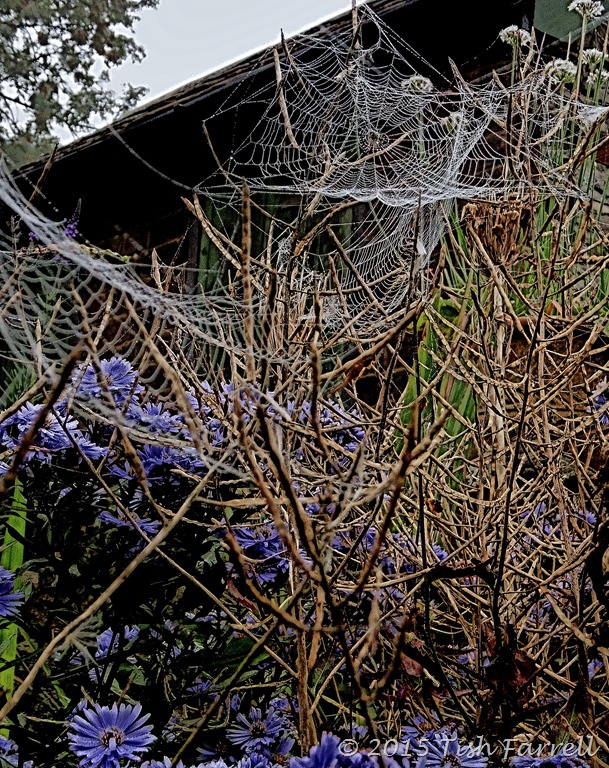
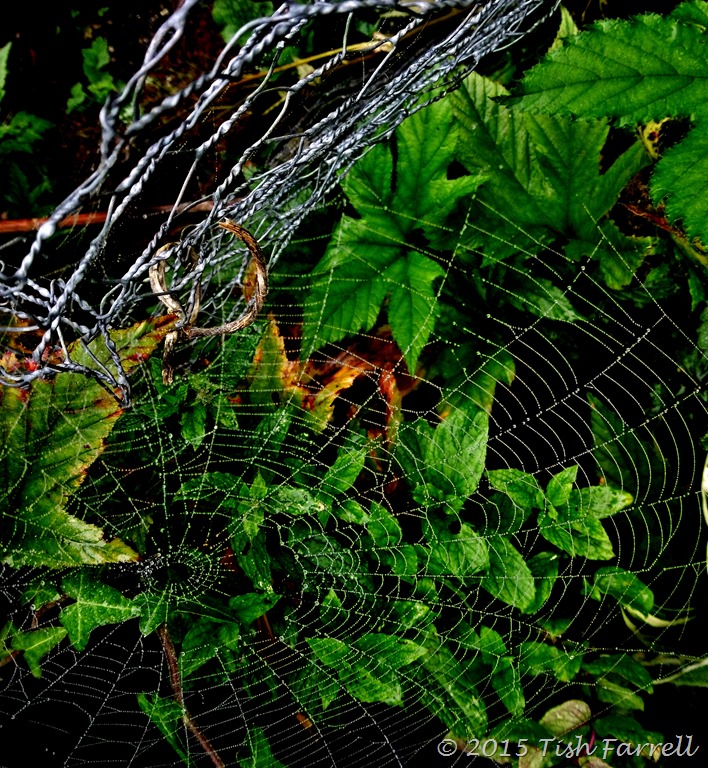
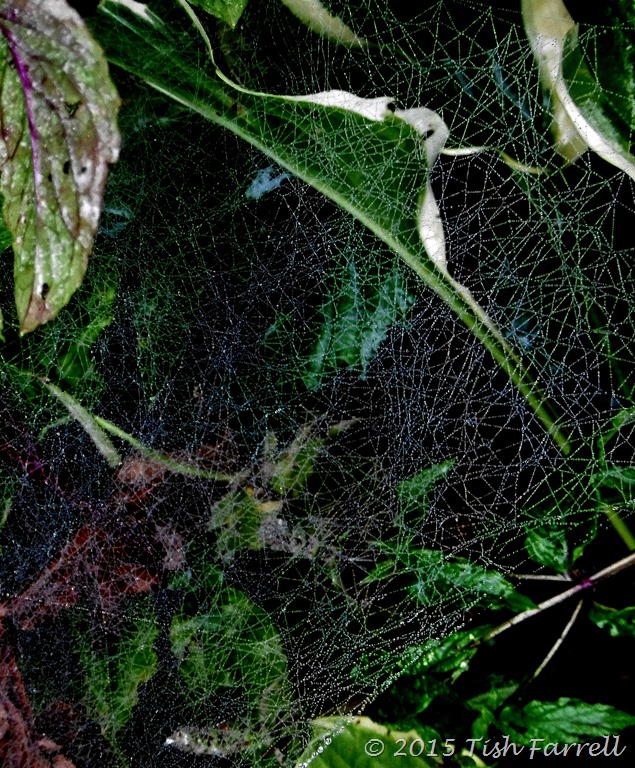
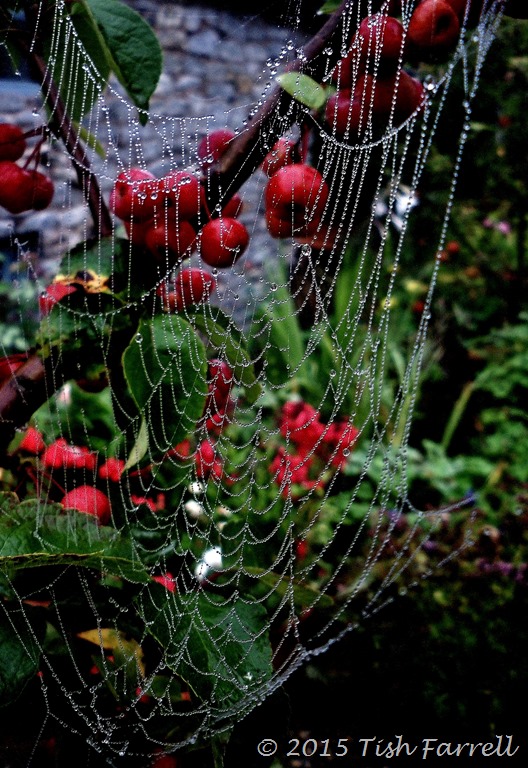
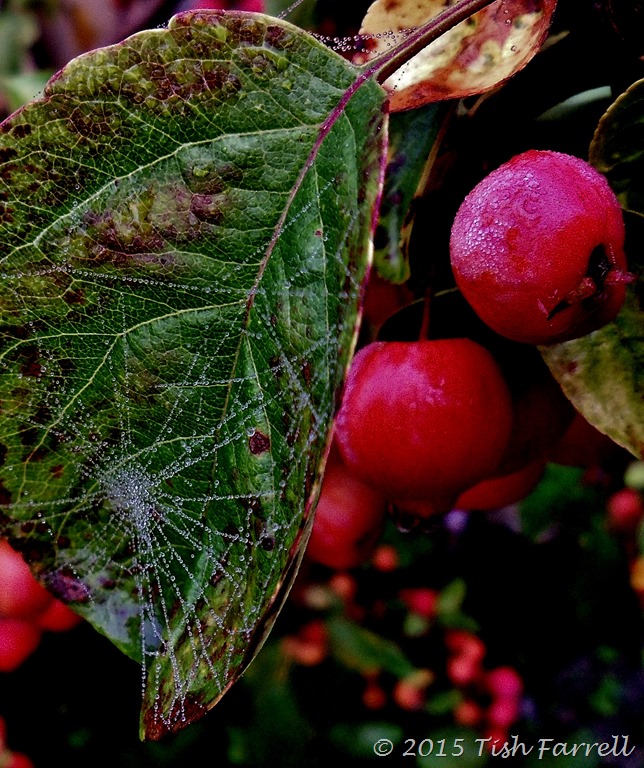
When I looked out of my bedroom window this morning all was dull and dank. There was no view of the Edge, only fog on the field that in the past two days has been  harvested, harrowed and re-sown, and is anyway looking gloomily autumnal. But when I walked out into the garden I found every leaf and stem was glittering with dewy webs.  So much spinning and weaving in the night – a thousand spider-stiltskins run amok. And even if you don’t like spiders, you can still admire their fog-enhanced artwork. Well, can’t you?
 

Boundaries

Autumn in my garden

100_7438

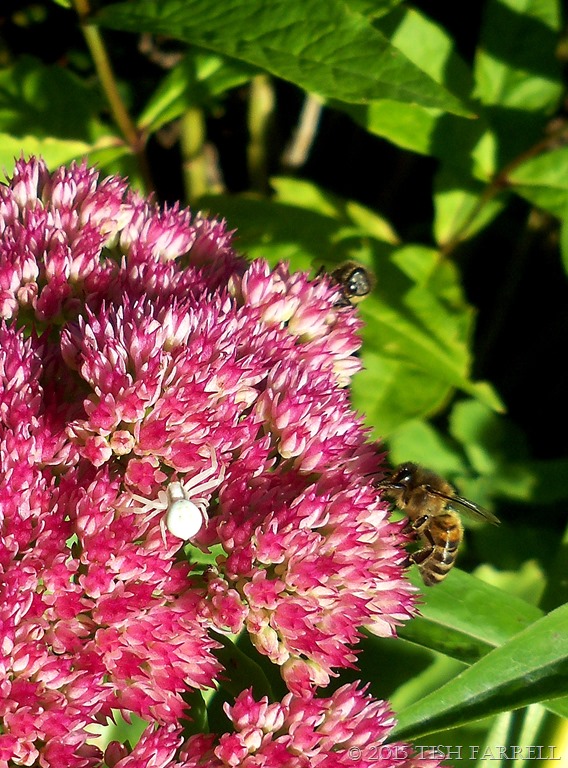
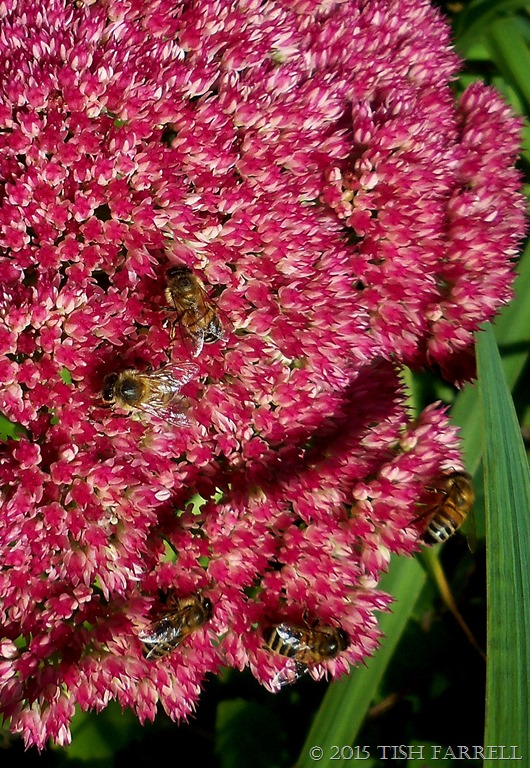
This little crab spider is for Ark at A Tale Unfolds. He regularly shares with us the fascinating wildlife in his Johannesburg garden. He’s rather keen on spiders. The one on my sedum (Misumena vatia)  is, if internet photos are anything to go by, capable of taking on a big, fat bumble bee. The bees here are being a tad regardless I feel, so keen are they to guzzle nectar.

100_7440

In fact sedums are bee heaven at this time of year, so everyone who can, do grow them. There’s a huge range to choose from. The bees are doubtless stoking up energy for the winter ahead. I also forgot to mention that the crab spider can, in a limited way, change colour to match the flowers it is hunting on, though it usually frequents yellow and white ones.

100_7435

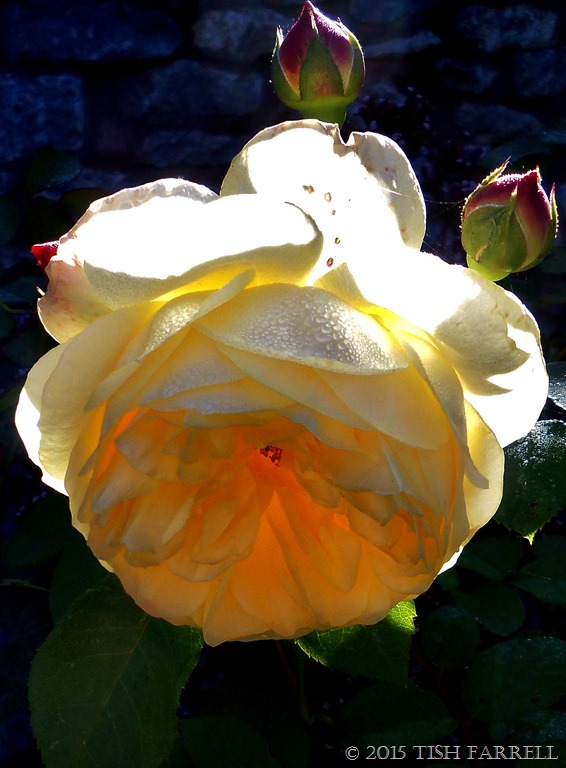
In my September in my garden post I mentioned that the rose at the top of the steps, Teasing Georgia, had come into bud for a second flourish. At the time  the weather promised to be so dismal, I wondered if she’d get a chance to bloom without the flowers being rained off. Well, the sun came back and Georgia came out in all her golden flounces:

100_7493

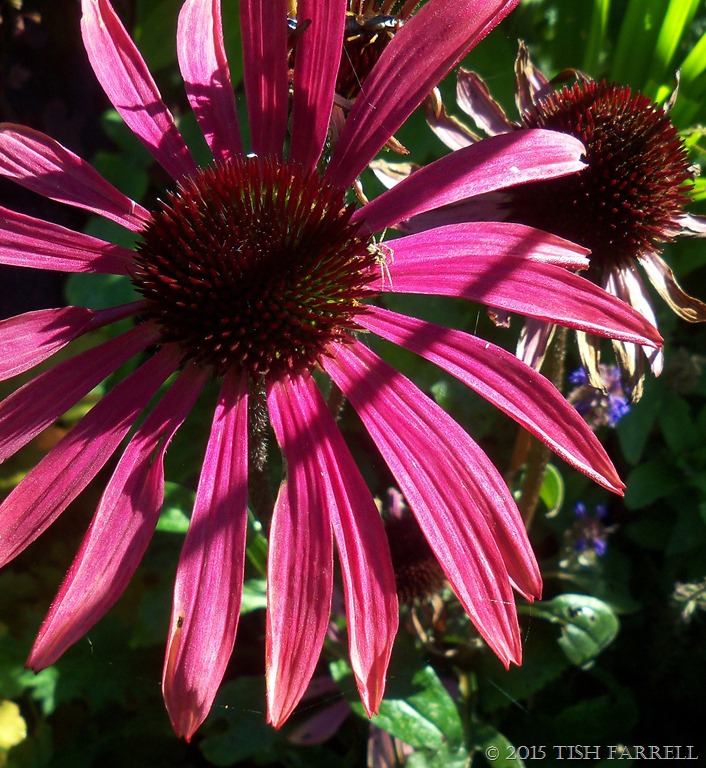
And here’s another tiny spider, identity unknown, sneaking in the echinacea (centre right):

100_7510

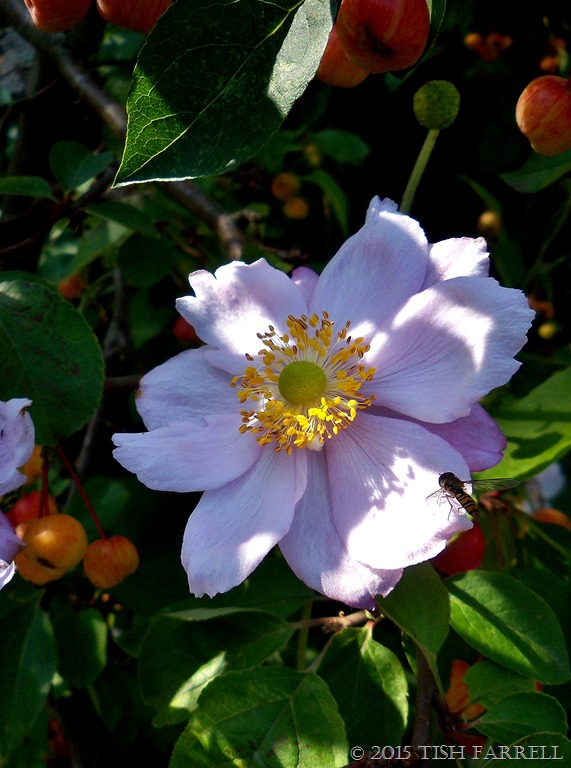
And finally, a sun-dappled Japanese Anemone with a hover fly:

100_7536

I’m linking to this Cee’s flower of the day

Please visit her blog for a daily floral fix.


Mara Dawn, Lewa Sundown: Monochromatic Africa

Scan-140826-0029jpeg

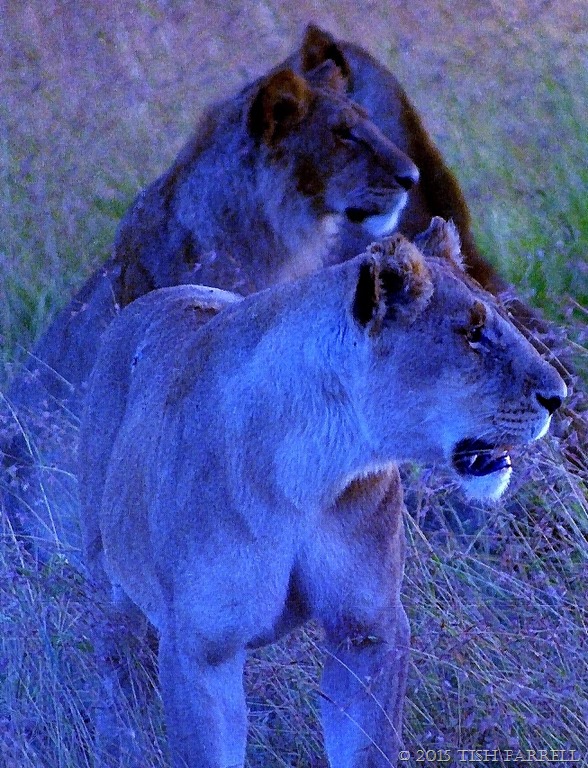
In winter at the Equator, Africa comes in many kinds of monochrome. At first light all is sepia. This lioness was captured at dawn in the Maasai Mara. She is watching out for hyena that are moving in on the Marsh Pride’s kill.

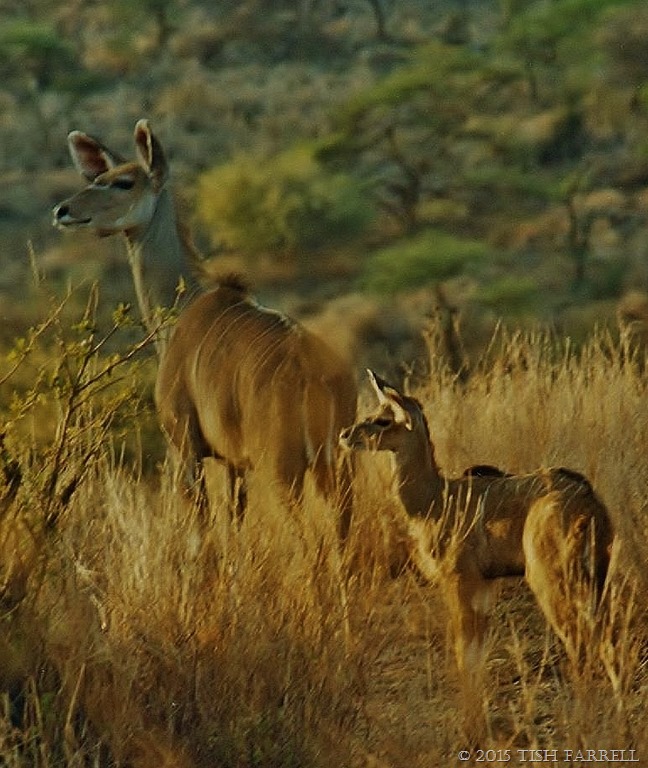
At sundown  in Lewa, in Northern Kenya, all is old gold as these kudu stop for a moment before melting away into the thorn scrub. Did we really see them?

004

003

Monochromatic