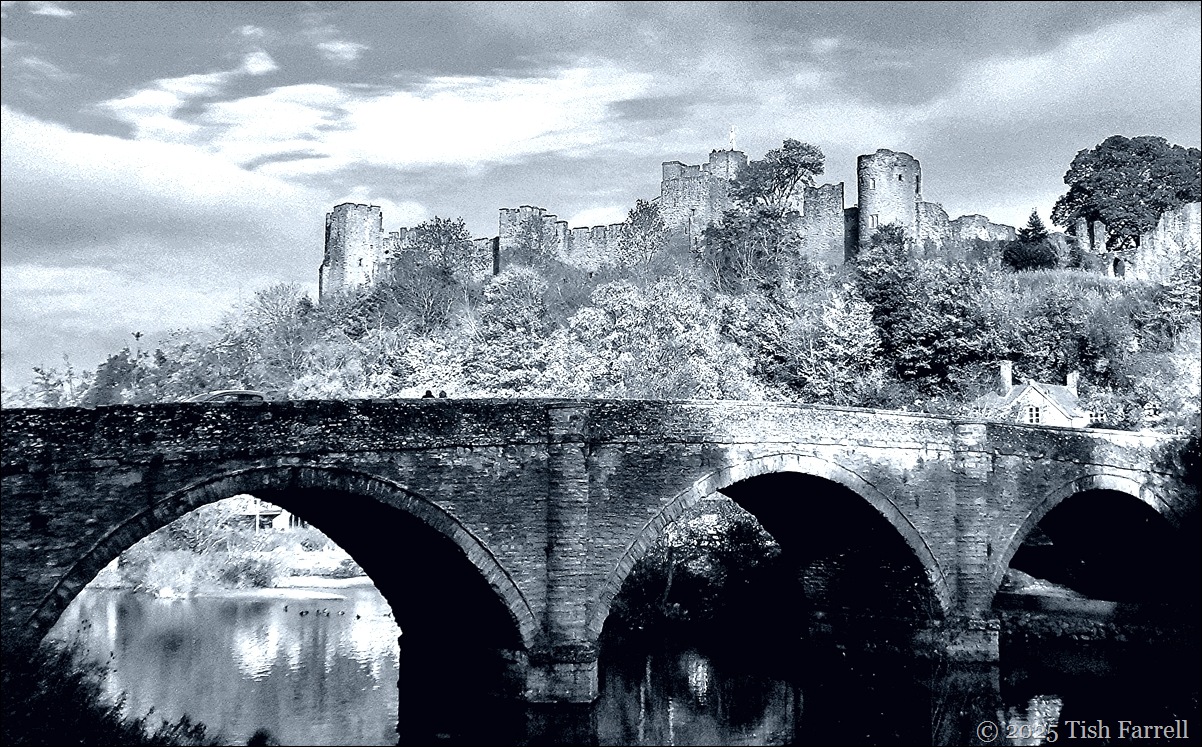
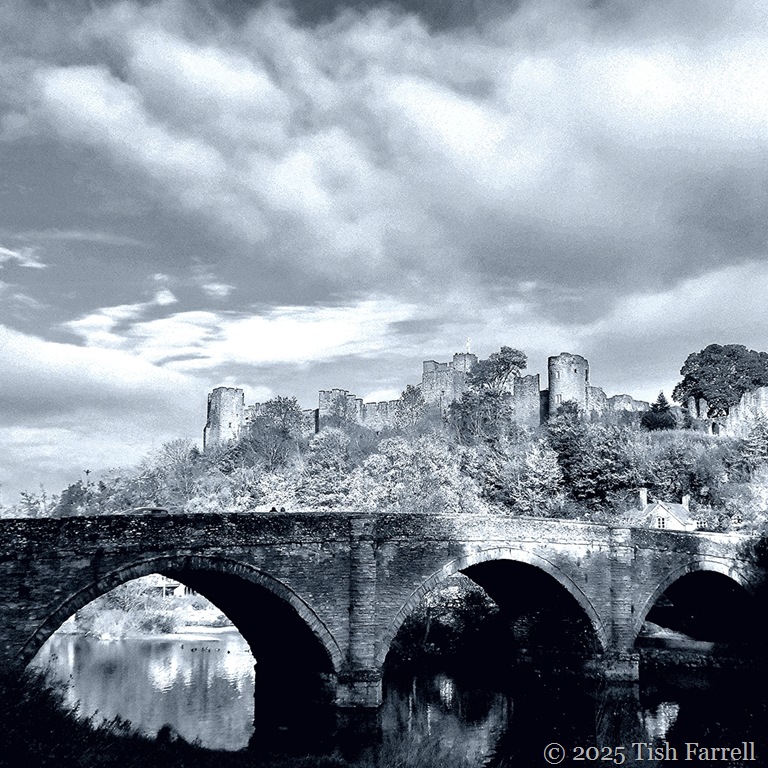
Antique Shadows at Dinham Bridge

bridge 2

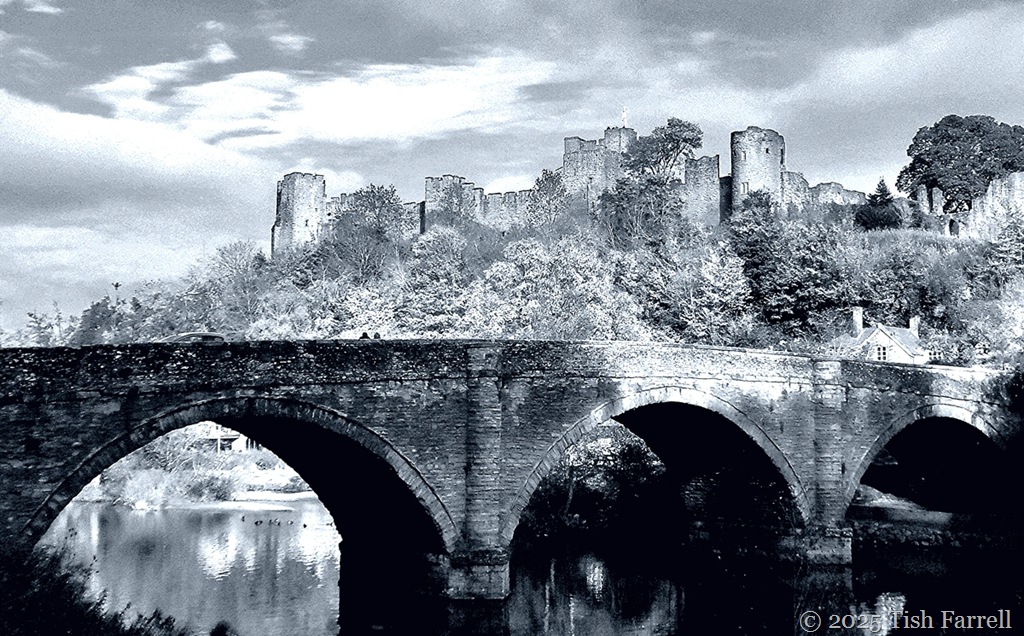
A bridge for Cee who loved bridges and featured them in some fabulous monochrome shots. Like so many others, I loved taking part in her regular Black & White photo challenge.

*

Dinham Bridge over the River Teme in the Shropshire market town of Ludlow was built in the early 1800s. The castle above it had its origins nearly 800 years earlier, soon after the Norman invasion of 1066. It was one of the first stone-built castles under the new regime, sited there to keep the Welsh at bay. Over succeeding centuries it was expanded to the fortress scale whose remains we see today. As with all castles, there were doubtless many shadowy doings, conspiracies and counter-conspiracies within its walls; but its towers caught here in autumn sunshine almost have fairytale looks; so many stories those stones could tell.

*

November Shadows #7 Today Becky pays tribute to Cee who meant so much to so many. There are further blogger tributes at links below.

Remembering Cee 7th November  Marsha Ingrao at Always Write and Dan Antion at No Facilities are hosting a day to remember Cee; Cee who inspired us with her weekly photo challenges, and was so generous with her knowledge. She embraced so many of us and is sorely missed in the blogging community she so steadfastly embraced and encouraged.

bridge 2 header

In A Certain Light

horse chestnut leaves ed

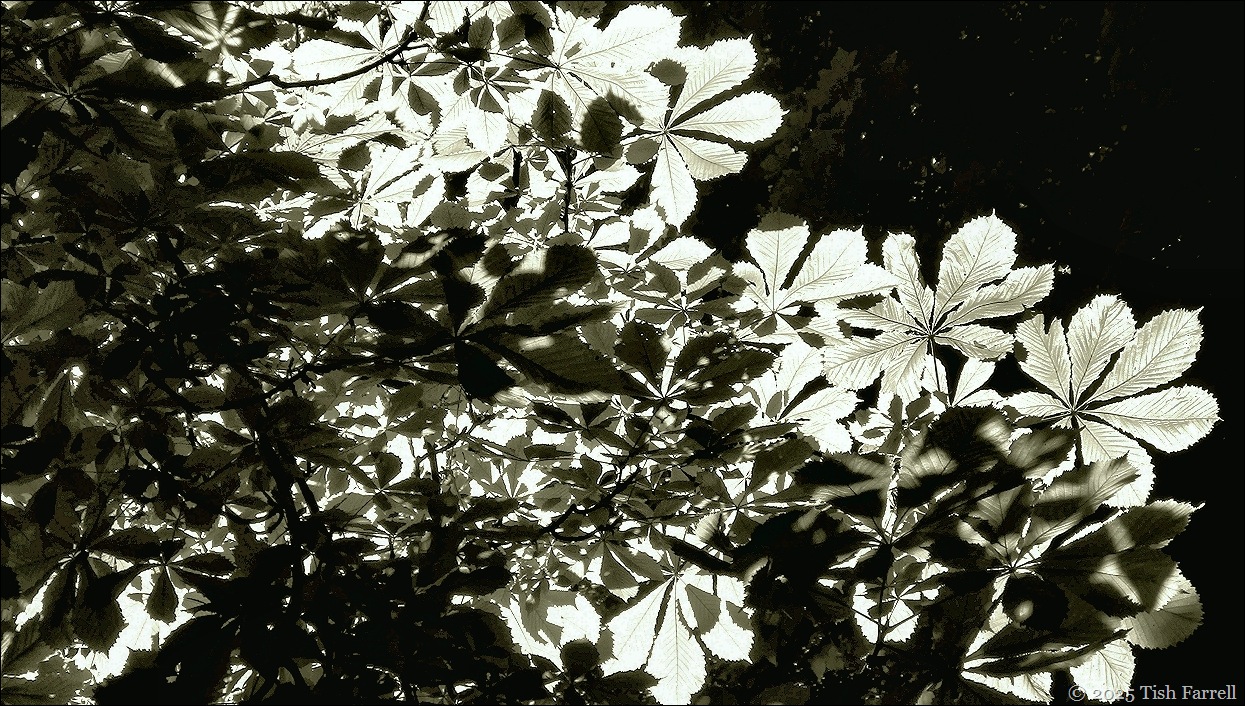
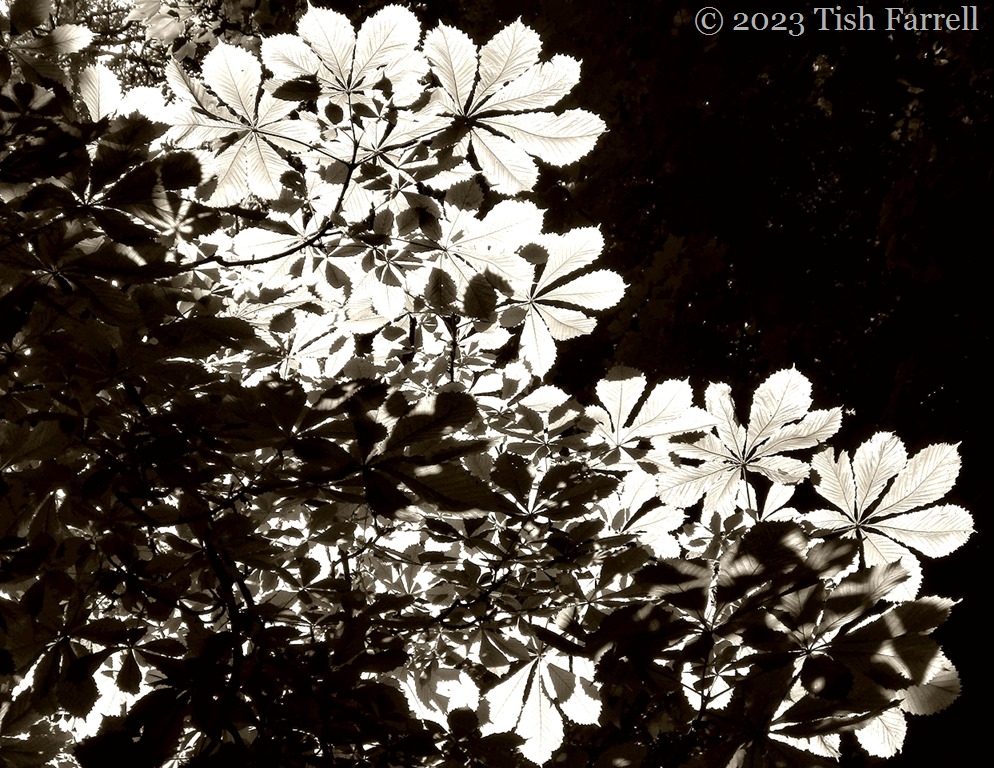
I was walking in the deep shadows of Much Wenlock’s old railway line when a break in the tree cover provided this moment for a backlit photo: the spread ‘palms’ of Horse Chestnut leaves holding up the sun.

*

P1090639re

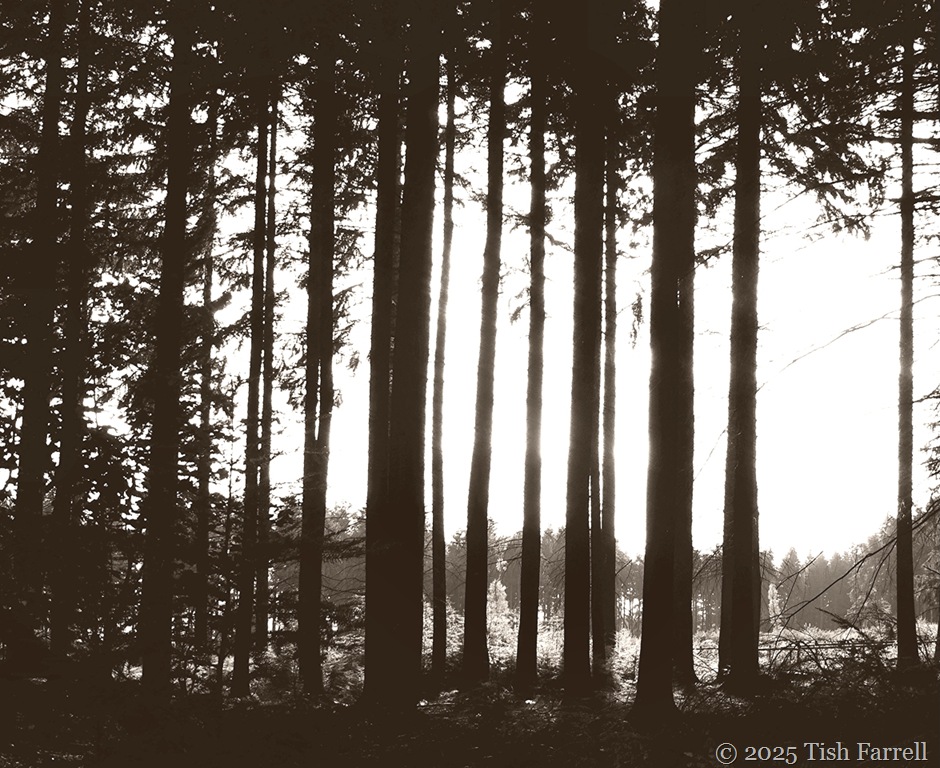
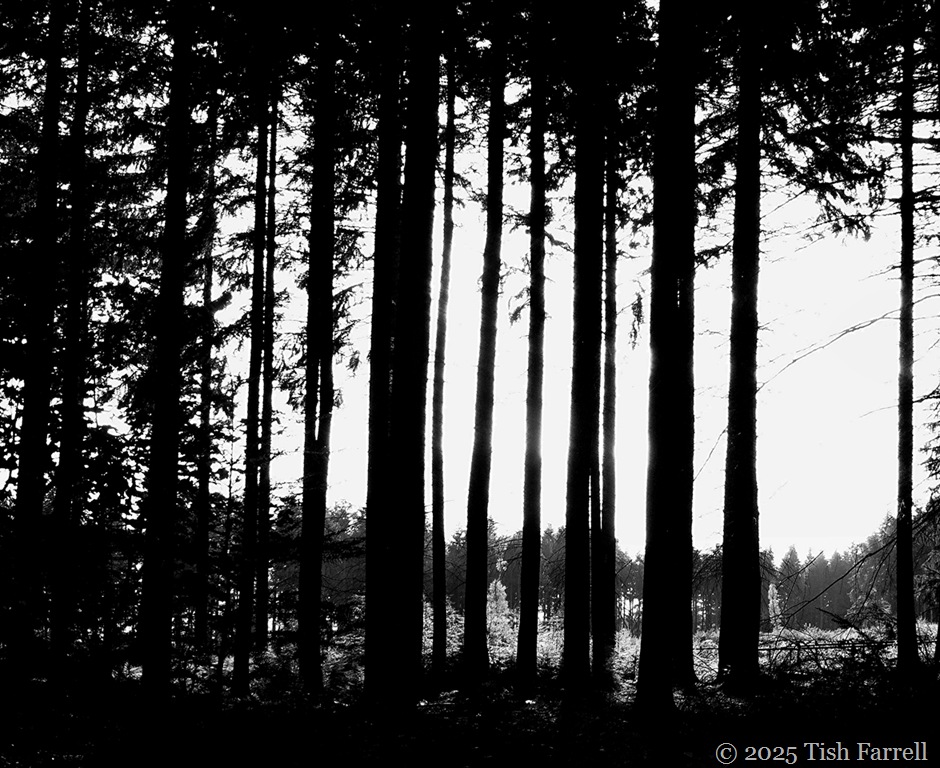
This section of clear-felled woodland viewed through a row of standing conifers caught my eye on a walk up to Iron Age hillfort, Croft Ambrey, just over the Shropshire border in Herefordshire. It was a bright autumn day, the last day of October in fact.

Here’s the non-sepia version:

P1090639ed

*

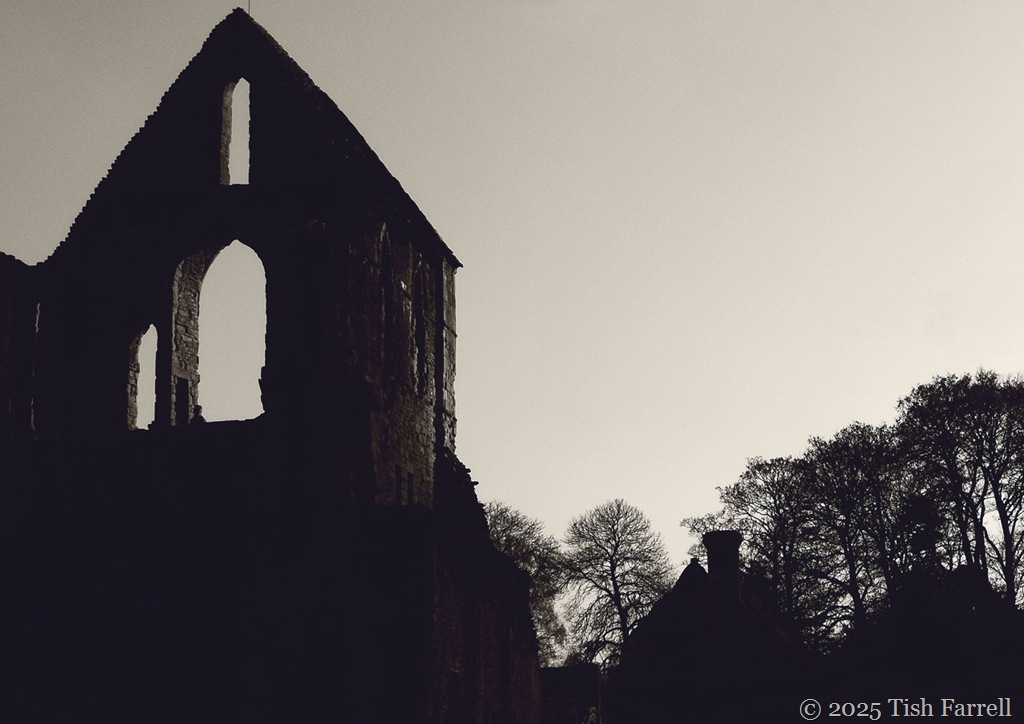
I’m often inclined to take photos in very unpromising light conditions. This next shot, edited in sepia tones, is of the ruined nave of Much Wenlock Priory taken after the sun has just set. I like the slices of remnant light inside the windows and on the corner stonework.

P1100118sep

*

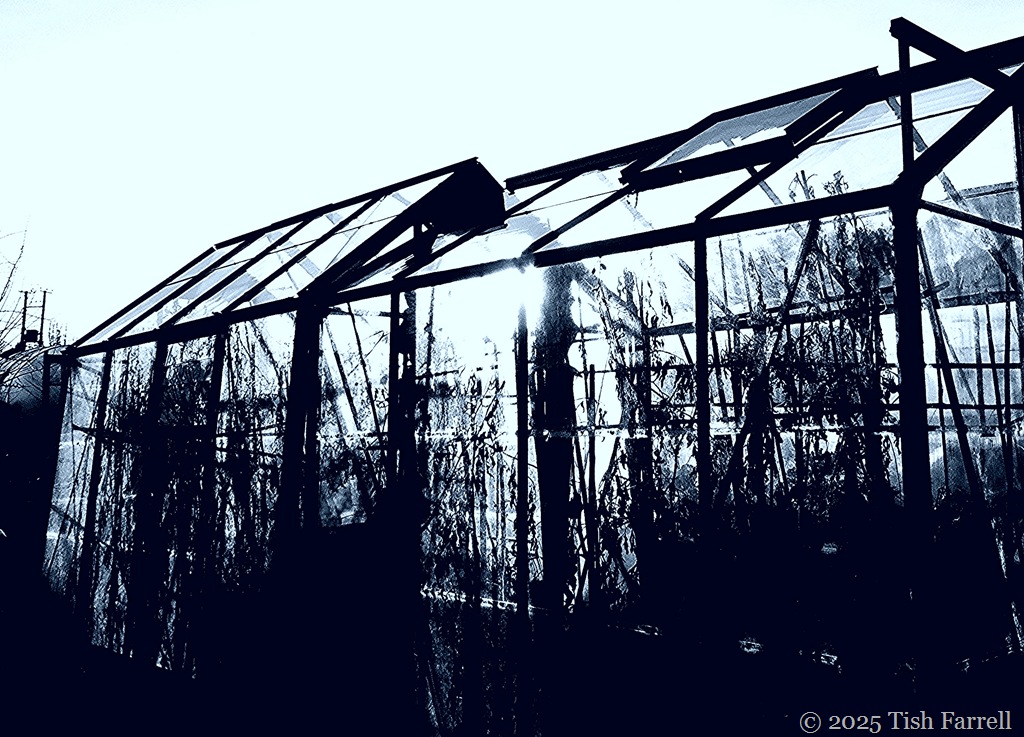
No people in glasshouses in the next shot, only weeds and general abandonment. It was a chance shot one winter’s afternoon as I was leaving my allotment plot. The glow inside the old greenhouses struck me as unearthly, a bit E.T.-ish. What alien life forms might be sprouting in there as the sunlight strikes them?

P1040383

*

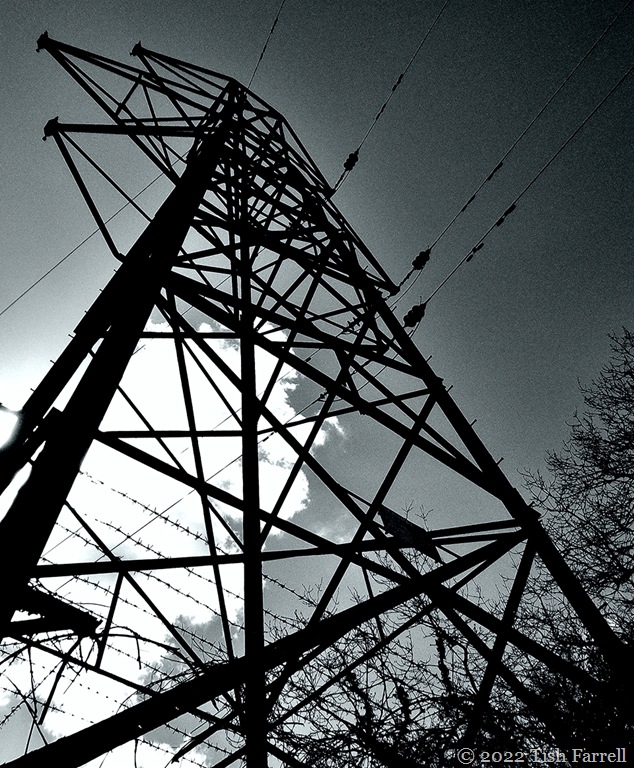
This next structure was caught in full-on spring sunshine.

P1030628cr

*

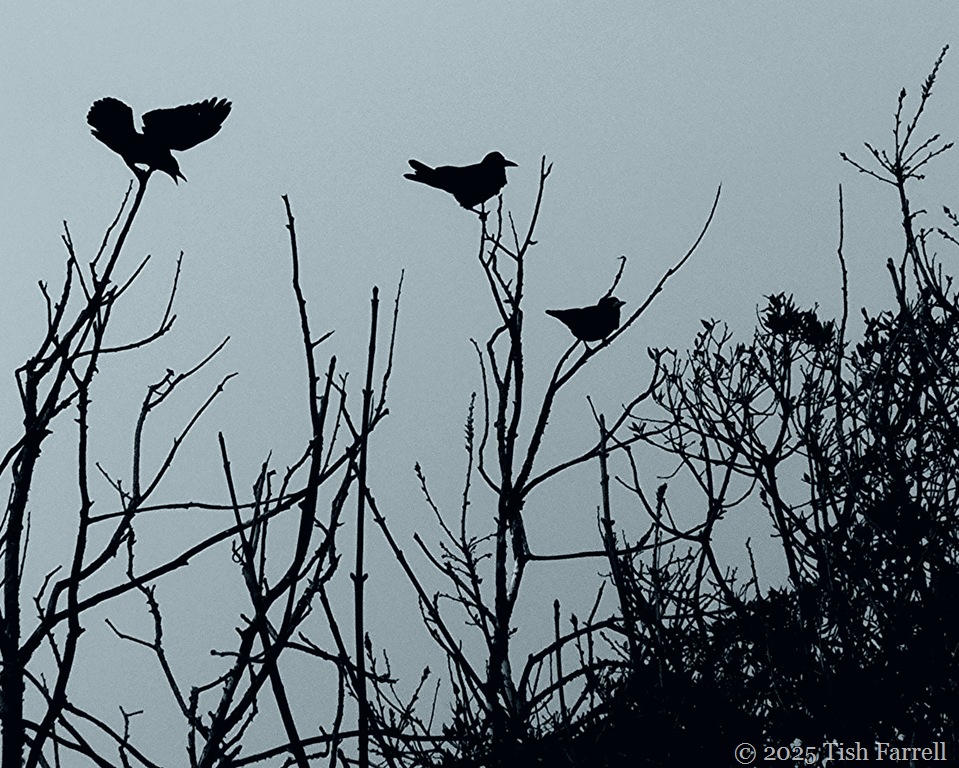
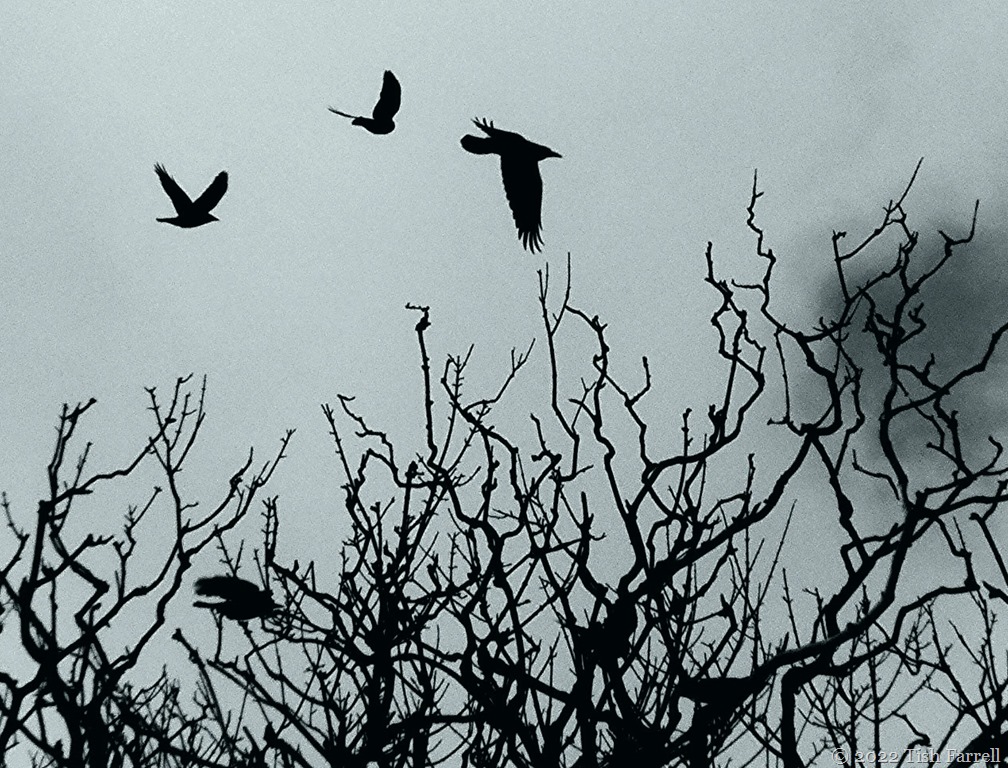
Whereas these Pembrokeshire rooks, were snapped as they came home to roost in winter twilight:P1040741

*

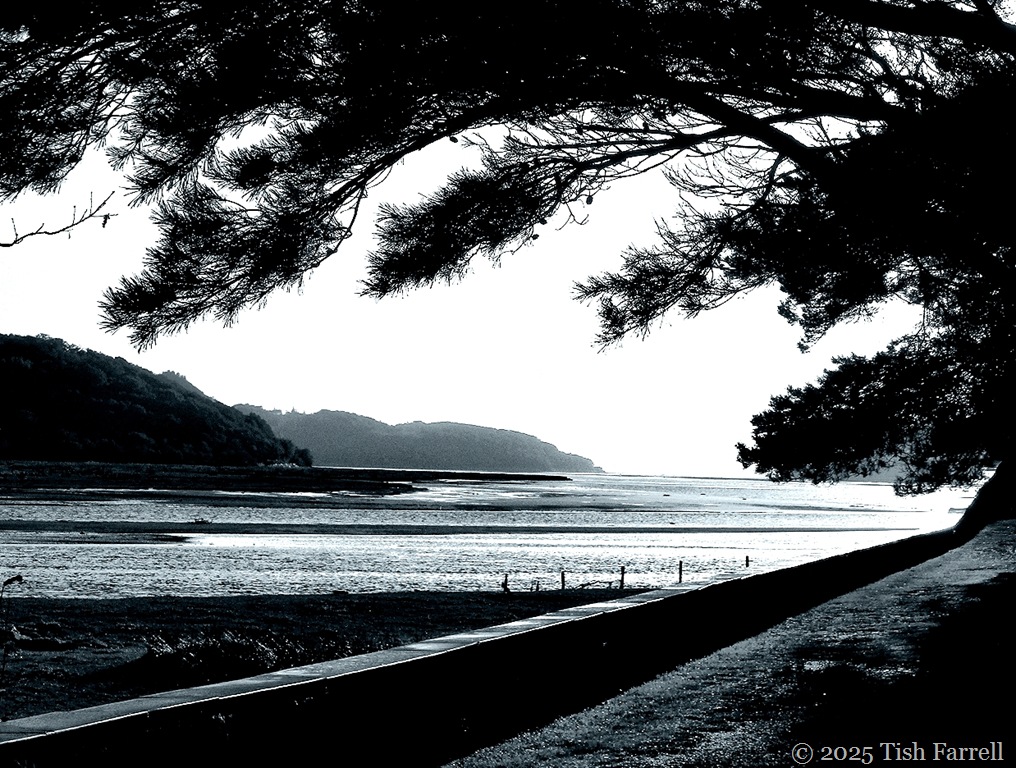
Finally, a sunsetting shot, taken looking out on the Mawddach Estuary. It’s a favourite Farrell spot in the garden of Borthwnog Hall, near Dolgellau, mid Wales

mawddach6

*


Monochrome Madness: Backlighting This week at Leanne’s Monochrome Madness, Brian aka Bushboy sets the theme. He wants to see our backlit photos, but for more inspiration, please take a look at his post.

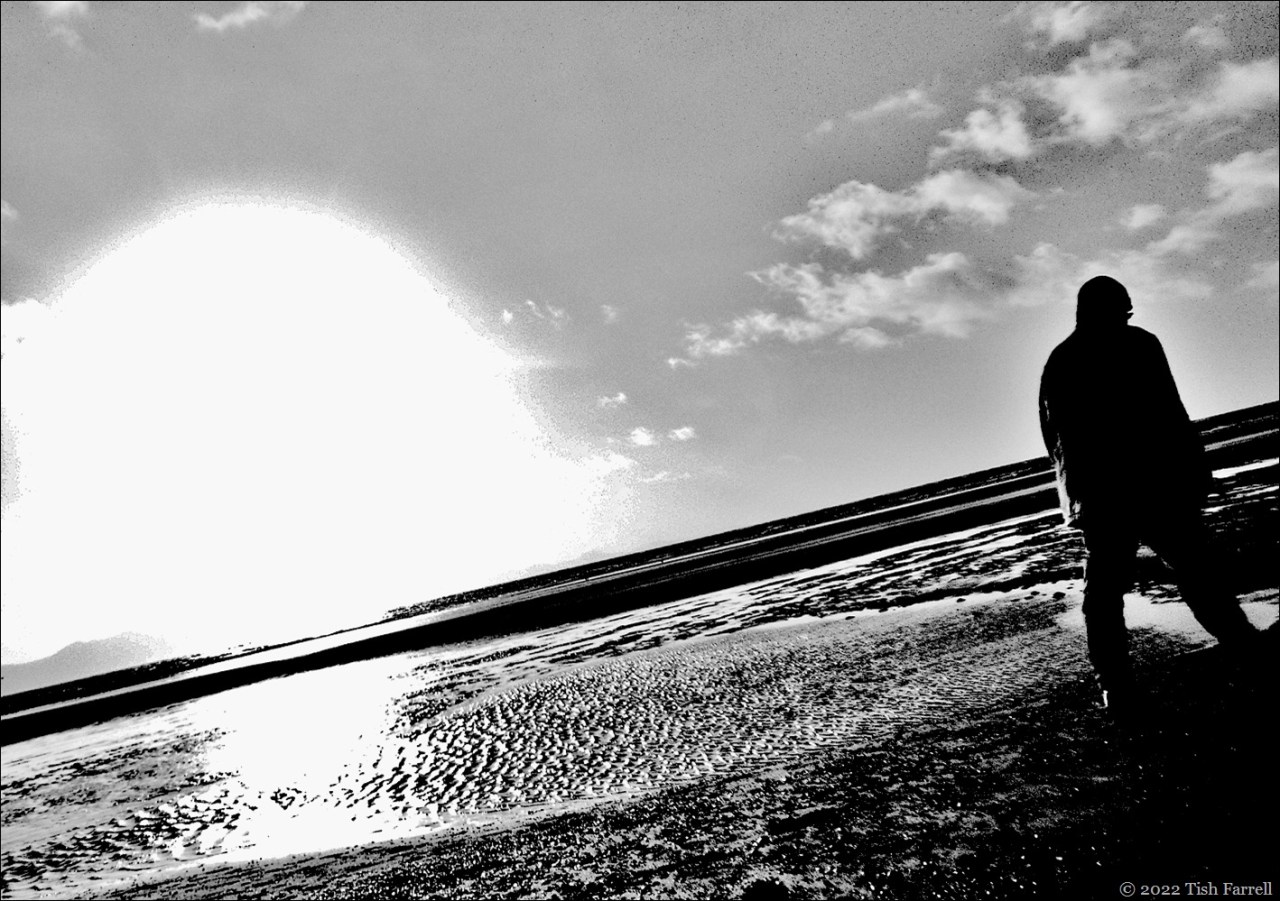
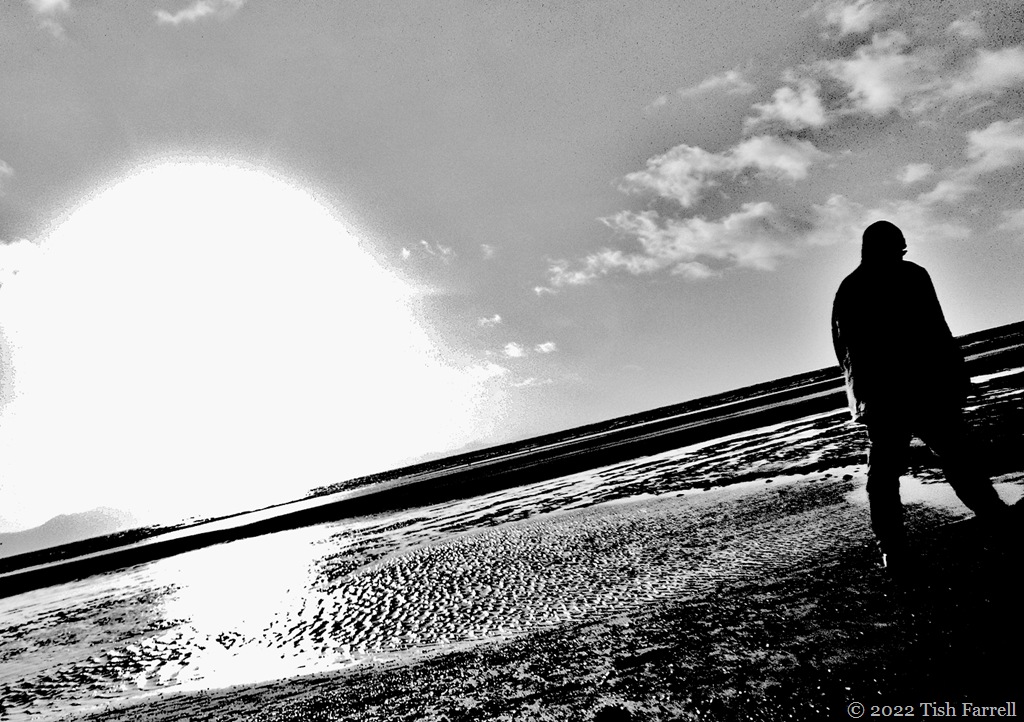
Breaking the rules: more by accident than on purpose…

P1060350ed

I’m not sure what was going on when I took this photo. An unintended composition, methinks: camera aslant; subject leaving the scene; shooting into the sun.  An all round combination of errors, but then I also quite like the end result.

*

P1060737 (2)n

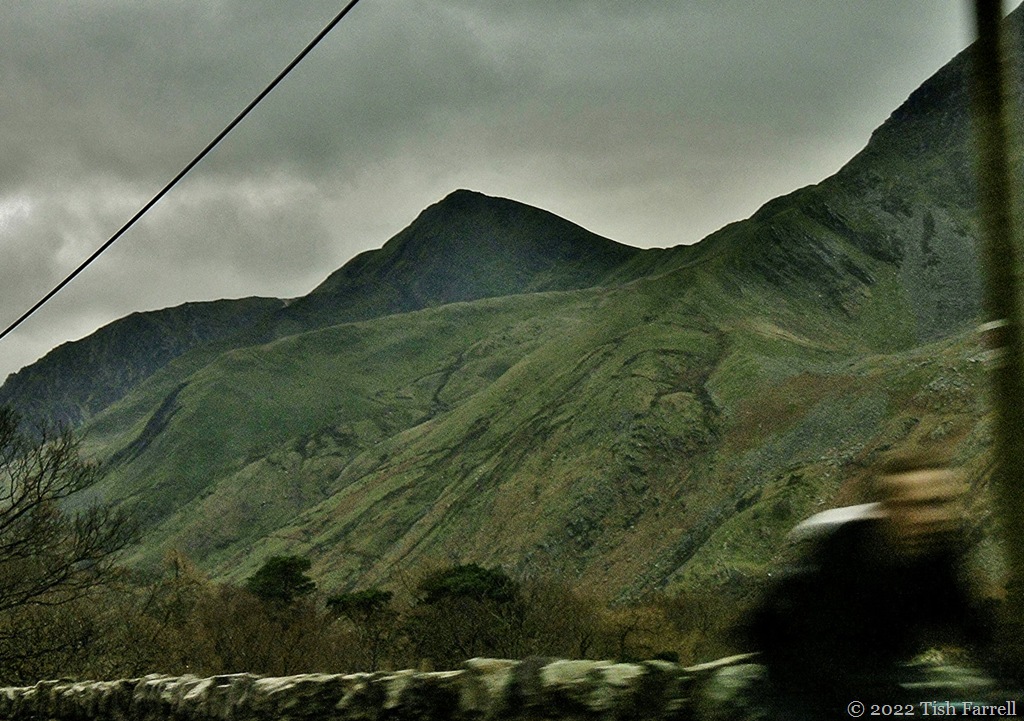
Here both the camera person and the subject were on the move, in other words, me snatching this shot of an uphill cyclist through the car windscreen; caught on a bend in the  Llanberis Pass, North Wales.

*

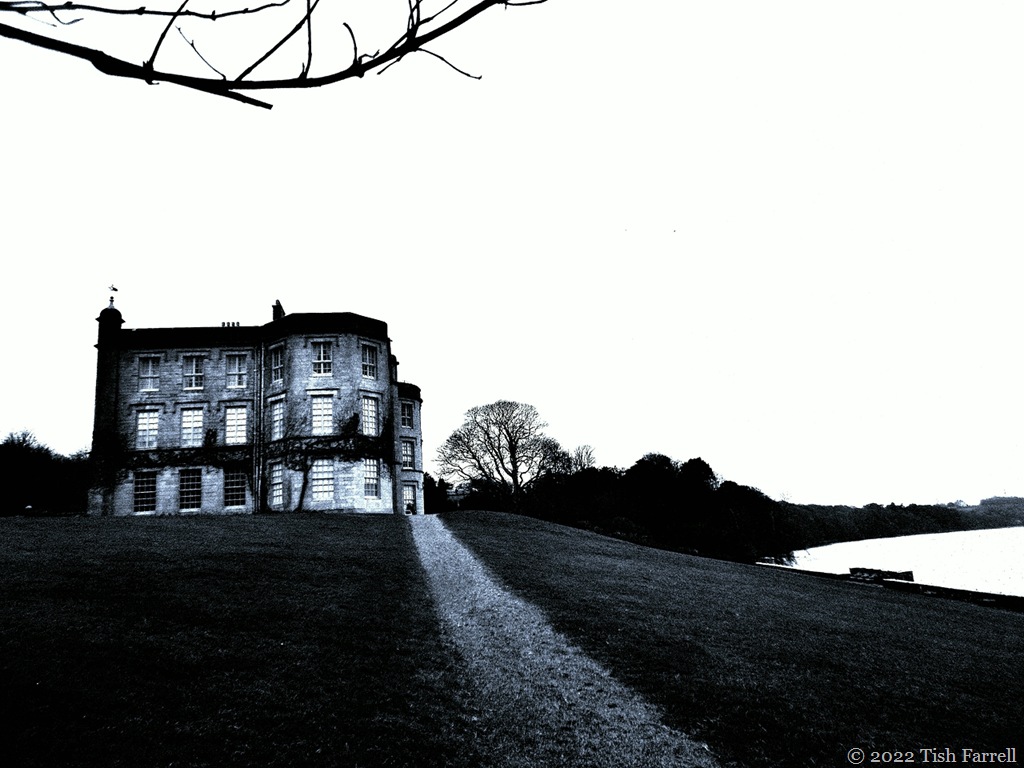
Next at Plas Newydd, Anglesey in late December, taking a photo when there wasn’t enough light and leaving a twig in the way:

P1060709

*

IMG_7108

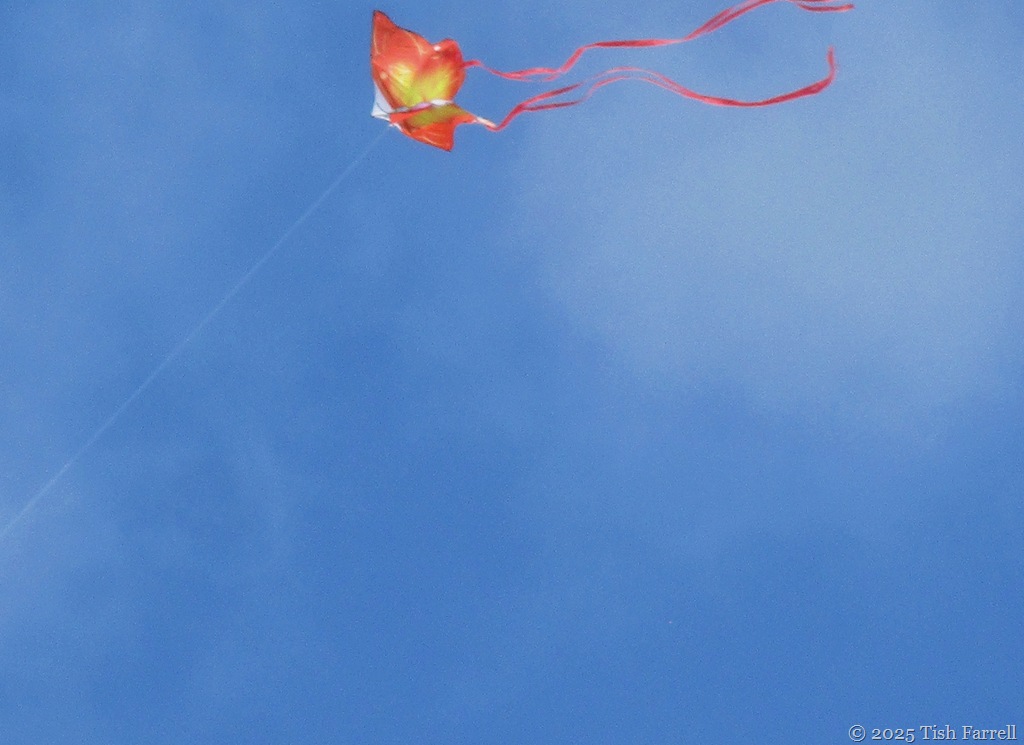
Taken on Newborough Beach back in March: too much negatives space; subject out of focus and also leaving the frame. But then that’s kite-flying for you.

*

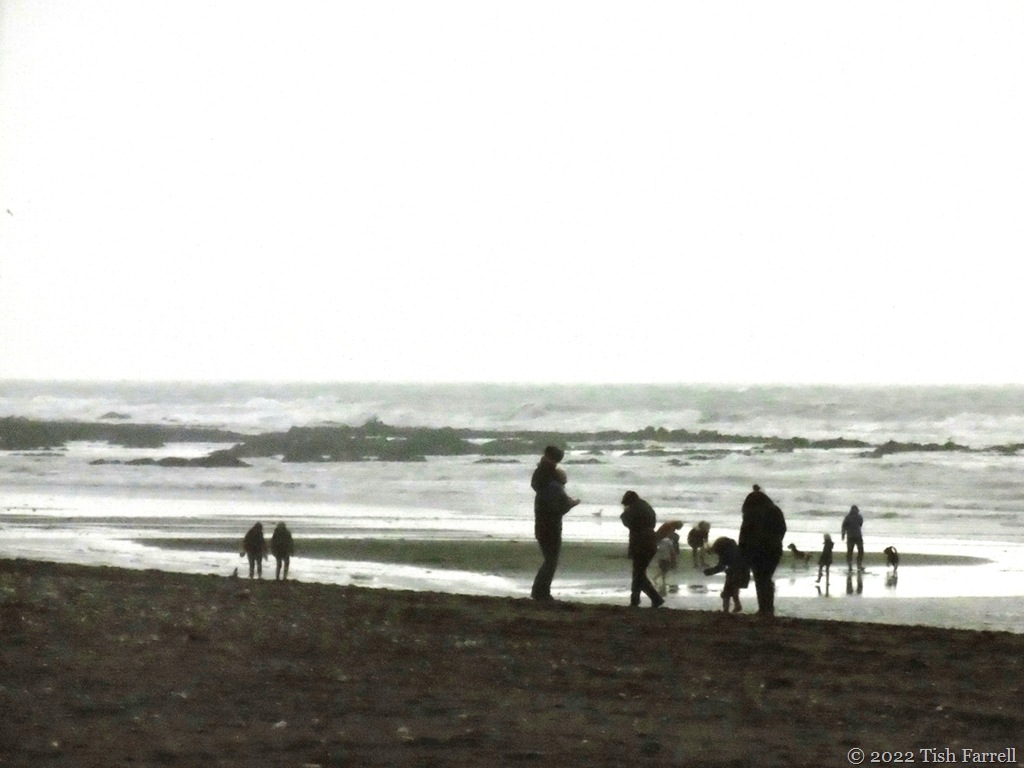
And camera on the wrong setting for a winter’s day on Seaton Beach, Cornwall. It seems to have created an oil painting effect:

P1020711ed

And last but not least of strange creations:

IMG_2134ed

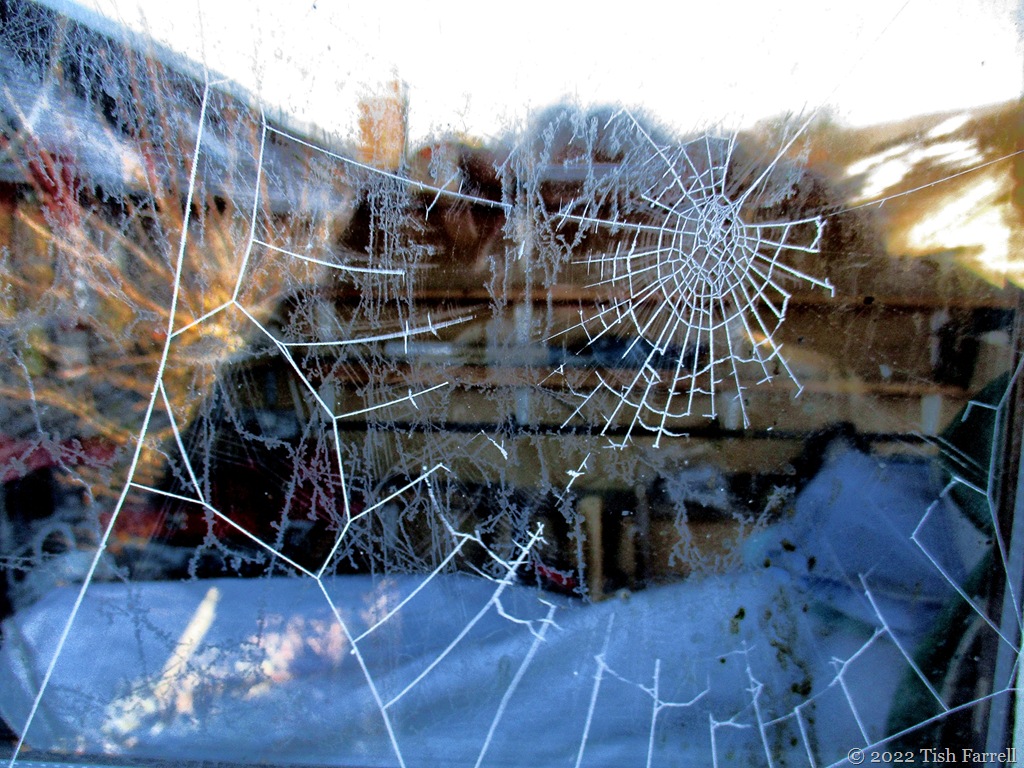
It took me a while to work out what I’d done here. Basically it’s a photo of a frosted spider’s web stretched outside the window of other half’s old Wenlock shed. But you can see both the shed interior and the reflection off the window which seems to show neighbouring rooftops and some of the garden.

Lens-Artists: Break the rules  This week Ritva tells us to break the rules. See her post for some inspiration.

Monochrome Madness: On The Beach

P1050036cr

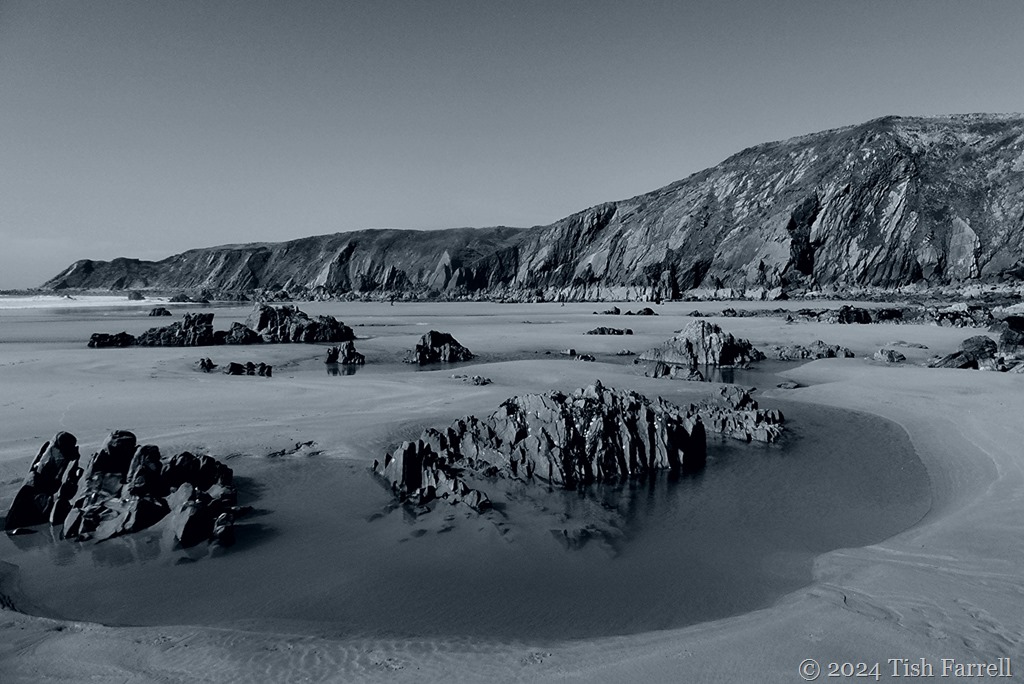
Marloes Sands, Pembrokeshire, South Wales

*

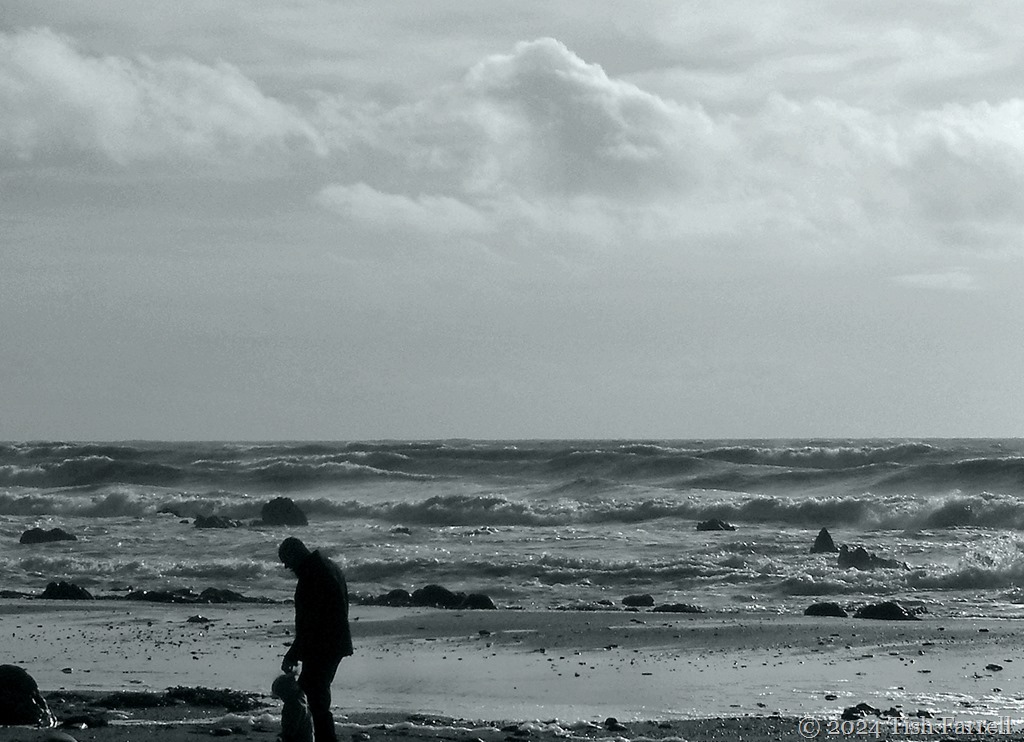
I love winter beaches. You never know how it will be there – the wildness of wind and waves, the shafts of sudden sunlight, sands strewn with sea debris, or storm-scoured, the off-season pursuits of humankind…

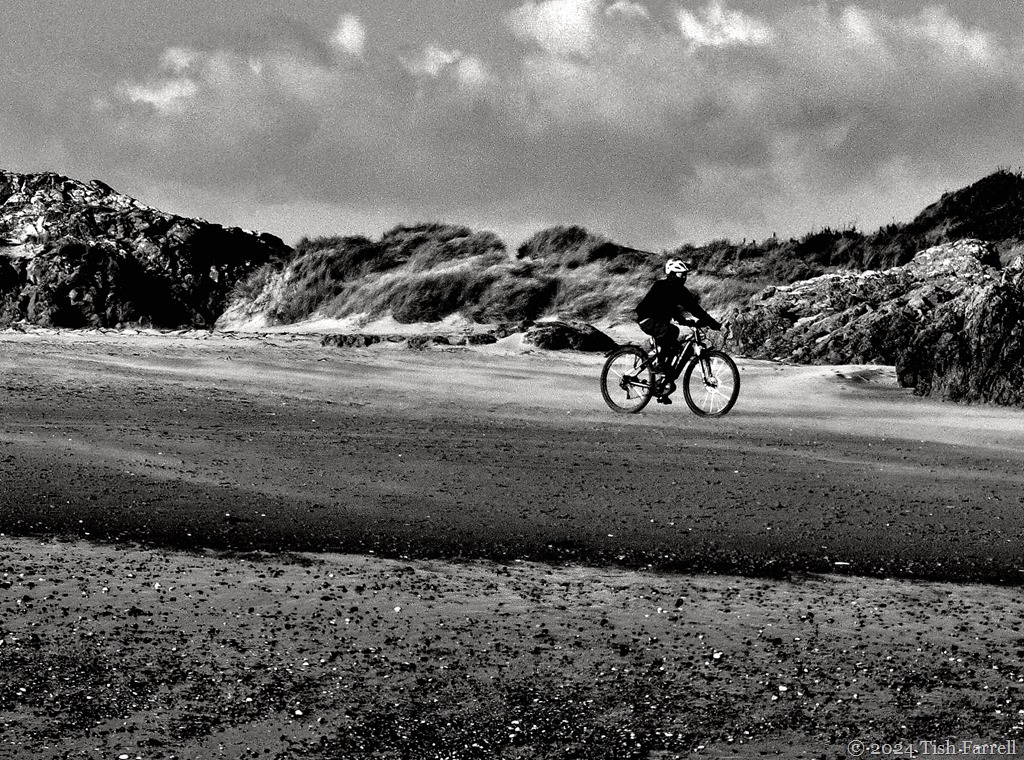
Newborough biker

Christmas morning, Newborough Beach, Anglesey, North Wales

*

P1060449bw

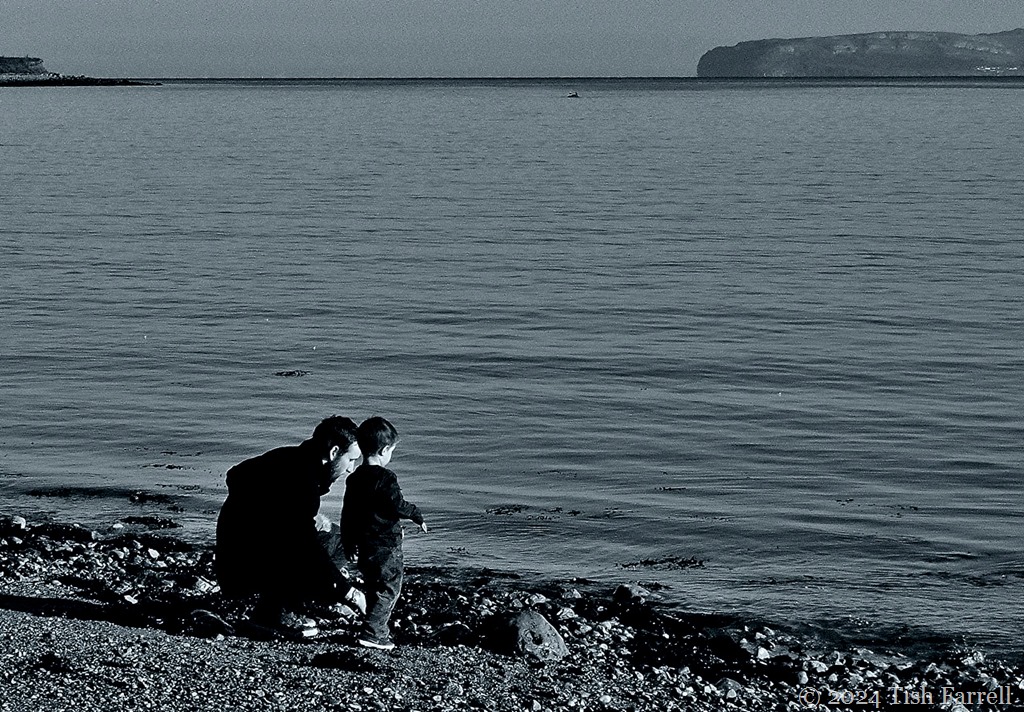
Menai Strait, Anglesey

*

IMG_0801

This could just be the French Lieutenant’s Woman displaced from Lyme Regis to Red Wharf Bay, Anglesey. I do know her name is Sarah.

*

These next views are of Portwrinkle beach, Cornwall, also taken around Christmas time:

Cornwall

Portwrinkle

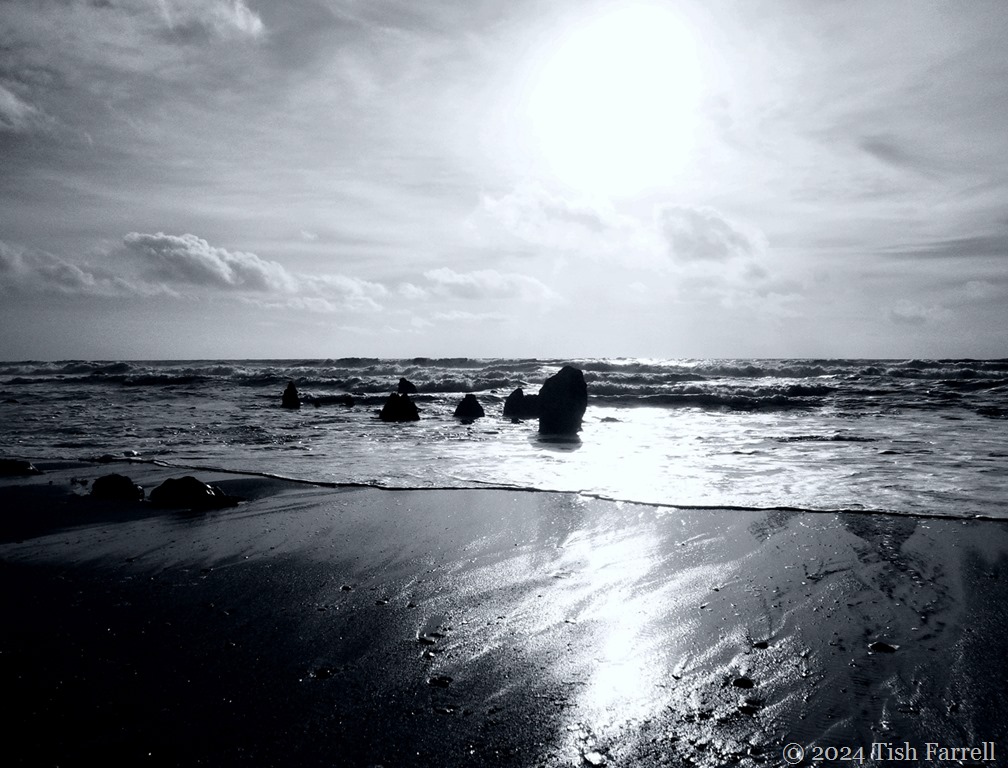
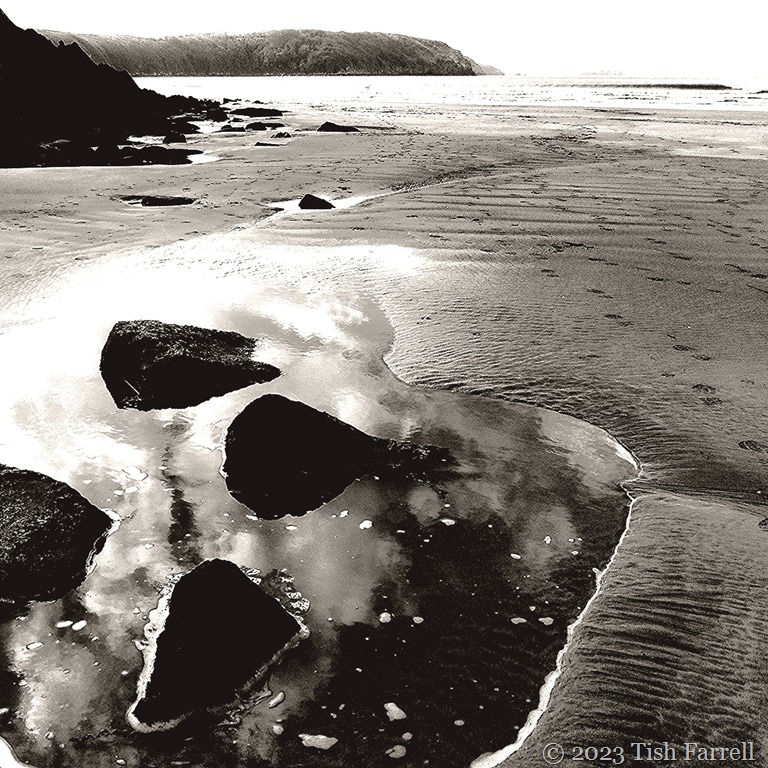
My prehistorian’s eye perceived those rocks as some flooded megalithic structure, the remains of a Bronze Age circle or chambered tomb perhaps. Certainly, in other parts of the Britain, the remains of Neolithic wood henges have been discovered on beaches below the tideline.

*

Monochrome Madness: on the beach.  This week Brian at Bushboy is acting host at Leanne Cole’s Monochrome Madness

Shadows And Silhouettes

P1040281 cr

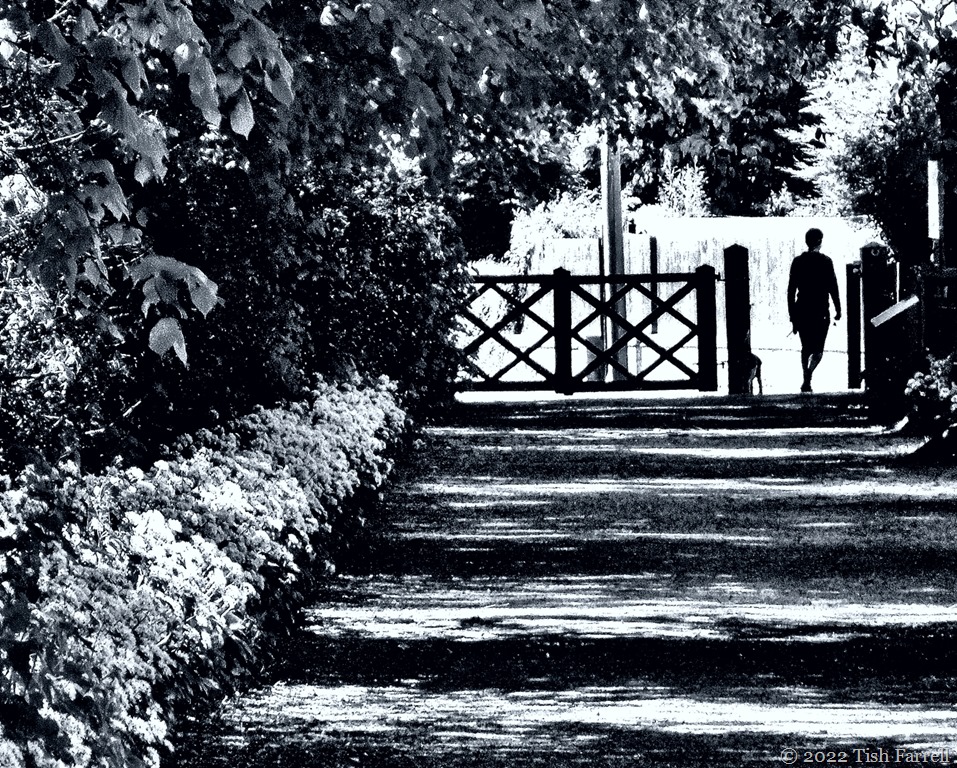
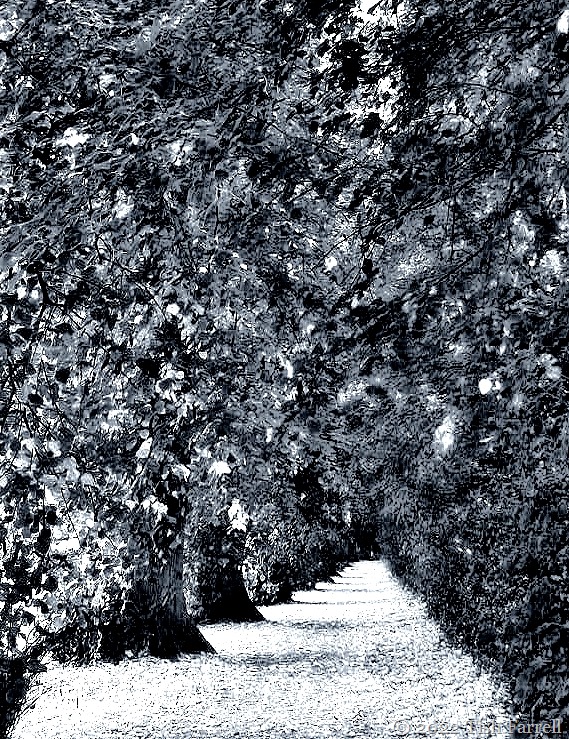
Herewith a reprise of some favourite monochrome shots from the Much Wenlock archive. The header is the entrance to the Linden Walk, which several of you (Jude especially) will well remember.

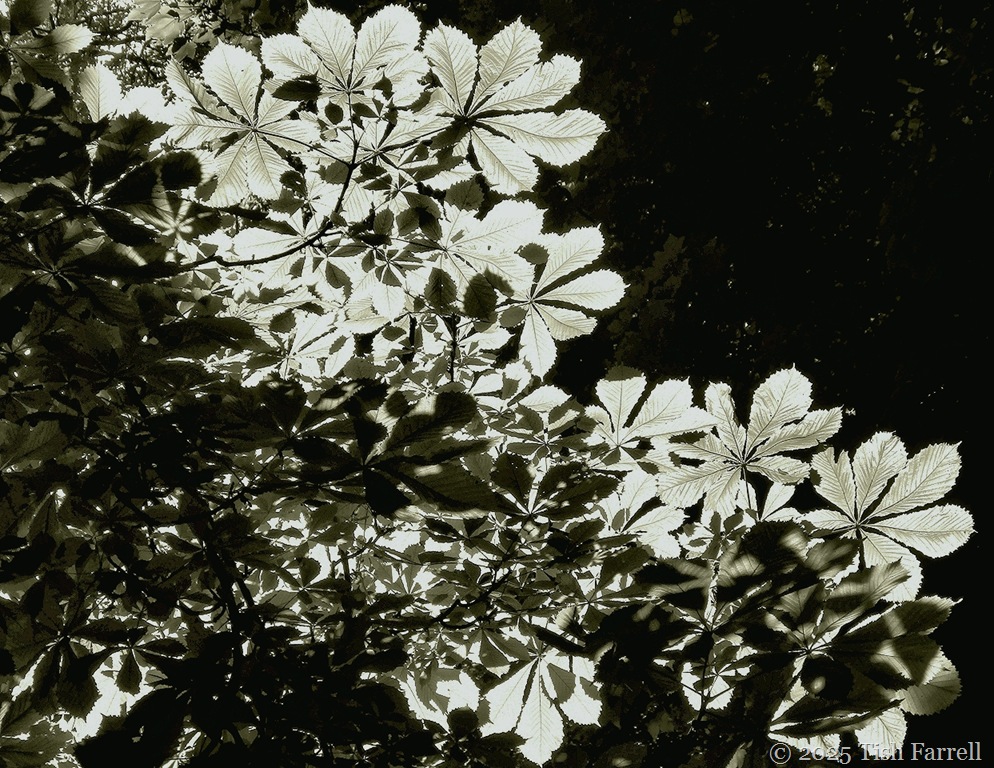
The next photo was taken on the shadowy cutting of the old railway line that runs alongside the Linden walk: top-lit horse chestnut leaves…

horse chestnut leaves

*

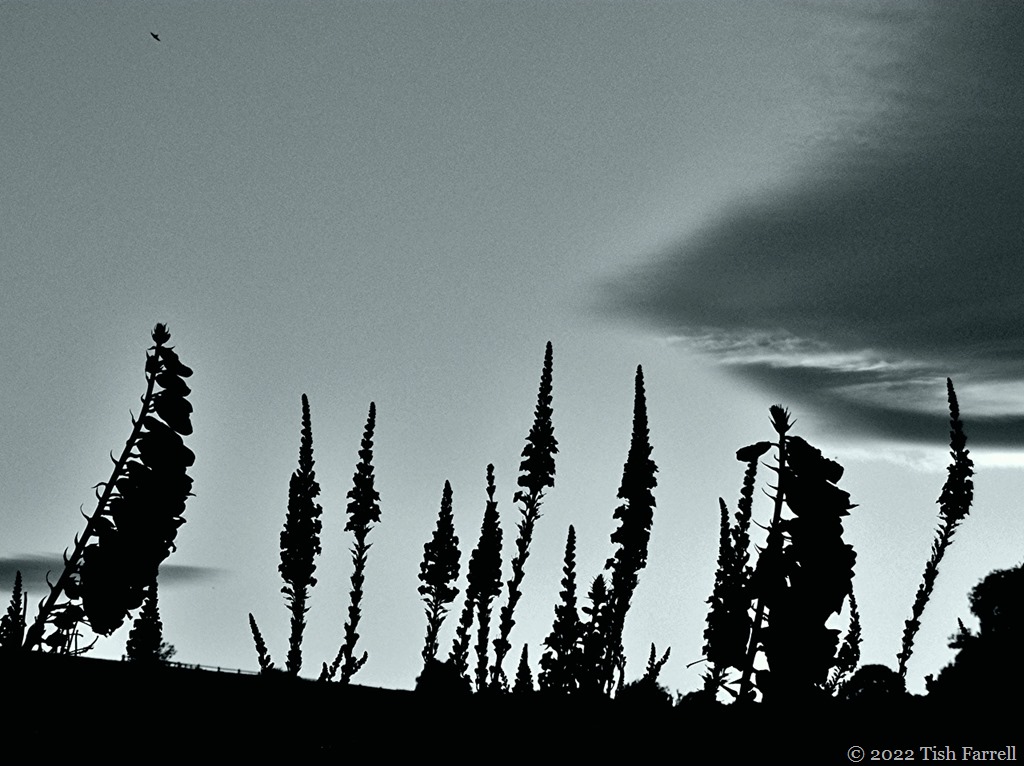
Next, a former back garden view of foxgloves: sun setting over the fence…

P1080211re

*

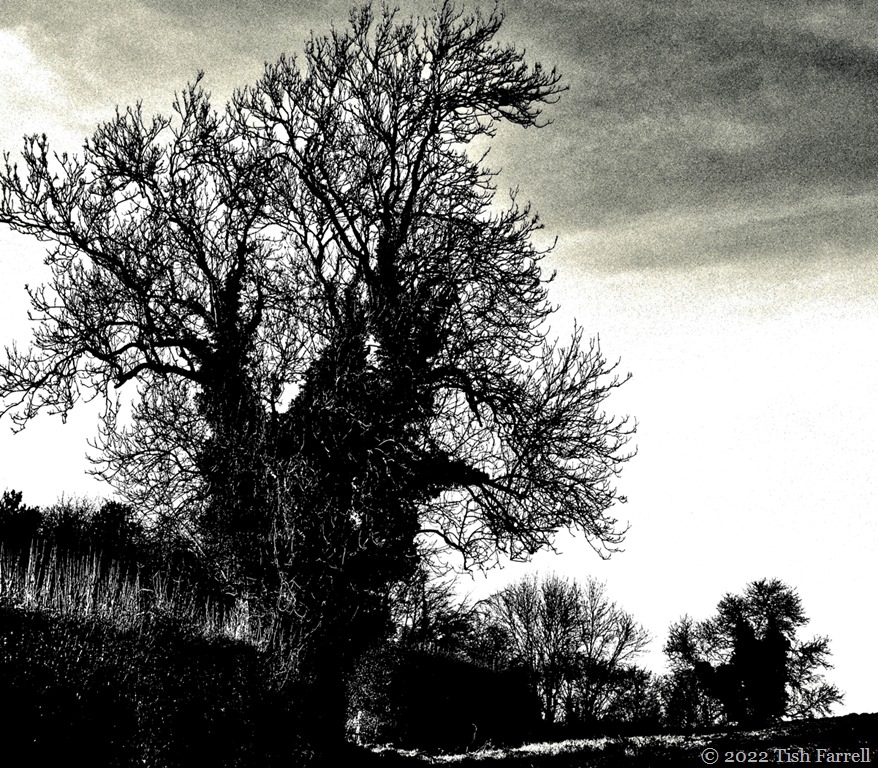
A couple of wintery scenes now. First the ivy clad ash trees in Townsend Meadow:

P1000348ed

*

…and twilight over Rookery Wood: one rook (centre) and several jackdaws:

P1040737

Shadows & Silhouettes  Dawn at The Day After is this week’s host at Leanne’s Monochrome Madness

Monochrome Madness: Trees Making Art

IMG_3290overexposed

On a seaside lane in Aberffraw, Anglesey

*

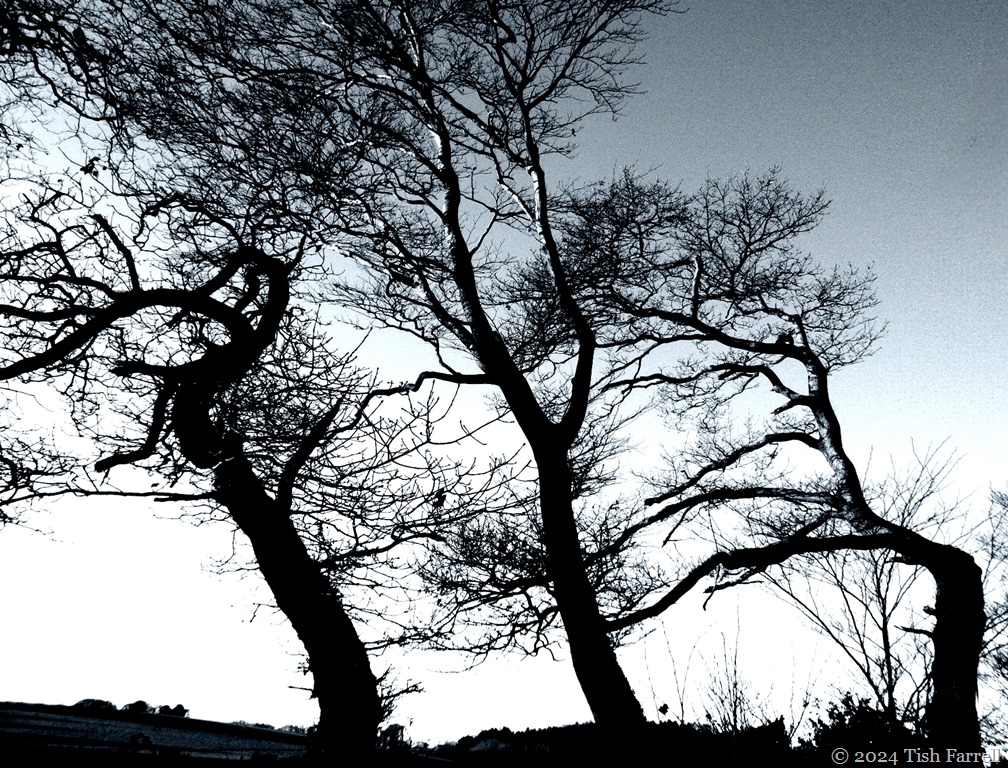
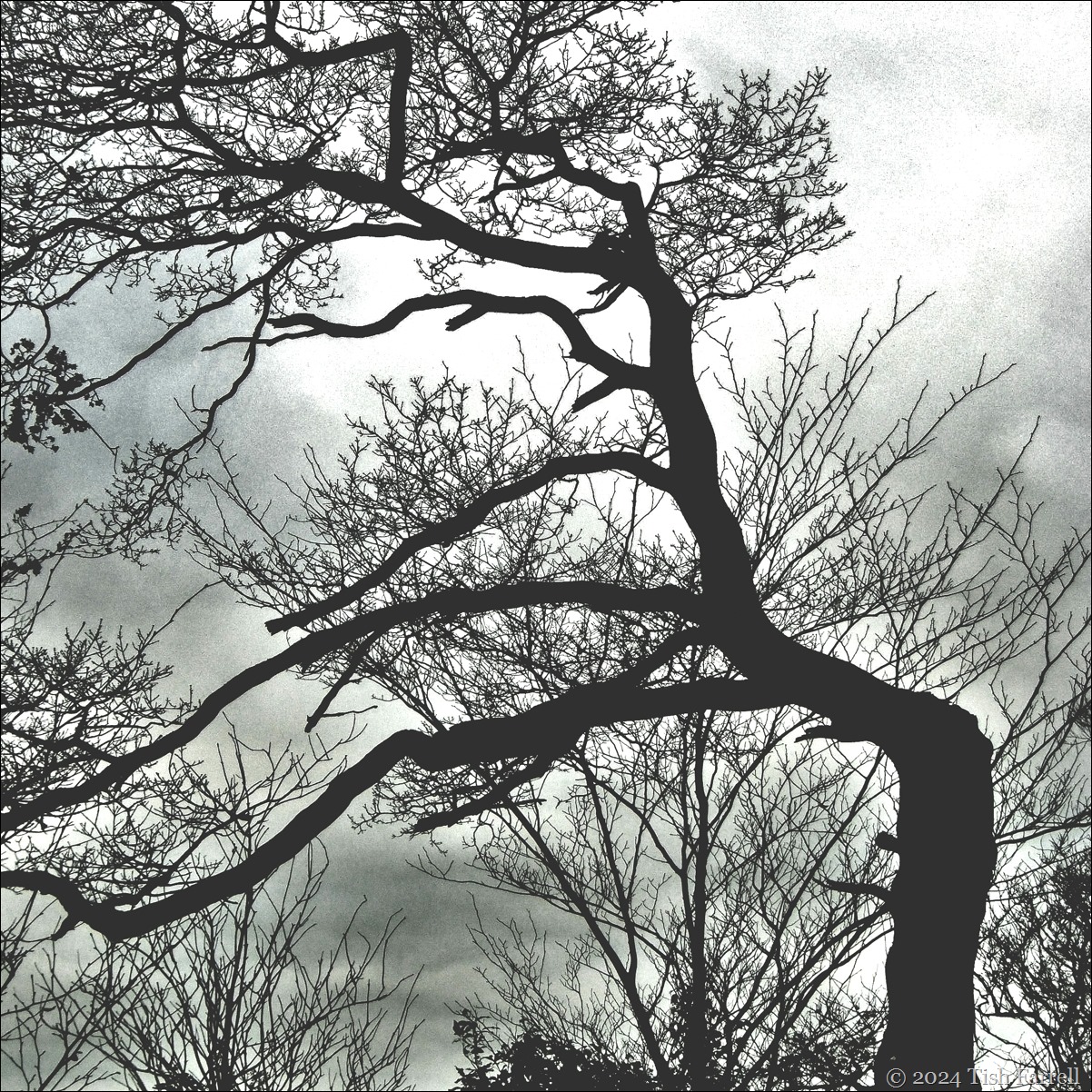
This week at Leanne’s Monochrome Madness,  Sarah from Travel with me invites us to show her trees, especially ones that are strikingly sculptural.

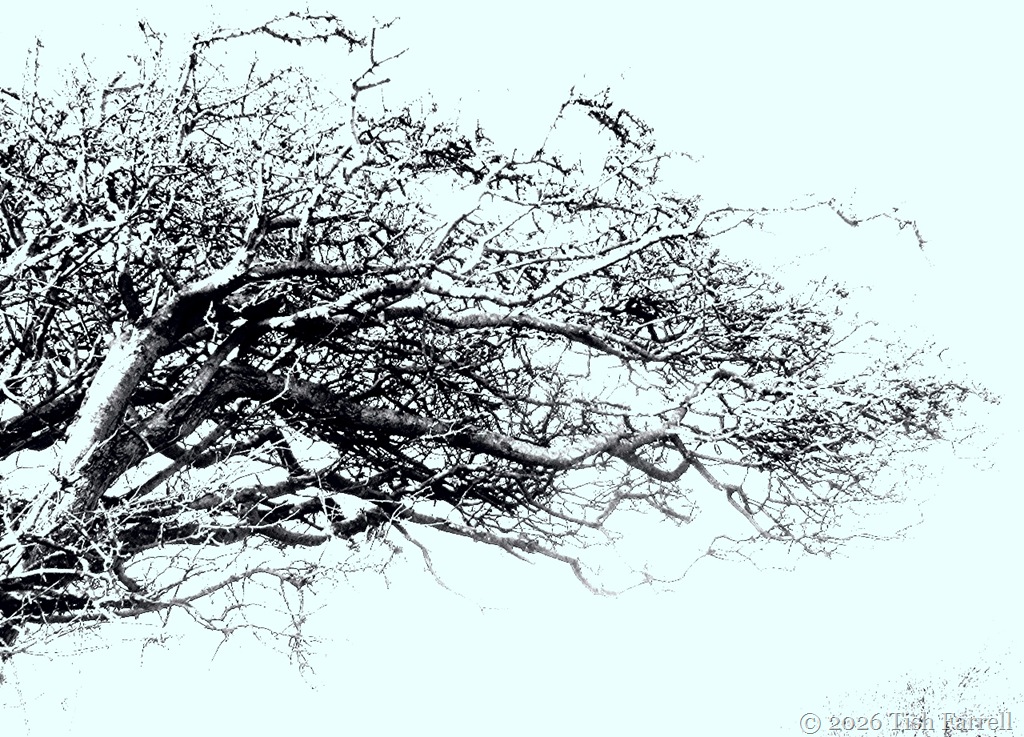
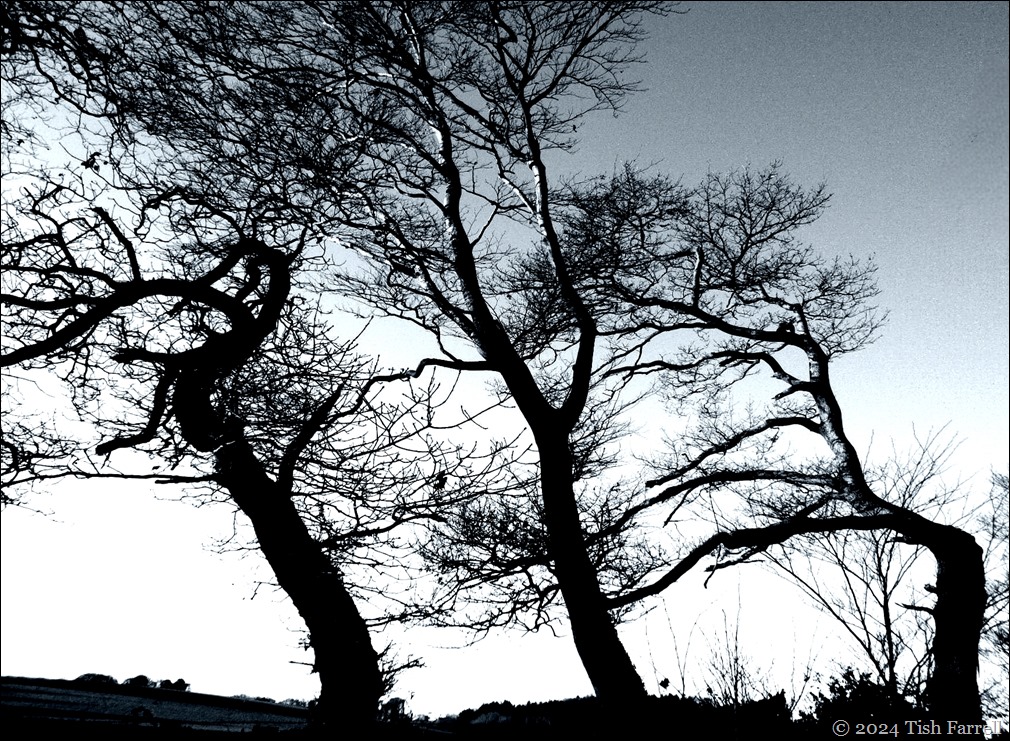
Britain’s coastlands are good places to find such trees, the prevailing winds bowing and retraining limbs, scissoring canopies. And yet, to my eye, these trees seem to dance with the elements, the header hawthorn caught in the end flourish of a pirouette; the tree below mid jete: a paradox of energy transfixed.
P1060537bw

P1000075

Henllys Wood, Beaumaris, Anglesey

*

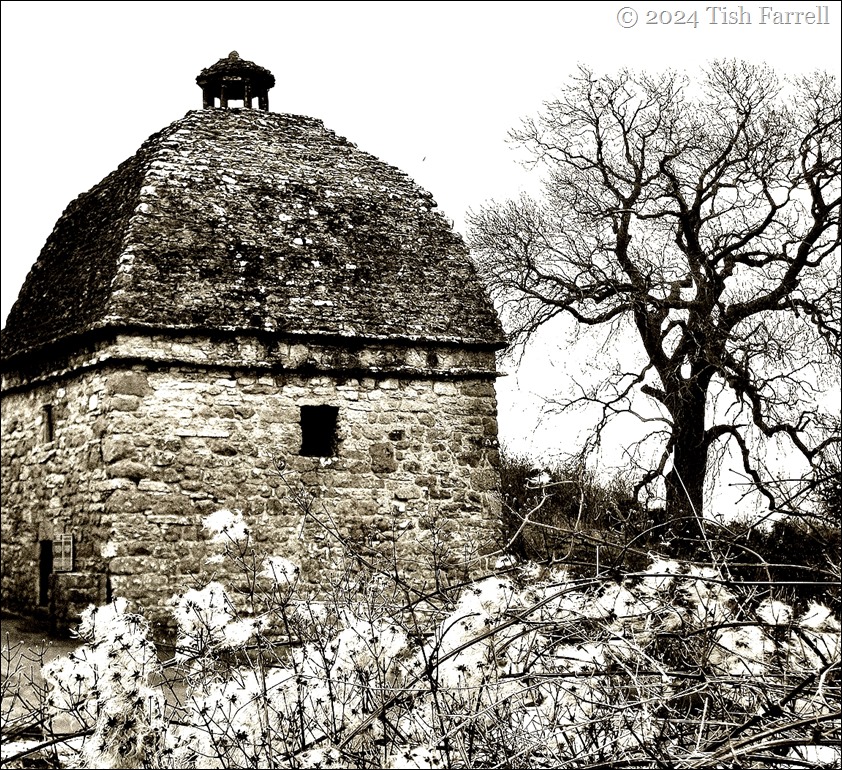
Other kinds of physical setting may enhance the intrinsic art of a tree. This next photo is of an ash, I think, viewed through an aperture in Penmon Priory dovecote, also on Anglesey island.

P1060543

017monochrome

*

At Newborough Beach, further along the coast from Penmon, there are other elements in play. Erosion.

100_7122

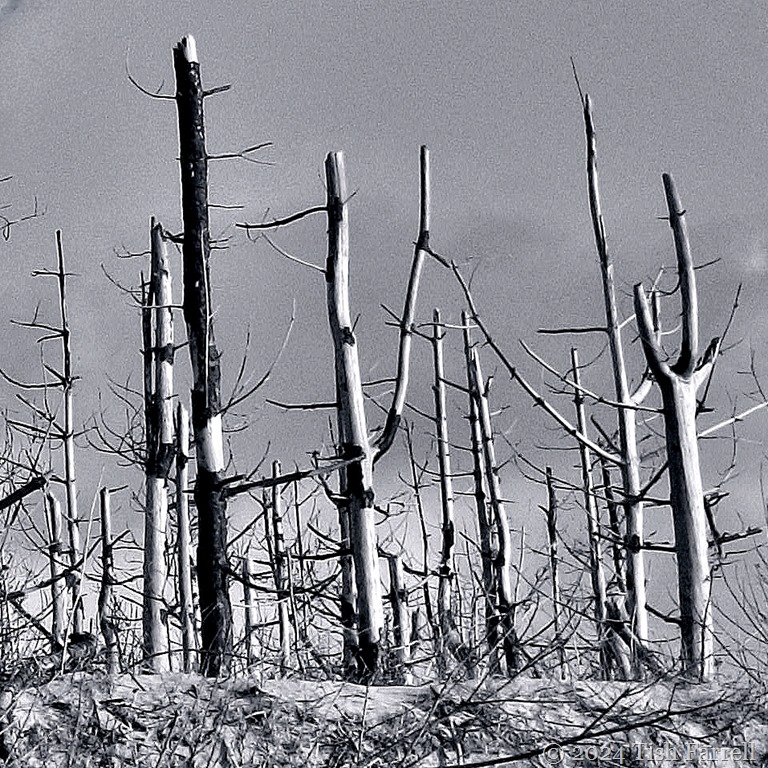
This is a tale of deposition and decomposition. The extensive sand dune system, on which these plantation conifers was planted, blew into this part of Anglesey during a massive storm in the fourteenth century. Now bit by bit,  the storms are stealing the sands away again, leaving a parade of ghost trees.

*

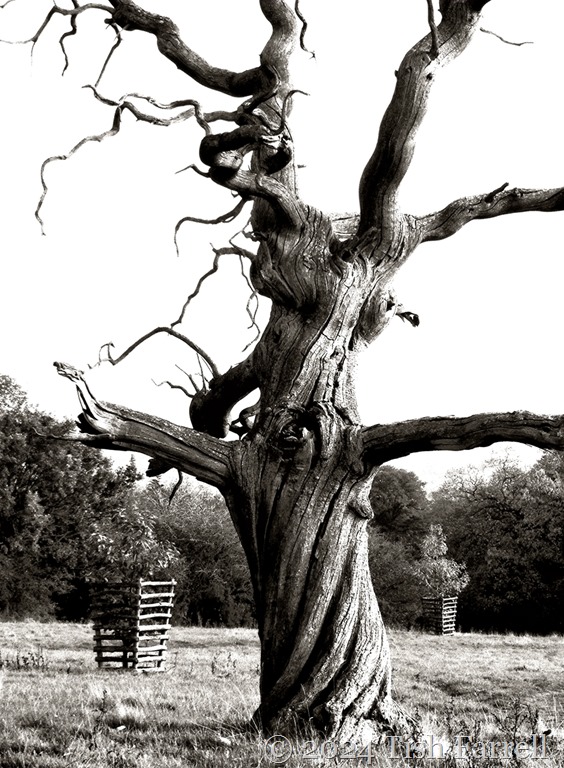
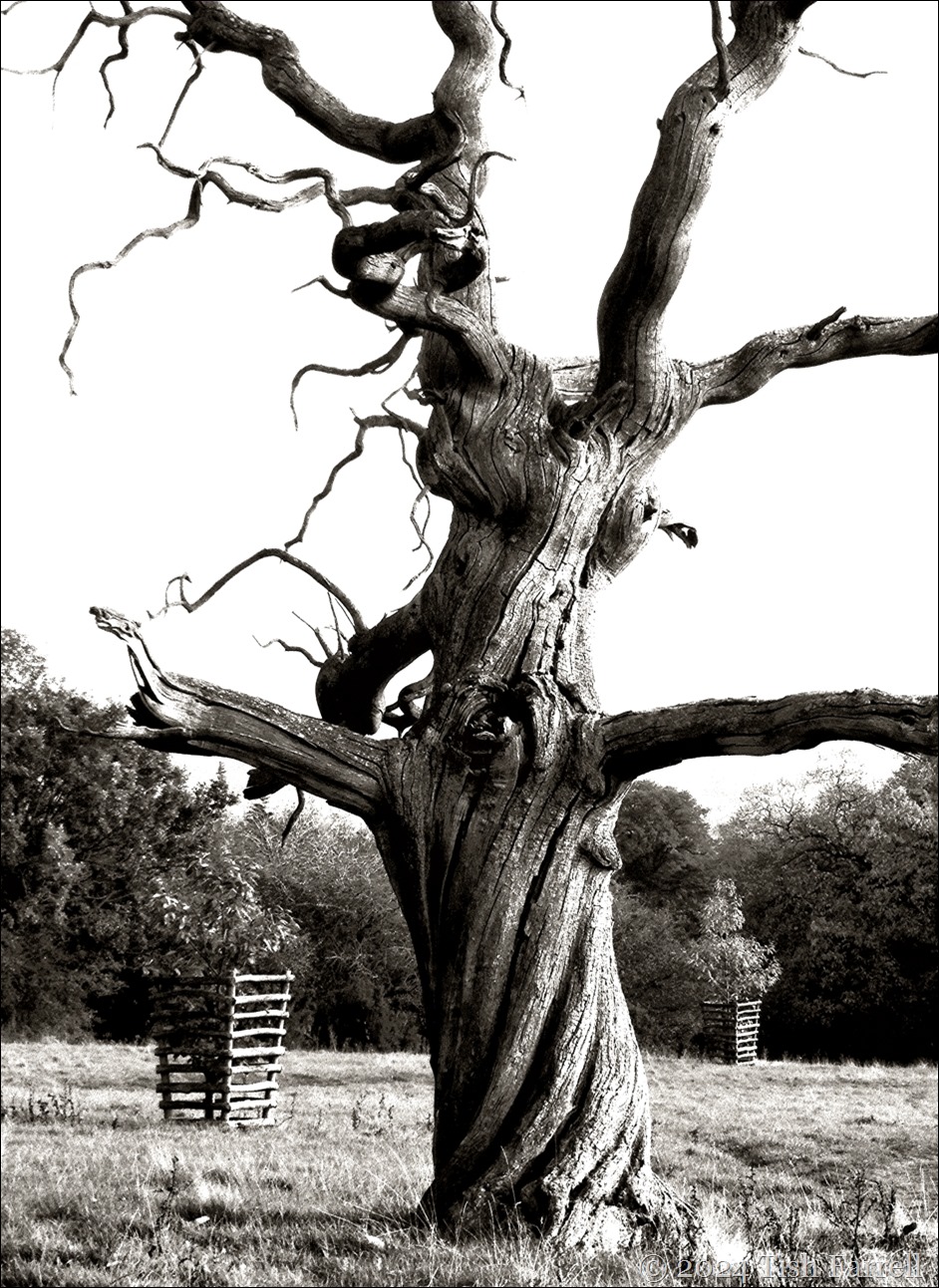
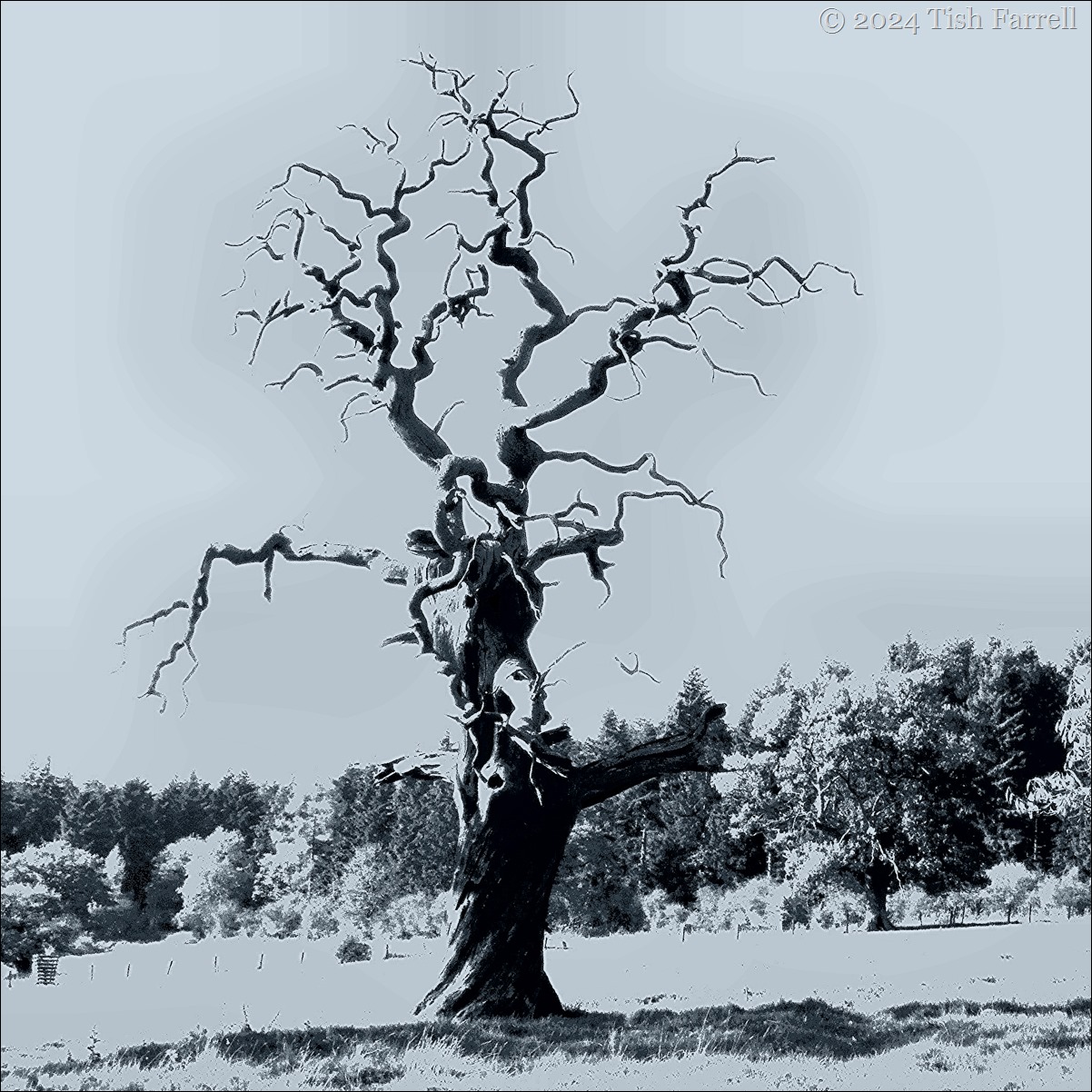
And talking of ghost trees, there are yet other transformative powers at work. At Croft Castle on the Herefordshire-Powys border, the estate walks of Spanish Chestnuts, have succumbed to both age and disease (Phytophythora cinnamomi or cinnamon fungus). The trees supposedly date from the late sixteenth century, their origins ‘explained’ by an Armada legend that suggests they were grown from chestnuts found in the pocket of a ship-wrecked Spanish sailor.

Now Croft is nowhere near the sea, but maybe that is irrelevant. This was the age of grand garden making, and it is well known how rare plant material, however it arrived, was ever coveted by the landed elite. And of course it’s a good story, a fittingly mythic gloss for this gallery of the arboreally deceased; trees that have been allowed to die and be dead in their own spectacular way.
P1090652ed

P1090599sq

One of Croft Castle’s Spanish Chestnut ‘ghost trees’

*

Finally, and in more comfortable terms, there are those trees whose familiar contours or particular disposition mean home to us; they become our personal landmarks. Here are some from our Wenlock days:
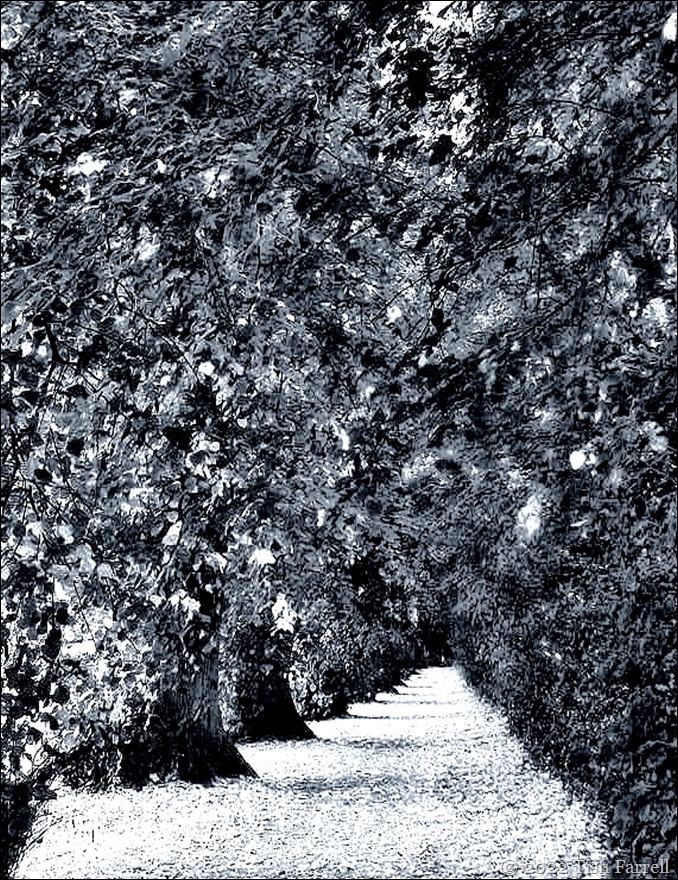
100_6398

The Linden Walk, Much Wenlock in late summer

*
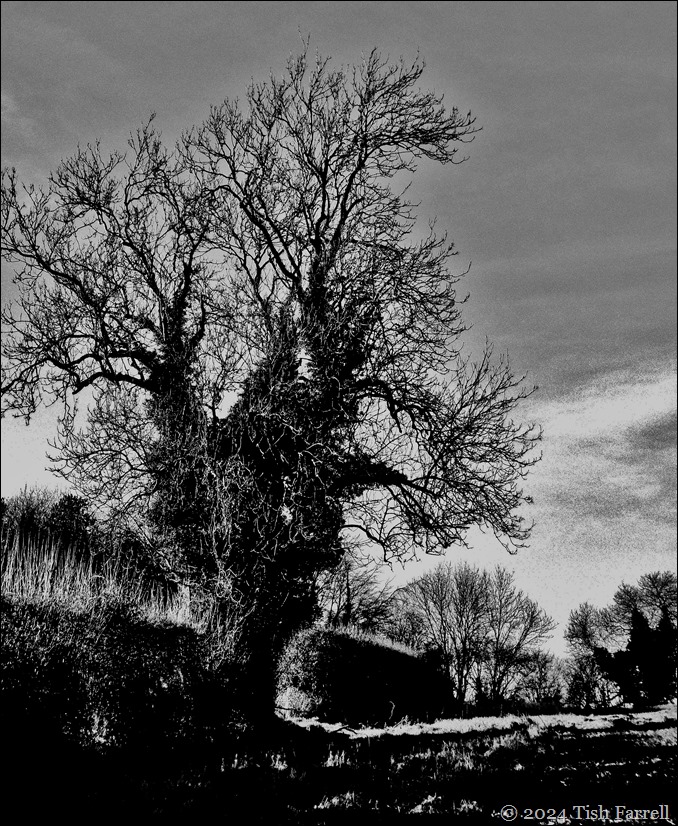
P1000347

The allotment ash tree in winter

*

p1070087 ed

The little tree on the hill above the house

*

Monochrome Madness: trees  This week Sarah at Travel With Me is featuring trees. She suggests we consider sculptural qualities.

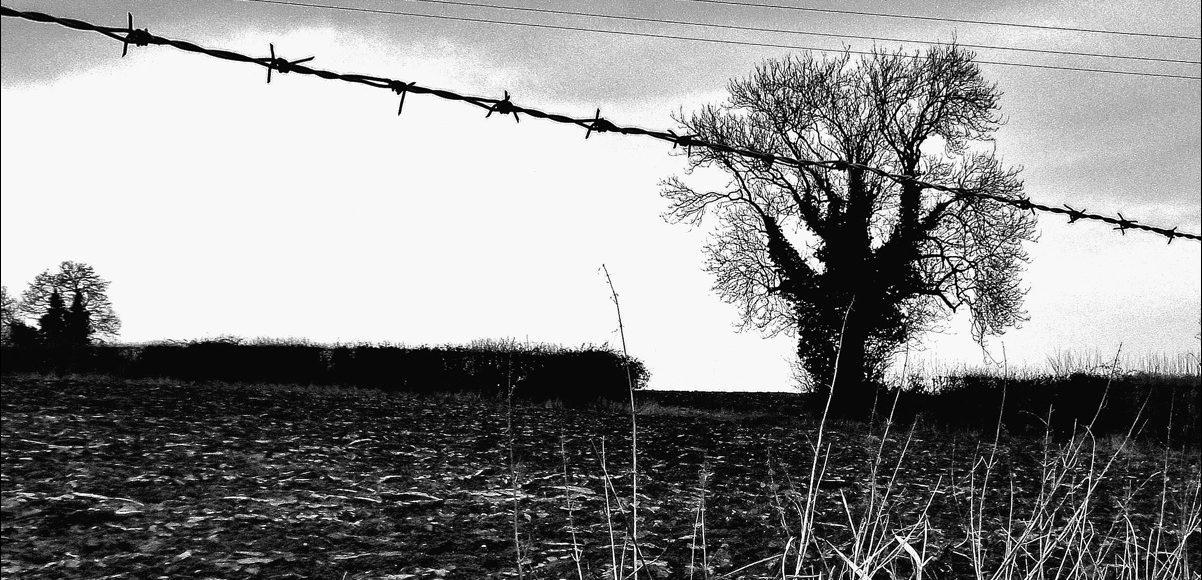
Mysterious In Monochrome: The Shropshire Borderlands

P1030697sepia

This week at Lens-Artists, Anne from Slow Shutter Speed asks us to think about monochrome and black and white photography. Click on the link below to see her post.

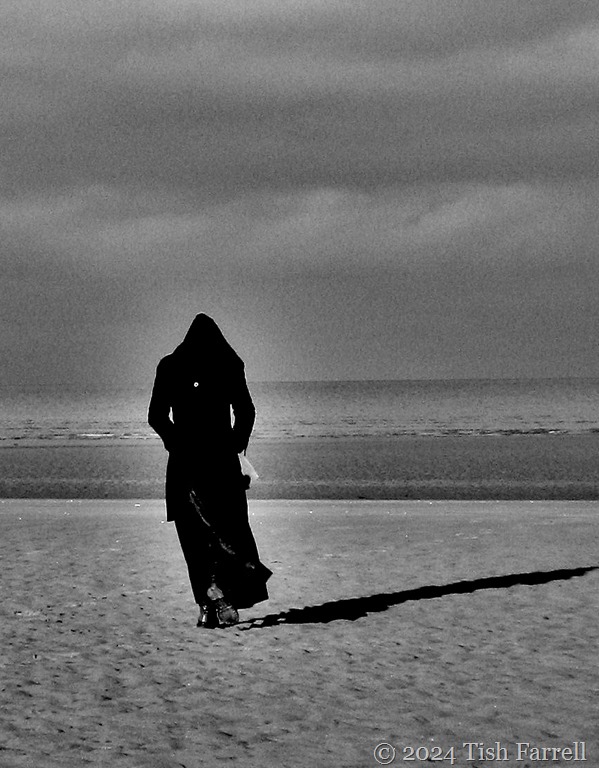
My first photo here was edited from a colour image, although however it comes, it’s an odd composition. It was taken at Mitchells Fold, the Bronze Age stone circle on the border with Wales, and I was only aware of the passing figure as I snapped the shot. I neither saw him arrive, nor leave the scene. Gives one a bit of a shiver.

These next two shots were taken with my Lumix point and shoot (before it gave up the ghost), using the ‘dynamic monochrome setting’. It was midday, and in high summer, but the light was penumbral; as if the sun had been switched off. Again very strange, although you can well see why these hills inspired tales of the Devil and gatherings of evil ones whenever mist shrouded the heights.

sepia

P1080542mono

*

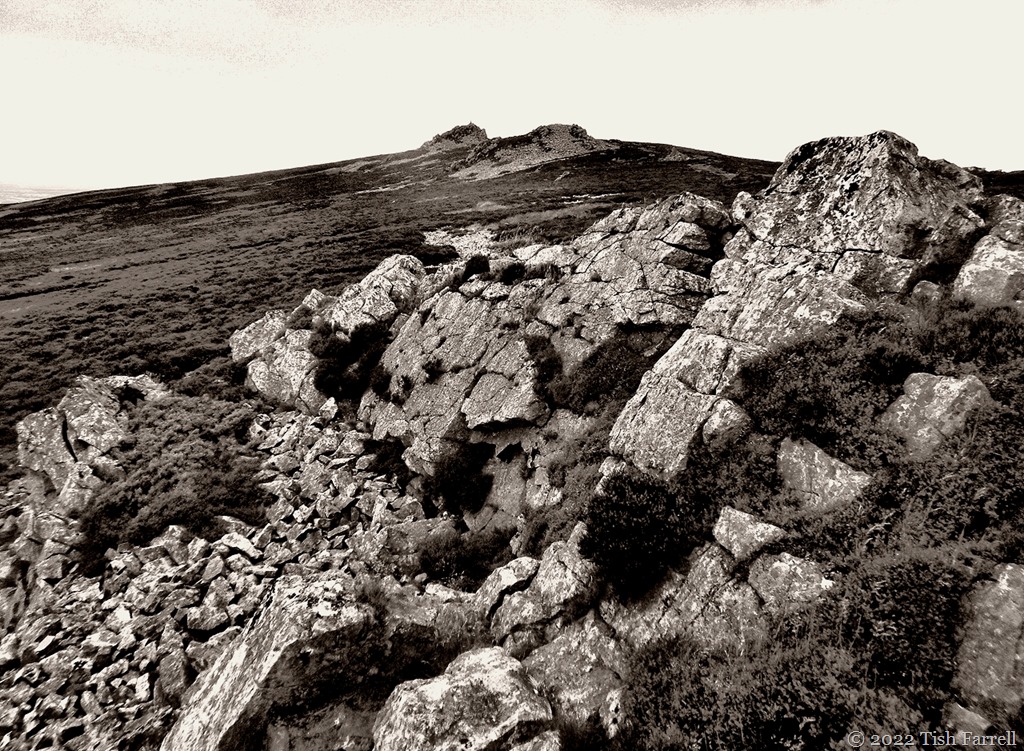
This last photo was again taken on the Stiperstones, but on a brilliantly sunny day – a view of the Devil’s Chair (edited from colour). It looks like a ruined citadel, the quartzite rocks catching the sunlight.

IMG_0542bw

Related post: To Shropshire’s Mysterious Stiperstones

Lens-Artists: Black & White or Monochrome Please visit Anne at Slow Shutter Speed. She’s given us a snappy little essay on this topic.

Ups And Downs On The Broseley Jitties

Ding Dong steps 2

The Broseley Jitties are quiet these days. On our early evening rambles we meet only a now-and-then walker with their dog. And then perhaps a stray chicken. Or a watchful cat in a cottage gateway. The atmosphere is somnolent; a sense of falling back through time. There’s the subtle scent of cow parsley along the verges,  of garden flowers wafting over the walls and hedges.
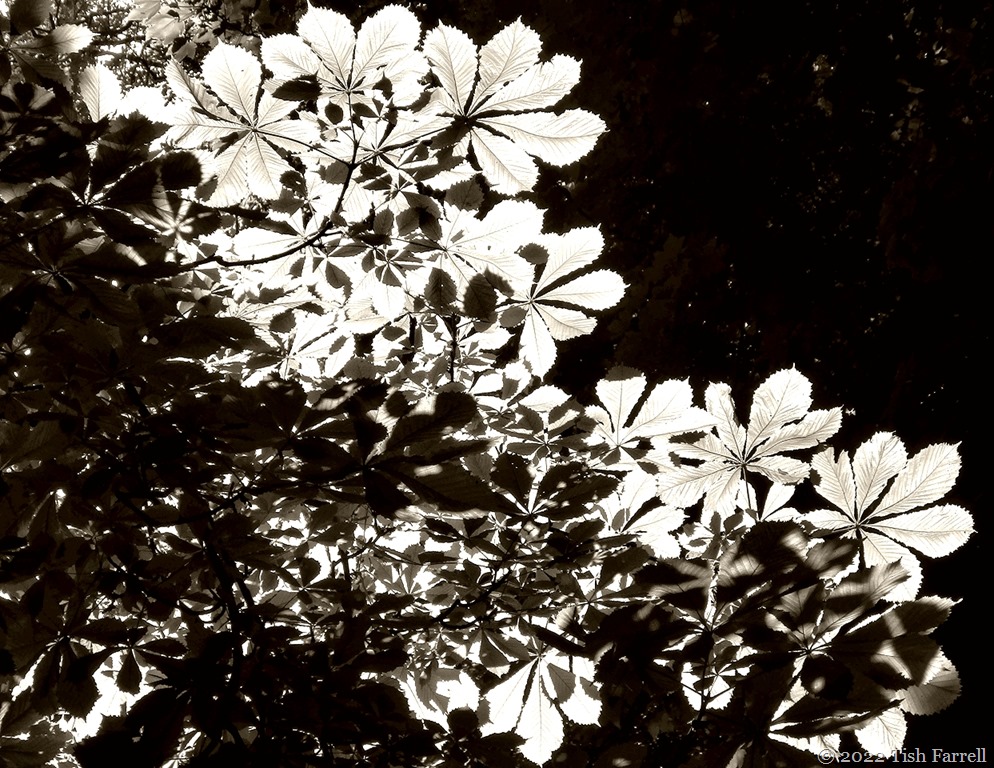
Yet a hundred/two hundred years ago there would have been no quietness (or cleanly odours) here. Only the shouts and chatter of working men, women and children; rattle of clogs as the folk of Broseley Wood went about their day – to the mines and quarries, to the pot and pipe factories, to the taverns, to the chapels, to the wells.
Ding Dong Steps

*

Botswell Lane Jitty down and up – and as the name denotes, a main route for fetching water from the well in the valley bottom. Hard work fetching washing and cooking water, especially in the winter.
Botswell Lane

Botswell Lane up

*

Another water source was the spring on Spout Lane, not far from the bottom of Jews Jitty where the Wolfson family lived and ran their pottery factory.  The daughters of the house apparently carried out the ritual bathing rite of mikvah at this spring – a somewhat public spot.

spout lane spring

*

Jews Jitty up…

Jews Jitty up

*

And Jews Jitty down …

Jews Jitty sepia

*

And a final up on Gittings Jitty yesterday evening, the cow parsley in full flourish…

Gittings Jitty

Cee’s Black & White Photo Challenge: steps or ladders