Winter Fields And Hedgerows ~Minimalism in Black & White Photography

P1000424

I’ve been missing photo-moments in black and white. Things have not been the same since my Panasonic Lumix point-and-shoot broke. It had a dynamic monochrome setting, which I used a lot. I haven’t replaced it with another Lumix because they  seem prone to acquiring dust spots on the lens, and quotes to have them professionally cleaned seemed  higher than the original cost of the camera.

So ever since, I’ve been using a little Canon Ixus, which is fine for snapping, but somehow its monochrome setting does not enthuse me. I can of course do a spot of post-shot editing to perk things up, and there are also times when conversions from colour turn out quite well.

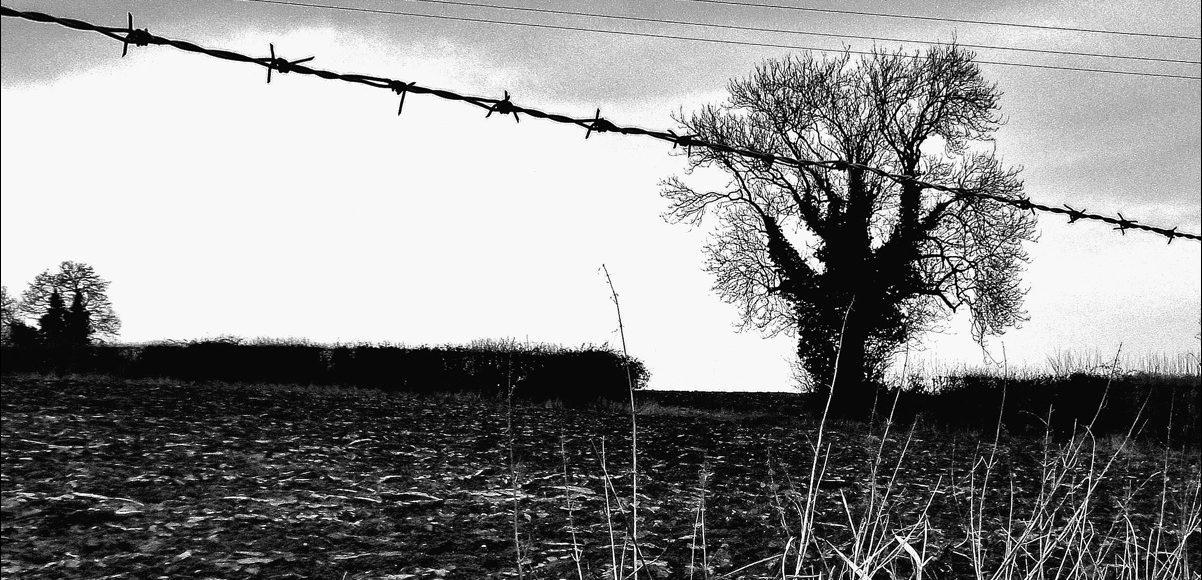
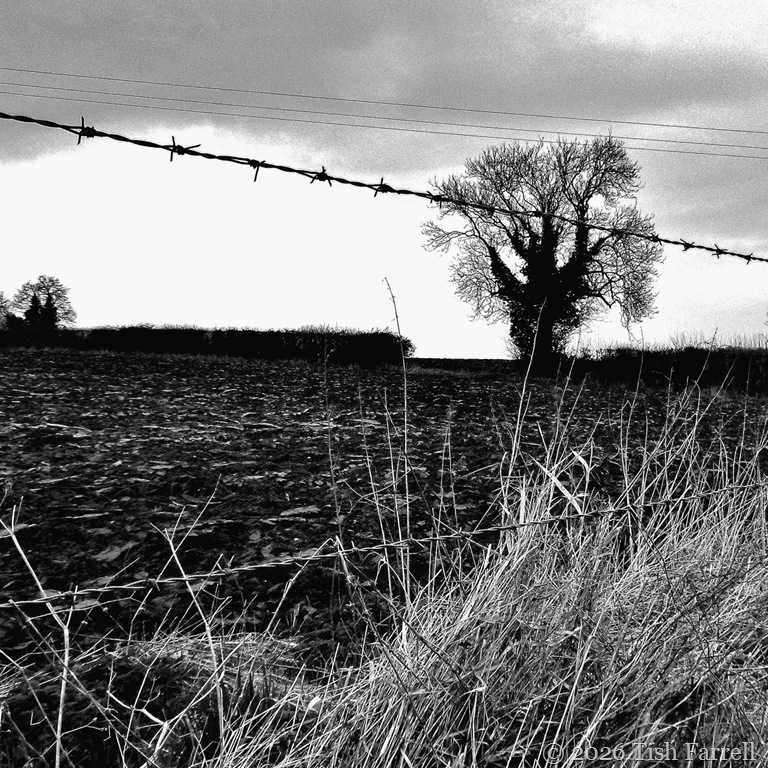
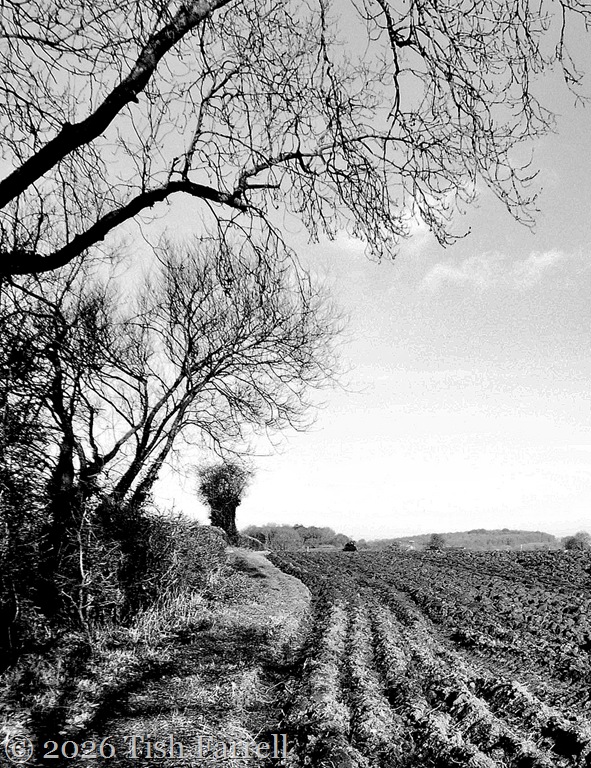
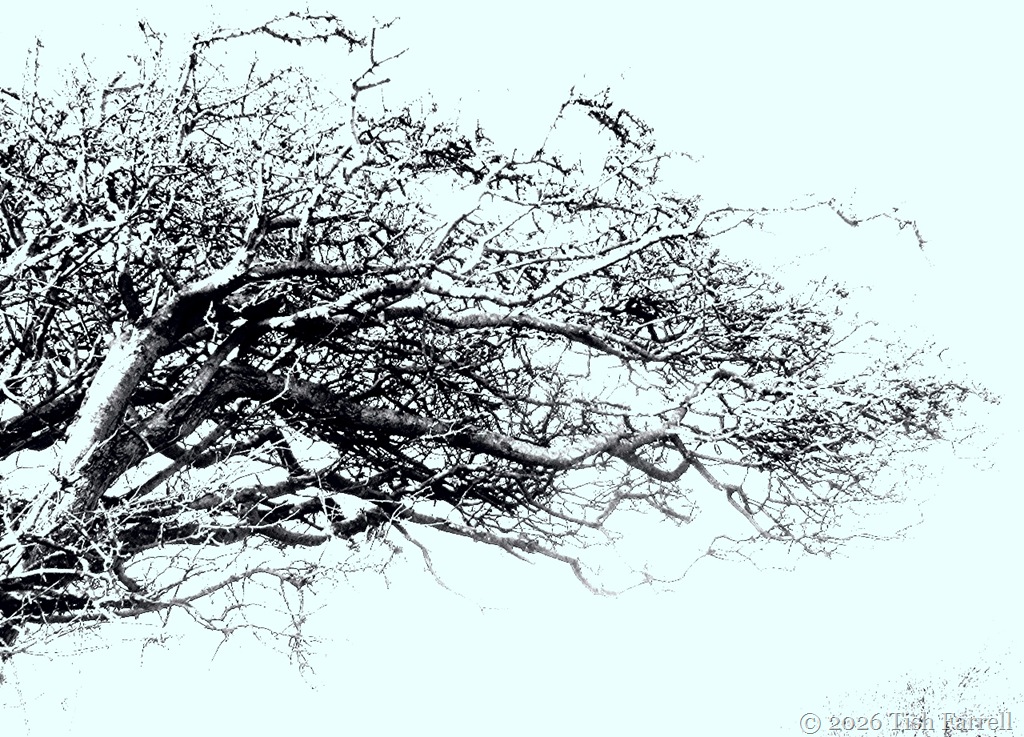
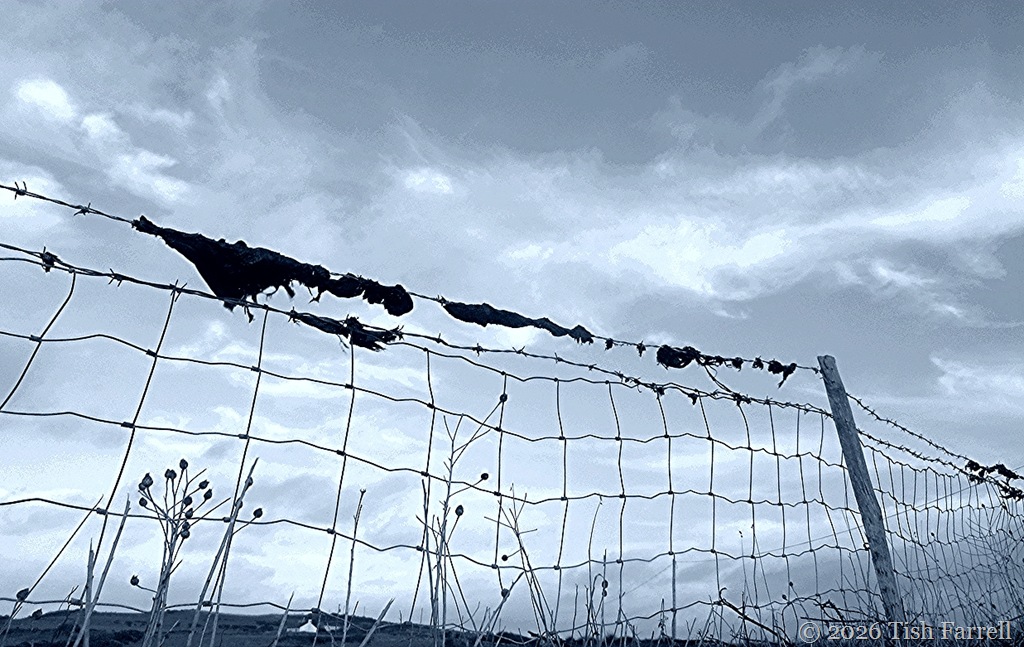
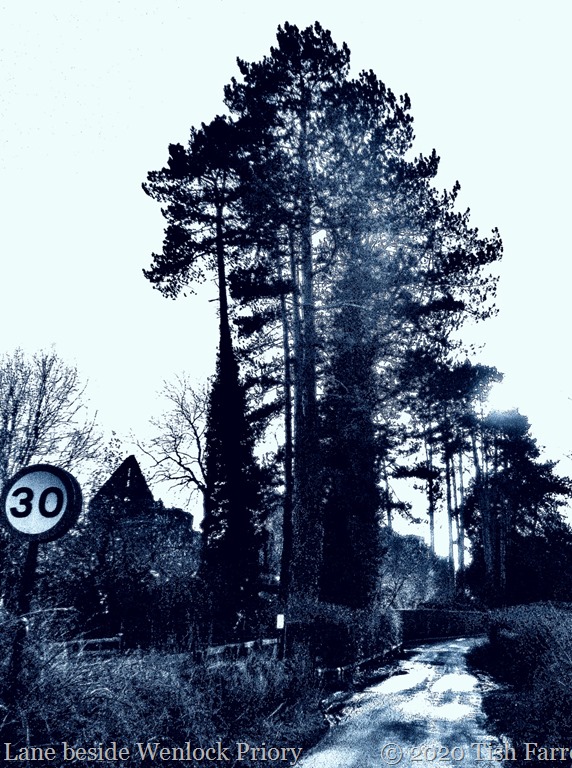
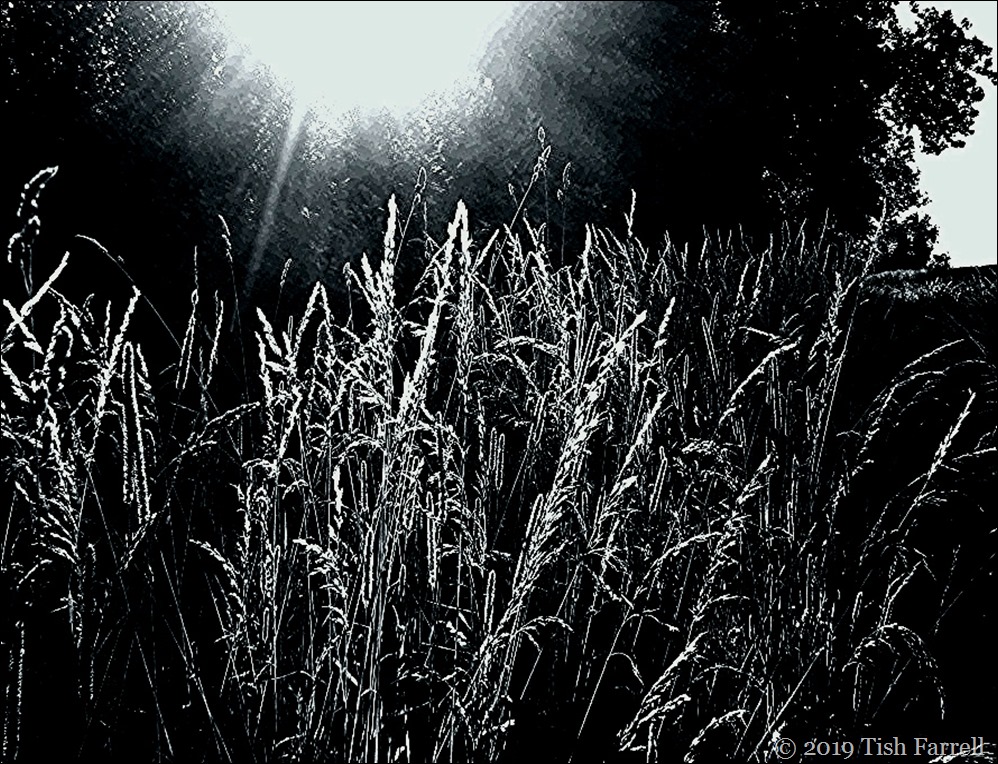
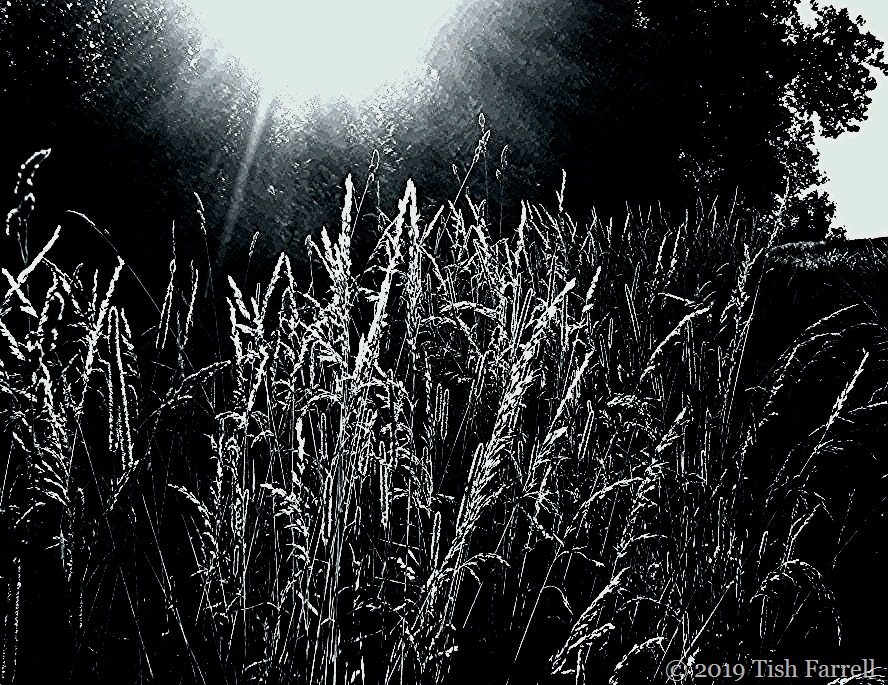
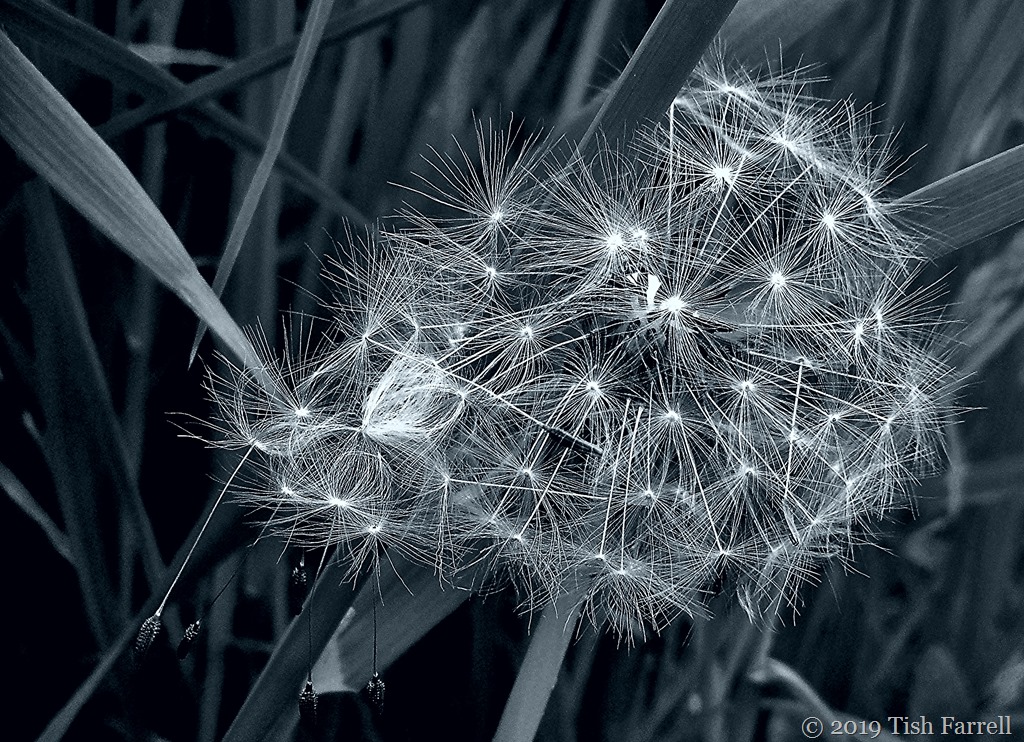
All the photos here, then, are from my archives. Actually I’m quite pleased to see some of them again. The first three were taken around our previous Wenlock home.

Townsend Meadow 2

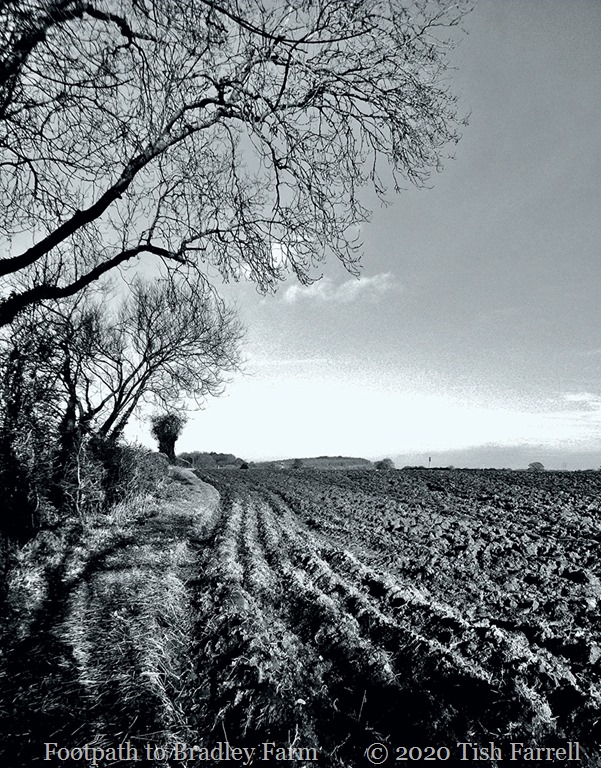
Bradley Farm walk


*

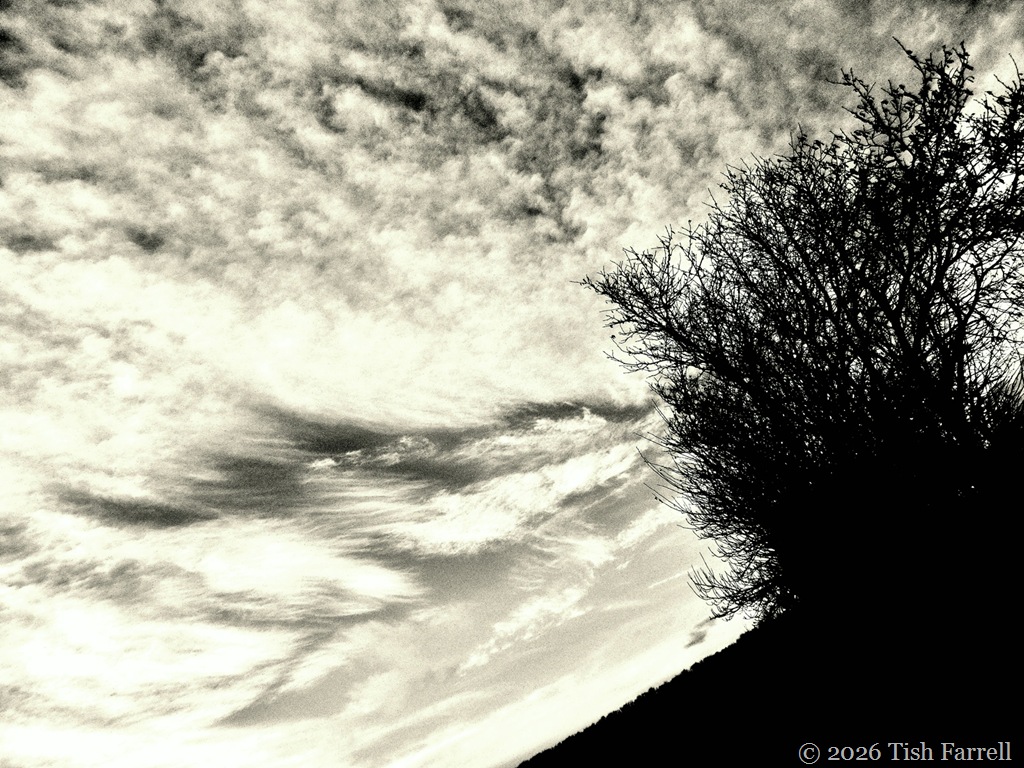
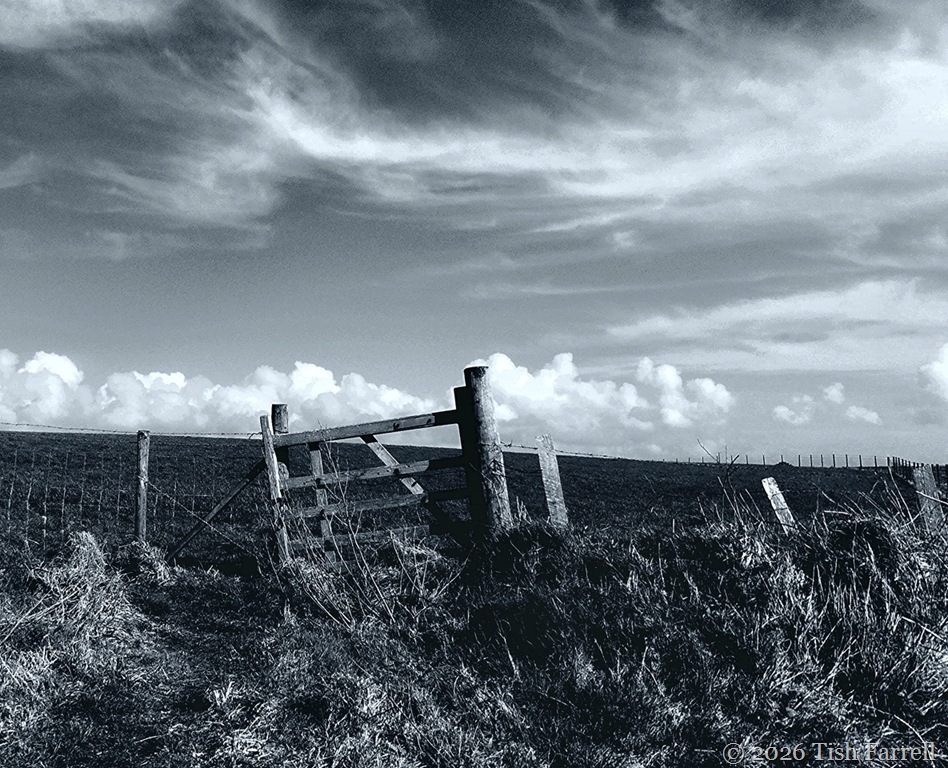
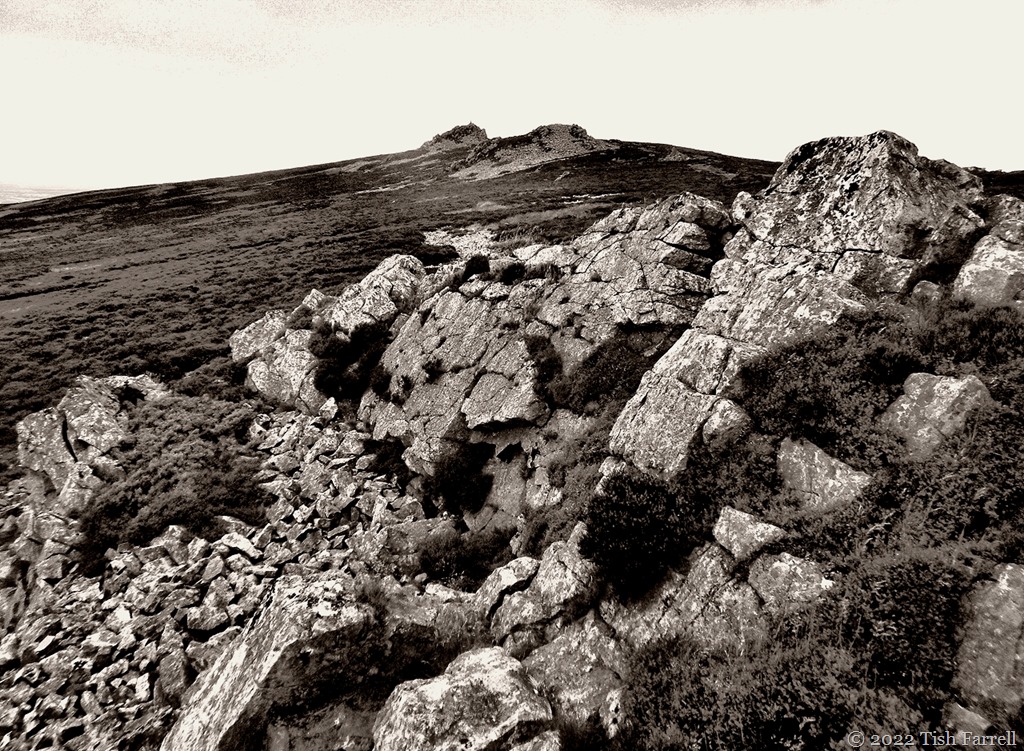
This next three were taken in various parts of wintery Wales:

Aberffraw 2

Aberffraw 3

Marloes

*

Lens-Artists: Minimalism in Black & White   This week Ritva gives us masterclass in monochrome. Please pay her a visit.

Mysterious In Monochrome: The Shropshire Borderlands

P1030697sepia

This week at Lens-Artists, Anne from Slow Shutter Speed asks us to think about monochrome and black and white photography. Click on the link below to see her post.

My first photo here was edited from a colour image, although however it comes, it’s an odd composition. It was taken at Mitchells Fold, the Bronze Age stone circle on the border with Wales, and I was only aware of the passing figure as I snapped the shot. I neither saw him arrive, nor leave the scene. Gives one a bit of a shiver.

These next two shots were taken with my Lumix point and shoot (before it gave up the ghost), using the ‘dynamic monochrome setting’. It was midday, and in high summer, but the light was penumbral; as if the sun had been switched off. Again very strange, although you can well see why these hills inspired tales of the Devil and gatherings of evil ones whenever mist shrouded the heights.

sepia

P1080542mono

*

This last photo was again taken on the Stiperstones, but on a brilliantly sunny day – a view of the Devil’s Chair (edited from colour). It looks like a ruined citadel, the quartzite rocks catching the sunlight.

IMG_0542bw

Related post: To Shropshire’s Mysterious Stiperstones

Lens-Artists: Black & White or Monochrome Please visit Anne at Slow Shutter Speed. She’s given us a snappy little essay on this topic.

The Beach Bicyclist

P1060354

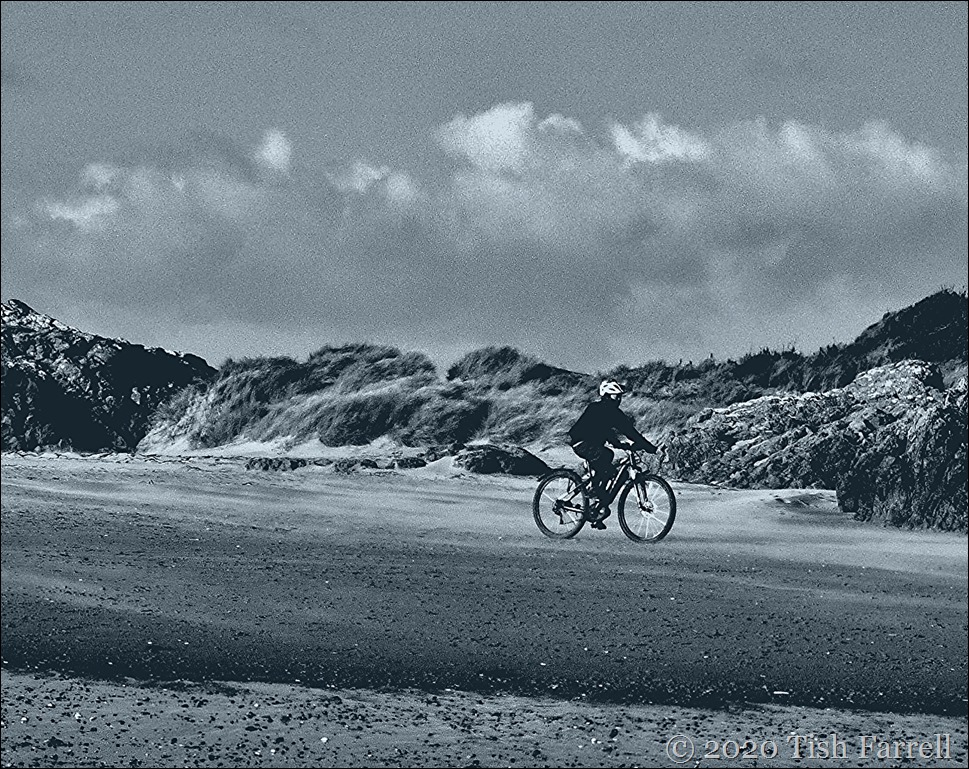
It’s years since I rode a bike. In fact I wonder if I still can, though I do remember the precise moment when I first mastered the skill and forward momentum suddenly happened. Just like that – after hours of wobbles and falling about. What a sense of freedom. And so I’m thinking if I had a handy beach I might well give it another go. Softish surface to land on for one thing. But what joy to whizz over tide-washed shores, sea wind in one’s face, gulls wheeling in their own particular way.

Looking at this photo now I’m beginning to feel envious of this unknown cyclist caught plying Newborough sands a few Christmases ago.


Cee’s Black & White Photo Challenge: cycles – one, two, or three wheelers

Wenlock Priory ~ Ruined Lines

IMG_3759

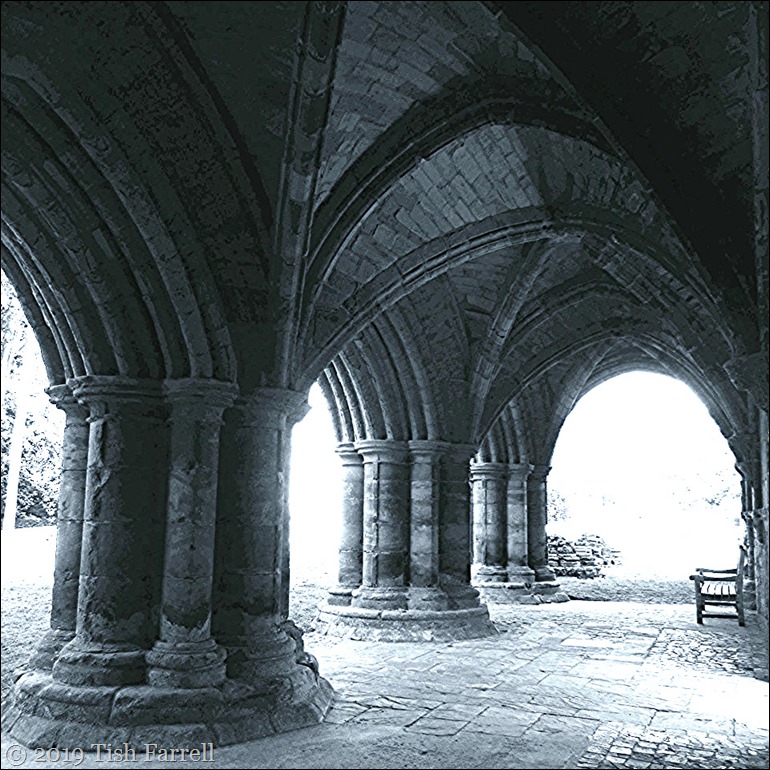
It’s almost always the case with things on your doorstep: you forget to visit them, or even to appreciate their handy existence. I’ve known Wenlock Priory for over half a century which possibly adds its own miniscule historical dimension to this most ancient Shropshire site. Anyway, a few weeks ago I took myself off there for a long-postponed visit. It’s only a short walk down the Cutlins path past the MacMoo clan. I quite enjoyed playing tourist in my own town.

The photo shows the remnant south aisle of the once vastly prestigious monastic edifice built in the 12th century CE to house monks from their mother foundation in Cluny, France. But then that’s only half the story.

We need to wind the time-machine clock back another thousand years. The Romans were here too, though what they left behind has been hard to interpret: villa, bathhouse, shrine – all, or only one of these. The remains anyway survived into Saxon times and were apparently repurposed in the building of a double convent i.e. for both monks and nuns (in separate quarters). This work was commissioned by King Merewald of Mercia (basically the English Midlands) in the 600s CE.

His daughter Milburga (later to be sanctified and made pilgrimage-worthy) served as abbess once she had been sufficiently well educated over in France. Her two sisters were also similarly educated to be abbesses of other religious houses. Their mother too, left Mercia and her marriage, to become abbess down in Kent. Such positions entrusted to royal woman allowed them to control extensive landed estates along with their agricultural and mineral assets, as well as to look to the spiritual welfare of the land’s lowly inhabitants.

Over succeeding centuries, Milburga’s convent underwent various phases of redevelopment. When the Normans arrived in the 11th century the site was re-dedicated to the Cluniac (monks only) monastic order. But after the finding of what were believed to be Milburga’s bones in 1101, the priory received a very big upgrade, along with a saintly shrine and the patronage of the King of England. So began the era of pilgrim-tourism and the up-sprouting of Wenlock town to cater for the influx. In fact two of our well-loved public houses – the George and Dragon and the Talbot  have their origins in these times. So much history then in one small place. So many long-established ties with Europe. Makes you wonder what our forebears would have thought of Brexit.
IMG_3779

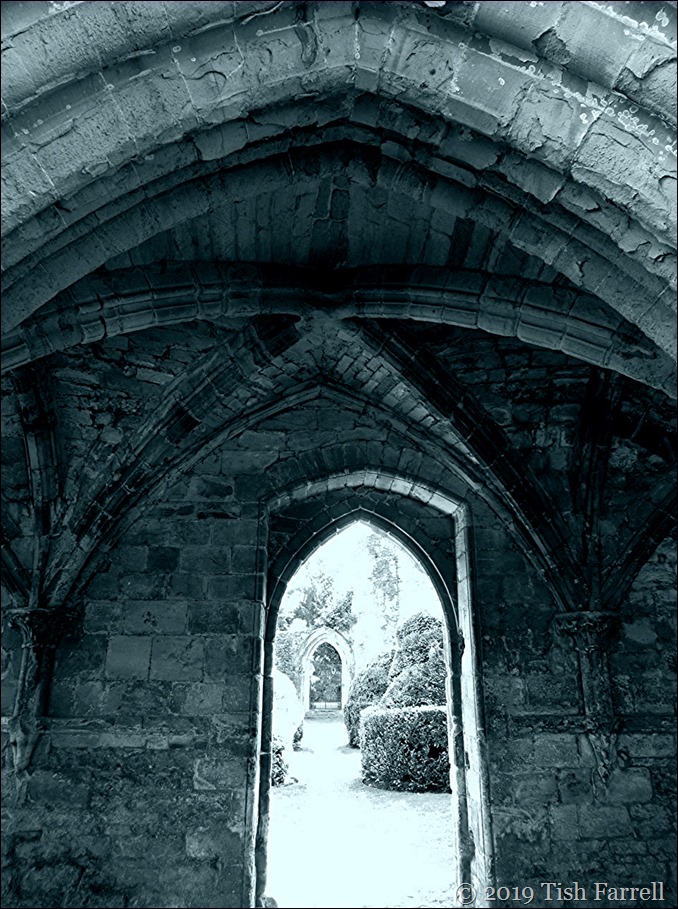
Doorway from the south aisle to the now roofless cloister.

*

For Historic England’s schedule summary of the Priory’s history please go HERE.


Cee’s Black & White Photo Challenge: Indoor walkways, hallways, elevators

Line Squares #19

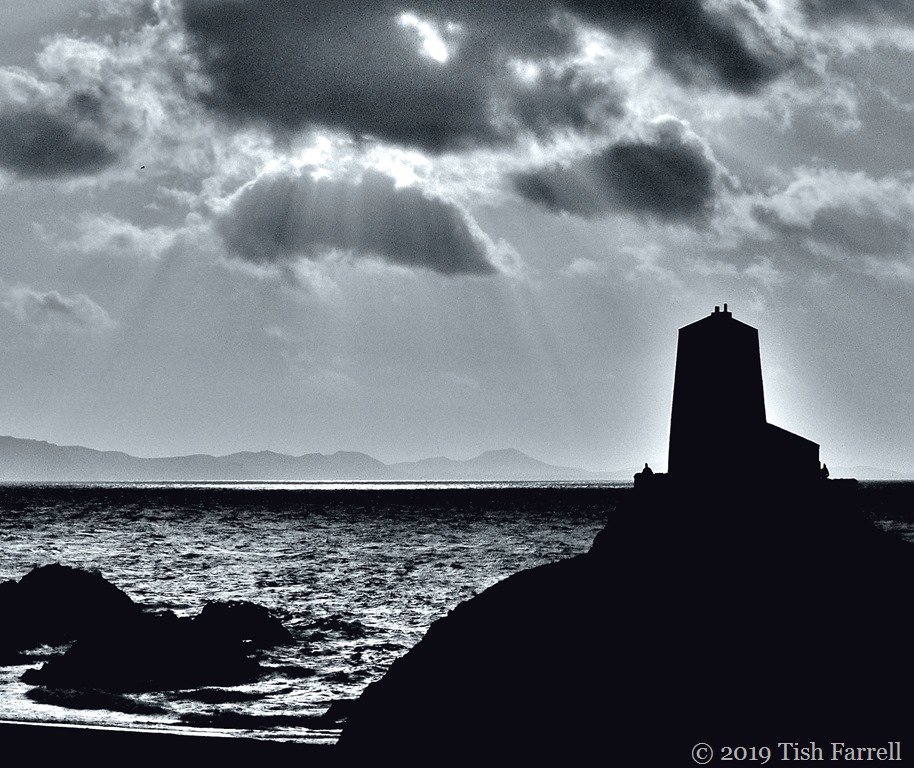
Twr Mawr Lighthouse On Llanddwyn Island

P1060377

Llanddwyn Island on Anglesey is only an island at high tide. Mostly it is a narrow spit reaching out across Llanddwyn Bay to the mountains of the Welsh mainland. It is named after the early 5th century Christian mystic, Dwynwen who, unhappy in love, is said to have retreated to the island, living out her days there alone. Later she became known as the Welsh patron saint of lovers, and in medieval times pilgrims would flock to the island in hopes of divining the faithfulness of their own loves at Dwynwen’s well. In fact so much revenue was raised from the pilgrims’ quest for true love that in the 16th century a substantial chapel was built on what was believed to be Dwynwen’s own place of sanctuary. You see the chapel ruins if you go there today.

The lighthouse was built in 1845 to guide shipping entering the Menai Strait from the south. Now it serves mostly as a very striking landmark, viewed here on a blustery Christmas morning a few years ago.

Lens-Artists ~ Seascapes

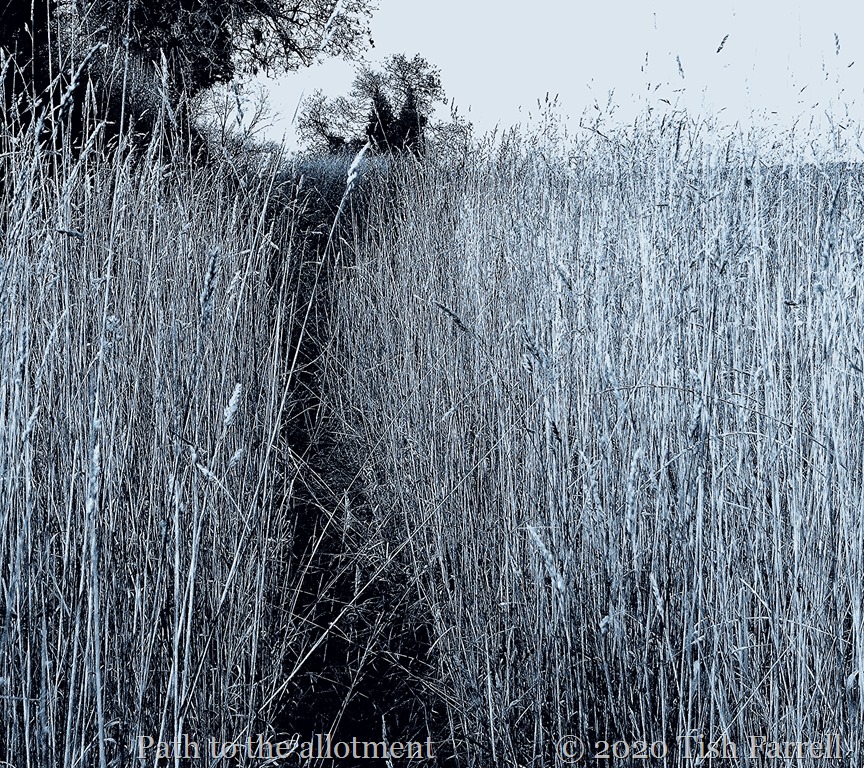
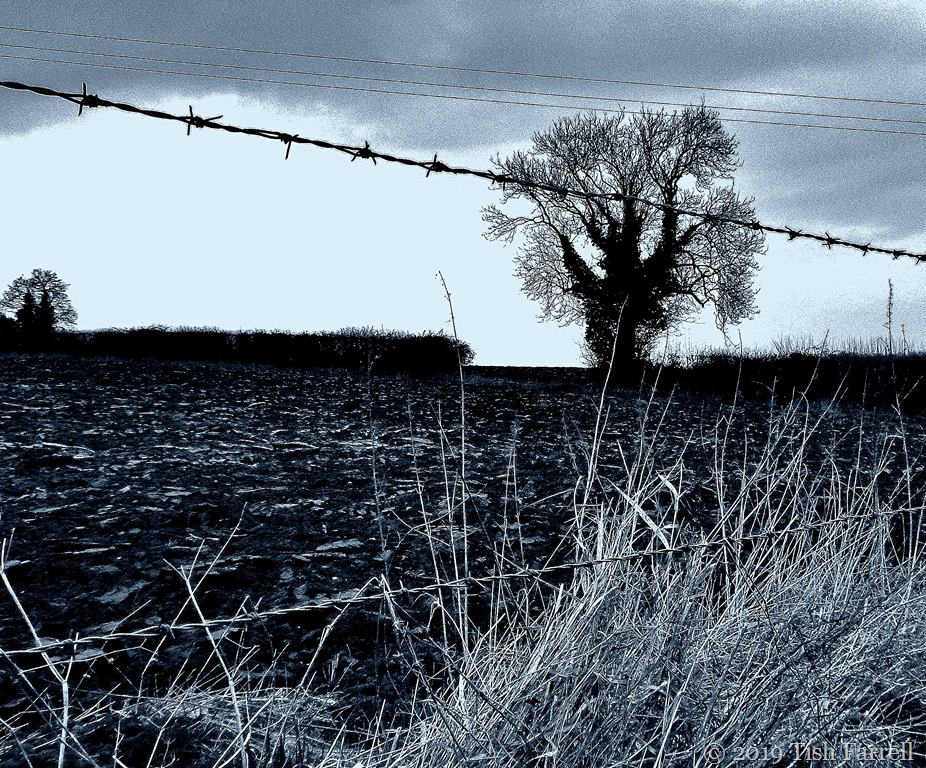
Monochrome Lines And Angles ~ A View from the Allotment

P1000562 - Copy

Perverse, I know, to be featuring this wintery scene as summer arrives in the northern hemisphere. Still, it seems to fit quite well with this week’s b & w challenge over at Cee’s. I’m thinking too that those poor souls who are presently being broiled by unnatural heatwaves across Europe might be glad of a cooling vista.

Cee’s Black & White Challenge: Lines and Angles

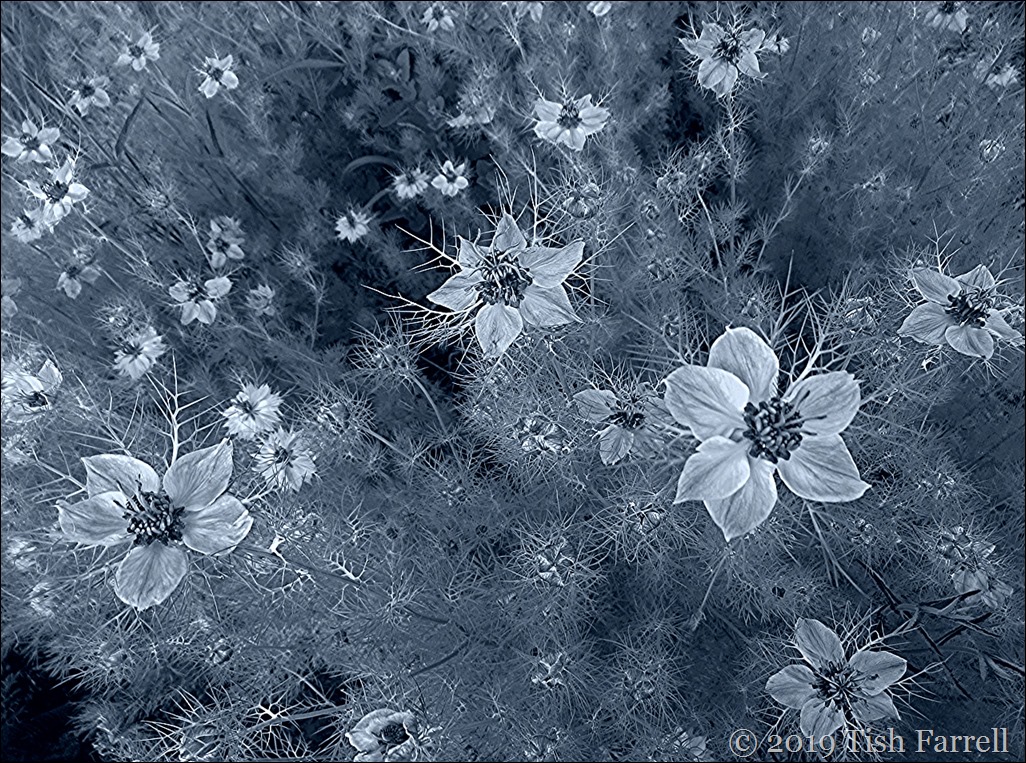
Love-In-A-Mist ~ The Allotment Constellation

IMG_1946

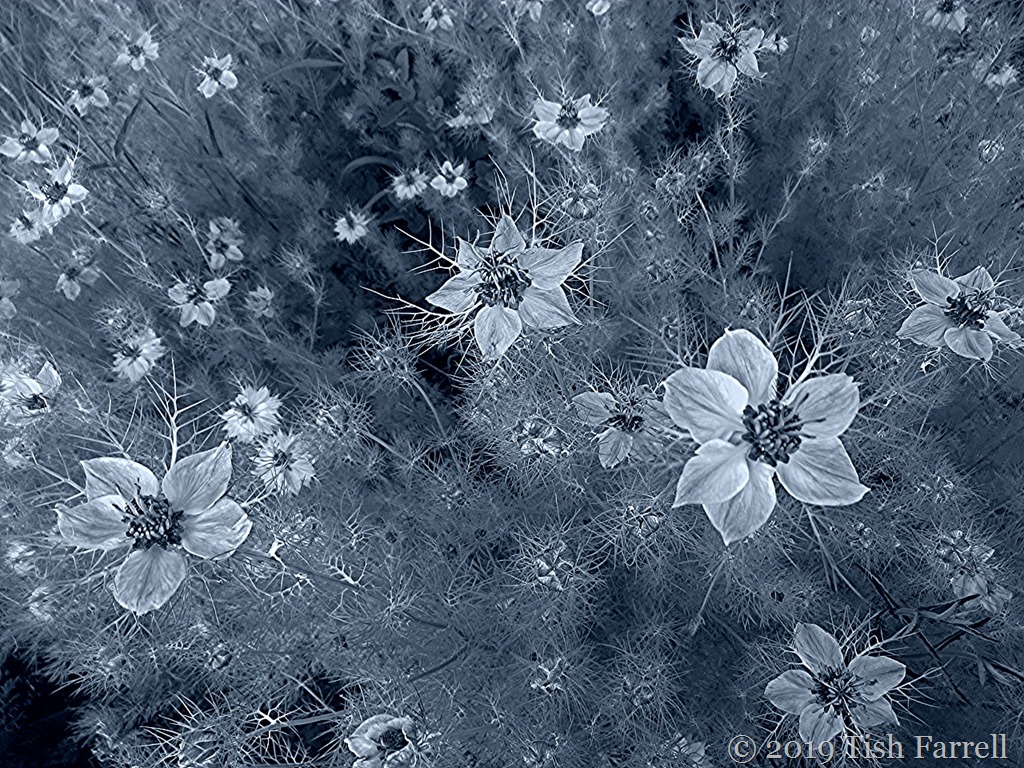
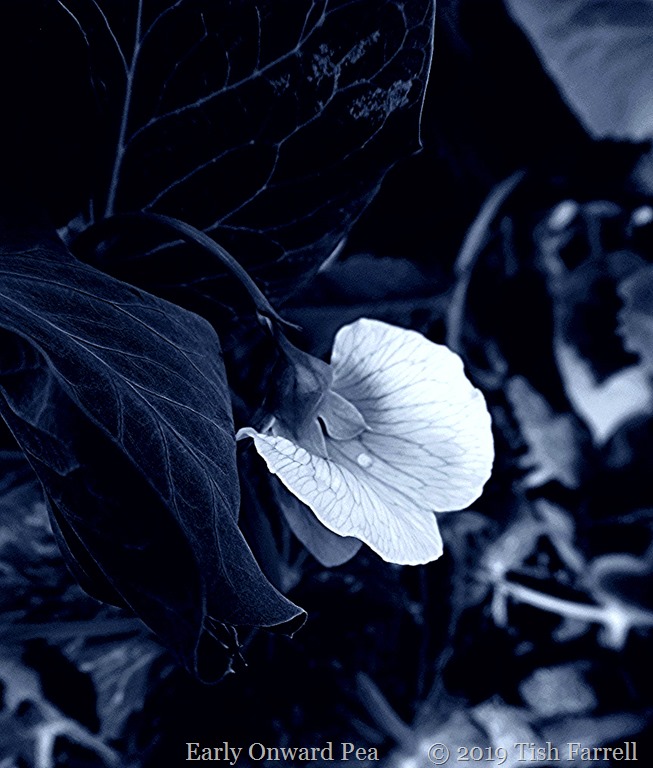
Nigella damascena is a wonderfully self-seeding annual that has been grown in English gardens since Elizabethan times. It is much loved for its sky-blue flowers (sometimes also white or pink) and its delicate ferny leaves. And of course, once the flowering is done, there are the strikingly odd sputnik seed capsules to admire.  Though seen here in monochrome (with a hint blue), the flowers already have a distinctly alien look. I took this photo last night at the allotment. I have several self-seeded clumps around the vegetable plots, and they are just beginning to flower. It’s always good to mix things up like this, the flowers not only attracting the pollinators for the fruit and vegetables, but also, in the case of French marigolds, diverting crop pests. And talking of crops, or ones in the making, here’s a rather fine pea flower:

IMG_1972


Cee’s Black & White Photo Challenge ~ flowers of any kind