Two Of A Kind On The Hippo Chute

sq002

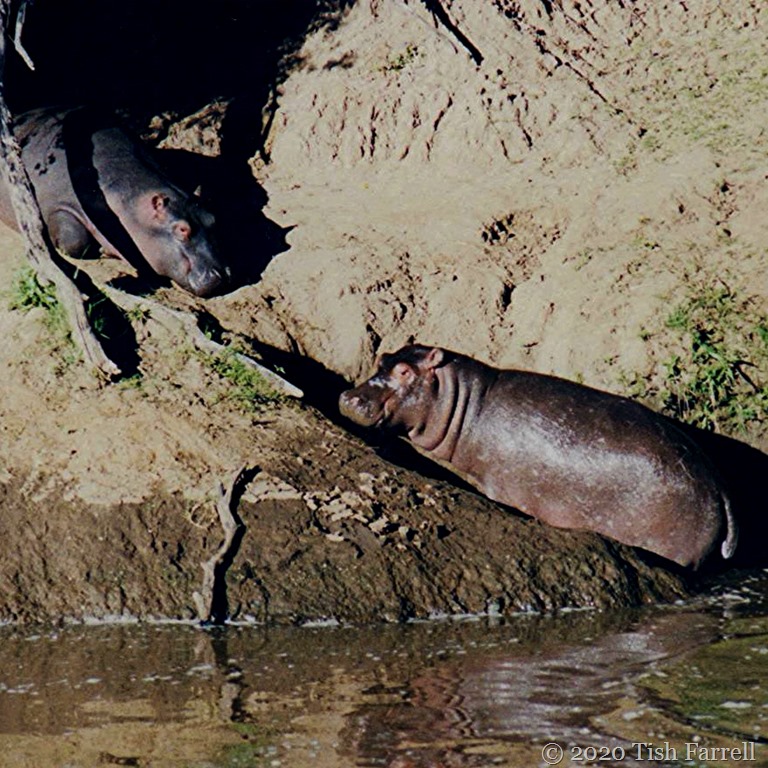
Many people do not know, and that once included me, that hippos are among Africa’s most dangerous animals. They do in fact kill quite a few people every year, usually local fishermen. The main source of contention is when a human presence is deemed an obstacle to a hippo’s return to its territorial waters. Hippos spend the dark hours roving through the bush chomping large quantities of grass. But they like to return to their lakes and rivers by sun-up.

They are very thinned skinned and although they produce a red oily secretion to protect themselves, any unexpected delay out in the hot sun can cause them to become ferociously overheated, if not downright murderous. We had a hair-raising experience ourselves when we were living in Zambia. We were on a guided bush walk in the magnificent South Luangwa Valley. Lucky for us we had a wise Zambian Park Ranger accompanying our party. You can read the story at Grouchy Hippo, Laid Out Lions.

The hippos in the photo were our neighbours at Kenya’s Mara River Camp. Every morning at first light I would watch them emerge from the bush on the bank across from our tent. Full grown hippos weigh anything between three and six thousand pounds so the return to the river, even on custom-made hippo-slides, took some negotiating: head first or bottom first that is the question.

KindaSquare #6

Two Of A Kind #2

Scan-130520-0002

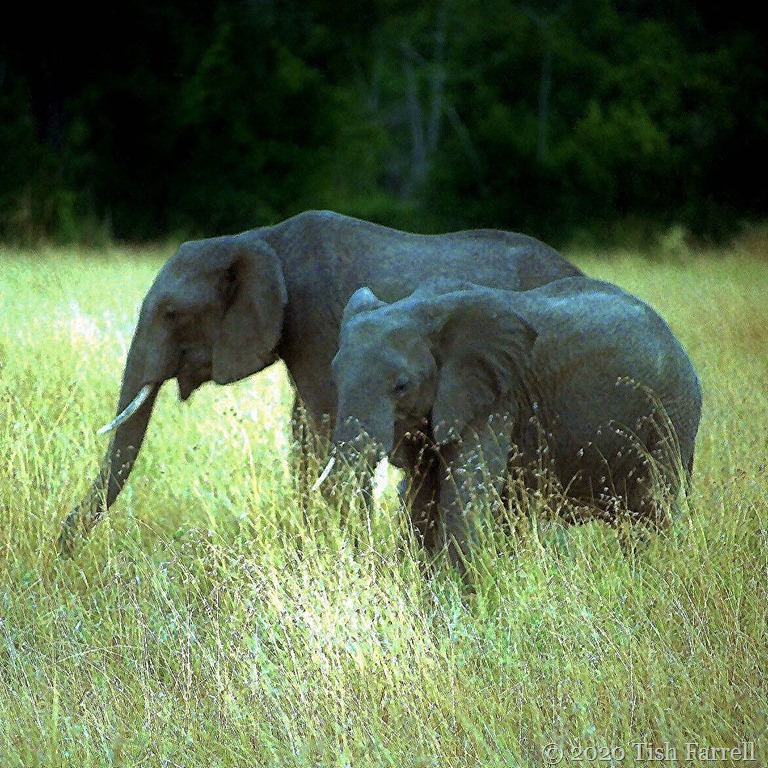
I might be on a bit of roll with this ‘two by two’ from the old Africa album, though as yet I haven’t come up with an ark to house the featured pairs.  Actually it’s now raining so hard in Shropshire (and for days to come if the forecast is anything to go by), it may well be prudent to come up with one.

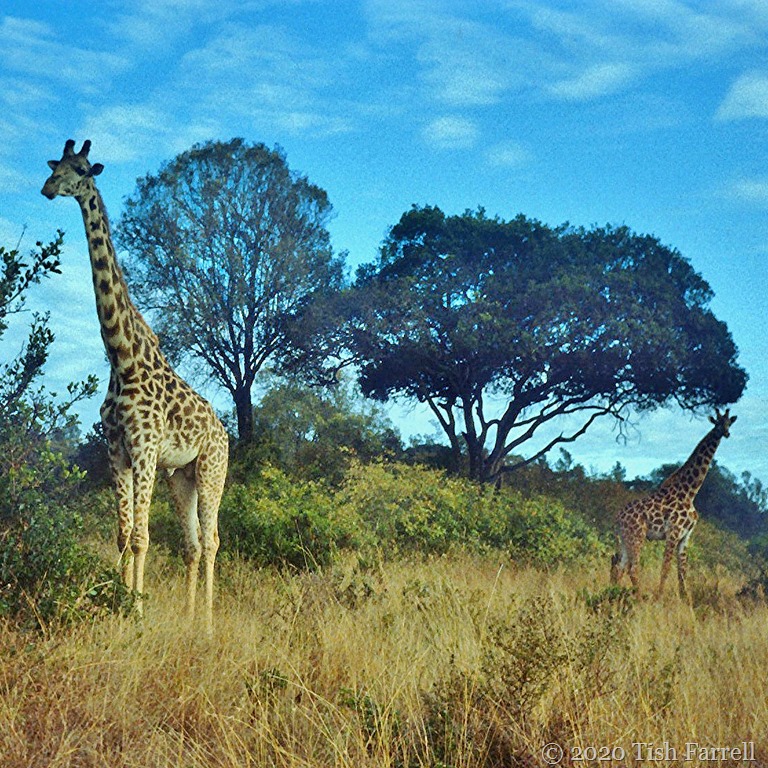
Anyway, here we have a pair of Maasai giraffes in a dreamy, somewhere-in-Tsavo setting. Please imagine the subtle spicy-sweet scents of dry bush country. There will be a soundscape too – high-whining crickets and the kroo-kroo-ing of ring necked doves.

KindaSquare #3

Two Of A Kind

Mara 8

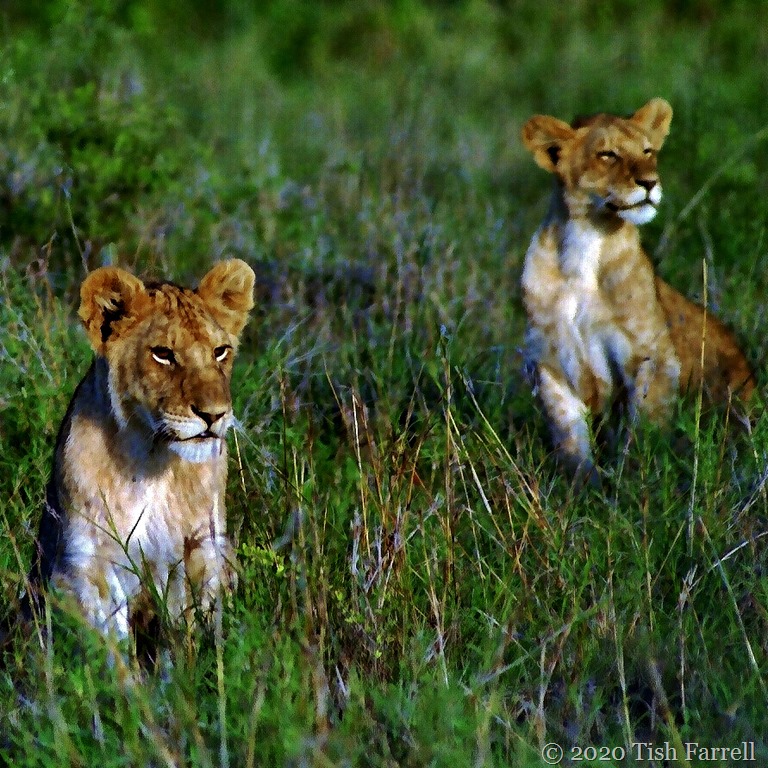
Gloomy Shropshire skies today had me rifling through the Farrells’ old Africa album, though it has to be said that Kenya, too, does a good line in gloom, cold and wetness at certain seasons. Anyway, the sun is shining in this particular shot, taken in the Maasai Mara long ago,  and these ‘likely lads’ of the leonine kind (or maybe a lad and lass) are anyway sure to raise a smile.

KindaSquare #2

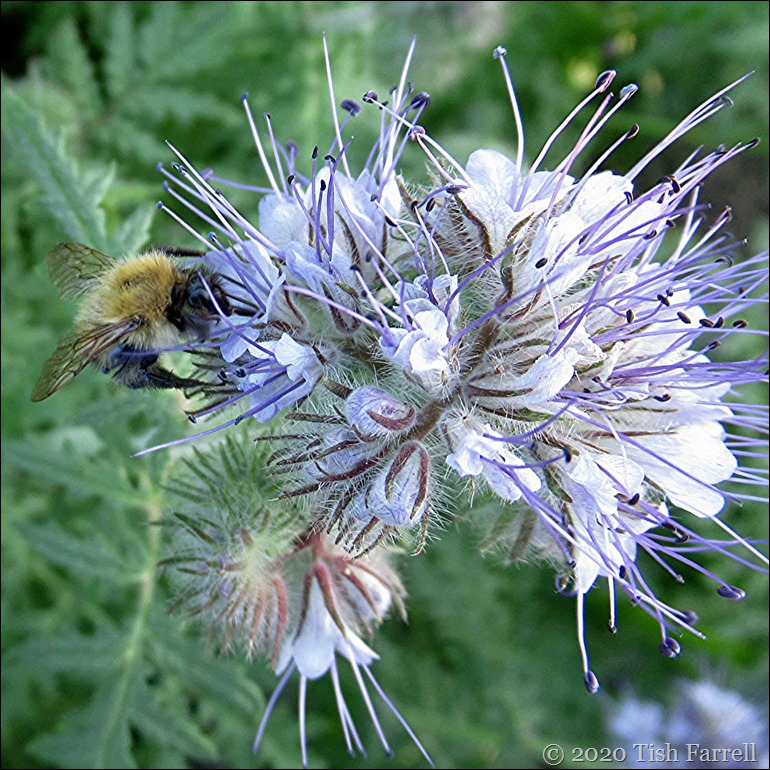
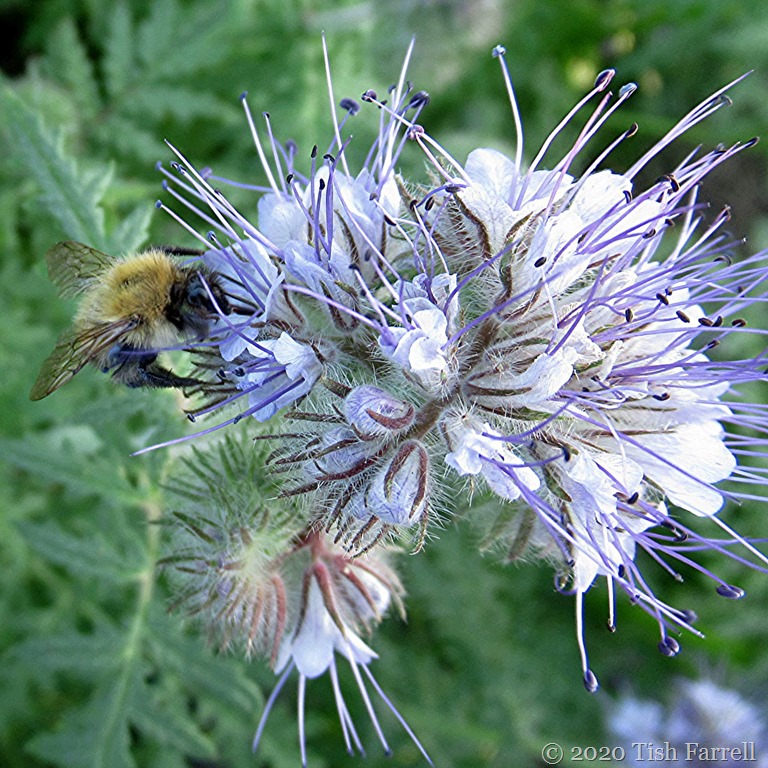
Phacelia: Bee-Kind & Soil-Kind

IMG_0121

If you want lots of bees and hoverflies in your garden then phacelia (native to the Americas) is a good choice. It can be sown from spring to late summer and its mauve flowers, delicately scented, provide nectar all day long for foraging insects. The hoverflies can return the favour by also eating the aphid pests.

On the soil front, I grow it at the allotment as a cover crop. This year I sowed it in mid summer after I had harvested the broad bean plot. It is always good to keep bare earth covered, and the fleshy, ferny vegetation supresses weeds and holds on to nitrogen.

I also grow it as a green manure (other examples: clover, mustard, rye, alfalfa, fenugreek, field beans). Traditionally phacelia, like mustard, is ‘dug in’ before it flowers to stop it seeding. But I prefer the ‘and’ and ‘and’ approach, so I leave it to become bee pasture. Also, I’m trying not to do too much digging, an activity which apparently disrupts the soil’s natural fertility-enhancing systems. Instead, I let it over-winter, or at least until the first frost when it will simply collapse. I‘ll then leave the resultant ‘mulch’ to go on protecting the soil surface from leaching and fertility loss. Meanwhile the root system will rot down and help to improve soil structure.

With any luck, come next spring, I should be able to plant or sow directly through it.

If I’ve sown the seed too thickly, which is easy to do as it is very small, I thin out some of the excess growth through the growing season to feed the compost bins. Or best of all, pick a now-and-then bunch of flowers and bring them home for the kitchen table.  Such a generous, life-enhancing plant.

IMG_0109

IMG_0108


KindaSquare #1 October is here and Becky bids us to show her all ‘kinds’ of squares. Please pay her visit to find out more. As ever, the main ‘rule’ is the header photo must be square.

The Changing Seasons: September’s Reasons To Be Cheerful

IMG_0052

Words have been eluding me this month – words that are publishable that is.

Here in the totalitarian state of blighty our lives continue quietly, if bizarrely. Tomatoes have been featuring heavily in our lives, which just goes to show what happens when panic causes the human mind to overreact and envisage a global shortage of some deemed precious item.

The good side: I’ve given loads away. Even so, the last few weeks have involved repeat bouts of soup and sauce making, most of the crop now rendered into frozen bricks stacked up in the freezer. In fact there has been much vegetable processing all round, the kitchen looking like an exploded harvest festival; not necessarily in a good way.

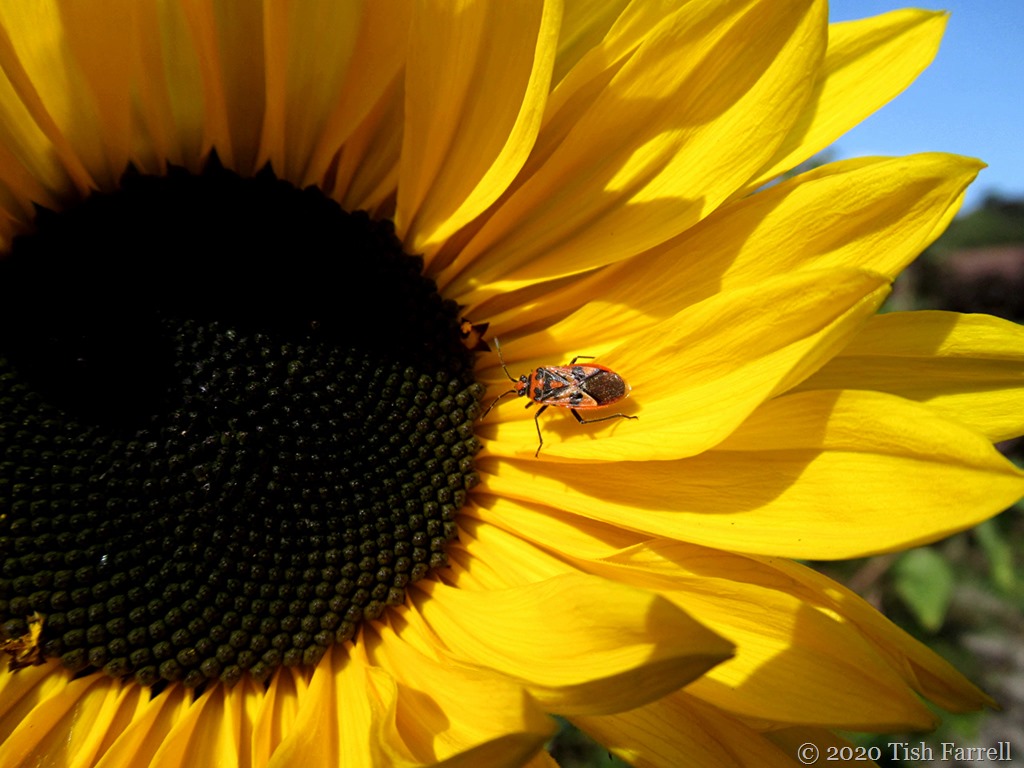
But out in the autumn garden, there is much still to please, the helianthus yellow retreating before the Michaelmas daisy purples and mauves, the deepening russet reds of the crab apples and Coxes pippins. Last week we even had several days of sunshine weather just when we thought summer was done.

So, this month’s  thought for sanity survival: striving to be thankful for life’s small but blessedly lovely things is the only way to go.

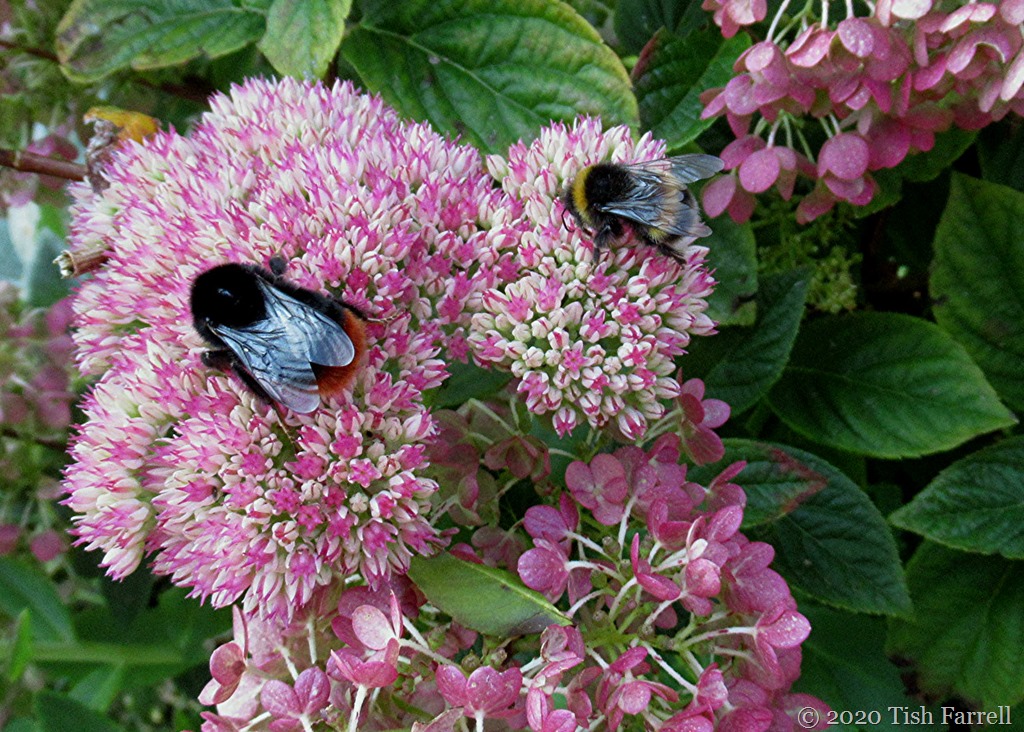
From the September garden:

And from the other end of the spectrum:


The Changing Seasons: September 2020

A big thanks to Su for continuing to host this monthly photo posting.

Giraffe

Scan-140829-0018jpeg giraffe centre sepia

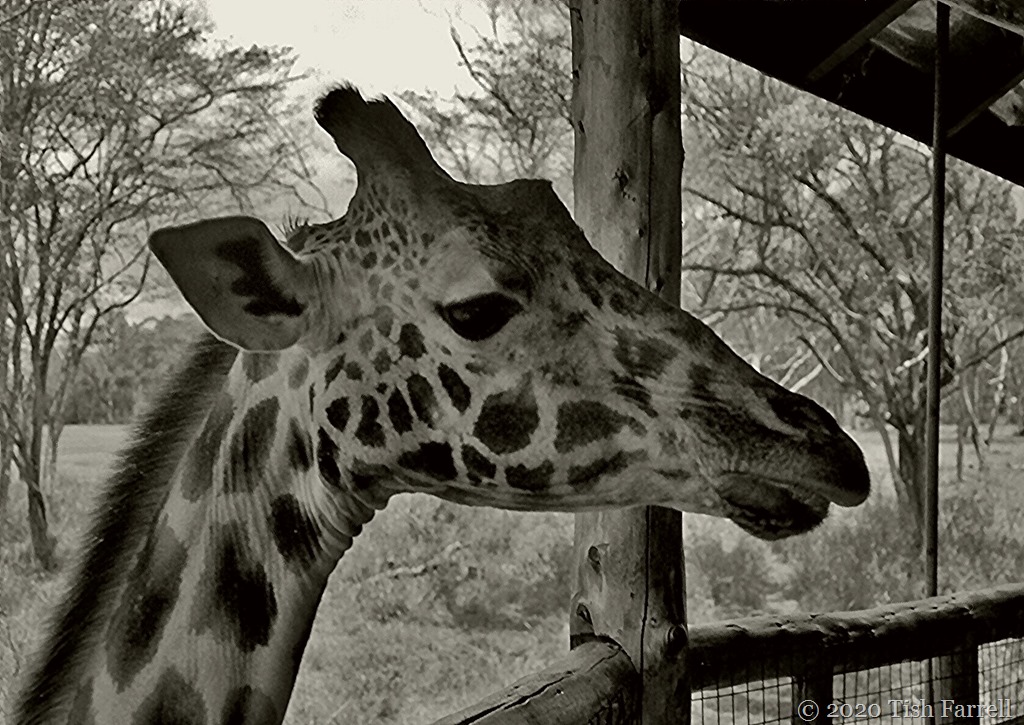
When we lived in Nairobi the Giraffe Centre on the edge of the city’s national park was a favourite place to visit. It was set up in 1979 both as an educational resource for city school children (50,000 visits a year) and as a conservation project to protect Kenya’s endangered race of Rothschild giraffes. The centre runs a breeding programme and over the years some 40 young giraffes have been settled in safe game reserves across the country. Now in 2020 the initiative can proudly claim to have helped restore Kenya’s wild population from 130 to a little over 700, and that has to be good news.

Scan-130429-0015bw

As you can see, the centre provides for head to head contact. The resident giraffes are much addicted to the ‘giraffe nuts’ which visitors hand out to them, though I have to say, from the donor perspective,  a slurp from a long giraffe tongue is not the best of experiences.

Cee’s Black & White Photo Challenge: horns

Dear John ~ A Household Treasure

IMG_7547

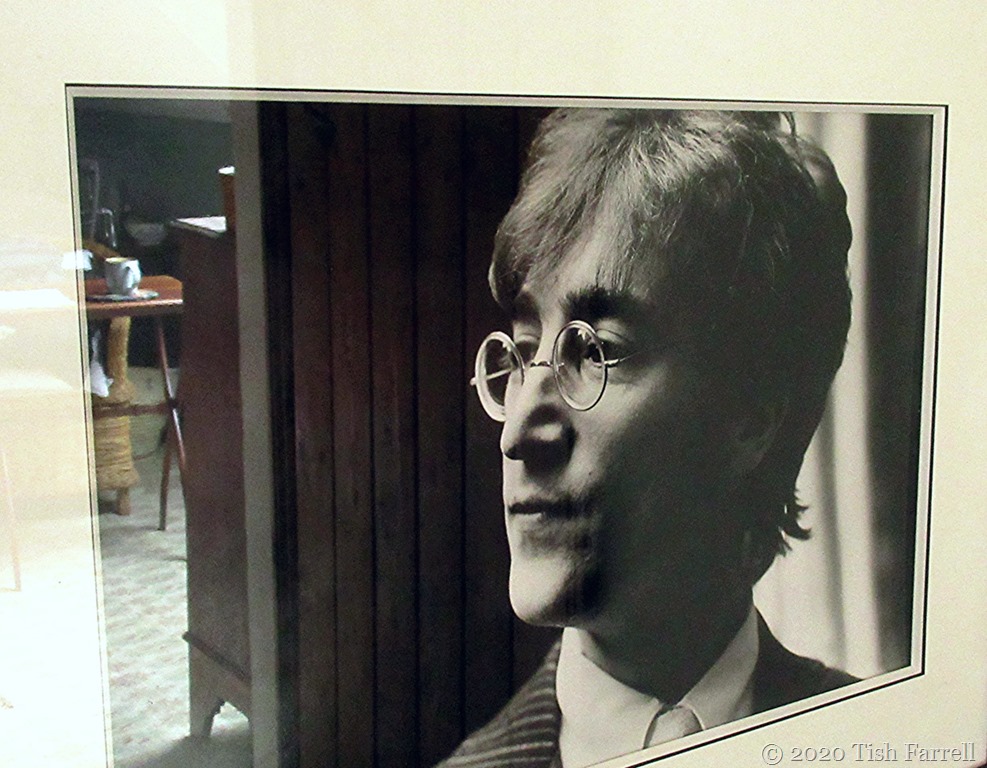
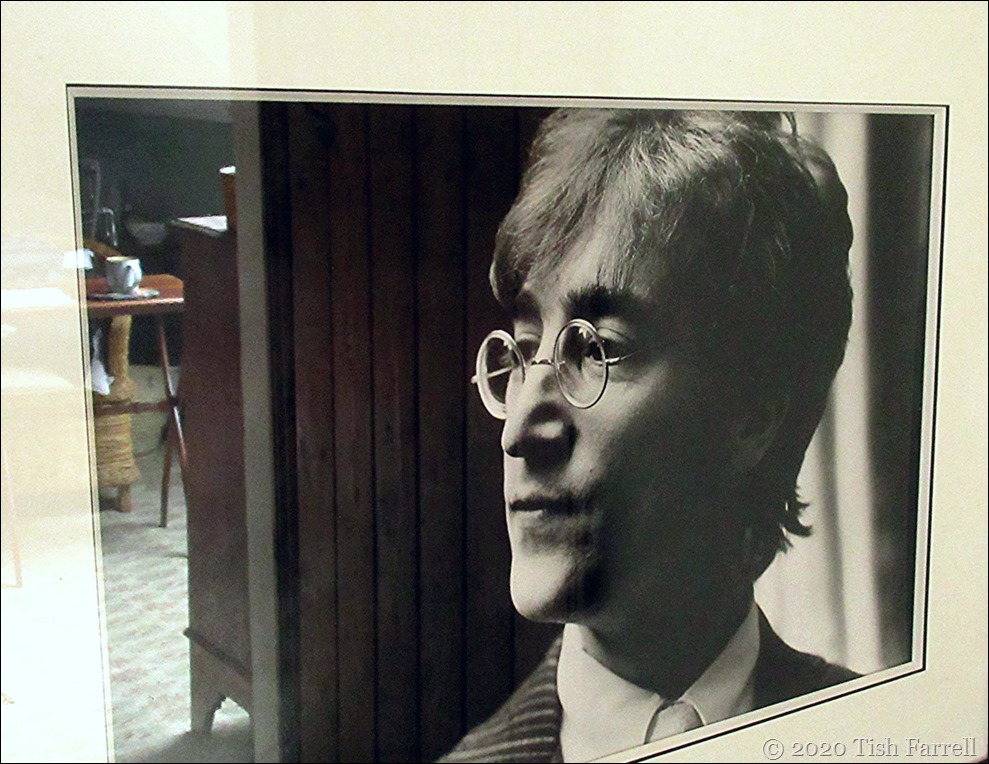
We see it every day. Or do we? Do we actually see, as in look and engage? We certainly pass by it night and morning and at times in between. It hangs on the bedroom wall, beside the spiral staircase, this portrait of John Lennon by stellar photographer and photojournalist, Jane Bown. And how do we come to have this particular treasure?

From 1949 and over the next 6 decades Jane Bown (1925-2014) was the The Observer newspaper’s photographer (The Observer being the sister Sunday paper of The Guardian weekly i.e in the days before its 2008 sell-off). Some time in the early 2000s, not long after we had repatriated ourselves after eight years in Kenya and Zambia, and were living in Kent, The Guardian offices in Farringdon Road, London, announced it was having a small exhibition of Bown’s work, not only portraits but also the chance to look at the contact sheets from particular shoots. There would also be the opportunity to  buy one of the limited edition reprints. So: one Saturday morning we took ourselves off to the capital by train, not a small event for two dislocated souls not then caught up with the way things worked in the home nation.

The key thing about Jane Bown’s work is she always used natural light – never deploying flash or even using a light meter.

Famously reluctant to talk about her working method, Jane once admitted that for the brief moment when she looked at somebody through a lens, what she felt could best be described in terms of an intense love.

Quote from the Guardian Print Shop site.

But to go back to the earlier question of how far we engage with the objects we surround ourselves with. Doubtless many have sentimental attachments – gifts, mementos, inherited items from loved ones; some are domestic tools, artefacts for cooking, home maintenance, cleaning, eating, and therefore deemed essential; others are specially acquired assemblages: dolls, snow globes, china pigs, model cars, snuff boxes, original art, books, orchids: stuff. Of course, given the quantity of possessions most of us house, if we gave due consideration to each and every one of them each day there would be no time to do anything else. There could be an element of the King Midas curse in this?
And the portrait of John Lennon? There is no doubting that when his presence is fully acknowledged, the times I stop and behold, he does feel like a presence. The keenness of gaze is almost too poignant. I start wondering what he might say to us now – in these times ‘of lies, damn lies, and statistics’. I’m thinking he might tell us to WAKE UP!

You can see more of Jane Bown’s magnificent work HERE,  HERE and HERE.


Lens-Artists: Everyday objects