Best Friends
*
Cupboard love at Nairobi’s Giraffe Centre
*
‘Looking at you looking at me’
*
Cee’s Black & White Photo Challenge: this week Cee wants to see heads and facial expressions

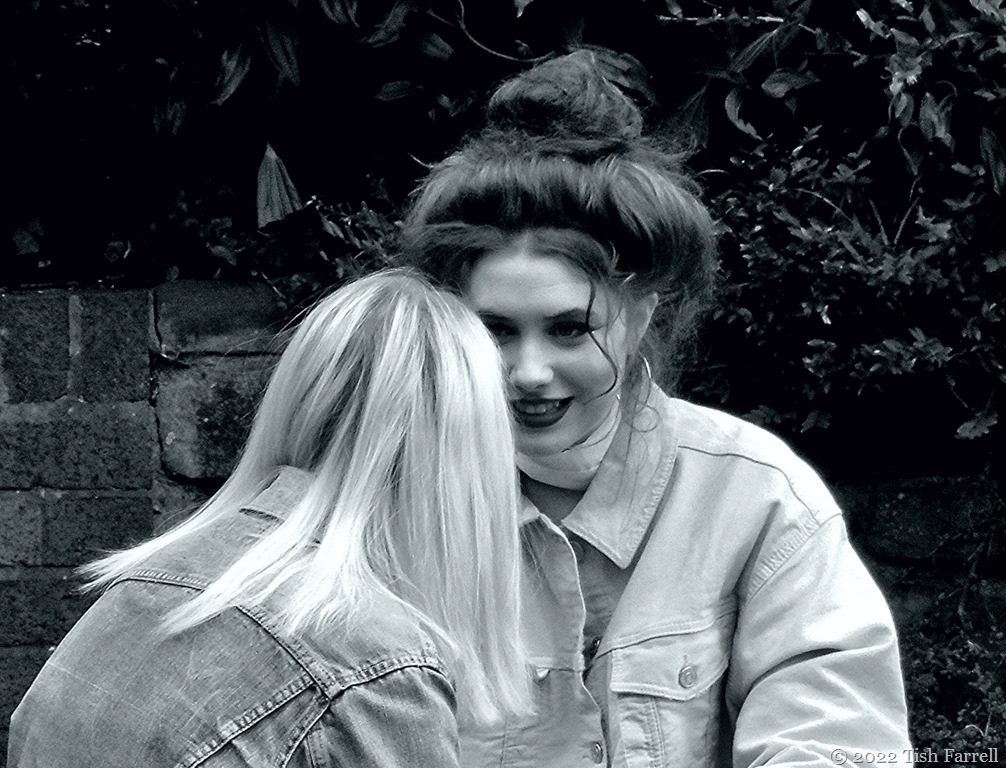
Best Friends
*
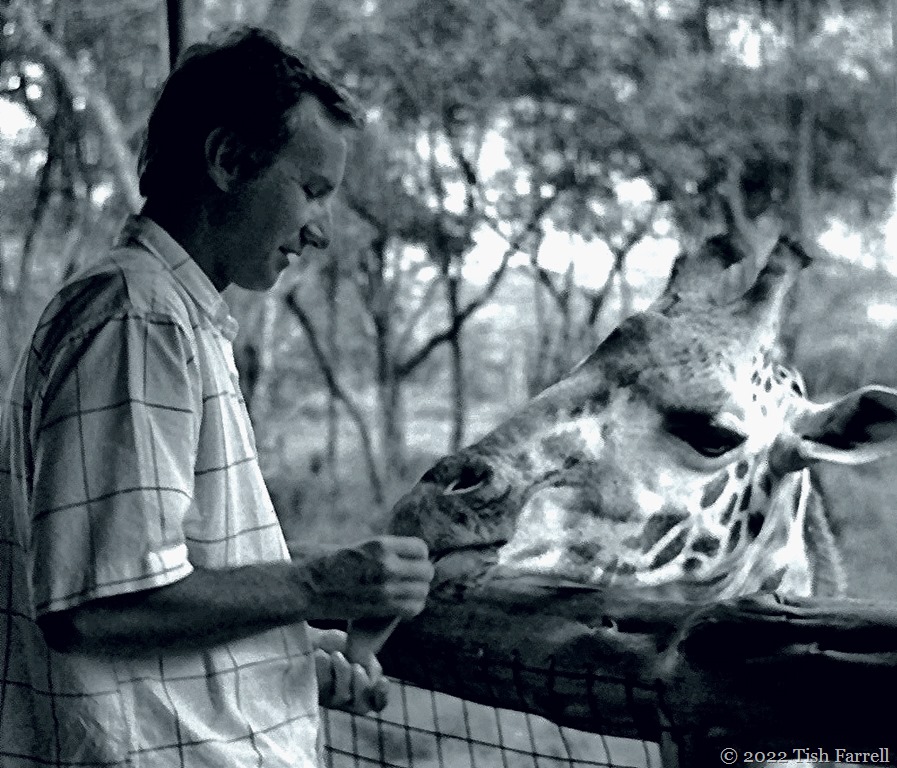
Cupboard love at Nairobi’s Giraffe Centre
*
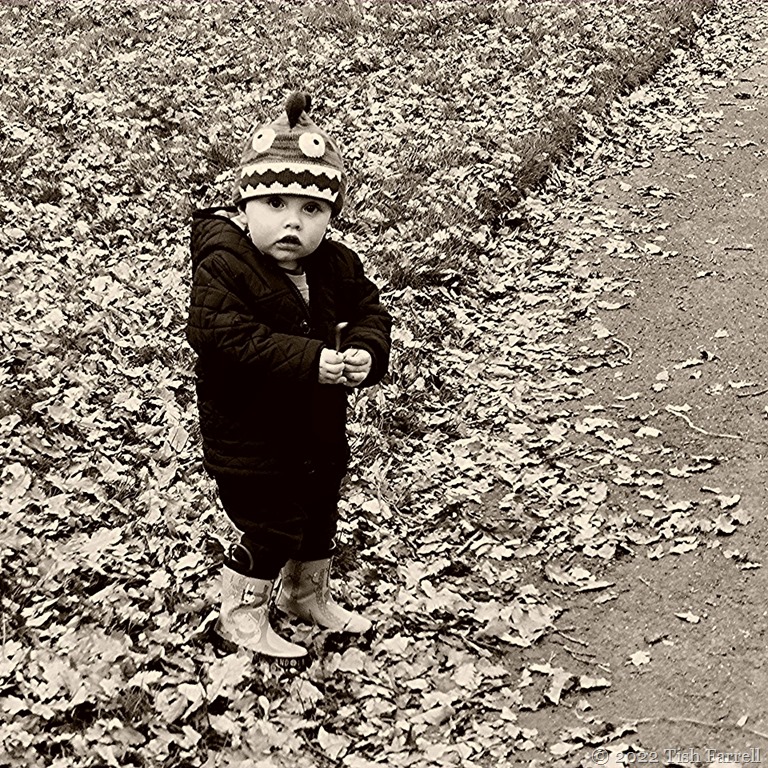
‘Looking at you looking at me’
*
Cee’s Black & White Photo Challenge: this week Cee wants to see heads and facial expressions

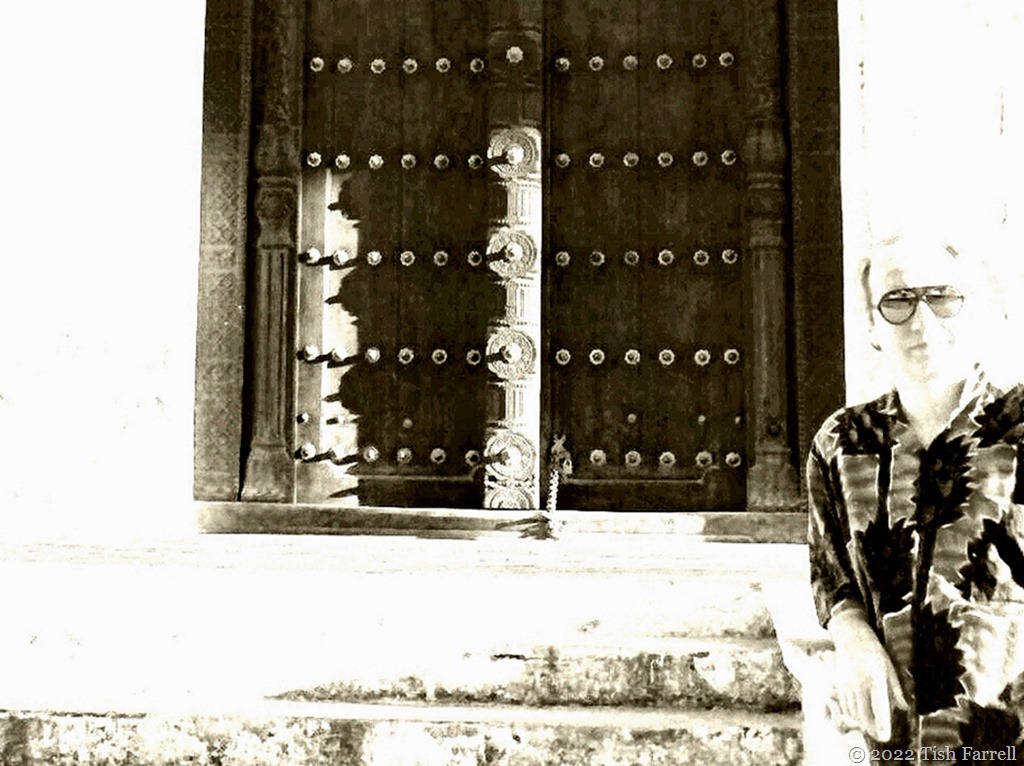
The ancient Swahili towns of East Africa’s seaboard and islands are renowned for their elaborately carved doors. Zanzibar (more properly Unguja) has some fine examples, so it’s a pity I have so few photos from our long-ago stay in Stone Town. There is a reason, however. For one thing the streets are so shadowy and narrow it is difficult to take decent shots without causing pedestrian chaos. And anyway, neither photographer, nor my then Olympus trip camera, whose back kept flicking open, were up to job.
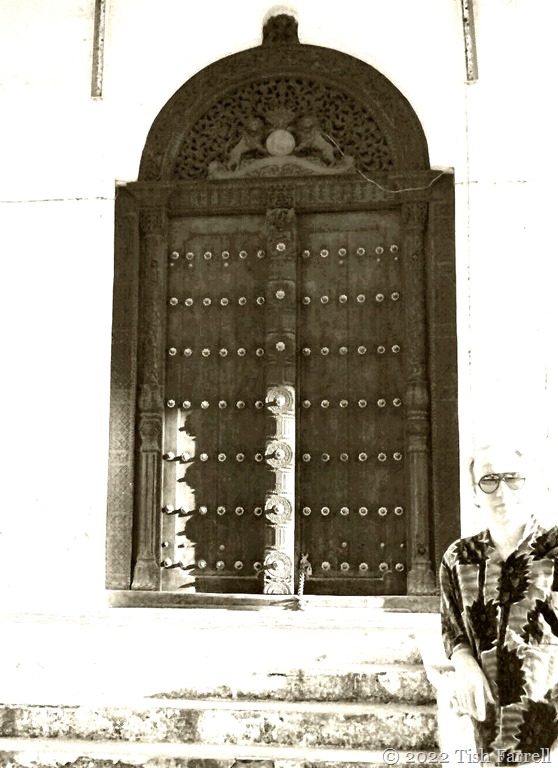
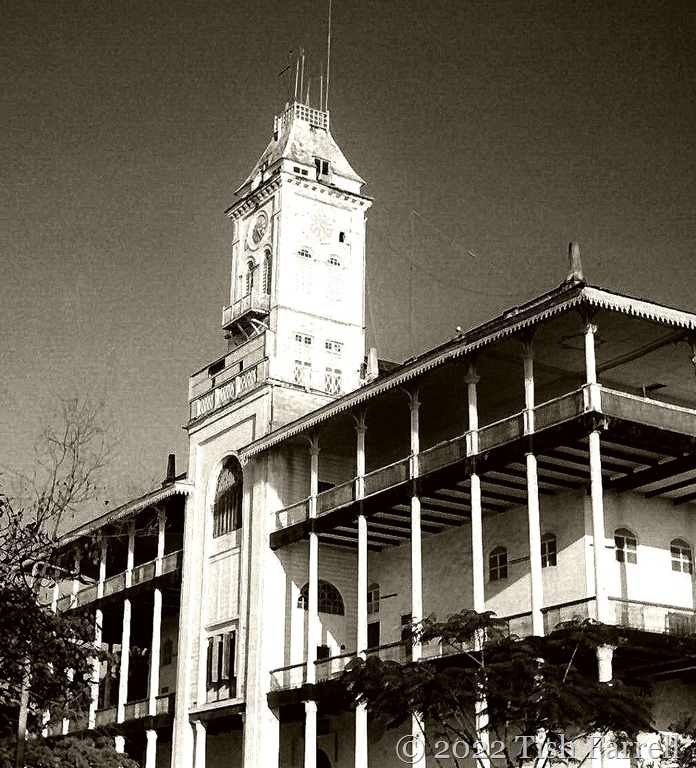
Here though, on the steps of Beit-al-Ajaib, the House of Wonders, there was both light and room for manoeuvre. The doors belong to a palace built by Sultan Barghash in 1883 to host ceremonial events. Barghash belonged to the dynasty of Omani Arabs who had ruled over the Swahili city states from the late 17th century, this after the expulsion of the Portuguese who, thanks to explorer Vasco da Gama, had held the territory, thus controlling the Indian Ocean trade, for some two centuries.
So it was that one set of invaders succeeded another, the situation further complicated in the 19th century by competing European interests wherein Britain saw off Germany, and proclaimed the Zanzibari Omanis’ dominion a British protectorate; the stated objective being to put an end to the Arab slave trade, though some might say this was only an excuse, since there appear to have few means to back up the fine words, and slaving on parts of the East African coast anyway continued into the 1920s.
But back to the palace. Barghash was an extravagant man and, before his death in 1888, built six palaces across Unguja island. (The Zanzibari sultans’ wealth derived both from the slave trade and Unguja’s spice plantations). Their rule did not end well. 1964 saw the Zanzibar Revolution. The Omanis, along with many Indian residents, were killed or expelled. Thereafter the House of Wonders was used as government offices. When we visited in 1999 it was abandoned, shrouded in dust and empty but for one of the last sultan’s cars (a candy pink saloon) parked inside the atrium just behind those two front doors. One wonders how many men it took to carry it up the palace steps. A friend who visited more recently told me it was still there.
*
And finally, my only view of a Stone Town door, more gist than detail:
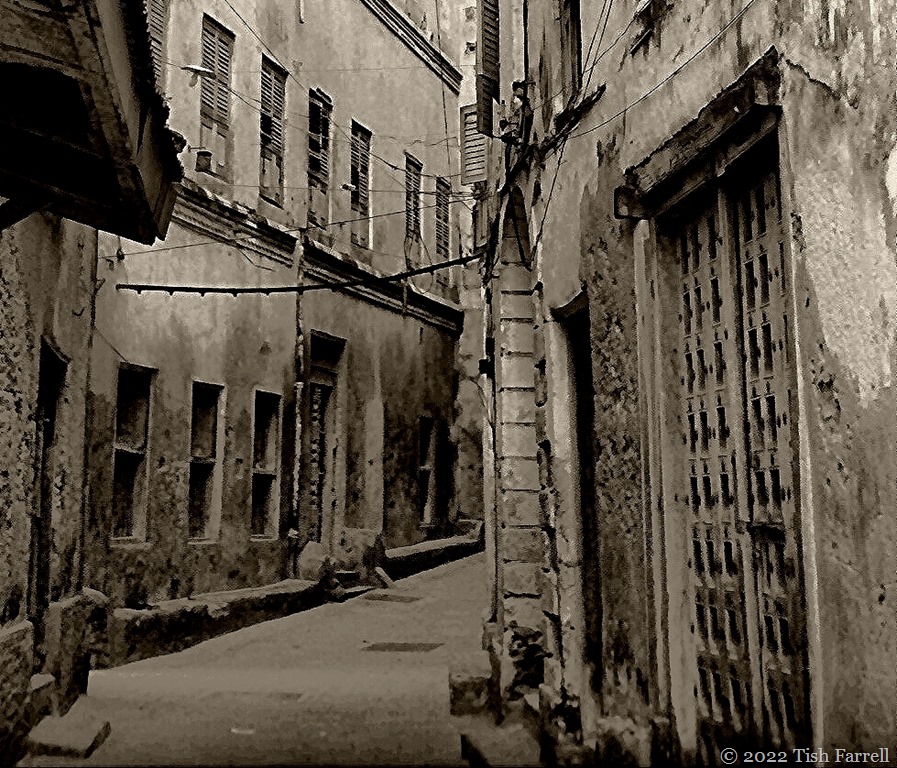
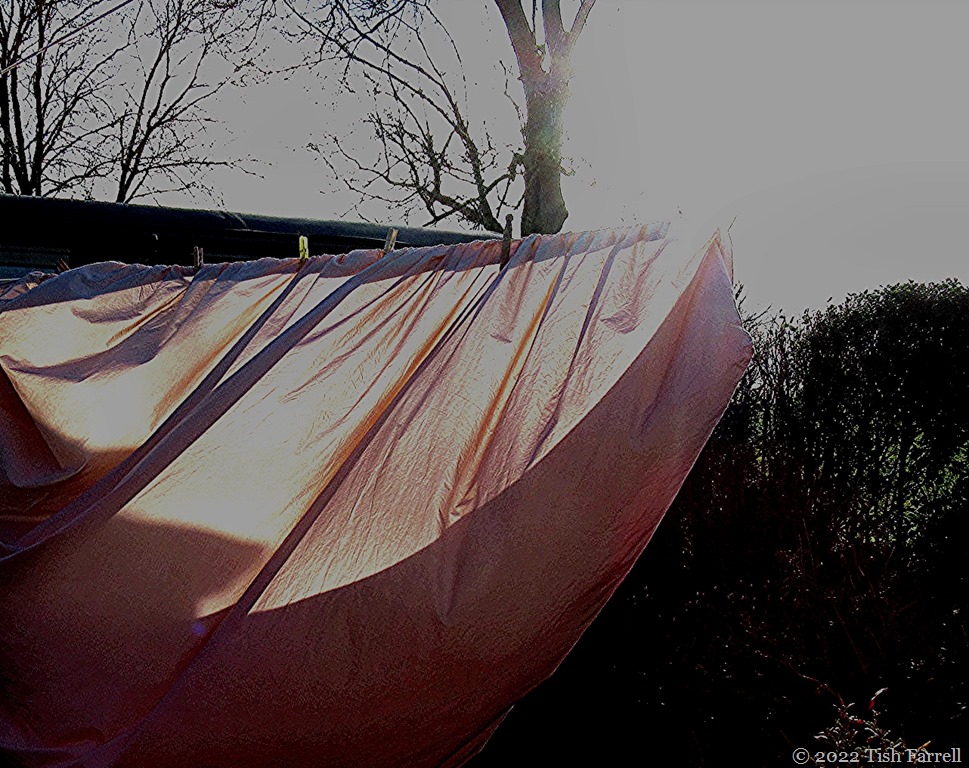
Out on the line – an unexpectedly good drying day in February
*
This week at Lens-Artists, Amy asks us to show her things that make us smile. So here are some of the happenstance little-big things that, at various times, have caught my eye or otherwise brightened my day:
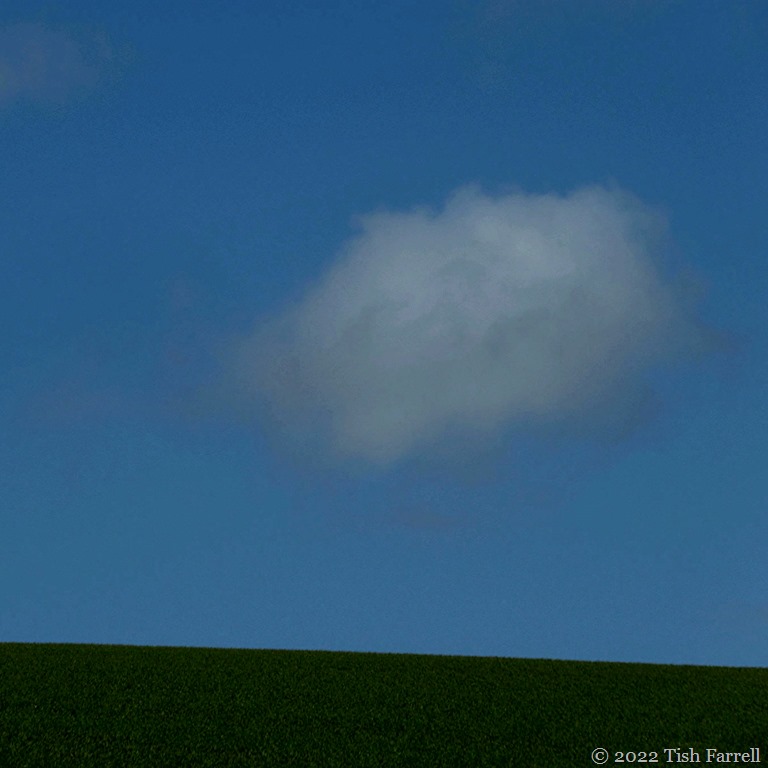
A neat little cloud traversing Townsend Meadow
*
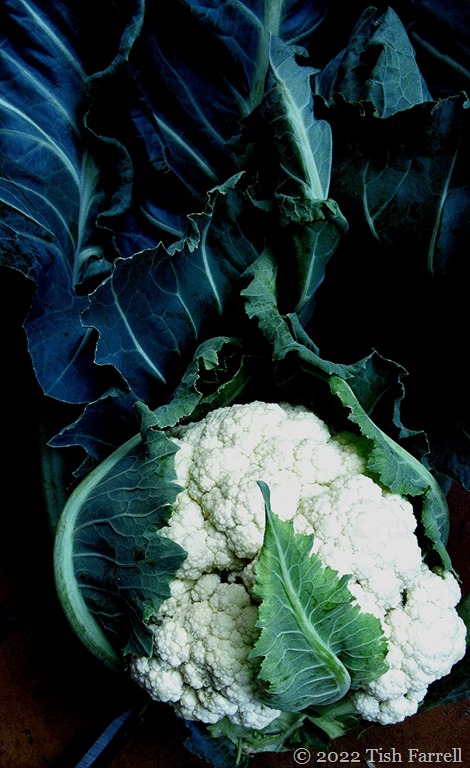
Finding I’d grown a rather good cauliflower at the allotment
*

Spotted in the garden sage bush
*
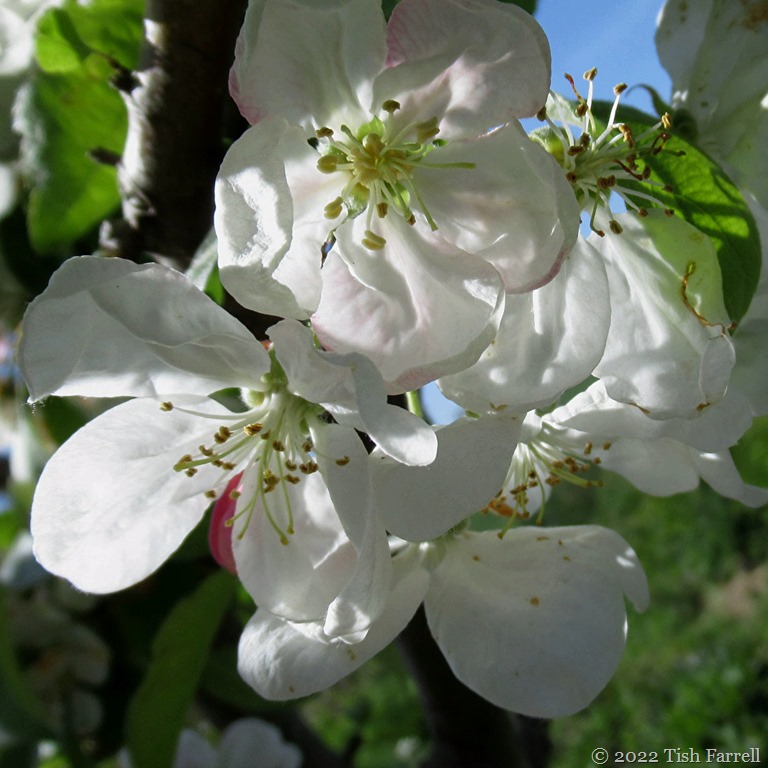
Spring sun-catchers: crab apple flowers…
*
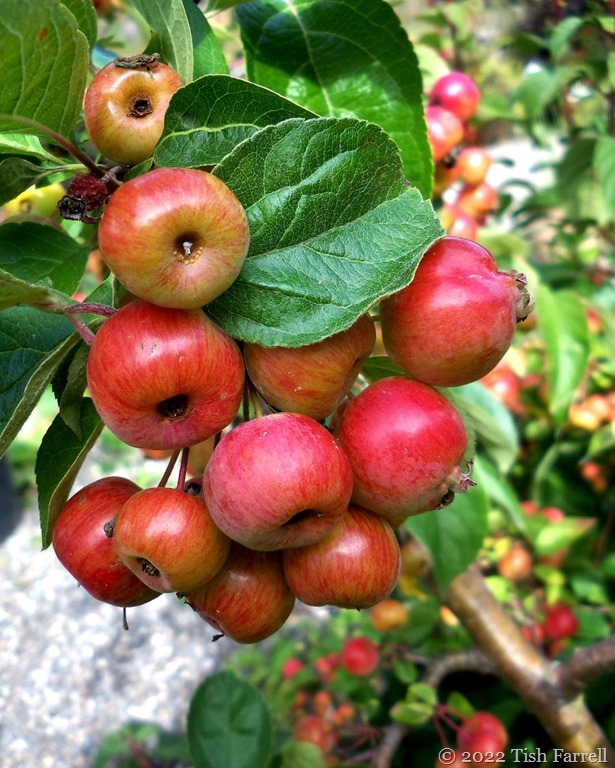
…that in autumn become perfect tiny apples
*
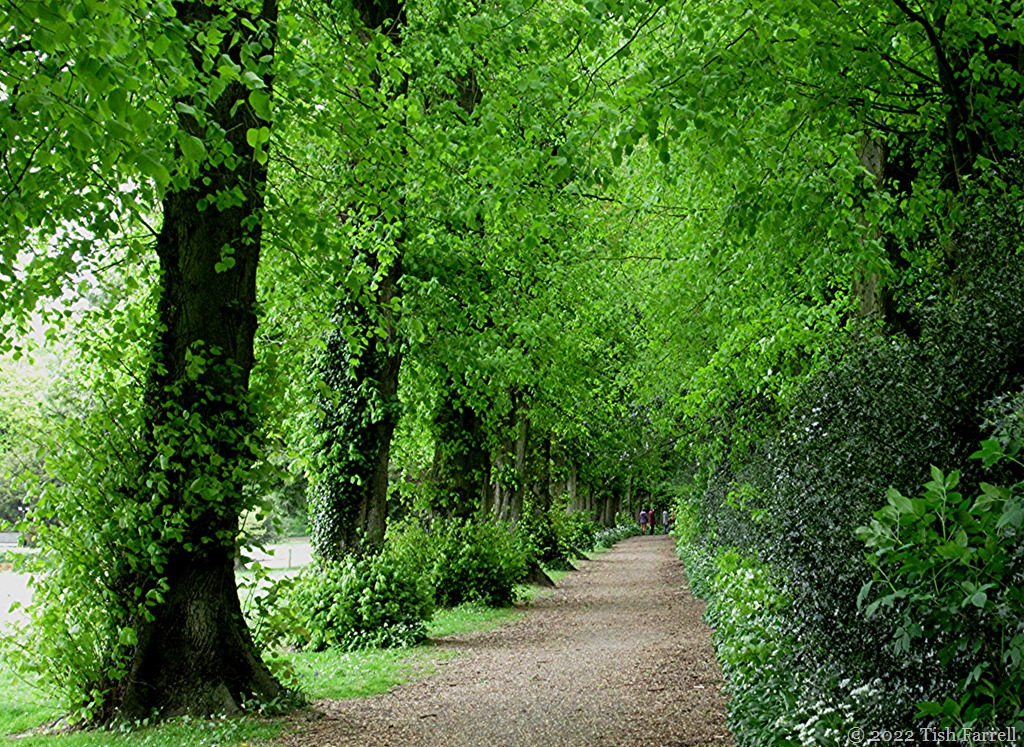
The Linden Walk in full summer leafiness
*
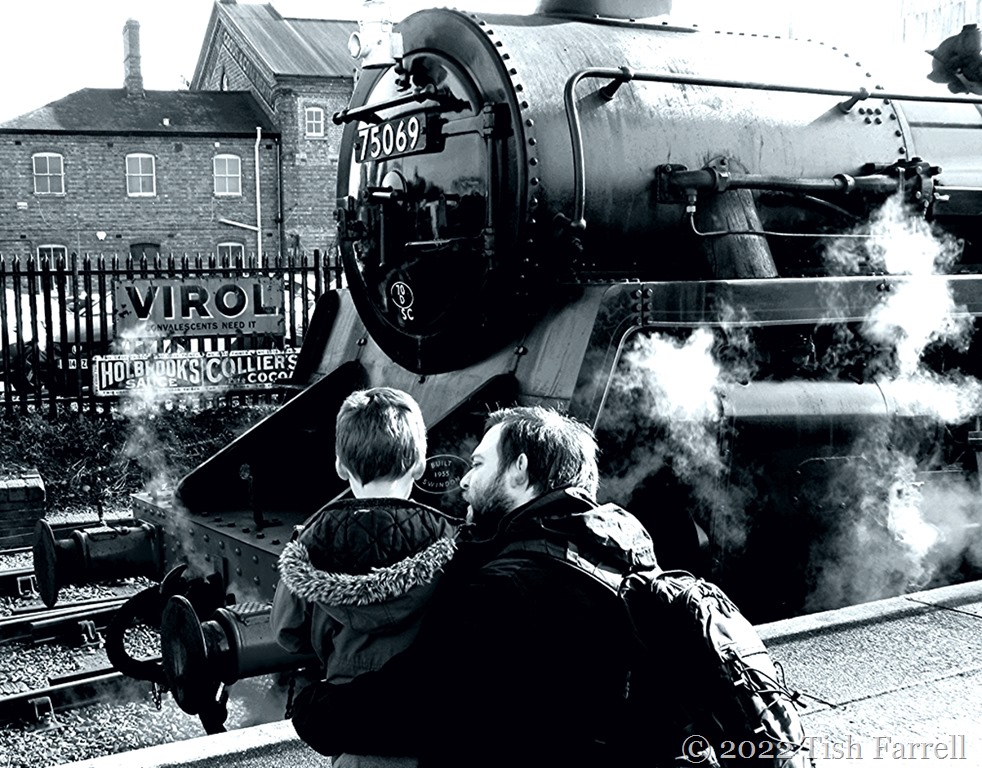
This week Cee wants to see tender moments. Here are some that caught my eye on a couple of visits to Shropshire’s Severn Valley Railway.
They make me wonder too: young dads sharing their passion for steam trains; little lads not quite big enough to be sure. Which is also touching.
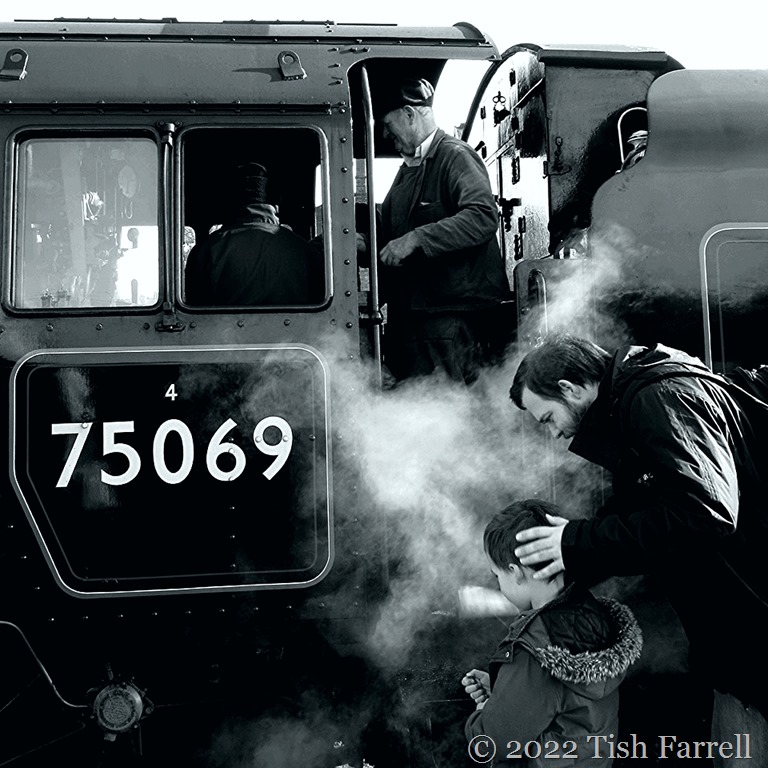
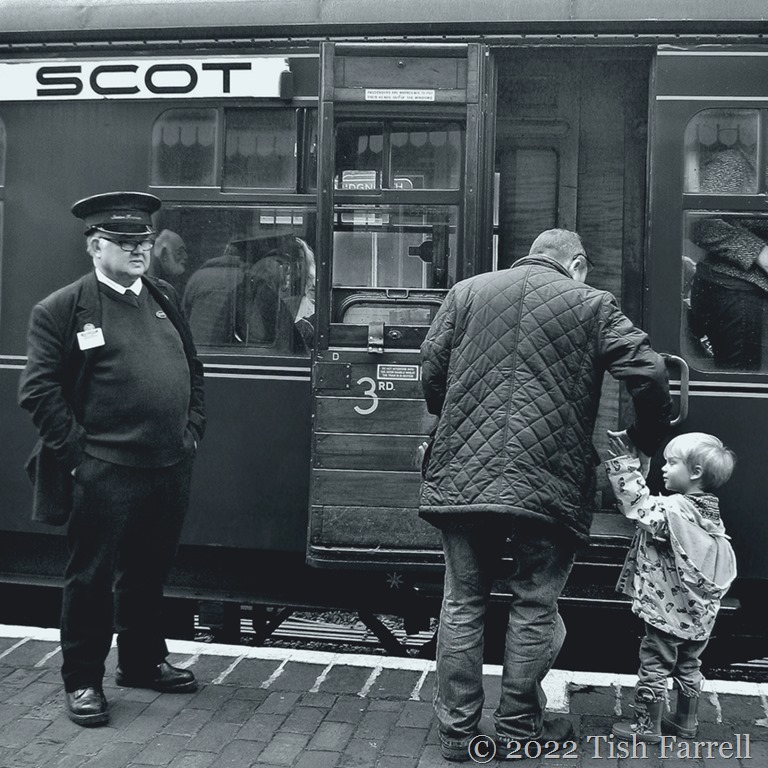
*
And quite another take on the topic…
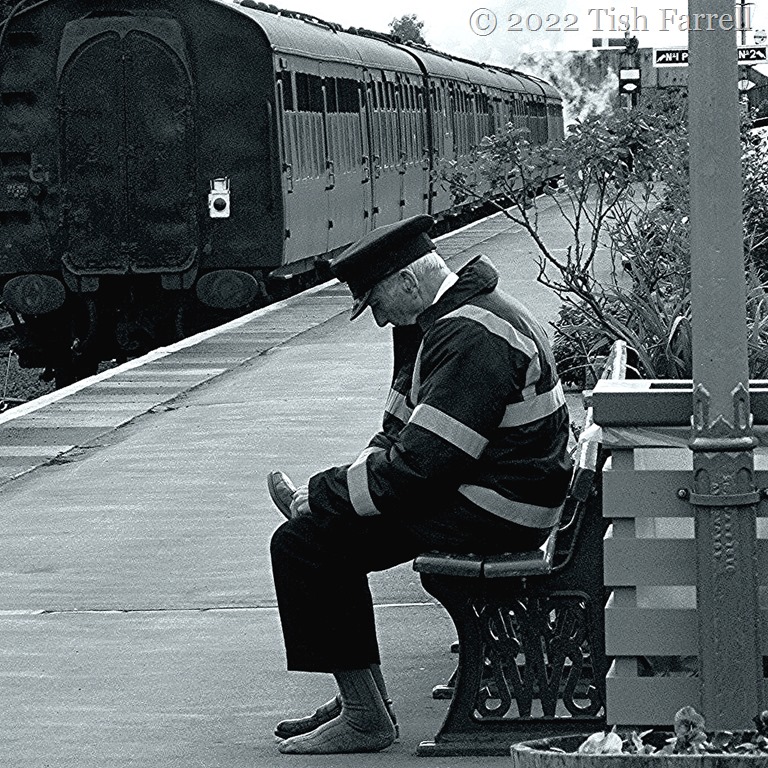
A case of sore feet and

a tender behind… (I know, it’s an old joke)
*tender = coal wagon
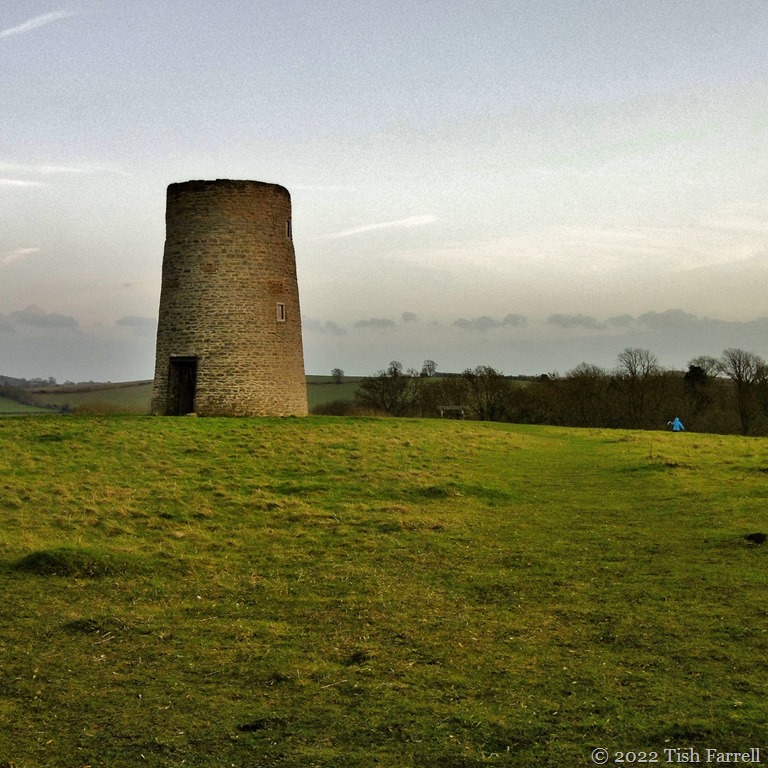
A Don’t Look Now moment? Who is that small, retreating turquoise person?
*
This week’s Lens-Artists’ challenge is from Tina. She asks us to think about ‘the rule of thirds’ in our photo compositions. Please go and see her very striking photo gallery (link at the end). As for me, I thought I’d feature some of my too many Windmill Hill photos. It’s the place where I go to play with my camera.
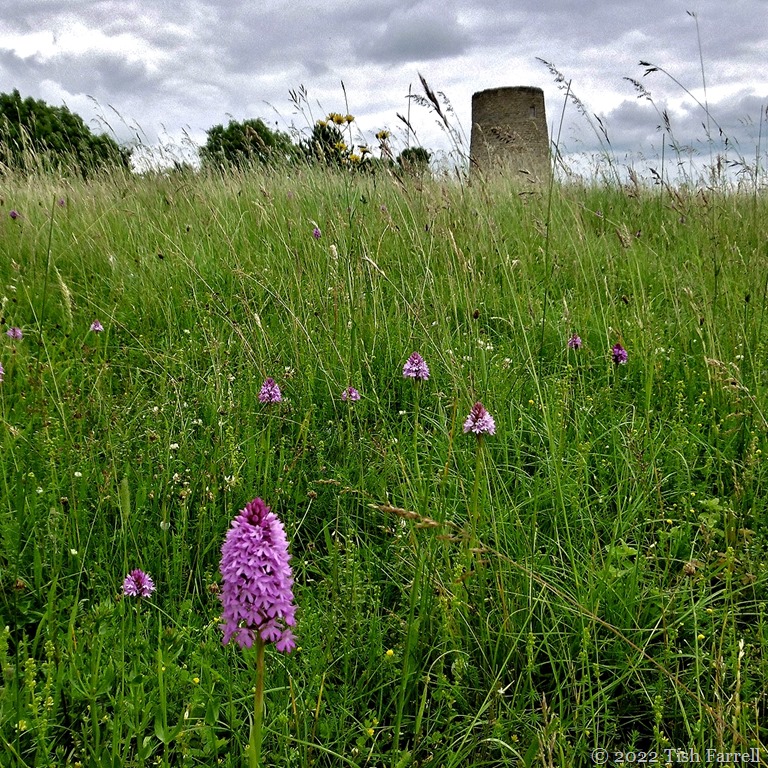
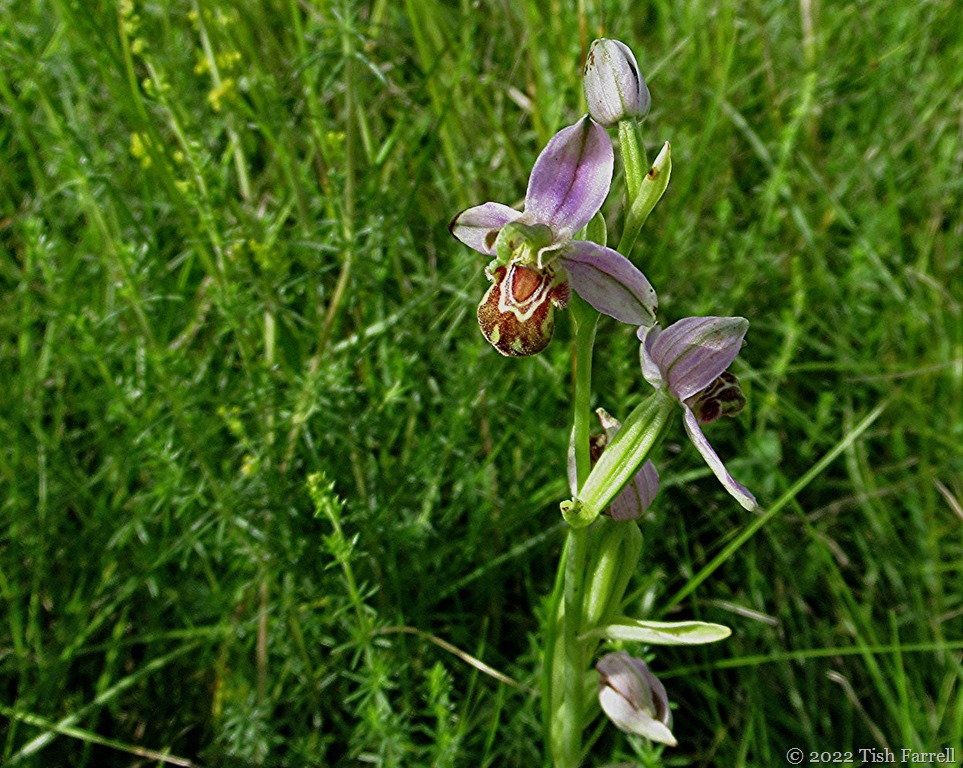
June is orchid time, mostly pyramidal (above) and spotted, and a small population of tiny bee orchids which are very hard to find (below)
*
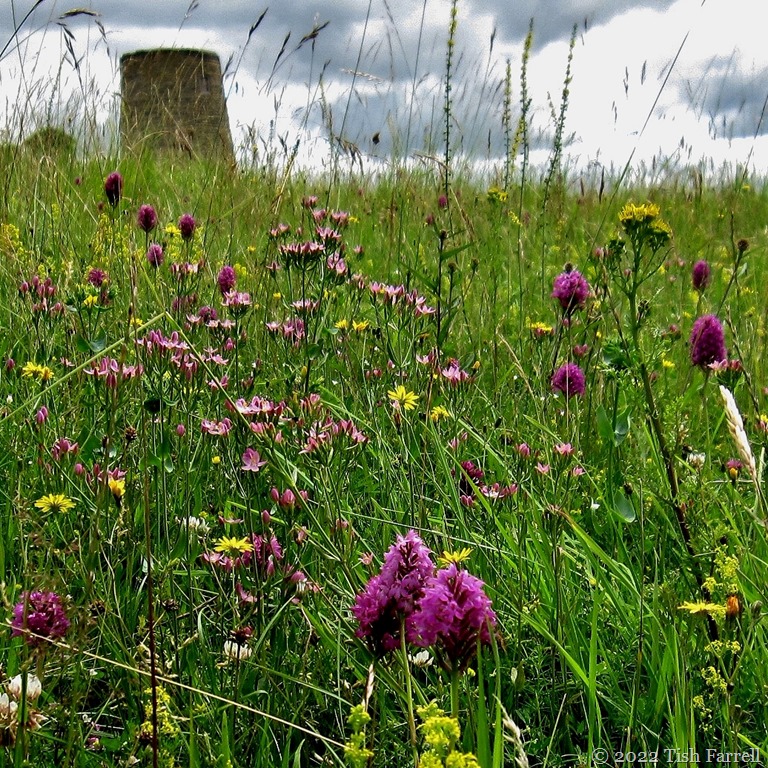
The grassland on the Windmill Hill is a rare survival – a traditional limestone meadow: clover red and white, bedstraw, orchids, agrimony, ragwort to name a few of its summer floral inhabitants.
*
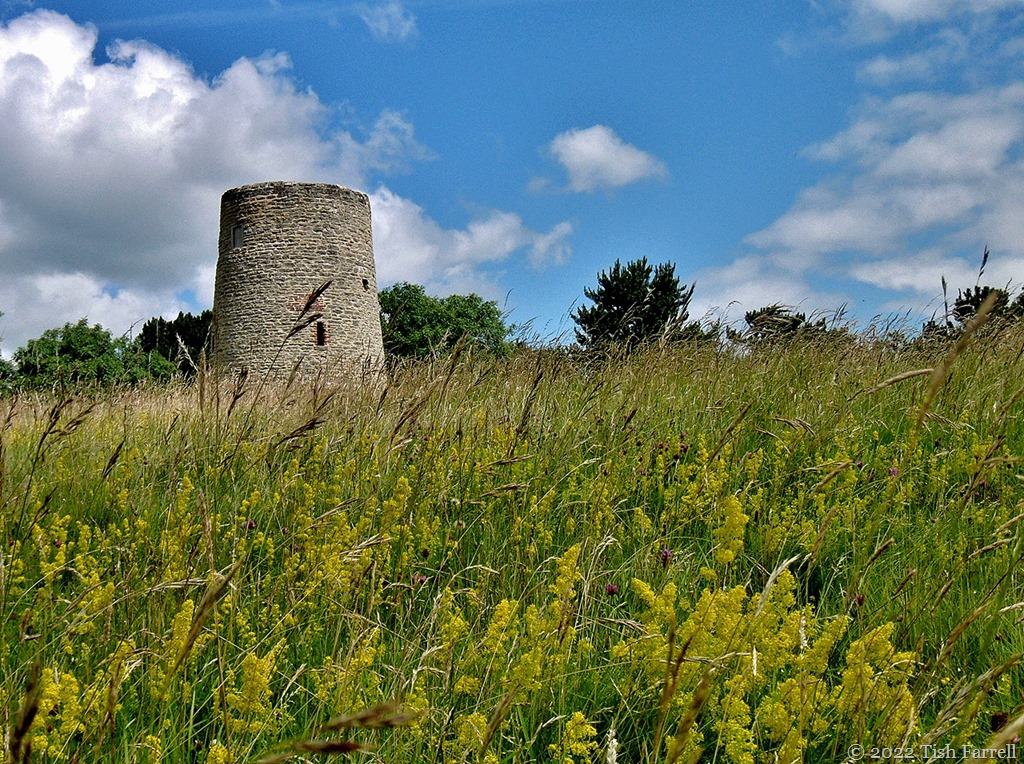
A profusion of Lady’s Bedstraw. Its subtle fragrance is delicious.
*
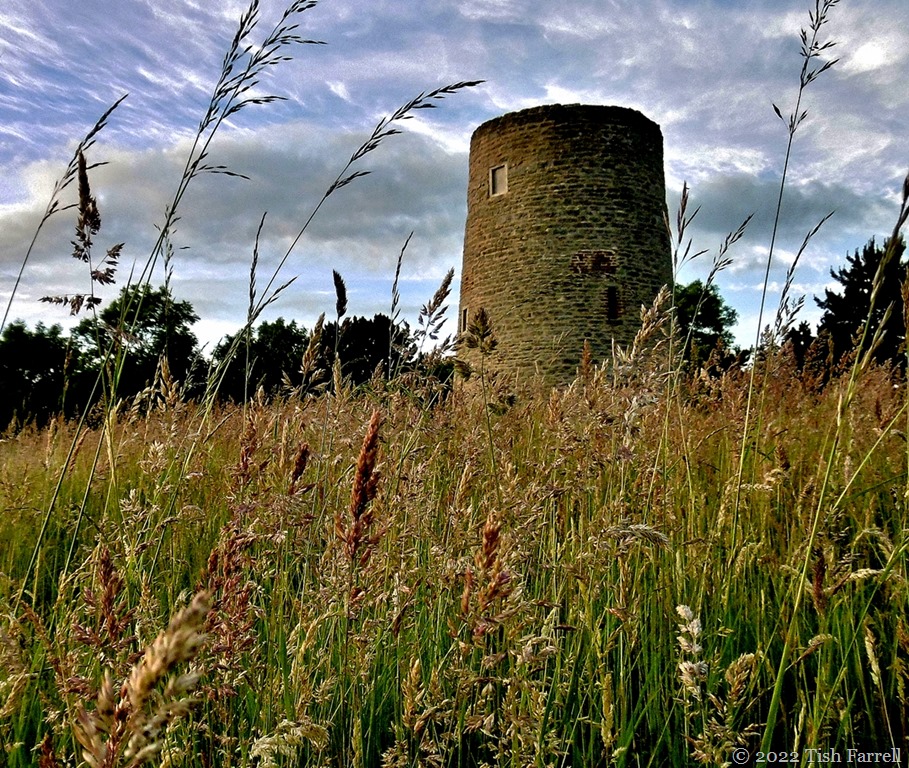
After the flowers, a host of grass species
*
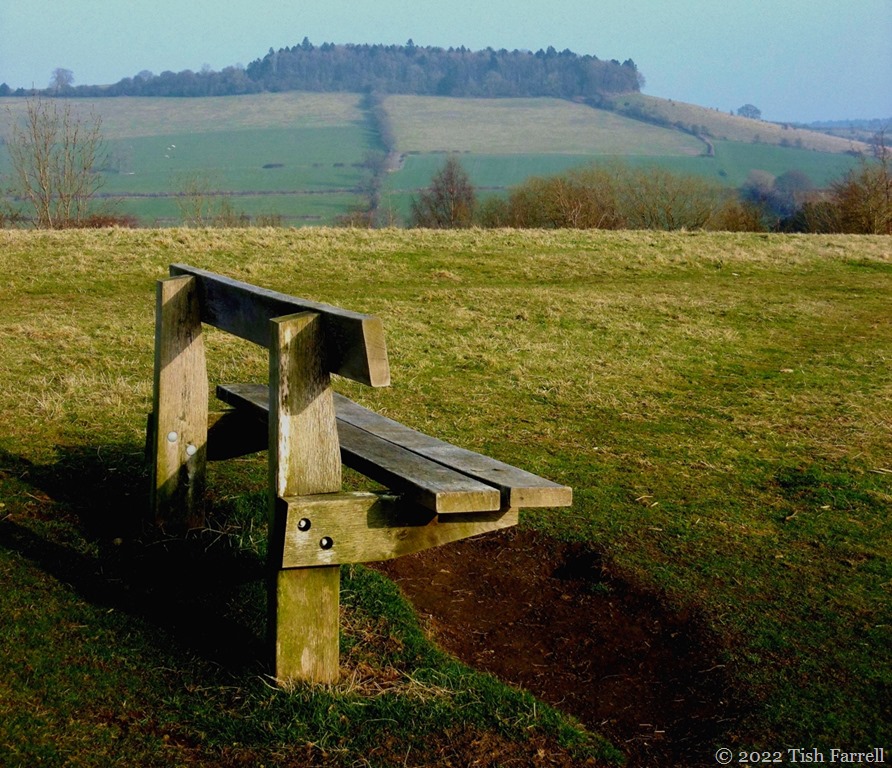
A seat in winter
*

Girls just wanting to miss netball practice
*
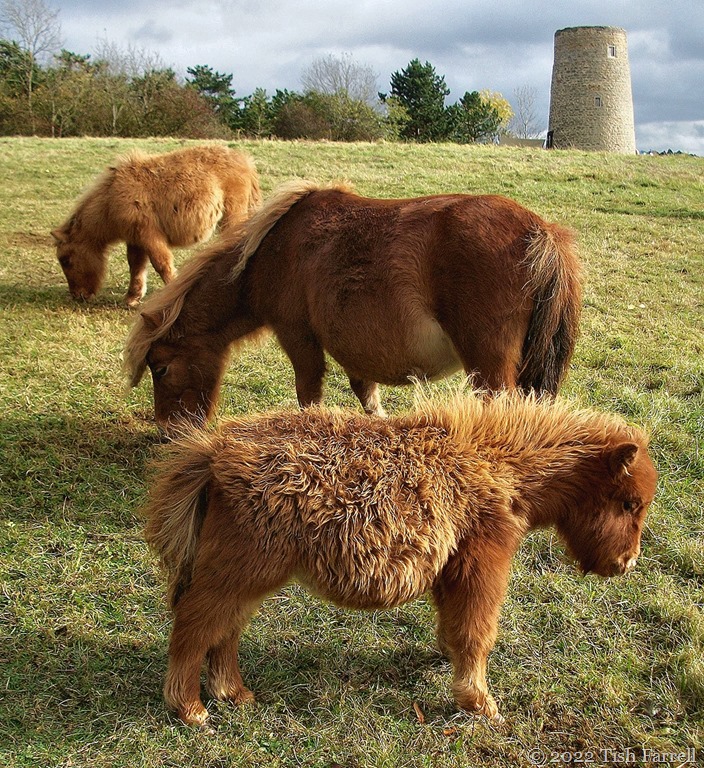
Little ponies once used to graze the hill in autumn
*
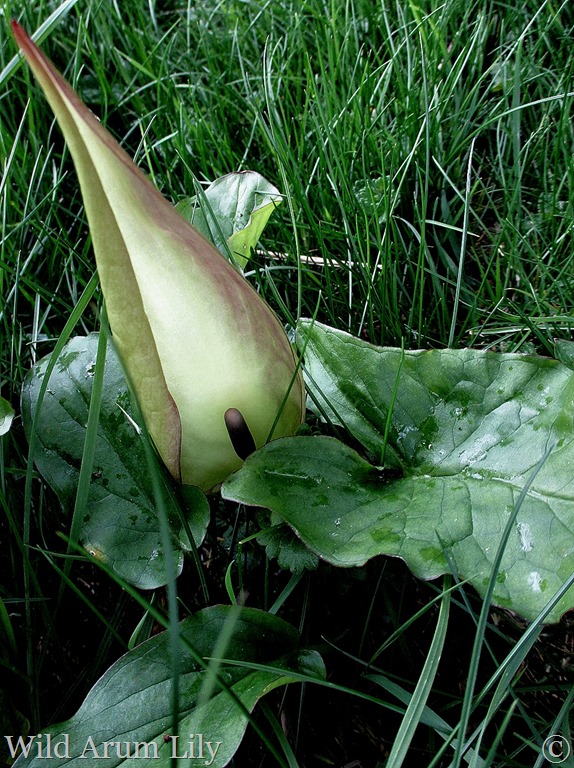
Early spring Cuckoo Pint
*

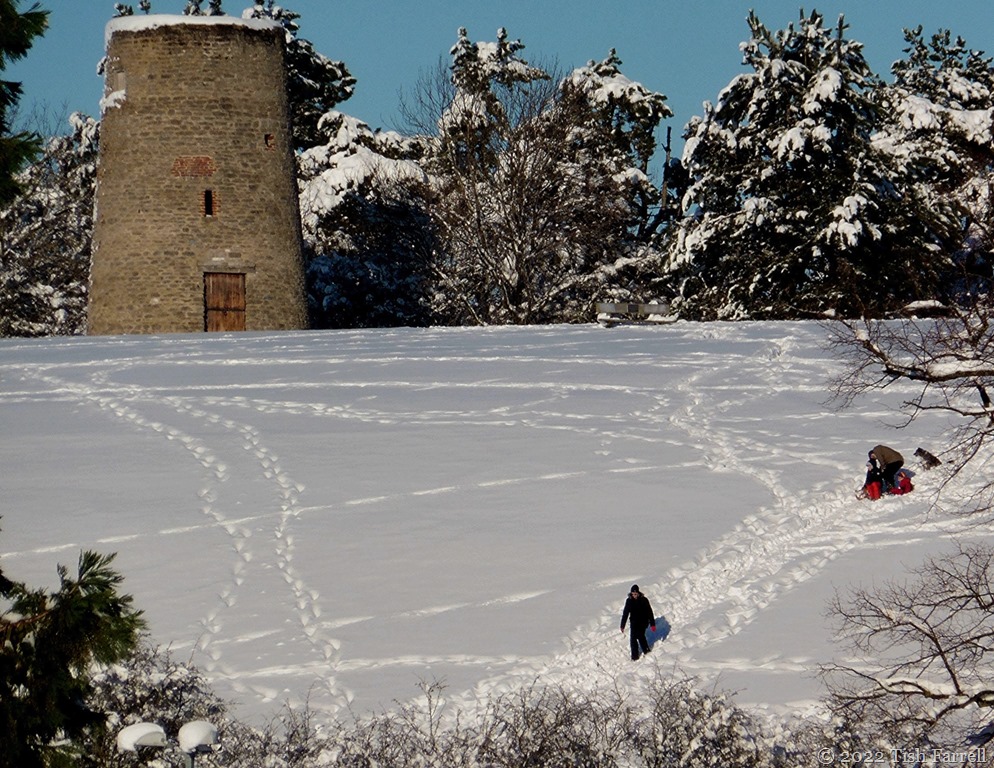
Blizzard!

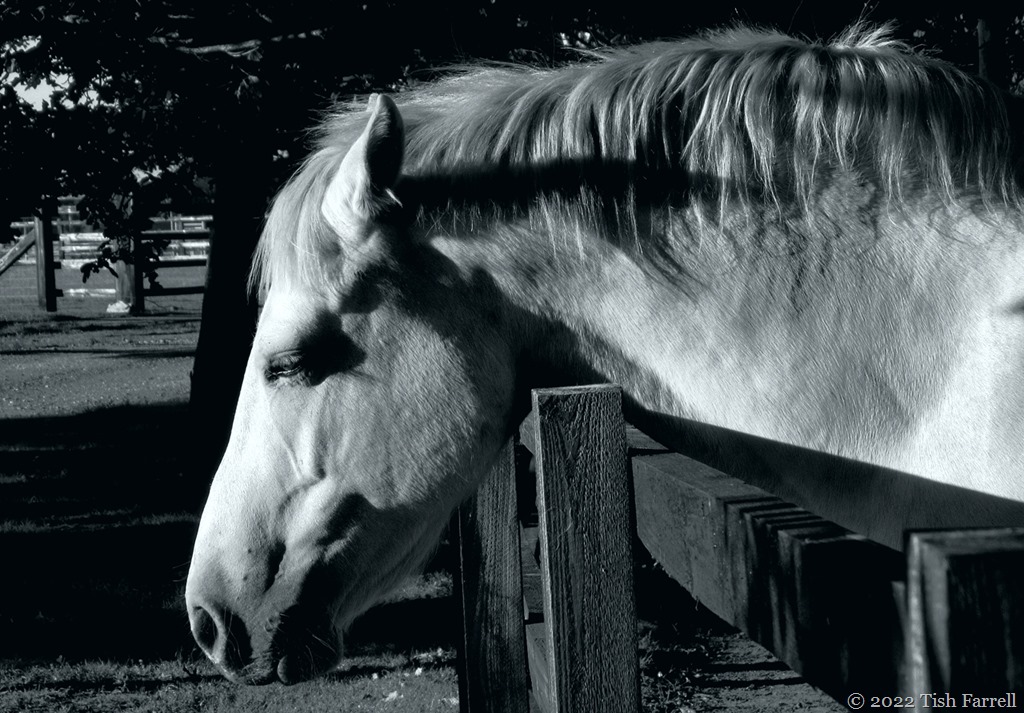
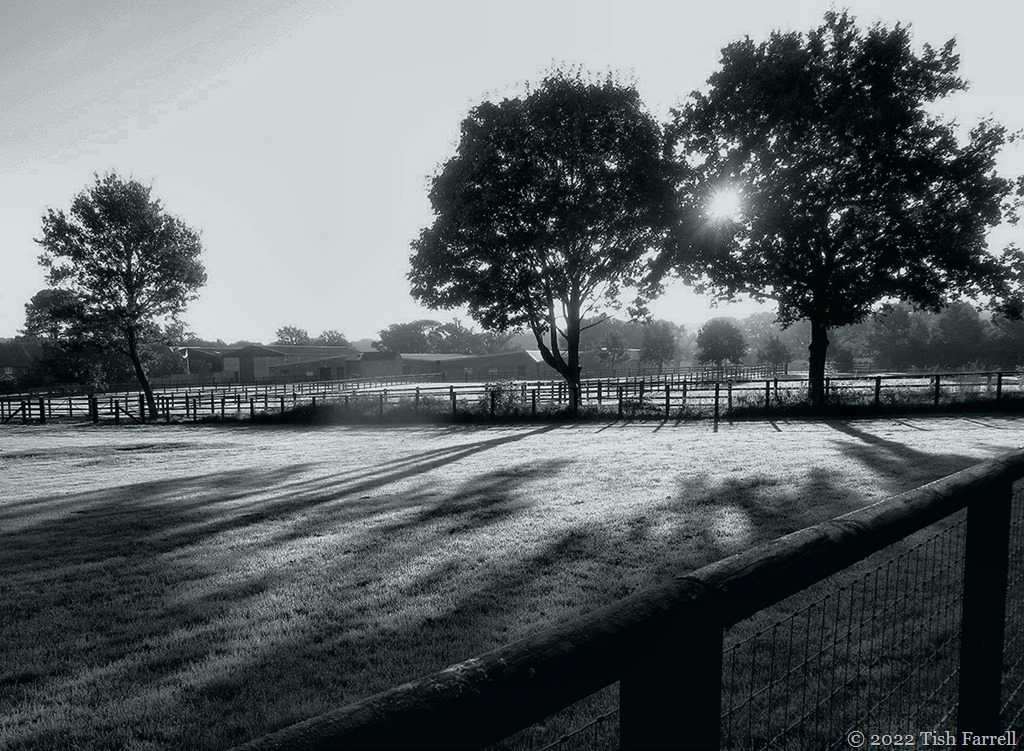
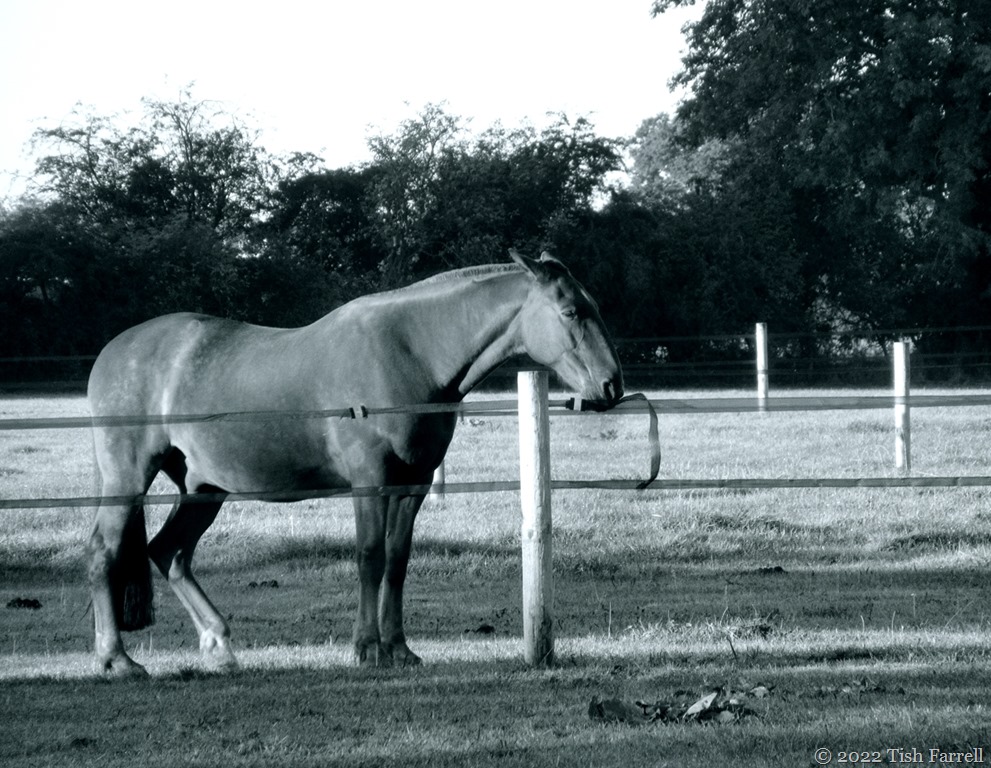
Late September last year we were lucky to have a whole week of Indian Summer weather, this while we were staying in a cottage on a Warwickshire farm cum livery stables. It was blissful. Lots of dewy, well fenced paddocks, and many handsome horses to chat with.
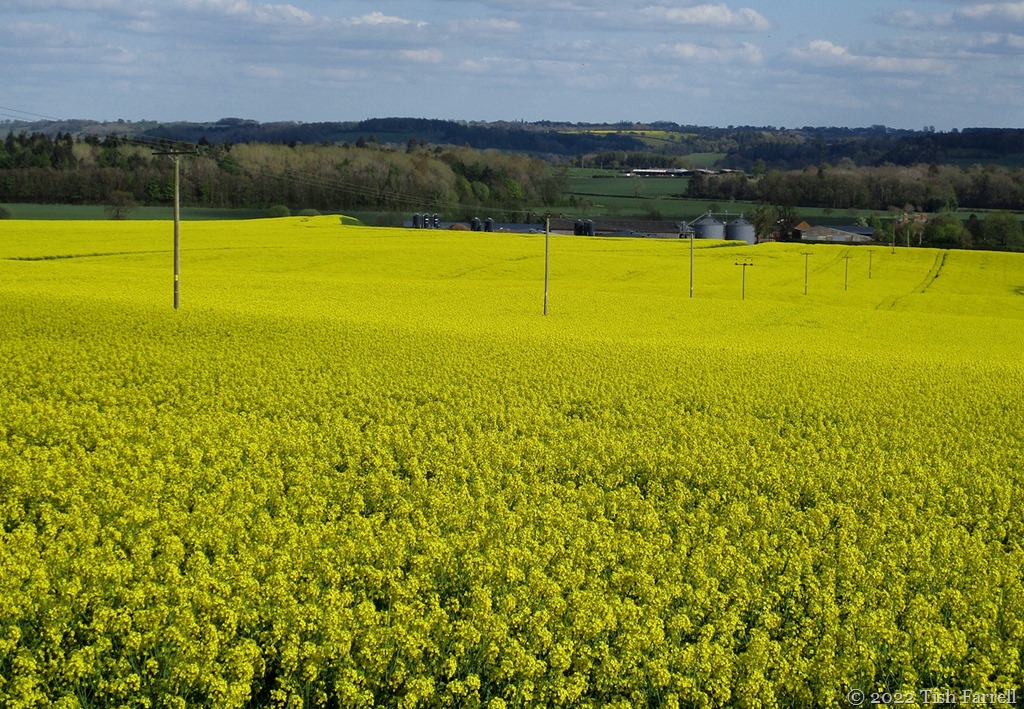
Driving up and out of Wenlock yesterday and suddenly all of Corvedale stretched before us. And so much of it YELLOW!
And so it seems that despite a wild and windy spring, followed by the last two weeks of dry and chilly weather, the oil seed rape is blooming. Its heady scent filled the car as we headed to The Crown at Munslow for a family lunch. The fields of it were everywhere, filling our sights as we rounded bend after bend on the narrow lane, shocking the vision at every turn. Then to the south, there was Clee Hill, rising serenely above a lemony sea. It made us wonder what Van Gogh might have made of this landscape, or if in fact the crop is having the last word: that there is little more to be said about yellow. 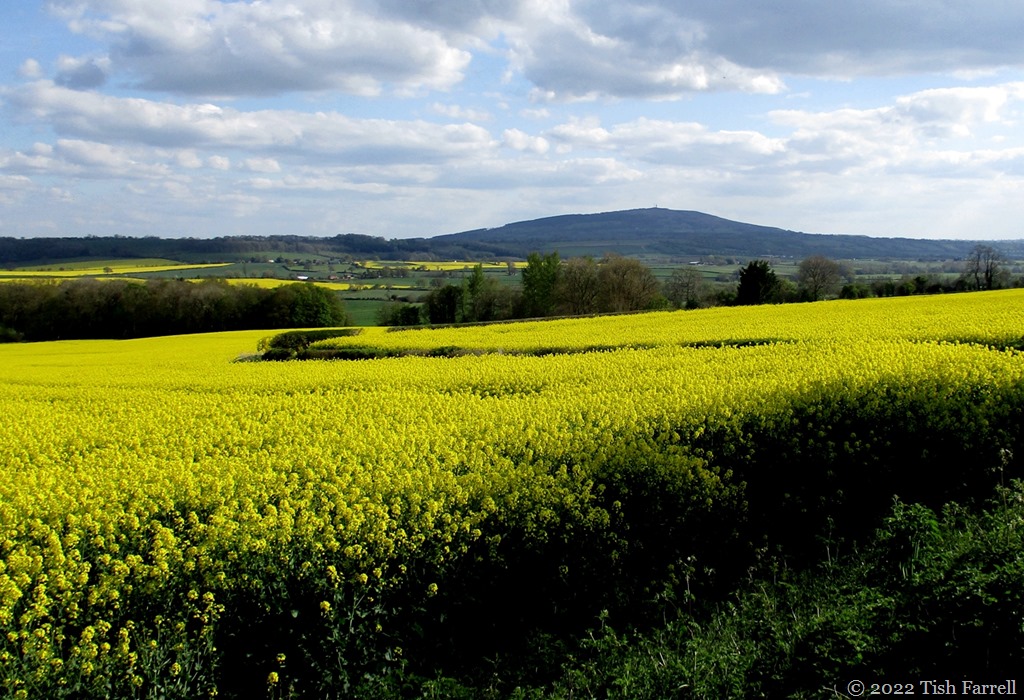
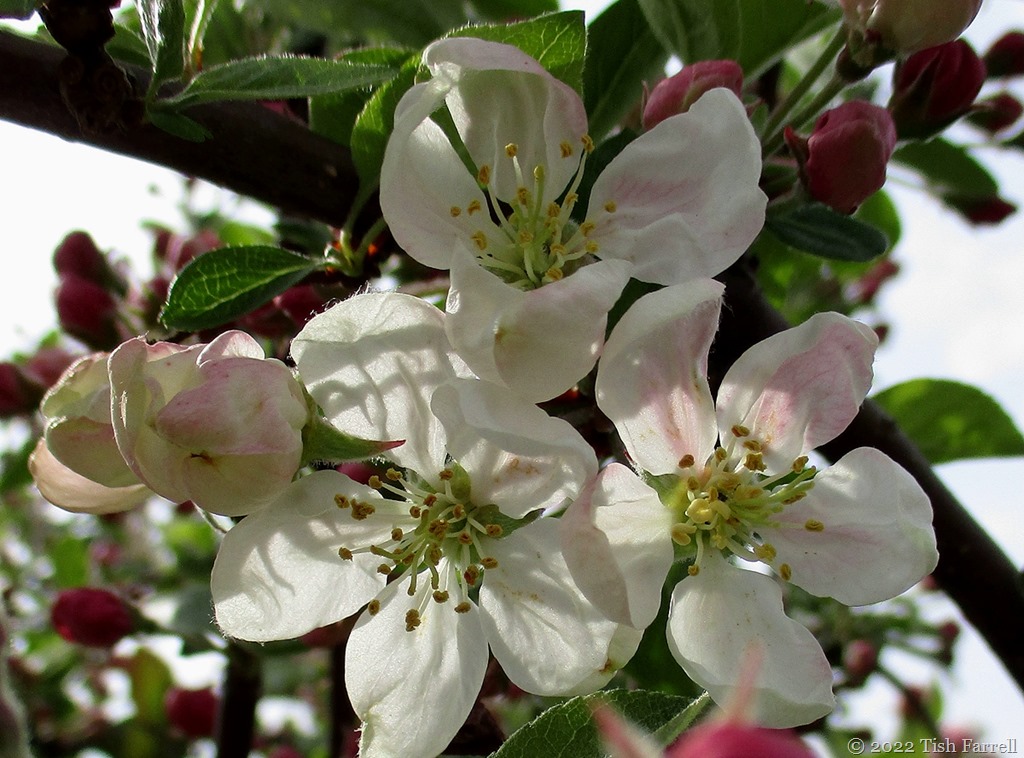
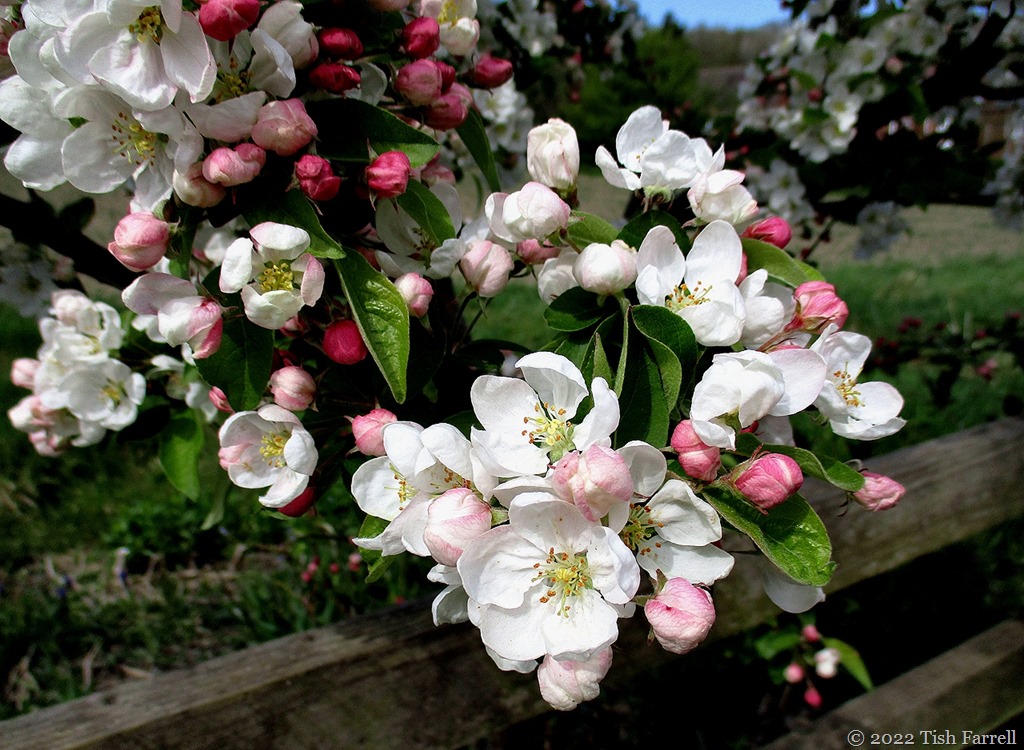
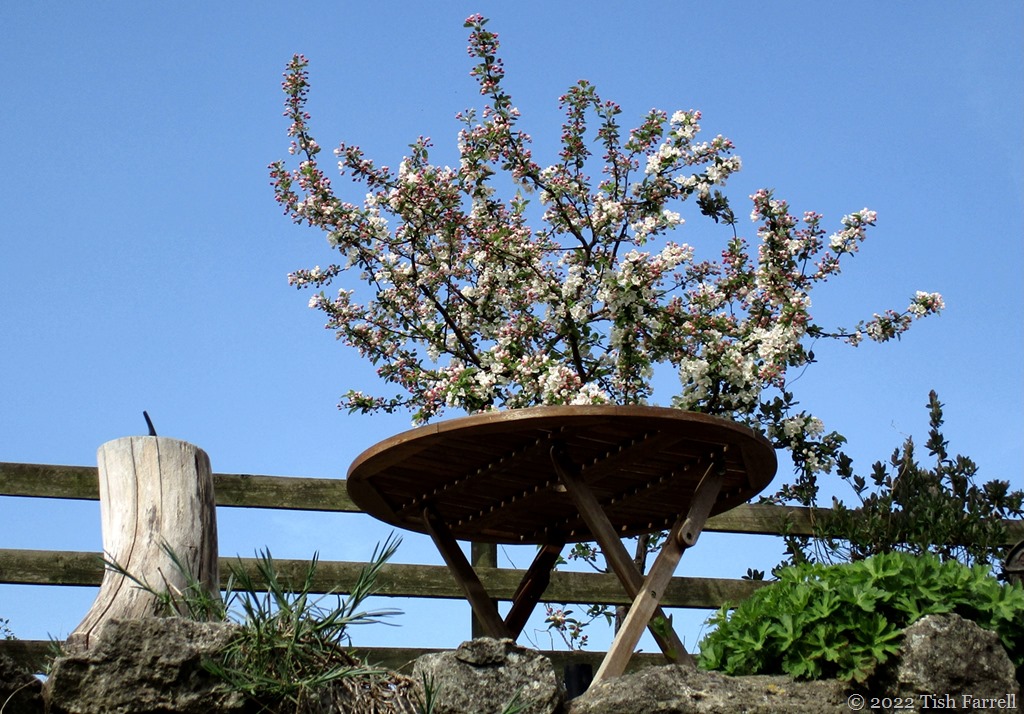
There may be a lingering chilliness on the wind, but in the upstairs garden crab apple tree Evereste is in full floral finery. I don’t remember seeing her quite so blossom laden. And she’s already attracting a few bees and sundry bugs, all calling in for their spring pollen fix. So if anyone is thinking of a crab apple tree for their garden, then Evereste is a real treasure. She’s compact too, for despite the suggestion of gigantism in the name, she only grows about 10 feet (3 metres) tall.

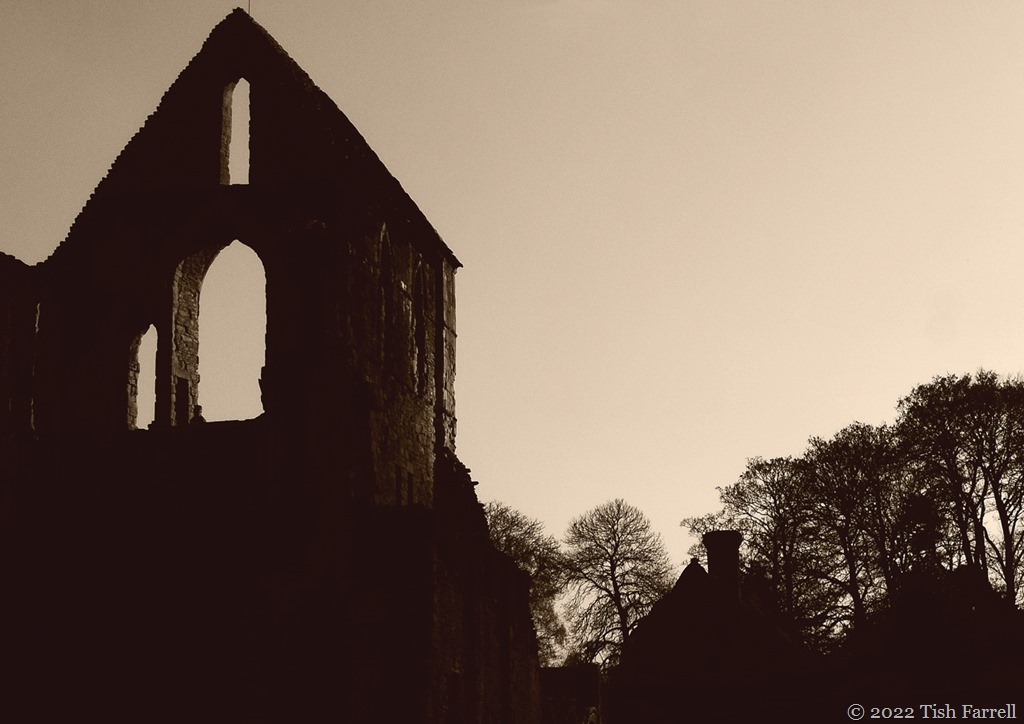
The header photo was taken among the ruins of Wenlock Priory, looking towards the trees and roof tops of the Prior’s Lodgings, now a private house, locally known as The Abbey.
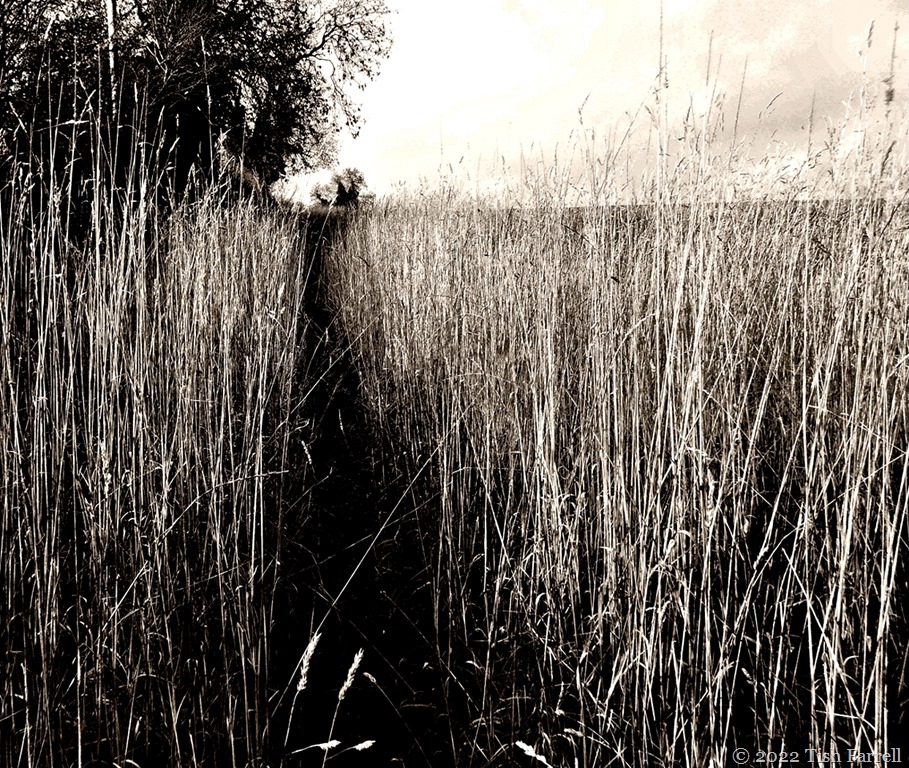
This next shot is my well-trodden path to the allotment, along the southerly edge of Townsend Meadow. That’s an ash tree on the skyline – doing a good Ent impression as our Shropshire ash trees tend to do.
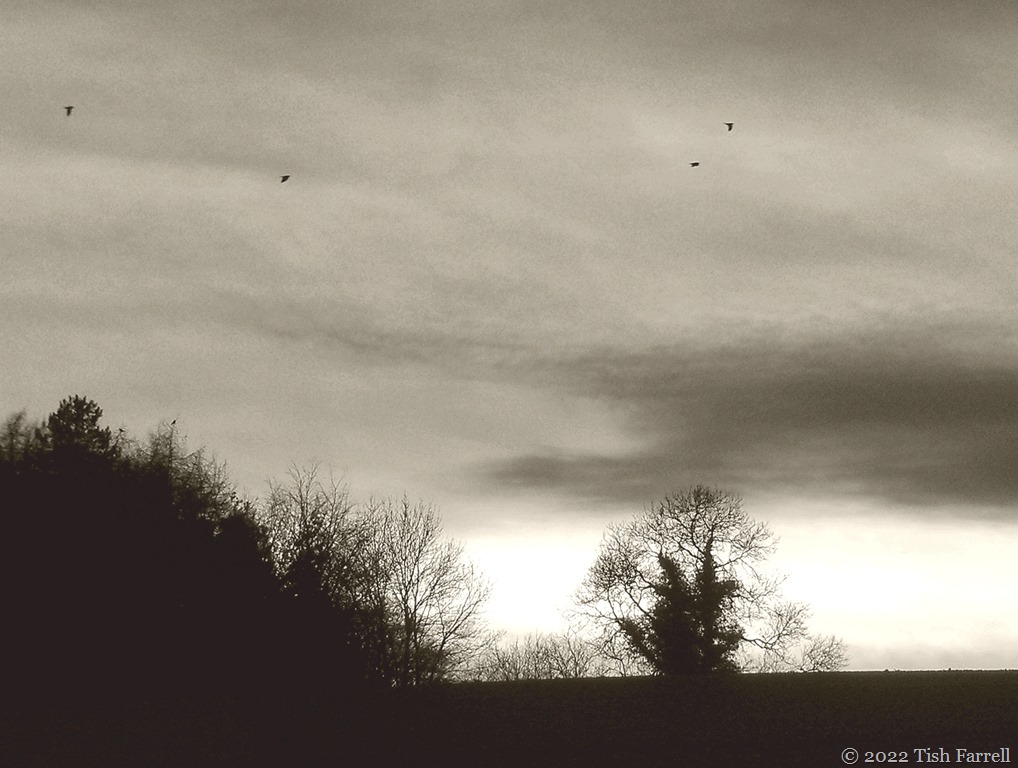
And a nearer view of the ash tree – a sundowner shot complete with rooks flying home to their roost in the Sytche wood.
*
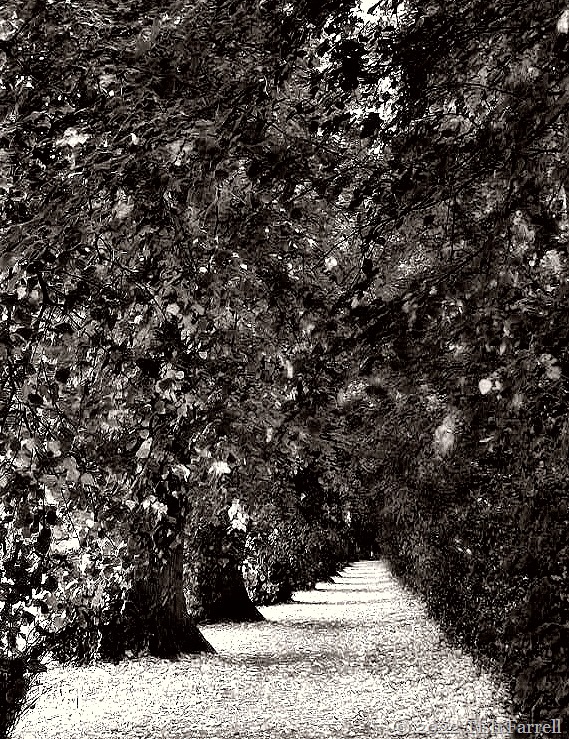
And finally a rather strange and blurry photo of the Linden Walk, taken when all the pale and papery sepals had fallen off the lime tree flowers in late summer. I think if you squint, you might just spot someone at the top of the path.
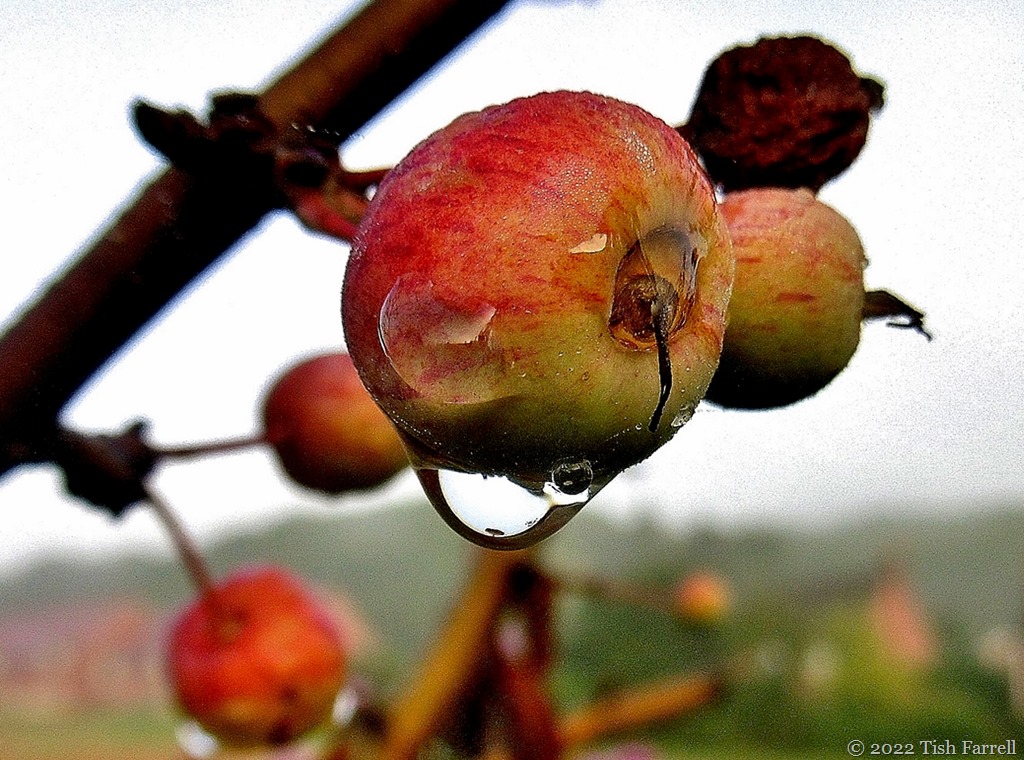
Sofia at Lens-Artists suggests we think about bokeh – the judicious (or in my case mostly accidental) application of blur to add depth and accent to our photo images.
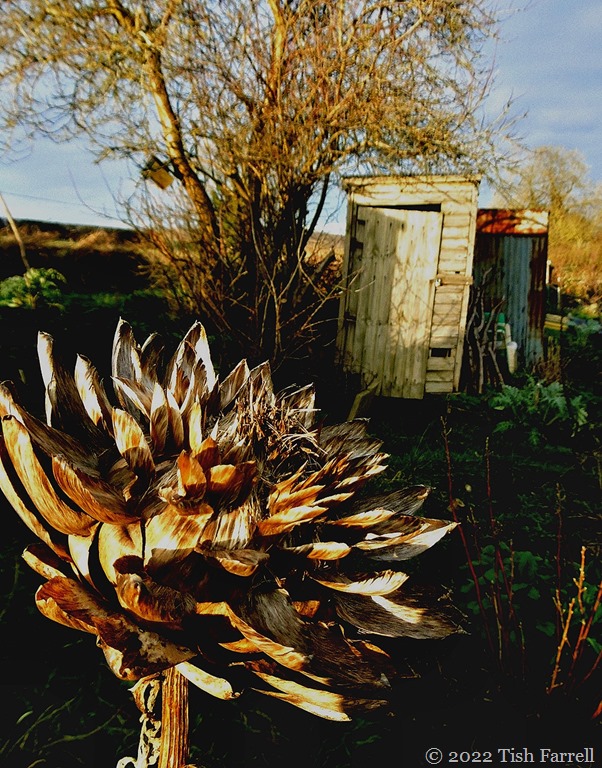
Here are some garden bokeh, taken at different seasons and times of day. The header photo is a late autumn crab apple over the garden fence. And next up is a very wintery globe artichoke at the allotment. I like the russet tones, focused and unfocused, picked up by the afternoon sun:
*
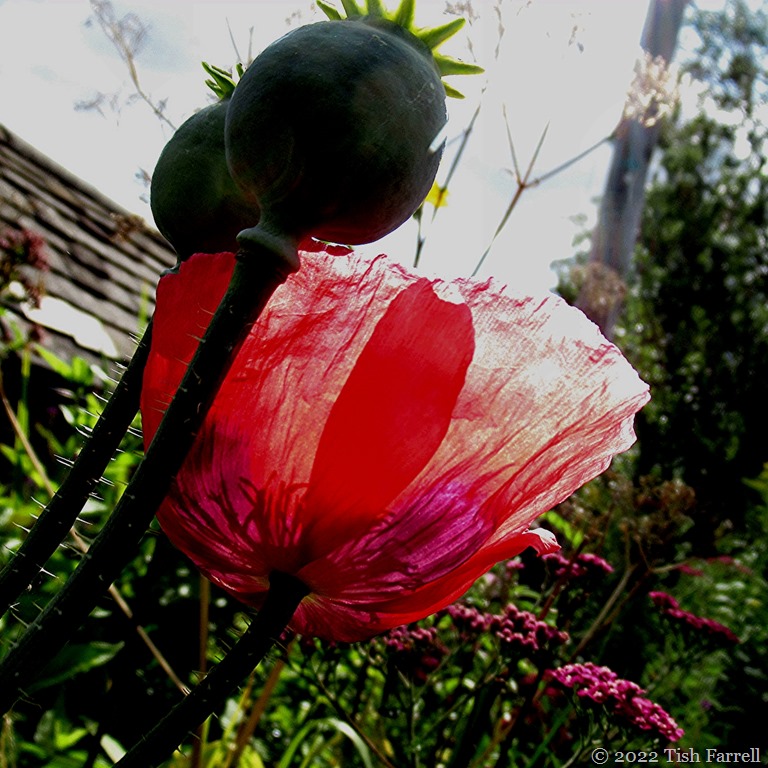
Summer and a self-invited opium poppy out in the guerrilla garden:
*
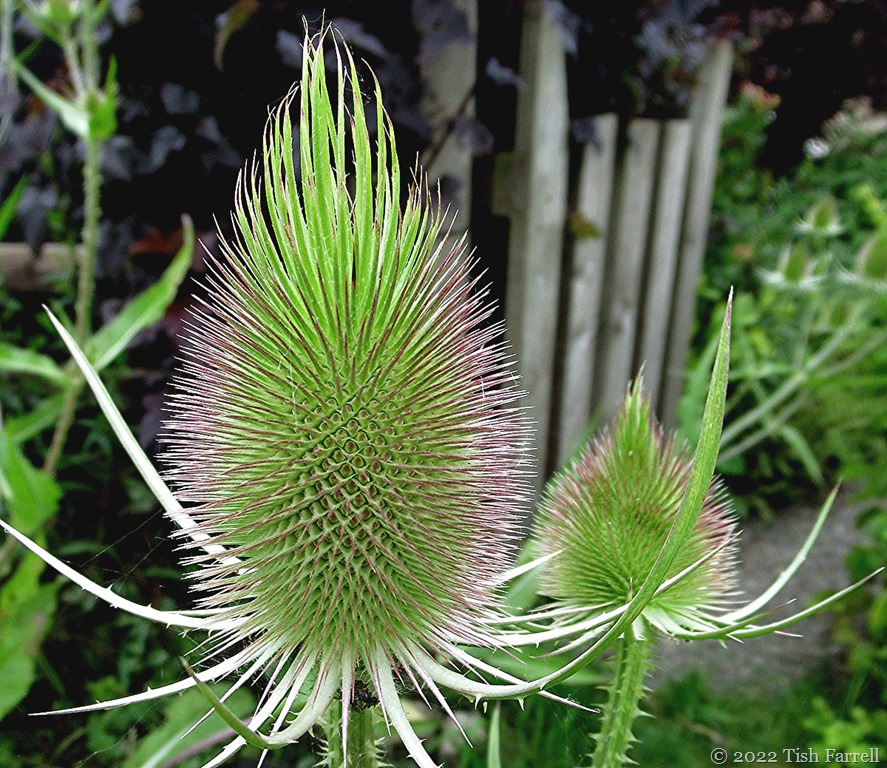
And late summer teasels forming outside the garden gate:
*
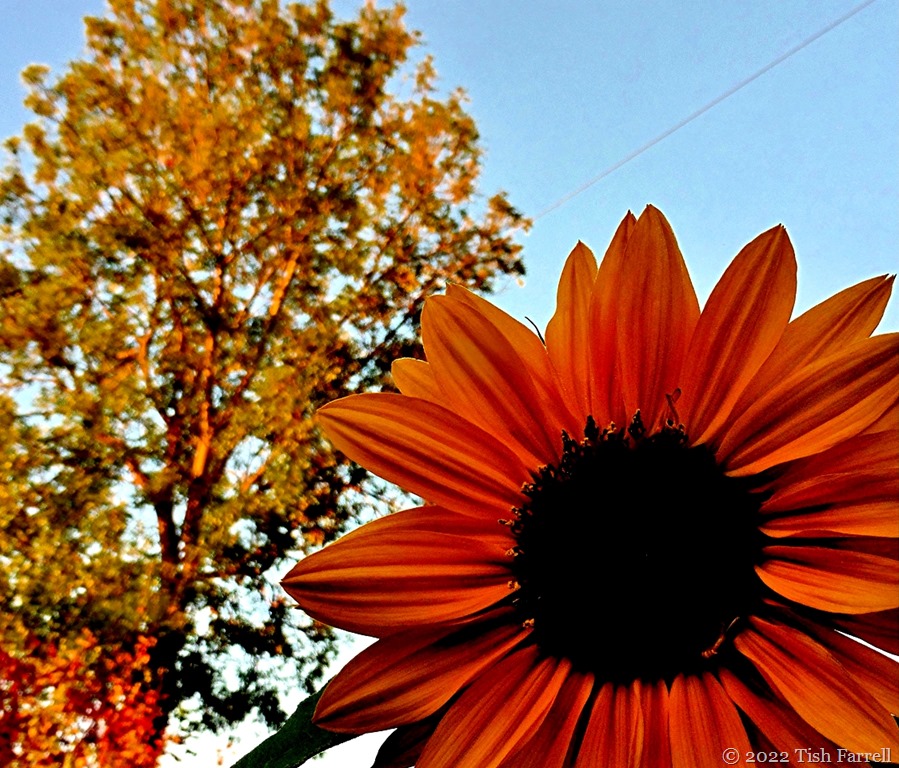
An October sun-downer sunflower in the ‘upstairs’ garden:
*
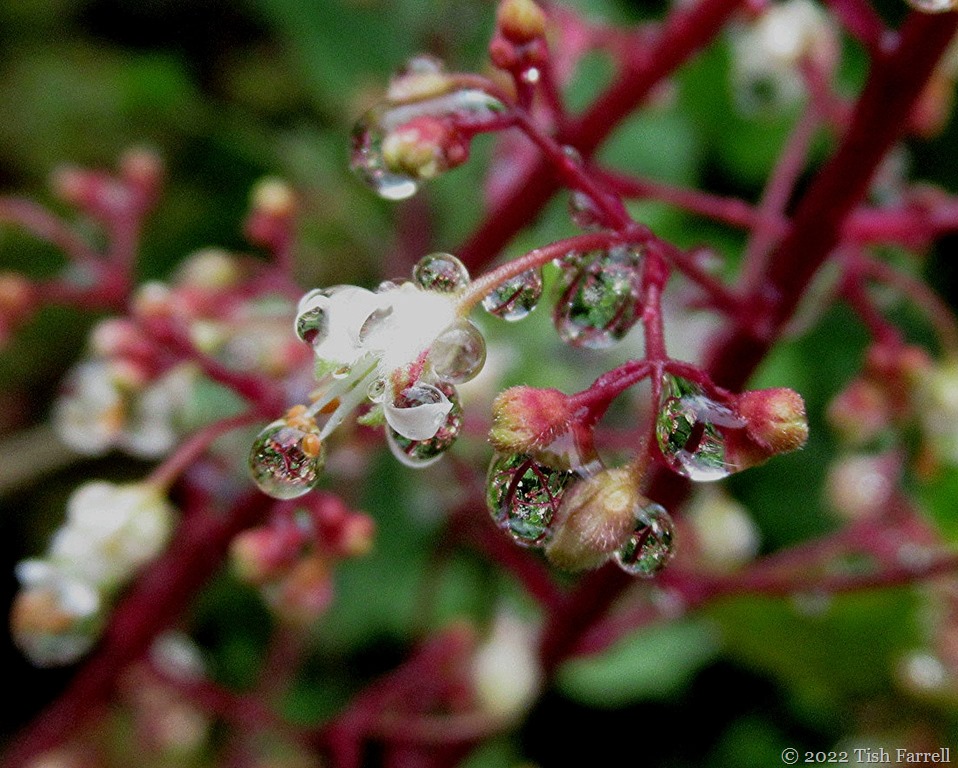
Early morning dew on a heuchera flower in early summer:
*
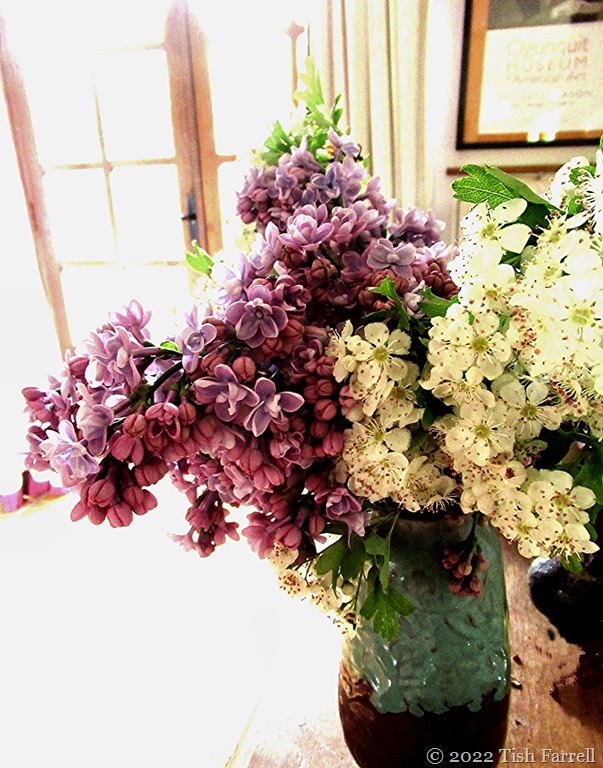
And a May-time bouquet in the kitchen: lilac and hawthorn blossom: