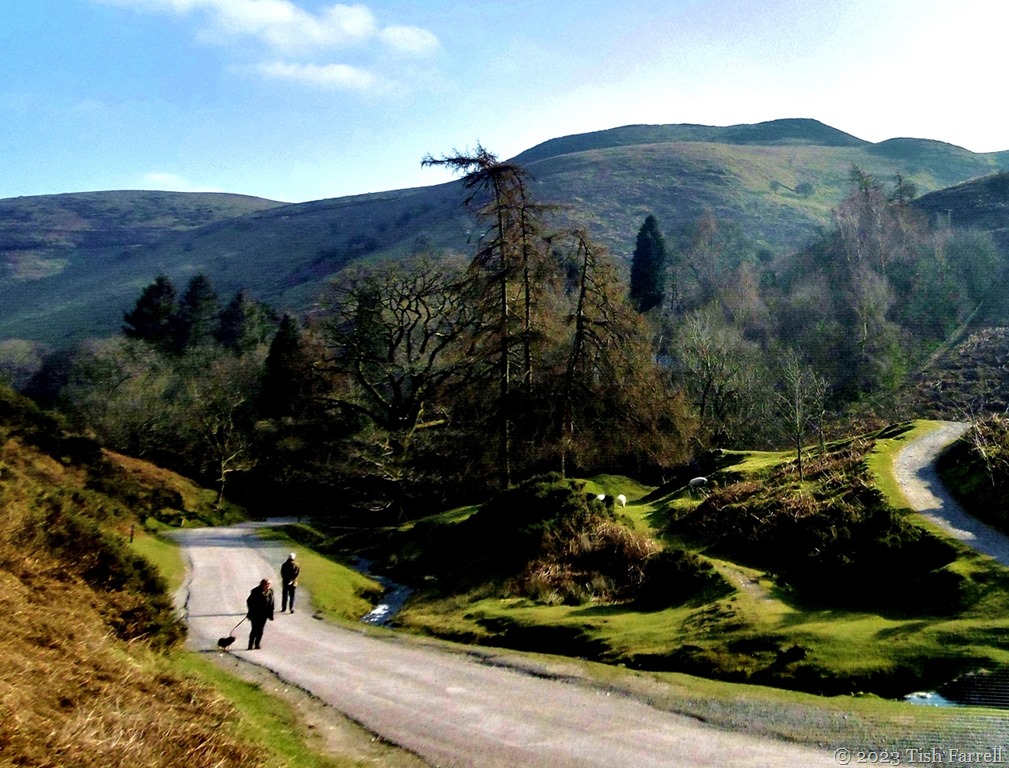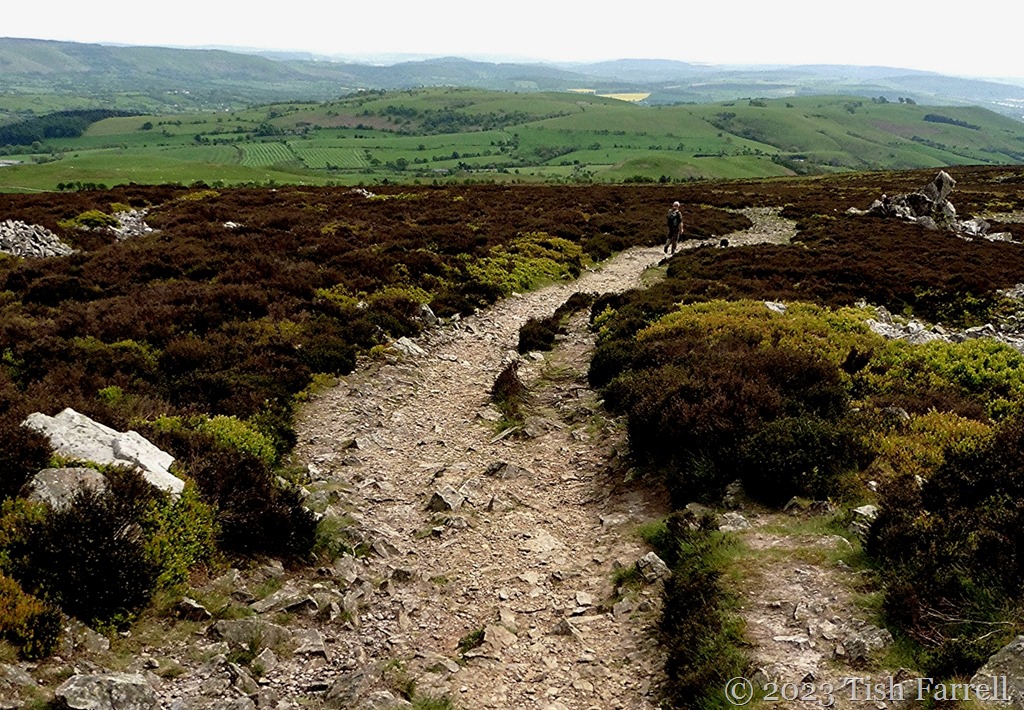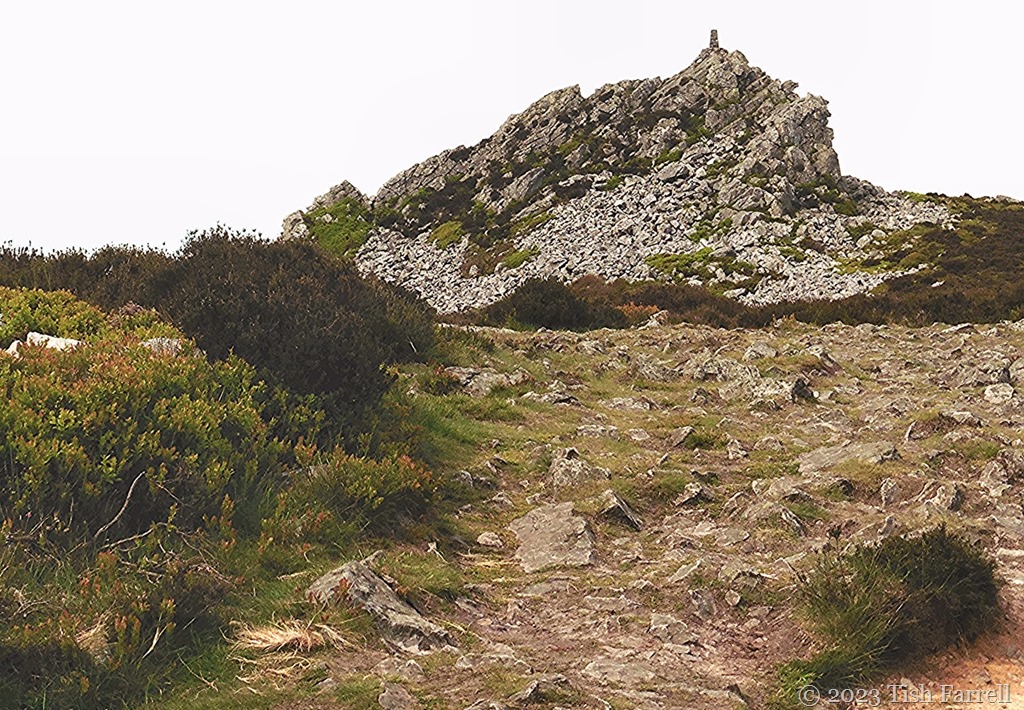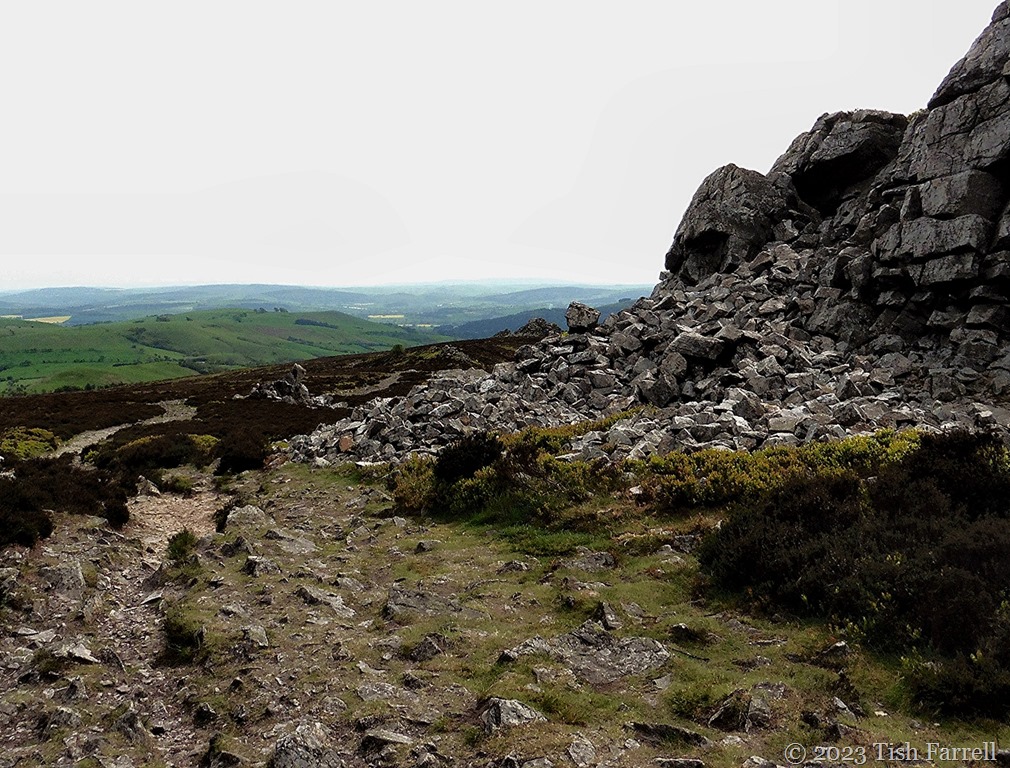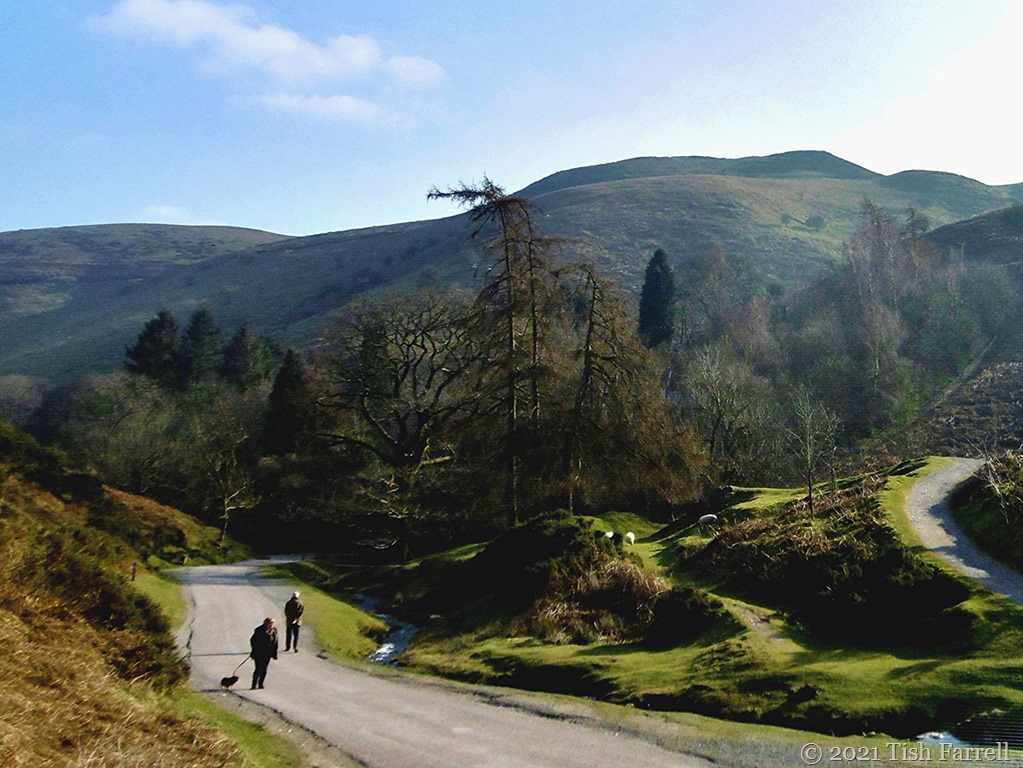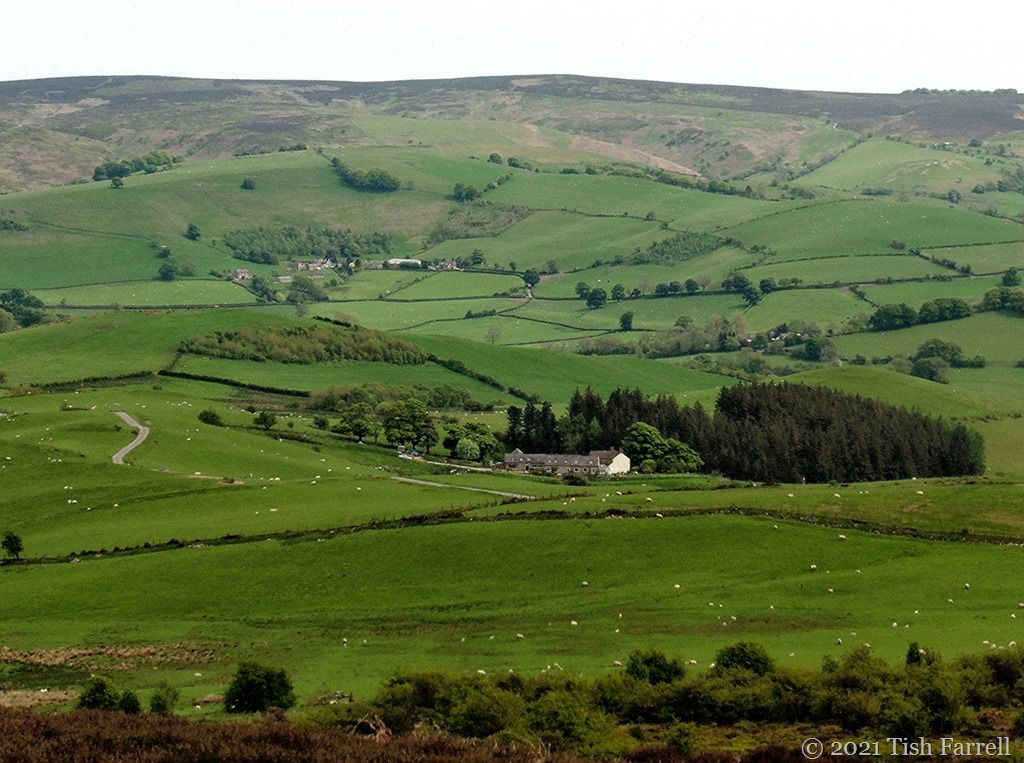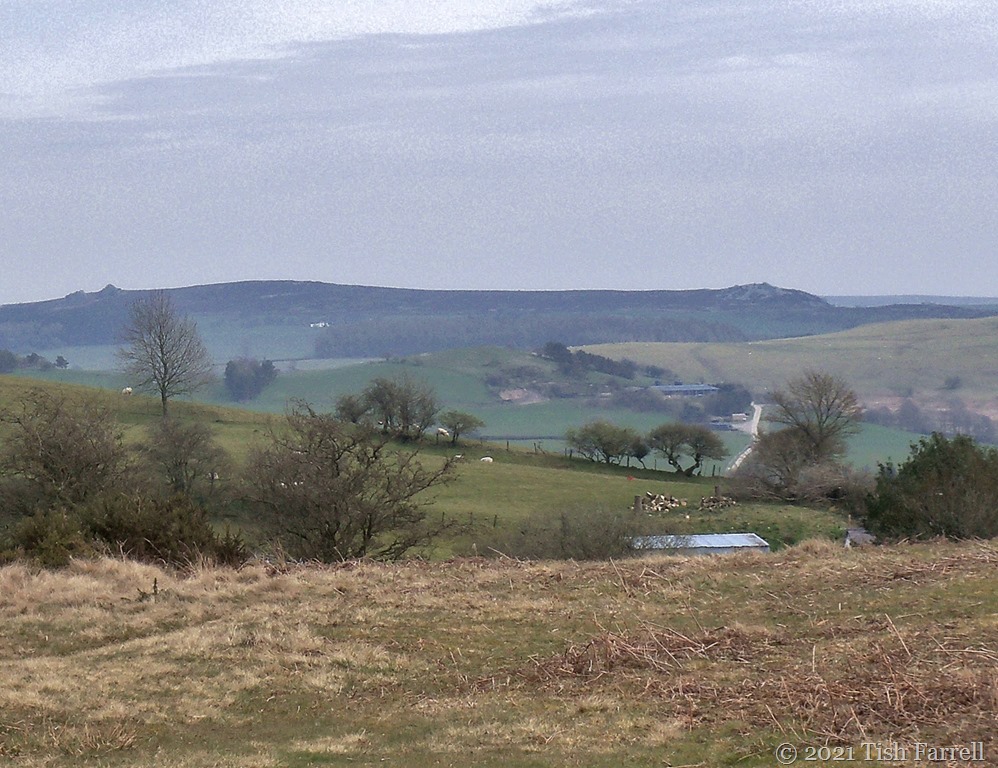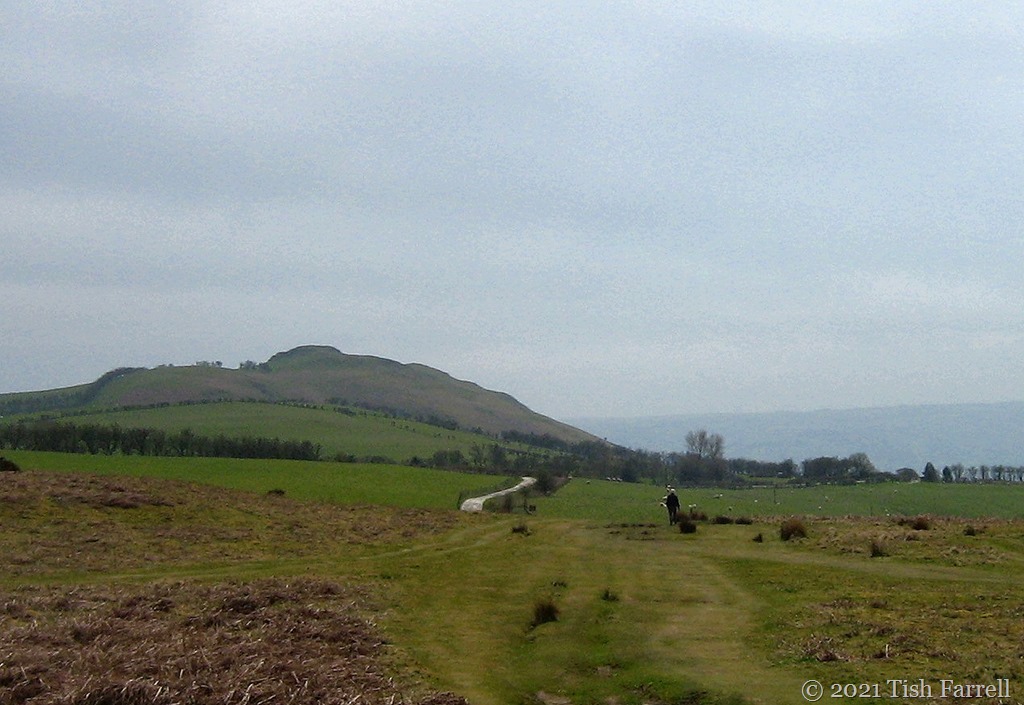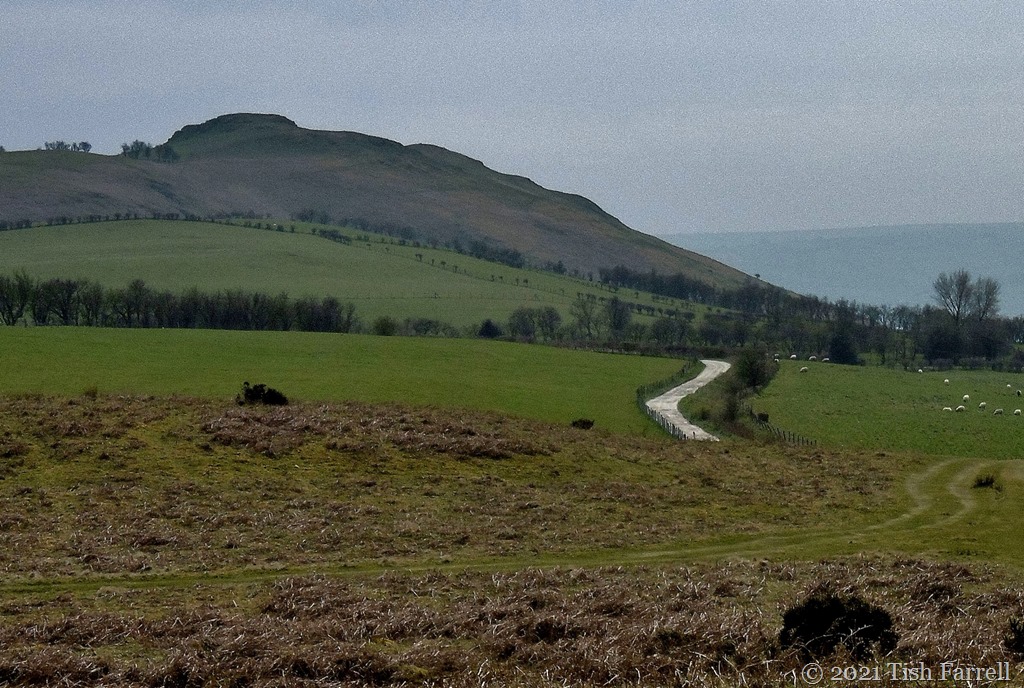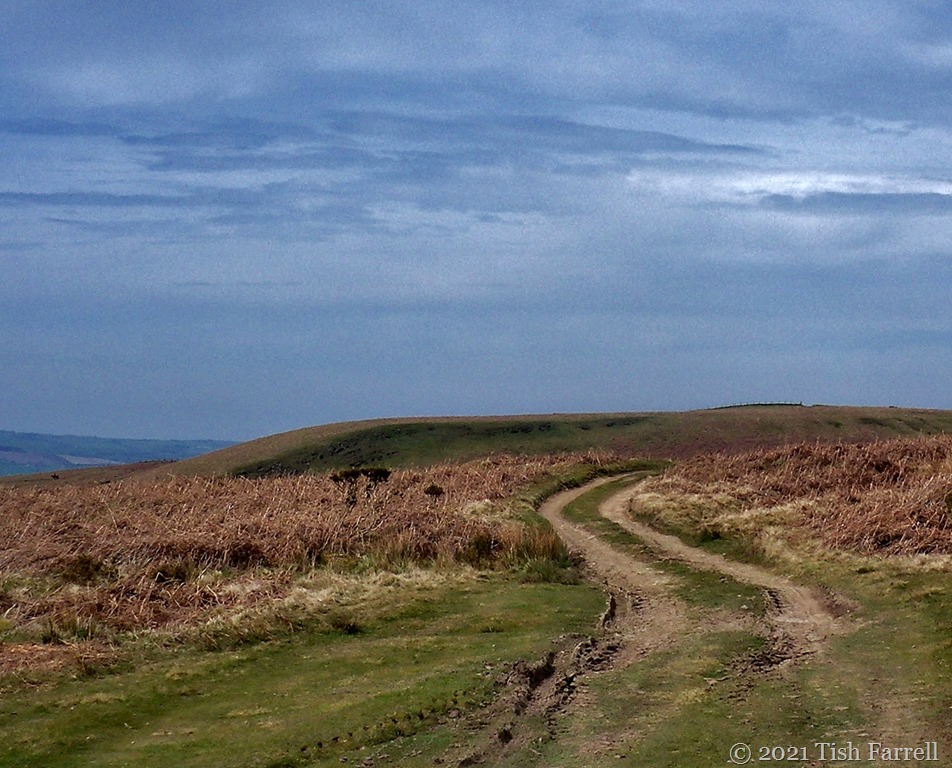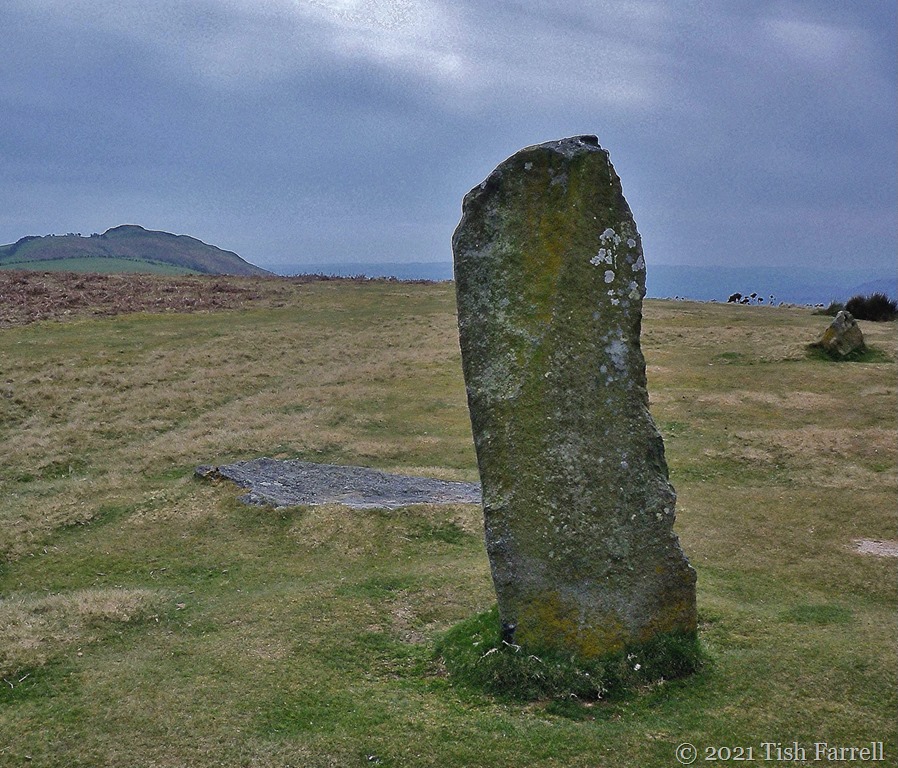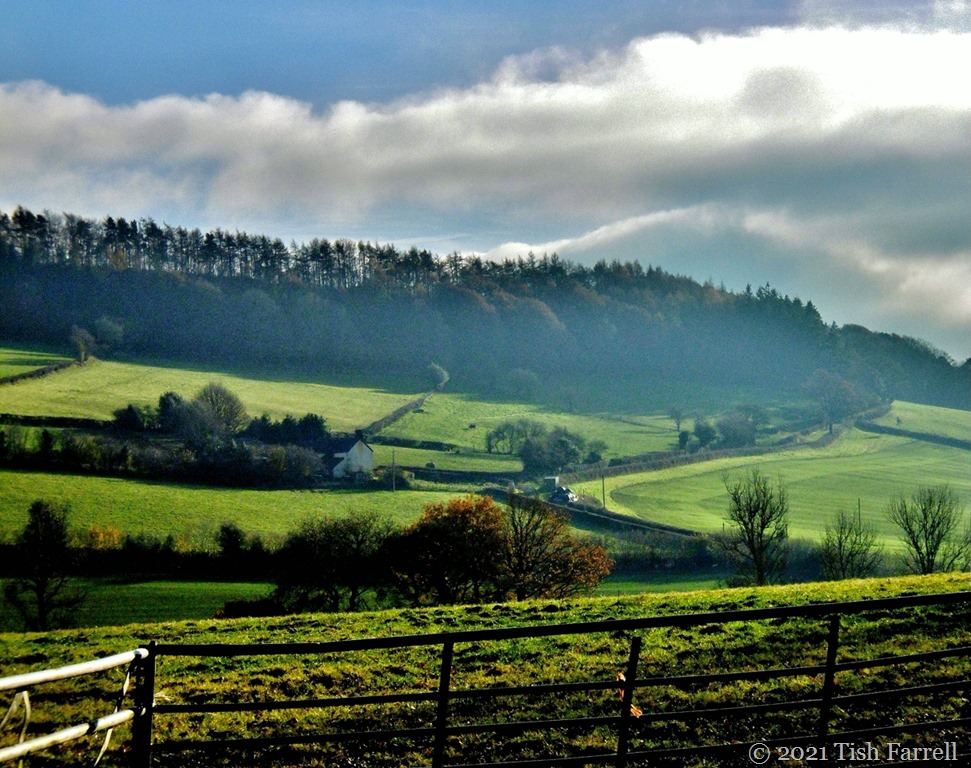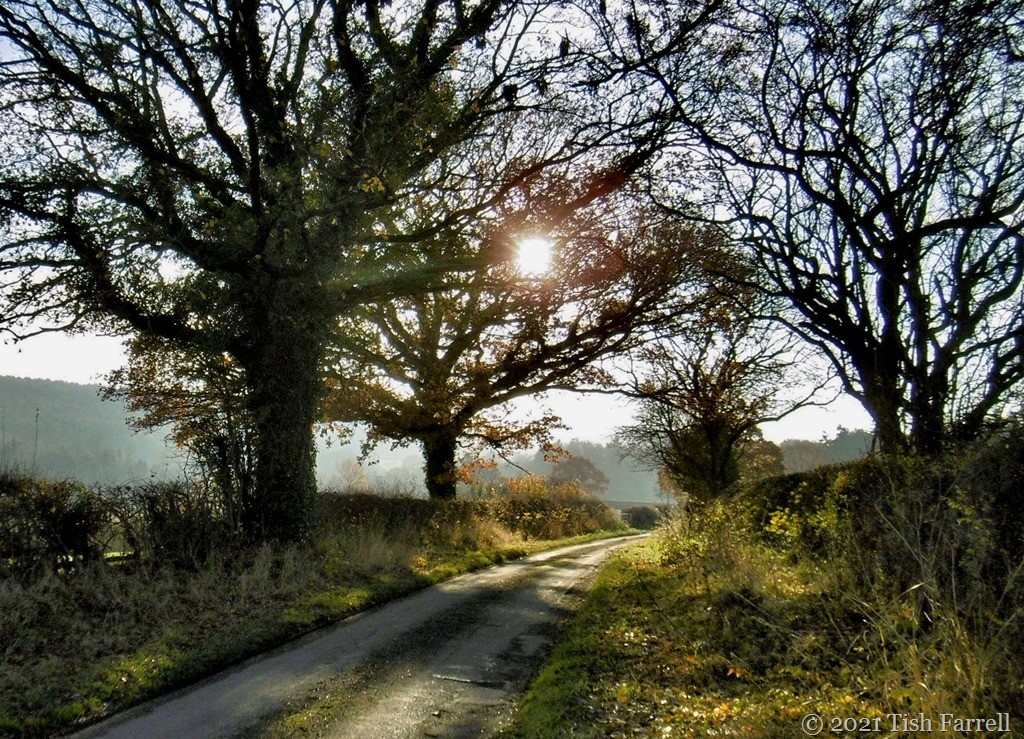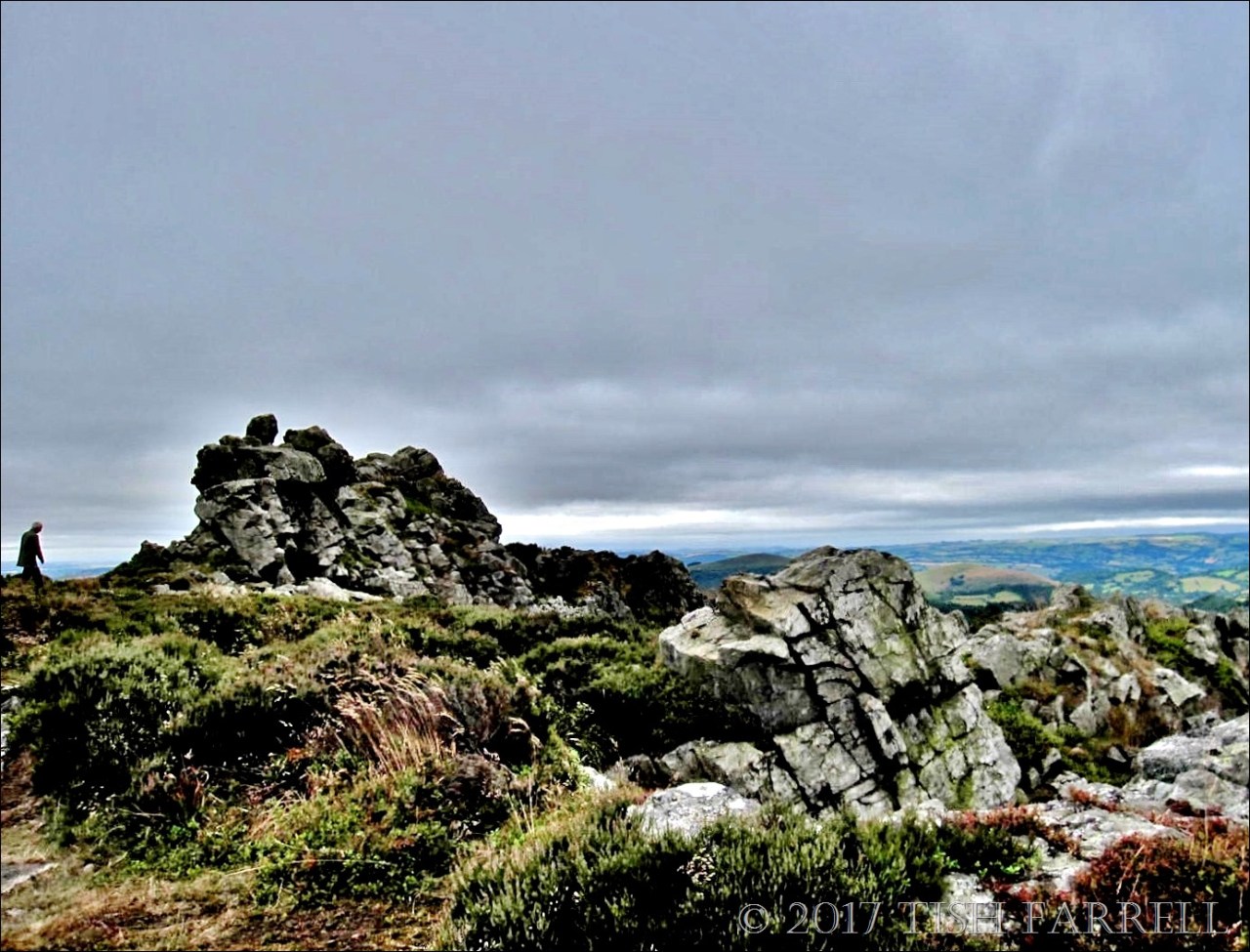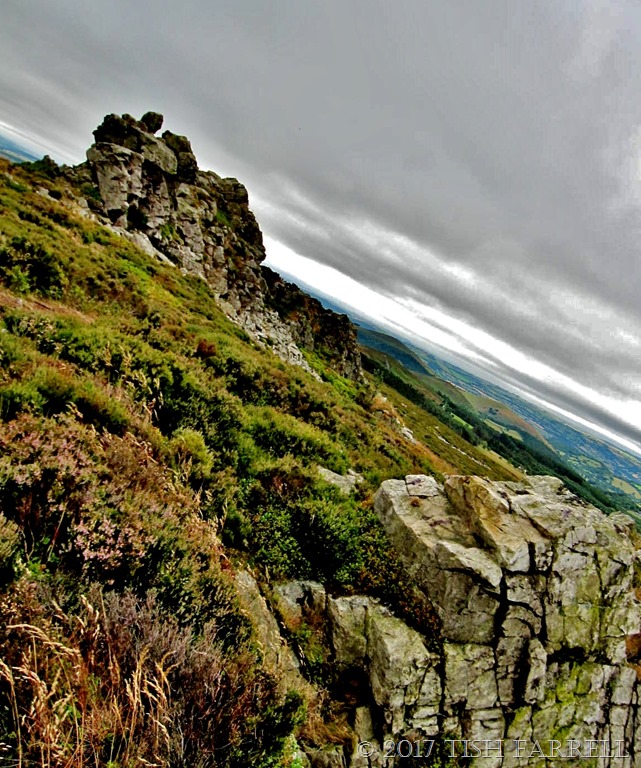
I recall being told by my geography teacher (aeons ago) that the Shropshire uplands comprised some of the world’s most venerable rocks i.e from the Precambrian era. The hills in question lie either side the Church Stretton fault, just across the Long Mynd from where we live now in Bishop’s Castle. On the east of the Stretton Valley are Lawley, Caer Caradoc and Ragleth, all formed from volcanic lava and ash around 570 million years ago. The Long Mynd lies to the west and began forming a little later with the build up of mud- and sandstone sediments in shallow seas.
Most astonishing of all, this whole process began when the earth’s crust beneath the land on which I now live was sited south of the Antarctic Circle. I’ll say that again: South Shropshire once lay south of the Antarctic Circle. Which obviously means this part of the British Isles has travelled from one end of the globe to the other.
On that journey, over millions of years, sea levels rose and fell; tectonic plates collided as continents shifted and shunted; uplifted landmasses were compressed, folded, tilted.
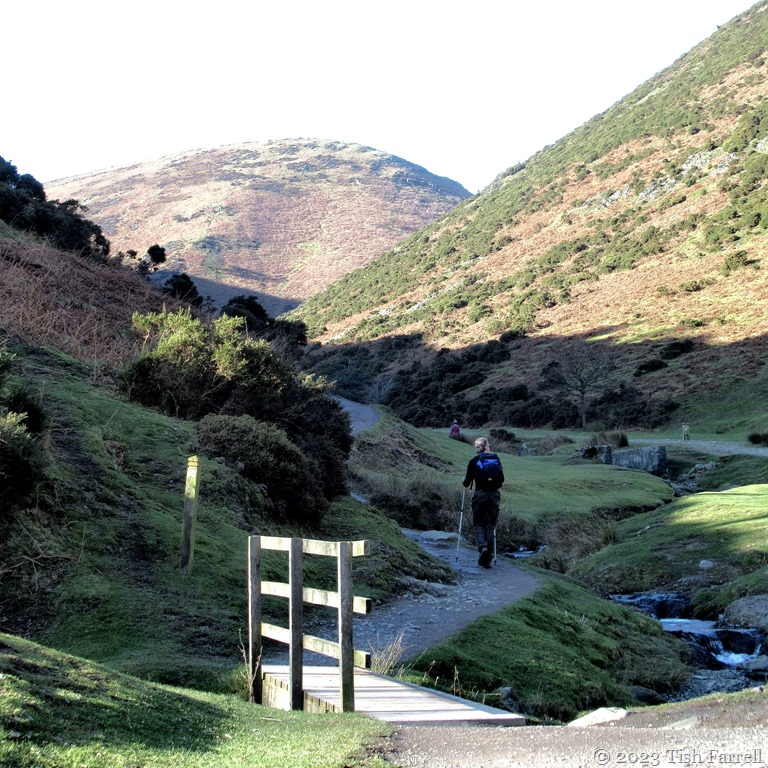
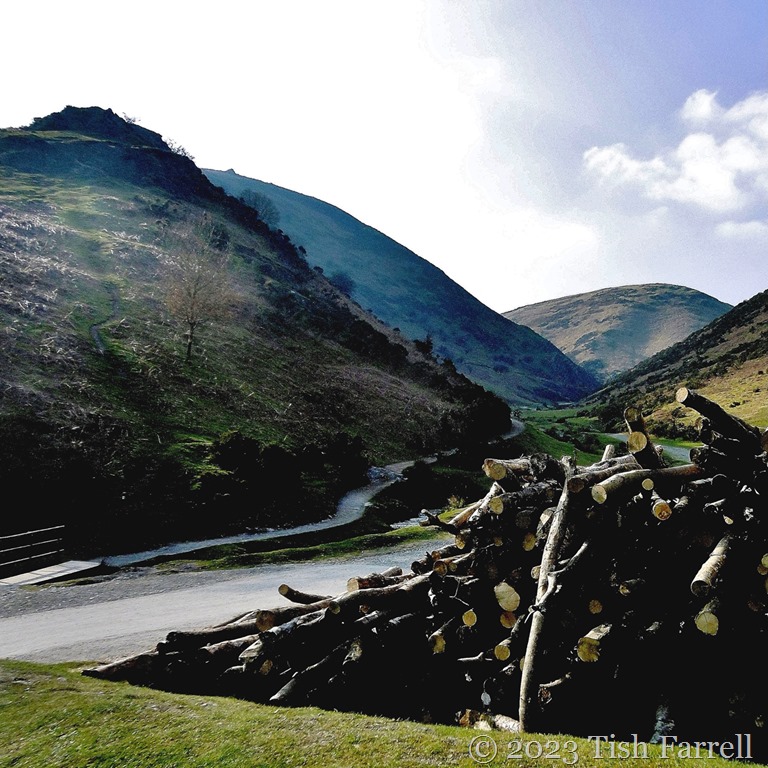
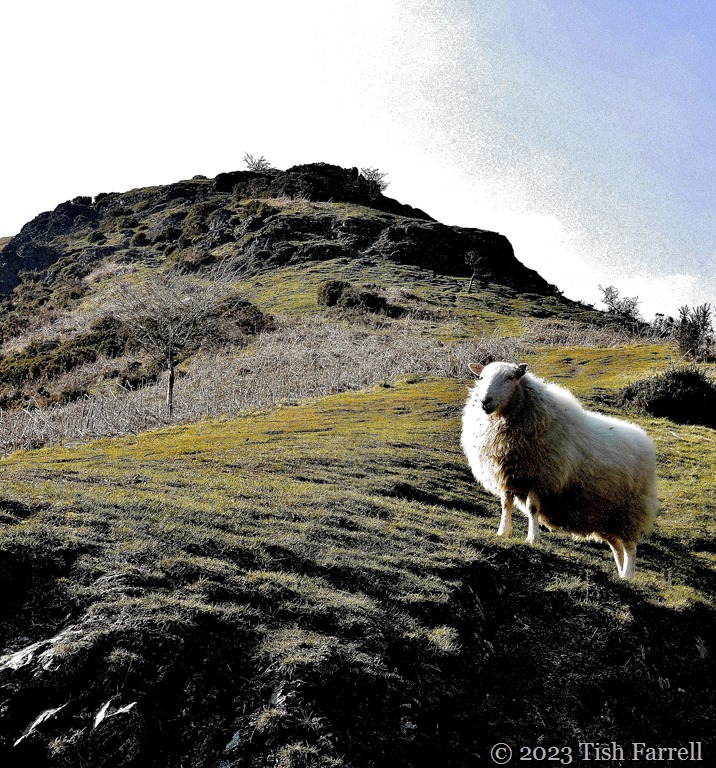
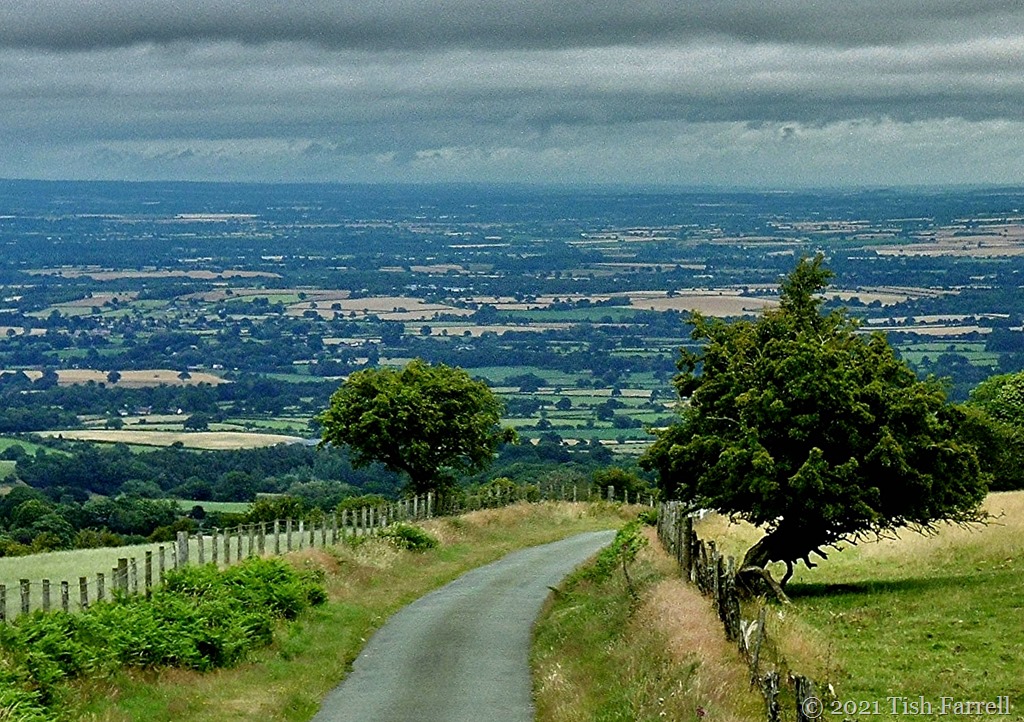
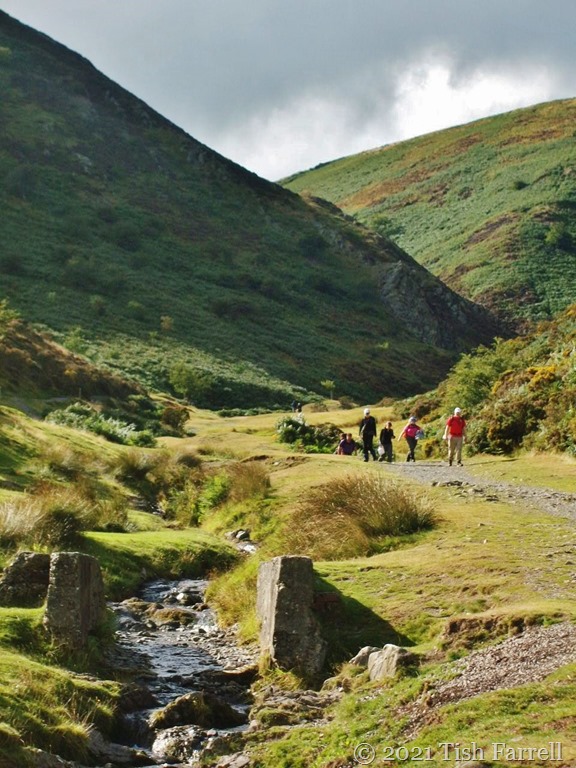
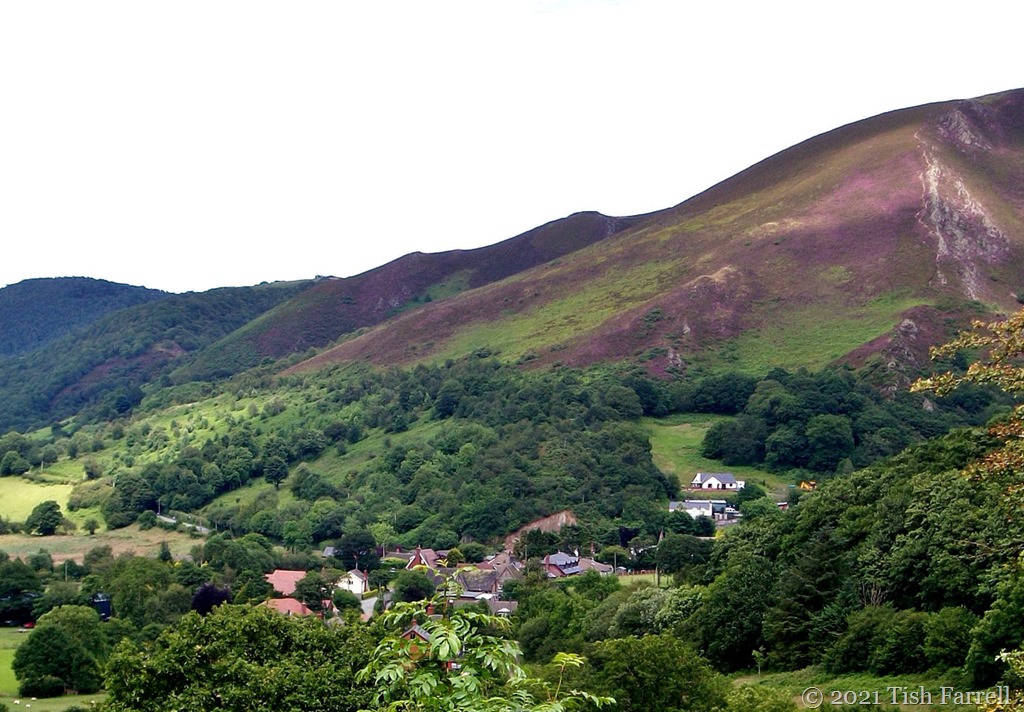
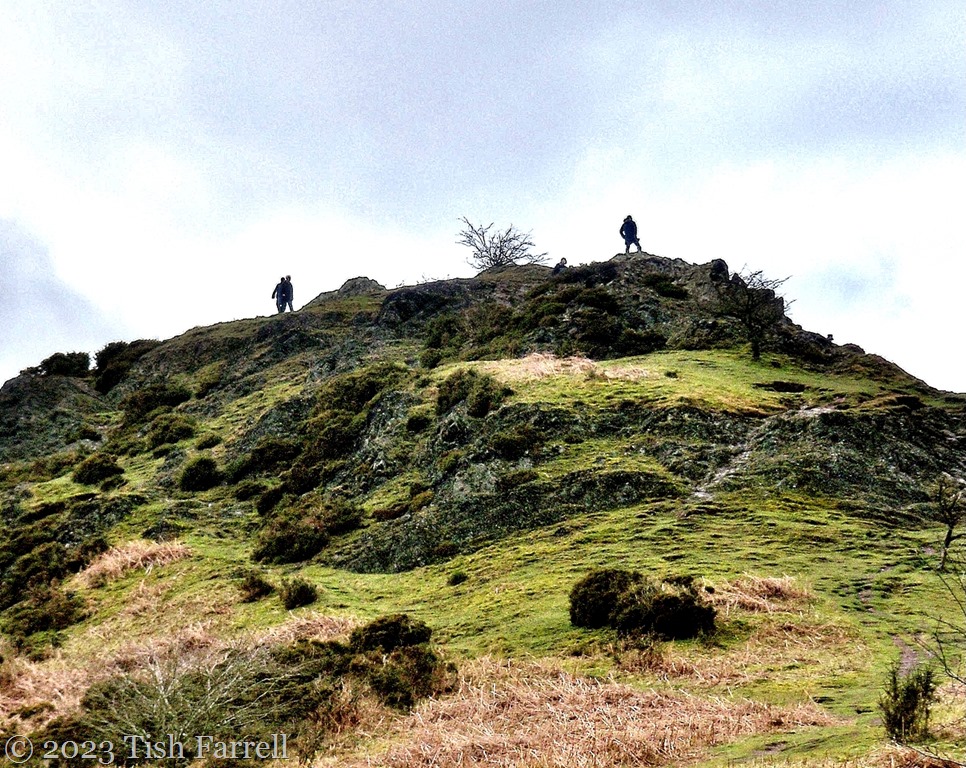
Then a succession of Ice Ages knocked the hills into shape. The Long Mynd is probably the most dramatic example – seen here in the the next photos taken in Carding Mill Valley, near Church Stretton. From 2.4 million years ago to 20,000 years ago glaciers shifted around the Mynd. When the ice sheets melted during interglacial periods, streams fed by melt water and rain carved out deep valleys, locally known as ‘batches’.
How mind-bogglingly amazing is this for a piece of landscape sculpting: water power plus the passage of time.