Wenlock: “A Rip Van Winkle Kind Of Place”

P1010148


P1010704


P1010744 - Copy - Copy


P1010699 - Copy (2)

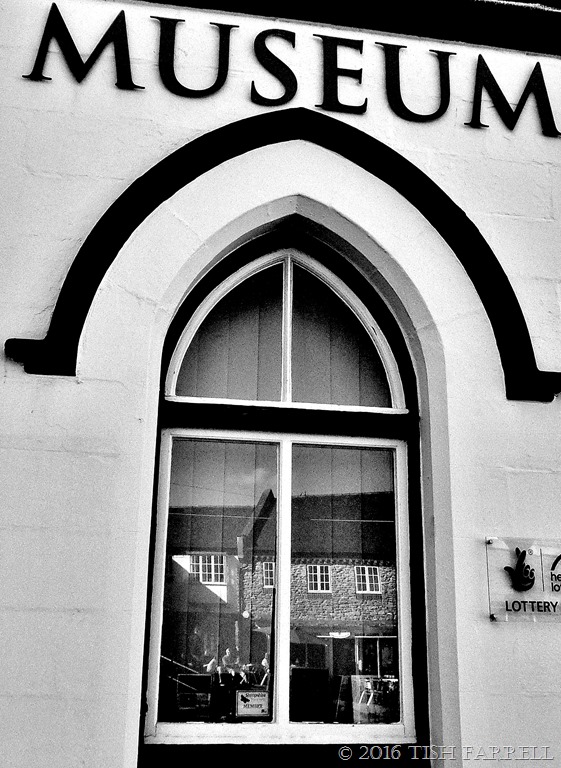
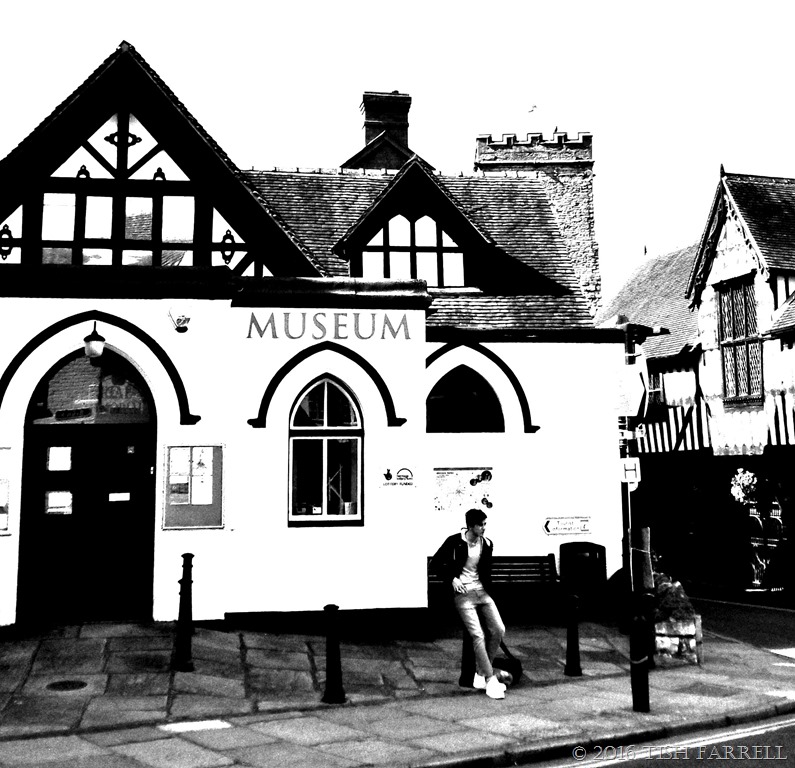
A Rip Van Winkle kind of place – that’s how Shropshire writer Mary Webb described Much Wenlock around a century ago. It was the home town of her teenage years, and the place where I now live and indeed have known for much of my life. Even when we lived in Africa we would visit Wenlock whenever we were on ‘home leave’. We had friends who drew us, and finally led us to settle here on our return to England.

And once we had arrived, we soon found that many of our neighbours, pitched up from far-flung places themselves, had also lived and worked all over Africa. I was therefore only briefly surprised to find that Henry Morton Stanley had once been in Wenlock, staying as a house guest of the Milnes Gaskells, the local gentry who once lived in the old Prior’s House and owned the ruins of Wenlock Priory from which the town had grown up throughout the Middle Ages.

Stanley is not a man I admire, although his brute tenacity is certainly impressive. We also have him to thank for selling the idea of the Congo to another brute of a man, King Leopold II of Belgium, a circumstance from which that Central African state has probably yet to recover.

Still, I won’t go into that now, but I do have a mind’s eye image of Stanley sitting up on Wenlock Edge (the Milnes Gaskells took all their guests there), and picture him scanning the Shropshire plains below as he contemplated the writing of In Darkest Africa.

The landscape that spread before him, with its distant ranges of Welsh hills, could well have reminded  him of that continent. I have seen such vistas in East Africa. But he was a man who ever took his darkness with him. And this makes me wonder. What might our grim legacy have been, in PR terms that is, if he had written of ‘darkest Shropshire’; would the tainted words still be sticking to us today?

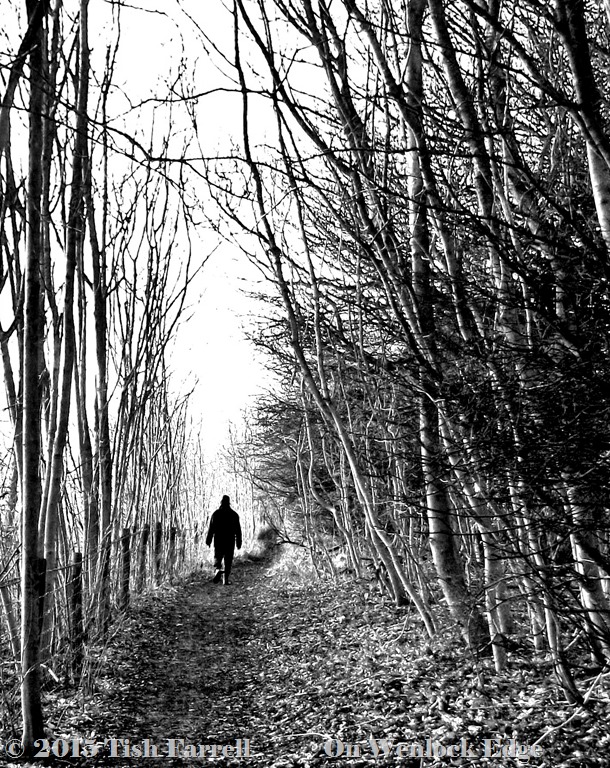
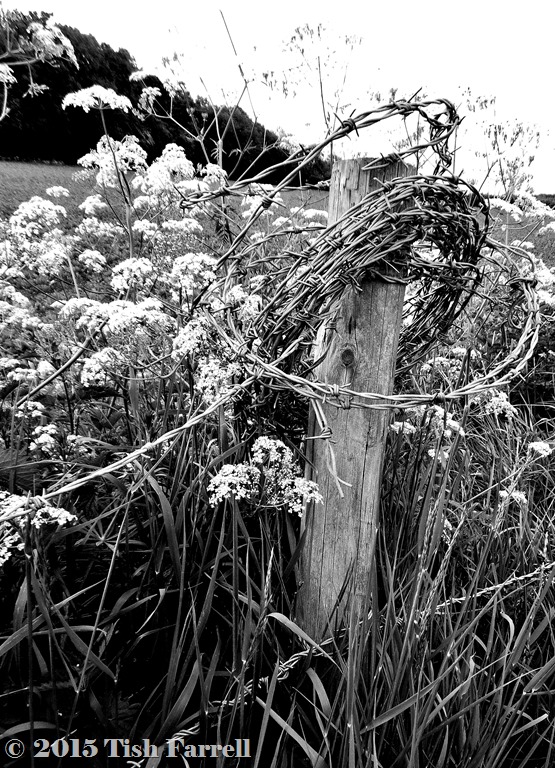
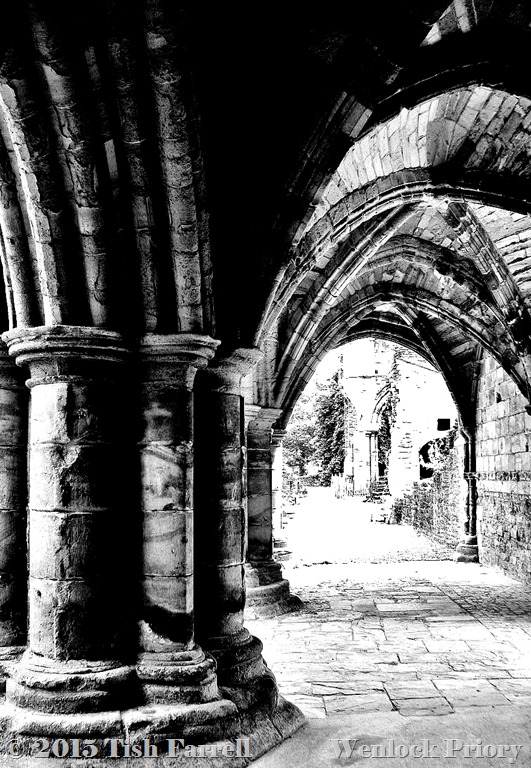
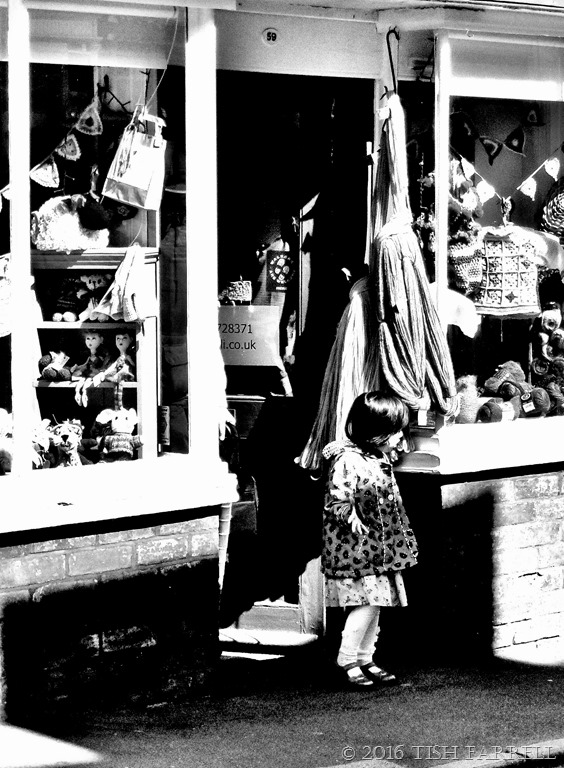
It’s a rhetorical question obviously. And I mention all these dark tones and undercurrents only as counterpoint to the  quaint, quiet images above. Much Wenlock definitely has ‘chocolate box image’ tendencies in its now gentrified, ancient streets. I find it good to remember, once in a while, that all is not necessarily what it seems.

*

This post was inspired by Paula’s Black & White Sunday Challenge: ‘surreptitious photography’. It is a fascinating theme. The role of surreptitious photographer is something I rather relish, but rarely put into practice. I have a feeling that in this Rip Van Winkle place it risks becoming an obsessive pursuit and, as a writer, I already have enough of those.

But please visit Paula at the link above and be inspired by her photographs. There’s still time to take part. Also check in HERE to see her gallery of  slide shows of all participating photographers’ work. It’s a real treat.

copyright 2016 Tish Farrell
The Changing Seasons 2016: January On Wenlock’s Olympian Field

We had the first hard frost of winter today and, after weeks of dreariness and both rising and falling damp, it was a great relief to feel some good crisp cold. Not only that there were clear skies. And sun. And brilliance. Up on Windmill Hill there were also fine views all round, although the midday light did have the strangest quality – creating vistas that were sharp in parts, but soft-focus in others. The landscapes I snapped looked like water colours even before I snapped them. Also the farm fields loomed in unnatural shades of green, at least for January.

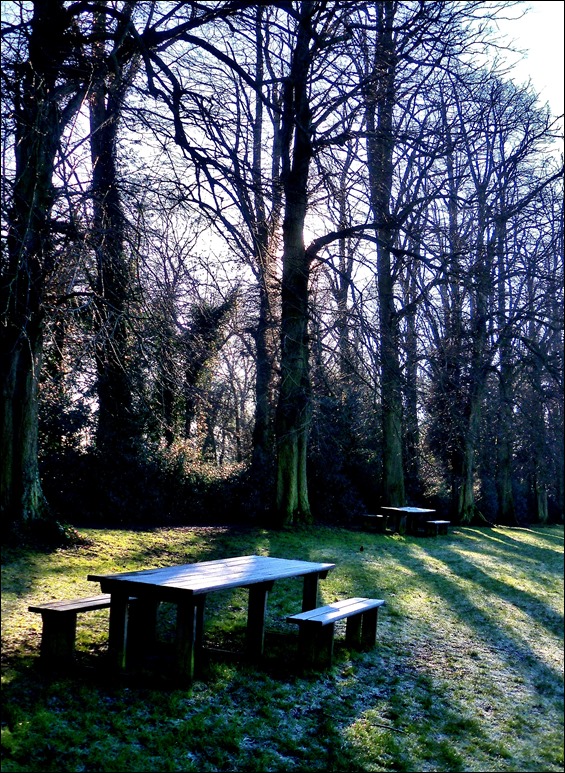
As we strode home beside the Linden Walk we passed the frosty picnic tables. They looked as if they had been freshly spread with perfect white cloths, but sadly there was no sign of lunch. It seemed a long way off till summer.

This post was inspired by Cardinal Guzman’s The Changing Seasons monthly photo challenge, which now comes in two versions. Please follow the link for more details.

I’ve chosen to feature Much Wenlock’s Linden Field and nearby Windmill Hill, since this was where the modern Olympic Movement had its beginnings, and was (and continues to be) the venue for the annual Much Wenlock Olympian Games, founded by Dr. William Penny Brookes, the town’s physician, in 1850.

These days the games take place at the William Brookes School just below Windmill Hill, and on purpose built tracks, but in the old days spectators sat on the hillside and watched the events taking place in the field below. Please conjure races on penny farthing bicycles, hurdling, tilting, and all manner of athletic events – not least the Long Foot Race that was only open to Greek speakers. There would also have been cricket and football matches, and fun events such as ‘an old woman’s race’ for a pound of tea, and a blindfold wheelbarrow race.

Dr. Brookes had serious objectives however. He was a man ahead of his time, who embraced a holistic view of human health that included both physical and mental exercise. He also planted the Linden Walk, no doubt because as a trained herbalist as well as a physician, he knew of the soothing effect, and sense of well-being imparted by lime tree blossom on warm summer days. It is good to walk in his footsteps.

copyright 2016 Tish Farrell
Turn of the year in my garden ~ Bench Series 50

P1020222


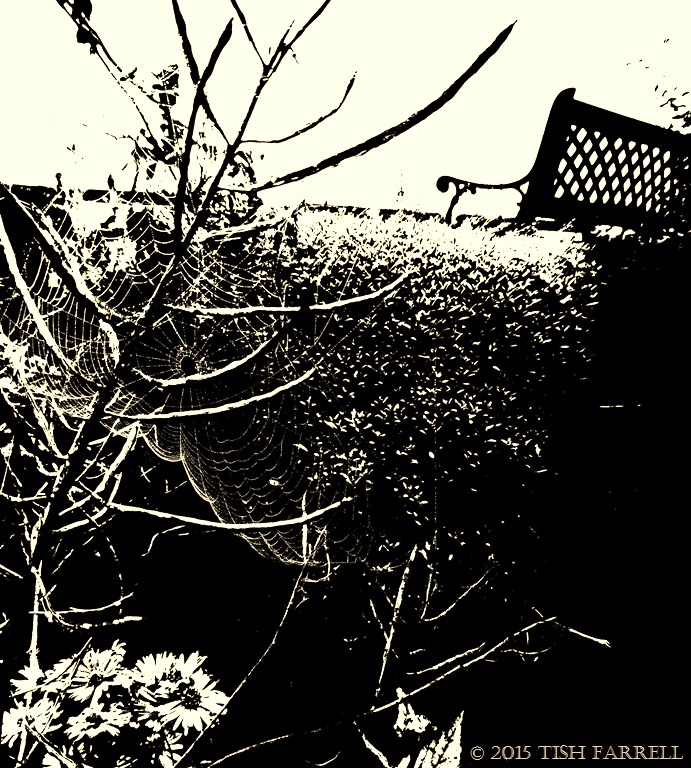
This month Jude at Travel Words is giving us a free hand with our seating arrangements. Please hop over to her place at Bench Series #50 to take part in the challenge and to sample other bloggers’ seats of fancy.  My entry, I confess, is rather off-beam bench-wise, but it summons a sense of its place in my garden scheme of things. The bench itself is not very exciting to look at in real life, but it is a good place to sit. From it you can look out on our bit of guerrilla gardening behind the boundary fence, at the the field and the footpath beyond, and thence up at the big sky over Wenlock Edge. Back in the summer, as I came up the path from the allotment, I would  often find Graham sitting there, waiting to see what I was bringing home for supper. So yes. A good place to simply be.

copyright 2015 Tish Farrell

Looking For Space On Wenlock’s Windmill Hill

100_7821 - Copy

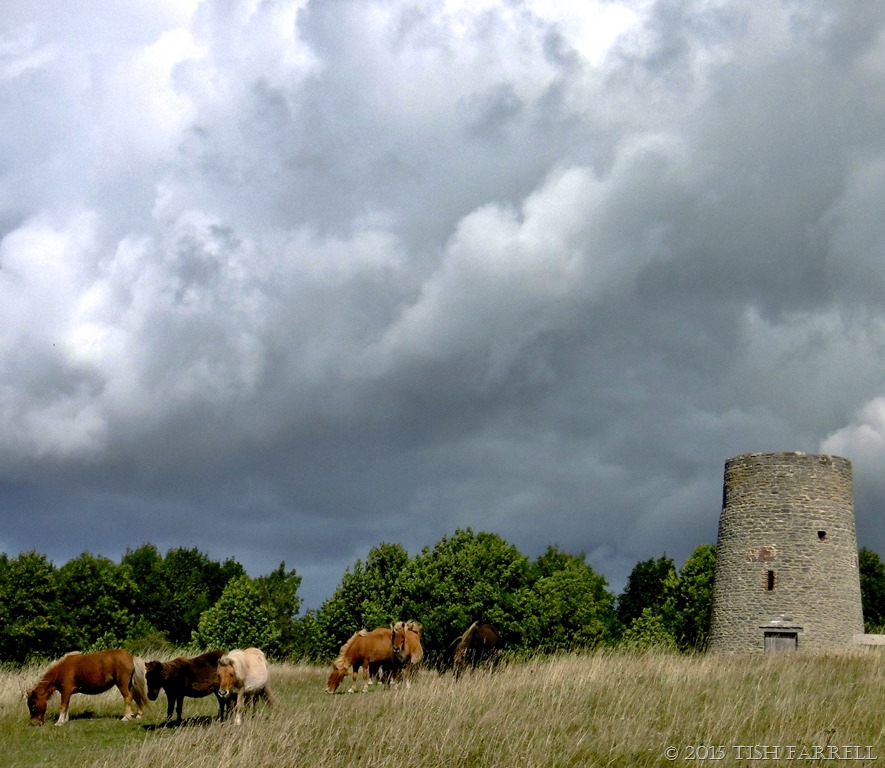
This month the photo challenge at PerelincolorsTech of the Month is to compose shots that make good use of empty space. So here are some views of Windmill Hill, near my house – some recent, some taken earlier in the year. I thought that by having big skies in the background, or a large expanse of meadow in the foreground, and also by shooting downhill or lying down, it would create both scale and a touch of drama. Also it was an attempt to add interest to a scene that, though pleasing in itself, could not in any way be described as spectacular. And finally I was trying to capture a sense of something special about a place that I am perhaps overly familiar with. See what you think.

100_7835

P1010939

P1010448

P1000782

Perelincolors

Lucile de Godoy

My Wenlock World In Black & White

P1000517

This week Cee has given us ‘carte blanche’ to post black and white images of our choice. So I thought I’d show you my everyday world, but with just a touch of ‘noir’.

Welcome, then, to Much Wenlock

where all looks tranquil. Or does it?

100_7046


P1010518 (2)


P1010485


P1000562


100_5899


P1010145


Cee’s Black & White Photo Challenge

Go here to see Cee’s and other bloggers’ b & w favourites

The Carrion Crow

100_7827

A large black bird that feeds on the carcasses of beasts

Dr Samuel Johnson


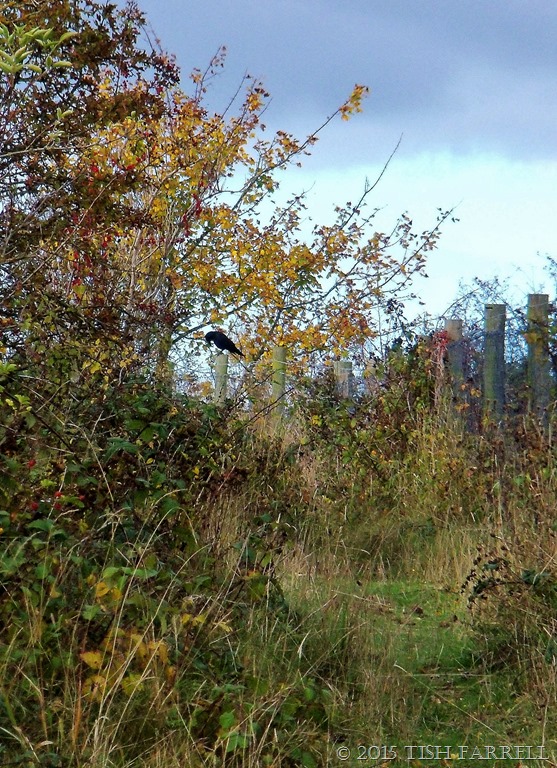
I didn’t think this shot would work. My little Kodak EasyShare was on maximum 5x zoom. But when I looked at the image on screen, I decided it was worth posting. It anyway illustrates an important fact about carrion crows. They are very hard to sneak up on, which is why I couldn’t get any closer and take a better shot.

The next second it was gone, flying off with its guttural ‘kraaar’ call.

Carrion crows are solitary birds unless, that is, they have a mate. This one does have a consort. The pair’s territory includes Windmill Hill, the Linden Field and Townsend Field behind our house; at least this is where I see them foraging together. They are usually a little way apart, rooting  through the grass. They are also notorious egg thieves and snatchers of poultry and pheasant poults, and so are much despised by country folk in general, and game keepers in particular.

When separated, the crows call one to the other. The single ‘kraaar’ that echoes through the trees, or across the fields. It is  a melancholy sound, but also a wake-up call. I find myself instantly responding, scanning the landscape, tuning in to its resonance. What’s going on out there?  Perhaps I have crows in my ancestry.

These birds are very clever. In nest-building season they perch in the tops of trees and watch where the other birds are building their nests.  They also, as their name and Dr Johnson suggests, eat dead animals. Well somebody has to clean up the environment.

You can tell them apart from rooks by their longer, sleeker profile. Rooks are altogether shaggier with a long, greyish bill and a face-patch. Rooks of course hang out in crowds, some of their rookeries being known to have several thousand nests.

But all in all, I like the crows best. They teach me to be watchful.

copyright 2015 Tish Farrell
‘Bench’ with a mission

100_7167

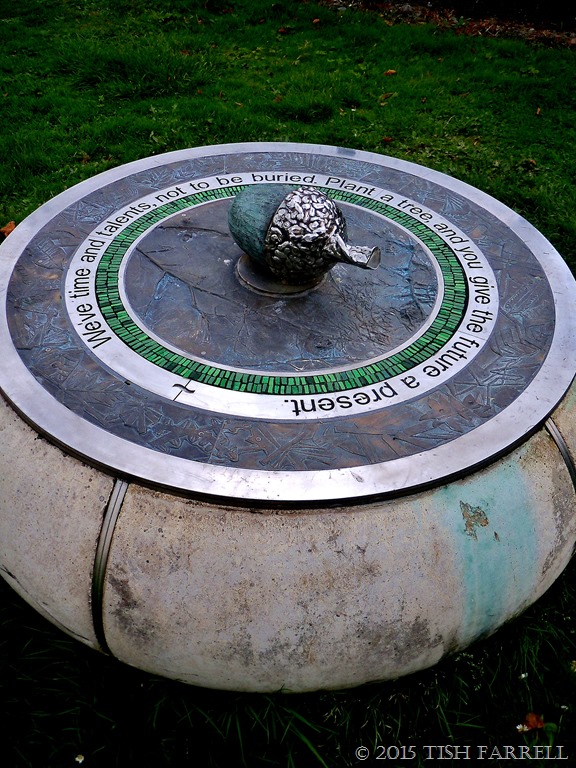
We’ve time and talents, not to be buried~

Plant a tree, and you give the future a present ~


Over at Travel Words’ Bench Series 44 Jude is charging us to find a bench with a message or an autumnal theme. This may not  be a bench as such, but it does have a message and a seasonal acorn. Also, along with the inspirational motto, it was designed to provide a perch and meeting point for the town’s passing visitors.

There are four more of these artworks-cum-tuffets sited around the perimeter of Much Wenlock’s Linden Field, the venue for the Wenlock Olympian Games since the 1850s. The works were created in 2012, the year in which the International Olympic Movement acknowledged Much Wenlock’s historical connection to the modern games by naming one of their one-eyed, androgynous mascots ‘Wenlock’.

Anyone remember he/she/it? Perhaps better not to. The mascots were apparently conceived by a committee, and delivered into the world by a company in Telford. The intention was well-meaning: not to make reference to an identifiable ethnicity, gender, or known human disability.

Here on home ground, members of our local William Penny Brookes Foundation decided to mark the town’s Olympics connection by commissioning community sculptor, Michael Johnson, to work with local school children, and Wenlock poet, Paul Francis. Their brief was to celebrate the life and work of the Wenlock Games’  founder, Dr. W P Brookes. If you click on the Michael Johnson link you can see the other four pieces. The designs on the bronze panels were derived from work by the town’s school children.

The frame is stainless steel with  stone side panels and bronze sections on top. Every tuffet has a piece of thought-provoking text, each one relating to William Penny Brookes’ major contributions to the town’s wellbeing.

100_7028

I love the idea of them, although I’m not too sure about the weathering capacity of the stone component. I just wish they were sited in places where more locals and visitors might see and appreciate them, and indeed sit on them for a spell: perhaps on the High Street, in the Square, on the Church Green opposite the doctor’s former home.

Anyway, this particular tuffet definitely has a mission to propose. Should you choose to accept it, please note, this tuffet will not self-destruct, but the world might be happier.

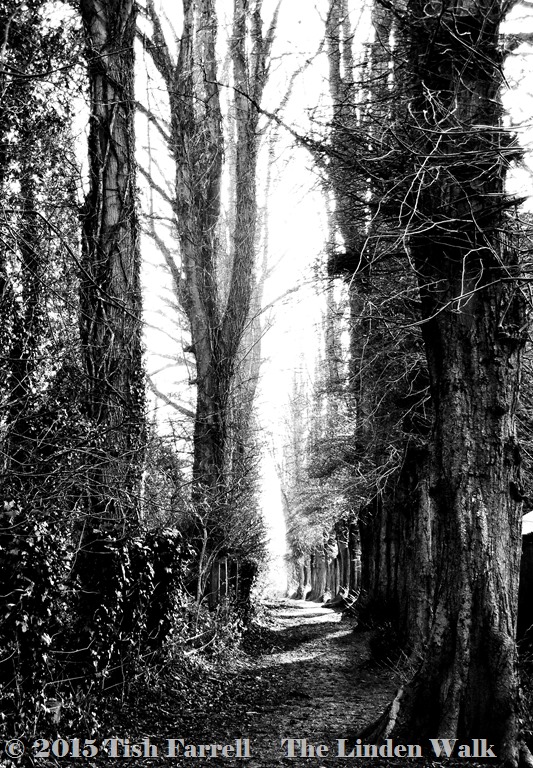
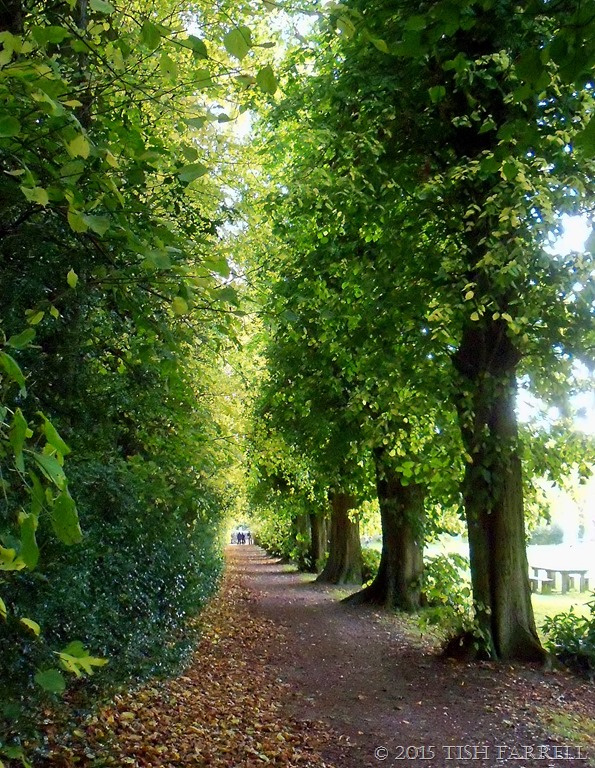
I’m thus leaving you with a view down the Linden Walk that borders the field and was planted by Dr. Brookes over a century ago. It is a joy to walk here whatever the weather, and whatever the season. So yes: more trees needed.

100_7851


We’ve time and talents, not to be buried~

Plant a tree, and you give the future a present ~


It’s a wonderful world…

100_7819

Earlier in the week, and in between leaf gathering for the allotment leaf mould project, finishing off a short story about Swahili spirit possession, I took myself on a wander around Wenlock’s byways to see what was what. We are very lucky in that respect. Our town is compact, having grown up around the medieval Wenlock Priory. One minute you’re on the High Street, the next you’re out in the Shropshire countryside. And there’s just so much to see out there.

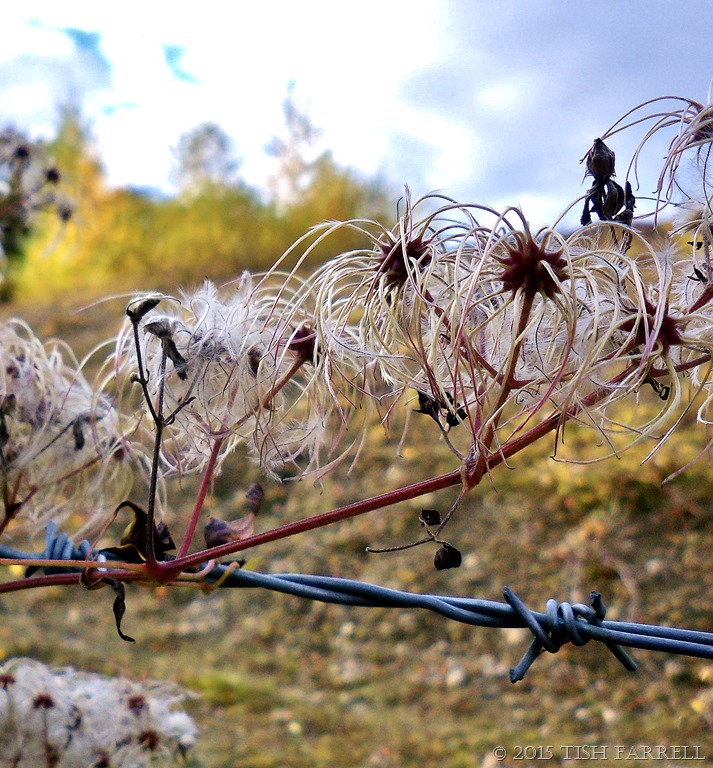
This wild clematis, aka Old Man’s Beard, caught my eye (above and below). It was arching over the path beside the abandoned Shadwell Quarry, and had then anchored itself on the fence. I like the congruity of the barbed wire and the twining plant stem.

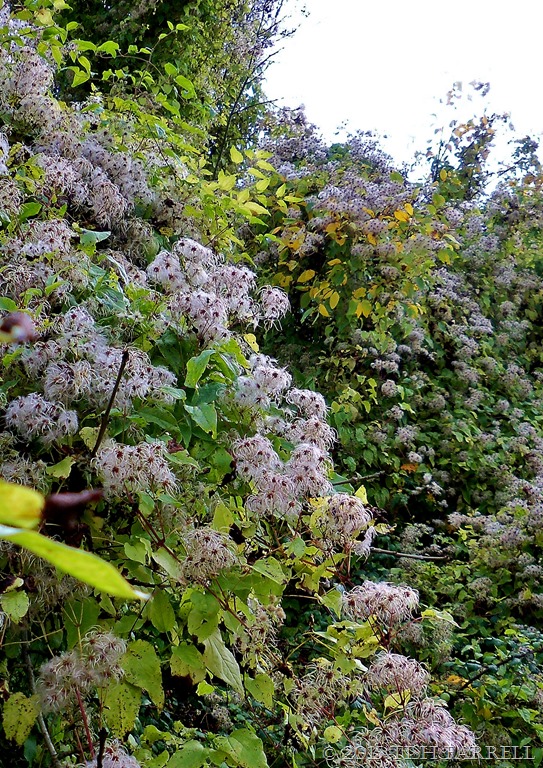
It comes into its own in the autumn with its feathery seed heads, and as you will see in a moment, it is an impressive climber.

During the summer it mostly creeps greenly through the trees and you tend not to notice it. I’m also grateful to Richard Mabey’s treasure book Flora Britannica for reminding me that another country name for this plant is Traveller’s Joy.  Mabey tells us that the plant was christened by 16th century botanist and herbalist, John Gerard who named it  thus because of its habit of ‘decking and adorning waies and hedges, where people travell’. He sounds like a sound chap, to pay tribute to the joy-making qualities of plant life.

100_7818

Like many varieties of clematis, this one does have medicinal properties – for kidneys and skin complaints – but as the whole plant is very acrid, it requires careful preparation. The most common traditional use is to roll the dried stems and smoke them as cigarettes, hence the plant’s other names of boy’s bacca and smokewood.

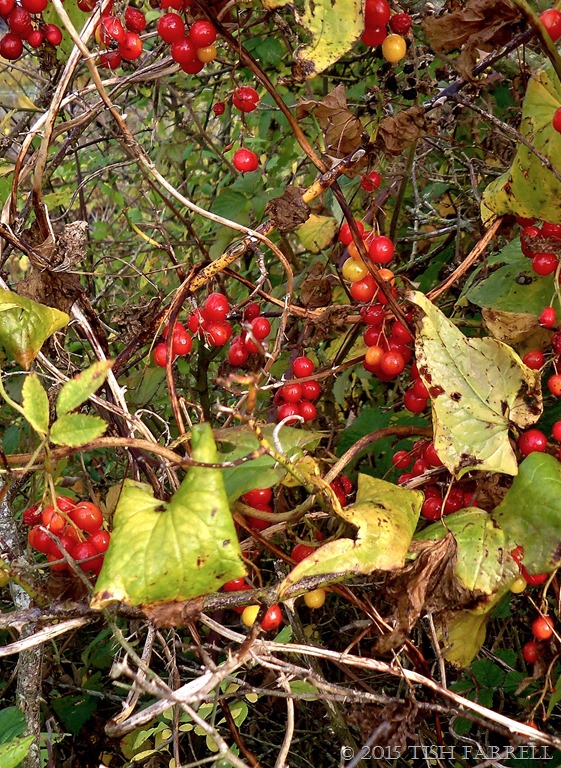
But this next plant is definitely one you do NOT want to consume in any form, despite its being related to cucumbers. All parts of White Bryony are poisonous and cattle deaths from eating it have been well recorded. But in autumn it is so very beautiful, and twines through hedgerows like strings of red and gold amber beads.

100_7828

The roots, though, are particularly toxic and grow very large. In 18th century Britain they featured in the mandrake root scam. Mandrake is a Mediterranean plant with a root that looks pretty much like a naked man or woman. It was in great demand as an aphrodisiac and narcotic. (If you know your Harry Potter, you will know that mandrake shrieks when it is being uprooted.) Unprincipled persons of the rabbit-catching variety thus began to fashion bryony roots into the highly desirable mandrake root. It was by no means an easy process either, and involved several phases to complete the subterfuge. Presumably the recipients did not live to tell any tales.

100_7815

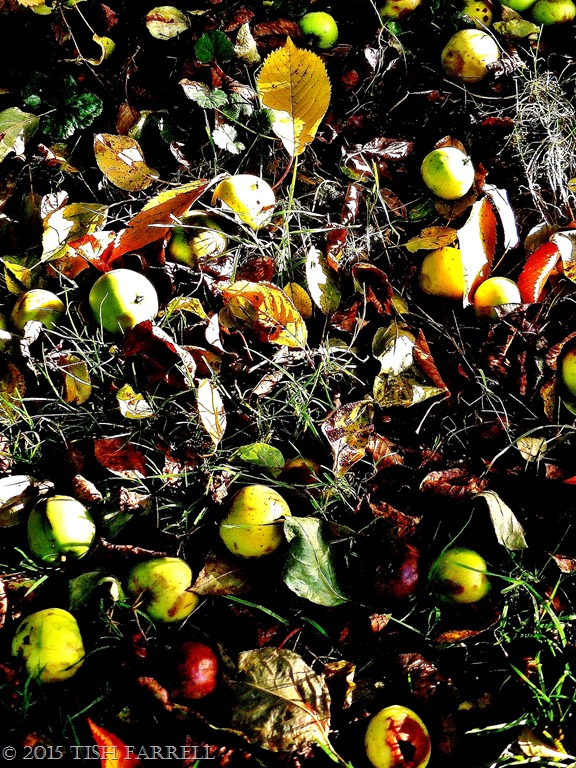
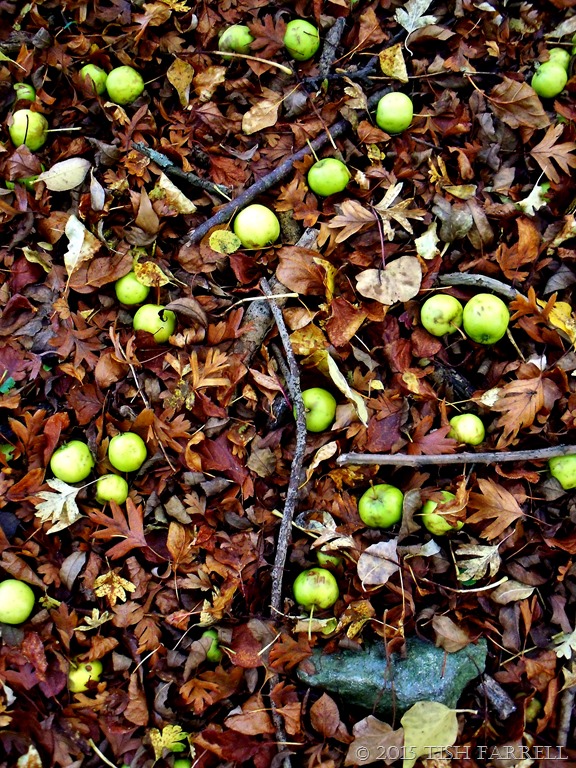
And here are some crab apples, Malus sylvestris  in Latin, woodland apples. They make brilliant, jewel like jelly which is good on toast or with roasts. Mabey says they are the ‘most important ancestor of the cultivated apple, M. domestica. More than 6,000 named varieties have been bred over the centuries, of which probably only a third still survive.’

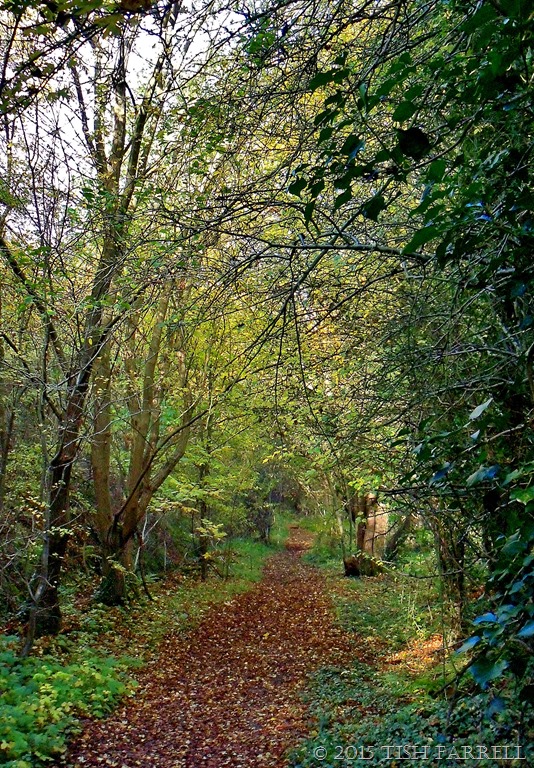
I found these, a little bruised, beside the old railway line that once served Shadwell Quarry. Now a footpath, this is one of the town’s most attractive places to walk. Ash trees and ivy overhang the track these days, and it has an other-worldly feel, far removed from industrial quarrying, trucking and smelting .

100_7809

It is hard to imagine that steam trains once came chugging down this track. The branch was built specifically to haul away Shadwell limestone to use as fluxing stone in the iron-smelting industry. In 1873, alone, 22,500 tons was shipped out of Wenlock.

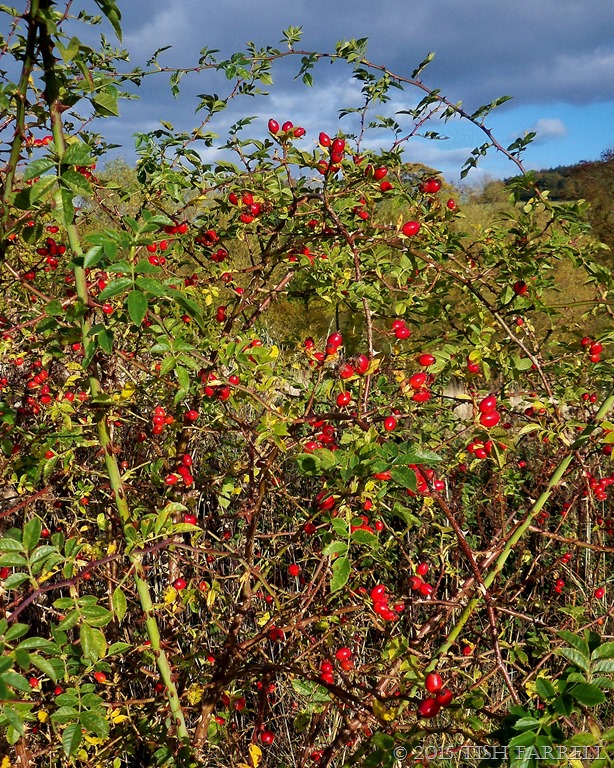
You can walk ‘there and back’ along the path, or there’s a longer circular route that takes you across fields, and down the lane to the Priory and into town. Out in the fields I found that the rose-hips, fruits of wild roses,  were doing pretty good jewel impressions too. They are also known as heps or itchy-coos.

100_7806

The fruit have hairy insides which are a powerful irritant (and presumably much known to aggravate the coos or cows), but once removed, the hips have highest vitamin C content of any common native British fruit. During World War 2 and into the 1950s there was a national campaign to collect hips to make syrup according to Ministry of Food guidelines. It involved much mincing, stewing and straining, and a lot of sugar which I think was possibly counterproductive health benefit-wise. Nonetheless, caring mothers spooned it into their children.  Some of us will still remember the taste.

*

Finally a note about this post. Apart from celebrating the Shropshire countryside, it’s also inspired by 1) Lucile Godoy at Photo Rehab and Perelincolors who in Tech of the Month have been urging us to ‘fill the whole picture’ in our compositions. See their blogs for some useful guidance. (Photos here taken with a Kodak EasyShare 380).

And 2) by Jo’s Monday Walk.

Happy composing and walking everyone.

copyright 2015 Tish Farrell