Two By Two

P1060365 - Copy

P1060368

This week at Lens-Artists, Elizabeth of Albatz Travel Adventures has us thinking about diptychs. This is what she says:

“A diptych is two images placed in proximity to one another, forming a pair. To make a successful pairing there should be several things in common, and something very different, contrasting.”

Please see her post for a range of inspiring examples.

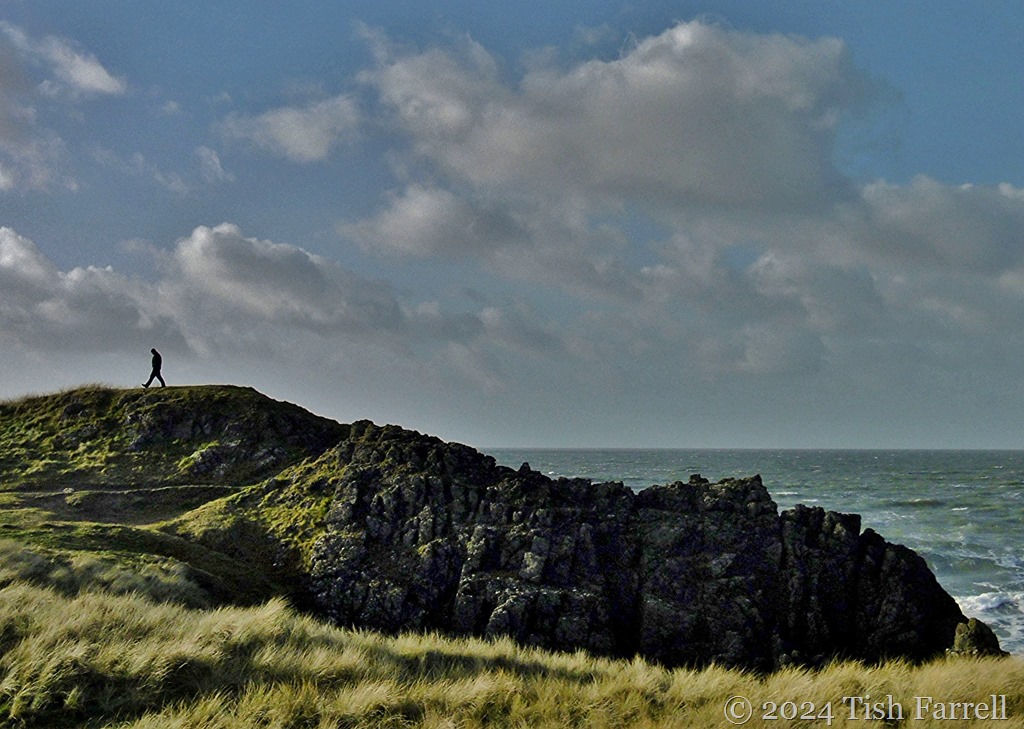
My header pair is perhaps a bit daft, but it appeals to my sense of humour: man ruminates deeply on the ebb and flow of the Celtic Sea.

Man makes up mind: enough is enough.

Location: Anglesey, North Wales.

*

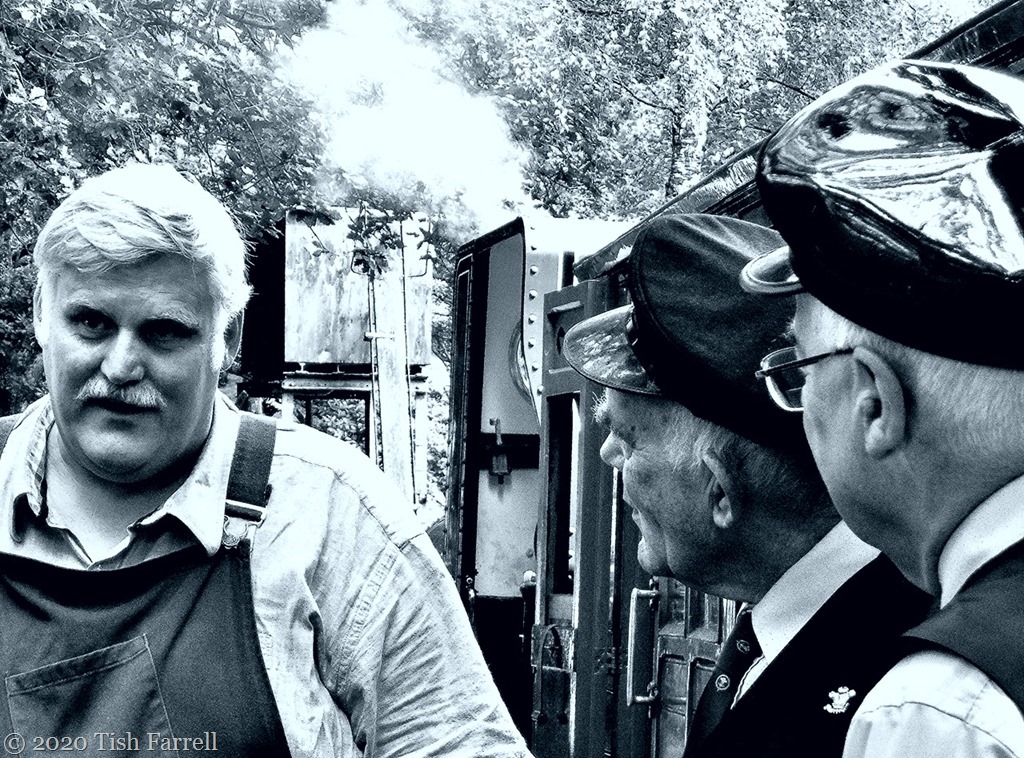
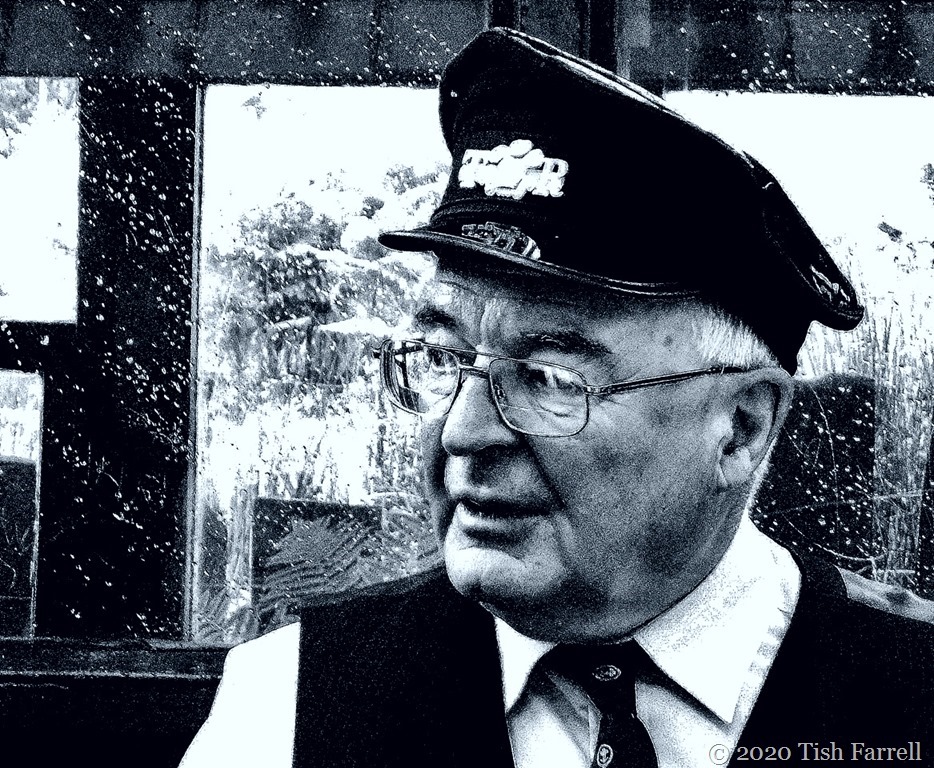
The next pair also has a Welsh location, taken on the Tallyllyn Steam Railway. Some of the enthusiastic volunteers who help run the trains:

Tallyllyn

p1040806

*

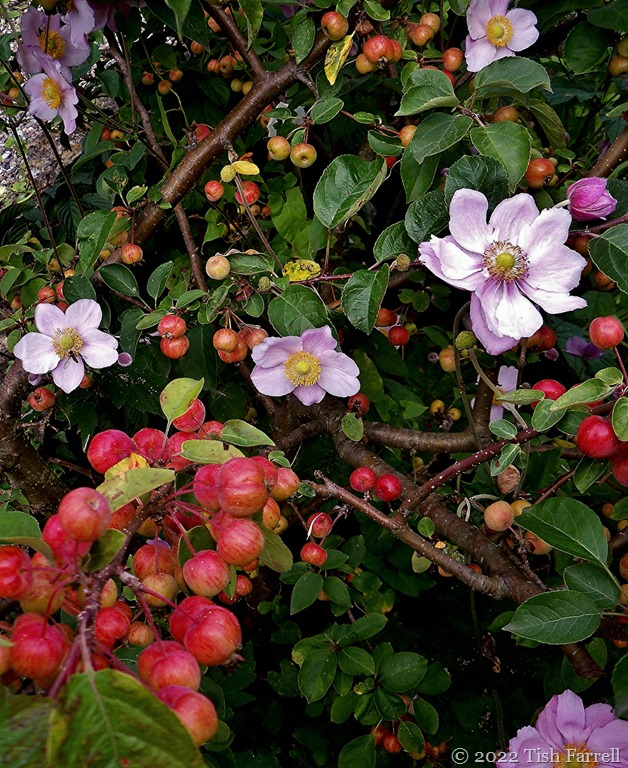
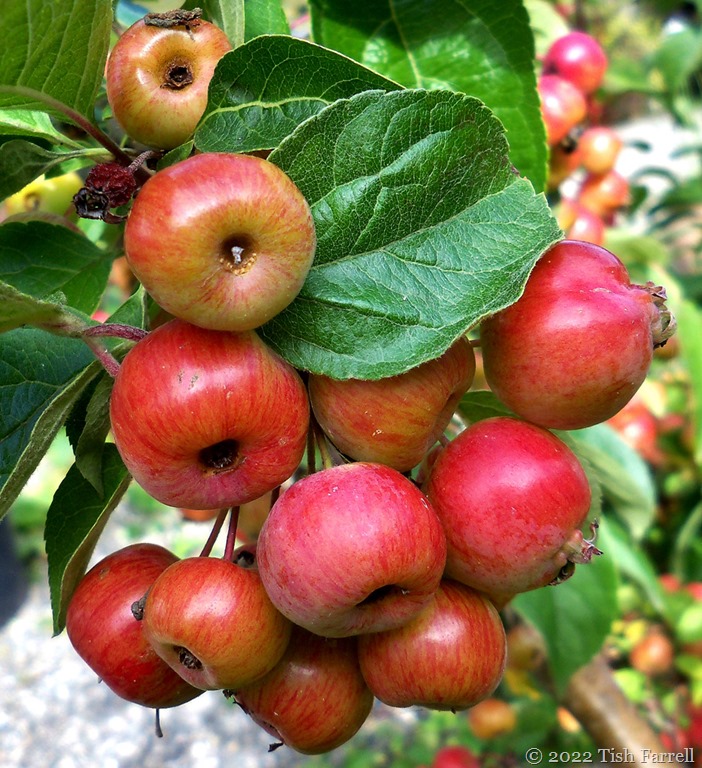
Crab Apple Tree (with Japanese anemones) in our old Wenlock garden:

100_7062

100_7068

*

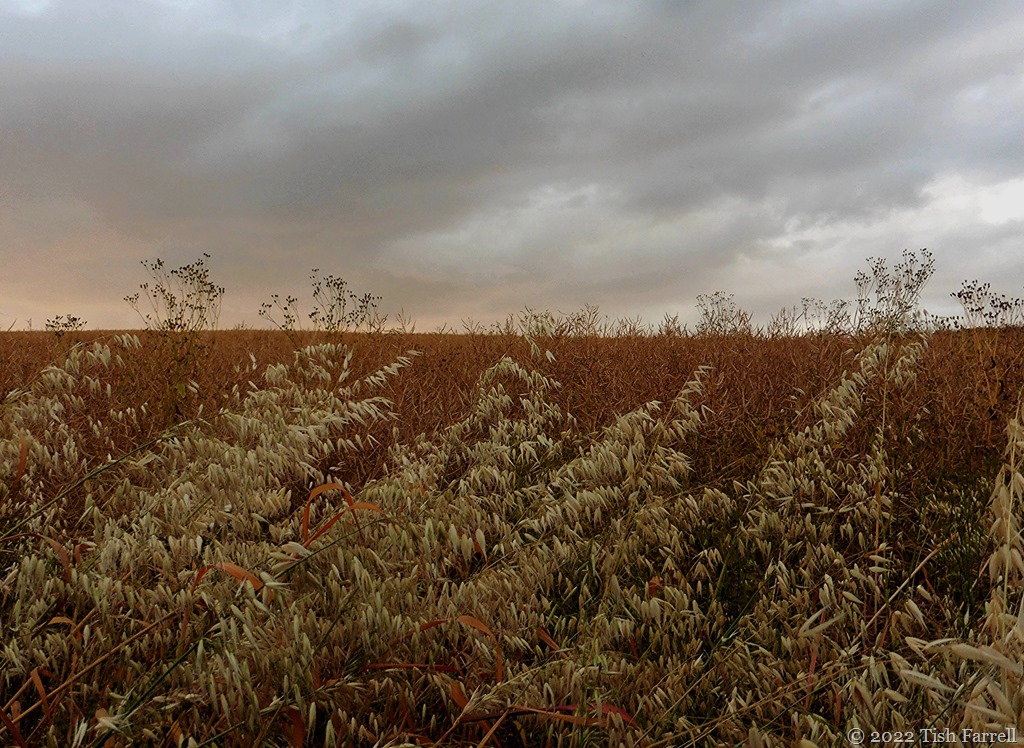
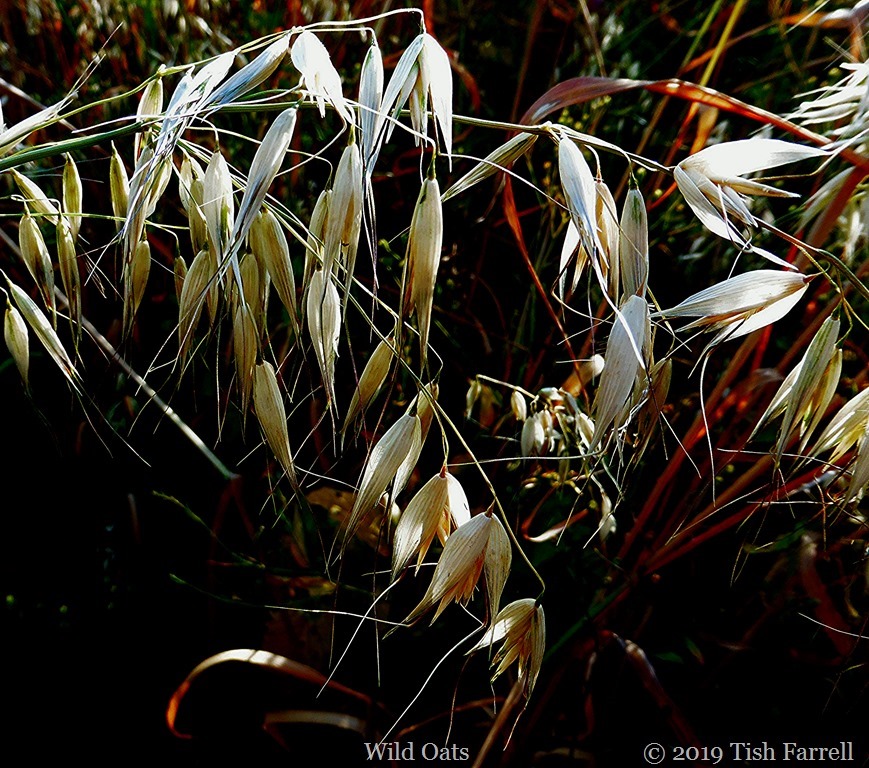
Townsend Meadow, Much Wenlock and a fine crop of wild oats:

P1070611

p1070625

*

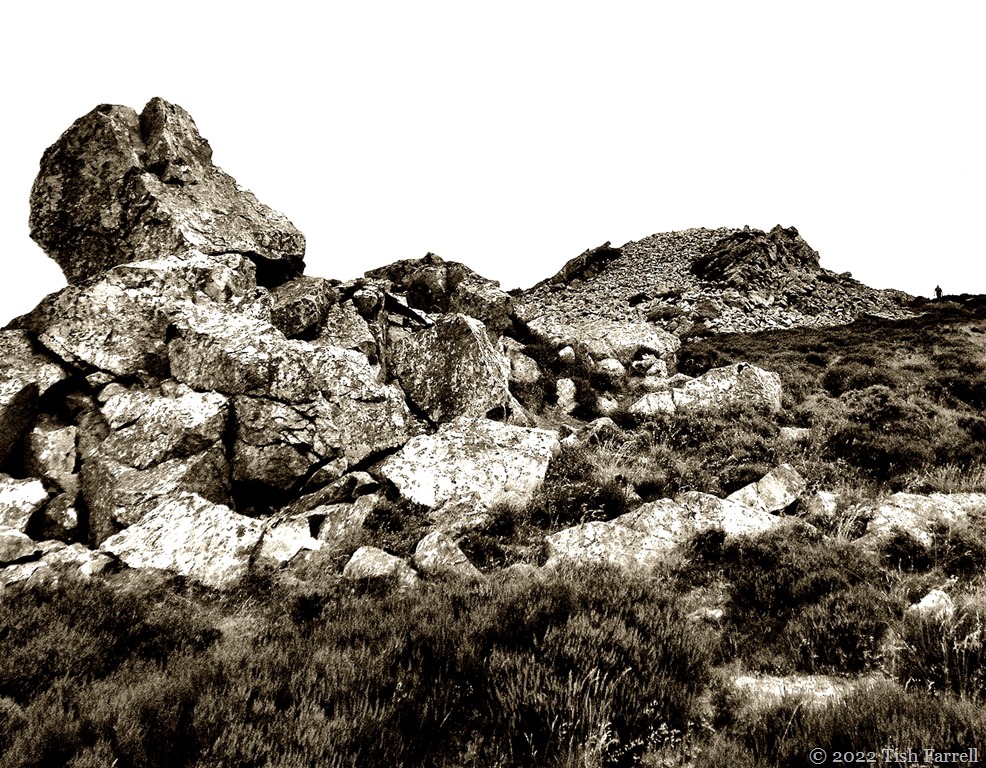
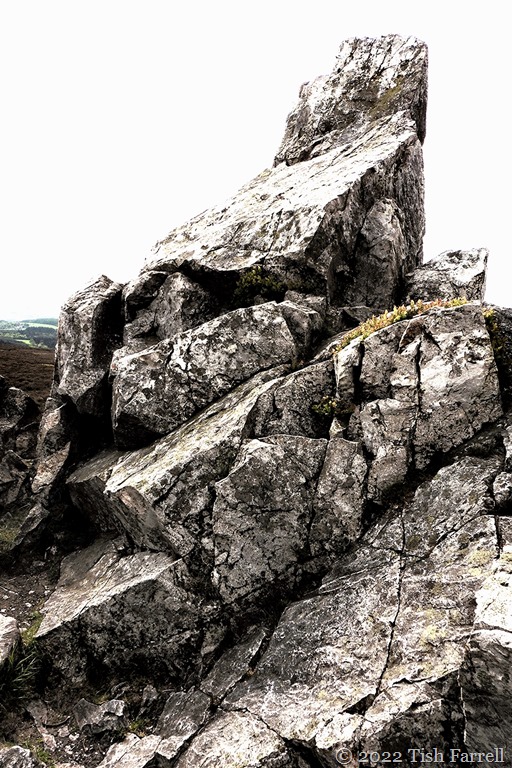
Up in the Shropshire Hills: the Stiperstones

P1080552sepia

P1060001dia

*

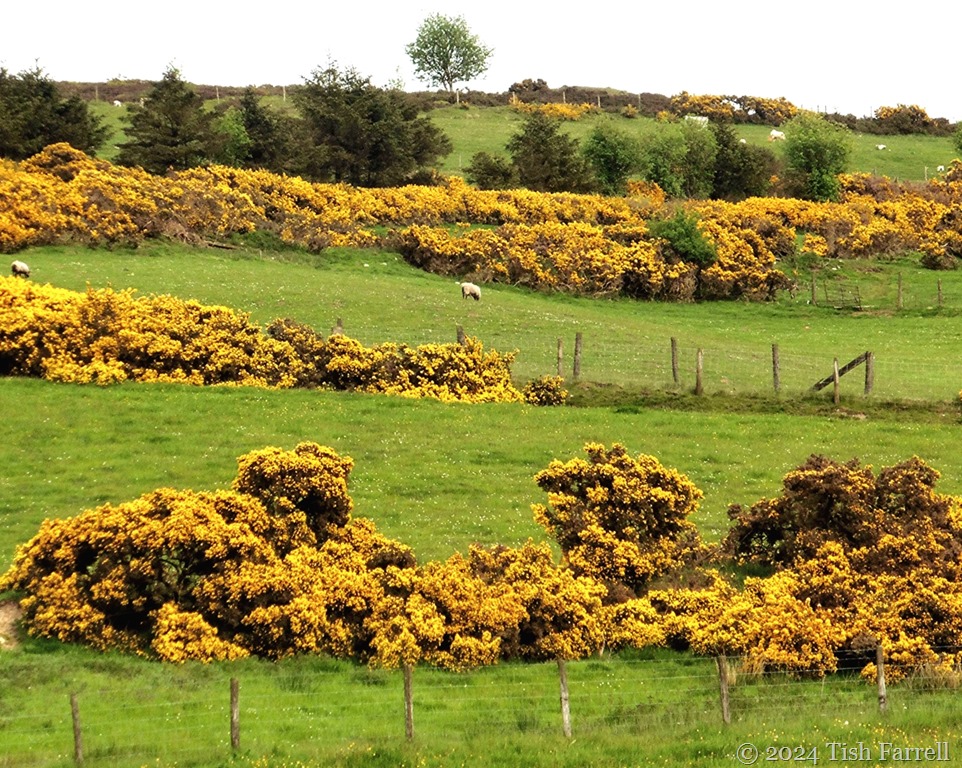
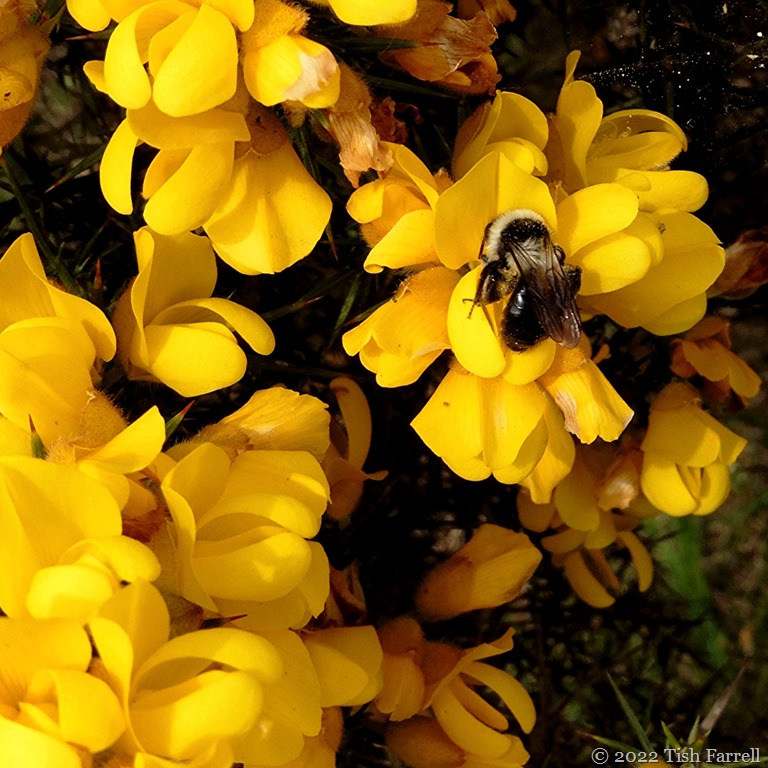
Also on the Stiperstones – fields of gorse, once widely cropped for winter animal fodder; these days, more valuable to bees and other insects:

P1060009

P1060017sq

*

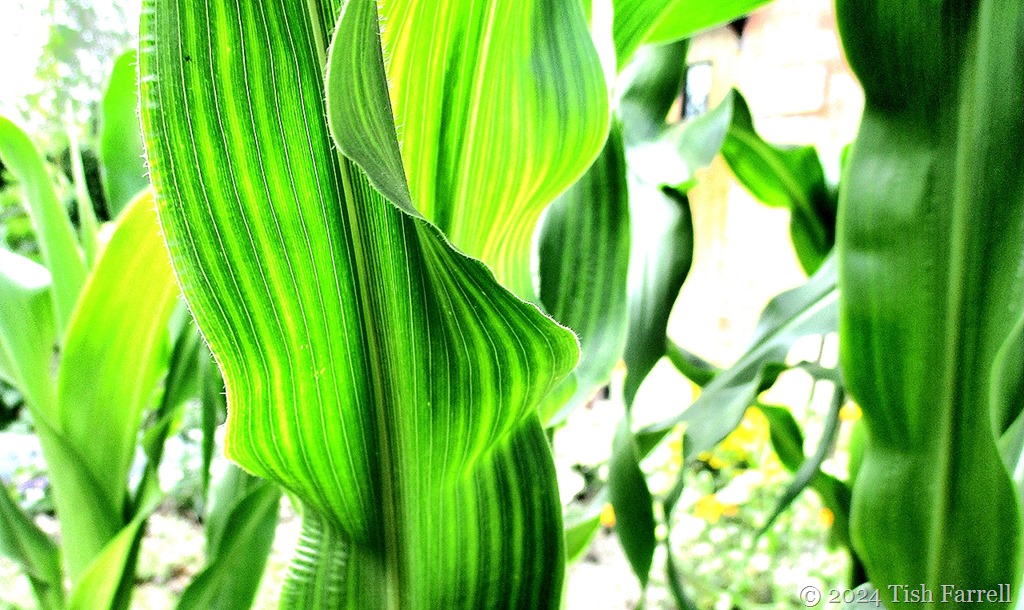
And finally some light and shadow. Leaves – back lit and top lit:

img_0580

img_0568

Lens-Artists: Perfect Pairs

A Spot Of Garden Flamenco?

IMG_5746

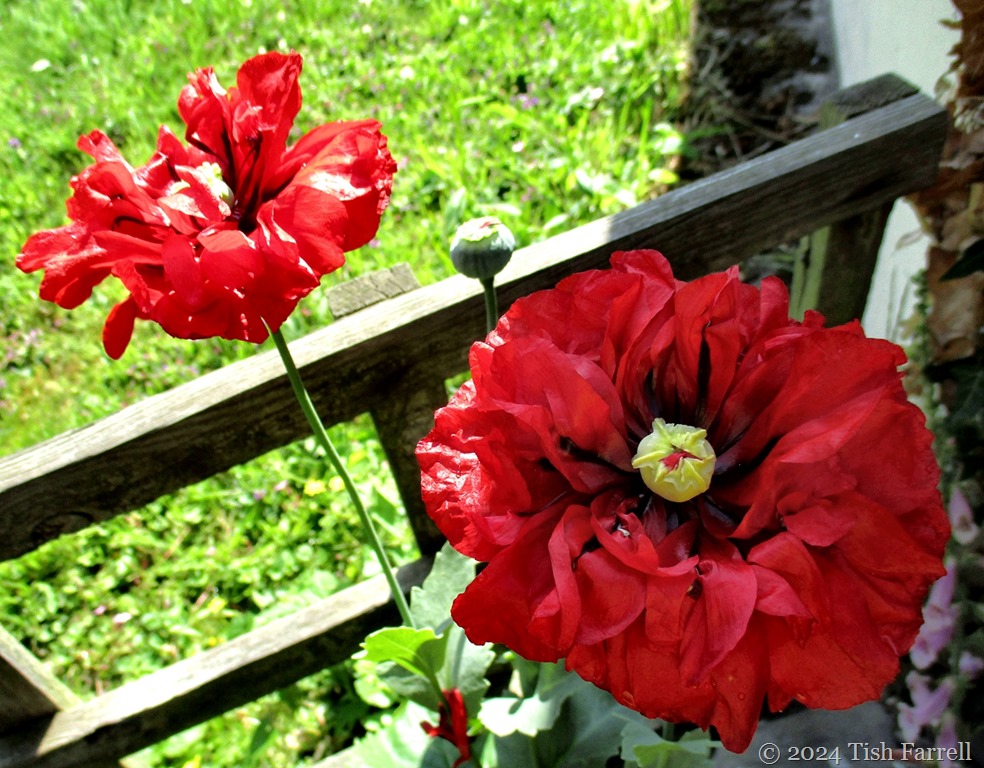
We have visitors, blown in from who knows where. All over the garden too. And what a show they’re giving us with their fiery frills and flounces. Papaver somniferum, the sleep-inducing opium poppy.

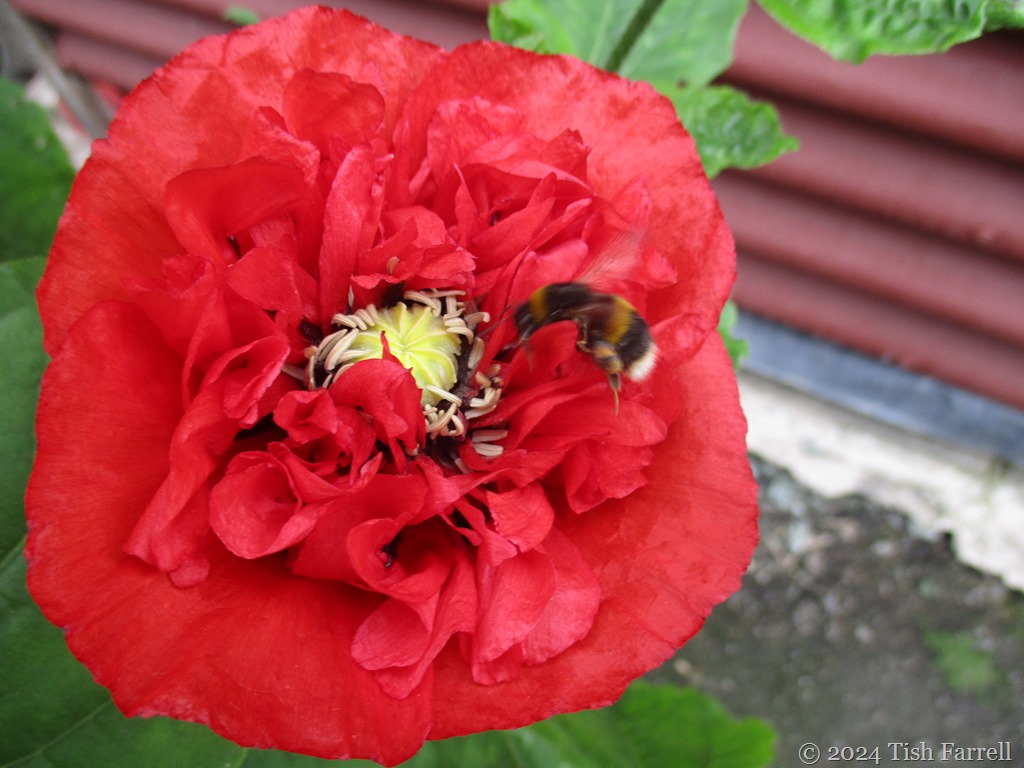
The bumble bees have been mightily excited by the poppies’ presence; their behaviour far from somnolent. In fact I witnessed much unseemly rummaging through floral petticoats as they hoovered round the creamy anthers.

IMG_5671

IMG_5672ed

*

Elsewhere in the garden there are more hot colours, this time courtesy of the Bishop’s Castle seed bank. This is a wonderful community venture whereby local gardeners donate flower and vegetable seeds. You can help yourself to the contents of the tray which lives upstairs in the Town Hall council chamber, and leave a donation to the seed bank.

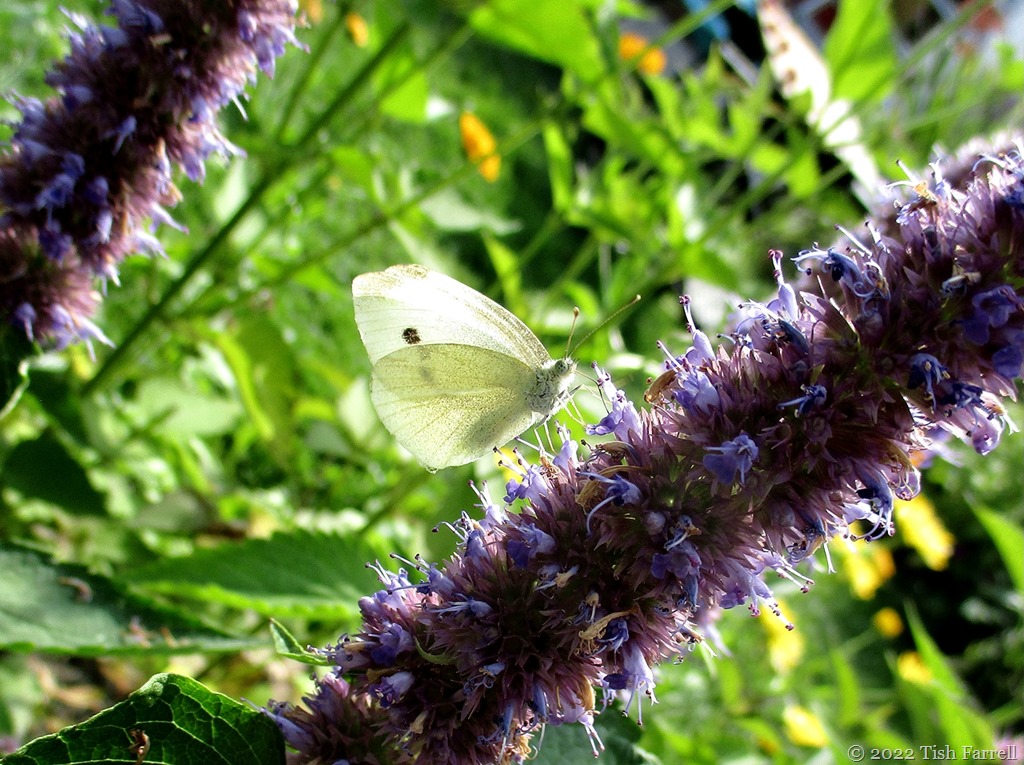
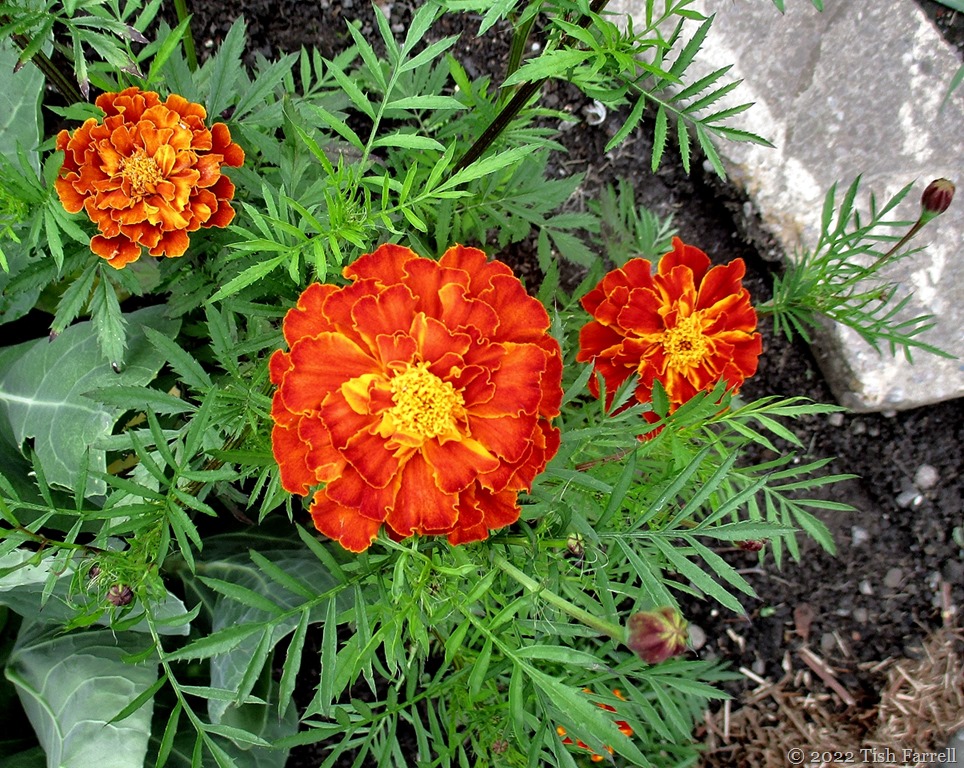
These French Marigolds were grown to protect the carrots. Their minty-lemony scent camouflages the carroty smell so fooling carrot flies that like to lay their eggs in the developing roots. But by some failure of organisation they ended up by the cabbages where they do nothing to dissuade the egg-laying proclivities of cabbage white butterflies.

IMG_5637

*

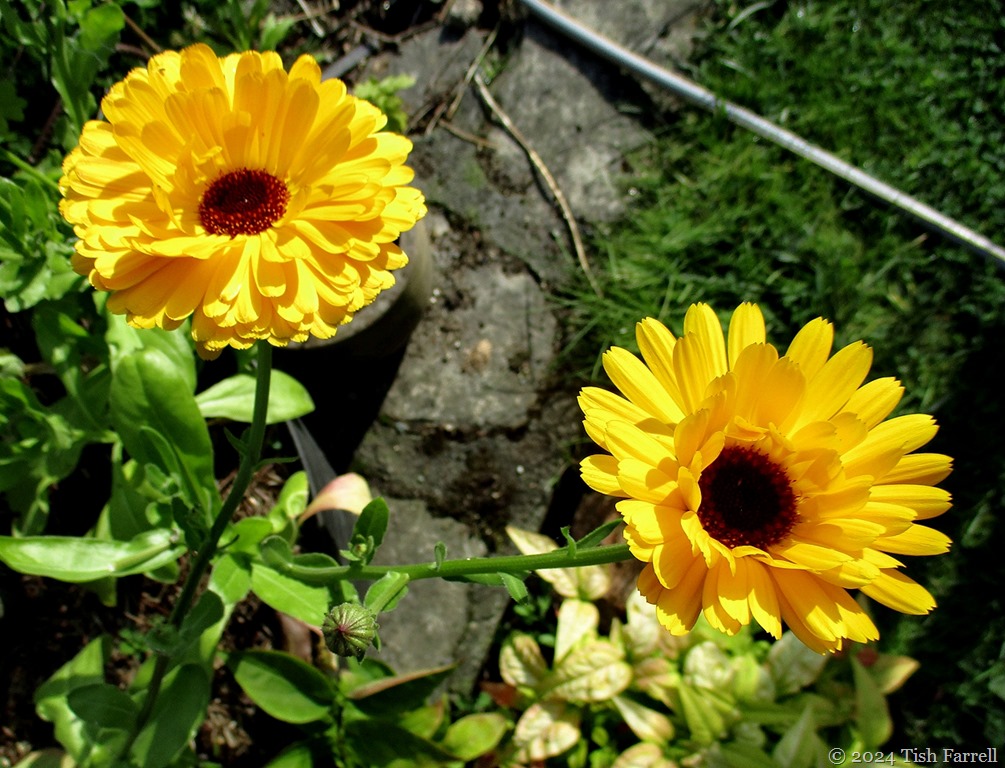
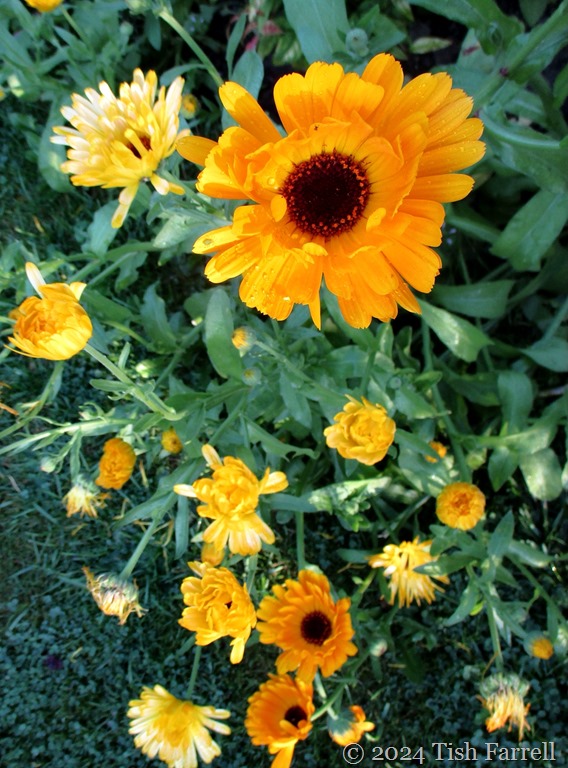
And then there are the seed bank pot marigolds. I’ve planted them out everywhere because I use the petals in salads. They have many beneficial medicinal qualities including a high lutein content which is good for protecting eyesight. Simply to gaze on them might suggest this particular property.

IMG_5735ed

IMG_5708

IMG_5701

Marigold with purple toadflax petals

*

But back to the flamenco. I don’t know about you, but this wild display makes me want to lift up my skirts and dance…

IMG_5747

When The Wall Came Down

IMG_5384

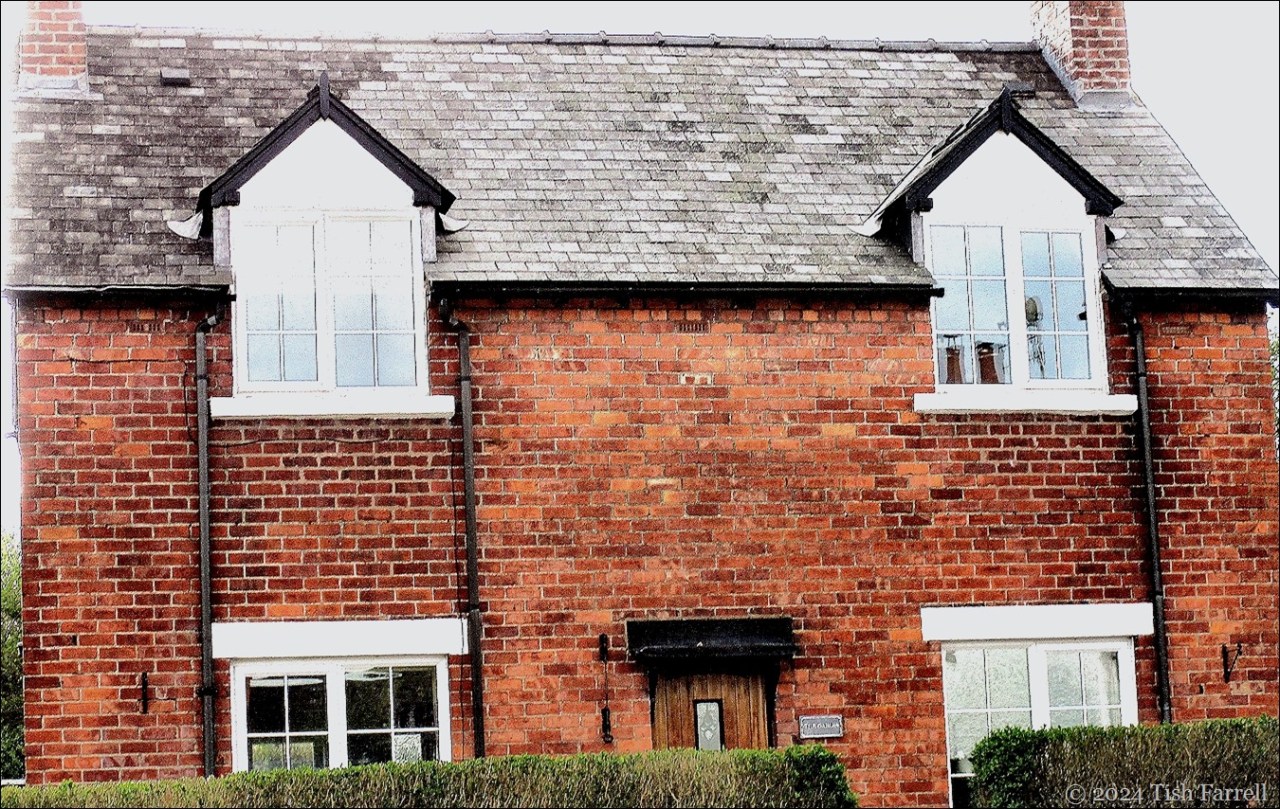
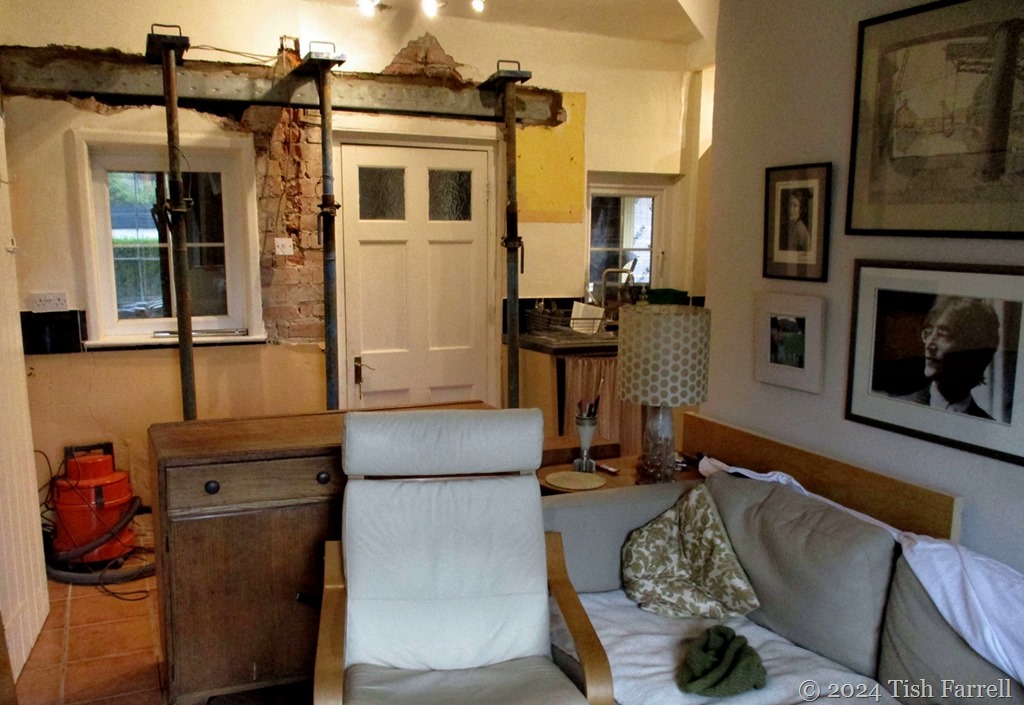
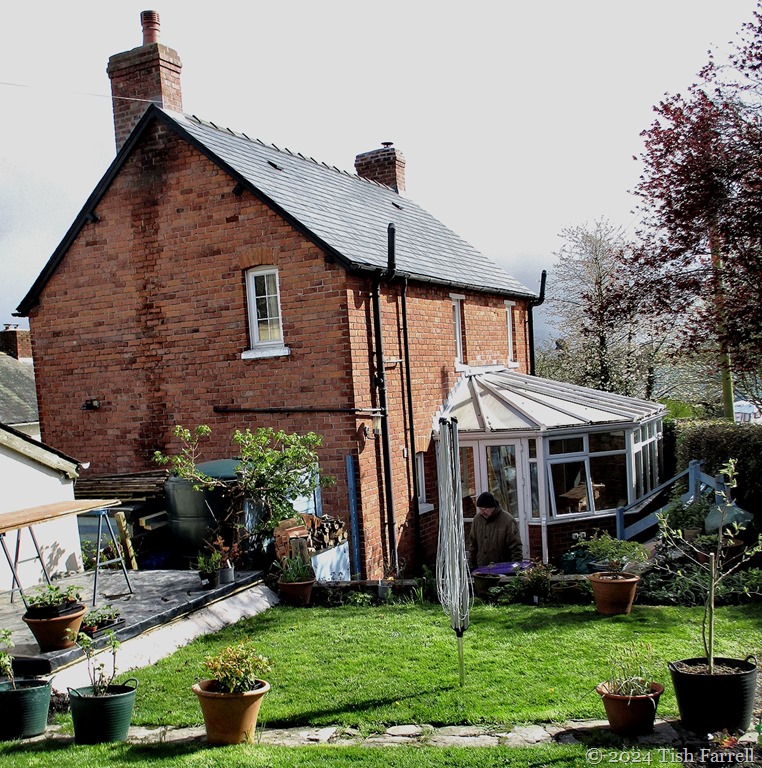
I think this is where I left off with the building work updates: acrow props holding up a third of the rear house wall while two steel beams were put in place. The door you can see was the original back door. When we moved into The Gables almost a year ago it opened onto a large uPVC conservatory, which at 20 years old was a little weary, as ageing plastic structures tend to be.

demolition 2

The conservatory that is no more

*

We knew at once it had to be turned into a properly insulated room, ideally a new kitchen-dining-room. And so began the process of having a designer draw up plans and submit them to the local authority for planning permission. That took a few months.

But now the photos. The acrow prop view shows our main sitting-room, looking from front to back of house. (There’s a second smaller sitting-room across the front hallway). Originally, when the house was built in 1922, there was internal wall running behind cupboard, presumably with a door through to a run of two or three narrow rooms. We’re guessing scullery, pantry, W.C. and also boiler room for doing laundry. This last possibility we discovered only two days ago when builder Alan was investigating the plumbing in the downstairs loo of many surprising colours. In the corner (left) he found signs of a small flue that had been re-used for the pipework when the upstairs bathroom was installed. (Tell-tale soot in the cavity).

IMG_5397

*

Anyway, at some point, in more recent times, the big sitting room was extended into the rear rooms to make an ‘L’ shape with a galley kitchen (running off to the right). The far end access to the W.C. was walled up in order to put in a big range cooker, and a new doorway to ablutions installed in the back corner of the smaller front sitting-room (not ideal!)

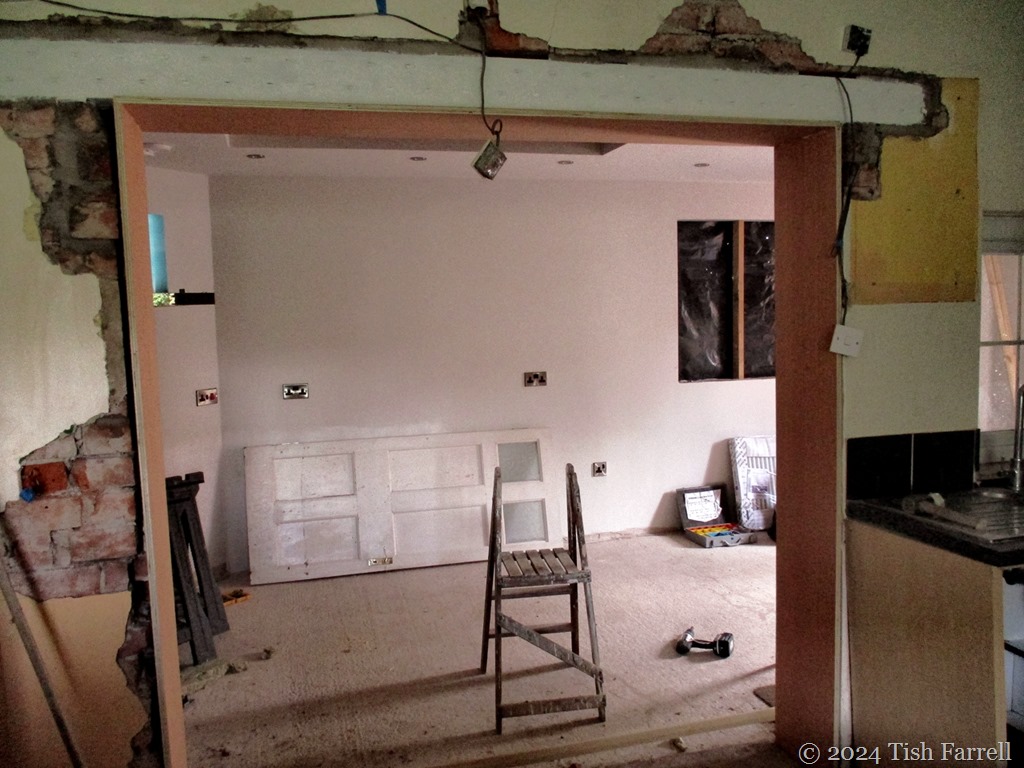
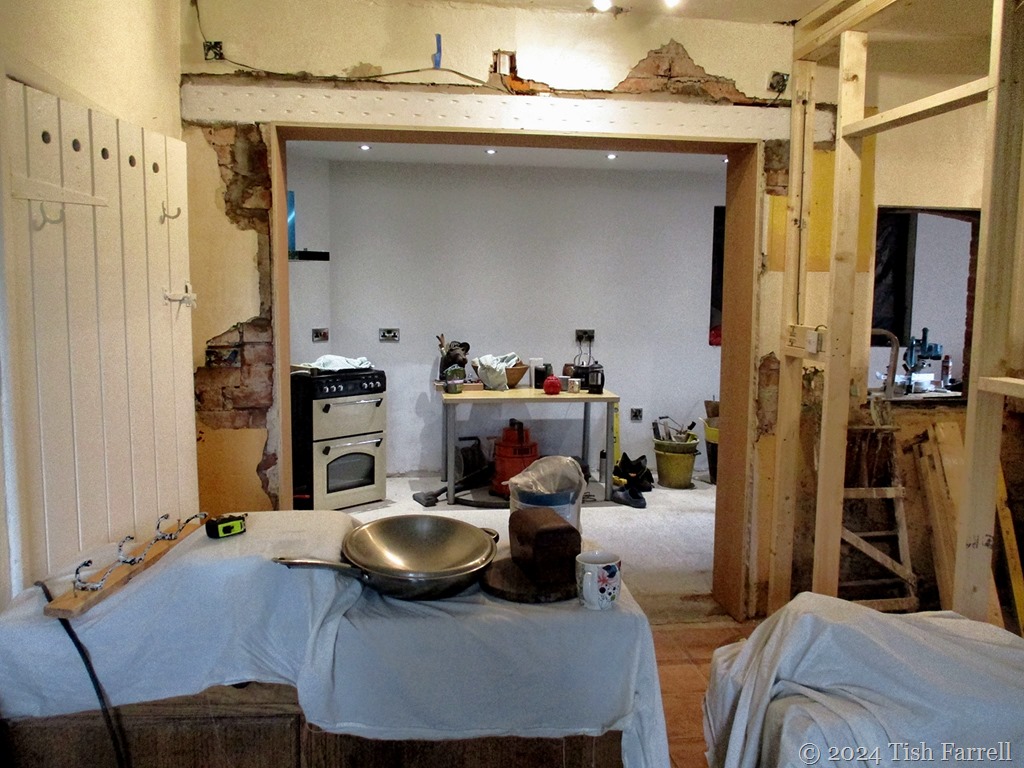
So: we’re knocking out part of the rear wall into the new kitchen extension, and reinstating a wall on the inside right to turn the (until last week) old kitchen into a utility room, and also restoring the door to the cloakroom and blocking up the sitting room access.

IMG_5606

The big knock-through

*

In the meantime, while the internal wall goes up for the utility room, I have makeshift arrangements in the new kitchen. This is currently only a shell awaiting its lantern roof-light, window, French doors, oak floor and kitchen units which are being made by Shepherd Hills, a Mennonite community of craftsmen who have their workshop in the next village.

IMG_5610

*

IMG_5623

*

IMG_5621

*

IMG_5619

Utility room and downstairs cloakroom with restored doorway

*

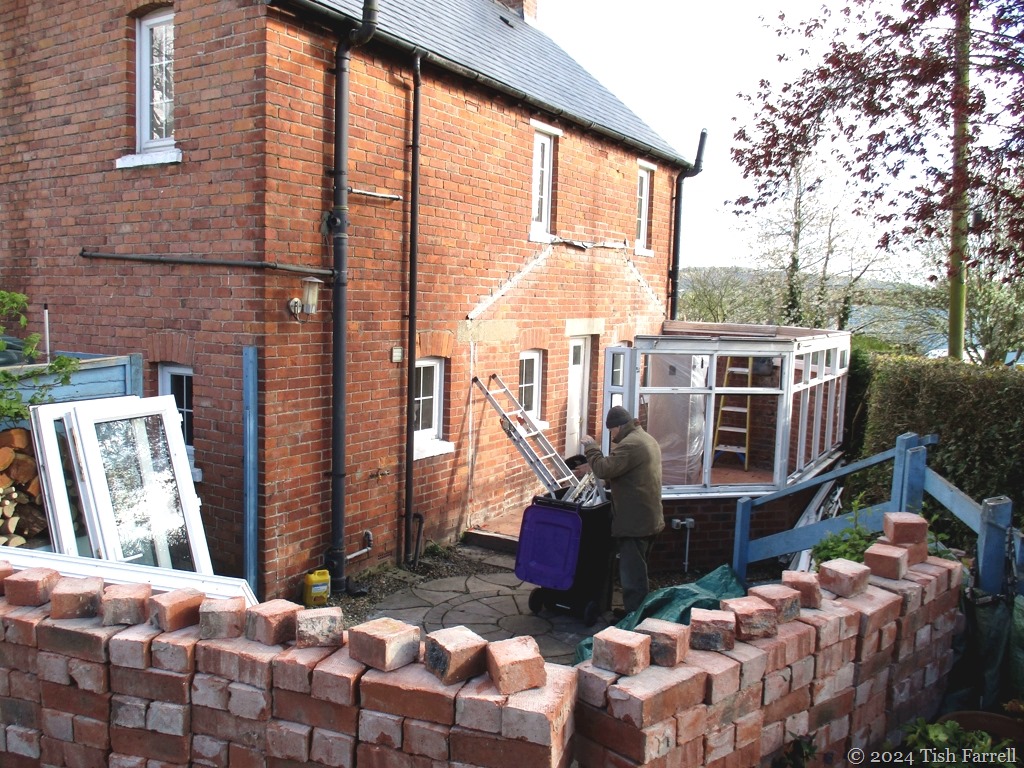
As for the outside, the brickwork is done, but I’m not revealing all until the windows and doors go in. There are always drawbacks with flat-roof extensions, not least the look of them, hence the addition of a lantern roof-light to offset the plainness of the rectangle. It is a difficult space to make the most of, in reality not very big. Nor was there much room to manoeuvre due to the position of the upstairs windows. Most of all, we didn’t want to add anything too fussy to this modest little house.

Looking back to the winter, some of you may remember the wall of bricks, saved by builder Alan from the conservatory demolition. They are now incorporated in the new build.

IMG_4922

*

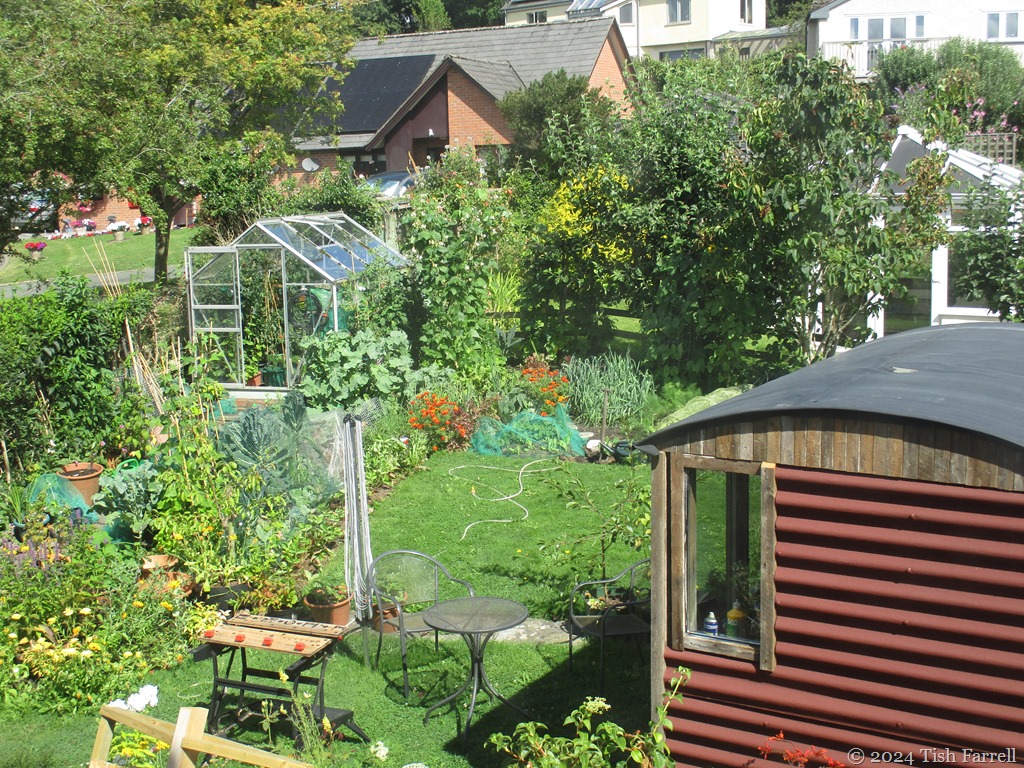
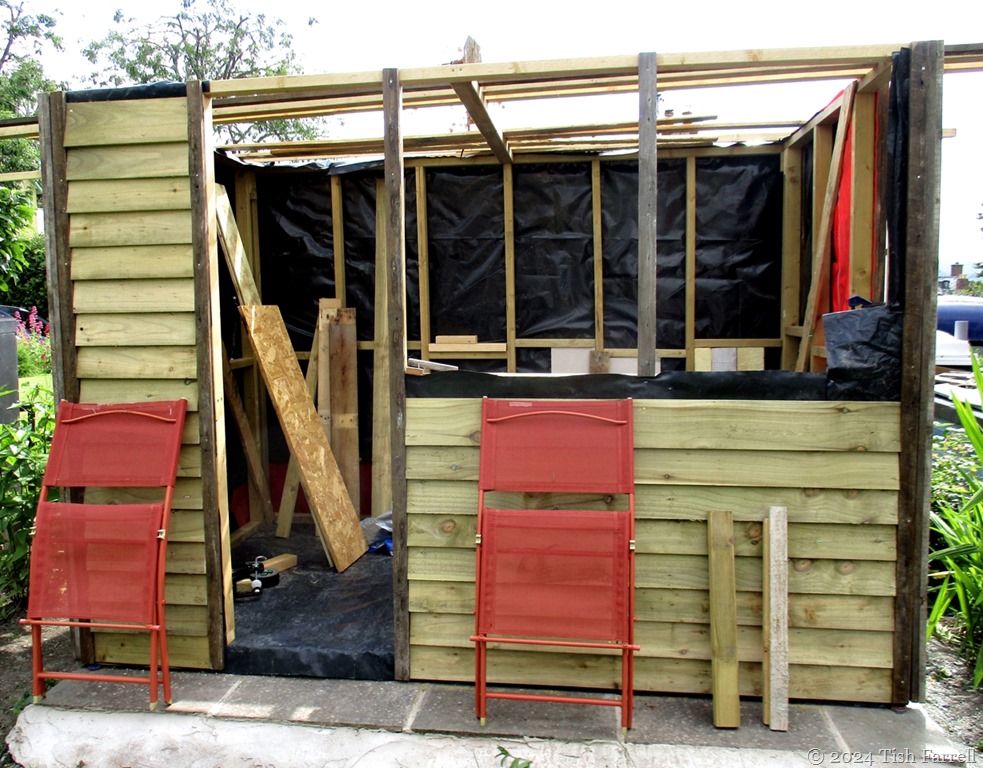
I can also show you our other structure in progress, as in Graham’s shed. He’s building it from scratch, inspired, he tells me, by a Great Western Railway goods waggon. It will thus have a curved roof, and as he’s forgotten how he built the Sheinton Street shed which also had a curved roof, the process is involving much pondering, followed by phases of making and unmaking. You may notice that some of  the hundred year old battens from the rebuilding of the house roof are being repurposed. Also four panes from the old conservatory are going into the window slots.

IMG_5533

IMG_5628

*

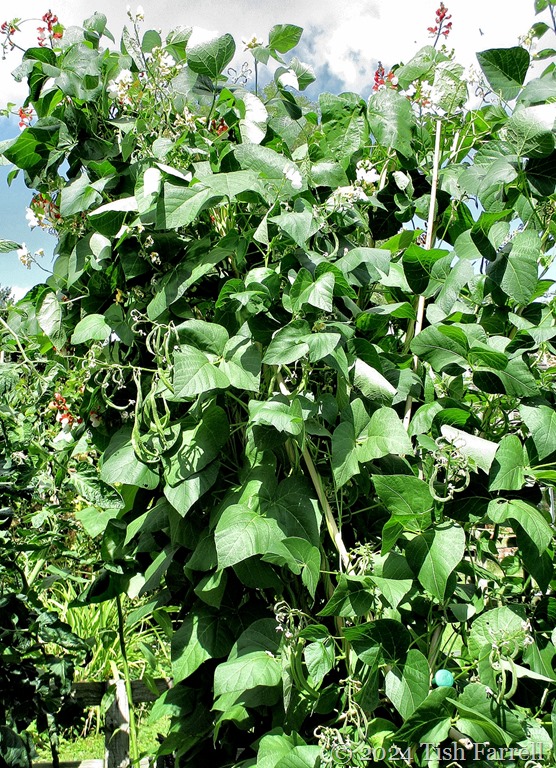
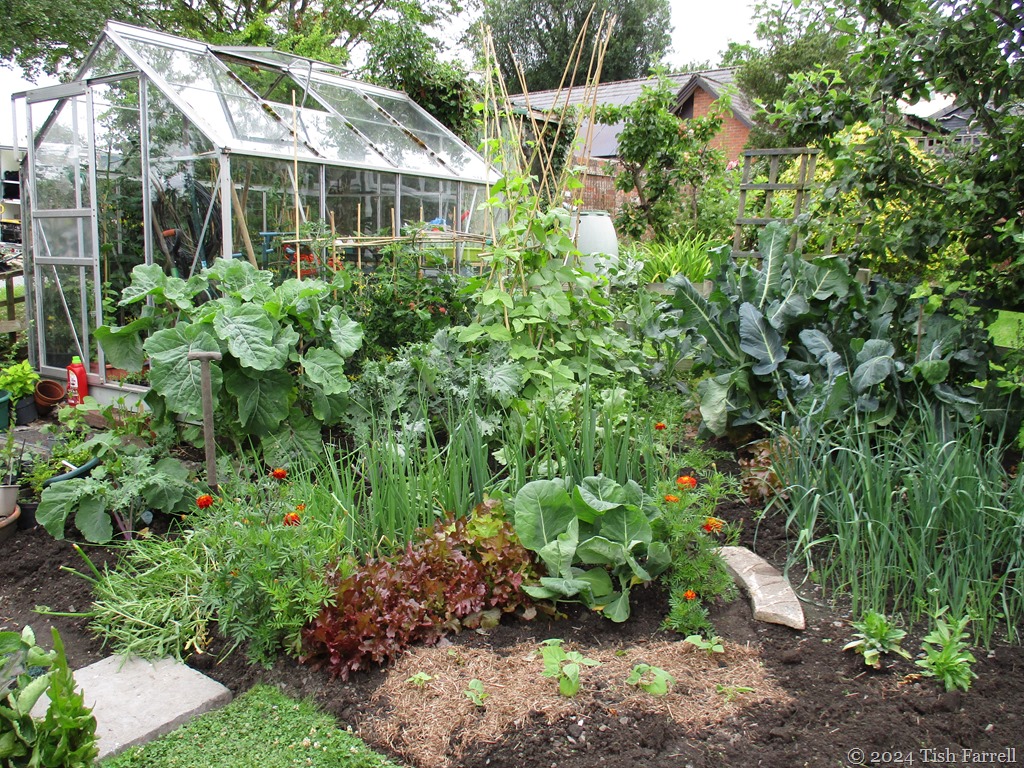
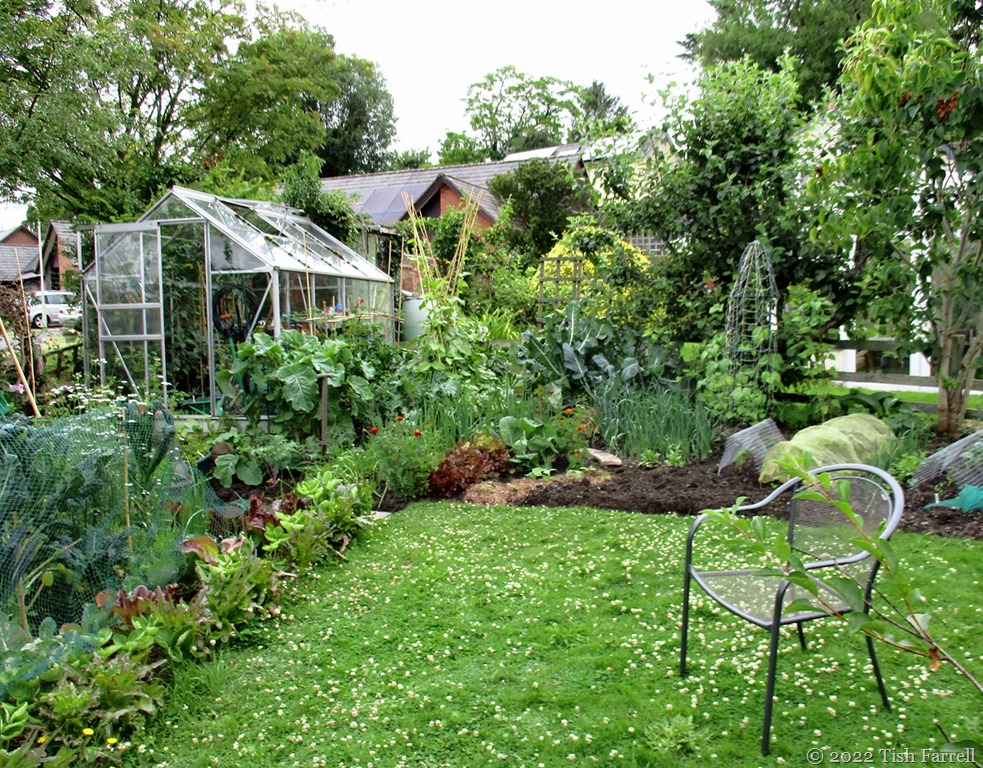
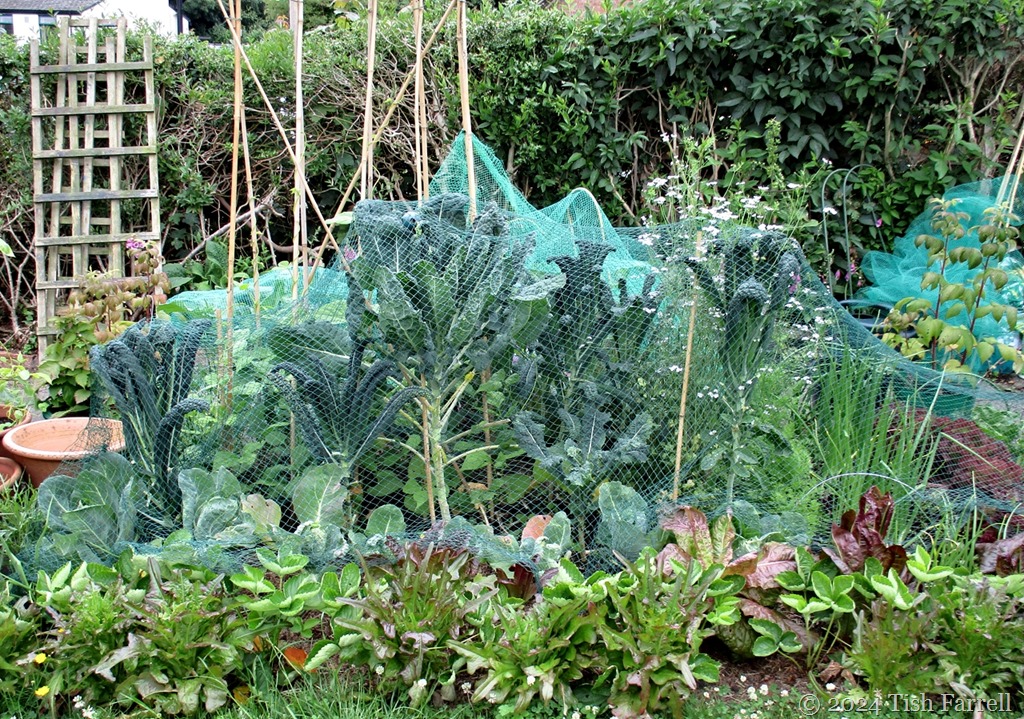
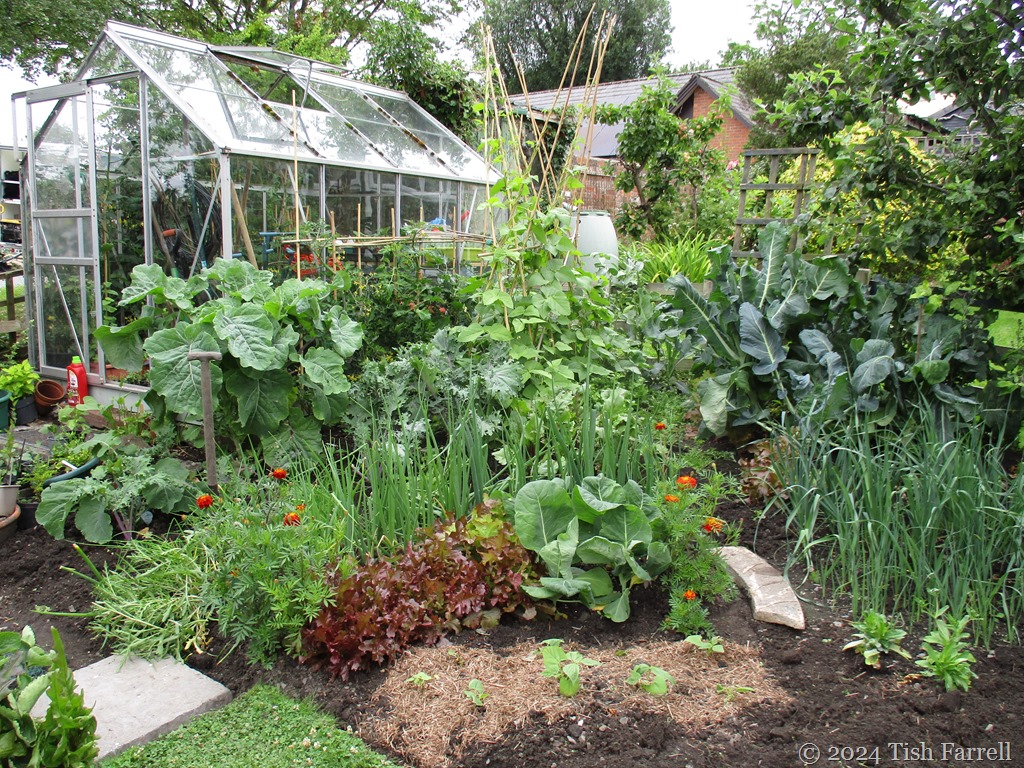
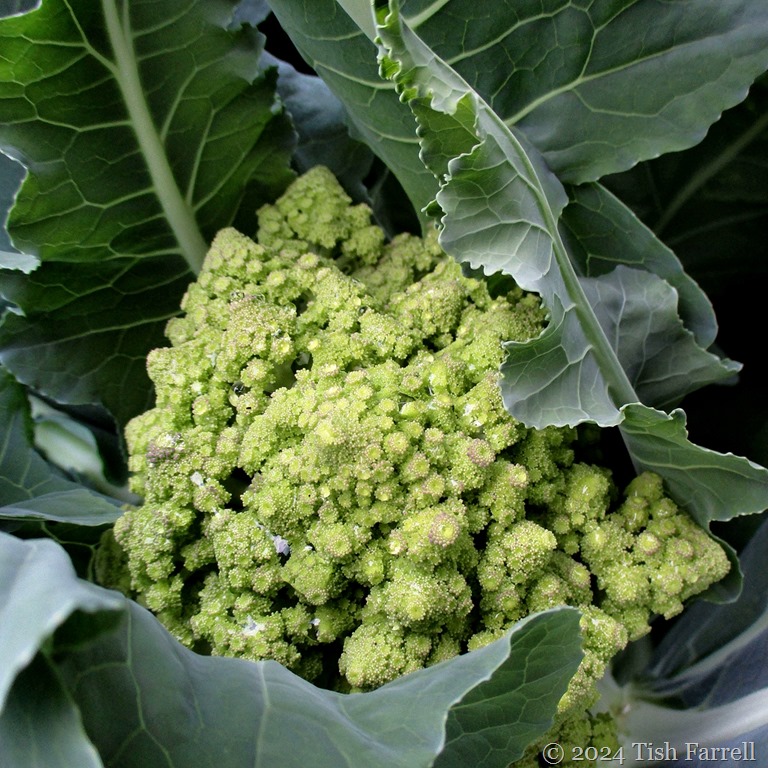
And as for the garden, well, after all the rain, it’s coming along rather vigorously in this interim phase of development (i.e. until the autumn when I might make more of plan that will involve finding homes for all the stuff presently in pots. At the moment I’m more interested in growing food. (On the plot: assorted tomatoes inside and outside the greenhouse, runner beans, Russian kale, perennial kale, onions, leeks, a few beetroot, Romanesco cauliflowers, cabbages and oak leaf lettuce).

IMG_5631

IMG_5675

*

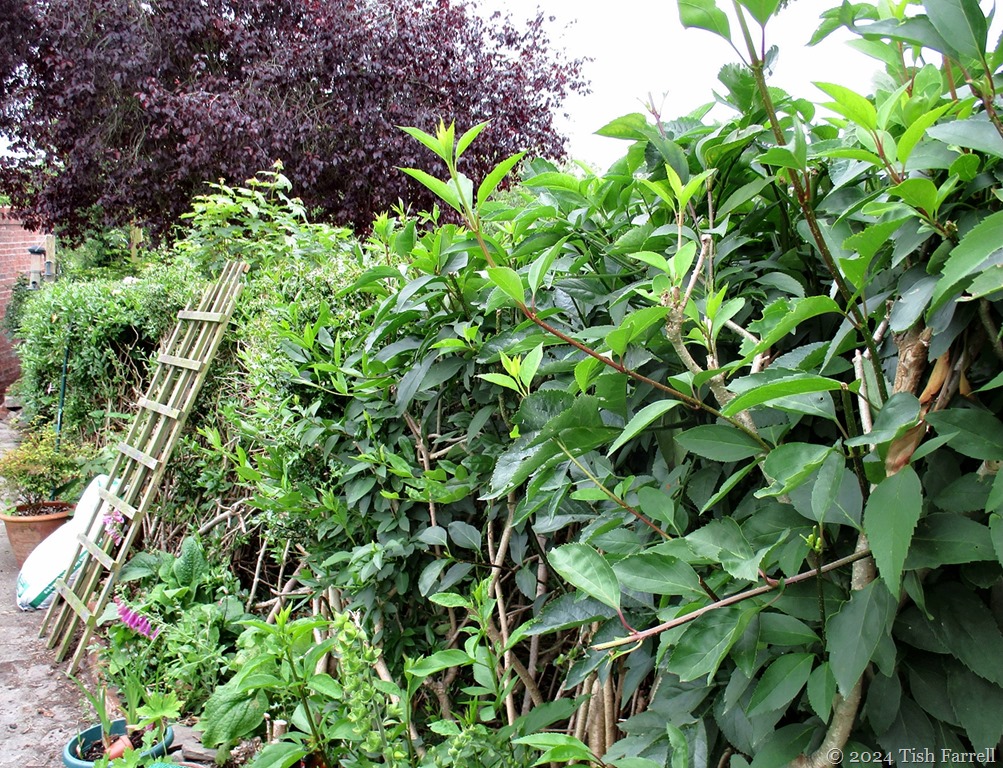
I think I’ve finished digging up the lawn, but there’s still the Hedge of Horrors to sort out, with more chicken wire extraction required, plus the unravelling of weigela, privet, elder, sycamore, ash, holly, hawthorn, ivy and some devilishly prickly berberis.

IMG_5641

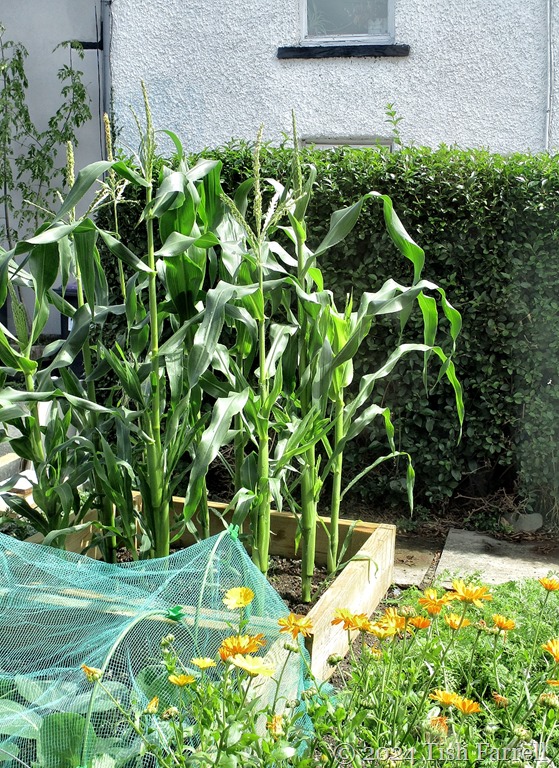
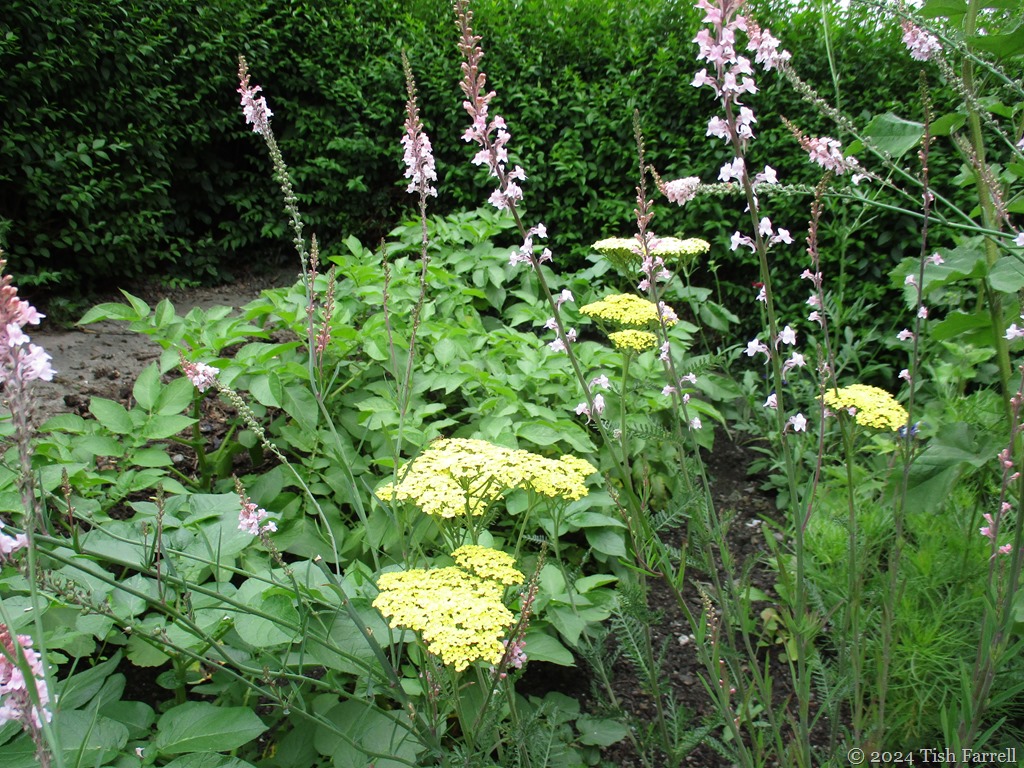
But on the plus side, the sweet corn is growing purposefully in the front garden, as are the Charlotte potatoes amongst the  toadflax and achillea.

IMG_5626

IMG_5625

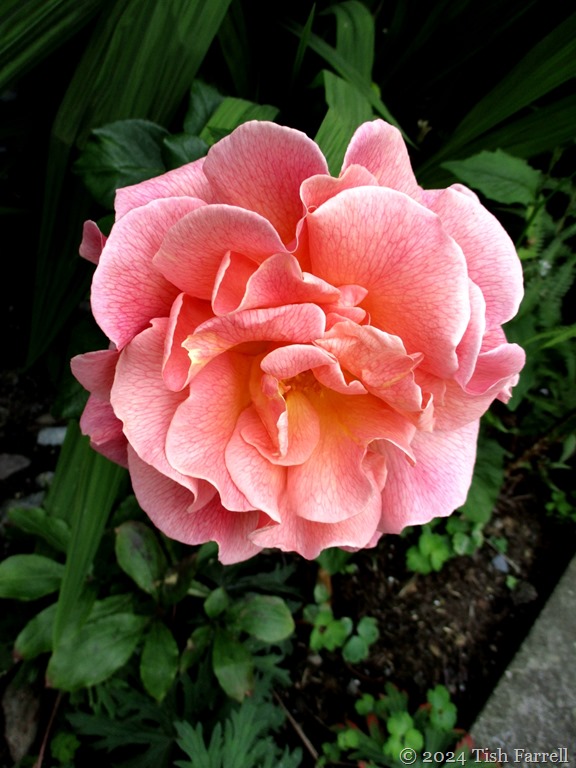
And that’s it for now chez Farrell. I’m leaving you with a single very lovely rose that snook out of the crocosmia thicket this week. It’s scent is delicious and growing by Graham’s shed.

Happy days amid dust and debris.

IMG_5646

header3

Coming Home To Roost

IMG_5480

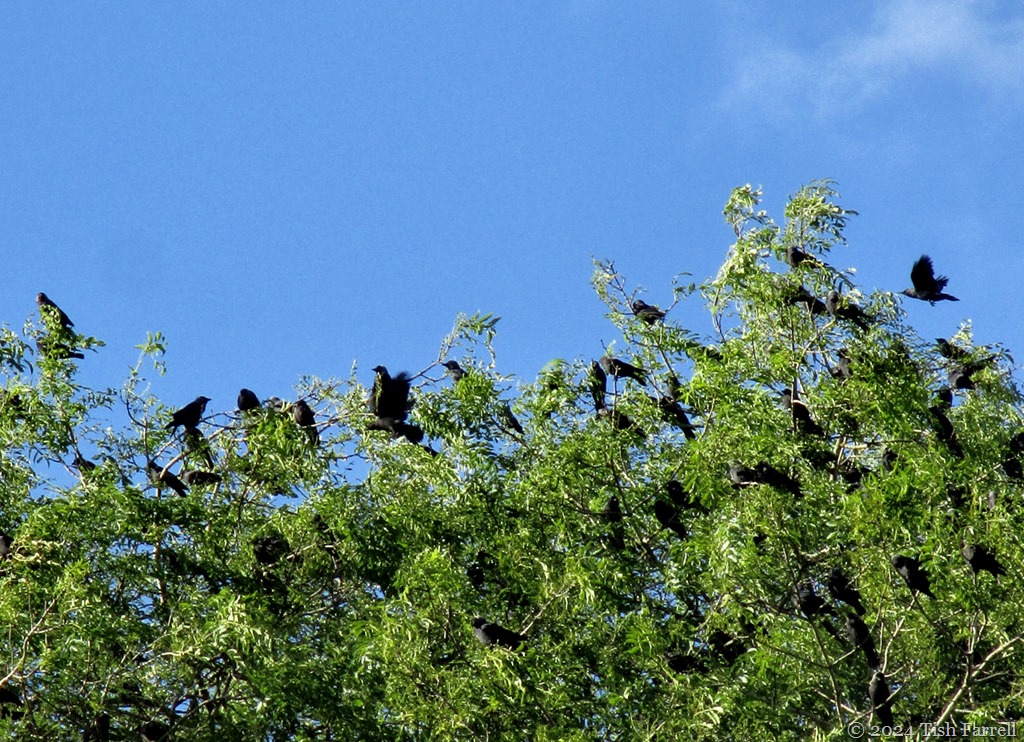
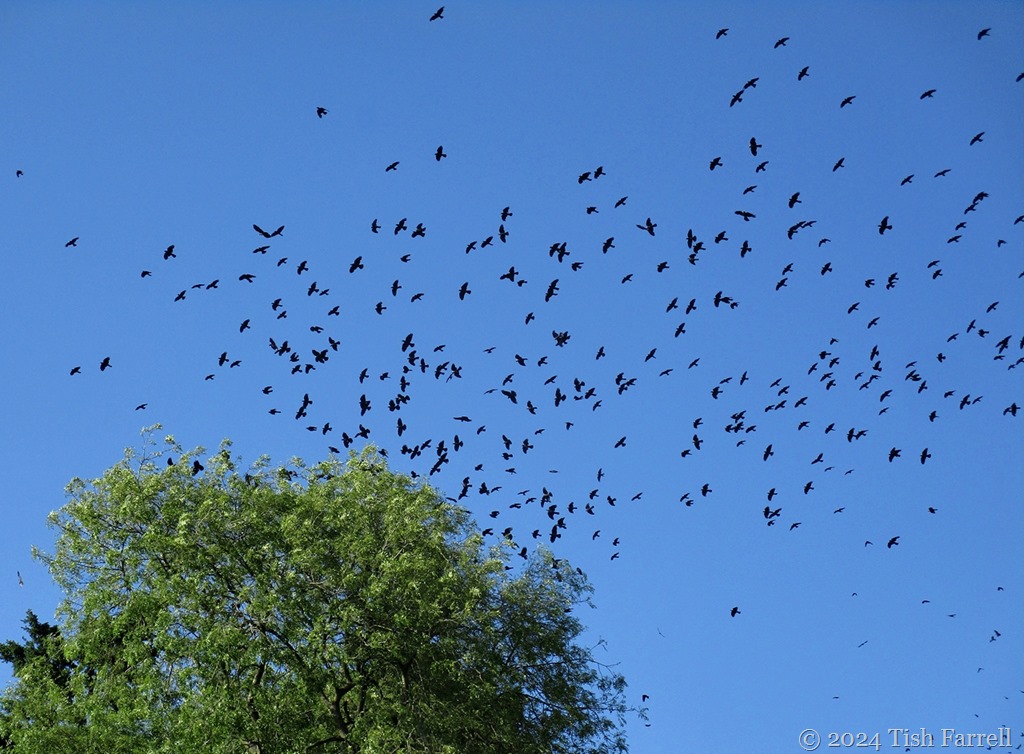
I’ve never lived in a place where there is so much bird busyness in our airspace. Recently, the hundreds of jackdaws that roost in the old ash trees of Bishops Castle’s gardens have started putting on dramatic aerial displays. It usually begins in the treetops with a burst of raucous chaka-chak-chaking and then a huge whoosh that disturbs the air, and all for no reason that this human can discern.

The flocks stream out from their roosts, billowing and swarming over the town. Then there is swirling, dividing, and swarming once more. Not quite the mesmerizing dance of starling murmurations, but almost.

And then, at last, when whatever needed to be sorted out, is, they return to settle once more in the treetops.

jackdaws 3

jackdaws 5

*

This particular tree is on the hillside above our house.

And then, in between the jackdaw shows, there are the red kites to spot – sometimes in pairs, sometimes singly. Again, they cruise above the town and we often have a good view of them while we’re eating lunch. This is one advantage of having our dining table in the sitting room while the new kitchen is being built. There’s a nice big window for sky viewing. And that view of course presently includes the swooping and diving of swifts, swallows and martins.

Meanwhile in the garden we have a regular mob of sparrows who treat the place as their own, dust bathing, trawling the hedges and borders for seeds, doing a spot of aphid grazing on the hollyhocks. There are also blackbird fledglings who appear as soon as I go out to the vegetable patch. They are so hungry they’ve given up being afraid of me, and flutter around my feet as I’m digging, piping loudly for grubs and worms.

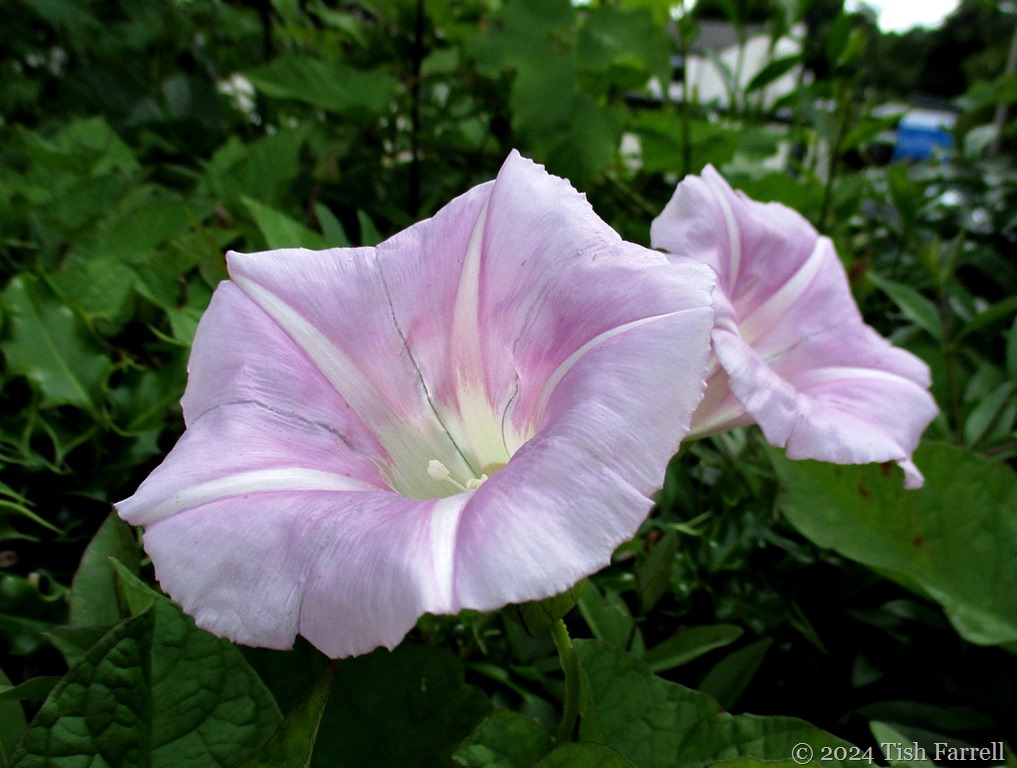
All of which is to say the local birds are presently providing a happy diversion from the mega-disruption in the Farrell roost. The building work goes on and on, but I think we’re over the biggest hump. More of which in the next post. For now a soothing view of a less common sort of bindweed – a perennial weed that in the large flowered version is usually plain white and mostly regarded by this gardener as a flipping nuisance.

IMG_5611

Here in Bishops Castle the hedges, including ours, have been colonised by this pretty pink and white  variety. In fact it’s the one asset in our hedge of horrors, and there’s a lesson here of course. Cue Monty Python’s Always look on the bright side of life and so never mind the hedge that thinks it’s a forest and can’t be tamed till August, or the house that’s full of building debris and occupied by two fuddled humans who no longer know where anything is.

jackdaws header 2

Pondering On The Rectilinear

lens-artists

Penmon Lighthouse, Anglesey

*

This week Lens-Artist Egidio wants us to consider the rectangular in our photo compositions (link below). E.g.  how the leading line of the horizon may create two rectangles between sea and sky, or land and sea, or land and sky. Then there are reflections to play with, or different textural zones, or a leading line up the centre of a scene dividing it visually into lateral rectangles.

And then there is rebatment/rebattement of a rectangle, which is not quickly or easily described, but my first photo (I think) is an example. The lighthouse is centred on a line that would make a square of the right hand side of the rectangle. Anyway, this technique is explained fully HERE.

Egidio gives other examples of rectangular approaches, so please pay him a visit.

These next photos were taken in the  National Nature Reserve of Ganllwyd near Dolgellau, mid Wales. The footpath took us through dense woodland with streams everywhere. There was a steep climb…

100_6484

100_6496ed

*

…which brought us here, to a mountainside that was the scene of the  Welsh goldrush in the late 19th century.

100_6545edAs you can see, it was an overcast day, and the view so big, it was not easy to know where to begin with it, or focus the eye, although the heavy clouds do indeed make their own rectangle. So…

I made use of old mine building walls and windows to frame views/narrow the focus/add a bit of interest.

100_6540ed

100_6544 - Copyed

*

And finally, down from the mountains to the Mawddach Estuary.

IMG_1645ed

And another gloomy (and very windy) day. The Barmouth Viaduct, a one-time railway bridge, now takes only pedestrian and cycle traffic. In this photo it acts like a zipper between river and mountains.

*

Lens-Artists: Two rectangles  Egidio at Through Brazilian Eyes wants us to consider the rectangular in our photo compositions.

Summer is A Coming In*

IMG_5515

At last we can go outside without our winter layers. Of course being Brits, we’re bound to complain that we’re now too hot. But then I don’t think this mini warmth-wave is set to last beyond a couple of days. Even so, it called a halt to digging up the lawn, which will doubtless resume later in the week when it’s reported to be several degrees cooler.

Instead, we meandered along Bishop’s Castle’s green lanes where all is a shadowland of dog roses and foxgloves among aged gnarly roots. The overarching boughs of sycamore, field maple,hawthorn, elder and ash create a sappy coolness.

IMG_5512

Green lanes are a covert feature of the English countryside – unpaved, their one-time hedgerow borders grown up into tree arcades. Some of these byways may be old drovers’ roads. Others are far more ancient, once on trading routes used by Bronze Age and even earlier travellers.

This particular lane takes us up to a high meadow where the grass has been mown for hay. There is an antique barn, settled in scenic decay, and fine hill views all around. Bishops Castle town lies way below, quietly.

IMG_5525

IMG_5523

IMG_5522

IMG_5532

*

* “Summer is icumen in”  a thirteenth century English round, hear it sung here in Middle English

Of Acrow Props And Potatoes: June Update

IMG_5385ed

I hadn’t actually asked the question, as in how many stages are involved when it comes to demolishing a section of load-bearing house wall. I suppose I had wondered how the two steel beams (inside and out) would be inserted in the sitting-room-kitchen wall. And logically I would have assessed that this must be done before the actual wall, window and door were knocked out.

I also knew that this would not happen until the new kitchen extension was nearing completion (several weeks away). In other words I had not prepared myself for a double dust-storm event, mostly because the chaps, as in other half and builder Alan, had given me only scant (evening before) warning of the beam insertion process.

But the dust!

It was all I could say when I learned what was planned. Alan raised his eyebrows – part apology, part goes-with-the-territory. Plastic sheeting was duly taped, floor to ceiling, across the back of the sitting-room and across  the ‘L’ of the kitchen. More sheets were thrown over all the furniture, doors that could be shut were shut, and then the hammering began – first the plaster, then the wall whose bricks, as bricks go, are strangely adamantine. It’s likely they were made just down the road, in the days when Bishops Castle had a  brickworks.

And so here we are, a week on, still dusting; an activity that will doubtless segue into demolition phase II sometime in August.

But at least the acrow props have gone now and the furniture is back where it was, also a critical factor in a small house where we presently have more stuff than rooms to put it.

IMG_5378ed

*

We’ve also been receiving deliveries  – the front garden now looking like a builders’ yard.

IMG_5395ed1

*

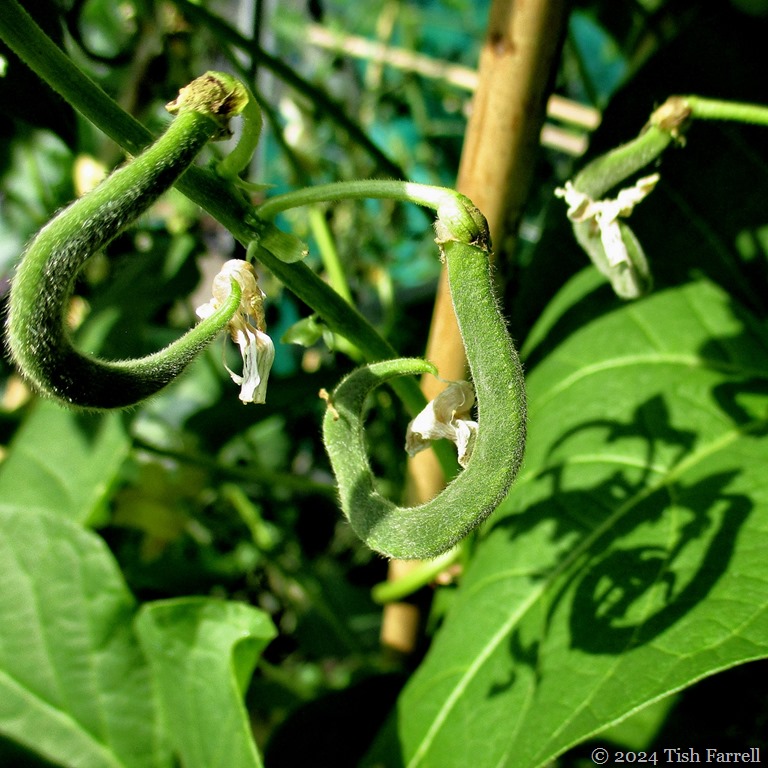
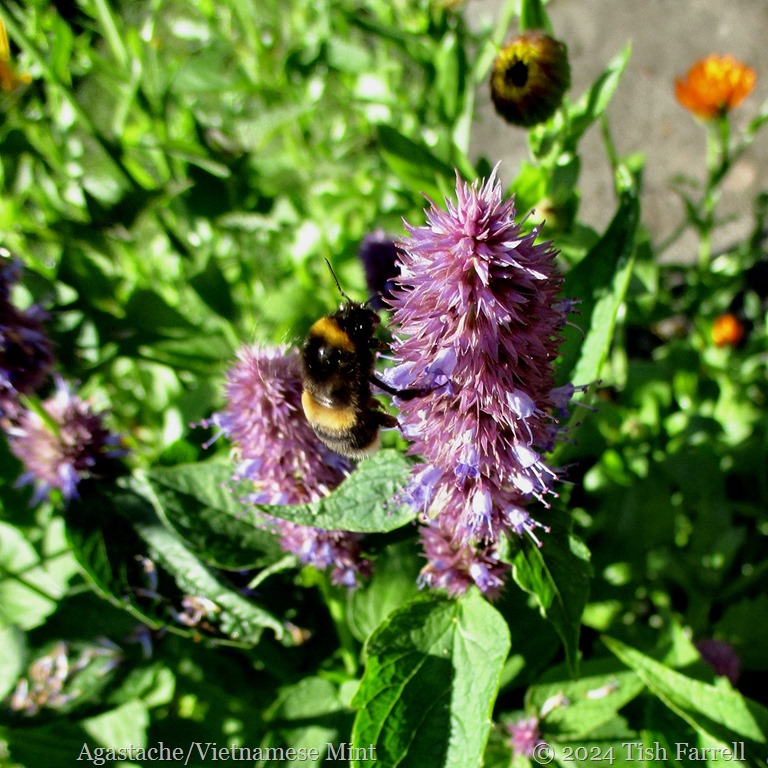
One half has been commandeered for supplies, it being the most accessible space for unloading. But I’ve hung onto a small corner and put in some Gigantes butter beans and two yellow courgette plants, tucked in between the insulation boards and the front door. Well, can’t miss the planting season, can I. And that border is particularly sunny. I popped in some Korean mint (Agastache) too.

IMG_5403ed

IMG_5405ed

*

As to the bed on the other side of the front path, I staked a claim back in April, so the roofers wouldn’t bury it in waste tiles. I’ve put in three small rows of potatoes – Rocket and Charlotte, which have sprouted well. There’s also the beginning of a herbaceous border under the sitting-room window: a lone delphinium accompanying some young alcalthaea plants (a cross between mallow and hollyhock), knautia and verbascum, blue geraniums and achillea, a purple toadflax with has turned out to be pale pink.

IMG_5401ed

*

Meanwhile out in the back garden, the lawn has been continuing to disappear. Most of the turves are in the compost bin which is now full. I’m now stacking the rest, leaving them to rot down.

The more I dig, the bolder the blackbirds become, nipping in around my feet. I watched one carefully gather a stash of worms on the lawn whence they could not easily escape. When the bird had a good beak full, off it went, doubtless to feed a fresh brood of nestlings.

IMG_5408ed

IMG_5419ed

IMG_5427
*
Much like the house, the garden is chaotic. Somewhere there’s a plan. For now, I’m simply pleased to have all kinds of kale, spinach and lettuce busily thriving. We’ve even had a handful of early purple sprouting. There are field beans forming at the top of the garden where the Romanesco caulis are growing ever more gigantic leaves, though no sign of flowers. There are tomato plants inside and outside the greenhouse. Strawberries are plumping up alongside cabbages, spring onions and Moroccan Cress, and the Emergo runner beans are looking pleasingly robust, though not yet climbing their sticks. In the interim, I have some rocket (arugula) growing mid-row. It needs thinning out.
IMG_5409ed
IMG_5412ed
IMG_5416
IMG_5410ed
The horrid hedge still needs much work. I now see it’s full of sycamore and ash trees, some quite substantial, while the actual original hedge of holly, hawthorn, weigela and privet has been much mutilated by years of being squashed behind chicken wire and under great boughs of ivy. But that’s a job for autumn. I anyway think we’ll need a man with a chainsaw to cut it down to size so the lower quarters can regenerate. I’ve planted foxgloves to brighten up the bare patches.
*
So here we are in June with thoughts of summer, thoughts being the operative word. For although the gardens around the town say it is summer, the weather says otherwise. All this week builder Alan has been complaining of the cold, resorting to his winter windproof jacket. We’ve been going around  wrapped up in sweaters, lighting the wood burner each evening. And for sure we’ve had some sunshine, but the wind has an icy edge, and it’s hard to escape it. Still, the spuds are looking good, and apart from the dust, there is much to be happy about.
IMG_5401 header

Taking Off!

Evelyn

The last day of Becky’s May squares, and I thought this photo of my aunt, Evelyn Ashford, somehow sums up the themes of renewal and moving forward. It shows such spirit, doesn’t it; a sense of hopefulness and forging ahead.

I’m guessing it was taken in tough times too, around the start of the war in 1939. Evelyn would have been seventeen. But it’s possible it was taken earlier. Her very ‘grown-up’ tweeds may be explained by the fact she was employed in the dress department of a big Guildford store. She had started her working career aged fourteen, apprenticed to the local draper in Cranleigh where the Ashfords lived.

I don’t know who the photographer was, possibly my father, but a bit of sleuthing has revealed the location as the trig point on Pitch Hill, Surrey, not far from Cranleigh. Evelyn is taking flight over the South Downs.

Evelyn Coneyhurst Hill

Evelyn Mary Ashford 1923 – 2013

*

You can find her story in an earlier post The Many Faces of Evelyn Mary Ashford

And more at:

Tales From The Walled Garden

Tales from the walled garden #3: when Alice met Charlie

Tales from the walled garden #4: more about Alice

Tales from the Walled Garden #2: back to the potting shed

#SquaresRenew 

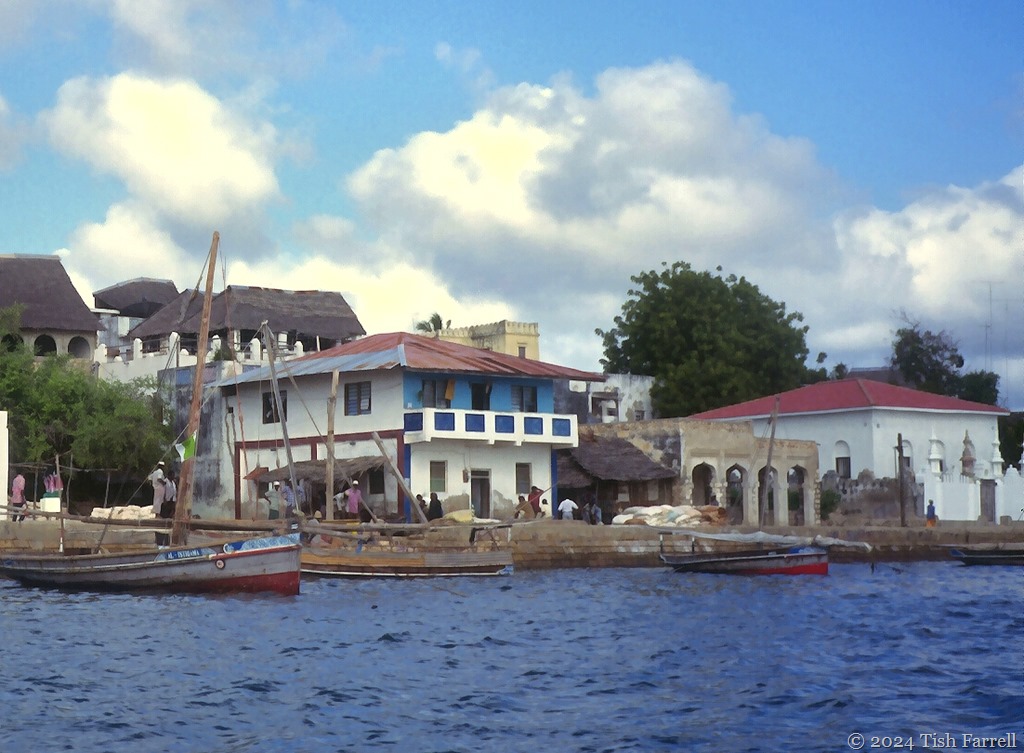
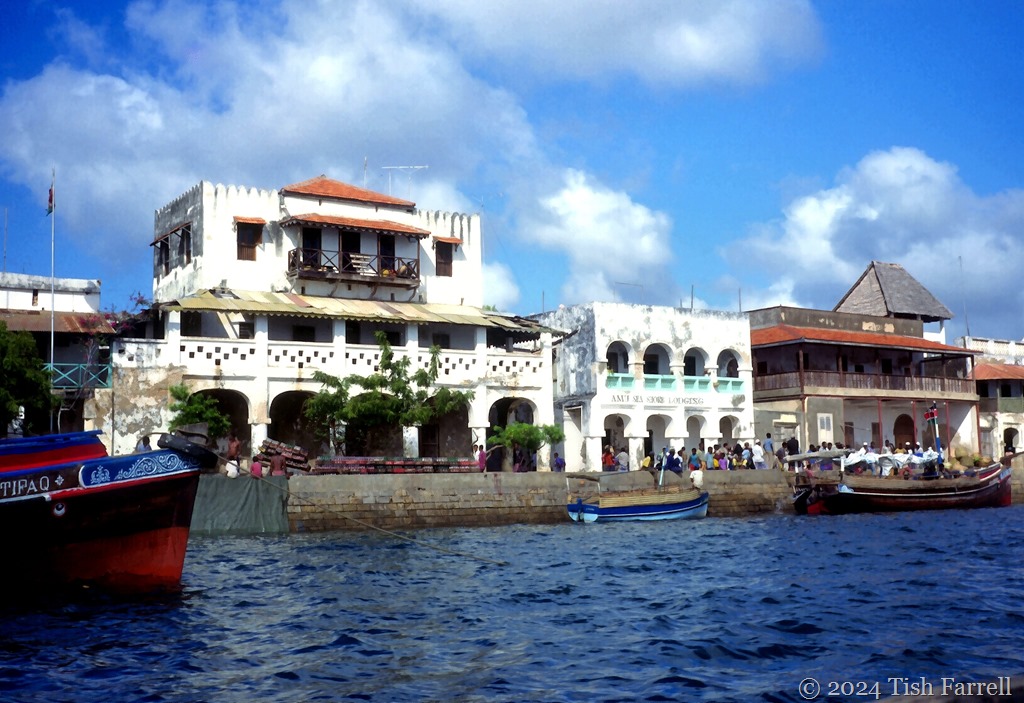
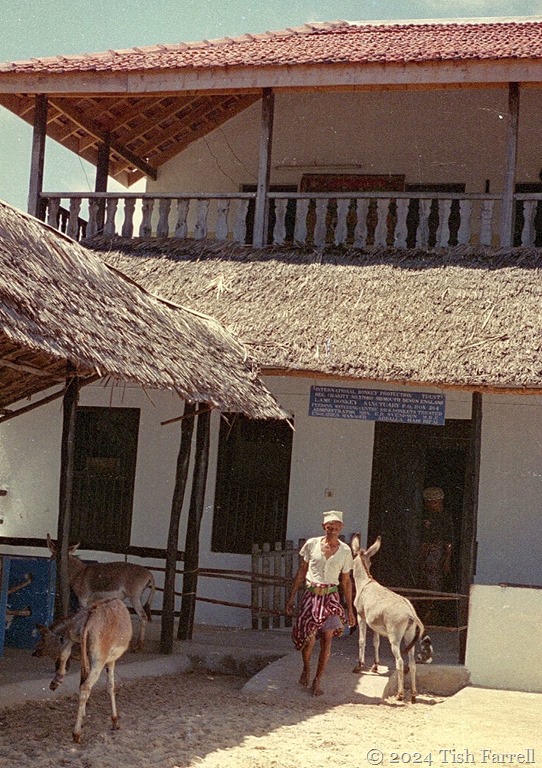
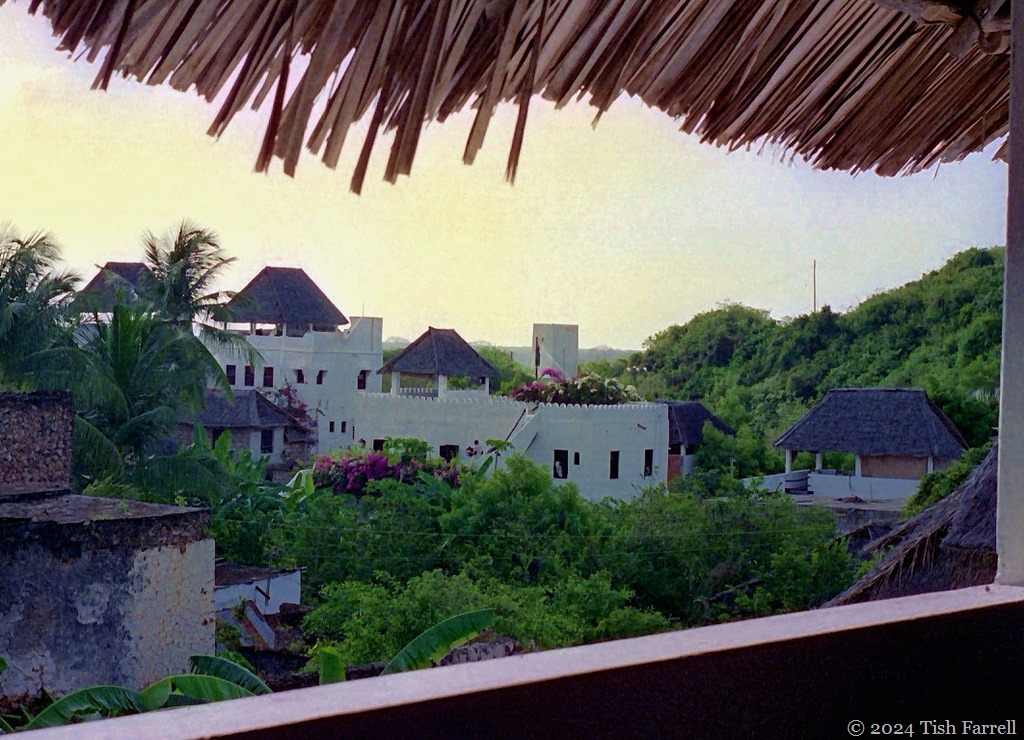
Looking Back ~ Moving Forward: From The Kenya Archive

giraffe2

I’m not sure that we’ll ever quite get over leaving Kenya, though it was never our homeland and, by 2000, when we left, our business there was done. But we had lived in Nairobi for seven years, seen many changes as Kenya moved uneasily from one-party rule towards multi-partyism: one externally imposed and alien structure to be replaced by another alien structure, this for a nation of many diverse communities that for centuries had each their own forms of traditional law and order, far closer, I might argue, to any form of democracy that the nations of the technocratic North might think they have invented or progressed towards.
And the reason we were there at all was because Graham (as plant pathologist and food storage specialist) was working on a British Government funded crop protection  project, working alongside Kenyan scientists and subsistence farmers in a bid to build in-the-field resilience against crop pests and diseases.

The project base was at the  Kenya Agricultural Research Institute (KARI) in Nairobi, but in the early days we did much travelling on the Mombasa highway, going back and forth between the capital and KARI’s Kiboko field station in Ukambani. Sometimes we drove the full 300 odd miles to Mombasa, sometimes less far to the Taita Hills. Mostly, though, it was the hundred mile trip that took us from the Nairobi plains at nearly 6,000 feet, down to the semi-arid lowland just north of Makindu and the Tsavo National Parks.
002

*

Ukambani, homeland of Akamba farmers and cattle keepers, is red earth, thorn-scrub country. You start to see mighty baobabs growing here too. They rise up in a natural parkland setting that you feel you must have imagined. Giant hornbills stalk around the verges. The farther vistas, heat-hazy towards the Yatta Plateau, may be dotted red from the shukas of Maasai as they fan out with their herds across the sparse grassland. You may also spot antelope and giraffe here too. For in Kenya it is said there is more wild game outside the huge national parks than inside them. Sometimes the great trucks that plied the highway back then would collide with a giraffe, thereby providing an unexpected meat meal for nearby farming families.
Kiboko ed Mombasa highway north of Kiboko

Mombasa highway at Kiboko looking north – Nairobi-bound

*

The giraffe in the header photo were spotted on the Kapiti Plains, south of Nairobi. We used to see ostrich, impala and gazelle on the roadside here too. But the sight of several giraffe moving across the plains, the peculiar gait that has them stepping in some shared slow rhythm all their own stopped the heart.

We were so very lucky to see such sights. Even now there’s a catch in my breath.

*

#SquaresRenew

giraffe 4 header

Roots Of The Matter ~ As In Too Much Burgeoning

IMG_5344

I may have mentioned once or several times that we’ve inherited a garden full of promiscuous weedy invaders. Top of the list is ground elder, closely followed by Spanish bluebells, but topping the top is Phygelius (kindly identified by Jude who described it as a thug that had to be dug up and contained in a pot). It is a semi-evergreen shrubby entity from South Africa, also known as Cape Figwort and Cape Fuchsia. And yes, it does look pretty when it’s cascading in bright red tubular flowers.

But just see where its roots are off to. These are growing under and in what was lawn.They extend at least two metres from the mother plant at the top of the garden. And the thing you most need to know about this vigorous pesky plant is that the smallest broken fragment of root has the capacity to make a new plant and root system in the blink of an eye.

The ground in the photo had been covered by a sheet of black plastic for around three months. This killed the grass, but only encouraged the Phygelius to sprout potential plants at regular intervals along the length of its root system. The good news is I can now see it and so unravel it (carefully) with a fork, and also extract any intertwining ground elder.

A tedious job, but then I do have company.

IMG_5338

This male blackbird spent all of Monday with me, scoffing worms and growing ever bolder. By the time I’m done, he will be one very fat bird, because the garden is also blessed with masses of worms.

And then this week there was another happy find, this time under a fallen roof slate…

IMG_5314

…one large toad. What a gift. Perhaps he/she is the reason why I’ve seen so few slugs. (So far anyway).

And finally, a pleasing plant discovery, rescued from behind the compost bin where it was being nibbled by snails:

IMG_5269

Cranesbill: Geranium Phaeum ‘Album’

*

And so the garden moves forward – renewed, reconstructed and (in several quarters), burgeoning.

*

#SquaresRenew     Becky’s May photo squares each day feature moving forward, reconstruction, renewal and burgeoning. Still time to join in.

header