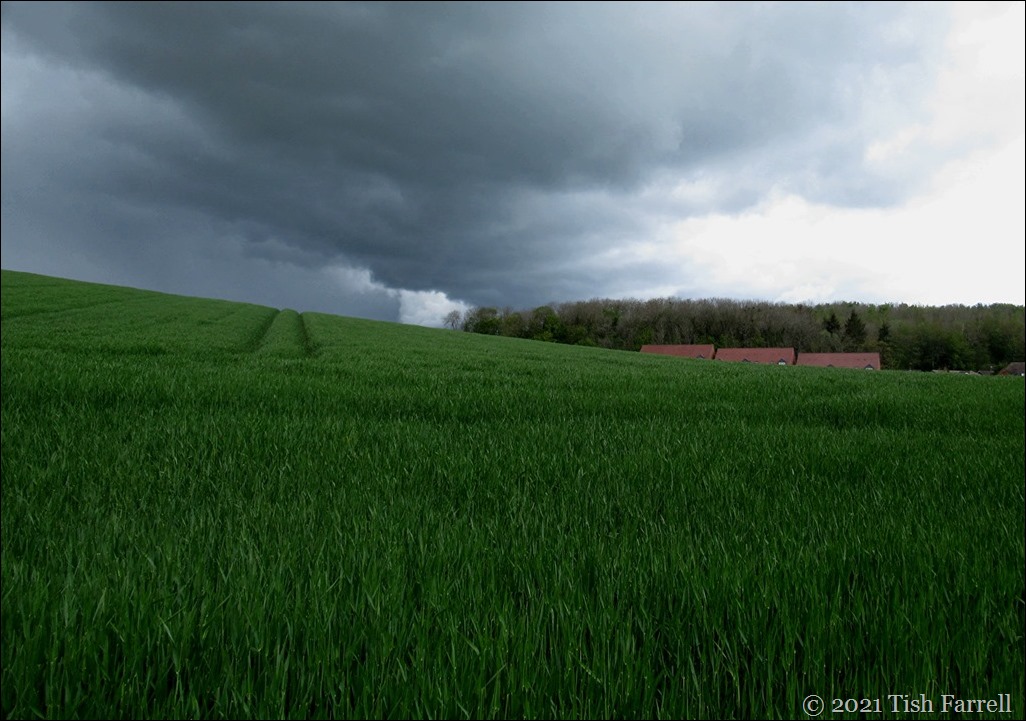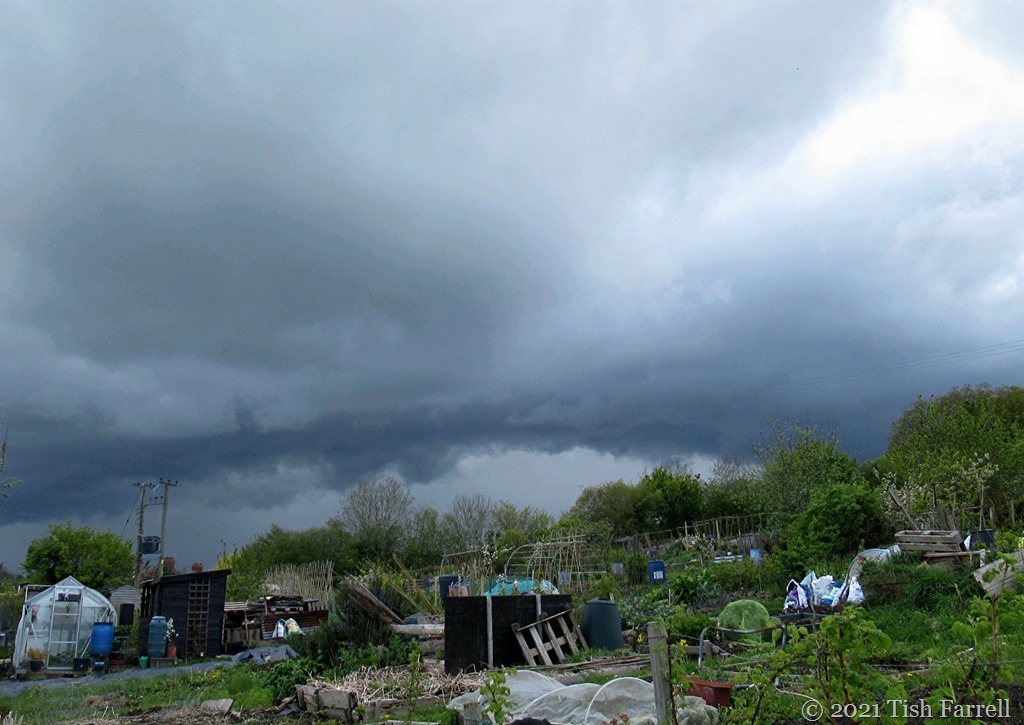
There’s been little chance to take photos this month. We have had altogether too much bad weather: two storms and one on the way; rain that has been raining since the end of September; wind, sleet and hail; and for poor people who live near the River Severn, horrendous floods. Nearby Ironbridge has been deluged, the water breaching the flood barriers. Our county town, Shrewsbury, has been returned to the bad old winter flood days of the 1960s, this despite its modern flood defences. (You can go here to see the BBC coverage.) In Much Wenlock ten homes on the High Street were treated to a slurry of liquid mud and gravel courtesy of run-off from surrounding hillsides delivered by road into their living rooms and parked cars.
There is much that could have been done since our region’s last big floods in 2007-8. No one seems to drain fields properly, or maintain lane and roadside ditches as they did in my childhood, interventions that would at least help to slow the flow. In fact our verge-side ditches seem to have mostly disappeared, presumably filled in and sacrificed to road widening. And so in times of heavy rains when highway drains may become quickly blocked, our roads serve as highly efficient flash flood delivery systems.
We need to start thinking about better water catchment management, and especially on our denuded uplands where our rivers rise.
Australian farmer initiatives show how all our water catchment areas could be managed better with the addition of ‘leaky weirs’ set at intervals down water courses: rocks, tree trunks judiciously placed to create a series of delta effects. No need for hugely expensive hi-techery. Such simple methods not only hold back flood water and sediment, but hydrate surrounding land and foster regrowth of bank-side vegetation that in turn restores biodiversity, providing resilience too in times of drought. AND, most importantly of all, reducing soil erosion.
BECAUSE apart from the absolute misery caused by flooded homes, the impact on life, health and livelihoods, the biggest long-term loss to us ALL, is the fertile soil that floods carry away. Once it is gone, it is gone. Many of our soils are already mineral depleted. This will ultimately have an impact on the quality of food produced and on human health. The way we treat the land, always clearing, forever taking out with an eye to greater efficiency and higher productivity, but without ever replenishing adn rebuilding, is a good way to degrade local and regional weather systems. In fact creating land resilience and restoring the natural environment are probably the most useful things we could be doing now this minute to mitigate future extreme weather events.
And before too much blame is laid at farmers’ doors for industrial farming practices, the UK and Australia, it seems, have various laws that forbid landowner interference with water courses on their land. They must seek official approval to do anything that impacts on water flow. In the UK, riparian owners have some very serious responsibilities which include ensuring the clear movement of water through their properties.
Here’s an interesting video showing how leaky weirs work, and showcasing the pioneering efforts of farmers and the Mulloon Institute in New South Wales:
*
And back on the home front and to fend off sensations of all round rising damp, here’s a photo of my drying washing, taken on the one day this month when it was worth hanging it out in the garden. Nothing like filling one’s sheets with wind and sunshine; always makes for the best sort of sleep, I always think.

The Changing Seasons: February 2020
Sue has a very lovely gallery of photos this month. Please go and see.