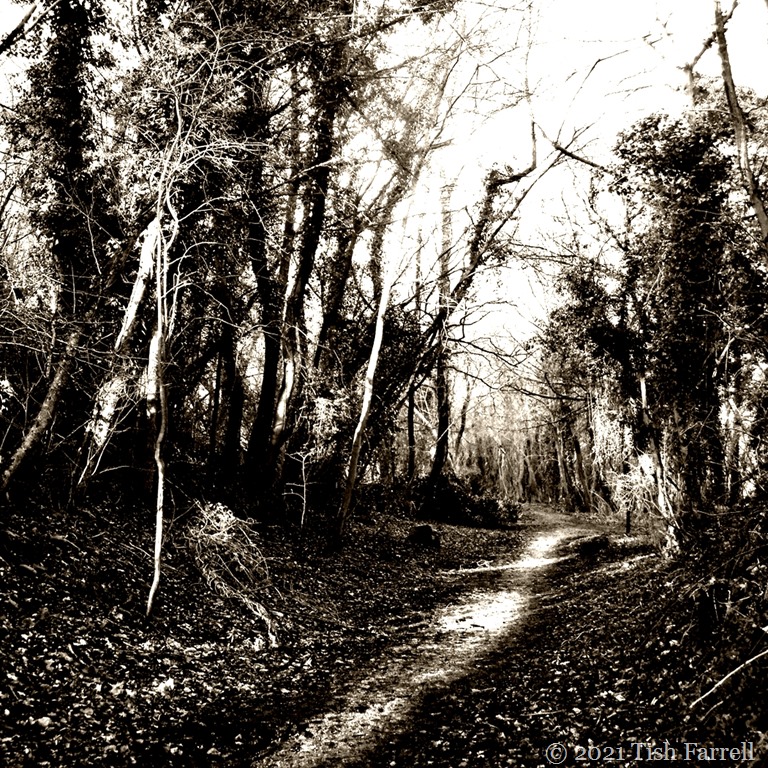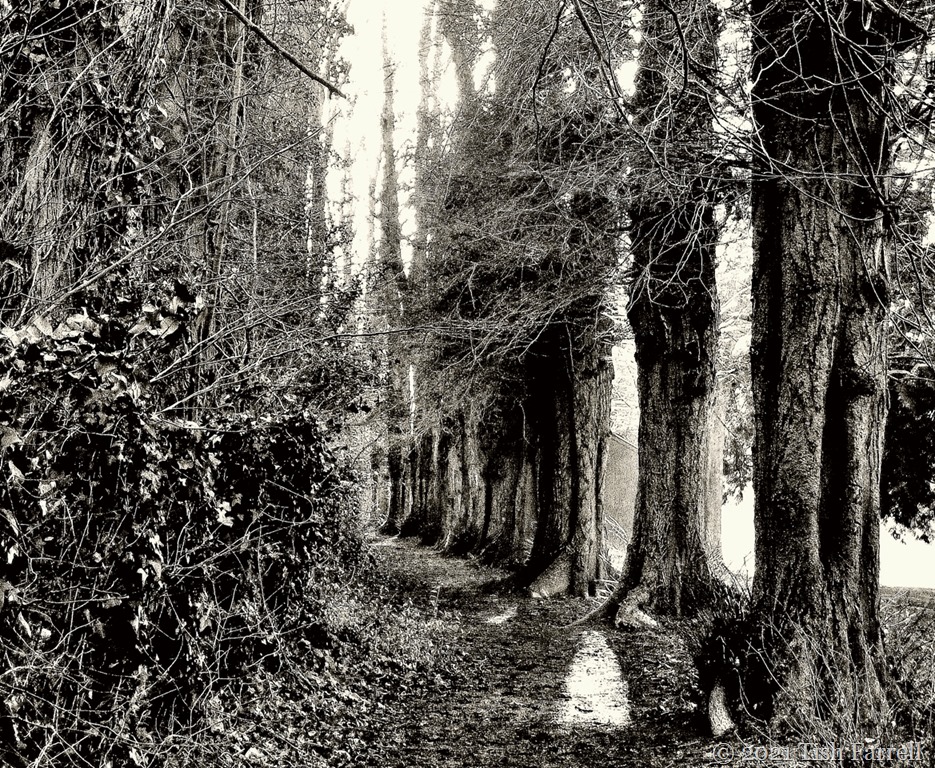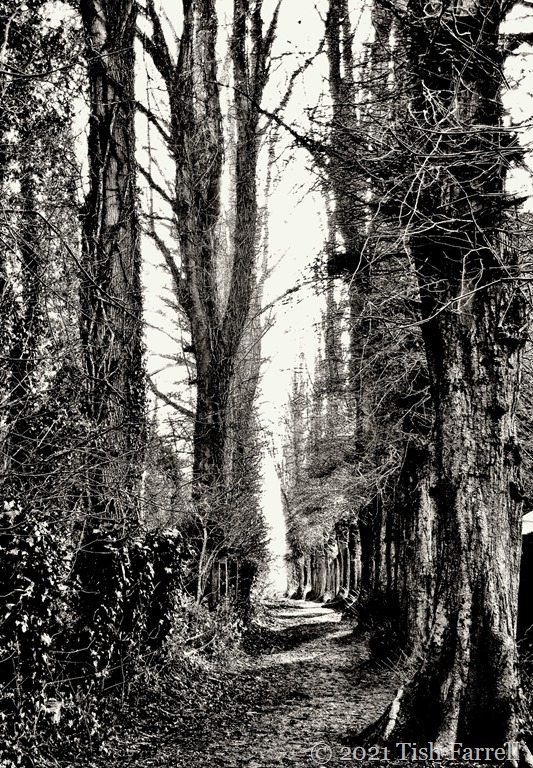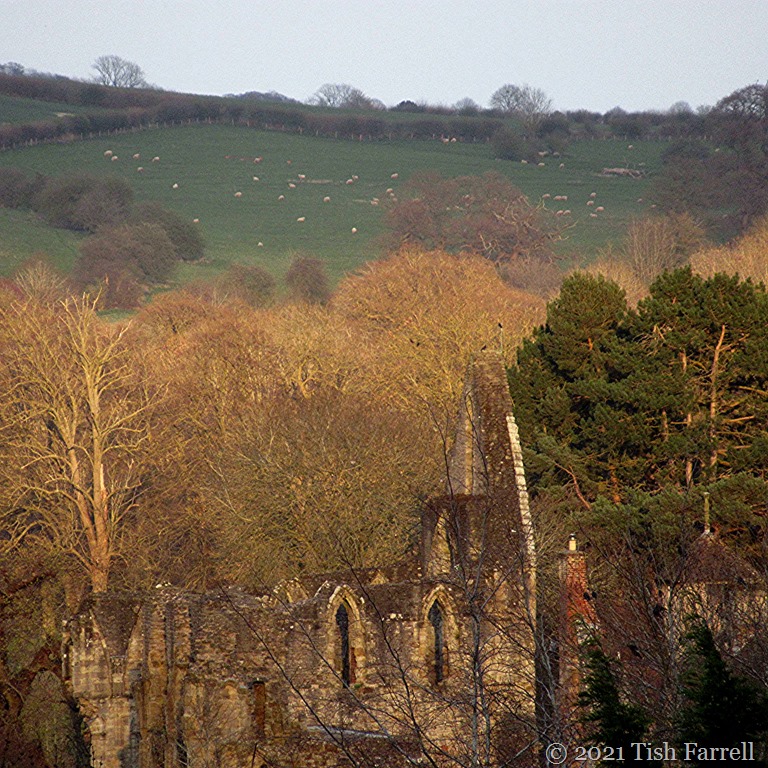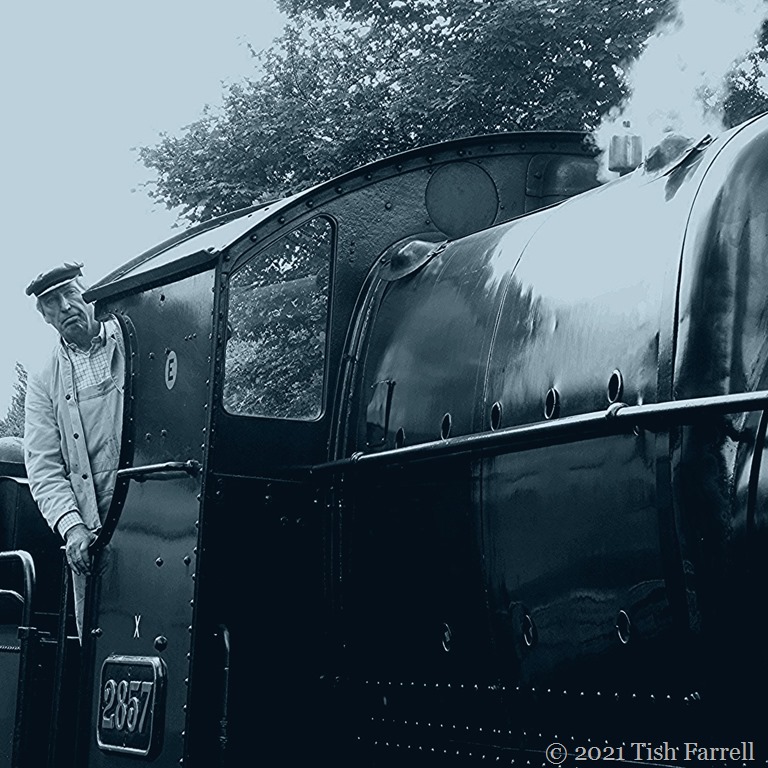
Once we Shropshire folk had a very scenic Great Western Railway line that ran along the banks of the River Severn, including passing along the wooded slopes of the Ironbridge Gorge, now a World Heritage site. Just north of Ironbridge there was a branch line to Much Wenlock and South Wales far beyond. Much of the Severn Valley line has gone now, and that also goes for our Much Wenlock branch that once served the limestone quarries and livestock farmers. Mostly all that remains are stretches of track bed that have been overhauled to create walking and cycling routes. But we do still have a working section – the Severn Valley Railway, which is run as a heritage attraction from Bridgnorth to Kidderminster in Worcester where you can also connect with the mainline system. As their strap line claims ‘it’s a great day out.’ And for someone who still remembers travelling in steam trains as a matter of course (visions of Crewe Station where family outings to North Wales began) I still have pangs of nostalgia whenever I’m around a steam locomotive stoking up.
Heritage
Seen Better Days? Reflections On The Past At Pentre Ifan
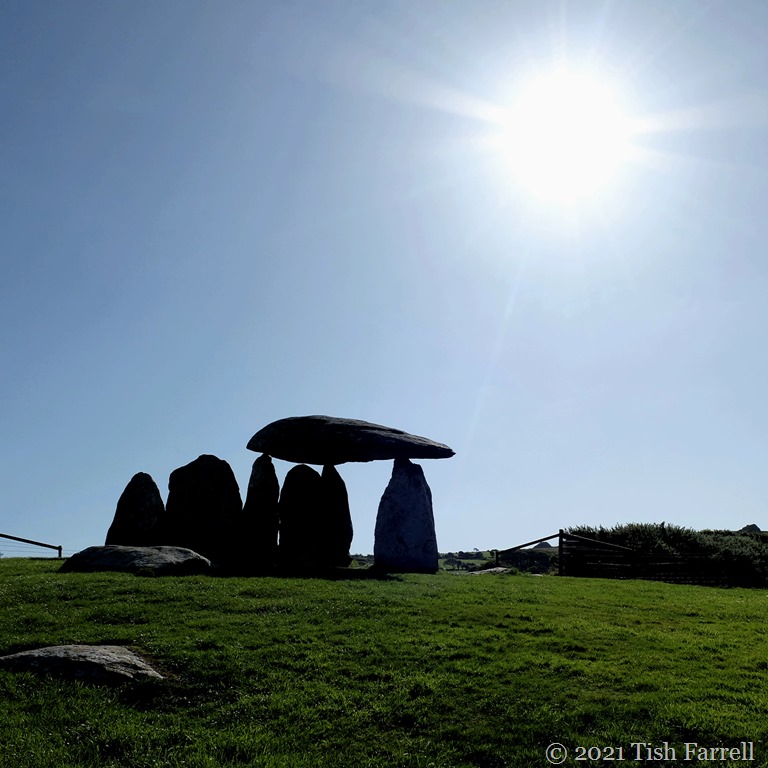
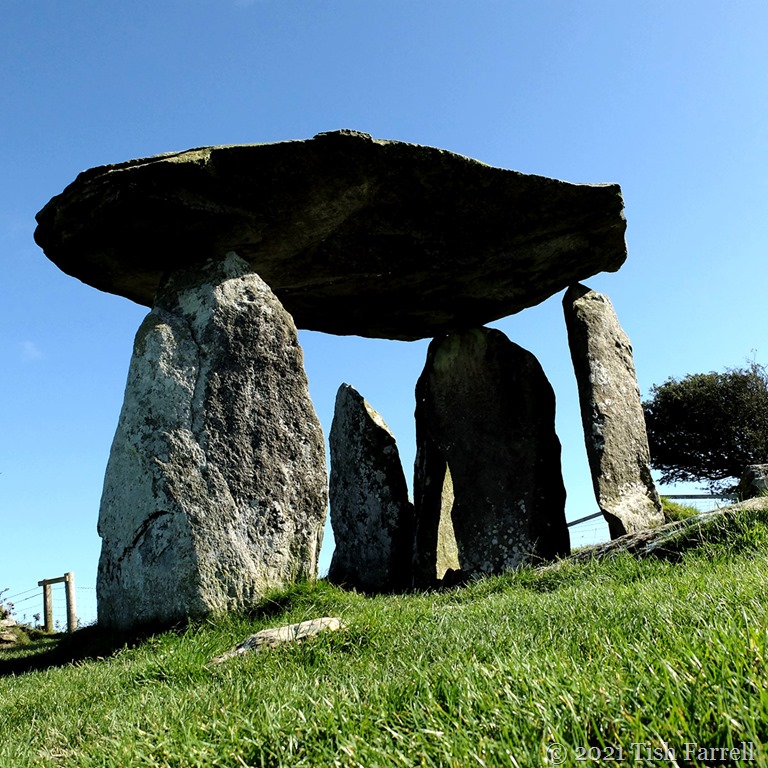
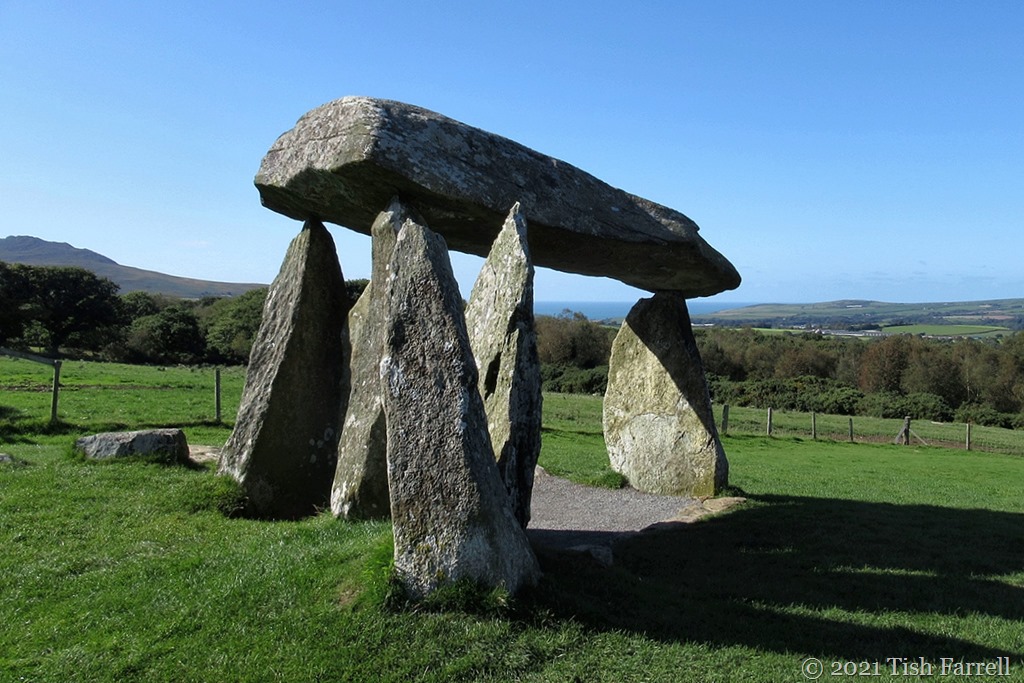
Here we have the bare bones as it were – the remnant massive boulders of a 5,500 year old chambered tomb – Pentre Ifan in Pembrokeshire. The cap-stone is said to weigh 16 tons, yet now seems barely to touch the three supporting megaliths. It all but floats, defying both logic and gravity.
Which then has us demanding answers? Who on earth (without aid of heavy plant gear, cranes and tackle) did all the lugging and lifting to position it so? How many man and women hours did it take? For whose after-life were they toiling – a revered clan lord or lady? Or did the tomb provide a resting place for the many, in some way an accessible repository where the earthly remains of the entire clan could be placed?
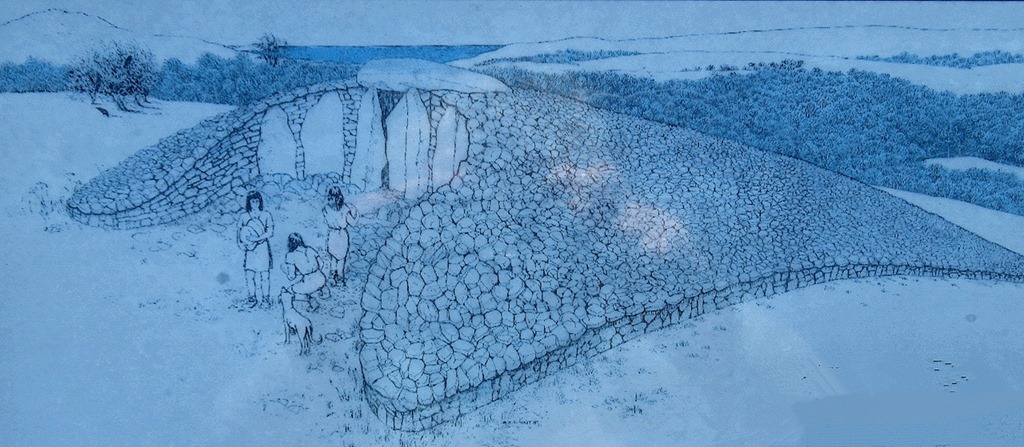
We can never know exactly. We can only wonder – in both senses. The builders left scant traces of themselves – a few pieces of Neolithic pottery and flint tools. But excavations in the 1930s and 1950s did at least suggest that the tomb had been re-used and appeared to have had some sort of ceremonial forecourt, a feature known from other chambered tombs across the British Isles. Here’s a proposed reconstruction.
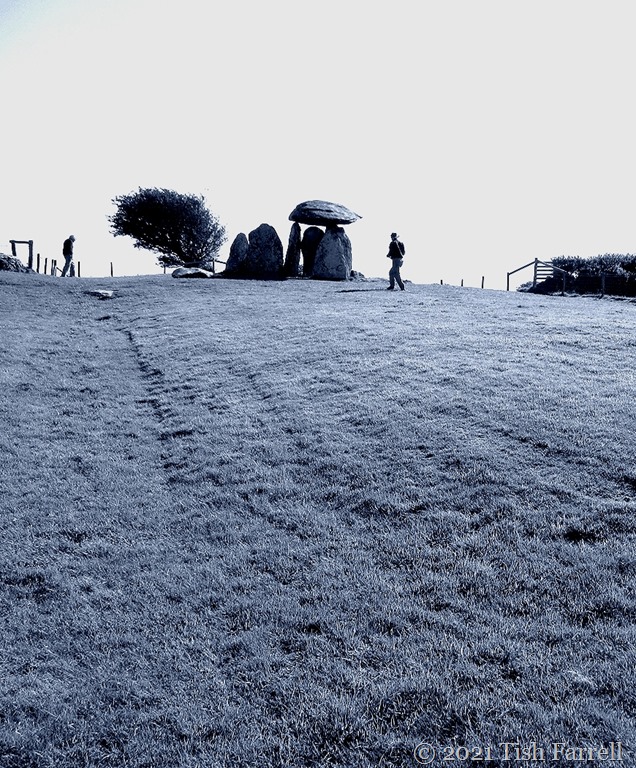
Doubtless over the centuries the more moveable stone components of outer cairn and inner chamber have been repurposed in farm walls and barns, but originally the cairn that covered the actual tomb extended downhill some 120 feet (36 metres). You can get some sense of the scale of operation from the last photo where you can still see the outline in the grass. The monument would have been visible from the sea, dominating the high ground above Cardigan Bay.
*
As I look again at these photos, taken two years ago, I now find myself wondering more about us than the ancestors. What kind of people have we become? Time for some serious scrutiny?
Related post: Scenes from the realm of ancestors
Lens-Artists: Seen Better Days Please visit Tina who set this week’s challenge. She has posted some fabulous photos.
Leamington Spa’s Elephant Wash: Fact or Fiction?
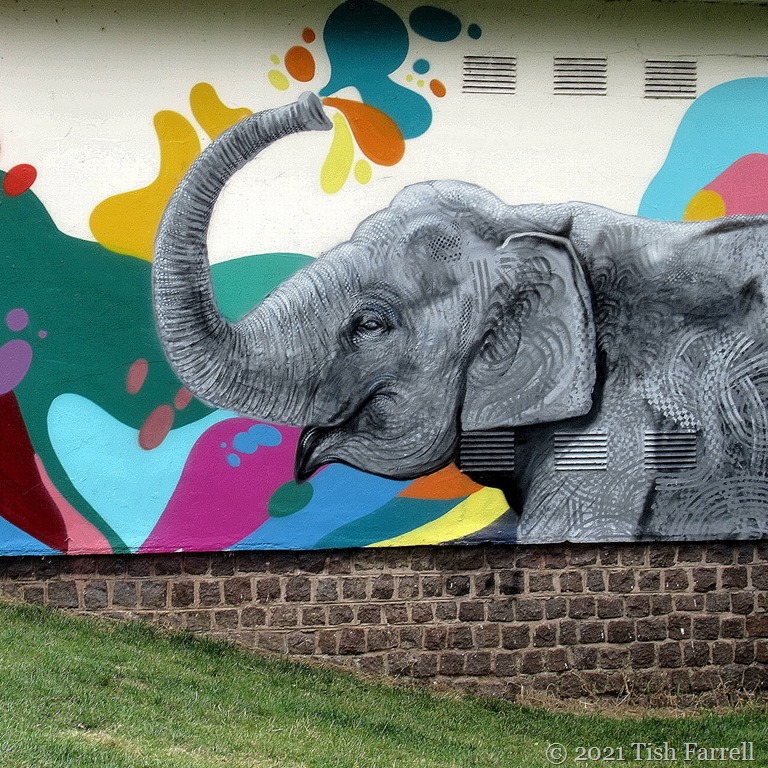
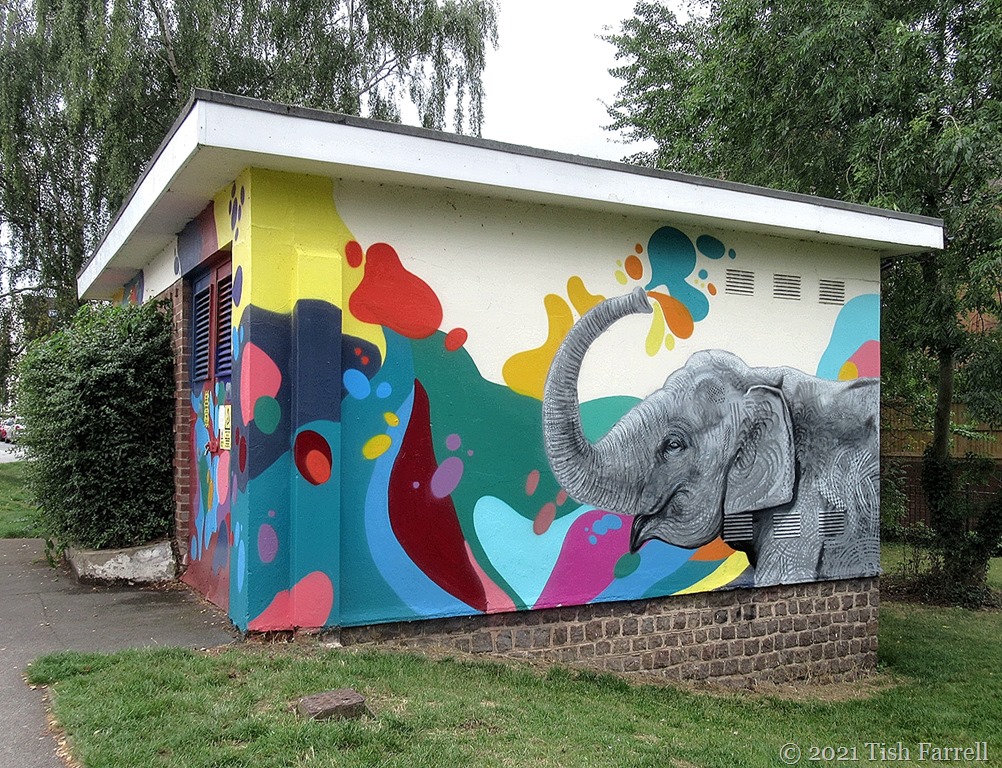
This jolly piece of street art is on the side of a Leamington Spa electricity sub-station just across the river from Jephson Gardens. It commemorates not only the regular presence of elephants in the town in the late 19th – early 20th century, but also celebrates the local yarn that said eles were regularly marched through the genteel centre to a dedicated slipway on the River Leam so they could bathe.
The slipway is still there – its retaining wall barely visible behind the sub-station. There is also an Edwardian house next door with an apparently telling address:
But is it true? Were elephants brought here for a good wallow?
A little bit of internet digging revealed that the presence of elephants in town is not in question, only the river bathing bit; this on the grounds that no contemporary evidence, particulary newspaper reports, has so far surfaced.
The elephants’ owner was a trapeze artist cum renowned elephant trainer Samuel Lockhart (1850-1933), member of a famous circus family. He travelled the world with his elephants, and in between engagements returned to Leamington Spa, his wife’s home town. His last documented show was 1910/11 when he was on the bill at the Theatre Royal in Leamington with four elephants Mustard, Salt, Vinegar and Little Saucy.
I’m certainly no fan of performing elephants, but the notion of a dedicated elephant wash in a Warwickshire river does appeal. And it’s not so very strange either – depending on the depth of your chronological perspective.
On a visit to Ryton Pools Country Park between Leamington and Warwick I discovered that in one of England’s many warmer eras there had indeed been indigenous elephant herds in the locality, though much larger and tuskier versions than their Asian cousins. ‘They became extinct c.115,000 years ago when the climate became colder,’ says the graphics panel.
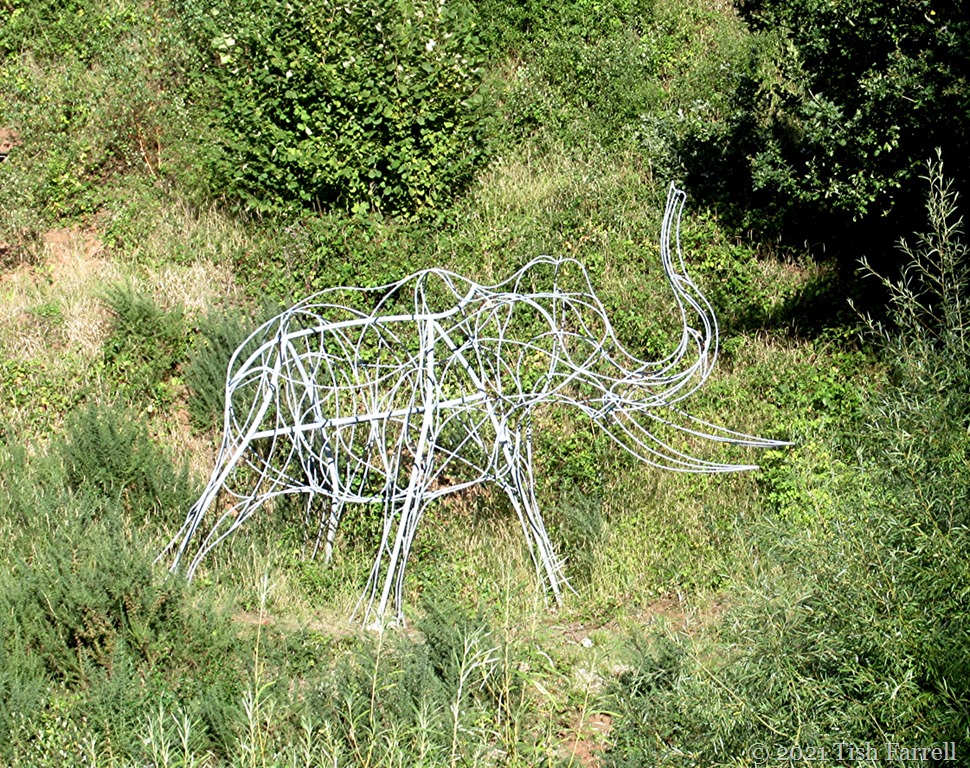
They was also an interesting ‘artist’s impression’ of past elephant kind at Ryton Pools.
*
You can find out more about Sam Lockhart and his elephants HERE
And now for some fabulous old photos of Royal Leamington Spa. Slide 40 has elephants parading along a main shopping street. If the embedded code doesn’t work the original link is HERE
Greater Love Had No Man…
…that he built a grand palace to please his queen.
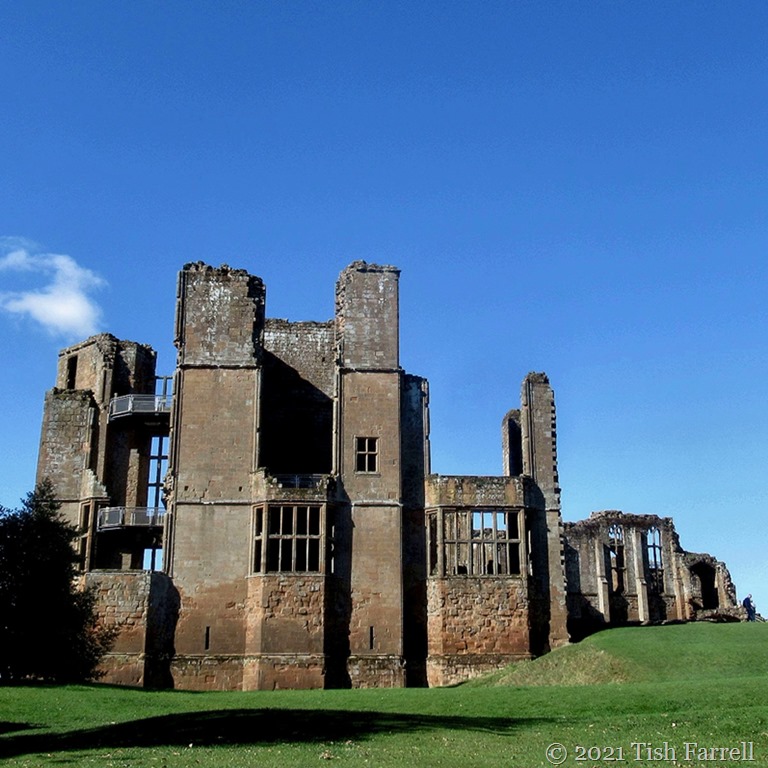
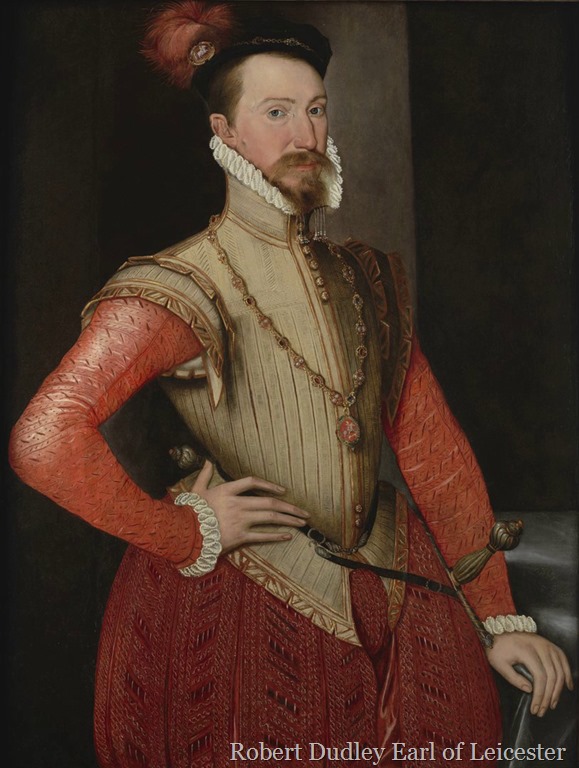
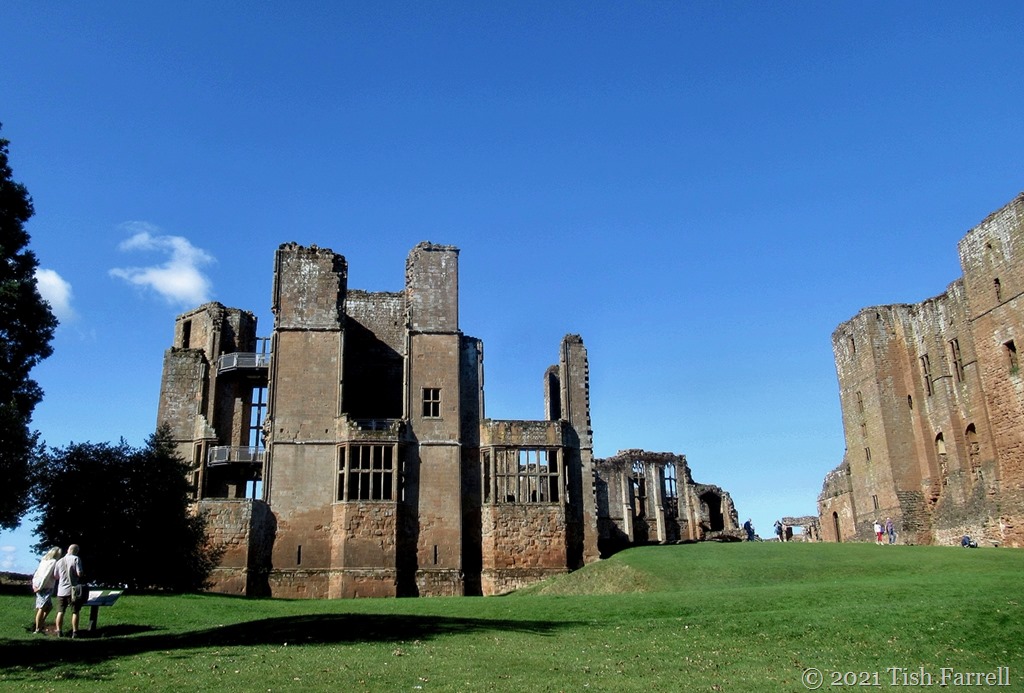
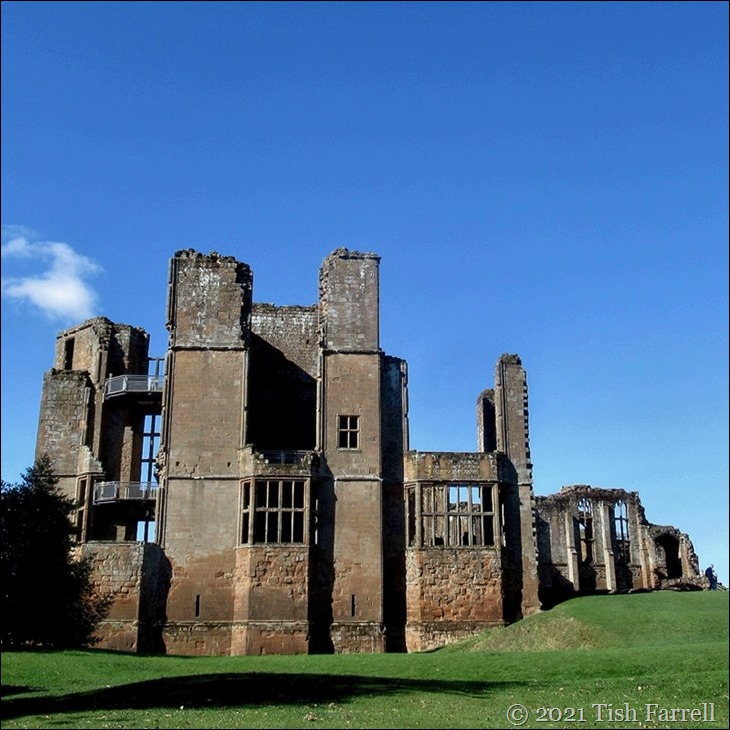
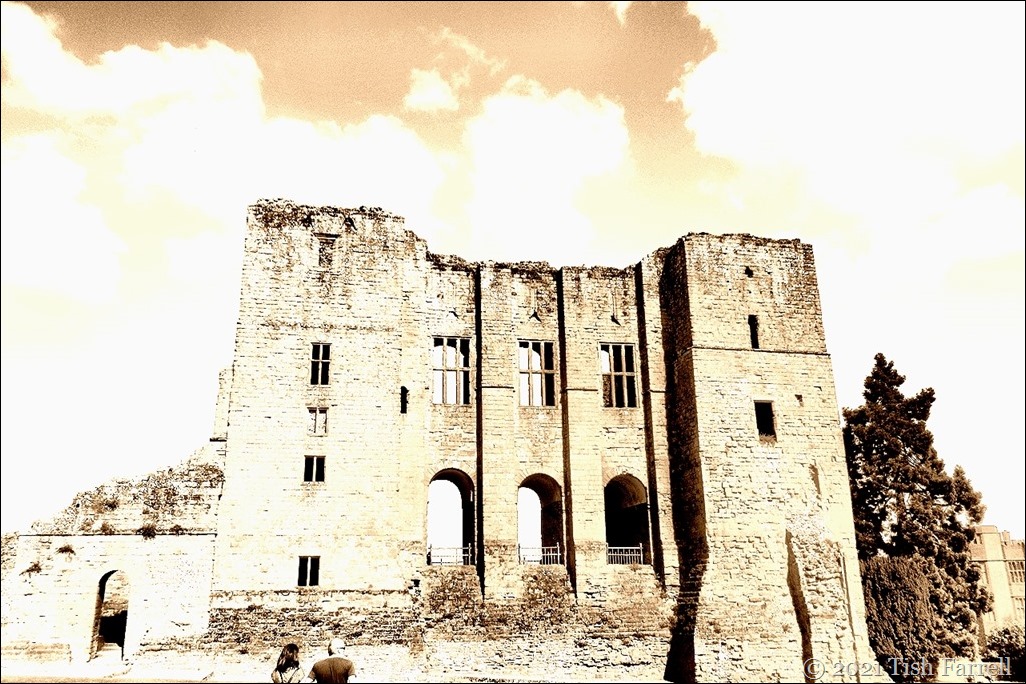
And that man would be Robert Dudley, first earl of Leicester (1532-1588), and his queen, Elizabeth Tudor (1533-1603). The royal apartment in question is known as the Leicester Building, part of Kenilworth Castle in Warwickshire. Dudley’s own private chambers apparently adjoined the queen’s, so providing further substance to rumours that began on Elizabeth’s succession in 1558 (and have endured for more than 400 years), that she and Dudley were lovers.
Dudley was without doubt a royal favourite, and queenly predilection did indeed confer on him great wealth and courtly status. But he was also a man of considerable ability as well as good looks. In fact the Spanish ambassador reported home that he was among the three men who ruled the country.
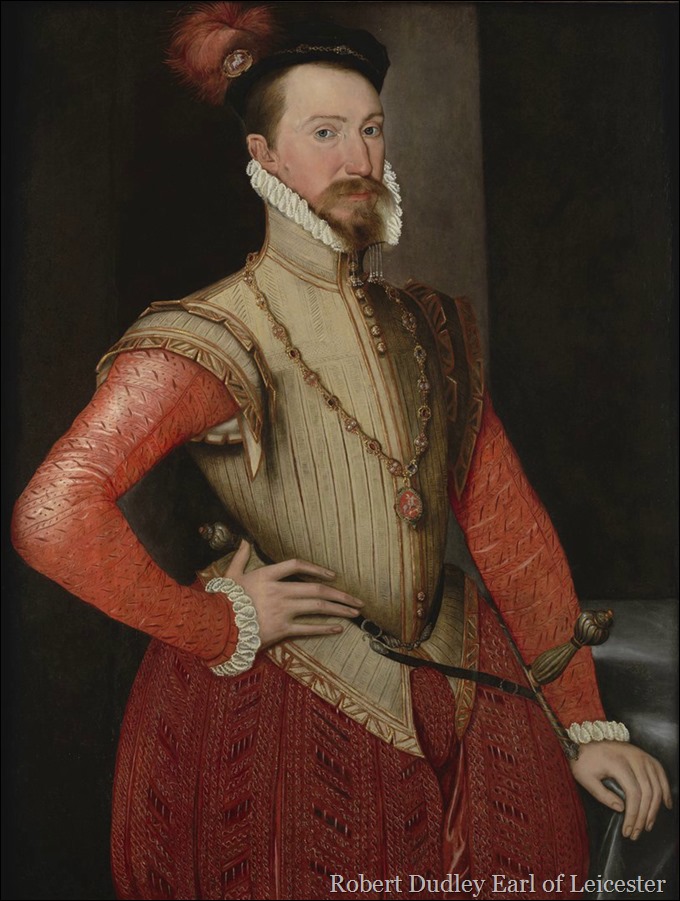
He was already married when Elizabeth came to the throne. He had married Amy Robsart in 1550 when they were both seventeen years old and in what was said to be a love match. But by 1558, with Robert appointed Master of the Horse, a position that dictated almost constant attendance on the queen, Amy was reduced to a nomadic existence, living with friends and rarely seeing her husband. Finally she settled at Cumnor Place near Oxford, living in a private apartment in the home of the Forster family. But by September 1560 she was dead, having apparently fallen down some steps. Her neck was broken.
There was a colossal scandal, much enjoyed by Robert Dudley’s rivals and enemies. And although Dudley was cleared of any wrong doing (he was attending on the queen at the time), the whispers of an ‘arranged death’ never went away.
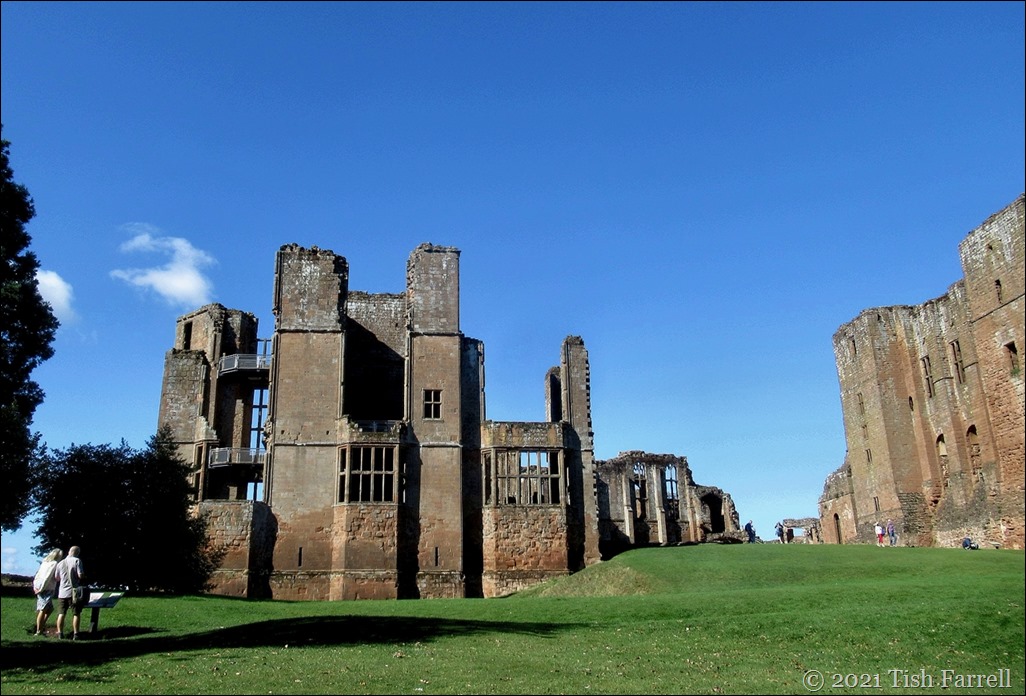
So now Dudley was free, but gravely compromised. Did he really think there was ever a chance to marry Elizabeth?
The new Kenilworth apartments were built in time for the queen’s third visit there in 1572, constructed in the latest elegant Tudor style. They were further improved for a fourth visit in 1575, so much so that Elizabeth extended her sojourn for an unprecedented 19 days, being marvellously entertained with fireworks, masques, hunts and a brand new pleasure garden created especially for her.
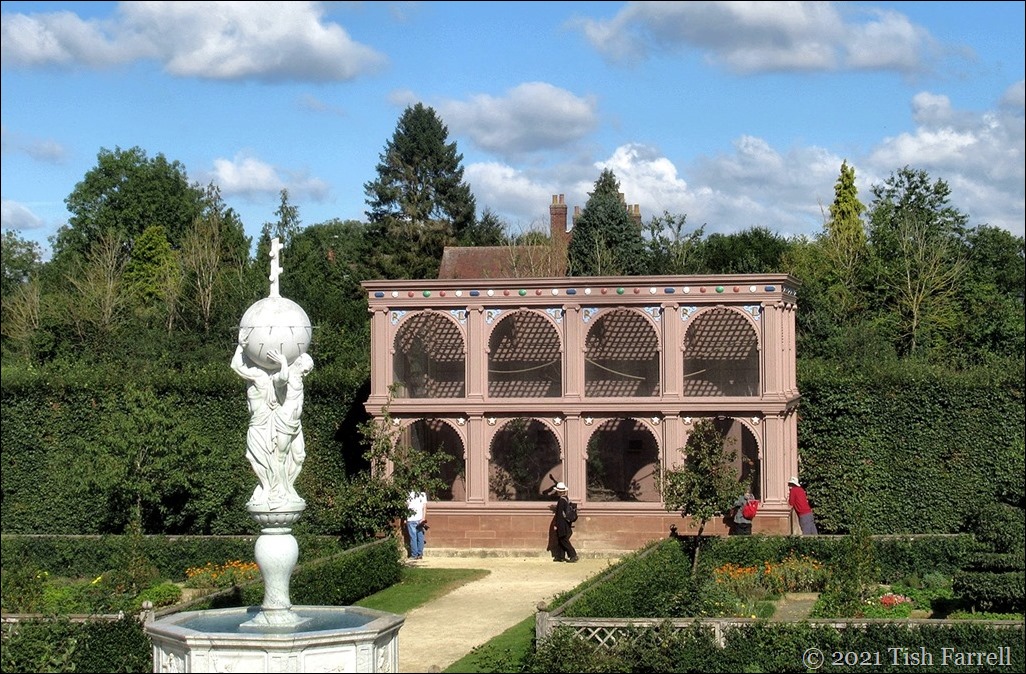
It is usually suggested that all this vast investment on Dudley’s part was his last ditch attempt to win the queen’s hand.
Yet from 1568 to at least 1574 he was actually having an affair with a young widow, Lady Douglas Sheffield. She bore him a child, whom he acknowledged as his ‘base son’ Robert Dudley, and thereafter took good care of him, although he was careful, too, to inform Douglas Sheffield that he could not marry her, fearing the loss of the queen’s favour.
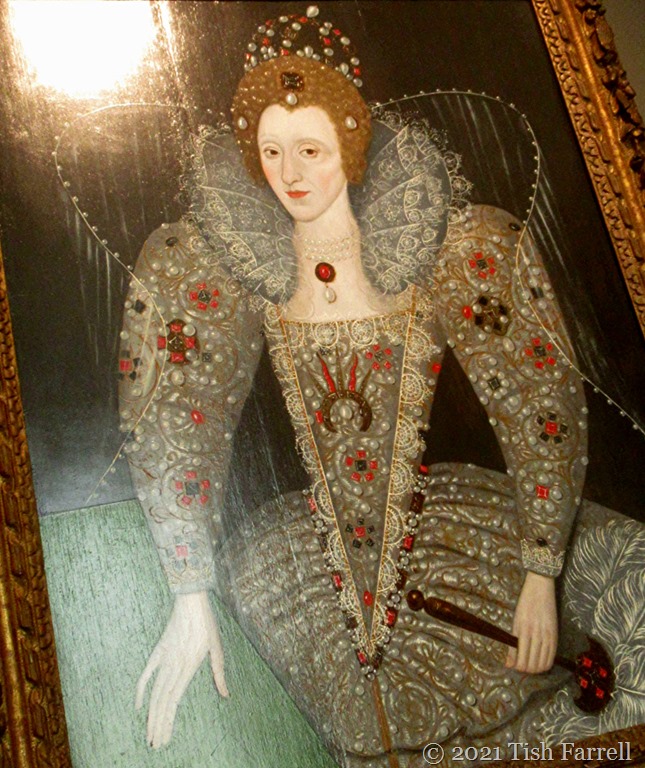
Yet as time went on, he grew ever more anxious about the lack of a legitimate heir. And so in 1578 he secretly married Lettice Knollys, Countess of Essex, another widow with whom he was rumoured to have been having an affair before her husband’s death in 1576. The queen was furious when informed of the deed by Dudley’s enemies, and she banished Lettice from court. But it was around this time, with Elizabeth in her mid-to-late forties, that the so-called Phoenix Portrait was commissioned. (My photo was confounded by the gallery lights at Compton Verney where the picture now hangs, but you get the drift):
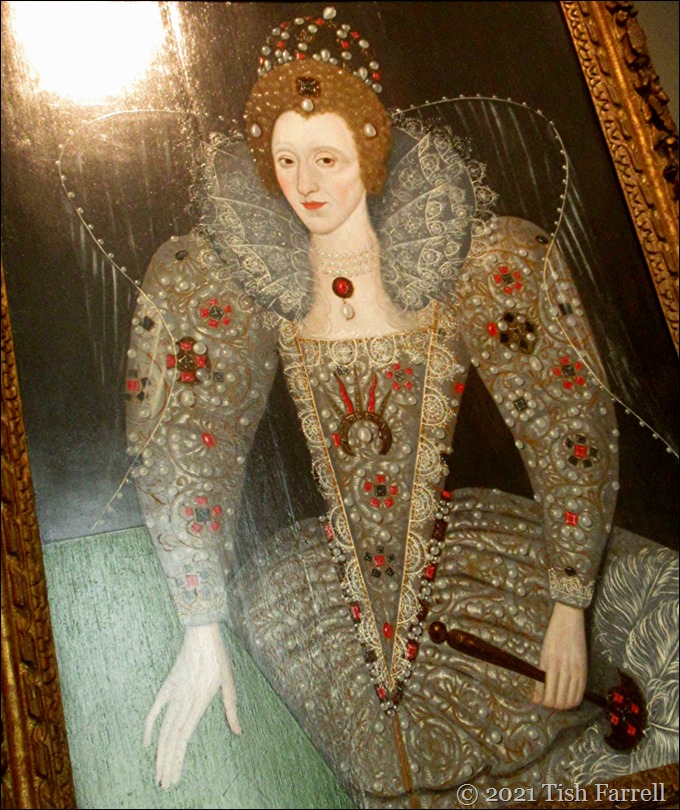
Such portraits were always intended as PR exercises. Quite apart from the phoenix rising from the ashes symbolism, the proliferation of pearls is also said to convey a particular message, i.e. confirming Elizabeth’s well cultivated image as Virgin Queen. No marriage for her then. Even so, spite ruled, and seven years into Dudley’s marriage he said she was still being insulting about his wife and taking every opportunity to ‘withdraw any good from me.’
Nonetheless he went on to play considerable roles in affairs of state. Most notably in July 1588 as the Spanish Armada approached, he was appointed Lieutenant and Captain-General of the Queen’s Armies and Companies. When Elizabeth went to address the troops at Tilbury, and made that now most famous speech, he was walking at her side.
After the victory he was feted, spending the last weeks of his life dining with Elizabeth. But by then he was already ill. He died suddenly in September 1588, on his way to Buxton in Derbyshire, to take the baths. When Elizabeth heard, she locked herself in her apartment and Lord Burghley was forced to have the door broken down. At her own death in 1603 Dudley’s last letter to her, written before his departure for Buxton, was found in her beside treasure box.
Hurrah! Becky’s squares are back for the month of October – our favourite past squares reprised, or squares about the past.

Bridge Over The River Teme
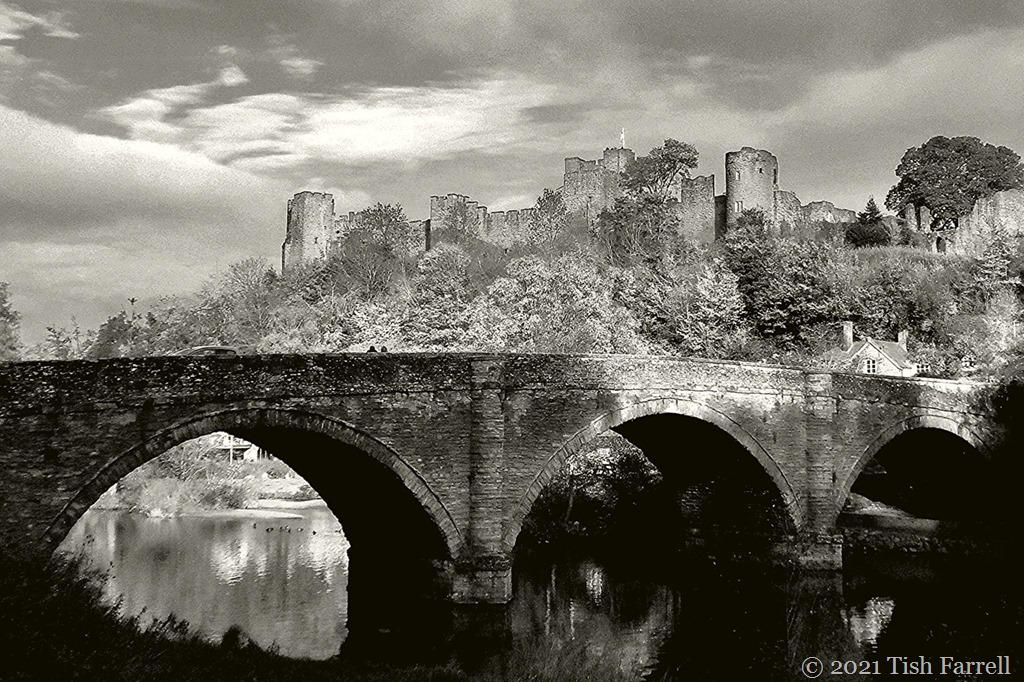
Dinham Bridge in the Shropshire market town of Ludlow is not as old as looks suggest. It was built in 1823 and is sometimes attributed to Thomas Telford, who in earlier decades had been Shropshire’s Surveyor of Public Works. But it seems unlikely that this is one of his bridges; around this time and for several years before he was most often to be found far away in his Scottish homeland, very much taken up with the mammoth enterprise that was the construction of the 60 mile-long Caledonian Canal.
On the other hand, Ludlow Castle, seen here above the bridge, is every bit as old as it looks – over a thousand years old in fact. Work began on the hillside promontory in 1075 and continued over the next hundred years. It was a key defensive position aimed at keeping the nearby rebelling Welsh suitably subdued. The town grew up below its walls from the 12th century onwards, all laid out in the manner typical medieval town planning.
Meanwhile the castle continued to play its part – in the Wars of the Roses, and the English Civil War. It was also the place where, Arthur Tudor, Prince of Wales and Henry VIII’s older brother died in 1502, a circumstance that later had much to answer for. In the November of the preceding year, Arthur and his new bride, Catherine of Aragon, had gone to Ludlow Castle for their honeymoon. They were both 15 years old, and had been betrothed since infancy. You can read more of that story in an earlier post Honeymoon Destination Anyone?
Tiny Red House
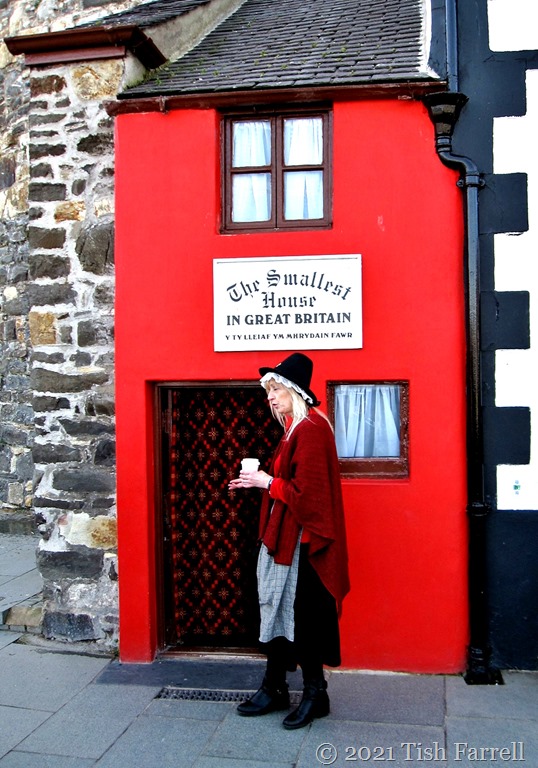
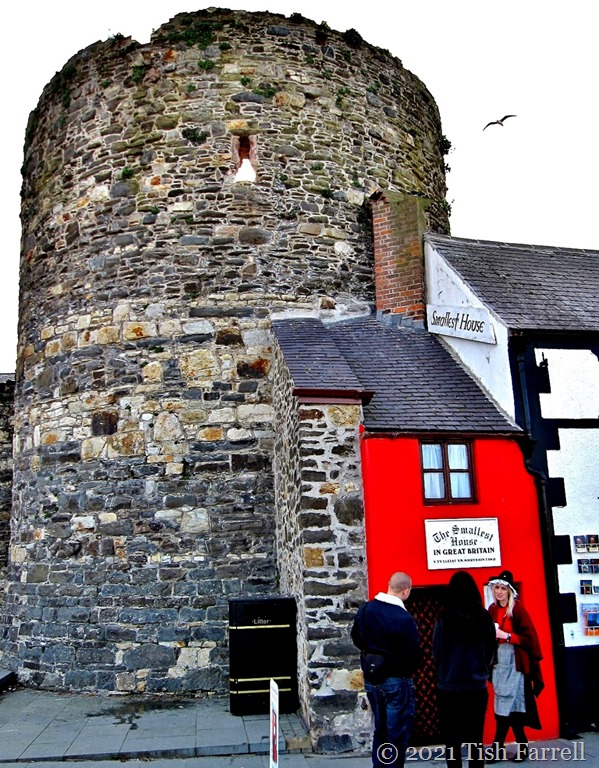
This week at Travel Words Jude wonders if we have any quirky red subjects. So I thought it was time to reprise ‘Great Britain’s smallest house’, a piece of opportunistic infill building in a space between a cottage row, and the gatehouse tower of Conwy Castle in North Wales. This squeezed-in dwelling is said to have been created in the 16th century. Inside are two rooms, sitting room with bench cum coal store and fire-place downstairs, single bed up.
The overall height is just over 3 metres (122”) and 3 metres deep; width 1.8 metres (72”). It was lived in until 1900 when the then occupant, fisherman, Robert Jones, at 1.9 metres tall (75”) had to do much bending and folding in order to inhabit the space.
The house was declared Britain’s smallest in the 1920s though these days I think its claim to fame might well have been overtaken by many London dwellings, likewise made from opportunistic infill structures – garages, corridors and the like. The guide in the photos is wearing a version of traditional Welsh dress from around the 18th century when red capes and gowns (as well as the distinctive high-rise hats) were also apparently very popular with Celtic womankind.
Upcycling–Heritage Style: Who Can Spot It?
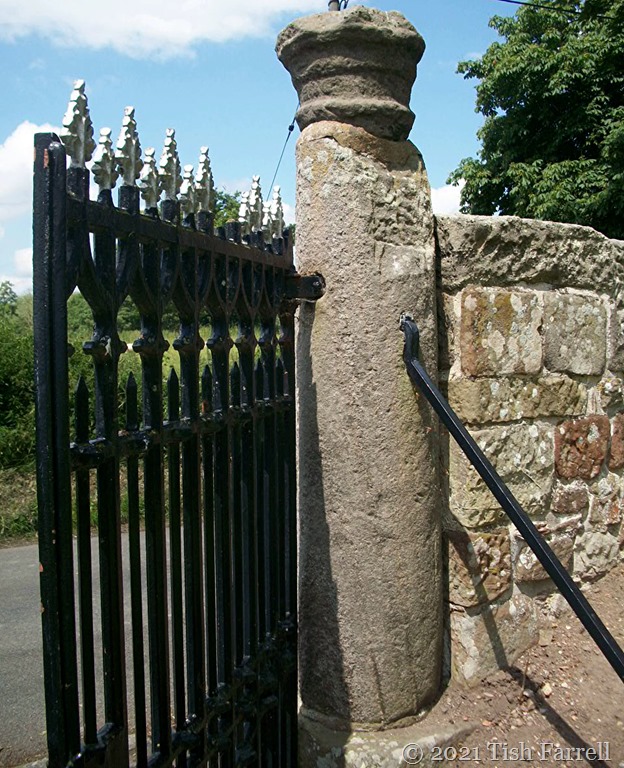
Since my yesterday’s post on Wenlock’s old buildings, I’ve been having a chat with Yvette at Priorhouse Blog about recycled parts. And that reminded me of this – the gates to the little village church of St. Andrew, Wroxeter. It lies on the other side of Wenlock Edge from us, the northerly end, just a few miles away as the crow flies.
Wroxeter is famous for its archaeological remains – Viroconium Roman City no less, now in the midst of farm fields. Even Charles Dickens came there to do his own Time-Team-like investigations: the remains were a huge tourist attraction in the late nineteenth century.
The nearby church is now sadly redundant, but you can still visit it. It had its origins in Saxon times but much of the surviving fabric belongs to 17th and 18th century remodelling. The gateway was added in the late 19th century.
So: have you guessed it?
Roman columns no less, doubtless transported down the lane on the back of a farm cart. The shafts are said to be from the Roman baths, the capitols added from elsewhere among the ruins. But they are very handsome, aren’t they. Well re-purposed. There’s more of the Roman City in the church walls. And inside, the font is made from an upturned column base.
I’m wondering, too, about the little figures mounted high in the tower. They have a Roman shrine look about them. And their recycling here would not be surprising. From earliest prehistoric times humans have adopted, adapted and generally put to their own purposes earlier sacred relics and monuments, well-tended sanctity being a valued resource; the more venerable the better. An interesting thought to ponder upon in increasingly strange times.
Wenlock Priory On An Autumn Afternoon
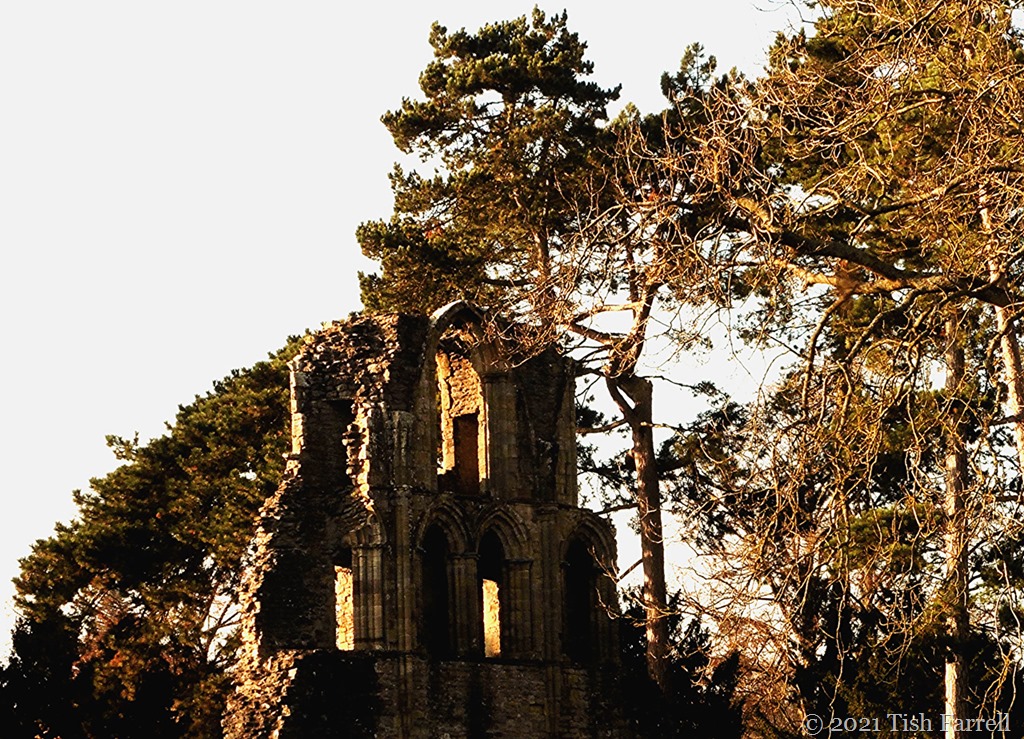
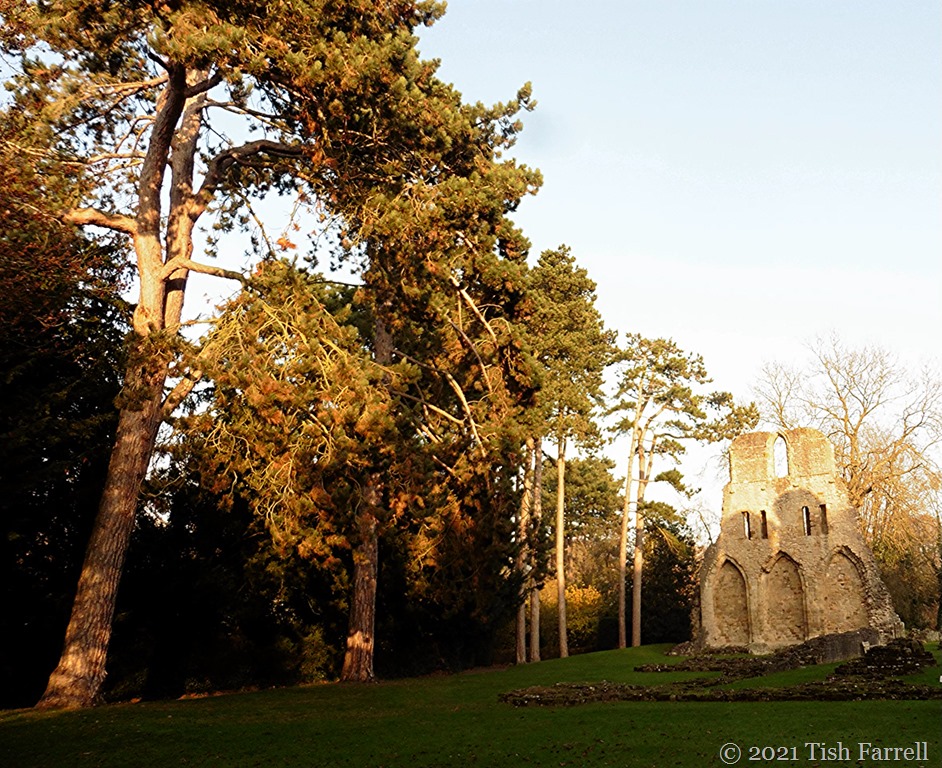
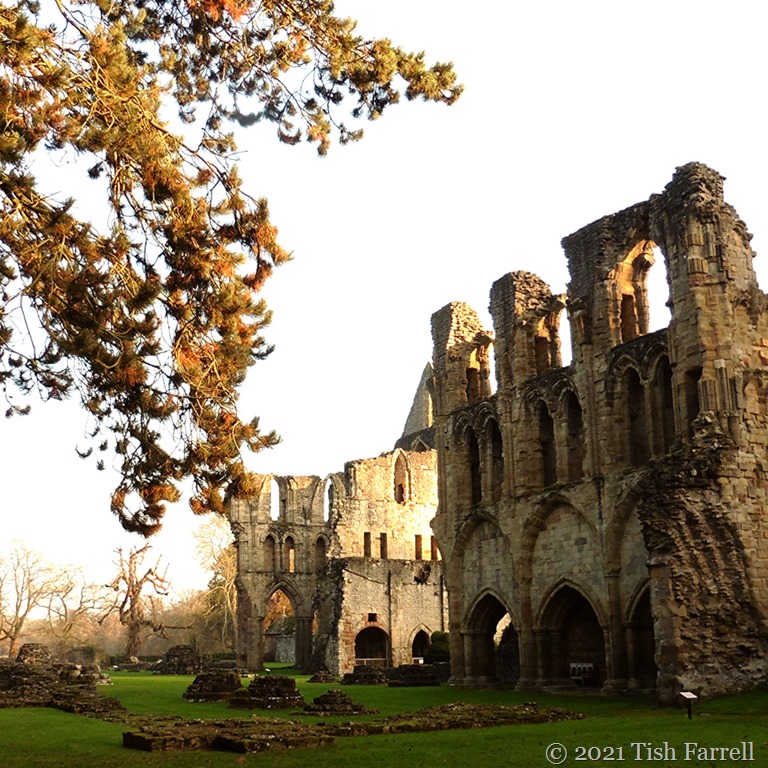
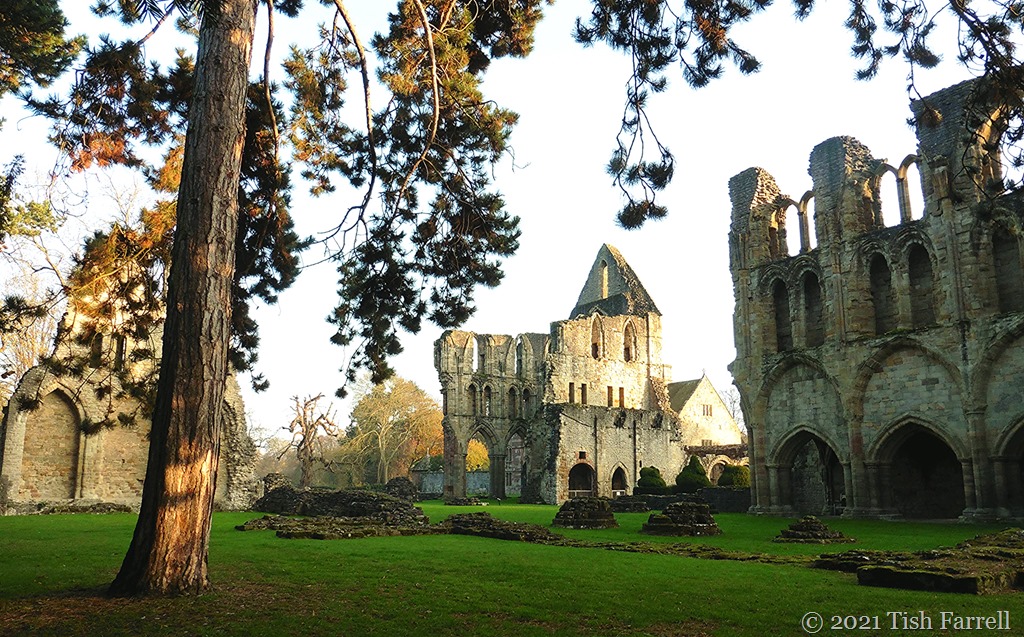
Autumn somehow seems a fitting season for visiting thousand-year old ruins. These particular ones are practically on my doorstep, but I usually only glimpse them over the perimeter wall. They have anyway been out-of-bounds this last year. As a non-believer, I am never quite sure what to make of such places, though it is a wonderfully tranquil spot and I do like the play of light on the stonework and through the archways. I also like the ruinous shapes, and the sense of antiquity, and the glimpses of the priory parkland. And I especially love the Corsican pines that must have been planted by the Milnes-Gaskells who once lived in the Prior’s House (also known as The Abbey) and had these ruins as their personal garden features. (You can see the gable end of the house just right of centre in the first photo.) And finally there is some personal history, for I have been coming here, on and off, for well over half a century. Gracious, how time flies.
Life in Colour This month Jude at Travel Words is asking us to consider shades of brown in our photos. This set is from a couple of years ago, but I came across them again recently and thought they fitted the bill.
T-To-Top-Topiary!
Yes, I know. This shot has featured in another of Becky’s square extravaganzas, but it has to be worth a second look. This is the Cloud Hedge in the Herefordshire village of Brampton Bryan. It is an astonishing 300 yards long, and you can find out more about its history in the (back in) Time Square post: The Ancient Cloud Hedge of Brampton Bryan.
After The Flood ~ The Primrose Path
After our sunny blue-sky Monday, Tuesday was back to dank and gloom. Undaunted, though, we decided on another local jaunt, this time to the nearby River Severn and the historic settlement of Jackfield, a couple of miles downstream of Ironbridge. This old industrial enclave was once the centre of the 19th century decorative tile manufacture – two vast factories, Maw & Co and Craven Dunnill that once shipped their products down river and thence around the world to grace the walls of palaces and grand public edifices.
These days the remains of the Craven Dunnill works are given over to the Jackfield Tile Museum, part of the Ironbridge Gorge Museum Trust, while the remnant buildings of Maw & Co house craft workshops and apartments and the very pleasing Tile Press Cafe which was where had lunch – halloumi toasties with lots of salad.
Part of the former Maw & Co decorative tile factory now used for workshops and small businesses.
*
February had seen some massive flooding along the Severn Gorge, and we were glad to see the river was pretty much back in its bed, though still flowing fast and furious and above usual levels. Turbid was the word that came to mind as I took this muddy shot.
One of the worst and serial casualties of Severn flooding is the traditional old pub, The Boat Inn. It stands in a hollow below the footbridge to Coalport, and its front door records nearly a century of flooding. This year’s deluge was one of the worst, making third place under the 19 feet 5 inches of February 1946, and just above the 1947 flood of 19 feet 1 inch. In fact the 1940s saw 4 really bad floods, with the next worst in 1966, so this extreme excess of water is by no means a new event.
*
And here’s what it looked like last month, photo courtesy of The Shropshire Star on-line:
It’s hard to contemplate the horror of being on the receiving end of so much water. The inn sits at the lowest point of the settlement and apparently floods from behind as well as to the front. The flood inside then holds the front doors shut against the outside flood! We felt so sorry for the licensees. There was not much sign of life when we walked by. Hopefully it will be back in action soon.
The inn sign gives a big clue as to the business of the past. This is one of the big trading barges (Severn trows) that used to ply the River Severn. Until the railway arrived, trows provided ideal means of transport for the Ironbridge Gorge ceramics industries, including porcelain from the Coalport China Works just across the river – much smoother by boat than by 19th century roads.
For some fascinating old photos and more history from Jackfield please visit From Shropshire And My Shins Are Sharp blog.
Wandering back to the car past The Boat Inn’s neighbouring cottages we didn’t see much obvious sign of flood damage there, only the clump of celandines and primroses by a cottage gatepost which seemed like a sign of hopefulness and recovery. Here they are again.