An Outbreak Of Flirtwort? Or Would That Be batchelor’s Buttons, Featherfoil Or Midsummer Daisy?

P1070158

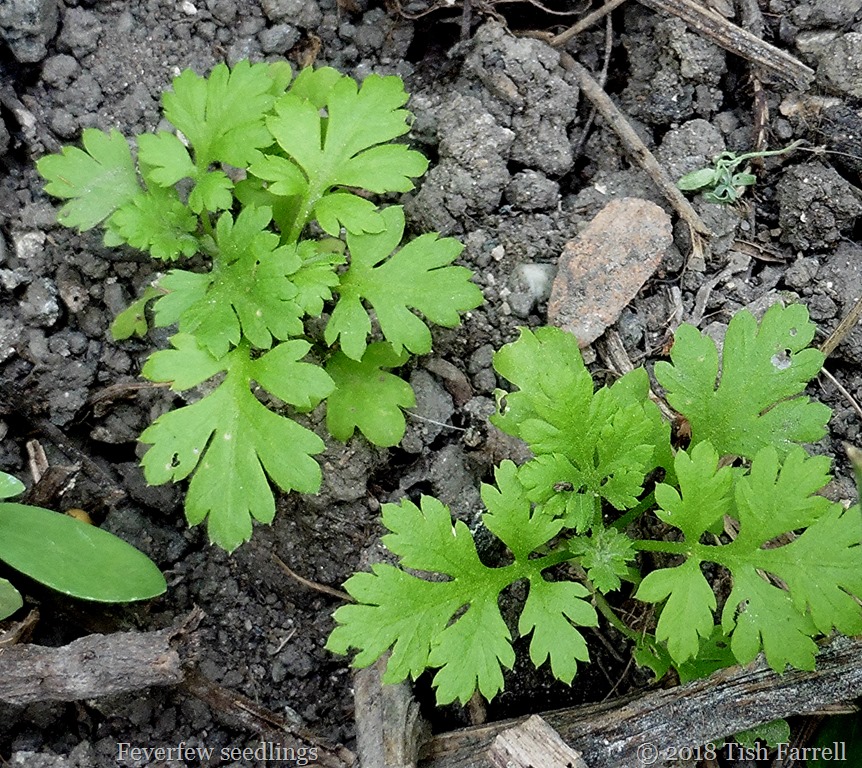
These days this shrubby little plant of the daisy family is most widely known as Feverfew (Tanacetum parthenium). Its original home is in the Balkans, but it is now widespread across the northern hemisphere, including in and around my garden, where it happily self-seeds. It reached Britain in the Middle Ages, perhaps brought by returning Crusaders (that’s only a guess). It was certainly used medicinally by the Ancient Greeks. As the name suggests it was used to relieve fevers. Other uses included the relief of headaches, particularly migraine, rheumatism and general aches and pains.
P1070298

Many migraine sufferers swear by it, and make sandwiches of the leaves, or chew them neat (warning: they taste very bitter). There have been a number of clinical trials. Some claim it works e.g Dr Stewart Johnson’s study at the City of London Migraine Clinic (Richard Mabey Flora Britannica). Other studies claim it was no more effective than a placebo, which always sounds damning.

Of course modern medicine is most interested in identifying and then commodifying the specific so-called active ingredient of any medicinal plant because then you can clinically test the substance in known amounts, and if it is deemed to work, licence and market it. But then plant chemistry is extremely complex, and medical herbalists do not think in terms of isolating specific ingredients. They use whole plant parts – leaves, flowers, bark in tinctures, decoctions and teas. Any so-called active components will be in very small quantities, and the treatment may take weeks or months to effect healing.

P1070245

Anyway here is the conclusion from a scientific study reported in Pharmacognosy Review 2011 Jan-Jun 103-110 and posted on The National Center for Biotechnology Information website. You can read the whole article at the link:

T. parthenium (L.) contains many sesquiterpene lactones, with higher concentration of parthenolide lipophilic and polar flavonoids in the leaves and the flower heads. The plant also contains high percentage of sterols and triterpenes in the roots. Flowers and leaves and parthenolide showed significant analgesic, anti-inflammatory and antipyretic activities, which confirmed the folk use of feverfew herb for treatment of migraine headache, fever, common cold, and arthritis, and these effects are attributed to leaves and/or flowers mainly due to the presence of sesquiterpene lactones and flavonoids. Feverfew also use as spasmolytic in colic, colitis and gripping, and as vermifuge and laxative. The uterine stimulant effect of the plant agreed with the folk uses of the plant as abortifacient, emmenagogue, and in certain labor difficulties and also agreed with the warning of the drug producer, which indicates the prevention of using feverfew during pregnancy but not agree with the folk use of the drug in threatened miscarriage. Taking great concern of the useful benefits of the plant, it can be advocated as a safe, highly important, medicinal plant for general mankind.

Drum Roll Please For Allium Sphaerocephalon

P1070163

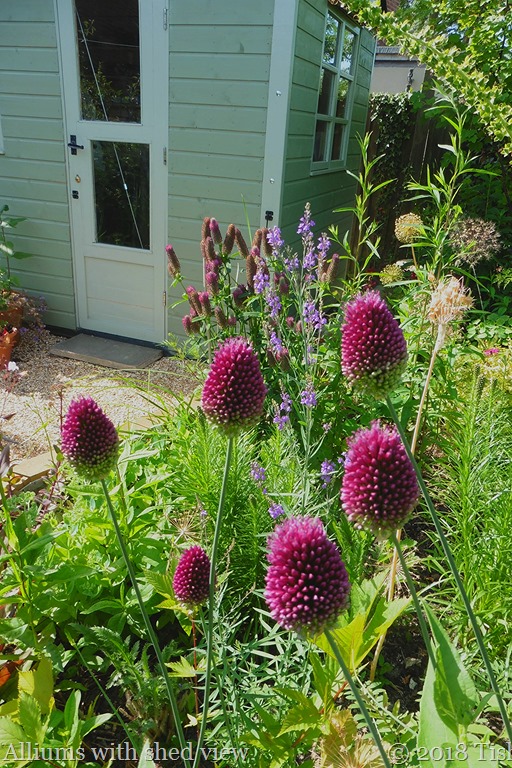
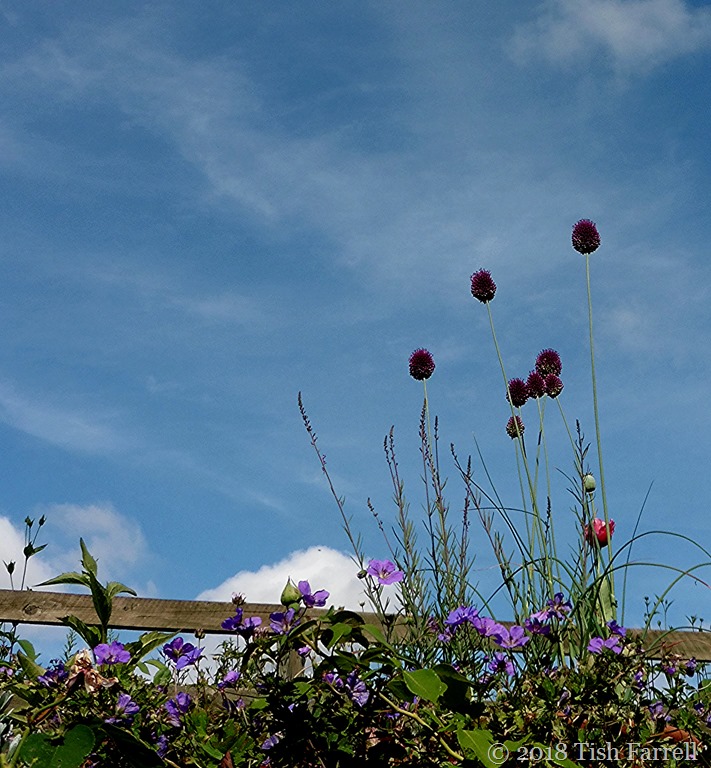
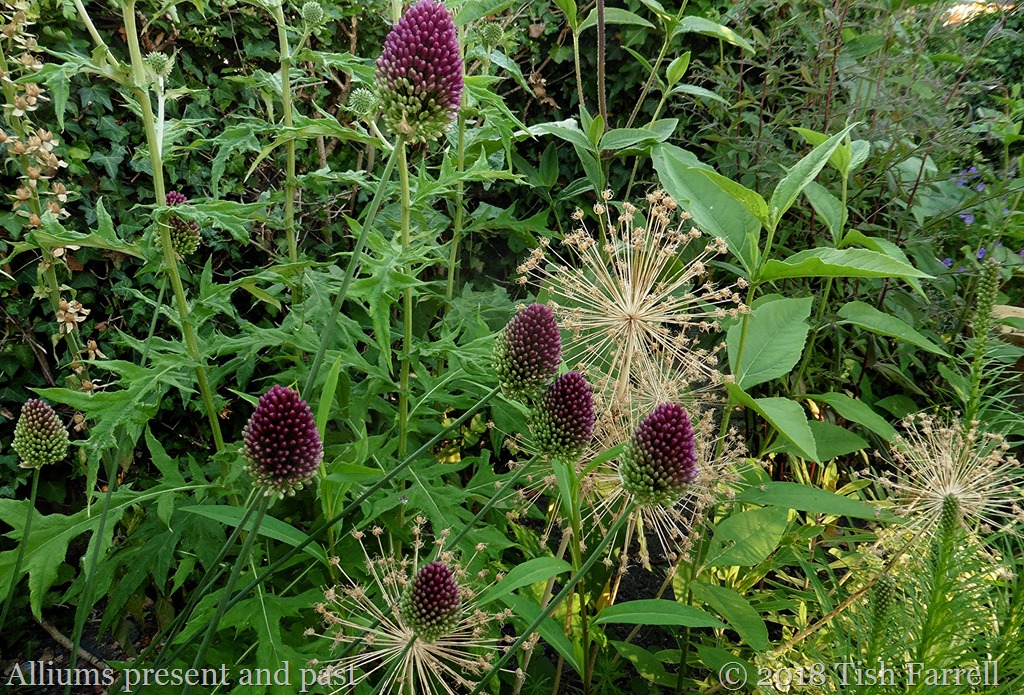
That’s quite a tongue-twisting name for a plant that is basically an overgrown chive. Of course it only means sphere-headed, and this is the first year I have had these late flowering (AKA drumstick) alliums in my garden. July to August is their time. And they have come into bloom just when the June flowers are over, and the July cohort are still struggling with the heat. I love them. They start off as green globes that gradually turn purple-pink from the tip downwards – just as if they have been dipped in a paint pot. Full-out, they remind me of the raspberry ice lollies of my childhood. They are not fussy about soil type, or so I’ve read, though they like reasonable drainage. And they self-seed, which I’m very excited about. Looking forward then to next year’s garden full of giant chives.


P1070135

P1070132

P1070218

Miniscule On Monday ~ Interesting The Things You Find Under The Cosmos

P1070111

Can you see it? This slightly fuzzy macro shot has made a monster of the tiny little crab spider that is busy trying to hide from me. I should say that in real life it was less then one eighth of an inch (2mm) from top to toes. Even so, and you can’t see it very well from this angle, its abdomen had taken on the camouflage colours of the pinky-purple cosmos.

There’s just so much going on in the natural world around us, and most of it we miss entirely.

This Morning Over The Garden Fence ~ A Field For All Seasons

P1070127

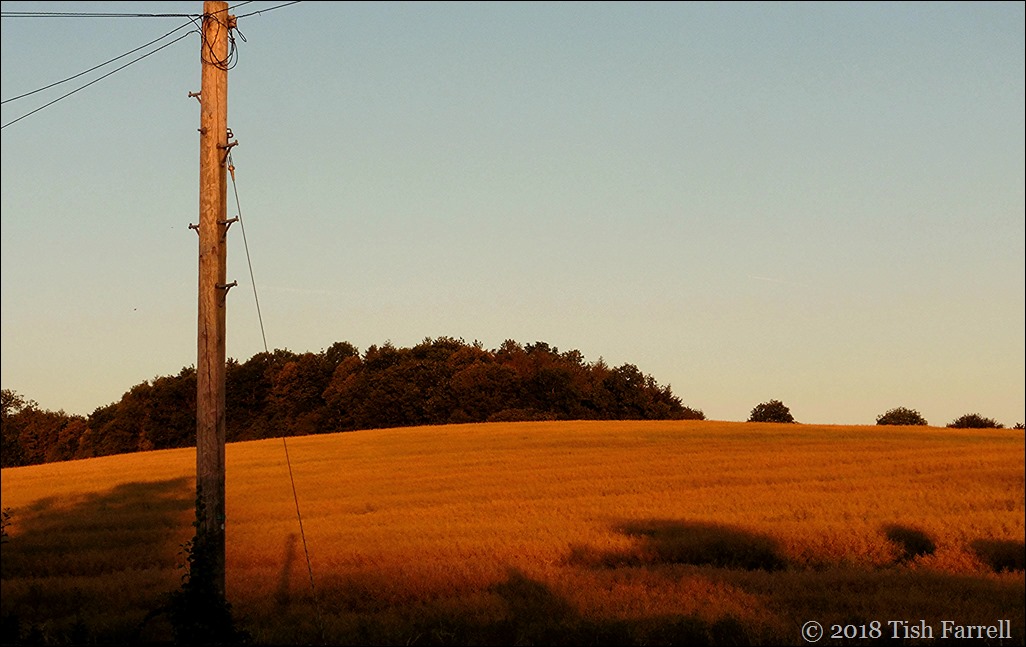
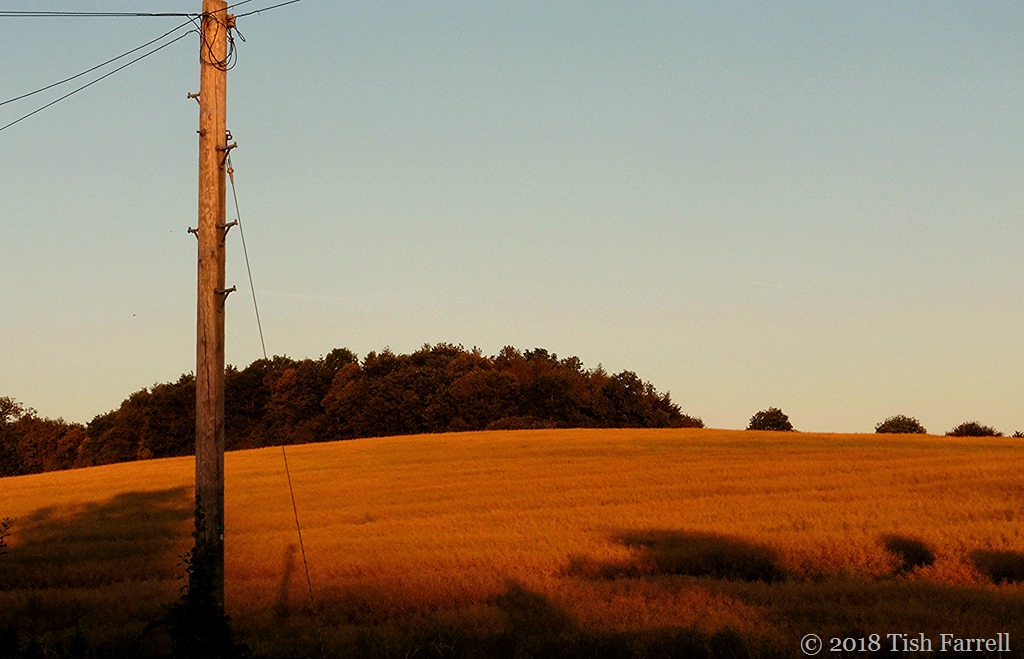
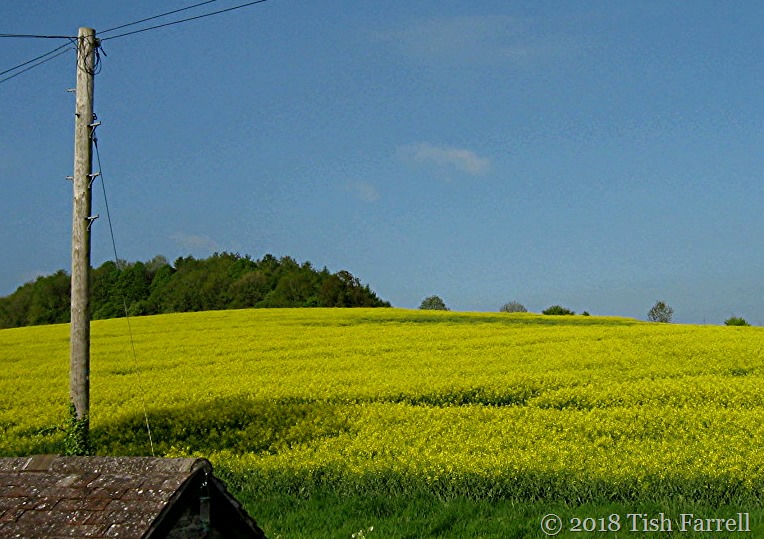
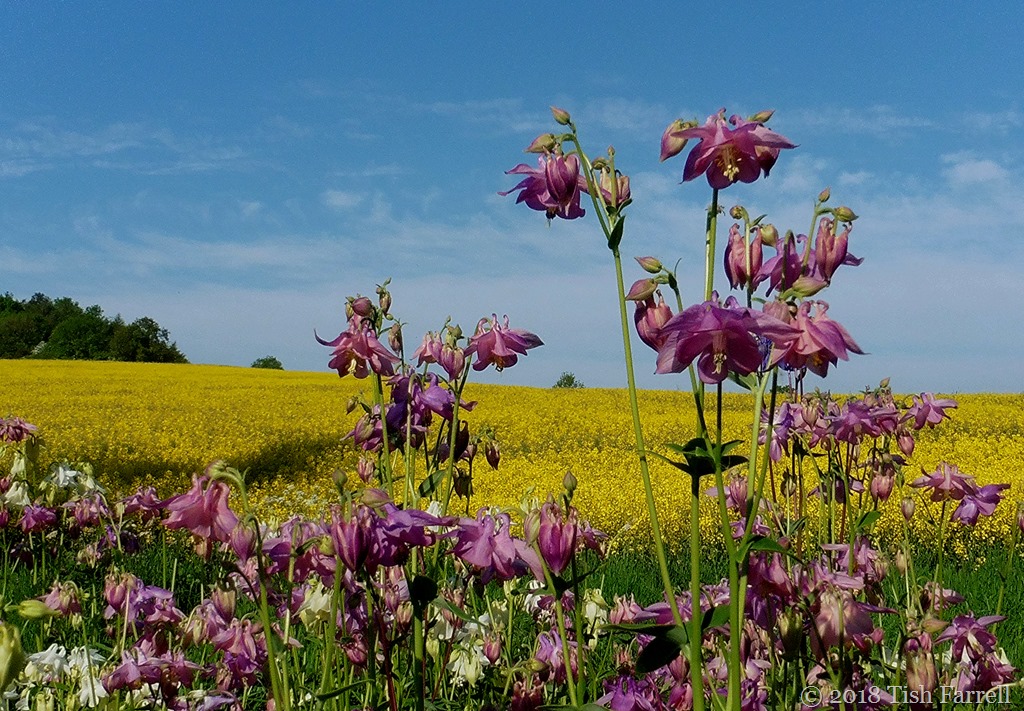
I’ve watched this crop of rapeseed developing behind our house since the autumn when it was sown – back to back with the wheat harvest. All through the winter it clung to the ground and was much eaten by pigeons. In April, after a good dosing with agrichemicals, it sprang into life like Jack’s beanstalk, and was soon taller than me. By May is was a sea of acid yellow, that mellowed to gold. This morning at 5.30 am it was turned to copper. As I’m writing this, the field, under the full-on midday sun, is being visited by hosts of cabbage white butterflies.

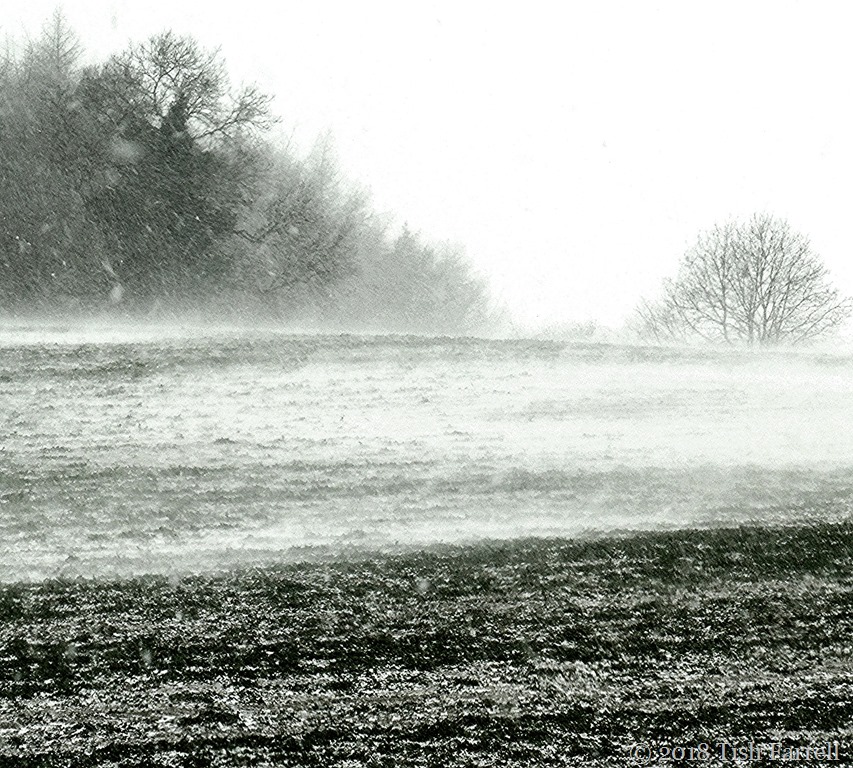
So it is that the plants have survived deluge, bird predation, gale, blizzard, frost, three lots of snow, and now weeks of ground-baking drought. The plants look almost ready to harvest, although when I inspected a couple of pods last night, there seemed to be precious little seed inside. Which made me think that only the farmers who are harvesting sun with their fields of solar panels will be having a good crop this year.

Here’s a retrospective of Townsend Meadow during 2018.

IMG_3321

P1060315

P1040400

P1040394

IMG_6563

IMG_6573

Making A Splash In Pembroke ~Thursday’s Special

P1040757

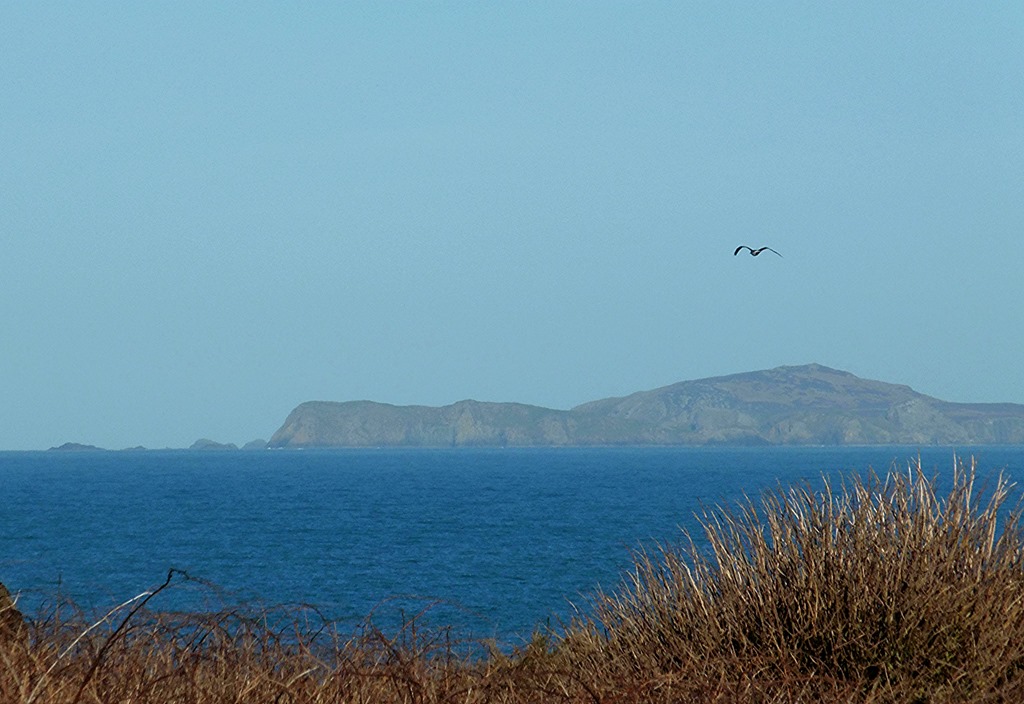
This month Paula’s pick-a-word challenge gives us the words splash, marine, scenic, feathered and canicular. The seaside photos cover the first  four, and I’ve posted them as an antidote to the ongoing hot weather that is melting many of us in the northern hemisphere. They were taken in March on Broadhaven Beach and at St. Bride’s in Pembrokeshire, and I’m relishing the thought of a brisk sea wind on my face and  an invigorating paddle in some chilled Welsh waves.

This next photo is my stab at canicular – the state for which I need the antidote – the laid out, inactive, sweltering dog days of July, the grass turning brown before our eyes, sunset heatwaves. Phew!

P1070014

Thursday’s Special

On The Path To The Allotment ~ Too Hot On The Plot

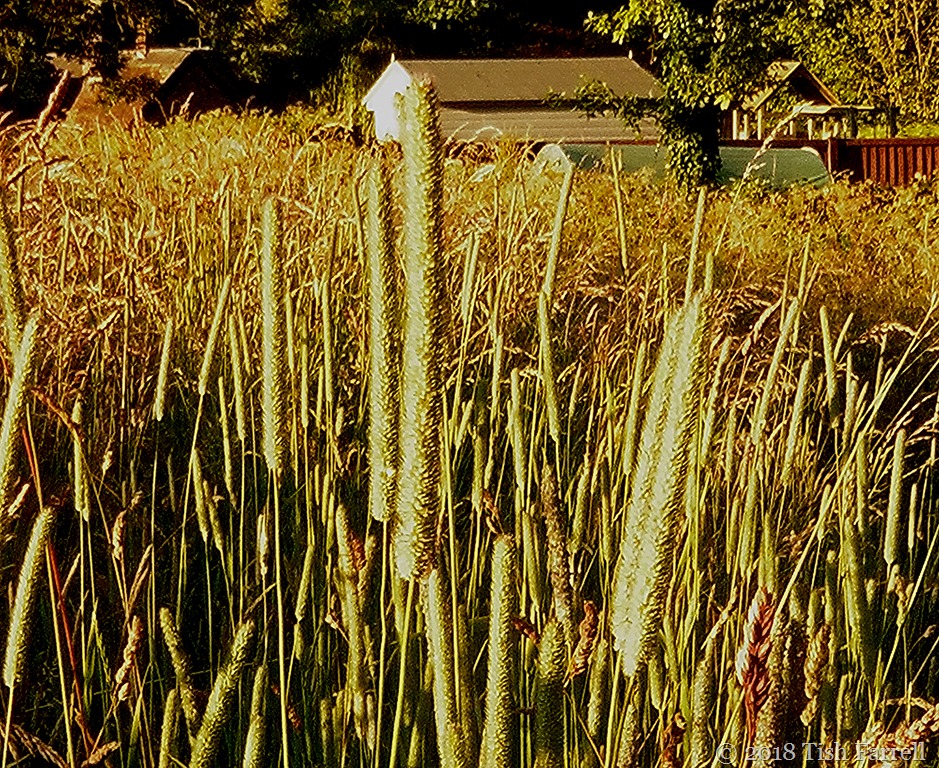
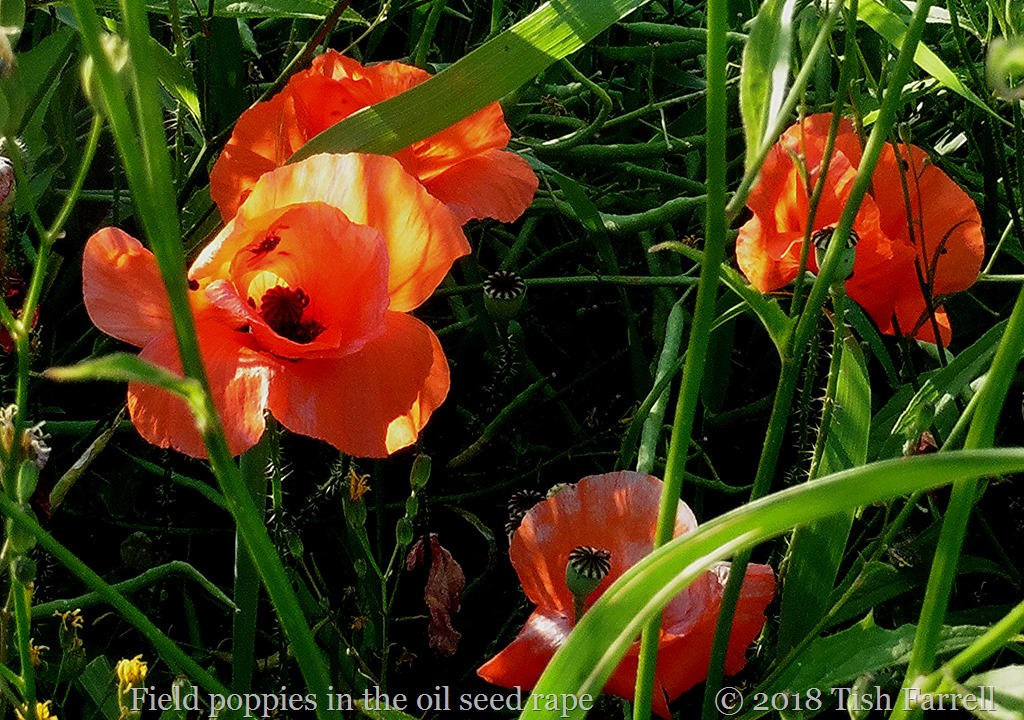
It was nearly 7 pm last night when I finally thought it might be cool enough to head up the field to the allotment. In places, the nettles and grasses are leaning over the path at ear-height, and the nettle stings can be vicious, even through clothing. At one point the makeshift path alongside the rapeseed crop all but disappears, and it’s a question of remembering to turn left at the opium poppy, which was fine when it was flowering redly, but not so easy to spot now it’s gone to seed. I’m beginning to think I need to go out armed with a machete. Also the ground beneath my feet is so unyielding, it is difficult to walk on; baked into unexpected ridges and contours that are hard to navigate when you can’t see the way ahead. Who would have thought going gardening could be so challenging.

Of course, I had to stop to take this photo, the sun shining through the allotment boundary hedge.

On the plot I have been trying to shelter the plants’ roots with whatever vegetation I can find up there: comfrey, horseradish leaves, even rhubarb leaves. I’m now eyeing up the goat willow tree on the neighbouring abandoned plot, thinking a little prune of its leathery foliage might make some useful shading material.

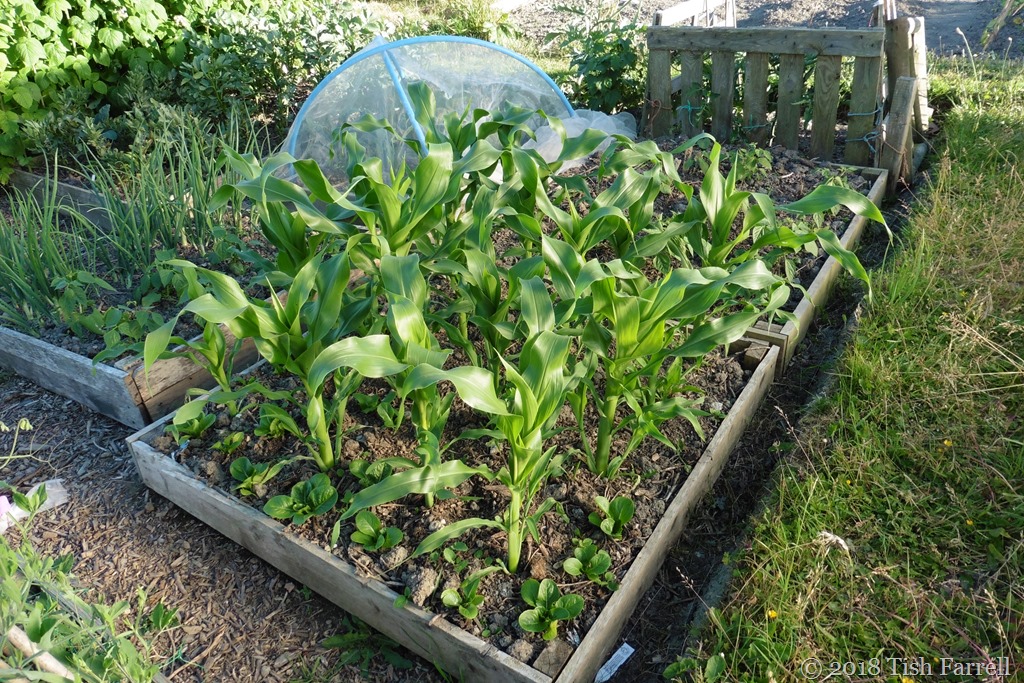
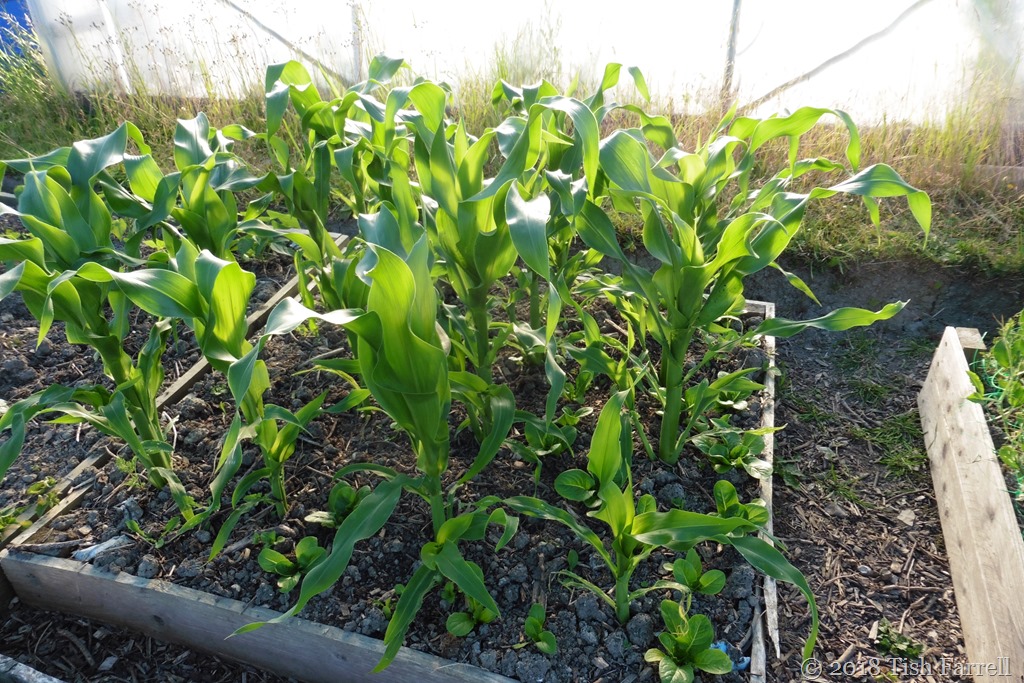
So far things are surviving – apart from the strawberries that is, and the broad beans which produced a half-hearted crop and then fainted away. The most astonishing success, at least so far, is the sweet corn. It just keeps on growing, and with scarcely any watering, which is very strange for sweet corn. I bought the seedlings by post after the seeds of my own first sowing rotted. They were tiny when I planted them out in May – no more than a hand’s width tall. Now look at them.

P1060882

P1060888

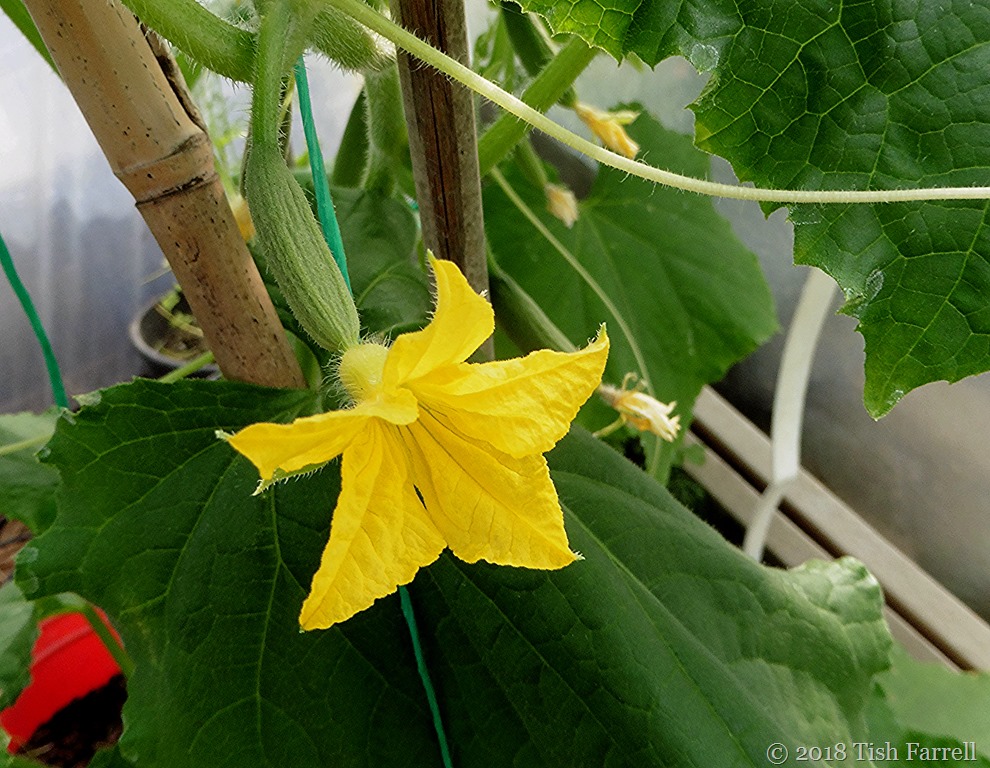
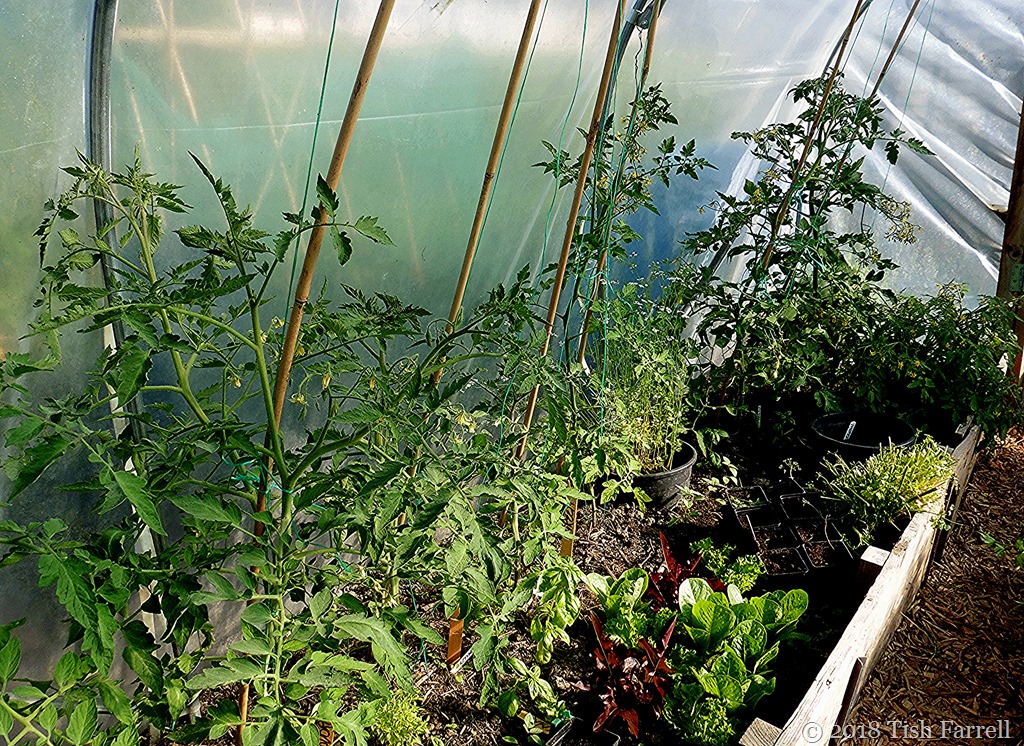
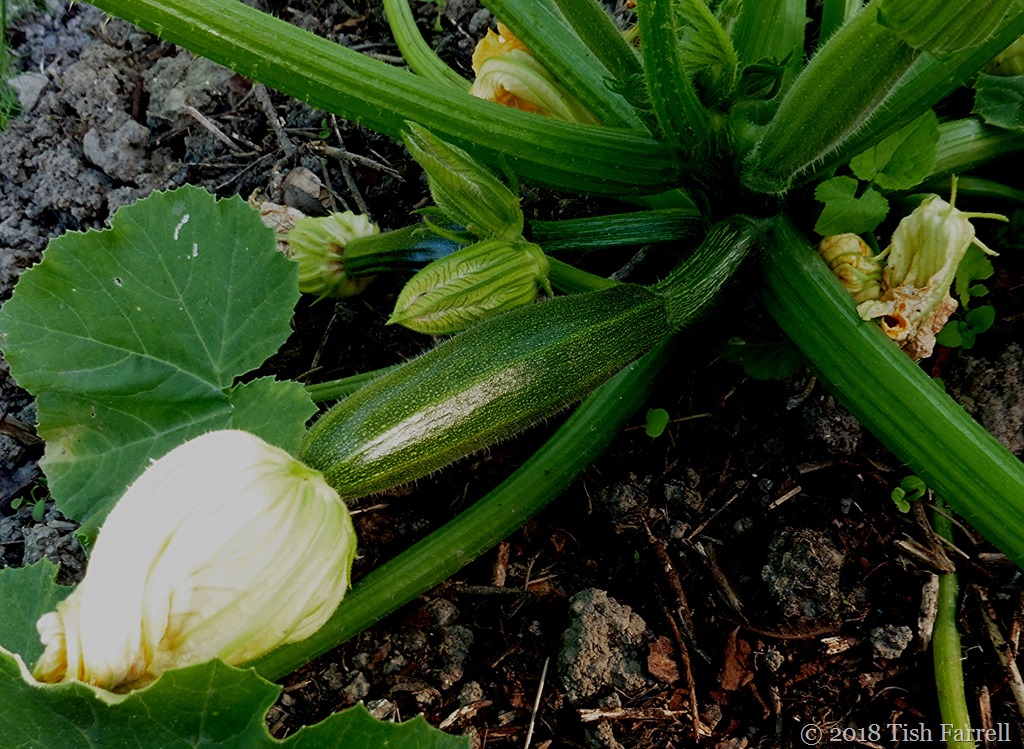
They cost £2 for 20 from Delfland Nurseries which probably works out cheaper than growing them yourself from seed, and certainly cuts out the faff. I also bought some of their Iznik mini cucumber seedlings, which are now producing well in the polytunnel. The fruits are about 4 inches long when ready to pick, and delicious. The best thing is you eat the whole thing at one go, so no more squishy-cucumber-end discoveries in the fridge.

P1070062

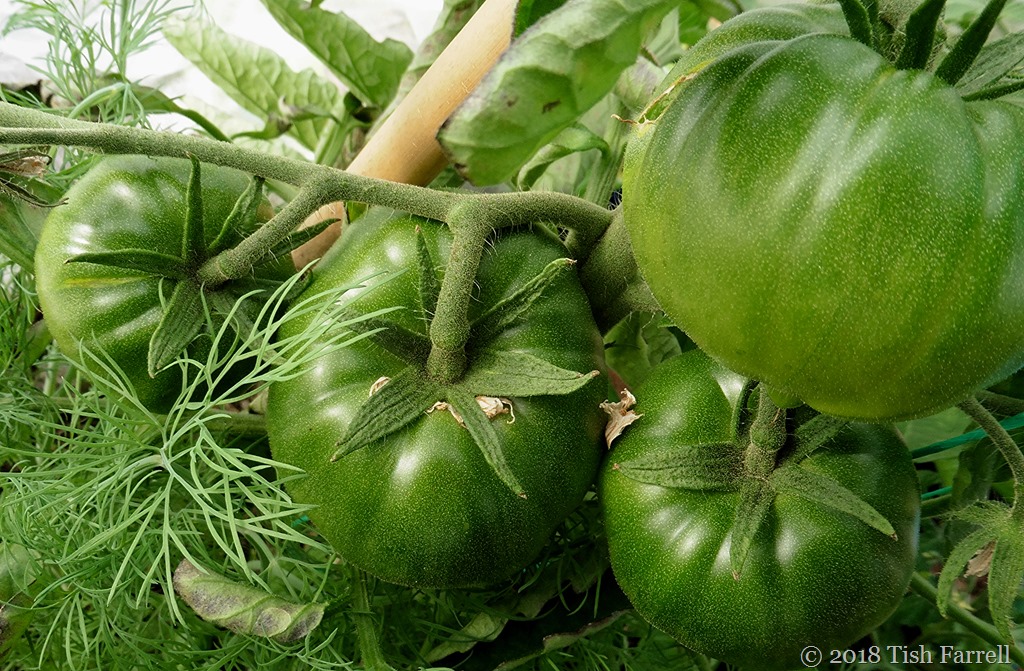
The Black Russian tomatoes are busy fattening in the next door bed. They are now one of our favourite tomato varieties, under-sown here with dill.

P1070063

P1060798

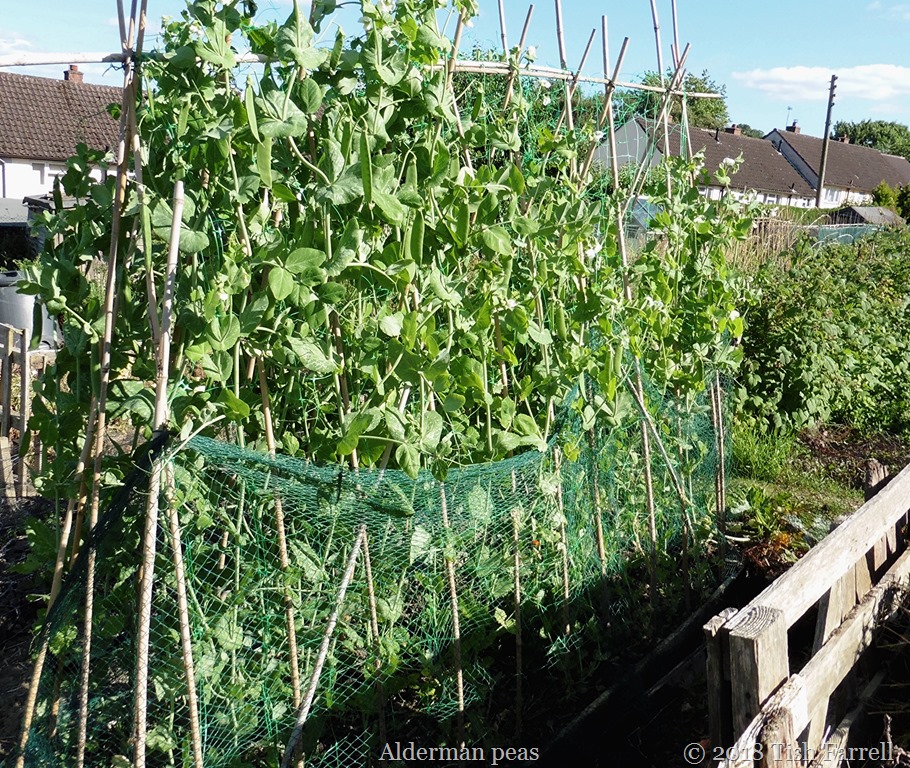
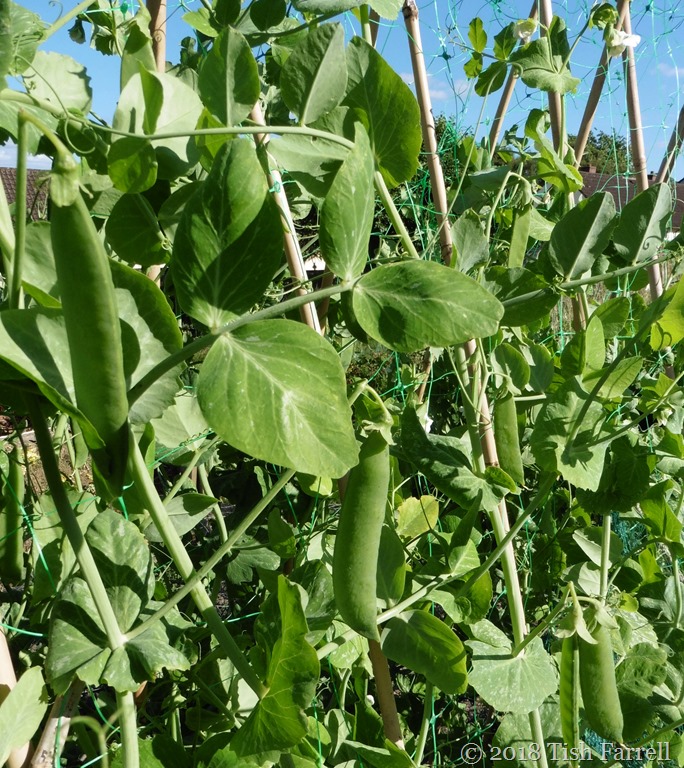
Outside, the runner beans are struggling to get up their sticks, but we’ve had our first good picking of the climbing Alderman peas. These peas are supposed to continue cropping over the season, but I’m not sure that this will happen with four more weeks of drought and heat promised. I have just planted out another lot, sown for quick germination in lengths of plastic gutter, and I shall definitely grow them again next year.

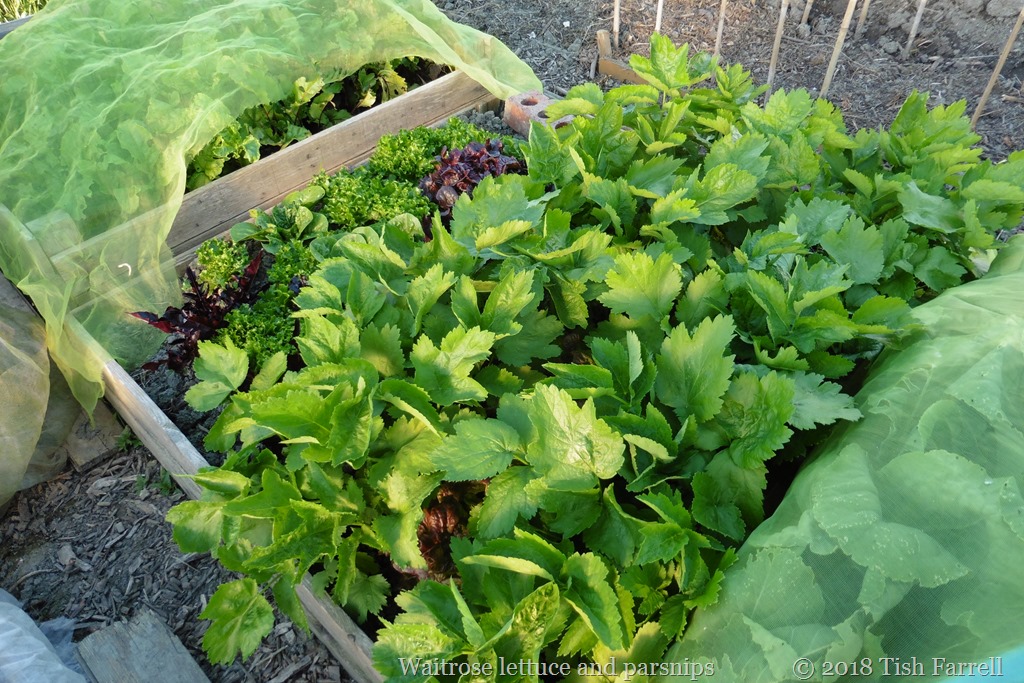
We’ve been told there is a ‘world shortage’ of lettuce in UK supermarkets. It doesn’t germinate well in heat. I have grown some of my own, but I was also very pleased that I bought a tray of ‘living salad’ lettuce from Waitrose. It was intended for cutting fresh into one’s sandwich, but I planted out the seedlings instead, outside covered with fleece and also in the polytunnel. So far it’s doing well. I reckon there were about 50 seedlings in the tray, several different varieties, so plenty of lettuce to share with neighbours.

Now for some more hot-plot shots.

P1060800

P1060785

P1060788

P1060887

P1060886

P1070072

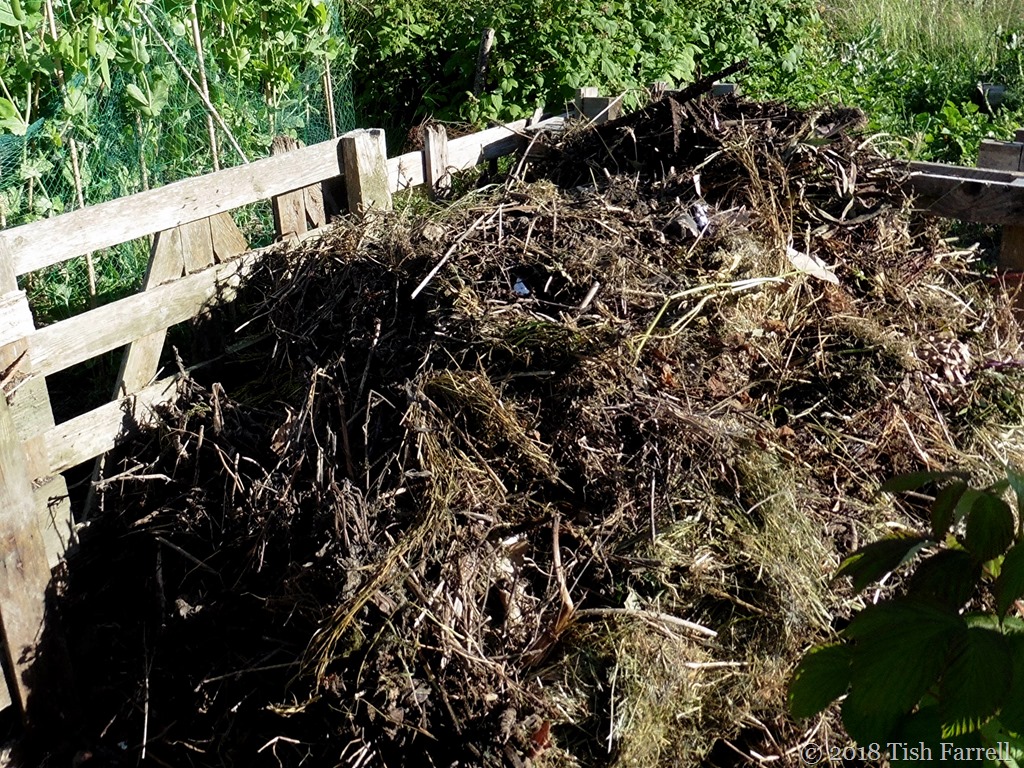
One unforeseen circumstance of the hot weather is that my piled-high compost heaps are bone dry, and are therefore doing very little rotting down. While I don’t feel I can help them along by actually watering them, I have heard that the addition of urine is very beneficial, and since most of the allotmenteers are chaps, it has occurred to me to put up ‘please pee here’ signs. All deposits gratefully received.

P1060784

copyright 2018 Tish Farrell

Strange What Comes Flying Over Next Door’s Ash Tree When You’re Eating Supper

P1070083cr

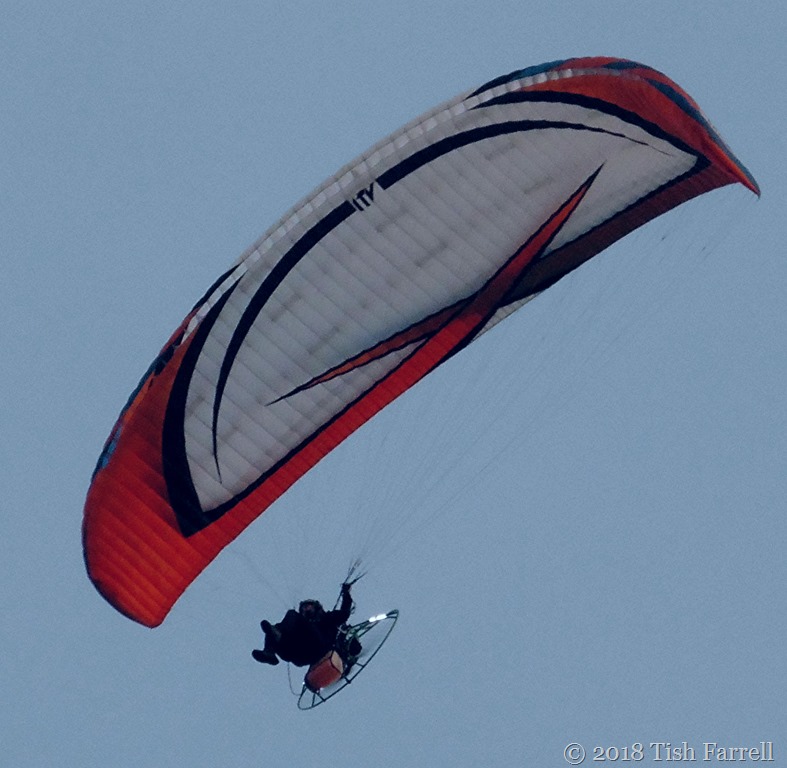
Is it a bird? Is it a plane? No it’s…a…a paramotor wing, and it came looming low over the new shed last night as we were eating our cream of broad bean soup. It was so very much something where you didn’t expect to have it, and also very loud, that for a moment I felt like Arthur Dent in The Hitchhikers Guide to the Galaxy – you know, the scene near the beginning where a huge ship from the Vogon Constructor Fleet comes gliding over his house as a prelude to demolishing the planet:

People of Earth, your attention please.This is Prostetnic Vogon Jeltz of the Galactic Hyperspace Planning Council. As you will no doubt be aware, the plans for development of the outlying regions of the Galaxy require the building of a hyperspatial express route through your star system, and, regrettably your planet is one of those scheduled for demolition. The process will take slightly less than two of your Earth minutes. Thank you.

Douglas Adams The Hitchhikers Guide to the Galaxy

Anyway, it turned out to be nothing so threatening, though at one point I thought the pilot had completely lost the plot as he whirlygigged for several giddy seconds over the rapeseed field. He sorted himself out though.

P1070078

cr2

cr3

P1070081

P1070074

No, This Is Not My Polytunnel

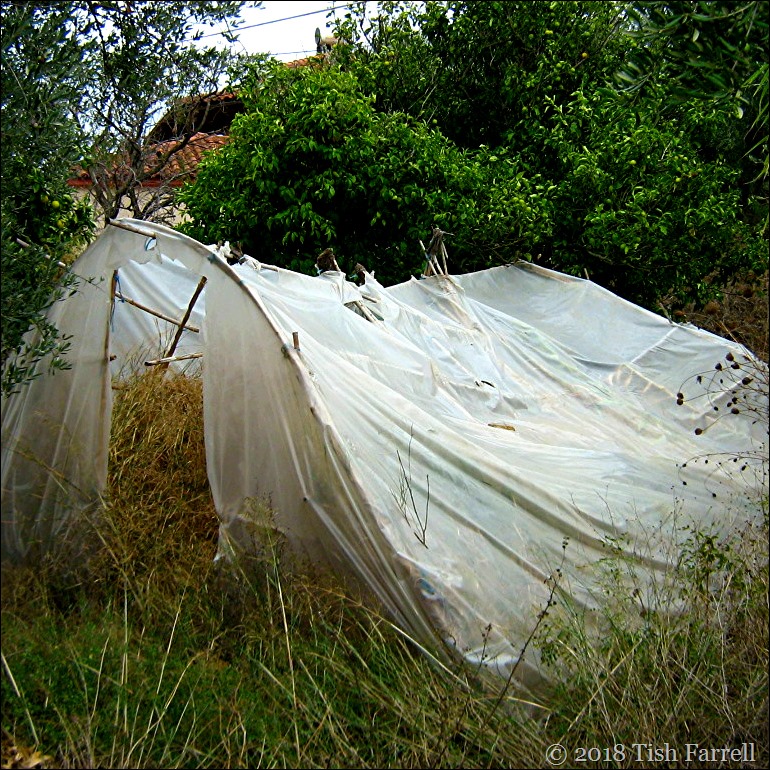
Polytunnel spotted on the path to Koroni, Messenia in the southern Peloponnese. And now for some more scenic Greek roofs to conclude Becky’s very entertaining June squares photo-jaunt. Didn’t we do well. And a big round of applause for Becky.

*

IMG_2849

THE END

Roof Squares 30

Six Word Saturday

Much Wenlock’s Changing Seasons ~ Flaming June 2018

P1070031

Who’d have thought it? Here in the UK we’ve been having summer and all before it was officially summer; week after week of sunshine, and hardly a drop of rain. May was the warmest May in over a hundred years, and June has continued in like vein. The roses have been flowering their socks off and, along with the pinks and honeysuckle, filling the garden with delicious scents. In fact everything is blooming at high speed, intent on pollinating and seed-setting before being fried. This evening I saw fully formed, if not yet ripe hazel nuts at the allotment. The biological imperative in action then. Already the countryside has the dry and dusty look of late August.

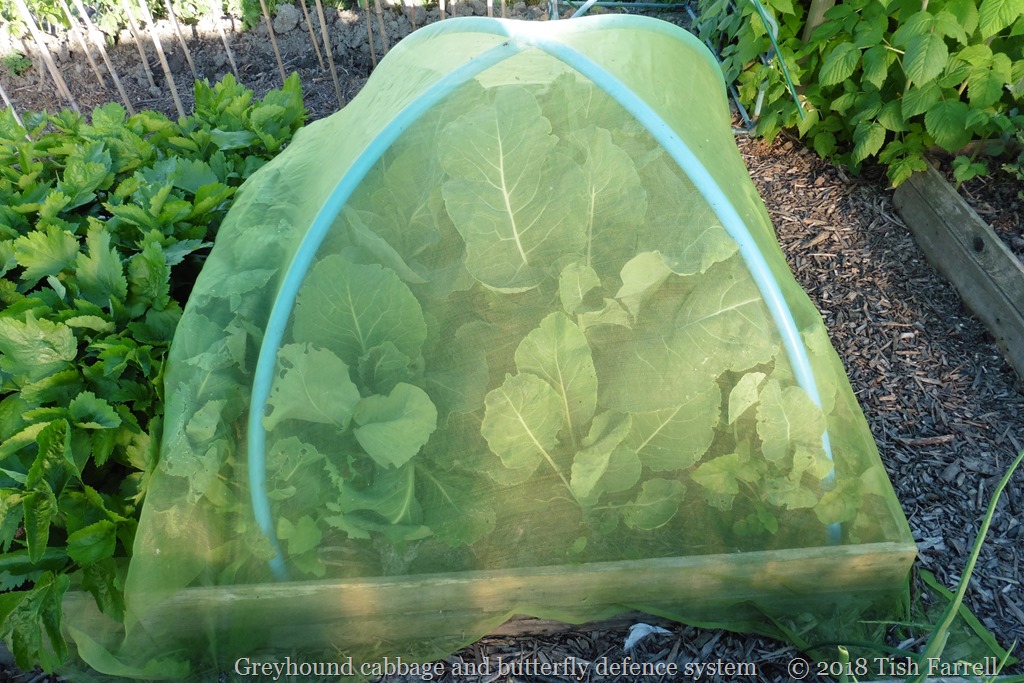
Of course all this sunshine means there’s lots of watering to be done at the allotment, though I’m very conscious that water is precious and I should not waste it.  I’ve been trying to mulch things where I can, and otherwise shelter crops with netting, mesh or fleece. I have not managed to get to grips with the strawberry bed though. Did not put straw down when I should have done, and although the plants have been producing lots of fruit, they looked flat out and flabbergasted yesterday evening  – beyond being watered now.  On the plus side – more heat = fewer molluscs.

All around the town the hay fields have been cut and cleared. And when we drove over Wenlock Edge to Church Stretton this morning all of Shropshire lay sweltering under the sun, and set to bake for another fortnight too.

This raises serious issues – the water supply in particular, and climate change in general. We need to start taking both seriously, and we especially need the water supply and its management back under public control. And if we’re now going to have largely rainless springs and summers, followed by very wet winters with the increased likelihood of serious floods too, then we need more water storage facilities. Many conurbations are still relying on reservoirs built by the Victorians. Birmingham water comes from Elan Valley reservoirs in Wales, built in 1893.

This week in our part of the West Midlands we’ve been having very strange goings on with the taps courtesy of Severn Trent Water whose CEO earns £2.45 million a year.  (She is one of the 9 water company executives who between them have received £58 million pounds in pay and benefits over the last 5 years.) In the evening the pressure drops until water is either absent or only a dribble. Severn Trent say this is happening because increased usage due to the hot weather is causing air pockets in the pipes, and they’re having to pump the air out.

This is an entirely new phenomenon to us, although having lived in Africa we are well used to the absence of water and the notion that we should not take its provision for granted. Anyway the STW explanation rather reminds me of old British Rail’s excuse of ‘leaves on the line’ whenever services went awry. In early March there were similar happenings in the pipes due, Severn Trent said, to an unprecedented number of leaks because of the cold weather.

However you look at it, a delinquent water supply that is so susceptible to changes in the weather, and for which most households pay £400 a year, is not fit for purpose. ‘Take back the taps’ say the GMB Trades Union.

Changes in rainfall patterns, and failure to properly manage rain-fed water supplies is going to seriously affect the nation’s food production. We’ll need to eat different things, learn to grow them in new ways, opt for drought-resistant plants. When we leave Europe, we will have to grow our own vegetables, since most of them seem to come from there. Is anyone taking some action on this, I wonder.

But for now we can go on enjoying the unprecedented warmth, making hay etc. It has many very good points. Earlier this month the town held its two-week arts festival without a drop of rain on its outdoor performances, and on Sunday we had the town picnic on the Church Green, and the whole afternoon was blissful – at least it was if you had a good tree to sit under. Here are some views around Wenlock during flaming June:

And last Sunday’s town picnic:

This slideshow requires JavaScript.

Changing Seasons June 2018