Gatekeeper, Skipper And Blue And A Mystery Moth For Pete

IMG_7137

IMG_7089

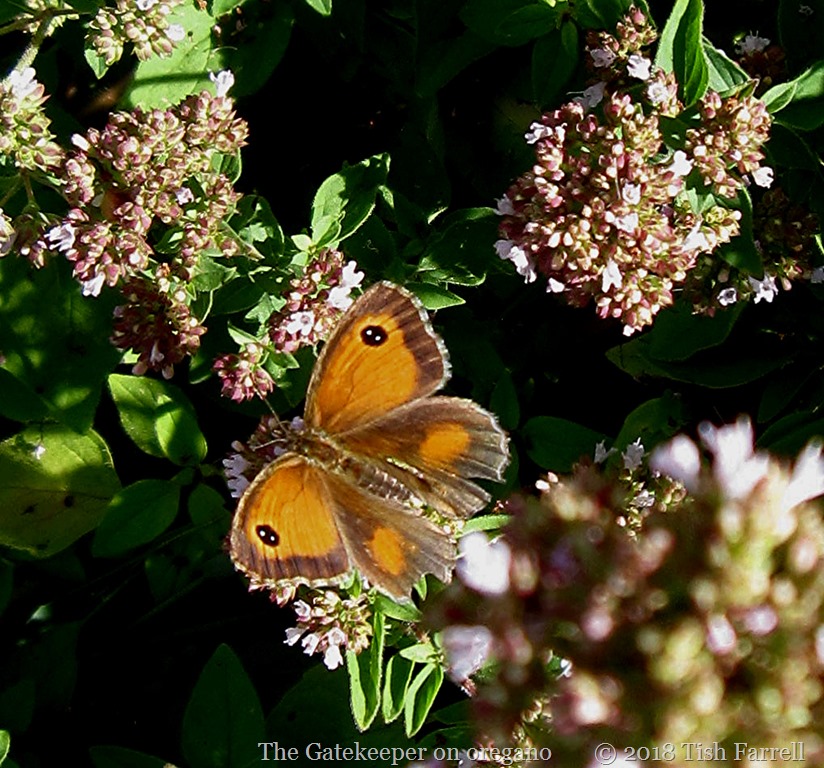
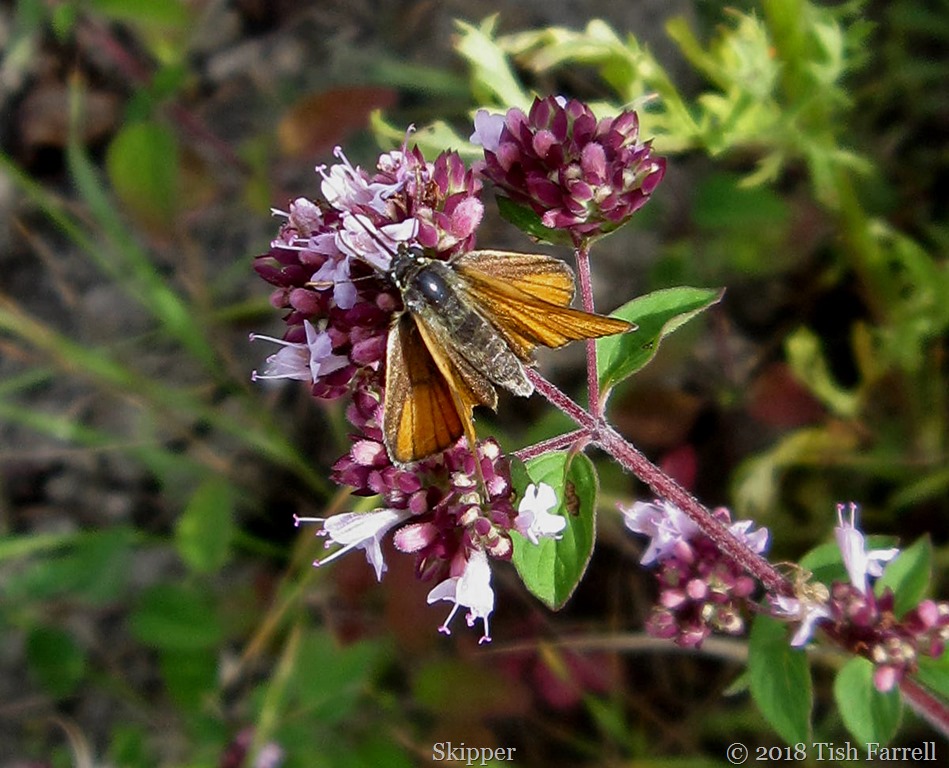
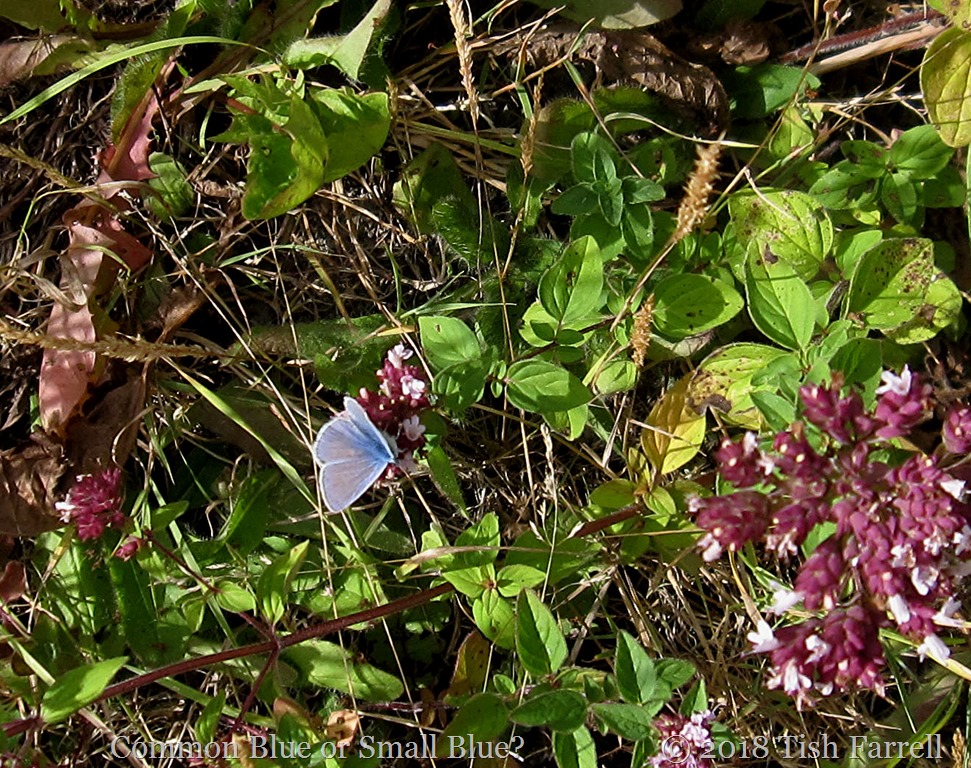
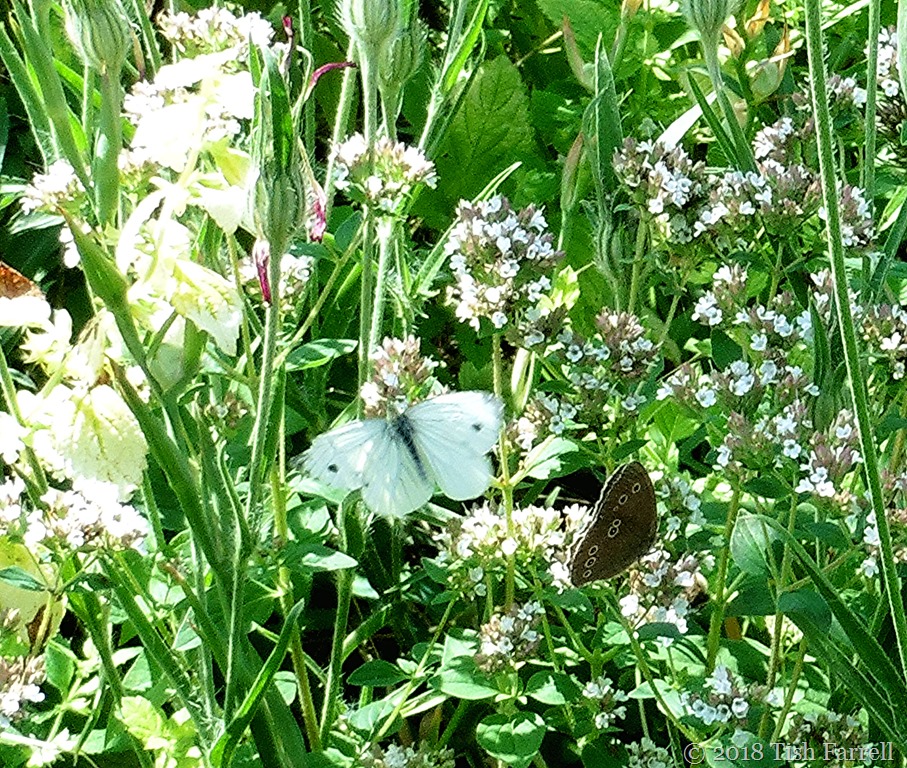
I found the allotment teeming with bees and butterflies the other evening. As you can see, the butterflies really love the oregano flowers. The little blue butterfly was too skittish for me to get a good photo, but I’m assuming it is a small blue or a common blue.

One of the best thing about Word Press is how one blogger introduces you to another although they are poles apart across the planet. In this case Ark down in Johannesburg who documents his garden’s wildlife visitors (please go and see his latest slide show of some of Africa’s loveliest birds) gave me a nudge to visit Pete Hillman who documents wildlife from his home in Staffordshire, the next door county to mine. He takes very beautiful photos and is a fund of knowledge over what’s what.

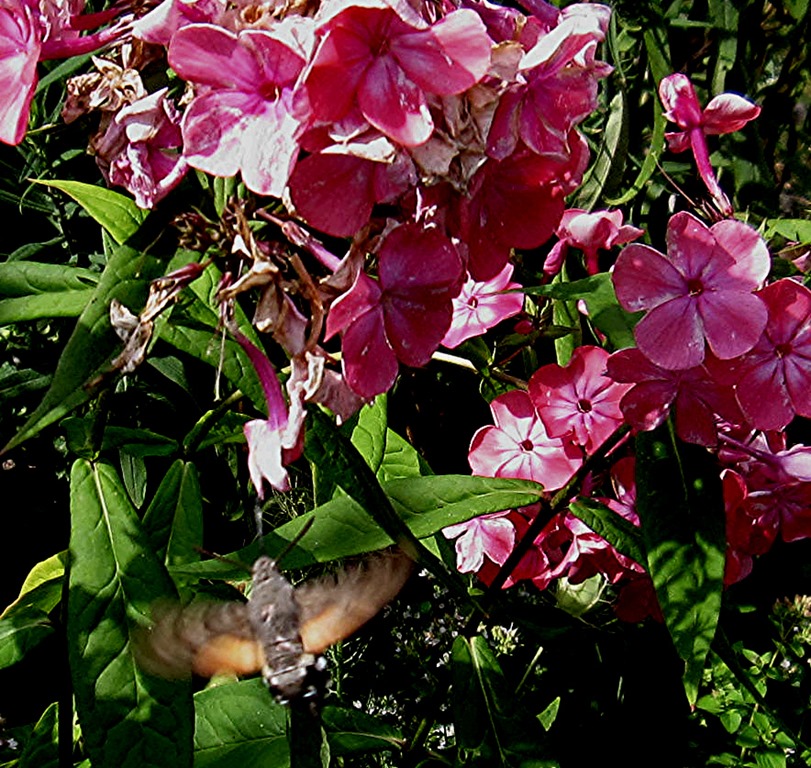
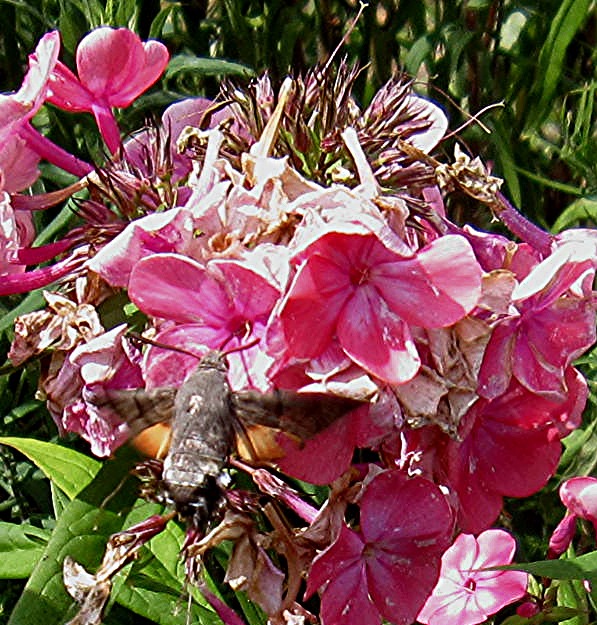
So now for my mystery moth. These are rubbish photos due to the high speed whizzy movements of the subject. I’m thinking it is a hawk moth of some sort. It was out late the other morning, pile driving the phlox flowers with a very scary proboscis. Most unnerving. Over to you, Pete…

IMG_7154

IMG_7155

Going Witless On Wednesday And Wild Wild Oats

P1070652

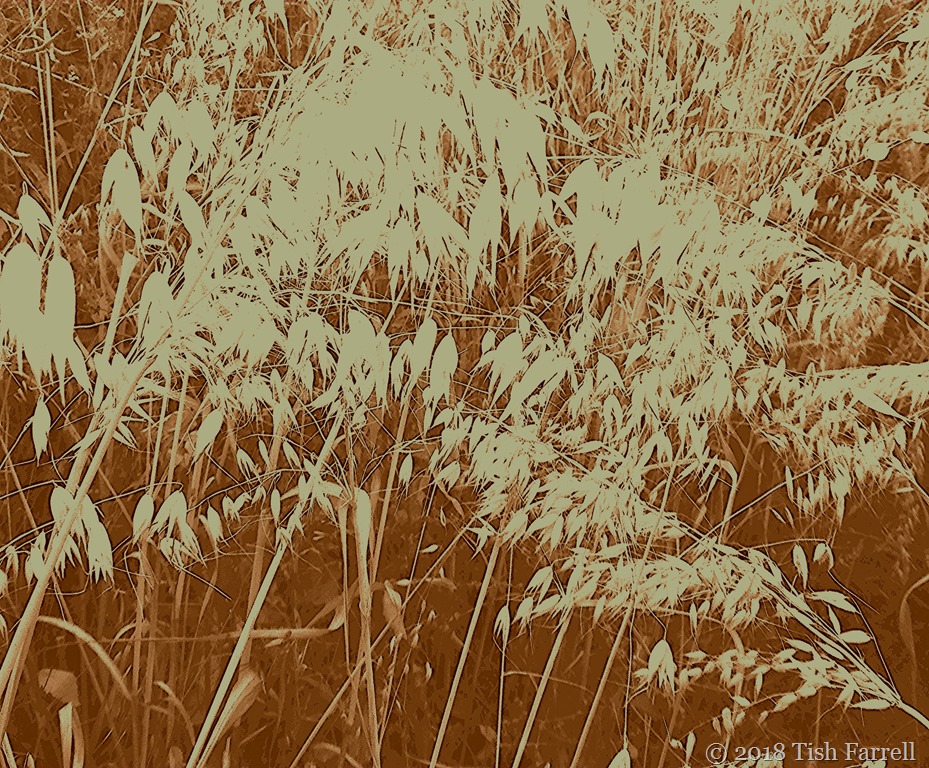
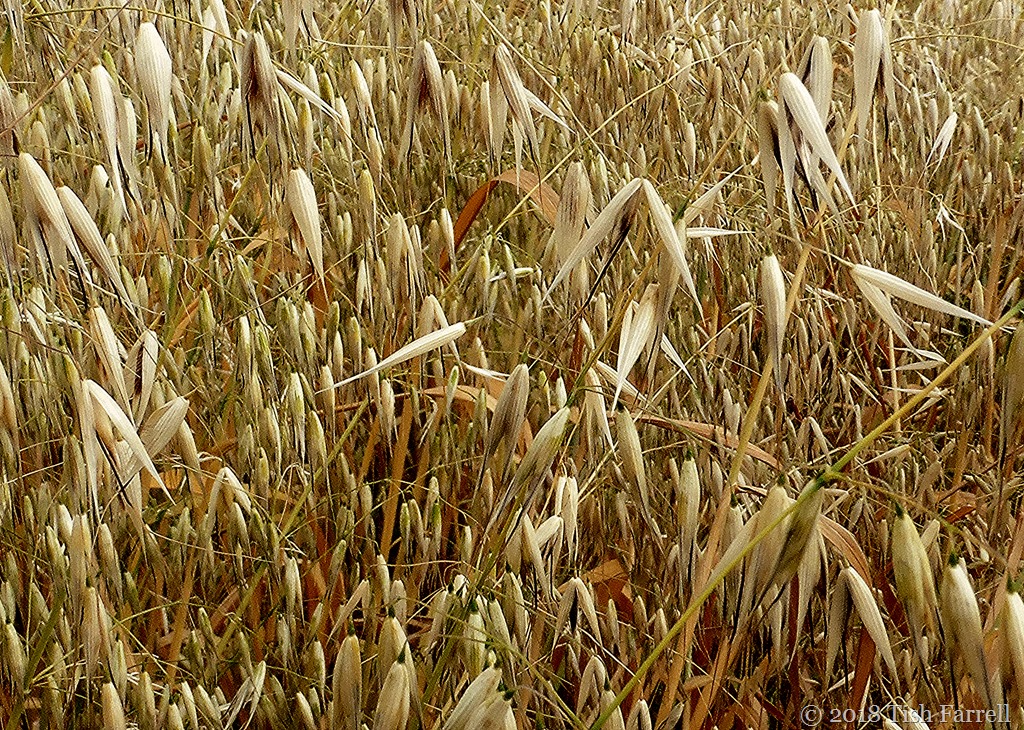
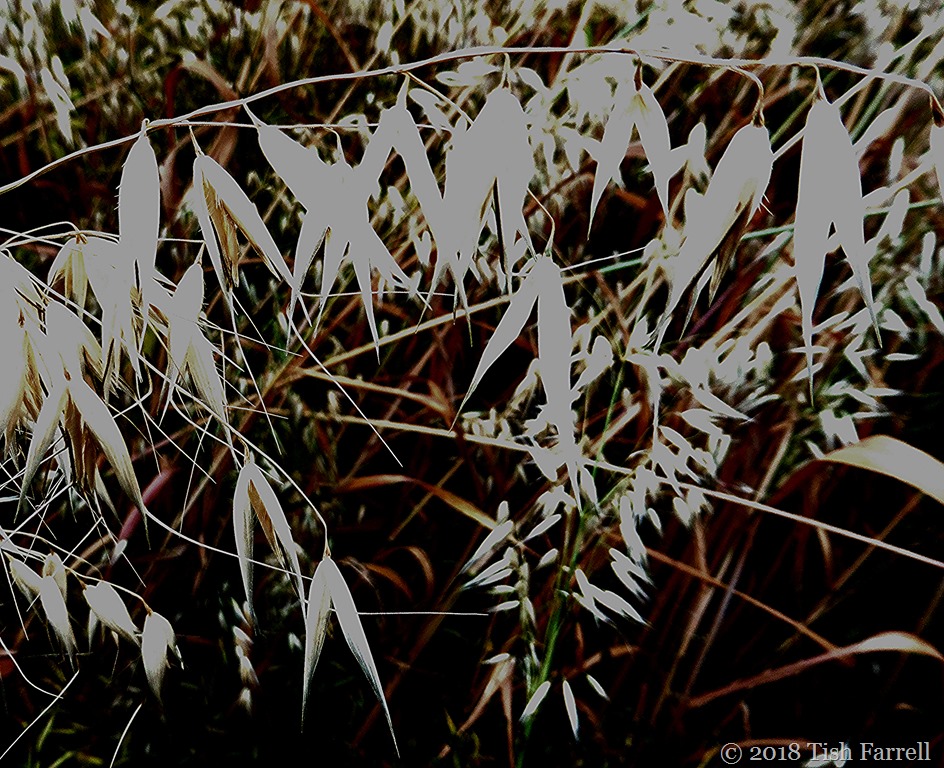
Put it down to too much sun, or too much time spent thrashing through the head-high overgrowth along the field path, but I seem to have a case of wild oats fixation. Their seeds have been shed and the remaining sheaths are paper thin and tinder dry and the light dances through them. And I am entranced.

Meet The Gatekeeper

IMG_6951

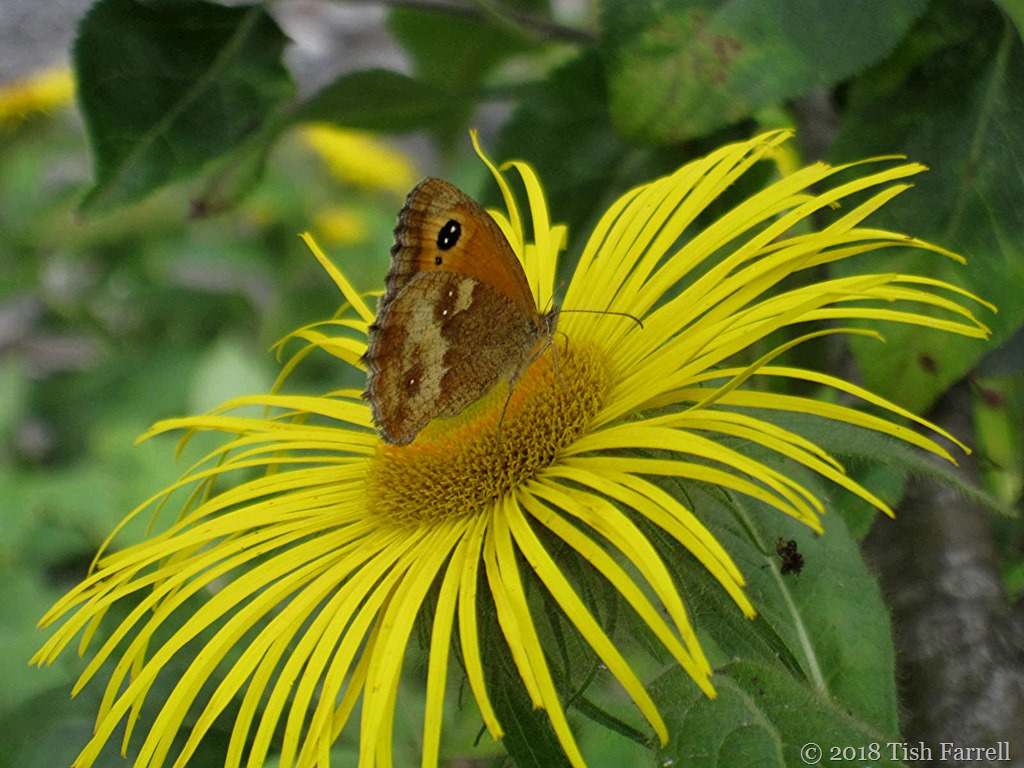
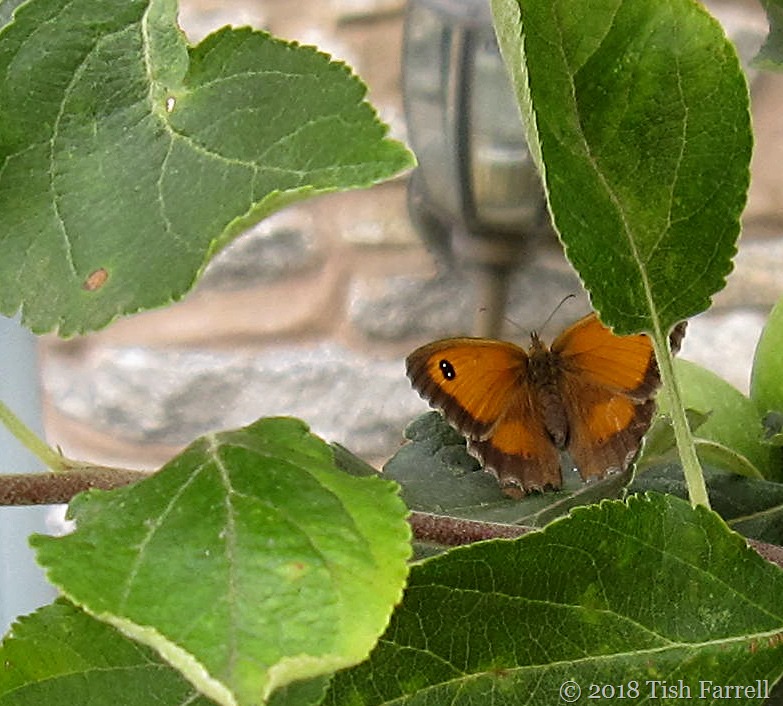
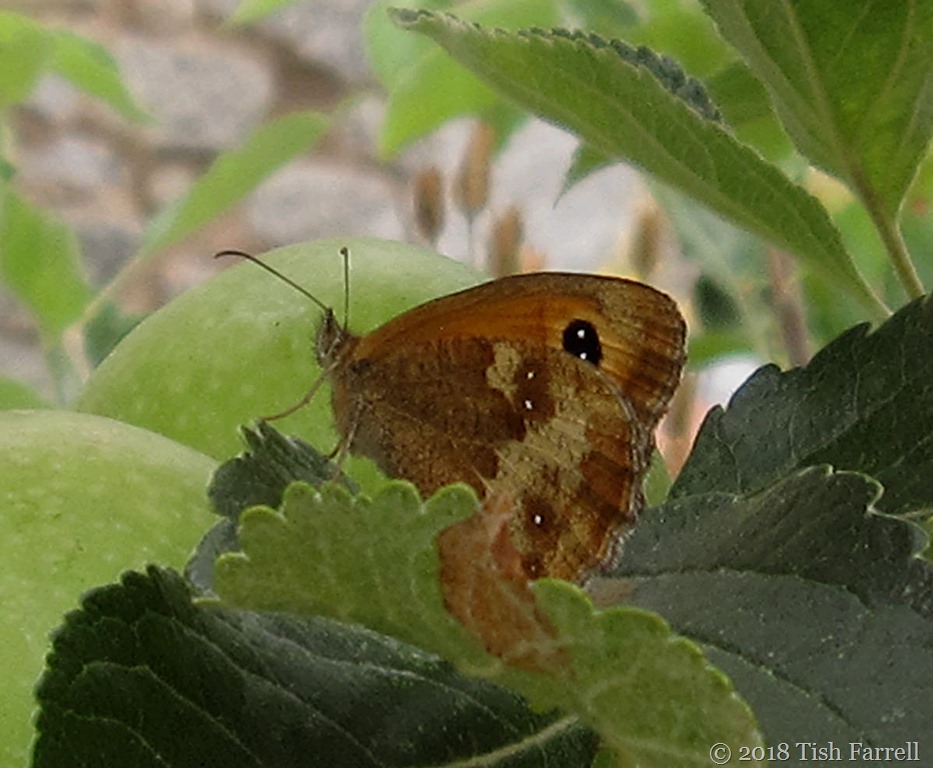
Pyronia tithonus also known as the Hedge Brown or the Gatekeeper. The latter name apparently derives from this butterfly’s habit of feeding on clumps of flowers in gateways or along field margins. It is a midsummer butterfly and common across England from Yorkshire southwards. I spotted this one yesterday morning having a very good feed on one of my doronicum flowers, but refusing to open it wings. Then it moved to the nearby apple tree, and I caught a momentary display. When not visiting gardens it prefers the nectar of Wild Marjoram, Common Fleabane, ragworts, and Bramble. Interestingly, the Common Fleabane flower does look very similar to the doronicum.

IMG_7000

IMG_7001

Case Of The Exploding Spear Thistle

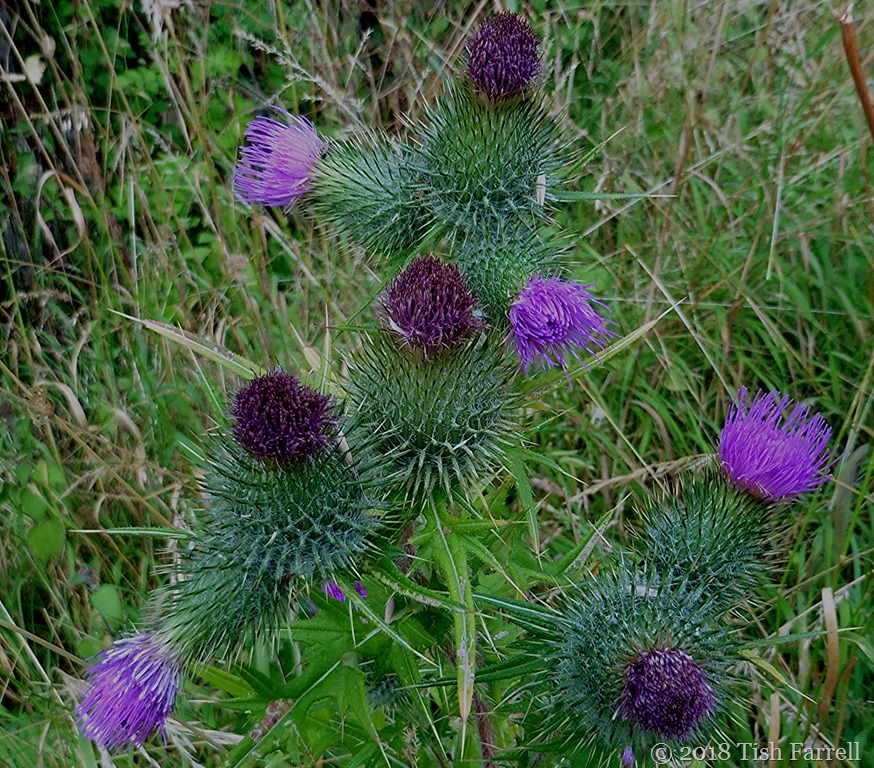
This plant is a Spear thistle Cirsium vulgare also known as the Bull or Common thistle, and the most likely candidate for the role of ‘National Flower of Scotland’, although this particular one is growing in Much Wenlock beside the allotment hedge. I’m not sure why the Scots particularly took thistles to heart (a prickly enterprise if ever there was one), though there are possibly clues (not always decipherable) in Hugh MacDiarmid’s 1926 epic stream of consciousness in which one features. It is called A Drunk Man Looks At A Thistle, and at 2,685 lines long, and written in Border Scots dialect, is a challenging read, though the version at the link above does provide a glossary here and there. Go there if you wish to discover some stunning Scots vocabulary.

Here are two tiny, rather more accessible excerpts, the first describing the thistle seen in the moonlight; the second likening it to the chief drone on a set of bagpipes:

The thistle canna vanish quite.
Inside a’ licht its shape maun glint,
A spirit wi’ a skeleton in’t.

And:

Plant, what are you than? your leafs
Mind me o the pipes lod drone
– And aa your purply tops
Are the pirly-wirly notes
That gang staggerin ower them as they groan

And then this is what happens next, in my version of reality that is:

P1070604

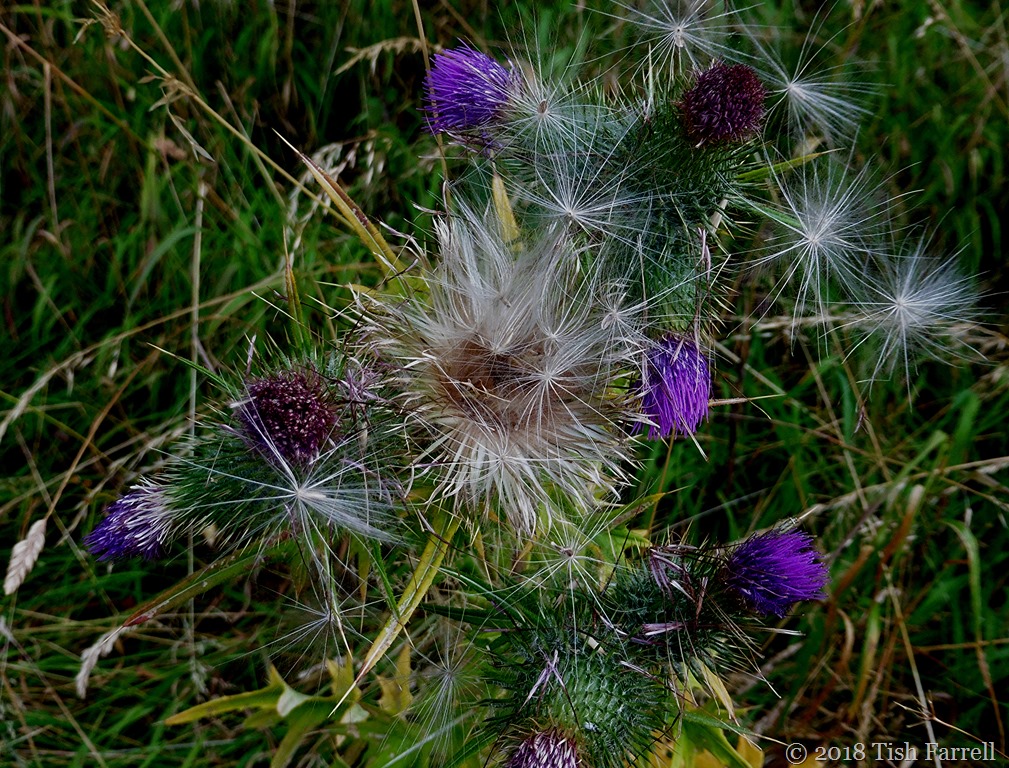
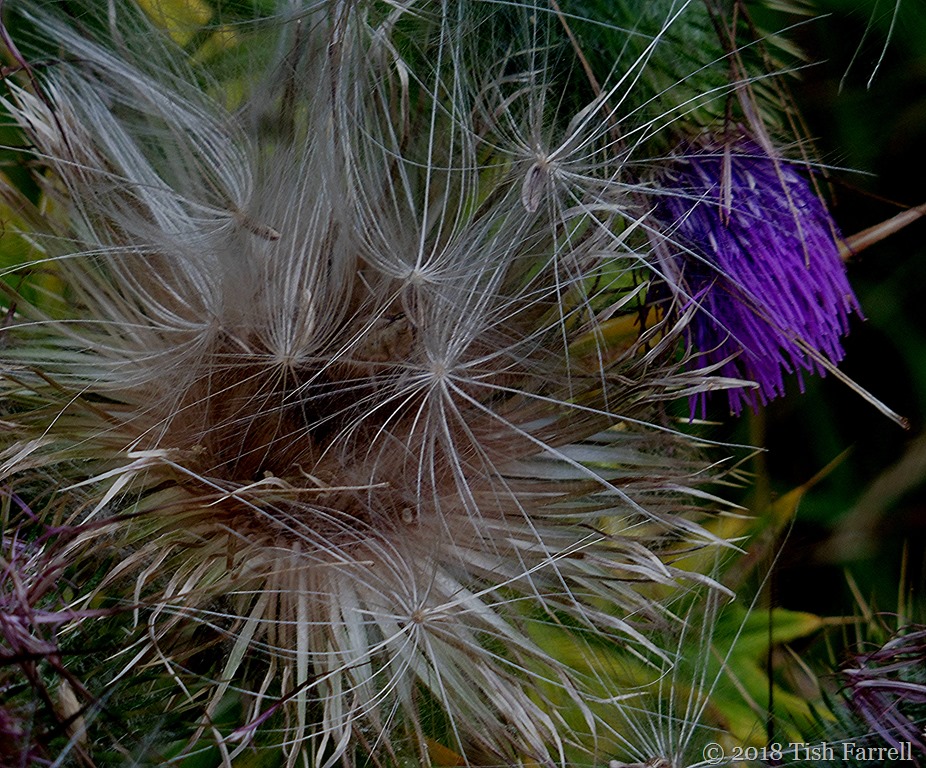
…a ‘pirly-wirly’ explosion of would-be thistles. Those floating seed heads get everywhere, making it yet another highly successful pest of farm fields and gardens. In its favour, the flowers are much loved by moths, butterflies and bees (as well as being most striking to look at) and birds, especially goldfinches, like to feed on the seeds.

P1070602

Six Word Saturday

Townsend Meadow ~ Waiting For Rain And A Bit Of A Ramble About Wild Oats

P1070614

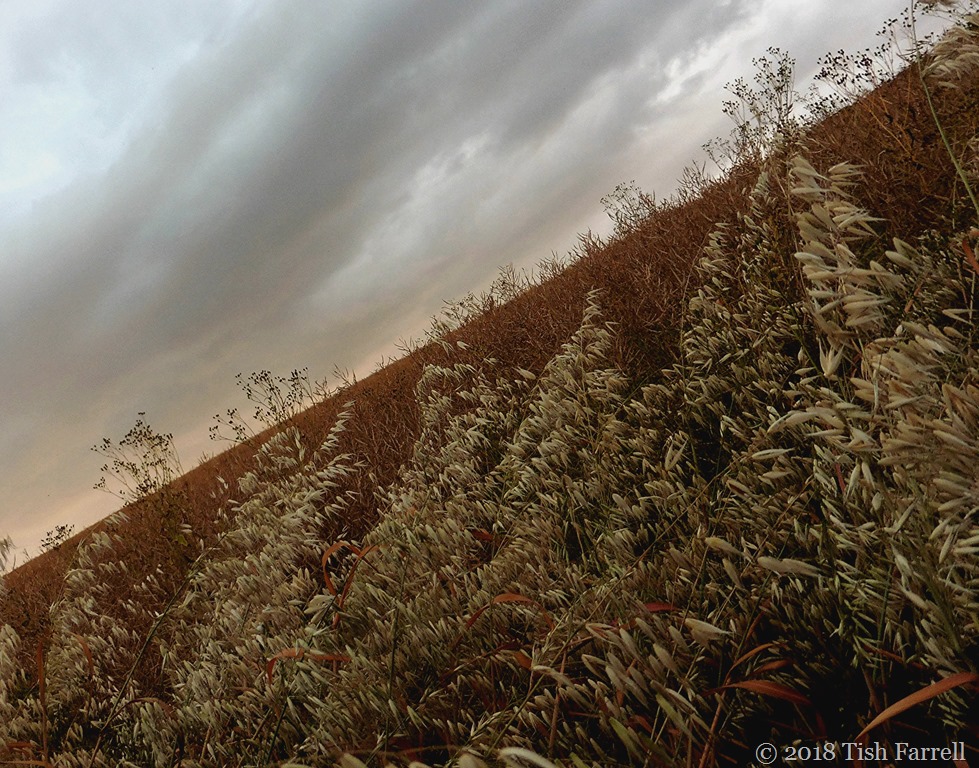
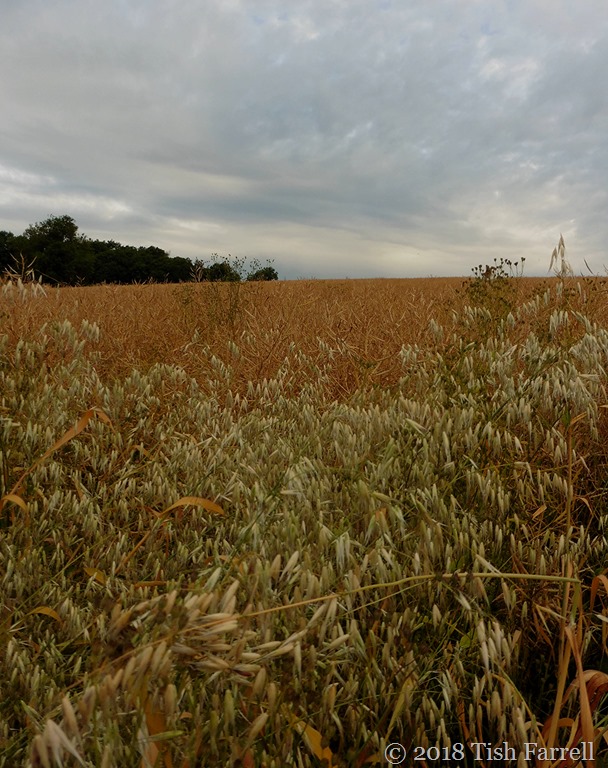
Last night as I was watering at the allotment, dark clouds were building up in every quarter. I was sure it was going to rain. But no. By 8 pm they had moved off, leaving a strange red mist effect over Wenlock Edge. Beneath it the rapeseed crop is tinder dry and a deepening shade of copper. The wild oats on the path edge are ripening too – their cuneiform seed heads turned from green to pale ochre. I’m becoming a bit obsessed with trying to photograph them. They seem to reflect light that lends itself to a touch of abstraction.

P1070559

P1070600

The Wild Oat Avena fatua  is of course the parent plant of our cultivated oat and fully edible. It possesses the same valuable B vitamins and minerals: manganese, magnesium, potassium, iron, and chromium. Oats are very soothing to the system, apparently reducing inflammation. They also contain powerful antioxidants and are rich in fibre.

Wild oats, however, are considered a crop pest, especially in wheat, reducing the crop by up to 40%. They are also becoming resistant to herbicides, which fact certainly seems to be supported by their continued presence in Townsend Meadow, where they receive lots of herbicide doses every year. This is rather making me think that we should all be eating oats instead of wheat – without added glyphosate that is. Some of us might start feeling a lot better than we do after eating wheat products.

My Derbyshire farming ancestors seemed to have lived on oats, turned into tasty pancake-like oat cakes and made from a slightly fermented batter. Eaten with farm-made cheese and butter of course, and doubtless washed down with homebrewed ale.  A good number of them lived into their late eighties and early nineties. Some of them were known to go in for a little prize fighting and were quite famed for their prowess in the ring – and that was only the women.

And apart from all this, a handful of rolled oats tied up in some muslin, soaked in warm water and applied to the skin with some very gentle rubbing, makes the best exfoliant scrub ever.

The Bind Of Bindweed ~ Beauty Over Strangulation?

P1070490cr

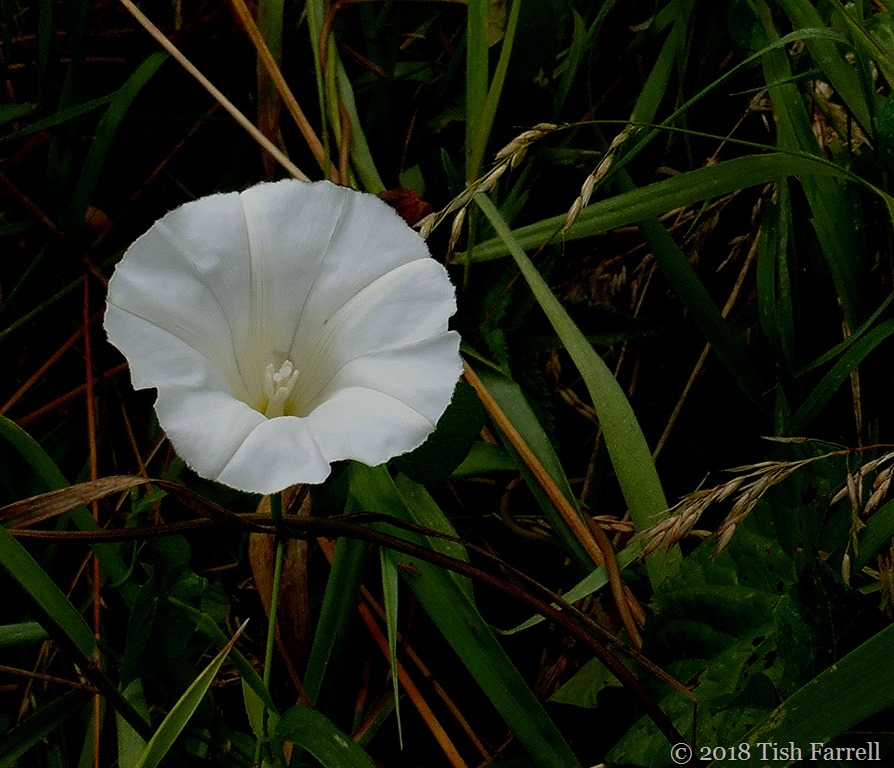
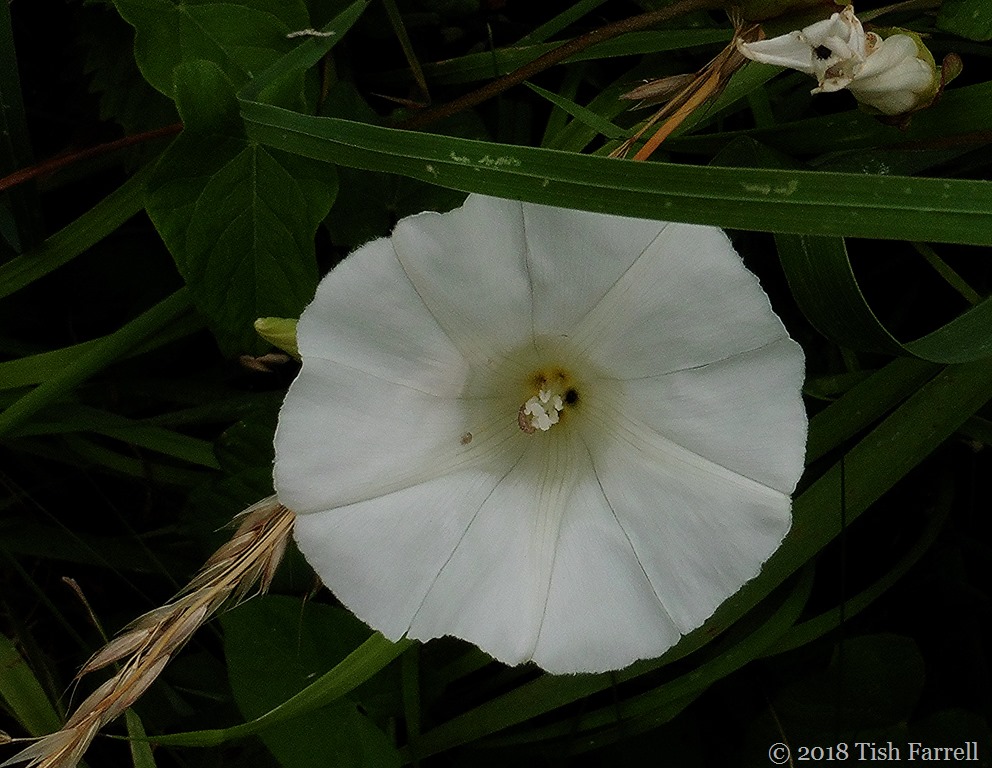
This lovely flower can be a monumental pest if it finds its way into garden borders. It belongs to the convolvulus family, and comes in several varieties, some of which have smaller pink and white striped trumpets. This, I think, is hedge bindweed, Calystegia sepium and it is presently spreading beside the field path. Like its cousins, its plant-strangling capacity knows no bounds, and if you try to dig it up and leave the tiniest scrap of the plant behind, in an eye’s blink, you will have a brand new bindweed. Or maybe several.

Richard Mabey in Flora Britannica suggests that some of its many vernacular names reflect the degree of horticultural nuisance. Snake’s meat and Devil’s guts are certainly blunt expressions of gardener antipathy.  But there are picturesque names too. E.g.  Lady-jump-out-of-bed, and Granny-jumps-out-of-bed seem to derive from a children’s game: ‘Grandmother, grandmother, pop out of bed’ a refrain chanted while pinching out the base of the flower and watching the trumpet float to the ground like an old-fashioned nightgown on the loose. Sometimes the Grandmother is a Nanny Goat. There is also: Lazy Maisy jumps out of bed.

Other imaginative names include Old Man’s Nightcap, Poor Man’s Lily, White Witch’s Hat, Bridal Gown and Belle of the Ball, and then there are numerous variations of bindweed: Barbine, Bellbind, Withywind, Waywind.

When it comes to eradication, the Royal Horticultural Society does not hold out much hope for simply digging it out. Chemicals seem the only answer, but they do suggest a method of damage limitation, glyphosate-wise. This involves sticking garden canes into the soil near any bindweed eruption, thereby encouraging it to grow up the cane. Later you can unwind it onto bare soil and spot-treat it without harming other plants.

Or you could just live with it, and try to keep it under control. I have the hedge variety in the guerrilla garden. It keeps winding up the crab apple tree, and I keep hoiking it out. I also have the smaller pink and white striped ground-creeping variety in several places on my allotment plot. This is field bindweed or Convolvulus arvensis and I’ve become quite adept at digging it out, which checks it, but does not remove it entirely. At the moment it is also in flower and really very pretty. So I guess it will be staying.  For now.


P1070562

This Morning – If Wenlock Still Had Larks – I would Have Been Up With them

P1070557

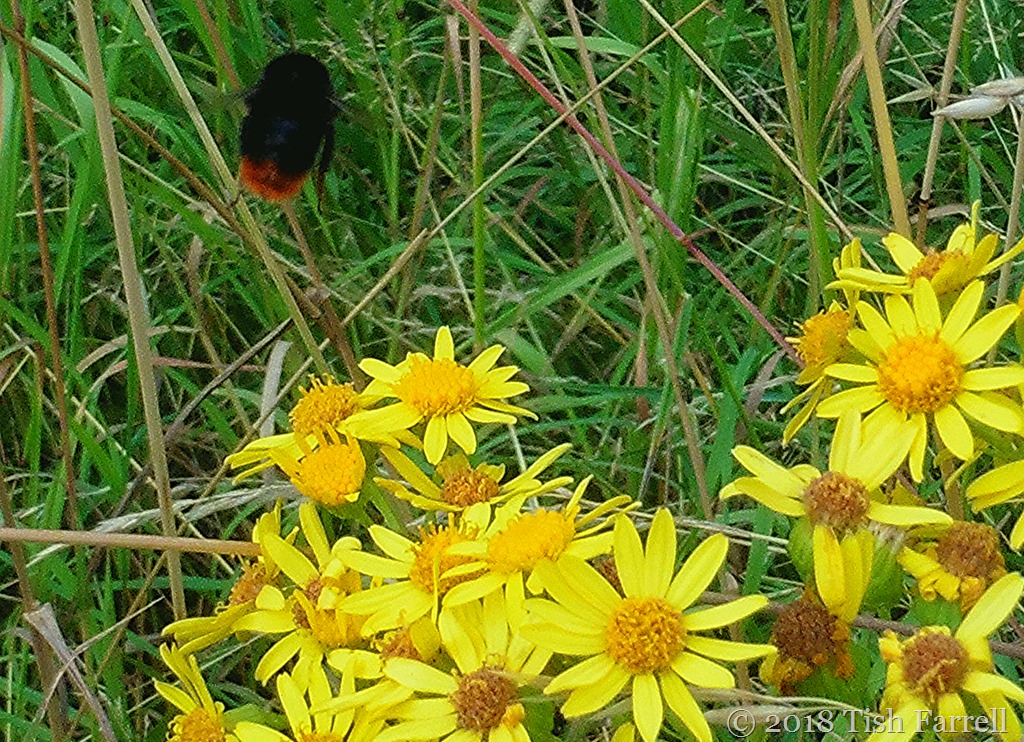
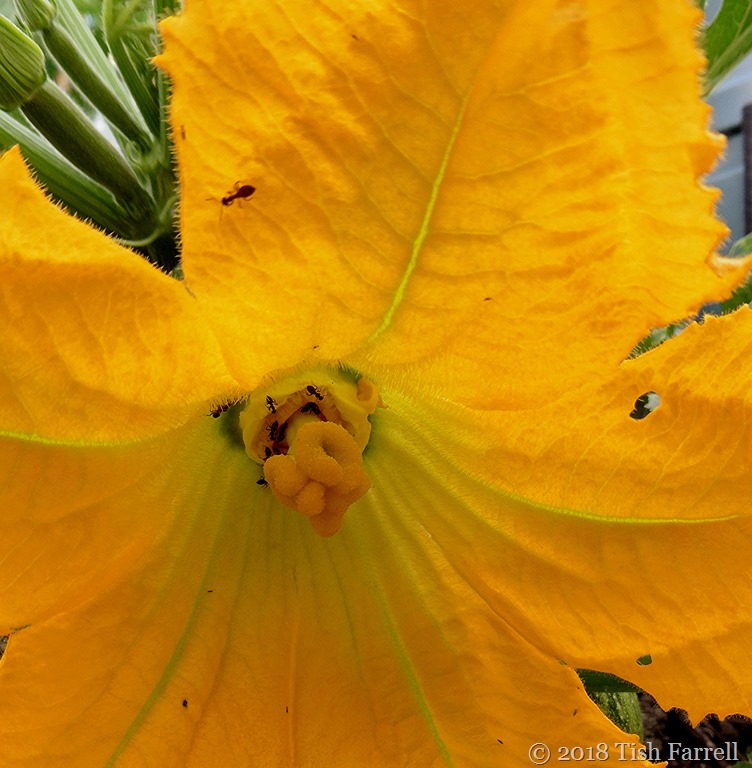
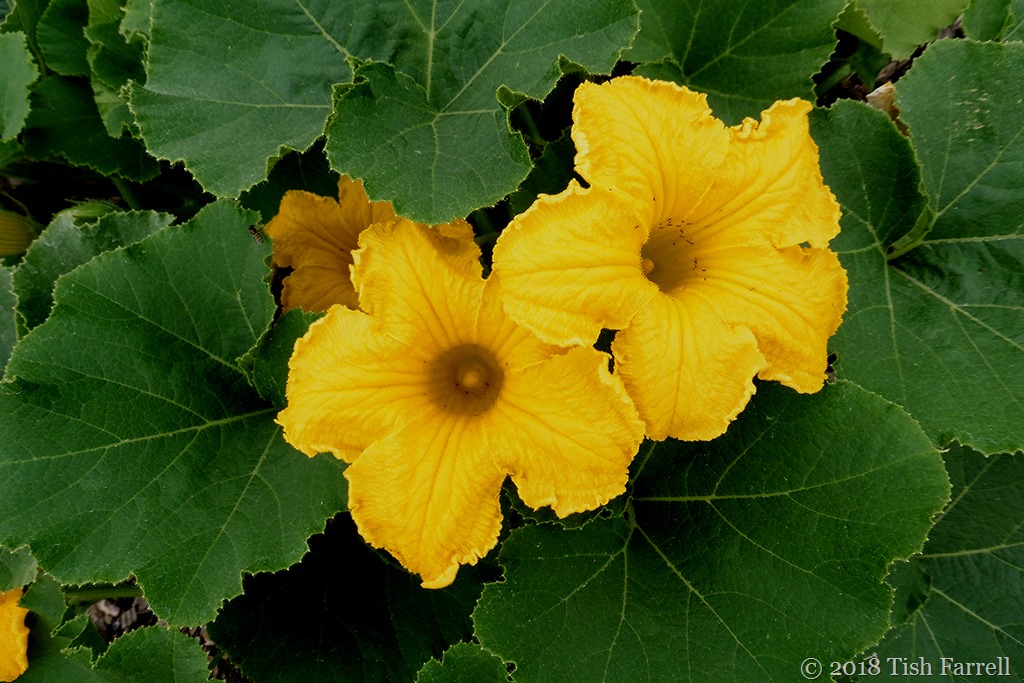
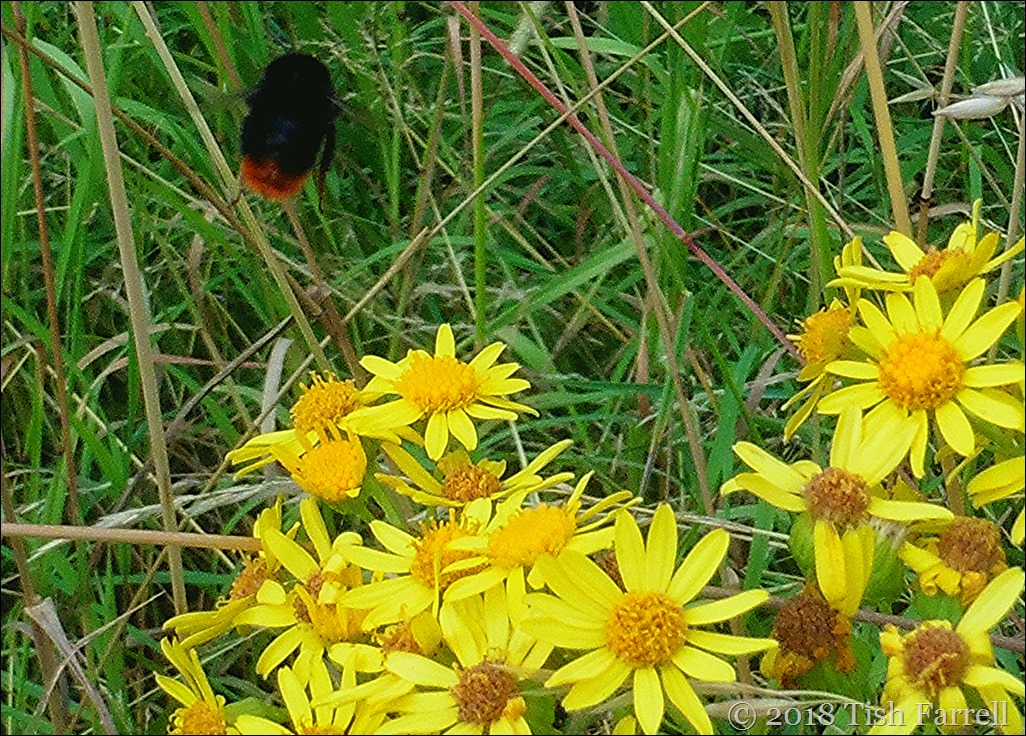
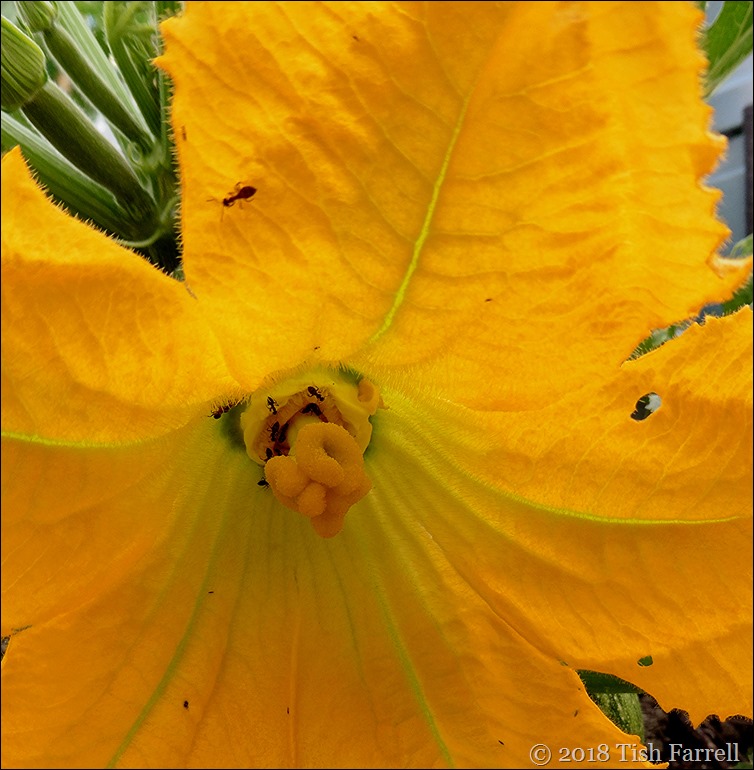
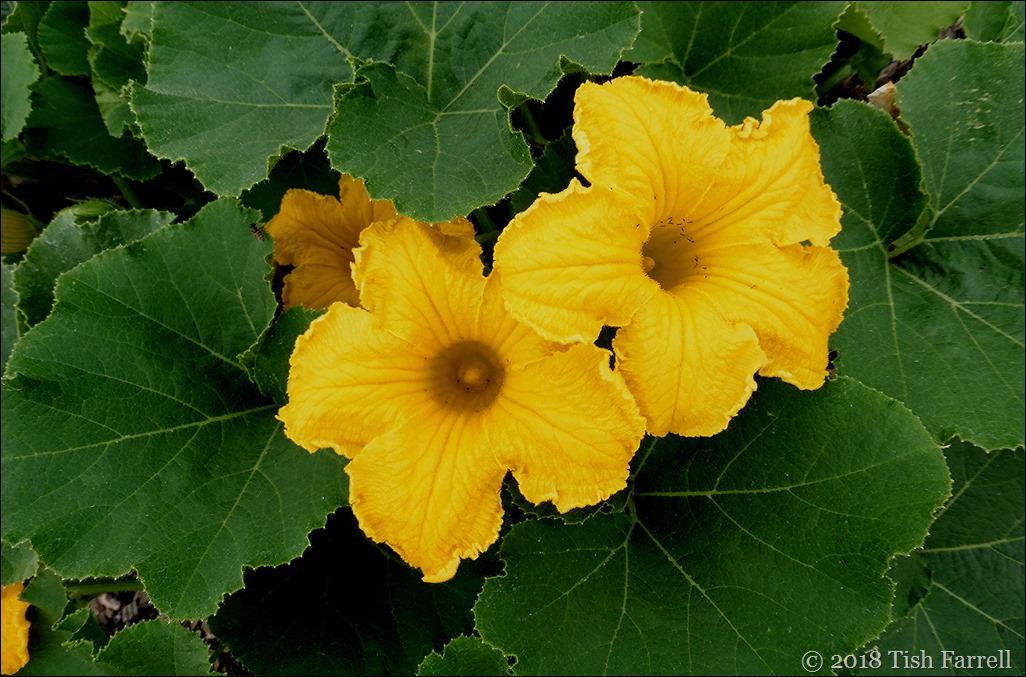
6 am and I’m up and dressed and heading over the field to the allotment. No sign of the sun this morning, but there are plenty of yellow flowers standing in for it, including the ragwort with departing red-tailed bee (a female, I think). And it’s only when I reach my plot that I remember that early mornings are the time to catch the courgette (zucchini) flowers looking their best. I discover a real cracker by the polytunnel. Not only is it making all its own sunshine, but it is also hosting some very busy ants. I can only think they are grazing the pollen.
P1070513cr

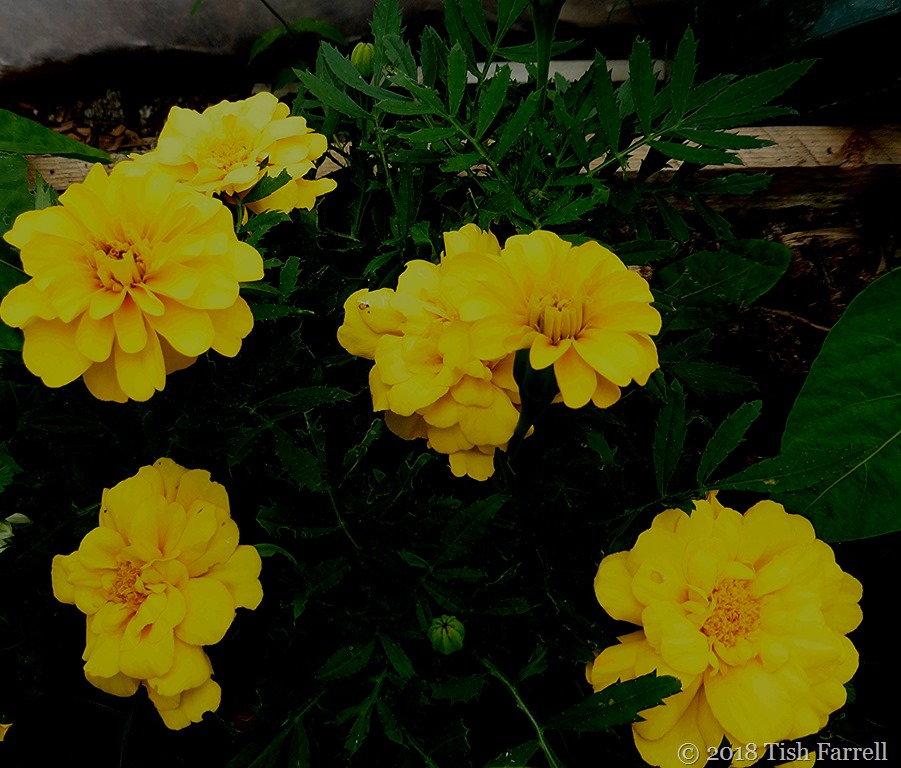
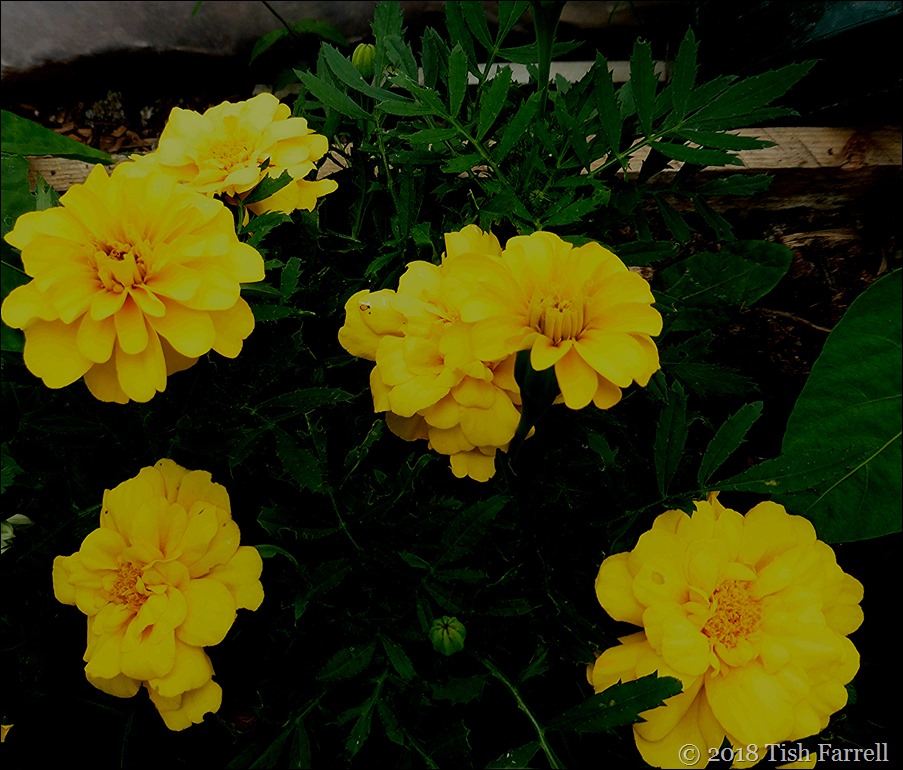
Inside the polytunnel, the French marigolds are in full flower too. I planted them out among the pepper and aubergine plants to deter white fly. It seems to work. And they are cheery too, but difficult to photograph as they seem to reflect the light and end up looking remarkably surreal; as if they might be made of marzipan.
P1070535

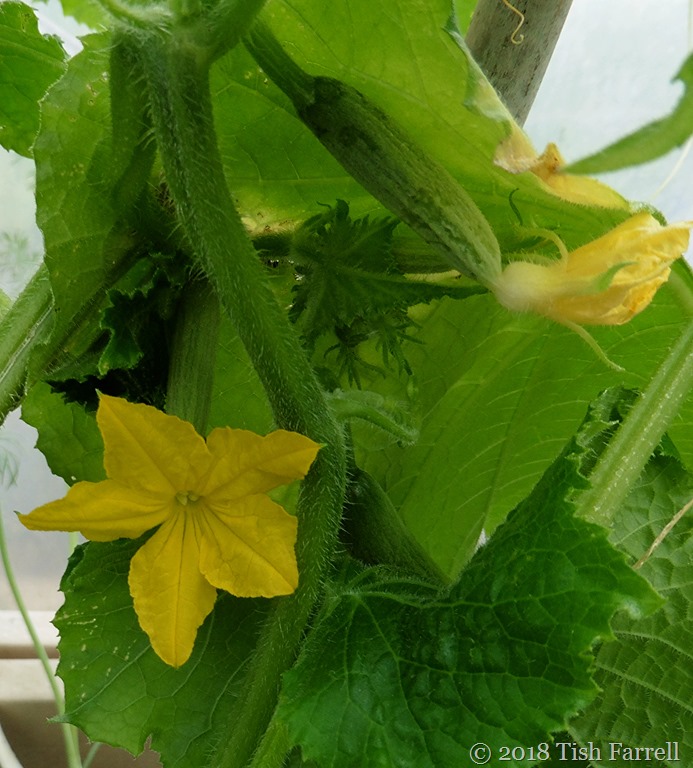
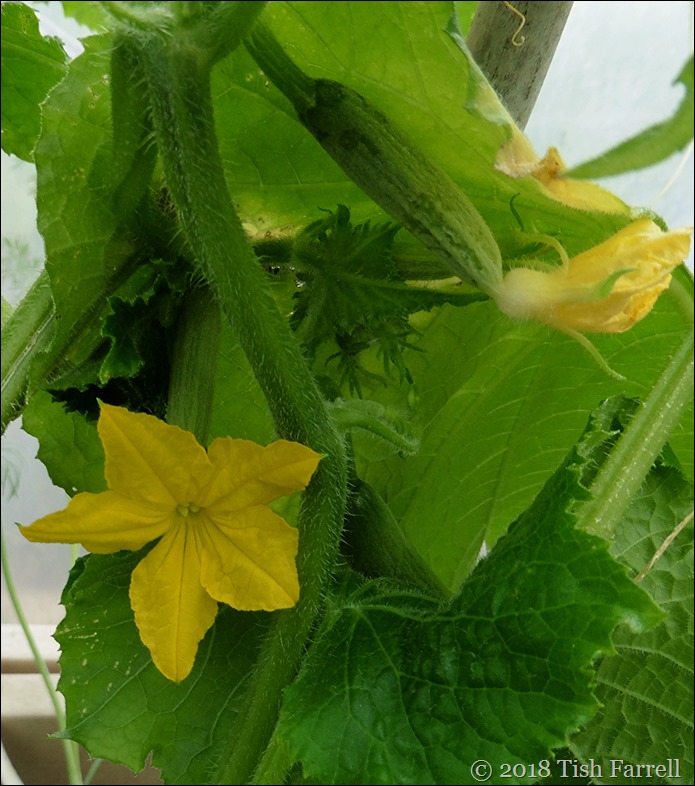
There’s nothing surreal about the cucumber flowers though. The plants are churning out fruits at a rate of knots. I pruned off excess stems and now think I may start restricting their water intake. There are only so many cucumbers one can eat – even mini ones.
P1070549

The allotments are a lovely place to be in the early morning. I got lots of jobs done: feeding beetroot and leeks, tying up wayward tomatoes, sowing Florence fennel, Paris market carrots and Boltardy beetroot, harvesting cylindrical and golden beets, leeks and Russian kale, and a single huge globe artichoke, which may be past its best, but we’ll give it go this evening. If it’s too tough to eat, the garlic butter will do on something else. What a trial that will be!

In the raised beds the sweet corn is tasselling, the French beans and raspberries are cropping furiously, the borlotti beans are making pods, the Crown Prince squash are blooming, and soon there may be a couple of crunchy Greyhound cabbages to pick.
P1070517

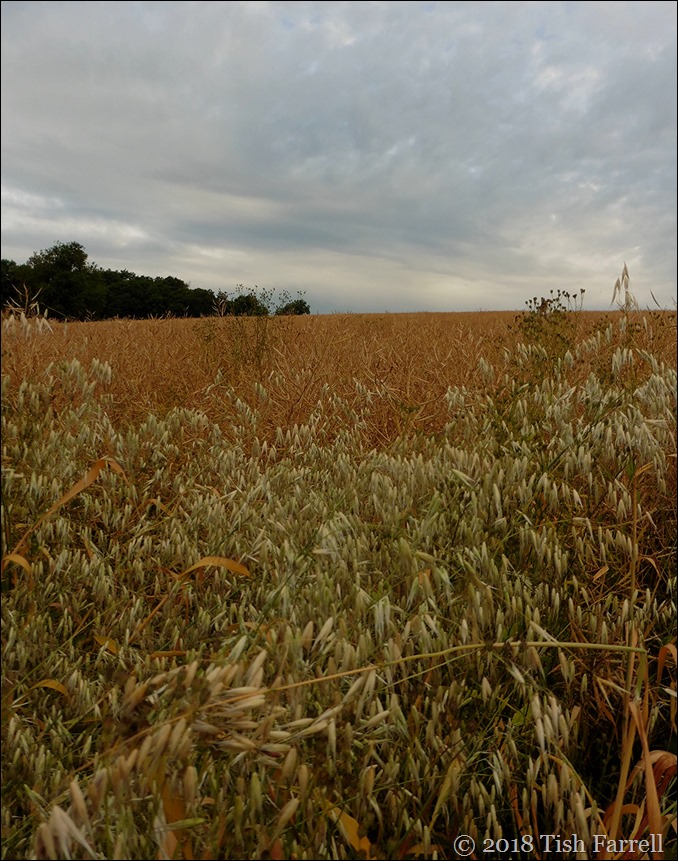
All in all, it was a very yellow kind of morning, brimming with bright prospects, though it is a shame about the lack of larks. I dashed home at 9.30 for cup of tea, only to think that I might have left the allotment tap running. So it was back up the field, through the towering wild oats, and past the browning rapeseed crop. I hadn’t left the tap on, but I had forgotten to collect the Russian kale, so it was worth making the second trip. Then home again to make raspberry jam.

P1070498

Garden Bistro Dish Of The Day

P1070403

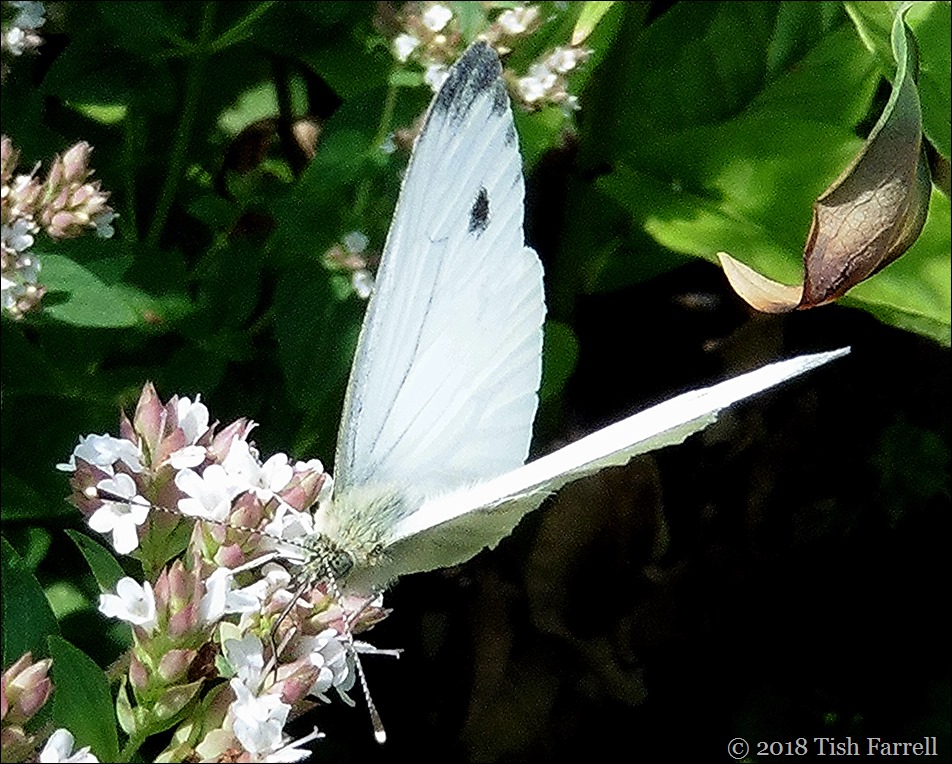
Today’s take-away special is definitely the oregano nectar smoothie. The Cabbage White butterflies and the honey bees have been gorging themselves, and while I am not too thrilled about feeding up the Cabbage Whites – given the mayhem they can create among my cabbages and broccoli – I have to admit they did look very lovely flitting around in the guerrilla garden. In fact I think I shall rename our unofficial planting behind the back fence ‘the biodiversity plot’ because, even as I write this, there is an awful lot of it going on there.

P1070386

P1070444

P1070413

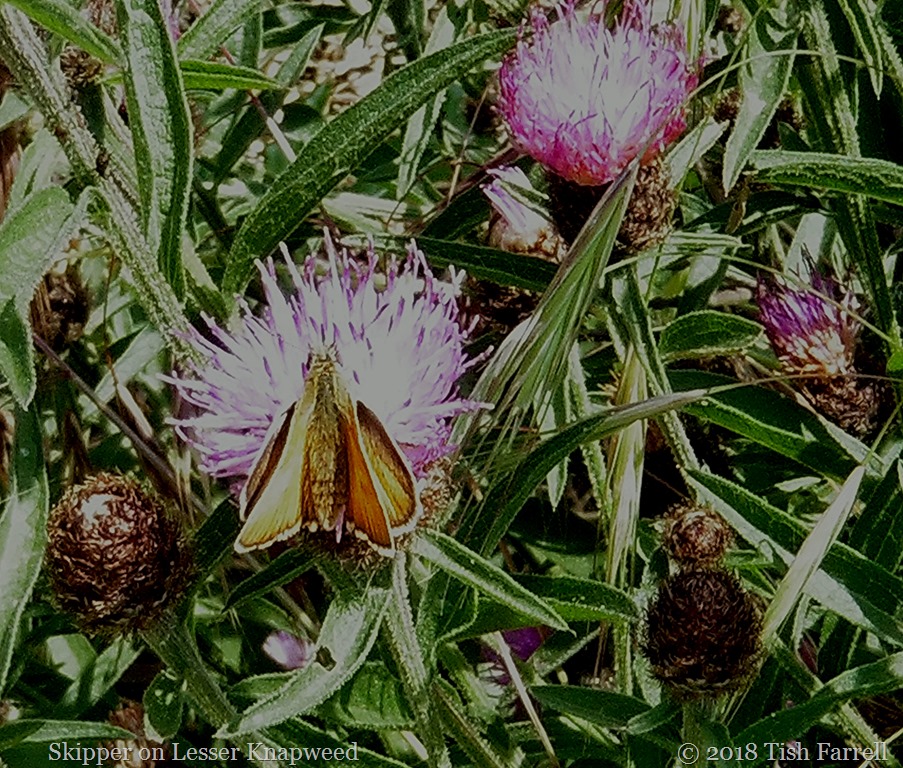
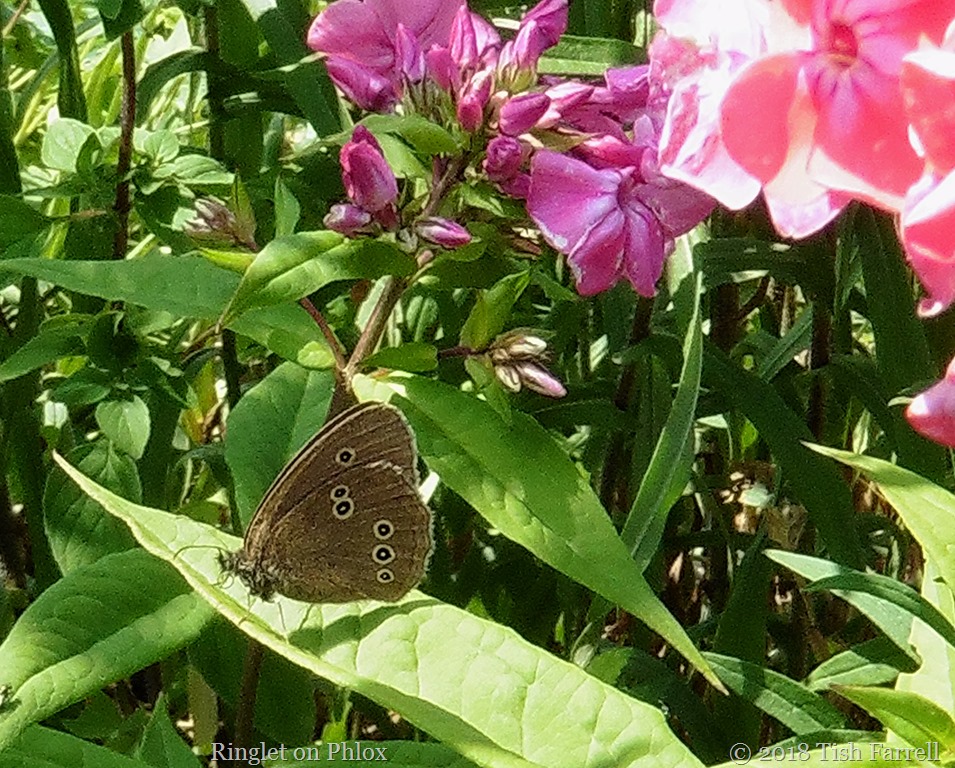
Noteworthy action includes crowds of longhorn beetles busy replicating in the spearmint flowers and on some ragwort that has recently arrived uninvited; skipper butterflies on the lesser knapweed, ringlet butterflies on the phlox and oregano; also passing tortoiseshells, peacocks and commas, and some rather small hoverflies.

Most of the bumble bees, however, are inside the garden still scoffing on the drumstick alliums. Now for a gallery of some of today’s lunch-time clientele:

P1070454

P1070452

P1070387

P1070389

P1070476

Six Word Saturday

On Your Marks, Get Set (Wait For It)…Doronicum!

P1070289

P1070287

P1070285

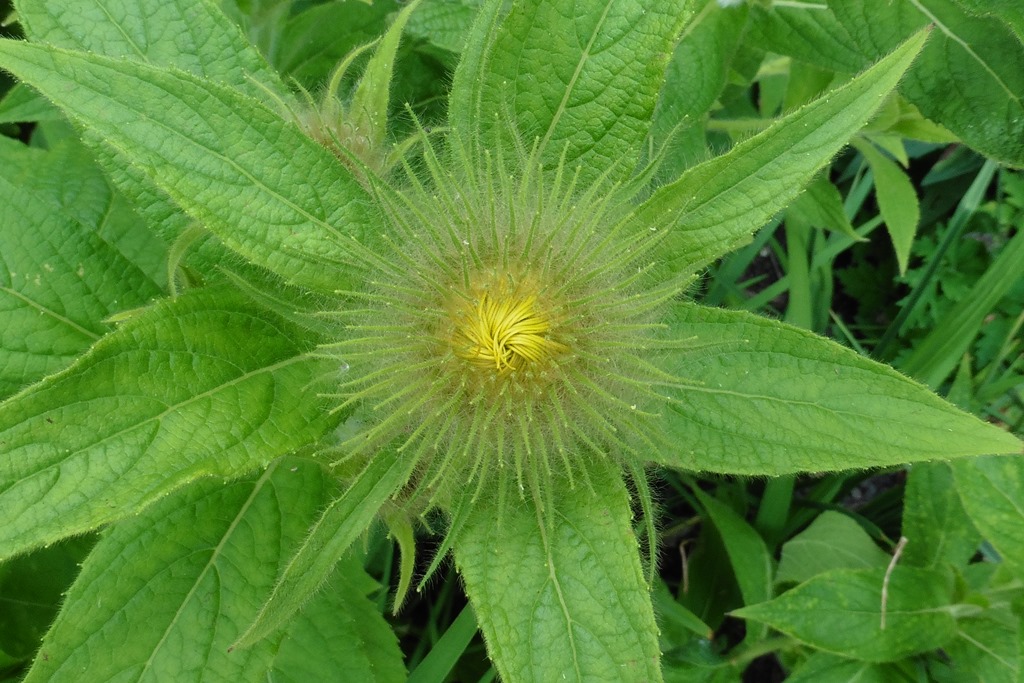
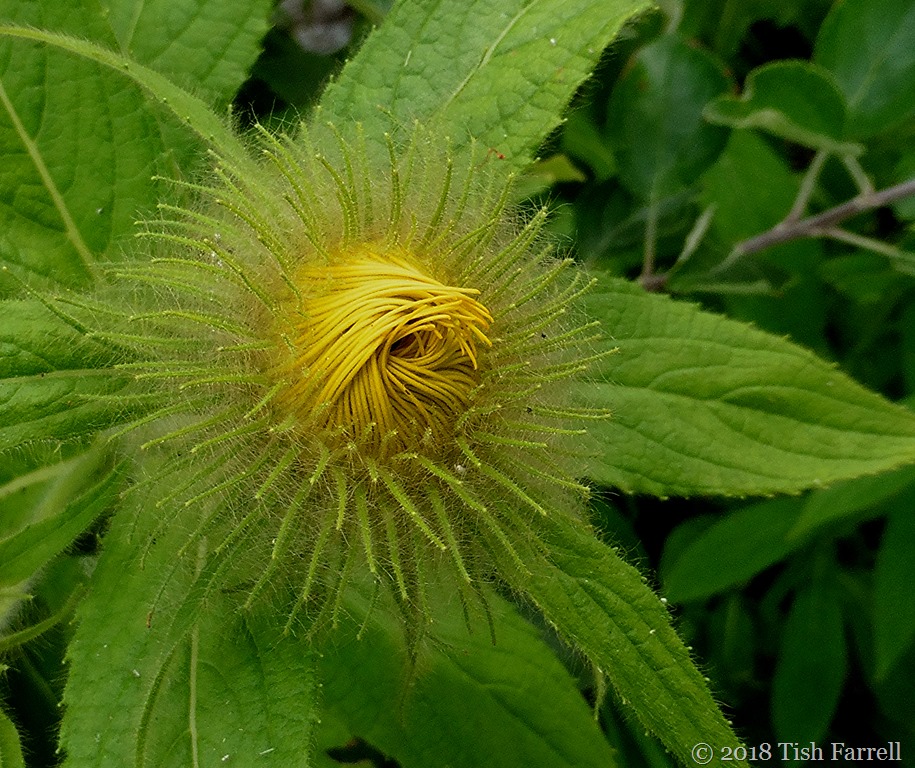
Also known as Leopard’s Bane, and another wonderful member of the daisy family. I am not entirely sure which variety of Doronicum it is, but am plumping for D. plantagineum as this name means plantain-like in reference to the leaf shape. Most Doronicum varieties seem to have heart-shaped leaves, and flower earlier in the season than the one in my garden. But if anyone has a better idea, please tell me.

Nor do I know if this particular variety has any noteworthy therapeutic properties, but we do have a powerful lack of leopards here on Sheinton Street, so it clearly has some very active big-feline-defence ingredient. It is also standing up bravely against the hot, dry weather and, along with the drumstick alliums, is the most vibrant bloomer in the garden at the moment. Not for long though. The golden rod, which is all over the place, is about to do its stuff. I’m looking forward to the all-yellow garden.

P1070307

Bee Feast At The Garden Take-Away

P1070295

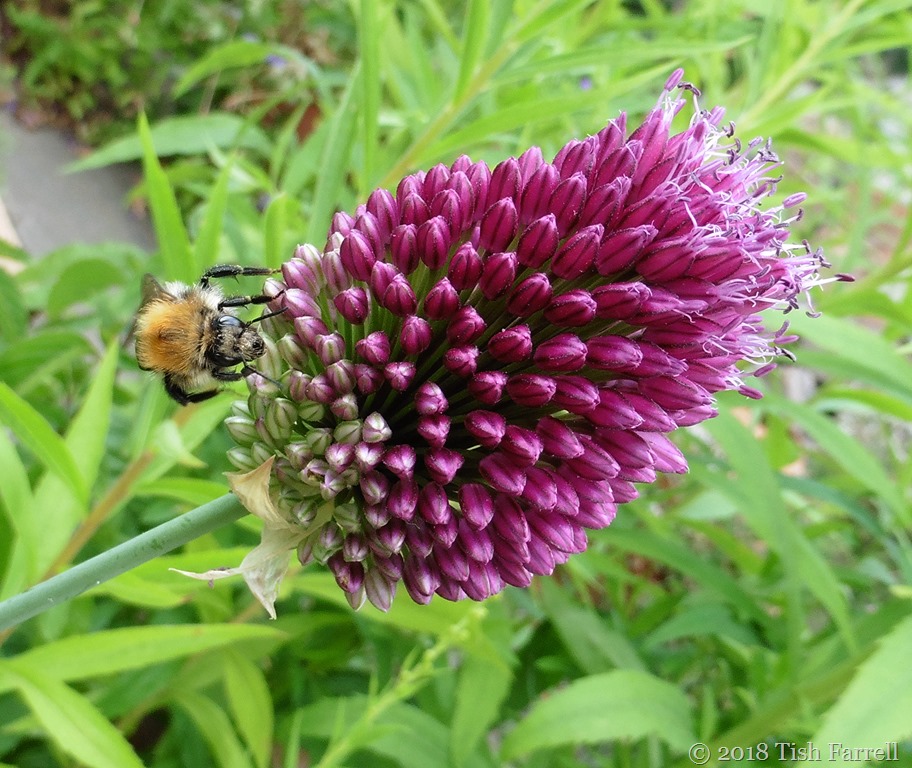
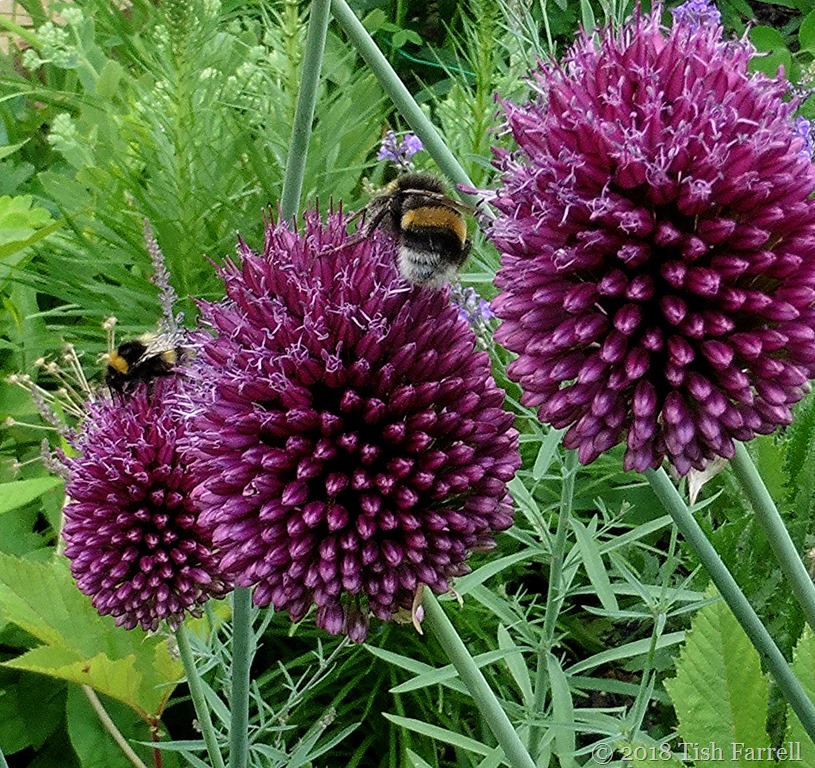
Yesterday the bumble bees were having a right royal tuck-in  around the garden. Flower of choice was definitely the allium sphaerocephalon as featured here the other day. Some of the bees seemed to become quite comatose while supping, which made them much easier to snap. Several different kinds were partaking. I really must learn how to identify them. Friends of the Earth have a great app for us Brits with clever phones. I don’t have one, but could almost  be tempted by this brilliant little guide.

P1070248cr

P1070281

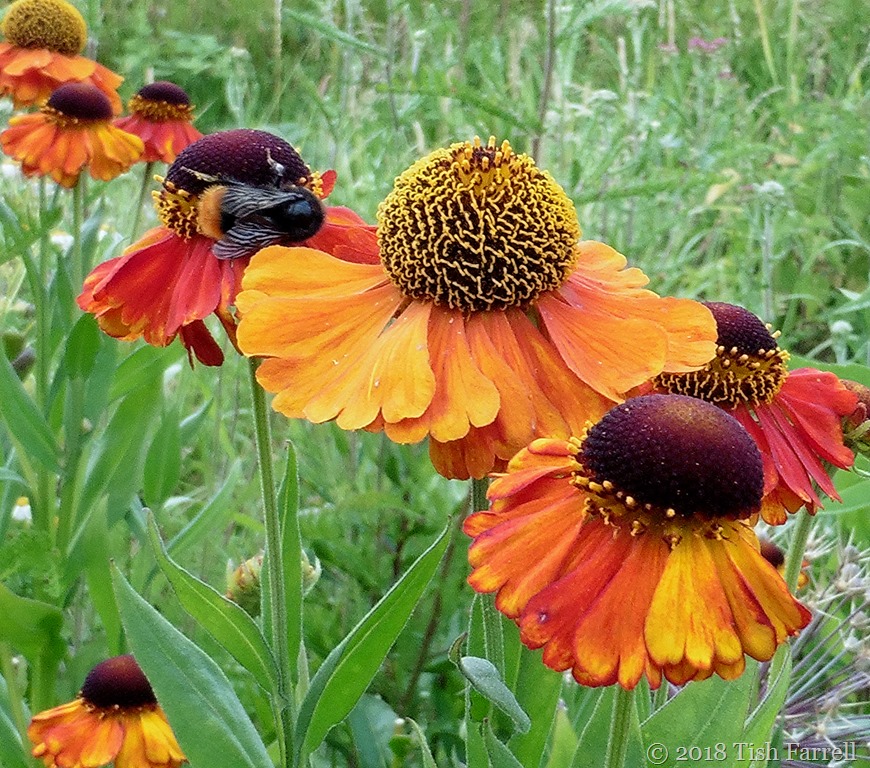
Meanwhile over the back fence in the unofficial (guerrilla) garden other favourite bee foods included the fabulously gaudy Sneeze Weeds (Heleniums) and the oregano which, with all the sunny weather, has recently burst into sprays of delicate pinkish white flowers.

P1070271

P1070278

Oh yes, and there were also bees in the Bee Balm (Monarda):

P1070273