Six On Saturday: High Summer Stars

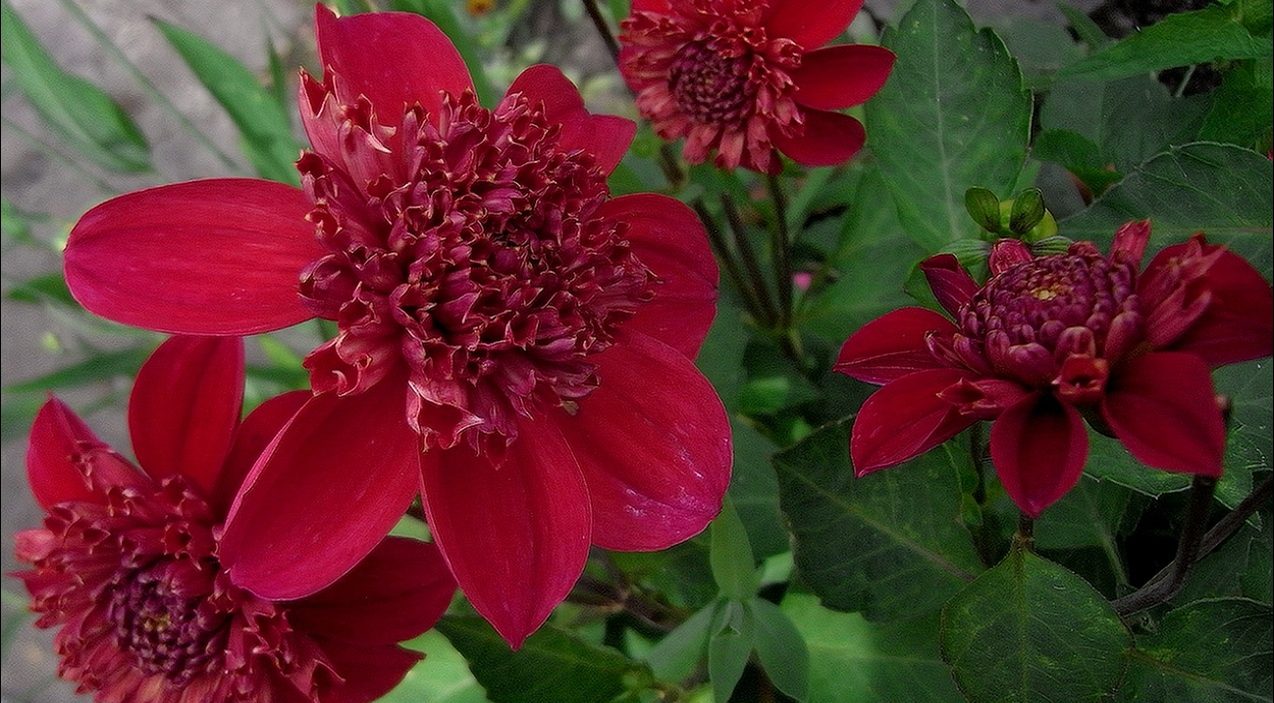
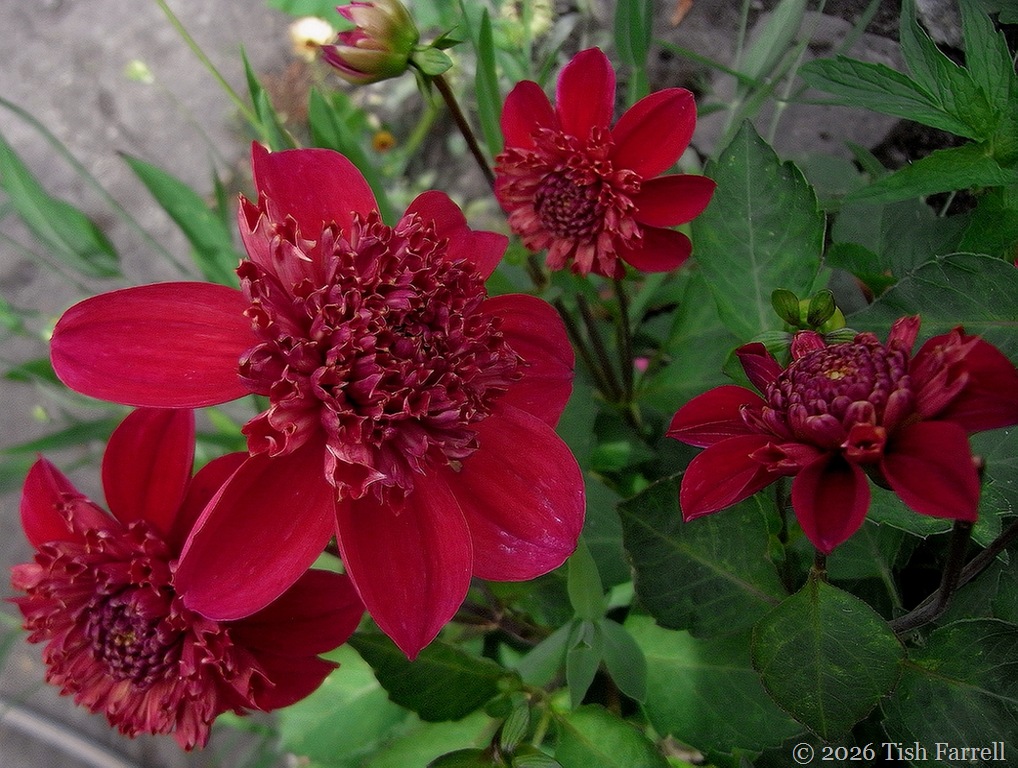
Inca dahlia

Only a few spits of rain since last Saturday, and strangely they landed in bursts on the garden steps rather than on the garden borders. I’m glad I left (as in over-wintered) the anemone flowered Inca dahlia in the same pot I planted it in last year. At least it’s made watering and feeding it more doable. And now it’s putting on a fine show.
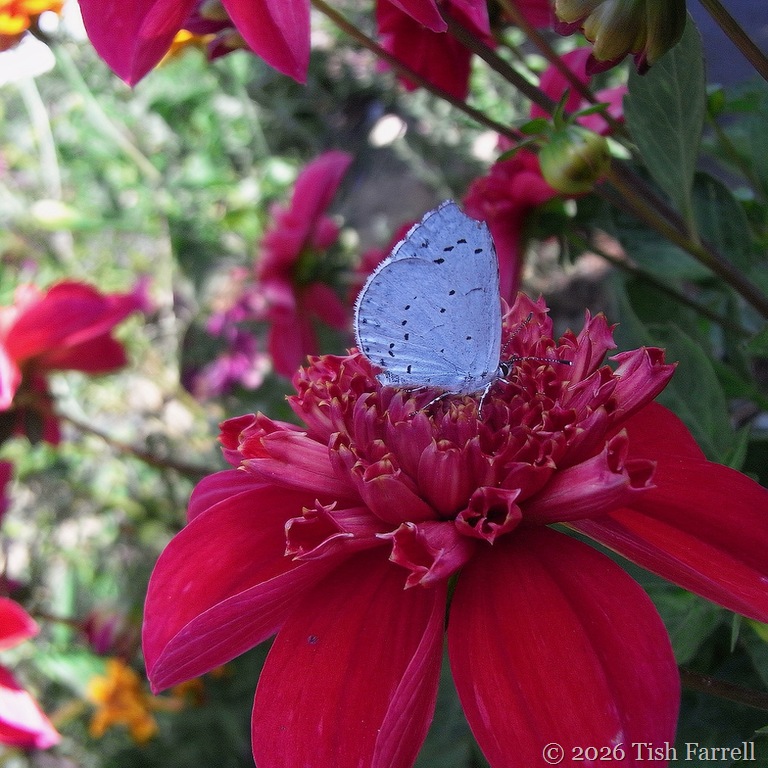
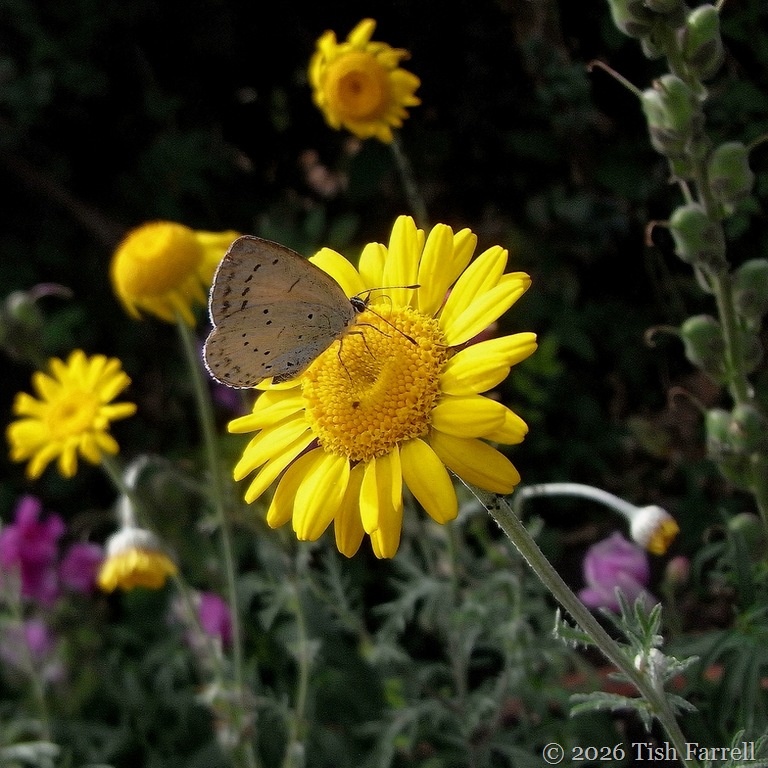
Holly Blue 3

It’s also been attracting the recently returned Holly Blue butterflies  They are far smaller than these photos suggest – wings about half an inch tall. I’ve yet to catch one fully opened.

Here’s a less damaged one visiting the Dyer’s Chamomile:
holly blue c

*

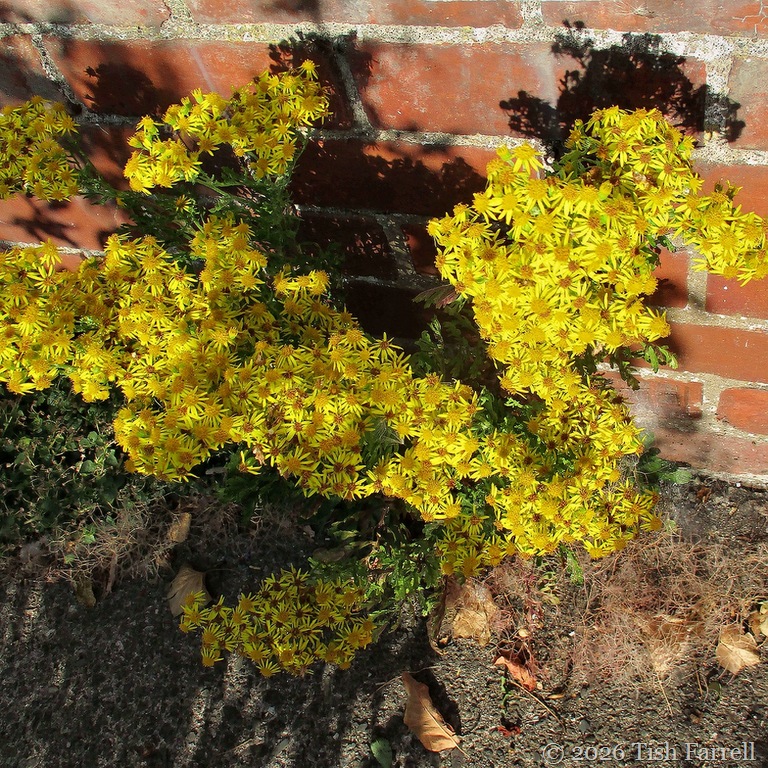
So many of our garden plants are looking stressed, but there are also some extraordinary examples of drought resilience, plants that have received not a drop of water from me. The first is Common Ragwort, which has been growing in a crack between the house wall and the concrete path. It is a native wildflower, a biennial belonging to the Asteraceae family. It is also listed as a notifiable toxic weed if found on farmland, being poisonous to horses and other livestock. 

On the other hand, it is highly attractive to insect life – to some 200 species according to the Royal Horticultural Society, including Peacock butterflies. And it is an essential food source for the stripy caterpillars of the Cinnabar Moth. As a child I recall coming upon squirmy masses of larvae on ragwort, which greatly offended me.

And so when I first found it growing under the sitting room window,  I almost pulled it up. And then I thought how handsome the flowers looked against the brickwork. I also noticed that it has a lovely sweet-meadow fragrance. I discover that its staying power is down to the plant striking out with deeply branching tap roots. Which means there must be moisture under our house. I’m not sure if that’s a good thought…
ragwort 2

*

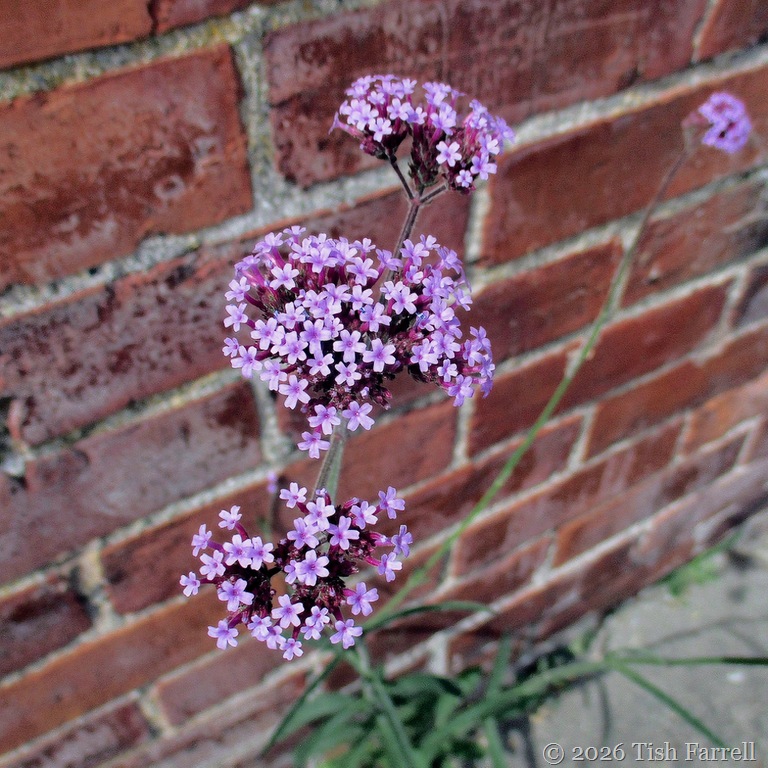
The other plant growing in a similar situation further along the house wall, is some self-sown Verbena bonariensis. It’s not been watered either, and seems perfectly happy.
Verbena

*

I’ve already featured the Kent Beauty oregano in SoS, but that was weeks ago, and I’m thinking it deserves another appearance for remaining so lovely under extreme conditions. It has had some water, but not much, and seems especially happy in the raised bed with the miniature Evereste crab apple tree and the cotton lavender.

Kent Beauty origano

Otherwise, the most successful growing at the moment is happening in the greenhouse, tomatoes and baby cucumbers:

produce

*

One day it will rain. Chins up, gardening folks!

Copyright Tish Farrell 2026

Six on Saturday: Life, death and butterflies in Jim’s garden this week
This Morning – If Wenlock Still Had Larks – I would Have Been Up With them

P1070557

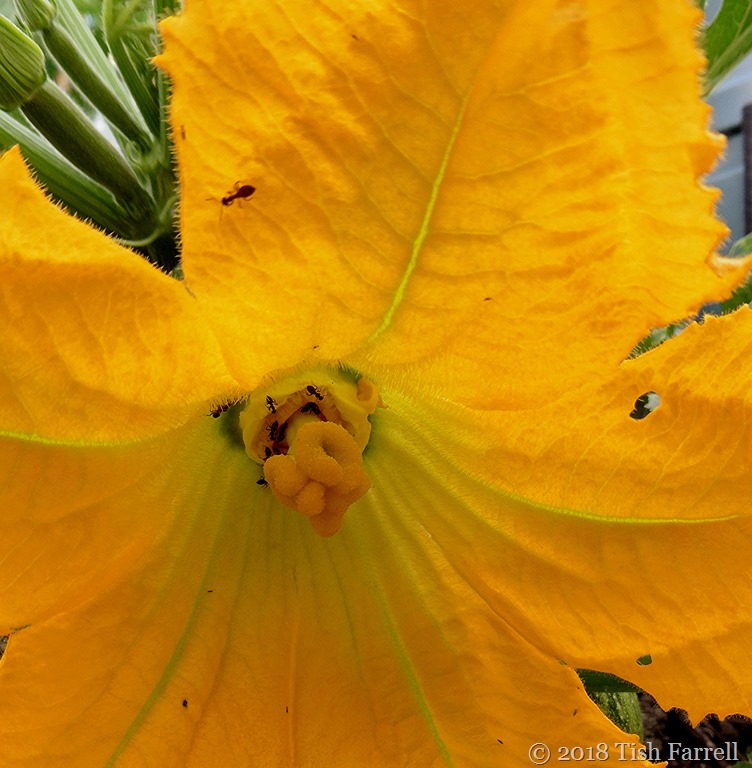
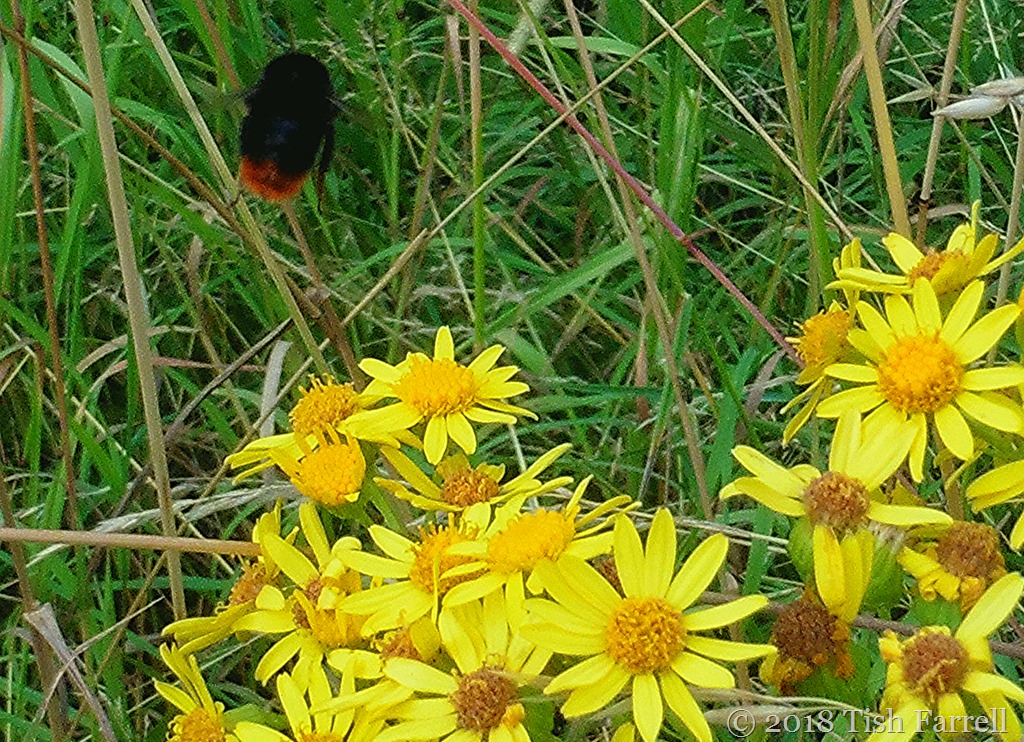
6 am and I’m up and dressed and heading over the field to the allotment. No sign of the sun this morning, but there are plenty of yellow flowers standing in for it, including the ragwort with departing red-tailed bee (a female, I think). And it’s only when I reach my plot that I remember that early mornings are the time to catch the courgette (zucchini) flowers looking their best. I discover a real cracker by the polytunnel. Not only is it making all its own sunshine, but it is also hosting some very busy ants. I can only think they are grazing the pollen.

P1070513cr

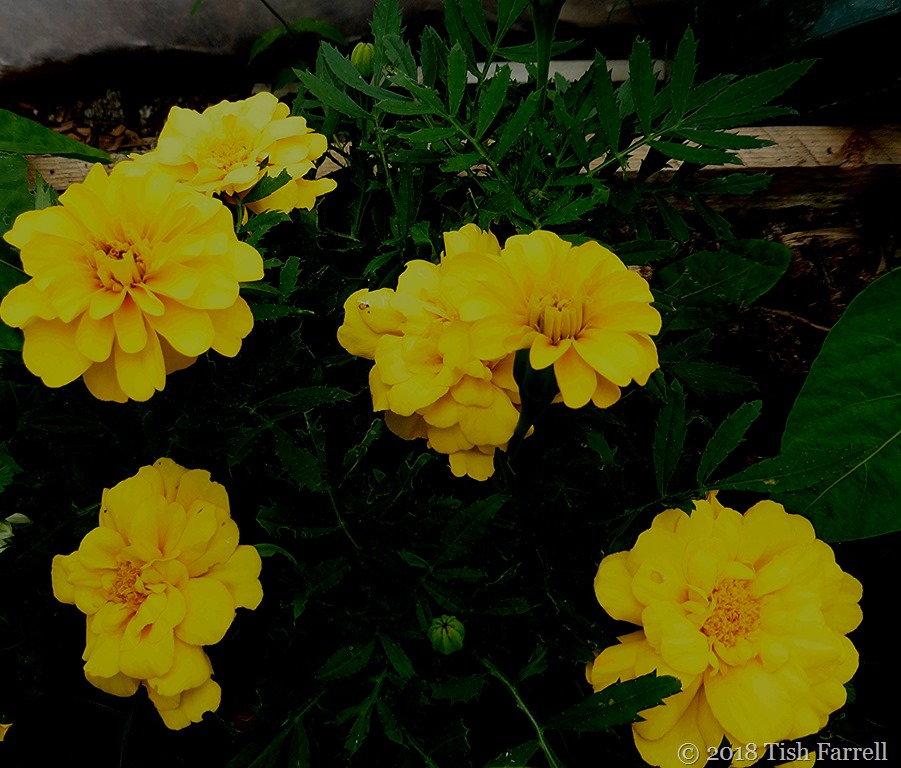
Inside the polytunnel, the French marigolds are in full flower too. I planted them out among the pepper and aubergine plants to deter white fly. It seems to work. And they are cheery too, but difficult to photograph as they seem to reflect the light and end up looking remarkably surreal; as if they might be made of marzipan.

P1070535

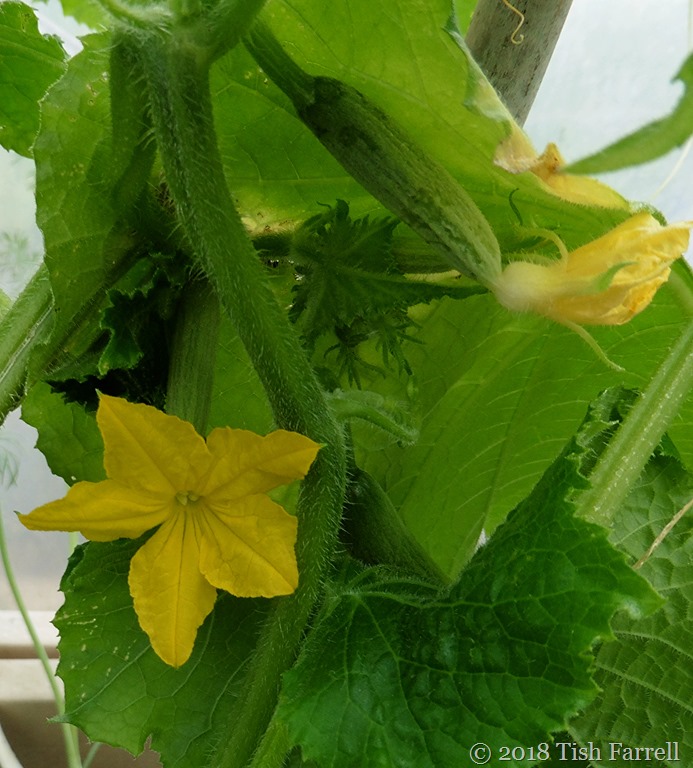
There’s nothing surreal about the cucumber flowers though. The plants are churning out fruits at a rate of knots. I pruned off excess stems and now think I may start restricting their water intake. There are only so many cucumbers one can eat – even mini ones.

P1070549

The allotments are a lovely place to be in the early morning. I got lots of jobs done: feeding beetroot and leeks, tying up wayward tomatoes, sowing Florence fennel, Paris market carrots and Boltardy beetroot, harvesting cylindrical and golden beets, leeks and Russian kale, and a single huge globe artichoke, which may be past its best, but we’ll give it go this evening. If it’s too tough to eat, the garlic butter will do on something else. What a trial that will be!

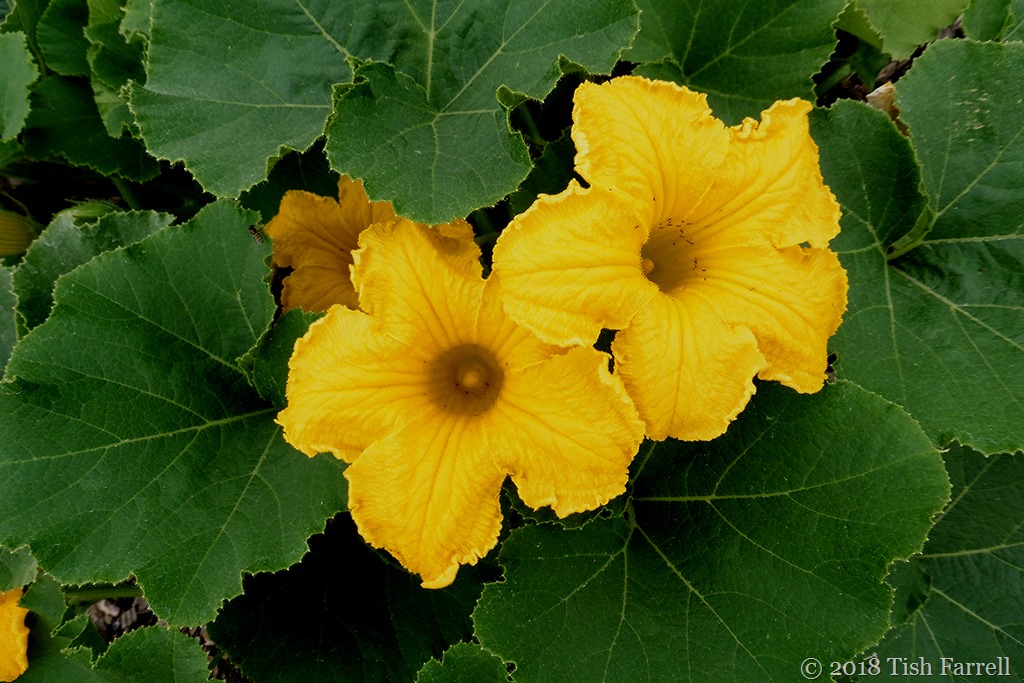
In the raised beds the sweet corn is tasselling, the French beans and raspberries are cropping furiously, the borlotti beans are making pods, the Crown Prince squash are blooming, and soon there may be a couple of crunchy Greyhound cabbages to pick.

P1070517

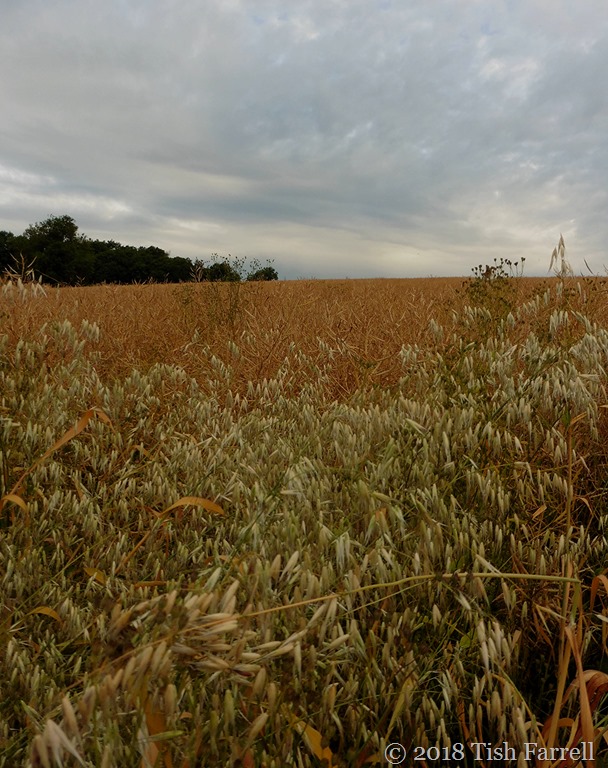
All in all, it was a very yellow kind of morning, brimming with bright prospects, though it is a shame about the lack of larks. I dashed home at 9.30 for cup of tea, only to think that I might have left the allotment tap running. So it was back up the field, through the towering wild oats, and past the browning rapeseed crop. I hadn’t left the tap on, but I had forgotten to collect the Russian kale, so it was worth making the second trip. Then home again to make raspberry jam.

P1070498