There is a particular time (just now) when the wheat in Townsend Meadow, having grown its tallest, conjoins with a particular spot along my homeward path from the allotment. Together they cause the rooftops on Sytche Lane to look like this.
Note to self: must remember to take another shot when the wheat has turned to gold.
Square Perspective #1 For the month of July, Becky challenges us to show her some perspective – contrive it how we will, just so long as it’s in square format.
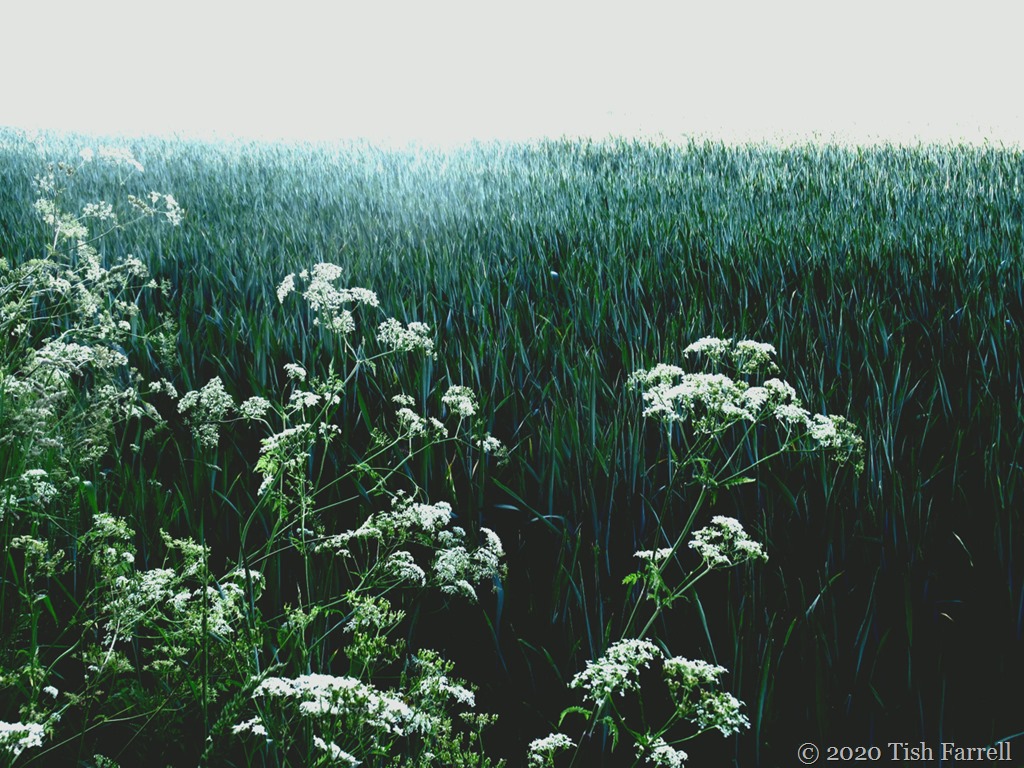
I took this photo last night as I left the allotment: the cow parsley in the descendant, the wheat thrusting up and beginning to form ears. It rather reflects my mood, for much as we have been enjoying the sudden outburst of ‘high summer’ days, albeit in May, I’m also feeling very cross. And since my views veer towards the contrarian, I don’t intend to air them here beyond saying there is too much officialdom fudging/ineptitude/cross-purposes/vested interest/contradictory information/rubbish media reporting and all round manipulation.
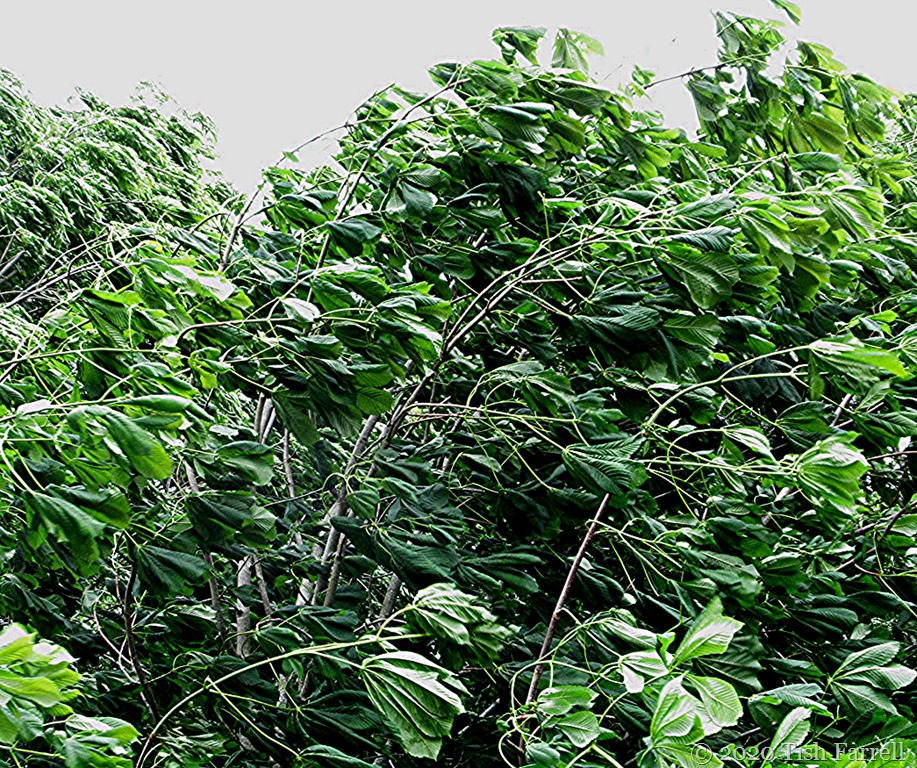
So that was May in the outside world. Meanwhile in my little Wenlock sphere of influence all is burgeoning, and the garden is lovely. I’m not sure how we ended up with Mediterranean weather over the last few days and for the week ahead. It was preceded here by two days of tempest and a high chill factor that the weather people described as a gusty breeze. So gusty was it, that plants I’d put outside to harden off, had to return indoors and the process started over once the wind dropped.
Here is the gusty breeze in action. This is not a ‘fake’ photo:
I haven’t recorded this month’s allotment activities – although much has been done: earthing up of potatoes, planting out beans – runners, butter, borlotti, Jacob’s cattle gold, Cherokee, climbing French; courgettes and squashes; red cabbages, Tuscan kale; and in the polytunnel: tomatoes, aubergines and peppers. The reason I’ve not taken photos is because most things are shrouded in thin horticultural fleece or mesh to defend them from excess heat, drying out, and pigeons. For now the plots look like some kind of crazy campsite.
On the home front the garden is moving into summer mode with foxgloves, roses, sweet peas and geraniums. The columbine grannies (aquilegias) have mostly lost their bonnets, the poppies their frocks, and the alliums are transforming into seedy constellations. But the red valerian (Centranthus) – also known as kiss-me-quick and devil’s beard is busy attracting the bees, and the whole garden is filled with bee-hum which can only be a good thing. I’ve also had the chance to notice how very furry some bumble bees’ bottoms are, so I thought I’d share an example of that particular observation in the upcoming gallery.
And here’s some news from the Dyfi ospreys: chicks hatched in new High Definition:
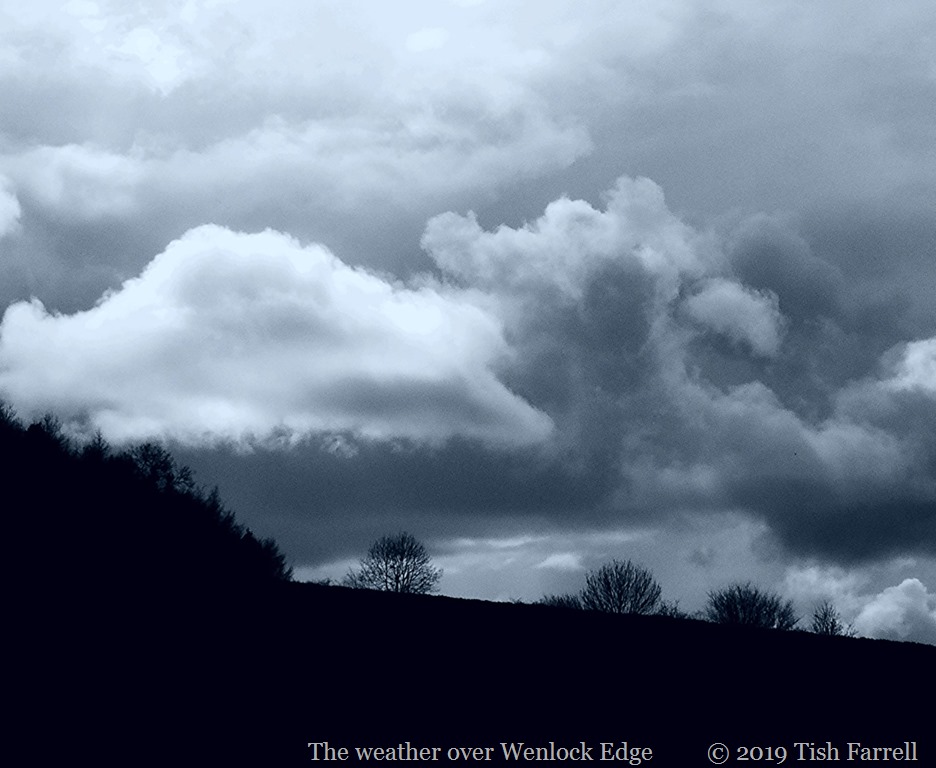
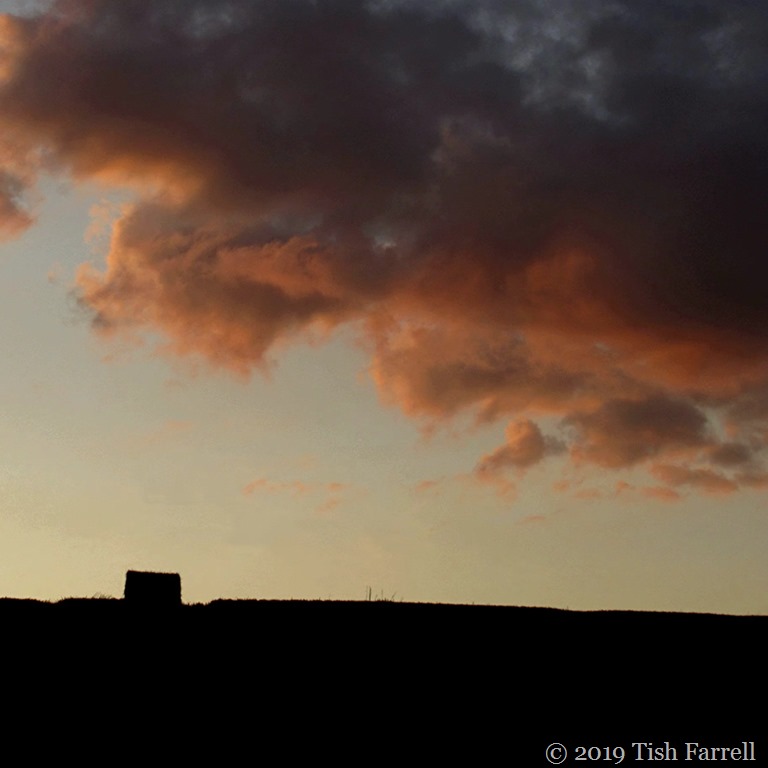
Our cottage at the back looks out over Townsend Meadow and beyond it, to the sky over Wenlock Edge. It is a westerly view so every day of the year we have a sundowner light show. Obviously some days the spectacles are more striking than others, but the sky over the Edge is always worthy of a good long ponder. We do much pondering here on Sheinton Street on the vestige shores of the Silurian Sea (circa 400 million years ago), when it was somewhere else entirely. Probably a little north of the Comoros Islands in what is now the Indian Ocean. A thought worth embracing. Or at least a prowl around its peripheries.
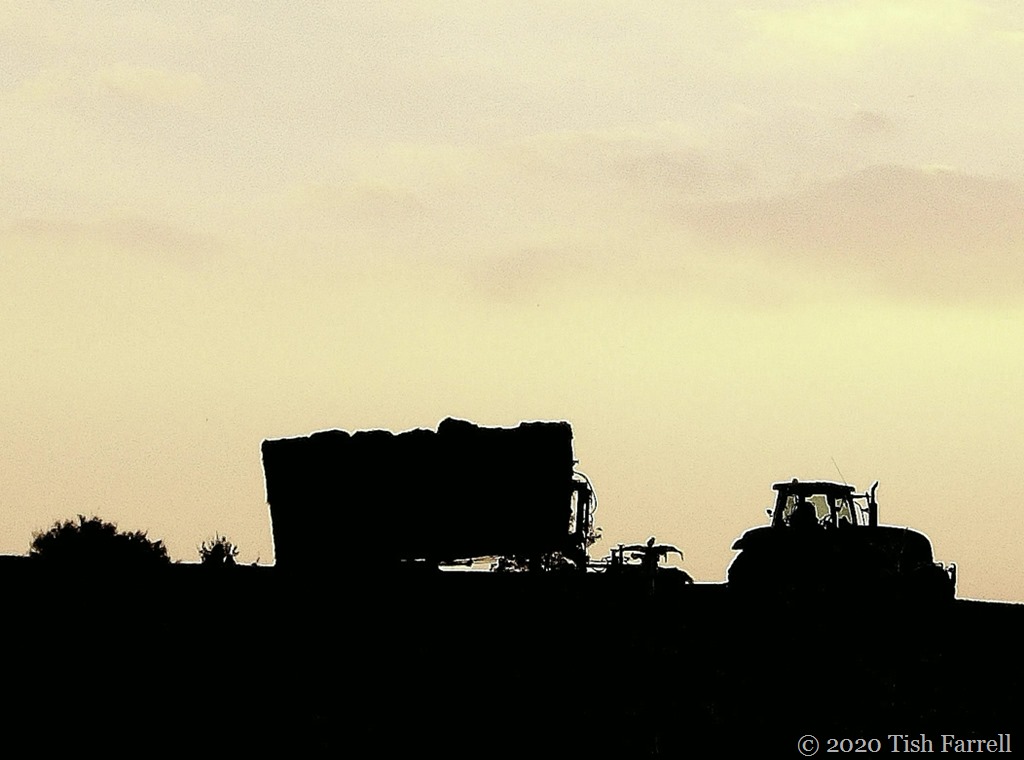
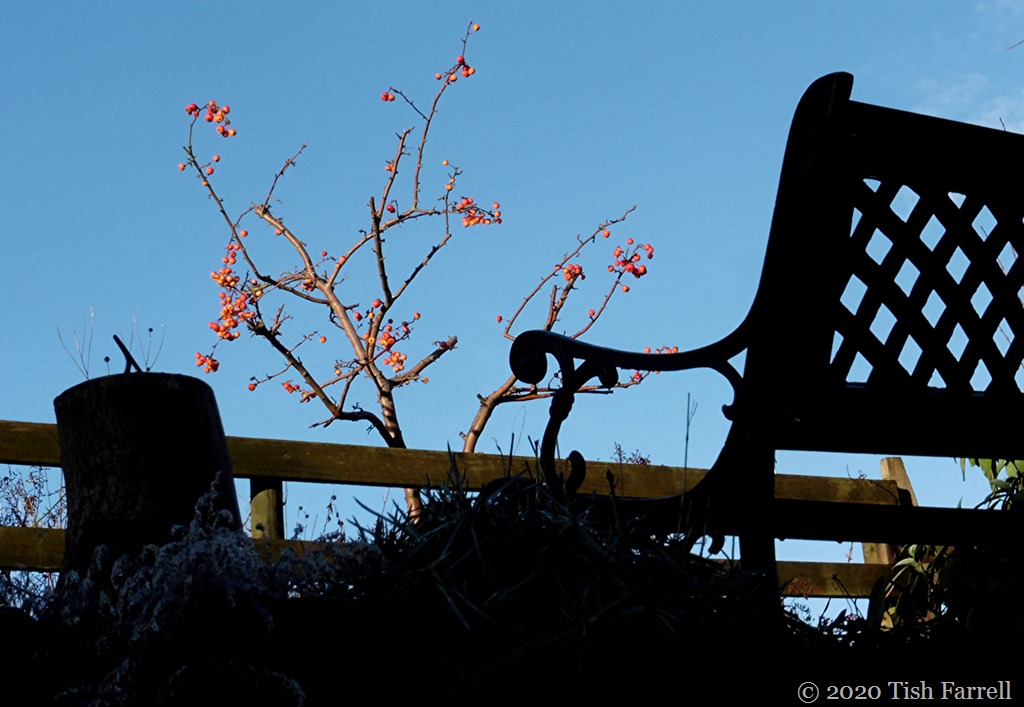
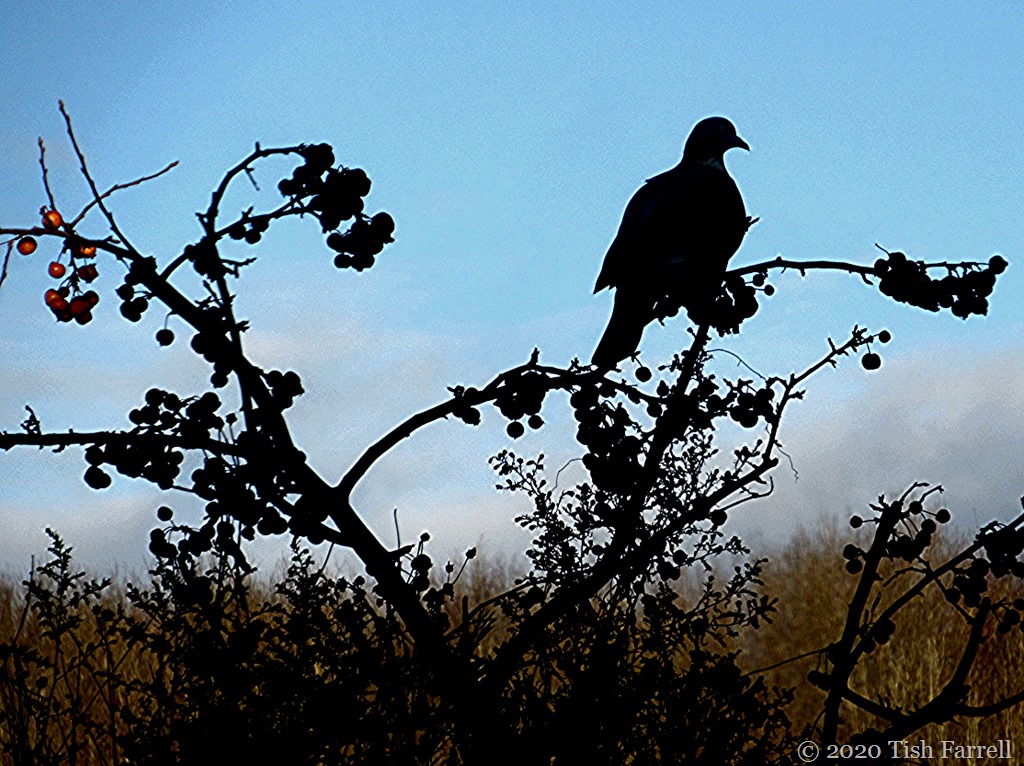
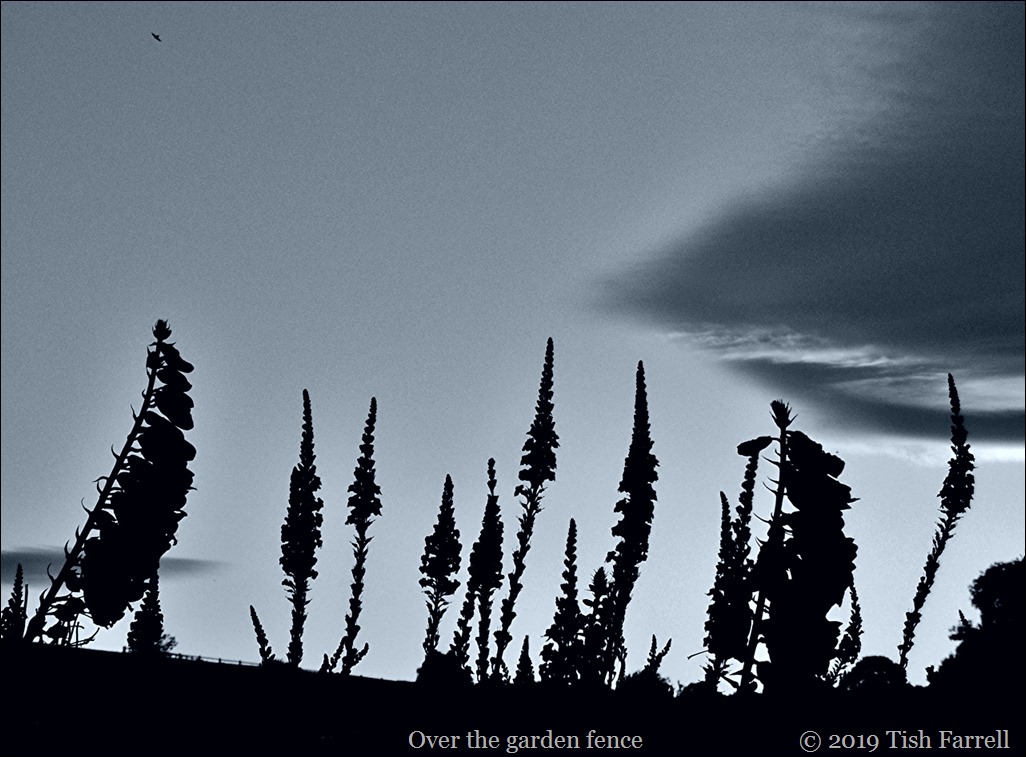
I’ve posted these archive shots in response to Jude’s this week’s light challenge over at Travel Words:
“This week’s assignment – Use strong backlighting (i.e. shooting towards the light source, but do not look directly at the sun) to create a contre-jour image where the subject becomes a silhouette, OR shoot the light through flowers or leaves creating a transparent effect.”
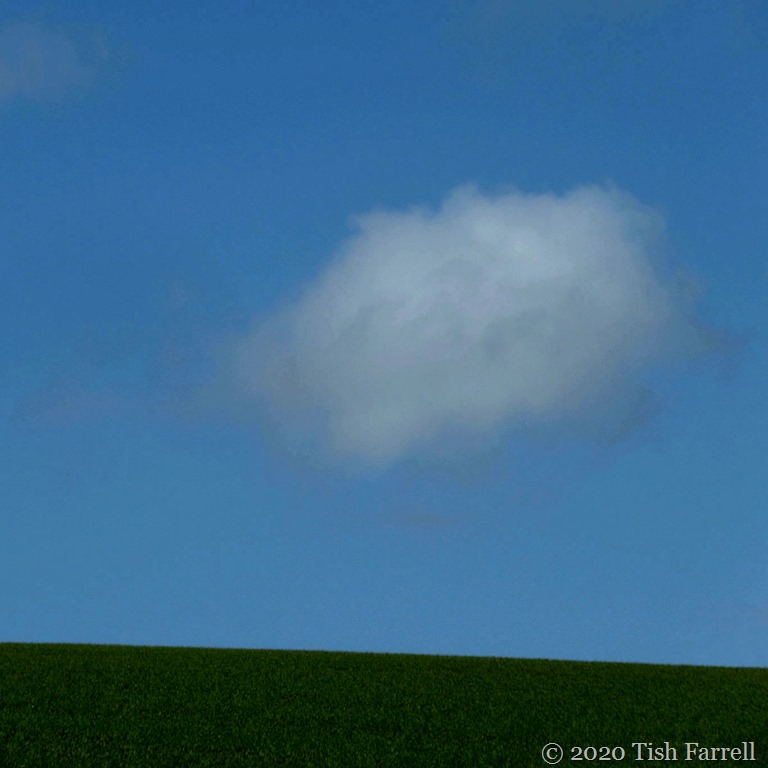
I spotted this little cloud the other day as I was crossing Townsend Meadow on the way to the allotment. And though it has no obvious silver lining, it does seem an optimistic little entity. Very buoyant.
Onwards and upwards, everyone!
Square Tops #2 A big non-mingling hug to Becky for setting us off on this topping mission to keep spirits up every day in April. Follow the link to join in. Square offerings only.
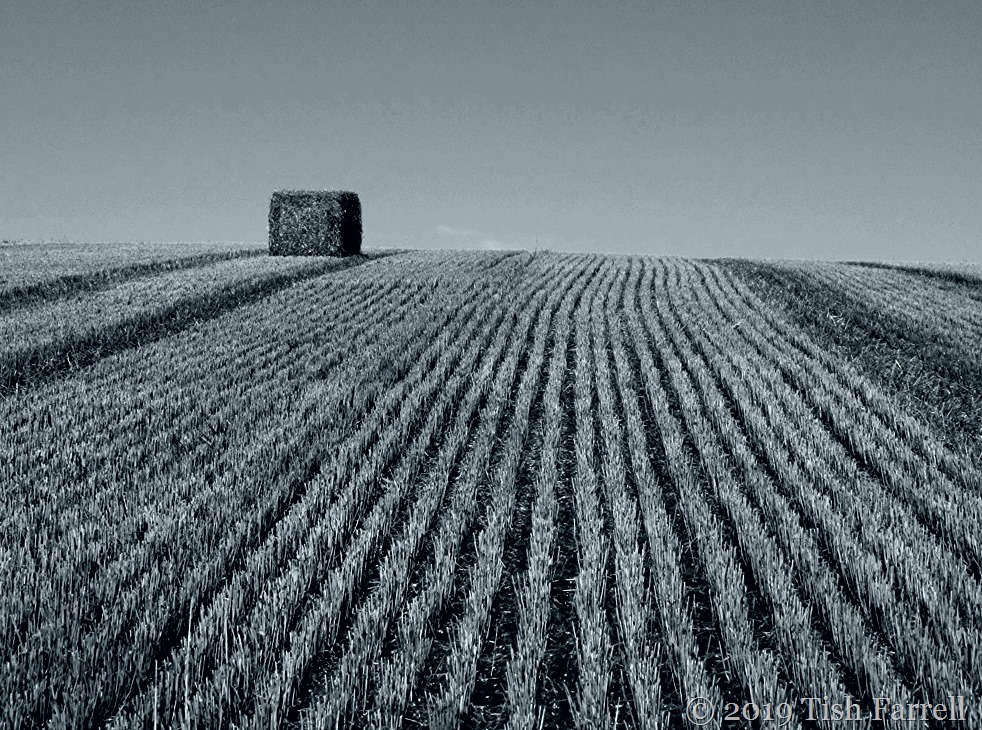
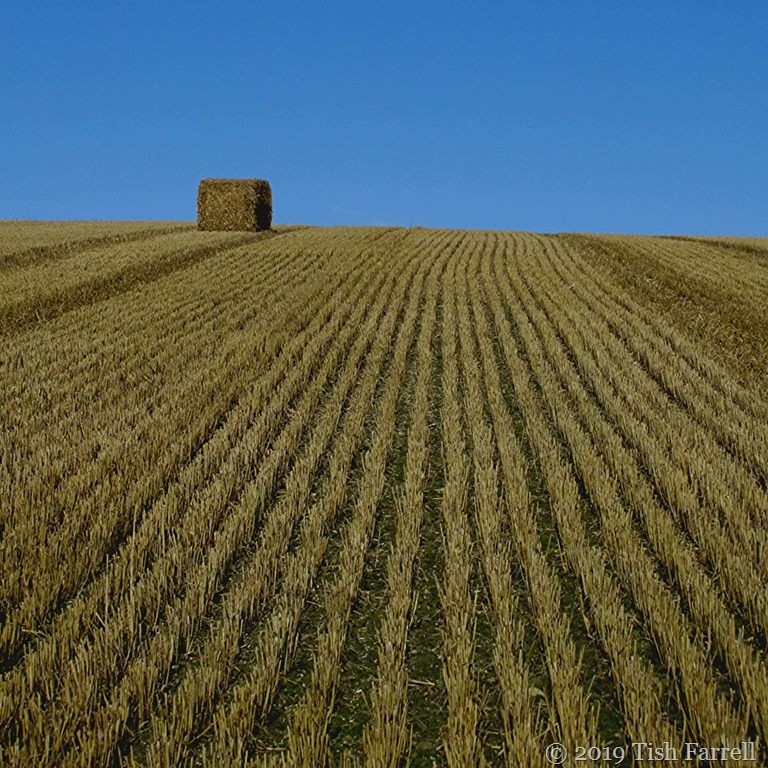
This photo was taken in September, in the field behind the house: a familiar place then, or so it seems. I like the sense of emptiness, or rather, the effect of having been emptied. Viewed in the abstract, the stubble ridges attract me too: a more active idea embodied now, something akin to tracks and of being drawn at speed over the brow of the hill to some bright, unseen future. On the other hand this might easily be a false reading; the large straw bale sitting below the false horizon has a sentinel look. A fortified outpost? The perception is disturbing. I start to ponder on who exactly is running the reality we believe we inhabit and why on earth, and for earth’s sake, do we continue to entrust them with it. Which brings me to the medieval notion wherein people believed they got the kings they deserved. Also a disturbing thought: but disturbing enough to make us now take action and change the picture? I wonder.
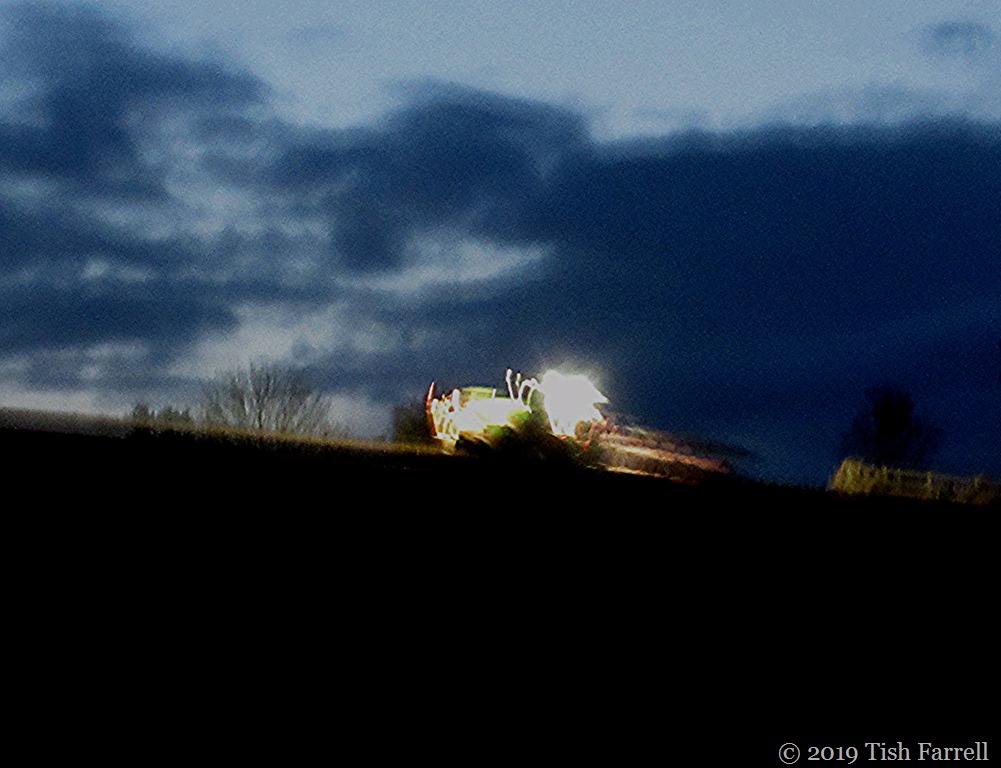
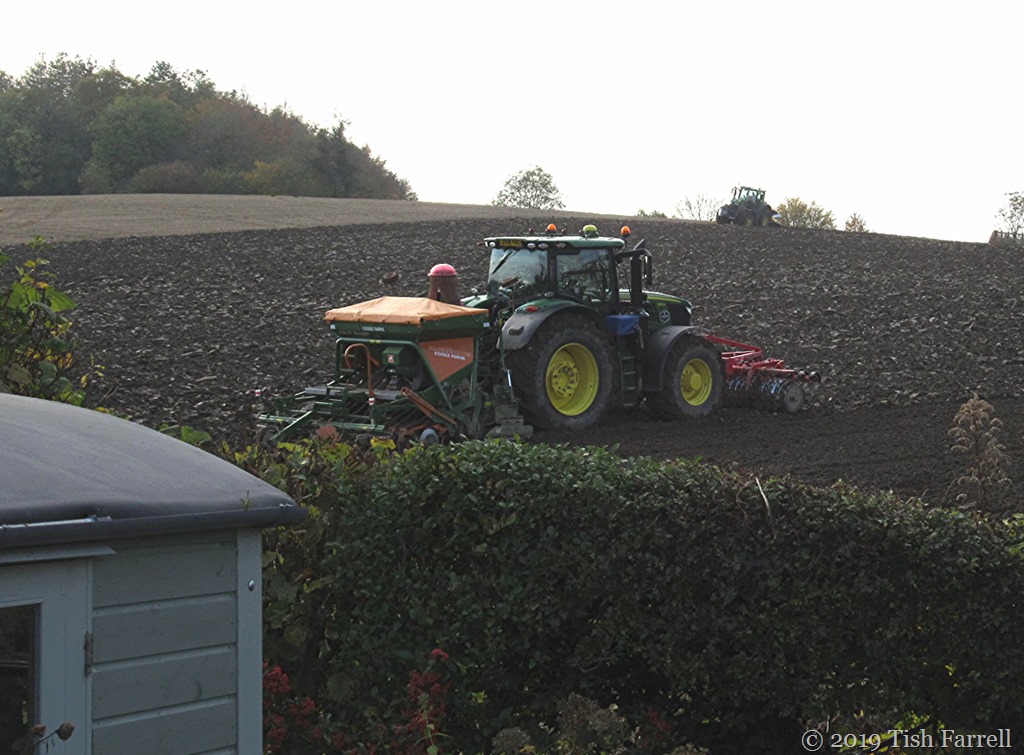
It was the strangest thing – to look out on the nightscape behind the house where there are no roads or houses as far as the Edge, which itself drops a thousand feet through near vertical woodland to farm fields below on the Shropshire flatlands, and see what looked like searchlights moving doggedly through the darkness. The sight induces a frisson of fear. Iron Curtain watch towers spring to mind; H.G. Wells and War of the Worlds: are these Martian invaders patrolling the hinterland? Have the Thought Police hacked into my anti-establishment cogitations and are now tracking me down?
Of course a second later, common sense regained, I knew exactly what was going on, though it was still surprising – this spot of nocturnal November farming, presumably intent on finishing the job before the next round of deluge. The two tractors had been out working on Townsend Meadow since early afternoon. One tractor was ploughing. I watched it moving up and down the field, the glint of steel blades, the rig periodically disappearing from view over the brow of the hill. The other tractor was working back and forth across the ploughed-in wheat stubble, it equipped with high-tech agri-gear fore and aft – (and I’m assuming) seed drilling and then harrowing. I’ve yet to discover what crop was being sown. Doubtless there will be shoots any time now.
But in the meantime, on my most-days slither and slide along the path to the allotment, I’m astonished how very spirit-lowering is the lustreless expanse of darkly sodden earth after months of pale and textured gold. No more taking short cuts across the field or fossicking for pot shards and clay pipe bits either. I’ve also noticed that the tenant who currently has the field in hand, has reduced the strip of uncultivated headland between our home boundaries and the crop by a good 2 or 3 metres. We always understood that the headland was there as a flash-flood reducing measure, to say nothing of providing a swath of bio-diversity. Only time and heavy rainstorms will reveal the consequences or not of this little development.
The day before ploughing and drilling – 3rd November.
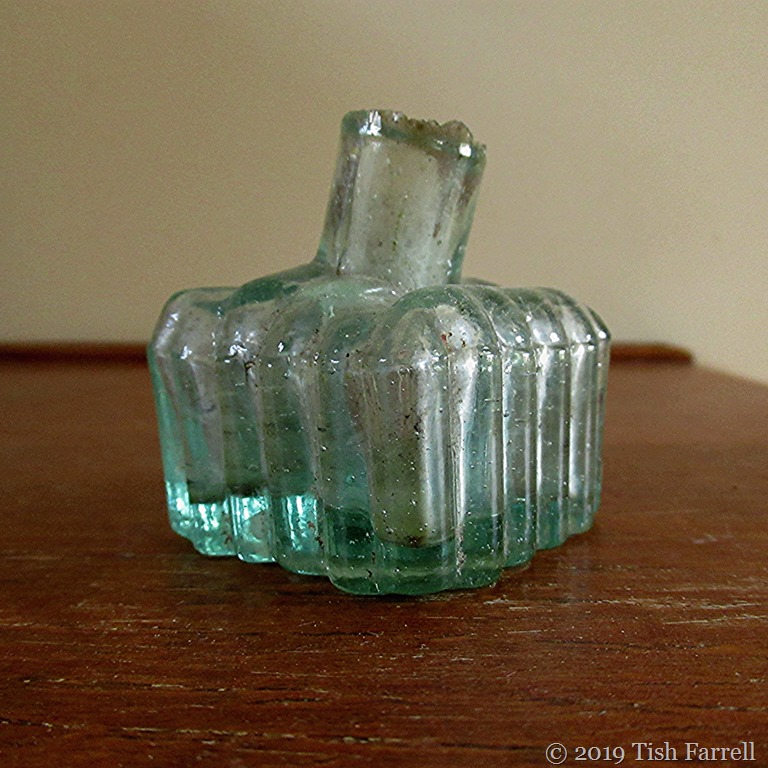
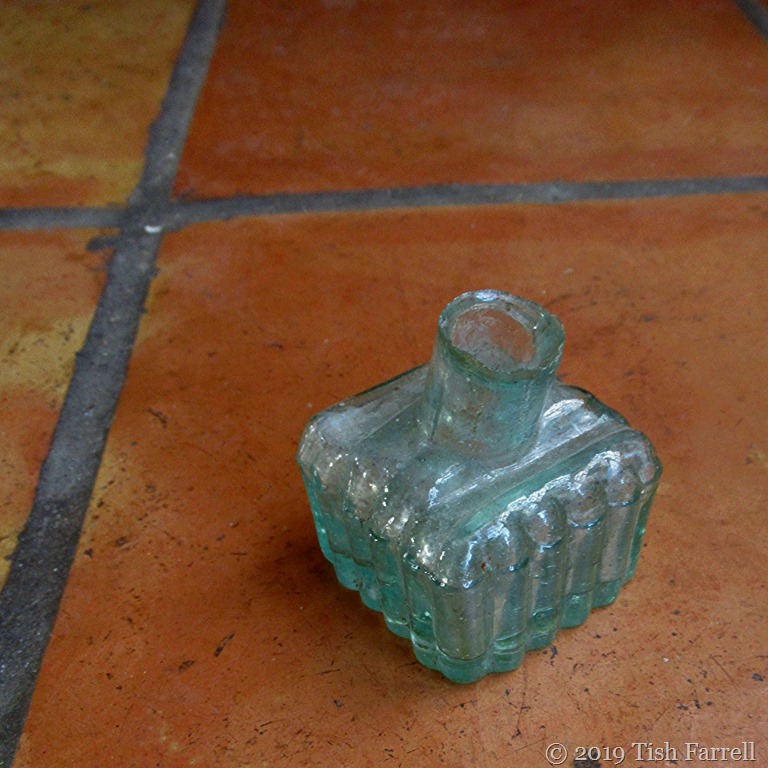
I find it hard to credit that this pretty little Victorian ink bottle was a throw-away item, of no more value than the empty juice cartons, tins and the general supermarket packaging trash that we junk attempt to recycle. They were cheap of course, perhaps a penny or two. The base is only 1.5 inches square (4 cms). When it was bought it would have had a cork stopper, suitably sealed. But once opened it was eminently functional. The neck is angled for easier nib dipping and then there are ridges across the top for resting one’s stick pen, and the ridged sides and heavier base would also make spillage less likely.
The one in the photo was found behind our old privies when we were having a hedge of alien snowberry dug out. Graham had a fine time pretending he was on Time Team and excavated quite a little stash – mostly medicine and condiment bottles. But this is my favourite find. It reminds me of Roman glass and I love the colour. I haven’t been able to get its innards quite clean of Silurian clag, but it’s just the thing for a single small flower, a rose bud for instance, one that some careless gardener has knocked off while not paying due care and attention.
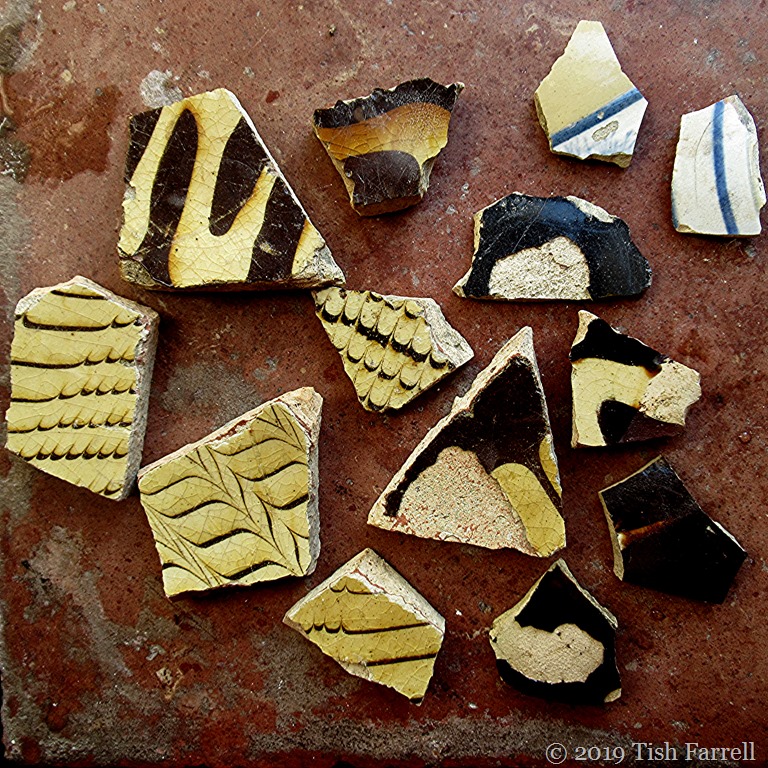
In the last post I featured the clay tobacco pipe gleanings that I’ve been picking up from Townsend Meadow, the broken stems and bowls of pipes discarded by haymakers, harvesters and ploughmen of times past. Or dropped by lime burners, tanners and quarrymen on their way to restore lost bodily fluids in one of Wenlock’s many inns. But there’s another explanation too, and this could also account for the pot shards I’ve been finding in the field. Up until the not too distant past, broken domestic items were usually thrown into farm cesspits, privies and middens. Later they would end up spread over the fields, mixed in with manure.
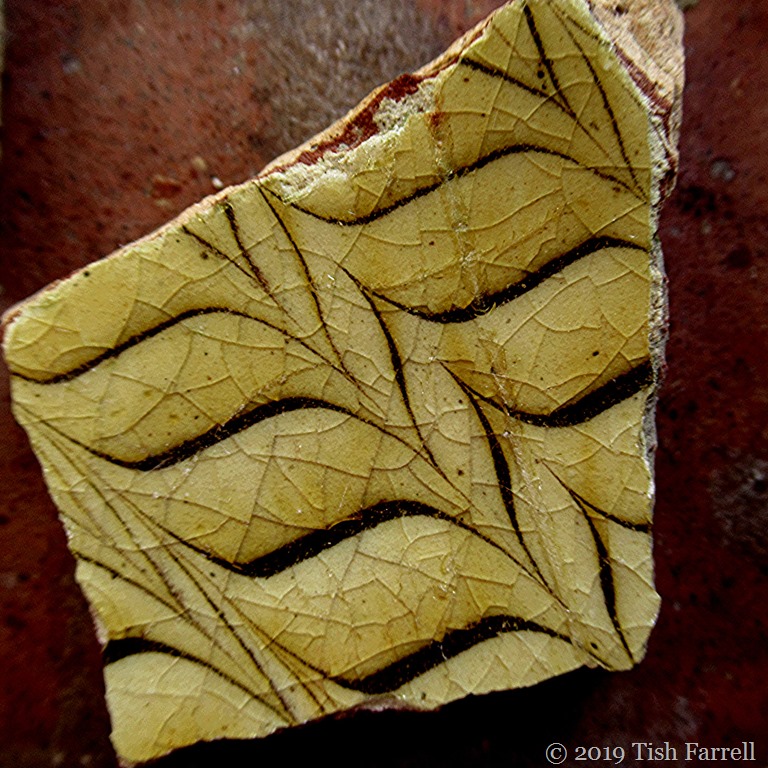
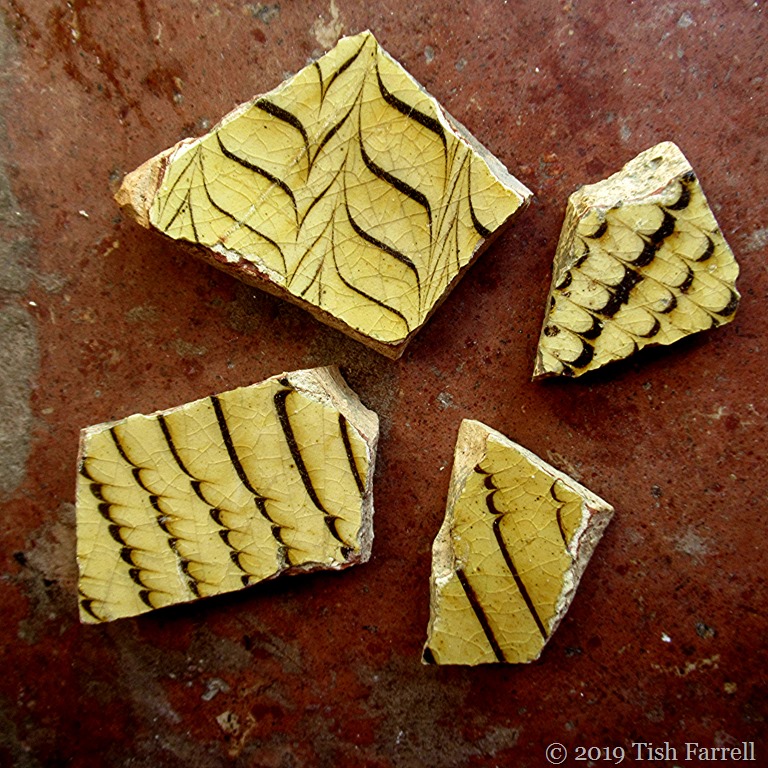
My trek across the field follows a broadly similar route, give or take a metre or two. These shards are all separate finds, though not found too far apart, and I think they could belong to the same dish. My trawl on the internet tells me these are examples of comb decorated slipware. Once they would have made a broadly rectangular loaf or baking dish of a type common in the late 18th century. Very handsome pots in fact.
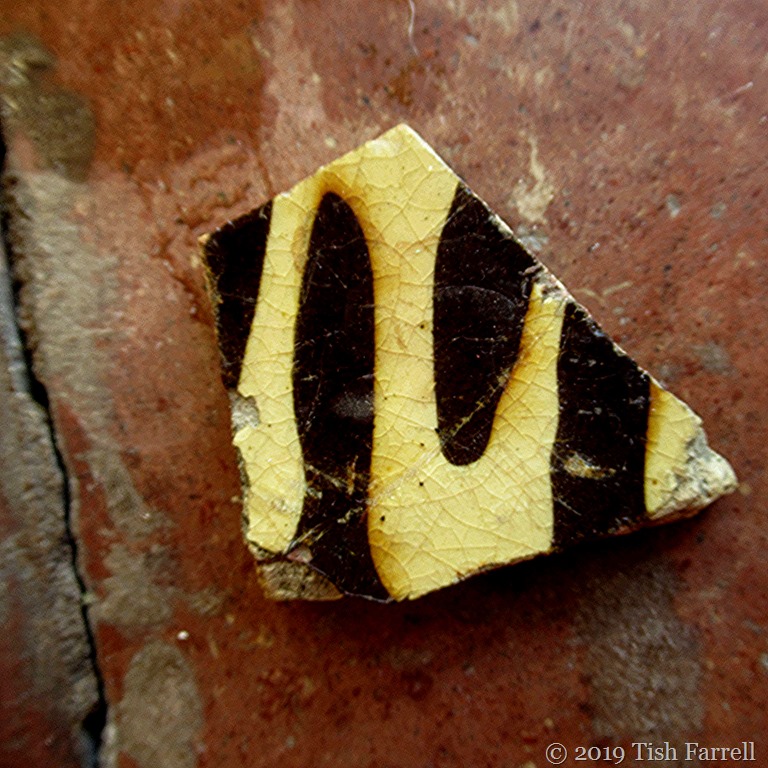
The shards with the yellow swirly pattern on a dark ground are also from slipware loaf dishes made in the late 18th century. They come in round and rectangular versions. You can see stunning examples of these and other English pots at the John Howard Gallery.
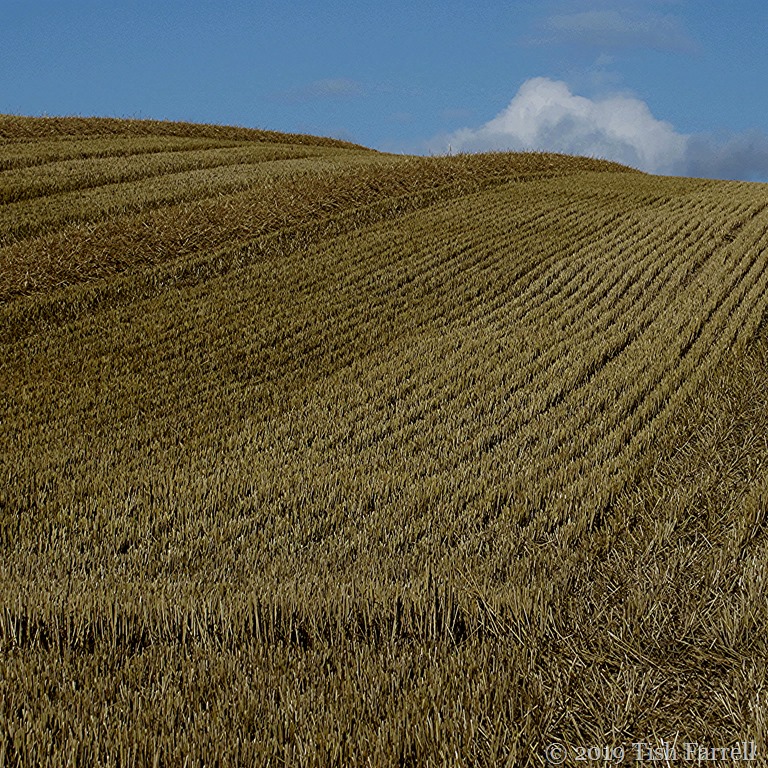
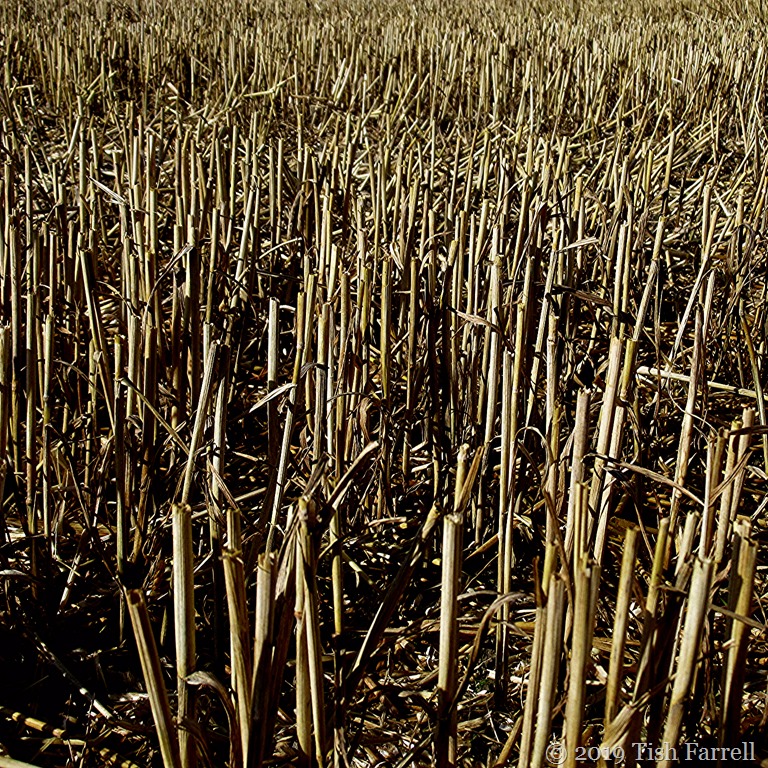
Today by way of an intermission from Two Go Pottering About In Pembroke, I’m back on home ground here – the field behind our house just after the wheat was cut in early September. It’s nice to recall the glorious sunshine too (since we returned from Wales it has been wet, wet, wet, the country locked inside jet stream weather effects). Also I thought I’d combine Becky’s line squares with Patti’s challenge to fill the frame. So here goes: bales, stubble, light and shadow, false horizons, landscapes and cloudscapes, textures and colour blocks. And lots of stalks.