Pipe-Lines

IMG_5329

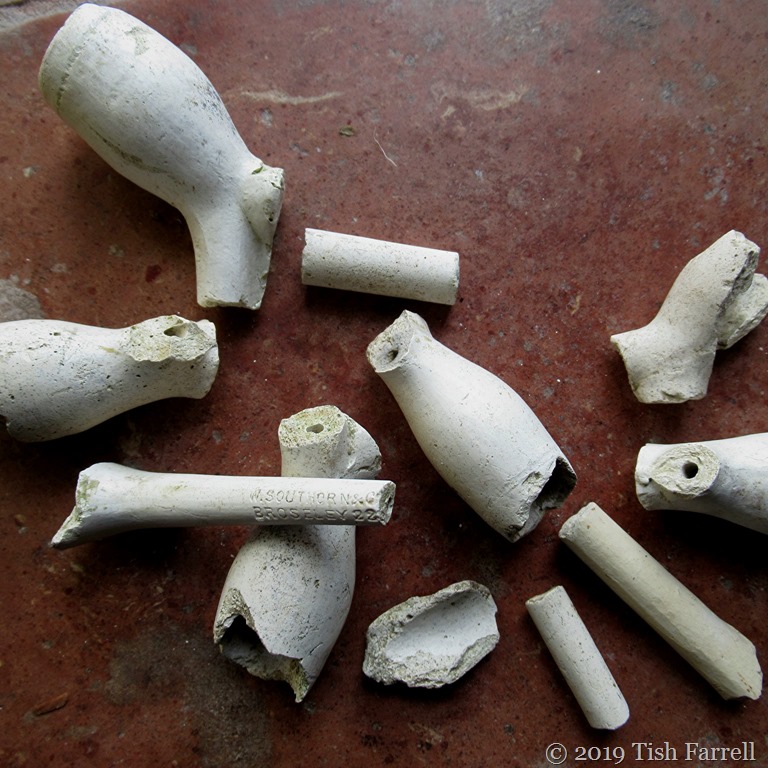
Much to my surprise the field behind our house hasn’t been ploughed yet. This is good news for the birds: lots of wheat gleanings to forage amongst the stubble. And gleanings for the erstwhile archaeology student too (that would be me). Since late September I’ve been walking back and forth to allotment across Townsend Meadow, and as I go I pick up the remains of old clay pipes; the residue of ploughmen-past.

After rain the bowls look like bird skulls emerging from the mud. I dig them out and bring them home to wash. The bits are mostly quite plain, except for indistinct maker’s stamps on the bowl bases. But then, most unusually, I found a stem with a well known manufacturer’s mark  on it: W.Southorn & Co, Broseley.

Clay pipes were made in this corner of Shropshire from the late 1500s when Sir Walter Raleigh introduced the nation to tobacco. In the 17th century there was a pipe works on Much Wenlock’s High Street, but at this period it was the Southorn works in King Street, Broseley, a few miles from Wenlock, that was much more  famous. As well as work-a-day models they produced the most elaborate creations including the delicately long Churchwardens (for a long cool smoke). In fact so great was the international reputation of the factory the pipes themselves came to be known as Broseleys. It was thriving trade too, the fragility of the product doubtless stimulating repeat orders. During the 19th century Southorns employed 90 workers.

The works were still in operation until the early 1950s. The pipe kiln there could hold between 75,000 to 100,000 pipes for each firing which lasted 4 days. When the factory closed, the place was simply left, remaining just as it was when the last worker closed the gate behind him. I remember walking past it in the 1970s and ‘80s. It still belonged to the Southorn family then, but remained, much like Miss Haversham’s wedding breakfast* in a time warp all its own. The premises are now in the care of the Ironbridge Gorge Museum Trust.

There is some extraordinary 1938 archive film of the works HERE.

* Great Expectations Charles Dickens

Line Squares #28

Power Lines ~ Ironbridge Switch-Off

IMG_5200

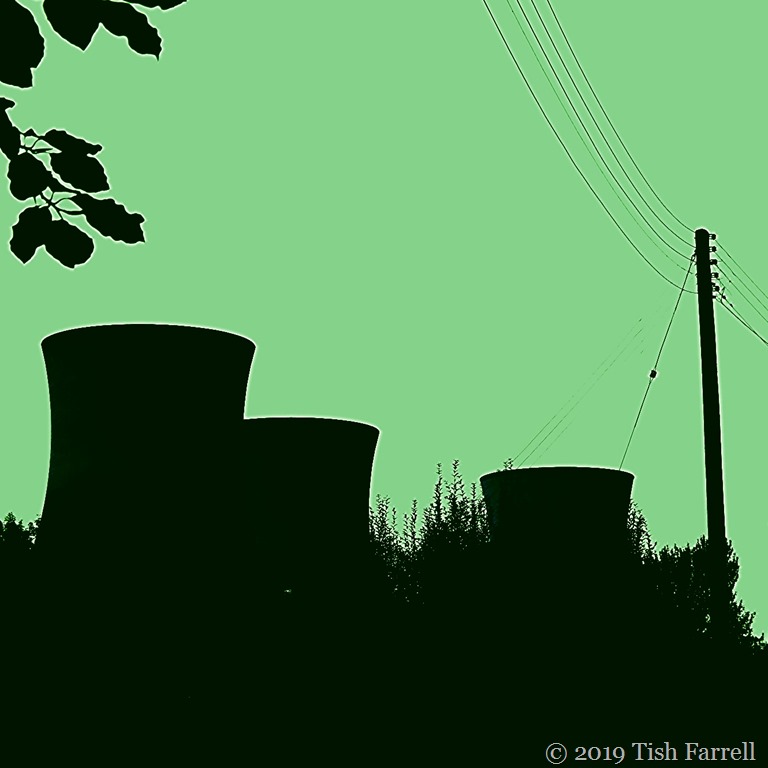
Ironbridge Power Station has run out of steam, its huge cooling towers presently stark monuments to the era of dirty energy, an era that kicked off in this very valley, the Ironbridge Gorge, where in millennia past the River Severn turned its back on the north and, turbo-charged by glacial melt-water, drilled its way through inconvenient uplands and headed south, thereby exposing strata whose properties ingenious humankind would one day find well suited to industrial enterprise.

Limestone. Ironstone. Coal. Fire and brick clay. These were the materials revealed by Severn’s pre-emptive workings. They provided the means for the building and fuelling of blast furnaces. The first iron works in nearby Coalbrookdale were run by monks and lay workers of Wenlock Priory. After the Dissolution of the Monasteries in 1540, there was a massive sell-off of monastic land and facilities around the Gorge to London merchants and get-rich-quick gentry all keen to make iron; or mine coal; or extract natural bitumen that also occurs here.

The Gorge and its tributary valleys were, in their way, covert places, and later proved attractive locations for 17th century iron masters set on pioneering new technologies: coke-fired casting; fine boring of cannon; trialling of new materials in new constructions that would astonish the world and change it and us forever.

But back to the power station that now no longer burns trainloads of coal to feed the national grid. It sits on a floodplain at the head of the Gorge, a World Heritage Site no less, the Ironbridge Gorge. A local lordly landowner once observed to me that the discharges of warm water from the cooling towers heated up the river along his stretch of bank by one degree, thus ruining his salmon fishing; the salmon, he said, did not care for warmth and rushed on by. To his credit his lordship did not seem too bothered. At least for now the river is subject only to natural forces when it comes to temperature.

Soon the demolition teams will move in, and trainloads of furnace ash will be shipped out along with countless tons of strategic reserves of gravel which happen to occur on the site. And down will come the four cooling towers – and what a sight that will be. Then the plan is to build 1,000 homes and create a business park to create thousands of jobs, and all beside a river with a history of monumental flooding, and on a site with all manner of embedded pollutants, and in a geographical cul de sac with only two narrow lanes either side the river by which to access the outside world. The head of our local authority that is championing the scheme is on record saying that he won’t let considerations of climate emergency get in the way of the county’s need for economic growth.

It takes one’s breath away – this Age of Bonkers!

Line Squares #23

Kalamata Layers

P1020448

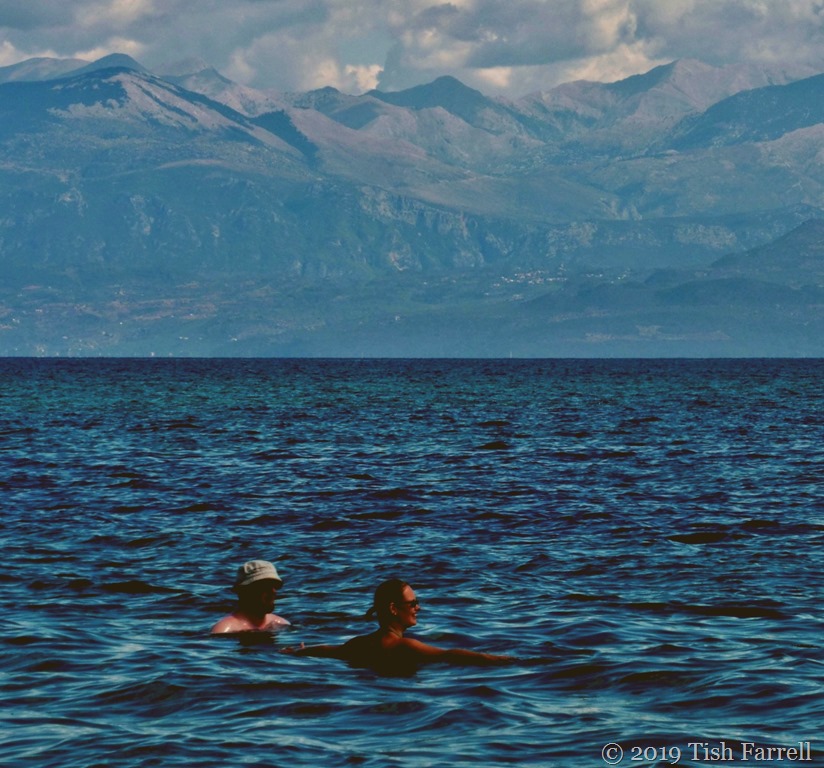
Late September and the locals had abandoned Peroulia Beach because, they said, ‘it was too cold’. Even to us Brits the sea was a touch cooler than hoped for. Still, you can’t come to Greece and not have a swim. And the glass-clear waters of the Messenian Gulf were so beguilingly blue. And then there was the backdrop view – the Mani that never quite came into focus all the time we were there, the rugged scarps of the Taygetos ever mirage like. Perhaps we dreamt it.

P1020643

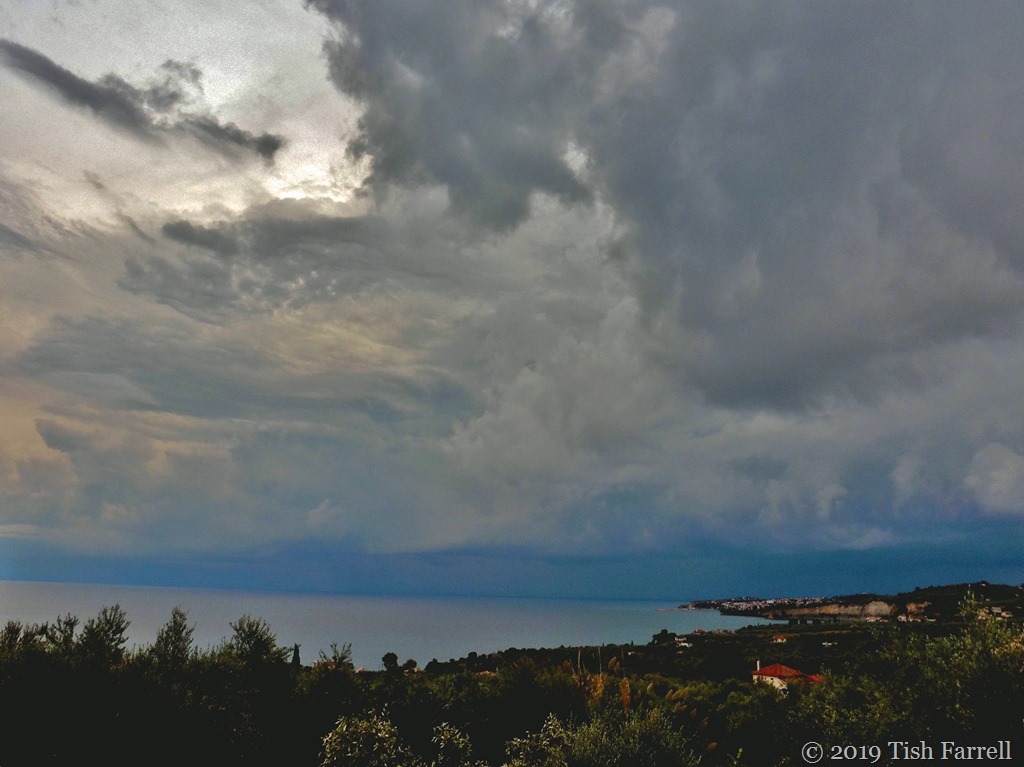
Lens-Artists ~ Layered  This week Amy wants to see layered looks.

Wenlock Priory ~ Ruined Lines

IMG_3759

It’s almost always the case with things on your doorstep: you forget to visit them, or even to appreciate their handy existence. I’ve known Wenlock Priory for over half a century which possibly adds its own miniscule historical dimension to this most ancient Shropshire site. Anyway, a few weeks ago I took myself off there for a long-postponed visit. It’s only a short walk down the Cutlins path past the MacMoo clan. I quite enjoyed playing tourist in my own town.

The photo shows the remnant south aisle of the once vastly prestigious monastic edifice built in the 12th century CE to house monks from their mother foundation in Cluny, France. But then that’s only half the story.

We need to wind the time-machine clock back another thousand years. The Romans were here too, though what they left behind has been hard to interpret: villa, bathhouse, shrine – all, or only one of these. The remains anyway survived into Saxon times and were apparently repurposed in the building of a double convent i.e. for both monks and nuns (in separate quarters). This work was commissioned by King Merewald of Mercia (basically the English Midlands) in the 600s CE.

His daughter Milburga (later to be sanctified and made pilgrimage-worthy) served as abbess once she had been sufficiently well educated over in France. Her two sisters were also similarly educated to be abbesses of other religious houses. Their mother too, left Mercia and her marriage, to become abbess down in Kent. Such positions entrusted to royal woman allowed them to control extensive landed estates along with their agricultural and mineral assets, as well as to look to the spiritual welfare of the land’s lowly inhabitants.

Over succeeding centuries, Milburga’s convent underwent various phases of redevelopment. When the Normans arrived in the 11th century the site was re-dedicated to the Cluniac (monks only) monastic order. But after the finding of what were believed to be Milburga’s bones in 1101, the priory received a very big upgrade, along with a saintly shrine and the patronage of the King of England. So began the era of pilgrim-tourism and the up-sprouting of Wenlock town to cater for the influx. In fact two of our well-loved public houses – the George and Dragon and the Talbot  have their origins in these times. So much history then in one small place. So many long-established ties with Europe. Makes you wonder what our forebears would have thought of Brexit.

IMG_3779

Doorway from the south aisle to the now roofless cloister.

*

For Historic England’s schedule summary of the Priory’s history please go HERE.


Cee’s Black & White Photo Challenge: Indoor walkways, hallways, elevators

Line Squares #19

Fancy Living Along Iron Age Lines?

IMG_4882

And surely a query worth contemplating. For instance, how would we get on without all our high-techery and labour-saving homes? Or fare without the daily multiple-choice comestibles. Or the mass entertainment streams. Or the means to travel where and when we want and in great comfort. Or the shopping opportunities by land, air and internet.  Would we think it a life worth living without plumbing and waste management systems? Would we feel ourselves utterly impoverished? Could we even survive as our ancestors survived over tens of thousands of years?

Of course by the time we in Britain reached the era of technological development that archaeologists call the Iron Age (c. 800 BCE to 43 CE and the Roman invasion), the manner of existence is at least broadly recognisable to us. People lived in farmsteads and fortified villages and belonged to regional tribal groups ruled by individual chiefs (men or women). These people were horse-riding, chariot-driving warriors as well as farmers. They also had specialist metal workers, potters, and weavers. They built hillforts on a monumental scale (e.g. Maiden Castle, Danebury, Old Oswestry). Some were inhabited. Some were not. Some were elaborations of earlier earthworks begun in the Neolithic and Bronze Ages. Their exact purpose is often unclear – tribal prestige, defence, seasonal market and ritual gathering places. All of these.

Some things we do know about Britain’s Iron Age people – they were prosperous farming folk employing improved methods of agriculture (iron-tipped ploughs and new strains of barley and wheat; they cultivated peas, flax, beans; they raised pigs, sheep and cattle). The great numbers of Iron Age sites suggest that the population was on the rise. Nor in Britain were they isolated islanders. They traded with continental Europe, exporting (in particular) grain, hunting dogs and rain-repellent woollen capes, possibly also slaves, and importing wine in return. At least three to four hundred years before the Romans arrived, Greek, Phoenician and Carthaginian traders were coming to Britain for Cornish tin.

The southern British tribes had their own coinage. Iron Age smiths worked in gold as well as iron and created torques, brooches and bracelets of unsurpassed beauty as well as magnificently wrought swords and shields. Many that have survived appear to have been votive offerings, placed in lakes and rivers. Roman historians write of druidic cults and of human sacrifice and other deemed dark Celtic practices.
IMG_4886

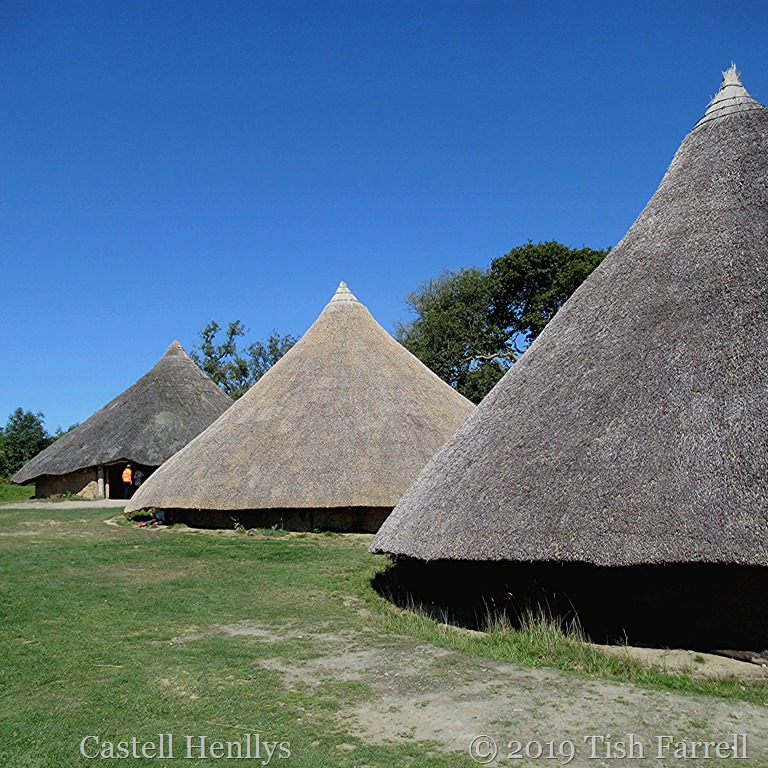
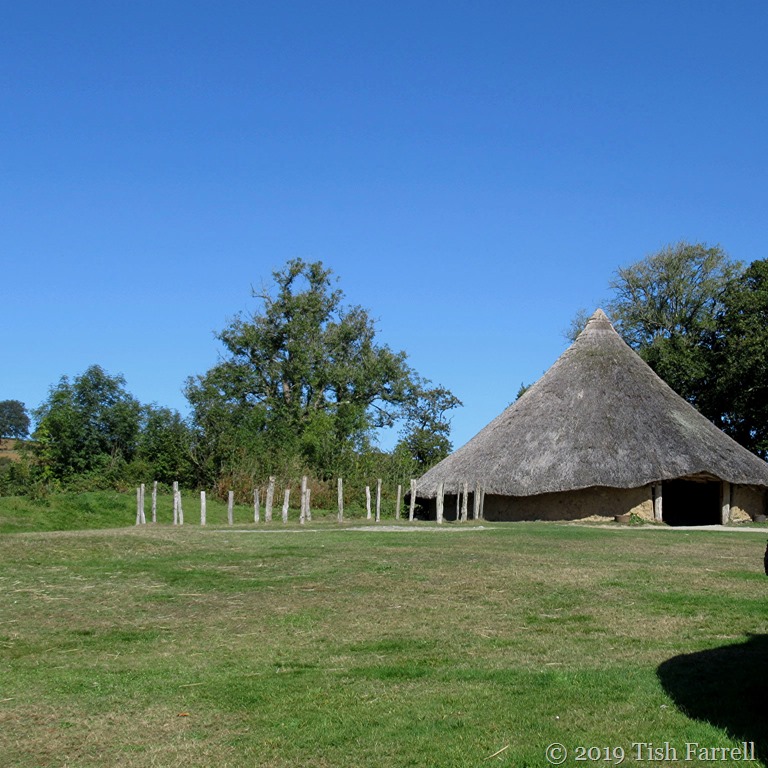
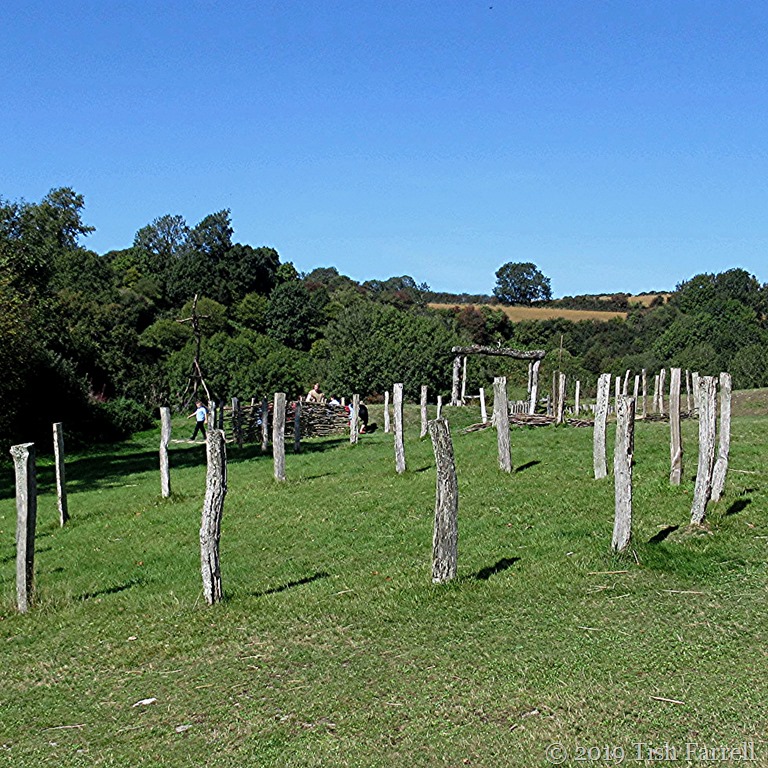
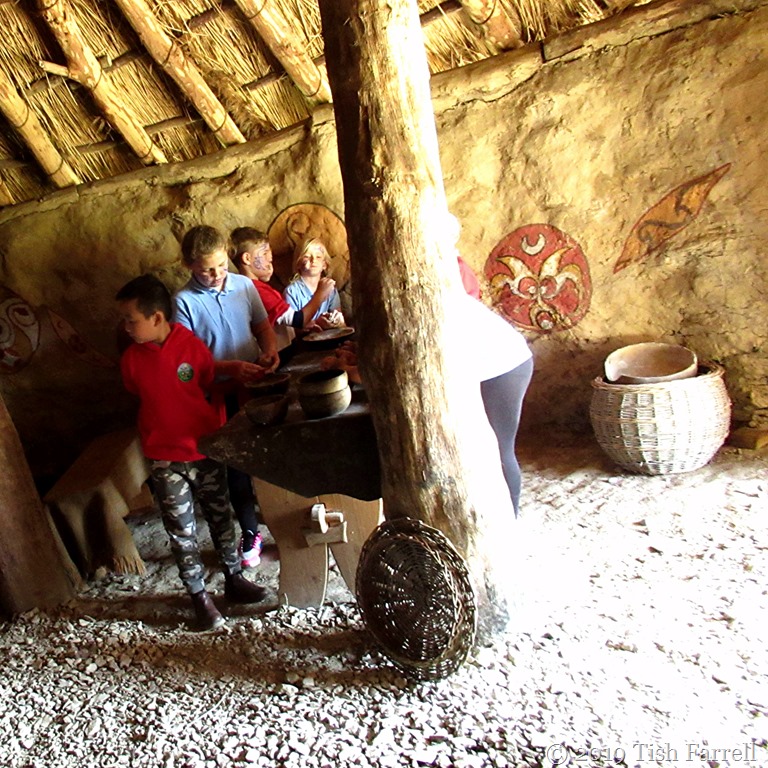
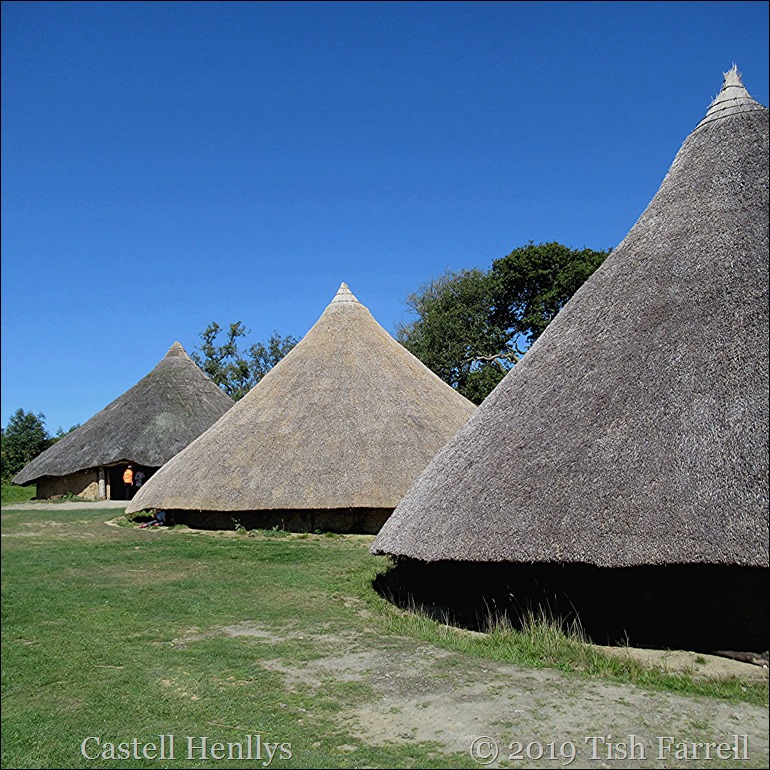
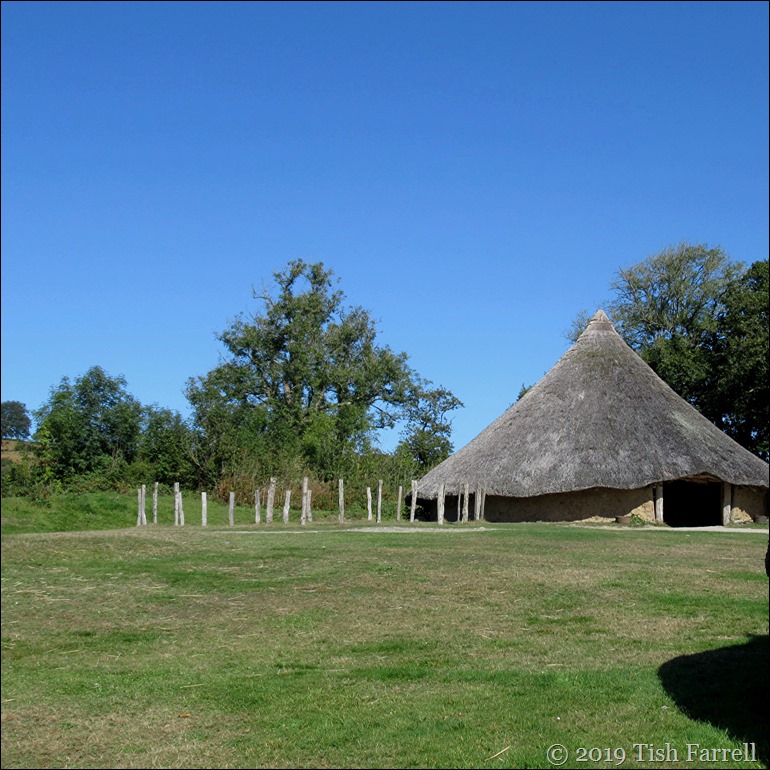
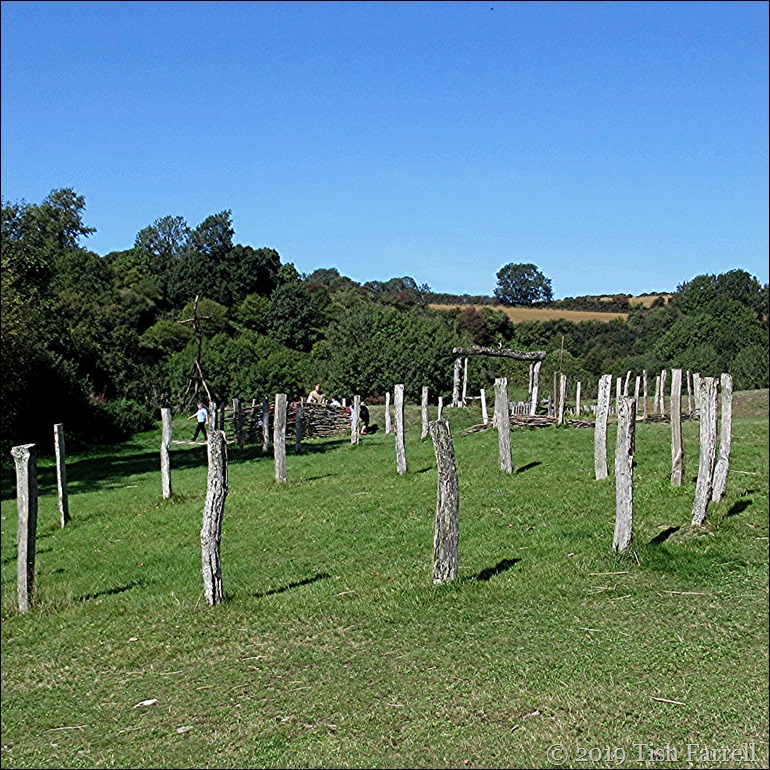
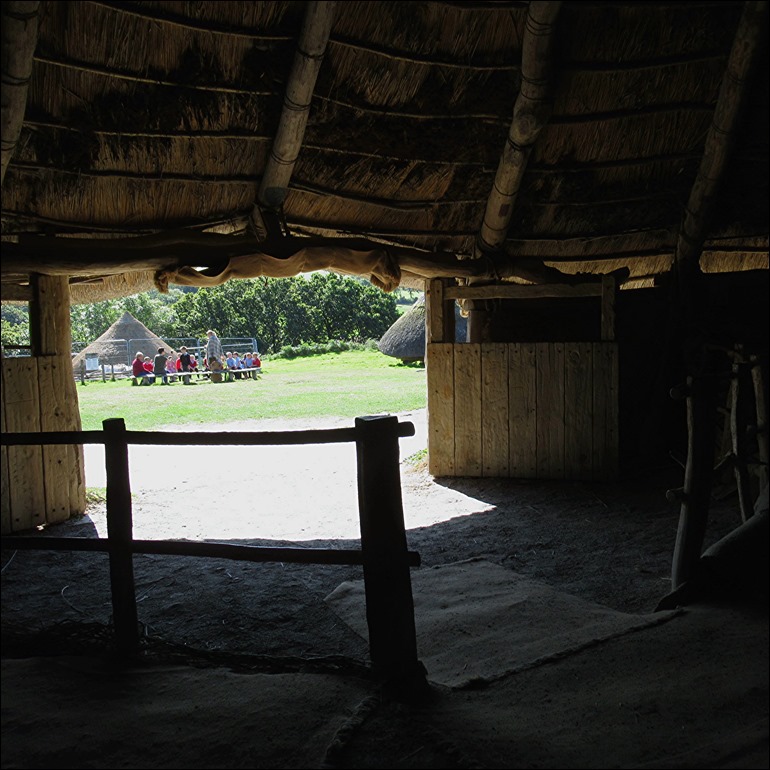
The photos here were taken at Castell Henllys, a promontory fort in the uplands between Newport and Cardigan. Excavations have been continuing on this small hillfort site since the 1980s, and for the last twenty years it has served as a training ground for York University archaeology students. The reconstructions are based on the excavations and occupy parts of the site where there is no archaeology. The outlines of the original excavated homes of these Iron Age Celts are marked with posts. When we were there some primary school children were using them to weave willow panels – the basis of Iron Age wattle and daub house wall construction. (Seen in the distance in the next photo; also the reconstructed fort gateway).
IMG_4885

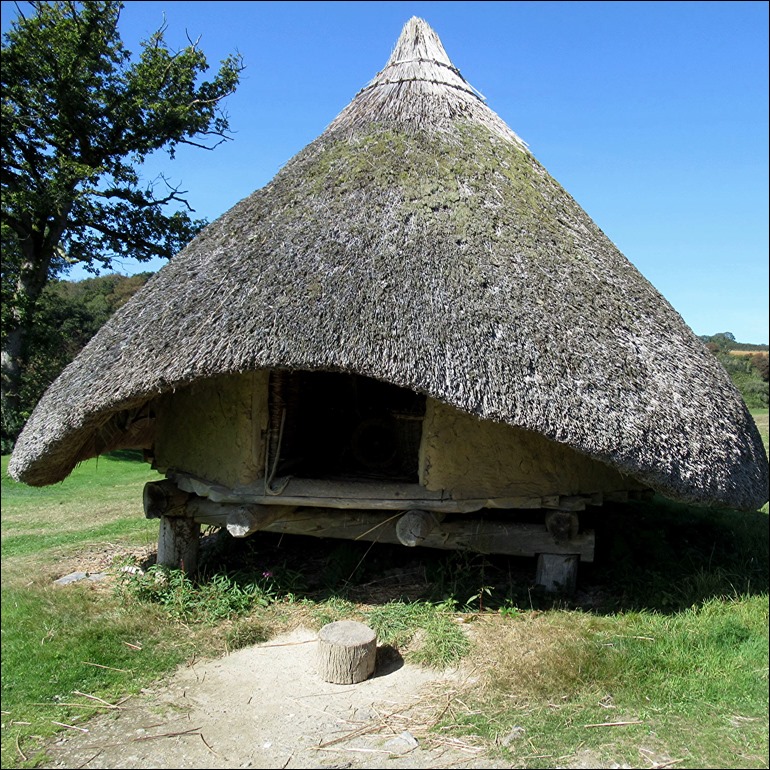
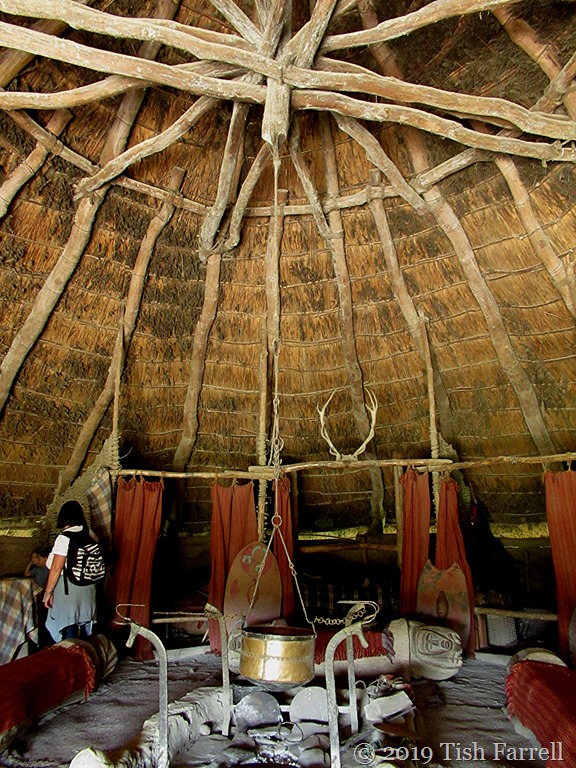
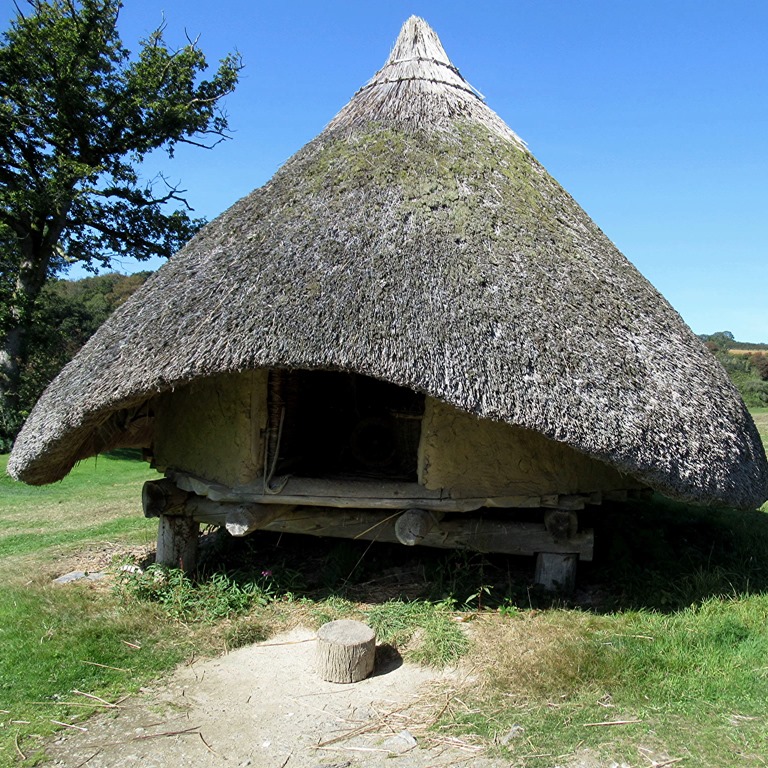
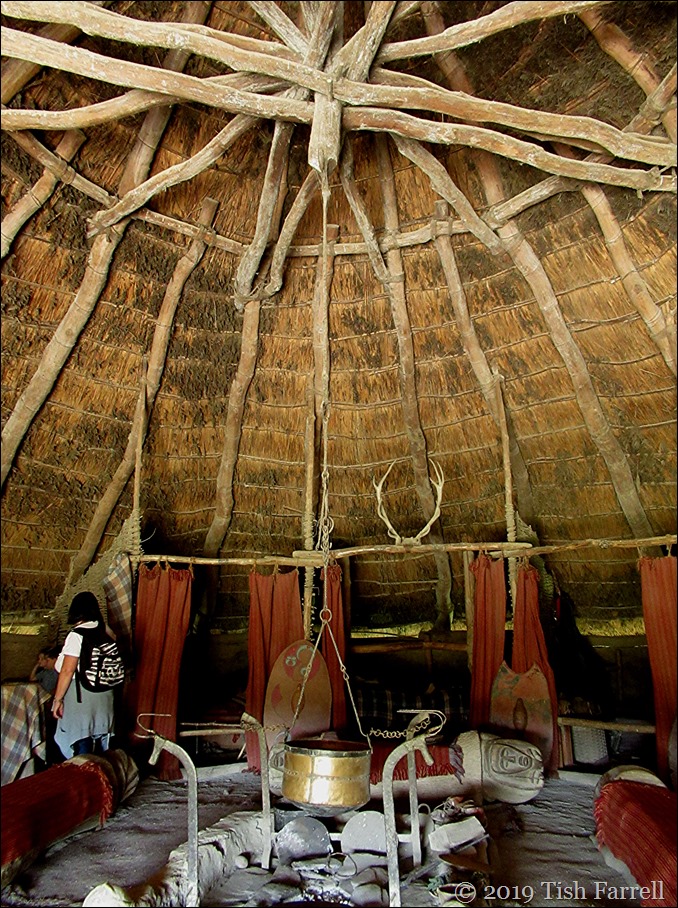
The main frame of the houses (20-30 feet in diameter) comprises some pretty heavy duty posts, the roof thatched with grasses laid on cross laths. There is no chimney, but the smoke from the central cooking hearth would have risen through the rafters and helped to seal the thatch. It would have been pretty fumy, but also draughty too with a wide gated entrance.
IMG_4871

IMG_4872

*

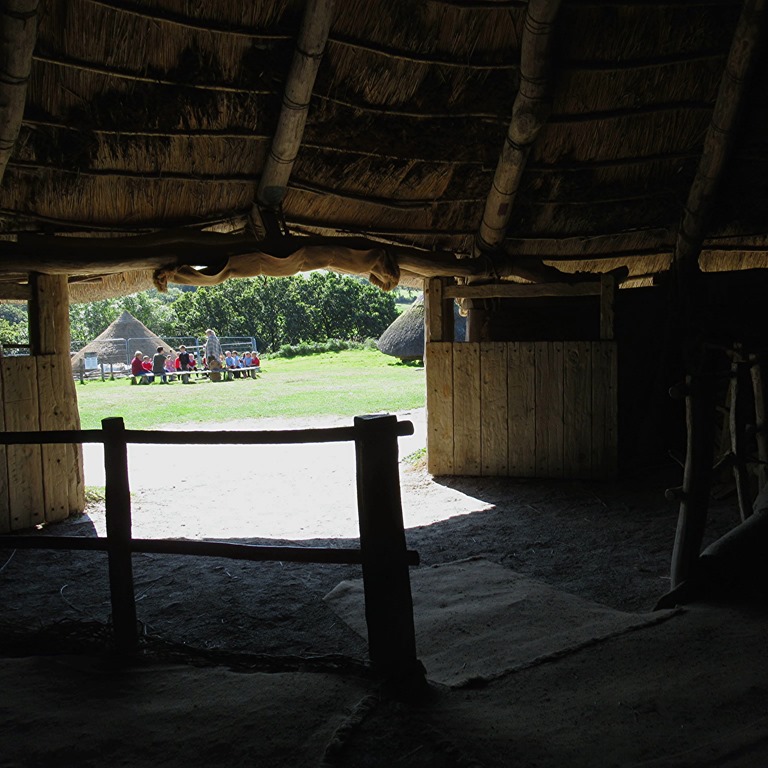
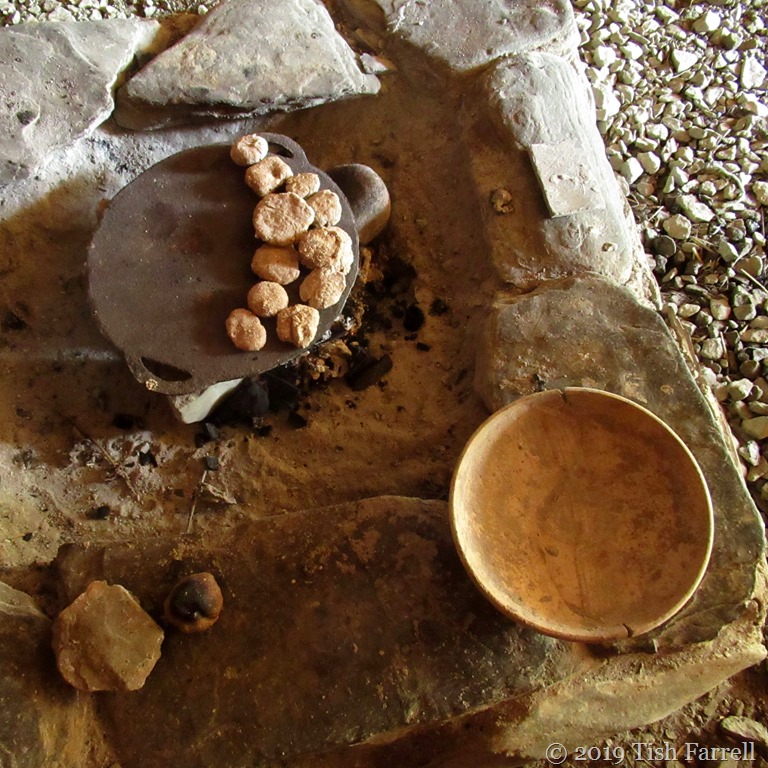
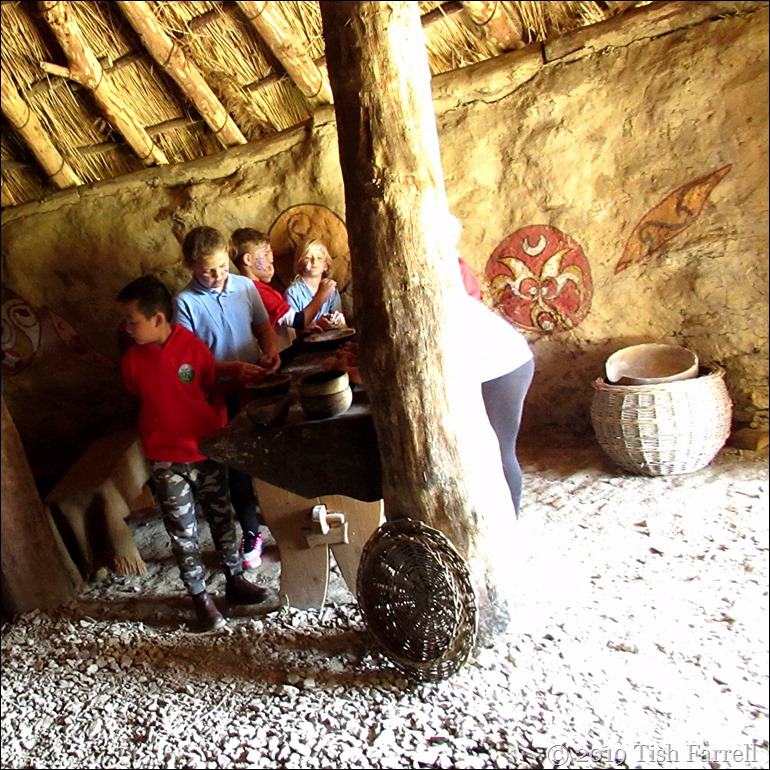
As you can see, the houses were spacious inside, probably catering for one family unit while the settlement as a whole would be made up of extended family members. The primary school children were having a fine time learning domestic skills.
IMG_4880

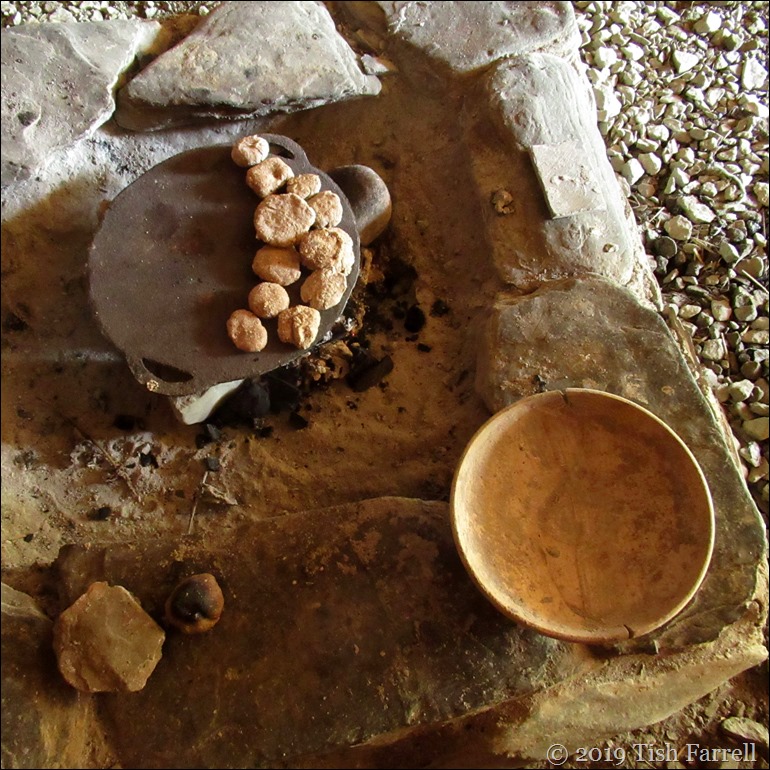
Iron Age cookery lesson.

IMG_4879

IMG_4883

The Granary

*

IMG_4899

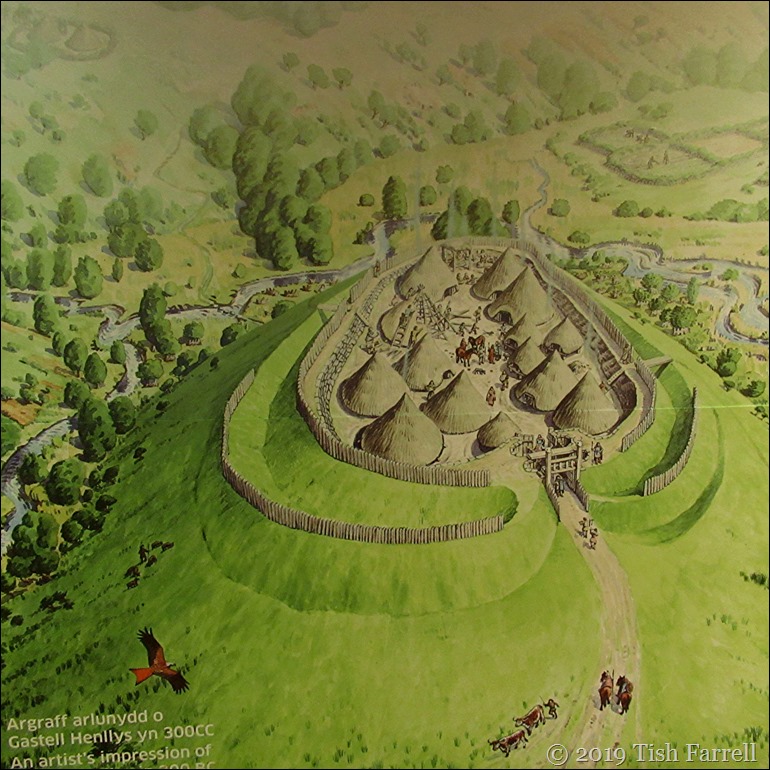
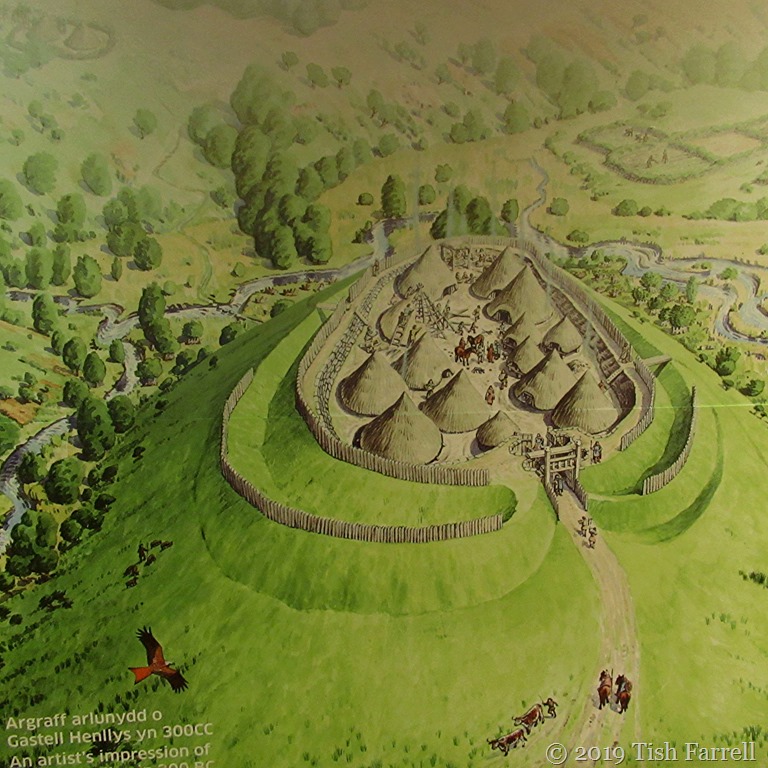
Artist’s impression: Castell Henllys in around 300 BCE

*

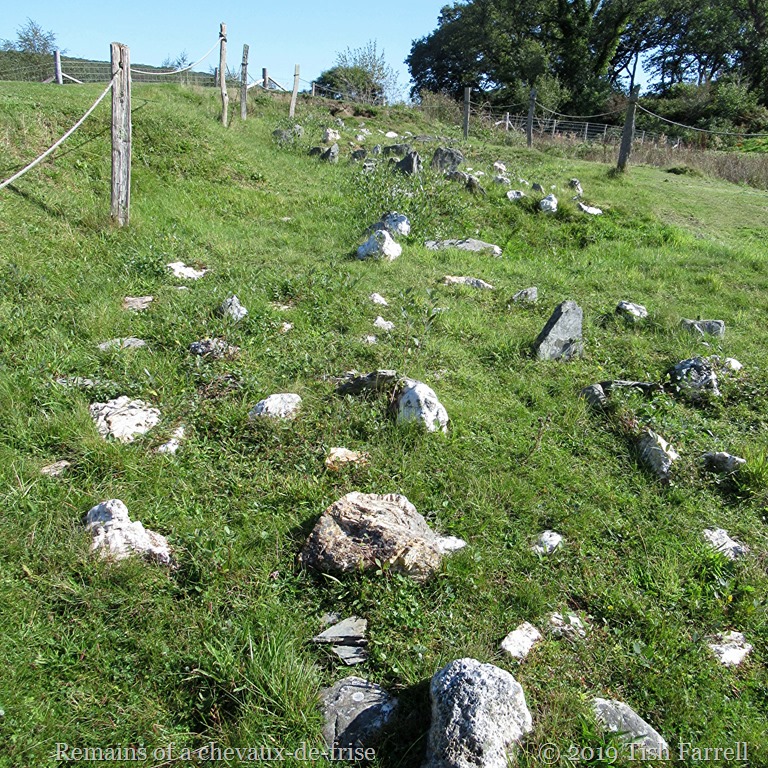
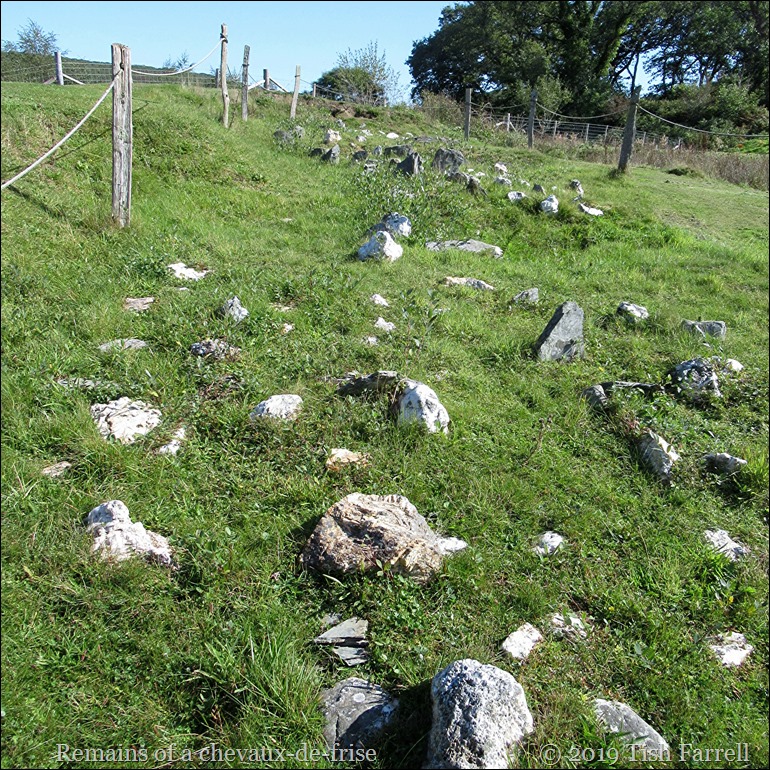
The fortifications around the houses certainly suggest their inhabitants were well prepared for marauding invaders. Archaeologists uncovered an unusual feature in the outermost line of defence – a ‘cheveaux-de-frise’ – a formation of embedded rocks placed to stop chariots in their tracks, and within sling-shot range. And to go with it, a large hoard of slingshots was also discovered, placed in readiness behind the rampart. Both finds are more commonly known from European and Irish sites.
IMG_4864

And what happened here after the Romans invaded? It seems the people adapted. Just north of the hillfort there are remains of a Romano-British farmstead. Life goes on then, but not always as we expect it to.

copyright 2019 Tish Farrell

Related: https://tishfarrell.com/2013/06/18/the-great-earthly-curves-mystery-what-when-and-why/

Line Squares #18

Atmospheric Lines

IMG_4361

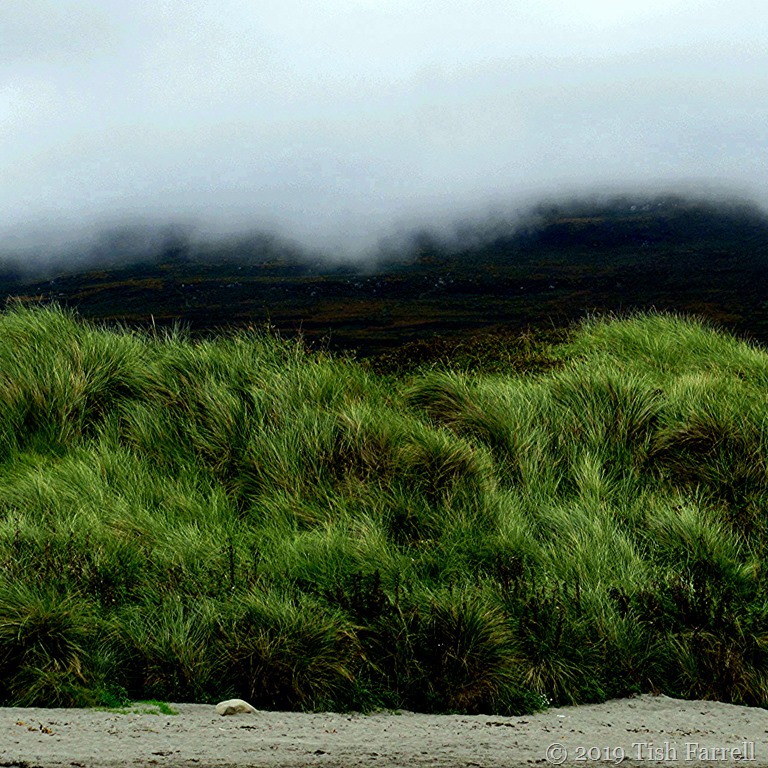
Mist, mountain, dune grass, sand – with a touch more abstraction it might have the makings of a seaside Rothko. Artworks apart though, it wasn’t a very promising start to our short  break in Newport. A Monday morning feeling made manifest by land, sky and sea.

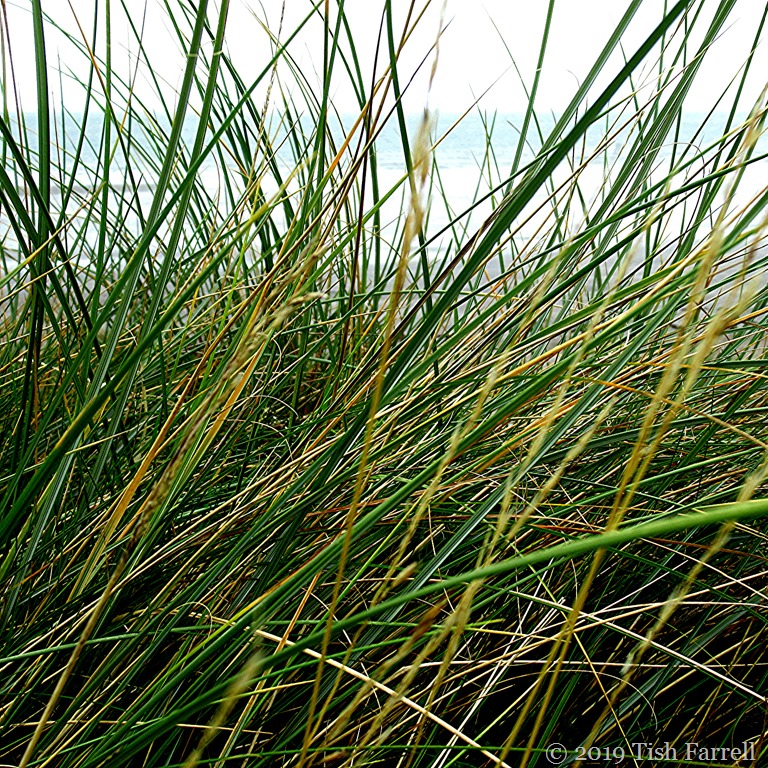
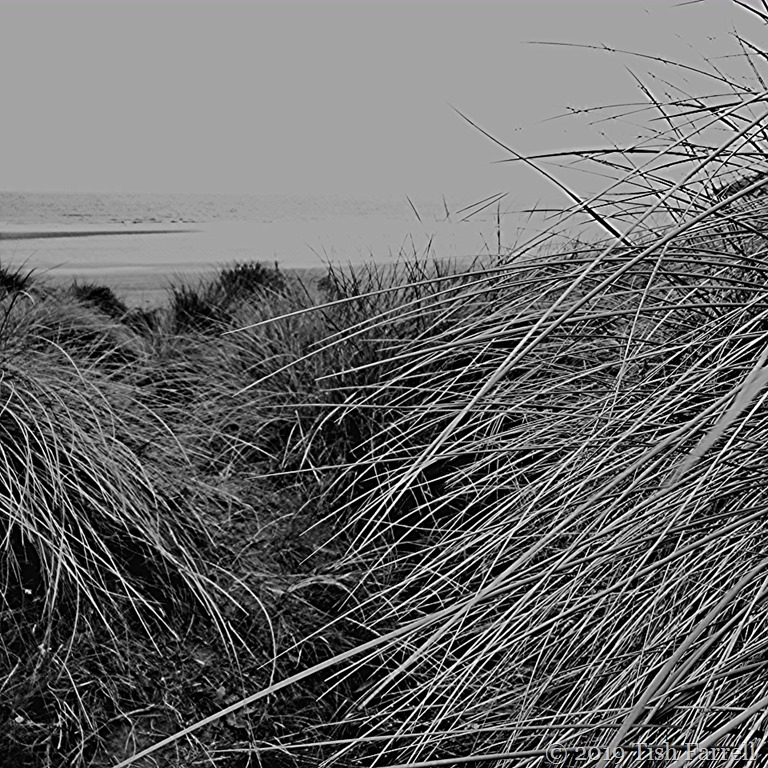
But there again if you have taken the trouble to get yourself to the beach in the face of unpromising conditions, and have the trusty little camera to hand, there’s usually something to spot. So I had a happy half hour scrambling around in misty sand dunes. And the camera enjoyed itself too, taking some of the below on its own mysterious potluck settings. Carpe diem and all that.

IMG_4368
IMG_4371

IMG_4379

IMG_4373

Line Squares #15

* Latin tag: ‘seize the day’

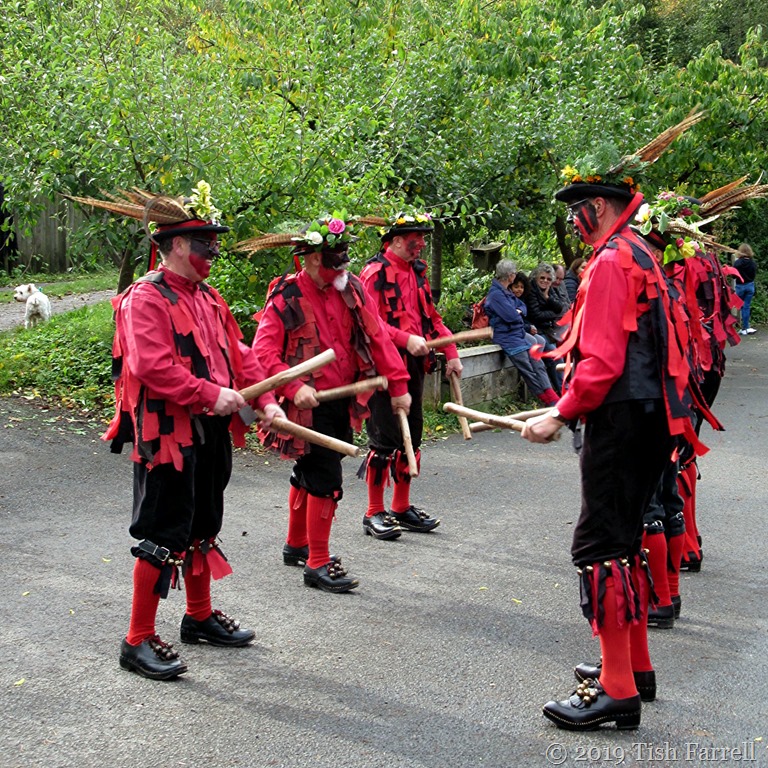
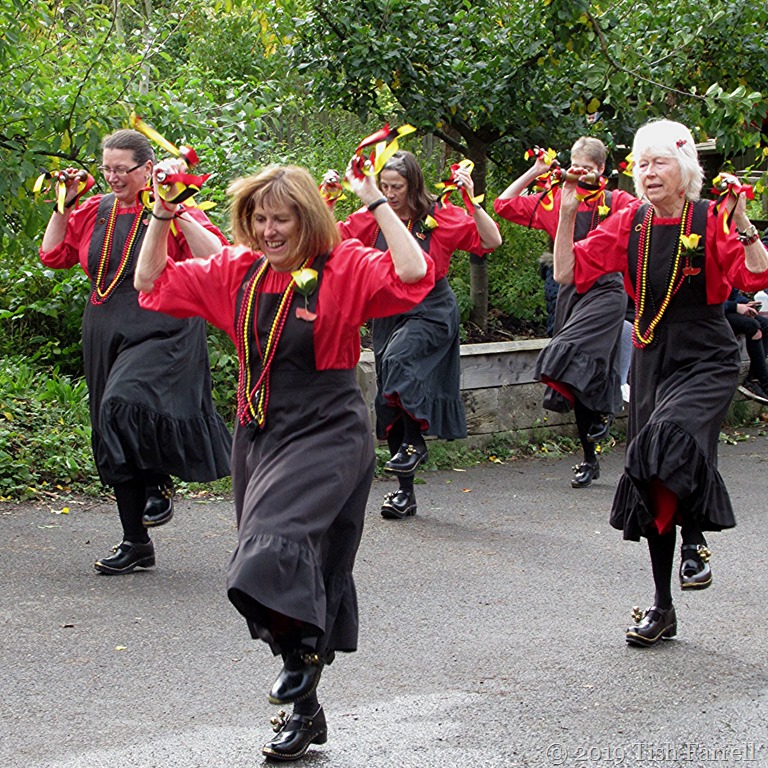
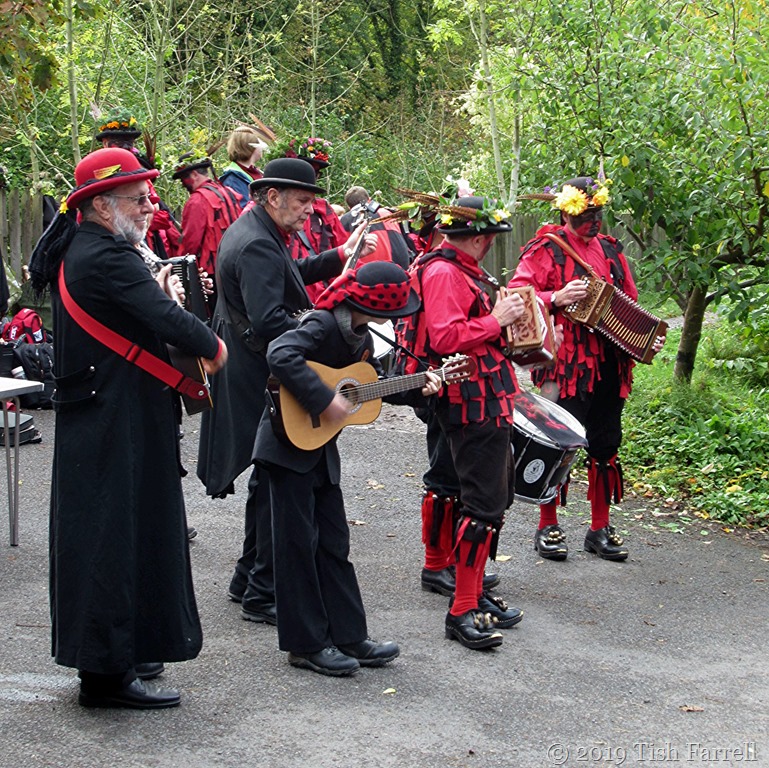
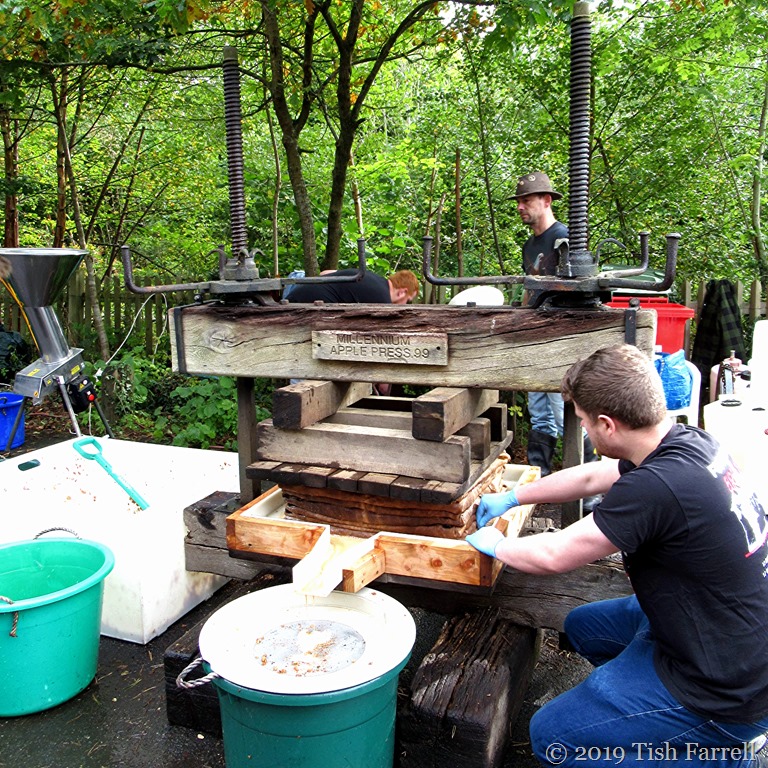
Sticks, Clogs, Ribbons And Bells ~ Yesterday Was A Big Hurrah For Apples At Coalbrookdale’s Greenwood Trust

IMG_5179

The Ironmen lining up.

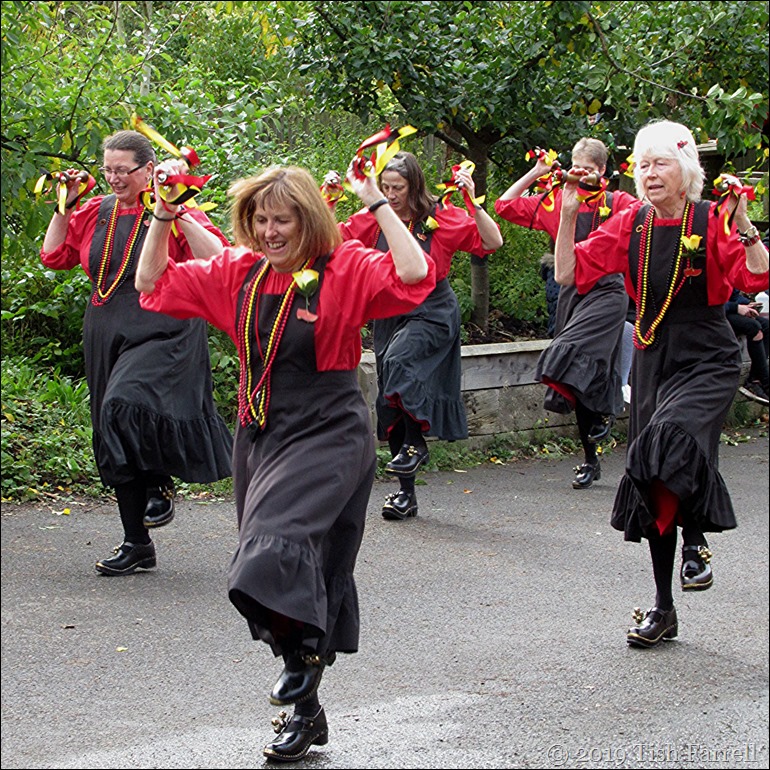
And the Severn Gilders Morris doing their stuff:

IMG_5172

While the band played:

IMG_5170

And apples were pressed:

IMG_5183

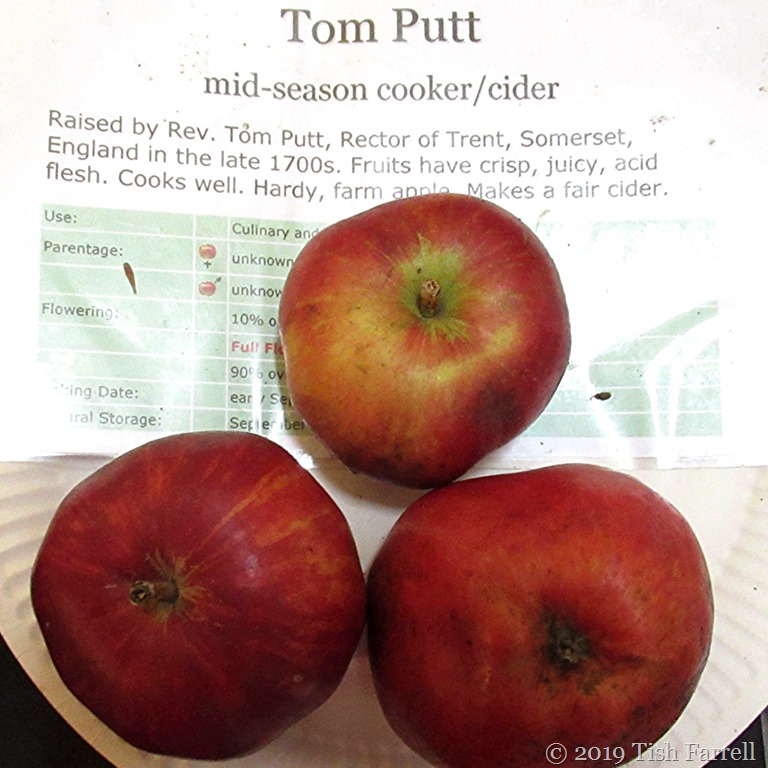
And unusual varieties identified:

IMG_5175

And home-made cakes and roast pork buns scoffed, stories told, local makers’ wares displayed, and all matters relating to trees and woodland widely shared, and then bottles of fresh-pressed juice to take home…

IMG_5196

And all in celebration of the apple whose magnificent variety and native seasonal range has been much undermined since the advent of supermarkets which managed to reduce a possible choice of 750 cultivars to half a dozen. But things are changing. Old apple trees are being rediscovered and nurtured, and orchards replanted. Nor could there be a better time to be planting them. Trees absorb carbon and we need to plant three trillion fairly fast. Apart from which, there is much to be said for the old saying: an apple a day keeps the doctor away.

Line Squares #13

Squarely Filling The Frame In Townsend Meadow

IMG_4135

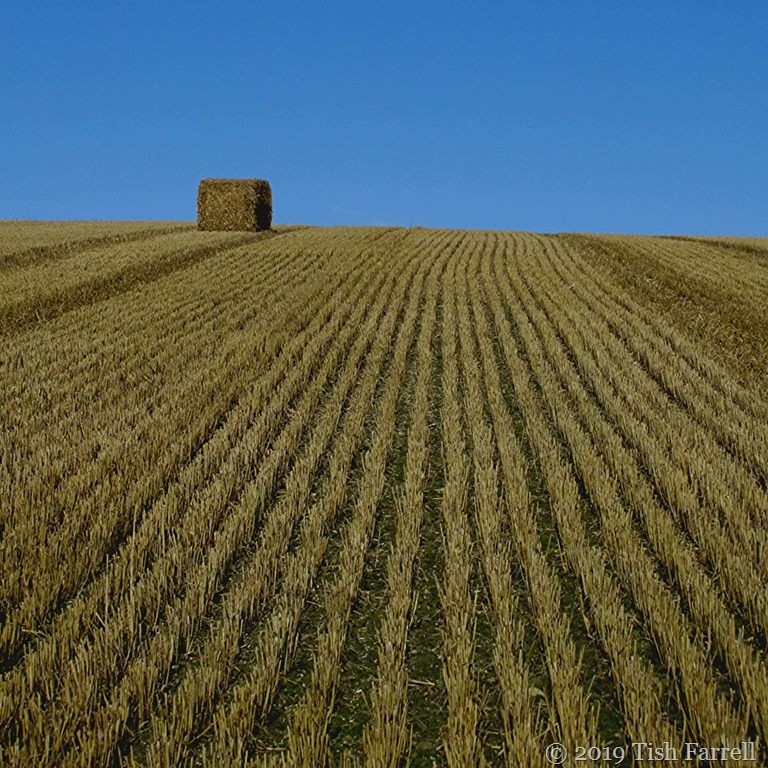
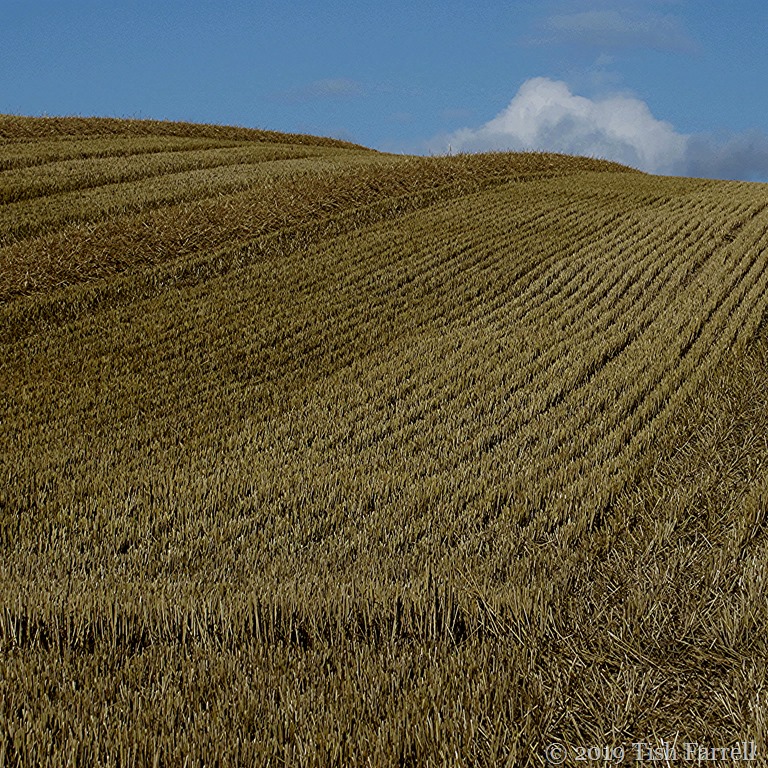
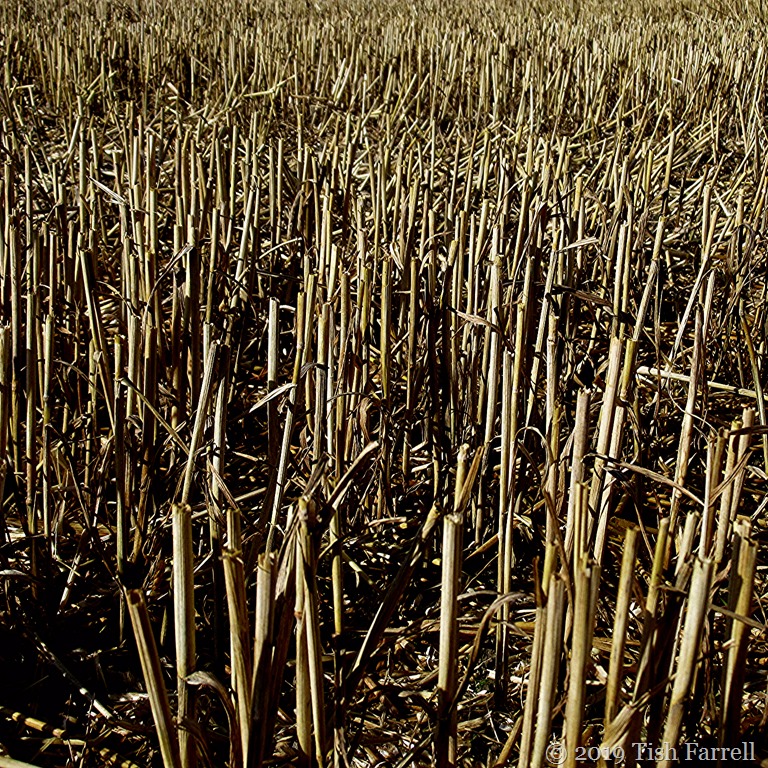
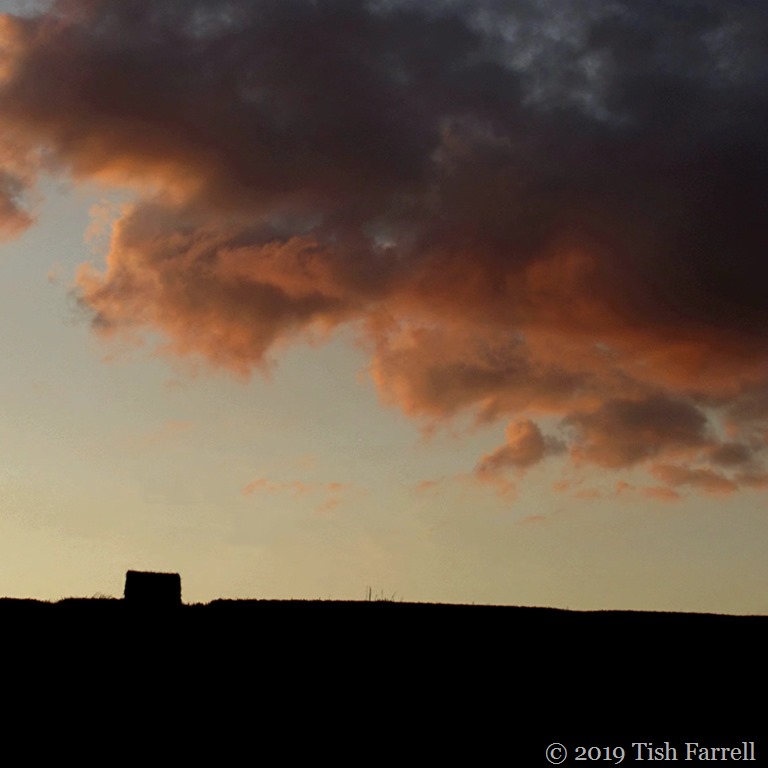
Today by way of an intermission from Two Go Pottering About In Pembroke, I’m back on home ground here – the field behind our house just after the wheat was cut in early September. It’s nice to recall the glorious sunshine too (since we returned from Wales it has been wet, wet, wet, the country locked inside jet stream weather effects). Also I thought I’d combine Becky’s line squares with Patti’s challenge to fill the frame. So here goes: bales, stubble, light and shadow, false horizons, landscapes and cloudscapes, textures and colour blocks. And lots of stalks.

IMG_3978

IMG_3969b

IMG_3963

IMG_3992

Lens-Artists ~ Filling the Frame

Line Squares #11

More Ancestral Lines ~ Carreg Coetan Burial Chamber

IMG_4335

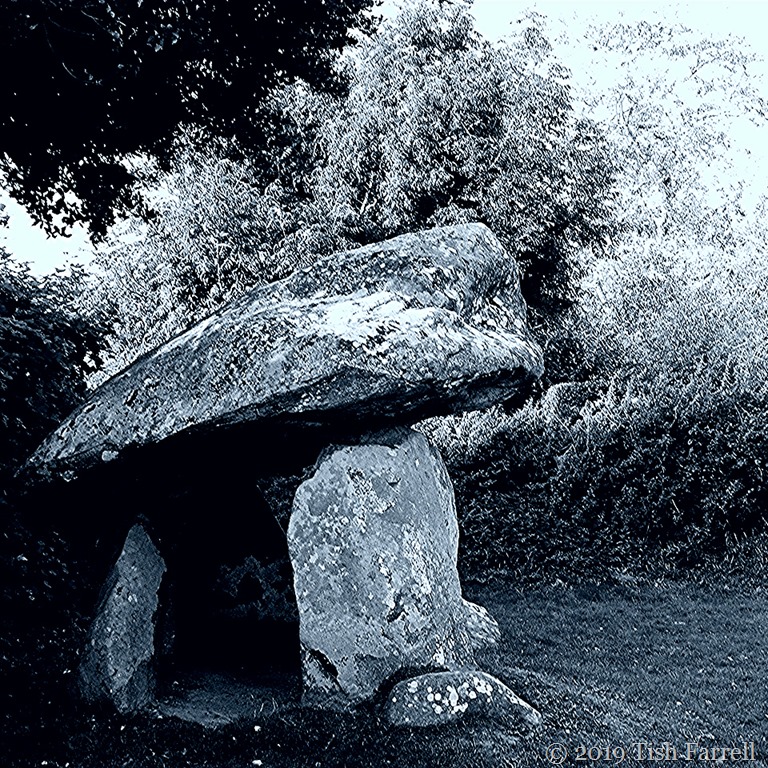
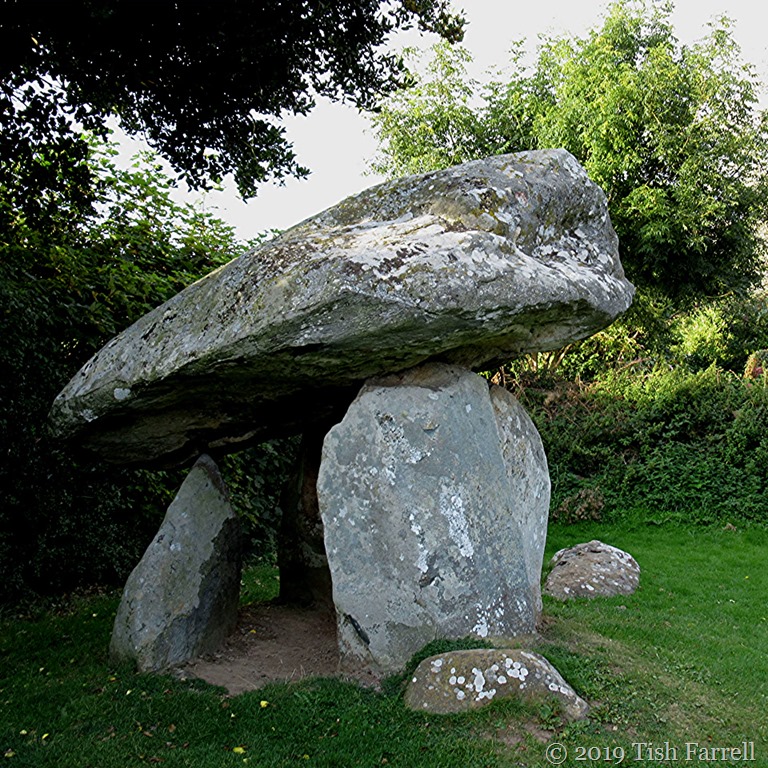
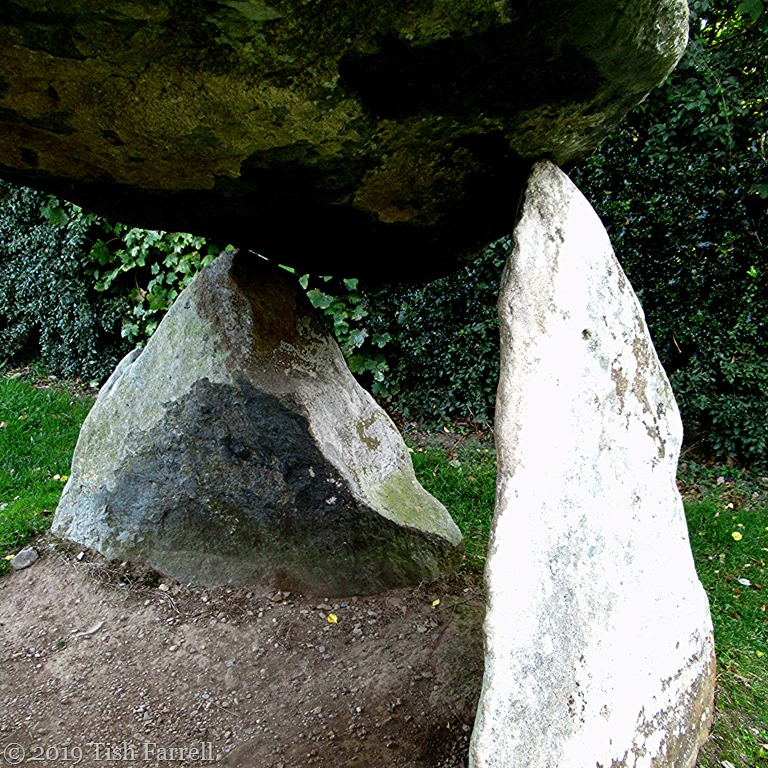
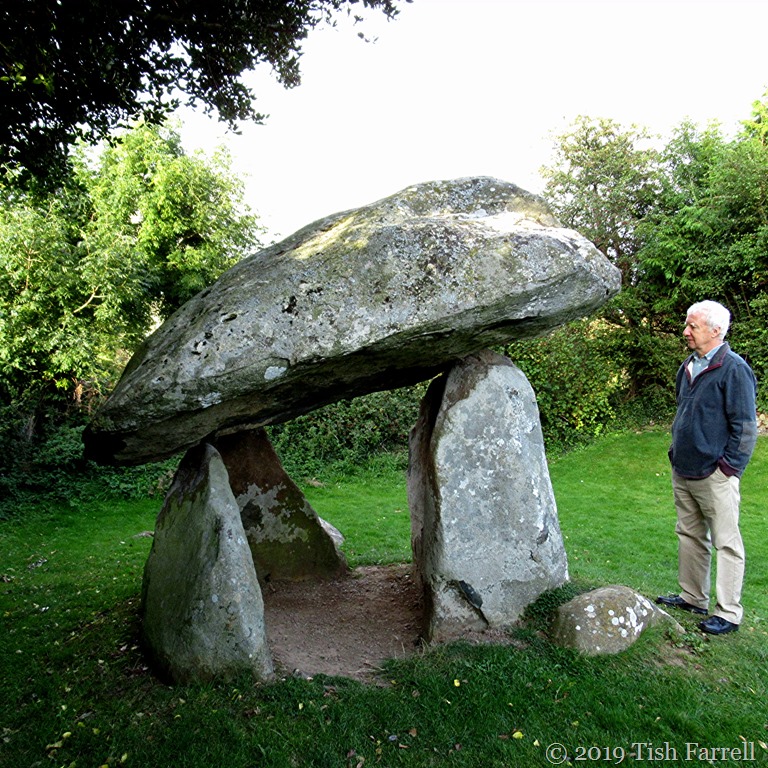
The remaining stones of this ancient burial chamber sit in their own grassy sanctuary amid a little enclave of holiday bungalows in Newport. The Cadw noticeboard (the official Welsh heritage service that cares for such monuments) says it was built around 6,000 years ago. Long ago excavations inside the tomb uncovered cremated bone, stone tools and pottery belonging to the Neolithic period. These days the huge capstone balances on only two of the four upright stones. Once, too, the whole structure would have been covered  by a mound of earth as at Pentre Ifan.

IMG_4337

IMG_4339

Carreg Coetan is one of several similar tombs along the River Nevern valley, all lying in sight of the craggy top of Carn Ingli mountain. That it survives now so well embraced by 21st century domesticity is either heartening or incongruous depending on your view. I rather like it. It reminded me of Brittany and coming upon a similar burial chamber that had been incorporated into the structure of a farmyard shed, the capstone providing a substantial door lintel, and elsewhere a long barrow whose gallery served as the crypt for a village church built in medieval times. It could anyway be timely to tap into some ancestral thinking. I feel they might tell us to review our values and pdq.

IMG_2967


Line Squares #10