This Was May, But Is It Spring?

IMG_3313

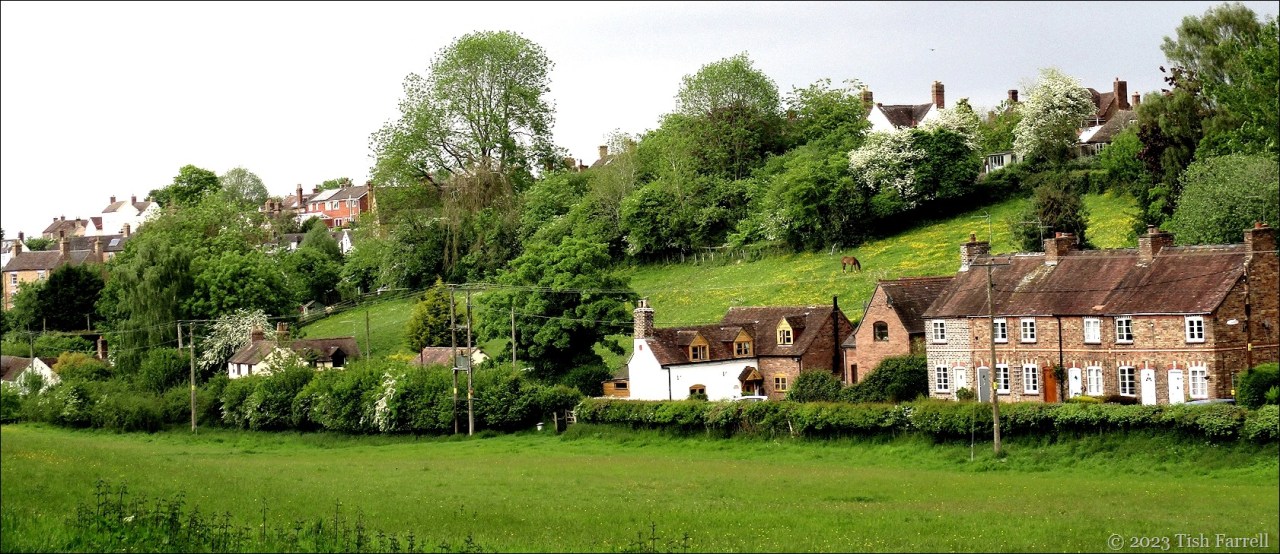
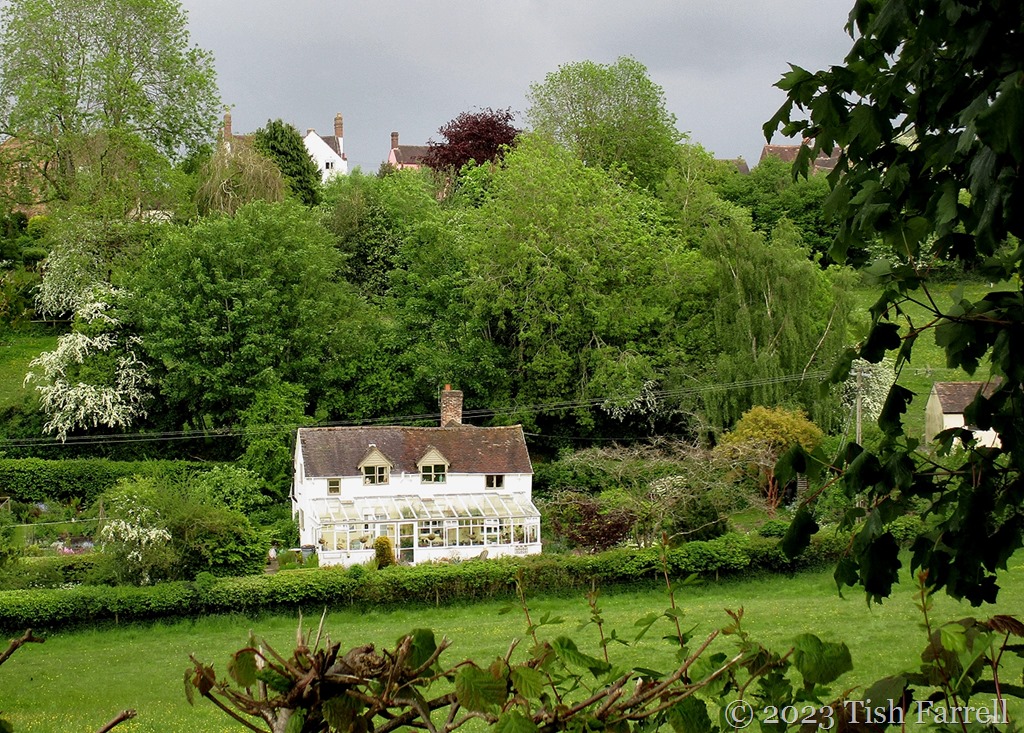
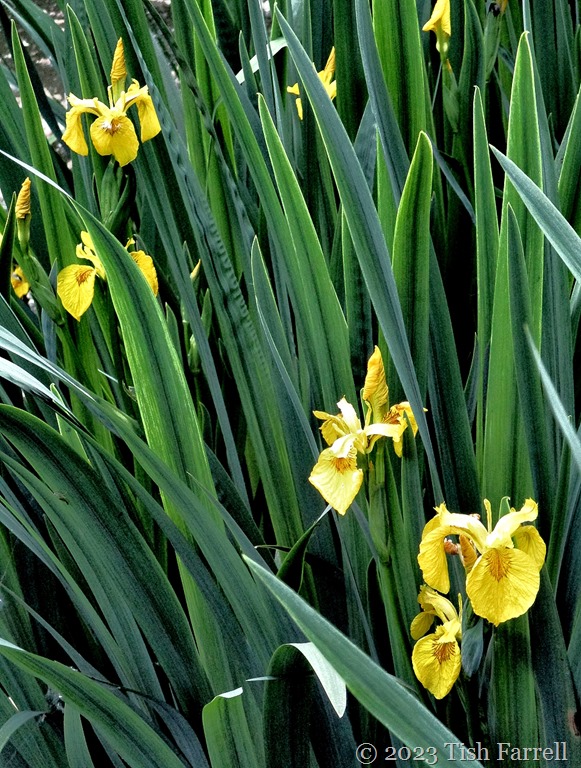
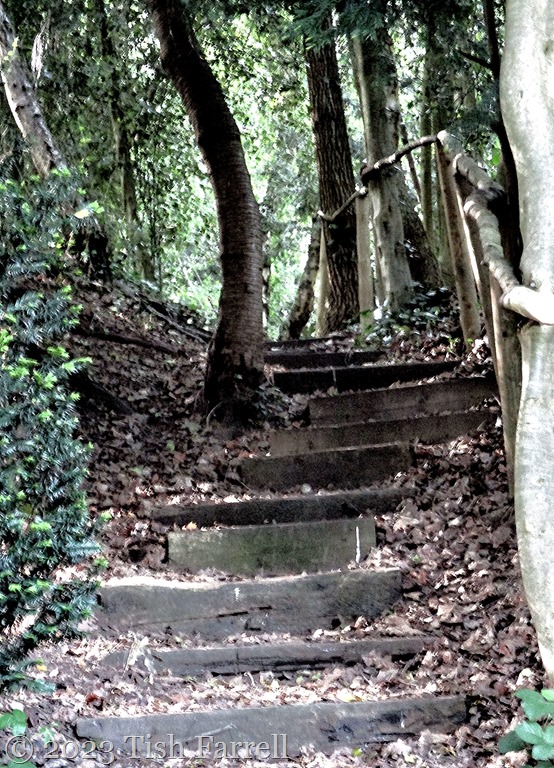
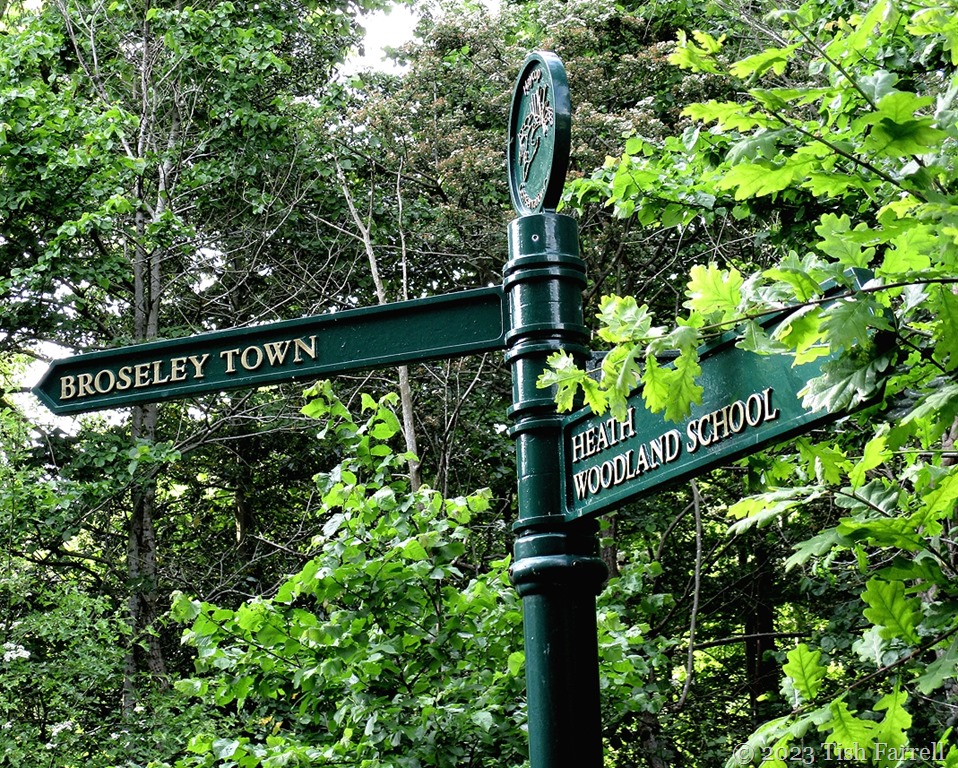
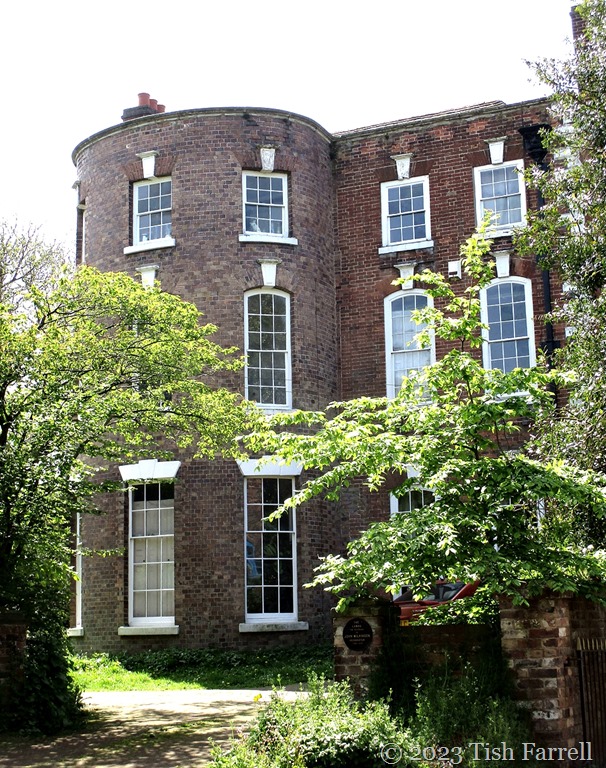
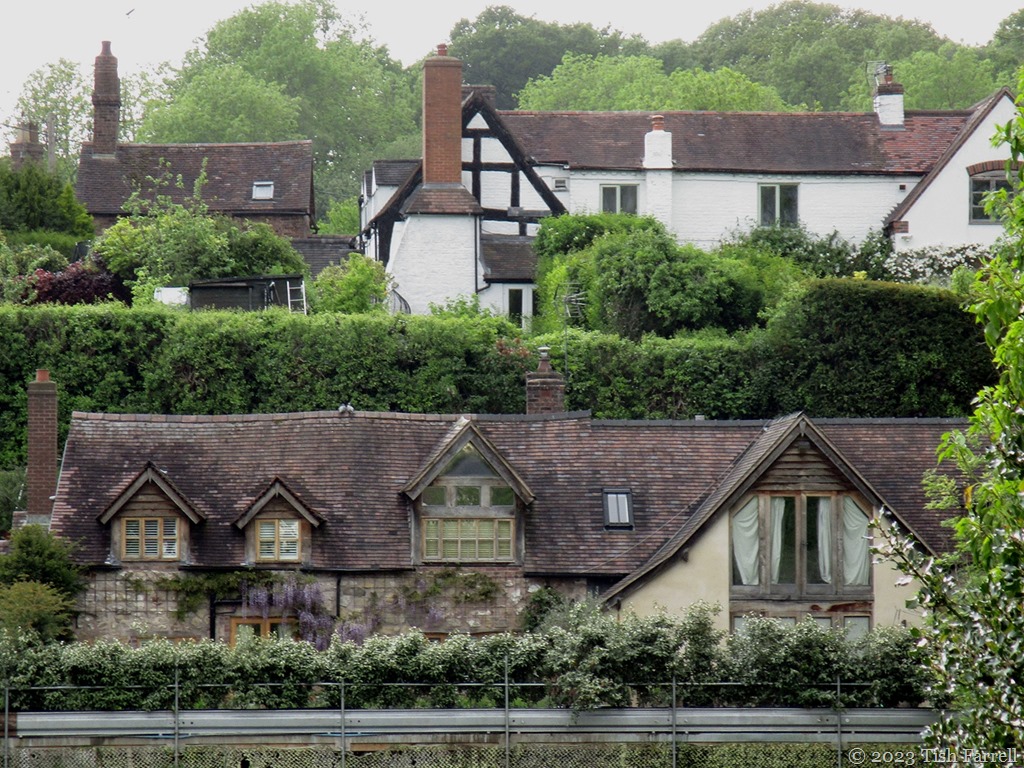
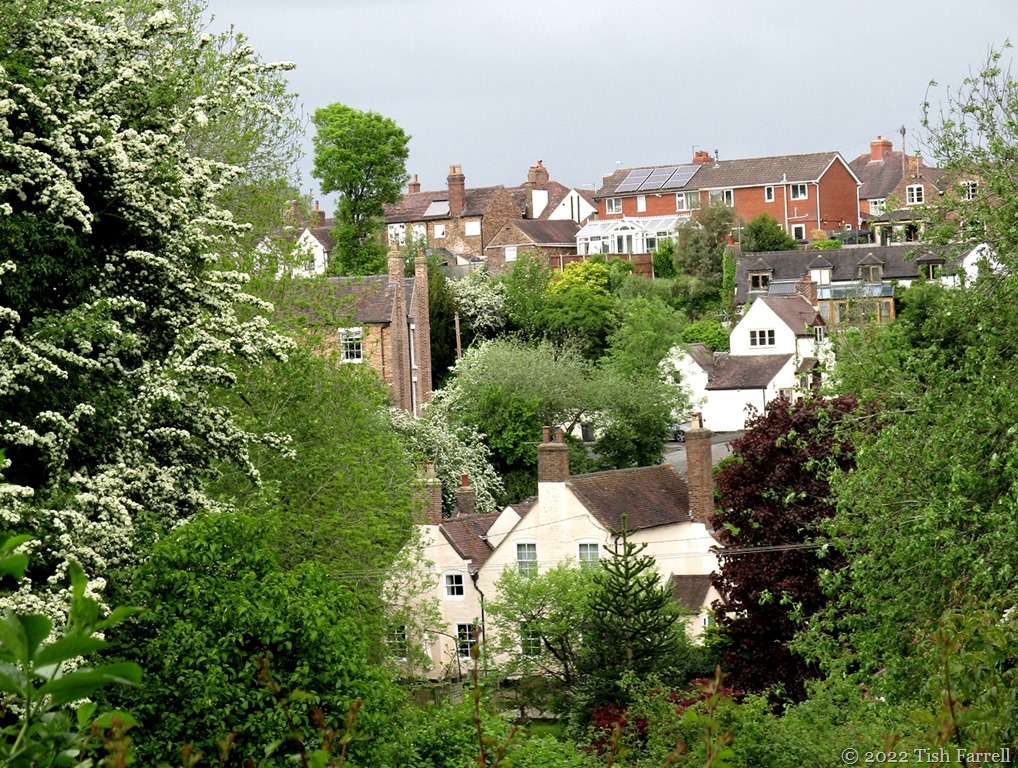
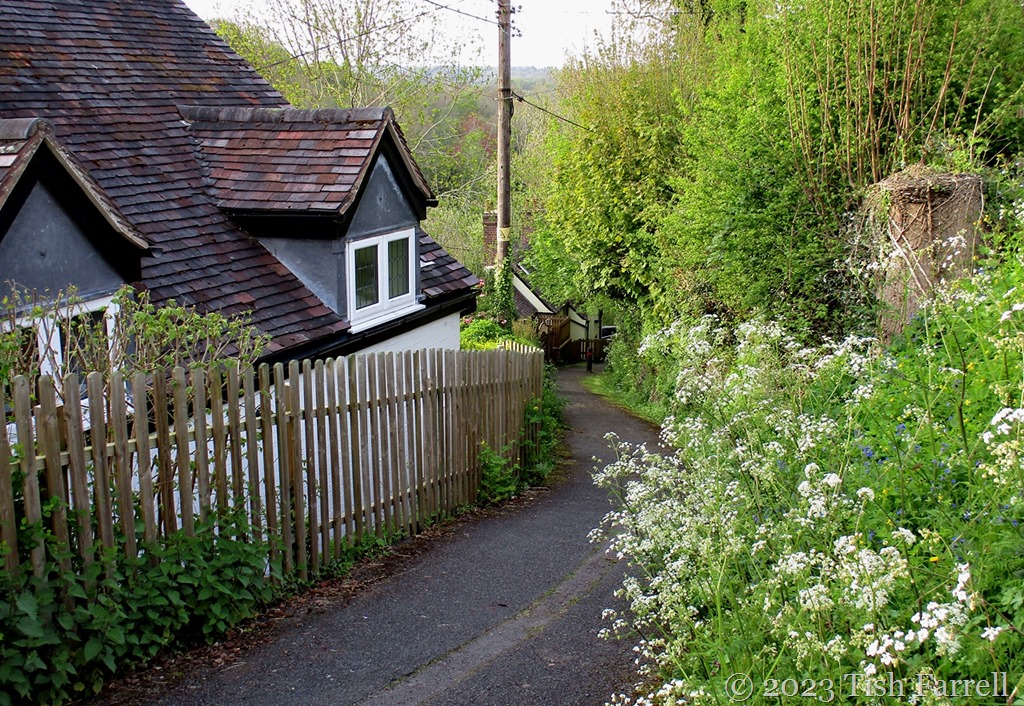
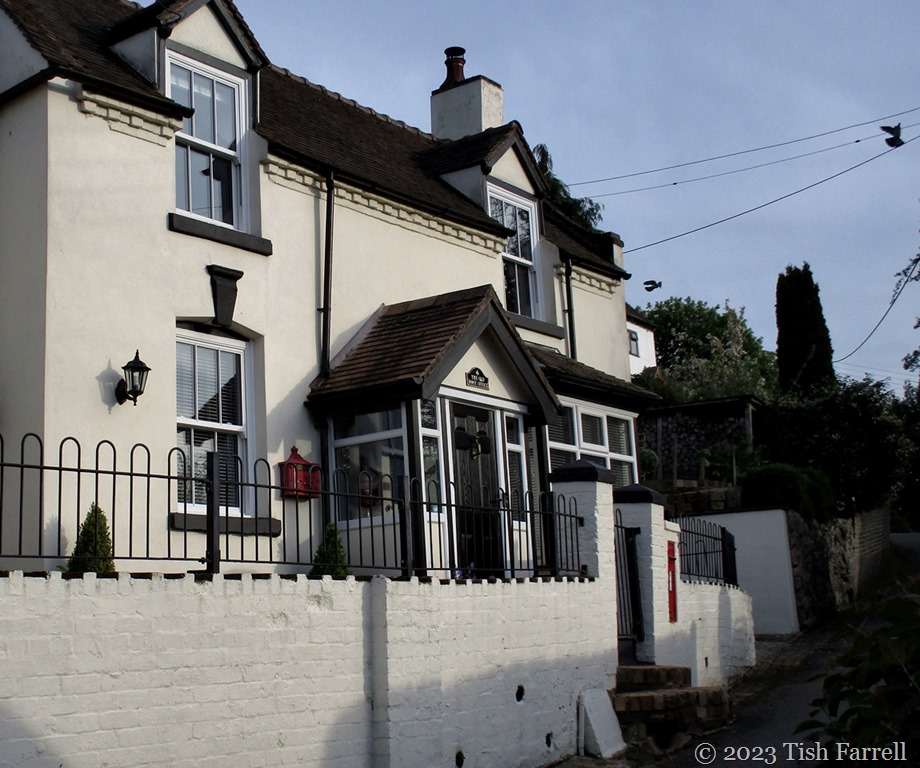
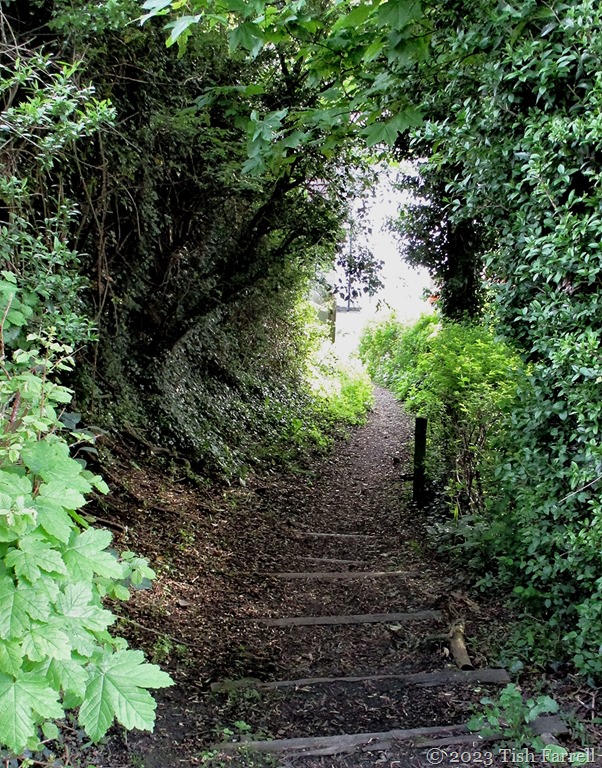
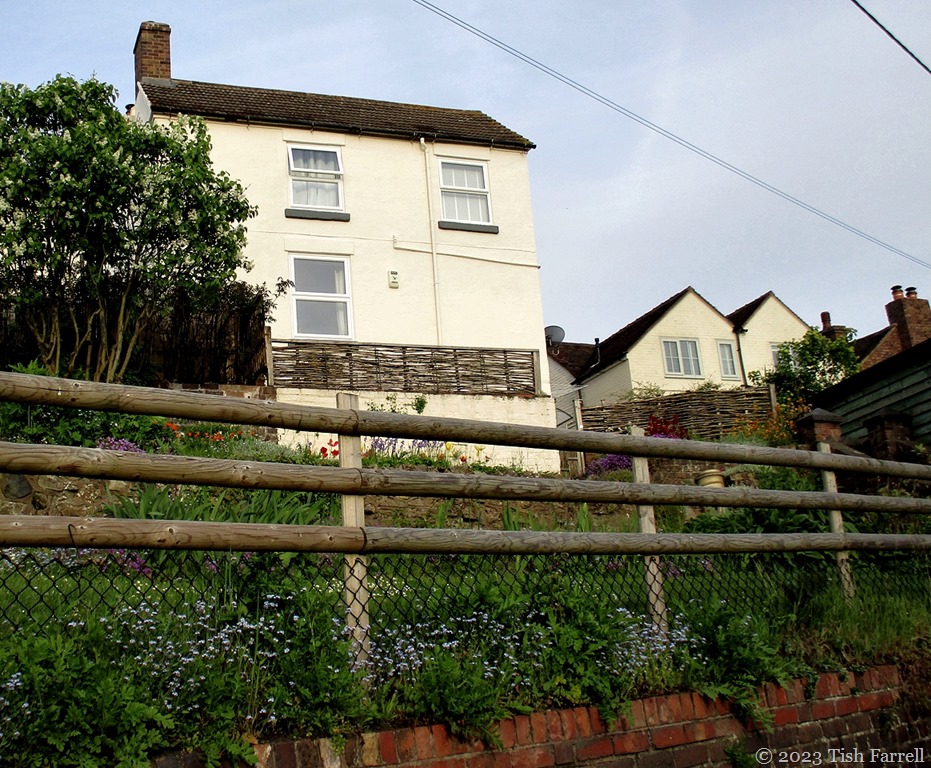
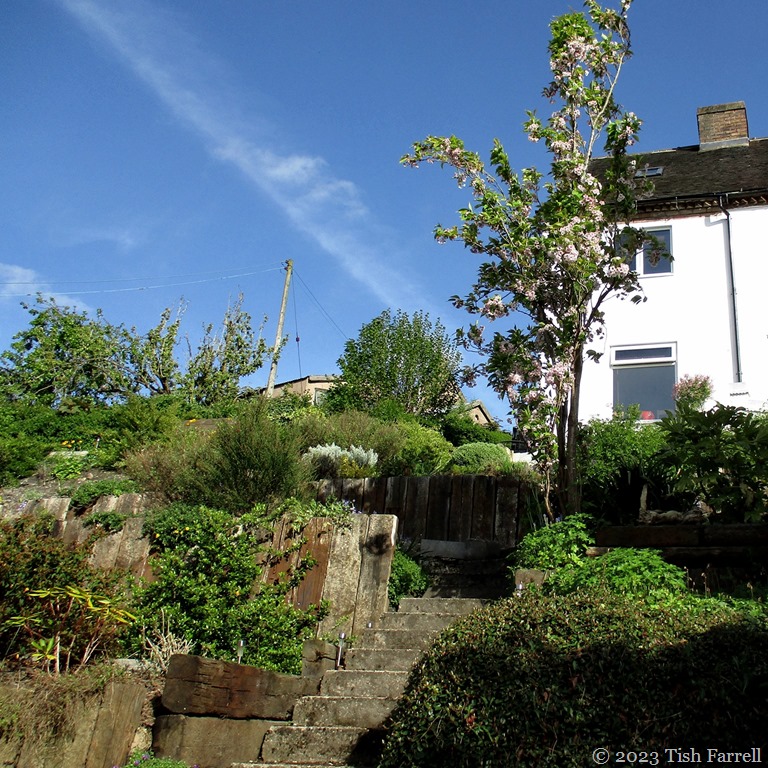
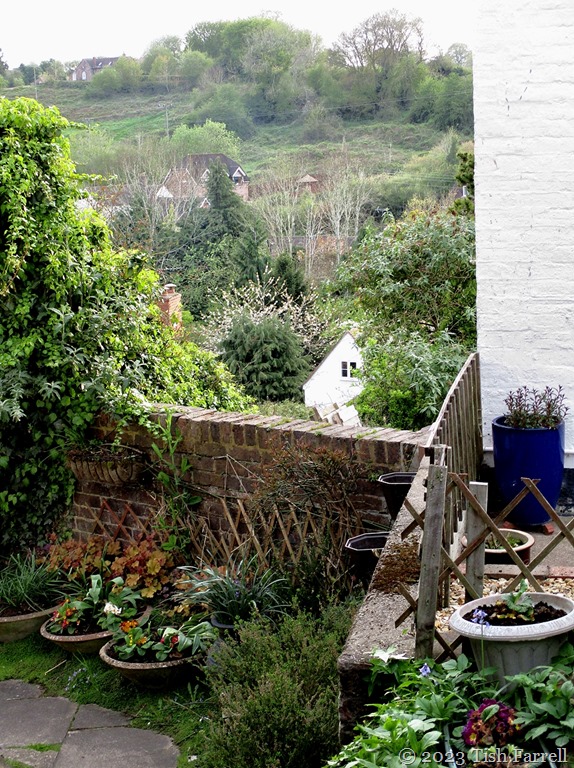
It certainly looked like spring as we pursued our May explorations of Broseley’s lanes and jitties – but then looks can deceive. The trees in these photos may be bursting with greenery, the hawthorns hanging in blossom, and the cottage gardens bright with late spring flowers: Welsh poppies, columbines, clematis and wisteria, but this past month has been COLD. Even on the sunniest days we have had winds that feel as if they have just blown over an ice field. In fact, come the first of June, we switched the central heating back on for a spell.

Still, we’ve not let draughty climes stop our walks. We’ve made some special finds too, in particular the Haycop Nature Reserve, a wooded ridge a short walk from the High Street. It was once a coal mine (1760-1860), the coal extracted from it coked and used for firing two nearby blast furnaces. Later it was used to fire local brick kilns.

The mine shafts were capped in the 1970s and the ground reverted to grazing land. Then in 2007, the Haycop Conservation Group began restoring the natural habitat, including the pond that had once been the holding pool for pithead winding gear. This week when we visited the flags were definitely ‘flying’:

IMG_3370 cr1

IMG_3369cr

IMG_3363

*

The 9-acre site is a warren of trails through mature woodland, meadow and heath, the main paths smartly sign-posted at intervals, and provided with information boards highlighting the local wildlife, including several varieties of butterflies, moths and dragonflies and some 58 bird species, among them sparrowhawks and nuthatches. From the top of the ridge there is a fine view of the parish church, All Saints, built in 1745 and an excellent example of the perpendicular:

IMG_3383

IMG_3378

IMG_3385

IMG_3381

*

Looking at these views now, it’s hard to envisage Broseley in its industrial heyday (17th to early 19th century), the fumes from steam engines, furnaces, kilns and coking ovens, the clatter of waggons on the network of wooden railways, the carts pushed by humans, hauling coal, bricks and iron through the town to the River Severn.

One of Broseley’s famous industrialist residents was John ‘Iron Mad’ Wilkinson, who pioneered the use of cast iron, including the first iron boat, and the accurate boring of cannon. By way of thwarting any attempts of industrial espionage, his two furnace sites were in secluded spots just outside Broseley at Willey, on land owned by the lord of the manor. From 1763 he lived in the town, not far from the church, leasing a rather grand house called ‘The Lawns’. Nearby was a building wherein he operated a mint, producing his own token currency, a common practice among ironmasters to keep their workforce in thrall.

IMG_3268

The Lawns was first leased by John Wilkinson in 1763. Later it was the home of porcelain manufacturer, John Rose, who founded the nearby Coalport China Works

*

IMG_3271

John Wilkinson’s mint, next door to The Lawns.

*

IMG_3321

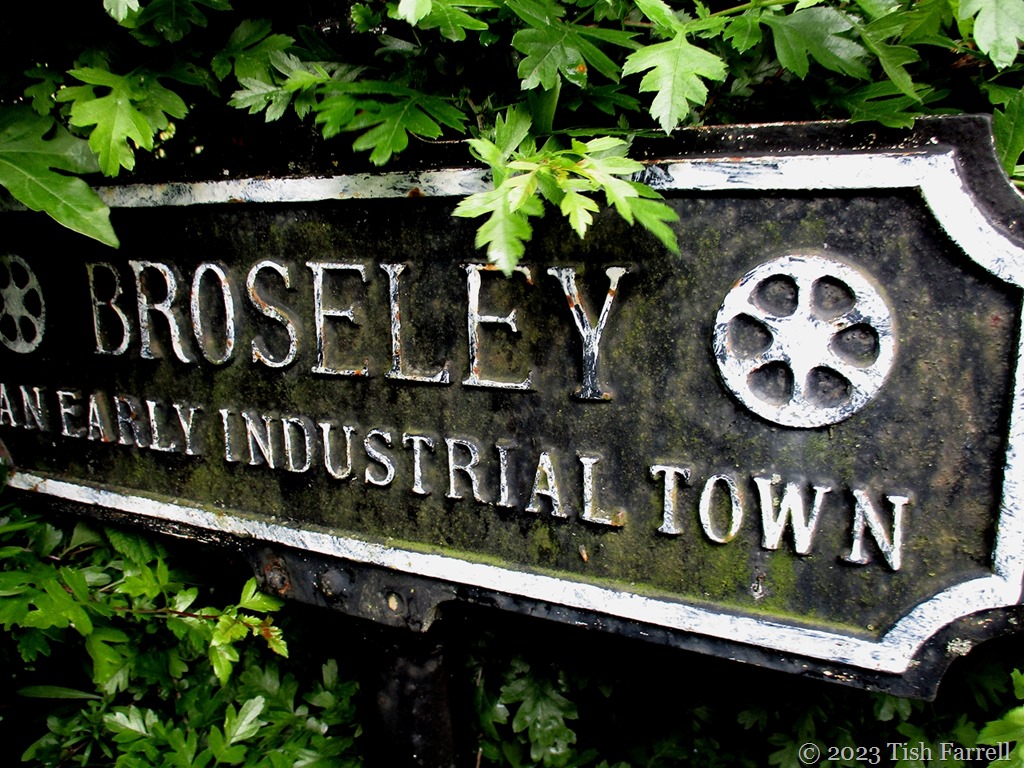
This town boundary sign takes a bit of spotting; the hawthorn hedge is definitely winning.

*

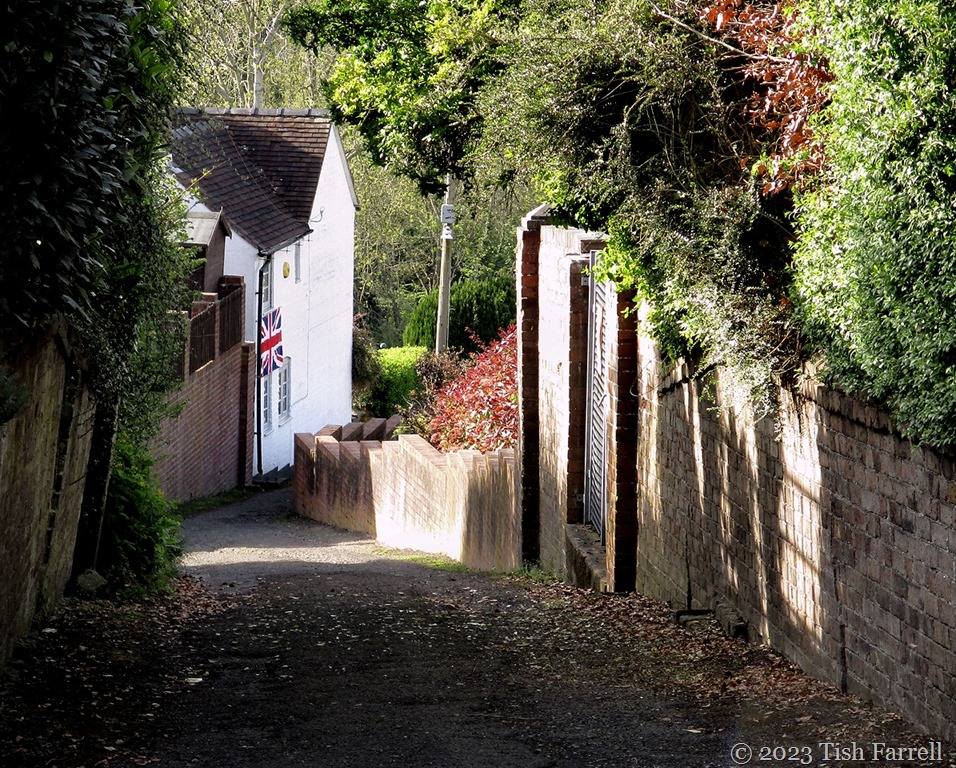
And now for a few ‘hanging’ roofscapes in and around the Broseley Wood jitties:

IMG_3283

IMG_3312

IMG_3320

Speeds Lane – John Wilkinson’s personal railway apparently ran down here to the River Severn – the waggons loaded with iron from his Willey Furnaces

*

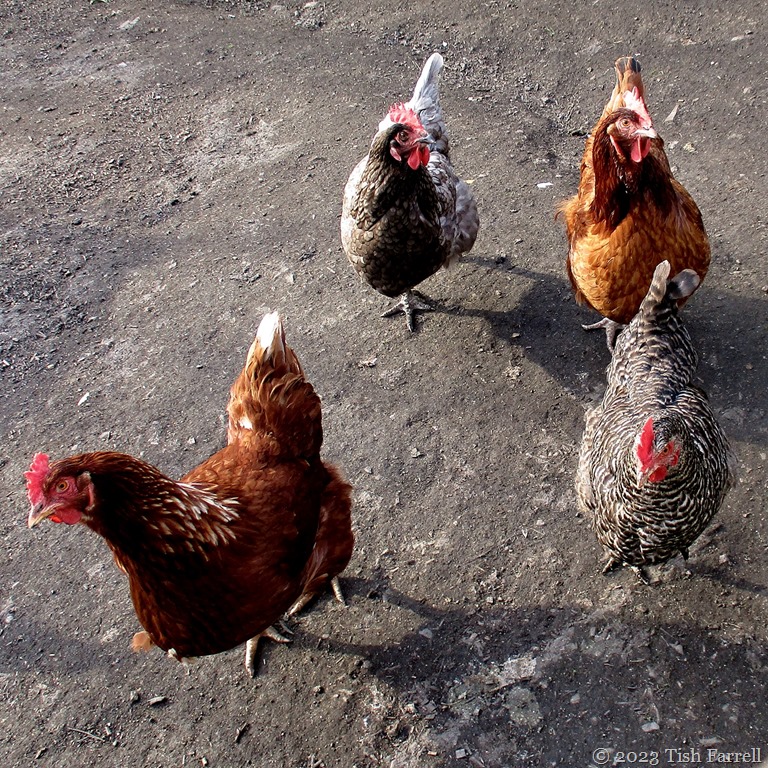
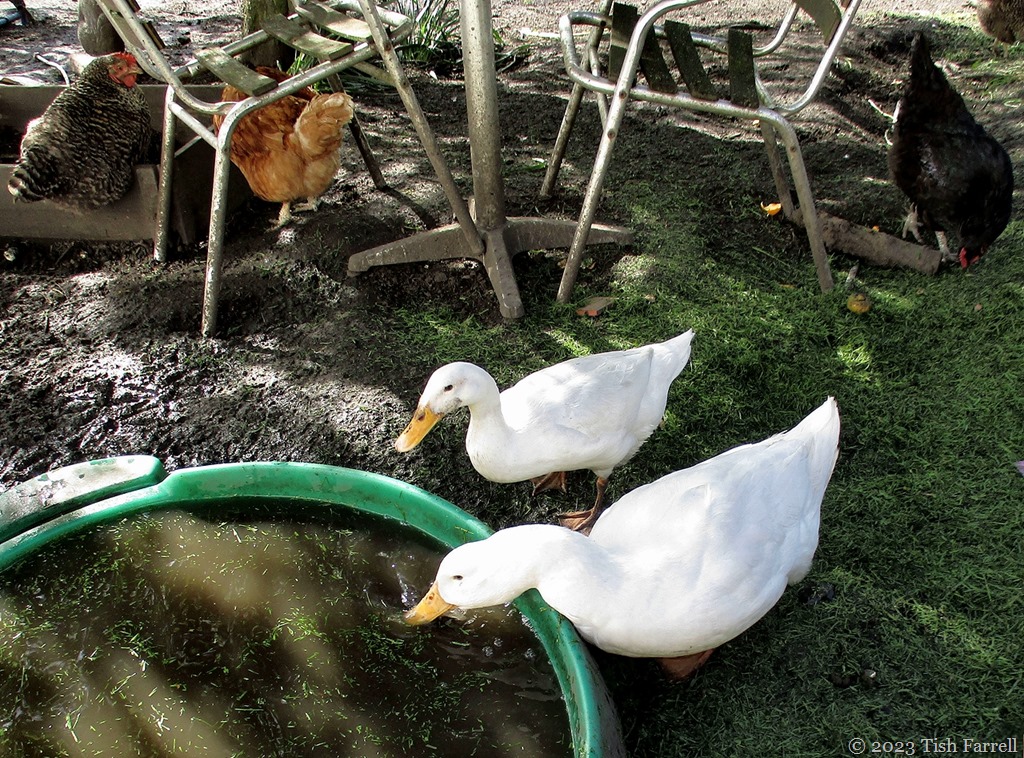
And to finish – another visit to the Quarry Road duck and hen ‘farm’:

IMG_3395

The Changing Seasons: May 2023

Kindly hosted by Brian and Ju-Lyn. Please go and see May in their respective home territories – Australia and Singapore.

Sky Views Over Townsend Meadow

lens P1050990

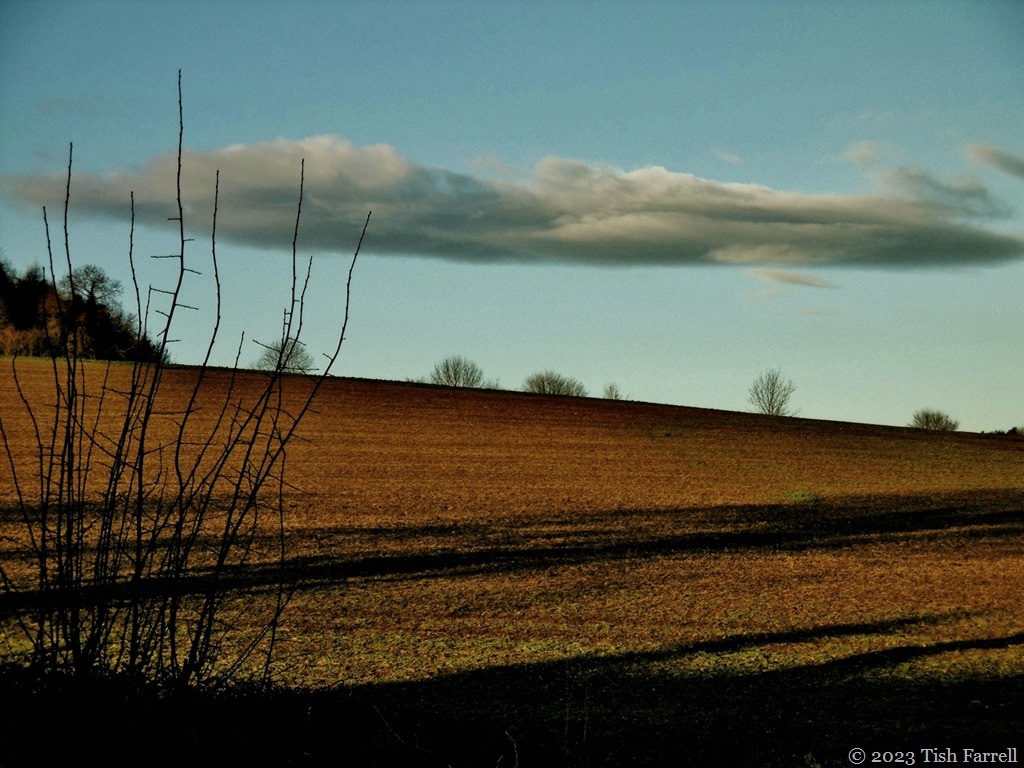
I do miss the ever changing sky-show over the field behind our Wenlock cottage, the weather and cloud effects heightened by a false horizon created by the crest of Wenlock Edge and the way the ground there falls steeply through some thousand feet of hanging woods to farmland and the North Shropshire plain.

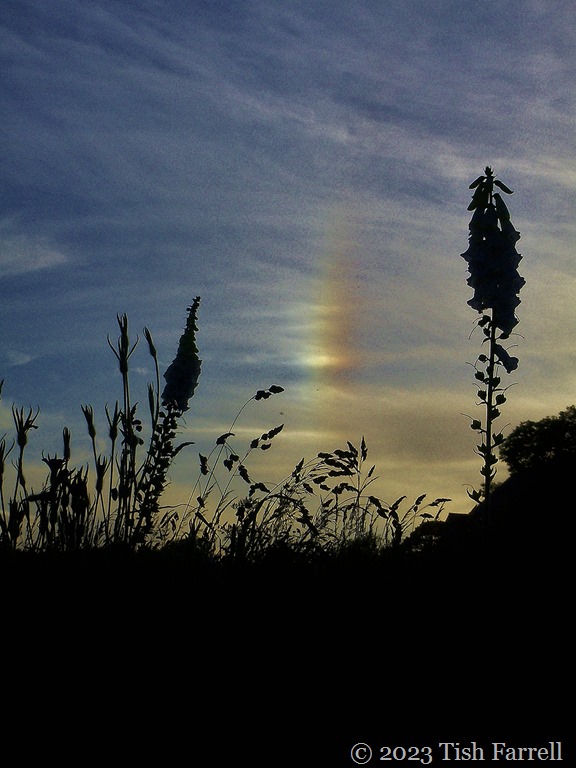
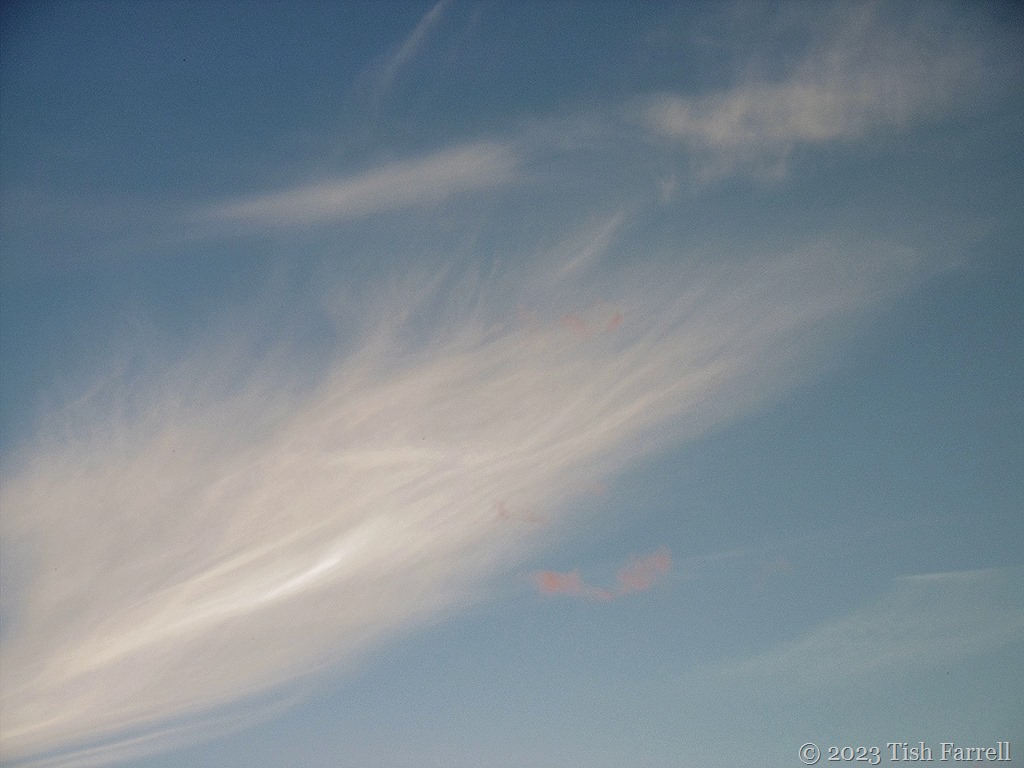
I think our elevated viewpoint of the lowland’s rising clouds might explain an unusual ‘rainbow’ phenomenon witnessed one fine, dry June evening after the sun had dropped behind the Edge. Here it is (it was rather more vivid in real life)…

lens100_5851

At the time I thought it was a fire rainbow, but I’m not sure it was. They apparently occur in fluffy cirrus clouds at around 20,000 feet when the sun shines at a particular angle through ice crystals. Anyway, I’m assuming the reason for the effect seen in the photo is something similar – to do with rising cold air above Wenlock Edge, some icy vapour caught by the sun shining up from below. Further info welcome from any atmospheric scientists out there.

*

lens 1

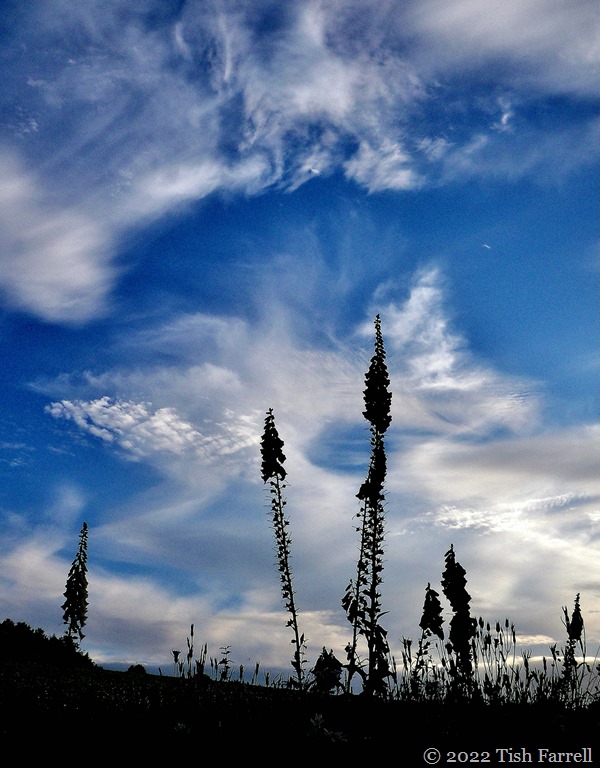
Another early evening sky in June

*

lens P1040221

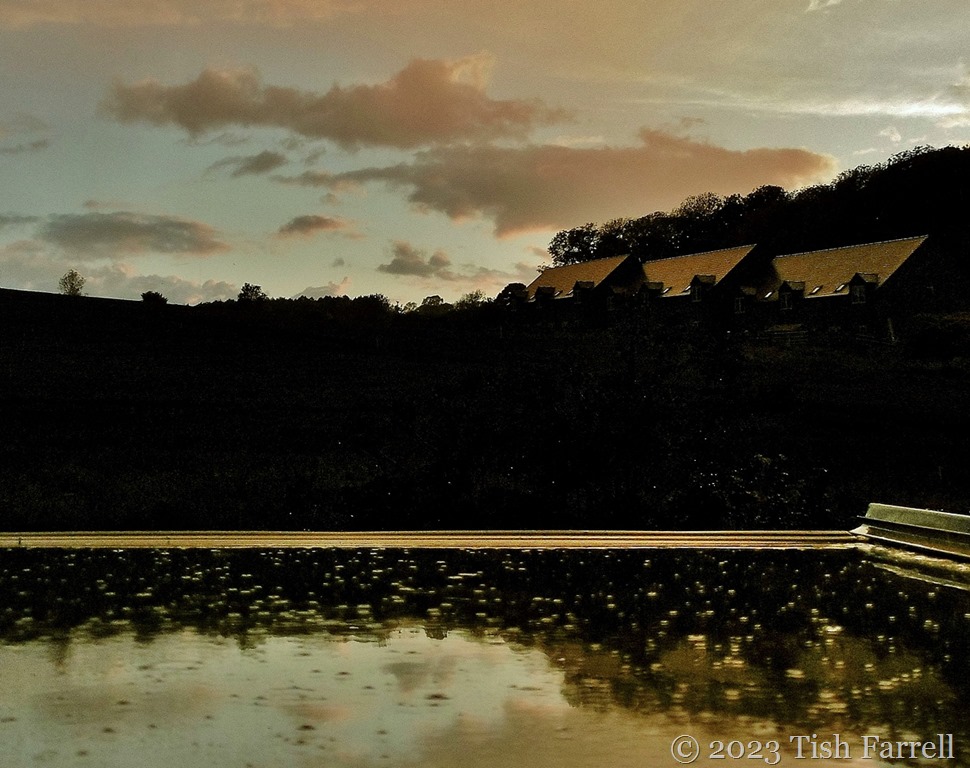
February sunset and shower from the office window

*

IMG_0658ed

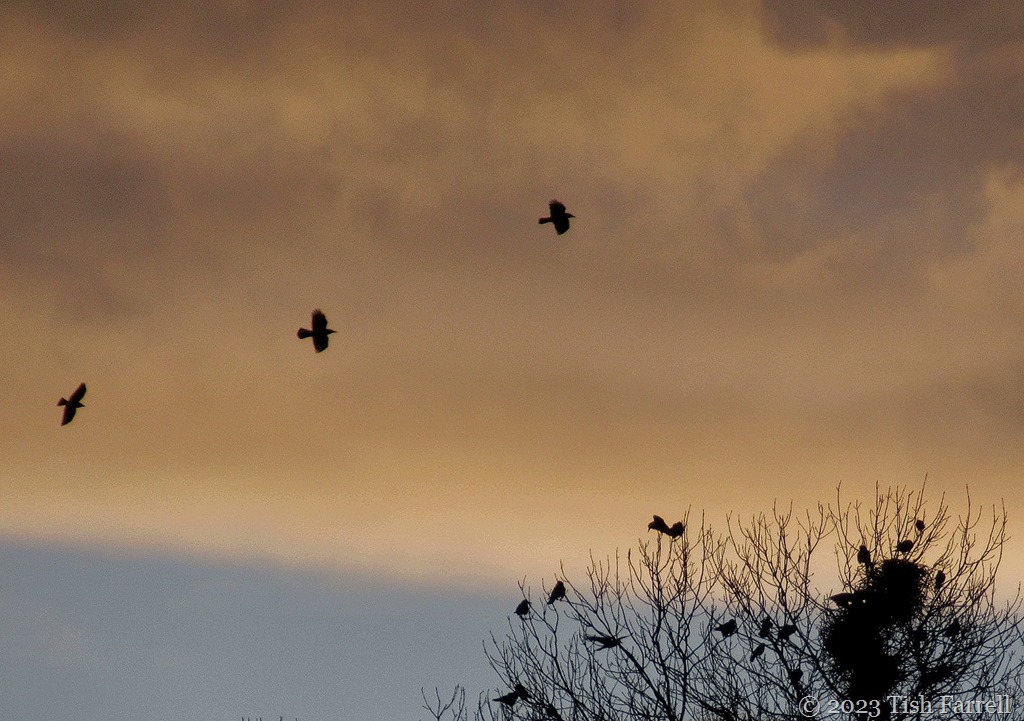
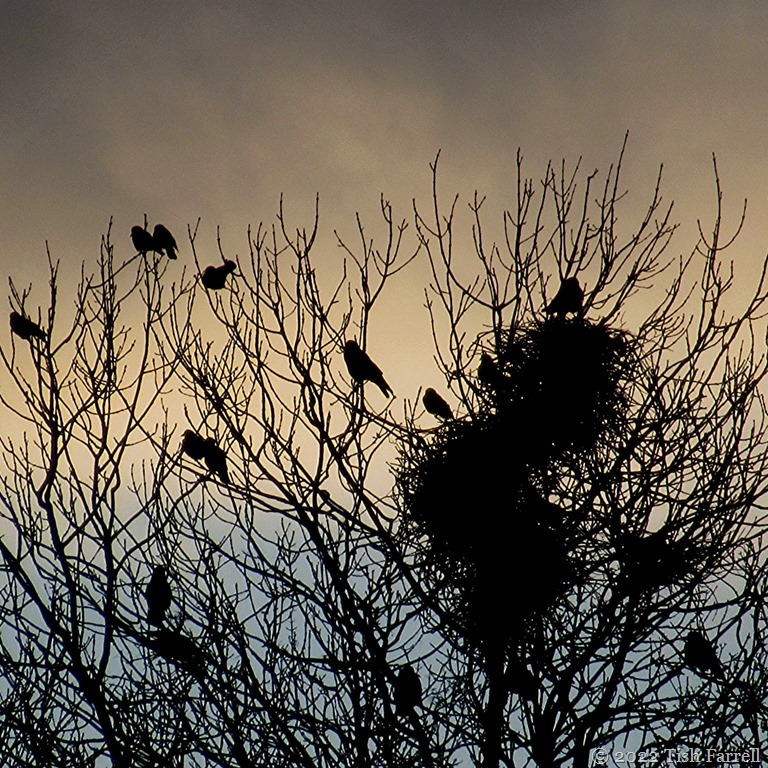
Winter at the Sytche Lane rookery

*

100_6323ed

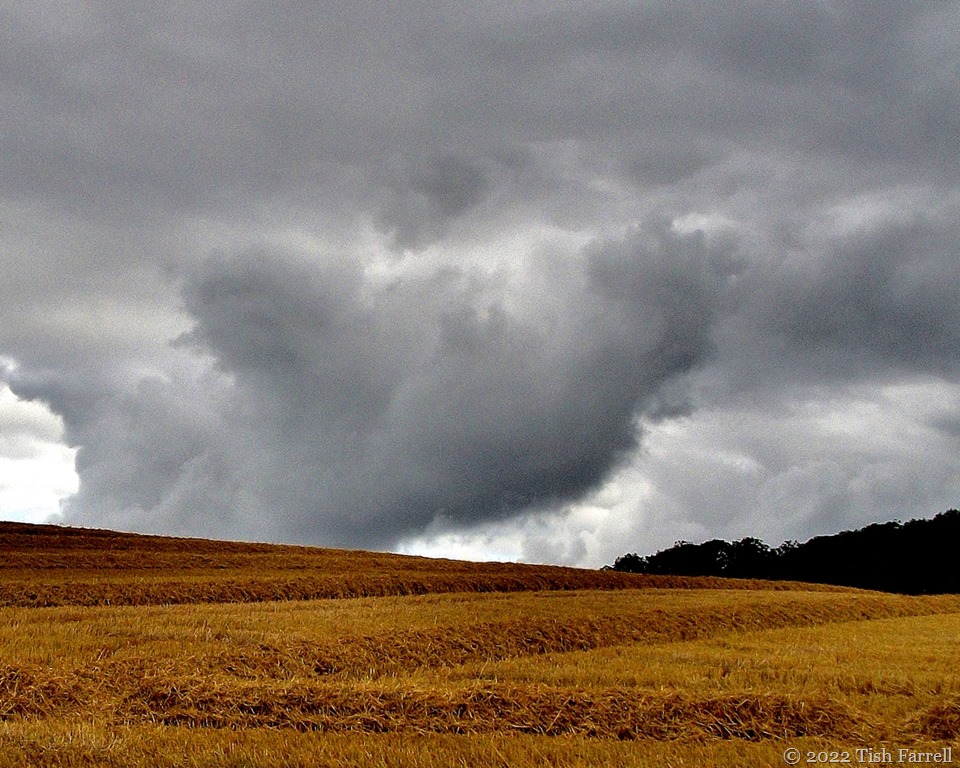
Late summer storm brewing

*

lens 2

A rare dawn shot

*

lens ed

And a soothing cloud view to finish – because it’s definitely good for our well-being to gaze at clouds. It helps to broaden our visual and mental perspective. I learned this last week while listening to an interview about mindfulness and anxiety with Harvard Medical School professor and psychotherapist, Dr. Ron Siegel. He has some recorded guided meditations HERE for anyone who needs a bit of extra soothing.

Lens-Artists: Skyscapes or cloudscapes  This week Amy sets the theme with some stunning examples.

Ups And Downs On The Broseley Jitties

Ding Dong steps 2

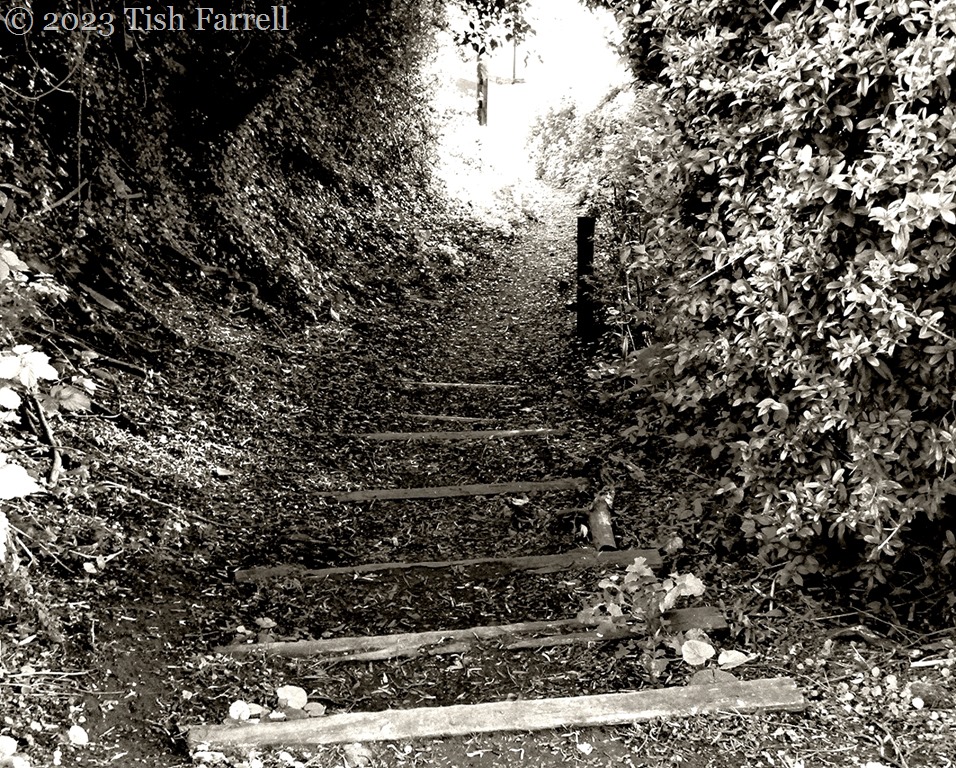
The Broseley Jitties are quiet these days. On our early evening rambles we meet only a now-and-then walker with their dog. And then perhaps a stray chicken. Or a watchful cat in a cottage gateway. The atmosphere is somnolent; a sense of falling back through time. There’s the subtle scent of cow parsley along the verges,  of garden flowers wafting over the walls and hedges.

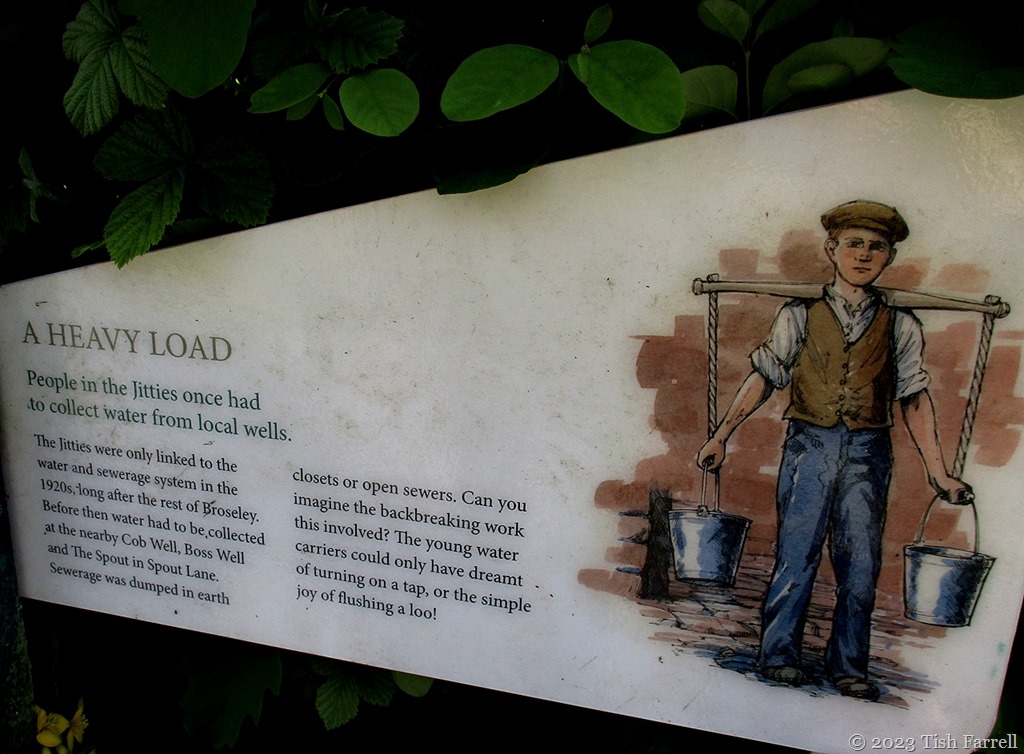
Yet a hundred/two hundred years ago there would have been no quietness (or cleanly odours) here. Only the shouts and chatter of working men, women and children; rattle of clogs as the folk of Broseley Wood went about their day – to the mines and quarries, to the pot and pipe factories, to the taverns, to the chapels, to the wells.

Ding Dong Steps

*

Botswell Lane Jitty down and up – and as the name denotes, a main route for fetching water from the well in the valley bottom. Hard work fetching washing and cooking water, especially in the winter.

Botswell Lane

Botswell Lane up

*

Another water source was the spring on Spout Lane, not far from the bottom of Jews Jitty where the Wolfson family lived and ran their pottery factory.  The daughters of the house apparently carried out the ritual bathing rite of mikvah at this spring – a somewhat public spot.

spout lane spring

*

Jews Jitty up…

Jews Jitty up

*

And Jews Jitty down …

Jews Jitty sepia

*

And a final up on Gittings Jitty yesterday evening, the cow parsley in full flourish…

Gittings Jitty

Cee’s Black & White Photo Challenge: steps or ladders

Into the Light On The Mawddach Estuary

mawddach6

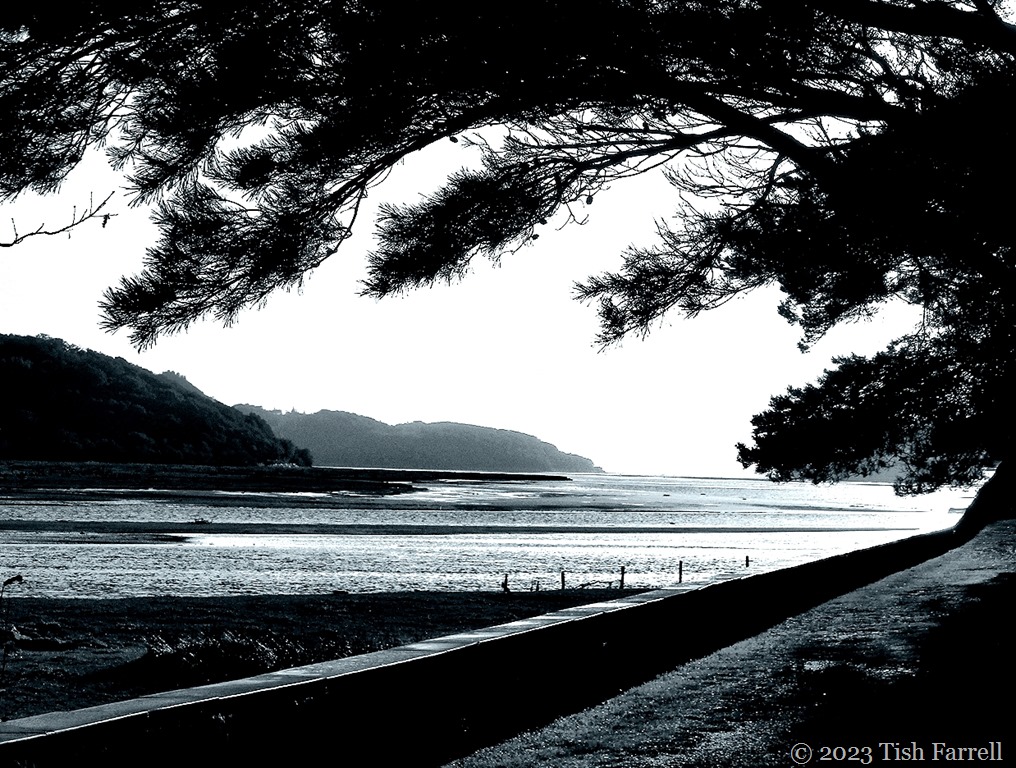
The Mawddach Estuary in mid-Wales is one of my favourite places. We stayed there for a few days last October.

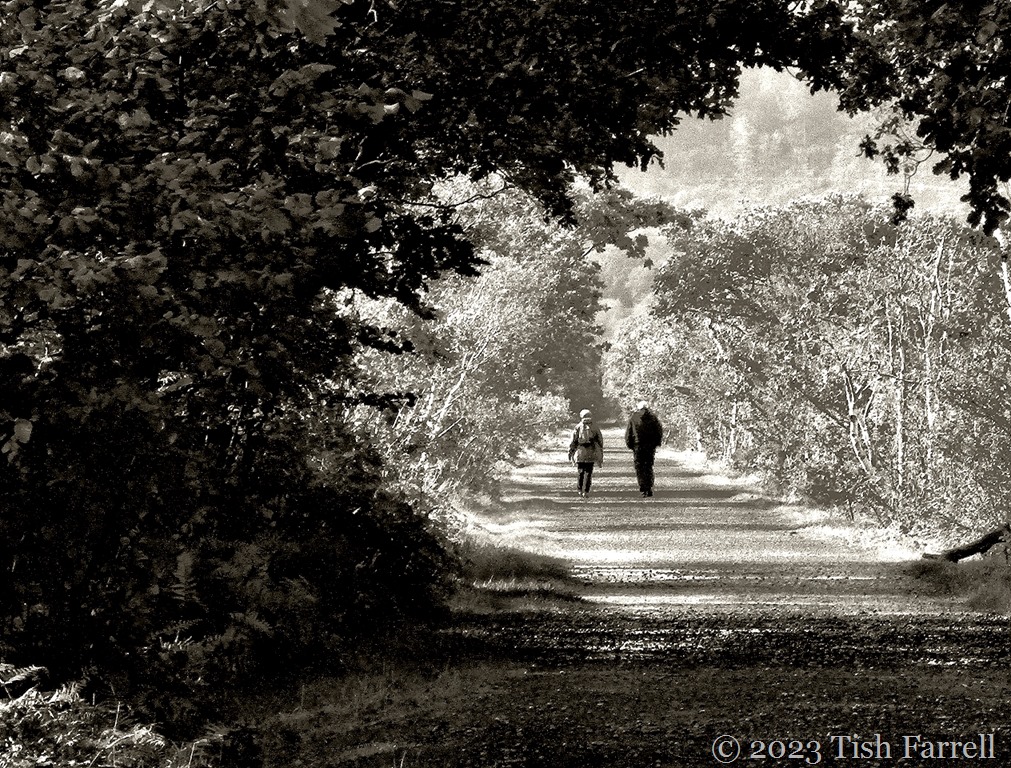
On the southern shore there’s a fabulous footpath, the Mawddach Trail that starts in Dolgellau and follows the long-gone railway track. You can walk all the way to the coast and cross into Barmouth via the old viaduct, and then catch the bus and travel back to Dolgellau following the northern shore line. The trail is flat and even and accessible to all.

Mawddach trail sepia

Cee’s Black & White Photo Challenge: Vanishing Point

Another Jaunt Down The Jitties

IMG_3103header

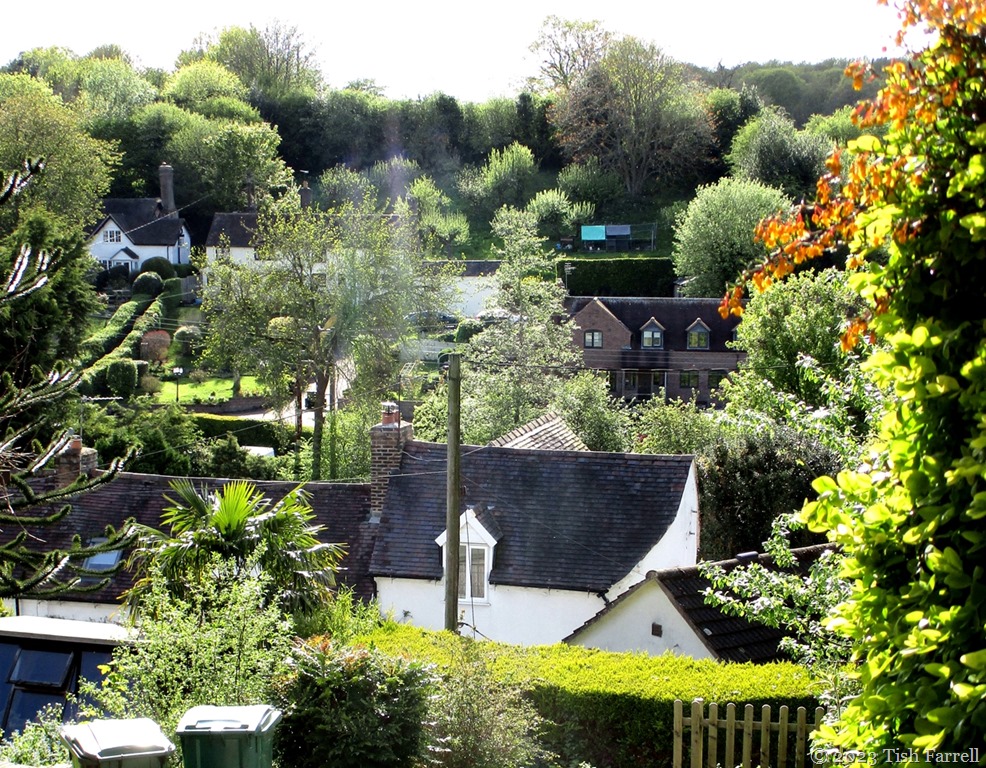
For those who missed my earlier post, the Broseley jitties comprise a hillside maze of passages and pathways that served the ancient mining community of Broseley Wood. Today they wend between erstwhile squatter cottages, now restored and extended to make highly desirable homes with terraced gardens and magnificent views across Benthall Woods and the Severn Gorge.

In the early evening sunshine, the place feels idyllic, but back in the seventeenth, eighteenth and early nineteenth centuries this hotchpotch of dwellings built on the wastes around coal, iron and clay pits would have been more shanty town than orderly village. For one thing think taverns on every corner to quench the thirst of hard labouring folk. And for another think no sanitation.

IMG_3146

*

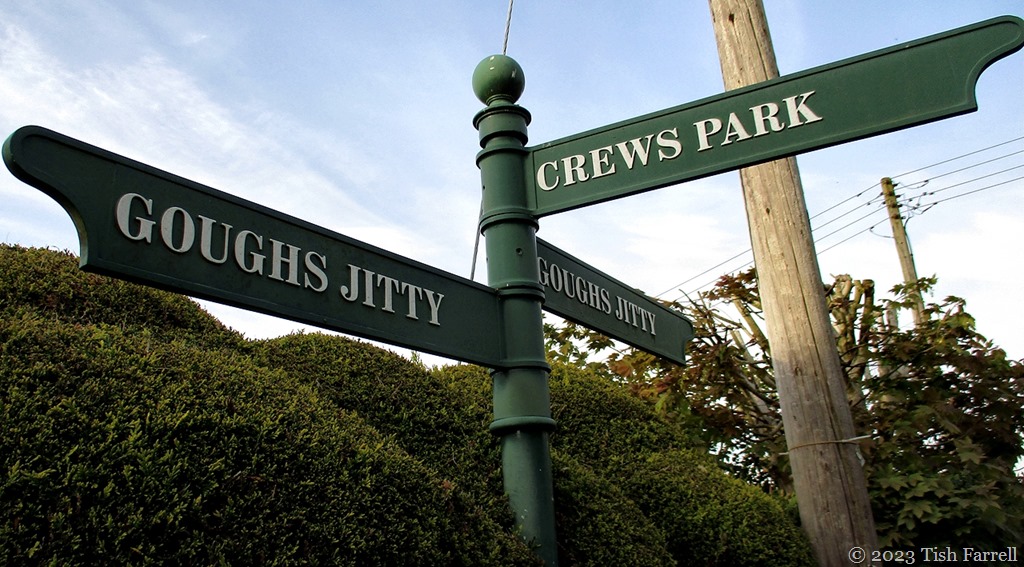
There are seventeen jitties, most of them cross-paths between more substantial lanes and each named after individuals, wells or particular landmarks associated with them. We began this particular exploration at Crews Park Jitty, hiving off Woodlands Road not far from the town May Pole.

IMG_3177

*

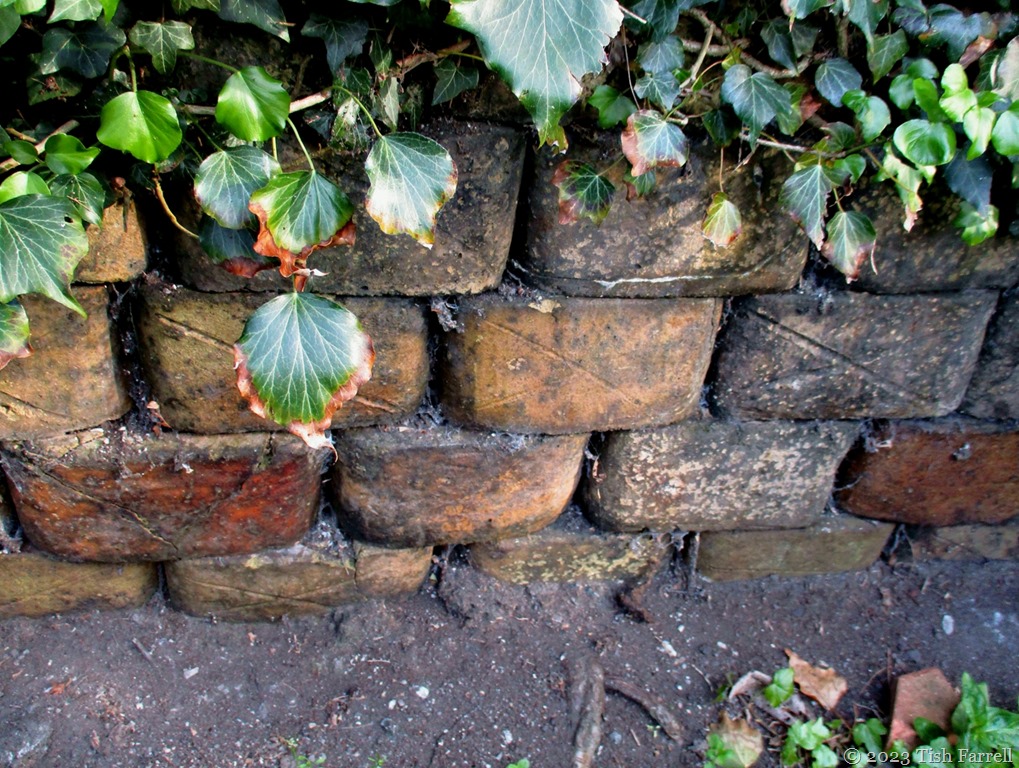
At the foot of this hill is Gough’s Jitty, that runs crosswise, left and right to Crew’s Park. We turned left and soon came upon the very noteworthy retaining wall built entirely of saggars. These are fireclay boxes, the remnants from one of Broseley’s clay tobacco pipe factories.

IMG_3105

Adaptive re-use: the pipe factory saggars make a fine wall.

There were three Broseley factories in the 19th century, although pipe-making had begun in the area by at least the seventeenth century. The pipes were exported across the world and often referred to as ‘broseleys’. During firing, and to protect them from ash damage, the pipes were packed inside saggars, which were then stacked up inside the bottle kilns.

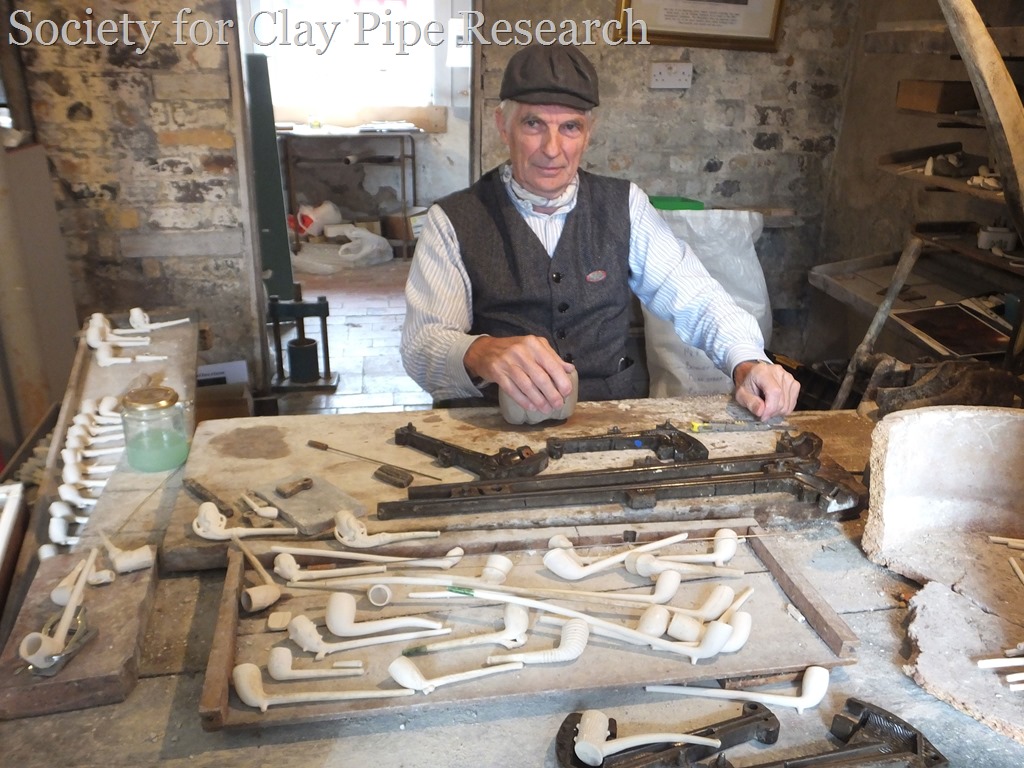
And by way of a further digression, talking of clay pipe factories, here’s a glimpse inside Broseley’s last surviving pipe works, operated by the Southorn family until the 1950s and now owned by Ironbridge Gorge Museum Trust:

Pipe-maker Rex Key demonstrating his skills at Broseley Pipe Works Museum.

*

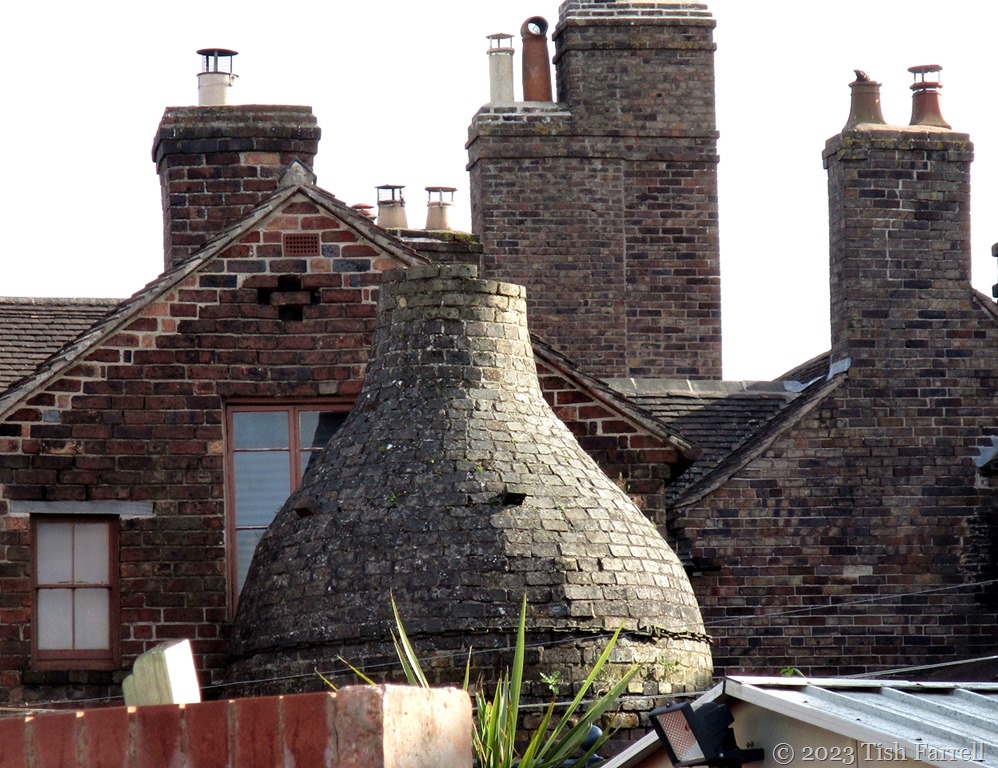
The museum is closed at present, but you can glimpse the top of the King Street bottle kiln from the end of our road.

IMG_3184ed

*

See also an intriguing article from the 1950s that talks about the Southorn family and their Broseley pipe works: https://www.broseley.org.uk/cutting/kings%20head.PDF

*

But back to the jitties.

As I said, Gough’s Jitty runs crosswise from Crews Park, and following the south westerly end along the saggar wall you soon collide with Mission Jitty heading north east. Near the intersection there’s a delightful ‘farmyard’ filled with fun activities: swings, coops, rails and ponds, for ducks and hens. You can buy the eggs too (honesty box provided). The hens came hotfoot to the fence when they saw me:

IMG_3114

IMG_3152

*

At this point we left the jitties and stepped out on to Quarry Road which then presented us with a choice, downwards towards Ironbridge:

 IMG_3116

Or upwards towards home…

IMG_3118

*

…passing the cottage that was once the Broseley Wood post office:

IMG_3119

*

And a new jitty sign:

IMG_3120
*
This will have to be explored another day, although I’ve since discovered this path leads down to Bridge Road where in the 1930s and 40s the Wolfsons, a Jewish family ran a pottery works making plain plates and dishes. A branch of the family also set up another works nearby where they made china petals for Woolworths, and also painted porcelain dolls’ faces, all of which meant useful employment for local women who could work from home. The family apparently paid good wages and were well respected, although it is said their faith kept them socially aloof.
*
And next the sign to Ferny Bank, which again must wait for another day:
IMG_3132
*
And so onwards up Quarry Road, views up and views down across the valley to Benthall:
IMG_3133
IMG_3149
IMG_3136
IMG_3144
IMG_3146
IMG_3135
*
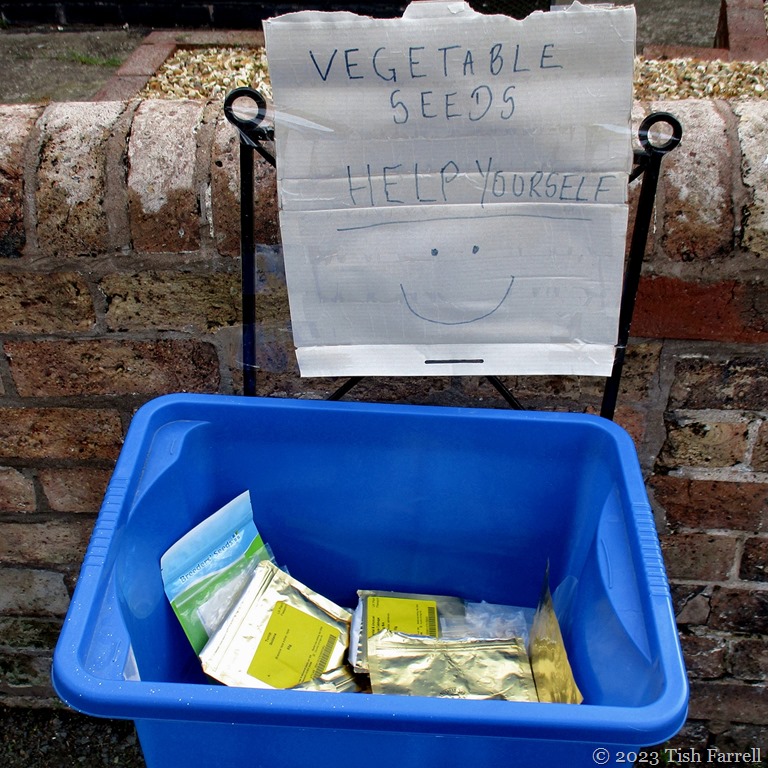
And of course this was an offer I could not refuse. In fact we have learned that this is very much a Broseley custom. Residents put out on their doorsteps still useful items they’ve finished with, but others might like. We passed a microwave on a wall the other day. Also a large etched glass vase outside another house.
*
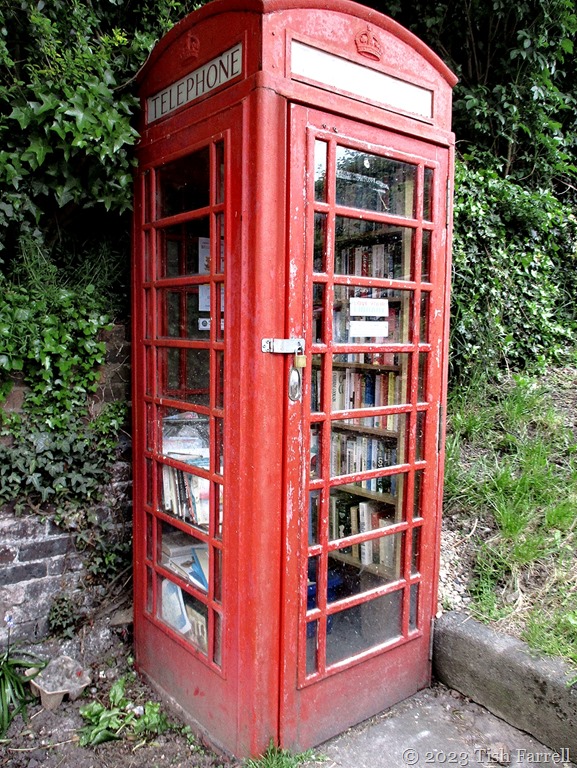
Then comes the star find of this particular jitty jaunt. At the junction of Quarry Road and King Street is a telephone box. And inside the telephone box is…
IMG_3138
IMG_3140
It closes in the evening, but is open earlier in the day. I think we might be making one or two donations to this particular institution.
And just in case you looked at the link about the Southorn family which included a 1950s photo of the King’s Head inn on King street – here’s the link again https://www.broseley.org.uk/cutting/kings%20head.PDF
This is the King’s Head today; an inn no more:
IMG_3182
*
Finally, a salutary reminder of how things were:
IMG_3167

A Fountain Fit For A Tsar…?

P1080754 ed1

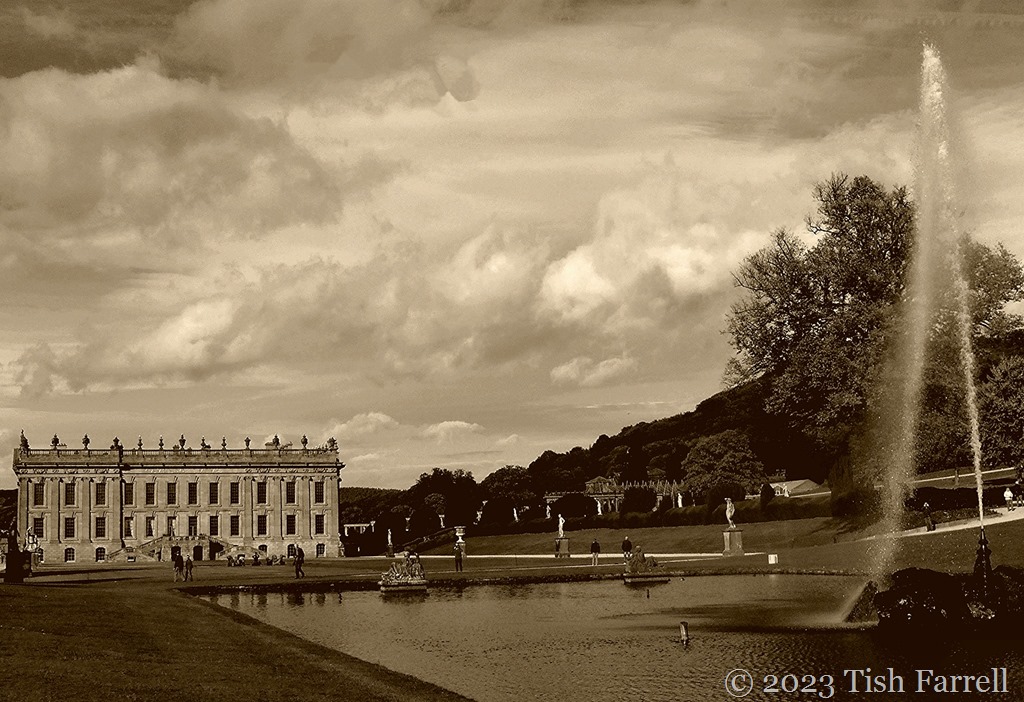
It might have been a protocol blunder of imperial proportions, but then it tells you much about the man almost responsible for it. And so it was that when the high-spending William Cavendish, 6th Duke of Devonshire, thought Tsar Nicholas would  visit his Chatsworth domain in 1844, he commissioned Joseph Paxton to build the world’s tallest fountain; this to outdo both Chatsworth’s existing Great Fountain (then the tallest in Britain) and the Tsar’s own grandest fountain at his Peterhof Palace in St. Petersburg. So: a back-handed sort of honouring, and I wonder how the Tsar would have taken this spectacle of extravagant one-upmanship: smiling through gritted teeth perhaps?

He anyway did not come, although the fountain was named ‘the Emperor’ to mark the non-occasion. The jet has been known to reach nearly 300 feet, although it was ‘turned down’ on the day I took this photo due to high wind.

For more about Chatsworth and a small family connection see my earlier post To Chatsworth and how Mary Ann went to the ball

Cee’s Black & White Photo Challenge: fountains and sprinklers

Backlit From The Wenlock Archive

P1050321

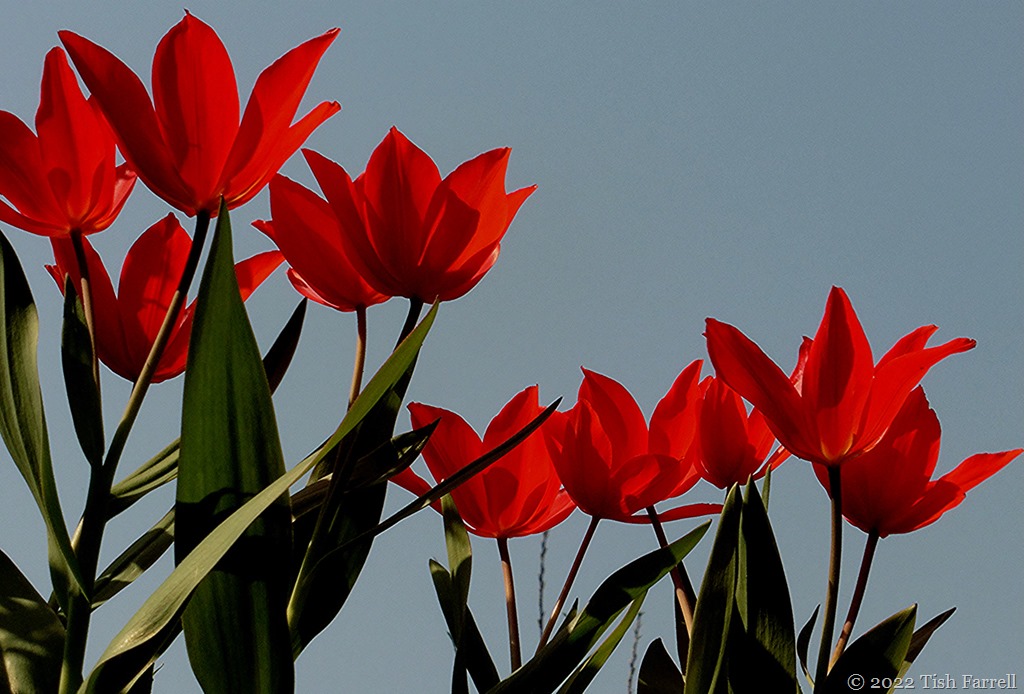
This week Ann-Christine at Lens-Artists wants to see our backlit subjects – always an appealing approach as far as Mrs. Farrell’s concerned. This year, though, the sun has been so tricksy – more going than coming – there seem to have been few chances for new naturally  backlit shots.

Which means dipping into the archive: a Much Wenlock retrospective in other words; I know some of you won’t mind revisiting Sheinton Street.

IMG_0777cr

Underneath the Horse Chestnut tree, last summer on the old railway line

*

IMG_0323re

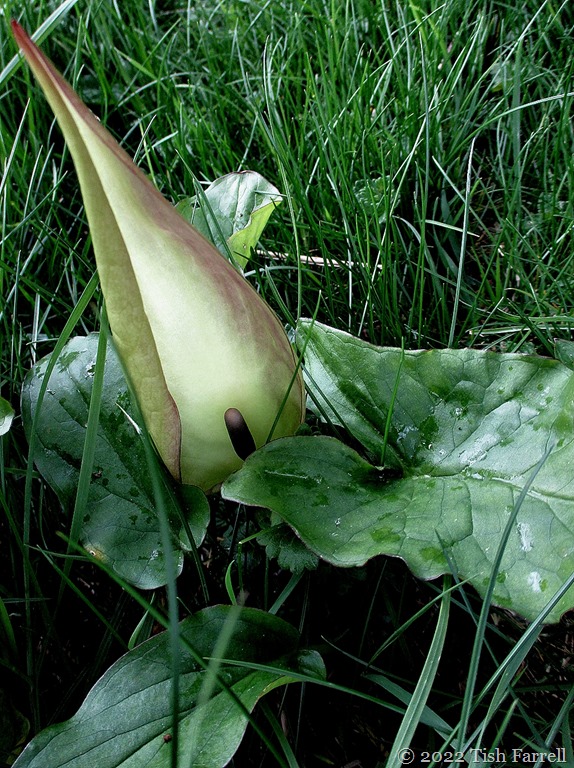
Wild Arum Lily/Cuckoo Pint/Lords and Ladies last spring on Windmill Hill

*

IMG_7453cr

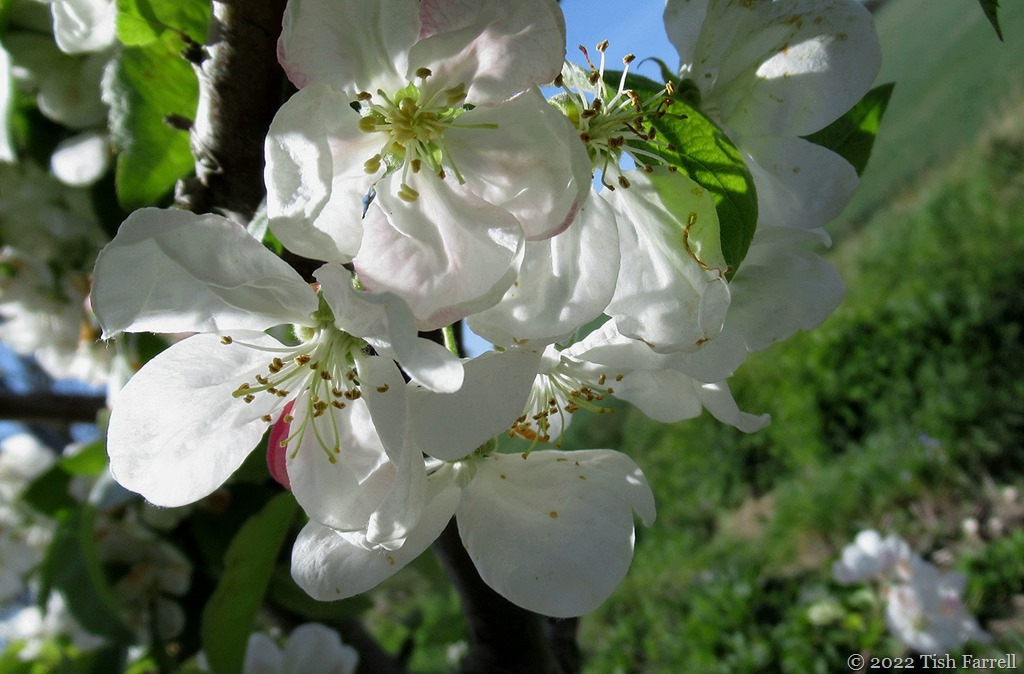
Evereste Crab Apple blossom over the garden fence

*

IMG_7572

On the kitchen table: lilac and hawthorn blossom

*

IMG_8160

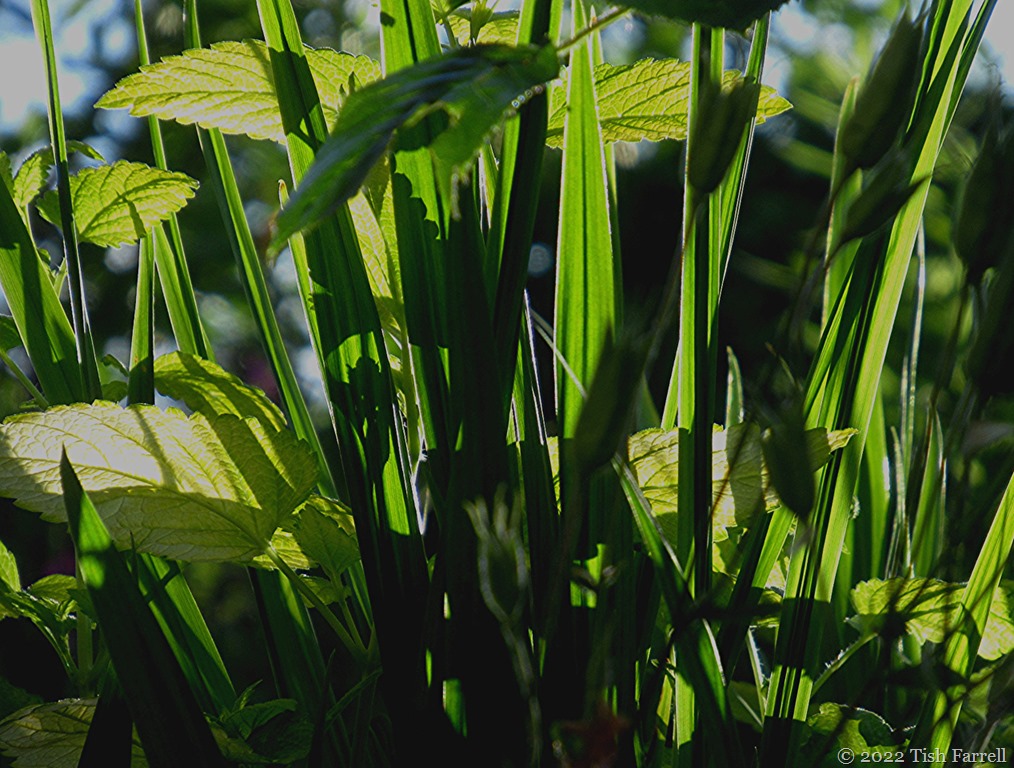
Looking up into the ‘upstairs’ garden: lemon balm and montbretia leaves

*

sqIMG_0652

Winter sunset in the Sytche Lane rookery

*

IMG_8700

Late summer sunset on Townsend Meadow with nettles

Lens-Artists: Backlit

In An Equatorial Light

Kiboko ed sundowner

In another life-time I ran away to Africa and fell in love with light. I must have noticed light before, but I do not remember this kind of rapture. There’s the land too: the visceral, eviscerating redness of the earth. It strikes the eye, fires every neuron in the cerebral cortex, then jabs you in the solar plexus. The hue of life and death then; no wonder traditional peoples make so much use of this pigment. There were times when I felt I could eat it.

The place I ran from is very near the town of Broseley where we have recently come to live. There’s an odd sense of ‘full circle’ and a musing of: should I be worried about this unexpected retracing of steps; is there a reason I’m back here; some unfinished business to be dealt with now that I’m ‘older and wiser’? Etc. etc. I decide this line of thinking is a distraction, although it has me looking back through thirty years.

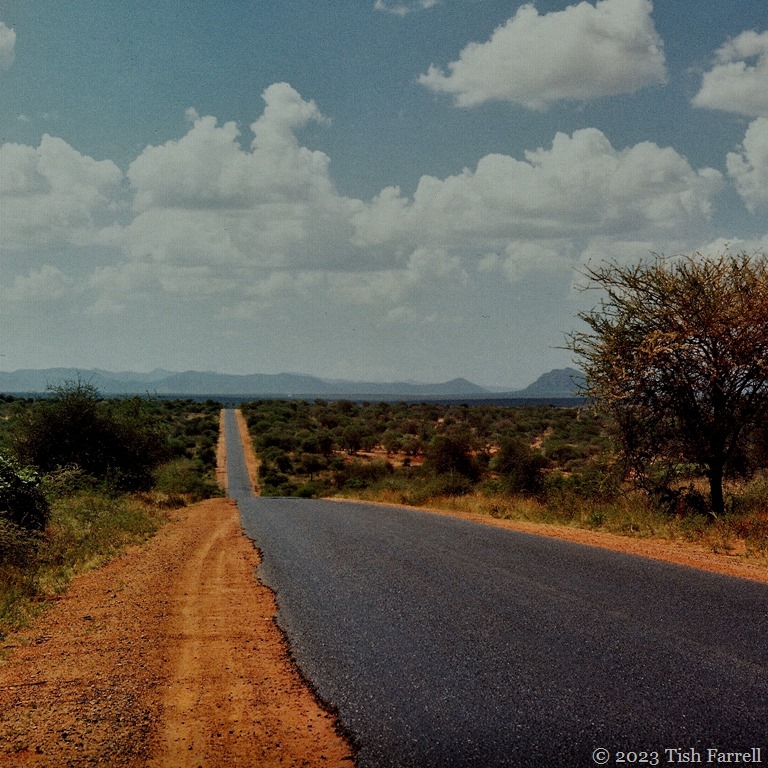
The place I ran (or rather flew) to was Nairobi, Kenya and so to a nine month stint of roaming up and down the Mombasa highway, accompanying a plant pathologist who worked both at the Kenya Agricultural Research Institute (KARI) in the city and at the Kiboko field station, a KARI outpost, a hundred miles south in Ukambani, homeland of the Akamba people.
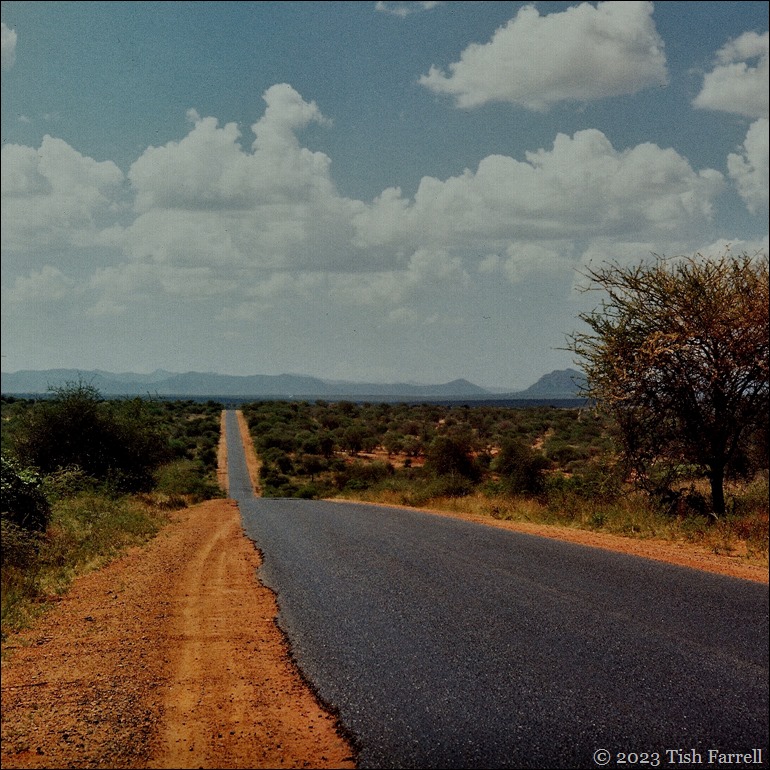
Kiboko ed Mombasa highway north of Kiboko

Mombasa highway, looking north from Kiboko

*

Said plant pathologist, aka Graham, was working on a British government funded project to eradicate a maize-gobbling beetle known as LGB, the larger grain borer. (Everything you need to know about the science is at this link).

The pest had no known predators in Africa, having been introduced from South/Central America in consignments of US food aid in 1980s. And so finding itself free to infest the granaries of people who subsisted on grains, and on maize in particular, it quickly established itself across the southern and eastern continent, then in West Africa, travelling along major railway routes.

The aim of the project was to breed up stocks of a (safely) introduced predator beetle as a biological control and then release it in LGB infected areas. Meanwhile, the habits and destructive capacity of LGB were being monitored in various store experiments at Kiboko and at the coast near Mombasa.
Kiboko ed 3a

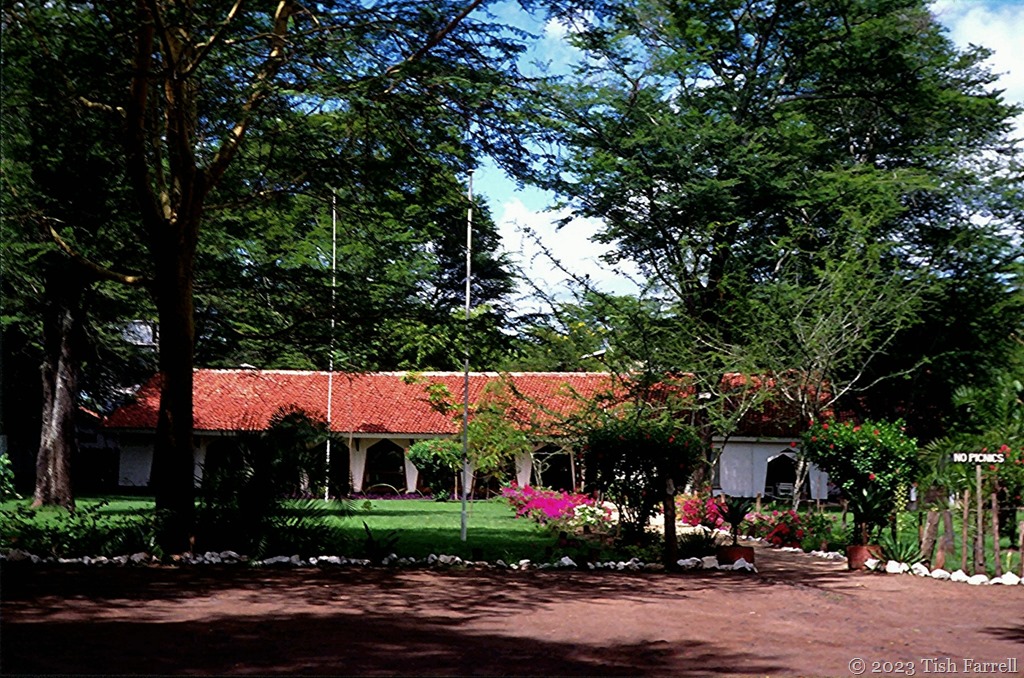
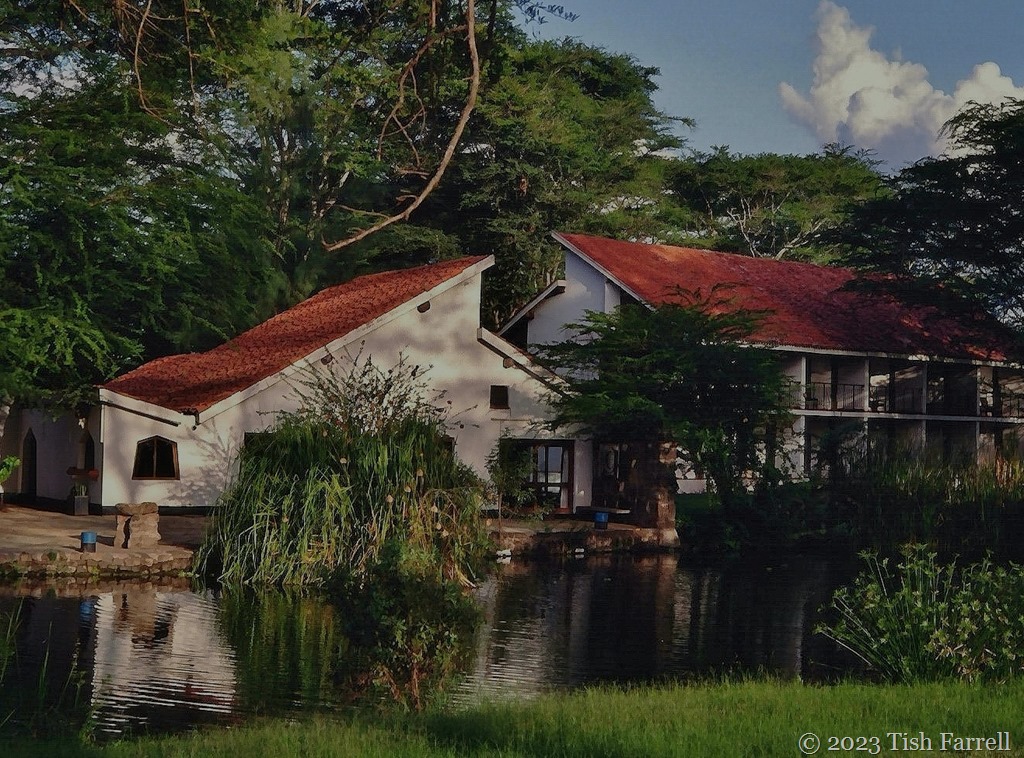
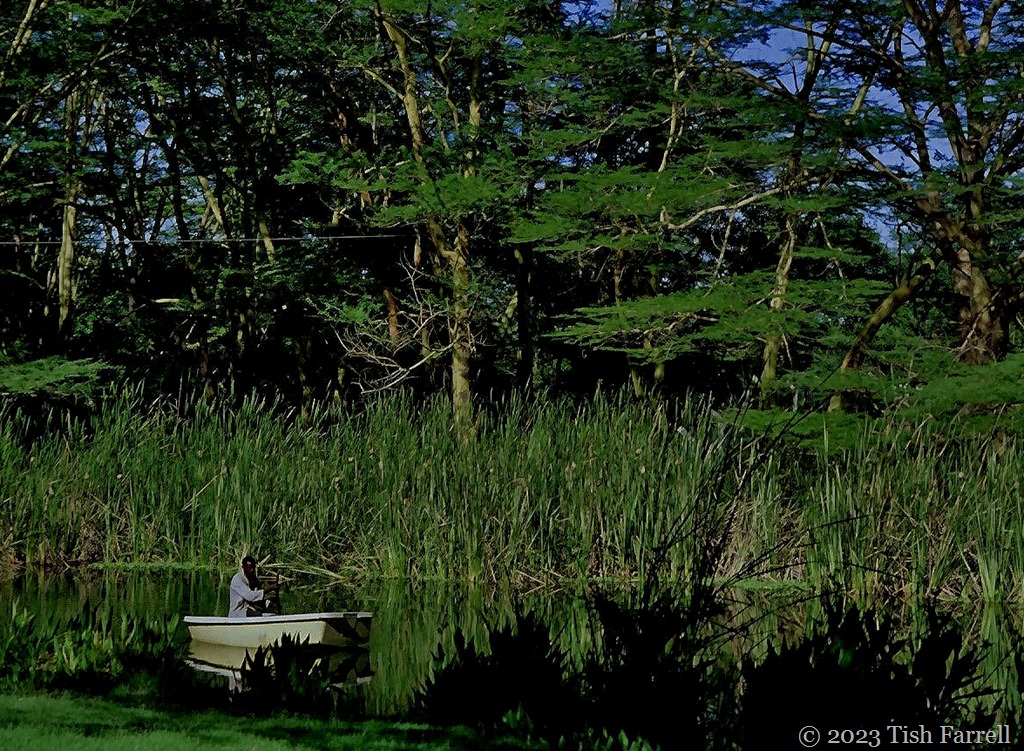
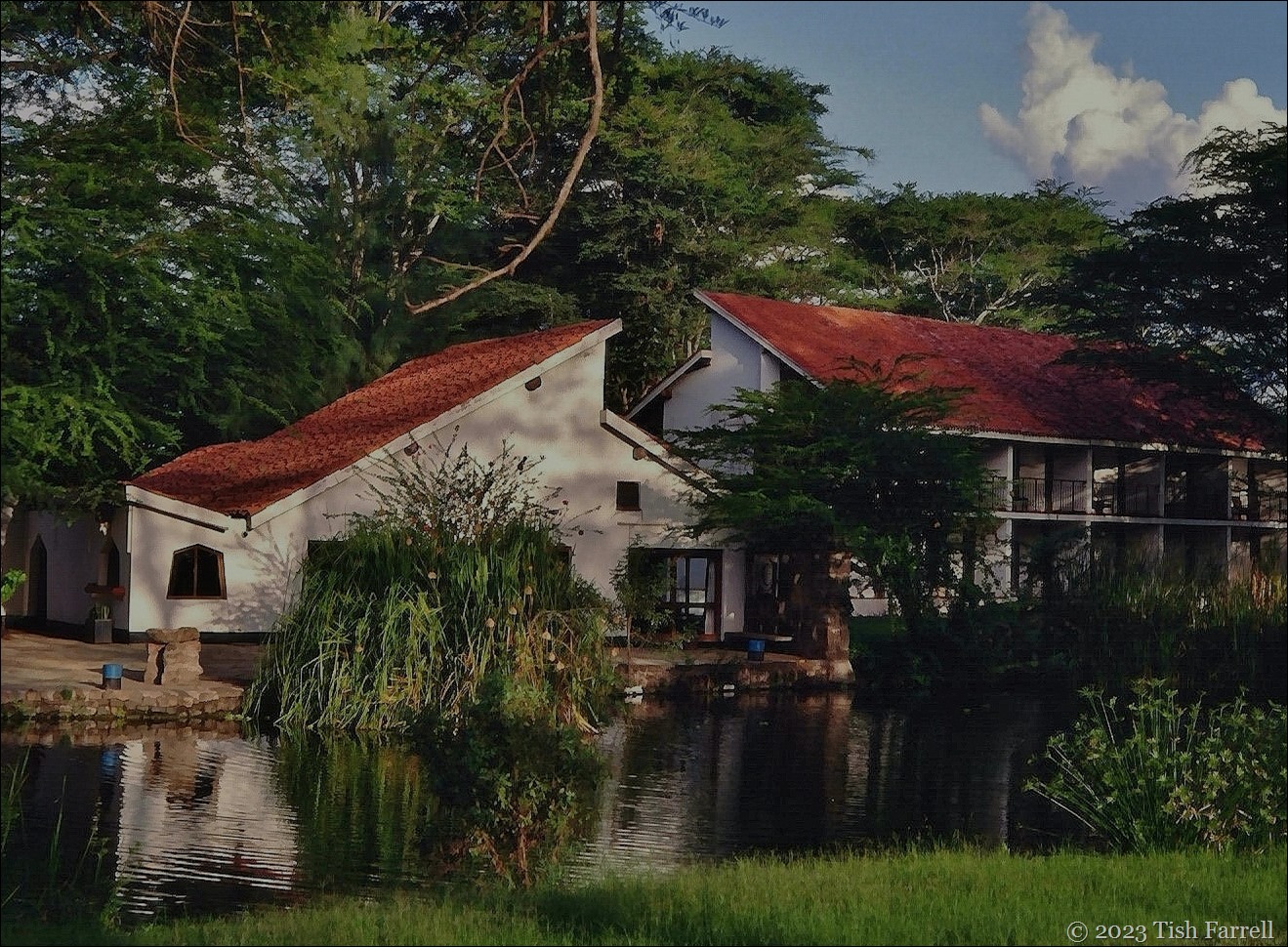
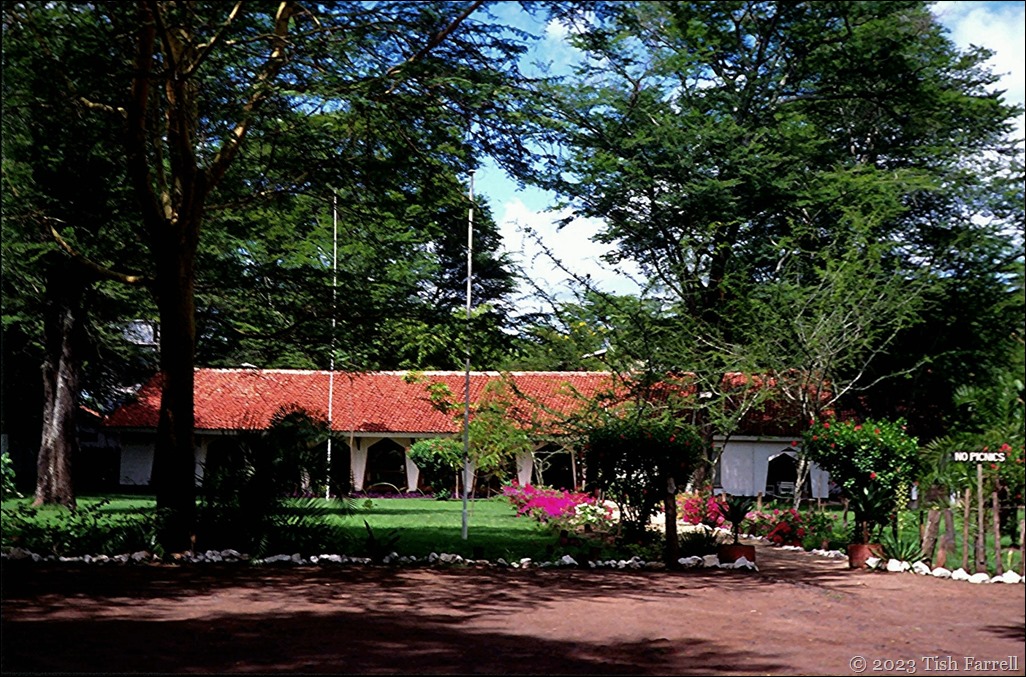
On days when Graham was working at Kiboko, we stayed at Hunter’s Lodge. In our time it was an eccentric hostelry that seemed to survive for the benefit of its staff; there were rarely other guests there. Once it had been the home of John Hunter, Great White Hunter and doyen of the colonial grand safari era, friend of Baron Bror Blixen and Denys Finch Hatton, guide to sultans and European princes.

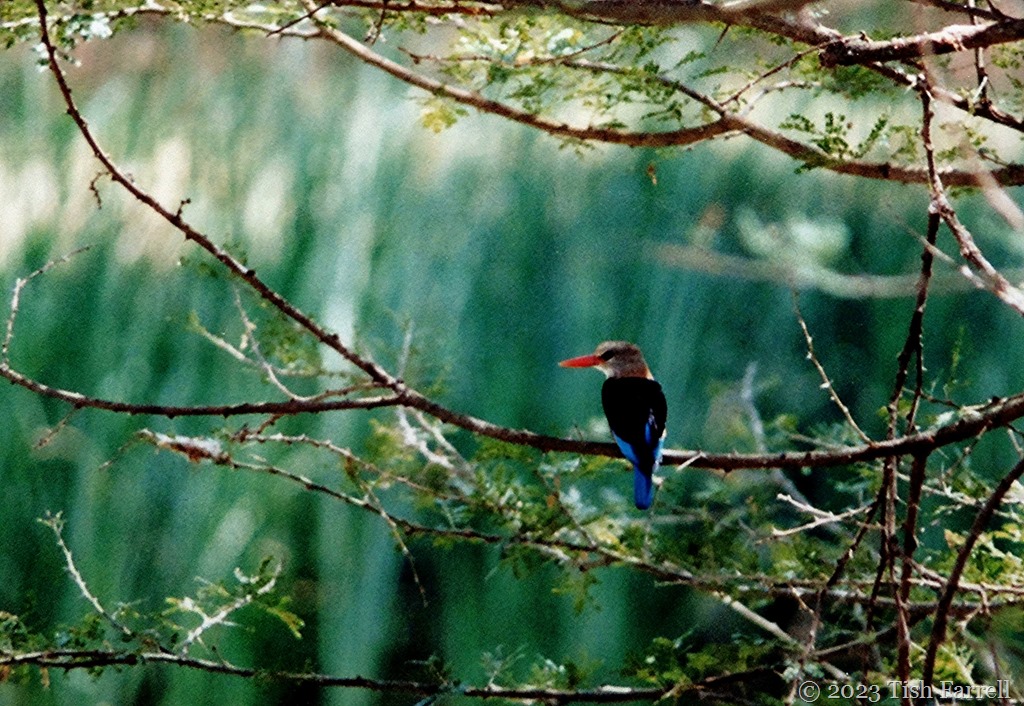
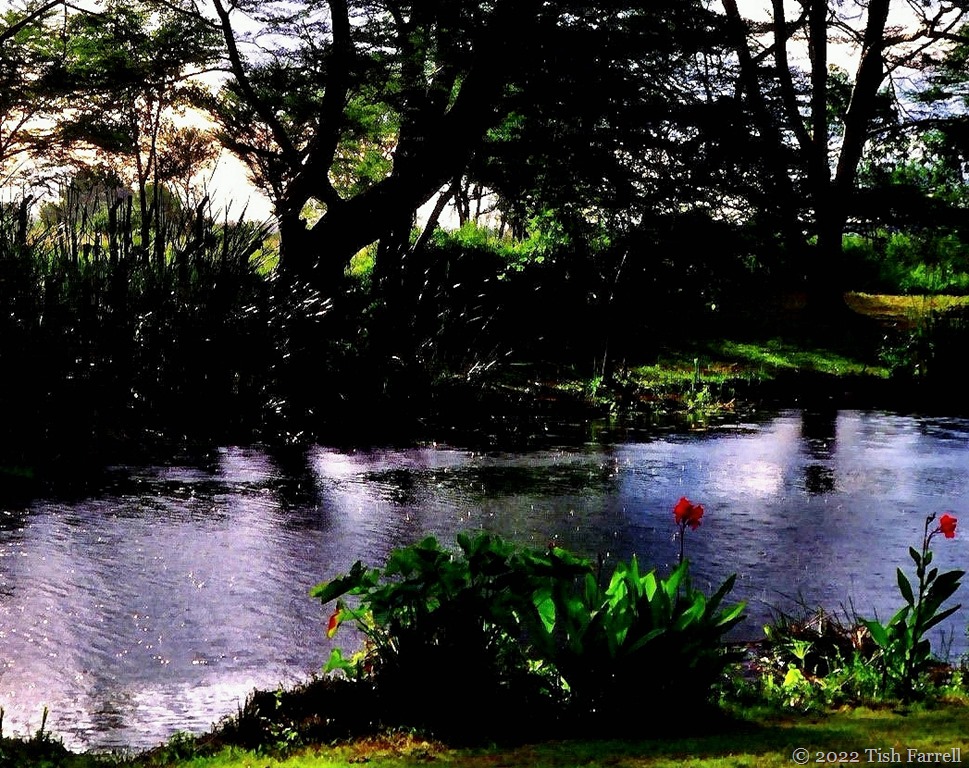
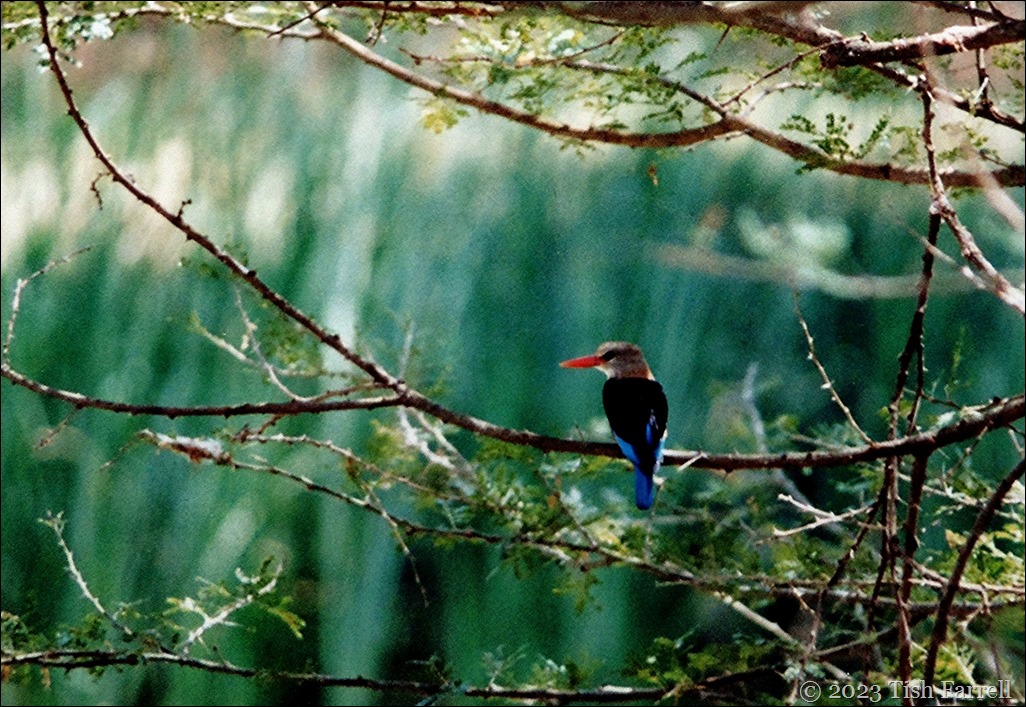
He had chosen the spot to build the house near the Kiboko River, at a place where elephant once came to drink at sundown. He also made a pool by diverting the river, and so created a marvellous haven for birdlife (some 3-400 species recorded there). I spent hours watching night herons, grey herons, weavers, pied, giant, brown headed kingfishers, ibis, white eyes, and storks. I took few photos: it was beyond my Olympus Trip’s capacity.

There are no elephant photos here either. They no longer came, nor would be welcome. Anyway, Hunter did a thorough job of official game clearance in Ukambani, where the colonial authorities deemed elephants a nuisance to settler farmers’ plantations. The nearest herds these days are an hour’s drive south in the vast national parks, Tsavo East and Tsavo West.
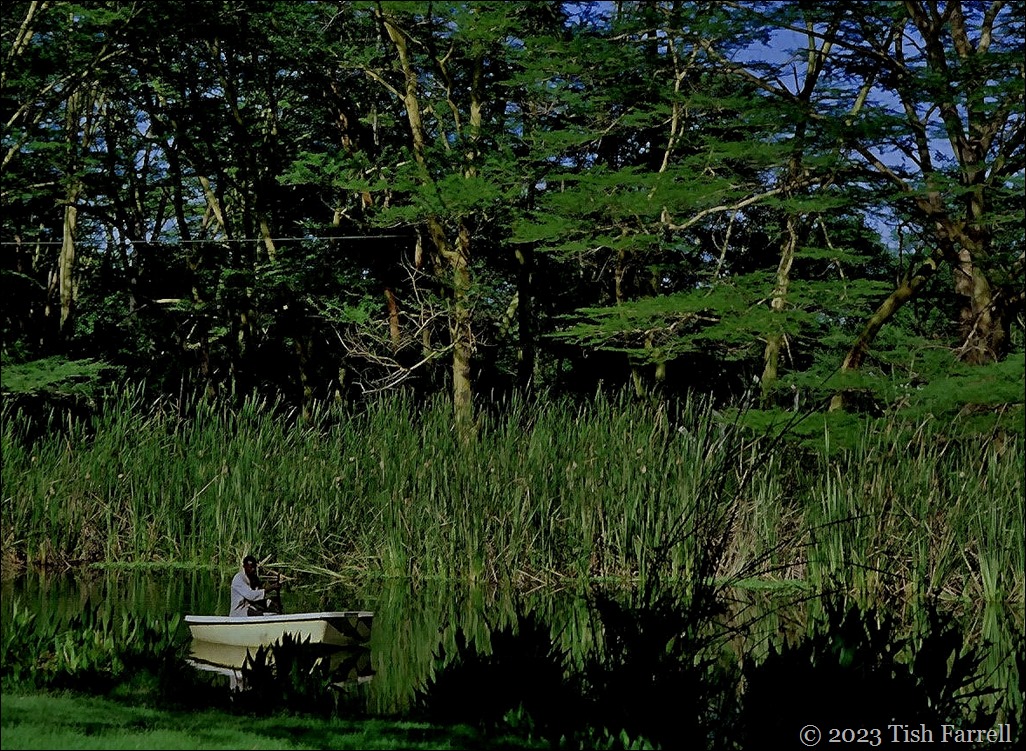
Kiboko ed pool

Kiboko ed kingfisher

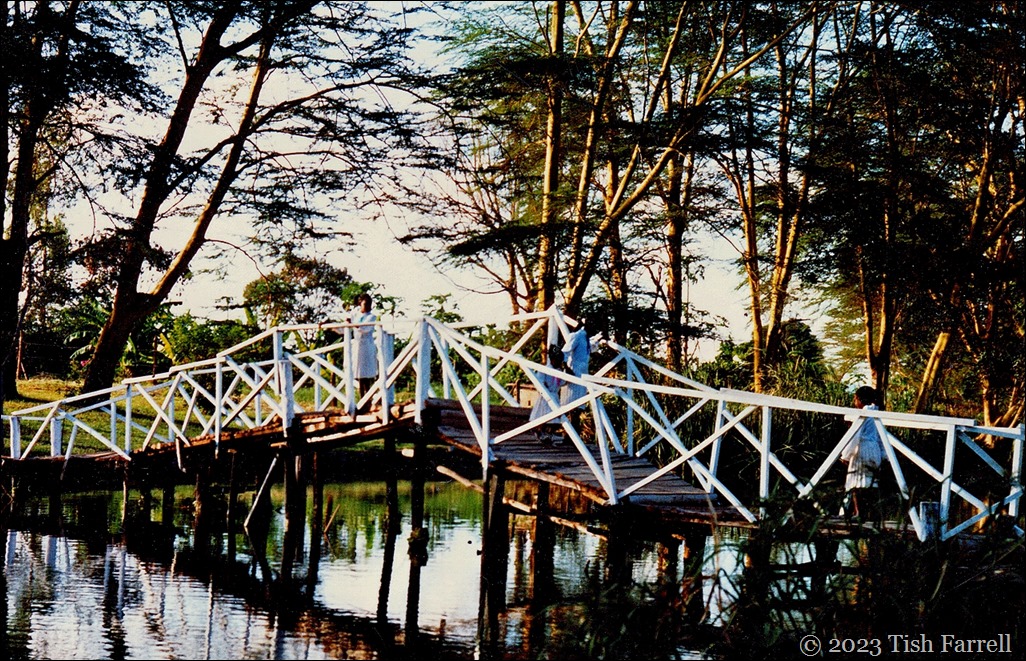
Kiboko ed garden bridge

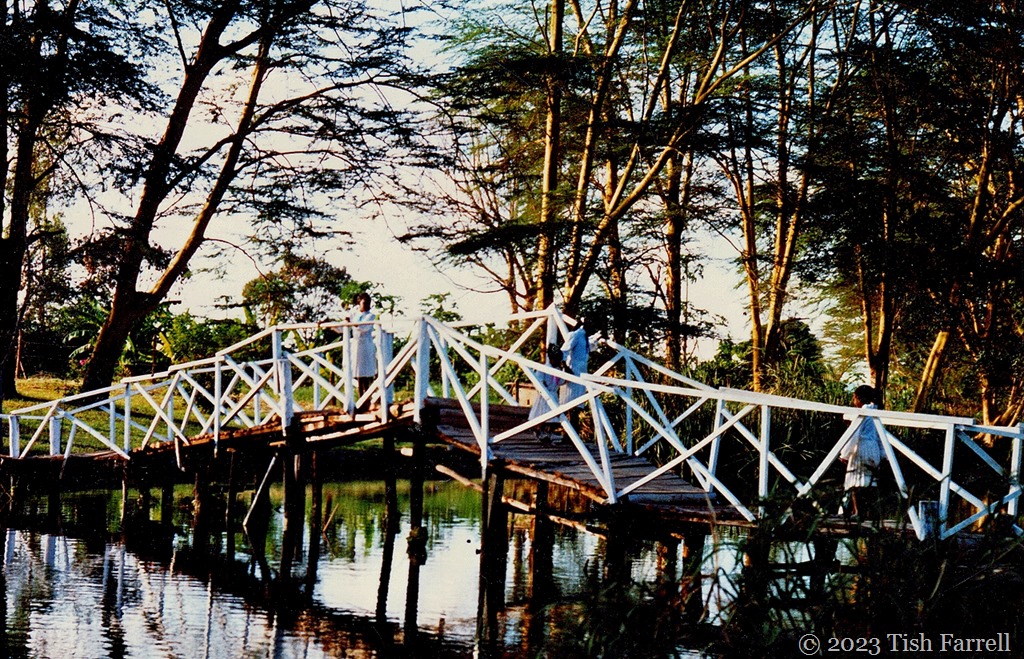
The bridge led to the hotel’s fruit and vegetable shamba

*
Kiboko ed sundowner rain 2

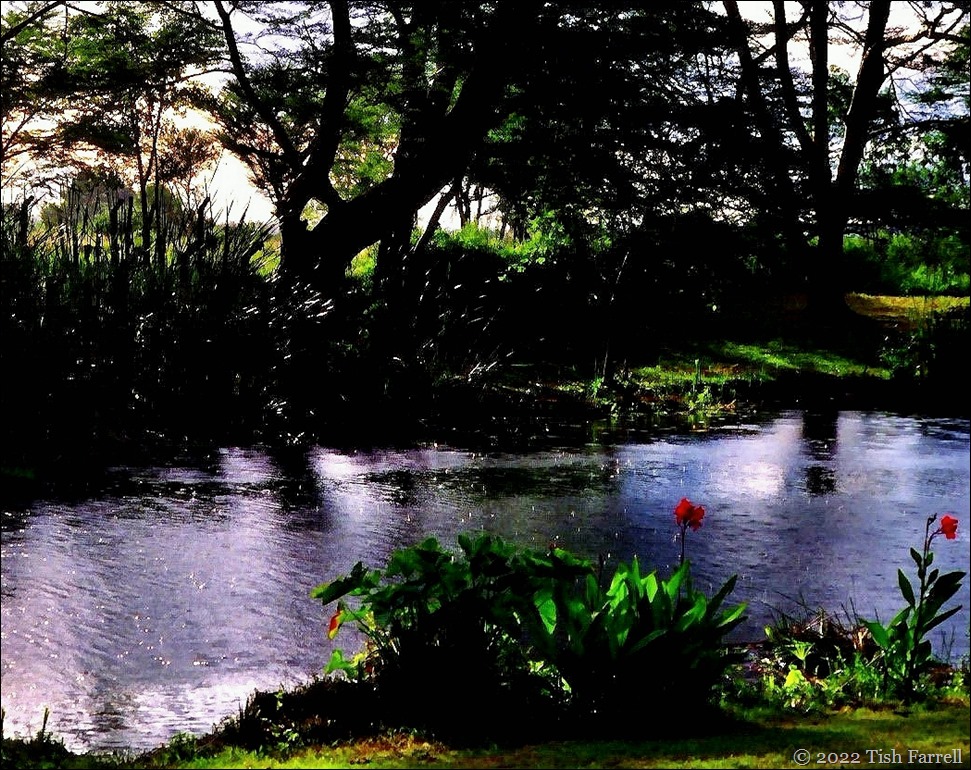
Rain and sunshine together: ‘a monkey’s wedding’

*

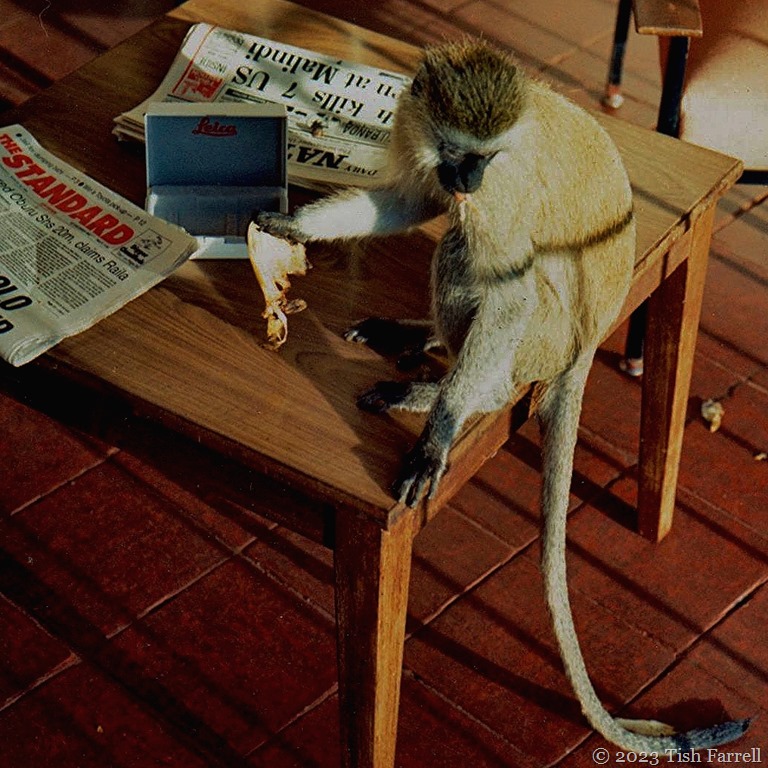
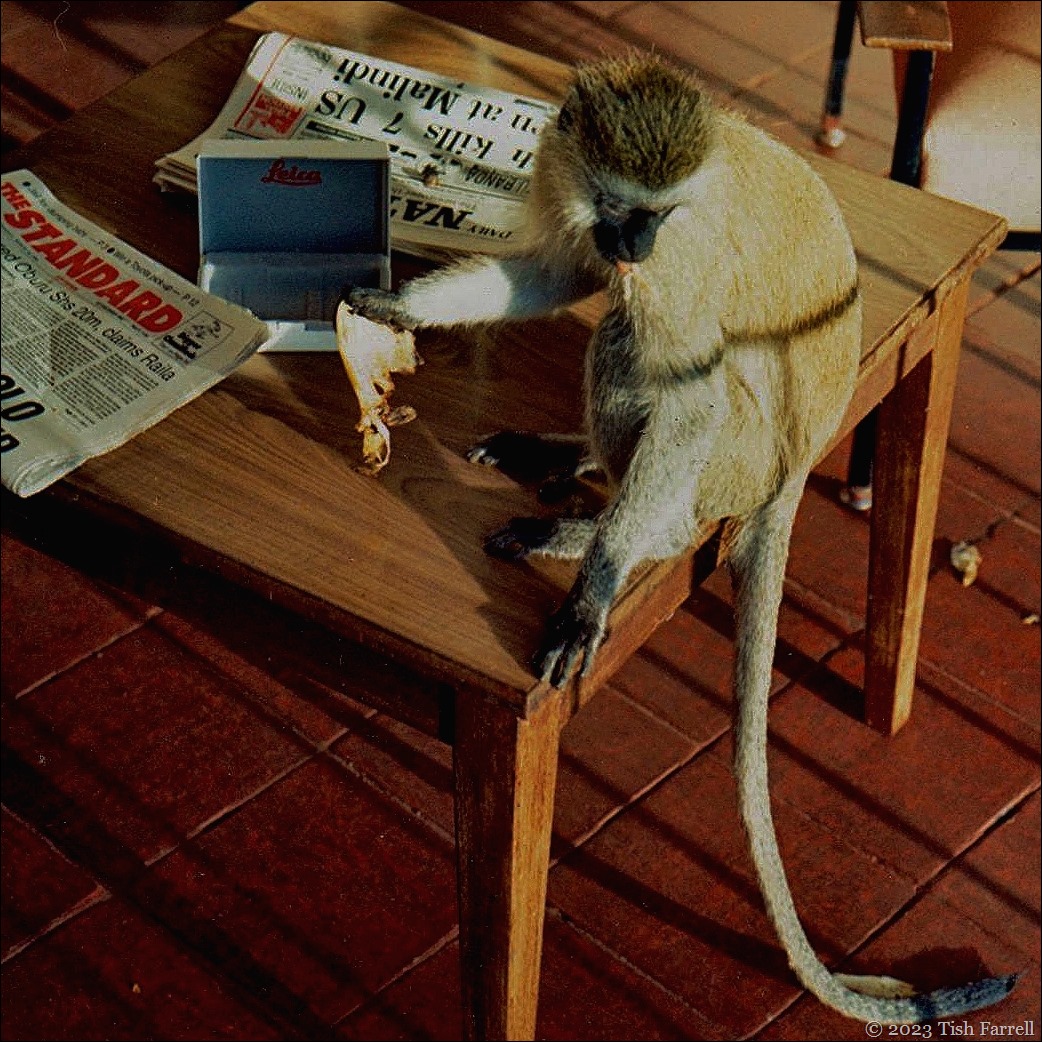
And speaking of monkeys, the garden was home to a troop of vervets, who soon learned we had a stash of food in our room. They were quick to relieve us of anything they could grab:
Kiboko ed vervet raid

*

While I was staying at Hunter’s Lodge I met Esther, a young Akamba woman who had a stall selling wood carvings out on the highway. She also dealt in second-hand clothes and, an astute business woman, soon had me exchanging some of mine for her carvings. I think she had the best of the deal. I was useless at bargaining. She also had a notion that I would like to take a photo of her with young son Thomas. She knew exactly where she would pose, and took me along to the nearby petrol station where there was a cafe with a zebra mural. So please meet Esther and Thomas:

Kiboko ed Esther and Thomas

*

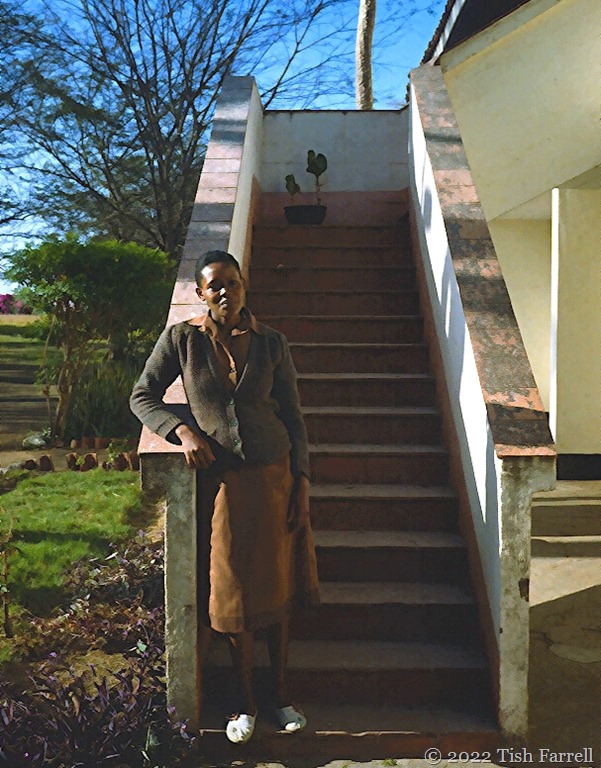
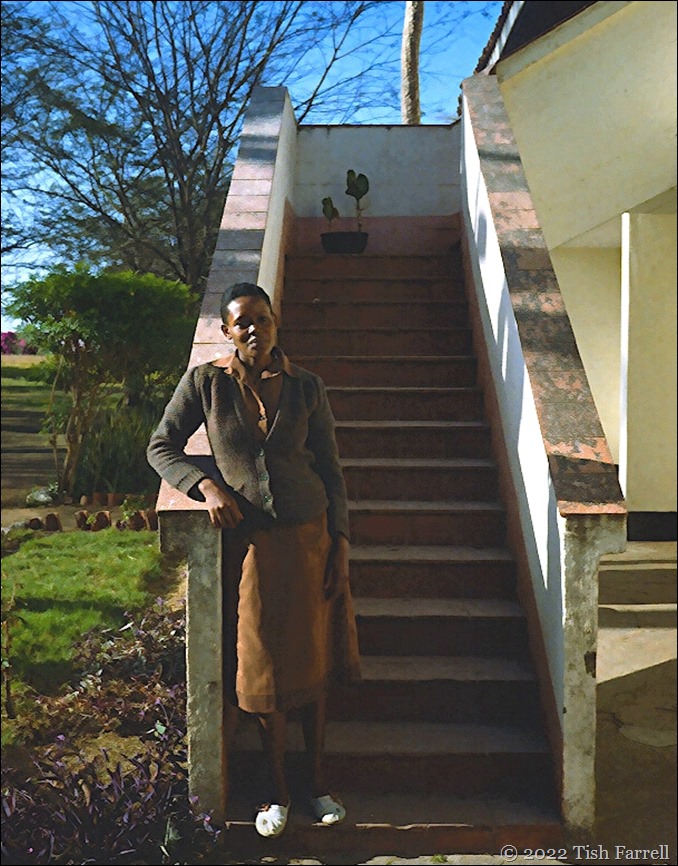
And here’s lovely Joyce who, on our return to Kenya a year later, used to keep our room tidy:
Kiboko ed Joyce

*

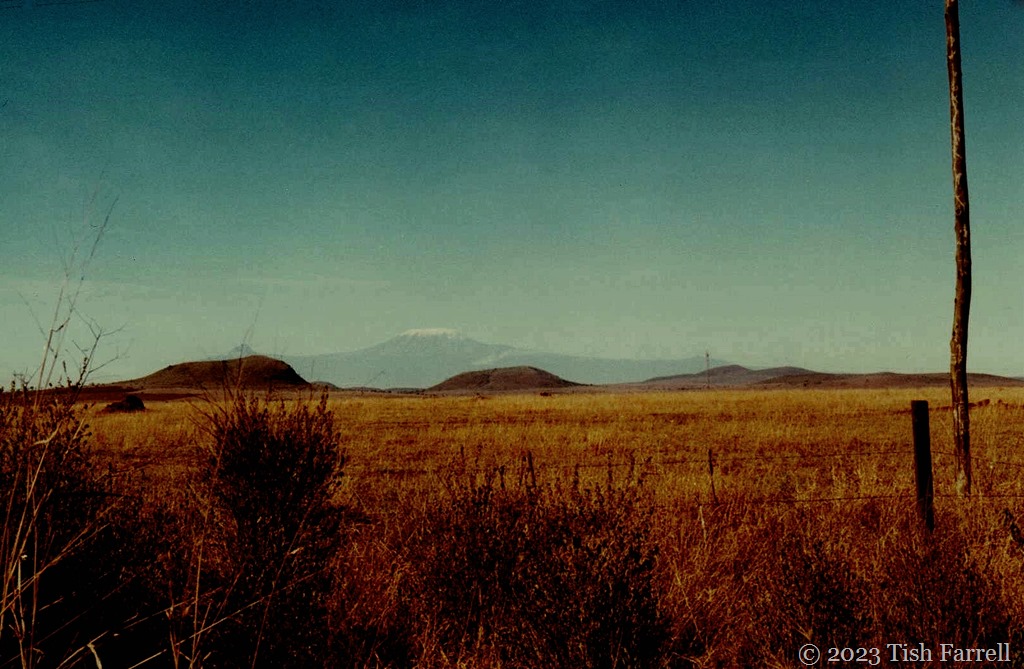
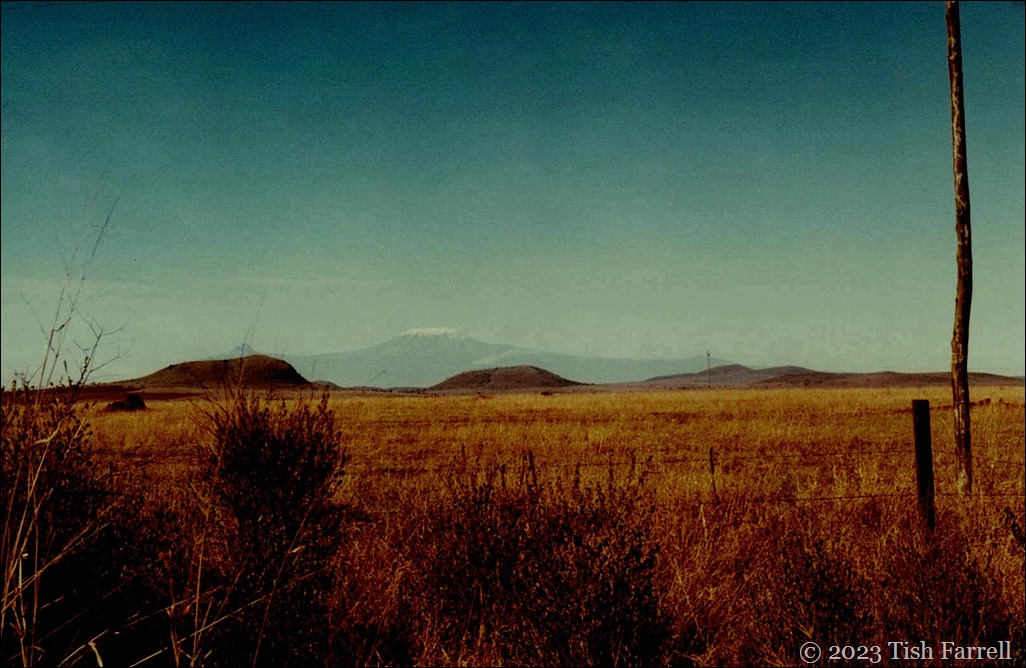
There were times, usually in the early morning, when we were leaving Kiboko that we’d catch sight of Kilimanjaro. There it rose on the horizon like a mirage. In seconds it would be gone, like a snuffed flame but without the tell-tale drift of smoke.  You’d be left wondering if you dreamed it.
Kiboko ed Kilimanjaro

*

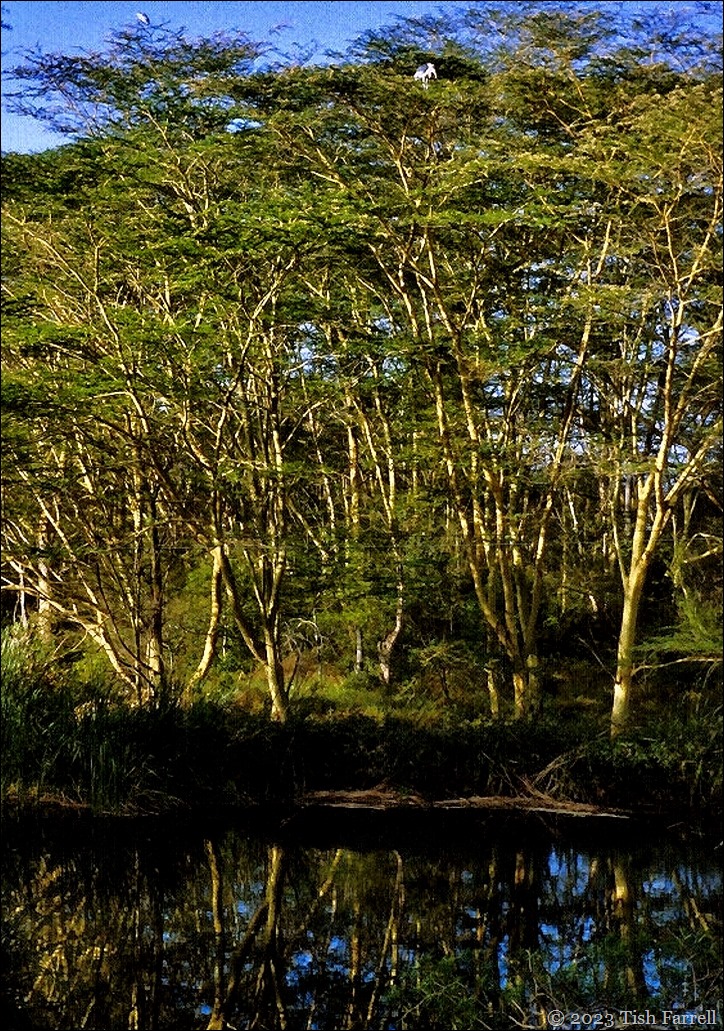
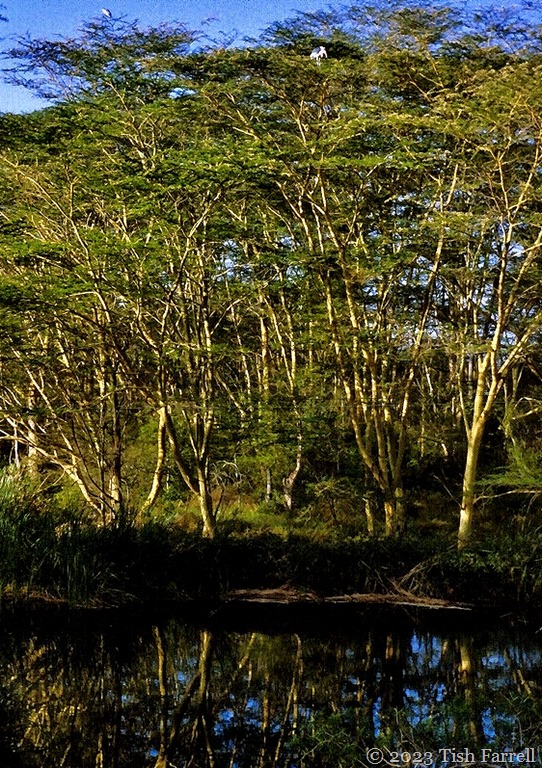
Kiboko ed fever trees

I fell in love with fever trees too, the graceful acacias that, incidentally, have no disease-bearing capacity, although the watery places where they live may well do so. The bark and foliage has a warm spicy scent that is unforgettable, and as for their looks in sundowner light, well, what is there to say…

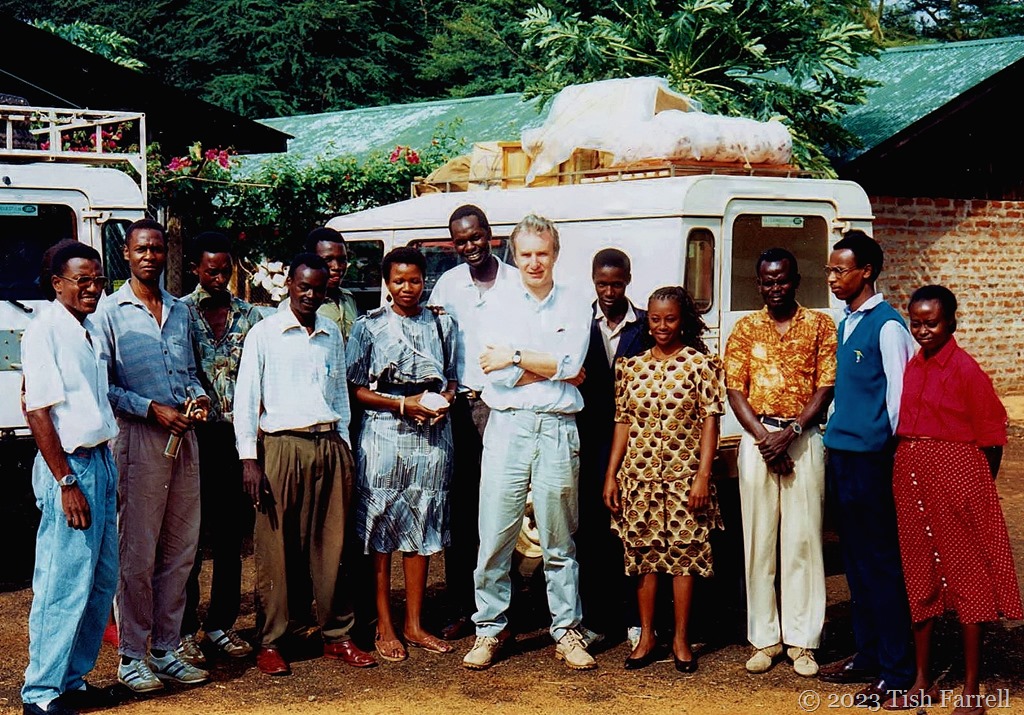
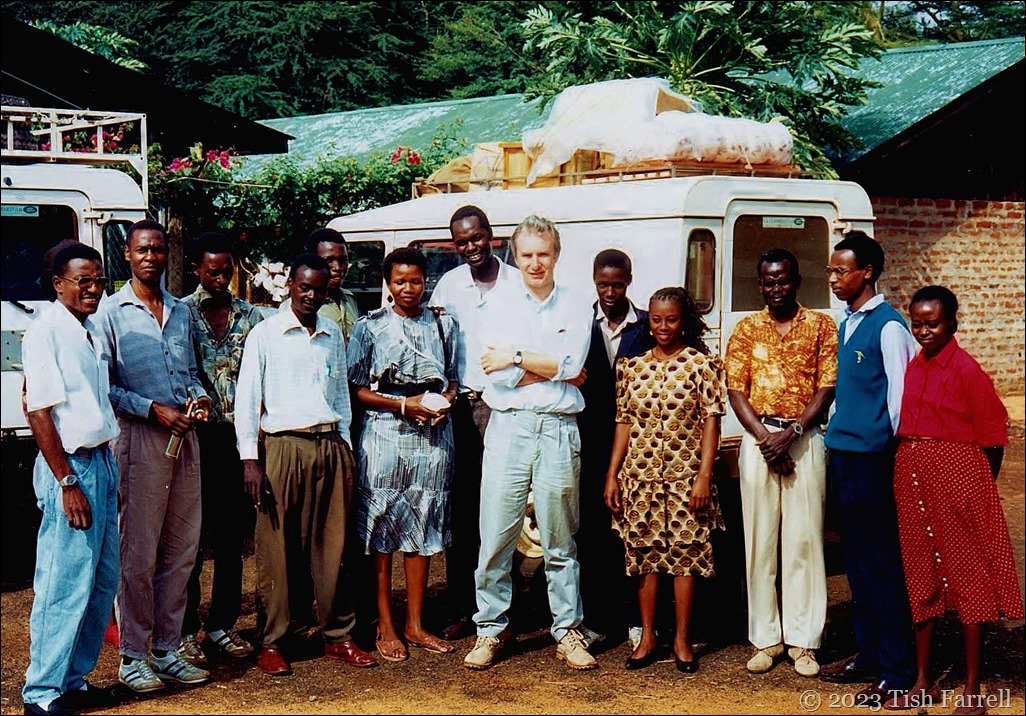
When, at the end of our nomadic nine months, we went to live in Zambia (a very fresh-airy state) I truly missed the scent of fever trees. I couldn’t believe our luck when Graham was posted back to Kenya. It was then he had the rather dismal job of winding up the LGB project at the Kiboko field station. He threw a long, loud party for the lab staff at Hunter’s Lodge, and the next day everyone lined up to have their photo taken.
Kiboko ed last day of project

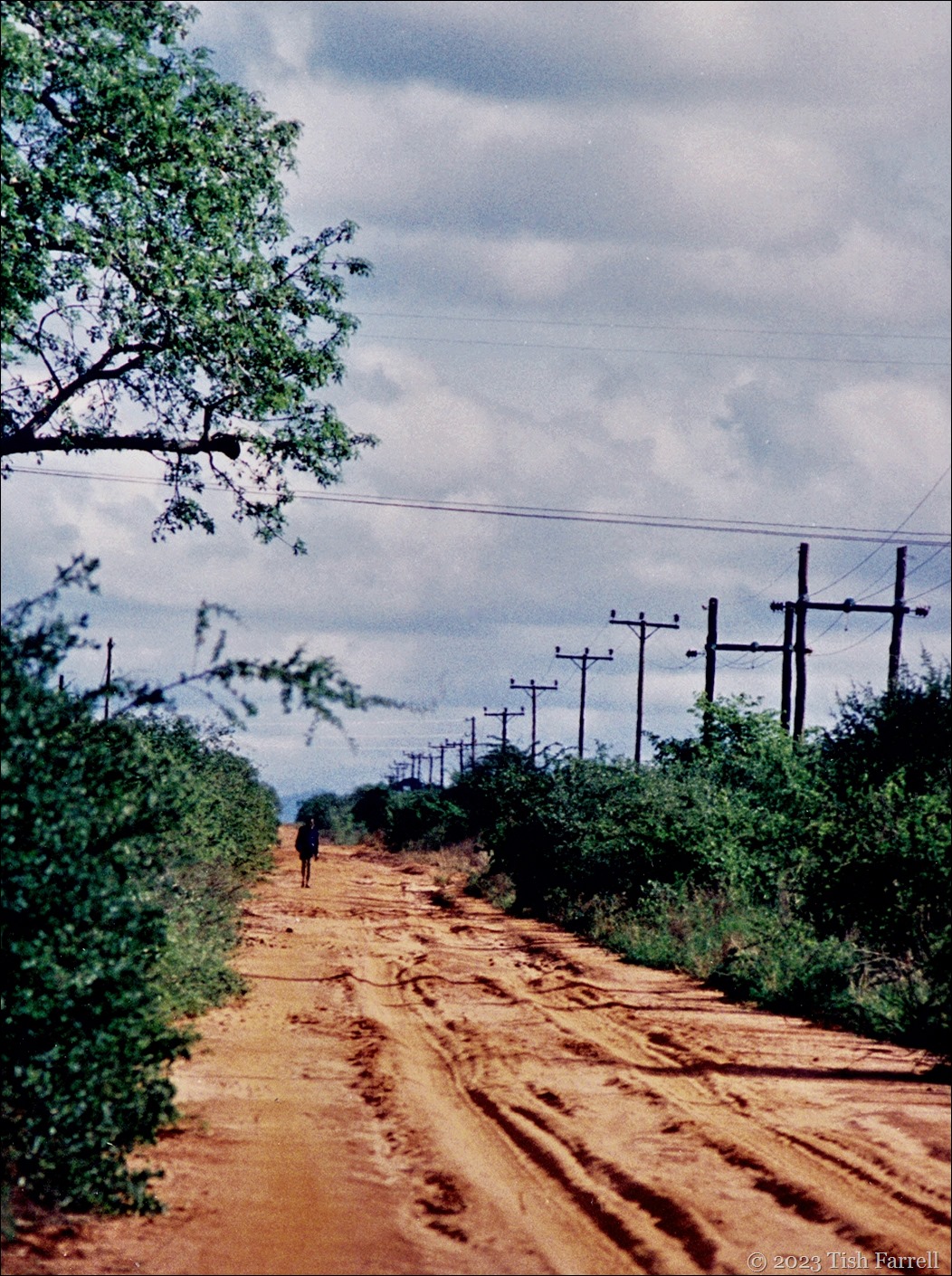
Most had other jobs to go to and were heading back to Nairobi and beyond. Only Paddy, then a young researcher, remained to carry on monitoring LGB movements and checking the insect traps on the nearby Range Station. He lived on the station in a remote staff house, up a long, long dirt road. These days he is Doctor of Agricultural Entomology at a research institute in Nairobi:
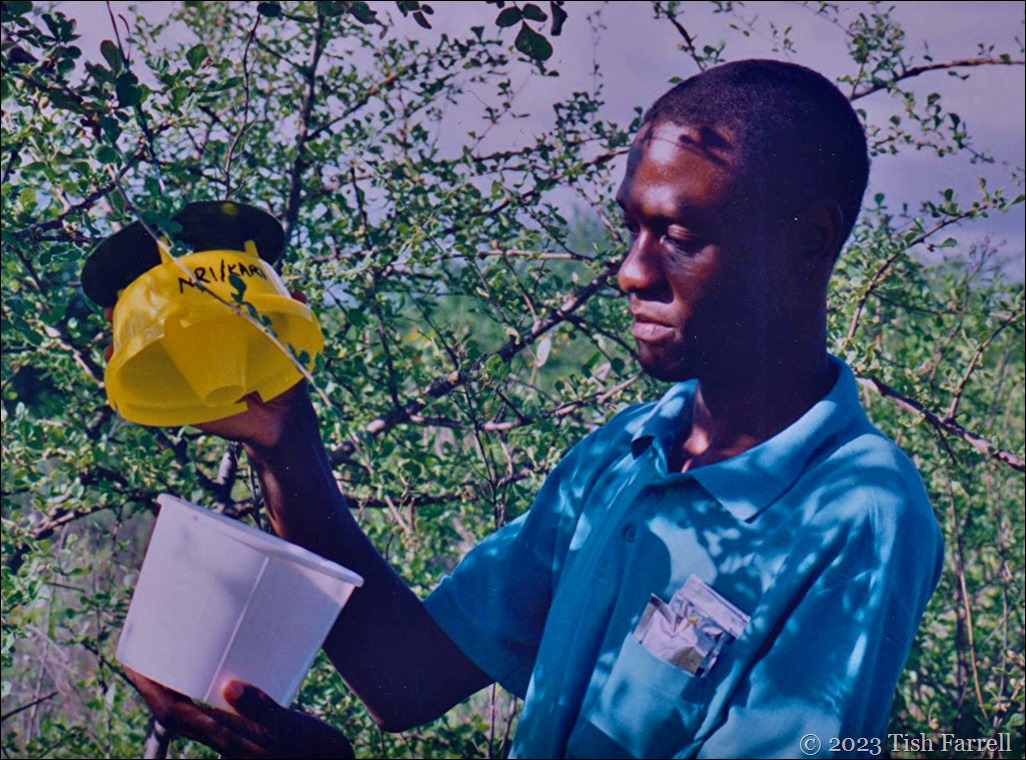
015

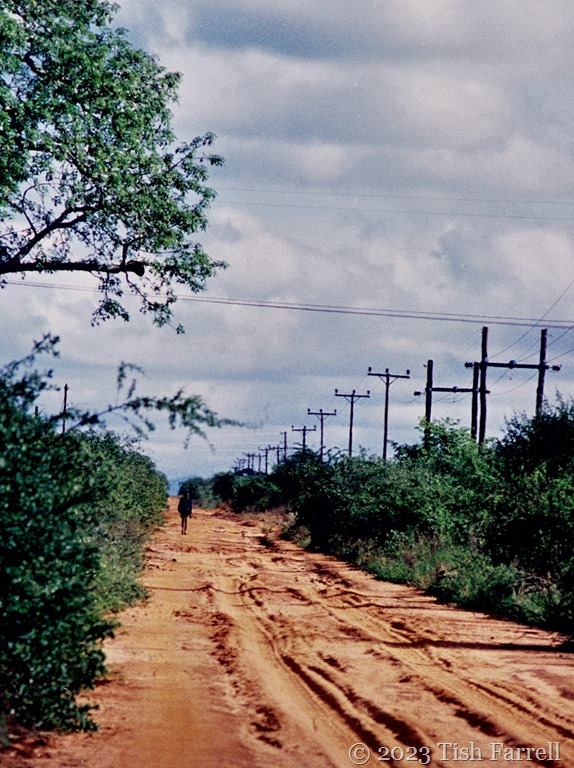
Kiboko ed 4 range station road

The road to the Range Station. I think this land was once a colonial (failed) sisal plantation. We heard that the thorny wilderness it had later become was the haunt of buffalo, an animal you definitely do not want to meet at close quarters.

*

After our return to Kenya in late 1993, we stayed on a further six years. This time Graham was involved with on-farm crop protection experiments, engaging the smallholder farmers in the process. As for LGB eradication, it seems attempts to use a biological control  have not been especially successful, although the predator has naturalized and does have some limited effect on LGB numbers. Scrupulous cleaning of granaries between harvests plus chemical applications, e.g. dusting the stored crop with a pyrethroid insecticide does work, but otherwise it can be a sorry tale for subsistence farmers, who may not be able to afford the stuff. In the worst infestations up to 40% of stored grain can be lost, and up to 80% of dried cassava, a staple crop in West Africa.

So: some dark clouds on these horizons. It’s a lot to mull over. All these years on, I’m still trying to process it.
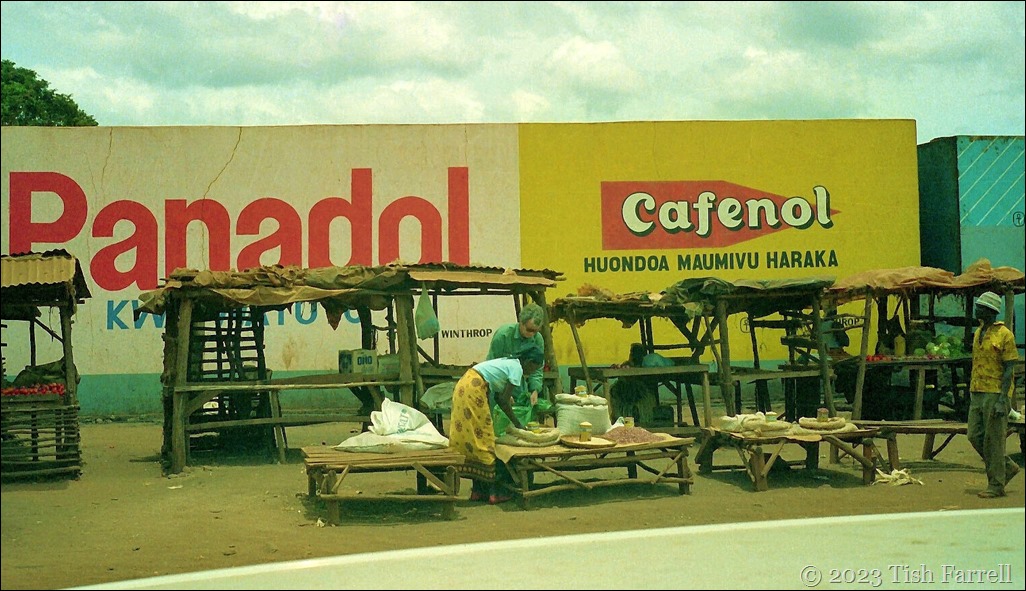
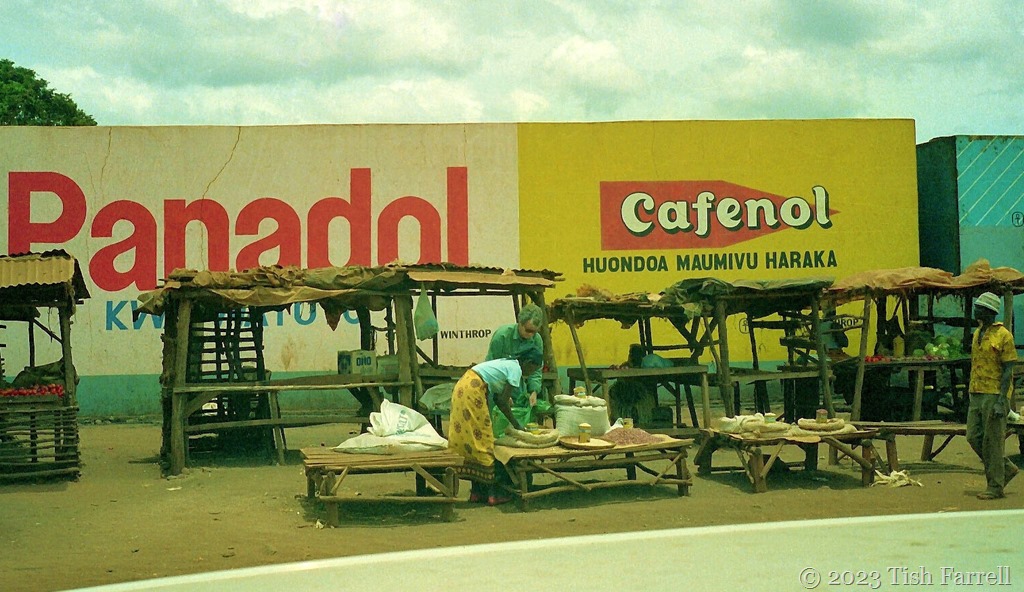
Kiboko ed Emali market

Graham at Emali market, buying maize for the Kiboko grain store experiments.

*

Lens-Artists: Glowing moments  Siobhan at Bend Branches blog asks us to show her our best moments.

Spring Comes Softly at Hergest Croft

IMG_2899ed

The second day of April, and the last day of our Presteigne cottage holiday, we set off to nearby Hergest Croft Gardens. The 70 acre gardens, part of the Hergest Estate, lie on the England-Wales border in Herefordshire, not far from Kington. From the first moment you set foot in the place you know it will be a gardener’s treat at every turn. And how could it not be? Not only does it hold the national collections of maple and birch trees, it is also six gardens in one, created from the late 19th century, and home to over 5,000 rare trees and shrubs; every specimen  mindfully placed and nurtured over the years by members of the Banks family, a dynasty of local lawyers-bankers-plants-men-and-women.
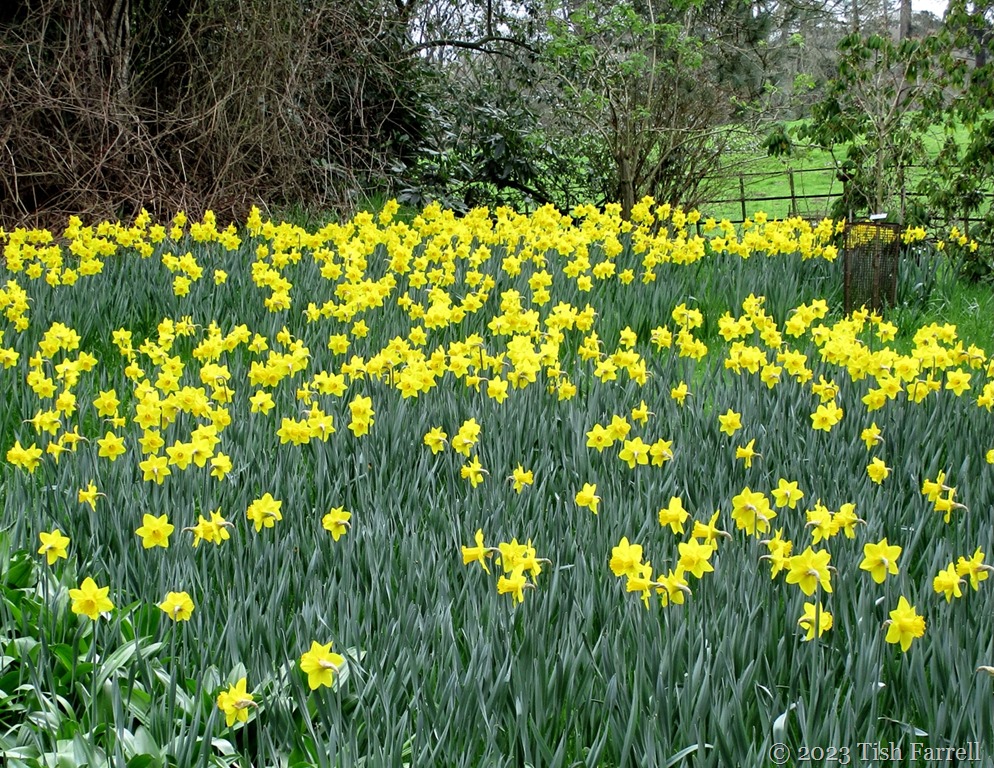
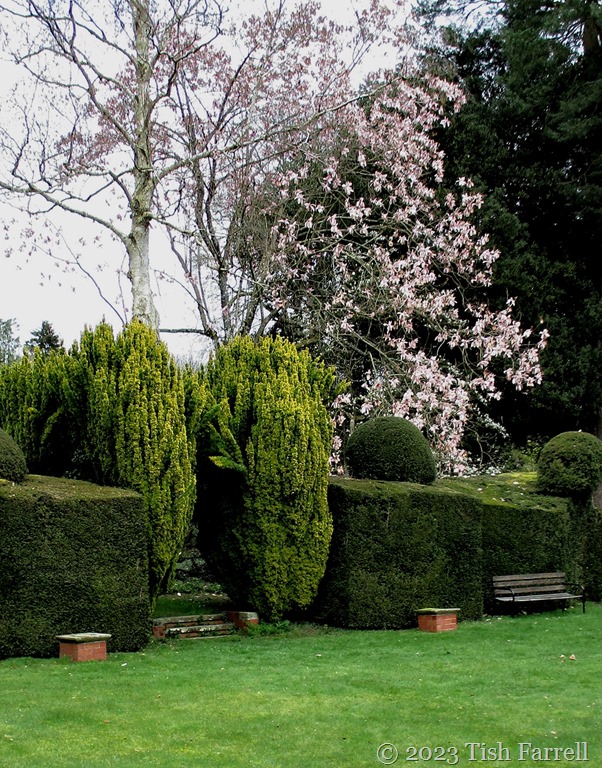
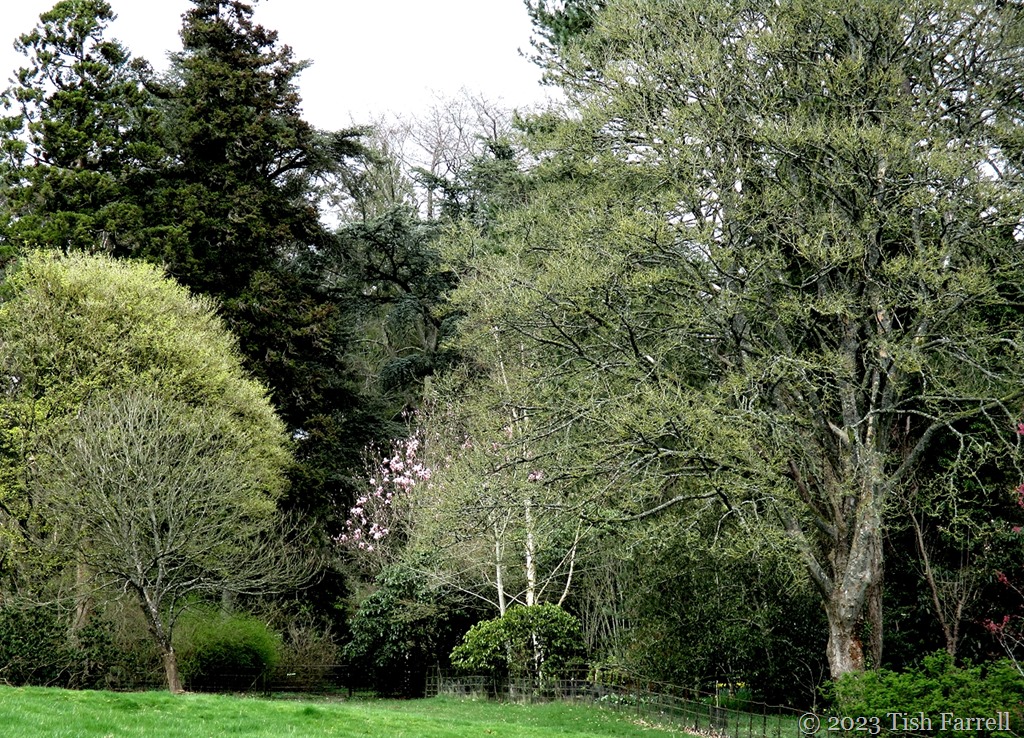
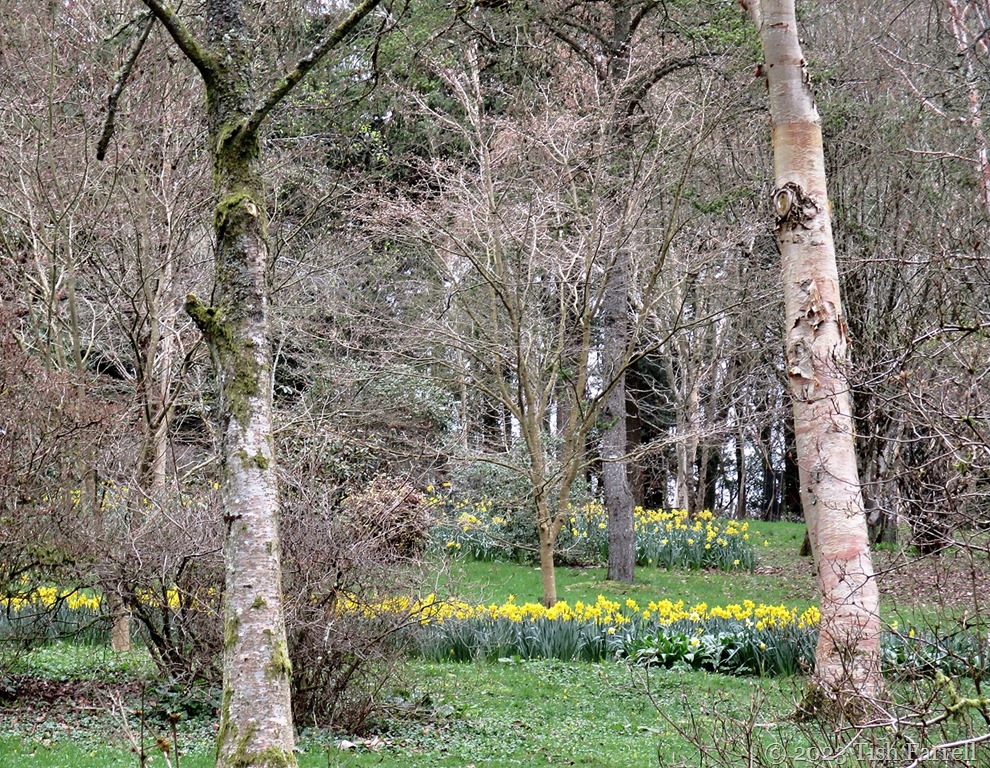
We’d hoped for sunshine, but the weather forecast lied. The day of our visit was overcast and, while the profusion of daffodils and magnolia cascades through the trees said ‘spring’, to this human it felt more like winter, the Arctic edge to the breeze lingering on and on, fingering into every exposed cranny. I was glad of my quilt-lined waterproof and woolly hat.

IMG_2876

IMG_2879

IMG_2880

*

Here and there were signs of winter hanging on. In fact most of the deciduous shrubs and trees seemed to think so too; there was a general air of arboreal slumber, their hint-of-green looks (on closer inspection) often down to profuse colonies of lichens, which tells you something about the quality of the clear, fresh air up on Hergest Ridge.

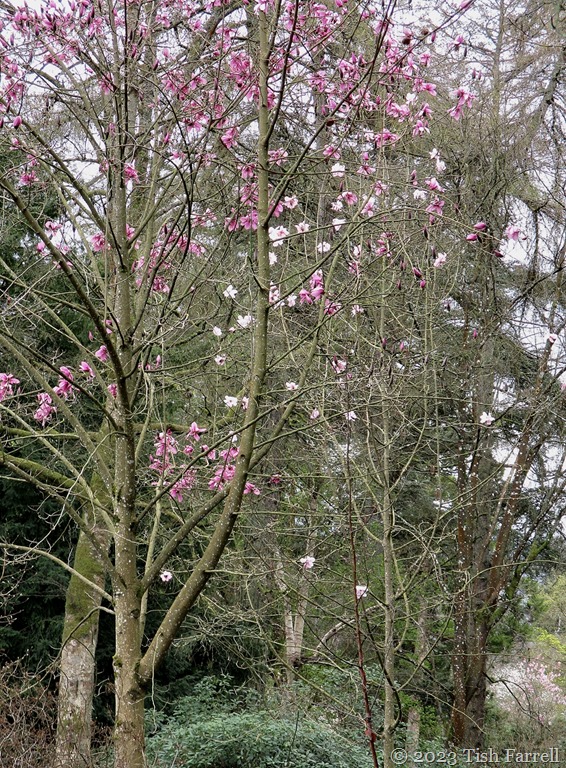
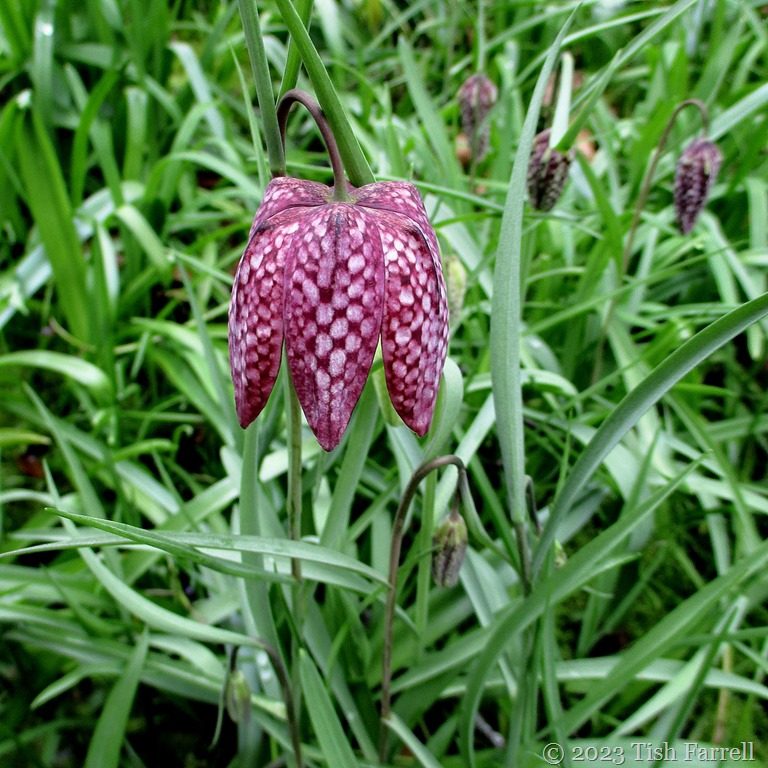
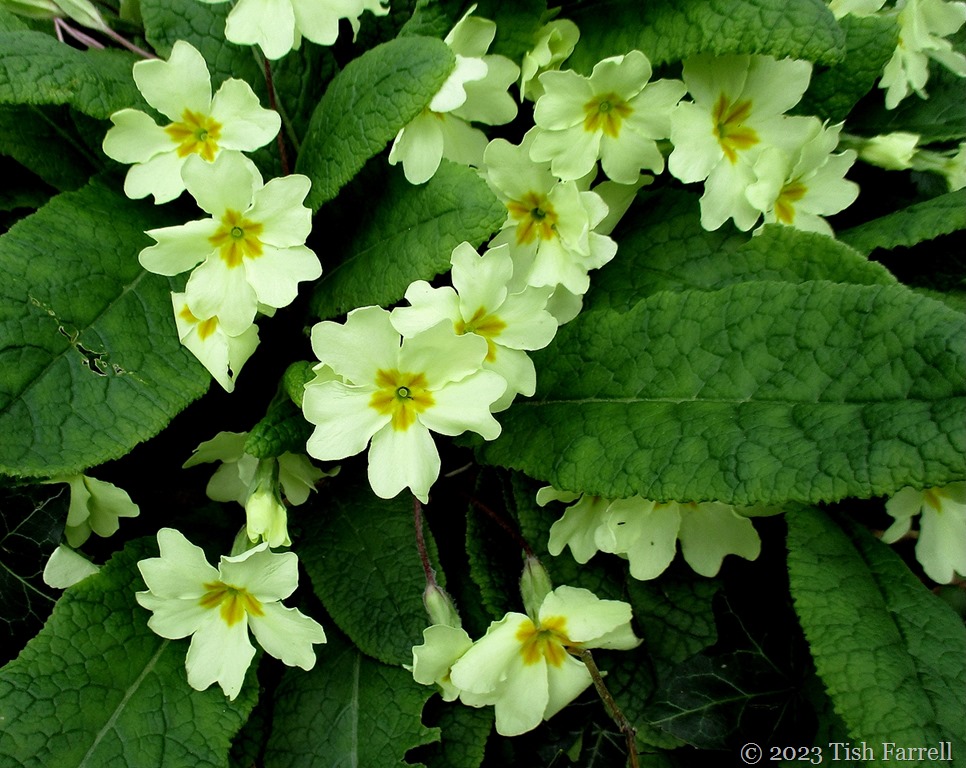
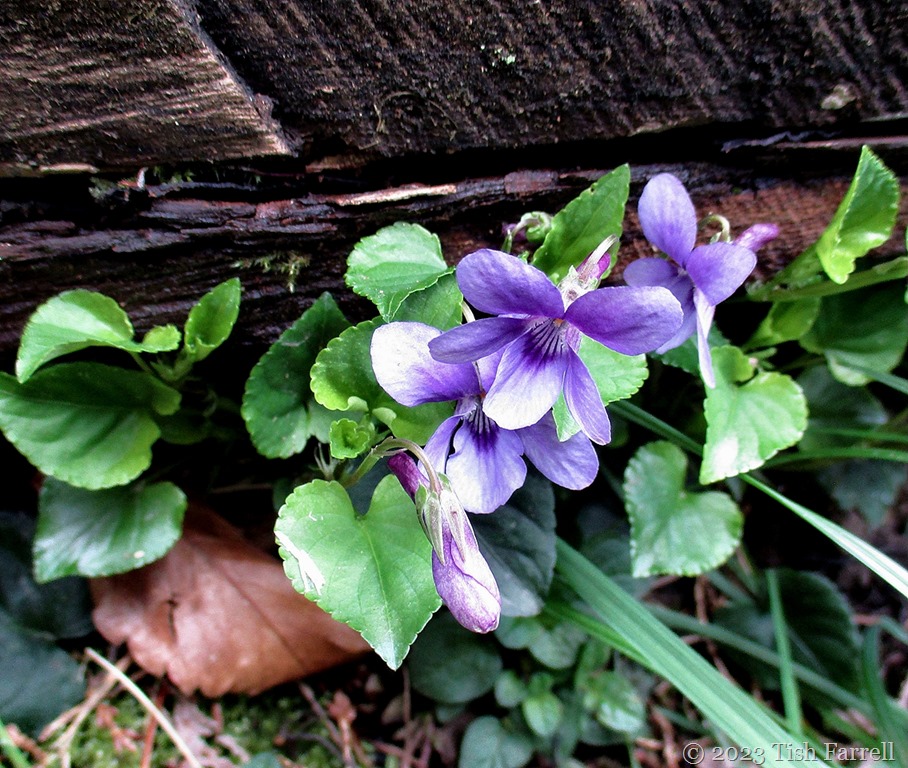
In the end it didn’t matter if spring was slow to happen. The gardens were beautiful, and it somehow added to the pleasure of small finds: a clump of violets, some snake’s fritillaries, primroses, more daffodil and magnolia vistas, a maple just unfurling:

IMG_2883ed

IMG_2869

IMG_2894

IMG_2890

IMG_2898

IMG_2897

*

Of course all such visits to English gardens must include a tea room, and Hergest Croft has a very fine one with a suitably gracious terrace overlooking the lawns and parkland. The cakes were so delicious I forgot to take their photo (apologies cake lovers). I was anyway distracted by a burst of sunshine. That didn’t last long either.

IMG_2901

IMG_2913

*

But by four o’clock even pots of tea and slabs of coffee and lemon cakes could not fend off the gathering chill, and there was one final spot to visit before heading back to the car and the warmth of our Presteigne cottage.

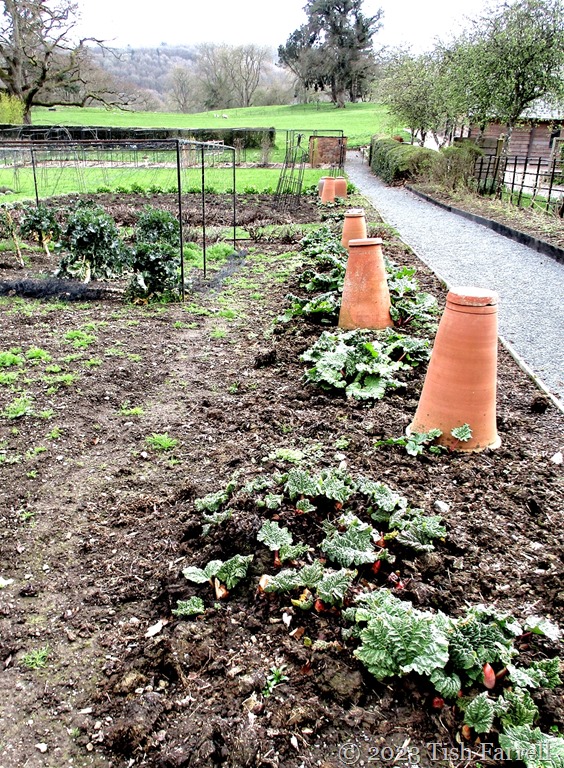
The kitchen garden.

At first sight it was definitely still in winter mode, although the rhubarb was putting on a good spurt, the terracotta covers set out  for forcing.

IMG_2922

*

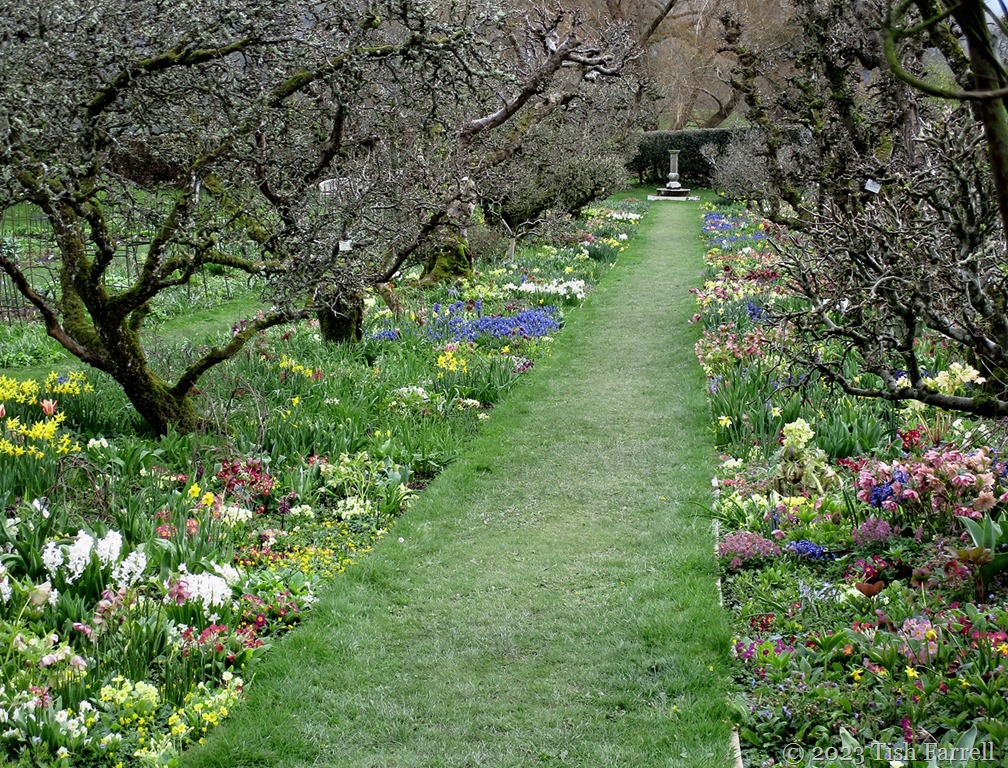
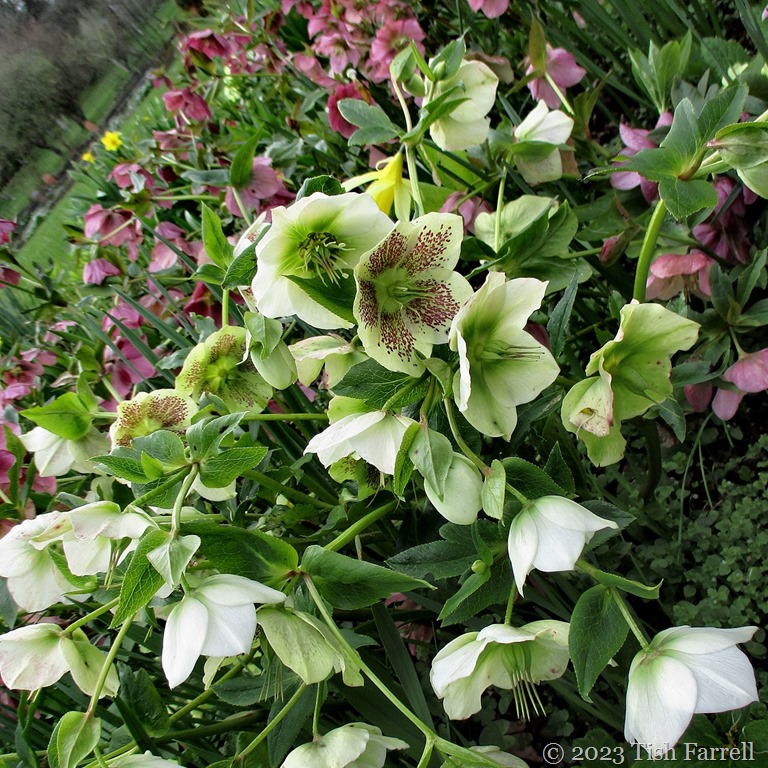
Then we found the orchard, an avenue of ancient apple trees, and beneath them an exuberant (if slightly mad) planting of bulbs and hellebores. I forgot about shivering and laughed. We’d been looking in the wrong place. Who said it wasn’t spring yet?
IMG_2924

IMG_2927