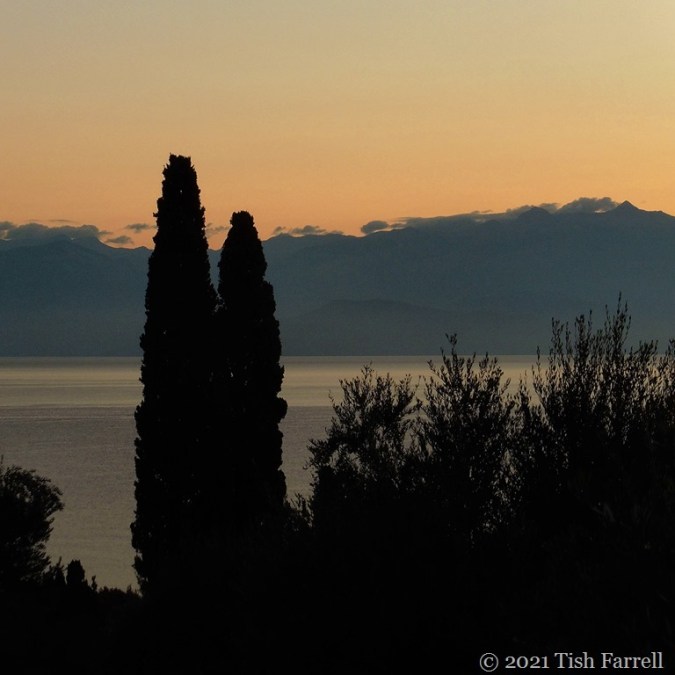
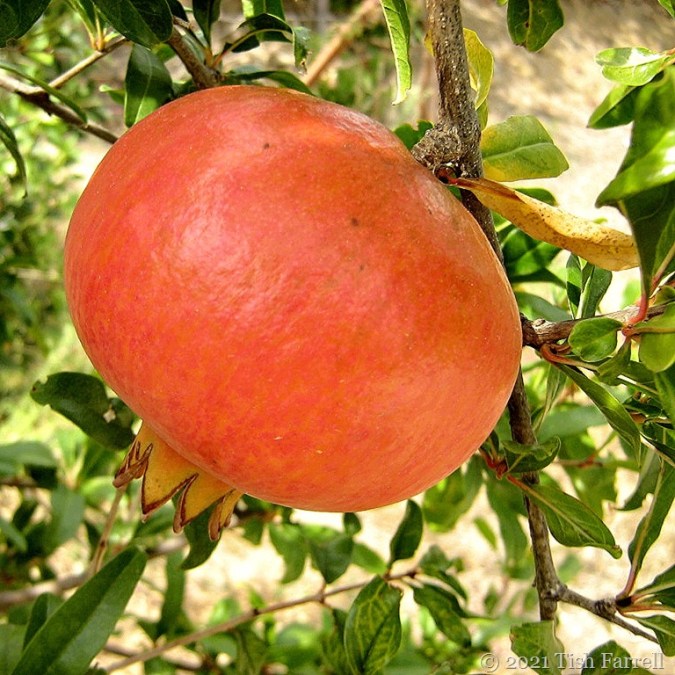
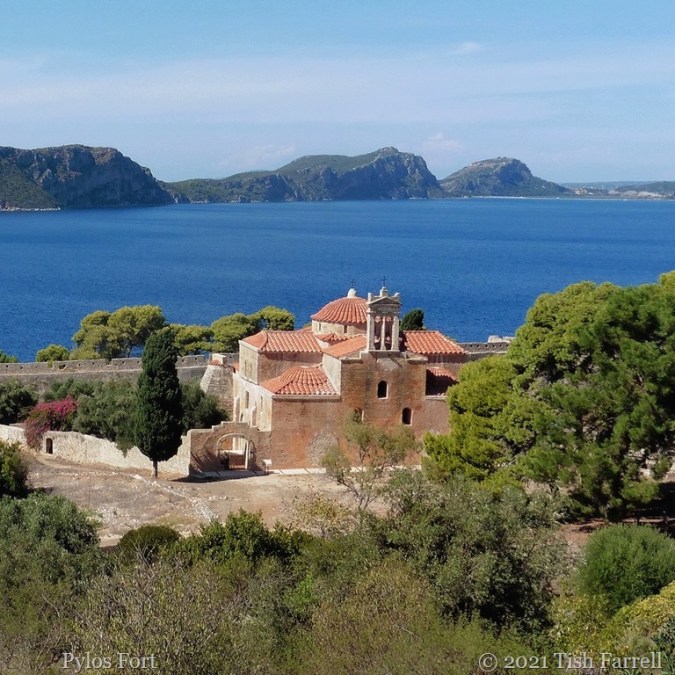
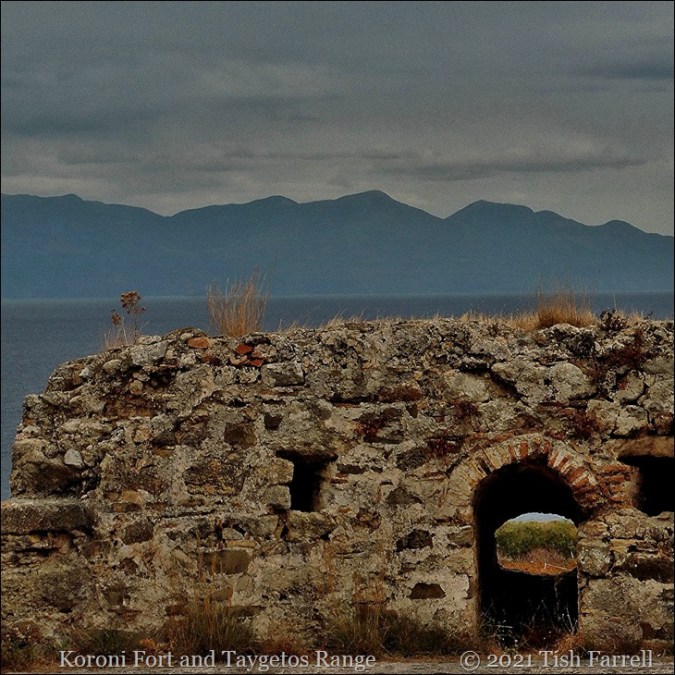
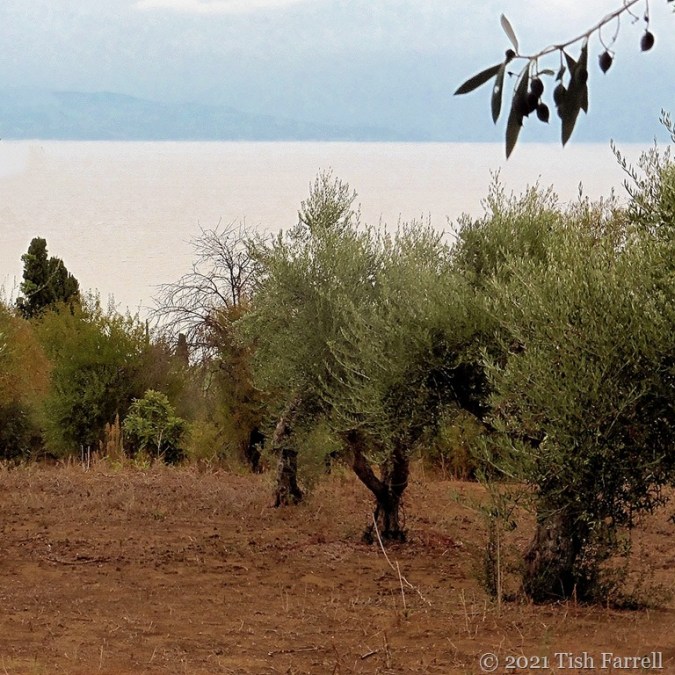
A few Septembers ago we had a family trip to Kalamata on the Peloponnese. I had not been to Greece before, and it was love at first sight – from the moment we left the airport. There had been a fierce summer that year with no rain and the earth looked parched. I don’t know what it was that spoke to me most – the rugged stony uplands, the everywhere-colonies of feathery phragmites reeds, the wild cyclamen, household clutter around the homesteads and olive groves, the olive groves themselves, the country lanes and then the views of the Taygetos Mountains across the Messinian Gulf. The only downside for us, though quite the opposite for the locals, we brought the rain on our heels, so there are stormy skies as well as china blue ones. It anyway seems like a dream now.
#LifeInColour
Past Perfection: Marigolds
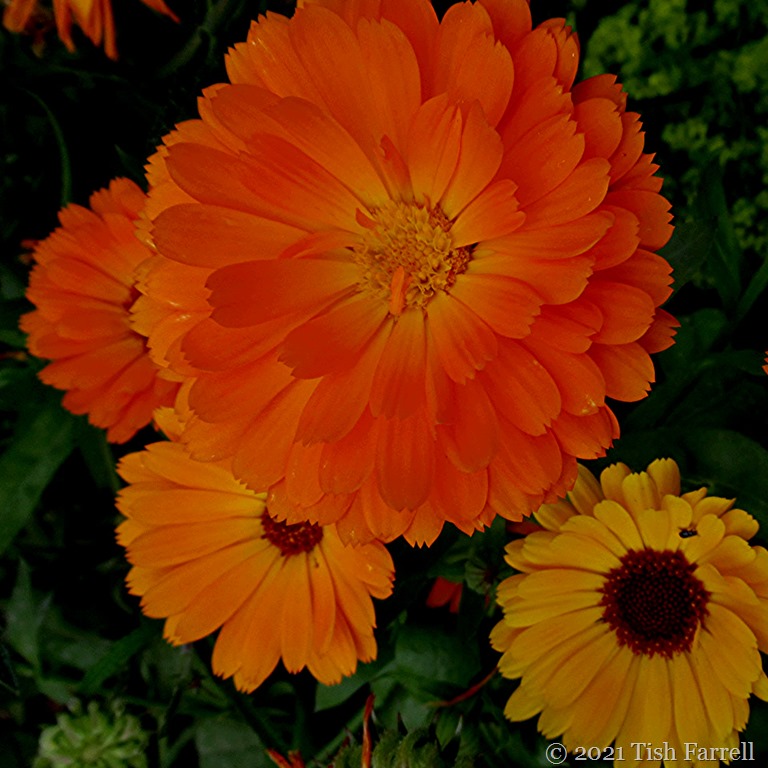
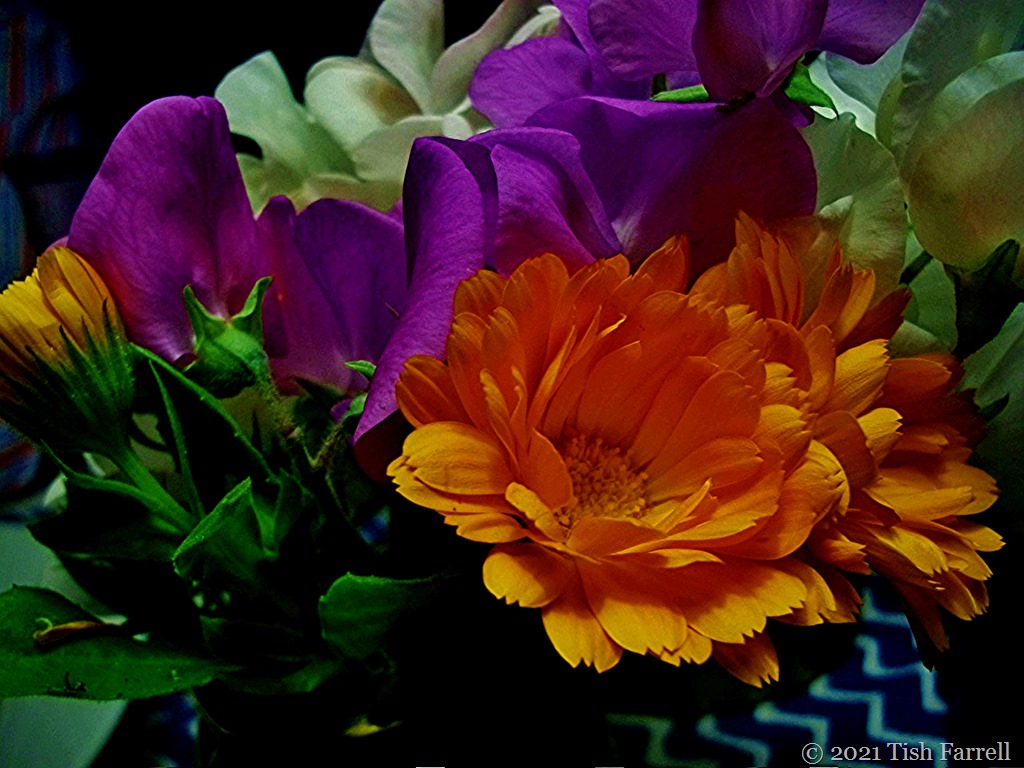
Like cosmic solar entities dropped into the garden: what’s not to love about the orangeness of pot marigolds (Calendula officinalis). They are among my favourite flowers, which is just as well as they grow everywhere on my allotment plots. I mostly let them do as they please. They keep on flowering too – from summer through autumn and sometimes into December. I use the petals in brighten up my salads, but I think the whole plant is edible – in fact a miniature pharmacopoeia in every stem. My medical herbalist’s guide lists numerous healing properties, besides which, just looking at them makes me feel better.
Passing them on to brighten your Monday.
Life in Colour: Orange Jude’s October colour selection at Travel Words
Past Squares #4 Becky says interpret the concept of ‘past’ however we will – just so long as the header photo is square.
Last Of Summer Days In Heart-Of-England Country
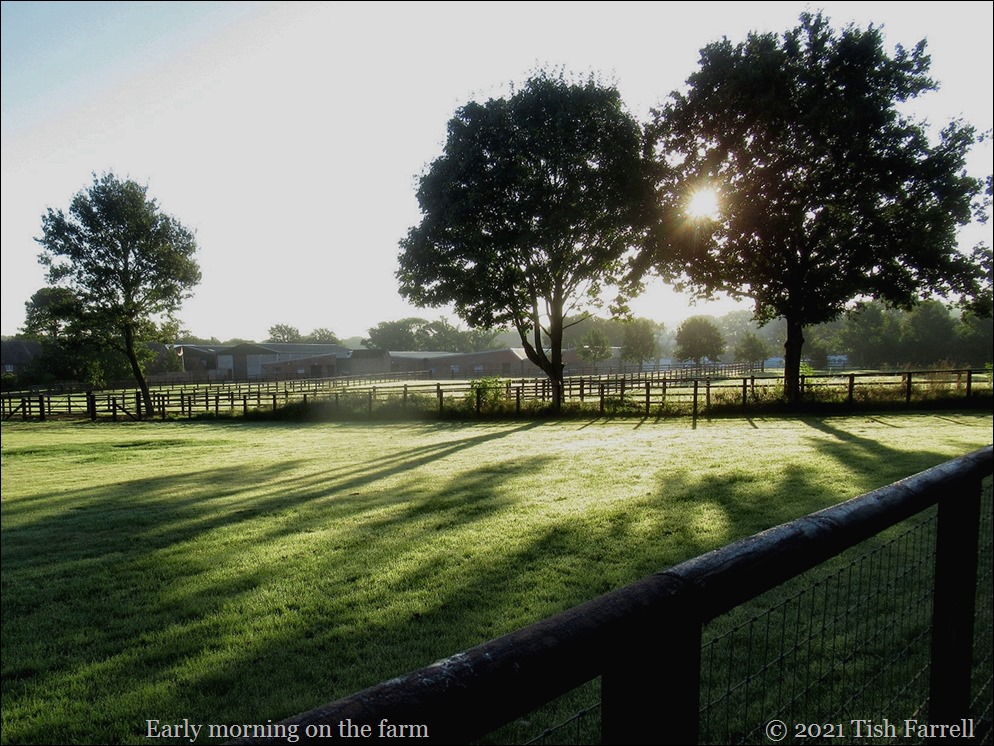
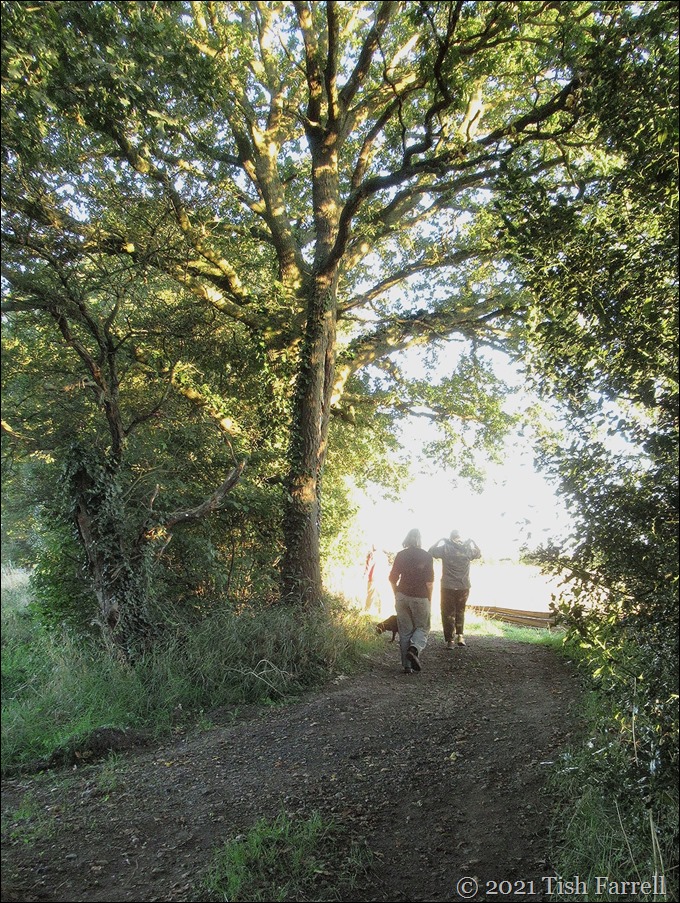
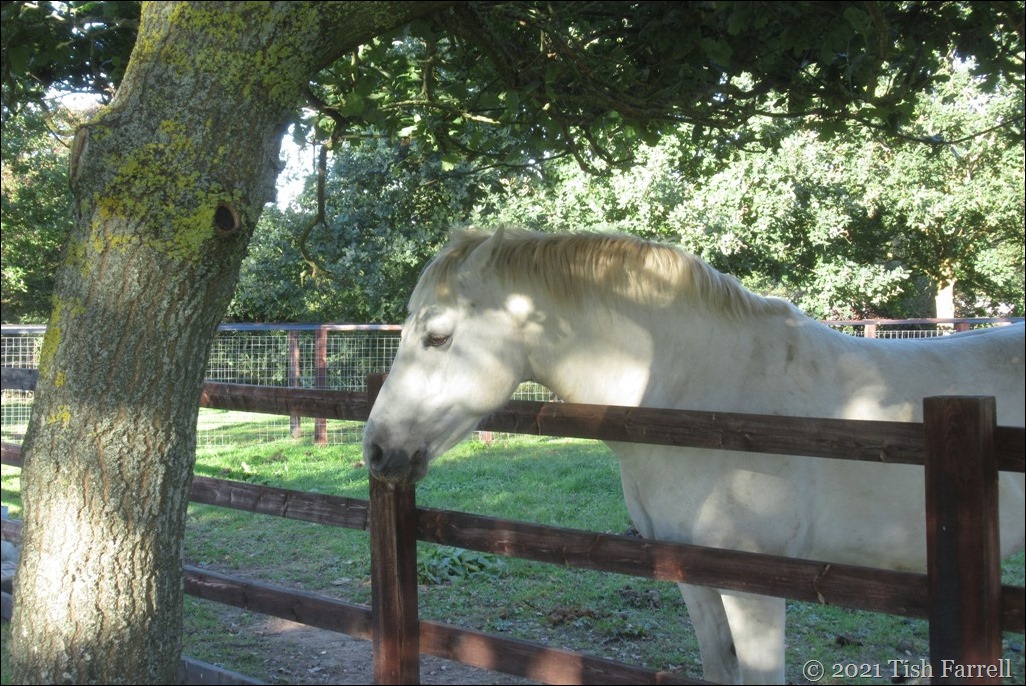
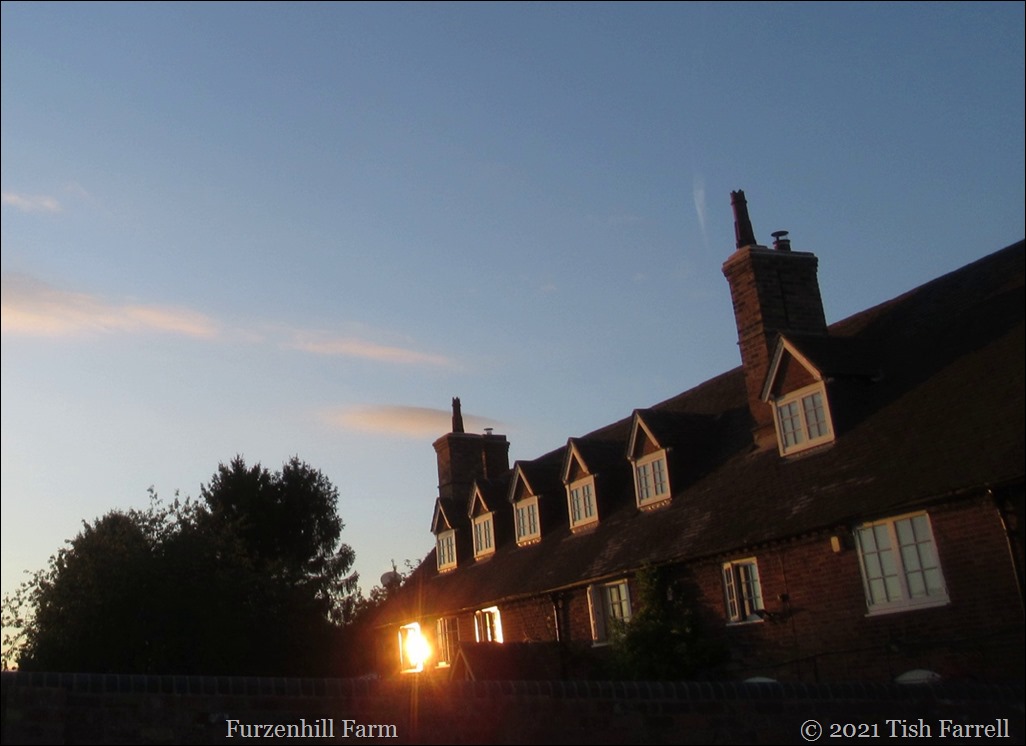
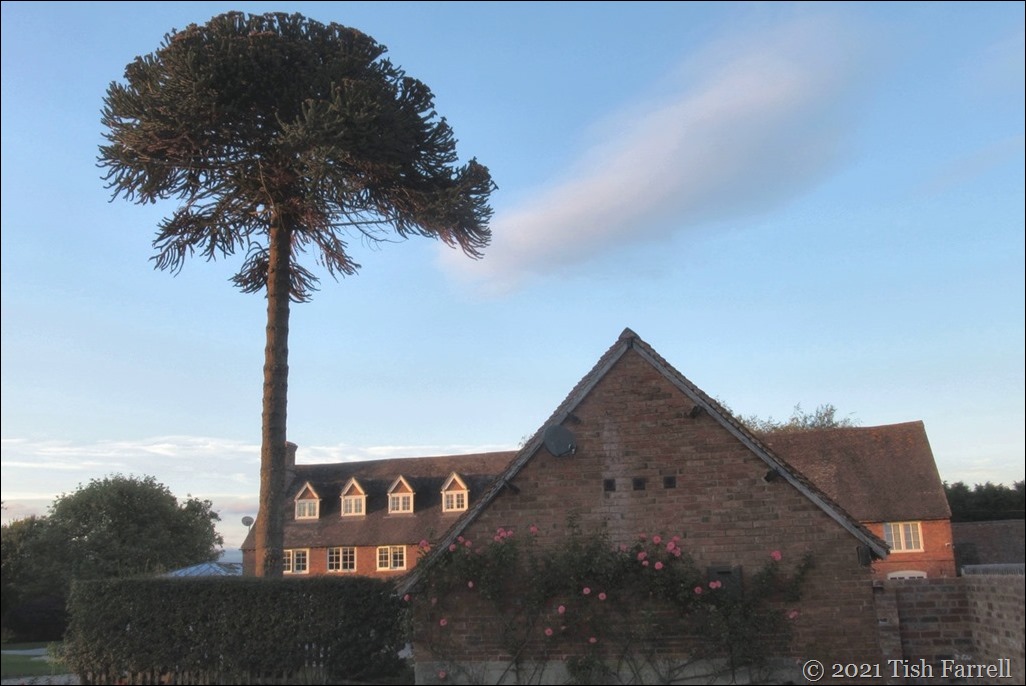
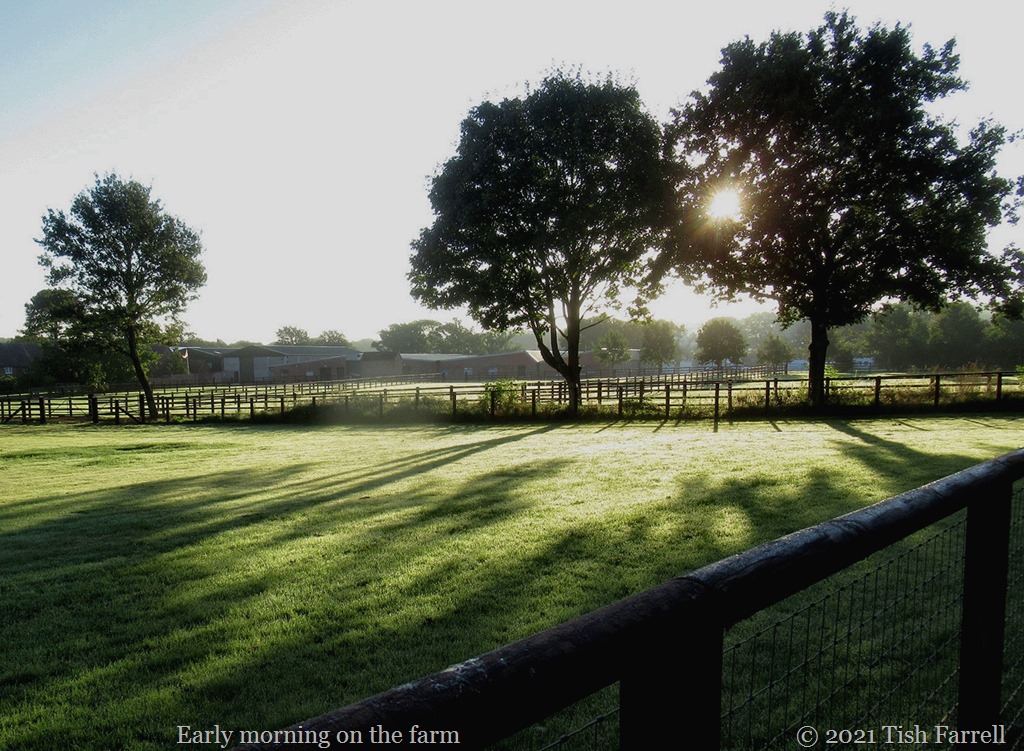
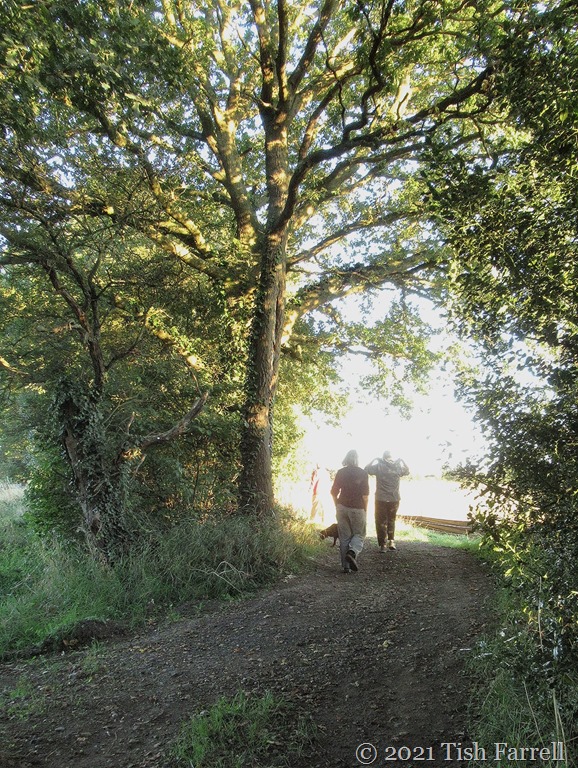
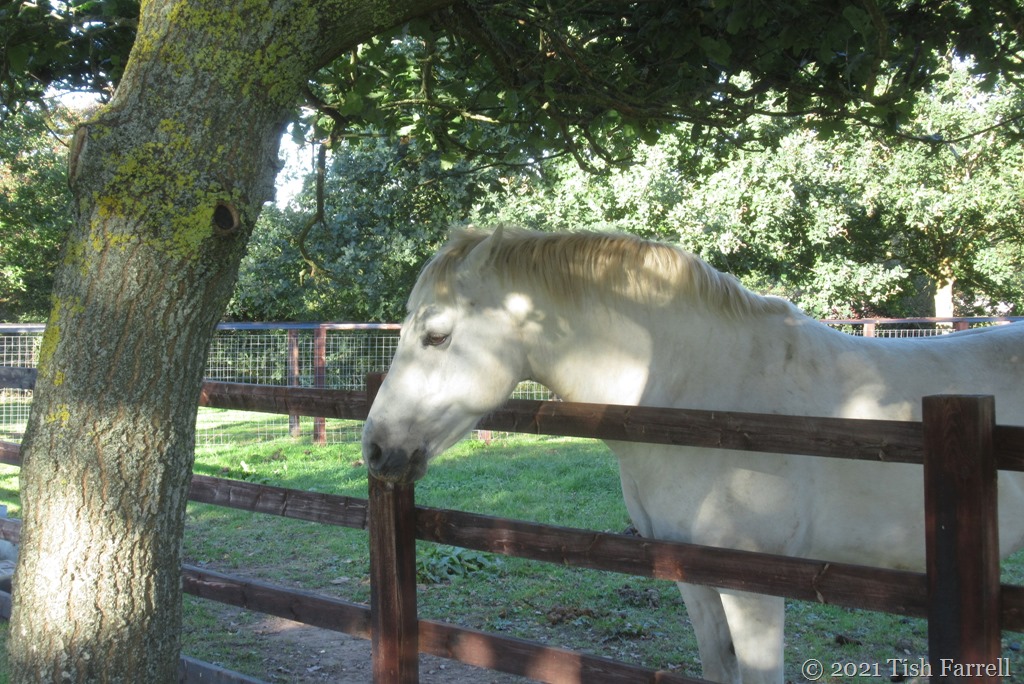
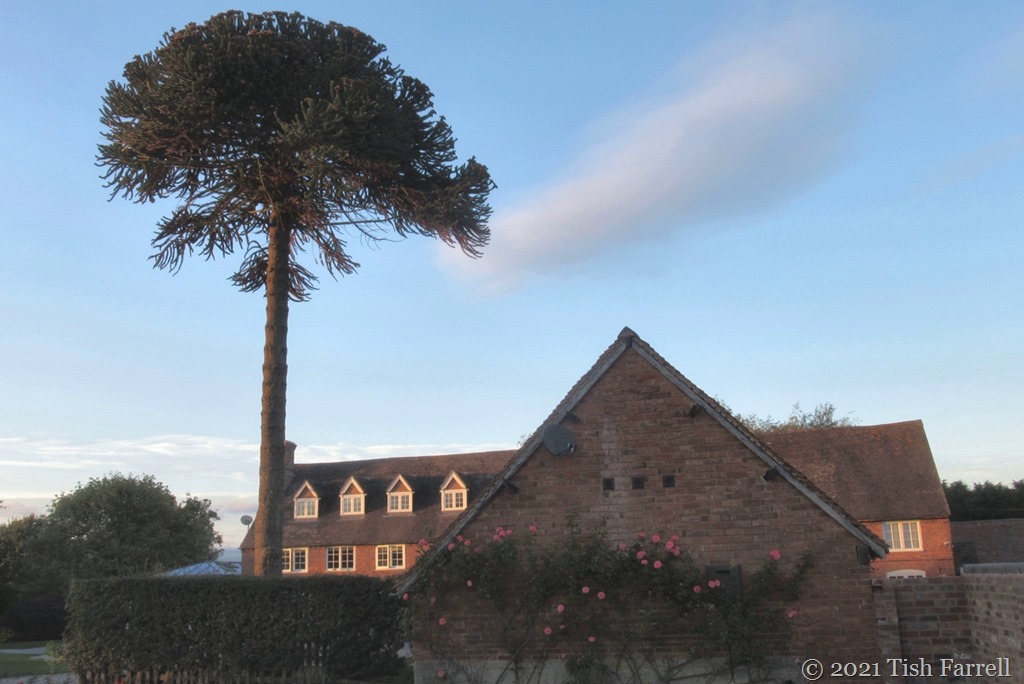
…and in this case that ‘heart’ would be Warwickshire, homeland of master playwright, Will Shakespeare, the man who tantalizingly left scant evidence of his existence there. But then we weren’t pursuing him in his Stratford birth-and-death place along with many a late summer visitor. We were choosing the quieter option, staying on a farm in a cottage near Royal Leamington Spa, watching horses graze in lush paddocks and meandering down leafy footpaths to the River Leam.
For seven days last week we were blessed with full-on summer warmth. Lucky us.
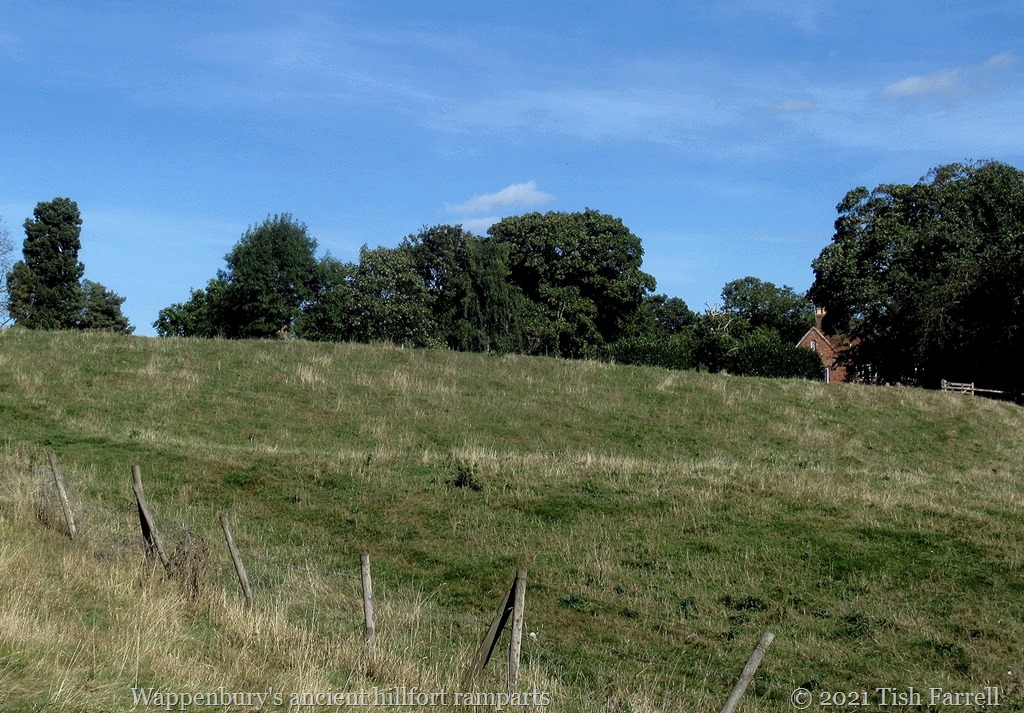
It was new territory too. For us Shropshire dwellers (slightly north and west of Warwickshire), this particular county has always been one to drive through to somewhere else, usually to Devon or Cornwall. This being due to its having various motorways which incline one to dash through. This has clearly been a mistake. At the very least it is a county of two stunning castles – each in the magnificent, must-visit-settings of Warwick and Kenilworth. Then there are the elegant Georgian boulevards of Leamington Spa with its riverside parks. Then out in the surrounding countryside there are ancient pretty villages with well patronized pubs serving delicious food. One little village called Wappenbury even had the distinction of having grown up within the bounds of an Iron Age hillfort. You could still spot the weathered ramparts from the path down to the Leam.
*
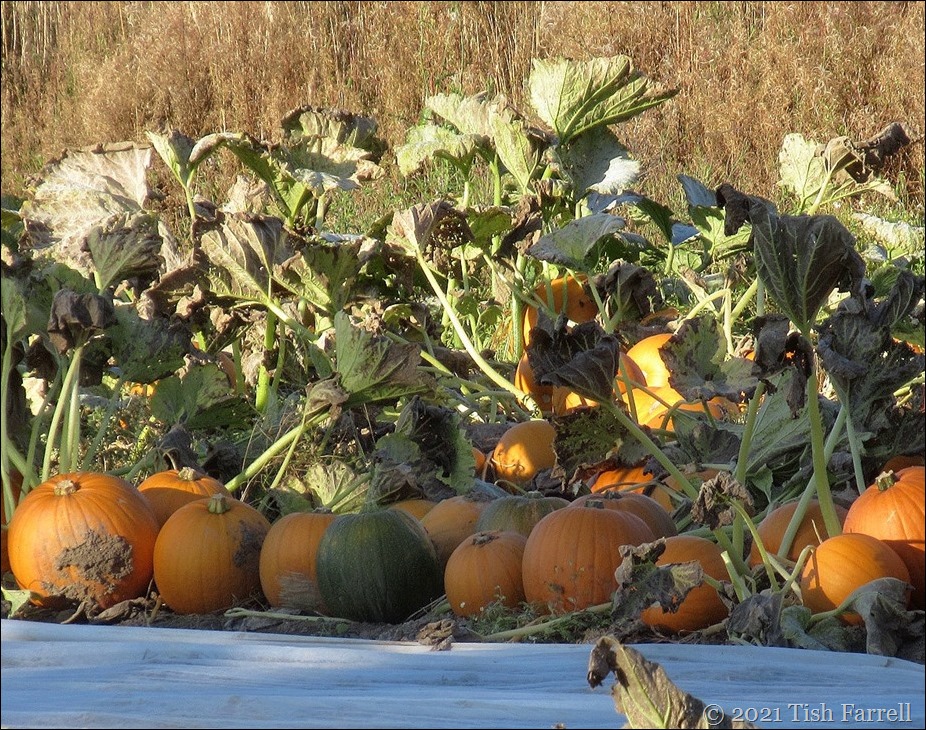
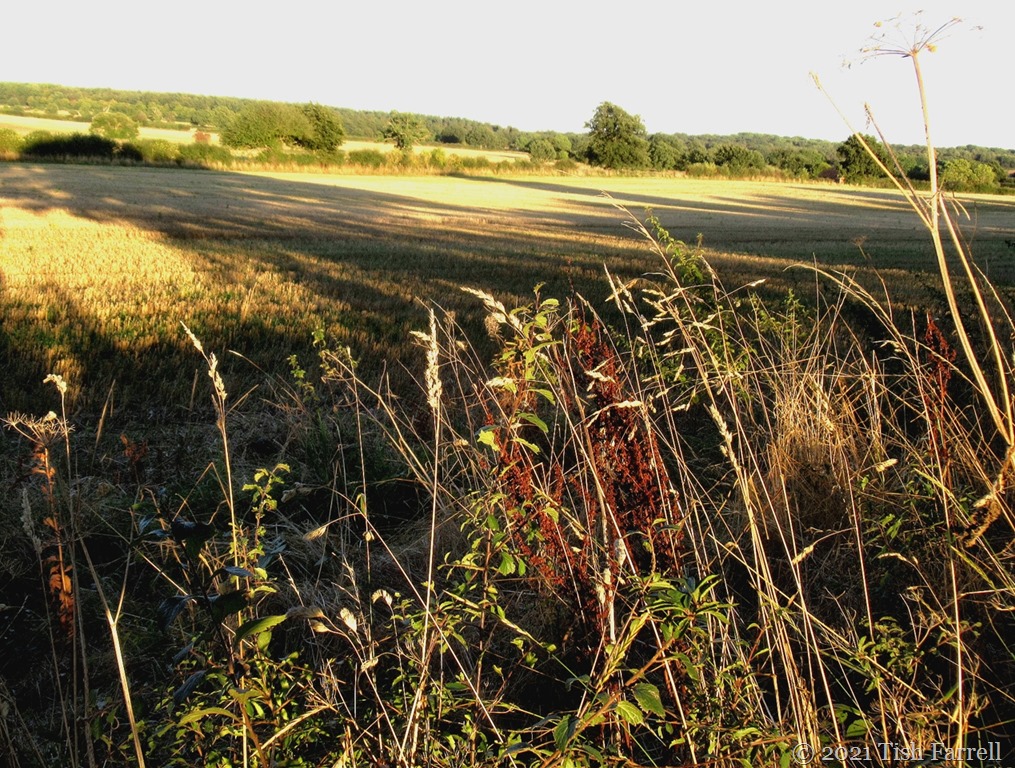
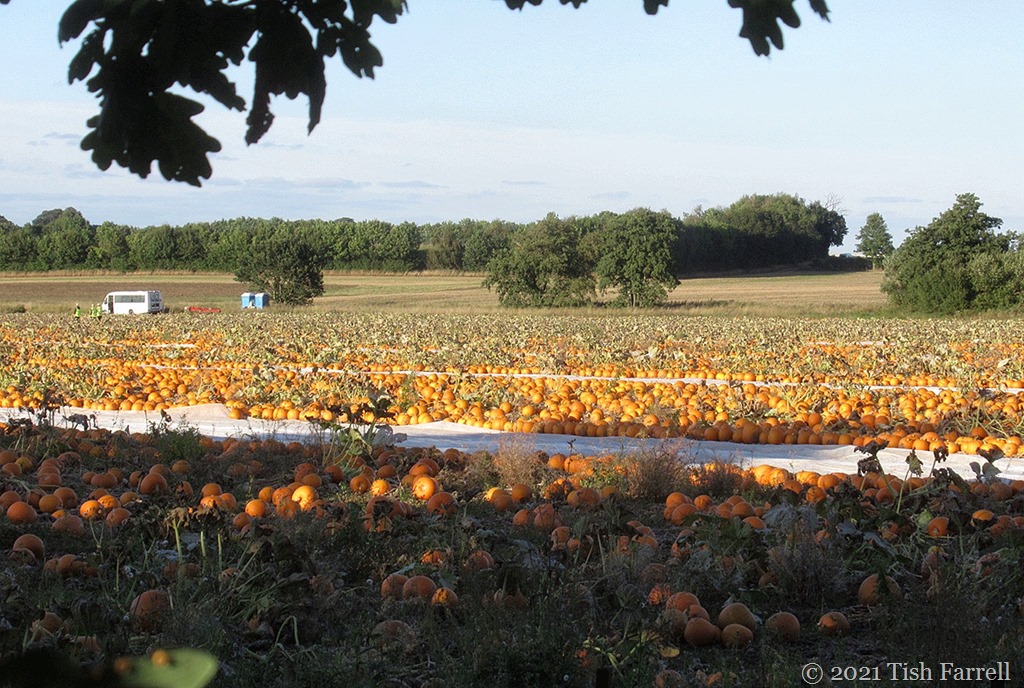
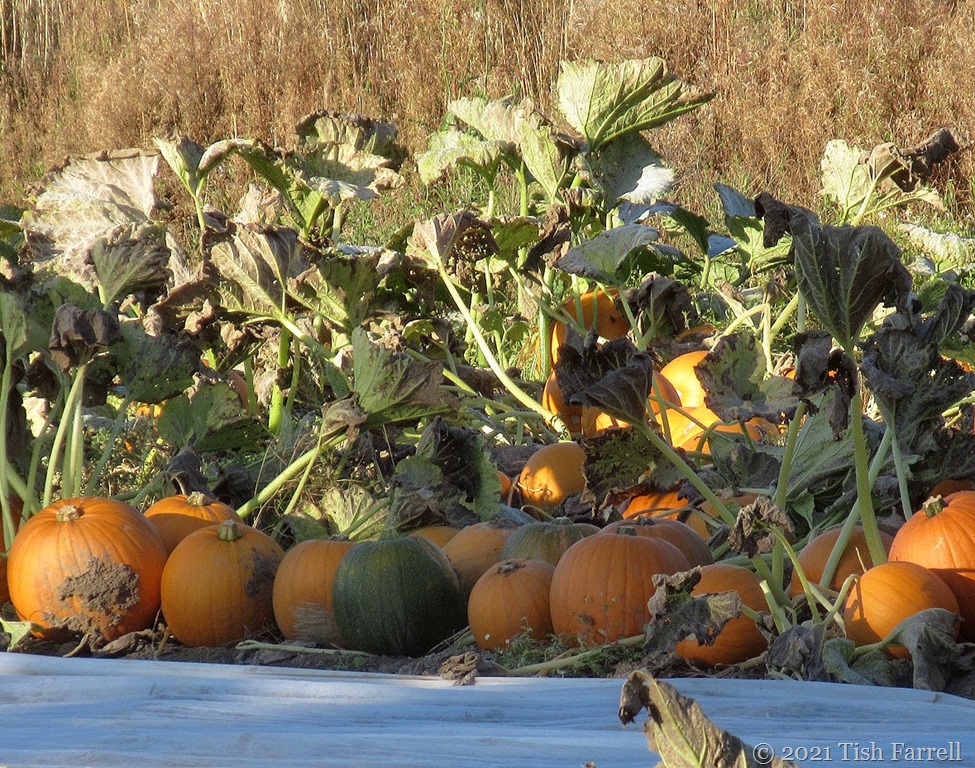
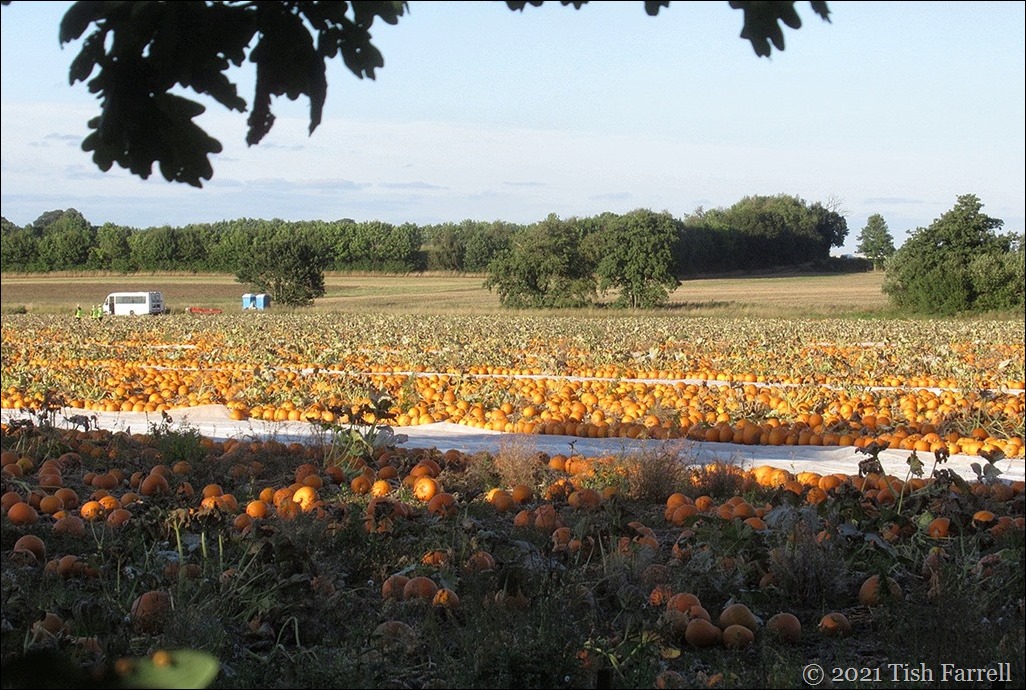
Warwickshire is largely an agricultural county, mostly arable with ‘big-field’ cultivation and wooded peripheries, the surviving 18th century (and older) farmhouses displaying well kempt manorial looks. By late September the harvest was pretty much done, the drilling of winter wheat underway. What remained, though, were fields and fields of pumpkins, they of the now customary Halloween variety. In fact there were so many acres of them – Sleepy Hollow on agristeroids – we decided the farmers must be growing them under contract to every big supermarket chain across the land. Who knew? But we pitied the poor pickers who we saw arriving on gathering duty: some of the pumpkins were HUGE, not easy to grapple with.
This next photo is one portion of a single field.
*
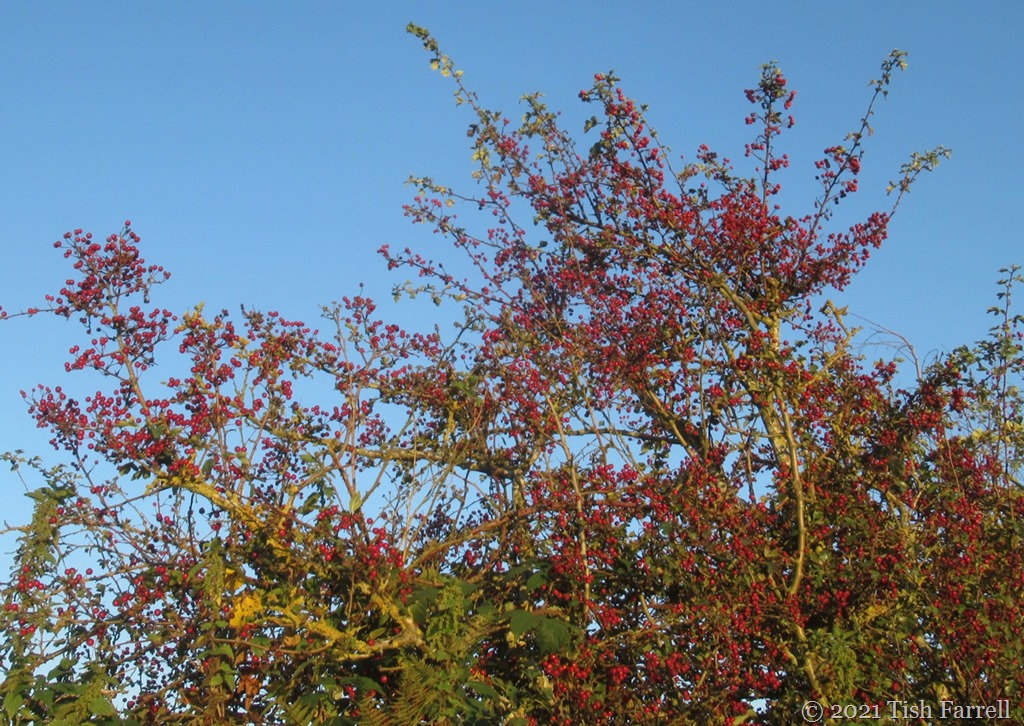
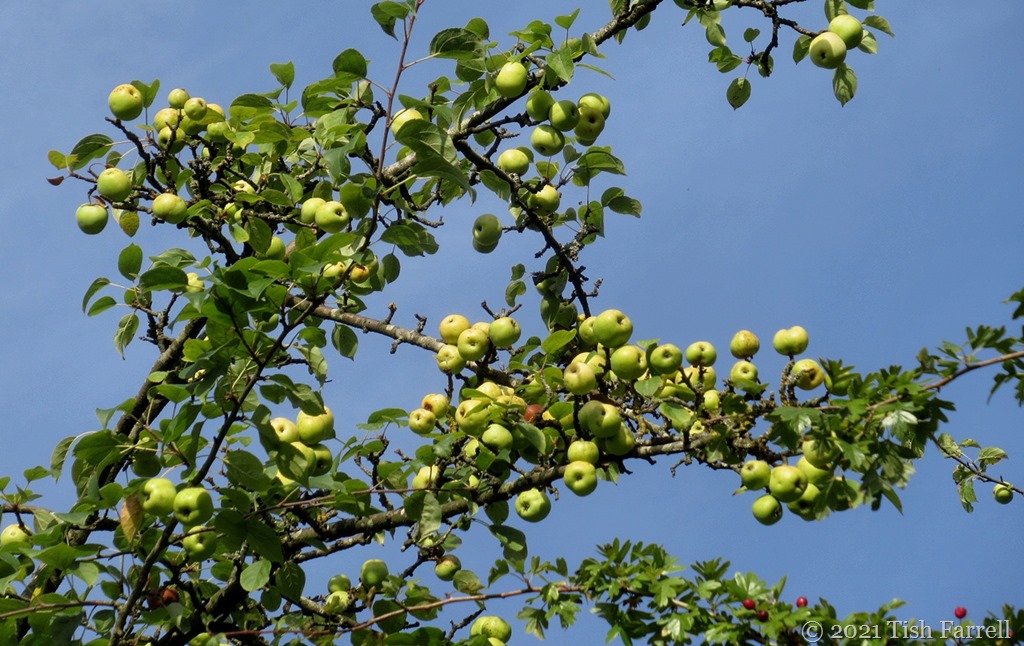
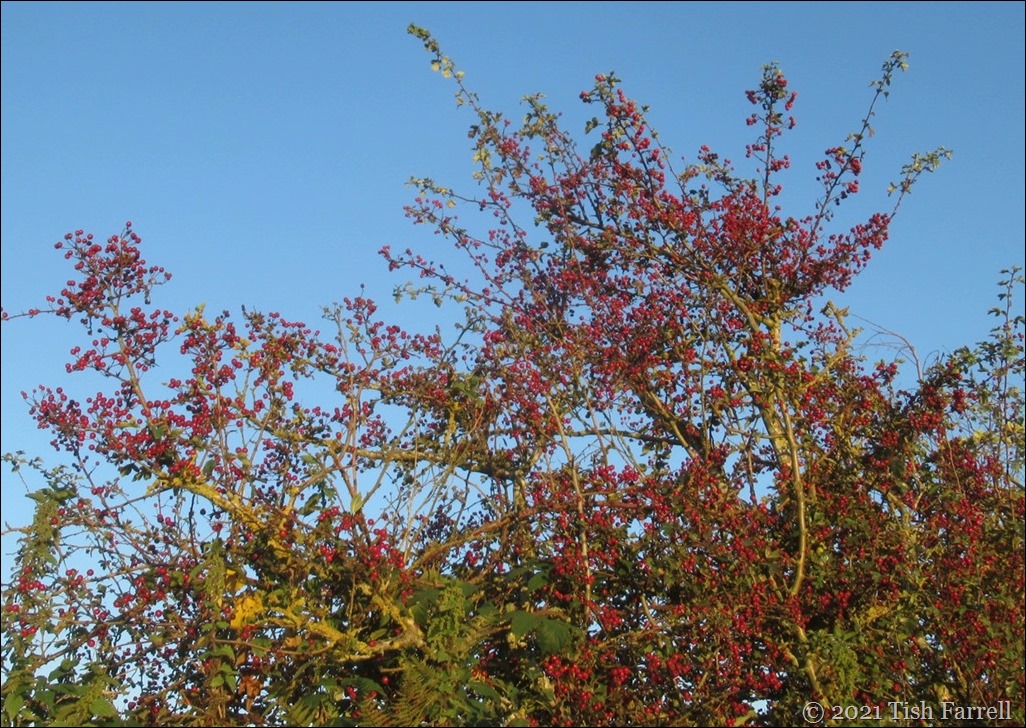
As you can see, our English trees are yet to gain their autumn tints, but there were other signs in the astonishing hedgerow shows of hawthorn berries and crab apples. I also discovered a tree of wild plums, the fruit so sharp yet lusciously sweet. An ode to wild plums is definitely called for.
*
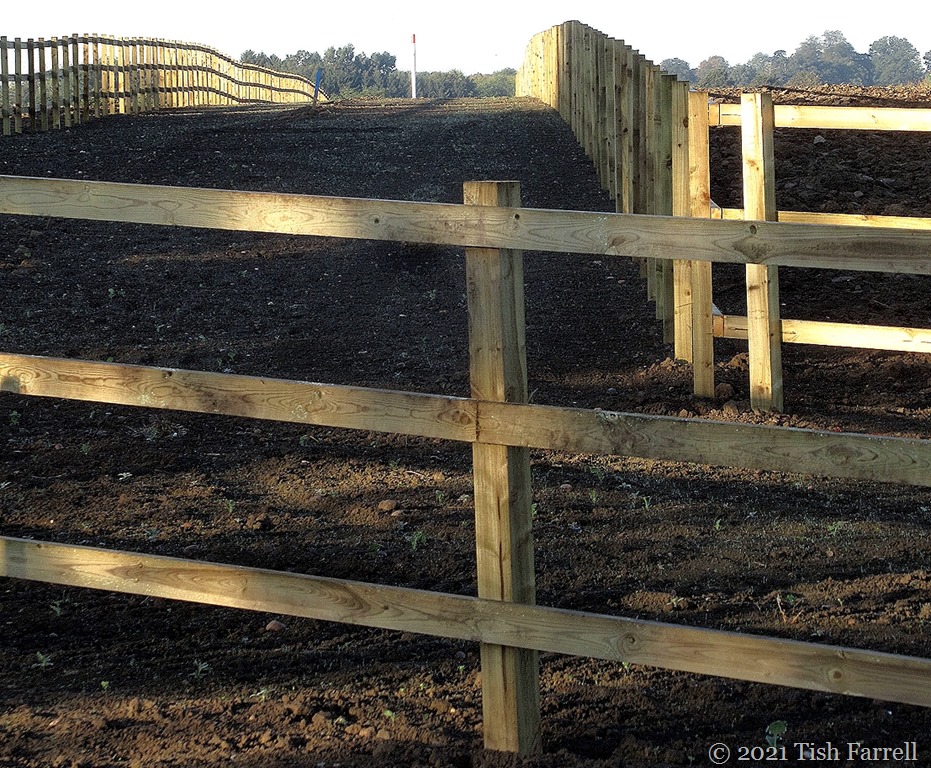
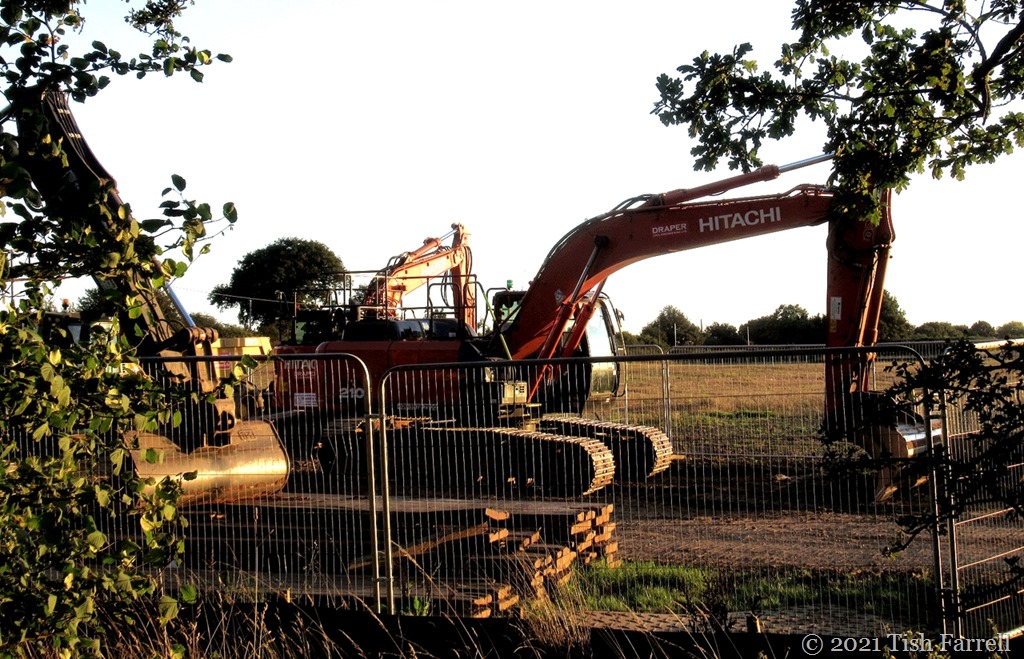
But in case this all seems idyllic, there were also dark rumblings across the county: the incessant daylight thump-thump of heavy plant piling machines. The controversial high speed 225 mph train line HS2 – London to ??? is carving up the land. And just in case, like me, when someone says ‘railway’ you picture only a narrow swath of track bed, then think again. There are all the access roads and service infrastructure to accommodate. The farm we stayed on had had a compulsory purchase order slapped on 100 of its acres. These are now fenced off.
For now, only phase 1 London to Birmingham is approved and underway though already, according to Construction News July 2021 it is £1.2 billion over budget; a situation described as ‘cost pressures’. Nor is this limited section of the projected line likely to open before 2029-2033 (or even 2041 according to whistle-blowing info revealed by one Tory MP). Meanwhile, the whole point of the exercise (apparently) which was to open up the north of England: Manchester west and Leeds east (see map at previous link) seems unlikely to be approved. On top of that, the opposition to the project on grounds of horrendous cost, deemed general pointlessness, and wholesale destruction of ancient woodland continues, as noted in the most recent Government report:
The key issues across the route continue to revolve around traffic and road
related matters, woodland, vegetation and wildlife issues and noise
disturbance. HS2 Independent Construction Commissioner: Eighteenth Report
One also wonders, with all the moves to make people work from home, that come completion in 10+ years’ time – we’ll have more of a ‘ghost train’ than a viable commuter service.
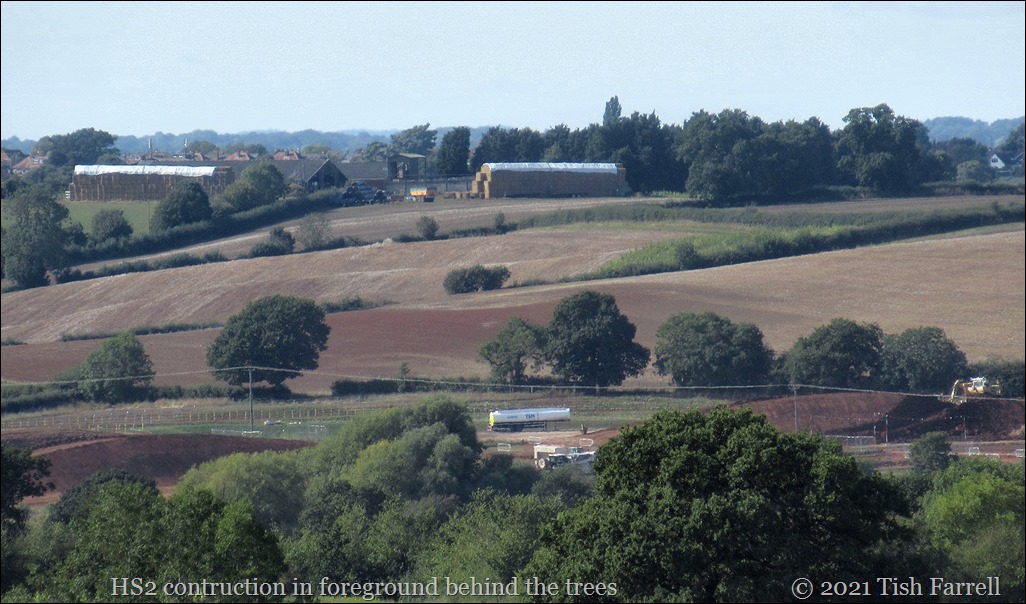
*
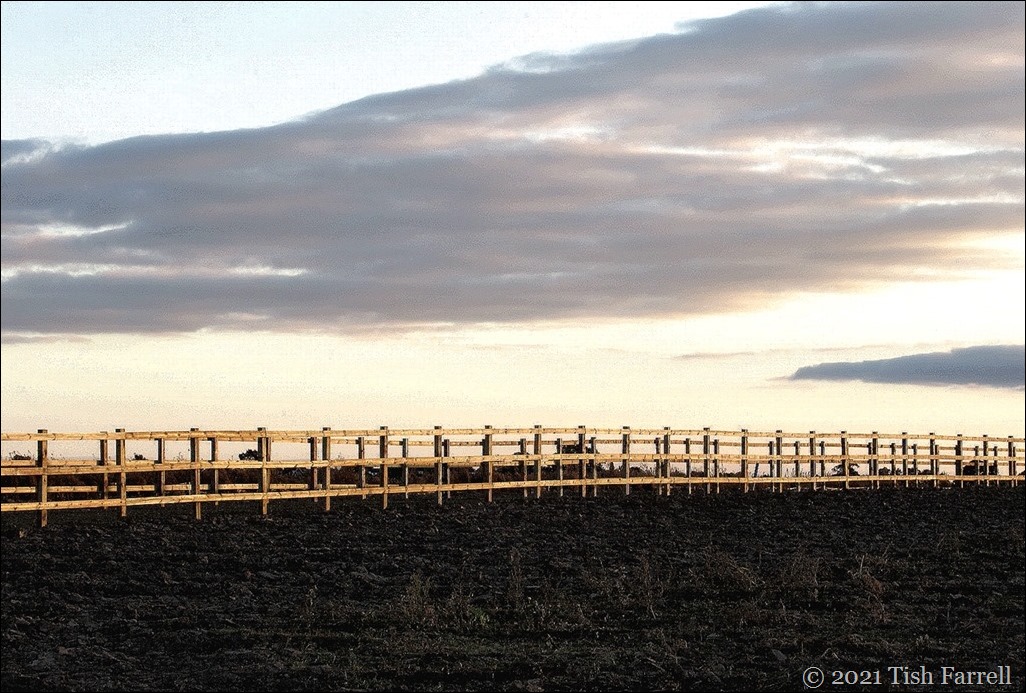
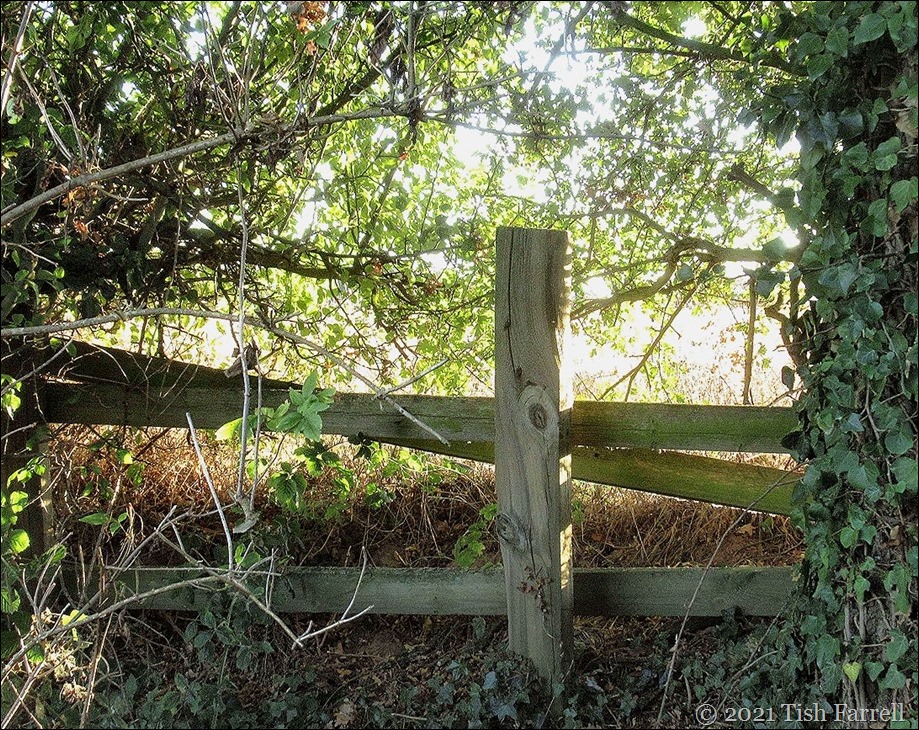
Still, one shouldn’t let madcap schemes spoil things. Here are more sunlit Warwickshire vistas as summer slips into autumn.
![]()
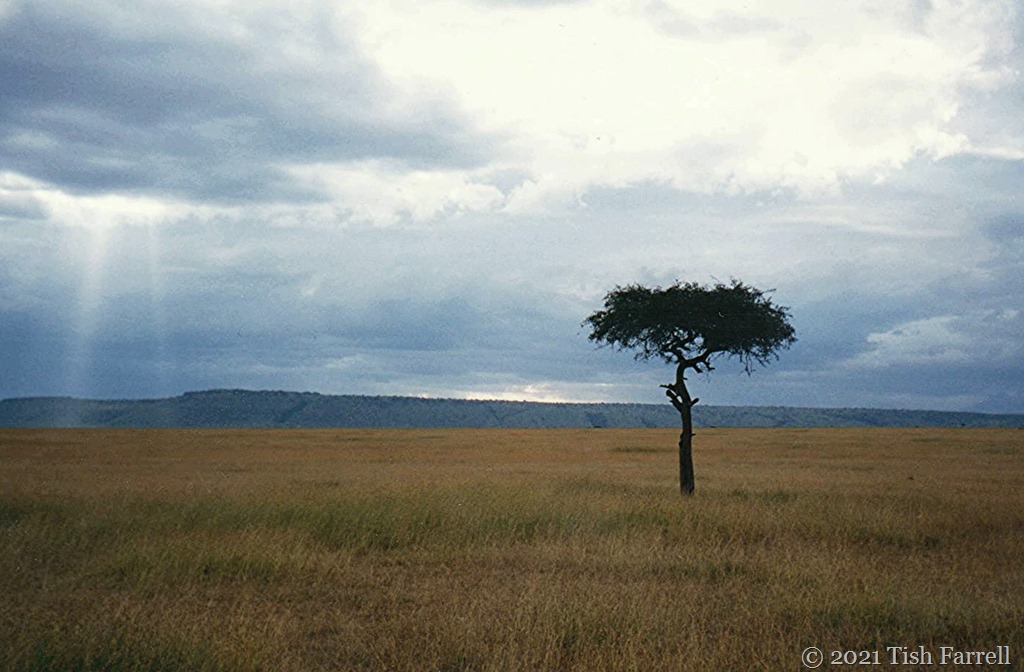
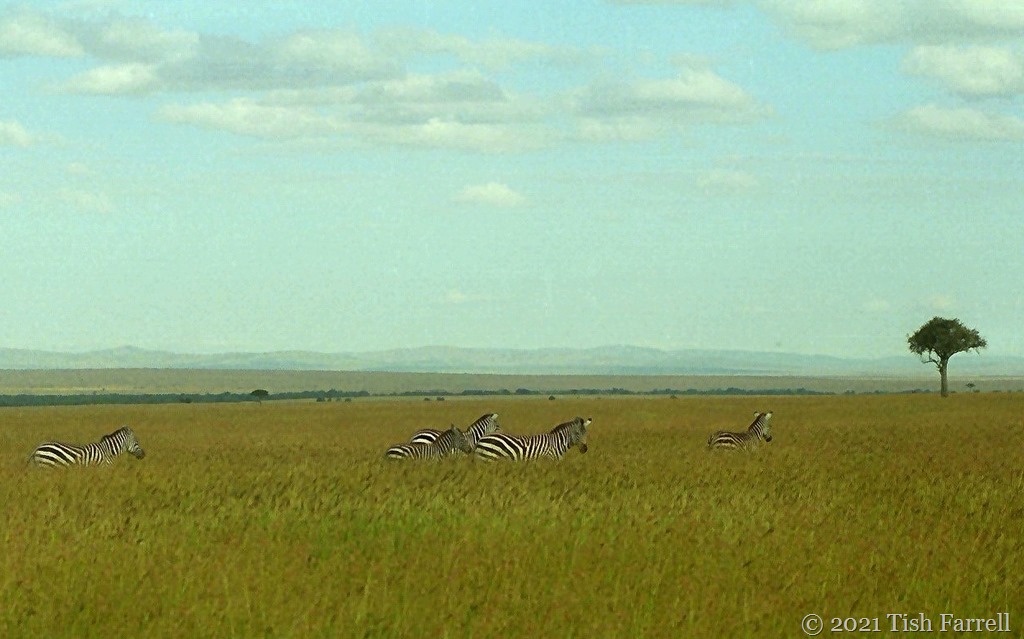
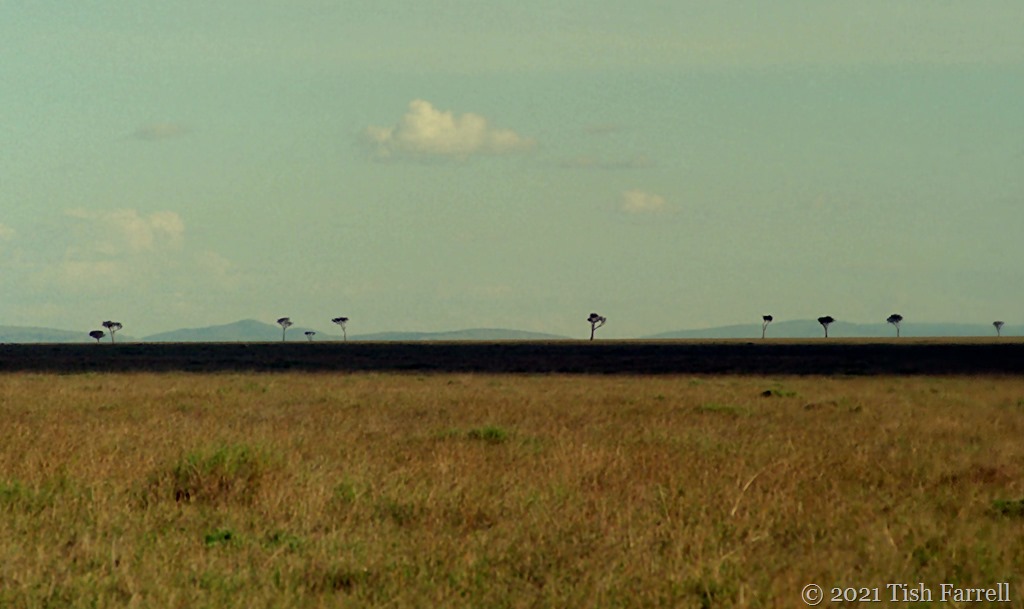
Taking The Broad View ~ Mara Grasslands
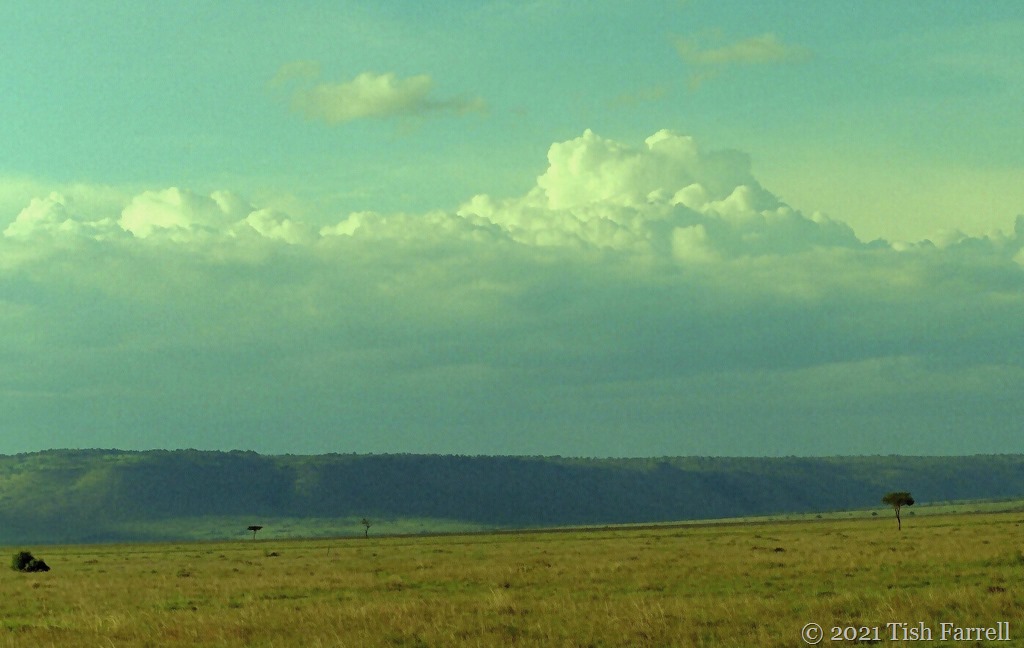
In the rainless months it is the oat grass that gives the Mara plains their golden hue. The small trees with their sculpted looks are desert dates, mulului trees, much browsed by all the local herbivores.
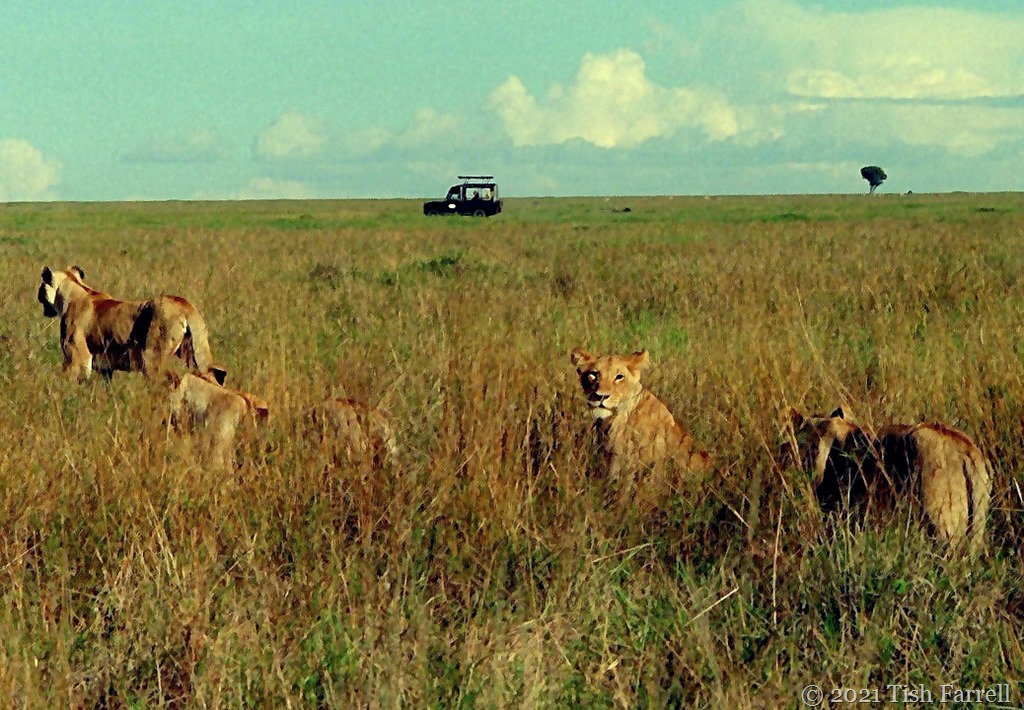
These photos from the Farrells’ old Africa album were taken outside the main Maasai Mara National Park, below the Oloololo Escarpment on territory owned by related Maasai families, locally referred to as a group ranch. Visitors pay a daily fee to group ranch elders. We were lucky to be able to make three trips there while living in Kenya.
Day’s End Over The Garden Fence
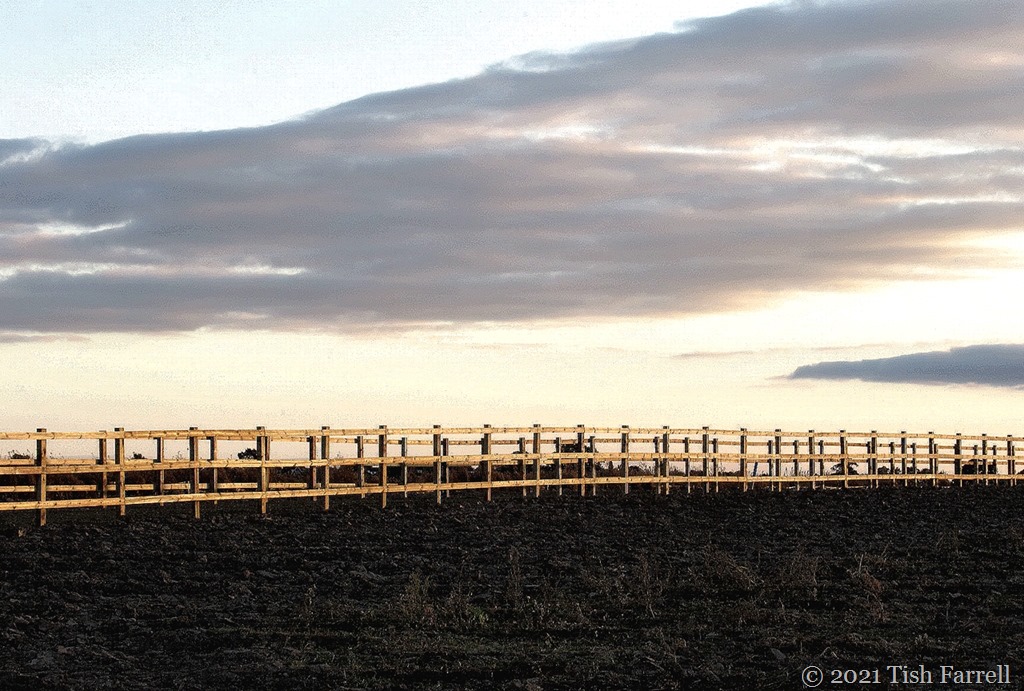
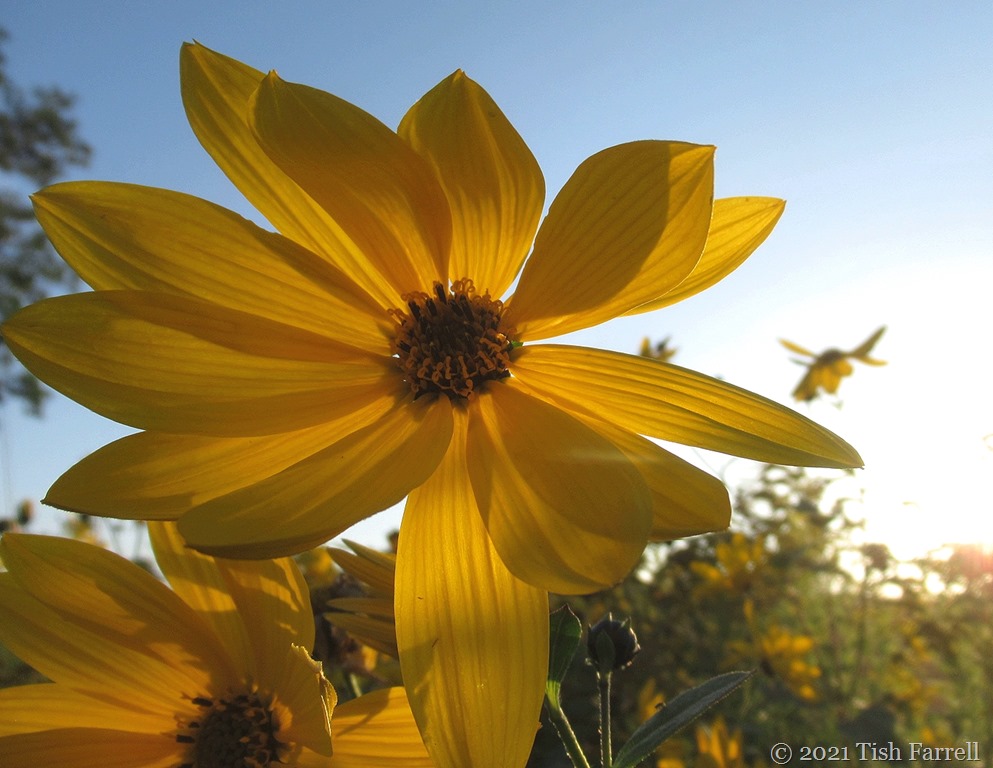
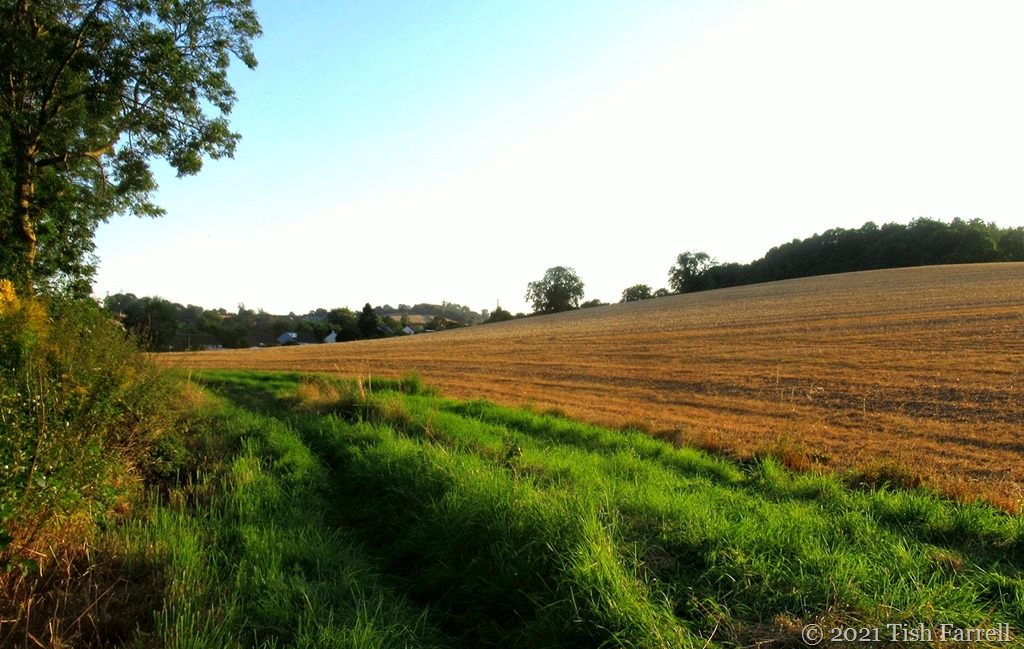
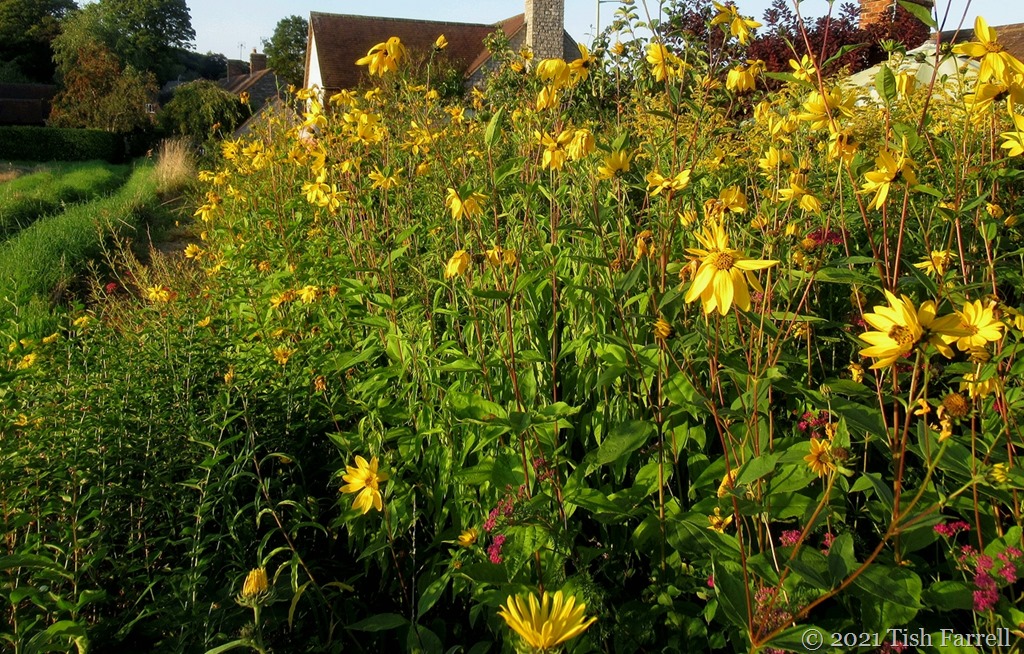
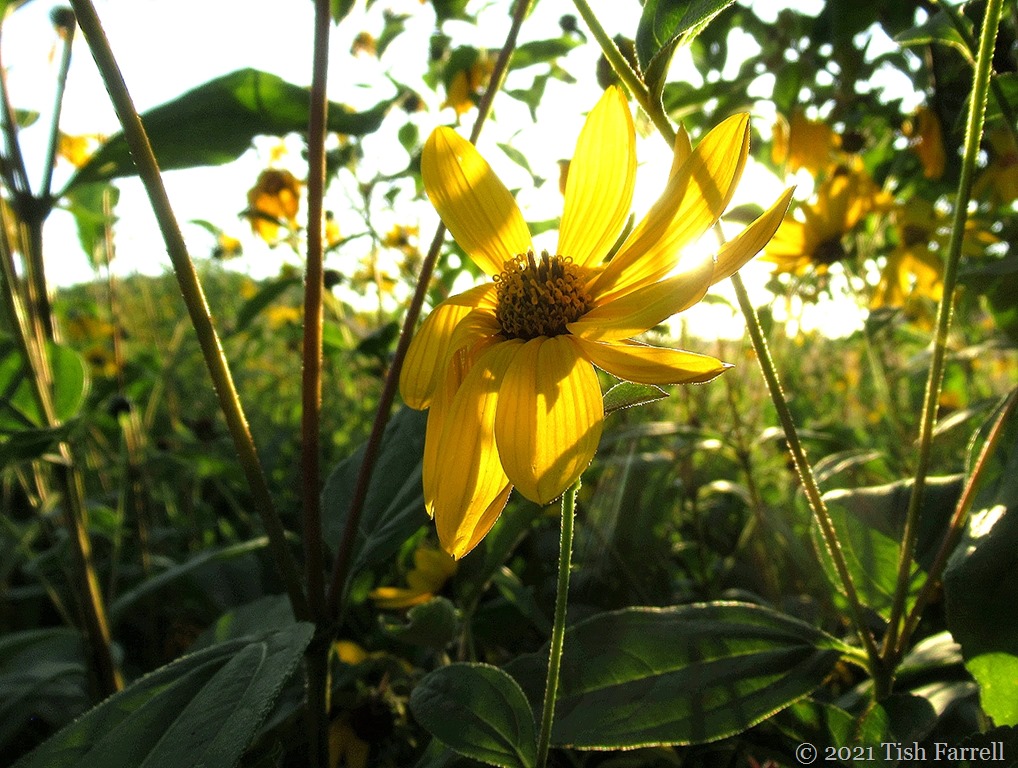
Summer came back this week, a few days of full-on sun before tomorrow’s promised thunder storm. As you can see, the helianthus in the guerrilla garden are all of a glow, caught here yesterday evening – sun dipping over Wenlock Edge. Even Townsend Meadow, recently doused with herbicide, looked quite good in sundowner light. The story here is that after the barley was harvested in July, much of the fallen grain germinated, turning the field into a grassy sward. This has now been dealt with. Next comes the ploughing and drilling. It is also the season of muck spreading, though thankfully not in the field behind the house. Even so, the odour is wafting about the town, especially pungent when combined with a heat wave. All of which is to say, beauty presently comes with a bit of a whiff.
*
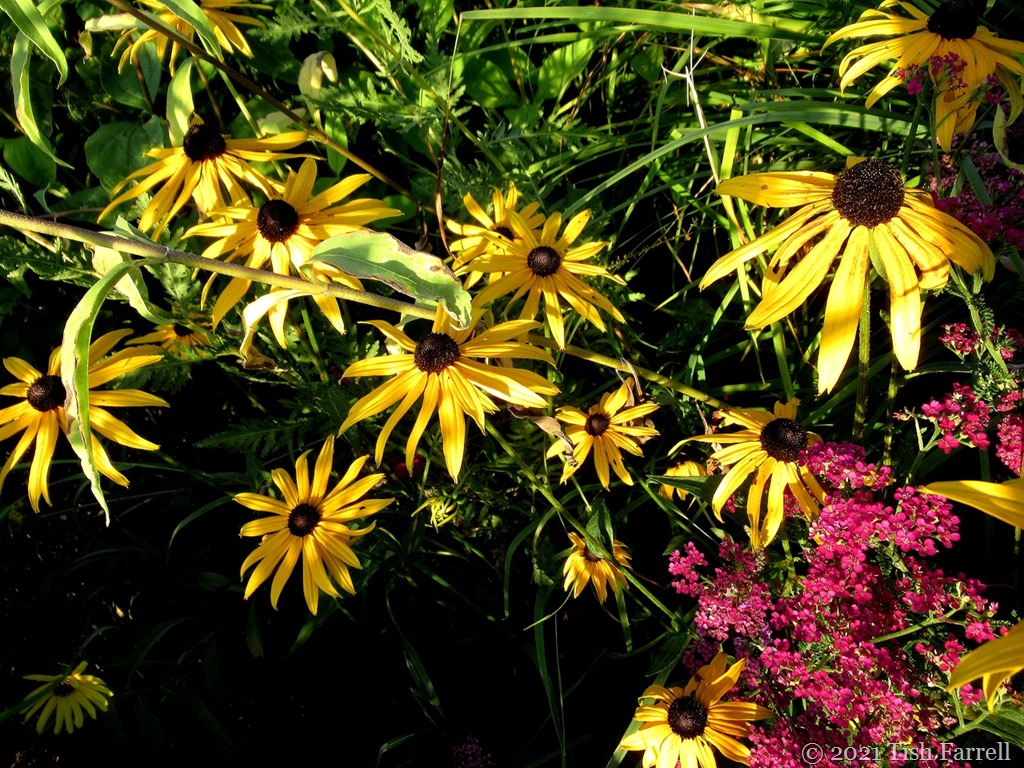
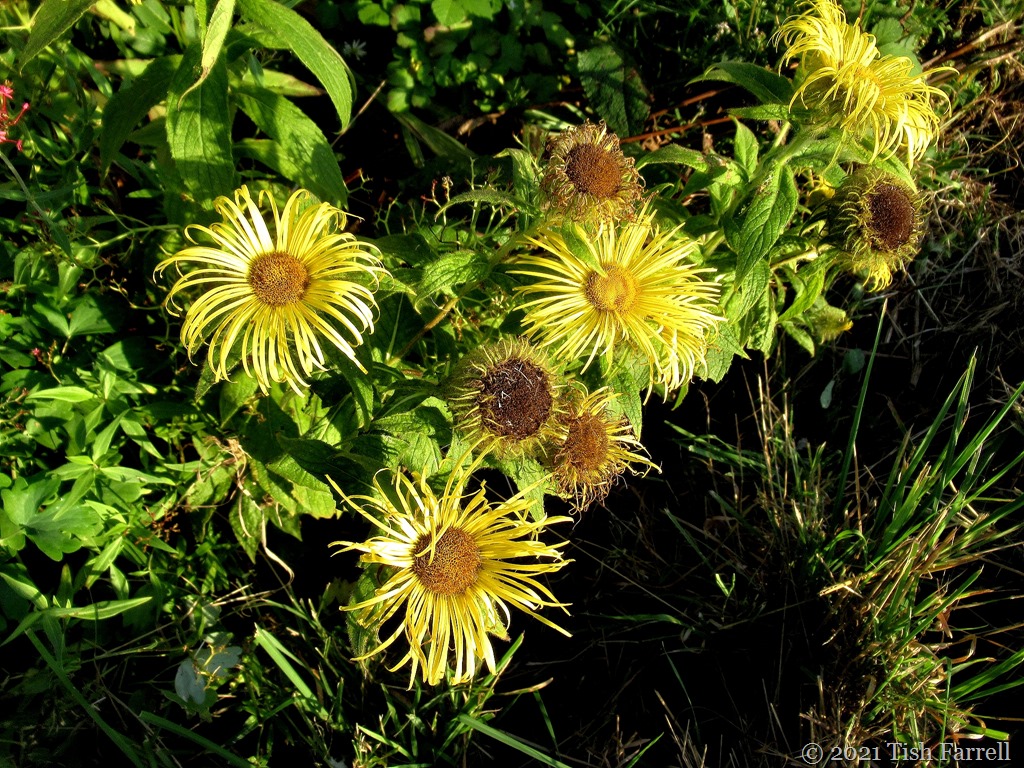
Meanwhile back in the Farrell jungle, all is gold…
Red-rospective ~ From Seasons Past
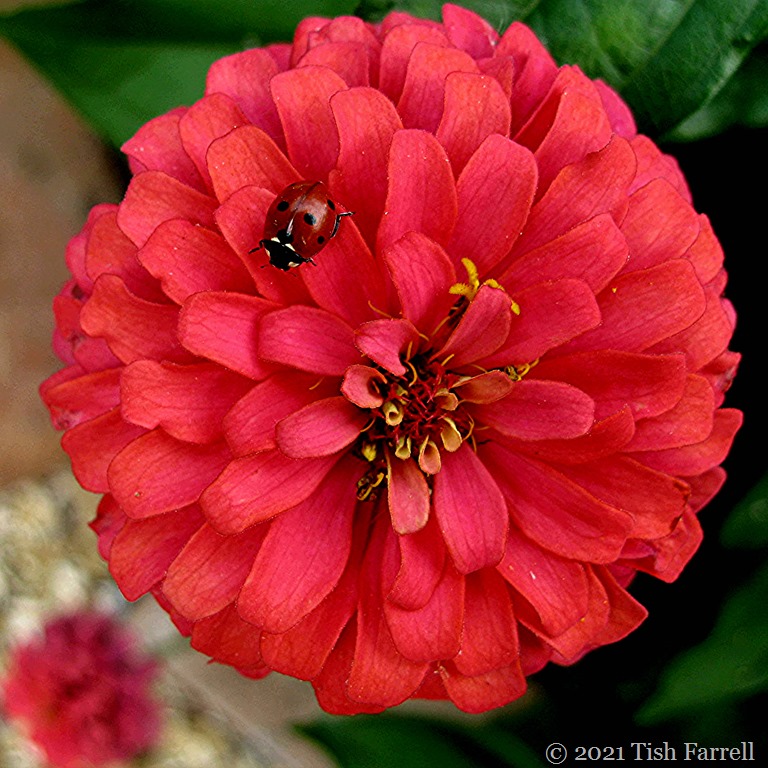
Red is a favourite colour, so I’m sorry I’ve not posted more ‘red’ shots for Jude’s Life in Colour. As a final fling, here’s my gallery of garden reds from the last few years.
Life in Colour: RED There will be a new shade over at Travel Words on Sunday.
Tiny Red House
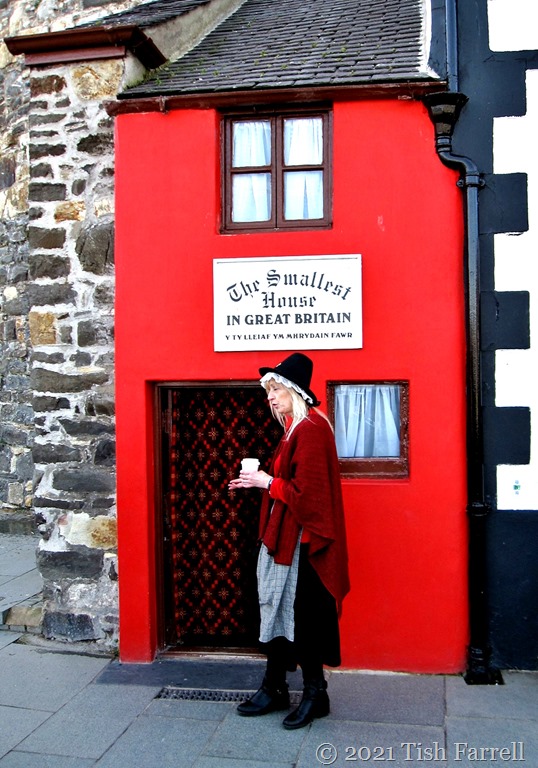
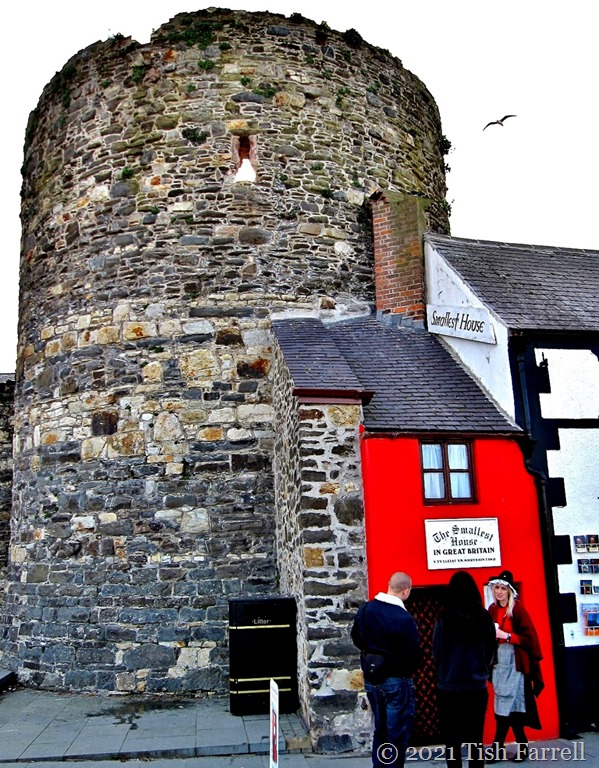
This week at Travel Words Jude wonders if we have any quirky red subjects. So I thought it was time to reprise ‘Great Britain’s smallest house’, a piece of opportunistic infill building in a space between a cottage row, and the gatehouse tower of Conwy Castle in North Wales. This squeezed-in dwelling is said to have been created in the 16th century. Inside are two rooms, sitting room with bench cum coal store and fire-place downstairs, single bed up.
The overall height is just over 3 metres (122”) and 3 metres deep; width 1.8 metres (72”). It was lived in until 1900 when the then occupant, fisherman, Robert Jones, at 1.9 metres tall (75”) had to do much bending and folding in order to inhabit the space.
The house was declared Britain’s smallest in the 1920s though these days I think its claim to fame might well have been overtaken by many London dwellings, likewise made from opportunistic infill structures – garages, corridors and the like. The guide in the photos is wearing a version of traditional Welsh dress from around the 18th century when red capes and gowns (as well as the distinctive high-rise hats) were also apparently very popular with Celtic womankind.
Chasing Butterflies
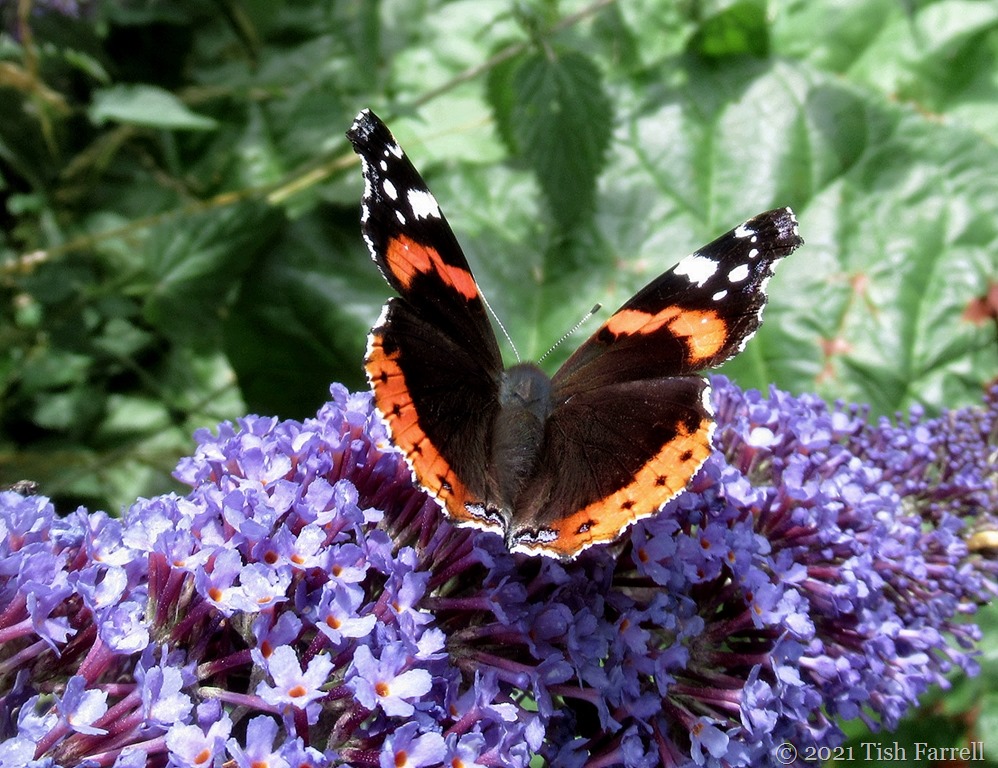
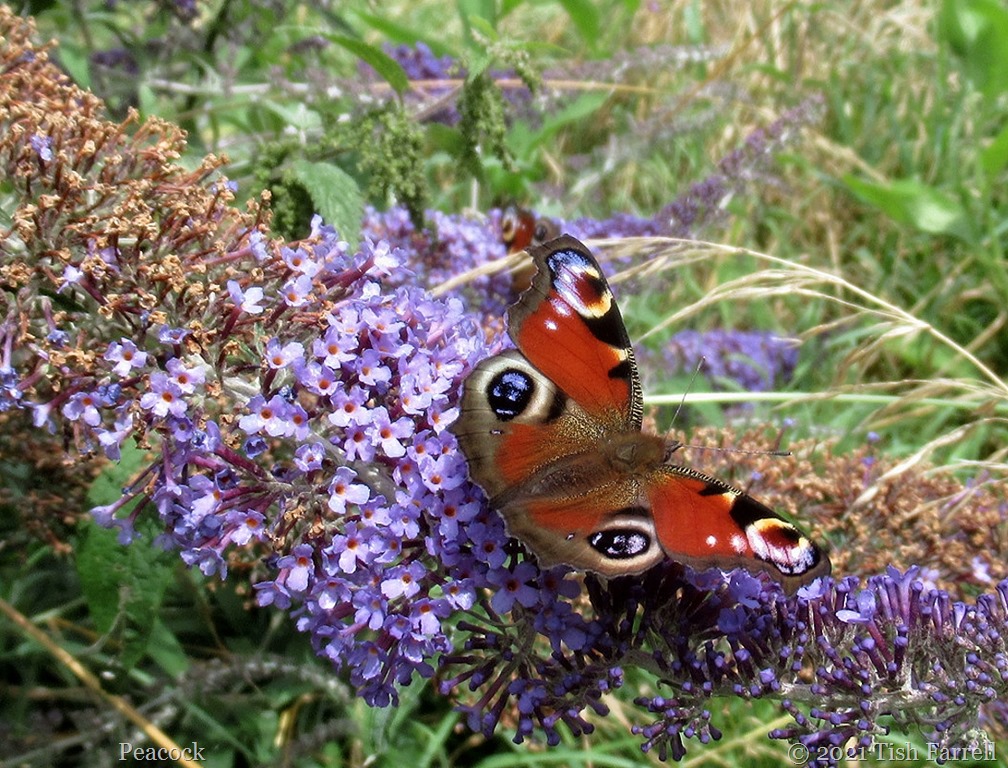
And to start with, a Red Admiral for Jude. This month at Life in Colour she is looking for all things RED. She also tells me they are rather short on butterflies down in Cornwall. Not so in Shropshire.
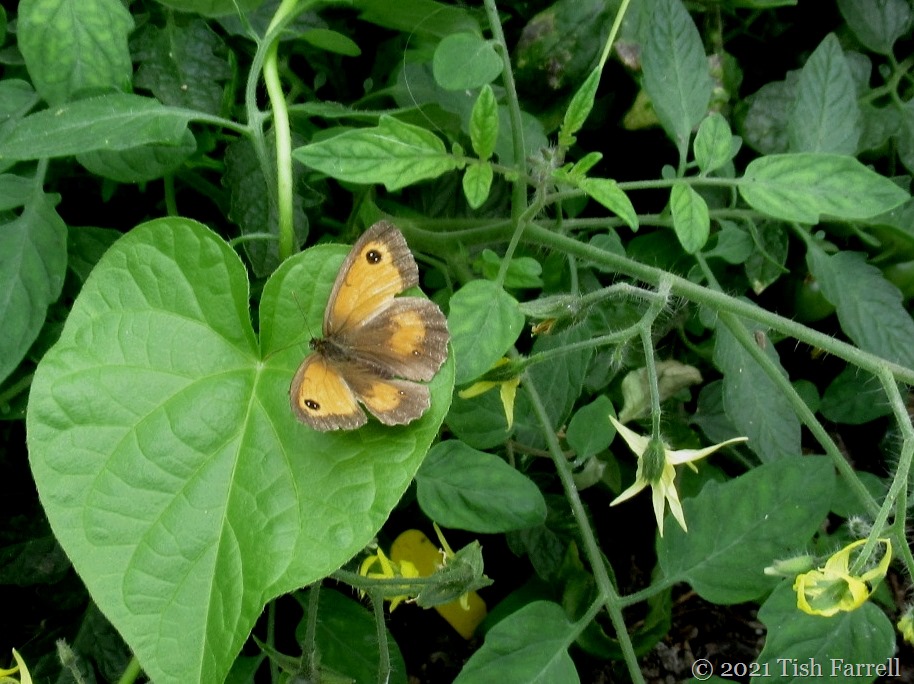
Yesterday at the allotment all the plots were brimming with butterflies, mostly cabbage whites looking for any unprotected brassica leaves for a spot of egg laying. They’ve even been coming into the polytunnel, attracted by some overgrown Tuscan Kale seedlings that I failed to plant out in the spring. I’ve also found a comma and a gatekeeper in there.
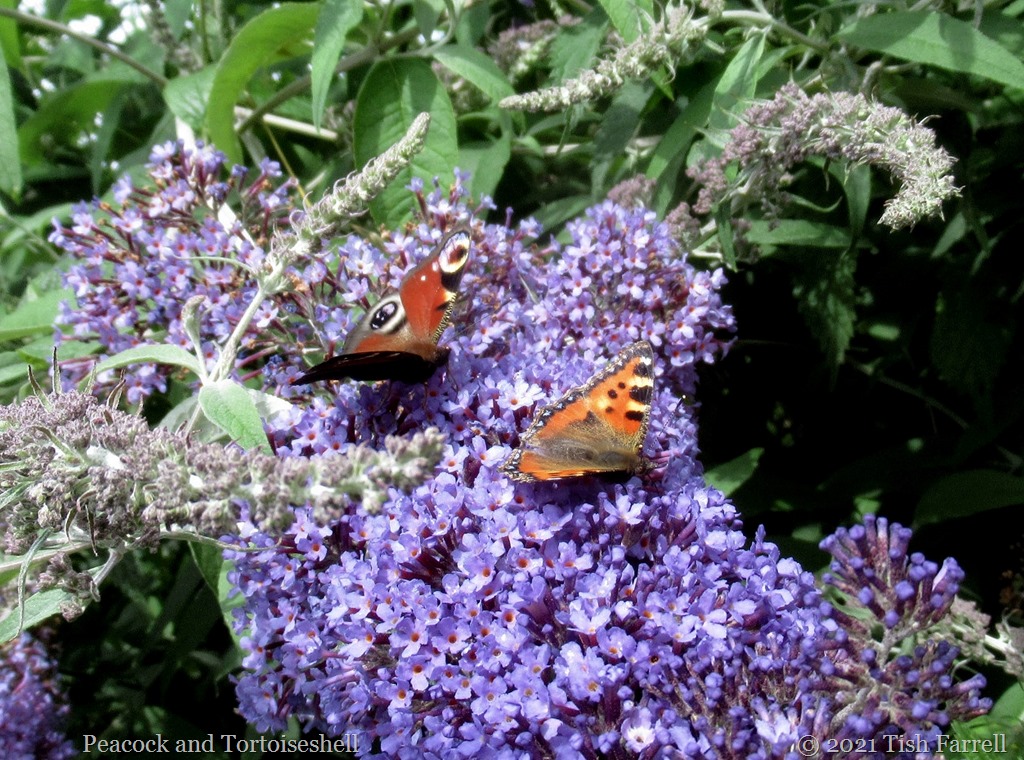
But the biggest draw is the Buddleja on one of the abandoned plots. No wonder it’s called the butterfly bush. Even so, the butterflies are very wary, so you need to sneak up on them if you want a photo:
And a gatekeeper on a morning glory leaf in my polytunnel:
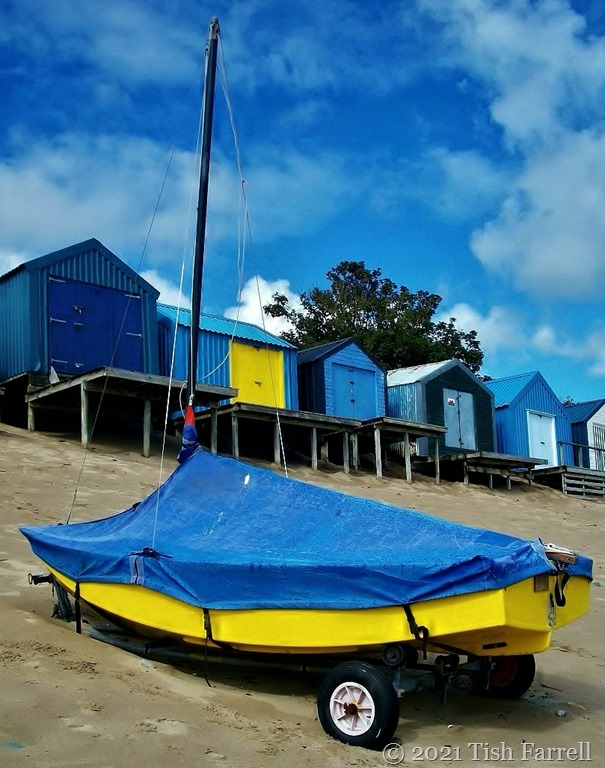
Seaside Blues
On The Reef ~ Tiwi Beach
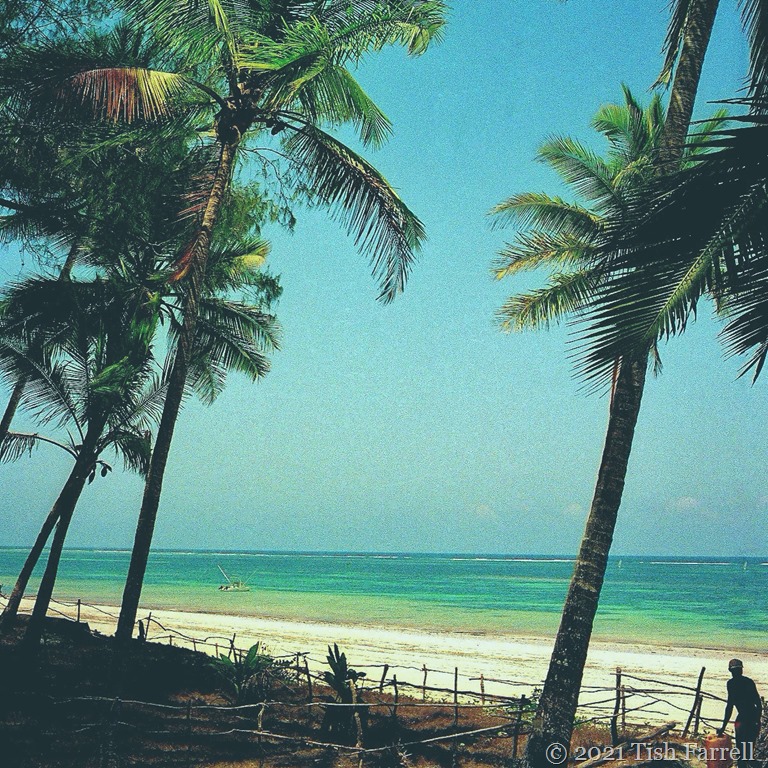
In bygone days of Nairobi living we often made the long-haul drive down the old Mombasa Highway to the south Kenya coast. After 300 miles and six and more hours of judder and roar in the Land Rover, humping in out of potholes, getting covered in dust and smothered by truck fumes, being broiled in the queue for the Likoni Ferry, which once boarded you could never feel quite sure of making touch down, to arrive at last on Tiwi Beach felt like stepping into heaven. There were rarely many people there, not even in the Christmas high season, just a couple of beach cottage enclaves, the local farmers calling round with fruit and vegetables for sale, the Digo fishermen bringing parrot fish and lobsters, and the unbroken soundscape of ocean pounding on reef, fluting notes of the water bottle bird, soft ting-ting of a bicycle bell when the vegetable seller came calling, the breeze in the coconut palms.
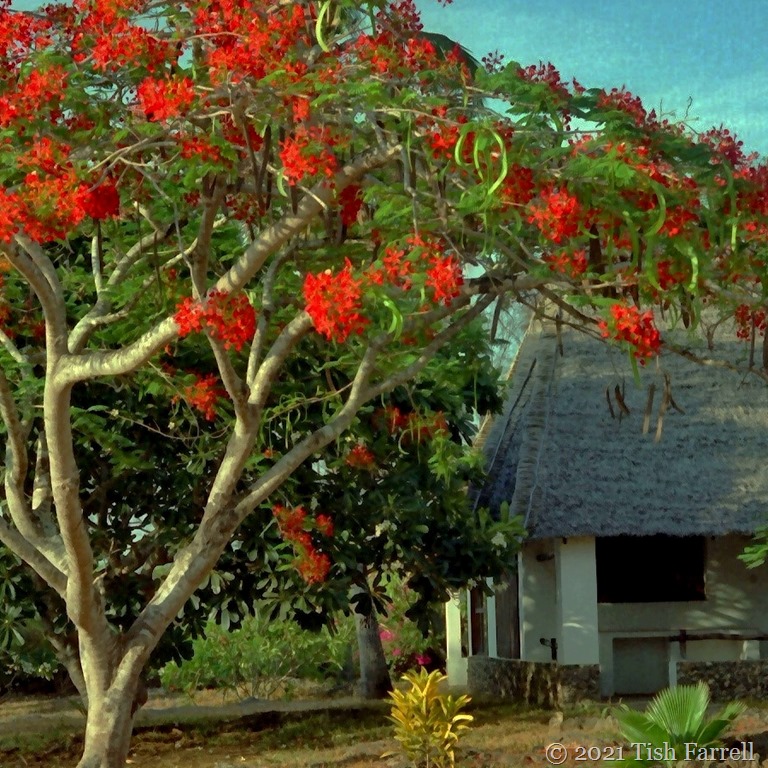
Madagascar Flame Tree and beach cottage
*