Steaming Past ~ The Engine Driver

IMG_1805sq

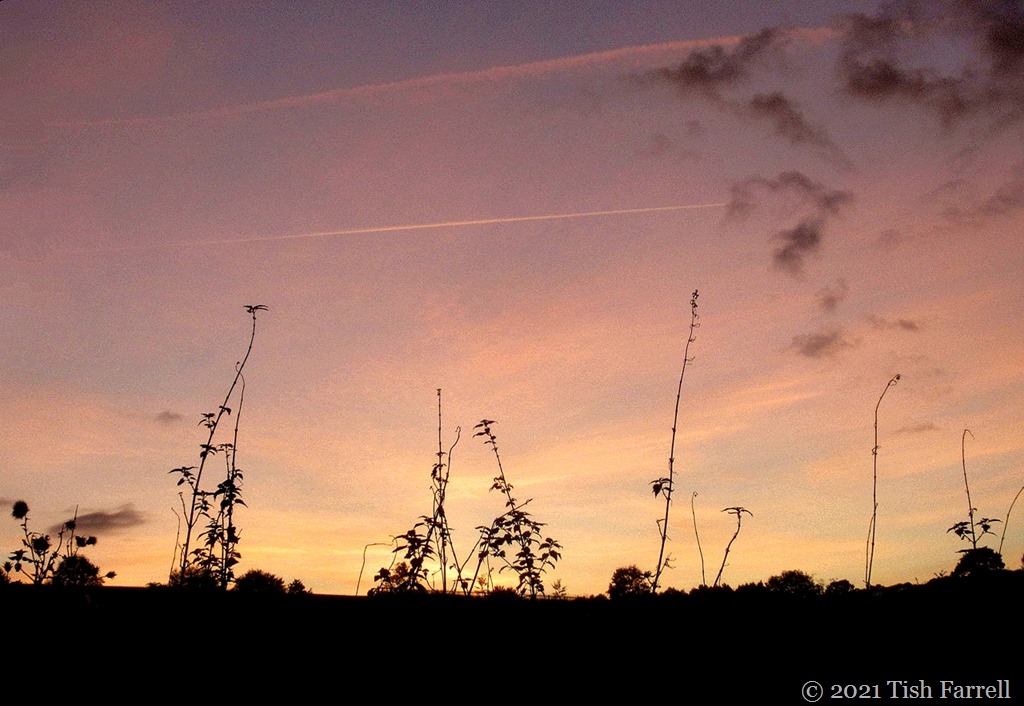
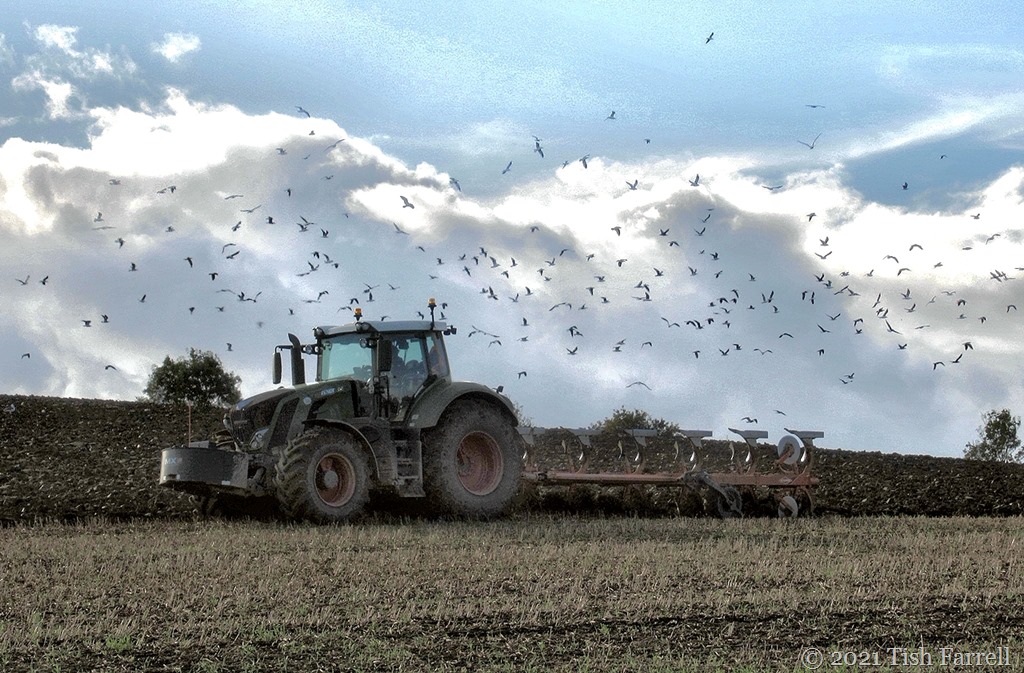
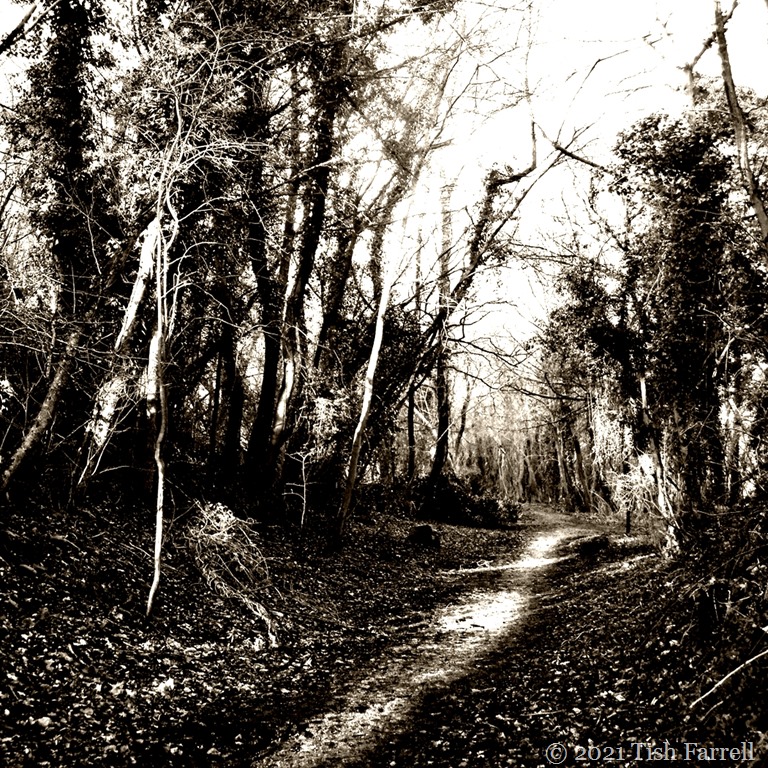
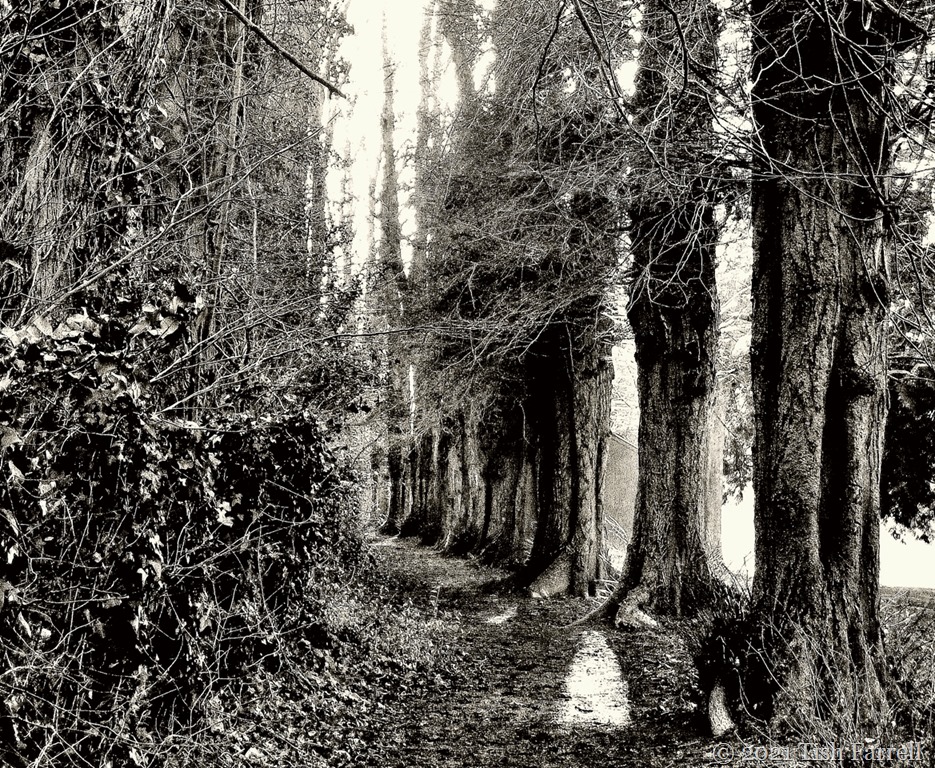
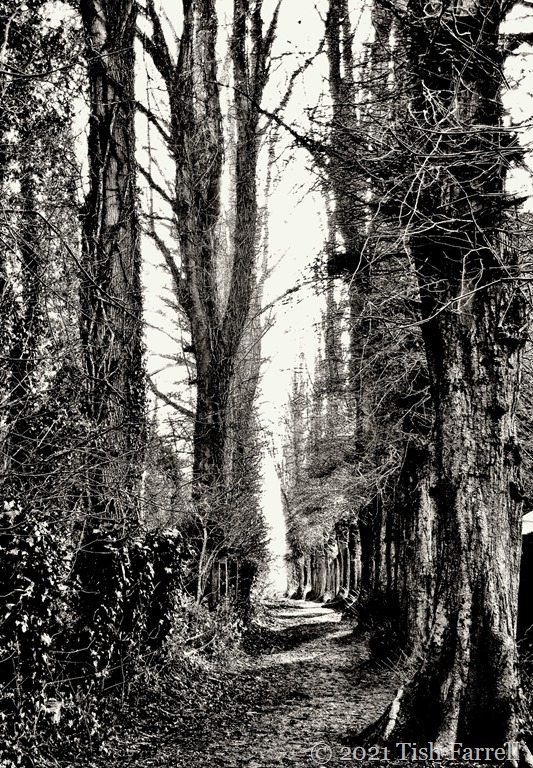
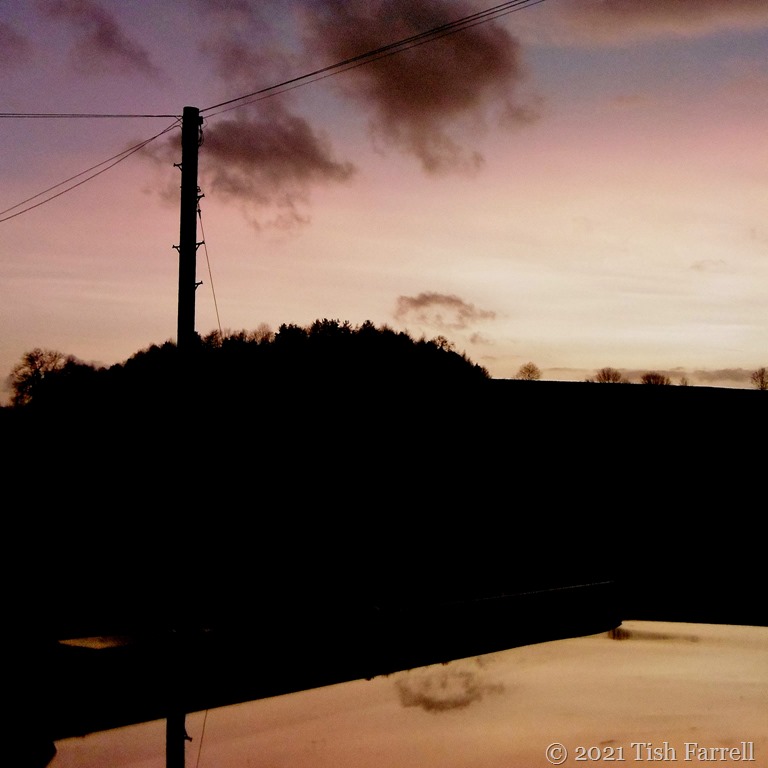
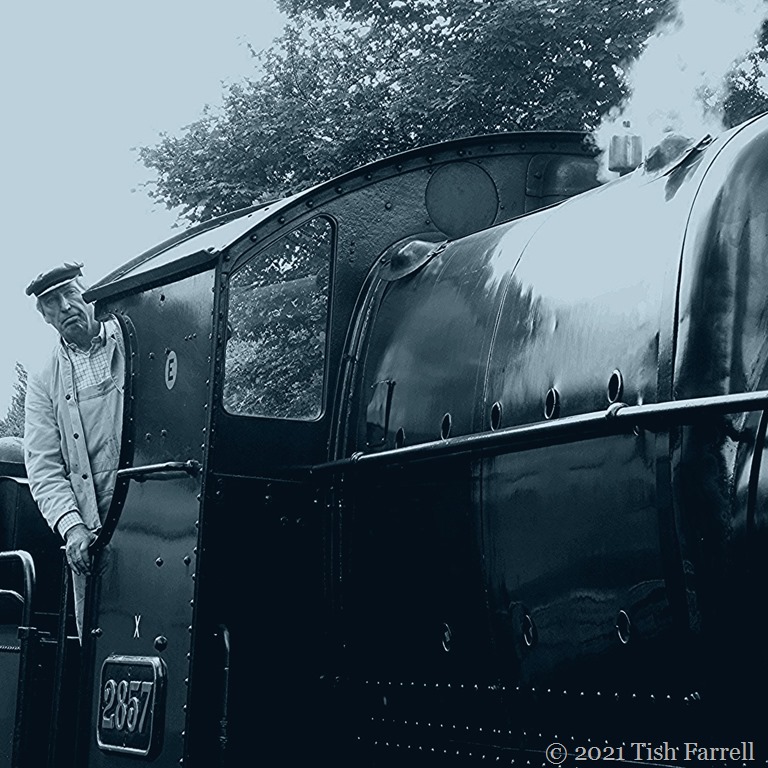
Once we Shropshire folk had a very scenic Great Western Railway line that ran along the banks of the River Severn, including passing along the wooded slopes of the Ironbridge Gorge, now a World Heritage site. Just north of Ironbridge there was a branch line to Much Wenlock and South Wales far beyond. Much of the Severn Valley line has gone now, and that also goes for our Much Wenlock branch that once served the limestone quarries and livestock farmers. Mostly all that remains are stretches of track bed that have been overhauled to create walking and cycling routes. But we do still have a working section – the Severn Valley Railway, which is run as a heritage attraction from Bridgnorth to Kidderminster in Worcester where you can also connect with the mainline system. As their strap line claims ‘it’s a great day out.’ And for someone who still remembers travelling in steam trains as a matter of course (visions of Crewe Station where family outings to North Wales began) I still have pangs of nostalgia whenever I’m around a steam locomotive stoking up.

Past Squares #16

Cee’s Black & White Photo Challenge: things to drive

Past Harvests

100_4930

I confess there are times when I think growing our own vegetables is more trouble than it’s worth. On the other hand, I’d be sorry not to have my two allotment plots, though I am thinking of sub-letting a portion of one of them come March. This is mostly because the beds on my newer polytunnel plot are now in a more useable condition after several seasons’ composting. The Wenlock Silurian soil is very challenging, and it’s only taken me a decade and a half to get it to a state where it’s possibly more friable than claggy. Endemic pests are also a problem in community gardens, and especially in situations where plot holders’ early enthusiasm gives way to garden neglect and finally abandonment.

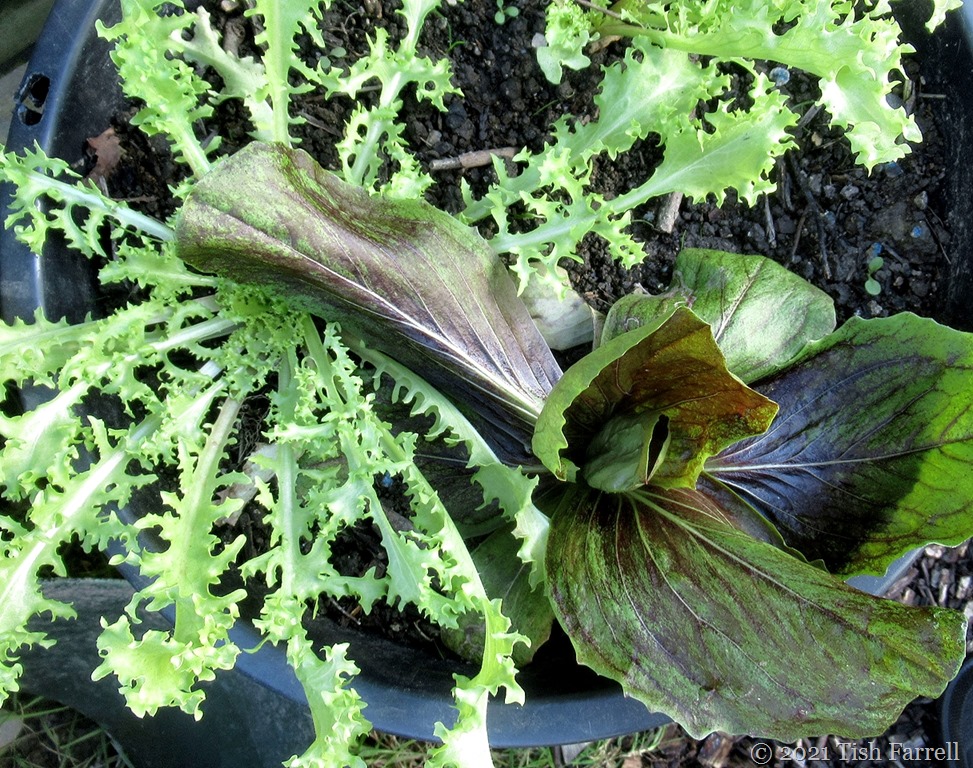
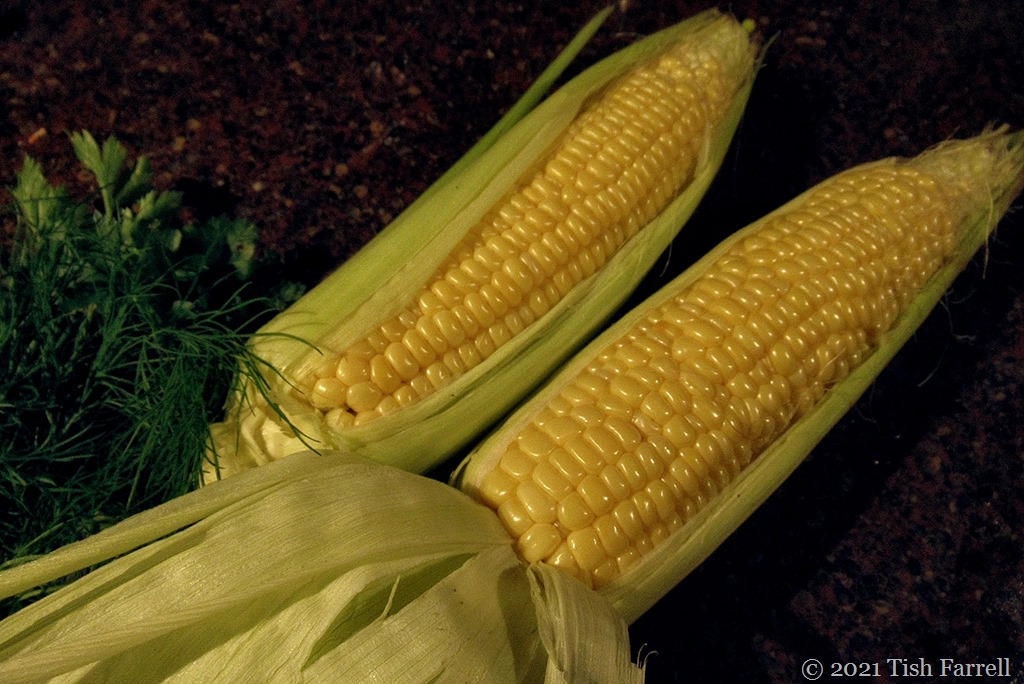
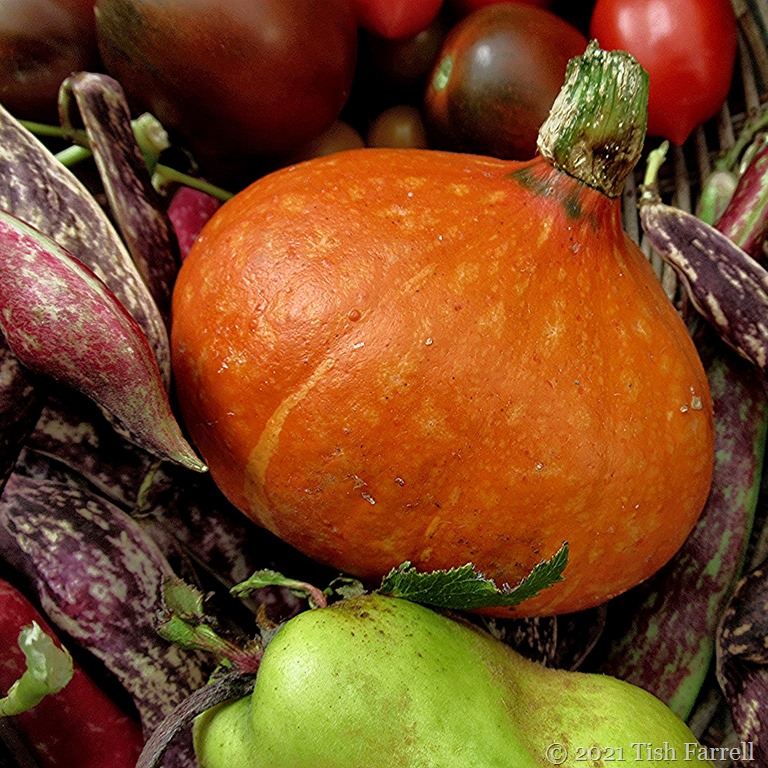
Anyway this last season has had its high points, sweet corn being one of them. We ate the last cobs yesterday, out of a crop of three or four dozen. Doing one’s own growing also means being able to have vegetables that are otherwise only available in tins: e.g. borlotti beans. And then having the polytunnel means that once the tomato and cucumber harvest is over (and that’s been tremendous this year too) I can bring on assorted kales, herbs, lettuces, spinach, endives and mustards for salads over the winter months.

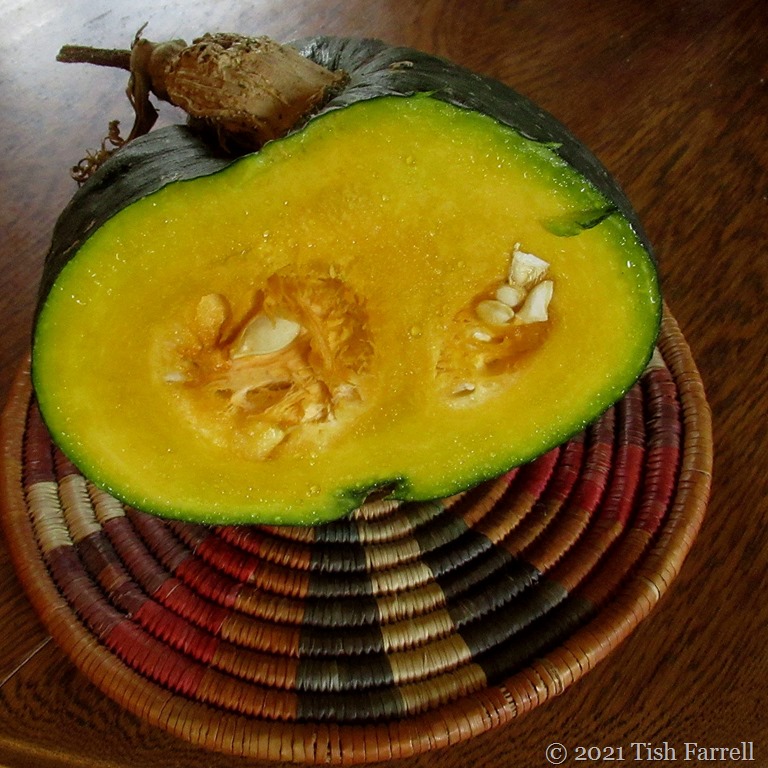
Other successes this year are the raspberries – summer and autumn, strawberries, peas, courgettes, runner and broad beans, beetroot, cauliflowers, carrots, potatoes, onions and pointy cabbages. There are leeks, parsnips, fat winter cabbage, sprouting broccoli, and hopefully butter beans still to come. The squashes were a bit of a failure: two undersized Chioggia efforts, though I did turn one of them into some very good spicy soup today.

As ever with gardening, as one gathers in and eats the produce, so one is ever plotting the next seasons’ sowing, planting and eating.

100_4929

100_6169

Past Squares #14

Once In Kalamata

IMG_2514

A few Septembers ago we had a family trip to Kalamata on the Peloponnese. I had not been to  Greece before, and it was love at first sight – from the moment we left the airport. There had been a fierce summer that year with no rain and the earth looked parched. I don’t know what it was that spoke to me most – the rugged stony uplands, the everywhere-colonies of feathery phragmites reeds, the wild cyclamen, household clutter around the homesteads and olive groves, the olive groves themselves, the country lanes and then the views of the Taygetos Mountains across the Messinian Gulf. The only downside for us, though quite the opposite for the locals, we brought the rain on our heels, so there are stormy skies as well as china blue ones. It anyway seems like a dream now.

Past Squares #13

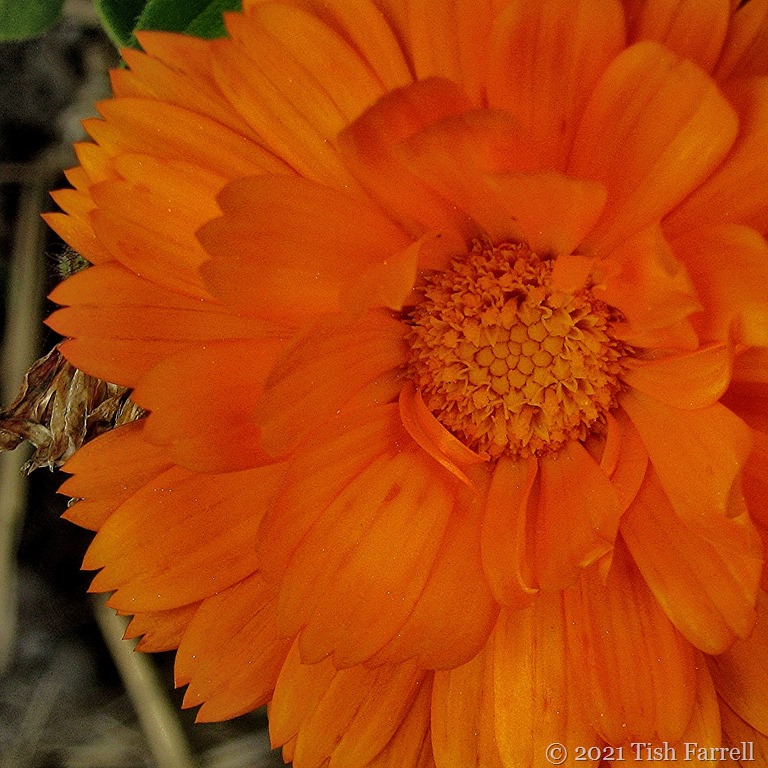
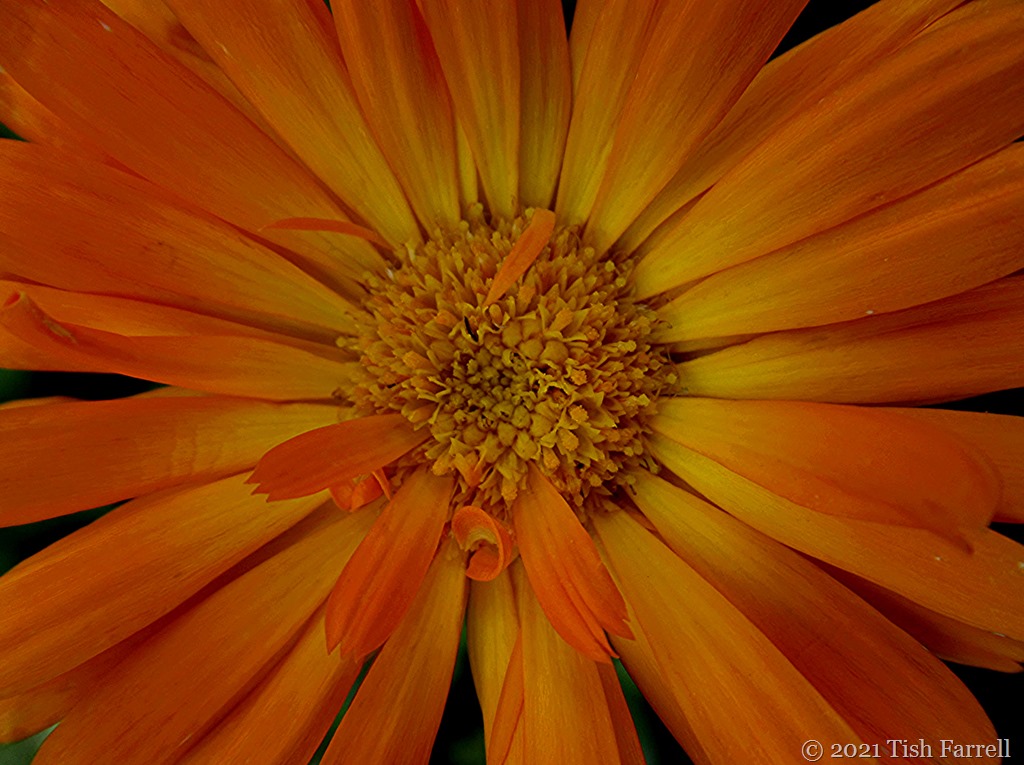
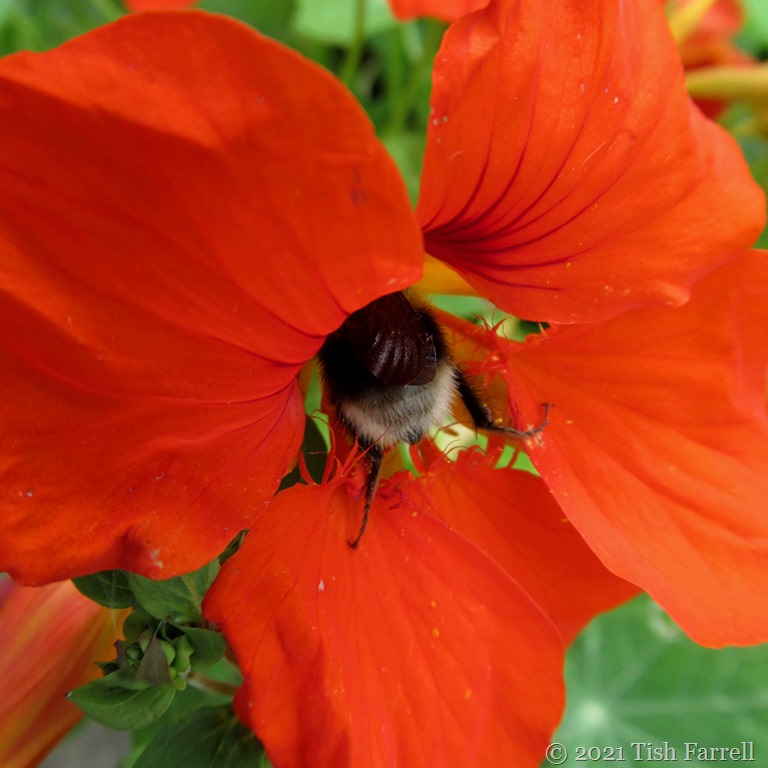
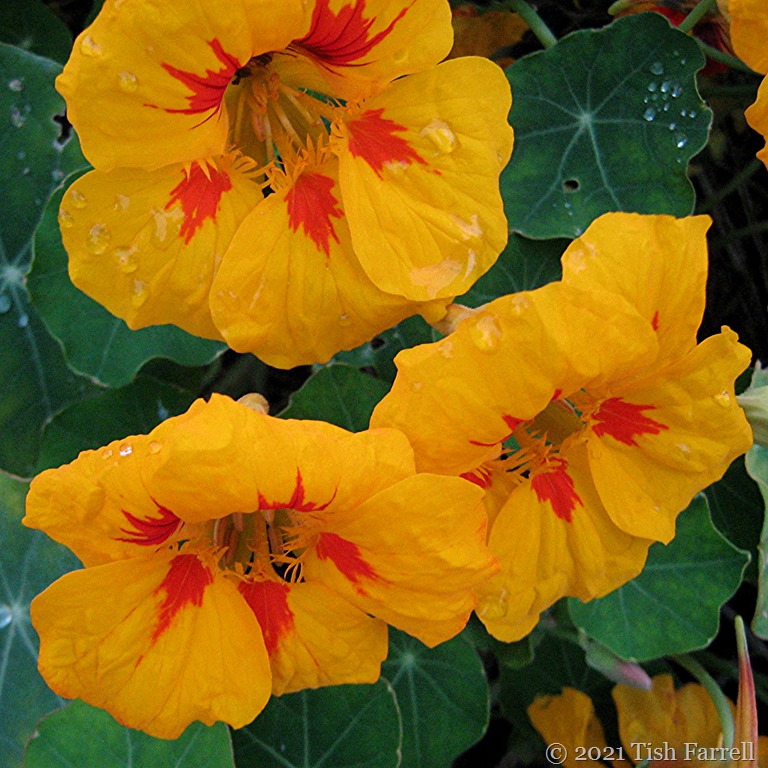
Life in Colour: Orange

Past Privy Partridge

IMG_7219

I have no idea why this red-legged partridge decided to visit the Farrell domain. I don’t believe I have ever seen a sign of one around Wenlock’s field margins, although it ought to be ideal territory. They apparently like open farm terrain and feed on seeds, roots and small invertebrates. Also when disturbed they prefer to run rather than fly.

Yet  here was this one, having clearly flown, atop the old garden privies (now sheds) and showing off for all the world to see. It was there for ages too, giving me ample opportunity to snap away from the bedroom window. The light was perfect, a crisp March morning last year. I watched while it scanned the neighbourhood, and at one point went in for some loud hallooing partridge style. I wondered if it was advertising for a mate. In any event none appeared, not unless it was running-not-flying over in the field and I couldn’t see it. So the mystery was never solved and after a quarter of an hour the visitor departed, never to be seen since, which is a pity. A partridge on the privy would be a pleasing garden addition.

IMG_7198

IMG_7214

IMG_7210

The red-legged partridge has French origins and was introduced to the British Isles in the 1700s as a new game bird for land-owner shooting types. It apparently has over 73,000 breeding sites in England, Wales and lowland Scotland, and is a much more colourful character than the UK’s native Grey Partridge.

Past Square #12

And Another View Of Yesterday’s Mystery Square…

IMG_5749

It comes with added red tailed bee bum, and so the mystery is revealed…a globe artichoke flower, or rather an artichoke inflorescence since each part is an individual small flower. There were several valiant stabs at it, but Jude and Izzie were the first to guess correctly.

IMG_5745

The up-close version as seen in yesterday’s response to I.J. Khanewala’s challenge at  Lens-Artists

*

And here’s an artichoke flower just opening, the scaly outer leaves  meanwhile serving the constructional purposes of a small green spider:

 IMG_5747

*

And now for the whole plant. I grow several globe artichoke varieties at the allotment. The purple ones are probably our favourites:

100_5517

*

Here’s one in the throes of being prepared as an artichoke heart, i.e. before having its inner leaves and hairy choke scooped out:

IMG_8609

And now for a ‘B’ Movie: ‘Three Bees In An Artichoke’


Past Squares #11

Ordinary Extraordinary ~ Past Perfect Encounters

IMG_3872

It is often on the field path to and from the allotment that the seeming ordinary catches my eye. Often too it’s the result of collaborating elements. Take this apple, one of a bucket of windfalls that a neighbour had tossed over the hedge into Townsend Meadow. Then came the blackbirds who, through the autumn, nibbled at the flesh until only this translucent skin remained. Then there was some frosty winter weather and a lowering late-day sun over the Edge. And so we have an apple lantern. And I just happened to be passing as it lit up…

The allotment plots are also fertile grounds for the extraordinary ordinary and finding them can provide protracted and absorbing diversions from weeding and digging. Who can guess what this is?

IMG_5745

*

On the home front too, the multifarious parts of my unruly garden can be an endless source of distraction whatever the season, though autumn can yield some especially fine moments.

IMG_6653

IMG_6650

Lens-Artists: Ordinary  This week I. J Khanewala asks us to explore the commonplace with fresh eyes. A focused look at the ordinary can suddenly transform into the extraordinary.

Past Squares #10

Once In Nice…Of Past Pleasures

chagall stained glass

“For me, a stained glass window represents the transparent partition between my heart and the heart of the world. Stained glass is exhilarating, it needs gravity, passion. It has to live through the perceived light.”  Marc Chagall

100_1310

Today Becky’s lovely blue gallery reminded me of the photos I’d taken of Marc Chagall’s stained glass – this on a long-ago stay in Nice. The window is in the auditorium of the Musee National Marc Chagall, which has to be one of the finest little galleries in the world: the setting, the building and the art fusing in dreamy synergy that captures the humanity, joyousness, and all round good spirits of Marc Chagall. He was a man who created in all media. He saw his work  “not the dream of one people but of all humanity”.

100_1309

And then there is his use of colour. Picasso probably has the last word on that: “When Matisse dies, Chagall will be the only painter left who understands what colour really is.”

Marc Chagall (1887-1985)

Past Squares #9

Past Encounters Of The Butterfly Kind

100_5567

A male Common Blue butterfly (Polyommatus icarus ), spotted one summer’s evening on my way home from the allotment. And despite the name, these butterflies are not at all common in our corner of Shropshire. Not only that, if you do happen to see one they don’t usually stay to have their photo taken. A very lucky shot then. And even in this next more distant view, still a magical sight:

100_5568

You can find out more about them on the Butterfly Conservation website HERE

Past Squares #8

Of Long Past Posts ~ Wolf Farts Revisited

IMG_2608 (2)

Sunshine yesterday after days of rain and general dankness, so we took ourselves off for a short walk up Windmill Hill. It was ages since we were last there – probably July when the pyramidal orchids were still in full bloom and there were drifts of yellow ladies bedstraw amongst the meadow grasses. Now the hill’s plateau top where the Windmill stands has been mown. It is practically a grassy sward up there.

And the reason for the mowing is that the kind Windmill Trust people, who are caring for the place, are trying to ensure the wellbeing of the old limestone meadow. In the recent past it was grazed over the autumn and winter months by ponies, but having field stock is anyway problematical when it’s such a popular spot for local dog walkers. So mowing it was, and I gather they managed to sell the grass for cattle feed, which all helps to support the Trust’s work.

P1050182

Anyway, it was as I wandering around on the grassy top that I remembered the wolf farts. They featured in one of my early posts on matters Wenlockian and I hadn’t bothered to look for them since. And the reason I’d looked for them back then was because they cropped up in Guardian newspaper piece by journalist and nature writer of repute, Paul Evans, who happened to live in Much Wenlock.

So: what are wolf farts but the common puffball, Lycoperdon (from the Greek lycos wolf and perdomai to break wind) perlatum  (gem-studded). Another name is devil’s snuffbox. My first introduction to them was in winter when they had dried to empty husks, their spores dispersed. The ones in the photos are at most 2.5 cm (a good inch) across.

065

I later read that squeezing them at the ripe stage was to be avoided. The spores are fine as dust and breathing them in can lead to lycoperdonosis, a life-threatening respiratory condition caused when the spores lodge in the lungs. A very nasty prospect.

But there were no such dangers of evil inhalants from the ones I spotted yesterday (header photo). They were freshly formed. And this reminded me of the recent  marvellous foraging essay from Margaret at From Pyrenees to Pennines in which she describes finding “a magnificent puffball weighing in at more than a kilo, which – thickly sliced and dredged first in beaten egg, then breadcrumbs and grated parmesan and fried in butter – made splendidly tasty steaks.” As a fellow forager I was mightily excited by this piece of deliciousness. Somehow, though, I don’t think our tiny Windmill Hill wolf farts will quite come up to snuff on the tasty steak front.

IMG_2614 (2)

More about the common puffball HERE

Of Wolf Farts, Windmills and the Wenlock Olympics  original post

 Past Squares #7