Sun Setting Over Wenlock Edge ~ Or Did The Earth Move?

P1000591

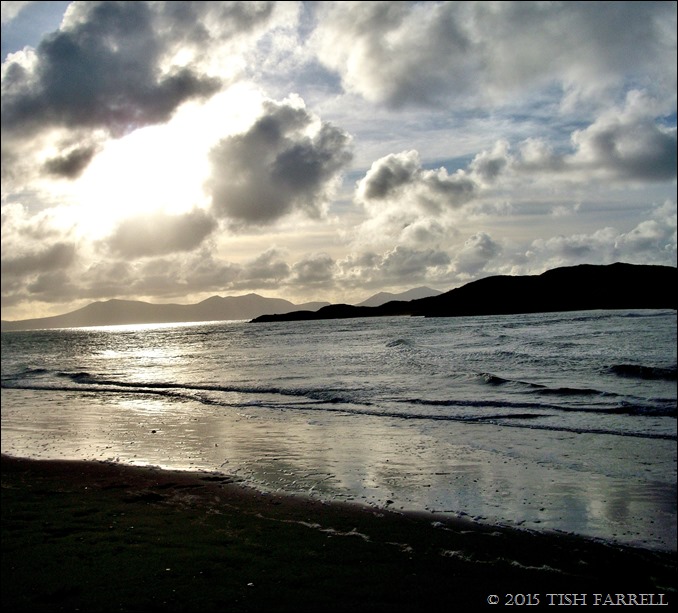
From my house I often watch the late-day sun slip behind the Edge. But which of us is moving: me, or the sun? It’s the sort of displacement-activity question I ask myself when I should be doing something more constructive. It also makes me think about the Edge, the fact that something so apparently static is, of itself, an embodiment of movement; a geological exemplar of extreme process and change.

The limestone ridge on whose foothills we Wenlockians dwell, is 425 million years old. It runs for some twenty miles while rising up to three hundred feet above the land.  And so it goes without saying that a structure of this size cannot help but evoke a sense of monumental immobility.

How can it  move?

Yet move it has, and move it does, although these days not on quite the colossal scale of the Silurian Age when it was formed.  Its constituent parts, the sea-creature fossils that have fascinated the world’s geologists enough to earn them their own Wenlock Epoch, clearly indicate that our Edge is neither where it was, nor what it was in the aeons before fish were invented.

In fact during the Silurian era, and some 200 hundred million years before one cosmic hint of a Stegosaurus or Diplodocus was abroad, the strata that would become Wenlock Edge were quietly forming. Layers of dead and decomposing corals, sponges, sea lilies and molluscs were building up beneath a shallow tropical sea, and in a location somewhere off present-day East Africa and well south of the Equator.

Today, however, this former sea bed is an up-tilted escarpment, a steeply wooded ridgeway of ash, birch, hazel and oak trees. It bisects a temperate, rural Shropshire in the middle of England, which as most people know, is and often feels hugely north of the Equator. The power of tectonic shift and uplift is thus truly marvellous.

For the last couple of millennia, though, it has been humans who have been responsible for the Edge’s biggest movement. They have hacked, drilled, and blasted out the limestone with dogged persistence. At first the spoil would have been carried away on packhorses, then on carts, and finally by train and truck to wherever it was needed. Chunks of fossil sea bed hauled off to build grand monastic houses, feudal mansions, churches and cottages; limestone mortar to make them weather-tight; limestone to burn to make quick-lime for fertilizer; crushed limestone to pour into the top of massive blast furnaces, and so draw the impurities from smelting iron.
100_7035

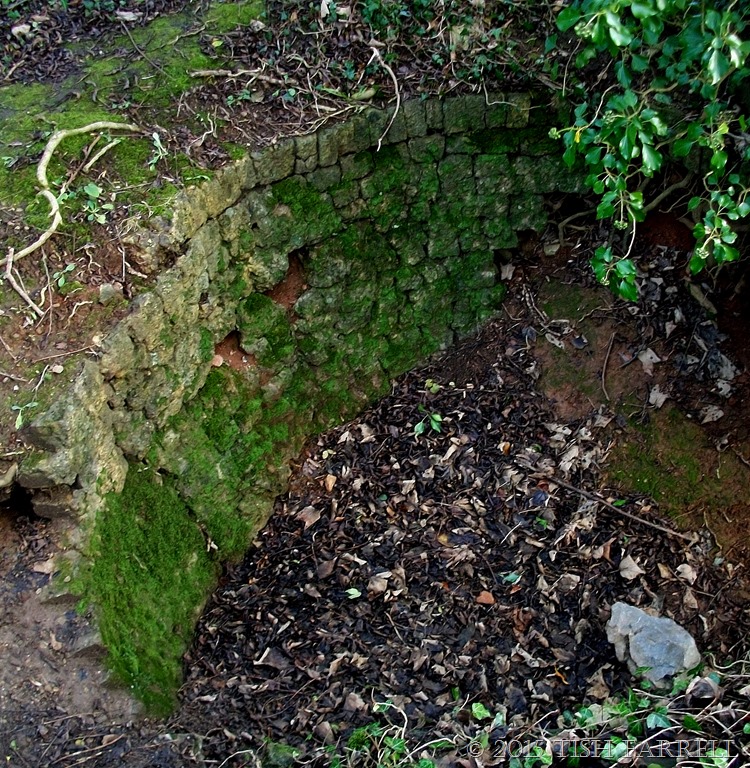
One of the many old lime burning kilns on Wenlock Edge

*

In such ways did Wenlock’s broadcast and reconstituted Edge come to play its part in Britain’s Agricultural and Industrial Revolutions. Yet way before this, in the late 600s AD of Saxon times, it probably also gave us our curious sounding name. In those days it was the habit to paint the early Christian religious houses with lime-wash so they glowed luminously white against surrounding terrain.  It was also around this time that Milburga, daughter of a Mercian king, became abbess of a dual monastic house of monks and nuns that stood where the town’s parish church now stands .  Gwen/Wen means white, and Loc/Lock means chapel or religious house. So there you have it – Wenlock – the place of the white church.

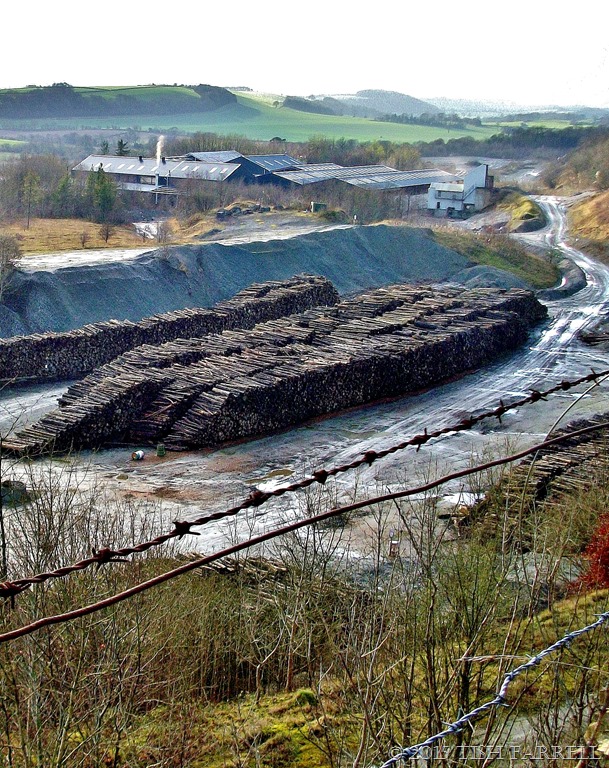
In more recent times, aggregates for highway construction have been the Edge-product of choice, and supplies are still outstanding in one of the quarries. At intervals convoys of motorway construction trucks come rattling through the town to fill up – and all this so more and more traffic can rush about the place.

The mopping up of the aggregates marks the end of quarrying,  although the quarries themselves have now been occupied by other industries  – garden fencing  and woodchip fuel producers, paint and packaging companies – all taking advantage of the huge spaces left behind by the evacuated limestone.
100_7059

100_7071

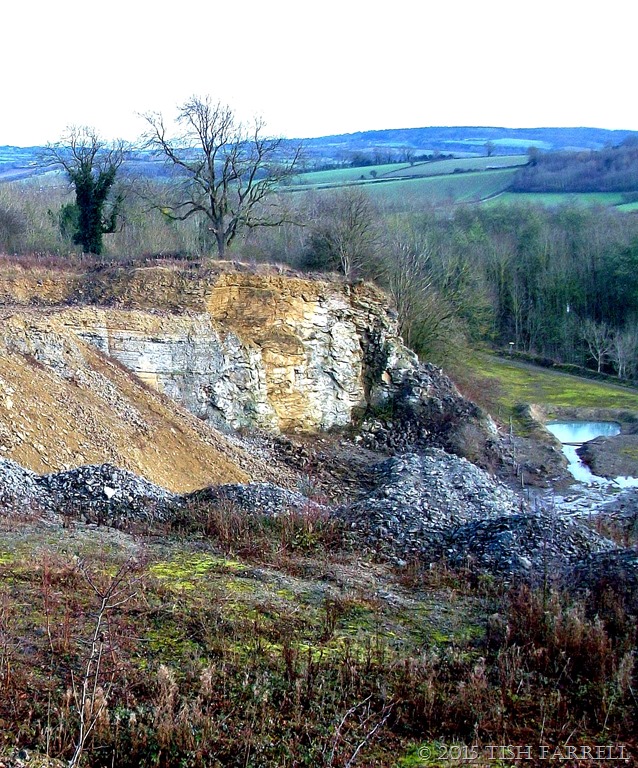
Yet where the old workings and exploded cliff faces have been left to themselves, there are signs that the vegetation is reasserting itself, slowly extending the habitat for the Edge residents: deer, badgers, hares, weasels and mice.

I find the old quarries fascinating in a  morbid, Edgar Allan Poe-ish kind of way. Ravens like to nest there for one thing, which adds to their brooding allure. However, if you turn your back on the quarries, and look the other way, through breaks in the tree cover, you will see broad sweeps of Shropshire’s hills and farmland. And this, for most people, is the main reason why the twenty-mile-long vantage point is one of the county’s great treasures. The National Trust who own a long stretch of the wooded slopes, and manage the woods and paths, want to ensure it remains that way – a valued public resource.
IMG_1911

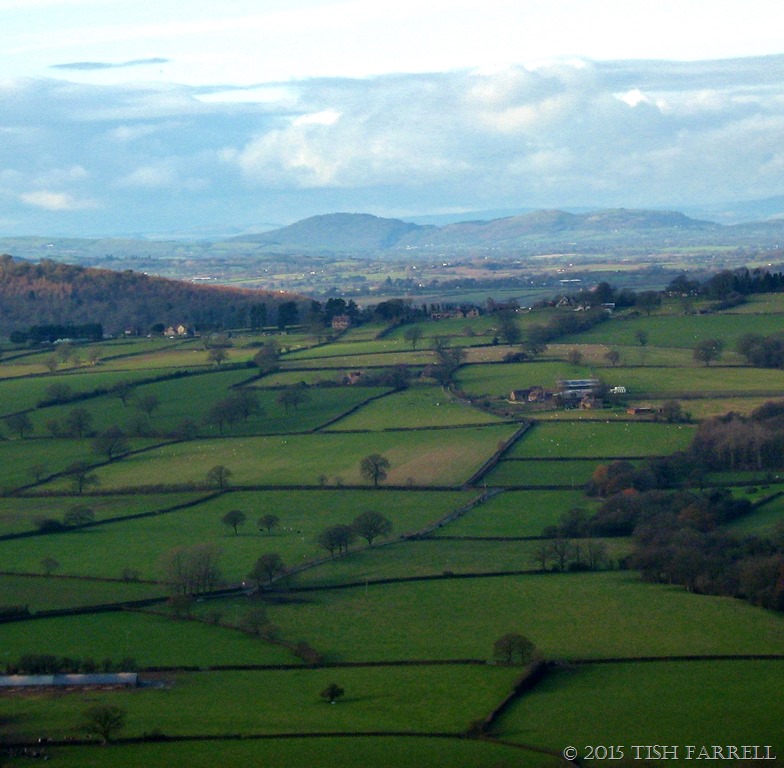
This  view looks towards the Welsh borders and, in the past, would have been gazed on by writers such as Thomas Hardy and Henry James, and by Africa’s darkest explorer, Henry Morton Stanley, all of whom were, at various times, guests of the Milnes-Gaskells, Much Wenlock’s erstwhile gentry who lived in the Prior’s House at Wenlock Abbey. The Milnes-Gaskells were good hosts and tour guides and made sure that their visitors always took in the best views.

On reflection, though, I’d say that this particular fieldscape would have looked very different a good century ago – smaller fields, many more hedges and trees back then. Much bigger trees too, for all the huge oaks were culled by the late nineteenth century, and those of us alive today have never seen their like other than in old photos, where their magnificence has been felled and stacked up, ready to serve some apparently pressing human purpose.

Life for ordinary people would have been tough too – with many more labourers working the land, horses pulling ploughs, vistas of scenic rusticity that did not fool Thomas Hardy for one moment. He is said to have been mightily appalled by the impoverished state of Wenlock’s workers.

P1000594

And so back to the setting sun/moving earth where this post began. The Edge then, is still in motion, although mostly in ways not much noticed by us. The limestone scarps are degrading. Rock becoming soil and mixing with the leaf mould to create new niches and microclimates, the old lime kilns, moss and ivy coated, weathering into the earth, the quarry scars and debris gradually being colonised by trees and plants.

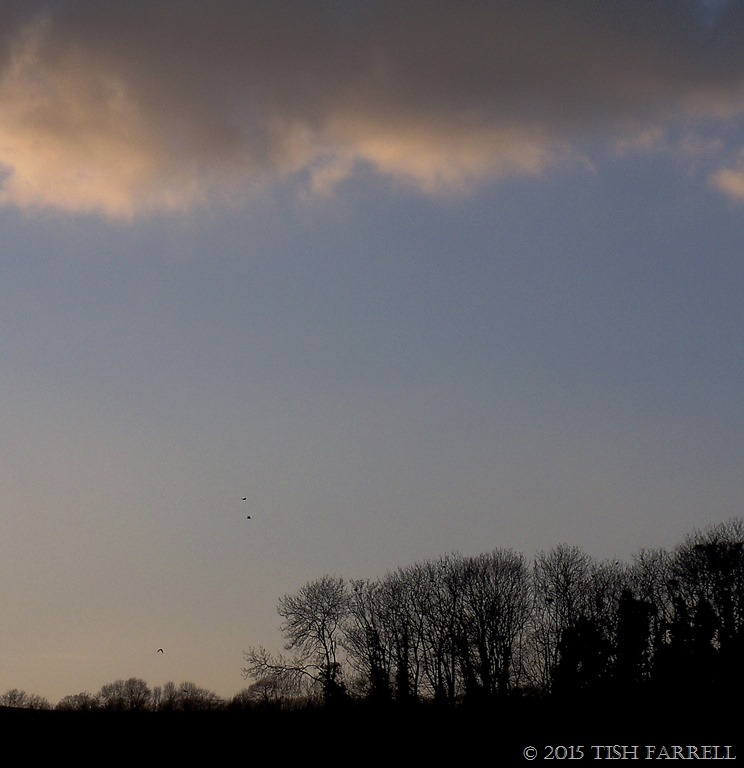
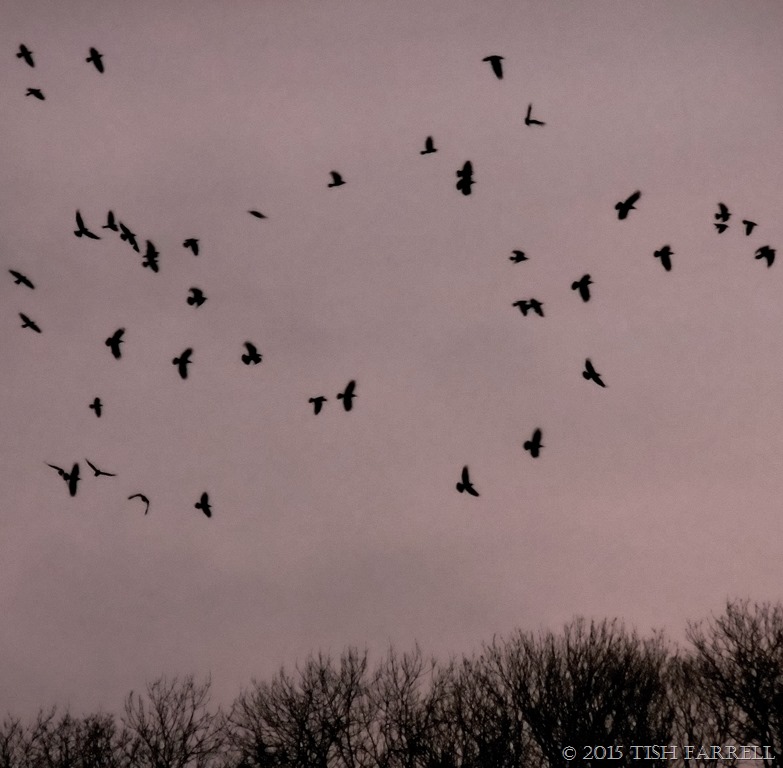
Then there are the kinds of movement that I observe day after day behind our house: the march of clouds, weather; the change of light, dawn , dusk, the stars, the seasons, the rooks and jackdaws going out, and coming home. Everything shifting, transforming, recycling as the earth rotates around the sun. I find that thought – the revolving planet and the endless motion of its life forms – very joy-making. It is good to stand still and watch, and especially as the sun sets, or the earth moves.
100_5072

P1000341

Rooks and jackdaws coming home


copyright 2015 Tish Farrell
Jennifer Nichole Wells: sun

Motion

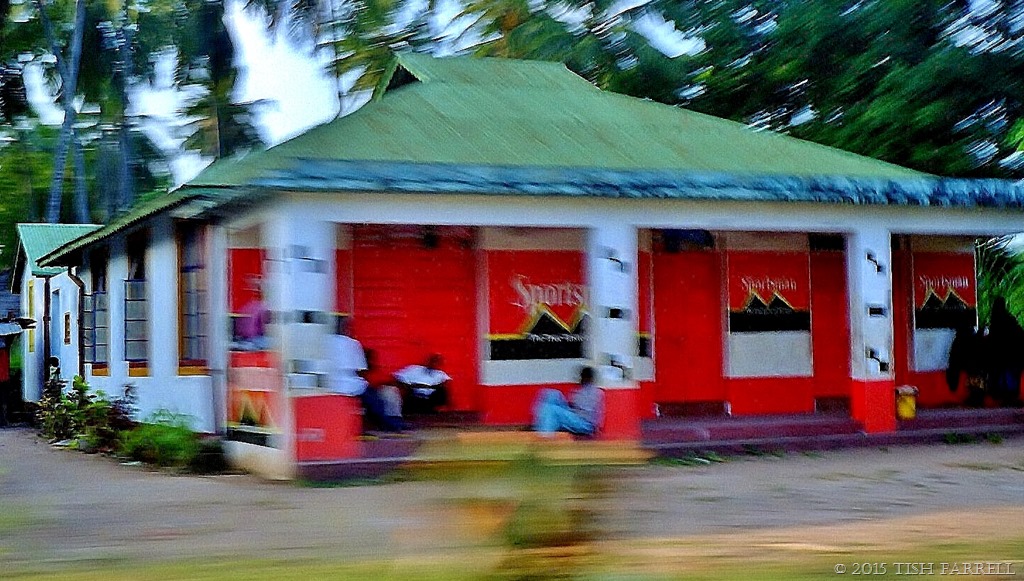
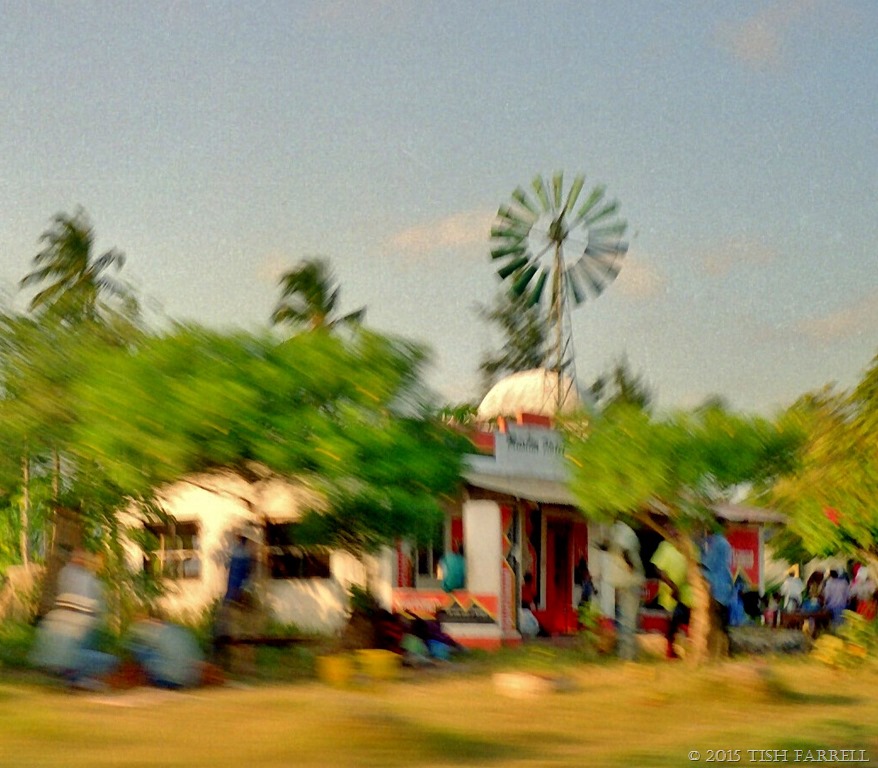
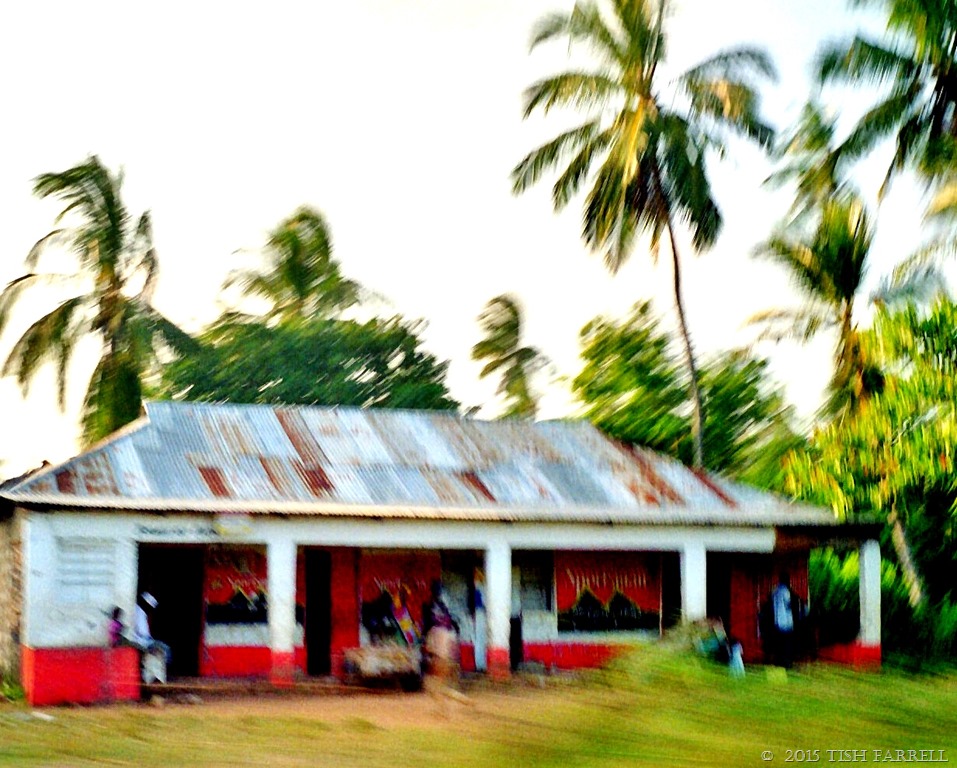
A little blurred on the road to Lunga Lunga

Scan-130603-0018

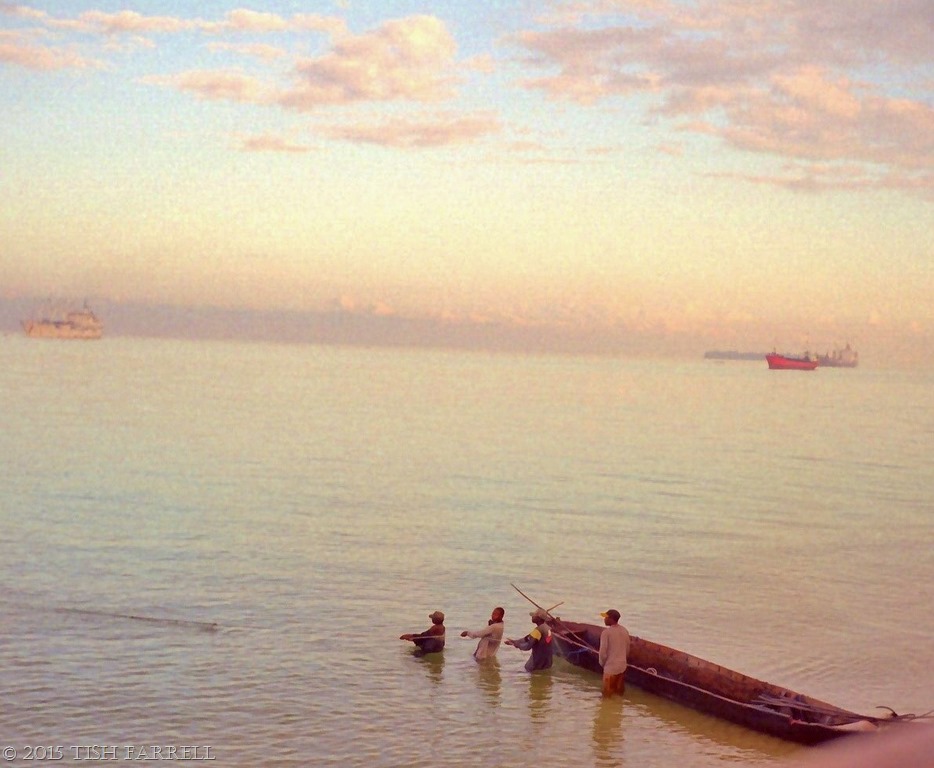
And blurred is often how we felt after driving down the Nairobi-Mombasa highway to Tiwi on Mombasa’s south coast. We used to spend Christmas down there. It was a three hundred mile trip, descending from the air-conditioned high plains of Nairobi to the  wet-hot steaminess of the coastal strip.  On a good day it would take around five hours. Other times we’d break the journey, staying at Tsavo Inn or Taita Hills. Sometimes the road was hardly there at all, washed out by December rains.  You never knew until you got there. The final leg of the trip also always involved the infamous Likoni Ferry  that carries traffic from Mombasa Island to the southern mainland.

To catch it, you first had to drive through Mombasa, negotiating mad matatu drivers and throngs of push-cart guys, shunting impossibly huge loads of cooking oil, coconuts, pineapples, coca cola. Then came the broiling wait for the ferry. If you timed it badly, the traffic tailed back into town.  Being tetchy Brits who do not bear overheatedness well, we did not welcome being sitting ducks for all the street traders, despite the fact that roasted cashew nuts were a favourite. Grumpy old us.

But then, when we found ourselves close enough to the head of queue to see the in-coming ferry, it was all change. Suddenly the excitement hit. This place was Africa with bells and whistles, and in every sense. All of life swarmed by as the ferry spilled out its trucks, multi-coloured matatus and crowds and crowds of humanity. The burst of colours under the tropic sun set the brain afire – the women in their vibrant kanga wraps, men in kanzus and embroidered kofia caps, the youth sporting the rich world’s recycled tee-shirts with every imaginable corporate slogan draped from skinny shoulders.

There was always a frisson of anxiety as we boarded. Would we make it to the other side? After all, the ferry had been known to cut loose and drift off towards the Indian Ocean. But no. It never happened to us.

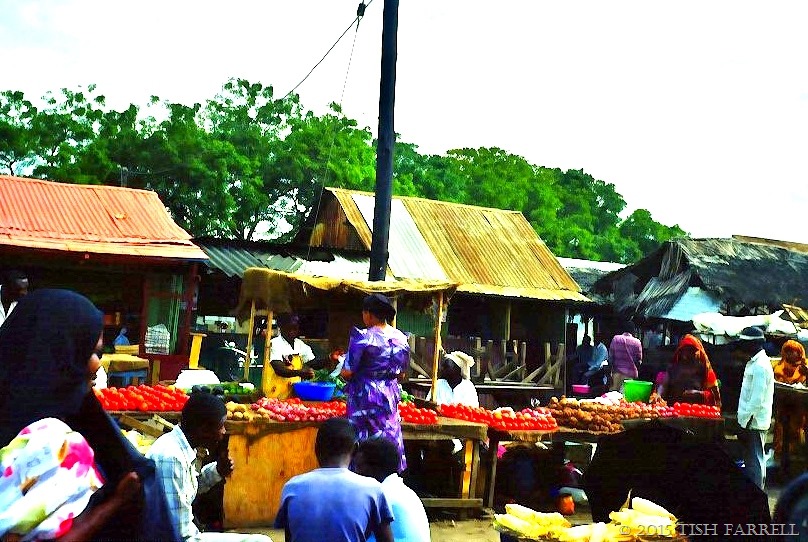
Even so, the final glide up the mainland slipway always seemed a minor miracle. We’re here! And here was Likoni market – throbbing with rhumba rhythms, and hooting-whistling matatu crews. Ramshackle stalls line the road – hoteli, hair salons, tailors’, fruit and veg sellers, Chinese multi-coloured enamel ware and plastics. There are smells of steaming market waste, hot mandazi donuts, joss sticks, cheap perfume, diesel and dust.

351

The foot passengers poured around us. We crawled through the melee. Until – at  last – the open road – the long straight causeway that runs south through Kwale District to  Lunga Lunga, the last town in Kenya before the Tanzanian border.

This road is lined with coconut plantations, the palms all leaning with the sea breeze.  Cattle graze beneath baobabs and kapok trees. There are guest houses, and small-holdings, schools and tiny mosques. The homes have corrugated iron or palm thatch makuti roofs. The walls are coral rag or wattle and daub. Verandahs feature. There are more trading centres, curio carvers, furniture makers, general stores, charcoal sellers, second hand clothes, kangas flying in the breeze like flags.

Scan-130603-0022

Scan-130603-0021

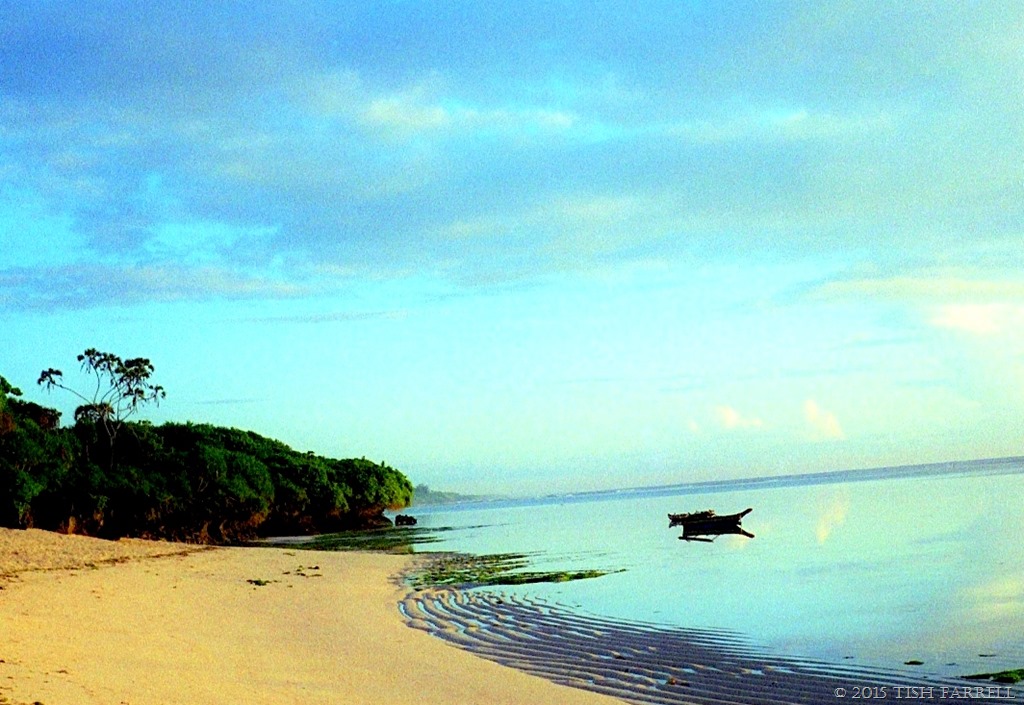
We never went as far as Lunga Lunga. Tiwi was far enough. To arrive at Maweni, the little beach village perched above the Indian Ocean, to immerse in clear waters, and finally unblur with bottle of Tusker beer – bliss.

dawn on Tiwi with dugout - Copy


copyright 2015 Tish Farrell
Blur

Flamingos in the Mist ~ Dawn on Lake Elmenteita

IMG

The light changes every second across the lake. From dawn till dusk there is always something to watch at Elmenteita in Kenya’s Great Rift. There are over 400 species of birds to spot for one thing – among them the endangered white pelican that breeds there. The main stars, though, are the surely the huge flocks of flamingos, both lesser and greater varieties, that turn swathes of the lake to rose-petal  pink. Even a passing glimpse  from the nearby  Rift highway  is enough to catch the breath. A pink lake – how can that be?

This story continues at: On watch at Elmenteita – the lake that blows away

Over at Paula’s Lost in Translation the challenge for this Thursday’s Special is ‘multitude’

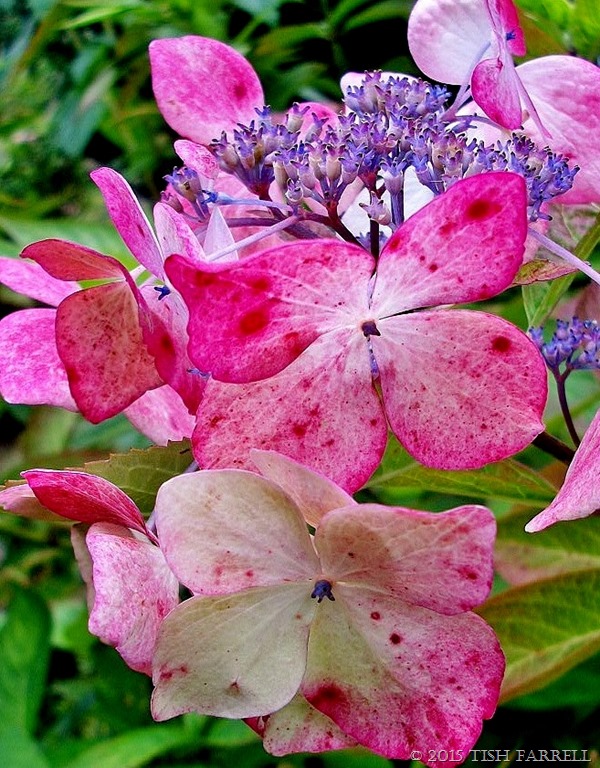
Kind of Mauve not Blue at Plas yn Rhiw

100_4853

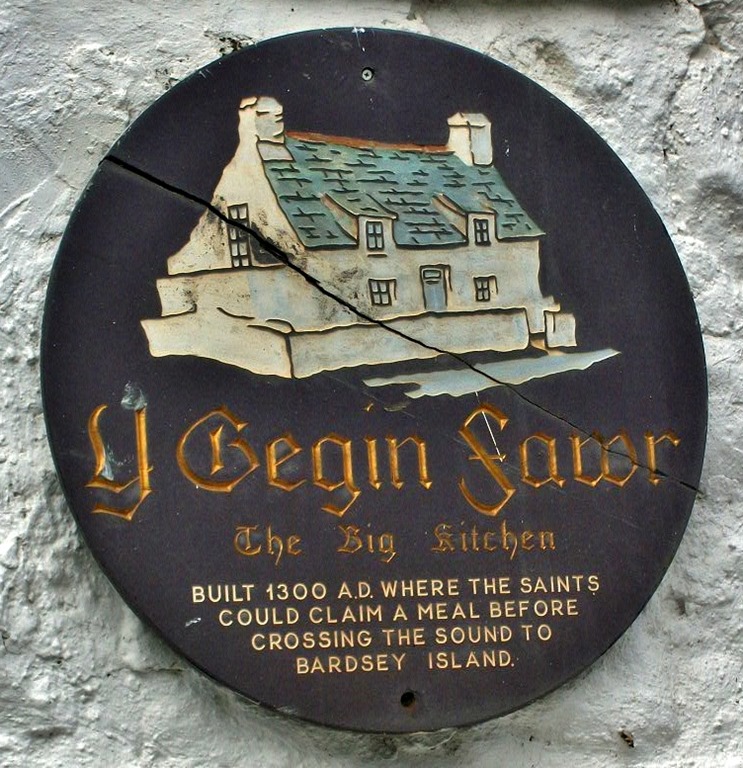
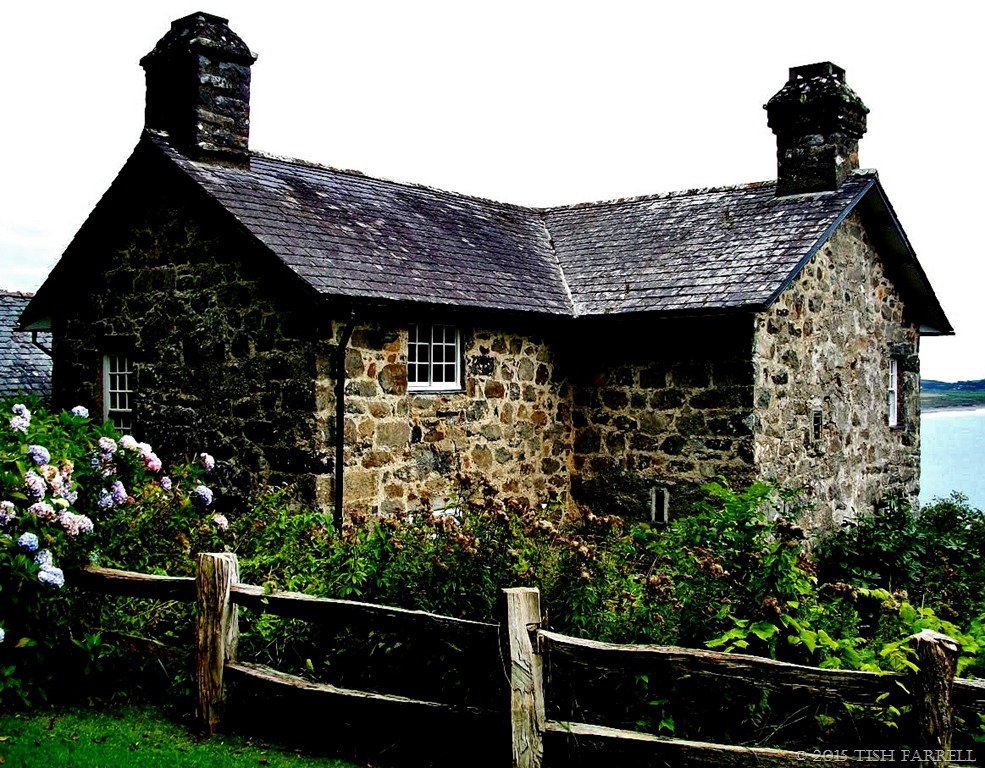
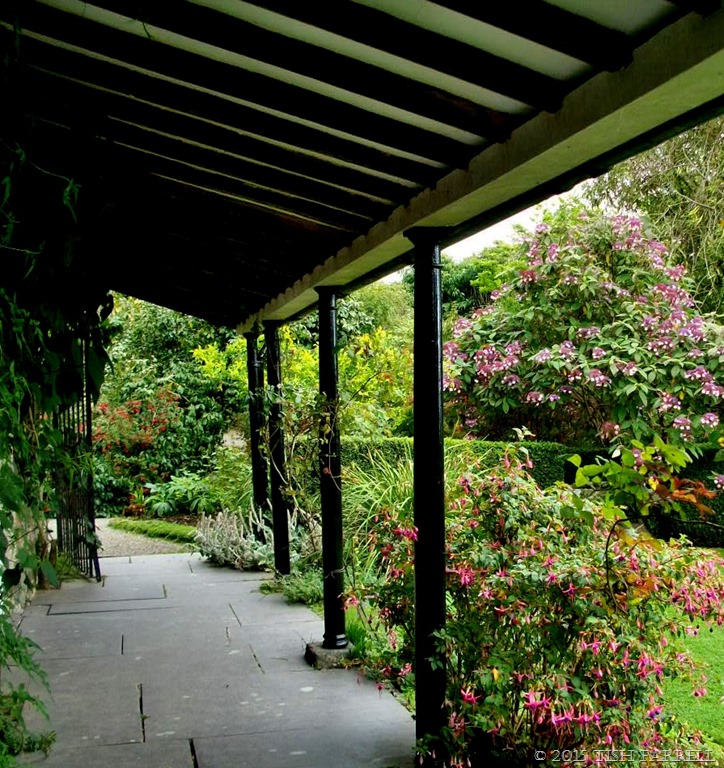
Looking back, it was a mauve sort of a day, the day we went to visit the old Welsh farmhouse of Plas yn Rhiw on the Llyn Peninsula. The sea in the bay below the house was peaceful, and the air still and dreamy. If you listened hard you  might hear echoes of the past along this ancient pilgrims’ path to Bardsey Island, the place the Welsh call Island of Currents. It was late September, and Wales was very much in end-of-season mode with many places closed; or if they were open, then looking as if they wished they were closed. It’s often like that in Wales. Even the stalwart National Trust, that now has care of Plas yn Rhiw, was slow to open up. We had to go away and come back. In fact that was a bit of good luck. Further down the peninsula in Aberdaron we were taken by surprise at Y Gegin Fawr, The Big Kitchen cafe, where the owner was enthusiastically hospitable.

IMG_0690

It turned out that she was keen to uphold  a 700 year-old tradition of feeding pilgrims. We had some very excellent hot chocolate there, not something the saints would have recognised. Or if they had, and if they had seen Graham’s mug overtopping with whipped cream, they would surely have pronounced it a sin of the flesh, and to be eschewed at all costs.

100_4805

Back at Plas yn Rhiw we stepped into another time-warp.

100_4858

100_4822

Here, the seventeenth century farmhouse had been lovingly restored from ruin by the three Keating sisters, who at the urging of friend and architect, Clough Williams-Ellis (he of Portmeirion fame) scraped up the funds to buy the place in 1938. They lived there until they died, filling the house with personal treasures. When you wander from room to room, there is a feeling of benign, if eccentric spirits. They don’t seem to mind us peering at their books and nick-nacks…

 copyright 2015 Tish Farrell
For more of this story:

Gazing into Hell’s Mouth at Plas yn Rhiw


Jennifer Nichole Wells One Word Photo Challenge: Mauve

The Dhow Builders’ Yard, Zanzibar

Scan-130429-0031 - Copy

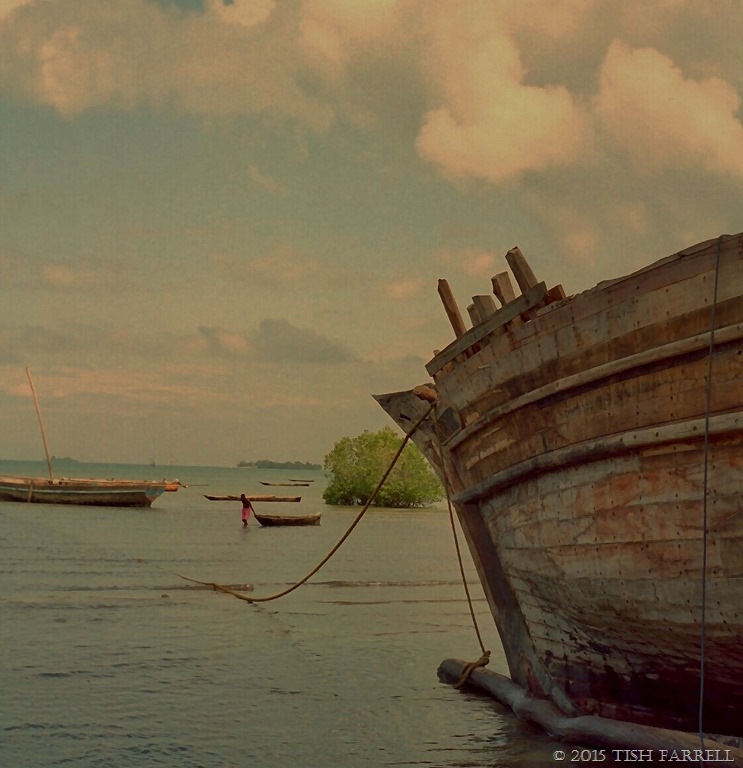
Zanzibar’s days of building large ocean-going dhows were on their last gasp when this photo was taken in 1999.  Hari, our guide, told us that the large dhow on the right had been commissioned by a Somali trader at a cost of around £7,000.  The building yard is on Maruhubi Beach,  not far from Stone Town, and on the edge of a mangrove forest which provides much of the construction timber. All the work is done by hand, following centuries old traditions. It is a slow and painstaking process, and dhow builders camp out on the beach while working on a big contract like this.


Rule of Thirds

Thinking of Zanzibar

Scan-130429-0049

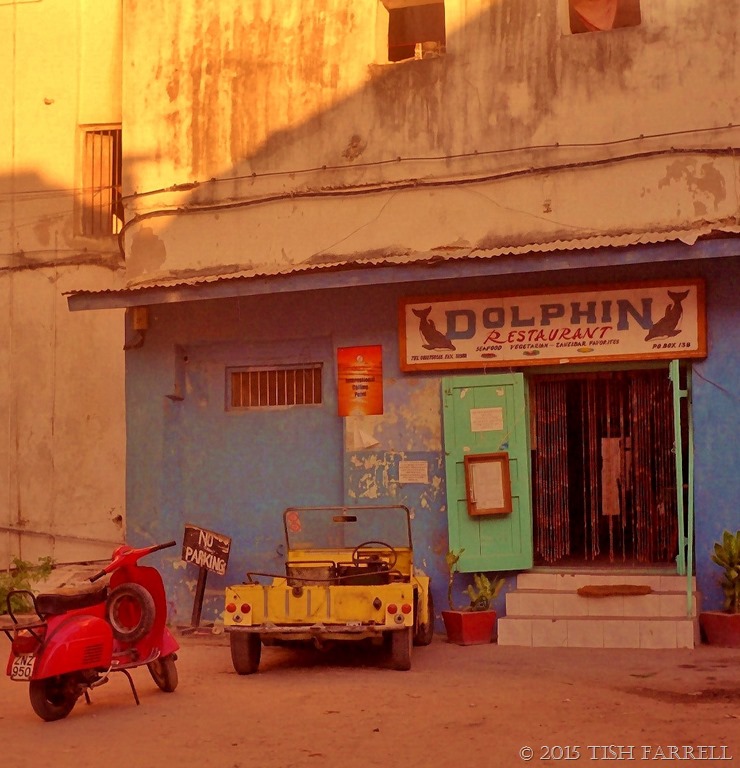
Zanzibar is of course famous as a spice island. The Omani Sultans once made fortunes from their clove plantations there. And while saffron, I am sure, is not one of the local commodities, Stone Town at sunset seems bathed in a saffron light. It is the kind of light that makes you wonder if you are awake or dreaming.

Scan-130429-0129

Scan-130429-0125


I have written more about the island HERE and Swahili Culture HERE


*

Jennifer Nichole Wells One Word Photo Challenge: Saffron