Earth Marvels

IMG_1117ed

If ever I were to begin to pin down my beliefs, then I might say they relate to earth, the planet, the universe, the creative forces that we humans scarcely understand, although that doesn’t stop us from telling ourselves plenty of stories about them. Indeed, throughout our short existence on the planet, it seems we have always told such tales, and it’s probably worth considering how many of them have proved false and fanciful.

And so when it comes to taking photographs, these are the kinds of thoughts that may be drifting through my mind. I mean, really – existentially – how do you explain this peacock butterfly – its form, colours and intricacies of behaviour? Of course for taxonomic purposes, entomologists may have a great deal to say on all these aspects, but in the natural scheme of things this organism simply IS, albeit occupying its own very particular evolutionary time and space.

Through my human eyes, then,  I see it as a marvel, because I also judge it to be beautiful and so worthy of my full attention. It is also very pleasing, exhilarating even, to see it, take its photo and then to share it. So in this sense it is also a celebration. At the same time I note that I am, as most people would be, uneager to similarly celebrate housefly larvae, dust mites, garden slugs or sooty mould; yet they all have their place in the biosphere. All of which is to say we humans are very selective when it comes to the things we ‘see’ and don’t ‘see’. I also think it’s worth thinking about this proclivity when it comes to our earth stories.

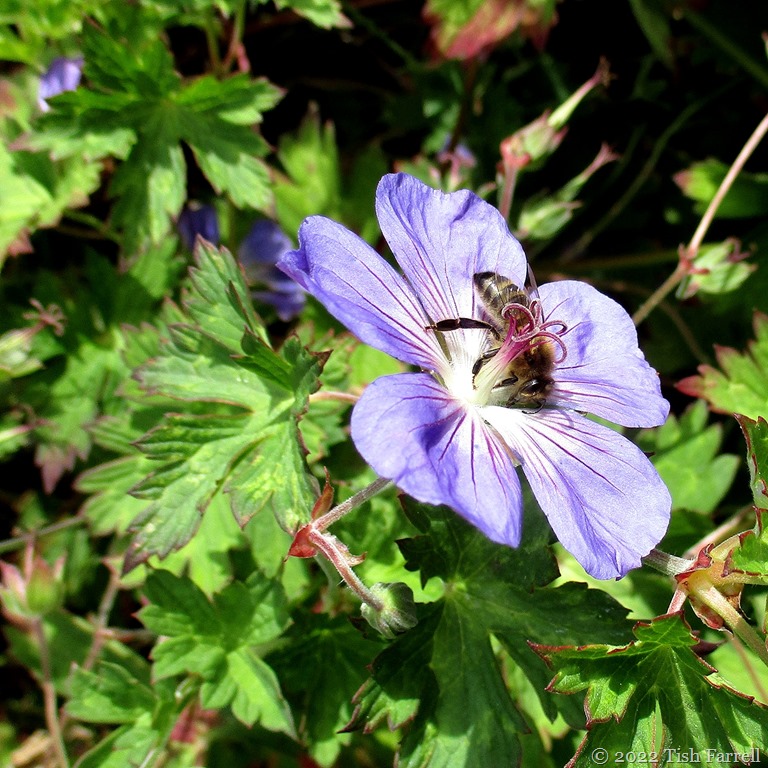
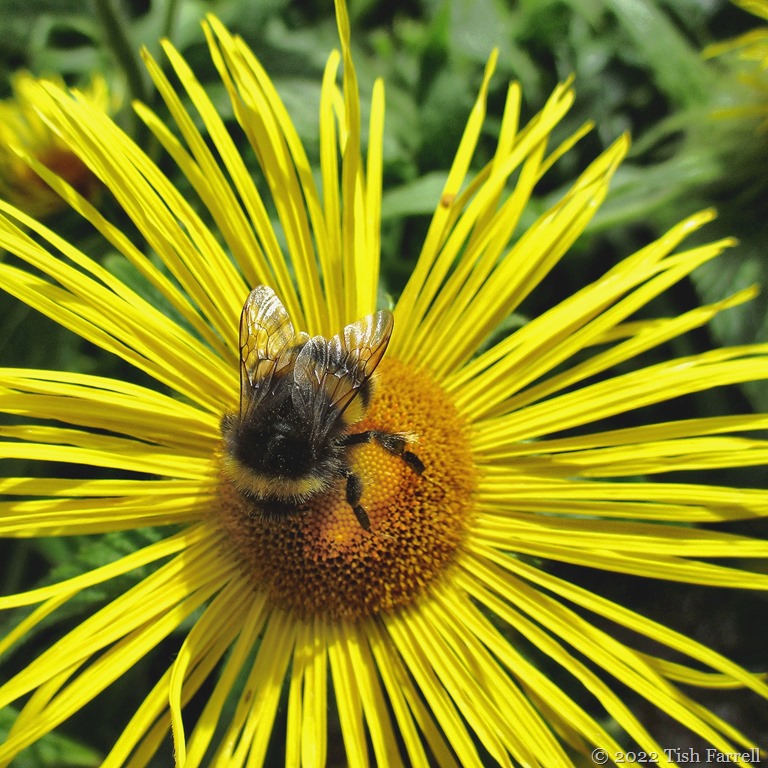
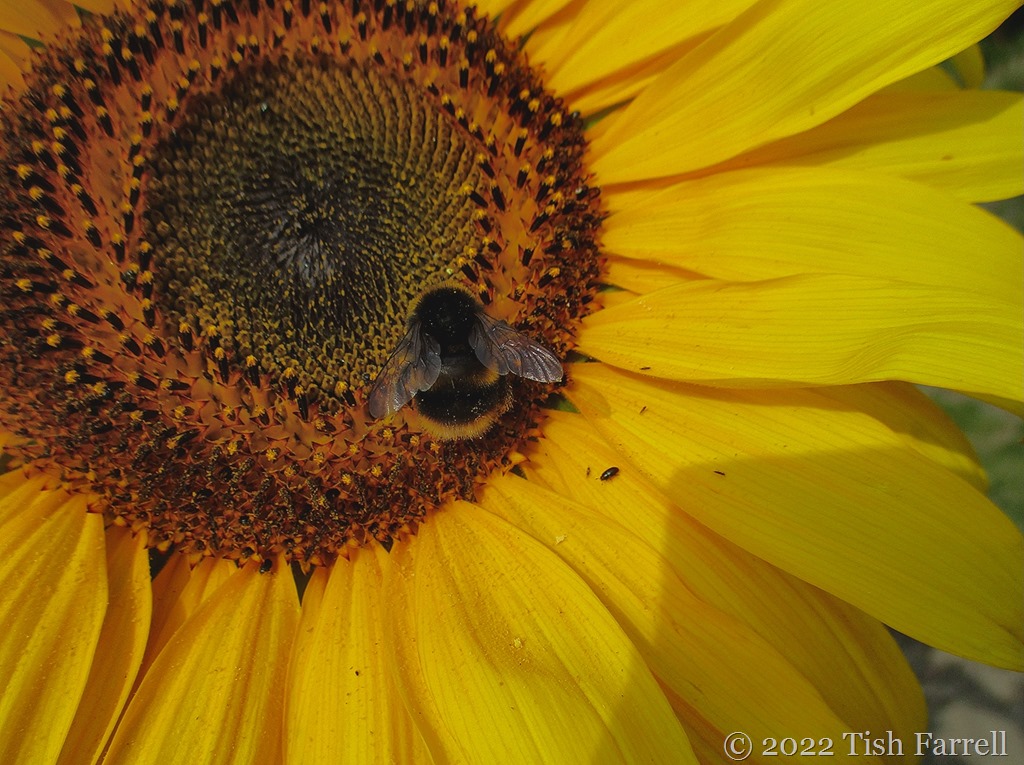
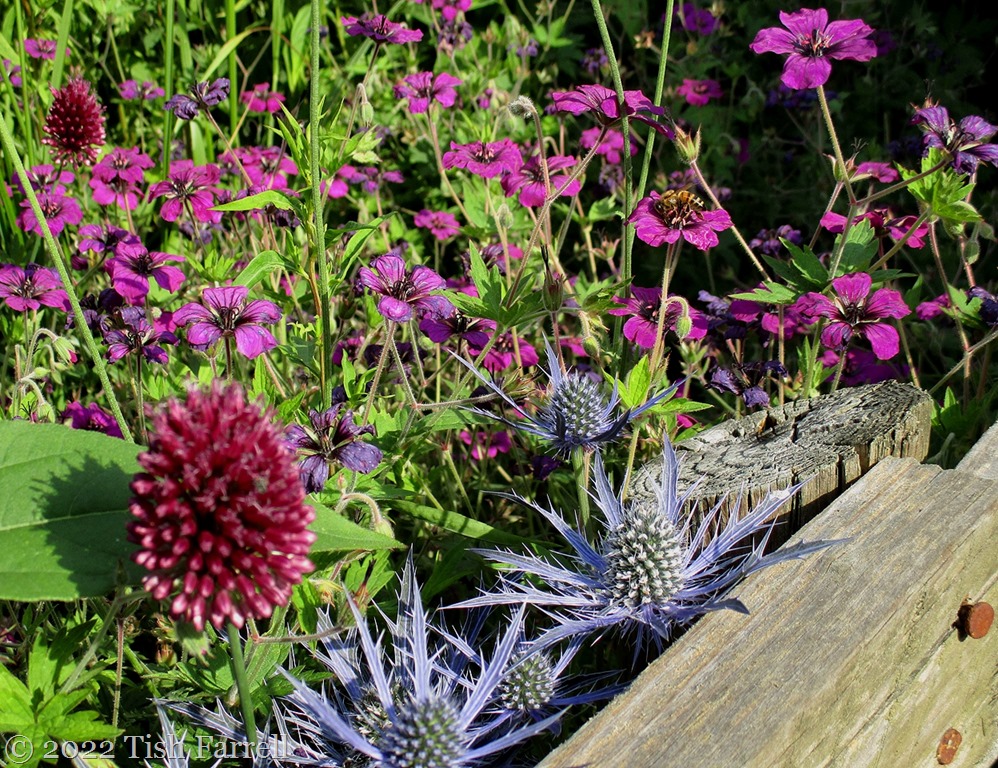
For now though, more celebratory earth snaps from today’s August garden. It’s bee and bug heaven out there…

IMG_1080

IMG_1072

IMG_1050

*

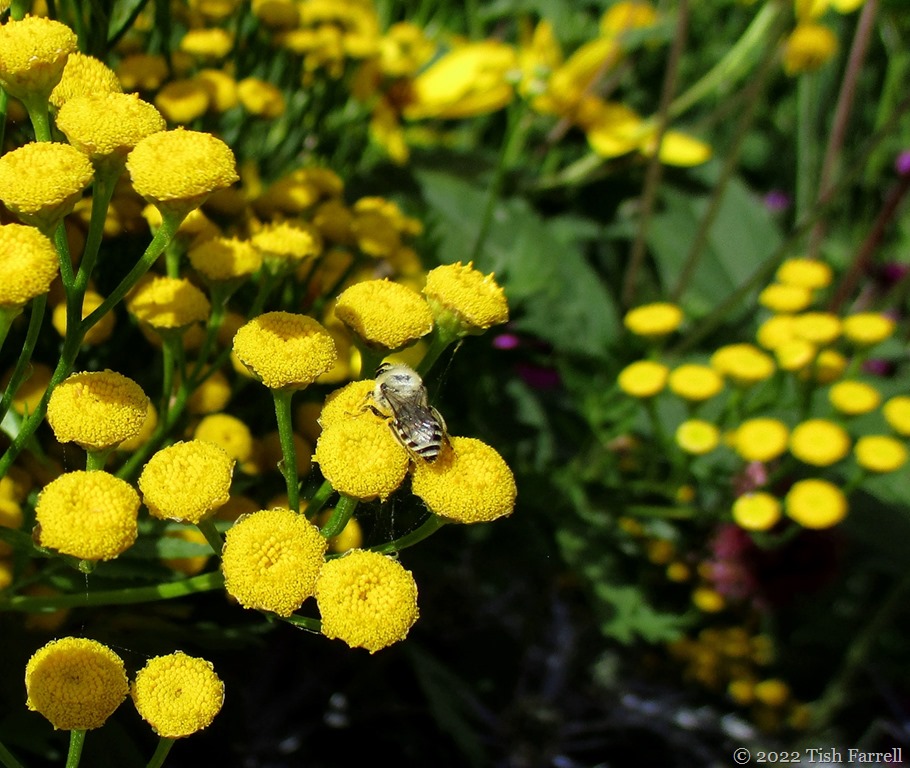
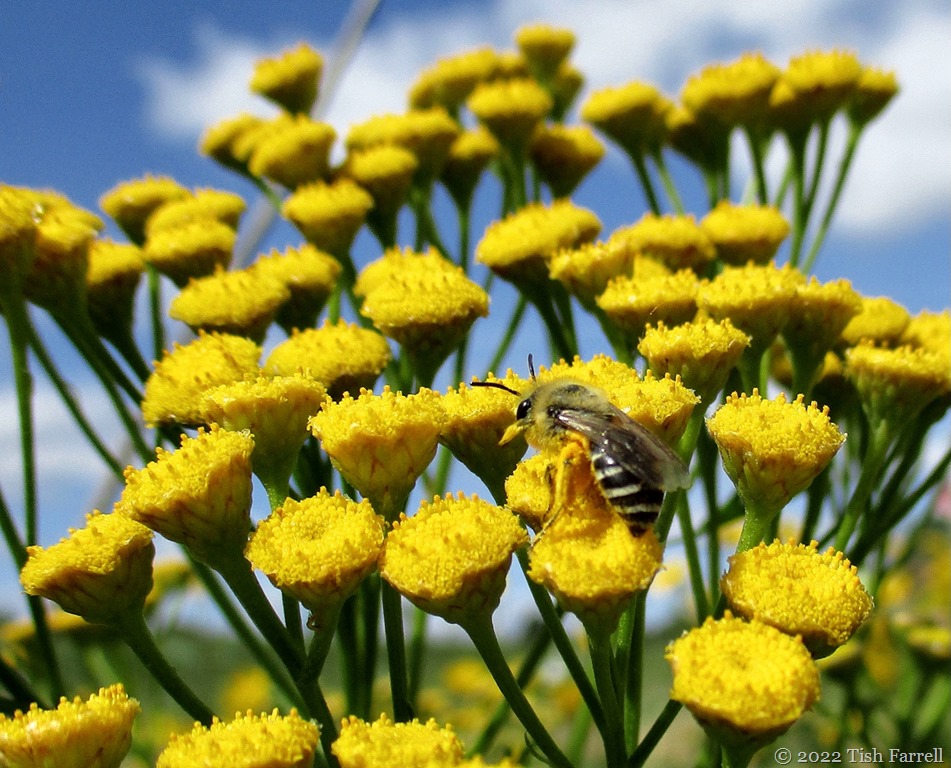
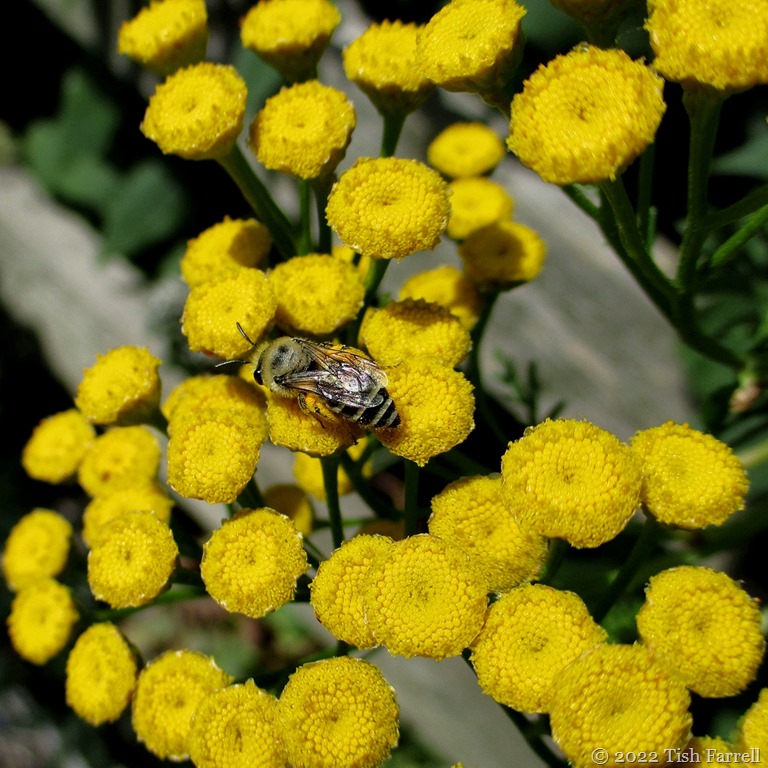
And yesterday I discovered a newcomer to the garden. This is one of a host of tiny bees presently foraging on the tansy flowers over the fence in the guerrilla garden. They are less than a half inch/centimetre long with banded abdomens of yellow or bluey-grey tones. I think they are a Colletes species/plasterer bees and therefore fairly recent arrivals in the UK.

IMG_1043

IMG_1063ed

IMG_1099ed

IMG_1035

*

Lens-Artists: What’s your photographic groove?  Anne at Slow Shutter Speed  wants to know. Please pop over to her blog.

In Case The Flood Comes

attenuation pond ed

Our small and ancient town of Much Wenlock sits in a hollow beneath Wenlock Edge. The Edge itself is an uptilted Silurian seabed, formed some 400 million years ago, and the farm fields around the town rise steeply to the Edge top. In consequence, flash flooding has long been a problem and in recent years (after the 2007 storms when the town centre was badly inundated) our locality has been designated a rapid response flood risk zone, the danger coming mostly from field run-off feeding onto roads and lanes that run into the town.

And so finally in 2017, after much humming and ha-ing, the Local Authority commissioned engineers to excavate two flood attenuation ponds at either end of the town. They are basically reverse reservoirs in that they remain empty with the aim of catching up the worst of any flood should a particularly bad rainstorm hit the Edge.

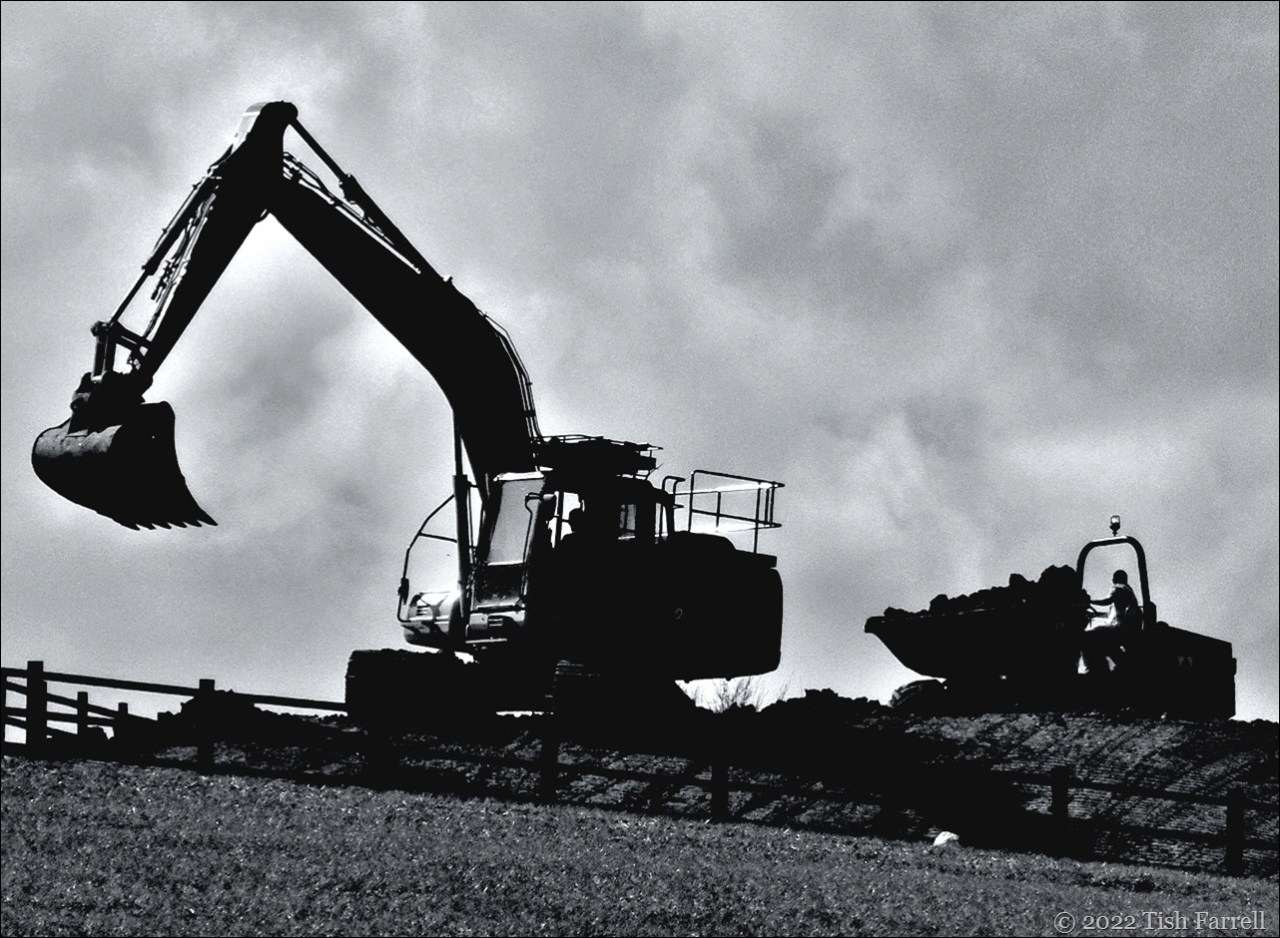
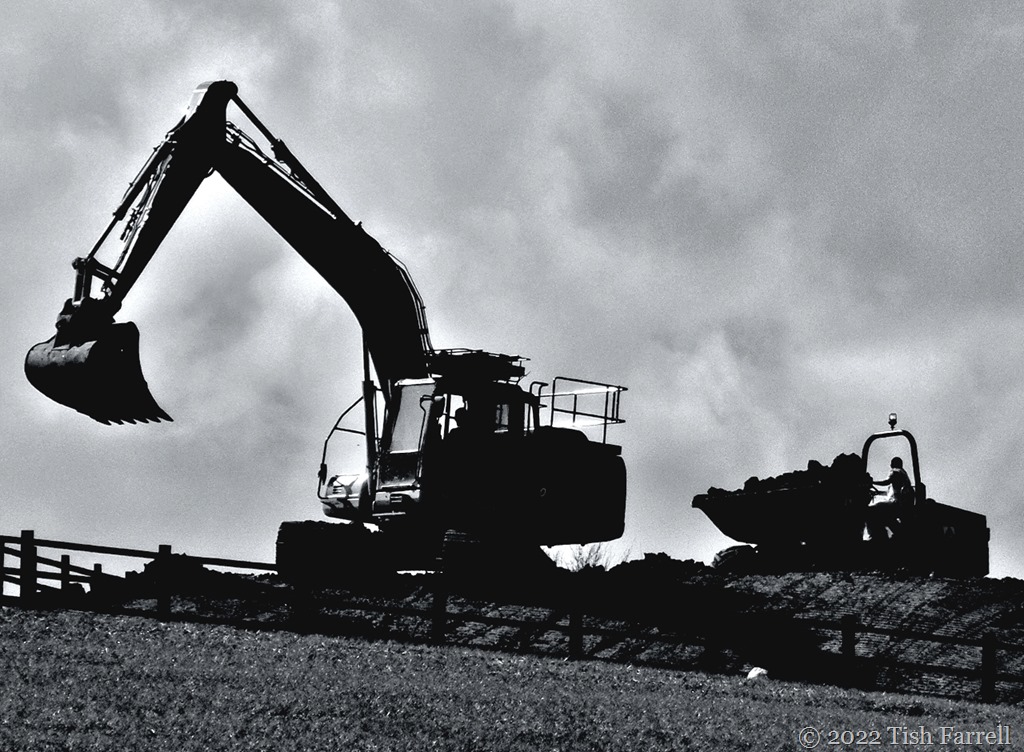
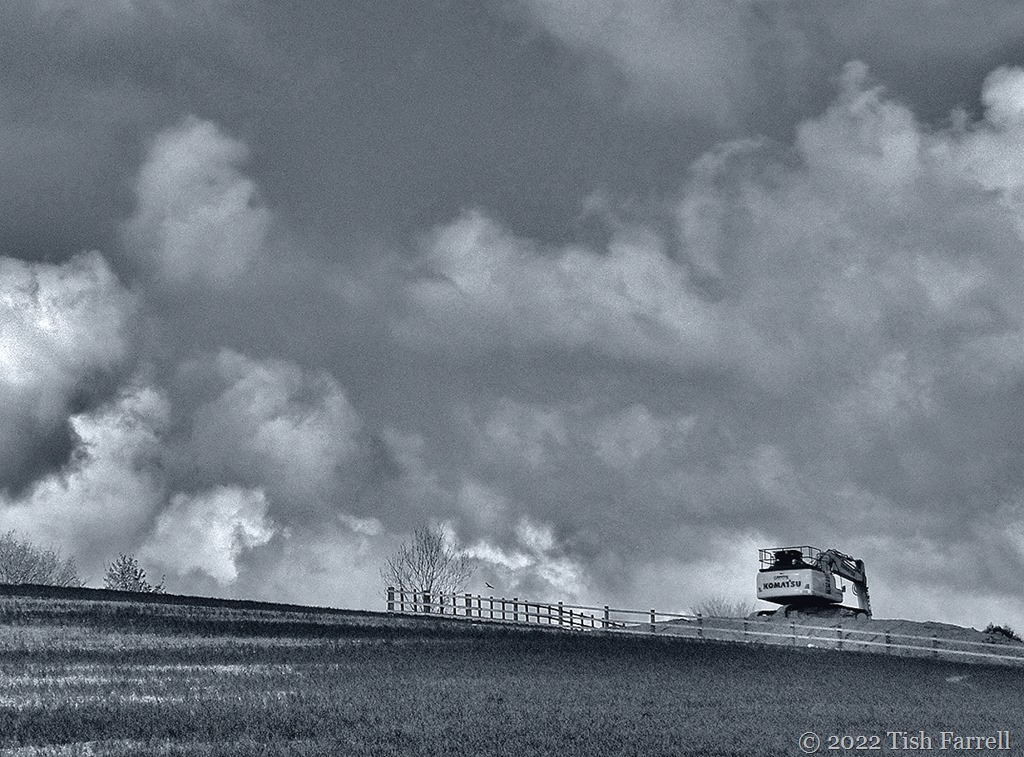
One of the ponds is at the top of Townsend Meadow, behind our house, and given the upward slope of the field, I found myself much taken with the sight of the big digger and dumper on my horizon  as the work was underway. I think I’m also happy to have the pond above our house, although the Farrell domain did not flood in 2007, and some experts have equivocal views about the utility of attenuation ponds in rapid-run-off situations. Anyway, so far so good. Besides which, the guerrilla garden behind the garden fence is on a small rise and forms something of bund to protect us.

Now for more digger views, far and near:

attenuation pond digger

attentuation pond 1 ed

Cee’s Black & White Photo Challenge: Busy with purpose

Regaining Our Cool

IMG_0983ed

Well, it was pretty hot in Wenlock on Tuesday – 33-34C (bottom 90sF), this being the temperature given for Telford, our nearest big town. But then on Wednesday we were dropped back to 22C (72F) max and deeply gloomy skies. The breeze was back too. In fact yesterday afternoon when I took this photo, it was positively draughty walking along the Linden Walk; also very dry. You can see the wind blowing up a dust storm from the grass mower on the left.

At midday, as I write, my PC says it’s 14C (57F), and the forecast from our local weather station at RAF Shawbury indicates top temperatures of 17-24C (62-75F) for next nine days: https://www.weatherhq.co.uk/raf-shawbury/10d  The main thing though, we should have some rain tomorrow. Fingers crossed.

But, one asks, where did all that 2-day heat wave go? And how did it come in the first place? The explanations I’ve read state it was a burst of hot air out of North Africa pushed across Europe by a high pressure zone, a congruence of  events caused by a change in the jet stream, that mysterious air current whose meanderings appear to be responsible for all sorts of weather anomalies.

Of course in the Northern Hemisphere, this kind of heat wave has happened quite a few times over the past century. Such weather events not only came with extreme temperatures, but were often brutally long. The 1930s were particularly bad for overheated summers. This was the Dust Bowl era on the North American Great Plains, a time when (according to this Nature paper) there were 22 heat wave days per summer in Central US, and the maximum record temperatures reached then still stood at the time of 2019 US heat wave.

In Britain in August 1930 temperatures reached 34C, building over four days but, as seems to have happened this year, the high suddenly retreated allowing cool weather to move in.

Earlier, in 1911, people in Europe and America were not let off so lightly. The New England Historical Society HERE documents graphic accounts and photographs of the 11 days of sweltering heat that hit 44C/112F in the shade, said to have driven some people mad. Meanwhile in Britain the Wikipedia entry says the heat wave built from July through to September with a top temperature of 36.7C/98F. And in France, the 70-day broiling resulted in a horrendous death toll (scroll down for the English text.)

So all in all, uncomfortable as it was for many, it seems we got off lightly with a two-day baking. But many thanks to all fellow bloggers who expressed good wishes and concern. Much appreciated.

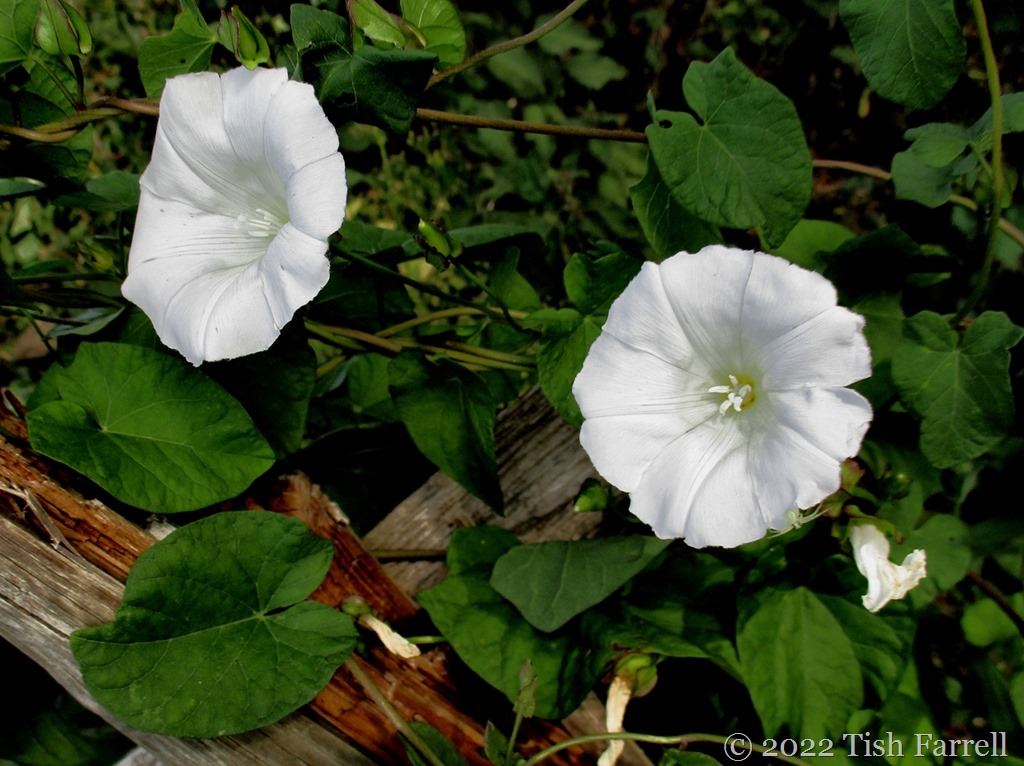
Cool Cool Convolvulus But Hot On The Plot

IMG_0957ed

We’re having a two-day heatwave here in the UK, temperatures in the 30s. That our summers for the last few years have been fairly heat-free seems to have erased memories that in times past we also had heatwaves. I remember baking to a crisp day after day on a Welsh beach back in the mid-1950s, and that was in May. And then there was the prolonged drought of 1975-76 when, due to severe water shortages, bathing with a friend was the catch phrase du jour. Wikipedia says this about that year:

Heathrow had 16 consecutive days over 30 °C (86 °F) from 23 June to 8 July[ and for 15 consecutive days from 23 June to 7 July temperatures reached 32.2 °C (90 °F) somewhere in England. Furthermore, five days saw temperatures exceed 35 °C (95 °F). On 28 June, temperatures reached 35.6 °C (96.1 °F) in Southampton, the highest June temperature recorded in the UK. The hottest day of all was 3 July, with temperatures reaching 35.9 °C (96.6 °F) in Cheltenham.

Whatever the weather, this gardener usually tries to avoid going away during the main growing season. At the best of times, watering the allotment vegetable plots and polytunnel seems too big an ask of fellow allotmenteers, and especially so during a dry spell. Summer for me, then, means garden watch. And so with the promise of a hot day ahead, this morning I was off to the allotment at 6 a.m. to see what rescue remedies might be needed after yesterday’s heat.

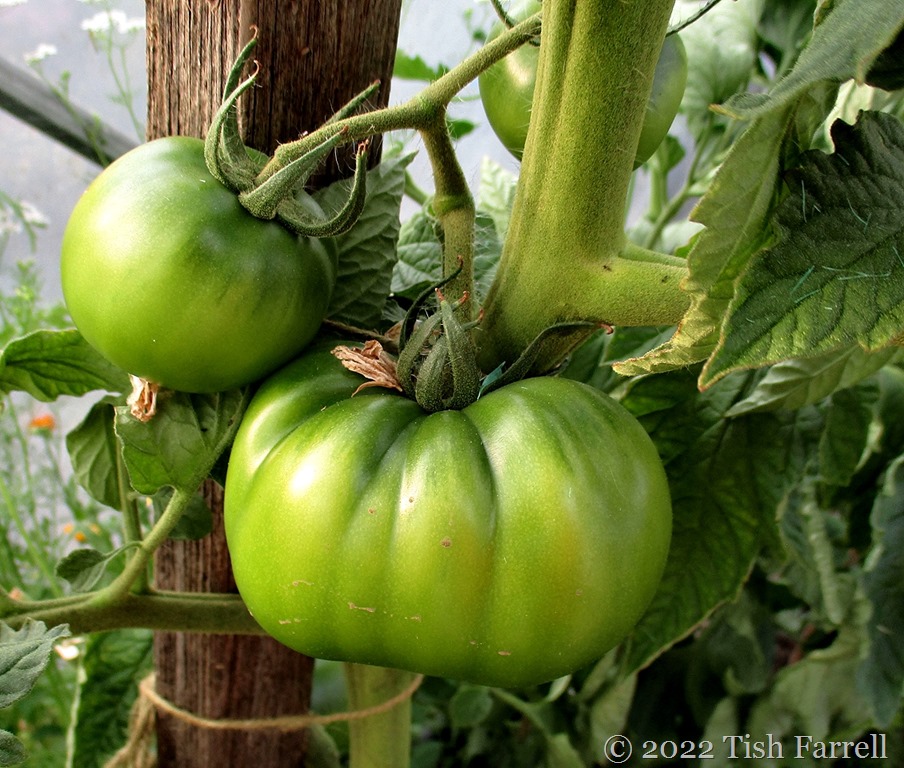
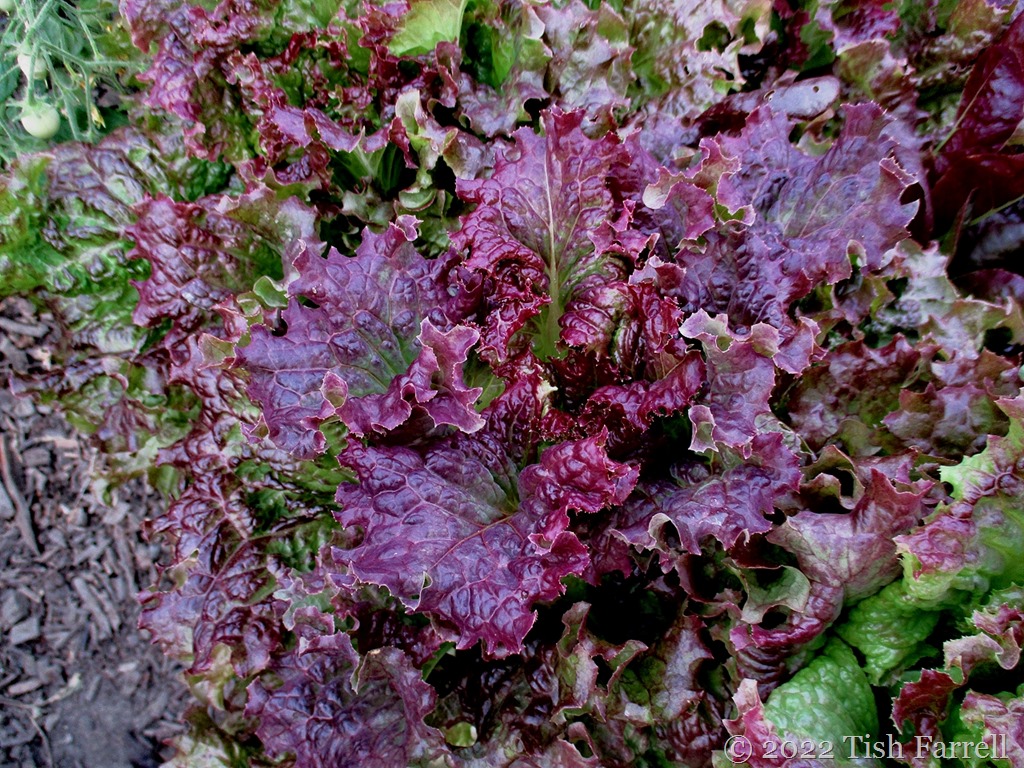
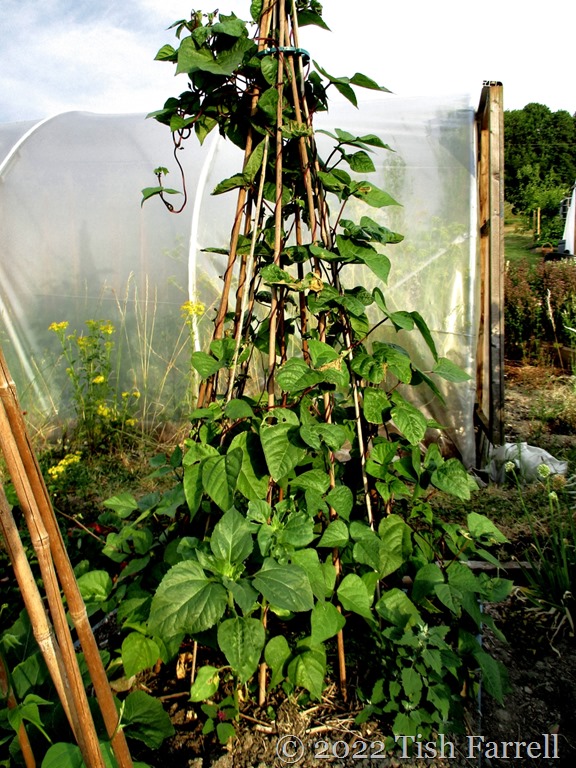
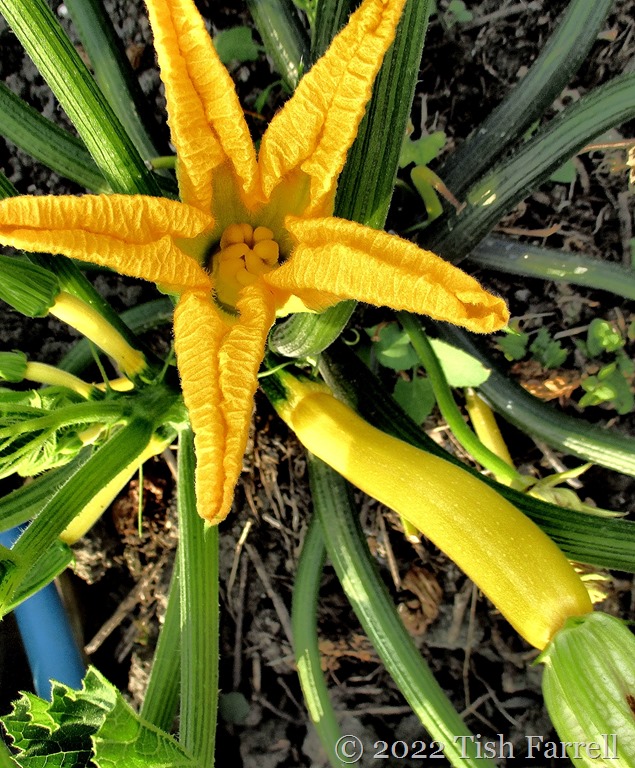
I needn’t have worried. The polytunnel (a sweat-inducing structure even in coolish weather) was fine. I’d left both doors open and the tomatoes, cucumbers and aubergines, lettuce and herbs looked happy enough. Meanwhile out on the plot, and since I was there, I damped down the mulch around the climbing peas and beans, courgettes and sweet corn, then picked raspberries that were looking a bit cooked, and gave vulnerable beetroot and leek seedlings a good soak.

IMG_0892

IMG_0919

IMG_0942ed

IMG_0929

IMG_0913ed

IMG_0910

*

And then I wandered around and took these photos, and was home by 8 a.m., by which time it was definitely warming up.  The BBC forecast says 35 C now at midday, though the Norwegian Met Office site YR (which I usually follow as it’s pretty good) says 34. In any event, it will be a much cooler 22C max tomorrow, and in the 20s for the rest of the week. I just hope we get some meaningful rain showers along with the returning coolness.

*

IMG_0956ed

*

Back in the home garden, the borders are definitely struggling  through lack of rain. I can’t begin to water everything. The driest area is over the back fence in the guerrilla garden. Plants there simply have to take their chances, but even so, the tansy and golden rod are running rampant, towering over my head, and the late flowering Michaelmas daisies and helianthus are catching up. Meanwhile Ann Thomson geranium is holding her own against the lot of them. She may get cooked each day, but she’s still comes back flowering each morning. Oh, for such repeat resilience.

IMG_0970ed

IMG_0969

IMG_0966ed

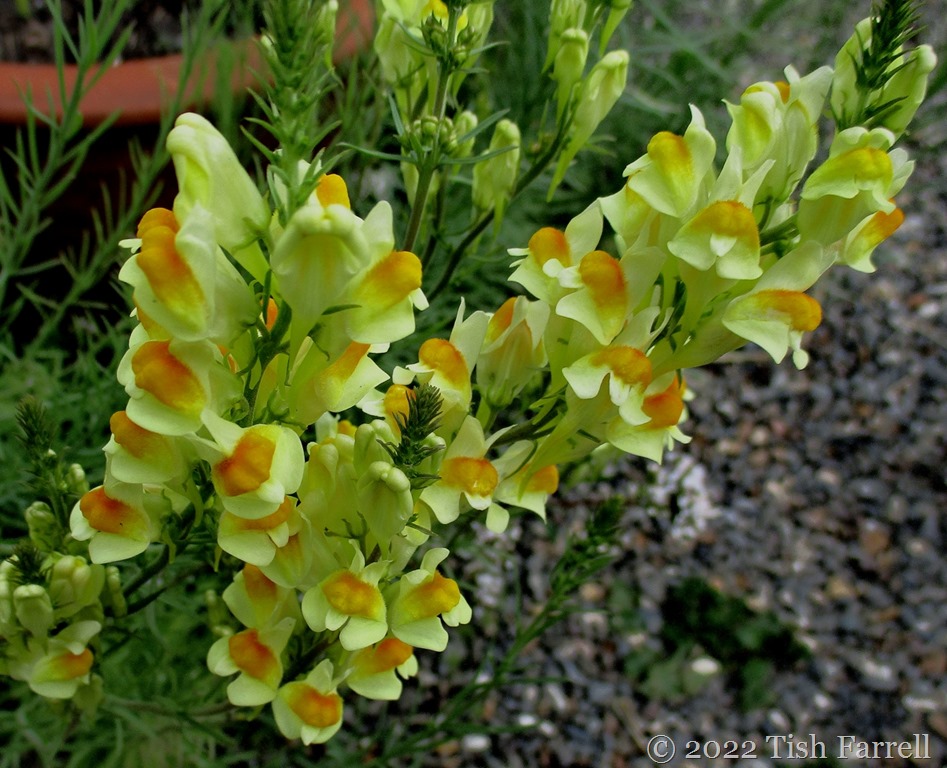
And this summer in the garden I’m really pleased to find that one of my favourite  wild flowers, yellow toadflax, has decided to colonise the upstairs path. I grew it from seed a couple of years ago, and now it’s taken off. I first fell in love with it as a child, on trips into the Shropshire hills where it grows along the lane verges in high summer…

IMG_0961ed

*

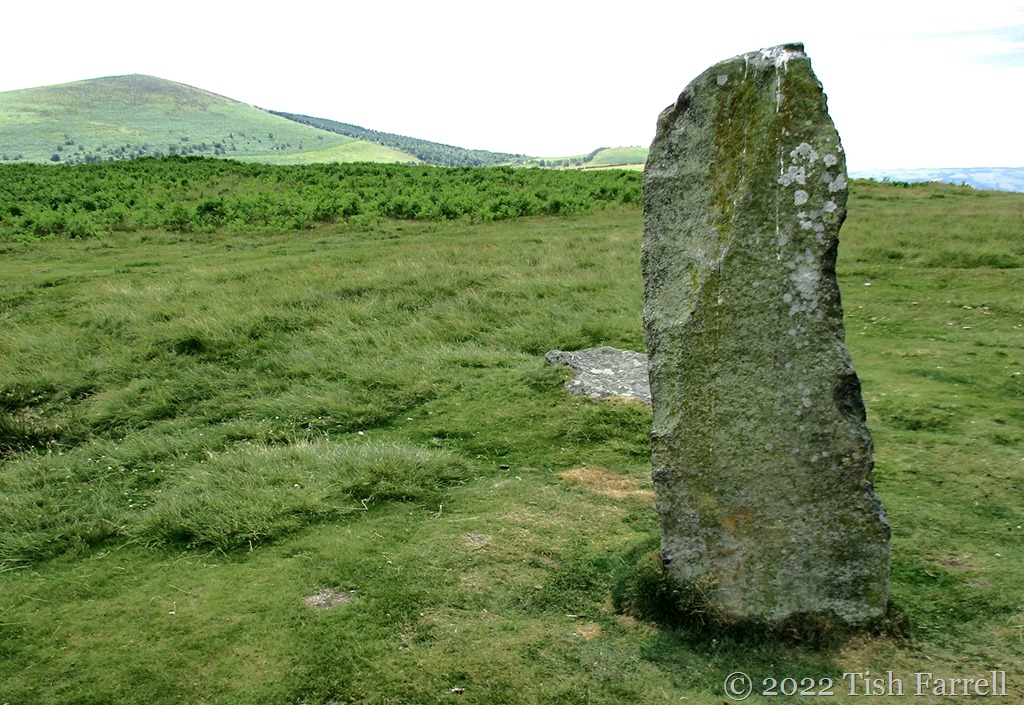
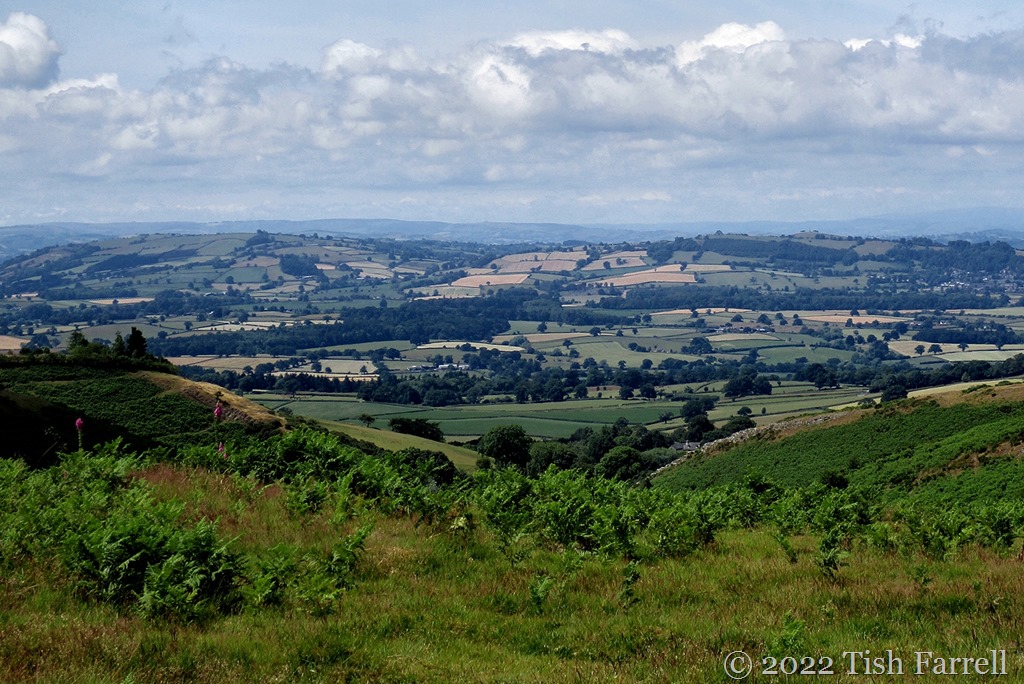
And talking of the Shropshire hills, I’ll leave you with summer views of the Shropshire-Wales borderland, taken a week or so ago on a visit to Mitchell’s Fold prehistoric stone circle.

IMG_0865ed

IMG_0862ed

Lens-Artists: Summer Vibes

This week Solaner has set the challenge.

The Changing Seasons: This Was June

IMG_0777cr

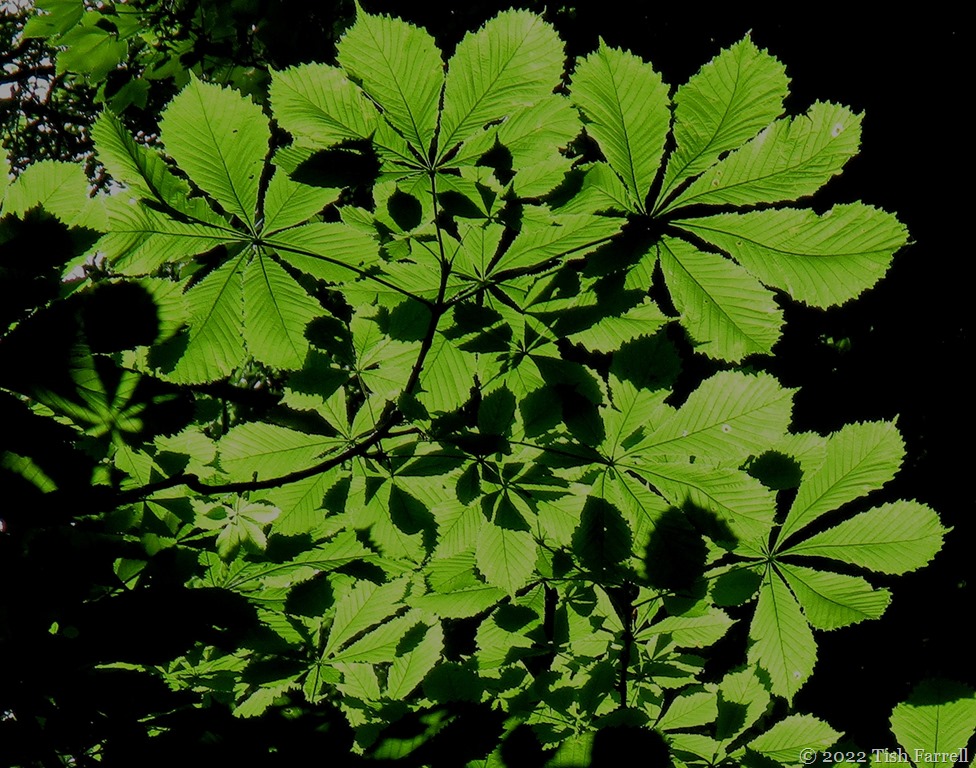
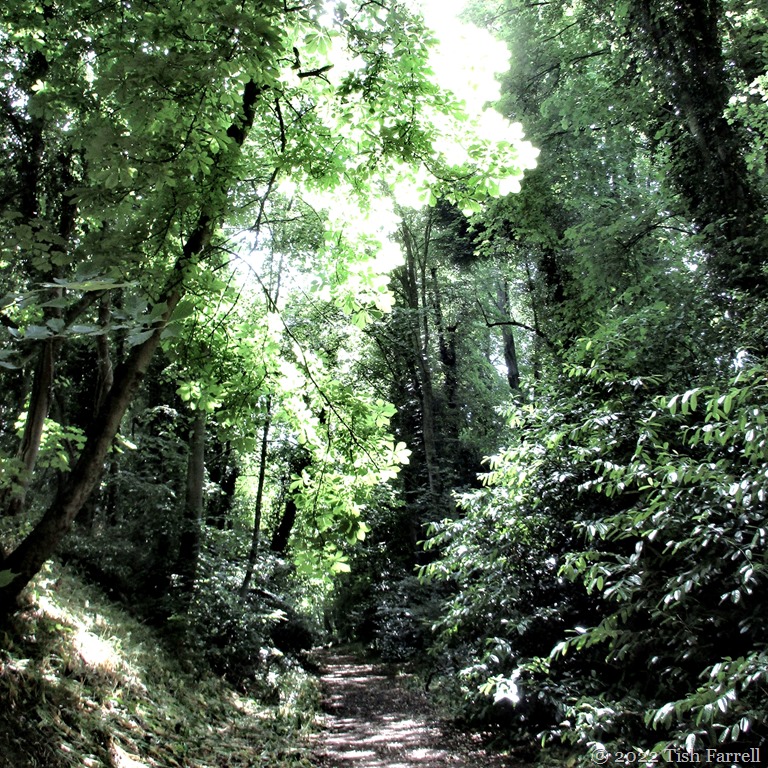
A Horse Chestnut sun-catcher, as spotted on the old railway line below the Linden Walk. Such a cool and bosky spot on warm summer days, not that we have had very many of those. And we’ve certainly not had ‘flaming June’ except for a couple of windless days when it was warm enough to eat out in the upstairs garden.

IMG_0775ed

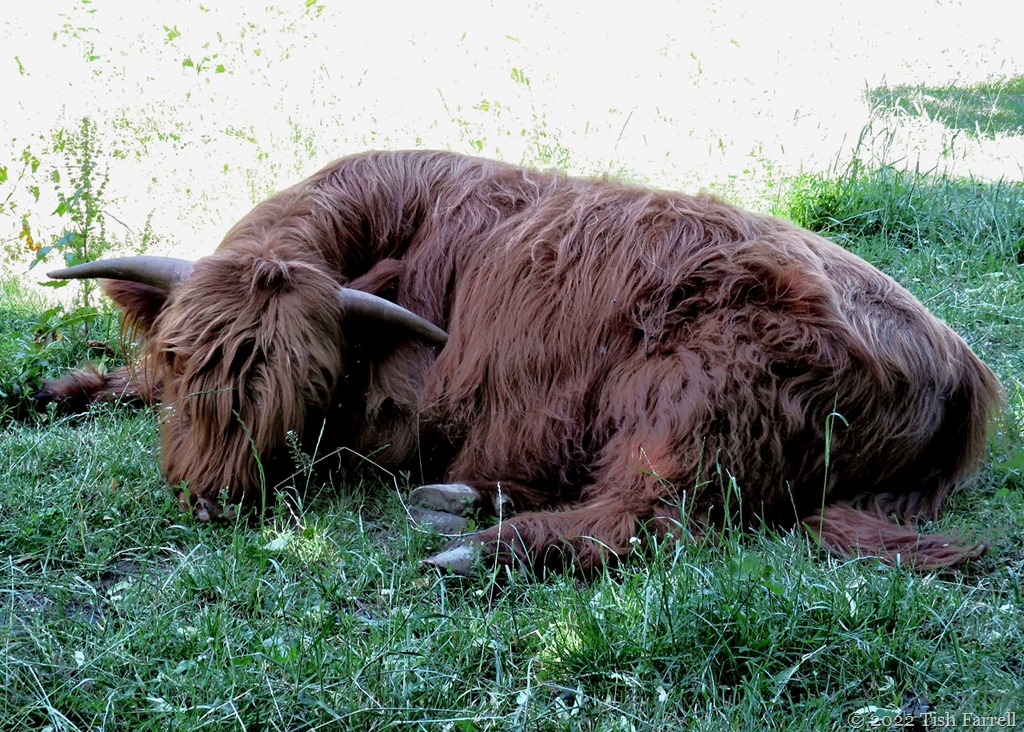
All the same, those few warm days did seem excessively hot to those of us still clinging to our winter underwear and especially to the MacMoo lads in their shaggy coats. They were driven to the shadow-margins of the Cutlins meadow to try and keep cool.

IMG_0807

*

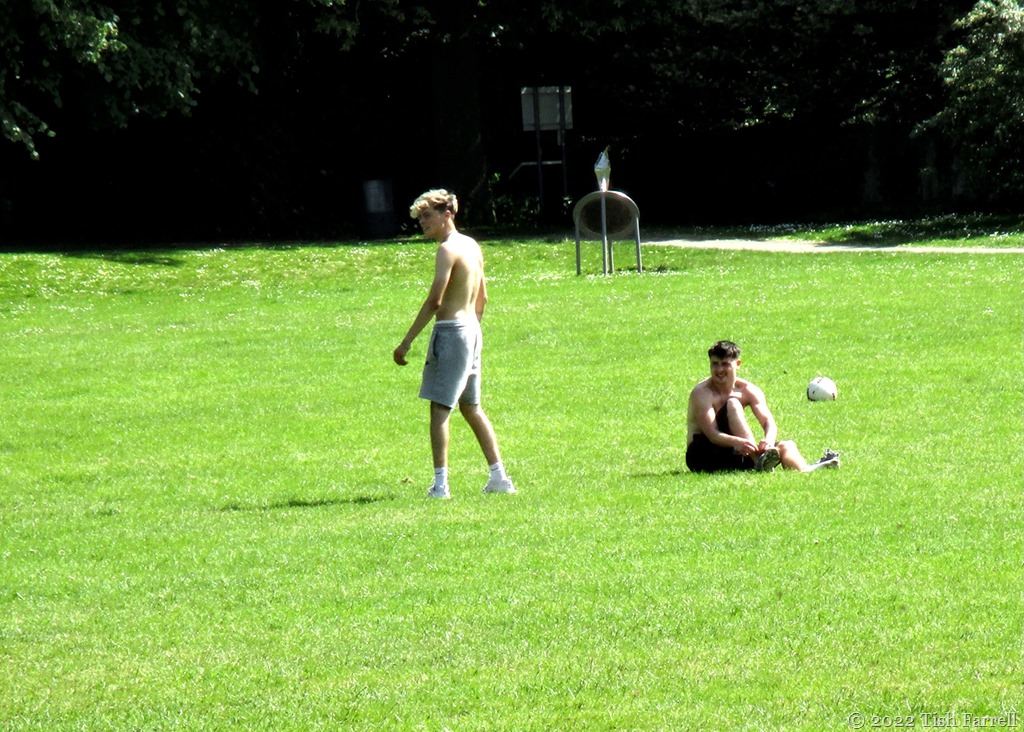
While out on the Linden Field, human lads stripped off for a spot of football practice.

IMG_0790ed

*

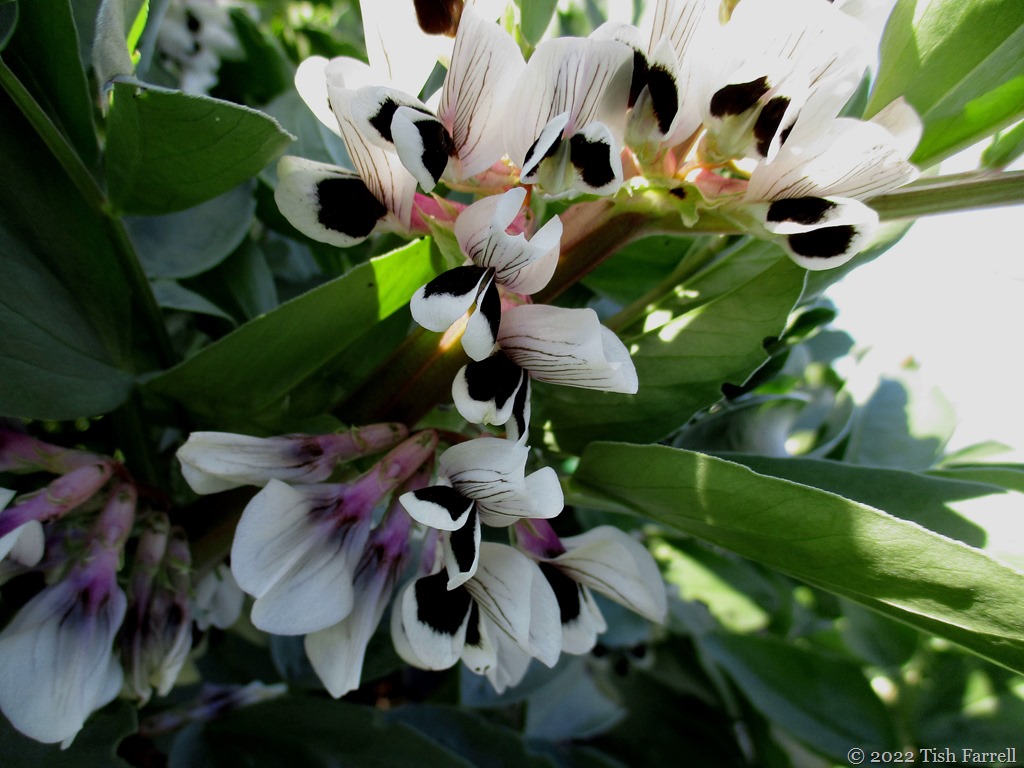
In Townsend Meadow behind the house, this year’s crop of field beans is thriving. Early in the spring the plants struggled mightily due to lack of rain, but June’s cycle of showers and intermittent sun and cool temperatures has seen them shoot up and burst into flower. They are a variety of broad bean that produce masses of pea pod sized pods, each packed with several haricot sized beans. In Britain we mostly use them for animal feed and the bulk of the crops are exported to countries like Egypt where they are in great demand for human consumption.

Maybe as a nation, we should be rethinking this. The plants grow well in lacklustre weather, though wind can be problematic. And although the beans are fiddly to pod (I’ve grown my own good crop at the allotment), they are delicious, nutrient rich and only take a minute to steam or boil. The only problem was, this year they were ready all at once, and while I was hoping they would precede the main broad bean crop, the broad beans started cropping early. Upshot: eat the broad beans, freeze the field beans for making refried beans later in the year. But just look at the flowers. Aren’t they extraordinary?

IMG_0755ed

IMG_0759ed

IMG_0794ed

*

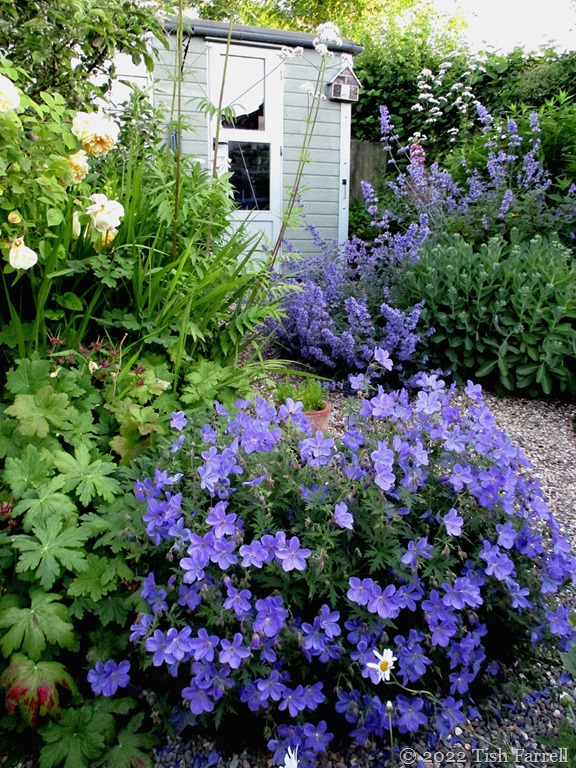
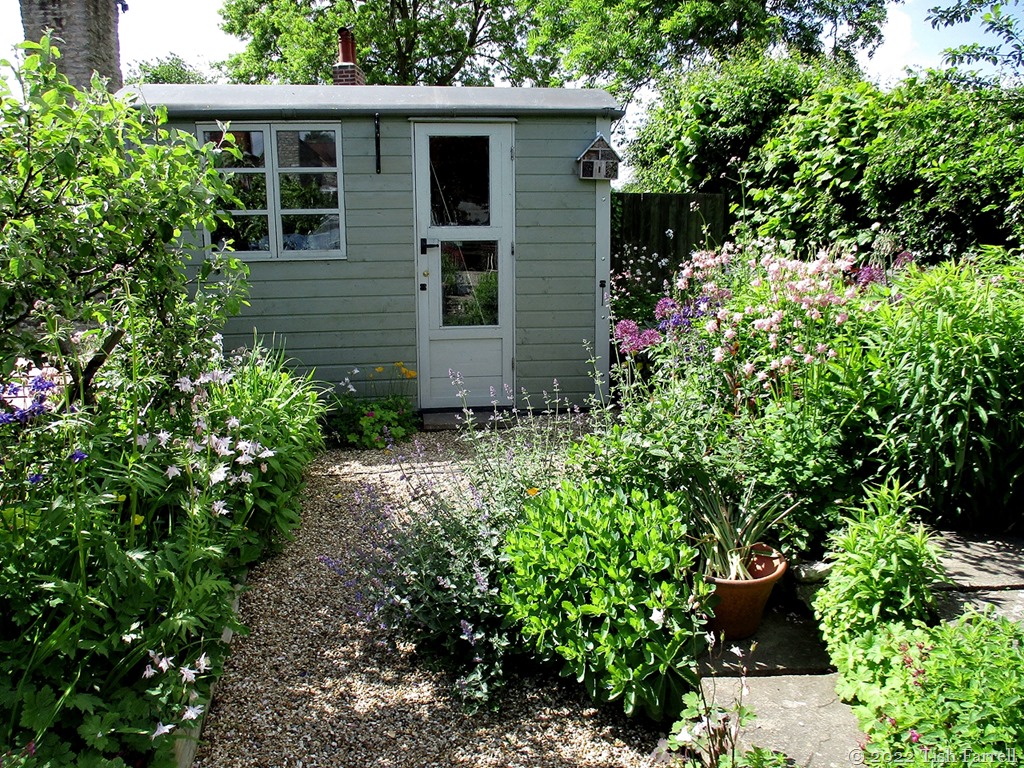
In the Farrell garden all is getting above itself – especially the cat mint. I don’t know what’s got into it this year. It’s the sort of plant I tend to ignore, nice enough as a wafty foil for more showy plants in summer borders, and that’s about it. But now it seems intent on taking over the upstairs garden, and what with the blue geranium joining in, Graham is having to fight his way through the encroaching undergrowth to reach the shed.

IMG_0799ed

*

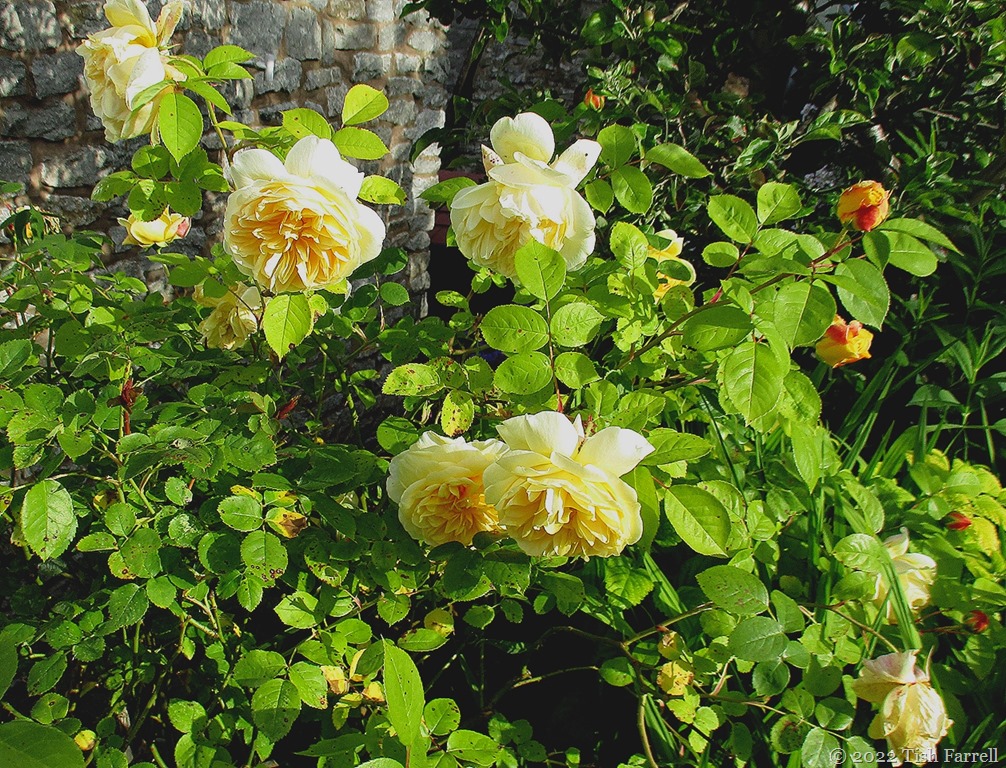
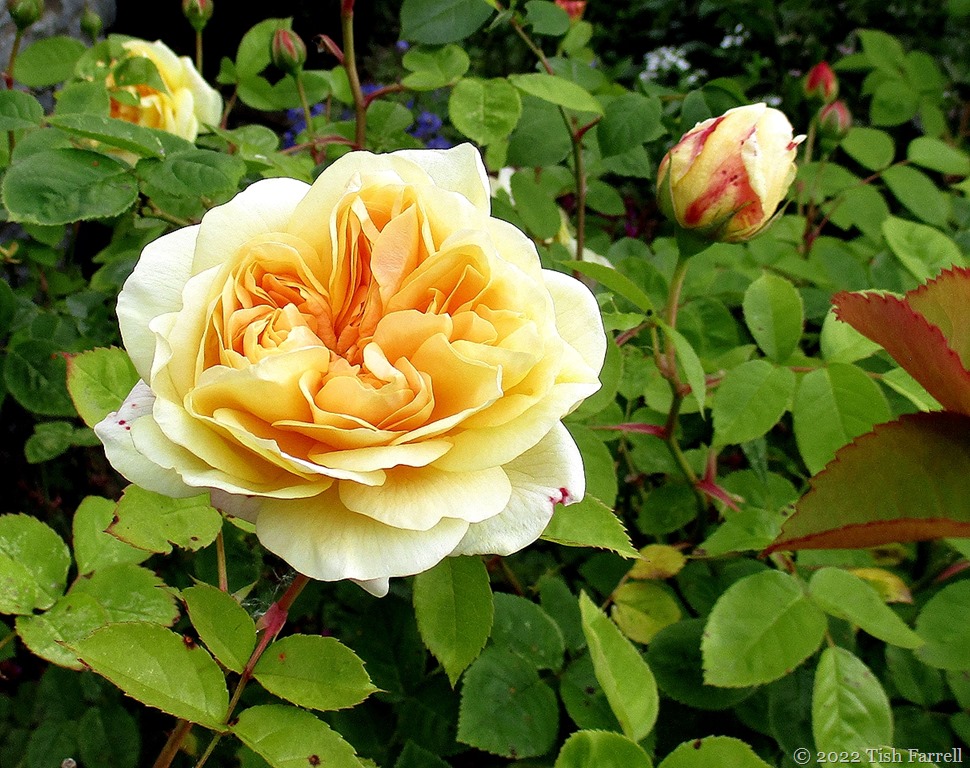
Meanwhile Rose Teasing Georgia has been and gone. Lovely while she was with us looking in at the kitchen door. She should flower again later in the summer:

IMG_0769ed

*

Over the garden fence in the guerrilla garden where all the late summer bloomers are busy putting on stems metres tall, Geranium Anne Thomson is fighting her corner. She’s such a worthwhile garden plant – flowering her socks off all summer:

IMG_0804

*

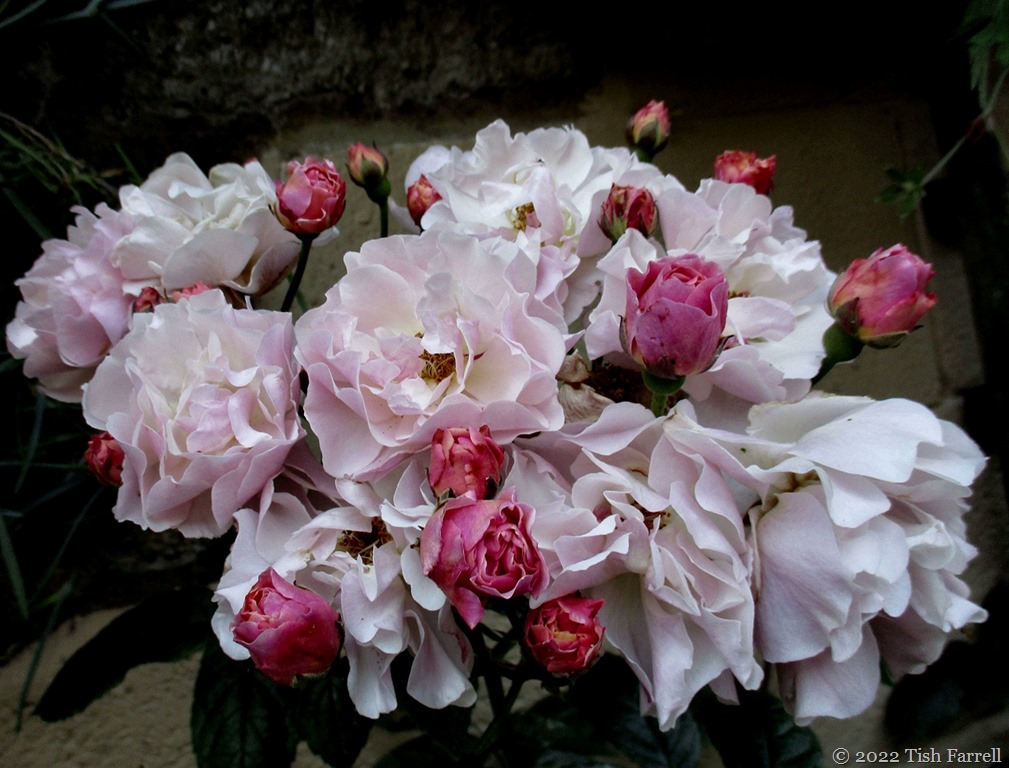
And on the downstairs terrace the ruby red Centranthus has been the main June attraction, along with Penelope rose who this year has been growing us huge single stemmed  bouquets, now sadly past their best. She’s a lovely sweet smelling rose – a shrub variety that can be trained to be a climber on shortish walls.

IMG_0797ed

 IMG_0796ed

*

At the allotment, beans and peas and spuds and beetroot are growing well, tomatoes and salad stuff in the polytunnel, but I’ve not taken many photos apart from ones of the flat-pack cat and the wildflower plots of moon daisies:

IMG_0832ed

IMG_0827ed

*

Oh yes, and this evening view of the town as I’m heading home to make supper:

IMG_0840ed

The Changing Seasons Ju-Lyn and Brian are the hosts. Please pay them a visit.

June Wanderings: Windmill Hill And The Linden Field

IMG_0634

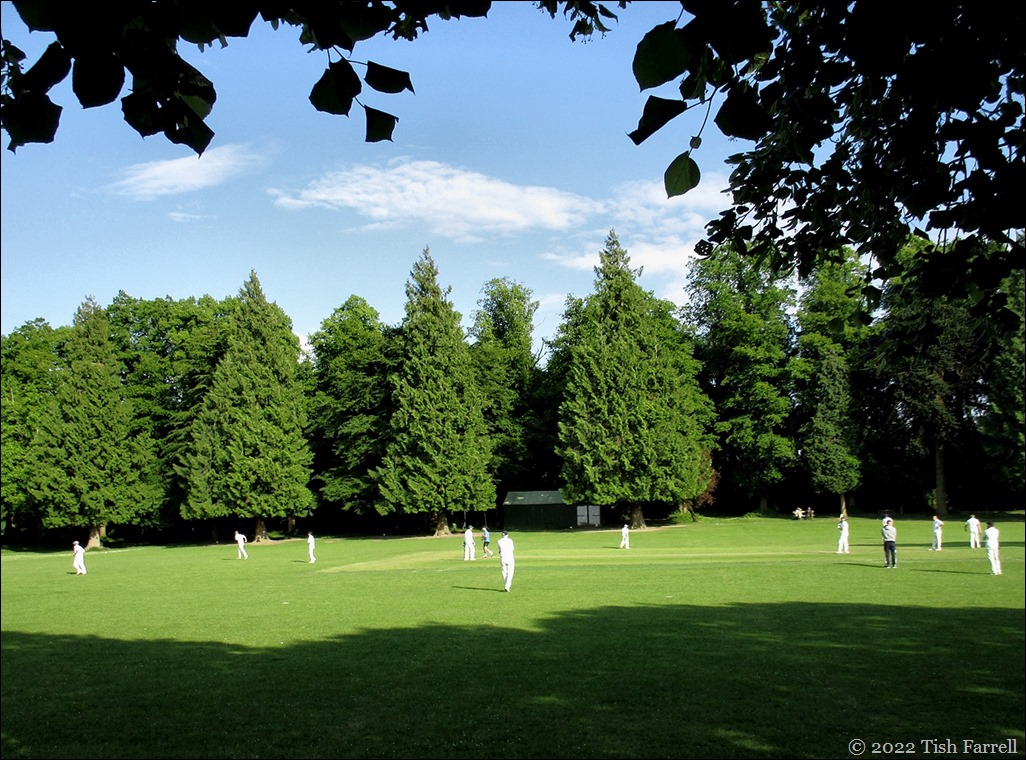
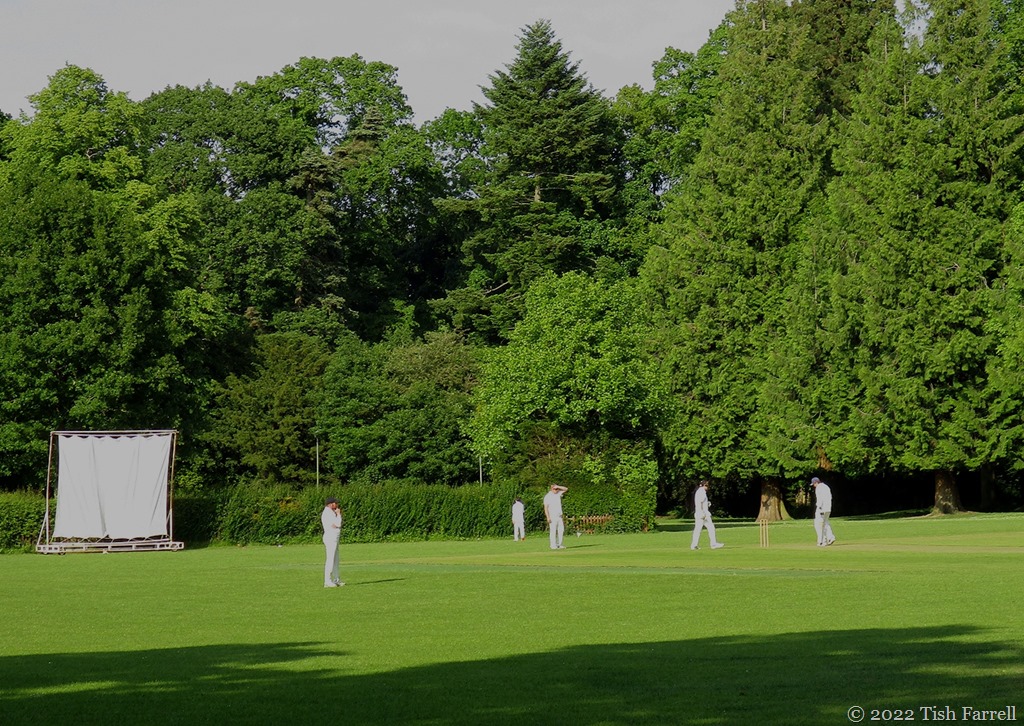
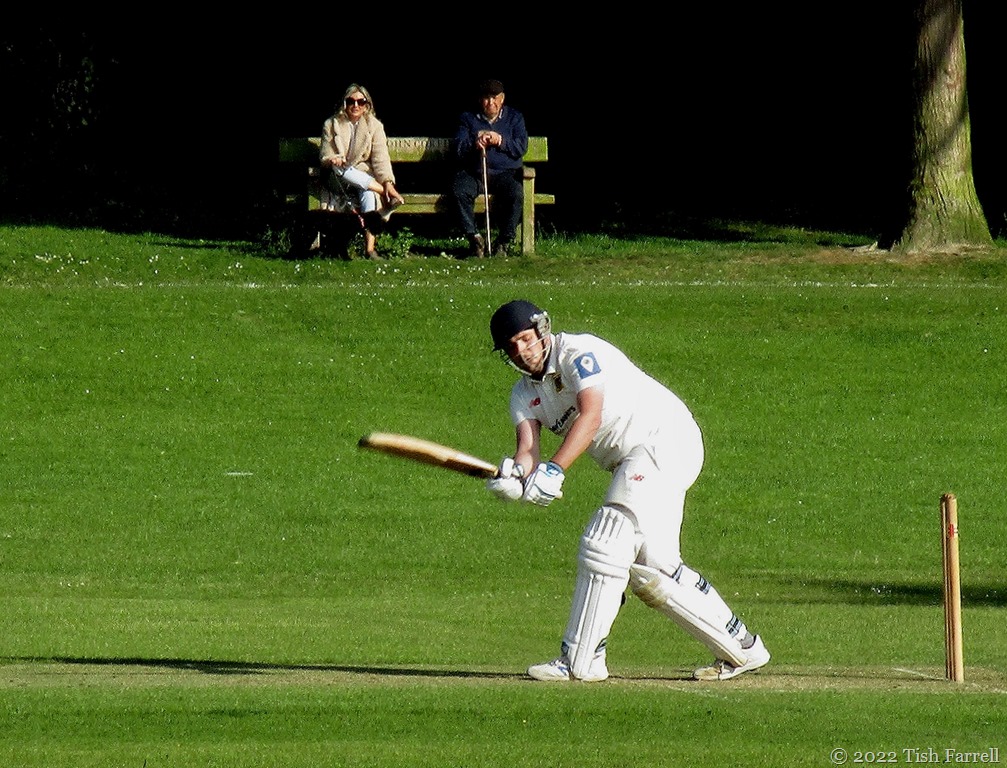
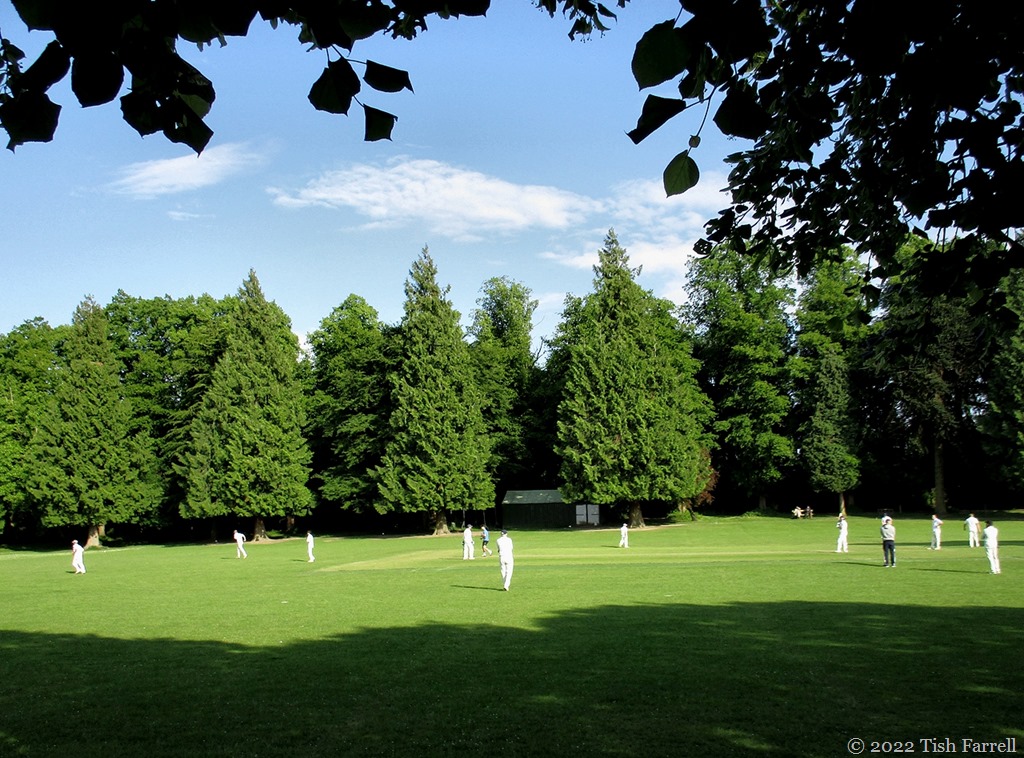
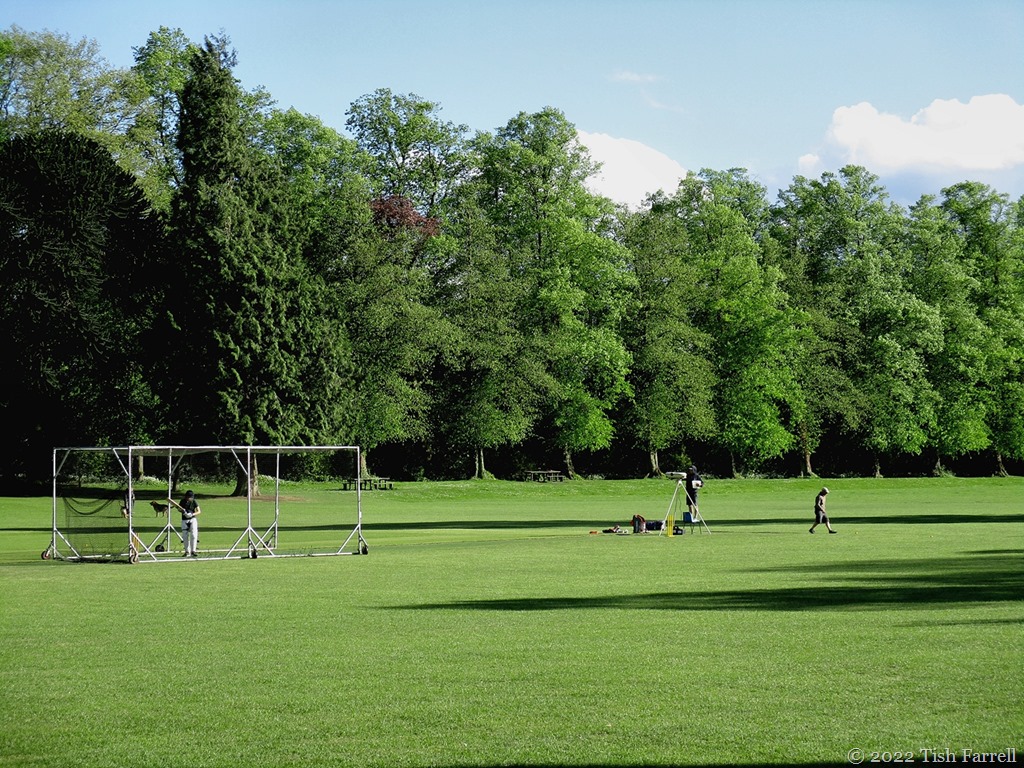
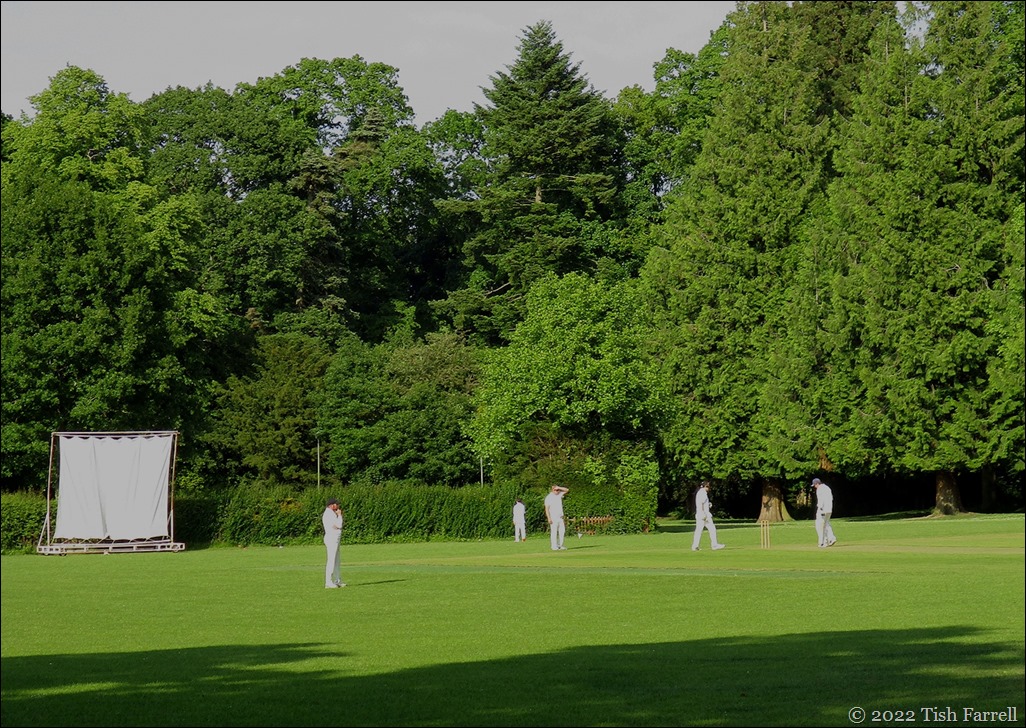
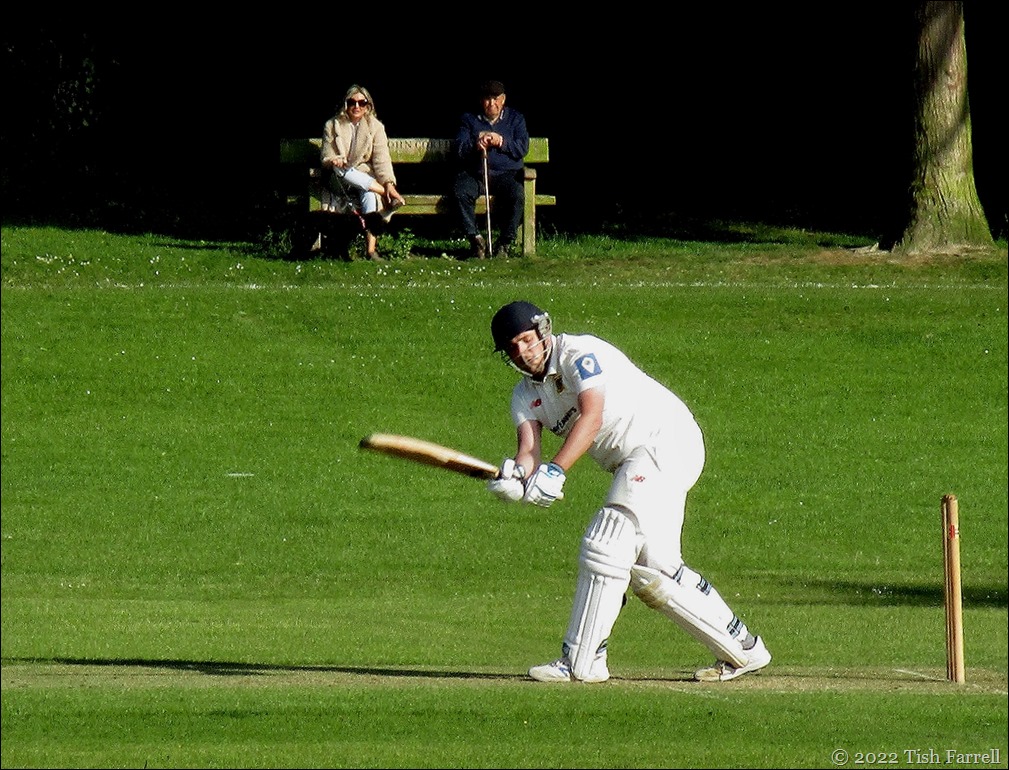
Two sunny Saturdays in a row and an early evening stroll to check on the orchids on Windmill Hill. First, though, there’s a spot of cricket to watch on the Linden Field: a perfect English summer scene:
IMG_0615

IMG_0627re

IMG_0622

Apart from the green idyll, there’s some very big history in this view. This is the ground that hosted the annual Wenlock Olympian Games, devised in 1850 by the town’s physician, Doctor William Penny Brookes (1809-1895). They are still held here and at the neighbouring school every year. Brookes was an energetic lobbyist for all round social improvement. He was responsible for the introduction of physical education in English national schools. He also wrote letters to every literary celebrity in the land, begging copies of their books for the Wenlock Agricultural Reading Society’s library, a facility he founded to give local working people educational opportunities. But it was the town’s Olympian Games that were to have world-wide impact.

Wm Penny Brookes

In 1890, Brookes wrote to one Baron Coubertin who was visiting England to study sports education, and invited him to attend the Much Wenlock games, which he duly did. Brookes apparently filled him on all aspects of the enterprise, including the array of medals that he himself had designed and funded. And so it was that 6 years later in Athens when the first Modern Olympic Games were held, Coubertin paid tribute to Brookes who had died only months before, aged 86. The baron said it was down to the good doctor that the games had been revived, although it is Coubertin who is remembered as ‘the father of the modern Olympic movement.’

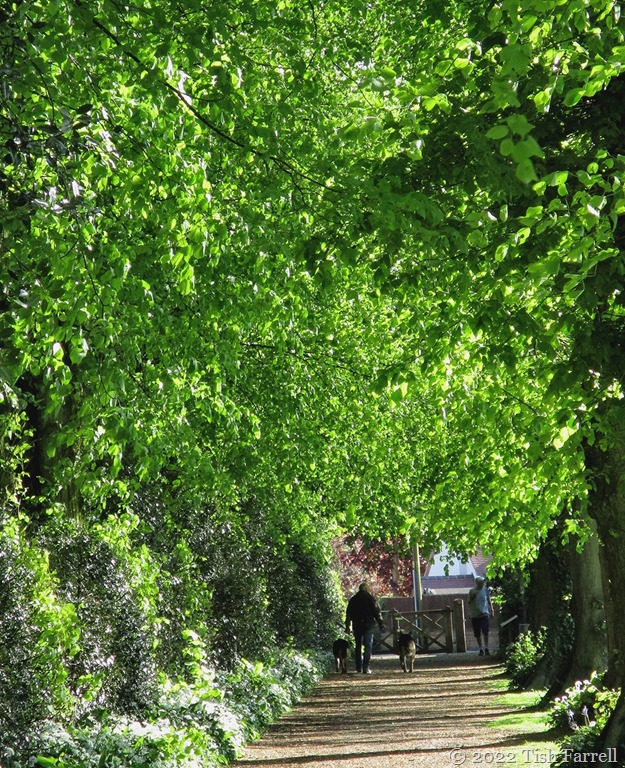
If you scan the field today, you can see it has been well treed since Brookes’ time, although he was responsible for the planting of the Linden Walk (behind the conifers in the view above). He was also responsible for bringing the railway to the town. This ran directly behind the Linden Walk, with the station just beyond the field gates. Olympian Special trains would be run to bring  games participants and spectators from all over the country.

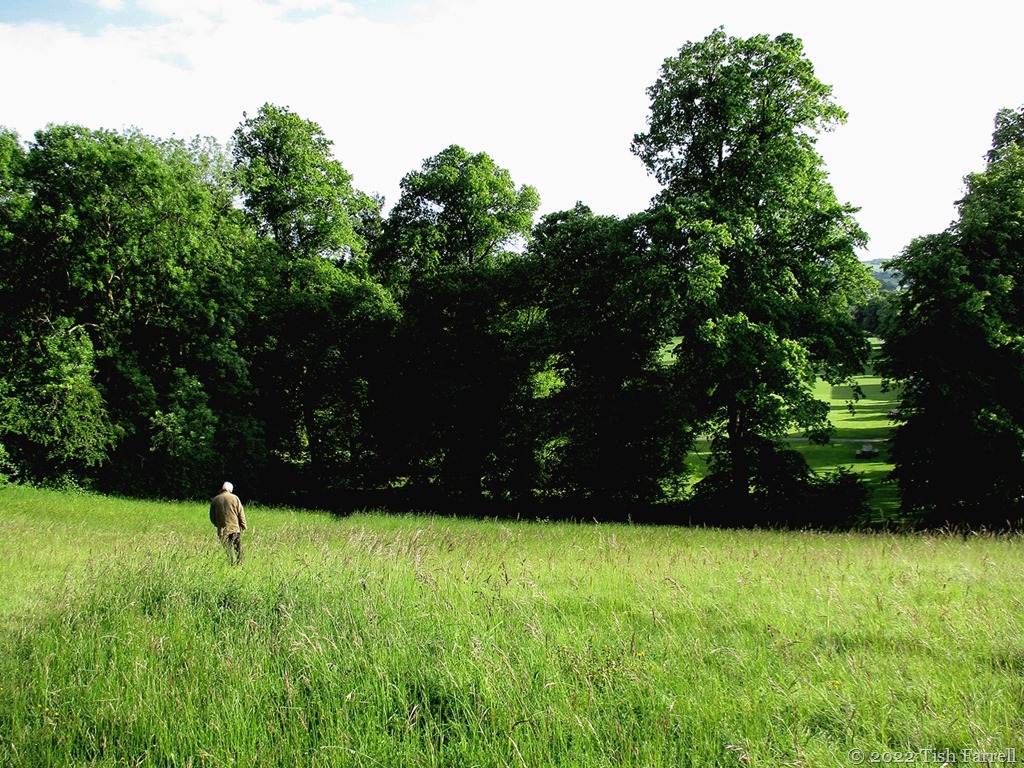
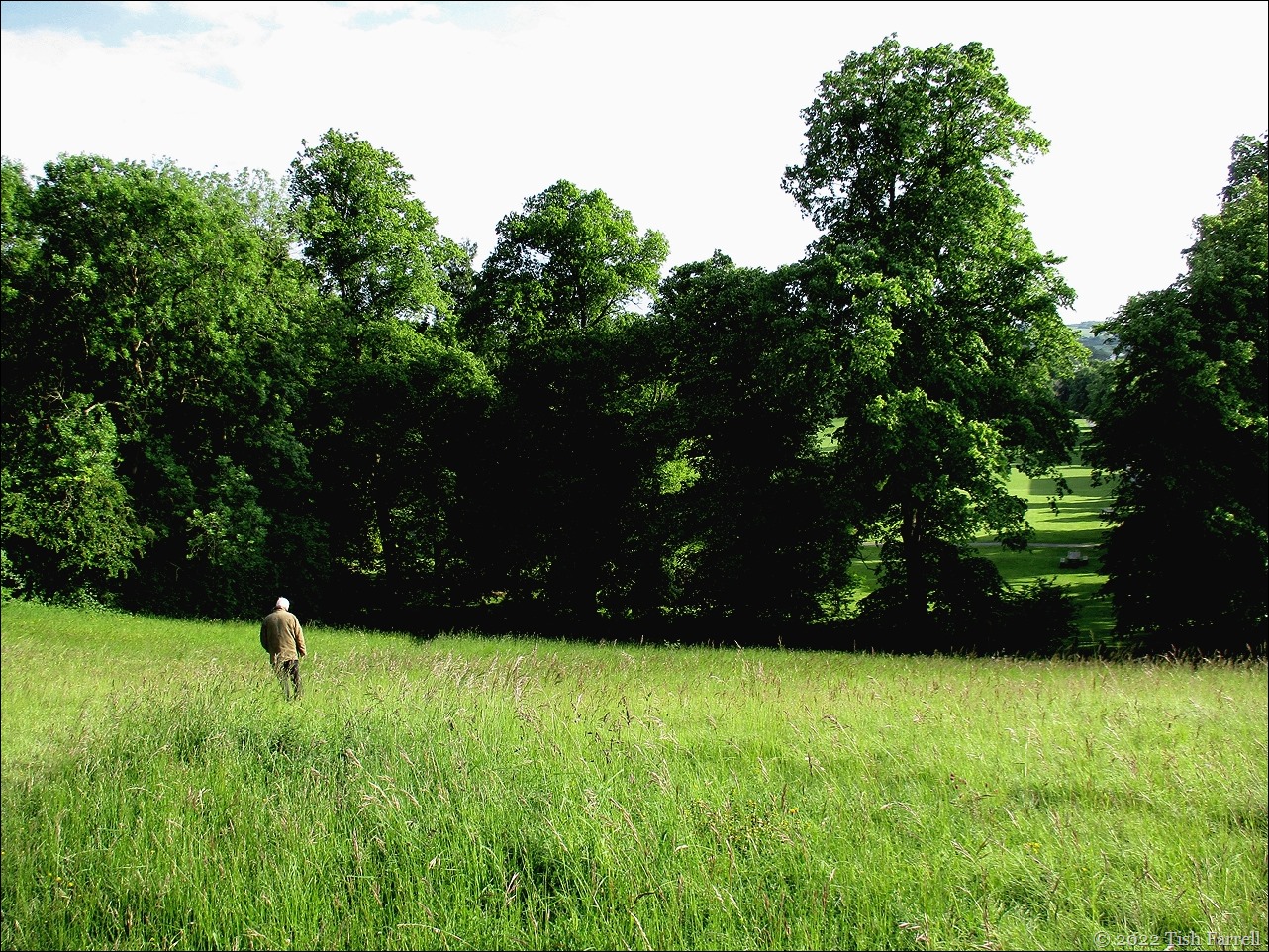
And Windmill Hill, overlooking  the Linden Field (now obscured by trees) once provided a natural gallery for thousands of visitors:
IMG_0648

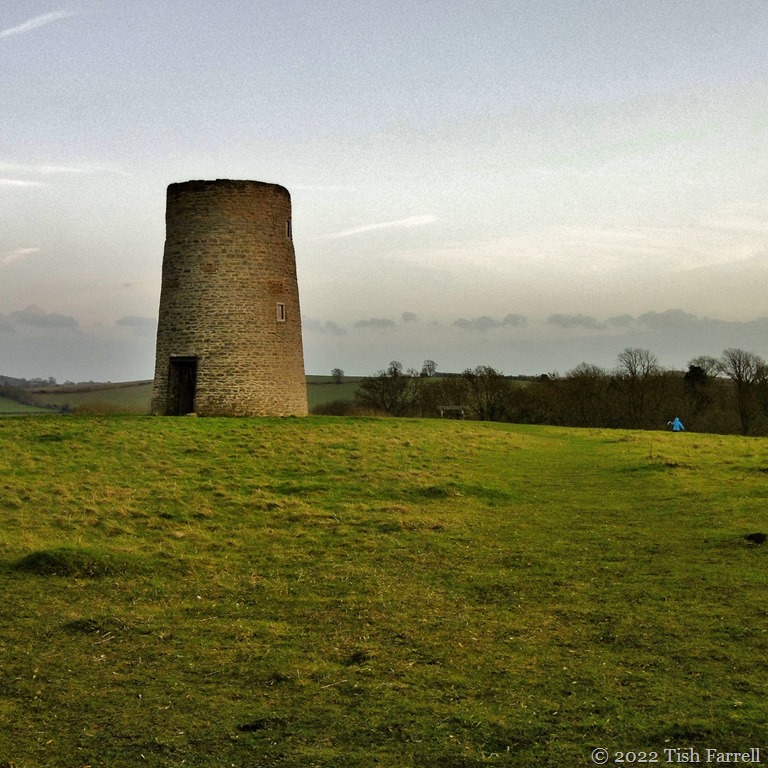
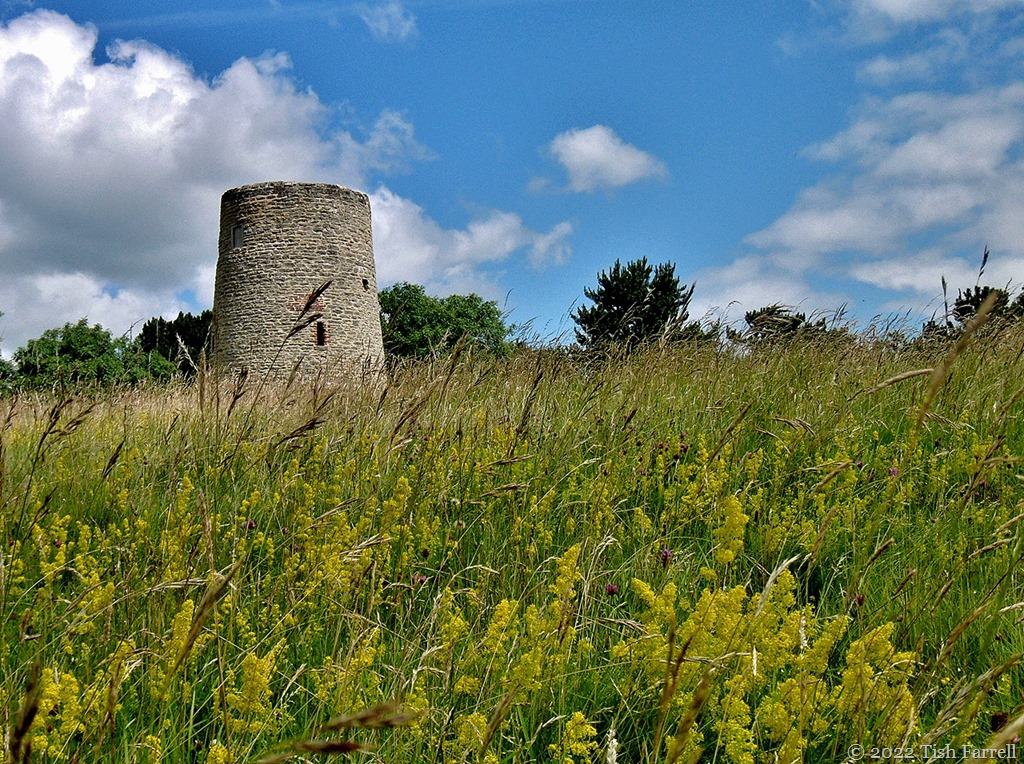
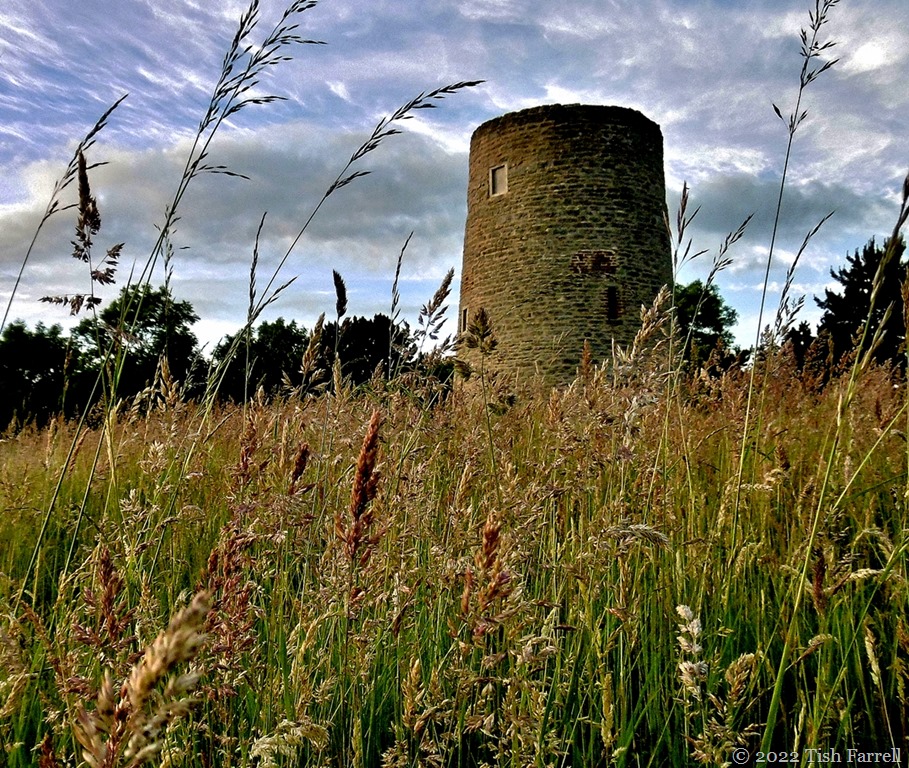
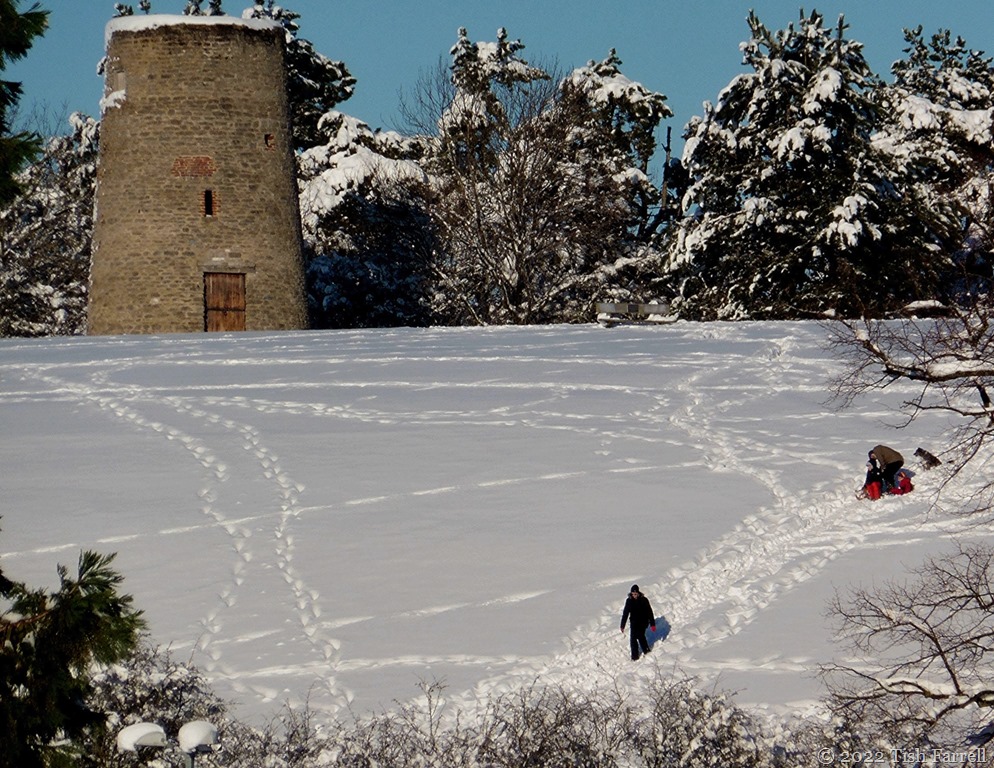
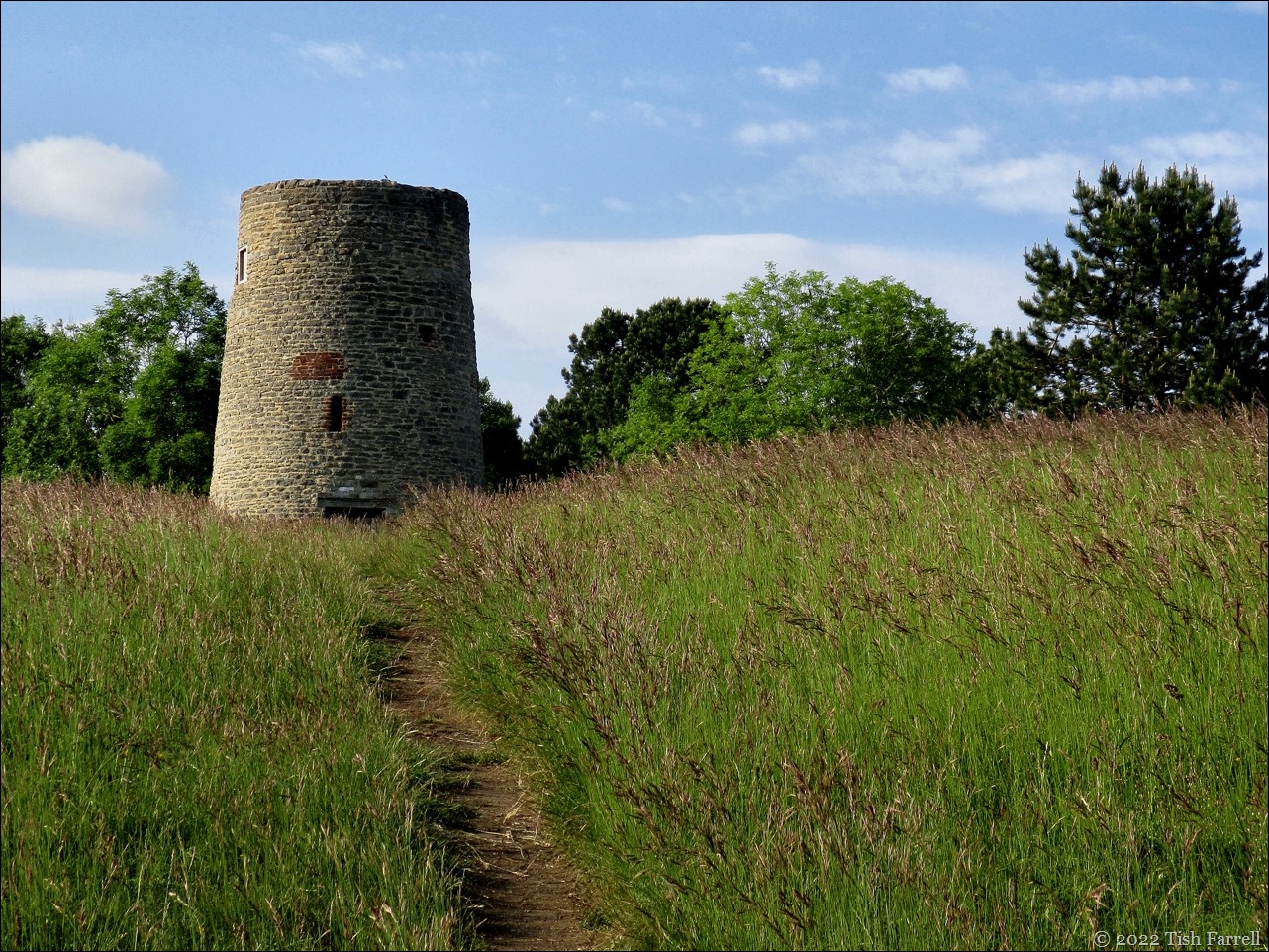
Today this hill is one of the town’s favourite walking spots, the windmill  (probably late 17th century) a well known landmark. The grassland all around is a surviving example of a traditional limestone meadow – rich in grasses and many wild flower species. Brookes would have known all about the local flora. Not only had he trained as a physician in Paris and London, he had also studied medical herbalism at the University of Padua. During his life-time in Wenlock he created a magnificent herbarium of pressed flowers, another town treasure, although it is now kept in Ludlow Museum’s special conservation facility. It is a marvellous document of what was once growing along Wenlock Edge and what has been lost.

*

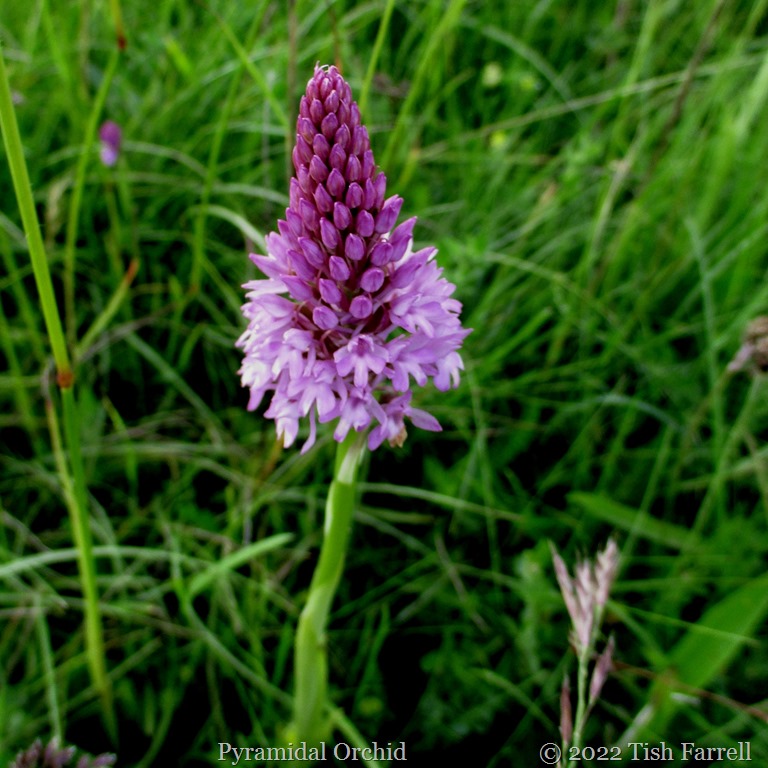
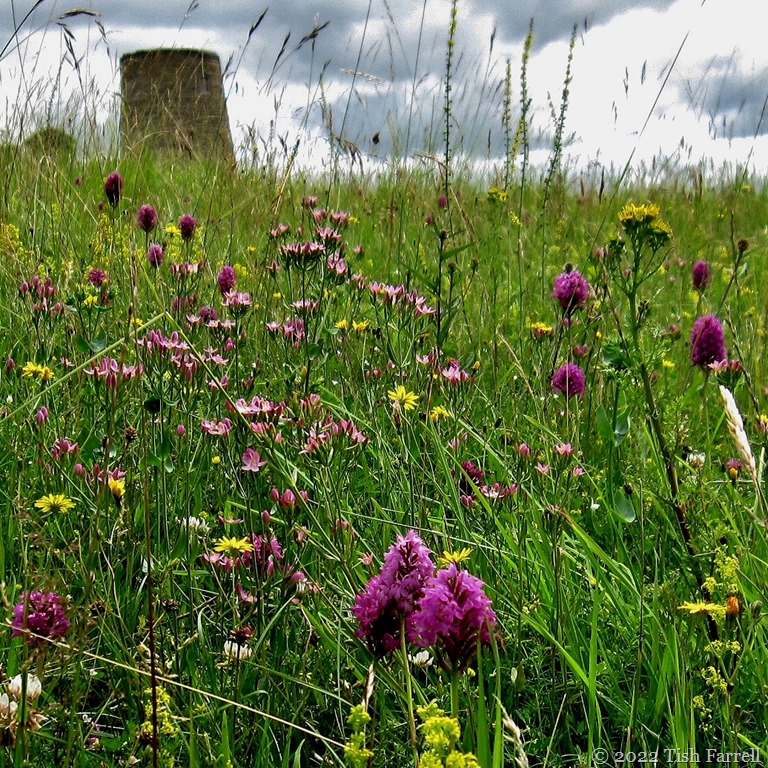
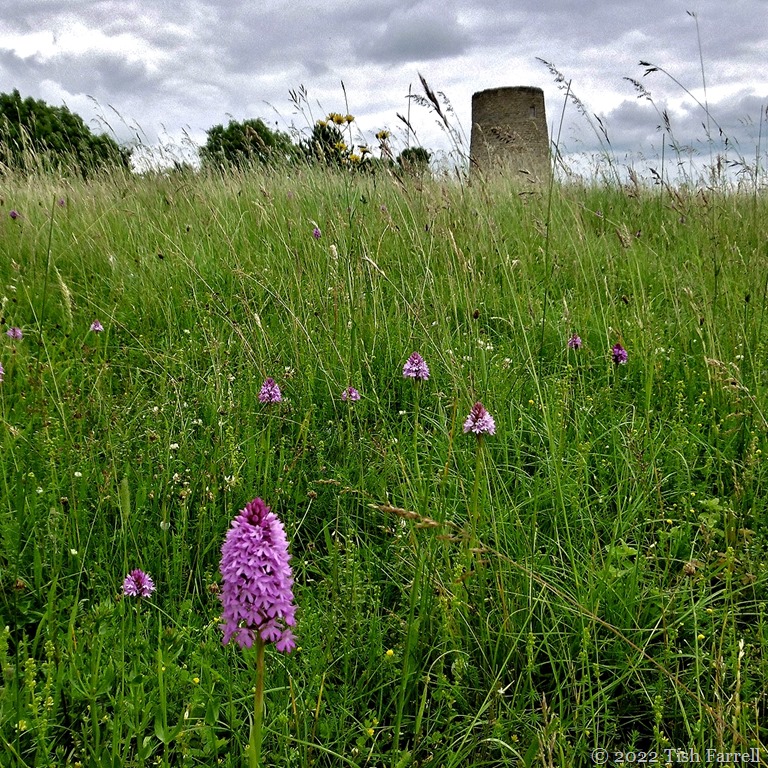
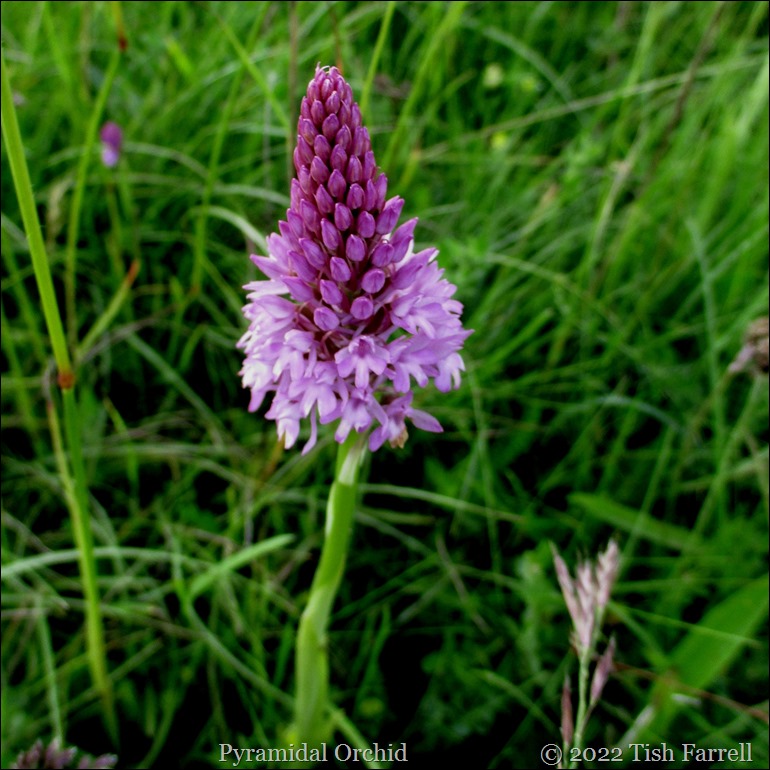
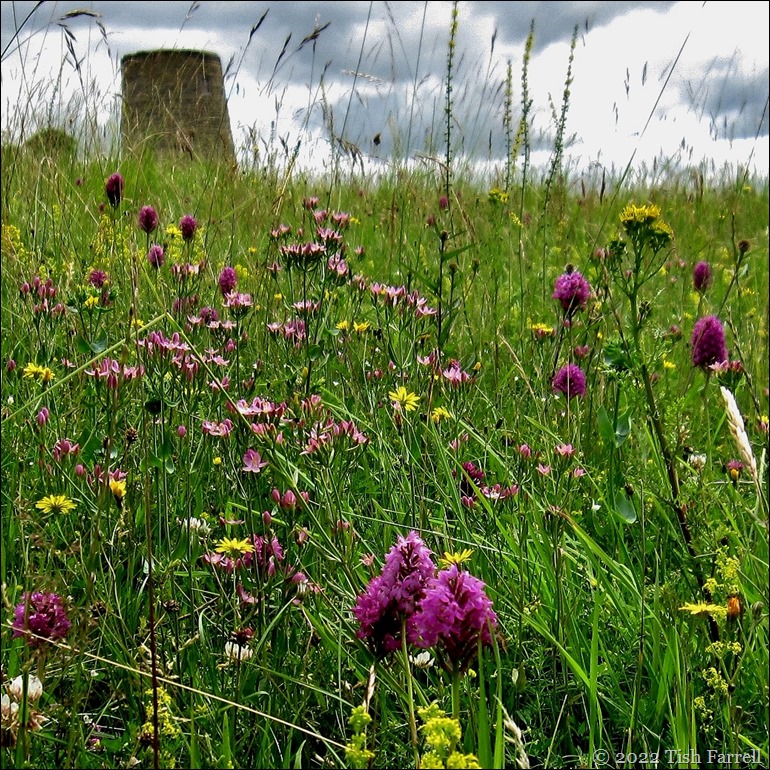
But back to the walk. Climbing the hill behind the Linden Field we soon spot the freshly sprouting pyramidal orchids. To my eye, they seem to be extending their range across the hill. I’m surmising that this is due to the new management system for the grassland: the  end of season raking up of dying vegetation that has spread the tubers far and wide.
IMG_0712re

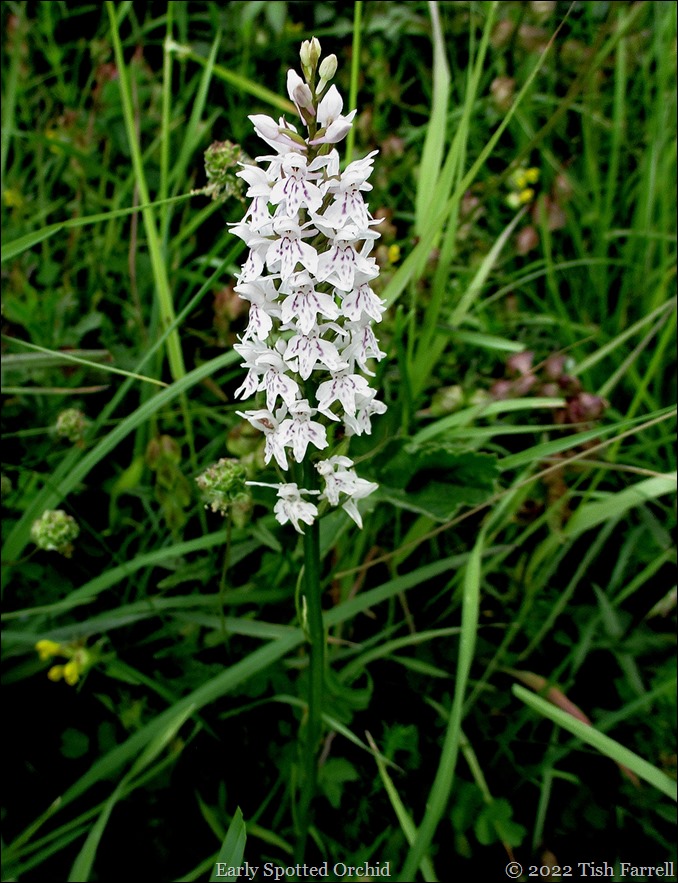
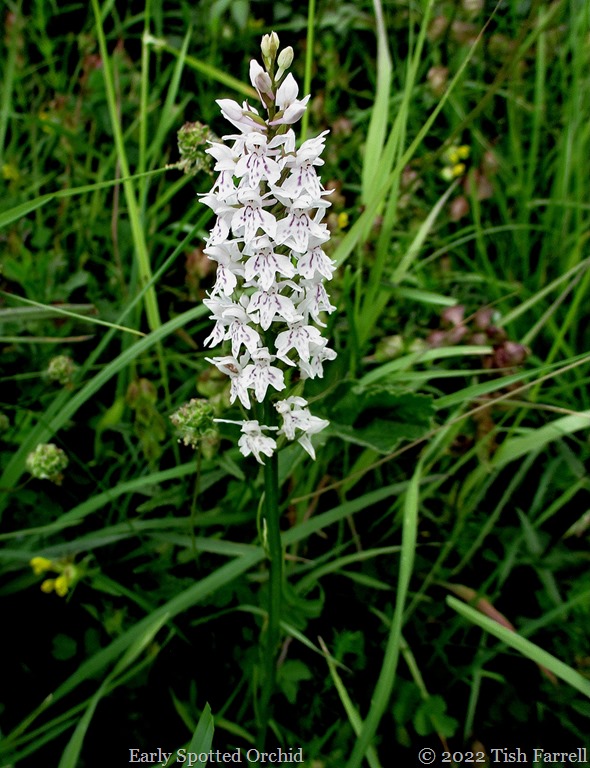
We also found spotted orchids…

IMG_0701re

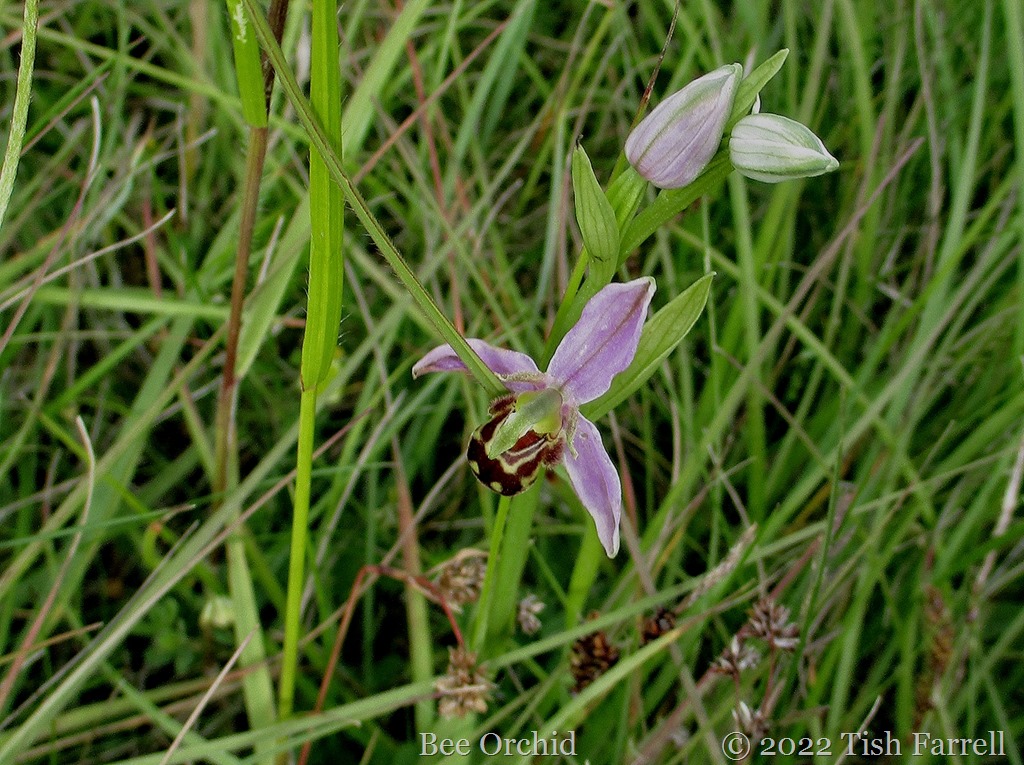
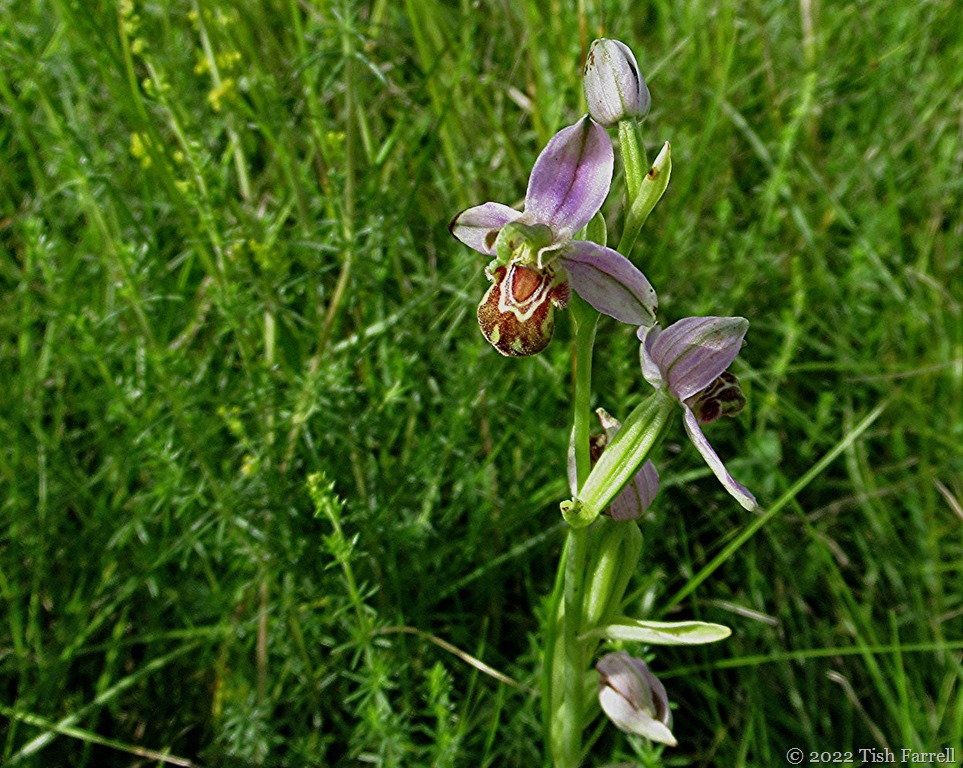
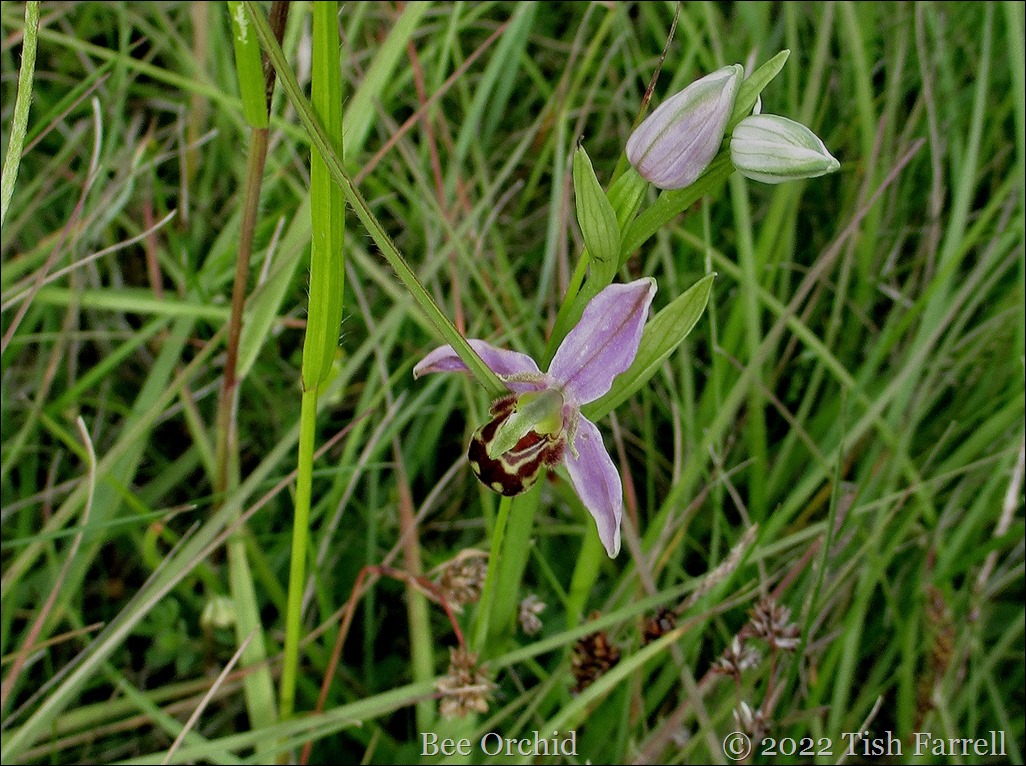
…and, thanks to a chum who alerted us to its location, a single tiny bee orchid. They are very hard to find, their stems only a few inches tall.
IMG_0703re2

*

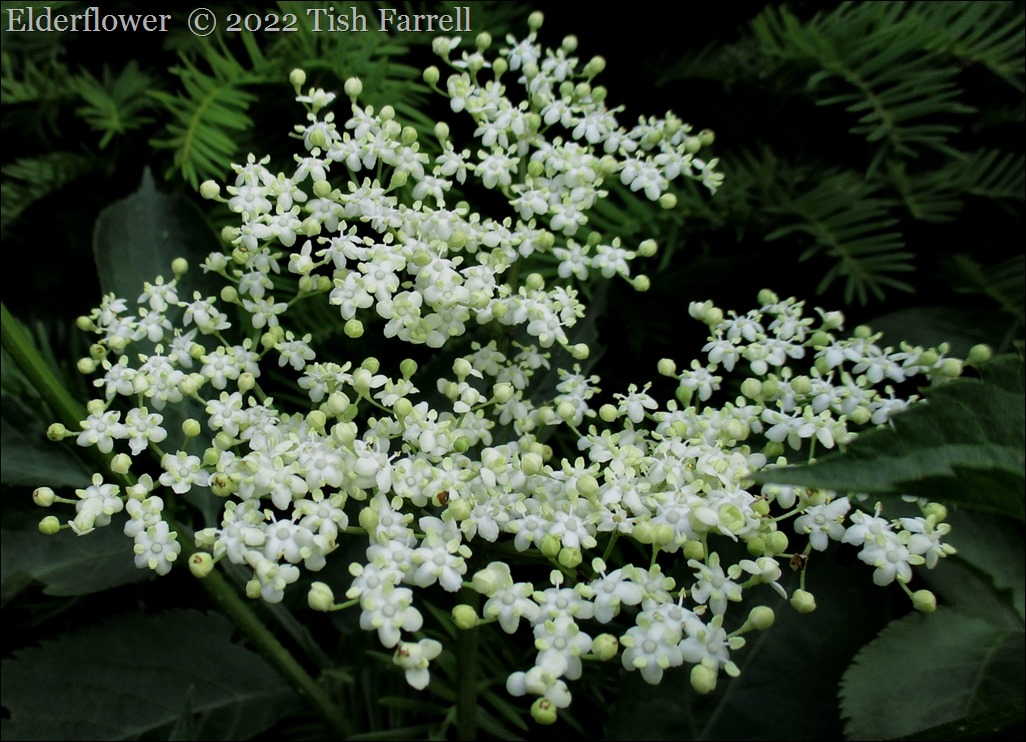
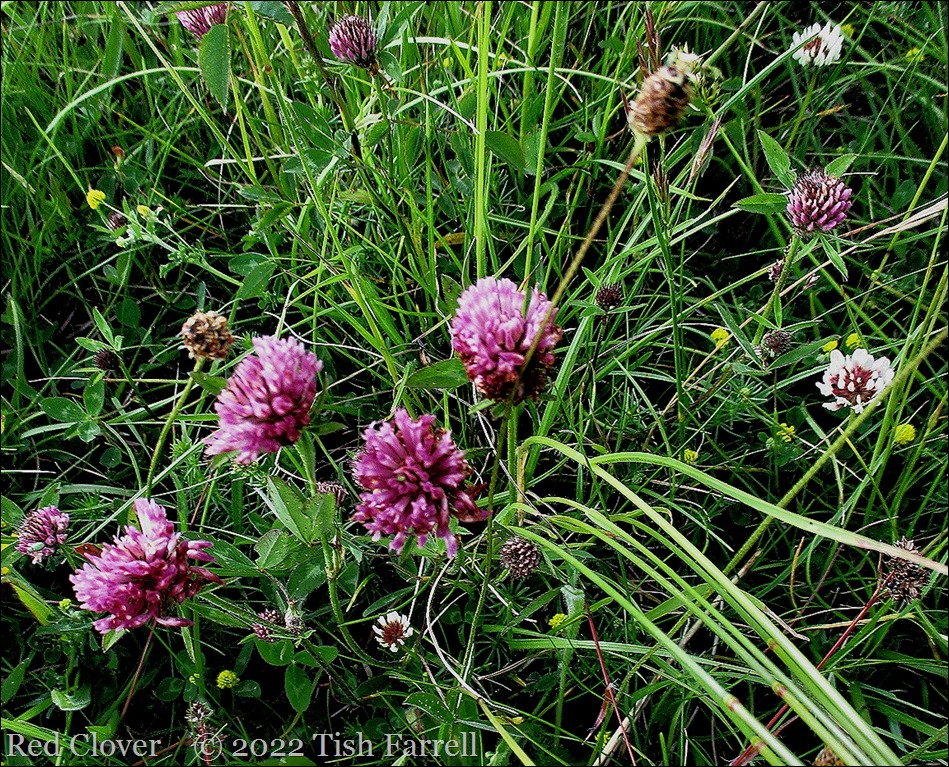
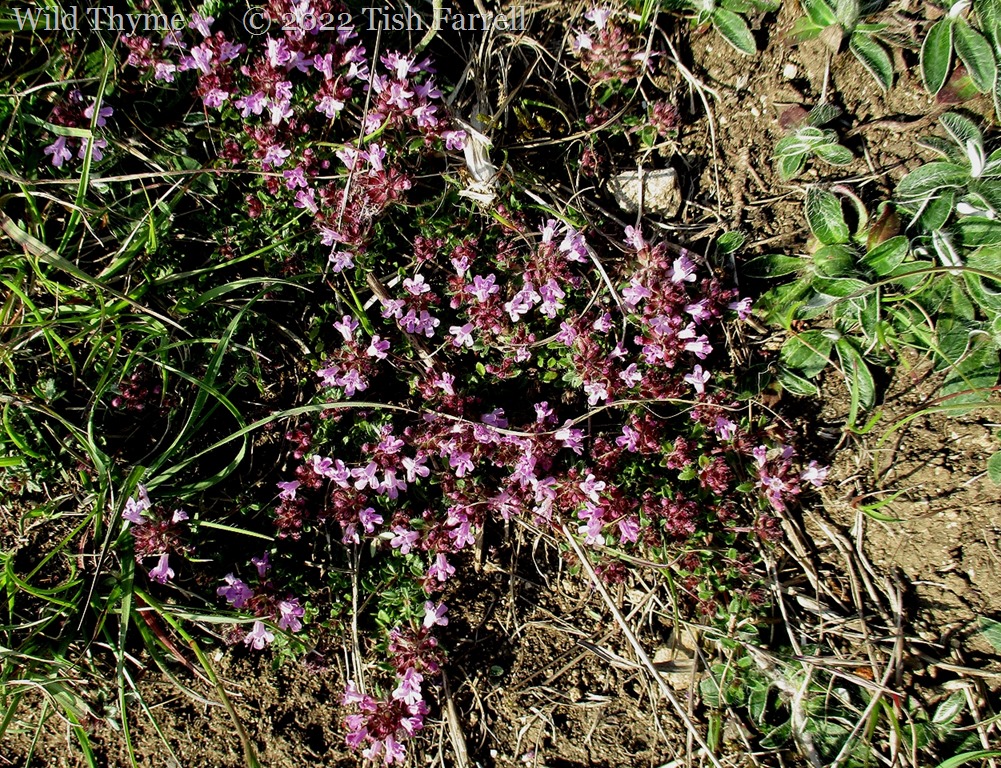
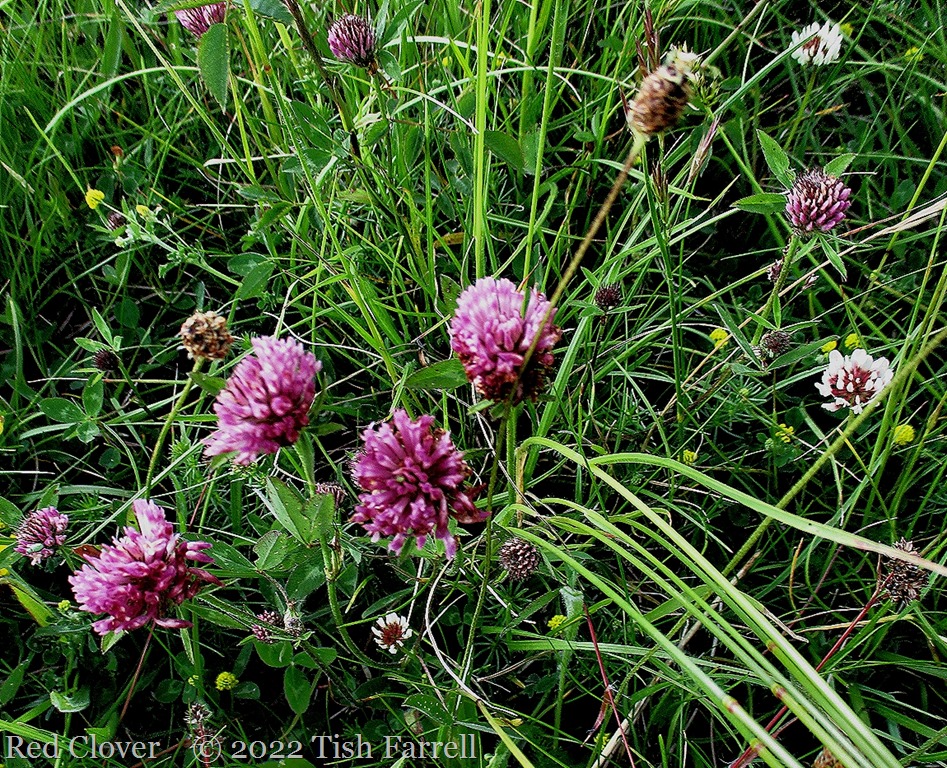
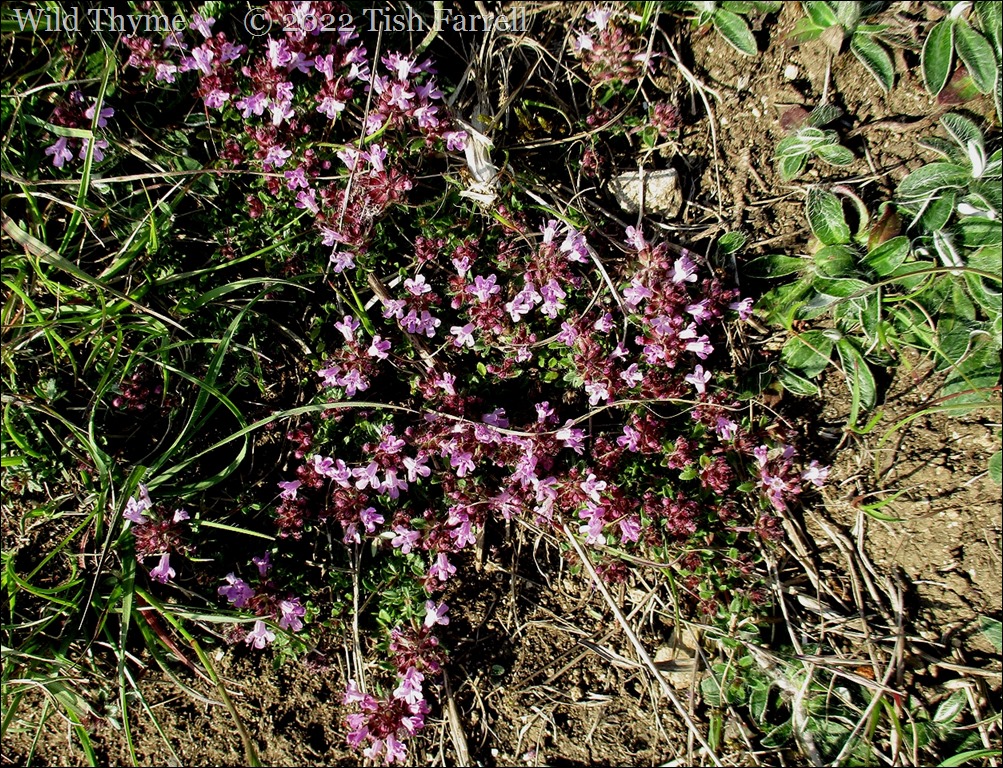
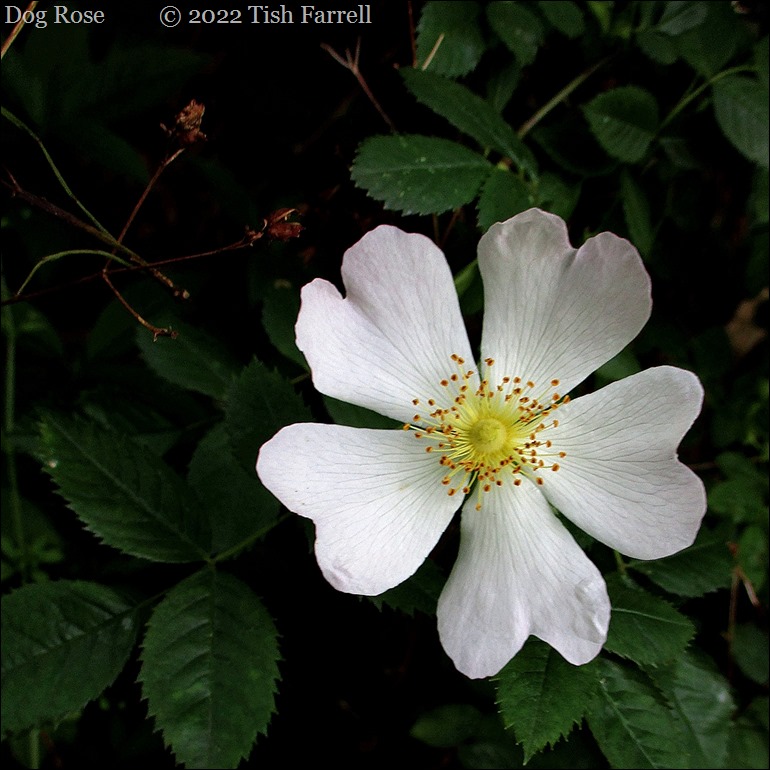
June and July are the main flowering times on the hill. Already you can see the wild thyme on exposed outcrops. Then there are briar roses, elderflowers, red clover – all four of them long used as medicinal herbs. The thymol extracted from thyme is a key active ingredient in cough syrups. Rose petals may be used to treat skin conditions. Elderflowers are particularly potent, with a host of healing properties including quercetin. Brewed as a tea they relieve colds and flu symptoms. Red clover is also used for skin and more deep-seated complaints.
IMG_0633

IMG_0733re

IMG_0748re

IMG_0715re

*

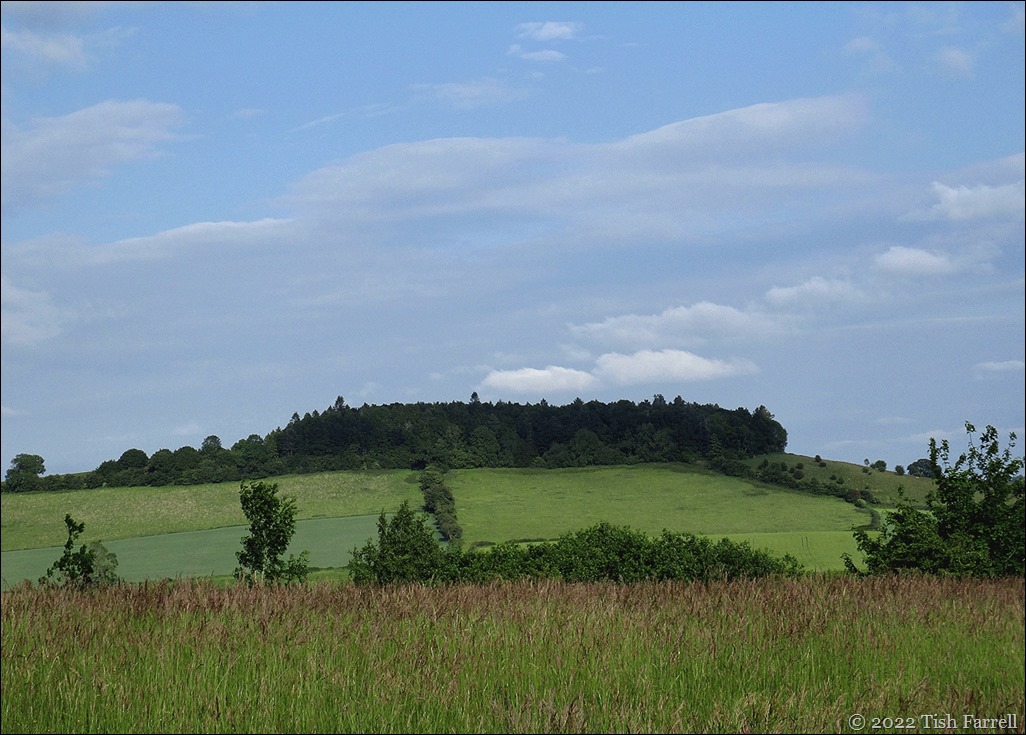
And then once you reach the top of the hill, there the views to ponder. Always something new, whatever the season.
IMG_0640

*

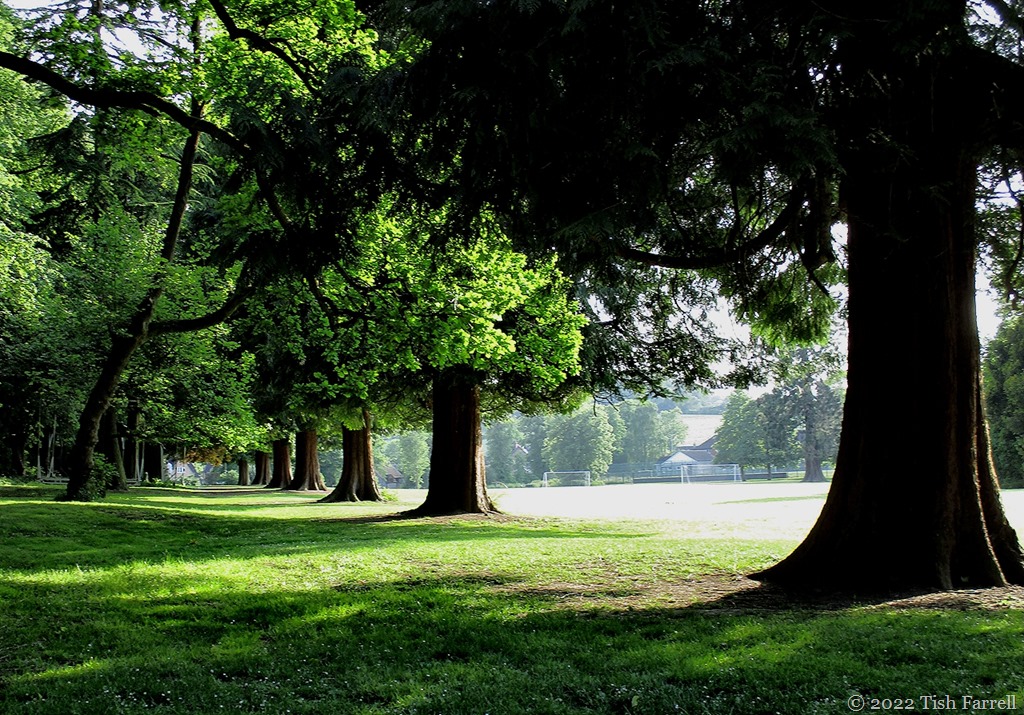
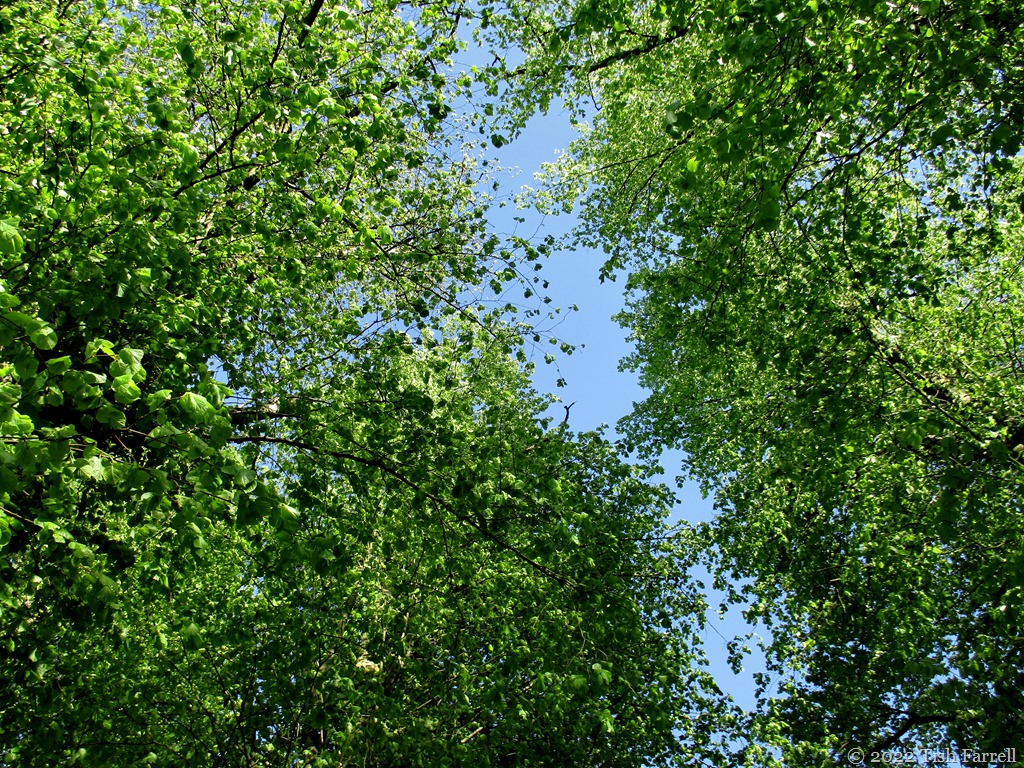
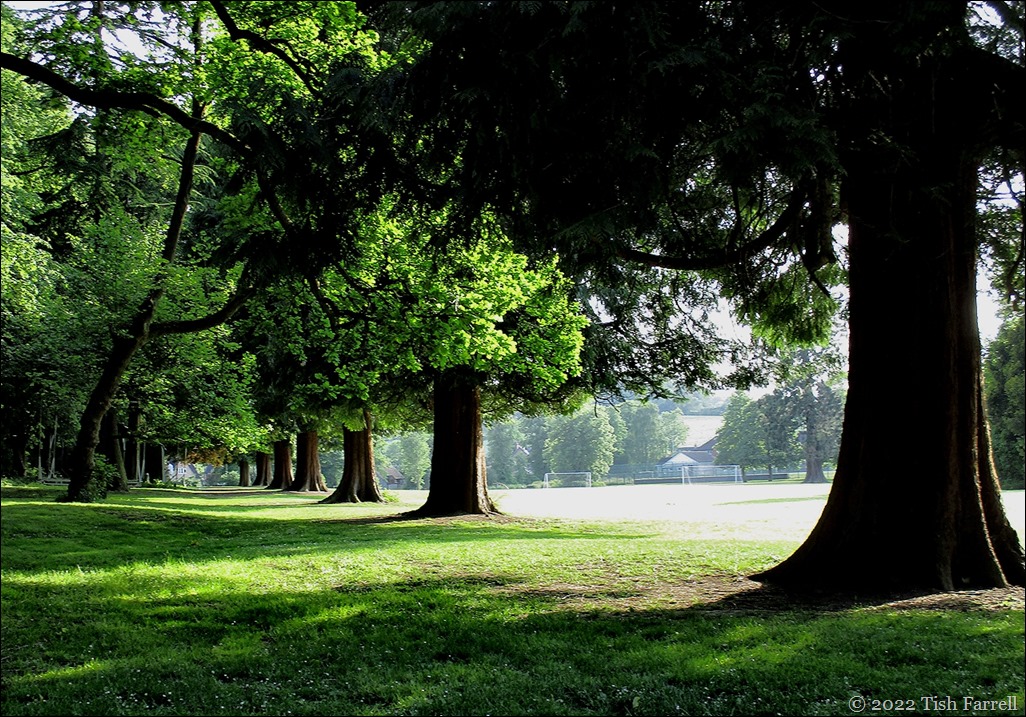
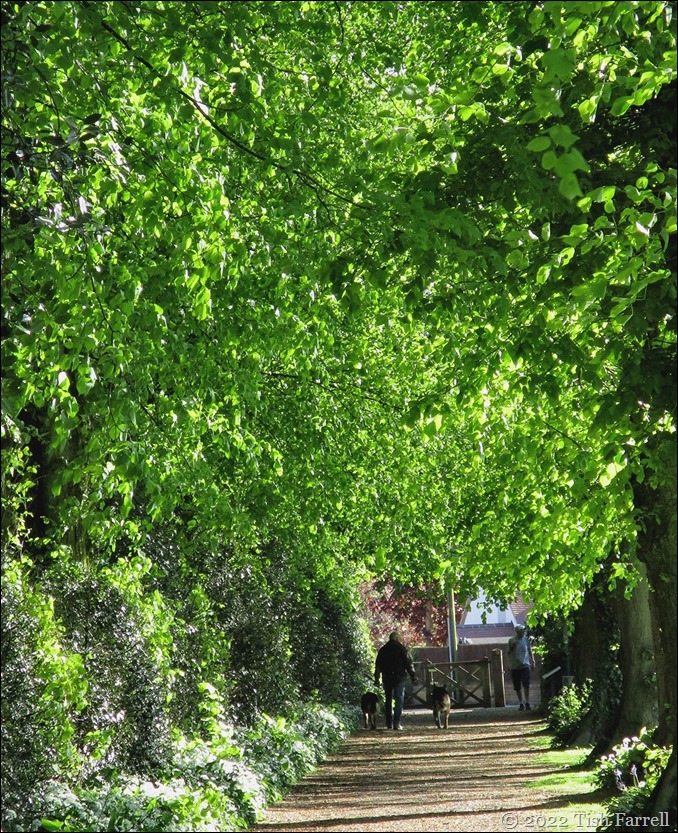
By the time we clamber back down to the Linden Field the cricket is over, and now is the moment for Wenlock dogs to play. We wander home beneath the conifer avenue. I always love the play of light and shadow under these trees:
IMG_0663re

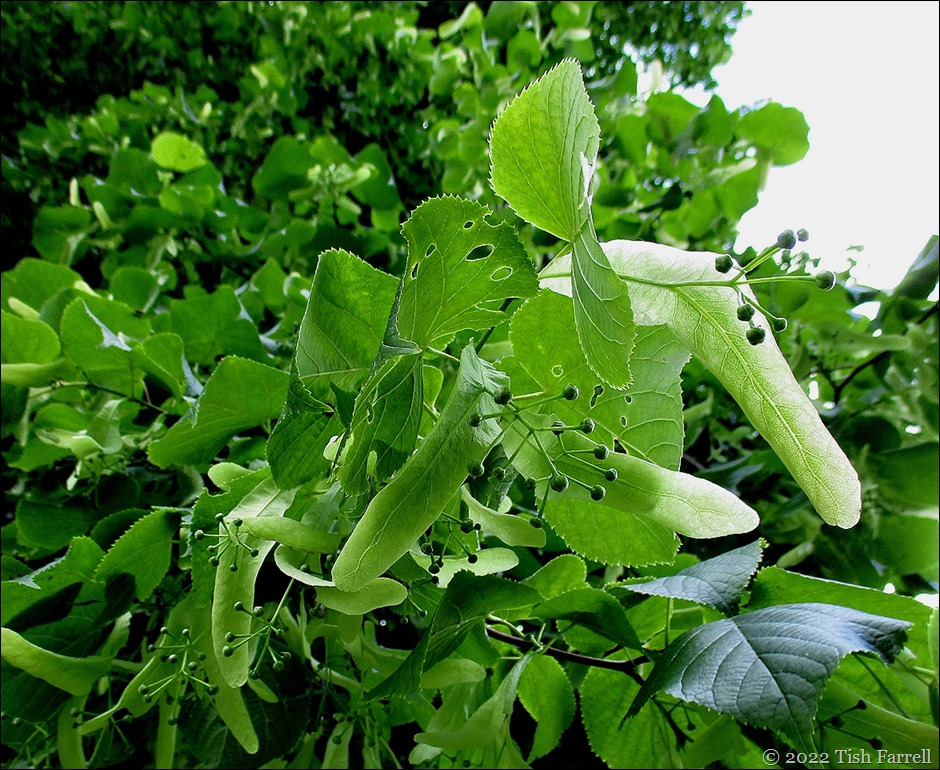
As we go there’s the waft of lime tree in the air; only a subtle scent as yet;  the tiny green flowers are only just opening. But later in the month, and as the days grow warmer, the field will be bathed in its fragrance. And so we have another therapeutic plant, one that calms and heals, although as with all herbal remedies, it is best to consult a qualified medical herbalist as to their use.
IMG_0752re

IMG_0442re

*

And a final floriferous view of Windmill Hill:
IMG_2155

Lens-Artists: Local Vistas   This week Anne Sandler at Slow Shutter Speed  wants to see views from home territory.

Quiet Scenes On The Edge

P1060107sep

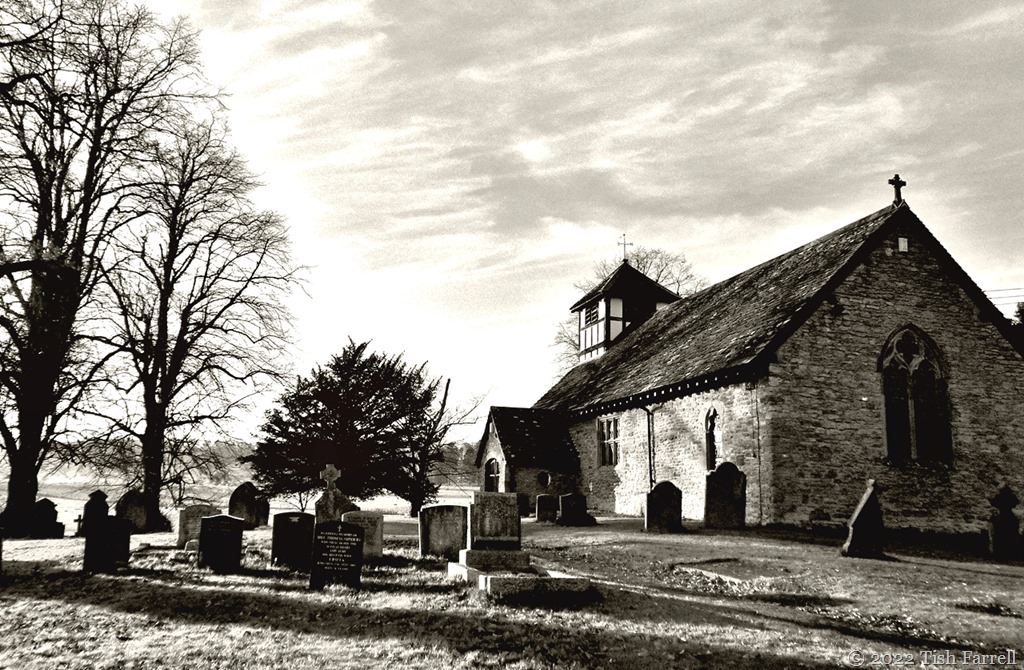
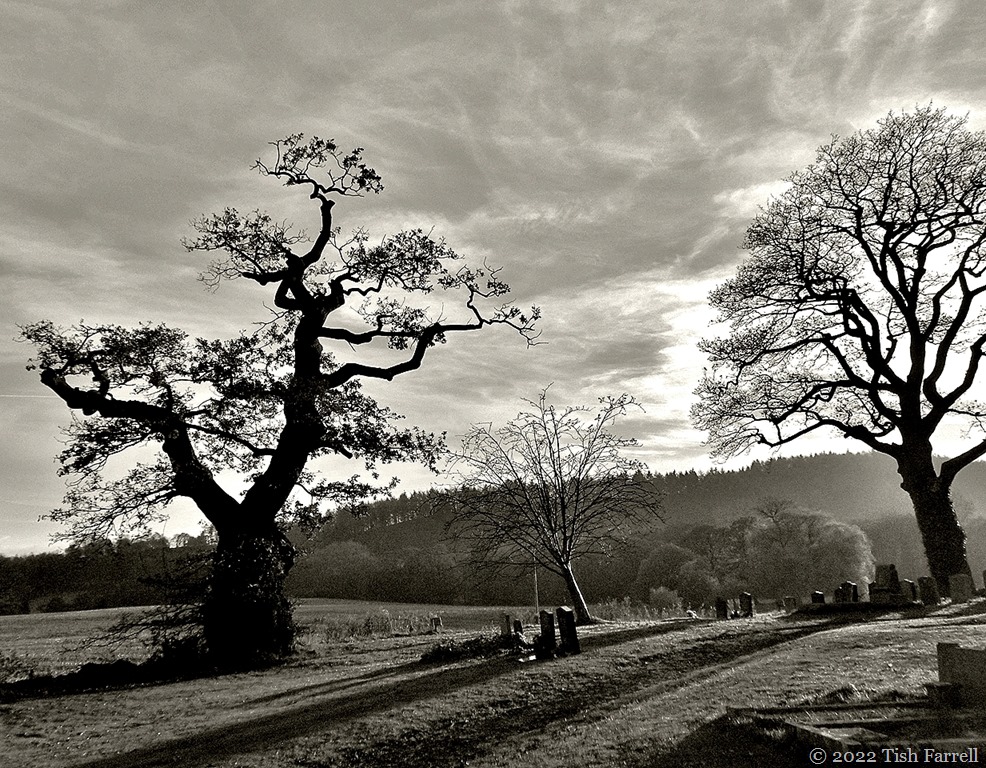
The hamlet of Easthope lies a few miles south-west of Much Wenlock. To reach it you travel along Wenlock Edge towards Church Stretton, then drop down a winding lane, too narrow for comfort. At the village heart is St. Peter’s church and the meadows of Manor Farm. The houses are scattered round: old limestone cottages, some ancient timber framed buildings, some modern homes built last century, a gracious rectory no longer ecclesiastically engaged. Most look out on the Mogg, a darkly forested hogsback ridge whose trees hide the the remains of  an Iron Age hillfort known as The Ditches.

You can just see the conifer tops of the Mogg between the churchyard trees in the next photo.

P1060116sep

I took these photos one bright December afternoon. It was something of a pilgrimage.  My good friend and artist Sheilagh Jevons resides in this peaceful graveyard, the perfect spot for a woman so in tune with the Shropshire landscape and its liminal spaces and much in love with the Mogg. Her house and studio were just down the lane from the church and she called her home The Mogg.

*

P1060049sep

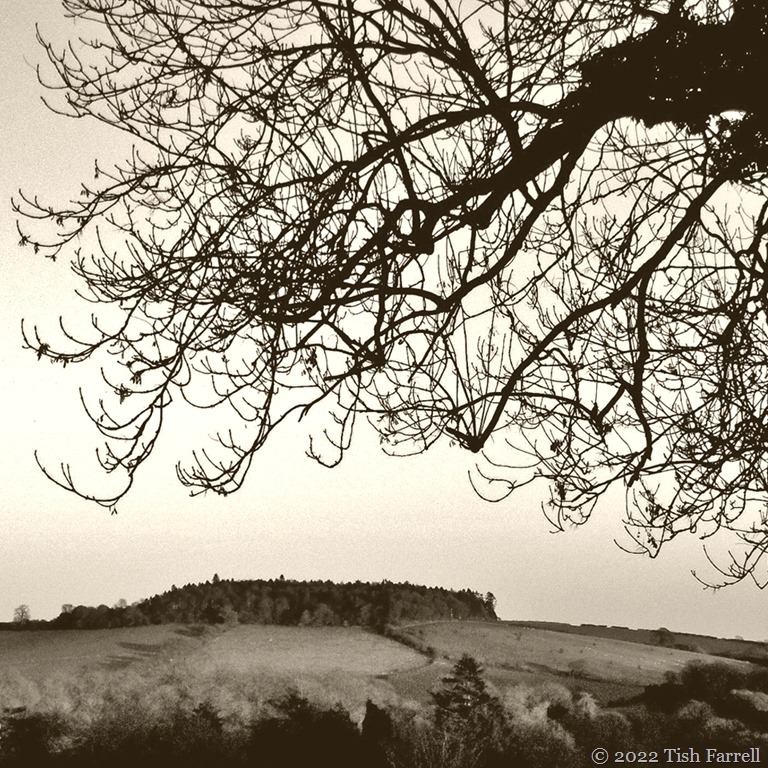
Here is another hill topped with a conifer plantation. It lies on the easterly side of Much Wenlock, and this is the view I see as I come home from the allotment, stepping out under the big ash tree that guards the unofficial ‘gateway’ through the field hedge.

*

P1100113sep

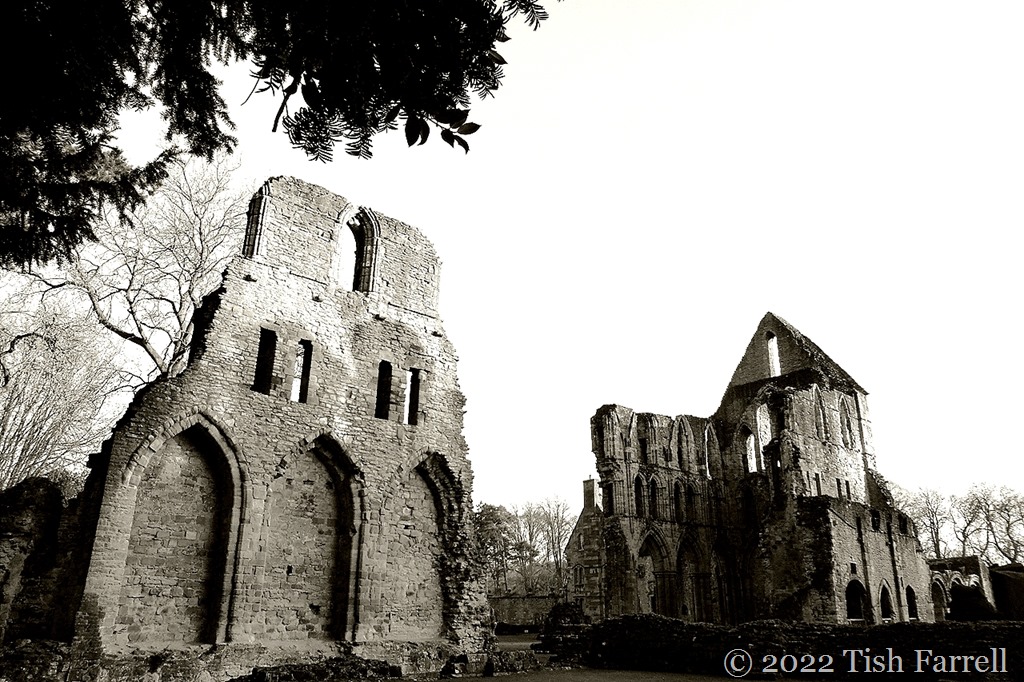
And naturally, one of the most peaceful spots in the town are the ruins of Much Wenlock Priory whose origins, in the charge of Saxon princess and abbess, St. Milburga, go back to 670 CE. The remains you see here are much later, dating from successive building phases in the 12th and 13th centuries. In its day, Wenlock Priory was among the grandest monastic houses in Europe, its monks belonging to the Cluniac order and brought here from France. It’s a mysterious thing to think of now, a French community ruling the lives, body and spirit, of Shropshire folk. All dissolved in 1540 of course, with the protecting lead stripped off the roofs by Thomas Cromwell’s team of asset strippers.

Cee’s Black & White Photo Challenge: peaceful

The Changing Seasons: May 2022

IMG_0569re

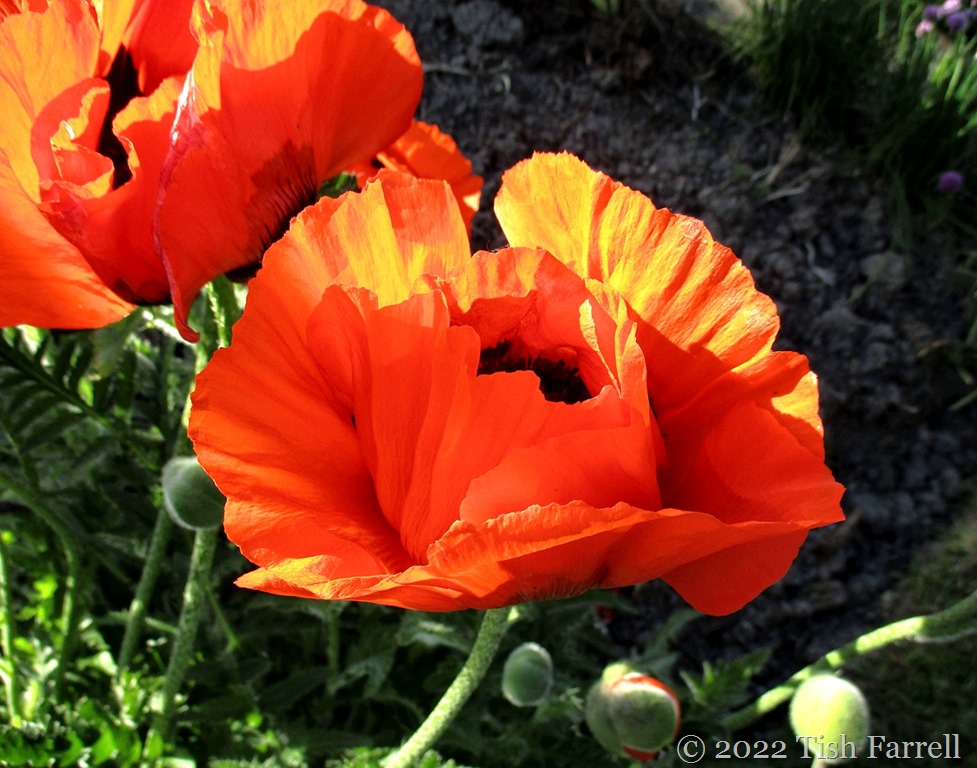
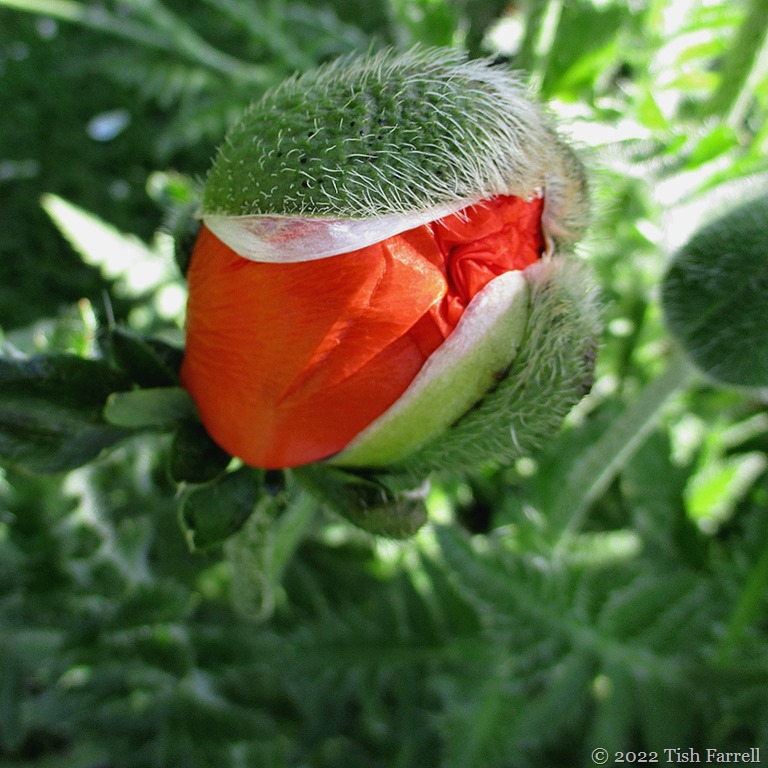
Poppy time on  my allotment plot, the oriental perennials I grew from seed last year. I’d been hoping for a range of colours, but it looks as though they are all turning out to be tomato soup red. I should not complain. This bunch are brightening the spot in front of my shed.

IMG_0568sq

IMG_0564re

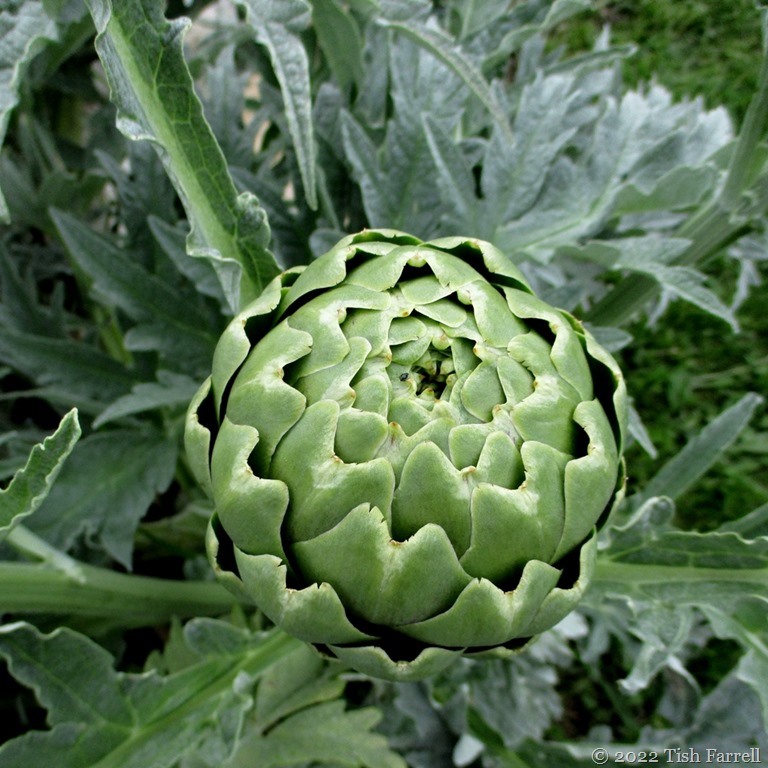
Otherwise at the allotment, the globe artichokes are going bonkers, arriving far earlier than expected. We’ve already polished off several. By contrast, the early potatoes are making a slow start, their green tops only beginning to sprout last week. Parsnips, on the other hand, have germinated well, this time sown in a large builders’ tub, and the onion sets are making their first green shoots. Beetroot, cauli and cabbage seedlings have been successfully planted out and the broad bean plants are flowering magnificently.

IMG_0573re

IMG_0451ed

IMG_0502sq

*

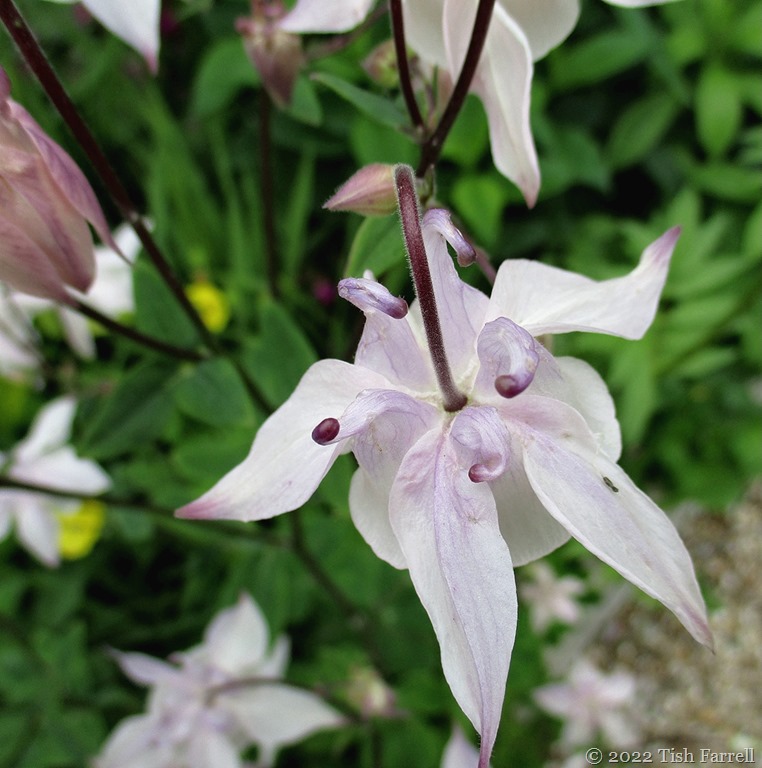
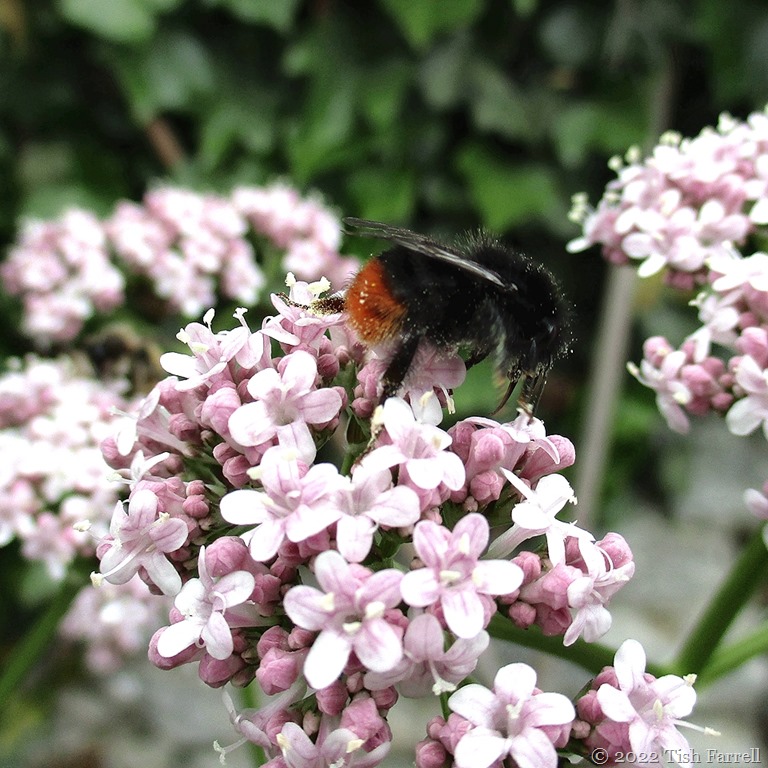
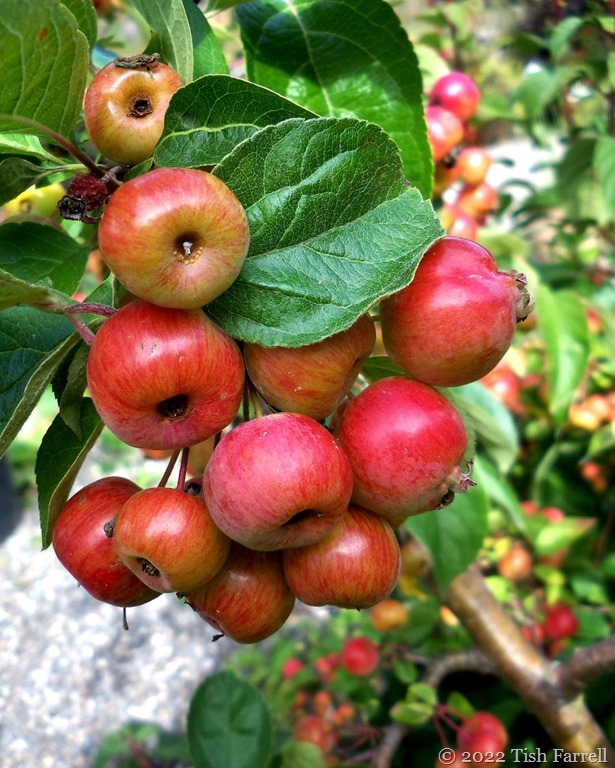
In the home garden all is alliums and aquilegias, valerian and catmint. The apple blossom is long gone, quickly dispersed by May’s repeated rounds of wind and rain, but a few days ago I noticed there were lots of tiny apples forming – on the Coxes and the crab apple trees.

IMG_0508re

IMG_0496

IMG_0483sq

IMG_0477sq

IMG_0469sq

IMG_0456sq

*

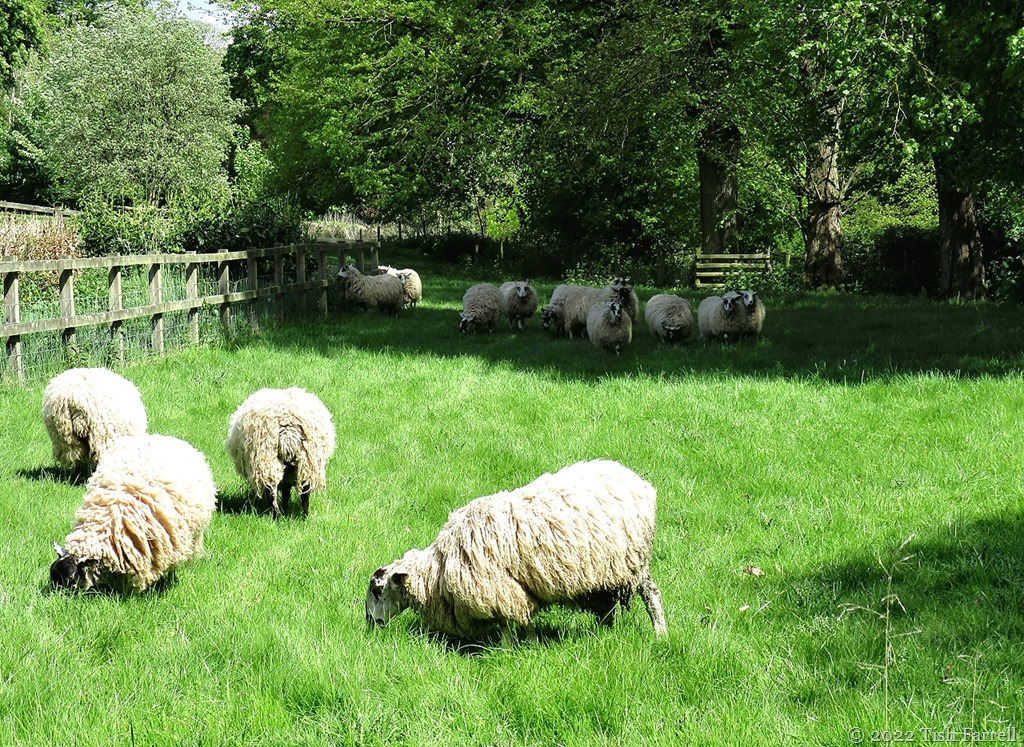
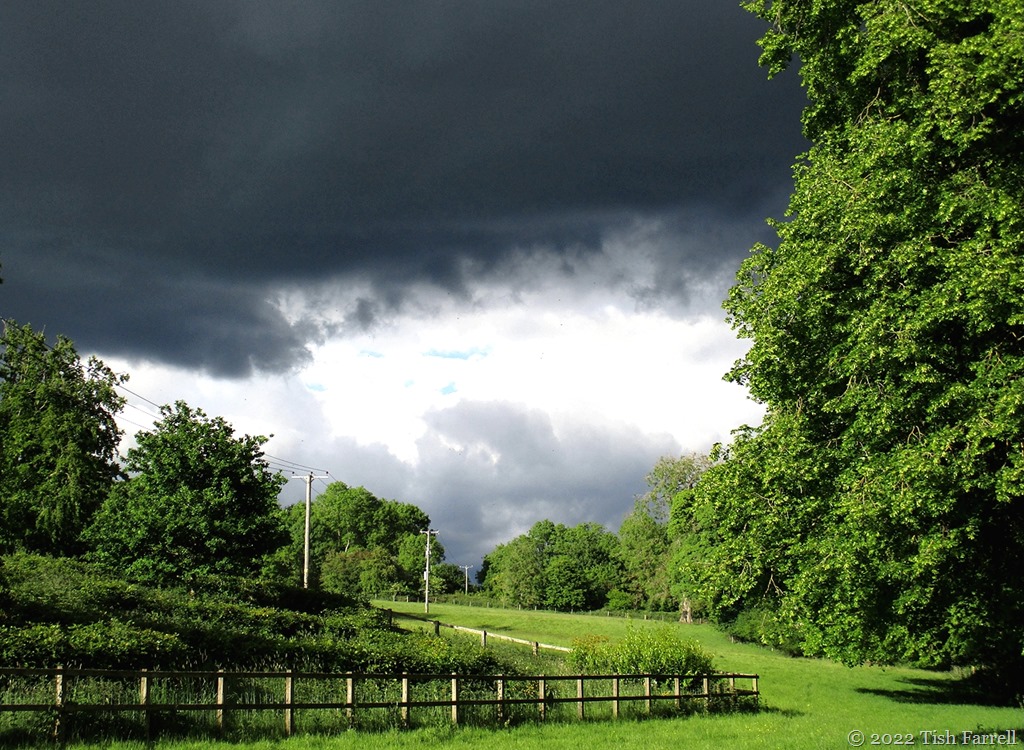
Meanwhile around the town, all is lush in the fields beside the Cutlins path – shaggy sheep on one side, young MacMoos on the other, up to their knees and noses in buttercups. And oh yes, don’t forget to watch the sky. Looks like there’s another downpour coming:
IMG_0426re

IMG_0585re

IMG_0589re

*

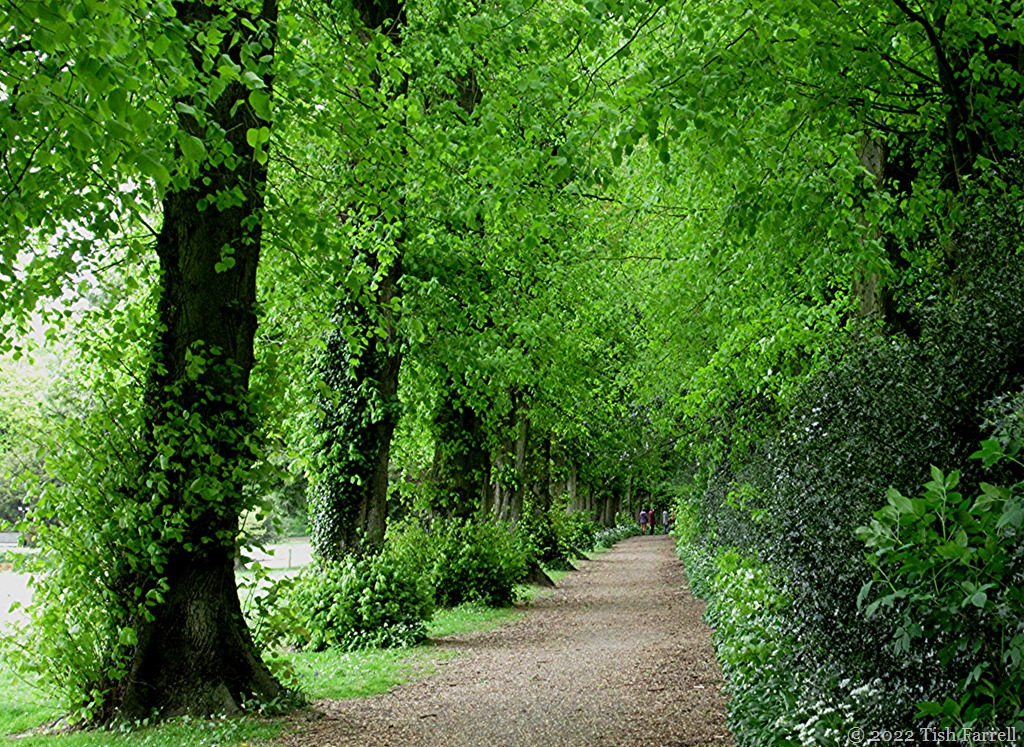
Nearby, on the Linden Field all is bursting green. The cricket season is upon us, the pitch well fettled, and lads in the nets  honing batting skills.  As ever, the Linden Walk is the favoured resort of walkers and runners and lately been proving a welcome resort out of the persistent chilling wind.
IMG_0431re

IMG_0445re

IMG_0442re

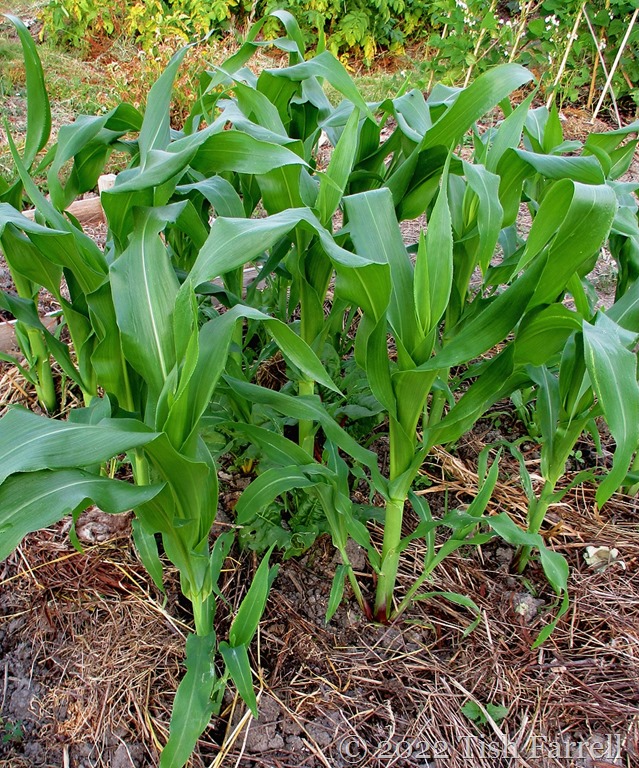
But as you can see, the spring growth hasn’t in the least minded the ongoing coolness, and it’s certainly made the most of May’s sudden spate of unseasonal downpours. He who has given up binding books for the making of small and interesting occasional tables tells me it’s supposed to be getting warmer now June’s arrived. And yes, I think at last I can believe him. Today the sun is out, and best of all, the wind has dropped. In the greenhouse the French beans are surging out of their pots and the sweet corn seeds have germinated, and up in the upstairs garden, rose Teasing Georgia is strutting her stuff. Happy days.

IMG_0612re

*

The Changing Seasons: May 2022  Brian at Bushboy  and Ju-Lyn at Touring My Backyard are the kind hosts of this monthly challenge. Please go and see what they have been doing during May.

Every Little Thing

IMG_6811

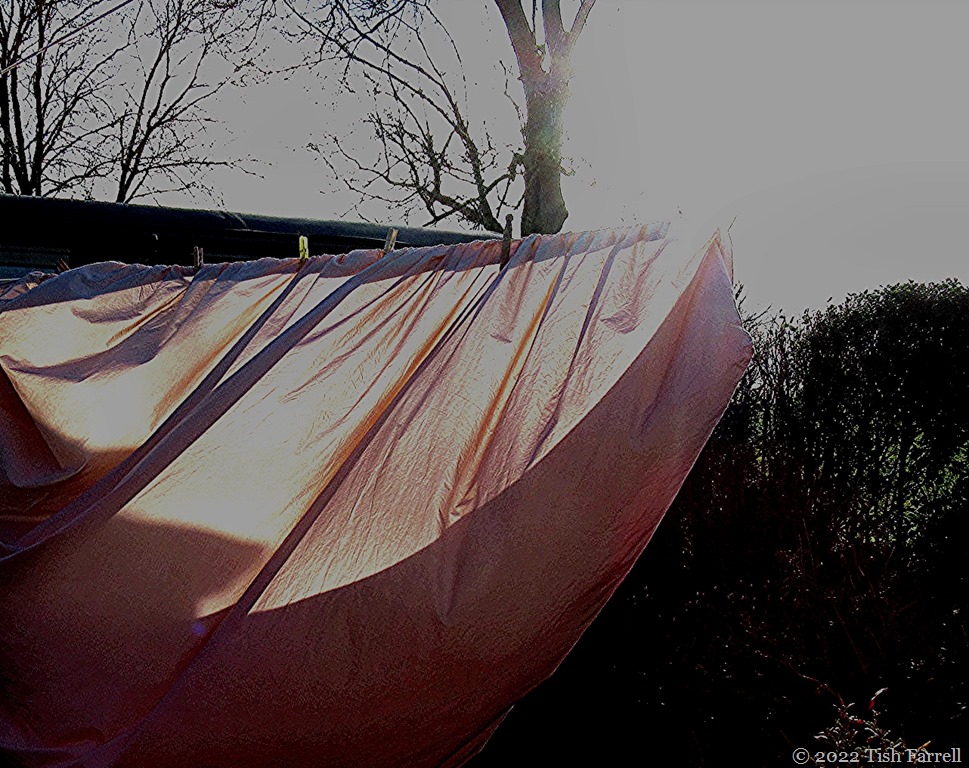
Out on the line – an unexpectedly good drying day in February

*

This week at Lens-Artists, Amy asks us to show her things that make us smile. So here are some of the happenstance little-big things that, at various times, have caught my eye or otherwise brightened my day:

IMG_6932sq

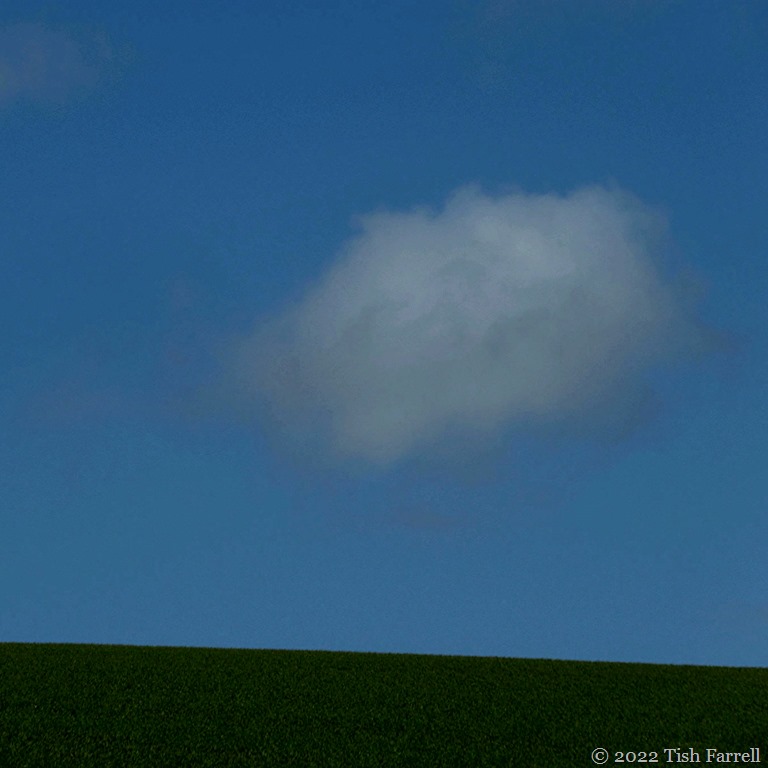
A neat little cloud traversing Townsend Meadow

*

IMG_7440re

Finding I’d grown a rather good cauliflower at the allotment

*

100_6855re

Spotted in the garden sage bush

*

IMG_7452

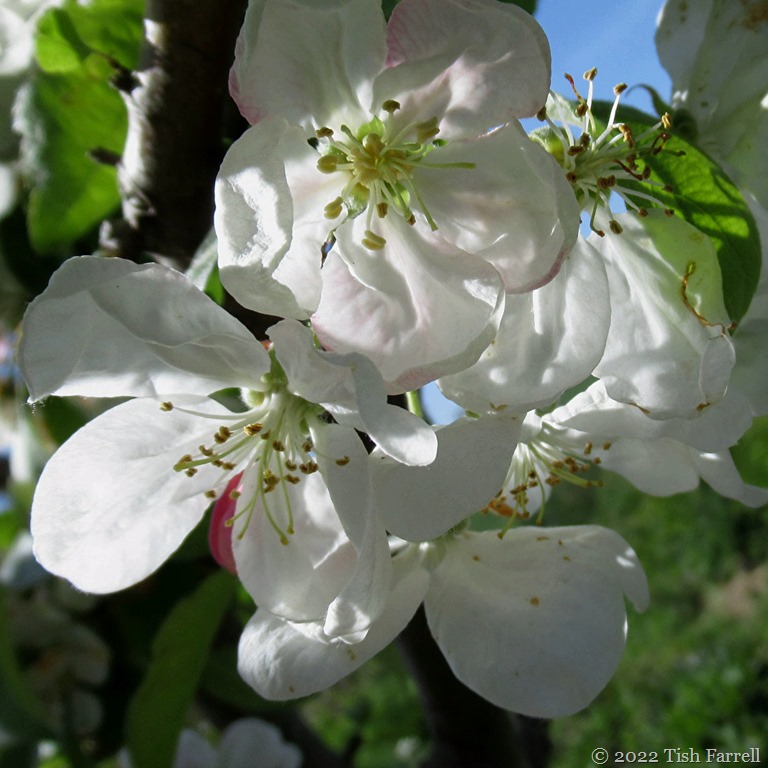
Spring sun-catchers: crab apple flowers…

*

100_7068

…that in autumn become perfect tiny apples

*

IMG_7605

The Linden Walk in full summer leafiness

*

IMG_8321

Lens-Artists: Every Little Thing

Framed In All Seasons On Windmill Hill

windmill at dusk resized

A Don’t Look Now moment? Who is that small, retreating turquoise person?

*

This week’s Lens-Artists’ challenge is from Tina. She asks us to think about ‘the rule of thirds’ in our photo compositions. Please go and see her very striking photo gallery (link at the end). As for me, I thought I’d feature some of my too many Windmill Hill photos. It’s the place where I go to play with my camera.

orchhid time re

June is orchid time, mostly pyramidal (above) and spotted, and  a small population of tiny bee orchids which are very hard to find (below)

IMG_2618re

*

IMG_2155

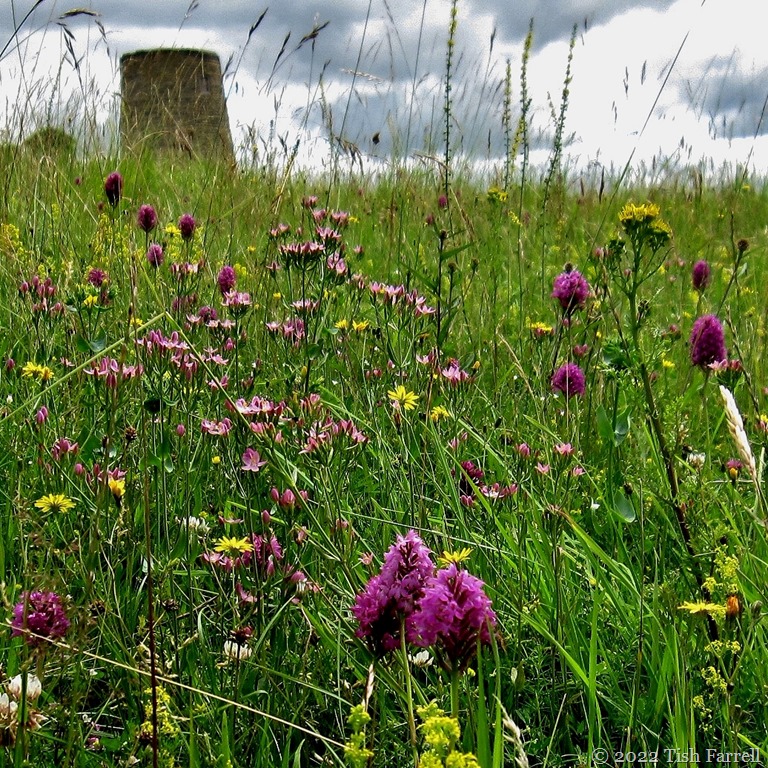
The grassland on the Windmill Hill is a rare survival – a traditional limestone meadow: clover red and white, bedstraw, orchids, agrimony, ragwort to name a few of its summer floral inhabitants.

*

P1050182re

A profusion of Lady’s Bedstraw. Its subtle fragrance is delicious.

*

P1050007re1

After the flowers, a host of grass species

*

P1000684re2

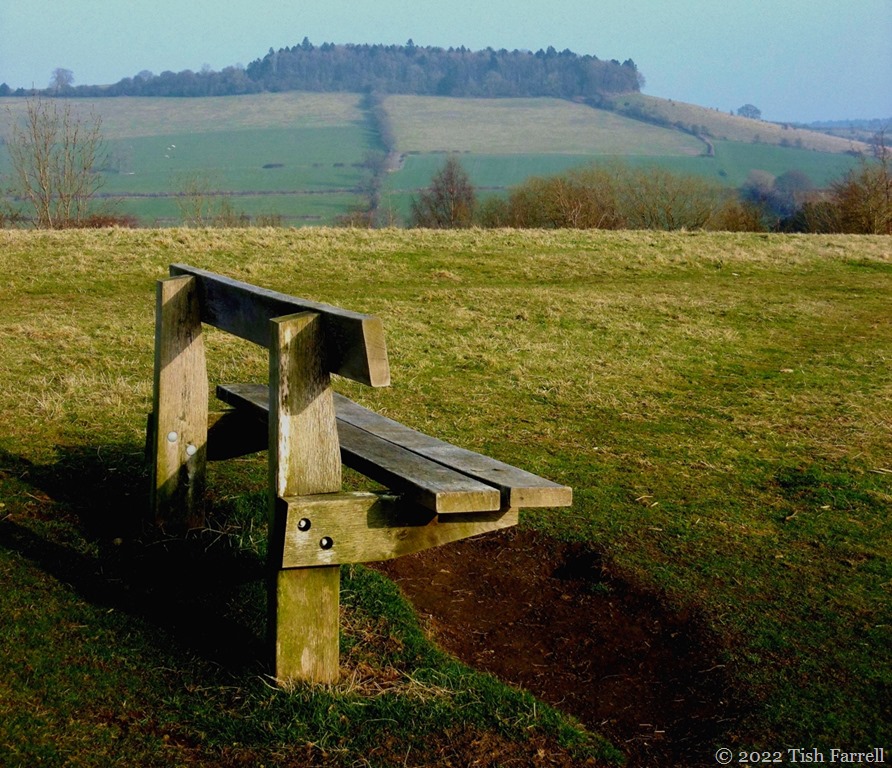
A seat in winter

*

P1020259sq

Girls just wanting to miss netball practice

*

100_6660re

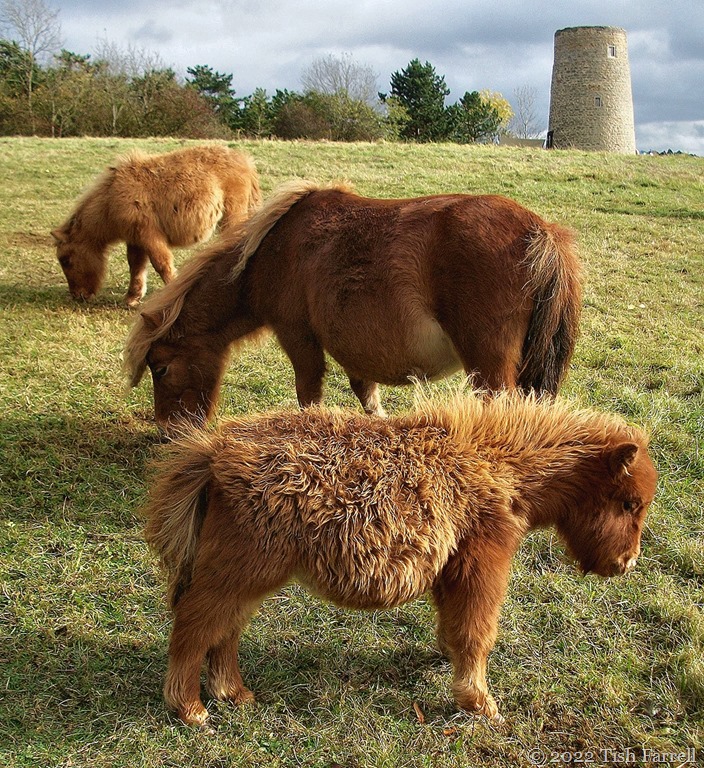
Little ponies once used to graze the hill in autumn

*

IMG_0323re

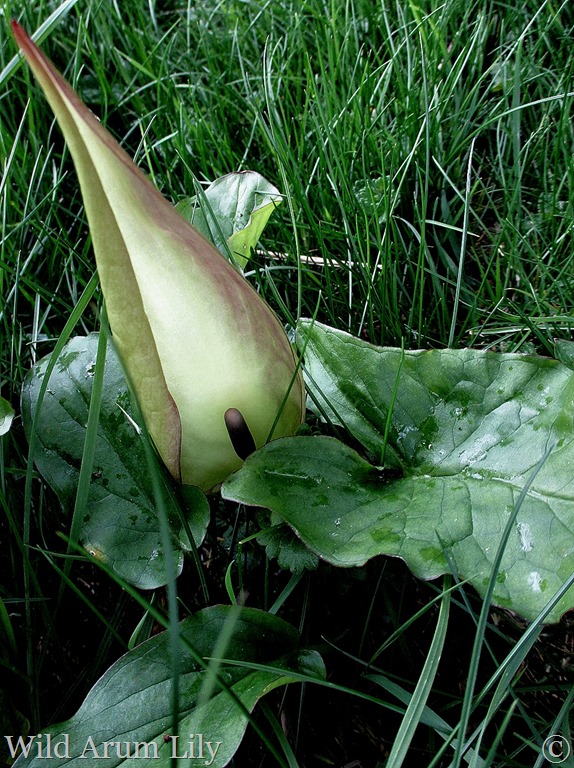
Early spring Cuckoo Pint

*

P1030665

Blizzard!

P1040013re

Lens-Artists: rule of thirds