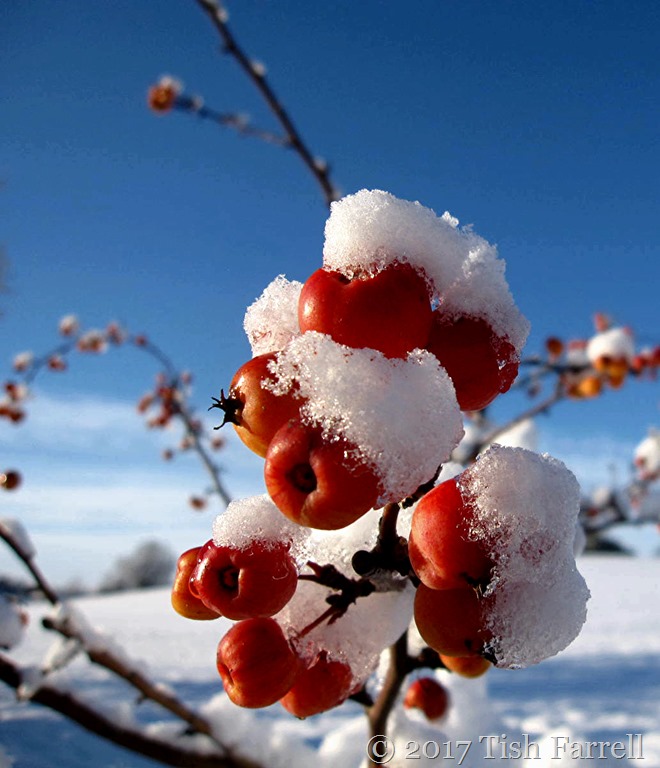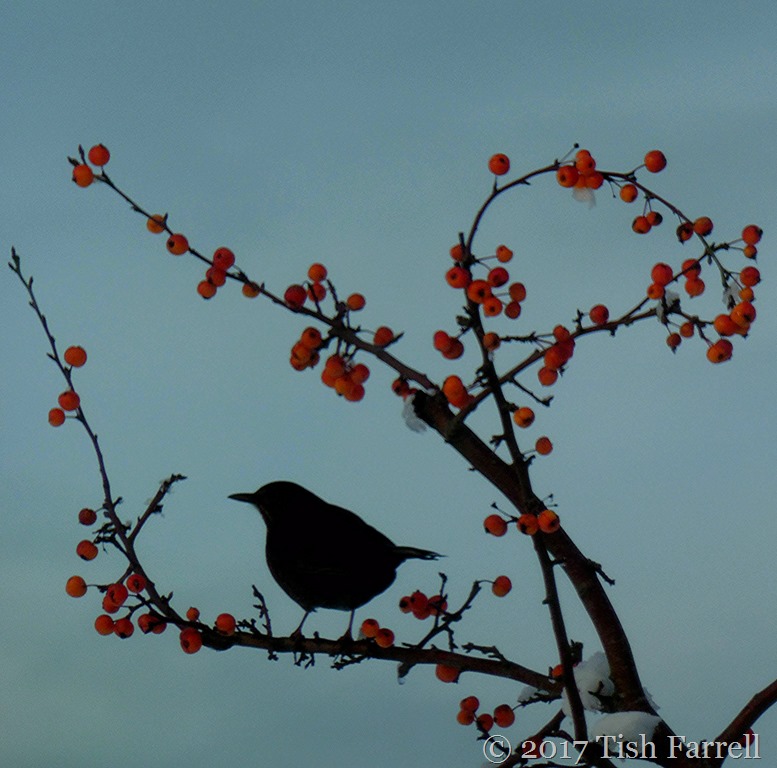
Wordless Wednesday


Wordless Wednesday
When I left the house I only meant to go to the Post Office, this to be in time for card posting to the US. But then just as I was setting off I also picked up my camera. From the start, then, it was likely there would be diversions.
Outside the front door I had a choice – take the five minute direct way along the main road whose pavement was now heaped with dirty snow, or step straight across to Station Road and into Snowland.
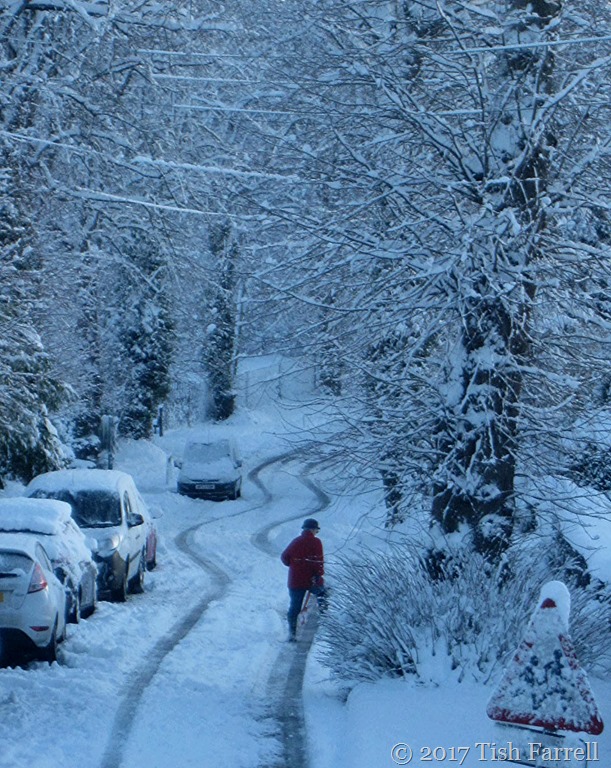
Snowland won of course. If I went this longer way I knew I could see what was what along the Linden Walk. There could be photo opportunities…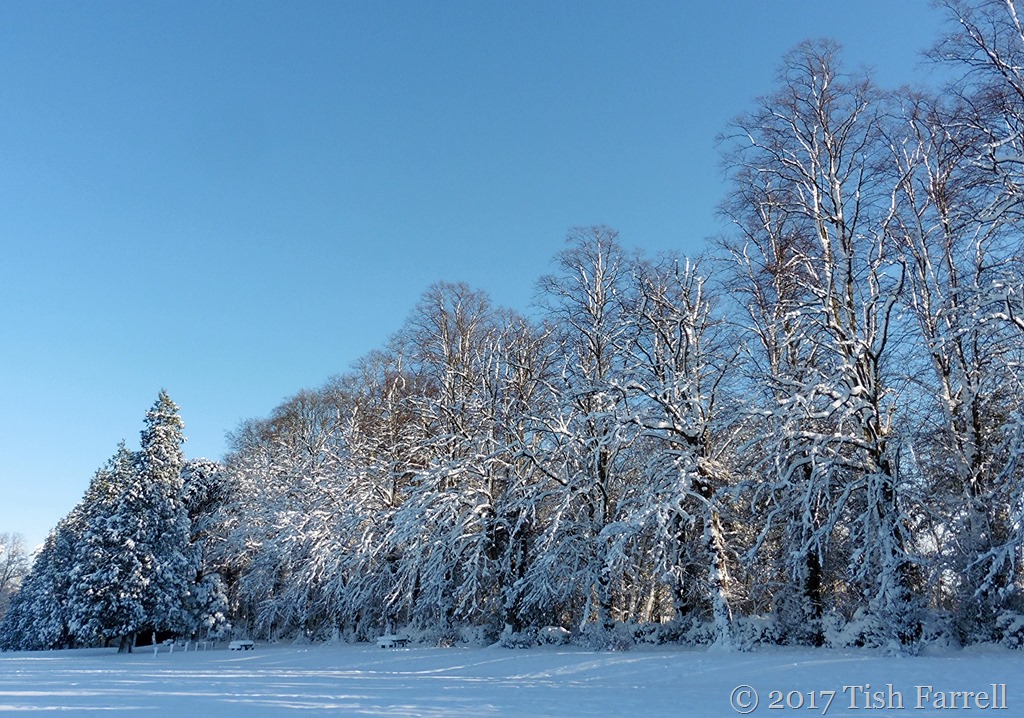
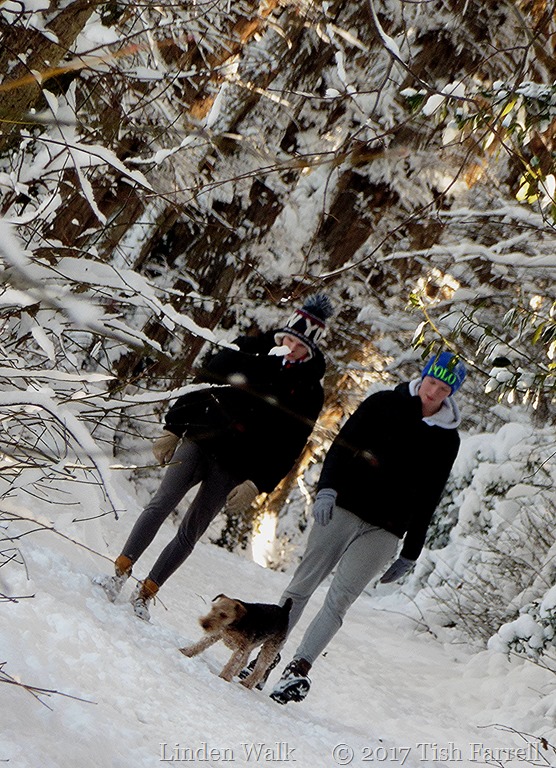
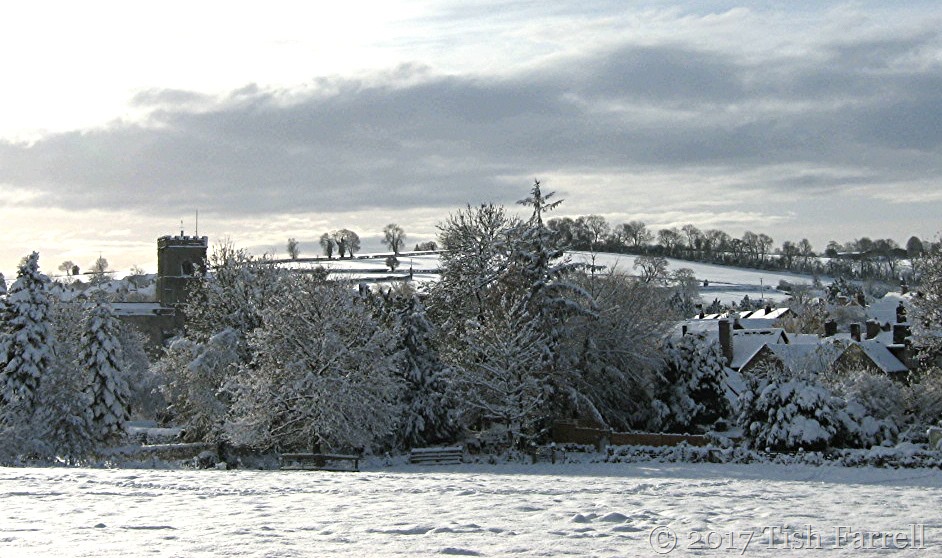
…and then next I’d take the field path known locally as the Cutlins, from where, no matter the weather, you always have one of the best views of the town. This is where I stopped to take the header photo.

The path brings you to the perimeter of Wenlock Priory. Once you are down there and through the kissing gate, you can just see the ruins through the trees…

And it was at this point that I really did mean to turn towards town…but then, when I looked beyond the Priory towards the lane that runs through the ancient parkland, it was all too beguiling.
Just a little way then…

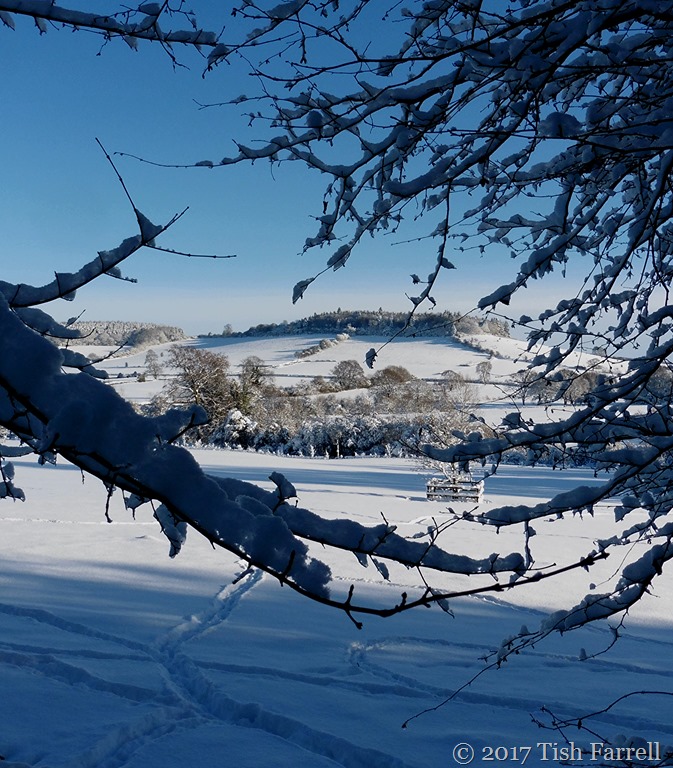

I did eventually make it to the Post Office, where I had to wait and wait in line, all of us standing in a lake of melting snow which we had tramped in with us.
Outside again, the town looked very pretty. On the Church Green the trees were scattering their snow like confetti, and the ancestors looked well tucked up in their snow quilts…


And as the sun was still shining I decided to take another path, back up the Cutlins but diverting along the Priory parkland boundary so I would end up on the old railway line below the Linden Walk.

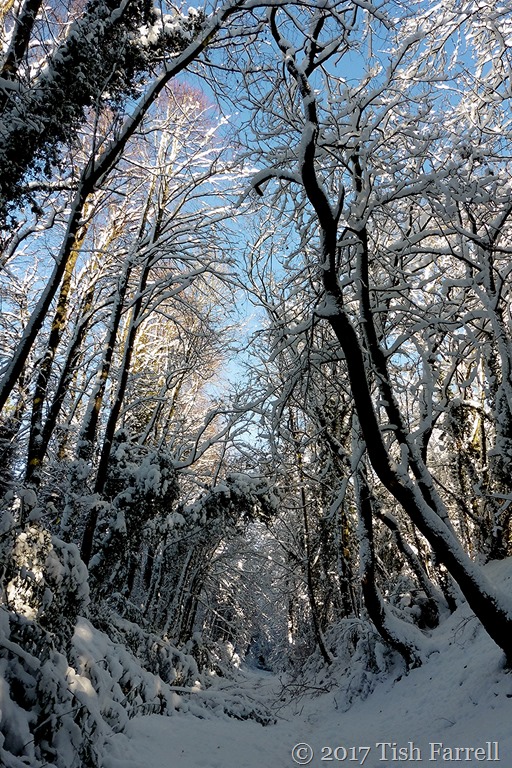
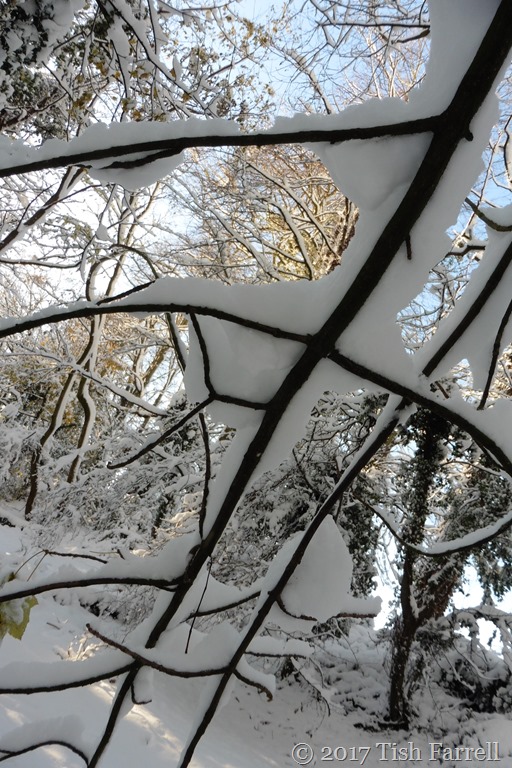
It was totally silent there in the cutting beneath the trees; no ghost of roaring Great Western locomotive, but I could see that things had not been quiet. There were a number of casualties – saplings felled by the weight of snow. It felt like Narnia: those first steps out of C.S. Lewis’s old wardrobe. No sign of Mr. Tumnus though. Better push on before the White Witch whisks up on her slay.
Back on the Linden Field quietness there was broken by distant whoops of joy. On Windmill Hill a family and their dog were busy sledding. It looked like fun, and I was tempted to make yet another diversion. But no. My quick trip to the post had turned into a two hour meander. He who presently binds books instead of building sheds might be wondering where I’d got to. And somehow lunch time had been and gone. How did that happen?

Jo’s Monday Walk Please visit Jo for magic views from her walk around Belém, Lisbon. You will be glad you did.
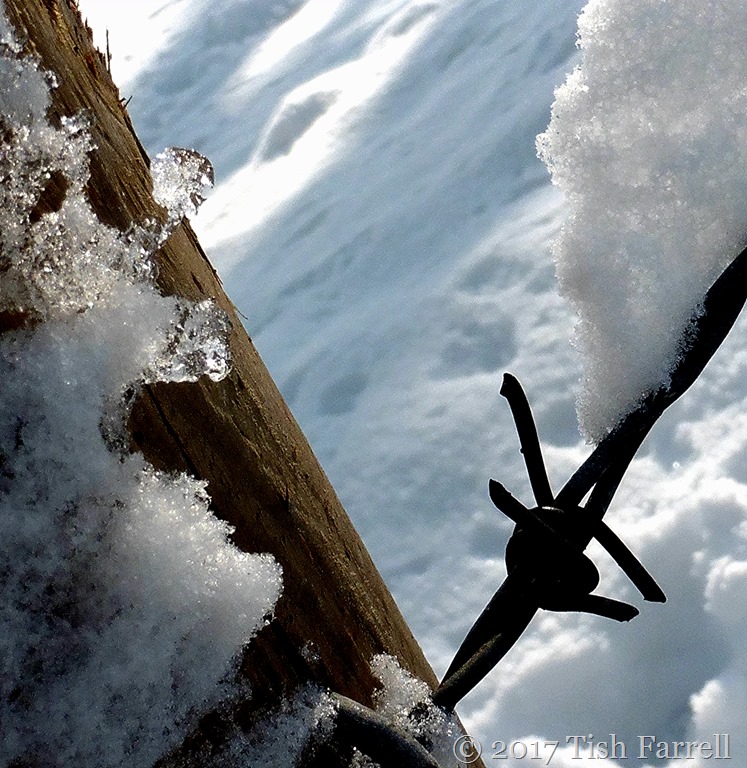
In the depth of winter I finally learned that there was in me an invincible summer.
Albert Camus 1913-1960
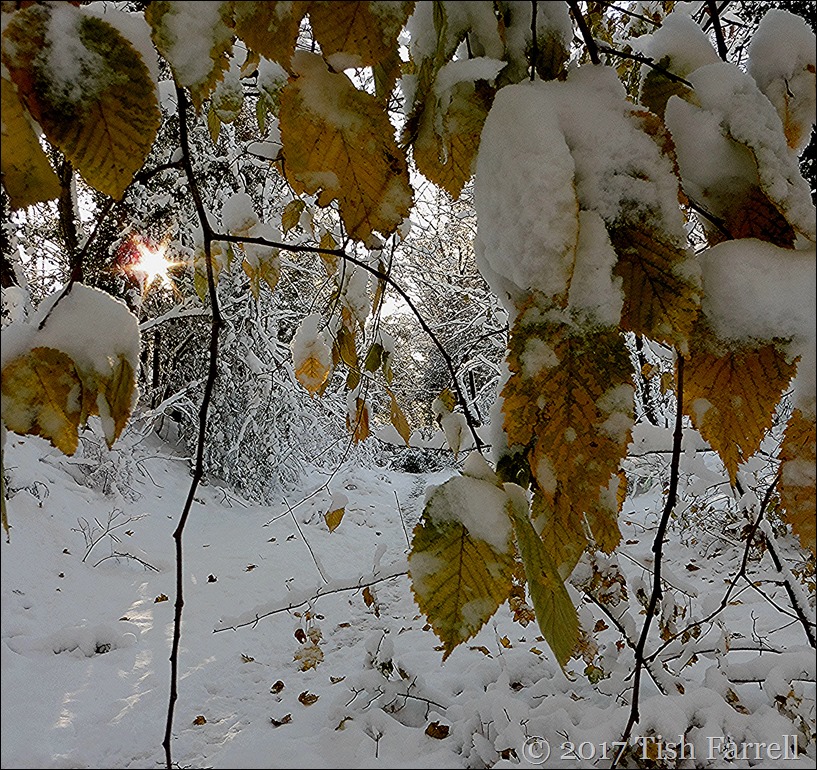

Wordless Wednesday
copyright 2017 TishFarrell
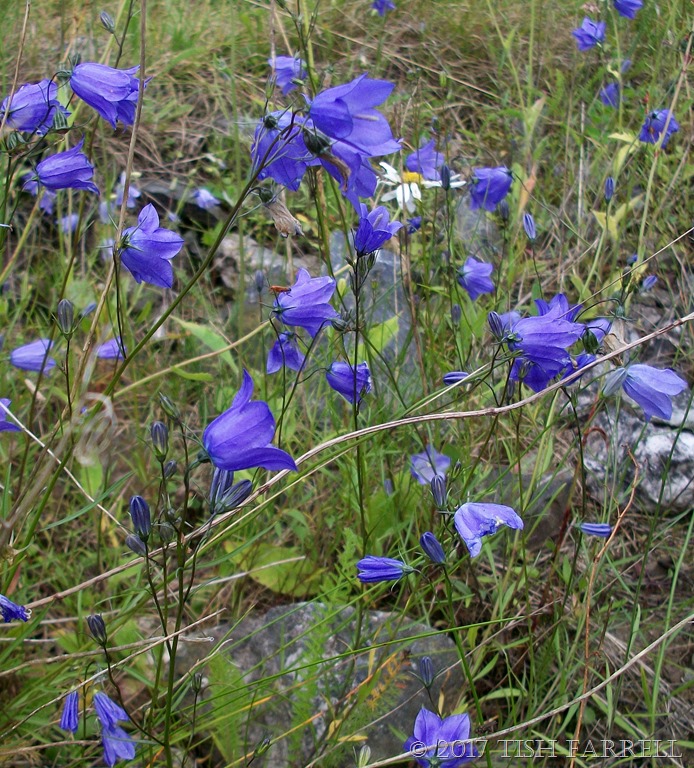
This photo was taken at Snailbeach Mine in the wilds of the Shropshire Hills. From the 1780s through the nineteenth century this was the most productive lead mine in the world, employing over 300 workers. But the history of lead mining in the area is much older than this, and for centuries the mineral was mined all over the nearby Stiperstones hills.
The Romans were certainly here. They left behind a great lead ingot weighing over 87 kilos and impressed with the inscription ‘IMP HADRIANI AVG’. This meant that not only did it belong to the Emperor Hadrian, but also that Snailbeach was an imperial mine between the years of his rule, 117-138 A.D.
The Romans used lead for water pipes, cooking vessels, paint and to sheath the hulls of ships. Of course some of these purposes proved highly toxic to the users.
And it is now hard to imagine an association between something as hard, industrially wrought and poisonous as lead and these delicate harebells that seem to thrive on the waste ground near the mine ruins. In fact this whole area, with conservationists’ help, has been so reclaimed by wildlife it is now part of the Stiperstones Site of Special Scientific Interest. The birdlife of the area includes red grouse, ravens, buzzards, peregrine falcons, curlew and the rare ring ouzel. There are grayling and green hairstreak butterflies, fox and emperor moths. The vegetation includes heather, cowberries, whinberries and rare mountain pansies.
It is so heartening, isn’t it, when so much on the planet seems environmentally challenged. Here in this corner of Shropshire at least, the natural world has overcome – reclaiming this once poisonous, highly industrial environment.
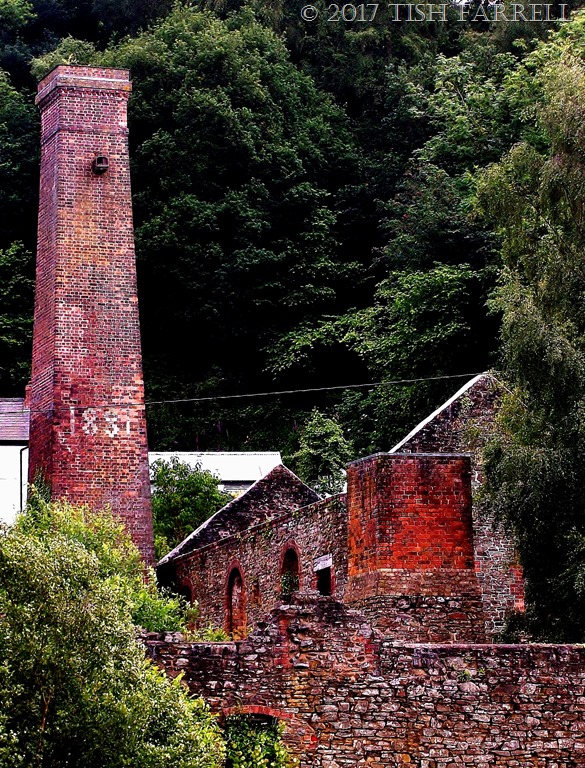
For those of you interested in mining history there is more about Snailbeach HERE and HERE. The latter link includes lots of useful teaching information and has a great video of aerial views of the area, which is anyway worth a look if you want to see more of this fascinating part of Shropshire.


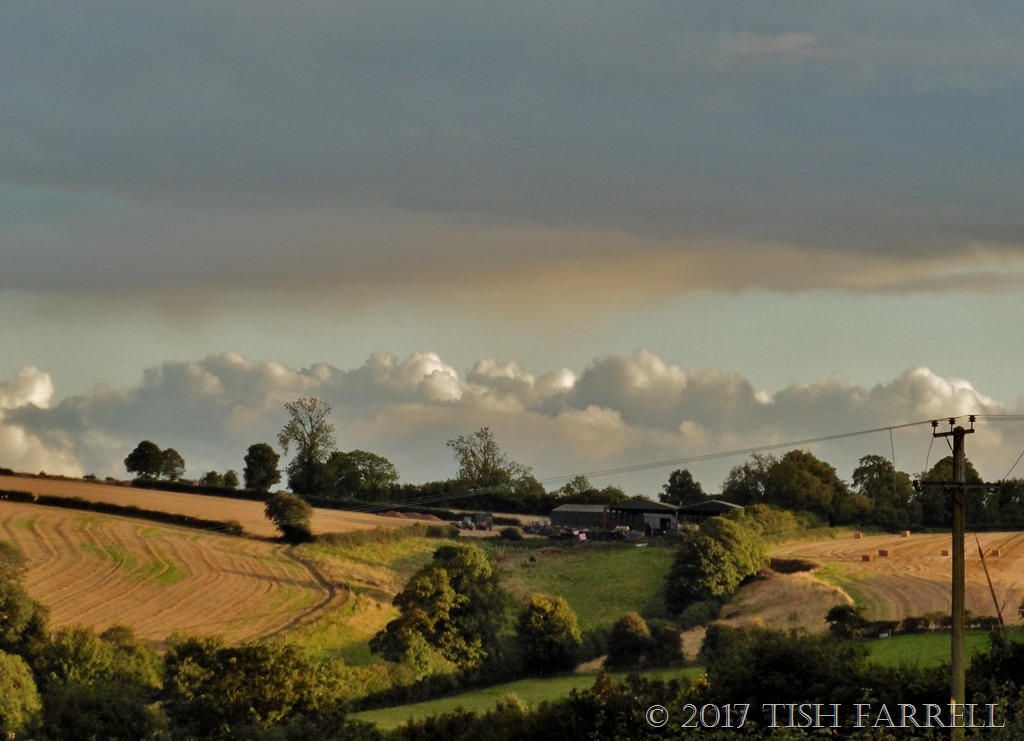
It’s the brief window of opportunity that comes when the wheat has been cut, and we Wenlockians can go in for a bit of unbridled scampering in the fields. Well, if not scampering exactly, at least walking up the hill behind the house for some fresh vistas of the town and its surroundings. I need to be quick. If past years are anything to go by, the ground will be harrowed and re-sown in the blink of an eye, so while I have the chance, I’m passing on some post-harvest views. I’ll also leave you with a paradox, because although we have good views around the town, within it there is an officially recognised deficiency in public open space; many of the footpaths that we use are permissive, that is to say, they are open only at the landowner’s discretion. In more ways than are often realised, feudal England, with its roots in patterns of Saxon landownership, still remains.

Here you can see three of the town’s medieval relics, from middle left to right: the priory ruins, the priory gate tower, and the parish church that was once part of the priory. The town grew up around the priory, its residents subject to its rule, both in terms of paying tithes and providing labour. The monastic domain was considerable, based on the possessions of the 7th century Saxon Abbess Milburga. Her lands extended several miles – beyond the River Severn and the Ironbridge Gorge and into Madeley in Telford in one direction, and to Broseley, near Bridgnorth in the other. She was also the daughter of a Mercian king, and the setting up of religious houses ruled by princesses appears to have been a common and cunning Saxon strategy for maintaining control over the territory claimed by their regional kingdoms. After the dissolution of the monasteries in 1542, the monastic estate was sold off to members of Henry VIII’s court and merchant opportunists. Today, most of the land around the town is still in the possession of two large landowners. We are however fortunate that a good stretch of Wenlock Edge is owned by the National Trust which provides everyone with free access to a very special place.


The Red House, and a ghostly farm labourer off for an evening pint at the George and Dragon Inn?
*
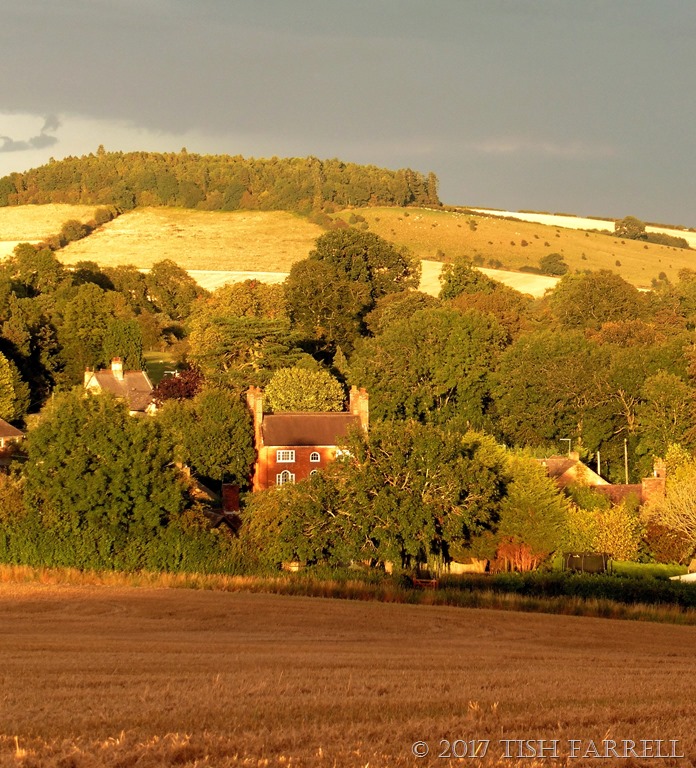
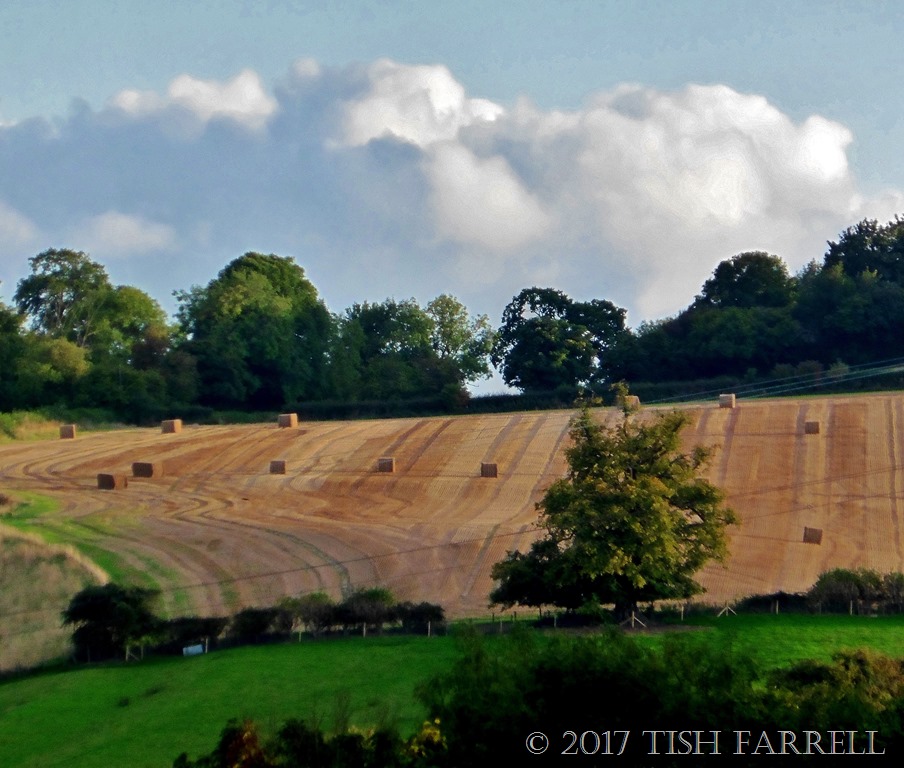
I’m old enough to remember the days when the post-harvest straw was stacked in teepee-like stooks, and the wheat grains had to be detached from their ears in a hulk-like threshing machine. The farmer whose house we rented when we lived in Cheshire, would have the itinerant threshing man park his contraption the other side of our garden wall. I remember a sense of menace when I looked out of the bedroom window and find it had arrived. Once in action, it would throb hideously all day, spewing out great storms of petrol fumes and wheat dust.
*
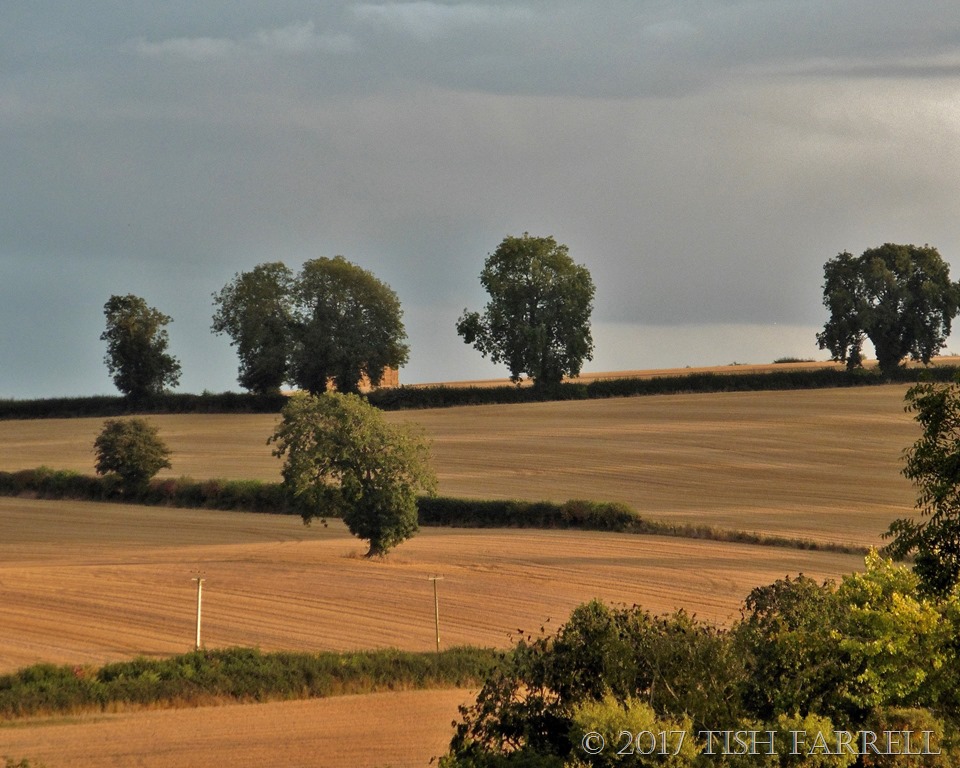

Didn’t Rumpelstiltskin spin this stuff into gold?
*
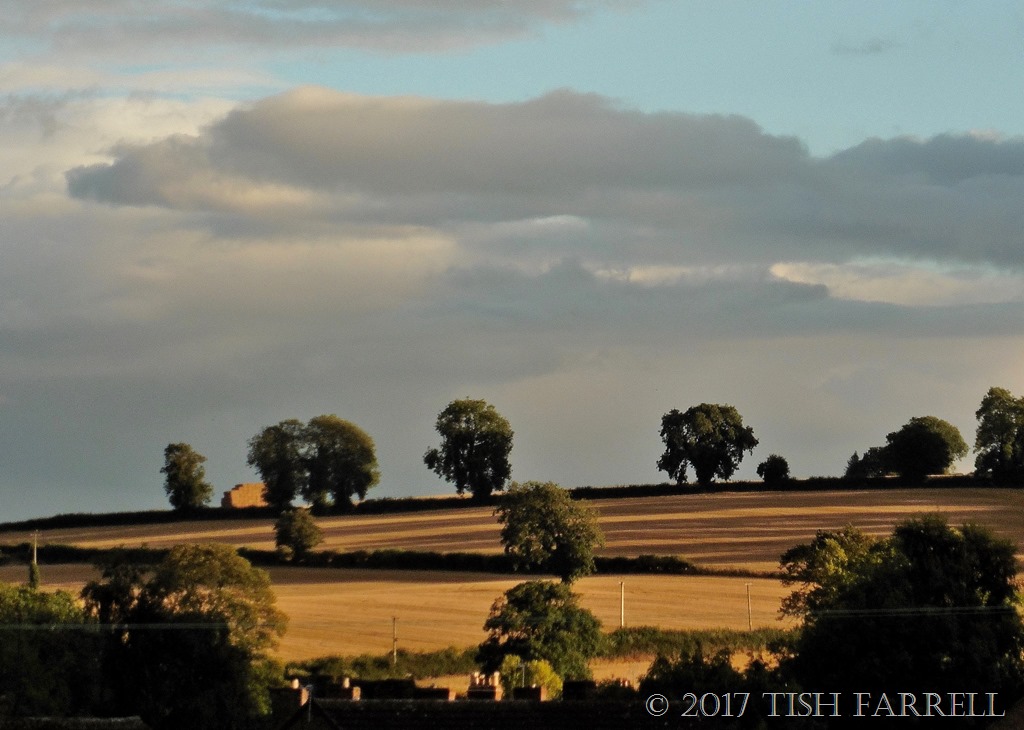
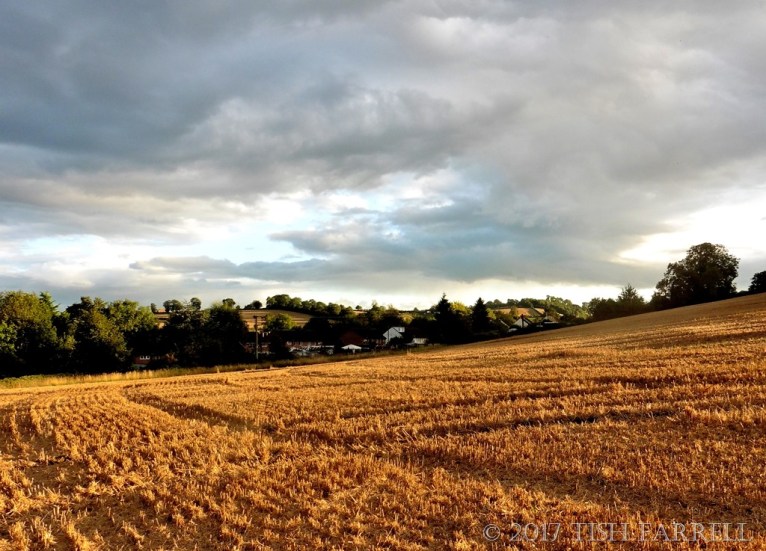
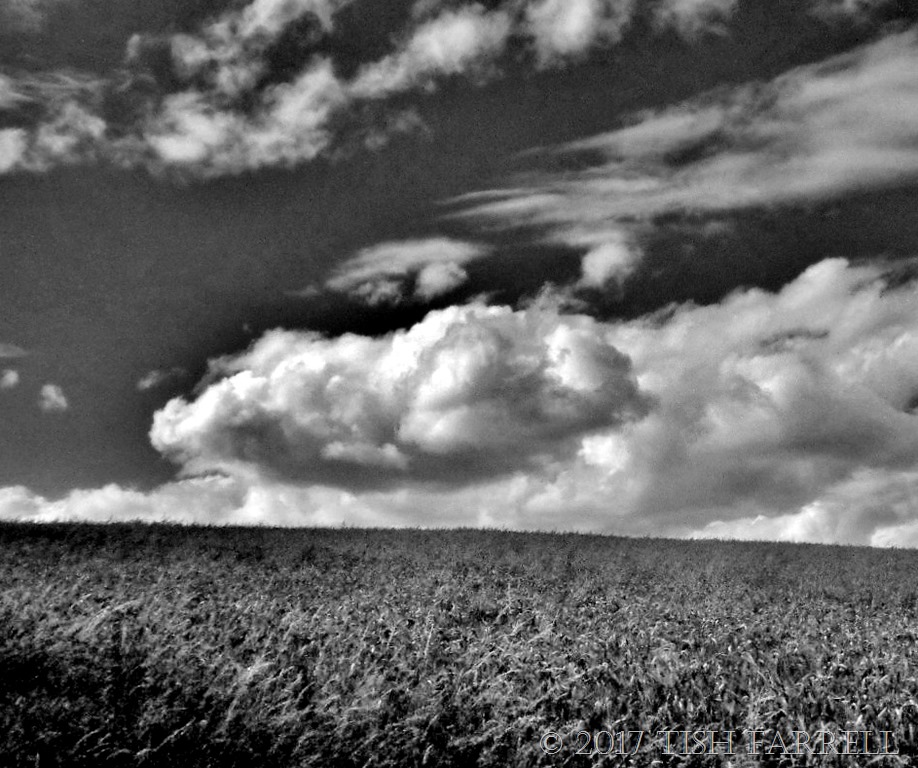
I often snap this view before I dive through the gap in the field hedge and into the allotment. I’ve said before how fascinated I am by the movement of weather beyond the brow of the hill. Sometimes I think it looks as unreal as a theatre backdrop, and especially so on blue-sky days. But as I am writing this, the sky is leaden, and the air full of chaff from the combine harvester as it thunders up and down the hill. Farm machinery these days is so over-sized and overbearing, the wheat cut and threshed in one process. The whole field will be cleared in an hour.
Anyway, that’s beside the point. This is an exercise in photo-editing, courtesy of Paula at Black & White Sunday. This week she asks us to show her a colour photo that has been transformed into monochrome – and ‘after and before’. Below is the original:
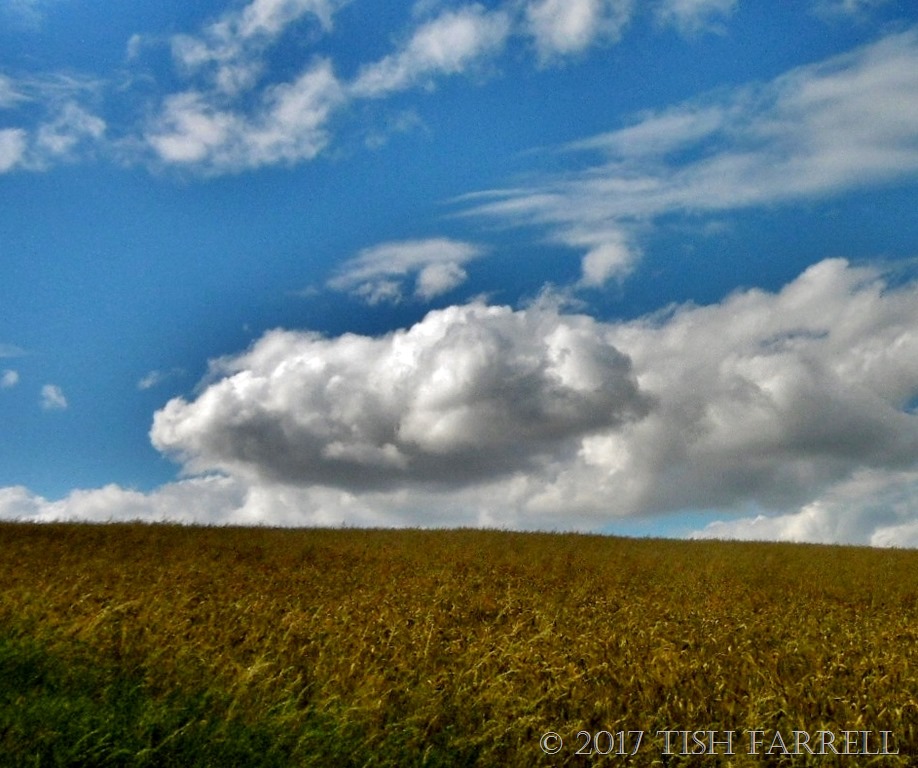
Please visit Paula at the link above for more afters and befores.
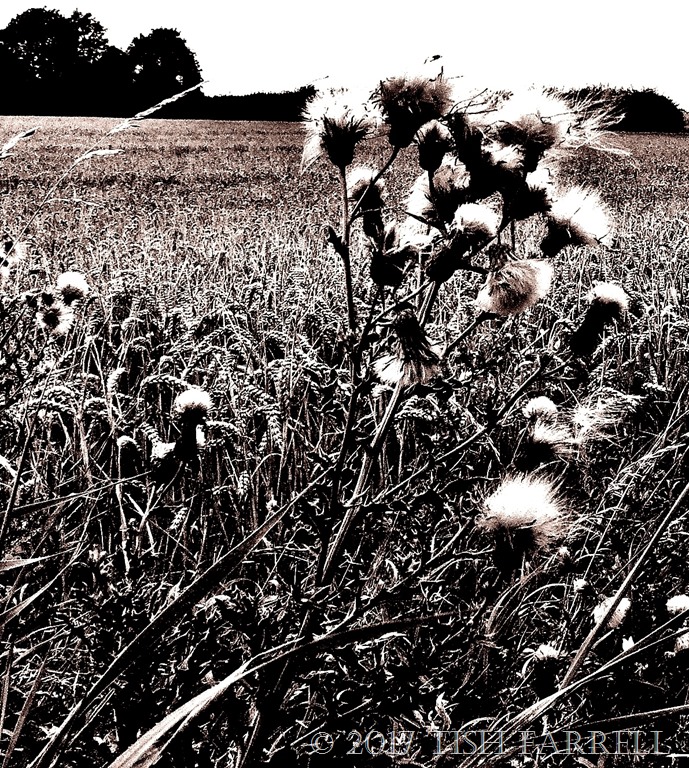
Much like this thistle down in the field behind the allotment gardens, I’m feeling wind-blown; swept off course somehow; as if I’ve woken from a Rip Van Winkle deep-sleep and found myself in another time. I’m not the only one either. Others I’ve spoken to feel equally unsettled and disorientated.
One moment, around mid-June we were having sun-shiny suppers out in the garden, the evenings still warm after sunset; summer stretching ahead and full of promise.
Next it was all change – to cool, wet and windy. It seems as if autumn has been here for weeks. The fields above the town are harvested and already ploughed. The still-standing wheat has a grey look as if it has been left in the field too long (or had too much Roundup). The apple trees are shedding apples, leaves are turning colour, and the Linden Walk has browning drifts of fallen lime tree seeds.
The question is: has autumn come to stay, or will there be another shot of summer just when we least expect it. In November maybe?


The Changing Seasons Please visit Max for his take on Norway’s changing season, and also to catch up with the challenge rules.