A Little Bit Of Fieldwork ~ Over The Garden Fence

Those of you who come here often (thank you faithful readers) will know that our cottage garden overlooks a field called Townsend Meadow. Ironically, few of today’s Wenlock residents probably know this unless they have looked at the old tithe map.  Doubtless our good neighbour Trevor knows because he has lived his whole life here, and his father before him. The manorial landlord and his agent probably know it too. Anyway, as to origins, the name says all. The field’s present fence-line along the Sytche Brook (which gathers in the run-off from nearby Wenlock Edge) once marked the northerly limit of Much Wenlock.

Of course the town has sprawled beyond it since, but not very far. The presence of two great limestone quarries with their regular programmes of blasting and accompanying dust storms well into the 20th century, probably discouraged development, though did not deter the erection of the Lady Forester Memorial Hospital opened in 1903, now a care home, or in 1953 the building of the Much Wenlock Modern School (now the William Brooks School), the latter proving in 1981 to be well in the flight path of exploding debris from neighbouring Shadwell Quarry when three pupils were injured during a blast. Now the quarries are abandoned and silent, and out on Townsend Meadow it is usually pretty quiet too, apart from the calls of rooks, jackdaws and buzzards. Now and then the farmer arrives with another dose of agri-chemicals.

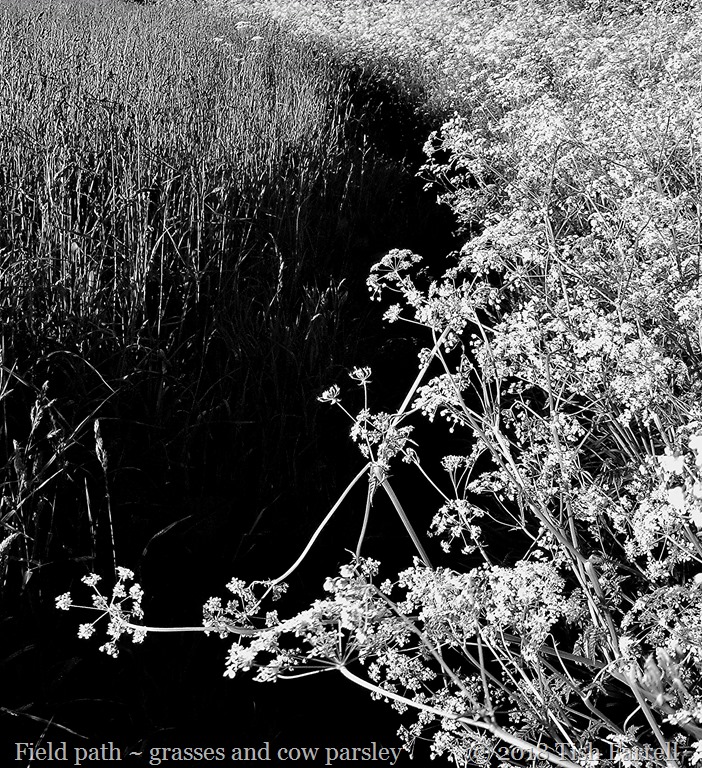
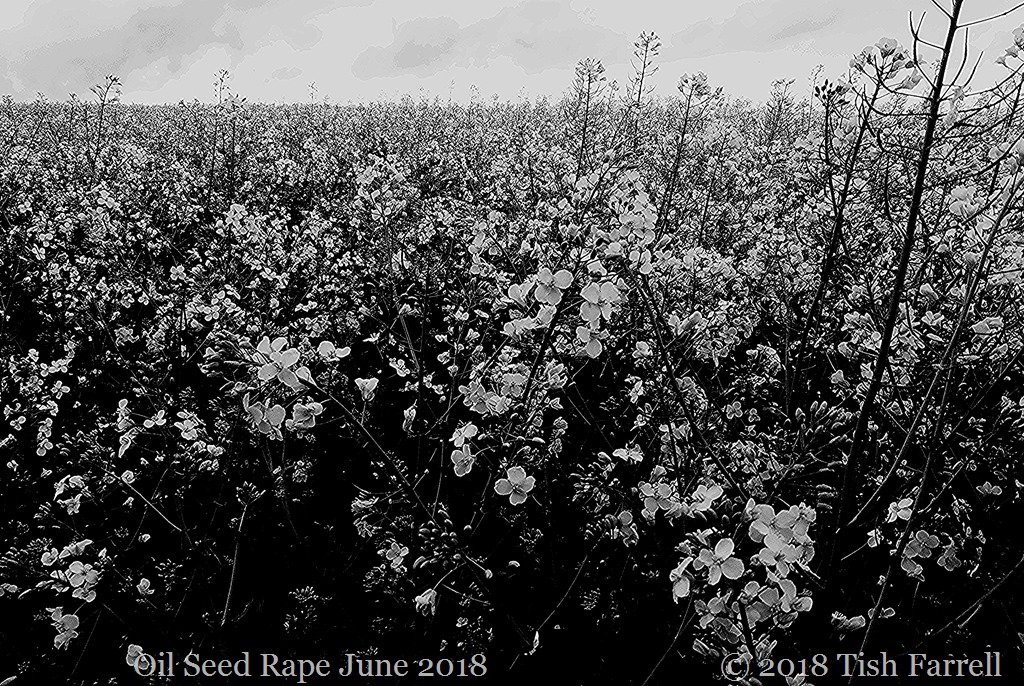
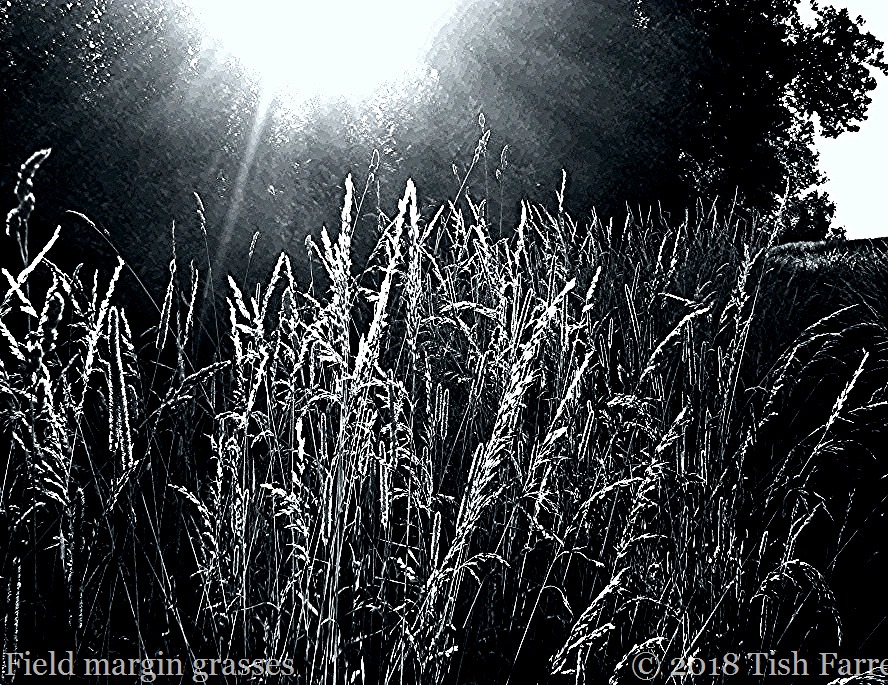
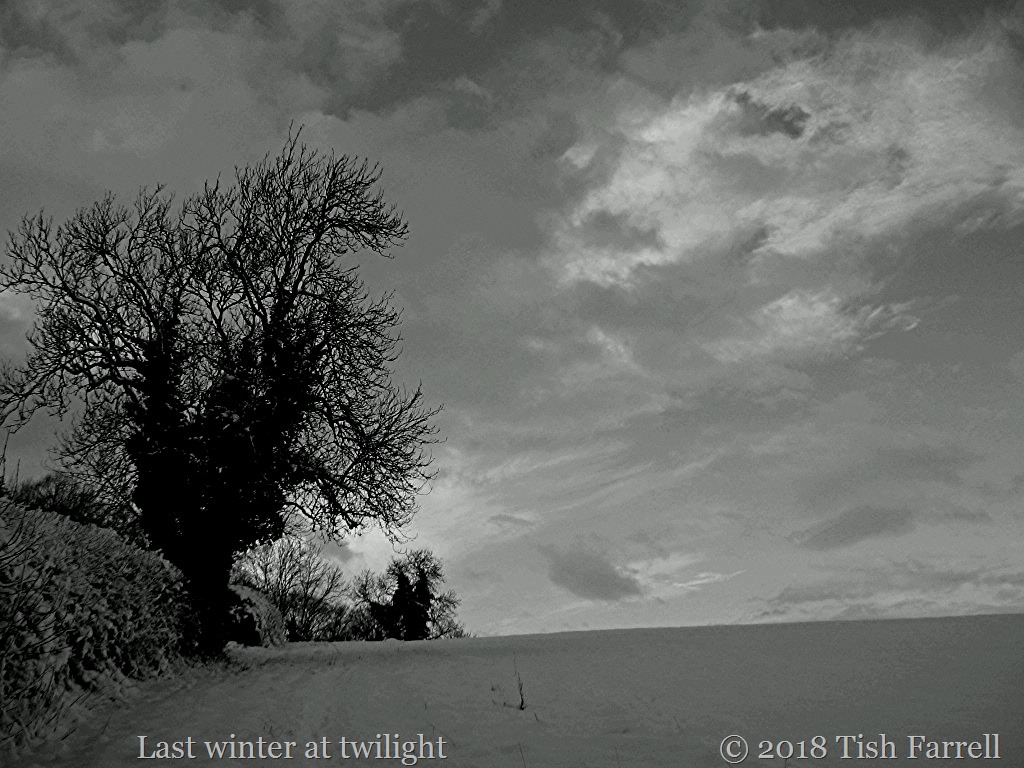
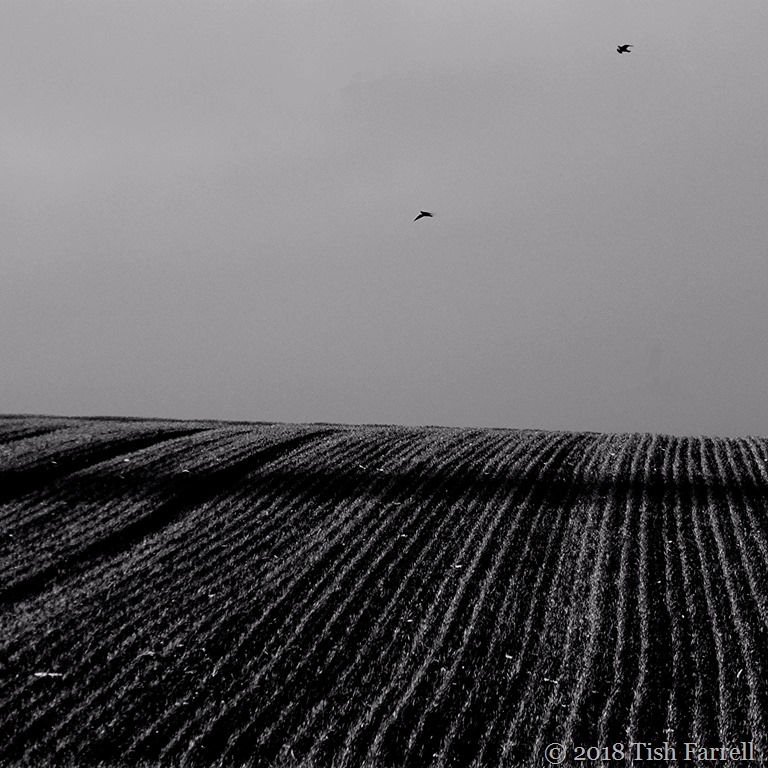
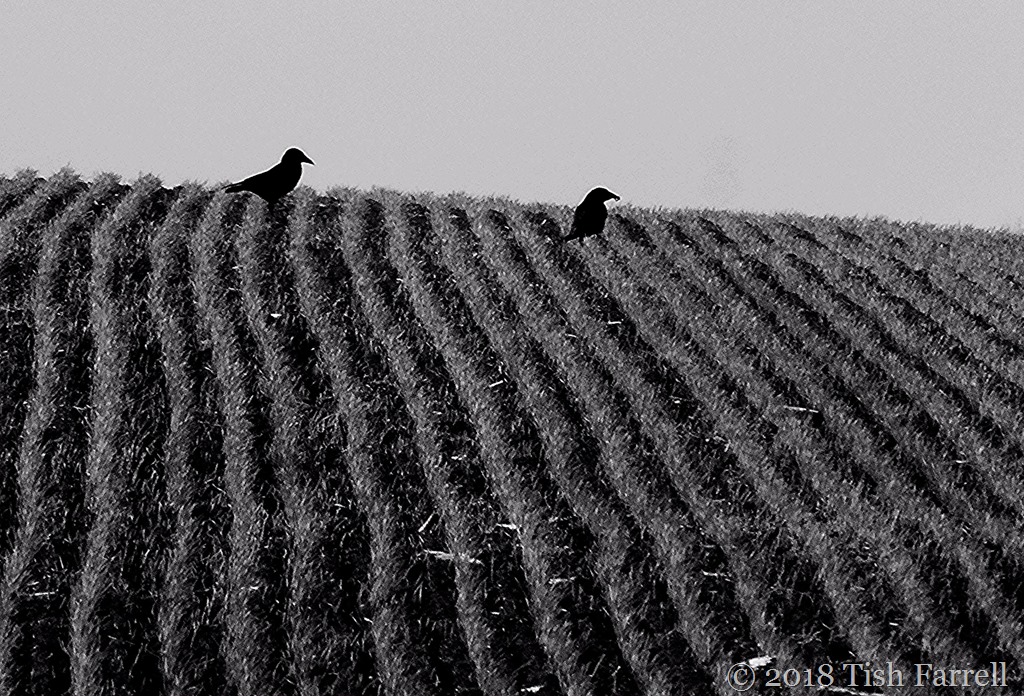
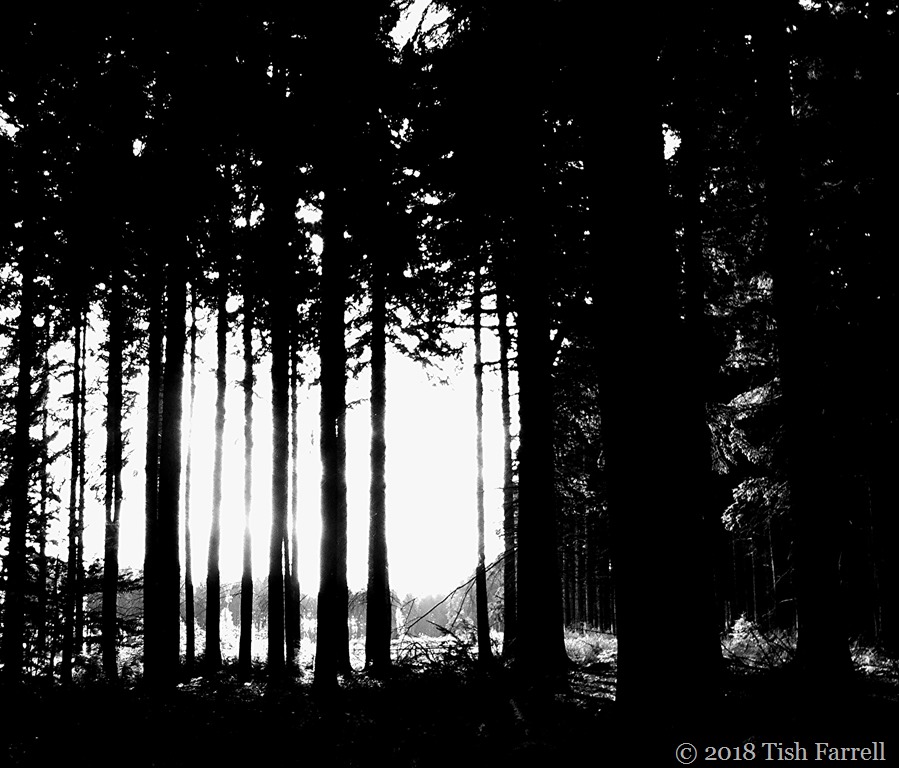
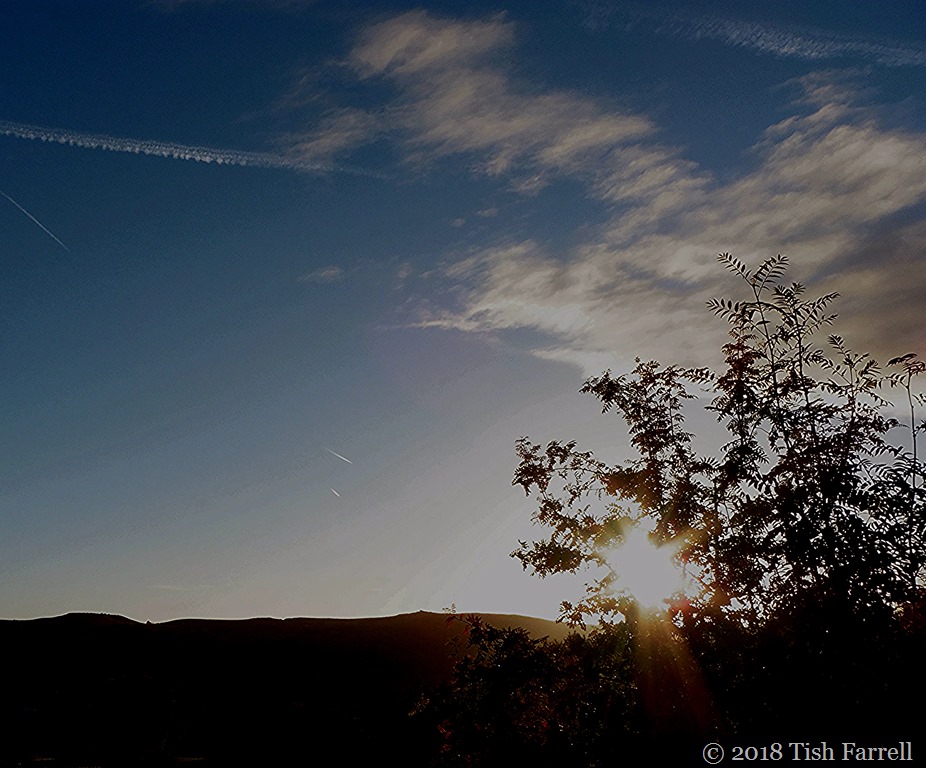
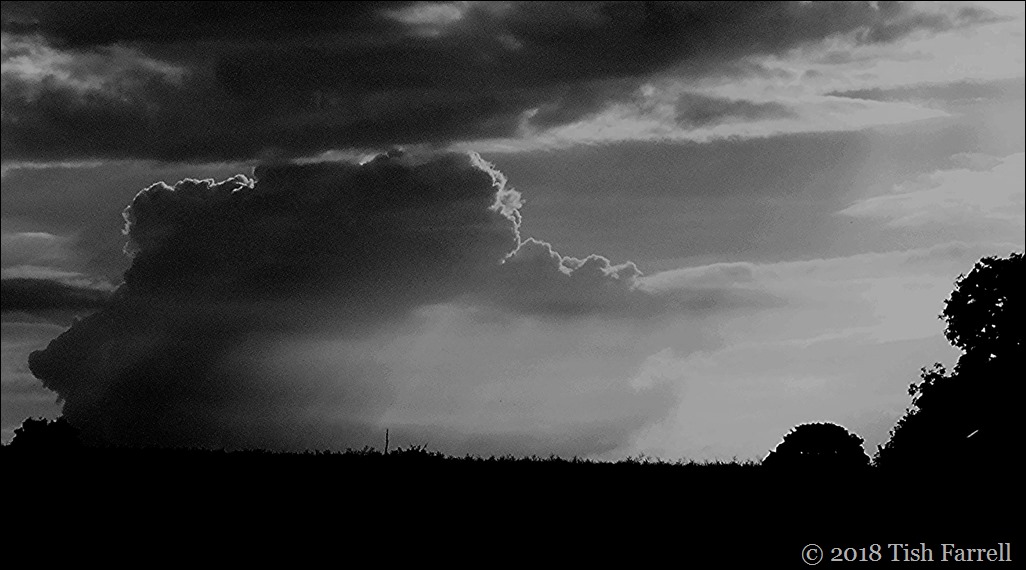
This field has been our view for twelve years now. We never tire of it, and especially the play of light and cloud movement along the false horizon to the west. I never stop taking photographs of it either – usually on my way to or from the allotment. So here are some of my monochrome images, taken with my Lumix point-and-shoot digital camera on its monochrome setting. i.e. they are not edits of colour images, and some are taken in low light conditions which accounts for the grainy look.

First comes summer and a view that makes me wonder if we should have been calling for ghost busters:

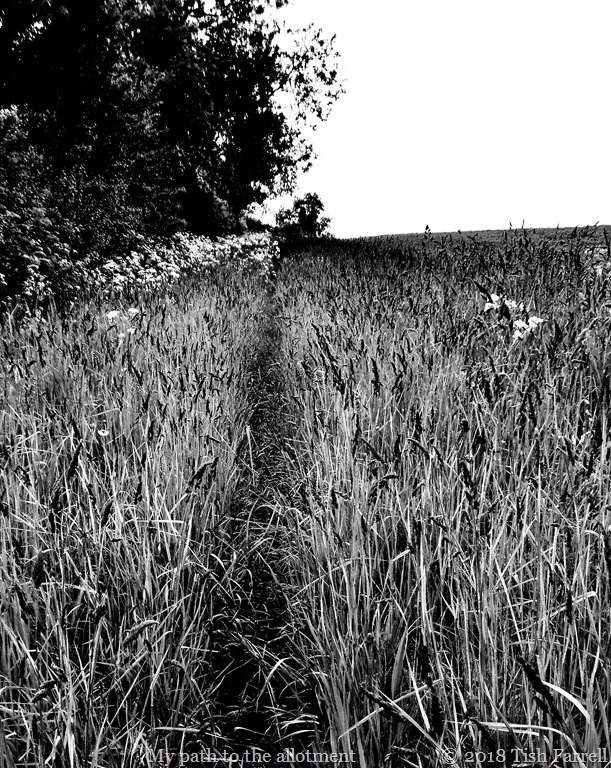
P1080198

P1010514 (2)

100_5622cr

P1050884

IMG_3721 monochrome

*

And in winter:

IMG_3114 b

P1000346cr2

*

Taken this afternoon on the winter wheat:
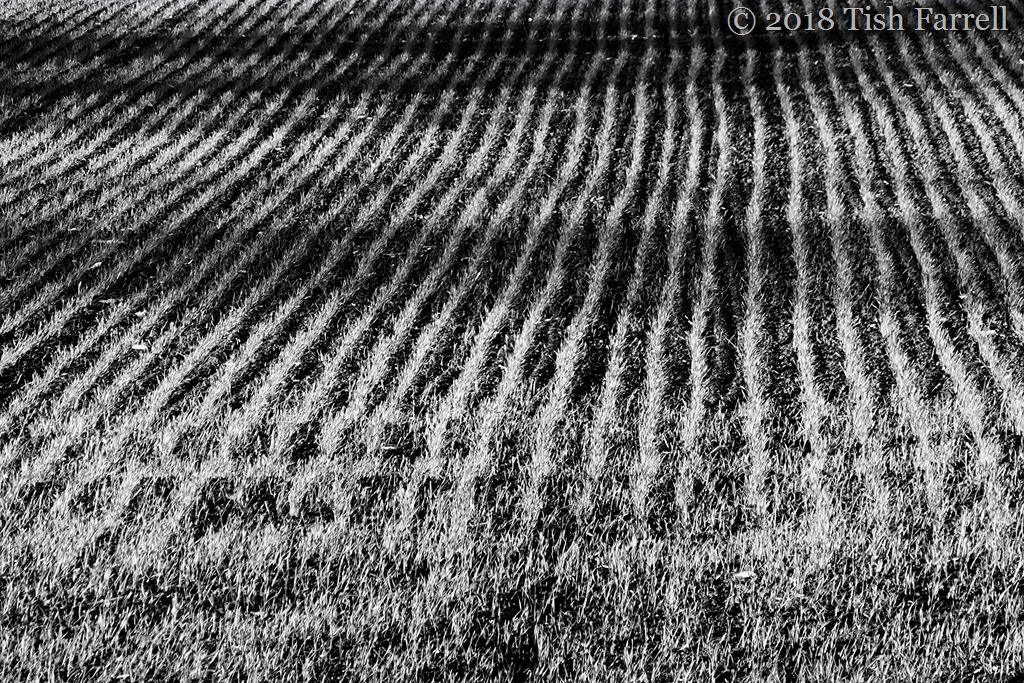
P1100272

P1100276

P1100286

*

Cee’s Black & White Photo Challenge: Field  Many thanks to Cee for hosting this challenge.
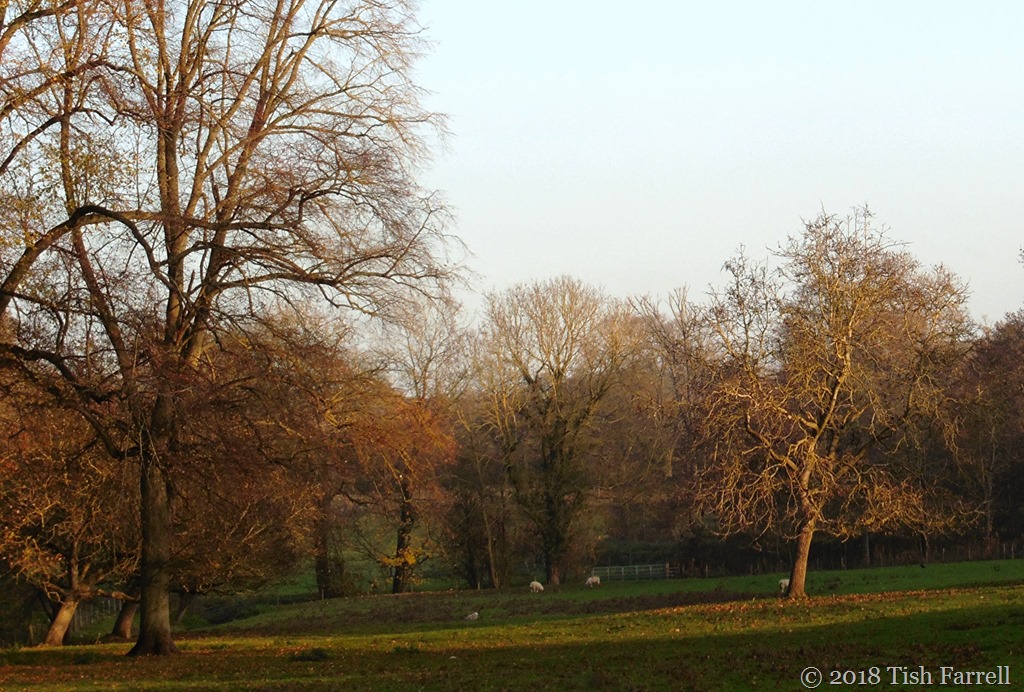
The Changing Seasons ~ November In Wenlock

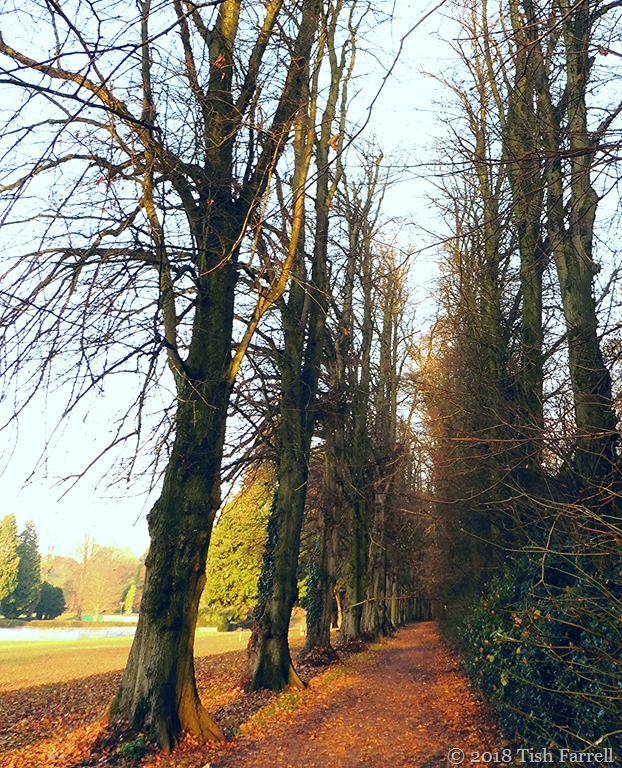
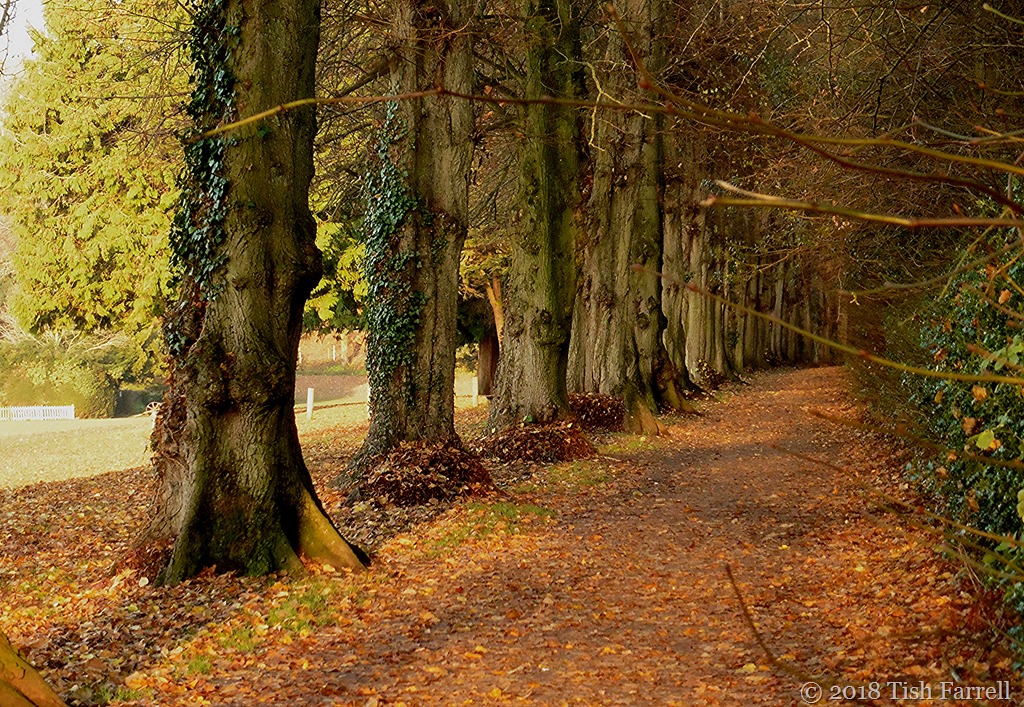
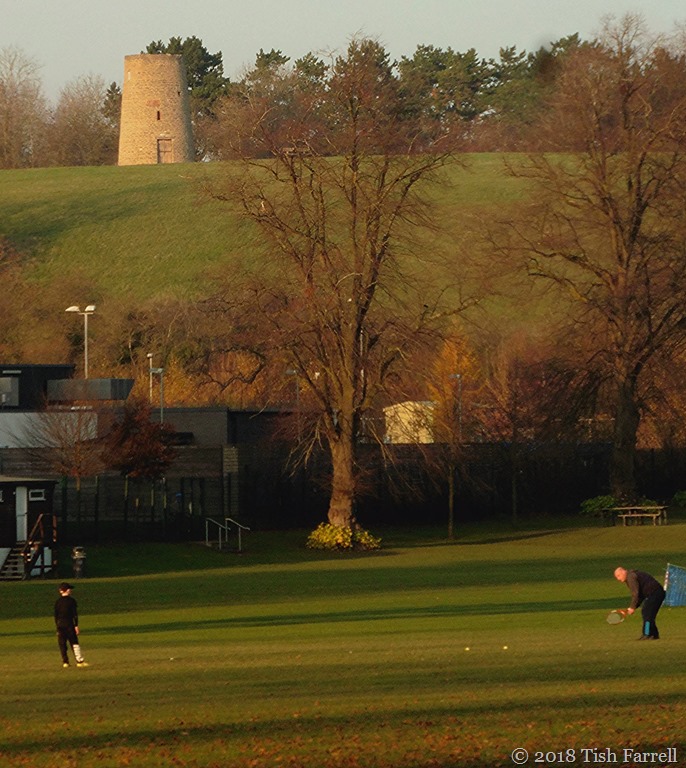
Scenes in old gold: the Priory parkland above, then the Linden Walk and Field and a view of Windmill Hill:

P1100164

P1100163

P1100162

*

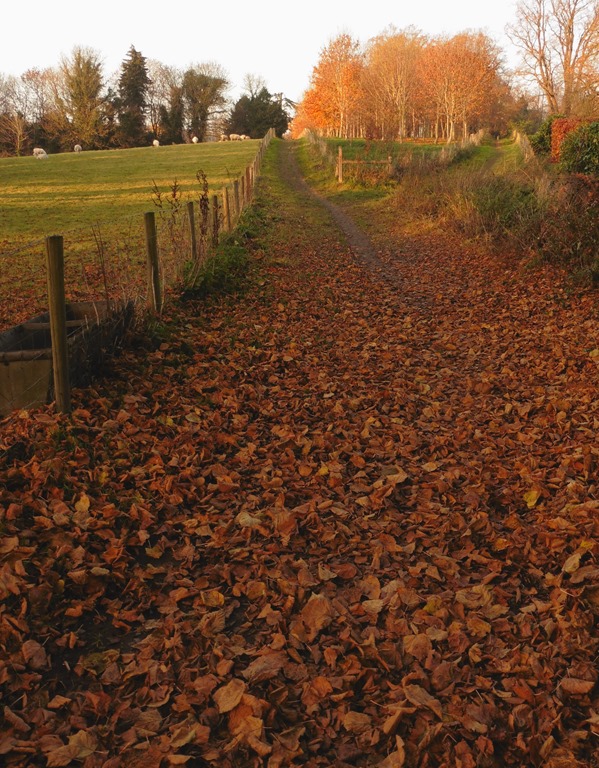
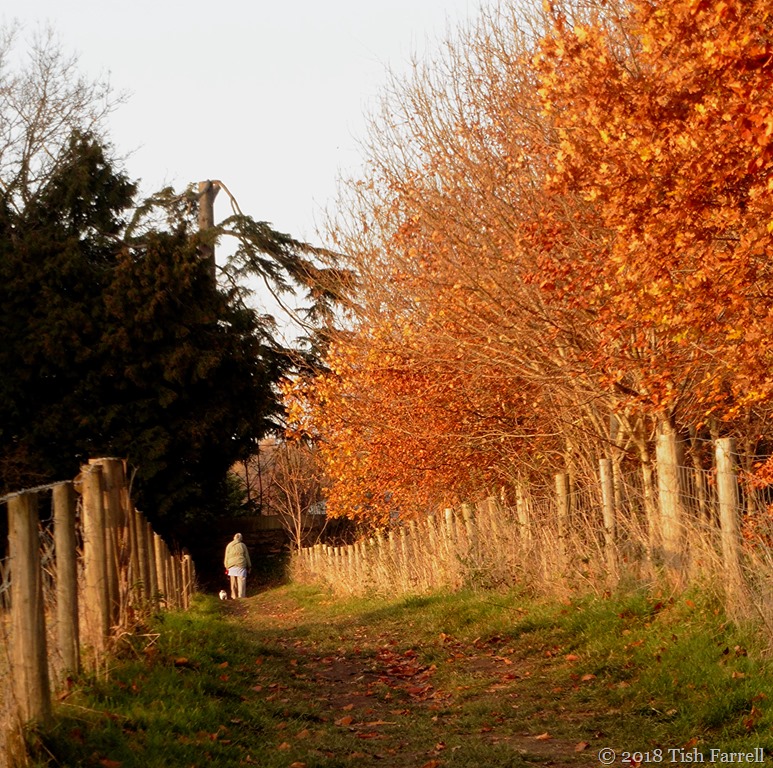
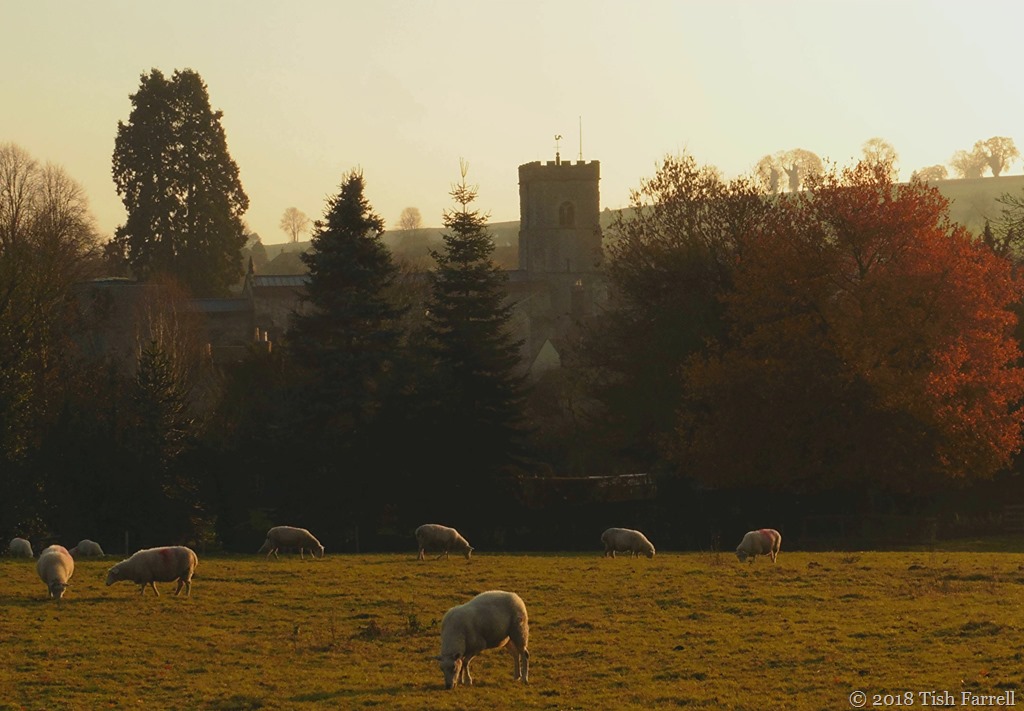
The Cutlins path, sheep and parish church:

P1100144

P1100148

P1100159

P1100156

*

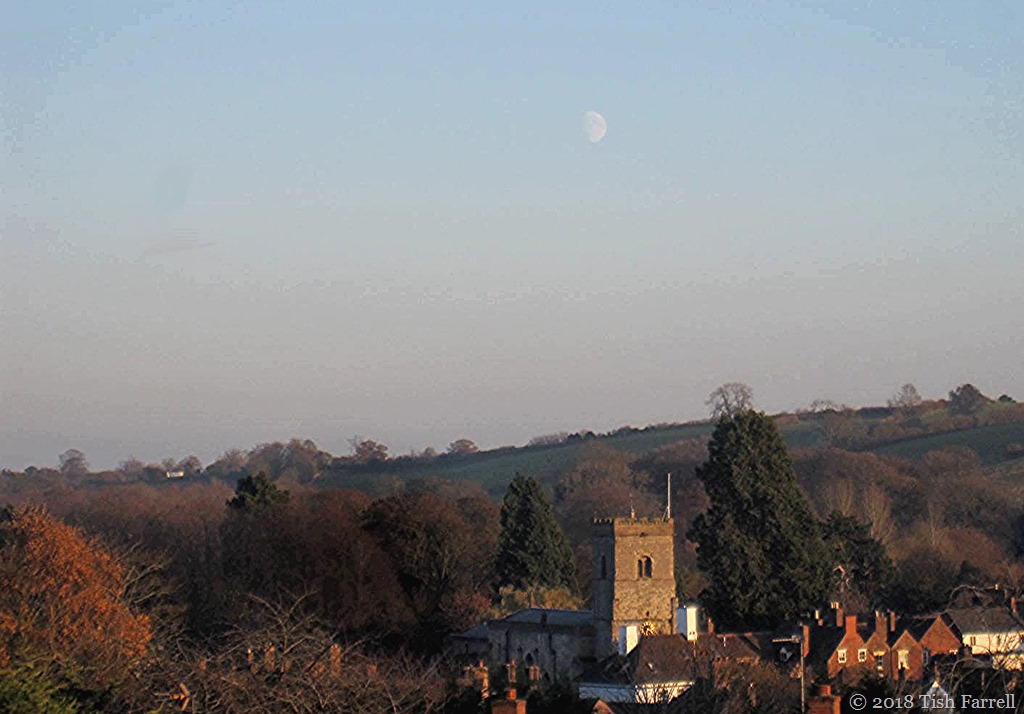
And now the townscape as seen from the allotment:

IMG_7818

*

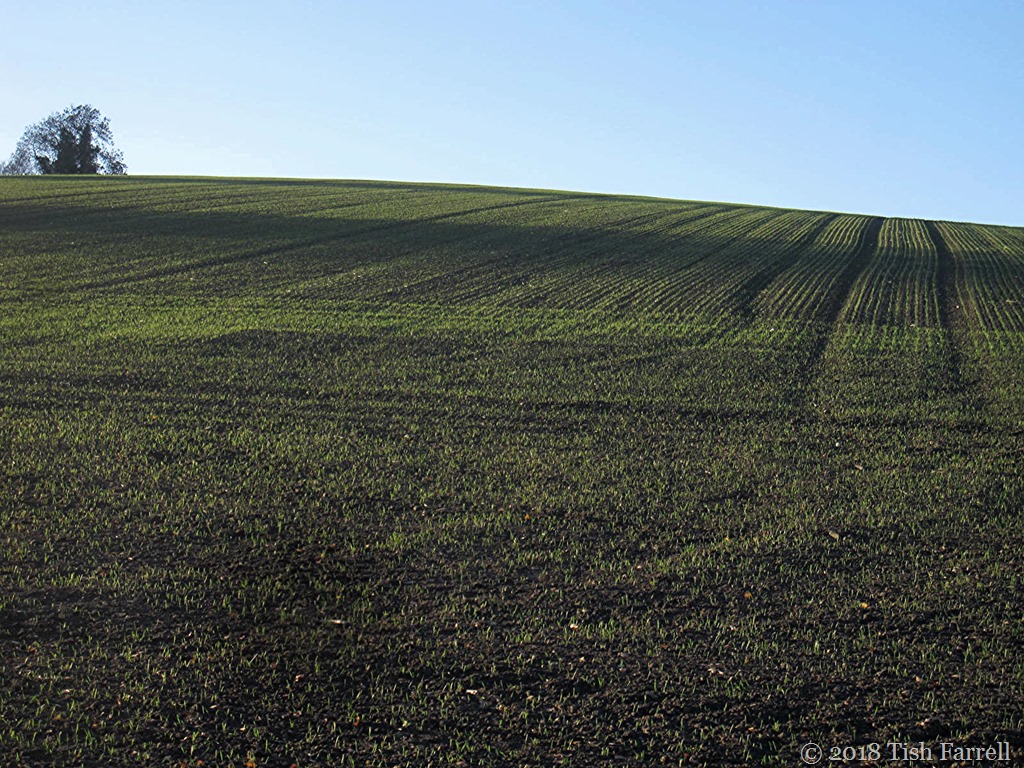
And a touch of green: winter wheat sprouting in Townsend behind the house (you saw it being sown HERE back in October):

IMG_7816

*

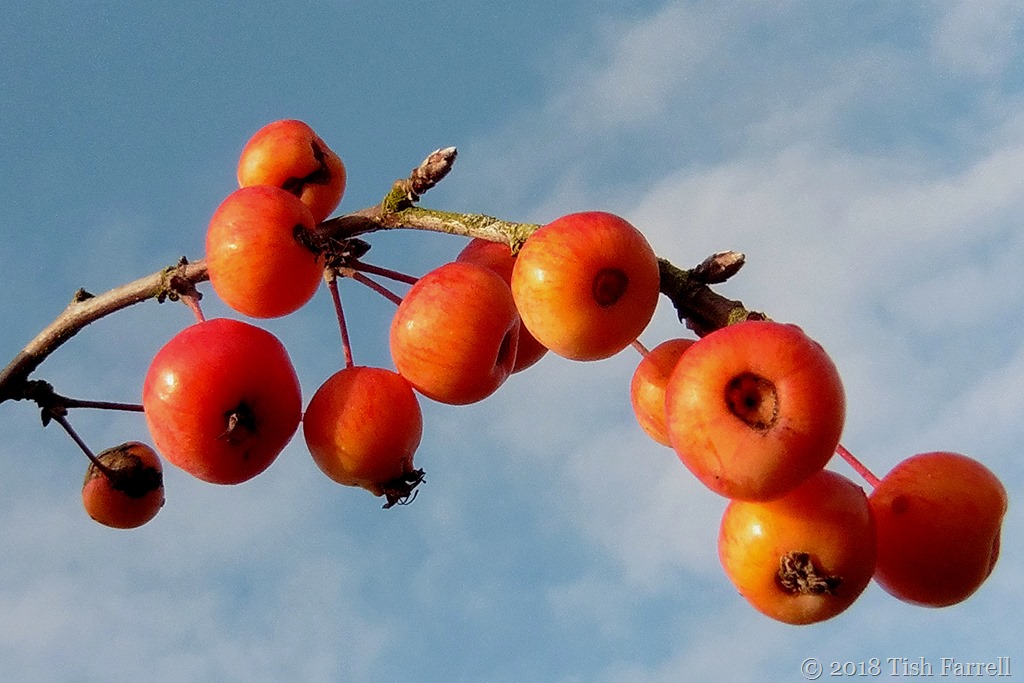
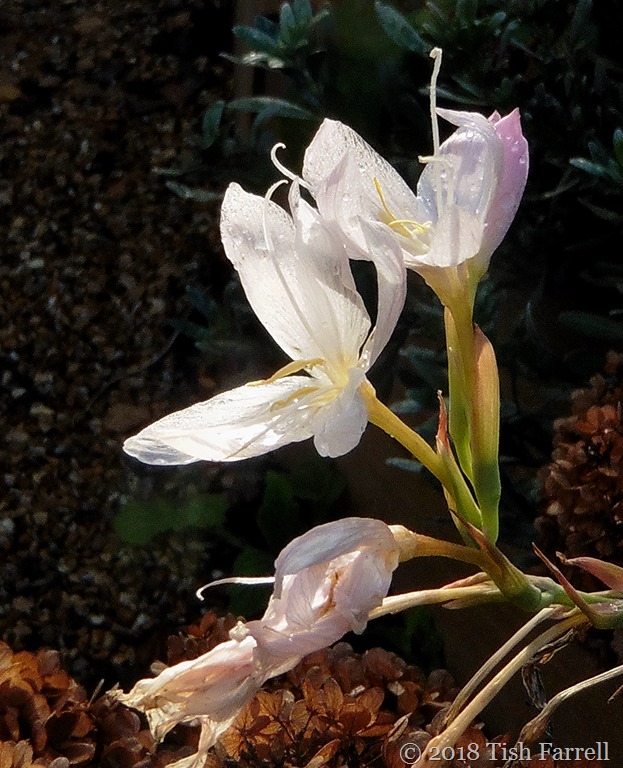
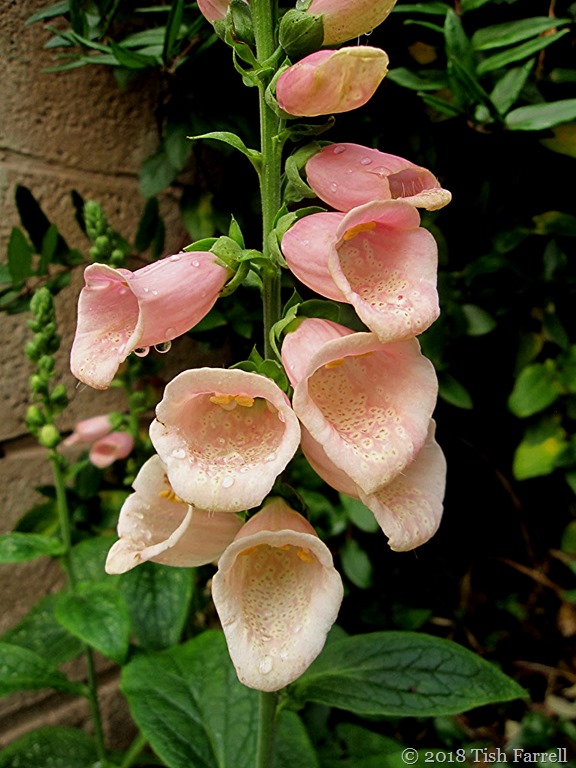
And in the garden: Evereste crab apples, Hesperanthus, and Foxgloves (still flowering today):

P1100215

P1100222

IMG_7786

*

And on Remembrance Sunday, Much Wenlock marked the centenary of the ending of WW1 with the lighting of a beacon on Windmill Hill, an occasion (on my part anyway) coupled with the fervent wish that here at least was one lesson from history that the ruling elite might learn from, though it’s showing few signs so far.

P1090995

This slideshow requires JavaScript.

The Changing Seasons

October’s Changing Seasons

Our October began bathed in the rosy glow of ancestral landscapes, the farm fields and vistas of four generations of maternal grandfathers, the millstone grit uplands of Derbyshire’s High Peak District. It would have been a hard life on Callow Farm, and especially for the grandmothers who would have managed a never ending round home and farm duties while rearing six or even eight children (the parish records suggest that many more Foxes survived into adulthood than were lost in infancy, but then yeoman farming folk would have been well nourished and well aired by comparison with most town dwellers down the centuries).

This slideshow requires JavaScript.

*

By the time we returned home, summer was definitely on the wane in our Shropshire garden although many flowers were still holding their own. Even now, the front garden beside the road is bright with helianthus, sedum, Michaelmas daisies, purple toadflax, small pink roses and the stalwart geranium, Rozanne. And out back in the guerrilla garden there are sunflowers and dyer’s chamomile with its bright yellow daisies. There are also Japanese anemones, hesperantha, zinnias, snapdragons and the shrubby convolvulus still on the go. So kind of the garden to ease us so gently into autumn.


*

Meanwhile, around the town and farm fields the change of season is more apparent:

*

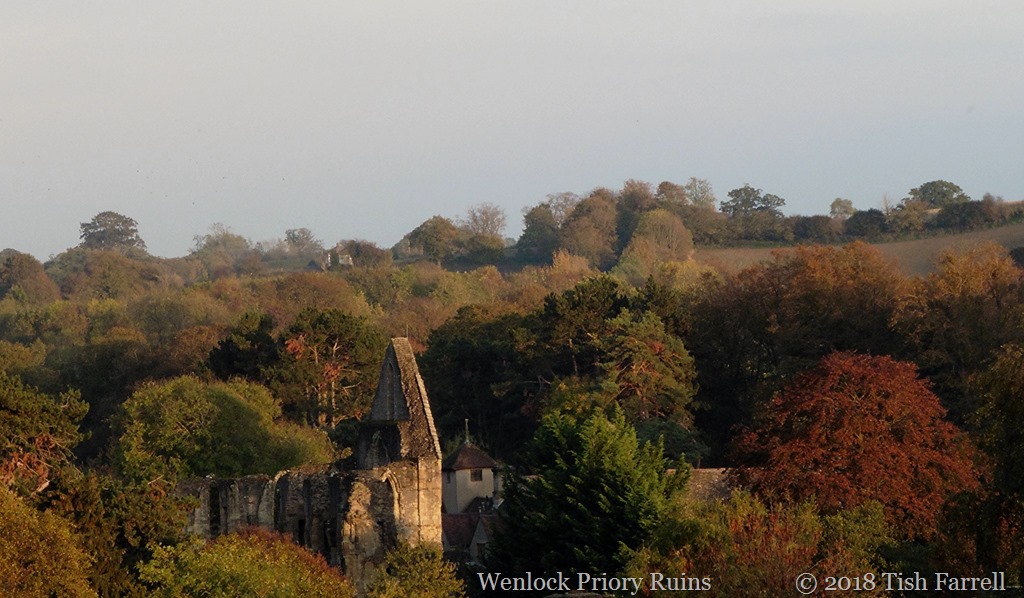
And finally a glimpse of the priory ruins and the little tower on the Prior’s House:

P1090186

The Changing Seasons: October 2018

Yesterday Over The Garden Fence: Autumn Sowing

P1090355

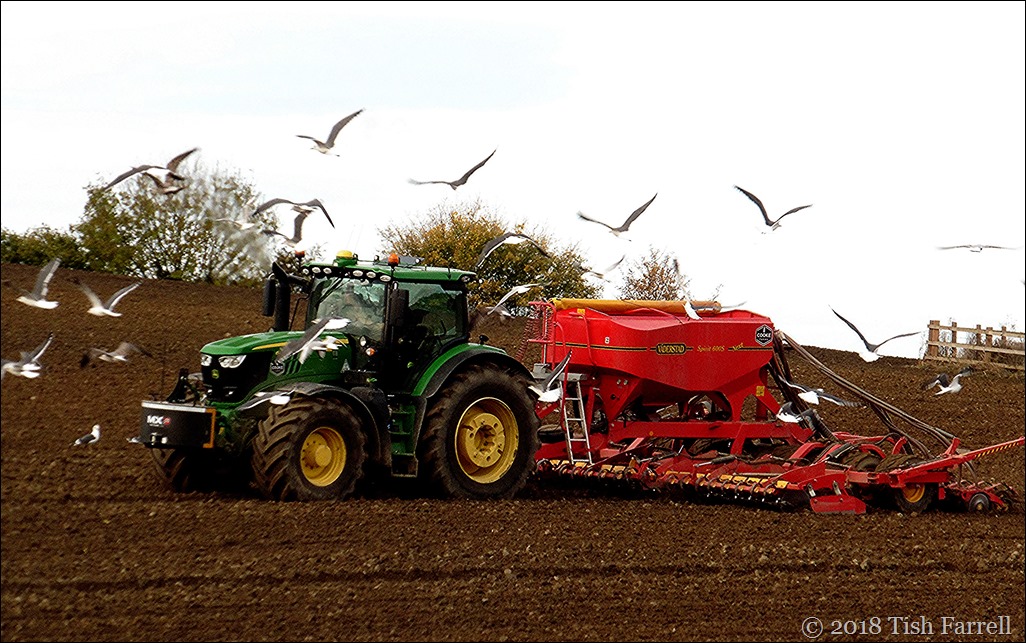
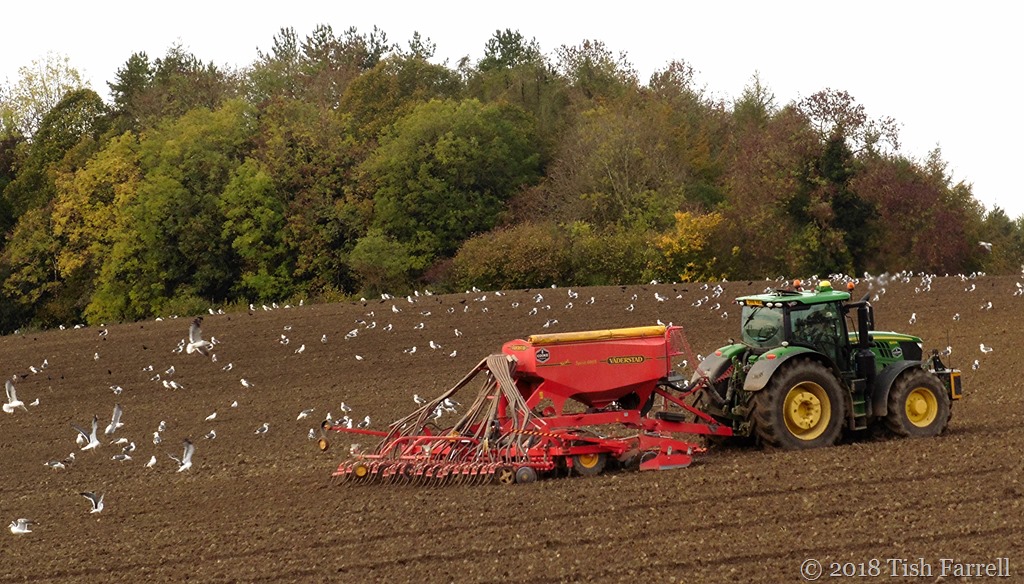
Instead of rook and jackdaw call our Sheinton Street soundscape was yesterday invaded by the shriek of black backed gulls. It seemed strange when we’re so far from the nearest sea coast. But then gulls are great opportunists, and these particular ones may have learned to make their living at our nearest land-fill site rather than out at sea. The season of ploughing and sowing also provides fresh, if fleeting, feeding grounds and the gulls arrived in Townsend Meadow like a small snowstorm, though I’m guessing it wasn’t the new sown grain they were after so much as the bugs and worms turned up by the seed drill.

Once seed sowing would have done by hand, a skilled job that involved casting the grain evenly from either hand, tramping up and down the ploughed furrows. A field this size would have been a good day’s work. Now it is drilled in less than an hour.

P1090332

Cee’s Fun Foto Challenge: things people drive

On Derbyshire’s Moors And A Change In The Weather

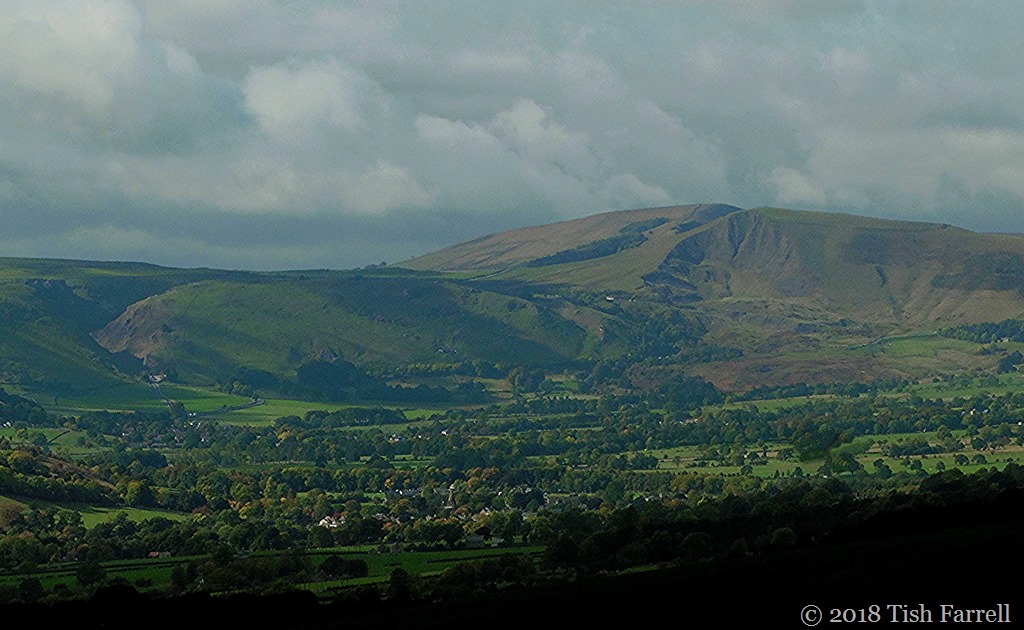
We were driving over the moors below Stanage Edge and stopped to take in the view. In this first shot to the east  it was all lowering skies and rain in the air. And then I turned on the spot through 180 degrees and took this next shot.

P1080872cr

It was hard to believe, the Hope Valley as evanescent as a soap bubble, as if the sun was shining only on that place. To the left you can see the cut through the upland – the wild Winnat’s Pass, scene of real and legendary tragedies. On the right is Mam Tor with its scree-scarred face. If you squint you can just make out the ramparts of an Iron Age hillfort on the green plateau top.

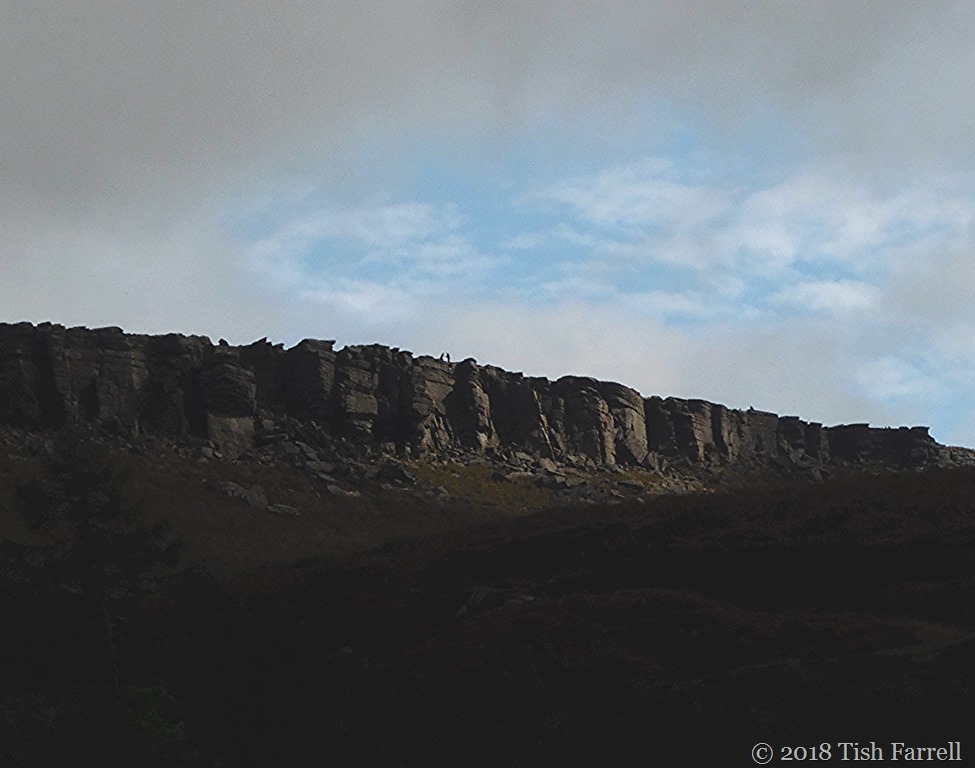
Further back along the road above North Lees Hall I had tried to take a photo of Stanage Edge. The light was poor and it was not co-operating. And then there was a moment, and the Edge emerged like the mythic backdrop in some Renaissance painting. It is a shape-shifting place, the Peak District.

P1080864cr2


Lens-Artists: Change This week Amy asks us to show her change, however it strikes us.

A Gate-Post Eye’s View In Derbyshire

IMG_7593cr

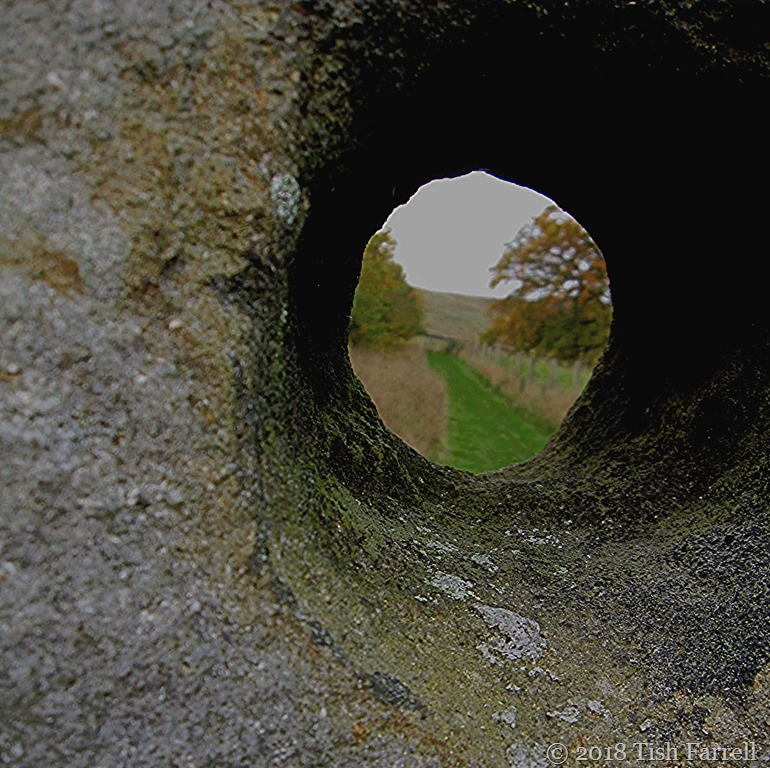
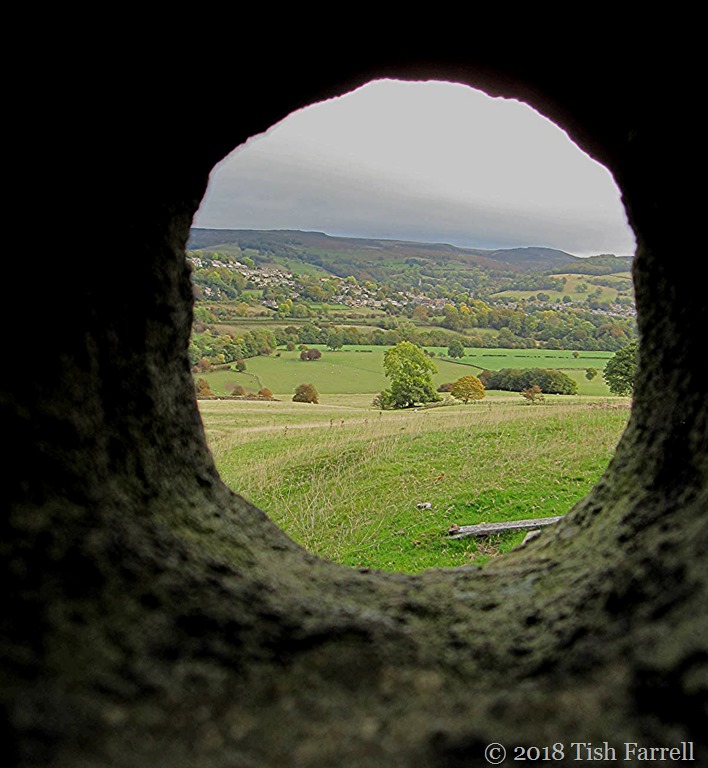
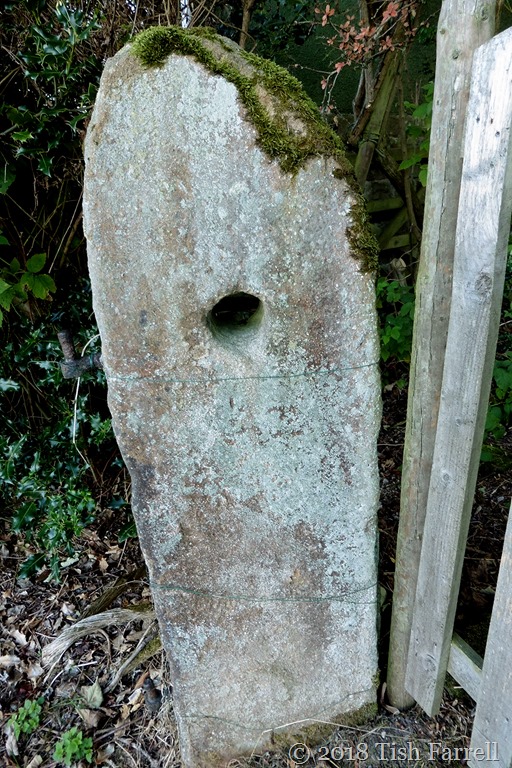
I took these photos a week ago as we were exploring the footpaths around Callow Barn. I have no idea why old Derbyshire stone gate posts often have holes at the top of them. I have considered that they might have once been used as slots for a wooden bar, but then why at the top; what function would it perform? The holes would have taken much effort to drill too. And so in the absence of knowing, I used this one to peep through. Looking up the path to Offerton Moor, and down the path towards the River Derwent, Hathersage and Stanage Edge and Higger Tor.

IMG_7594cr

And just so you can get a gist of the gate posts, here’s a one in the garden of Callow Barn where we were staying. There’s a sturdy iron hinge embedded on the left hand side of it, aligned with the hole, presumably to take a gate, so making my notion of a pole-bearing slot unlikely. Explanations welcome.

P1080302

Lens-Artists #14 Windows This week Ann-Christine gives us windows as the theme. Please pop over to see her wonderful examples.

Blessed Earth ~ Our One And Only

P1080441

And when we’ve trashed this one, there won’t be another (see postscript).

*

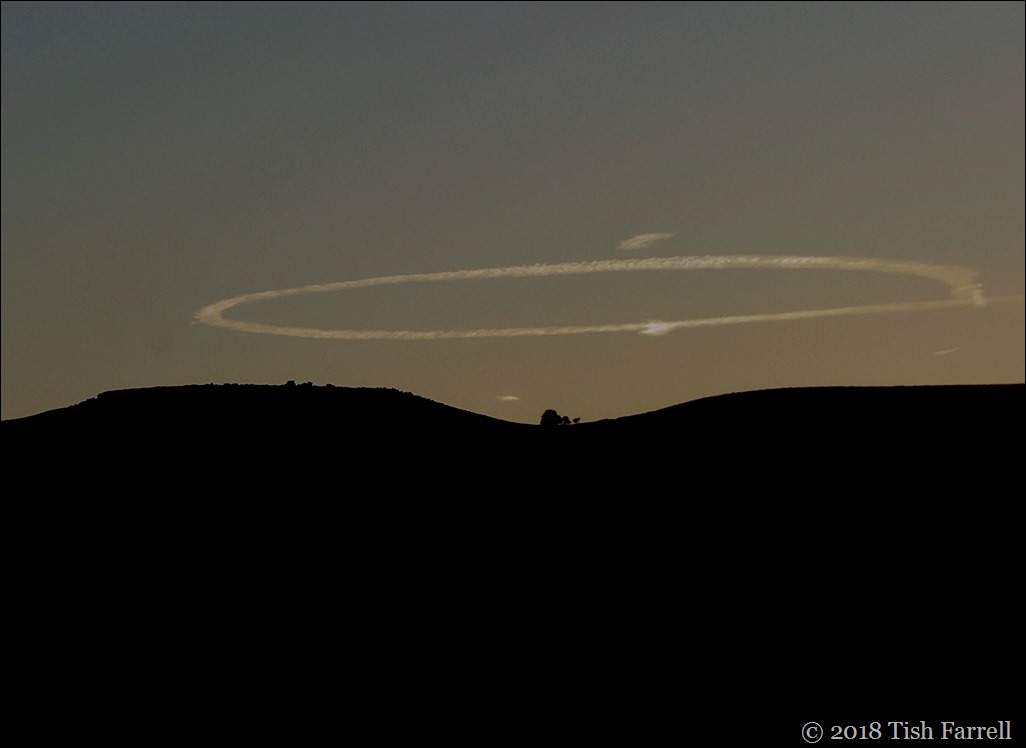
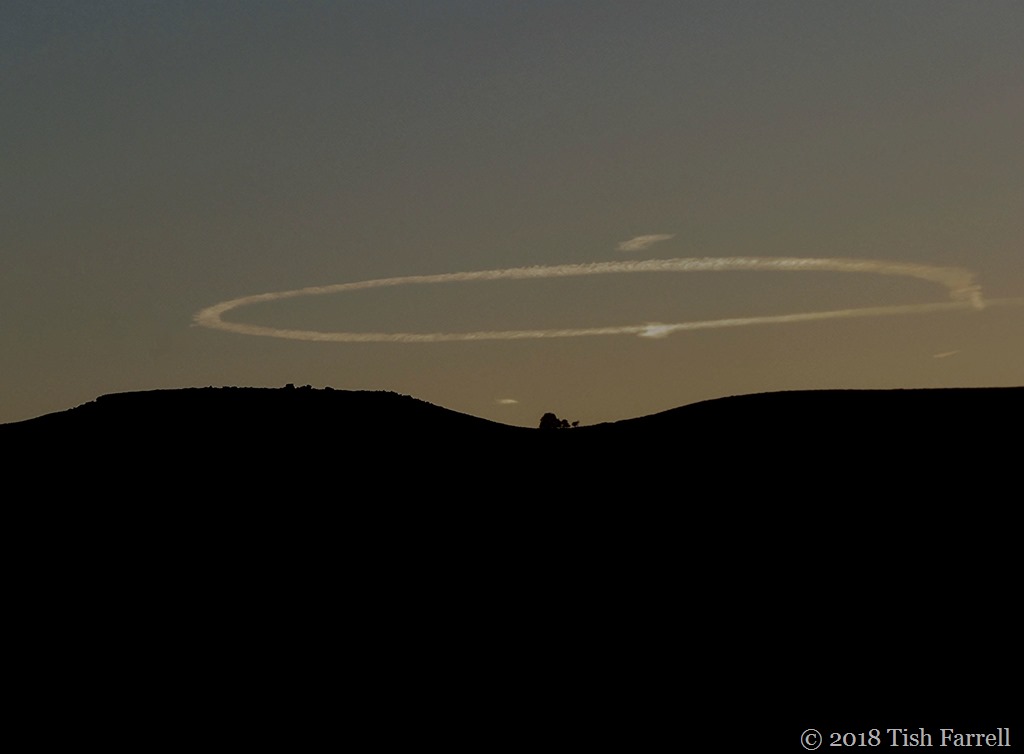
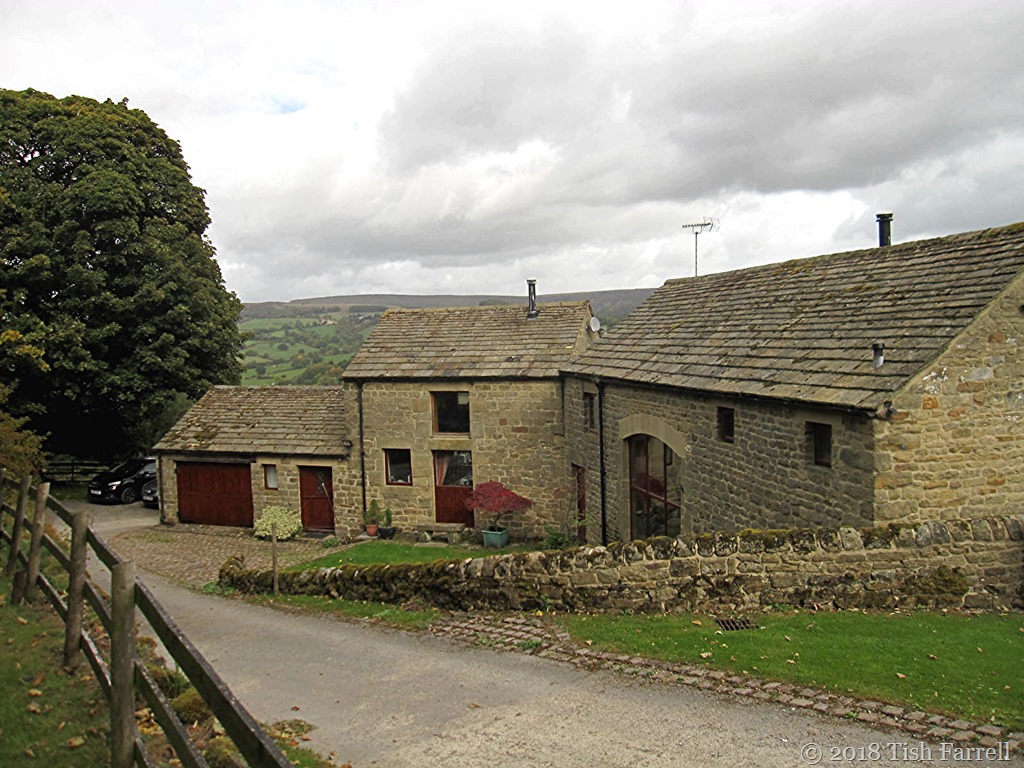
In case you’re wondering where I’ve been for the past week – we’ve been staying in a barn in the Derbyshire High Peak where we woke to views of Higger Tor and Millstone Edge (haloed here) and the wide vistas of Hope Valley. The barn in question was one my maternal ancestors would have known and used, though not in its current luxurious holiday-let manifestation of five bedrooms, three bathrooms, plus central heating, range cooker, vast TV screen and free Wifi.

For around two centuries the Fox family lived at Callow Farm, tenants of the Eyres, and later of the Dukes of Devonshire who bought the Highlow estate from the Eyres/Archers in the early nineteenth century. The Foxes were also in this particular vicinity (around Highlow and Offerton in Hathersage Outseats) for at least the preceding 500 years, although trying to unravel the multiple generations of Georges and Williams is proving pretty impossible. All the more tantalizing when we know a 19th century list of Derbyshire Charters has a certain William Fox holding a few acres at Offerton in the late 1200s.

The more recent tenant Foxes owned some land too, and so in their way were very minor landlords. This in itself is a puzzle, since from earliest times this whole territory was controlled by abbots and monarchs and thence parcelled out to sundry lords and lordlings who taxed, tithed and generally reaped the rewards of ordinary mortals’ labours.

In High Peak the bulk of those returns included a large annual cut from the proceeds of the lead mined and processed by  Derbyshire yeomen farmers like the Foxes – a raw and life-threatening trade carried out when they were not engaged in growing oats, making cheese and butter from their small dairy herds, cutting mill- and grinding stones from the precipitous millstone grit edges or minding their sheep. I have evidence of some of these multiple activities from local newspaper details of October 1892 when my great great grandfather George Brayley Fox sold off the Callow Farm stock before leaving the farm. This also means I know precisely what was in those barns at that particular time.

I have also now witnessed what the Dukes of Devonshire did at Chatsworth with the income from their tenant farmer-lead miners. The extravagant display of the 6th Duke in particular is jaw-dropping. But for all this and more – see upcoming posts.

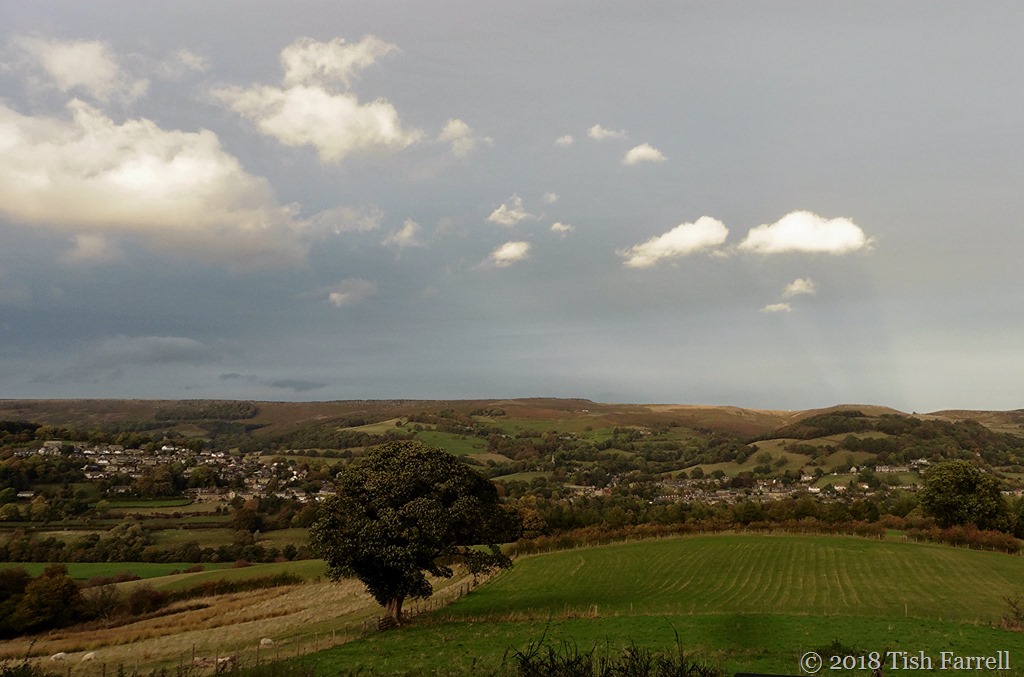
For now here’s a daylight view from Callow farm fields, looking across the Derwent Valley to Hathersage: Higger Tor on the far right, Stanage Edge along the skyline to the left.

P1080480

IMG_7531

And here is Callow Barn – now cut off from the next door farmhouse, the properties being privately and separately owned and perhaps originally sold off from the Chatsworth Estate in either the 1930s or 1960s, both occasions when the estate’s massive death duties required the sale of extensive property and farmland.

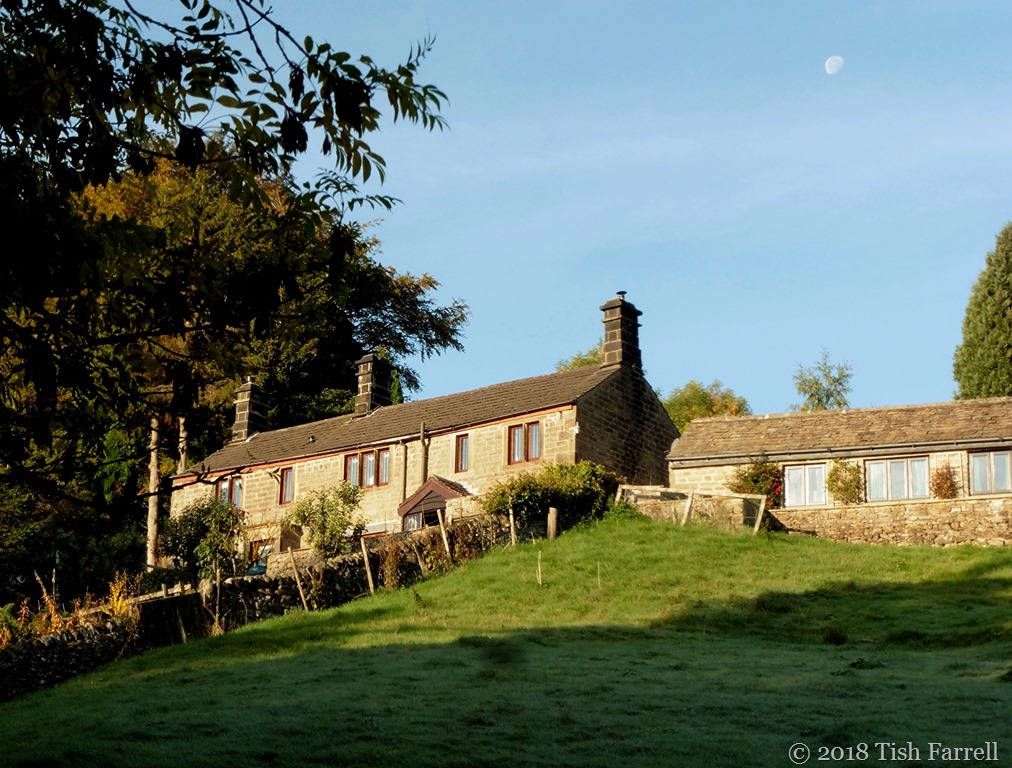
And finally Callow Farmhouse as seen from the public footpath to Leadmill:

P1080338

*

P.S. Much of Derbyshire – the uplands and dales – lies within the National Park. I learn this morning from the Campaign to Protect Rural England (CPRE is an organisation well worth supporting) that our government wants to bury nuclear waste in our National Parks, wilderness areas that are now used by many hundred thousand citizens for walking and cycling, and whose consistent presence there through much of the year significantly supports local rural economies. The Derbyshire national park in particular positively teems with humanity at weekends, happy families and dogs out for a jaunt and some very fresh air, away from the nearby cities of Manchester, Sheffield and Derby. Words fail.

Six Word Saturday

#AncestralLandscapes

copyright 2018 Tish Farrell

A Path For All Seasons ~ Wenlock’s Linden Walk

P1030637

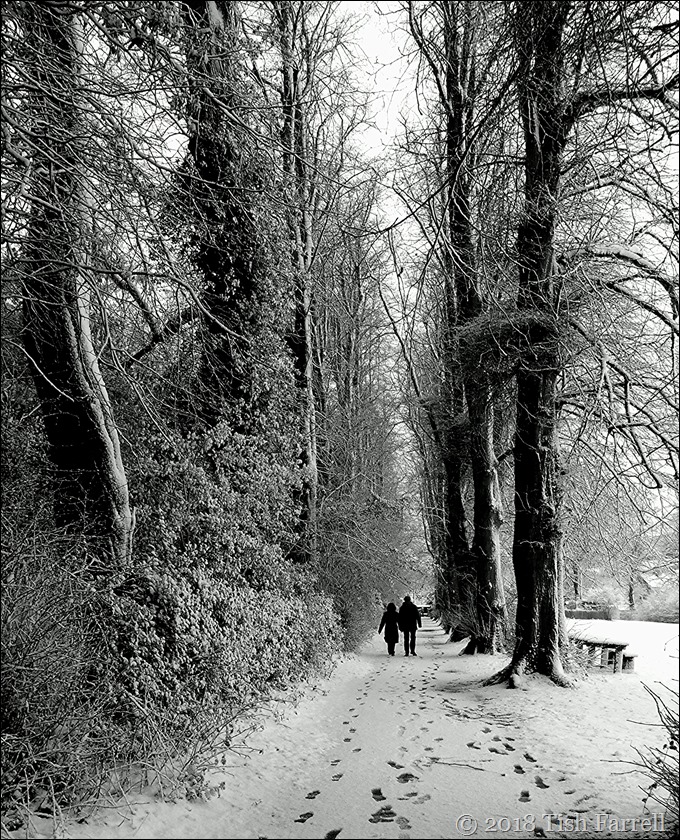
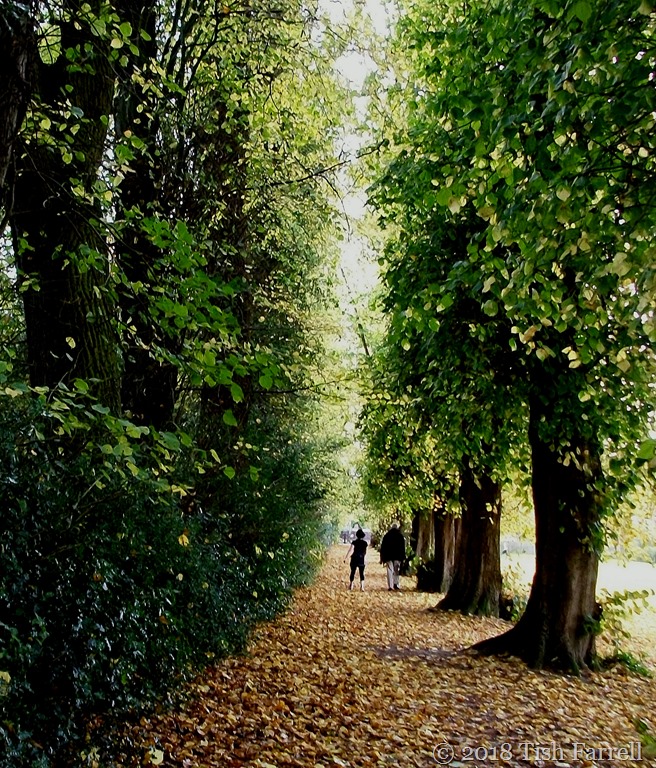
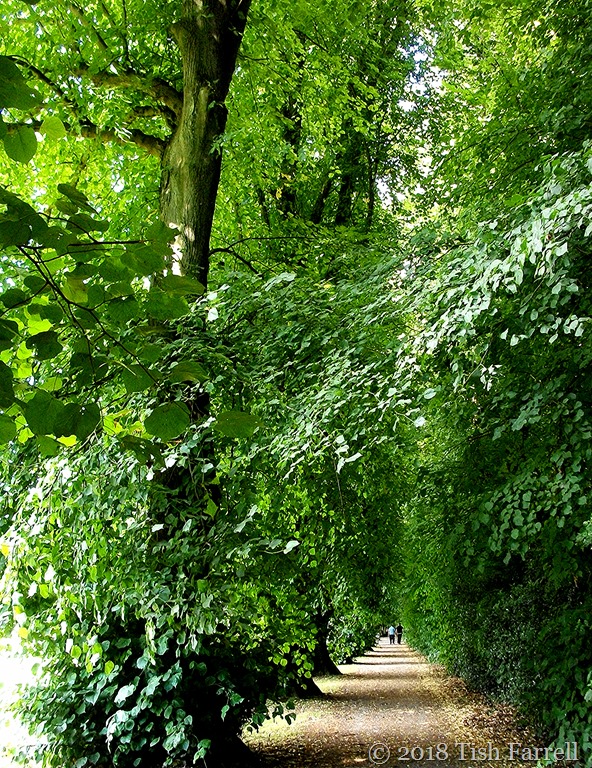
Those of you who come here often will know that the Linden Walk is Much Wenlock’s best loved path; mine too as it is only a couple of minutes from the house. It is always beautiful – whether in storm, snow, rain, sunshine, with or without leaves. It is also the enduring gift of the town’s physician, Dr. William Penny Brookes, who with his friends planted it in the 1860s. Thank you. Dr. Brookes. I should remember to say this more often.

100_6680

a

Lens-Artists: path

Sheep Smarts ~ Cattle Grid No Object

P1080252

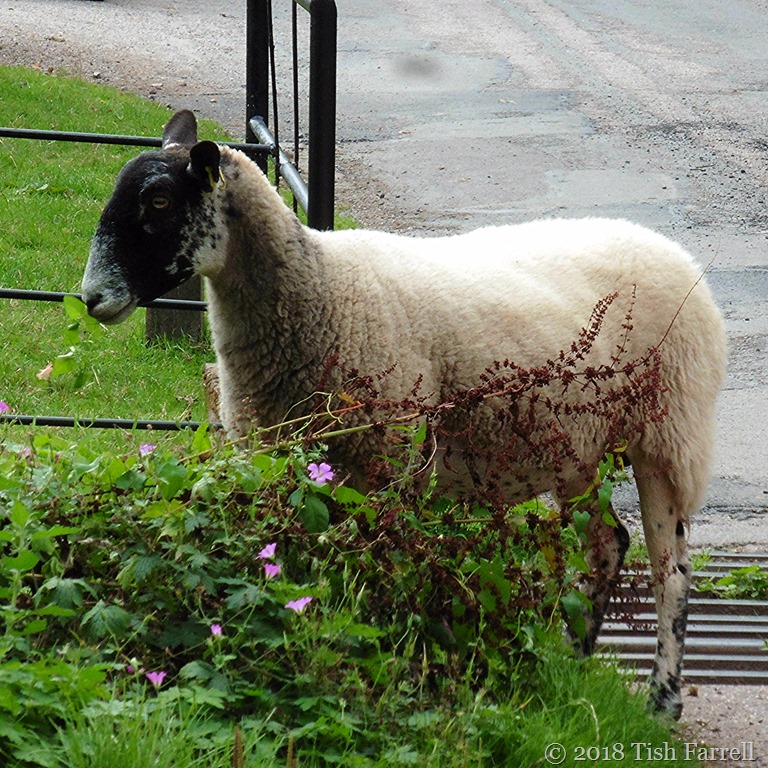
This sheep popped over the cattle grid so fast, I didn’t actually see it in action (one second it was on the far side, the next it was among the pink geraniums), but all its friends and relations in the next-door field saw. Goodness, what a commotion they kicked up. How did you do that! Wait for us! BAAAAAAA!

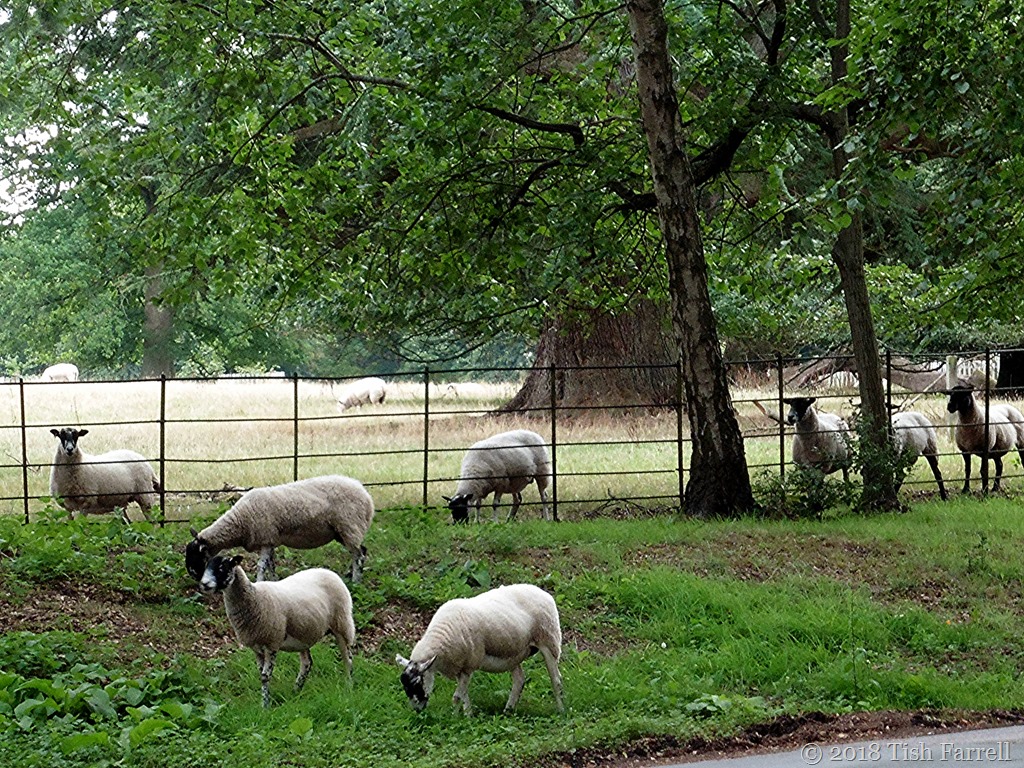
We’d just had lunch in the Apple Store Cafe on the Brockhampton Estate (see previous posts), and were about to head home. But at the last minute I thought I’d like a photo of the parkland with its grazing sheep, although the light wasn’t promising. And that’s when it happened – the great escape – ovine-style.

A couple of other sheep who had been paying attention to how it was done, soon followed their leader. The rest stood at the fence and whinged. BAAAAAAAA!

P1080256

In the Pink #8  Today Becky is truly ‘in the pink’.

Six Word Saturday  While over in St. Albans, Debbie’s climbing high – a three towers challenge. Go for it, Debbie!