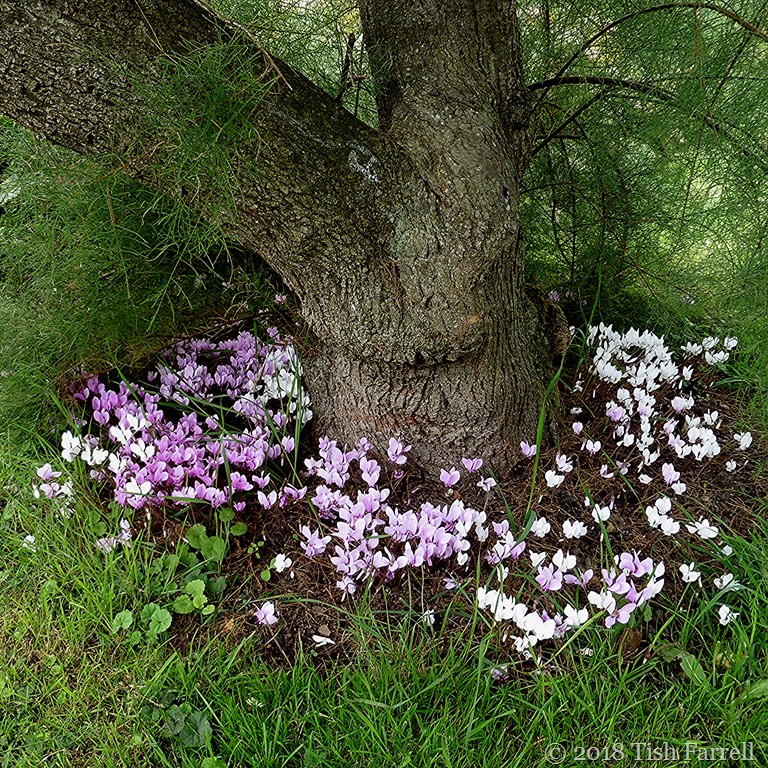
Yesterday In The Garden ~ Kind Of Pink With Added Blue

IMG_1454

P1010049

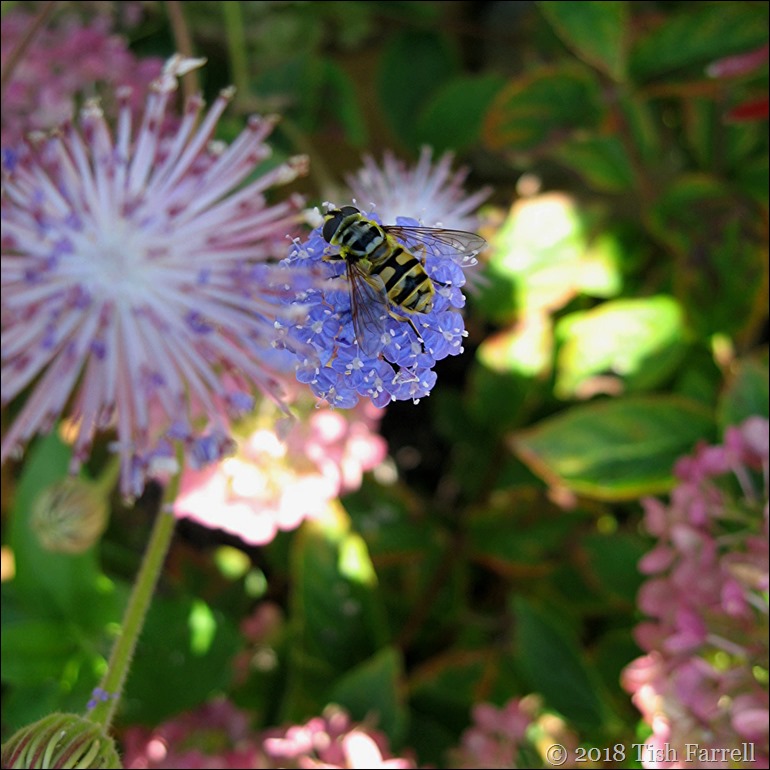
I love the way these Blue Lace Flowers have leaned in among the plumes of Hydrangea paniculata. It was not planned. In fact I did not know what to expect of the seedlings grown from the free packet of seed that came with a gardening magazine back in March. The water colour image on the packet verged on the surreaI and I was certain I had never seen anything like it in real life.

Didiscus caerulea also known as Trachymene coerulea  was apparently introduced to Britain from Western Australia in 1828 so I can’t excuse my ignorance of its existence by thinking it a ‘new’ plant. Anyway, it is well worth growing – a half hardy annual, delicately scented, good for cutting, long flowering and around two feet tall. The leaves turn a lovely shade of tangerine as they age.

An all round good-looker then, and although dead-heading encourages new flowers, I haven’t persuaded myself to do it so far. When the petals fall the flower turns into a star burst, which then curls up into a little fist of seeds. I’m wondering if it will sow itself, though imagine the seeds would not survive an English winter. But I might try collecting some and drying them for next spring’s sowing.

That the flowers also attract hoverflies is of course an added bonus.


In the Pink #3

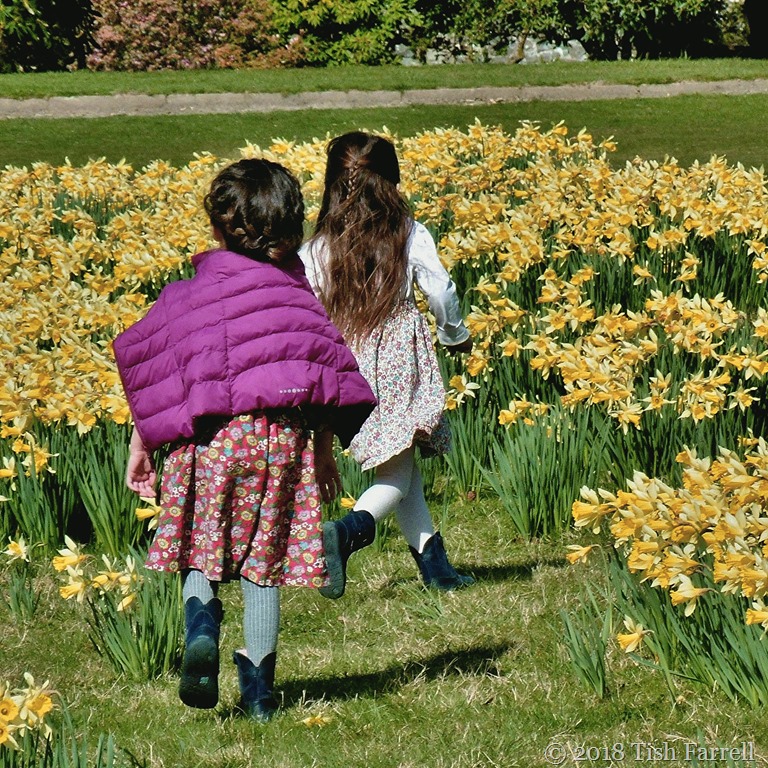
An Excitement Of Daffodils At Bodnant Garden

Even glimpsed from afar, it was an extraordinary sight – a yellow prairie against a Welsh hillscape. Euphoria was instantaneous. Whether old or young, there was nothing for it but head for the daffodils!


Patti at Lens-Artists asks us to show her action. Please visit the Lens-Artists to see their inspirational photos and take part in their challenges. And it’s also ‘In the Pink’ day 2 over at Becky’s.

For the story behind the creation of Bodnant Garden see earlier post  Marvellous Magnolias

Lens-Artists #9: Action

In the Pink #2 Today Becky’s gone batty.

The Changing Seasons ~ August ~ A Change In The Weather In Wenlock

P1080003

After three solid months of wall-to-wall summer with broiling temperatures and barely a spot of rain, we have skipped a good month or two and landed in autumn. It’s all very disconcerting. Fields are shorn of their grain crops, the stubble cut, bailed, stacked and now being hauled past the house in juggernaut  consignments. The muck-spreaders are in action too, top-dressing the hard-baked land for the next crop. Dubious odours waft about the place – some of them human.

Our Midlands water and sewage company  do a good trade in what they euphemistically call bio-solids. It has a low-grade, lingering pungency, but having recently watched a BBC documentary on the Secret Life of Landfill (a brief horror clip HERE on YouTube), I’m glad something useful is being done with the stuff. Animal waste also has to be recycled and one morning this week we had four tractors, grisly muck-spreading tanks in tow, thundering in convoy up and down Sheinton Street – to and from somewhere for and with some very potent slurry.

More scenically, early on Saturday evening as we were driving over to friends in neighbouring Staffordshire, we saw two tractors ploughing the red sandstone soil in tandem, a flock of seagulls swirling after them.

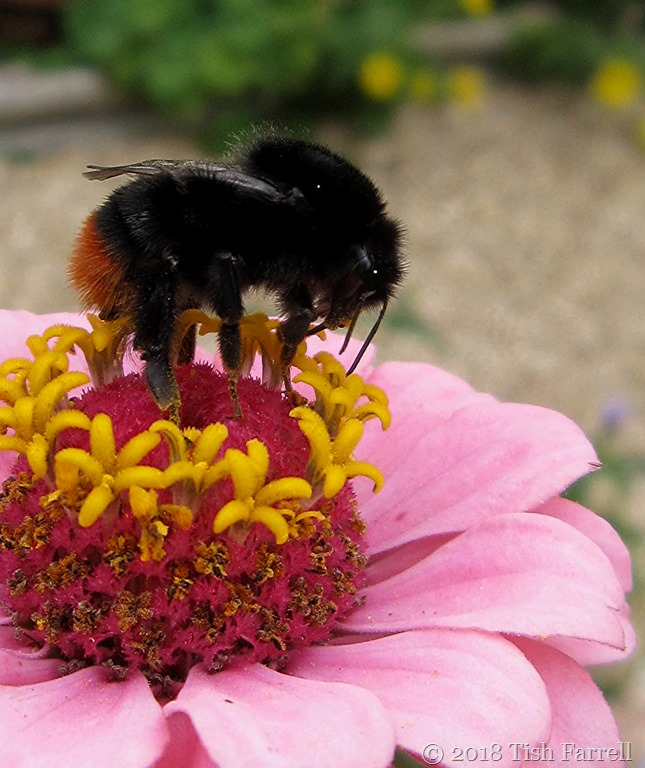
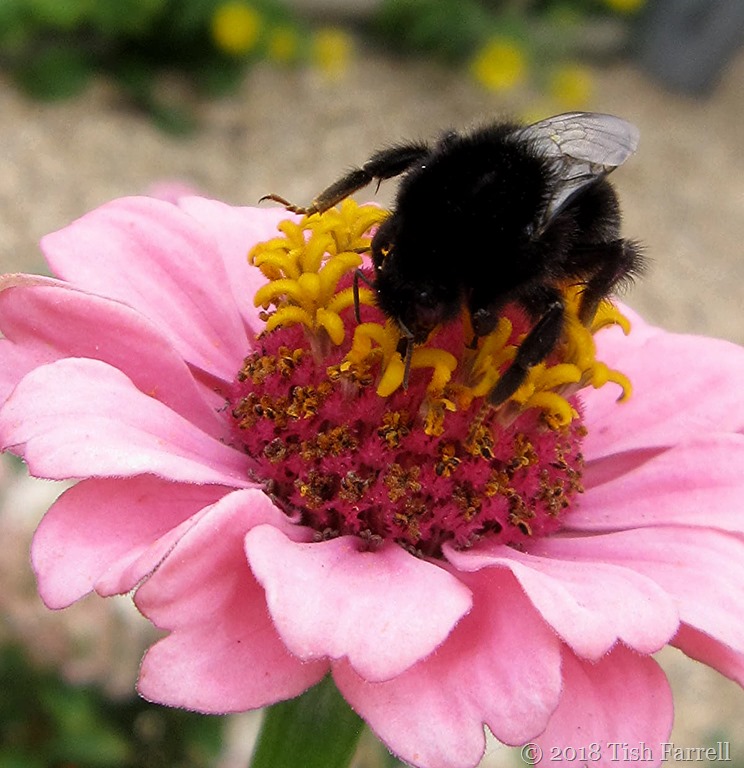
I keep wanting to yell, hang on! It’s still summer. Except the sudden 10 degree drop in temperature has me scurrying to the winter vest drawer. But still, out in the back garden it at least looks like summer, so to make up for talk of weird weather and bad smells, here is my August garden gallery. Somewhat perversely, the Morning Glory that has been twining up our small apple tree all summer, has waited for the cool weather to arrive before deciding to flower. A welcome sight, if surprising in the gloomier light. Likewise the Mediterranean-loving zinnias, which have stepped up a gear to full throttle blooming, and continue to be a favourite bee haunt.


This slideshow requires JavaScript.


The Changing Seasons  Please visit host Su for some fine NZ vistas

Lens-Artists #8 Colourful And please visit Tina and the other Lens-Artists. for some ‘colourful’ photography.  I hope Tina won’t mind my doubling up here.

Things One Finds In the Godetia!

P1010021

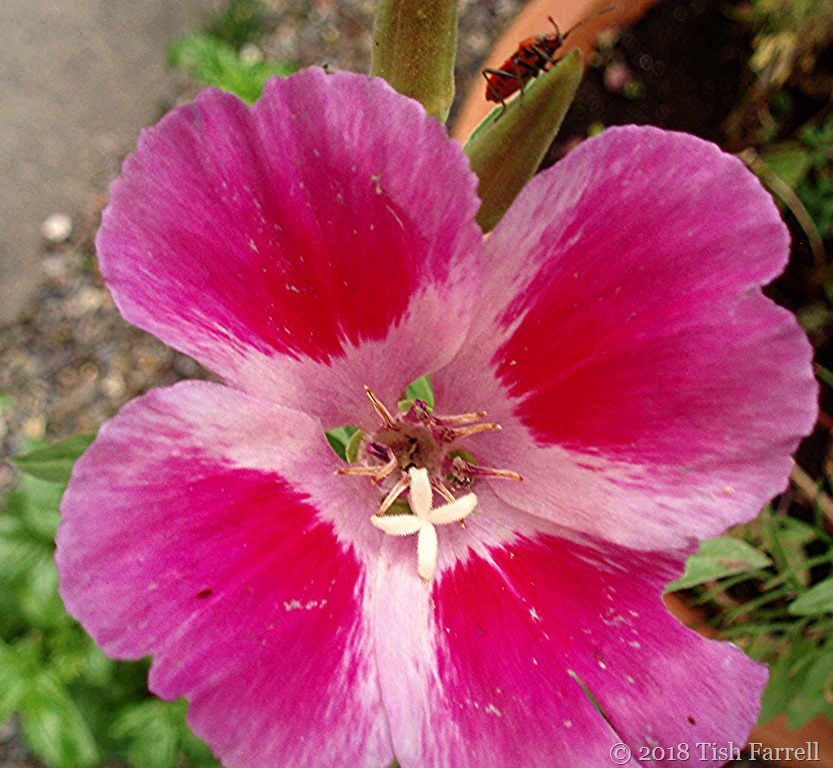
Godetia is another ‘good old gardener’s’ annual flower that I grew from seed this year. They are a bit pink for my taste, but very obliging. This particular plant is accompanying the chives and some Persian basil in a pot by the kitchen door and, flower-wise, is taking over blooming duty from the drumhead alliums which are now palely drooping. Yesterday it was also hosting a new bug – new to me that is. You can spot it making an entrance top right.

When I first glimpsed it, I thought it might be a dreaded crimson lily beetle, though I don’t grow lilies. They have very nasty habits (their larvae, very cunningly for larvae, disguise themselves from predators by coating themselves in black excrement while they chomp through the lilies, bud and leaf).

A closer look, however, revealed…

P1010034

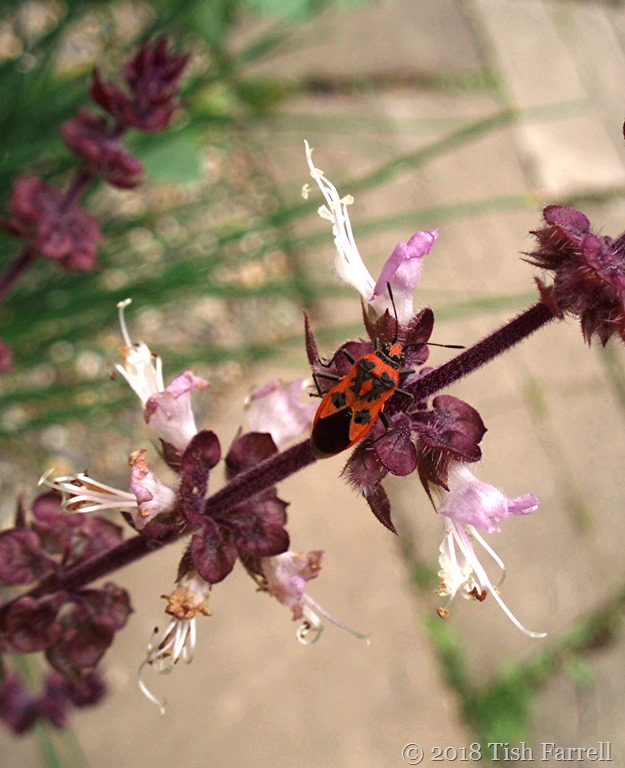
… and after a few quick snaps, sent me searching on the internet, where after googling ‘orange and black bug UK’ its ID was swiftly established. So here it is, a cinnamon or rhopalid bug Corizus hyoscyami. Originally only common in southern Britain, it is now spreading. This one is probably newly emerged, August to September being the time slot for a new generation. It likes dry habitats, and has no unpleasant habits:  i.e. it does not emit smelly effusions that some other bugs are wont to do. Nothing I read indicated culpability in the plant damage department. So, until I learn otherwise, I think we may simply admire it for its very snazzy livery.

Later it hopped over to the Persian basil, where I thought it looked particularly fetching.

P1010036

Six Word Saturday


Pleasing Patterns

IMG_1445

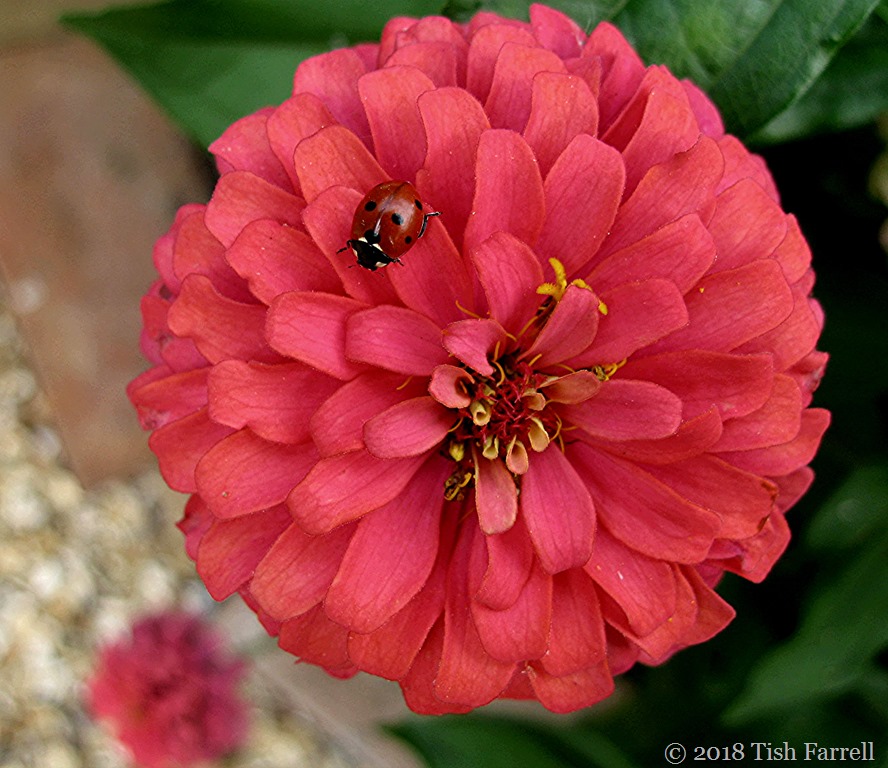
The other day I noticed the tips of the apple tree boughs were encrusted with greenfly. I was going to treat them to a soap and water spray, but then forgot. The next time I looked the ants and ladybirds had moved in on the job and the greenfly invasion was much diminished. This ladybird is obviously having  some R and R in the nearby zinnias. Always good for a smile – ladybirds.

Popping Up Among The Doronicum – Crocosmia

IMG_7433

The squeezing of HeWhoBuildsSheds’ new shed into the small back garden last year meant the loss of a herbaceous border. I didn’t mind too much, although it was a challenge to find new homes for the plants. Some were sacrificed altogether; some were thrown over the hedge to take their chances; some were planted outside the back fence in the guerrilla garden, some were put in next door’s guerrilla garden (I’ve started a trend) and others were just put somewhere.

Then in the spring, as soon as the tulips were over, Shed Development Phase 2 was thrust upon me. This meant moving more plants in order to create enough space to turn one flat bed into a raised bed so that the shed could have its own gravel forecourt and thus be accessible in all seasons. This also included digging up what was left of the lawn. The upshot of this HouseThatJackBuilt ‘school of gardening’ (fortunately no cows’ horns were crumpled in the process) is that much of what is happening out there now is a complete surprise.

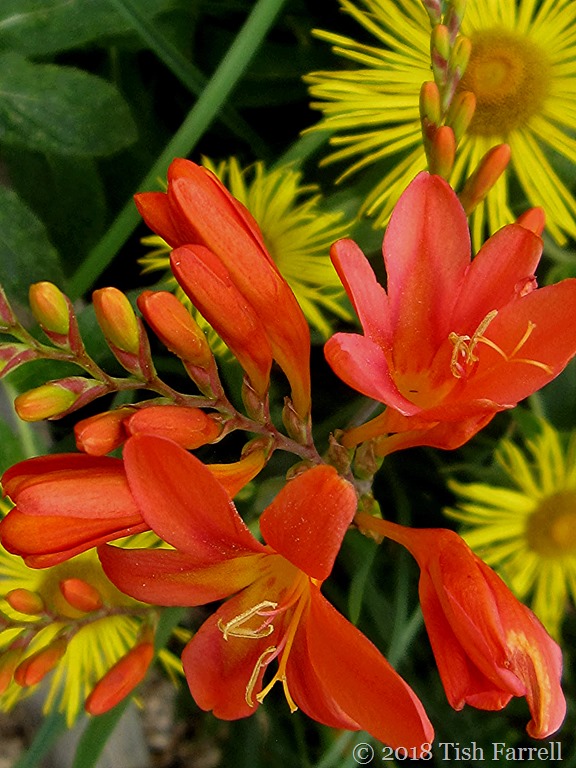
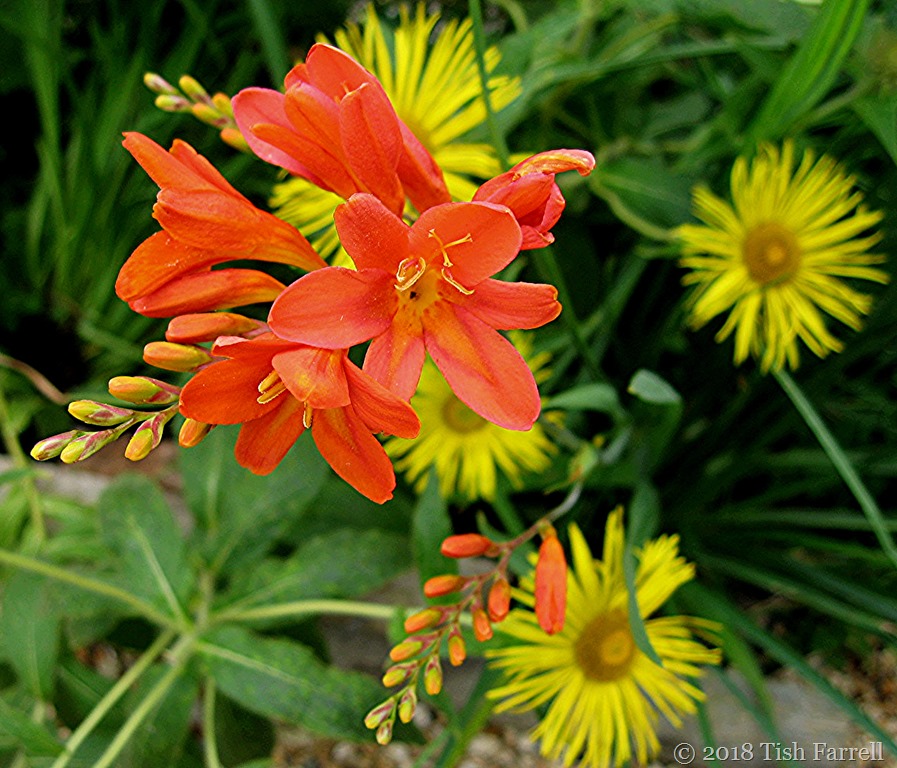
For instance, I have no memory of how this crocosmia arrived among the doronicum. On the other hand, I do feel I need to give it a round of applause for cutting such a horticultural dash. Well put, that flower, however you got there.

IMG_1424

Six Word Saturday

Please visit Debbie. This week she has some handy advice!

Out In The Garden Bee-Dazzled And Bee-Dizened And Bees Showing Their Knees

IMG_7412

IMG_7456

IMG_7458

IMG_7466

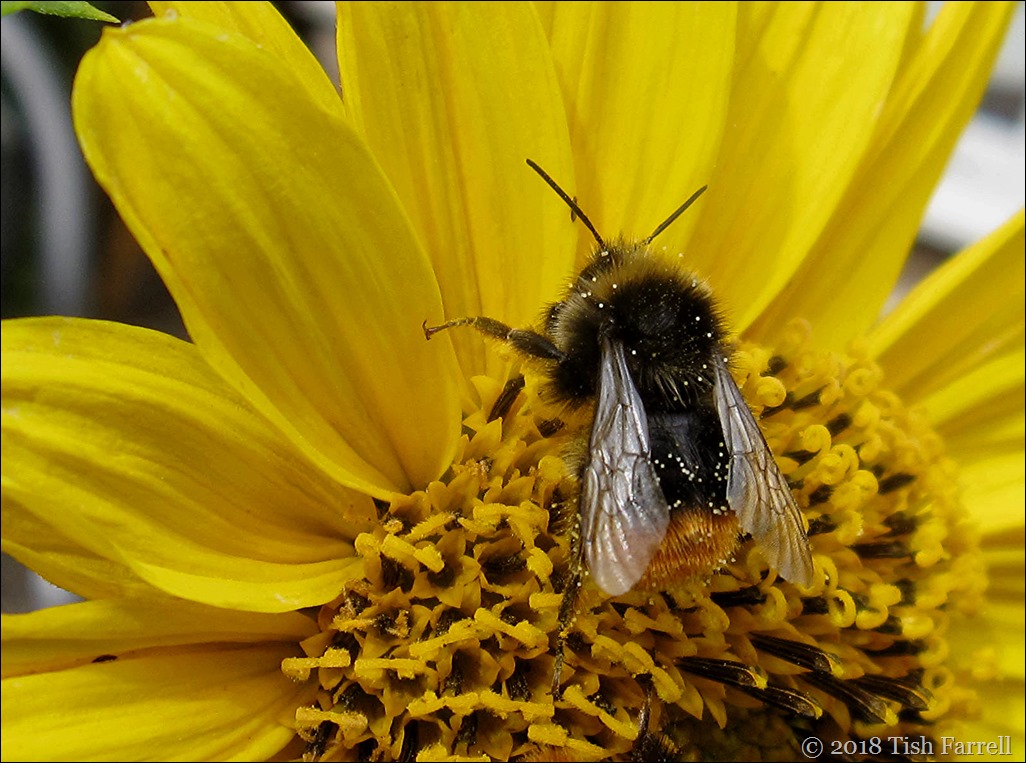
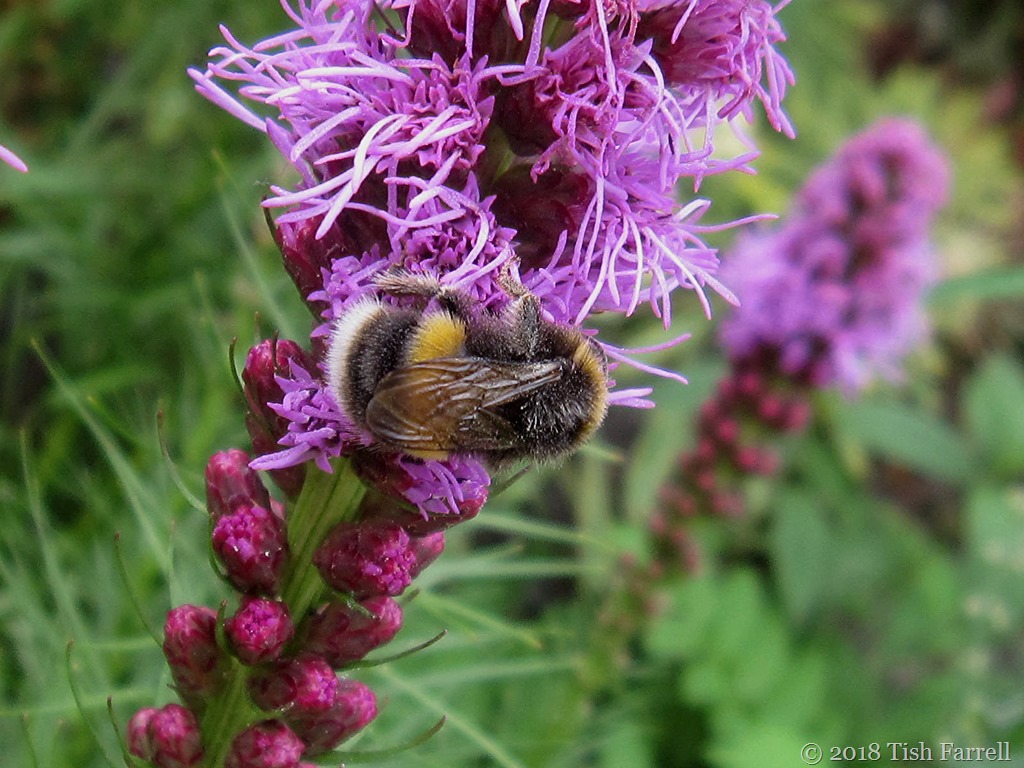
I popped out in the garden at lunch time, armed with my little Canon Ixus, and found it was all go on the bee front. The header flower, Helianthus Capenoch Star was proving very popular. I’d only bought it the other day, to go in the back of the flower bed that I said was ‘officially full’, and it is still in its pot, waiting for a slightly cooler moment to plant it out. In the meantime, it is being much visited. But then that goes for most of the other flowers: zinnias, cosmos, liatris, doronicum, echinacea, rudbeckia, and the self-sown purple toadflax. So many happy buzzing souls.

IMG_7428

IMG_7370

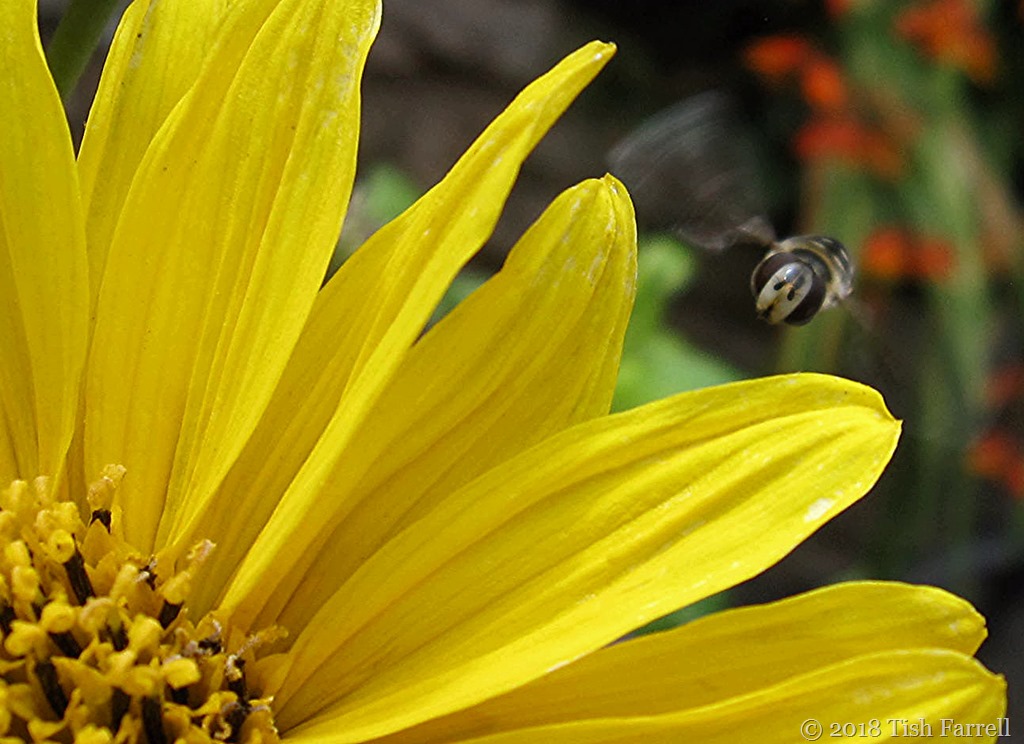
And then there was also the hoverfly:

IMG_7380

In Our Summer Garden ~ See Who’s Looking For Dinner

IMG_7175

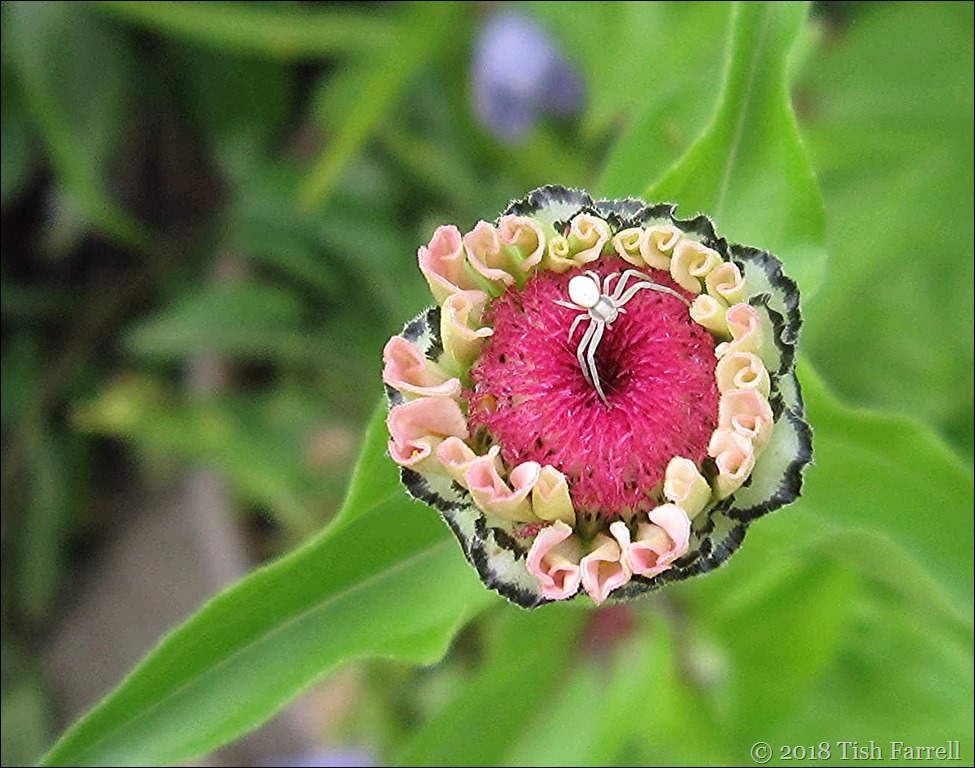
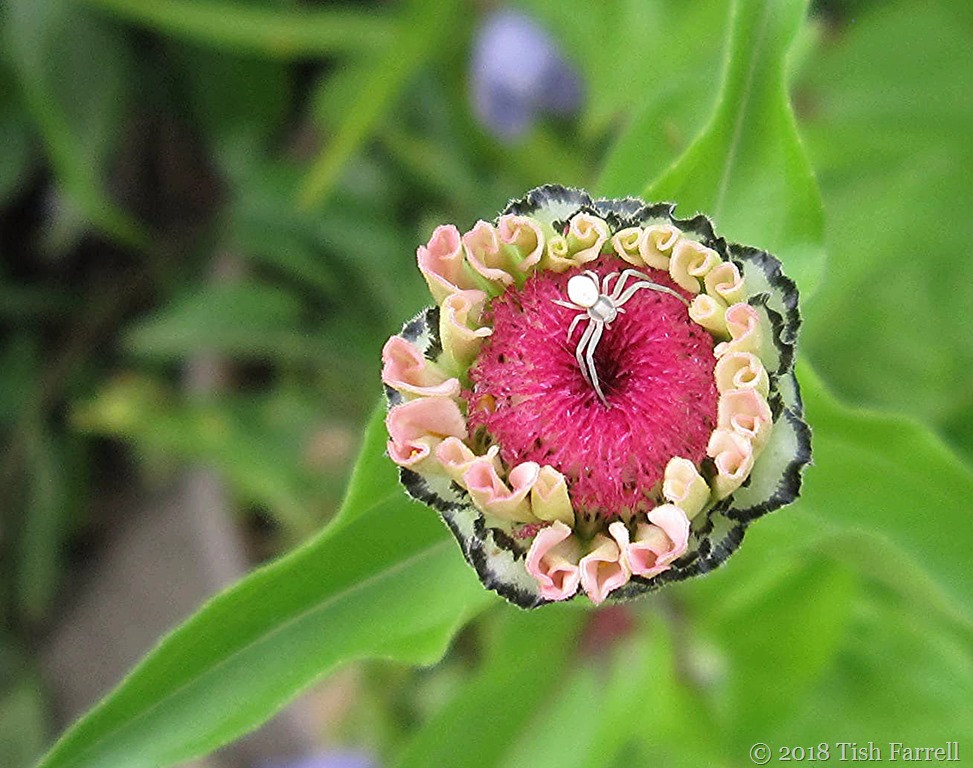
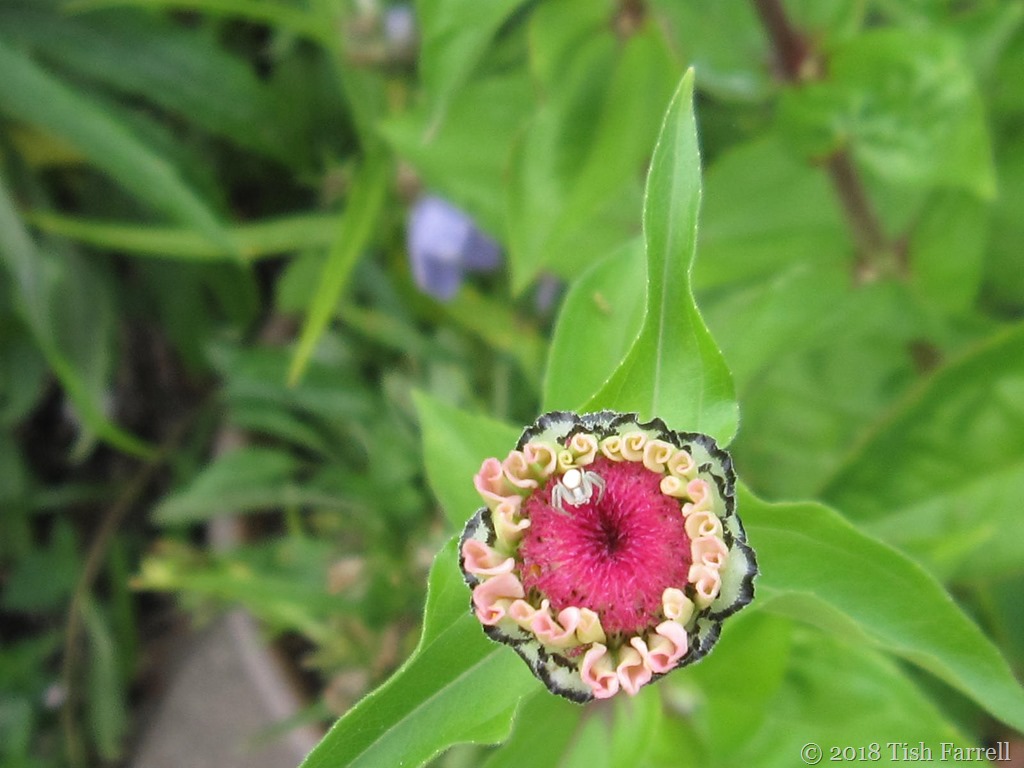
When I tell you that this crab spider is sitting on a zinnia bud and the zinnia bud is less than an inch across, then you can see, that in real life, this spider is very very small. Even in the next shot it’s still twice its actual size.

IMG_7168

It’s fascinating to think that the hunting instinct is embodied in such a tiny entity. These spiders (Misumena vatia) do not spin webs to catch their prey. They sneak about in plants, sometimes seemingly taking on the shades of particular flowers as camouflage. And then they pounce!

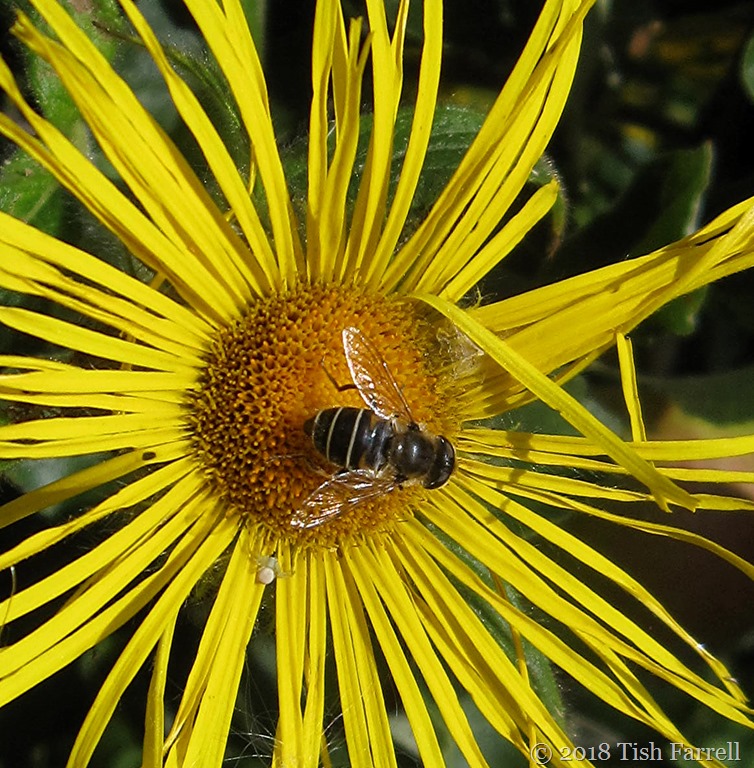
I think the spider in this next shot is being a trifle ambitious. Can you spot it, lurking on the Doronicum? Also an ID for the bee-like fly would be welcome – Ark, Pete, Brian…

IMG_7332

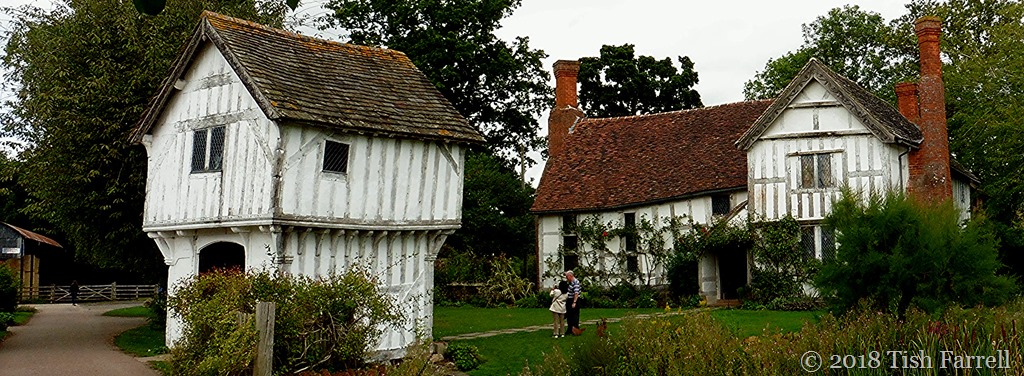
And now here’s a view of the garden, where all of life and death goes on – and under our very noses.

IMG_7339

Meet The Gatekeeper

IMG_6951

Pyronia tithonus also known as the Hedge Brown or the Gatekeeper. The latter name apparently derives from this butterfly’s habit of feeding on clumps of flowers in gateways or along field margins. It is a midsummer butterfly and common across England from Yorkshire southwards. I spotted this one yesterday morning having a very good feed on one of my doronicum flowers, but refusing to open it wings. Then it moved to the nearby apple tree, and I caught a momentary display. When not visiting gardens it prefers the nectar of Wild Marjoram, Common Fleabane, ragworts, and Bramble. Interestingly, the Common Fleabane flower does look very similar to the doronicum.

IMG_7000

IMG_7001

The Bind Of Bindweed ~ Beauty Over Strangulation?

P1070490cr

This lovely flower can be a monumental pest if it finds its way into garden borders. It belongs to the convolvulus family, and comes in several varieties, some of which have smaller pink and white striped trumpets. This, I think, is hedge bindweed, Calystegia sepium and it is presently spreading beside the field path. Like its cousins, its plant-strangling capacity knows no bounds, and if you try to dig it up and leave the tiniest scrap of the plant behind, in an eye’s blink, you will have a brand new bindweed. Or maybe several.

Richard Mabey in Flora Britannica suggests that some of its many vernacular names reflect the degree of horticultural nuisance. Snake’s meat and Devil’s guts are certainly blunt expressions of gardener antipathy.  But there are picturesque names too. E.g.  Lady-jump-out-of-bed, and Granny-jumps-out-of-bed seem to derive from a children’s game: ‘Grandmother, grandmother, pop out of bed’ a refrain chanted while pinching out the base of the flower and watching the trumpet float to the ground like an old-fashioned nightgown on the loose. Sometimes the Grandmother is a Nanny Goat. There is also: Lazy Maisy jumps out of bed.

Other imaginative names include Old Man’s Nightcap, Poor Man’s Lily, White Witch’s Hat, Bridal Gown and Belle of the Ball, and then there are numerous variations of bindweed: Barbine, Bellbind, Withywind, Waywind.

When it comes to eradication, the Royal Horticultural Society does not hold out much hope for simply digging it out. Chemicals seem the only answer, but they do suggest a method of damage limitation, glyphosate-wise. This involves sticking garden canes into the soil near any bindweed eruption, thereby encouraging it to grow up the cane. Later you can unwind it onto bare soil and spot-treat it without harming other plants.

Or you could just live with it, and try to keep it under control. I have the hedge variety in the guerrilla garden. It keeps winding up the crab apple tree, and I keep hoiking it out. I also have the smaller pink and white striped ground-creeping variety in several places on my allotment plot. This is field bindweed or Convolvulus arvensis and I’ve become quite adept at digging it out, which checks it, but does not remove it entirely. At the moment it is also in flower and really very pretty. So I guess it will be staying.  For now.


P1070562