Winging It ~ Chance Encounters With Aerial Kind

townsend meadow resized

In the old tales birds are often messengers, bearers of foreknowledge – for good or ill. They overhear things that humans don’t, come unbidden to help the hero in their quest, although their warnings are not always understood or welcomed.

In Kenya (and other parts of Africa) the Red-Chested Cuckoo is the bearer of good news. Its three note call says the rains are coming – ‘time to dig’, ‘time to dig’. On the other hand, in some interpretive versions, much depends on the geo-location of the call. If you are setting out on a journey and the call comes on the right of the path, then it signifies that all will be well. But if it comes from the left, then there’s danger ahead; better go home and wait for a more propitious day.

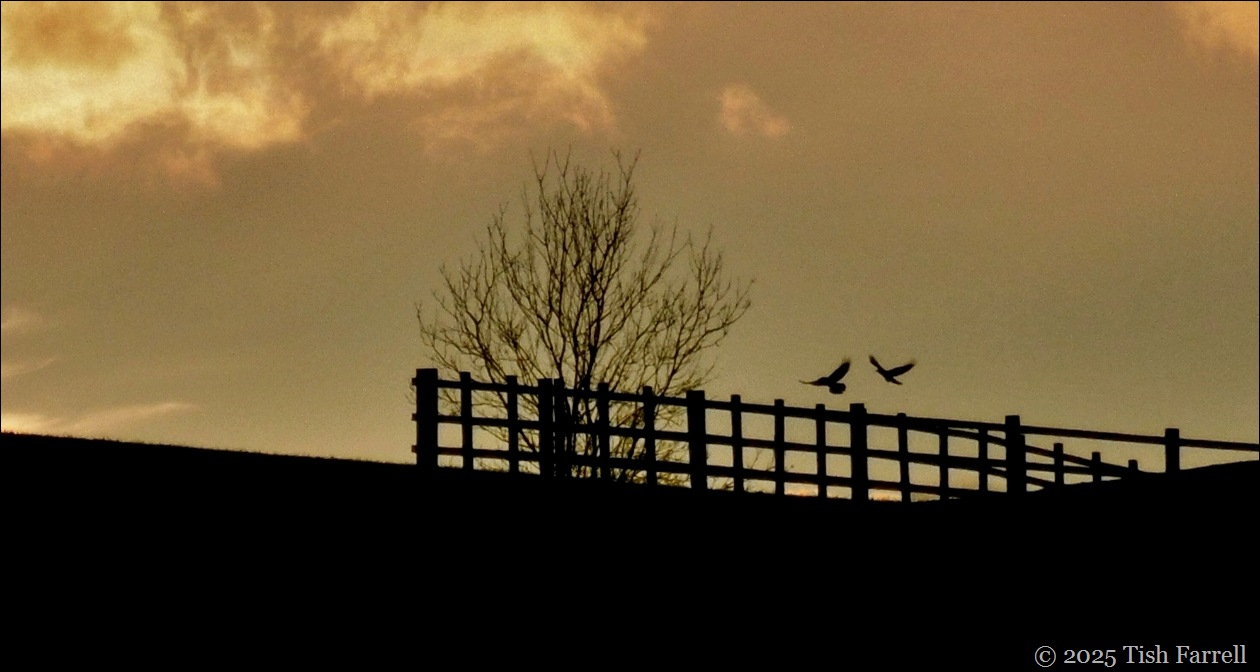
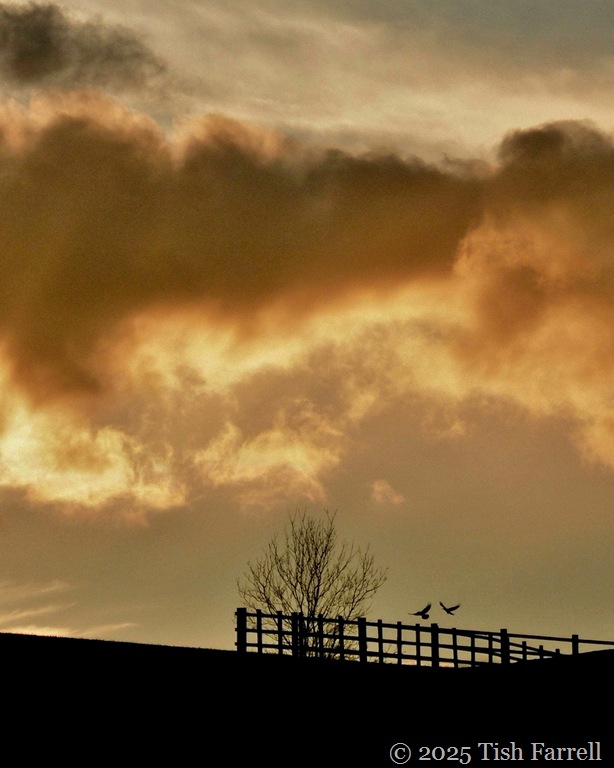
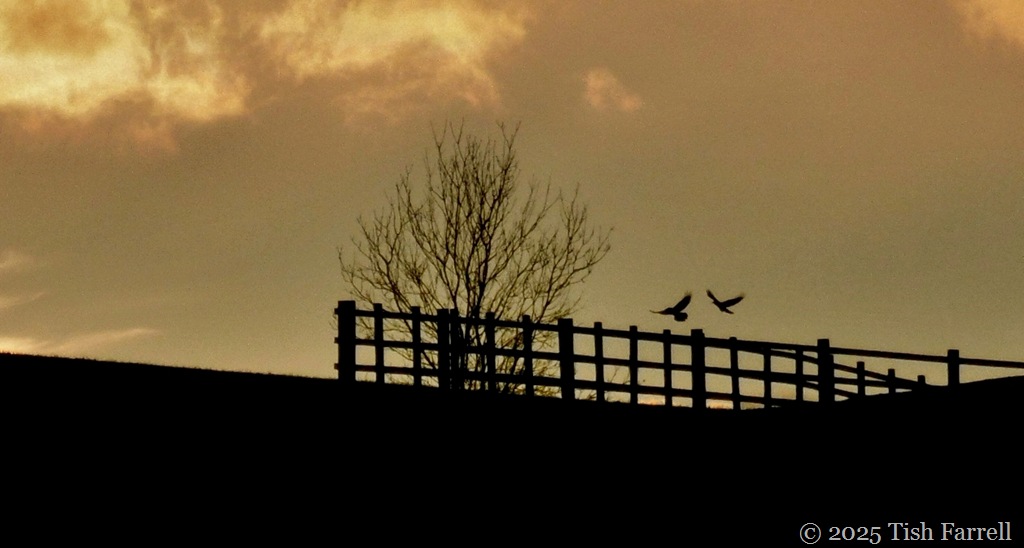
I think the two birds in the first photo are rooks. All members of the corvid family (rooks, crows, ravens, choughs, magpies, jays) tend to have a poor reputation on the bad omen front, but since I have a twosome here, I’m choosing to see them as beneficent. I’m also reminded of the magpie sighting rhyme: one for sorrow, two for joy.

***

common blue

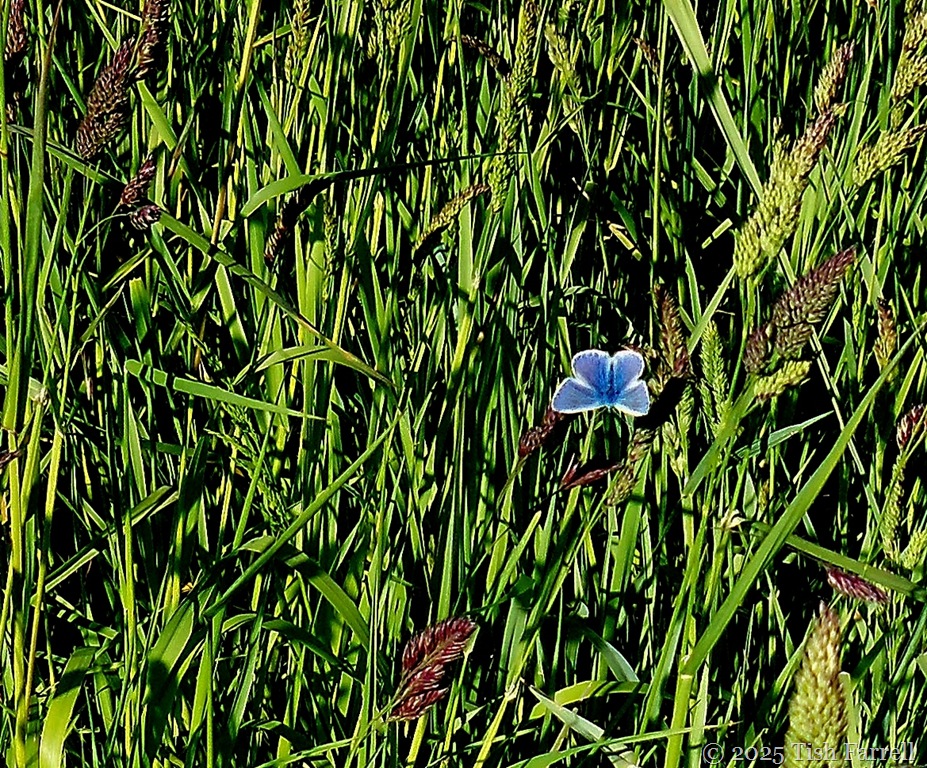
Butterflies also have spirit world connotations. In cultures across the globe they represent transformation and rebirth, joy and happiness. A butterfly may also be seen as the embodiment of a human soul, although a crowd of them might be thought an evil portent. I’m happy, then, to come upon this single tiny Common Blue butterfly, sipping at grasses on a summer’s evening.

***

bee and marigold

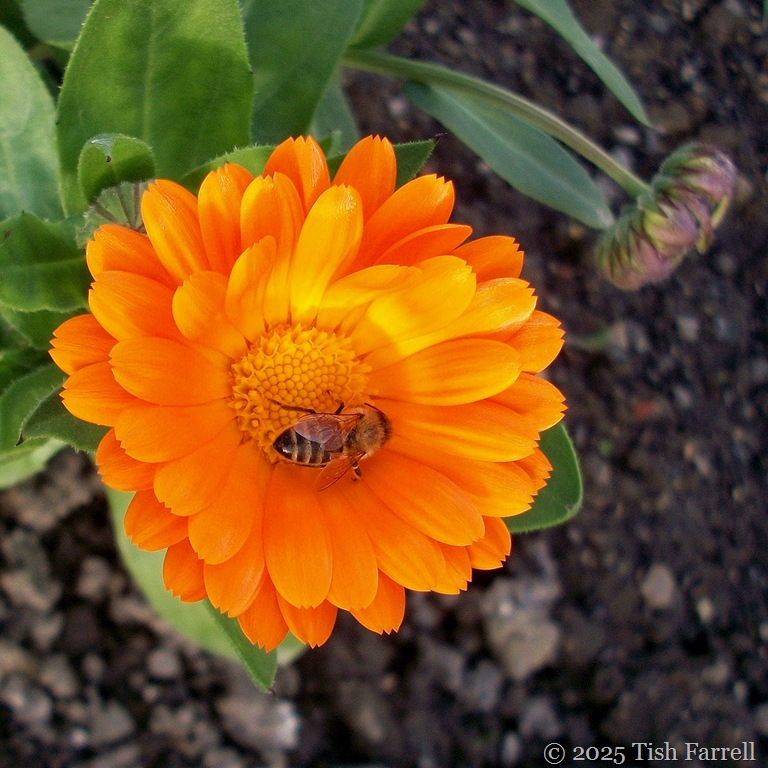
And as for the bees, most of us know that, as pollinators alone, they are absolutely indispensable. The value of their produce too is inestimable. They are admired for their busyness and sound work ethic; the therapeutic hum in spring orchards.

It’s not surprising, then, that in many ancient cultures they were revered. They conferred blessings even on the gods. For instance, Apollo’s gift of prophecy was bestowed on him by three bee maidens, or in older pre-Hellenic versions of the tale by a trio of bee goddesses. Other texts see the bee’s origin as dramatically supernatural. One Ancient Egyptian version has it that they arose from Sun God Ra’s tears as they fell on desert sand. What an image. I think I believe it.

***

Lens-Artists: Wings  This week Beth at Wandering Dawgs gives us a fabulous theme to work with.

header

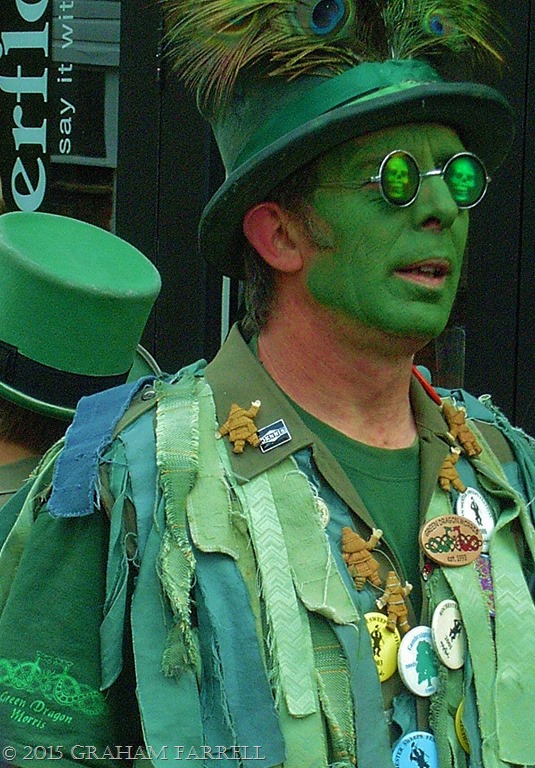
Enter The Dragon

IMG_3813ed

We’ve been ‘moving in’ to our new Bishops Castle home for a month now; more an ongoing state of flux than a settling in. There’s a lot to do and for months ahead, including work on roof and chimneys.  And so not a little frazzled, it was a relief to abandon the house and head for the streets.

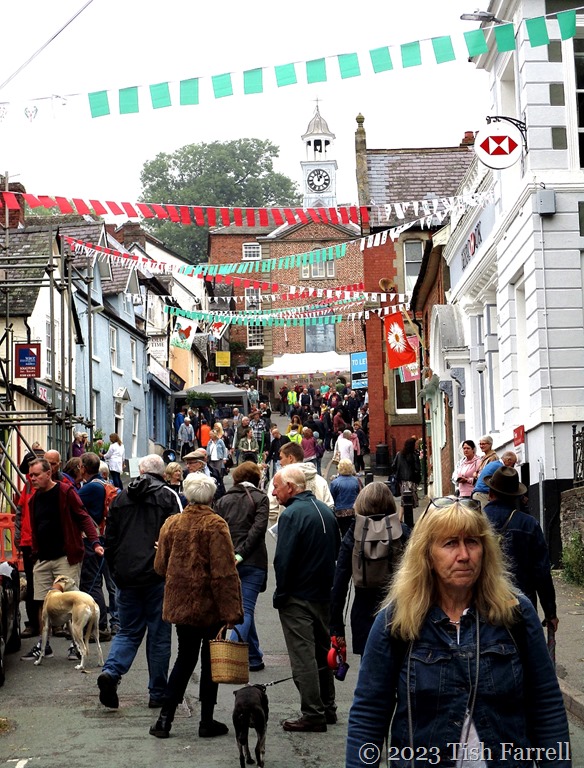
Yesterday was Michaelmas Fair day. Time to find out what kind of a town we’d moved to. Time to mingle with our new community and connect. After all, it’s what humans most need beyond basic sustenance – connection. And when we think we don’t (because there’s just too much to do), it’s probably when we need it most.

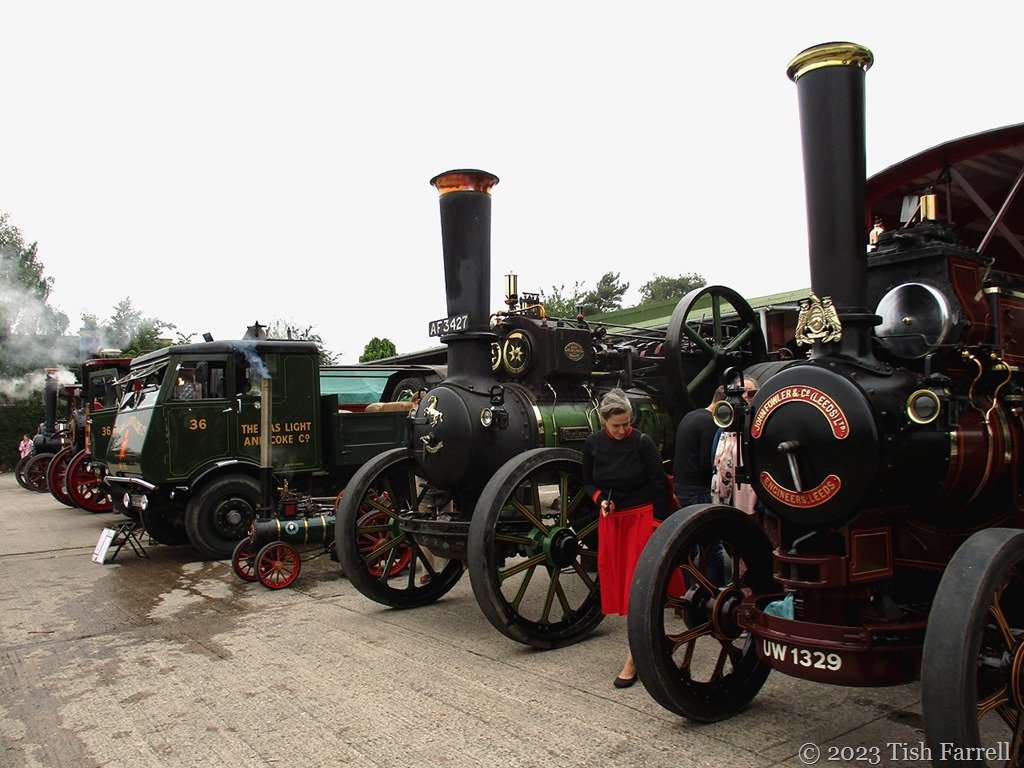
Proceedings kicked off at noon with street stalls and roaming performers, bands on the Town Hall stage; classic cars lined up on the High Street – primped and prepped; fleet of steam traction engines huffing coaly steam in the cattle market, waiting on the 3 o’ clock grand parade.

IMG_3777ed

IMG_3768ed

IMG_3759ed

But as you can see, it was a dull old day – autumnal mist and drizzle plus intermittent showers, so we dipped in and out of the afternoon’s programme, met some new neighbours, reprised earlier introductions (yes, I do remember your name), bought a very fine rudbeckia, caught the Shropshire Bedlams Morris Dancers, but then listened to Jane the town’s singing florist (much amplified) while installing the new plant in the front garden. It was the evening’s events we wanted to go to.

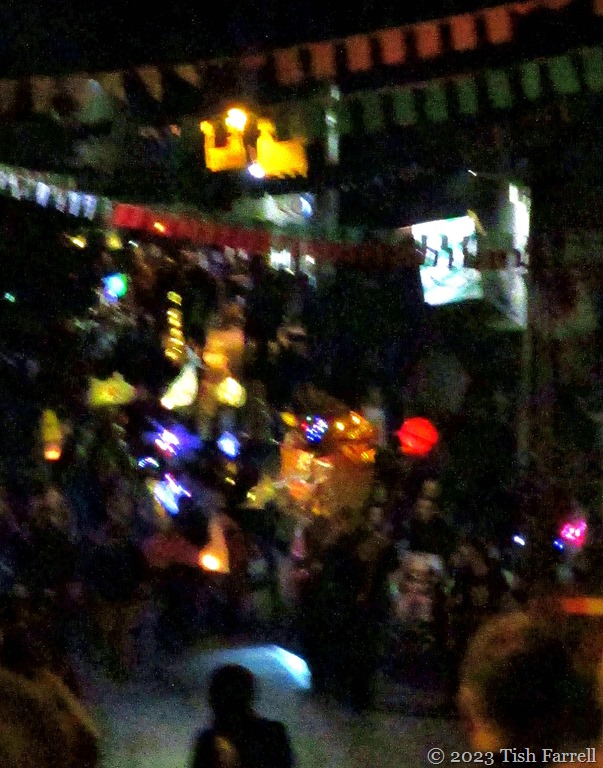
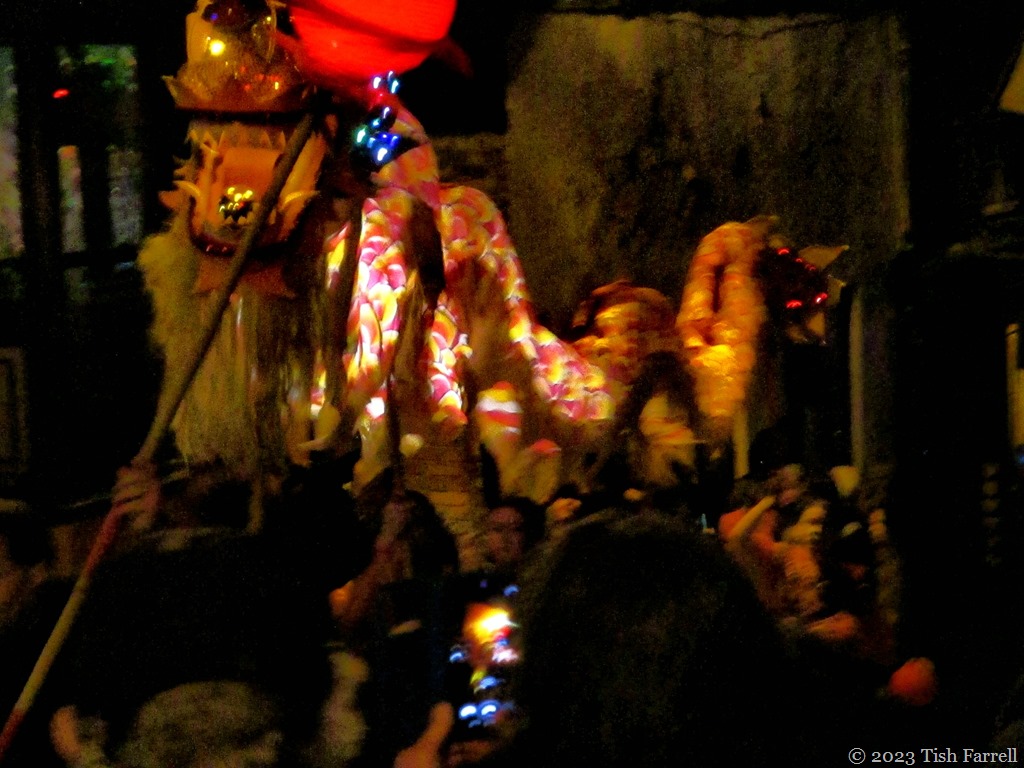
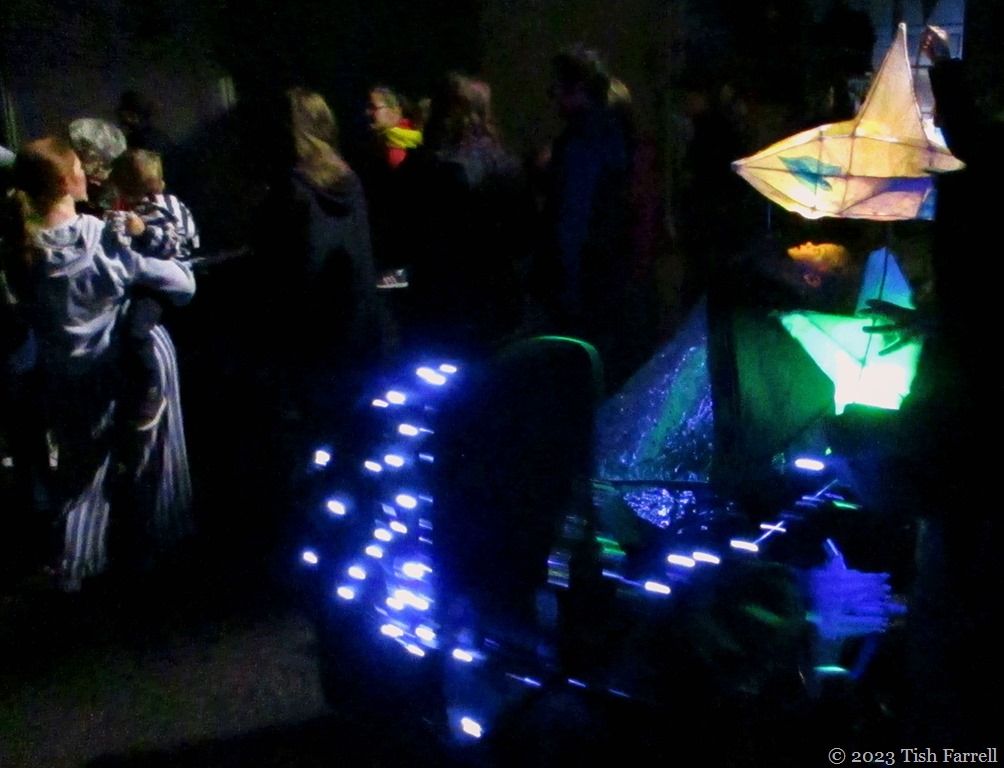
The Lantern Procession began at 7.45. We stood at the top of the town to welcome it, wondering why the street was so sparse in humanity. (Was everyone in the pub? It surely looked like it. The nearby Vaults inn was full to bursting). And then down the hill the drumming began. Then out of the gloaming, the sinuous twists and twirls of the Hung Gar Light Dragon. And strung out behind him, the town’s lantern-bearing children and all their friends and relations.

IMG_3789ed

IMG_3791ed

IMG_3794ed

Now we understood. Most of Bishops Castle had been busy making lanterns in the Church Barn. They were all in the procession. What a throng.

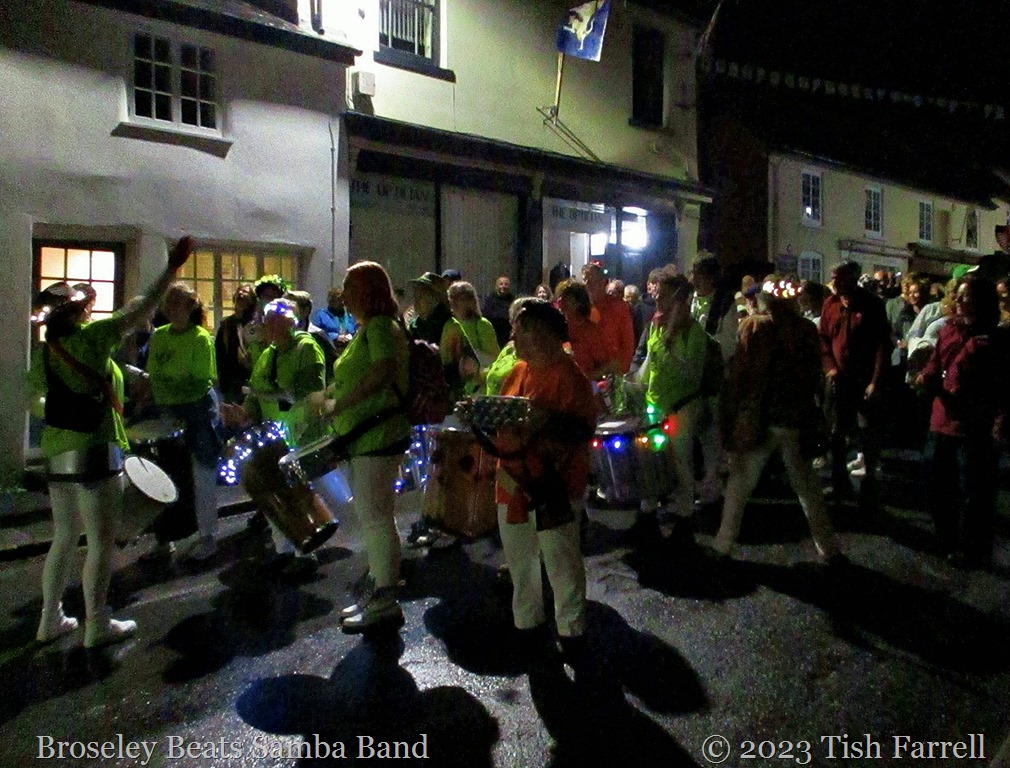
And so as the dragon and Chinese drummers climbed the hill, so the Broseley Beats Samba Band struck up at the top. (I wish we’d discovered them when were living Broseley). A drumming play off then, the beats ripping from toe to crown. No choice. The body says, DANCE!

Then just when we thought the show over, the dragon came whiffling back round the Town Hall, heading off down the hill. Followed by the samba band. Followed by us and everyone else, the descent choreographed by the drummers, stopping at intervals to give a bravado performance.

IMG_3820ed

IMG_3832ed

*

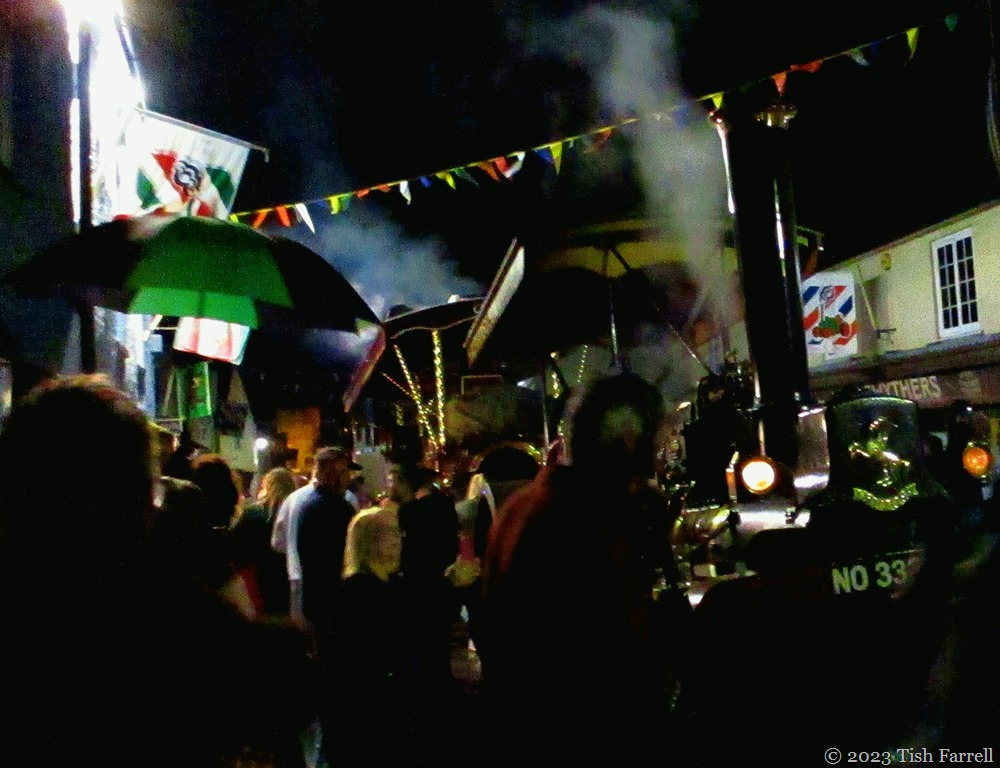
When we reached the King’s Head at the bottom of the town, we (somewhat astonished) came on a line-up of several steaming traction engines outside the pub door. What a hoot, and literally too. One owner was a tad whistle-happy. I trust he wasn’t driving home.

IMG_3827ed

*

So there you have it, a fine finale to the Michaelmas Fair. All good spirits restored. And a taste of good things to come? I should think so.

Lens-Artists: recharge    This week Egidio sets the theme as he hikes Colorado’s fabulous trails.

Hidden Depths

005

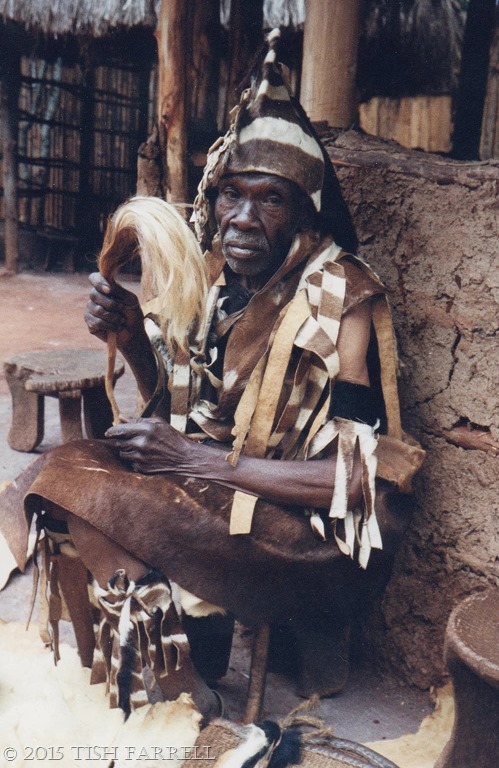
The Kikuyu Medicine Man

*

For the story behind the photo see The Medicine Man


*

 Shades FINAL COVERS Set 3_Layout 1

Kenya 1955

When war comes it can rip your

family apart. Then you have to decide

whose side you are on.

Ransom Books

Teen Quick Read/Adult Interest


More about this book and extract

Amazon.de

Amazon.com

Bokus.com and ebook Bokus.com

WHSmith.co.uk

Tanum.no


Depth

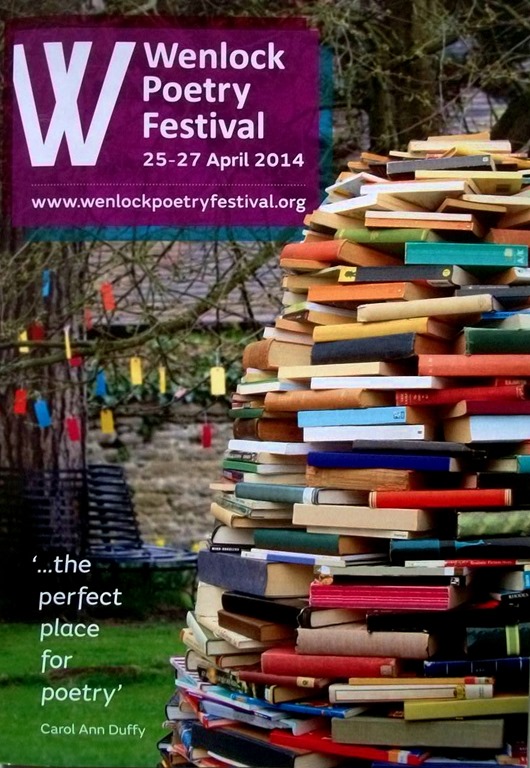
Much lettered at Much Wenlock’s Poetry Festival


100_5560

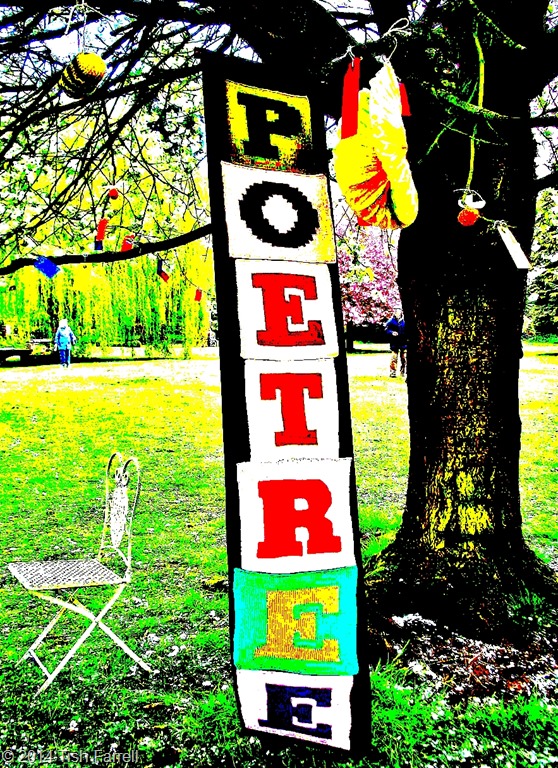
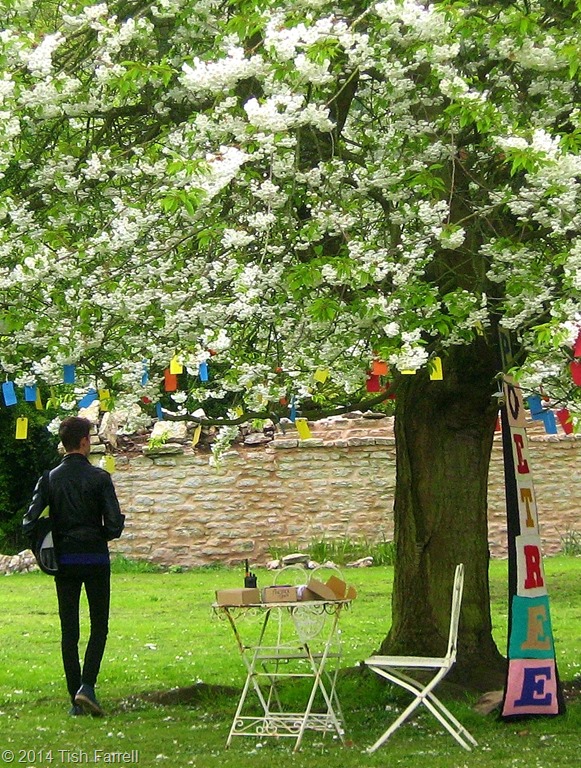
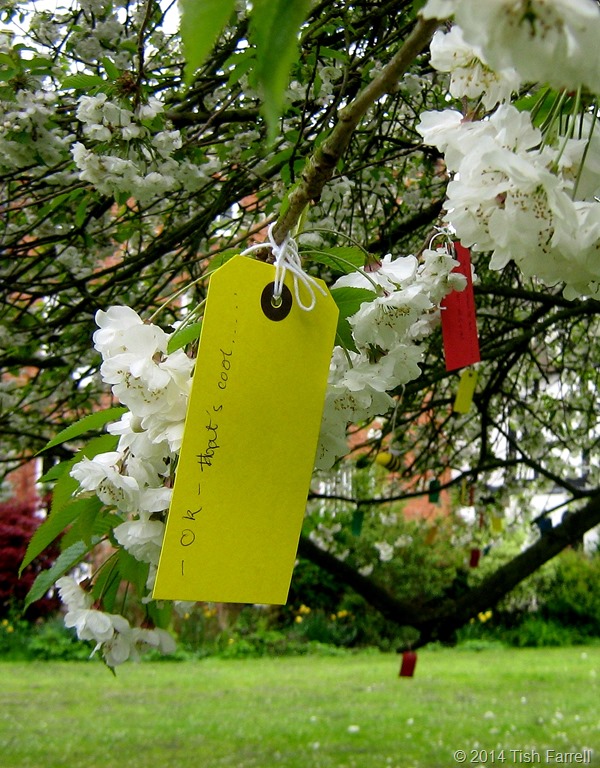
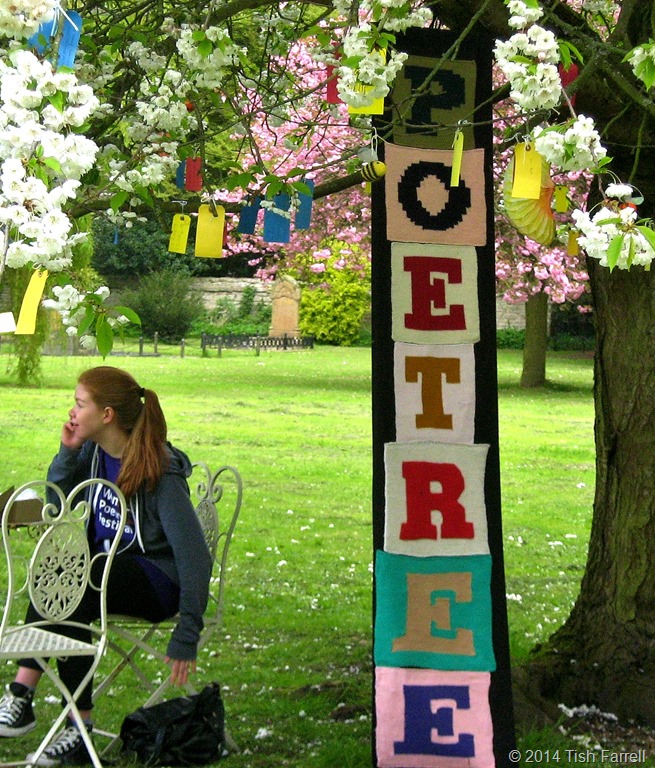
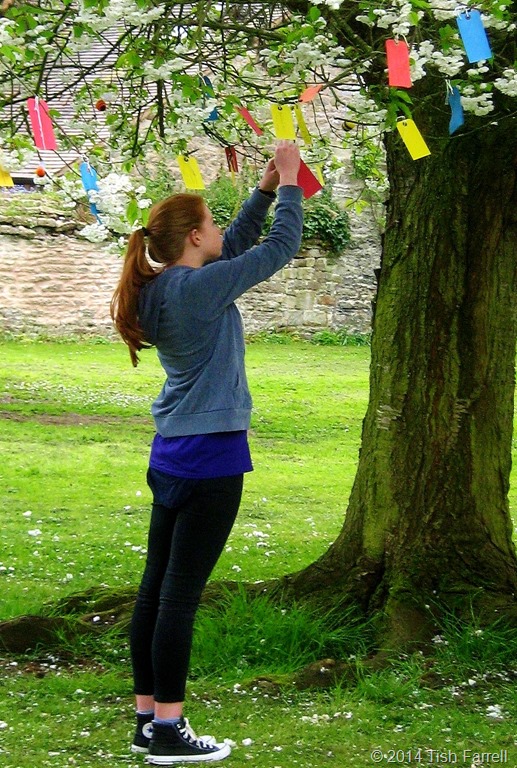
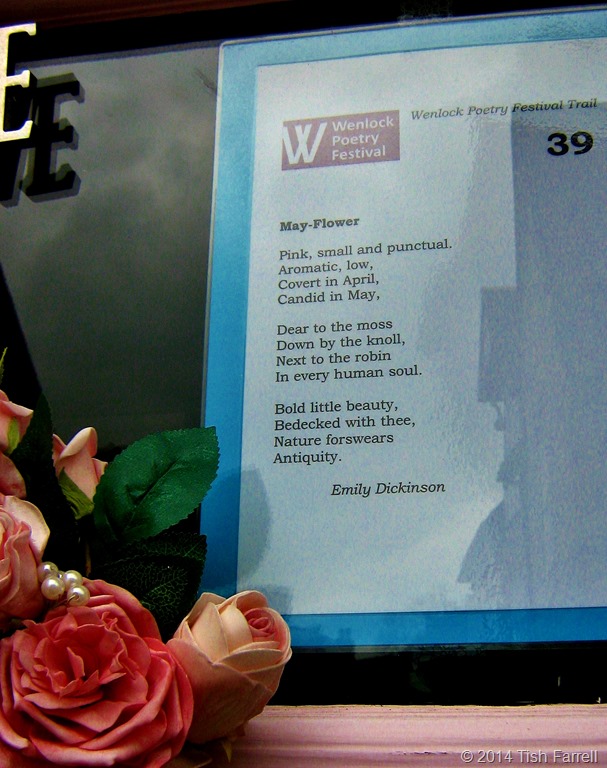
These letters are knitted (I think I was responsible for the red ‘E’) and here they are adorning the cherry tree on the Church Green. This is the Wenlock Poetry Festival’s ‘Poetree’ (artistic licence rendered photo-wise) and, during this now annual April event,  everyone may compose, or write verses from their favourite poem on a luggage tag and hang it on the tree for others to read.

This year the tree has joined in the general creativity by bursting into bloom. In previous years it has been quite bare.

IMG_1050

IMG_1038

IMG_1116

IMG_1105

IMG_1032

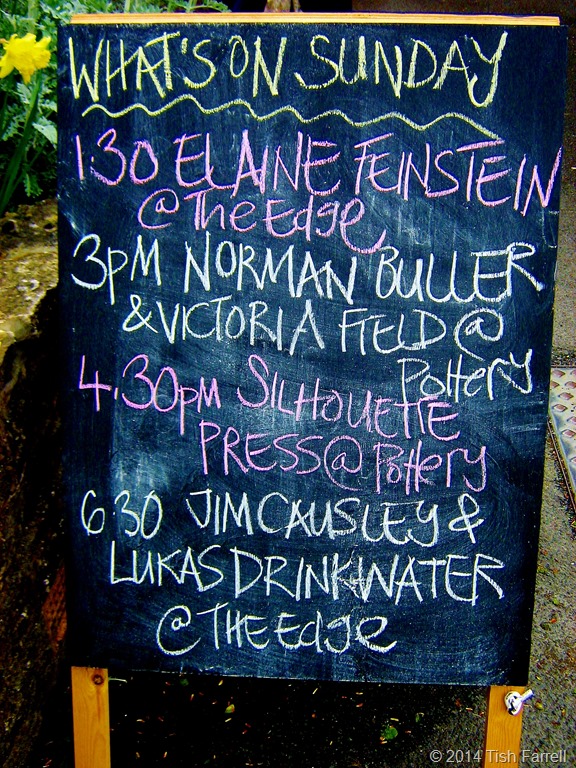
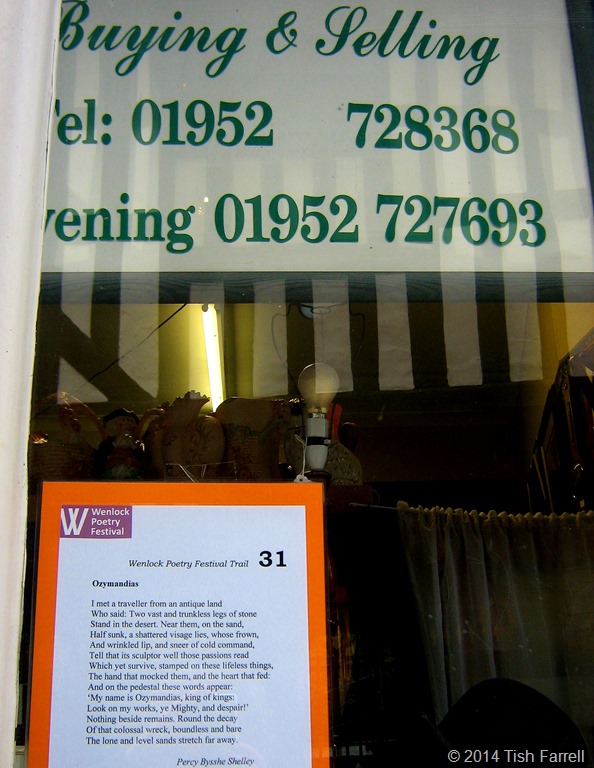
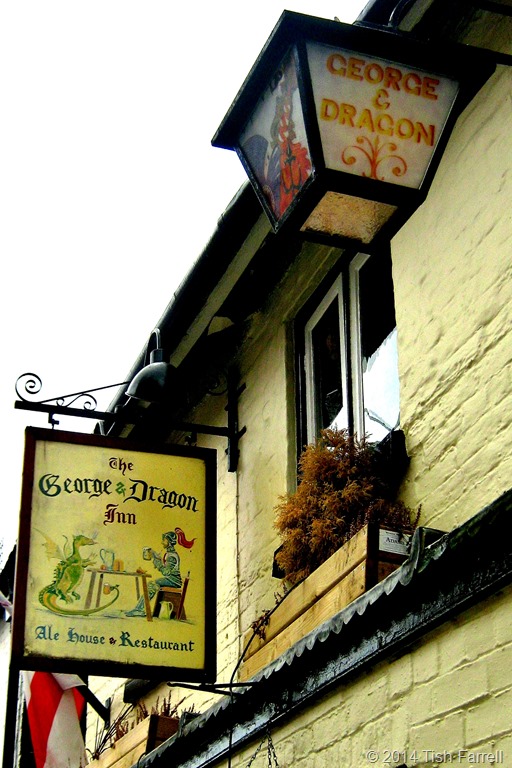
The festival embraces the entire town, using venues at Wenlock Pottery, Methodist Church, the George and Dragon Pub, Tea on the Square Cafe, and The Edge Arts Centre. Besides the three-day programme of readings, talks and workshops with top British poets, there are verses to be found all over the place. Nearly all the shop windows host one, and they include works by local amateurs as well as the more famous.

IMG_1026

IMG_1100

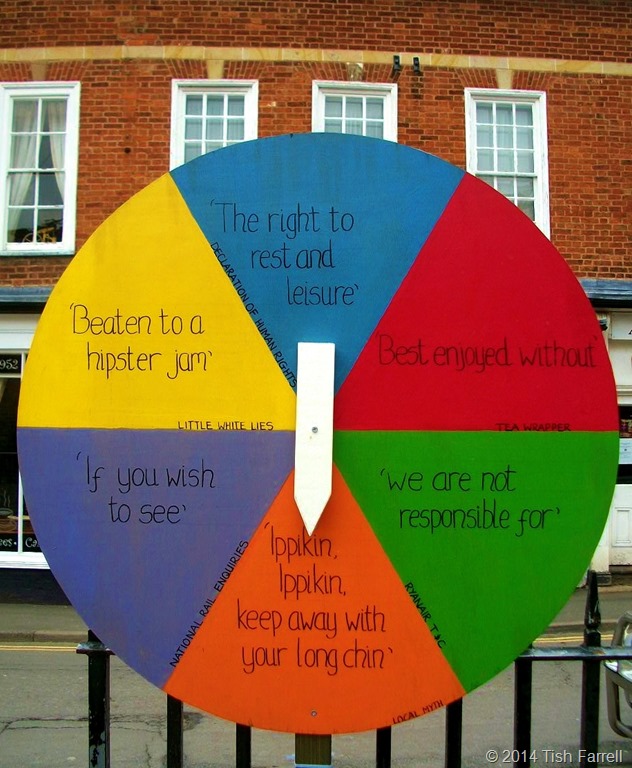
And then there are the ten Dada Poetry Orienteering spinners (including 2 mystery ones) sited about the town. They comprise phrases culled from printed matter – from the Declaration of Human Rights to a tea wrapper. Visit some or all and, with random spins of the pointer, create an on-the-spot composition.

100_5594

And when inspiration needs a further boost, then there are refreshments on hand, not only at the Poetry Café in the Priory Hall, but at the town’s ancient inns, and traditional tea rooms.

IMG_1080

IMG_1058

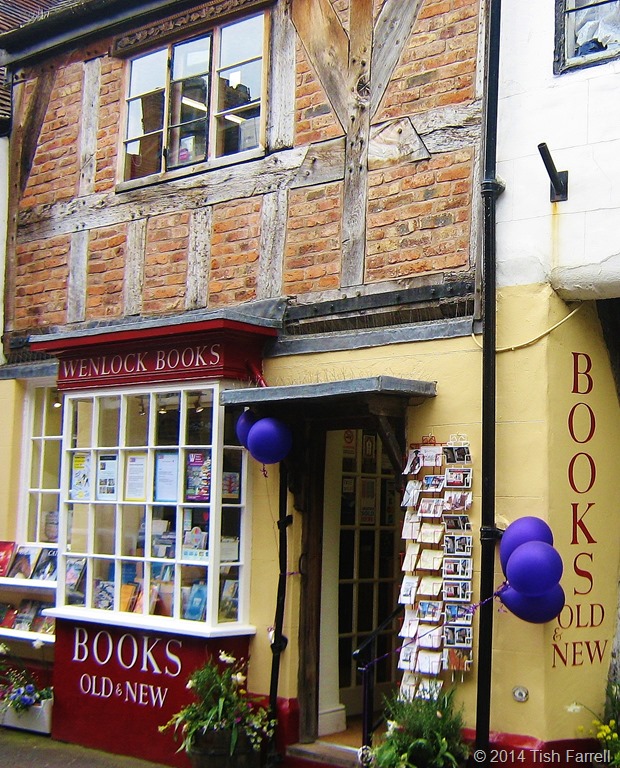
And here we come to the heart of the festival, the town’s famously much loved independent book shop, Wenlock Books. Its owner, Anna Dreda, has been the primary driving force behind the festival, enticing, Carol Ann Duffy, Britain’s Poet Laureate, to be the festival’s founding patron. The festival is now in its fifth year, and involves the efforts of many dedicated volunteers who put in many months of work to ensure its continuing success.

And so for a small town of less than 3,000 people, we are astonishingly well-lettered, and much of this is down to Anna, who throughout the year (and quite apart from the poetry festival) lures young and old into her lovely shop to take part in reading groups, listen to stories being read, or chat with authors. Coffee and biscuits are ever on offer, and sometimes even a Tea and Toast Breakfast. Last year, too, Anna was invited to meet the Queen during a celebration of British contemporary poetry.

IMG_1054

Anna Dreda.

Anna Dreda of Wenlock Books

*

Sadly, you have just missed this year’s festival, but now that you’ve glimpsed a little of what’s on offer in Much Wenlock, check out the festival website below and make a date for next April. But before you leave, a few more views of lettered Wenlock:

IMG_1069

IMG_1071

100_5579

IMG_1079

100_5606

See you at the sixth Wenlock Poetry Festival 2015


Related:

Wenlock Poetry Festival

Wenlock Books


Go to Daily Post Weekly Photo Challenge for more LETTERS

International Women’s Day 8 March


I posted a version of this last year, but here it is again…

image

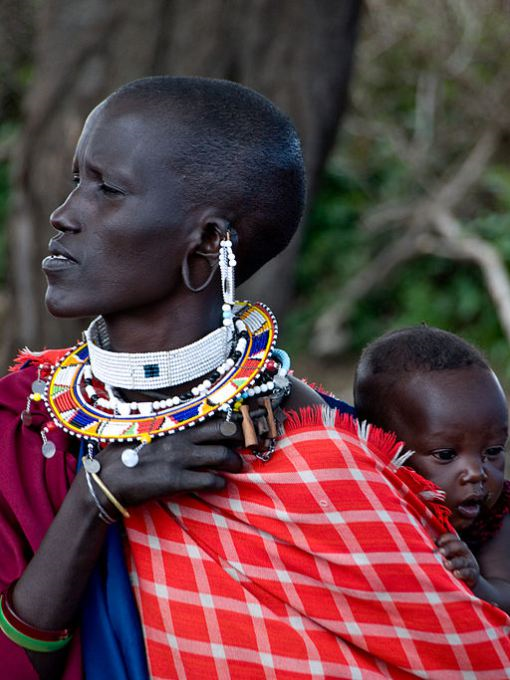
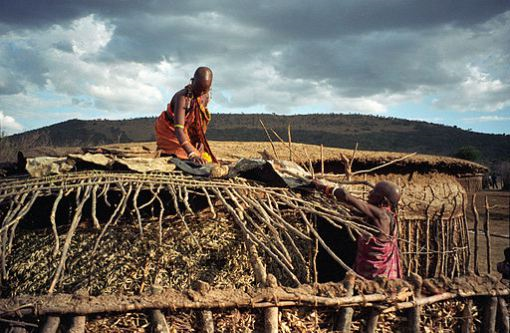
Maasai women house builders. Photo: Creative Commons – Jerzy Strzelecki


*

I’m thinking of women whose life is immeasurably harder than mine. Could I, for instance, walk the Maasai woman’s barefoot daily trek across wild bush country, searching for firewood, fetching water, taking produce to market? Could I have reared children in the dung and wattle hut that I had built myself? Could I live obeying a husband’s commands even when I thought them wrong? What kind of bravery, tenacity and inner strength would I need to live this way, and to still live well? These days, things are slowly changing for Maasai women, not least because campaigners from their own communities are pressing for girls’ education, the end of genital mutilation and forced teen marriages. But for outsiders visiting the Mara it is all too easy to see only the grinding poverty and the reconstituted, fit-for-tourist shreds of former warrior glamour. But before jumping to too many conclusions about what is really going on, here is my version of a Maasai traditional story that sheds some light (literally) on their own views of the man-woman relationship.


And the moon still shines

Long ago Sun wanted a wife
so he married Moon and they made a pact,
to ply the sky in endless round,
Sun ahead, Moon behind.
And each month, tiring of the trek,
Sun carried Moon-Wife on his back.

But then one day they came to blows.
Moon crossed Sun and Sun lashed out,
beating his Moon-Wife black and blue.
Moon struck back. She slashed Sun’s brow.
He gouged her cheek, plucked out an eye.

Later Sun fumed: I’ll shine so hard
that none will ever see my scars.
While Moon tossed her head:
Why hide my wounds?
I still light up the night sky.

*  

text© 2014 Tish Farrell

*

image

Photo: Creative Commons www.flickr.com/photos/javic


Frizztext’s tagged ‘i’

Go here for more ‘i’ inspired stories

Horsemen of the Maghreb: the Berber

Morocco Berber9_019

They call themselves i-Mazigh-en ‘the noble people’ and they have inhabited western North Africa for at least 12,ooo years. Or as the 8th century Tunisian historian Ibn Khaldun put it:

“The men who belong to this family of peoples have inhabited the Maghreb since the beginning.”

This might be mythically ‘true’ but scientific enquiry has produced other scenarios. For instance DNA tests show that i-Mazigh-en have common traits with the Sami reindeer herders of Scandinavia. They seem to have arrived in North Africa from the Near East back in the Mesolithic era, in other words before the development of agriculture. Over the millennia they have absorbed many different ethnic groups, including Neolithic farmers, Romans and much, much later, the Bedouin Arabs who began to invade the Maghreb from the mid-600s AD  and, in the process, largely converted the Berber to Islam.

The name Berber appears first in Roman accounts, and probably derives from the Roman habit of calling non-Latin speakers barbarians. (At least this is the sort of thing my Latin teacher used to tell us). The ancient Berber kingdom of Numidia (202 B.C. – 46 B.C.) once extended along Africa’s western Mediterranean seaboard including territory that is now part of modern day Morocco, Algeria, Tunisia and Libya. Numidia’s border effectively cut off Roman Carthage from the African hinterland, which may explain why the Romans were set on annexing the kingdom. During the last two centuries BC,  Numidia became highly Romanized, at different times serving as either a Roman province or a client state.

Morocco Berber2

Today the are  some 9 million Berbers in Morocco,  4 million in Algeria as well as significant populations in neighbouring countries. Most Berbers are farmers. They grow wheat, barley, fruit, olives, nuts on lowland farms and graze their flocks of  goats and sheep  in mountain pastures during the summer months. They also keep mules, oxen, camels and horses for  work and transport.  Then there are the nomadic pastoralists. These include the Tuareg of Mali, Niger and Burkina Faso, who though sometimes seen as a separate people, in fact carry Berber genetic markers that suggest they may be members of the founding Berber population.

Morocco Atlas_mountains1

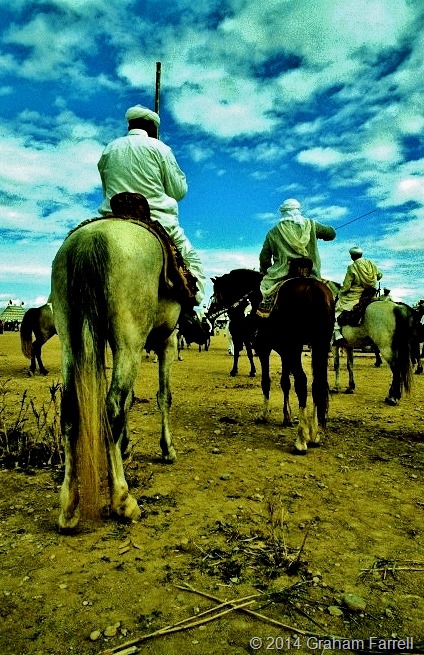
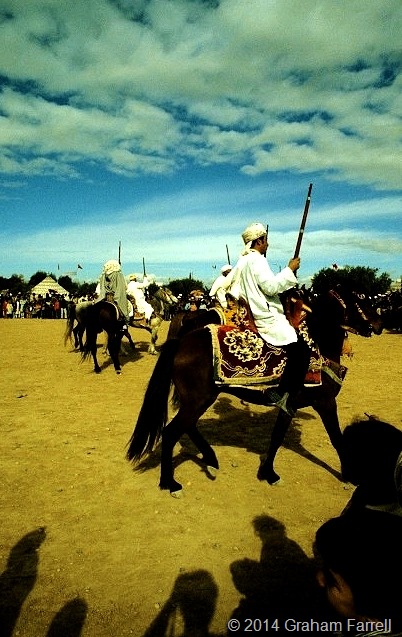
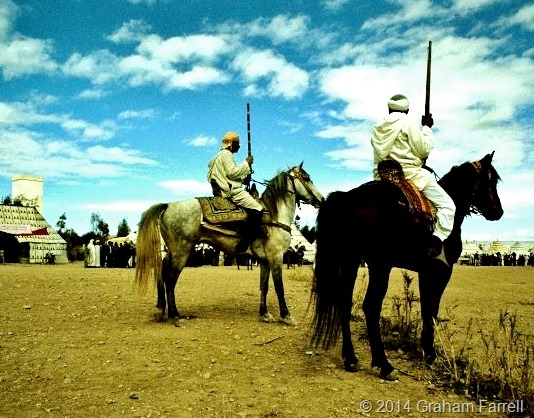
These photos, however, were all taken in rural Morocco, somewhere on the road from Marrakech to Fez  (Atlas mountains in the distance). Again they come from G’s slides of his overland trip, and they show a traditional Berber performance of the Fantasia, known locally as  lab el baroud  “the gunpowder play”. On this occasion village people were commemorating  the  25 years rule of King  Hassan II (1929-1999), but the Fantasia can also mark the conclusion of wedding celebrations, and other seasonal festivals.

Morocco Atlas_mountains6_016

Morocco Berber1

Morocco Berber6

Morocco Berber10_020

Morocco Berber8_018

Morocco Berber4

The performance harks back to past days of warfare, mimicking the charge formation by Berber and Arab desert riders. It hardly needs me to say that the synchronised charge, followed by the firing into the sky of antique muskets or muzzle-loading rifles, requires great riding skill. The horses also are especially bred and selected for the purpose. Lab el baroud has become the equivalent of a martial art. Each region in Morocco may have several fantasia groups or serba, amounting to thousands of riders nationwide. The 19th century image below shows how little has changed, at least at the time when these photographs were taken.

File:Detaille - Fantasia de spahis.jpg

Édouard Detaille painting : Fantasia de Spahis (1886)

But in other ways, Berber culture has moved on. Well, it has and it hasn’t. Make up your own mind with this performance of desert blues from the Tuareg band Tinariwen.

Frizz’s Tagged ‘H’

Object, subject, object? Who cares when it’s this much fun…


100_1454


It was a brilliantly cold December day and we heading for the Serpentine Gallery in London’s Kensington Gardens when when we happened on this marvellous magic mirror. We were already in fantasy-mode too. We had just been questing in Kensington’s Enchanted Palace exhibition, wherein the State Apartments had been filled with mysterious installations that told serial tales of seven princesses who had once lived in Kensington Palace. Many of the stories were hauntingly sad, and the last of these, Princess Diana’s, very much skated over. And so, despite the grandeur of the place, and the wonder of the installations, we were left with disturbing cobwebby feelings that made me think of finding wicked fairies in the attic. It was good to step out into the icy air and  regain some sense of reality.

But then look what happened…?

100_1451

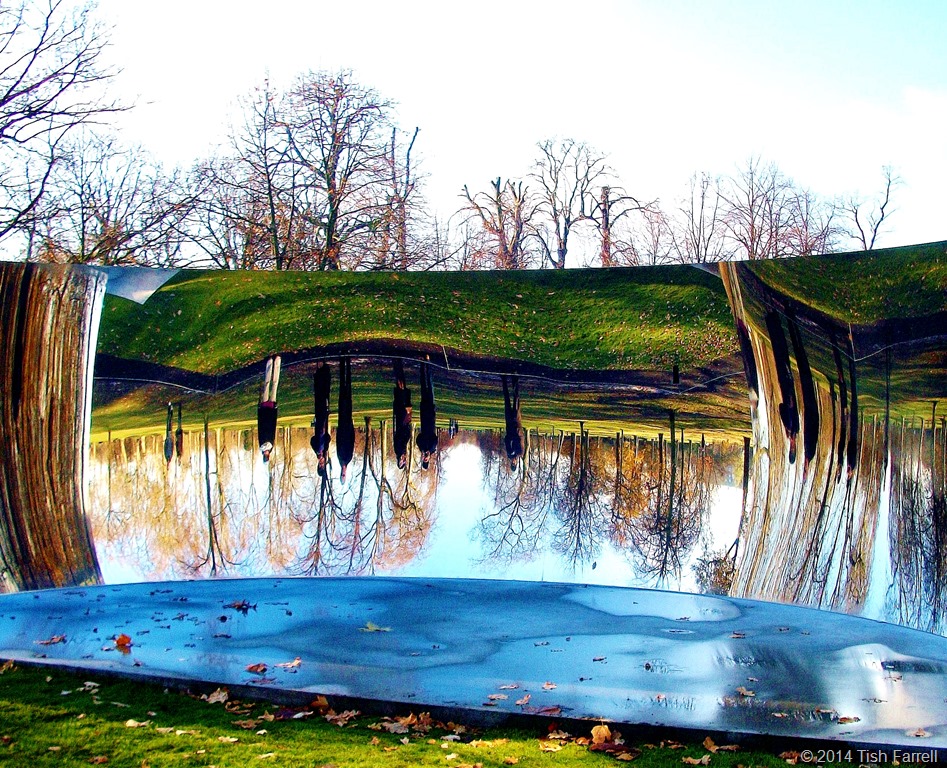
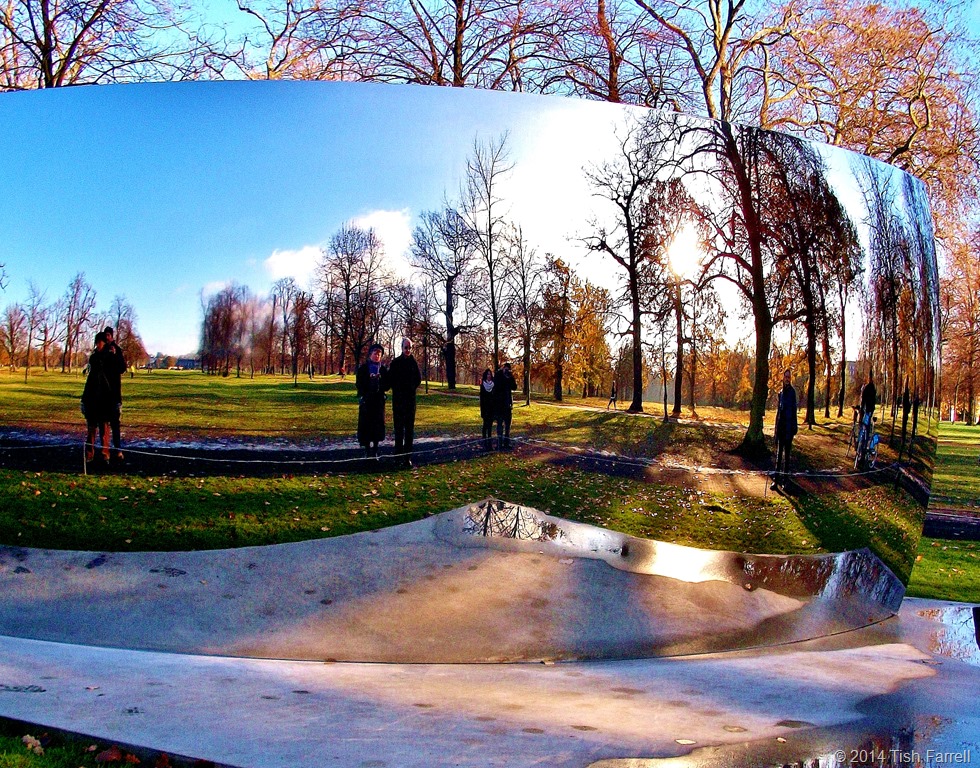
Wandering through the wintery park, we collided with this piece of optical wizardry – sculptor Anish Kapoor’s C-Curve – a highly polished steel convex-concave mirror. It turned out to be one of four magnificent pieces making up the six-month 2010-11 exhibition put on by the Serpentine Gallery in conjunction with the Royal Parks. Sadly, the exhibition is over, but you can have a retrospective view and see a short video at this link:

Anish Kapoor: Turning the World Upside Down


100_1452

But the great thing about the C-Curve was the huge enjoyment it was giving to all the passers-by. Public art at its very best. You could walk right up to it. You could watch yourself do silly walks and upside-down too. You could hug your partner and grin inanely at your reflections. It made you, the viewer, the subject of the work. It inspired you to explore the landscape with fresh eyes as reality became a multi-layered spectacle and wonder. It was thus a resplendent antidote to palace fantasies and wicked fairies in the attic. What an artist is Anish Kapoor.


And finally for a different interpretation of OBJECT. Here is Anish Kapoor and friends in the official Amnesty International’s video objecting to human rights abuses. Gangnam for Freedom. Go for it…


Weekly Photo Challenge: Object

Chrissie Hynde Queen of the Castle

Scan-140112-0009

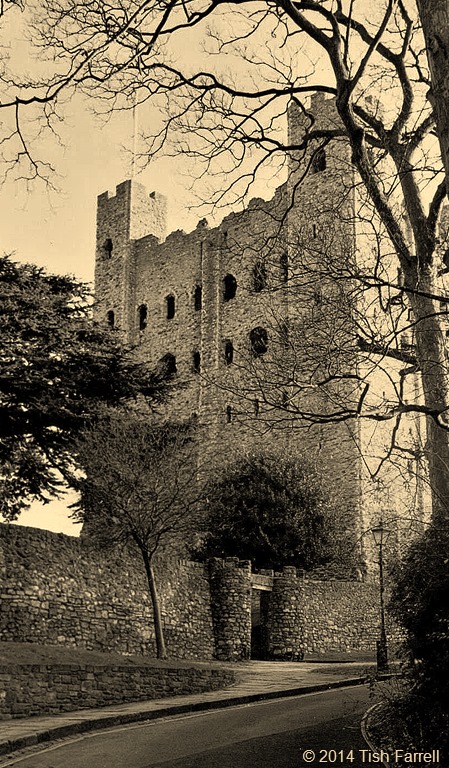
It’s not often that a rock legend comes to perform practically on your doorstep, but in the summer of 2002 Chrissie Hynde and The Pretenders did just that. They were booked to show in the outer bailey of Rochester Castle. At that time we’d not long moved back to the UK from Kenya and were living along the Esplanade in Rochester, Kent, a short walk from the castle. We could not believe our luck. The tickets cost £15 and we had to bring our own chairs and refreshments. Midge Ure did the opening set and it was all rather low key, with people milling around and having sunset picnics. And then the Pretenders were on and the night turned electric…

Scan-140112-0022

001 (2)

The 12th century keep of Rochester Castle, Kent _ The Pretenders’ venue July 2002.

*

And now for a classic favourite performed live:

*
*
#chrissiehynde #thepretenders #tishfarrellwriter #rochestercastle

Paul Kabochi, Path-finder, Pharmacist 1942-2003


Scan-130602-0001


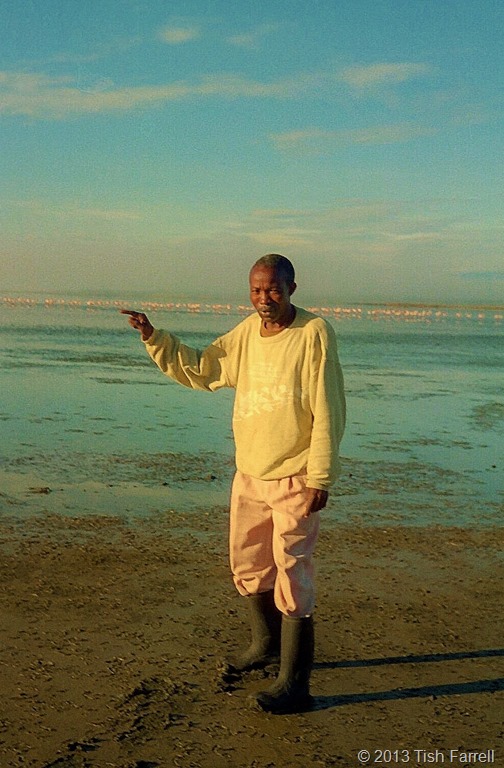
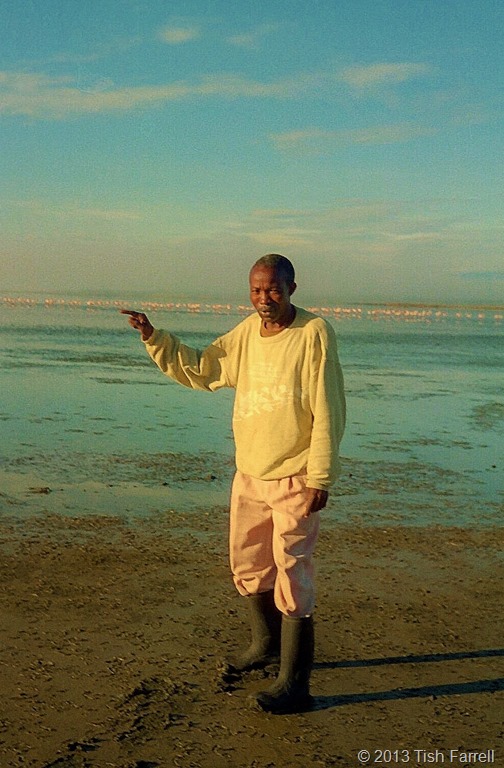
It was dawn on the muddy shores of Lake Elmenteita in Kenya’s Rift Valley, and I was walking alone, listening to the endless grunting of flamingos as they grazed the algae-rich water. Suddenly a safari truck swung out onto the mud flats. A Japanese tourist jumped out and began taking photographs of the distant flamingos. His driver and guide Paul Kabochi, also got out, moving more softly as was his way. He  came over to me while his guest went on shooting. “Hello,” he said. “What are you doing here?”

It wasn’t a question that expected an answer; it was just Paul being Paul, the wry smile, and the glittering eyes that missed nothing. On several visits to Elmenteita’s Delamere Camp he had taken me out on dawn walks, and he had been our guide on night drives around the Soysambu estate.  And so, as I had my camera with me, I asked him to pose by the lake, which he was more than pleased to do.

Paul Githinji Kabochi was a man I am lucky to have met, and I mourn his tragic loss in what was, for him, the strangest of accidents. He was a true path-finder, and not only for the likes of me, a traveller, wanting to experience the African bush with someone who knew it intimately, but also for august naturalists such as David Attenborough.  Paul had been one of the expert guides during the making of The Life of Mammals, and his special knowledge was often called upon by the BBC’s outpost in Nairobi.

I first met him on the afternoon ethnobotany walk run by Delamere Camp to keep guests amused until the night drive around Lord Delamere’s private estate (now Soysambu Conservancy). That day, on the walk, we did not get beyond the camp grounds. There were too many plants that required our attention.

Paul knew about the medicinal properties of both indigenous and introduced plant species. I remember him telling me to pick some lavender from the bush outside the camp dining room when I told him I had a headache; this after ascertaining whether it was “a headache of the stomach, or of the weather.” He told me to make tea with it. On other occasions he also explained how he treated skin cancers with a mixture of, among other things, baked sodom apple (Solanum family) and avocado. Then there was the little blue flowered Wandering Jew (Commelina) that was especially good for clearing adolescent acne. He also once told me that he had successfully treated a typhoid outbreak in the locality with decoctions of (I think) fever tree bark.  He meant to write a book, imparting all he knew, but when I last met him he was struggling with finding ways to fund the venture.

When he was not acting as guide for Delamere Camps, he had his own clinic in Rumuruti, and was also called on from time to time to consult at the prestigious Nairobi Hospital.
001

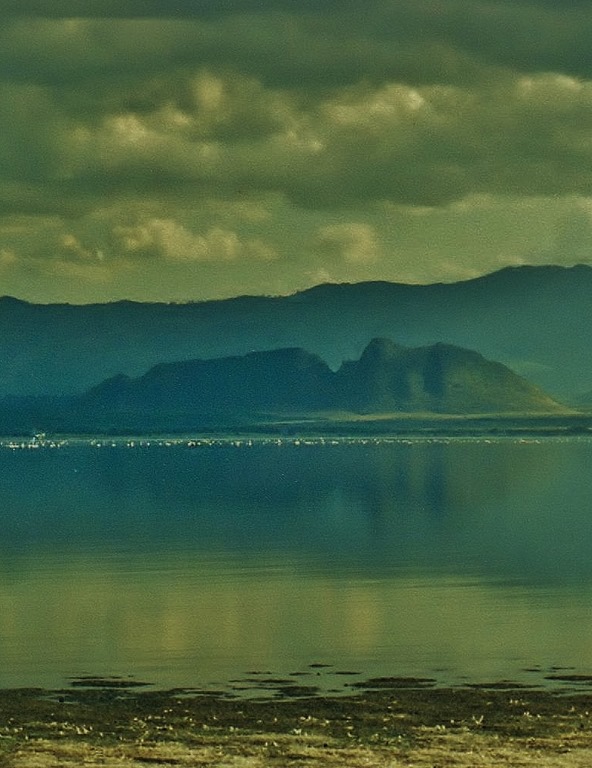
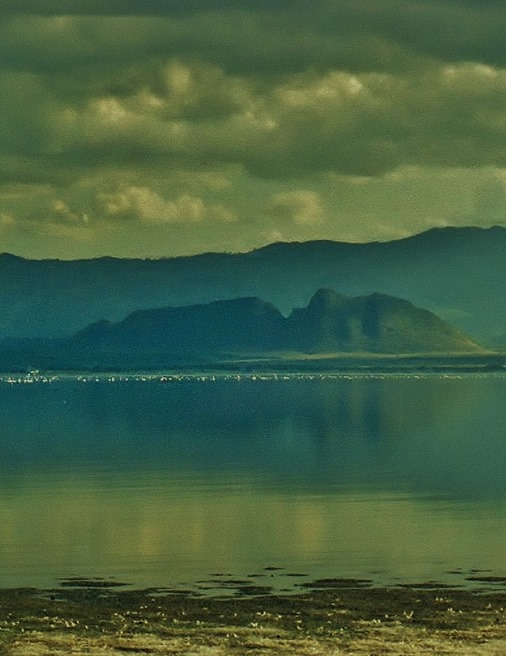
Lake Elmenteita looking towards the exploded volcanic crater known as The Sleeping Warrior. Large numbers of flamingos come to feed here, but it is more important as a breeding ground for white pelicans. Like many of the Rift lakes, the water is exceedingly alkaline. This particular lake is also very shallow, being only around 1 metre deep. At times it has been known to disappear altogether, leaving a dusty basin. The name comes from the Maasai ol muteita meaning dust place.
005

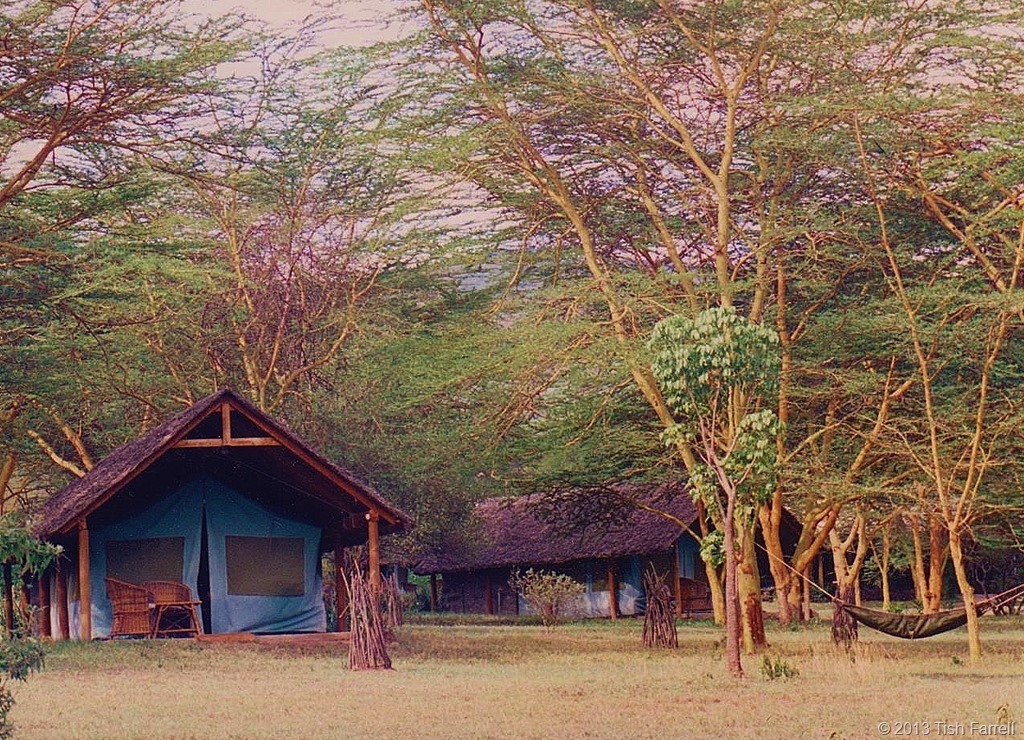
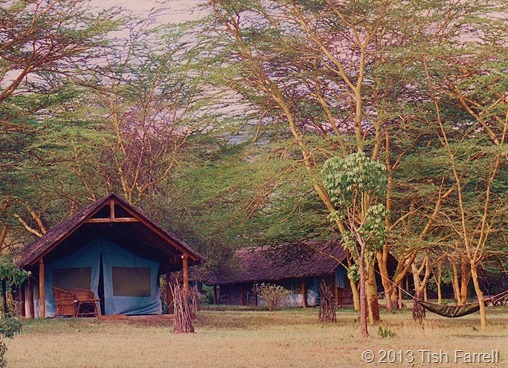
There were around twenty ‘thatched-roof’ tents – all with bathrooms. On cool evenings we would return from the night drive to find hot water bottles in our beds.
001 (2)

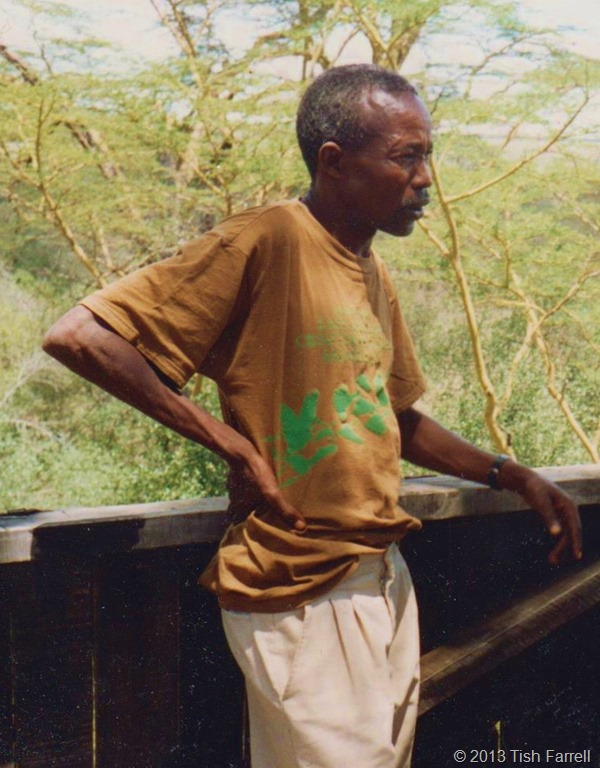
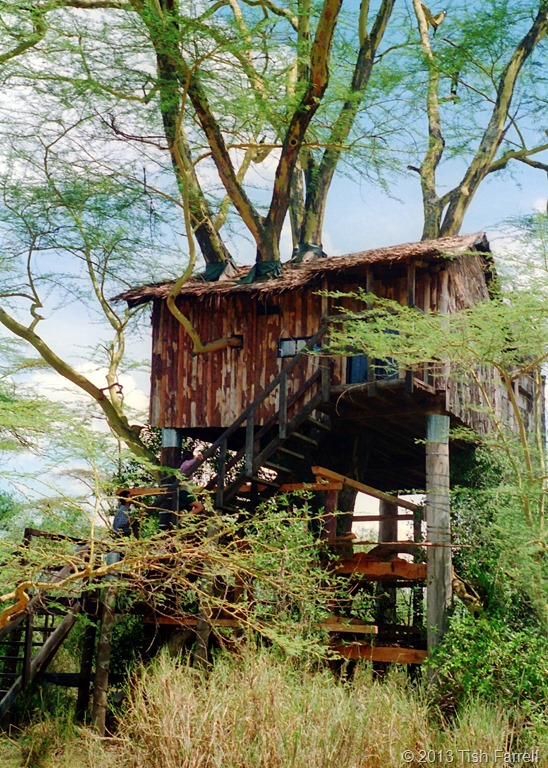
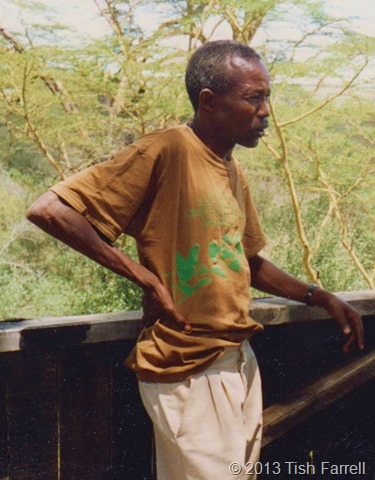
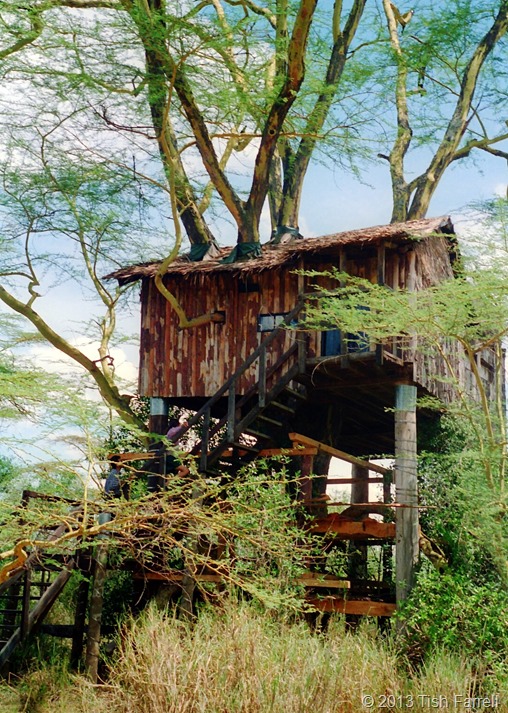
Paul was responsible for many of  the features that made staying at the Elmenteita camp so special. One of them was the tree house he built in a fever tree, and on whose roof terrace he is standing in the photo above. Small numbers of guests could spend the night there in the hopes of spotting the leopard that came to drink at  a nearby water hole. We stayed there once, but saw no leopard. Instead we were kept awake by chattering tree squirrels who spent all night raiding the sugar bowl which we had carelessly left uncovered. The night drive out there, though, had been fun. We had seen both a zorilla and an aardvark. And in the morning the camp staff drove up with a full hot breakfast, so we could dine on the roof amongst the bird call.
Scan-130601-0007

Paul said he came from the Ndorobo community, or Ogiek, a small, but remnant population of hunter-gatherers, who traditionally lived by honey gathering and hunting. These slight-framed people were possibly among the indigenous inhabitants of East Africa before the arrival of the Bantu farmers and Maasai pastoralists. Many became assimilated with the newcomers, adopting their languages, but there are still groups living in the forests of the Mau Escarpment, where they struggle to have their rights acknowledged by the Kenyan Government. Top on their list of priorities is preserving their forest domain, now constantly under threat from agriculture.

Before he became a guide, Paul worked for many years as an animal trapper for the National Museums of Kenya, capturing animals for museum study and display. He told me that he and his party had once been set on by bandits while he was trapping up in remote and arid Turkana. The works Land Rover was stolen at gunpoint and they were left to die. He survived on that occasion, but blamed the loss of many teeth on the days of near starvation in the wilderness.

In the years before he died, Paul was working down at Taita Ranch near the border with Tanzania. There he liaised with film crews and scientific expeditions of all kinds, giving them the benefit of his wisdom and wit. It was on the 8th February 2003, while he was out alone, and on foot, tracking dwarf mongoose, that he was surprised by a lone elephant and killed. It was some years after the event that I heard what had happened, and oddly, too, from a friend of a friend in rural Shropshire, someone whose sister lived in Kenya and whom I met while she was briefly over in England on a visit. It was a strange way to discover this sad news. Even now, I find it hard to believe that someone as smart and wily as Paul Kabochi could have been caught unawares by an elephant. They have such a strong smell for one thing, and he was not a man to take anything for granted.

Many academic research papers have been dedicated to him, but I notice, as time passes, internet  references to Paul Kabochi grow fewer. This makes me wonder, too, about the loss of all his pharmacological knowledge. I know he had children, but did he pass it on? In 2000 German documentary film maker Ralf Breier made a short film about Paul. Its English title is ‘Animal Magician’. Now that’s a film I would like to see.
003 - Copy

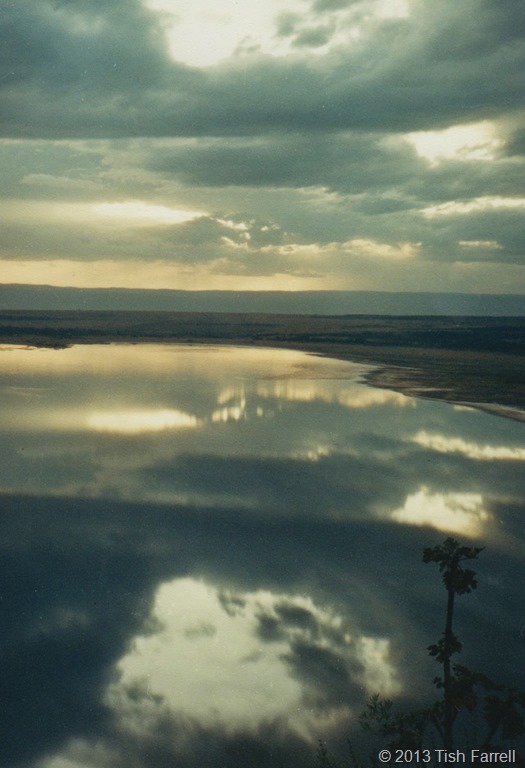
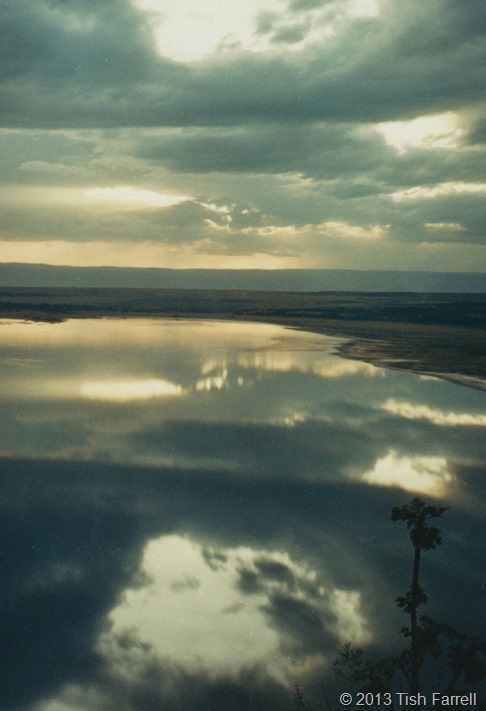
The photo above was taken from the Sundowner Look-out, above Lake Elmenteita.This was another of Paul’s ideas: that in late afternoon guests would either walk or be driven up to the cliff top behind Delamere Camp. There they would be given a few roast ‘bitings’ of game meat and a beer or soft drink, and sit on tree-stump seats and watch the sun go down. We have sat up there and viewed this scene with some of our dearest friends. Now I  look at the photo and think of Paul Kabochi. It is hard to think that he is not still treading softly along Africa’s wilderness trails. 
© 2013 Tish Farrell


P.S. Delamere Camp is no more. Much of the former Delamere estate at Soysambu is now part of the Soysambu Conservancy. The soda lakes of Elmenteita and nearby Nakuru are now World Heritage Sites.


Nakuru is the next lake up the Rift from Elmenteita.