Musings On Time Past ~ What Do We Make Of It?

pentre ifan

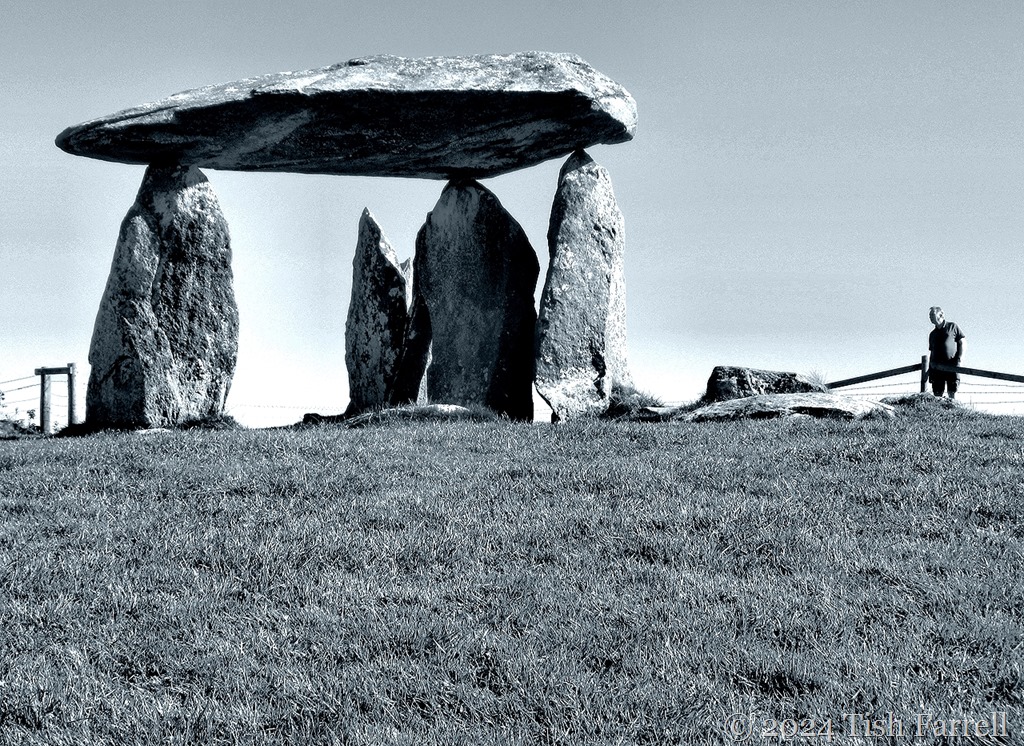
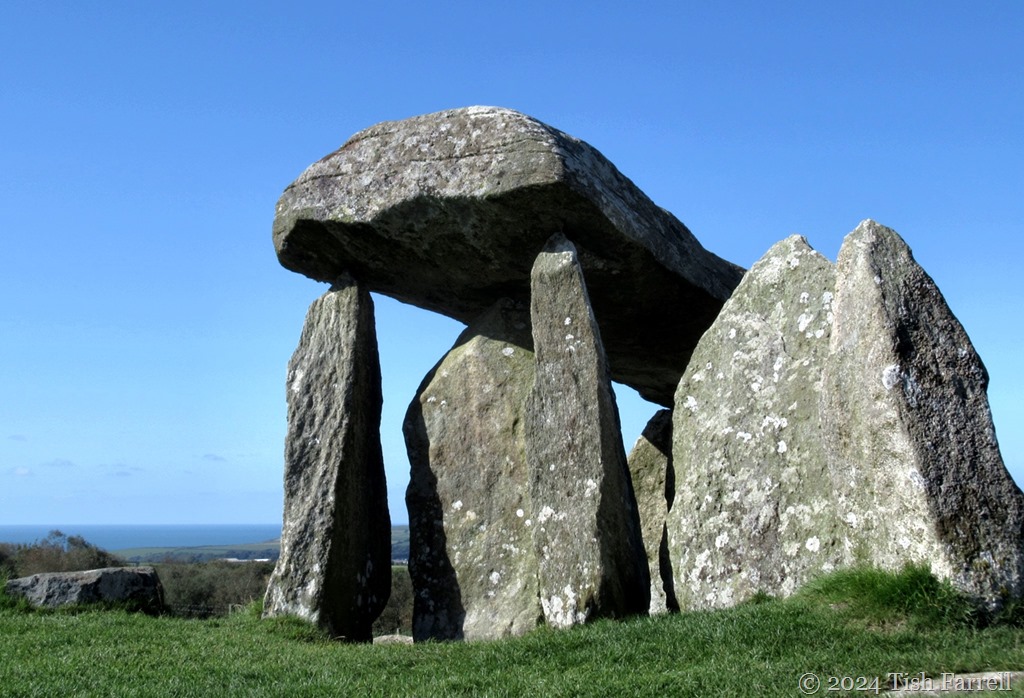
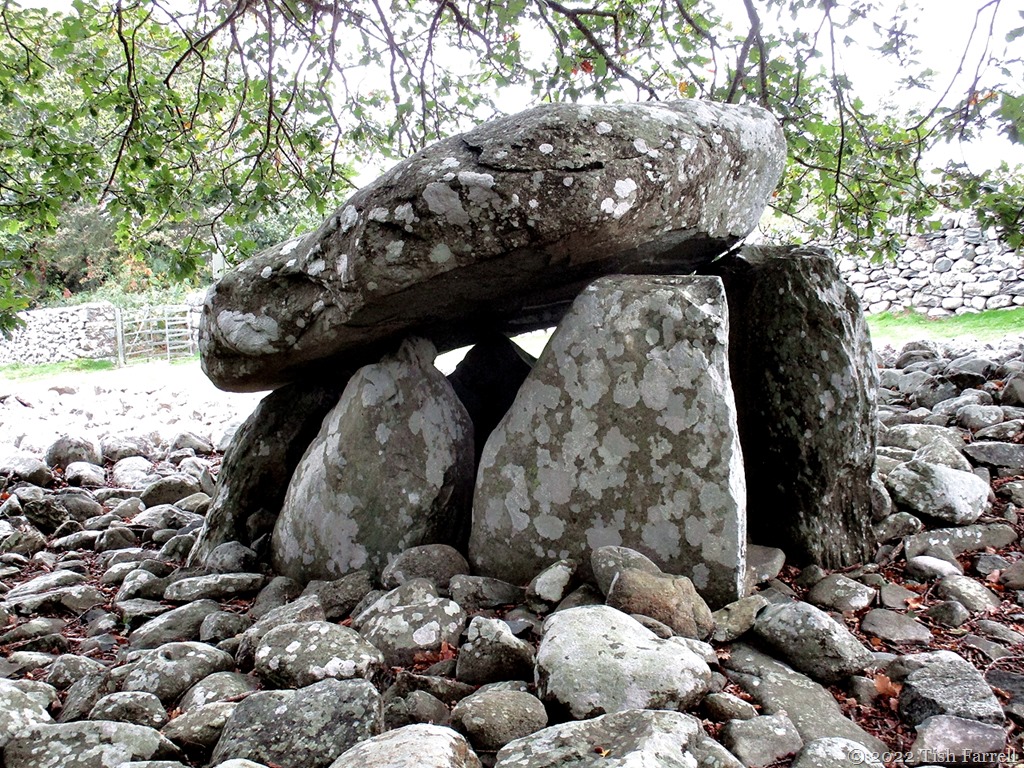
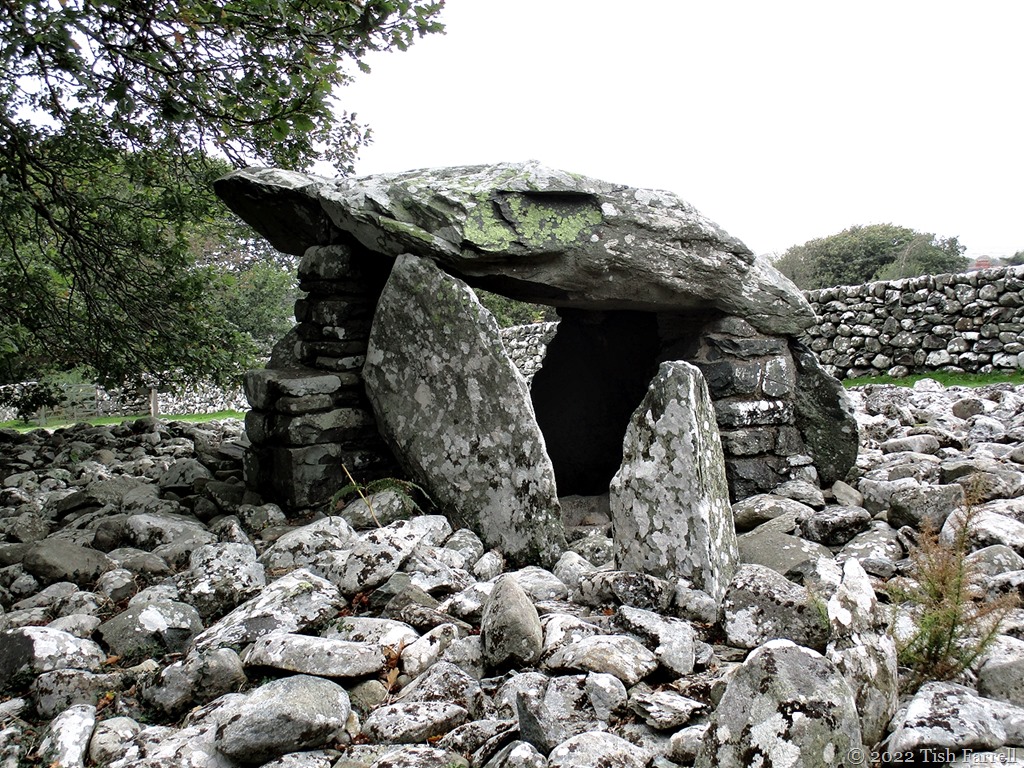
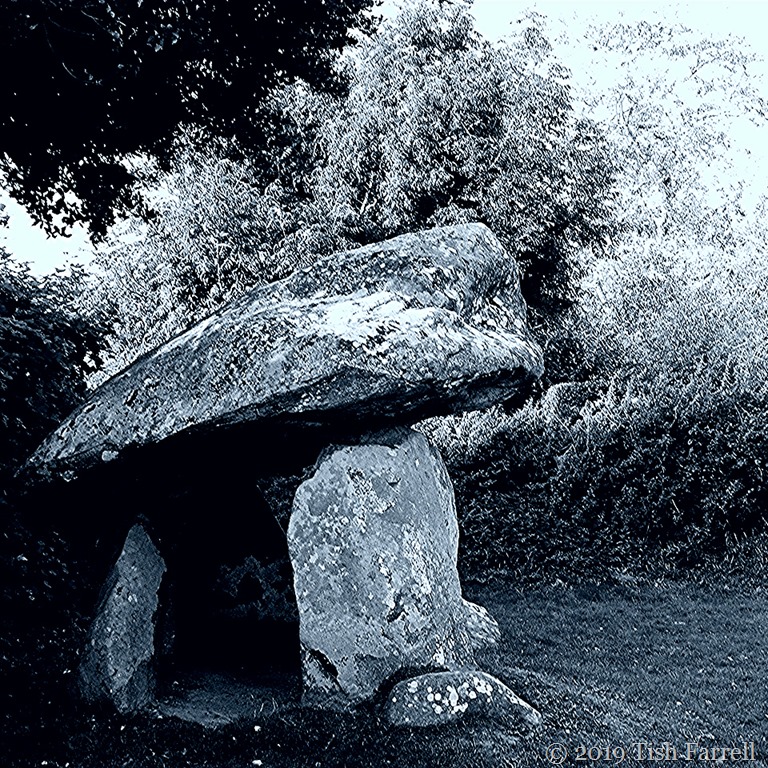
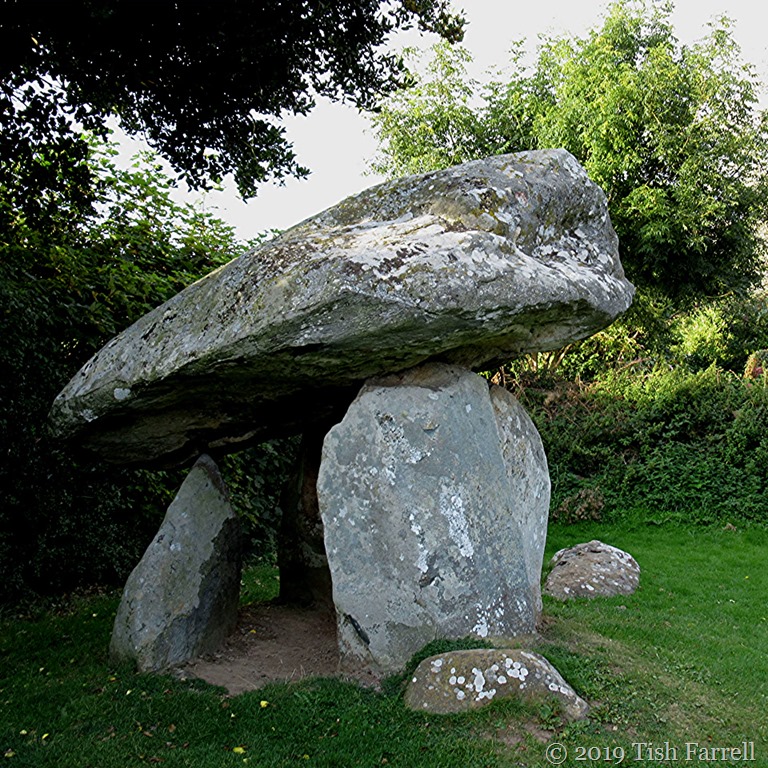
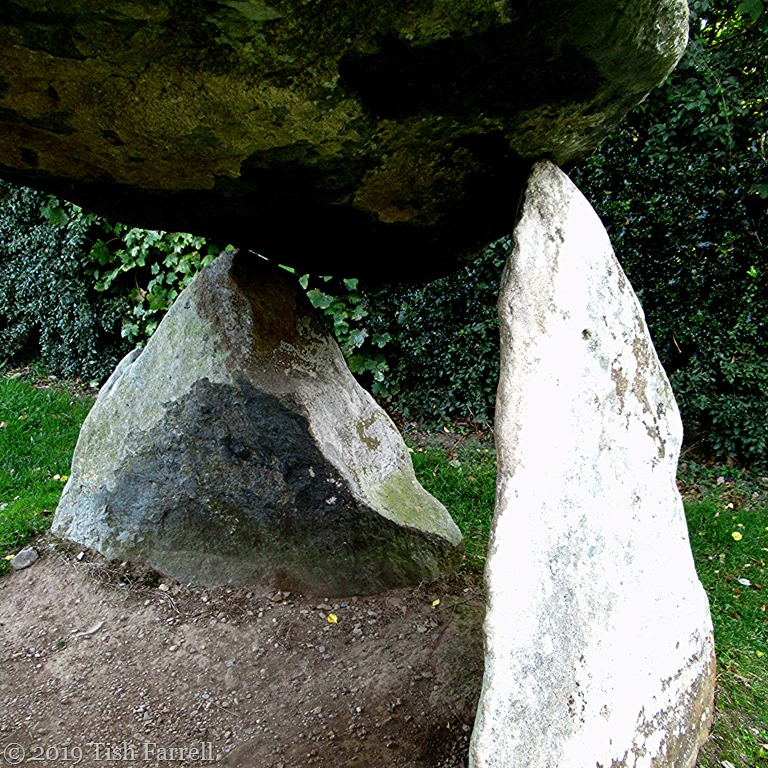
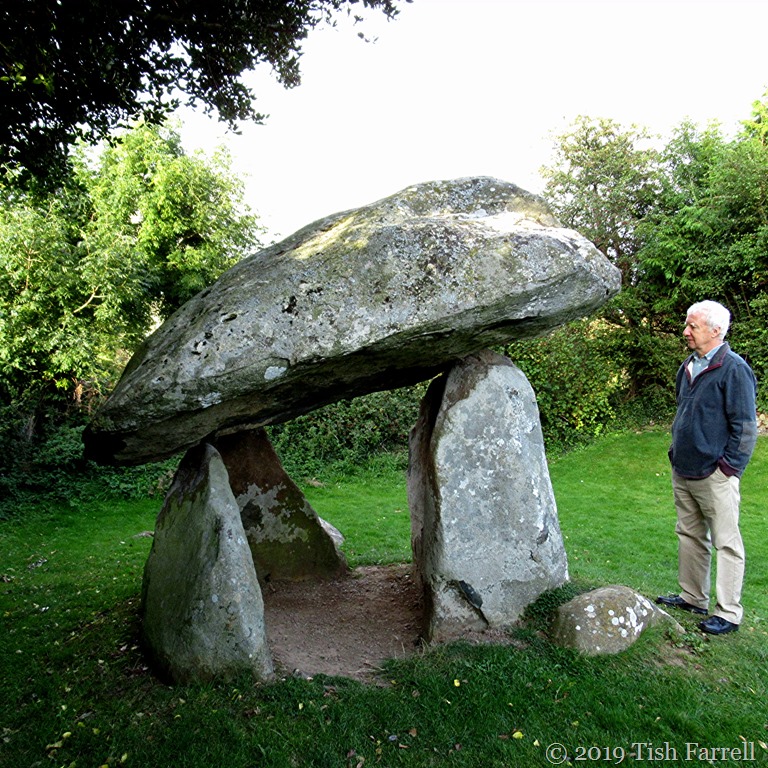
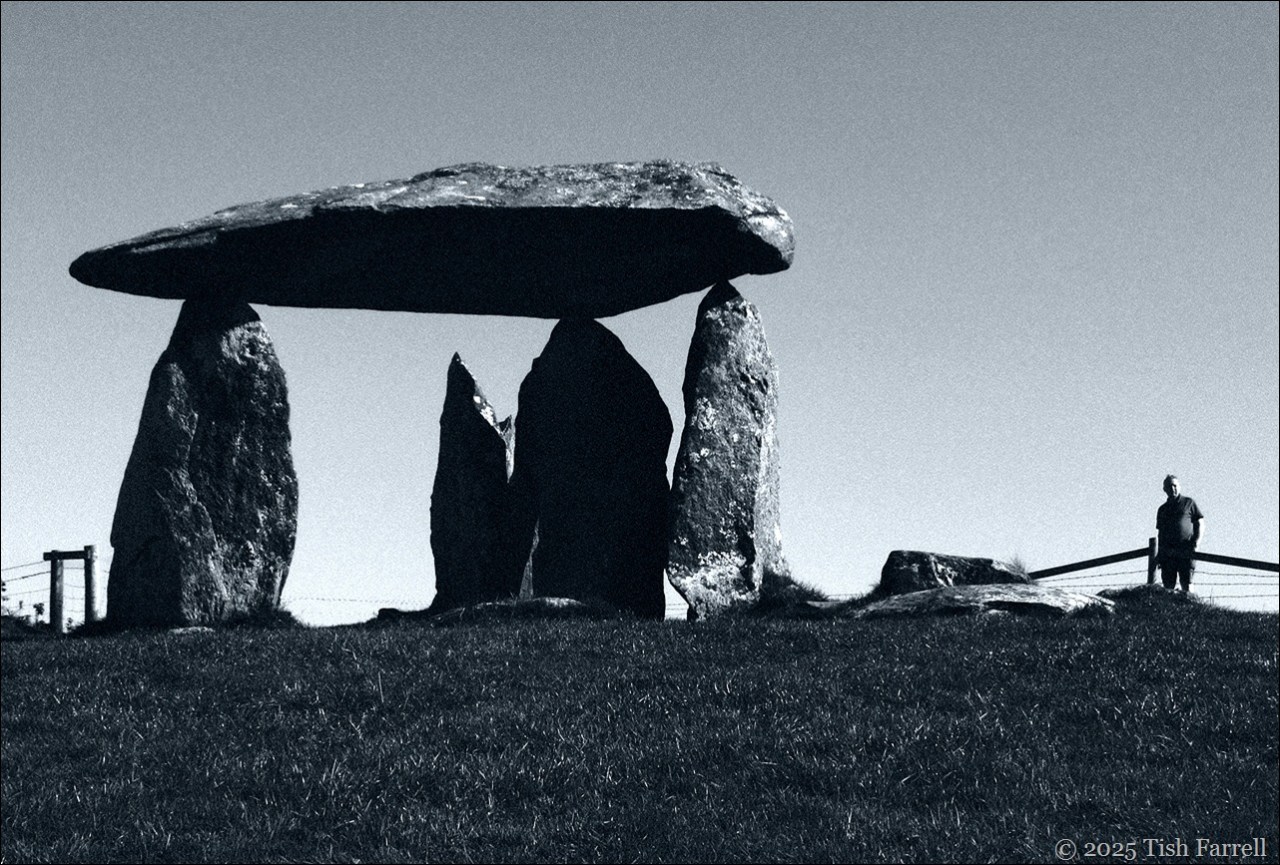
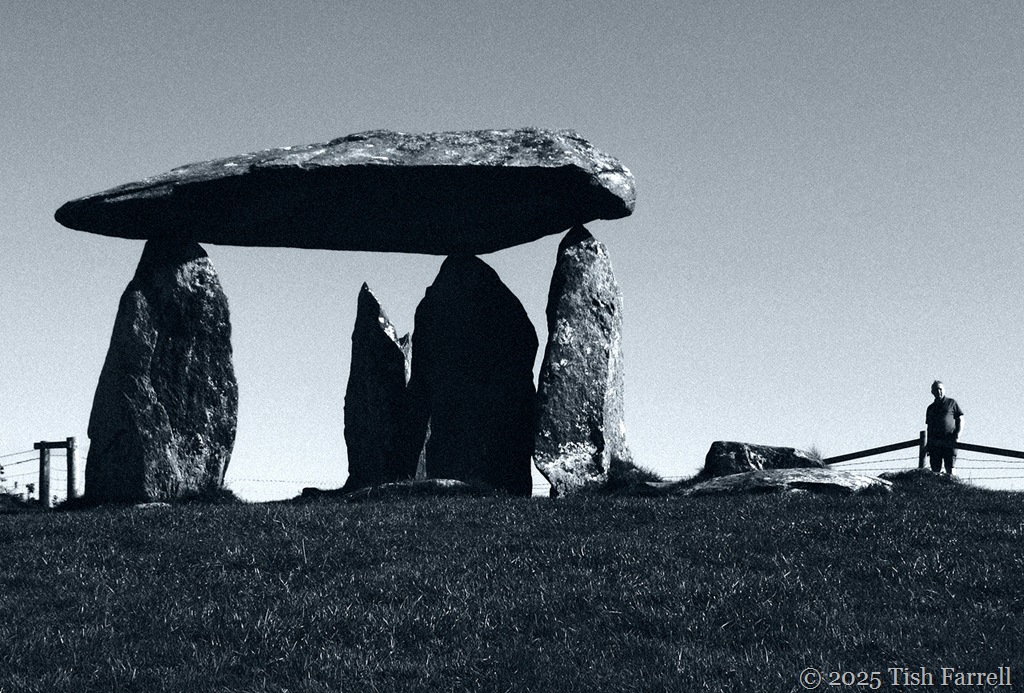
Remains of Pentre Ifan chambered tomb, Newport, Pembrokeshire c. 3,500 BCE

*

We humans have problems with time: too much of it; not enough; the wrong kind for a planned action or pronouncement; then there’s ever that tale of elders who forget what they had for breakfast, but recall in minute detail events of decades past.

We try to pin it down of course, have long done so with all manner of devices. Most likely the late ‘Stone Age’ people who constructed Pentre Ifan above, had contrived the means to keep track of it. For instance, the placement of so-called standing stones, the particular configuration of megalithic circles, the siting of tomb entrances, whence to observe the movement of stars, the angle of the sun, and so know where they stood in relation to the earth’s perceived cycles. A time to plant; to make a journey; to hunt; to trade; mark seasons for rites and festivals.
Mitchells Fold

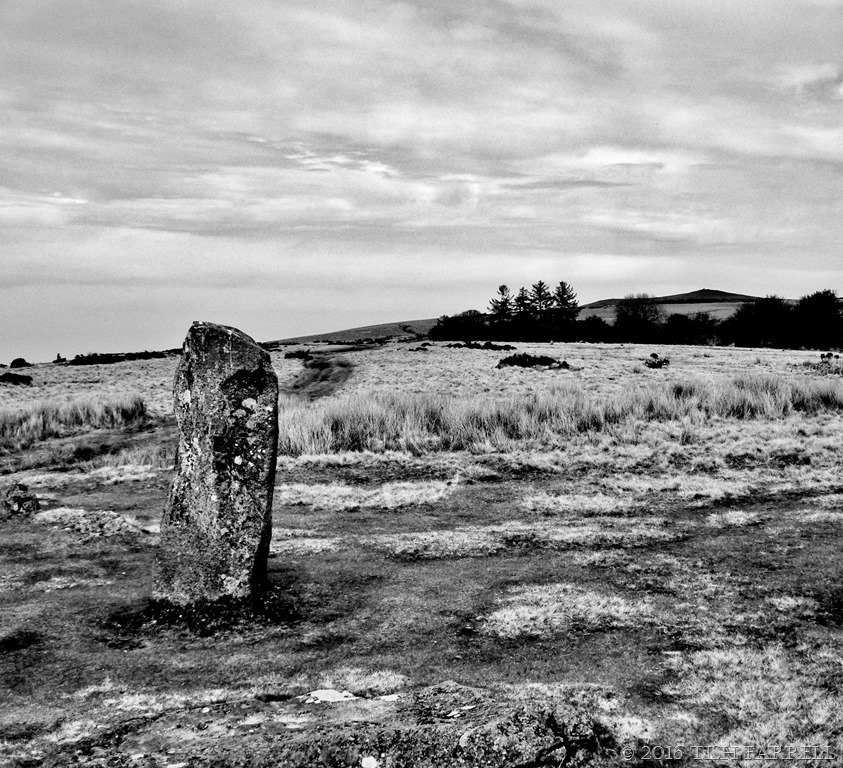
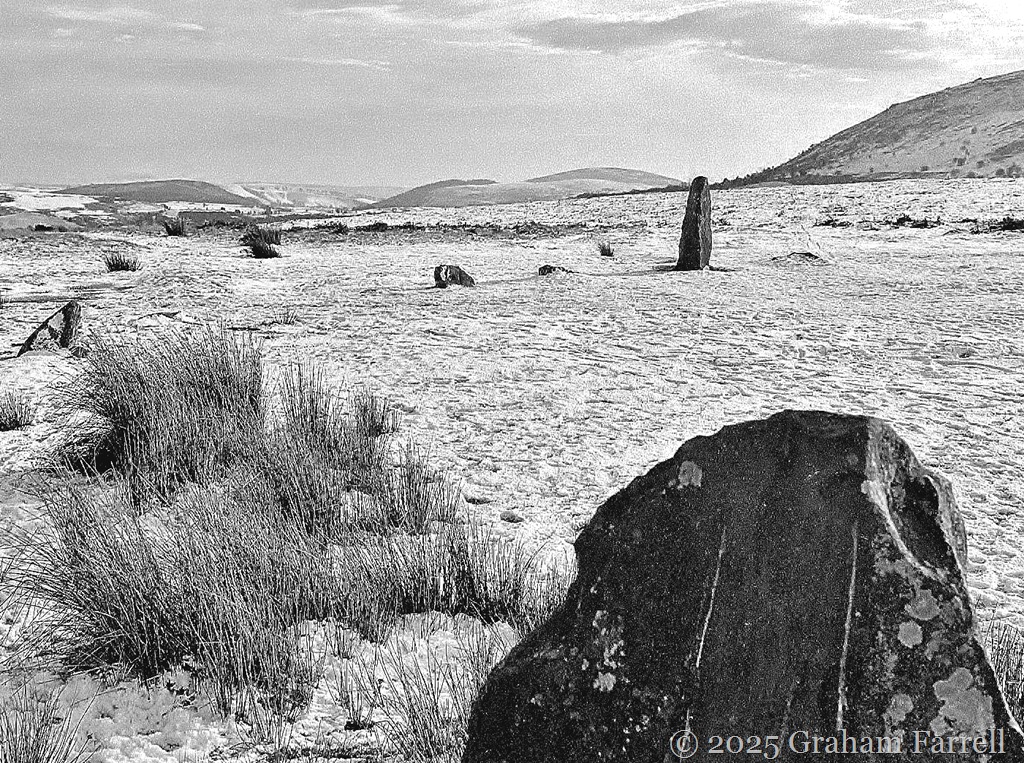
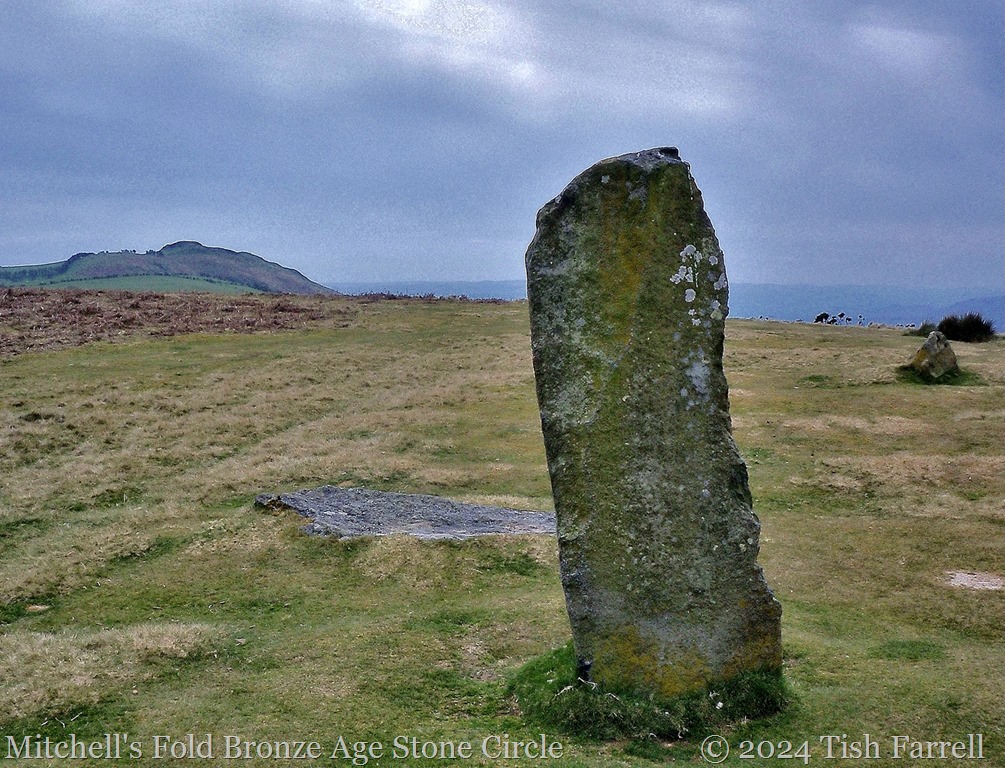
Mitchell’s Fold Bronze Age stone circle, Shropshire-Powys border

*

We don’t know who these prehistoric (pre-literate) people were. There is no apparent connection between us and them. How do we even begin to grasp what five and half thousand years actually means. Most of us, unless we spring from some dynastic household that records family pedigrees down the centuries, or derive from some close knit community where little has changed for generations, cannot name our four pairs of great grandparents without the help of genealogy.com. We certainly have no true idea of how they lived day to day, unless they kindly left us their diaries; and even then…

As L.P. Hartley says in the opening of his novel The Go-Between: ‘The past is a foreign country; they do things differently there.’ And for most of us, too, our generations of ancestors left no mark, but were ever caught up in ‘big people’s’ histories; the machinations of church and state.

*

There are anyway far bigger pasts than our human one. Here in my home county of Shropshire, in the borderland known as the Welsh Marches we have  some of the planet’s oldest parts. Seven hundred million years old, in fact.

Set against such a monumentally unimaginable timescale, the history of humanity, including that of our primate ancestors, is not even a magnified dot on the horizon.

This is what Peter Toghill has to say about the Marches geology:

The beautiful landscape of the Welsh Marches
is underlain by a rock sequence representing ten of
the twelve recognised periods of geological time…
This remarkable variety, covering 700
million years of Earth history, has resulted from
the interplay of… (1) erosion and
faulting which have produced a very complex
outcrop pattern; (2) southern Britain’s position near
to plate boundaries through most of late
Precambrian and Phanerozoic time; and, most
importantly, (3) the incredible 12,000 km, 500
million year, journey of southern Britain across the
Earth’s surface from the southern hemisphere to
the northern, caused by plate tectonic processes
.

An introduction to 700 million years of earth history in Shropshire and Herefordshire

*
P1030691

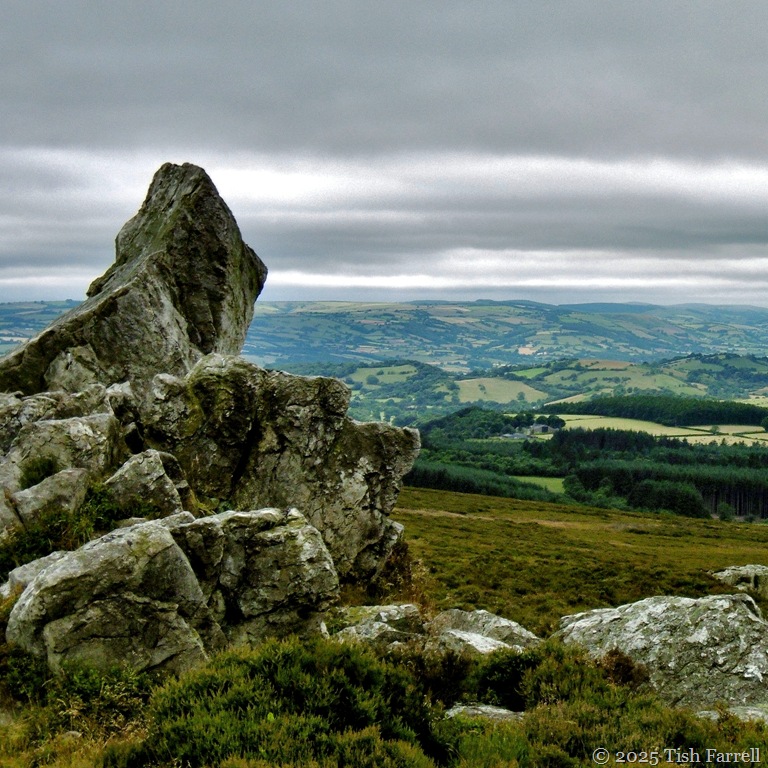
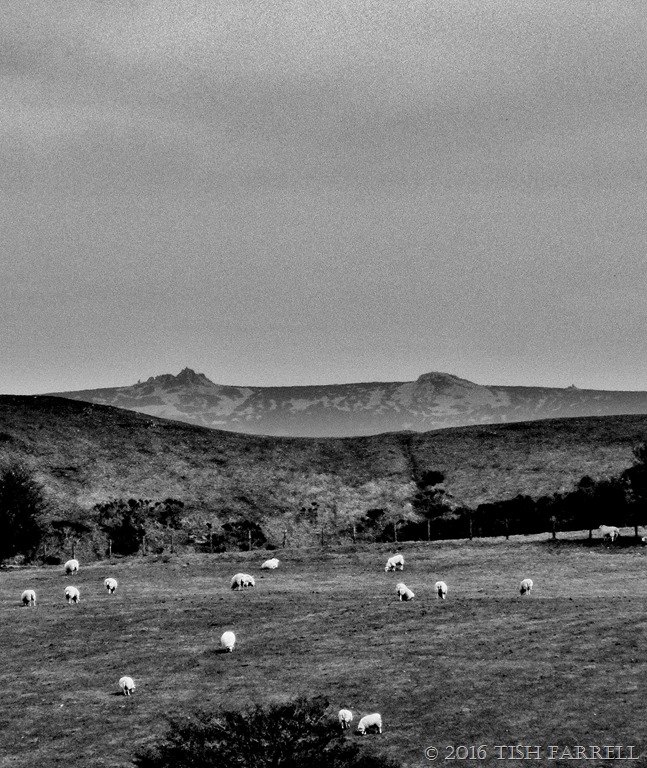
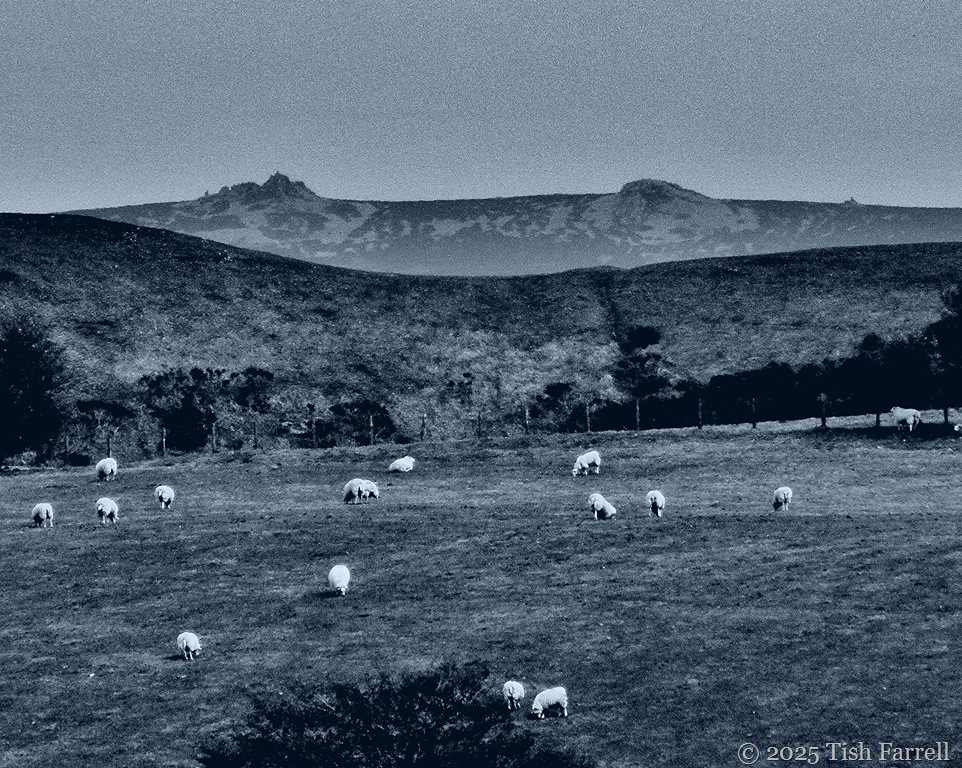
This distant view of the Stiperstones from Mitchell’s Fold stone circle, shows two of the Ice Age tors along the five mile summit, (Manstone the highest point on the left). This hill was probably formed from the laying down of quartzite sand when the whole of Southern England lay in the southern hemisphere, somewhere near the Comoros Islands in the Indian Ocean. That was around 500 million years ago, about the time when it began to move north. The tors themselves were exposed far more recently, by the repeated freezing and melting of glaciers that nudged up against them during the last Ice Age (115,000 to 12,000 years ago).

*
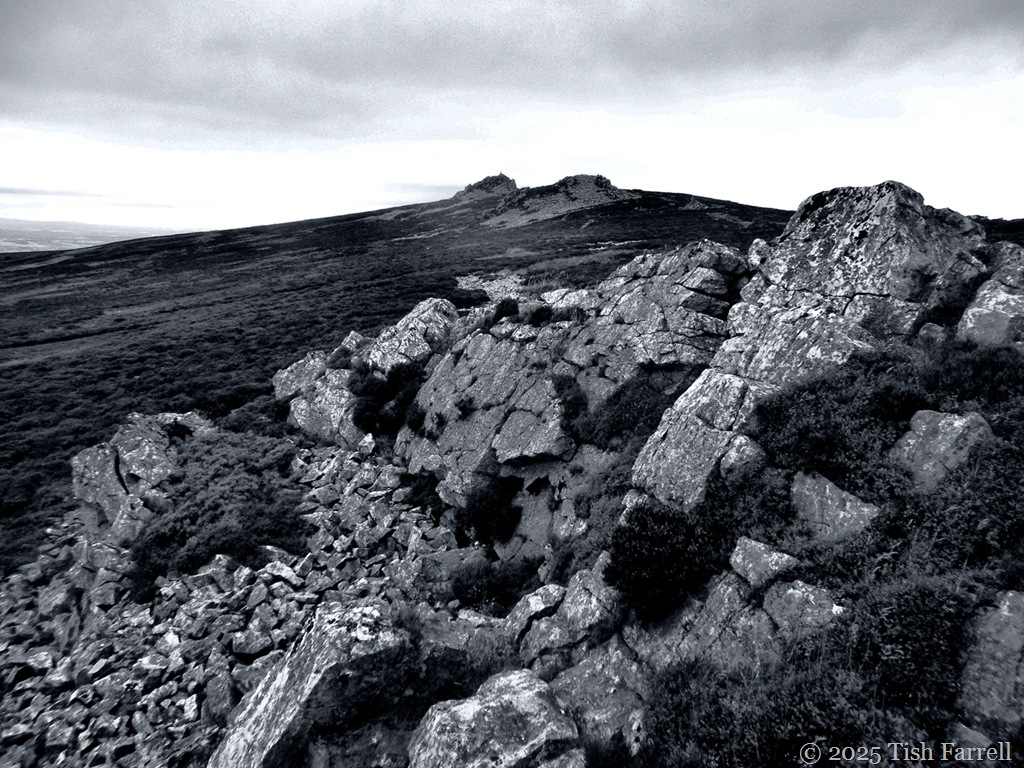
Stiperstones shaped by ice sheets freezing and melting

P1080553cr

Makes me think we humans sometimes think too much of ourselves and what we think we have achieved. Maybe the planet has the edge on us by a few hundred million years. It’s certainly done some momentous shunting and shifting.
Lens-Artists: Ancient

Mad About Megaliths

2

It’s an old passion, the love of old stones, already set in before my first decade on planet earth. My memory tells me it had something to do with Saturday afternoon drives along Cheshire lanes and mother announcing that the unusual row of cairns along one such lane were the ancient Celtic graves of sacrificed virgins. Sometimes she could be most unsuitable. The story wasn’t true anyway, but it sparked a yen for things prehistoric.

P1030697ed3

Mitchell’s Fold Bronze Age Stone Circle, Shropshire

*

My second decade thus found me sitting in the basement lecture rooms of Sheffield University Arts Tower, looking at slide shows of standing stones, cairns, cists and chambered tombs, the subjects frequently screened upside down. The lecturers in the small Prehistory Department, couldn’t seem to fathom the loading of the slide carousel (it became a standing joke). And then they didn’t seem to think it mattered which way up we looked at things.

P1070984ed

They were probably right. After all, there is very little one can say about these ancient structures and configurations. We might be able to hazard a date for their construction from some excavated artefact found nearby. And we know that tombs were tombs from the human remains found within them.

We also know that these sites must have been hugely important to the people who constructed them. (Think physical effort needed to heft the stones; antler picks and stone axes the only available technology). And then there is the siting of the monuments which, in nearly all cases, strongly suggests pre-literate humanity’s elemental connection with landscape. Place had MEANING; all of it doubtless sacred in ways we no longer grasp.

But when it comes to knowing who the people were, and how they lived and what they believed – the rituals and customs honoured over generations – then the stones remain stonily silent.

And I think that’s what I like about them. They are mysterious. Utterly mysterious.

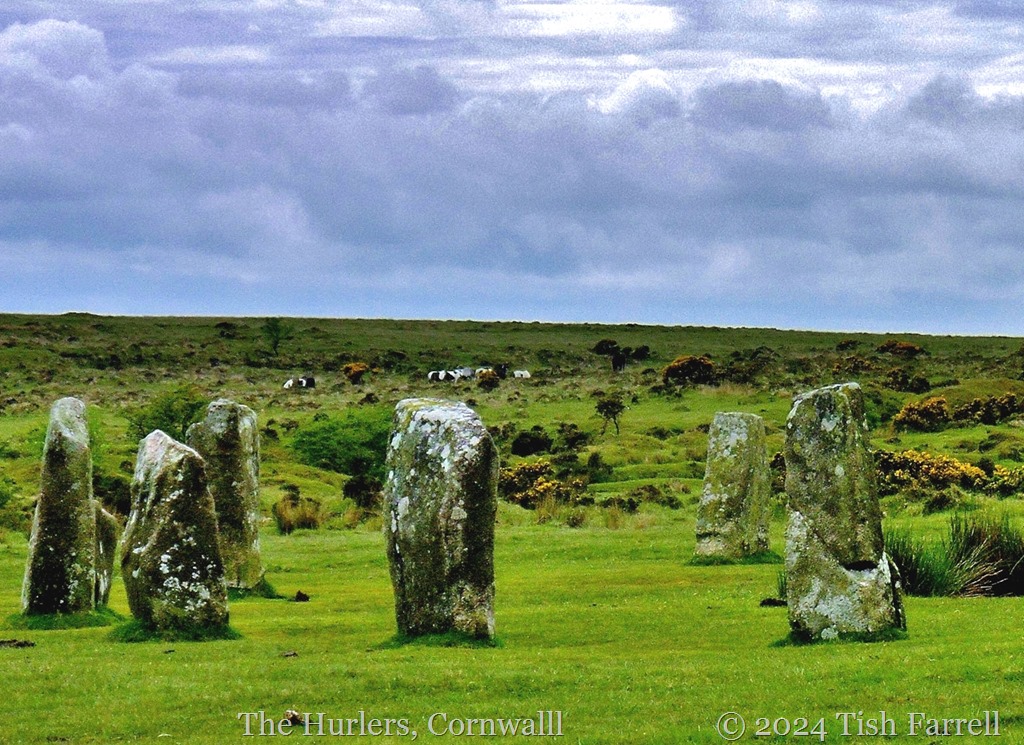
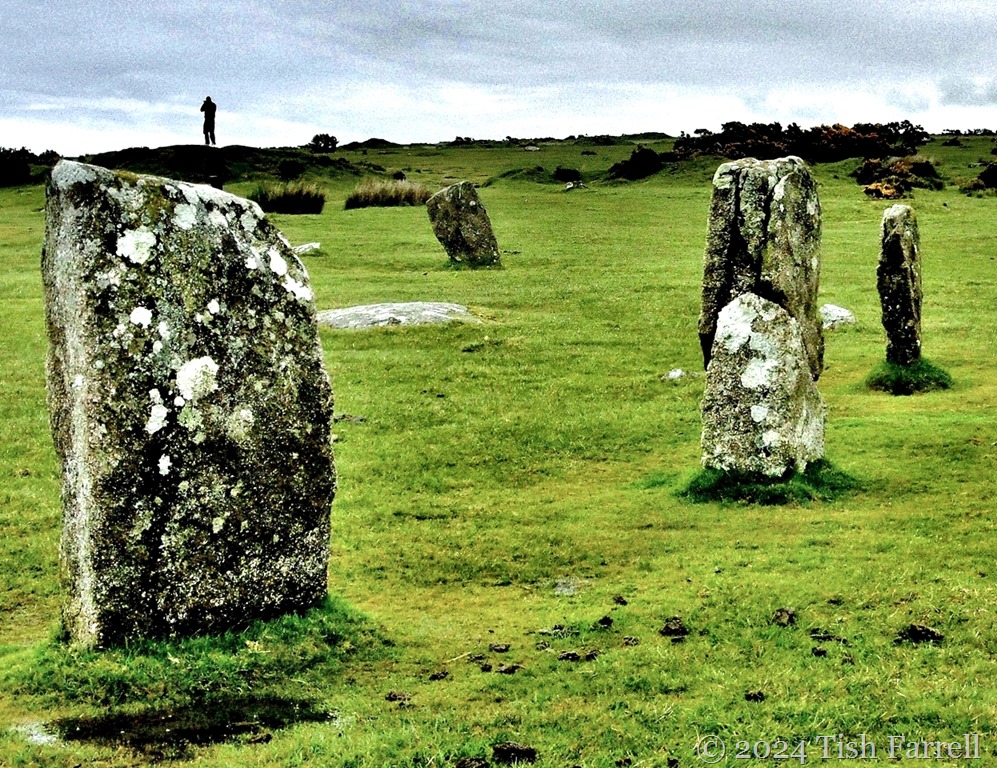
Here’s another photo of  The Hurlers stone circles on Bodmin Moor, Cornwall. (The obvious mystery here being who or what is that seeming pendant figure on the horizon?) The Hurlers are said to date from the late Neolithic, early Bronze Age (so around 2,500 BCE) and they are unique in that the site comprises three perfect circles set in a row. (Impossible to photograph without a drone). But that’s not all. P1070982ed

*

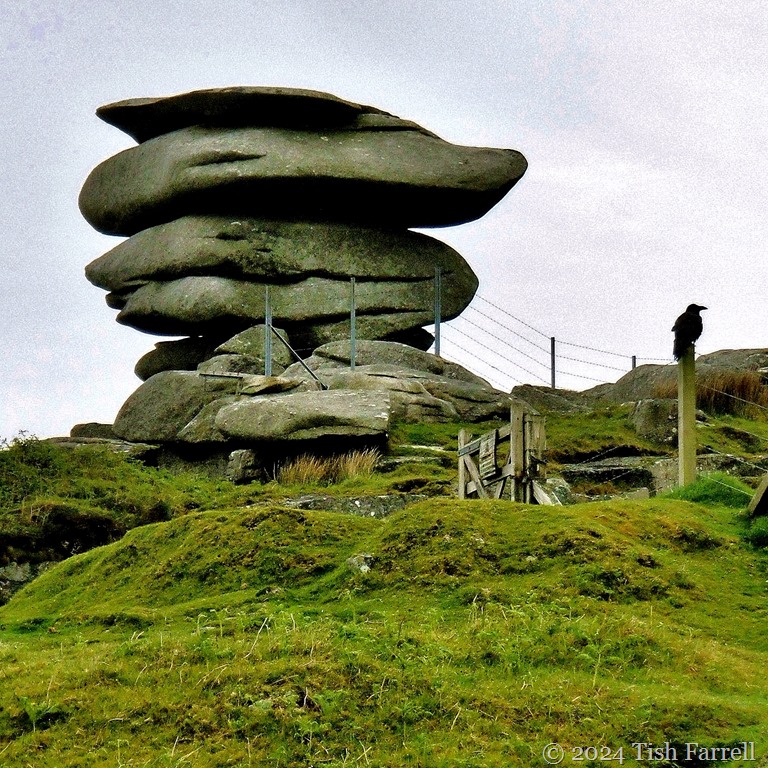
The circles line up with a striking natural feature – the Cheesewring granite tor (Keuswask in Cornish), which of course makes one wonder if it somehow featured in the circle ceremonies, if only as a beacon site to gather in communities from across the moor.

P1080012ed

*

In Pembrokeshire, West Wales, there are numerous megalithic sites. One of the most striking is Pentre Ifan chambered (dolmen) tomb c. 3,500 BCE. The capstone is seventeen feet long and thought to weigh around 16 tons.

IMG_4581ed

*

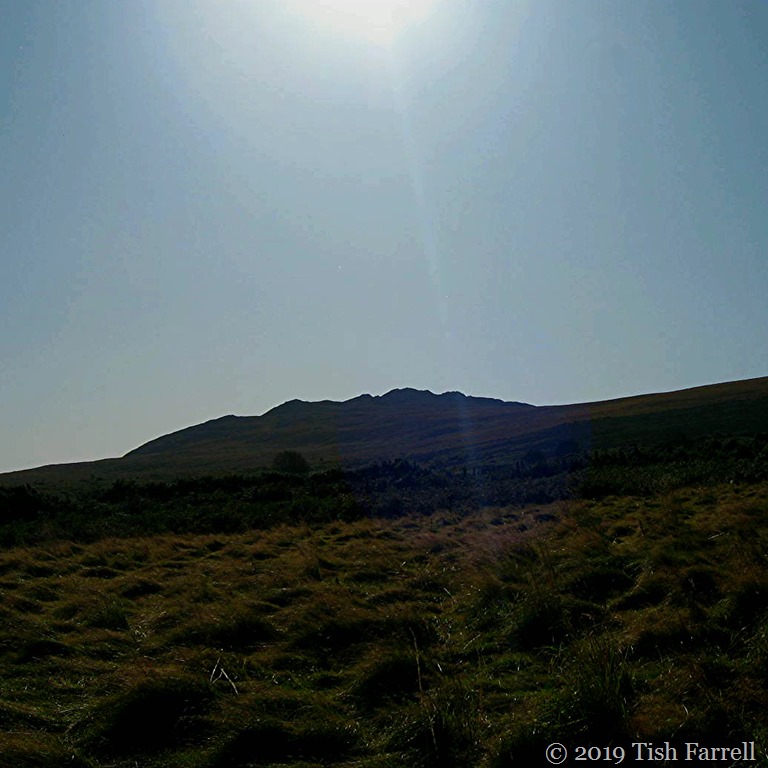
The finished tomb would have been covered with a huge mound of stone and earth, and the whole constructed in sight of the sea and  Mynydd Carningli (Mount of Angels).

Pentre Ifan

Pentre Ifan 2

You can read more about Pentre Ifan in a previous post HERE.

Lens-Artists: Rock Your World   This week Donna sets the theme with photos of some fabulous rocky subjects. Go see!

Communing With The Ancestors At Dyffryn Ardudwy

60 dyffryn ardudwy effect

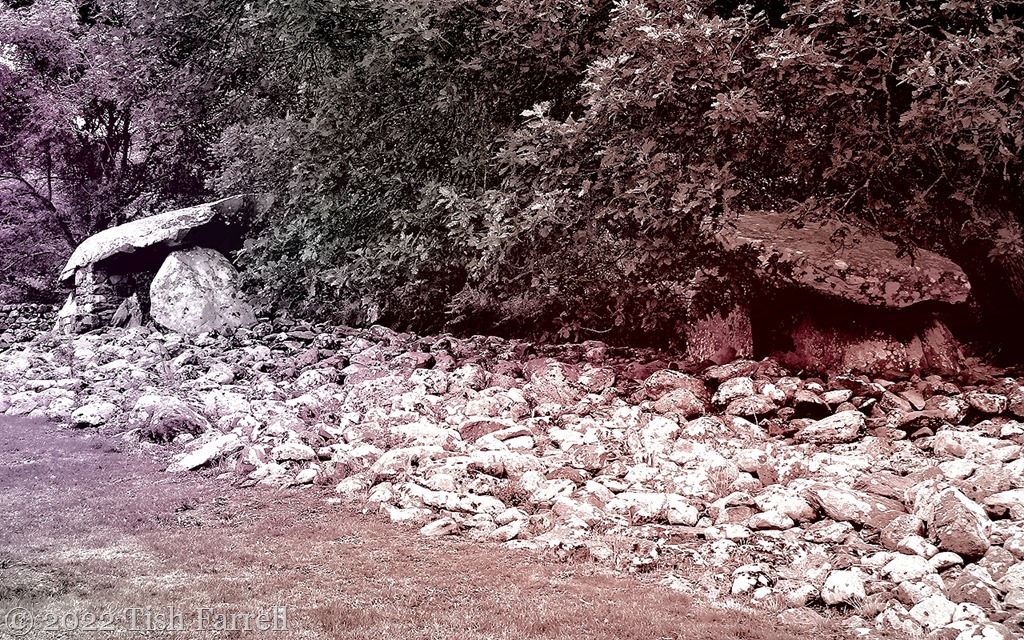
Scan an ordnance survey map of Wales, and especially the county of Gwynedd where we were a couple of weeks ago, and you will soon spot a host of prehistoric remains: hut circles, standing stones and chambered tombs. They can be found on the coast, in the immediate hinterland and in the uplands of Snowdonia, thus giving an impression of a very busy ancestral landscape.

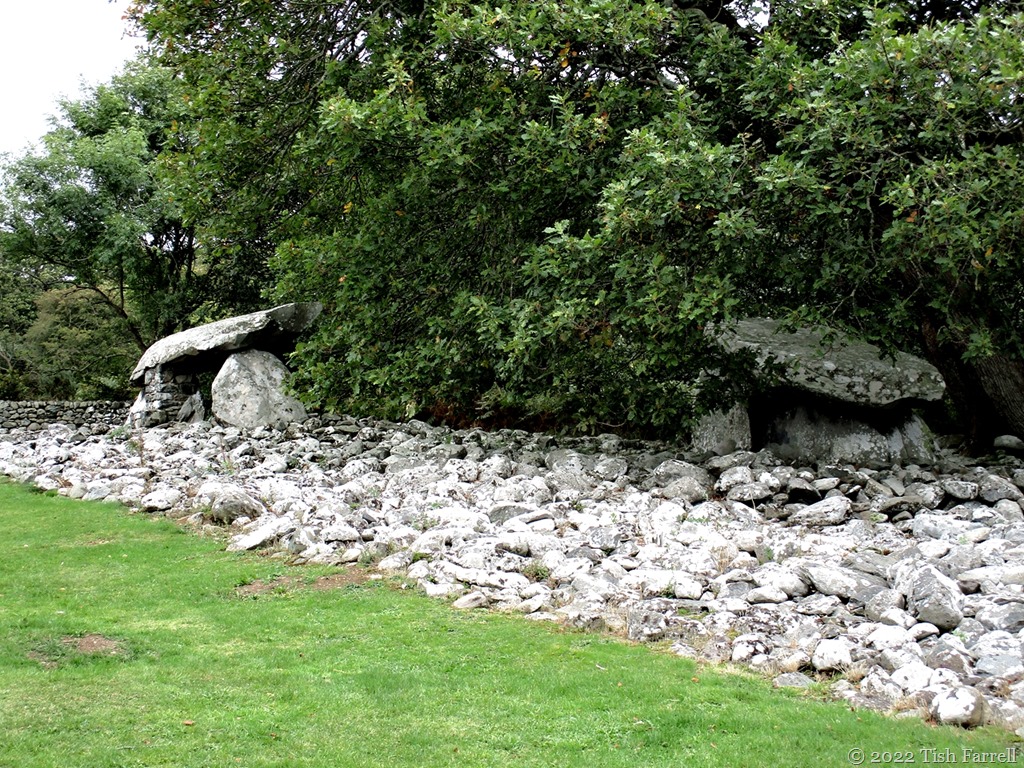
Of course there is no way of knowing if these are the scant remains of many more monuments, lost to collapse, deliberate destruction and/or repurposing by later populations, or if they roughly represent the sum of the stone-built prehistoric past. Another problem is dating them. For example, Neolithic chambered tombs appear to have served the whole community, were constantly re-used and so remained in use over a considerable period of time. On our recent Wales trip we found a good example in the little village of Dyffryn Ardudwy (OS grid ref: SH585235), one of a group of 6 similar monuments between Barmouth and Harlech.

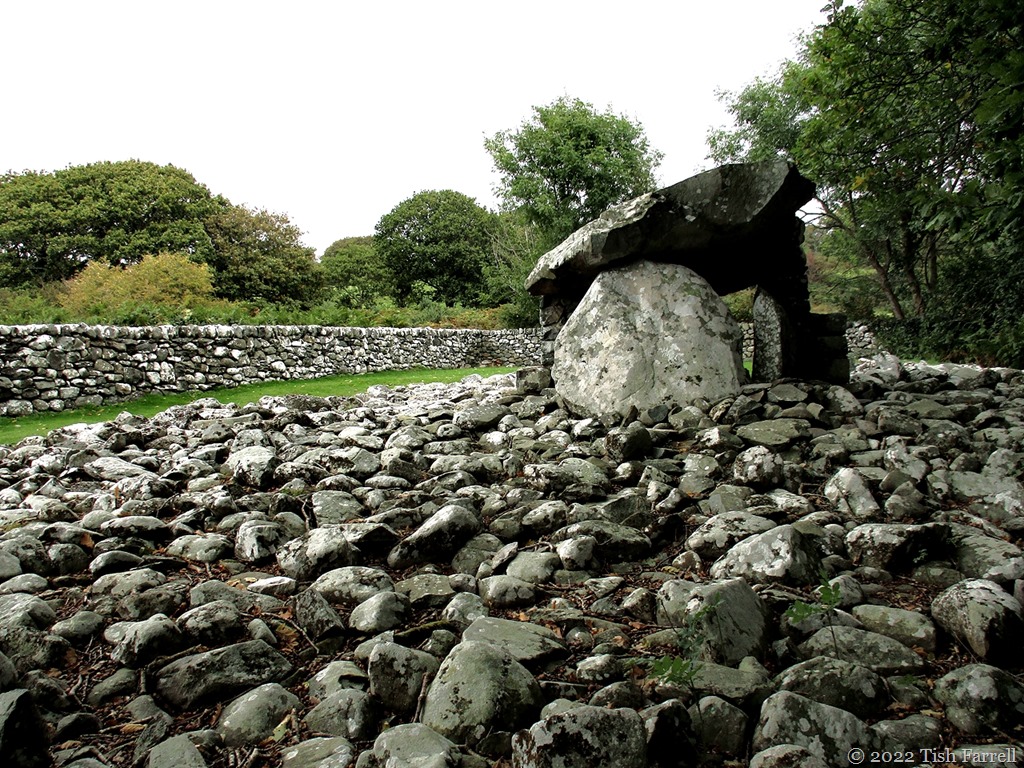
The unusual feature here is there are the two burial chambers in close proximity, the earliest (far right in header photo) dating from around 6,000 years ago and built by Neolithic farmers. This was originally covered by a small oval cairn, but with a forecourt facing east. Shards of Neolithic pottery were found during excavations.

Sometime later, the larger easterly chamber was constructed, and the whole area including the earlier chamber and its surrounding cairn, was covered by a large trapezoidal barrow  some 100 feet (30 metres) long. This construction phase also included a forecourt facing east. These forecourts are thought to have provided the ceremonial setting for funerary rituals. The big scatter of rubble is all that is left of the mound. Over succeeding millennia it has doubtless provided a handy source of building material.

28

9

6

The building of such monuments suggests that Neolithic communities had both plenty of human-power and the spare time to do the building work.  And while the large chamber slabs most likely came from the immediate vicinity, they still had to be shifted and lifted.

From our consumption-heavy perspective is easy to think that stone age life was tough and impoverished. But the coastal region would have been very rich in resources – not only a range of seafood, especially shellfish, but also the wildfowl, fish and game of the salt marsh estuaries to supplement farm produce.

The immediate hillside area was anyway still occupied two plus millennia later by Bronze Age-Iron Age people. In the next field to the burial cairns are the stone foundations of two circular houses together with evidence of field terracing and an enclosure. So life went on there, though probably with settlers of quite different/or at least mixed cultural origins.

But one of the most beguiling features of the Dyffryn ‘house of the dead’ in our era is that it feels embraced. The path to it runs beside the village community centre and then beside the primary school, the setting is cared for, pastoral, almost domestic. It’s reminding me of a chambered tomb of the cromlech variety I once spotted on a lane skirting a Breton farmyard. The tomb had been incorporated into the outbuildings; the past very purposely repurposed and impressively too. Adaptive re-use as conservation persons are wont to say. I like it.

5

Related: Pentre Ifan chambered tomb.

Pipe-Lines

IMG_5329

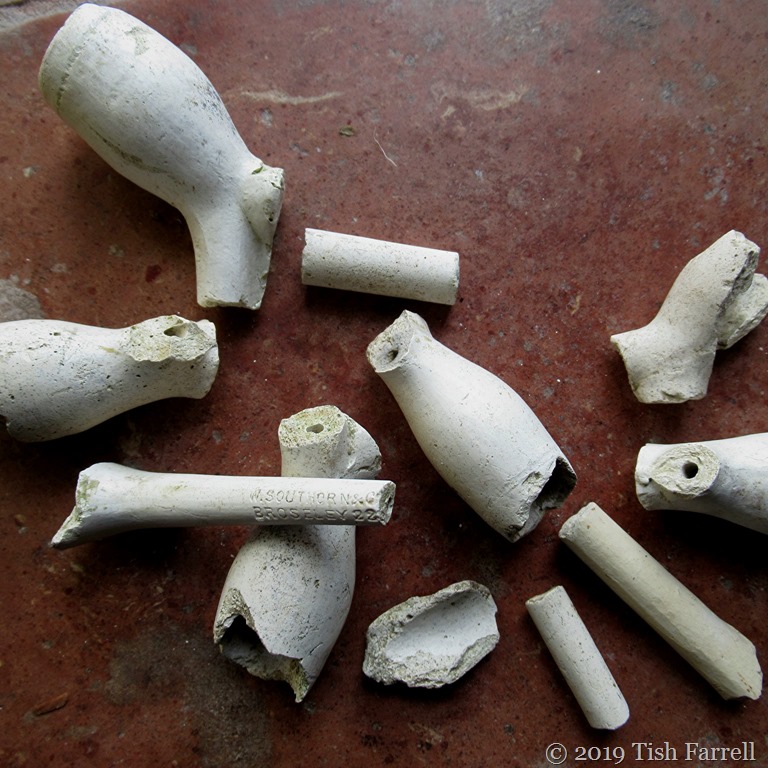
Much to my surprise the field behind our house hasn’t been ploughed yet. This is good news for the birds: lots of wheat gleanings to forage amongst the stubble. And gleanings for the erstwhile archaeology student too (that would be me). Since late September I’ve been walking back and forth to allotment across Townsend Meadow, and as I go I pick up the remains of old clay pipes; the residue of ploughmen-past.

After rain the bowls look like bird skulls emerging from the mud. I dig them out and bring them home to wash. The bits are mostly quite plain, except for indistinct maker’s stamps on the bowl bases. But then, most unusually, I found a stem with a well known manufacturer’s mark  on it: W.Southorn & Co, Broseley.

Clay pipes were made in this corner of Shropshire from the late 1500s when Sir Walter Raleigh introduced the nation to tobacco. In the 17th century there was a pipe works on Much Wenlock’s High Street, but at this period it was the Southorn works in King Street, Broseley, a few miles from Wenlock, that was much more  famous. As well as work-a-day models they produced the most elaborate creations including the delicately long Churchwardens (for a long cool smoke). In fact so great was the international reputation of the factory the pipes themselves came to be known as Broseleys. It was thriving trade too, the fragility of the product doubtless stimulating repeat orders. During the 19th century Southorns employed 90 workers.

The works were still in operation until the early 1950s. The pipe kiln there could hold between 75,000 to 100,000 pipes for each firing which lasted 4 days. When the factory closed, the place was simply left, remaining just as it was when the last worker closed the gate behind him. I remember walking past it in the 1970s and ‘80s. It still belonged to the Southorn family then, but remained, much like Miss Haversham’s wedding breakfast* in a time warp all its own. The premises are now in the care of the Ironbridge Gorge Museum Trust.

There is some extraordinary 1938 archive film of the works HERE.

* Great Expectations Charles Dickens

Line Squares #28

Fancy Living Along Iron Age Lines?

IMG_4882

And surely a query worth contemplating. For instance, how would we get on without all our high-techery and labour-saving homes? Or fare without the daily multiple-choice comestibles. Or the mass entertainment streams. Or the means to travel where and when we want and in great comfort. Or the shopping opportunities by land, air and internet.  Would we think it a life worth living without plumbing and waste management systems? Would we feel ourselves utterly impoverished? Could we even survive as our ancestors survived over tens of thousands of years?
Of course by the time we in Britain reached the era of technological development that archaeologists call the Iron Age (c. 800 BCE to 43 CE and the Roman invasion), the manner of existence is at least broadly recognisable to us. People lived in farmsteads and fortified villages and belonged to regional tribal groups ruled by individual chiefs (men or women). These people were horse-riding, chariot-driving warriors as well as farmers. They also had specialist metal workers, potters, and weavers. They built hillforts on a monumental scale (e.g. Maiden Castle, Danebury, Old Oswestry). Some were inhabited. Some were not. Some were elaborations of earlier earthworks begun in the Neolithic and Bronze Ages. Their exact purpose is often unclear – tribal prestige, defence, seasonal market and ritual gathering places. All of these.

Some things we do know about Britain’s Iron Age people – they were prosperous farming folk employing improved methods of agriculture (iron-tipped ploughs and new strains of barley and wheat; they cultivated peas, flax, beans; they raised pigs, sheep and cattle). The great numbers of Iron Age sites suggest that the population was on the rise. Nor in Britain were they isolated islanders. They traded with continental Europe, exporting (in particular) grain, hunting dogs and rain-repellent woollen capes, possibly also slaves, and importing wine in return. At least three to four hundred years before the Romans arrived, Greek, Phoenician and Carthaginian traders were coming to Britain for Cornish tin.

The southern British tribes had their own coinage. Iron Age smiths worked in gold as well as iron and created torques, brooches and bracelets of unsurpassed beauty as well as magnificently wrought swords and shields. Many that have survived appear to have been votive offerings, placed in lakes and rivers. Roman historians write of druidic cults and of human sacrifice and other deemed dark Celtic practices.

IMG_4886

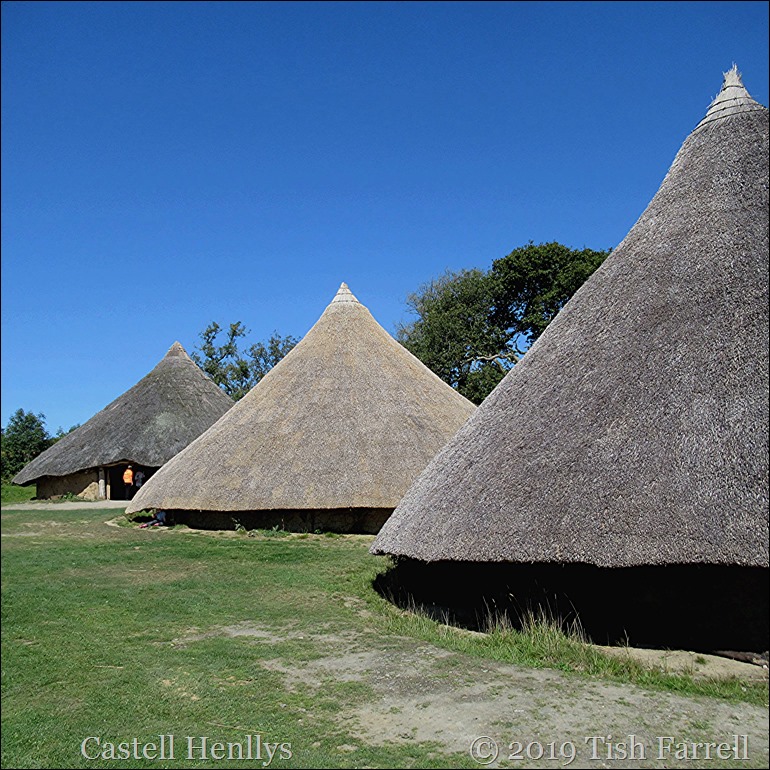
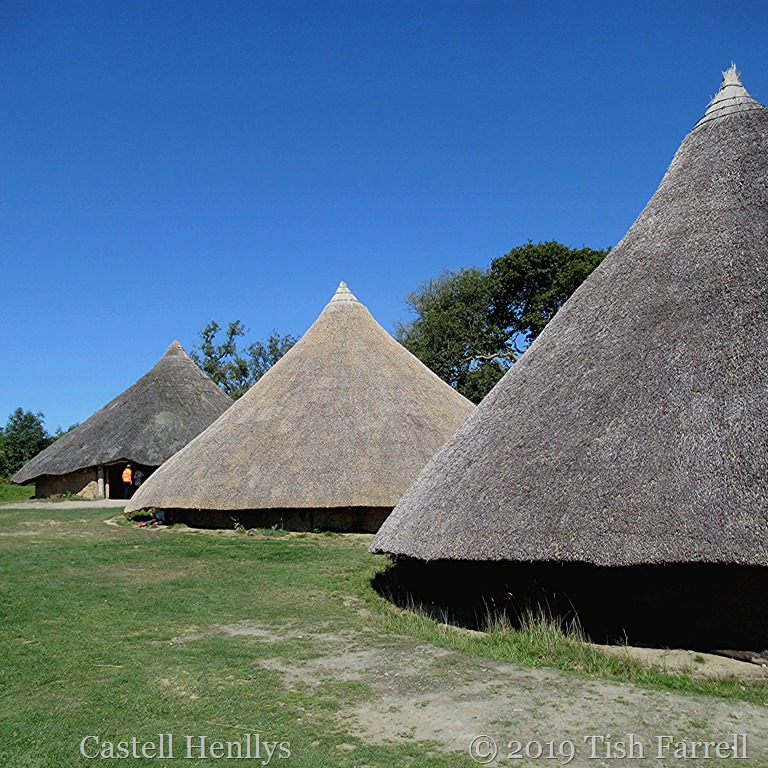
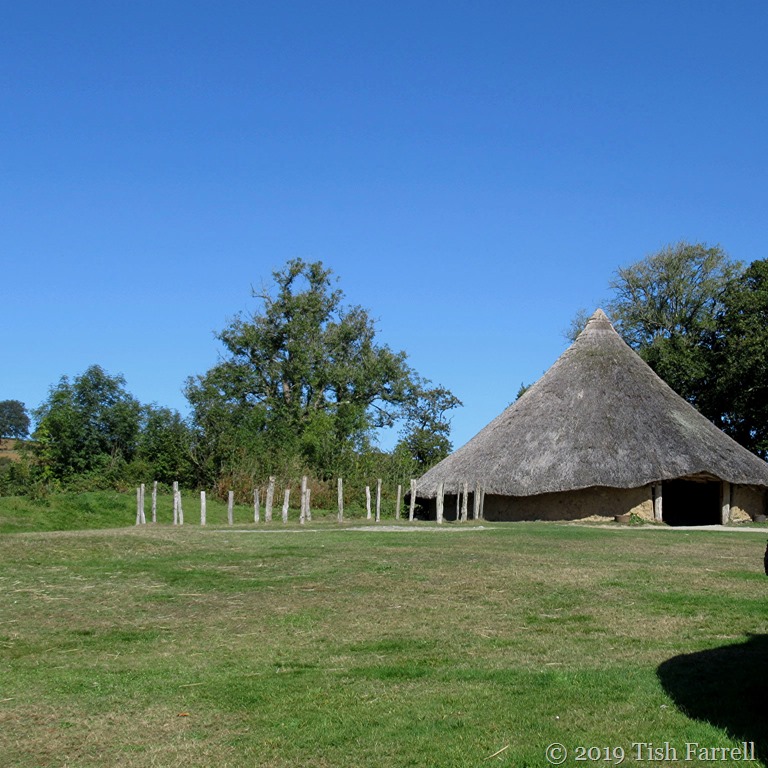
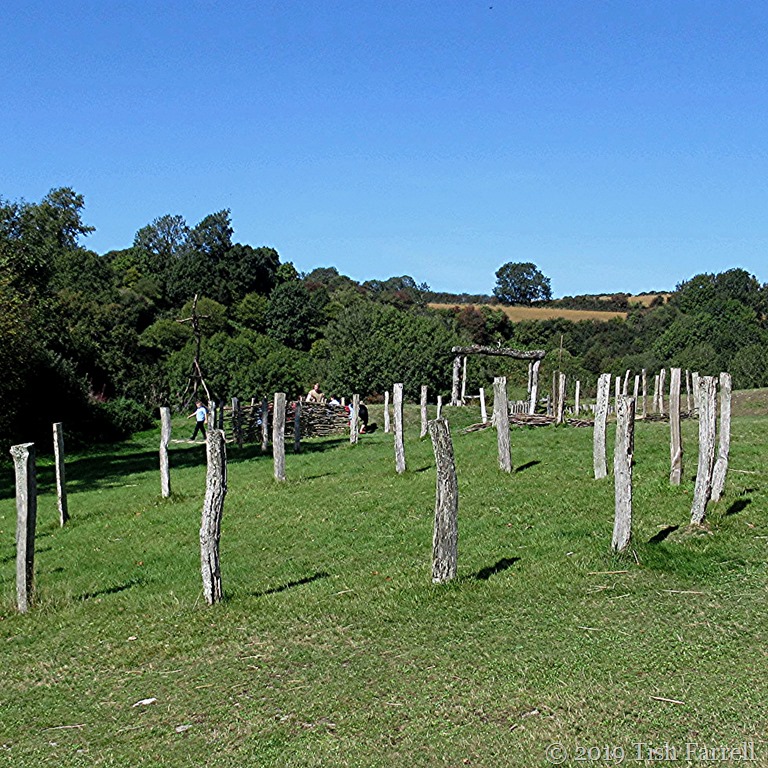
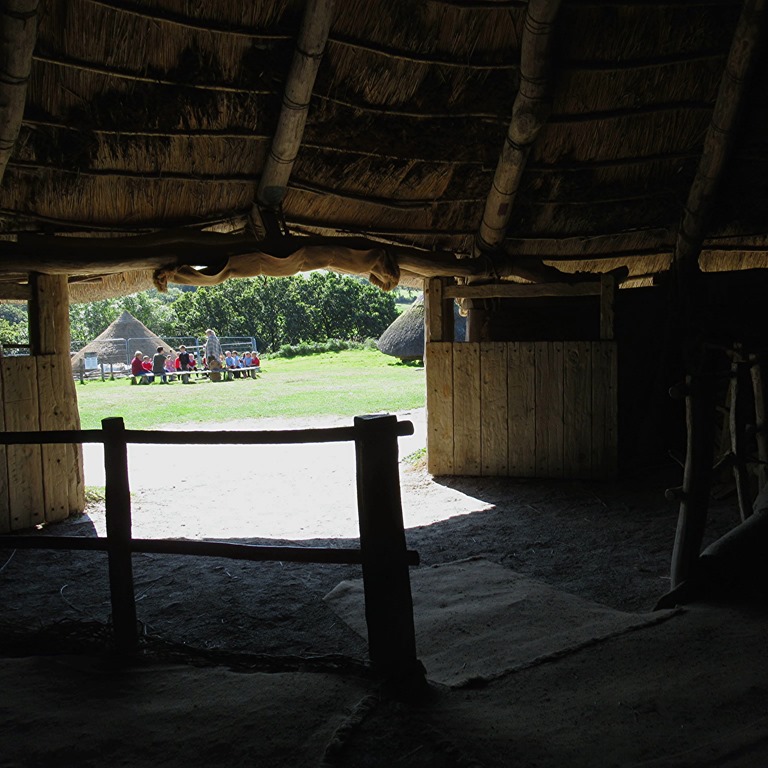
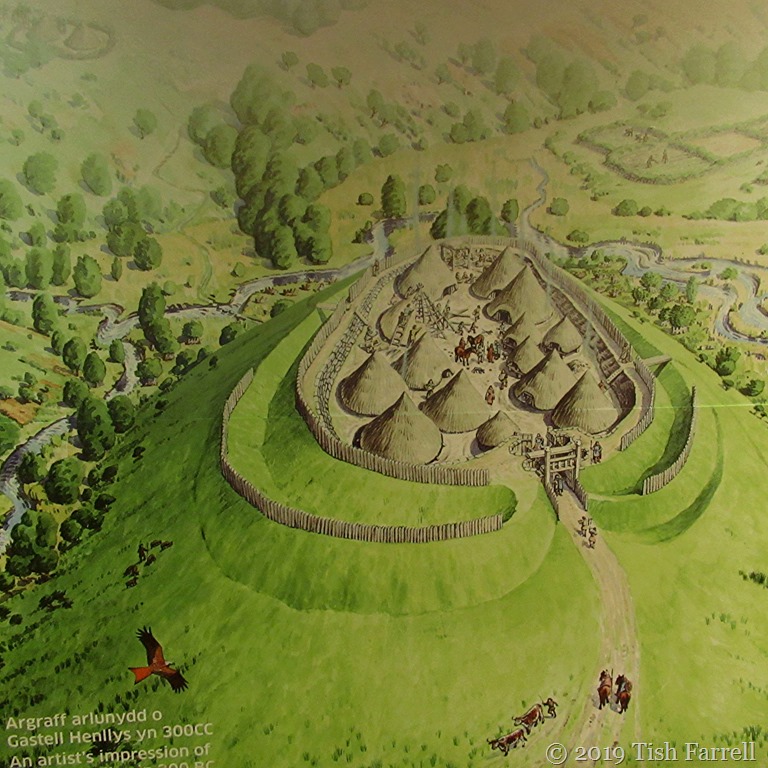
The photos here were taken at Castell Henllys, a promontory fort in the uplands between Newport and Cardigan. Excavations have been continuing on this small hillfort site since the 1980s, and for the last twenty years it has served as a training ground for York University archaeology students. The reconstructions are based on the excavations and occupy parts of the site where there is no archaeology. The outlines of the original excavated homes of these Iron Age Celts are marked with posts. When we were there some primary school children were using them to weave willow panels – the basis of Iron Age wattle and daub house wall construction. (Seen in the distance in the next photo; also the reconstructed fort gateway).

IMG_4885

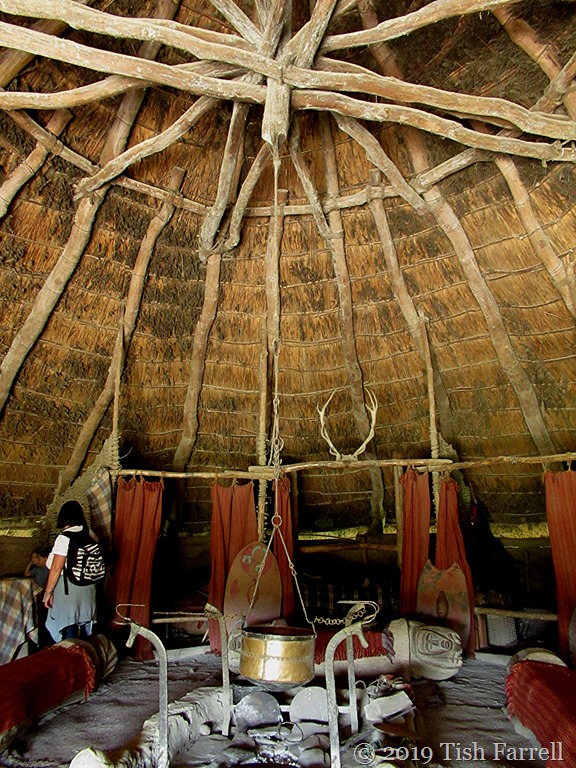
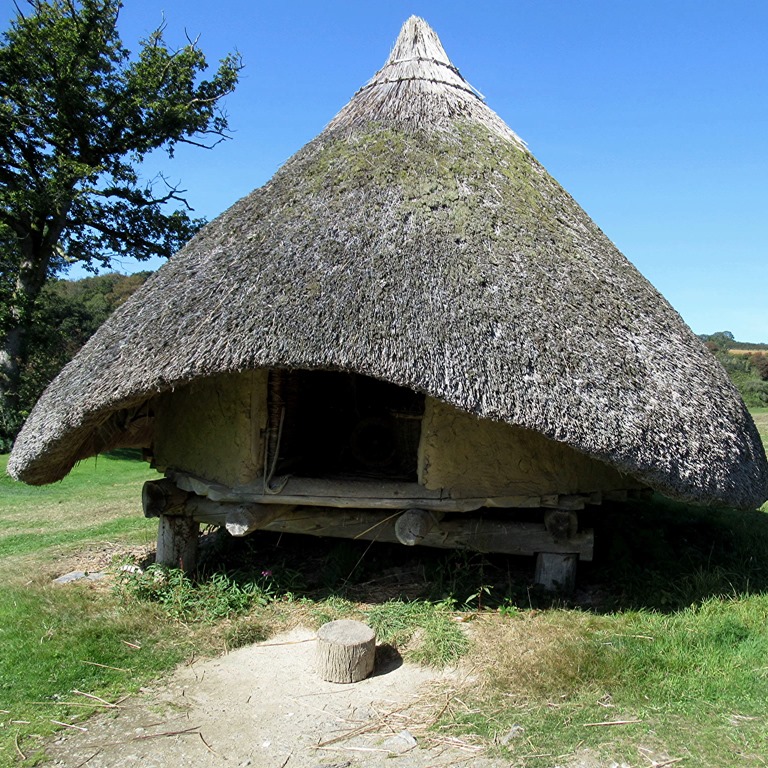
The main frame of the houses (20-30 feet in diameter) comprises some pretty heavy duty posts, the roof thatched with grasses laid on cross laths. There is no chimney, but the smoke from the central cooking hearth would have risen through the rafters and helped to seal the thatch. It would have been pretty fumy, but also draughty too with a wide gated entrance.

IMG_4871

IMG_4872

*

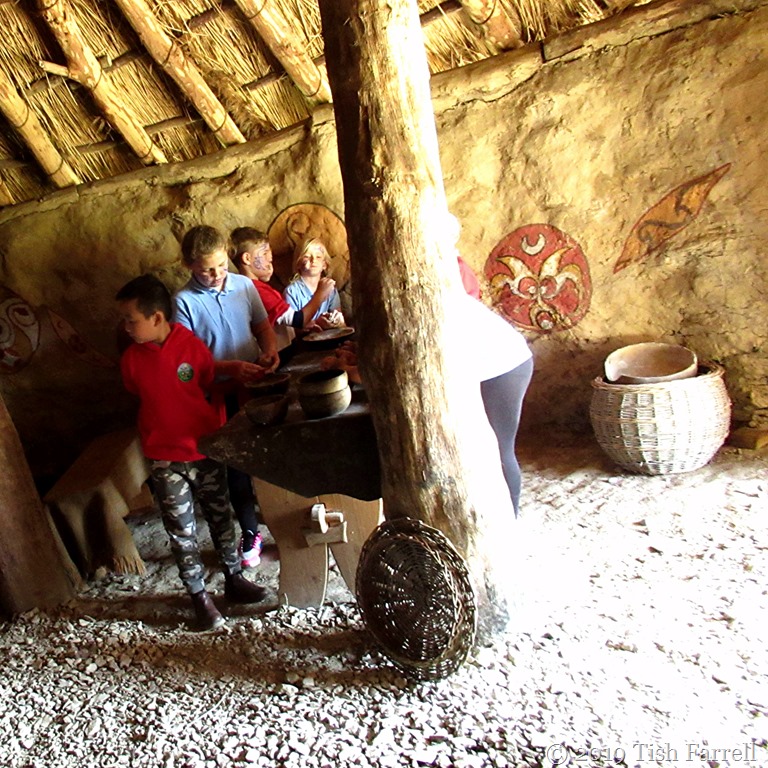
As you can see, the houses were spacious inside, probably catering for one family unit while the settlement as a whole would be made up of extended family members. The primary school children were having a fine time learning domestic skills.

IMG_4880

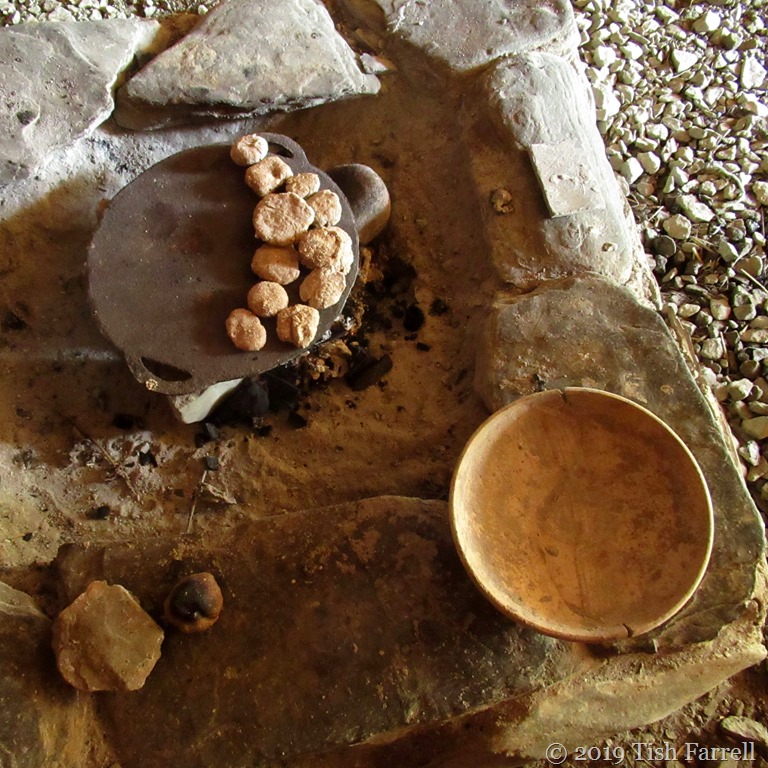
Iron Age cookery lesson.

IMG_4879

IMG_4883

The Granary

*

IMG_4899

Artist’s impression: Castell Henllys in around 300 BCE

*

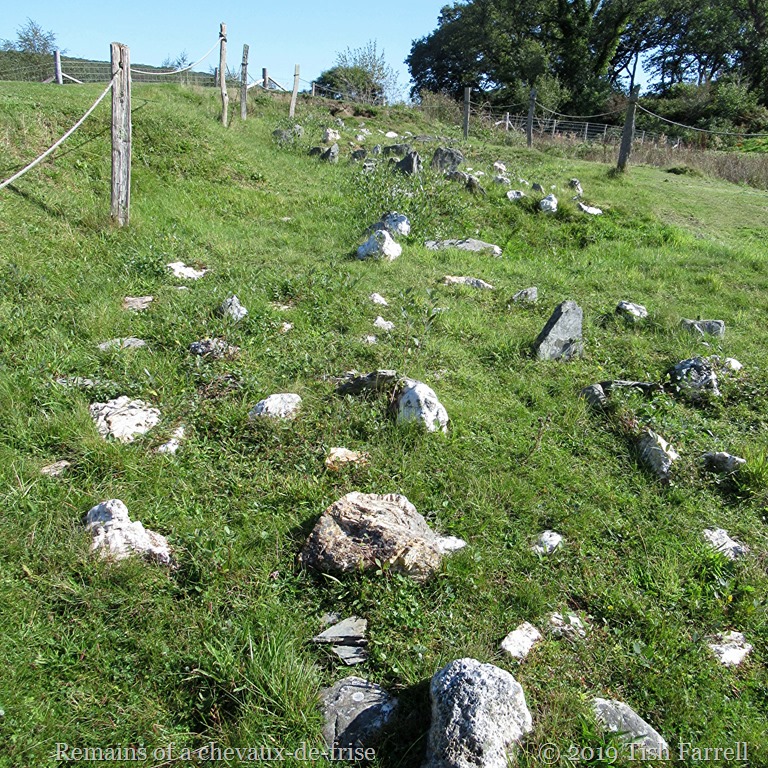
The fortifications around the houses certainly suggest their inhabitants were well prepared for marauding invaders. Archaeologists uncovered an unusual feature in the outermost line of defence – a ‘cheveaux-de-frise’ – a formation of embedded rocks placed to stop chariots in their tracks, and within sling-shot range. And to go with it, a large hoard of slingshots was also discovered, placed in readiness behind the rampart. Both finds are more commonly known from European and Irish sites.

IMG_4864

And what happened here after the Romans invaded? It seems the people adapted. Just north of the hillfort there are remains of a Romano-British farmstead. Life goes on then, but not always as we expect it to.

copyright 2019 Tish Farrell

Related: https://tishfarrell.com/2013/06/18/the-great-earthly-curves-mystery-what-when-and-why/

Line Squares #18

More Ancestral Lines ~ Carreg Coetan Burial Chamber

IMG_4335

The remaining stones of this ancient burial chamber sit in their own grassy sanctuary amid a little enclave of holiday bungalows in Newport. The Cadw noticeboard (the official Welsh heritage service that cares for such monuments) says it was built around 6,000 years ago. Long ago excavations inside the tomb uncovered cremated bone, stone tools and pottery belonging to the Neolithic period. These days the huge capstone balances on only two of the four upright stones. Once, too, the whole structure would have been covered  by a mound of earth as at Pentre Ifan.

IMG_4337

IMG_4339

Carreg Coetan is one of several similar tombs along the River Nevern valley, all lying in sight of the craggy top of Carn Ingli mountain. That it survives now so well embraced by 21st century domesticity is either heartening or incongruous depending on your view. I rather like it. It reminded me of Brittany and coming upon a similar burial chamber that had been incorporated into the structure of a farmyard shed, the capstone providing a substantial door lintel, and elsewhere a long barrow whose gallery served as the crypt for a village church built in medieval times. It could anyway be timely to tap into some ancestral thinking. I feel they might tell us to review our values and pdq.
IMG_2967


Line Squares #10

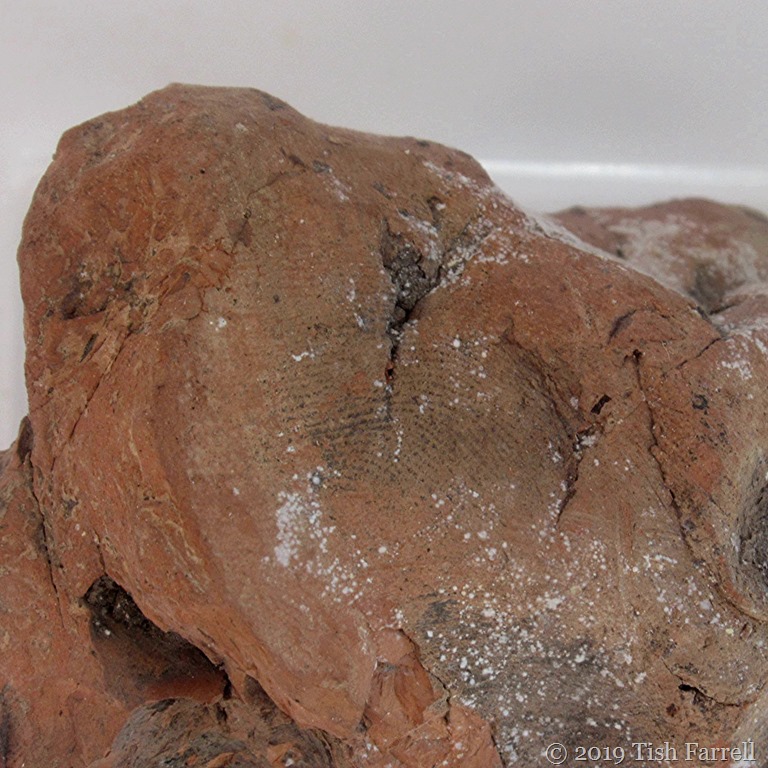
Who Needs CSI Forensics? Though You may need your Glasses ~ A Welsh Potter’s Thumbprint circa 1530

IMG_4827

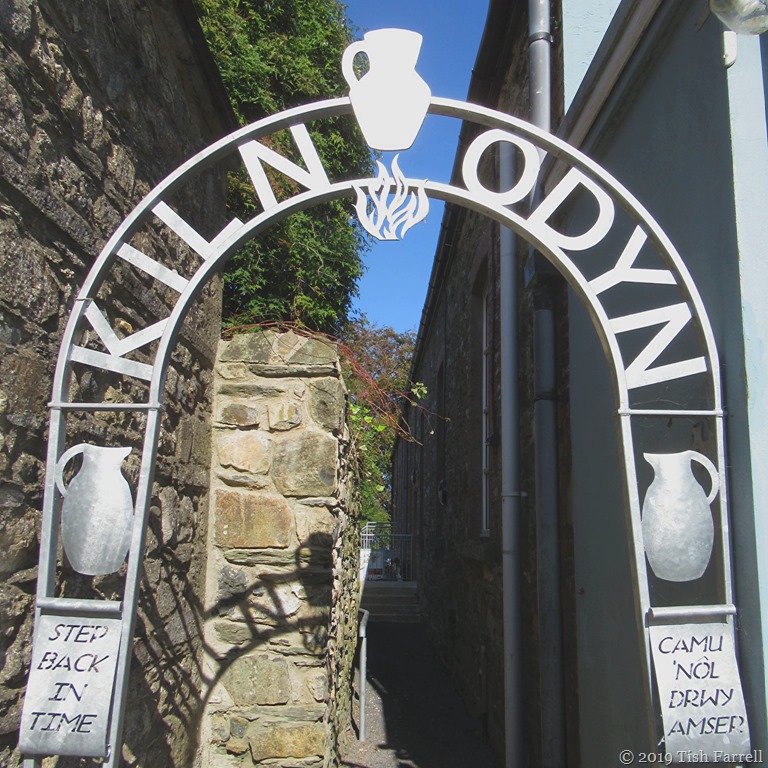
It was an extraordinary find, so tucked away. For a couple of days we’d been reading the signs to Kiln Odyn, but the message had not been sinking in. And then it did. And off we went – a short walk from the Castle Inn where we were staying, and up a little alley beside the old Memorial Hall and there it was: the best surviving medieval pottery kiln in the United Kingdom.

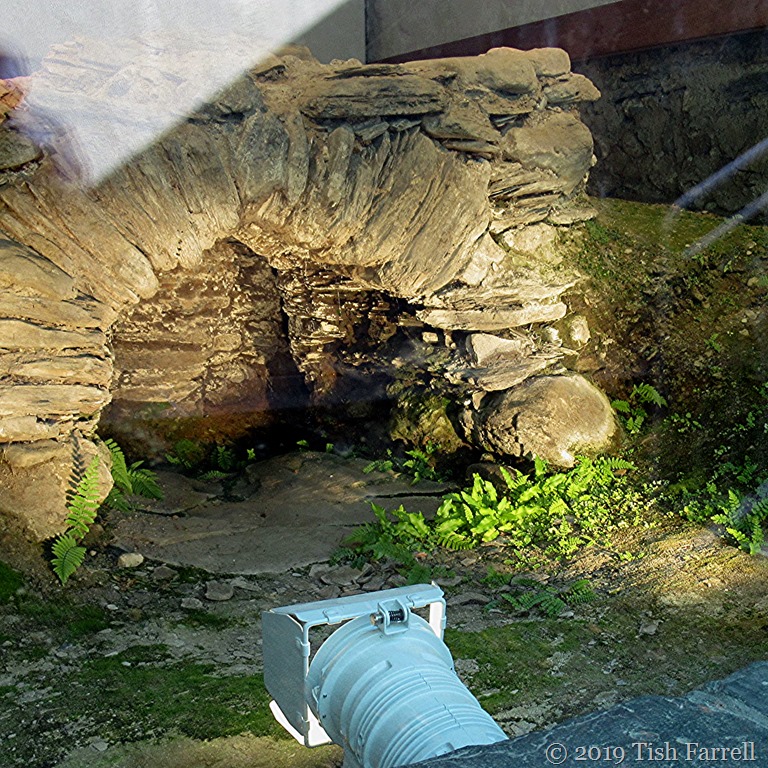
Stranger still was the story of its discovery. In 1921 the people of Newport began work on the building of a Memorial Hall in remembrance of community members who had died in the Great War. In the midst of digging the foundations, builders uncovered two medieval kilns. The National Museum of Wales was alerted. Its director, Dr. Mortimer Wheeler, so-called ‘father of British archaeology, was swift to ensure the site was preserved. This included having the National Museum put up the £20 he said was needed to adapt the building plans and so keep the archaeological site intact within the new Hall’s basement. A trap door would provide access to the remains..

IMG_4852

And so it remained for nearly a century until 2016 when the community decided the Memorial Hall facilities were badly in need of an update. There followed a scheme of creative refurbishment and a grant from the Heritage Lottery Fund, which meant the kilns, by now a Scheduled Ancient Monument, could also be re-excavated, conserved and put on permanent view. All it took was the installation of a very big window in the side of the building and some heavy-duty spotlights.

IMG_4810

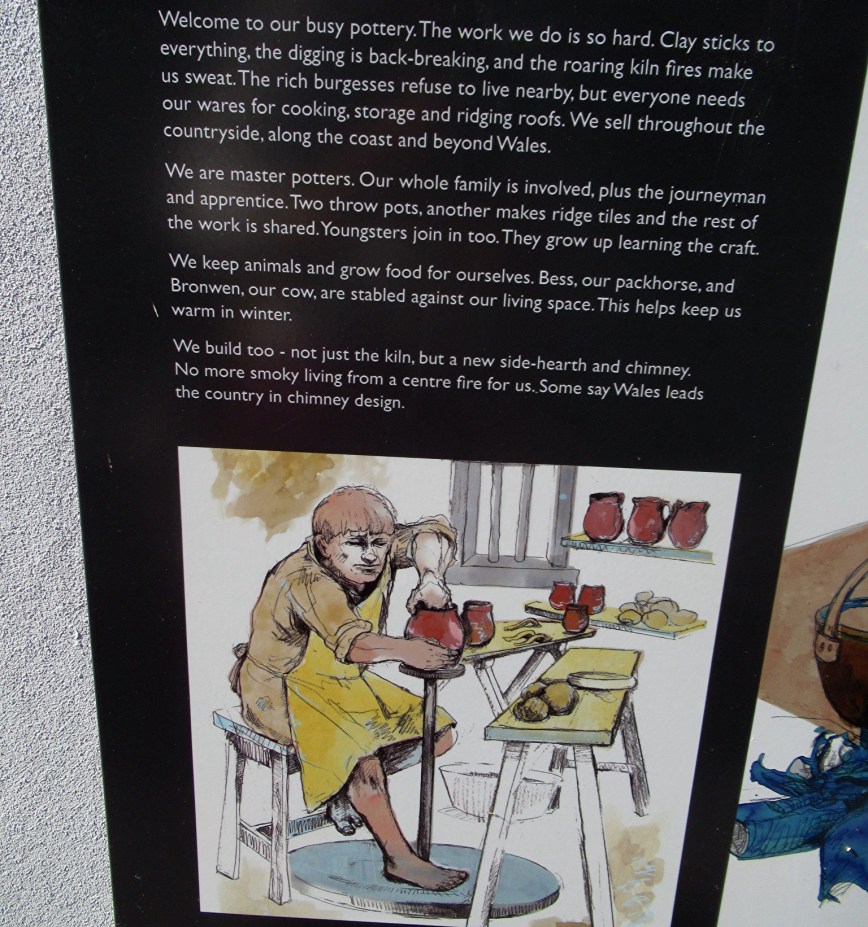
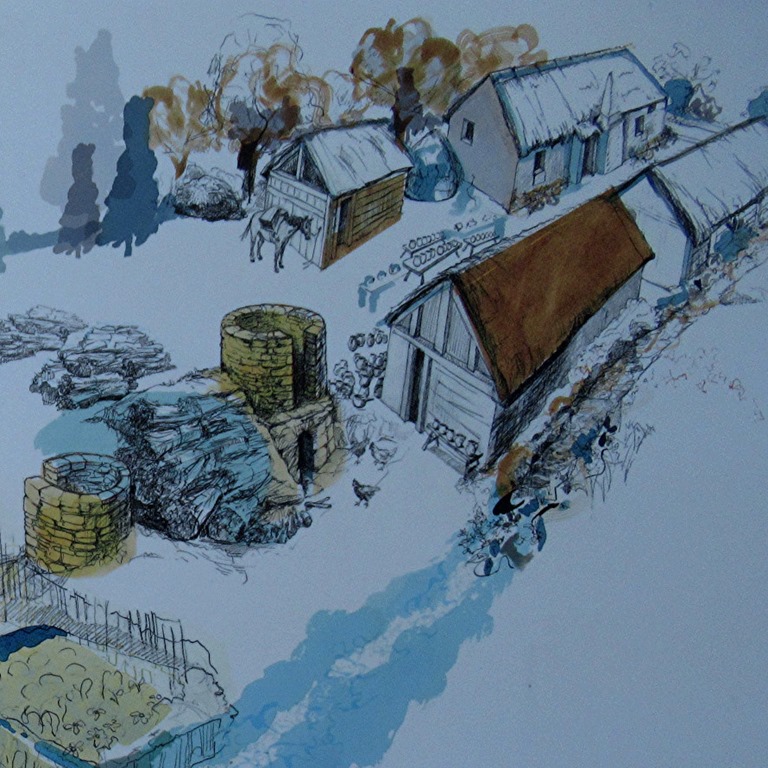
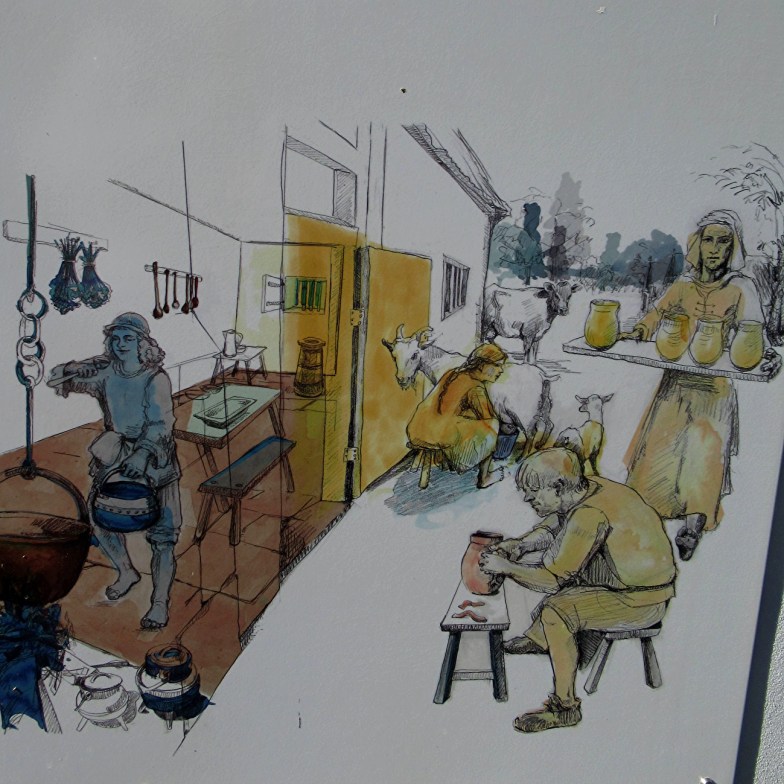
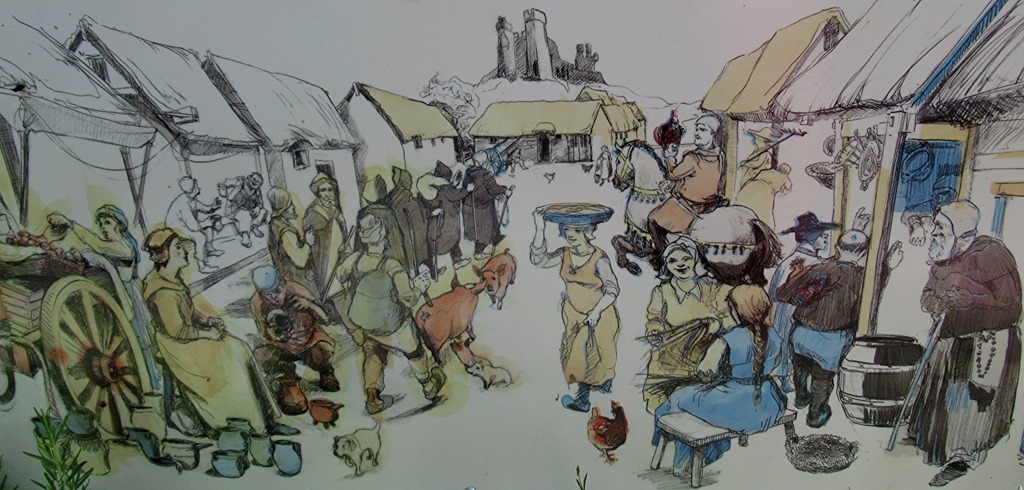
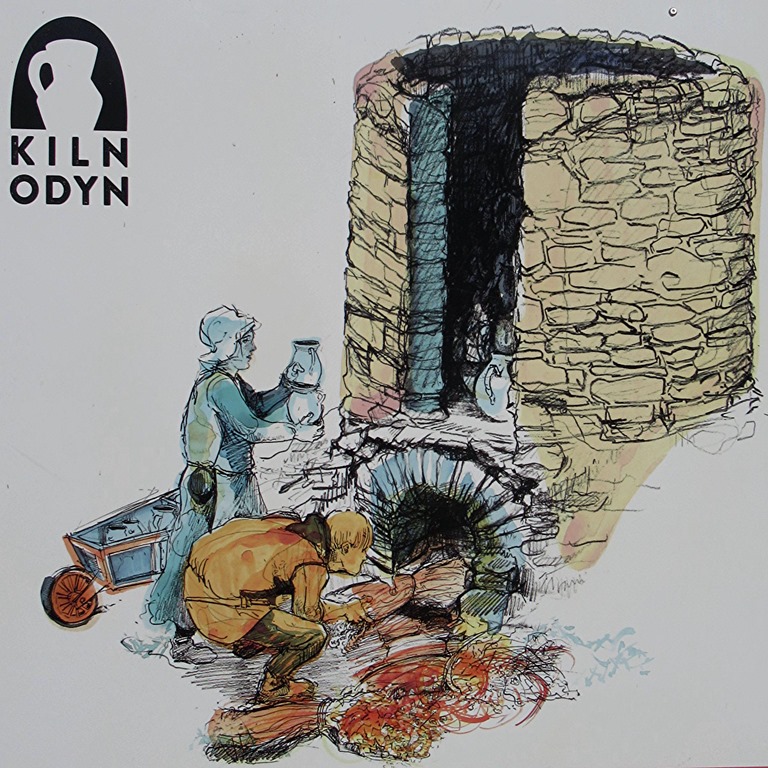
Also added were some very thoughtful outdoor information panels designed by students of Carmarthen College. Their artwork brings medieval Newport to life. We meet the master potter and his family and see how they might have lived and worked.

We’re also told what a busy market town Newport would have been during the lifetime of the kilns (c1470-1530); not only a port exporting goods, which may well have included the jars and jugs from the pottery, but also a stopping place on the pilgrims’ route to St. David’s in south Pembrokeshire. And in 1485 we are also told there was a very particular event: Henry Tudor passed by the town, and what a sight that would have been – an army 2,000 strong, marching on to Bosworth to win the English crown and found a new royal dynasty. One of the panels further conjectures that the potter’s son might have gone off to join the army, escaping the hard work of digging, potting and firing for the thrill of battle and adventures in foreign parts.

IMG_4805

IMG_4806

IMG_4828

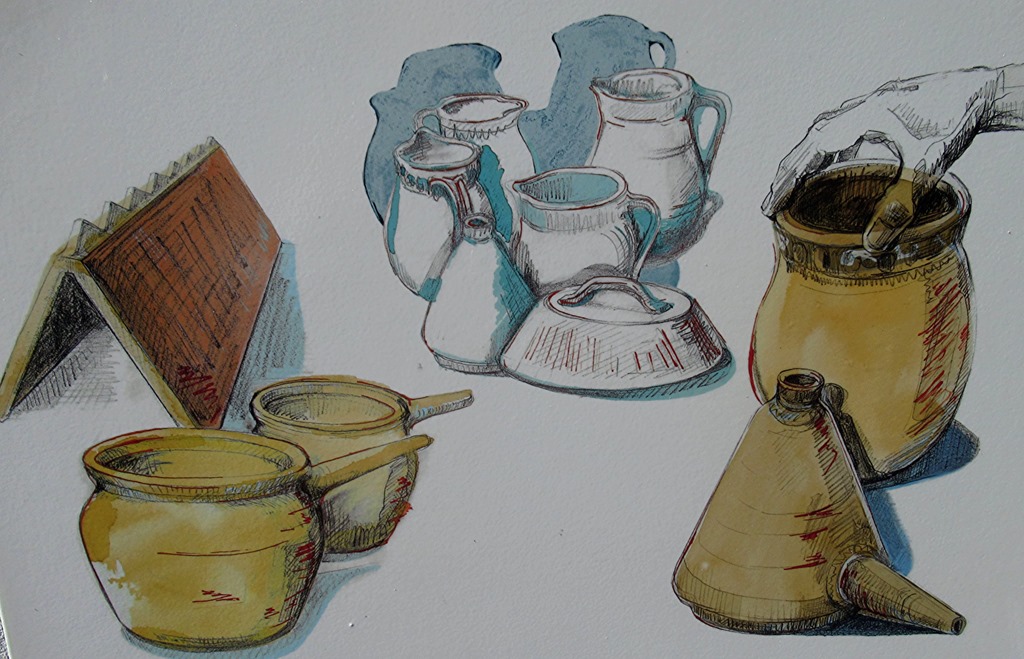
Kiln Odyn produced high quality domestic wares of the day: cooking pots and pitchers, alembics for lotions and potions, ridge roof tiles for high status buildings. The work, from digging the clay to selling the pots would have involved the whole family, skills passed down the generations. The Lord Marcher, who owned all the lands, took his cut of the potter’s profits instead of charging him rent.

IMG_4851

Credit: artwork by the students of Carmarthen College.

Accounts of the 2016 archaeological excavations HERE and HERE and some details about the pottery shards recovered with reconstructions of jars and jugs HERE

Line Squares #9


Derbyshire’s Arbor Low ~ They Call It The Stonehenge Of The North

IMG_3357

Unlike Stonehenge a visit to Arbor Low does not include accompanying hosts of fellow enthusiasts, tacky gifts and bad coffee, nor the parting with large sums of money to go in (adult ticket £16.50). In consequence there are absolutely no facilities, no opening or closing times, and thus no need to pre-book to avoid the rush.

There is, however, an honesty box by the farm gate, and a requested fee of £1 per person. This is fine by me. The monument, though scheduled, is on private land. The farmer has to put up with the repeated nuisance of standing stones devotees, although on the September afternoon of our visit, takings suggested that scarcely a couple of dozen others had preceded us that day, and as we set off from the car there were only three people ahead of us on the track.

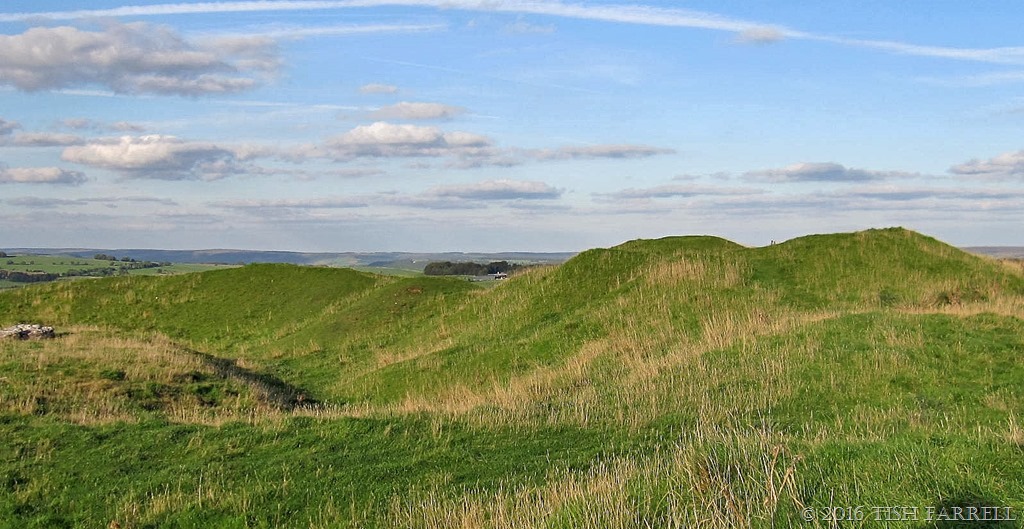
The only problem with Arbor Low is that once you’ve trekked through the farmyard and across the field to visit Derbyshire’s most important Neolithic henge (one’s head inevitably full of Stonehenge images, and lots of anticipation) it all looks decidedly flat when you get there, and so quite lacking in the upstanding drama of its more famous southern analogue. And while Arbor Low surely has considerable edge when it comes to setting (a thousand feet up on a limestone crest of the White Peak)  one wonders why the comparison has been implied at all. Isn’t Arbor Low its own special place?

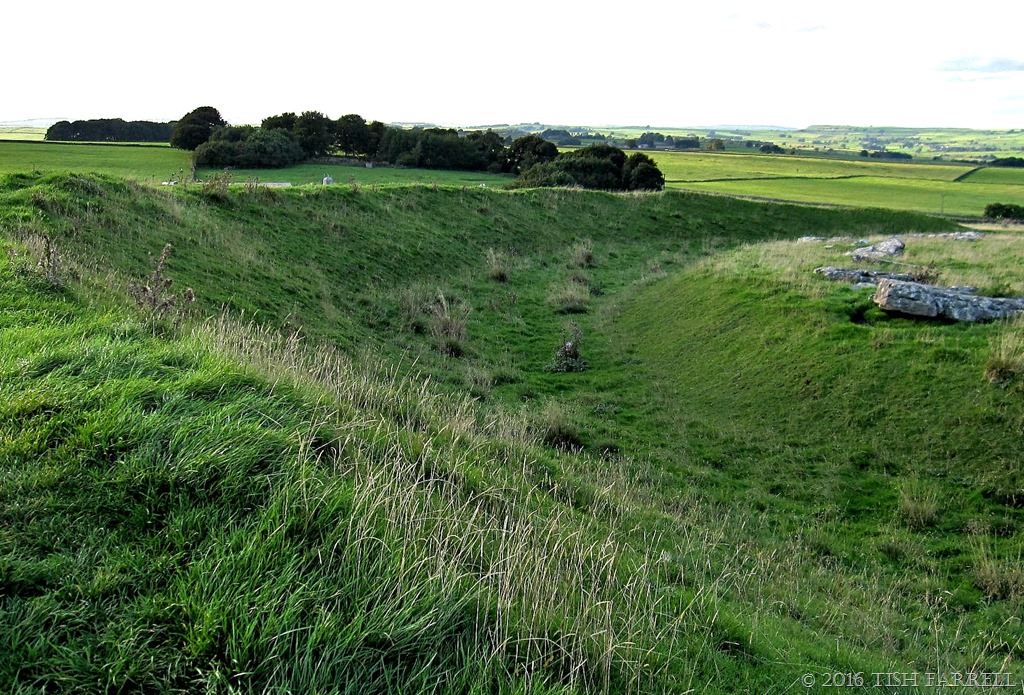
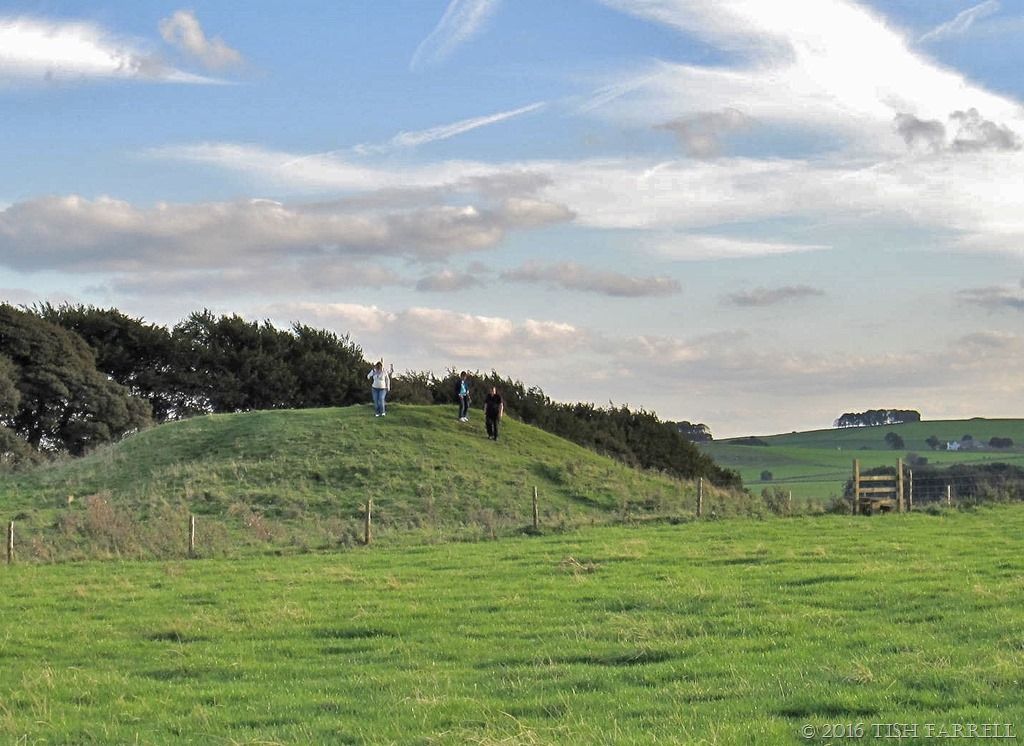
I suppose, then, that mentioning the two sites in the same breath is really more about emphasising their prehistoric importance than suggesting any correspondence in physical scale or appearance. Arbor Low is anyway a much smaller circle. But it does have its own unique features, apart from the recumbent stones that is. These include a very impressive encircling ditch and an outer rampart with the added extra of a later Bronze Age round barrow built across its southerly bank. You can see it on the right of the next photograph.

IMG_3358

So now that I’ve raised the vision of Stonehenge with its great sarsen lintels, I want you to forget it, and think about digging. The time is some four and half thousand years ago. I am the foreman, and I am handing you an antler pick, and maybe a cattle bone shoulder-blade to use as a shovel. We have marked out a circle some 70 metres across, and now you have to start digging 3 metres down into the limestone bedrock, while shovelling up your spoil to create the outer bank.
After many, many, many man-, woman-, and child-hours you can step back and regard the massive earthwork thus created. The freshly dug limestone of the rampart will doubtless have an unearthly white-grey glow. It will be visible from miles around, despite a more wooded landscape than today. At sunrise and sunset it will look spectacular against the skyline, the bank much taller and with a sharper profile that the present remains. In other words, it cannot be mistaken for anything other than a highly prestigious, and momentous man-made structure – the visual shock equivalent of coming upon a designer high-rise in the middle of a wilderness. Or maybe Starship Enterprise.

IMG_3354

After all the digging you are left with a central oval platform around 50 metres across. Perhaps the limestone slabs are already located there, set up on end, and bedded, after much hefting and shunting, in the rocky ground. They could have been worked during the making of the ditch, or sourced from somewhere nearby. In any event, they would have involved considerable effort given your limited toolkit of stone, wood and bone.

From outside the earthwork – and because of the height of the outer bank, you cannot see either the stone circle, or to observe anything that is going on within. Stepping through the entrance to view the newly built monument is thus perhaps a deliberately contrived catch-your-breath moment: the scene before you covert, unnerving, awe-inspiring, drama-filled. If some ceremony is in progress – a narrative declaimed or sung, the outer bank will amplify the sounds in mysterious ways – echoing, resonant, other-worldly; it may be a place of loud whispers.

There will perhaps be no grass cover, just an exposed limestone arena. Around the oval platform you will see some forty standing stones.

IMG_3347

In the centre there is also some kind of sanctuary, a rectangular configuration of more standing stones. The barrow on the southern bank is not yet there. It will be another thousand years before this spot is used as a burial site – perhaps by strangers, perhaps by the distant descendants of  you henge builders. These newcomers have also built another barrow, Gib Hill, just across the field from Arbor Low. Here they raised their own tomb atop the long barrow built by your forebears, a monument that possibly long preceded the stone circle. And so although you can no longer remember the rites and customs of these ancestors, you do know that, like the great mediaeval cathedrals of Europe with their roots in Roman and Saxon times, this place was considered ‘sacred space’ for a millennium and more…

*

And so back to reality and the flattened circle we see today. No one knows when the stones were laid low or why. There are other so-called recumbent stone circles in Britain. Sometimes some of the stones have also been buried. Superstitious dread could have much to do with it: an attempt to neutralise the stones’ power perhaps. There is also archaeological evidence in other contexts that suggests that the prehistoric occupants themselves have ritually ‘closed’ particular sites, perhaps prior to moving to a new centre of operations. There are other more practical reasons too: later farmers came along and simply re-used or moved the stones because they were ‘in the way’.

I also seem to remember from my student field-trip days to Avebury stone circle in Wiltshire that one of the stones had been buried in mediaeval times to cover up a murder. When the stone was being restored to its upright position, beneath it was found the grisly remains of a surgeon-barber, identifiable by the tools of his trade that were still with him. More fanciful interpretations of this find could of course suggest the presumed continuing practice in pagan sacrificial offerings, i.e. the kind of activity that we modern folk so very much like to associate with all ancient stones.

IMG_3353

I suppose one of the most surprising things I discovered about Arbor Low is that there has been no archaeological exploration of this site since early Victorian times when the local antiquarian Thomas Bateman of Lomerdale Hall, and serial excavator of prehistoric barrows, tackled the place. It was he who discovered a human burial in the stone circle barrow and, during his Gib Hill excavation, uncovered a stone cist (a slab built tomb) in which the cremated human remains were placed along with an urn and offerings of meat and flint tools. And this, it seems, is all that is known.

IMG_3364

So many mysteries then, and no likely answers. Instead I’ll leave you with the words of Thomas Bateman and his description of Arbor Low from his Vestiges of the Antiquities of Derbyshire 1848:

…the solitude of the place and the boundless view of uncultivated country are such as to carry the observer back through a multitude of centuries, and make him believe that he sees the same view and the same state of things as existed in the days of the architects of this once holy fane.


copyright 2016 Tish Farrell

“the undiscovered country from whose bourn no traveller returns” ~ Or Is It?

P1030697

Every other Thursday we’ve taken to popping along Wenlock Edge to Church Stretton. This used to be Graham’s daily commute – eighteen miles of Shropshire hills, old quarries, small villages and neat farm fields. Oh yes, and the occasional deer. Just now the Edge woodlands along the road are a haze of blue bells and bursting greenery. We never fail to think how lucky we are to live in such a place.

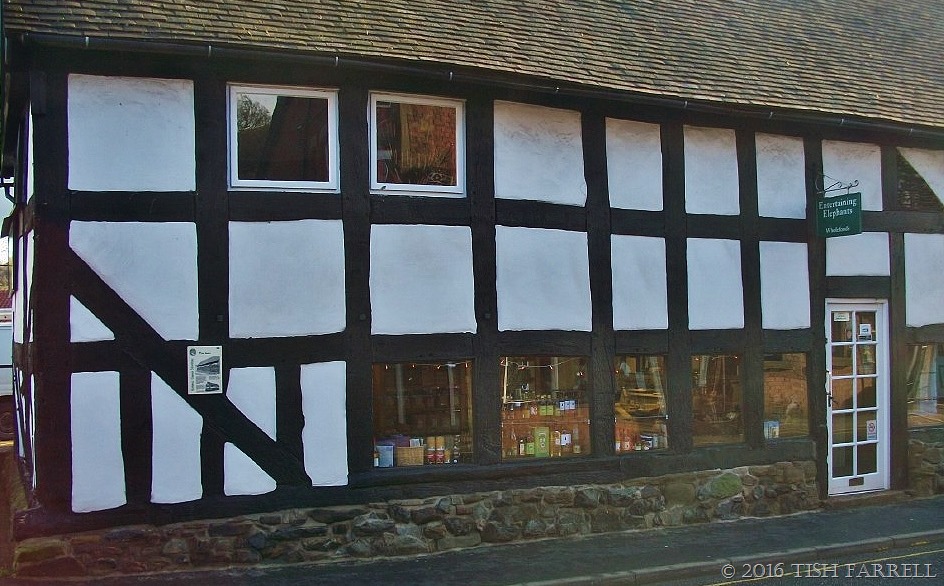
The object of the excursion is to stock up on organic and other ethically produced foodstuffs at my sister Jo’s brilliant shop – Entertaining Elephants  (a name coined by the previous owners from Maurice ‘Where the Wild Things Are’   Sendak’s  Alligators All Around  alphabet book.

100_3498_resized

With the shopping done, a few picnic items gathered together, and the weather apparently in spring-mode, we decided to head west around the southern end of the Long Mynd towards Bishops Castle and the Welsh Border, and so to the Bronze Age stone circle of Mitchell’s Fold.

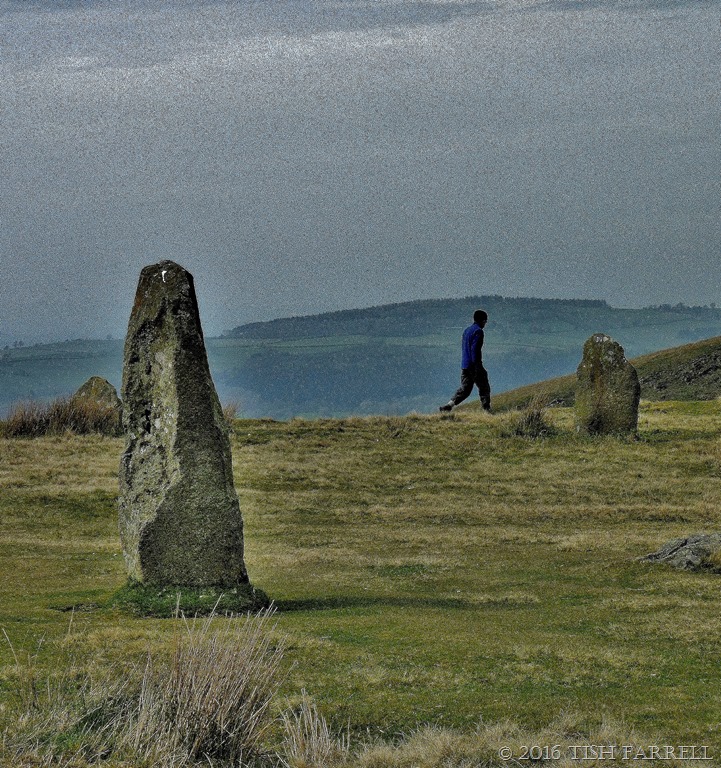
The last time we were there was at least twelve years ago and it had been snowing (see header photo). I don’t remember what prompted us on that occasion to drive out to so remote a place in such bad weather. We weren’t even living in Shropshire at that time, but in the midst of Christmas visiting from Kent. I remember tramping up the icy track to the circle, and despite the bitter cold, being entranced. All of Wales spread before us. It was like standing on top of the world – a parallel universe of Celtic warriors, old gods, poets and shamans.

On Thursday our notions of spring proved deceptive. Once out of the valleys the wind was vicious. We huddled in the car on top of Stapeley Hill to eat the picnic since attempts to stand outside blew the food away. While doing this we observed and were observed by a passing police Range Rover, which carried on over the hill track on a route that was distinctly signed ‘no vehicles’ and disappeared into Wales.

Police car – what police car. There it was gone. Very odd.

100_9486

Having got ourselves this far, we determined not to give into wimpishness, and inappropriate clothing, and pressed through the gale to Mitchell’s Fold. Of course it was not ideal photographing conditions due to wind, haze, midday light and cold fingers.

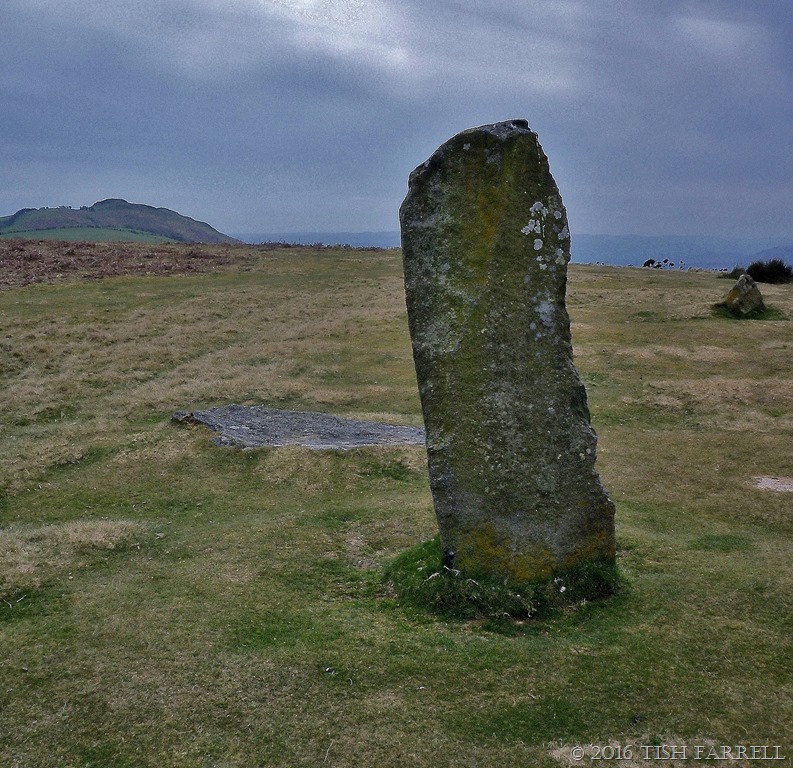
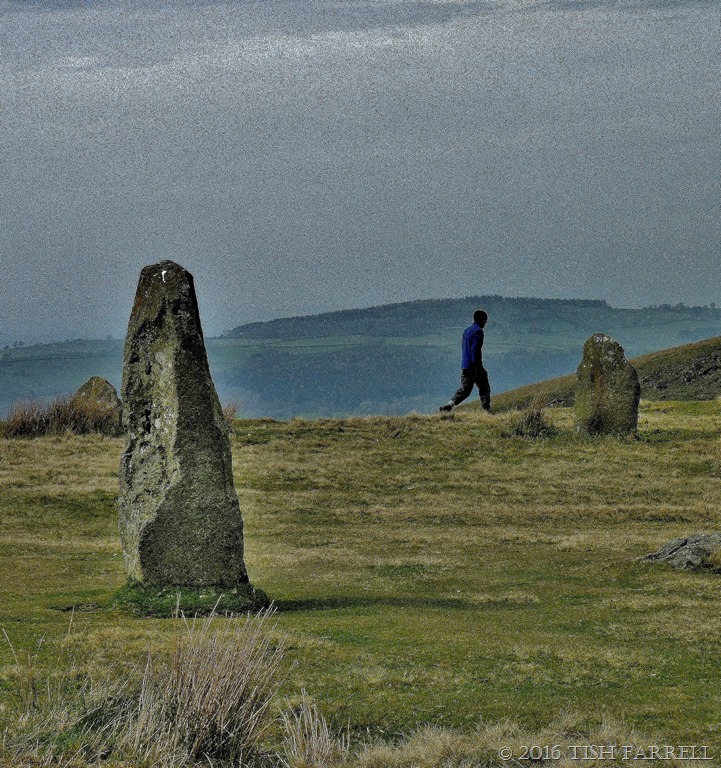
An English Heritage information board had made an appearance since our last visit, although I thought its proximity to the circle rather insensitive. It anyway did not have a great deal to tell us, other than the monument is now believed to be at least 3,000 years old, and that the largest of the standing stones was once one of a pair, probably forming an impressive portal. I’m assuming that the presumed partner is the one you can see lying prone beside it. The stones are local dolerite.

100_9479

As stone circles go, it is no Stonehenge, but it does have the edge (in all senses) when it comes to setting:

P1030690

Looking back into Shropshire from the circle (and on maximum Lumix zoom) you can see the cairn-like summit of the Devil’s Chair on the ridge of hills known as Stiperstones, a wild terrain of old mine shafts, ghosts, satanic dread and legend:

P1030691

And then when I turned back to the stone circle, there was that strange lone figure loping through the stones. Here he is again (btw the title quote is from Shakespeare’s Hamlet ).

P1030697

It seemed like a good moment to leave, although not before agreeing that we would return in summer – with hopefully more warmth and some clearer skies.

IMG_2180

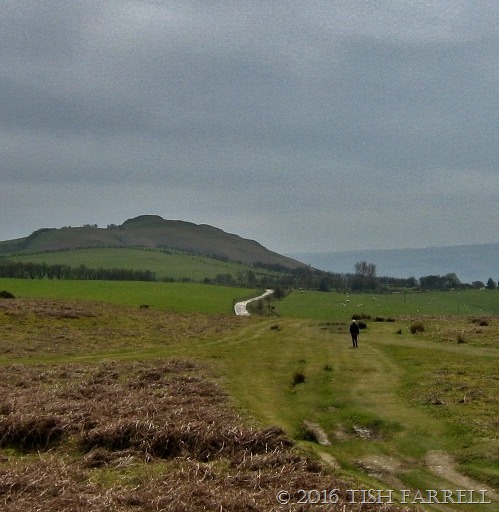
As ever, as we return to the car, Graham is in my shot. Here though he is providing a convenient marker for some ancient  medieval rig and furrow plough marks. You can just make out the light and dark stripes running  north-south in the cropped grass behind him. At least I’m assuming that this is Graham and not another traveller from the undiscovered country of Shakespeare’s imagined after-life. In places like Mitchell’s Fold you just never do know.

copyright 2016 Tish Farrell

P.S. For more on the earlier trip to Mitchell’s Fold see my long ago post Witch-catching in the Shropshire Wilds – also including the legend about the wicked witch Mitchell, who gave the place its name.

Even though she’s off on her travels again, and by way of wishing her the best of times, I’m linking this to Jo’s Monday Walk


The Winter Walker

100_7046

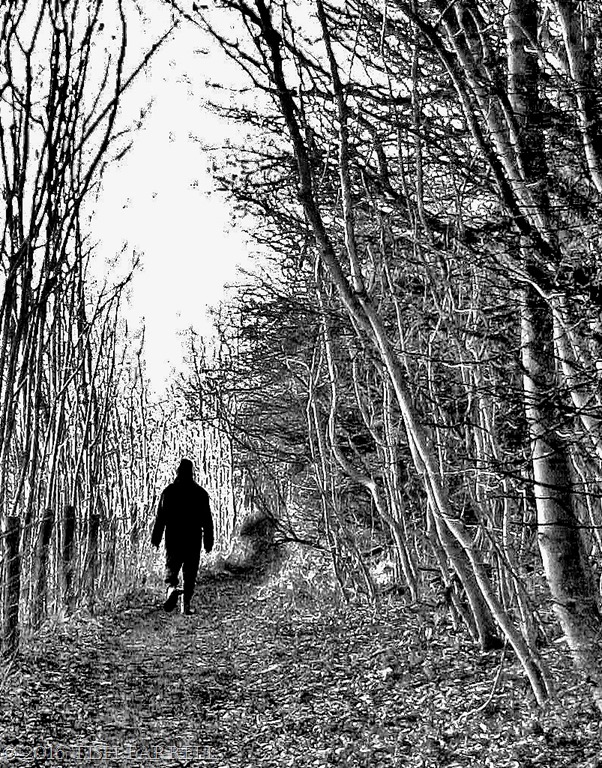
You can step back through time on Wenlock Edge. The trackways across the ridge-top have doubtless been trodden by itinerant traders since Stone Age times. In fact if I didn’t know that the lone figure on the path ahead of me was Graham, I might tell you that this is the shade of a six thousand year-old stone axe merchant, or a four thousand year-old Bronze Age smith. Or closer to our time, say two thousand two hundred years ago, it could be an Iron Age farmer trekking through the woods.

There are also traces of Roman farms either side the Edge, and from the Middle Ages until modern times the limestone from which the Edge is formed would have been quarried for building and for iron making, and also  burned in kilns to make lime mortar and fertilizer. And then there is the 400 million year geological history of the Edge itself – starting in times before fish had evolved, let alone mammals. (I won’t mention the four foot long giant water scorpions that lived back then).

But landscape as a portal to the past – it’s an intriguing notion.

*

This week at Black & White Sunday Paula’s guest, Lisa Dorenfest, gives us the theme of ONE. Please go and see her stunning photo, and Paula’s own response to the challenge.