Spinning A Line At Tregwynt Mill: It’s All In The Warp And Weft

IMG_4666

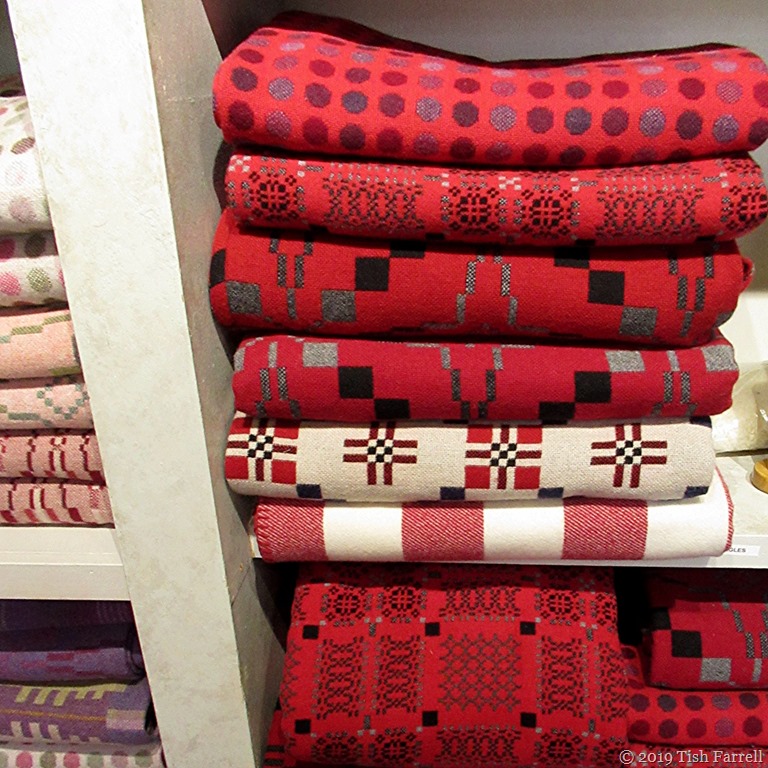
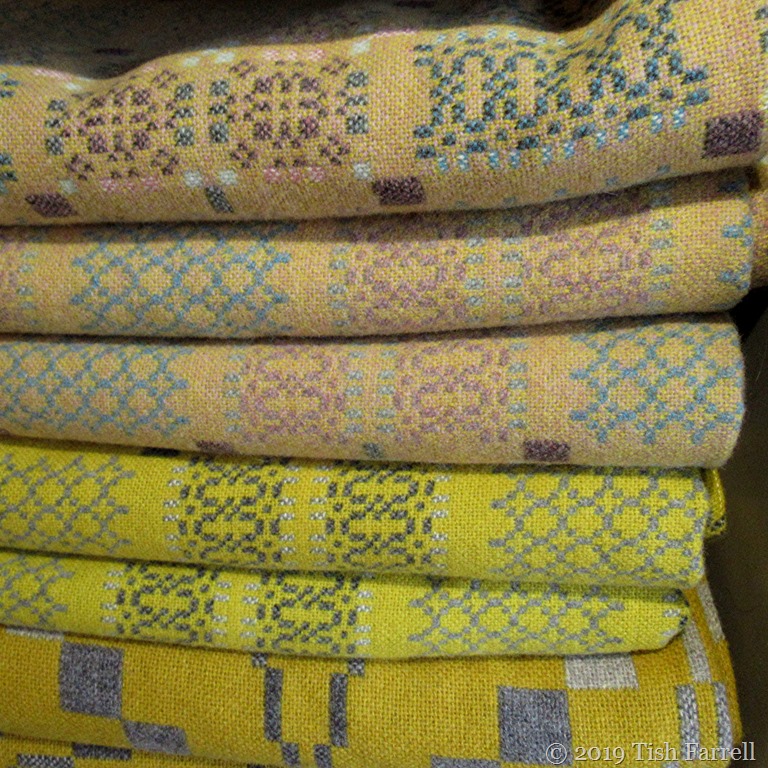
Who’d’ve thought it: Welsh Tweed that in the 1960s seemed so fuddy-duddy and old woolly tea-cosy-ish has been transformed into a substance of loveliness and huge desirability, and all thanks to some cunning tweaking on the design front. And the place where they are doing much creative tweaking of this most traditional of Welsh industries is Pembrokeshire, West Wales. (Some of you may remember my trip to Solva last year). Ten days ago we meandered our way down narrow lanes just south of Fishguard to visit Melin Tregwynt.

IMG_4668

It stands in a narrow wooded valley not far from the sea, and has been worked by members of the Griffiths family since 1912, when Henry Griffiths bought the place for £760. He took over premises that had their origins in the 17th century, the looms driven by water power from the nearby stream. Today Tregwynt’s looms are high-tech, but the weaving shed still houses an old waterwheel. And apart from producing wonderful cloth that feels like heaven, the other brilliant thing about this enterprise is that it employs over 30 local people, and is otherwise a fantastic place to visit with a very excellent shop and cafe.

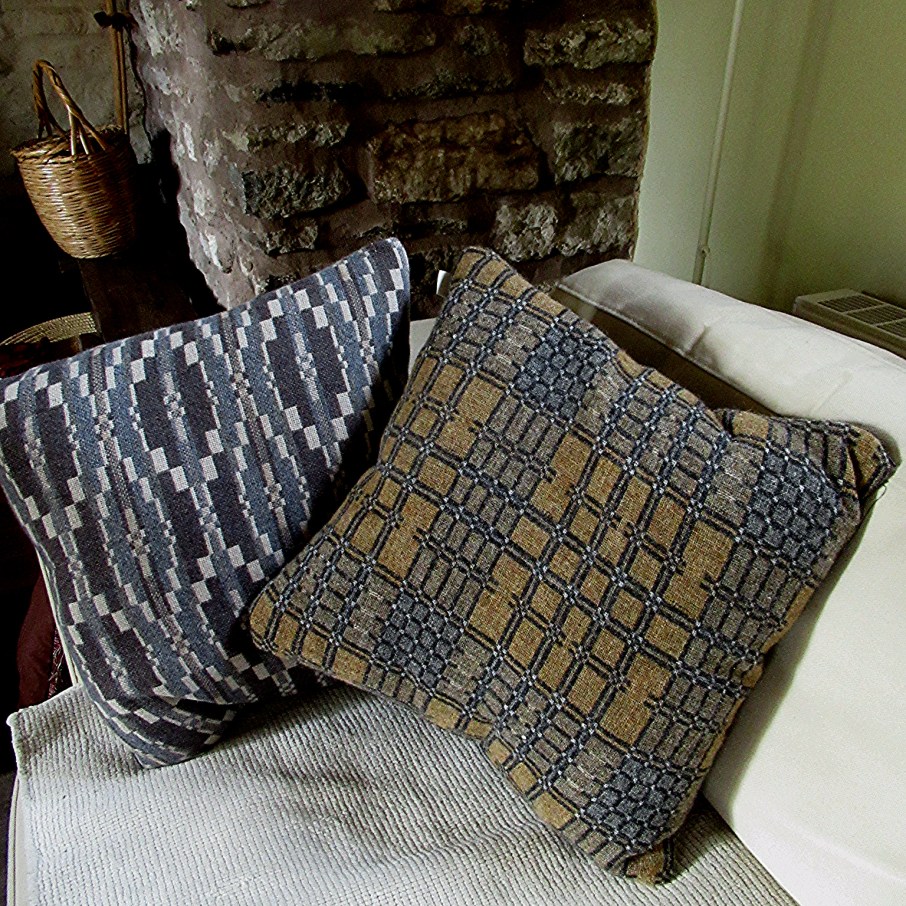
And, in case you’re wondering, we did not come home empty-handed:


Line Squares  Today’s the first day of Becky’s October Squares: – lines, however you find them.

September’s Changing Seasons ~ Late Summer Days

IMG_2675

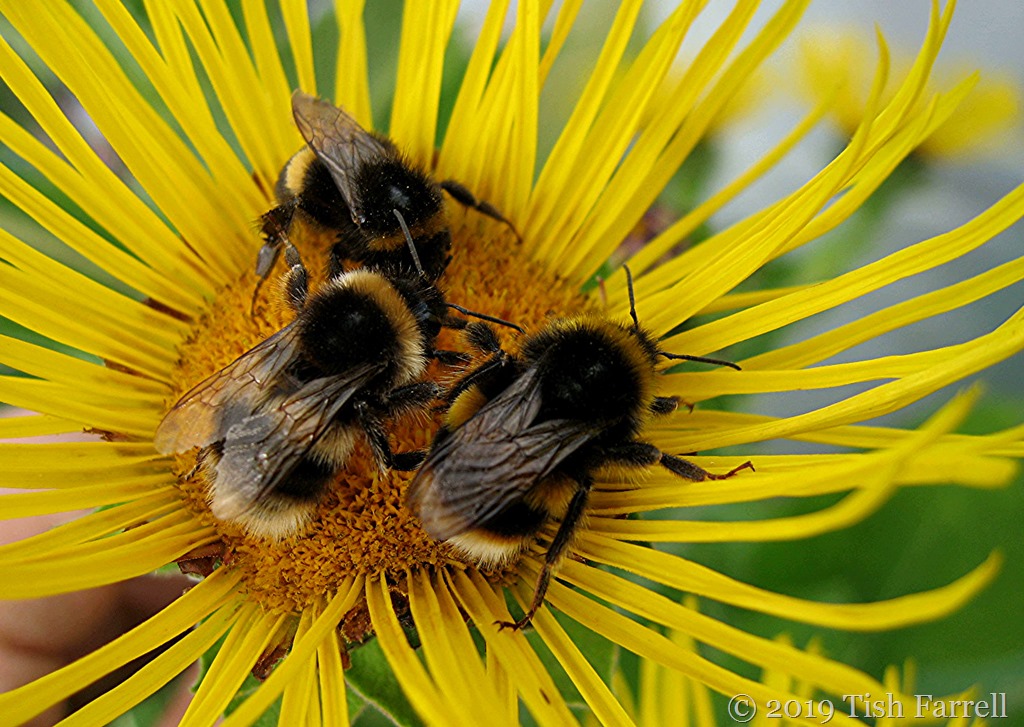
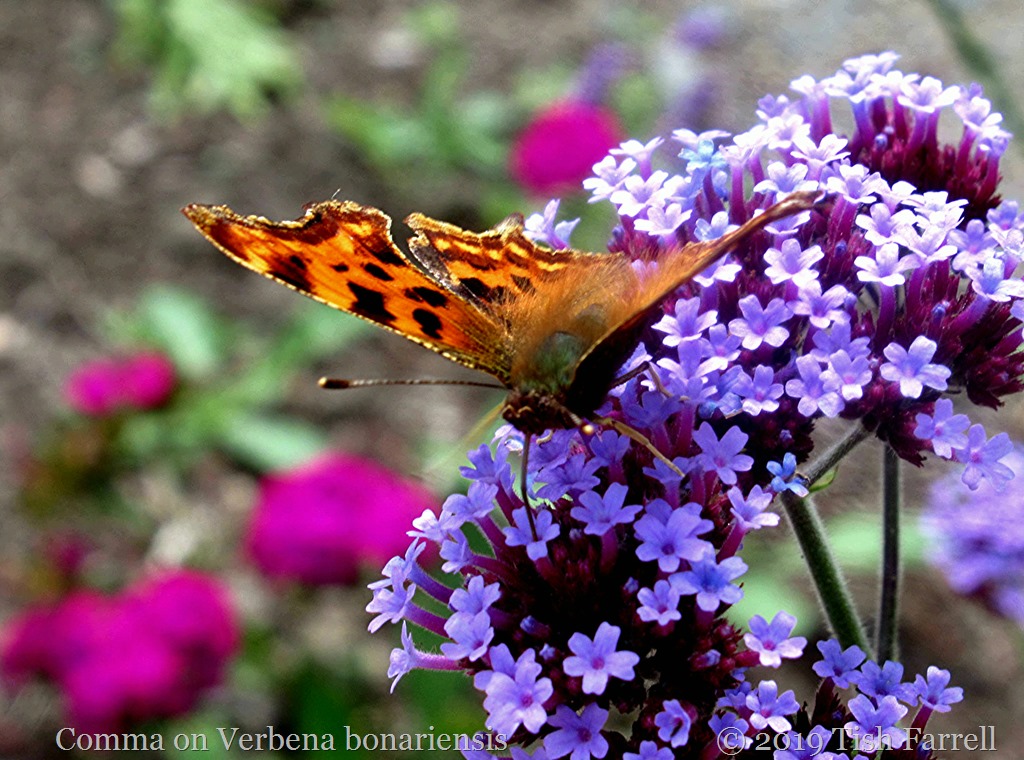
September in Shropshire has been pretty perfect until the last few days. Now we have bouts of heavy rain, weighing down the garden flowers, washing out the last of summer colours. But between the downpours there are still bees and butterflies about, though nothing like the clouds of them we had earlier in the month when I’d find the allotment verbena covered in Painted Ladies. Of course it’s pretty much the last chance for all the insects to stoke up on dwindling supplies of nectar; sunflowers, Michaelmas daisies and sedum being the busiest bug take-aways.

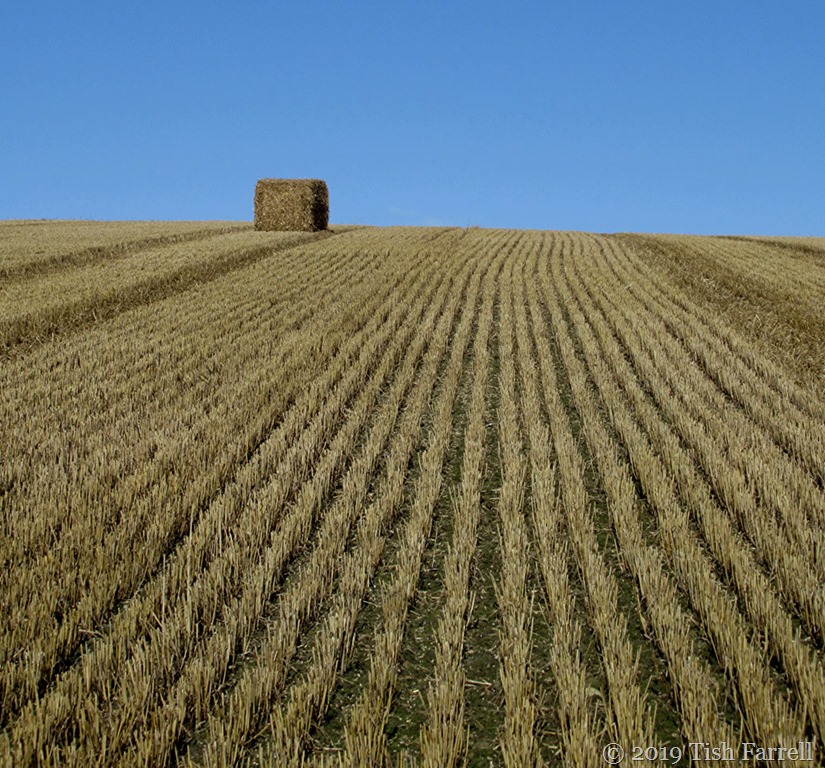
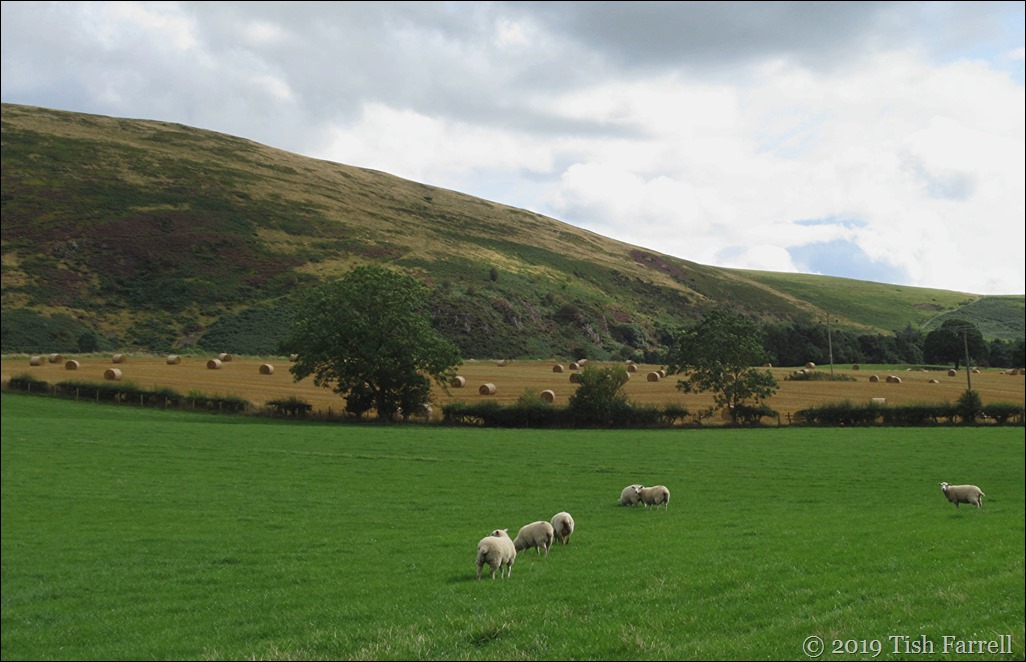
At the start of the month the wheat behind our house was finally cut. As I said in an earlier post, the dust cloud was monumental, covering the garden in chaff. But that’s a small price to pay for the freedom to roam across an empty field. Doubtless, it won’t be like that for much longer. The field will be ploughed and sown. Farmers  no longer leave stubble fields to overwinter, so providing forage for wildlife, particularly native bird species, during the hardest months. For now though, the straw bales left behind have been providing some of  Wenlock’s youngsters with new play venues, even if scaling them  has been proving something of a challenge.

As Cyndi says: ‘Girls just wanna have fun’.

And from this morning’s garden on the last day of the month, and between the rain showers:


This slideshow requires JavaScript.


copyright 2019 Tish Farrell

The Changing Seasons: September 2019

Scenes From The Realm Of Ancestors

IMG_4533

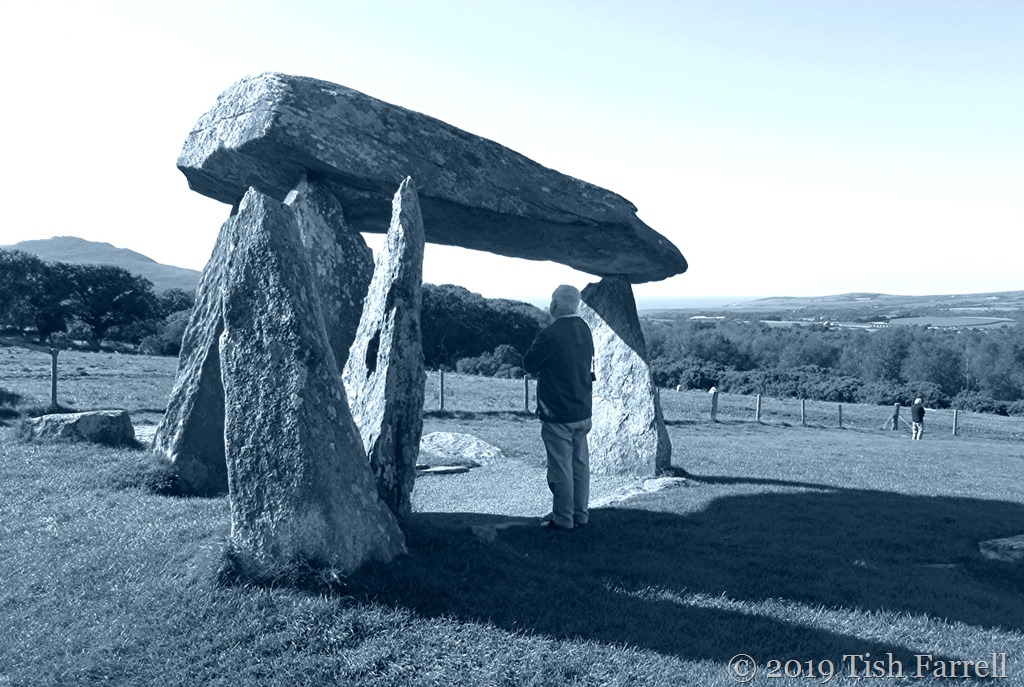
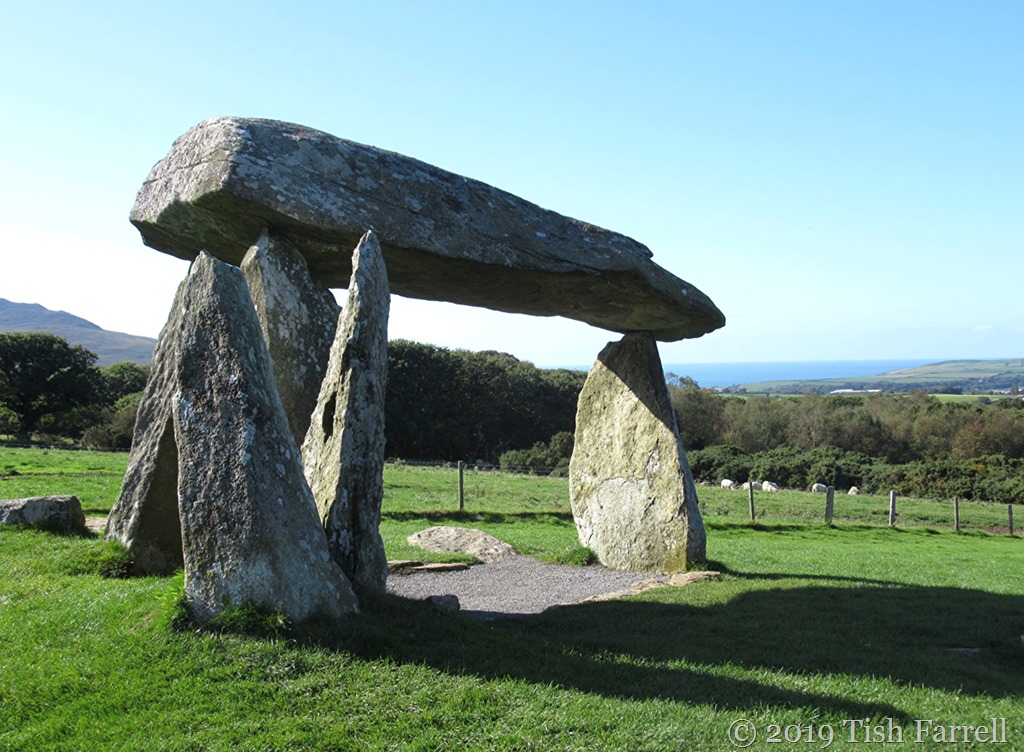
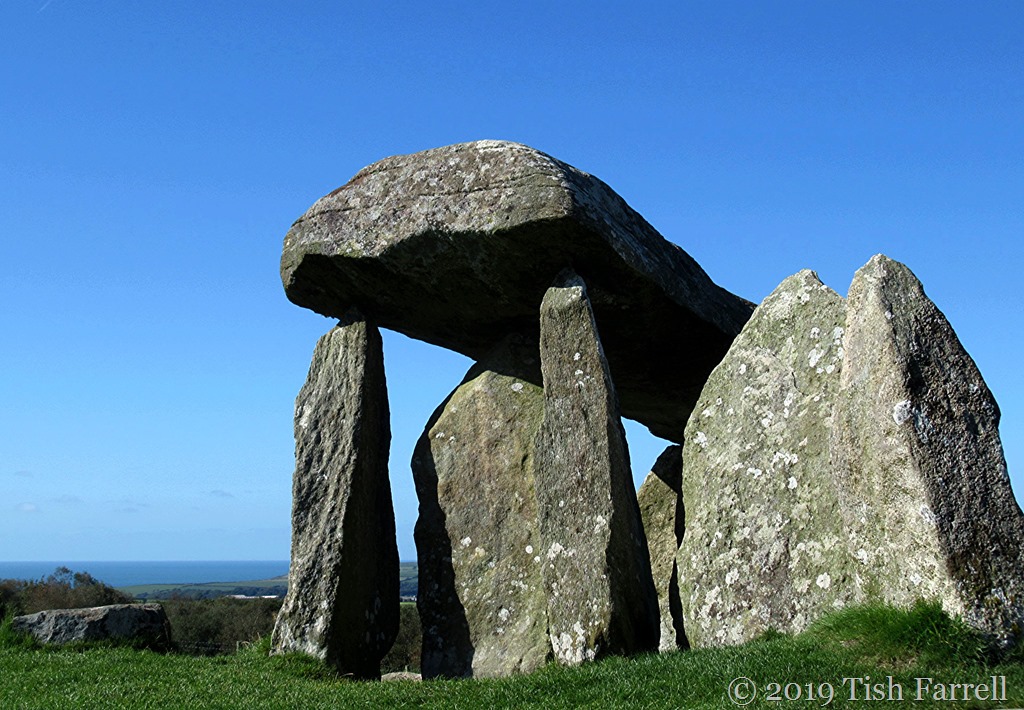
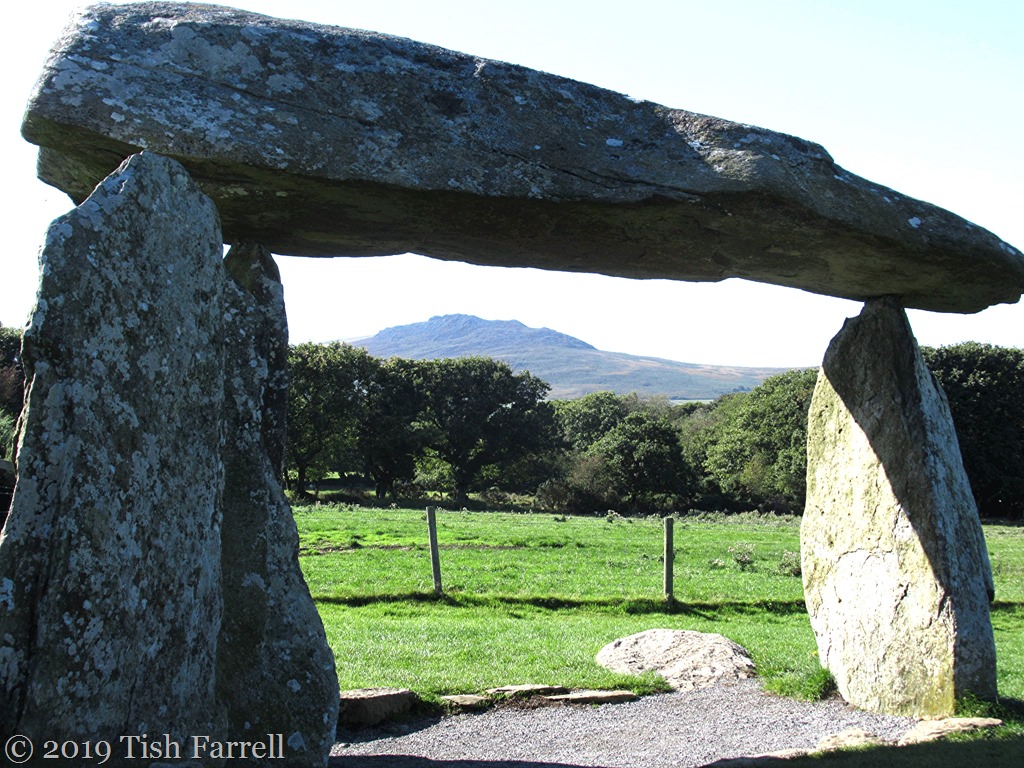
Two thousand years ago the people who lived within the mountain hillfort of Carn Ingli (seen here in the distance) would have looked down on this 5,500 year-old chambered tomb of Pentre Ifan. Back then, the Neolithic burial cairn was probably mostly intact, still covered with an earth mound and extending some 120 feet (36 metres). Over the centuries most of the stones have been removed, most likely for wall and house building; only the most immovable stones remain. The capstone is reckoned to weigh 16 tonnes and is supported on the tips of three larger-than-man-size stones.

However you think about it, this tomb is an extraordinary feat of construction by people who only had tools made of stone, wood and bone. In the next photo I have included men (near and far) to give some sense of scale – height and original tomb length. The burial place, probably used for successive interments and not only for one individual, is also in sight of the sea, the harbour inlet at Parrog, Newport, which may well have been used by trading boat as far back as the Neolithic.

I’m wondering what the ancestors would think of us now: the age when folly and ignorance finally ‘triumphed’ over wisdom?

IMG_4601

IMG_4602


Six Word Saturday

To The Mountain Of Angels ~ Mynydd Carn Ingli

IMG_4404

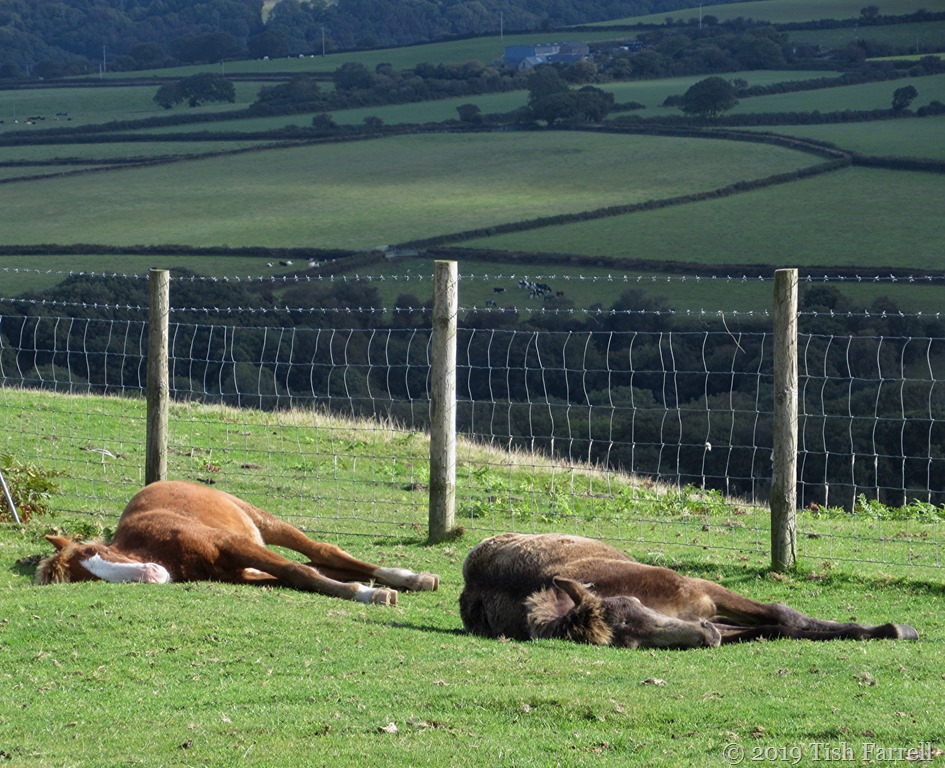
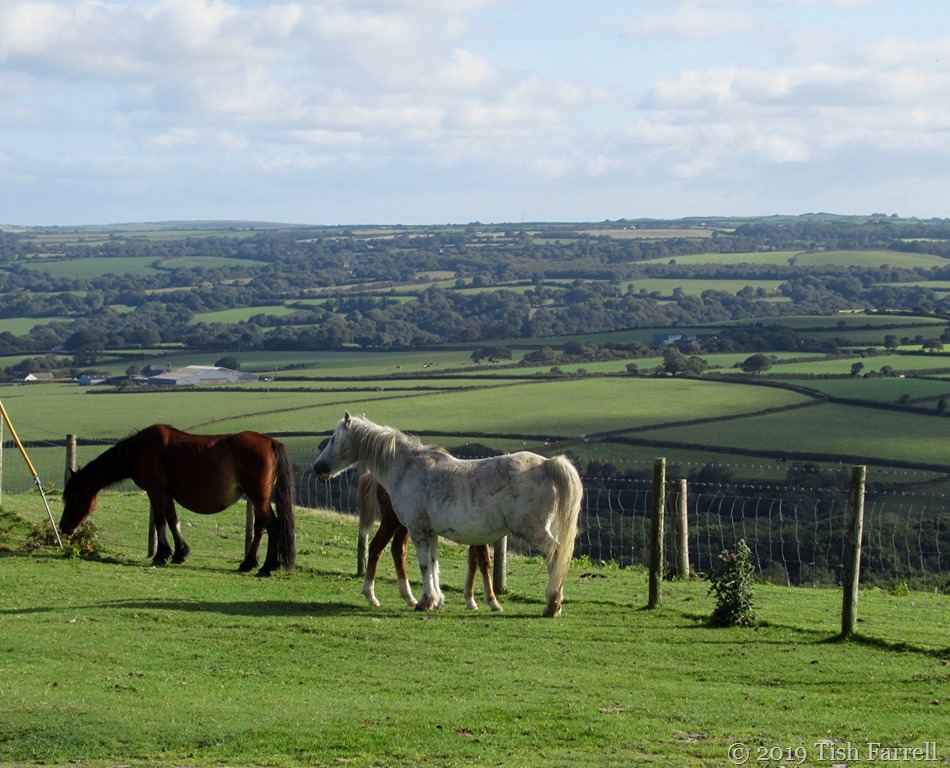
We were past it in a second – the road sign that warned of wild horses ahead. I blinked – mentally anyway. Had I seen such a sign before? The equine form black on white, lissom, tail whisking out, suggestive of a sprightly canter. And no sooner had I thought this, than there they were – in the flesh, and nothing less wild could be imagined. Two colts, flat out and dozing in September sunshine, while below the lush farmland of north Pembrokeshire joined them, stretching out and out.

IMG_4421

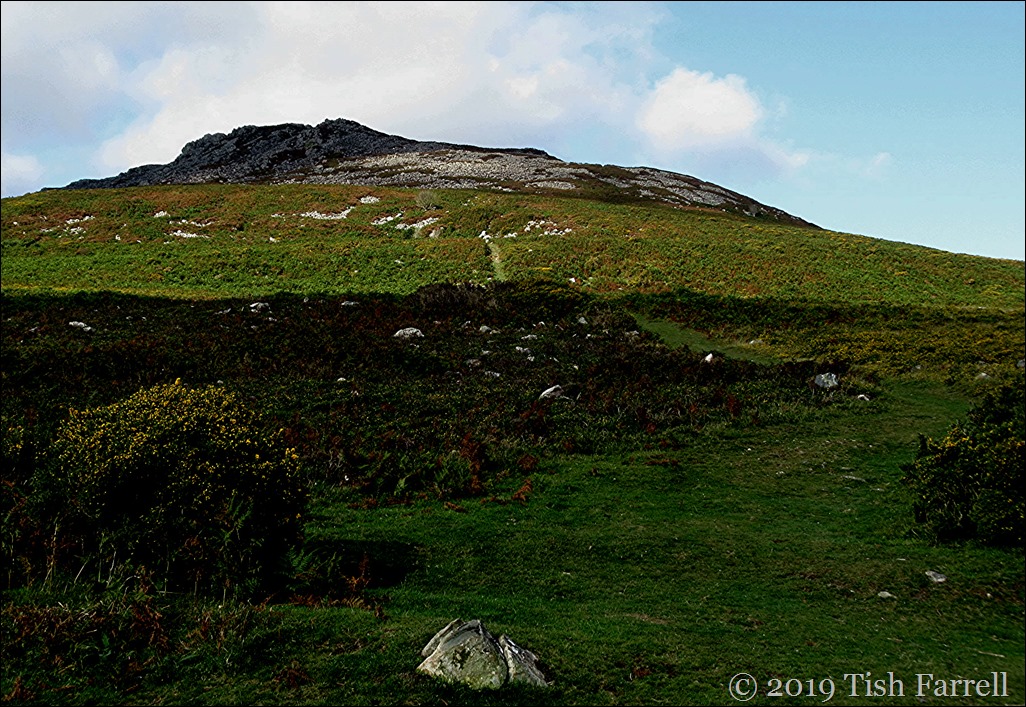
It was last Tuesday, just after breakfast, and we had taken the hill road out of Newport (Trefdraeth in Welsh) where we were having a few days’ holiday. My notion at least had been to climb Carn Ingli to explore the ramparts of the Iron Age hillfort that surrounds the summit. I’d read it was one of the largest hillforts in West Wales with traces of  25 hut circles within. A fortified village then, perhaps seasonally occupied.

And not only  this, there are also Bronze Age burial cairns and the suggestion too that the mountain top was first enclosed in Neolithic times. In fact the whole area, from coast  to hinterland and all across the Preseli Hills is littered with traces of prehistoric occupation: henges, standing stones, chambered tombs, hill- and promontory forts, burial cairns. The land of ancestors indeed, and for those of you who know your Stonehenge prehistory, you will recognise the name Preseli, and remember that the so-called bluestones of the inner circle were transported 140 miles from West Wales to Wiltshire. Recently the actual prehistoric quarry sites were discovered by a team of geologists and archaeologists. You can read the report here.

By the time we had gathered ourselves and tried to fathom the map, the wild horses had peaceably regrouped and we were joined by two mares, one in foal. Overhead the sun bore down very hotly for September; two ravens cronked and glided; the air filled with the scent of gorse and fading heather.

IMG_4403

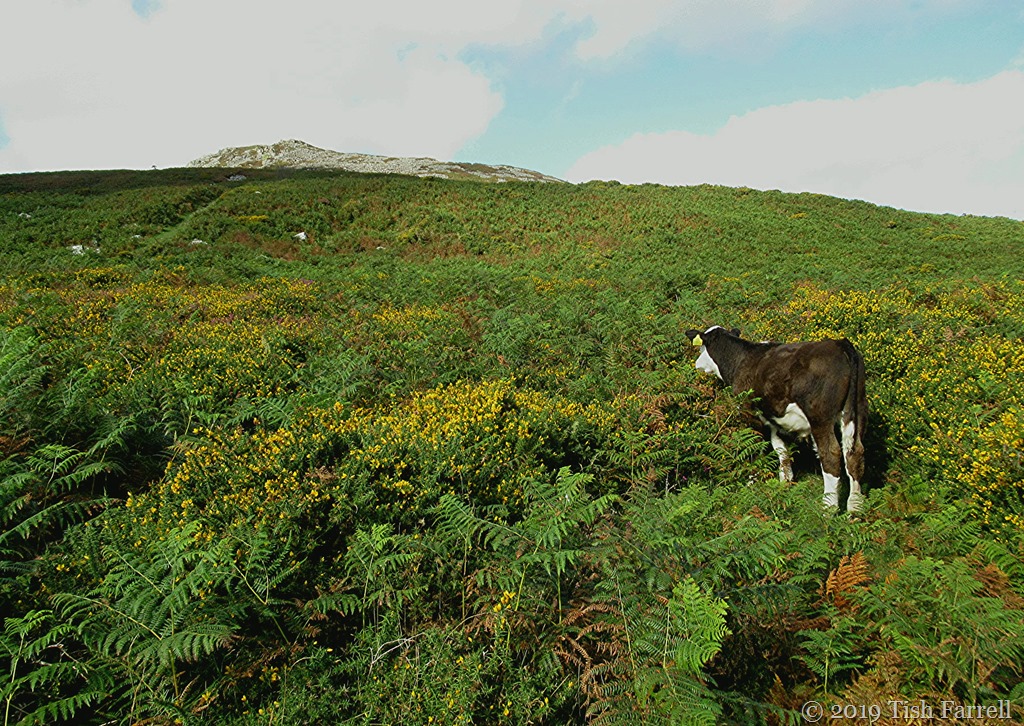
We set off up the track, eyed by a white-faced bullock. The path went up and up, past tumbled rocks which may or may not have been part of some ancient hut circle.

IMG_4415

But the higher we went, the further we had to climb, and I was soon aware that he who is not so passionate about ancient relics was thinking thoughts that contained words like ‘wild goose chase’ and ‘hare-brained’. We gave it up, gazed awhile at the upland vistas and then drove on, wending on narrow lanes overhung with beech and hazel and ash, following the steep cleft of the Gwaun River valley down to Fishguard on the coast.

IMG_4412

*

P.S. In case I’ve whetted you appetite for a better glimpse of the hillfort, coming up is a view taken a couple of days later when we attempted to climb up from the seaward side. You can make out weathered ramparts. Below is Nevern Estuary and the tiny settlement of Parrog Quay, once a thriving ship-building yard and port for nearby Newport.

IMG_4797

IMG_4802

copyright 2019 Tish Farrell

Lens-Artists This week Amy asks us to show her countryside or small towns.

Thoughts From The Blue Glass Sea

IMG_4981

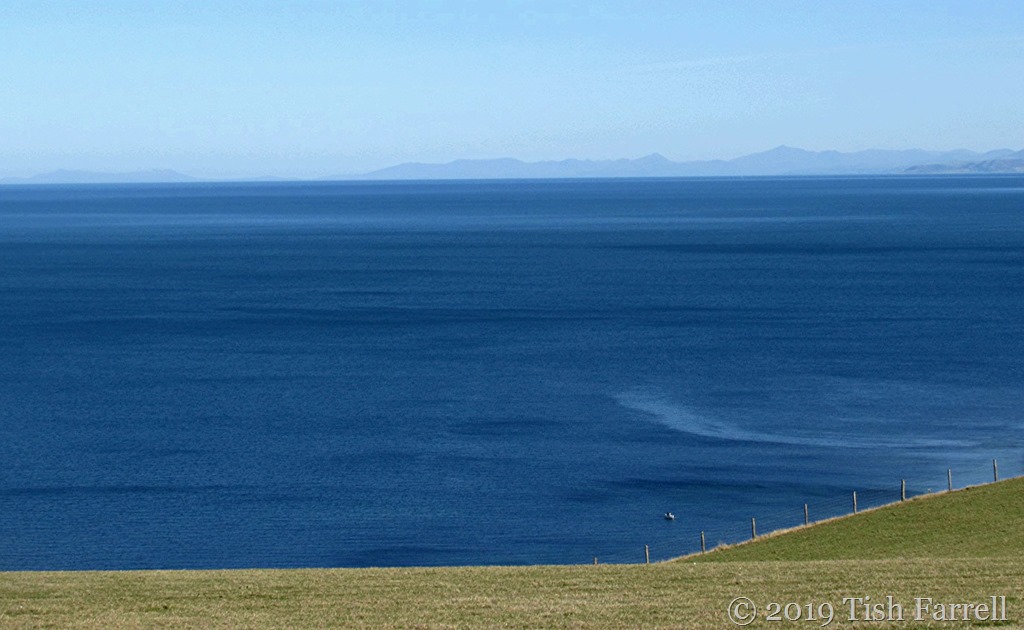
Yesterday, 20th September 2019 when young people around the world were on strike to urge politicians to start telling the truth about climate emergency and to take action NOW to save their future, I looked out on this view across Cardigan Bay in West Wales. And I thought: isn’t it time we all stopped killing the planet and thus everything we truly value?

On the 23rd September 2019 the United Nations Climate Action Summit takes place. Let’s hope the world leaders attending have their brains switched on. It will cost us a lot otherwise – the earth in fact.

Six Word Saturday

It Seemed Like A Small Treasure

IMG_3991

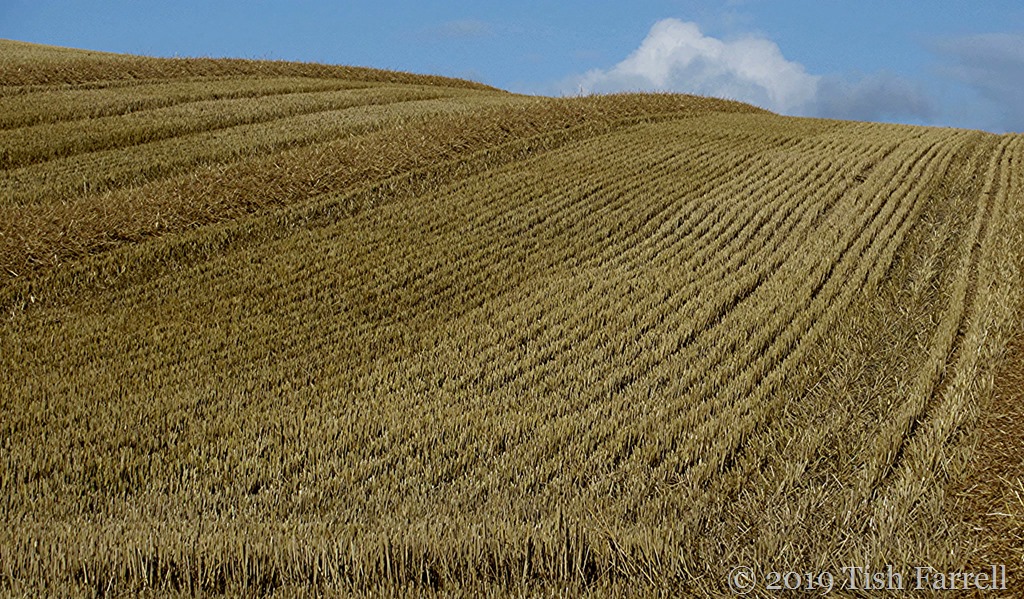
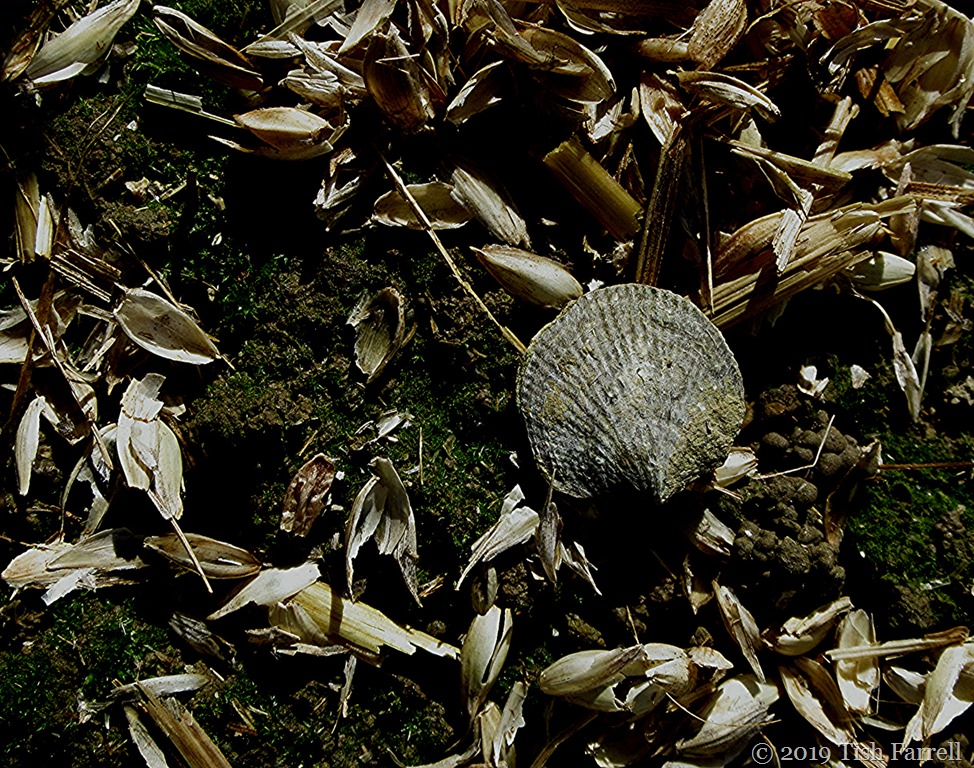
There it was lying among the chaff and wheat stalks, a small fossil brachiopod, the size of my thumbnail, both shells of the bivalve quite intact, but washed free of its sedimentary matrix, to be found by me as I wandered about in Townsend Meadow after the harvest.  I was out in the field, relishing the new views, seeing the town from fresh angles as I climbed the hill, and much like Monet with his many haystack renditions, as I went, snapping multiple views of the large straw bales. With the morning sun on them they looked like some rustic art installation.

I saw the fossil from the corner of my eye and instantly switched to archaeologist mode, at first hoping it might be a Roman coin. It was a similar size and pewtery dullness to the ones I’d uncovered at nearby Wroxeter Roman City when I was digging there aeons ago. But no. It is a washed up remnant from the Silurian Sea, the 400 million-year shallow ocean, whose bed in more recent eras thrust upwards to form Wenlock Edge.

But that’s not all that is marvellous. Before the upthrusting, back in the oceanic days when this little mollusc was still busy sifting warm currents to find its lunch, the land beneath my feet was lying south of the Equator, somewhere near the Comoros Islands in the Indian Ocean. It takes one’s breath away: Shropshire to the Comoros. Is all too hard to grasp. Too much time, too much planetary expanse for the mind to girdle. I mean how could the world’s parts have done so much monumental shunting about? And we humans with all our technology think ourselves masters of the globe. Silly, silly us.

Anyway, I brought the little fossil home, and it sits on my desk. It feels like a touchstone, an omen, a talisman. What meaning might I take from it? This 400 million-year-old mollusc found by chance among the chaff and sawn-off stalks after the wheat harvest.

copyright 2019 Tish Farrell

IMG_3978


On The Way To Myndtown, To See Which Way The Fish Blows

IMG_3936

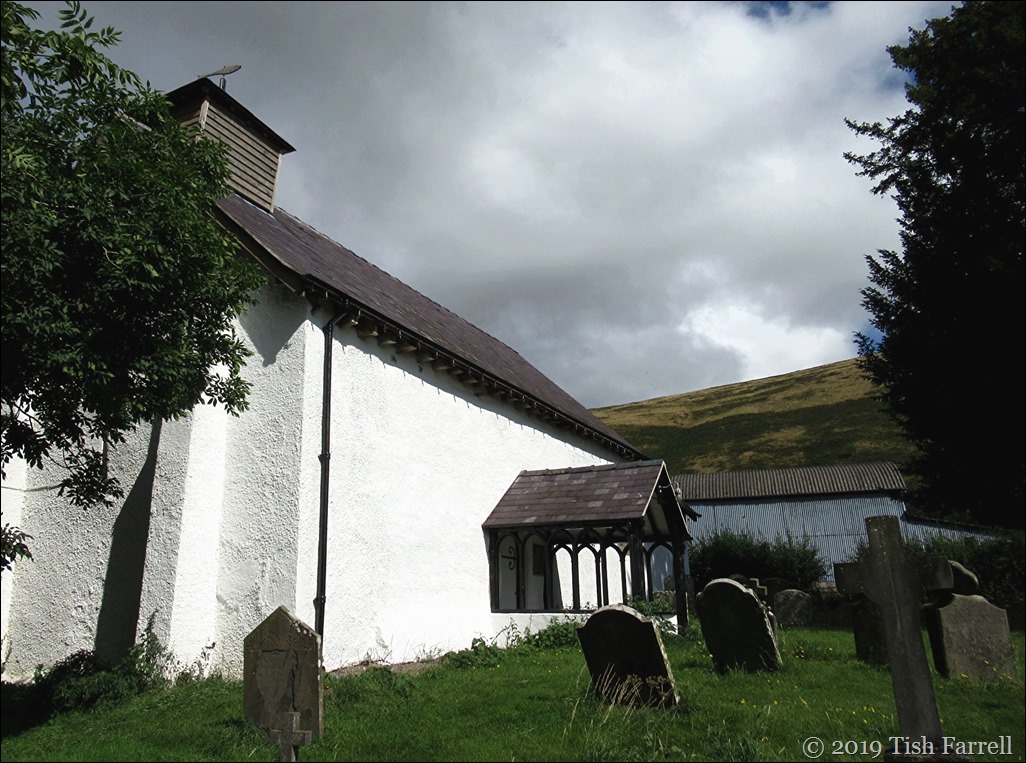
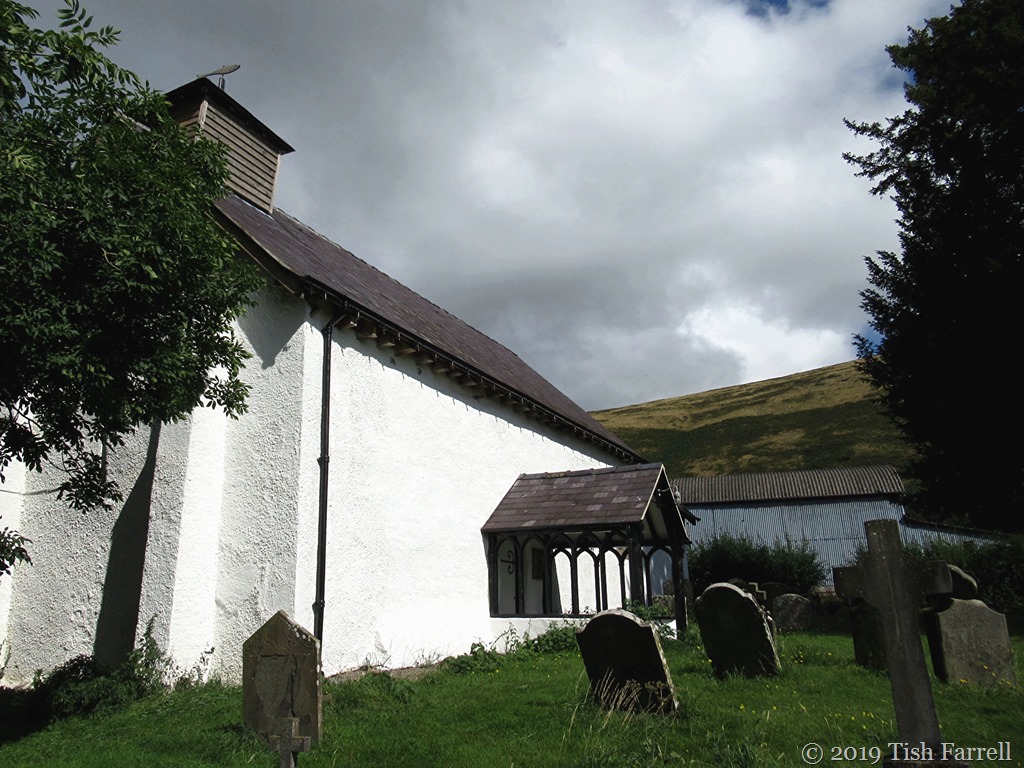
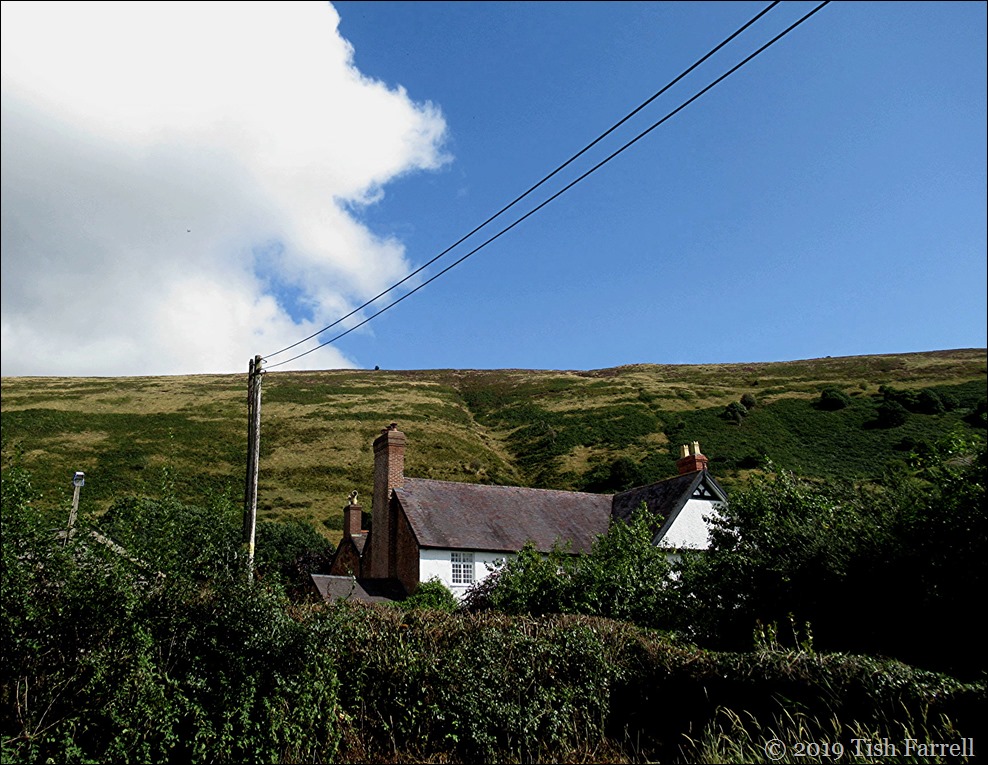
I’d noticed the sign on several occasions as we’d passed by – a brown heritage sign at the turn to Wentnor on the Bishops Castle road. It sounded tantalising: 12th century Myndtown Church 1¼. On Saturday, after a fish and chip lunch in Poppies in Bishops Castle we decided to take a look.

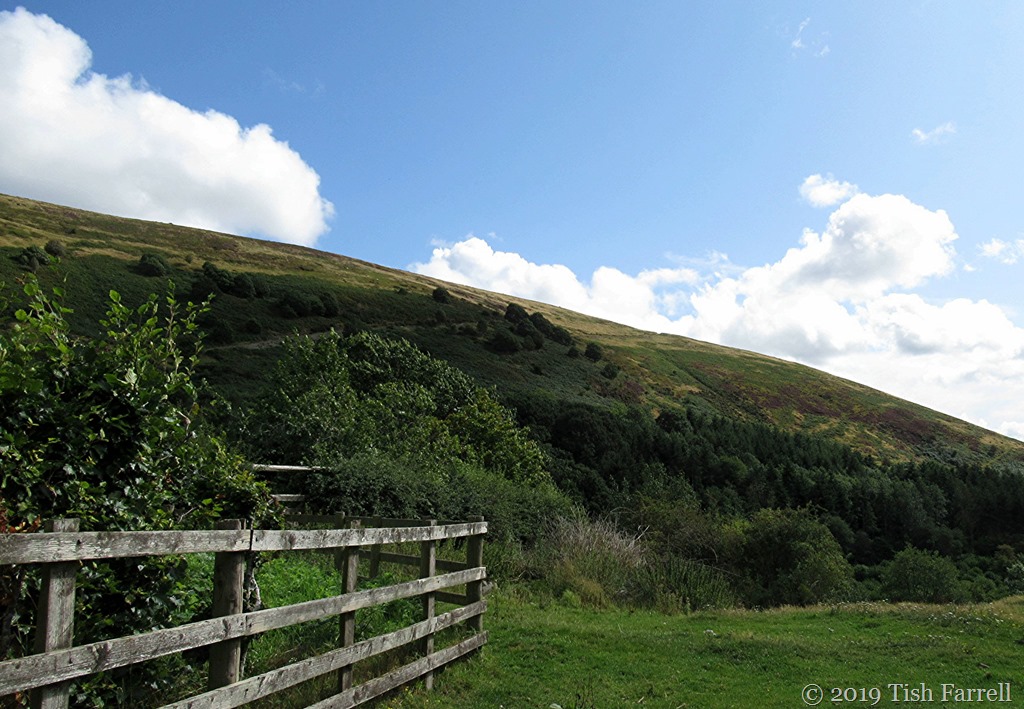
To say it’s off the beaten track succinctly sums it up. The lane is narrow, a car’s width between verged hedgerows, gateway glimpses only of the pasture and wheat fields on either hand. No sign of habitation, only the Long Mynd looming ahead, and so it’s not long before we are questioning the wisdom of the excursion. For one thing its another of those odd Shropshire moments: here we are in wide open country yet apparently heading for a place with ‘town’ in the name? Surely not.

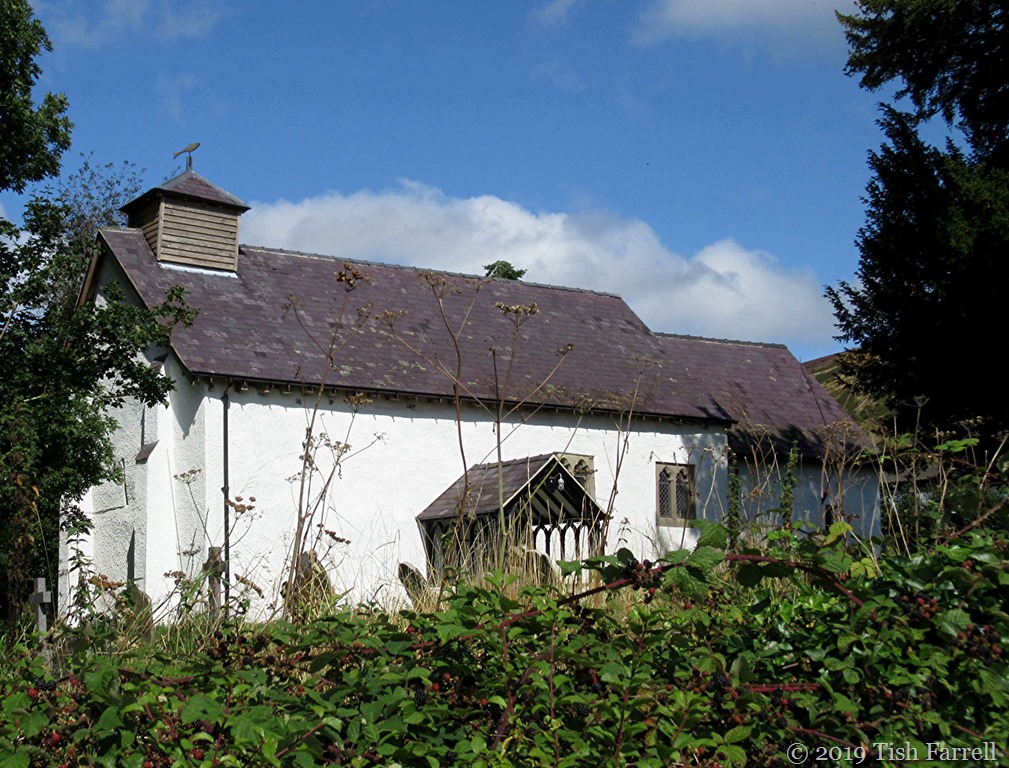
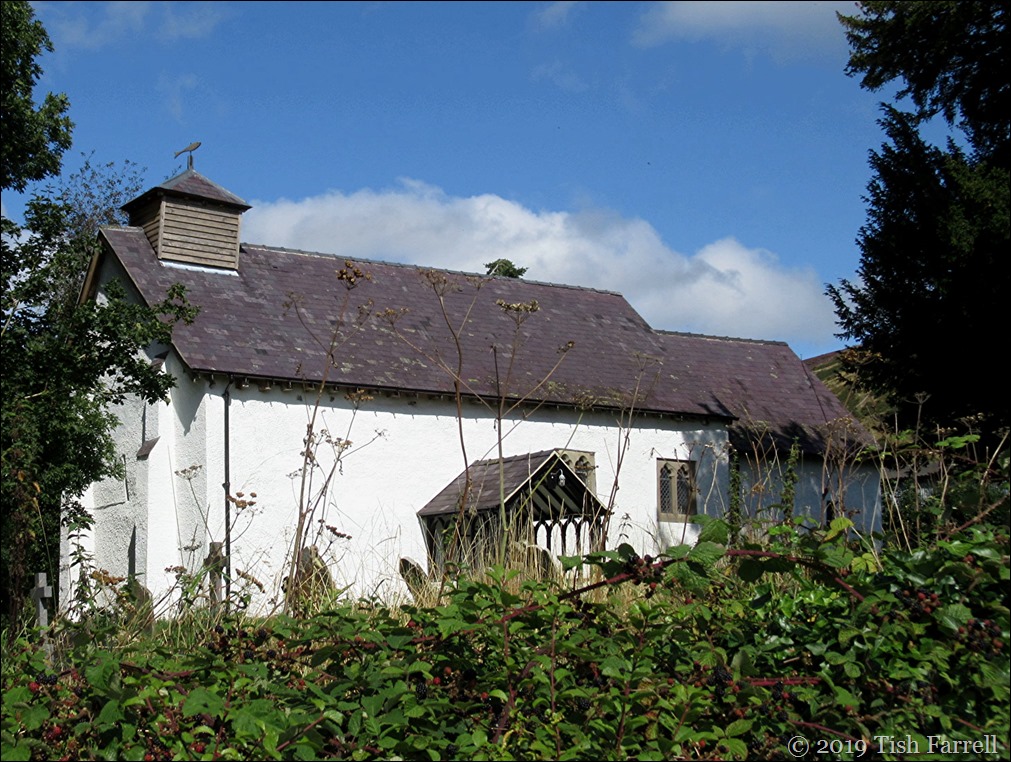
Surely is right. After about a mile we pass the sign to Myndtown Cottage. No house is visible, only the name board and dirt track approach. And finally, around the next bend, and on a little plateau above another sign, this time to Myndtown Farm, there it is – Myndtown Church of 12th century origins.
IMG_3875

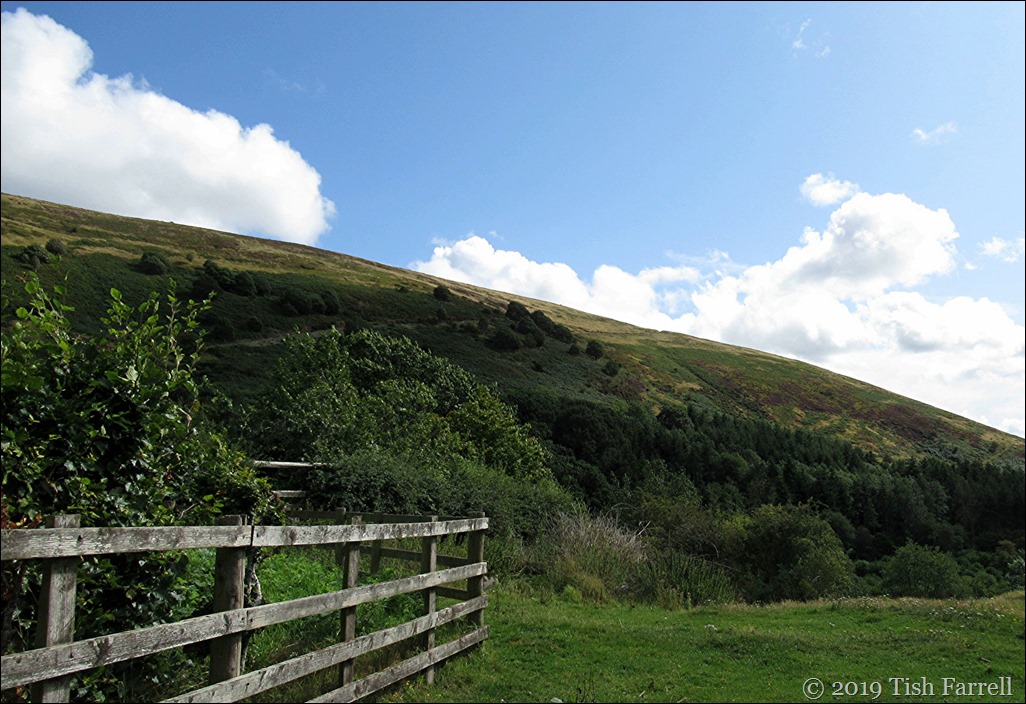
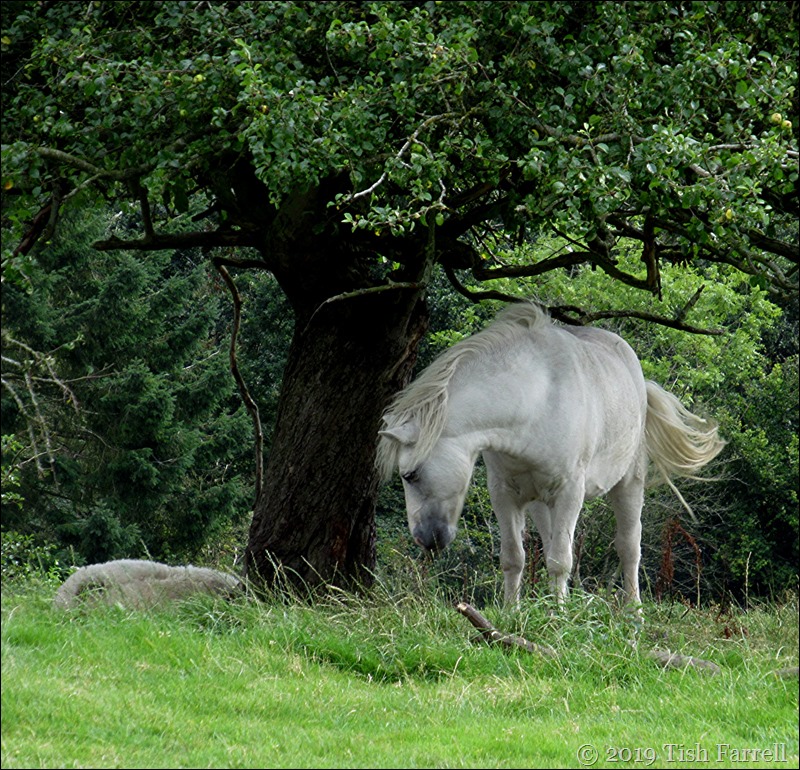
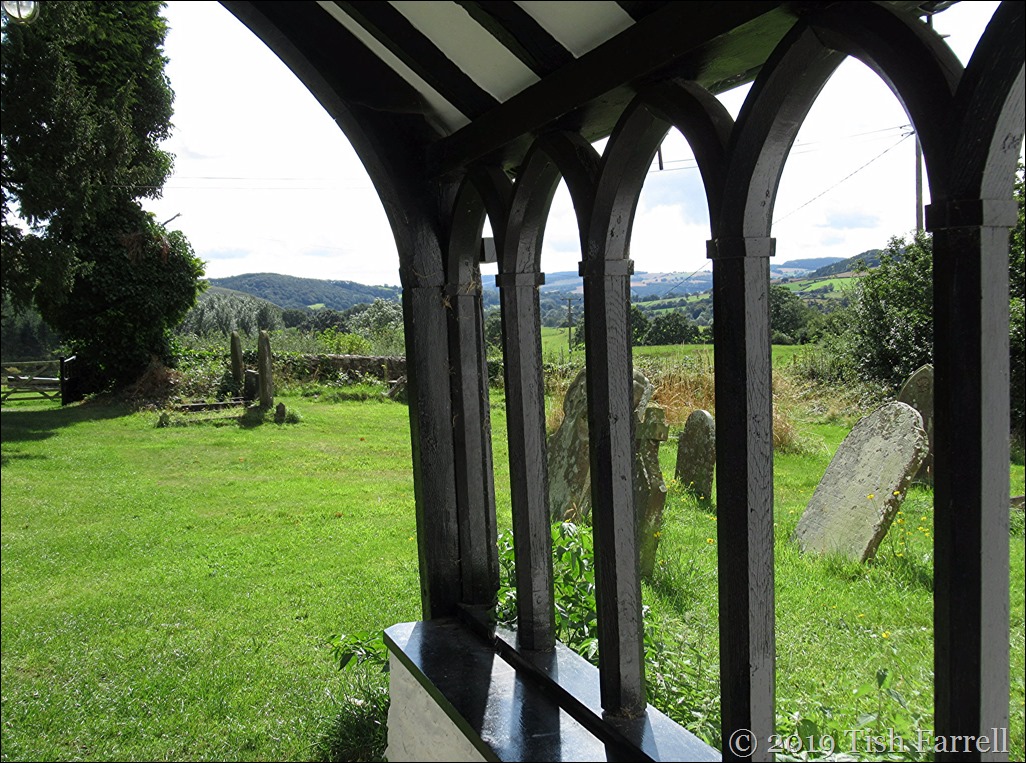
The church is dedicated to St John the Baptist, its east end nudging towards the Mynd. There is also a barn and a venerable house nearby. And in the field opposite a pony under an ancient apple tree, a snoozing sheep for company. And finally, views of Shropshire hill country all around.
IMG_3929

IMG_3908

IMG_3903

IMG_3921

IMG_3926

*

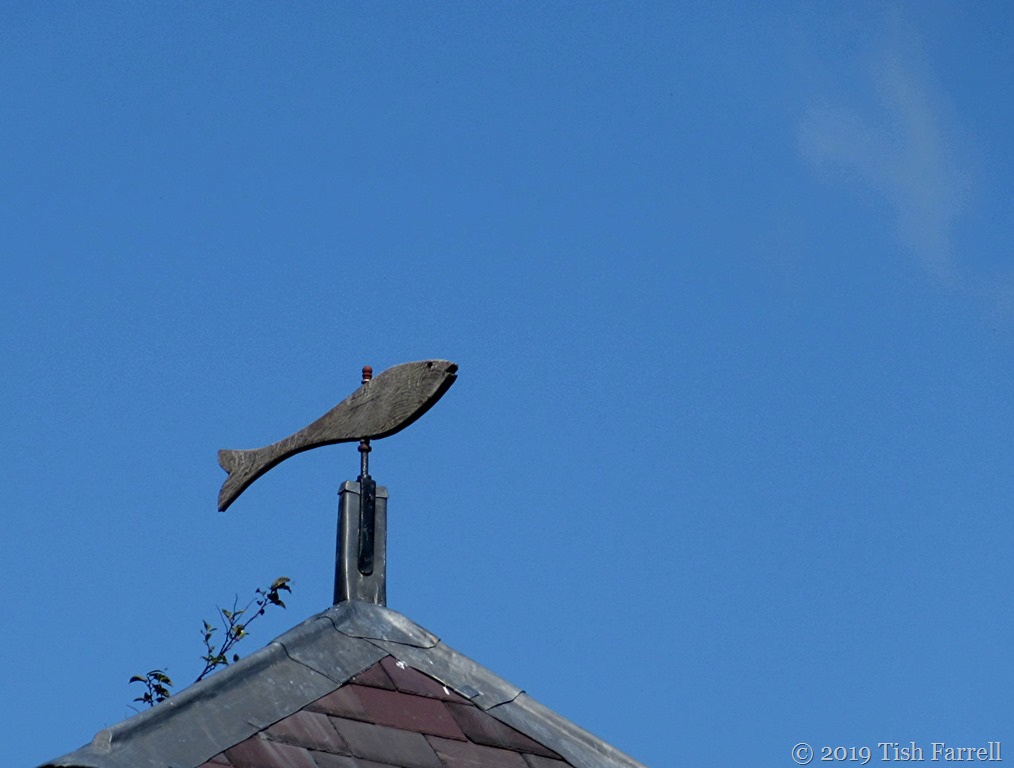
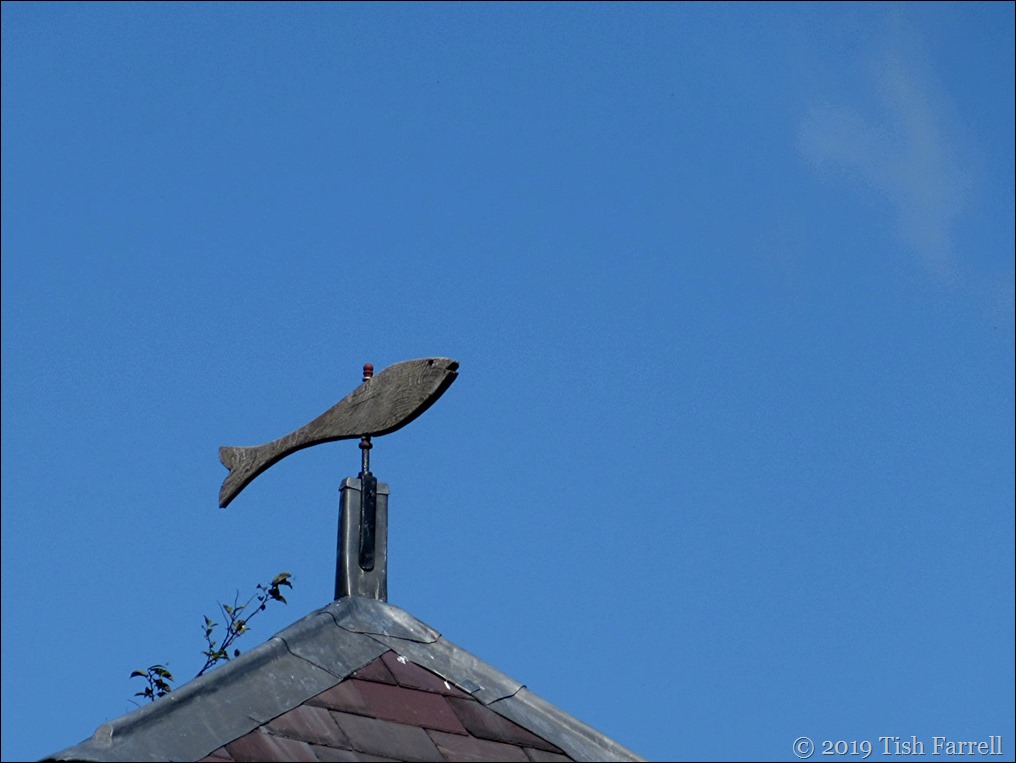
But have you spotted the fish? As one brought up with 1950s I-spy books to ensure I passed the time quietly on long car journeys, I feel sure a ‘weather cock’ in piscine form would have merited a good 25 points.
IMG_3877

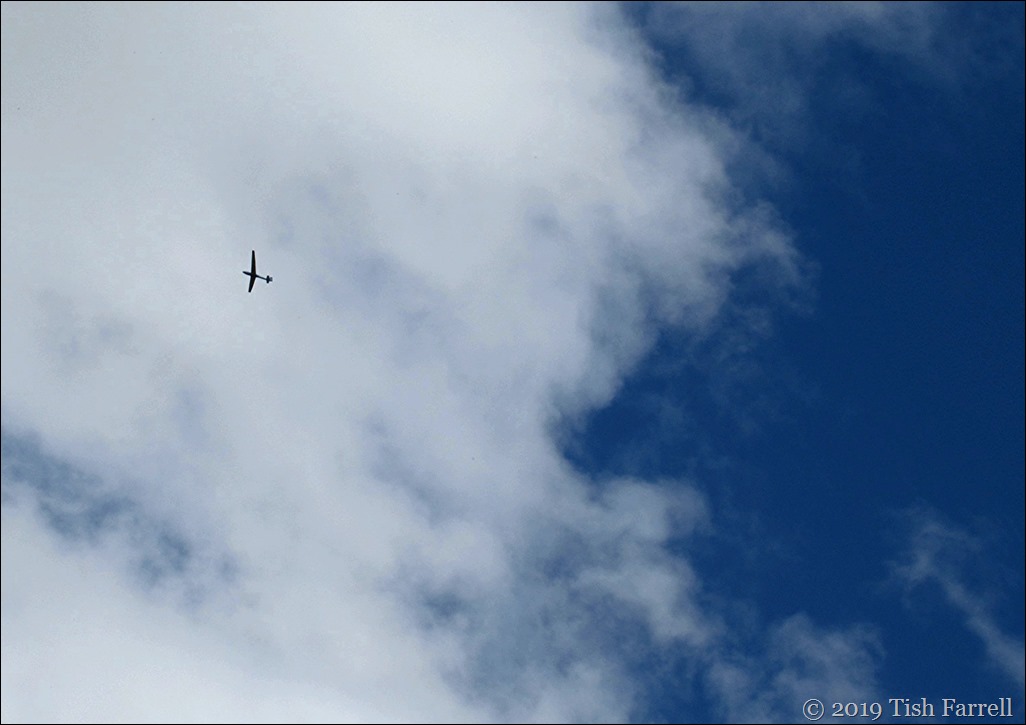
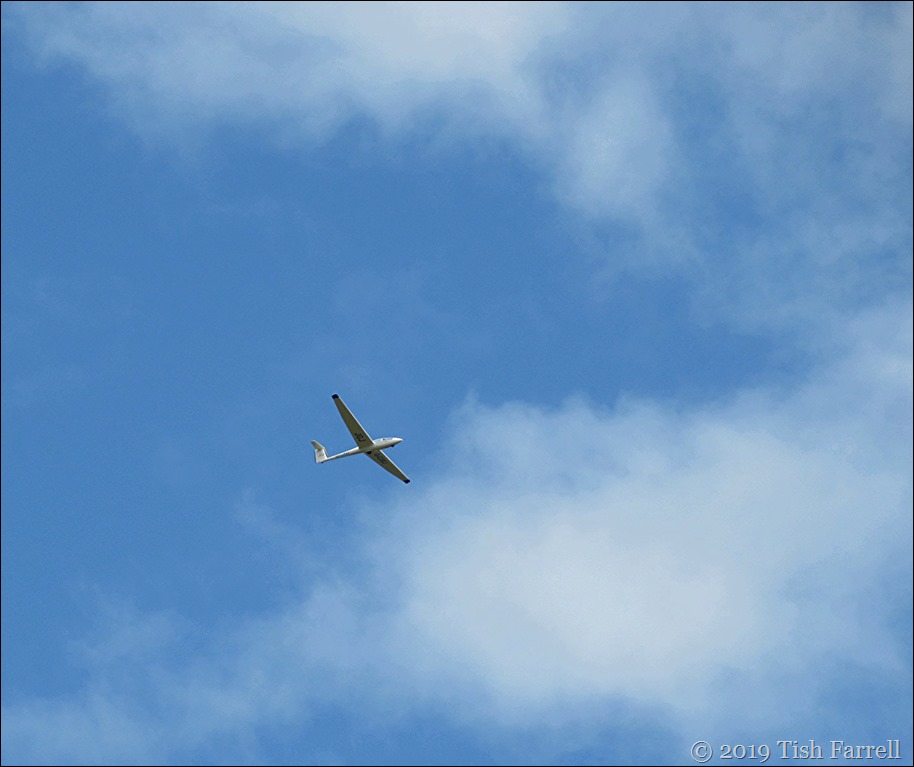
And while I have you looking skywards, look higher still. There are gliders up there too, drifting silently between the clouds. They are launched from the top of the Long Mynd where the Midlands Gliding Club has its HQ.
IMG_3924

IMG_3930

*

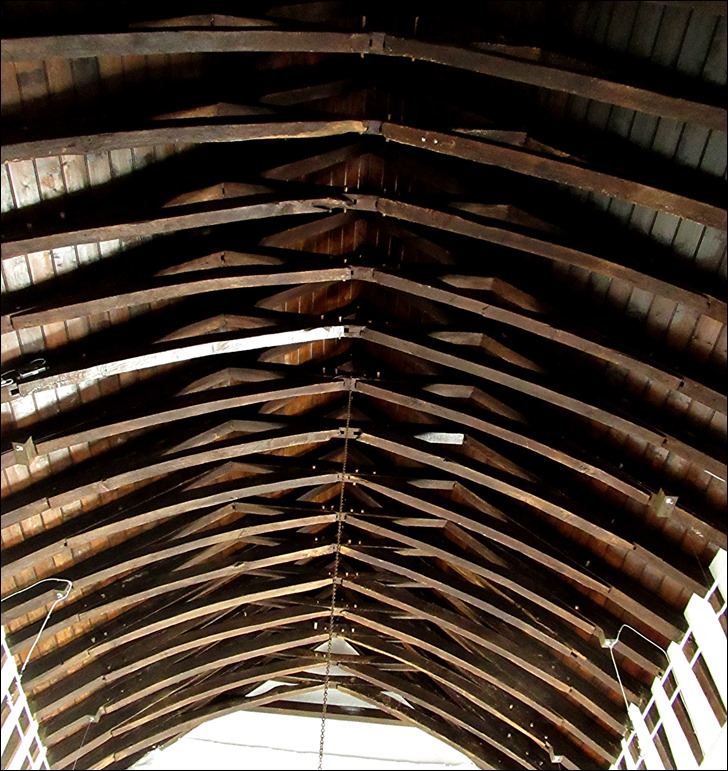
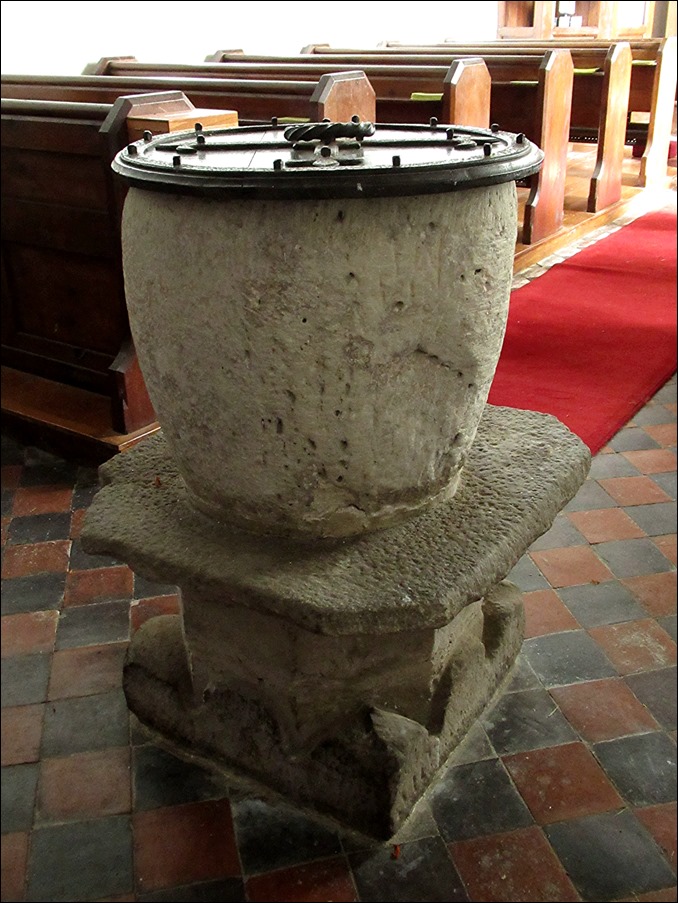
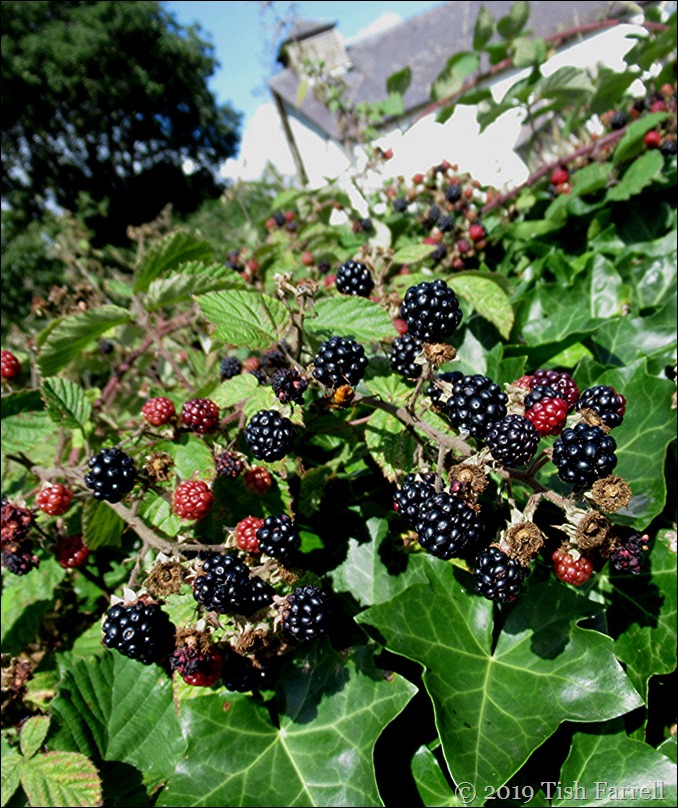
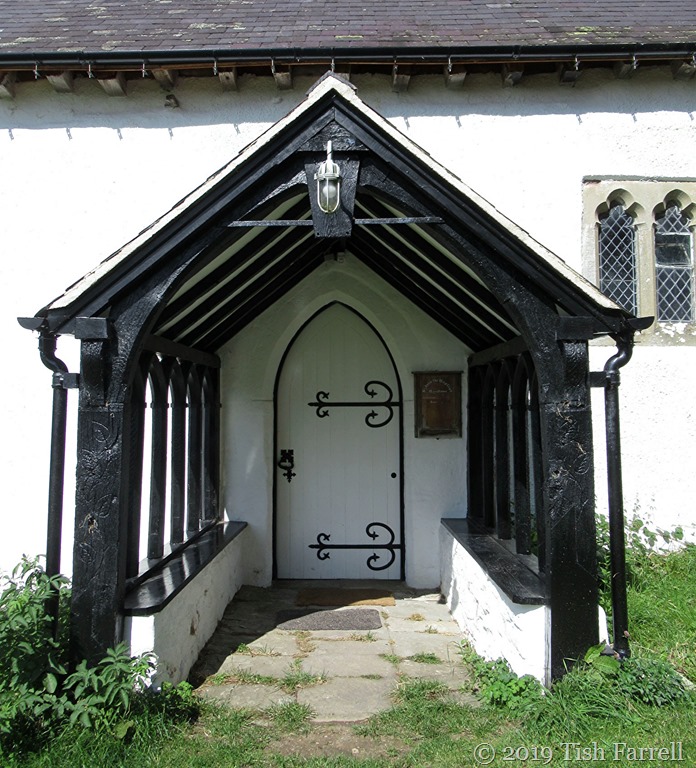
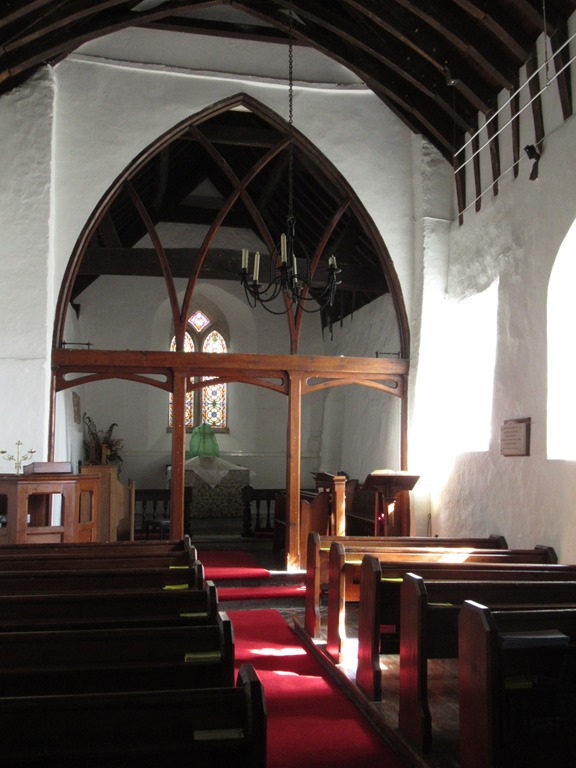
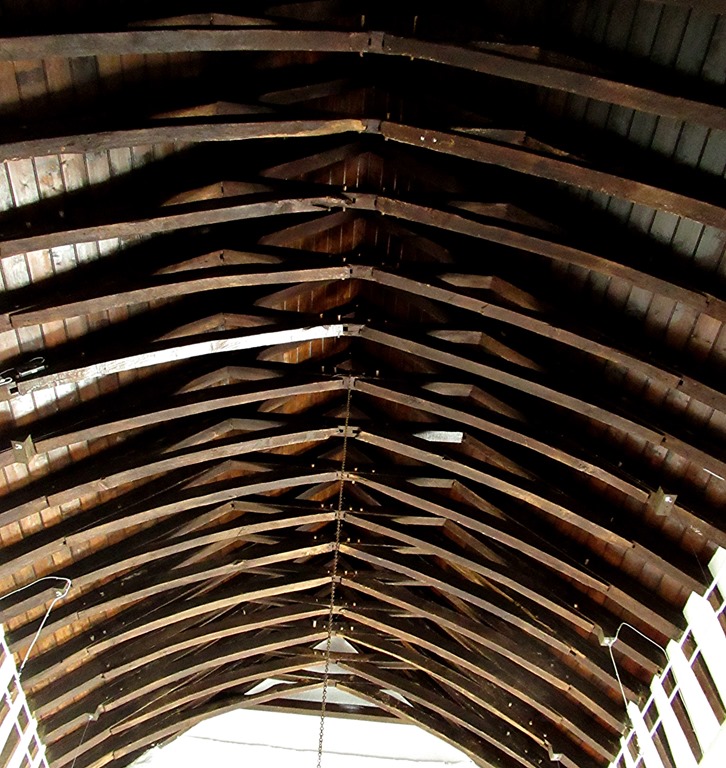
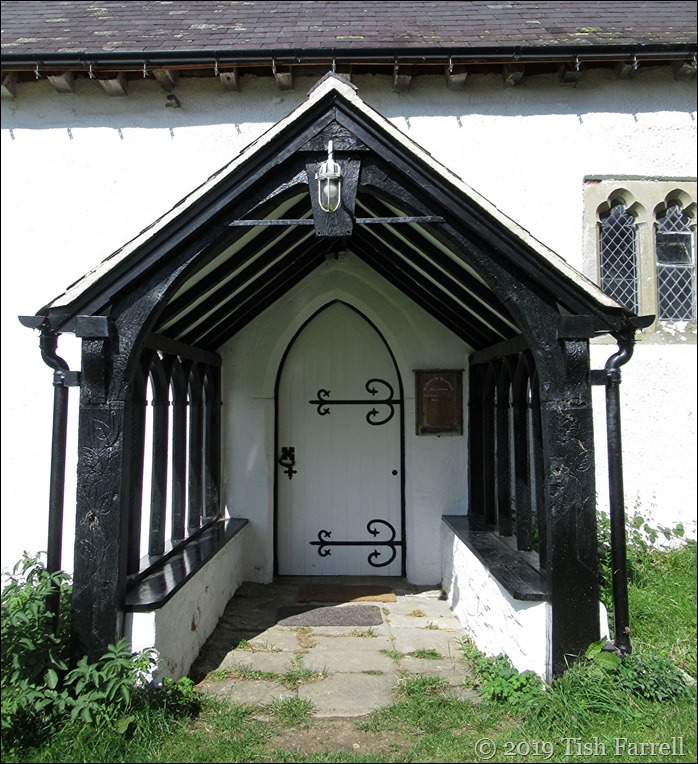
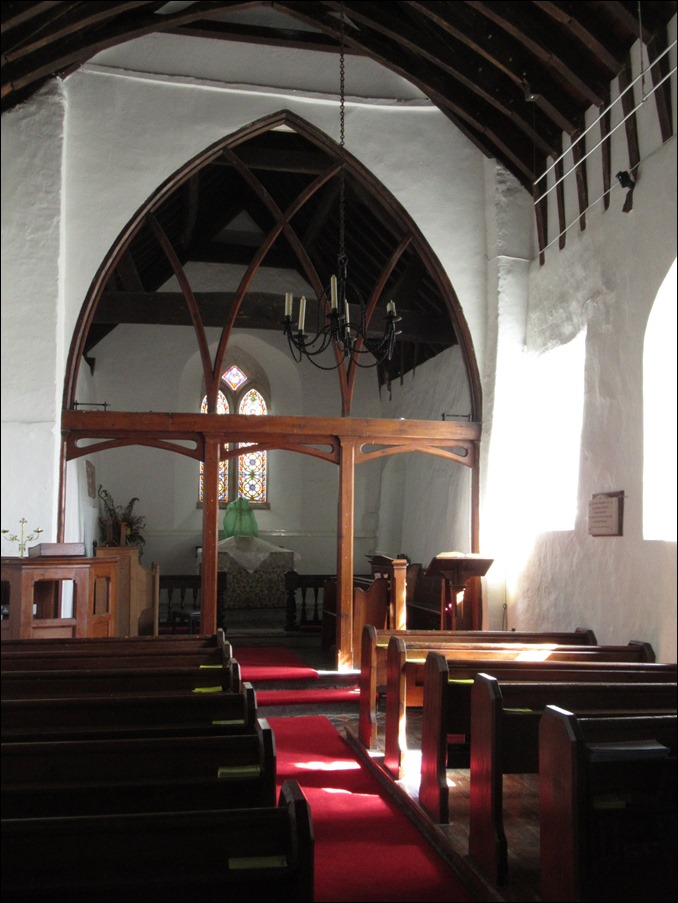
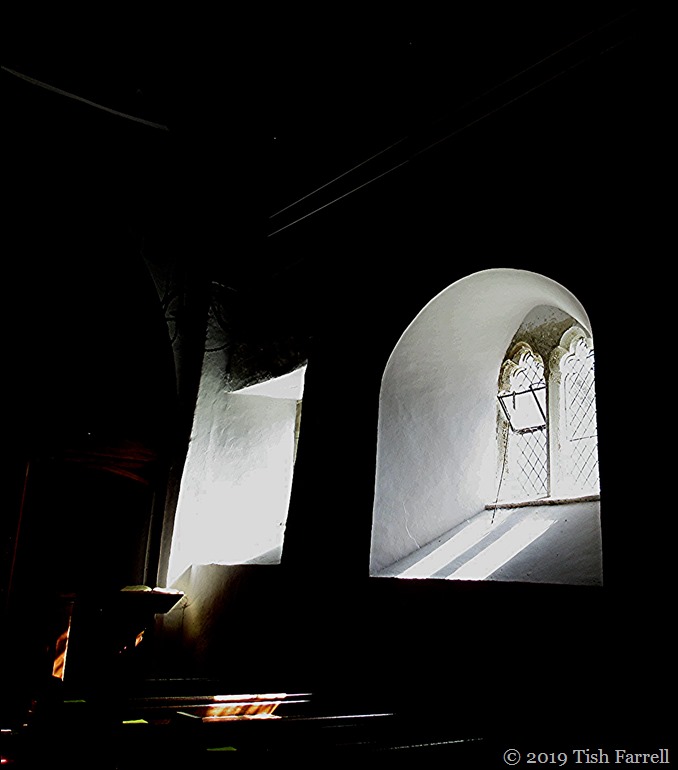
Back to earth in the church yard, all is peace and late summer sunshine, blackberries ripening on the wall, no sounds but wind-rush and bird call. Listen! says Graham. No traffic noise. I listen. There isn’t. It’s almost unimaginable these days. Also the white painted church door suggests an airy welcome somehow, and inside we’re struck by the amazing roof timbers, the tub-shaped early medieval font, the simplicity of the place that began in the 1100s or possibly earlier still, and was rescued from ruin in the 21st century by a generous grant from the Heritage Lottery Fund. Services are still held here once a month although not in March because this is lambing time. These days it is one of a group of neighbouring rural churches – Norbury, Wentnor, and Ratlinghope – all served by a single rector.
IMG_3883

IMG_3898

IMG_3888

IMG_3899

By the door we find all sorts of interesting historical snippets on a series of notice boards. For instance Myndtown makes its historical debut in 1086, during William the Conqueror’s famous auditing exercise, otherwise known as the Domesday Book. At this time the manor, then known as Munete, was part of the hundred of Rinlau whose lord was a Norman incomer, Robert de Say. He let the manor of Munete to a free man called Leofric, presumably a Saxon. The assets included 1½ hides of land, about 240 acres, sufficient for 3½ ploughs. Of the population at this time, there were 2 slaves, 4 villagers, and 4 small holders with 2 ploughs between them. Before the Conquest the holding was valued at 60 shillings, but only 30 shillings at the time of the audit, a reduction, historians suggest, possibly due to predation by raiders from over the border in nearby Wales.

In a later, and sombrely touching account from  1341, the tax assessors reduce the Chapel of Munede’s bill to the Crown from £4’s worth of parish lamb, wool, wheat, to less than half this amount: “because the lands lay fallow and untilled, the Tenants being poor.”
IMG_3892

IMG_3900

IMG_3919

IMG_3879

And so the Myndtown name turns out to be misleading. There never was a town here, or hardly even a hamlet. In 1708 under the lordship of Richard Clough there were 4 houses and 4 cottages. In 1793 there were still 8 households and a population of 39. During the 18th century the manor was bought and sold to and by members of the local gentry who received rents from the 3 tenant farms therein. The last sale was in 1797 to the Plowden family who own it today and have lived nearby since the 1200s.

In some ways, then, and in some key matters, things have changed less than we imagine in the almost thousand years since William of Normandy effected regime change in Saxon England. So it does make me very happy to know that since 1965 the Long Mynd itself – the 7-mile long hill that you can see looking down on Myndtown – has been owned and managed by the National Trust, the degraded uplands constantly being improved and made ever more accessible to anyone who cares to hike, bike, trek, wild swim or wander there – definitely a change to celebrate. Incidentally, now I come to think of it, it’s also the way the fish is blowing – towards the Mynd.

But finally another nugget of information gathered while inside Myndtown Church – that from 1155 until 1752 the English year began, not on 1st January, but on the 25th March, Lady Day. This is still a date when estate rents are traditionally paid, which as it happens, also includes the rent for my allotment plot.
IMG_3935

copyright 2019 Tish Farrell

The Changing Seasons ~ August And The Turn Of The Year

IMG_3843

There’s been a sense of autumn happening all month. The wheat harvest began extra early, some weeks ago in fact, then stalled during heavy rain, then started up again, the combines’ drone resounding from the hills around the town. But over the hedge behind the house the crop remains uncut, though it received its chemical drench last week, the mega-tractor leaving great tracks of smashed crop as it sprayed – a herbicide no doubt. It’s not my wheat of course, but somehow I find this a disturbing sight, though quickly suppose there must be a ready reckoner knack for weighing up the benefit of bad weed removal over good crop loss. Now it is raining again and by yesterday the ears that were pale ochre had acquired a coppery glow. At this rate the grains will take a lot of drying out, and we’ll be hearing the grain driers’ drone instead. When activated, they go all night. Or that’s my impression.

*

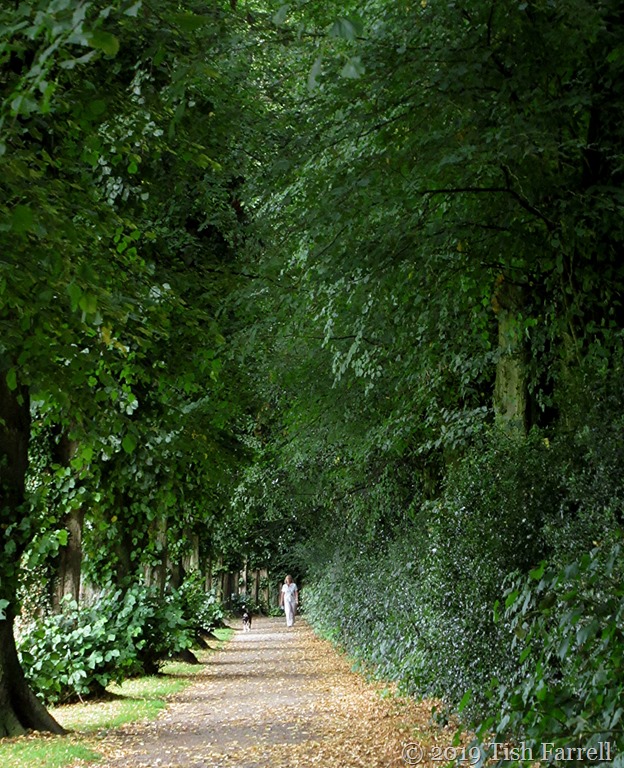
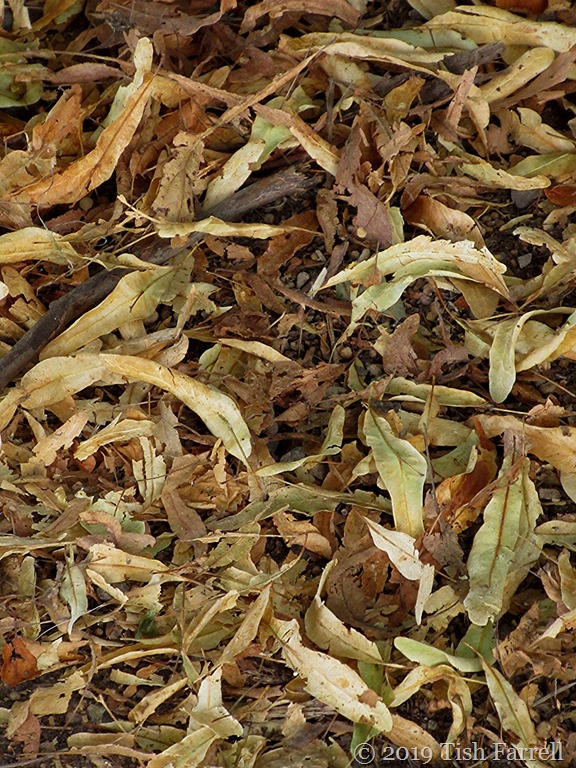
But as to the autumnal feelings, the lime trees have a lot to answer for. After magnificent flushes of tiny green blossoms that filled the byways with delicious scent, the flowers’ seed wings have fallen everywhere in drifts, filling the gutters, strewing the Linden Walk like so much sea litter,  and thereby also doing a very good impression of autumn leaves before we’re ready for them.

IMG_3862

IMG_3863

*

We’ve had high summer intervals too, days when the garden has been filled with blossoms, bees and butterflies, and especially Painted Ladies which have appeared in huge numbers this year, apparently on a reproductive a high in a ten-year cycle. There have been lots of Gatekeeper butterflies too, and Peacocks and Tortoiseshells and Commas. Also Cabbage Whites, which I’m not at all keen on, since no vegetable defence system seems secure against the breeding imperative. The guerrilla garden over the fence has been spectacular, and the garden within very pleasing, if unruly.

*

At the allotment all the gardeners are heavily into ‘harvest home’ mode – baskets of runner beans, courgettes, tomatoes and potatoes being gathered, armfuls of dahlias, asters and gladioli borne home to share with friends and neighbours. The place is alive with pollinators of every kind, flocks of Gatekeepers and Painted Ladies on the abandoned plots where teasels, verbena and oregano are running rampant among the weeds; lots of bees in my butter bean blossoms and courgette flowers too.

*

So all in all, things in Wenlock have been pretty good this August, and we are very lucky to be here. The weather may be weird, our democratic system such as it is coming apart at the seams, no one really knowing what Brexit will mean, but Rip Van Winkle Land is alive and well, and just to prove it, here’s a somnolent evening view of the town from the allotment.

IMG_3666


copyright 2019 Tish Farrell

The Changing Seasons: August 2019

In The Frame ~ A Garden Treasure Trove

IMG_3469

We’re back in Corvedale, the lovely valley that lies between Wenlock Edge and the Clee Hills, not far from the ancient Heath Chapel that featured in Over the Edge and faraway.

Wildegoose Nursery is a plants persons’ dream, conjured within an old Victorian kitchen garden. The owners lease the walled garden from Millichope Park and, over the last few years, have transformed decades of dereliction into a magnificent showpiece for uncommon varieties of herbaceous plants. We went there because my sister Jo kept saying we should.  You’d love it, she said.

She was right. We did.

So: I’m posting this set of photos in response to Lens-Artists’ weekly theme. This week Amy asks us to think about how we frame our shots, and as this happened to be my particular challenge during our garden ramble: how to capture the essence of the whole, as well as the particular, it seemed a good opportunity to post them.

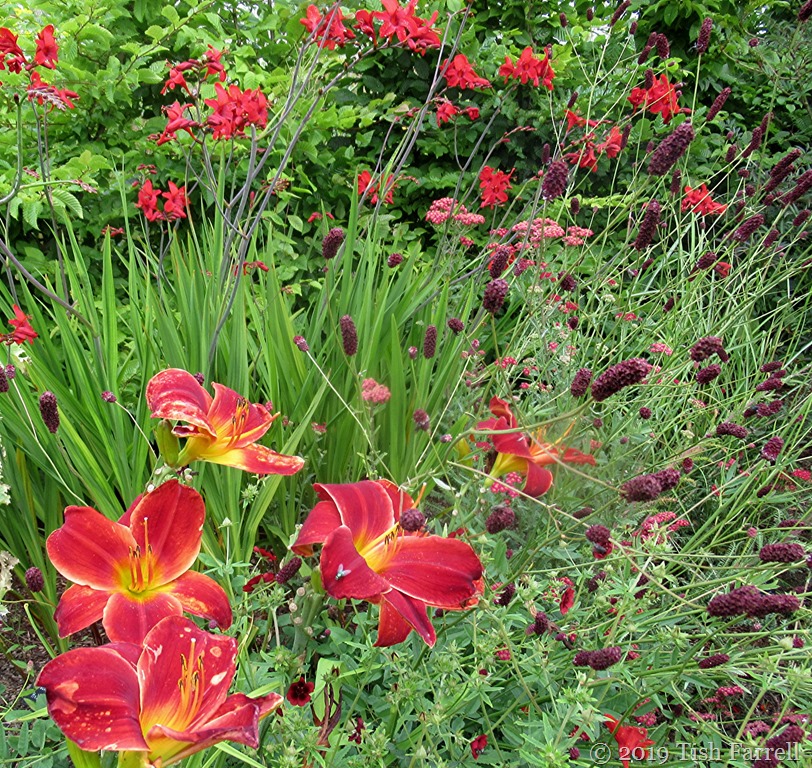
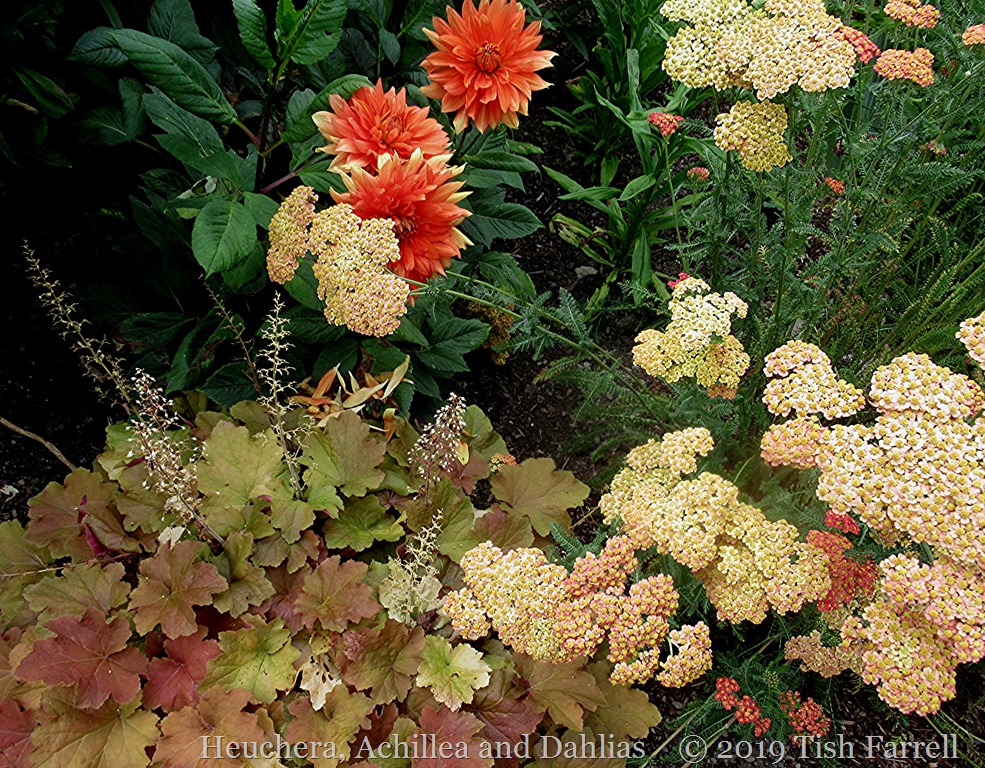
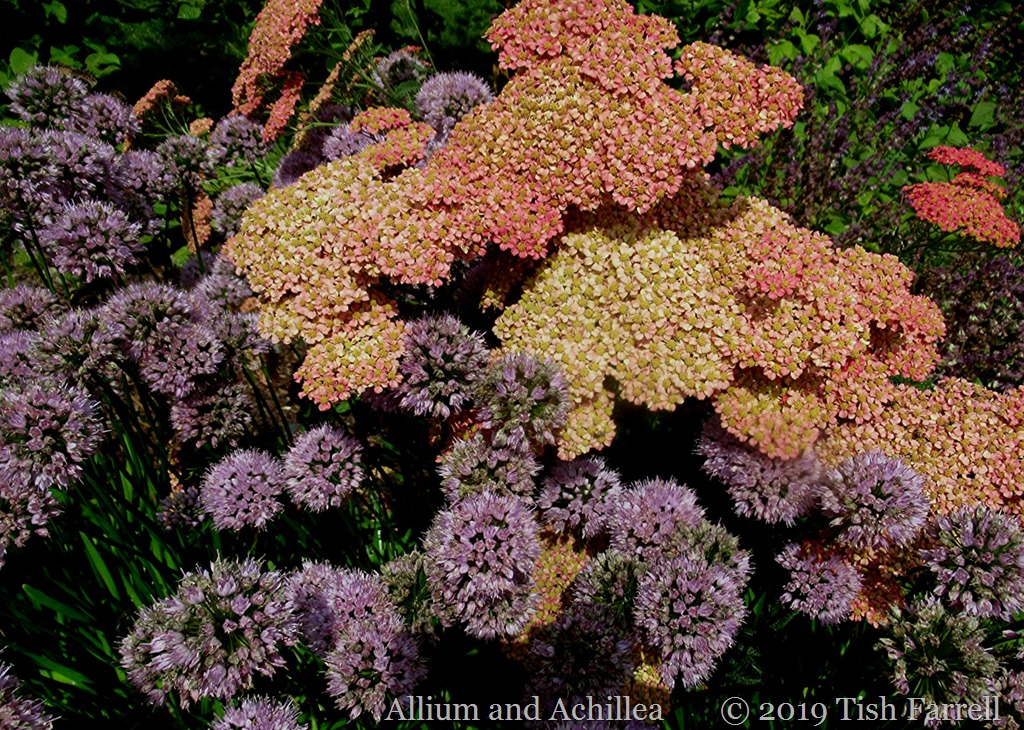
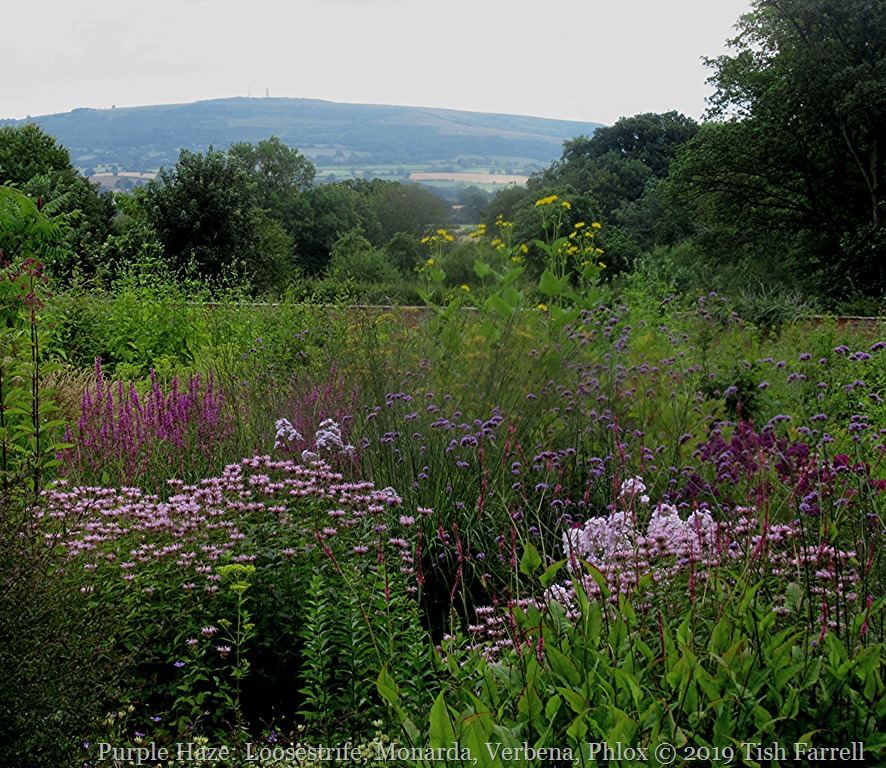
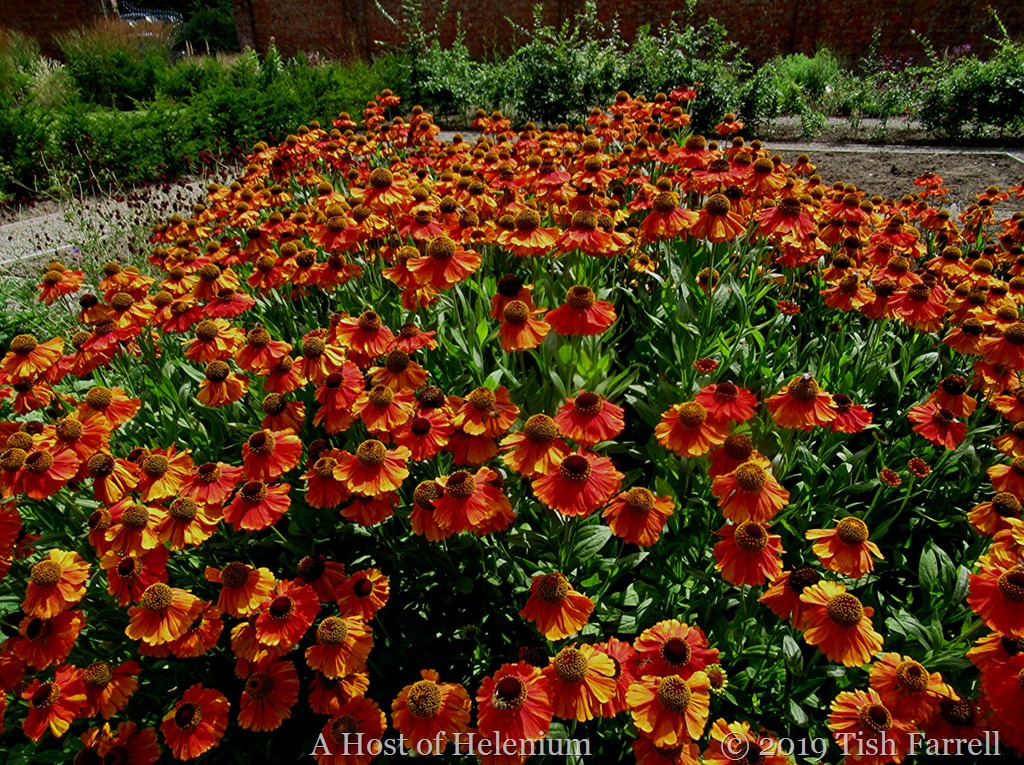
The colourways and combinations of the Wildegoose planting schemes are captivating, painterly, often flamboyantly informal, sometimes riotous.

IMG_3358

IMG_3357

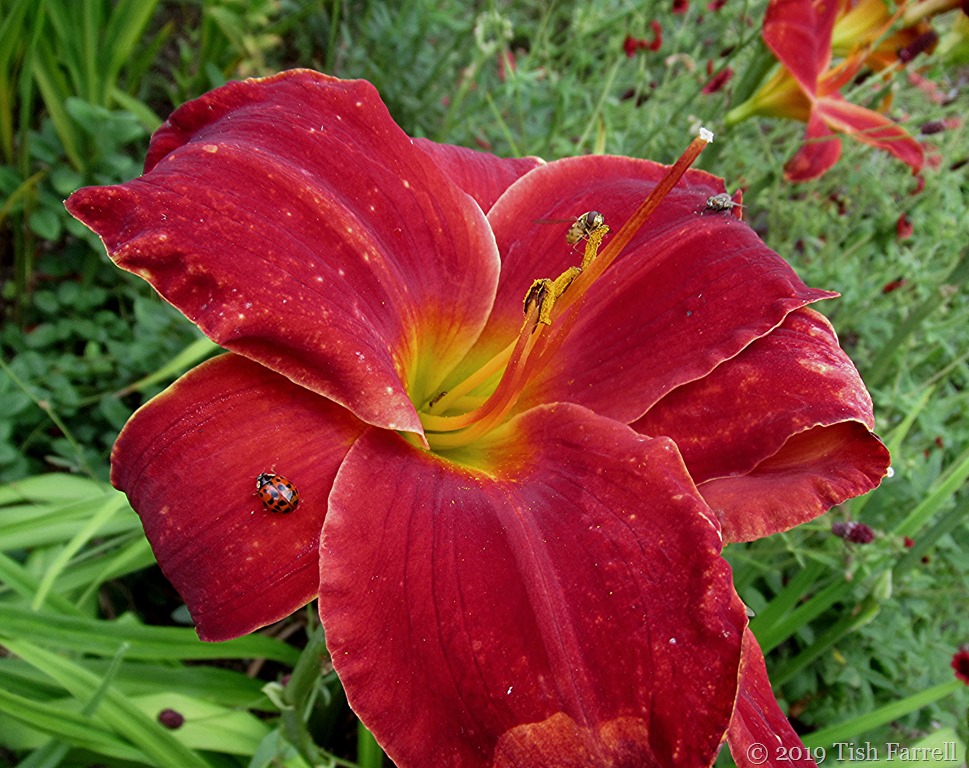
Incidentally, I think this lily is hosting an invader harlequin ladybird. They originate in Japan and according the Royal Horticultural Society, were deliberately spread about the planet as a biocontrol for aphids, though not in Britain, whence they came of their own accord. They began arriving here in 2004. Unfortunately they also eat butterfly and moth eggs and our native ladybirds, and there are fears they will outstrip our native strains.
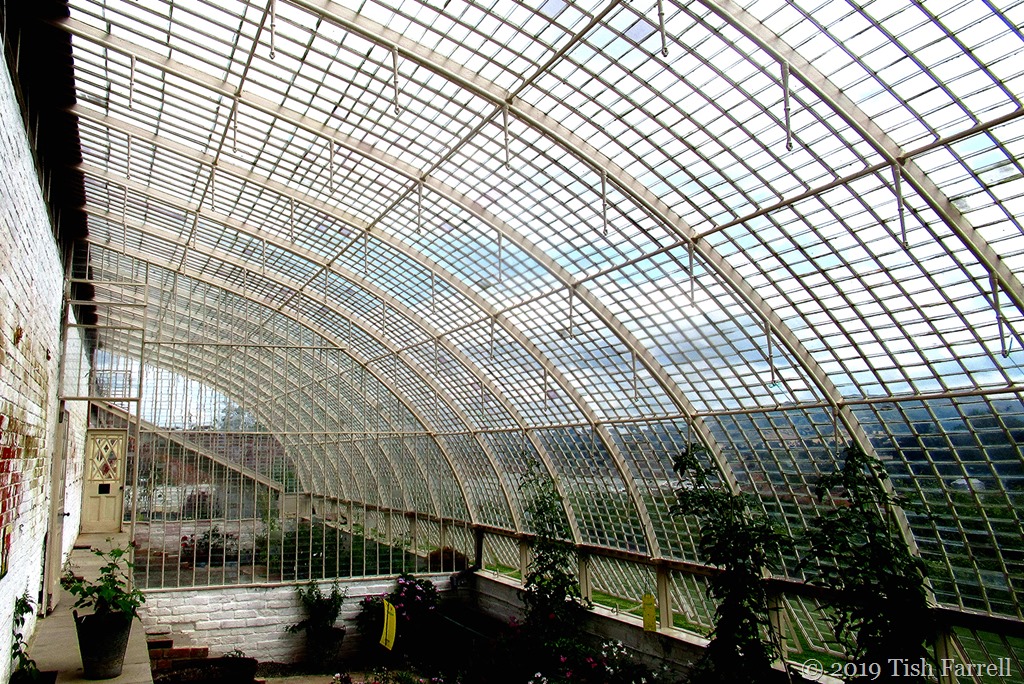
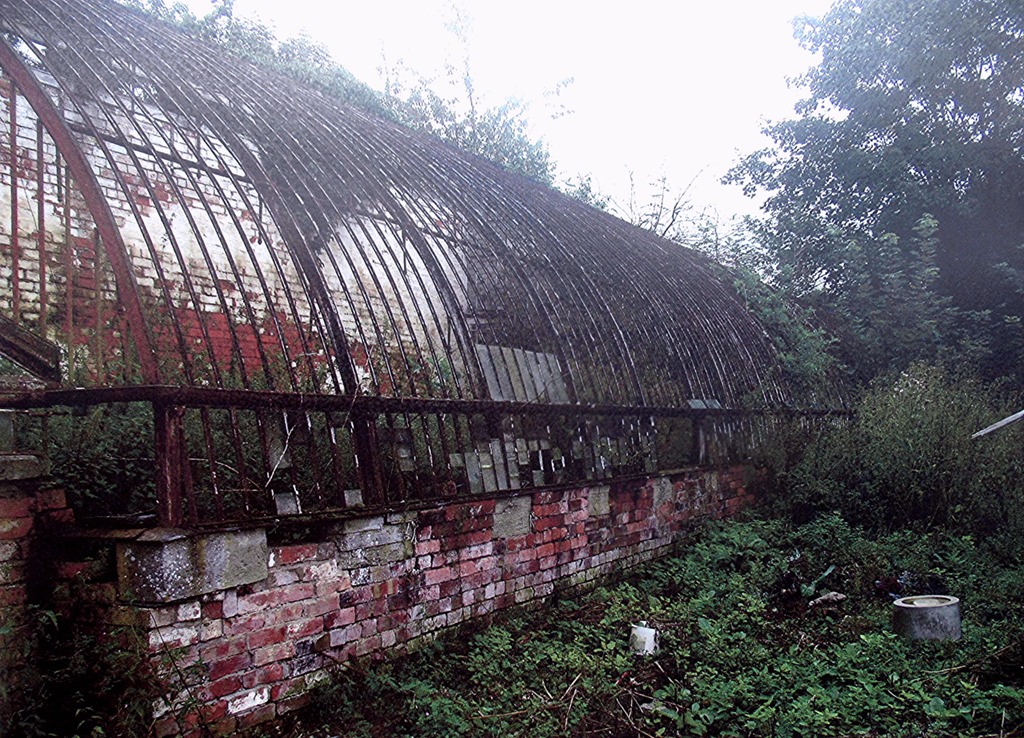
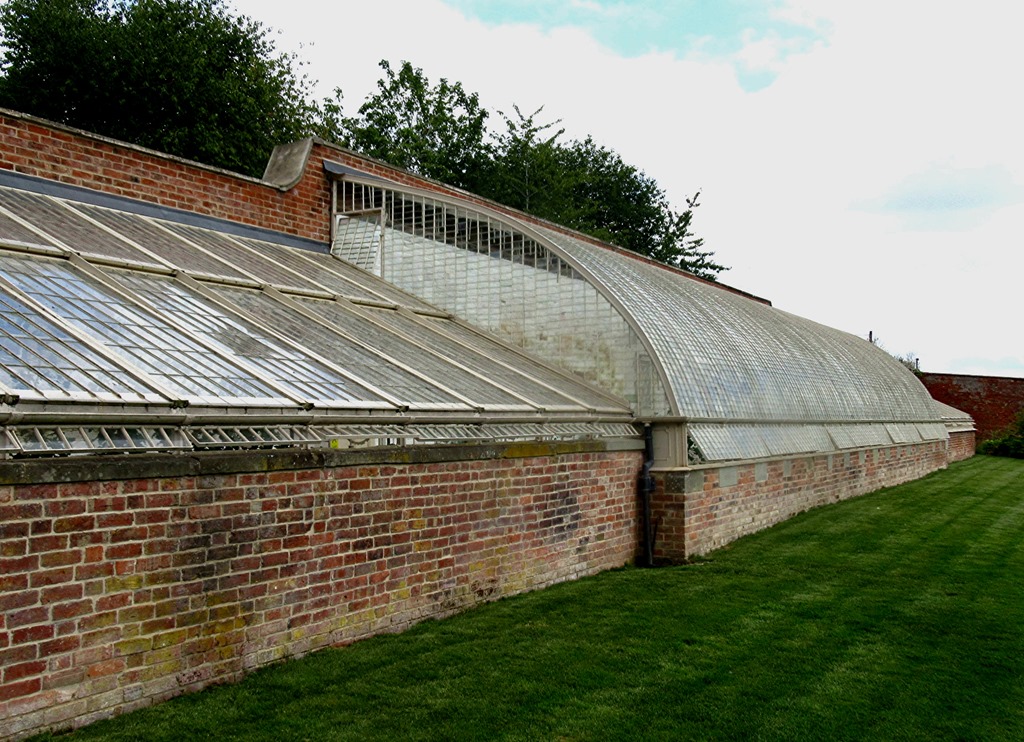
One particular challenge camera-wise was how best to photograph the astonishing Millichope Glasshouse. This too had been restored, all 12,500 postcard sized hand-made glass overlapping panels replaced. The glasshouse dates from around the 1830s and is highly unusual with its curved profile.
IMG_3409

IMG_3426

IMG_3446

Restored from this:

IMG_3331

Originally a Victorian kitchen garden such as this would have been cultivated by a small army of garden men and boys, all under the stern eye of a head gardener like Charles Ashford, my own grandfather. The glasshouses would have been devoted to producing exotic fruit, tropical plants for table and drawing room display; the garden walls used to support espaliered fruit trees – peaches, apricots, cherries, apples of many varieties, pears, each sited according to the most beneficial aspect. There would have been hot beds for melons and cucumbers and for forcing early crops, strawberry and asparagus beds, salad crops and vegetables of every kind, and also borders for cut flowers. Such production units were very expensive to run and by the interwar period most big gardens like that were beginning to be abandoned.
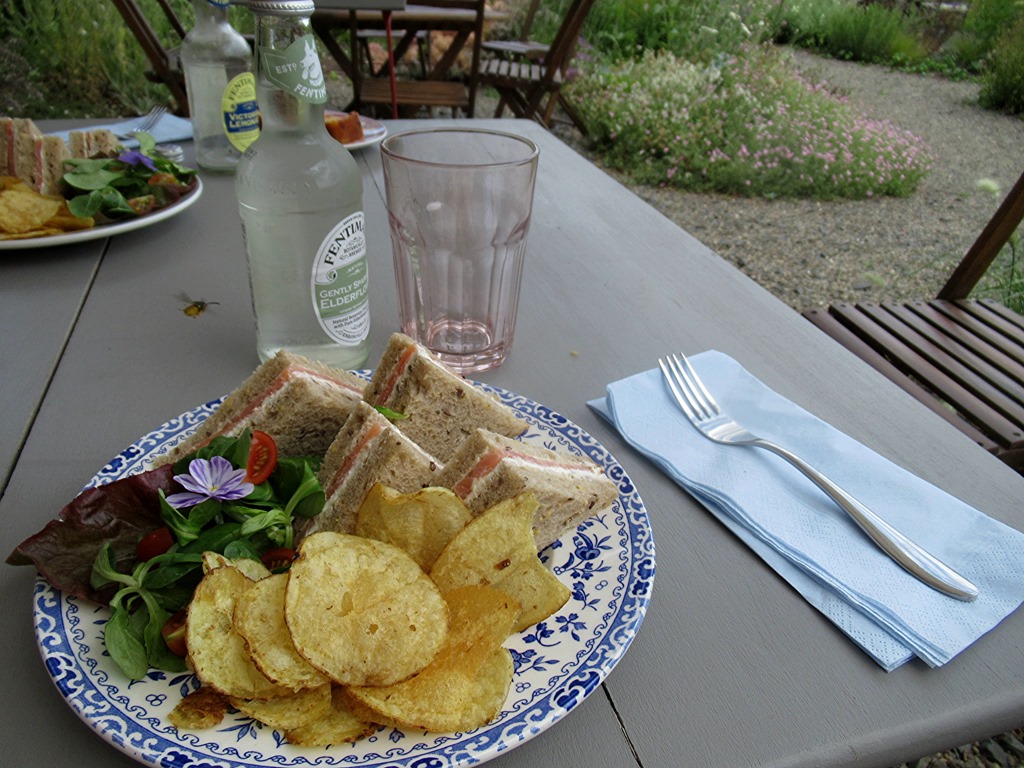
Wildegoose Nursery does have some vegetable beds, but mostly the garden is given over to exuberant herbaceous planting. There is also a small, beautifully arranged plant sales area, and a very welcoming tearoom which served such lovely food, we forced ourselves to stay for lunch, even though we’d not long sampled their coffee and cake for a late elevenses.

IMG_3438

*

And here are some planting schemes that especially caught my eye:

IMG_3366

IMG_3377

IMG_3368

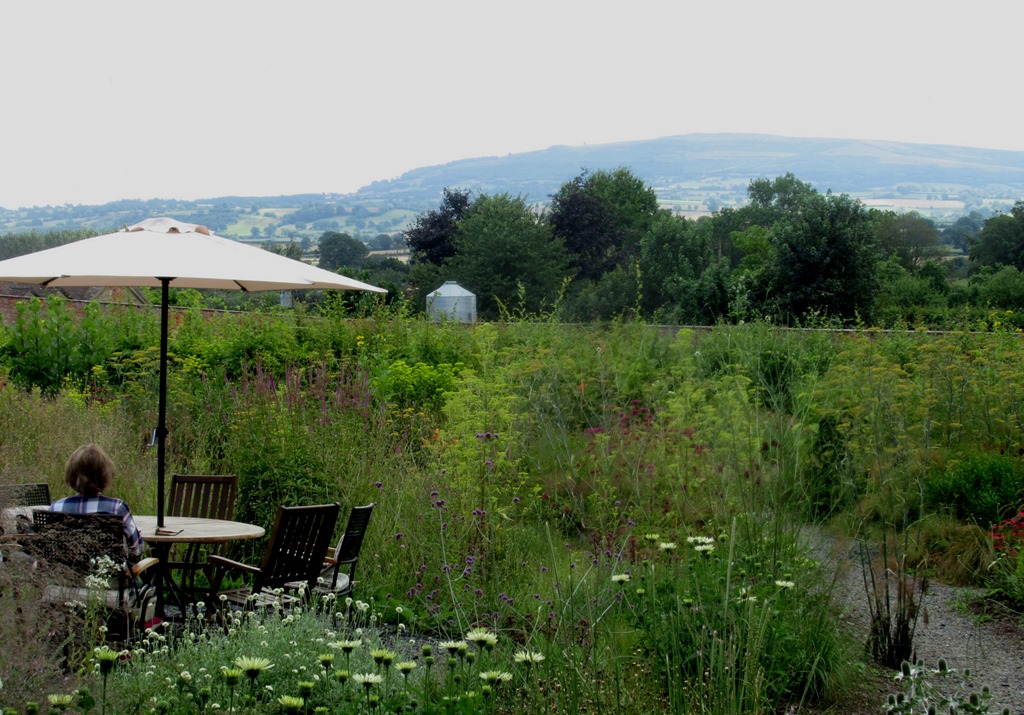
And here are some general garden views with Clee Hill in the background. I should add there was also a particular soundtrack to these scenes: above the hum of a million pollinators and the soft chatter of garden volunteers, the thrum of combine harvesters in nearby fields, and overhead, the plaintive mew of buzzards.

IMG_3434

IMG_3328

IMG_3410

P.S. There is a fee for going round the garden, but we thought it worth every penny.

Lens-Artists: Framing the shot