Of Windflowers And Pileworts

IMG_2730sq

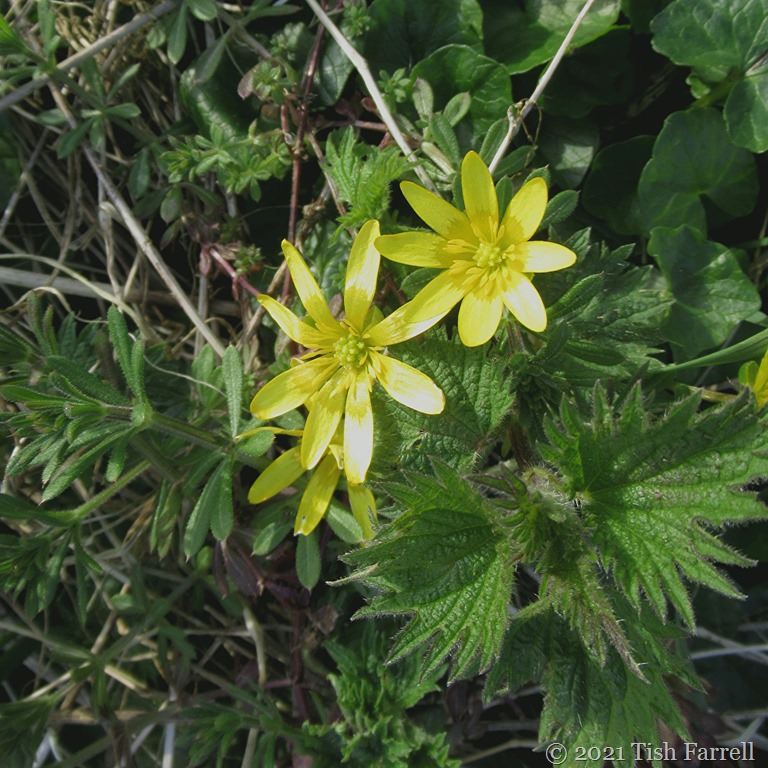
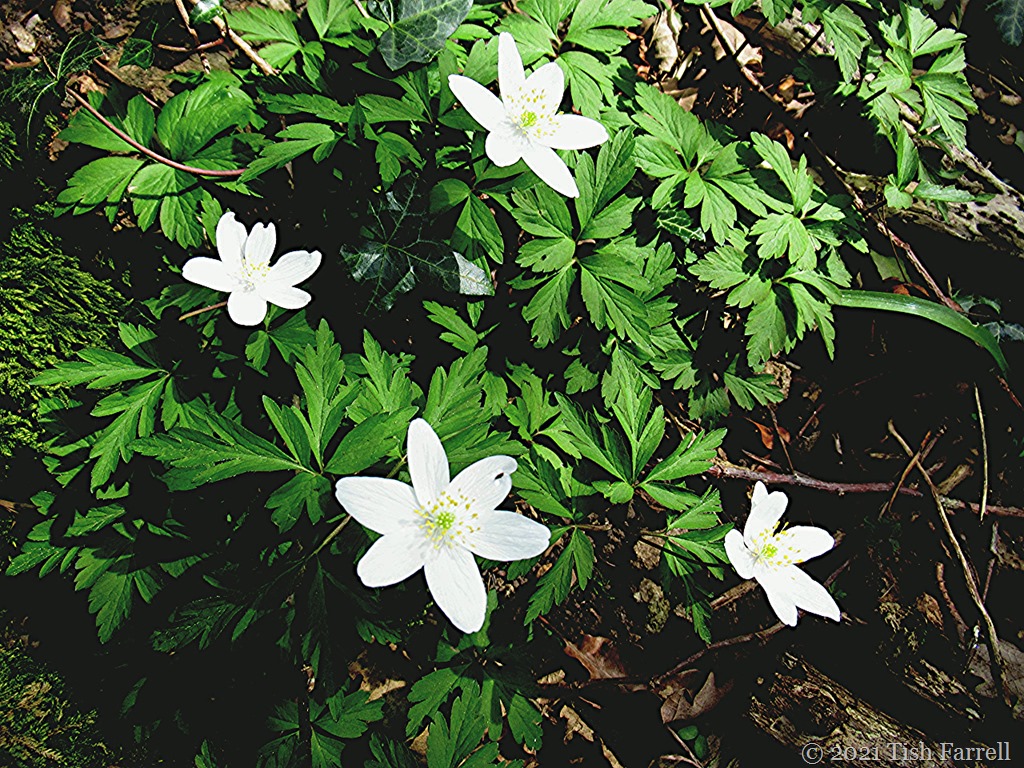
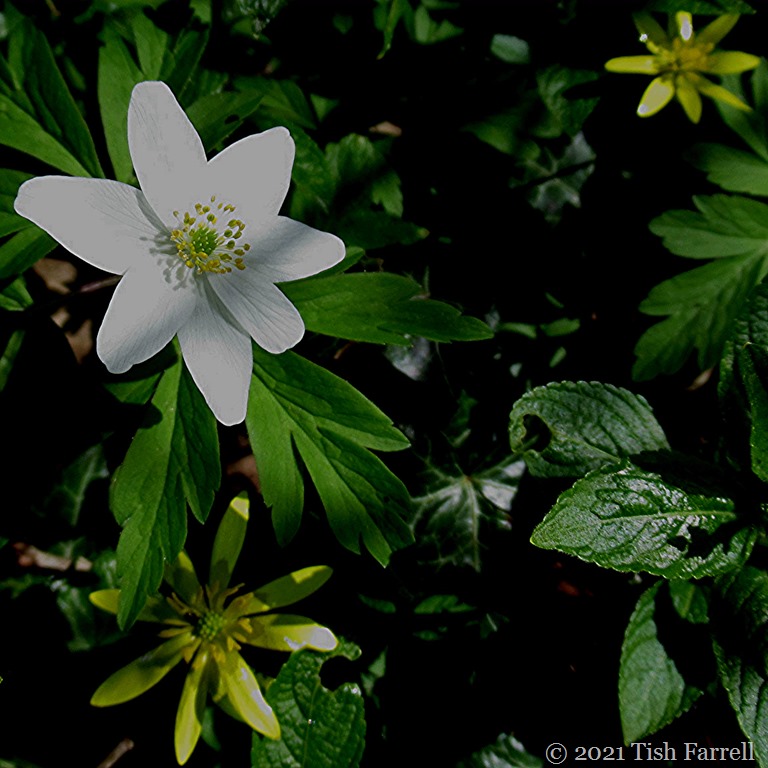
That would be wood anemones and lesser celandines – the bright stars of English wildflowerdom. The celandines have been flowering for weeks and weeks and usually are among the first spring bloomers. It’s hard not to smile when you first spot their mini-sunbursts popping out the dreary over-wintered grass.

This year they have also colonised our front flower bed that runs down to the road. There must have been hosts of seeds among the wood chippings that I gathered up last year after tree and branch felling in the Linden Field. A double bonus then: first the autumn mulch, then an unforeseen spring flowering. They grow very low to the ground in coronets of lush green leaves, and so have most discreetly filled gaps between the daffodil clumps. I expect I’ll let them stay. The pilewort common name of course denotes an old herbal application.

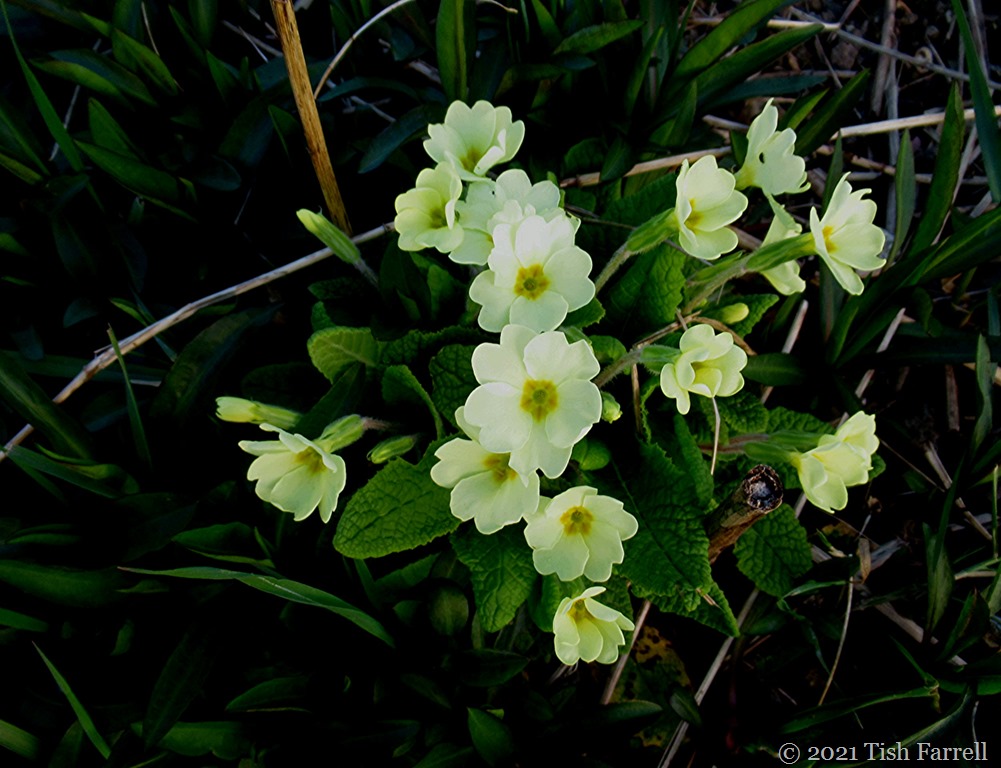
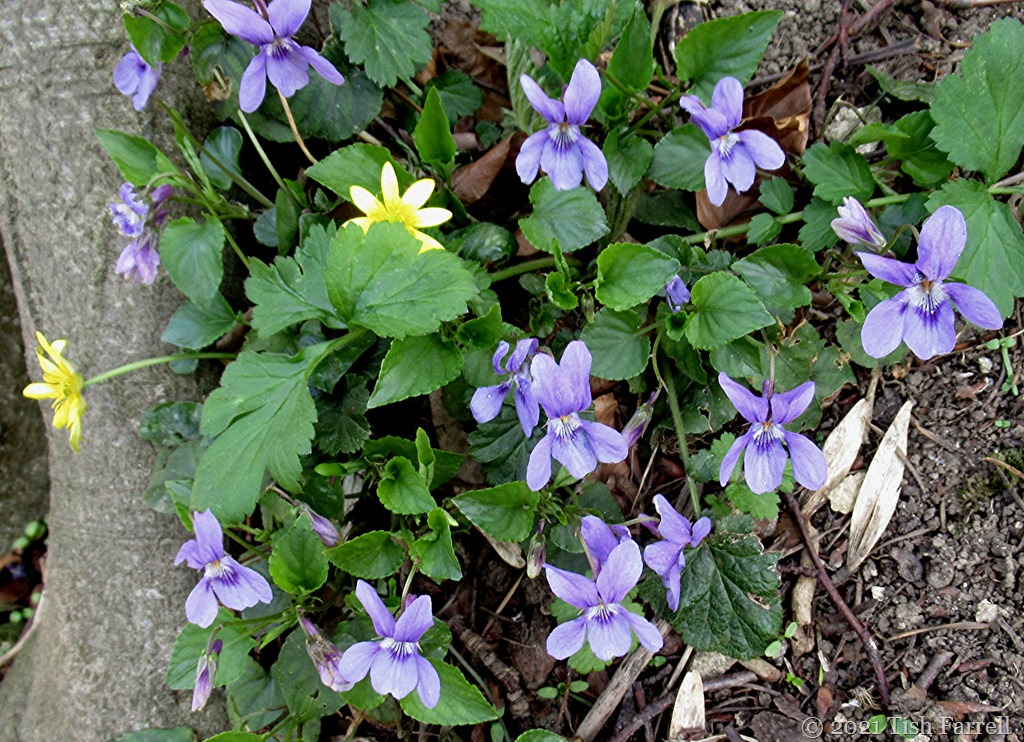
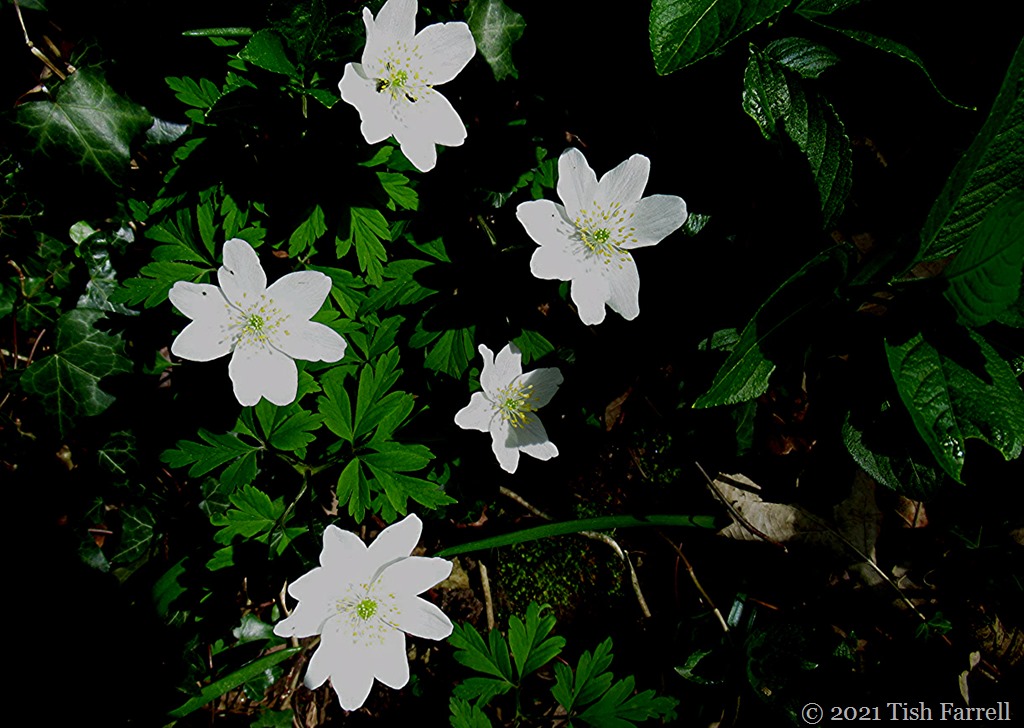
I’m not expecting any wood anemones to emerge from the front garden mulch. As their name suggests, they prefer wooded terrain, or at least ground where woodland once was. I found the one in the photo growing beside the path between the Linden Field and Windmill Hill, under the oaks and conifers, keeping company with primroses and violets and dog’s mercury and wild arum. Legend has it that only the wind will make them open their delicate petals. I beg to differ. When I took this one’s photo it was embracing the sun full-on, as you can see. The next day when I returned to the same spot, the anemones were all hanging their heads and shivering in the cold wind. With no sunshine on offer, they looked like bedraggled waifs, much hard-done-by.

Today in Shropshire the snow flurries have stopped. We have sun and wind. A good moment then to check on the plant life in the Linden Field, and also to gather supplies from a fresh cache of wood chips from a felled oak tree. They chips are brilliant for allotment paths and dosing the hot compost bin. The things one does!
IMG_2763

Copyright 2021 Tish Farrell

Bright Square #8

“…the bright day is done…

IMG_2852sq

…and we are for the dark.”

The back of our cottage looks towards the edge of Wenlock Edge, we atop the twenty-mile escarpment, the land dropping off to the west, falling straight, many hundred feet,  through hanging woods of beech and ash, oak and yew, wild cherry and service trees, hornbeams, whitebeams, wych elm, field maple, chestnuts, holly, hazel and lime; these the trees that settled here, each species in its own time as the ice sheet retreated from Shropshire some ten thousand years ago and the new soils built up on our 400 million-year-old upthrust seabed.

This thought of departing ice and arriving soil and trees reminds me that the climate has always changed, and is ever changing; even during ice ages there were warm periods. In one such warm phase 125,000 years ago, animals that we of the north now associate exclusively with Africa – hippos, lions, elephants, hyena inhabited the Thames basin where the city of London now sprawls. It’s quite some thought. Another is, and not so flippantly either, that today’s wind across the Edge is so bitingly frigid, that it rouses the suspicion in this gardener’s mind that we might actually be heading for colder times.

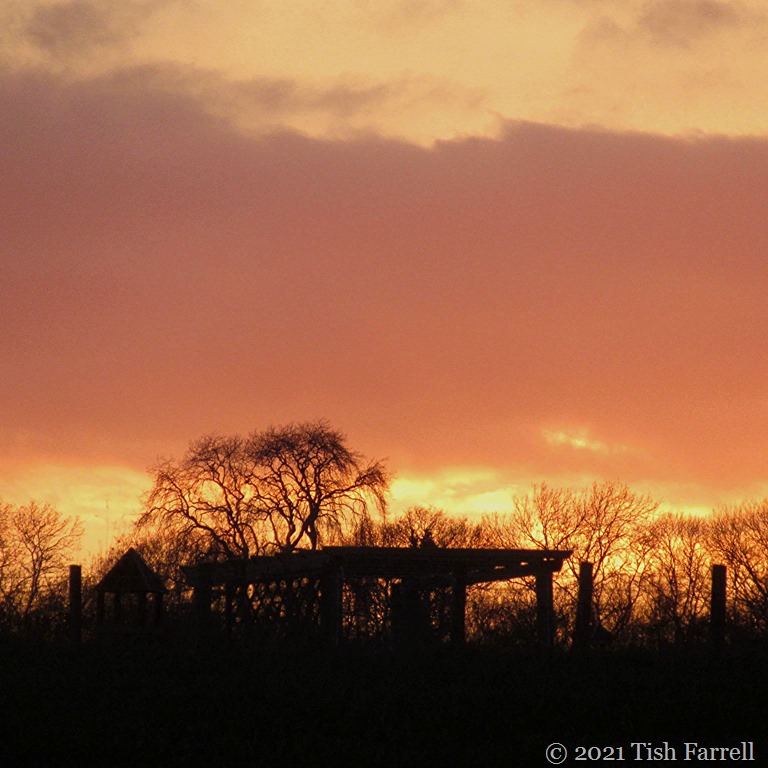
All of which is to say that the congruence of time and climate and geology have much to do with the fine skyscape displays behind our house. That the land drops away beyond the Edge provides us, on this side, with a false horizon, and thus expansive views of atmospheric activity, ever shifting and endlessly absorbing. This particular sunset (header photo) appeared during our recent brief warm spell. A few days ago it came instead with ice-pink ribbons.

IMG_2868

Quote from Shakespeare’s Antony and Cleopatra act V, sc 2, l 192

Copyright 2021 Tish Farrell

Bright Square #7

“And imitate the stars celestial…

IMG_2890sq

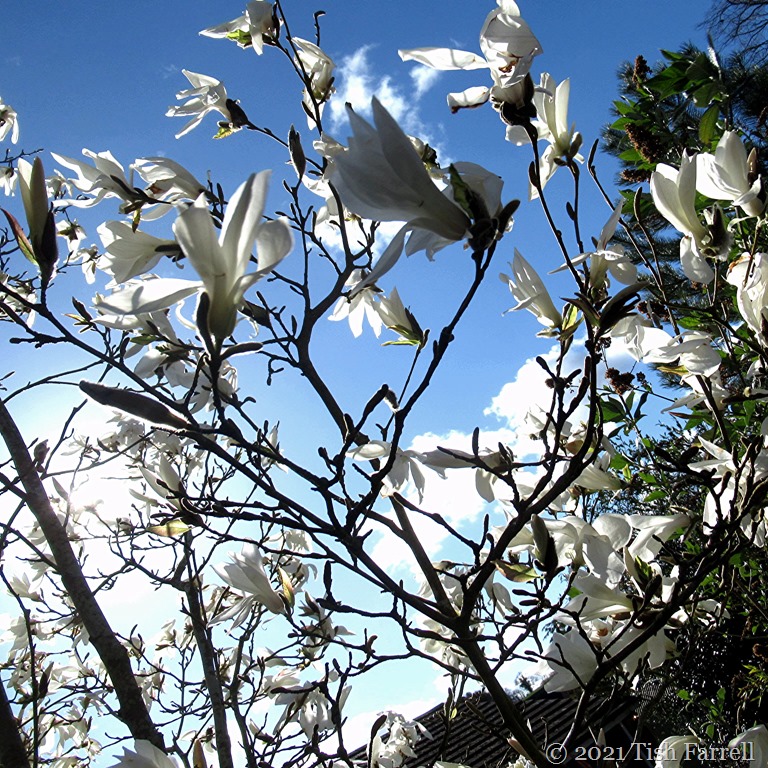
Magnolia stellata in yesterday’s spring gale

*

“Learn then to dance, you that are princes born,
And lawful lords of earthly creatures all;
Imitate them, and therefore take no scorn,
For this new art to them is natural.
And imitate the stars celestial;
For when pale death your vital twist shall sever,
Your better parts must dance with them forever.”


Stanza 60 from Orchestra  or Poem of Dancing by Sir John Davies English poet, lawyer and politician (1569- 1626). You can find the full work HERE.

And more about Sir John Davies HERE.

But for now, why not do as the poet and Mr. Bowie says: Let’s Dance…


Bright Square #6

“Loveliest Of Trees, The Cherry Now…

IMG_2601sq

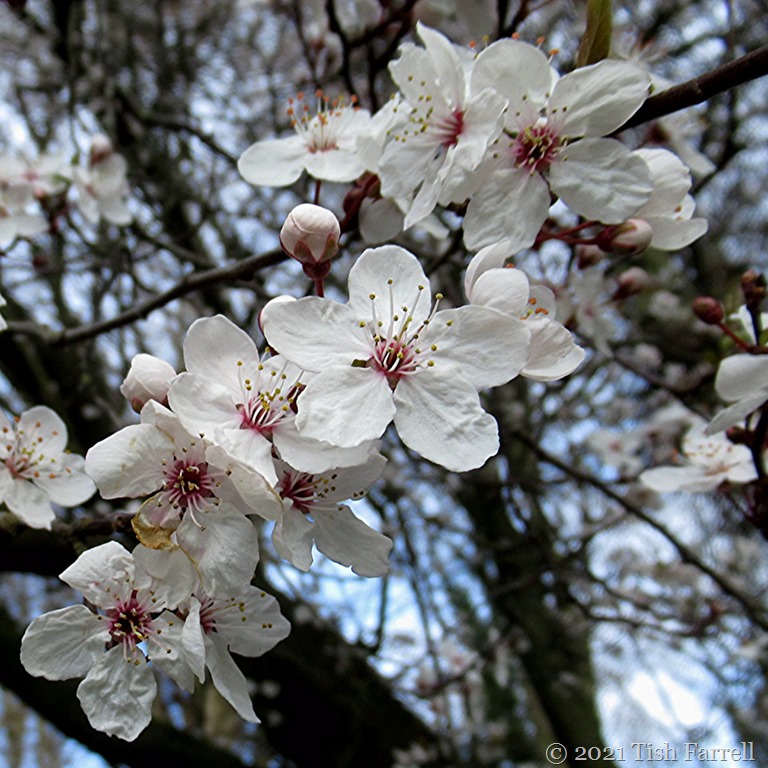
Loveliest of trees, the cherry now

Is hung with bloom along the bough,

And stands about the woodland ride

Wearing white for Eastertide.


Now, of my threescore years and ten,

Twenty will not come again,

And take from seventy springs a score,

It only leaves me fifty more.


And since to look at things in bloom

Fifty springs are little room,

About the woodlands I will go

To see the cherry hung with snow.

A E Housman A Shropshire Lad

IMG_2594sq

The Loveliest of Trees is the second poem from the Shropshire Lad  cycle, and probably the one best known.  It is easy from today’s perspective to dismiss the apparent simplicity, sometimes ditty-like quality of these poems. But Housman was a scholar of Olympian proportions, an atheist too and, it is said, suffering in love for a man who could never love him in return. Sensibilities run deep here.

The verses speak of love and loss and going to war; the fleetingness of things; all set against landscapes seen only in the mind’s eye, or as if looking from a long way off across time and space. There are many voices too, even ghostly ones, the sense of old country airs remembered. It is not surprising that they spoke so compellingly to composers who then set many of the poems to music: George Butterworth (Bredon Hill and Other Songs), Ralph Vaughan Williams (On Wenlock Edge), Ivor Gurney (The Western Playland), Samuel Barber (With rue my heart is laden ) to name a few.

Here is Butterworth’s evocation of the cherry tree, sung with perfect poise by Roderick Williams. If you choose to listen you may imagine Shropshire here today. As I write this we are having flurries of light snow just like falling cherry blossom.

Butterworth: Six Songs from ‘A Shropshire Lad’ (Excerpt) – BBC Proms 2014 – YouTube


Bright Square #5

“All A Green Willow, Willow…

IMG_2828

All a green willow, willow;

All a green willow is my garland.

From A ballad of the green willow  by John Heywood c.1497-1580 English Dramatist


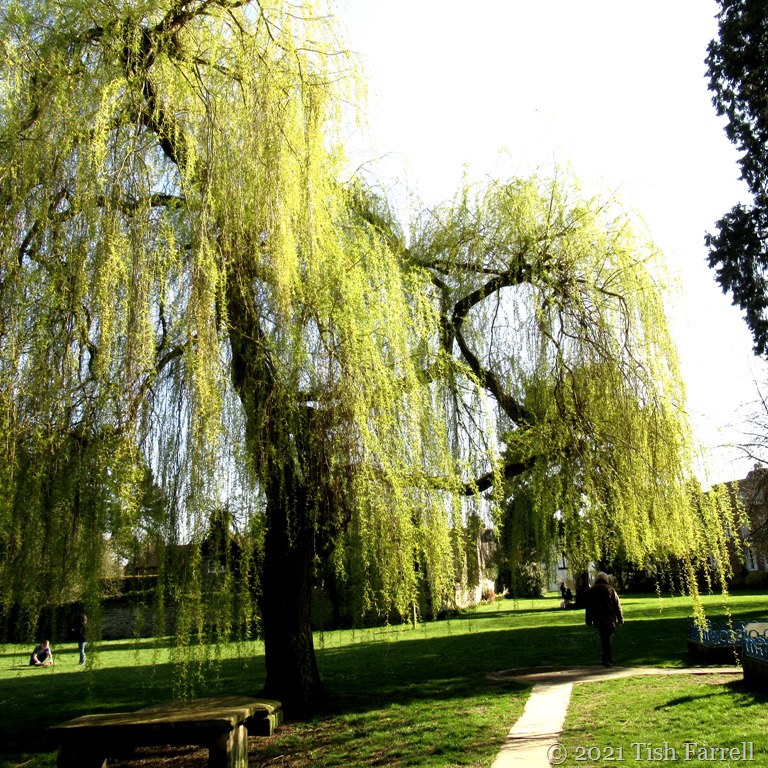
The weeping willow on Much Wenlock’s Church Green is in spring cascade mode.

For more about John Heywood see Regina Jeffer’s post England’s First Great Dramatist  HERE.

Bright Square #4

High-Wire Choir

IMG_2798sq

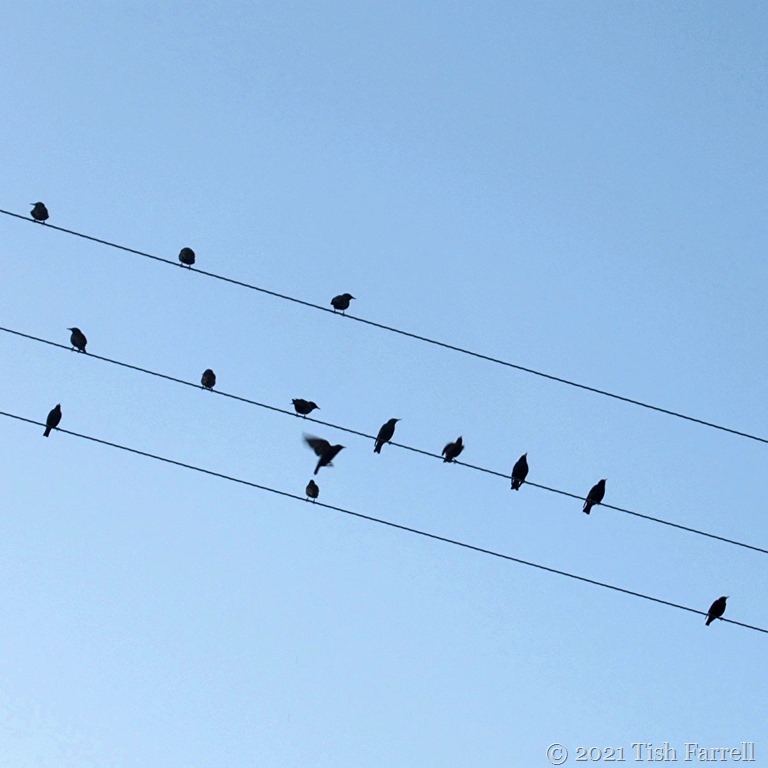
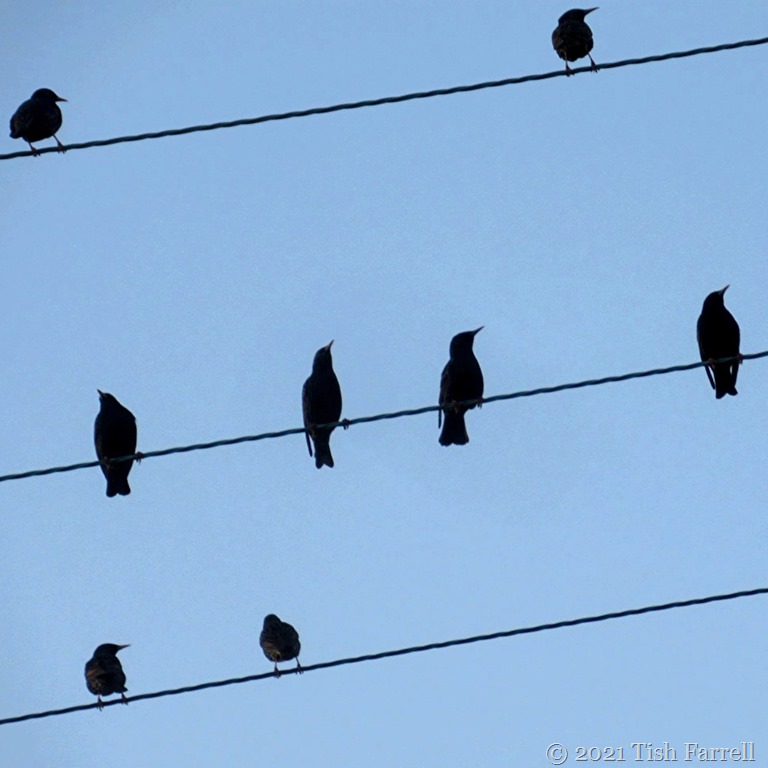
I was on my way home from the allotment (Wednesday’s summer’s evening before the big chill reverse) when I spotted the starlings. These once common garden birds are a rare sight nowadays, and this is a newish colony that seems to have established itself at the north end of the town.  I know for a fact that they go every day to a chum’s garden for their elevenses and try to eat all the bird food she puts out. Later in the day I see them around the gardens that border the field path to the allotment. On Wednesday they had gathered on the power lines and were singing away, darting from wire to wire, for all the world like moving musical notes. They made me laugh. Next time if they repeat the performance, I’ll try to film them. For now a couple more bright-spark shots of them.

IMG_2789sq

IMG_2790sq

Bright Squares #2

The Changing Seasons: March

IMG_2689

This sundowner view from the allotment tells me something has definitely changed. It was taken from my polytunnel doorway at 6.17 p.m. three days ago. Goodness. Still light after six o’clock! Spring must have sprung.

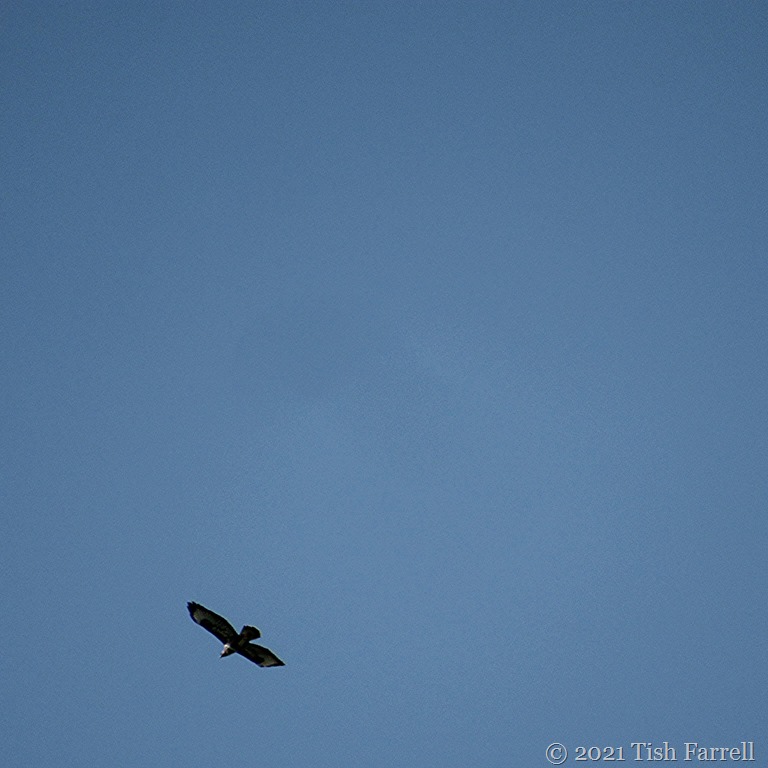
And yesterday, the last day of the month, it was suddenly tee-shirt-warm, blue skies above and wood pigeons cooing. A shock-reverse after days of chilling winds and passing hail. I watched the buzzards wheeling in wide arcs over Townsend Meadow behind the house, their haunting calls one to one.  Around the place tree buds were swelling, daffodils doing their full-on gold, while over in the Linden Field the school kids were playing football, and the pre-school kids were swinging on the playground swings while their mums nattered together. For all the world it looked like Planet Normal. Who’d’ve thought it.

IMG_2593

IMG_2748

IMG_2699sq

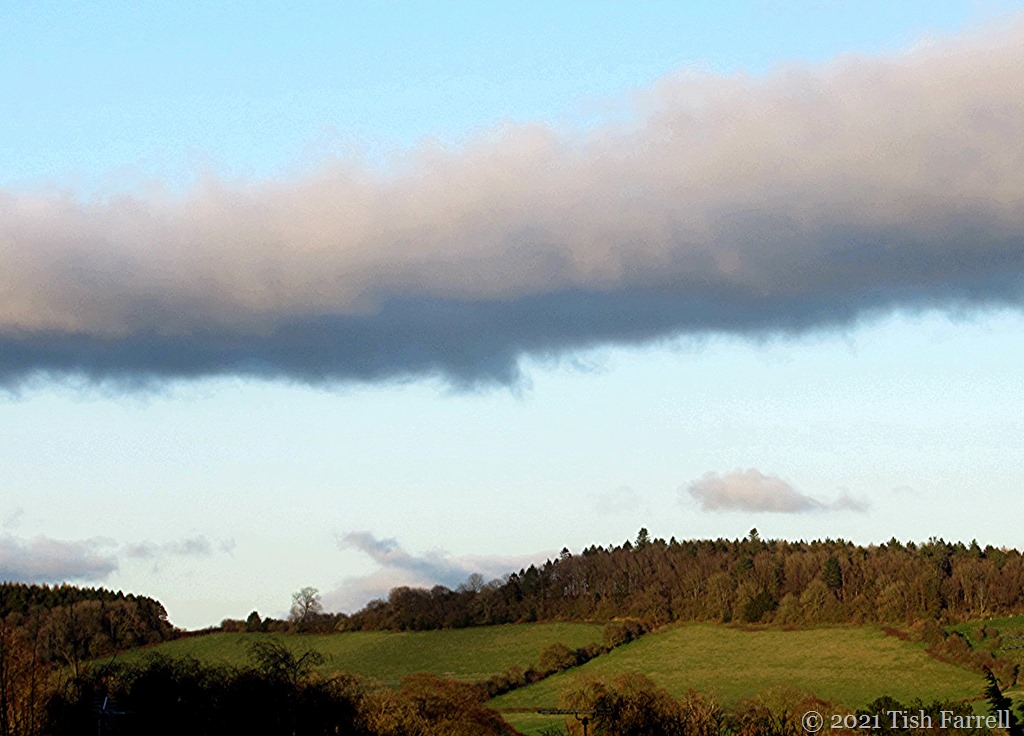
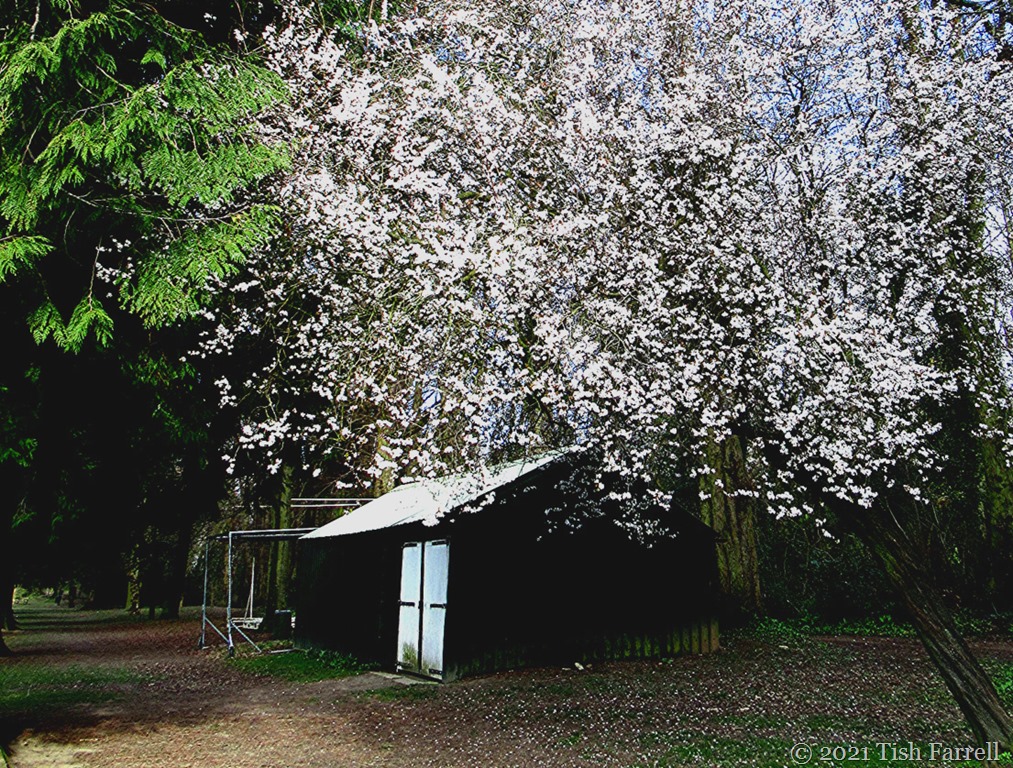
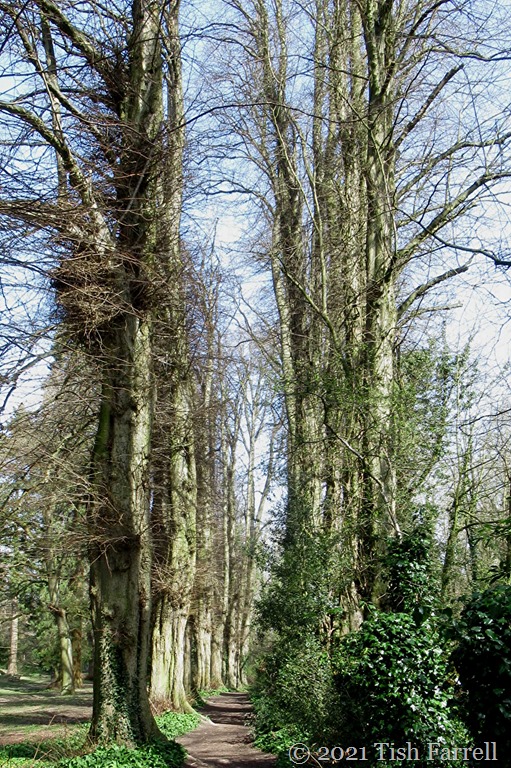
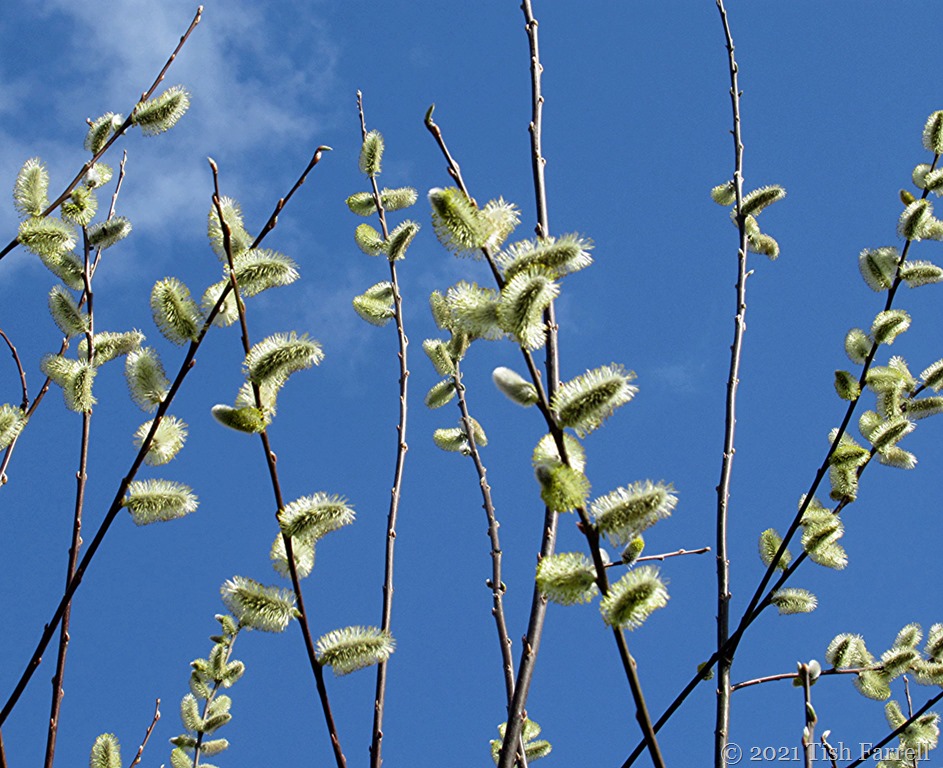
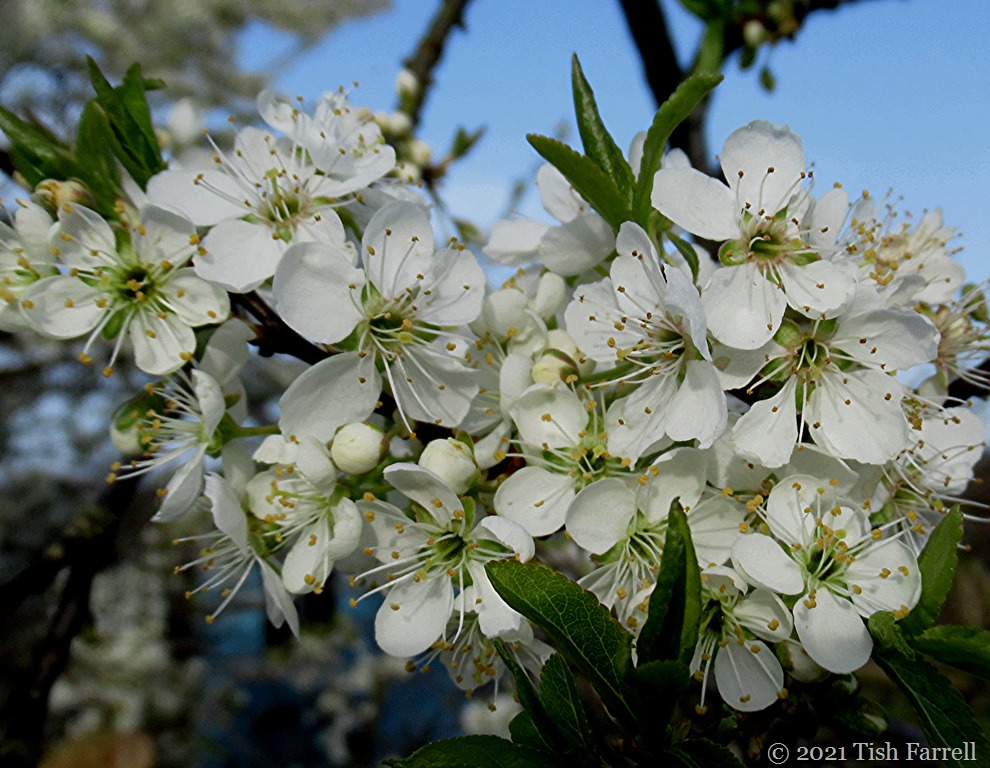
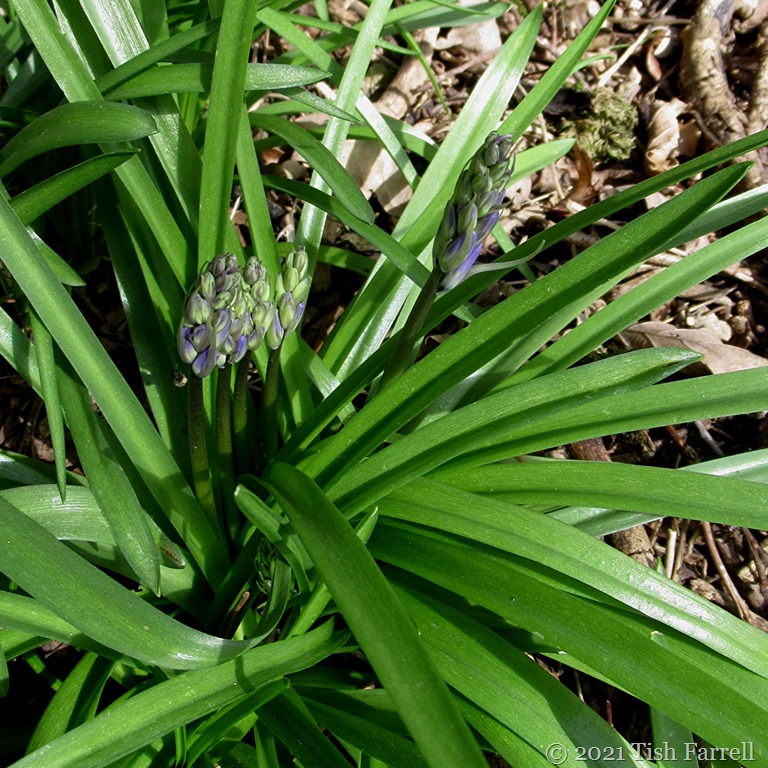
But then we should not have been fooled into thinking it is actually spring yet. The weather people did warn us there would be more cool days and frosty nights to come. And true to the prognostications, April has arrived cool and dull. It’s now a case of  cherishing the blossoms however we can: blackthorn, cherry, japonica and pussy willow, celandines, primroses, wild violets and windflower wood anemones, and in Shadwell woods, the just emerging buds of Spanish bluebells. There will be warmer days to come. There will!

IMG_2630

IMG_2717

IMG_2799

IMG_2755

IMG_2709

IMG_2766

IMG_2765

The Changing Seasons: March 2021

Looking On The Bright Side ~ A Very Happy Ant

IMG_2787sq

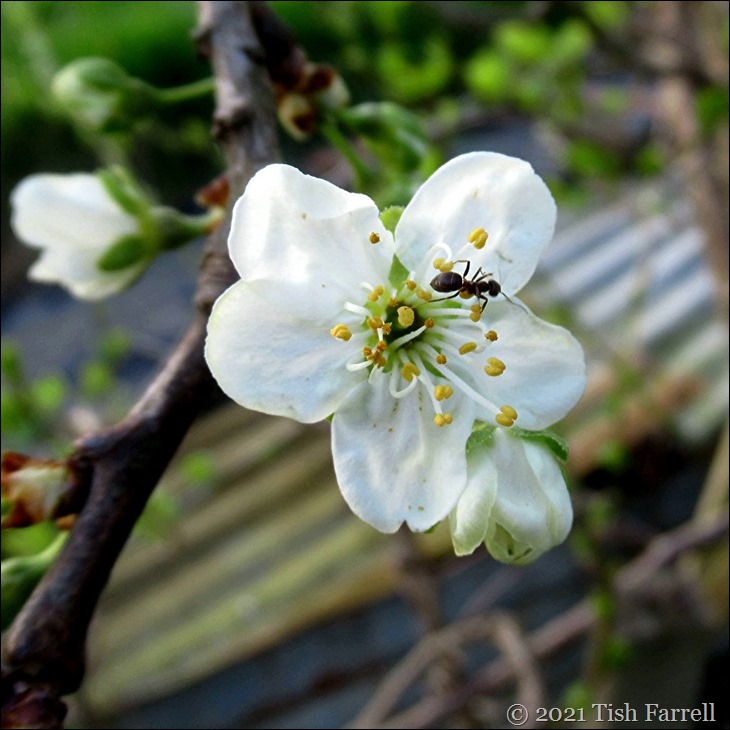
Last night, homeward bound from my allotment plot, I noticed the first blossom on the old damson tree. Only a few flowers were fully open, and then I saw this one had a visitor. A delicious spring foraging for ant-kind. I watched it for several minutes, wondering if I’d been missing something not thinking to lick the odd bit of fruit blossom. Anyway, it made me feel very happy – this scene, and that thought.

April Squares

At the risk of bursting onto song, this April Becky wants us to show her all things bright and beautiful. It’s time to celebrate whatever gives our spirits a lift, or makes us laugh, or catches our eye. You can post something each day, or now and then when any kind of brightness strikes. The only rule: the image must be SQUARE.

Bright Square #1

High Noon On Brooklyn Bridge

Brooklyn Bridge

Our early June arrival in New York coincided with a heat wave – 100 degrees F and every degree making its presence felt. We had thought that standing over the East River might have a cooling effect, but it didn’t. And so we did not bother to exert the energy required to cross the bridge to Brooklyn, only went midway then retraced our steps. Our New York-born friends were astonished when we told them. ‘You mean you didn’t cross the Brooklyn Bridge? You only walked half way?’ ‘Yep. Too hot.’ There were disbelieving looks. But then there was a stunning view of downtown Manhattan coming back.

IMG_0328

Cee’s Black & White Photo Challenge: triangles, diamonds, squares