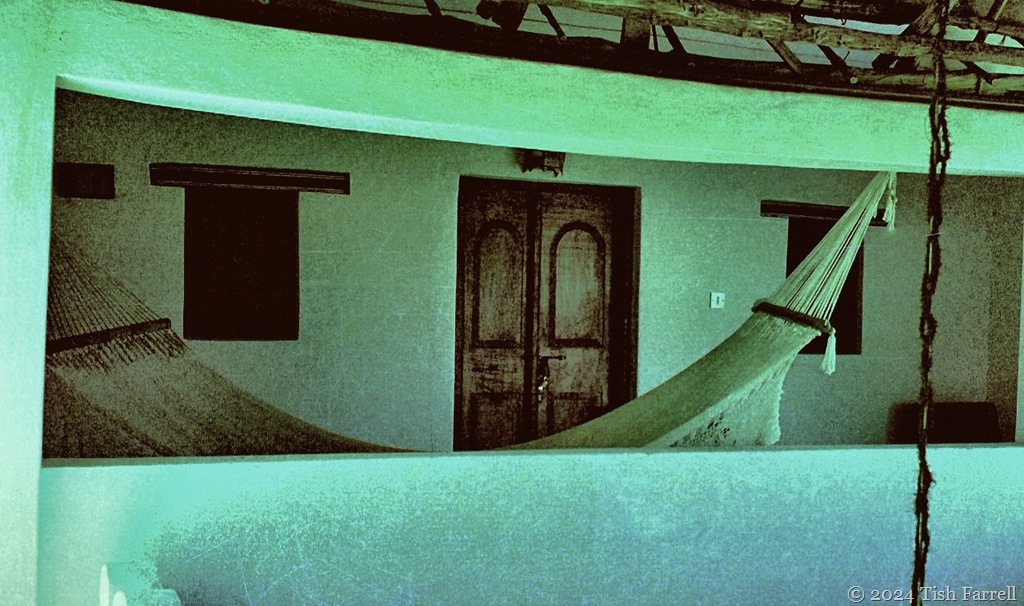
Dreaming Places ~ From Shropshire To Lamu And All In A Day

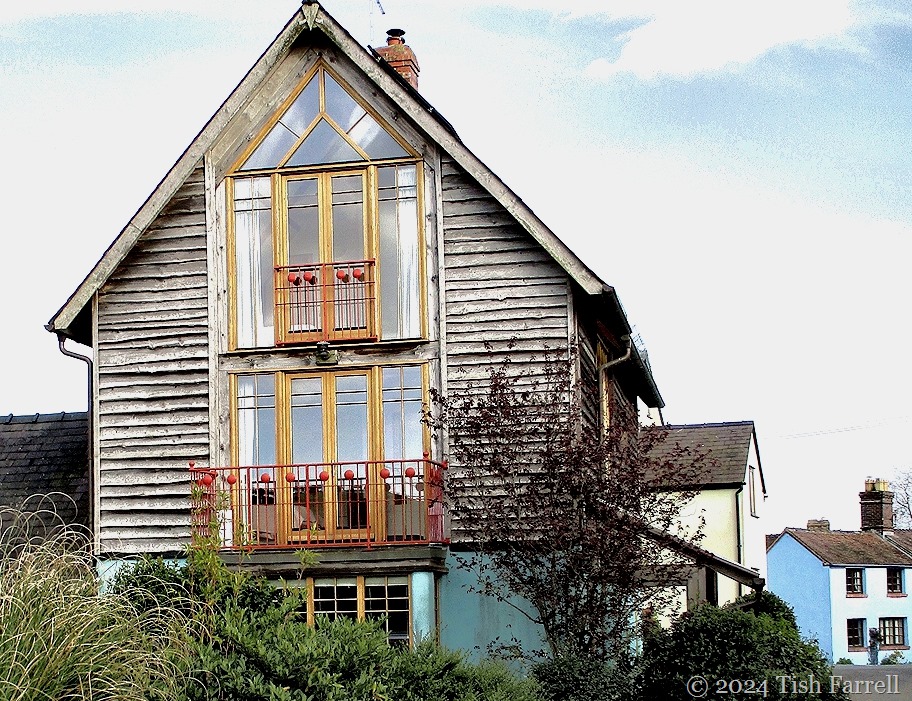
balcony 2

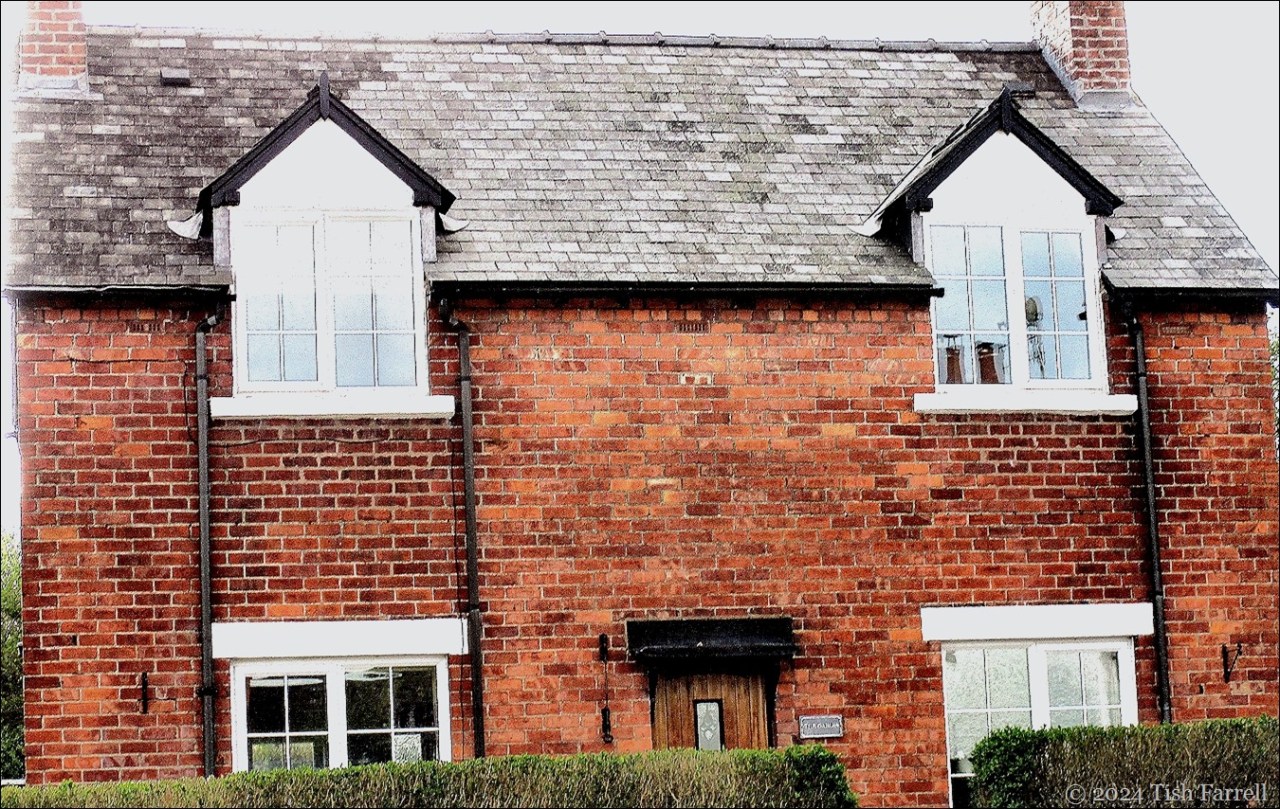
One of Bishop’s Castle’s pioneering eco-homes

*

Today, as July winds down, we have a summer’s day. Only the third in a month of coolness and cloud. Sunlight floods the house front. Warmth even. No trace of the wind that has dogged us for much of the year. Stillness then. The soundscape, resonant, a part-song of church bells, bee hum and pigeon chorale.

There’s a sense of bliss.

And where does my mind go?

Why, off to Kenya’s Indian Ocean island of Lamu – a trip made decades ago and at Christmas too.
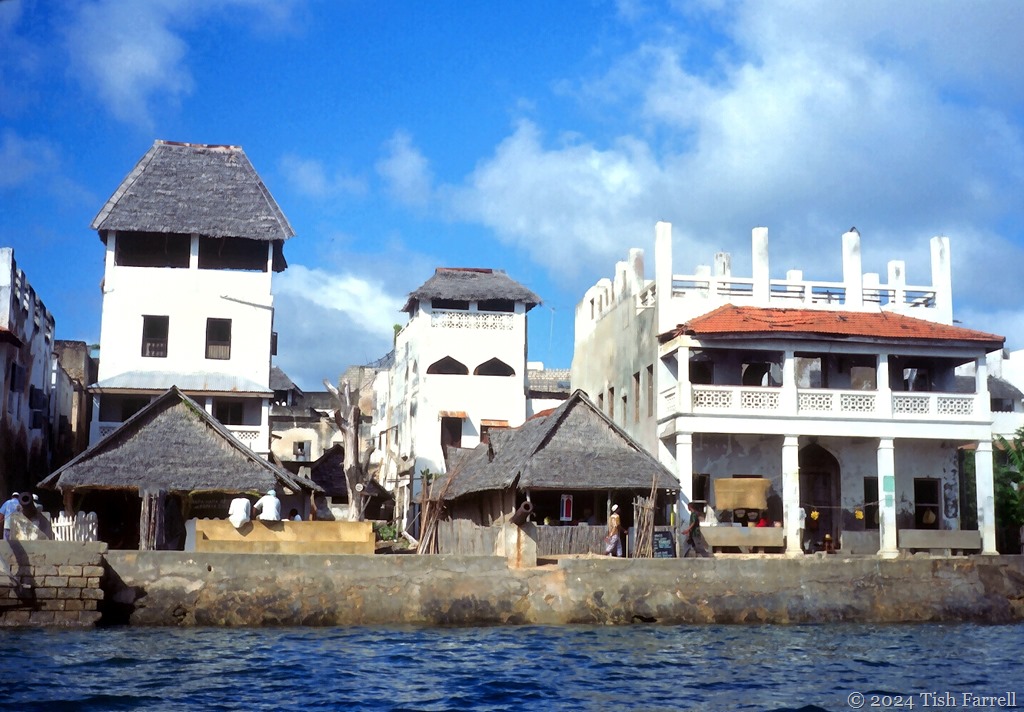
balcony

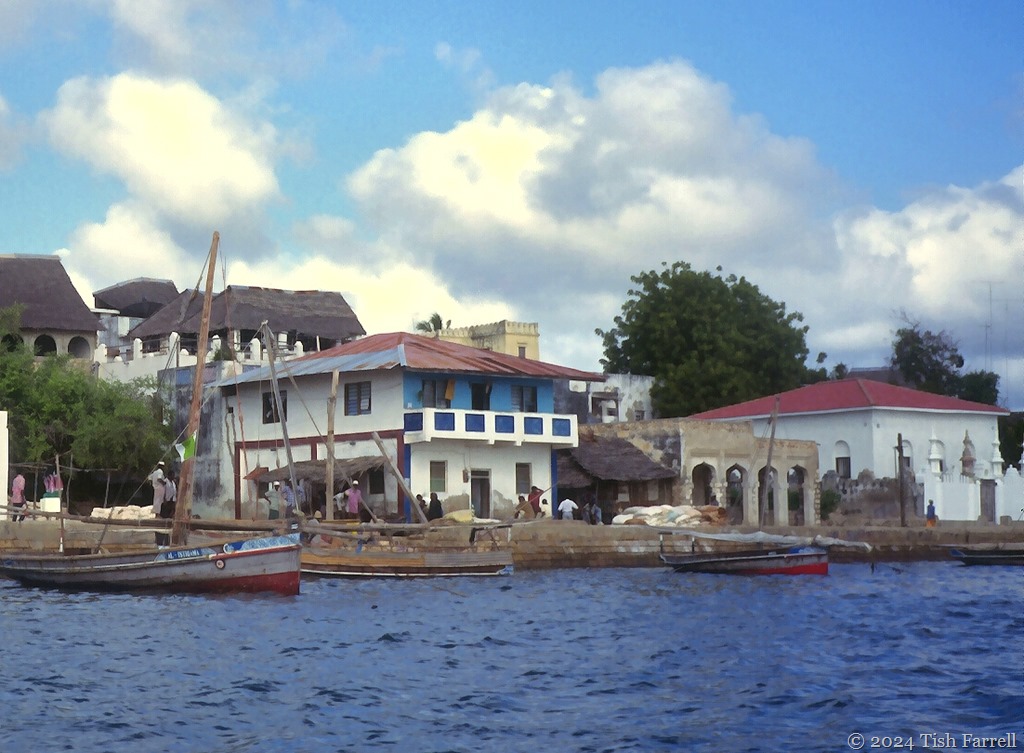
The harbour at Lamu’s Stone Town

*

Perhaps our recent spell of autumn-in-summer weather is seasonally disorienting me, although in mitigation, December in Lamu is the hot season, their summer; though rather hotter and steamier than ours.

But in the full-on Shropshire sunshine, the mind plays tricks. Meanders. Perhaps there’s another trigger to this farflung mental safari.

I soon spot it. Back in the days of the Lamu trip we lived in Nairobi, on one of Lavington’s tree-lined avenues of Jacarandas and flame trees and clipped grass frontages. (Strangely, I discovered later, I have ancestors named Lavington).

At nearly 6,000 feet, the climate there is mostly benign – a subtropical highland climate. In June and July the temperatures might drop as low as 48F (9C), and in December to March reach the upper 70s and low 80s F. The finest days there always had us thinking of perfect English summers (big skies and heat-hazy lawns), the sort from village fetes and school sports days.

Summers back then seemed, well, more summery.

And then amid my mind’s eye ramble arrives the Lens-Artists’ theme for the week: balconies. And so, by winding paths, I come to Lamu.
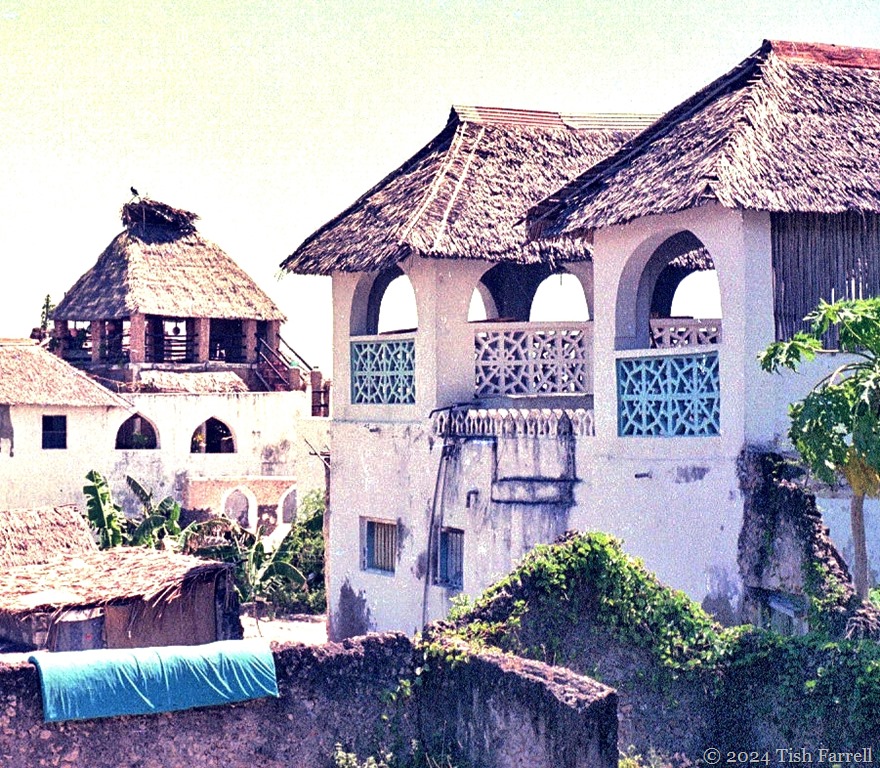
balcony 4

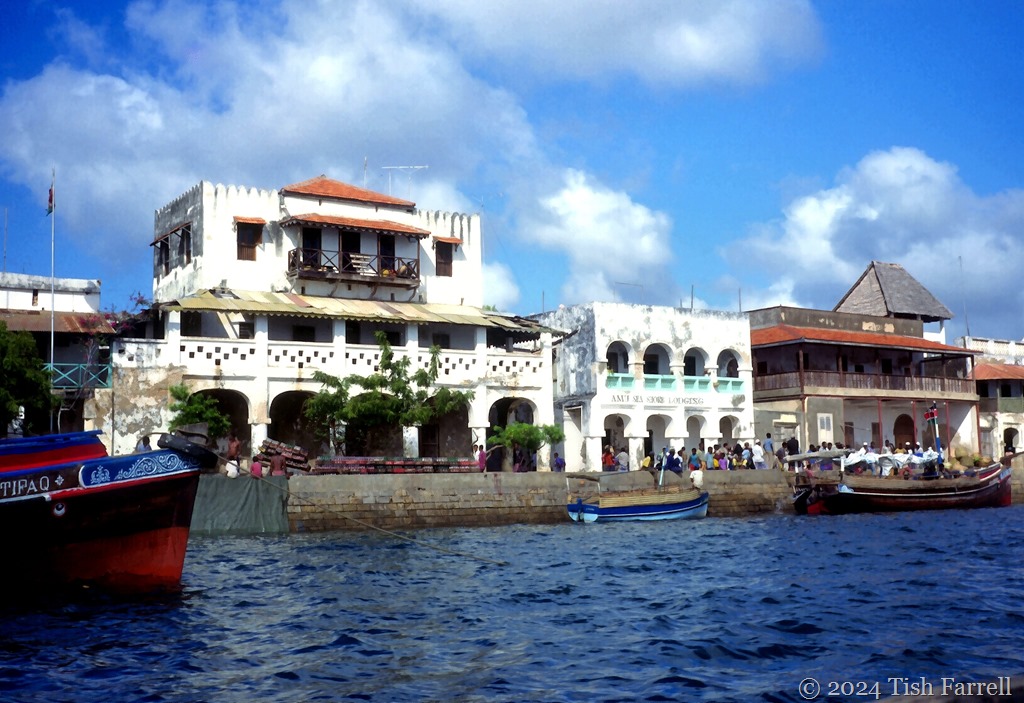
Stone Town – it is now a World Heritage Site. The surviving 18th century merchants’ homes, finely built of coral rag, are evidence of a once thriving city state, one of several Swahili towns and cities along the East African seaboard, stretching from Somalia to Mozambique. These settlements have origins back in the 8th and 9th centuries – the people who lived in them, their language, their culture born (literally) from a thousand and more years’ congress between Arab traders and indigenous African communities.
balcony 3a

The goods once traded out – ivory, leopard skins, tortoise shell, gold, mangrove poles (boriti) and slaves. The goods traded in – silks, porcelain, fine carved treasure chests, brass ware, jewellery and dates. In short this is Sinbad territory (Sendibada in KiSwahili stories). He doubtless plied the seas off East Africa; out from the Persian Gulf, the monsoon kaskazi bearing him south; and, after many hair-raising encounters, the kusi winds blowing him home again to Basra.

I’ve written more about this at Quayside Lamu. And about the Swahili HERE.

But now for more balconies. Those perfect places for dreaming. For today, bathed in unaccustomed warmth, I surely am dreaming.
balcony 2

balcony 5

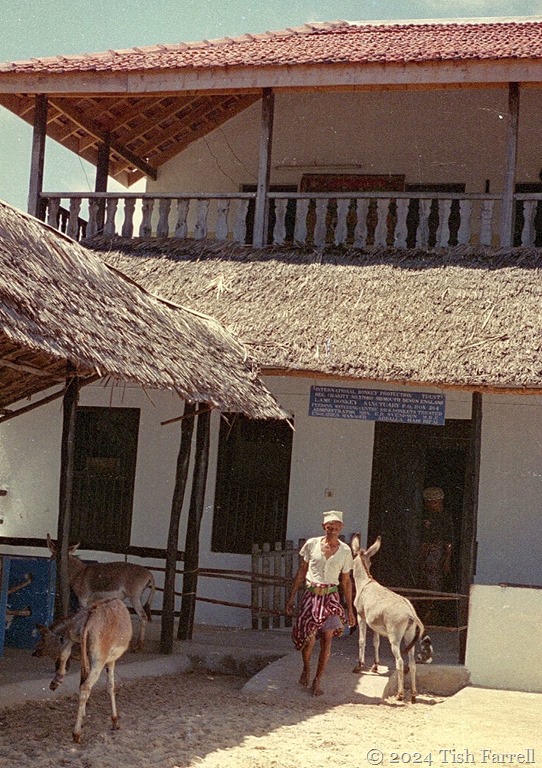
Lamu donkey sanctuary. Donkeys are a key mode of transport on the island

*
balcony 7

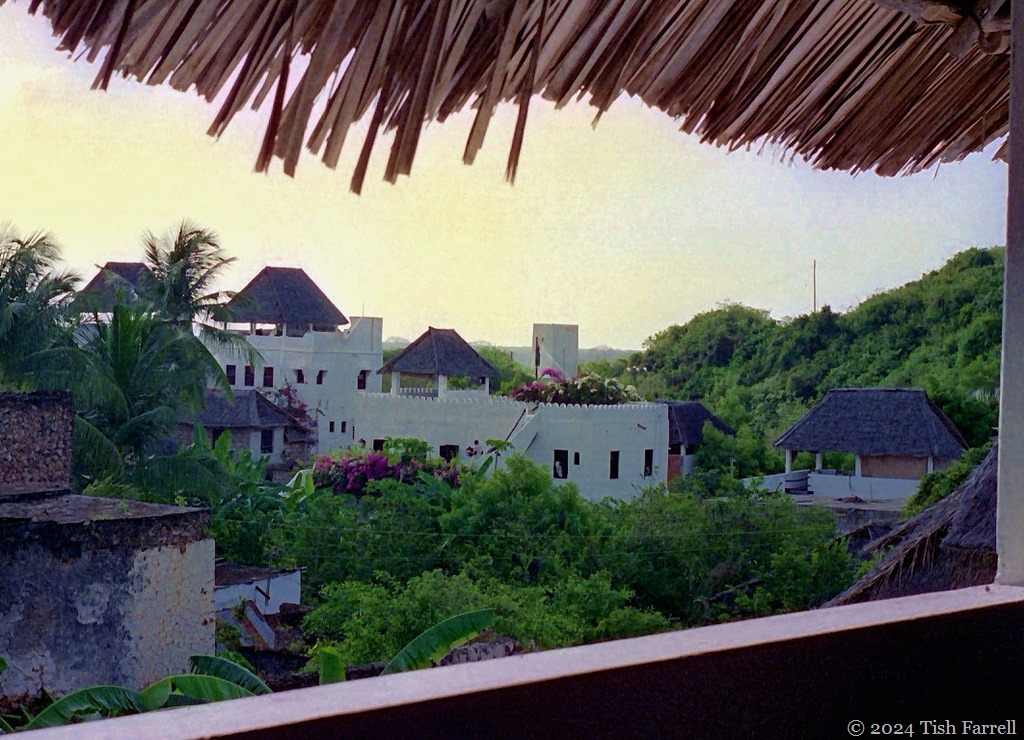
Sundowner look-out over Shela village, Lamu

*
balcony 6

Lens-Artists: Balconies This week PR at Flights of the Soul sets the theme. Follow the link for a fine gallery of balconies.
Six On Saturday: On Random Gardening

IMG_5631

Starting a new garden is always exciting; daunting too. And our particular garden, being a hundred years old, had traces of many a planting disaster venture. More recently, though, all had been overgrown, and invaded by rampant phygelius (Cape fuchsia), ground elder, vagrant raspberries, bindweed and Spanish bluebells. The two front garden beds (south-east facing) were covered with concrete slabs and Spanish bluebells.

Most of it had to go.

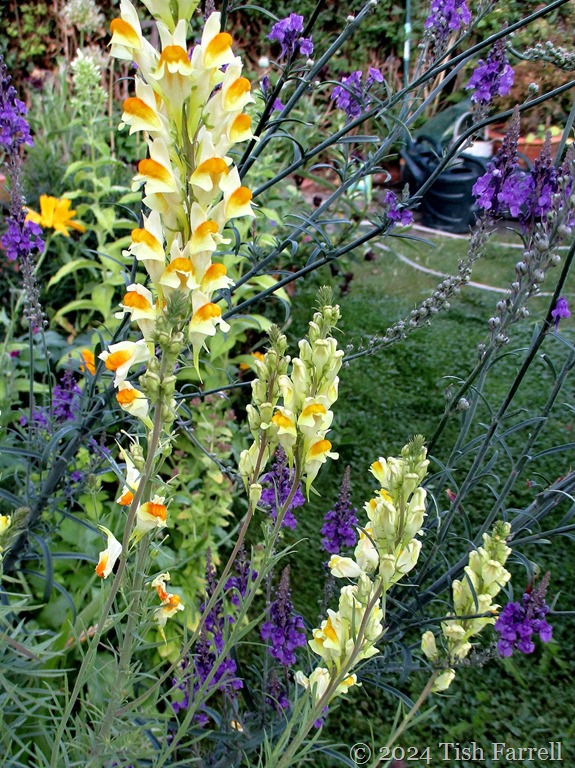
1: Because we’d had to rent between selling one house and buying another, I’d brought only a handful of plants from our Much Wenlock garden. Among them was yellow toadflax (Linaria vulgaris), a favourite flower since childhood when I’d first seen it lighting up the verges of the Shropshire Hills. I’d grown it from seed, bought on-line from Jekka’s Herbs. Now, by some pleasing accident, it seems to have grown up with some purple toadflax.

IMG_5791ed

*

When we moved into The Gables, just under a year ago, my most pressing concern was vegetable growing. I knew we would miss the produce from my allotment plots of 16 years (if not the heavy labour), so tackling the most weed-infested areas to make beds for food crops was my first priority. My thinking here was that these beds would be cleared every year, so repeat ground elder and bluebells wouldn’t be quite the same bother they would be in shrub or herbaceous borders.

I made a start last summer, but then the following months were mostly too wet and cold for gardening. And then in spring the house roof had to be taken off and rebuilt. And then the building work on the rear extension began, all of which saw parts of my territory invaded, first by a mountain of broken roof tiles and battens and then by piles of construction materials. There were times, too, when I couldn’t reach the projected vegetable plots in the back garden, it being uphill from the house, other than by climbing a ladder. All of which means that bed making efforts were piecemeal and, in the end, things (vegetables, herbaceous perennials, herbs, developing shrubs) were planted out wherever there was a space at the time.

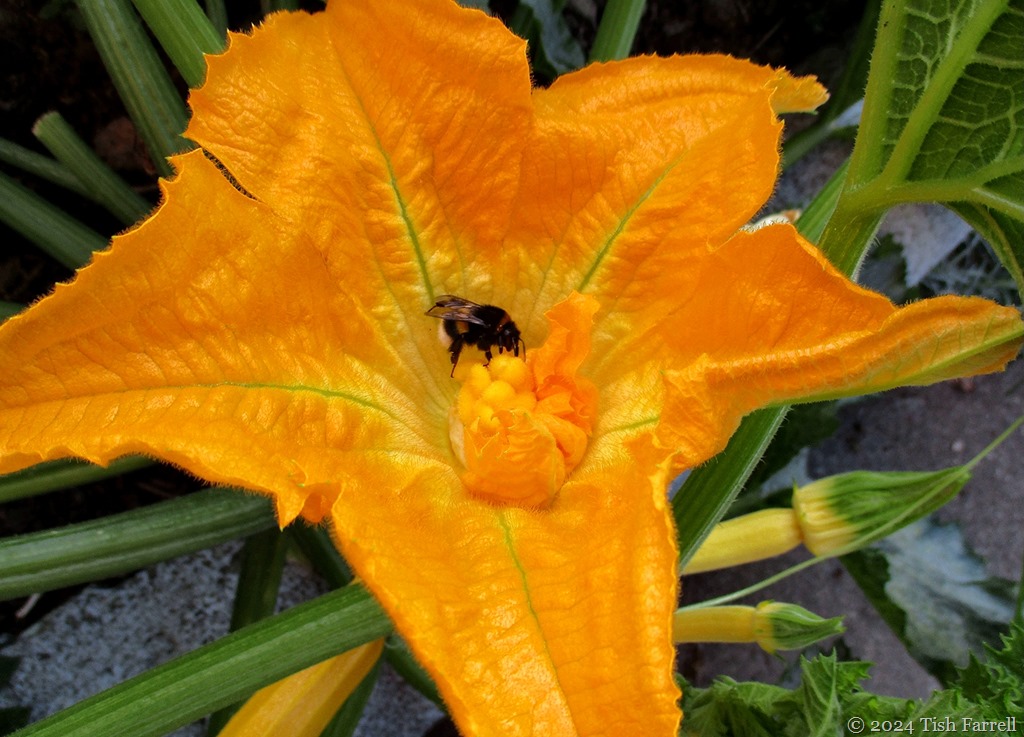
2: But it’s all alright. Everything is growing all over the place. I have yellow courgettes at the front door, which is actually quite handy…

IMG_5826ed

*

3: The front garden bed is also yielding some very nice Charlotte potatoes (despite going in very late). The building debris and old mortar from the lifted slabs seem to have provided some good drainage in our heavy-ish soil:

IMG_5679

*

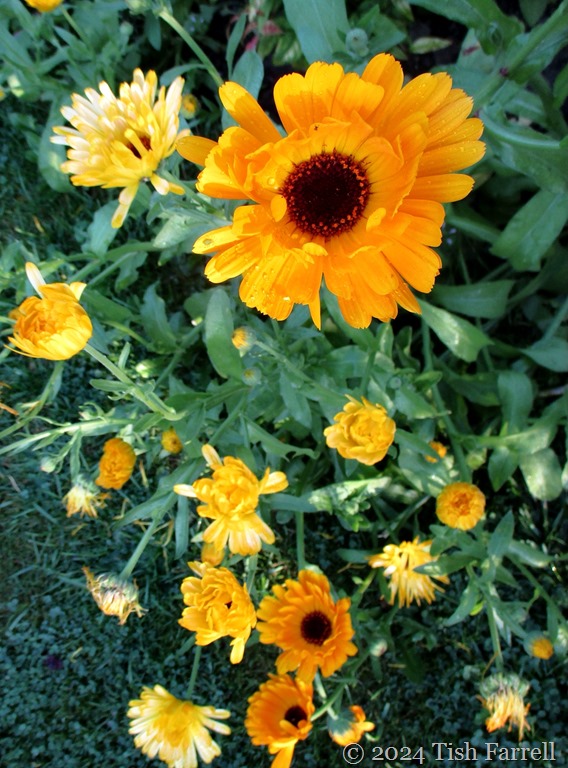
4: In the spring I’d sown some marigold (calendula) seeds, obtained from the Bishop’s Castle seed bank (local growers’ donations) and they’d germinated prolifically. So I planted them out all over the garden, front and back, because you can’t beat marigolds for their spirit-lifting qualities. And now we have masses of golden heads, which of course are edible too:

IMG_5817

IMG_5808ed

*

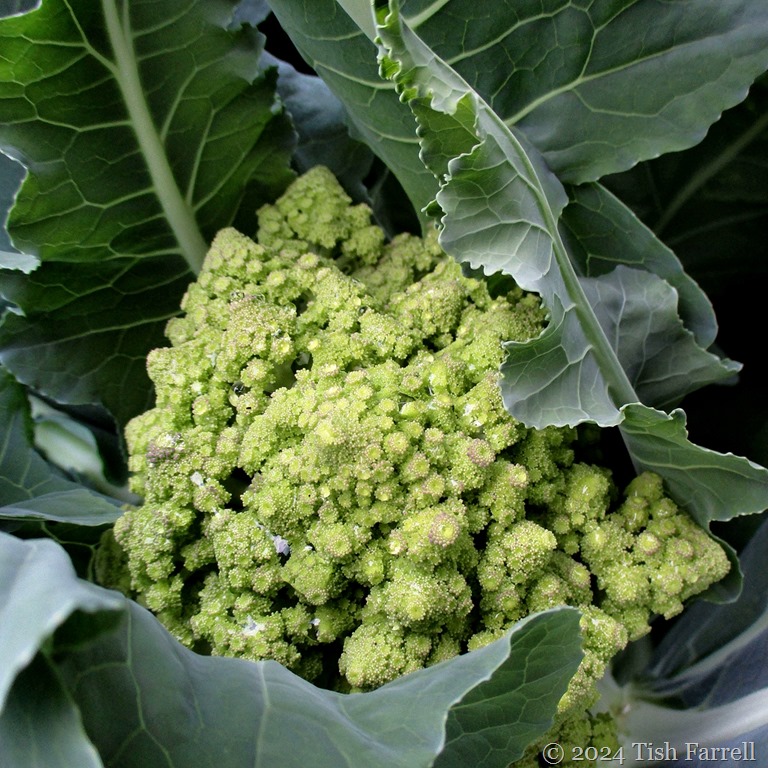
5: And on the eating front, since spring we’ve done rather well with all manner of greens, but most particularly the Romanesco cauliflowers, which I haven’t grown before. They are much sweeter than white caulis, and if you cut them and leave the stalk, they sometimes produce more sprouts. They don’t need much cooking either.IMG_5574

*

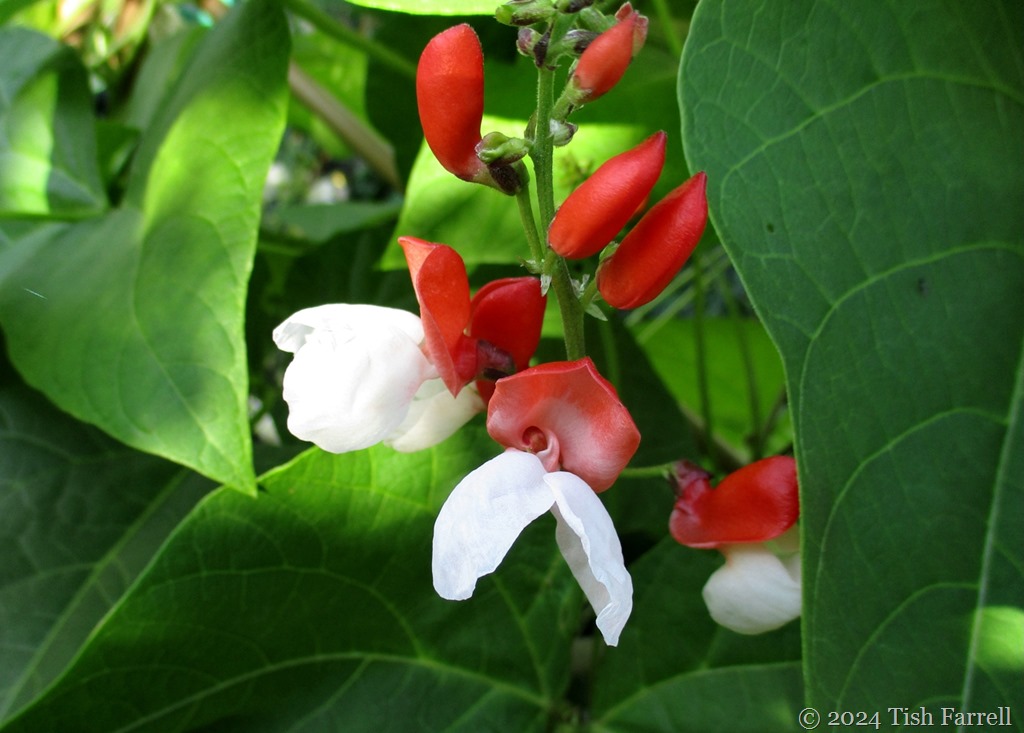
6: But best of all, are signs that the runner beans are thriving. I have three varieties growing together: Emergo (white flowers), Painted Lady (red and white as in featured photo), and St. George (red):

IMG_5800

IMG_5774ed

*

I mean to say, what could be lovelier than this Painted Lady bean flower. And then to think: there will be beans!

*

Six on Saturday  Jim at Garden Ruminations is the host. Please pay him and his splendid garden a visit.

Monochrome Madness: Trees Making Art

IMG_3290overexposed

On a seaside lane in Aberffraw, Anglesey

*

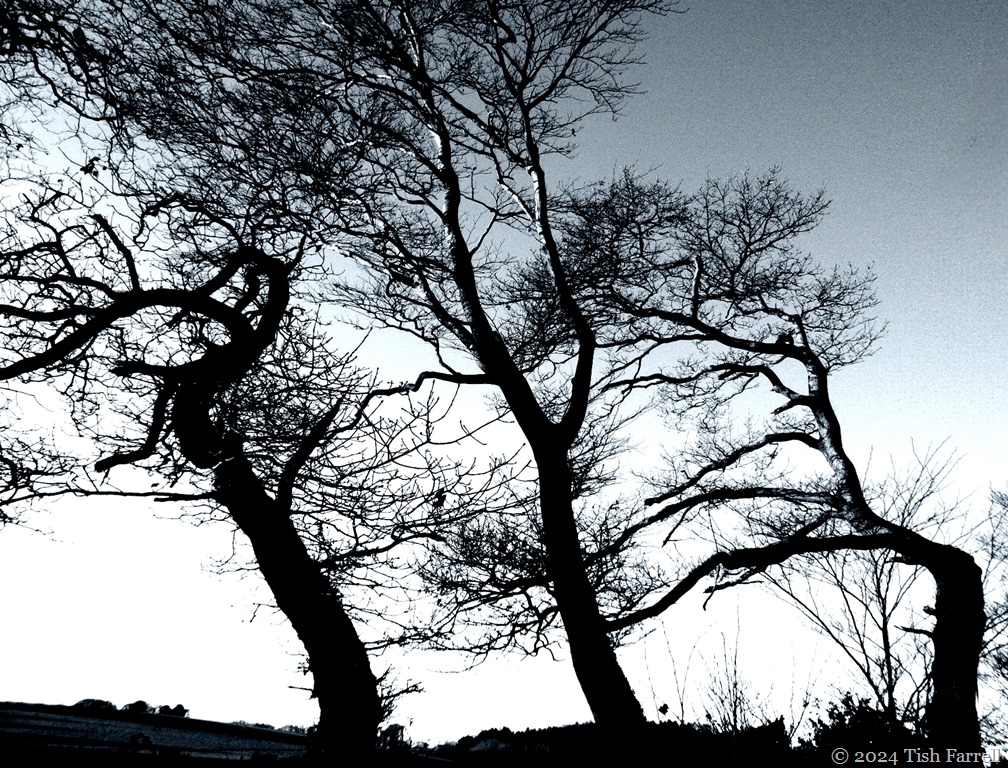
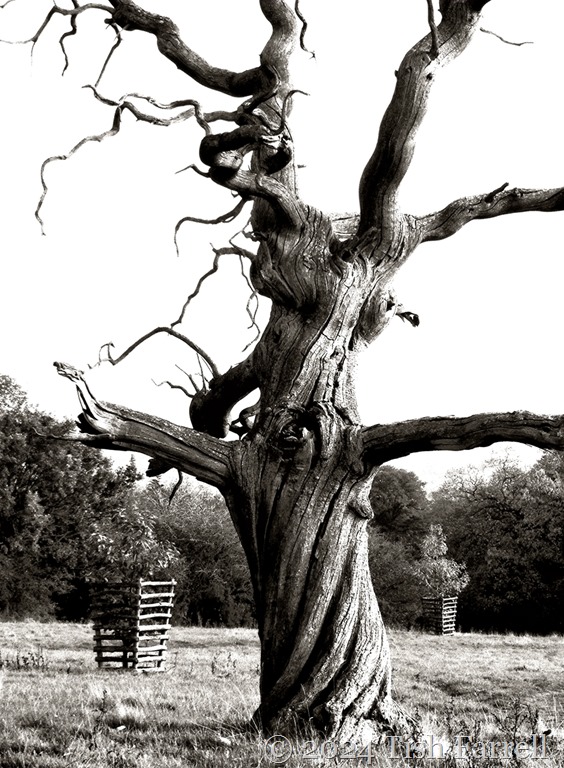
This week at Leanne’s Monochrome Madness,  Sarah from Travel with me invites us to show her trees, especially ones that are strikingly sculptural.

Britain’s coastlands are good places to find such trees, the prevailing winds bowing and retraining limbs, scissoring canopies. And yet, to my eye, these trees seem to dance with the elements, the header hawthorn caught in the end flourish of a pirouette; the tree below mid jete: a paradox of energy transfixed.

P1060537bw

P1000075

Henllys Wood, Beaumaris, Anglesey

*

Other kinds of physical setting may enhance the intrinsic art of a tree. This next photo is of an ash, I think, viewed through an aperture in Penmon Priory dovecote, also on Anglesey island.

P1060543

017monochrome

*

At Newborough Beach, further along the coast from Penmon, there are other elements in play. Erosion.

100_7122

This is a tale of deposition and decomposition. The extensive sand dune system, on which these plantation conifers was planted, blew into this part of Anglesey during a massive storm in the fourteenth century. Now bit by bit,  the storms are stealing the sands away again, leaving a parade of ghost trees.
*

And talking of ghost trees, there are yet other transformative powers at work. At Croft Castle on the Herefordshire-Powys border, the estate walks of Spanish Chestnuts, have succumbed to both age and disease (Phytophythora cinnamomi or cinnamon fungus). The trees supposedly date from the late sixteenth century, their origins ‘explained’ by an Armada legend that suggests they were grown from chestnuts found in the pocket of a ship-wrecked Spanish sailor.
Now Croft is nowhere near the sea, but maybe that is irrelevant. This was the age of grand garden making, and it is well known how rare plant material, however it arrived, was ever coveted by the landed elite. And of course it’s a good story, a fittingly mythic gloss for this gallery of the arboreally deceased; trees that have been allowed to die and be dead in their own spectacular way.

P1090652ed

P1090599sq

One of Croft Castle’s Spanish Chestnut ‘ghost trees’

*

Finally, and in more comfortable terms, there are those trees whose familiar contours or particular disposition mean home to us; they become our personal landmarks. Here are some from our Wenlock days:

100_6398

The Linden Walk, Much Wenlock in late summer

*

P1000347

The allotment ash tree in winter

*

p1070087 ed

The little tree on the hill above the house

*

Monochrome Madness: trees  This week Sarah at Travel With Me is featuring trees. She suggests we consider sculptural qualities.

Two By Two

P1060365 - Copy

P1060368

This week at Lens-Artists, Elizabeth of Albatz Travel Adventures has us thinking about diptychs. This is what she says:

“A diptych is two images placed in proximity to one another, forming a pair. To make a successful pairing there should be several things in common, and something very different, contrasting.”

Please see her post for a range of inspiring examples.

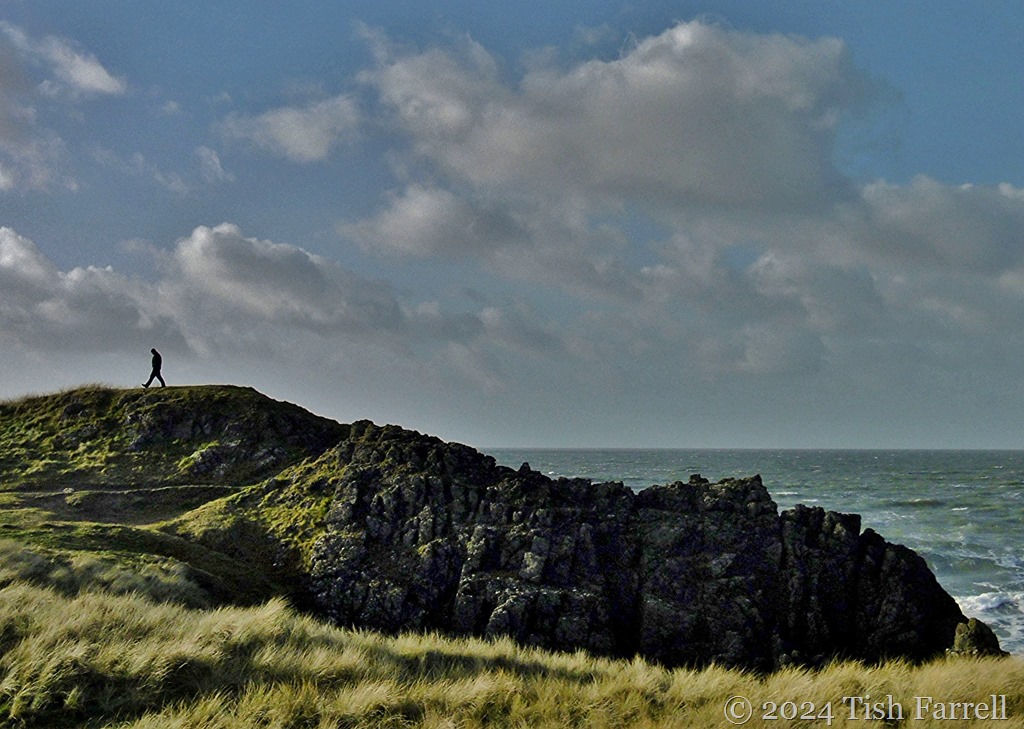
My header pair is perhaps a bit daft, but it appeals to my sense of humour: man ruminates deeply on the ebb and flow of the Celtic Sea.

Man makes up mind: enough is enough.

Location: Anglesey, North Wales.

*

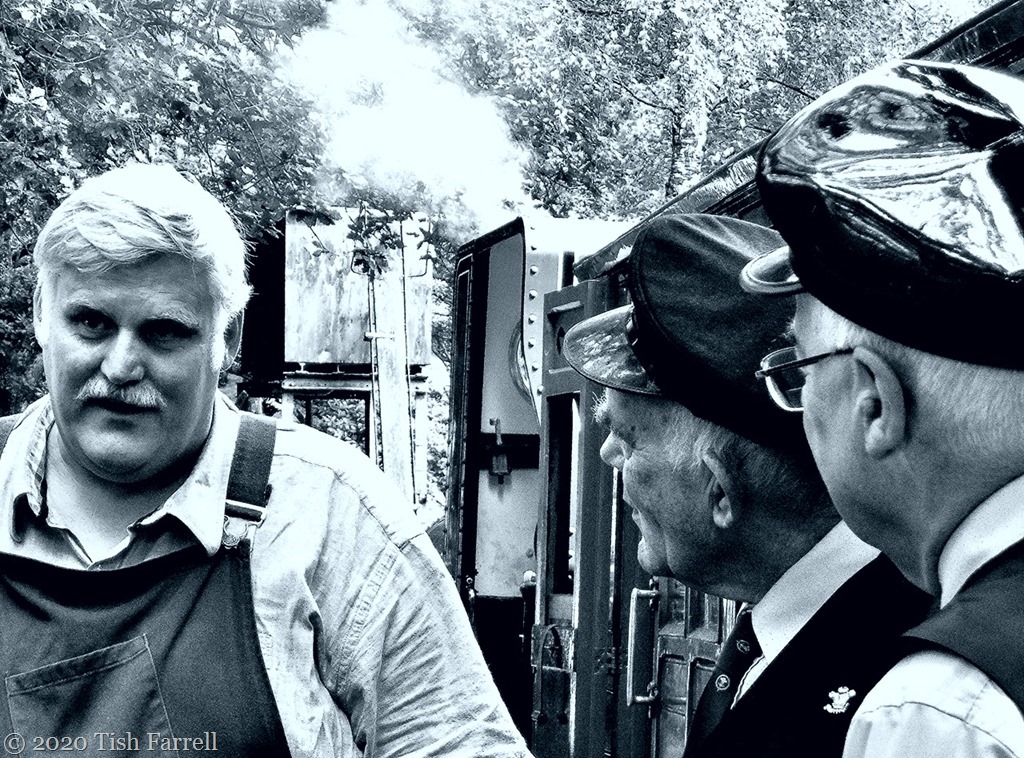
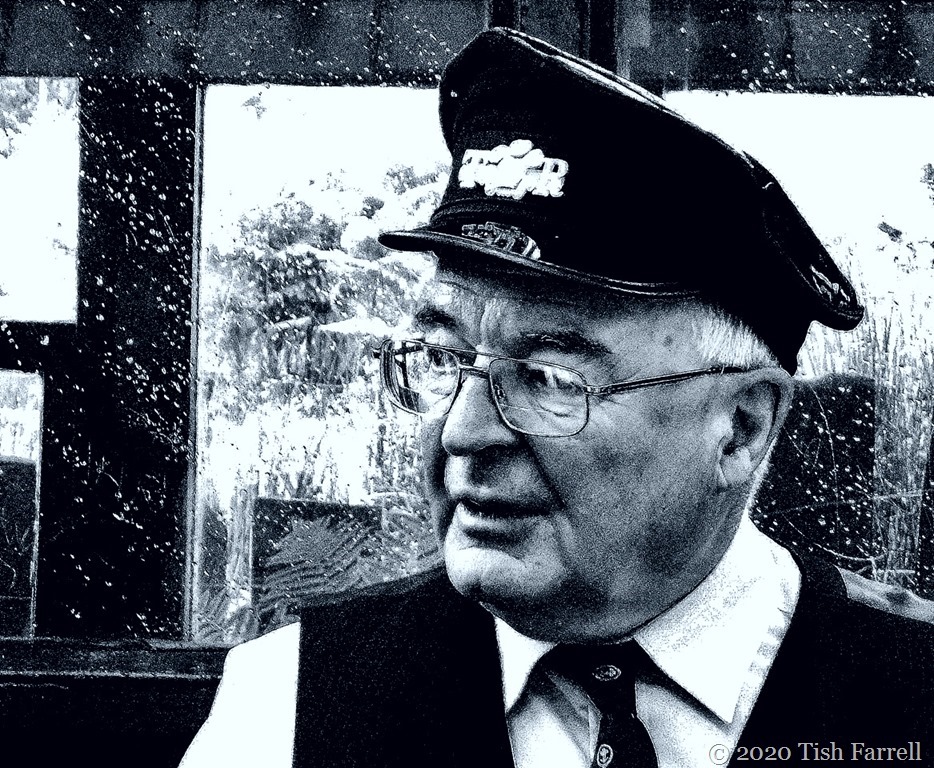
The next pair also has a Welsh location, taken on the Tallyllyn Steam Railway. Some of the enthusiastic volunteers who help run the trains:

Tallyllyn

p1040806

*

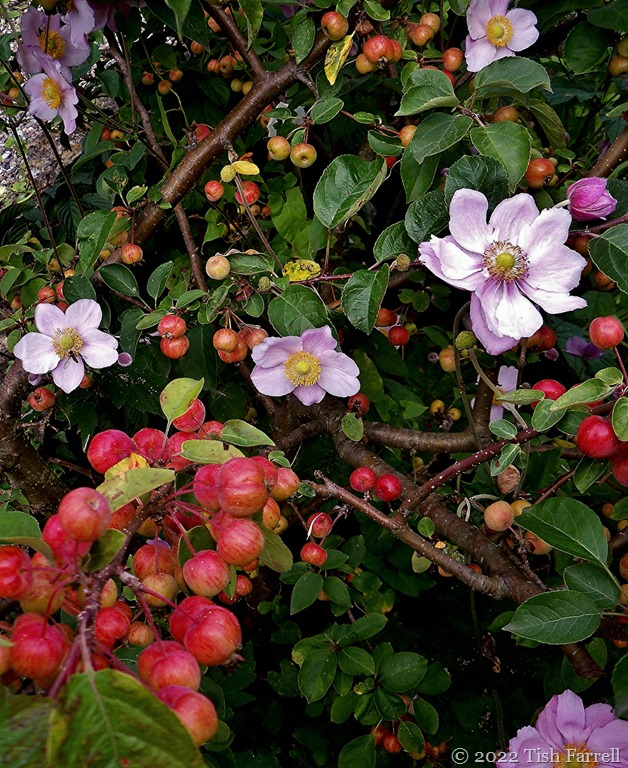
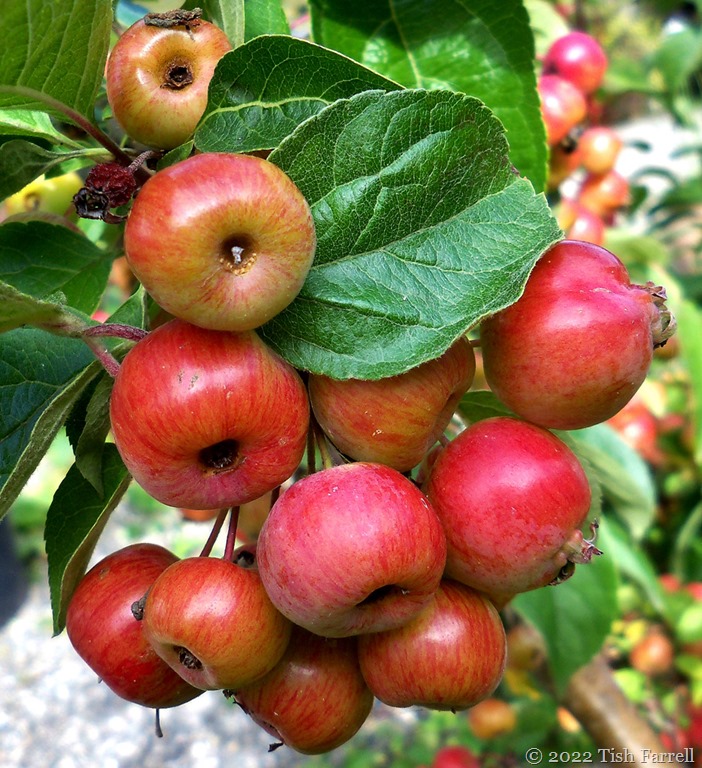
Crab Apple Tree (with Japanese anemones) in our old Wenlock garden:

100_7062

100_7068

*

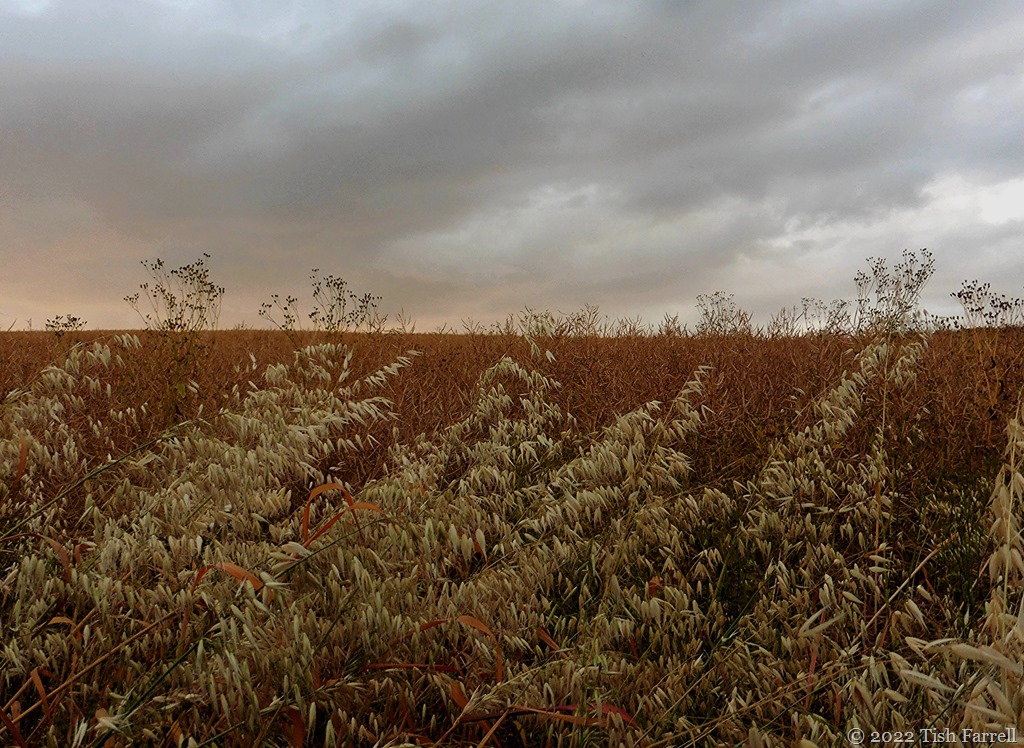
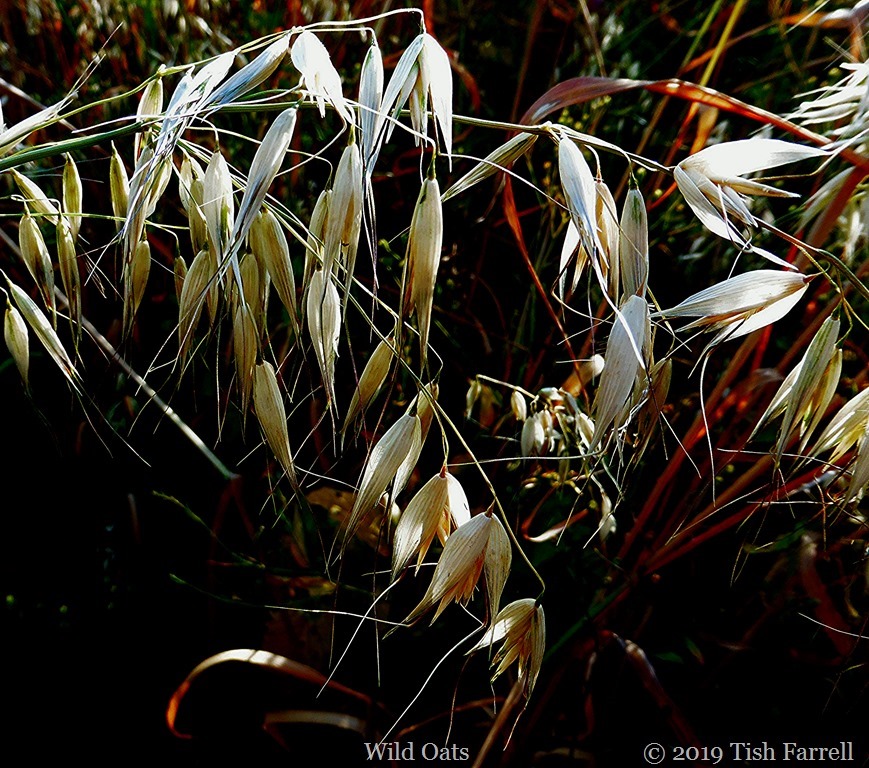
Townsend Meadow, Much Wenlock and a fine crop of wild oats:

P1070611

p1070625

*

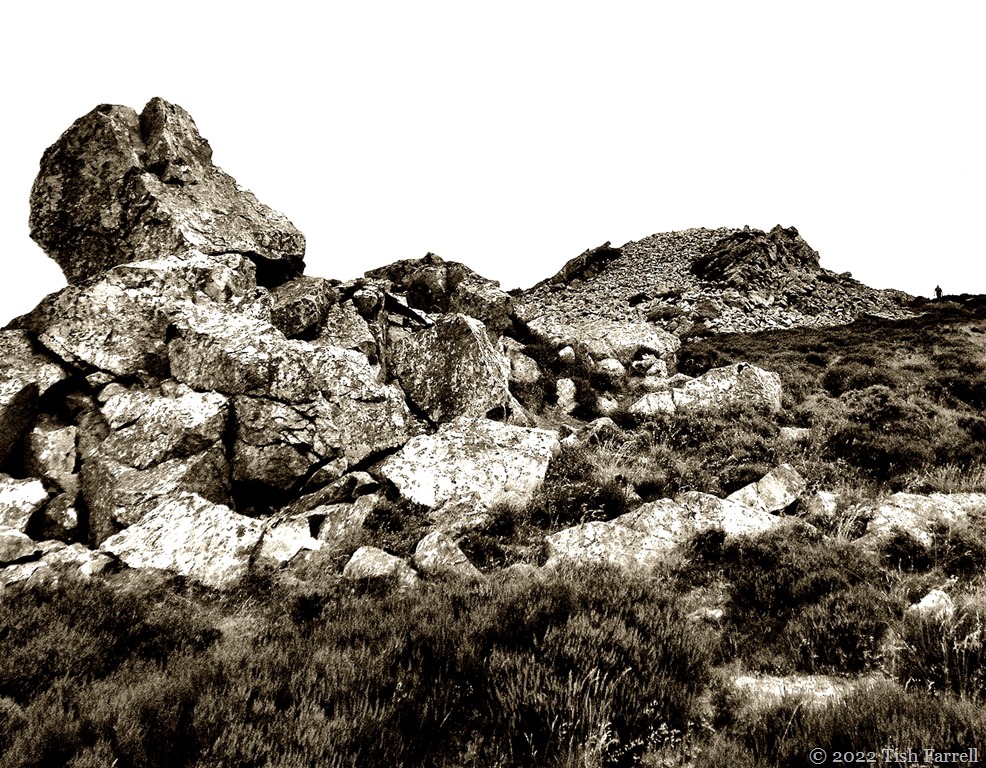
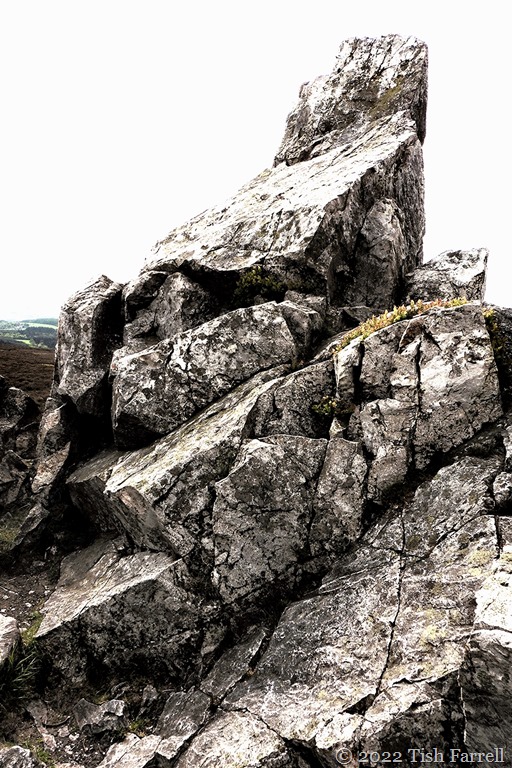
Up in the Shropshire Hills: the Stiperstones

P1080552sepia

P1060001dia

*

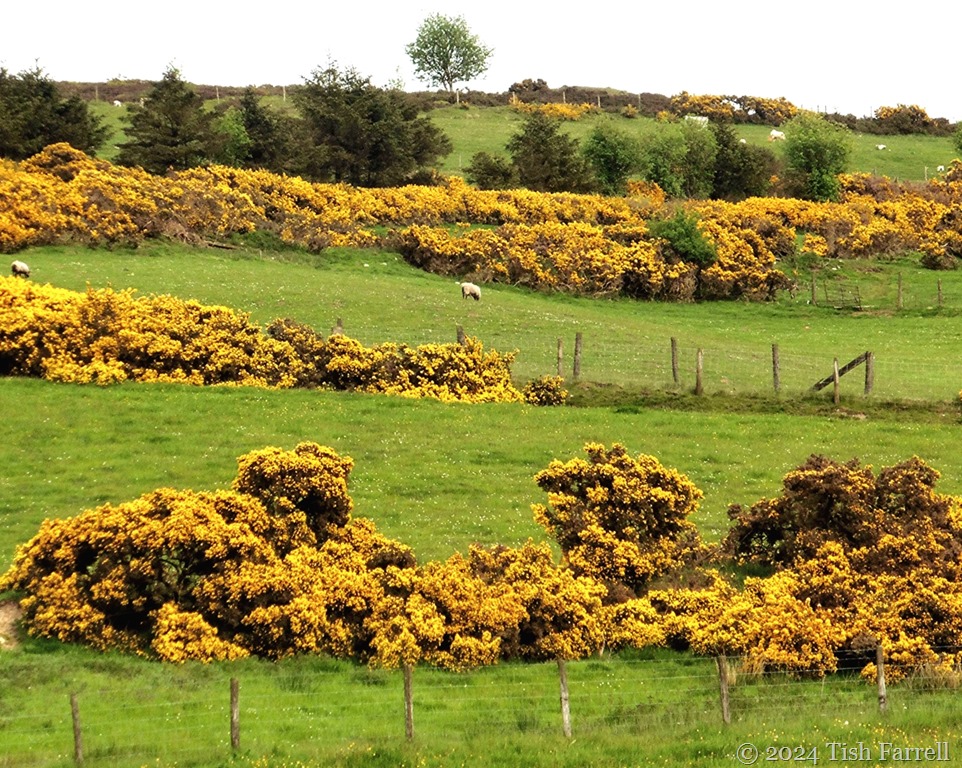
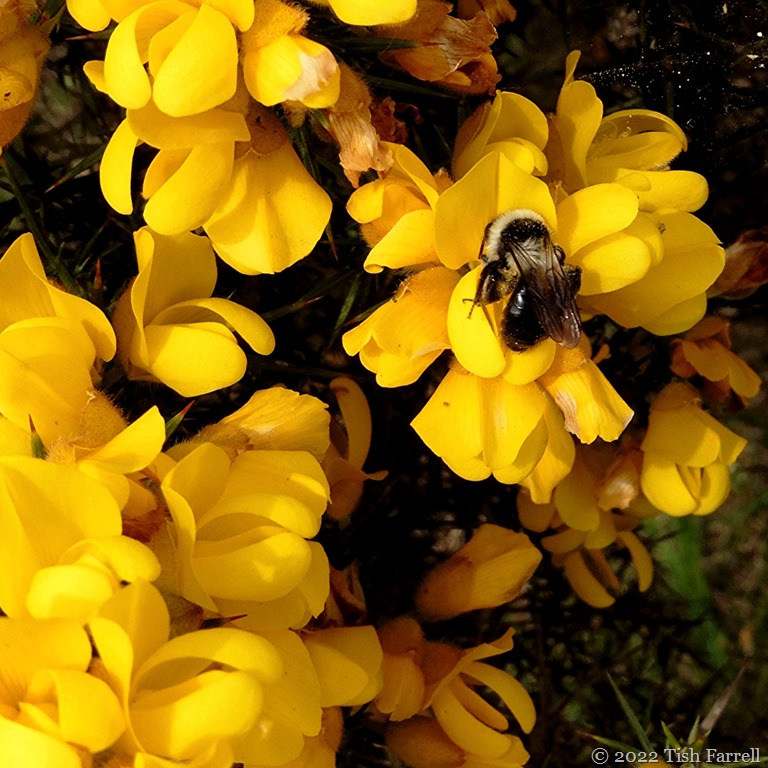
Also on the Stiperstones – fields of gorse, once widely cropped for winter animal fodder; these days, more valuable to bees and other insects:

P1060009

P1060017sq

*

And finally some light and shadow. Leaves – back lit and top lit:

img_0580

img_0568

Lens-Artists: Perfect Pairs

A Spot Of Garden Flamenco?

IMG_5746

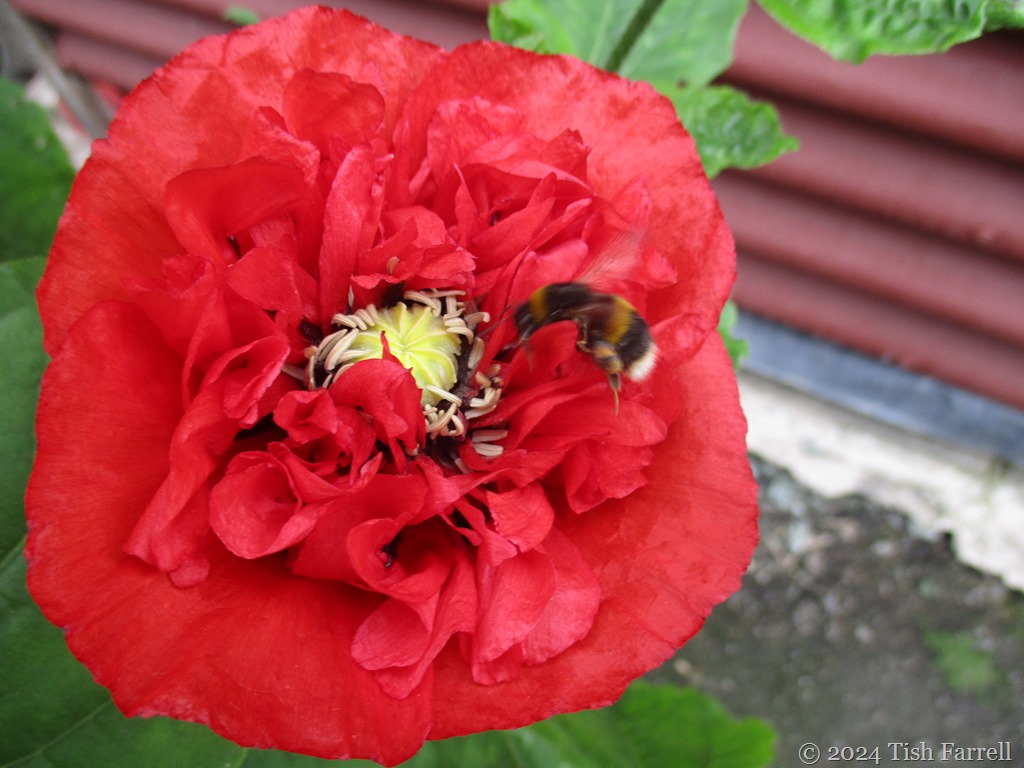
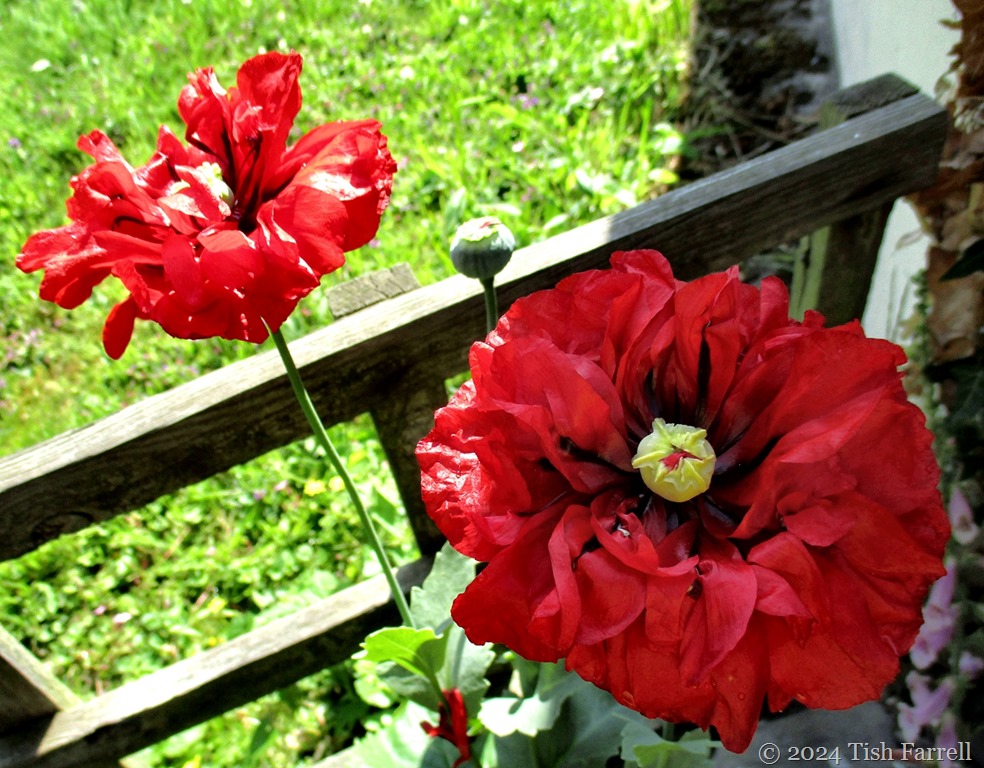
We have visitors, blown in from who knows where. All over the garden too. And what a show they’re giving us with their fiery frills and flounces. Papaver somniferum, the sleep-inducing opium poppy.

The bumble bees have been mightily excited by the poppies’ presence; their behaviour far from somnolent. In fact I witnessed much unseemly rummaging through floral petticoats as they hoovered round the creamy anthers.

IMG_5671

IMG_5672ed

*

Elsewhere in the garden there are more hot colours, this time courtesy of the Bishop’s Castle seed bank. This is a wonderful community venture whereby local gardeners donate flower and vegetable seeds. You can help yourself to the contents of the tray which lives upstairs in the Town Hall council chamber, and leave a donation to the seed bank.

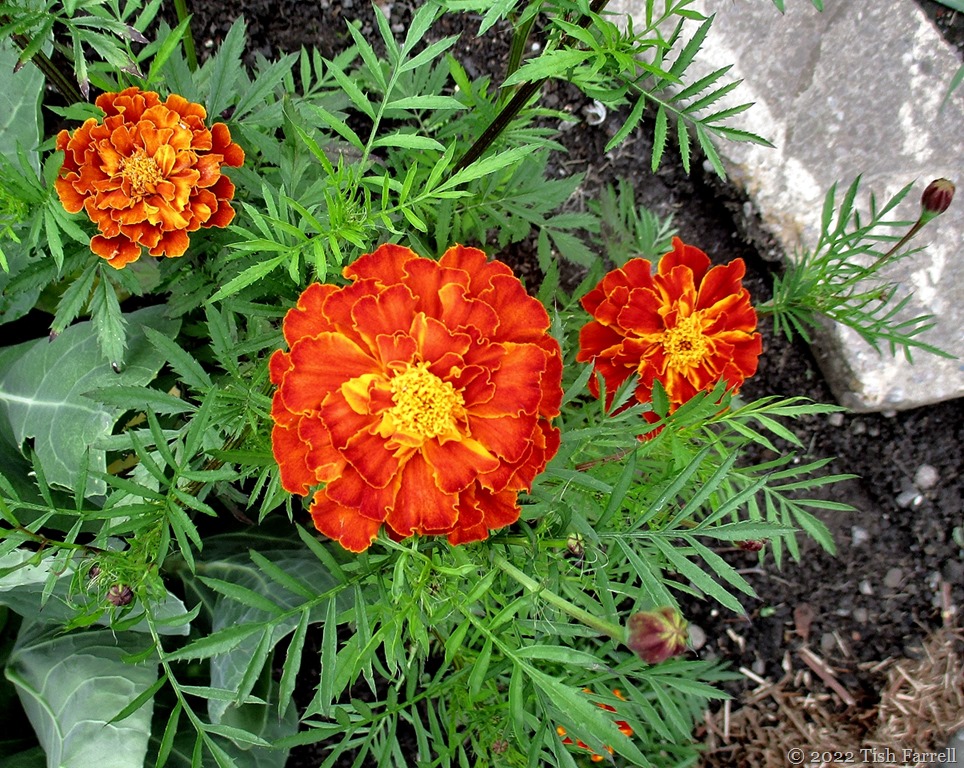
These French Marigolds were grown to protect the carrots. Their minty-lemony scent camouflages the carroty smell so fooling carrot flies that like to lay their eggs in the developing roots. But by some failure of organisation they ended up by the cabbages where they do nothing to dissuade the egg-laying proclivities of cabbage white butterflies.

IMG_5637

*

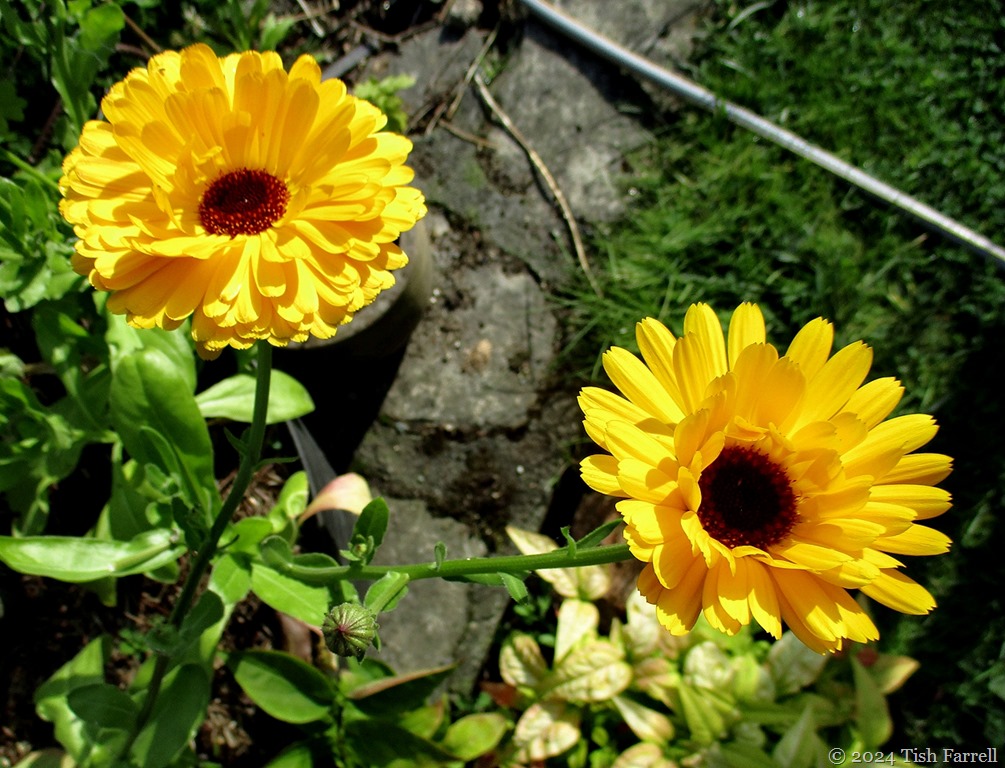
And then there are the seed bank pot marigolds. I’ve planted them out everywhere because I use the petals in salads. They have many beneficial medicinal qualities including a high lutein content which is good for protecting eyesight. Simply to gaze on them might suggest this particular property.

IMG_5735ed

IMG_5708

IMG_5701

Marigold with purple toadflax petals

*

But back to the flamenco. I don’t know about you, but this wild display makes me want to lift up my skirts and dance…

IMG_5747

When The Wall Came Down

IMG_5384

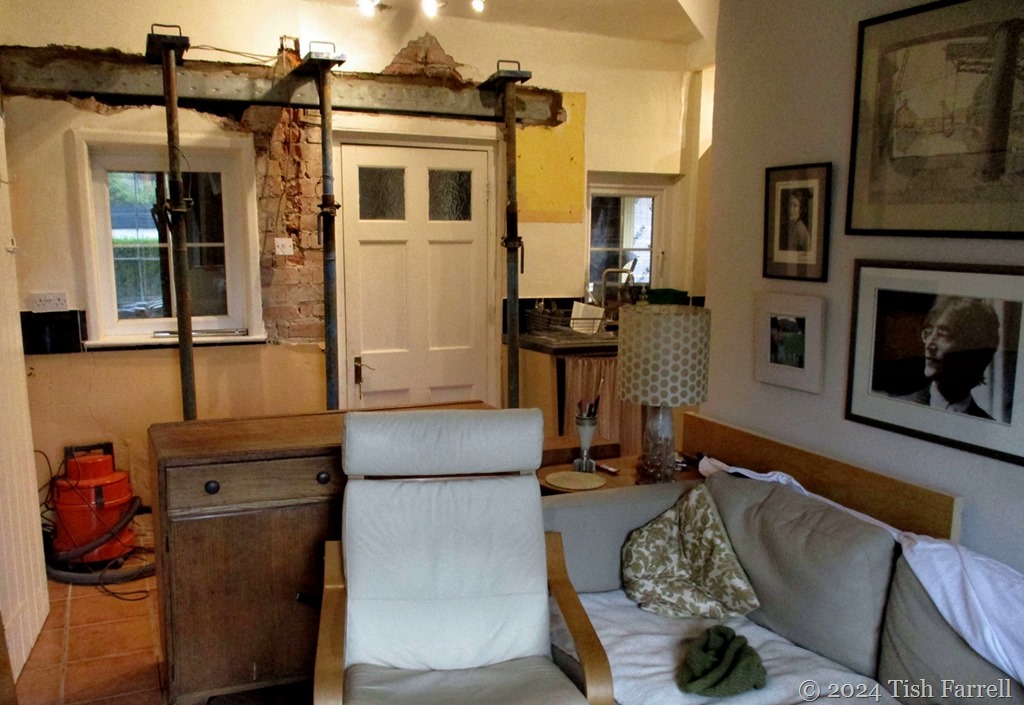
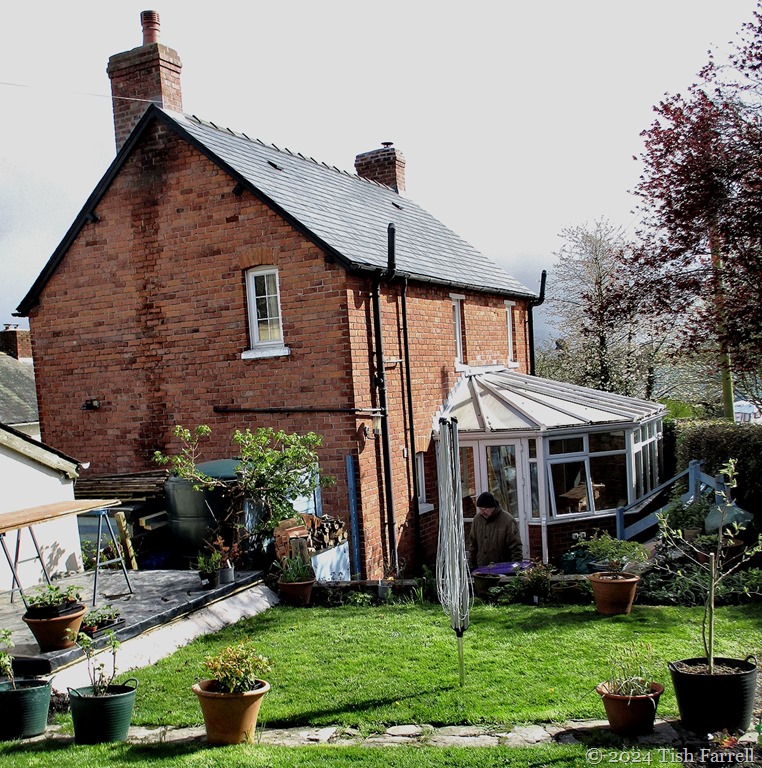
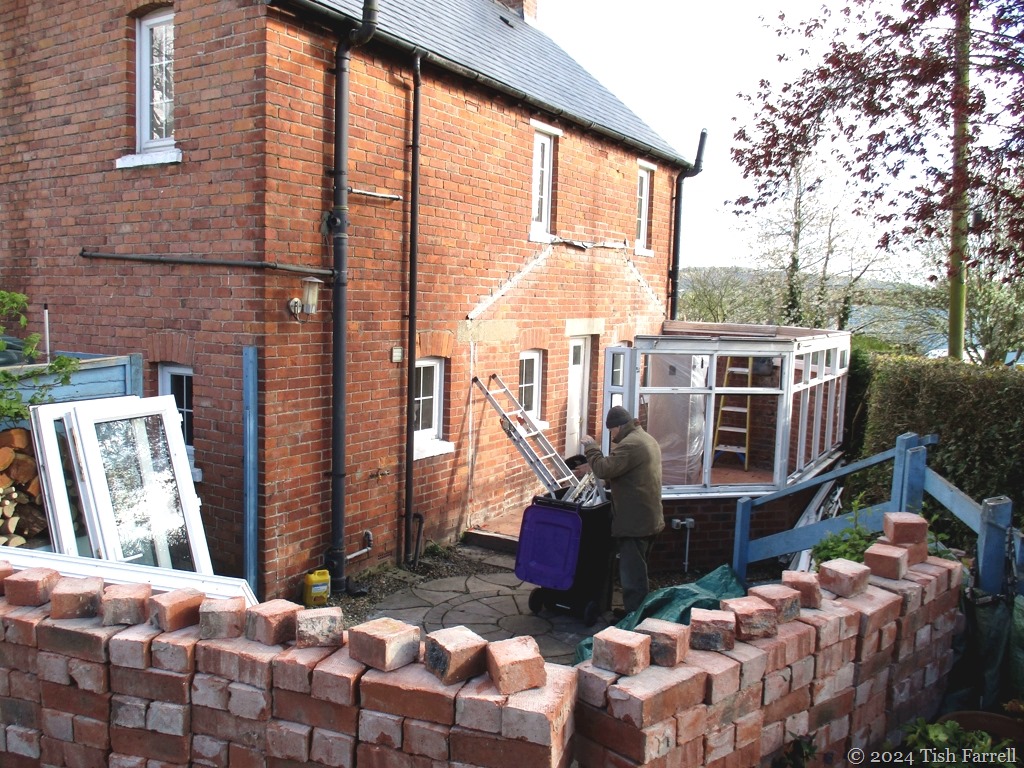
I think this is where I left off with the building work updates: acrow props holding up a third of the rear house wall while two steel beams were put in place. The door you can see was the original back door. When we moved into The Gables almost a year ago it opened onto a large uPVC conservatory, which at 20 years old was a little weary, as ageing plastic structures tend to be.

demolition 2

The conservatory that is no more

*

We knew at once it had to be turned into a properly insulated room, ideally a new kitchen-dining-room. And so began the process of having a designer draw up plans and submit them to the local authority for planning permission. That took a few months.

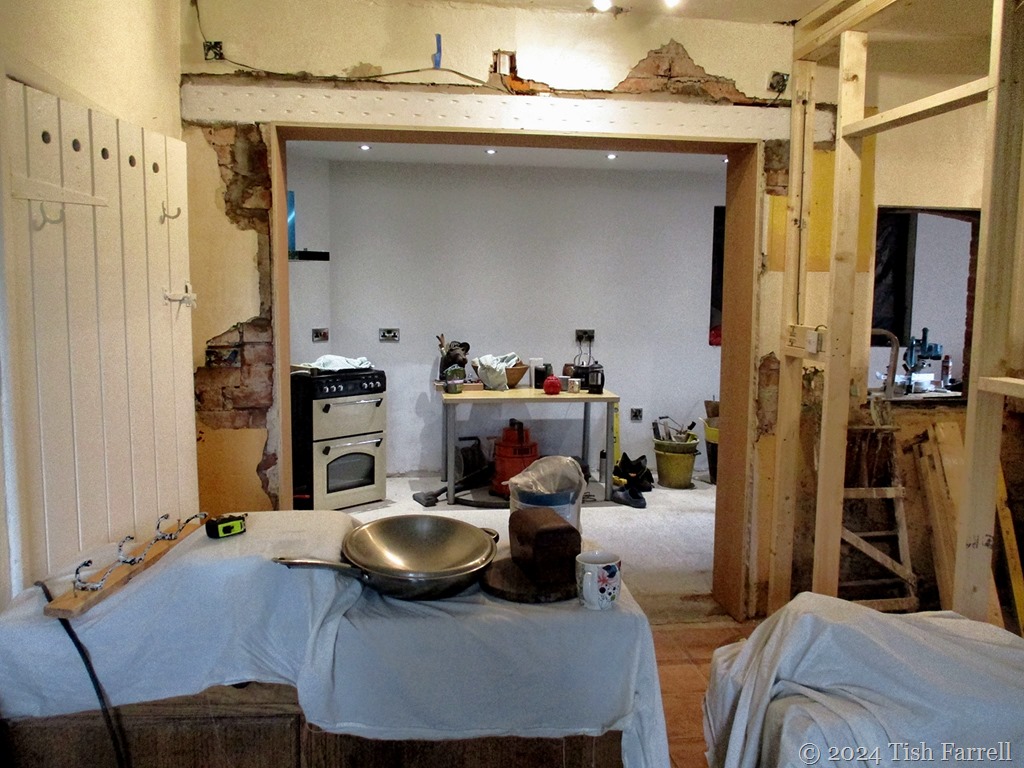
But now the photos. The acrow prop view shows our main sitting-room, looking from front to back of house. (There’s a second smaller sitting-room across the front hallway). Originally, when the house was built in 1922, there was internal wall running behind cupboard, presumably with a door through to a run of two or three narrow rooms. We’re guessing scullery, pantry, W.C. and also boiler room for doing laundry. This last possibility we discovered only two days ago when builder Alan was investigating the plumbing in the downstairs loo of many surprising colours. In the corner (left) he found signs of a small flue that had been re-used for the pipework when the upstairs bathroom was installed. (Tell-tale soot in the cavity).

IMG_5397

*

Anyway, at some point, in more recent times, the big sitting room was extended into the rear rooms to make an ‘L’ shape with a galley kitchen (running off to the right). The far end access to the W.C. was walled up in order to put in a big range cooker, and a new doorway to ablutions installed in the back corner of the smaller front sitting-room (not ideal!)

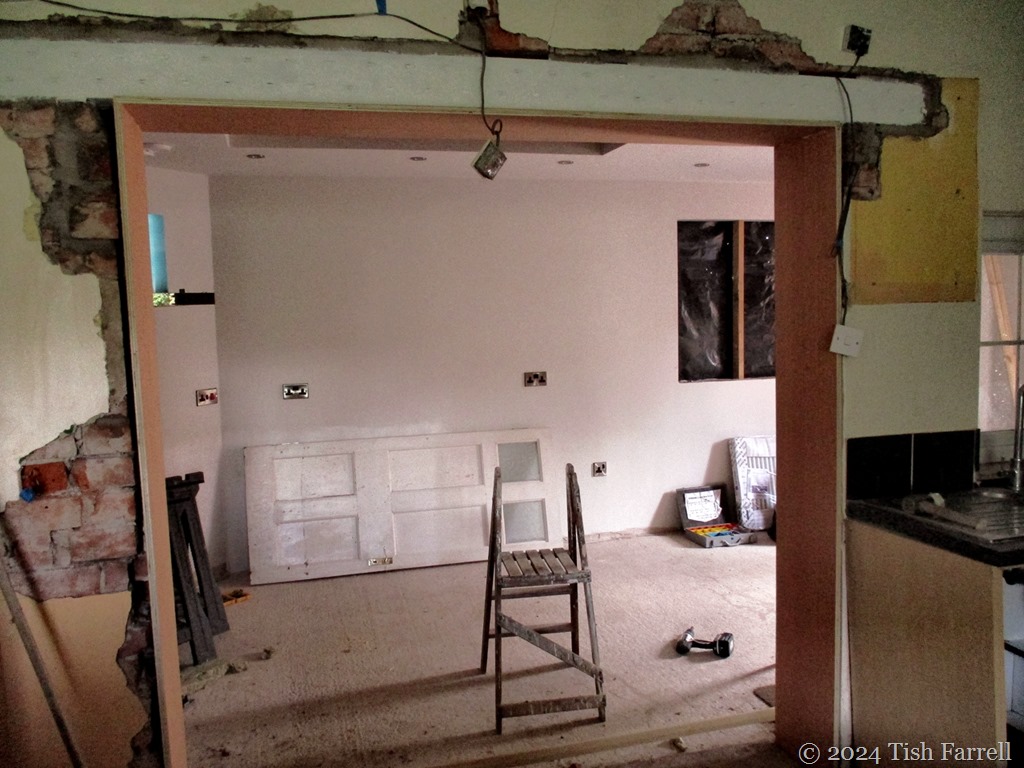
So: we’re knocking out part of the rear wall into the new kitchen extension, and reinstating a wall on the inside right to turn the (until last week) old kitchen into a utility room, and also restoring the door to the cloakroom and blocking up the sitting room access.

IMG_5606

The big knock-through

*

In the meantime, while the internal wall goes up for the utility room, I have makeshift arrangements in the new kitchen. This is currently only a shell awaiting its lantern roof-light, window, French doors, oak floor and kitchen units which are being made by Shepherd Hills, a Mennonite community of craftsmen who have their workshop in the next village.

IMG_5610

*

IMG_5623

*

IMG_5621

*

IMG_5619

Utility room and downstairs cloakroom with restored doorway

*

As for the outside, the brickwork is done, but I’m not revealing all until the windows and doors go in. There are always drawbacks with flat-roof extensions, not least the look of them, hence the addition of a lantern roof-light to offset the plainness of the rectangle. It is a difficult space to make the most of, in reality not very big. Nor was there much room to manoeuvre due to the position of the upstairs windows. Most of all, we didn’t want to add anything too fussy to this modest little house.

Looking back to the winter, some of you may remember the wall of bricks, saved by builder Alan from the conservatory demolition. They are now incorporated in the new build.

IMG_4922

*

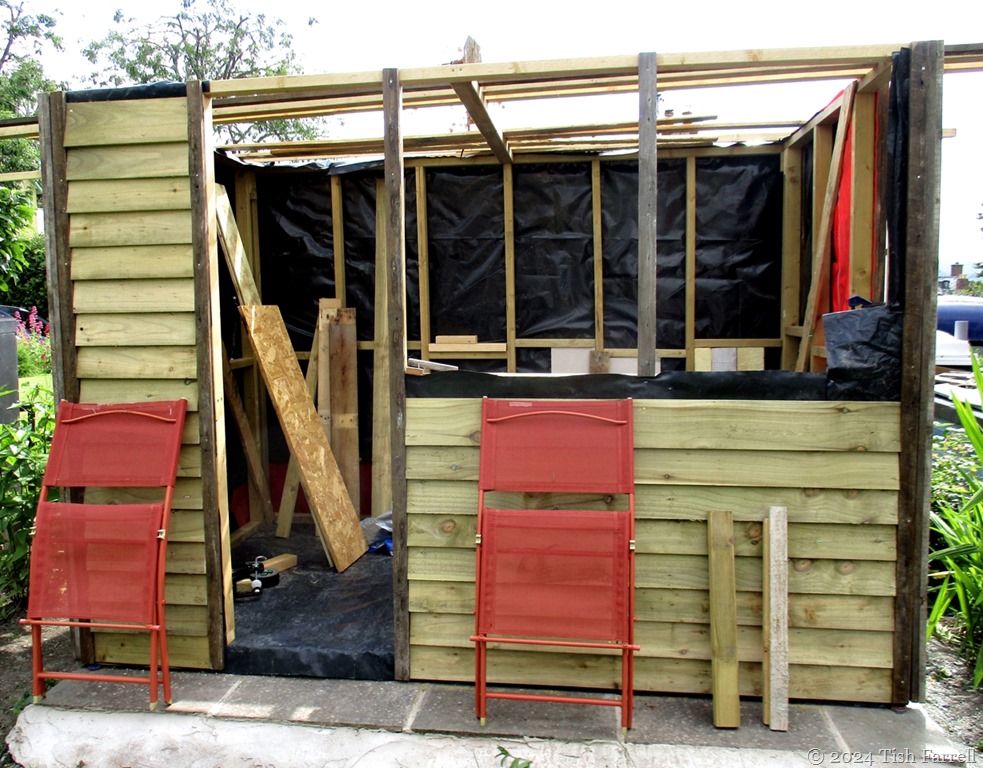
I can also show you our other structure in progress, as in Graham’s shed. He’s building it from scratch, inspired, he tells me, by a Great Western Railway goods waggon. It will thus have a curved roof, and as he’s forgotten how he built the Sheinton Street shed which also had a curved roof, the process is involving much pondering, followed by phases of making and unmaking. You may notice that some of  the hundred year old battens from the rebuilding of the house roof are being repurposed. Also four panes from the old conservatory are going into the window slots.

IMG_5533

IMG_5628

*

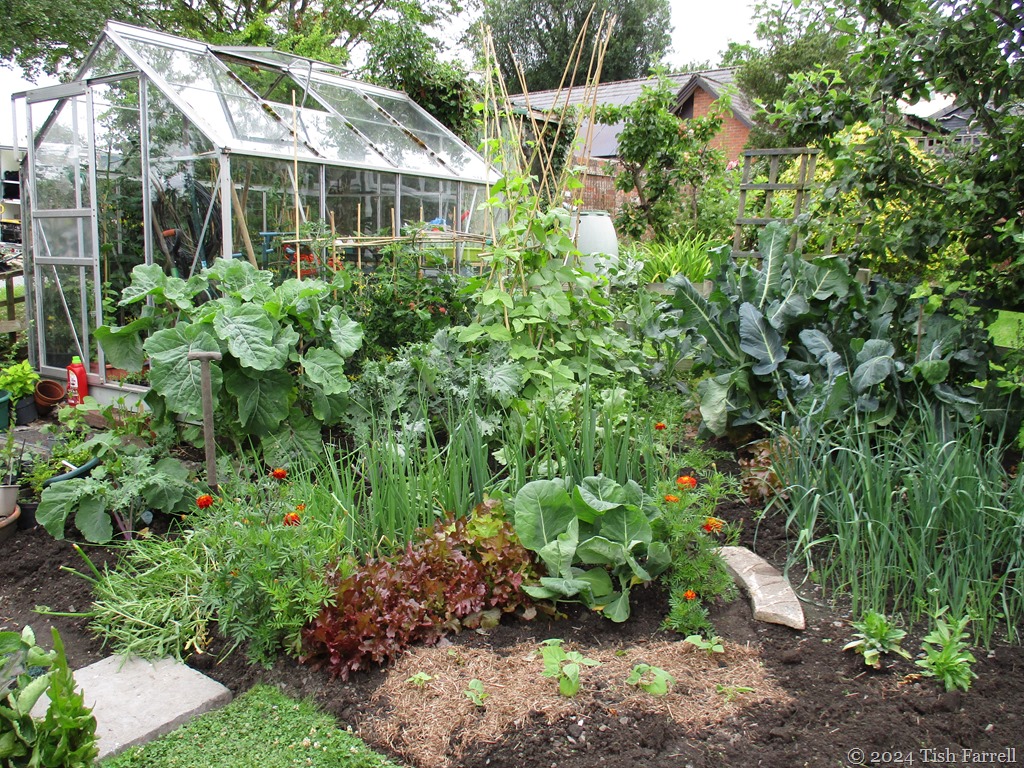
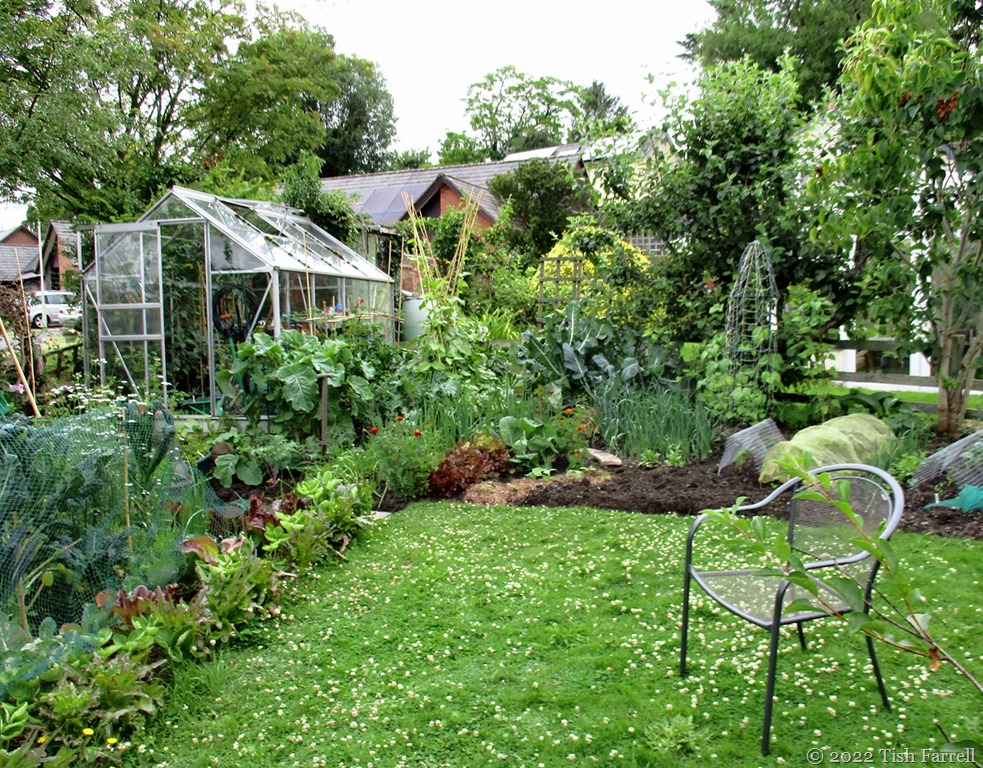
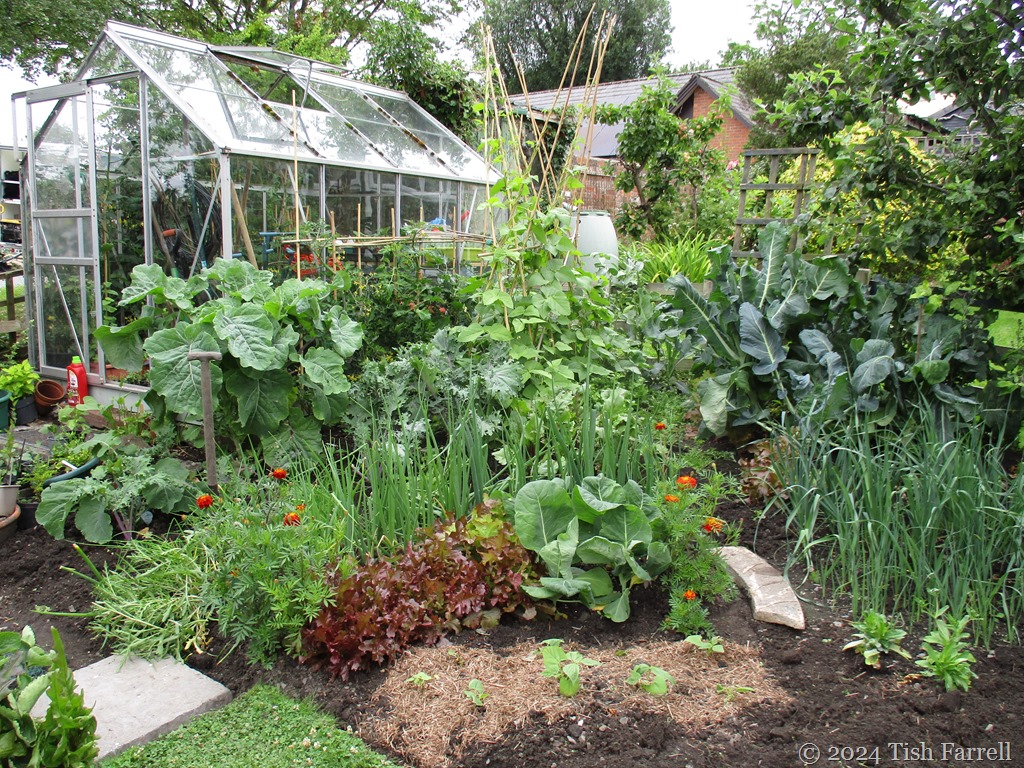
And as for the garden, well, after all the rain, it’s coming along rather vigorously in this interim phase of development (i.e. until the autumn when I might make more of plan that will involve finding homes for all the stuff presently in pots. At the moment I’m more interested in growing food. (On the plot: assorted tomatoes inside and outside the greenhouse, runner beans, Russian kale, perennial kale, onions, leeks, a few beetroot, Romanesco cauliflowers, cabbages and oak leaf lettuce).

IMG_5631

IMG_5675

*

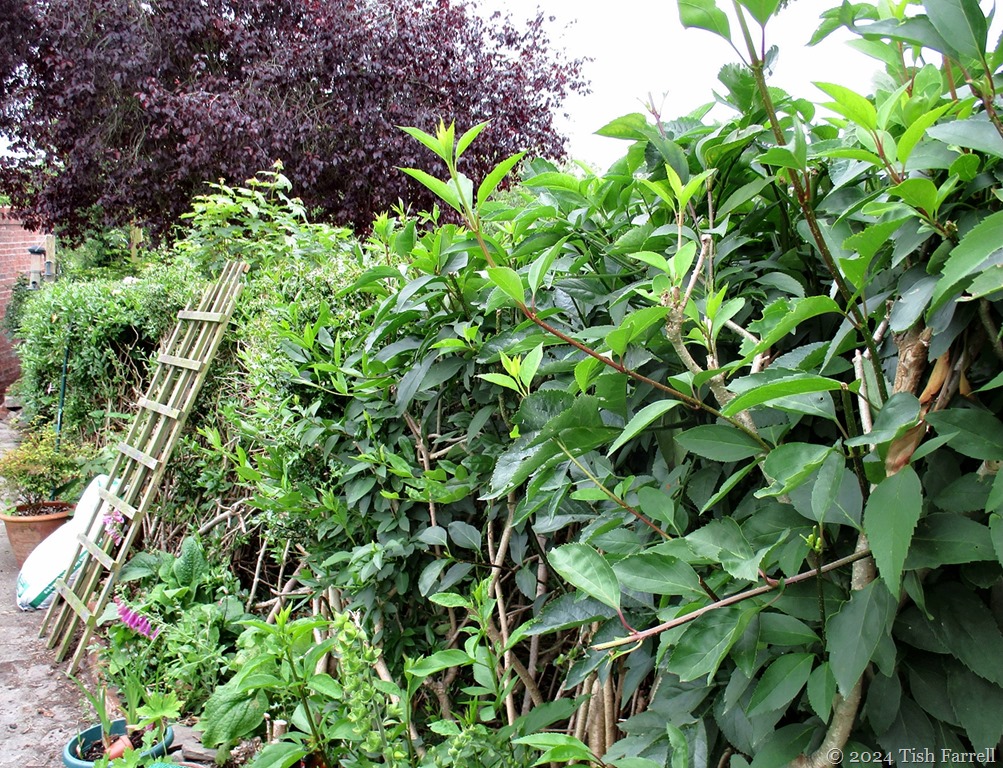
I think I’ve finished digging up the lawn, but there’s still the Hedge of Horrors to sort out, with more chicken wire extraction required, plus the unravelling of weigela, privet, elder, sycamore, ash, holly, hawthorn, ivy and some devilishly prickly berberis.

IMG_5641

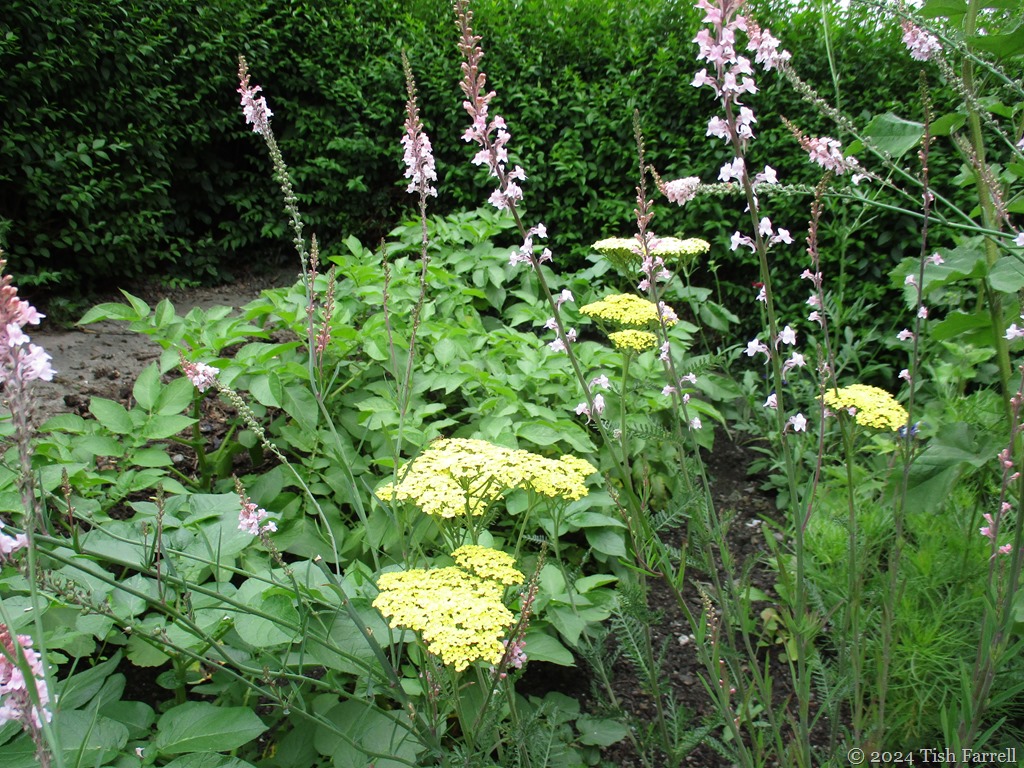
But on the plus side, the sweet corn is growing purposefully in the front garden, as are the Charlotte potatoes amongst the  toadflax and achillea.

IMG_5626

IMG_5625

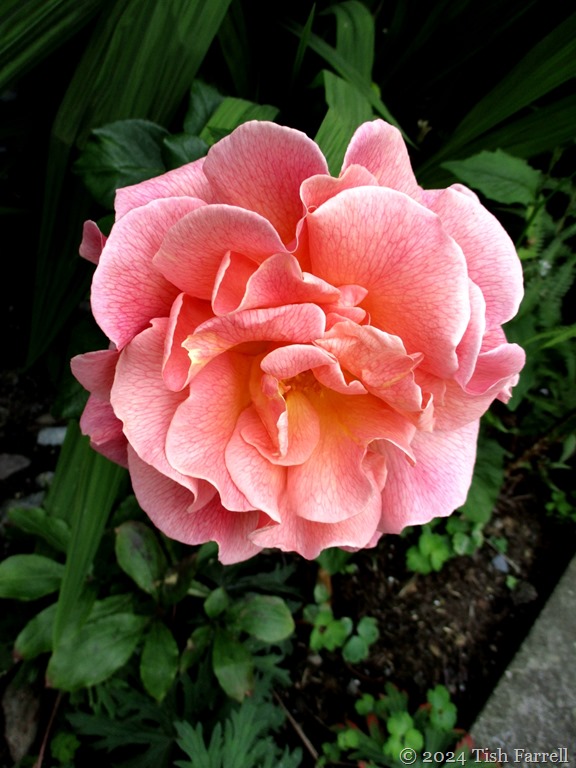
And that’s it for now chez Farrell. I’m leaving you with a single very lovely rose that snook out of the crocosmia thicket this week. It’s scent is delicious and growing by Graham’s shed.

Happy days amid dust and debris.

IMG_5646

header3

Coming Home To Roost

IMG_5480

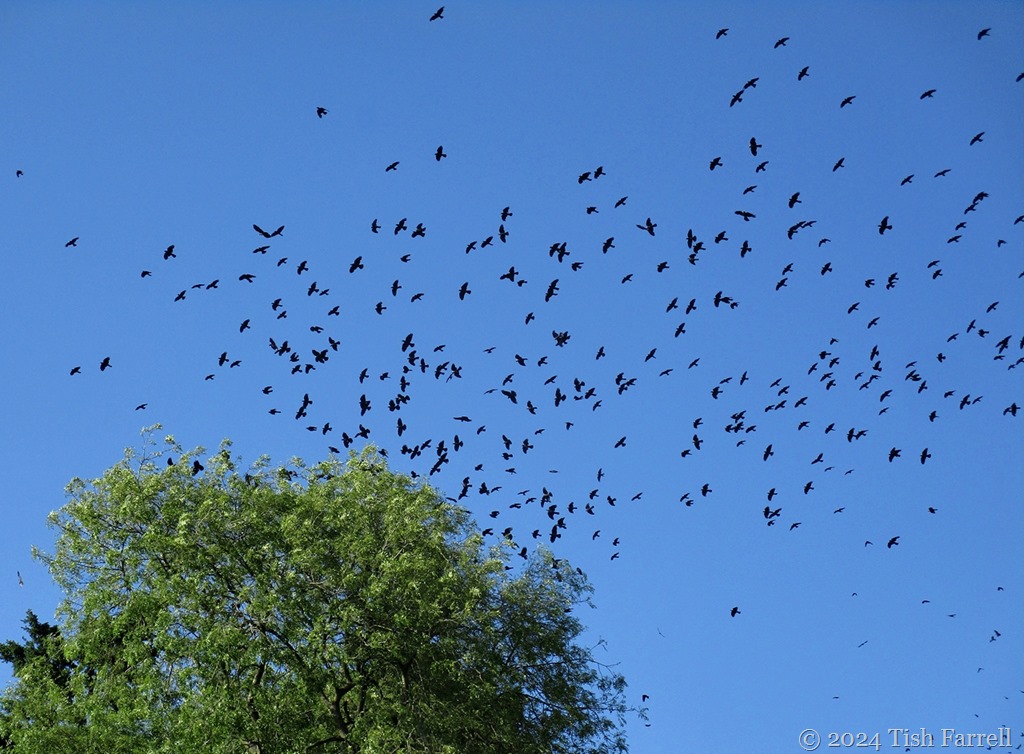
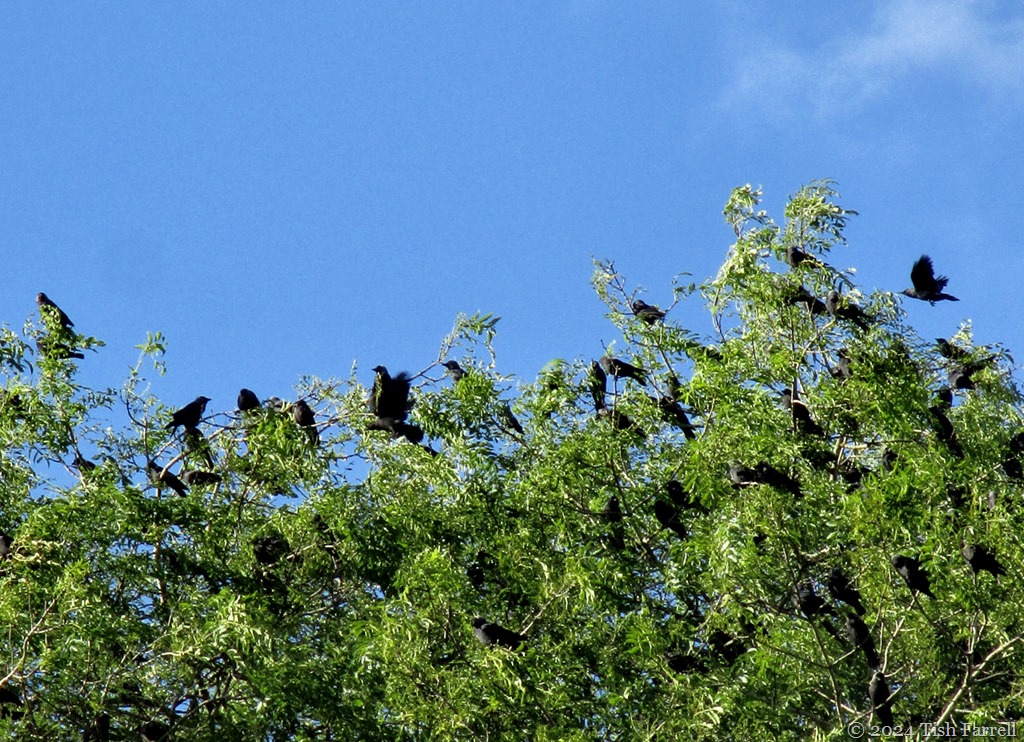
I’ve never lived in a place where there is so much bird busyness in our airspace. Recently, the hundreds of jackdaws that roost in the old ash trees of Bishops Castle’s gardens have started putting on dramatic aerial displays. It usually begins in the treetops with a burst of raucous chaka-chak-chaking and then a huge whoosh that disturbs the air, and all for no reason that this human can discern.

The flocks stream out from their roosts, billowing and swarming over the town. Then there is swirling, dividing, and swarming once more. Not quite the mesmerizing dance of starling murmurations, but almost.

And then, at last, when whatever needed to be sorted out, is, they return to settle once more in the treetops.

jackdaws 3

jackdaws 5

*

This particular tree is on the hillside above our house.

And then, in between the jackdaw shows, there are the red kites to spot – sometimes in pairs, sometimes singly. Again, they cruise above the town and we often have a good view of them while we’re eating lunch. This is one advantage of having our dining table in the sitting room while the new kitchen is being built. There’s a nice big window for sky viewing. And that view of course presently includes the swooping and diving of swifts, swallows and martins.

Meanwhile in the garden we have a regular mob of sparrows who treat the place as their own, dust bathing, trawling the hedges and borders for seeds, doing a spot of aphid grazing on the hollyhocks. There are also blackbird fledglings who appear as soon as I go out to the vegetable patch. They are so hungry they’ve given up being afraid of me, and flutter around my feet as I’m digging, piping loudly for grubs and worms.

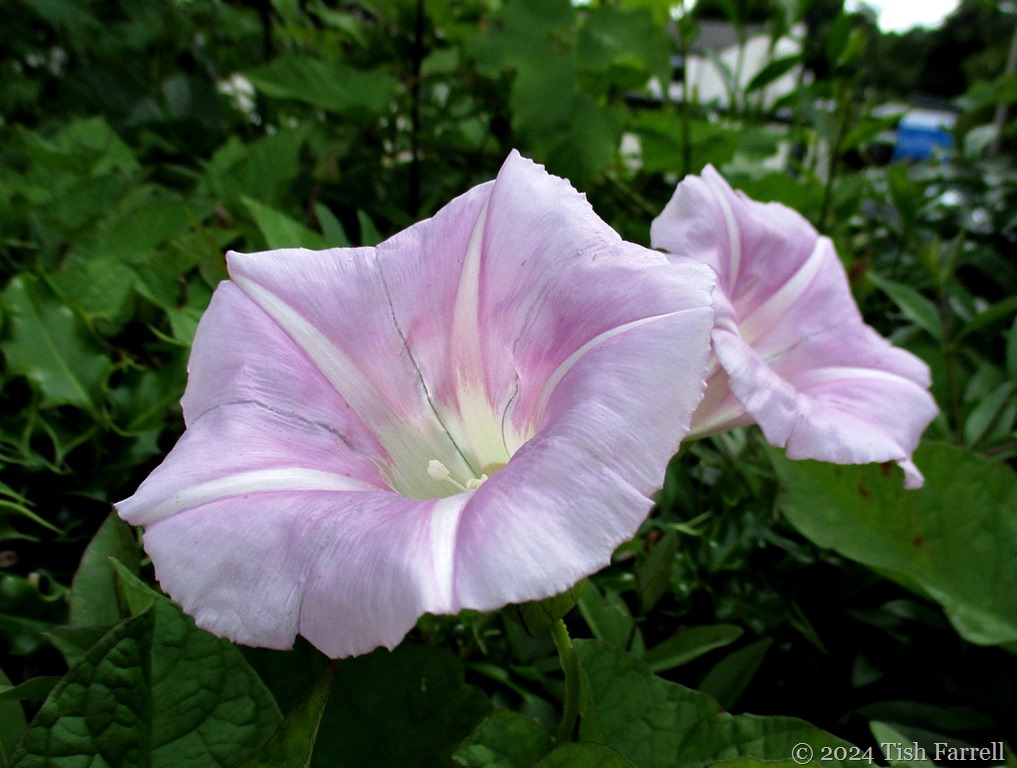
All of which is to say the local birds are presently providing a happy diversion from the mega-disruption in the Farrell roost. The building work goes on and on, but I think we’re over the biggest hump. More of which in the next post. For now a soothing view of a less common sort of bindweed – a perennial weed that in the large flowered version is usually plain white and mostly regarded by this gardener as a flipping nuisance.

IMG_5611

Here in Bishops Castle the hedges, including ours, have been colonised by this pretty pink and white  variety. In fact it’s the one asset in our hedge of horrors, and there’s a lesson here of course. Cue Monty Python’s Always look on the bright side of life and so never mind the hedge that thinks it’s a forest and can’t be tamed till August, or the house that’s full of building debris and occupied by two fuddled humans who no longer know where anything is.

jackdaws header 2