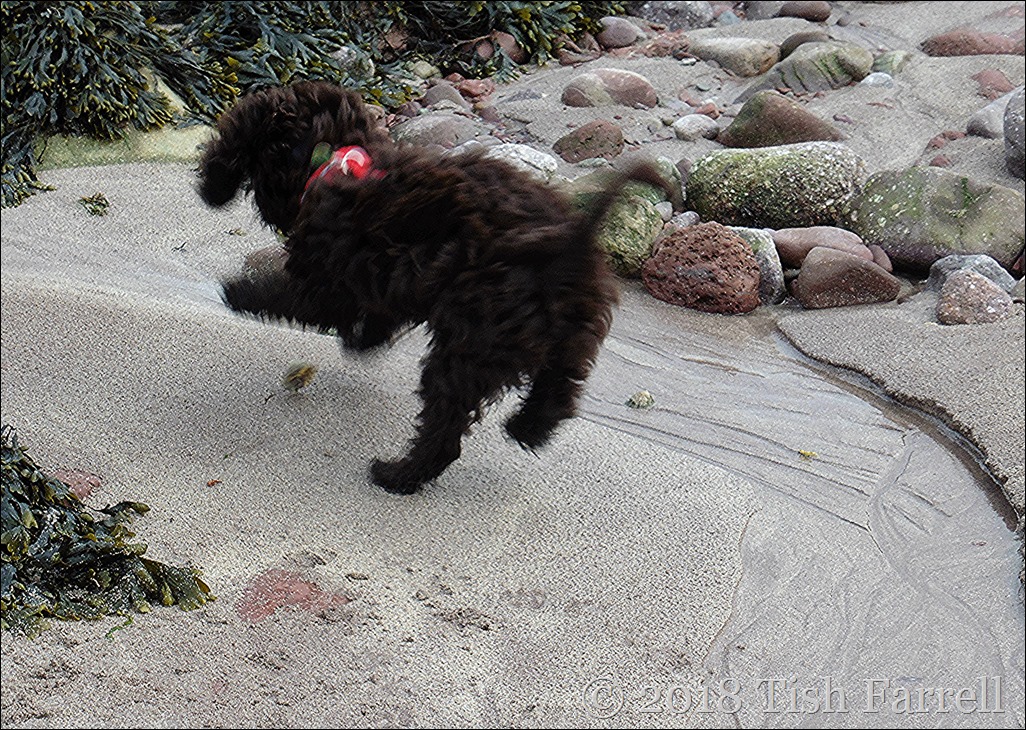
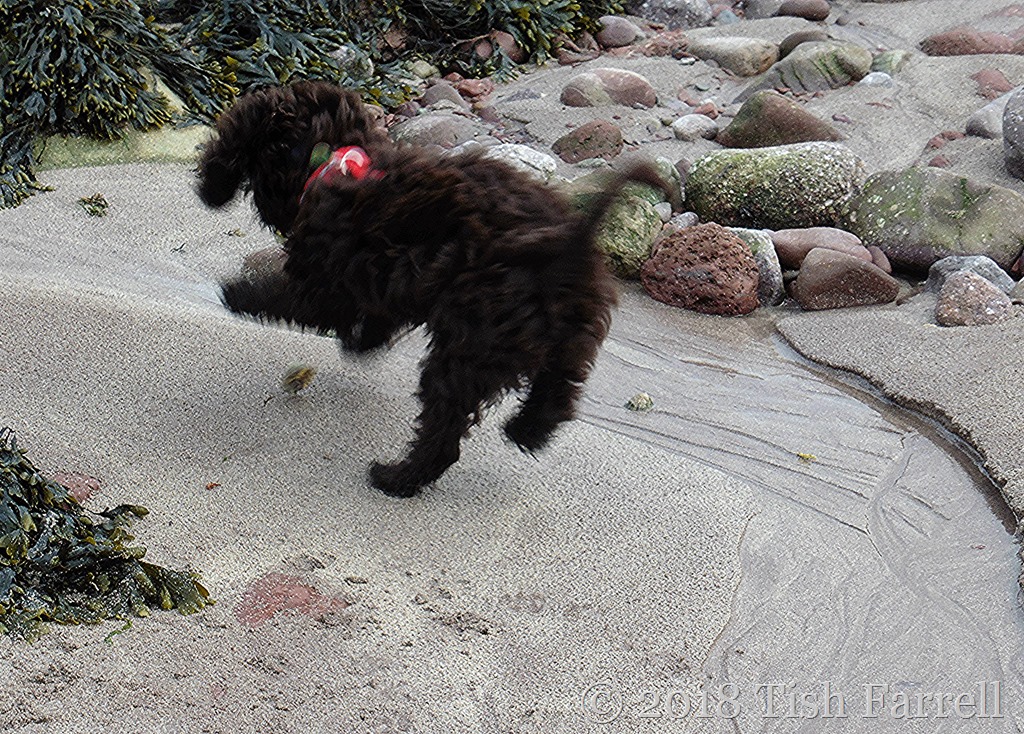
Size No Obstacle To Super Puppy

P1050061g

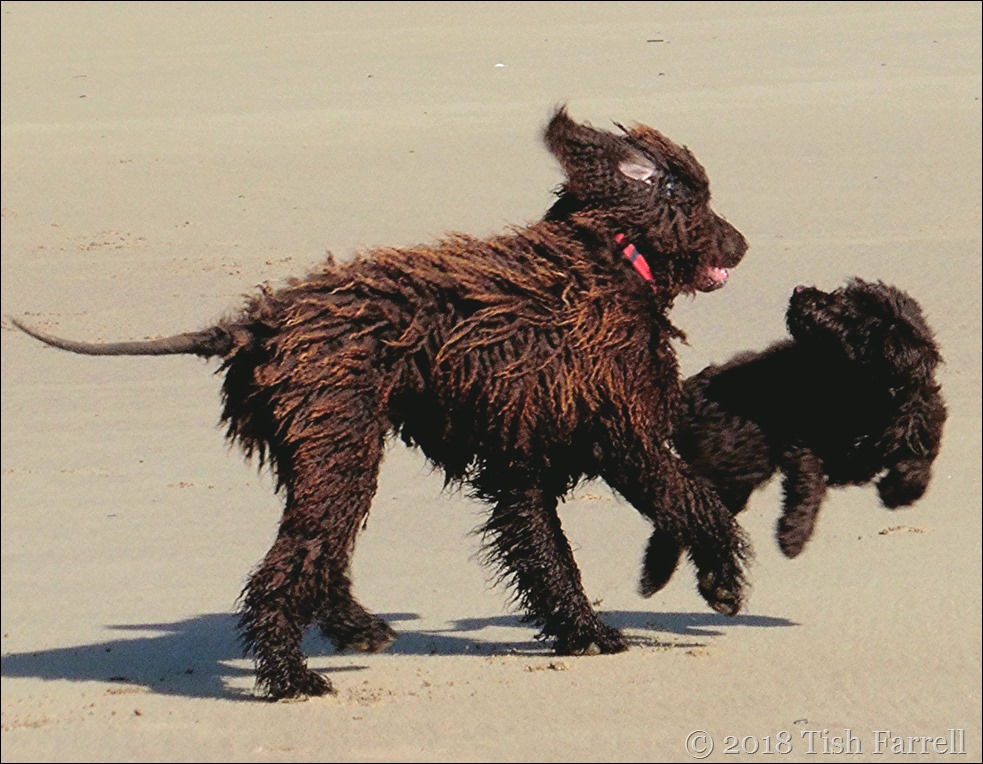
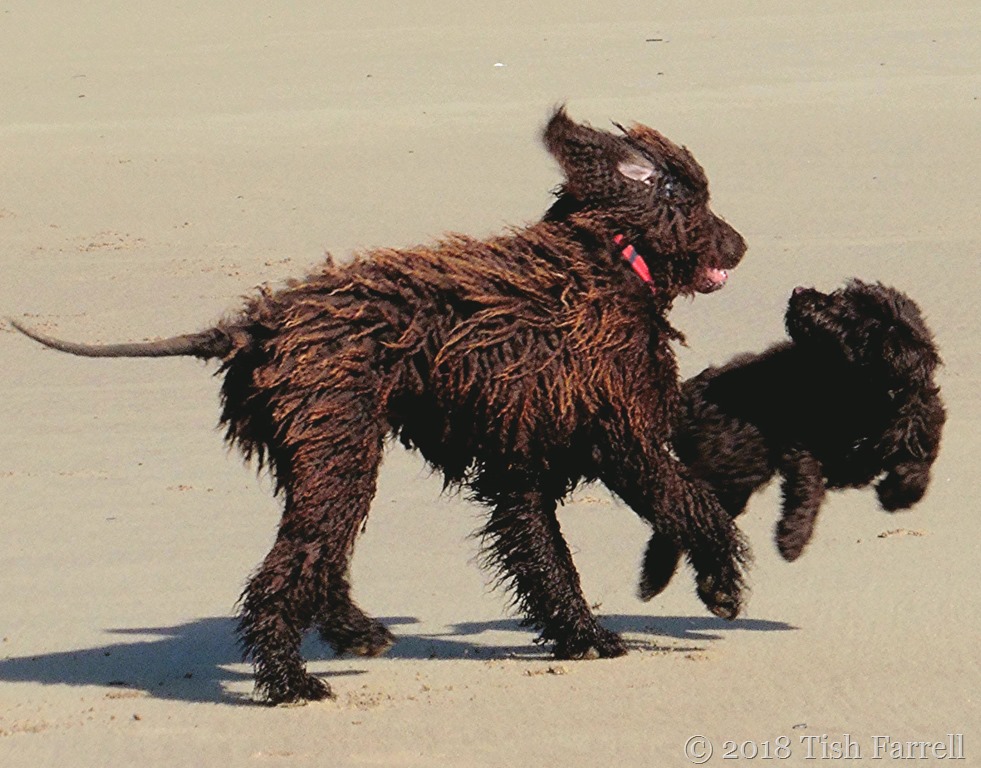
They were complete strangers too. The large poodle-cross spotted small cockapoo from across the bay at Marloes Sands (see previous post) and made a bee-line for her. It seemed a case of like recognising like.

Six Word Saturday Fantastic elephant shot over at Debbie’s.

In which Six Go Potty In Pembroke With Cockapoo Puppy – holiday snaps #6

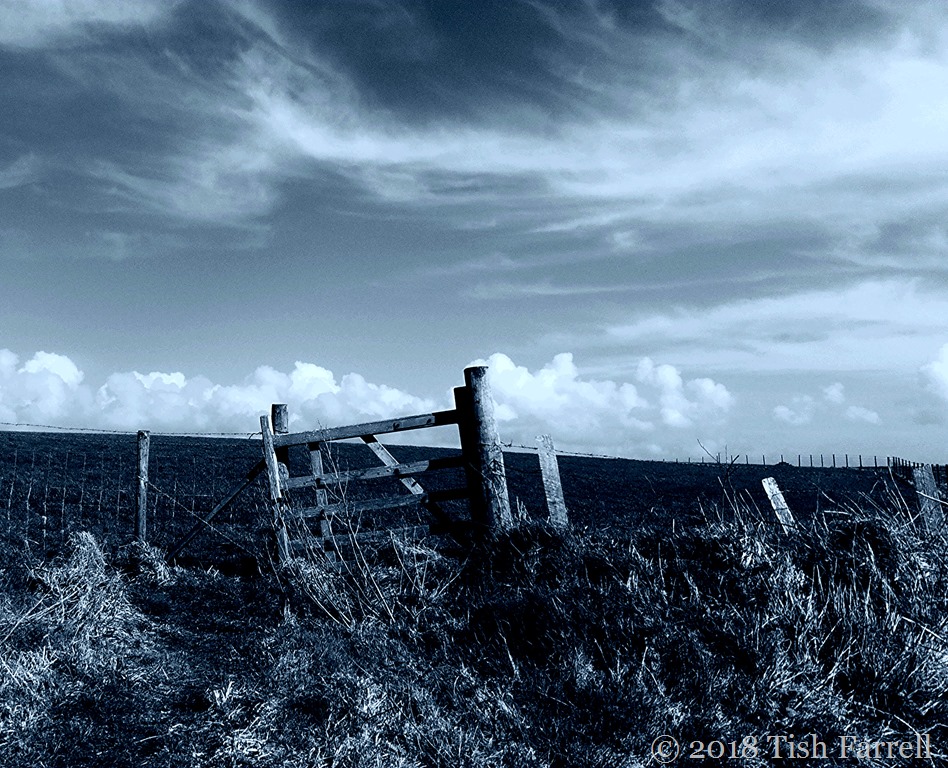
On The Way To Marloes Sands

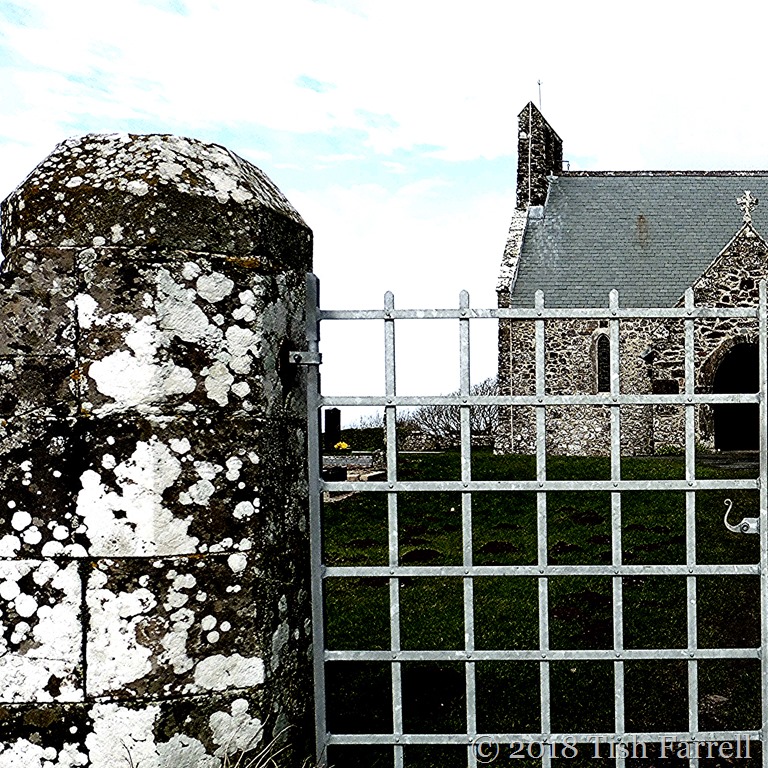
This gateway stands beside the path to Marloes Sands in Pembrokeshire – a scene captured during one of our best outings on a recent family holiday at St. Bride’s. I included the image in my March Changing Seasons gallery, but as several of you good followers remarked on it, I thought I’d give it a ‘featured image’ opportunity. I also thought it fits with Paula’s ‘Way’ theme at this week’s Thursday’s Special.

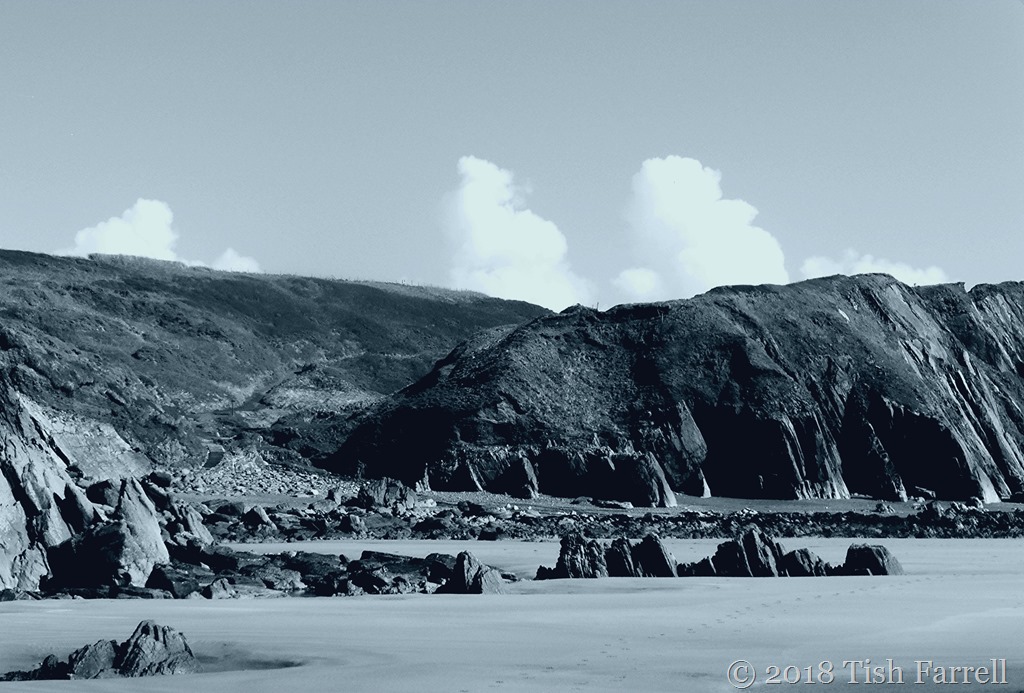
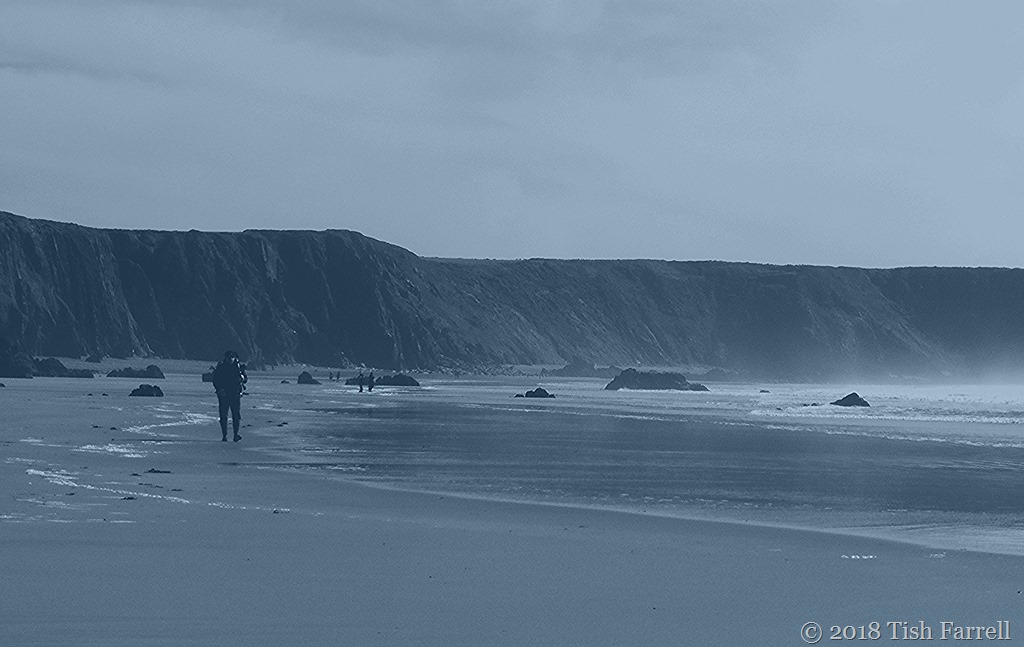
Marloes Sands must count among the world’s stunning beaches, and it is good to know that it, and its approaches are safely in the care of the National Trust. The beach features in my new header photo, taken by he who builds sheds and binds books and only sometimes gets his camera out. His photo is responsible for my theme’s new cool blue look. I pressed the ‘match the header photo’ button in the WP customize menu, and hey presto! It is now causing me to try out my monochrome shots with a ‘blue rinse’ edit.

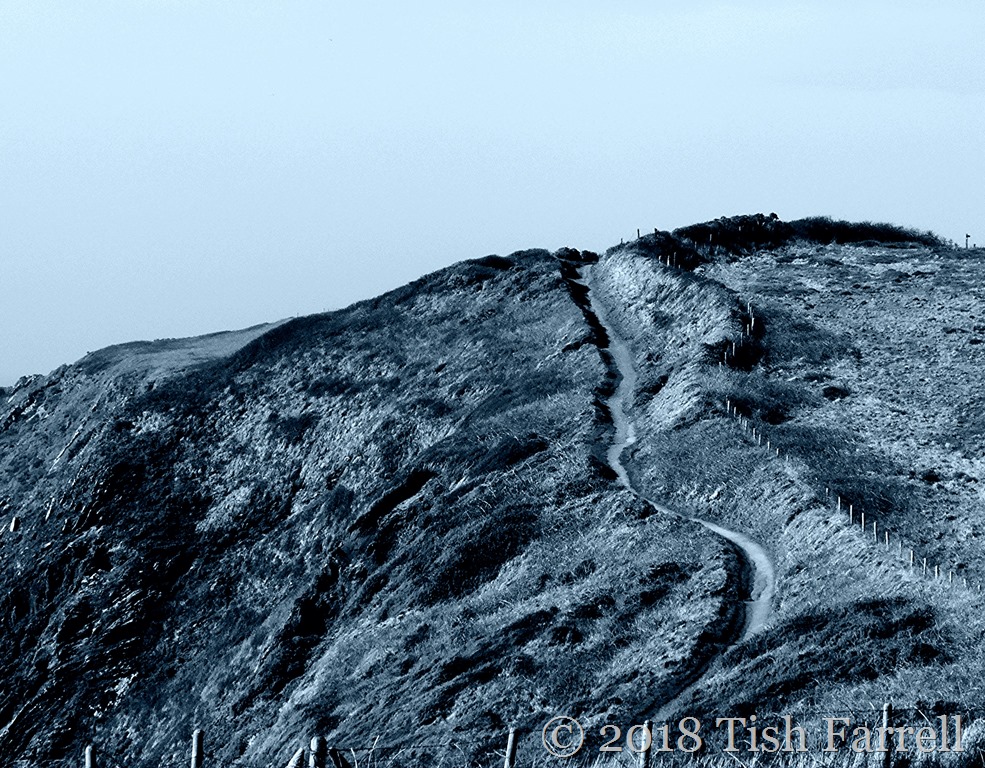
Coming up next is the clifftop path to the beach:

P1050022v

Marloes is best visited on an outgoing tide, because only then are the sands exposed. At high tide you have to scramble around on very big boulders, and it all becomes quickly undignified, if not downright perilous. On the other hand, the beach-side cliffs are always astonishing, their geology monumental and otherworldly, and therefore difficult to capture in their full grandeur.

This is the path down to the beach. You can just make it out left of centre:

P1050070c

And out on the sands, definitely the best way to explore:

c

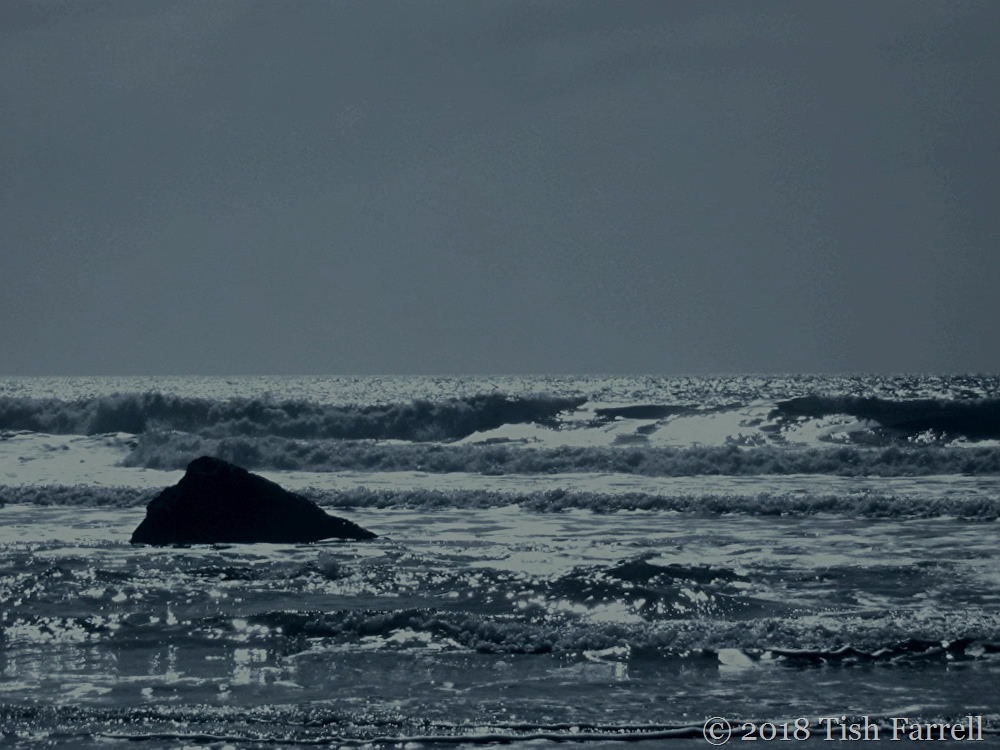
And out at sea:

IMG_3216v

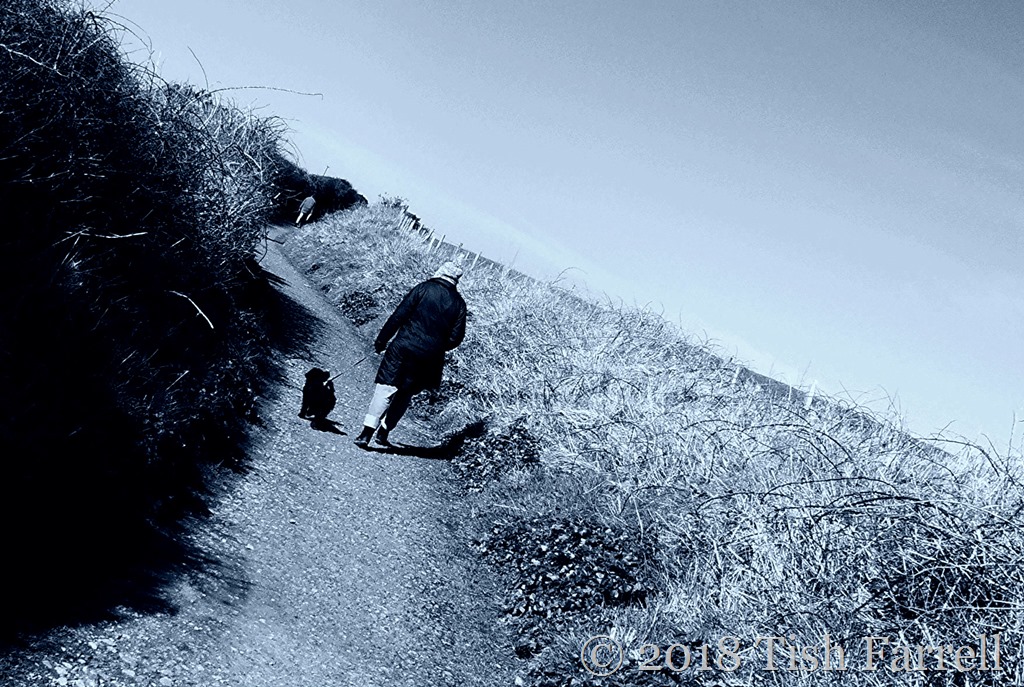
And the path back:

P1050090

Thursday’s Special

In which Six Go Potty In Pembroke With Cockapoo Puppy – holiday snaps #5

Life After Death But Perhaps Not In The Way We Usually Consider It?

I know many people do not care for them, but I like graveyards. In my teenage years many moons ago we lived next to one – an unassuming village sort with a few brooding yews and a small plain church presiding. It had one tunelessly doleful bell which was very trying to the nerves of us Ashfords come Sunday morning. My father, who was a godless soul as far as I know, took to mowing the grass around the nextdoor graves. This was after he had deeply offended the vicar by mowing our own lawn during evensong.

Pa was deaf and had switched off his hearing aid and so presumably had missed the Sunday evening bell tolling, although this is hard to believe. Anyway, around seven on a summer’s evening he was happily whizzing over the grass with a very noisy flymo only to be fruitlessly hallooed over the church wall by the vicar who had worked himself up into a whirlwind of white cassock.

I think it was me who spotted the poor man waving his arms, trying to catch Pa’s attention. It was a bit embarrassing. Ma tut-tutted. We all knew that Pa was a bit obsessive-compulsive when it came to grass-mowing. But all was smoothed over in the end.

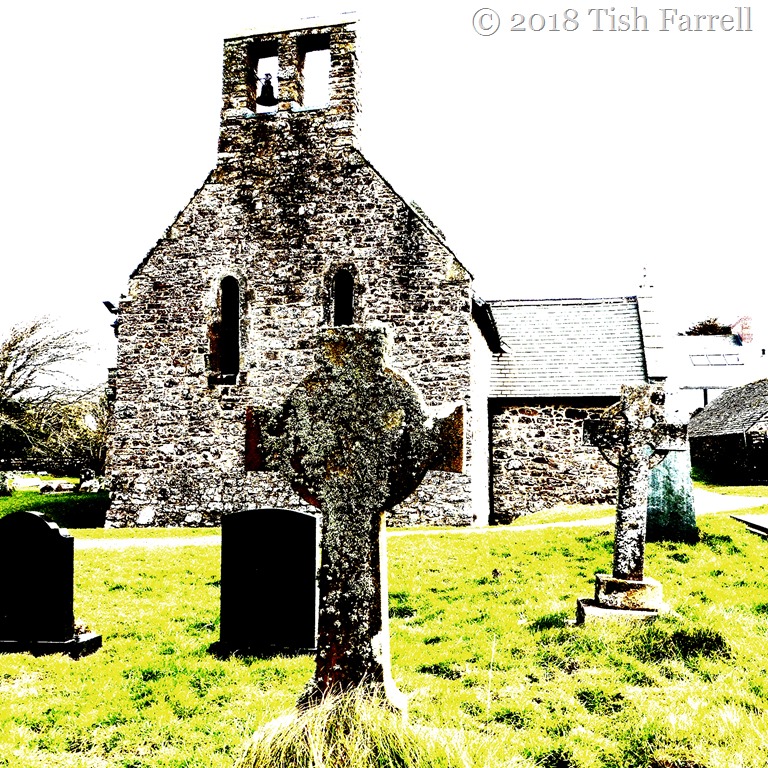
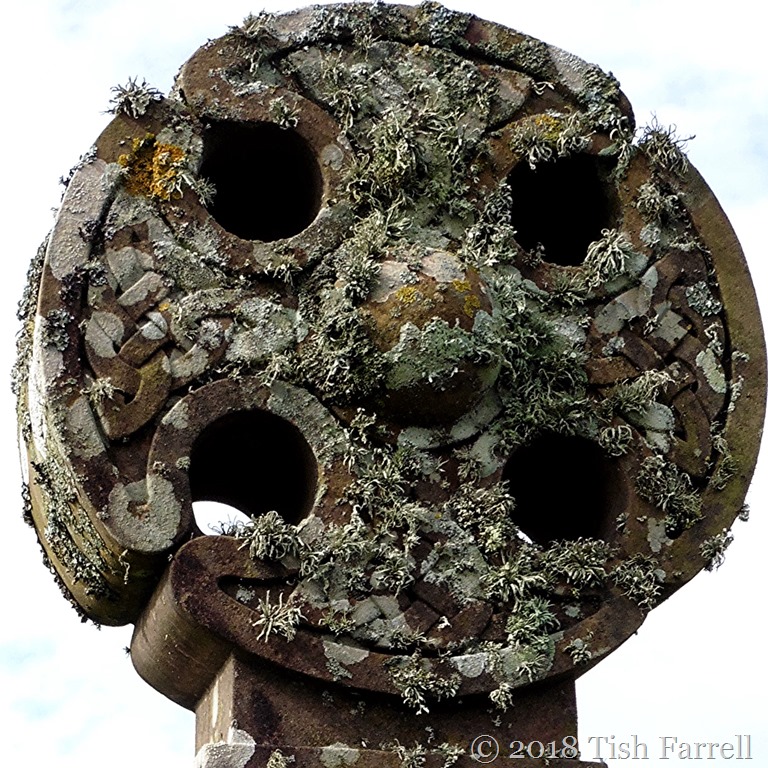
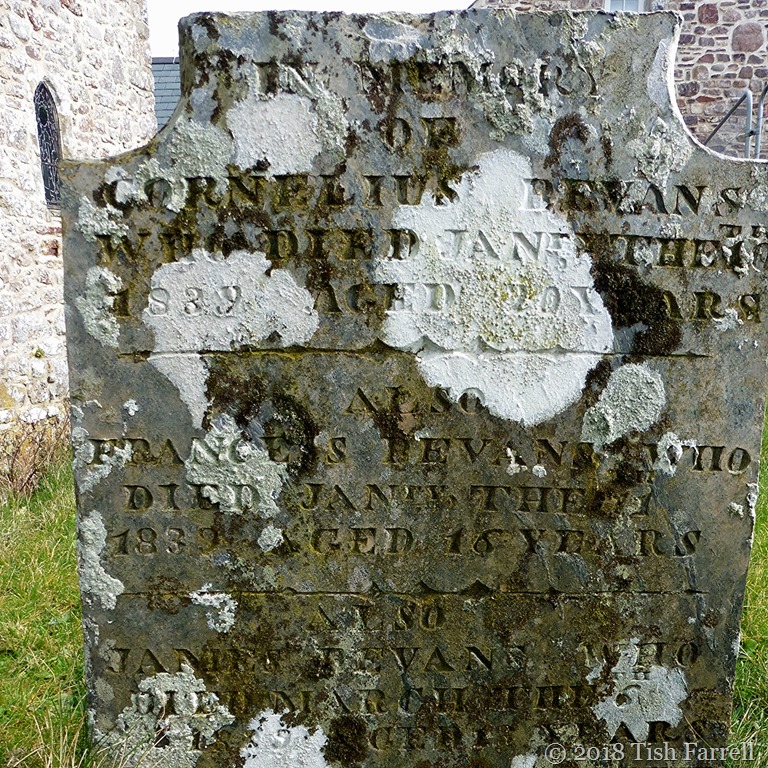
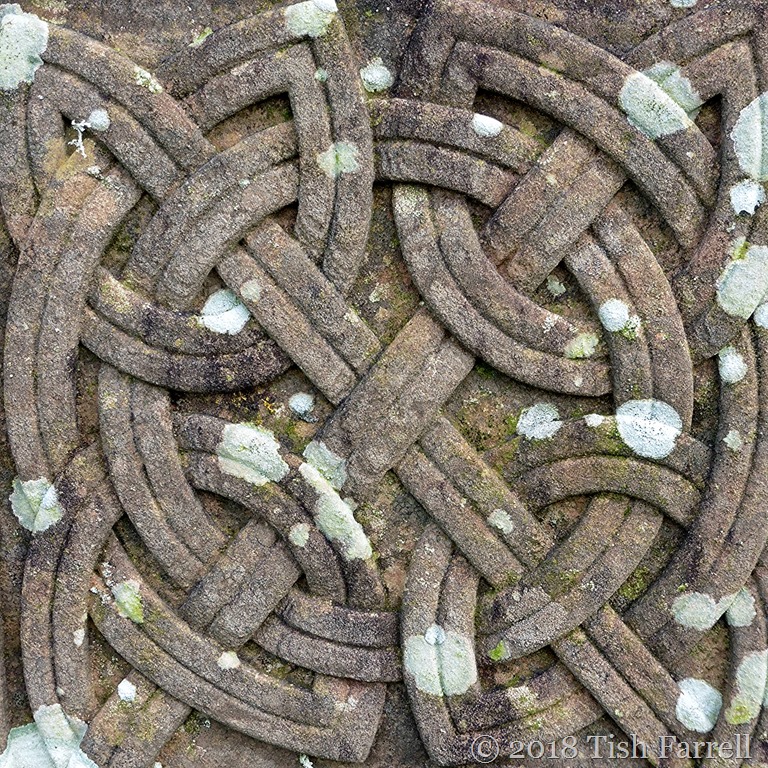
Anyway, to get back to graveyards. Here I am posting some photo details of St. Bride’s churchyard memorials (See earlier post The Little Church By The Sea.) I’m including them for a very important reason. While we were away at St. Bride’s I happened to read an article by Harriet Carty in April’s The World of Interiors magazine. Harriet Carty is an environmental scientist who lives in Shropshire and she is also director of a non-religious charity called Caring For God’s Acre. My interest was thus piqued on several fronts. This is what the organisation says about itself and what it does:

There are about 20,000 burial grounds in the UK and they contain a fantastic wealth of biodiversity and history. They are refuges for wildlife and stepping stones of habitat within our increasingly nature deprived landscape.

And…

Burial grounds are unrivalled for the wealth of built heritage and social history they contain. We encourage appropriate management of heritage and the appreciation and surveying of monuments. Good management of a site creates a haven for wildlife without losing accessibility to the built heritage.

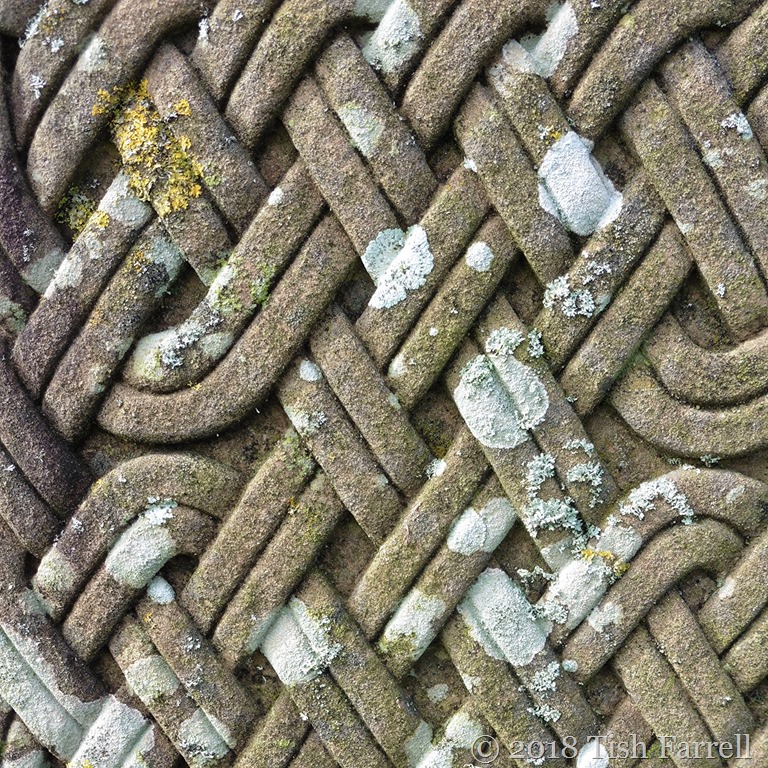
In the article Harriet also mentions lichens in particular, saying how churchyards provide  sanctuaries for one third of the 2,000 species found in Britain – the stone walls and memorials being ‘ideal hosts for these slow-growing colonies.’


P1040670sq

P1040686

P1040673 square

P1040669

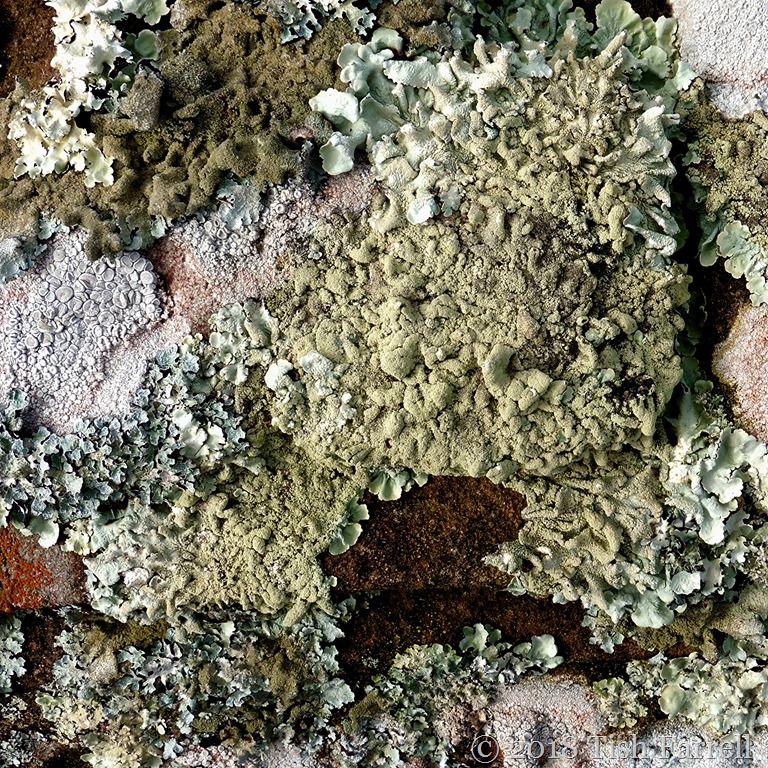
I don’t know much about lichens, apart from their presence indicating unpolluted air,  but I would say there are a good few species on these stones. Of course lichens are not the only life forms to have found protecting spaces in graveyards. There may be slow worms, voles, nesting birds, toads, bees and butterflies. There’s also the social history too. So much may be gleaned about past communities from their memorials. Over the next four years Caring for God’s Acre will establish a national data base, listing all the natural and man-made treasures in the nation’s burial grounds. A fascinating project. But most of all I find it very heartening that new life thrives on and around the monuments to those humans who have left the living world. I like it that even on ground dedicated to the dead, the circle of life turns ever on.


Squaring the Circle #March22  Circles in squares and squares in squares are happening all month over at Becky’s

In which  #SixGoPottyInPembrokeWithCockapooPuppy – holiday snaps #4

copyright 2018 Tish Farrell

The Changing Seasons March 2018 ~ All Wind, Snow And White Horses

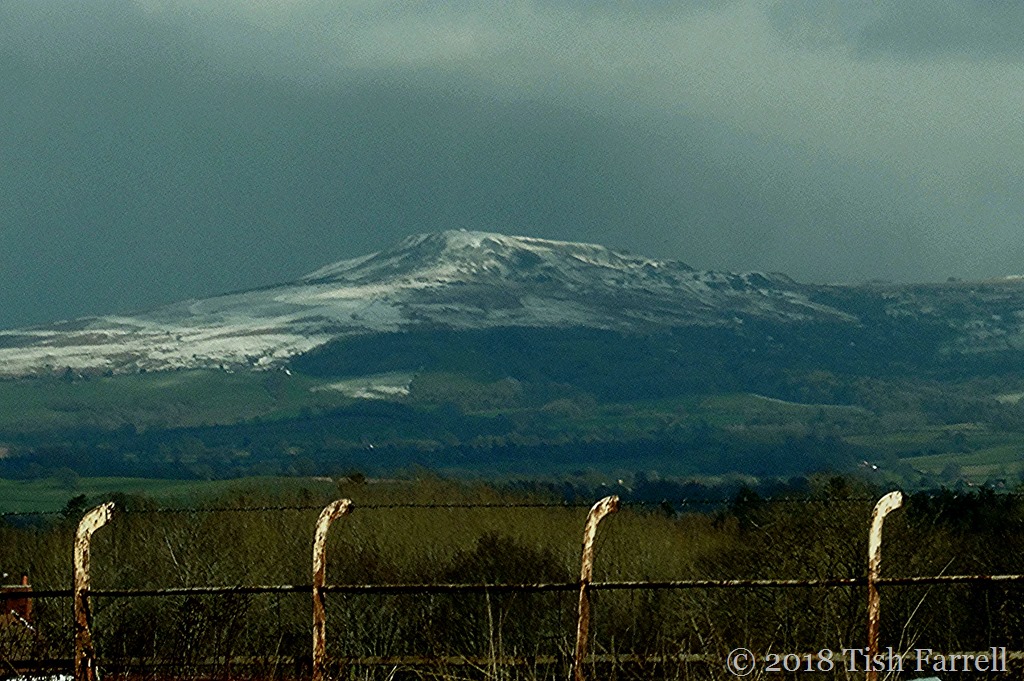
This was the sight that greeted us as we drove back into Shropshire from Wales last Saturday – a snow-dusted vision of Titterstone Clee. A windscreen shot too. Here and there along the country roads there was also some astonishing ice art in the hedges. Temperatures were so frigid that when cars drove through verge puddles  the water splashed up on to the bare twigs and froze in cascades of tiny silver icicles. I’ve never seen anything quite like it, and certainly not in March: Christmas trees all over again. Anyway, March may be summed up in one word: FREEZING.


This slideshow requires JavaScript.

In which Six Go Potty In Pembroke With Cockapoo Puppy  – holiday snaps #3


The Changing Seasons: March 2018

The Little Church By The Sea

It stands beside the Wales Coast Path looking down on St. Bride’s Haven, a rocky cove with a long, long history. The church is also called St. Bride’s and is dedicated to St. Bridget of Kildare who, it is said, arrived on these shores from Ireland c500 CE.  The original chapel dedicated to her is long gone, though before it went, local fishermen used the place for curing herring, for which act of ecclesiastical disrespect, the herring have ever since steered clear of St. Brides Haven.

It’s a good, if fishy yarn.

The present church was probably  built by at least the 14th century, during which time it would have served the lords of the neighbouring medieval manor house known as The Abbey, and whose ruins may still be seen in the nearby woods. The old church was then thoroughly renovated in 1868, by which time it was very much the family church of the occupants of St. Bride’s Castle, a great baronial pile built by the Allen-Phillips family in 1830, but subsequently the second home of the Barons Kensington between 1880-1920. The latter marked their passing with monumental Celtic Crosses that rise starkly in the windy graveyard.
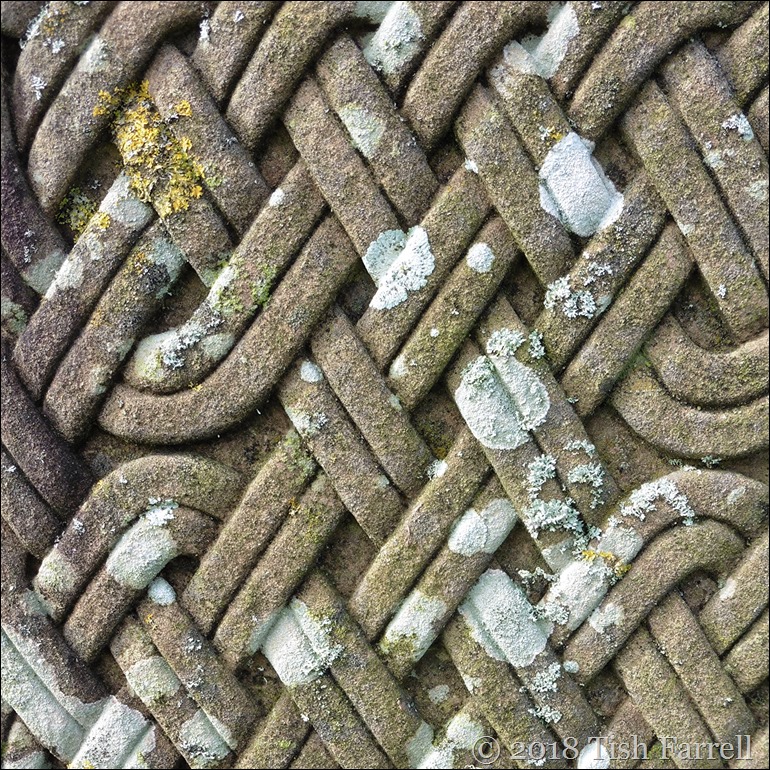
P1040672

Between the church and the beach there are the remains of a lime kiln. Lime burning was an important trade in Pembrokeshire from at least the 13th century, the resulting quick lime used to neutralize acidity of farm fields before sowing wheat and barley. It was also an essential material in the building trade – for the mixing of lime mortar and whitewash. For 500 hundred years ships landed on Pembrokeshire’s beaches, coming and going with the tides, and bringing in cargoes of limestone and culm (coal chippings and anthracite dust) to be burned in the kilns. It was a highly skilled process, and a dangerous one.

These days the ships seen off St. Bride’s Haven are oil tankers waiting their turn to put in at the great oil refineries of Milford Haven and Pembroke Dock. Their presence adds to the daily seascape below St. Bride’s Castle.

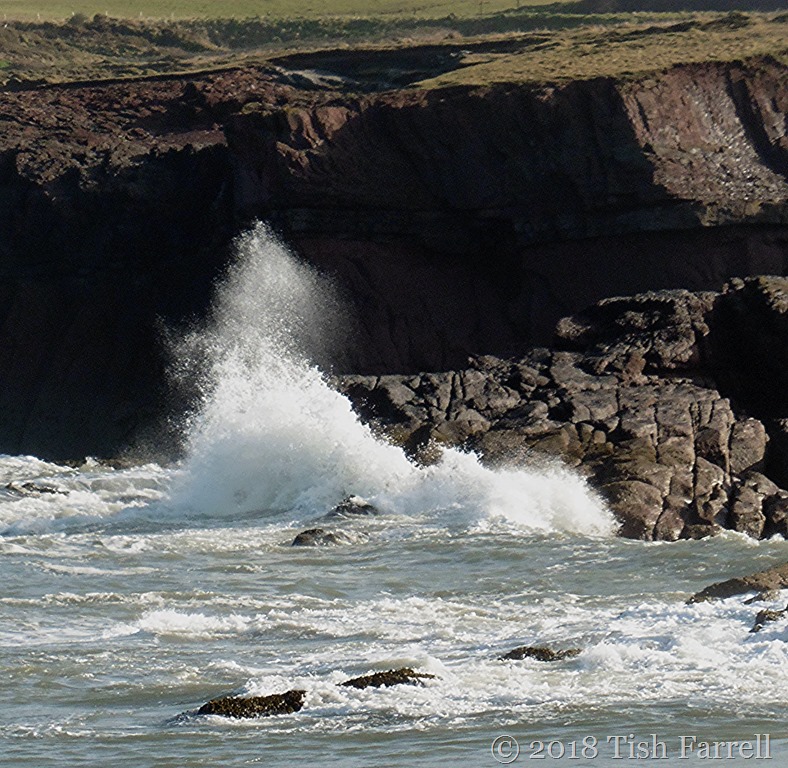
After the Barons Kensington sold up, the Castle became a sanatorium for sufferers of tuberculosis. Those poor souls who did not recover also have their graves in St. Bride’s graveyard. After World War Two it was a convalescent home. More recently the Castle and grounds have been given over to holiday apartments and cottages, the Castle’s public rooms – great hall, library, and billiard room – restored in English country house style for shared use by all the guests. And here we had our week’s family gathering (including cockerpoo puppy), staying in one of the cottages in the old walled garden. The only sounds were racketing rooks and jackdaws busy building their nests in the woods, and more distantly, the crash of surf on the cliffs at St. Bride’s Haven.
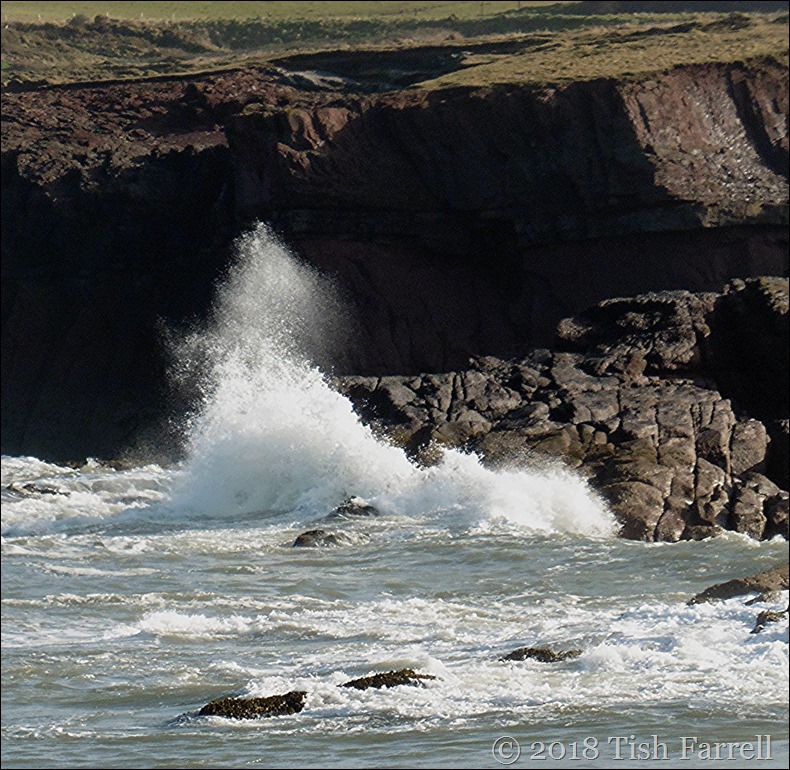
P1040924


This slideshow requires JavaScript.

At the start I mentioned that St. Bride’s Haven has a long, long history. So far, time-wise, I’ve only scratched the surface. Later I discovered that if I’d taken the coast path around the cove and behind the cottages I would have come upon an Iron Age hillfort (c 800 years BCE). And more ancient still, near this site had also been found Mesolithic tools (9,000-6,000 BCE). This Middle Stone Age era of the post Ice Age is distinguished by the making of tiny flint arrowheads called microliths – usually around 1 cm in size. These were then mounted on a wooden shaft to create a hunting harpoon. Mesolithic hunters were also very fond of shell fish, camping out at likely beaches as part of their seasonal food gathering round. They thus left archaeologists with that other very exciting prehistoric find – the shell midden. Some are enormous, and were possibly used for several generations.

So next time we go to St. Bride’s I have promised myself a  microlith ‘n midden hunt. It will make a change from gathering seashells.
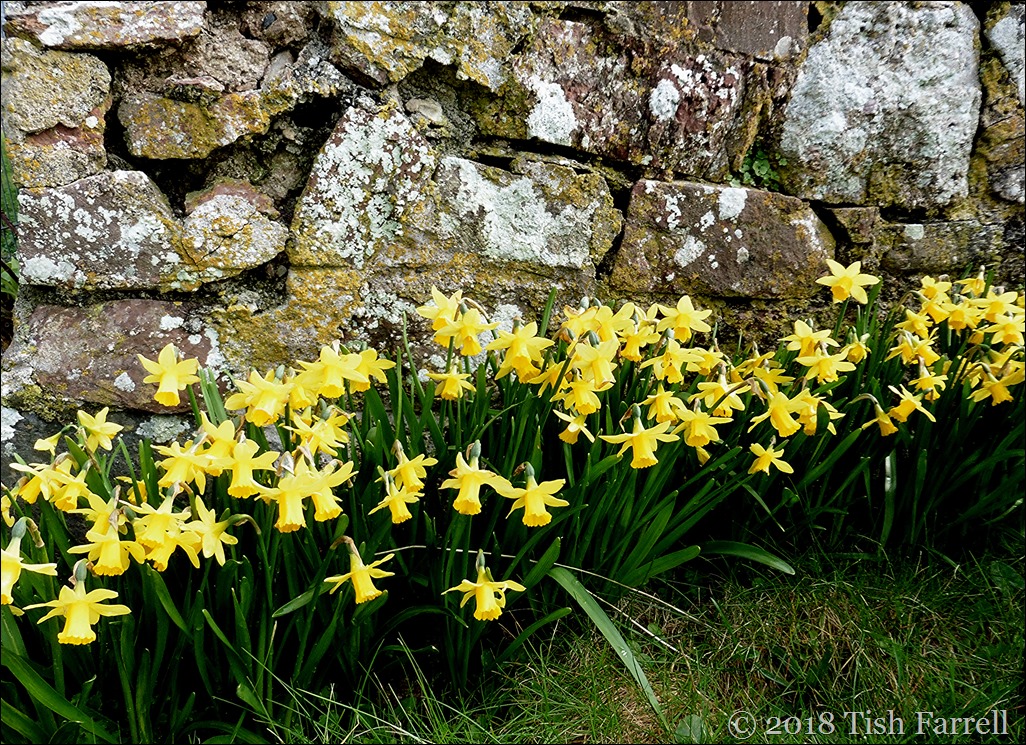
P1040688

In which Six Go Potty In Pembroke With Cockerpoo Puppy  – holiday snaps #2


Jo’s Monday Walk

Please visit Jo for some captivating scenes of Portuguese fisher-folk and a very gentle walk.

March Square #21

And pop over to Becky’s for more March squares and circles in squares.

#MarchSquare20

 

News From The North ~ First Day Of Spring?

P1040333

The lesser celandines have been flowering since December, and never mind three lots of snow dumped on them. It’s all very confusing. To me the opening of these sunny little flowers has always signalled the start of spring, so I’m posting this photo to mark its official, if not the actual arrival on our side of the planet. Am also hoping that Siberia will recall her wind-hounds, and double-quick. Enough icy blasts already.

*

Some slightly wonky circles in a square for Becky’s March Square #20
St David’s Cathedral ~ Thursday’s Special

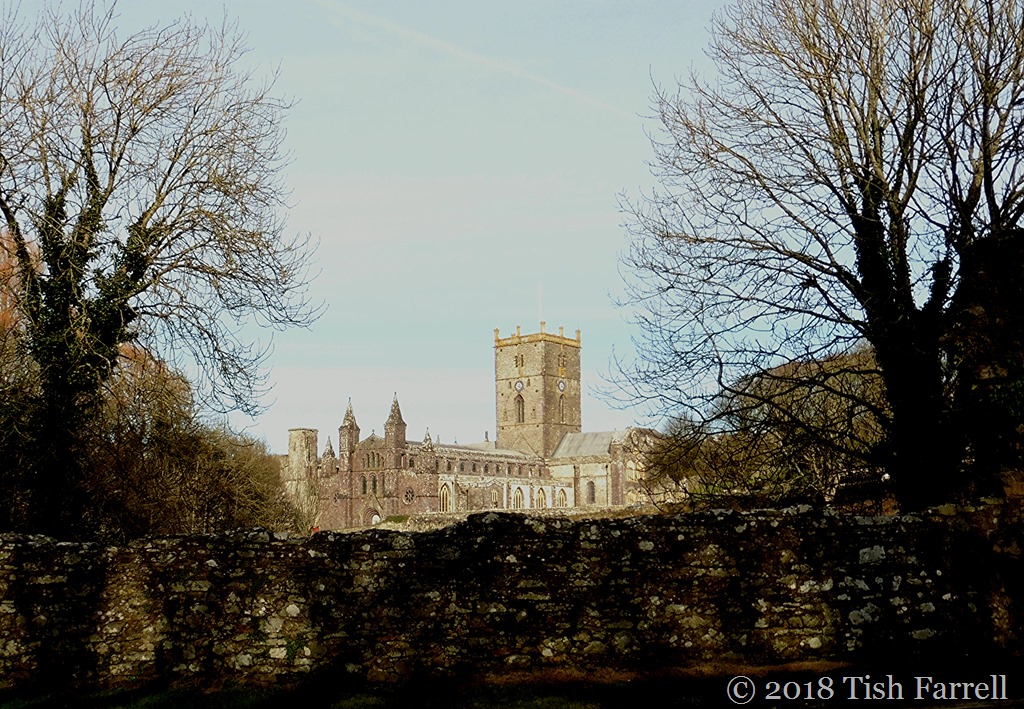
These ruins of the Bishop’s Palace at St. David’s Cathedral in Pembrokeshire, South Wales stand on the site of the monastery of Menevia founded in the 6th century by St. David, patron saint of Wales (500-589 CE). The nearby cathedral (coming up below) was consecrated in 1131, but has undergone many phases of re-building, including major remedial work, first after an earthquake c 1247, and then after the devastation wrought under Cromwell’s Commonwealth of the 1650s. Welsh architect John Nash oversaw extensive repairs in 1793, but his work, proving substandard, made it necessary for the whole cathedral to undergo complete restoration by George Gilbert Scott in the late 19th century. A bit of a mash-up then, architecturally speaking – Gothic and Perpendicular not the least of it – but still an imposingly handsome building. It also hosts a very excellent cafeteria.

P1040860
St. David’s has long been a place of pilgrimage, papal decree stating in 1123 that two pilgrimages to St. David’s was the equivalent of one to Rome. England’s monarchs from William the Conqueror onwards hot-footed here, which probably accounts for the increasing grandeur of the Bishop’s Palace, still apparent today despite its ruinous state. After confession comfortable lodgings and some fine dining would doubtless be the next royal requirements.

P1040873

The cathedral’s presence confers city status on the community of St. David’s. This may seem a trifle curious for a place scarcely larger than a village. With a population of less than 2,000, it thus has the distinction of being the United Kingdom’s smallest city, and so by default the loveliest – its peninsula siting bounded by scenic coastlines west, north and south and its hinterland composed of rolling Pembrokeshire farmland. A good place to visit then, although perhaps best done out of season.

P1040875

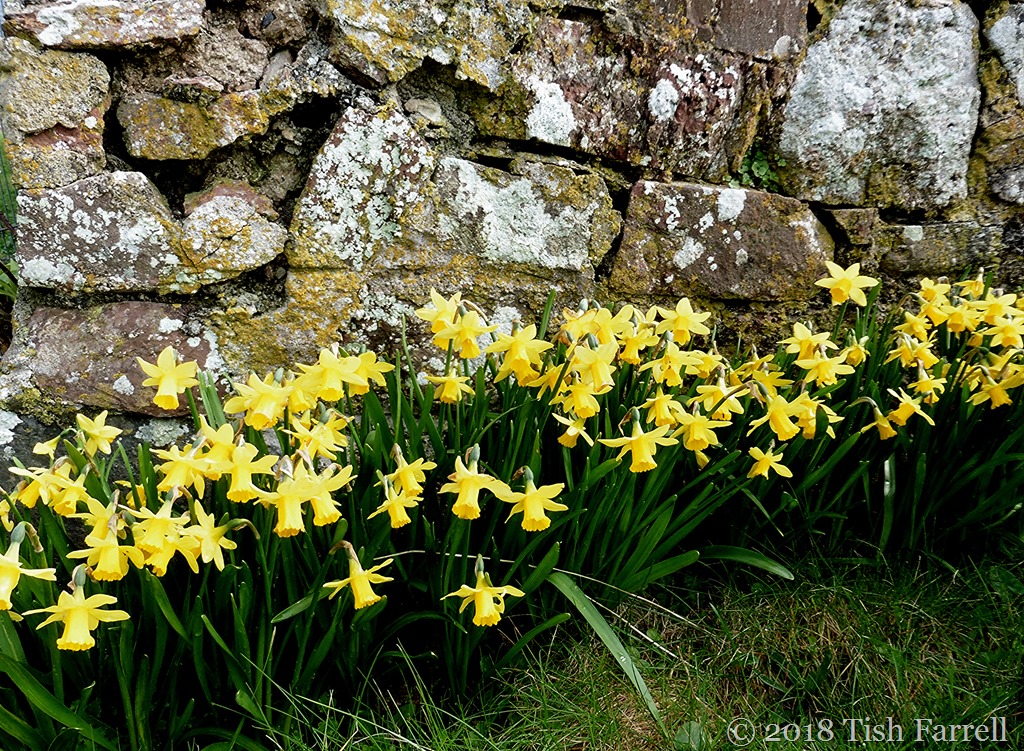
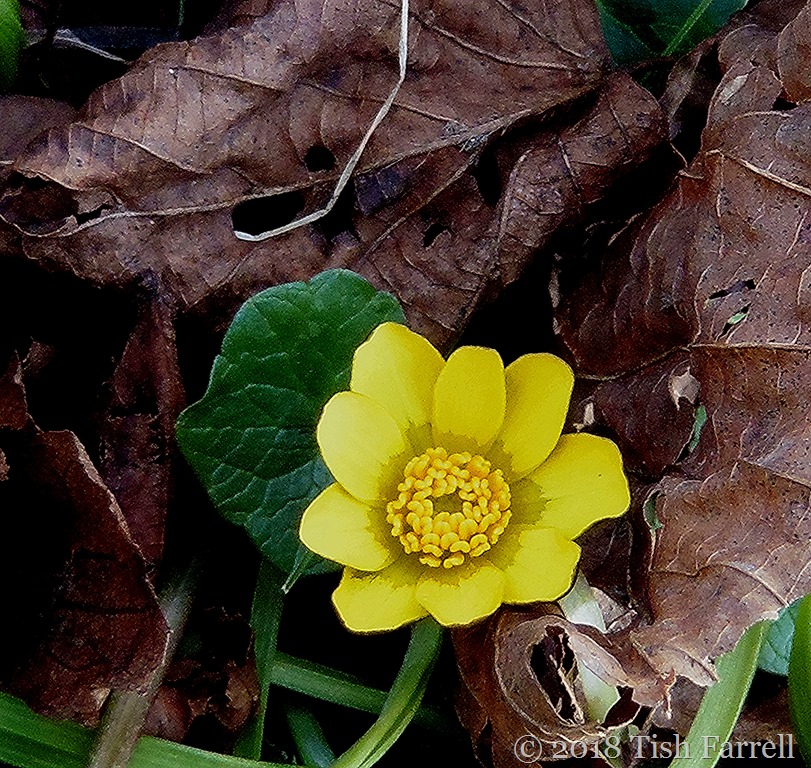
P.S.  The daffodils on the cusp of opening in the header photo are the national flower of Wales and worn on St. David’s Day on the 1st of March.

Thursday’s Special: Traces of the Past

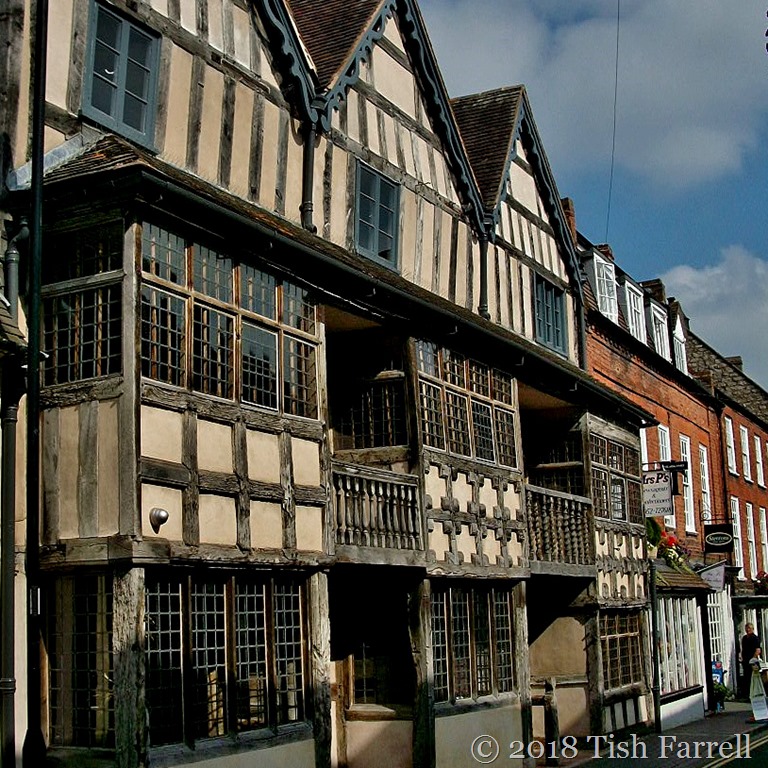
Raynald’s Mansion ~ The Grandest House On Wenlock’s High Street

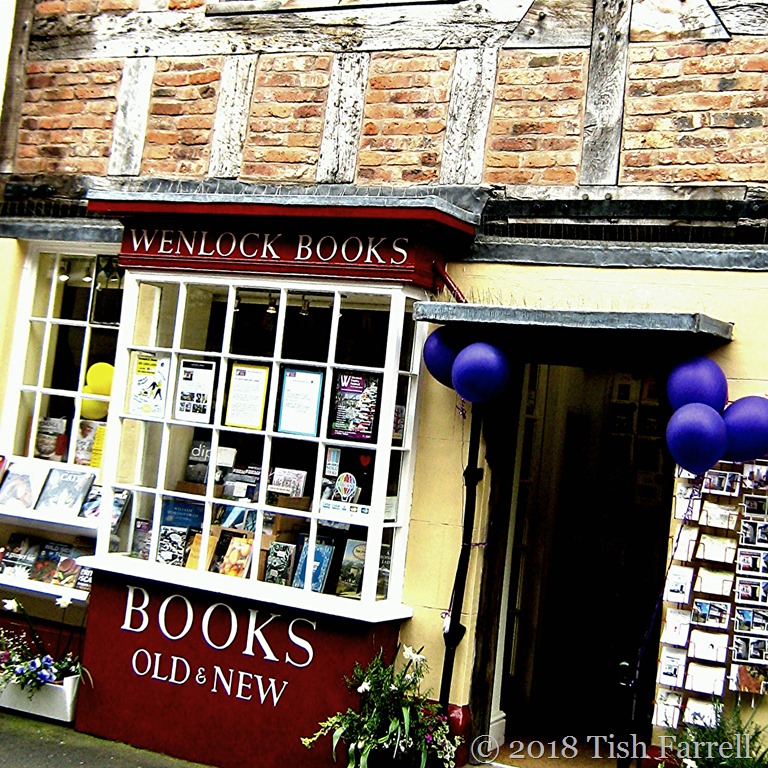
Raynald’s Mansion has seen several phases of development. It began as a medieval hall. In 1600 it was given a face lift with a new frontage. And in 1680 it was made grander still with the addition of three bays. Its owners certainly knew how to make their presence felt in the town.  Rather amazingly the house was still owned by members of the Raynald family into the late 20th century, and today it remains a private house. Directly across the street is our much treasured book shop, also housed in a very ancient building.

IMG_1065v

March Square

#MarchSquare

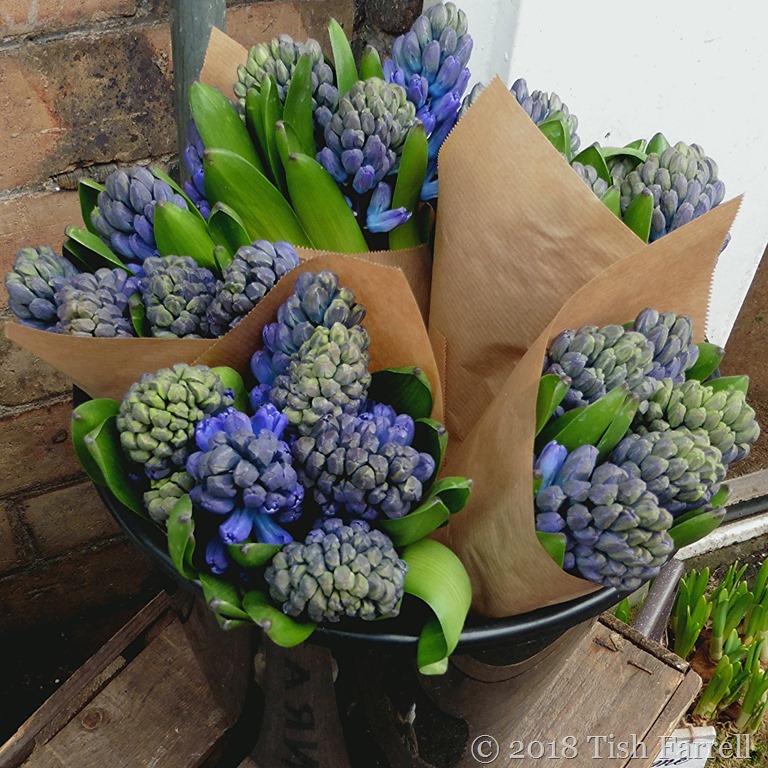
A Bucket Full Of Blue ~ Mad March Square 10

P1040434

This was a heartening find outside our High Street florists on Wednesday. I love the blue of hyacinths, though their scent can be overpowering indoors. Anyway, it made me think how lucky we are in our very small and ancient town to have so many independent shops. As I may well have mentioned before, our traders’ roll call even includes two book stores. Also extraordinarily, we have a vicars’ outfitters where men of the cloth can have their cloth, well, customized. Who’d’ve thought…

I’m thinking I may feature more of Wenlock in squares over the next few days. I shall have to schedule same as we’re about to go to the dark side. That is to say, changing our internet provider. The last time we did that we were worldwidewebless for nearly a fortnight. So if you don’t hear from me over the next few days, do not be surprised.

March Square Pop over to Becky’s to get square with this squares and circles lark.

#MarchSquare