Many Shades of Grey in Africa

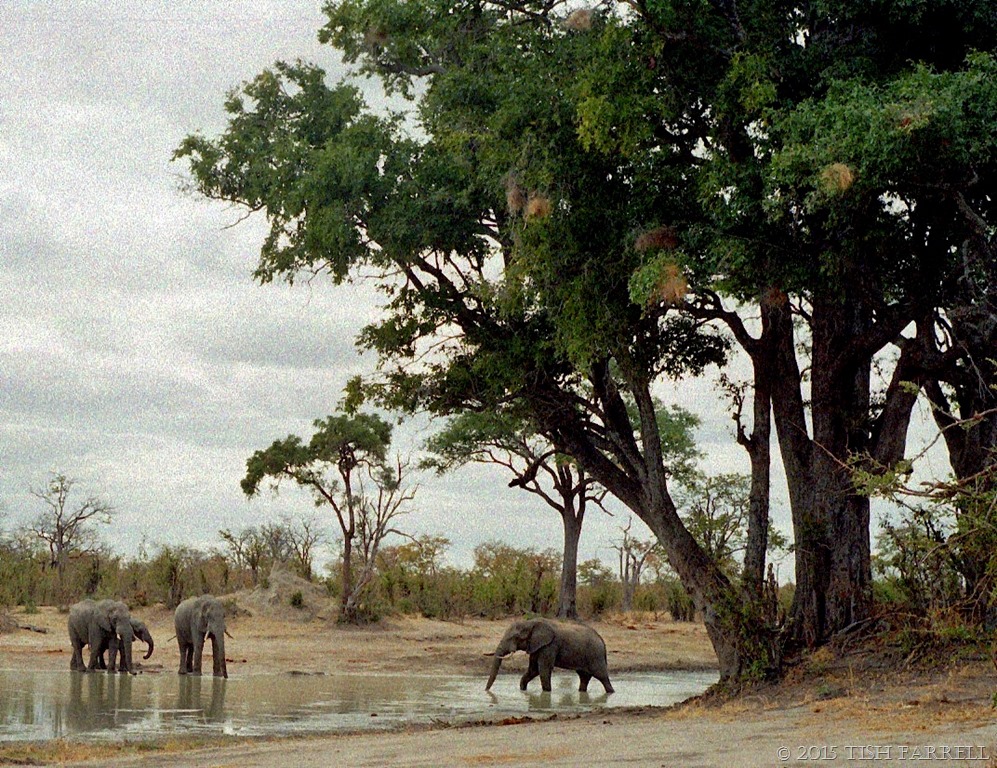
Hwange - waterhole and elephants 3

Grey days in Africa can be incredibly dull. It is a strange effect: as if the light has been sucked out, but without it actually turning dark. This photo was taken around noon on a July day – Southern Africa’s winter. The sky weighed down in a way that was almost palpable; like walking through a Welsh sea mist, except it was dry; or as if you were looking at the world through gauze.

We had driven down from Lusaka in Zambia to spend a couple of weeks exploring Zimbabwe. The objective was to meet up with two Kiwi friends who were flying into Harare, and take them sightseeing before heading with them (via Victoria Falls) back to our house in Lusaka. The day this photo was taken we had just spent the night in one of the guest bungalows in Hwange National Park, and assembled a picnic of sorts in the Park shop.

Hwange Park has metalled roads which detracts somewhat from the notion of wild Africa, and so whenever a dirt track presented itself we took it.  Even so, we saw very little game apart from some kudu. It was mostly dry bush, and more dry bush, which soon grew rather boring. In the end we pulled up by the dwindling waterhole in the photo, and ate our lunch.

The waterhole had been empty when we arrived, and then quite suddenly, as is usually the way with elephants, this small family group appeared. The photo looks like a water colour, or a colour plate in a vintage travel book. I only had my little Olympus Trip, and I often had it on the wrong setting. But the other thing about elephants (and I think this image captures it) is that even when you are there, and can see them with your own two eyes, and are close enough to catch a whiff of their musky hides, it is still hard to believe in them. They come and go like mirages, walking always on the tiptoes, their heels supported by fatty pads that deaden the sound of their footfalls. It is thus very easy to be sneaked up on by an elephant.

Of course if they’ve decided to do a little tree felling, since they like to clear land to encourage their favourite grass to grow, or are seeing off some deemed intruder, then you hear them alright. Indeed, there is nothing quite so alarming as a trumpeting matriarch, clearing a waterhole of potential threats to the family’s infants. On this day, though, all was dreamy peacefulness, and concluded surreally enough in the Game Reserve Hotel at Dete where we were the only guests, and the only food on the menu were pieces of very tough meat  that took an hour to chew.

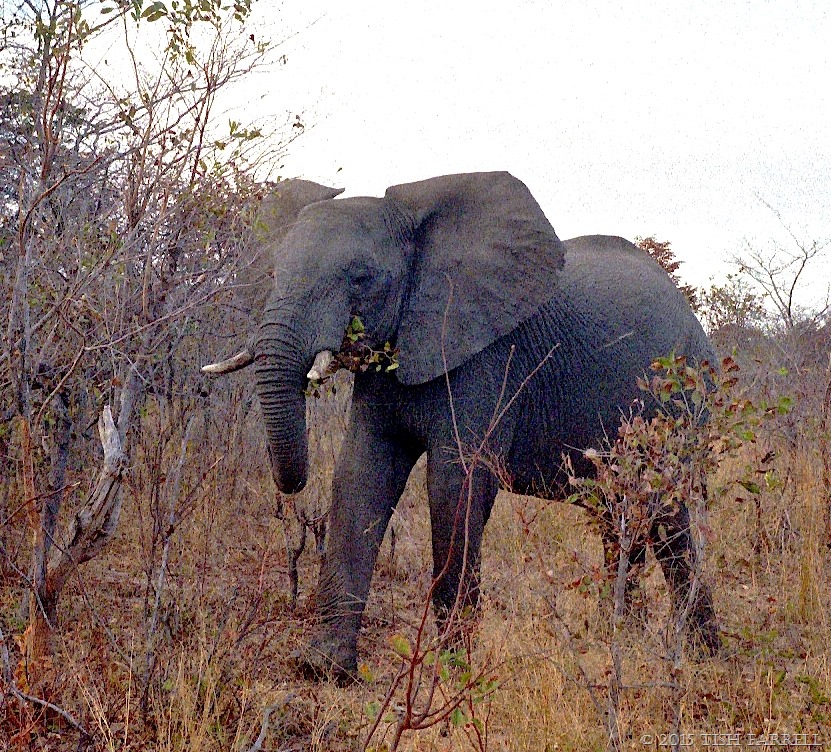
Hwange National Park - elephant in the bush 6

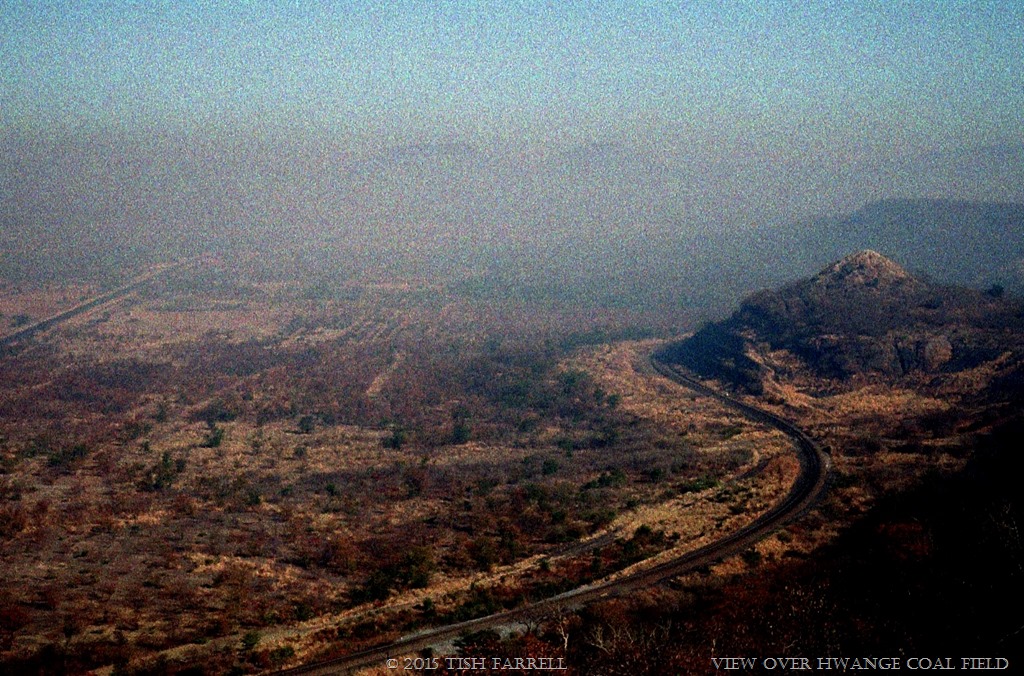
The next day, though, we woke to a new kind of dream – golden sun through a mist of coal dust that hangs like a heat haze over the vast Hwange Coal Field. And so we quickly turned our noses from the industrial smog and headed for the border and Victoria Falls.

Hwange - smog over the coalfields

copyright 2015 Tish Farrell

For more shades of grey please visit Ailsa at Where’s My Backpack

Getting down and dirty in a Shropshire meadow

100_5683

So much goes on beneath our feet, and beneath our gaze. For instance, if you want to find out what is going on in an English meadow, then you need to get down and in amongst it. There’s a whole other world down there, or maybe a thousand tiny universes. On the other hand, finding a meadow in the first place could well be a challenge. They have been dwindling since the 1920s. Mechanisation – bigger machines and bigger fields – plus a continuous drenching of agrichemicals has done for most of them. (One local landowner once told me he had to give his brussels sprout crop 14 separate dressings of pesticide).

Of course we have to be fed, but I often wonder if mass-production monoculture is the only way. I also wonder if there are perhaps still unrecognised consequences of us so radically down-sizing our natural biodiversity, and that what currently seems advanced, scientifically devised, and wealth-creating might in the end prove ill-conceived and ultimately impoverishing. But then perhaps we do not think it matters to lose potentially useful medicinal plants, or rich habitats that support a host of insects and other life forms, or to fail to rear our stock on the best and most varied herbage, both for their good and for ours.

In  Much Wenlock we are lucky to still have several limestone meadows; fortunate too that they have been officially designated Sites of Special Scientific Interest, which gives them some protection. They do need to be managed however. A meadow does not just keep itself. My father used to talk of being roped in as a lad to help with mowing the hay in his village. He said the menfolk would walk in step, spread out across the field, each swinging his scythe with an easy, even rhythm.

These days how many people know how to use a scythe without cutting themselves off at the ankles? Our surviving meadows thus require the seasonal addition of grazing animals to keep them in some sort of order, usually after the summer wild flowers are over. And of course, in the past, the hay from a wildflower meadow would have provided farm animals with a wealth of mineral nutrients and vitamins, dietary additions that humans, too, would have benefitted from, particularly in the milk they drank.

Even back in Shakespeare’s time, the consquences of mismanaged land were well understood. The following passage from Henry V  Act V Scene II is thus much cited by meadow management proponents:

The even mead that erst brought sweetly forth
The freckled cowslip, burnet and green clover
Wanting the scythe, all uncorrected, rank
Conceives by idleness, and nothing teems
But hateful docks, rough thistles, keksies, burs,
Losing both beauty and utility.

In fact the whole of Burgundy’s speech in this scene is a condemnation of bad agricultural practices – “husbandry doth lie on heaps, corrupting in its own fertility.”

All of which is to say, wherever we live in the world, we would do well to pay attention to the ground beneath our feet and to what is going on there. Our long-term health, the health of every living thing, depends on the quality of the soil. Right now most of it needs some concentrated TLC.

My home county of Shropshire is one of England’s biggest agricultural counties, with many large gentry-owned estates of ten thousand acres and more. And so, apart from the upland sheep grazing of the hill country, most farming here is highly mechanised. Of the few exceptions that still practice traditional mixed farming, Pimhill Farm is one of the most noteworthy. It has been managed organically by the Mayall family since 1949 – wheat, oats and dairy – so it proves it can be done. Their oat products are fantastic. Even their humble, savoury oatmeal biscuits taste out of this world, and porridge made from their oats is unbelievably creamy (no milk needed). You can read the Pimhill story by following the link.

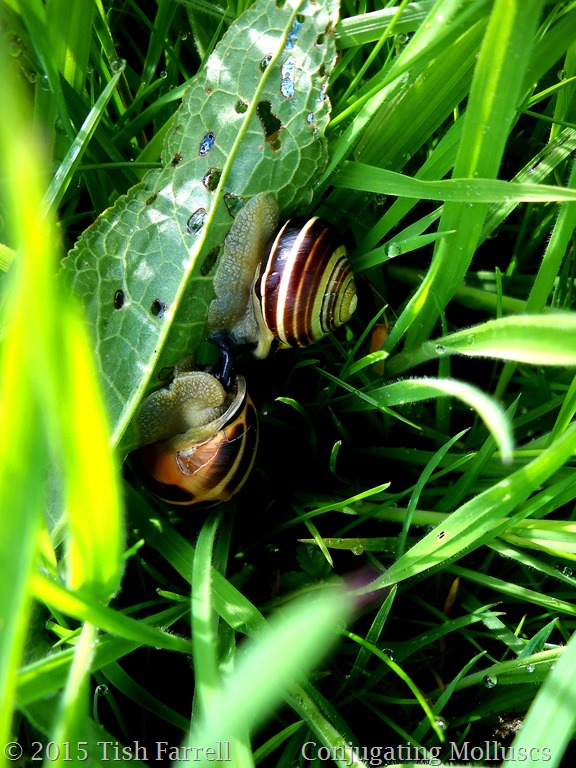
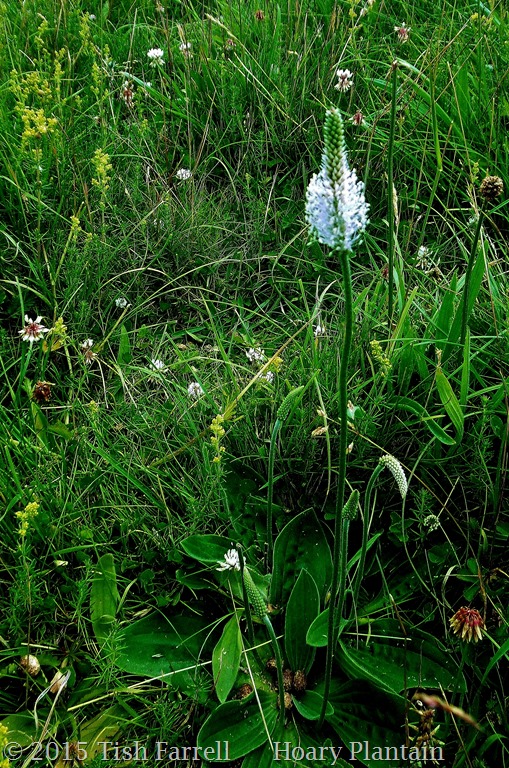
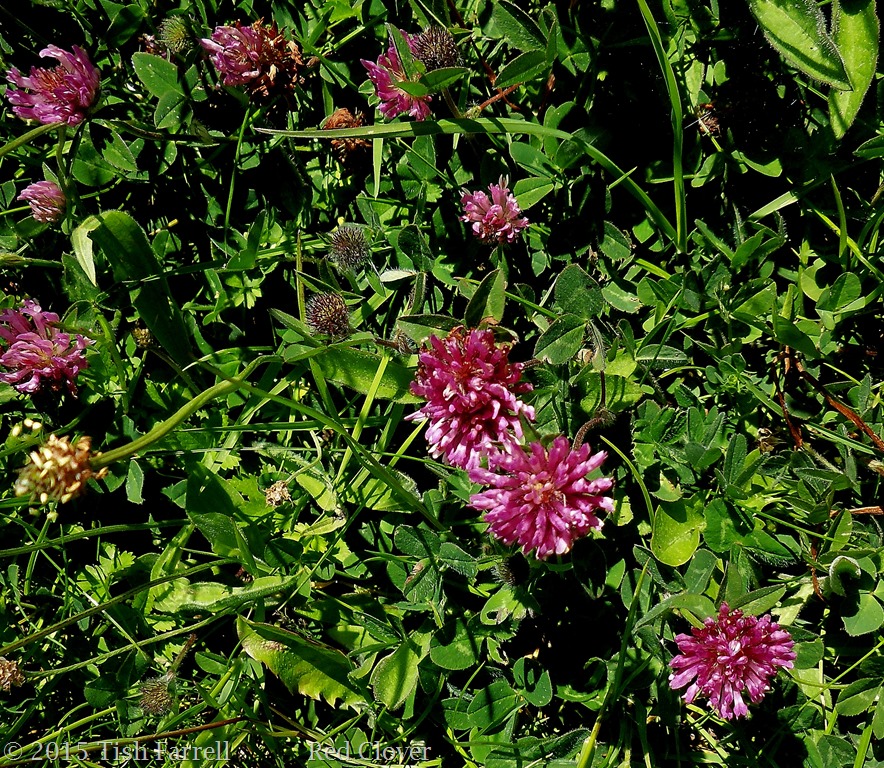
And now I’m putting my soap box away in order to get down in the dirt in my local meadow on Windmill Hill. Please also imagine the sweet and subtle scents of grasses, thyme and Lady’s Bedstraw that may only be fully savoured by lying down with them. First, though, look out for the snails:

100_5451

P1010617

100_5651

100_5460

100_5985

100_5950

copyright 2015 Tish Farrell

Beneath Your Feet

#PimhillFarm #organicfarming

Bee In My Bonnets, Granny’s That Is

P1010543

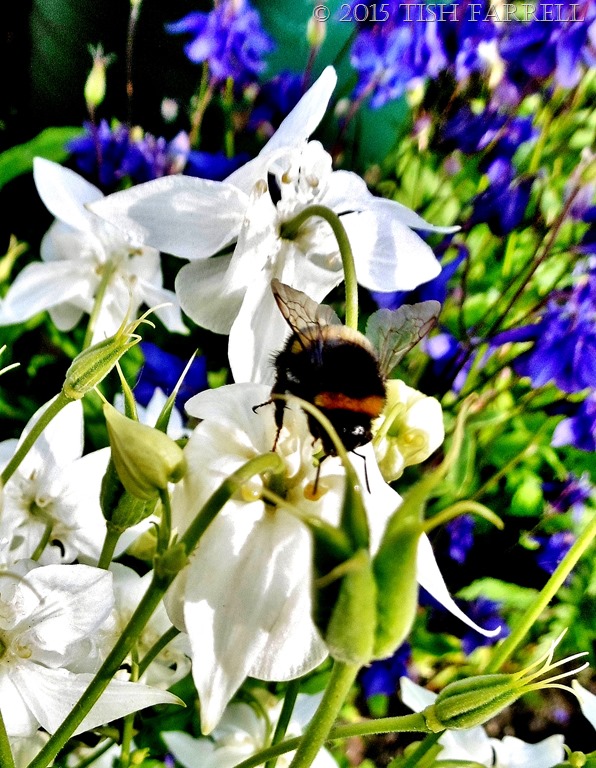
Today over at Lost in Translation, Paula’s Thursday’s Special theme is minuscule, which is a word I often have problems spelling because it comes in two versions, and that then leads me to make up  my own. Anyway, I instantly thought of  pollen grains, which made me think of bees, and of the small busy world of pollen gathering that goes on all spring and summer, mostly unnoticed by us humans. And so since I believe we cannot think of bees too much or too often, given the valuable work they do for us, here’s another bee snap.

I am also grateful to Pauline at Memories Are Made of This, who in today’s post also has bees on her mind, for reminding me a few a weeks ago in one of her comments that Granny’s Bonnets is another name for columbines or  aquilegias. So there you have it – bumble bee in my Granny’s Bonnets, but not in my actual bonnet, although my other half would often beg to differ on that statement.

copyright 2015 Tish Farrell

Thursday’s Special: Minuscule

Wind Catching ~ The Ancient Art And Science Of Persian Air Conditioning

77

Wind towers – aren’t they  just beautiful? Not only that, they provide low-tech, totally renewable energy solutions to day-time desert heat waves. Within the capped tower is a port that is opened towards the prevailing wind. Some towers are multi-directional, the vents opened and closed as appropriate. Air is drawn into the living quarters below, its movement providing the cooling effect.

When there is no wind, the tower acts as a chimney, venting hot air from the interior. A more sophisticated version involves an underground canal, qanat, in which case the wind tower vent is opened away from the prevailing wind, and the system pulls cooling air up from the canal. You can read more about this if you follow the link.

But it seems to me to be an example of perfect human ingenuity – problem solving with minimal impact on the natural environment, while at the same time harnessing natural resources without depleting them. Persian architect-engineers came up with such elegant and aesthetically pleasing solutions over 2 millennia ago, although Ancient Egyptians apparently had something similar.

And not only can you have upmarket palace installations, but there is also the demountable, flat-pack desert nomad version.

The first kind was photographed (above and below) in Dubai at the restored Sheik Saeed Al Maktoum House on Dubai Creek. It is now a museum, but built in 1894, it was originally the home of the ruling Al Maktoum family. Persian architectural techniques arrived in Dubai in the nineteenth century along with the development of the pearl fishing industry there.

The portable Bedouin version I spotted in the Dubai Museum  in the courtyard of the old fort. Apparently the disadvantage of this kind of makeshift structure was that close proximity to the cooking hearth could have the unintended consequence of turning it into an actual chimney, and thus a major fire hazard.

80

85

78

75

 copyright 2015 Tish Farrell

For more wind themed posts please visit Ailsa’s blog at Where’s My Backpack

Melting in Mombasa

Scan-130603-0019

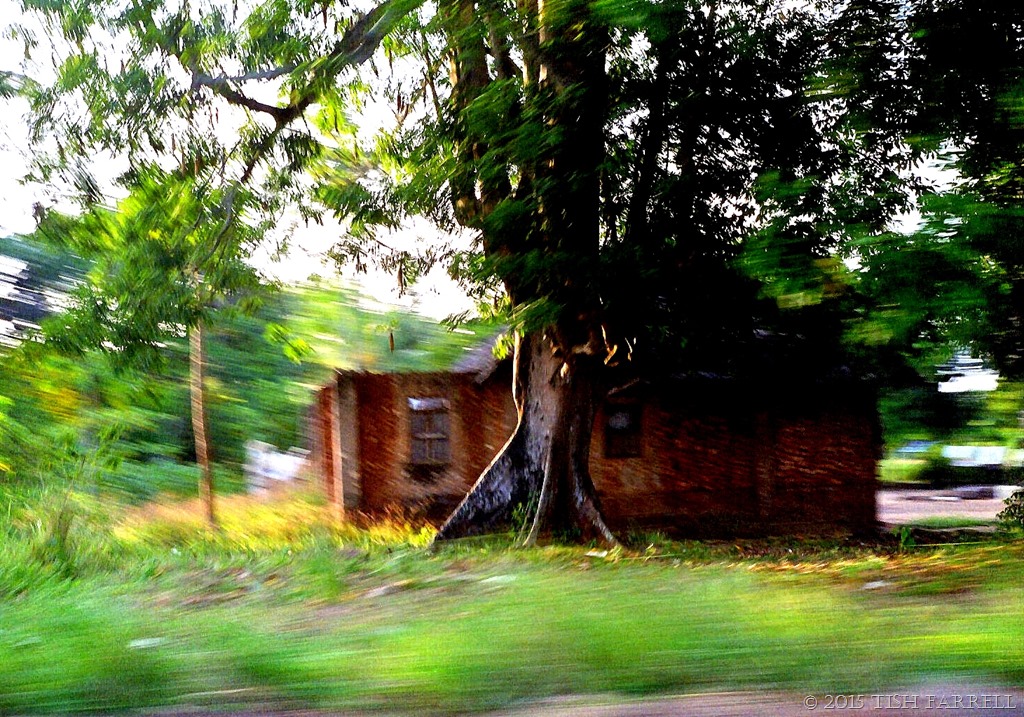
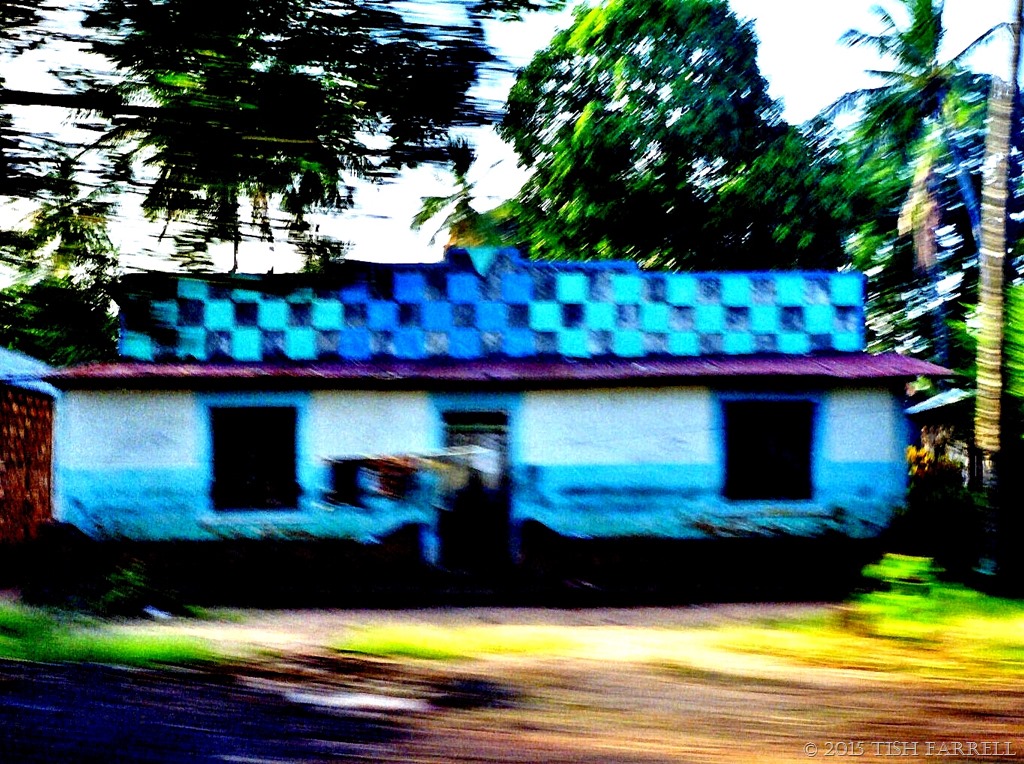
The sticky humidity of Kenya’s coast is a shock to the system after Nairobi’s airy upland plains  where, even in the hot season, temperatures rarely rise above the low 80s F.  Back in our day, when were travelling the Mombasa Highway quite often, the road south comprised 300 miles of ragged tarmac that descended in stages through nearly 6,000 feet – from highland plains to lowland plains, and thence through the rugged thorn scrub of the waterless Taru Desert, until the final drop down to the Indian Ocean. It was like plunging into a warm bath, the air thick with sea smell and frangipani blossoms.

Scan-130603-0014

During the rains, large sections of highway were often washed out, sometimes with horrendous chasms opening up. In the dry season the potholes through Kibwezi were filled with sand like mini deserts. And if we found ourselves stuck behind a fume-belching truck, we could travel many miles before finding a stretch of road with a sufficient tarmac on which to overtake it.

None of this stopped us from setting out though. You simply had to be prepared for anything, and this could include a brooding big Cape Buffalo holding the road hostage through Tsavo.  And now here’s an excerpt from the diary I kept, and just found loitering in my filing cabinet:


Kenya Diary 30th August 1994

It was raining and steamy when we arrived in Mombasa at lunch time. The streets were jammed with hooting traffic, and there were vast rain lakes everywhere. The pavements were brilliant red with row upon row of ripe tomatoes, laid out by  the Swahili women  in their black buibuis.  Everywhere the roads rang with the chink-chink of the metal washer rattles on the delivery guys’ handcarts. The carts were piled high with everything and anything: crates of sodas, cooking oil, jerrycans of water, baskets of pineapples, coconuts, mattresses, a wardrobe. It struck me that Mombasa feels so different to much of inland Kenya it might as well be another country.

For once we drove straight onto the Likoni Ferry without the usual sweaty wait in a tail-back of trucks and safari vans. Soon we were bowling along the coast road to Tanzania, moving between plantations of coconut palms that bowed with the sea breeze, flitting past  tiny white-painted mosques  and palm thatched homes built from coral rag. Here it  was  the skyline not the pavements that was a brilliant red: all the roadside Nandi flame trees were in flower, fist-sized blooms glowing like coals against a stormy sky.

By two thirty we were sitting down at a Tiwi beach bar, eating spaghetti and homemade tomato sauce while the rain drove in suddenly across the reef, drumming on the thatch. The sticky heat dissolved in the wind and the ocean took on a mean and steely look, and roared. It all seemed very Somerset Maugham, that is if one overlooked the presence of the spaghetti.


Scan-130603-0023

copyright 2015 Tish Farrell

Jennifer Nichole Wells OWPC: humid

Inspiration: striving to succeed

Scan-140809-0022

It was in Africa that I became a professional writer. And it was writing for children like Zaina that spurred me to begin. It seemed to me, that unlike many British young people, Kenyan kids were desperate to go to school and, once there, strove to do their utmost to make something of their lives. I was cross, too, at the then lack of contemporary local fiction that showed young Kenyans as heroes, and in the kinds of situations they could identify with. Then I found that many of the stories I wrote for African children also worked for a European readership, or at least for those who were keen to find out what life was really like in the parts of African that I visited and lived in. And now, all these years later, and living back in England, these are still the things that drive me to write.


Inspiration

Thursday’s Special: gold Inside

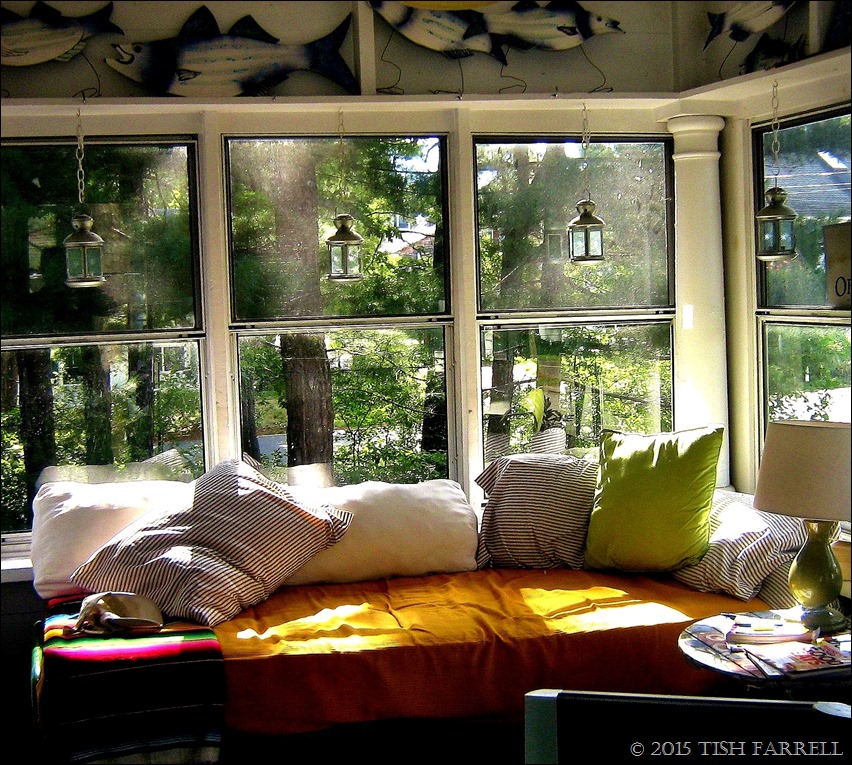
In the afternoons, Cousin Jan’s cottage by the sea in Southern Maine fills with September sunshine. Everything about the place is golden: scent of old timbers, sand in the floor boards, the sun bleached covers of the cushions. The play of light makes me think of Proust’s À la recherche du temps perdu  or Colette’s Le blé en herbe. You want to curl up like a cat, absorb the warmth through every pore, and dream. The cottage has just the places to do this too. You can slumber, lulled by the breeze in the garden pines and the neighbours’ wind chimes. Later, as the day’s warmth fades, you can blow the dreaming away, walking briskly along the beach that stretches for miles, the Atlantic rolling in at your feet.

copyright 2015 Tish Farrell

Thursday’s Special: Gold Inside

This week at Lost in Translation, Paula has invited guest blogger, Ron, to share his insights on interior photography. Follow the link to see his wonderful work. And then go here to see Paula’s and other bloggers’ responses to the challenge.

Seeing my town in Black & White: 2

P1010699 - Copy

In the second part of my black & white tour of Much Wenlock (part 1 here), I was further inspired by Marilyn’s Wednesday photo prompt at Serendipity. This week she chose ‘small town summer’. I thought it would be interesting to see if I could capture that sense without using colour.

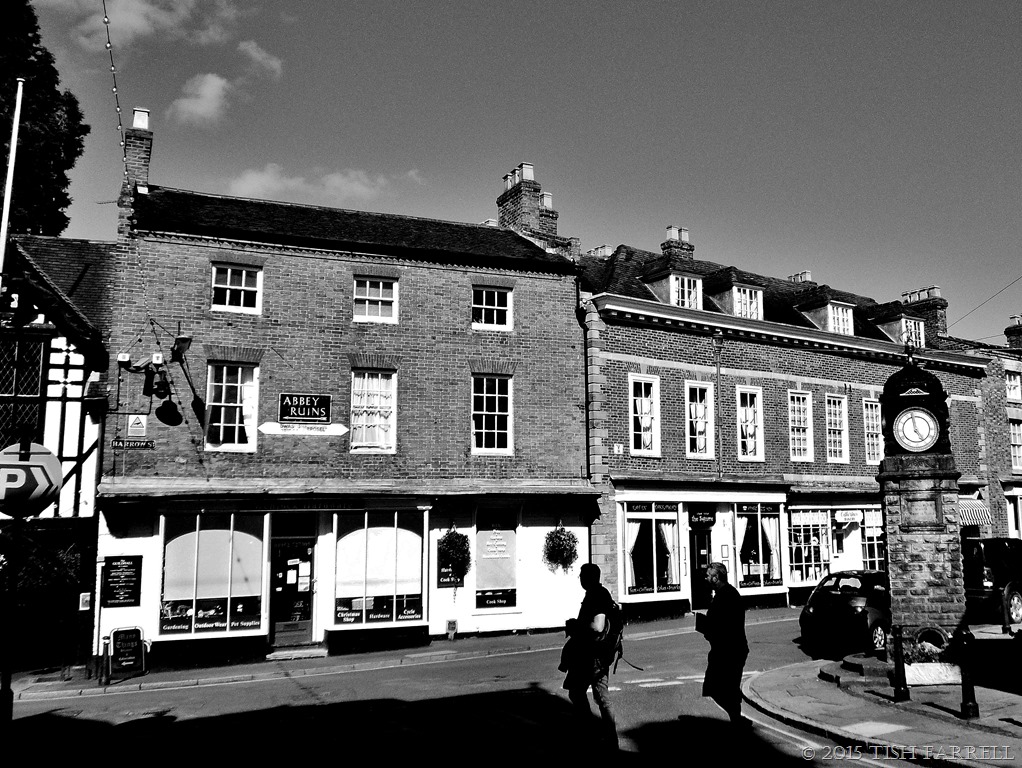
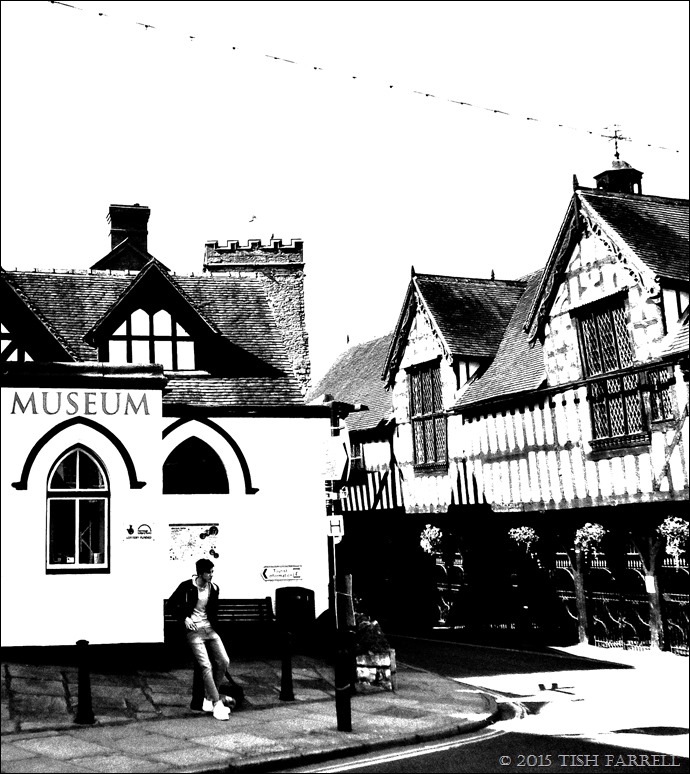
So it is Wednesday, half-day closing. A warm July afternoon. Wenlock is drowsing, although there are some visitors wandering here and there. In the heart of the town, where the High Street meets Barrow Street, a young man is waiting – for his girl? For his best mate? On the right is the sixteenth century Guildhall described in part 1, behind him, the former Victorian Market Hall with its added World War 1 Memorial frontage. This building was also the local cinema in the 1950s. Now it is our museum and tourist information centre, but due to council cuts, it is not open much.

Here, then, is the town centre from the boy’s point of view. There is little of interest for young people. His  posture, the high-lit ‘not-much-happening-here’ of the following street scene triggers my own response – that long-ago sense of adolescent ennui: that permanent sinking feeling of alienation.
P1010741

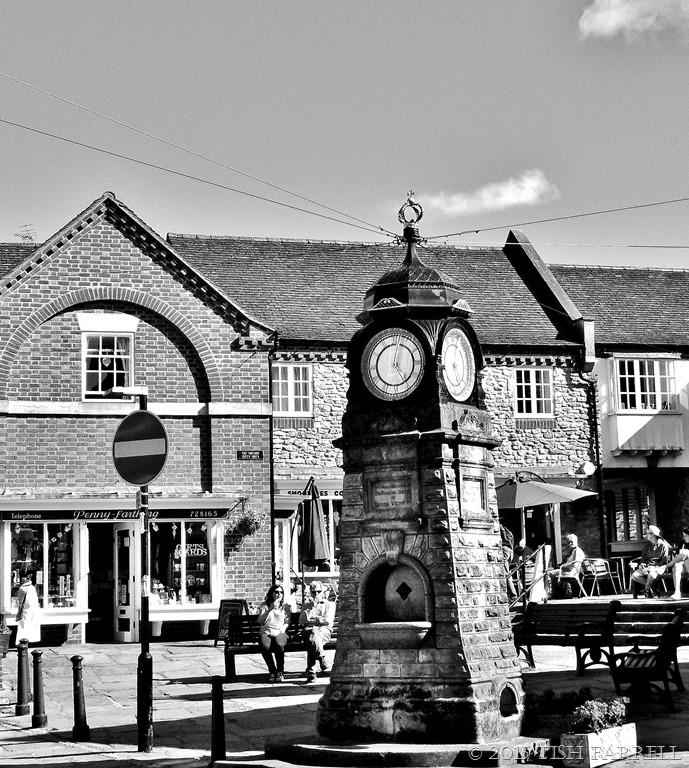
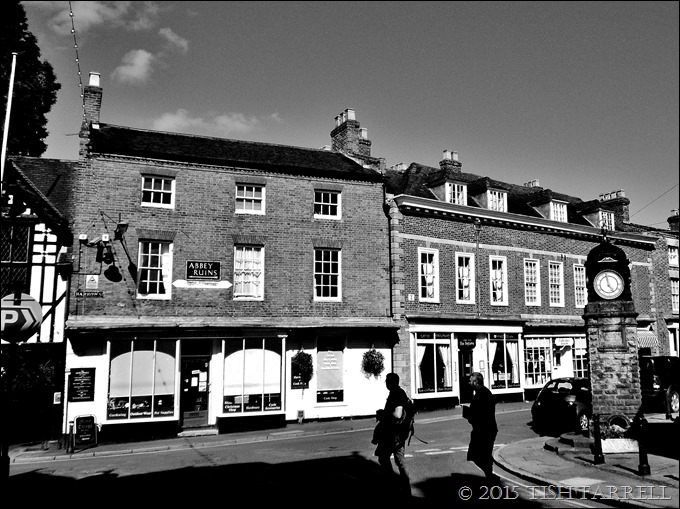
In the five o’ clock shadows past and present coalesce. It could be oppressive. In the Square the Jubilee Clock is a local landmark. Its several faces used to tell different times, but it has recently been overhauled and given a new electronic movement. It was donated in 1897 by a town worthy, erstwhile emporium owner and august alderman, Thomas Cooke. It celebrates Queen Victoria’s diamond jubilee, and would have been in sight of Mr. Cooke’s shop that stood next to the Museum and is currently occupied by the open-all-hours Spar Supermarket.

P1010747

The buildings around the Square are modern – a pastiche of local architectural idioms. But the open space is pleasing. For years it was occupied by a derelict stone barn. These days it is a gathering point for locals and visitors alike, and a good place to sit and watch the world go by, albeit a rather small and slowly moving world.
P1010739 - Copy (2)

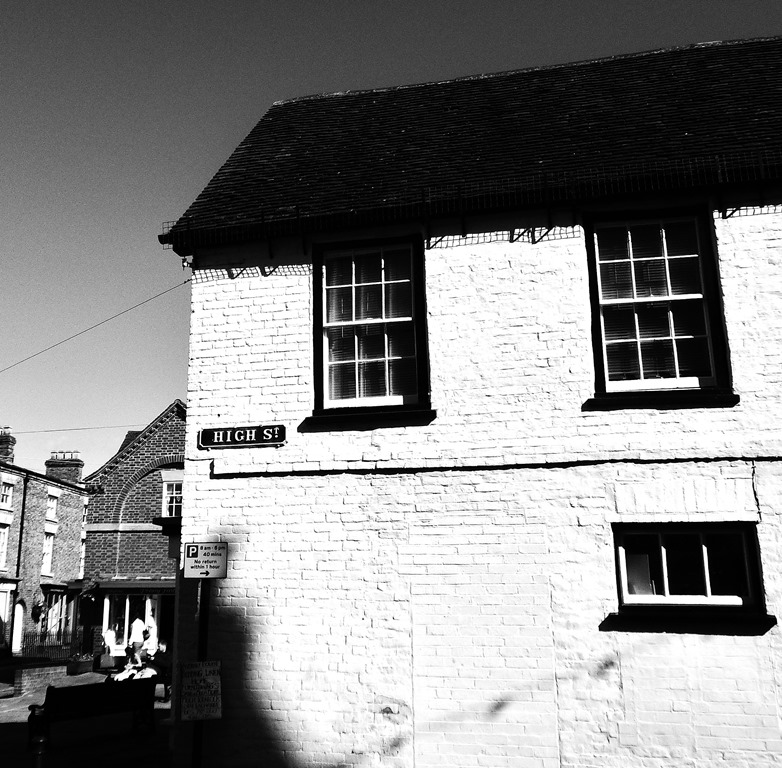
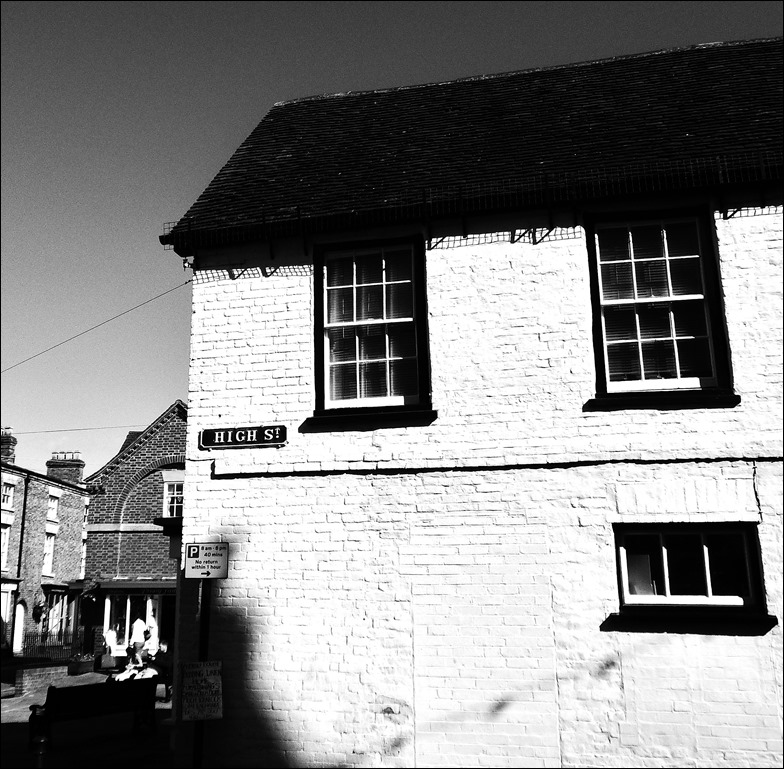
The High Street is difficult to capture. It is narrow, and its east-west alignment means that one side or the other is always in shadow. Then there are the cars in the way, either parking or manoeuvring through. Surprisingly, there is fervent trader resistance to pedestrianizing the street. They think they will lose custom. I think they should at least try it for six months. They might be agreeably surprised at how many more visitors would come to enjoy this little street in peace. It can offer so much hospitality and interest along the way.

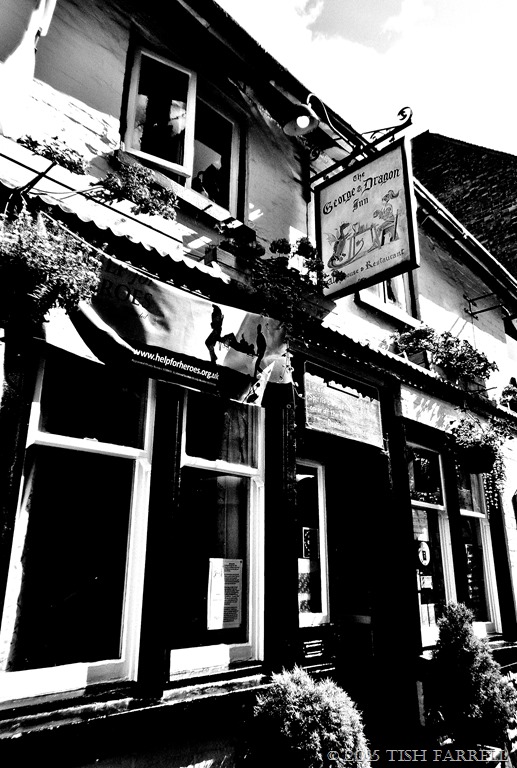
For a start we have two ancient inns whose origins go back to monastic times. The George & Dragon is probably everyone’s idea of an unadorned old English pub – all beams and quarry tiled floors.

P1010702

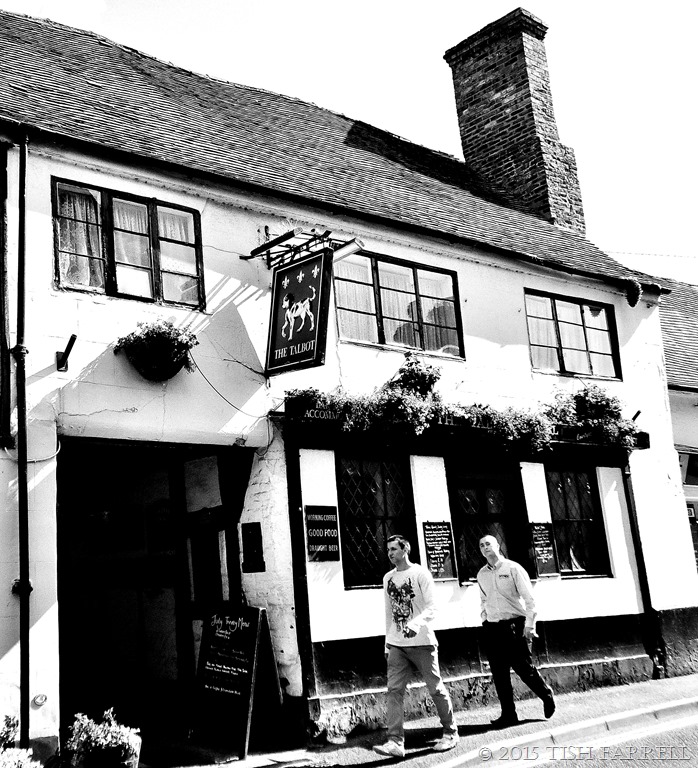
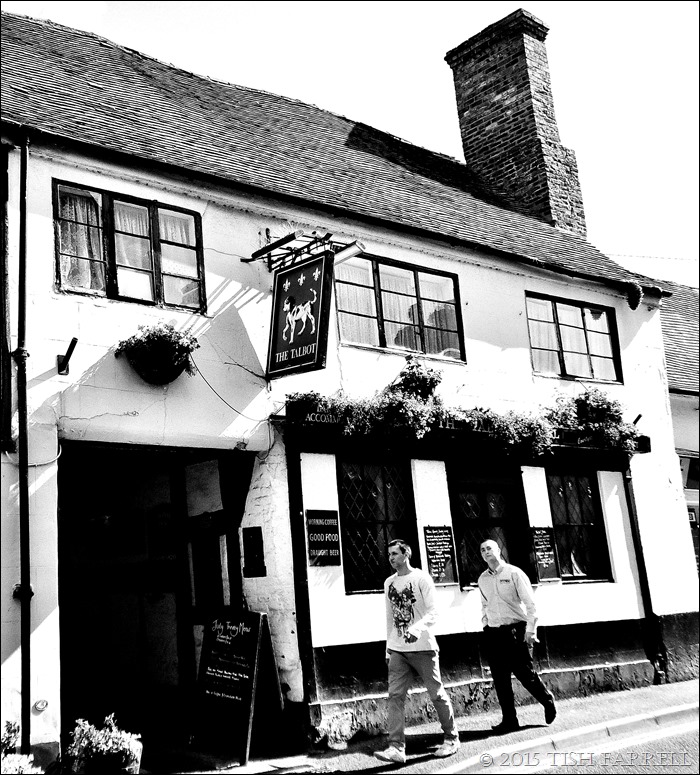
The Talbot on the other hand has a 1970s ‘olde worlde’ interior, though it dates back to 1360, and was thought to be the Almoner’s House, a hostel for pilgrims come to worship at the shrine of St Milburga, and also a centre for alms giving. The white rendered facade hides its timber-framed antiquity, but if you step under the arch you will find a pretty courtyard, where there are also nice B & B rooms in a converted malt house should you want to stay longer.
P1010711

There are also two cafes, one with a deli, an Indian restaurant and two hotels. And amazingly for a small town, we have two bookshops – one dealing in second-hand books, and the other an inspirational survivor among the country’s dwindling number of independent book shops. Its owner, Anna Dreda, not only sells new and old books, but she also hosts reading groups for infants and adults, puts on author talks and book launches, and she is the founder of the Much Wenlock Poetry Festival. Browsers may further find themselves offered a cup of coffee or tea, and invited to pass away the hours in one of the cosy corners upstairs. In short, the shop and its owner are among the town’s treasures, and have won national notice to prove it.

P1010709

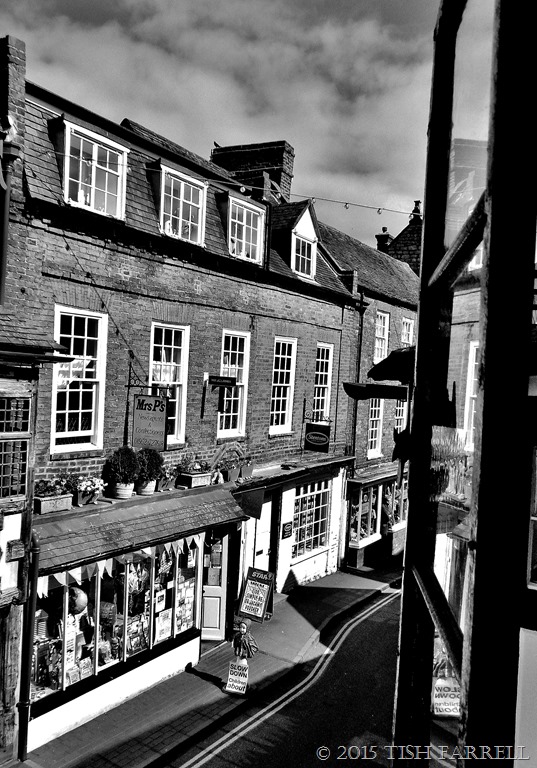
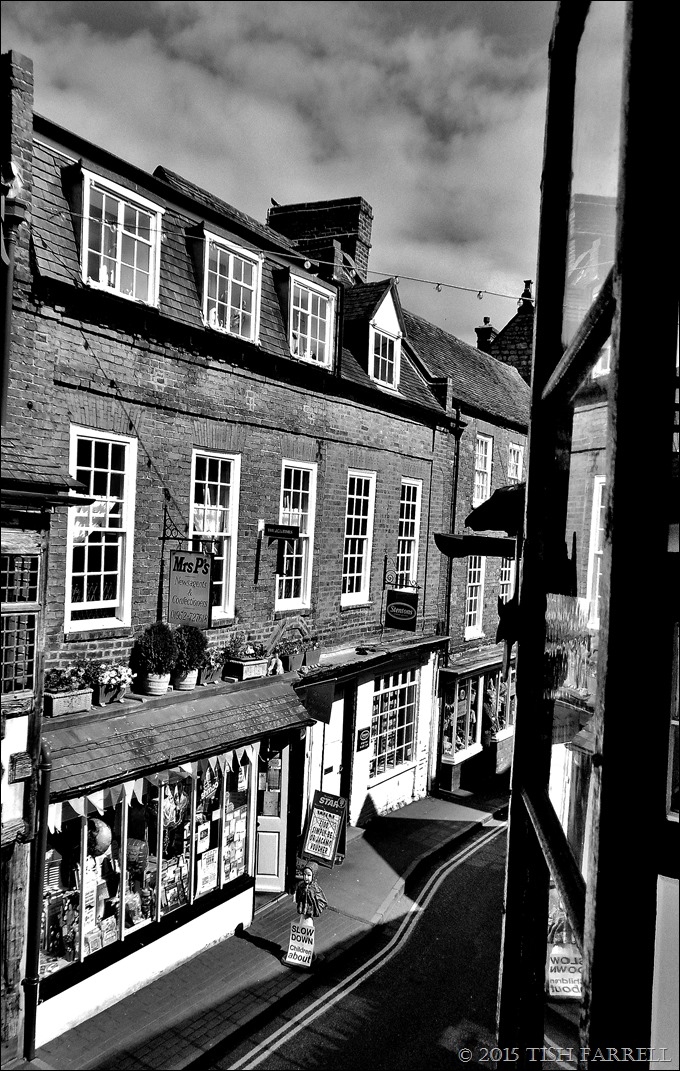
And it is from upstairs in Wenlock Books that you can sneak a good view of the High Street’s mid-section: Mrs P’s newsagents and sweet shop, the estate agents, and Ippikin, a shop that is its own art installation and is our very special haven for knitters and crafters. These next two photos were taken earlier in the day.
P1010145

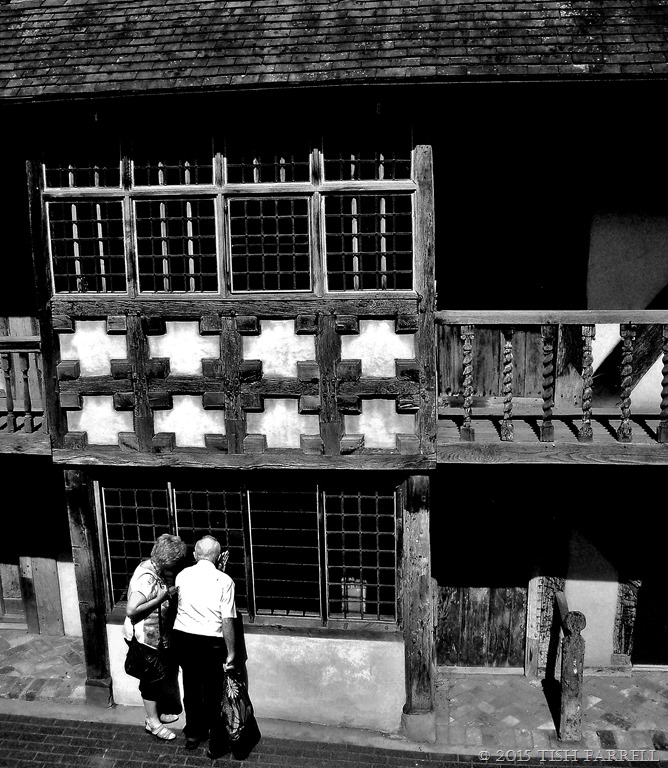
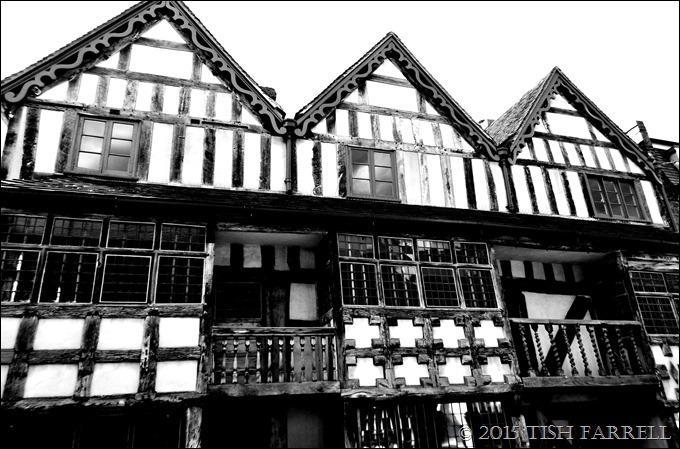
Opposite the book shop is the street’s most impressive historic house, Raynald’s Mansion. Here we have a medieval hall clad first in a flat-fronted building of 1600, and then extended by the addition of three timbered bays in 1680. The property remained in the Raynald family until the late 20th century, and is still a private house. In the nineteenth century it was actually a butcher’s shop, and the rail beside the right hand doorway was an aid to tradesmen lifting heavy loads.

100_6264

P1010714

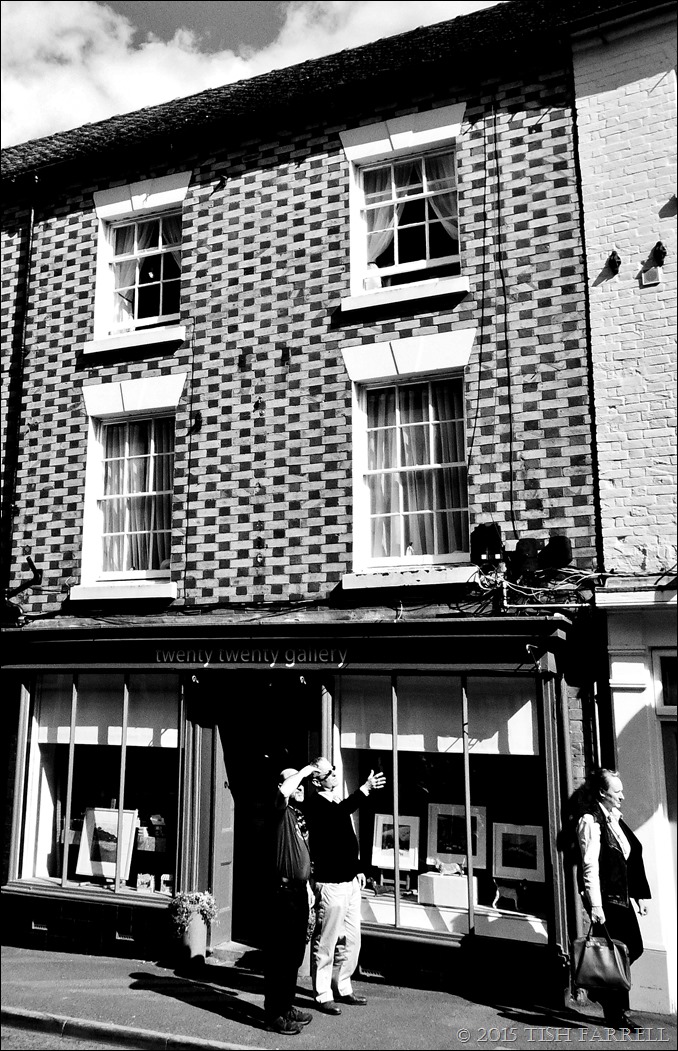
And next is another town treasure, Twenty Twenty Gallery. I missed it out. It is further back down the street towards The George & Dragon, and every month has a new exhibition of contemporary art, ceramics and jewellery for sale. The owner, Mary, likes to feature the work of local artists and makers.
P1010703


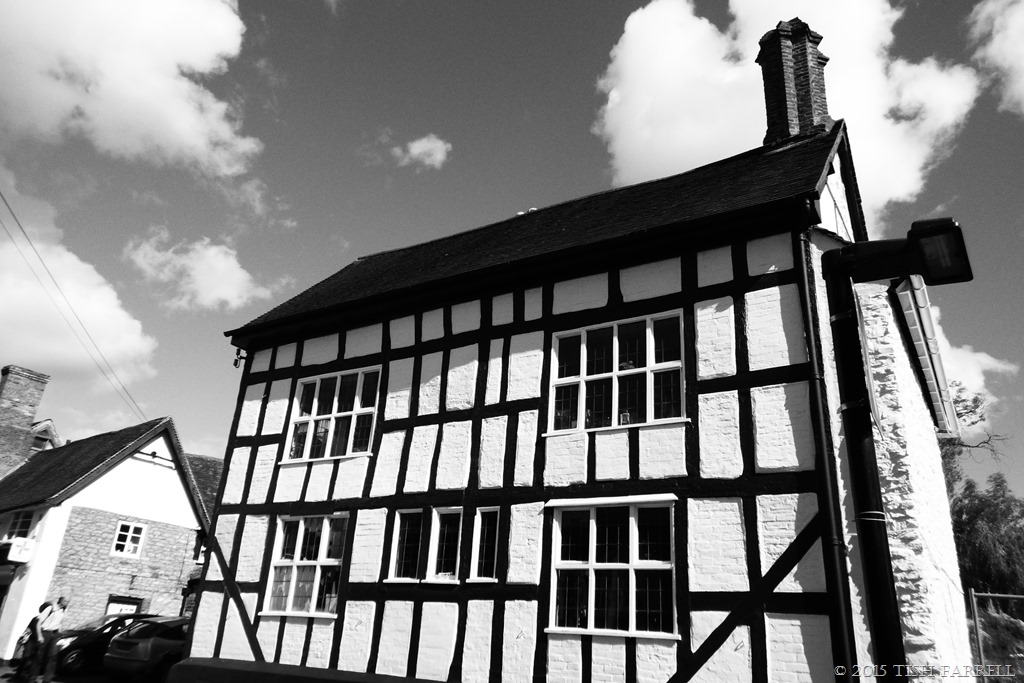
Back again down the street beyond Raynald’s Mansion and The Talbot Inn we have another imposing house, also early 17th century. Up to the 1920s it was the Swan and Falcon Inn. Later it housed our local branch of Barclays Bank until it moved to smaller, less frequently open premises next to the Post Office. The current new owner has development plans for it and its ancient  medieval barns out back, but in the meantime our local wildlife rescue charity has it shop there.
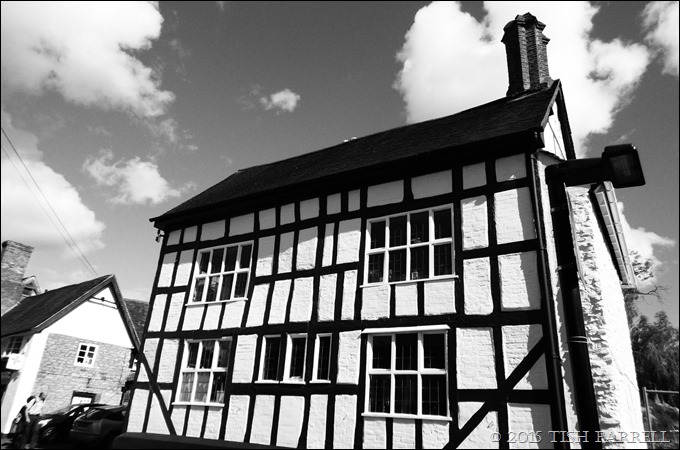
P1010719

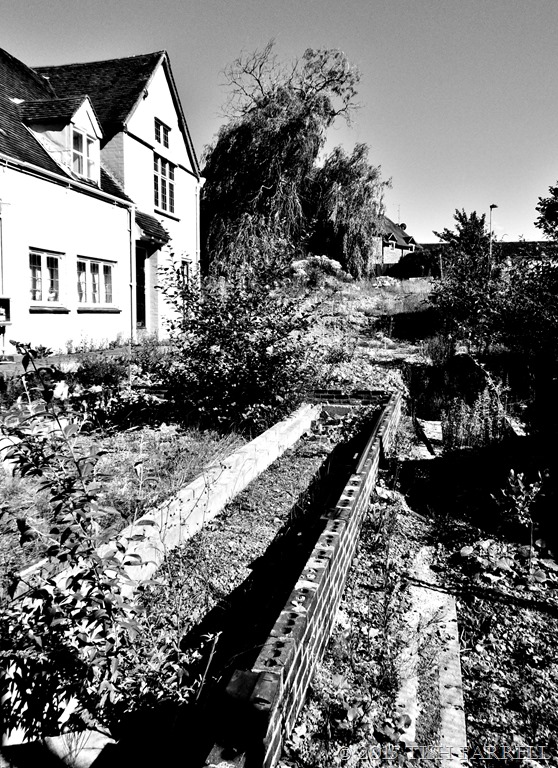
And just in case you think all is perfection along our High Street, we do have our eyesore. In 2009 or thereabouts the space next to the old Swan and Falcon was the scene of a general town uprising. A local developer, who had put up an unpopular housing enclave behind the High Street, then erected a house on the street frontage that did not conform to the approved plans. So after considerable agitation, down it had to come, although only after we Wenlockians had frightened the visiting local authority planning committee by our vociferous objecting. It was rather like a similar revolt back in Wenlock’s 1300s, when the serfs, fed up with the domineering Bishop who ruled both Priory and the town, threw down their ploughshares in general protest.

The site itself was once a seventeenth century clay tobacco pipe works, and in more recent years had become overgrown, and thus a well treed wildlife area that helped mitigate the town’s flooding risk. The only problem is that ever since, the space between the Swan and Falcon, and High Street’s terrace of Tudor cruck cottages, has looked like this, one of our less than successful visitor attractions:

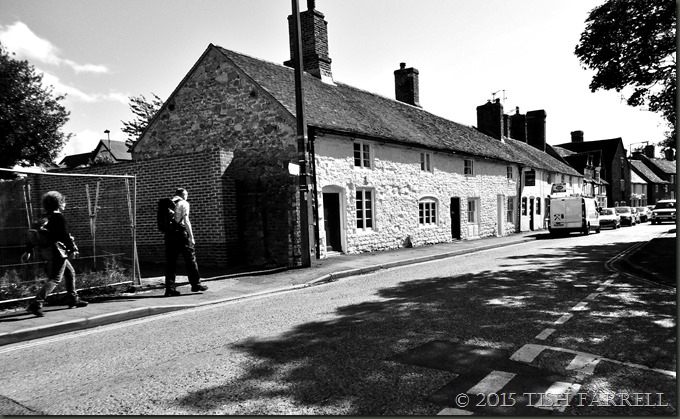
P1010732

P1010720

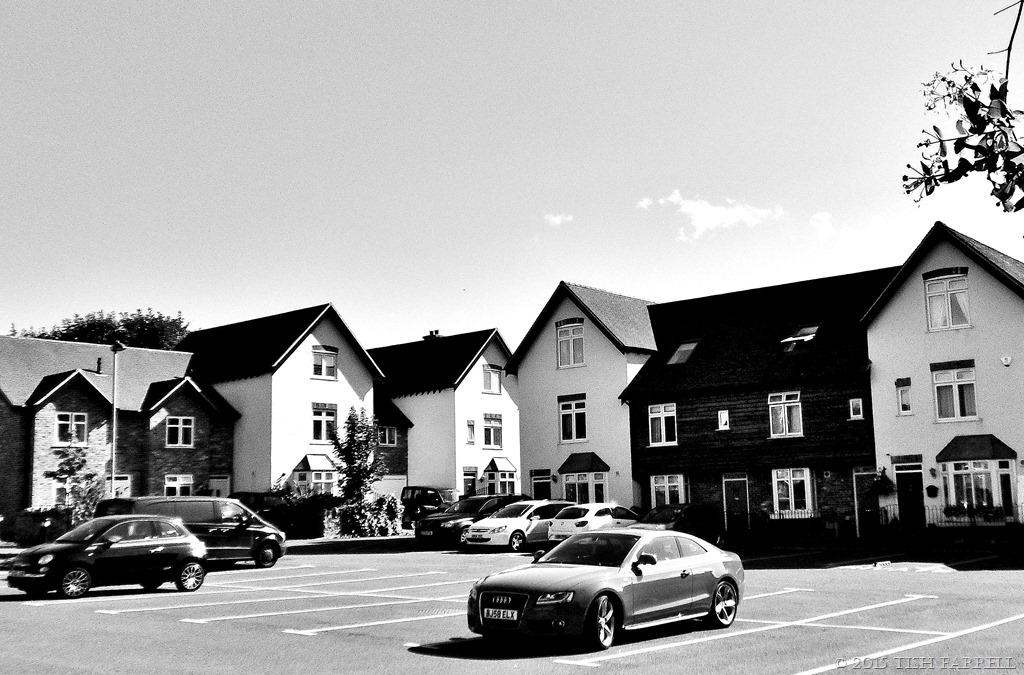
Somewhat surprisingly, the original planning permission for the housing development, both on the street, and behind it, had been given without any reference to, or consultation with the local authority’s Conservation Officers.  Apparently it was not deemed necessary with a new development, despite the site being in the middle of an ancient town. Anyway, the houses were expensive, cramped inside, and so took a lot of selling, even with offers of free cars. In the end a housing association bought many of them, so at least some families on the local social housing list have benefitted.
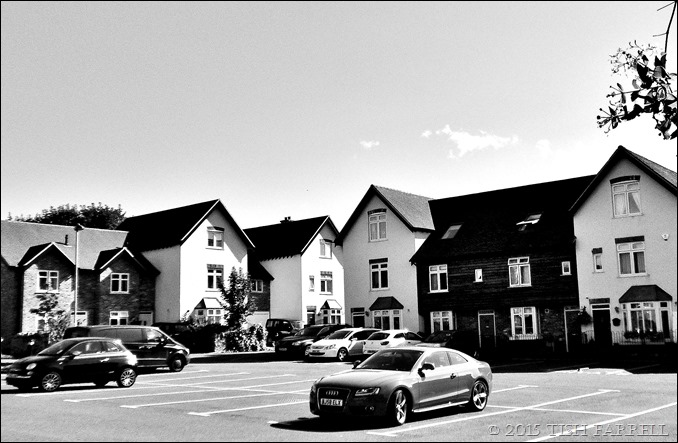
P1010730


P1010721

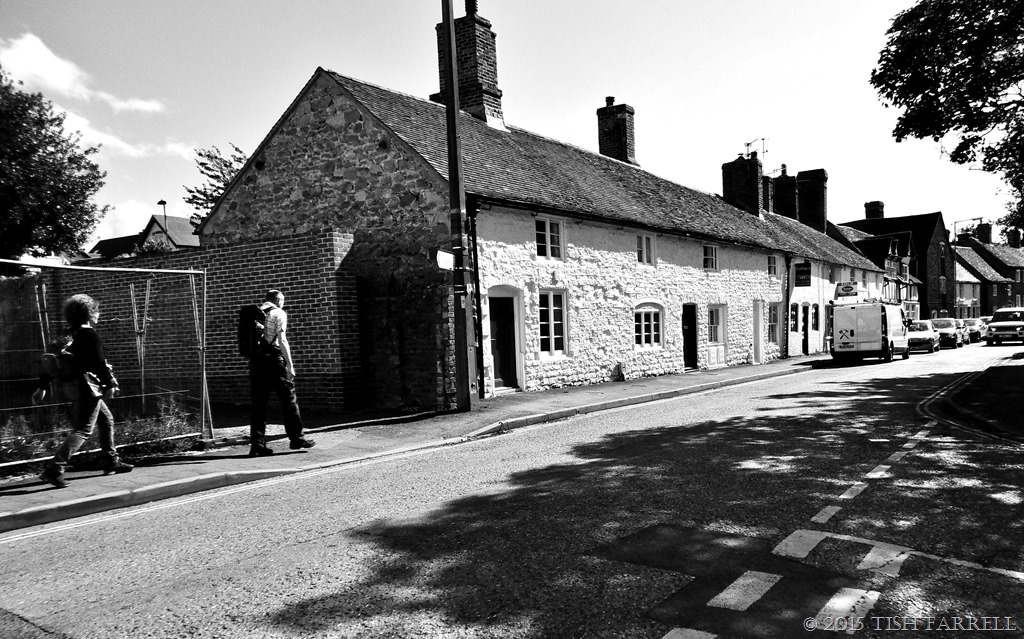
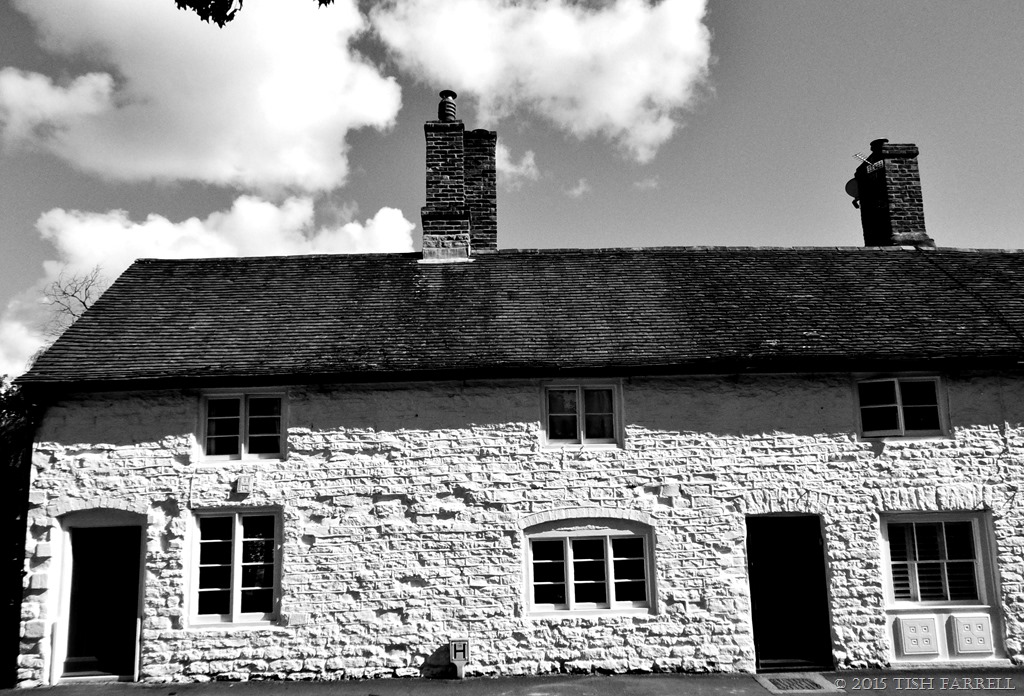
By contrast, this row of cruck cottages some 400 years old, and the new development’s nearest neighbours, are solidly built, remarkably spacious inside, and have very pretty gardens behind them. Lacking the paper thin walls of new houses, there is doubtless little noise leakage between the cottages, although they do lack multiple en suite shower rooms that seem to be a feature of all English new-builds these days. Anyone would think water grew on trees, or that our drainage systems were robust enough to cater for all the washing we think we need to do.
P1010729

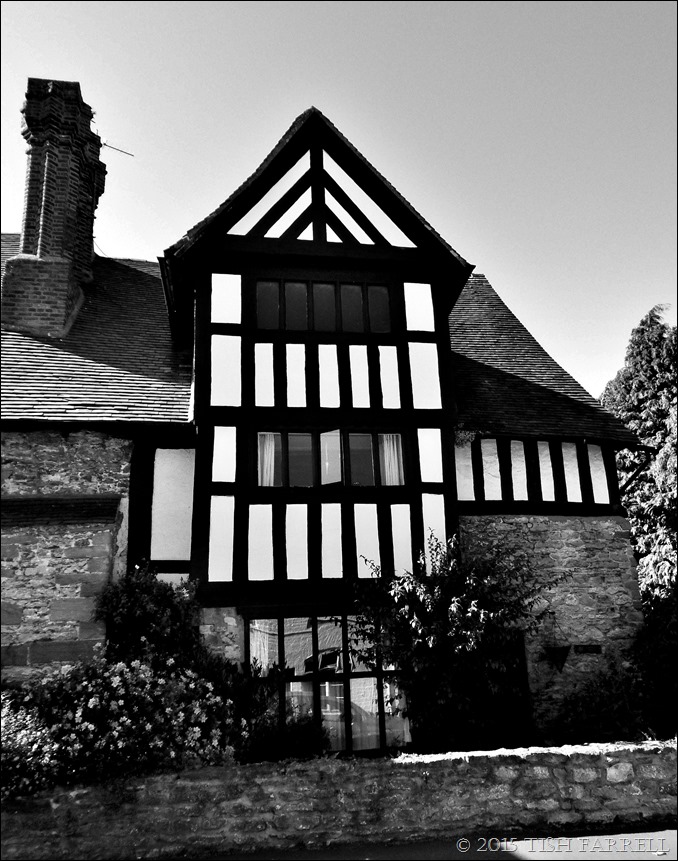
Finally, here is one of the town’s loveliest ancient houses Ashfield Hall. I’ve mentioned its history in an earlier post. It was built by one Richard Ashfield who lived in Wenlock in 1396. It is probably on or near the site of the earlier St. John’s Hospital which was a hostel for poor itinerants.

And there you have it: some of Wenlock’ High Street highlights. It is well worth a visit.

copyright 2015 Tish Farrell



Bumbles in my borders

P1010778

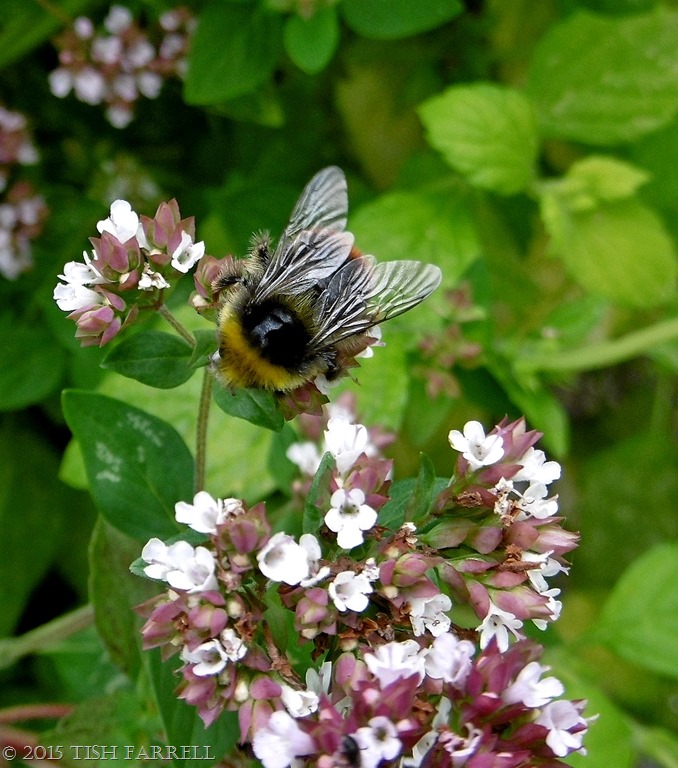
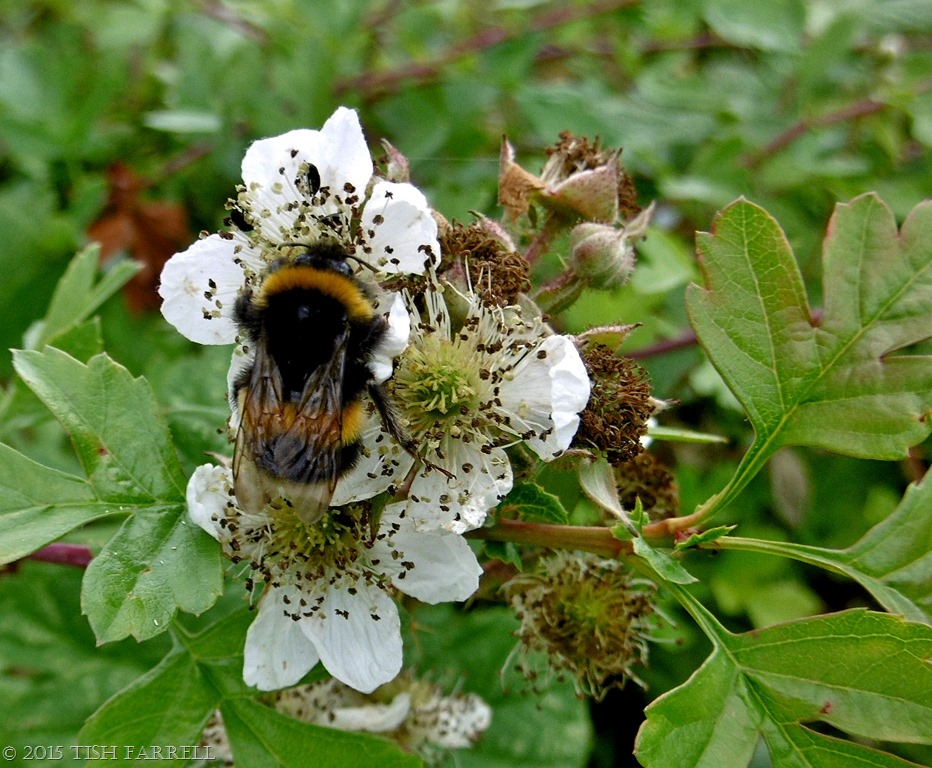
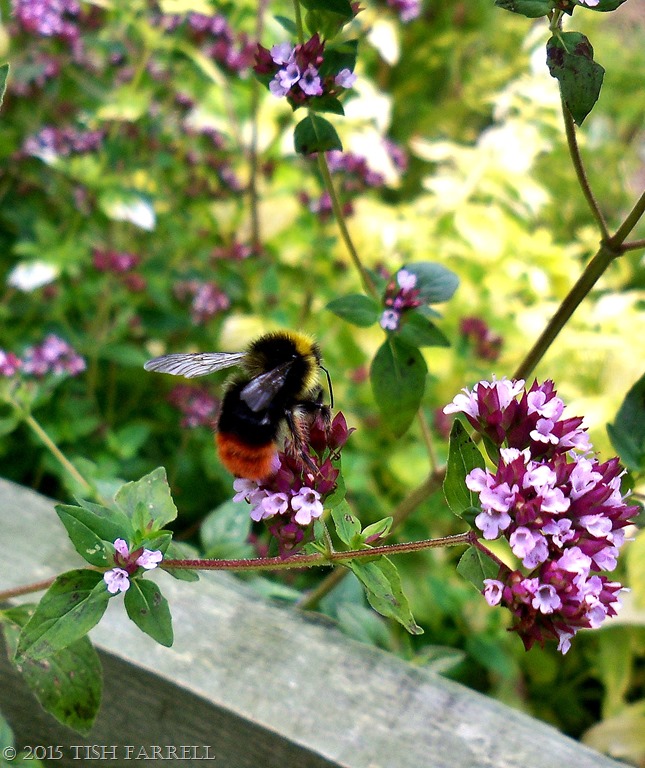
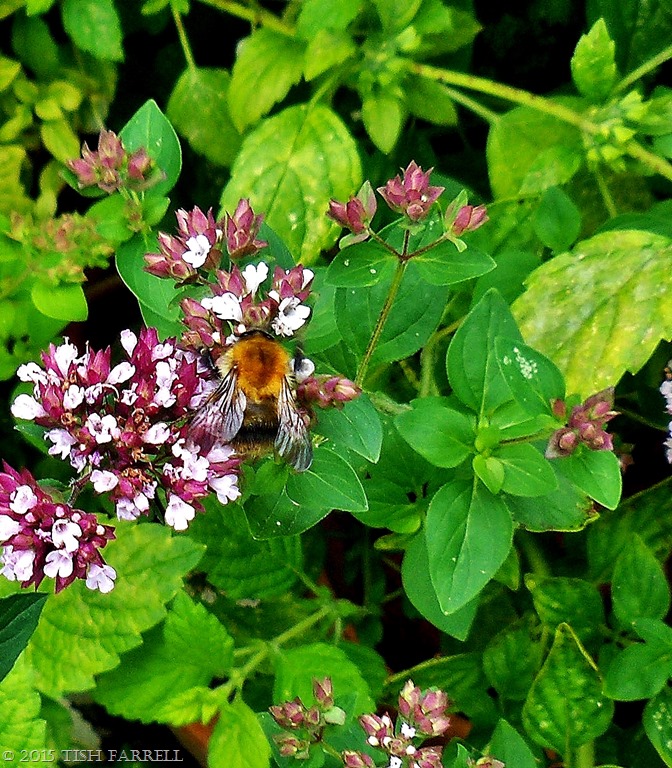
A couple of summers ago we took out a length of hedge between our back garden and the field. It was a thicket of alien snowberry and overgrown ash tree seedlings, and a nightmare to cut. Now we have a simple fence, a rampant herb and wildflower garden that grows itself, and a view.  We also have masses of bees.

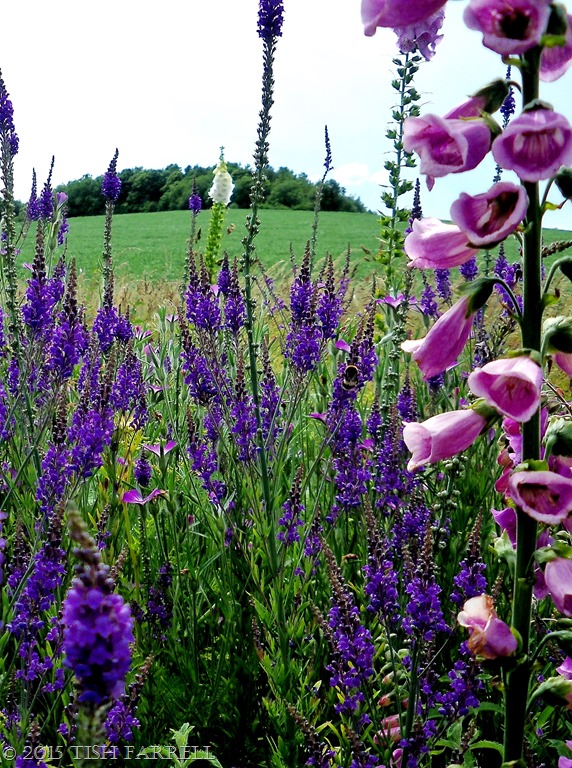
Back in the spring they foraged on the columbines; later on the spires of self-seeded purple toadflax and foxgloves. Now they are gorging on oregano and bramble blossom. I spotted at least three varieties of bumble bee this afternoon, but apart from the red-tailed bumble below, I’m having problems identifying them. For those of you who wish to try, there is an excellent identification page with a video at bumblebeeconservation.org

P1010768

100_6468

100_6453

100_6050

copyright 2015 Tish Farrell
Close Up