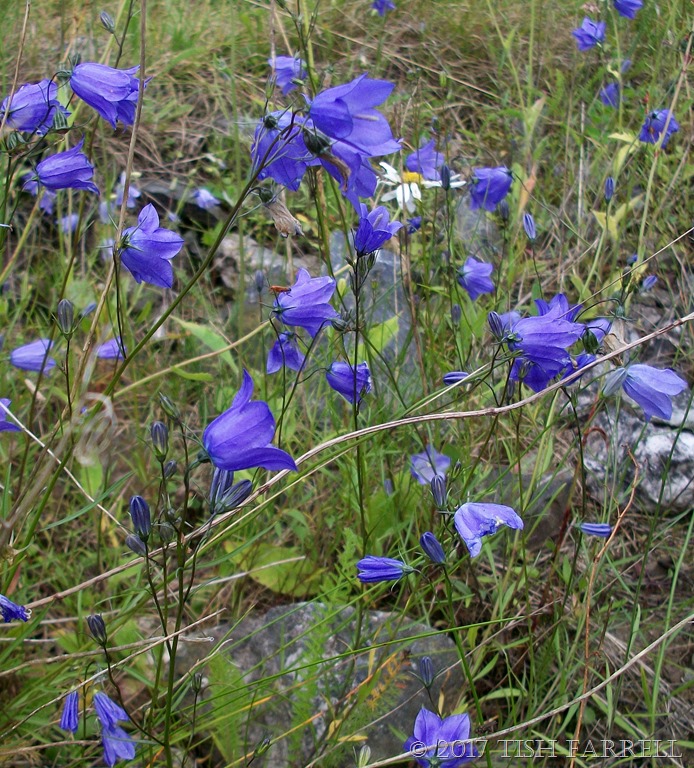
Harebells Colonize An Old Industrial Wasteland

039

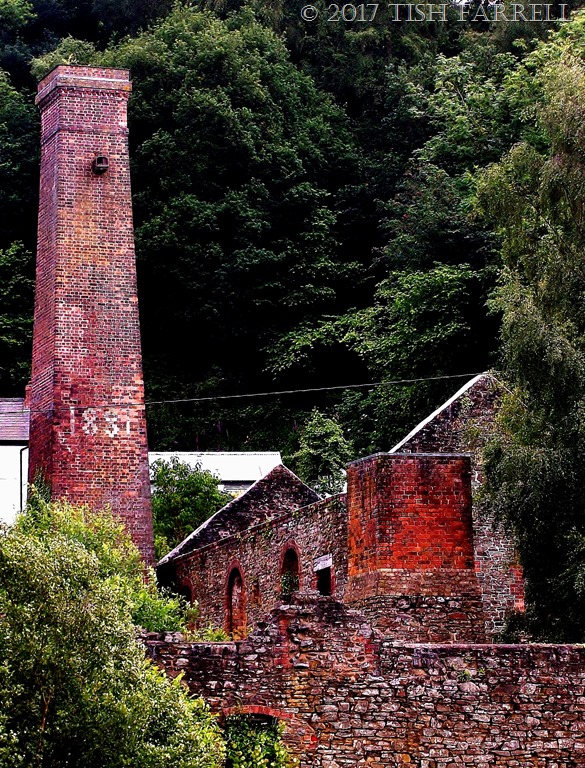
This photo was taken at Snailbeach Mine in the wilds of the Shropshire Hills. From the 1780s through the nineteenth century this was the most productive lead mine in the world, employing over 300 workers. But the history of lead mining in the area is much older than this, and for centuries the mineral was mined all over the nearby Stiperstones hills.

The Romans were certainly here. They left behind a great lead ingot weighing over 87 kilos and impressed with the inscription ‘IMP HADRIANI AVG’. This meant that not only did it belong to the Emperor Hadrian, but also that Snailbeach was an imperial mine between the years of his rule, 117-138 A.D.

The Romans used lead for water pipes, cooking vessels, paint and to sheath the hulls of ships.  Of course some of these purposes proved highly toxic to the users.

And it is now hard to imagine an association between something as hard, industrially wrought and poisonous as lead and these delicate harebells that seem to thrive on the waste ground near the mine ruins. In fact this whole area, with conservationists’ help,  has been so reclaimed by wildlife it is now part of the Stiperstones Site of Special Scientific Interest. The birdlife of the area includes red grouse, ravens, buzzards, peregrine falcons, curlew and the rare ring ouzel. There  are grayling and green hairstreak butterflies, fox and emperor moths. The vegetation includes heather, cowberries, whinberries and rare mountain pansies.

It is so heartening, isn’t it, when so much on the planet seems environmentally challenged. Here in this corner of Shropshire at least, the natural world has overcome – reclaiming this once poisonous, highly industrial environment.
034

For those of you interested in mining history there is more about Snailbeach HERE and HERE. The latter link includes lots of useful teaching information and has a great video of aerial views of the area, which is anyway worth a look if you want to see more of this fascinating part of Shropshire.

030

029

DP Daily Prompt: overcome

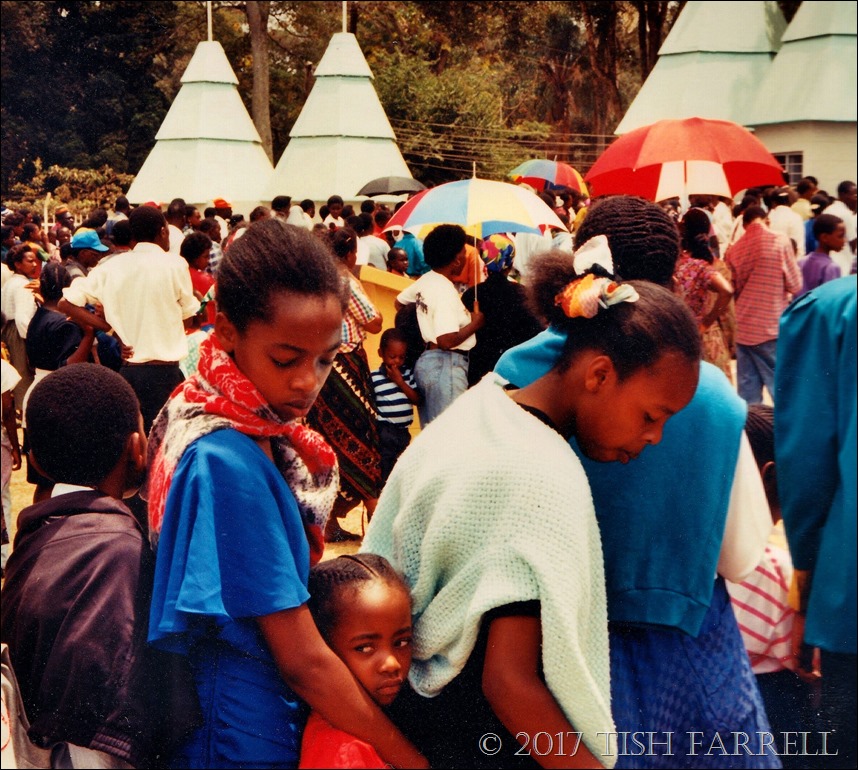
The 1995 Nairobi Agriculture Show ~ Waiting For Admission

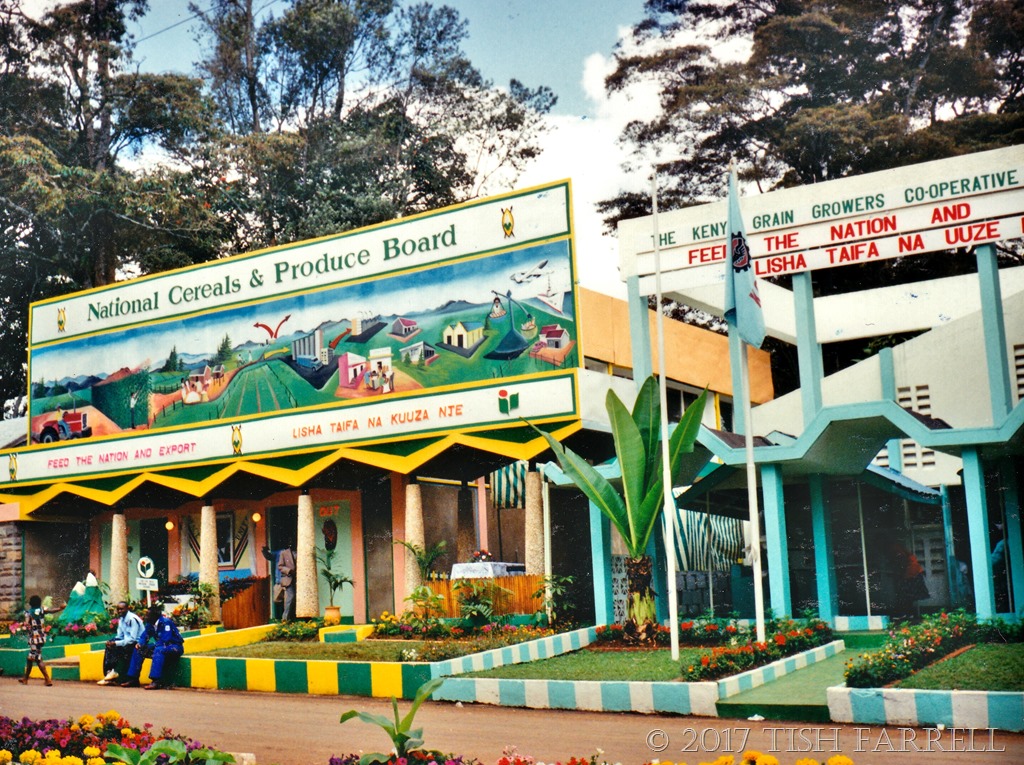
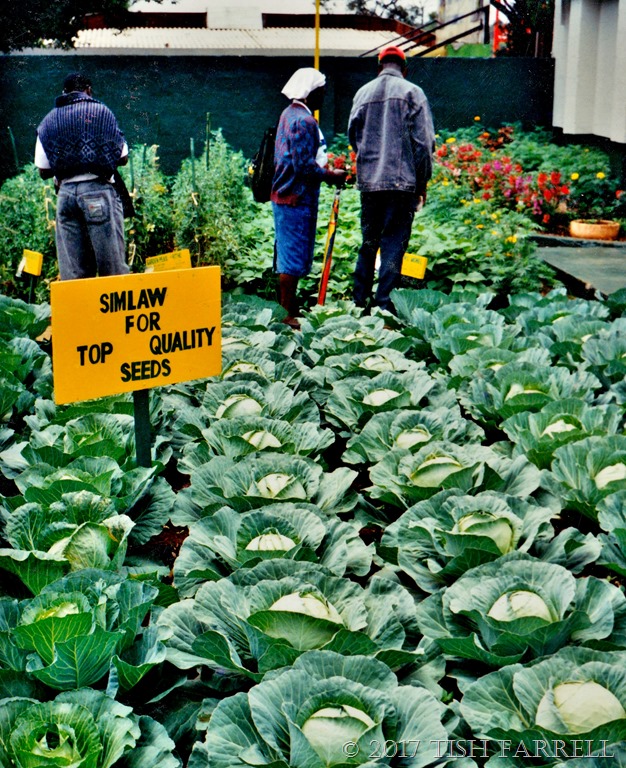
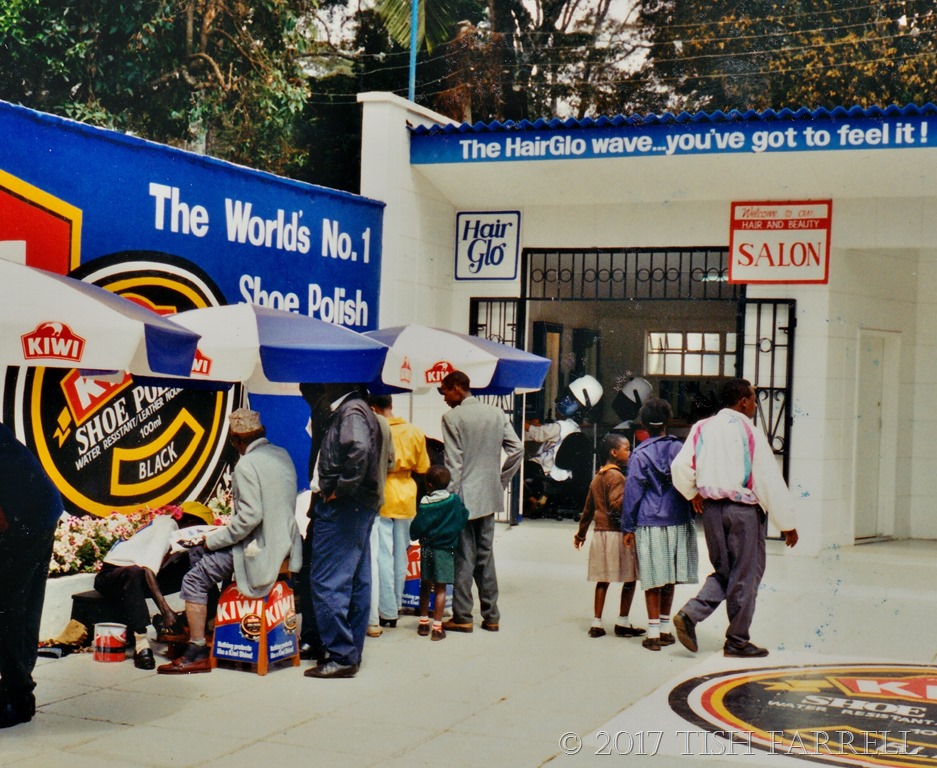
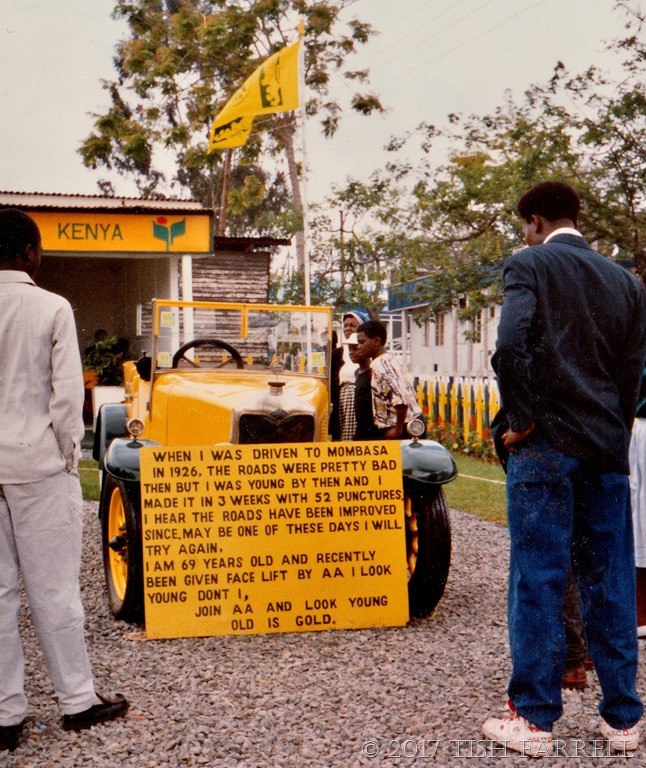
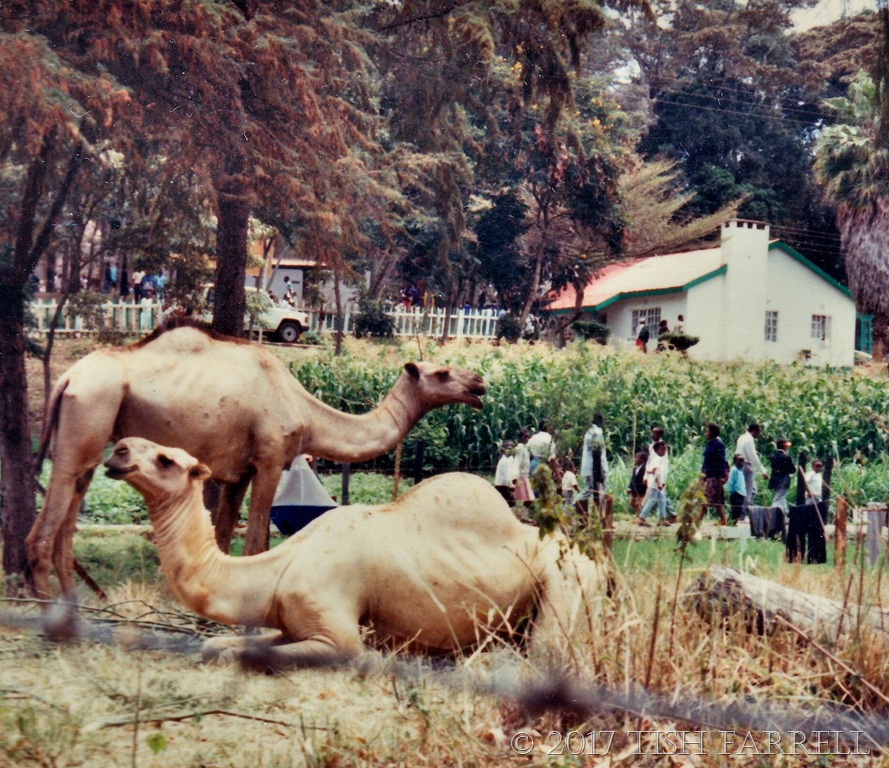
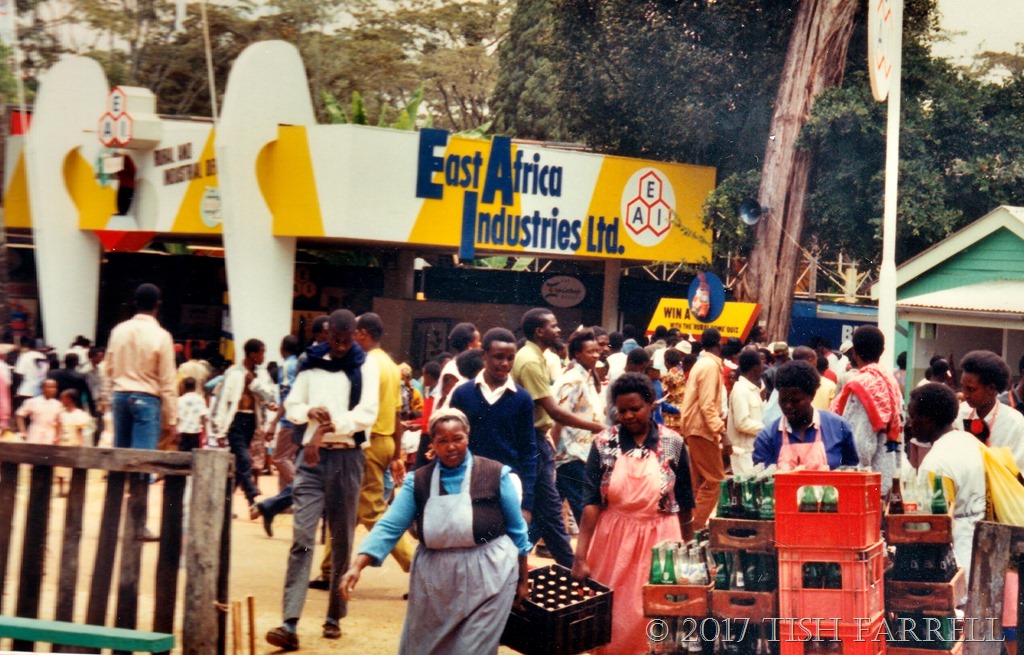
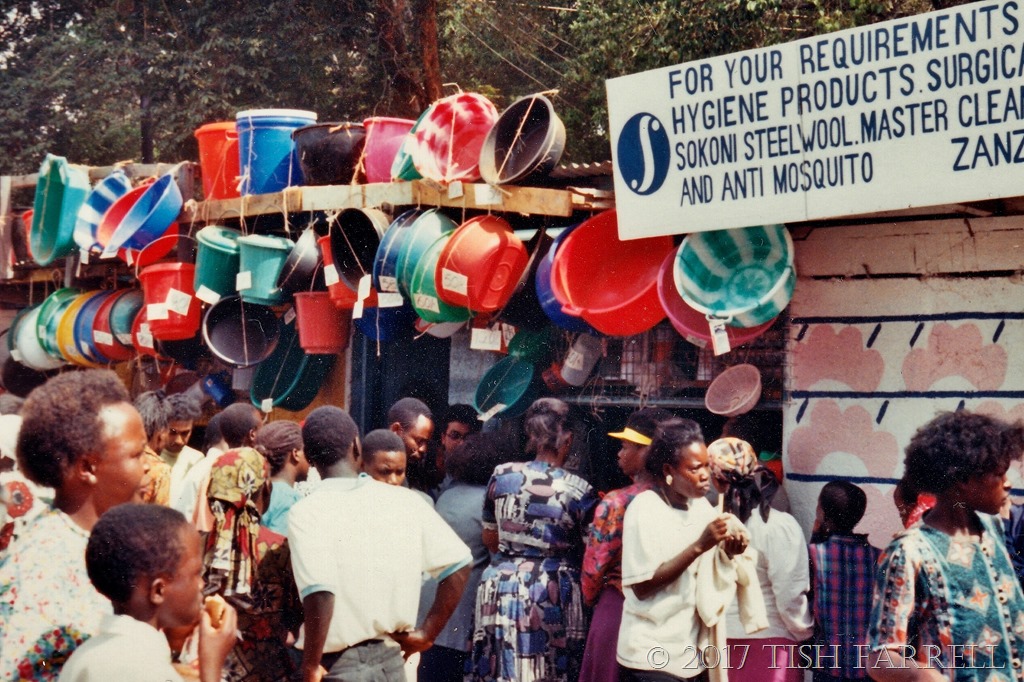
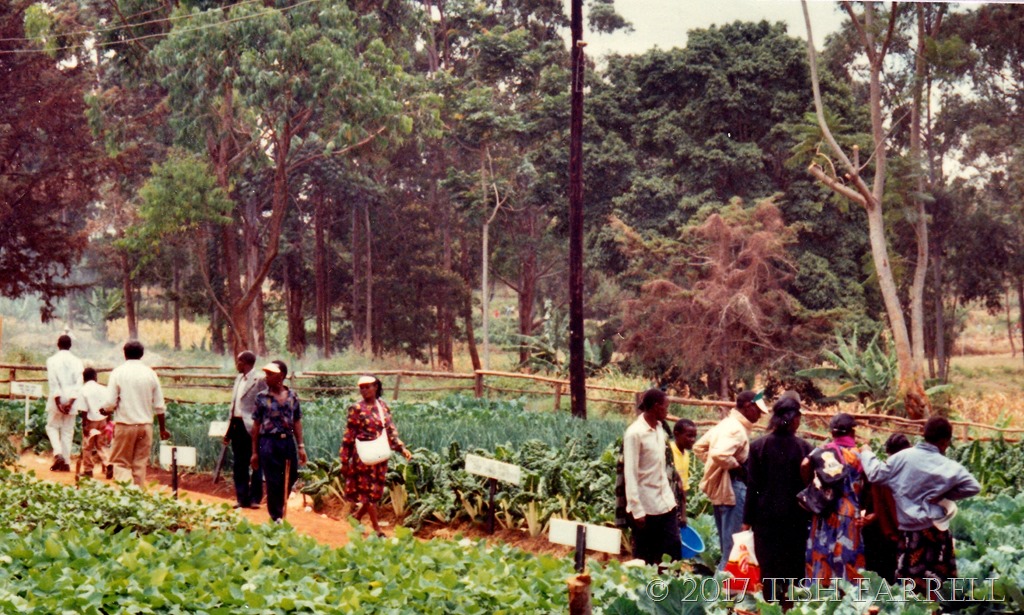
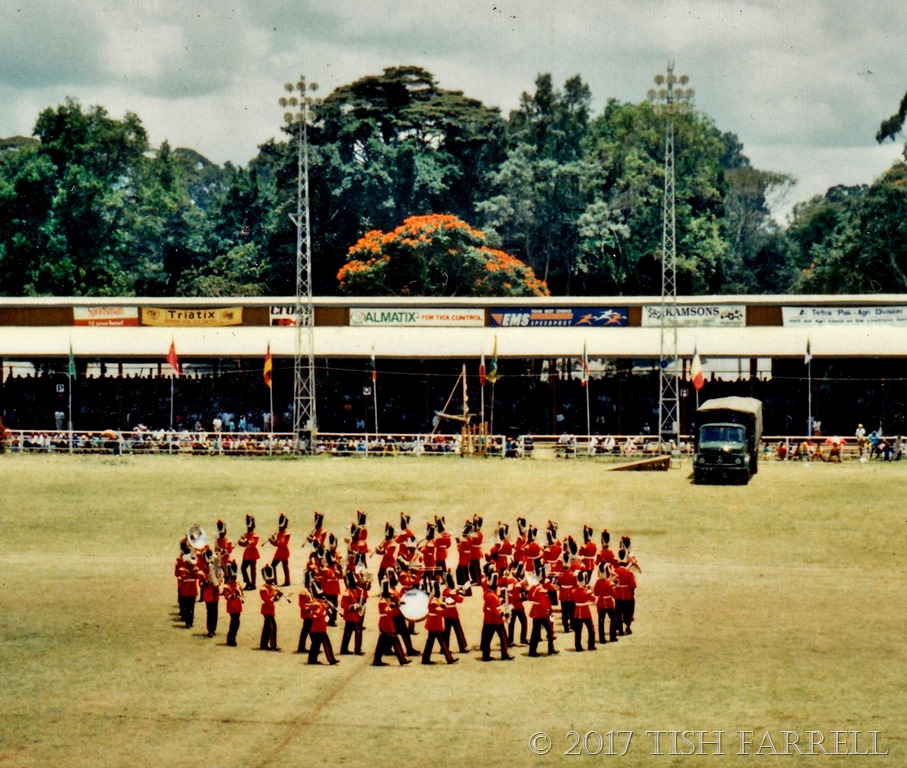
One of the truly useful institutions we Brits left behind in the African countries we invaded is the Annual Agricultural Show. We went to both Kenyan and Zambian versions, and found them hugely popular events, still held on their original dedicated show grounds. Nor are they simply about entertainment, shopping and crop and stock competitions, although there is plenty of all of these to be had. I remember one Kenyan smallholder being quoted in the national press. He had travelled many miles to attend the Nairobi show, and at some expense. ‘But,’ he said, ‘this show is my university. This is where I come to learn how to improve my farming skills.’

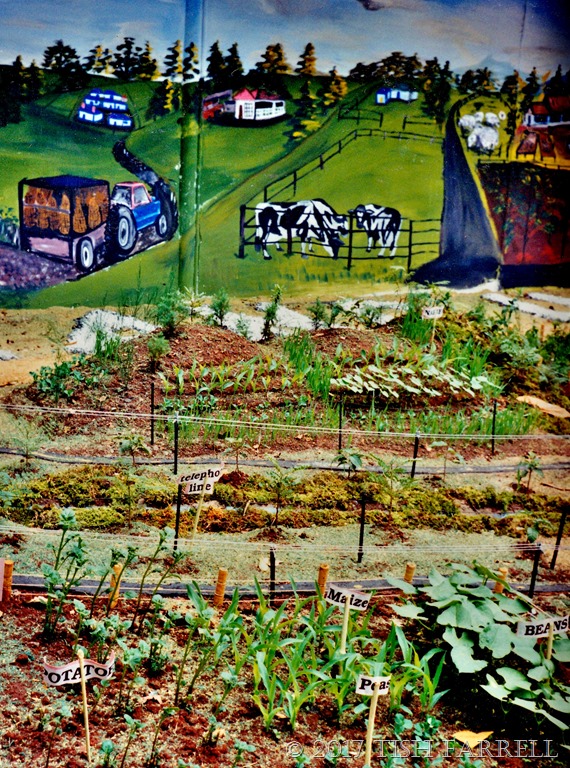
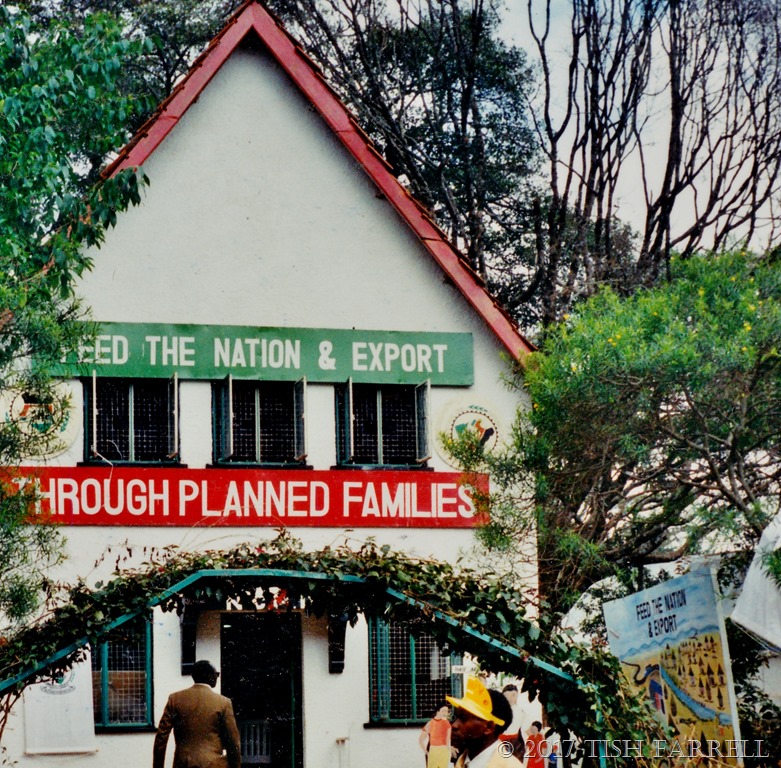
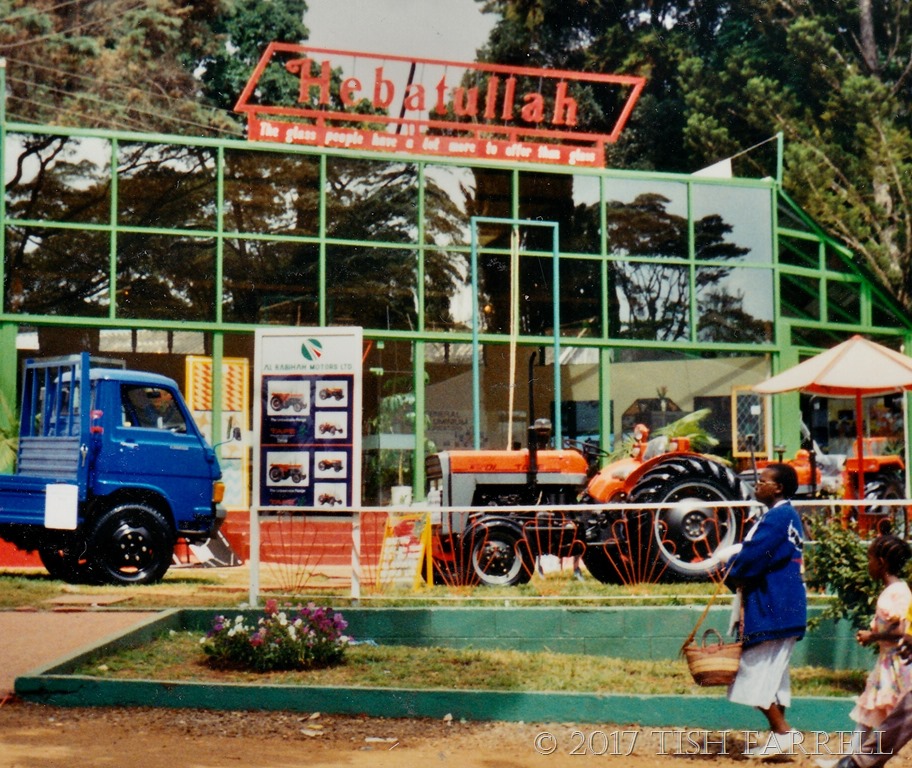
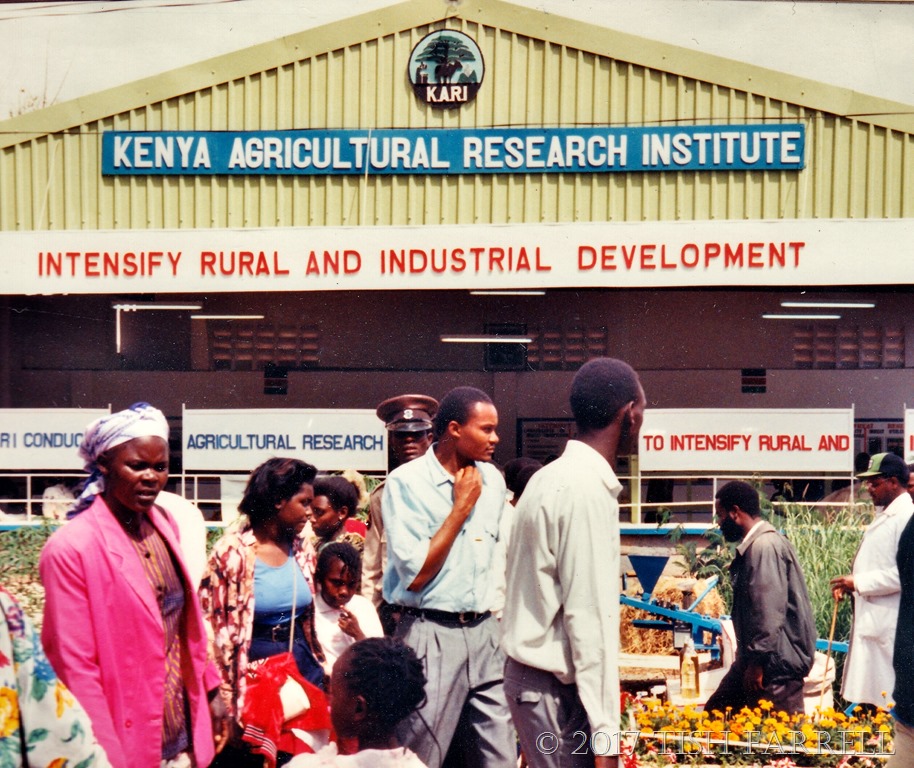
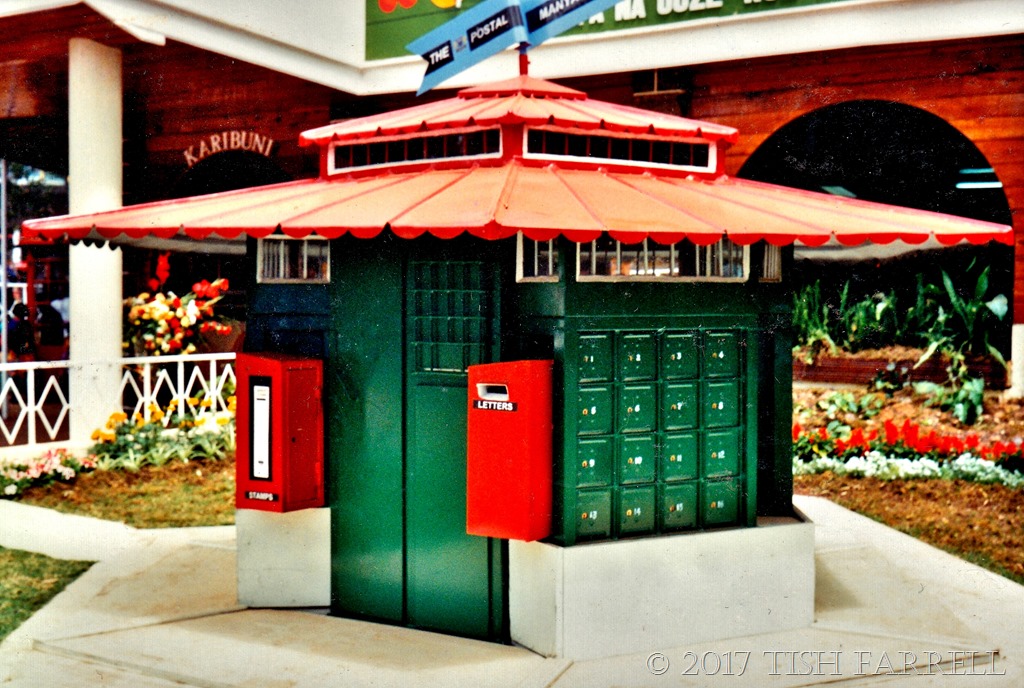
And as we wandered round we certainly found plenty of advice to hand, much of it rendered in model farm lay-outs. There was also that year’s exhortatory slogan to spur all  to action: “Feed The Nation And Export”. And there were promotional exhibits for small-scale battery chicken rearing, camel raising, the Post Office and family planning. Even the National Archives had a small pavilion in which they were showing 1950s film footage from the Land Freedom uprising aka Mau Mau. The Young Farmers were showing off their crop  growing and the Kenya Agricultural Research Institute (the place where Graham had his office) also had a big stand with plenty of experts to provide farmer guidance.

Welcome to Nairobi’s 1995 Agricultural Show:

Agri show 1995

Agri show 1995 b

Agri show 1995 c_0001

Agri show 1995 c_0006

Agri show 1995 c_0008

Agri show 1995 c_0009

Agri show 1995 c_0003

Agri show 1995 c_0013

Agri show 1995 c_0013 - Copy

Agri show 1995 c_0015

Agri show 1995 c_0015 - Copy (2)

Agri show 1995 c_0016 - Copy

Agri show 1995 c_0011

Agri show 1995 c_0010

Daily Post: waiting

This slideshow requires JavaScript.

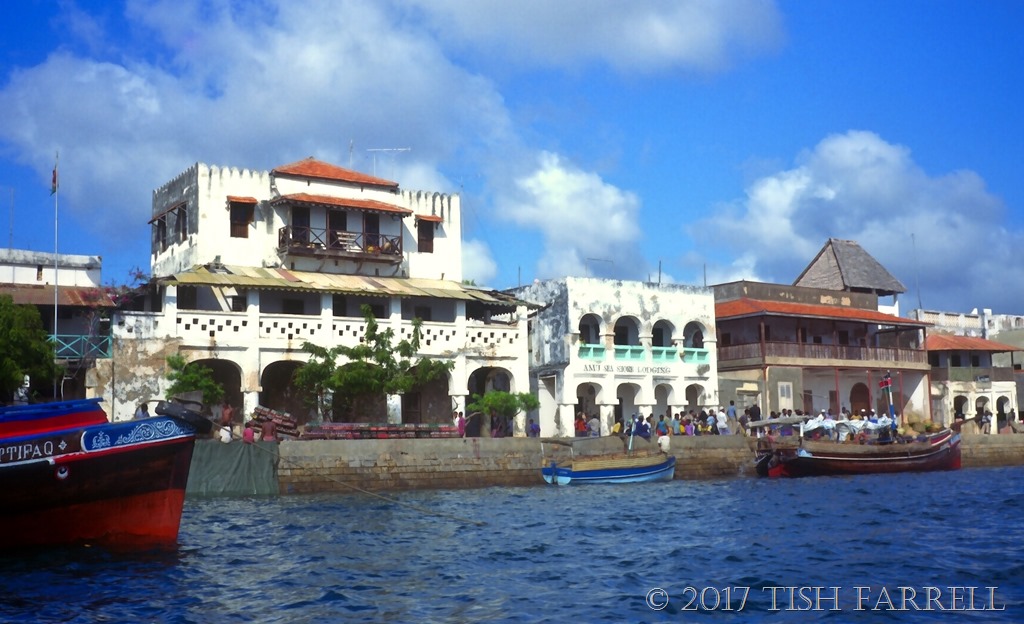
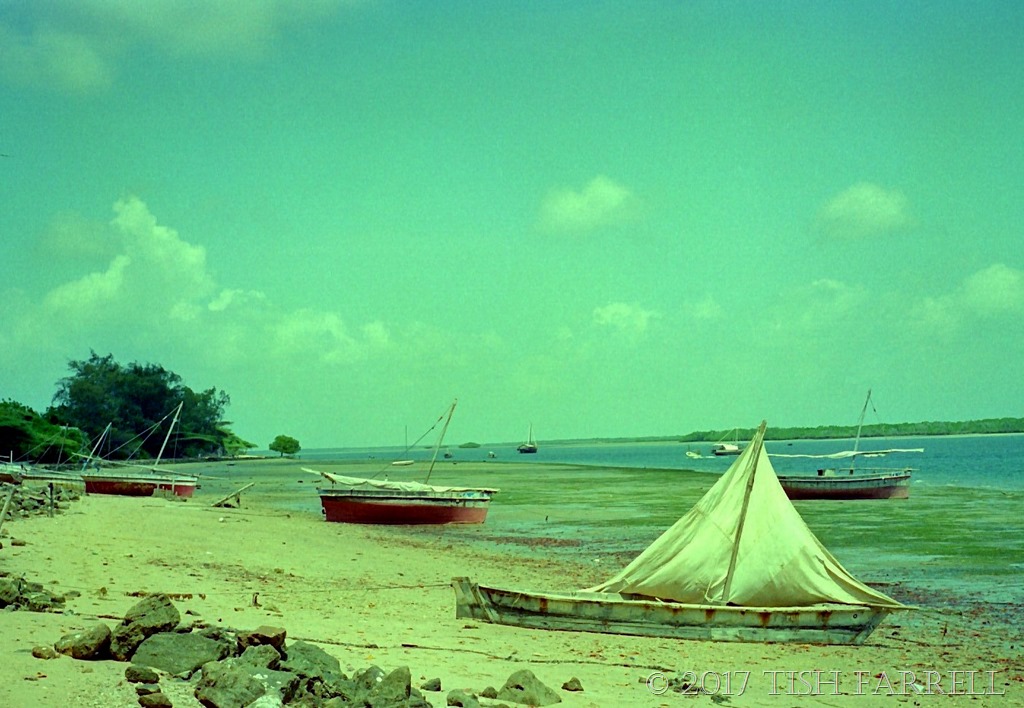
Quayside Lamu ~ Thursday’s Special

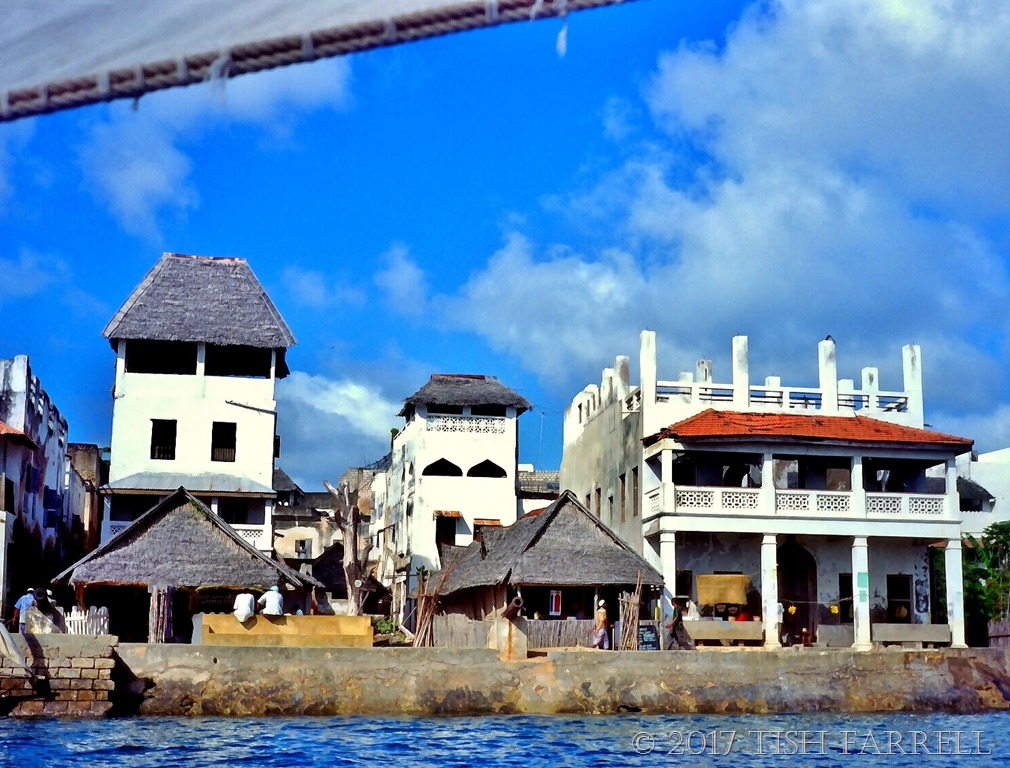
The Swahili communities of the East African seaboard grew out of the commerce between Arab dhow merchants and African farmer-fishermen. It is a trade that began perhaps two thousand years ago, and it is a trade that relied on the gyre of monsoon winds – the kaskazi that bore the dhow merchants south from the Persian Gulf, and the kusi to take them home.

Some of them stayed of course, to manage the trade with the African hinterland. Gold and ivory, ambergris, leopard skins, tortoiseshell and mangrove poles were the lure. In return they traded beads, brass wire, textiles, rugs, dates, porcelain. And so from at least 800 years ago city states grew up along the coast – from Lamu near the Somali border in the north  to northern Mozambique in the south, and also out on the Indian Ocean islands of Zanzibar and the Comoros. So evolved a new culture as Arab merchants married African women, and along with it a new language KiSwahili – the fusion of Bantu vernaculars and Arabic. Today Swahili is the lingua franca of East Africa (Uganda, Kenya, Tanzania) although the purest form is deemed to be spoken on Zanzibar.
The trade had its vicious side – slavery, and Stone Town on Zanzibar was notorious for its slave market. The slaving and ivory expeditions of Tippu Tip, a Swahili merchant, were the scourge of Central and East Africa during the nineteenth century. He himself was a Zanzibari plantation owner, but he also served the Omani sultans of Zanzibar who had extensive clove plantations on the island, and furthermore ruled much of the East African coast until the British arrived in the late nineteenth century and whittled down their control.

Even so the East African slave trade continued on into the twentieth century. Slaves were still being sold on Lamu until 1907 when the trade was finally banned.

Scan-140802-0013 (2)

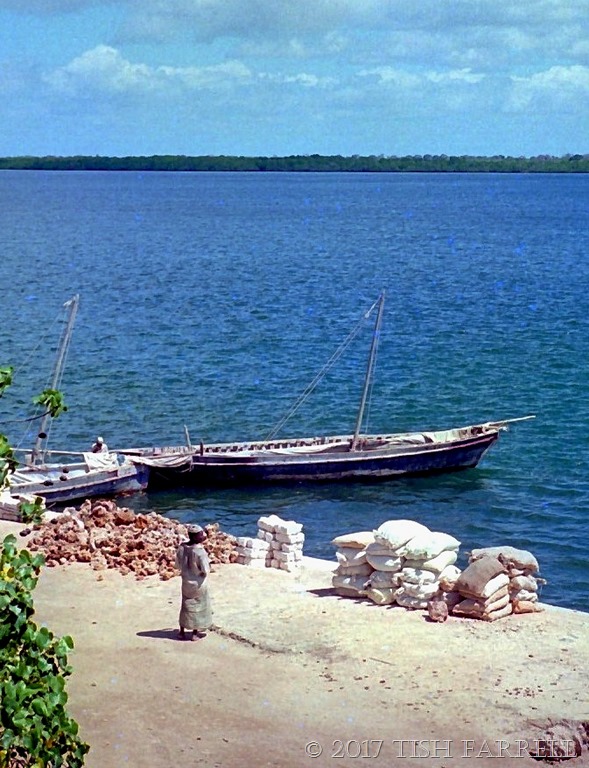
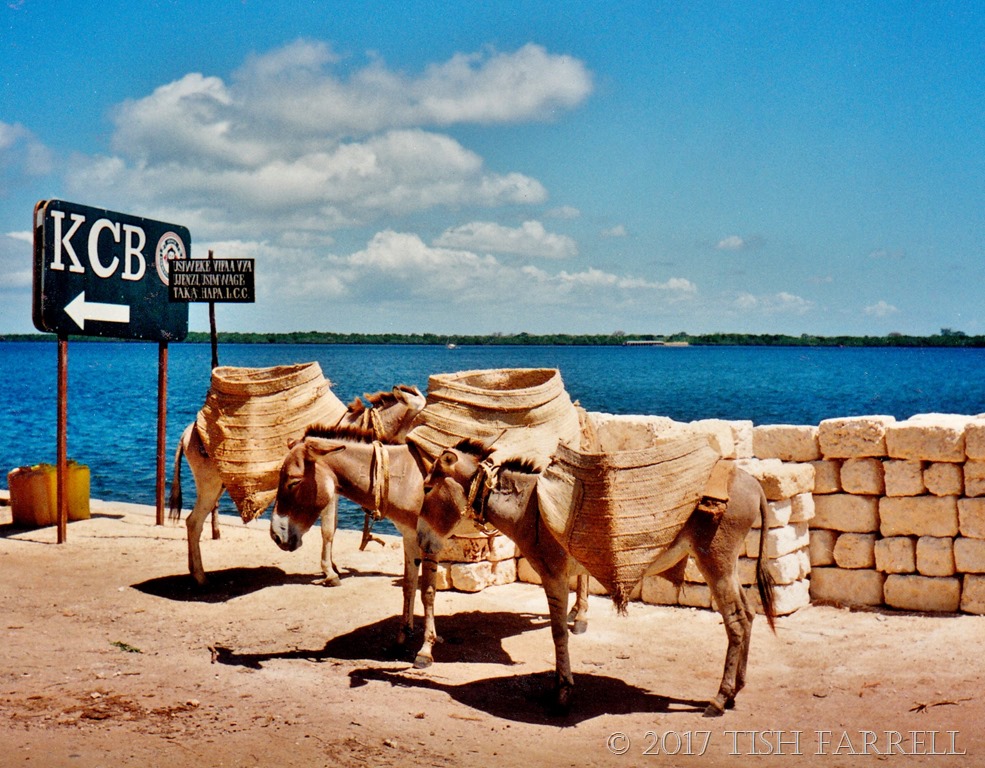
These days the main trade on Lamu is tourism, and the large Arab dhows, bearing dates and rugs and treasure chests, no longer call in there. Local trade using the smaller Lamu dhows still thrives though. Today’s main exports are mangrove poles, coral rag stone and coral mortar – all for the construction business, and boats are also the main form of transport around the island unless you want to walk or take a donkey. All auto traffic, apart from ambulances, is banned, although this year’s political campaigning has seen the arrival of illegal MPs’ vehicles and noisy motorcycles, so risking the rescinding of the town’s UNESCO World Heritage status. Hopefully things will settle down again. But in any event the quaysides of Lamu are still key to life there. In fact the two mile footpath from Lamu town to Shela Village, the other main community, seems to be one long quayside.
Scan-130429-0012

Scan-130428-0098

IMG_0053

copyright 2017 Tish Farrell

Thursday’s Special  Please visit Paula for more September word prompts. In case it’s not obvious, my choice was ‘quayside’.

A Forgotten Photo Found ~ Tsavo West

This wasn’t supposed to happen. I was on a mission to declutter the house, which led me inevitably to the old seaman’s chest – that personal cess pit of file dumps; the place where all the research notes, photocopies, story drafts that won’t fit in the three office filing cabinets end up. In truth, this excess stuff weighs heavily on my psyche – my mental albatross.

Many times I have lifted out the boxes of Kenyan newspaper cuttings with a view to swift despatch. They date from 1992 to 2000, and are sorted into topics such as ‘forced marriage’, ‘female genital mutilation’, ‘street children’, ‘colonial residue’, ‘wildlife conservation’. There are articles on politics, land grabbing, the Kakamega gold rush, Maasai customs, Akamba myths, shape-shifting and witch finding. The period covered is one of great political change in Kenya – the World Bank impositions of structural adjustment and international pressure on the single party Moi regime to adopt multi-party politics Western-style. And there’s the catch. I can tell myself this cuttings file is of some historical importance. Is this not reason enough to keep it?

And the other reason? Well, it’s my source material, isn’t it? All the stories I have yet to write or finish off. How can I possibly throw out all this valuable stuff?

But still there’s the secret doubt. Quite a big niggle actually. Haven’t I hung on to it all because I doubt my own capacity to remember, and if I don’t remember, isn’t it too late to go back and mine this doggedly accumulated reference collection. Might I not function better without it? Liberate myself from the psychic albatross?

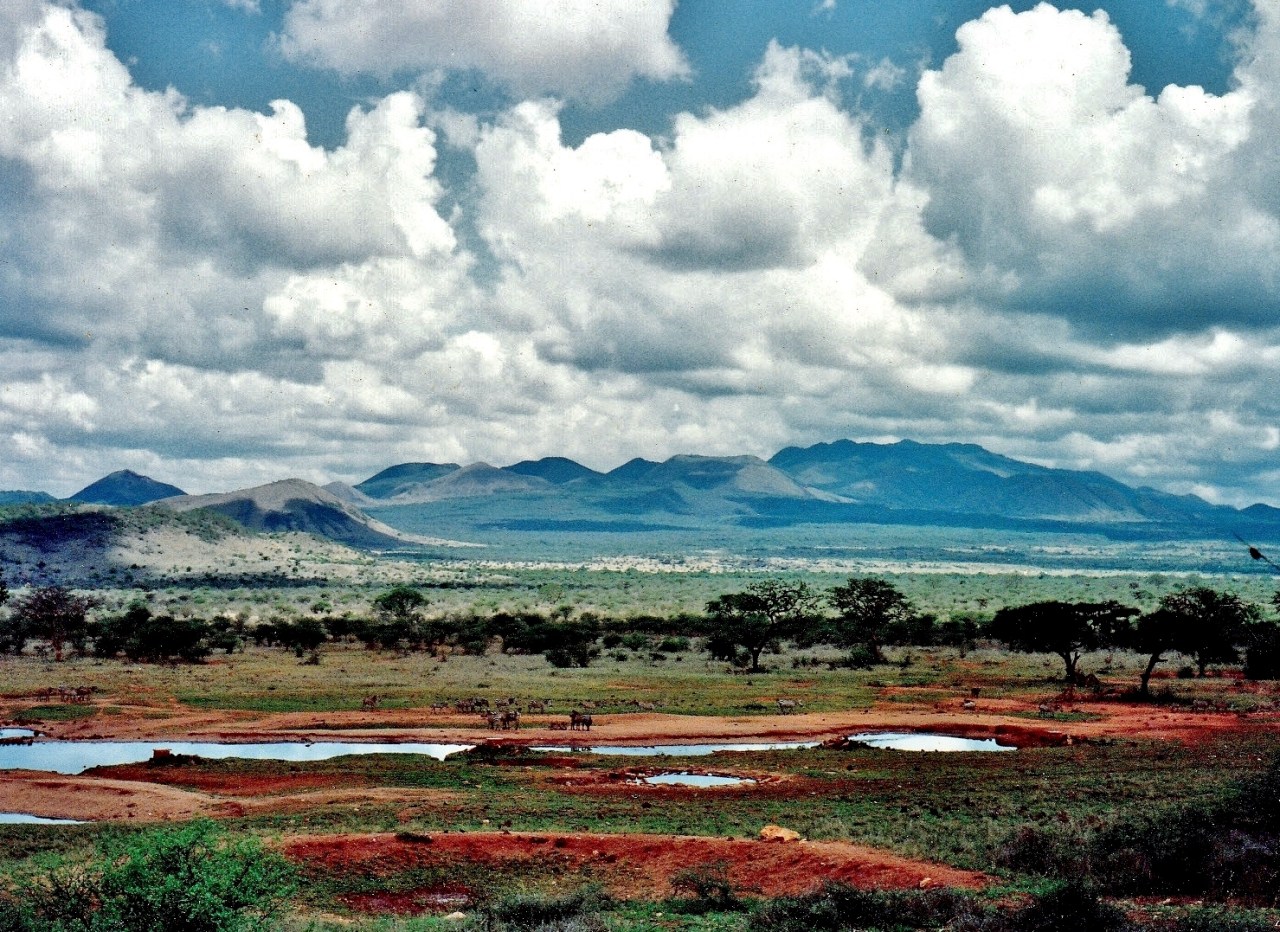
And so it was – in the midst of this endlessly circular argument, stacks of yellowing papers all over the floor that I opened a box and found this photograph. I don’t know how it missed being put in the album. It must have been taken in the mid-90s on a day’s safari to Tsavo West National Park. And now I see it, I remember taking the photograph. The waterholes are at the safari lodge, the red soil caught in the full flush of midday sunlight. You can just make out a herd of zebra. And in the background are the Chyulu Hills, still deemed volcanically active after a million and half years of eruptions.

However you look at it, this is a breathtaking vista – elemental Kenya. Priceless then?

The argument goes on. What is priceless, what is not. Doubtless the files will go back in the chest for another day of writerly self abuse. I’m glad I found the photo though.

copyright 2017 Tish Farrell


Daily Prompt: Priceless

After The Harvest Around Much Wenlock

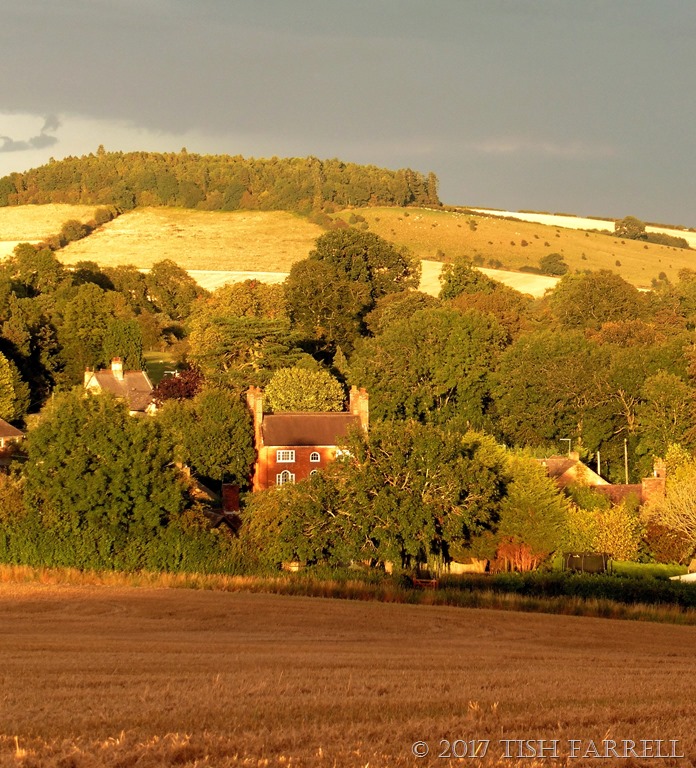
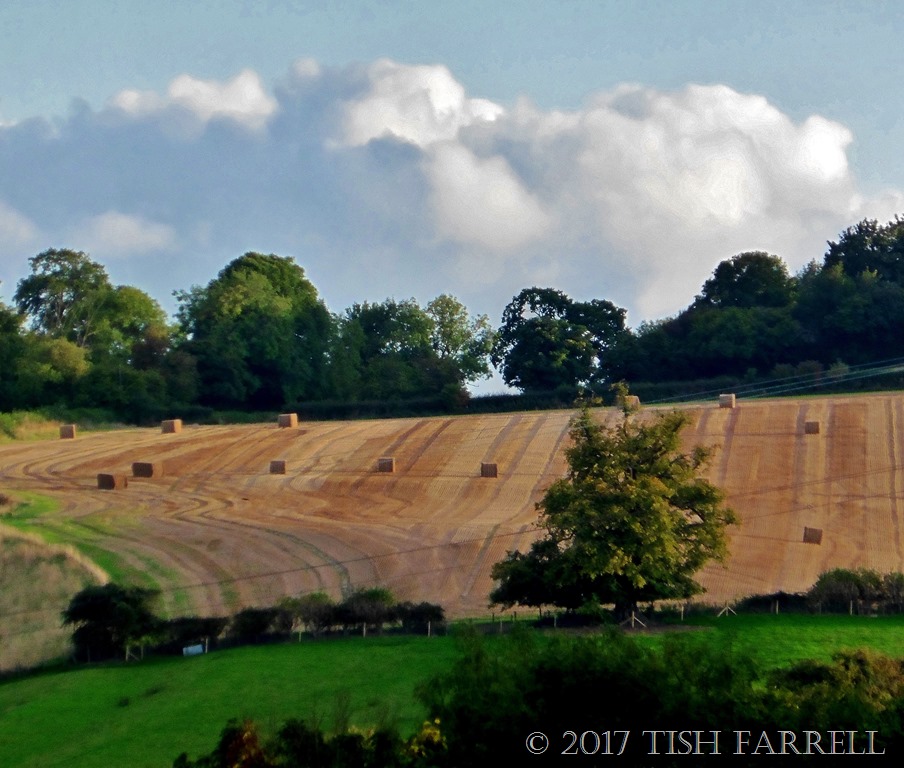
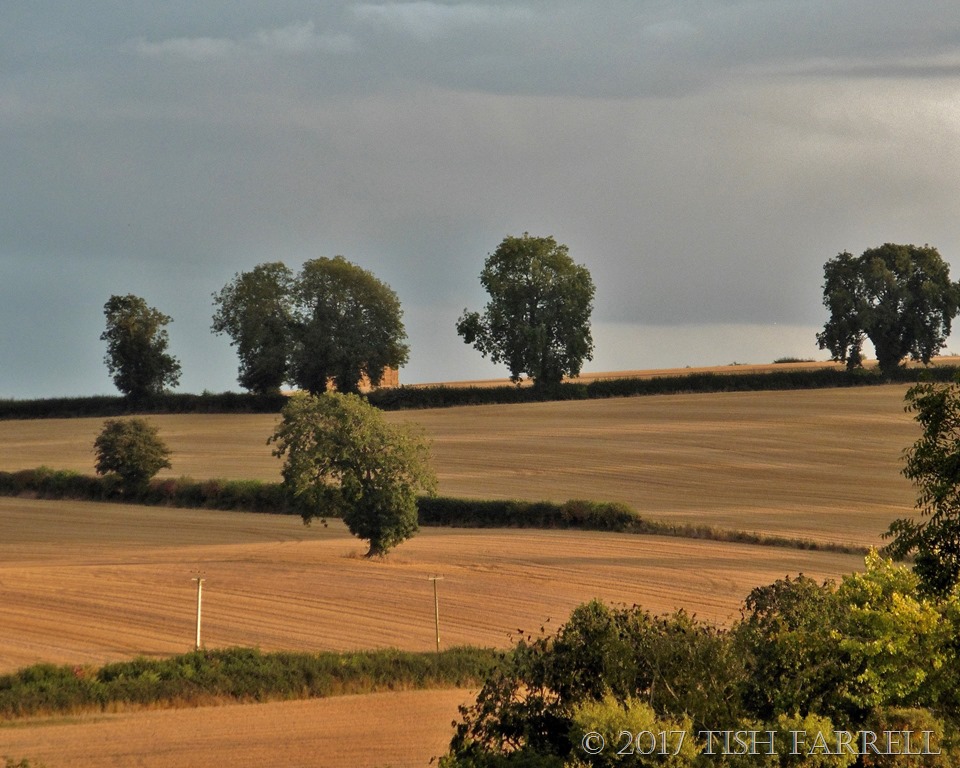
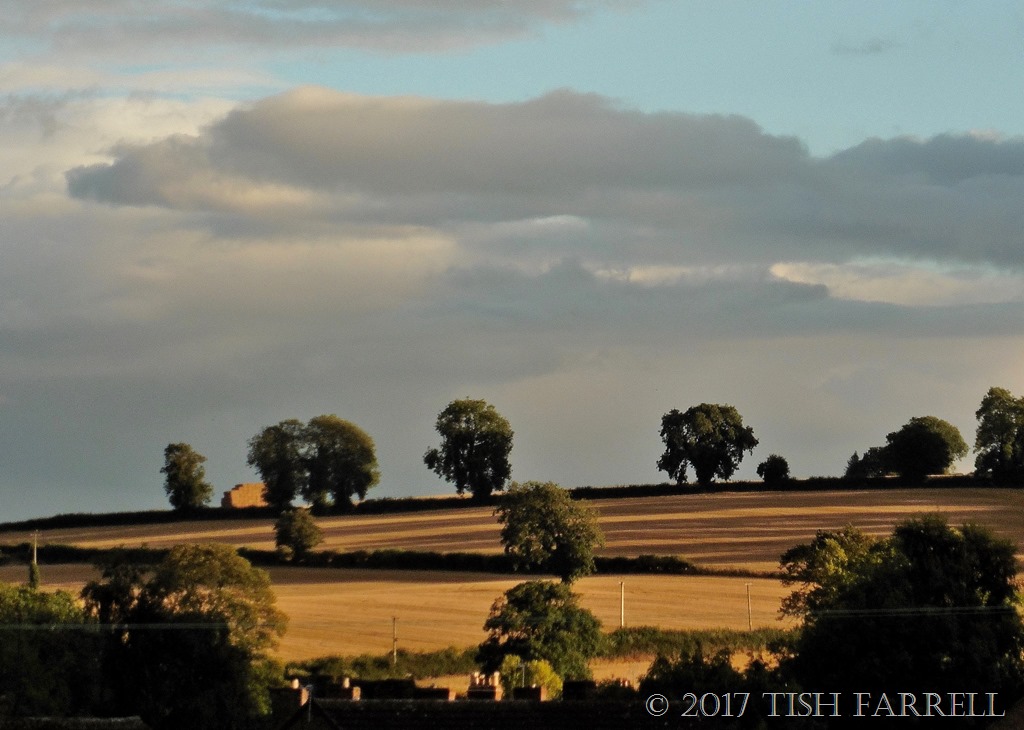
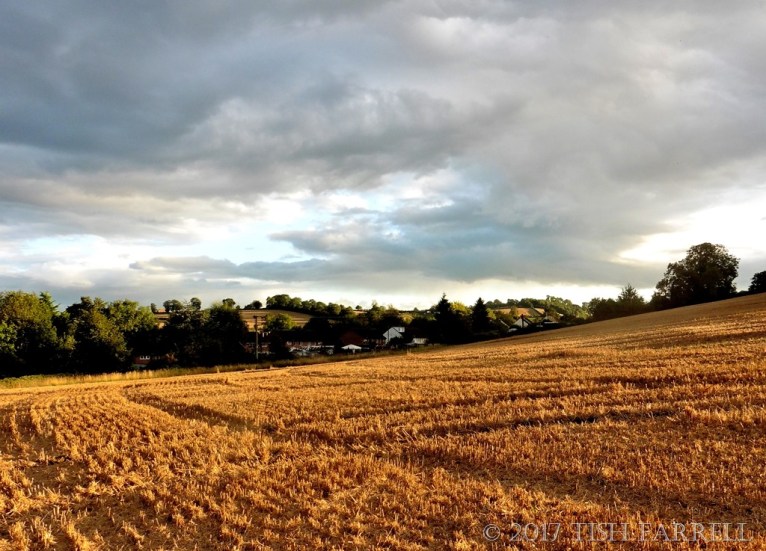
It’s the brief window of opportunity that comes when the wheat has been cut, and we Wenlockians can go in for a bit of unbridled scampering in the fields. Well, if not scampering exactly, at least walking up the hill behind the house for some fresh vistas of the town and its surroundings. I need to be quick. If past years are anything to go by, the ground will be harrowed and re-sown in the blink of an eye, so while I have the chance, I’m passing on some post-harvest views. I’ll also leave you with a paradox, because although we have good views around the town, within it there is an officially recognised deficiency in public open space; many of the footpaths that we use are permissive, that is to say, they are open only at the landowner’s discretion. In more ways than are often realised, feudal England, with its roots in patterns of Saxon landownership, still remains.

P1020123

Here you can see three of the town’s medieval relics, from middle left to right: the priory ruins, the priory gate tower, and the parish church that was once part of the priory. The town grew up around the priory, its residents subject to its rule, both in terms of paying tithes and providing labour. The monastic domain was considerable, based on the possessions of the 7th century Saxon Abbess Milburga. Her lands extended several miles – beyond the River Severn and the Ironbridge Gorge and into Madeley in Telford in one direction, and to Broseley, near Bridgnorth in the other. She was also the daughter of a Mercian king, and the setting up of religious houses ruled by princesses appears to have been a common and cunning Saxon strategy for maintaining control over the territory claimed by their regional kingdoms. After the dissolution of the monasteries in 1542, the monastic estate was sold off to members of Henry VIII’s court and merchant opportunists. Today, most of the land around the town is still in the possession of two large landowners. We are however fortunate that a good stretch of Wenlock Edge is owned by the National Trust which provides everyone with free access to a very special place.

P1020130

P1020111

The Red House, and a ghostly farm labourer off for an evening pint at the George and Dragon Inn?

*

P1020120

P1020121

I’m old enough to remember the days when the post-harvest straw was stacked in teepee-like stooks, and the wheat grains had to be detached from their ears in a hulk-like threshing machine. The farmer whose house we rented when we lived in Cheshire, would have the itinerant threshing man park his contraption the other side of our garden wall. I remember a sense of menace when I looked out of the bedroom window and find it had arrived. Once in action, it would throb hideously all day, spewing out great storms of petrol fumes and wheat dust.

*

P1020122

P1020114

Didn’t Rumpelstiltskin spin this stuff into gold?

*

P1020100


Six Word Saturday

Combine With Me ~ Wooing Wenlock Style

P1020090 - Copy (2)

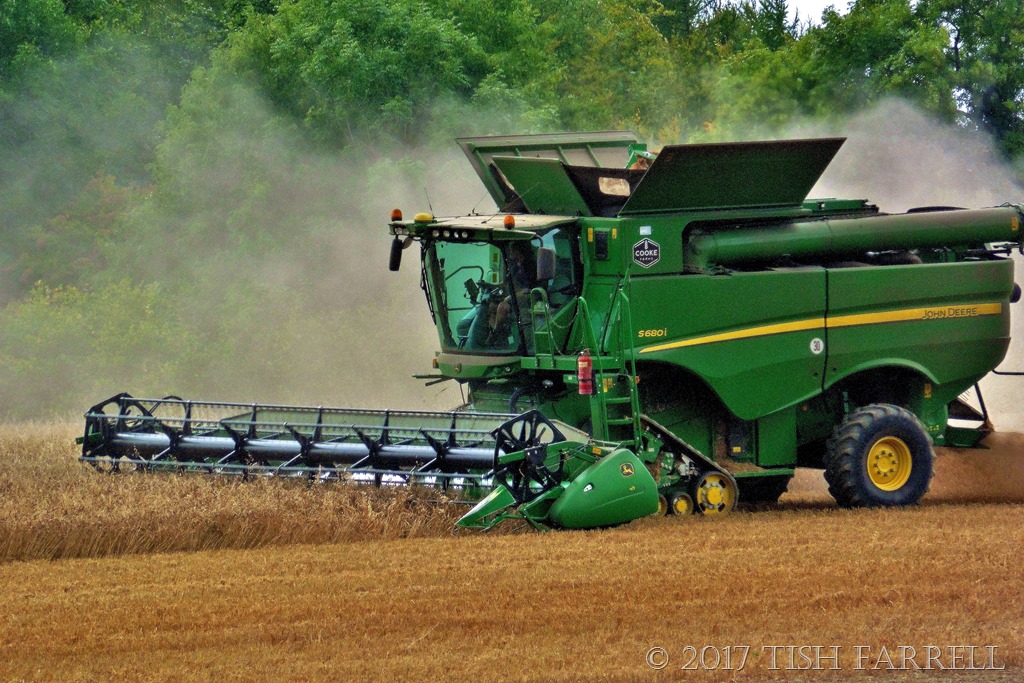
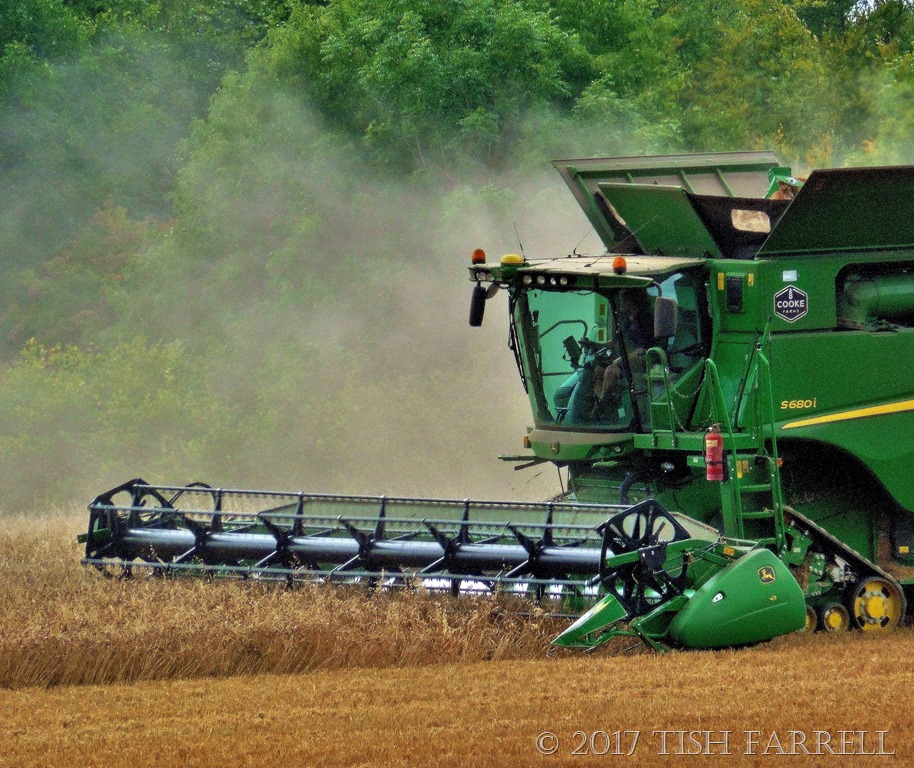
I mentioned that the wheat was being swept off the field on Tuesday afternoon. And as I’m actually rather impressed by seeing combine harvesters in action, and the dust they make, I took a few photos from the bedroom window. But when I looked at them later on screen, I was amused to see a shapely pair of legs nudged up against the combine driver’s jeans.  Aaaah. Greater love hath no young woman than to spend the day out harvesting with her lad.

P1020090

And for those who also have a yen for combine harvesters…

P1020081

P1020089

Thursday’s Special ~ July and August photo recap


This week Paula wants to catch up on the photos we posted over the past two months. A quick trawl through the picture archive shows that my posts have been all over the place – both in space and in time: memories from our years living in Kenya, a trip to New York, more recent wanders in Wales, Derbyshire, Cornwall, and the nearby Shropshire hills, then allotment and garden shots around Wenlock. I’ve grouped them by colour:

And finally some monochrome:

Well, that was fun, Paula. Thank you!

Thursday’s Special: July-August recap Please call in at Paula’s for a photo-treat.


The Weather On The Edge ~ Black & White Sunday

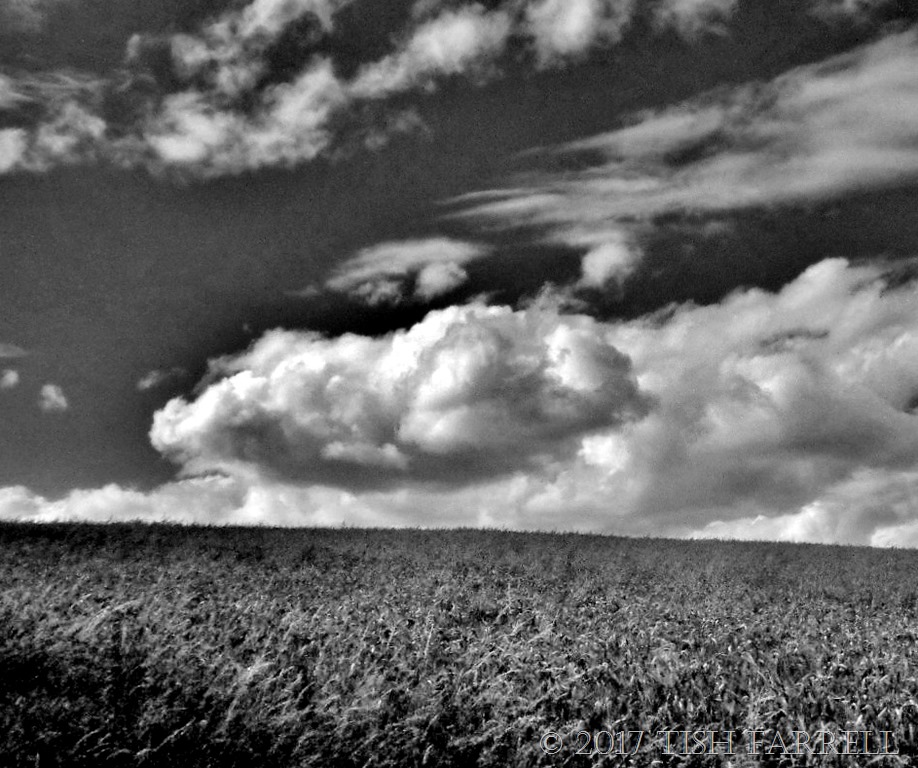
cropped bw

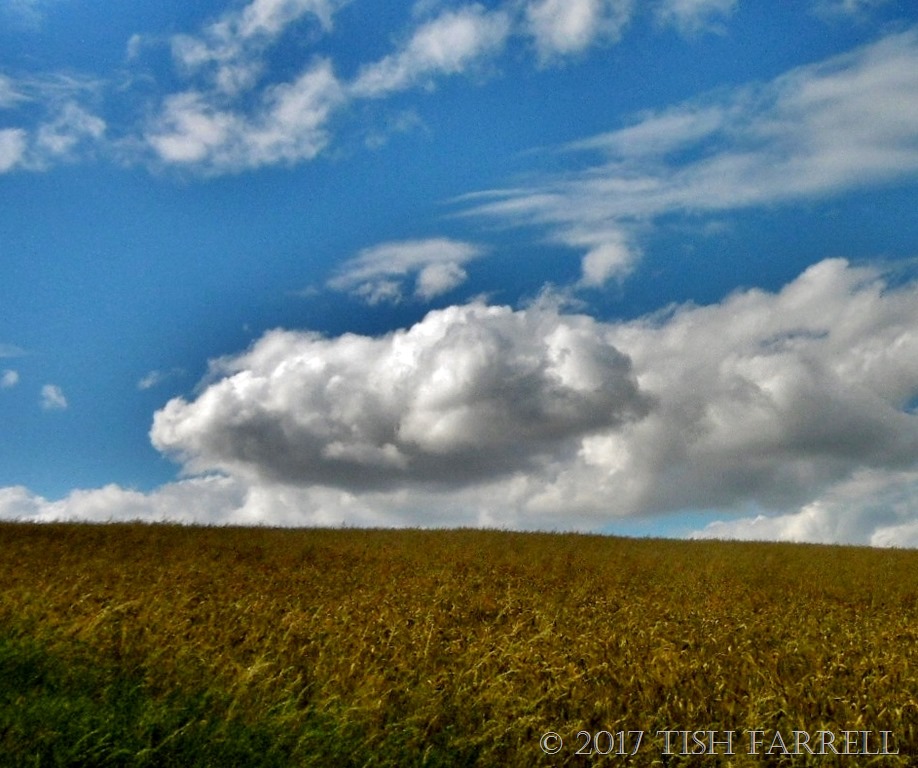
I often snap this view before I dive through the gap in the field hedge and into the allotment. I’ve said before how fascinated I am by the movement of weather beyond the brow of the hill. Sometimes I think it looks as unreal as a theatre backdrop, and especially so on blue-sky days. But as I am writing this, the sky is leaden, and the air full of chaff from the combine harvester as it thunders up and down the hill. Farm machinery these days is so over-sized and overbearing, the wheat cut and threshed in one process. The whole field will be cleared in an hour.

Anyway, that’s beside the point. This is an exercise in photo-editing, courtesy of Paula at Black & White Sunday. This week she asks us to show her a colour photo that has been transformed into monochrome – and ‘after and before’. Below is the original:

P1080678 - Copy

Please visit Paula at the link above for more afters and befores.