sunday stills: Get your pumpkinhead now


IMG_0394

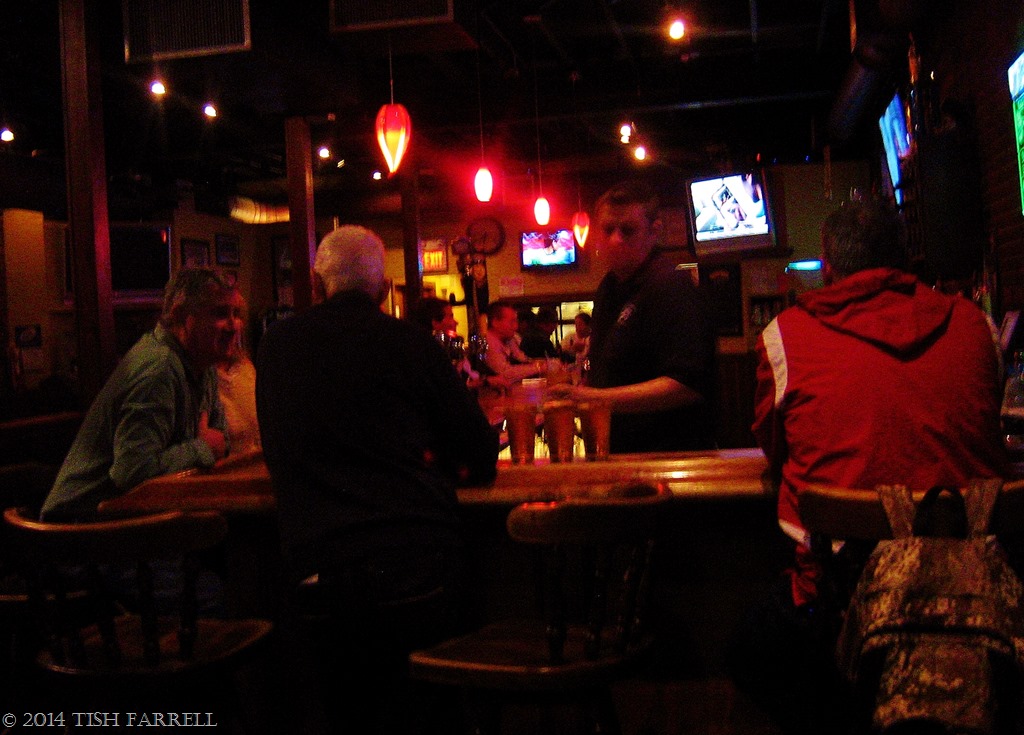
We had left Maine in late September sunshine, heading for Boston on the last leg of our journey before returning to the UK. We arrived mid-afternoon after mooching around Portsmouth. The sun lasted long enough for a fine view of Jamaica Pond, and then the rain moved in. By supper time it was cold and dreary and we did not feel like walking far from our B & B. We wandered a couple of blocks up and down Centre Street, looking for somewhere to eat. Nowhere beckoned, but at least the red glow of Costello’s sports bar looked welcoming. And it was welcoming. A query about the best brew on offer very quickly led to this:

IMG_0396

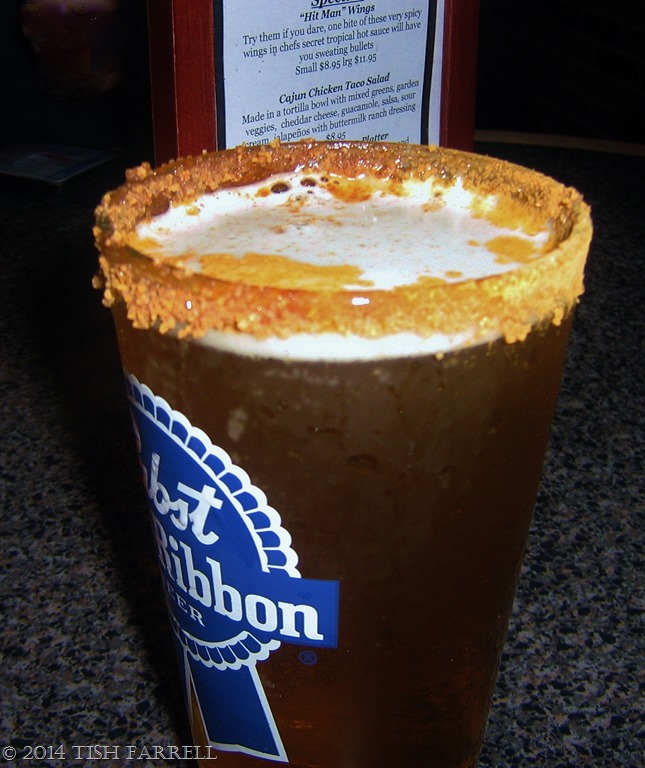
DA-DAAH! A round of applause for Shipyard Pumpkinhead Ale.

I have to tell you that this was a whole-body experience. The rim of the glass came coated in caramel, sugar and cinnamon, which then proceeded to dribble down the sides. And all over our hands, which then required clean-up trips to the rest-room. But never mind. The ale was delicious, and required further sampling, and more de-sticking, and finger-licking. To hell with it. Who needs supper.

I now discover that this ale was created first in 2002, and that the Shipyard Brewing Company had its beginnings in Kennebunkport Harbor ME. In 1992 entrepreneur Fred Forsley joined forces with English master brewer, Alan Pugsley and started Federal Jack’s Restaurant & Brew Pub. This was the birthplace of Shipyard ales, but so popular were their English and seasonal ales, they soon had to move production to bigger premises in Portland ME.

IMG_0328

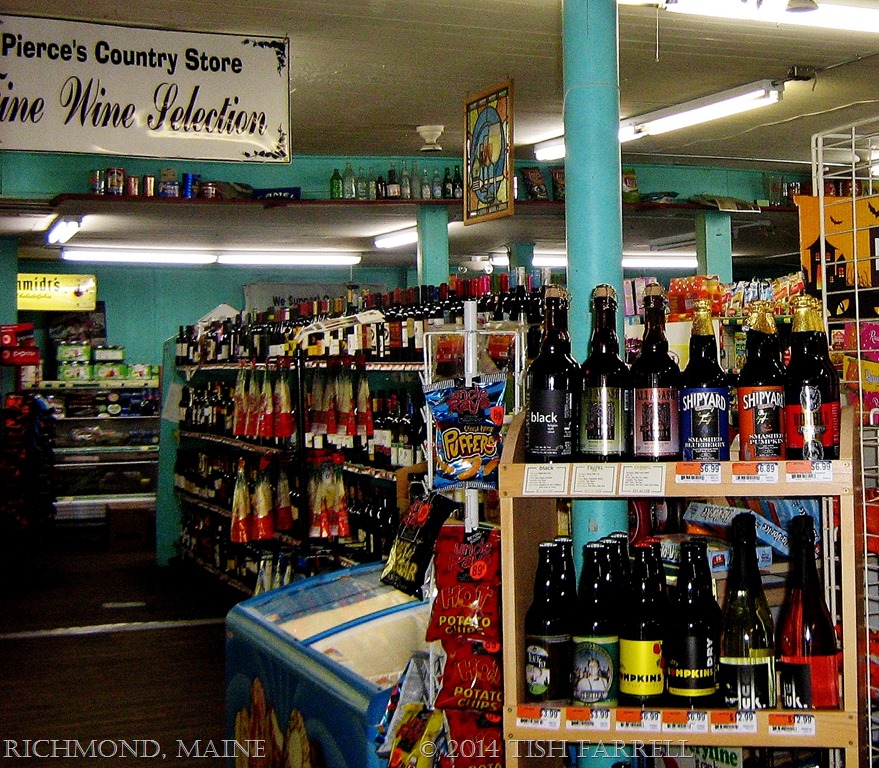
The other thing you need to know is that Pumpkinhead Ale is strictly seasonal, and only available between August and November. So get yours now. It is described as “a crisp and refreshing wheat ale with delightful aromatics and subtle spiced flavor”. 

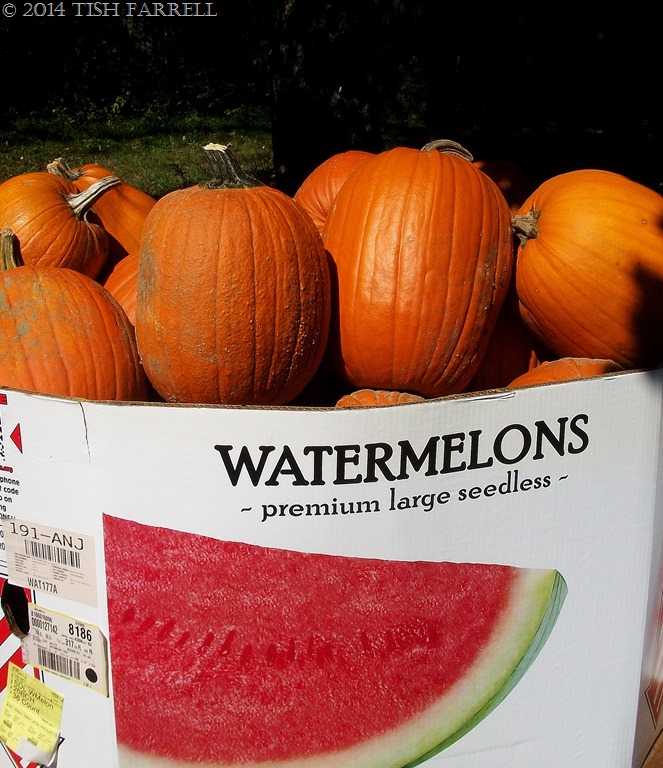
I’ll second that, or even third it. But just to finish off, and continue in the seasonal vein  (since autumn has definitely come to England a month early), this last photo was taken at a farm shop just outside Kennebunkport. It’s the sort of quite understandable confusion that might arise after a beer or two. Chin-chin!

073b


copyright 2014 Tish Farrell


Sunday Stills

Sundown in the Maasai Mara

Scan-140726-0025


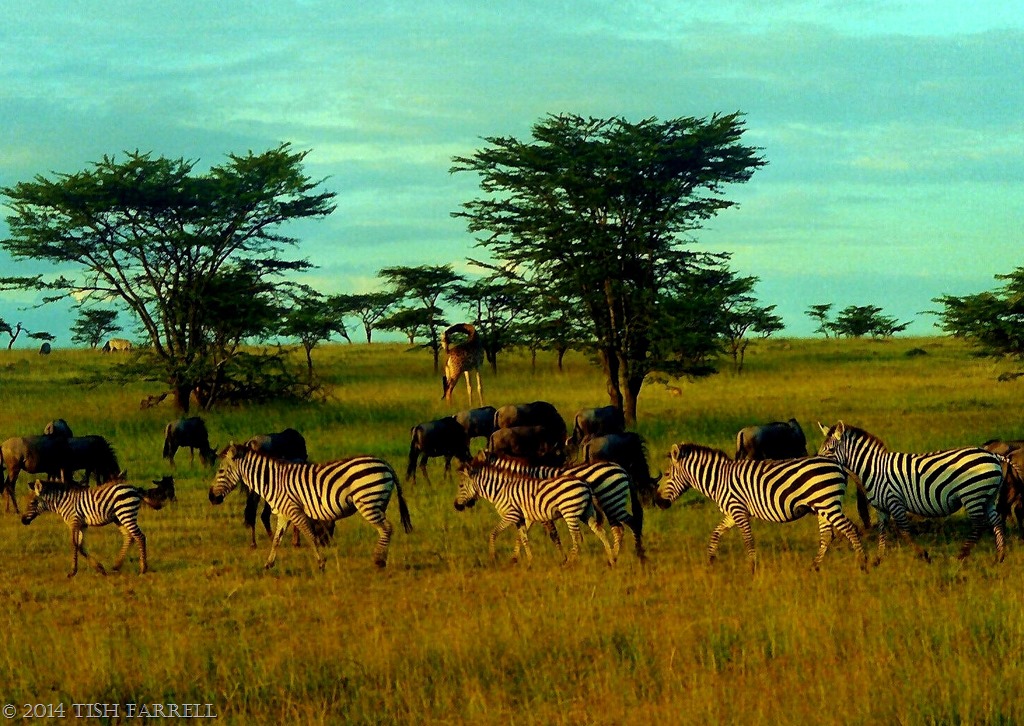
Night comes swiftly at the equator, usually at 6 to 6.30 pm. But around 5 pm there is that perfect moment when the light is like molten honey.  This shot was only a quick snap, taken after a game drive, and as we were heading back to camp on the Mara River. Our driver-guide was intent on one last go at spotting a leopard. For our part, we were simply entranced by this scene. Even at the time it seemed as if we had stepped into an oil painting. Besides, this was the most game we’d seen in one place all afternoon. Because that is something that wild life films tend not to show you: that you can drive for hours across the African bush and not see a single animal.


There is also more going on in this scene than is immediately obvious. Behind the zebra are some wildebeest; then the giraffe between the thorns. I’m not sure what the pale animal is on the top left horizon, but from its size I’d say  it is probably an eland. Then if you look carefully  just below the right hand bough of the right hand thorn tree, you might make out a brown dog-like shape. Hyena. There will doubtless be others in the grass. Once it was thought they were only scavengers, moving in on big cats’ kills. But now they are known to be hunters too. They prey on gazelles and larger antelope. Even a lone hyena can bring down a full-grown wildebeest, and pack away 15 kilos of meat at one sitting. They have jaws like industrial meat grinders, and believe me, to come upon one at close quarters, is not recommended.


Sunday Stills: Crowd Work

copyright 2014 Tish Farrell

Transported on Lamu


Scan-140801-0001


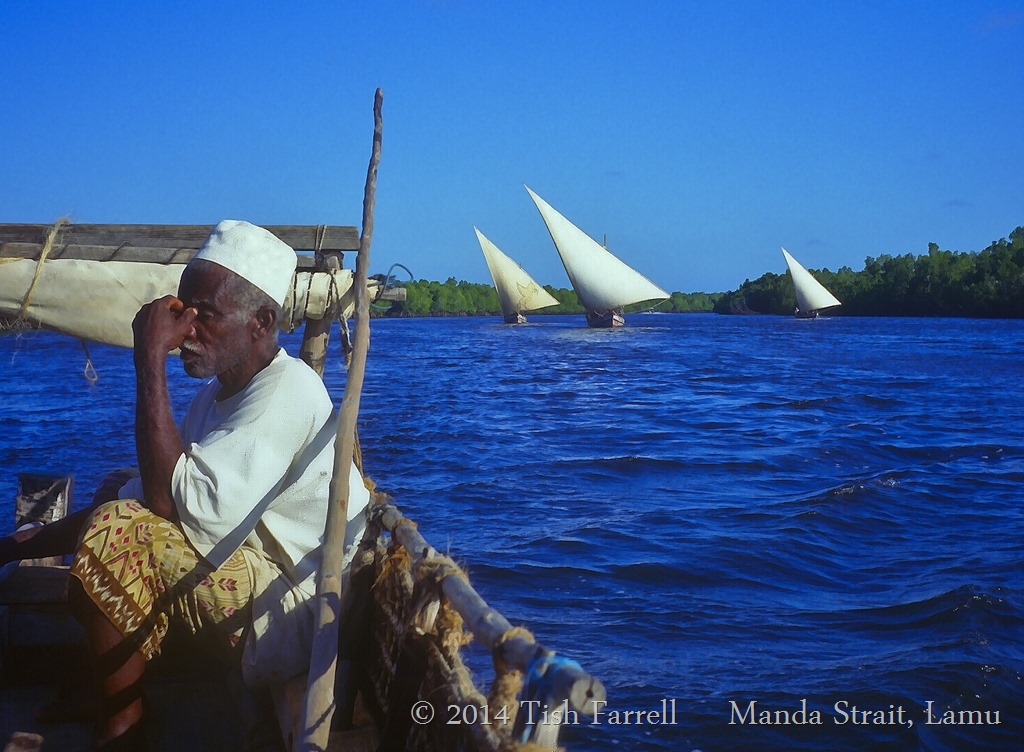
There came a time when Sendibada signed on with a strange sea captain. The next day, as dawn was breaking, the ship cast off, a strong breeze filling the lateen sails, and bearing them swiftly out to sea. But towards noon the wind died, and the boat drifted, becalmed, on still waters.

At this the captain strode out on the bridge, and began to utter words that Sendibada could not fathom. He stared and stared for, to his astonishment, the ship began to rise, graceful as an egret taking flight. Sendibada grinned. He liked a good adventure, and now it seemed this strange captain of his was none other than the most powerful magician.

Up into the clouds they soared, flying, flying until at last they saw a faraway red spot. But little by little the spot grew, until at last Sendibada saw it was a city in the sky, and that every house there was made of copper. Soon they set down in the harbour and, as the crew made to go ashore, from every quarter, lovely girls came out to greet them, bearing on their heads copper trays laden with the most delicious fruits and sweetmeats and tender roasted morsels.

And so it was that much time passed, the ship’s crew enjoying month after month of this most gracious hospitality. Sendibada, though, was growing homesick, and said as much. Now the magician gave him a round mat and told him how to use it.

Sendibada followed the instructions, placing the mat on the ground and seating himself upon it so that he faced the direction of his home town. Then he spoke the foreign words that meant: Behold! We shall all return to it . And at once the mat rose into the clouds, and faster than a diving hawk, set Sendibada back on the beach just outside his home town.

 copyright 2014 Tish Farrell

The Copper City  retold from a translated text in Jan Knappert’s Myths and Legends of the Swahili


P.S. In case you hadn’t guessed, Sendibada is the Swahili version of Sinbad.


A Word A Week challenge: transport

Forever Summer


OOB1


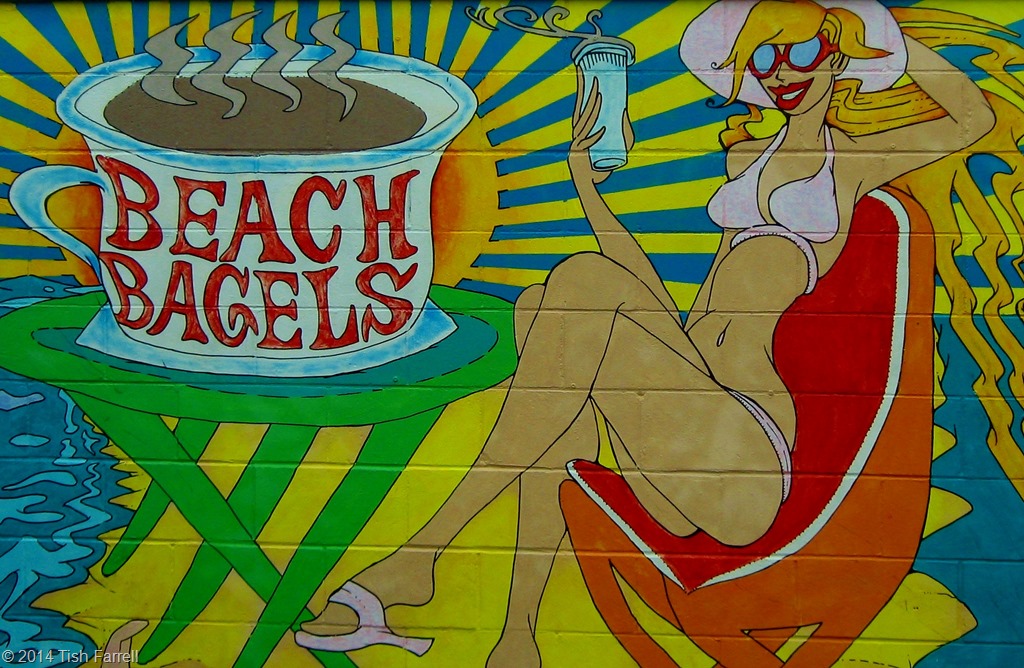
The fun fair was wrapped up for the winter, the pier shops barely open, and there was already a strong hint of autumn in the air when we went to Old Orchard Beach. We were too late. The sky was grey. We had missed all the beach fun. But then as we were mooching up the main street, wrapped in coats and searching for coffee, I spotted this mural on the side of a building. And so it was, in a corner of this out-of-season town, that summer never ends.

copyright 2014 Tish Farrell

Word Press Photo Challenge: Summer Lovin’

Desert Date ~ a real-life tree of life


desert date mulului tree 001

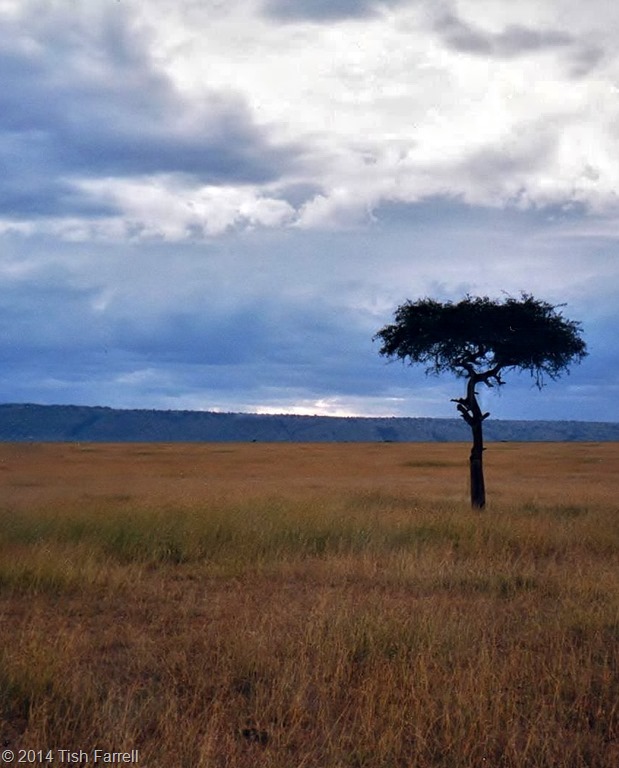
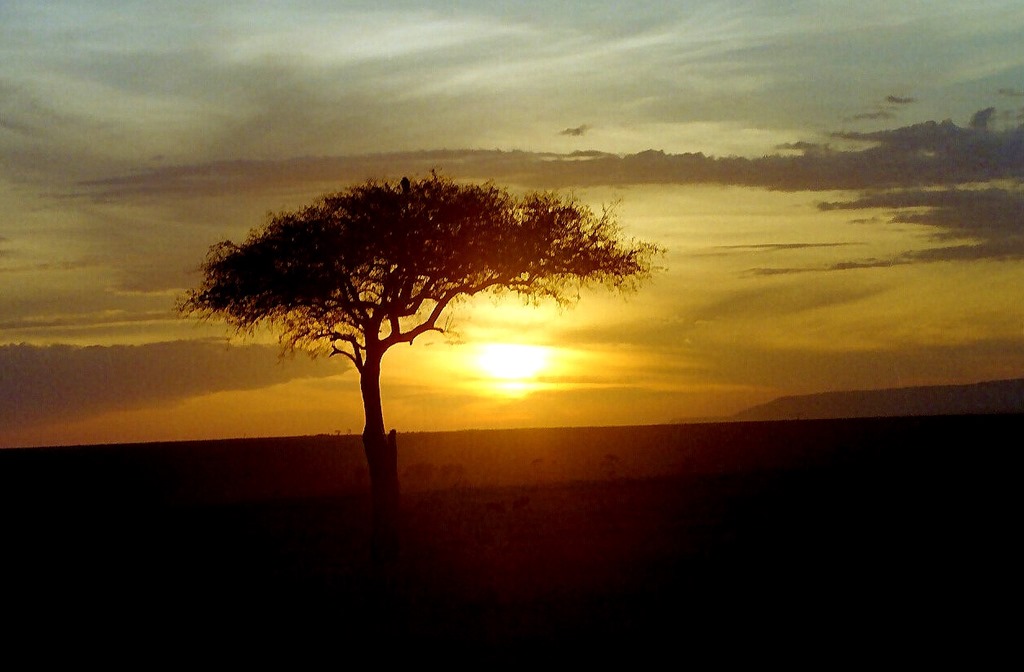
Badda, Othoo, Olokwai, Eroronyit, Mjunju, Kiwowa – are just some of the names that Kenya’s peoples use for this super-tree. Here, in the Maasai Mara, its  lone presence on the grasslands adds a sense of drama. Perhaps the spare silhouette springs some ancestral memory. For if we believe that humankind evolved in the Great Rift, then we must have an ages-old association with this tree, and not only as a source of food, but for firewood, the making of shelters and tools and, most especially, for medicine.

All the photos here were taken in the Mara, but the range of the Desert Date (Balanites aegyptiaca) extends across much of Africa, and into parts of the Middle East and India. But wherever it grows, its multiple uses have long been valued. Much like the baobab, it is a natural pharmacy. Every part of this unassuming tree has been scientifically shown to be packed with pharmacologically active substances.

Saponins are the key compounds. They protect the immune system, decrease blood lipids, lower cancer risk and cholesterol levels. They include diosgenin, from which hormones for the contraceptive pill may be produced. In short, the tree’s parts – roots, shoots, bark, fruits and seeds – have been shown in laboratory tests to have many healing and prophylactic properties: anti-fever, anti-diabetic, anti-inflammatory, antibacterial, antifungal, anti-parasitic, anti-cancer, antioxidant and liver-protecting. (For more scientific details see Bishnu P Chapagain 2006.)

And so it is that the practices of generations of traditional healers, from Africa to India, (and so often sneered at) may now be vindicated: all along they have been barking up precisely the right tree.

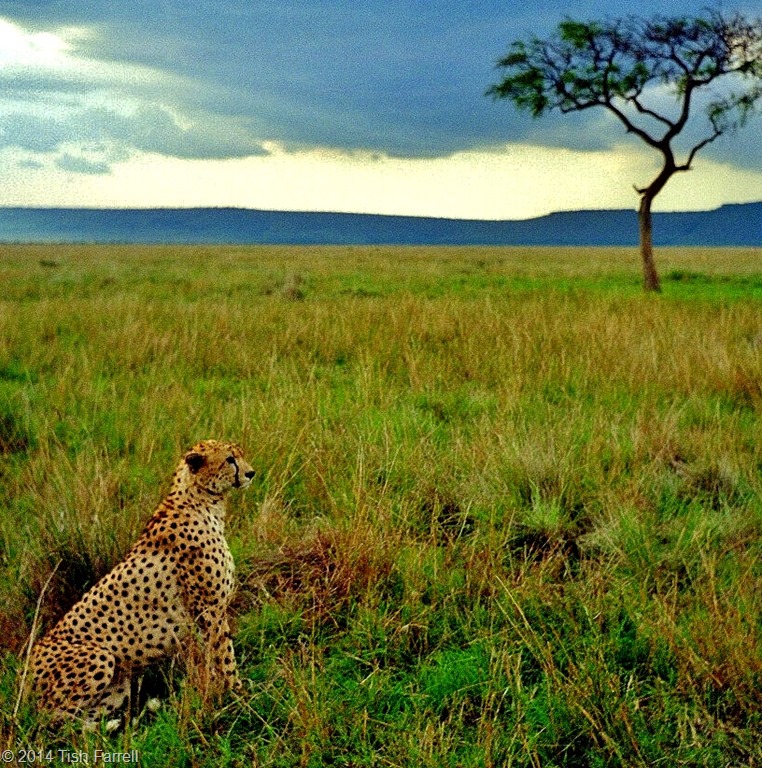
cheetah 3

For example, the Pokot pastoralists of northwest Kenya make a decoction of the root to treat malaria. They also boil the root in soup to ease oedema and stomach pains. For heartburn, the Akamba of central Kenya make an infusion of bark.  Throughout East Africa, the root is used to get rid of intestinal worms, and as a general purgative. The bark is used as a fish poison, and when mixed with fruit will kill freshwater snails and copepods that host the parasites that cause Bilharzia and Guinea Worm respectively, both scourges in many parts of Africa. In Sudan herbalists use Desert Date to treat jaundice, and in West Africa the fruit is mixed into porridge and eaten by nursing mothers. The seeds, when boiled, produce an excellent oil that is used in food preparation and to soothe headaches. Over 4,ooo years ago in Ancient Egypt this oil was a prized cosmetic. So much so, that the seeds were placed in tombs beside the dead as if to suggest that, in the afterlife, this was a tree that no one could be without.

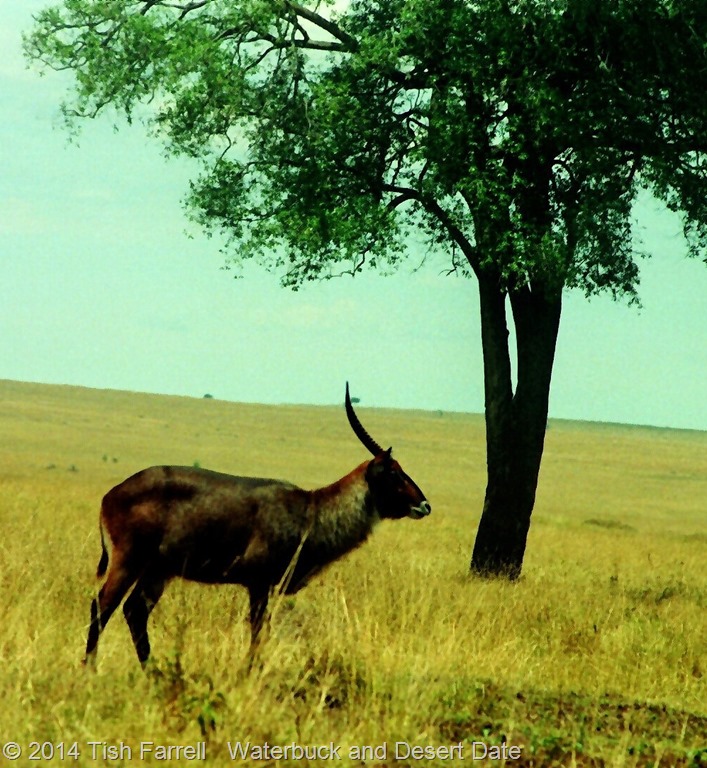
Scan-140726-0017.jpg

In fact Balanites thus once grew in profusion along the Nile Valley, and were possibly cultivated. But they are also well adapted to arid and semi-arid conditions, tolerating both sand and heavy clay. Their vertical roots reach down 7 metres, while the horizontal roots may extend 20 metres from the trunk. It can also cope with stock and wildlife grazing (the characteristic canopy is shaped by browsing giraffes), flood, and grassfire. Their boughs and long, thin spines photosynthesize even when the leaves drop off. This makes them a valuable famine food. No matter how dry, each year they can produce up to 10,000 date-like fruits. The flesh is bitter-sweet, but eaten by humans, their stock and most wild game. In fact elephants are one of the main propagators of this species, at least in Africa. While most other creatures spit out the stones, elephants swallow them, depositing them in due course in dollops of ready-made compost.

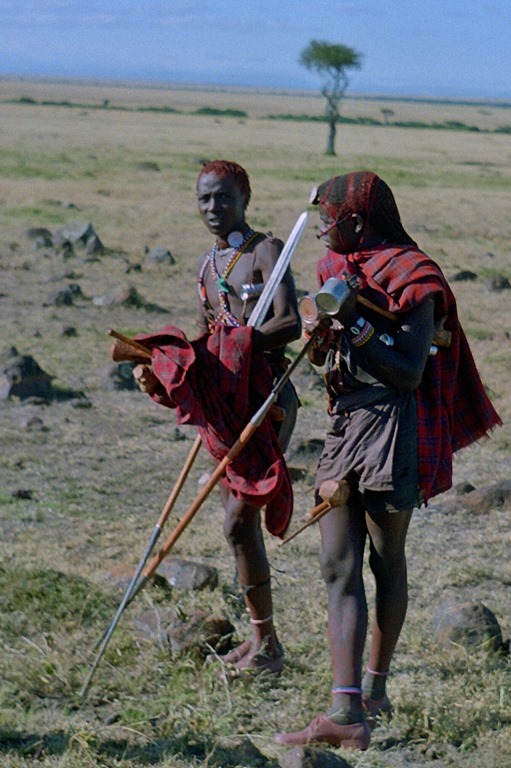
In Kenya the Pokot and Turkana also eat the tree’s young leaves and shoots, boiled, pounded and fried with fat. The Maasai eat the gum, and the Marakwet boil the seeds and eat them like beans. In other parts of Africa the small flowers are stirred into porridge, and the fruit is fermented to make alcoholic drinks.

Scan-140727-0044.jpg

And then there is the wood. This is an excellent cooking fuel since it burns with little smoke. The wood is durable and used for house-building. It is also easily worked to make yokes, wooden spoons, pestles, mortars, handles, stools, combs. Resin from the tree stems is used to stick feathers on to arrow shafts and spear heads to shafts. The Turkana use it to repair cracks in tool handles. And the tree itself may be grown in farmsteads as a living fence that can be cropped for both human needs and livestock fodder. While it is protecting domestic animals and crops it is also fixing nitrogen in the soil.

And now you know why I called it a tree of life. It is ripe for development too, the kind of development that can only enhance existence on the planet. In fact one gasps at how much potential can subsist within a single tree species. AND THIS IS JUST ONE TREE. But doesn’t it show, and with glaring clarity, that instead of destroying the world’s wild places (and for mostly very pointless reasons), we need to protect and learn from them, and learn, too, from those indigenous peoples who still know them intimately and understand where the real treasure lies.

Scan-140726-0004.jpg

 Copyright 2014 Tish Farrell

For my earlier post on the baobab:                                                                                                                                               

Anthology Baobab: African Story Tree

Jungle2Jungle and Bishnu P Chapagain 2006 for more about the Desert Date

Flickr Comments for more ‘D’ words

Meeting with Lions in the Mara


Scan-140726-0004 (8)

It is late afternoon when Daniel, our guide, takes us to the rock-strewn  place where he knows  the lions will be.

Scan-140726-0003 (10)

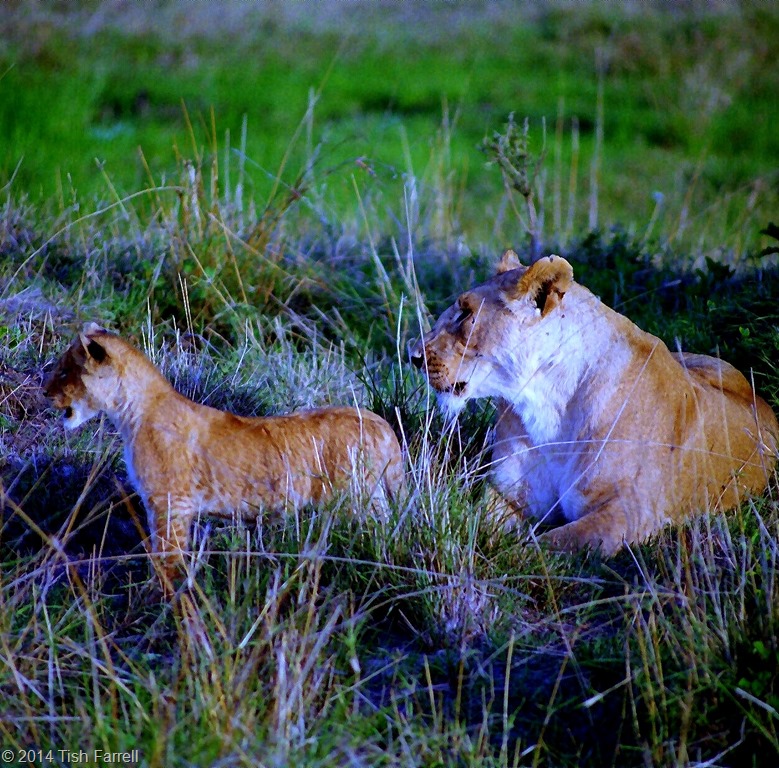
The males are hiding away in longer grass, but the females and cubs are out in the open, enjoying the last of the sun. The light is spectacular. I wonder if the lionesses have chosen this place on purpose: because their young blend in so well with the landscape. In any event, they seem utterly relaxed. This mother (above) simply watches us as she feeds one of her cubs. There is another at her tail, disguised as a boulder, while the third one takes off on a small adventure.

Scan-140726-0013

The quiet proximity of these lionesses is breath-taking, our intrusion on their family life above their notice. We watch them until the sun goes down and it is time to return to our camp on the Mara River.

Scan-140726-0008

Scan-140726-0006 (8)

Scan-140726-0015


Ailsa’s travel challenge: meeting places

Go here for Ailsa’s and other bloggers’ meeting places. Meanwhile, here are a few that caught my eye:


Travel Tales of Life Cinque Terre: Meeting in an Italian Paradise

Third Person Travel

Stefano Scheda

Almost Italian

“Wheat…fields of wheat…” Musings on the path to the allotment


100_5994

Okay, who knows which film this quote comes from? As an extra clue I give you the line in ‘full’: “Wheat… lots of wheat… fields of wheat… a tremendous amount of wheat…”

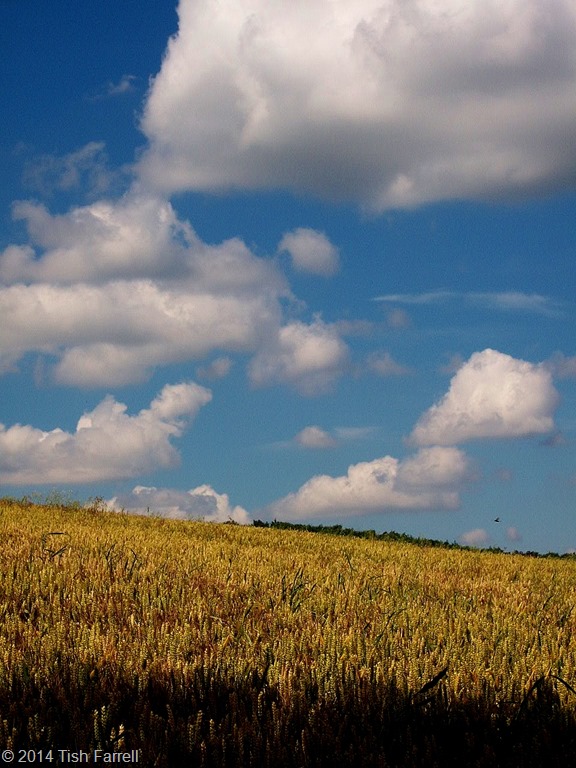
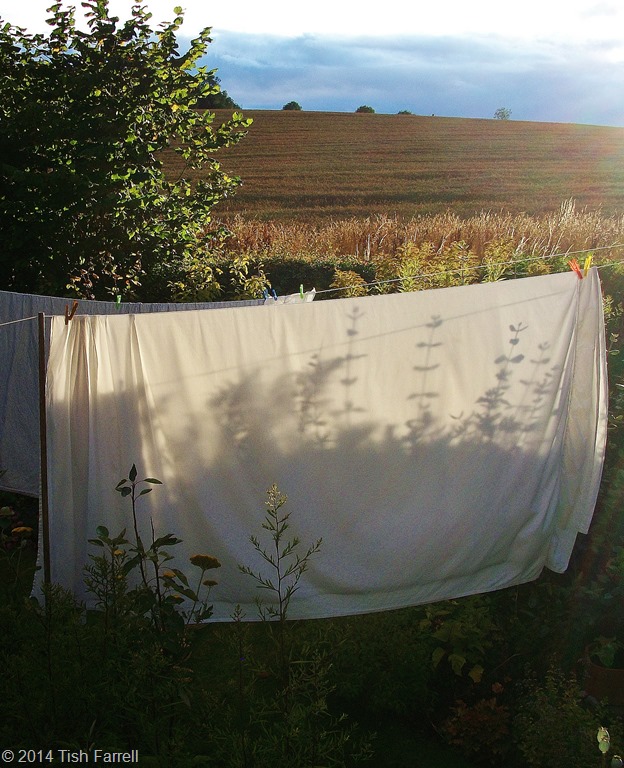
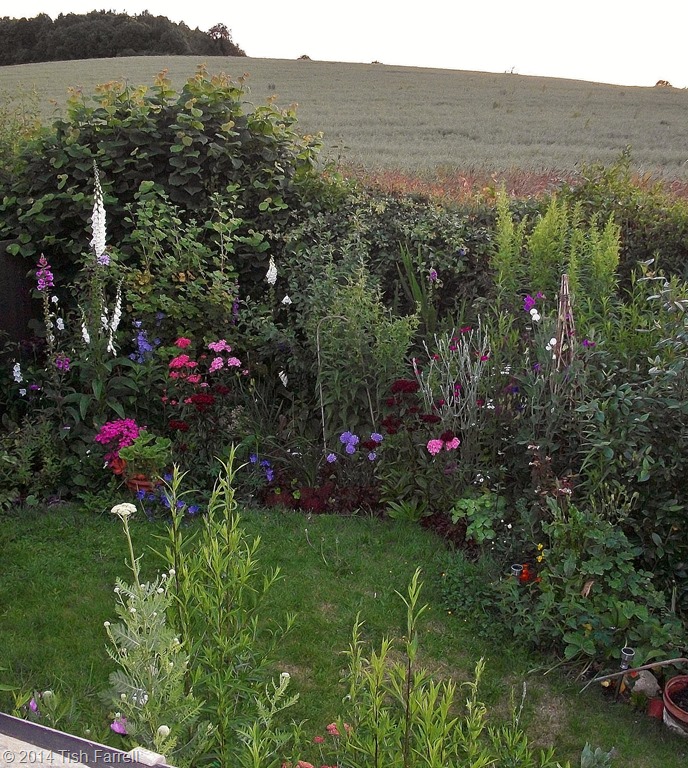
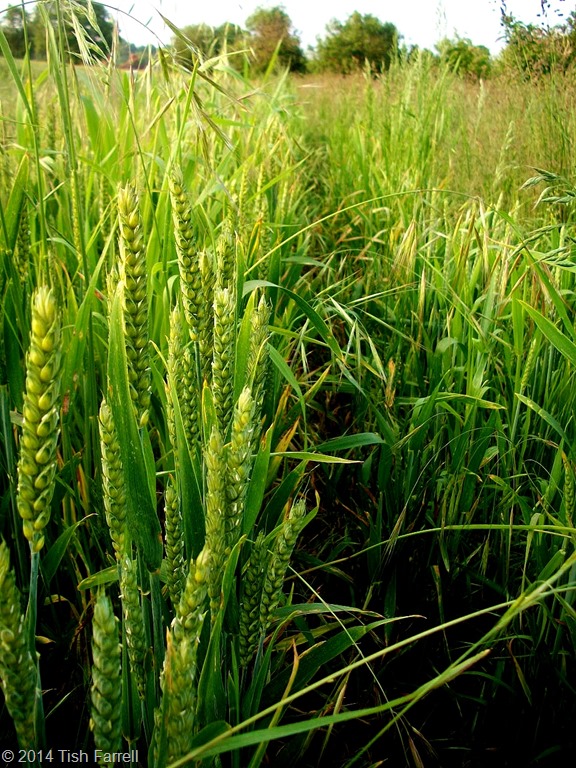
For some reason I cannot explain, this particular exhortation is rather popular in the Farrell household.  The Team Leader is wont to deliver it at unexpected  intervals and with some vigour. This habit even predates the time when we actually came to live beside  a field that often has wheat growing in it. So here is it. The field behind our house. And while I admit it might overstep the bounds of propriety to share my washing with the world, here is another view of the wheat field from our garden. I also think the flower shadows on the sheet rather fine: housework turned artwork?

077 (2)

I have written in earlier posts how our house lies on the edge of Wenlock Edge, a twenty-mile scarp formed from the upthrust bed of a tropical sea – the Silurian Sea in fact. This geological formation is a breath-taking 400  million years old – a place once inhabited by trilobites, and molluscs, and sponges and corals, although it should be made clear that when these creatures lived, the shallow sea in question was not in the northern hemisphere.  No indeed. In its tropical heyday Shropshire lay off equatorial East Africa. We are thus, for all our rustic appearance, a well-travelled county. We also have lots of geology of international importance, but  which I cannot begin to describe because the terminology and chronological expanses confound even me, a prehistorian. The Shropshire Geological Society have  a good site HERE should you wish to know more.

100_2077

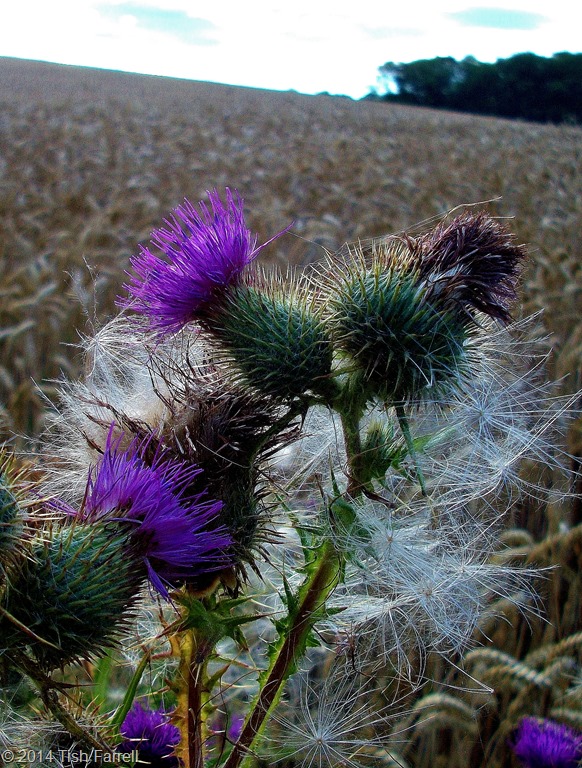
The reason I’m showing you the wheat field is because my path to the allotment runs along the edge of it. I walk back and forth at least once a day. And so when I’m not writing blog posts or fiddling with my novel, this is one of the places where I’m likely to be. There is always something that catches my eye – thistles, the light, clouds, buzzards, the rooks and jackdaws, a neighbour’s three white ducks that regularly escape from their pen to eat slugs along the path, cats on the prowl, pretending I can’t see them.

Even the wheat is quite interesting. It amazes me how it manages to force its way up through a cloddy layer of grey clay that bakes to concrete after a few days with no rain. This soil, too, is a product of a geological event – a deluge of  volcanic ash from aeons ago and that has now broken down into bentonite clay.  It is the same soil in the allotment. Soft fruits seem to thrive on it. Everything else is a challenge. Wheat, though, has apparently been grown along the slopes above the town for generations, hence the name The Wheatlands for some of our now built-upon areas.

100_5840

100_5839

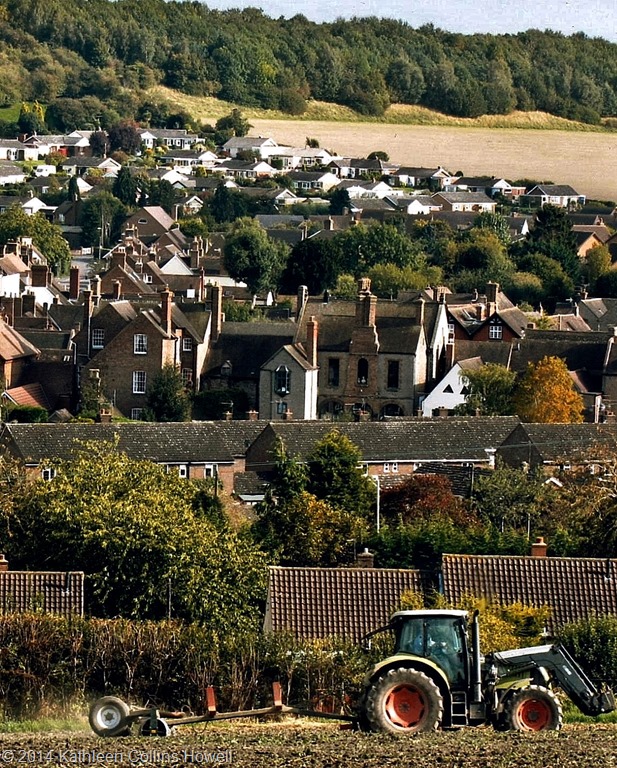
And talking of building, a couple of years ago when the Local Authority called for landowners to put forward development land, our local landowner proposed  this and most of the fields on the Edge side of the town, including the allotments too, gardens  that have been there since the 1940s.  Development on this scale is something that most town residents fervently  hope will not happen. We have already been threatened with up to 500 houses over the next 11 years. This in a town with antiquated drainage, severe traffic congestion, few jobs, poor public transport, and inflated house prices, and one that has seen several new developments of upmarket houses in the last few years.  More crucially, the town sits in a bowl below the Edge and has recently been designated a rapid response flood risk area by the Environment Agency.

001 (2)

More tarmac, roofs and roads that speed up run off from the hills above our homes are the last thing we need.  Some of the newest developments in the town are themselves subject to flooding.

100_5849

 100_5995

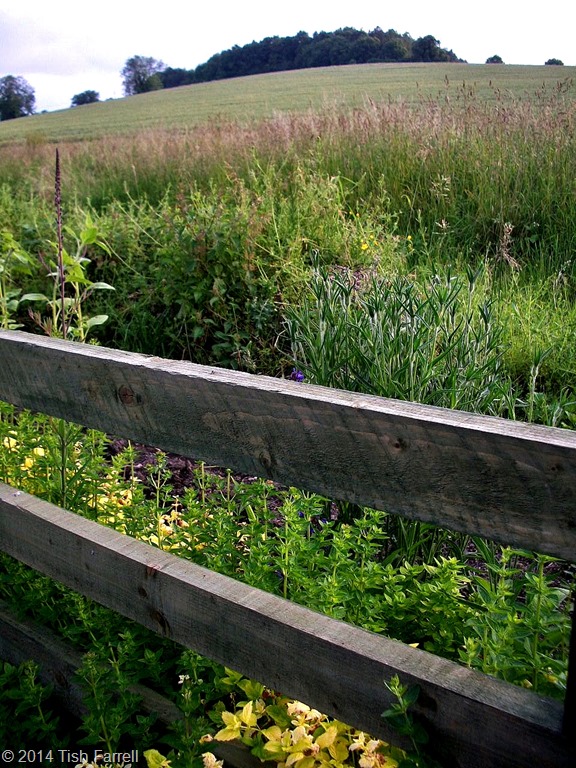
All right, I admit it. The landscape behind our house is perhaps not particularly noteworthy of itself, but the light and sky above it are. The uptilted scarp of Wenlock Edge forms a false horizon, so there is always much weather to watch. It changes every second. One day we saw a fire rainbow which we gather is quite rare.

Ironically, it it perhaps because this view from our house is ever under threat, that makes us look at it and appreciate it all the more. But it makes me angry too. I am not opposed to development, but it should be well planned, and enhance the locality, not cause problems for other people’s homes. There appears to be no mechanism in English planning that can ensure the provision of good quality housing at prices people can afford. Density seems to be the only planning criterion, not  homes with green spaces around them, and places for community orchards and gardens, footpaths and cycle tracks and areas where people of all ages can play. All things that boost wellbeing. You would wonder why it is so hard to do.

It is true that  Much Wenlock people have recently voted to have the Local Authority  accept their Neighbourhood Plan, a community compiled document that reflects our aspirations and plans for the foreseeable future. Our Conservative Party MP, Philip Dunne, tells us the Plan will deliver localism to our door, that is, we will have a say in the kind and scale of development that is proposed for our town and parish, development that will protect landscapes, open spaces and heritage while improving the quality of life for everyone. Whether it will, or not remains to be seen, particularly under a government whose recently sacked Secretary for the Environment apparently allowed for the destruction of ancient woodland as long as developers replanted elsewhere.  Bio-diversity anyone?

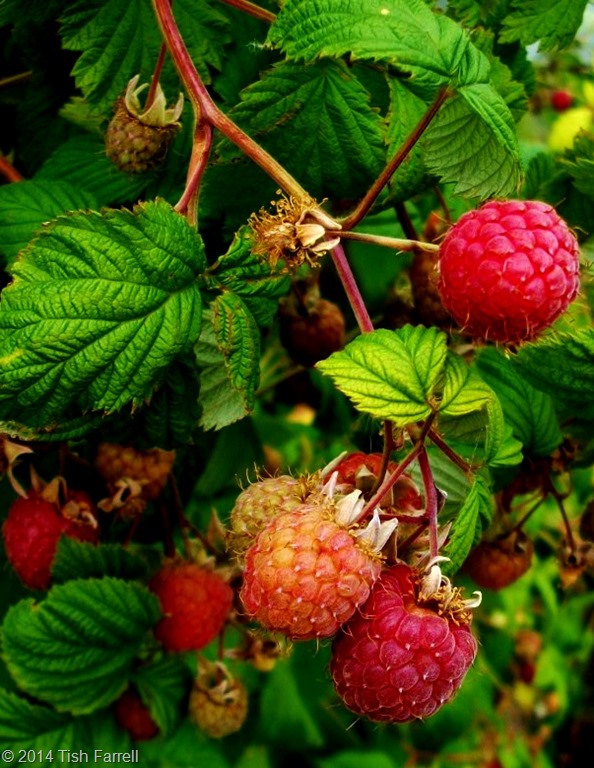
Which I suppose brings me back to the quote; “Wheat…fields of wheat…” You can’t get more of a monoculture than that. Hey ho. So many things to unpick. Think I’ll trundle up the path to the allotment and pick raspberries.

copyright 2014 Tish Farrell

Related:

…of Silurian Shores

Old Stones of Wenlock: repurposing the Silurian Sea

In Much Wenlock an Inspector Calls

100_4193

P.S. The quote is from Woody Allen’s Love and Death


Basket case? Tales of bravery and betrayal


100_6059

100_6050

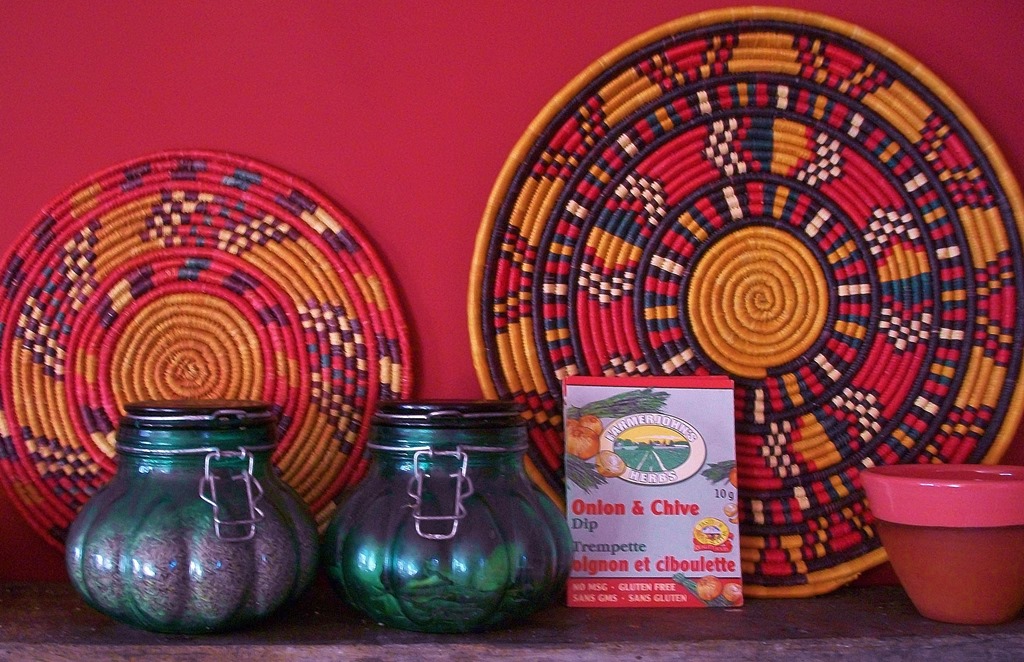
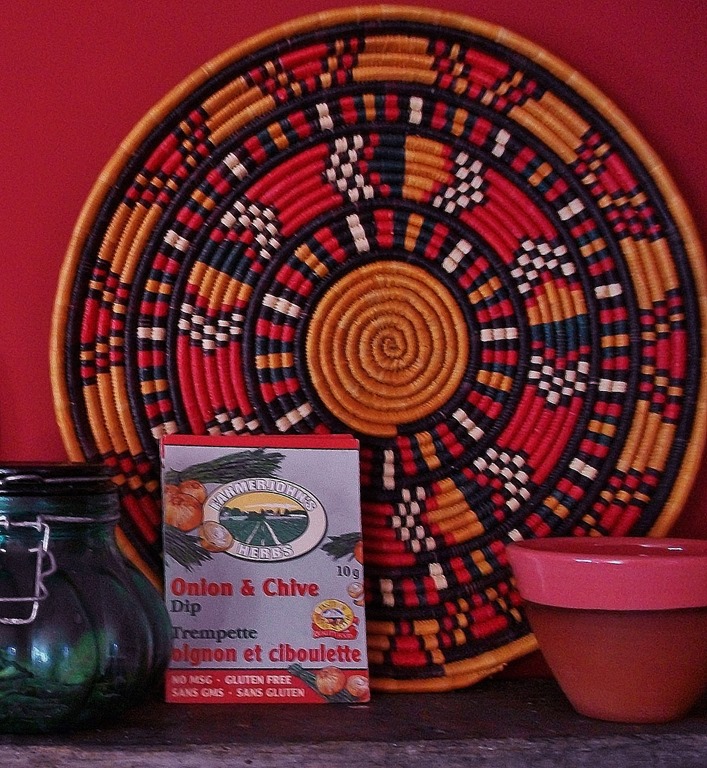
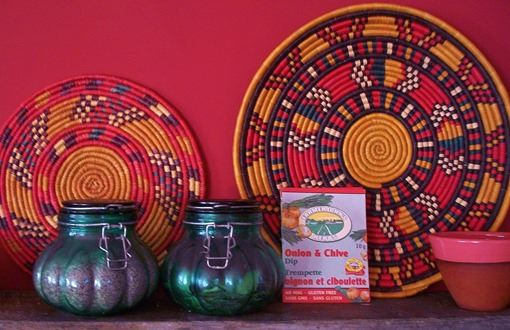
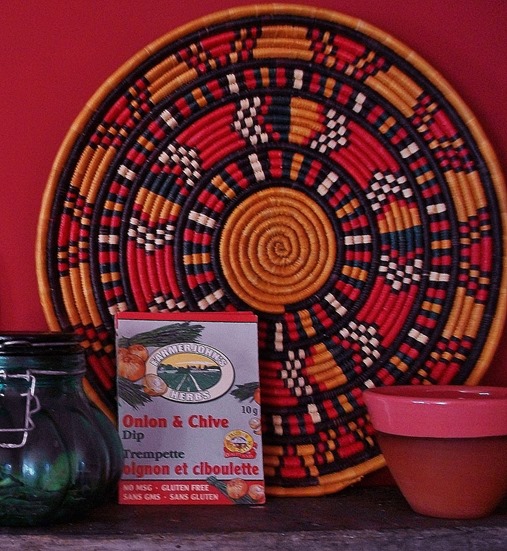
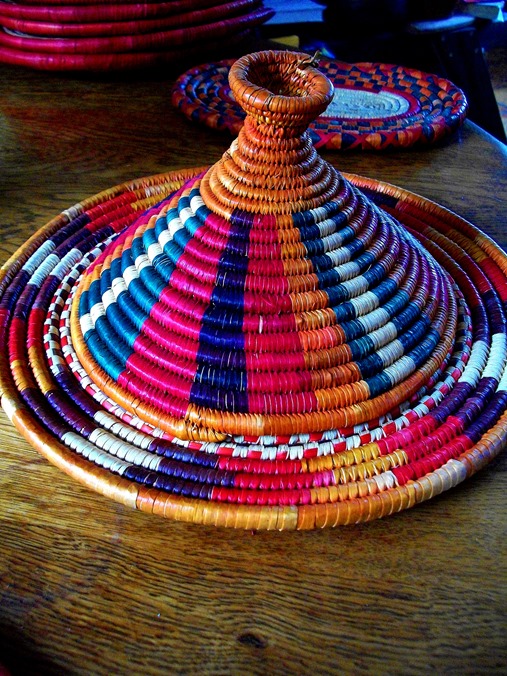
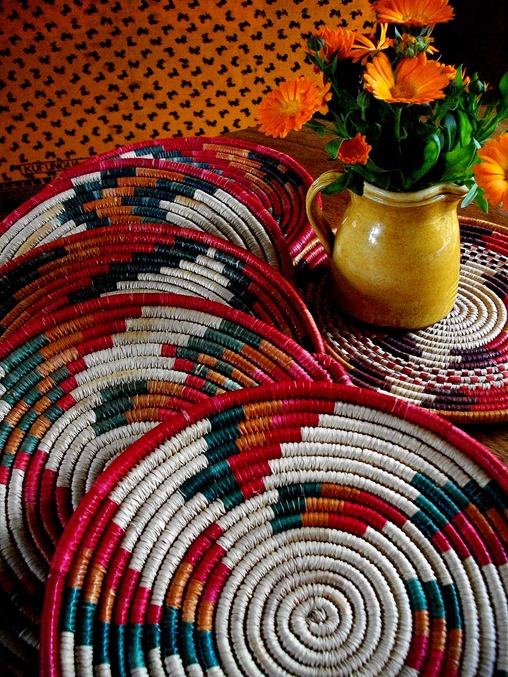
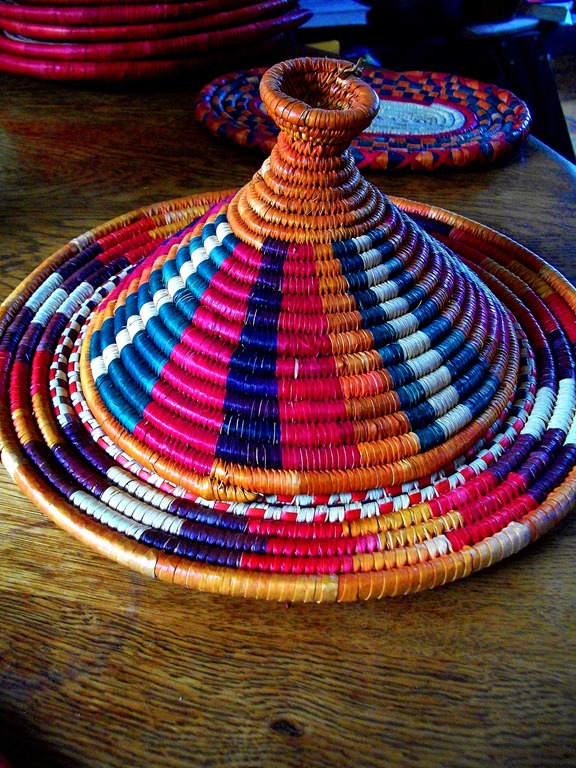
These glorious Nubian mats adorn my kitchen. They decorate our every day, their colours radiating like mini-suns however dull the weather. It is hard to imagine, then, that there is a dark tale behind their creation, a tale of statelessness and discrimination.

The makers of the mats are women from the Nubian community of Kibera, in Nairobi (Kenya). They, their parents and grandparents before them, were born in this quarter of the city suburbs. This has been the case since the early 1900s, when British colonial authorities gazetted an area of land for settlement by Sudanese Nubian soldiers of the British Army, men who had first been recruited during the 1890s when Britain was trying to establish control over the peoples and territories of East Africa.

This next photo thus shows another form of decoration – a Nubian KAR officer’s chest adorned with medals that attest to years of brave service in the cause of the British Empire.

kenyas-nubians-officer-mw19-910[1]

Copyright Kenya Nubian Council of Elders

This photo was taken in 1956, during the British colonial era. The officer is showing his invitation to a garden party at Nairobi’s Government House. The gathering was in honour of the visit to Kenya by HRH Princess Margaret of England (Kenya’s Nubians: Then and Now, Open Society Foundations).

*

The Nubian people (also known in the distant past as Kushites) have a long, long history, their homeland once stretching along the upper reaches of the River Nile in North Sudan and into southern Egypt. Much of their territory was taken in the 1960s for the building of the Aswan Dam by the Egyptians, and this was another cause of displacement. But way back in time, the Nubians were a people to be reckoned with. The earliest evidence of a metropolitan culture  (the Kingdom of Kerma) has a date contemporary with neighbouring Ancient Egypt.  Nubia was the gateway to the African hinterland, and a great trading nexus.

Dr Stuart Tyson Smith (University of California, Santa Barbara) says the Kerma culture evolved out of the Neolithic around 2400 BC. The Kushite rulers of Kerma profited from the trading such luxury goods as gold, ivory, ebony, incense, and even live animals to the Egyptian Pharaohs. By 1650 BC, Kerma had become a densely occupied urban center overseeing a centralized state stretching from at least the 1st Cataract to the 4th, rivaling ancient Egypt. Kerma was sacked in c. 1500 BC, when the entire region was incorporated into the Egyptian New Kingdom empire.” 

The Nubians and Egyptians traded, intermarried and warred with one another over many centuries, the Nubians finally ruling Egypt for half a century during the 25th dynasty (c. 750–655 B.C.E.) And though it may be a big surprise for some people to know this, there were Nubian, black African pharaohs, Nubian pyramids, and a Nubian form of hieroglyphics that were later developed into a 23-letter alphabet (yet to be deciphered). Clearly as time went on, Nubian culture was influenced by Ancient Egypt (though why not the other way around?), yet it also evolved in its own very characteristic ways.

The strikingly tall Nubian pyramids below were built at the time when Britain was a land of Iron Age farmers who lived in thatched round houses and constructed hill forts of earthen banks and ditches.

Sudan_Meroe_Pyramids_30sep2005_2[1]

Fabrizio Demartis Creative Commons

The Nubian Meriotic kingdom developed from the 25th Dynasty when Nubia ruled Ancient Egypt. It is named after its capital Meroë (begun c 800 BCE). Over 255 pyramids belonging to the Meroitic period have so far been discovered.

*

But back to more recent times, and the story behind my lovely mats. In World War 1, Sudanese Nubian forces were deployed in  defence of British-ruled Kenya along the border with  German controlled Tanganyika. This East African campaign was a brutal affair, fought over waterless, disease-ridden bush, as British forces attempted to thwart Count Von Lettow-Vorbeck’s ingenious guerrilla tactics, carried out by other Africans – the Count’s highly trained  askaris from German East Africa (now Tanzania).

The British Army, with a few exceptions late in the war, did not allow the native peoples of Kenya to carry arms at this time, so it was the Nubians who were the main combatants. Kenyans were instead conscripted into the Carrier Corps to transport army provisions since mules and horses could not survive in tsetse infested bush country.  Tens of thousands of young men died of starvation and disease in the British cause, their families often never hearing what had happened to their sons. They simply never returned from the war with Jerimani.

(For a vivid fictional version of this conflict see William Boyd’s An Ice-cream War).

In 1912 the British colonial administration in Nairobi gazetted 4,197 acres near the city for the settlement of Nubian soldiers and their families who could not be repatriated to Sudan. The Nubians called this place Kibra, the forest land.

kenyas-nubians-family-formal-mw19-910[1]

Nubian Family c1940s, photographer unknown. Copyright Kenya Nubian Council of Elders. For more wonderful photos see Kenya’s Nubians: Then and Now, Open Society Foundations

*

By this time, all British East African (Kenyan) tribes had been categorized, and the land they occupied, at the point of British incursion, designated as native reserves. Africans were not allowed to have title deeds to their own and and, in theory, European settlers (who did have title to vast acreages) were not allowed to encroach on the reserves.

The Nubians, however,  were specifically categorized by colonial authorities as ‘Detribalized Natives’, and non-natives of British East Africa. This meant they could not claim any rights to have their land made into a reserve, nor could they build permanent structures on the land.  The community, however, continued to provide further generations of soldiers who would serve in the King’s African Rifles. 

During WW2  Nubian soldiers fought for Britain, alongside other black Kenyan recruits, in Somalia, Abyssinia and in the terrifying war against the Japanese in the jungles of Burma. It is another little remembered  fact that the African troops of the King’s African Rifles played a determining role in the winning of the Burma campaign.

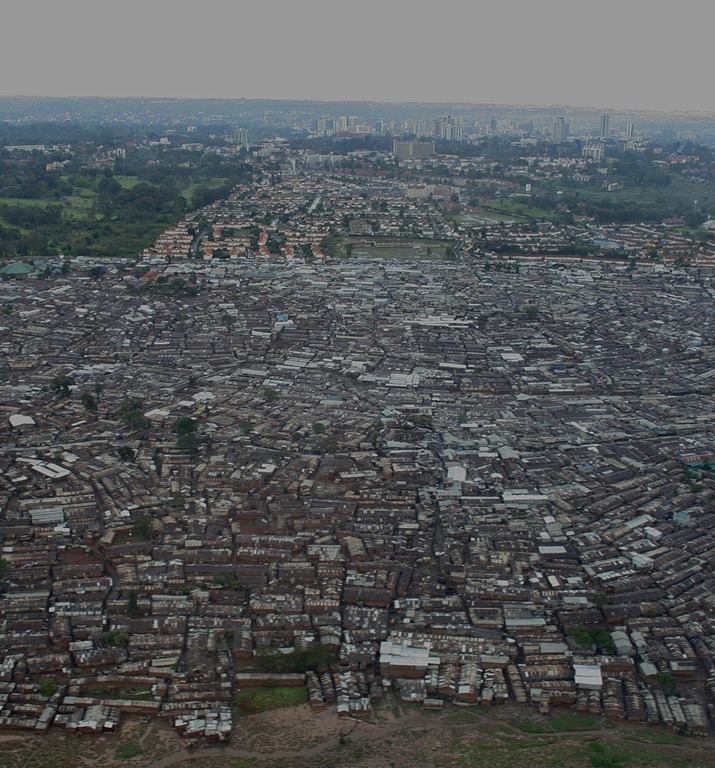
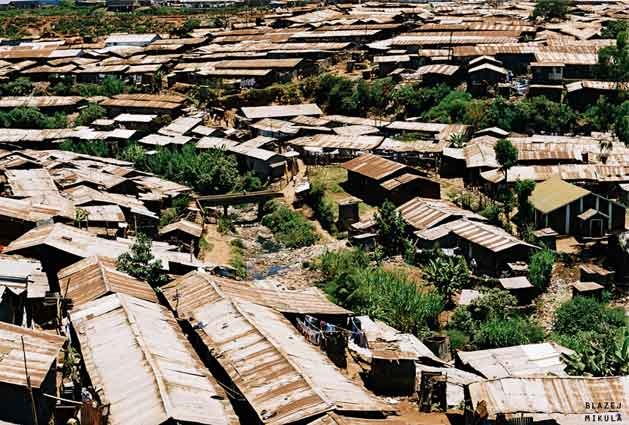
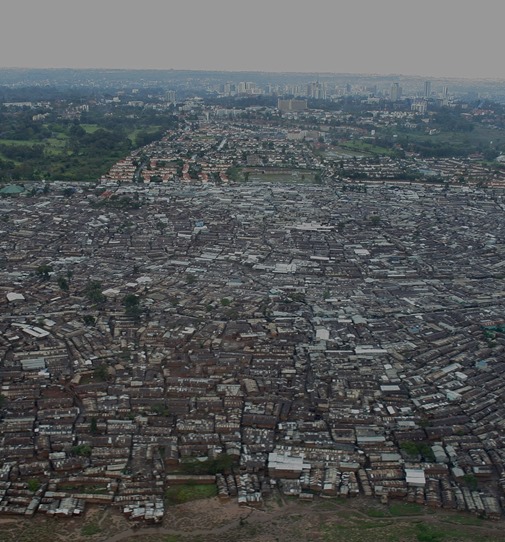
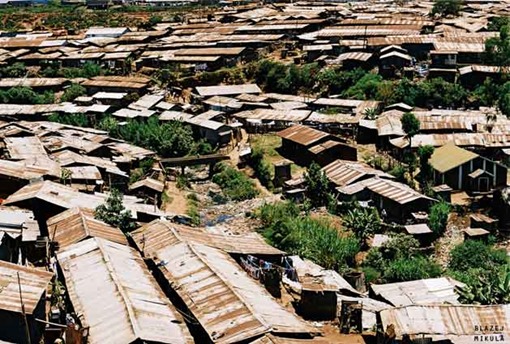
By 1955 the Nubian community of Kibra numbered 3,000. Back then it was an attractive rural village, the houses surrounded by large gardens. But in successive decades as Nairobi grew into a city, hundreds of thousands of rural Kenyans, seeking work, invaded Kibra, putting up  shanty dwellings. Kibera, as it is currently known, is now one of the biggest slums in Africa.
Kibera Schreibkraft cc

A cropped image of Kibera, Nairobi. Photo CC 2014 Schreibkraft
Kibera cc Blazej Mikula

Photo: CC Blazej Mikula

*

During colonial times, Kibra land remained the property of the British Crown. At Independence in 1963, ownership of Crown Land passed to the new government, and so became state-owned land. The new state also inherited an administration that was still largely operating under State of Emergency regulations from the 1950s Mau Mau uprising. Being able to prove  who your tribe was and the associated right to domicile were essential proofs of citizenship. The Nubians’ former colonial categorization denied them on both fronts.

From 1963 until 2009, when the Nubian community in Kenya was finally accorded official existence as a Kenyan tribe, the Nubians of Kibera and elsewhere in Kenya had been stateless. While the colonial generation did have identity cards, the post-independence generations could only acquire them, if at all, with great difficulty, and after many years of persistence.

This meant they could not be formally employed, open bank accounts, acquire title deeds, participate in the affairs of their country of birth, vote, or even leave their own homes safely, since to be caught without an identity card is a criminal offence.  The only opportunities to earn a living were in the informal sector, and for women, this included/still includes making baskets for sale through non-governmental trading operations, and Nairobi’s tourist curio shops. Hopefully now, with official recognition, the fortunes of the Nubian people will change  for the better, but there is still much ground to make up, and in all senses. For more of these people’s story see the excellent short videos below, and also the full length BBC programme about Ancient Nubia at the end.

In the meantime, back to the beautiful baskets, and a Nubian woman at work. The method of construction involves coiling lengths of papyrus stems or dried grasses then wrapping them round with coloured and natural palm leaf strips. Truly great works of decorative art, and not only that, but life-enhancingly useful too. Expressions of spirit undaunted despite lives of grave hardship unimaginable to most of us?

A-Nubian-woman[1]

Photo: http://in2eastafrica.net/home-stays-growing-ugandas-tourism/
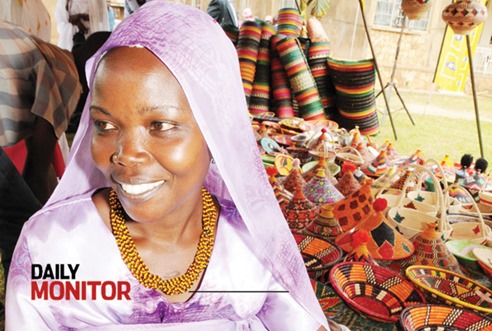
 

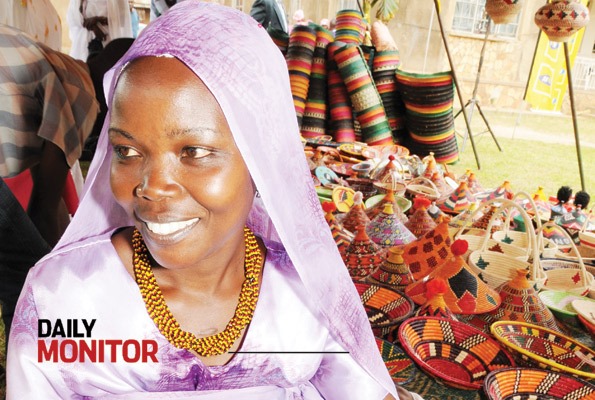
Flavia Lanyero 2011 Uganda

Article on Nubians of Uganda: Flavia Lanyero 2011 Daily Monitor

*

text copyright 2014 Tish Farrell

Greg Constanine’s video explains the Kenyan Nubian dilemma


This brief film explains the history of Nubian statelessness in Kenya


Recent archaeological discoveries of the ‘lost’ Nubian civilization


Ailsa’s Challenge: Decoration – Go here for more bloggers’ decorative posts

Life Entwined at Ogunquit

111


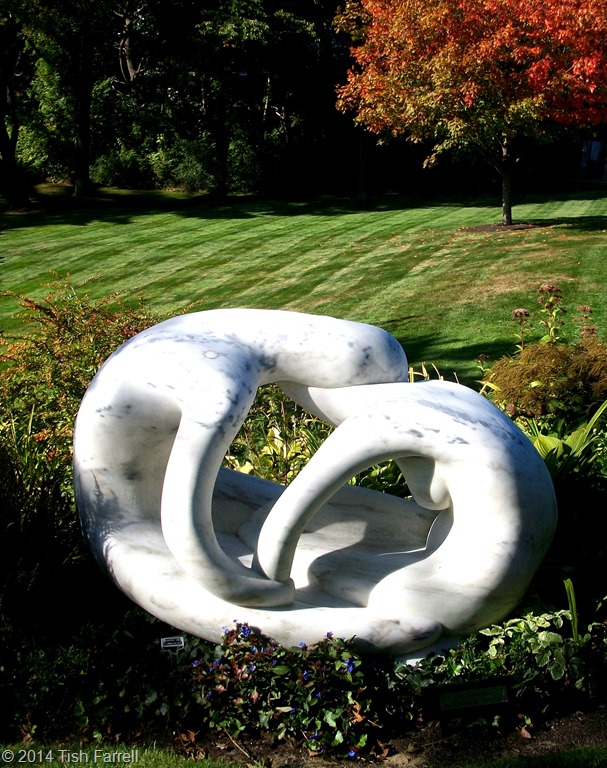
Cee’s ‘Circles and Curves’ challenge is giving me the chance to  show again this work by New England sculptor Antoinette Prien Schultze. ‘Life Entwined’ is circular in every way – suggesting not only the cycle of human life and love, but also the turn of the seasons, the circle of time itself.

It is made from Vermont Danby marble and weighs 4 tons. You can see it in the beautiful shore-side garden of the Ogunquit Museum of American Art in southern Maine. I have written more about the Museum HERE. It is one of the most beautifully situated galleries in the world, and well worth a visit for the setting alone.

Another fine thing about Ogunquit is the Marginal Way, a cliff top path along the rugged shore. It was here I found this natural sculpture which also fits the challenge.
100E3309

copyright 2014 Tish Farrell

*

For more about Ogunquit Museum of American Art see my earlier post:

Only One Ogunquit: the little gallery by the sea

*


Click on the image for more bloggers’ circles and curves