The Man from Much Wenlock: Meet Ken Milner

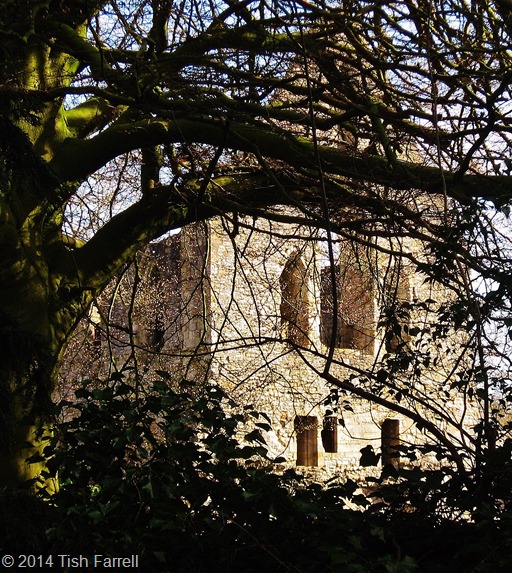
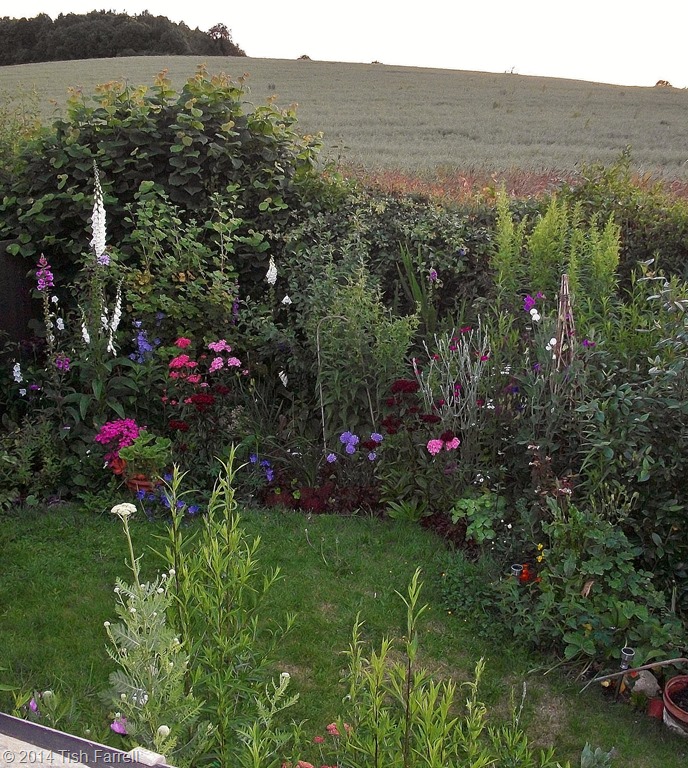
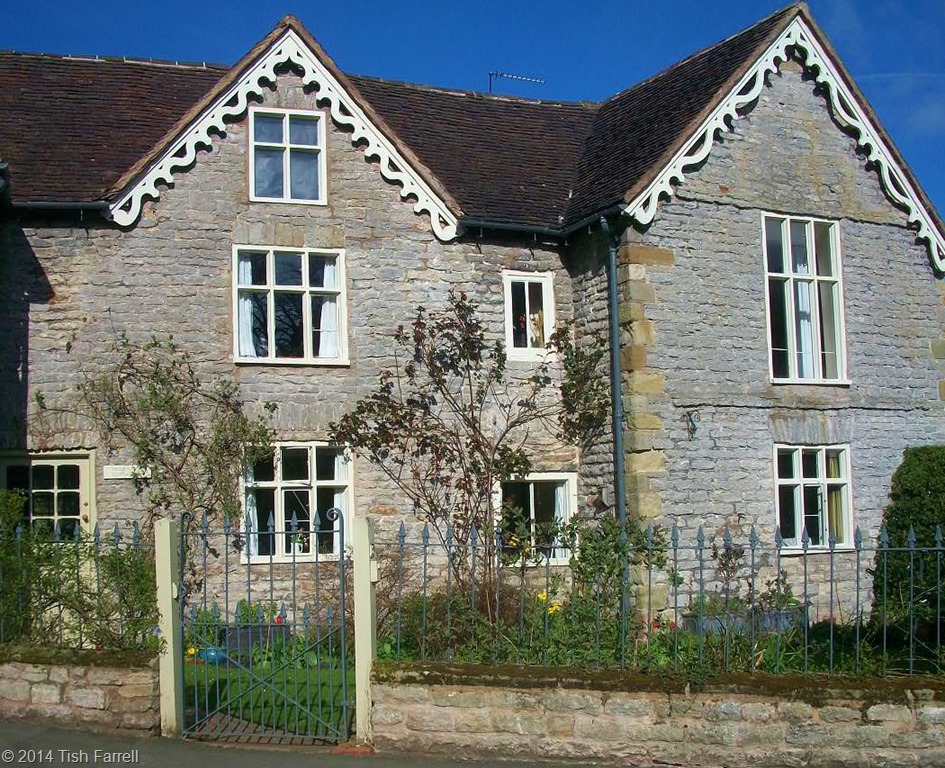
It is a privilege to know Ken Milner, a gentle creative man with deep rooted sensibilities for the past in and around Much Wenlock. He is a treasure house of information on country lore, on the families who have lived for generations below Wenlock Edge, and on the novels of Shropshire writer Mary Webb which, incidentally, he only learned to read at the age of thirty five. He built the house you can see in the video, and he created this beautiful garden which brings joy to all who see it. Graham passes it twice a day, driving to and from work. It is a floral threshold between the town and Wenlock Edge.

Ken also paints, makes sculptures, and is a poet and storyteller. Here, though, is his living creation – his garden. The video content was created by Ken and Wenlock poet, Paul Francis, and the whole filmed by  Silva Productions, a Midlands production company. You are in for a treat.


https://www.youtube.com/watch?v=23lgFSQzvTw


#WenlockEdge

Flickr Comments: M words

Thursday’s Special: looking at the sky over Wenlock Edge

IMG_1390 (2)

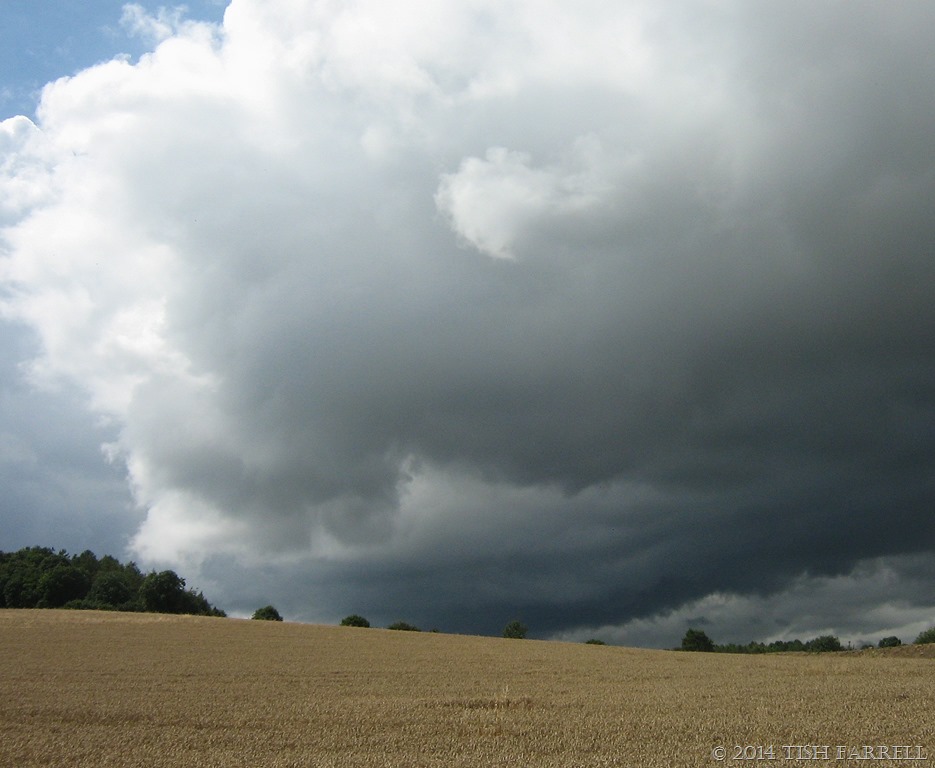
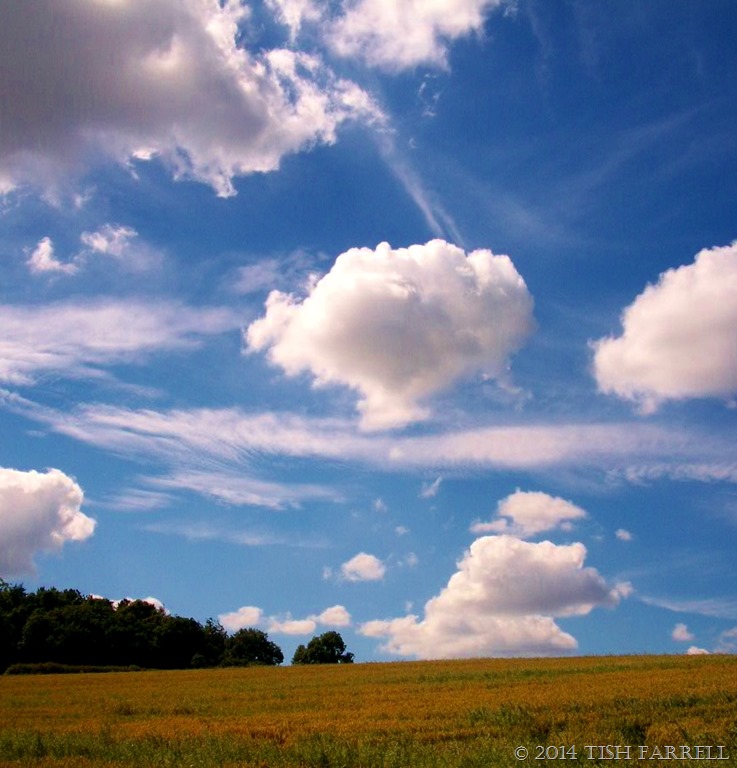
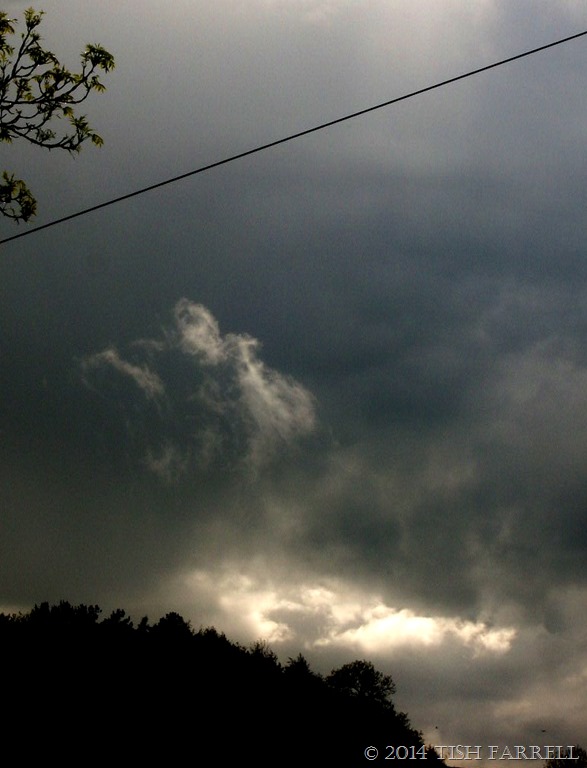
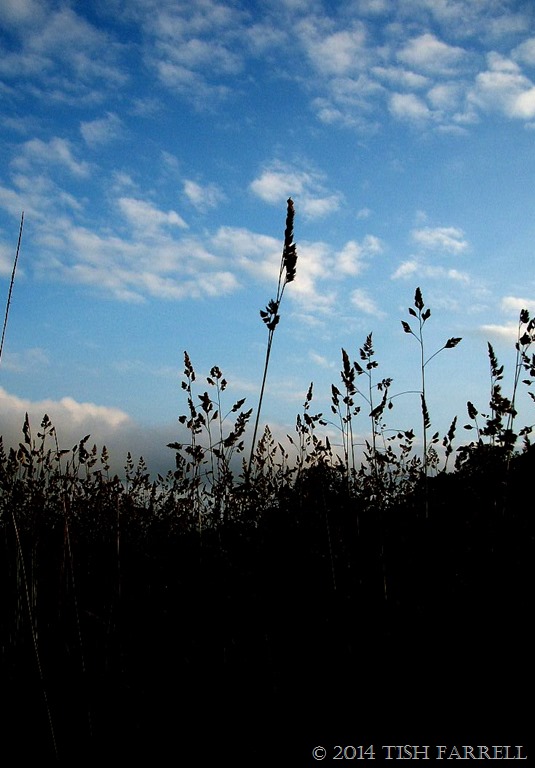
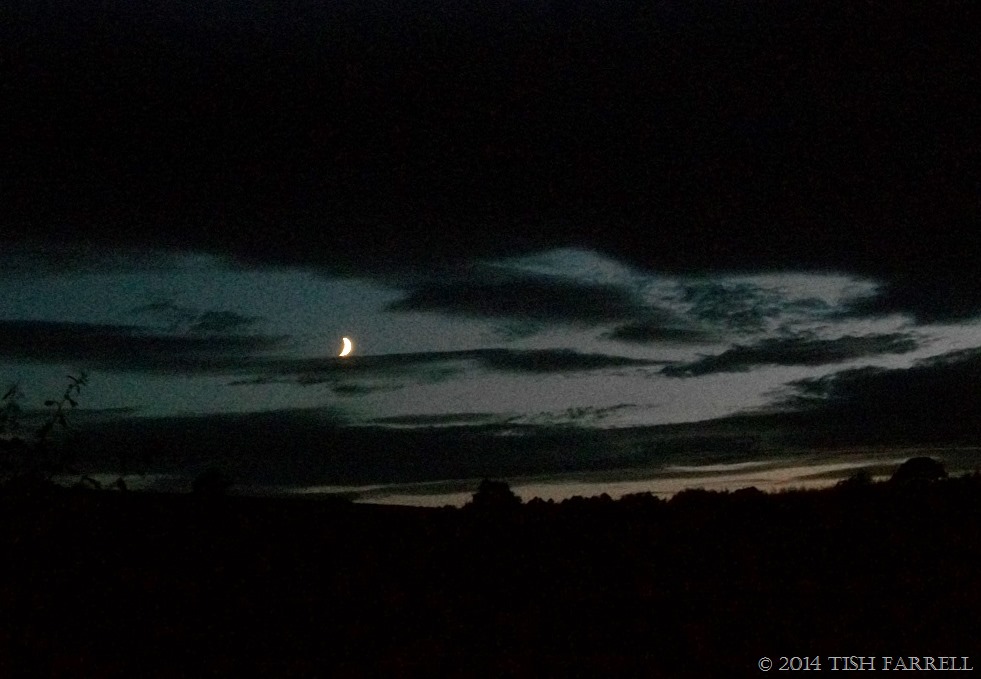
Is it just me, or are our skies growing more interesting in terms of light and cloud formation? I know I spend more time these days looking upwards. Behind our house on Sheinton Street the farmland rises in a series of scarps till it reaches the tree line on Wenlock Edge. Thereafter the ground falls away through hanging woodland. It is quite a drop and means we view the weather higher up somehow, always beyond a series of false horizons. The light and cloud change every minute of the day. You can lose hours simply watching.

This week Paula suggests we post portraits of one kind or another. Here, then, are some sky portraits taken over Townsend Field and Wilmore Hill. You may imagine, too, the frequent exchange that takes place between G and me as we move about the house and garden: I say. Have you seen the sky?

100_5995

100_5659

100_5845

100_5872

100_6382

Lost in Translation Thursday’s Special

#WenlockEdge

Jennifer Jones comes to Wenlock

51CM9EJQ5QL[1]

It’s hard to imagine, but in 1949 Hollywood descended on my little home town of Much Wenlock. Both its locations and inhabitants featured in David O. Selznick’s screen version of Mary Webb’s 1917 novel, Gone to Earth. The film’s star, Oscar-winner Jennifer Jones, certainly looks the part, and in this respect she well conjures the book’s central character, the untamed but doomed spirit that is Shropshire lass, Hazel Woodus.

As an American, Jones of course had to receive specialist drilling in the Shropshire dialect, a form of speech which these days is scarcely heard, but would have been the norm during Webb’s childhood. She writes it very clearly in the book’s dialogue, and Jones makes a good stab at it, but it perhaps sounds overdone to modern ears. People in England do not speak like this any more.

gonetoearth17[1]

Mary Webb herself spent her adolescence in Much Wenlock, and for the rest of her too-short life lived in various parts of rural Shropshire. She knew country ways intimately. Her writing is rooted always in the landscapes of her own growing up – the upland wilds and rugged long-gone lead-mining and peasant farming communities, the small market towns. But although she observes the hardship and poverty with a keen eye, she has tended to be dismissed as a writer of the romantic and rustic, her work parodied in Stella Gibbons’ Cold Comfort Farm.

In her day, though, she had some very well known literary admirers  including Rebecca West  and John Buchan (Thirty-Nine Steps). I think her novels deserve a rediscovery. Her themes are still relevant today: male attitudes to women being one of them; human cruelty and wilful destructiveness for another.

In Gone to Earth, the central character, Hazel Woodus, is eighteen, motherless, and living in an isolated cottage with her coffin-making, bee-keeping father, Abel. Her only companion is a tame fox, Foxy, and her only guidance in life is dubiously received from her dead mother’s book of gypsy spells.

Two men want her: the Baptist Minister who marries her and tries to protect what he sees as her innocent spirit, and the fox-hunting landowner who wants only bodily possession. Hazel herself is torn between respectable conformity and her growing sexual awareness. And if I tell you that the term ‘gone to earth’ is the huntsman’s cry when a fox goes underground to escape the hounds, you will know that the story does not end well.

In other senses the book’s plot may be purely allegorical. Above all, it is about the pointless destruction of natural beauty and freedom. Webb was writing it at a time when three of her younger brothers were fighting in the World War 1 trenches.

MuchWenlock05[1]

MuchWenlock10[1]

Much Wenlock 1949 in outside and inside the medieval Guildhall: scenes from Gone to Earth, director Michael Powell

*

100_6020

The making of the film did not run altogether smoothly, and there are perhaps some parallels between Hazel as an object of male possession and control , and the position of the film’s star, Jennifer Jones. She had had an affair with the executive producer, David O. Selznik, and by 1949 they were married. He wanted Gone to Earth to be solely a showcase for her, and he did not think the film’s makers, the fabulous storytelling team of director Michael Powell, and screenwriter, Emeric Pressburger, (The Red Shoes, The Life and Death of Colonel Blimp) had done her justice. He even took them to court for not producing what was in the script. He lost the case, but he still had the right to make an alternative version.

feat1[1]100_4926

The upshot was that for the 1952 American release, renamed The Wild Heart , he chopped all the scenes that did not make the most of Jones, had new scenes shot, and to make sense of the makeover added a commentary by Joseph Cotton. The film was not well received, and so did not serve his purpose.  Only recently has the original Powell and Pressburger version been fully restored.

feat4[1]

In the film clip below you will see, not Much Wenlock, but a location some miles across Wenlock Edge. Here are the beautiful hills of South Shropshire, in particular the Stiperstones with its bleak outcrop known as the Devil’s Chair. This is where Hazel goes at night in expectation of guidance from one of her mother’s superstitious rites. This silly, girlish act, and mistaken reading of events will have tragic consequences.


Hazel goes to the Devil’s Chair


For more on Mary Webb:

images-3[1]

“This year’s discovery has been Mary Webb, author of Gone to Earth. She is a genius, and I shouldn’t mind wagering that she is going to be the most distinguished writer of our generation.”

— Rebecca West, review of Gone to Earth in the Times Literary Supplement, August 30, 1917


Mary Webb: neglected genius for the synopsis of Gone to Earth and also for details of her other works.


Flickr Comments for more J-words stories

sunday stills: from my garden today

100_6285

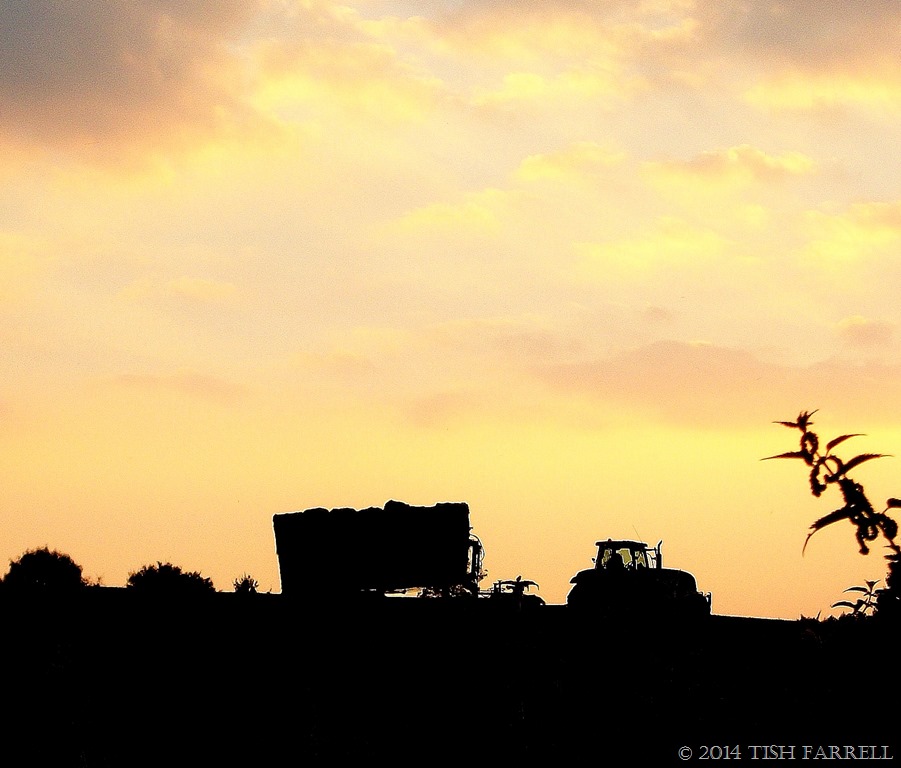
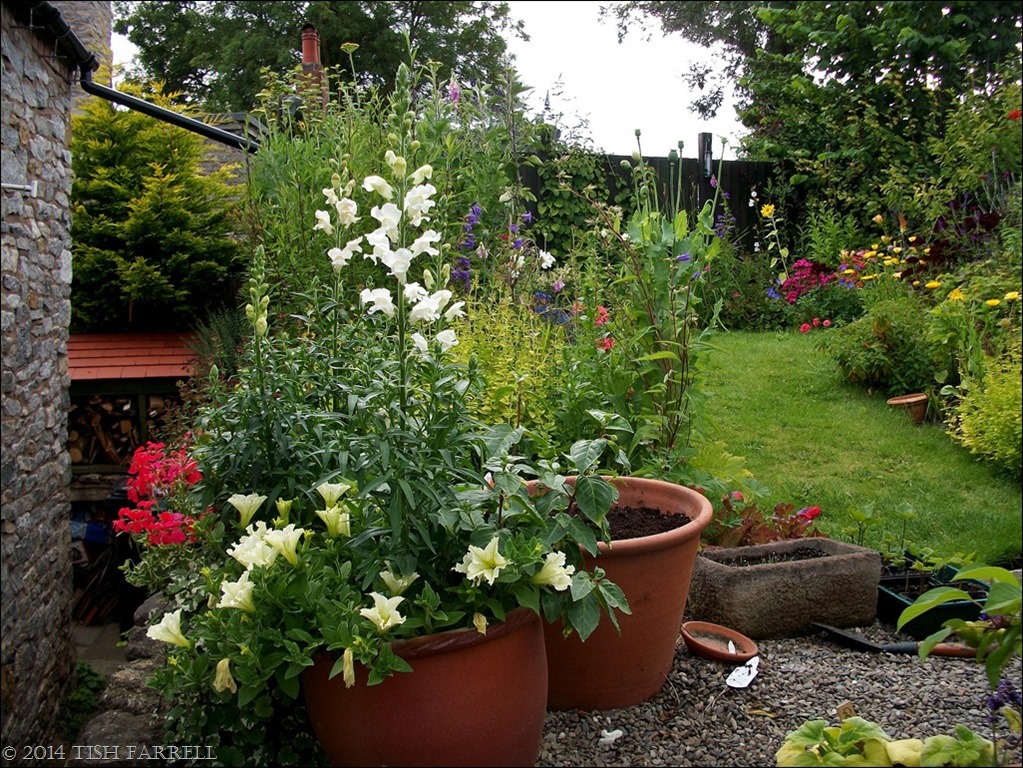
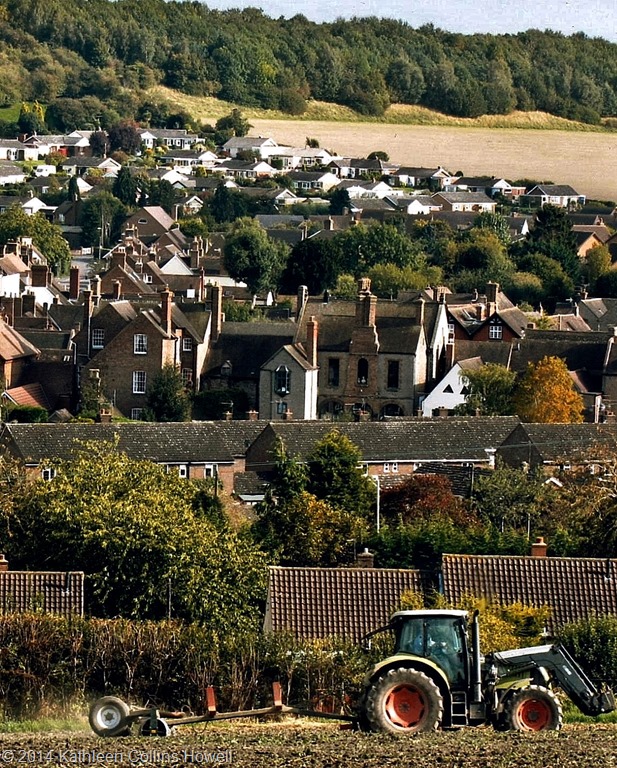
There’s a rainstorm brewing along Wenlock Edge, and the garden has taken on an autumnal air. All afternoon I’ve been watching this harvester ply the wheat field. At close quarters the cutting blades are of a scale more suited to the Canadian prairies than to a small Shropshire field. I feel the soil compact beneath the giant machinery, and it strikes me that industrial farming does not care much for the welfare of the earth, or ultimately for the nutritional quality of the crops produced.  I have this image of starvation in the face of plenty, and think how skewed have our rich-world values have become. But before I make everyone feel too dreary, here’s a brighter shot of my garden earlier in the summer.

013_thumb2


Sunday Stills

giant gwendol makes the wrekin

100_5822


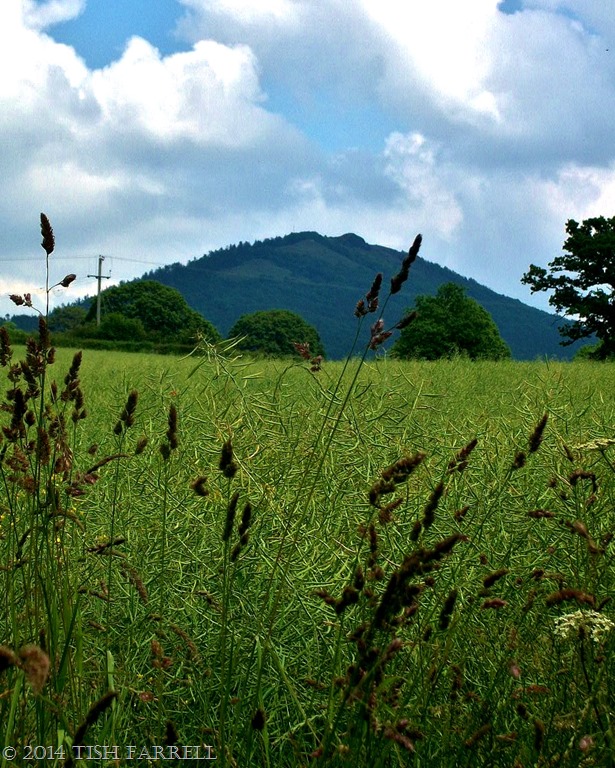
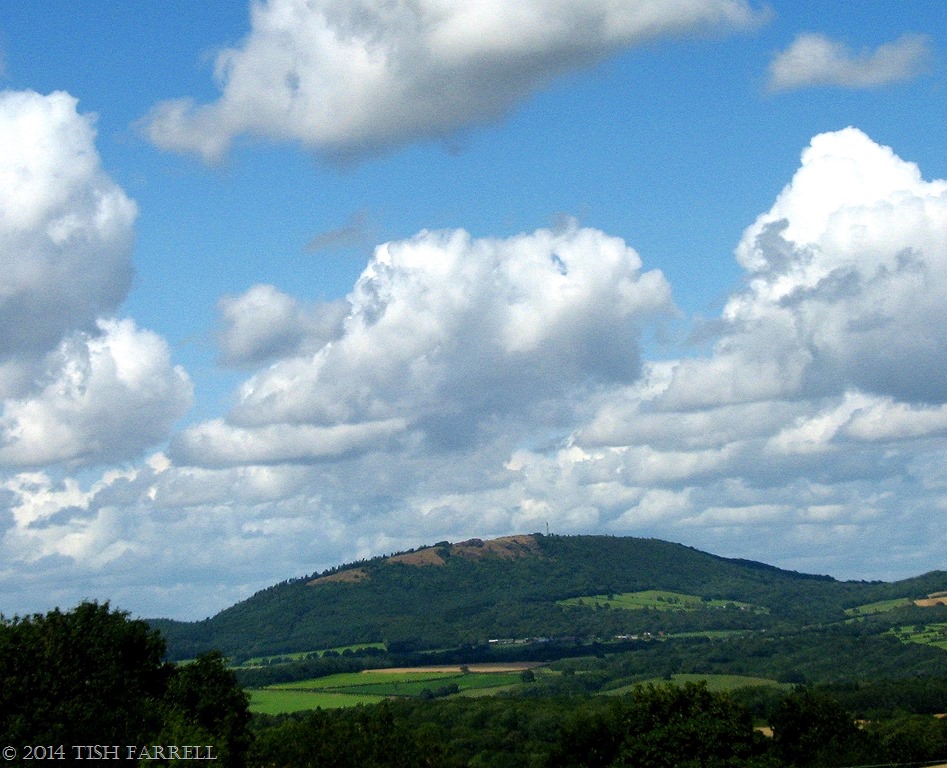
As hills go, The Wrekin (pronounced REE-kin) in my home county of Shropshire is not very high – just over 400 metres (1300 feet) . But then, as estate agents say, location is all, and this is the only big hill for miles around. It rises over a county of farm fields and the flatness of the Shropshire Plain beyond, and thus is a useful landmark when navigating the county’s ancient network of sunken rural roads. It has also long loomed large in local imagination. As with significant natural features the world over, it gives people something to think by, prompting many a tale and joke.

For instance, we have a saying whose usage extends into neighbouring  counties. To go all round The Wrekin means to ramble on for hours before arriving at the point. Hopefully not exemplified in this post. Because yes, I will get around to Giant Gwendol before too much longer. But first some geology. Please don’t groan. I’ll make it snappy.

Looking at the photograph above, the first thing that strikes you is that the hill looks like an old volcano, and I seem to remember being told that it was in year 3 geography at secondary school. This apparently is not the case, although it is composed of volcanic rock. The vent that spewed it out is no longer around or visible. This is perhaps worrying. One has to put faith in notions of volcanic dormancy and, since the spewing forth of rhyolites, tuffs and agglomerates took place in the Precambrian some 680 million years ago, we can perhaps rest easy in our beds: Shropshire has had long enough to get over its hot phase. 

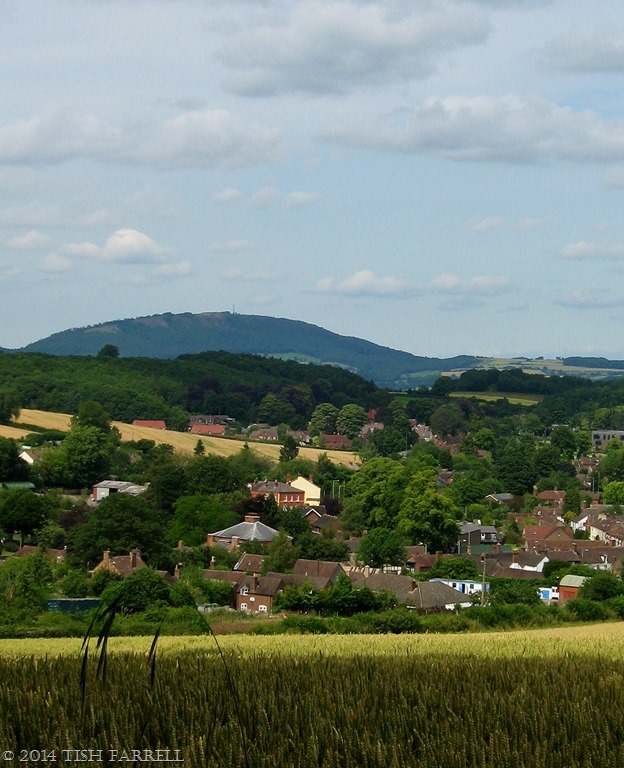
This is also good because as you can see from the second photo, the place where I live, Much Wenlock, is rather close to The Wrekin. The yellow wheat field in the middle ground is behind my house.

But now for the Gwendol story.

IMG_1285


There once was a Welsh giant called Gwendol. For reasons unknown he had conceived a grudge against the mayor and townsfolk of Shrewsbury, in the neighbouring county of Shropshire. Since the town lay within a nearly closed loop of the River Severn, Gwendol came up with a dastardly plan. He would dam the river and so drown the town and all who lived there.

He set off from Wales with a great spadeful of earth to do the deed, and headed for Shrewsbury. He tramped for mile after mile, but somehow lost his way, ending up instead near the town of Wellington. Weary with the search, and from carrying a heavy load, he sat down to rest.

After a time, an itinerant cobbler came walking by. He had walked from Shrewsbury and was heading for Wellington. Over his shoulder he carried a big sack of used shoes for mending.

Gwendol stopped the man and asked for directions. He even told the cobbler his plan to fill in the River Severn and so drown Shrewsbury and all who lived there.

The cobbler was horrified, and especially appalled at the prospect of losing so much trade.

He thought fast.

“Oh dear me,” he told the giant, “that town is so far away. Many days’ walk.” Then he opened his sack of  old shoes. “See,” he said. “I have worn out all these shoes and boots walking from Shrewsbury.”

At this, the giant groaned. “I am too tired,” he said, “to carry my load of dirt that far. I had better leave it here.” And so he emptied it out there and then and, as a parting shot, before setting off back to Wales, he cleaned the mud from his own boots, and so left behind little Ercall, the small hill that stands nearby.

And so now you have the true story of how The Wrekin was born. In fact, for a not very bright giant, I think Gwendol did a pretty good job, landscaping-wise. Also the damming plan would never have worked. Old Shrewsbury town may sit inside the loop of the River Severn, but it is also on a very steep hill. Just as well, though, that Giant Gwendol trudged back into Wales and was never heard of more in Shropshire.


IMG_1364


copyright 2014 Tish Farrell

SOURCE: This tale appears in Charlotte Burne’s Shropshire Folklore 1883. In other versions the Devil is the hill-builder.

Flickr Comments ‘G’ words

“Wheat…fields of wheat…” Musings on the path to the allotment


100_5994

Okay, who knows which film this quote comes from? As an extra clue I give you the line in ‘full’: “Wheat… lots of wheat… fields of wheat… a tremendous amount of wheat…”

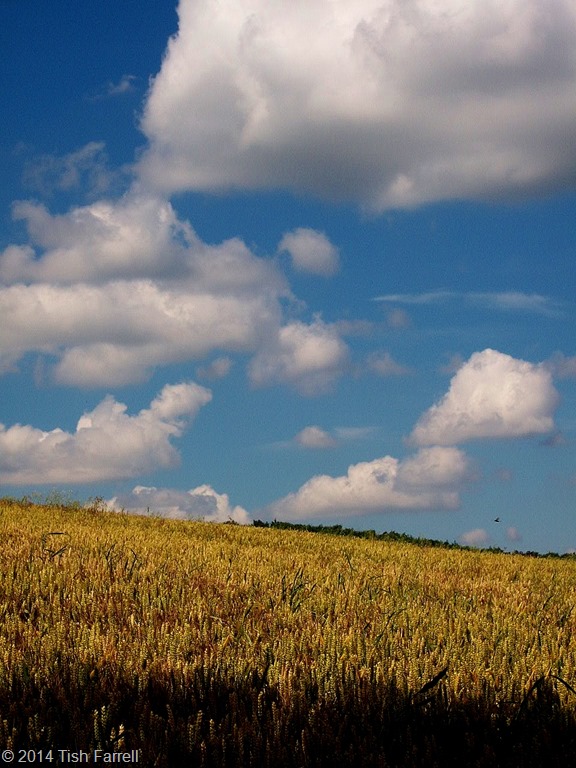
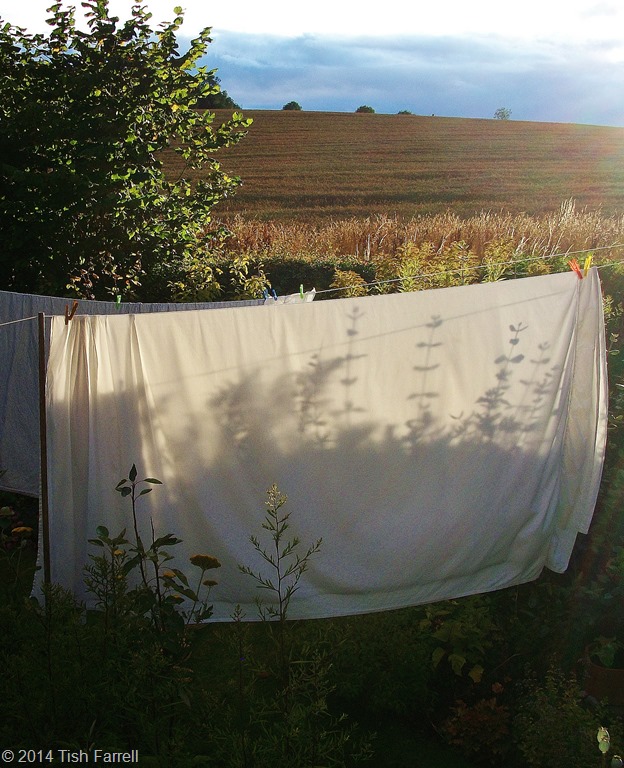
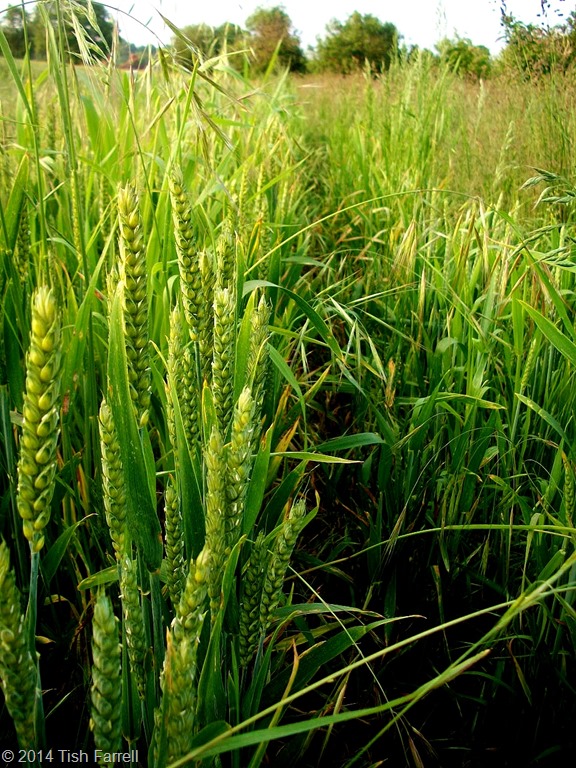
For some reason I cannot explain, this particular exhortation is rather popular in the Farrell household.  The Team Leader is wont to deliver it at unexpected  intervals and with some vigour. This habit even predates the time when we actually came to live beside  a field that often has wheat growing in it. So here is it. The field behind our house. And while I admit it might overstep the bounds of propriety to share my washing with the world, here is another view of the wheat field from our garden. I also think the flower shadows on the sheet rather fine: housework turned artwork?

077 (2)

I have written in earlier posts how our house lies on the edge of Wenlock Edge, a twenty-mile scarp formed from the upthrust bed of a tropical sea – the Silurian Sea in fact. This geological formation is a breath-taking 400  million years old – a place once inhabited by trilobites, and molluscs, and sponges and corals, although it should be made clear that when these creatures lived, the shallow sea in question was not in the northern hemisphere.  No indeed. In its tropical heyday Shropshire lay off equatorial East Africa. We are thus, for all our rustic appearance, a well-travelled county. We also have lots of geology of international importance, but  which I cannot begin to describe because the terminology and chronological expanses confound even me, a prehistorian. The Shropshire Geological Society have  a good site HERE should you wish to know more.

100_2077

The reason I’m showing you the wheat field is because my path to the allotment runs along the edge of it. I walk back and forth at least once a day. And so when I’m not writing blog posts or fiddling with my novel, this is one of the places where I’m likely to be. There is always something that catches my eye – thistles, the light, clouds, buzzards, the rooks and jackdaws, a neighbour’s three white ducks that regularly escape from their pen to eat slugs along the path, cats on the prowl, pretending I can’t see them.

Even the wheat is quite interesting. It amazes me how it manages to force its way up through a cloddy layer of grey clay that bakes to concrete after a few days with no rain. This soil, too, is a product of a geological event – a deluge of  volcanic ash from aeons ago and that has now broken down into bentonite clay.  It is the same soil in the allotment. Soft fruits seem to thrive on it. Everything else is a challenge. Wheat, though, has apparently been grown along the slopes above the town for generations, hence the name The Wheatlands for some of our now built-upon areas.

100_5840

100_5839

And talking of building, a couple of years ago when the Local Authority called for landowners to put forward development land, our local landowner proposed  this and most of the fields on the Edge side of the town, including the allotments too, gardens  that have been there since the 1940s.  Development on this scale is something that most town residents fervently  hope will not happen. We have already been threatened with up to 500 houses over the next 11 years. This in a town with antiquated drainage, severe traffic congestion, few jobs, poor public transport, and inflated house prices, and one that has seen several new developments of upmarket houses in the last few years.  More crucially, the town sits in a bowl below the Edge and has recently been designated a rapid response flood risk area by the Environment Agency.

001 (2)

More tarmac, roofs and roads that speed up run off from the hills above our homes are the last thing we need.  Some of the newest developments in the town are themselves subject to flooding.

100_5849

 100_5995

All right, I admit it. The landscape behind our house is perhaps not particularly noteworthy of itself, but the light and sky above it are. The uptilted scarp of Wenlock Edge forms a false horizon, so there is always much weather to watch. It changes every second. One day we saw a fire rainbow which we gather is quite rare.

Ironically, it it perhaps because this view from our house is ever under threat, that makes us look at it and appreciate it all the more. But it makes me angry too. I am not opposed to development, but it should be well planned, and enhance the locality, not cause problems for other people’s homes. There appears to be no mechanism in English planning that can ensure the provision of good quality housing at prices people can afford. Density seems to be the only planning criterion, not  homes with green spaces around them, and places for community orchards and gardens, footpaths and cycle tracks and areas where people of all ages can play. All things that boost wellbeing. You would wonder why it is so hard to do.

It is true that  Much Wenlock people have recently voted to have the Local Authority  accept their Neighbourhood Plan, a community compiled document that reflects our aspirations and plans for the foreseeable future. Our Conservative Party MP, Philip Dunne, tells us the Plan will deliver localism to our door, that is, we will have a say in the kind and scale of development that is proposed for our town and parish, development that will protect landscapes, open spaces and heritage while improving the quality of life for everyone. Whether it will, or not remains to be seen, particularly under a government whose recently sacked Secretary for the Environment apparently allowed for the destruction of ancient woodland as long as developers replanted elsewhere.  Bio-diversity anyone?

Which I suppose brings me back to the quote; “Wheat…fields of wheat…” You can’t get more of a monoculture than that. Hey ho. So many things to unpick. Think I’ll trundle up the path to the allotment and pick raspberries.

copyright 2014 Tish Farrell

Related:

…of Silurian Shores

Old Stones of Wenlock: repurposing the Silurian Sea

In Much Wenlock an Inspector Calls

100_4193

P.S. The quote is from Woody Allen’s Love and Death


When Henry James came to Wenlock

“If Gaskell asks you to Wenlock don’t for the world fail to go.”

Henry Adams in a letter to Henry James 1877

IMG_0944

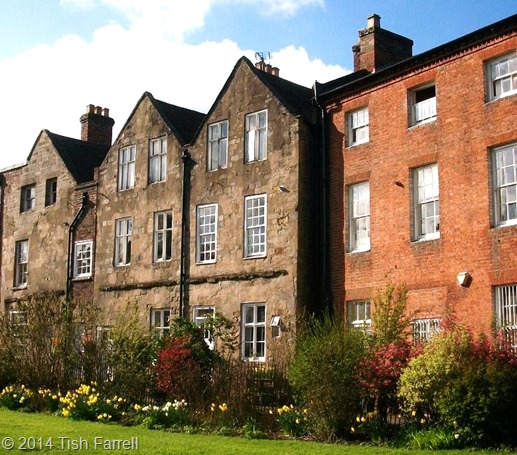
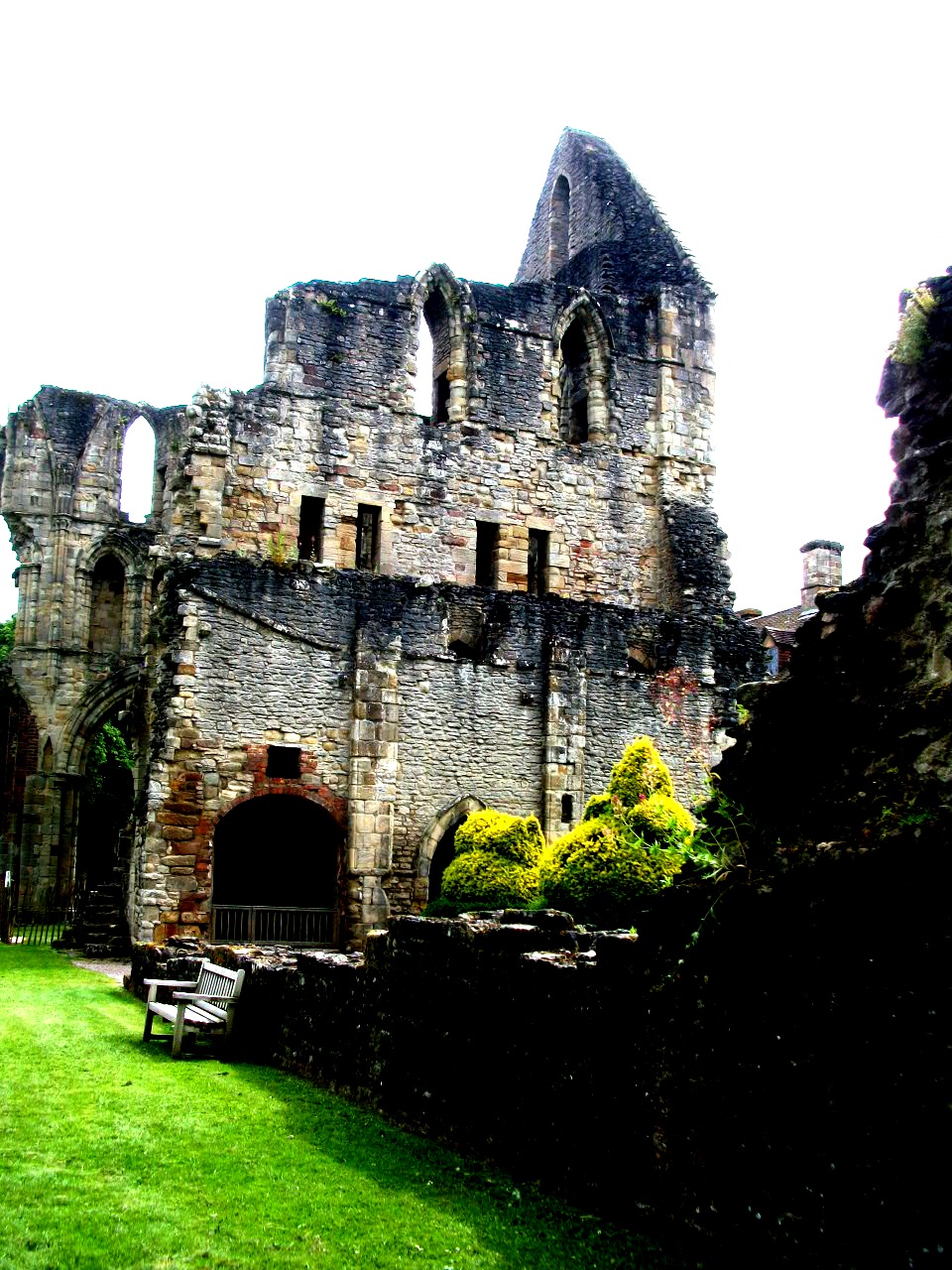
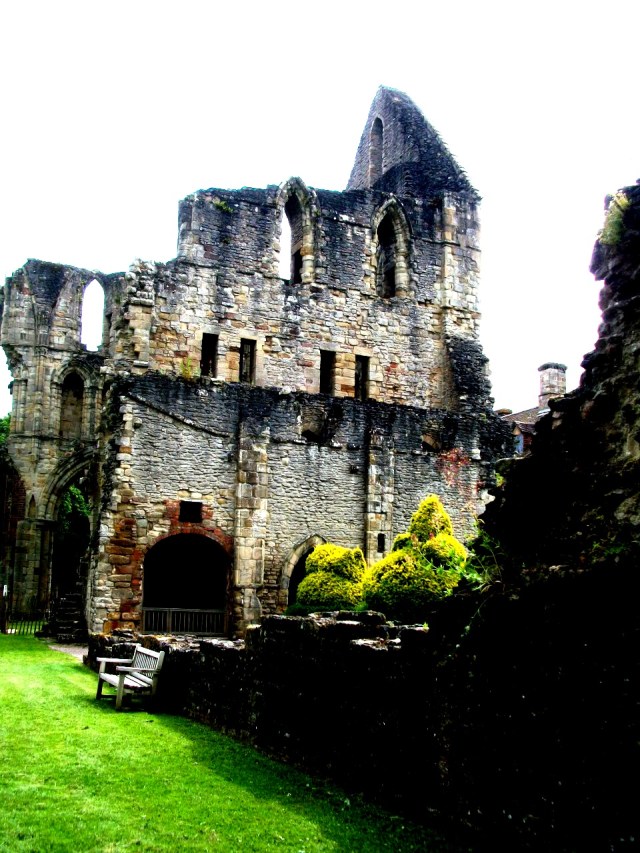
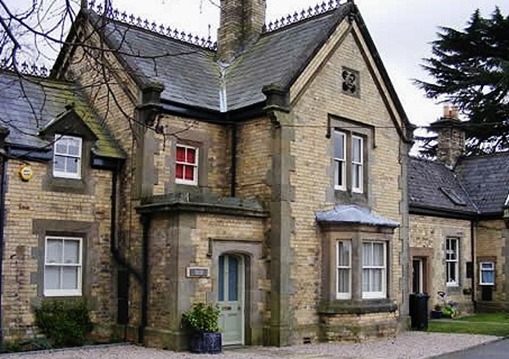
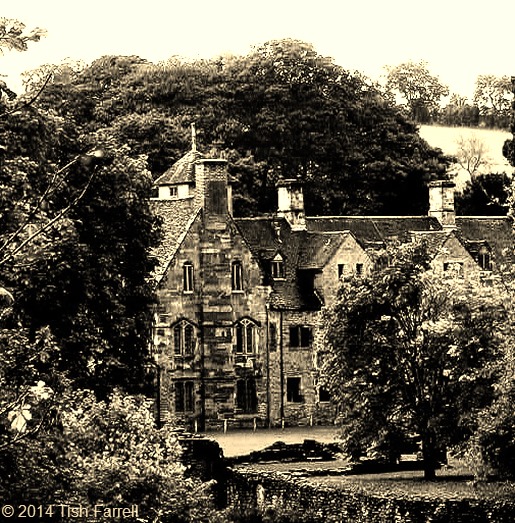
This is the house where Henry James stayed  on his visits to Much Wenlock in 1877, 1878 and 1882. At the time it was known as The  Abbey, but  once it was the Abbot’s House, and part of a great medieval Cluniac priory whose ruins stand beside it. Only the house, and the town’s parish church survived Henry VIII’s great monastic dissolving campaign of 1540.

I’ve recently read, too, that the Dissolution did in fact involve actual structural ‘dissolving’. The first thing King Henry’s agents did in their bid to disempower the clergy and seize their estates was to rip the lead off the monastery roofs. The wear and tear of English weather then did the rest. Since Wenlock Priory was once one of the most imposingly large religious houses in all Europe, you can well see how efficiently the elements did their work.
100_5898

The adjacent small town of Much Wenlock town dates from at least from Saxon times when St. Milburga, daughter of a Mercian king, founded the first religious house here. She was Abbess of Wenlock  between 675-690 AD. The later priory was the work of the invading Normans, who liked to use looming architecture to cow the natives into submission. The monks were brought in from France, but it wasn’t  until end of the 12th century when Bishop Odo, a former Cluniac monk, published his account of the discovery of St.Milburga’s bones (he describes them as “beautiful and luminous”)  that this great house acquired the kind of saintly cachet that ensured serious pilgrim-appeal, and thus brought much prosperity to the town.

After the Dissolution, however, pragmatism ruled, and much of the fallen priory masonry was used to build or expand the town’s homes and businesses. Thereafter, Much Wenlock’s success was based on providing a small but busy mercantile and manufacturing centre for the local agricultural and quarrying community. It even had two Members of Parliament.

But back to  Henry James (1843-1916). What on earth had brought this widely travelled writer to the little town of Much Wenlock? And not once, but three times.

HenryJamesPhotograph[1]

In fact it was only the urging of a friend, Harvard history professor, Henry Brooke Adams, that brought James here at all on that first visit in 1877. He hardly knew his hosts, Charles and Lady Catherine Milnes Gaskell. Charles Milnes Gaskell, rich barrister and landowner, was a close friend of Adams, and it was Adams who indirectly secured the invitation for Henry James. He knew that James would love the Abbey. Hence the exhortation: “If Gaskell asks you to Wenlock don’t for the world fail to go.”

And so, further enticed by “a gracious note from Lady Catherine Gaskell” and armed with a copy of Murray’s Handbook of Shropshire, Cheshire and Lancashire, Henry James left London for deepest Shropshire, travelling by train to Much Wenlock. The details of how he spent his time on his  five-day visit appear in a travel sketch called Abbeys and Castles, later published as part of Portraits of Places (1883).
Railwayramblers.org.uk

At the station (now private houses) he was met by the Gaskell’s coachman, Crawley, driven into the town, passing in sight of Holy Trinity Church (today without the spire shown in the Frith photo). Here they  turned left into the Bull Ring… 
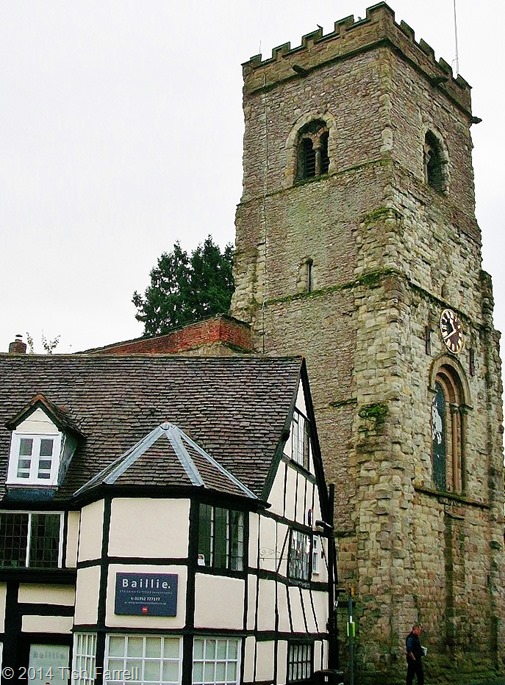
100_4966

passing Priory Cottage on the left…

100_5338

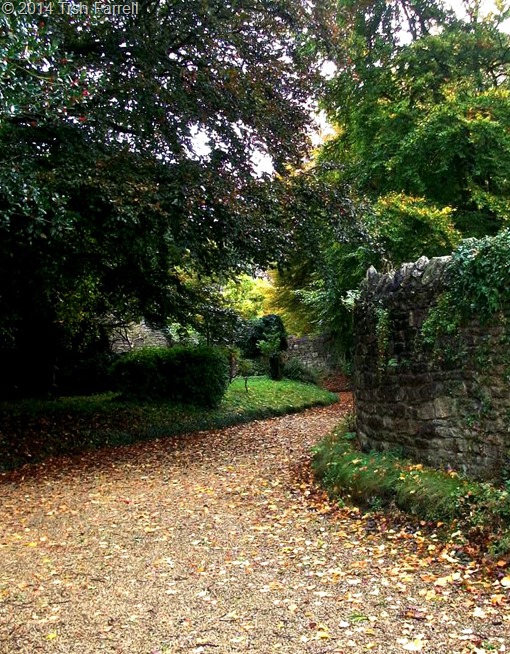
…the turning right into the Abbey’s winding drive…
100_4997

…with the priory ruins on the left.

IMG_0952 - Copy

The carriage would then have swung hard  into the open courtyard of the Abbey, and this would have been Henry James’ first view of his destination. Well-travelled as he was, I think he would have been astonished.

Adams’ certainty that his friend would love the place was spot on. In Portraits and Places (p278)  Henry James says:

“It is not too much to say that after spending twenty four hours in a house that is six hundred years old, you seem yourself to have lived in it for six hundred years. You seem to have hollowed the flags with your tread, and to have polished the oak with your touch. You walk along the little stone gallery where the monks used to pace, looking out of the gothic window places at their beautiful church, and you pause at the big round, rugged doorway that now admits you to the drawing room. The massive step by which you ascend to the threshold is a trifle crooked, as it should be; the lintels are cracked and worn by a myriad-fingered years…it seems wonderfully old and queer. Then you turn into the drawing room, where you find modern conversation and late publications and the prospect of dinner. The new life and the old have melted together; there is no dividing-line.”

In letters James admits to being rather  in love with Lady Catherine, whom he describes as a perfect English rose. She was only twenty years old at the time, and expecting her first child. She apparently put garden flowers in his room and made sure he had plenty of writing paper and pens. But when it came to entertainment, this was down to Charles Gaskell. Despite the rainy weather, he and James appear to have yomped all over the district looking at stately homes and other ruins. They also took the train to extend their excursions to Stokesay Castle and Ludlow. Henry James was clearly enchanted. Of Much Wenlock and its setting he says:

“There is a noiseless little railway running through the valley, and there is an ancient little town lying at the abbey-gates – a town, indeed, with no great din of vehicles, but with goodly brick houses, with a dozen ‘publics’, with tidy, whitewashed cottages, and with little girls…bobbing curtsies in the street. But even now, if one had wound one’s way into the valley by the railroad, it would be rather a surprise to find a small ornamental cathedral in a spot on the whole so natural and pastoral. How impressive then must the beautiful church  have been in the days of its prosperity, when the pilgrim came down to it from the grassy hillside, and its bells made the stillness sensible.”

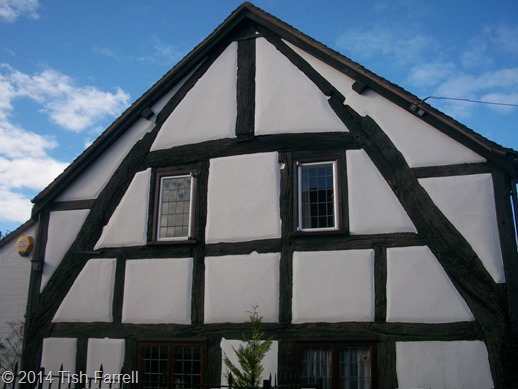
Things have changed of course, although we still have a fair few ‘publics’ for so small a town – five in fact. But there are no longer little girls who curtsey to gentleman, and sadly no railway, which means instead we do now have the inevitable din of vehicles..

100_5337

100_5024

IMG_1074

100_5328

*

An interesting aside to the Henry James’ Shropshire travelogue is that he is said to have been working on his disturbing ghost story The Turn of the Screw while staying at the Abbey. He certainly had the supernatural on his mind during that first visit.

“…there is of course a ghost – a gray friar who is seen in the dusky hours at the end of passages. Sometimes the servants see him; they afterwards go surreptitiously to sleep in the village. Then, when you take your chamber-candle and go wandering bedward by a short cut through empty rooms, you are conscious of a peculiar sentiment toward the gray friar which you hardly know whether to interpret as a hope or a reluctance.”  (Portraits of Places)

And this does rather remind me of a passage in The Turn of the Screw  where the governess narrator describes how her young charge, Flora, takes her on a guided tour through the rambling old mansion at Bly:

“Young as she was, I was struck, throughout our little tour, with her confidence and courage with the way, in empty chambers and dull corridors, on crooked staircases that made me pause and even on the summit of an old machicolated square tower that made me dizzy.”

But then Henry James seems to have made a life’s career of ‘staying’ in, or visiting large country houses. All the same, I like the idea of his brewing this grim tale in Wenlock. Certainly from across the old monastery parkland, the Abbey does have a more brooding and sinister air. And now I’ve sown that notion, I’ll leave you with some more views of undissolved monastic relicts: 
100_5003

100_4984

References:

Cynthia Gamble John Ruskin, Henry James and the Shropshire Lads New European Publications Ltd 2008

Vivien Bellamy  A History of Much Wenlock Shropshire Books 2001

copyright 2014 Tish Farrell

Rooti-toot-toot, it’s spring at the allotment: up close and vegetal

100_5367

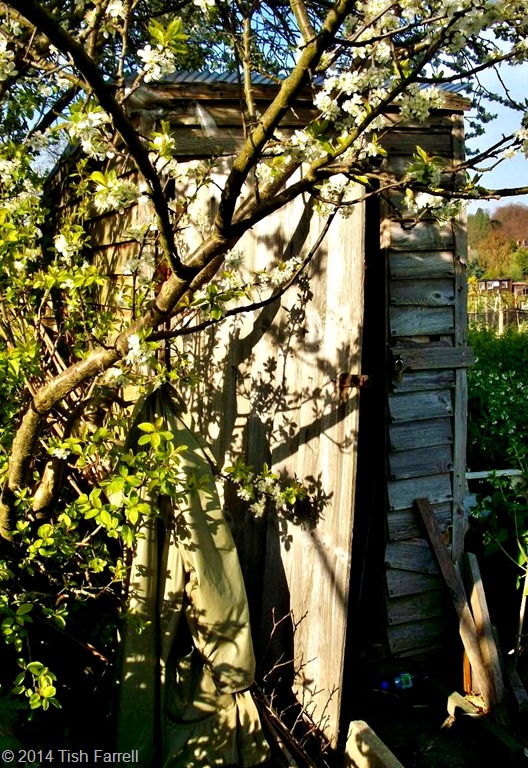
Well the old shed has made it through another year. A couple of bits have fallen off, but last year’s application of internal bracing by the Team Leader, aka Graham, has kept its tendency to list in an easterly direction in check. Would that we all had such a bracing. Over the winter it housed a poor mummified mouse, and snails still go to roost in there. I’m not showing you the inside, though. You definitely do  not want to see in there.

100_5374 (2)
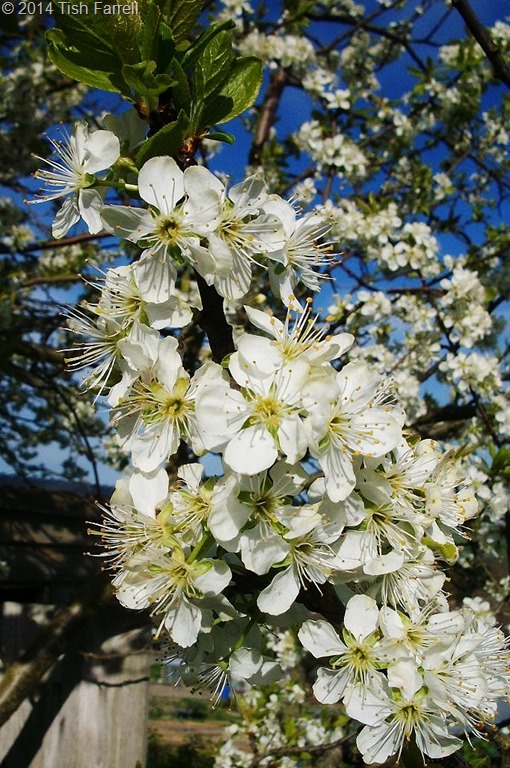
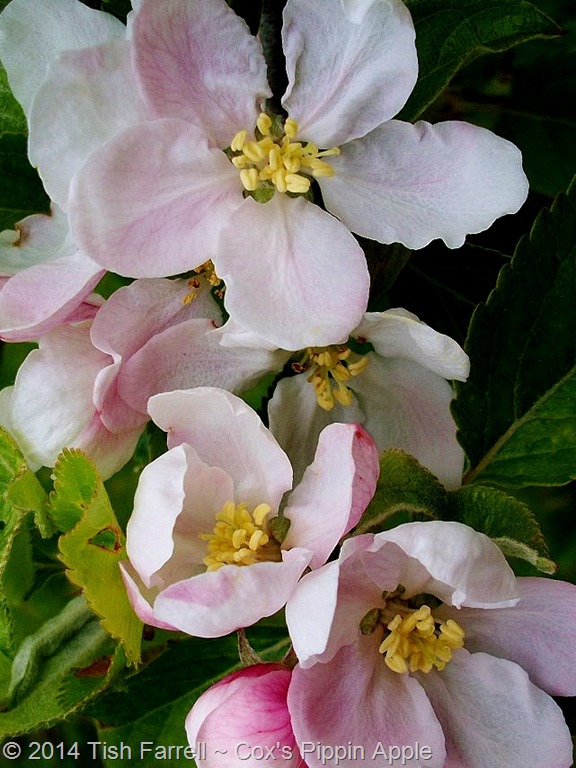
Instead, here is the ancient greengage tree with its delicate blossom. Already I’m wondering if it will give us some fruit this year. Greengages are notoriously temperamental, and after the magnificent crop in my first year of allotmenting that had us, and all our friends and relations, dribbling with delight over bucket loads of luscious harvest, it has borne very little. That was seven years ago. Maybe this year is the year then.

100_5362

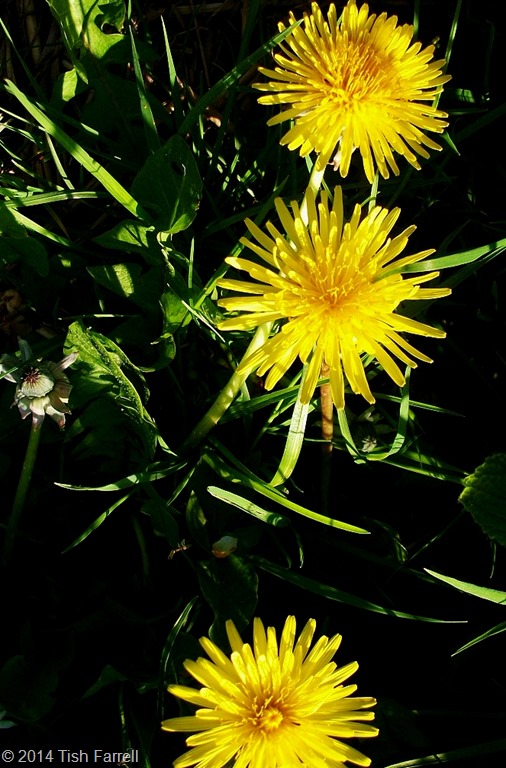
There are loads of jobs to do, not least digging. The endlessly wet autumn and winter meant that winter digging was impossible, so there has been much to catch up on. Meanwhile the weeds are literally having a field day, which makes this the the season of dandelion beheading. (Sorry, dandelions). They are sprouting up all along the paths between everyone’s plots, and I’m afraid I find great satisfaction in slicing off these cheery faces with my strimmer. Their replacements are anyway there the next day, beaming vigorously.

100_5637

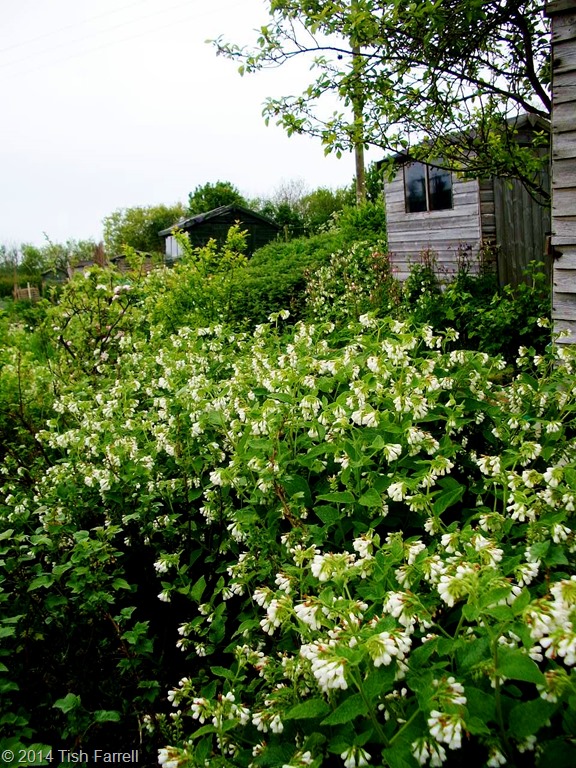
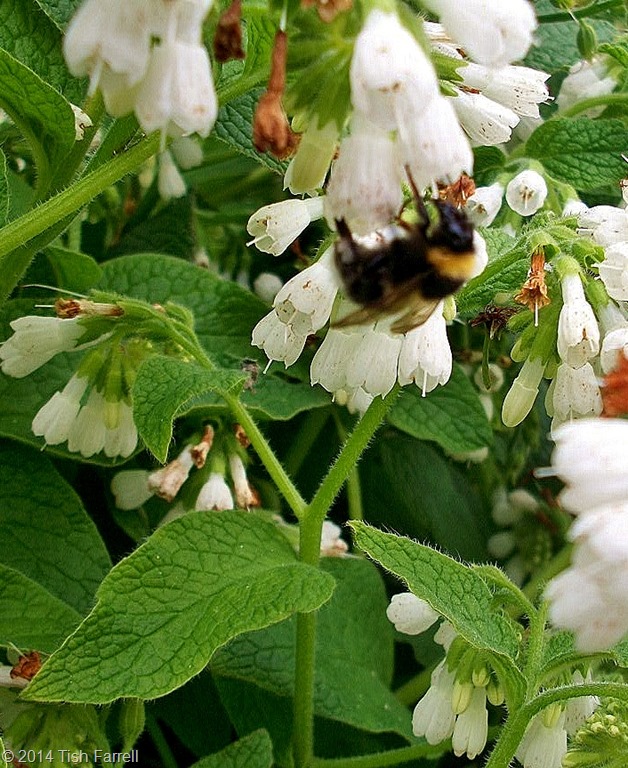
Then there is the comfrey forest to manage. This plant I crop and cherish. You cannot have too much of it, and it obligingly grows  itself in a huge clump beside the shed. If you cut it down after flowering, it will grow again and again during the summer.

Comfrey, as I have mentioned before, is the organic gardener’s dream plant. It comes in other shades, pink to purple through blue. Its ability to mine otherwise inaccessible  nutrients from the soil (dynamic accumulation I believe this is called) and repurpose them in its foliage make it an endless source of cost-free fertilizer. It is one of the reasons why you can’t look in my shed. I do my brewing in there. And no. It’s not what you think.

100_5645

For those who missed an earlier post on this, I stuff old compost bags with the comfrey’s  top growth, seal them with clothes pegs, cut a hole in the corner of each bag, and prop it over a bucket and wait. In the warmth of the shed the vegetation soon rots down, giving out a dark and evil looking liquid that collects in the buckets.  This stuff is pretty smelly, although nowhere near as pungent as the slimy residue left in the bag, which then ends up on the compost heap. The liquid I  decant  into old plastic bottles, and use as a feed through the growing season. It is 3 times richer in potassium that farmyard manure, but it must be diluted 1 part comfrey essence to 15 parts water.

The blurry bee above would not stay still for the shot, but that’s another good thing about comfrey. Bees like it. As I took this, I spotted at least 4 different kinds: a honey bee and three bumbles of varying liveries and sizes. Having written of the dire things that are happening to bees, it’s heartening to see so many at the allotment doing their work. Thank you, bees.

100_5647

The mild winter has meant that many crops simply kept going without dying back. Yesterday I noticed that my globe artichokes have already made globes almost big enough to eat. In May? What is going on?  But thank  you, artichokes.

100_5611

The Swiss Chard has been magnificent too and kept us going through the winter with fresh new leaves. It is only now going to seed. Nor did I sow it in the first place. It seeded itself around my plot from my neighbours’ plot. Thank you,  Pete and Kate.

100_4188

And now you can look at my Red Duke of York spuds, their foliage just pushing through the soil. I love the purple flush on the new growth.

100_5631

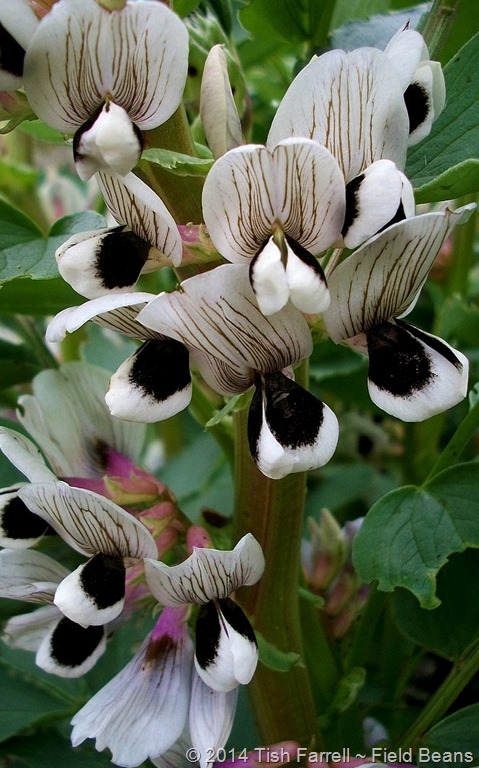
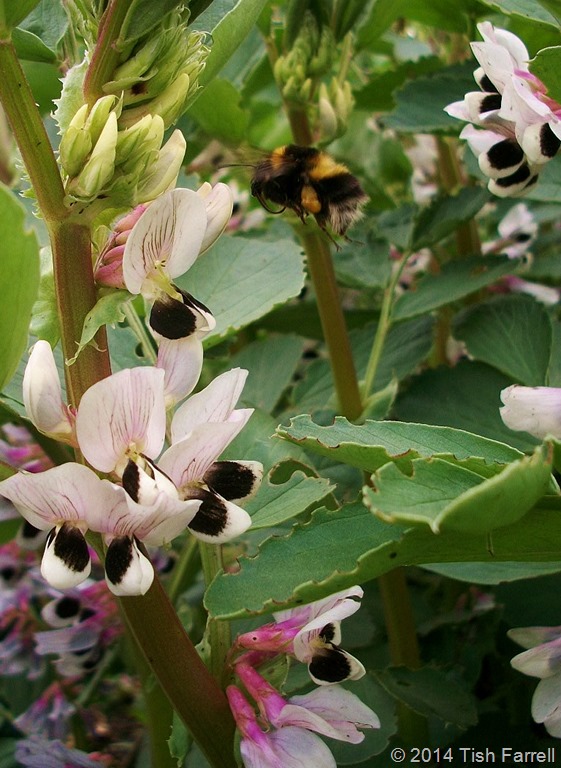
And next are my over-wintered field beans (rather like broad beans I am told, but smaller and tastier). This is the first year I have tried them. The metre tall stems are covered in blossom from tip to root, and the scent is glorious. The bees are busy here too.

100_5620

100_5619

*

And last but not least, the strawberries are flowering like crazy…

100_5616

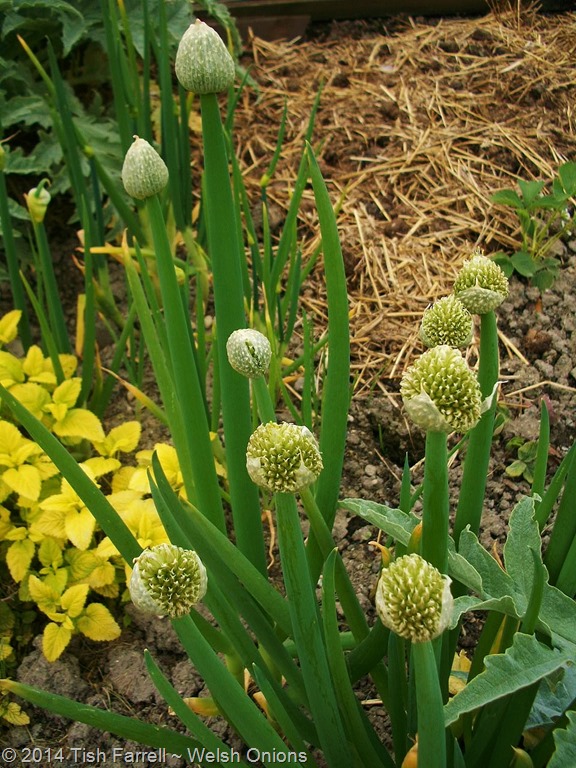
And the Welsh Onions are bursting into bloom beside the Lemon Balm, although I’m not sure whether I should be stopping them from doing this. On the other hand they will look rather splendid as the flowers open, and of course make lots more seed.

100_5613

And finally, the brightest face of all at the allotment, other than mine after too much digging. This is yet another lovely plant that grows itself up there with no help from me, and flowers into the winter. Its petals are lovely in salads, and it makes a good herbal tea that is said to improve pretty much any condition. I can believe it. Simply looking at this flower does you good: the orange goes right through your eyes and into your immune system. A big hand then, for the marigold. TARRAAAAH!

IMG_1137

© 2014 Tish Farrell

Please go to all these places for lots more brilliant stories:

Frizztext’s tagged ‘R’

Ailsa’s Travel Challenge ~ Close-up

DP Weekly Photo Challenge ~ Spring

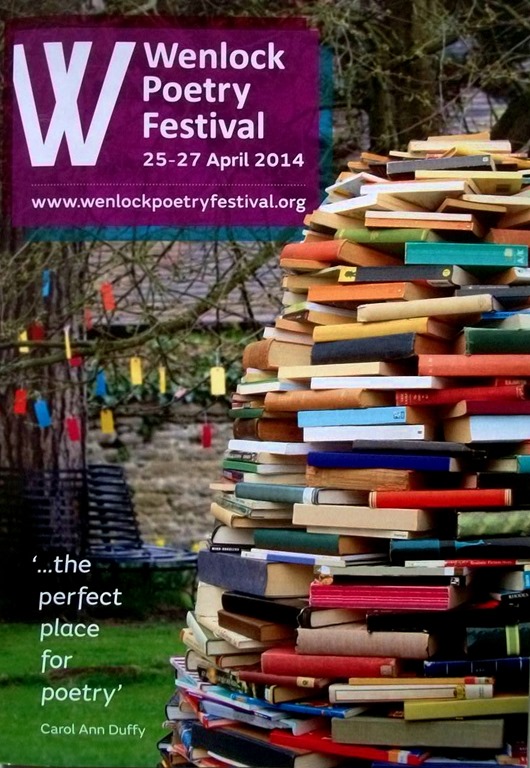
Much lettered at Much Wenlock’s Poetry Festival


100_5560

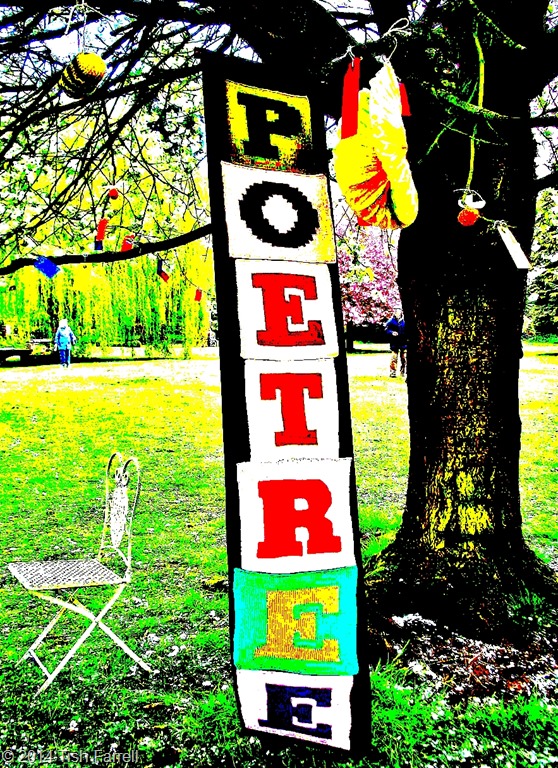
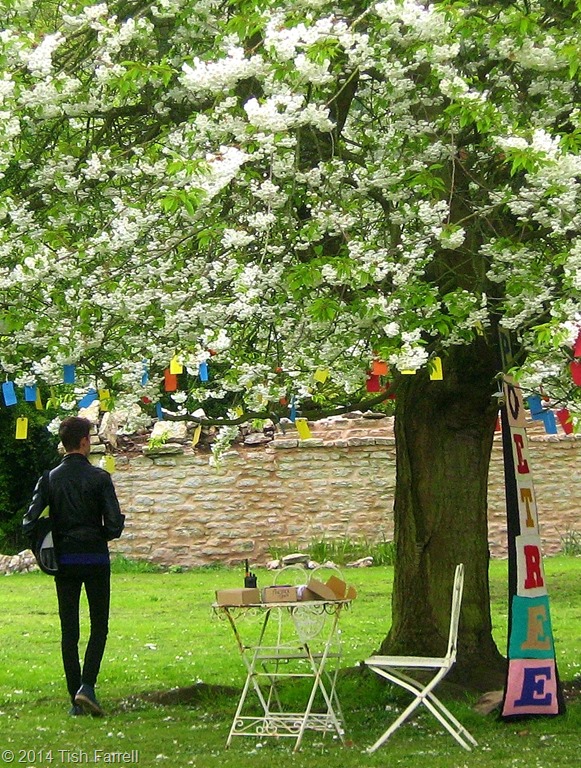
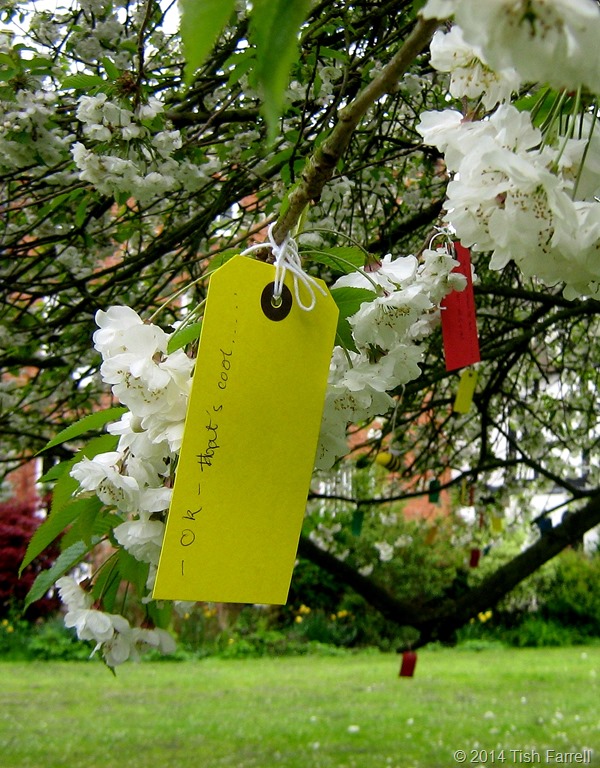
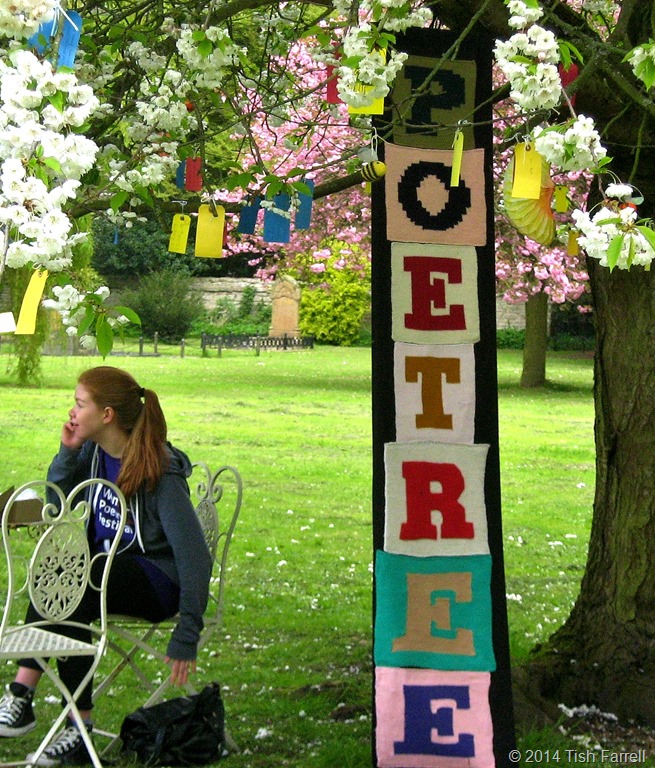
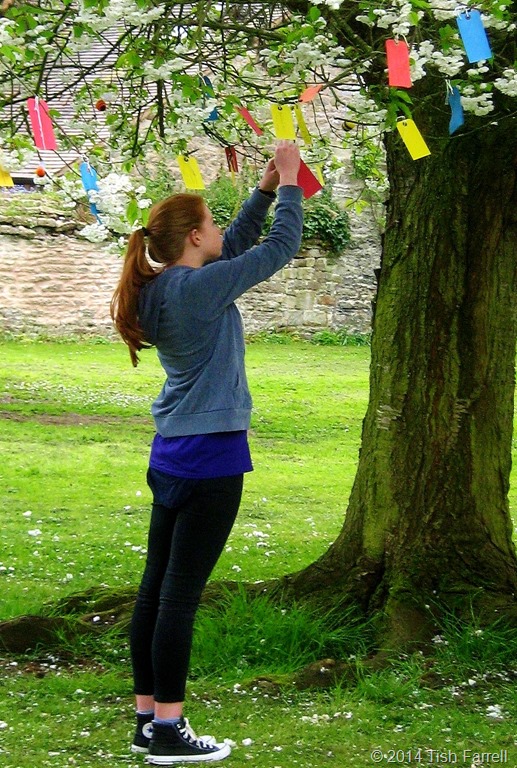
These letters are knitted (I think I was responsible for the red ‘E’) and here they are adorning the cherry tree on the Church Green. This is the Wenlock Poetry Festival’s ‘Poetree’ (artistic licence rendered photo-wise) and, during this now annual April event,  everyone may compose, or write verses from their favourite poem on a luggage tag and hang it on the tree for others to read.

This year the tree has joined in the general creativity by bursting into bloom. In previous years it has been quite bare.

IMG_1050

IMG_1038

IMG_1116

IMG_1105

IMG_1032

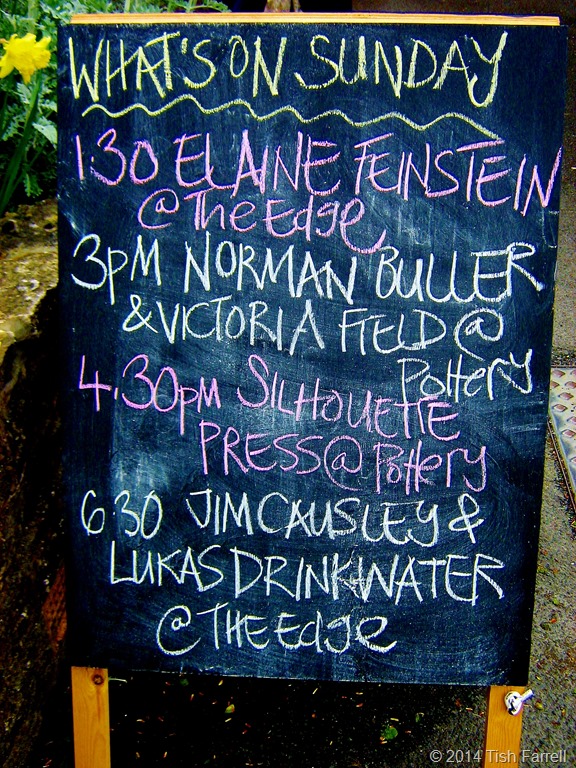
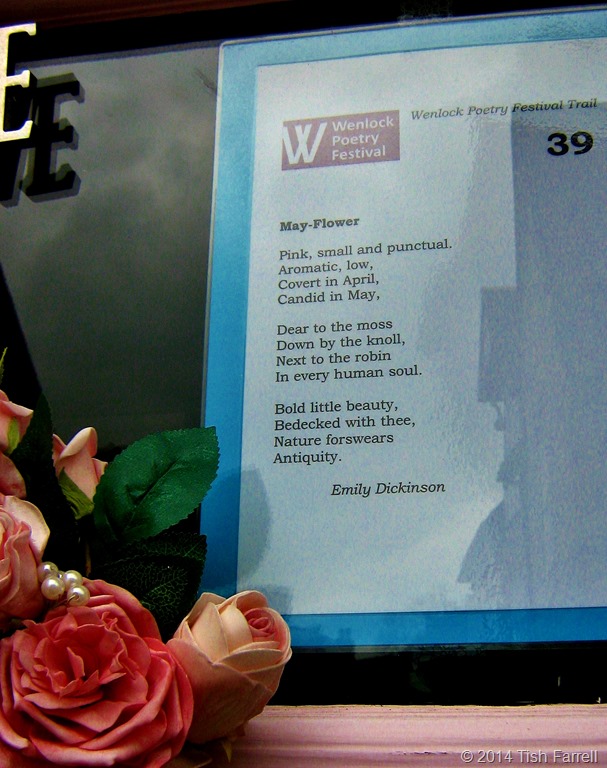
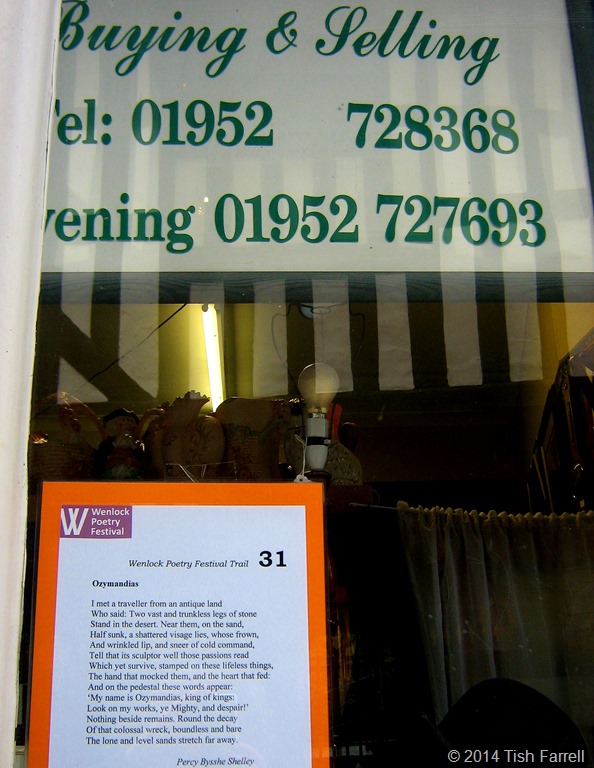
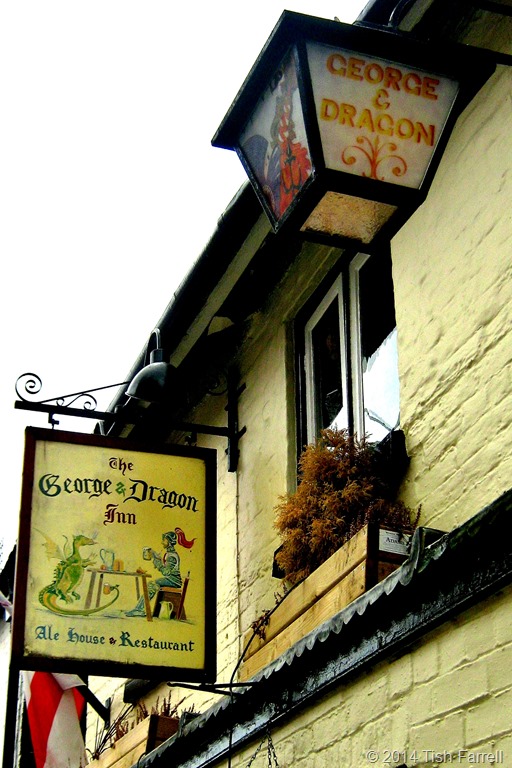
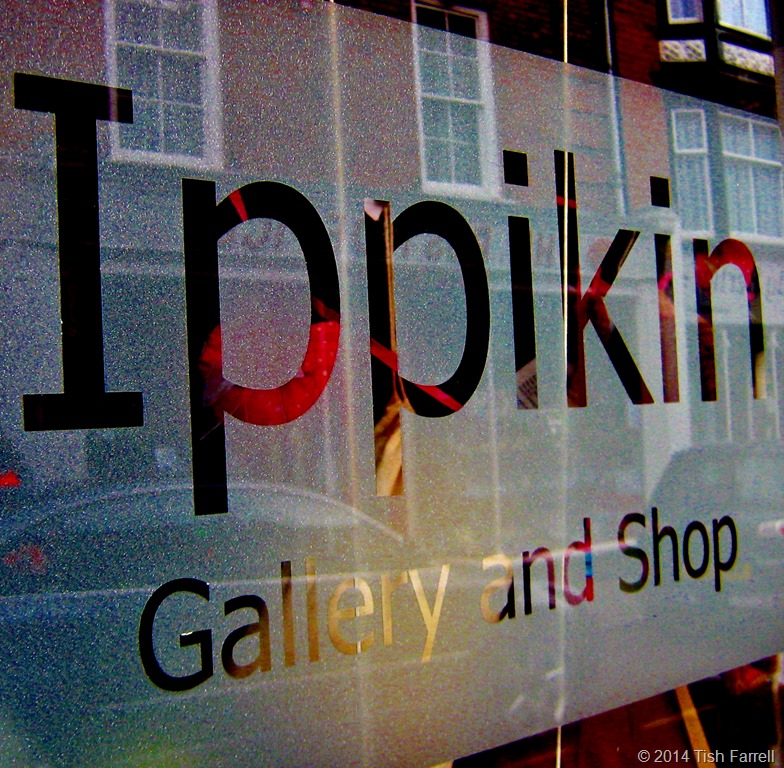
The festival embraces the entire town, using venues at Wenlock Pottery, Methodist Church, the George and Dragon Pub, Tea on the Square Cafe, and The Edge Arts Centre. Besides the three-day programme of readings, talks and workshops with top British poets, there are verses to be found all over the place. Nearly all the shop windows host one, and they include works by local amateurs as well as the more famous.

IMG_1026

IMG_1100

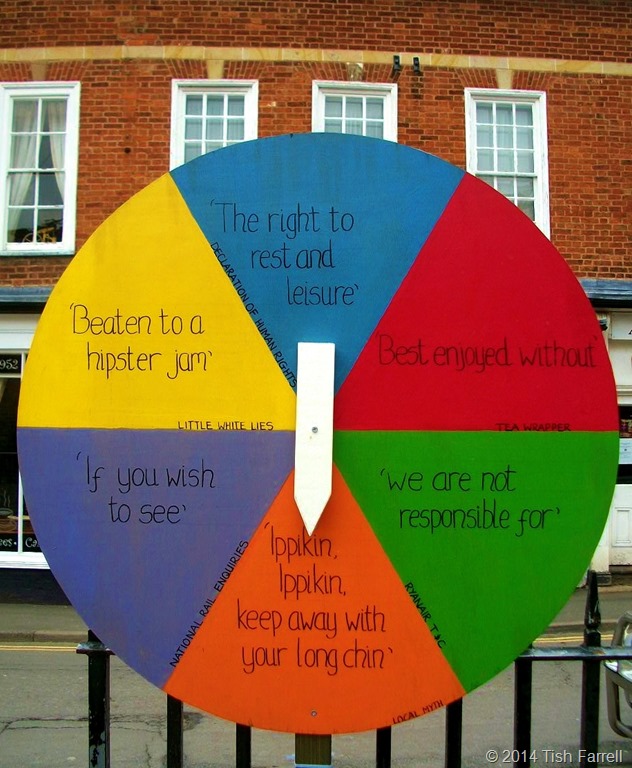
And then there are the ten Dada Poetry Orienteering spinners (including 2 mystery ones) sited about the town. They comprise phrases culled from printed matter – from the Declaration of Human Rights to a tea wrapper. Visit some or all and, with random spins of the pointer, create an on-the-spot composition.

100_5594

And when inspiration needs a further boost, then there are refreshments on hand, not only at the Poetry Café in the Priory Hall, but at the town’s ancient inns, and traditional tea rooms.

IMG_1080

IMG_1058

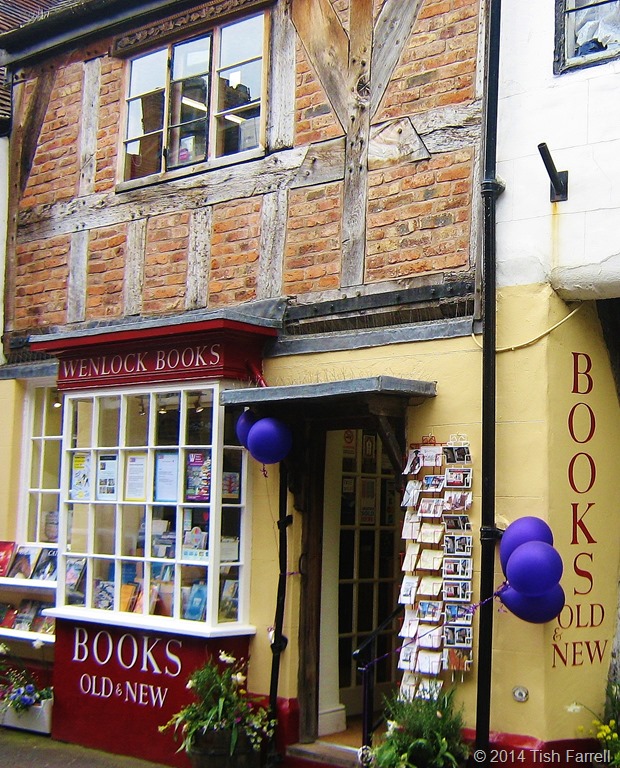
And here we come to the heart of the festival, the town’s famously much loved independent book shop, Wenlock Books. Its owner, Anna Dreda, has been the primary driving force behind the festival, enticing, Carol Ann Duffy, Britain’s Poet Laureate, to be the festival’s founding patron. The festival is now in its fifth year, and involves the efforts of many dedicated volunteers who put in many months of work to ensure its continuing success.

And so for a small town of less than 3,000 people, we are astonishingly well-lettered, and much of this is down to Anna, who throughout the year (and quite apart from the poetry festival) lures young and old into her lovely shop to take part in reading groups, listen to stories being read, or chat with authors. Coffee and biscuits are ever on offer, and sometimes even a Tea and Toast Breakfast. Last year, too, Anna was invited to meet the Queen during a celebration of British contemporary poetry.

IMG_1054

Anna Dreda.

Anna Dreda of Wenlock Books

*

Sadly, you have just missed this year’s festival, but now that you’ve glimpsed a little of what’s on offer in Much Wenlock, check out the festival website below and make a date for next April. But before you leave, a few more views of lettered Wenlock:

IMG_1069

IMG_1071

100_5579

IMG_1079

100_5606

See you at the sixth Wenlock Poetry Festival 2015


Related:

Wenlock Poetry Festival

Wenlock Books


Go to Daily Post Weekly Photo Challenge for more LETTERS