

Between the walls of the Great Enclosure. The wall behind me dates from the 1400s, the one in front with its less skilled brickwork dates from the 1200s AD.
For more about the amazing Middle Ages kingdoms of Southern Africa please see:

Elephants in Kenya’s Maasai Mara
*
See also my posts:
Elecommunication: so many connections
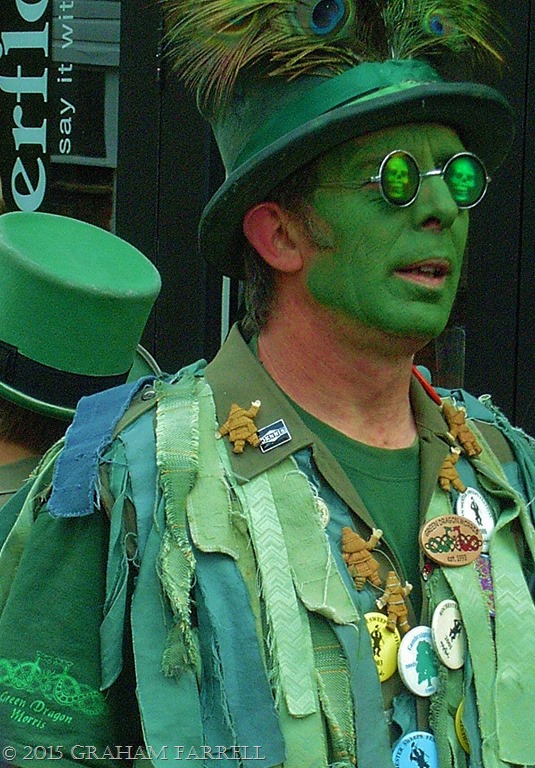
…Green Man/Morris Dancer/Goth at the annual Rochester Sweeps’ Festival.
To find out more go to “Unexpected with bells, sticks and hankies at the Sweeps Festival” HERE
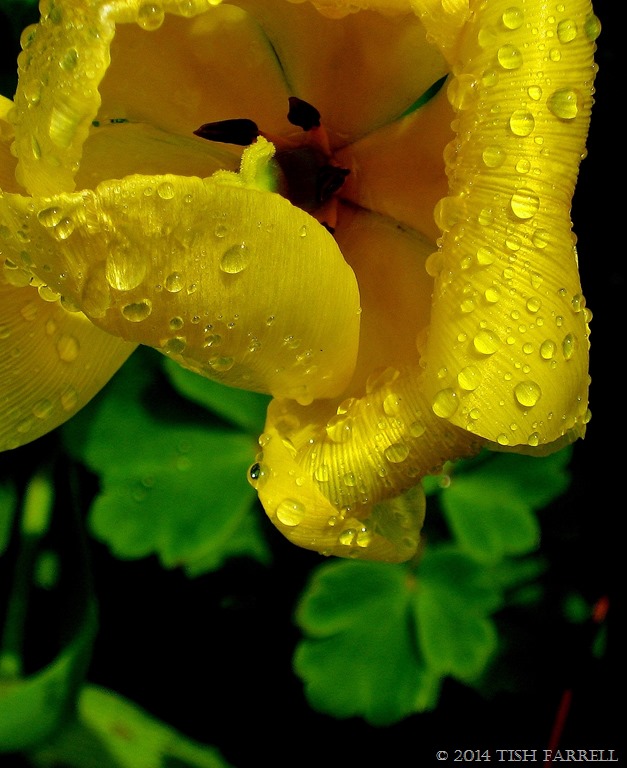
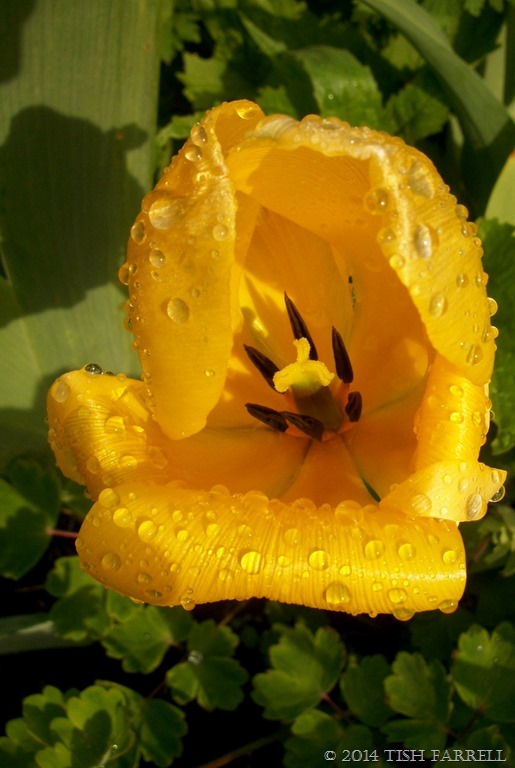
Thinking of spring to come, except I realise now that I forgot to plant any bulbs, so these memories of tulips past will have to serve. They were snapped at very close quarters in my garden last April, and with a Kodak Easy Share. The poor little camera has lost its zoom, but it’s quite good on macro. The same might be said of the photographer.
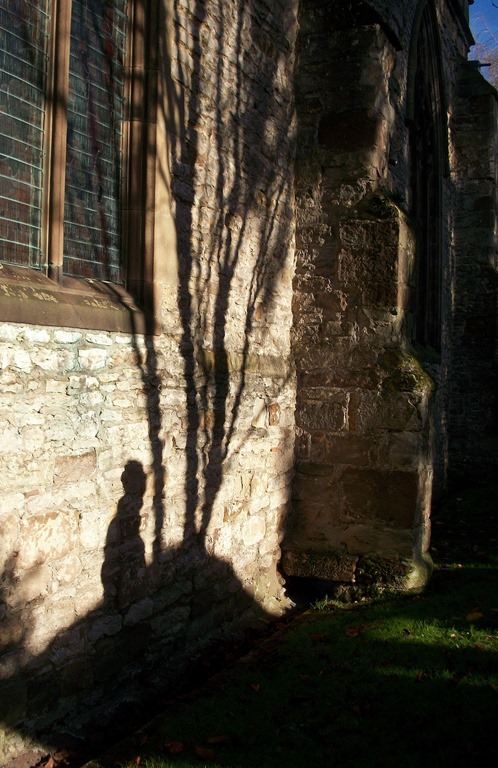
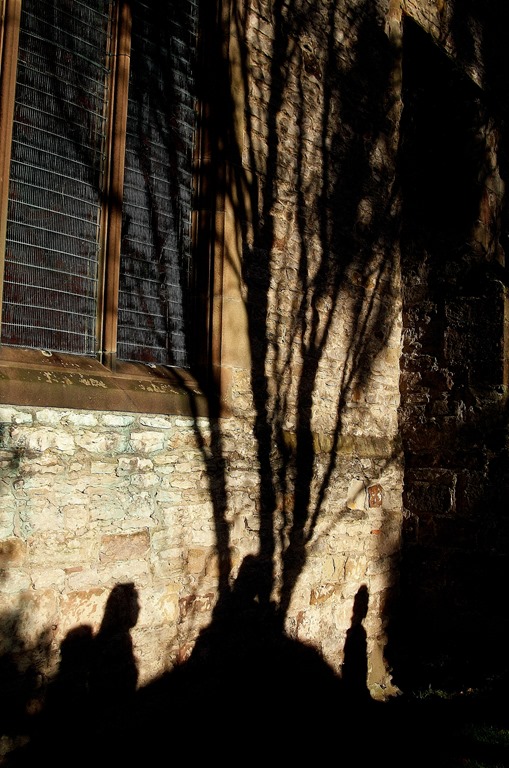
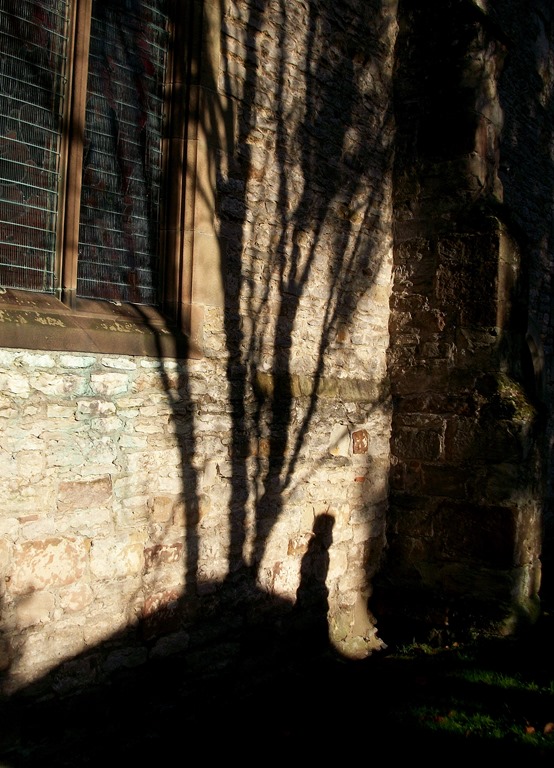

I took these photos today in a burst of winter sunlight on the wall of our parish church, Holy Trinity in Much Wenlock. The sequence of shadows has a gothic feel despite the brightness of the light on the limestone wall. My overwhelming feeling was of spirits of the past remembered, the cycle of life and death. This church is very old, possibly with its roots in the 7th century when a Mercian princess, St Milburga was Abbess of Wenlock. A lot of humanity, then, has walked over this ground. It is good to think of them.

One Christmas, long ago, we went to Lamu, one of Kenya’s Indian Ocean islands. Our trip there was as peaceful as this image suggests, although the nearby mainland has long been preyed on by gangs of Somali Shifta. This then is an idyll with hidden angles, some of them tragic. But for now, please enjoy these Lamu dhows with their triangular lateen sails in this gentle display of synchronised sailing along the Manda Strait.
You could say that Swahili culture was born of the monsoon winds, from the human drive to trade and of prevailing weather. For two thousand years Arab merchants plied East Africa’s Indian Ocean shores, from Mogadishu (Somalia) to the mouth of the Limpopo River (Mozambique), arriving with the north easterly Kaskazi, departing on the south easterly Kusi. They came in great wooden cargo dhows, bringing dates, frankincense, wheat, dried fish, Persian chests, rugs, silks and jewels which they traded with Bantu farmers in exchange for the treasures of Africa: ivory, leopard skins, rhinoceros horn, ambergris, tortoise shell, mangrove poles and gold.
copyright 2014 Tish Farrell Culture: The Swahili
See also: Christmas on Lamu: Views of a Swahili Community
Daily Post Photo Challenge: Angular
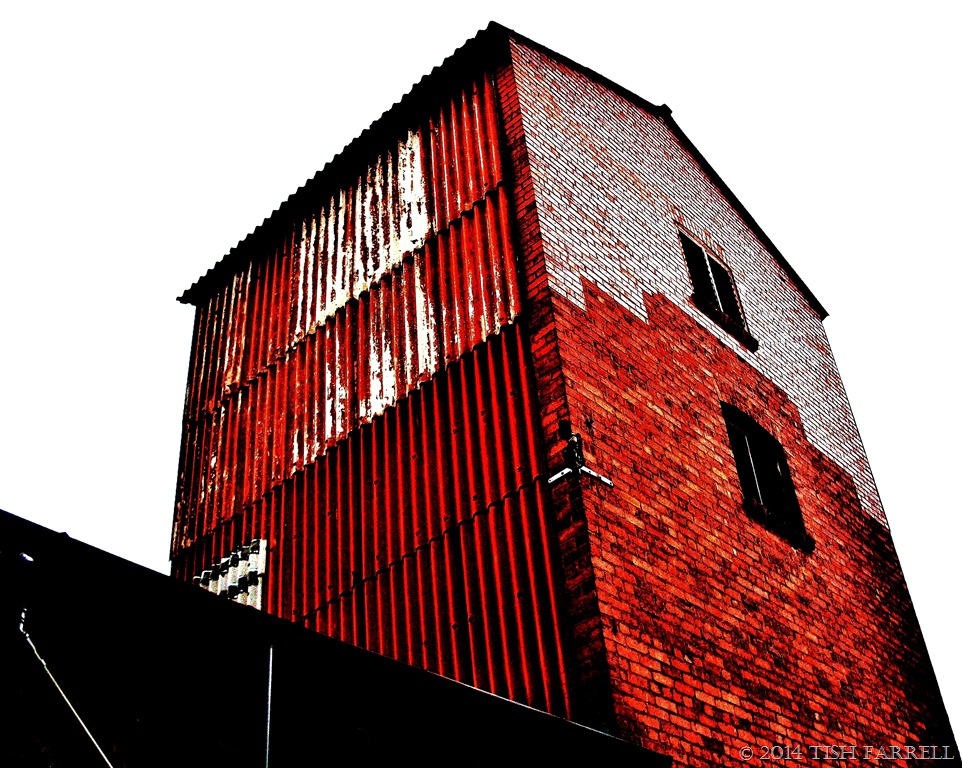
This detail comes from a building, which believe it or not, was THE proto-type for all our high-rise buildings. It is Bage’s Flax Mill, the world’s first iron-framed building, constructed in Shrewsbury, in the English Midlands in 1797. As with much invention, it was driven by a series of disasters, specifically the conflagration of several timber-framed textile factories. Cotton and flax dust is highly combustible, and these early factories were candle lit. The losses to the owners were considerable (never mind the damage to the workers). Fire resistant buildings were what they wanted. The techniques of this iron-framed brick clad mill were further adapted in the rebuilding of Chicago after the great fire of 1871.
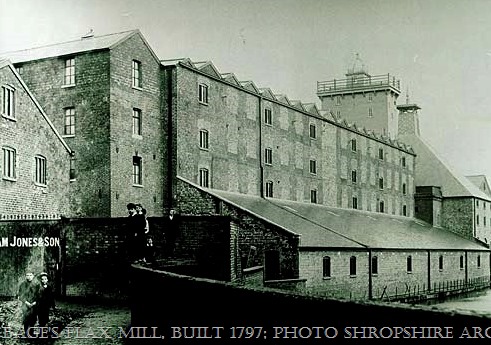
For more on this and the grim story of the young flax mill workers who were employed here see my earlier post: Pattern for the Sky Scraper
copyright 2014 Tish Farrell
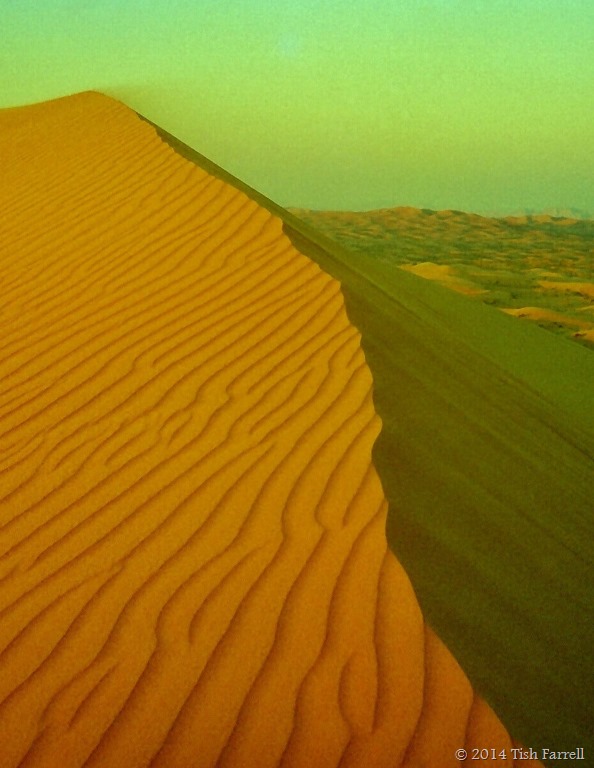
Dubai, United Arab Emirates
What makes the desert beautiful is that somewhere it hides a well.

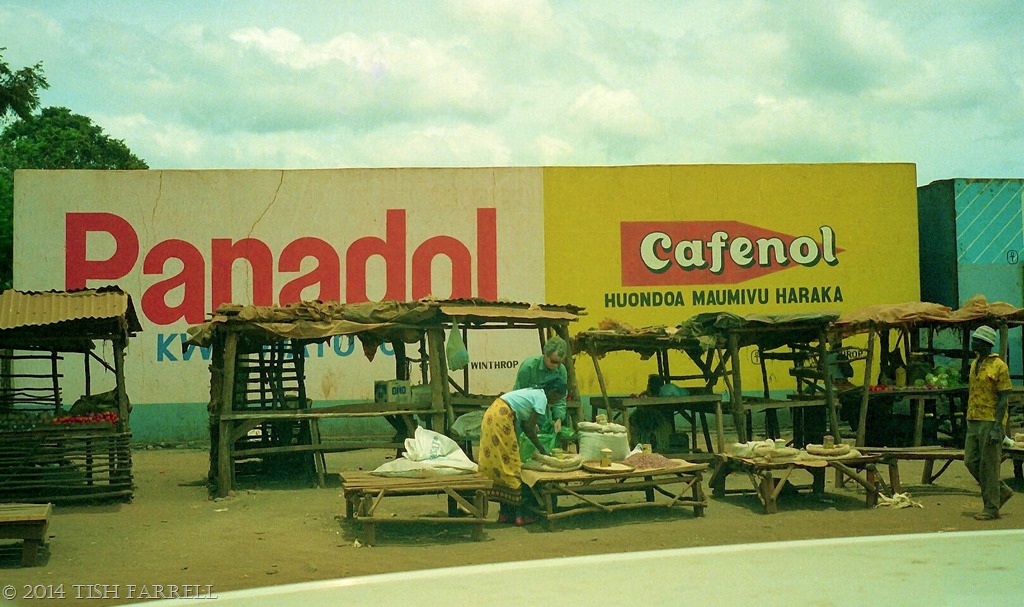
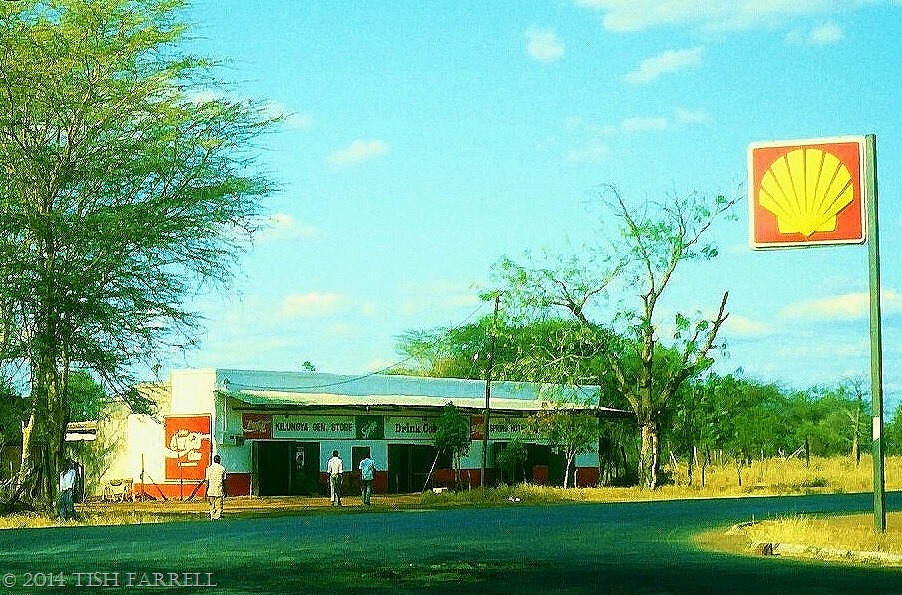
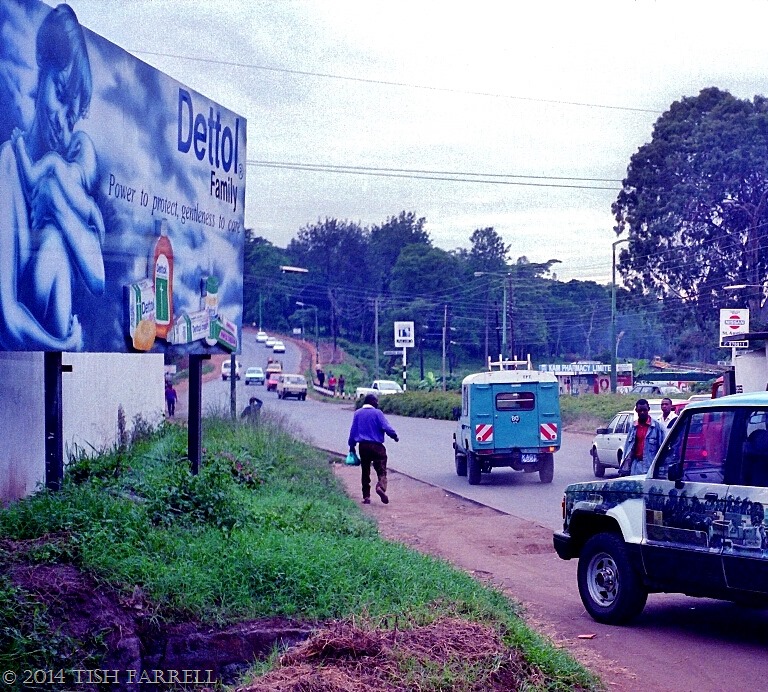
In Kenya, as in much of Africa, signwriting on shop fronts, in markets and on matatu mini-buses is something of an art form. I only wish I had collected more examples.