Blissful Linden Green

IMG_0640

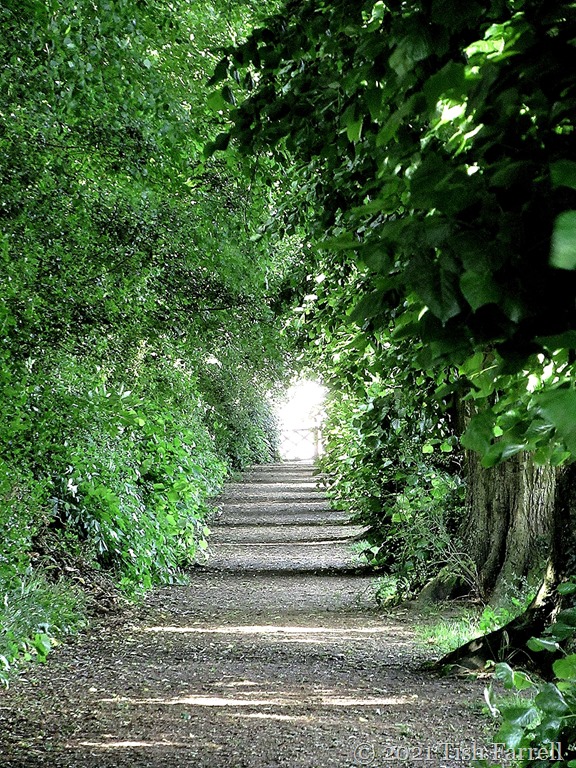
Full flushed green and the air beneath filled with lime-flower scent – now is the moment when the Linden Walk is at its billowy, verdant best – the perfect resort for soothing overheated body, mind and spirit. What a treasure our long-ago town physician bequeathed us when he planted this avenue of  lime trees.

I think they must be the broad-leaved variety, Tilia platyphyllos , since they always start flowering in June, whereas the blossom of the Common Lime only gets going in July. But good for old Doctor William Penny Brookes who roused his chums to go tree planting some fifty years ago. Ever since, the trees have thrived on the limestone soil (an intriguing congruency of lime and lime), and in fact a Professor of Lime Trees who visited Much Wenlock some years ago to give them a health check, told us that, with care, they could last us another 150 years.

IMG_0638

IMG_0642

IMG_0645

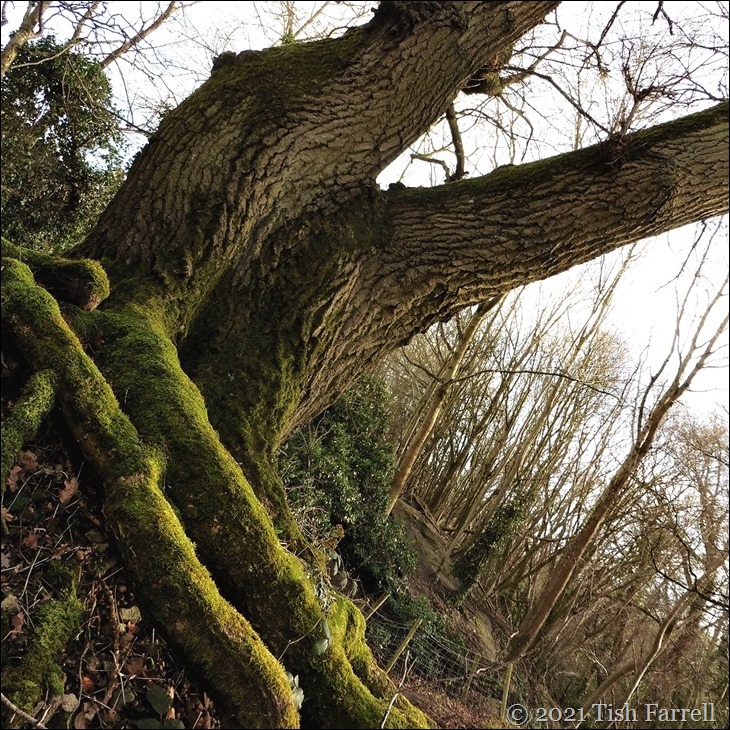
Tree Square 1# For the month of July, Becky’s square extravaganza features the arboreal. The only ‘rule’ is the header photo must be squared.

The Changing Seasons: This Was June

IMG_0784

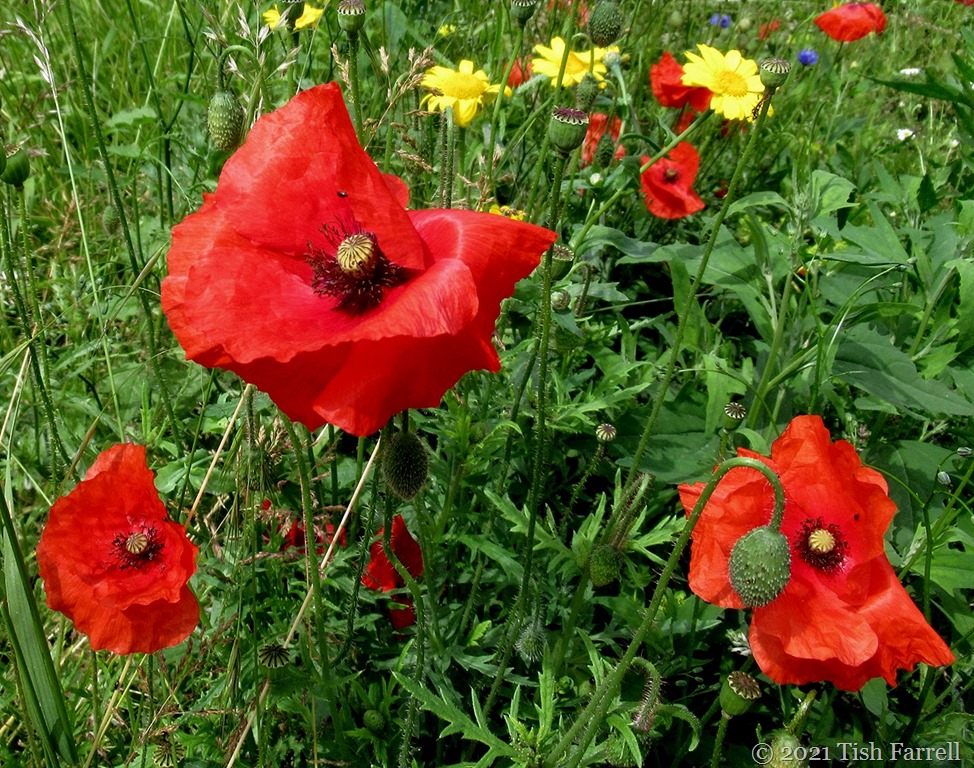
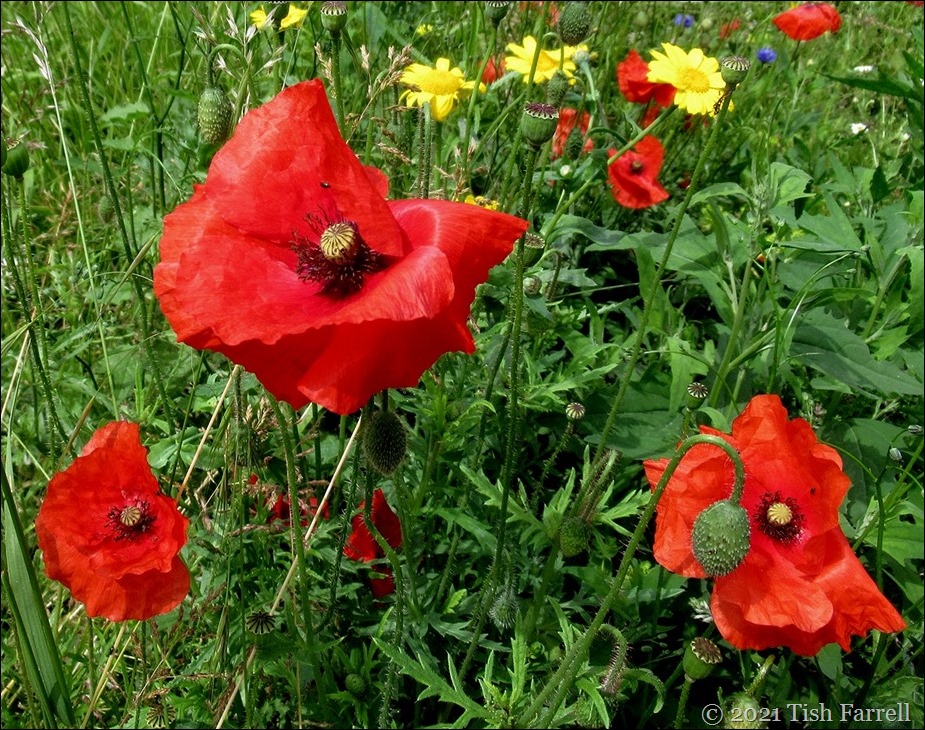
This week the wild flower plot at the allotment has burst forth from the meadow grass to bring us poppies, blue cornflowers and bright yellow anthemis. More exciting still is the discovery in the nearby communal orchard of a spotted orchid. Thank you, bird. Something you did must have resulted in this new arrival. Spotted orchids are of course quite common around Much Wenlock. Nearly 4,000 were counted last Friday up on Windmill Hill in the annual orchid count. They thrive in limestone meadows. I’d show you its picture of the newbie, but when I went to check on it yesterday morning, the flower was very much ‘over’.

On the home front all is chaos in the Farrell garden – the vegetation rampant and he who builds sheds and greenhouses up to his ears in the new lean-to greenhouse whose parts are currently reclining rather than leaning. Well, it seemed like a good idea to remove the nasty plastic conservatory from the back door. But then how do you attach a metal framed greenhouse to a very unstraight limestone boulder wall? Much pondering involved. I am however informed that progress has finally being made – an intervening wooden frame being attached to said wall which will make gap filling and water-tight-involving interventions feasible. Phew!
IMG_0748

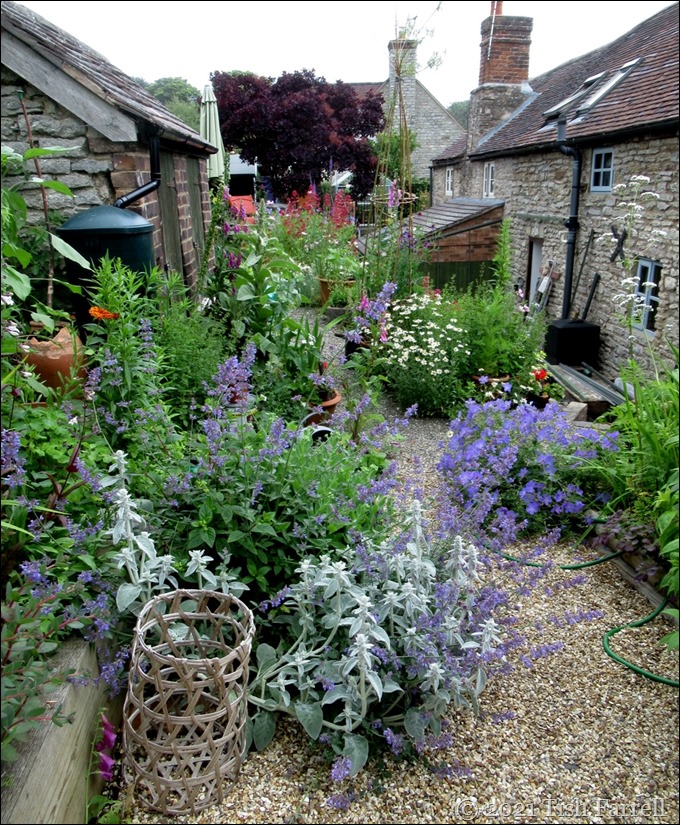
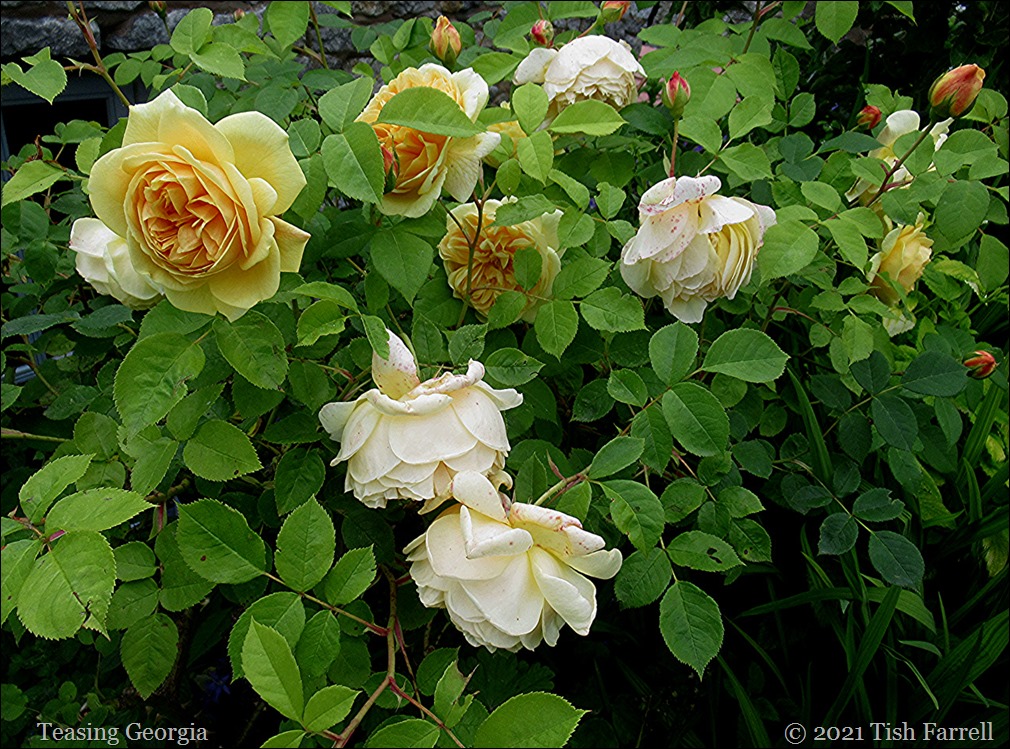
This is the ‘upstairs’ garden with (thankfully) few glimpses of the greenhouse construction chaos below. Here you can meet some of our best ‘girls’.
IMG_0743

IMG_0755

IMG_0752

And then there are tumbles of campanula and the exuberant ‘tapestry’ of colours in the downstairs garden:
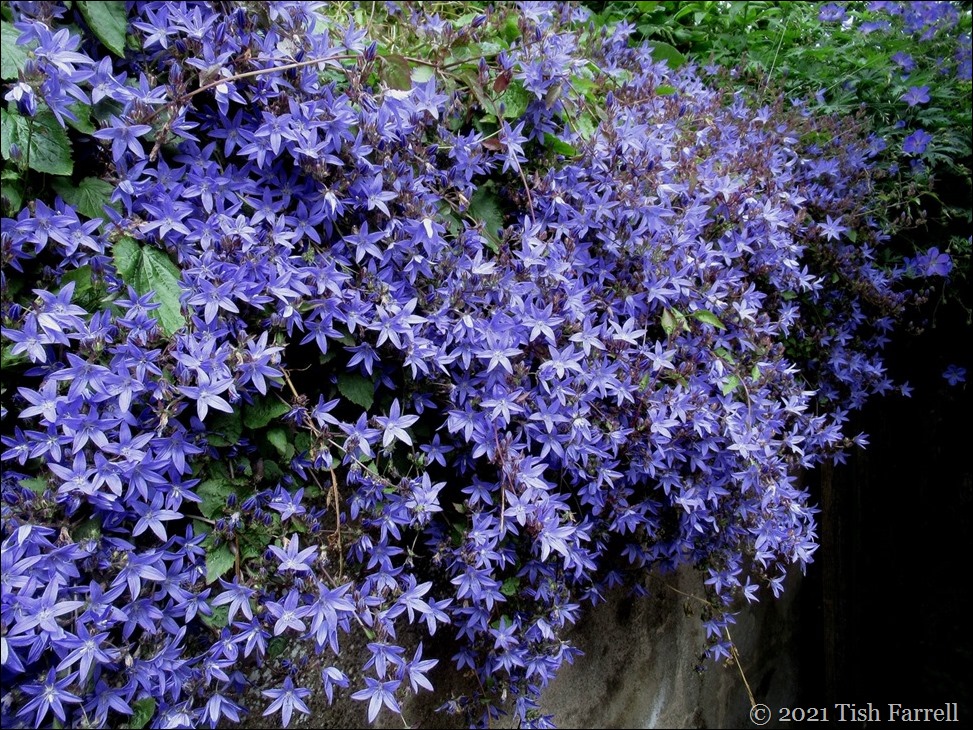
IMG_0736

IMG_0731

IMG_0671

IMG_0678

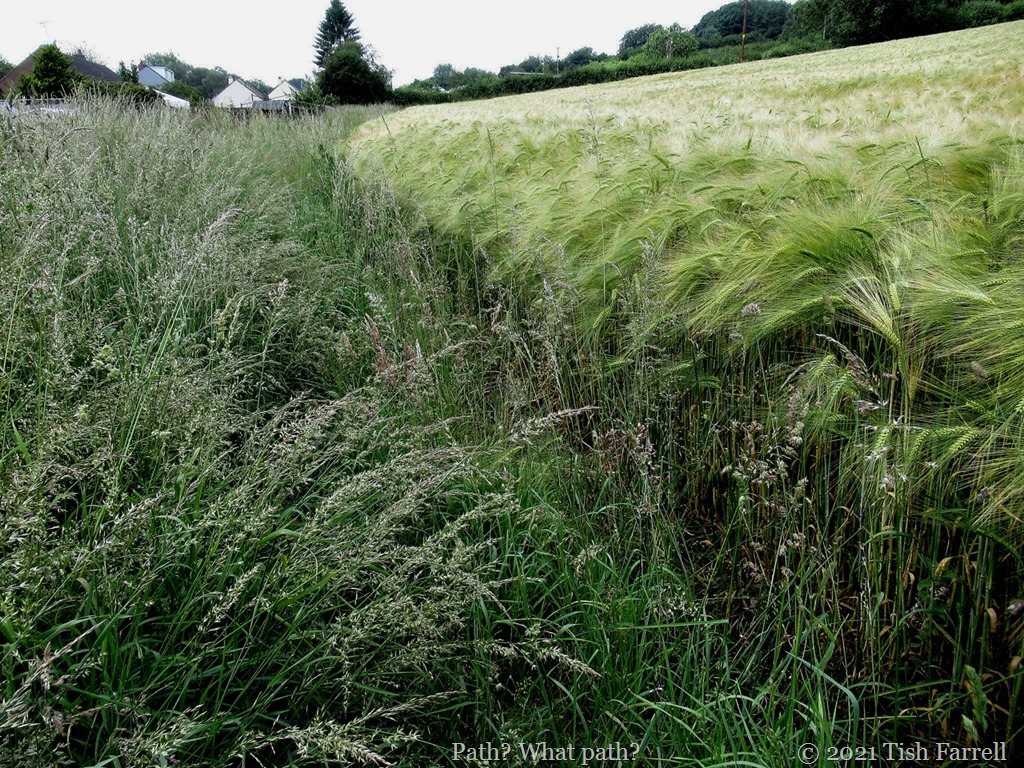
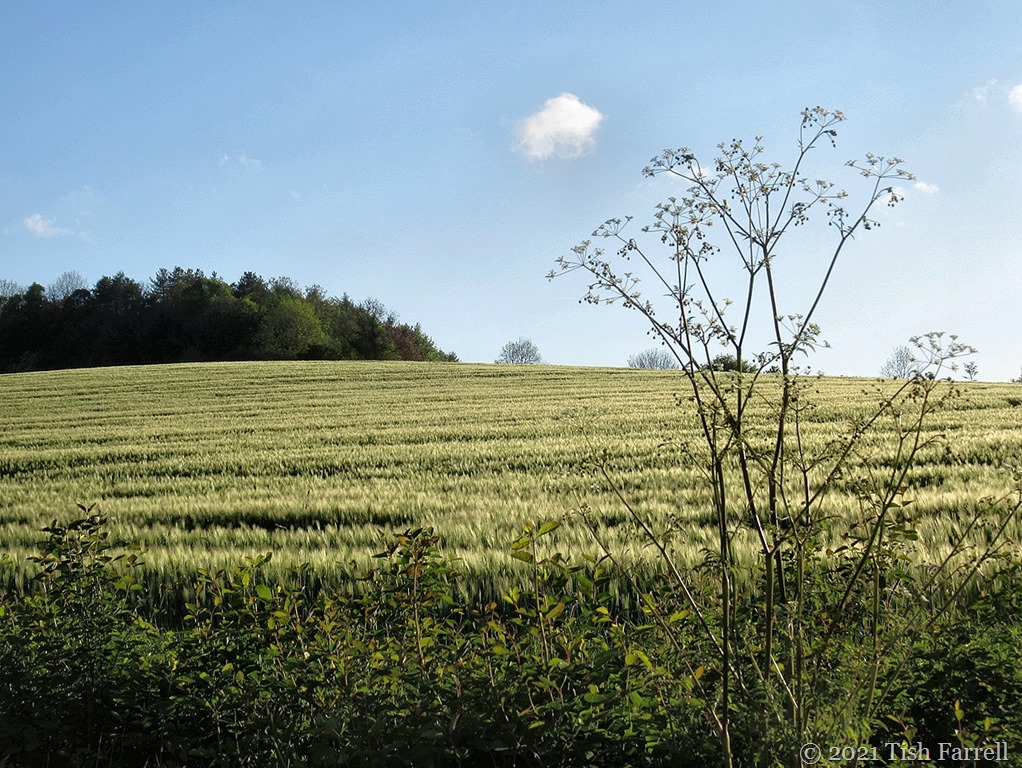
Out in Townsend Meadow the barley is changing colour – hints of buttery yellow with gingery flushes, but still green on the peripheries. The grains are swelling fast after a few good showers. And talking of showers, the path to the allotment is now very overgrown, this despite my frequent to-ing and fro-ing. It is now the season of wet knees and rising damp in the gardening pants, and otherwise arriving dew-soaked on the plot. I could of course take the garden shears to it. This has been known.

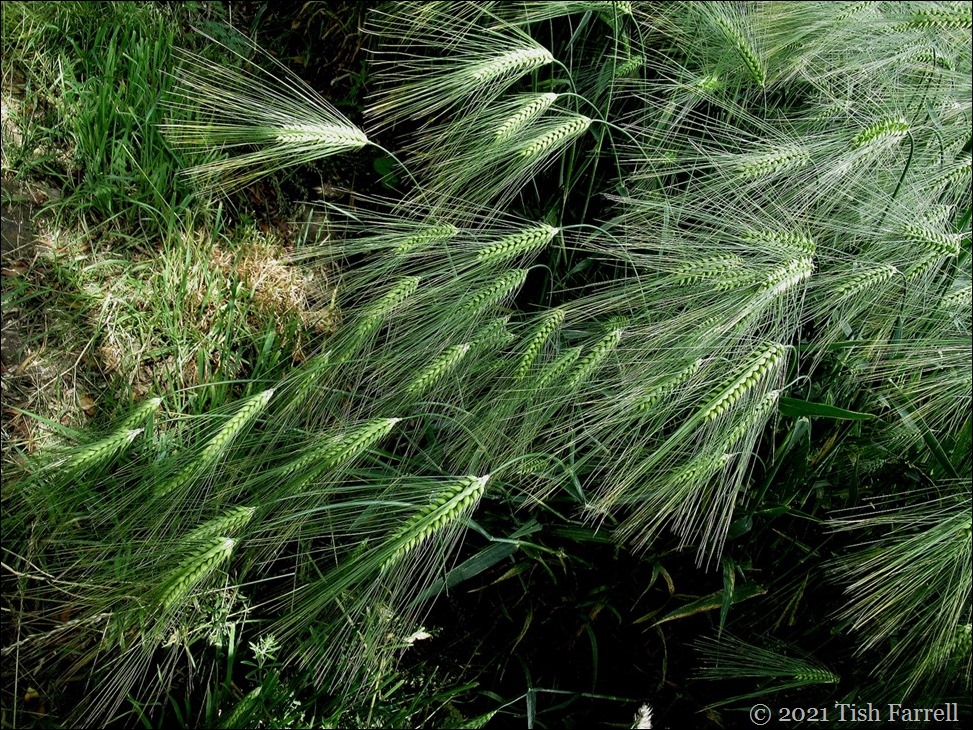
IMG_0762

IMG_0775

IMG_0772

IMG_0773

We have not been far this month, though we did pop over to Ironbridge last week. It was good to see lots of visitors in the outdoor cafe in the Square, and the Severn Gorge brimming with greenness. But there’s no pretending, life is not as we knew it.
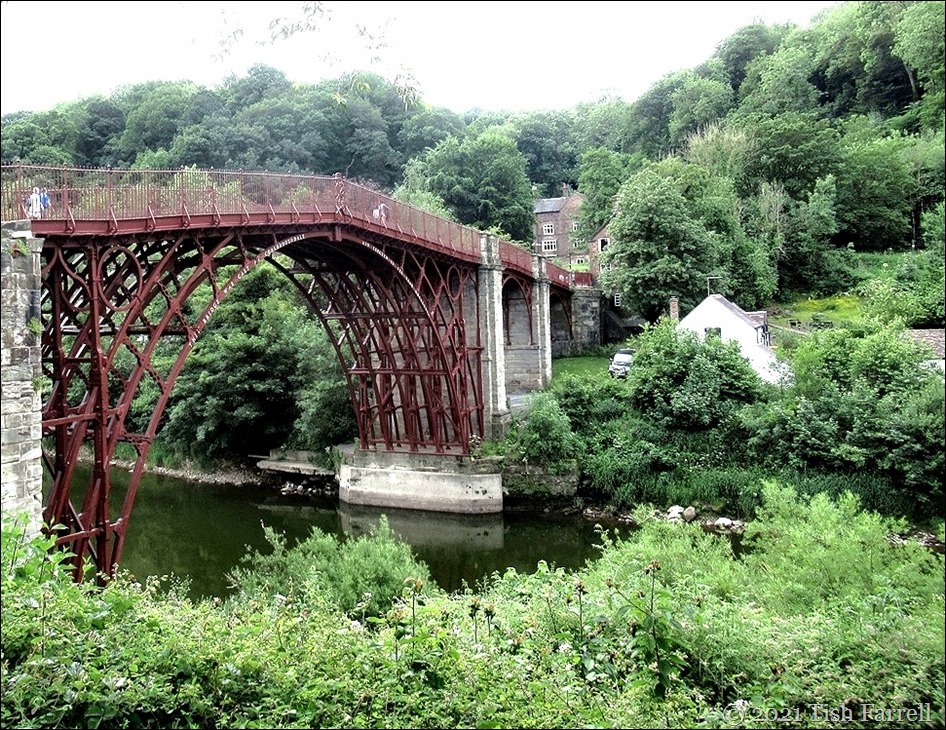
IMG_0598

The Changing Seasons: June 2021
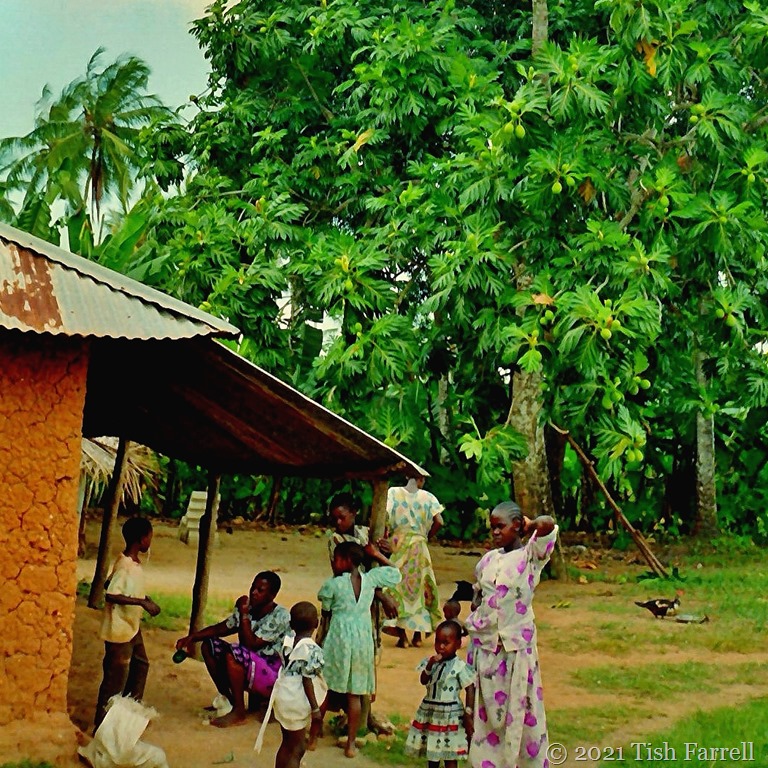
It’s A Wonderful World: From Kenya’s Rift To Wenlock’s Edge

better

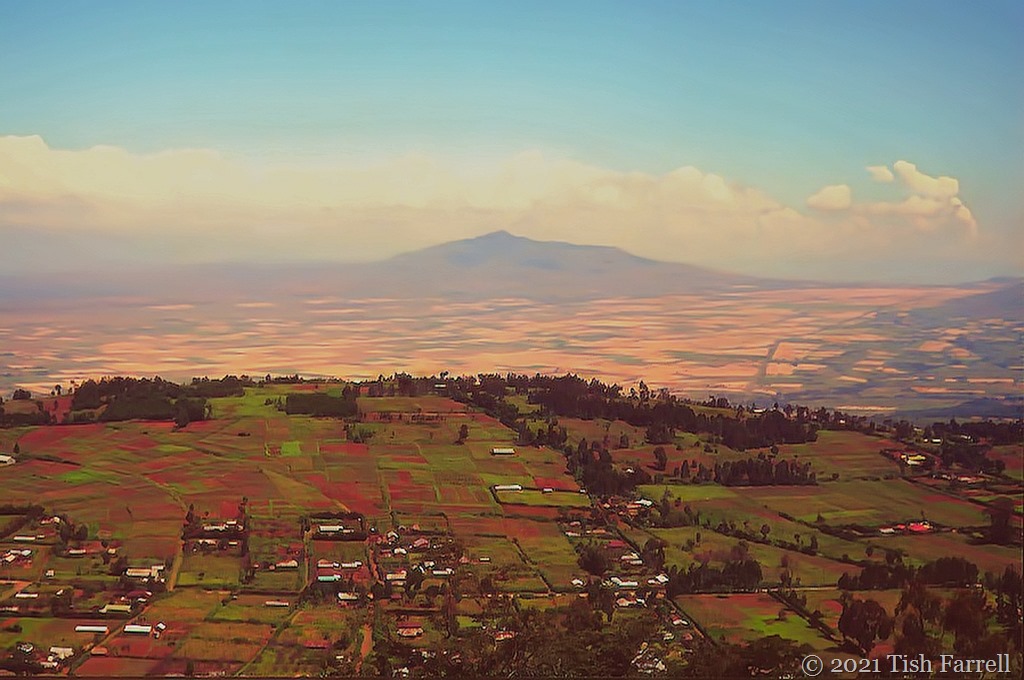
Two landscapes a world apart, but for the most part both largely shaped by human endeavour. The first shot is one from the old Africa album: the Great Rift Valley just north of Nairobi. In the foreground is Escarpment, a faulted terrace of the Eastern Rift. The patchwork of fields are smallholdings – some 12 acres, others much smaller. This was one of the study areas for he-who-builds-sheds-and-greenhouses’ doctoral thesis on the smut fungus of Napier grass, an essential staple fodder crop for farmers who, for lack of pasture, zero-graze their cows and sheep (i.e. stock is kept in pens and paddocks and food is delivered to them).

Beyond Escarpment on the Rift floor you can see the yellow wheat fields of large-scale farming concerns. The last time we drove that way from Lake Naivasha there were zebra and other plains game helping themselves to the crop. Zebra in a wheat field? Now there was a sight to excite a Shropshire lass used only to seeing flights of greedy pigeons in her homeland fields.

The hazy peak in the distance is the old volcano, Longonot.

But that was then.

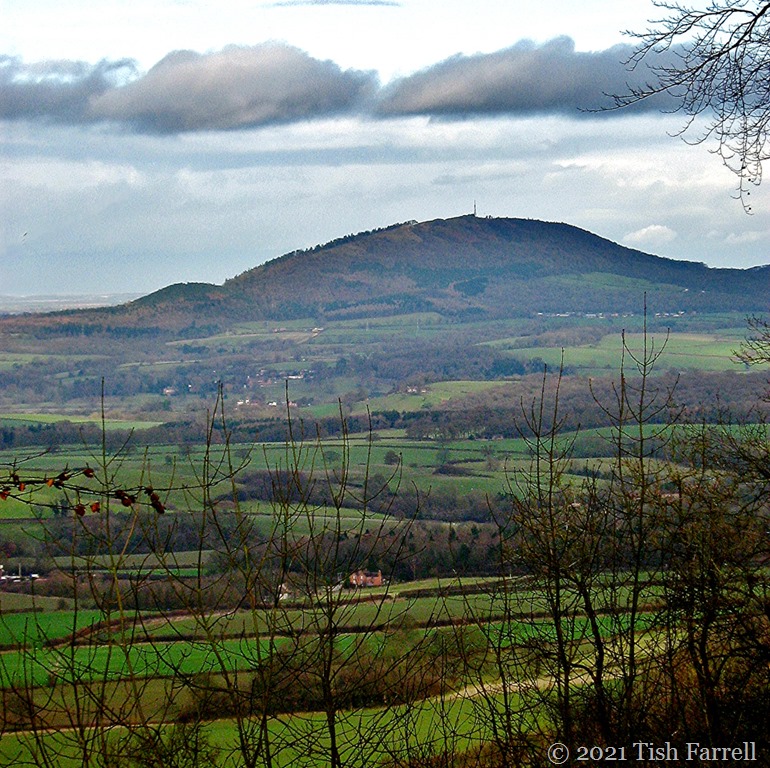
So now to Shropshire – a winter view from Wenlock Edge not far from home: farm fields and the Wrekin, which is not actually an old volcano but a hill composed of lava layers spewed from other volcanoes.

IMG_1928cropped

Lens-Artists: wonderful

Mysterious In Monochrome: Digitalis purpurea

IMG_0704

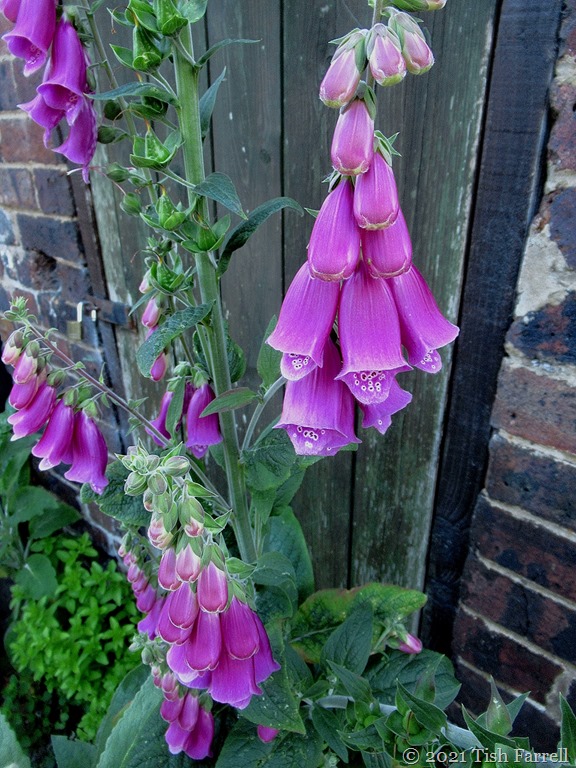
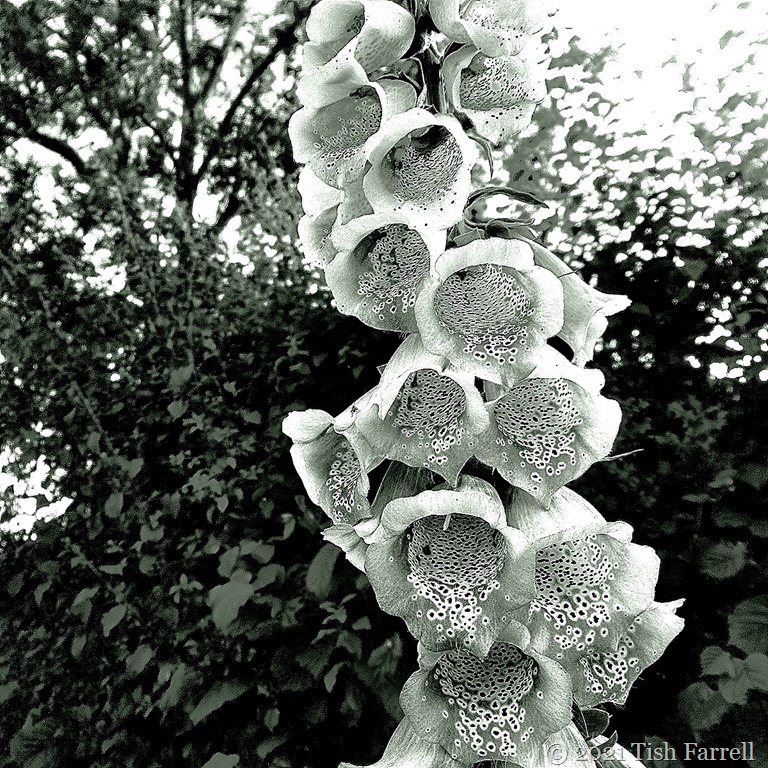
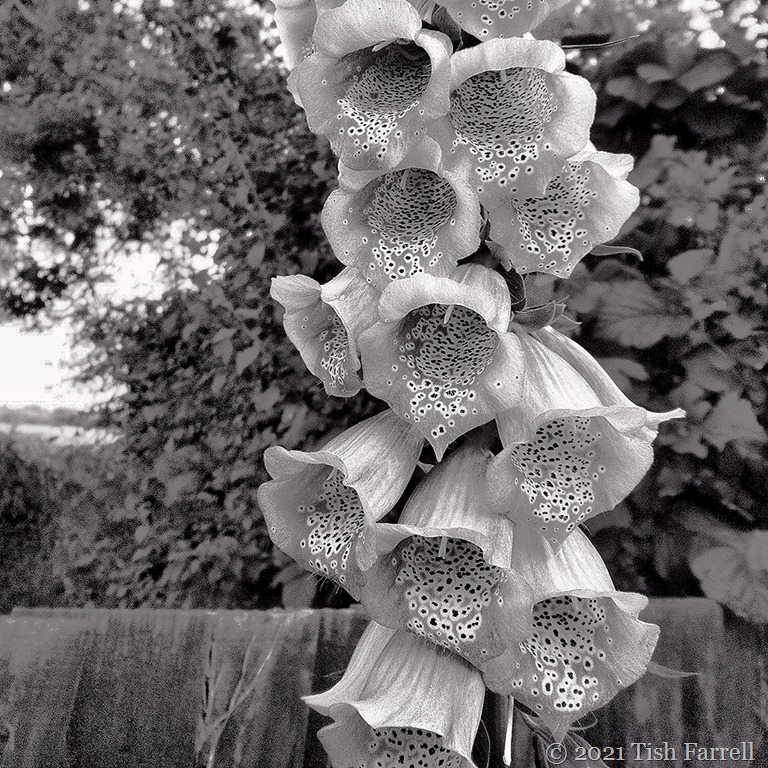
Foxgloves – also known as Fairy Gloves, Lion’s Mouth and Witches’ Fingers – have long featured in herbal medicine, the leaves used as infusions and compresses. But it was in the 1780s that William Withering, Shropshire-born botanist and physician, discovered the plant’s most potent use is for the slowing and strengthening of the heartbeat. In 1785 he published An account of the foxglove in which he outlined his findings and the results of his clinical trials. Foxgloves are also highly toxic, so getting the precise dosage was absolutely critical. Nevertheless, efficacy won over potential risk and eventually the active principles, digitoxin and digoxin were isolated and purified. These are still used in mainstream medicine, though the source of choice is a European species Digitalis lanata.

In his Flora Britannica, Richard Mabey also tells the story of how my corner of Shropshire on Wenlock Edge played its part during World War II when the import of European foxglove supplies was foiled by war. Apparently the foxgloves growing on certain areas of eroded limestone were especially potent. And until 1949 large quantities of the plants were also gathered across the county by members of Women’s Institutes, the leaves put to dry in nets in bakery lofts and clothes drying rooms.

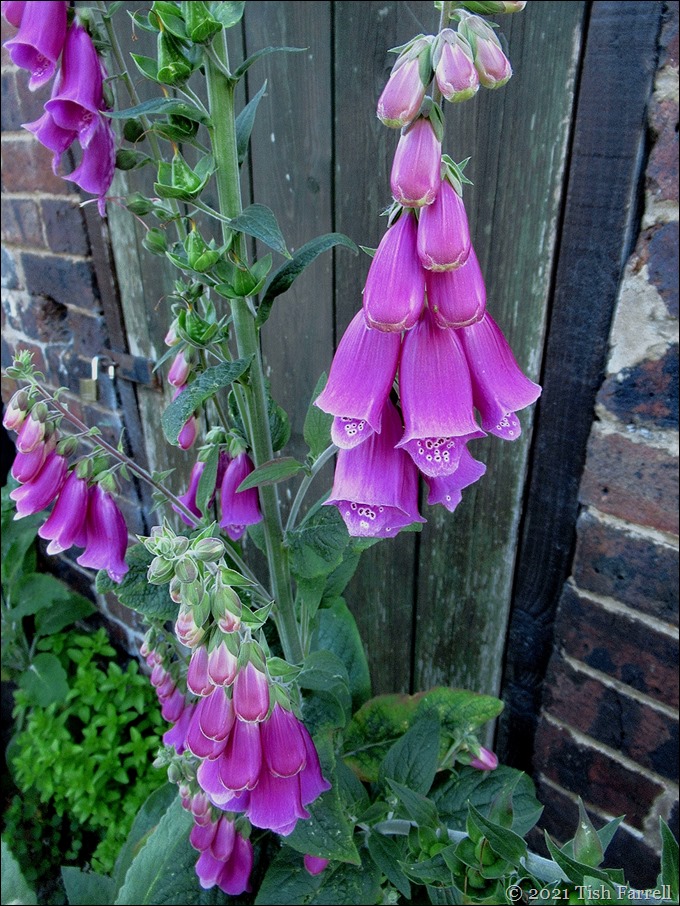
The foxglove in the photo is growing in a shady corner of the garden. It brought itself there a while back and in real life is of a colour more rosy pink than purple. In monochrome, though, there’s a compelling eeriness about it. Witches’ thimbles, eh.

IMG_0702mono

Cee’s Black & White Photo Challenge: flowers

Barley Summer ~ Field Art Over The Fence

bIMG_0649

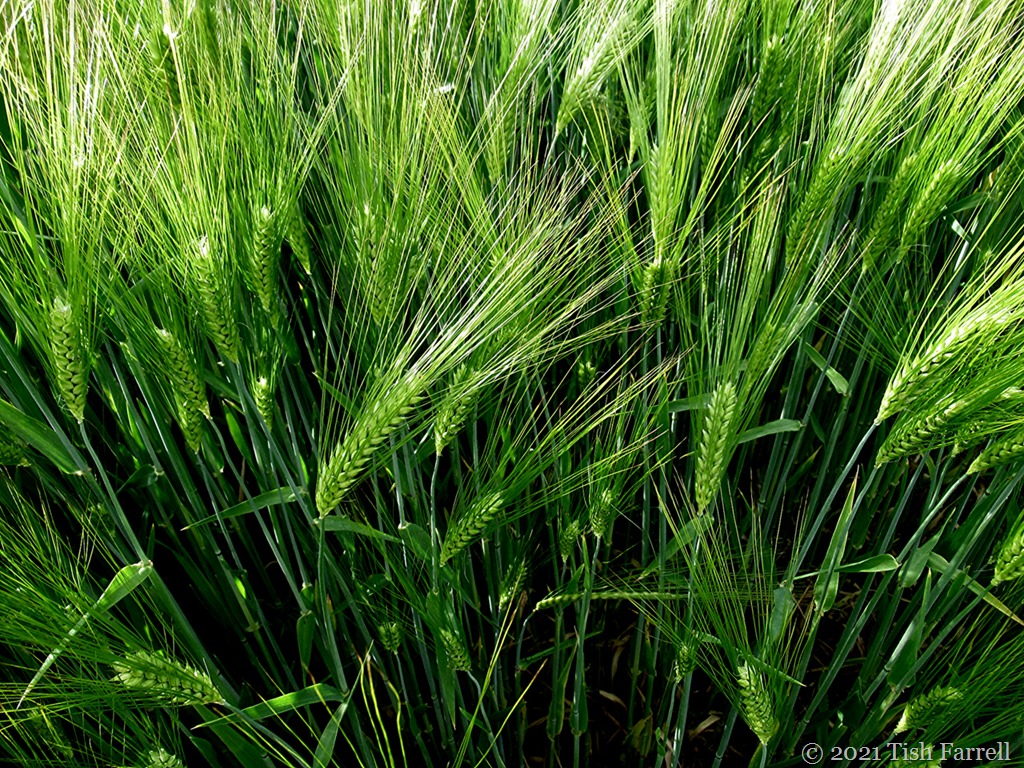
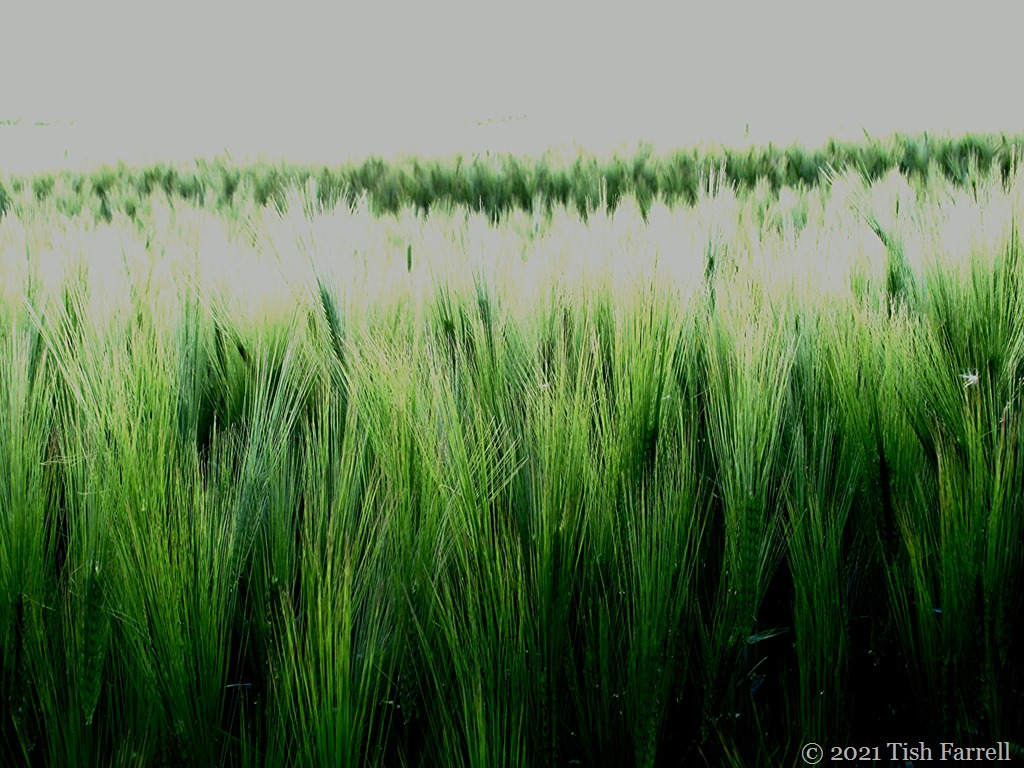
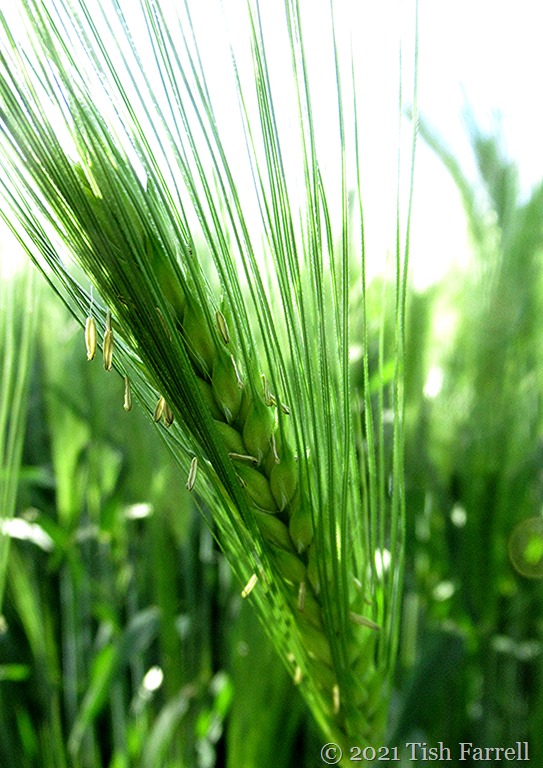
What’s with the barley? Some may say I need to get out more.  Others may be quite mystified by my fascination with this summer’s crop in Townsend Meadow behind the house. In my defence I have to say that this particular grain is so very lovely on the stem. Also this is the first year it’s been grown in the field while we have lived here. And then there’s the fact that barley-growing has great heritage: around 10,000 years ago its evolution played a key role in the development of hunter-humans to farmer-humans; the wild grasses (including wheat) of the Middle Eastern plains transforming themselves into useful food crops. This happened (most probably) by some accidental selection wherein some plants for some reason failed to shed their grains as their wild forebears did, and so could be harvested. Then it was discovered (again perhaps by accident) that any of a stored crop not eaten could be saved and sown and produce similarly cooperative plants. It was the beginning of settled living – the creation and management of fields.

These days in the UK, barley is still a common food staple. But most important of all, when malted, it is an essential ingredient in the making of British ale. And until fairly modern times ale was the drink of necessity, even for children, in the absence of clean water supplies. So: now you’ve had the barley-praise. Here are the pictures.

IMG_0458

IMG_0022

IMG_0114

IMG_0320

IMG_0227

IMG_0324

IMG_0130

Copyright 2021 Tish Farrell

The White Gallery

IMG_0129

This month Jude at Travel Words asks us to find beauty in shades of white and silver.

Here are a few recent finds in and around the garden.

IMG_0275

IMG_0417

IMG_0585

IMG_0587

IMG_0581

IMG_0409

IMG_0378

IMG_0479

Flowers from the top: columbine, allium, foxglove, valerian, pyracantha, pulmonaria leaves, lamb’s ears and finally, a most welcome interloper to the guerrilla garden, among the valerian, hesperis and red campion some white campion; who knows how she got there.

Life in Colour: White/Silver

Bumble Bee Dreaming…Bzzzzz

IMG_0520

One single corn poppy amongst the barley in Townsend Meadow, and snug inside a fast-asleep bee. And what cosier spot, dappled late-day sun through gauzy drapes, the gentle swish of barley all around. I wanted to curl up inside there too, and dream whatever it is bees dream. Sad to say my curiosity got the better of me. After I took this shot, I gave the poppy stem a gentle nudge – just to be sure the bee was sleeping not dying – and off it zoomed. So sorry, bee, for spoiling your siesta.

copyright 2021 Tish Farrell
Clouds With Silver Linings?

IMG_0441

I have to say that on the presentation front the cloud gods have truly upped their game this year. Even in the stormy wet and frigid months that were supposed to be spring, but weren’t, we were treated to some magnificent cloudscapes. And lately too, during our present hot spell, we’ve had some stunningly captivating creations. There’s much to be said for cloud watching. In fact I think this huge job spotted over the barley field the other afternoon could well be the Starship Enterprise in disguise.

IMG_0330

Life in Colour: White/Silver