Looking Back ~ Moving Forward: From The Kenya Archive

giraffe2

I’m not sure that we’ll ever quite get over leaving Kenya, though it was never our homeland and, by 2000, when we left, our business there was done. But we had lived in Nairobi for seven years, seen many changes as Kenya moved uneasily from one-party rule towards multi-partyism: one externally imposed and alien structure to be replaced by another alien structure, this for a nation of many diverse communities that for centuries had each their own forms of traditional law and order, far closer, I might argue, to any form of democracy that the nations of the technocratic North might think they have invented or progressed towards.

And the reason we were there at all was because Graham (as plant pathologist and food storage specialist) was working on a British Government funded crop protection  project, working alongside Kenyan scientists and subsistence farmers in a bid to build in-the-field resilience against crop pests and diseases.

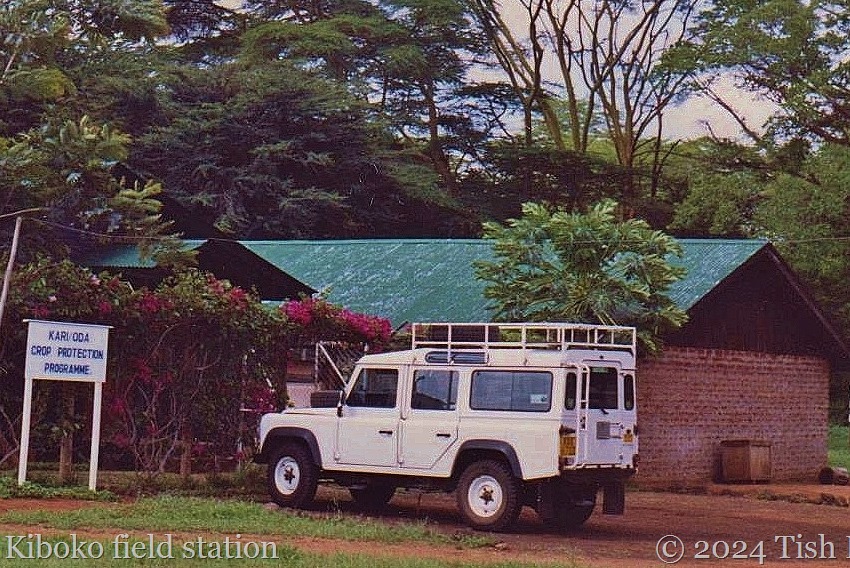
The project base was at the  Kenya Agricultural Research Institute (KARI) in Nairobi, but in the early days we did much travelling on the Mombasa highway, going back and forth between the capital and KARI’s Kiboko field station in Ukambani. Sometimes we drove the full 300 odd miles to Mombasa, sometimes less far to the Taita Hills. Mostly, though, it was the hundred mile trip that took us from the Nairobi plains at nearly 6,000 feet, down to the semi-arid lowland just north of Makindu and the Tsavo National Parks.
002

*

Ukambani, homeland of Akamba farmers and cattle keepers, is red earth, thorn-scrub country. You start to see mighty baobabs growing here too. They rise up in a natural parkland setting that you feel you must have imagined. Giant hornbills stalk around the verges. The farther vistas, heat-hazy towards the Yatta Plateau, may be dotted red from the shukas of Maasai as they fan out with their herds across the sparse grassland. You may also spot antelope and giraffe here too. For in Kenya it is said there is more wild game outside the huge national parks than inside them. Sometimes the great trucks that plied the highway back then would collide with a giraffe, thereby providing an unexpected meat meal for nearby farming families.

Kiboko ed Mombasa highway north of Kiboko

Mombasa highway at Kiboko looking north – Nairobi-bound

*

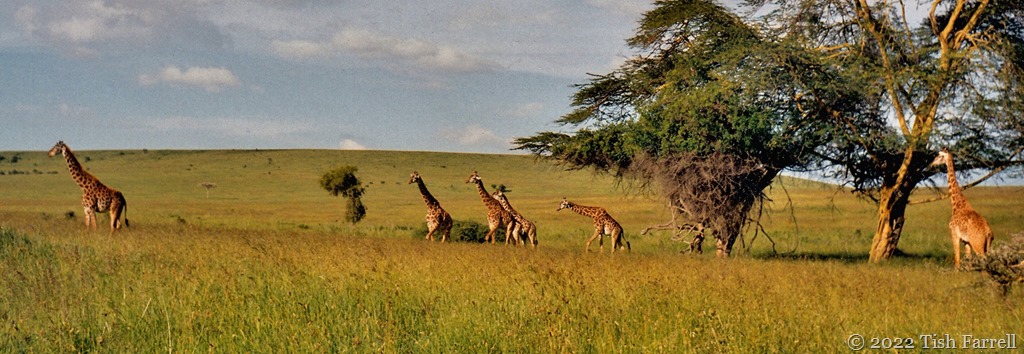
The giraffe in the header photo were spotted on the Kapiti Plains, south of Nairobi. We used to see ostrich, impala and gazelle on the roadside here too. But the sight of several giraffe moving across the plains, the peculiar gait that has them stepping in some shared slow rhythm all their own stopped the heart.

We were so very lucky to see such sights. Even now there’s a catch in my breath.

*
#SquaresRenew

giraffe 4 header

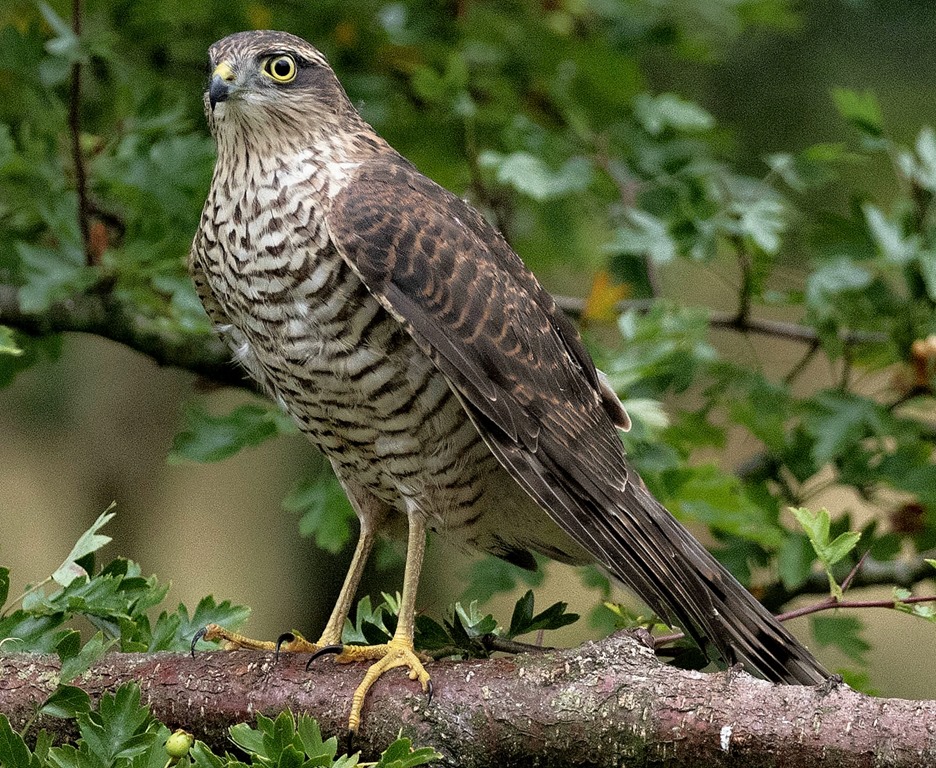
Raptor Rapture: Meet The Sparrowhawk

sparrowhawk

photo credit: https://www.goodenberghleisure.co.uk/sparrow-hawk-at-the-hide/

*

I couldn’t have taken this photo, or one very like it, for all sorts of reasons. I’d just popped outside to do some qigong and soak up a bit of late-day sun.  All was still in Bishops Castle: the light dreamy; the glow of old gold. There was of course the quarter-hour chime of the townhall clock, and then from across the street, the tones of convivial chatter between two neighbours’ were also finding their way into the garden.

And so to qigong. I was more than halfway through the shibashi set, performing ‘wave hands like clouds’, when the hawthorn tree over the hedge suffered a missile strike. Swift crash through vegetation. Something aerial shot down our path and landed on the rail by the garden steps. And there it stayed – only a few yards away, while I froze mid-cloud waving, right arm skywards, flamenco-style.

Posed thus, I of course thought of my camera. Silly. It was in the house, and I dared not move. So instead, I watched, while the sparrowhawk (a young male I think) sat on our fence, looking like it owned the place, from time to time turning its head as if to eavesdrop on the chatter across the road. It ignored me though, yet it surely must have spotted me with those sharp raptor eyes.

On the other hand, it was possibly busy gathering itself after a failed assault on some lucky bluetit. I watched for several minutes. Until it wheeled off over the hedge into town, the distinctive barred tail feathers, spread like a fan against the sun.

IMG_3704

The Farrells’ new back garden. There’s an awful lot to sort out, but in the meantime, visiting sparrowhawks are a welcome addition. Some days we have red kites too, wafting high overhead.

You can find out more about sparrowhawks HERE.

Lens-Artists: What’s Bugging You?

IMG_9780cr

I don’t need to be asked twice to reprise photos from my bugs and butterflies archive. And this week at Lens-Artists, Donna is doing the asking.

IMG_2780cr

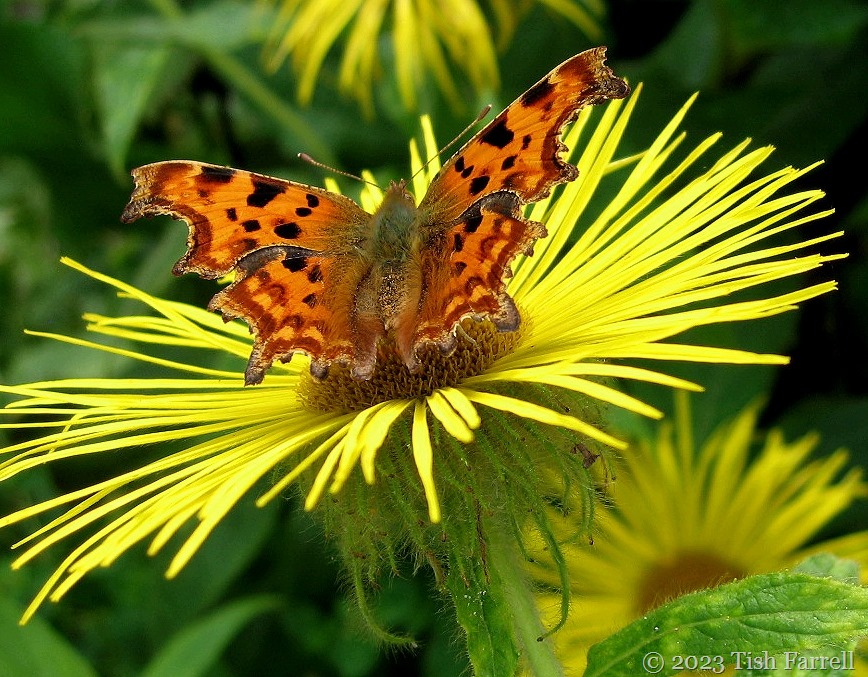
Comma butterfly on Doronicum ‘Little Leo’ aka Leopard’s Bane.

*

IMG_9331

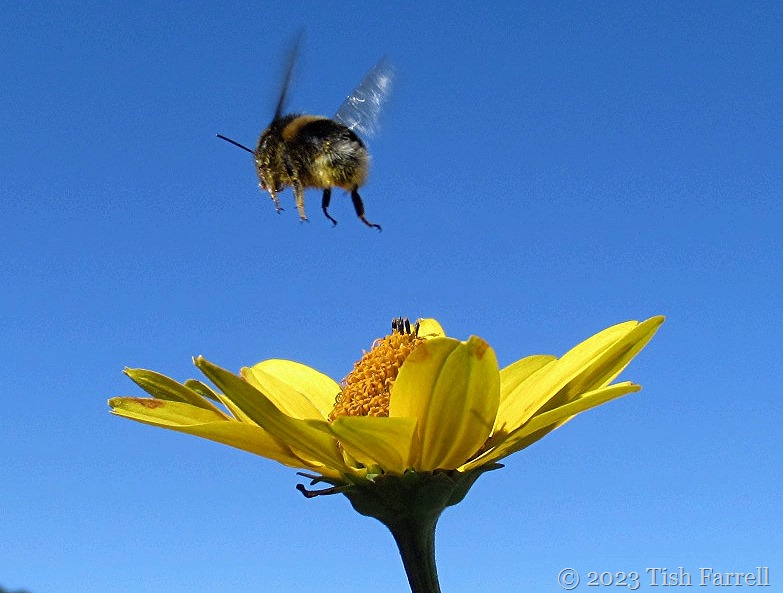
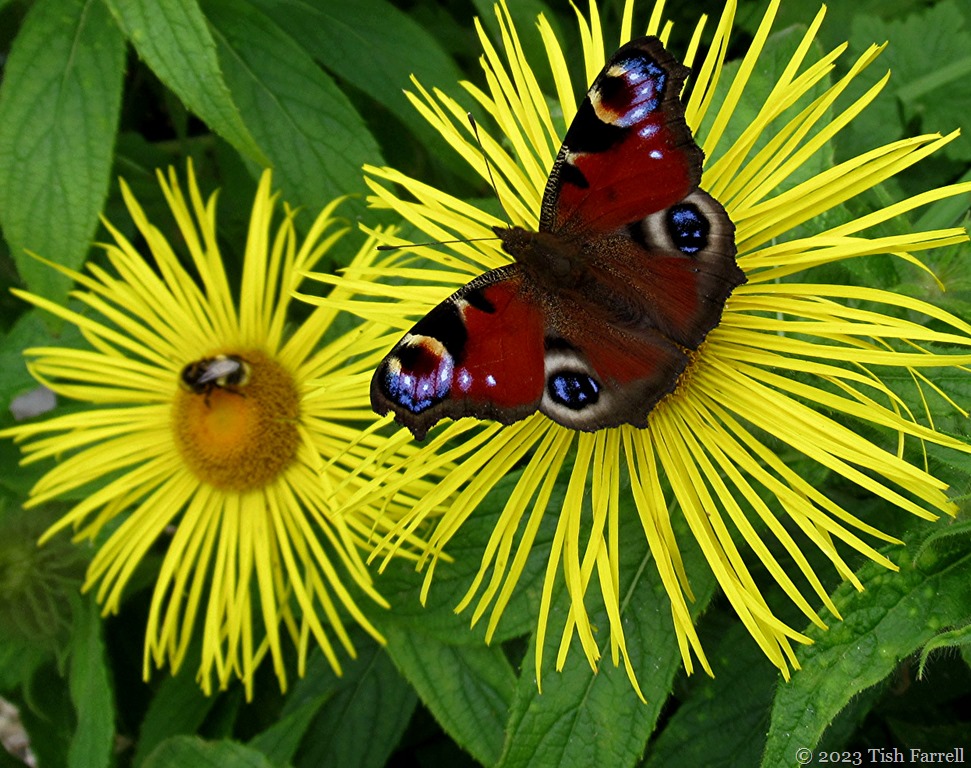
Peacock and the bee.

*

100_6631cr

Marmalade hoverfly visiting the crocosmia, a variety which I’m pretty sure also had marmalade in its name.

*

IMG_1485

And another kind of hoverfly on a lace flower.

*

IMG_3103

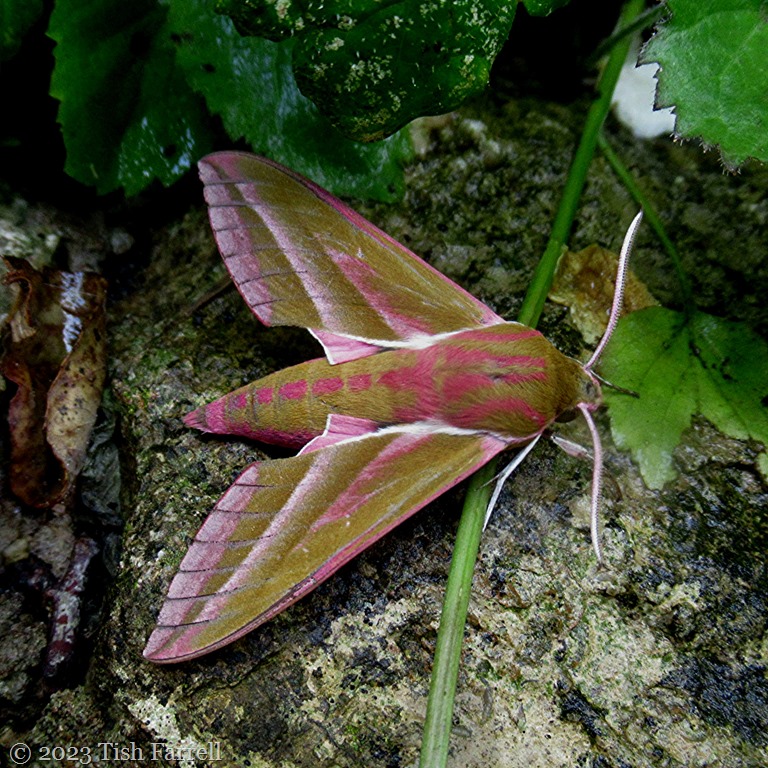
Elephant hawk-moth found one day on the garden wall.

*

IMG_8834cr

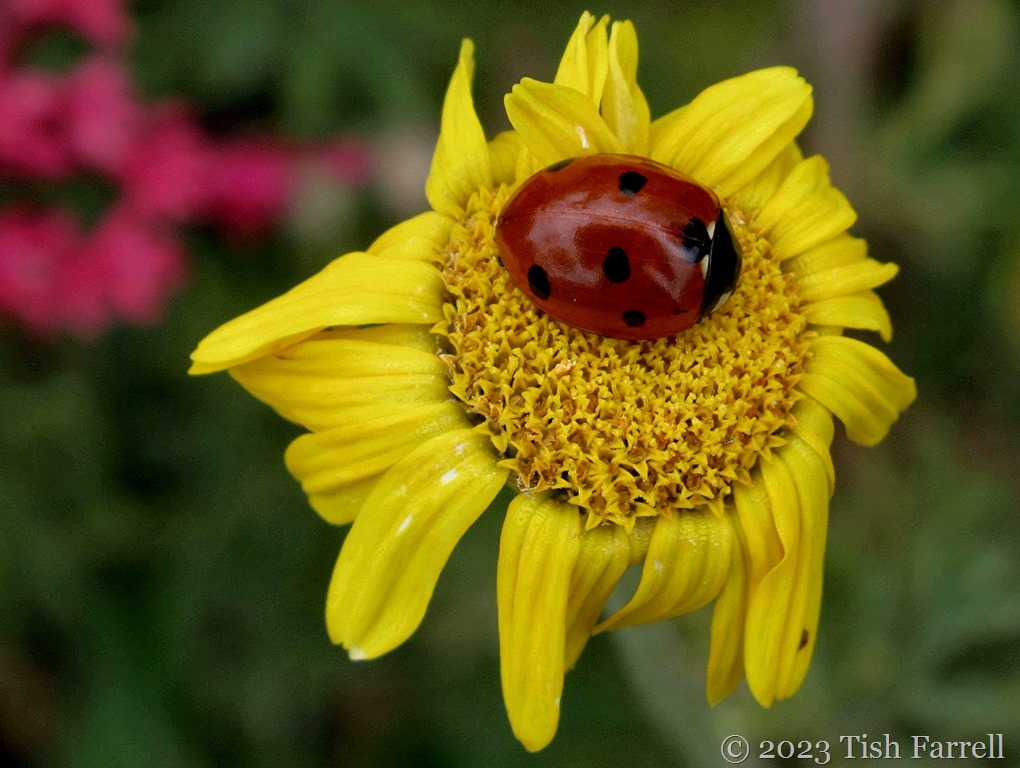
This ladybird has found the perfect ‘platform’ on a Dyer’s chamomile daisy.

*

IMG_0670

IMG_1263

White-tailed bumble bee ‘bathing’ in Hollyhock pollen.

*

100_3915

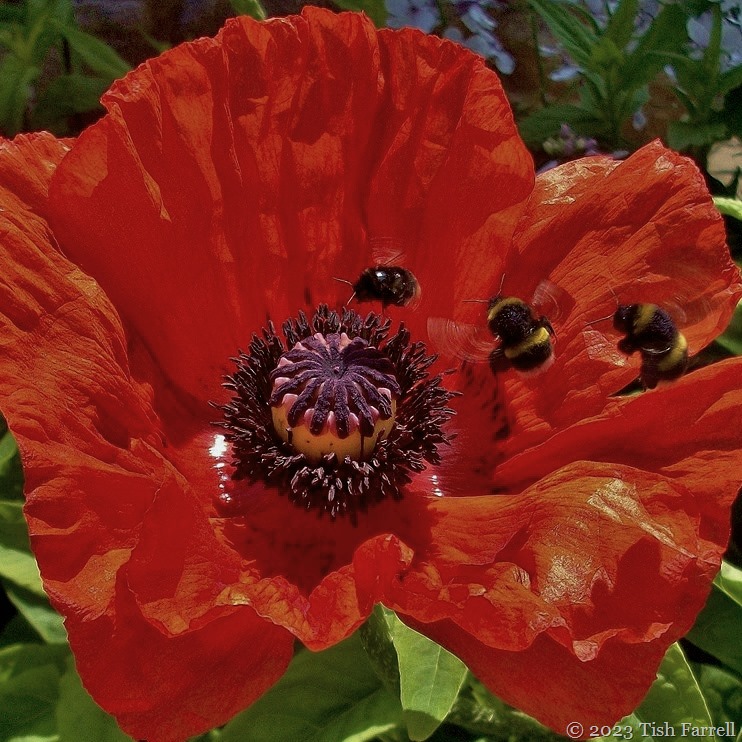
We could call this a bee line: oriental poppy here we come. BZzzzzz!

*

Lens-Artists: What’s bugging you? That’s this week’s question from Donna at Wind Kisses. Go see her fine gallery of close-up bugs, bees and butterflies.

Past Privy Partridge

IMG_7219

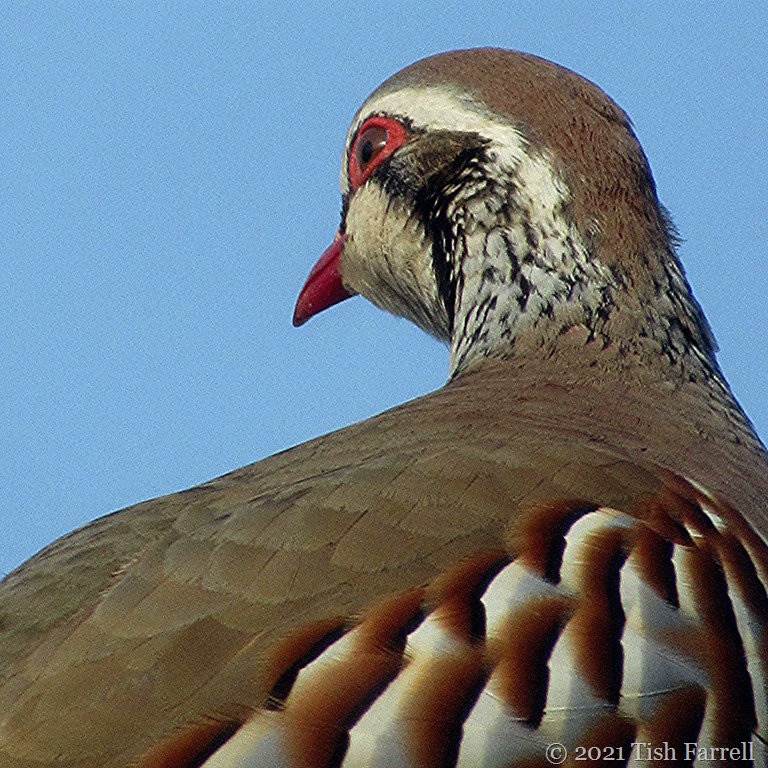
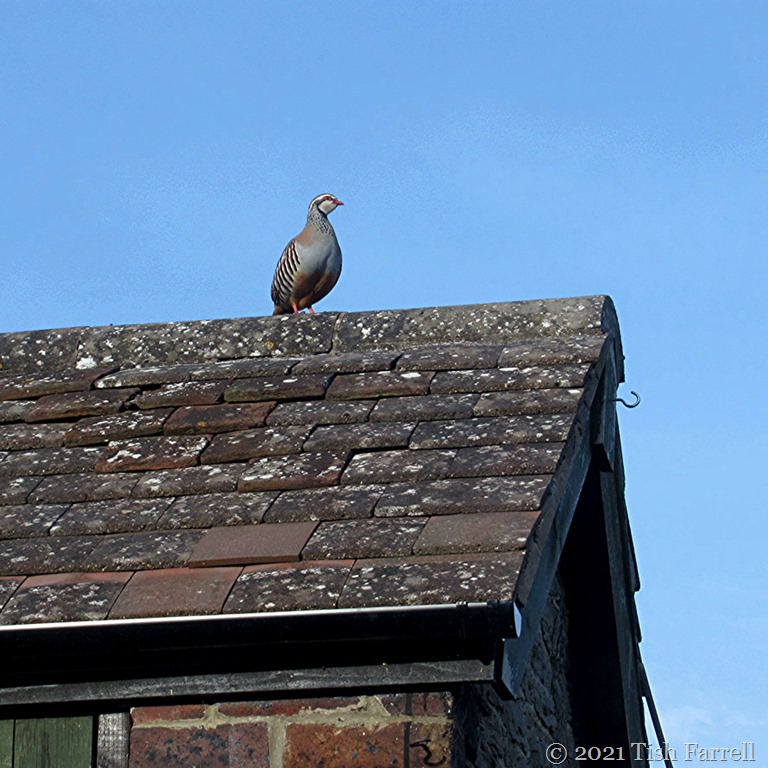
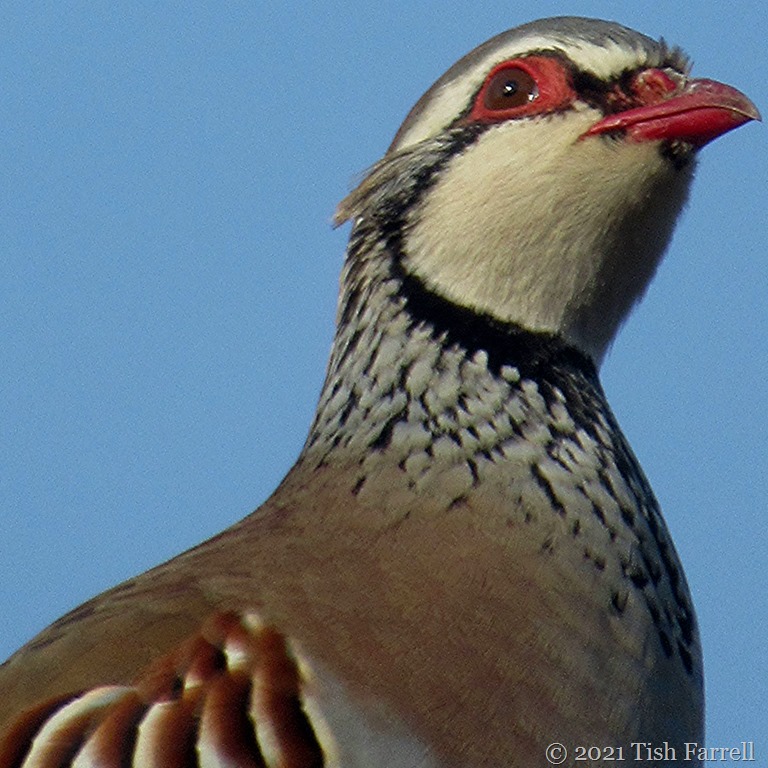
I have no idea why this red-legged partridge decided to visit the Farrell domain. I don’t believe I have ever seen a sign of one around Wenlock’s field margins, although it ought to be ideal territory. They apparently like open farm terrain and feed on seeds, roots and small invertebrates. Also when disturbed they prefer to run rather than fly.

Yet  here was this one, having clearly flown, atop the old garden privies (now sheds) and showing off for all the world to see. It was there for ages too, giving me ample opportunity to snap away from the bedroom window. The light was perfect, a crisp March morning last year. I watched while it scanned the neighbourhood, and at one point went in for some loud hallooing partridge style. I wondered if it was advertising for a mate. In any event none appeared, not unless it was running-not-flying over in the field and I couldn’t see it. So the mystery was never solved and after a quarter of an hour the visitor departed, never to be seen since, which is a pity. A partridge on the privy would be a pleasing garden addition.

IMG_7198

IMG_7214

IMG_7210

The red-legged partridge has French origins and was introduced to the British Isles in the 1700s as a new game bird for land-owner shooting types. It apparently has over 73,000 breeding sites in England, Wales and lowland Scotland, and is a much more colourful character than the UK’s native Grey Partridge.

Past Square #12

Gave Up Flying, Took Up Running

ostrich sq

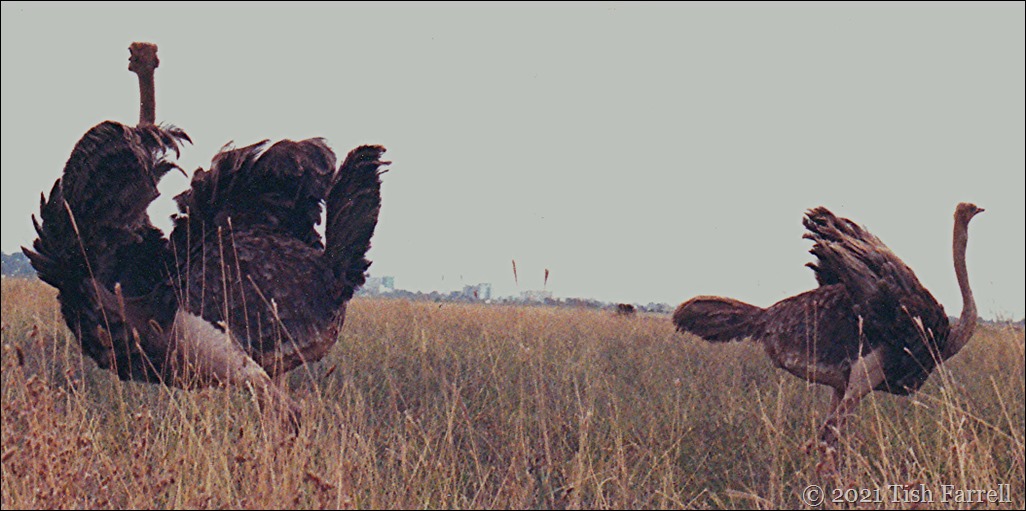
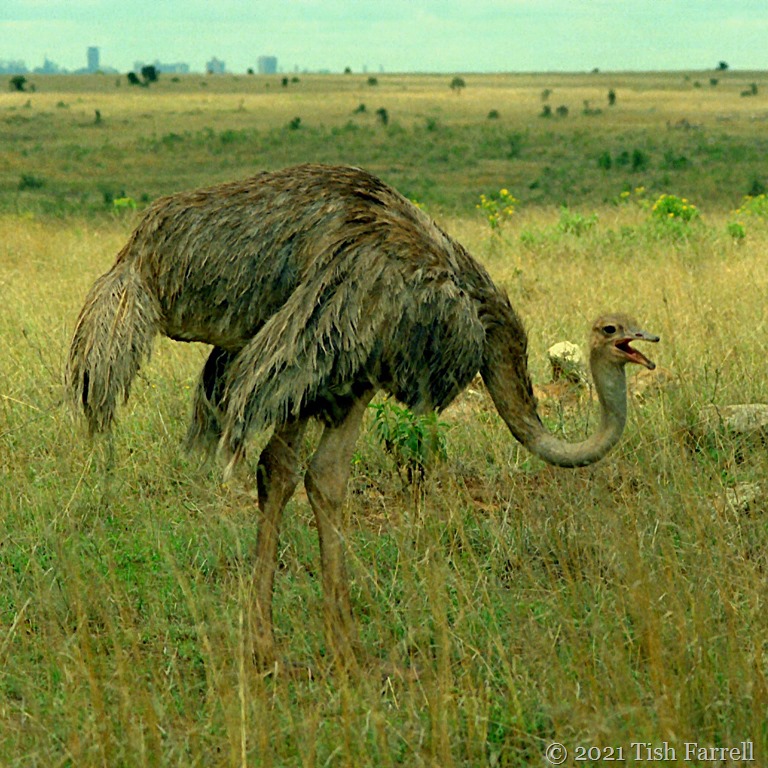
You can see the city high rises in the top left behind the hen ostrich. She is standing in Nairobi National Park (some 40 square miles) which nudges up against the perimeter of Kenya’s capital, including the industrial zone and the main airport highway. In our time, the park still had an open wildlife corridor to the south, though even then there were problems of settlement encroachment. These days too, there is another kind of incursion – in the form of a super-duper elevated Chinese railway that cuts across the park on tall concrete pillars. This line replaces the old Uganda railway built right across Kenya by the British administration between 1895-1901, also known in its day as the Lunatic Line.

The colonial railway cost British taxpayers a lot of money, and was built entirely to satisfy UK strategic interests (i.e. not at all for the benefit of local populations). In order to recoup the cost, settlement by British gentlemen and especially members the ‘officer class’ was actively encouraged. It was envisaged they would engage in large-scale ranching and planting along the line of rail and produce valuable cash crops for export.

In the early 1900s the chaps who came out to British East Africa all had notions of making big fortunes. One of those notions involved ostrich farming, or rather ostrich feather farming, since those airy plumes were just then in high demand for ladies’ hats. These same chaps also knew that some other chaps down in South Africa had made it rich from feather production.

Unfortunately the  ostriches of British East did not prove especially accommodating within what turned out to be a very small window of opportunity. One way to set up business was to collect eggs from the wild (a single nest might have twenty or more eggs) and then incubate and rear the chicks. But then robbing a nest could be hazardous; ostrich parents are fierce guardians, taking it in turns to protect their offspring. (N.B. a kick from an ostrich can break a man-leg).

Early settler Lord Delamere thought to speed up operations by recruiting a cohort of mounted Somalis to organise an ostrich drive across the open plains of his Rift Valley estate, thereby separating flocks of part-reared chicks from the hens and driving them towards the farm dairy where farmhands, stationed behind thorn trees, had been charged to grab any passing chick and imprison them. It did not go well. Even ostrich chicks can wrestle.

And then the captured adult cock bird proved most unbiddable, even with a sock over his head (an approach that was supposed to calm him down). He was last seen sprinting across the plains, still be-socked, having broken from his pen. And by the time all this had been gone through, the bottom had dropped out of the hat feather market because some idiot had invented the motor car wherein ladies’ plumed headgear proved most unsuitable and was apt to blow clean away.

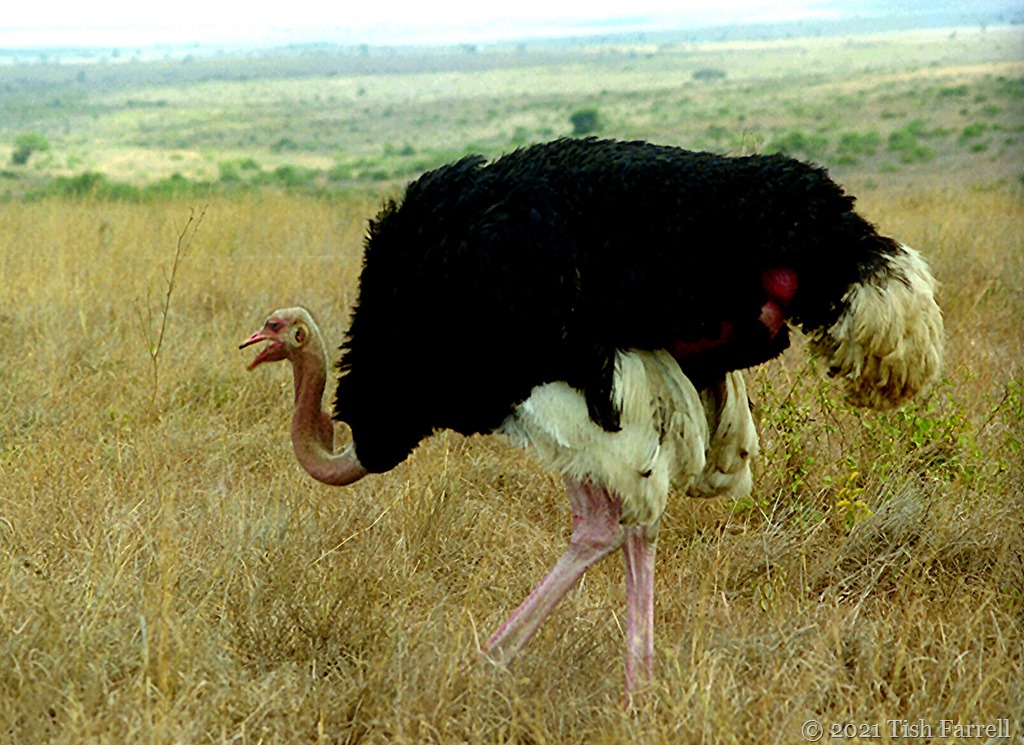
All of which is a bit of a deviation from the point I intended to make. Ostriches may not fly, but they can certainly run: over 40 mph (70kph). The fastest birds on the planet. Just look at those legs in the next photo. They also come with huge, clawed feet attached.

park 21


Square Up #13

Signs Of Squirrel-Dupery? Who knew?

IMG_0426sq

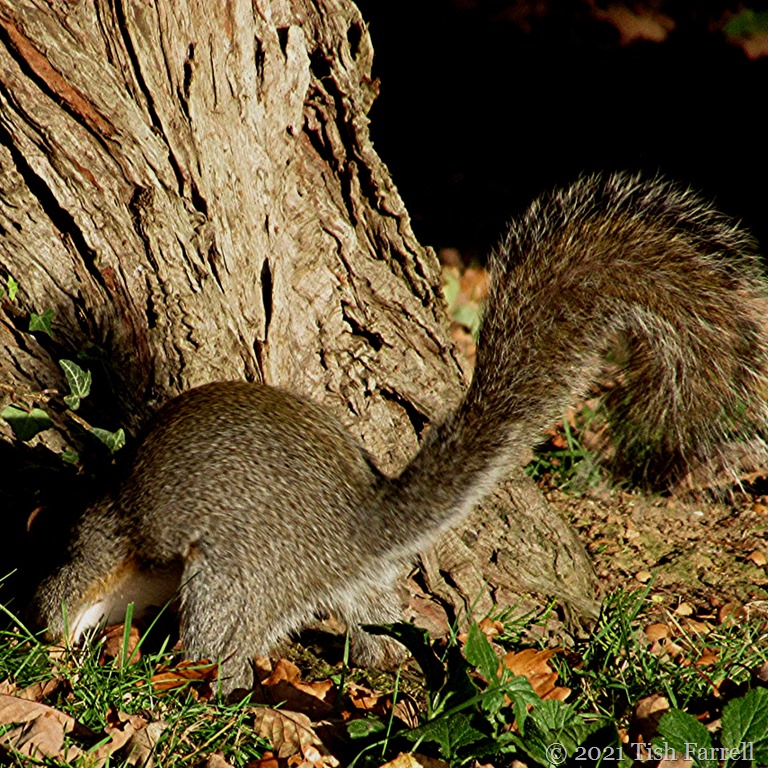
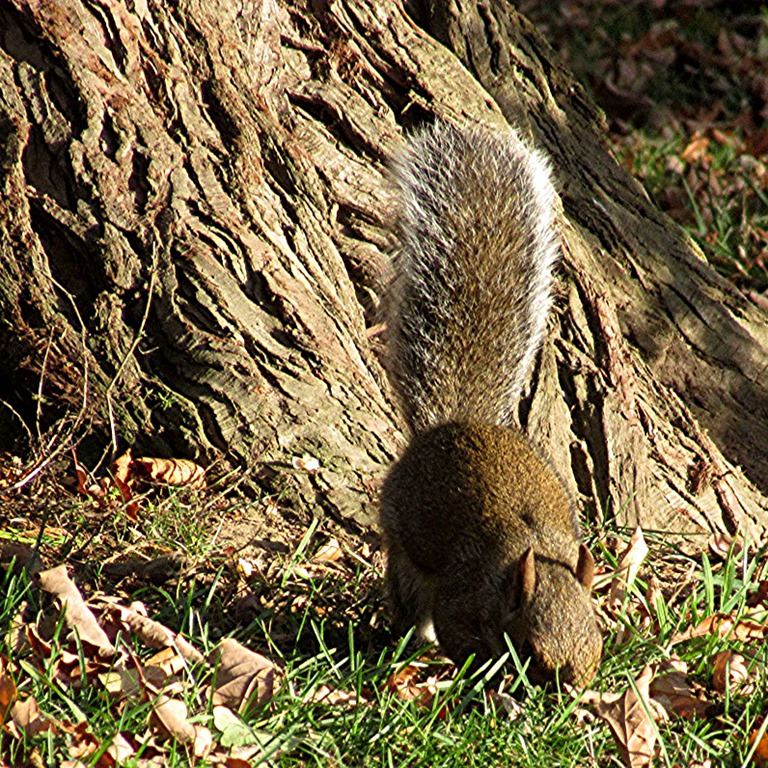
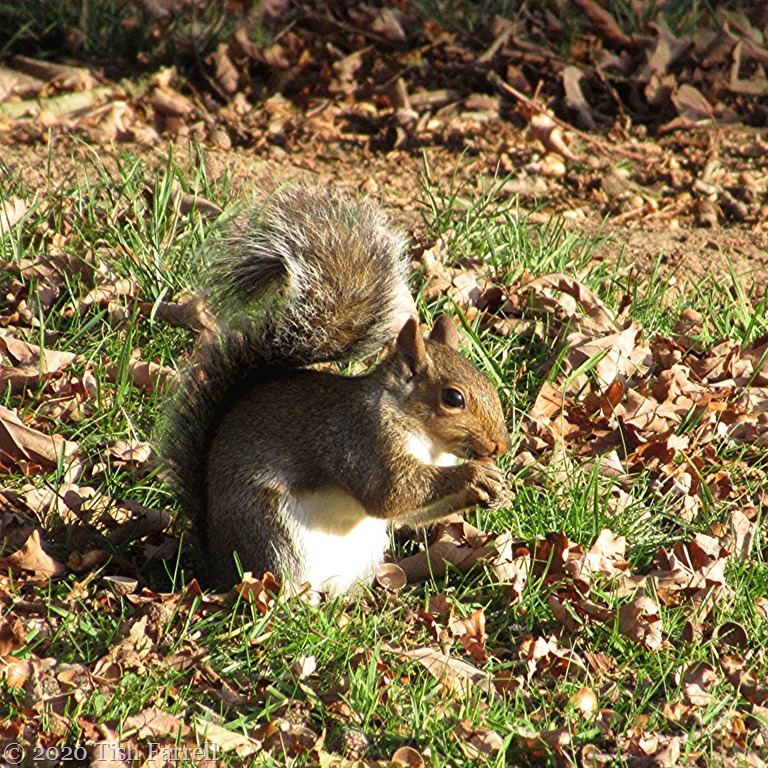
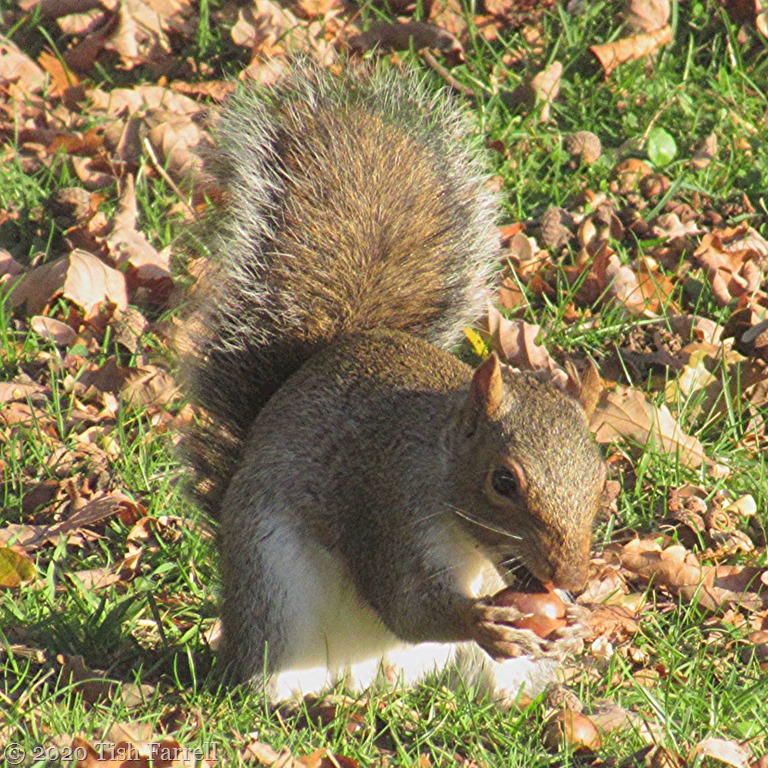
Grey squirrels don’t hibernate, though they are said to do less scampering in wintery weather, and when it is very cold, they will curl themselves up, using their tails like duvets.

These photos were taken before the snow when the big oaks at the top of the Linden Field were alive with squirrel-kind seeking out acorns. They were also pretty busy after the snow, doubtless seeking out their respective stashes. But here’s the thing. It seems they are a sneaky lot and will make a big pretence of burying nuts in particular places to fool other squirrels. The little dupers.

IMG_0415sq

IMG_0424sq


Square Up #6

Becky has a wonderful sun for us today.

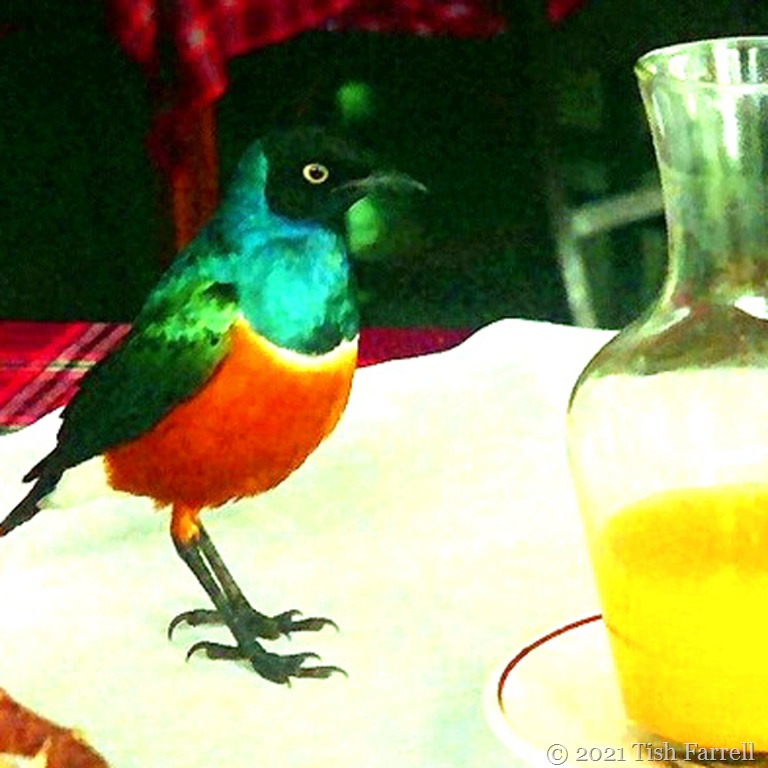
Always Up For A Spot Of Breakfast: Superb Starling

scan-140503-0036

A surreal image – over-exposed so you can see the colours of this Superb Starling, one of Kenya’s commonest birds. But surreal in other ways too. Did we really eat breakfast on the shores of Lake Elmenteita and share it with such birds. (See previous post). On fine days the tables were set out under the fever trees. The soundtrack: incessant chatter of Speke’s weavers from their thorn tree colony by the camp kitchen, fluting call of the black headed oriel, squabbling of babblers, warbling of robin chats, distant grunting of flamingos out on the lake.

IMG1_0004

Under the fever trees. Can you spot the superb starlings?

*

IMG1_0003

Delamere Camp reception and dining room

*

7

The ‘Sleeping Warrior’ an exploded volcanic cone on the western lake shore, Eburru hills beyond.

*

Kenya is of course a serious bird watcher’s paradise. The capital Nairobi boasts a species list of 600 plus. And if I were there now, even if equipped with only the digital zoom of a modest ‘point and shoot’, this blog would be bursting with wonderful bird photos. An irritating thought. For most of the time we lived in Kenya I had only a little Olympus-trip – which was great on landscapes and immobile subjects, but otherwise limited when it came to wildlife photography. Here are my better efforts from Elmenteita: a black headed oriel, glossy starling,  grey heron with egrets, Speke’s weaver, Abdim’s stork and greater flamingos.

Square Up #4

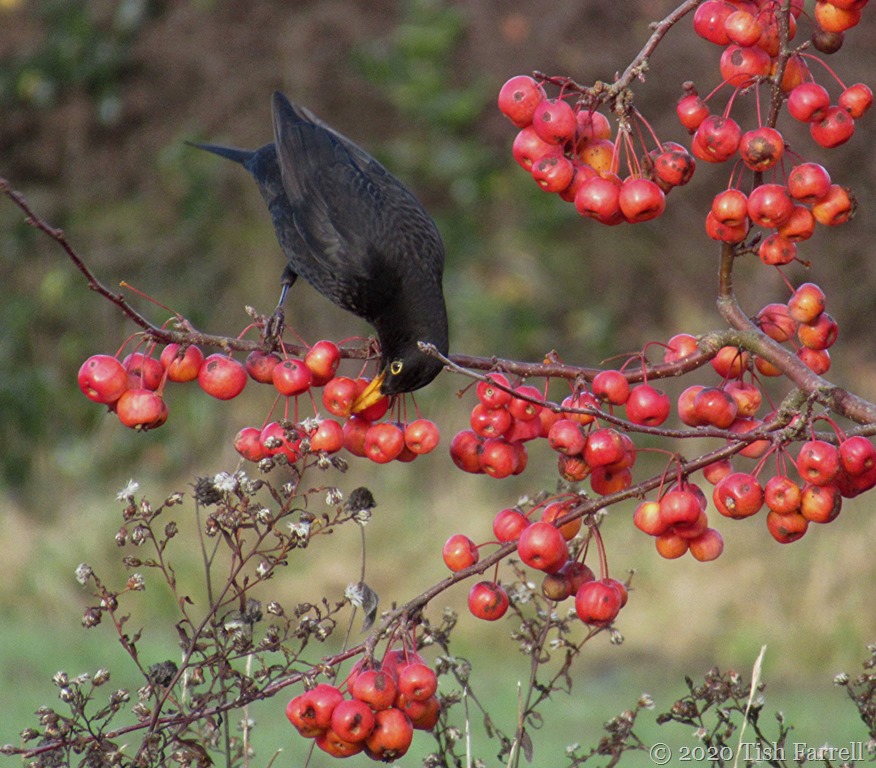
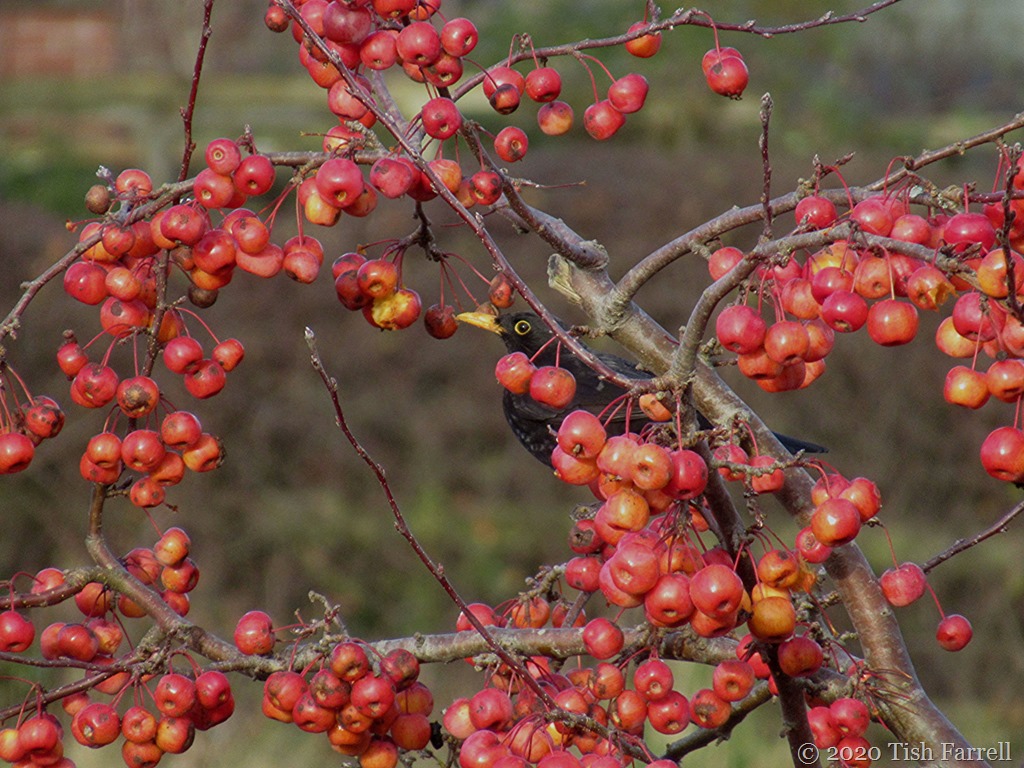
Apple Snaffling

IMG_1083

For the last couple of days this male blackbird has been tucking into our garden crab apples. He has a technique. Using his beak like a dagger, he jabs downwards with great vigour, slicing off morsels. Sometimes, though, he ends up with a mouthful he cannot swallow, which then requires a descent to the garden path where sets about cutting the apple down to size. All part of the morning’s seasonal entertainment at the Farrell establishment.

IMG_1089


Lens-Artists: ‘A’  This week Patti asks us for subjects that start with the letter ‘A’.

Going Kinda Nutty

IMG_0417

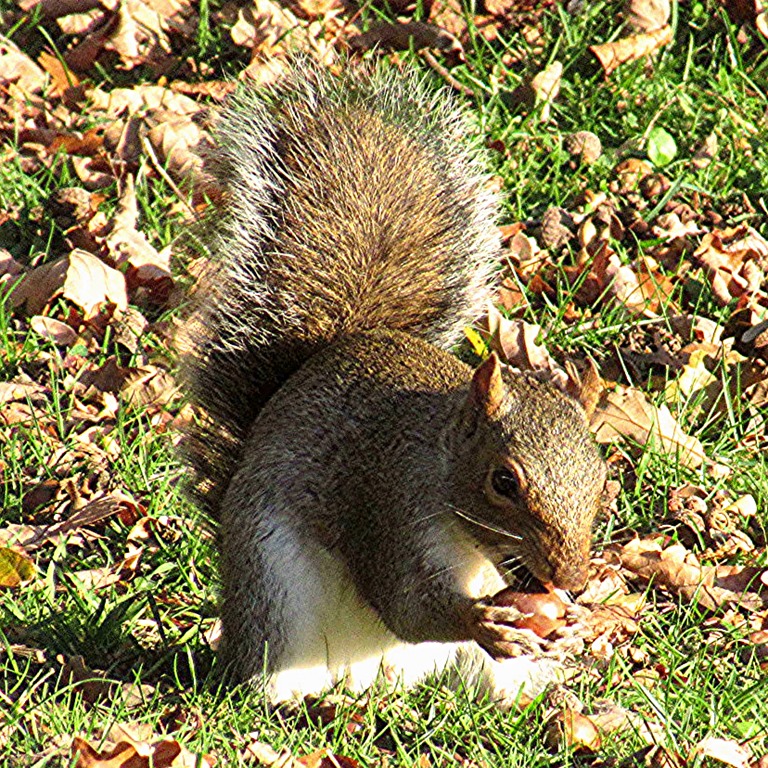
I’m back on home turf and in the current time zone for today’s wildlife squares. They were snapped in the Linden Field earlier in the week during a sudden spell of dry weather. Everywhere I looked along the Windmill Hill perimeter there were grey squirrels scurrying, nibbling, delving, tail whisking, scooting up and down the big oak trees. Acorns, acorns acorns – the big autumnal stuff ‘n store imperative in action. Squirrels being kind to themselves.

IMG_0424

IMG_0432

IMG_0415

IMG_0426

KindaSquare #30