Off-Centre In Lamu

Mzee Lali cropped

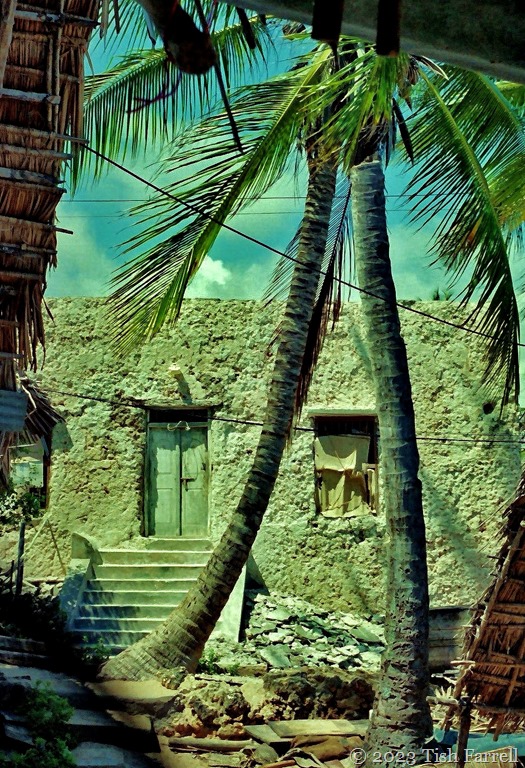
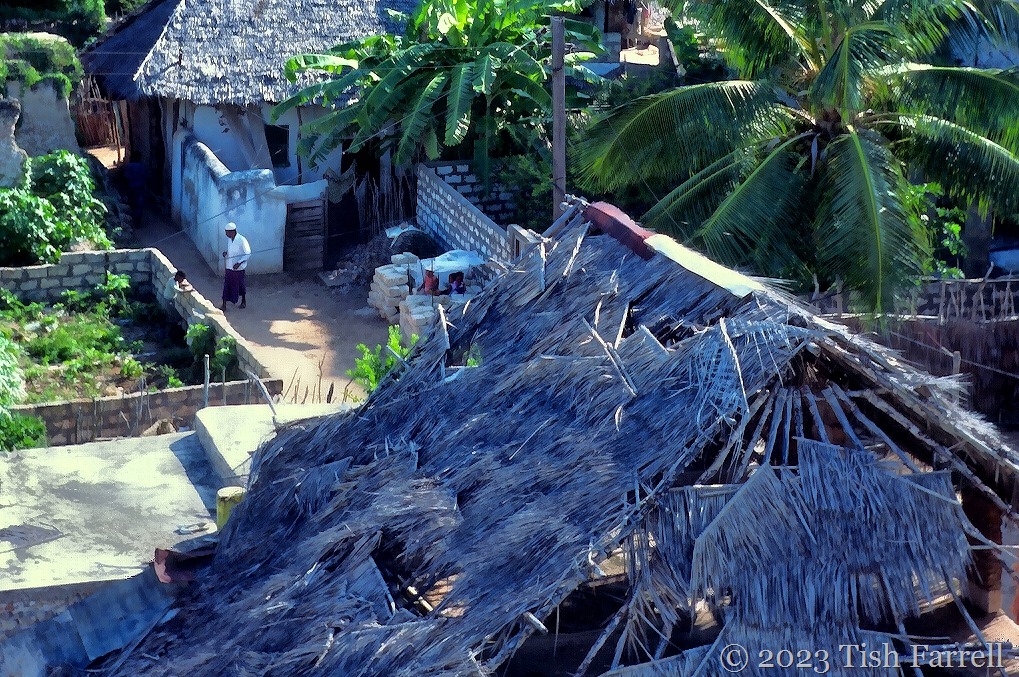
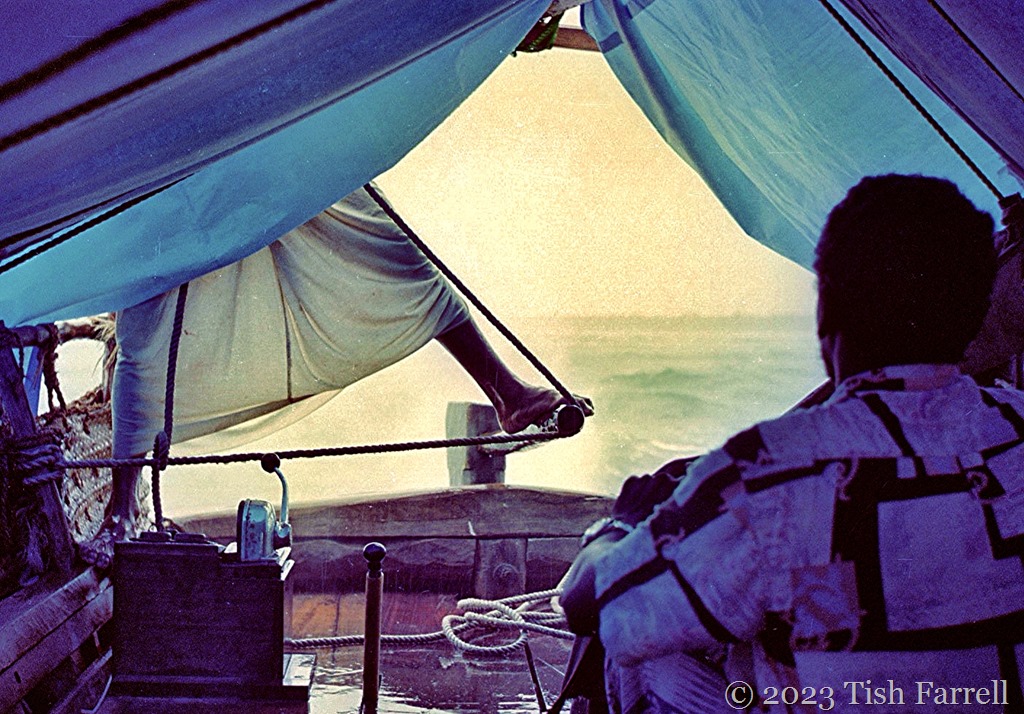
Once, a long time ago when we were living in Kenya, we spent Christmas on Lamu Island. I wrote about our brief stay HERE.  It seemed like a dream when we were there. And here in this photo (posted a few times before) Mzee Lali, dhow captain, also dreams, the late-day breeze bearing us along the Manda Strait back to Shela village.

Scan-130429-0029ed

Scan-140802-0010ed

Scan-130428-0053 - ed3

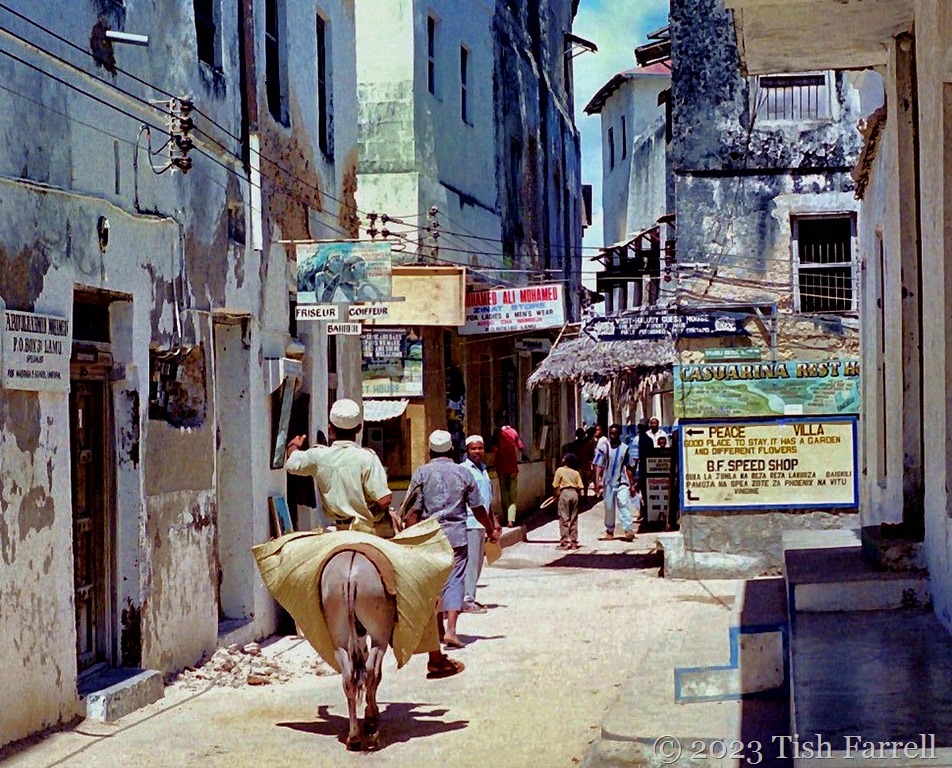
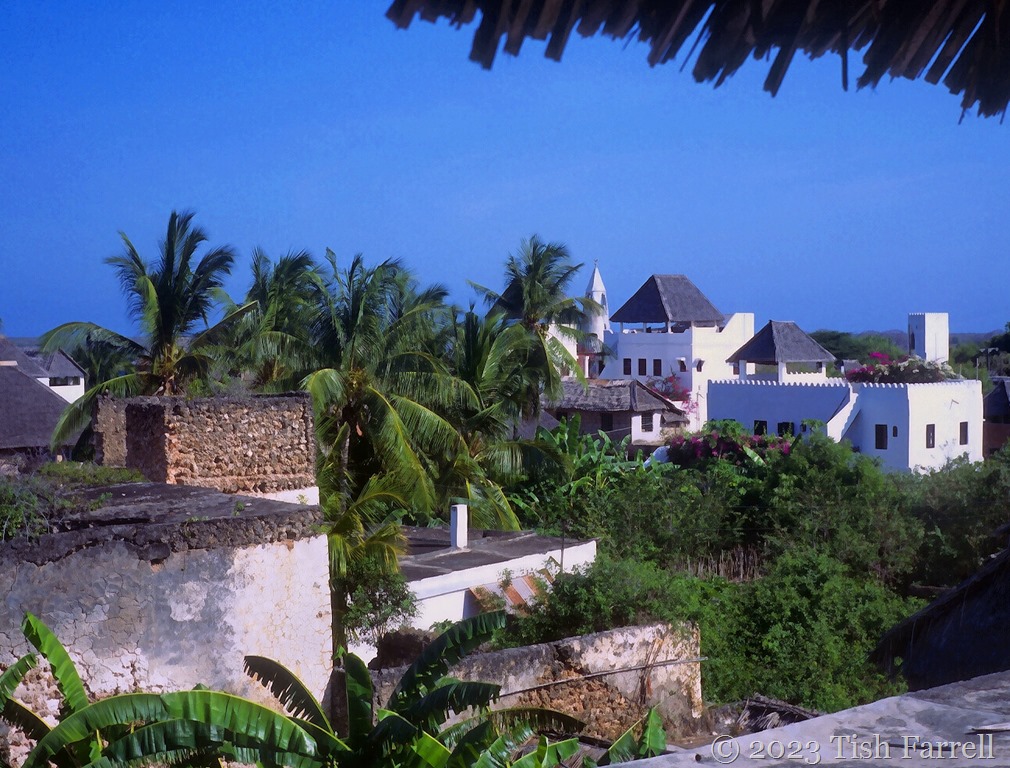
Stone Town: a World Heritage site

*

Scan-130428-0128ed

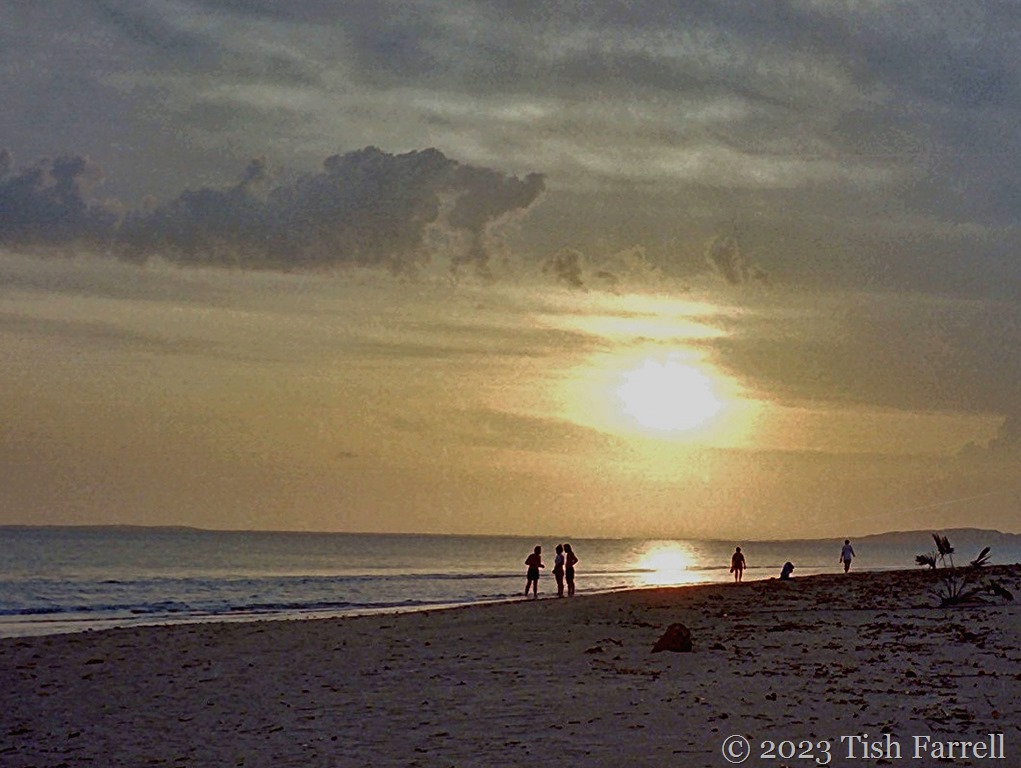
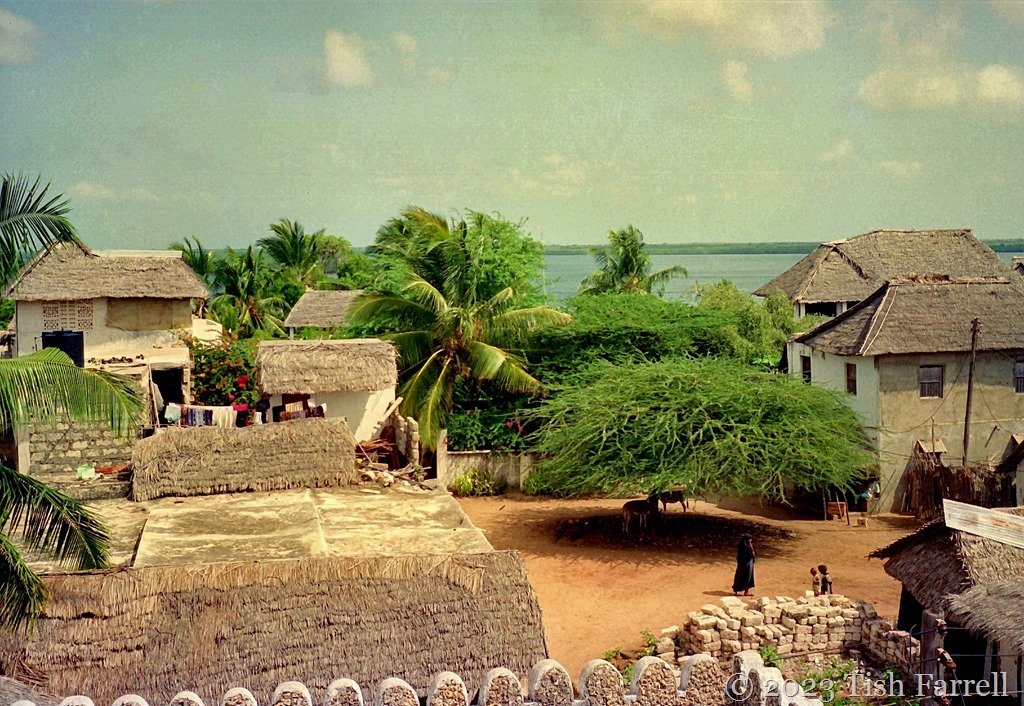
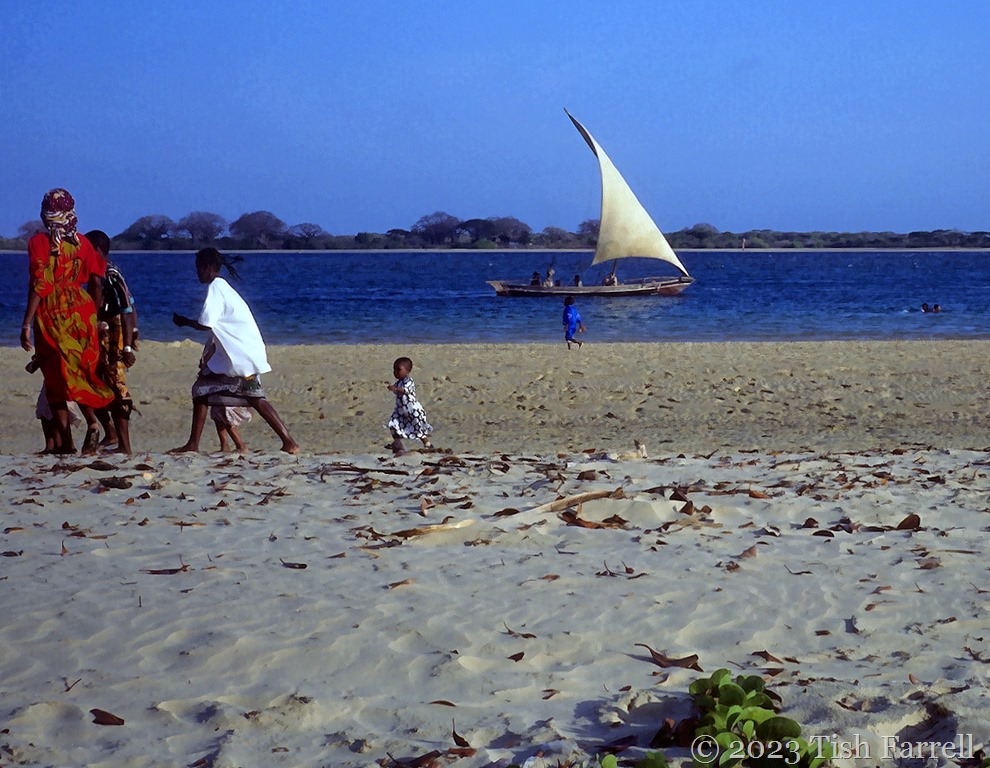
Shela Beach above, and Shela Village below. Donkeys were ‘parked’ under the thorn tree until needed for transport.

Scan-130428-0140ed

Scan-140801-0011ed2

Scan-130428-0024 - Copyed

Crossing Manda Strait to the air field in a sudden squall

*

Scan-140802-0015ed

Lens-Artists: Asymmetry    This week Donna sets the theme and shows us how asymmetrical framing can give compositions a different kind of balance.

Nice Symmetry ~ Symmetrically Nice

On the front

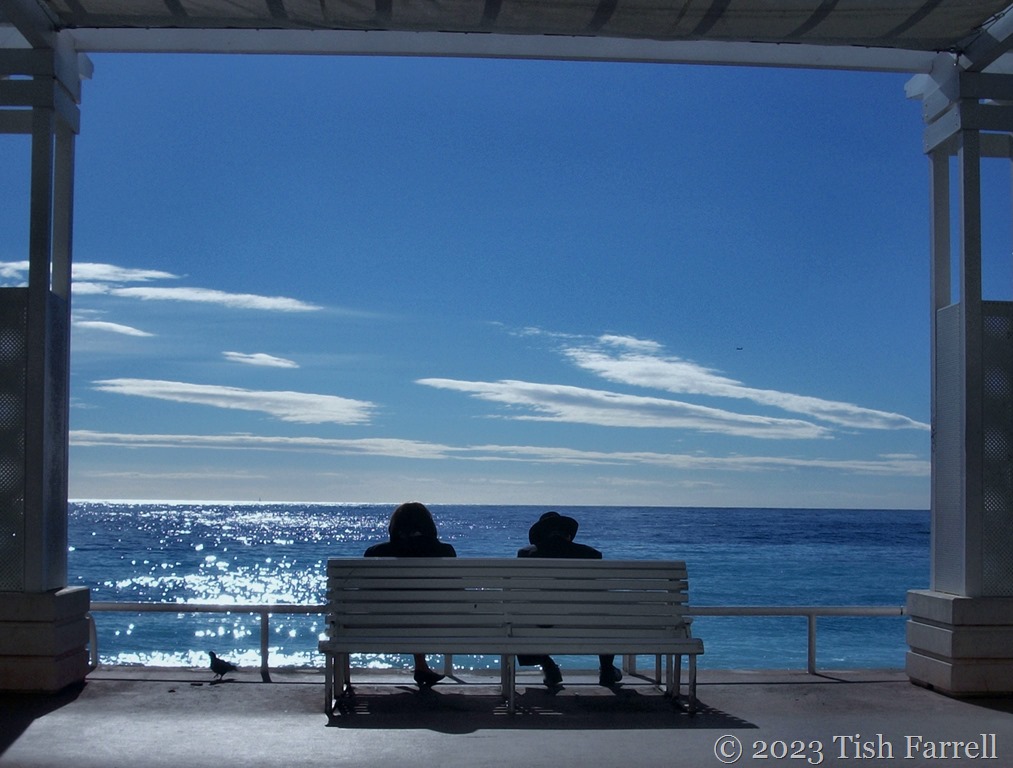
A flight of fancy was needed on this drizzly Shropshire day. So why not skip off to Nice for some dreaming Cote d’Azur light. And (somewhat loosely interpreted) take up Sofia’s this week’s challenge at Lens-Artists to look for all manner of things symmetrical.

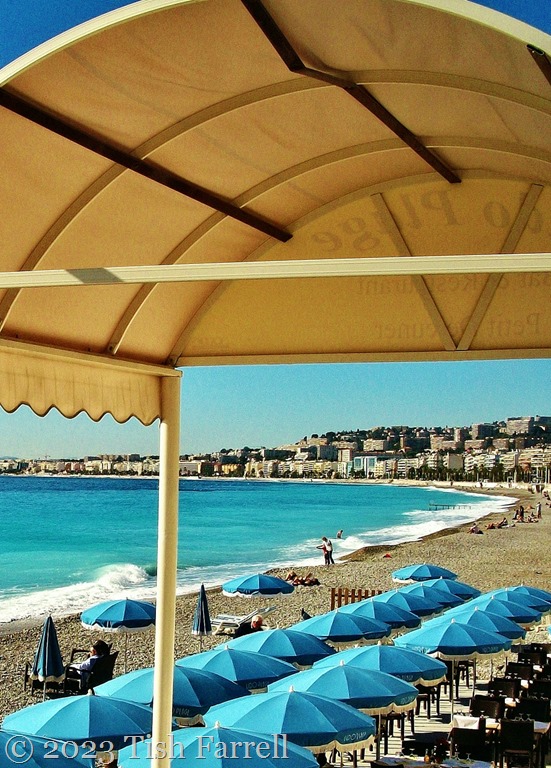
The Promenade des Anges beside the glimmering Mediterranean seems a good place to start – glorious under the sun even in late October. And what could be more cheering than an azure avenue of beach brollies…

100_1248ed

*

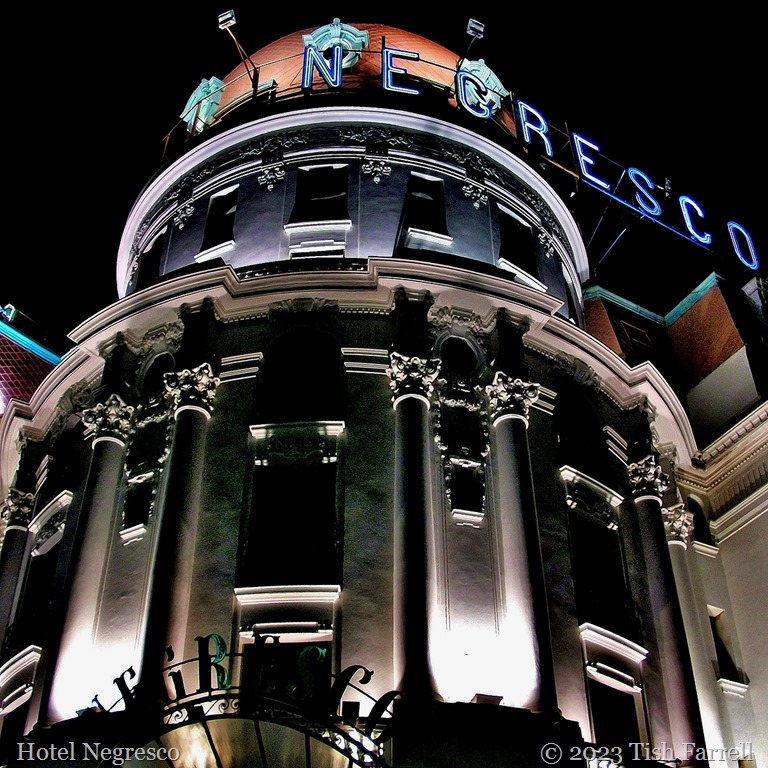
…glamorous by night:

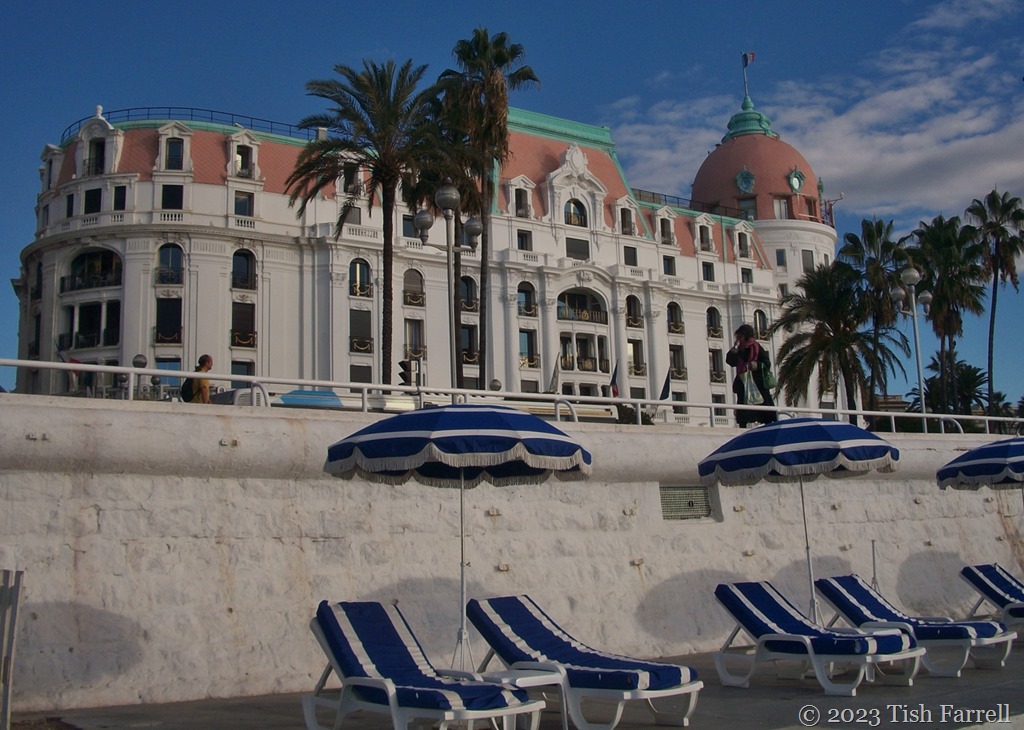
Hotel Negresco, Promenade des Anglais

*

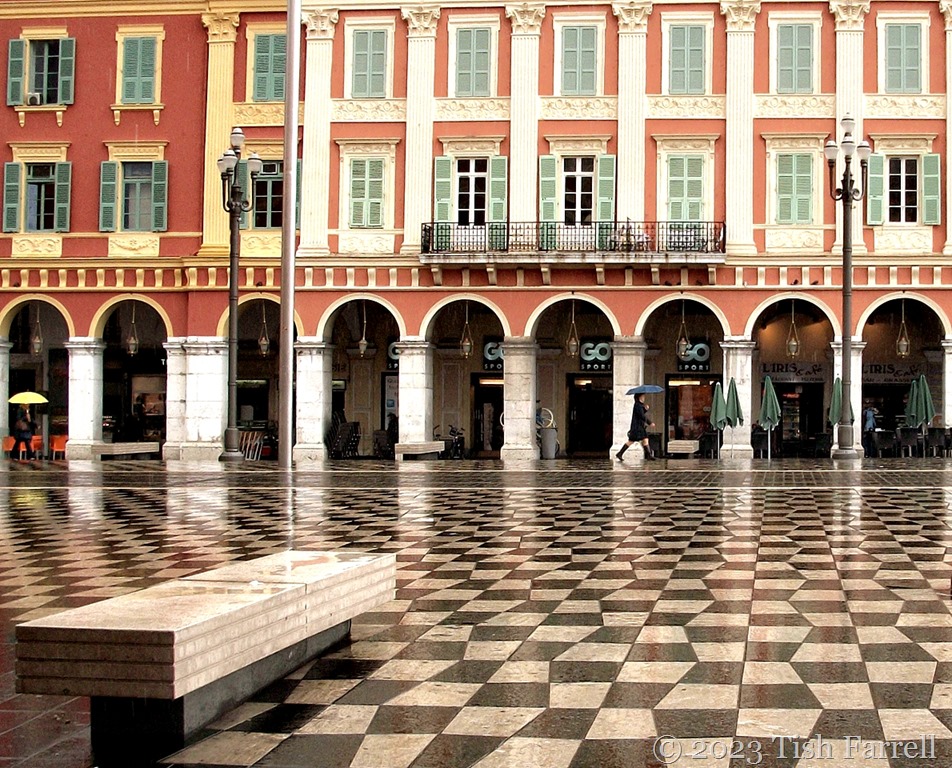
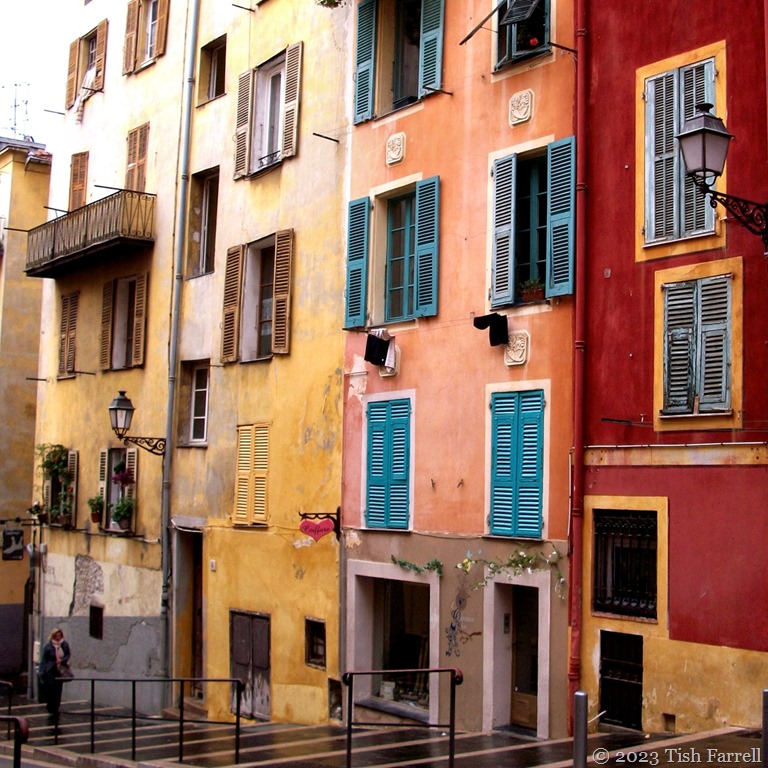
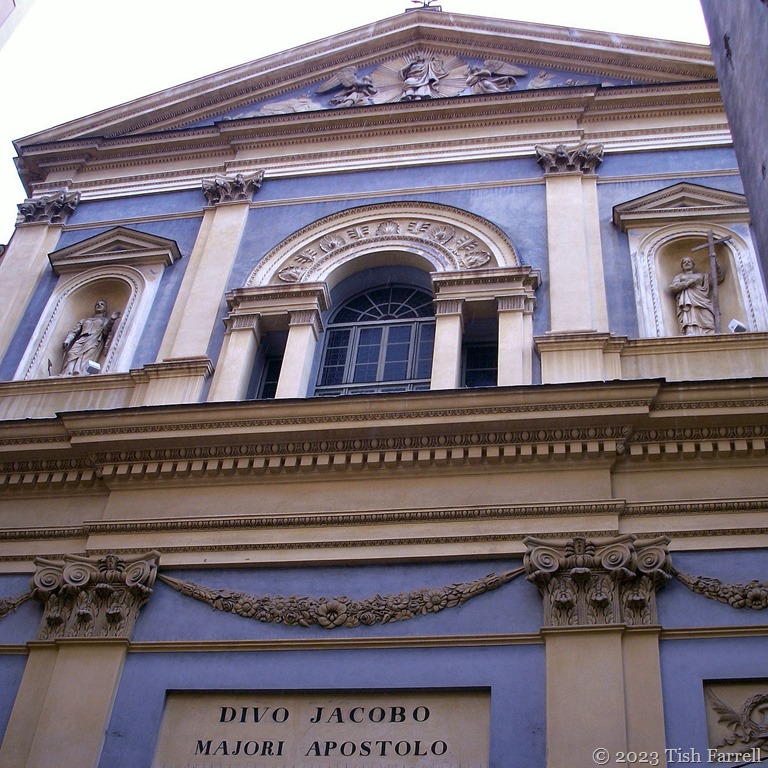
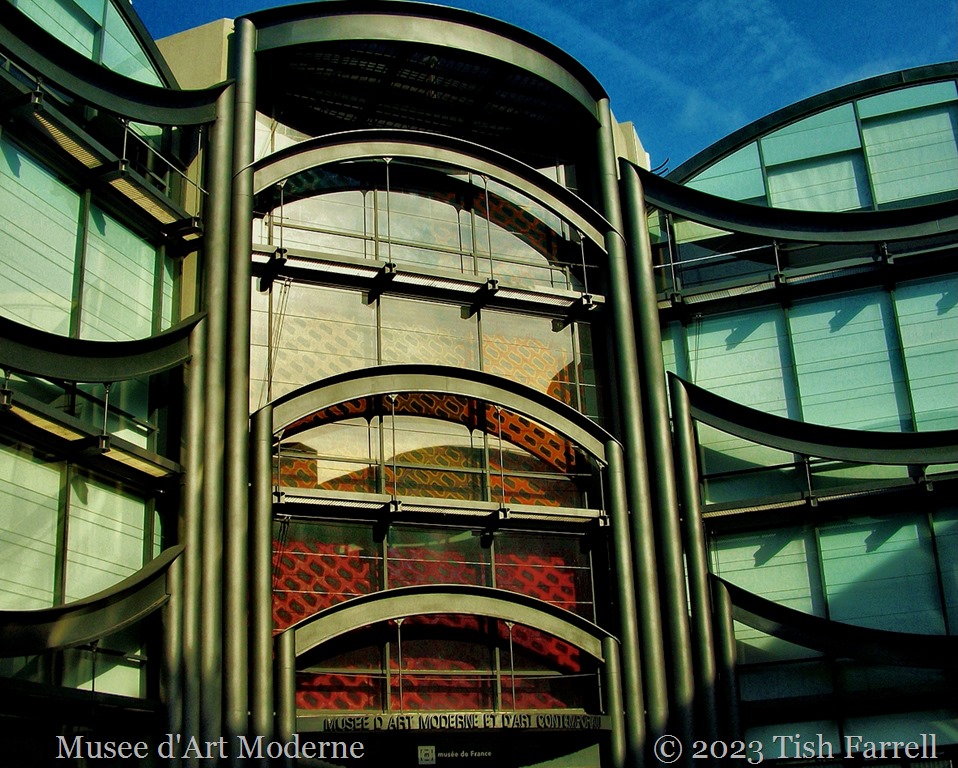
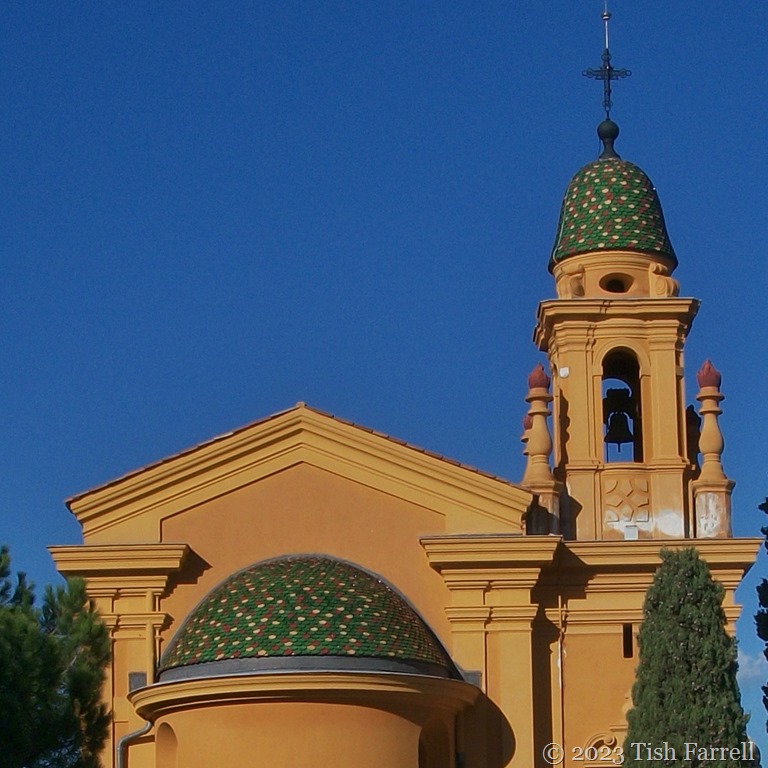
…vibrant in its old town streetscapes, markets, palaces, churches, museums….even a sudden cloudburst doesn’t dampen its spirits…

Place de Masena en pluie

100_1208ed

100_1173ed

*

and when the sun comes out again…oh, that light, shades of Matisse, Chagall, Dufy…

Mamac

100_1268ed

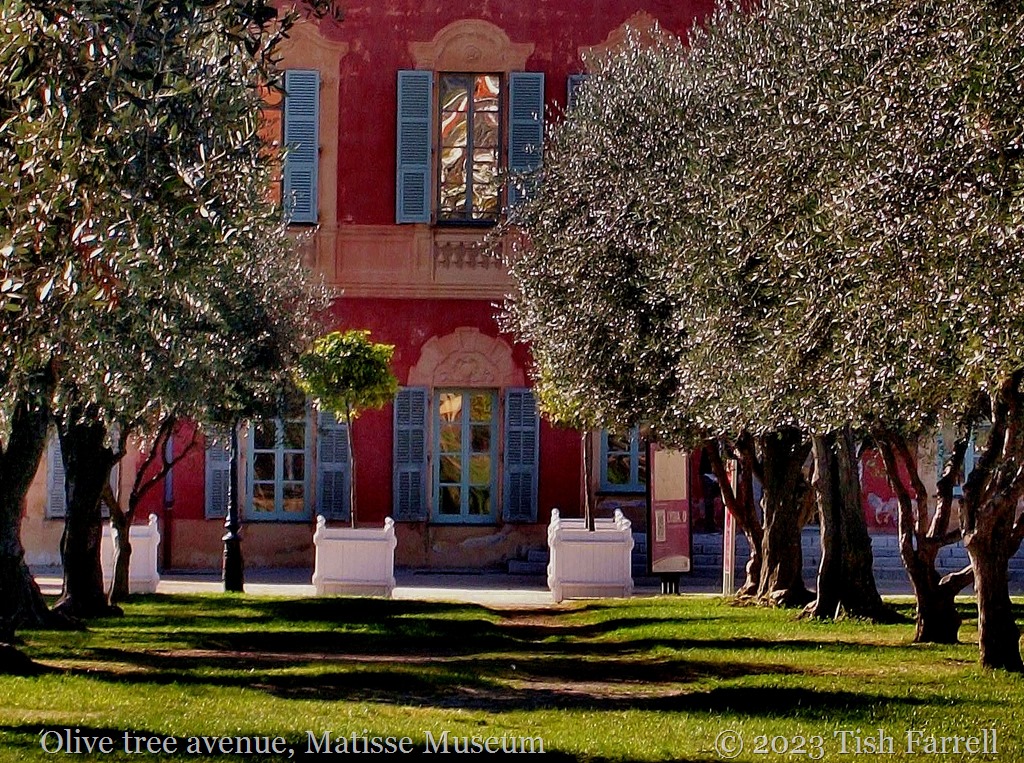
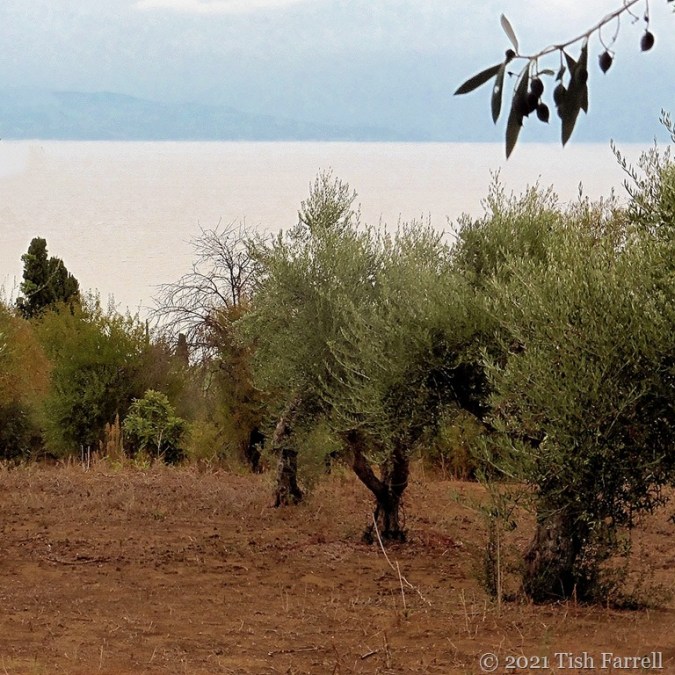
Olive orchard at Cimiez

*

…and then it’s back to the beach for some symmetrical sunbathing:

100_1234ed

Lens-Artists: Symmetry   This week Sofia shows us many exquisite examples of symmetry. Please visit her blog and be inspired!

Across The Gulf ~ Mirage Or Mountains?

3

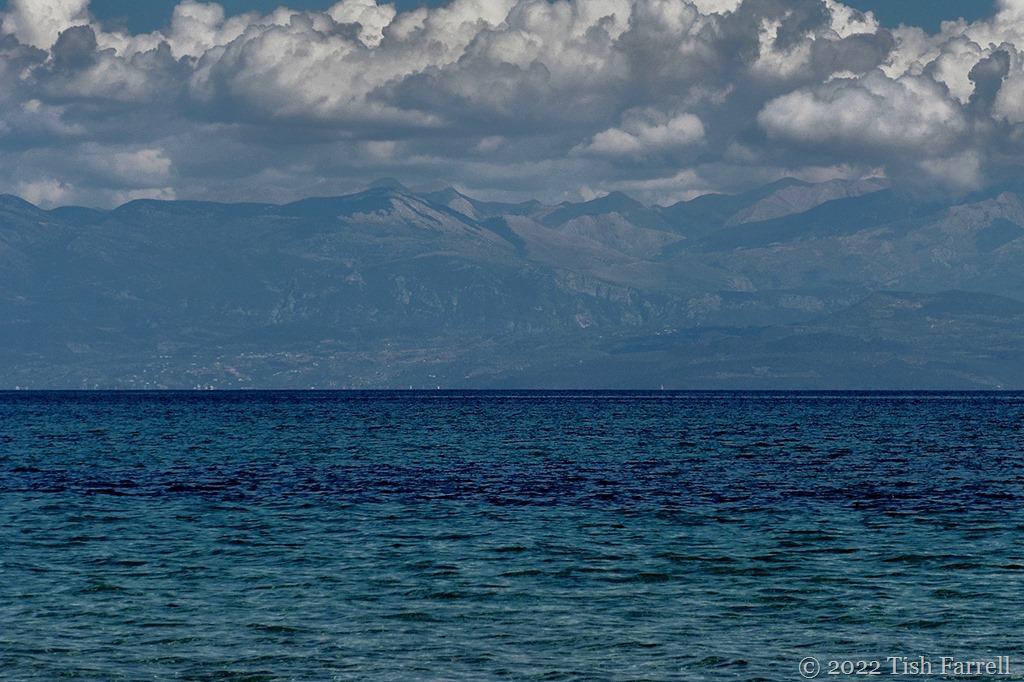
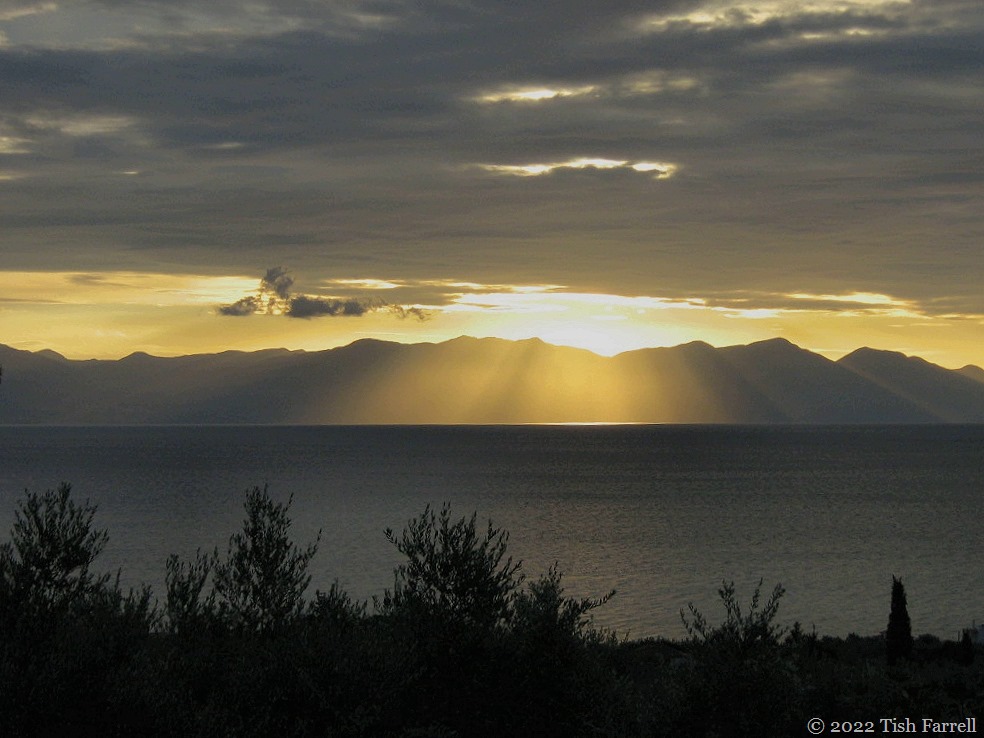
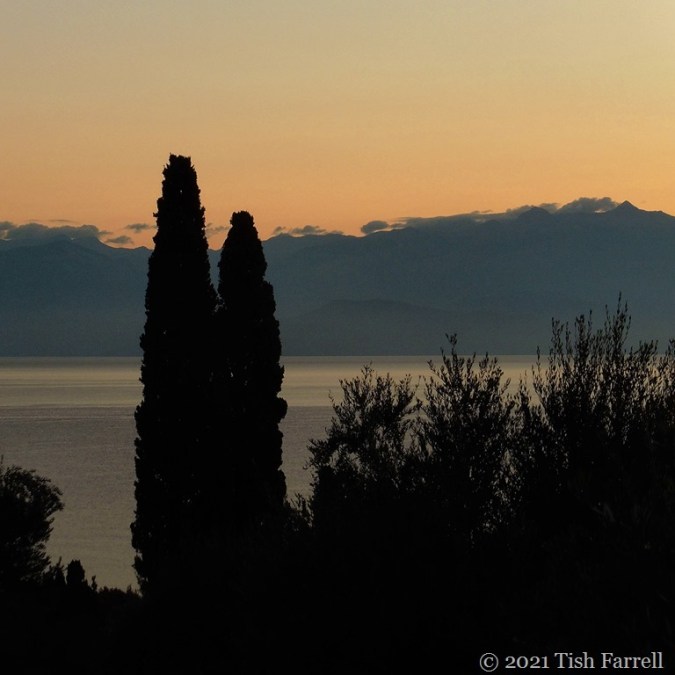
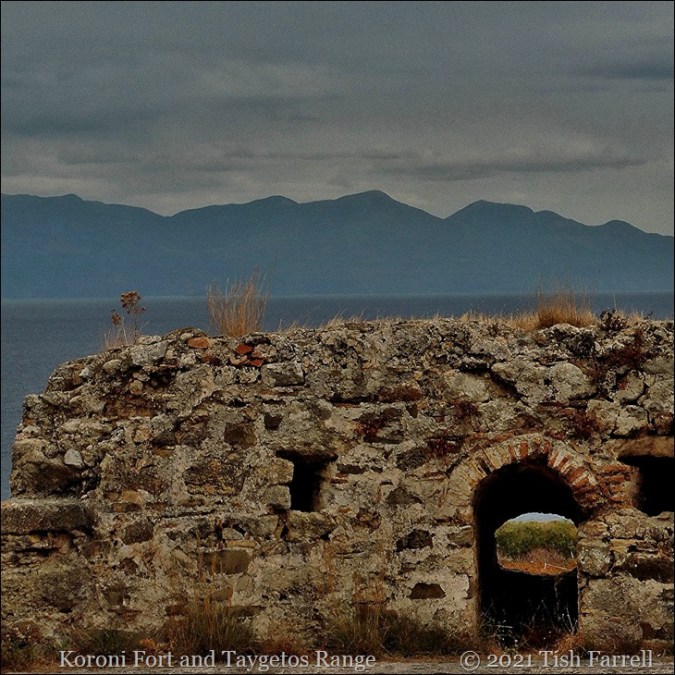
I’m still not sure if the Taygetus mountains of the Mani Peninsula are fact or figment, and I stared at this view for an entire week – at daybreak, at twilight, in sun and in storm. Real or not, these mountains beckoned. And I was entranced. Still am, when I look at the photos. They were taken from Harakopio (Peroulia Beach) in Kalamata, Greece, overlooking the Gulf of Messenia.

I’ve read my Patrick Leigh Fermor (Mani: Travel in the Southern Peloponnese) which sets off most beguilingly, penetrating on foot this all but impenetrable mountain peninsula (that until recent times scarcely had a road into the interior), but then, after some stunning episodes, the account digresses into convoluted regional history that this reader found more uphill-going than the near-vertical terrain.  Still, it’s a book worth tackling for the magical inside-Mani experiences. It truly is.

2

But if the mountains have long kept people out, then it’s a different story for the coastal foothills. Some settlements along the shore, accessible only by sea, have been occupied since Mycenaean times, i.e. the Ancient Greek Bronze Age (c1750-1000 BCE). If you squint, you can see signs of humanity in the first photo.

But that’s enough of the prosaic. These scenes are just for dreaming.

P1020403ed

1

Lens-Artists: the mountains are calling   This week Amy sets the challenge.

Up The Creek In Dubai

2ed

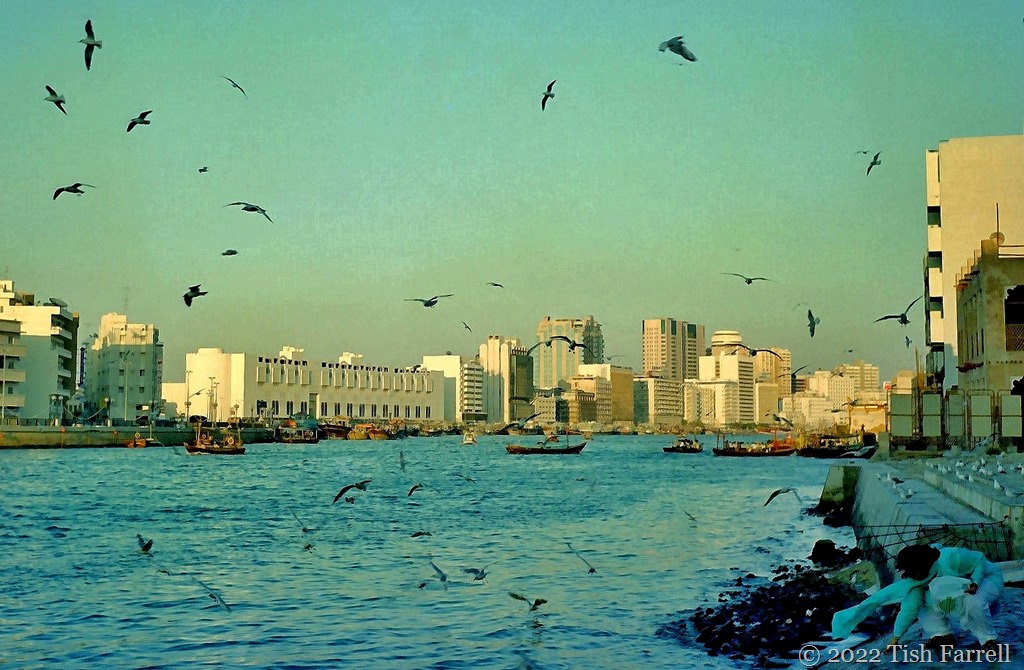
We had a brief stay in Dubai while we were living in Kenya. We needed a break from a long spate of El Nino rains. The stop-overs in UEA bookended a sunny week on a small island in the Maldives, but when we flew into Dubai, it was lowering skies and big puddles on the runway. Not at all what we expected. The nights were chilly too and very windy, the beachside palm trees swaddled in sacking. We did have a couple of fine days, though, as this very fine sunset on the Creek shows.

You can just make out the dhows moored along the further shore. (And in the bottom right corner, the woman who had come specially to feed the gulls).  I bet the Dubai skyline looks nothing like this now. There was a frenzy of construction going on when we were there in the late ‘90s. It is a city state endlessly in motion, constantly reinventing itself.  I’m wondering, though, if the dhow trade is still as vibrant as it was when we were there. We saw cars, trucks, refrigerators, car parts, sink units and all sorts being loaded  for onward Indian Ocean destinations – a far cry from the days when the Creek was nothing but a fishing village, and the local lads made a living pearl diving. The way things change.

96

118

56

Lens-Artists: motion  This week Patti wants us to feature movement.

Once In Kalamata

IMG_2514

A few Septembers ago we had a family trip to Kalamata on the Peloponnese. I had not been to  Greece before, and it was love at first sight – from the moment we left the airport. There had been a fierce summer that year with no rain and the earth looked parched. I don’t know what it was that spoke to me most – the rugged stony uplands, the everywhere-colonies of feathery phragmites reeds, the wild cyclamen, household clutter around the homesteads and olive groves, the olive groves themselves, the country lanes and then the views of the Taygetos Mountains across the Messinian Gulf. The only downside for us, though quite the opposite for the locals, we brought the rain on our heels, so there are stormy skies as well as china blue ones. It anyway seems like a dream now.

Past Squares #13

Life in Colour: Orange

Once In Nice…Of Past Pleasures

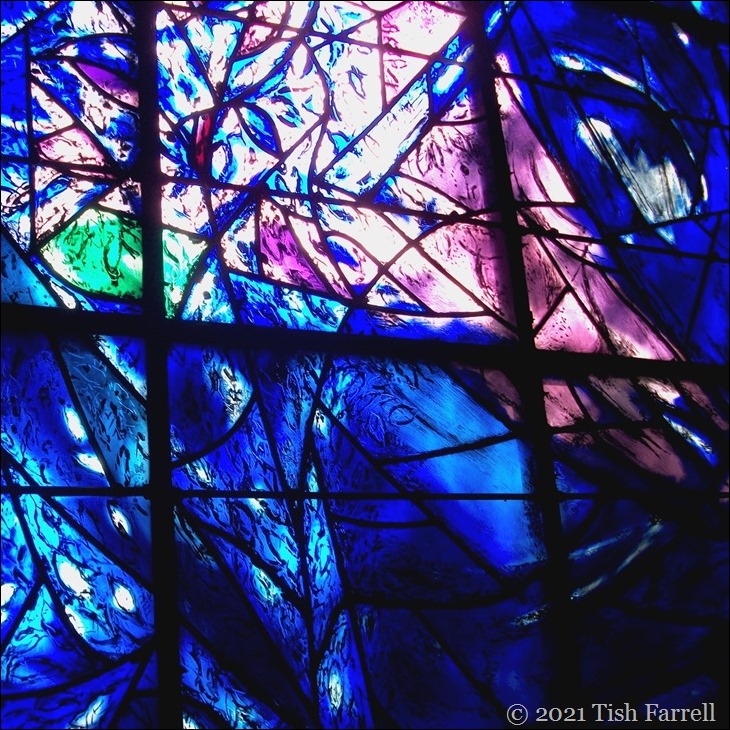
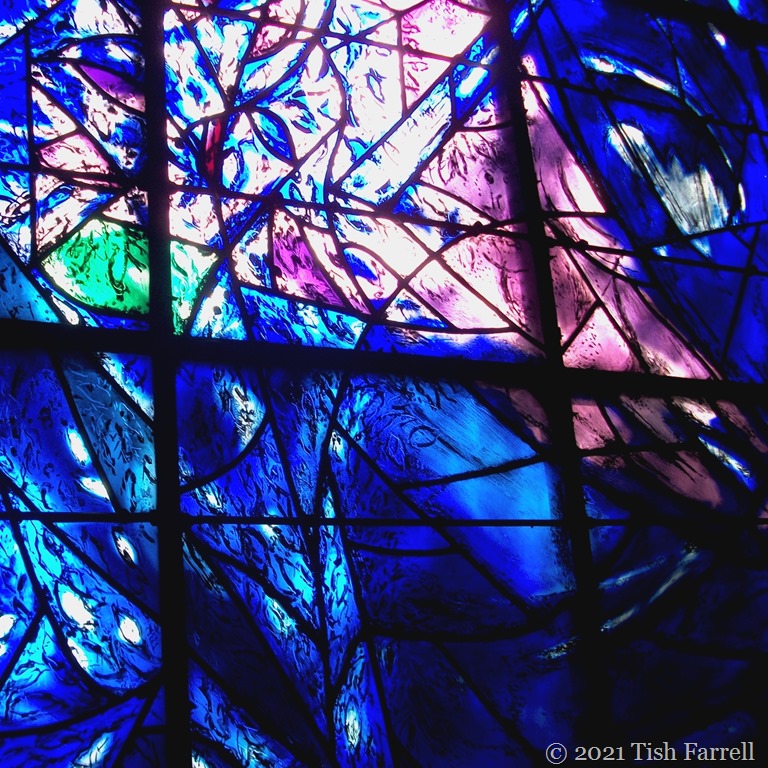
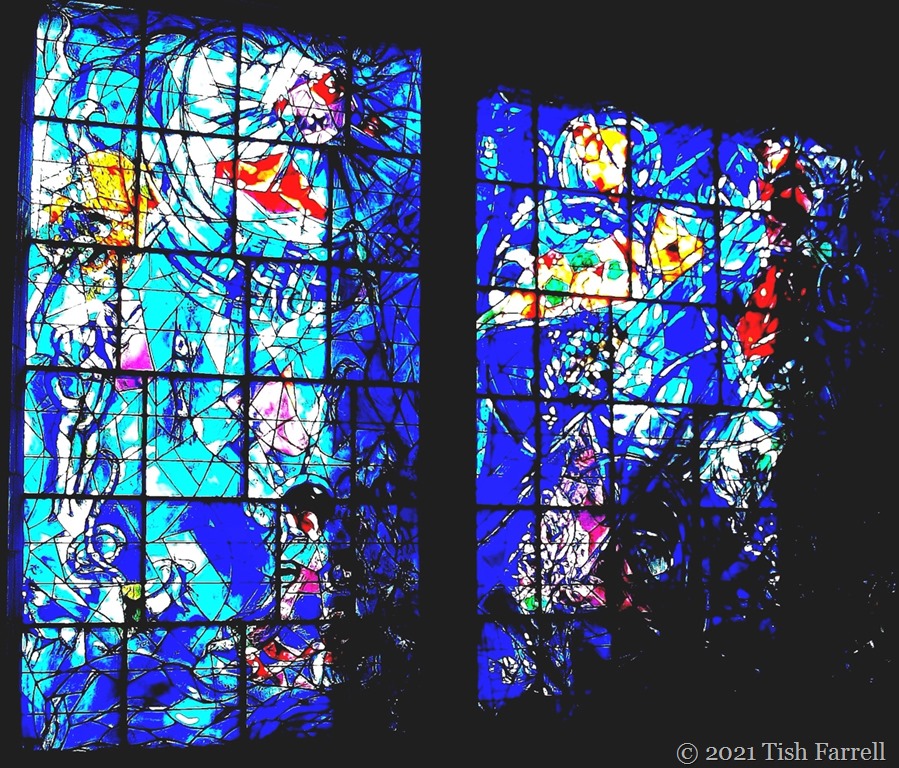
chagall stained glass

“For me, a stained glass window represents the transparent partition between my heart and the heart of the world. Stained glass is exhilarating, it needs gravity, passion. It has to live through the perceived light.”  Marc Chagall

100_1310

Today Becky’s lovely blue gallery reminded me of the photos I’d taken of Marc Chagall’s stained glass – this on a long-ago stay in Nice. The window is in the auditorium of the Musee National Marc Chagall, which has to be one of the finest little galleries in the world: the setting, the building and the art fusing in dreamy synergy that captures the humanity, joyousness, and all round good spirits of Marc Chagall. He was a man who created in all media. He saw his work  “not the dream of one people but of all humanity”.

100_1309
And then there is his use of colour. Picasso probably has the last word on that: “When Matisse dies, Chagall will be the only painter left who understands what colour really is.”

Marc Chagall (1887-1985)

Past Squares #9

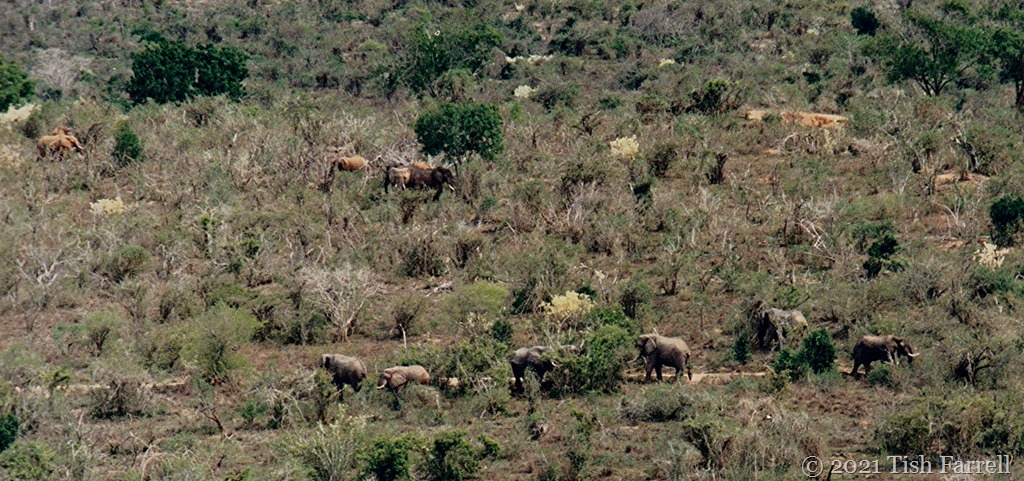
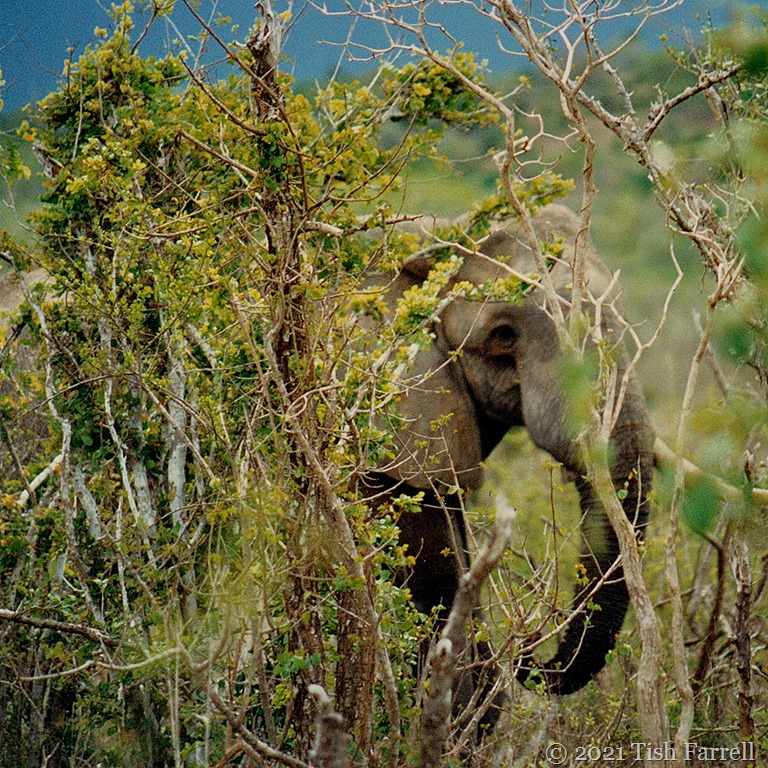
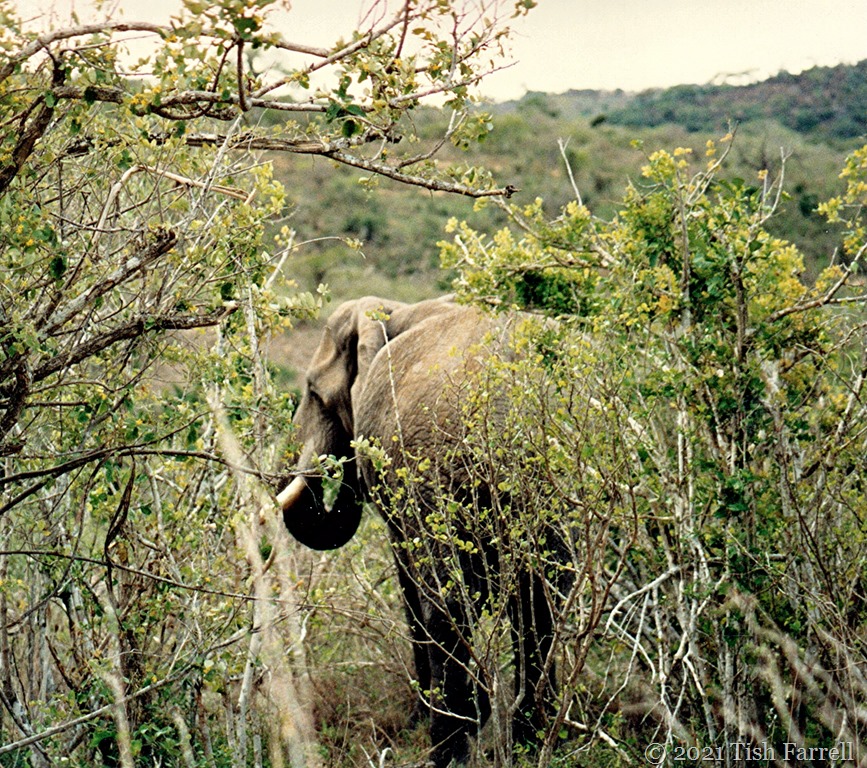
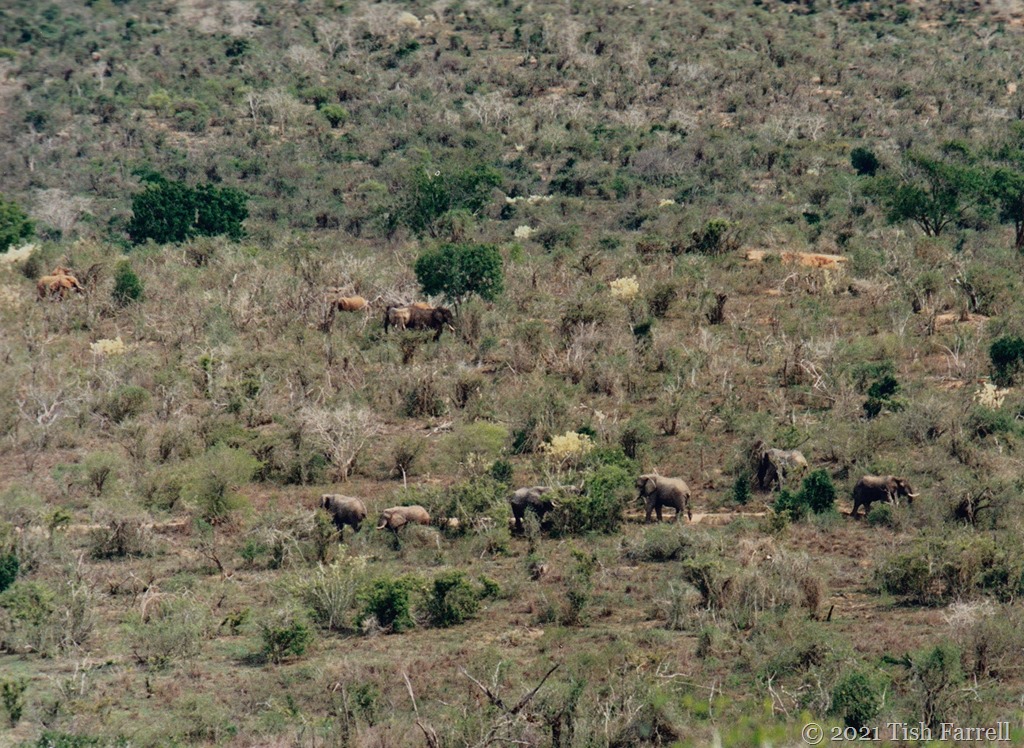
How Elephants Hide In Bushes

Mwalunganji 6

These elephant photos were taken in the very special community sanctuary of Mwalunganje near the South Kenya coast. It was set up in the 1990s to ensure the future of an important migration route from the Shimba Hills to Tsavo East National Park AND as means to provide compensation to 300 smallholder farmers whose crops were being destroyed by the herds. The farmers retained ownership of the land in the form of shares, and many of them took up posts running the sanctuary as a tourist attraction. The project continues to be run (or at least it was still going last year) with the support of the Kenya Forest and Wildlife Services and the Sheldrick Wildlife Trust. (More photos at this link).

The Mwalunganje sanctuary is extraordinary terrain, a remnant Jurassic Forest survivor that still supports many cycads. They look like small palm trees and, as living survivors from a 200 million year old forest, are a seriously endangered species.

Mwalunganji elephants 2

Mwalunganje Hill is also a sacred place for the local Duruma people. Here there is kaya, a palisaded space where traditional rites are performed by the elders. On the day when we went to look for it there was a tree blocking the trail – frustrating for a nosy mzungu, but then I thought, ‘quite right too. You have not been invited there.’

There’s more about the sanctuary HERE

Mwalunganji elephants 3

A Very Big Zambian Baobab

sq

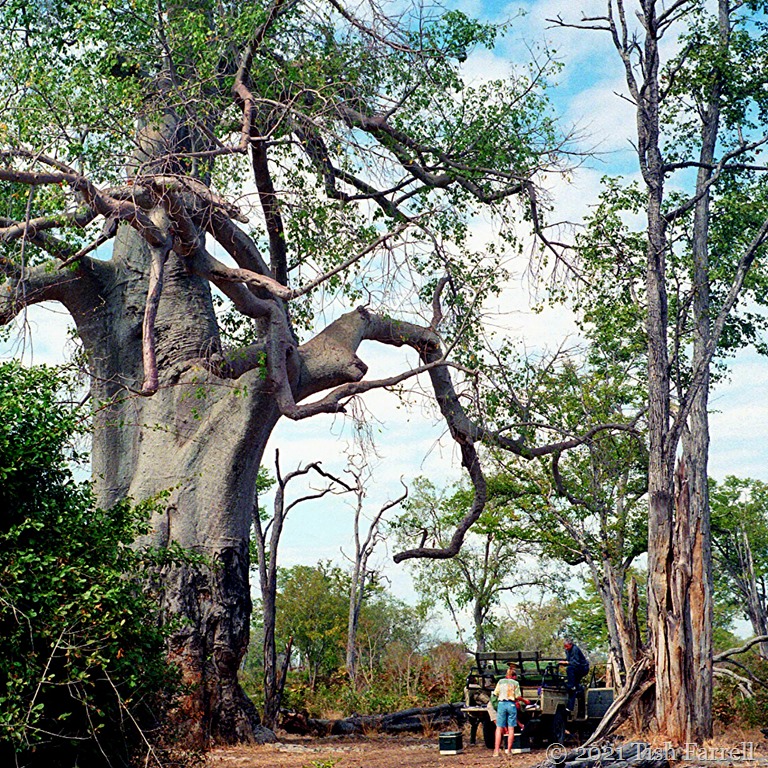
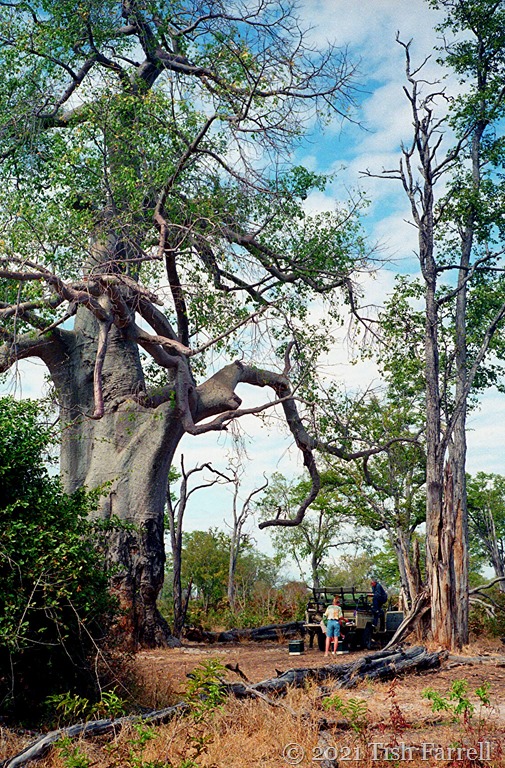
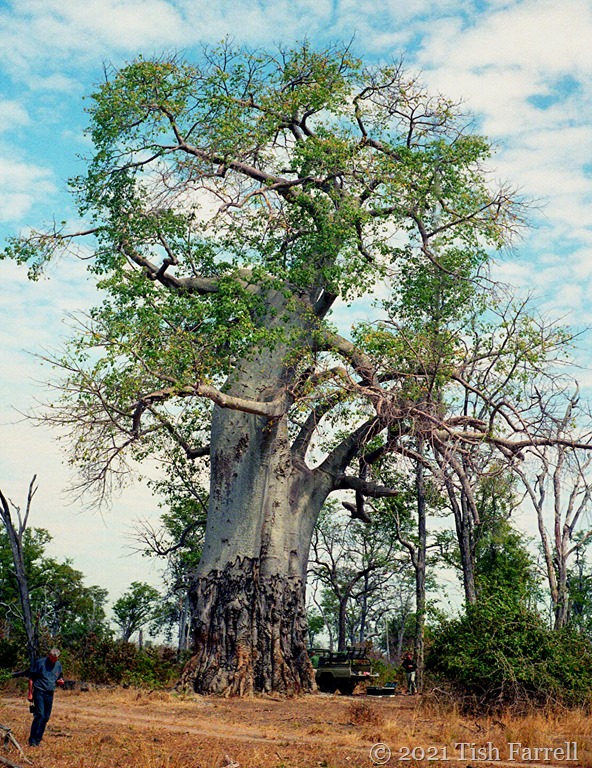
Zambia is a country blessed with some magnificent trees and miombo woodland that makes for parkland like landscapes. This particular tree is in South Luangwa National Park, one of the world’s wildlife treasure spots. (Do not believe the tales that Africa has no wildlife left. It is absolutely untrue.)

Here is more of the tree that wouldn’t fit in the square. The damage on the lower trunk is probably due to elephants and/or other other grazers:

South Luangwa - mighty poachers' baobab 2

South Luangwa - mighty poachers' baobab

Tree Square #30

Vintage Zimbabwe

Hwange - waterhole and elephants 4sq

Late 1992-3 and we were living in Lusaka, Zambia, Graham on secondment from the Natural Resources Institute in Kent to the European Union Delegation – his job to manage the logistics of food aid deliveries to drought-stricken parts of Zambia.

These were exciting times. As we arrived, long-term presidential incumbent, Kenneth Kaunda (he who had led Northern Rhodesia to independence in 1964) had recently ceded to Frederick Chiluba, the first elected president after the return to multi-party democracy. Which sounds positive, but it also involved the International Monetary Fund structurally adjusting the nation, causing hikes in staple food prices, and stopping free schooling and medical care for the poor so they could become even more hard done by.

Then there were the international corporations who continued not to pay taxes on their exploitation of Zambia’s copper mines. Then Kenneth Kaunda’s army officer son, Rezi, had thoughts of starting a coup and was said to behind much of the criminal activity in the capital, and then over in the neighbouring Congo (or so the story went) President Mobutu had neglected to pay his army thus causing them to come on regular night-raiding missions to the diplomatic quarters of Lusaka.

One could have become very anxious, but actually, none of this was my experience of Lusaka. It always seemed rather sleepy under the wide blue skies of breezy white clouds, the locals ever quick to smile and share a joke.

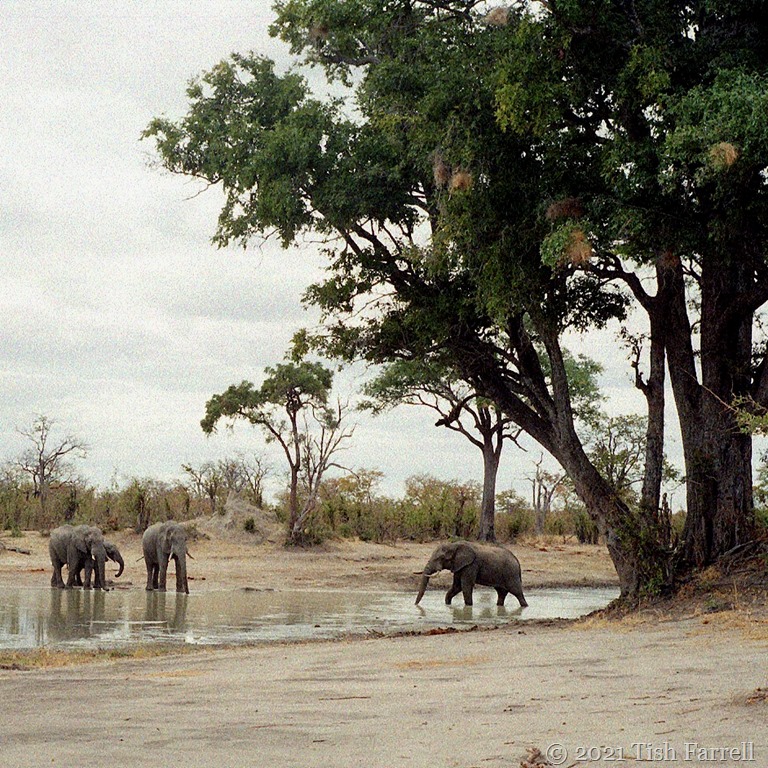
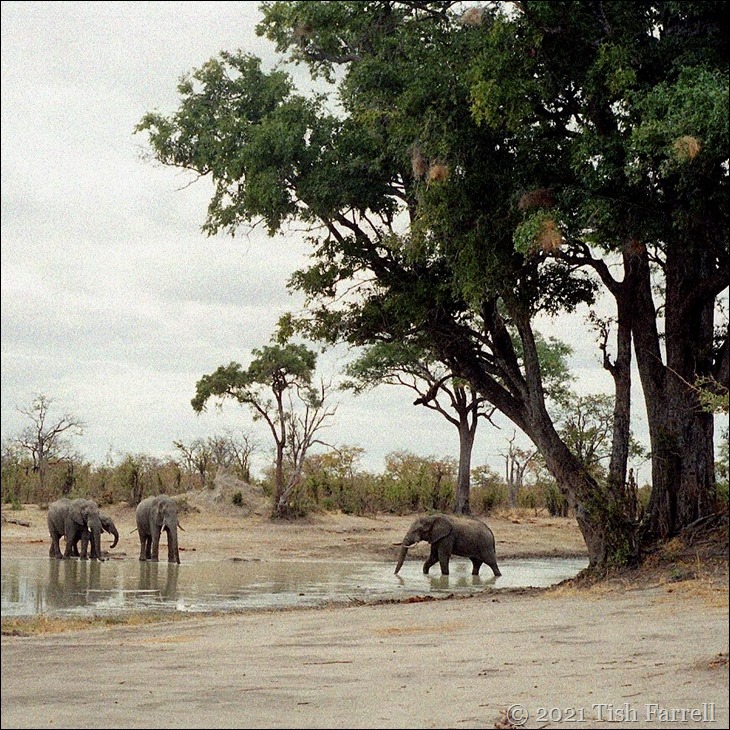
Anyway by July ‘93, winter in southern Africa, we thought we needed a holiday, and headed south for the then peaceably prosperous neighbour-state of Zimbabwe. We drove on near empty roads all the way to Harare. Back then that city  seemed like a wonderland, the epitome of sophistication compared to Lusaka where the downtown stores had empty shelves and all seemed stuck in a 1950s time-warp.  And after Harare we set off across Zimbabwe – nothing booked ahead – empty roads. The only downside was a gloomy day or two when we were in Hwange National Park and my little camera could not cope with low light levels. Still, it just about managed to capture the elephants under this very large acacia. They turned up while we were eating our picnic lunch.

Photo: Hwange National Park, Zimbabwe.

Tree Square #29