An Excitement Of Daffodils At Bodnant Garden

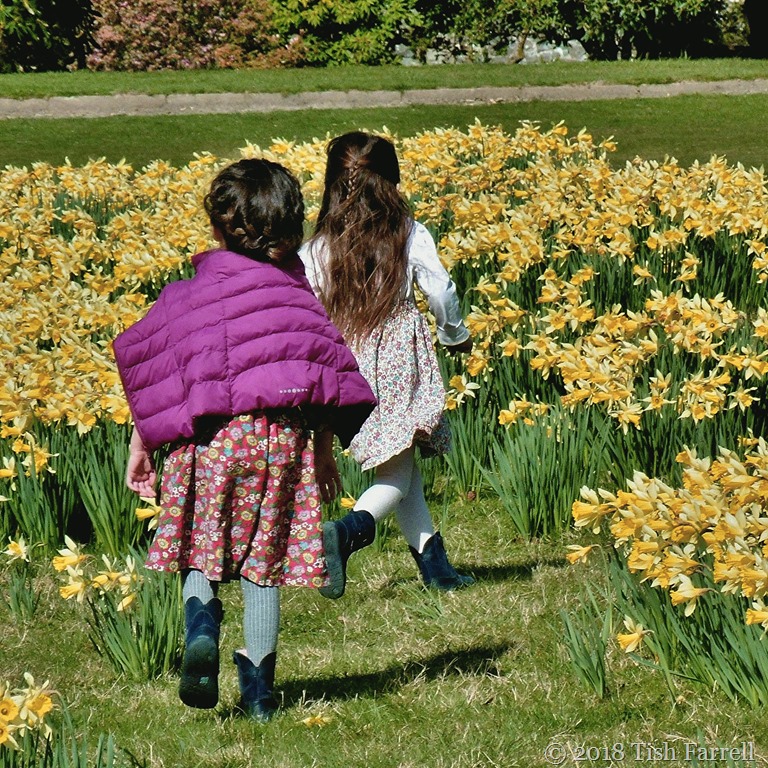
Even glimpsed from afar, it was an extraordinary sight – a yellow prairie against a Welsh hillscape. Euphoria was instantaneous. Whether old or young, there was nothing for it but head for the daffodils!


Patti at Lens-Artists asks us to show her action. Please visit the Lens-Artists to see their inspirational photos and take part in their challenges. And it’s also ‘In the Pink’ day 2 over at Becky’s.

For the story behind the creation of Bodnant Garden see earlier post  Marvellous Magnolias

Lens-Artists #9: Action

In the Pink #2 Today Becky’s gone batty.

Sticking To Earth Patterns

IMG_3796

Humans love to see the patterns in things. This habit can nurture an aesthetic sensibility and inspire much creativity on the one hand, and it can lead to all manner of misunderstandings and fallacies on the other. Which of us hasn’t at least pondered on the ‘meaning’ of a series of pure coincidences, or passingly ‘seen’ a pattern of events that ‘proves’ a conspiracy theory is not a conspiracy theory.

Given the negative propensities of patterning, and the power these may exert on the human mind, it might be as well to take note that this is currently being practised upon us by much of what is reported by the mass media, and the manner in which important issues are presented to us.

There is, to my mind, a constant drip-feeding in relation to particular topics (to name a few: Middle East, Russia, nuclear weapons, climate change, Labour Party, Jeremy Corbyn, Brexit); a seemingly endless repeating pattern of half-truths, proclamations of absolute guilt without evidence, scape-goating, focusing continuously on the irrelevant, divisive reporting, unproven circumstances presented as fact, and, in the name of that weasel word ‘balance’, equal weight given to the opinions of people who know what they are talking about, and the notions of those who do not believe in evidence/have their own minority axe to grind/are (verging on the) delusional. And the whole lot mashed up into an ‘entertaining’ package of easily digested sound and picture bites, whose patterning then is constantly rehashed/given oxygen by mass spoutings on social media.

It is all very disturbing, and when I think about it, I feel like a pawn in someone else’s nasty game, and that makes me angry. And so I distract myself with things in my little world, though I must say I did have Mark Rothko’s Dark Brown, Grey and Orange  vaguely in mind when I took that second photo of the rape seed field beneath a stormy sky – his drive to express the human condition; to move beyond apparent abstraction – while I was visualizing an abstraction of the actual, but also brooding somewhat on the human condition.

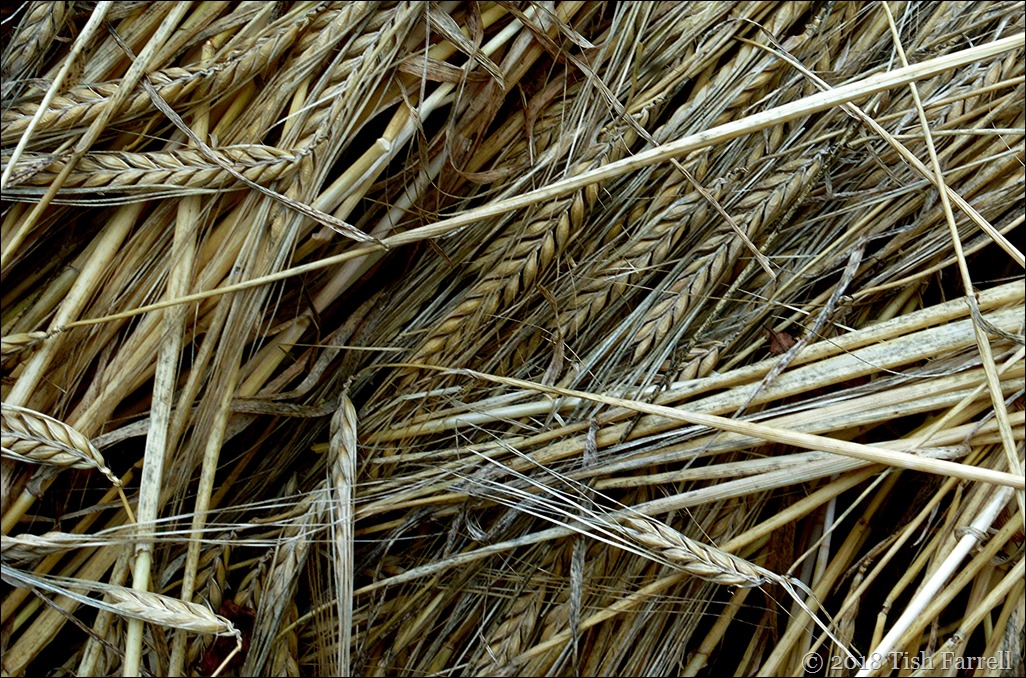
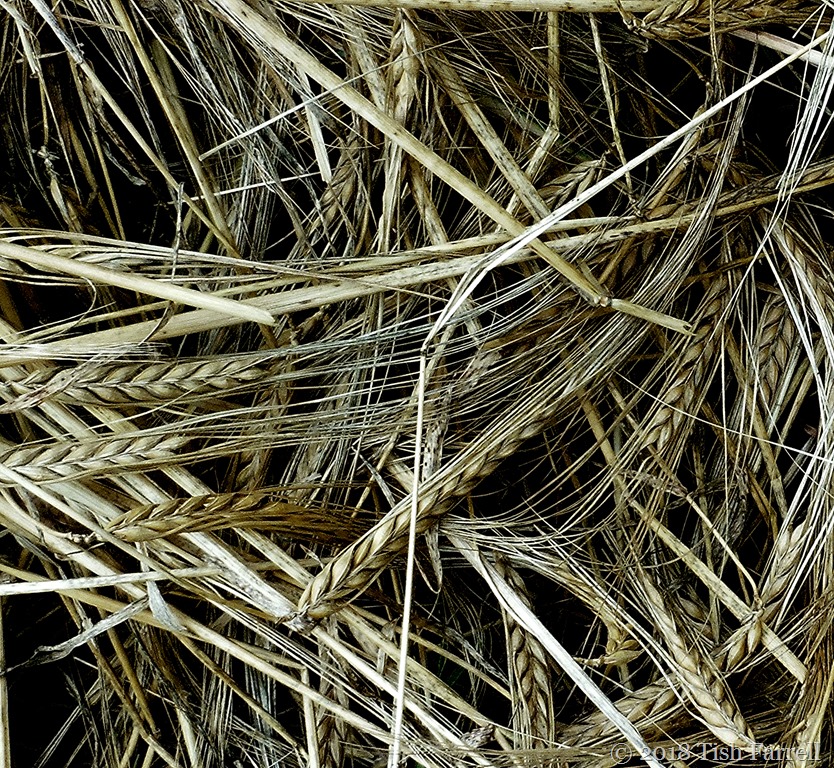
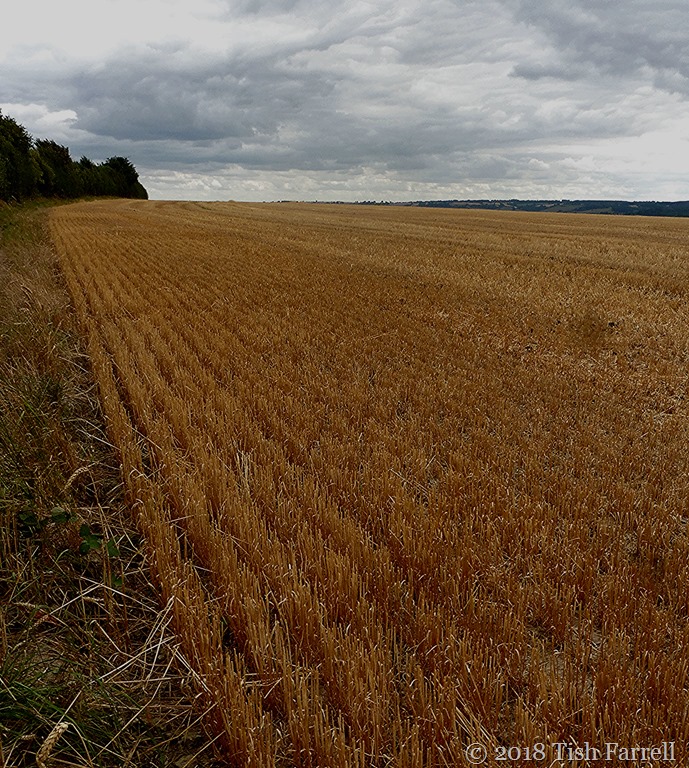
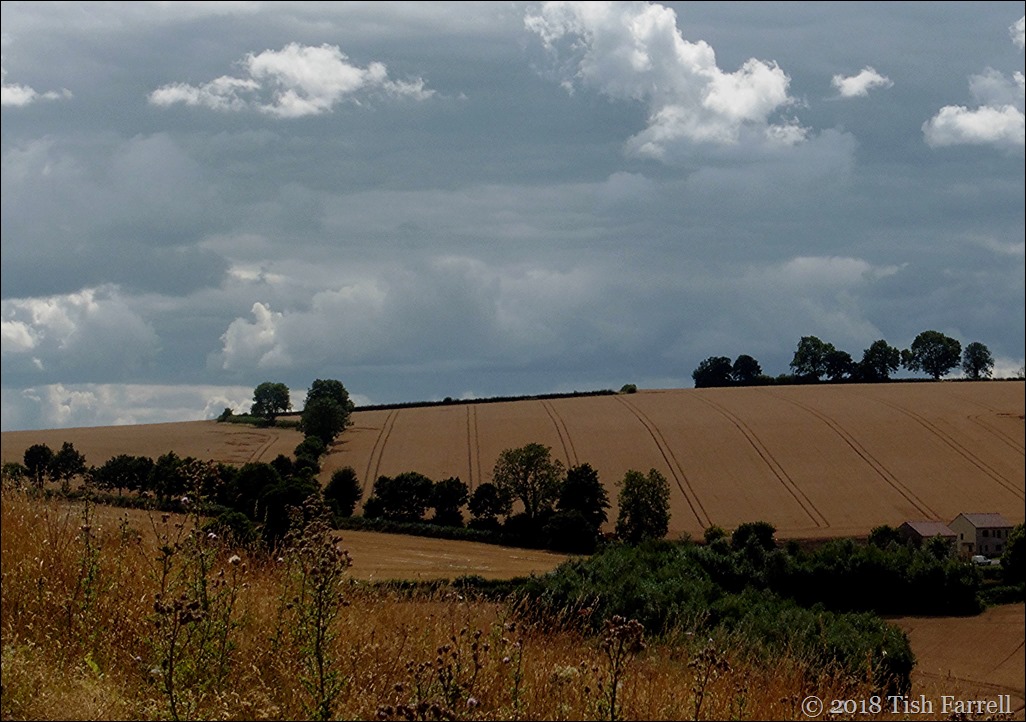
But now for some lightish relief from gloomy ruminations: more earth patterns from around Much Wenlock, including some of the abnormally early, done-and-dusted grain harvest. Another kind of pattern?
P1070770

P1070758

P1070752

Lens Artists This week Ann-Christine asks for patterns.

Softly Captured ~ The Uncommon Beauty Of A Common Blue

IMG_3805

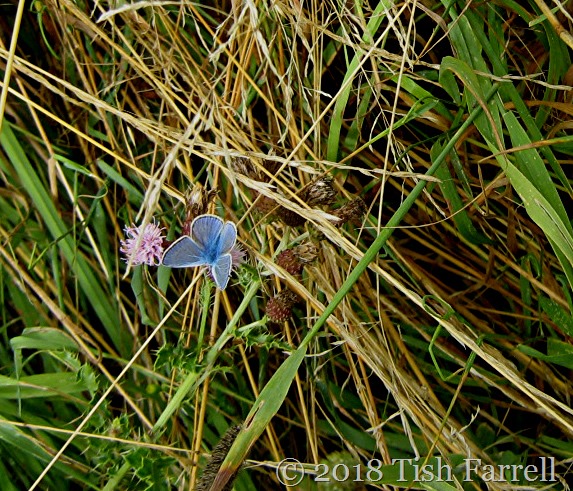
When you suddenly spot one, it’s as if the summer sky has dropped a small fluttering piece of itself.  It takes a second or two to register what you have seen, and by then it has gone. For Polyommatus icarus, the Common Blue butterfly is not only small – around one inch across – it is also skittish.  I did not attempt a closer shot for fear of spooking it. And then I thought that I didn’t really want a close-up; they have their limitations. Better, I thought, to share the Common Blue much as a I saw it (soft focus and all) on the flowers of creeping thistle beside field path.

Lens-Artists photo challenge: soft

You can find out more about the lovely quartet of bloggers who host this photo challenge HERE. Like me, you’re probably already following one or more of them.

Going Mazy-Eyed In A Sea Of Grasses ~ Thursday’s Special

P1070008

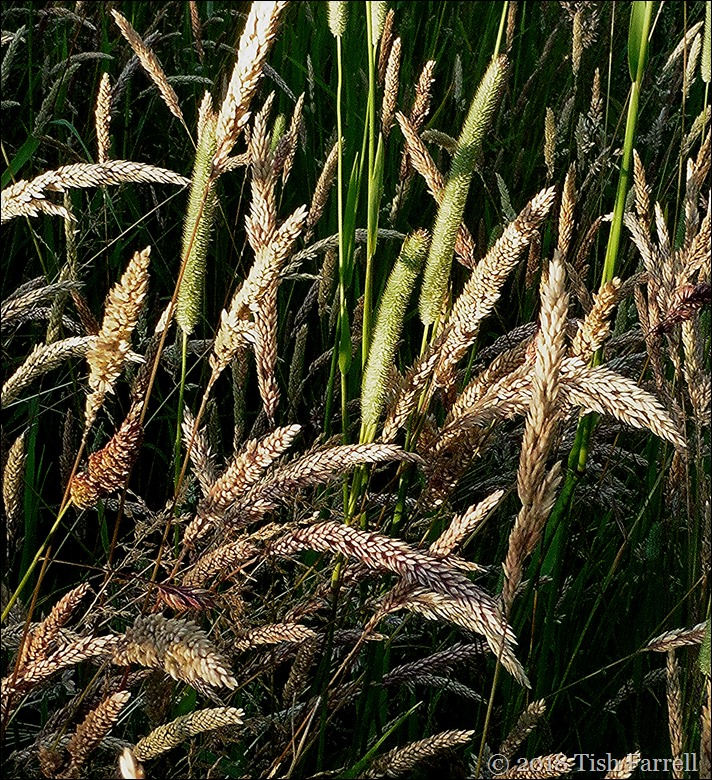
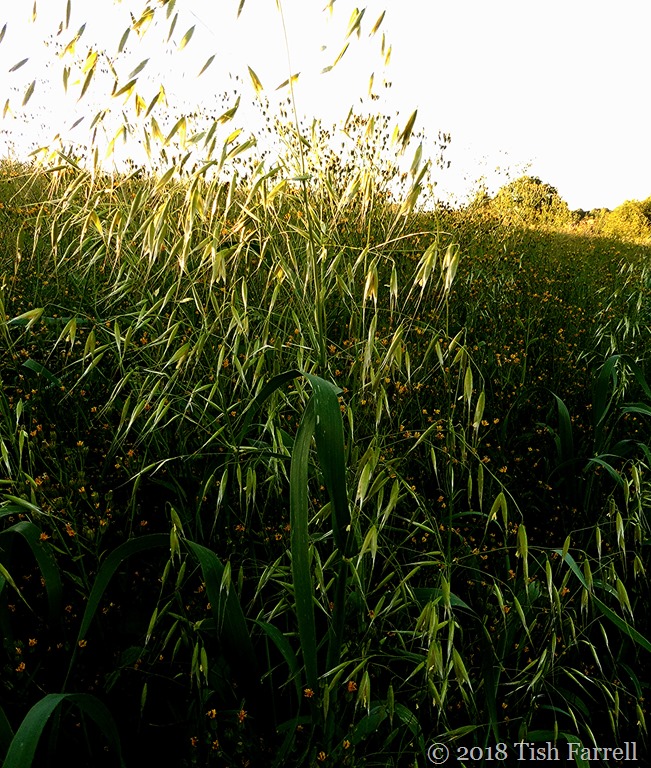
I took this photo last night as I was coming home from the allotment. The sun was setting over the rapeseed field and illuminating the grasses along the headland. This is a broad strip of land on the town side of Townsend Meadow, left uncultivated as a defence against flash floods. The variety of grasses that grow here is bewildering, and I’m sorry to say I have never tried to learn which is which. They are very beautiful though in the evening light.

Grasses (Gramineae) are among the most successful plants on the planet and, excluding the polar zones, cover 40% of the earth’s surface. They of course include cereal crops, rice, bamboos, and pasture grasses and so are of immense importance to humanity. Grass is also an elephant’s food of choice, making up a substantial part of its 300-400 lb daily vegetable intake. I mention that fact here because our headland grasses have so benefitted from the agrichemical feeding of the rape plants uphill from them that they are now doing a pretty good impression of elephant grass (Pennisetum purpureum) also known as Napier Grass. This particular grass featured in he-who-builds-sheds’ doctoral research on grass smut in the Kenya highlands, and so is a species close to our hearts, and we both know how to identify it.

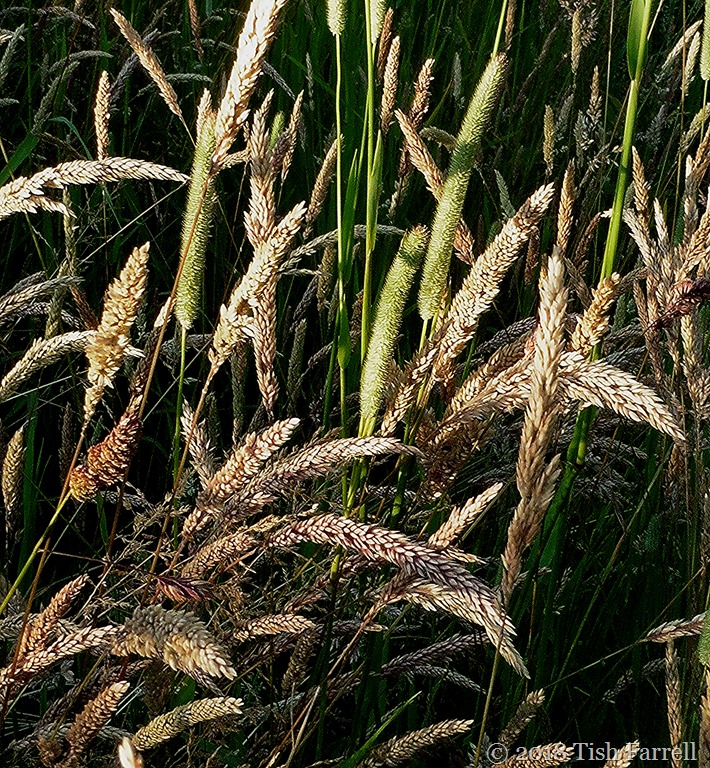
Coming up is another grass I know: wild oats. The sun was reflecting off its spikelets, which was all rather mesmerizing.

P1060985

Thursday’s Special: Lost in details  This week Paula has given us an intriguing challenge and photo to match. I’m interpreting it here both in words and images Who me?

Old Allotment Shed And Artichoke

cr

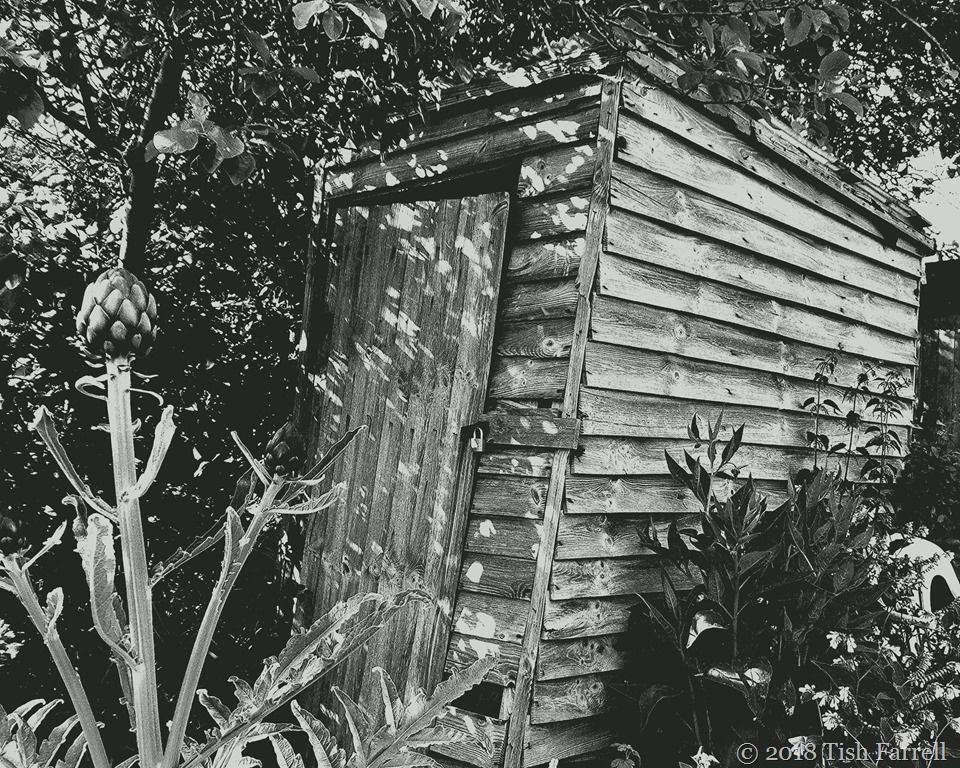
This was my shed when I took up allotmenting eleven years ago. He who builds sheds stopped it leaking and leaning into a complete state of collapse, and I and the snails and mice were very glad of it for several years. But then two years ago I left behind the plot it stands on to concentrate on my polytunnel plot. No one has taken it over, and this year it is doing a good imitation of the prairie with elephant’s eye high grass and thistles. Rather sad after all the hours of digging I did there. But at least the shed is still standing, and this year,  the greengage tree that stands over it has quite a bit of fruit in the making. The artichoke, though, was eaten long ago.

Traces of the Past: Black & White Sunday  Please visit Paula to see her dramatic seascape

On the Path To Harakopio ~ The Putative Roof

pantiles sq

I’ve had a passion for pantiles since childhood when they appeared in a storybook I was reading. The story was set in Spain, and I have absolutely no memory of what it was about. Only the pantiles stuck. Once I had discovered what they were, and that they were made of terracotta, and so were red like clay flower pots, and nothing like the boring, dun-coloured slates on my own house, they gave me my first magical sense of ‘the foreign’ – of lands and peoples beyond my island. But perhaps more than that, they suggested new horizons, and new possibilities; only in my imagination though. My family was not one that ‘went abroad’.

And so this pile of tiles simply had to be recorded on our walk to the supermarket in Harakopio. It is hard to say whether they are leftovers from a past project and thus spares for an existing roof, or if they are a roof in-waiting. Or being Greece, if they are simply there, stacked up under an olive tree.

Here’s an actual Harakopio village roof: interesting compilation of new and old.

IMG_2470sq

And a roof with a very nice datura, the spitting image of the one I once planted in my front garden in Nairobi, bought from a roadside nurseryman.

IMG_2468sq

For more of the walk in words and pix see On the path to Harakopio

Roof Squares #3 Now over to Becky

Greek Tortoise ~ Own Roof, Will Travel

P1020442sq

The path to Peroulia Beach from Harakopio takes you down winding lanes and through olive groves. On one such expedition we met a tortoise. A fine specimen it was too and so, still with notions of living roofs in mind, I’m posting it for today’s offering at Becky’s month of roof photos. And also for Debbie’s 6WS.

June Squares: roofs

Six Word Saturday

A Laburnum Roof?

Becky has kicked off her June spree of roof shots in square format with a view of Kew. I’d also been thinking of roofs in a garden setting, so here’s a tiny segment of the Laburnum Arch at Arley Arboretum as seen a couple of weeks ago. At 65 metres, it is the longest Britain. But where, you might be asking, are the flowers, the golden cascade thronging with bee-hum. Sorry to say we were a week early. The flowers were only just coming out. Not only that, it seems we walked down the arch the wrong way. The intention of the recent extension being to bring you to a spectacular view over the Severn Valley. Pretty much like this one, or so I imagine. Anyway, I enjoyed looking up into the  tracery of entwining boughs – which would not of course be visible if the flowers were out. Always good to find a silver lining in the absence of gold.

Please pop over to Becky’s for more June Roof Squares:

June Squares

P1060120sq