Bee In My Bean Blossom

100_5619

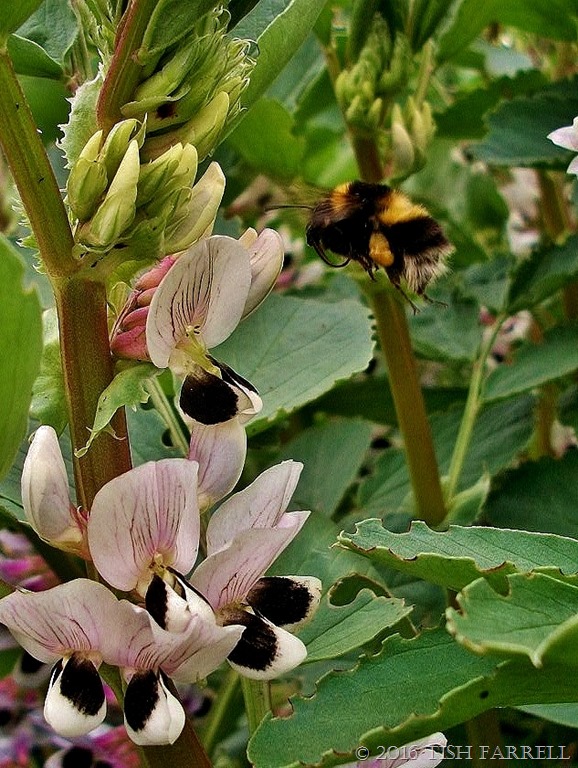
In April at The Earth Laughs In Flowers, Jude wants to see our garden macros. This is also the Day 5 of the 7-day nature photo challenge. So here we have a bumble bee heading for my field bean flowers. I don’t blame it. They smell divine on a still, spring day.

This photo was taken up on my allotment, probably last year. At the moment the current crop of field beans, sown in September-October and overwintered, is only a hand’s width tall, but they’re looking quite healthy. Once they get going, they will grow as tall as I am, and need some support. The photo also shows bean weevil damage on the leaves. This is one of the drawbacks of allotment gardening. Pests like this become endemic. On the whole, though, the beans seem to carry on regardless.

Field beans are related to the broad bean (aka fava or faba) and they look much the same, but are less than half the size. Mostly they are grown in the UK as a green manure, the plants dug in before flowering. I grow them to eat. They make great re-fried beans, soup and a bean version of guacamole, which is astonishingly good.

My crop was so productive last year, I was able to eat and freeze them, and save masses of seed to dry and sow for this year’s crop. It’s the first time I’ve done this, so it will be interesting to see how they turn out.  In consequence, I probably have grown too many. But once I see how the plants are faring, I shall sacrifice some of them. I mean to chop them down and leave them to rot on the soil surface, rather than digging them in. This will let the worms do the work, and keep the soil covered until I want to cultivate it.

I am beginning to see that digging is a very bad thing to do the earth. It wrecks the surface soil structure every time you do it, and so compromises fertility. Instead, the No Dig method relies on covering the soil surface with organic matter/compost every year, and then planting through it. The only problem is you need masses of compost. It also helps if you do your planting in raised beds. This way you do not walk on the soil, and can keep building up the fertility. Raised beds are easier to manage, and mulching the plants should massively cut down on the weeding, and the need to feed, or to water during dry spells.

Since last autumn I have been doing heavy labour on the new allotment plot that came with my polytunnel. (I hadn’t taken this into account when I got all excited about inheriting the tunnel from allotmenteers who were off to new territory.) The ground all round was heaving with dandelions and buttercups. And since this was before I discovered the no dig approach, I admit to using the quick and dirty method (though NOT weed killer) and slicing off the top layer of weeds, and dumping it in compost bins to rot down for a few years. The ground zero method of gardening.

I then commissioned He Who Does Not  Garden But Lives In My House to construct and install on my plot several raised beds made out of recycled builders’ yard pallets. A couple went into action straight away, and were planted up in October with over-wintering onion sets. The others I have been filling up over the past few weeks. So far the onions are looking healthy and a few weeks ago I sprinkled organic hen manure pellets over their beds, an alternative to sulphate of ammonia, which I didn’t have to hand.

By now you will be beginning to grasp the lengths that this writer will go to in order not to sit in front of her computer and cultivate the master work. So far I have shifted around 30 barrow-loads of an old garden rubbish heap that has apparently been in the corner of the allotment for the last forty years, and until recently was covered in brambles and nettles. Strangely too, it was my idea to recycle it.

Off course when I say heap, I really mean small mountain. It’s full of bonfires past, rodent nests, and decomposed leaves from the nearby ash tree, as well as nearly half a century of weeds and waste. There’s also broken glass, bits of plastic fertilizer bags, and all sorts of unidentifiable metal items that gardeners of yore thought could be disposed of in such a manner. As I sift through the heap, I think how good it is that I’m putting the field practice of my long ago archaeology degree course to some sort of use.

In fact I have been keeping an eye out for old coins, remembering that a few years ago I uncovered a 1725 halfpenny right outside my shed door. It helps to keep me amused during the boring process of extracting unwanted detritus and plant roots.

100_6630

I’ve also filled myself with a big enthusiasm infusion by deciding to dedicate one of the raised beds to growing flowering annuals to attract more bees. I shall also use it to grow on perennials (verbascum, heleniums, echinops) and biennial foxgloves that I’ve just germinated on the kitchen window sill. The thought of a raised bed bursting with summer flowers is so heartening. Doubtless you will see the results as time goes on.

But for now that’s enough talk about gardening. The sun is shining, and the weather forecast tells us we have a brief window of opportunity before the rain returns, so I’m off to the allotment with my pea and beetroot seedlings. I  may even sow some parsnips. Happy Sunday one and all.


#7-daynaturephotochallenge
March: Windswept

P1030512

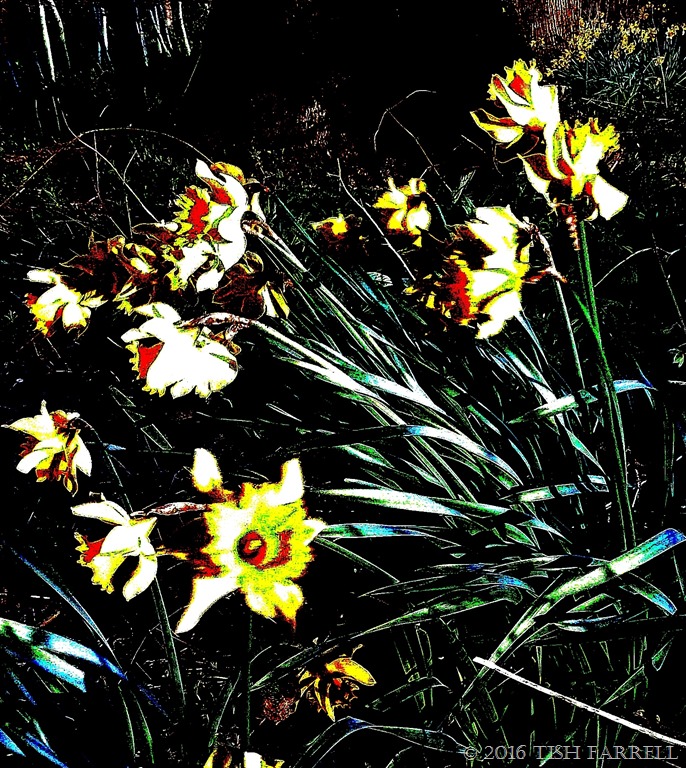
It was blowing a gale when I took the February #ChangingSeasons  photo on Windmill Hill. So too for this March photo. On Sunday the wind was so fierce I could hardly hold the camera steady, and these poor daffodils at the foot of the hill were being whooshed off their roots. You can almost hear their trumpeting distress calls.

So if, as the saying goes, March means to go out as a lamb, and not persist in roaring at us, then it needs to go in a corner and think some calming, and softly woolly thoughts. It does not need to cover us in snow as it did in the early hours of Monday morning. Not that I saw it for myself. I was up far too late, by which time it had melted. Even so, we are left with icy draughts that zoom inside any gap in one’s under-layers, or sting the ears that are silly enough to go outside without a hat.

So what is going on with all this gust and bluster? Is this more El Nino effect? In between the rain and wind storms, spring seems to have been teasing us here in the UK since December. That was when I photographed the first daffodils, albeit in the slightly milder climes of south-coast Cornwall. Meanwhile at home on Sheinton Street, the tulips have been pushing out of the garden pots since January, accompanied by flurries of white flowering currant blossom – all far too early. So spring, if you truly do mean to come this year, please get on with it, and cut out the frigid blasts. Now please visit Changing Season’s host, Cardinal Guzman. This month not only does he give us fine photos, but also a master class in sofa assembly.

Cardinal Guzman: Changing Seasons

There are two monthly Changing Seasons 2016 challenges, and you can join in at any time. Here are the Cardinal’s rules:

The Changing Seasons 2016 is a blogging challenge with two versions: the original (V1) which is purely photographic and the new version (V2) where you can allow yourself to be more artistic and post a painting, a recipe, a digital manipulation, or simply just one photo that you think represents the month. Anyone with a blog can join this challenge and it’ll run throughout 2016. It doesn’t matter if you couldn’t join the first month(s), late-comers are welcomed. These are the rules, but they’re not written in stone – you can always improvise, mix & match to suit your own liking:

Rules for Version 1 (The Changing Seasons V1)

  • Tag your posts with #MonthlyPhotoChallenge and #TheChangingSeasons
  • Each month, post 5-20 photos in a gallery.
  • Don’t use photos from your archive. Only new shots.
  • Rules for Version 2 (The Changing Seasons V2):
  • Tag your posts with #MonthlyPhotoChallenge and #TheChangingSeasons
  • Each month, post one photo (recipe, painting, drawing, whatever) that represents your interpretation of the month.
  • Don’t use archive stuff. Only new material!

Related: My chosen location for tracking the changing seasons is Windmill Hill  and its associated Linden Field – a few minutes walk from my house in Much Wenlock, Shropshire.  Here are the  January and February posts.

It’s in the stones: messages from alien ancestors?

P1020749

P1020750

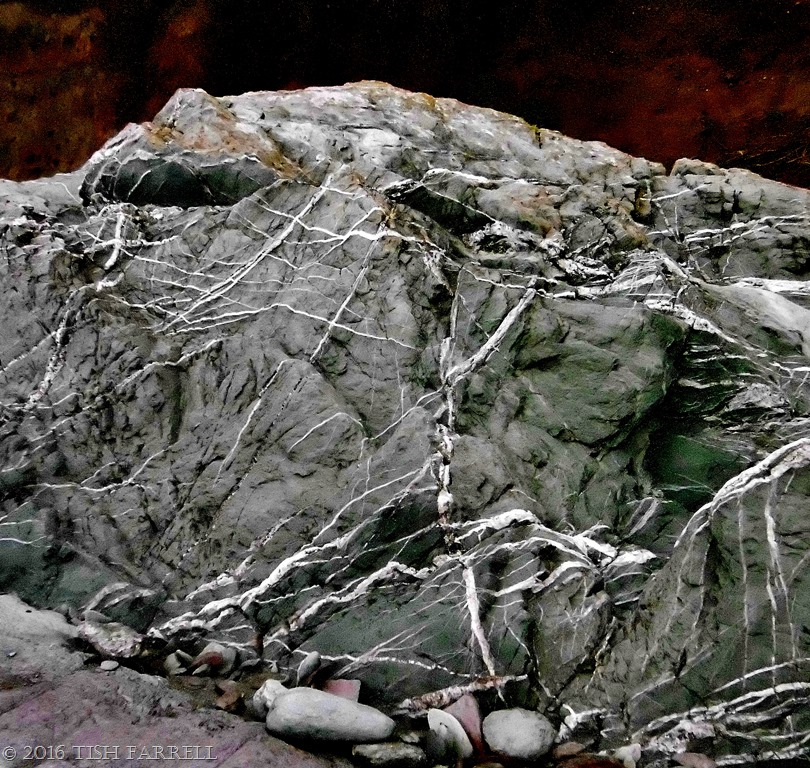
I discovered these rocks on Seaton Beach when were down in Cornwall at Christmas. My attempts to find some sensible information about the geology have so far proved fruitless. So I’m just going with my initial interpretation – that here we have a mythic precursor to runic script left by some race of Northern Giants.

But what are they telling us? Have they left us instructions on how to find a parallel universe? Or could these be warnings to mankind to take better care of the earth? Or maybe they are the crossings-out of an infant Northern Giant learning to write. Can anyone out there crack the code before the rising sea levels claim them?

*

This my response to Meg’s ‘calligraphy’ challenge. She is Paula’s guest at this week’s Thursday’s Special.

On The Rocks

P1020559


P1020558

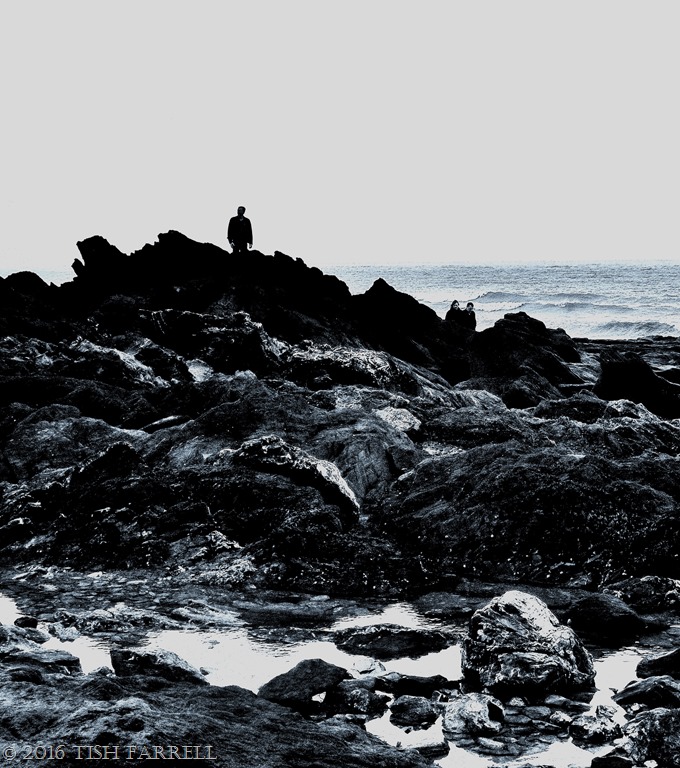
Over at Lost in Translation Paula is challenging us to show her ‘moody’. So here are my moody seaside shots in Looe, Cornwall, captured on Christmas Day on my Lumix’s Dynamic Monochrome setting. There was hardly any light, but I liked the silhouettes these young people were creating between rocks and surf.

Please visit Paula for more bloggers’ moody views.

copyright 2016 Tish Farrell

Gathering of Elephants

Scan-131109-0004

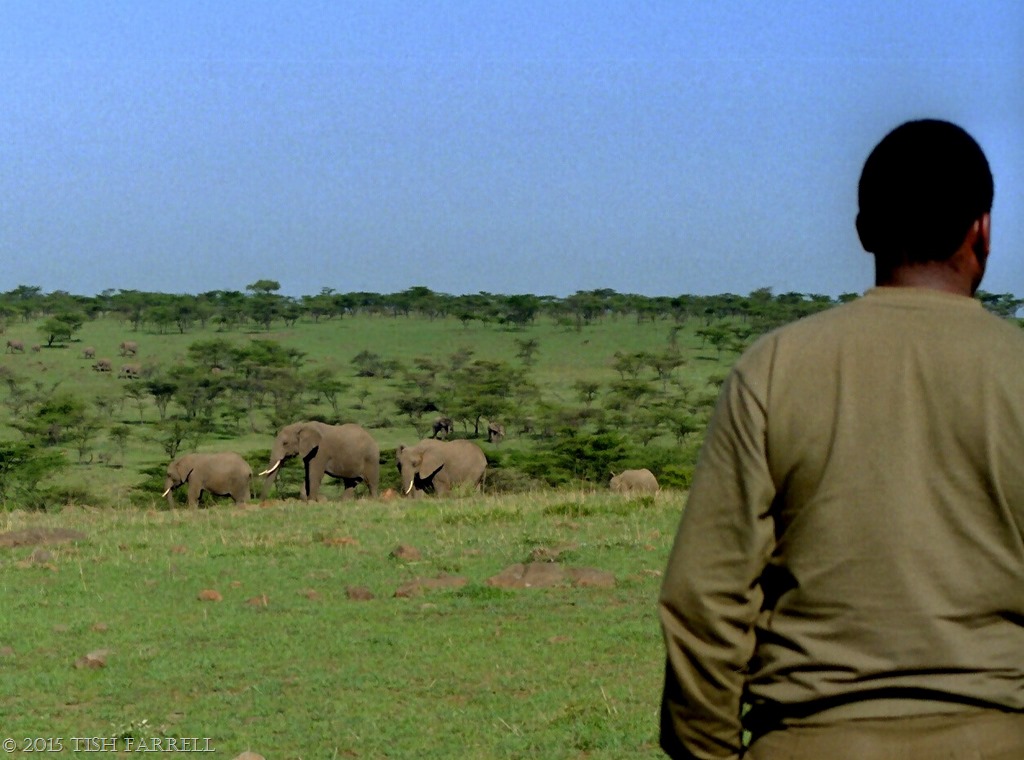
Early morning in the Maasai Mara. Our last Christmas in Kenya, and we’re out on a family safari with my sister and co. Daniel, our guide from Mara River Camp is both driving and game spotting. The rest of us are not awake yet. And so when we find ourselves among a large herd of elephants, it is hard to believe. A waking dream, then.

Daniel stops the truck. And the elephants move by us as if we’re not there. It must be a dream.

Even so, we are soon aware – first of their utter quietness, and then of an all embracing unity of purpose. These dozens of imposing creatures are acting with one mind, moving as an elephant entity through the thorn trees.

We drive on a little way to an upland vantage point from where we can see across the valley. Daniel announces that this a good place to have our picnic breakfast. He says it’s all right to get out of the truck. I wonder at the strangeness of standing out in the African bush at Christmas, eating hard boiled eggs and croissants as elephants pass us by.

Scan-131109-0032

Scan-131109-0025

Gathering

Iron in the Soul ~ Warrior of Llyn

100_4526 - Copy

I have been a multitude of shapes
Before I assumed a consistent form.
I have been a sword, narrow, variegated,
I have been a tear in the air,
I have been in the dullest of stars.
I have been a word among letters,
I have been a book in the origin.
From a translation of the Welsh medieval text of The Book of Taliesin, a sixth century Welsh bard and courtly singer.

 *


It is said that the Iron Man of Mynydd Tir y Cwmwd sings in the wind. I can believe it too: bold laments of long ago battles, a proud Celtic warrior fending off invading Roman governors and power-hungry English kings. Sadly, the cause was lost on both fronts, although at least these days Cymru,* Wales, has its own Welsh Parliament, and Cymraeg, the Welsh language, is nurtured, learned in schools and spoken widely with great pride. And so it should be. It is one of the world’s wonderful languages, the words formed from the rush of sea on rocks, the wind whistling down from the heights of Yr Wyddfa** (Snowdon, Wales’ highest mountain). Under past times of English domination much was done to stamp out the Welsh culture altogether. It is what invaders do – belittle, ban, override  heartfelt expressions of a conquered people’s culture.

{*roughly pronounced Kumree and **Ur Oithva}

You can read the rest of this earlier post about the Iron Man of Llanbedrog at Warrior Wind-Singer of Llyn

copyright 2015 Tish Farrell

This Sunday at Lost in Translation, Paula’s ‘Black & White’ word is ‘winding’. Please follow the link to take part her challenge and see more winding renditions.

In the background on Zanzibar’s farms

Scan-130429-0006 - Copy (2)

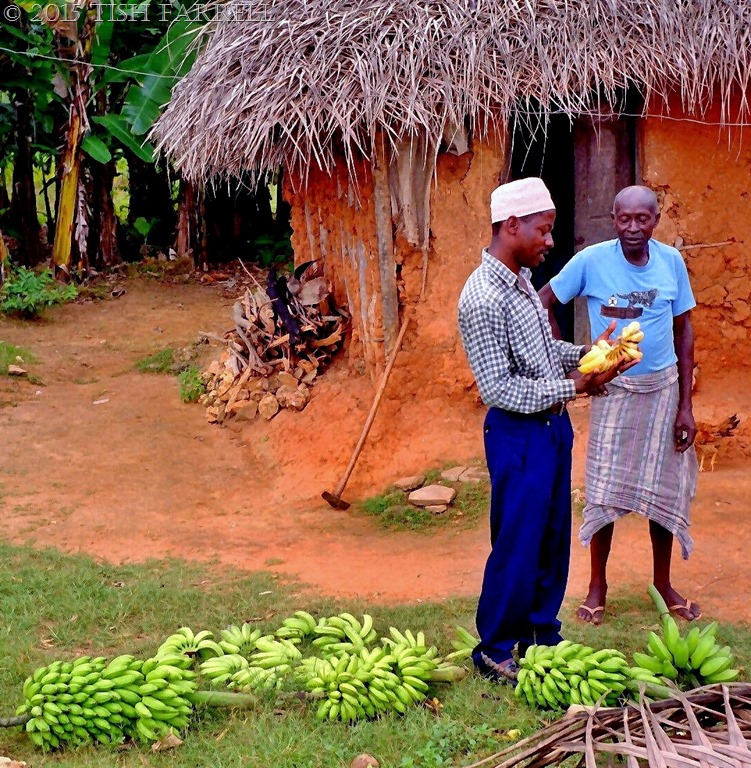
One of the must-do tours if you visit Zanzibar is a trip around the island’s spice and fruit farms. Hari our guide was intent that we should taste everything we saw growing, so here he is bargaining with a farmer for a ready-to-eat bunch of bananas. You can see the banana grove in the top left corner. Banana branches are usually harvested when the fruit is still green. There’s a knack of knowing just when to cut them.

Being a nosy writer who is always in need of background detail, and also a one-time student of cultural anthropology, I try to capture slice-of-life moments whenever I can. They’re usually not the best quality photos, but I hope to make up for technical shortcomings with content interest. (And yes it would be nice to have both). So here is my take on this week’s Thursday’s Special challenge from Paula – ‘in the background’. My choice of subject, however, did mean I had to switch my blog snow off. There’s enough climate change going on without having icy precipitation on Zanzibar.

Scan-130429-0007

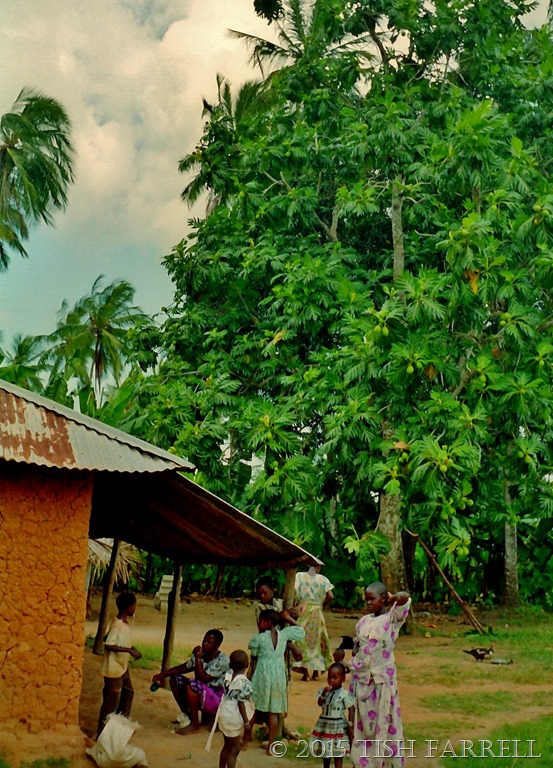
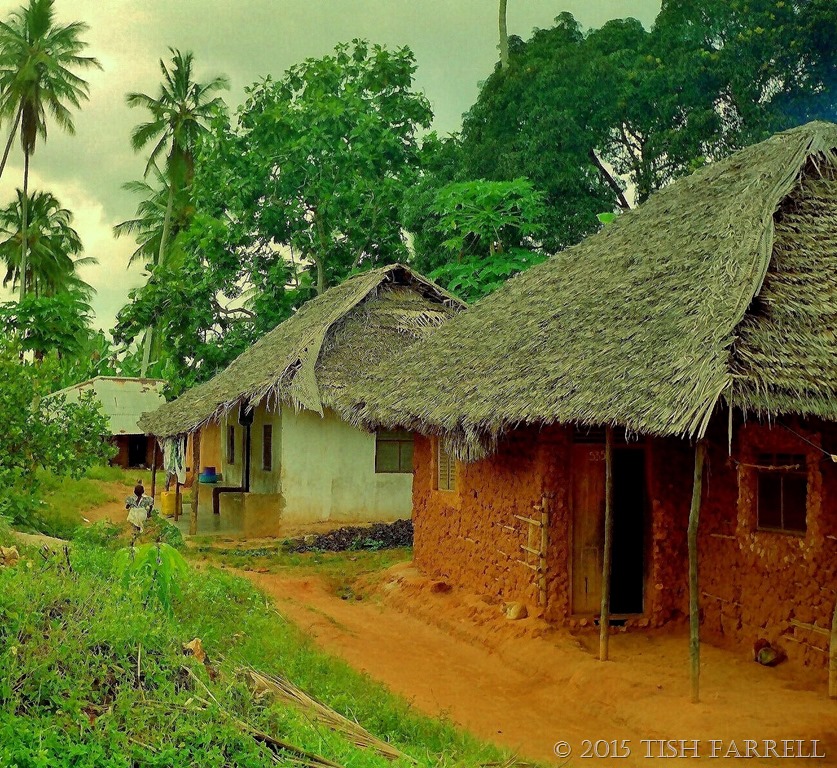
This farming family has a jackfruit orchard, as well as coconut palms. The jackfruit apparently weren’t ready for tasting, but I was anyway more distracted by the presence of the domesticated Muscovy duck. Now how did that arrive in the tropics? The mabati iron sheets on the farm house roof  (i.e. instead of traditional palm thatch) are a sign of  prosperity, and therefore of status.

*

Scan-130429-0010

Scan-130429-0010 - Copy (2)

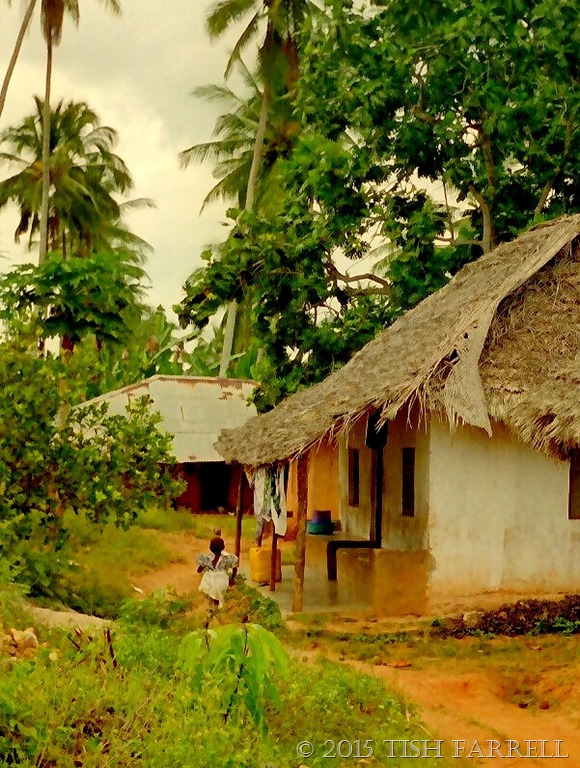
I’m wondering where this little girl is off to in such a hurry. Also one of the reasons why I’m showing off the tall trees in the background is that if you intend to make a living from them, then someone has to climb up them to pick the fruit…

Scan-130429-0074 - Copy

Thursday’s  Special: In the background

On Edge With Stormy Weather Over Wenlock

IMG_1390 (2)

Before and after last summer’s wheat harvest.

100_6323

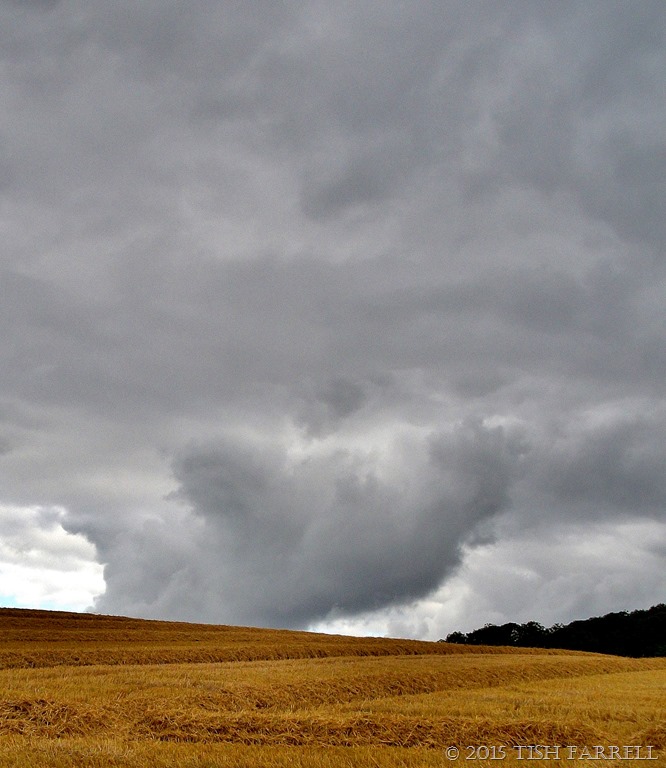
As I’ve mentioned once or several times, I spend much time watching the sky behind our house. I never cease to be fascinated by the false horizon created by this low hill. Behind it is a another false horizon created by Wenlock Edge which lies a half mile further on.  Here in Wenlock, then, we see the movement of clouds in the westerly sky  several hundred feet higher than do our neighbours below the Edge. It is a piece of geographic happenstance that makes for dramatic skyscapes. It’s a bit like watching a moving stage set.

I justify the time spent sky watching on the grounds that I need to make the most of this view. Doubtless the local landowner will get his way and one day build a sprawling housing estate here, this despite the fact the town has a Victorian drainage system that cannot cope with any more human effluent. Already, just to add an off-colour atmosphere to the scene, our sewage works is licensed to dump excess untreated waste into the stream which thence flows into the River Severn and through the World Heritage Site of the Ironbridge Gorge. This is clearly what is meant in England when certain politicians bang on about Victorian Values.  Sometimes I wonder how, as a nation, we can be so very smug about ourselves.

The poor drains of course add to the town’s flash flooding risk, and to replace them would cost many millions. We do not appear to have a planning system in this country that says NO to development, even though there is insufficient infra-structure to support it. Developers of course pay a pro rata community levy on the number of houses built, but such amounts could not begin to cover the cost of the kind of remedial work that is necessary. When Wenlock’s population is less than 3,000, why would a water company spend 10 million pounds on such a venture?

The main problem is that the town sits in a hollow behind the summit of Wenlock Edge. The town centre is at the lowest point and thus one of the most vulnerable areas. In 2007 over fifty houses were damaged. Many afflicted families were still trying to restore their homes up to a year later. And while insurance cover may make good the bricks and mortar, it does not bring back the personal belongings that were lost, or quickly eradicate the memory of having a metre high flood rushing through your house.

Mostly of course, the town does not flood, although parts of it are prone to run-off from surrounding hills in times of prolonged wet weather. As far as we know, our house has never flooded, although given its position, built into the bottom of the hill, this is in some ways surprising. There is anyway a low earth bund along the back boundary and, after earlier flood incidents lower down the street, the landowner’s tenant farmer continues to leave a broad swathe of uncultivated ground behind our houses, and then ploughs  in line with it.

In fact to create real problems it takes a certain kind of storm to hit our catchment area. But when it comes there is less than 20 minutes warning before a flash flood. The roads into the town become rivers. Every hard surface speeds up the flow, and given our antiquated system, all the storm water goes into the foul sewer. All of which is to say, as one of the flood alert wardens with the brief of forewarning elderly neighbours, I also have more pressing reasons for watching the sky, and keeping an eye on any storms brewing.

copyright 2015 Tish Farrell

Related:

In Much Wenlock An Inspector Calls

Please visit Paula’s place at Lost in Translation for more fascinating cloudscape photographs.