Taita Continued ~ Of Red-Billed Hornbills

img055 red billed hornbillsq

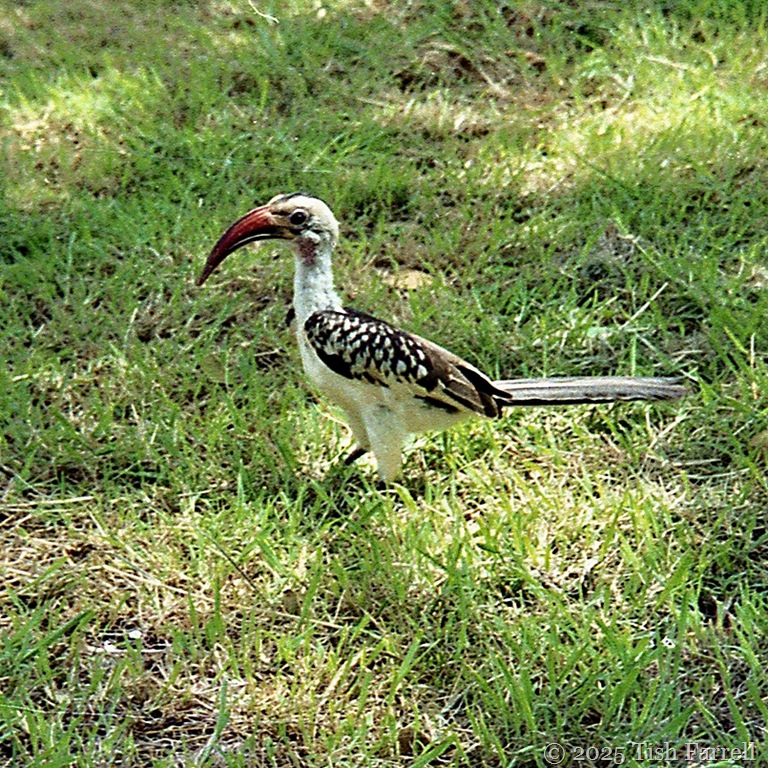
The hornbill in the photo is not the one I’m going to talk about – for reasons that will shortly become clear.

*

It was a quiet afternoon at the Taita Hills Hilton. The lunch-time safari vans had come and gone. I’d been writing letters, sitting in the shade by the teardrop pool (see previous post). Its heavenly blue, the shimmer of it, was mesmerizing, as were Robert’s passes with the pool net. The lack of guests meant he could take his time sifting out the tiny acacia leaves and assorted bugs. He moved quietly and with ease. My attention drifted.

And then Robert was at my side. Would madam like to see something very interesting. I must have looked doubtful because he assured me I did not need to go far. I then noticed he was holding a moth between thumb and forefinger. It looked dead. But this wasn’t it. He led me to the largest of the poolside flame trees, had me stand directly in front of the trunk. Look, he said, holding the moth towards the tree. In a trice it was gone. Something had moved, but I could not see what.

Robert pointed to a slit in the bark. I leaned forward and saw that behind the slit was a hollow. A very dark hollow. Except for two bright, beady eyes looking straight back at me. It was a very odd experience – to be watched from inside a tree. It was then I noticed how close my nose was to a shadowy scimitar bill. I stepped back.

Robert found another bug and held it near the slit. Another twitch of the air. And that’s when he told me about the remarkable nesting habits of the hornbill family. The mating pair find a suitably hollow tree, he said. The female then allows herself to be imprisoned, the male building up a mud and dung walled nest around her. A small opening is left so he can deliver food. And there the female stays until the eggs are laid and hatched. When all becomes too crowded in the nest, the female breaks out, and the parents then rebuild the mud wall and continue to feed the chicks through the slit until they are ready to fledge.

Well!

Robert then alerted me to the fact that the male was hovering nearby, waiting with the food delivery. We quietly withdrew. And then my new wildlife guide wanted to know what I was doing in Kenya. I told him how Graham was working on a project to control the Larger Grain Borer (LGB), an imported pest of grain stores, and that there were plans to introduce a predator beetle to reduce its numbers. Robert then said he hoped the predator would not cause harm to Taita’s butterflies. I assured him that it had been meticulously screened to have no impact on anything but LGB.

It was some eighteen months later when I talked to him again. In the interim Graham and I had been in Zambia, and when we returned to Taita Hills I found that the hornbill tree had been felled,  was nothing but a stump. I was so surprised I remarked on it to the pool attendant, at which point we recognised each other. Robert then recounted all I had told him about the LGB project in the Taita Hills. I was very touched. It was as if he had thought often about our one previous conversation, as day in and day out he gracefully sieved bugs and leaves from the teardrop pool that shimmered like a mirage.

*
Taita Hilton - camels in the garden ed

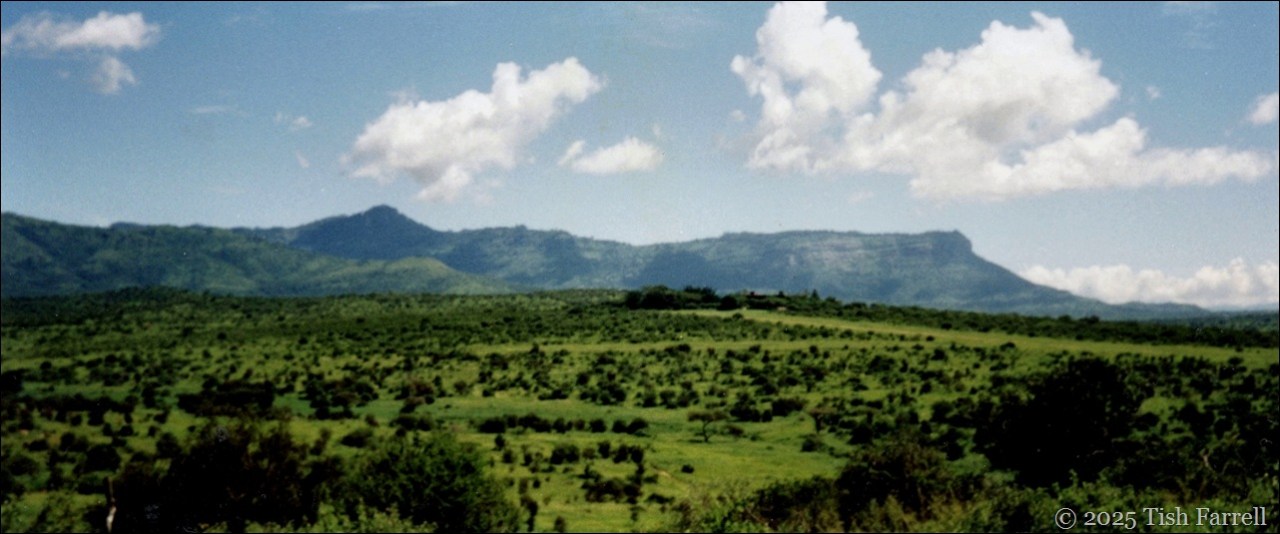
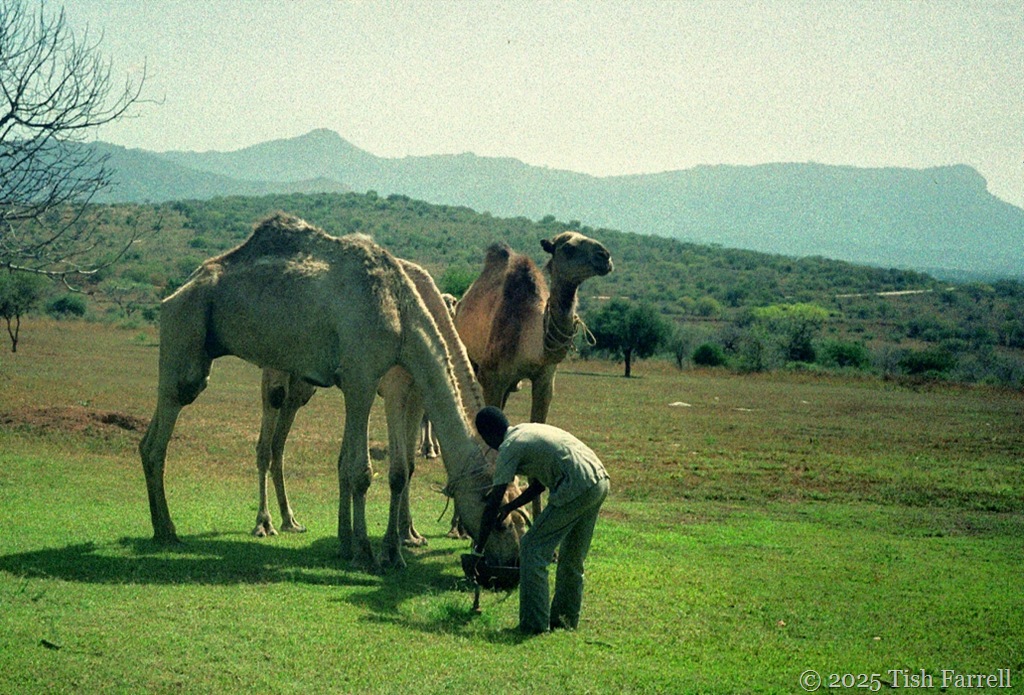
P.S. On later visits we found Robert had been promoted to camel handler; at least one assumes it was a promotion. The camels in question were ever surly creatures. Here he is in the hotel garden; the Taita Hills during the short rains.

*
 

Birds of the Week

#SeeingRed Day 22

Taita after rain header

Ladybirds ~ The Gardener’s Pest Controllers

IMG_8834

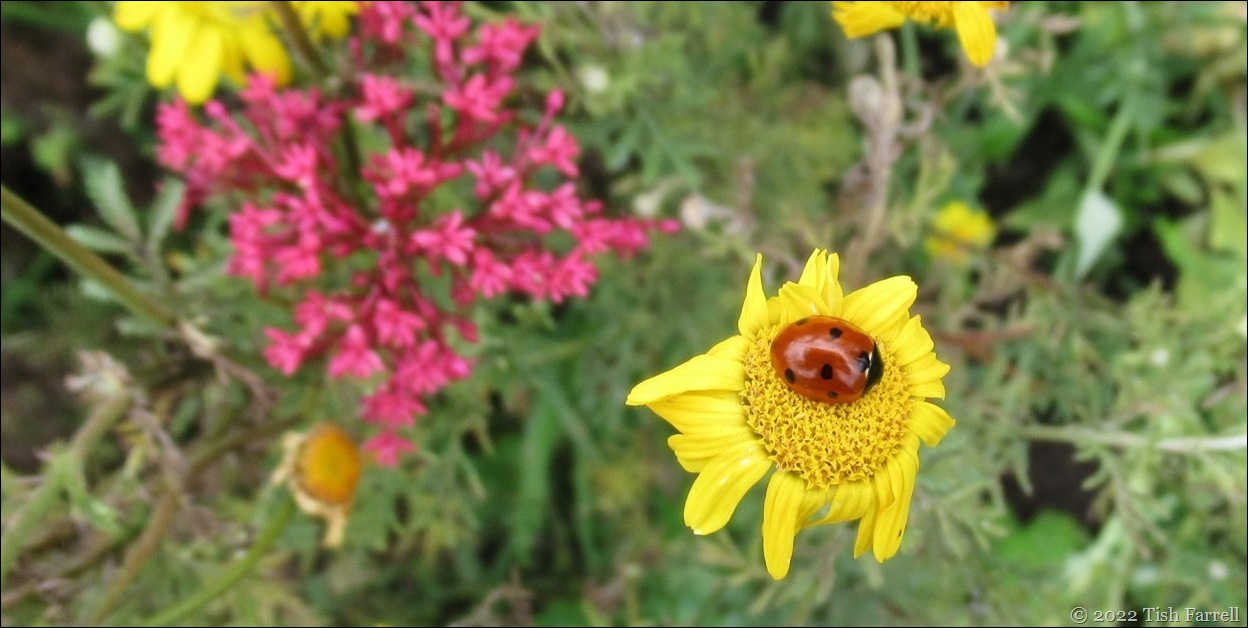
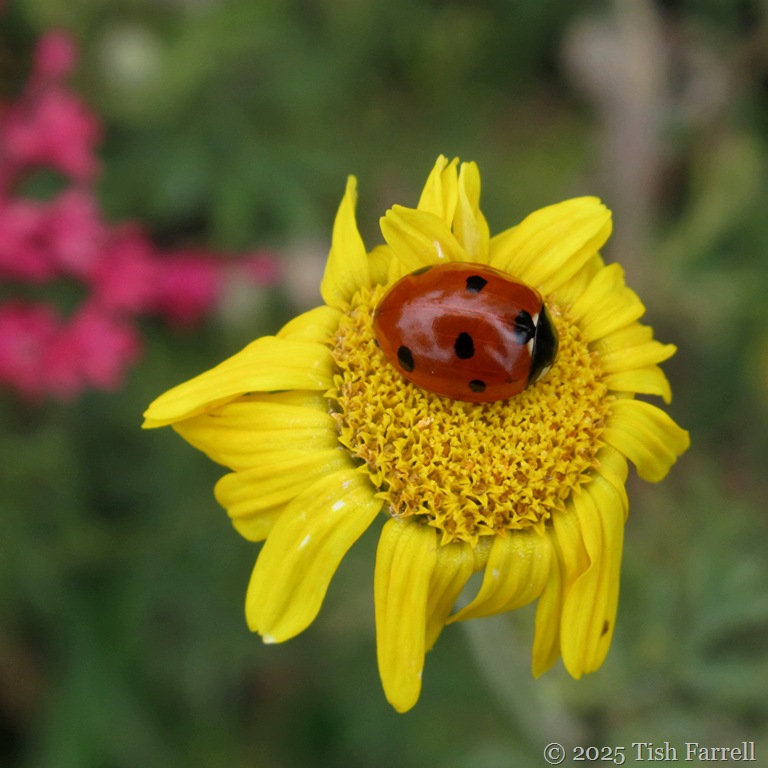
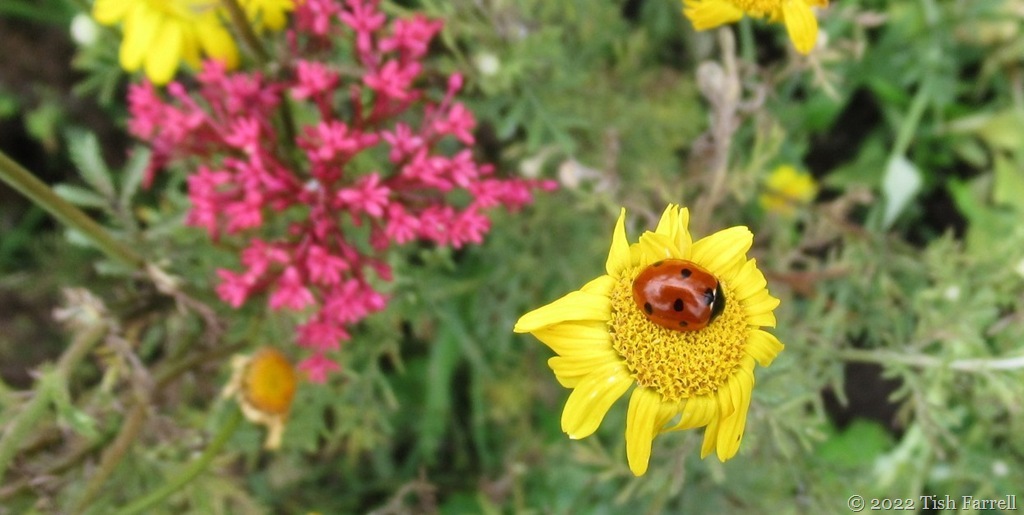
Much like poppies, ladybirds come with instant eye-appeal. Who knows why: the shiny red wing cases that look like polished enamel; those striking black dots. From infancy I was anyway brought up with the notion of them: those lovely Ladybird children’s books so exciting to receive; cosy Ladybird cotton jumpers (items now known as sweatshirts) in bright primary colours. I had a red one, the colour of the ladybird. And a yellow one, the colour of this Golden Marguerite (Anthemis tinctora).

These days, as a more than grown up gardener, I mostly appreciate their appetite for aphids. They are at their most voracious during the larval stage, when they are distinctly creepy beasties: the minute Darth Vaders of insectdom:

https://www.field-studies-council.org/shop/publications/ladybird-larvae-guide/

So do not squash!

Some of their kind also eat scale insects and feed on mildew, a fact I’ve only just discovered as I’m writing this.

And another surprising find (to me anyway) that according to the Woodland Trust site there are 26 kinds of ladybird in the British Isles, with our gardens likely to be host to several species at any one time. I’ve only ever registered the existence of three or four types, including the Seven-Spot in the header photo. One of the commonest is an incomer from Asia – the Harlequin, which may be black with red spots or vice versa. It also eats aphids, but may at times predate on native ladybirds. Advice seems to be to let it alone. Trying to eradicate it might involve too much mis-identification of native species which have similar livery.

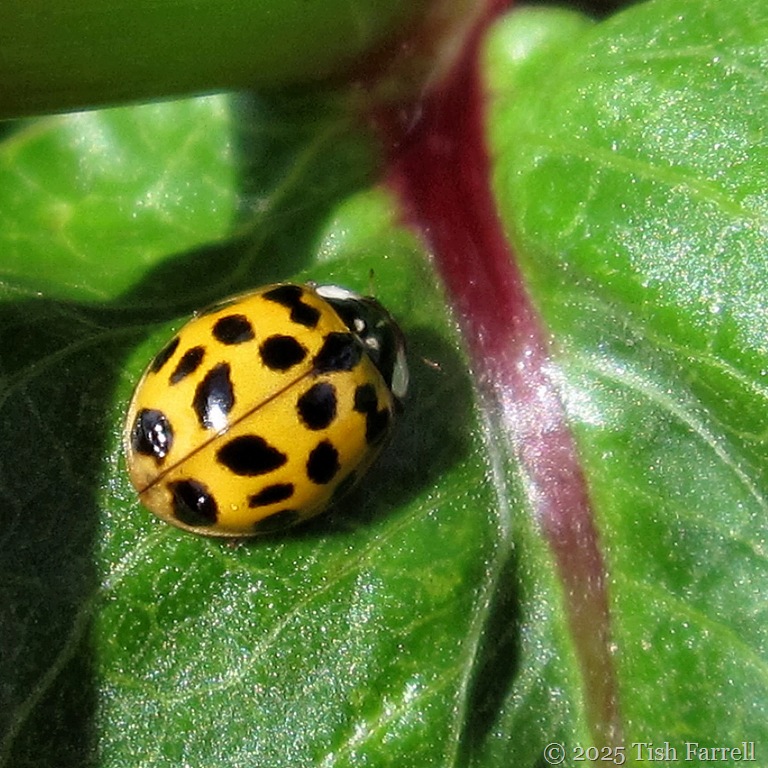
Looking now through my allotment photo archive, I’ve found I’ve snapped  a Twenty-Two Spot ladybird. At least I think that’s what it is. It’s on a dahlia leaf and is one of the mildew eating varieties.

ladybird 22 spot

ladybirds

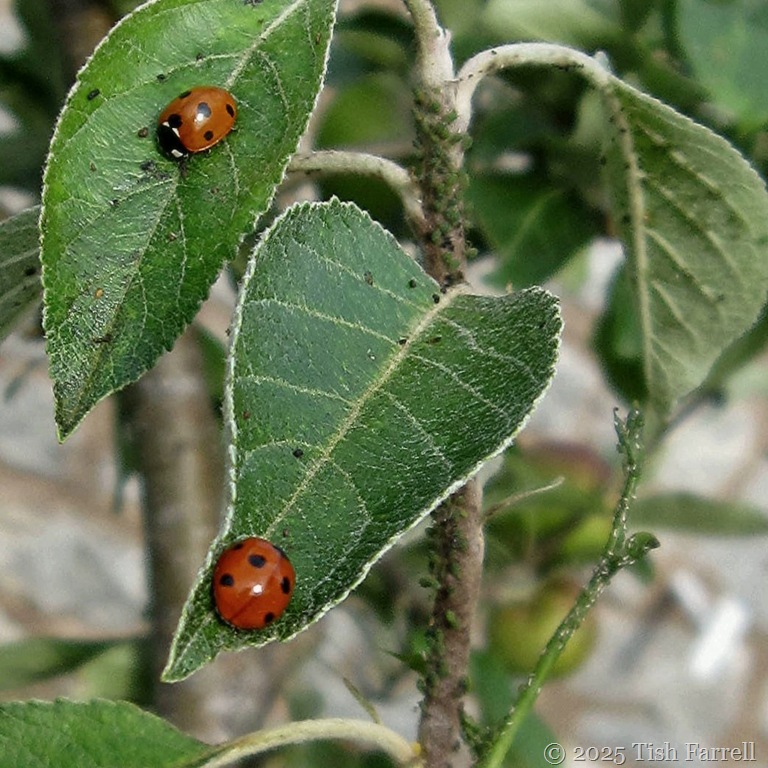
Seven-Spotters in action on an aphid colony

*

#SimplyRed Day 3  Becky has us all in clover today.


ladybird header

Ructions At The Roost

IMG_7897 jackdaw header

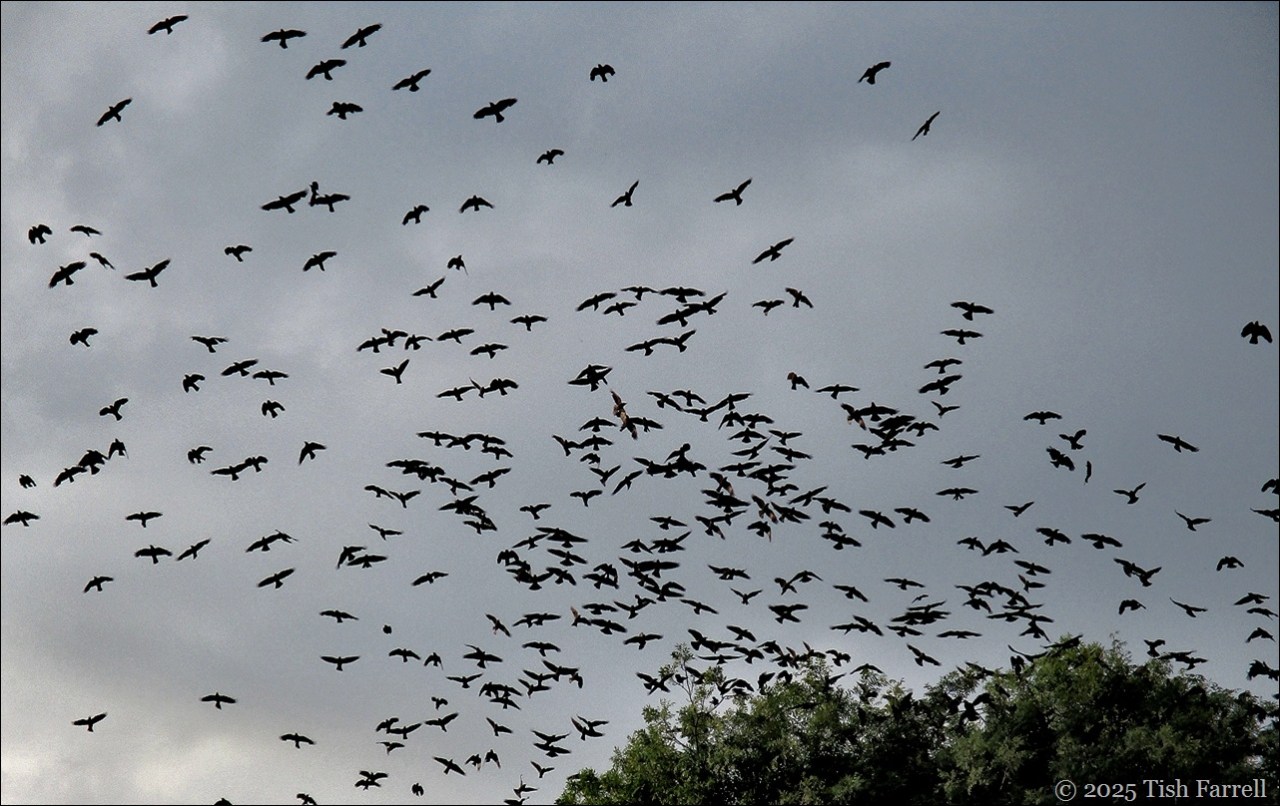
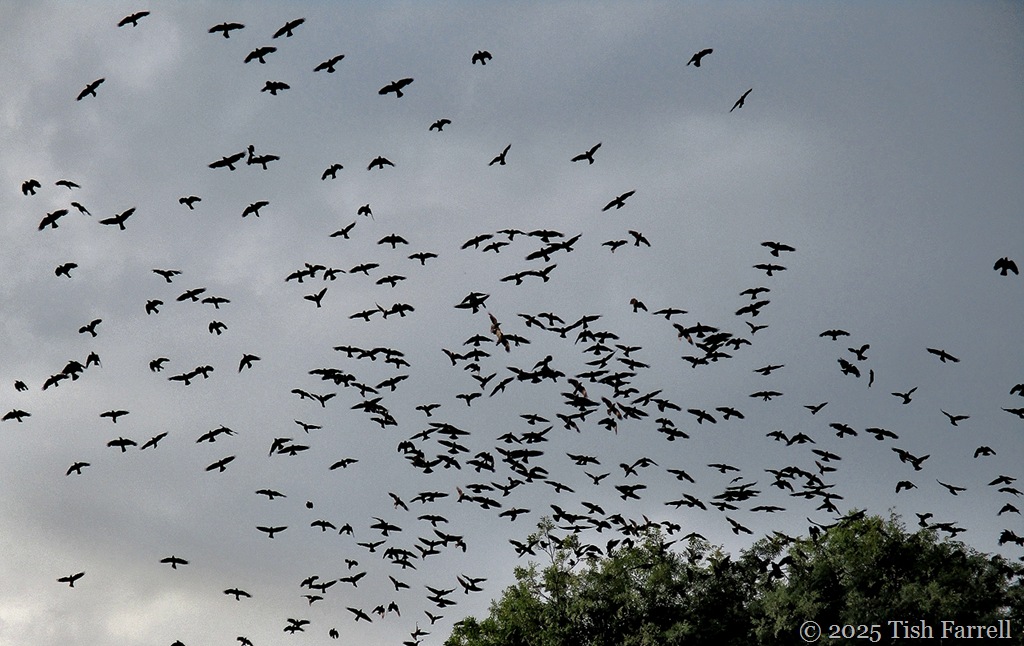
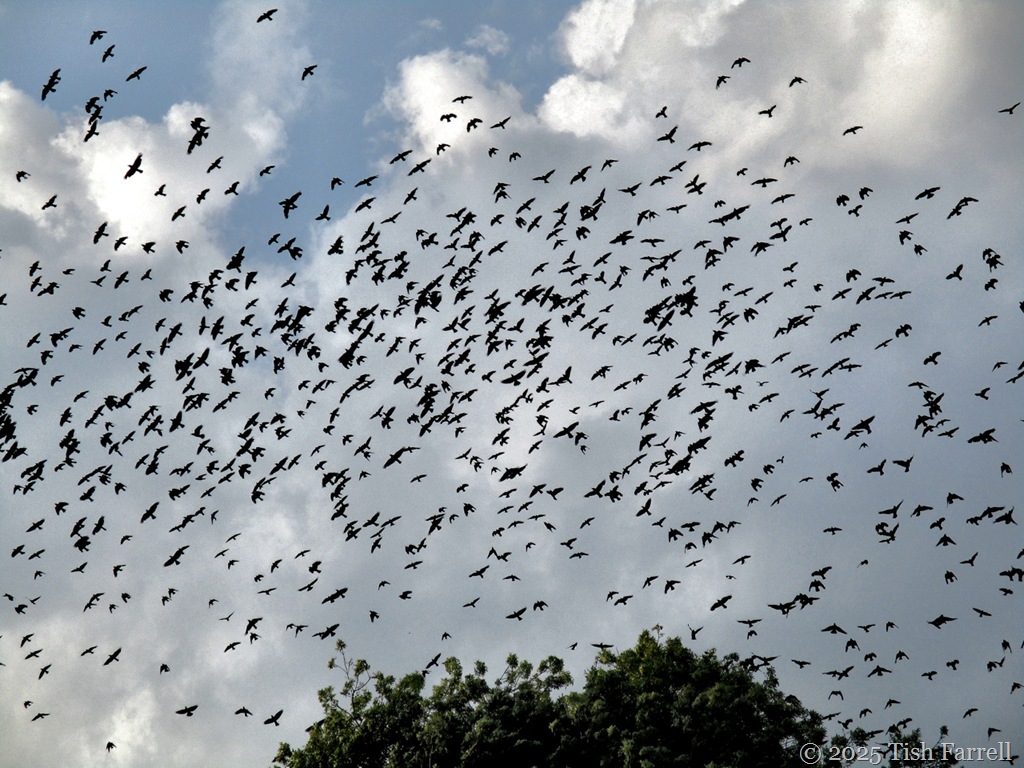
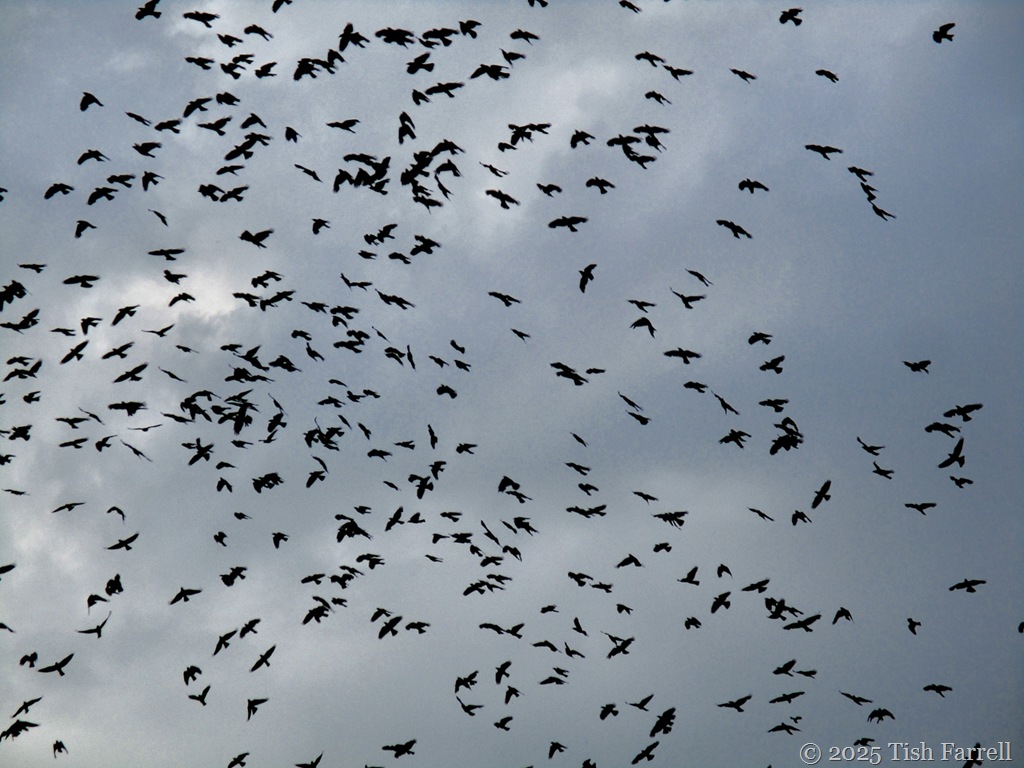
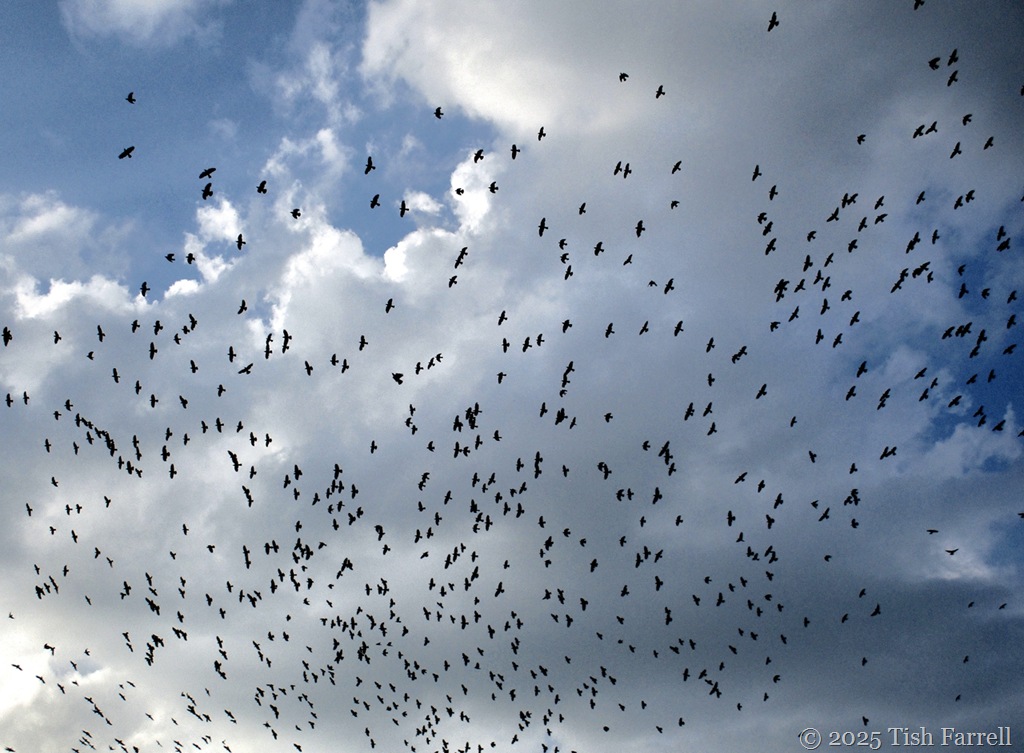
I don’t know what’s going on with the jackdaws who roost in the big ash tree on the hill above our house. Lately they’ve been bursting over the garden with much clamour and commotion. The eruptions can happen at any time, which is very disturbing when one is hanging out the washing.

Usually big aerial displays of corvids take place at dusk. This seems different though. A bit of a fracas perhaps: the newly fledged offspring coming to terms with their established community, and vice versa. Anyway it strikes this human onlooker as one big family row. Well, just imagine having to live in one tree with this crowd.

IMG_7905 jackdaws 5

IMG_7898 jackdaws 4

IMG_7894 jackdaws 2

A Spot Of Kite-Flying In Bishops Castle

red kite

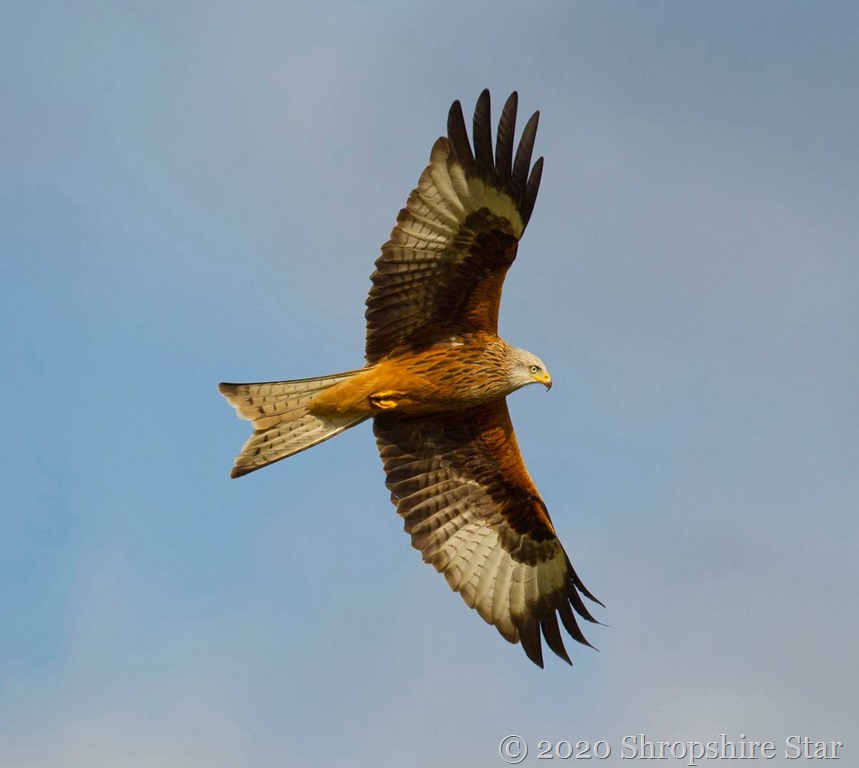
Now that we’ve moved our dining table to its winter position – i.e. from the conservatory at the back of the house to the front sitting room window – we can eat breakfast while watching a red kite scanning the town. It comes most days, drifting over the High Street, circling high above nearby gardens.  With a wing span of around six feet (180 cm) it is one of Britain’s largest birds of prey (i.e. bigger than a buzzard and easily distinguished from that particular raptor by the forked tail.)

A few years ago the species was believed to be near extinction. In the early 20th century the birds were targeted by gamekeepers who thought they were eating their pheasants. Not so, it seems. The birds’ main menu comprises carrion and worms and sometimes small mammals. In fact, back in Tudor times, kites also frequented towns in large numbers, filling an essential function as street refuse cleaners.

When we lived in Kenya, their cousins, the black kites, performed similar duties. Less welcome, we discovered there, was the cousins’ tendency to ‘gate-crash’ Nairobi’s ambassadorial garden parties. They had learned to spot the distracted guest, one with wine glass and plate politely poised and as they hung on the words of some ministerial bigwig. In the birds swooped, snatching up the undefended sailfish canape or piri piri chicken wing. Whoosh and away.

That scene jogs another black kite memory. An indelible brain cell recording. One used to roost in our front garden on Mbabane Road. It would perch in the jacaranda tree and mew all night long. A mournful cry.

red kite

But back to the red kite. Here in Shropshire and Wales, and some illegal shooting incidents apart, they are mostly thriving. This thanks to a re-introduction programme late last century which helped boost remnant populations. And while of course we are more than happy to see them, we can only hope they do not recover the habits of their distant ancestors.

The Wildlife Trusts website explains (also see a nice video clip of a kite in flight):

Red kites were common in Shakespearean London, where they fed on scraps in the streets and collected rags or stole hung-out washing for nest-building materials. Shakespeare even referred to this habit in ‘The Winter’s Tale’ when he wrote: ‘When the kite builds, look to lesser linen’. The nest of a red kite is an untidy affair, often built on top of an old crow’s nest. It is lined with sheep’s wool and decorated with all kinds of objects like paper, plastic and cloth.

I will let you know how my washing fares when drying weather resumes.

Past Encounters Of The Butterfly Kind

100_5567

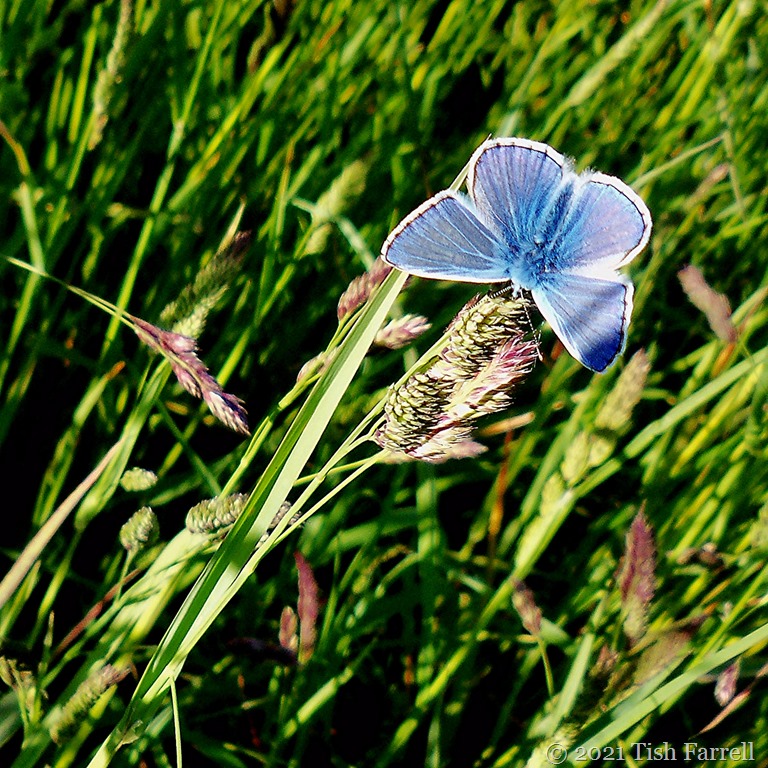
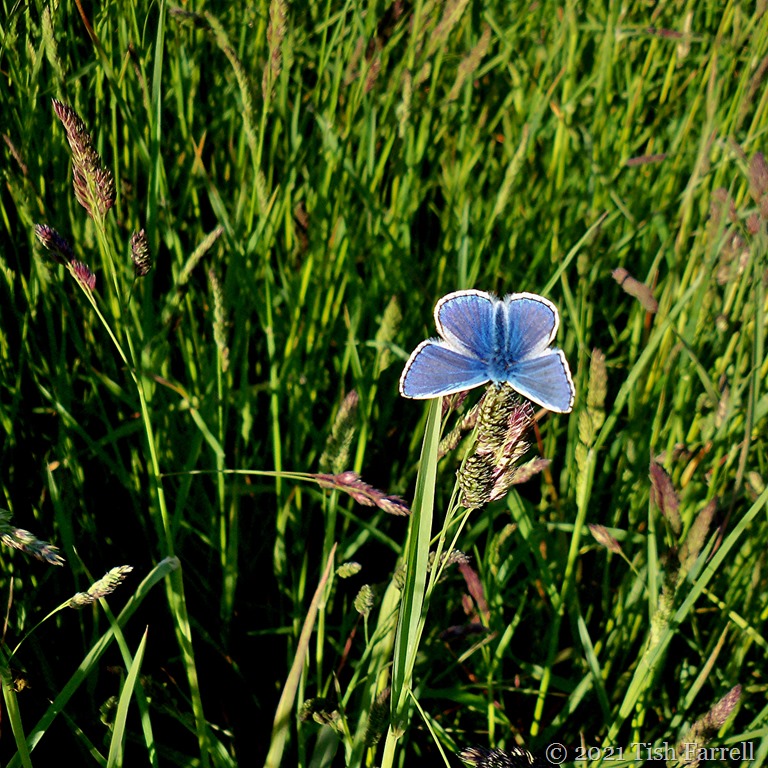
A male Common Blue butterfly (Polyommatus icarus ), spotted one summer’s evening on my way home from the allotment. And despite the name, these butterflies are not at all common in our corner of Shropshire. Not only that, if you do happen to see one they don’t usually stay to have their photo taken. A very lucky shot then. And even in this next more distant view, still a magical sight:

100_5568

You can find out more about them on the Butterfly Conservation website HERE

Past Squares #8

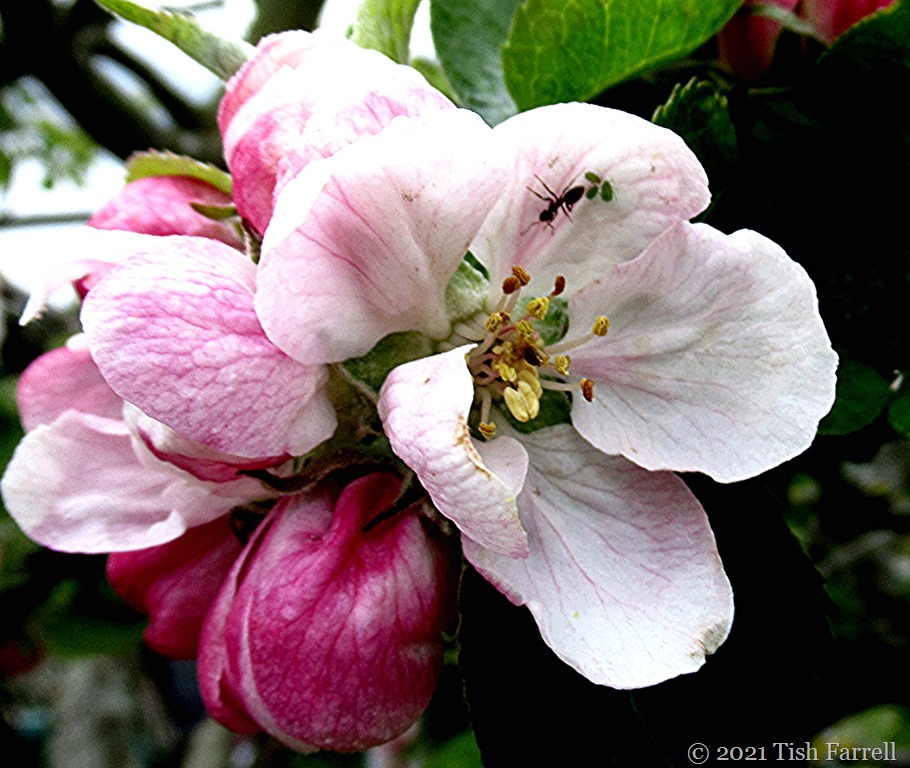
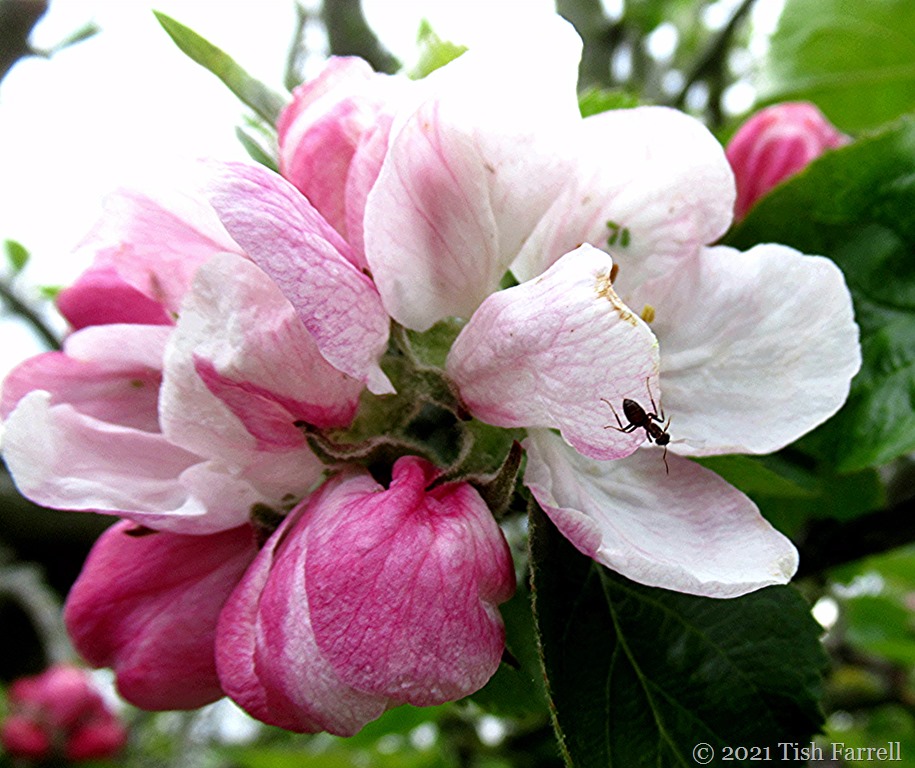
Ant takes up aphid herding inside a Bramley apple flower

IMG_3330ant and aphids

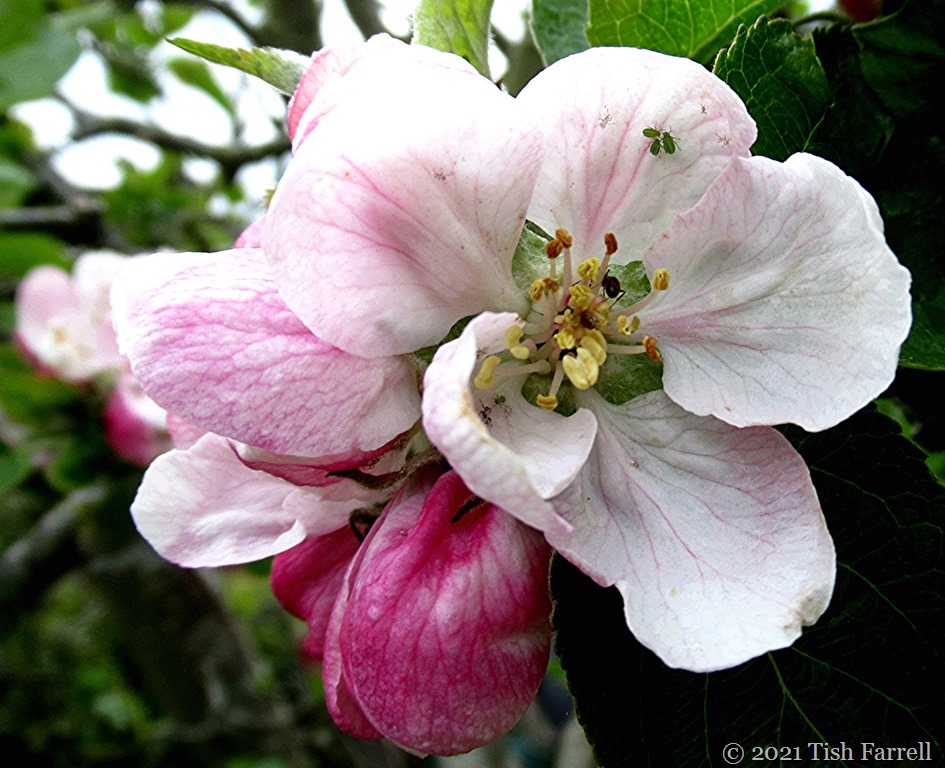
Ants and aphids have a good deal, otherwise known as a symbiotic relationship. Ants protect the aphids in return for giving them a squeeze, or at least stroking them with their antennae, in this way encouraging the voracious plant-consuming pests to excrete their honeydew waste. And ants can’t get enough of it. So they herd and manage and protect their aphid herds, moving them from harm’s way, seeing off predators, in  particular ladybirds, whose eggs they will destroy.

In the next photos you can see the aphids have been ‘parked’ while the ant goes off to forage in the blossom and then patrol the ‘perimeter’.

IMG_3334

IMG_3336

Fascinating what one finds on the way home from the allotment. The photos were taken one evening last week so not the best light conditions.

Lens-Artists: Focusing on the details  Patti asks us to look at the finer points.

Bright Moth

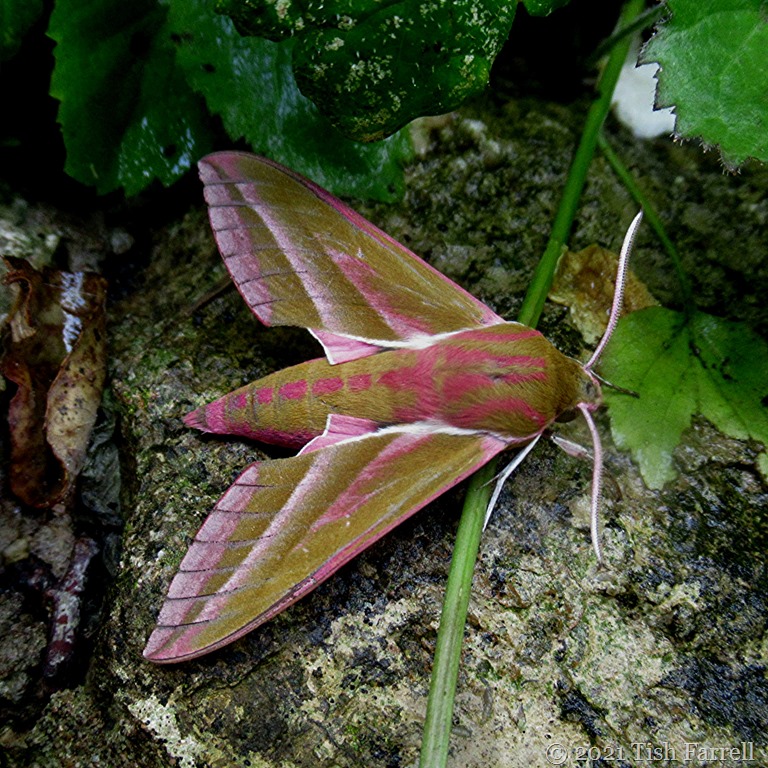
IMG_3103

I thought my photo of an Elephant hawk-moth, Deilephila elpenor, deserved another viewing, being both unusually pink (as for Jude’s Life in Colour this week) and bright lipstick pink and so good for a Becky-bright-square. The moth itself  was a surprise arrival on the garden wall a couple of summers ago. In fact I think it was asleep when I found it. In real life it was about 6 centimetres across (2 and a half inches); a big moth, in other words. And in its caterpillar form it is even bigger, though at that stage it is mostly a dull sludgy colour with pink eye spots and a strange little horn on its tail end.

Hawk moths are nectar feeders and come equipped with especially long tongues to probe their favourite flowers. They are also speedy, precision fliers, so the colour scheme, gaudy when stationary,  blends well among drifts of rose-pink rosebay willow herb where, in high summer, they best like to feed. The caterpillar, on the other hand, has very different eating habits. If they find themselves in a domestic garden they will eat fuchsias. The best response is to pop them in a container and find them a wild patch of rosebay willow herb, Himalayan balsam or bedstraw.

Bright Square #19

Life in Colour: pink

Thought For The Day: Even An Ant May Cast A Shadow

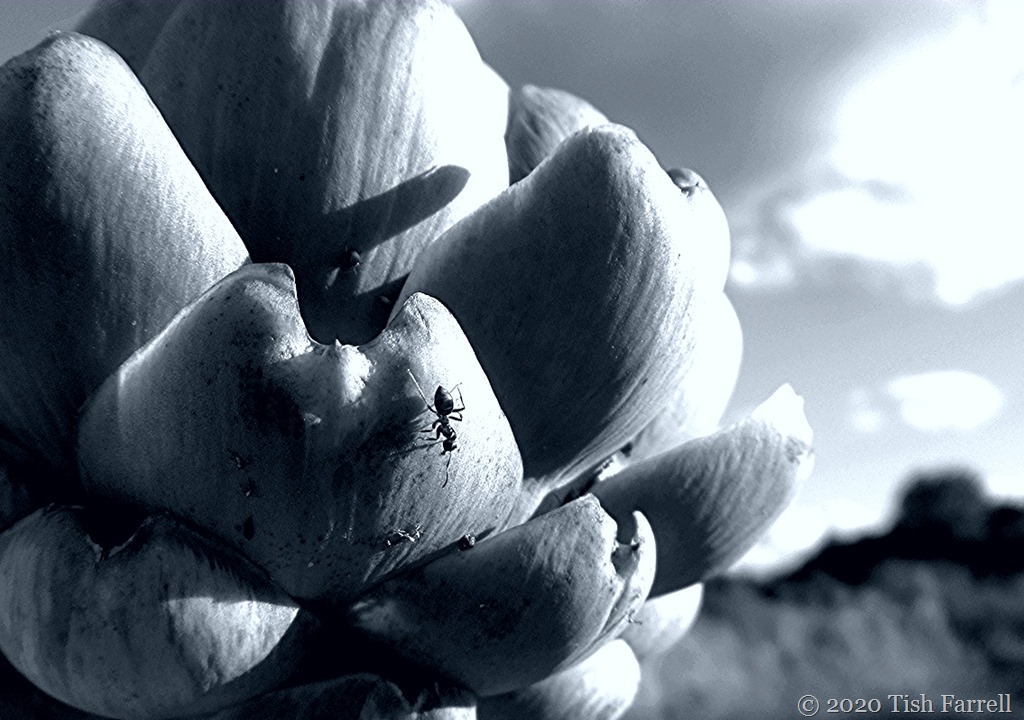
IMG_8706

Friday evening at the allotment: the ant and the artichoke.

Please visit Thom at Writing Prompts and Practice for the true story behind this photo: 

‘Be strong, be brave, and cast a big shadow.’

Cee’s Black & White Photo Challenge: Close-ups

Top Viewing ~ The Dyfi Ospreys Are Back

IMG_2548

This week I’ve rather fallen by the wayside with Becky’s Square Tops challenge, but I had to post this for the final day. And to say a big thank you to Becky for being such a top host and giving us all so much fun during these very strange times.

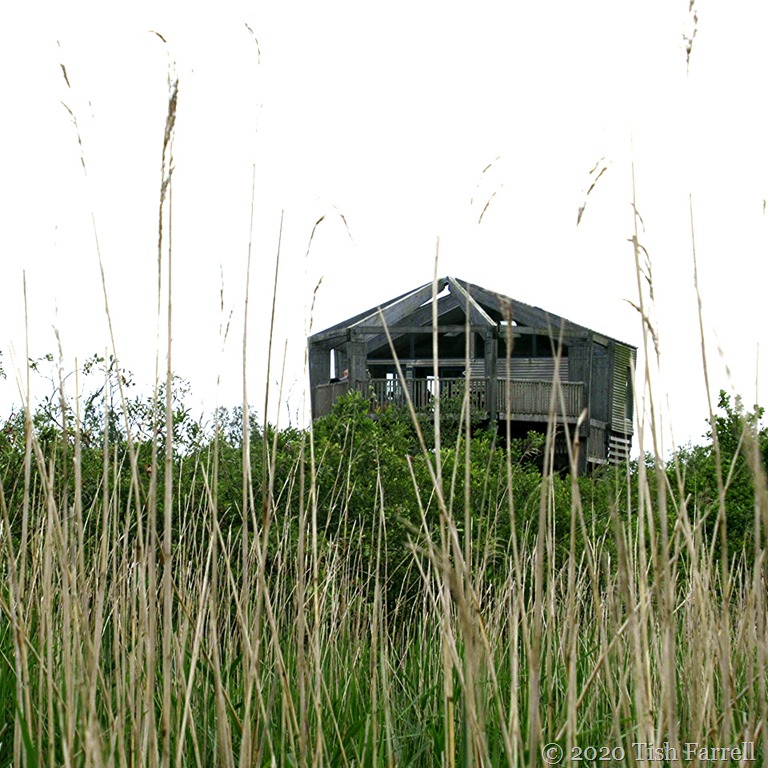
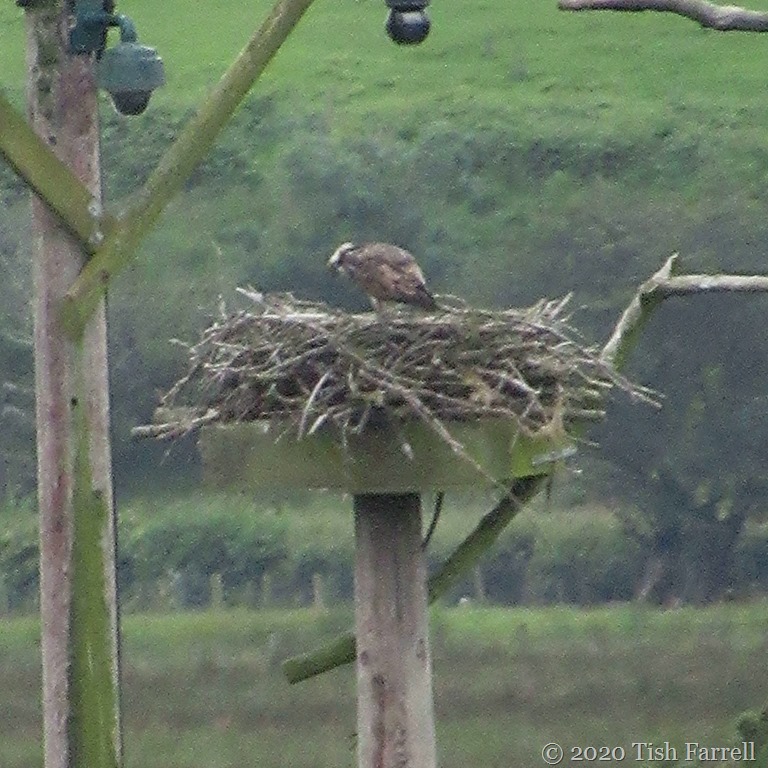
Some of you will remember the ospreys from a trip Graham and I made last year to the Dyfi Estuary in mid-Wales. The Dyfi Osprey Project has an observation centre with cameras trained on an osprey nest and you can observe happenings there throughout the breeding season. Live streaming is back (link below) and three eggs have been laid.  And now we’ve all got plenty of time to take a look. Hopefully, unlike the video in my previous post, it will not be subject to censorship!

IMG_2560

IMG_2578

IMG_2556


https://www.youtube.com/watch?v=wH7wpvs7OG4

https://www.youtube.com/watch?v=wH7wpvs7OG4


Square Tops #30

Still Going At 650 Years Old

IMG_7088

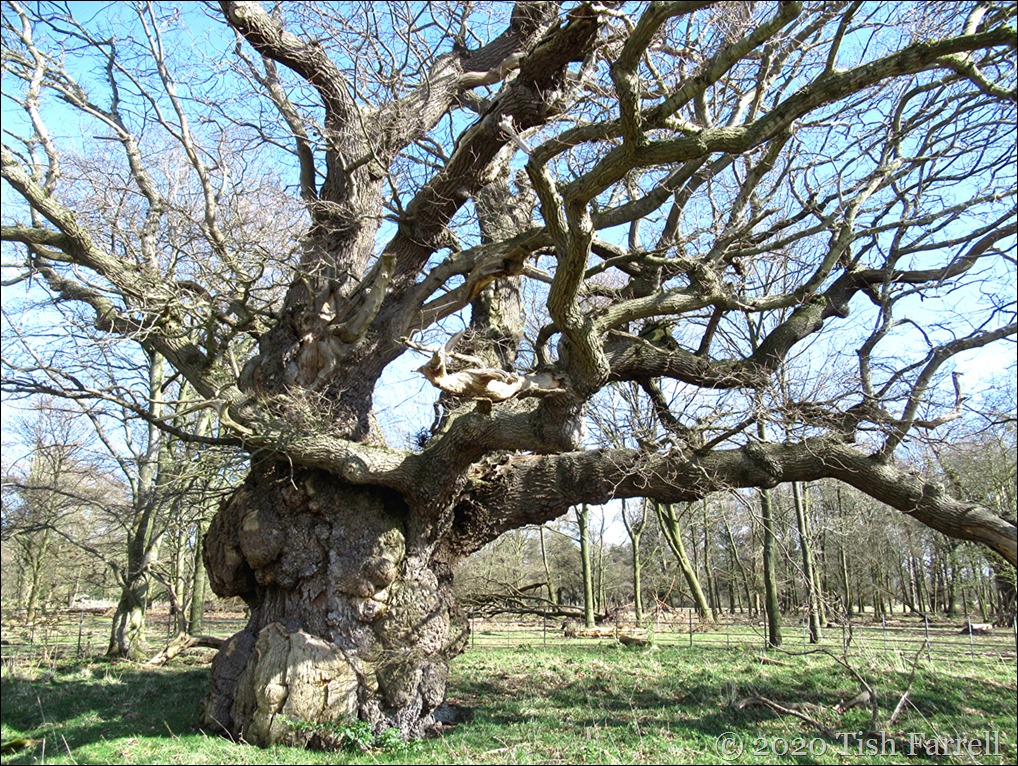
Today we paid our respects to this very elderly oak tree. It has been growing in Attingham Park in Shropshire since the 1370 where it is now under the care of the National Trust and fondly known as the Repton Oak since it was already a veteran in 1797 when garden designer, Humphrey Repton landscaped the parkland for the Barons Berwick.

But just think of the span of human history it has lived through. When it popped shoot and radicle from its acorn Edward III was still on the throne, and the Hundred Years War between England and France was only half done. By the time it had grown to a sturdy sapling Geoffrey Chaucer was thinking of writing The Canterbury Tales and the peasants were in revolt against the draconian levels of taxation (raised to fight the war that did not end until 1453 and was actually the 116 years war).

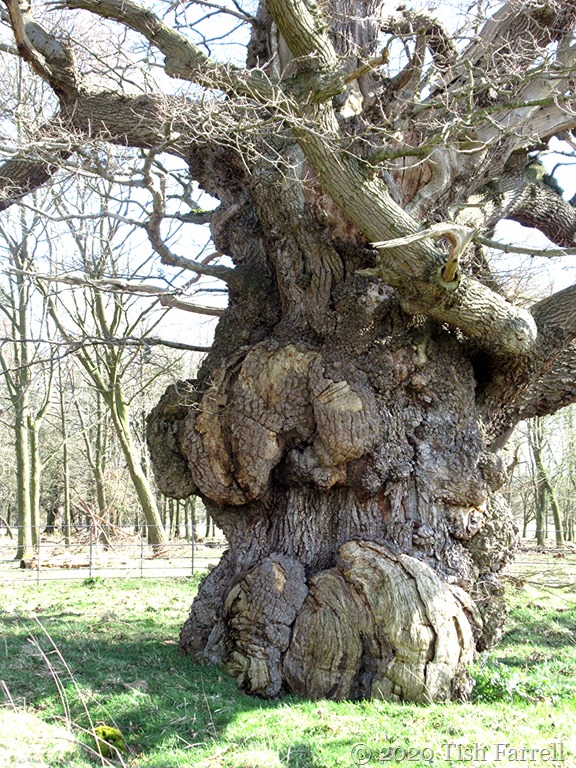
The oak tree is still a great presence in the landscape though sadly its innards are decaying. But this is not all bad news since it provides an important haven for the rare Lesser Stag Beetle whose larvae feed on the rotting wood at the centre of such ancient trees.

A national treasure of a tree then: arboreal emblem of stalwart resilience. We must remember to pay another visit when it’s in leaf.

IMG_7084


#EarthMagic