Wild And Wychy On Windmill Hill

IMG_0318cr

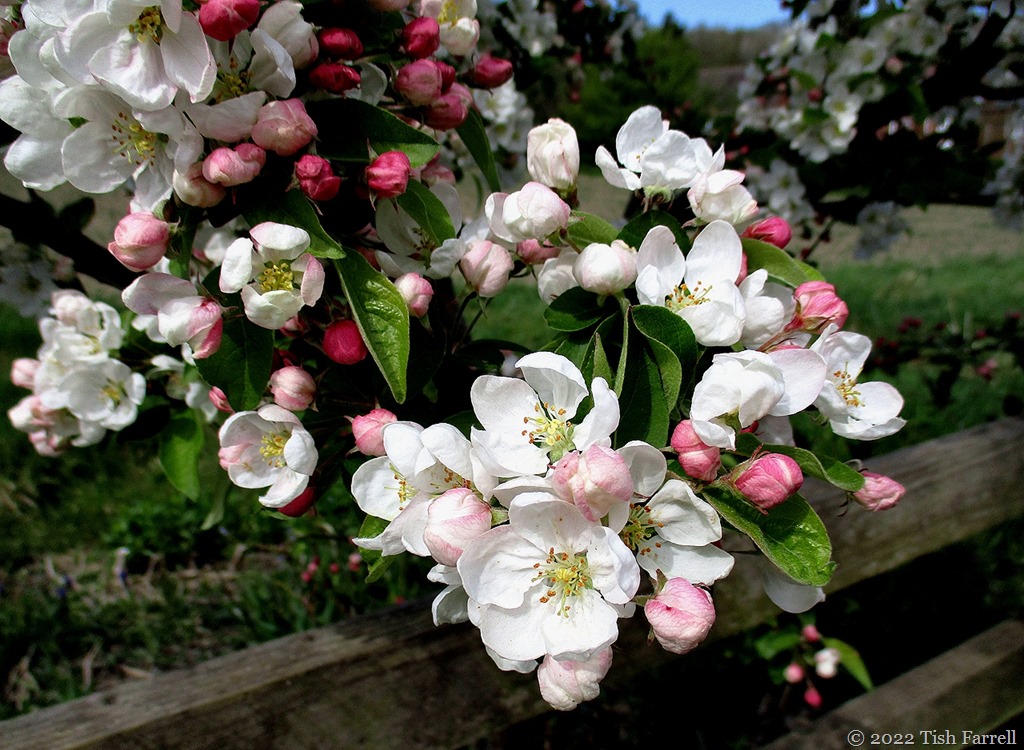
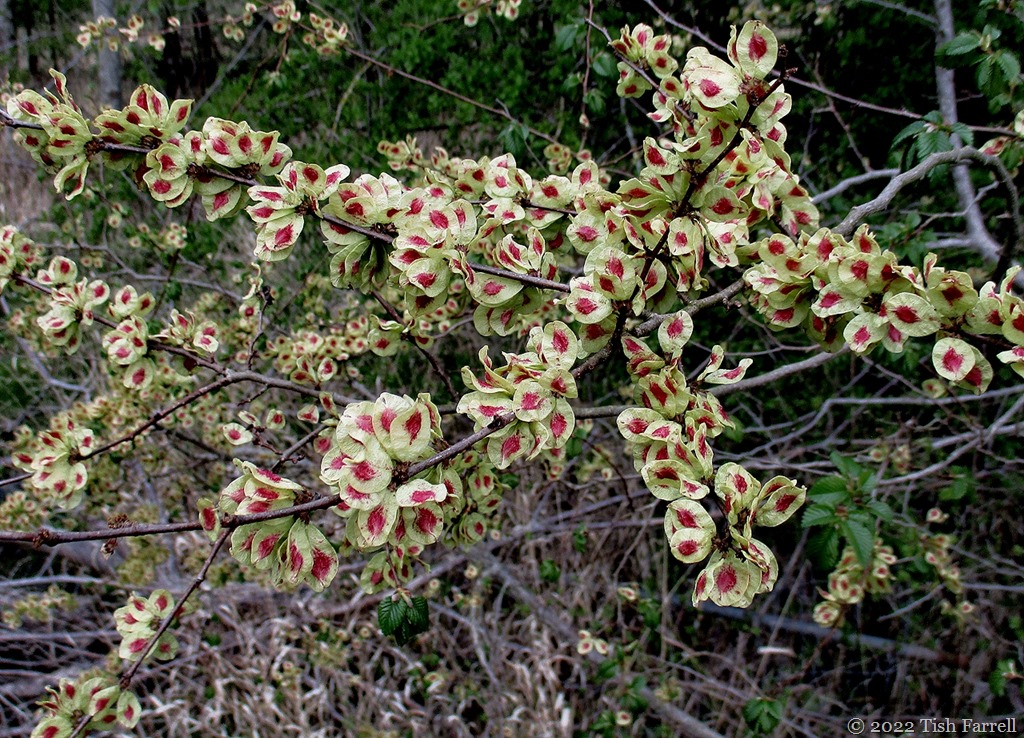
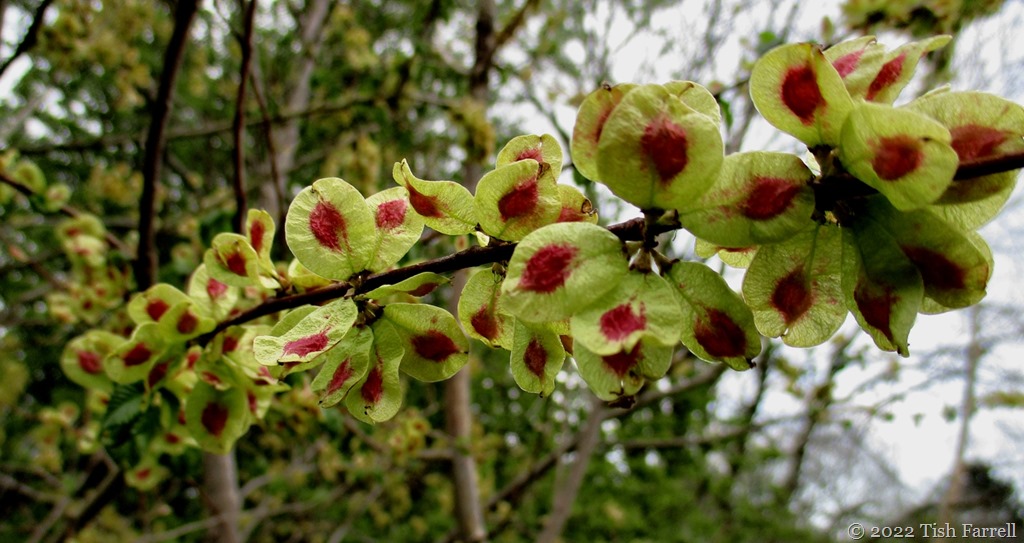
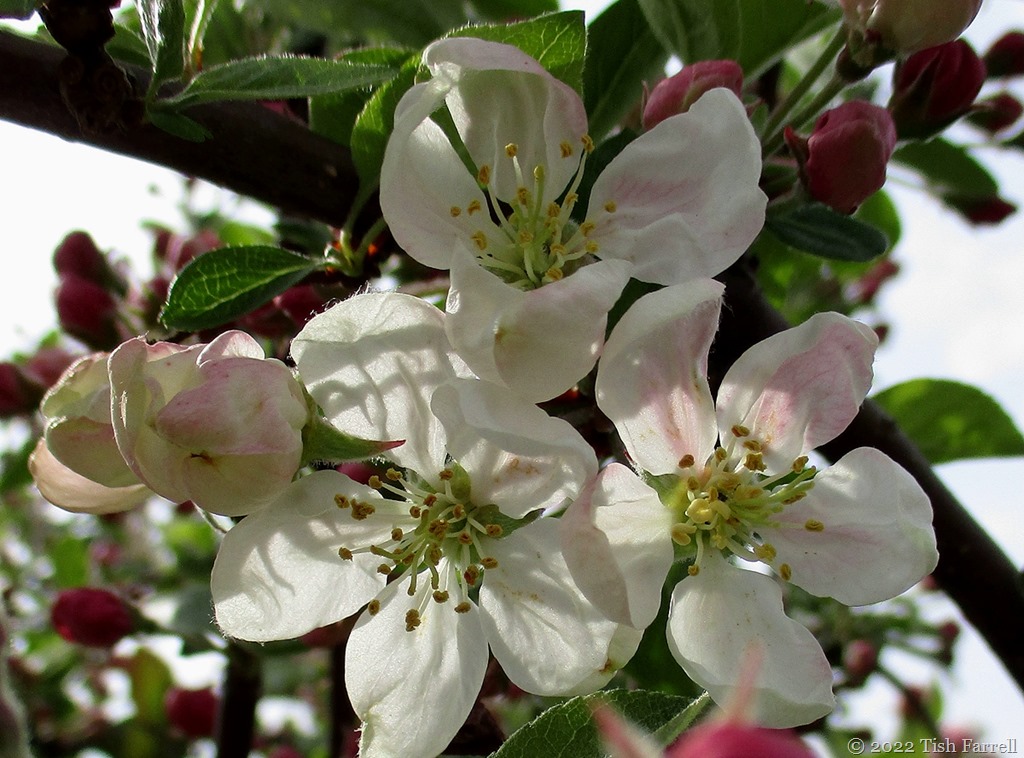
Here in the northern spring lands our eyes are presently filled to bursting with blooming displays of cherry, apple, pear, black thorn and magnolia trees. It’s easy to forget that all trees have their floral season, one way or another. Some tree flowers are so inconspicuously green, are so very small, or flowering at the end of winter when we’re least about, it’s easy to overlook them. This is certainly true of the early spring flowers that preceded this branchy display of green-winged fruits, discovered last week, sprawling over the perimeter fence on Windmill Hill.

Its ID took a bit of tracking down. I’d got it in my head that it was some kind of hornbeam. But it isn’t. It’s a Wych Elm sapling, Ulmus glabra. This, I further discover, is Britain’s only native elm, common throughout the land as tree cover was restored after the Ice Age, but much depleted from round 7,500 years ago, when the first stone age farmers began to systematically clear the woodland for agriculture.

The so-called English Elm Ulmus procera  was only introduced some 3,000 years later by our Bronze Age ancestors. This introduction may well be a reflection both of the utility of water resistant elm wood (for boats, wheels, furniture and coffins) and of its ritual significance. The tree was sacred to many peoples of Northern Europe, and in particular was thought to induce prophetic dreams.

Since the 1960s the English Elm has succumbed drastically to Dutch Elm disease – a fungal infection spread by elm bark beetles. The Wych Elm, to some extent, appears to have resistance, though it too is now a rare find in our English countryside. The decline in both species has meant a decline in the white-letter hairstreak butterfly which breeds in elm tree canopies.
IMG_0320

But if the Wych Elm does manage to escape infection, and finds itself growing in a preferred climate of cool summers with damp air, or on a rocky hillside beside a stream, then it can reach 30 metres (100 feet) in height, while surrounding itself with a sweepingly majestic canopy.

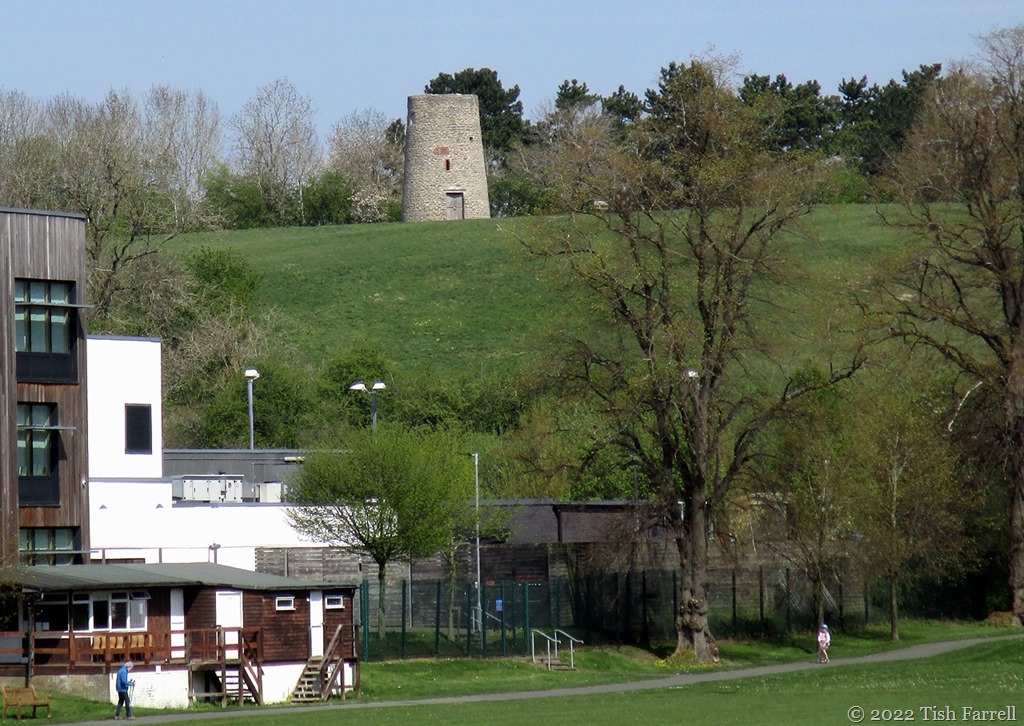
And so what of the Wych Elm on Windmill Hill? Did some human hand plant a young sapling there, or did it grow itself from an off-chance, wind-blown seed? That it is growing entangled with the chain-link fence that surrounds the perimeter of Shadwell Quarry, suggests more happenstance than intention. On the other hand, at some time in the past, the old quarry face has been planted with a wide variety of trees – both deciduous and coniferous species. In the next photo you can see the tree-line (behind the windmill) that marks the quarry perimeter. Beyond it, the ground falls away in an alarming manner, the most recent limestone workings lying way below and filled with a deep, deep pool of turquoise water, locally dubbed ‘the Blue Lagoon’.

Anyway, note to self: remember to collect some seeds when they ripen in the summer. A Wych Elm nursery is a fine prospect.
 IMG_0371cr

Today Over The Garden Fence

IMG_0300re

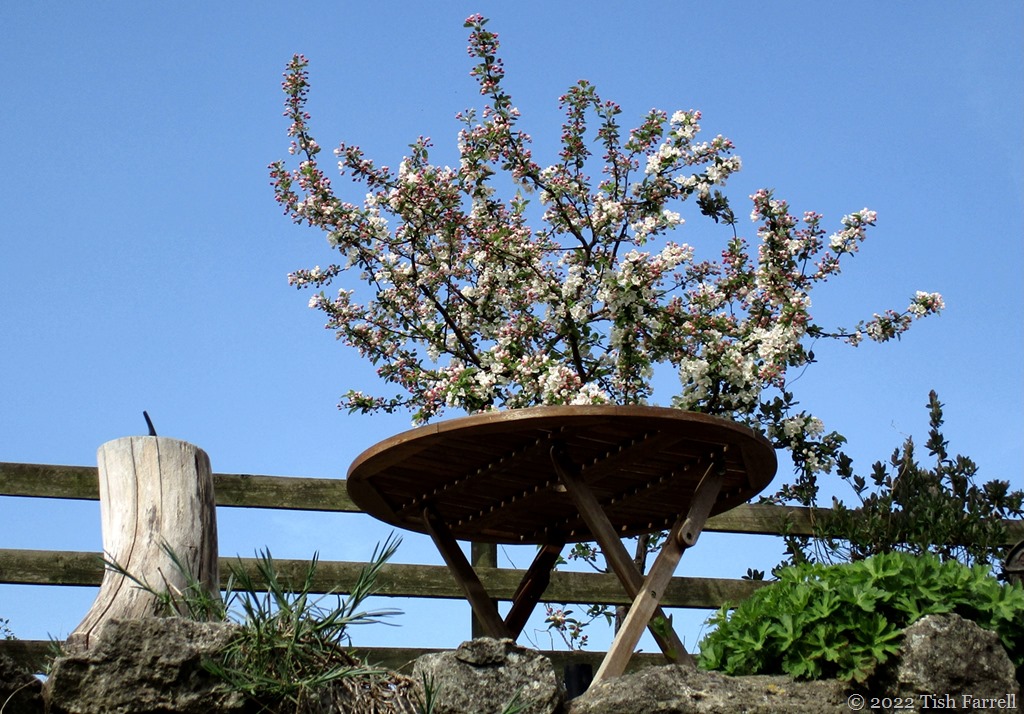
There may be a lingering chilliness on the wind, but in the upstairs garden crab apple tree Evereste  is in full floral finery. I don’t remember seeing her quite so blossom laden.  And she’s already attracting a few bees and sundry bugs, all calling in for their spring pollen fix. So if anyone is thinking of a crab apple tree for their garden, then Evereste  is a real treasure. She’s compact too, for despite the suggestion of gigantism in the name, she only grows about 10 feet (3 metres) tall.

IMG_0366re

IMG_0359

IMG_0356

Wenlock Views Near And Far

P1100118sep

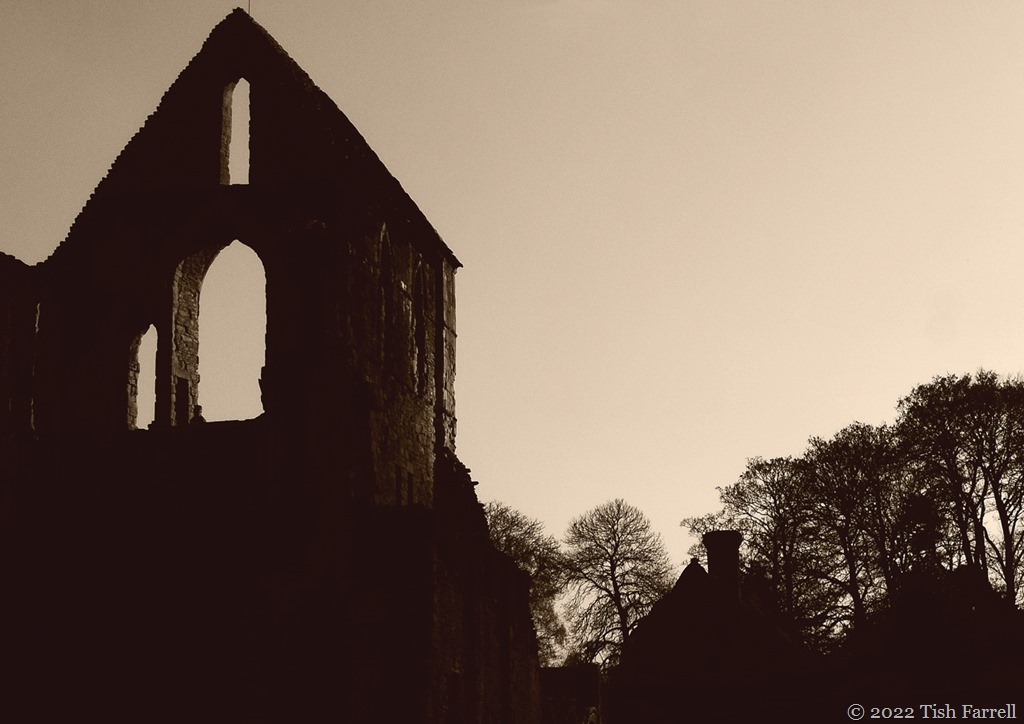
The header photo was taken among the ruins of Wenlock Priory, looking towards the trees and roof tops of the Prior’s Lodgings, now a private house, locally known as The Abbey.

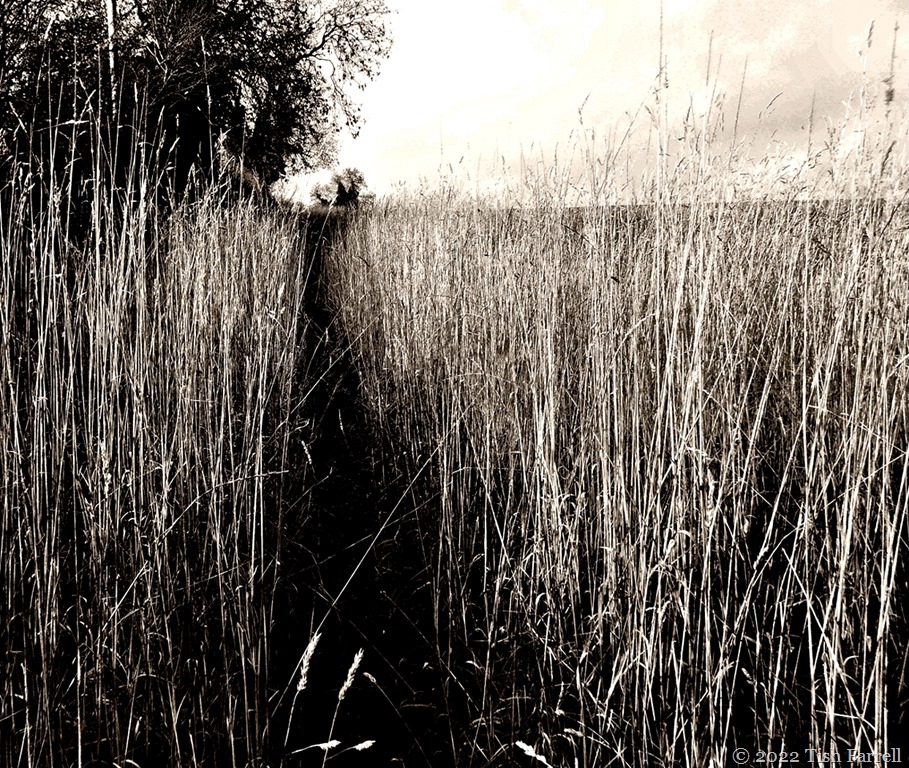
This next shot is my well-trodden path to the allotment, along the southerly edge of Townsend Meadow. That’s an ash tree on the skyline – doing a good Ent impression as our Shropshire ash trees tend to do.

P1020405

100_5026cr

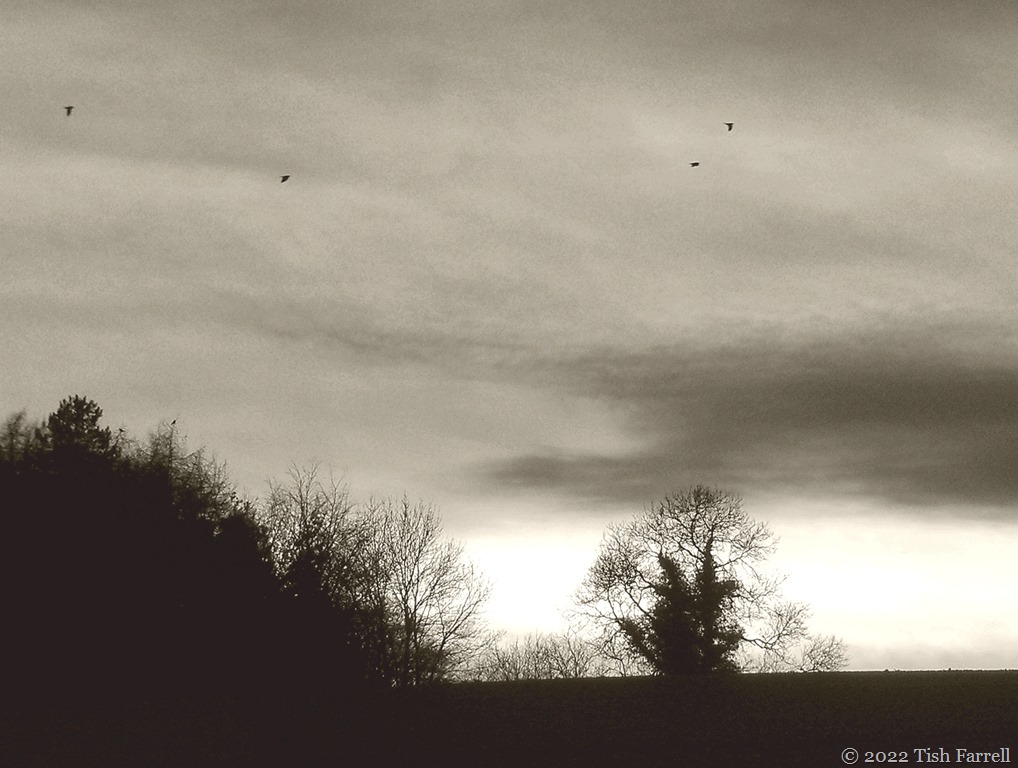
And a nearer view of the ash tree – a sundowner shot complete with rooks flying home to their roost in the Sytche wood.

*

100_6398sep

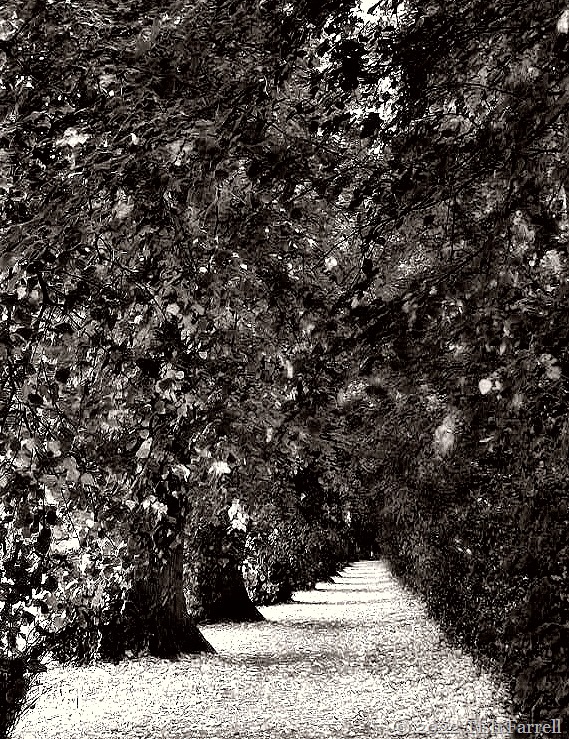
And finally a rather strange and blurry photo of the Linden Walk, taken when all the pale and papery sepals had fallen off the lime tree flowers in late summer. I think if you squint, you might just spot someone at the top of the path.

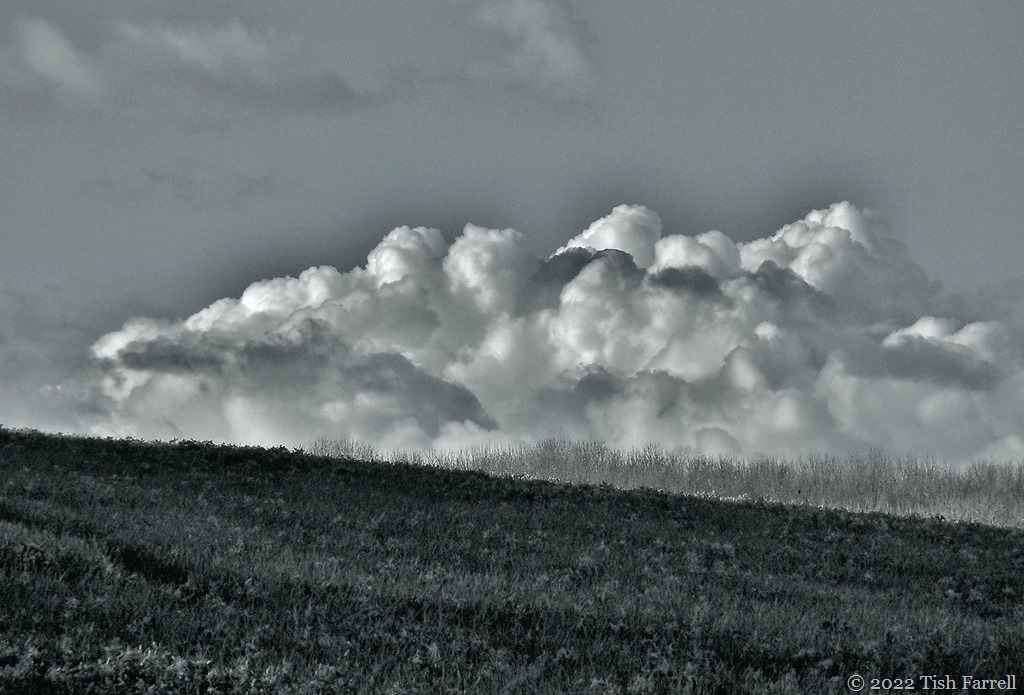
Cee’s Black & White Photo Challenge: In the distance

Bokeh For All Seasons ~ The Art of Blur

P1050485cr

Sofia at Lens-Artists suggests we think about bokeh – the judicious (or in my case mostly accidental) application  of blur to add depth and accent to our photo images.

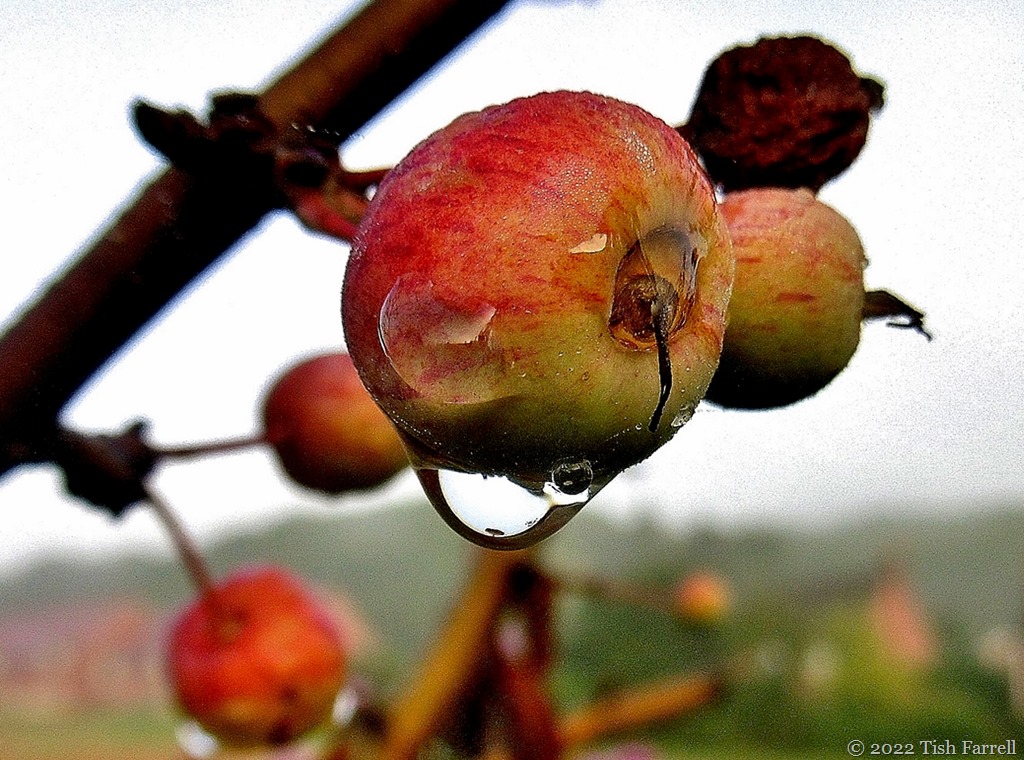
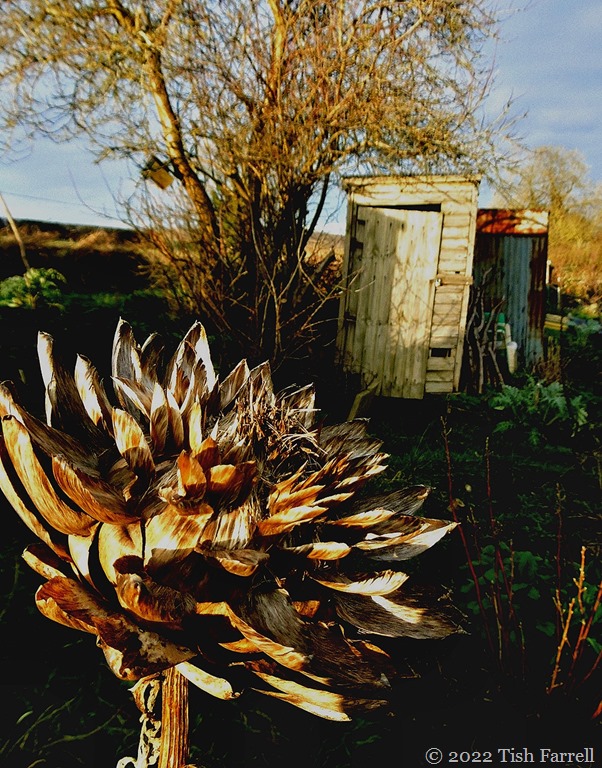
Here are some garden bokeh, taken at different seasons and times of day. The header photo is a late autumn crab apple over the garden fence. And next up is a very wintery globe artichoke at the allotment. I like the russet tones, focused and unfocused, picked up by the afternoon sun:
P1060855cr

*

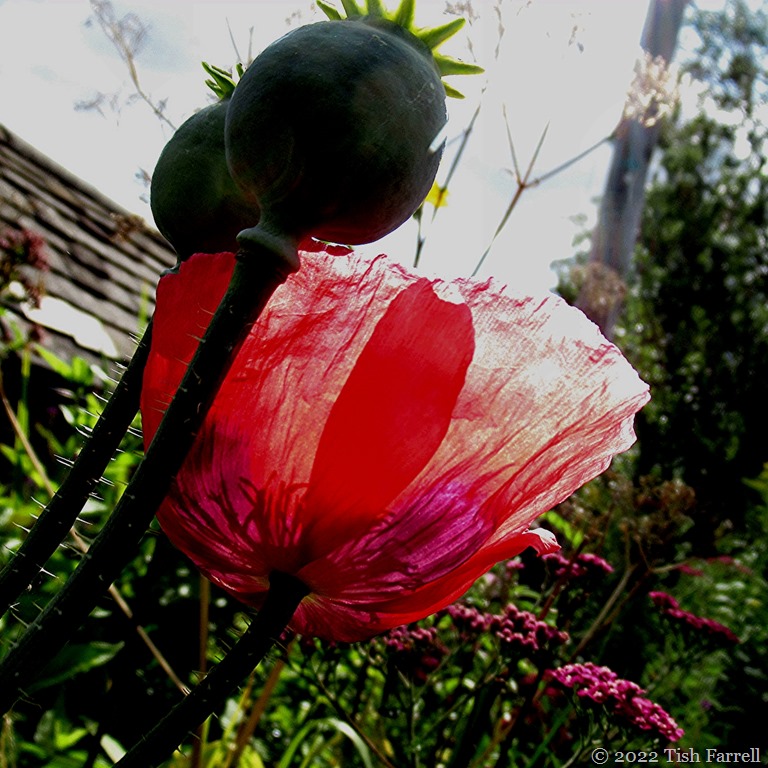
Summer and a self-invited opium poppy out in the guerrilla garden:

IMG_4158cr

*

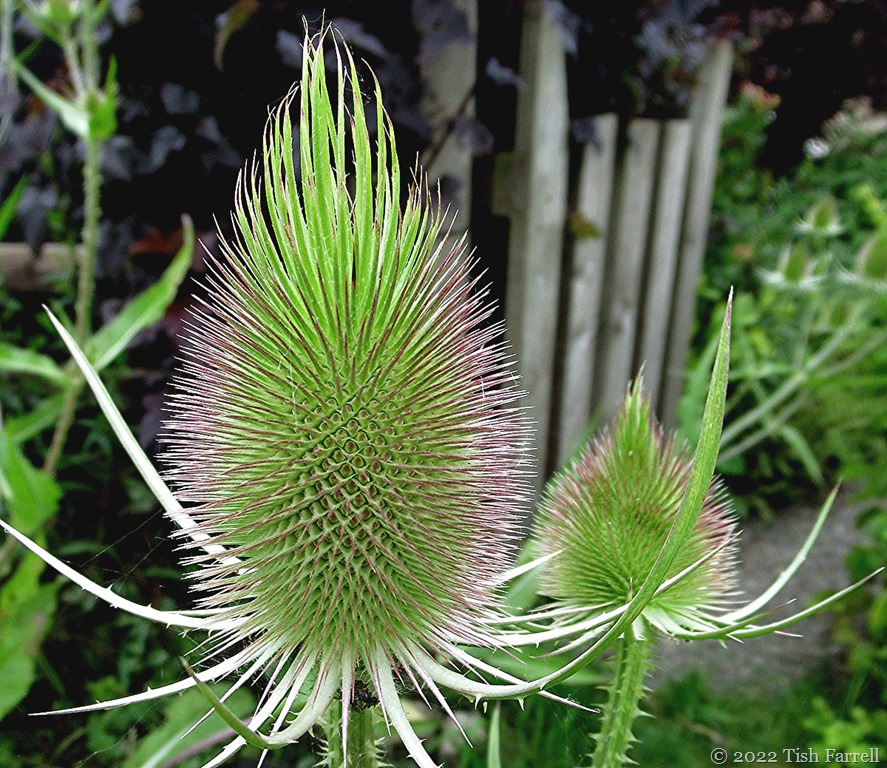
And late summer teasels forming outside the garden gate:

IMG_8803cr

*

An October sun-downer sunflower in the ‘upstairs’ garden:

P1020262cr

*

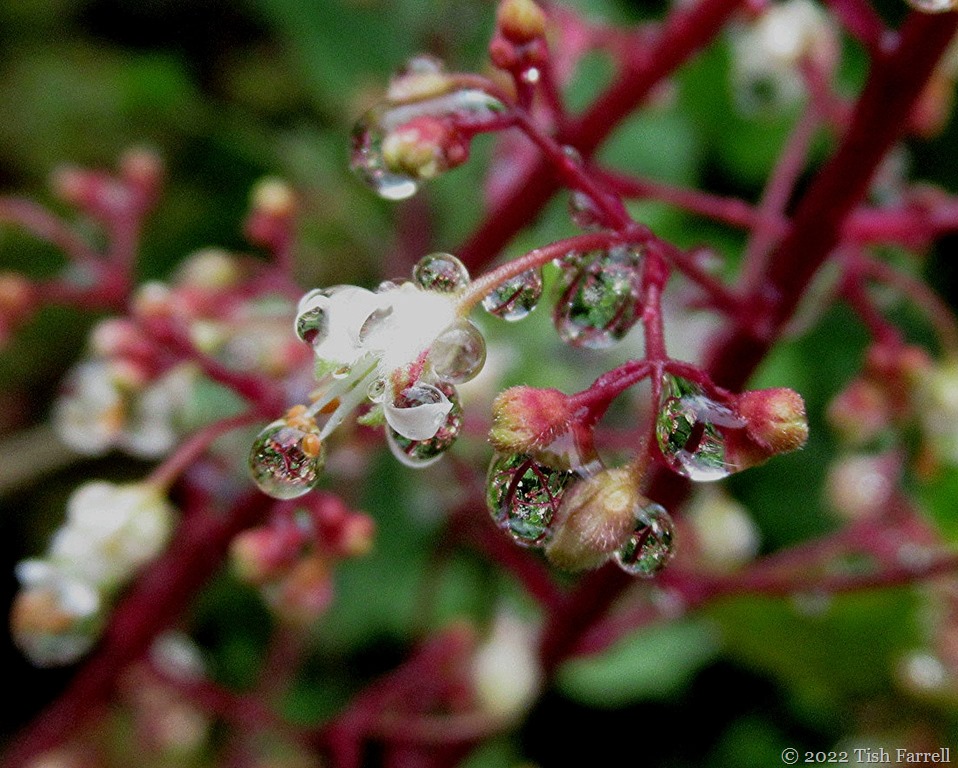
Early morning dew on a heuchera flower in early summer:

IMG_0377cr

*

And a May-time bouquet in the kitchen: lilac and hawthorn blossom:

IMG_7572

Lens-Artists: Bokeh

Spring Curves

IMG_0150cr1

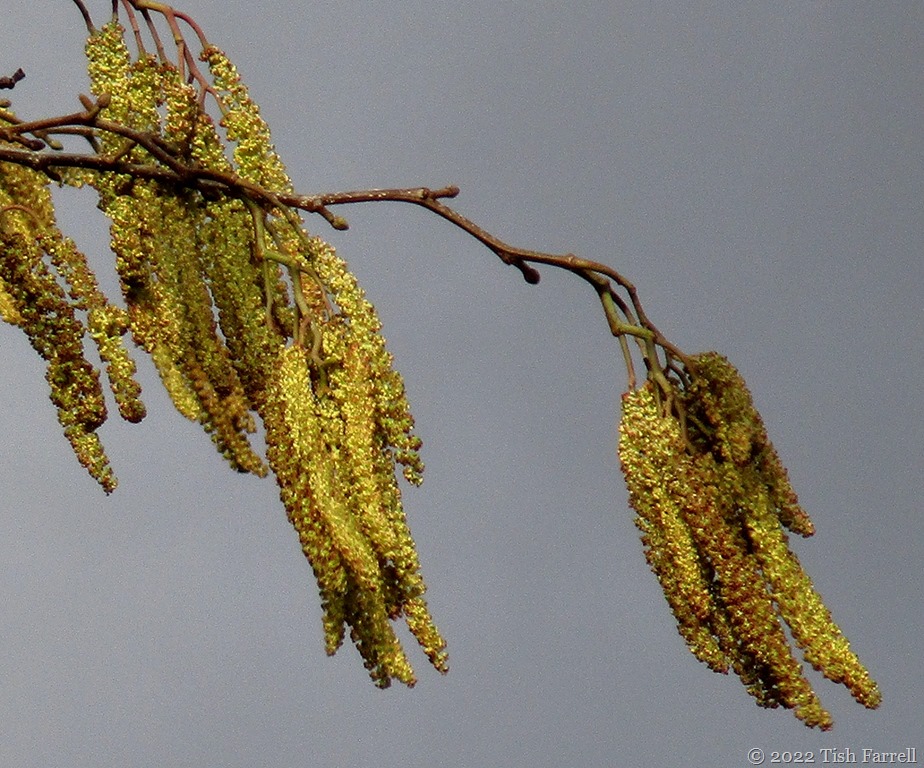
Alder catkins catch the sun in the Linden Field

*

Spring came to Wenlock this week, both time-wise and weather-wise. We’ve had lunch in the garden three days running. Astonishing for March! Full-on sun and a general bursting of buds and blooms in every quarter. Even the moss on the garden steps has switched to hyper-green mode.
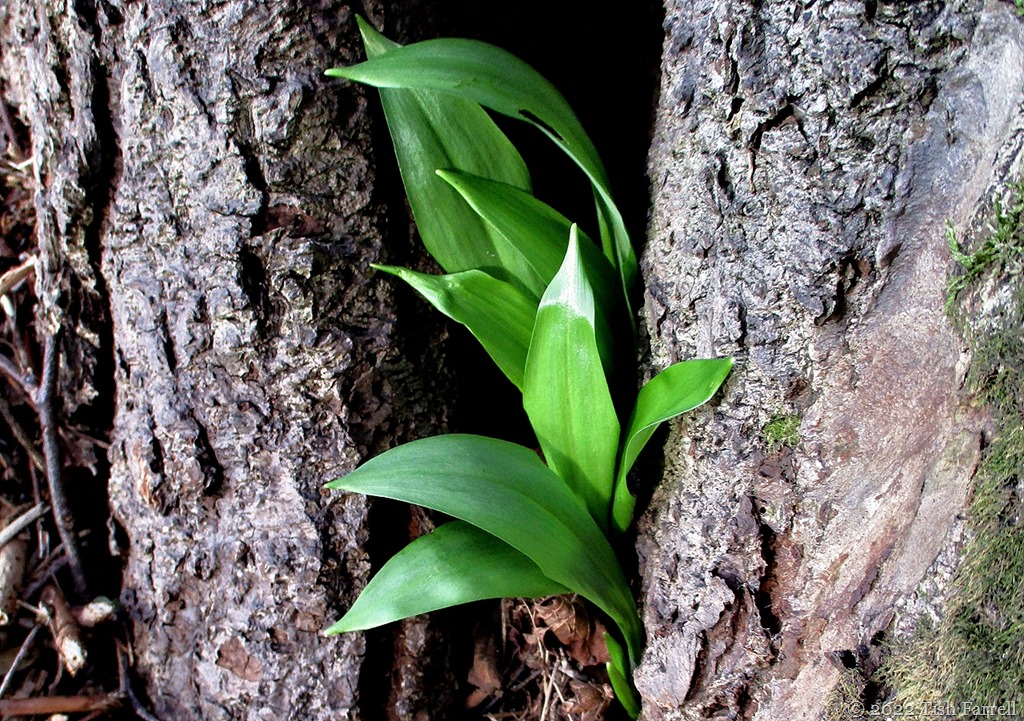
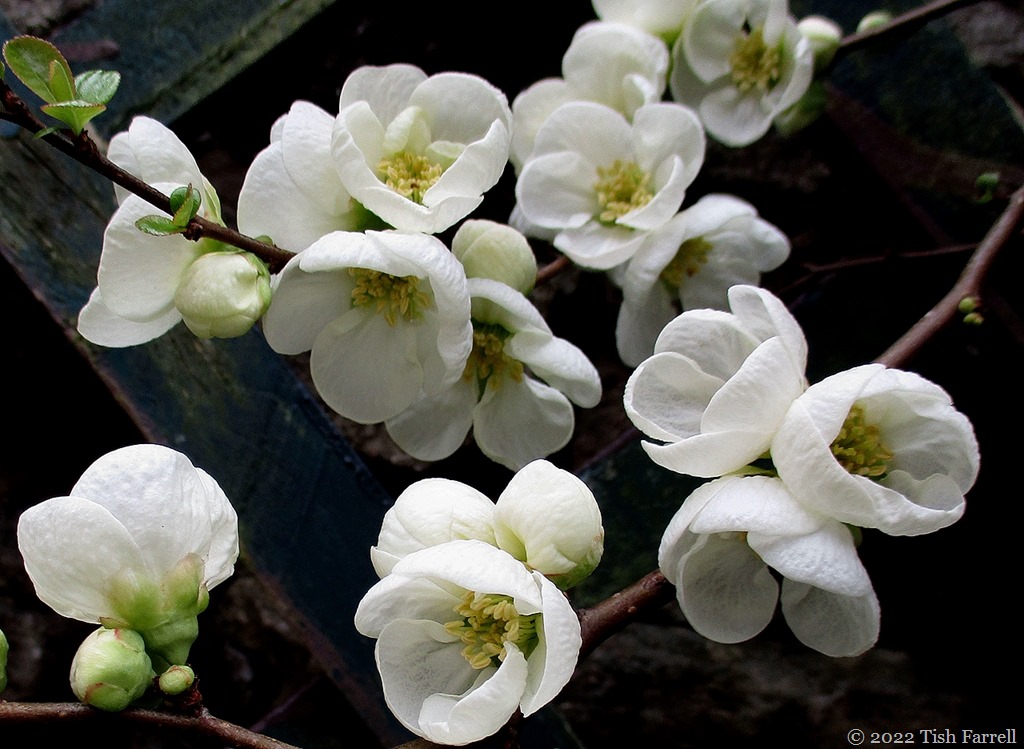
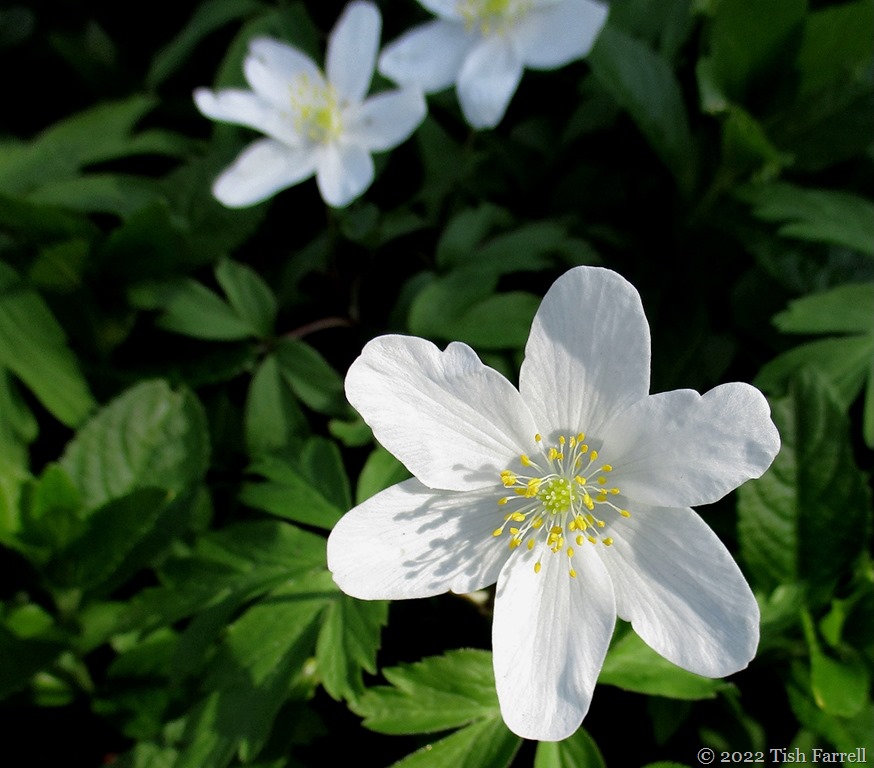
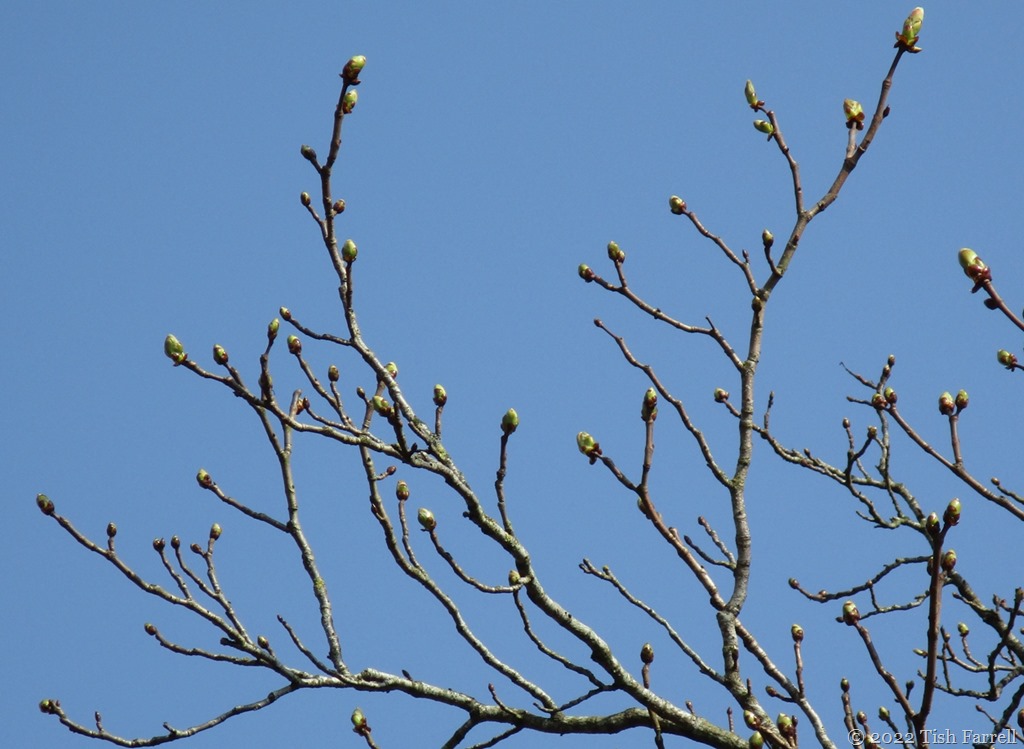
Over the road in the Linden Field there are prairies of wild garlic leaves just begging to be plucked for sauces and soups. In fact such  is the vegetative imperative of this particular plant, it’s to be found sprouting from the lime tree hollows on the Linden Walk. At the top of the field, under the oaks, the daffodils are at peak perfection. Also growing there are wood anemones, dog’s mercury, violets and primroses. Then beside the Cutlins path the horse chestnut trees are now a mass of sticky buds. And at home in the garden the white japonica is looking its serene best.

IMG_0174

IMG_0156IMG_0239cr

IMG_0257

IMG_0266

IMG_0271

This week Ann-Christine at Lens-Artists asks us to show her curves.

Lens-Artists: Curves

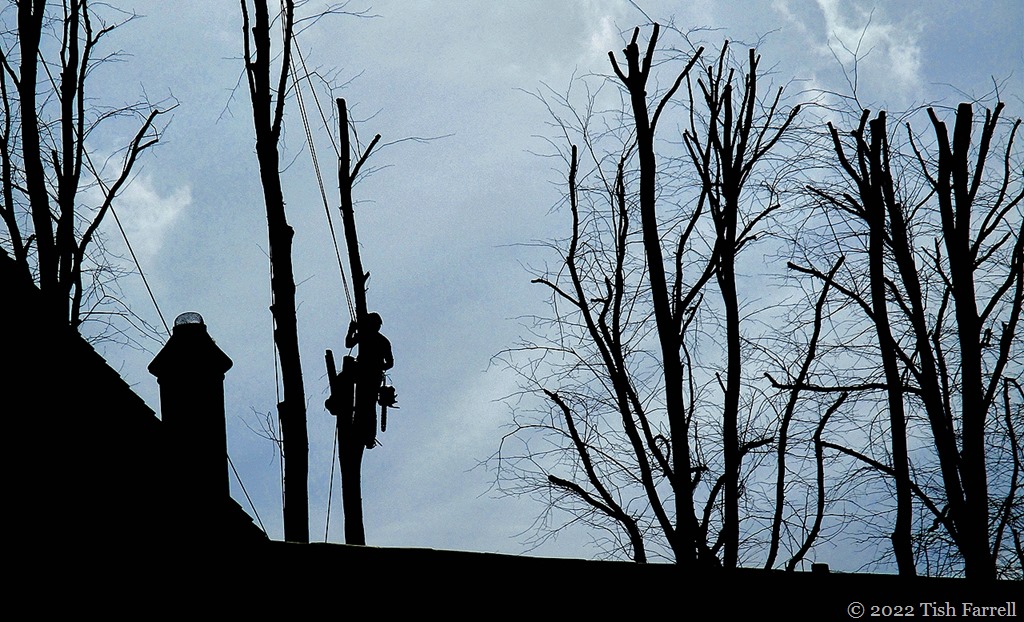
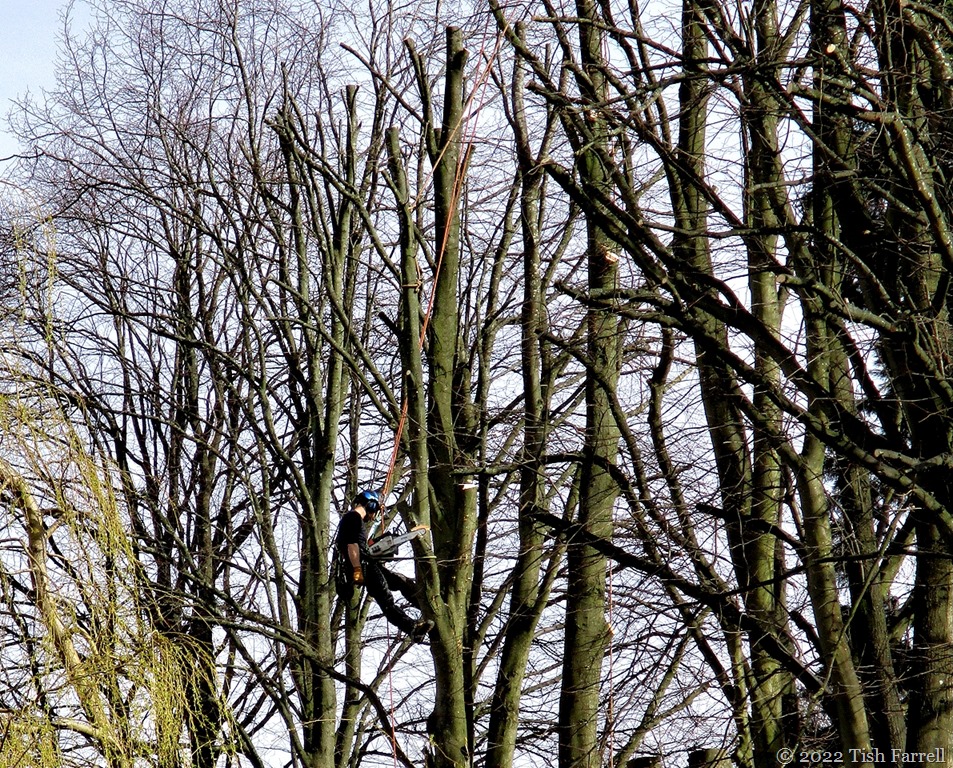
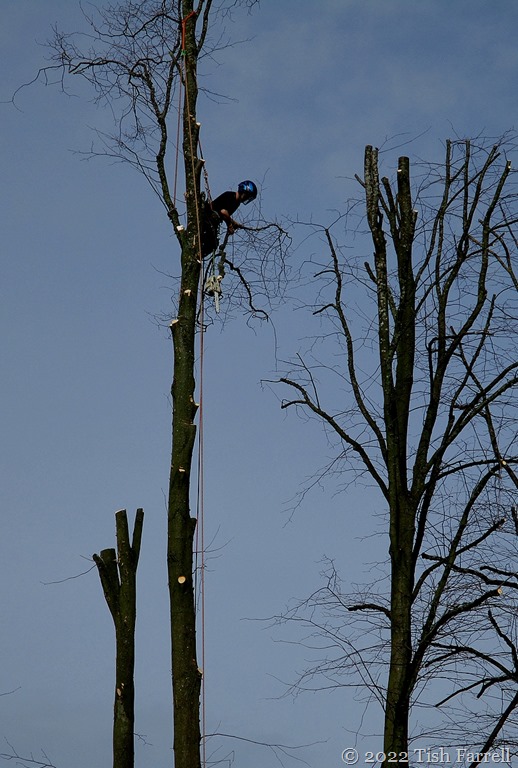
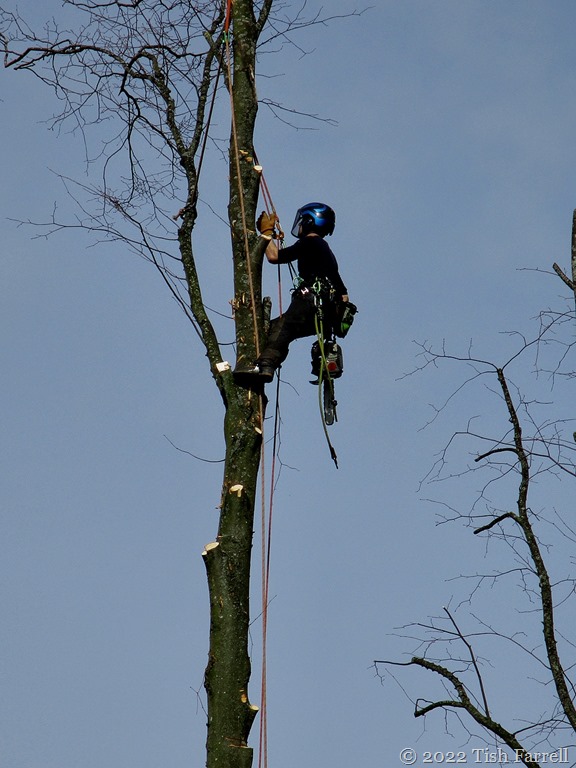
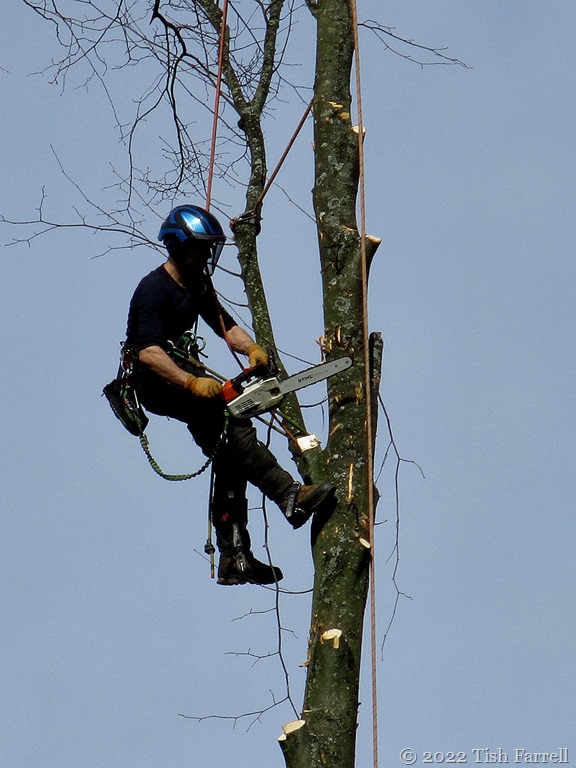
Don’t look now, but there’s a man in the tree…

IMG_0186cr

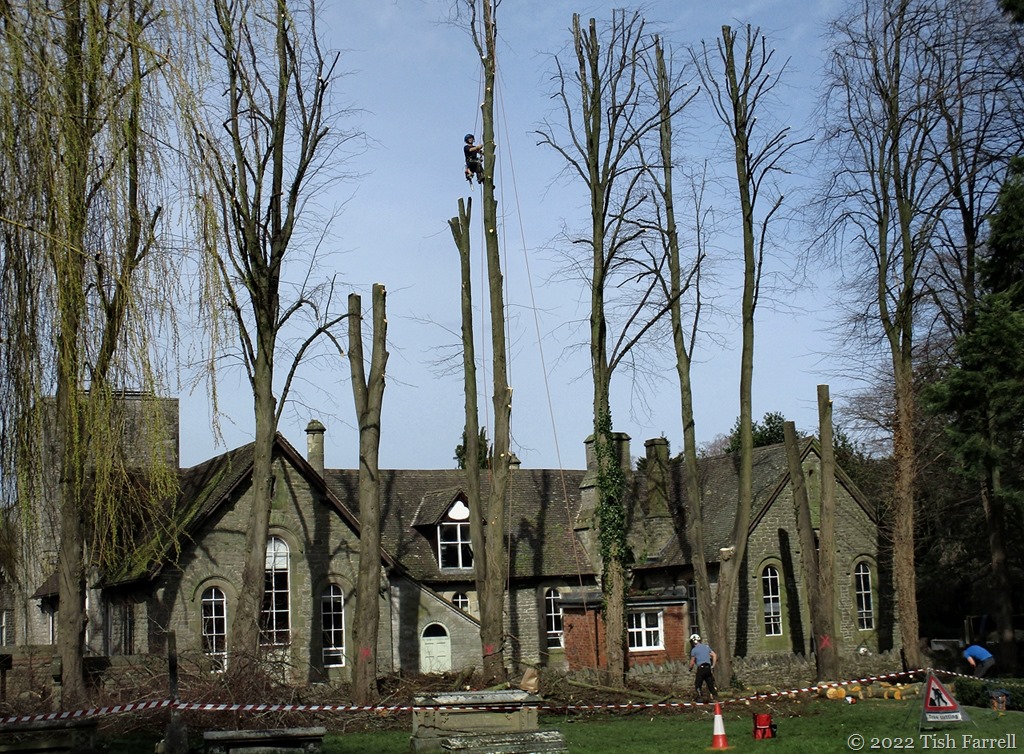
Monday morning. Sunshine after days of rain plus hints of spring.  A walk to the shops then. We set off down the Cutlins field path, pleased to find it dry underfoot, though we’re pleased too soon: at the path bottom by the kissing gate we find a huge puddle.  Ah well. Muddy shoes AGAIN. There are strange sounds too, out on the lane, shattering the peace of the Priory ruins. Chainsaws.

When we reach the Priory Hall (originally a National School that once served Much Wenlock’s poor children, but now is the town’s community centre), this is the sight that greets us. Goodness.

Then we recall the recent planning application. The line of  lime trees along the churchyard wall behind the Priory Hall has been scheduled to be taken in hand – three cut down and the remaining ones pruned. Better get a better look then. It’s not often that Much Wenlock provides so much excitement on a Monday morning:

IMG_0191cr

IMG_0189cr

IMG_0193cr

IMG_0197cr

IMG_0199cr

IMG_0207cr

Lens-Artists: Close and closer

Odd Moment With A Sheep And Old Tales Of Dodgy Deals

P1060951cr

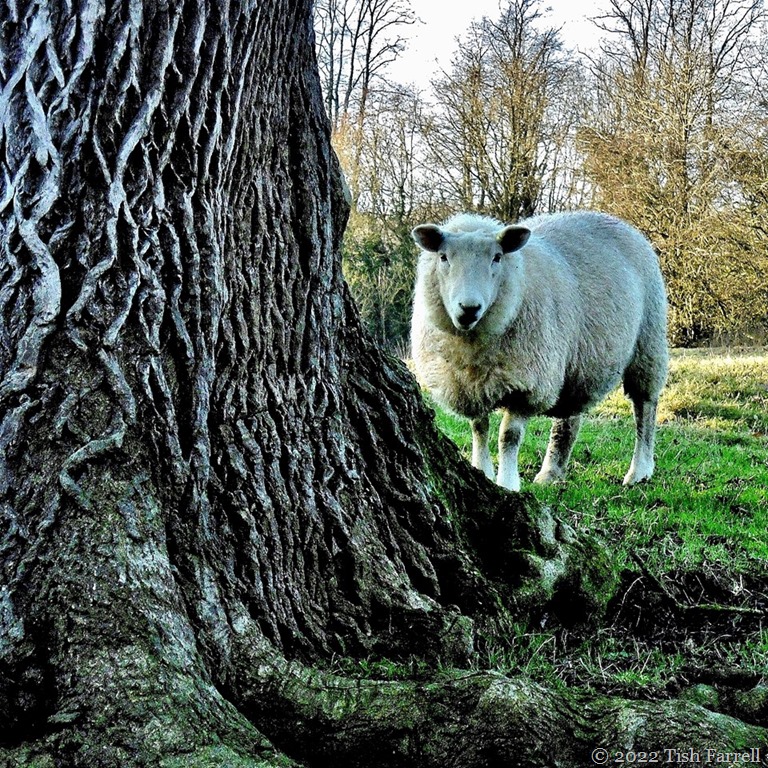
I don’t know about you, but I feel quite uncomfortable being so closely scrutinized by a member of the ovine tribe. It happens now and then as I tramp the lanes and byways of Much Wenlock.

This one was in the field opposite Wenlock Priory ruins, which interestingly had much to do with sheep rearing in the early Middle Ages. In fact the sale of wool from its flocks was an important source of the Priory’s wealth. And so you may imagine the brotherly fury (even to the point of murderous intent) that was roused  when, in the late 1200s, the then Prior, John de Tycford, engaged in some dirty dabbling in the futures market and sold 7 years’ wool crop in advance and then kept the proceeds.

One monk, William de Broseley was so incensed, he left the Priory and gathered a gang in the woods, all set to ambush and kill the Prior. News of this plan did not go down well with the higher authorities, who instructed sheriffs to arrest ‘vagabond monks of the Cluniac order.’ William was duly captured and received his just deserts (not defined by chroniclers, but doubtless deeply unpleasant).

Meanwhile the Prior, who also went in for monastic asset stripping as well as having a history of fraternizing with money-lenders, had friends in a very high place: first King Henry III and then his successor-son, Edward Longshanks, aka Edward I. De Tycford, it seems, was good at political intrigue and had been royally employed on a  diplomatic mission to nearby troublesome Wales. It did not seem to matter that he had run the Priory into debt. When he left Much Wenlock in 1285 it was to take up an appointment  as Prior of Lewes in Sussex, not only another grand Cluniac house, but also a politically sensitive location. The army of Henry III had retreated into the Priory in 1264 during the barons uprising led by Simon de Monfort. This had caused serious division between the monks, many of whom were later punished or banished back to France.

And so it goes. It’s how the world runs. Power and money control ALL aspects of our lives, although we’re mostly too distracted to see how deep and wide this goes. Perhaps the sheep is trying to tell me something. Perhaps I ought to tell it: I am not a sheep.

The Square Odds #15

Of Wenlock’s odd miracles and holy wells

P1000387cr

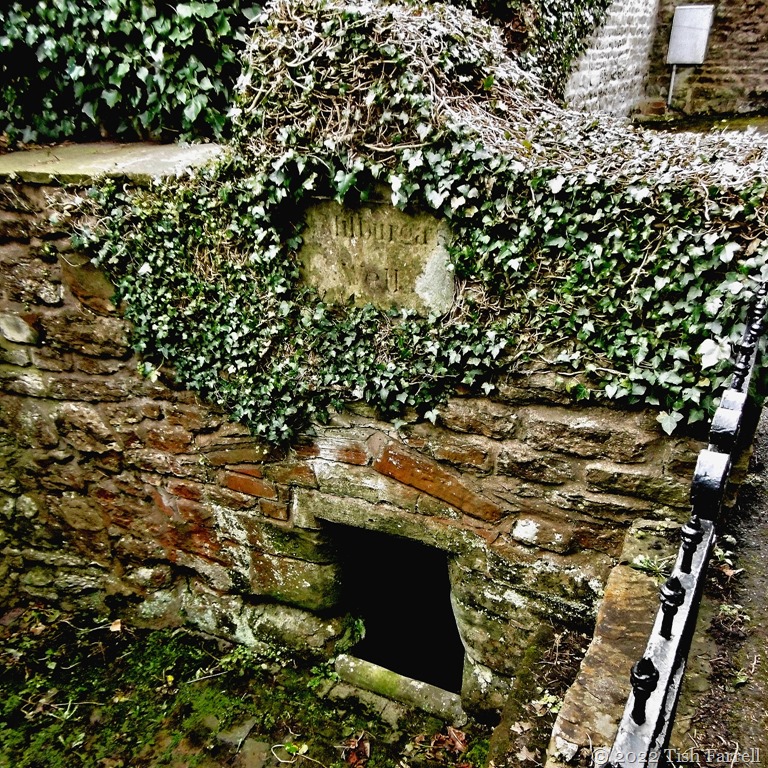
Much Wenlock has at least three saintly wells. St. Milburga’s, a few steps from the town centre, is the best preserved, though it is doubtful the superstructure we see now had much to do with this Saxon saint. She came to Much Wenlock around 690 to take charge of a religious community of monks and nuns, this after being trained in her vocation at the monastery of Chelles near Paris.  Double convents were not unusual in Saxon times, though the men and women worshipped in separate chapels. Milburga was also the daughter of Mercian king Merewald and, along with her appointment as abbess, came the responsibility of managing the lay people and lands of a very large estate that extended many miles into Corve Dale to the south, and across the Severn Gorge in the east.

For the next 37 years she ruled over her communities, temporal and spiritual. She appears to have done a good job because the many legends about her attest always to her healing (and other mystical) powers. She had a particular propensity for striking springs from barren ground and, it was said, could ripen winter-sown barley – from seed to harvest – within a single day. She even brought the dead back to life on more than one occasion.  And in between these miracles, spent much time dodging the unwanted attentions of lusty chaps. This seems to be a common narrative in the tales of Saxon princesses who opted for a life of chastity. In Milburga’s case, rivers rose up to thwart her pursuers.

Water, then, is a common theme here.

She was still remembered four hundred years after her death. In 1100 when the convent church was undergoing repairs, some human remains were discovered near the altar. With their sweet fragrance and mystic glow they could be none other than the bones of Milburga, and so began the cult that over succeeding centuries brought much pilgrim business to the growing town. Two of our town pubs owe their origins to those times.  

In fact beliefs in Saint Milburga’s powers persisted even into the 20th century. Catherine Milnes Gaskell, who lived in the old Prior’s house not far from the well, tells in her book Spring in a Shropshire Abbey  how one day she met young Fanny Milner, sent by her grandmother to fetch some well water. Grandmother apparently needed it to bathe her eyes so she could read the Sunday scriptures. When questioned further about the well’s potency, Fanny tells Lady Catherine:

“It be blessed water, grandam says, and was washed in by a saint – and when saints meddle with water, they makes, grandam says, a better job of it than any doctor, let him be fit to bursting with learning.”

Lady Catherine also relates how the well  had once been the focus of more profane pursuits:

It is said that at Much Wenlock on “Holy Thursday”, high revels were held formerly at St. Milburgha’s Well; that the young men after service in church bore green branches round the town, and that they stopped at last before St. Milburgha’s Well. There, it is alleged, the maidens threw in crooked pins and “wished” for sweethearts. Round the well, young men drank toasts in beer brewed from water collected from the church roof, while the women sipped sugar and water, and ate cakes. After many songs and much merriment, the day ended with games such as “Pop the Green Man down”, “Sally Water”, and “The Bull in the Ring”, which games were followed by country dances such as “The Merry Millers of Ludlow”, “John, come and kiss me”, “Tom Tizler”, “Put your smock o’ Monday”…

Hm. High jinx and ale brewed from church roof run-off – that’s quite a picture to conjure, isn’t it. I hasten to add, we don’t such things these days 🙂

101_4930

The Square Odds  #13