The Cotehele Christmas Garland

P1020954

Even on the dreariest, dankest of days Cotehele is a magical place. For nearly 600 years this medieval-Tudor house was the home of the Edgecumbe family who aquired it through marriage in 1353. In 1947 it passed into the ownership of the National Trust in lieu of death duties.  Naturally, December is not the best time to visit, not if you wish to see the main house, or wander in the gardens. But from mid-November to 31st December Cotehele does have one very special attraction that makes it well worth the trip up winding, narrow lanes and into the mysterious Tamar River hinterland.

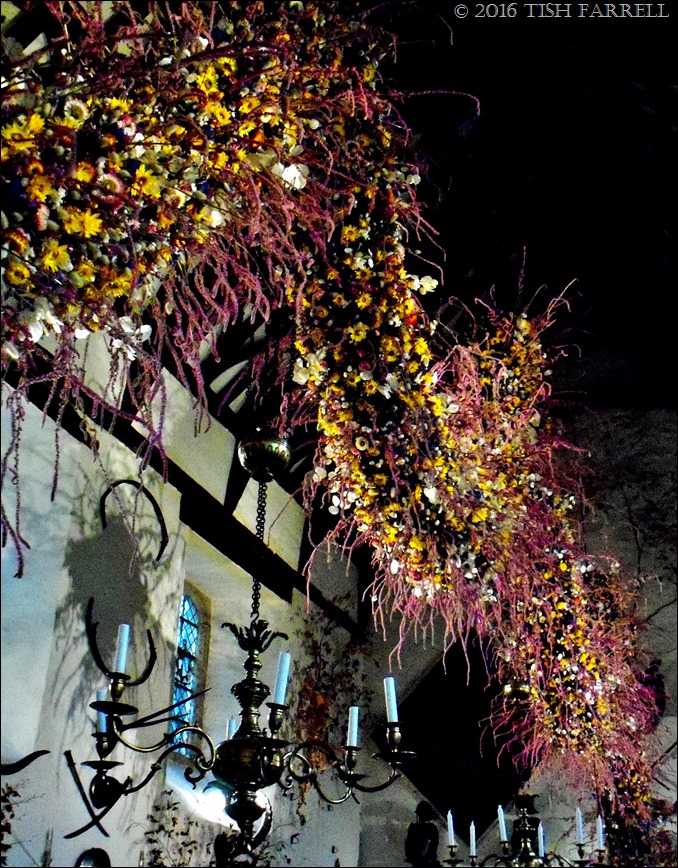
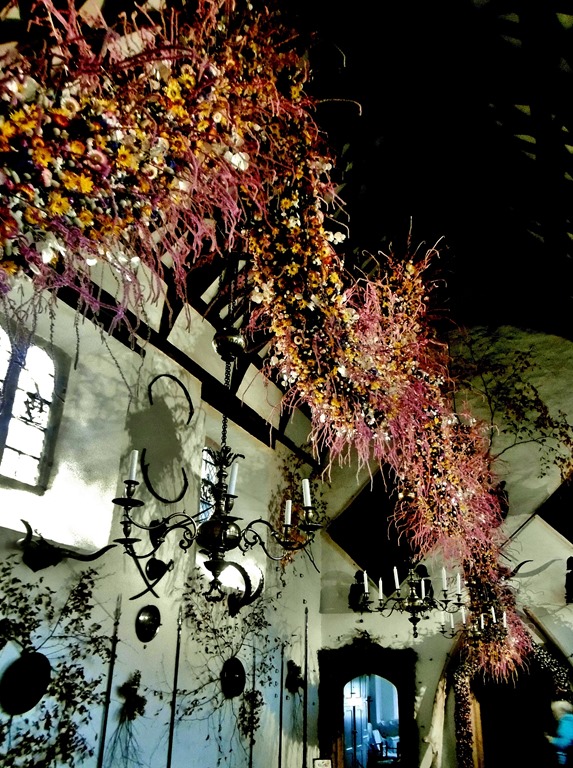
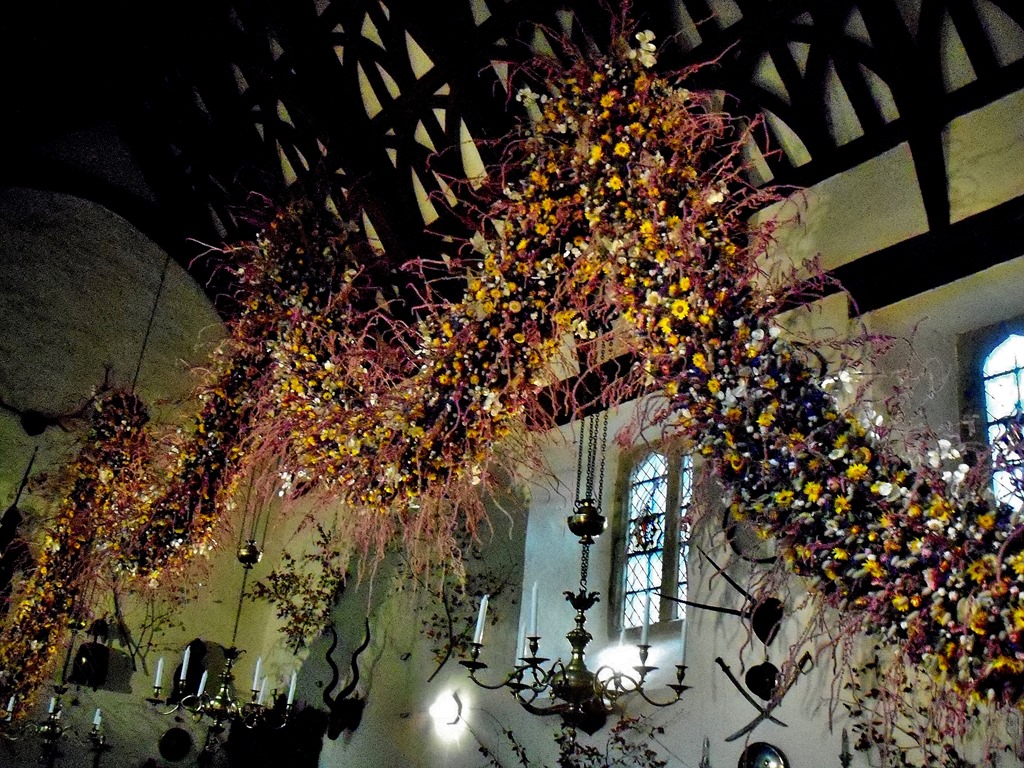
Every year in the Great Hall, and with a log fire flickering in the grate below, an epic swag of dried flowers is hung from the rafters to brighten the festive season.

The garland comprises one hundred feet of rope dressed with 46,000 dried flowers, all of which are grown on the Cotehele estate.  When you step into the Hall there is the faintest scent of summer hay, all of which puts one in mind of old English Hardy-esque midsummer relevry, and brings on a fit of nostalgia for the rustic yesteryear that probably never was.

But it does not matter. As invented traditions go (and the notion for it began in 1956), the garland is beautiful, and a darn sight more picturesque than that other English invention of similar vintage – the Ploughman’s Lunch that is still found lingering dolefully on most pub menus.

The garland takes staff and volunteers two weeks to construct. The base is made up of cuttings from 60 evergreen pittosporum trees. Added to these are statice, grasses, helichrysum, pink pokers, xerochrysum, acrolineum and helipterum. The whole creation lifts the spirits, and in the darkest days of the year, what more could one ask for, that and a delicious bowl of homemade soup in the National Trust tea room?

100_8667

100_8661

100_8686

Cotehele Great Hall

copyright 2016 Tish Farrell

Turn of the year in my garden ~ Bench Series 50

P1020222


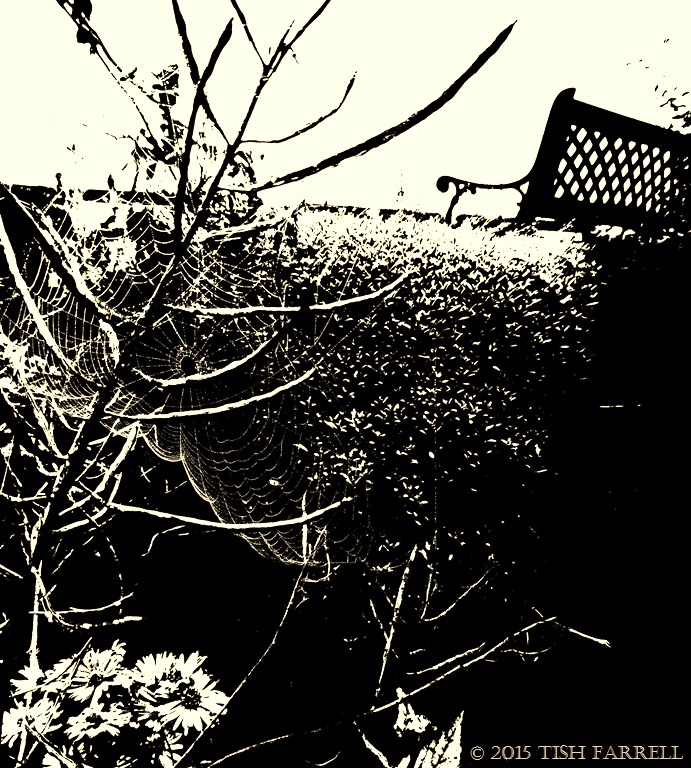
This month Jude at Travel Words is giving us a free hand with our seating arrangements. Please hop over to her place at Bench Series #50 to take part in the challenge and to sample other bloggers’ seats of fancy.  My entry, I confess, is rather off-beam bench-wise, but it summons a sense of its place in my garden scheme of things. The bench itself is not very exciting to look at in real life, but it is a good place to sit. From it you can look out on our bit of guerrilla gardening behind the boundary fence, at the the field and the footpath beyond, and thence up at the big sky over Wenlock Edge. Back in the summer, as I came up the path from the allotment, I would  often find Graham sitting there, waiting to see what I was bringing home for supper. So yes. A good place to simply be.

copyright 2015 Tish Farrell

Life, the universe and everything: all is (extra)ordinary

100_7579

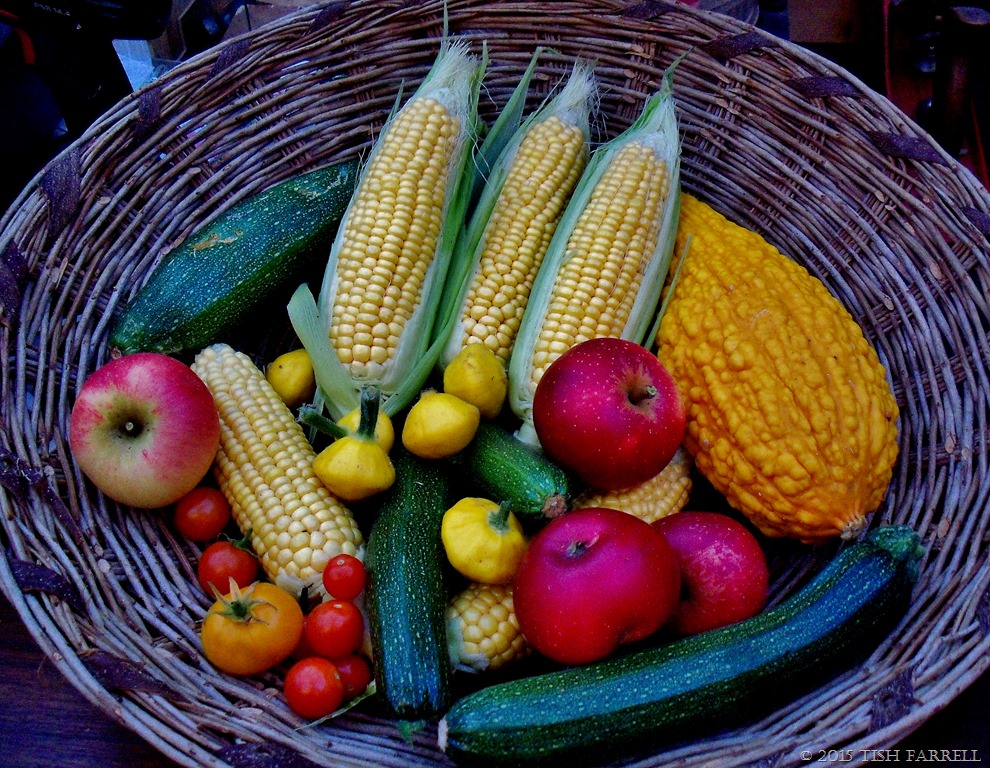
I whinged a lot during the year about this and that at the allotment – too much wind, too much rain, not enough rain, not enough sun, too many slugs, an invasion of dandelions and buttercups, too little compost, but even so – yes, even so – I have had a magnificent harvest, and it has made us, along with a few friends and relatives, and many of Graham’s workmates very happy.

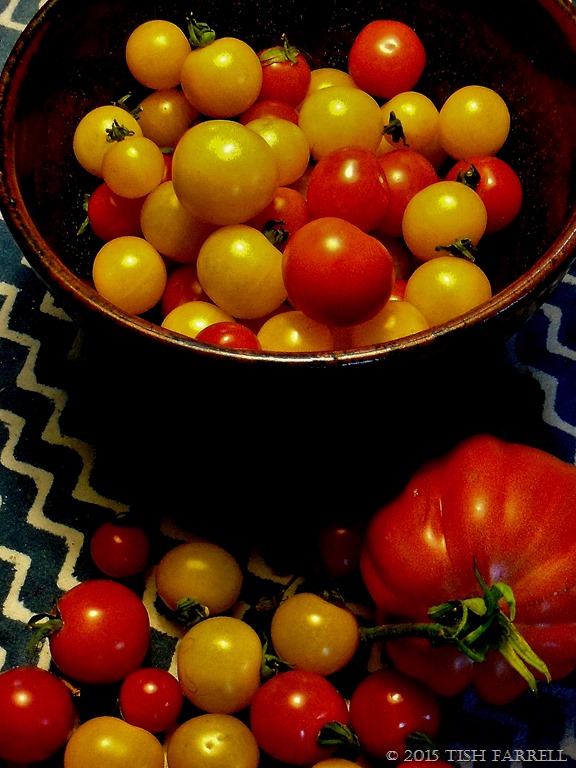
Excess runner beans have been recycled into a surprisingly delicious piccalilli-type chutney; cherry tomatoes have become tomato chilli jam, or Chillied Out Tom, as Graham named it when making the labels. I’ve made only a few pots of ordinary jam since we do try not to eat much sugar – raspberry, strawberry, damson, and we have a freezer full of field (fava) beans that I’ve discovered convert into the most delicious bean hummus if, after cooking, you relieve them of their skins, and add lemon juice and garlic.

Today, over half way through October, and I am still picking peas, carrots, beetroot and courgettes, and the last of the summer lettuce. Then there are the winter crops coming on: various kales, leeks, caulis, cabbages and Brussels sprouts. This week, too, I’ve been making a new strawberry bed, planting out Elsanta, and Alice varieties, and ordering a few Flamenco which are ever-bearers – fruiting from spring to the first frosts. Then there were overwintering onions to put in, Radar, being a reliable variety, and also garlic beds to make.

I have routed the tomato jungle from the polytunnel apart from a few plants, and it’s a relief to see some space. While I was doing this I came nose to nose with a large toad, which was very pleasing, once we’d got over being scared of each other. Eat more slugs, please toad. I’ve planted out the tunnel’s raised beds with winter salad stuff including purslane, winter lettuce, bunching onions, chard and lamb’s lettuce. I’ve sown a few seeds in there too, just to see what will happen – some herbs, rocket, and various Chinese leaves and mustards. As it gets cooler I will cover those that emerge with fleece.

Otherwise, it’s been all systems go, tidying the plot. This afternoon I was taking down the runner beans and their canes, and digging over the bed, but I was doing it to the heady scent of sweet peas that are lingering on. I also have some jewel coloured nasturtiums growing in the corner of the polytunnel. They smell delicious whenever I open the door, and of course you can eat every part of them – flowers, leaves and seeds, so I’m hoping they’ll keep going into the winter.

There’s just so much to be grateful for in this extraordinary world of ours, though we’d do well to nurture it a bit more so it can continue to nurture us.

100_6937

(Extra)ordinary

Autumn in my garden

100_7438

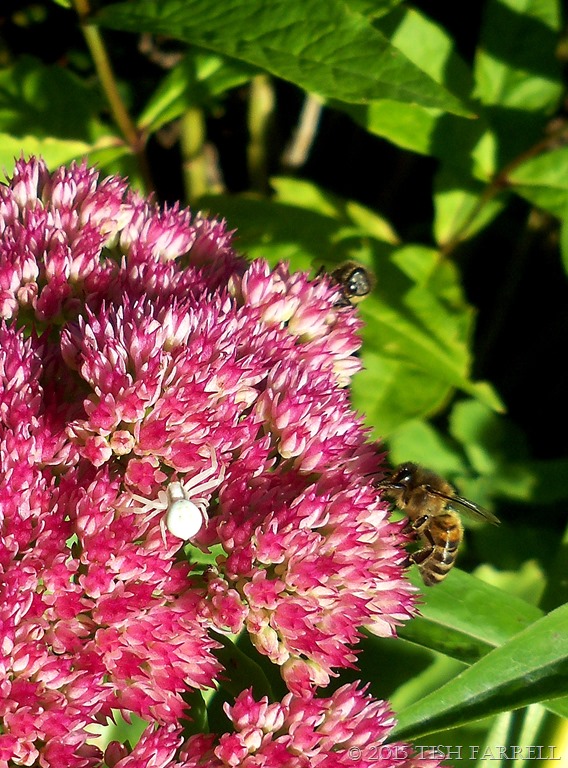
This little crab spider is for Ark at A Tale Unfolds. He regularly shares with us the fascinating wildlife in his Johannesburg garden. He’s rather keen on spiders. The one on my sedum (Misumena vatia)  is, if internet photos are anything to go by, capable of taking on a big, fat bumble bee. The bees here are being a tad regardless I feel, so keen are they to guzzle nectar.

100_7440

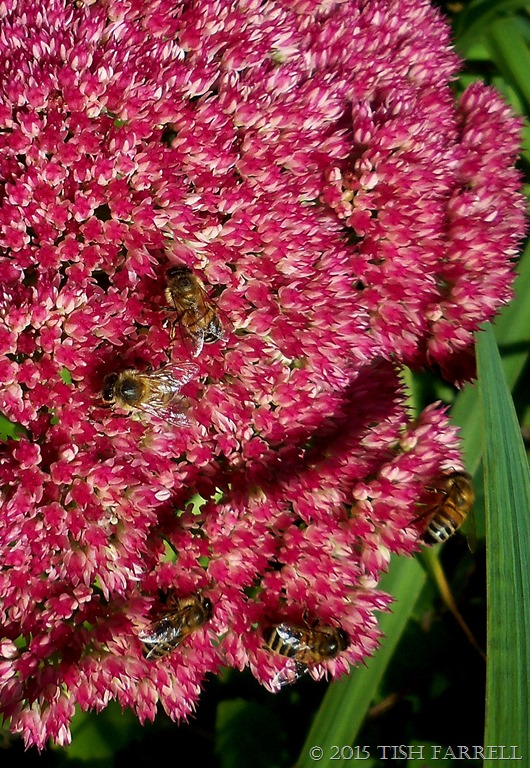
In fact sedums are bee heaven at this time of year, so everyone who can, do grow them. There’s a huge range to choose from. The bees are doubtless stoking up energy for the winter ahead. I also forgot to mention that the crab spider can, in a limited way, change colour to match the flowers it is hunting on, though it usually frequents yellow and white ones.

100_7435

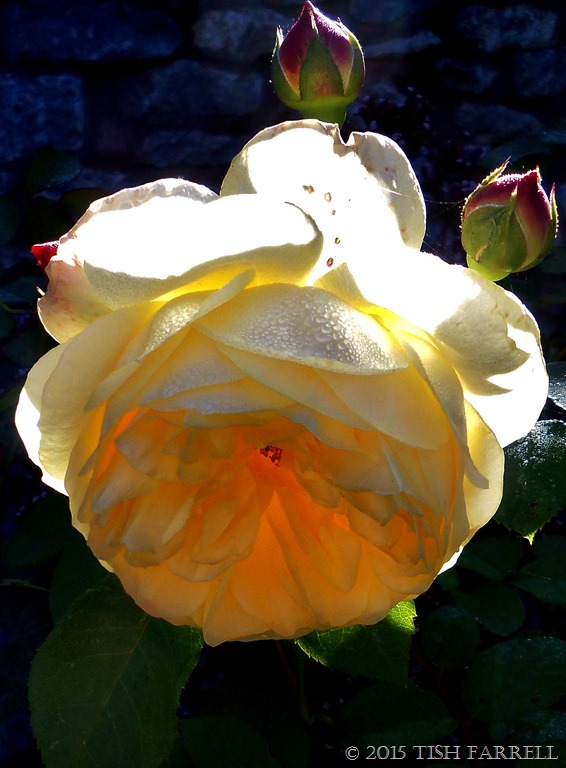
In my September in my garden post I mentioned that the rose at the top of the steps, Teasing Georgia, had come into bud for a second flourish. At the time  the weather promised to be so dismal, I wondered if she’d get a chance to bloom without the flowers being rained off. Well, the sun came back and Georgia came out in all her golden flounces:

100_7493

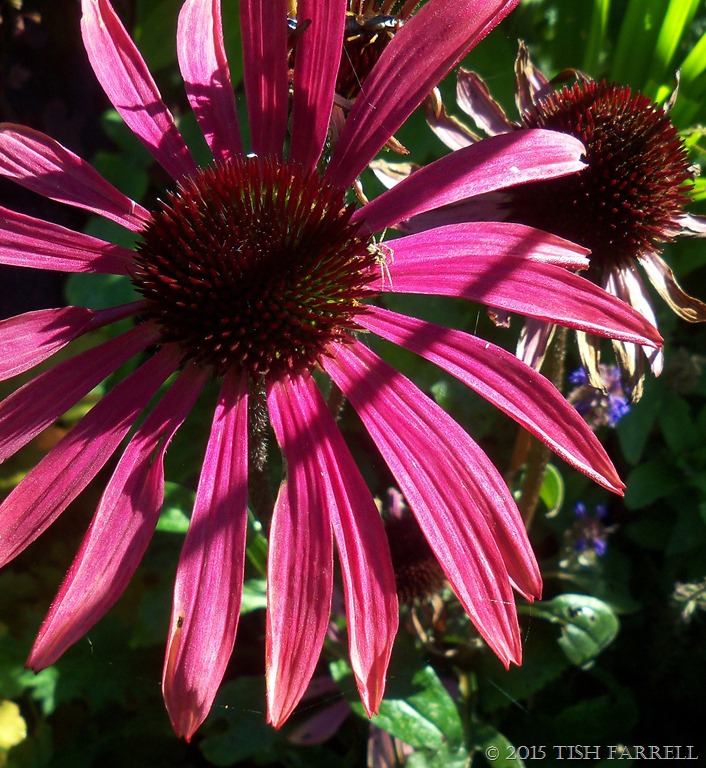
And here’s another tiny spider, identity unknown, sneaking in the echinacea (centre right):

100_7510

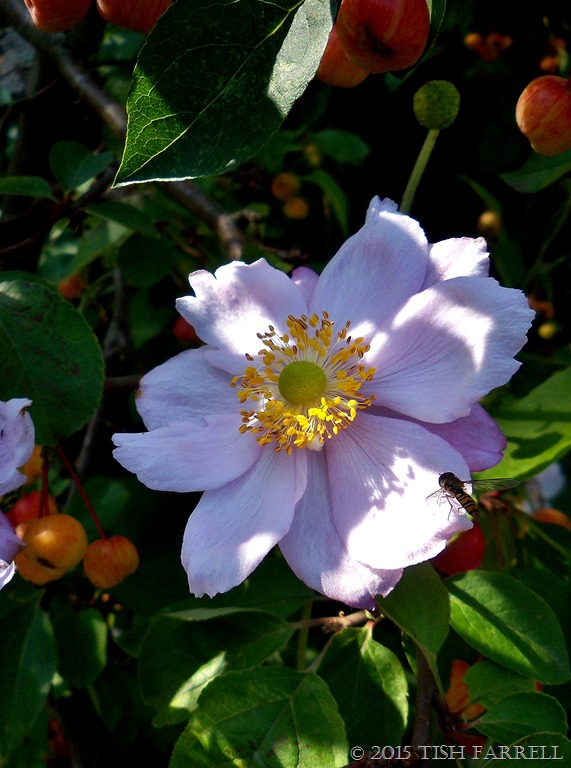
And finally, a sun-dappled Japanese Anemone with a hover fly:

100_7536

I’m linking to this Cee’s flower of the day

Please visit her blog for a daily floral fix.


Tales From The Walled Garden

IMG_0008

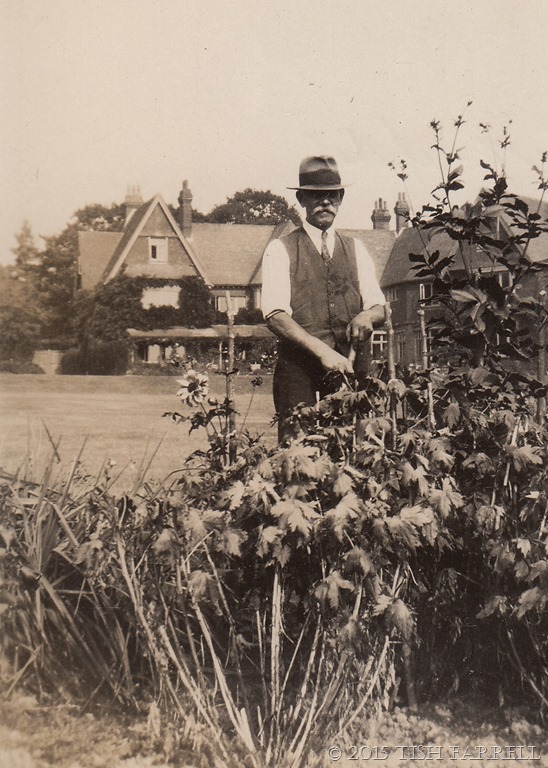
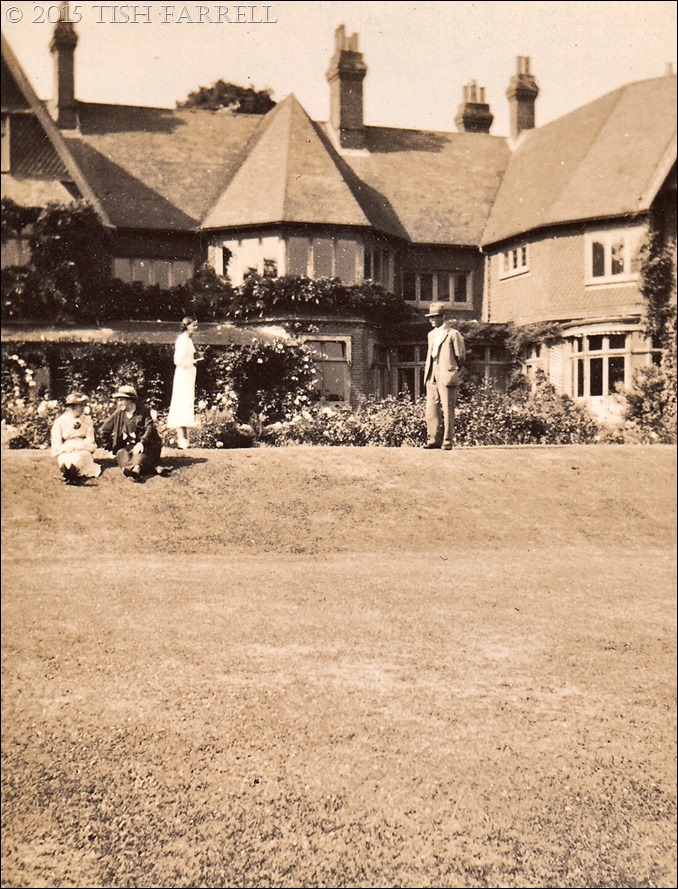
No, this is not the Tish Farrell ancestral pile, although my young aunt (standing) and my grandfather do look very much at home here. They are in the garden of Redhurst Manor, Surrey, where my grandfather, Charles Ashford was head gardener during the 1920s and ‘30s. My Aunt Evelyn was born in the gardener’s cottage on the estate, so you could say, in a way, that Redhurst  was their domain – at least for a time. Grandfather certainly ruled the garden and the men who worked under him. He was fastidious in his gardening discipline, and much else besides, and expected the same from others; a true Victorian then.

And given his sense of propriety, I think one can be pretty sure that this particular Ashford family gathering, with Grandmother Alice Ashford (nee Eaton) sitting so comfortably on the lawn (she’s the one in the dark frock, busily chatting) would not have been happening if the Major and his lady had been within.

When I was editing this photograph, I thought about cropping off a good deal of that velvet smooth lawn. But then I thought, no. The fine state of it was down to Grandfather and his team with the horse-drawn mower. I also know that  when Evelyn was small her mother used to smack her legs for rolling down that bank and getting her Sunday silk frock all green and grassy. Not the sort of the thing the very proper young lady in the photo would be doing.  She was very tall for her age, so was probably only fifteen or sixteen when captured here.
IMG_0012

I gathered from family stories that Grandfather’s employer was an Anglo-Irish cavalry man who had been burned out of his home in Ireland during the troubles. He had another house up in Yorkshire, where he and his wife would often go.

Sometimes Grandfather accompanied them if they were going up for the shooting season. He had the reputation for being a fine shot. Even so, however you look at it, this was a  most uncommon situation: a gentleman inviting his head gardener to a shooting party. My mother always said the Major’s lady was rather keen on Charles Ashford, and would invite him into her boudoir when he came to present her with the first peaches from the hot house. She would be dressed only in her silk negligee, reclining invitingly on a chaise. Mother could have made this up of course. In any case, Charles Ashford would have chosen not to notice such a state of shocking déshabillé in the presence of a member of the outdoor staff. 

All the same, I do know he would take her sprigs of winter jasmine, arranged in little silver vases provided for him by Johnny the Butler, and selected specially by Grandfather from Johnny’s Butler’s Pantry. I also have a postcard sent to Grandfather in early March 1937, after he had left Redhurst and the Major moved permanently to Yorkshire. A touch of Lady Chatterly light?

IMG_0018

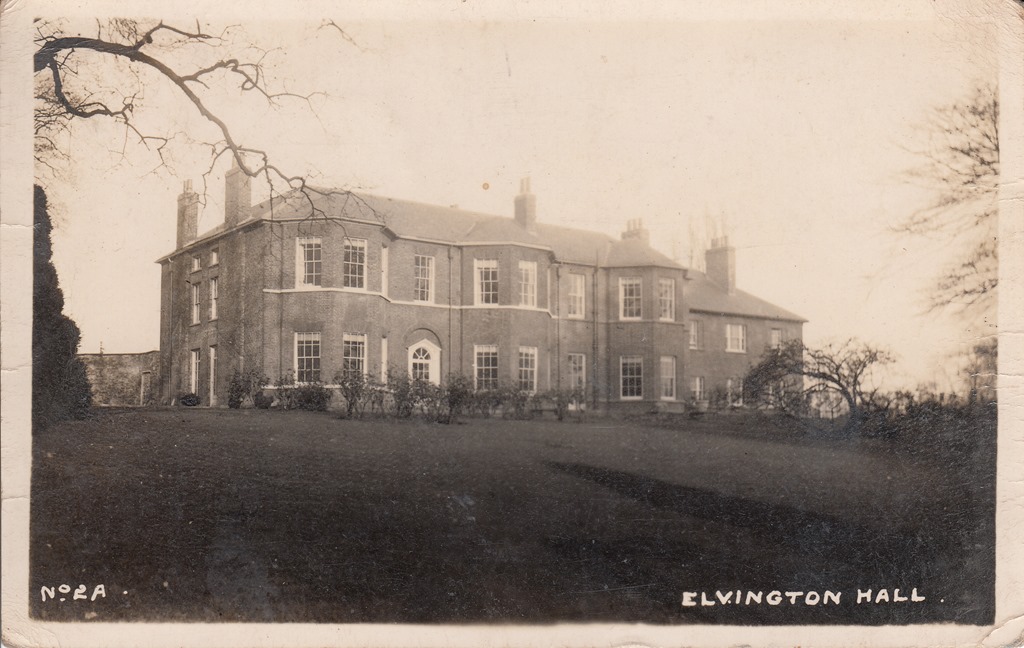
“Thank you so much for the lovely violets which arrived beautifully fresh. Hope you are all well. T.B.B.”

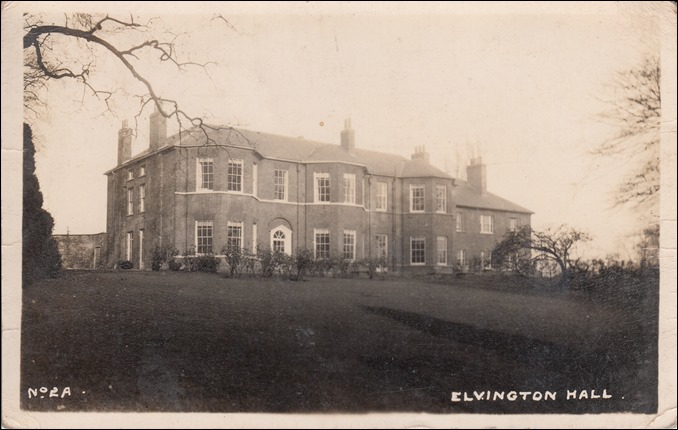
On the reverse side is this photo of what I assume is T.B.B.’s Yorkshire home. I am touched to think of Grandfather carefully packaging up the first spring violets to send to his former employer. I imagine him wrapping the stems with damp moss, adding swathes of paper to protect the flowers and placing all in a sturdy cardboard box, then taking the parcel to Cranleigh post office.
IMG_0017

IMG_0011

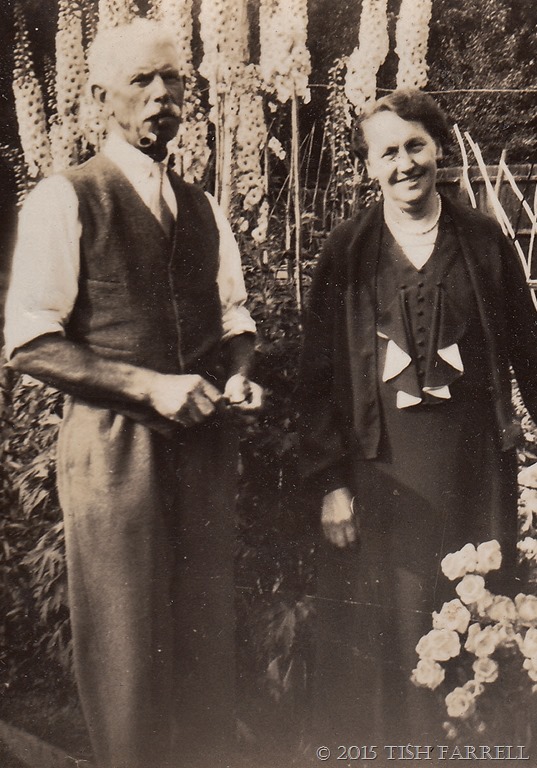
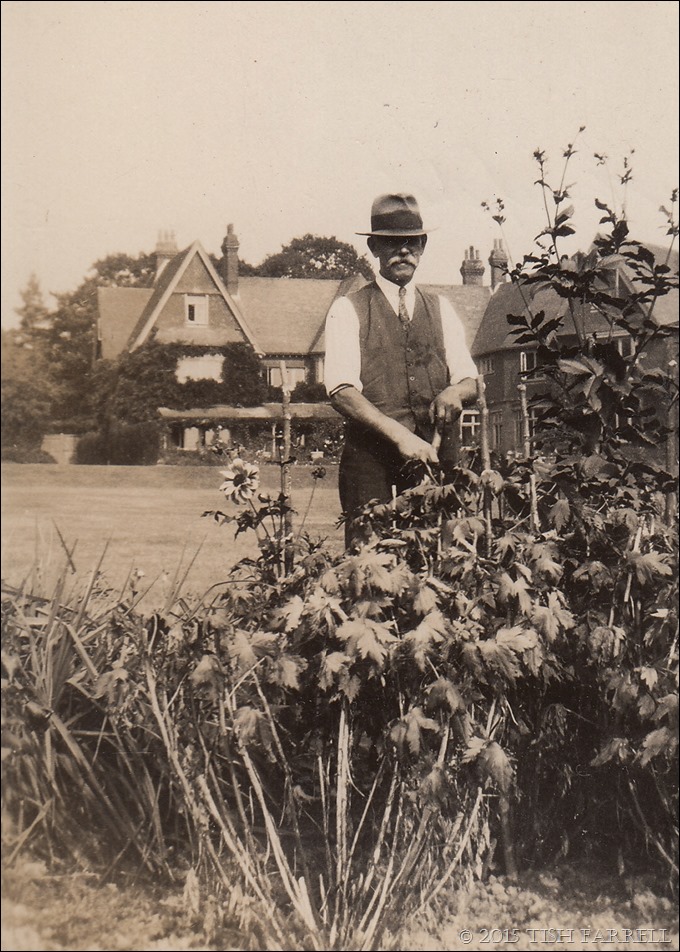
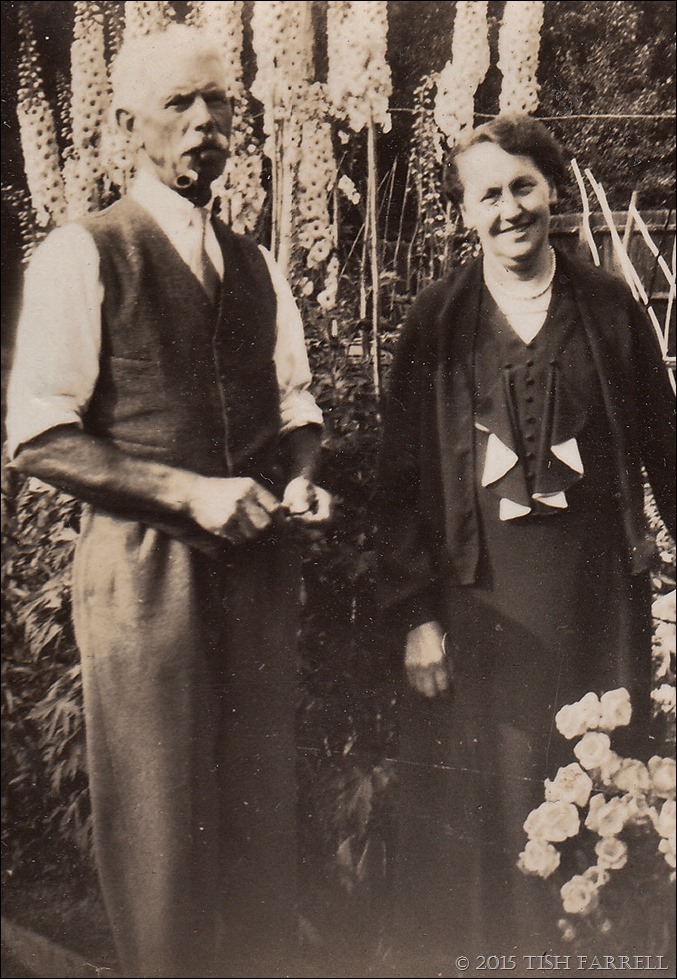
Here are my grandparents at around the time the postcard was sent. They are in the garden of their house on Mount Road, Cranleigh. Just look at those delphiniums.  They were Grandfather’s favourites, along  with heleniums. At the manor he had cultivated a big herbaceous border of mixed delphiniums and heleniums, using them to create a stunning screen between the walled kitchen garden and rest of the grounds. Such a planting scheme – spires of blue soaring through the golds, reds and oranges of heleniums, surprises me somehow; it sounds very modern – very nouveau garden designerish.

The kitchen garden was walled on three sides, and about half an acre in size. This was where Grandfather had his command post, and the reason I know this is because one of the treasures inherited from Evelyn were the notes of her talks given to her local gardening club. Charles Ashford was very much a feature. As  a small child she followed him around, taking in everything he did, although he expected her to work too. Here is her description of her father’s work place. It reveals  much about the man:

Imagine that we are standing in the holy of holies, my father’s potting shed. It was not all that large and the space was taken up with deep shelving on three sides of the shed. There was a door into the kitchen yard and another into the garden itself. On the back of one door were three large coat hooks to take the jackets that my father needed and also his green baize apron. On the other door hung his clean alpaca jacket which was worn when he went into the house, a dust coat to be used in the fruit room and his leather pruning apron with its thick, left-handed coarse leather glove sticking out of the pocket. These garments comprised his head gardener’s uniform; there was almost a ritual about putting them on for the various tasks.

My father’s own tools were hung in neat and spotless order on hooks to the left of the garden door. He insisted on clean tools and, after every task, the men had to be sure to wash, and then rub dry on old sacking any tool that had got even the slightest bit dirty. A little spot of oil was rubbed into the spades and trowels and forks until the metal shone. Wooden handles were treated with linseed oil which was thoroughly worked in. Only then could the tools be stored away. That is why, to this day, I am still using a well worn spade and fork that belonged to my father. There have been times when, if in a hurry I have hung my spade up dirty, I have gone scurrying back to give it a ‘a lick and a promise’. I can almost hear my father saying, ‘That won’t do, miss. Dirty tools make bad workmen.’

Reading these notes, I wish I had known him. I only remember meeting him twice. After Grandmother died, he lived with my aunt down in Wiltshire, and we lived miles away in Cheshire. But this next photo suggests that my father at least made one effort to visit him.

. IMG_0001 (2)
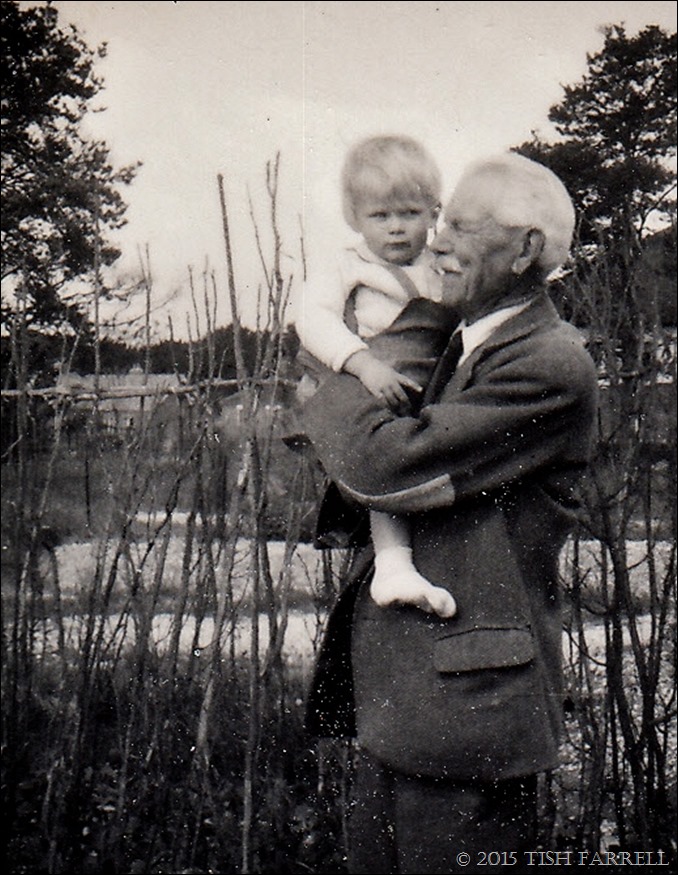
I’m about two years old here, and I’m guessing that this was Grandfather’s eightieth birthday. I have my own distinct  mental snapshot of him. Before lunch he was out in the vegetable garden in his shirt sleeves, sifting the stones from the soil in a big garden riddle. I remember being fascinated by this strange activity. My other snapshot is when he came to stay with us in Cheshire at Love Lane House. It must have been summer for I see him sitting in the sunshine outside the front door, shelling peas into a colander. I remember too, that he bought me a very beautiful little sailing yacht with a coffee coloured hull and ivory sails. I don’t think we had much luck sailing it though.  But although I did not know him, and grew up mostly with my father’s tales of Grandfather’s monumental temper, I do often think of him  -when I’m up at the allotment digging and weeding and seed sowing. I know he would be pleased to see me gardening, but I also know he would have some sharp words to say about my sloppy gardening habits.

copyright 2015 Tish Farrell

P.S. There will be more walled garden tales to follow

September in my garden

100_7062

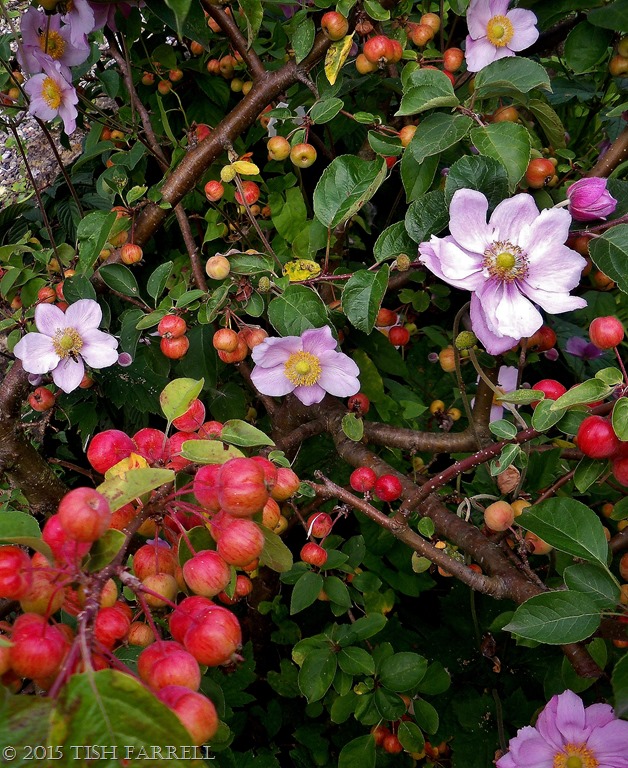
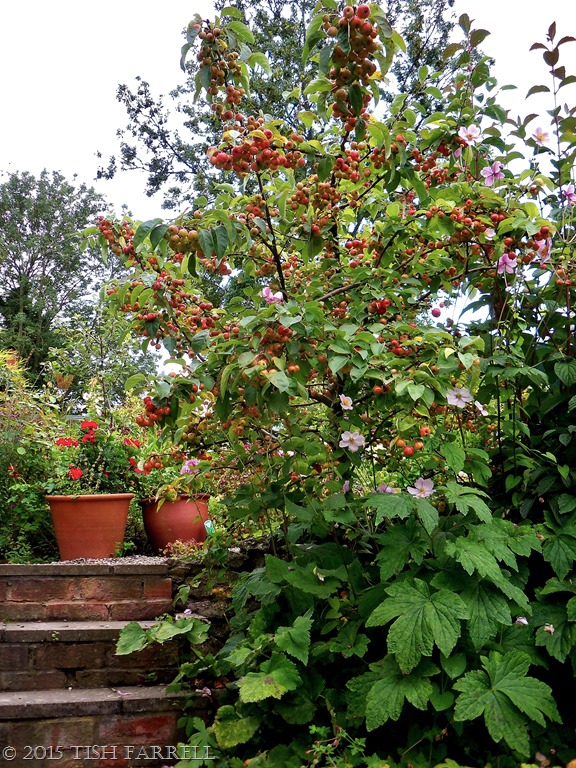
This year, for some reason, the Japanese anemones have decided to take on their close neighbour, the Japanese crab apple tree, in a ‘let’s see who can grow tallest’ contest.

Admittedly, the tree is a small one,  three metres at most, but some of  the anemones are already two metres tall.

This is the kind of gardening I love: where the plants come up with their own ideas. I did not plant the anemones directly under the tree. They seem to have moved in there by themselves, and now use the tree’s protecting arms as they grow ever taller.

Nor is this a colour scheme I would have thought of concocting – pale pinkish-purple, russet red and green. But somehow it’s very pleasing, and especially on the dull days we’ve been having lately.

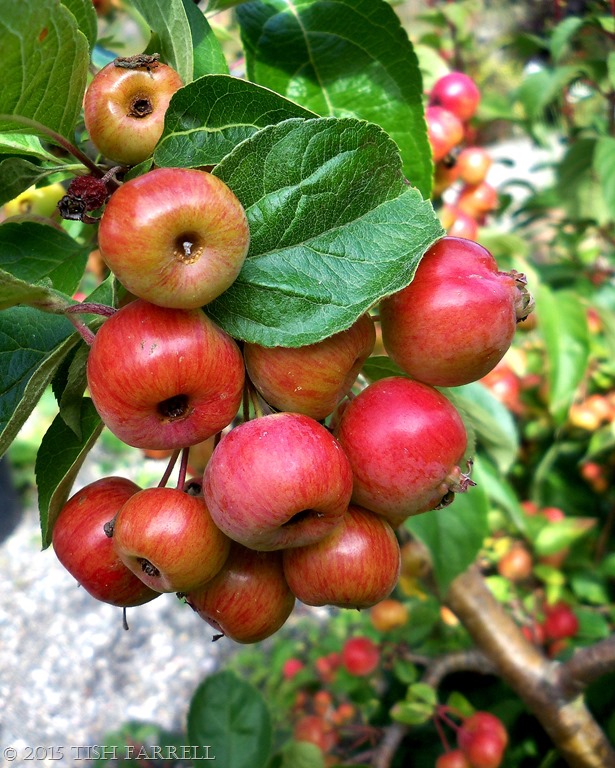
Every day, too,  I see the tiny crab apples turning a deeper shade of red: perfect Garden-of-Eden miniatures,  which reminds me of a comment made by Melanie at My Virtual Playground. One of the times I featured my crab apples she told me they were called pommes sauvages in French – wild apples – an altogether much prettier name. I agree. Although my ‘wild’ ones have been much inbred, and don’t have quite the same sense of abandon of the truly wild ones found in our field hedgerows.

100_7068

The tree is Malus Evereste by the way. It is glorious in spring too. (You’ve seen the picture). It’s growing in a tall bed which gives us an all-year good view from the kitchen French windows.

100_7104

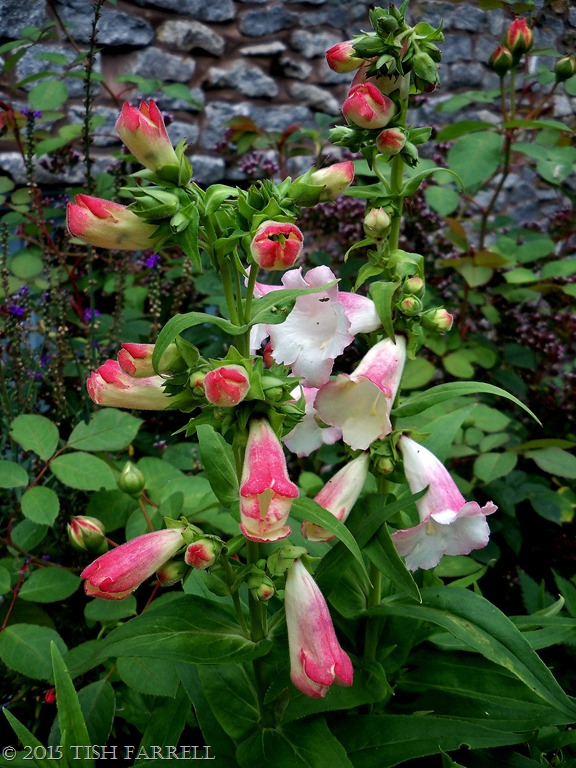
Elsewhere in the garden things are  looking a little dreary round the edges, but there is still some stalwart blooming going on. The red geraniums look bright in the garden pots despite the recent downpours, as does this lovely penstemon:

100_7127

I think it’s my favourite version of this most obliging plant. If you cut down the stems after flowering, in a few weeks time you get another showing, perhaps more vigorous than the first. This variety is called Apple Blossom, but it makes me think of raspberry ripple ice cream – a rather shivery thought on this gloomy day.

Growing in the bed just behind Apple Blossom, you can see Teasing Georgia. She’s in bud again too. This is such a lovely rose, and opens into dense whirls and whorls of pale gold.

I’m hoping she’ll open before the weather turns weirder than it already is. Forecasters are now promising us the coldest winter ever. But endlessly prone to optimism, I’m further hoping that this is the same order of forecast that in March promised us a barbecue summer and drought. (Hands up all of you in England who managed to fit in more than one barbecue between the wind and showers).

100_7130

Our garden is all over the place and on different levels. This is because circa 1830 the house was built into a steep bank between the field behind, and the road in front.  Later occupants then dug out a rear yard, and added a tall terrace bed, and behind it, a high retaining wall.

I have yet to get to grips with gardening in so many dimensions, which is why I rather depend on the garden to follow its own design. I also notice that it is devising its own timetable. For instance, what does this June-blooming foxglove think it is doing amongst the late summer rudbeckia?
100_7116

Just to the left of the foxglove is the dead head of meadowsweet. It has a pink flower, which also surprised me this year. This is something else the garden has come up with: creating (somehow) a very vigorous hybrid from the original wild, and cream-flowered meadowsweet that I originally planted.

I shall definitely encourage the new version, and plant out any seedlings. It is a statuesque creation, very tall, and softly scented. Also Meadowsweet, apart from being used to flavour beer and deserts, has its place in Welsh legend. In the Fourth Branch of the Mabinogi, the 11th century transcription of age-old tales, there is the dark story of Blodeuwedd (flower-face), a beautiful woman created by the magicians, Math and Gwydion from the flowers of oak, broom and meadowsweet. The tale does not end well. Blodeuwedd (pronounced: blod-EYE-weth) is also the name for owl, a fact, along with a reworking of the Mabinogion story, that was famously explored in teen fiction by Alan Garner in The Owl Service.

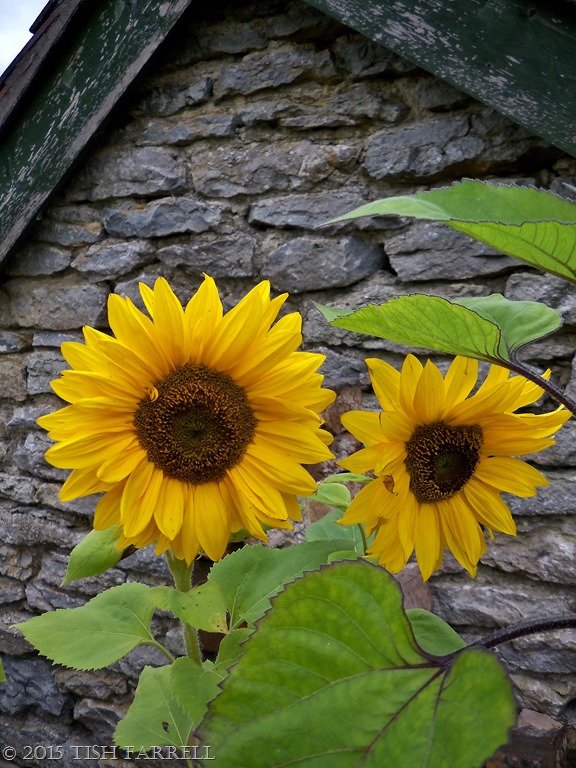
And thinking of  flower-faces, here are two growing in a pot by the old privies (now our two dysfunctional  garden sheds – i.e much head-banging on lintels, followed by standing in one’s own light so you can’t see what’s in there). These sunflowers have taken ages to come out, but it’s nice to see them at last, and especially now the real sun has gone away. It’s hard not to smile back at them, isn’t it?

100_7117

Happy Wednesday!

Inspired by (but with added fruit)  Cee’s Flower of the Day


Bumbles in my borders

P1010778

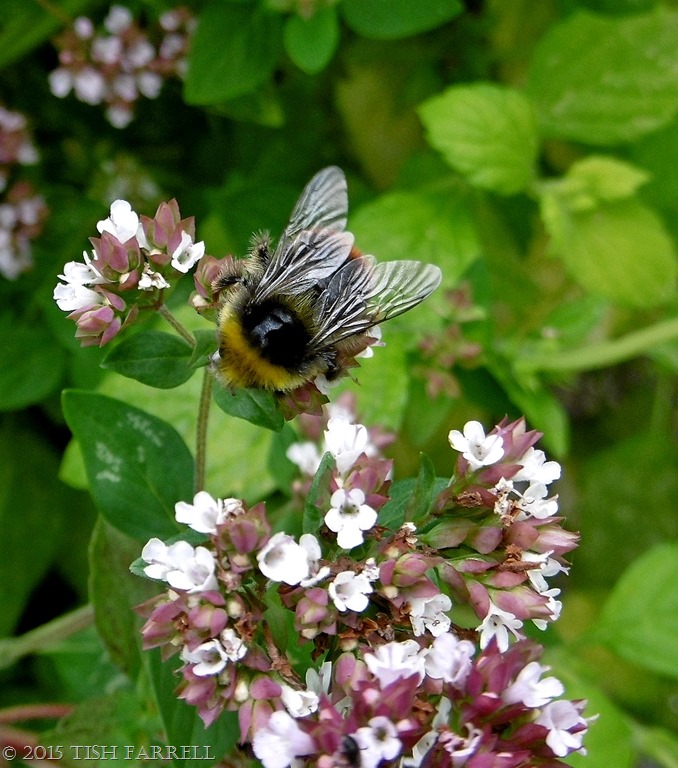
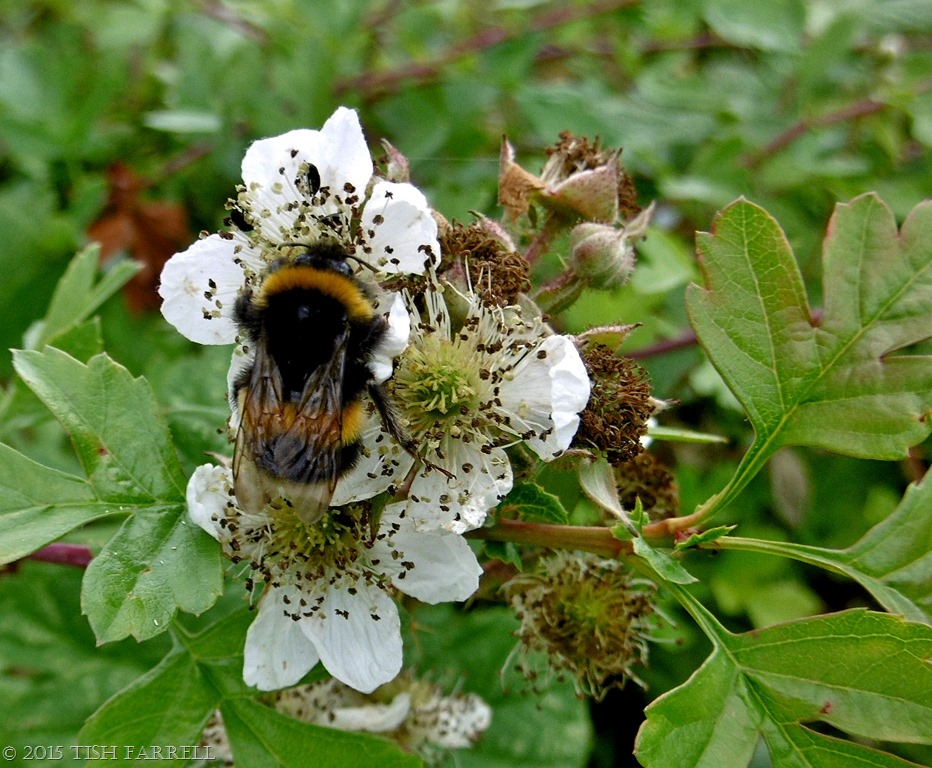
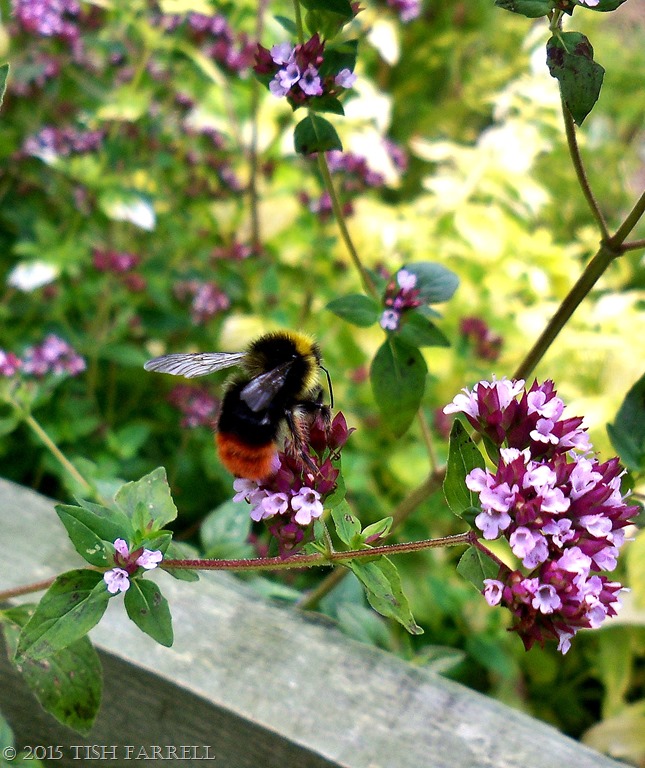
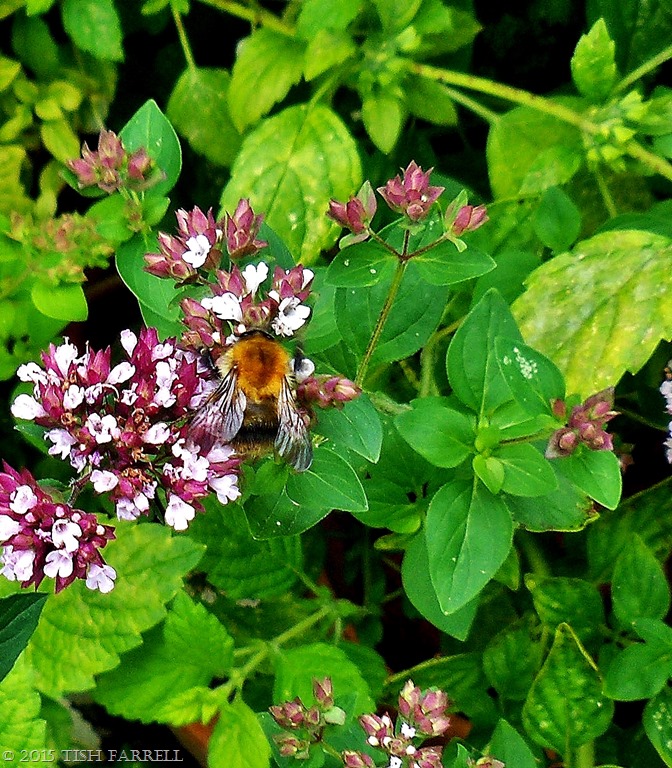
A couple of summers ago we took out a length of hedge between our back garden and the field. It was a thicket of alien snowberry and overgrown ash tree seedlings, and a nightmare to cut. Now we have a simple fence, a rampant herb and wildflower garden that grows itself, and a view.  We also have masses of bees.

Back in the spring they foraged on the columbines; later on the spires of self-seeded purple toadflax and foxgloves. Now they are gorging on oregano and bramble blossom. I spotted at least three varieties of bumble bee this afternoon, but apart from the red-tailed bumble below, I’m having problems identifying them. For those of you who wish to try, there is an excellent identification page with a video at bumblebeeconservation.org

P1010768

100_6468

100_6453

100_6050

copyright 2015 Tish Farrell

Close Up

Thursday’s Special: Seeing Red

I’m in love with the Japanese crab apple tree in my garden at Sheinton Street. There is hardly a moment in the year when it does not give pleasure. Even now in February there are still a few tiny apples on its bare branches – minimally disposed like a left over Christmas tree that someone forgot to undress. The black bird still visits, although by now the apples have been frosted and lost their bloom.

But then I also know that by the time the last one has fallen, there will be tight rosy-red buds bursting to make the next crop, bees permitting. And while I think of it, I’m grateful to fellow blogger, Mélanie at Mon Terrain de Jeux who tells me that crab apples sound much lovelier in French, and I agree – pommes sauvages.
On the other hand, my little tree is so finely wrought and well bred, and its fruit so exquisite, that I can imagine no situation when it might be tempted to wildness – unlike its large, unruly English cousins that grow in our farm hedgerows. Those I raid in October for their not so pretty fruit to make jars of crab apple jelly. (How could I possibly pick my own pommes sauvages?). The jelly is delicious on toast and croissants, and the jars glow like jewels as the hot jelly is poured into them. Mmmm.
More things to look forward to then: blossom, bees, pommes sauvages, toast…

100_5546

For Paula’s Thursday’s Special challenge ‘Red’ at Lost in Translation