Traces Of The Past ~ The 330-Year-Old Hedge

P1040963

It’s hard to imagine that this gigantic bastion of ancient yew trees began three centuries ago as a formal terrace row, each tree cut into a neat, small cone or obelisk. Back then in the 1680s, when these trees were first planted, the taste in grand garden design was for the linear and geometric, following the French notion of strict plant control.

A hundred years later it was all change.  In keeping with the new romantic landscape style of English gardening, the yews were allowed to grow as they pleased. The aim was to create vistas of idealized nature.

But this more liberal attitude did not last either. Around the time of the yews’ two-hundredth birthdays, Victorian garden men armed with sickles and step ladders intervened, and began creating this  arboreal rampart of free-form topiary. Both fascinating and overbearing, I feel. The gardeners apparently hung onto to their ladders with one hand, while pruning and shaping with the other.

Today, the effect is still maintained by National Trust gardeners, now using electric hedge trimmers. Every year four of them start work in late August, and keep on trimming until mid-November – three months’ toil.

The yews are to be seen at one of the National Trust’s outstanding properties – Powis Castle, near Welshpool in Powys, just over the border from Shropshire. We called in there on our way home from our recent stay on the Mawddach Estuary in mid Wales. I’m afraid that on this occasion it was more for a good cup of coffee than for culture.

P1040976

P1040932

The castle dates from around 1200 when it was the stronghold of the last Welsh princes of Powys. In the sixteenth century ownership passed to the English Herbert family who acquired the title Earl of Powis. Indeed, they appeared to have acquired it on three separate occasions through history until the title eventually stuck fast to the family.

One of the Herbert daughters married the son of Clive of India (Robert Clive 1725-1774) – he who plundered the subcontinent under the auspices of the British East India Company. The Clive fortune paid for repair and development of the castle, and Robert Clive’s collection of valuable arts works gathered during his India days are on display there. You can tell I have very mixed feelings about this. But scruples aside, the house is well worth seeing and it contains many treasures.

The garden, though, is the best part. The setting is magnificent, with stunning views of the Welsh borderland. A whole day (and indeed several days at different seasons) could be spent exploring the many layered terraces, the lawns and woodland walks. The planting is on an epic scale with many unusual herbaceous varieties deployed. Specialist garden history talks are also available, and when energy flags (and as intimated earlier) there’s a good restaurant-tea room for re-charging purposes. Although to be on the safe, take your own picnic as well. It’s a long way from the grand lawn to the courtyard refreshment station.

copyright 2016 Tish Farrell

Please visit Paula at Lost in Translation for more traces of the past. This theme is going to be regular every-other-month challenge on her blog, which is good news. Thank you, Paula. I have lots more traces in my archive.

My Wenlock Summer Garden

100_9967

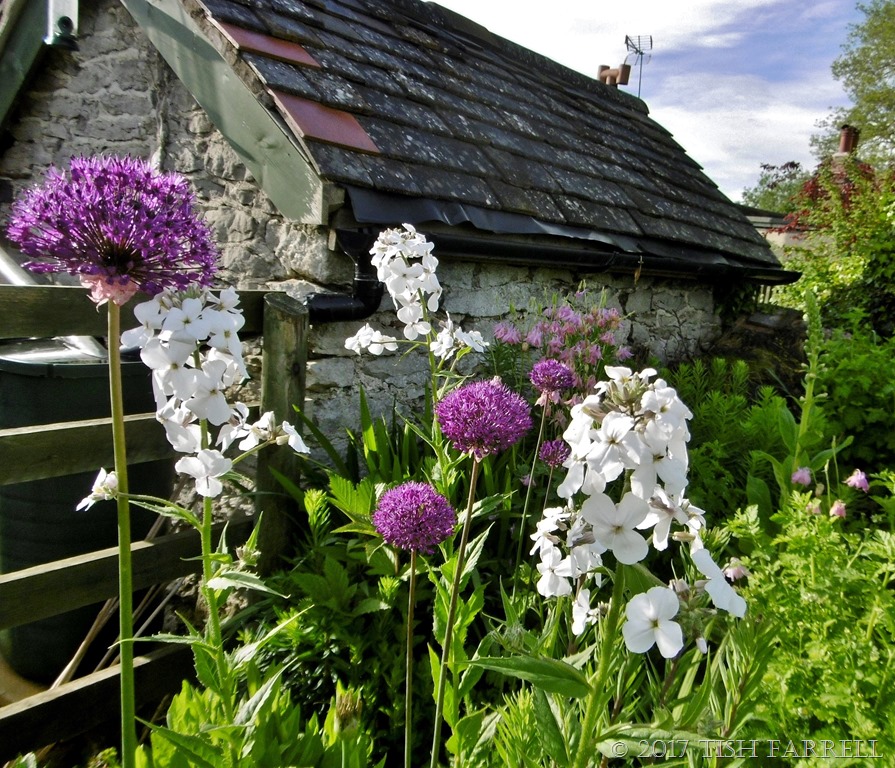
For her June Sunday Garden Challenge, Jude asks us to show her what summer means to us. So here are a few views of our garden on Sheinton Street. I should say straight away that I don’t give it the attention it deserves, and that daily I abandon it as I walk through and out the back gate and across the field to the allotment.

The plot is long and thin, following the width of the cottage, and on three different levels, which I don’t make enough of. For one thing, I know it must be possible to have beautiful plants growing somewhere within it all the year round if only I would sit down and do some proper planning and research.

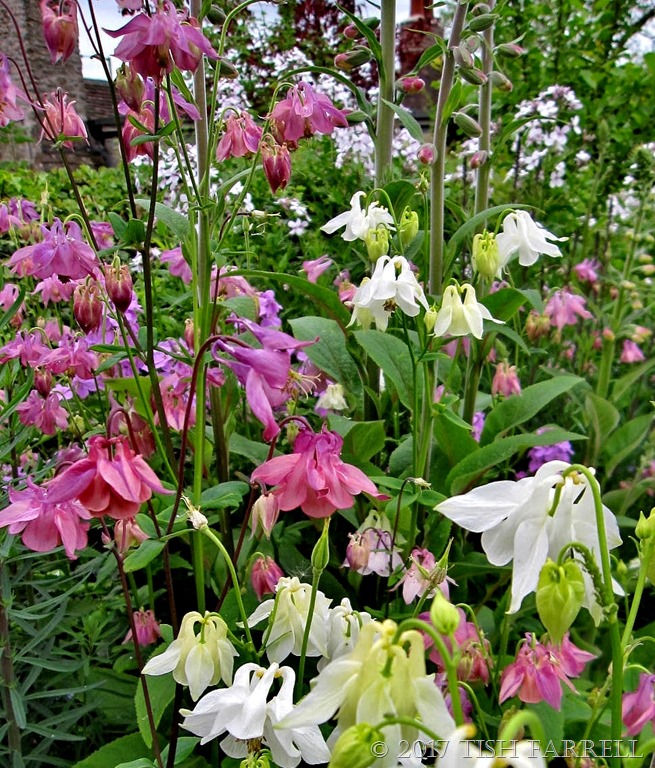
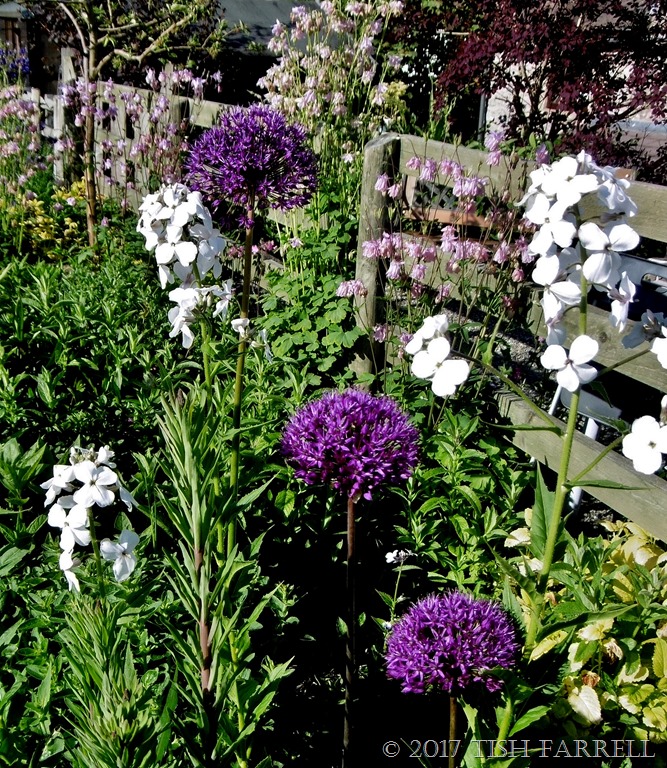
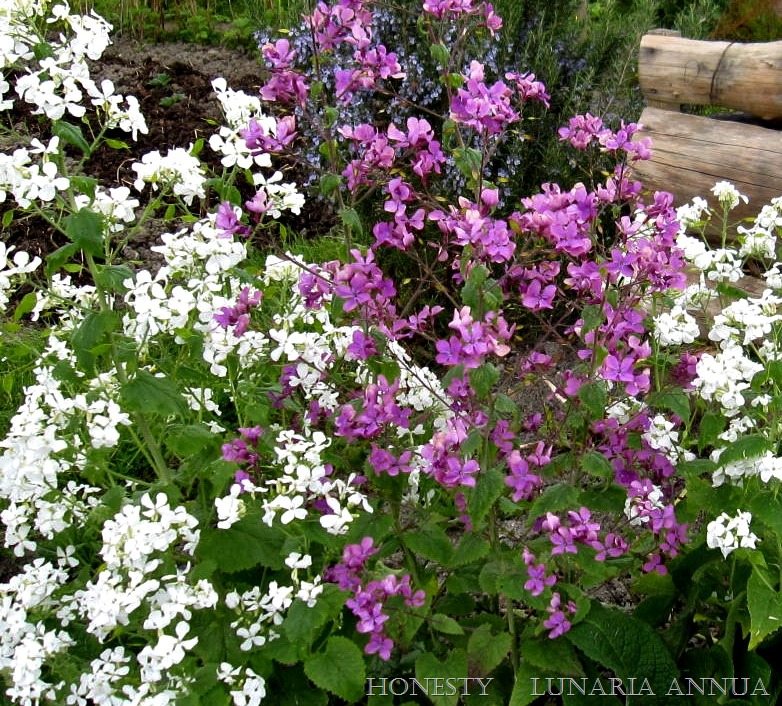
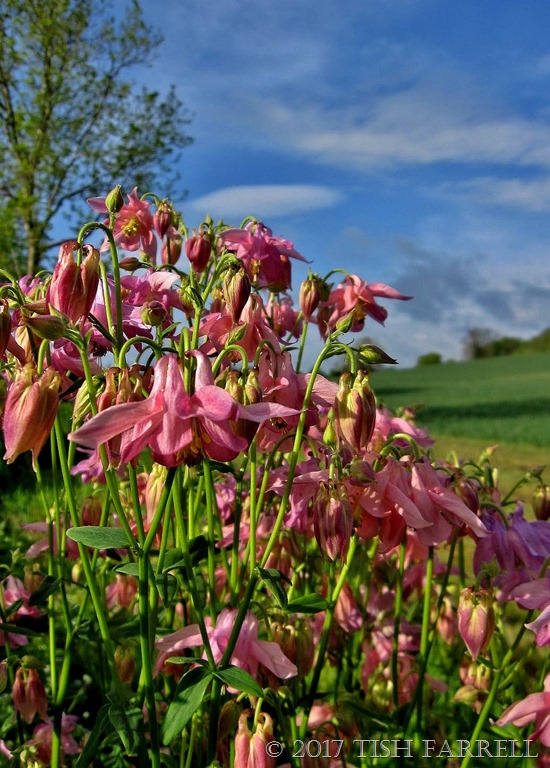
Instead I tinker here and there, and let the garden do a lot of its own gardening. This includes encouraging the self-sown foxgloves, and the wonderfully scented purple, mauve and white Dame’s-violet  (Hesperis matronalis) seen in the photo behind the foxglove, both of which follow on from the clouds of self-sown columbines. My garden, then, comes into its own only in summer, and otherwise can look rather dreary. But while it’s here, it’s wonderful – total cottage garden exuberance and chaos.

Welcome to my garden.

100_9981

Oriental Poppy, crab spider and Dame’s-violets

*

100_6046

Wild corn cockle (bottom right), foxgloves, purple toadflax; variegated lemon balm, oregano and golden marjoram in between, and the coppery foliage of Smoke Bush (Cotinus) in the background.

*

P1040431

Columbine break-out

See How Her Garden Glows ~ Thursday’s Special

IMG_1019

Here at our house on Sheinton Street – also spelled Shineton at the other end of the road, we try to live up to our location with as much shining and glowing as we can muster. This year the yellow tulips have certainly done their stuff, but now they are gone, and we’re waiting on the oriental poppies to keep the glow going.


Thursday’s Special: Glow

Please visit Paula to vote on last week’s park entries, and to add to this week’s glow

Scattered Leaf And Light At Croft Castle ~ Spring Happening

P1030871

Yesterday our Thursday outing took intrepid Farrell Safaris over the Shropshire border and into Hereford. Our destination was Croft Castle in the wonderfully named village of Yarpole. The house is a castellated fifteenth to eighteenth century fantasy with magnificent turrets (only for show) –the whole set in glorious parkland of veteran trees. The present house replaced an 11th century castle, and the Croft family who occupied it then, continued to preside over this corner of England for nearly a thousand years. All is now in the care of the National Trust. And if anyone reading this intends to visit, then take a good tree book. And also your walking shoes as there are several long walks including one to the Iron Age hillfort of Croft Ambrey.

I’ll post more about Croft another time. For now I’m trying to keep on theme with Paula’s Thursday’s Special. This week it is ‘scattered’ so please pop over there for more renditions.

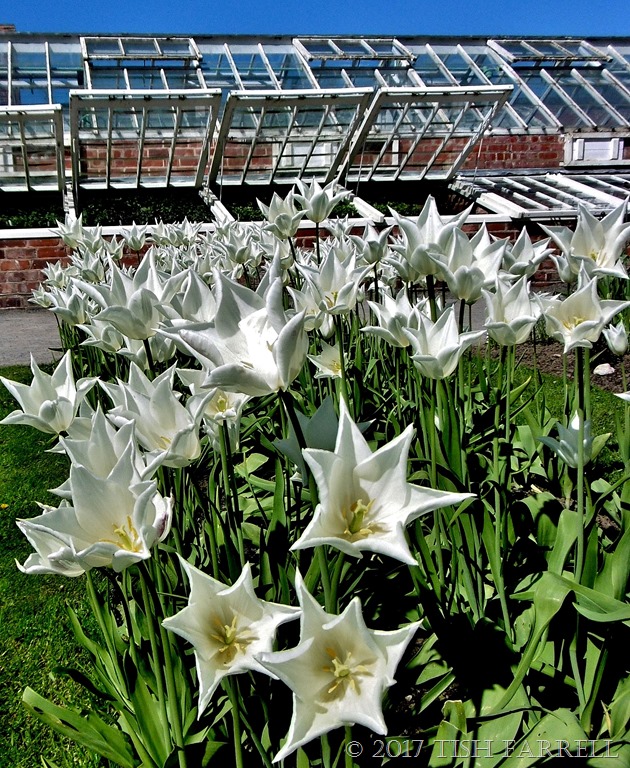
Now for a scattering of tulips in the walled garden:

P1030917

And oh well, I know you really wanted to see the Castle, so here it is framed by the branches of a very ancient conifer. There’s some good cloud-scatter too.

P1030889

Trying Not To Dig The Plot And 30 Minutes Of Weird Weather

On a very dull Tuesday afternoon I thought I’d brave the cold wind and walk across the field to the allotment. On went the woolly hat, quilted coat (over three layers) and the wellies.

Unsurprisingly I had the allotment to myself – not another mad gardener in sight. I set about emptying one of the compost bins, and spreading the contents  (a hand’s width deep) over a metre wide stretch of ground that had been cleared of over-wintering sprouts and broccoli. It seemed a good day to do it, and I was glad I had prised myself from the house.

This year I’m experimenting with the ‘no dig’ system of cultivation, so apart from tweaking out one or two noxious weeds, I resisted the temptation to get out my favourite spade. The objective is to cover the soil with enough interesting organic matter to excite the worms in the soil below. They then do the digging, and other soil-friendly organisms get going too so that, hopefully, the later seasons’ crops – cabbages and sweet corn – can be planted out on the much improved, and better nourished ground.

I was thus in the middle of this very absorbing activity when someone upstairs switched off the lights and I turned to find a tempest sneaking up on me.

P1030788

Yikes! By the time I had scooted across the plot to the shelter of my polytunnel, we were having a small, but very concentrated snow and hail blizzard. It was far too stormy to think of making for home. Instead, I  pottered about in my tunnel sowing some purple Brussels sprouts seeds in modules,  while trying to remain hopeful that this truly was a passing squall and not the heavens falling in as the heavyweight clouds suggested.

P1030789

I forgot to record the actual blizzard that followed, so here are some Précoce de Louviers  pointy spring cabbages that are growing most happily in the tunnel.

100_9256

When I stuck my nose out of the tunnel some twenty minutes later, this was the view over Much Wenlock:

P1030792

By which time it was too late, and the ground too wet to go back to compost spreading.  As I walked home across the allotment, I watched strange, but less threatening clouds gather over the hills:

P1030793

And when I stepped through the hedge into the wheat field behind our house, the sky looked as if butter wouldn’t melt in its mouth: snowstorm, what snowstorm?

Clearly the figment of a delusional, non-digging gardener then:

P1030797

copyright Tish Farrell 2016

Bumble Bee Bliss & A Change In The Weather

IMG_2157

April and it’s all change. On Saturday I was whinging about the snow that had invaded our early morning landscape. By Sunday we were sitting coatless on Benthall Hall’s tea room terrace, and consuming carrot cake and hot chocolate with the sun on our faces. It was February when were last there, and grey and stormy, with no possibility of sitting outside. Now we were in danger of overheating with a nice grey hen pootling around our feet, and the air filled with bee-hum. Later, when we ambled around the gardens, we came upon these newly opened rhododendron flowers and a very happy bumble bee. To say it was gorging itself is an understatement. Up to its armpits in pollen it was. Food at last. Bzzzzzzz.

*

Check in at Cee’s Flower of the Day for  more floral displays.

Passing Glory ~ Three Old Roses

100_7676

This lovely rose grows up the wall in our back garden. Please meet Gloire de Dijon, also known less picturesquely in English as Old Glory. It’s a cross between an unknown tea rose and Souvenir de la Malmaison, an old Bourbon rose, and was introduced to the world by one Pierre Jacotot in 1853. He lived in Dijon, France, a place also famous for its mustard.

When the rose is fully opened it has dense whorls of pale peachy-pink petals that change colour as they age. Their scent is mesmerizing – notes of clove and jasmine that transport me back to Zanzibar where jasmine sprigs were nightly placed beside our plates at the hotel where we ate dinner.

And once the roses have passed their best, even dead-heading them is a delight – crushing fading petals  between my hands, inhaling their last fragrance that also soaks into the skin, and can be smelled for hours.

Like Sue Judd at WordsVisual, I’m drawn to the aesthetic of decaying plant life. I think there is great beauty here – these lingering shades of erstwhile glory.

*

Thursday’s Special: Three of a kind

Please visit Paula to see her own lovely study for this challenge. And definitely go and see Sue Judd’s stunning daffodil study at the link above

Warning: Reptile Alert

100_6792

On several warm days last summer I found a slow worm sunbathing on our lawn. When I say ‘lawn’ I use the term loosely. There’s not much grass in it, only many buttercups, dandelions and even some dreaded ragwort.  Nor is this so-called worm a worm, or even a snake. And for that matter it is not slow. If it doesn’t like the look of you it can slither off at quite a pace. At other times it may pretend to be a bit of old rope, not very convincingly I might say.

Slow worms (Anguis fragilis) are in fact legless lizards, although this is possibly no comfort for those of you out there with a snake phobia. (Sorry, if you viewed this by accident).

That they are lizards is apparently proved by the fact they can blink their eyes and shed their tails when attacked. They grow up to half a metre in length, and may re-grow a shed tail, although it won’t be quite as long as it started out. Provided they are not caught by the local cats, who do not know they are dealing with a protected UK species, they live up to 20 years. They like old gardens and to burrow in compost heaps. And best of all, they eat slugs.

*

Until the first Sunday in April, Jude is looking for examples of garden wildlife at The Earth Laughs In Flowers

And thank you Anna at http://unavistadisanfermo.wordpress.com for nominating me for the 7-day nature photo challenge. As I’d just done this post on slow worms, I thought I’d start with it. Anyone who wants to take up the challenge from me, please do. The actual M.O. is to nominate another blogger to take up the challenge on each of the 7 days you post a photo. But since every likely soul seems to have already been nabbed, I’m following Gilly’s lead and throwing it open. In fact I think I’ll just link back to Anna who got me into this – because she’s lovely and takes some great photos around Milan. Please do visit her.

#7-dayNaturePhotoChallenge