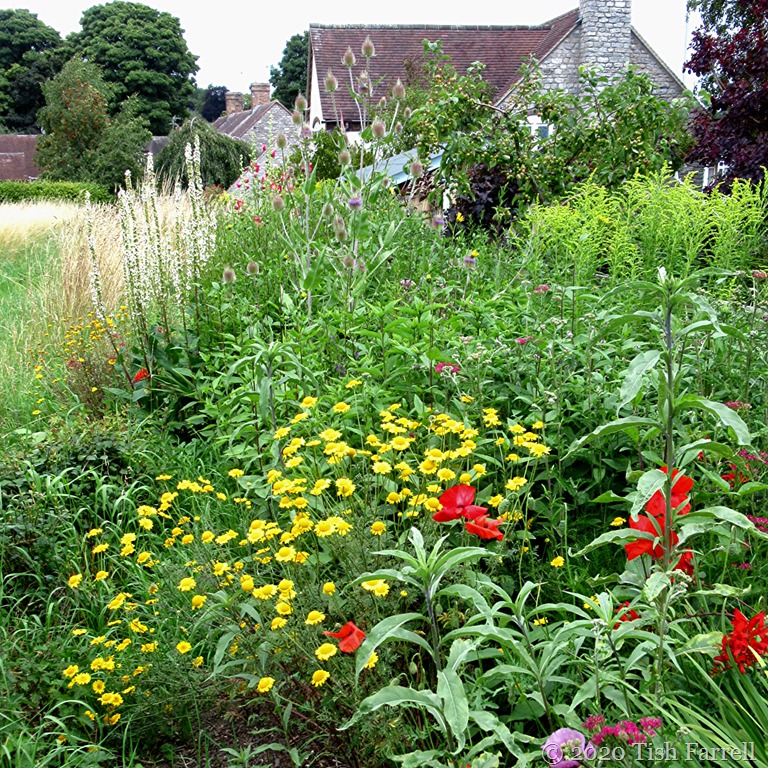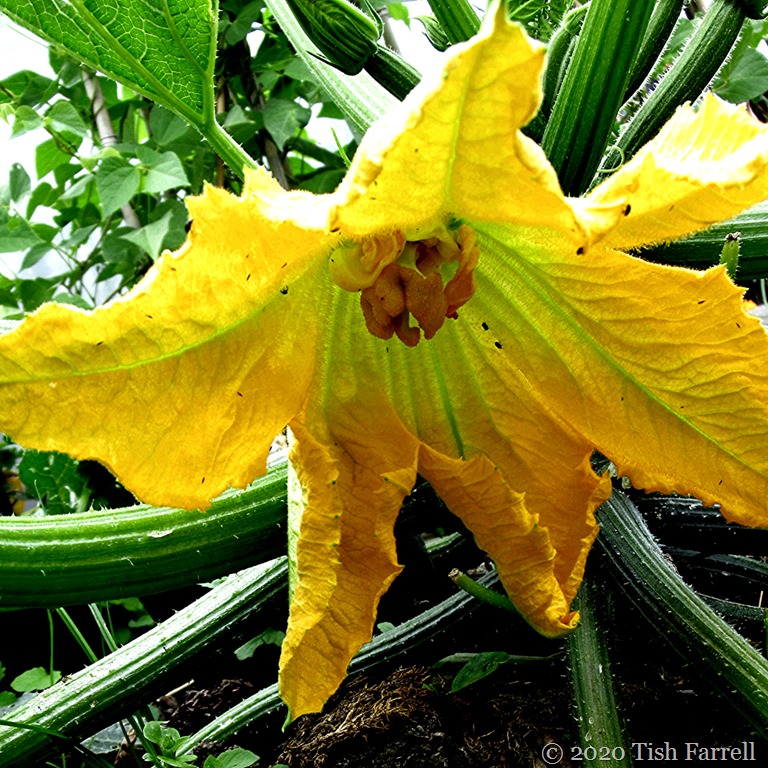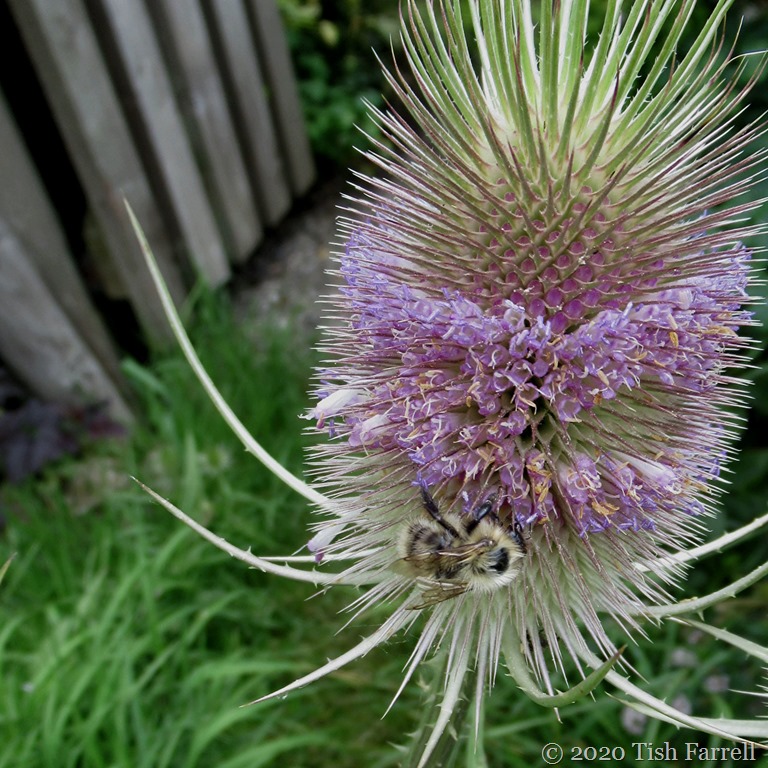
An intimate botanical perspective.
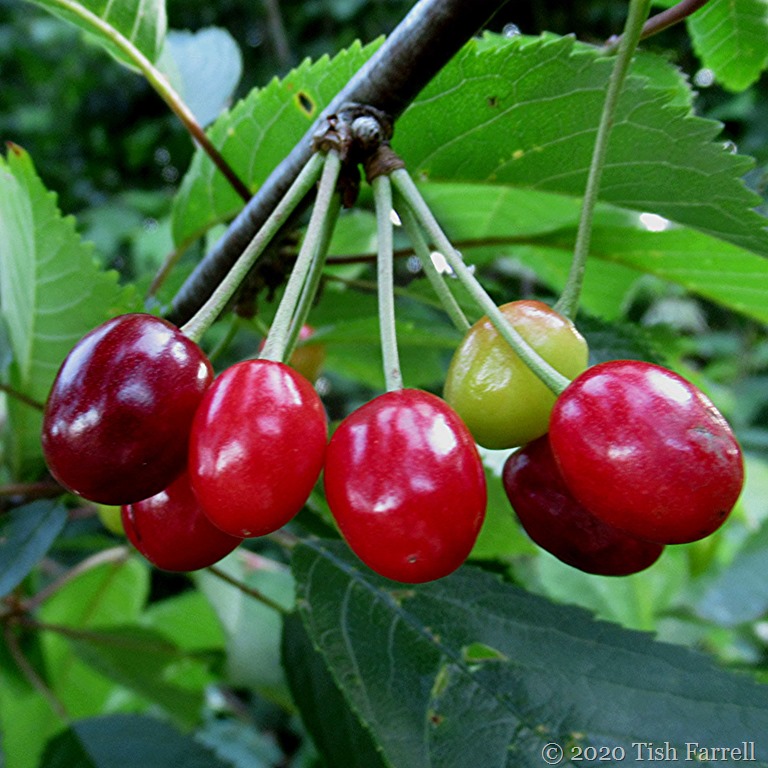
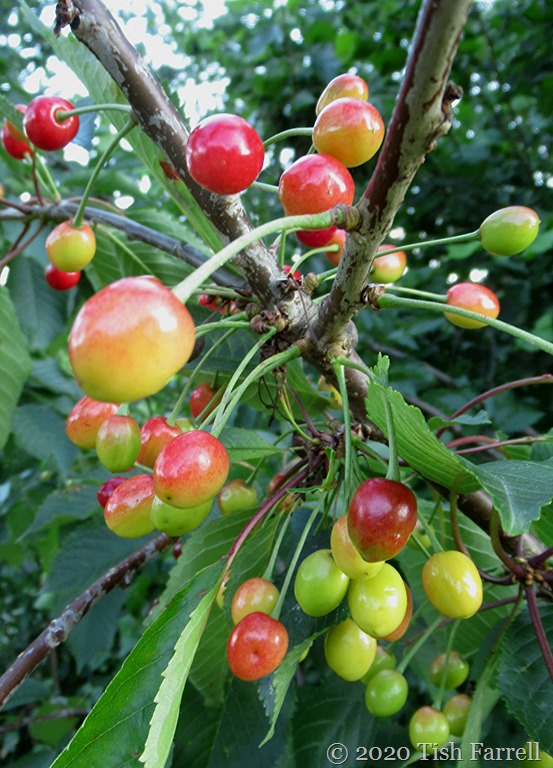
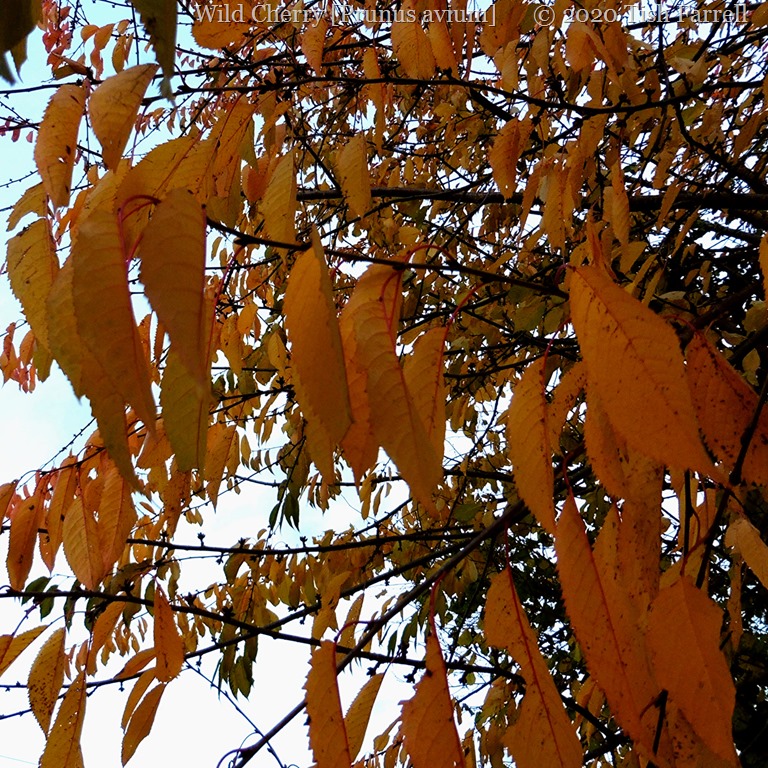
There’s a little ‘copse’ of wild cherry trees (Prunus avium) in one corner of the allotment. Most years I scarcely notice the fruit. The cherries are usually less than half the size of a cultivated cherry, and more stone than flesh. But this summer there has been a magnificent crop, and I’m afraid I’ve been grabbing handfuls as I pass, stuffing them in my mouth, and spitting out the stones willy-nilly. Delicious, but most uncouth, and doubtless my regardless foraging activities will give rise to a whole new forest.
And why not? These native British trees are very beautiful; quite stately in habit and tall with handsome chestnut coloured trunks. Hitherto my dealings with them had been confined to autumn when I go and rake up the leaf fall to make compost. And what a golden harvest it is. The leaves are very lovely; so much so, I often feel they should be edible too. I have yet to try them. In the meantime, the Woodland Trust has more to say about the Wild Cherry.
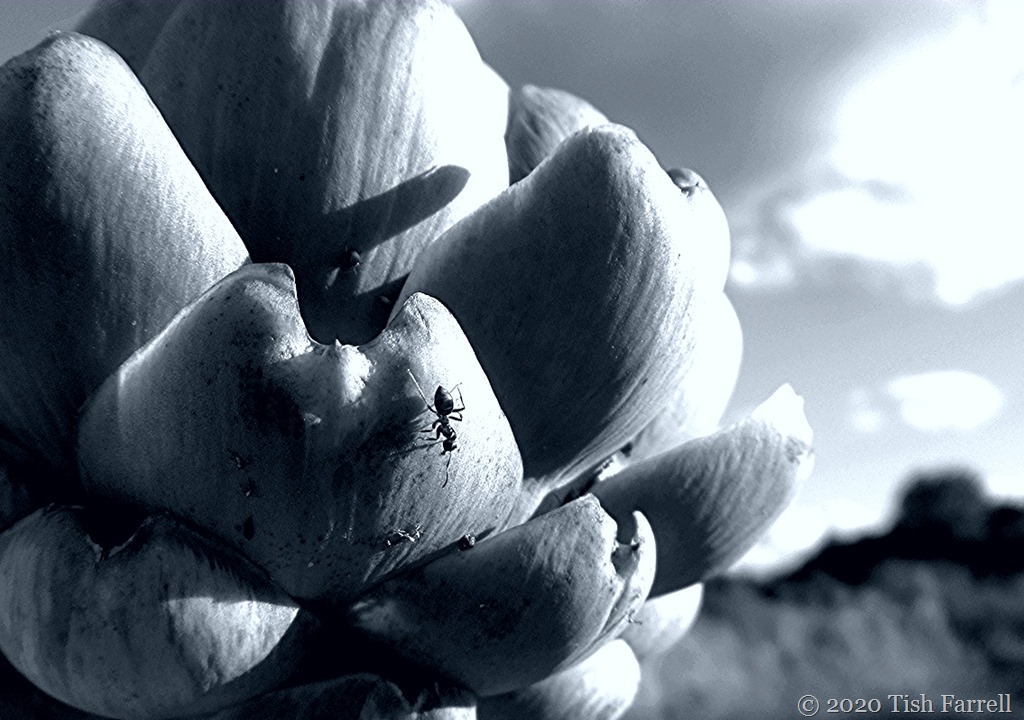
Friday evening at the allotment: the ant and the artichoke.
Please visit Thom at Writing Prompts and Practice for the true story behind this photo:
‘Be strong, be brave, and cast a big shadow.’
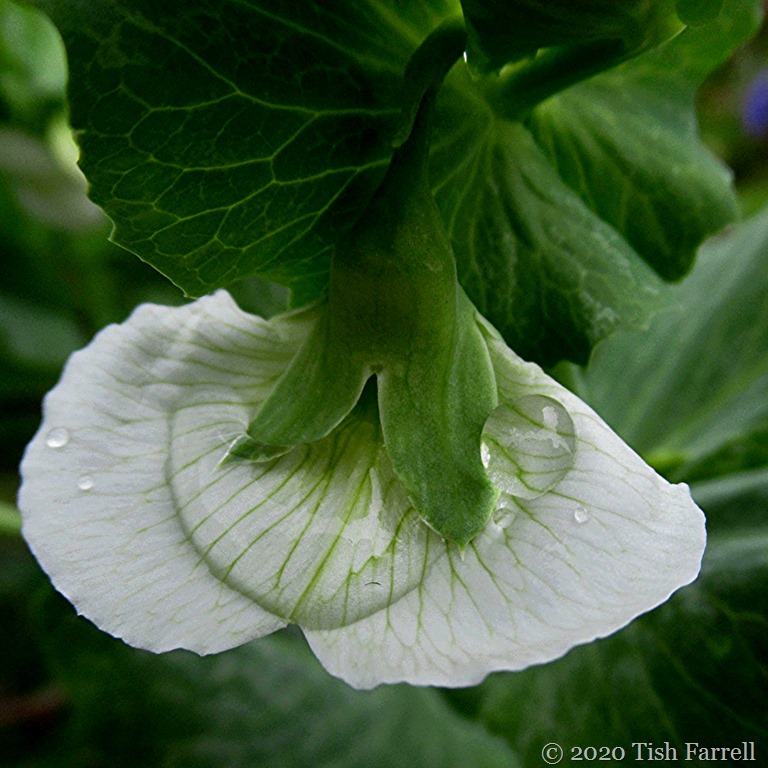
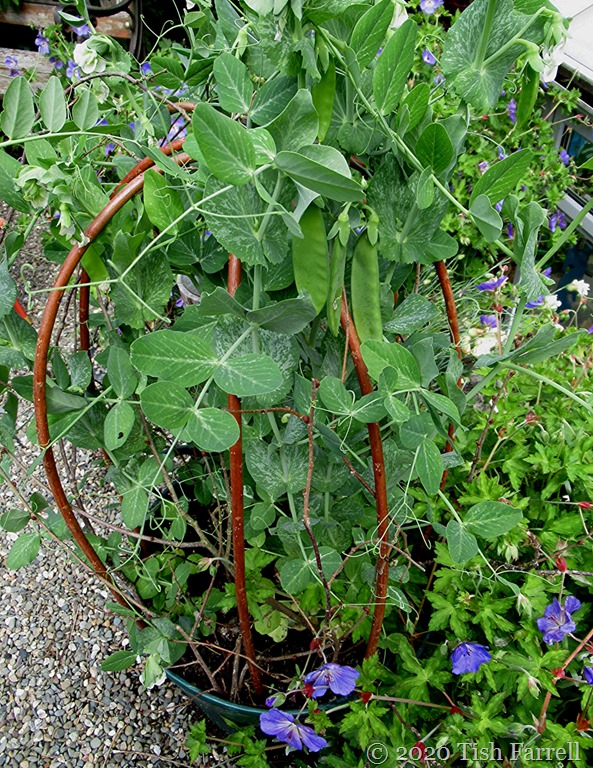
I have a few sugar snap peas growing in a bucket at the top of the garden by the seat. They have a few willow twigs for support and they seem quite happy surrounded by a profusion of geranium Rozanne. Also as I’m continually walking past them, I can easily spot the pods as soon as they’re ready for picking – usually enough to add to a stir fry or salad. So no glut of curly, tough and past-it pods. And then when these first plants have done their stuff, I have another bucket of later sown sugar snaps coming on beside them.
None of this was planned, but now that I’ve done it, I’m thinking it’s a good way to create small successions of this particular crop. Besides, the pea flowers provide ideal landing platforms for raindrops.
Pop over the Becky’s to see her handsome pusscat perspective.
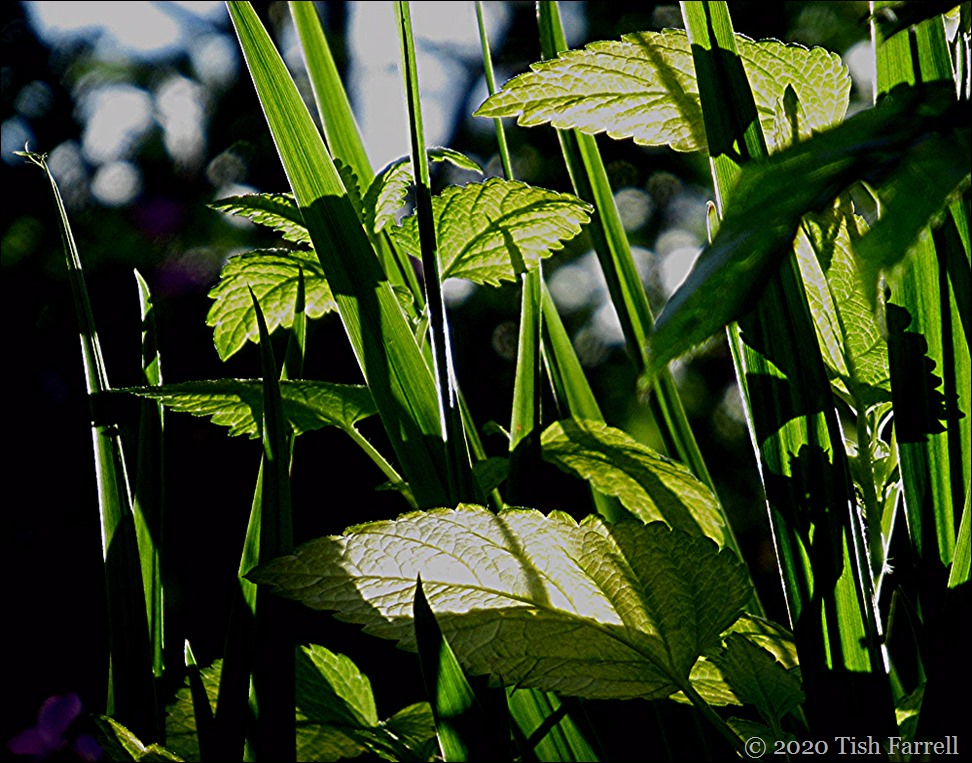
In these viral days – virtual and actual – we could probably all do with some regular infusions of lemon balm tea. Medical herbalists prescribe it for anxiety, shock, insomnia and all round jangled nerves. Simply brushing your fingers against the stems fills the air with a lemony minty freshness that lifts the spirits. Last night as I was standing at the kitchen door, waiting for the couscous to fluff up, I saw these sprigs among the montbretia leaves, briefly lit by the last of the sun – a glow to savour then between our present squalls of wintery rain and high winds. Last Saturday it was all heat and high summer here in Shropshire. This Saturday the weather clock has regressed to early March. Strange times all round. Time to brew some lemon balm methinks.
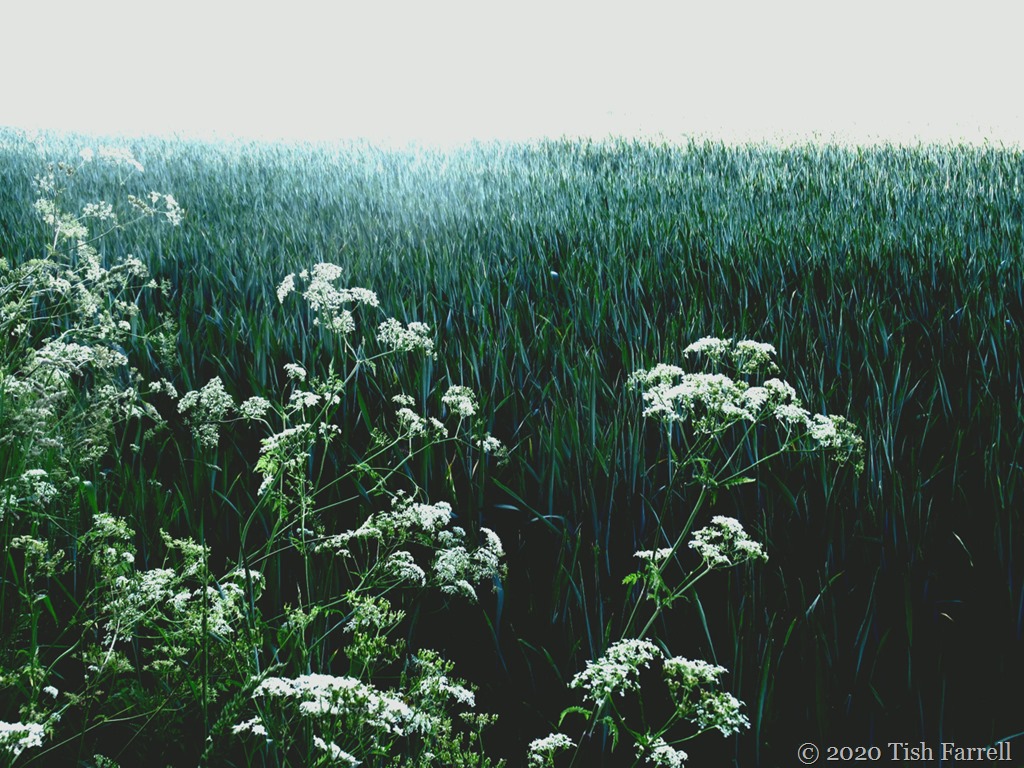
I took this photo last night as I left the allotment: the cow parsley in the descendant, the wheat thrusting up and beginning to form ears. It rather reflects my mood, for much as we have been enjoying the sudden outburst of ‘high summer’ days, albeit in May, I’m also feeling very cross. And since my views veer towards the contrarian, I don’t intend to air them here beyond saying there is too much officialdom fudging/ineptitude/cross-purposes/vested interest/contradictory information/rubbish media reporting and all round manipulation.
So that was May in the outside world. Meanwhile in my little Wenlock sphere of influence all is burgeoning, and the garden is lovely. I’m not sure how we ended up with Mediterranean weather over the last few days and for the week ahead. It was preceded here by two days of tempest and a high chill factor that the weather people described as a gusty breeze. So gusty was it, that plants I’d put outside to harden off, had to return indoors and the process started over once the wind dropped.
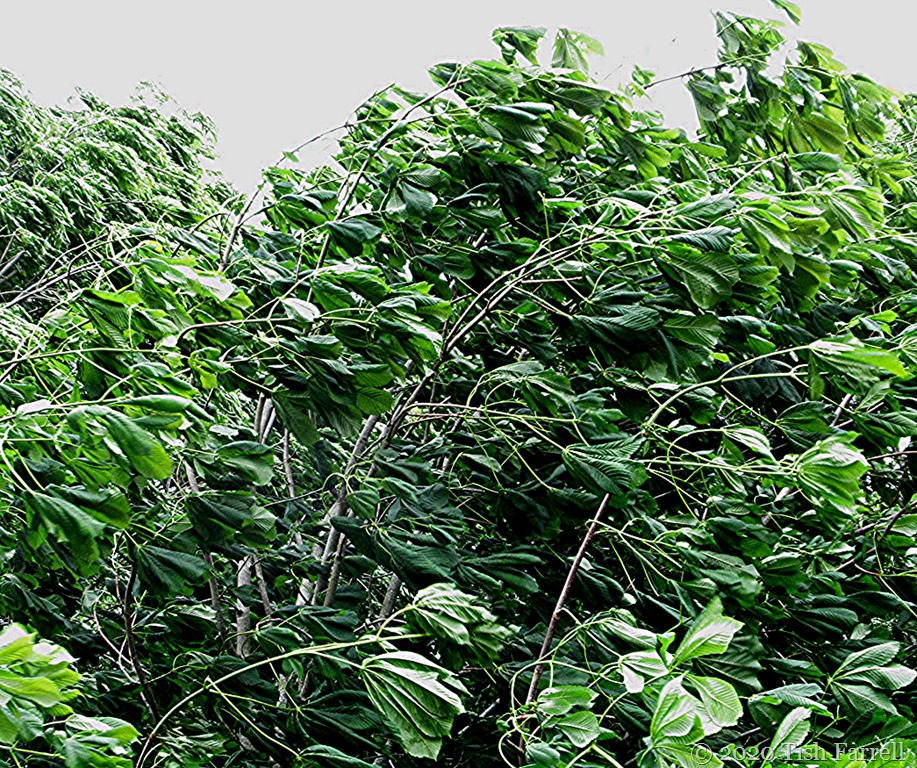
Here is the gusty breeze in action. This is not a ‘fake’ photo:
I haven’t recorded this month’s allotment activities – although much has been done: earthing up of potatoes, planting out beans – runners, butter, borlotti, Jacob’s cattle gold, Cherokee, climbing French; courgettes and squashes; red cabbages, Tuscan kale; and in the polytunnel: tomatoes, aubergines and peppers. The reason I’ve not taken photos is because most things are shrouded in thin horticultural fleece or mesh to defend them from excess heat, drying out, and pigeons. For now the plots look like some kind of crazy campsite.
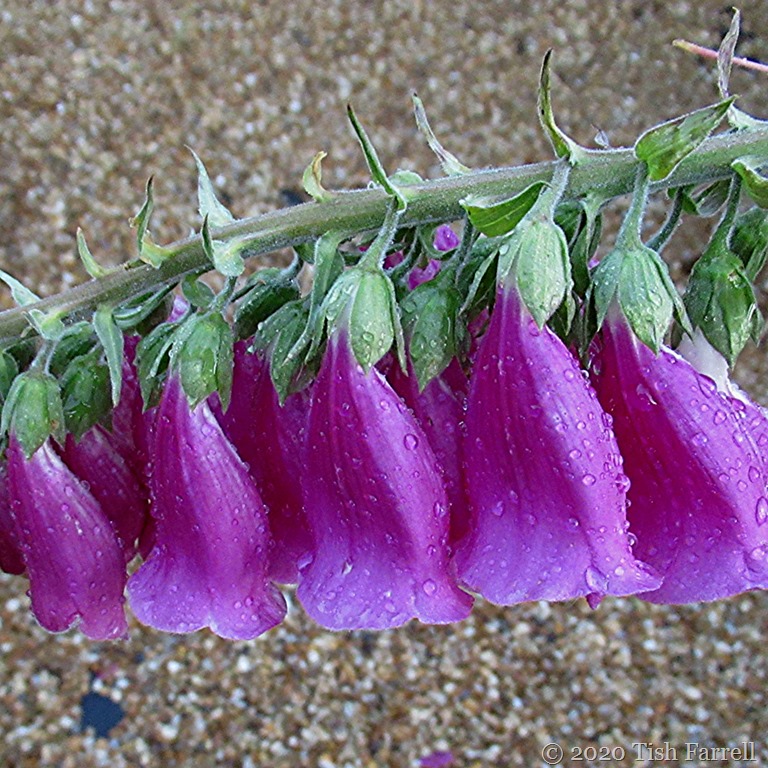
On the home front the garden is moving into summer mode with foxgloves, roses, sweet peas and geraniums. The columbine grannies (aquilegias) have mostly lost their bonnets, the poppies their frocks, and the alliums are transforming into seedy constellations. But the red valerian (Centranthus) – also known as kiss-me-quick and devil’s beard is busy attracting the bees, and the whole garden is filled with bee-hum which can only be a good thing. I’ve also had the chance to notice how very furry some bumble bees’ bottoms are, so I thought I’d share an example of that particular observation in the upcoming gallery.
And here’s some news from the Dyfi ospreys: chicks hatched in new High Definition:
In the garden last week: Welsh Poppy catching the sun.
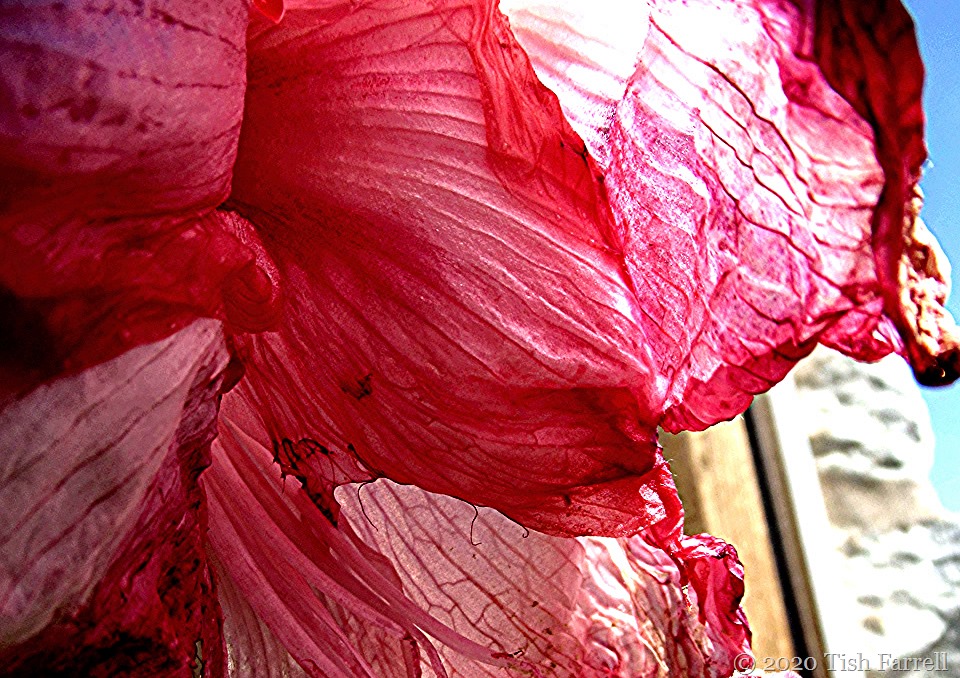
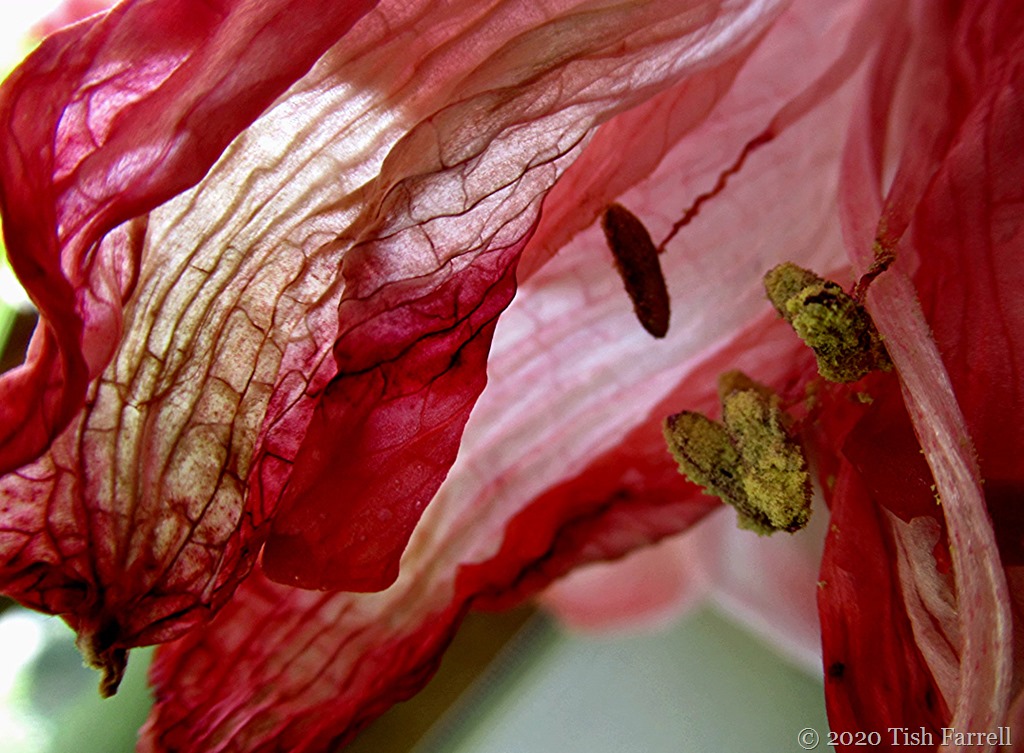
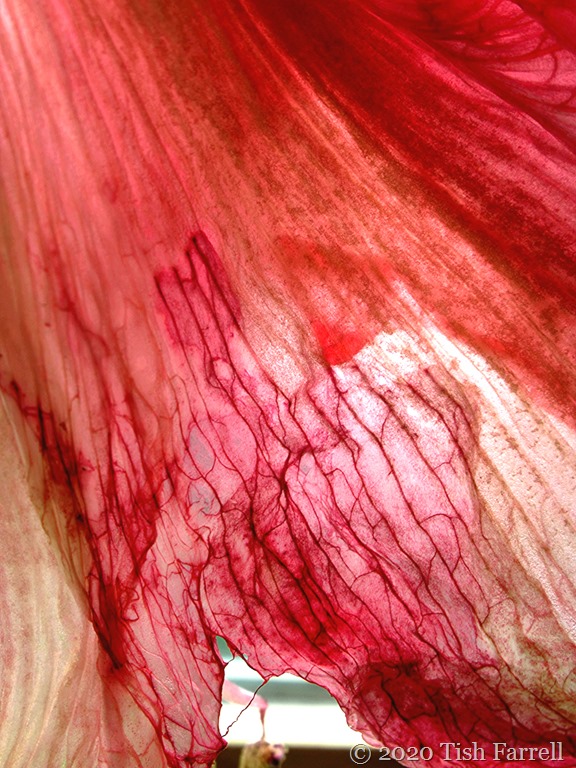
In April’s Changing Seasons post I featured the amaryllis that was part of a neighbourly doorstep plant swap. It was a single bud when I acquired it, but over the following couple of weeks the bud opened into four flowers which bloomed and then drooped in picturesque tones, their texture suggesting fine raw silk. I’m thinking Sue at WordsVisual will quite like these.
Lens-Artists: Delicate Colours This week Ann-Christine asks us to show her some delicate colours.
Now here’s a change of style from our roadside show-offy red poppies posted earlier in the week: Meconoposis Lingholm, a blue Himalayan poppy. It is a newcomer to the shady, behind-the-shed corner of the Farrell domain. I bought it last autumn on-line from the very excellent Ballyrobert Gardens in County Antrim, Northern Ireland. (It’s amazing what excellent plants people you can discover in the gardening section of ebay.)
The poppy was little more than a large ‘plug’ when it arrived with the rest of my order. I dithered about, wondering whether to pot it on (and worry about it freezing in its pot if we had a hard winter) or to plant it out while it had time to establish itself, but still hope that we wouldn’t have a hard winter. I opted for the latter course, and then it poured with rain for the next five months, with hardly a sign of frost. And so I worried instead that it would get water-logged and rot. When it died down, leaving not one single trace of itself, I thought I’d lost it.
Which just goes to show you can do a lot of worrying about nothing. Besides, I knew very well that I’d taken the best care I could when I planted it. Anyway, the rather hairy leaves started poking through the mulch in April and the single bloom began opening about a week ago with another bud behind it. But what a floral wonder! I’m hoping it’s going to thrive now, though mostly only Graham will get the benefit. I planted it to give him a view from his shed window while he’s grinding and drilling and making odd constructions that only he understands.