The Man from Much Wenlock: Meet Ken Milner

It is a privilege to know Ken Milner, a gentle creative man with deep rooted sensibilities for the past in and around Much Wenlock. He is a treasure house of information on country lore, on the families who have lived for generations below Wenlock Edge, and on the novels of Shropshire writer Mary Webb which, incidentally, he only learned to read at the age of thirty five. He built the house you can see in the video, and he created this beautiful garden which brings joy to all who see it. Graham passes it twice a day, driving to and from work. It is a floral threshold between the town and Wenlock Edge.

Ken also paints, makes sculptures, and is a poet and storyteller. Here, though, is his living creation – his garden. The video content was created by Ken and Wenlock poet, Paul Francis, and the whole filmed by  Silva Productions, a Midlands production company. You are in for a treat.


https://www.youtube.com/watch?v=23lgFSQzvTw


#WenlockEdge

Flickr Comments: M words

sunday stills: from my garden today

100_6285

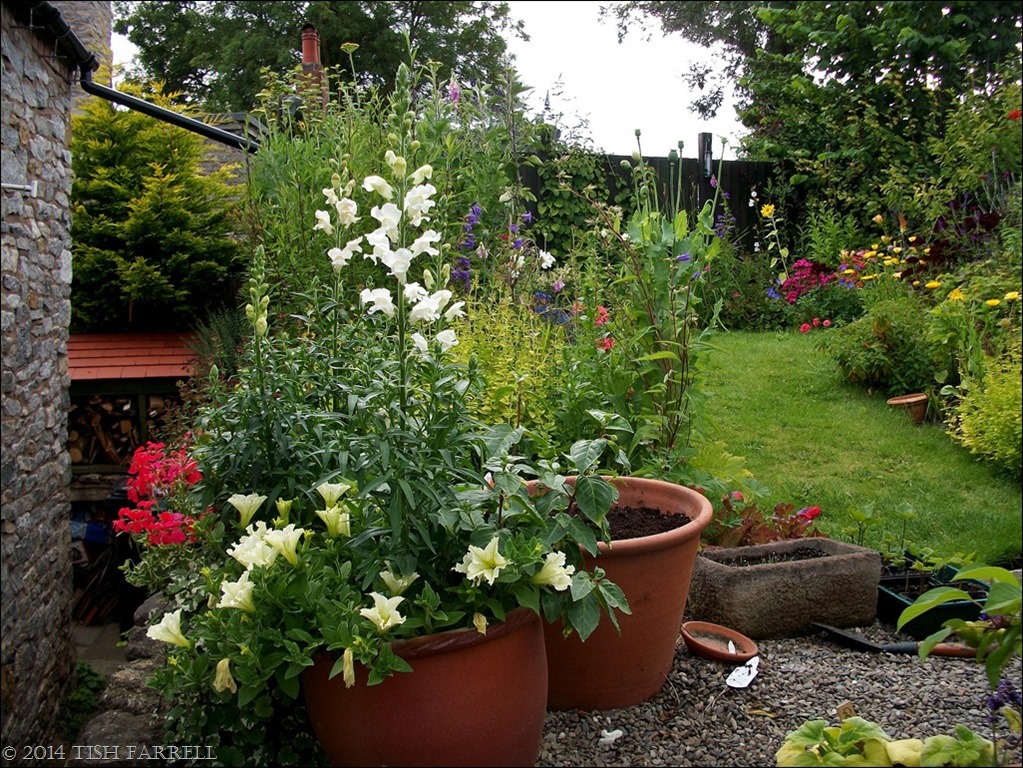
There’s a rainstorm brewing along Wenlock Edge, and the garden has taken on an autumnal air. All afternoon I’ve been watching this harvester ply the wheat field. At close quarters the cutting blades are of a scale more suited to the Canadian prairies than to a small Shropshire field. I feel the soil compact beneath the giant machinery, and it strikes me that industrial farming does not care much for the welfare of the earth, or ultimately for the nutritional quality of the crops produced.  I have this image of starvation in the face of plenty, and think how skewed have our rich-world values have become. But before I make everyone feel too dreary, here’s a brighter shot of my garden earlier in the summer.

013_thumb2


Sunday Stills

Rooti-toot-toot, it’s spring at the allotment: up close and vegetal

100_5367

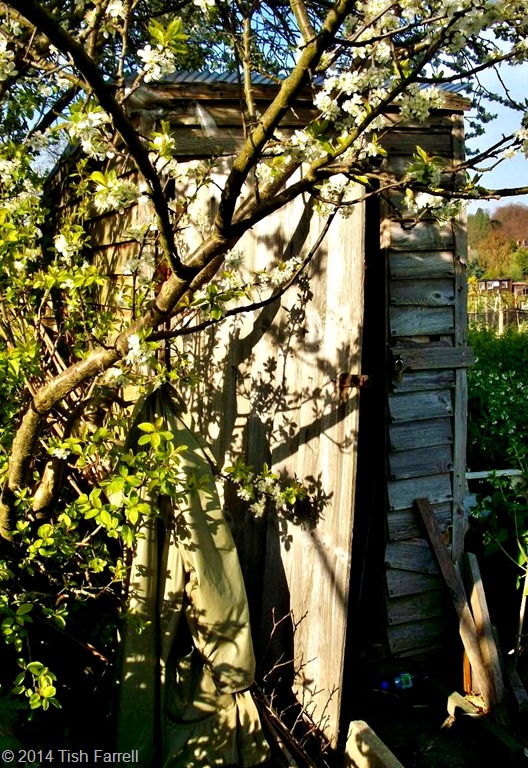
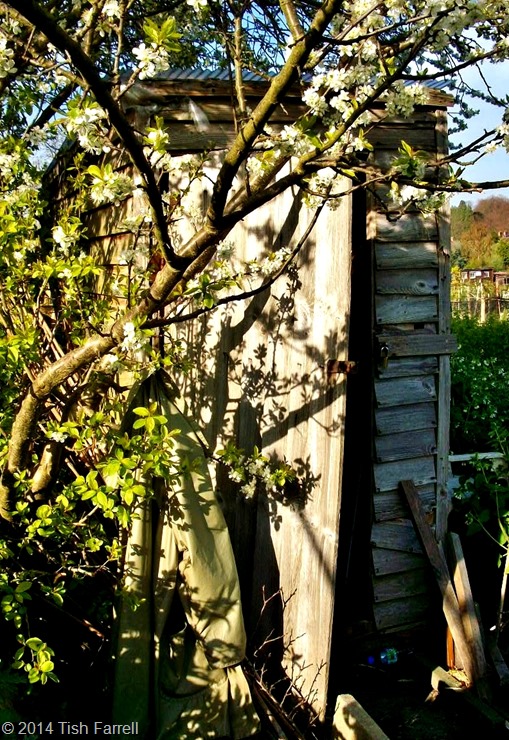
Well the old shed has made it through another year. A couple of bits have fallen off, but last year’s application of internal bracing by the Team Leader, aka Graham, has kept its tendency to list in an easterly direction in check. Would that we all had such a bracing. Over the winter it housed a poor mummified mouse, and snails still go to roost in there. I’m not showing you the inside, though. You definitely do  not want to see in there.
100_5374 (2)

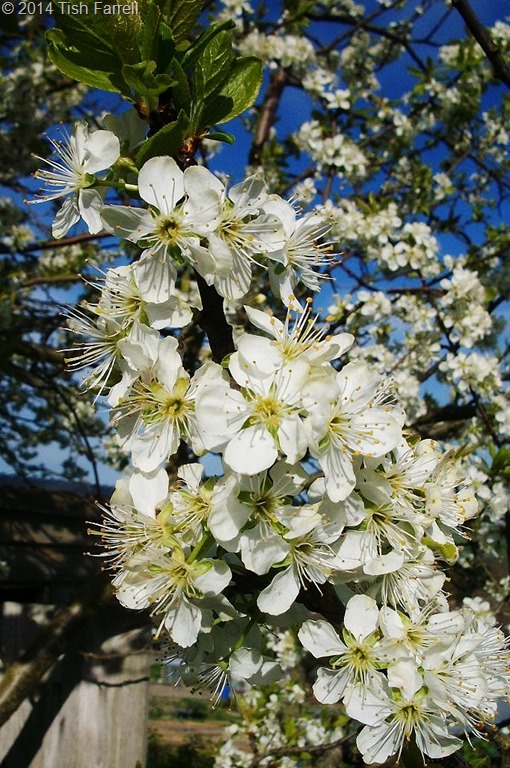
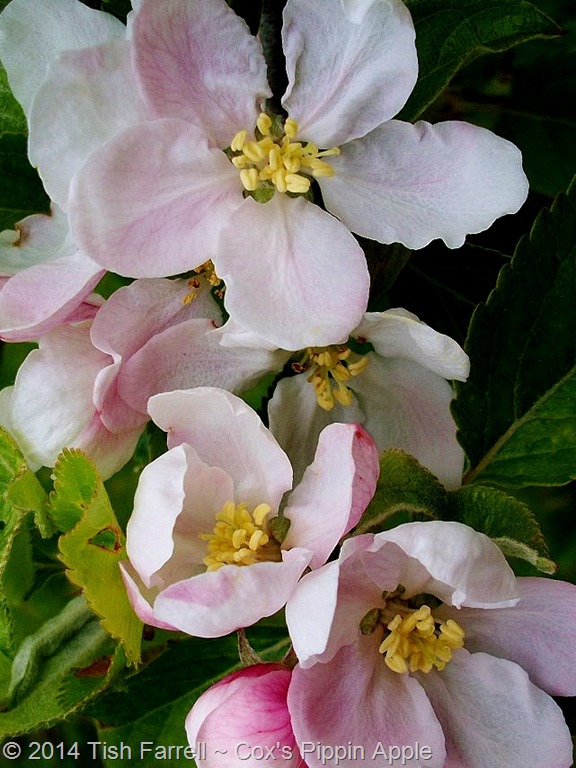
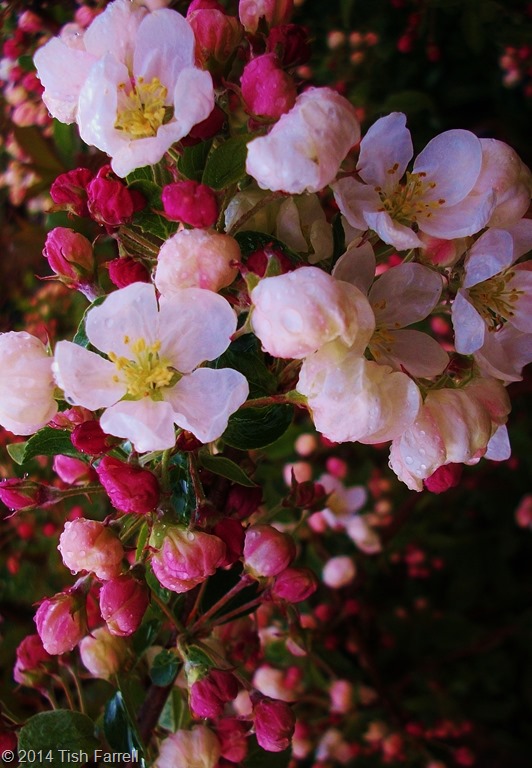
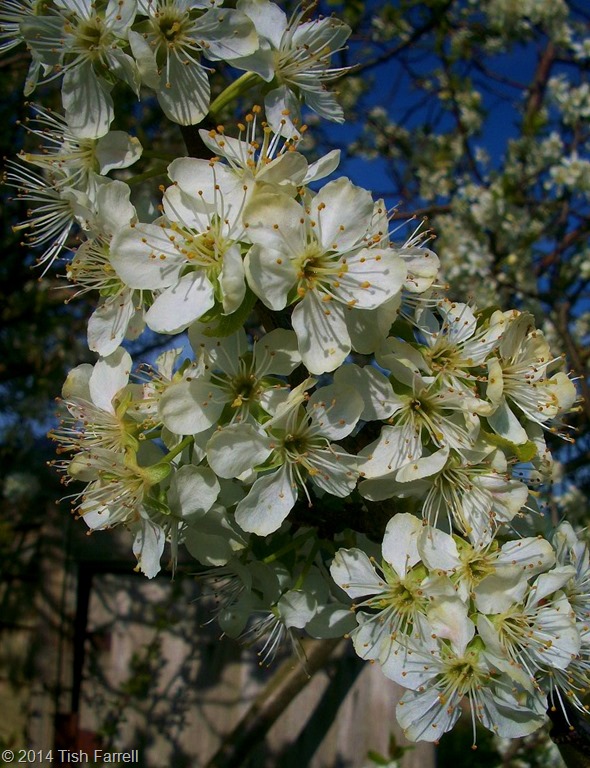
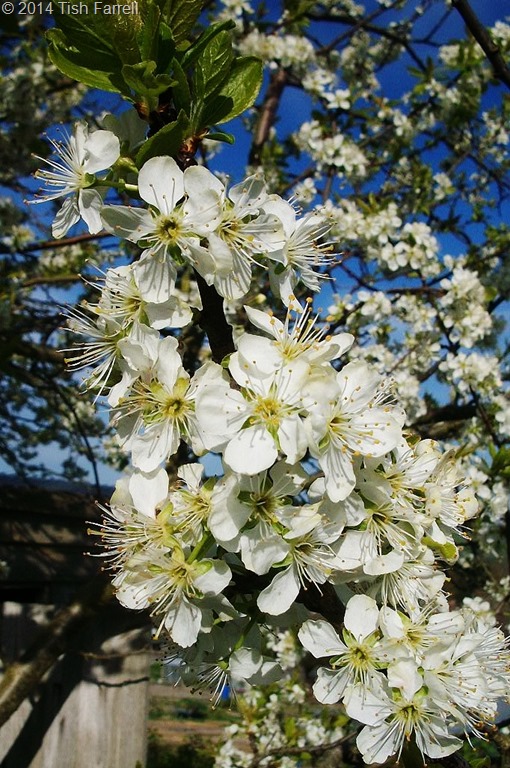
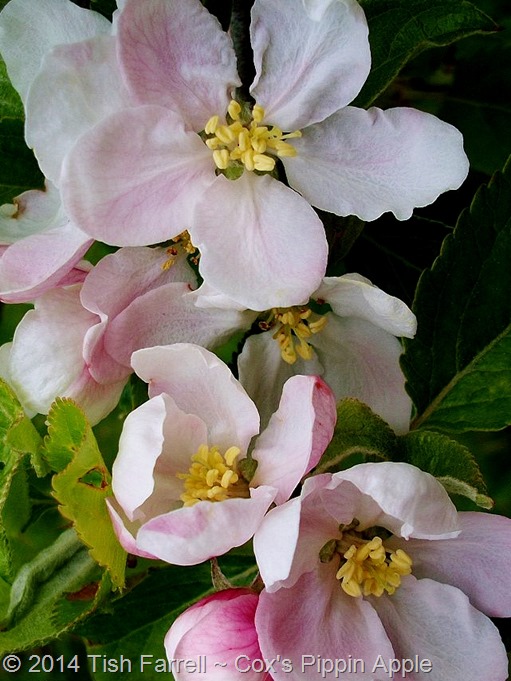
Instead, here is the ancient greengage tree with its delicate blossom. Already I’m wondering if it will give us some fruit this year. Greengages are notoriously temperamental, and after the magnificent crop in my first year of allotmenting that had us, and all our friends and relations, dribbling with delight over bucket loads of luscious harvest, it has borne very little. That was seven years ago. Maybe this year is the year then.
100_5362

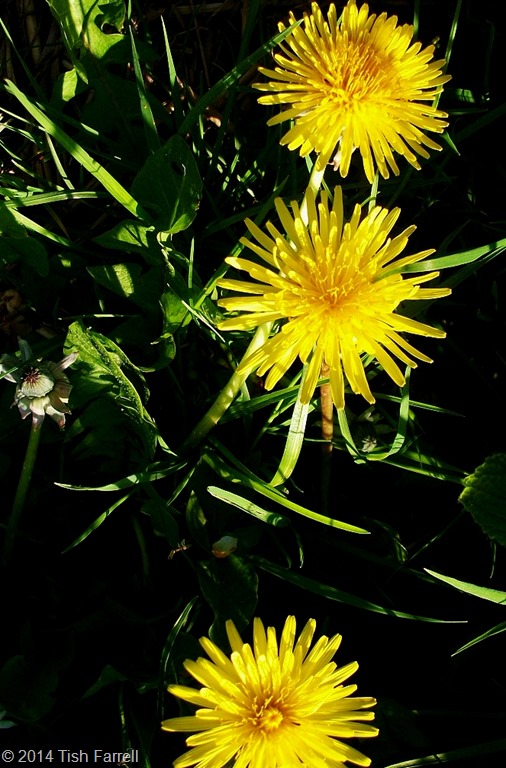
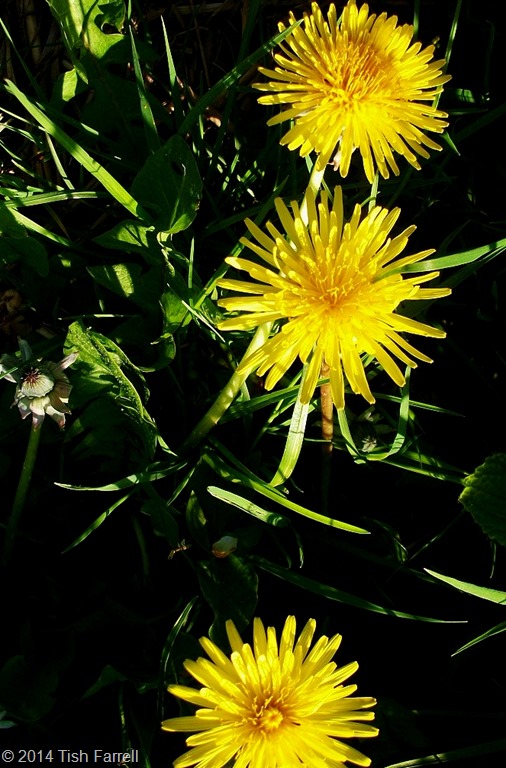
There are loads of jobs to do, not least digging. The endlessly wet autumn and winter meant that winter digging was impossible, so there has been much to catch up on. Meanwhile the weeds are literally having a field day, which makes this the the season of dandelion beheading. (Sorry, dandelions). They are sprouting up all along the paths between everyone’s plots, and I’m afraid I find great satisfaction in slicing off these cheery faces with my strimmer. Their replacements are anyway there the next day, beaming vigorously.
100_5637

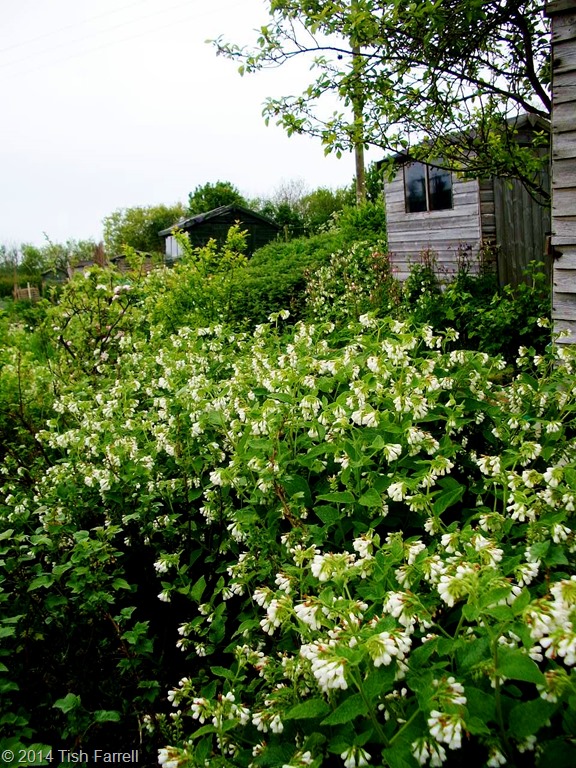
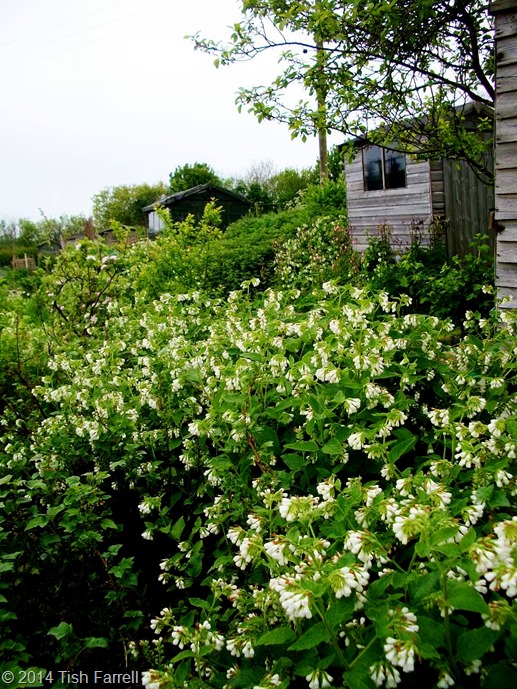
Then there is the comfrey forest to manage. This plant I crop and cherish. You cannot have too much of it, and it obligingly grows  itself in a huge clump beside the shed. If you cut it down after flowering, it will grow again and again during the summer.

Comfrey, as I have mentioned before, is the organic gardener’s dream plant. It comes in other shades, pink to purple through blue. Its ability to mine otherwise inaccessible  nutrients from the soil (dynamic accumulation I believe this is called) and repurpose them in its foliage make it an endless source of cost-free fertilizer. It is one of the reasons why you can’t look in my shed. I do my brewing in there. And no. It’s not what you think.
100_5645

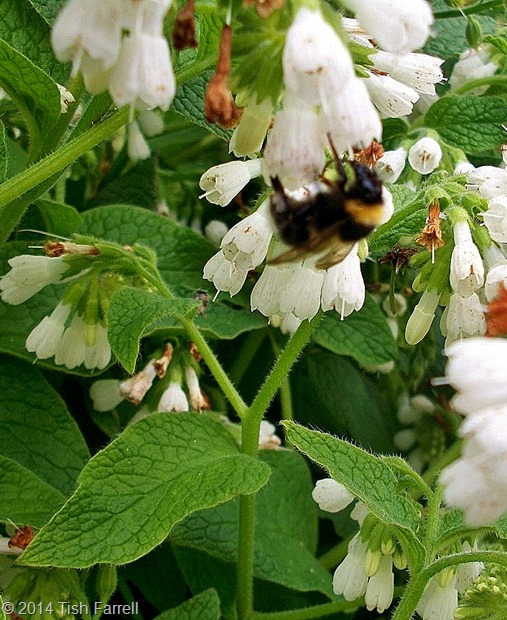
For those who missed an earlier post on this, I stuff old compost bags with the comfrey’s  top growth, seal them with clothes pegs, cut a hole in the corner of each bag, and prop it over a bucket and wait. In the warmth of the shed the vegetation soon rots down, giving out a dark and evil looking liquid that collects in the buckets.  This stuff is pretty smelly, although nowhere near as pungent as the slimy residue left in the bag, which then ends up on the compost heap. The liquid I  decant  into old plastic bottles, and use as a feed through the growing season. It is 3 times richer in potassium that farmyard manure, but it must be diluted 1 part comfrey essence to 15 parts water.

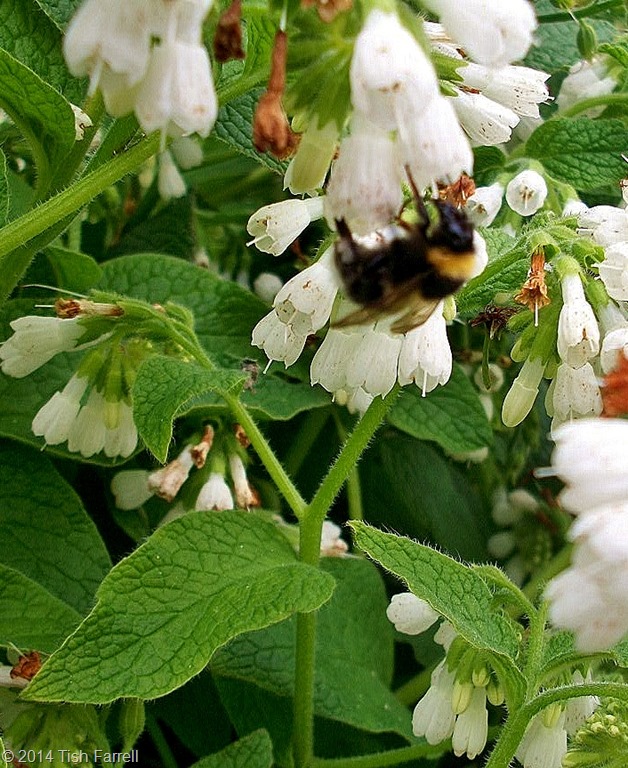
The blurry bee above would not stay still for the shot, but that’s another good thing about comfrey. Bees like it. As I took this, I spotted at least 4 different kinds: a honey bee and three bumbles of varying liveries and sizes. Having written of the dire things that are happening to bees, it’s heartening to see so many at the allotment doing their work. Thank you, bees.
100_5647

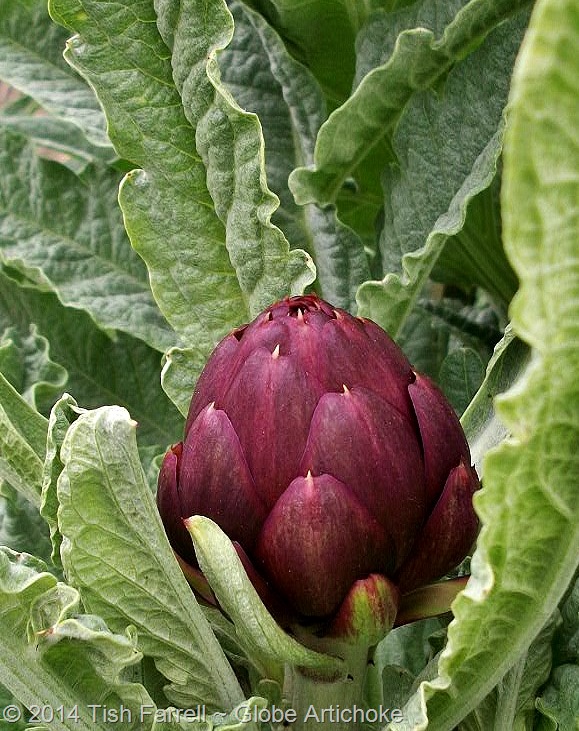
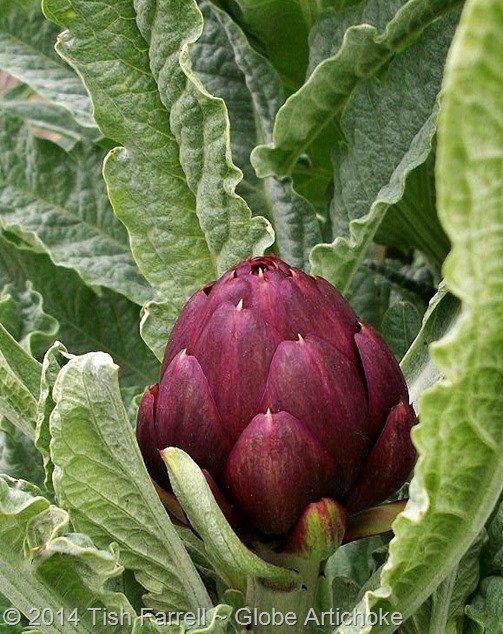
The mild winter has meant that many crops simply kept going without dying back. Yesterday I noticed that my globe artichokes have already made globes almost big enough to eat. In May? What is going on?  But thank  you, artichokes.
100_5611

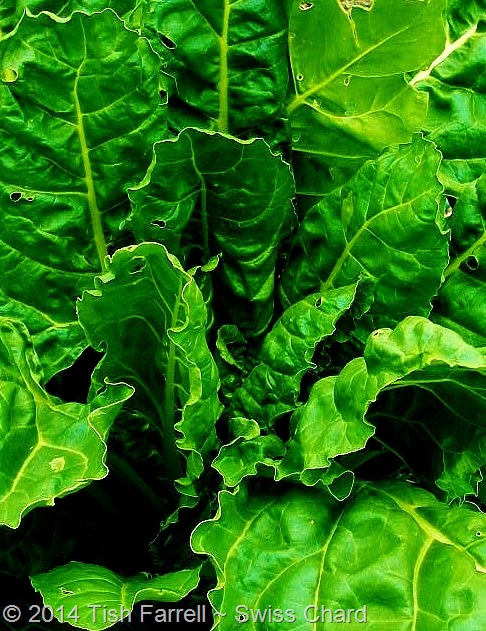
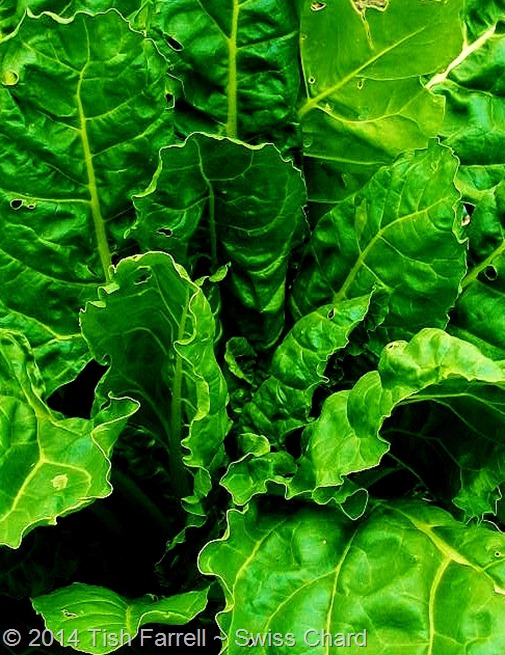
The Swiss Chard has been magnificent too and kept us going through the winter with fresh new leaves. It is only now going to seed. Nor did I sow it in the first place. It seeded itself around my plot from my neighbours’ plot. Thank you,  Pete and Kate.
100_4188

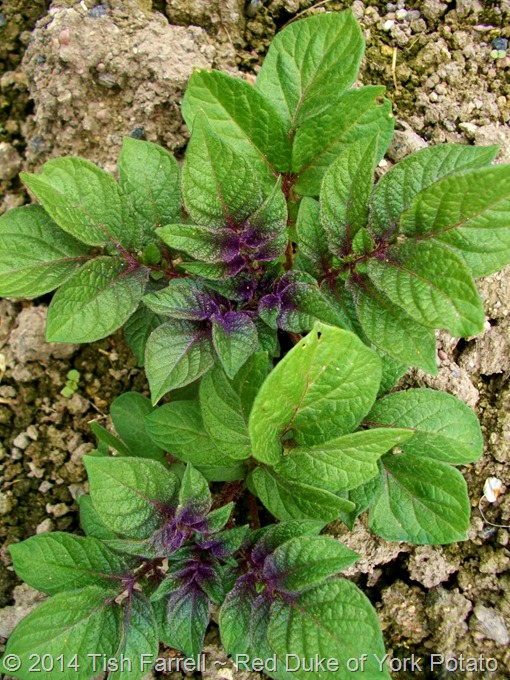
And now you can look at my Red Duke of York spuds, their foliage just pushing through the soil. I love the purple flush on the new growth.
100_5631

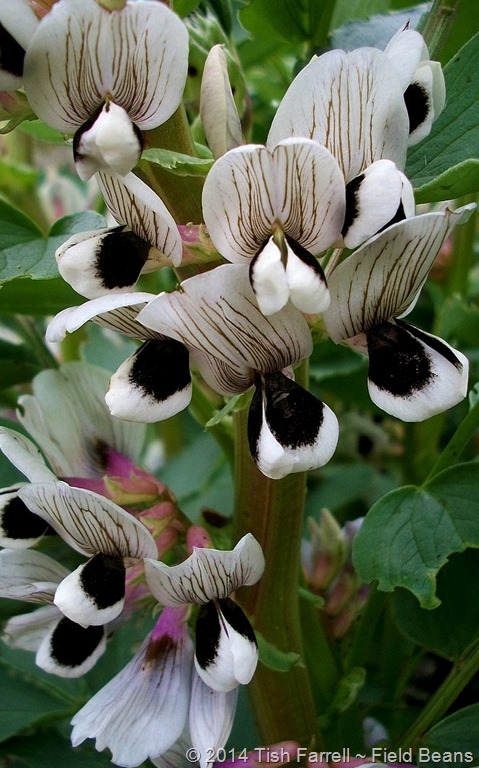
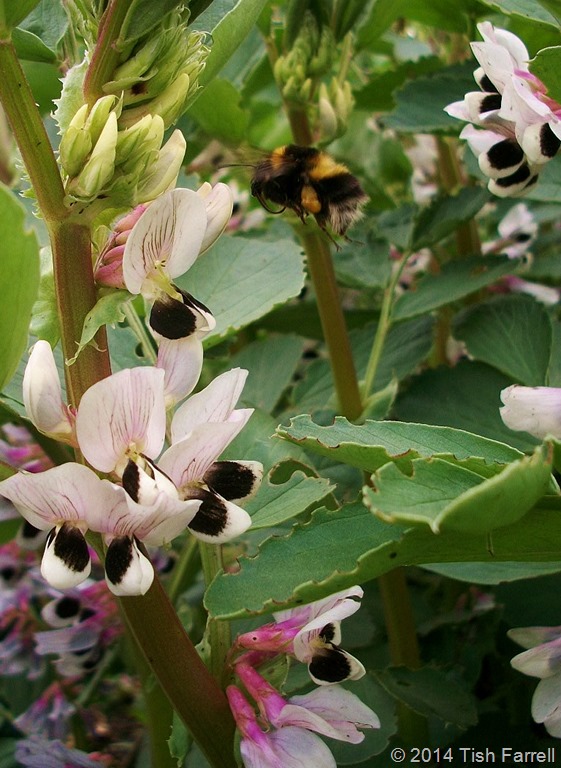
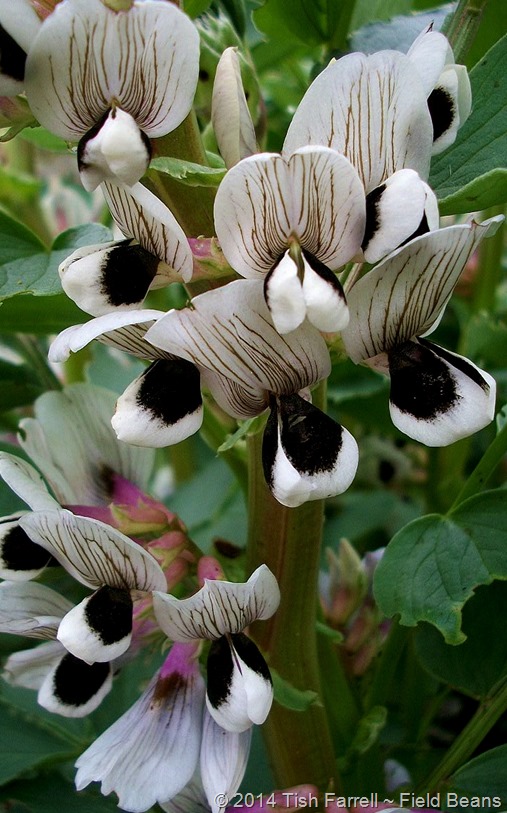
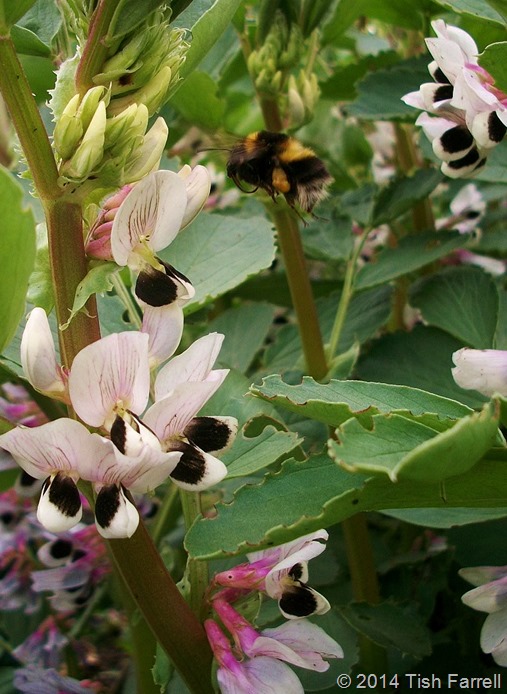
And next are my over-wintered field beans (rather like broad beans I am told, but smaller and tastier). This is the first year I have tried them. The metre tall stems are covered in blossom from tip to root, and the scent is glorious. The bees are busy here too.
100_5620

100_5619

*

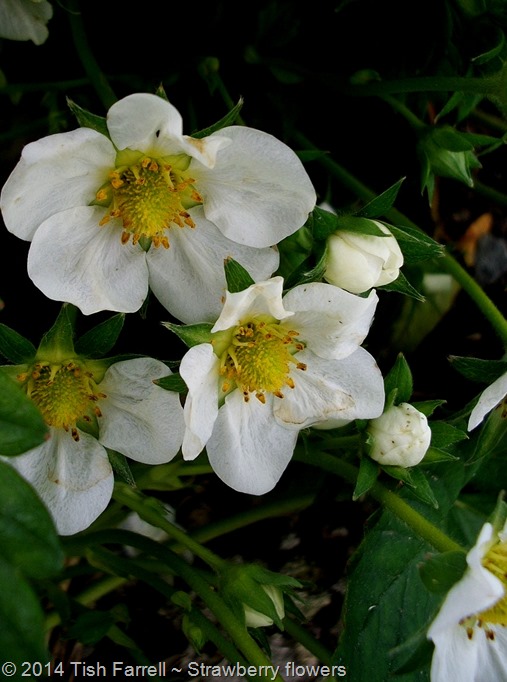
And last but not least, the strawberries are flowering like crazy…
100_5616

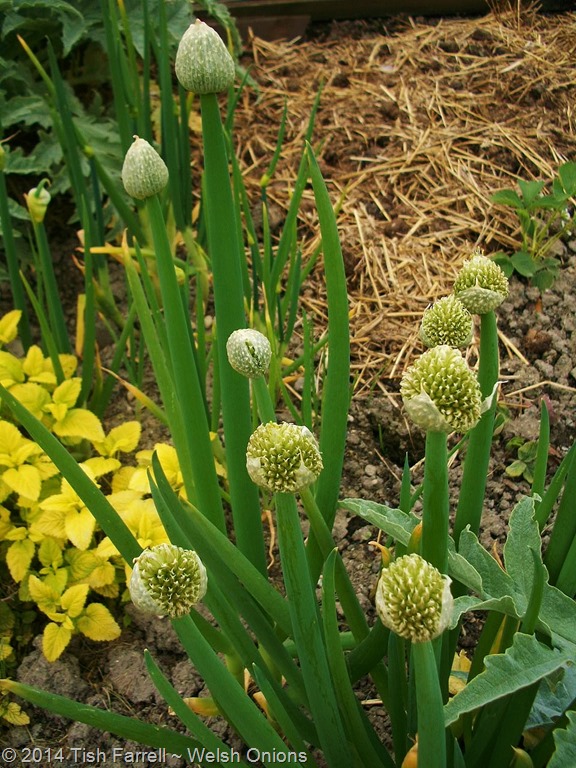
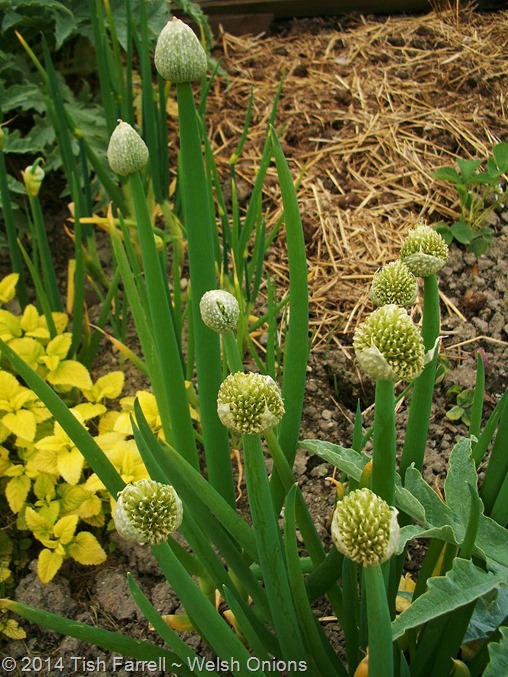
And the Welsh Onions are bursting into bloom beside the Lemon Balm, although I’m not sure whether I should be stopping them from doing this. On the other hand they will look rather splendid as the flowers open, and of course make lots more seed.
100_5613

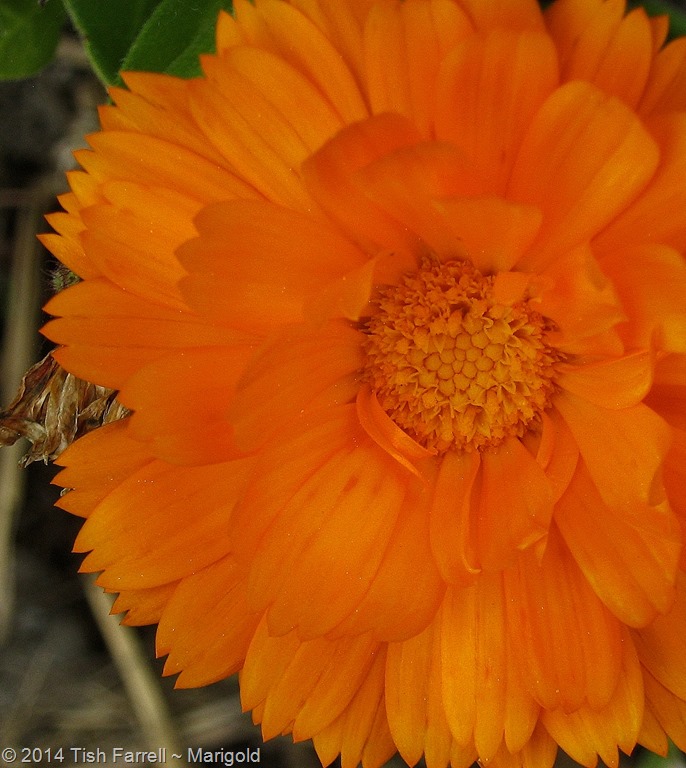
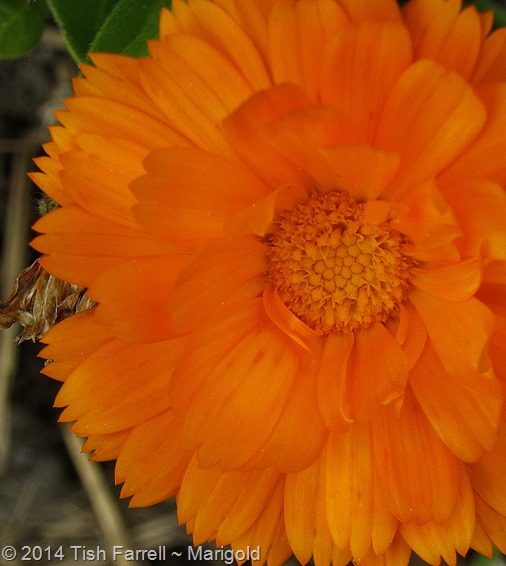
And finally, the brightest face of all at the allotment, other than mine after too much digging. This is yet another lovely plant that grows itself up there with no help from me, and flowers into the winter. Its petals are lovely in salads, and it makes a good herbal tea that is said to improve pretty much any condition. I can believe it. Simply looking at this flower does you good: the orange goes right through your eyes and into your immune system. A big hand then, for the marigold. TARRAAAAH!
IMG_1137

© 2014 Tish Farrell

Please go to all these places for lots more brilliant stories:

Frizztext’s tagged ‘R’

Ailsa’s Travel Challenge ~ Close-up

DP Weekly Photo Challenge ~ Spring

Three bees, two bees, one bee, gone bees?

100_3915

100_3920

100_3926

There have been worrying reports this week that wild bumble bees are now catching  deadly diseases from domesticated honey bees. Numbers are declining  across Europe, North America, South America and also in Asia. You can read the Guardian article about the situation HERE. Then there are problems with pesticides that halve bees’ capacity to gather pollen. Last month the Guardian reported that:
“A two-year EU ban of three neonicotinoids, the most widely used insecticides in the world, began in December, following research that showed harm to honey and bumblebees. The neonicotinoids are “systemic” pesticides, being applied to seeds so that the chemical spreads within the plants. Over three-quarters of the world’s food crops require insect pollination, but bees have declined in recent decades due to loss of flower-rich habitat, disease and pesticide use.”

You can read the rest of the article HERE.

One thing is certain, without bees we will start going hungry. But if this is all too depressing, here’s a view of our Much Wenlock garden taken last summer where there were in fact very many bees. So for all of us who think that winter will never end, take heart. Summer will come again.

100_3922

Weekly Photo Challenge: threes for more trios

@guardian @guardianeco

Weekly Photo Challenge: saturated – Baked Bramleys and Autumn Bliss

Weekly Photo Challenge: Saturated

IMG_0723

*

The fat Bramley apples came from the Women’s Institute market, held in Much Wenlock every Thursday morning. The trestle tables are set out in the old Corn Exchange outside the library and are invariably laden with home-baked cakes – Lemon Drizzle, Rich Fruit, Iced Ginger, Millionaire’s Shortbread. Then there are the jams and marmalade.

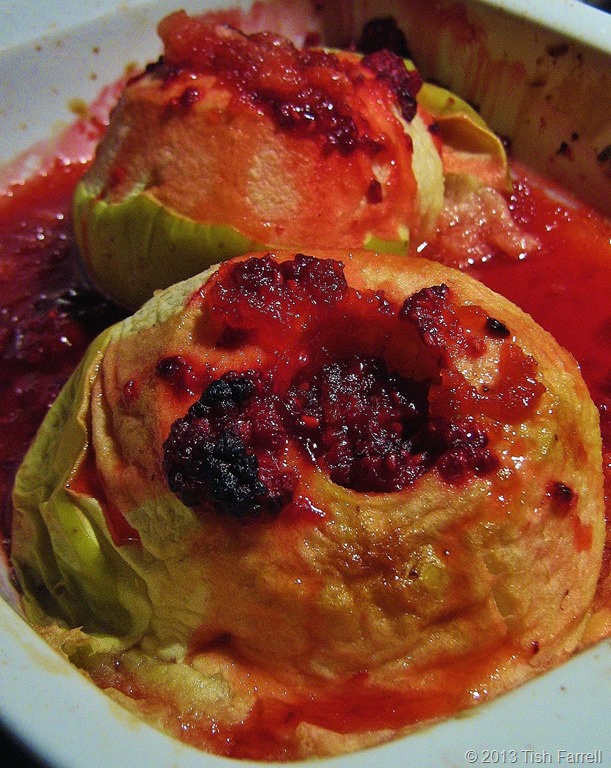
But in recent weeks – this being the season of over-laden fruit trees – there has also been garden produce, and in particular bags of Bramley cooking apples. And what better thing to do with a Bramley than to bake it, stuffed with the last of the allotment raspberries?

The raspberries are called Autumn Bliss, and deliciously live up to their name; and especially so when added to apple. The synergy of hot, fruity flavours hits every taste bud with a satisfying zing.

This is how I cooked them.

*

Baked Apples

*

Per person: one apple, a handful of fruit, a good teaspoon of honey, a sliver of butter

Set oven to 200 C, 190 C for fan versions

With a corer or sharp knife carefully remove the apple middles, making sure all  tough core bits are excised. 

Remove the peel from the upper half of the fruit, then place in a greased oven-proof dish.

Stuff the apple centres with raspberries, adding a good teaspoon of runny honey to each apple. I used fair trade wild Zambian honey, which is cold-pressed, and has a rich, slightly smoky flavour.

Scatter any spare raspberries over the top.

Slather a small nugget of  farmhouse butter over each apple.

Add half a cup of water to the dish.

Bake for around 30 minutes, basting with the juices half way through. Bramleys have a habit of exploding, as mine were about to do, so keep an eye on them.

*

Desert apples can also be baked, though they need longer, slower cooking and must be well basted. The result is not as ‘fluffy’ as a Bramley, and it’s better to remove all the peel. But desert apples often have a more distinctive flavour. Dip them first in in  water with a squeeze of lemon to stop them discolouring. 

Of course there are endless variations when it comes to stuffing apples. A good old English version is to use sultanas and raisins with a dollop of Golden Syrup.  You could make my version more sophisticated with a drizzle of an appropriate liqueur. Armagnac springs to mind. Or Creme de Cassis. And serve with some toasted almond flakes. But however you make them, they always go well with Greek yoghurt. (Or thick farmhouse cream…)

© 2013 Tish Farrell

Making Eden: new patterns for living?

003.jpg

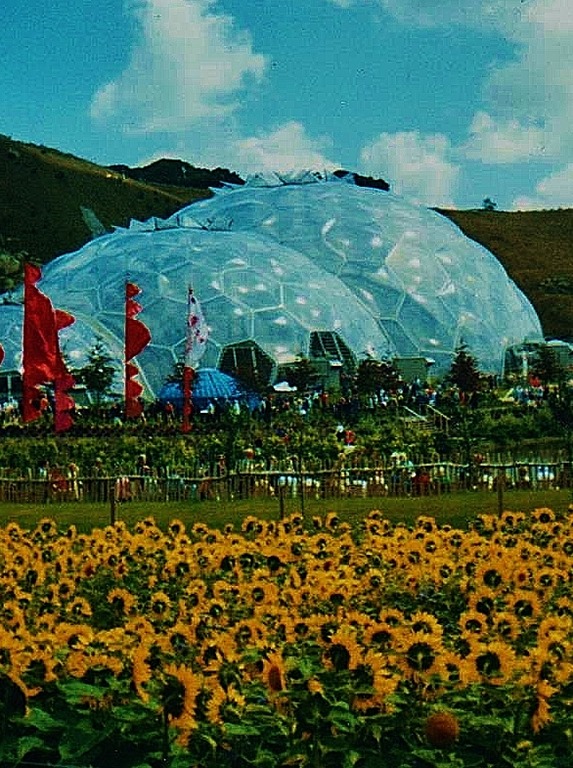
Is this how you picture the Garden of Paradise: that mythic, perfect place from which shame caused humankind to be forever banished? Probably not.

Personally, I do not have time for dogma founded on guilt, but I do have time for the Eden Project, one of Britain’s most ambitious Millennium schemes that in the year 2000 saw an abandoned Cornish china clay quarry transformed into a world-famous visitor attraction and charity. 

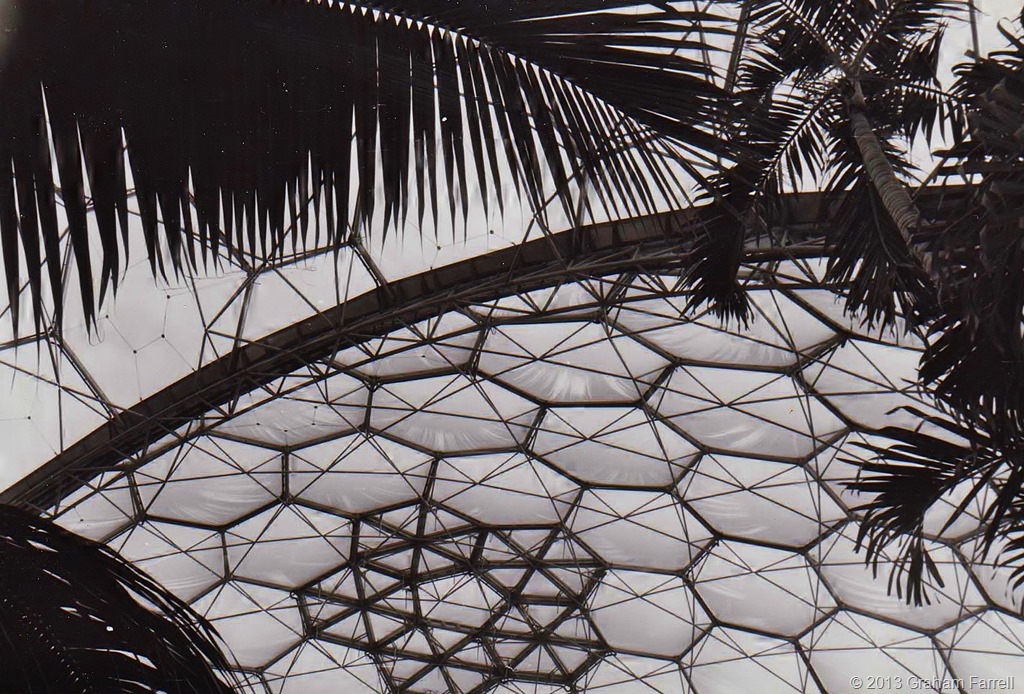
The photo above, raided once more from the Team Leader’s files, was taken that year inside the Rainforest Biome. This extraordinary Sci-Fi structure is  apparently twice as high as Big Ben, and planted with more than 1,000 species. In this  audacious new world, pests and diseases are managed with an array of biological controls, including bugs that eat other bugs, birds and lizards. It is an on-going experiment in life management.

The man behind Eden in all senses is Tim Smit, Netherlands-born, British entrepreneur. He conceived the idea while working on the restoration of the Lost Gardens of Heligan also in Cornwall. Both these enterprises have not only enthused and informed millions of visitors from all over the planet, but injected millions of pounds into Cornwall’s struggling economy. Like an infinity of interlinked hexagons, it has been having a multiplier effect.

File:Tim Smit (6509919409).jpg

Eden’s creator, Tim Smit. Photo: Creative Commons (source Tim Smit)

*

And what is Eden Project saying to us?


plants give us our food, fuel, materials and medicines”

“plants are part of a wider ecosystem that provides our water and air”

“the natural world can be beautiful, relaxing and inspiring”

001.jpg*

AND THAT:

“In a changing world, we need imagination and enterprise; we need to foster our skills and talents; we need communities to get engaged in inventing new, more sustainable ways of living together.”

*

As a belief system to live by, I can accept all of these propositions. Now see the video of some Eden’s ideals in action:

Fresh strawberry and rhubarb cordial

WP weekly photo challenge: fresh

100_4181

Fresh to me means produce straight from  my allotment, pesticide-free and naturally fed plants. I’ll give you the recipe for the cordial at the end, but first I’m going to show off some of my harvest, which despite the burning heat-wave we’ve been having, and my erratic watering, seems  to be doing pretty well.  The strawberries have been delicious – warm off the stem, or made into ice cream. We even outfaced the heat by having some in a crumble (i.e. baked with a butter-sugar-flour crumb crust) and served with some Greek yoghourt.

100_4110

And now the raspberries and blackcurrants are beginning to ripen which means it’s time to make jam with the raspberries and coulis with the currants, or Summer Pudding with both.

100_4193

100_4194

And then there are gooseberries to make into gooseberry and ginger chutney, and gooseberry fool, or gooseberry sauce to have with grilled mackerel.

100_4198

On Saturday night, after a hard day’s picking, weeding and sowing, we had steamed artichokes served with crushed garlic in melted goat’s butter.

100_4095

And on Sunday night, after digging up some Charlotte and Red Duke of York potatoes, picking French and broad beans and broccoli, I steamed the vegetables and dished them up with salsa verde and a few grilled rashers of Wenlock Edge Farm bacon. Bliss.

100_4197

100_4200

And now I’ve teased your taste buds to extremes, here is the recipe I promised you:

Strawberry and Rhubarb Cordial

4 sticks of rhubarb chopped

300 gm/10 oz ripe strawberries, hulled and cut in half

320gm/11oz caster sugar

1 litre/1.75 water

juice of 2 lemons

Place fruit in heavy based pan, add sugar and simmer on low heat for 10 minutes. Add water and increase heat slightly. Cook for a further 15 minutes until the fruit is soft.

Leave to cool then strain through a sieve, pressing the pulp into the syrup. Add lemon juice and store in the fridge. To serve, dilute with chilled sparkling water, and add a sprig of mint if this appeals.

OR make a damn fine cocktail with some prosecco or other dry sparkling wine. I haven’t tried this myself yet, but I just know it will be wonderful – bellinis with bells on.

*

And finally a shot of the marigolds and sweet peas that I grow amongst my vegetables to make the bees happy, and me happy when they have pollinated everything else.

100_4175

Happy summer to everyone who takes the

time to read my blog – lovely

people all of you.